Fragrant Tropical and Subtropical Plants | Tropical Plant Encyclopedia
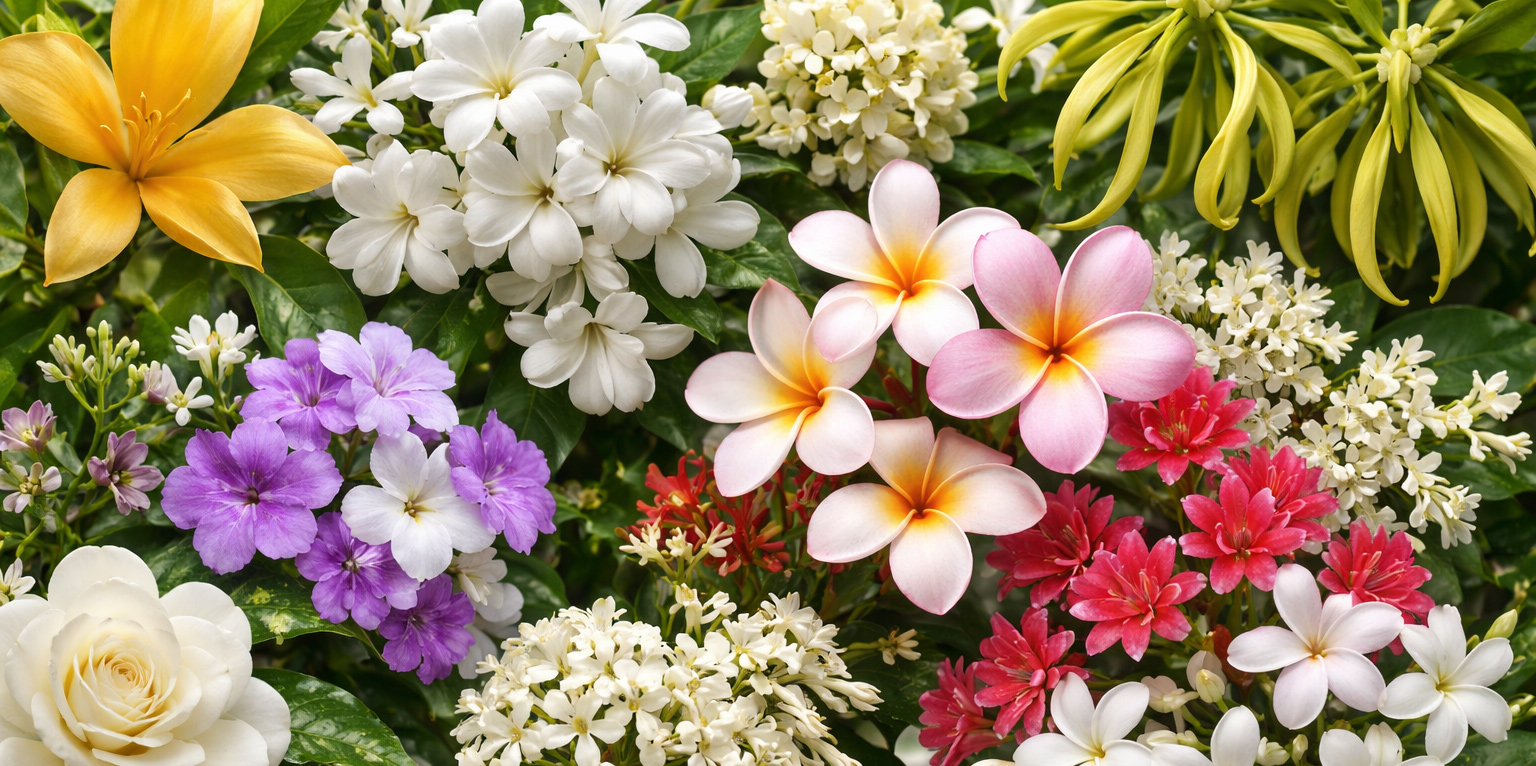
Fragrant Tropical and Subtropical Plants
Fragrant plants are grown for scent - the kind you notice on a warm breeze, near a doorway, or when you brush past leaves. In tropical and subtropical gardens, fragrance can come from more than just flowers. Depending on the plant, it may be released by blooms, foliage, bark, resin, or even ripening fruit.
Fragrance is not one-size-fits-all. Some plants perfume an entire yard, while others are only noticeable up close. Timing also varies: a few smell strongest in the morning sun, some in the evening, and some only after dark.
How fragrance fits into plant types
Fragrant plants do not belong to one single plant category. Many are trees, shrubs, or vines, and some are smaller herbaceous plants that spread at ground level. What they share is not a growth form - it is the way they release scent into the surrounding space.
How strongly a plant smells, and when you notice it, depends on the species, its growth habit, and the environment. The same plant may smell different in a humid coastal garden than it does in a dry inland yard.
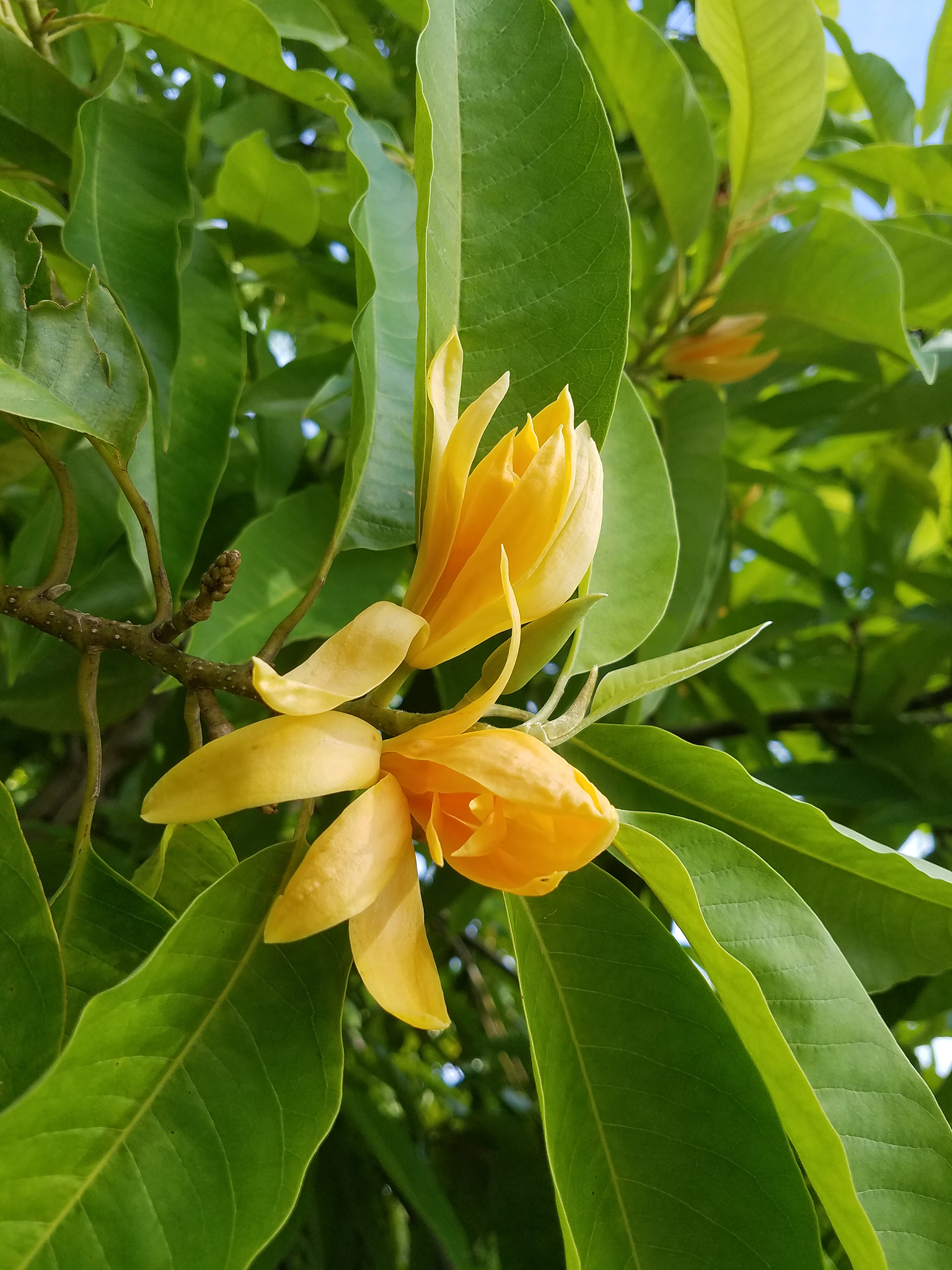
Main fragrant plant groups
Fragrant trees
Fragrant trees often produce scent that carries. Because their flowers sit above eye level, the fragrance can drift across patios, paths, or open windows - especially when air moves through the canopy.
Many fragrant trees bloom in cycles rather than nonstop. You may notice "waves" of scent during bloom periods, with quieter weeks in between. In warm climates, some trees can flower multiple times a year, while others peak in a single season.
Fragrant shrubs
Shrubs place fragrance closer to where people live. They are often planted near entrances, along walkways, or beside outdoor seating so the scent is experienced at nose level.
Some shrubs release fragrance most strongly at certain times of day or during specific weather. Heat can amplify scent, while wind can spread it farther - or dissipate it quickly if the area is very open.
Fragrant vines and climbers
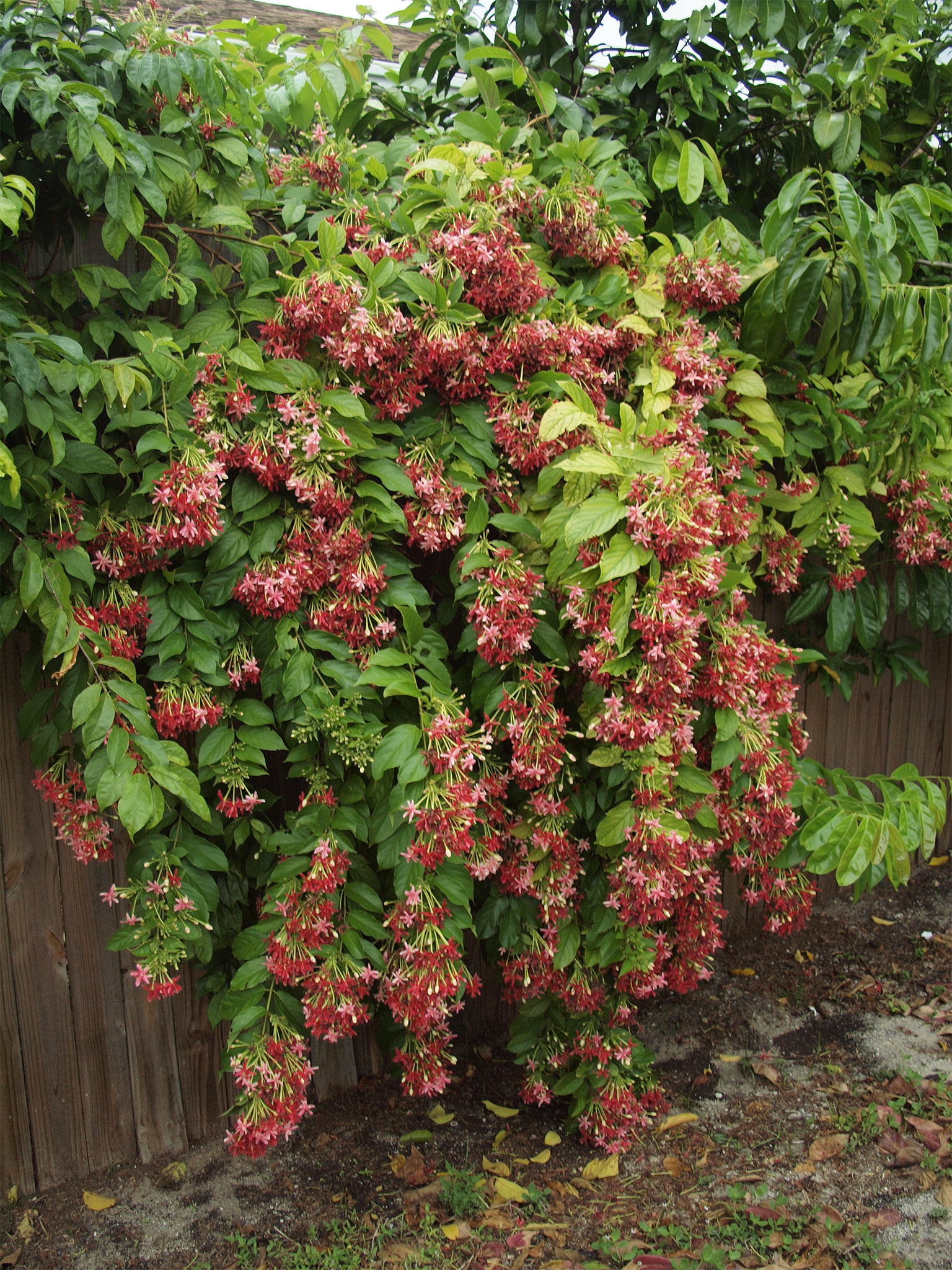
Vines and climbers can turn vertical spaces into fragrance zones. When trained on a trellis, fence, or arbor, their blooms sit right along the path people walk, making the scent feel immediate and immersive.
Many fragrant climbers bloom in bursts and may be most noticeable at dawn, dusk, or nighttime depending on the species. Because vines can cover large areas, their scent can feel stronger than you might expect from individual flowers.
Fragrant herbaceous plants and groundcovers
Herbaceous fragrant plants and groundcovers bring scent down to the garden floor. Some release aroma when leaves are handled, while others produce low flowers that scent the air closest to the ground.
This group is often best noticed up close - near a step, along a garden edge, or beside a path where you naturally pass near the plant.
Fragrance characteristics
Fragrance intensity can range from subtle to powerful. A "soft" fragrance may only be noticeable within a foot or two, while a strong fragrance can travel across a yard. Some plants smell consistent every bloom; others vary from day to day depending on temperature and humidity.
Timing matters. Day-fragrant plants often peak in the morning or midday warmth. Night-fragrant plants may release scent after sunset and become strongest late evening through early morning. Bloom cycles also matter: some plants are seasonal, while others bloom intermittently throughout the warm months.
Examples of fragrant plants
Below are a few well-known fragrant tropical and subtropical plants. This list is not complete - it is simply a starting point.
Trees
Shrubs
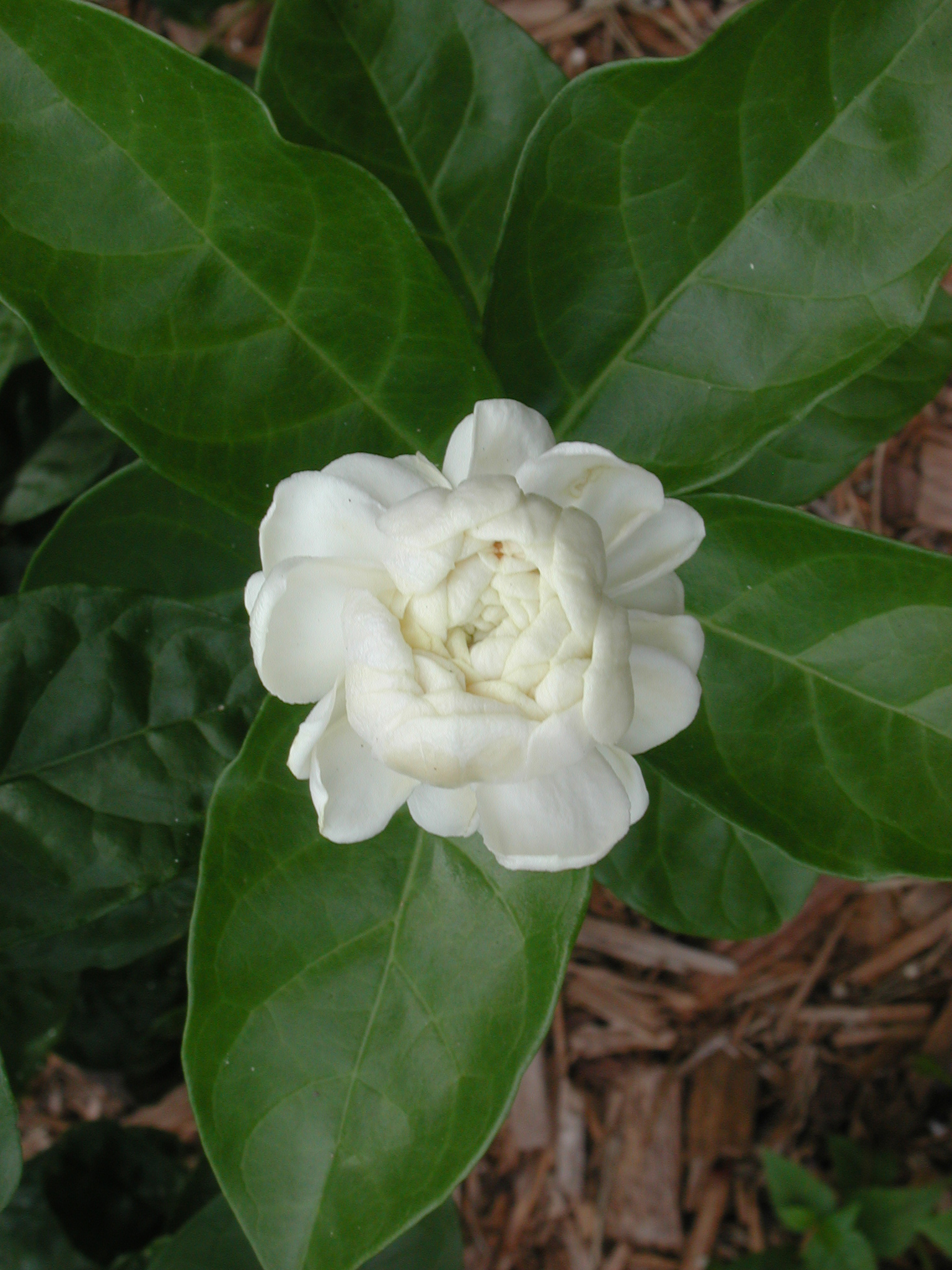
- Jasminum sambac, Jasmine
- Brunfelsia grandiflora, Yesterday-Today-Tomorrow
- Gardenia jasminoides, Gardenia
- Cestrum nocturnum, Night-Blooming Jasmine
Vines
Climate overview
Fragrant tropical and subtropical plants are commonly grown where winters are mild and the growing season is long. Many can be grown outdoors year-round in warm climates, while others may be grown in containers and protected during cool periods.
Temperature and humidity affect fragrance. Warm, humid air often helps scent carry and feel fuller. In drier conditions, fragrance may be lighter or only noticeable close to the flowers, even when the plant is blooming well.
Safety note
Some fragrant plants can be irritating or toxic if touched, ingested, or handled by sensitive people or pets. If safety is a concern, always check the individual plant profile for specific cautions and notes.
Finding plants on the Top Tropicals site
This site includes different sections for different goals:
- Online Store. - where plants are offered for purchase.
- Plant Encyclopedia. - where you can learn about plants, identify them, and compare traits.
- Garden Blog, - where seasonal articles and practical garden topics are shared.
To explore fragrance-focused plants, use the Plant Encyclopedia search with simple phrases that match how people describe scent. Examples include: "fragrant vine", "night blooming flower", "fragrant white flowers", or "fragrant tree". You can also search by a known plant name if you already have one in mind.
FAQ
Do all fragrant plants smell the same?
No. Fragrance can be sweet, spicy, citrus-like, creamy, herbal, or musky, and it can vary widely even within the same general plant group. Individual sensitivity also differs - what is strong to one person may feel mild to another.
Why does a plant smell stronger some days than others?
Heat, humidity, wind, and the stage of bloom all affect scent. Warm, humid conditions often make fragrance more noticeable. A plant may also smell strongest when flowers are newly opened or at a specific time of day.
What does "night blooming" fragrance mean?
Some plants release their strongest scent after sunset and into the night. This can be part of how the plant attracts nighttime pollinators. If you only check the plant during midday, you may miss its peak fragrance.
Can fragrance come from leaves, not flowers?
Yes. Some plants have aromatic leaves or bark that release scent when warmed by sun, brushed, or lightly handled. The individual plant profile will usually note the main source of fragrance.
Are fragrant plants always safe to grow around kids and pets?
Not always. Some fragrant plants can cause irritation or be toxic if ingested. If safety matters for your household, check the plant profile for cautions before growing it in accessible areas.
How do I find fragrant plants in the Plant Encyclopedia?
Use simple searches based on how you think: "fragrant shrub", "fragrant vine", "night blooming", or a specific plant name. If you are not sure what you are looking for, start with a general phrase and then open individual profiles to compare.
What is the difference between the Plant Encyclopedia and the Garden Blog?
The Plant Encyclopedia is for plant profiles and identification-style information. The Garden Blog is for articles and seasonal topics. If you want a specific plant profile, start with the encyclopedia. If you want broader reading, explore the blog.