Garden Blog - Top Tropicals
Date: 15 Jan 2026

Smokey: I finally got these Taccas. I wanted them for a long time. I
think I got a little
attached already. They look like something from a Tim Burton movie. And look
at that flower. It even has whiskers like me.
Sunshine: I understand. I get emotionally attached very fast too. Mostly to coffee.
Sunshine: I understand. I get emotionally attached very fast too. Mostly to coffee.
Date: 14 Jan 2026
How to clone yourself: Diplazium baby tricks
Peacock Fern (Diplazium proliferum)
👀 How to clone yourself: Diplazium baby tricks
🌿 This fern looks normal at first glance - until you look closer. Peacock Fern (Diplazium proliferum) does something unbelievable: it grows tiny baby plants right on its own fronds! Those little clones are called bulbils, and they develop while still attached to the leaf, ready to root and become new ferns. And once those baby plantlets get big enough, you can pin them to soil and they root into brand-new ferns.


🌿 In fern books, you might also hear this called a "viviparous" or "proliferous" frond - because the new plants start developing right on the leaf. Basically, the fern is cloning itself in public!
🌿 And it gets even better. When new fronds emerge, they curl up tightly and slowly unfurl like tiny baby dragons waking up. This classic fern move is called circinate vernation, and on Peacock Fern it looks especially wild.
🌿 A rare, collectible fern and a conversation piece that feels more like a science experiment than a houseplant!
🌿 Perfect for shaded, humid spaces and anyone who loves plants that do something unexpected.
🛒 Get the fern that clones itself
📚 Learn more:
✦ Diplazium proliferum - Peacock Fern in Plant Encyclopedia
✦ Australian Tree Fern rainforest for your yard
#Nature_Wonders #Shade_Garden #Container_Garden
🟢 Join 👉 TopTropicals
Date: 14 Jan 2026
Did you know that Tacca is a cat?
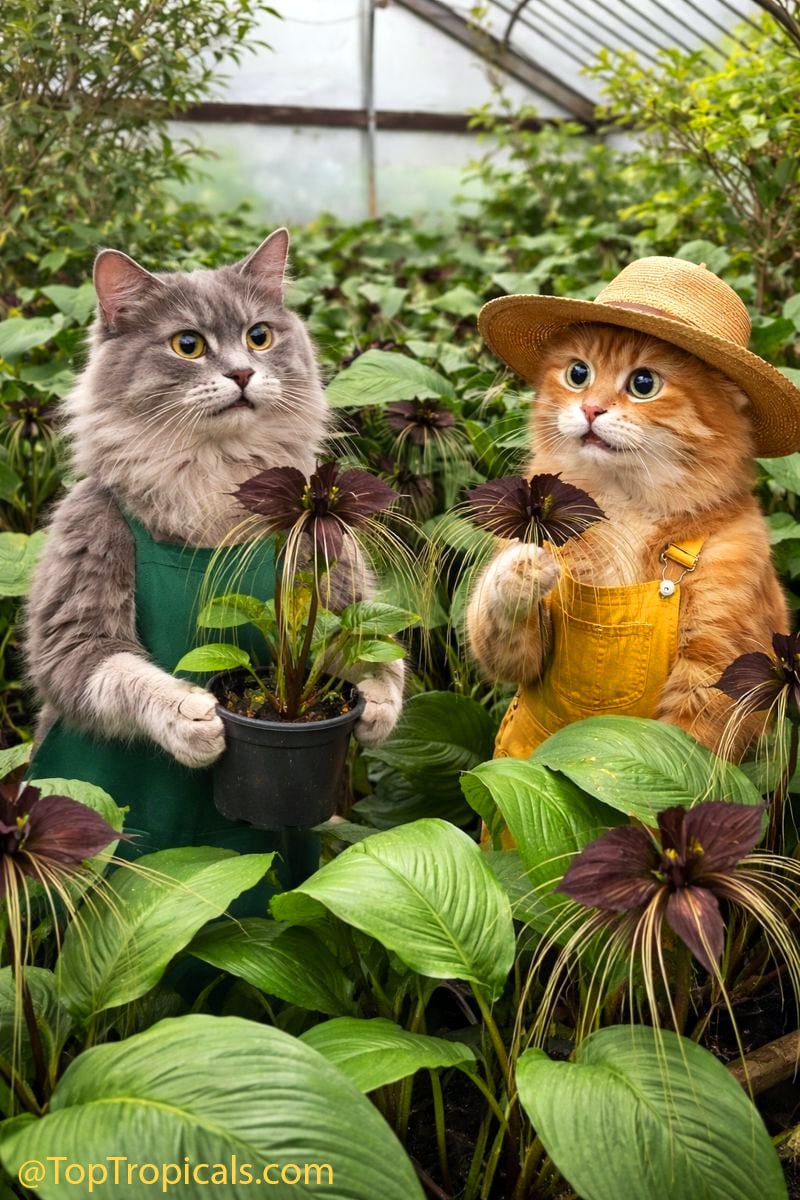
Tacca plants and Cats
🐈 Did you know that Tacca is a cat?
That’s probably the real evolutionary secret no botanist will admit! Those whiskers? Pure marketing genius from nature.
Cats had it figured out first — look mysterious, add long elegant whiskers, and everyone falls in love.
Tacca just took notes and said, “Alright, I can work with that!”
Continue reading: Tacca wants to be a cat! - and everyone loves cats!
Tacca colors: Black, White, Green:
Tacca nivea - White Tacca
Tacca chantrieri - Black Tacca
Tacca leontopetaloides - Green Tacca
🛒 Add Get your own Bat Head Lily Tacca
📚 Learn more:


Tacca Lily in Plant Encyclopedia
Perfect Halloween plant: Black Bat Lily (Tacca)
When plants cross into the Gothic: the Darker Bat Lily
What is the rarest Tacca?
The mystery of the White Bat Lily - the plant with wings and whiskers
A flying bat with whiskers
The rarest Green Tacca - Tacca leontopetaloides
When Bat Head Devil Flower is in bloom
Bat Head - Devil Flower
#Container_Garden #Shade_Garden #Nature_Wonders
🟢 Join 👉 TopTropicals
Date: 13 Jan 2026
Bet how many cups he can jump at the end?
Cat Pelmen jumping over cups barrier
Bet how many cups he can jump at the end?
"I don't think limits." - Usain Bolt
🐈📸 Cat Pelmen and his new athlete record - TopTropicals PeopleCats.Garden.
#PeopleCats #Quotes
🟢 Join 👉 TopTropicals
Date: 13 Jan 2026
A dancing water nymph revealed!
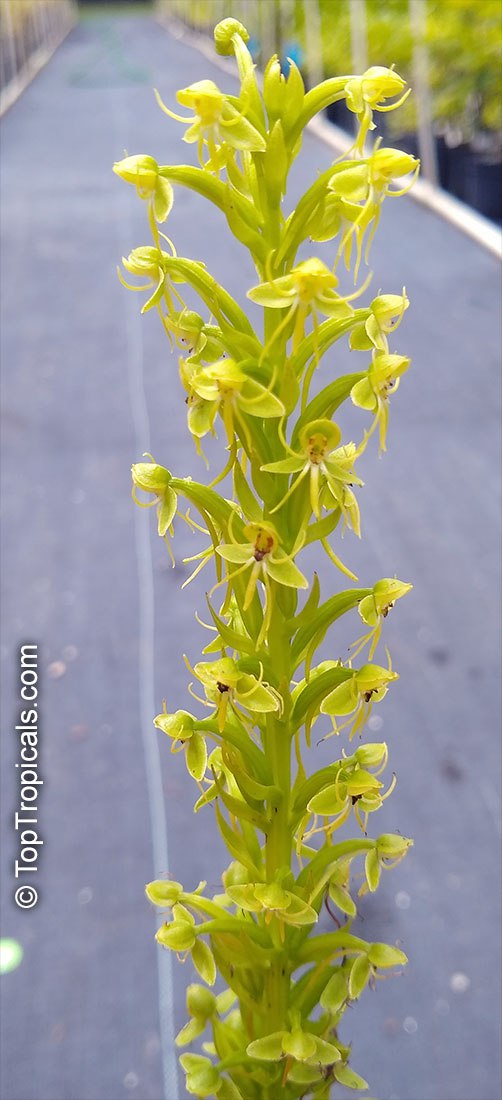
Habenaria repens - Dancing Water-Spider orchid, Floating Orchid, flower spike
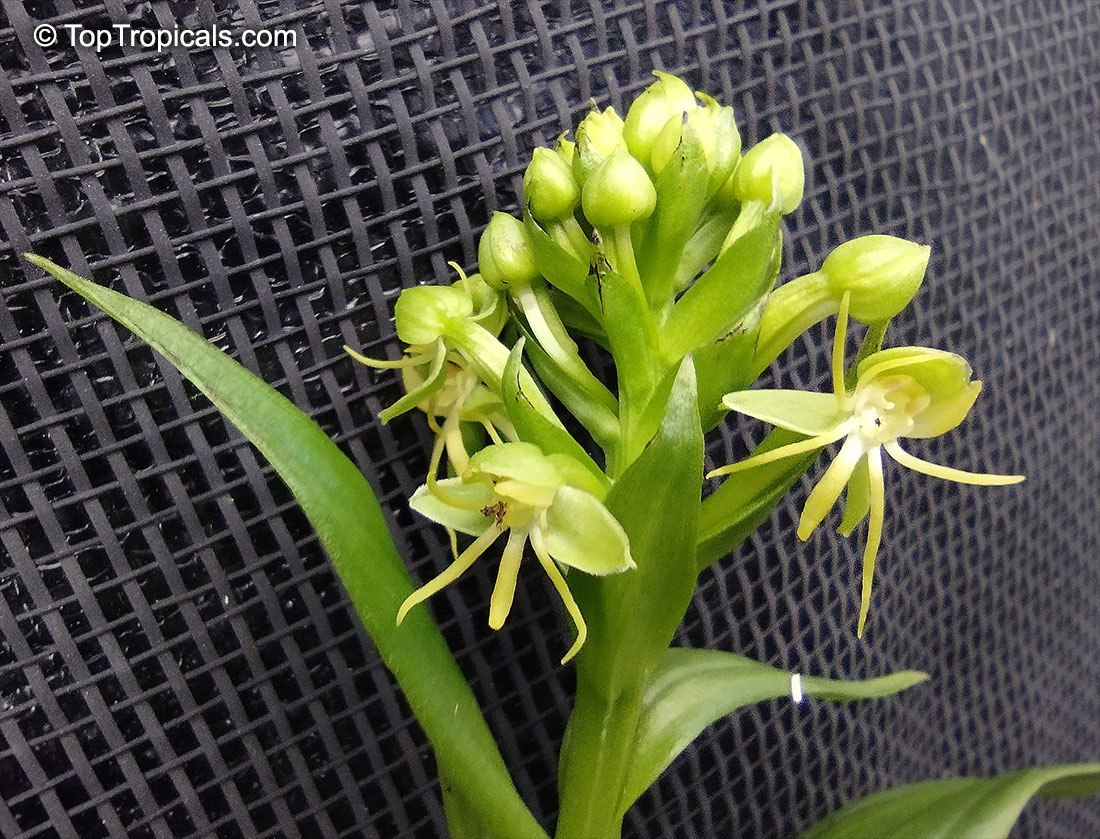
Habenaria repens - Dancing Water-Spider orchid, Floating Orchid, flower close up
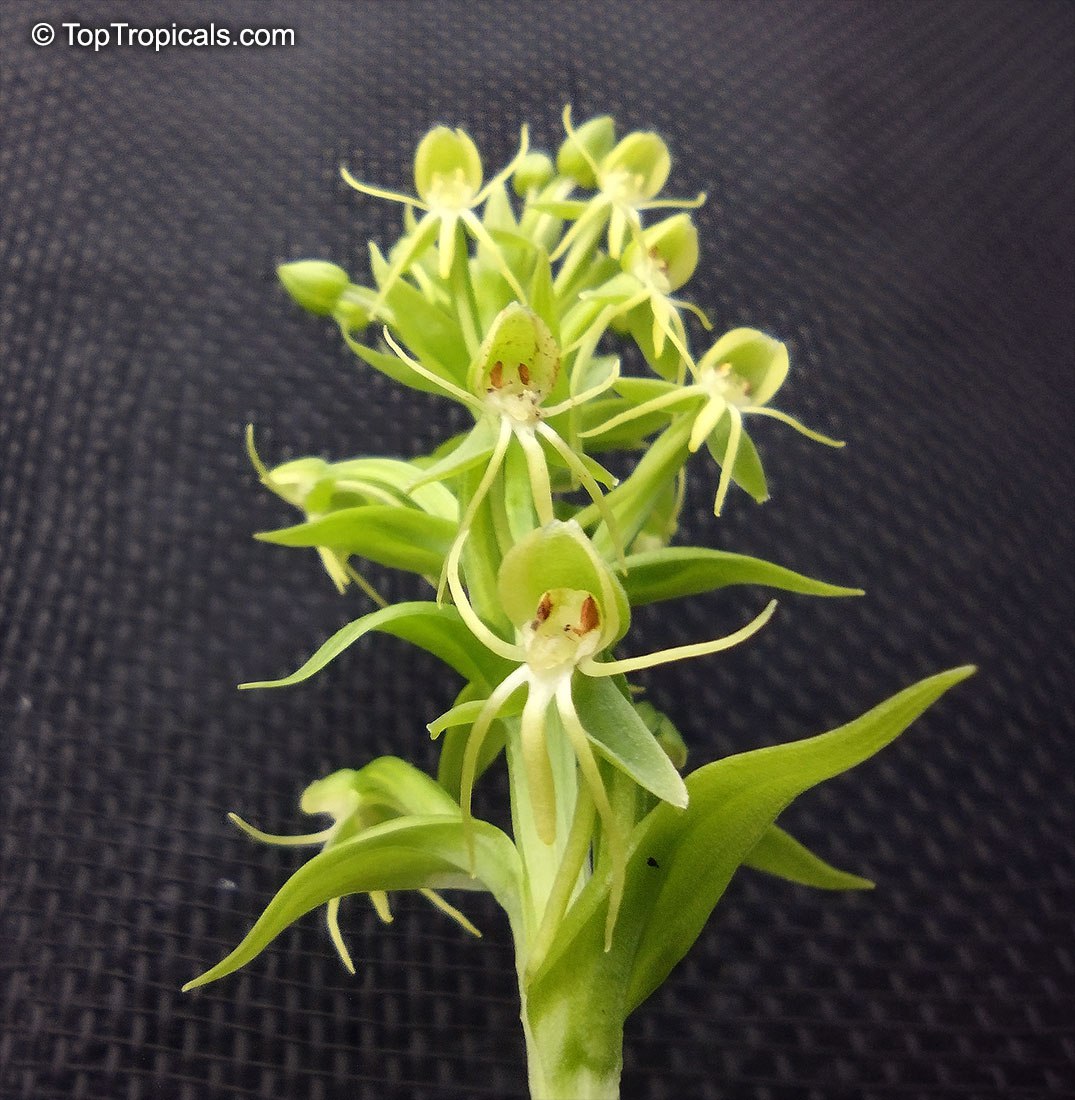
Habenaria repens - Dancing Water-Spider orchid, Floating Orchid, flower close up
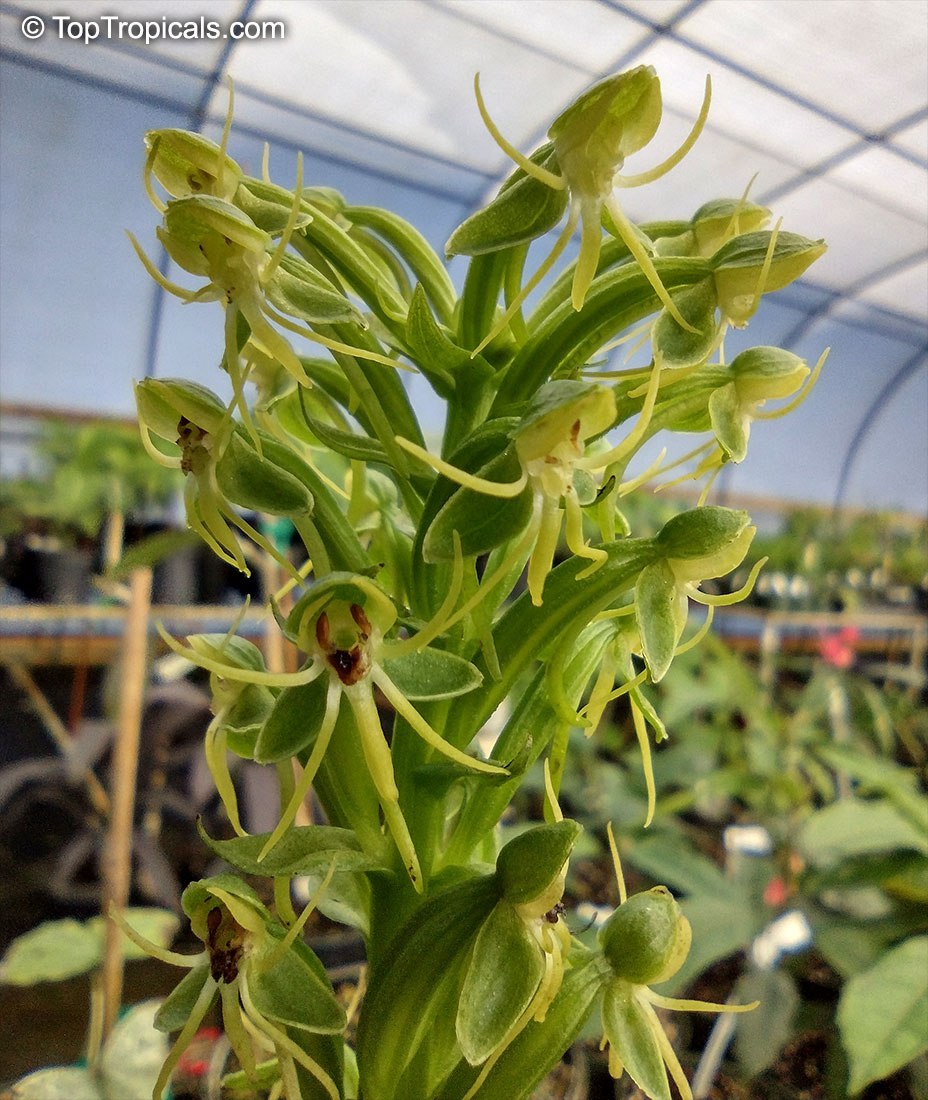
Habenaria repens - Dancing Water-Spider orchid, Floating Orchid, flowers
💃 A dancing water nymph revealed!
Habenaria repens - the tiny Dancing Water-Spider orchid, Floating Orchid, a dancing fairy, sprite, sylph, pixie - or a water nymph?


💞 If you look closely, this native orchid really does look like it is dancing. The tiny, spidery flowers of Habenaria repens seem to hover in motion, giving rise to its charming common name - Water-spider Bog Orchid, also called Floating Orchid.
💞 Habenaria repens is one of the few orchids that can live both on land and in water. It naturally grows in wet ditches, marshes, meadows, and along pond and lake edges, and it can even form floating mats in still water. In warm climates, it may bloom almost year-round, sending up tall flower spikes packed with 10-50 delicate greenish-white blooms. The narrow, spider-like petals and lip are designed to attract pollinators, while the light green sepals blend perfectly into wetland surroundings.
💞 This orchid produces several yellow-green leaves along its stem, with smaller leaves near the flower spike. It prefers consistently moist to wet conditions and slightly acidic soil. In cultivation, it does best in bog gardens, shallow pond margins, alongside carnivorous plants like pitcher plants, or even in containers kept very wet.
💞 Small, subtle, and easy to overlook at first glance, Habenaria repens rewards anyone who stops and looks closely. Once you see that little flower dancing, you will never forget it.
❓ What does this tiny flower look like to you?
A dancing fairy, sprite, sylph, pixie - or a water nymph?
🛒 Add Dancing Spider Orchid to your rare plant collection
📚 Learn more:
Habenaria repens - Water-spider Bog Orchid, Floating Orchid in Plant Encyclopedia
#Nature_Wonders #Container_Garden
🟢 Join 👉 TopTropicals