Garden Blog - Top Tropicals
Date: 18 Aug 2025
Step Up Your Plants Before Fall
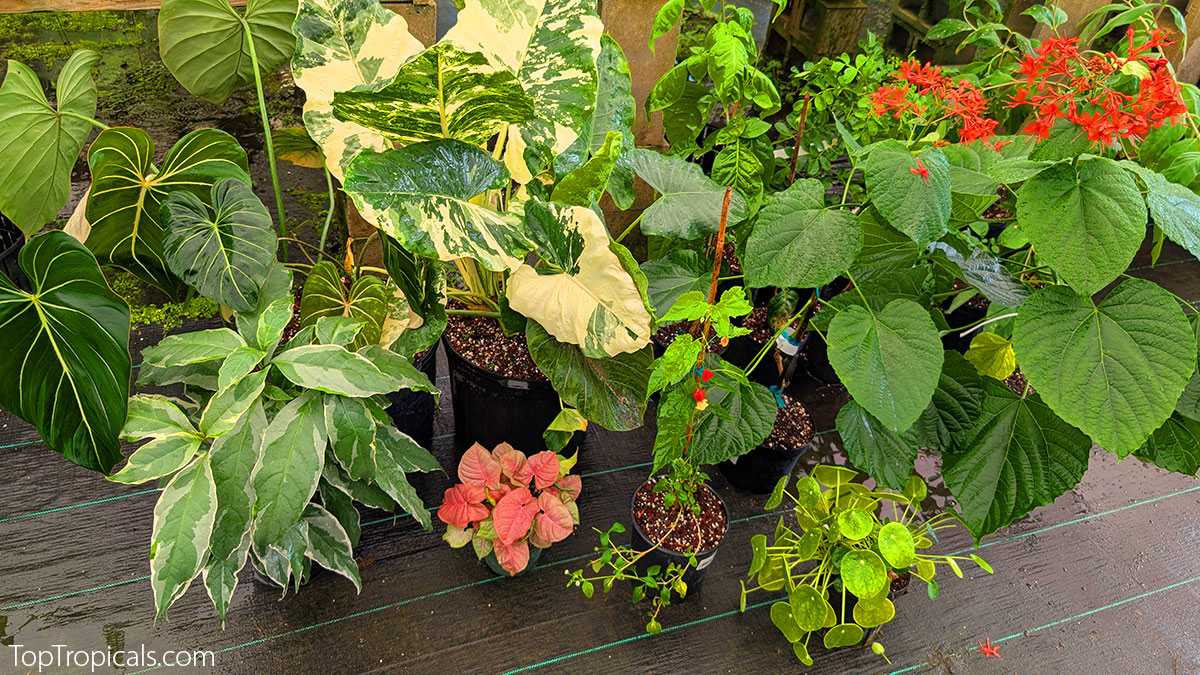
After a busy summer of growth, many potted plants are bursting out of their containers. Now is the perfect time to step them up into a slightly larger pot.
🌱 Why now in August?
Repotting before fall gives roots room to expand, while there’s still warmth for active growth. Plants have time to sprout new shoots, fill out, and build strength before cooler weather slows them down.
✂️ Trim and Shape
This is also your last chance to give plants a light trim. Pinching or cutting back helps them branch, bush out, and get denser — exactly what you want going into fall.
💚 Add Green Magic
When repotting, mix in Sunshine controlled-release Green Magic fertilizer to reduce transplant stress and boost new root growth. It helps plants settle in quickly and keep thriving.
👉 Watch our on how to step up your plant the right way, then check your pots — some of your summer growers are ready to move up!
⚠️ Important Note on Timing
This advice is for gardeners in warm climates or for anyone who still has at least a month of warm weather left. Tropical plants go dormant when temperatures drop below 75F, so planting in a larger pot at that time may cause root rot — roots stop growing in dormancy, and extra moisture in the soil can lead to rotting.
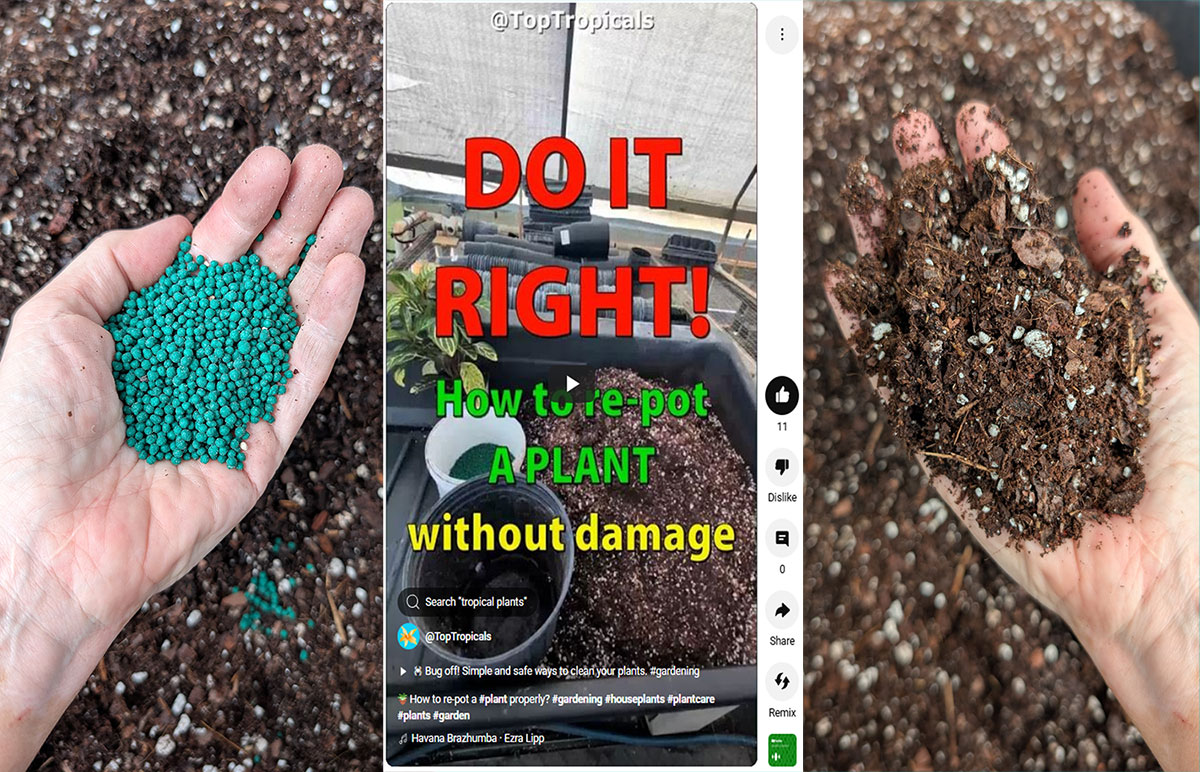
How to Repot a Plant Properly
Choose the Right Pot
Pick a pot just a few inches larger than the old one.
✅ Make sure it has good drainage — tropical plants hate sitting in water. A pot without drainage holes can cause waterlogging and root rot.
Why plastic pots are better than fancy ceramic
Ceramic pots may look pretty, but they are heavy, breakable, and often lack proper drainage. Plastic pots are lightweight, easier to handle, and — most importantly — if a plant is root-bound and stuck, you can simply cut the plastic pot to free it without harming the roots. For looks, slip the plastic pot inside a decorative cover pot.
Add Soil and Fertilizer
Place fresh potting soil at the bottom. Mix in a good fertilizer — we use Sunshine Green Magic.
Remove the Plant
Why turn it upside down? Gravity helps loosen the plant, and it slides out more easily without tugging.
Never pull a plant by its head (stems or leaves). That can damage the crown and tear roots.
If it doesn’t come out easily: lay the pot on its side and gently squeeze or tap the pot to dislodge the soil. If it is really stuck, cut the old pot instead of forcing the plant.
Check the Root System
If roots are circling tightly (pot-bound), gently untangle or loosen the outside layer so they will grow outward into the new soil.
Do not shake off or remove old soil from the root ball. Roots have tiny hairs that absorb water and nutrients, and damaging them will set the plant back. Keep the root mass intact and disturb as little as possible.
Set at the Same Level
Place the plant in the new pot so it sits at the same soil level as before.
👉 This is important: burying the stem too deep can suffocate it, while setting the plant higher than before may expose roots and cause drying. Keeping the level the same protects the root crown.Fill and Firm
Add more soil and fertilizer around the sides. Press lightly around the edges to remove air pockets.
Water Thoroughly
Give it a deep watering to help roots settle.
Aftercare
Don’t water again until the top inch of soil feels dry. Freshly repotted plants are vulnerable to soggy soil and root rot if kept too wet.
Date: 17 Aug 2025
How many cats in the tree?
Matilda's cat tree visitors at PeopleCats.Garden
😦 How many cats in the tree?
🐈📸 Matilda's tree visitors at PeopleCats.Garden.
#PeopleCats
🟢 Join 👉 TopTropicals
Date: 17 Aug 2025
The sunny show-off hummingbirds love
🌞 The sunny show-off hummingbirds love
🌞 Caesalpinia mexicana - Mexican Bird of Paradise - the sunny show-off you didn't know you needed. Many gardeners have popular and more common common Bird of Paradise Caesalpinia pulcherrima, with red flowers, but this one is rare in gardens.
🌞 While most Bird of Paradise plants rely on looks alone, this one ups the game with fragrant blooms. From spring through summer, it's covered in butter-yellow flowers that stand out against soft, feathery foliage. Hummingbirds love it, and when the blooms fade, it makes woody seed pods that snap open like nature's fireworks.
🌞 It's native to northern Mexico, which means it handles heat, sun, and dry conditions without a fuss. You can grow it as a compact shrub or let it stretch into a small tree. Either way, it’s easygoing, low-maintenance, and beautiful all season.
🛒 Attract hummingbirds to your garden
#Hedges_with_benefits #Butterfly_Plants
🟢 Join 👉 TopTropicals
Date: 17 Aug 2025
The sunny show-off hummingbirds love
Caesalpinia mexicana - Mexican Bird of Paradise
🌞 The sunny show-off hummingbirds love
🌞 Caesalpinia mexicana - Mexican Bird of Paradise - the sunny show-off you didn't know you needed. Many gardeners have popular and more common common Bird of Paradise Caesalpinia pulcherrima, with red flowers, but this one is rare in gardens.
🌞 While most Bird of Paradise plants rely on looks alone, this one ups the game with fragrant blooms. From spring through summer, it's covered in butter-yellow flowers that stand out against soft, feathery foliage. Hummingbirds love it, and when the blooms fade, it makes woody seed pods that snap open like nature's fireworks.
🌞 It's native to northern Mexico, which means it handles heat, sun, and dry conditions without a fuss. You can grow it as a compact shrub or let it stretch into a small tree. Either way, it’s easygoing, low-maintenance, and beautiful all season.
🛒 Attract hummingbirds to your garden
#Hedges_with_benefits #Butterfly_Plants
🟢 Join 👉 TopTropicals
Date: 16 Aug 2025
Breakfast of Champions
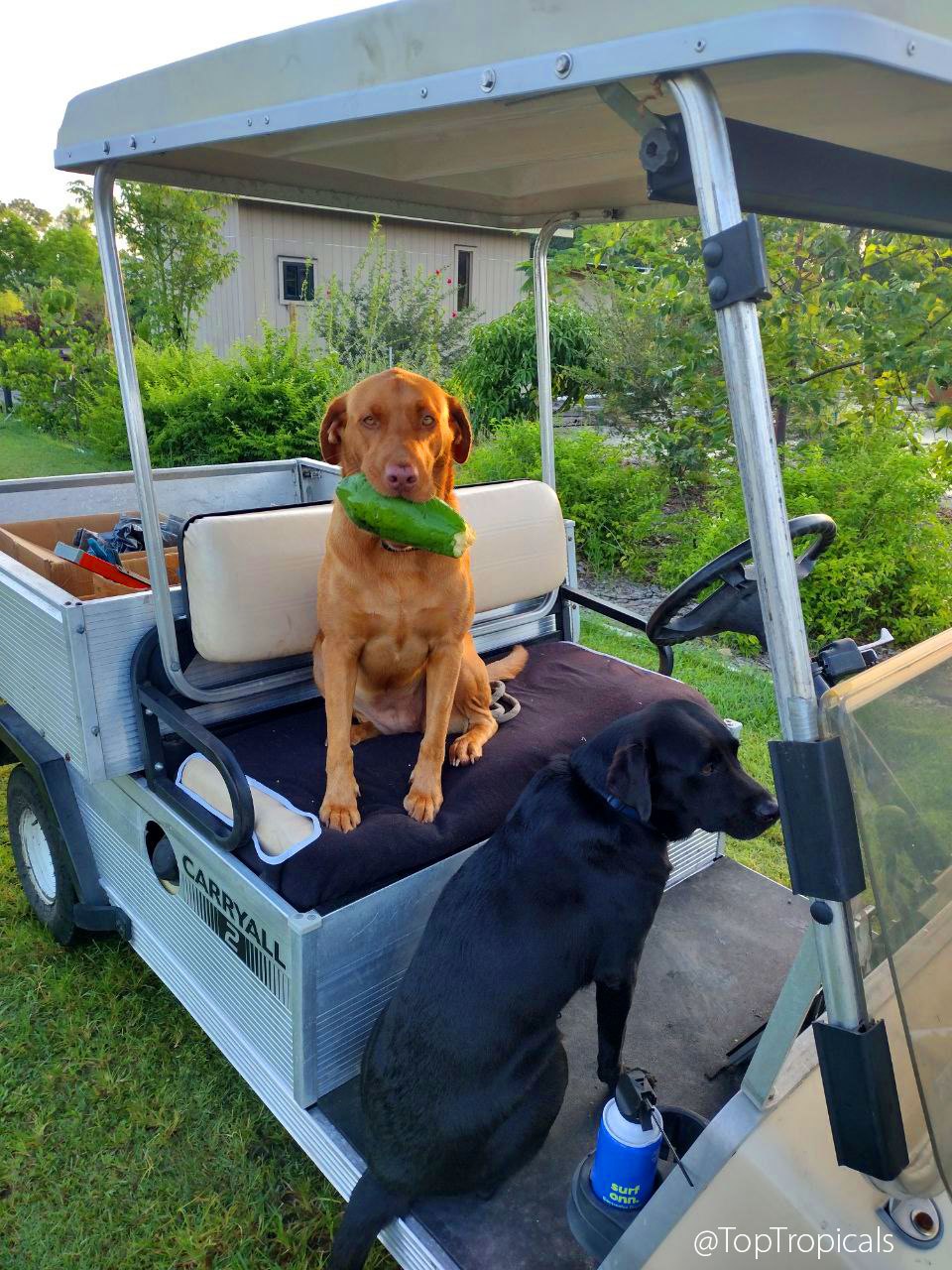
"Der Mensch ist, was er isst" - "Man is what he eats." - Ludwig Feuerbach, German philosopher, 1850
🐶📸 Sunshine and Mango, Top Tropicals Labradors, and their Papaya Tasting Table at Bfarm and PeopleCats.Garden.
🛒 Explore Papaya varieties
#PeopleCats #Quotes
🟢 Join 👉 TopTropicals