Garden Blog - Top Tropicals
Date: 31 Oct 2023
How to
establish Tabernaemontana
and get more fragrant blooms
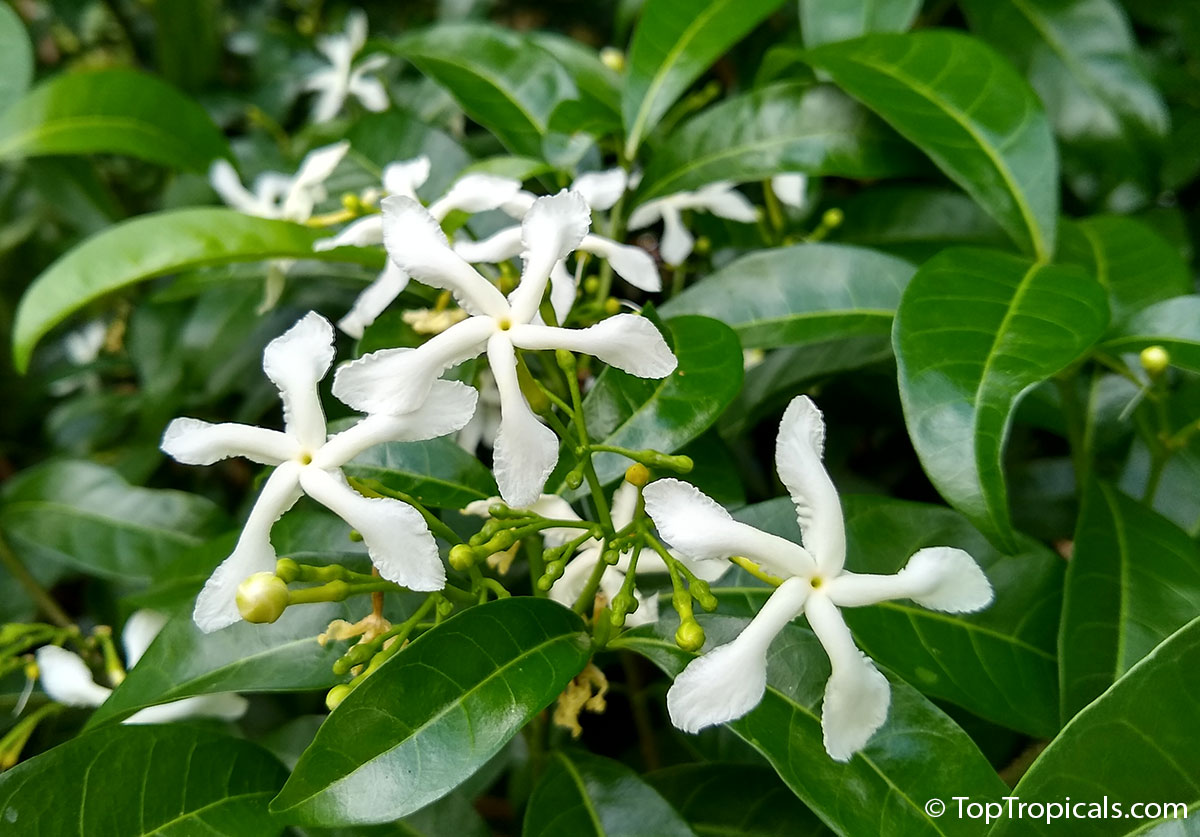
Q: I purchased Tabernaemontana australis from you back in June of this year and it recovered just fine, but the new growth got some chlorosis. Older leaves still look normal. The flowers also look normal but lack fragrance. Since I live up north, I have it in a heated greenhouse for the winter, with a grow light to compensate for the short days. I have it in a 10 inch clay pot in a mix of equal parts standard indoor potting soil, peat moss, and perlite. It gets fed with half strength 10-10-10 about once a month on average. Is there some specific culture that you would recommend for this plant ? I really love it and want it to thrive.
A: Tabernaemontana is a plant that may take some time to establish itself, and leaf chlorosis often becomes a common issue when the root system is not well-established. This symptom is indicative of Iron deficiency, and possibly other micro-element deficiencies, such as Boron or Molybdenum, which become more apparent when the plant receives excessive water. This problem tends to intensify as temperatures drop, particularly when a combination of cool and wet conditions prevails. It's worth noting that your potting mix seems to be appropriate for this plant.
In light of these circumstances, we recommend the following steps:
1) Reduce watering during the cooler season, especially when daylight hours are shorter. Allow the top layer of the soil to dry before watering again.
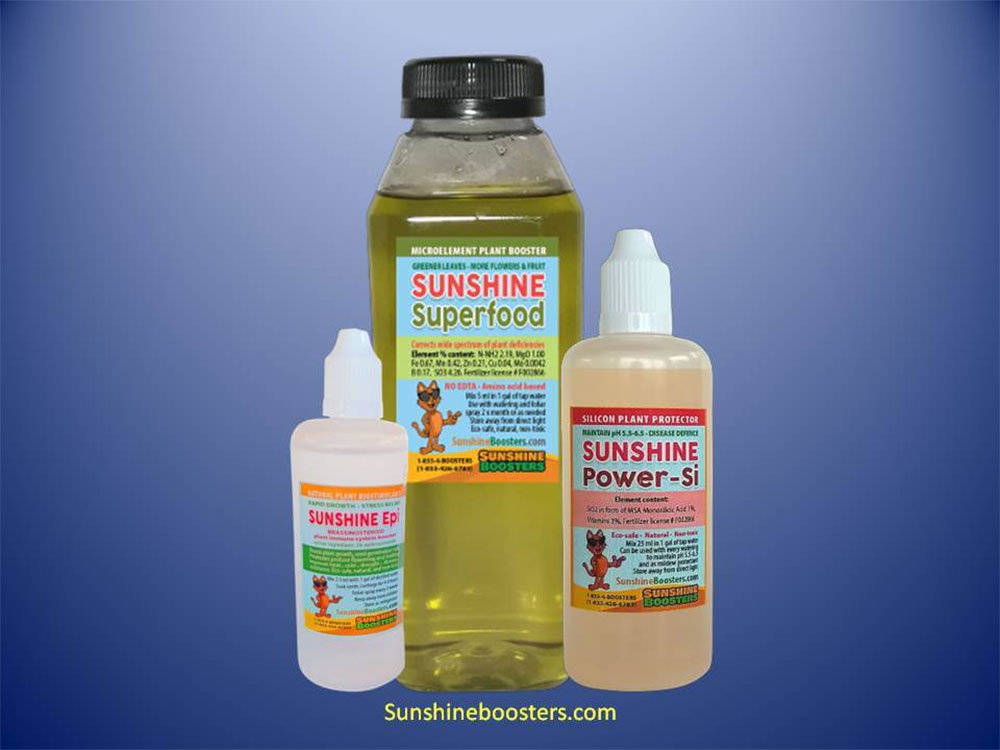
2) Consider supplementing with microelements using a product like Sunshine Superfood. You can apply this as a foliar spray and mix it with your watering can.
3) Maintain your regular fertilizing program throughout the
winter months, but ensure that you use only liquid amino-acid fertilizer, such
as
Sunshine Megaflor. Follow the instructions on the label for the correct
dosage and apply it with each watering, even during the winter. Since you will be
reducing amount of water, the amount of fertilizer also will be adjusted
accordingly.
Important: do not use any dry fertilizers during winter months
(Nov-March).
Regarding the fragrance of the flowers, they typically emit a mild, sweet scent, although it may not be as potent as that of gardenia or jasmine. The strongest aroma usually becomes more prominent during warm (but not excessively hot) and humid conditions, particularly in the morning hours. As the plant grows larger and healthier, the fragrance should become more intense because the flowers produce more essential oil when the plant is robust. You may also apply Sunshine Honey supplement to improve flower quality and fragrance strength.
Date: 31 Oct 2023
Cat of the day:
Shaka. The Tail of Two Kitties...
By Kristi VanBenschoten

For those of you who have been following the Cat of the Day stories, you may remember the heartbreaking story about Little Raja... When Raja passed, I was heartbroken and vowed, "No more new cats." Well, wouldn't you know, I would eat those words...
One of our shipping experts, Rob, came in and said that a feral cat
around his house had just given birth to a kitten on his front porch, but the
mother had left and not returned. I immediately asked him to go get me the
kitten, knowing it was going to be cold and hungry and could not be left without
warmth and food for long...
Rob rushed off to get the kitten and, within what felt like the blink of an
eye, returned with the tiniest (about 4 inches), yet astonishingly vocal,
kitten I had ever met.
And this is what happened next...

Date: 26 Oct 2023
NEW
VIDEO:
Happy Parrots Beak
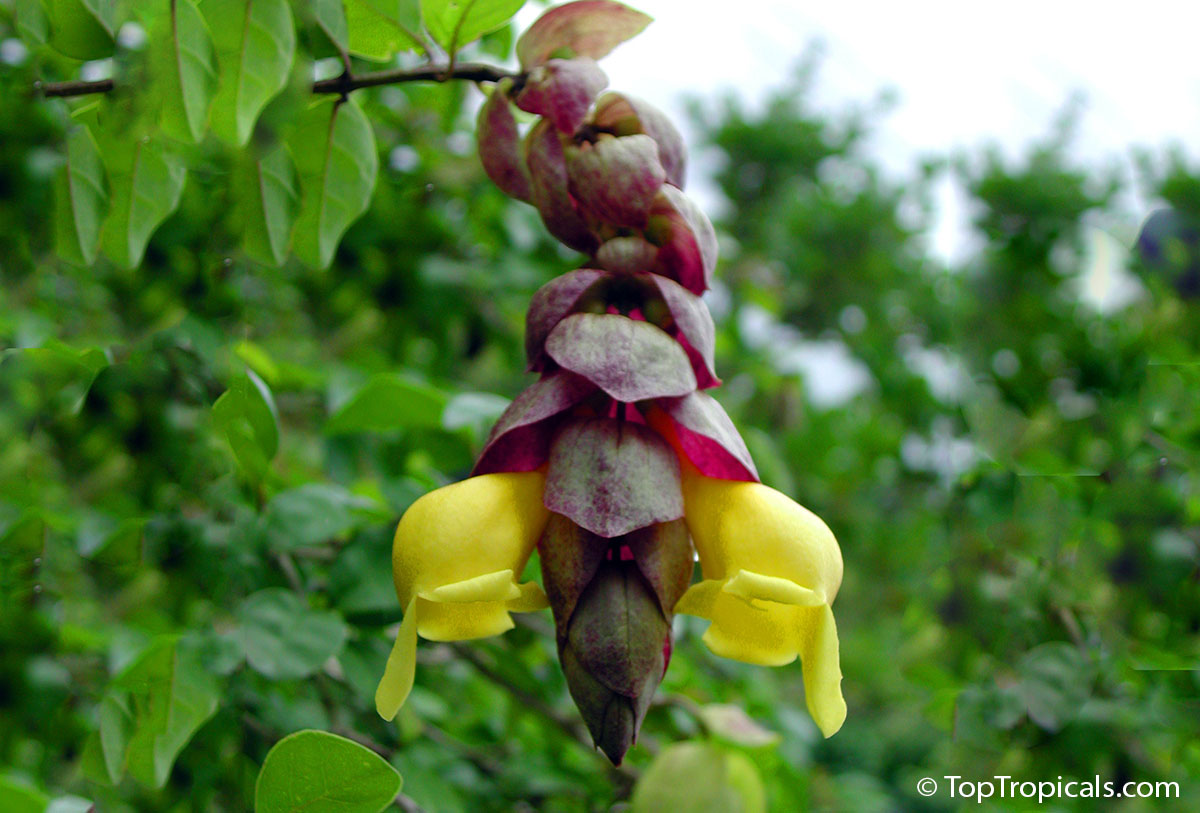
Introducing Parrots Beak: a whimsical and vibrant shrub, with funny flowers that mimic the playful antics of a parrot, with its pendant branches and joyful handstand-like leaves... This low-maintenance, sun-loving plant adds a touch of the tropics and endless whimsy to your garden, making it a butterfly magnet!
Looking to add some funny Parrot's Beak to your life? Order large plants - Gmelina philippensis - Parrots Beak - right now while we have them!
Subscribe to our Channel:
Stay updated with TopTropicals Videos by subscribing to our channel at YouTube.com/TopTropicals and get our latest video news of what is fruiting and blooming!
Date: 24 Oct 2023
Calathea Zebrina: Nature's Zebra Striped Star
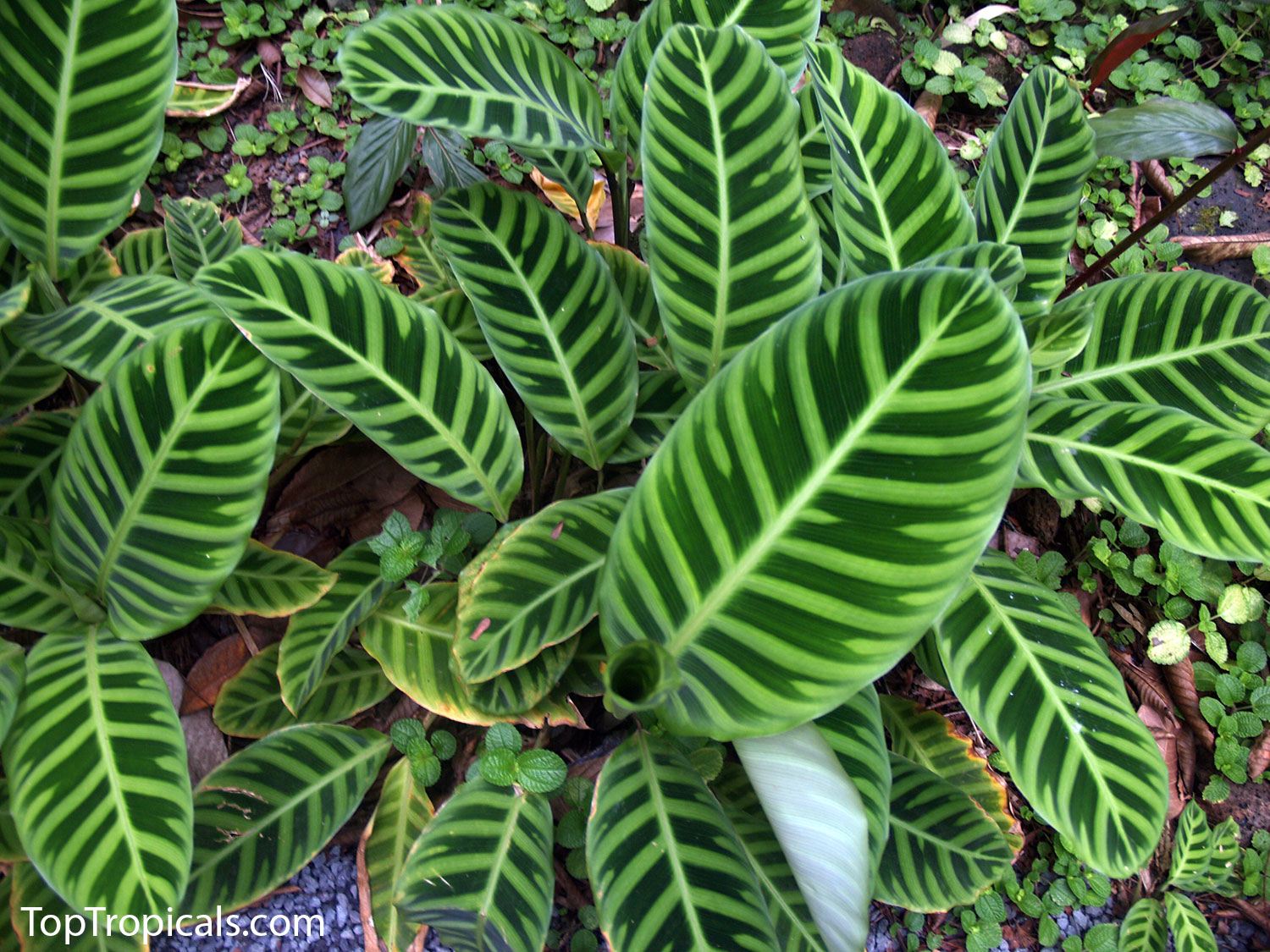
Q: Can you recommend a showy houseplant for a living room that doesn't need much care?
A: Meet the Calathea Zebrina - Zebra Plant, the zebra-striped sensation straight from the Brazilian rainforests. This charismatic plant is like a piece of living art for your home! The Calathea Zebrina isn't just a houseplant; it's a conversation starter and a slice of jungle magic right in your living room. Get ready to embrace the zebra-stripes and let your home's wild side shine!
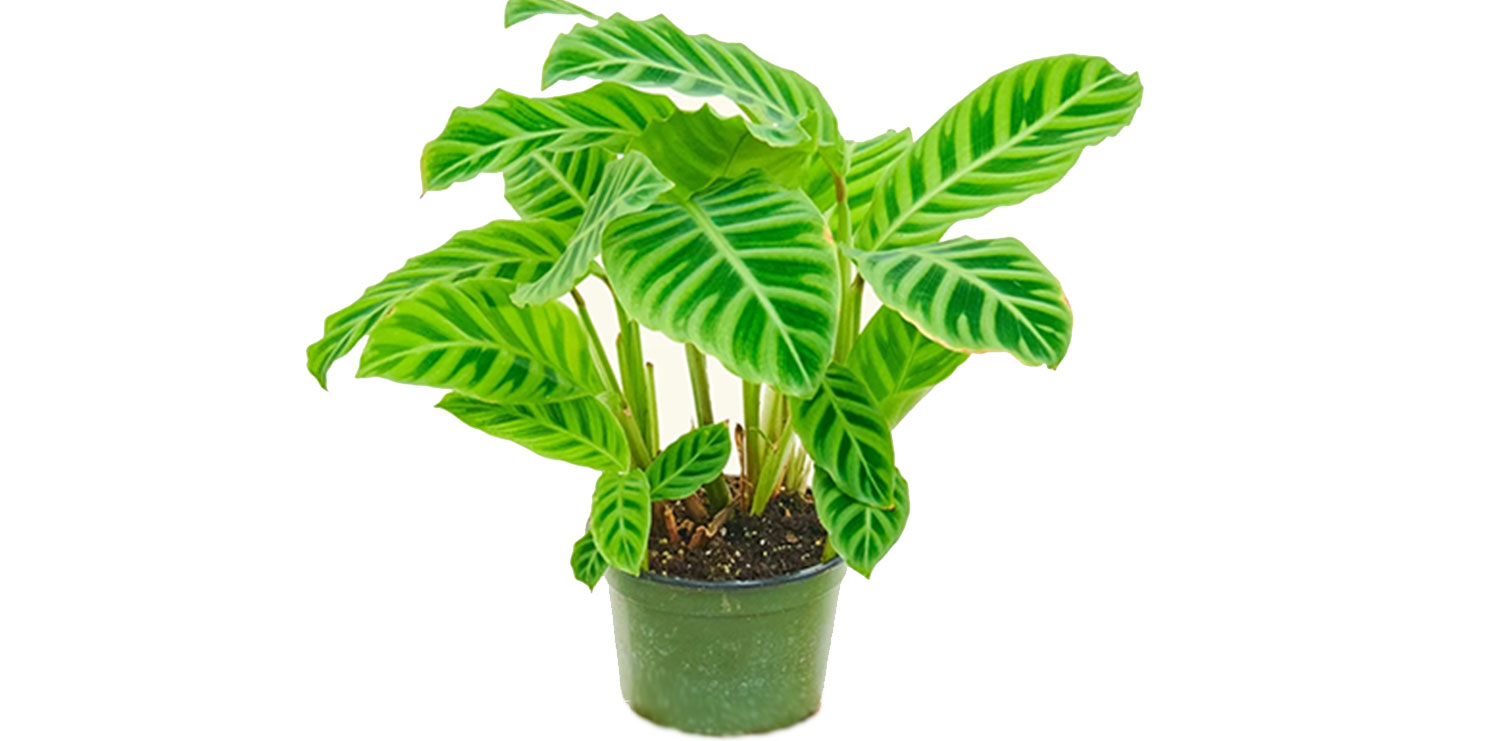
Zebra Stripes with a Twist:
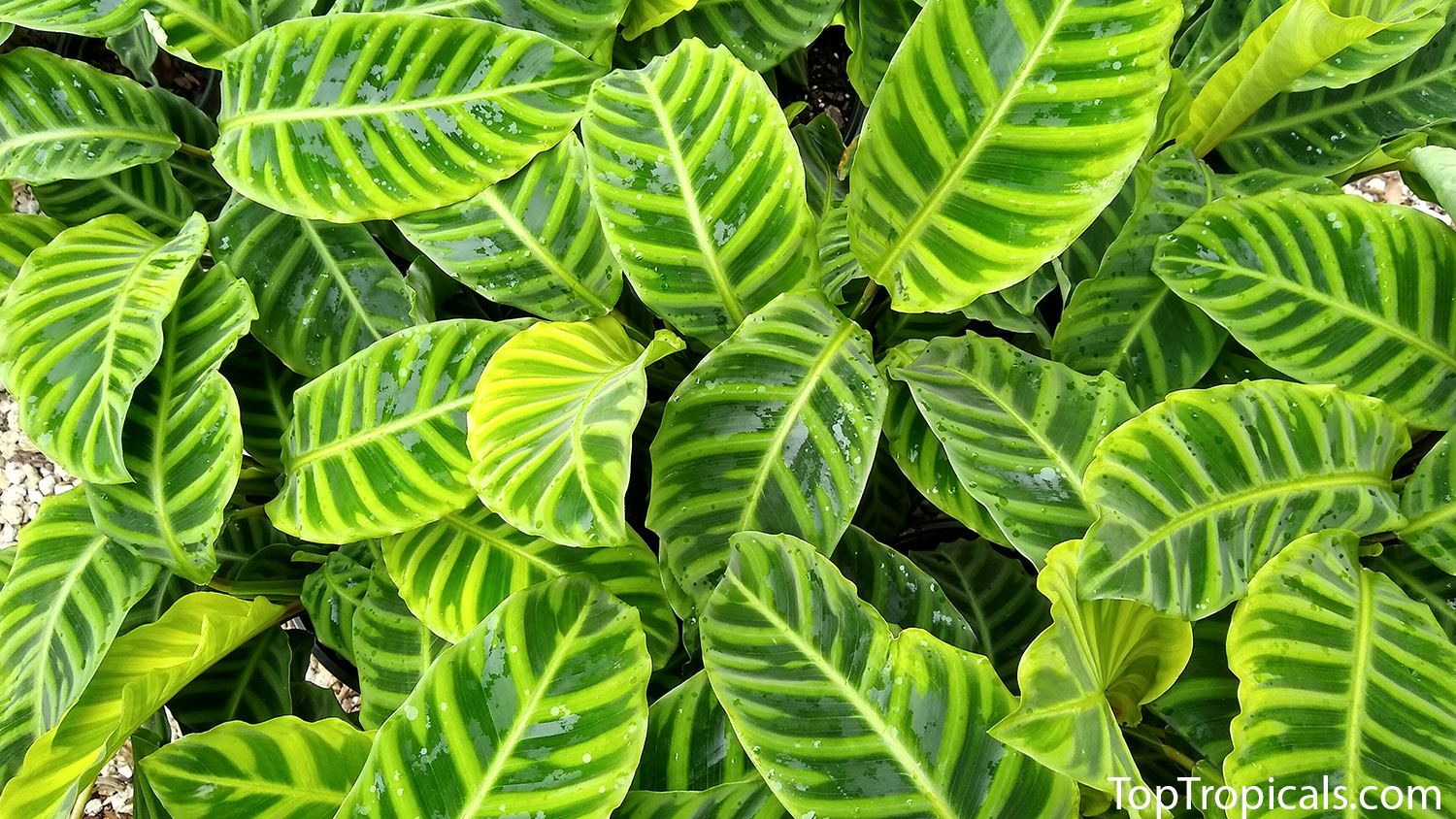
With its bold dark green stripes on a velvety light green canvas, the Zebra
Plant adds a touch of nature's whimsy to any room. It's like having a zebra
with a green thumb as your housemate. The underside of the leaves are purple
and not always visible because leaves grow horizontally (although some will
curve or grow more upright).
Low-Light Lover:
Not only is it easy on the eyes, but it's also easy to care for. The Zebra
Plant thrives in low light conditions, so you don't need to rearrange your
whole house just to keep it happy. It even tolerates a little over-watering
which all of us tend to do with house plants.
Green with Envy:
This plant may make your other houseplants a bit envious with its
captivating appearance. Its zebra stripes aren't just a fashion statement; they're a
botanical masterpiece. Keep it even greener with Sunshine Robusta plant food - safe to use year around!
A Slice of Serenity:
In a world that's always in a hurry, the Zebra Plant is a gentle reminder
to slow down, appreciate nature's beauty, and bring a touch of tranquility to
your space.
Date: 20 Oct 2023
Prepare your plants for Winter with Sunshine Boosters
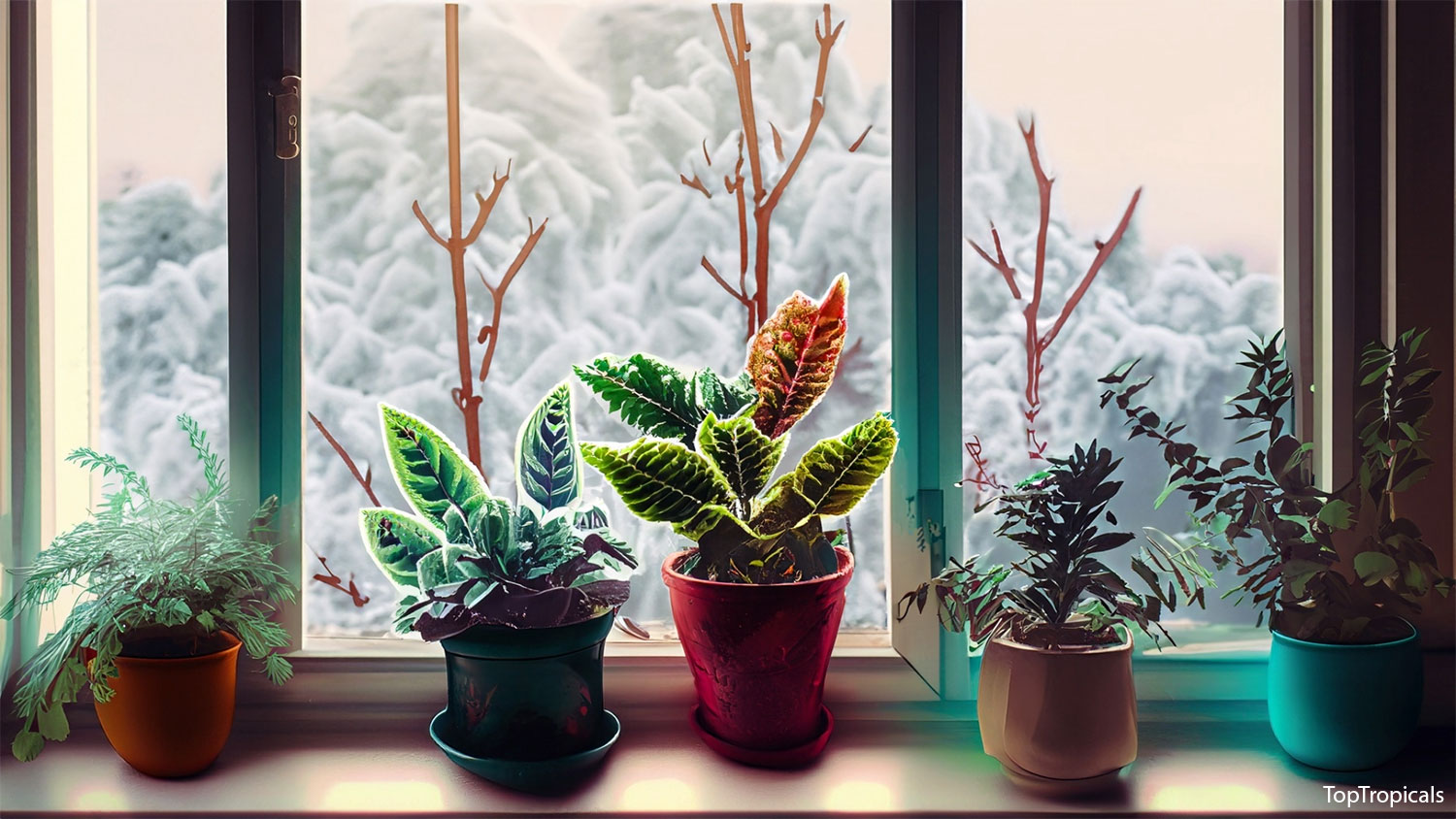
We usually stop using dry slow-release fertilizers from November to March. However, liquid Sunshine Boosters, which are natural plant food, can be used all year. They help your plants survive winter. When it gets colder, we water less, so the fertilizer decreases too. The plants only use what they need. To learn more about how Sunshine Boosters work and why they're safe and helpful, check out this blog: Using Sunshine Booster during Winter.

Apart from giving your plants nutrients during winter, you also can improve their ability to handle the cold. Try the Sunshine Boosters supplement kit for tropical plants. Follow the schedule and use three different supplements: SUNSHINE Superfood, SUNSHINE Epi, and SUNSHINE-Power-Si. Read more about treatment with Sunshine boosters supplement kit.