Garden Blog - Top Tropicals
Date: 22 Jul 2026
Why is everyone staring at this Alligator Plant?
🐊 Why is everyone staring at this "Alligator Plant"?
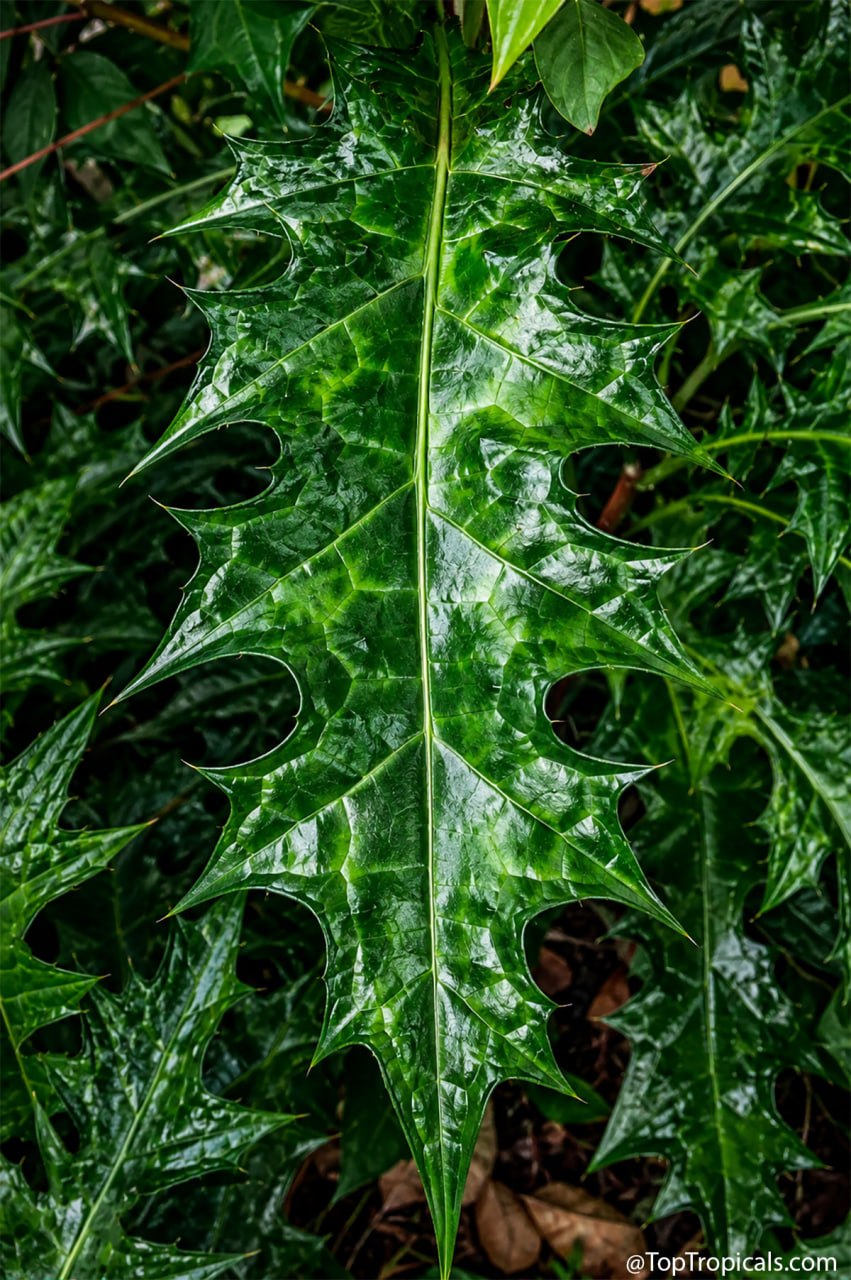
If you come across Acanthus montanus (famously known as the Alligator Plant), you will absolutely do a double-take. Its glossy, dark-green leaves are heavily textured with raised veins and dramatic silver markings, creating an uncanny, metallic alligator-skin pattern.
It is one of those rare botanical wonders that stops people dead in their tracks to ask, "What on earth is that?"
🐊 Nature invented alligator skin - for a leaf!
Native to the tropical forests of West and Central Africa, the Alligator Plant naturally grows beneath the jungle canopy. It thrives in bright, filtered light and rich, moist soil, which helps it develop that signature, deeply carved foliage. While most tropical plants rely on bright, fleeting blooms to get noticed, this architectural masterpiece with leaves that look carved from reptile skin commands attention 365 days a year purely through texture.
🐊 The Hidden Late-Summer Surprise
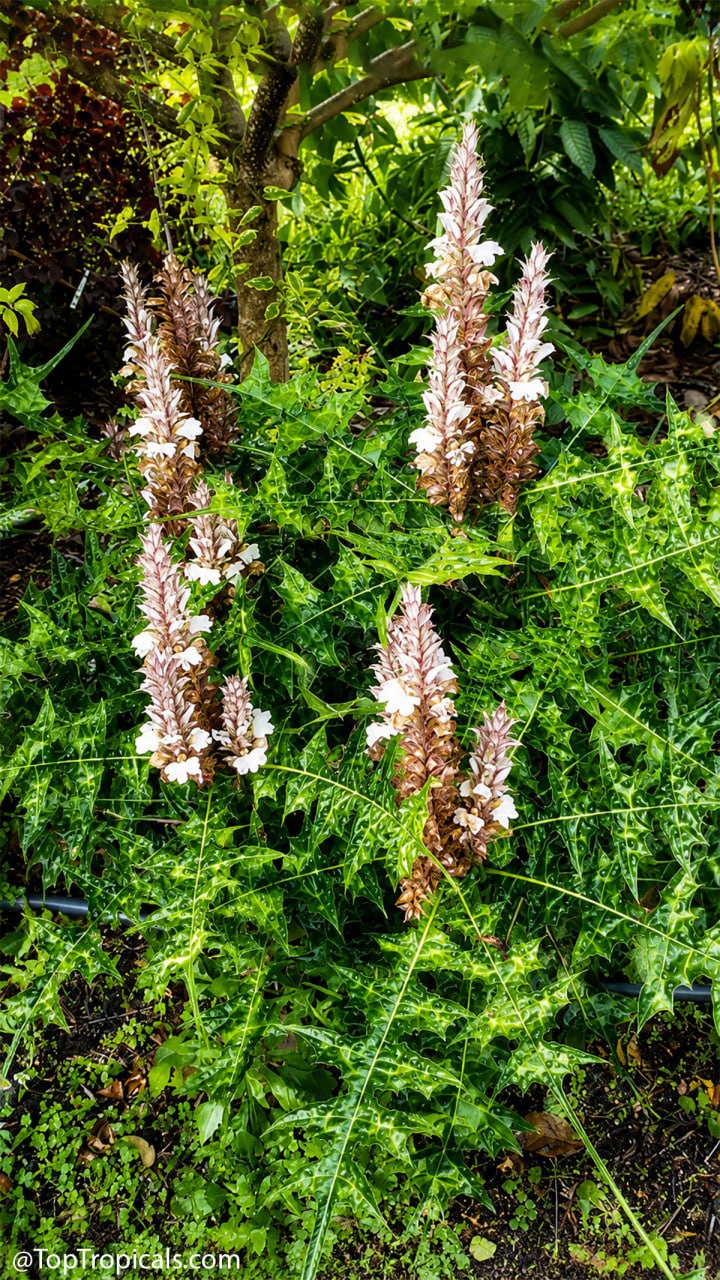
Don't let the foliage fool you - this plant has another trick up its sleeve. From late summer through fall, tall, dramatic flower spikes rise high above the reptile-like leaves. They carry soft pink to lavender blooms nestled inside striking, purple-tinted bracts. Bees and local pollinators absolutely love them, adding a burst of movement and life to your garden just as other summer flowers begin to fade.
🐊 Surprisingly Tough & Easy to Grow
Despite its exotic, high-maintenance look, the Alligator Plant is shockingly resilient.
• Where to plant: It is the perfect choice for brightening up shady garden beds, woodland borders, tropical landscapes, or showcasing as a dramatic centerpiece in large containers.
• Growth habit: In warm climates, it slowly forms lush, architectural clumps that fill out beautifully without ever becoming invasive.
• Resilience: Once its root system is established, it actually handles short dry spells much better than typical soft-leaved tropicals -though keeping the soil slightly moist will reward you with the largest, glossiest leaves possible.
🐊 Alligator Plant Quick Facts
🌎 Native To: Tropical West and Central Africa
Mature Size: 3 to 5 feet tall and wide
☀️ Light: Bright shade, dappled sunlight, or filtered morning sun
💧 Watering: Regular moisture; requires well-draining soil (avoid soggy roots)
💮 Bloom Time: Late summer through autumn
Cold Hardiness: Down to USDA Zone 9 (protect during unusual freezes)
🦋 Wildlife Value: Highly attractive to bees and essential pollinators
👍 Best Feature: Mind-blowing, reptile-like textured foliage that looks spectacular year-round
Alligator Plant is one of the coolest foliage plants you've probably never seen and it looks like it belongs in Jurassic Park! Flowers come and go, but this jaw-dropping, prehistoric foliage keeps the "wow" factor alive through every single season.
🛒 Add Jurassic Style to Your Garden
📚 Learn more:


· Acanthus montanus in Plant Encyclopedia
#Nature_Wonders #Container_Garden
🟢 Join 👉 TopTropicals