Garden Blog - Top Tropicals

Date: 5 Nov 2024

How Heliconias add tropical vibe to your garden

Heliconia

🐠 How Heliconias add tropical vibe to your garden

Heliconia is a fantastic addition to any garden with its bold, tropical vibe! Known for its striking, colorful bracts in red, orange, or yellow, it attracts pollinators like hummingbirds. This low-maintenance plant thrives in warm climates, adds height and texture to landscapes, and grows well in partial shade or full sun. Plus, it's perfect for creating lush privacy screens or vibrant focal points.

📚 Learn more from previous post:
How to grow Lobster Claw

🛒 Plant Heliconias and gingers

#Hedges_with_benefits #Shade_Garden

🔴 Join 👉 TopTropicals
Date: 4 Nov 2024

Wait until he sings you a song

Wait until he sings you a song...

Many people have cats
Many people have dogs
Some have Parrots with benefits
...and some have Peacocks!

  • 📸 Our photographer from New Zealand Eleanor Wilks has this beauty as a pet!


  • Put a ❤️ if you want one!
    Put👍 if you've heard Peacock singing!

    Share your pets in comments!
  • 📸 🐈🐈🐈👇


🔠 More #PeopleCats in our Garden:
PeopleCats.Garden 

🔴 Join 👉 TopTropicals

Date: 4 Nov 2024

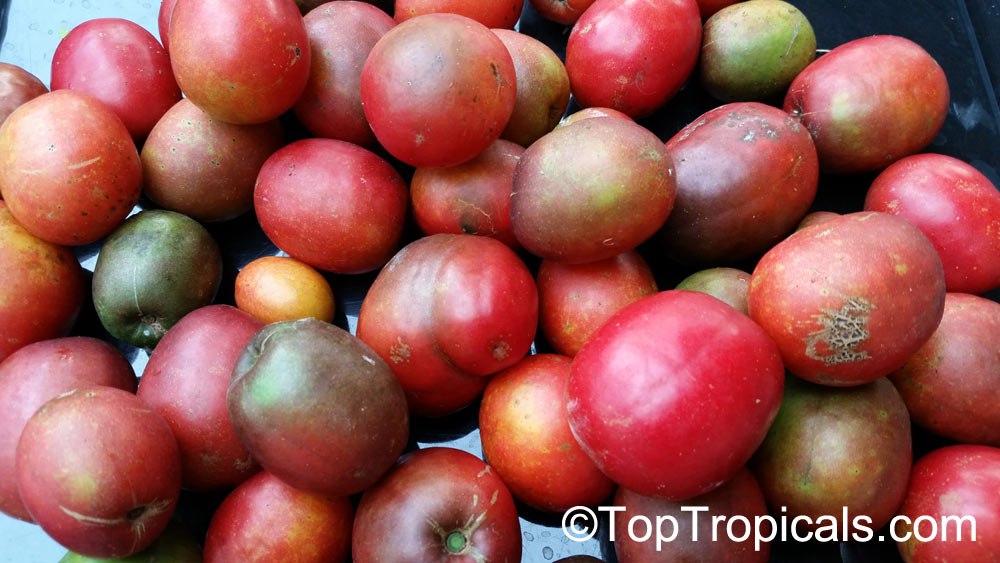
Why Hog Plum is the most popular fruit tree after mango?

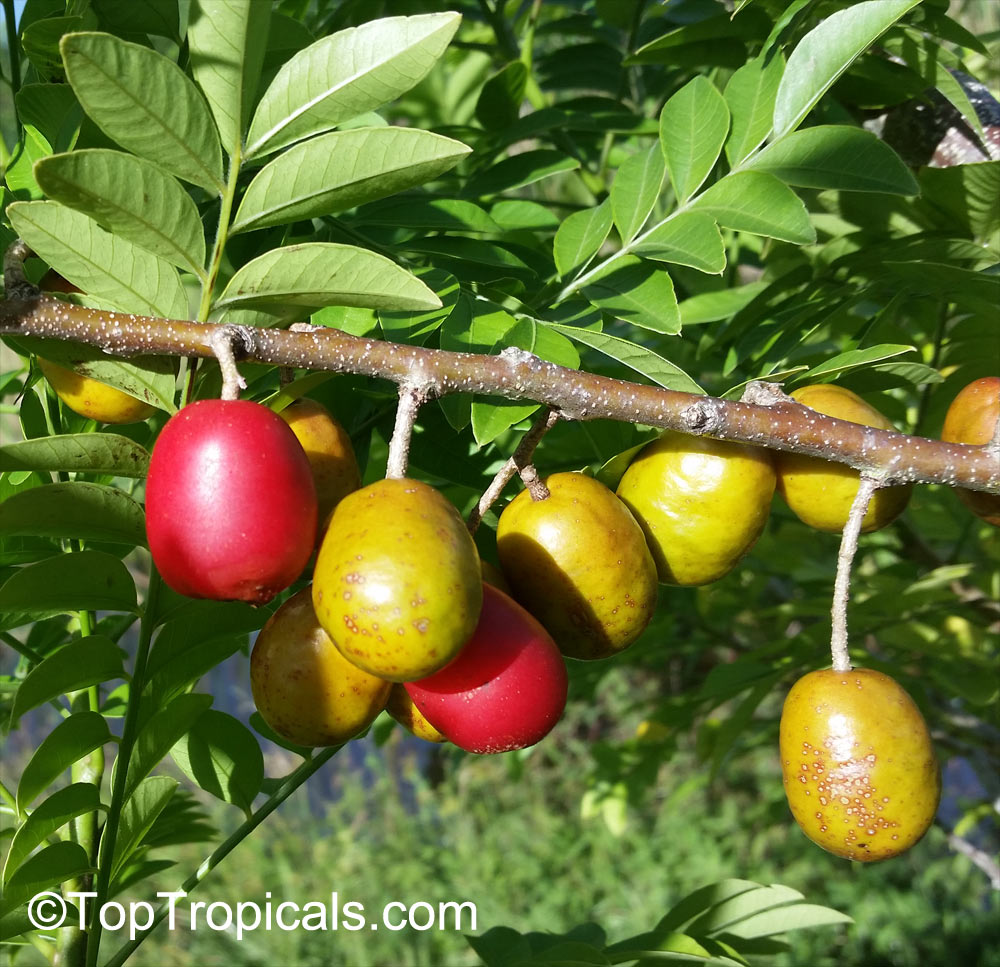
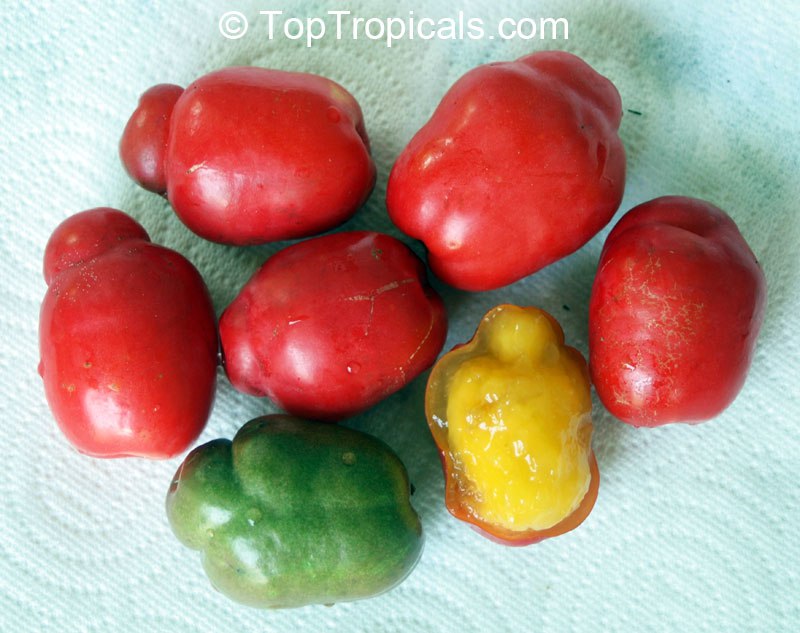
Spondias purpurea - Hog Plum, Mombin, Jocote, Ciruela - fruit

Spondias purpurea - Hog Plum, Mombin, Jocote, Ciruela - fruit

Spondias purpurea - Hog Plum, Mombin, Jocote, Ciruela - fruit on a tree

Spondias purpurea - Hog Plum, Mombin, Jocote, Ciruela - fruit on a tree

Spondias purpurea - Hog Plum, Mombin, Jocote, Ciruela - fruit

Spondias purpurea - Hog Plum, Mombin, Jocote, Ciruela - fruit

Why Hog Plum is the most popular fruit tree after mango?
  • 🍑 Spondias purpurea - Hog Plum, Mombin, Jocote, Ciruela... This fast-growing, spreading tree with thick branches is a favorite of tropical fruit lovers!
  • 🍑 In spring, its showy, fragrant flowers bloom from bare, leafless branches in shades of red, purple, or yellow, hinting at the color of the fruit to come. The tree produces oval to round mildly sweet fruits, 1 to 2 ½ inches long, with waxy skin, juicy flesh, and a strong plum-like flavor.
  • 🍑 Highly productive, the pleasant aroma of the ripe fruit can be smelled from many feet away!
  • 🍑 The fruits are enjoyed fresh, stewed with sugar, or pickled while green for East Indian dishes. Mombin butter, made like apple butter, is especially delicious.
  • 🍑 Even the young leaves can be cooked, though they carry a tangy, sour taste.
  • 🍑 Deciduous and quick-growing, this tree can bear fruit before sprouting new leaves in spring. It thrives in many soil types and propagates easily from large cuttings, making it perfect for a living fence.
  • 🍑 Very fast growing, and fruiting right away. Fruiting from May through July, the Hog Plum brings beauty, fragrance, and flavor to your edible landscape.


🛒 Plant Mombin Hog Plum

#Food_Forest

🔴 Join 👉 TopTropicals

Date: 4 Nov 2024

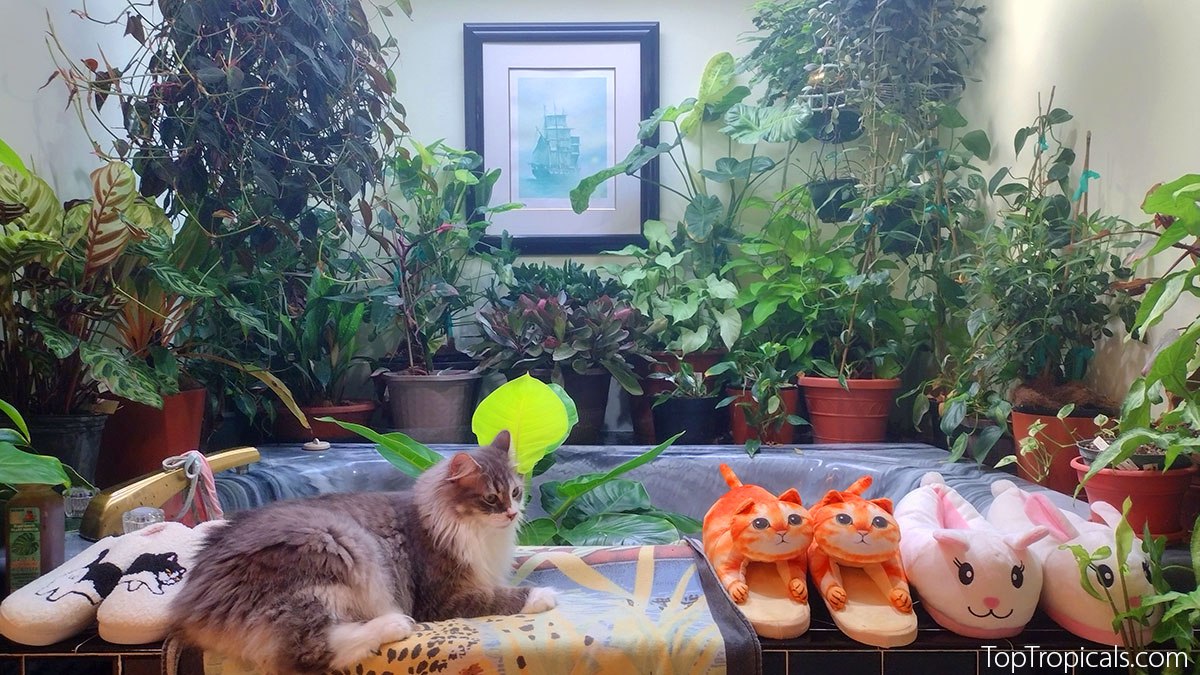
10 key tips for successful overwintering of tropical plants indoors

10 key tips for successful overwintering of tropical plants indoors

1. Maximize Light:
The more light, the better. There's no such thing as too much indoor light. If windows aren't enough, use LED grow lights, which stay cool and won't dry the air. Rotate plants every few days to prevent uneven leaf loss.

2. Reduce Watering: Less light and cooler temperatures mean plants need less water. Allow the soil to dry between waterings, and avoid overwatering - combination of cold + wet is especially harmful.

3. Maintain Moderate Temperatures: Most tropicals are happy with daytime temperatures around 75F and nights at 50-60F. In sunrooms or greenhouses, some can handle 45F if watering is kept to a minimum.

4. Boost Humidity: Avoid placing plants near heaters or vents that dry the air. Misting daily helps, or place pots on trays filled with water and pebbles to raise humidity around them.

5. Monitor for Pests: Check leaves weekly to catch insect problems early, as pests can cause serious damage or even kill the plant indoors.

6. Fertilize Smart: Use ONLY liquid, amino-acid-based fertilizers like Sunshine Boosters throughout winter; they won't burn roots since their dosage adjusts with reduced watering. Avoid dry, granulated, and EDTA-based fertilizers during winter and dormancy.

7. Use Micro-Nutrients: Along with macro-elements (fertilizers), supplement with micro-elements like Sunshine Superfood and bio-stimulants such as Sunshine Epi to build strong plants with robust immune systems, better able to withstand unfavorable conditions and resist diseases.

8. Hold Off on Pruning: Leaf drop and leggy growth are normal responses to winter. Wait until spring to prune, when new growth starts, to encourage branching and healthy foliage.

9. Don't Repot Yet: During dormancy, roots slow their growth. Repotting too soon risks root rot. Wait until spring when new growth appears to transplant into a larger container. Typically, roots grow in proportion to the above-ground parts.

10. Let Them Rest: Winter is a natural resting period. Avoid forcing growth - your plants will reward your patience with vibrant leaves and flowers when spring returns.

🛒 Shop Indoor plants

#How_to

🔴 Join 👉 TopTropicals

Date: 4 Nov 2024

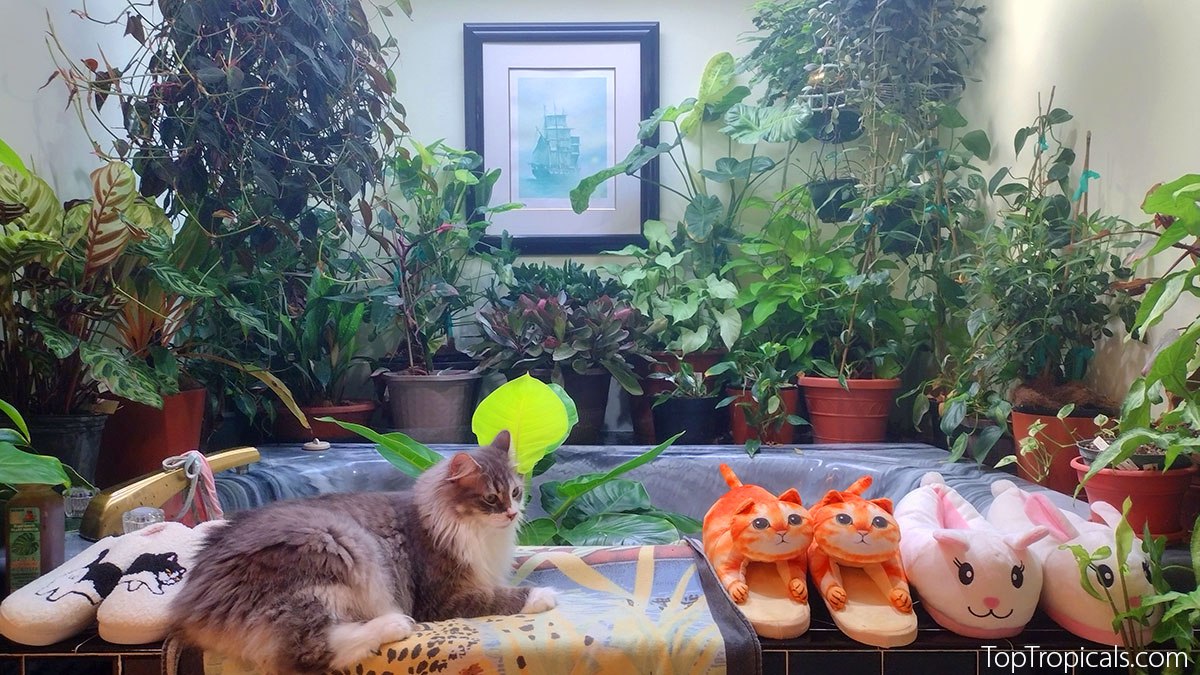
10 key tips for successful overwintering of tropical plants indoors

10 key tips for successful overwintering of tropical plants indoors

1. Maximize Light:
The more light, the better. There's no such thing as too much indoor light. If windows aren't enough, use LED grow lights, which stay cool and won't dry the air. Rotate plants every few days to prevent uneven leaf loss.

2. Reduce Watering: Less light and cooler temperatures mean plants need less water. Allow the soil to dry between waterings, and avoid overwatering - combination of cold + wet is especially harmful.

3. Maintain Moderate Temperatures: Most tropicals are happy with daytime temperatures around 75F and nights at 50-60F. In sunrooms or greenhouses, some can handle 45F if watering is kept to a minimum.

4. Boost Humidity: Avoid placing plants near heaters or vents that dry the air. Misting daily helps, or place pots on trays filled with water and pebbles to raise humidity around them.

5. Monitor for Pests: Check leaves weekly to catch insect problems early, as pests can cause serious damage or even kill the plant indoors.

6. Fertilize Smart: Use ONLY liquid, amino-acid-based fertilizers like Sunshine Boosters throughout winter; they won't burn roots since their dosage adjusts with reduced watering. Avoid dry, granulated, and EDTA-based fertilizers during winter and dormancy.

7. Use Micro-Nutrients: Along with macro-elements (fertilizers), supplement with micro-elements like Sunshine Superfood and bio-stimulants such as Sunshine Epi to build strong plants with robust immune systems, better able to withstand unfavorable conditions and resist diseases.

8. Hold Off on Pruning: Leaf drop and leggy growth are normal responses to winter. Wait until spring to prune, when new growth starts, to encourage branching and healthy foliage.

9. Don't Repot Yet: During dormancy, roots slow their growth. Repotting too soon risks root rot. Wait until spring when new growth appears to transplant into a larger container. Typically, roots grow in proportion to the above-ground parts.

10. Let Them Rest: Winter is a natural resting period. Avoid forcing growth - your plants will reward your patience with vibrant leaves and flowers when spring returns.

🛒 Shop Indoor plants

#How_to

🔴 Join 👉 TopTropicals