Garden Blog - Top Tropicals

Date: 26 Jan 2022

Don't miss this one:
PodCast Premiere!

Episode 1
How to Protect Tropical plants in Winter: Q & A

Featuring Horticulturist Mark Hooten

...We are introducing our new Series: Top Tropicals Podcast. Growing tropicals and pushing the limits. Watch the first episode:

How to Protect Tropical plants in Winter

...Who doesn't like tropical beauty? Everyone wants tropical plants. But not everyone lives in a warm climate. Is it possible to grow tropicals outside of Tropics?
Top Tropicals horticulturist Mark Hooten, who is well known to many gardeners as the Garden Doc with his Saturday Plant Clinic, is answering gardeners' questions about how to prepare and protect tropical plants during winter...

Premiere scheduled:
Thursday, January 27, 8:00 AM

More about cold hardiness and cold protection:

Cold hardy tropical fruit trees
Growing Stephanotis and cold protection
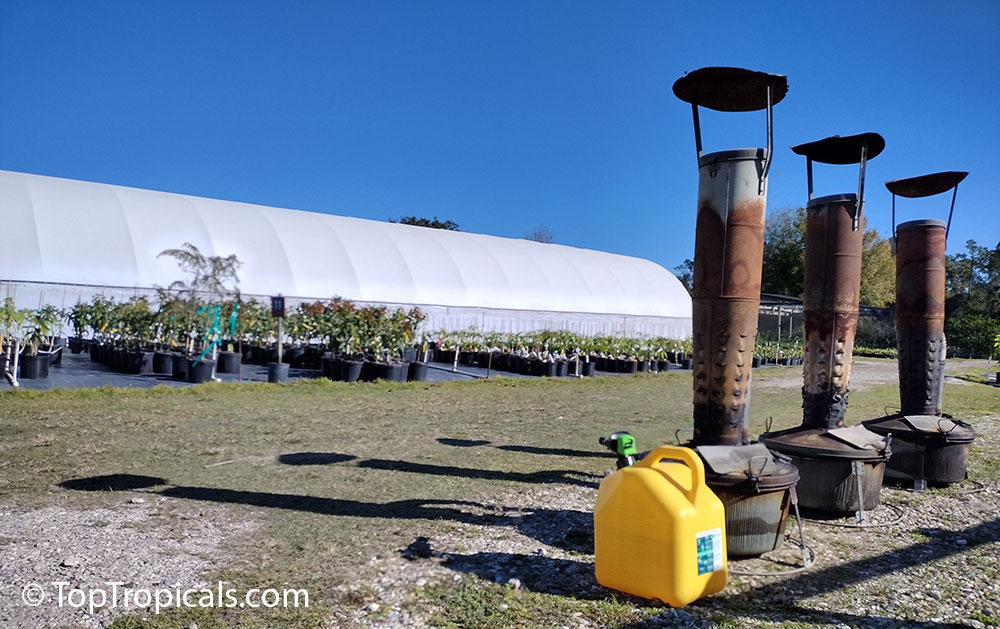
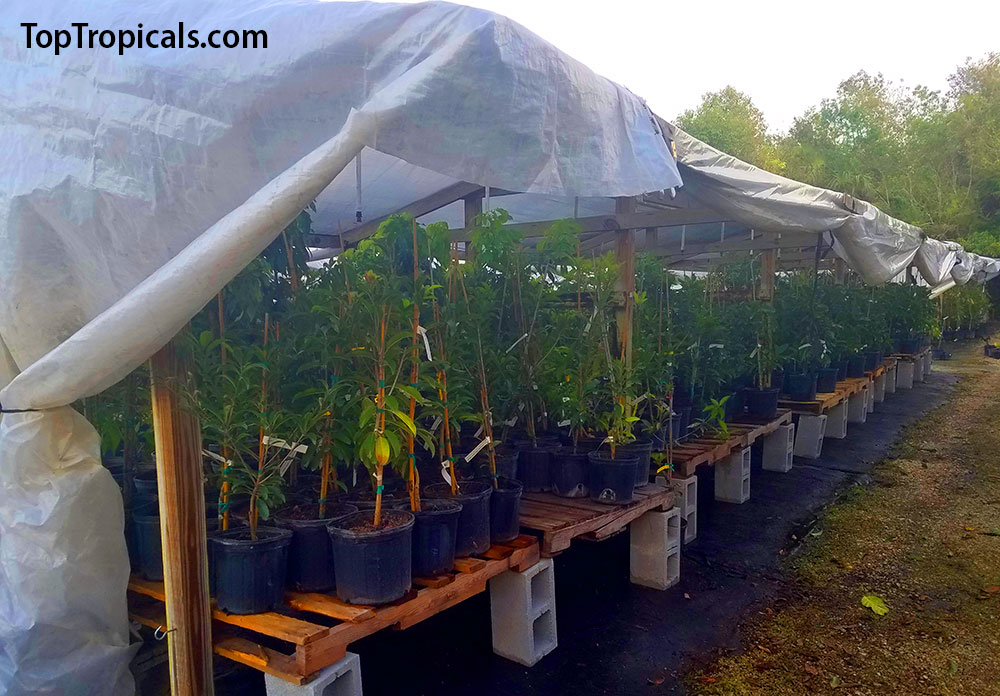
Cold protection of tropical container plants
Plumeria cold protection
Ghost Cold Protection
Seven rules of cold protection for tropicals
Improving cold hardiness before winter: fertilizer and micro-elements
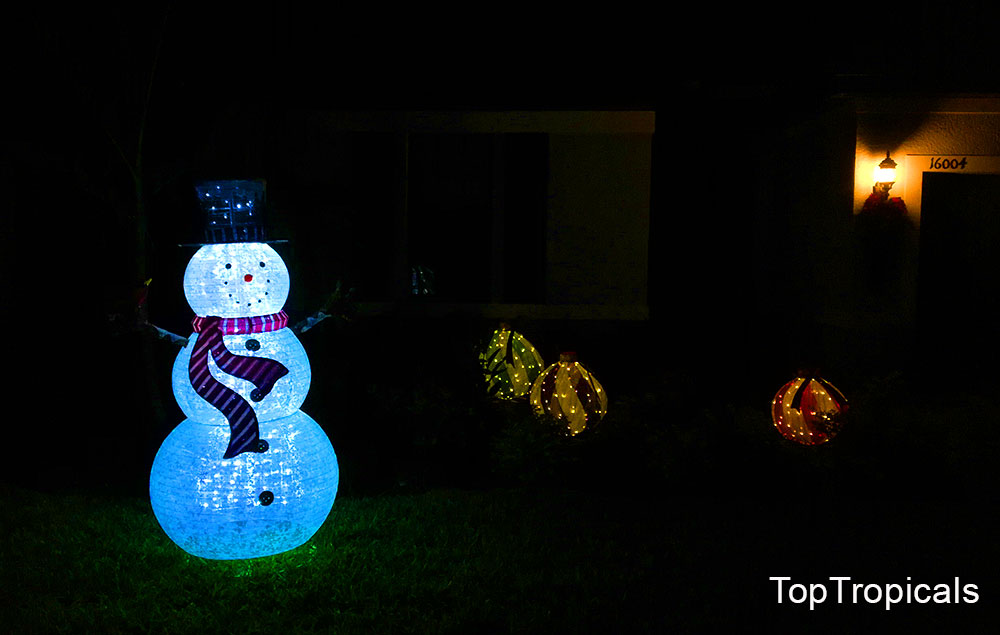
3D garden ideas and winter cold protection
Cold protection - winter action for your plant collection
About Cold Protection
Date: 29 Nov 2020

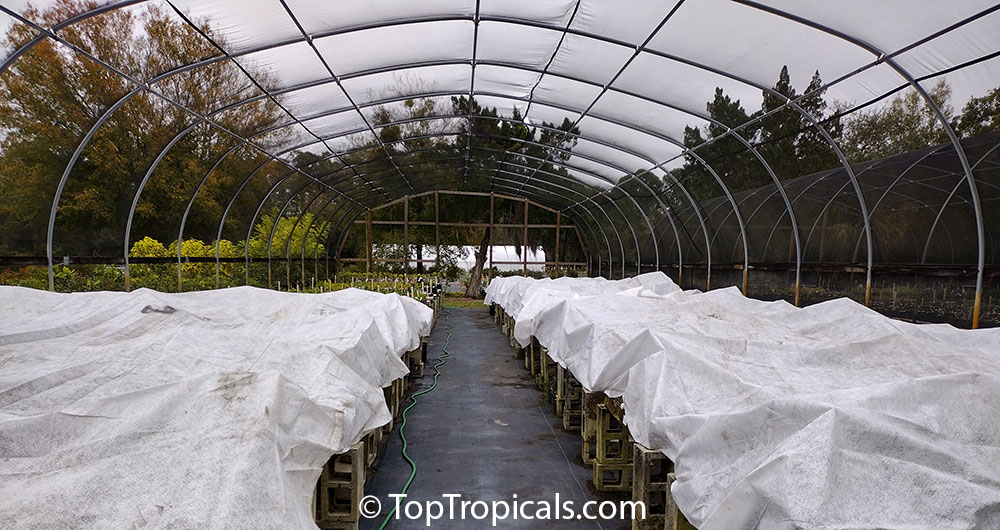
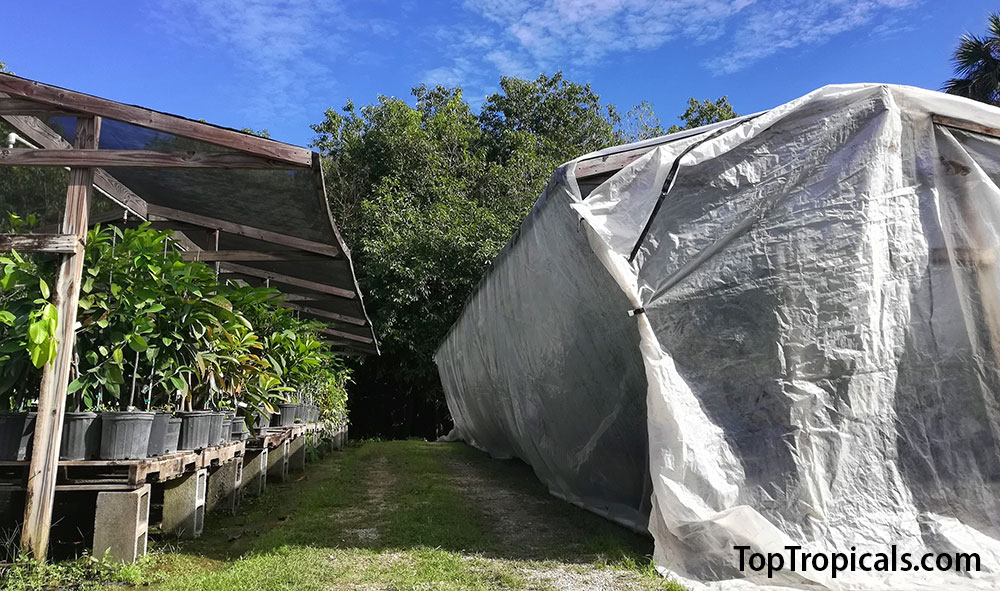
Cold protection of tropical container plants

Q: I am long time customer of yours, I live in San Diego California and while the summer and Fall temperatures are warm to mild, the winter temperatures dip to a point where some tropicals die off. We are experimenting with different variations of way to heat and insulate the pots we have the tropicals planted in as a way to keep them alive during the colder winter months. I was wondering if you knew of the ideal soil temperature for these tropical in order to look their best year round. All of the heaters we have installed have thermostats and temperature adjustments so we can now keep the soil anywhere between a range of between 65-75 degrees. Any advise you can provide would be greatly appreciated.

A: This is a very interesting concept you are working with. Indeed, keeping pots/roots warm, may help a lot! We've been experimenting with cold protection for a long time - for the above-ground plant parts. For sure keeping roots protected (even with a thick layer of mulch) will benefit tropical plants during winter. In case with container plants, this may help dramatically.
The guideline is, tropical plants slow down or stop their metabolism at 65F. As long as you can keep soil above that temperature - this should work great. Of course, the higher the better.
Optimum temperature for growing tropical plants in general - 70-85F. Above 90F, metabolism stops too, unless it's a heat tolerant, desert plant.

More information on winter cold protection of tropical plants and zone pushing:

Greenhouse in Virginia
Plumeria cold protection
Ghost Cold Protection
Seven rules of cold protection for tropicals
About Cold Protection
Cold protection - winter action for your plant collection
Tropical Treasures articles on zone pushing.

Date: 3 Dec 2019

Ghost Cold Protection

Q: Has anyone ever tried using heat packs under frost blankets to protect tropical plants from frost?

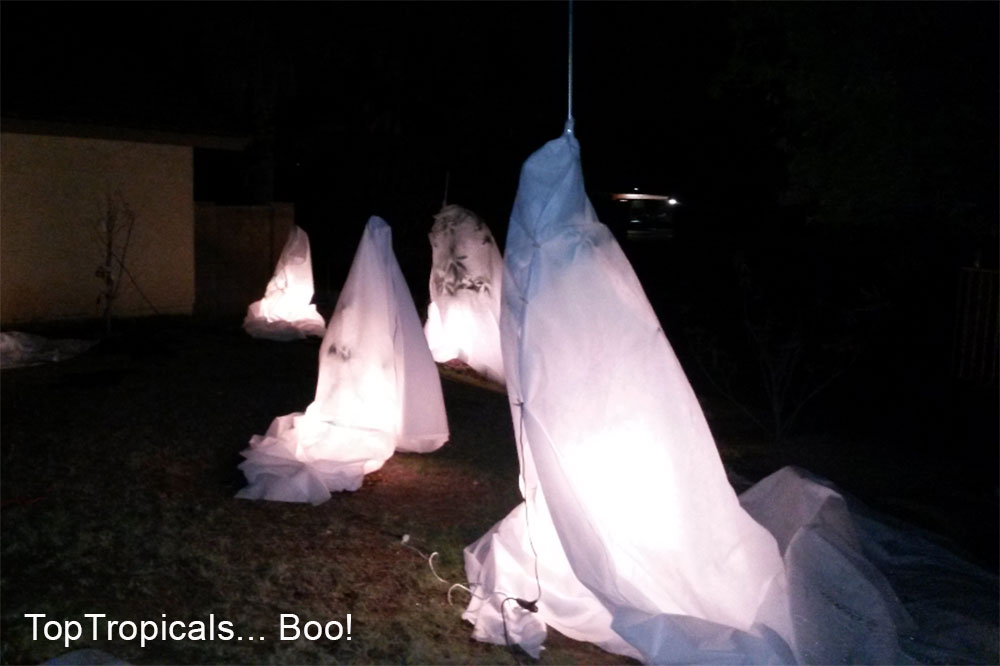
A: The reality is, the heat packs used for shipping do not have enough heat capacity to create efficient warming effect. From our own experience, the best way is to use small 25W incandescent bulbs which produce lots of heat (considering observing all safety precautions and fire safety). Some gardeners use Christmas lights. See picture of our plants in the ground during a cold night. We called them Ghost Cold Protection! ;)

See more columns on cold protection:
Seven rules of cold protection for tropicals
About Cold Protection
Cold protection - winter action for your plant collection
Tropical Treasures articles

Date: 14 Jul 2019

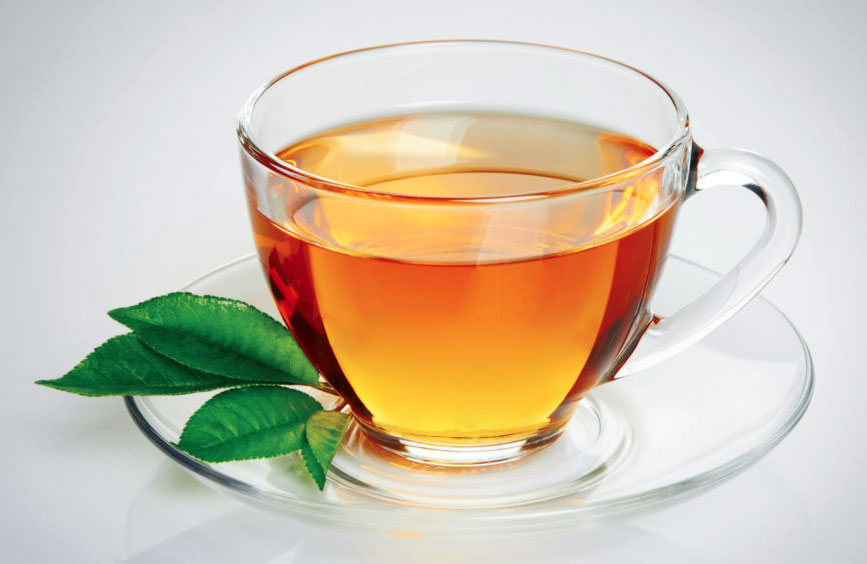
A Cup of Tea Plant

By Onika Amell, tropical plant specialist

A: I live in Ave Maria, Florida. I want to try my hand at growing my own tea. Which plant do I need?

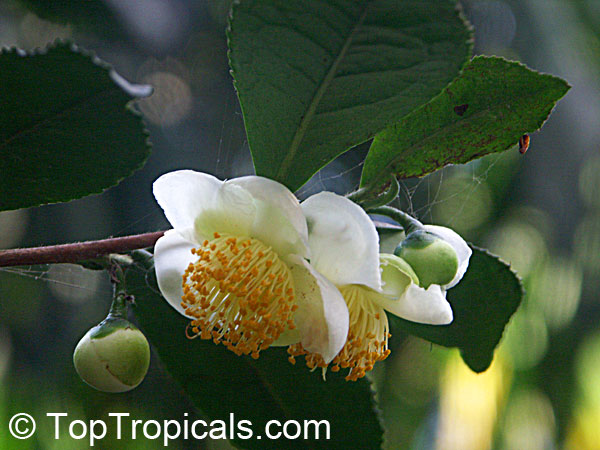
A: Most people do not realize they are actually enjoying camellias when they sip their cup of tea. True tea comes from the Camellia sinensis plant, an evergreen shrub or small tree.
In the fall and winter, the plant will produce small white flowers with a lovely fragrance. The foliage is shiny and dark green with a very nice informal and open look. Camellia sinensis (or tea plant, as it is commonly known) prefers a temperature between 65 and 86 degrees, which makes Florida an ideal area to grow them. However, if you live in colder zones, you can certainly succeed growing your own tea plants using a greenhouse. Alternatively, you can use containers which can be brought inside when temperatures start falling. Tea plants will usually survive a very slight freeze, though the leaves may be damaged or killed. It will not tolerate a hard freeze. They prefer full sun or light shade in the garden.
Tea plants will become small trees or large bushes if not pruned. Hardcore tea growers trim back the shoots repeatedly to a height of around 4 feet to encourage new growth and to contain the size.
Make sure to pick an area of your landscape where it does not flood or remain wet during our rainy season. Camellia sinensis does not like wet feet at all. They prefer well-drained, sandy and slightly acidic soil. If grown in a container, add some sphagnum moss to the potting mix. They will benefit from frequent applications of small amounts of fertilizer.
You will need some patience, too. Your plant should be around 3 years old before you start harvesting leaves.

Recommended fertilizers:

Tropical Greenhouse Plus - Plant Booster
Tropical Allure - Smart-Release Booster

Harvesting recipes

Now that you know how to grow the Tea, you need to check this out: the Harvesting recipes how to harvest and make different kinds of real tea: Green Tea, Japanese Style Green Tea, Oolong Tea, Black Tea, Orthodox Indian Tea... Continue reading...

Date: 25 Jun 2021

Kristi's Loquat Tropical BBQ sauce

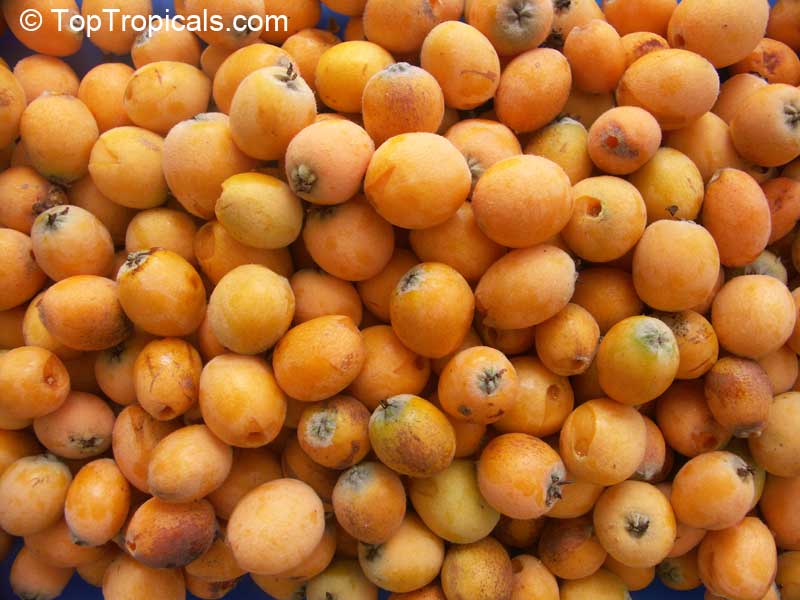
Loquat trees are famous for their abundant fruit production. Many customers who purchased this tree from us, soon end up with some serious crops and start asking if we have any special recipes for loquat fruit - because you can only eat so much out of hand! Here is our manager Kristi's favorite Loquat recipe - not only delicious and tropically-aromatic, but also good for you. Happy Tropical Meal!

Ingredients

2 lbs loquat fruit

  1. cup soft brown sugar
  2. cups malt vinegar
    1 onion chopped
  3. cloves garlic


1/2 tsp salt
1/2 tsp black pepper
1/4 tsp cayenne pepper
6 cloves whole or 1/2 tsp ground cloves

Instructions

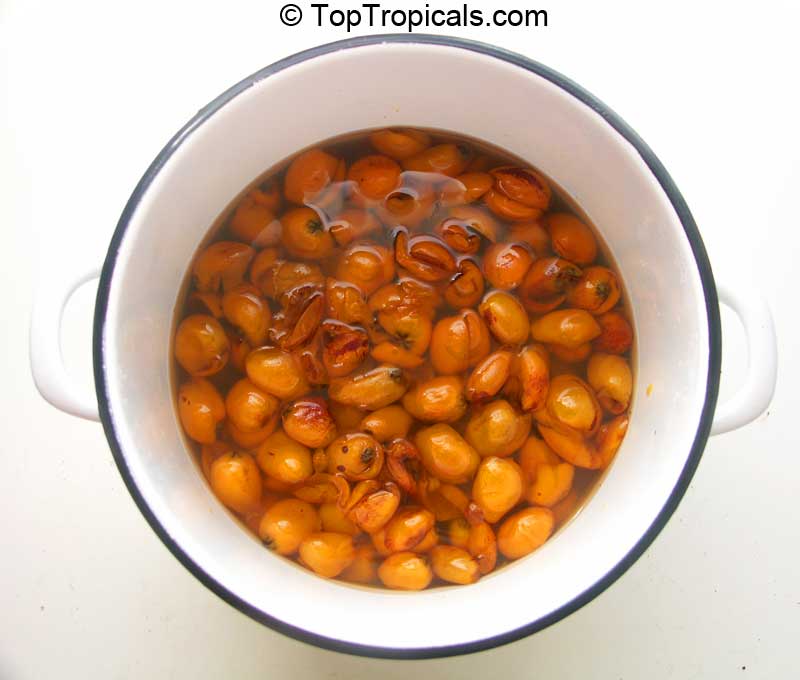
Wash the fruit, cut them in half and remove stones. The loquats will lose about a third of their weight once stoned (3 lbs of whole fruit = 2 lbs of fruit, stones removed). Add loquats and all remaining ingredients to a large saucepan. Bring to a low boil, then simmer for about an hour, stirring occasionally. The liquid will have reduced quite a bit and the fruit will be collapsed and very soft. Allow to cool slightly, then liquidize the sauce in a blender or a food processor. Be careful, hot sauce really burns!
This delicious tropical sauce is great for any BBQ - with meats or fish. Enjoy!