Garden Blog - Top Tropicals

Date: 10 Mar 2024

Growing Adeniums: A Beginners Guide
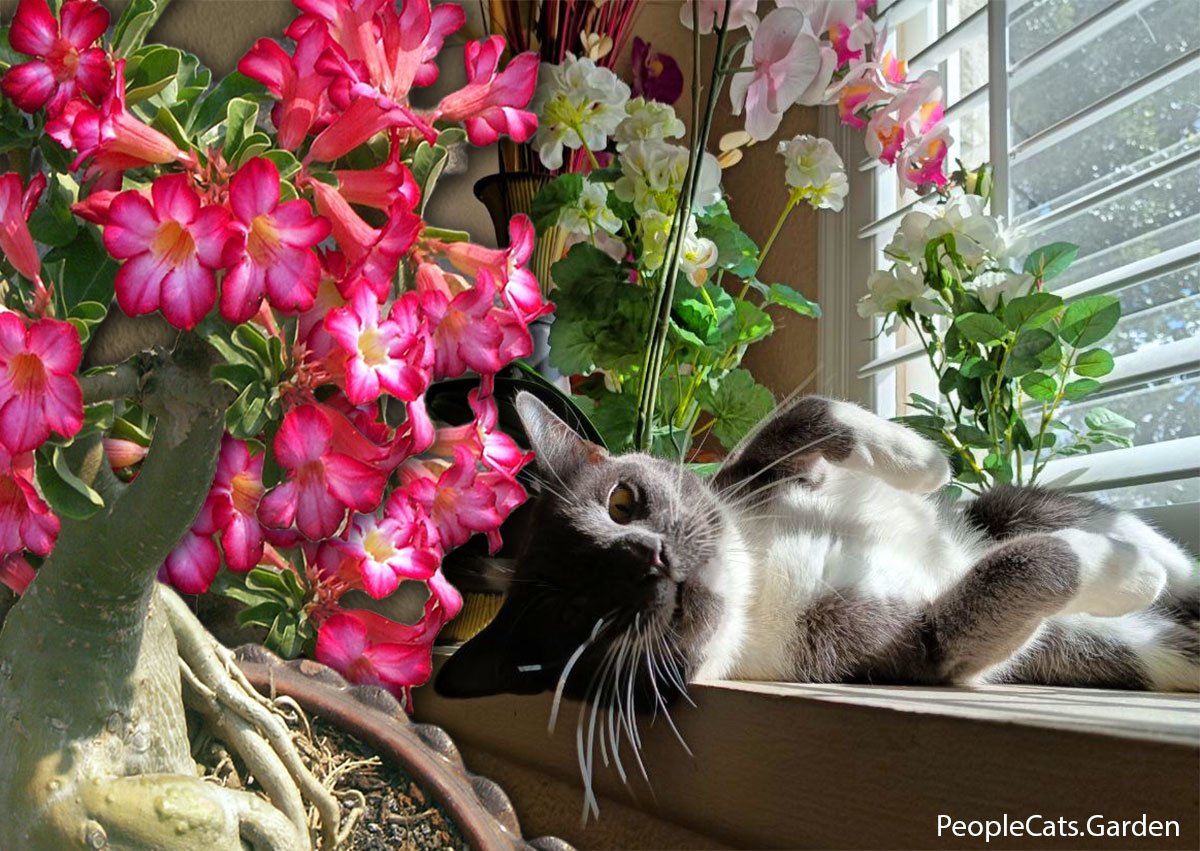
Cat with adenium flowers

Q: How to you keep Adenium happy and blooming like on the pictures?

A: Adeniums, also known as Desert Roses, are exotic and striking plants that can bring beauty to any indoor or outdoor garden. Despite their desert origins, they require a bit of care to thrive. Here's a simple guide to help you grow healthy and vibrant adeniums:

Light and Location: Adeniums prefer filtered light, although they can tolerate full sun. In hot climates, they thrive in bright, indirect light. Position your plant accordingly to ensure optimal growth.

Potting and Soil: Use a small pot with excellent drainage to prevent waterlogging. Opt for a well-draining soil mix specifically designed for adeniums or create your own mix using cactus mix with added limestone for slightly alkaline conditions.

Watering: Water sparingly, allowing the soil to dry out between waterings. Avoid overwatering, which can lead to caudex rot. Water in the early morning and ensure the plant drinks up throughout the day.

Fertilization: Use a liquid fertilizer with high phosphate content to encourage both caudex growth and flowering. Apply according to label instructions, avoiding direct contact with the caudex. We recommend Sunshine Megaflor.

Caring for the Caudex: To promote a large swollen caudex, gradually raise the plant each time you repot it, exposing the upper roots. This encourages the formation of additional roots.

Maintenance and Blooming: Adeniums typically bloom from spring through fall. Ensure they receive ample light for heavy flowering. Avoid wetting the leaves and apply fertilizer to support overall plant health.

By following these simple steps, you can enjoy the beauty of adeniums in your own garden or home. With proper care and attention, your Desert Roses will flourish and delight you with their stunning blooms.
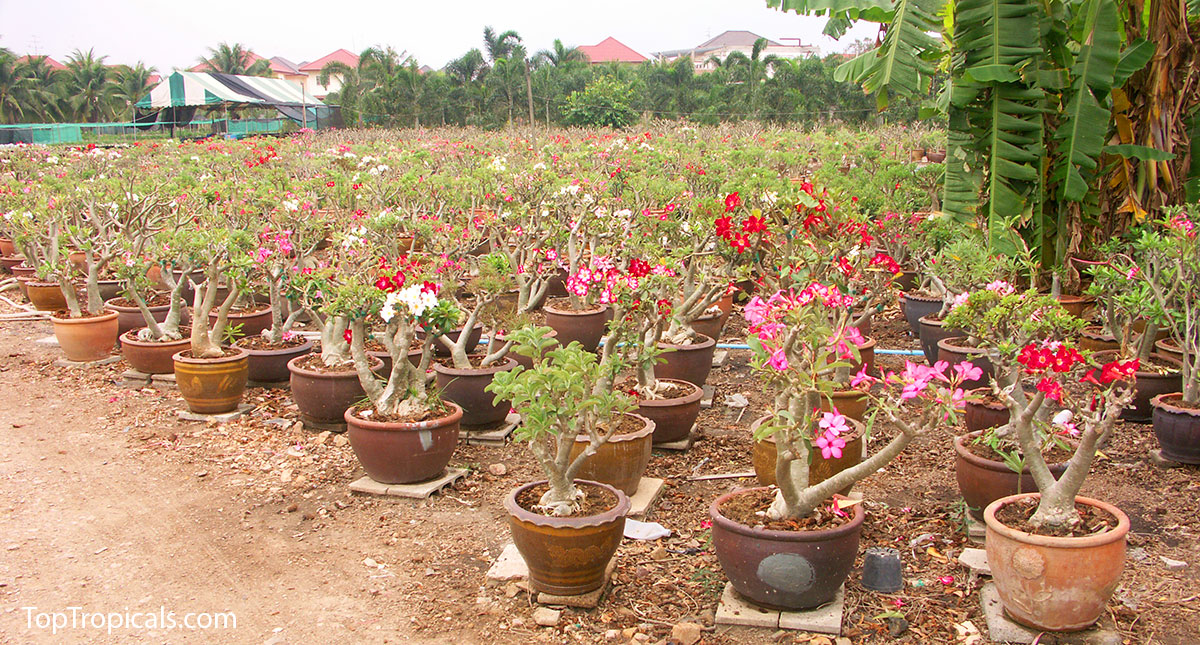

Adenium field

Date: 10 Mar 2024

News arrivals: Adenium Rainbow

Collect them all!

Rainbow can with flowers

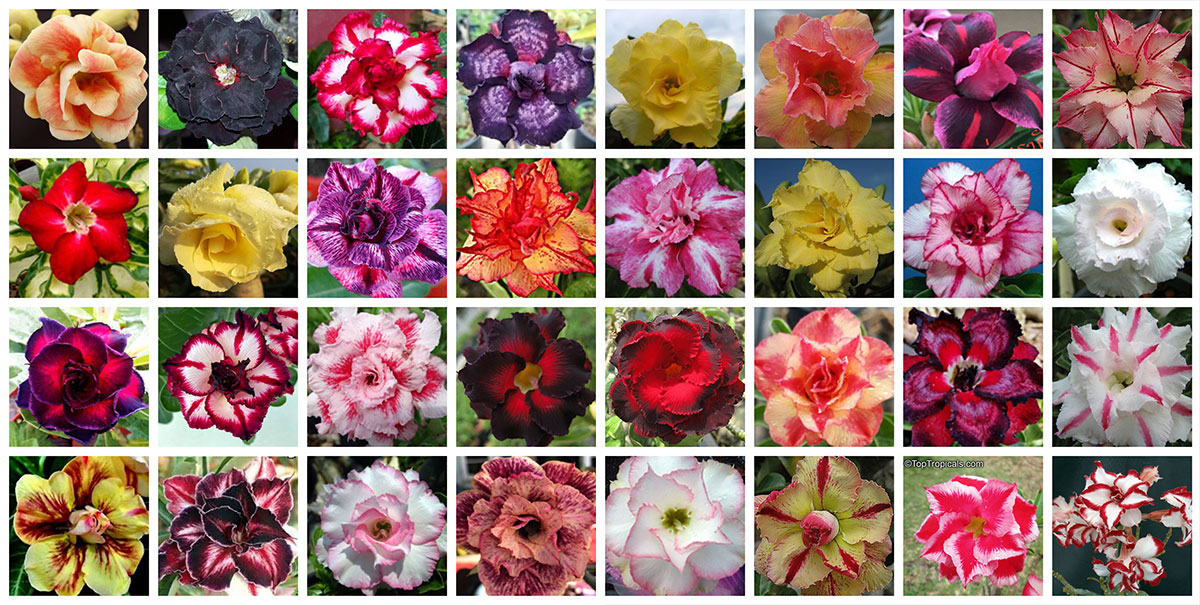
Exciting news: Fresh Adenium arrivals straight from Thailand! Behold an array of breathtaking varieties in an explosion of colors.

Adeniums are a must-have for gardeners, with enthusiasts avidly collecting diverse strains. These resilient plants flourish in pots, whether adorning outdoor gardens or brightening indoor spaces. With their charming compactness and eye-catching caudex, Adeniums effortlessly spark conversation and make memorable gifts.

Every year, new hybrids emerge, boasting double and triple blooms in an array of captivating hues - think vibrant reds, pinks, yellows, regal purples, and even dramatic blacks. Each variety is a masterpiece, showcasing unique patterns from dots to stripes to variegations.

Act fast - quantities are limited! Seize the opportunity to expand your collection now!

Adenium Collage

Photo above: selected varieties that just have arrived.

Date: 5 Mar 2024

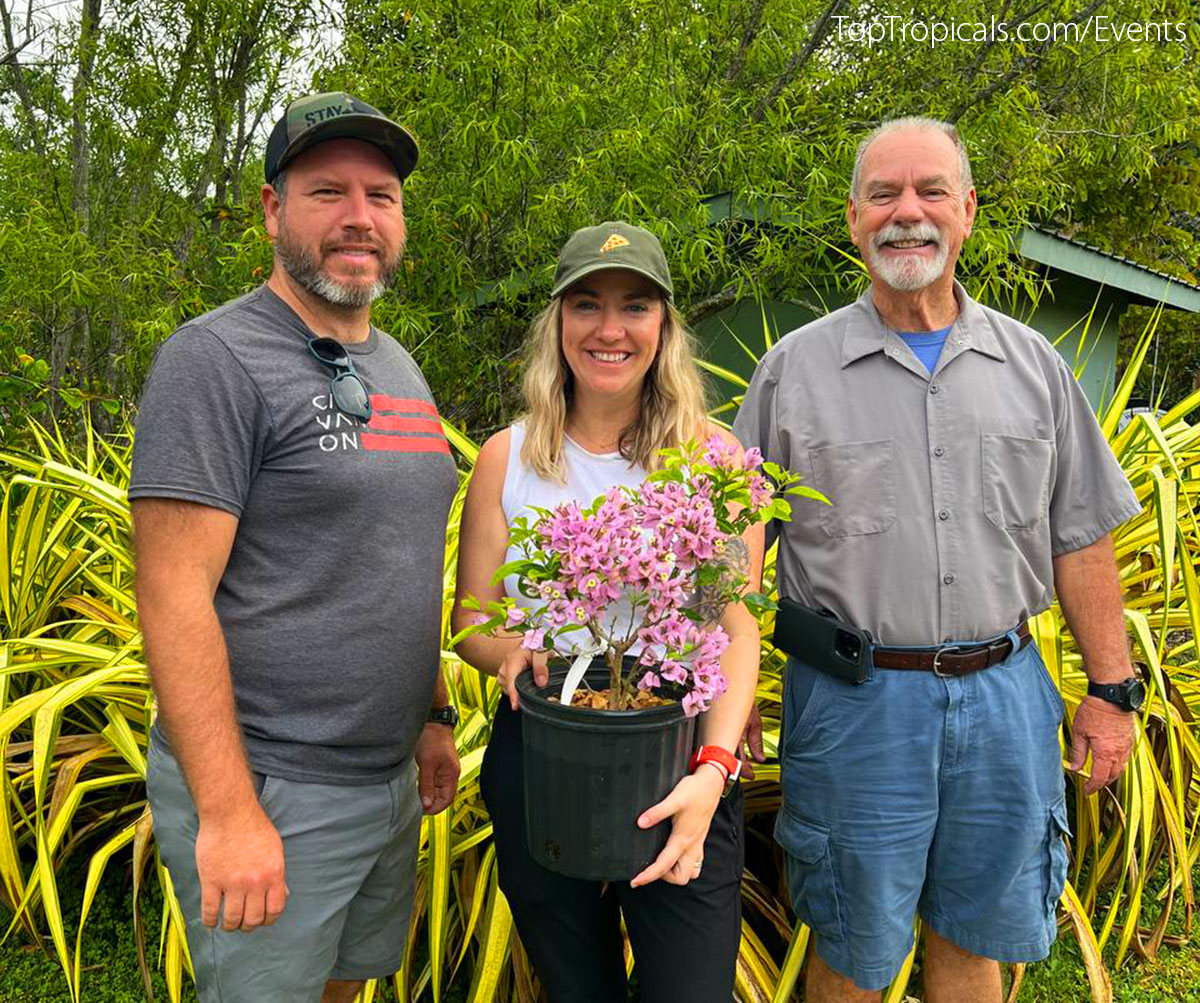
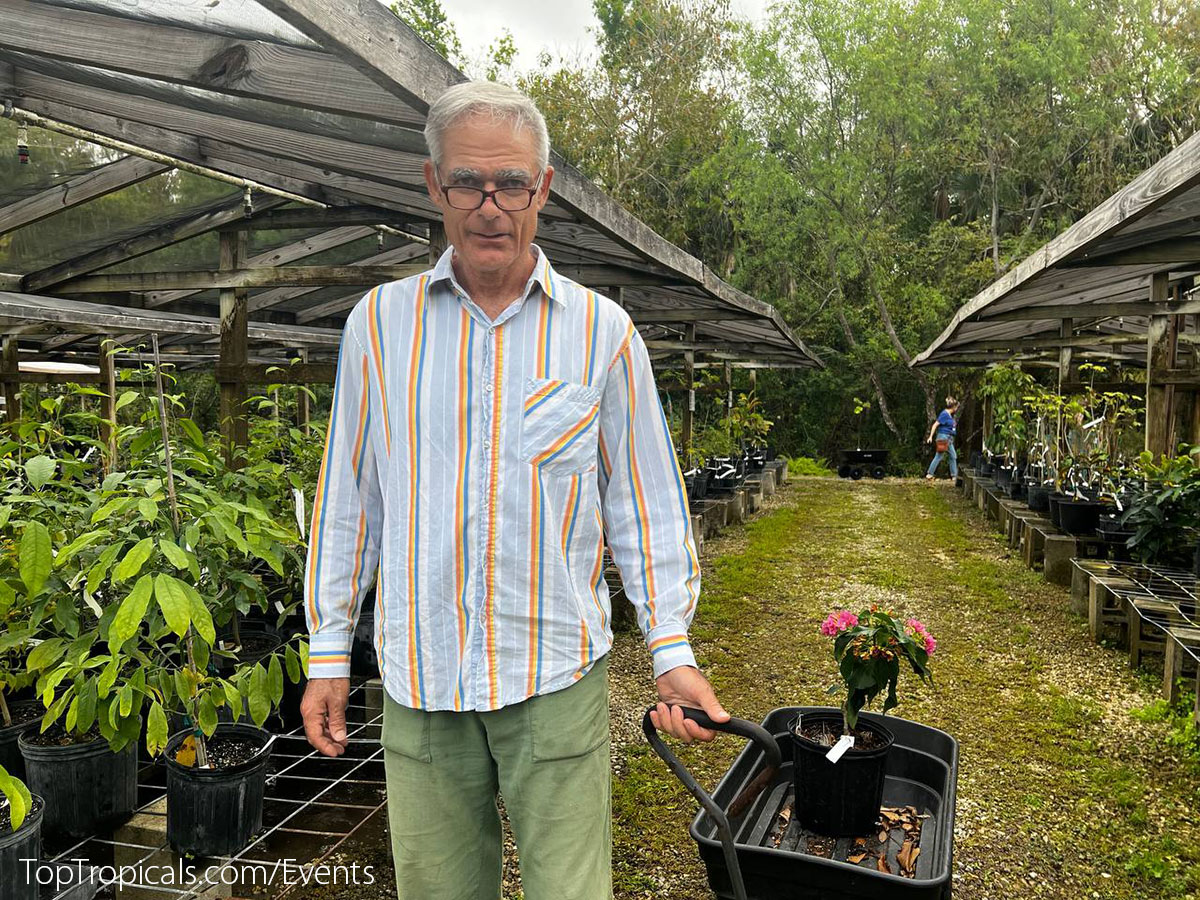
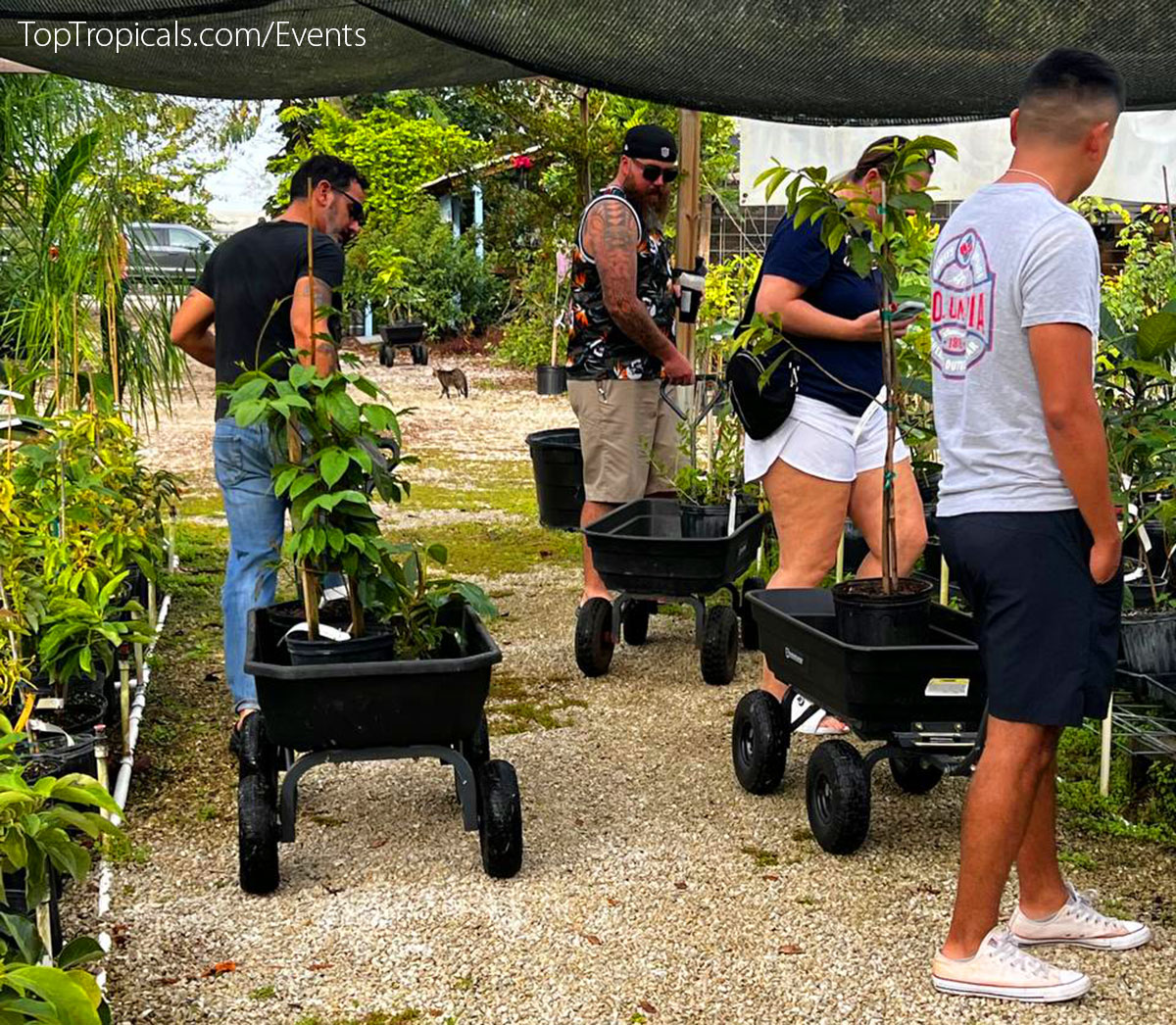
Event mementos: everybody had a happy time!

Plant Festival March into Spring at Top Tropicals

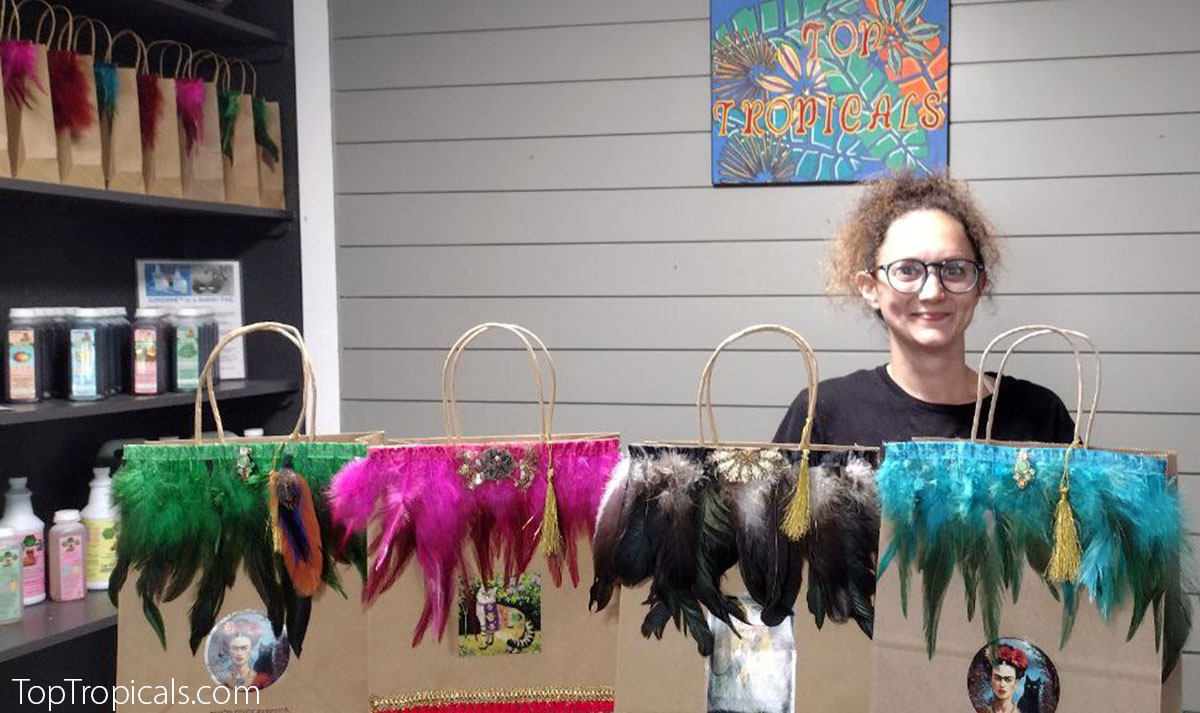
Our heartfelt gratitude to each and every one of you for visiting our Plant Festival March into Spring - on Saturday. It was delightful to see so many of you exploring the array of plants, finding ones that spoke to you, and ultimately making purchases that brought joy and life into your homes and gardens. The early birds received amazing Artistic Gift Bags by Onika Amell.
Your support means the world to us! It's moments like these that remind us of the beauty and wonder that nature brings into our lives...

Plant Festival March into Spring at Top Tropicals

A man with a plant

Chiane with gift bags

Date: 25 Feb 2024

Avocado pollinating and crops

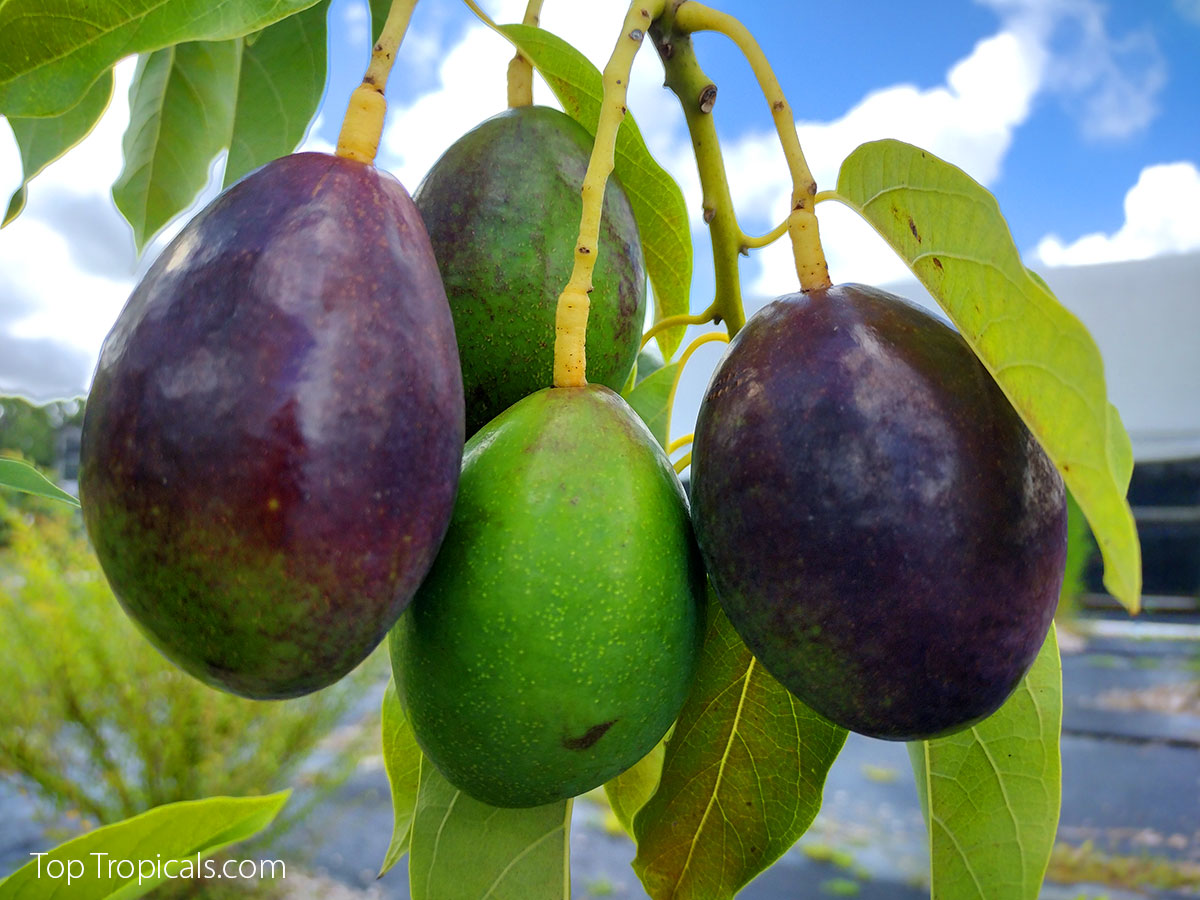
Avocado fruit

Photo above: Avocado Joey - very buttery fruit, cold hardy variety.

Q: I bought an anise leaf-scented avocado from you, and it is finally quite large and doing great. I live in California, the coldest temperatures we seem to get in some winters is around 25 to 28F, and it never lasts long. The tree might get a bit of frost nipping on the new growth, but it has done very well. It has flowered profusely for the last two years but hasn't set any fruit. What variety you might recommend to help with pollinating?

A: We are glad your avocado is doing great. Anise is one of our favorite varieties, with the wonderful smell of leaves and tasty fruit.

Cold hardiness and flower quality

It is true that cold damage may affect avocado production, especially in setting fruit. To improve the tree's cold hardiness, make sure to provide balanced plant food, especially during the season of active growth. For our avocado trees, we use Sunshine C-Cibus year-round.

If you prefer to use dry (granulated, slow-release) fertilizers, make sure they contain micronutrients, or apply Sunshine Superfood microelement complex once a month.

To improve flower quality (including the ability to set fruit), we recommend a special micronutrient supplement called Sunshine Honey. It contains Boron and Molybdenum - elements that are responsible for setting fruit and for developing fruit (meaning not dropping at the early stage of development).

Cross-pollination and crop

In general, every avocado tree is self-fertile, meaning it can produce some fruit with its own pollen and doesn't necessarily require a second tree for pollination. So even if you don't do anything, sooner or later your tree will set fruit. However, it is also true that the amount of fruit and crop reliability depends on pollination factors. One type of avocado classification is by flowering and pollination behavior - type A or B.

When both types of trees are grown in proximity to each other, their overlapping flowering patterns significantly enhance the chances of cross-pollination. This can lead to improved fruit set and higher yield, making it especially important for commercial production and, to a lesser extent, for home growers.

Therefore, it's advisable to plant different varieties of avocado in your garden - the more, the merrier! The greater the diversity of avocado trees with overlapping flowering periods, the better your crop is likely to be. If you're growing an avocado tree without other avocados nearby, it becomes helpful to have more than one tree with different flowering patterns (A and B) to increase yield in your garden.

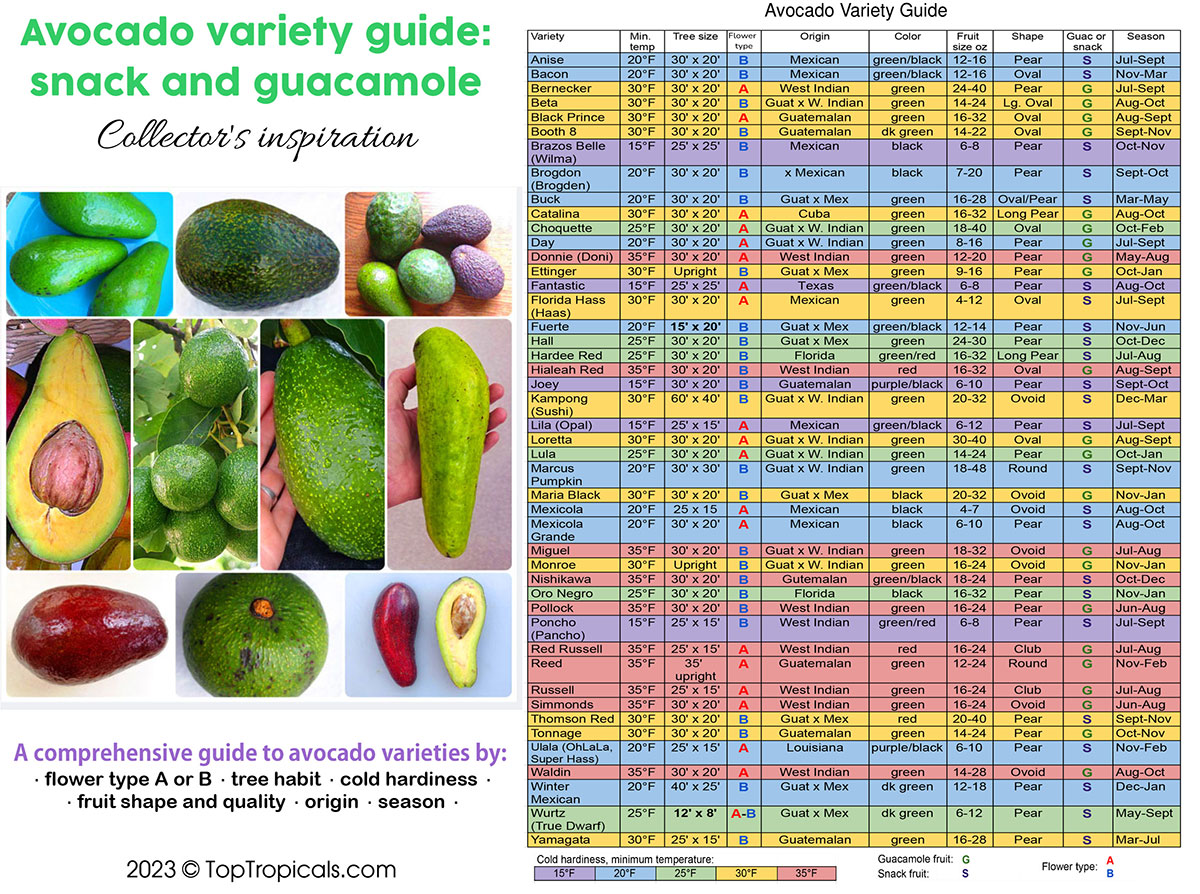
Anise Avocado is type B. So to increase your crop, you may consider planting type A variety from the list: Bernecker, Black Prince, Catalina, Choquette, Day, Donnie, Fantastic, Florida Hass, Lila, Loretta, Lula, Mexicola, Mexicola Grande, Red Russell, Reed, Russell, Simmonds, Ulala , Waldin .

To learn more about avocado types, fruit characteristics, cold hardiness and much more, refer to our Avocado Variety Guide - a page with very convenient interactive chart allowing you to quickly sort types of avocado by requirements of your choice (just click on column header to sort data). You may also buy a Book or download a PDF.

PAvocado Variety Guide Book

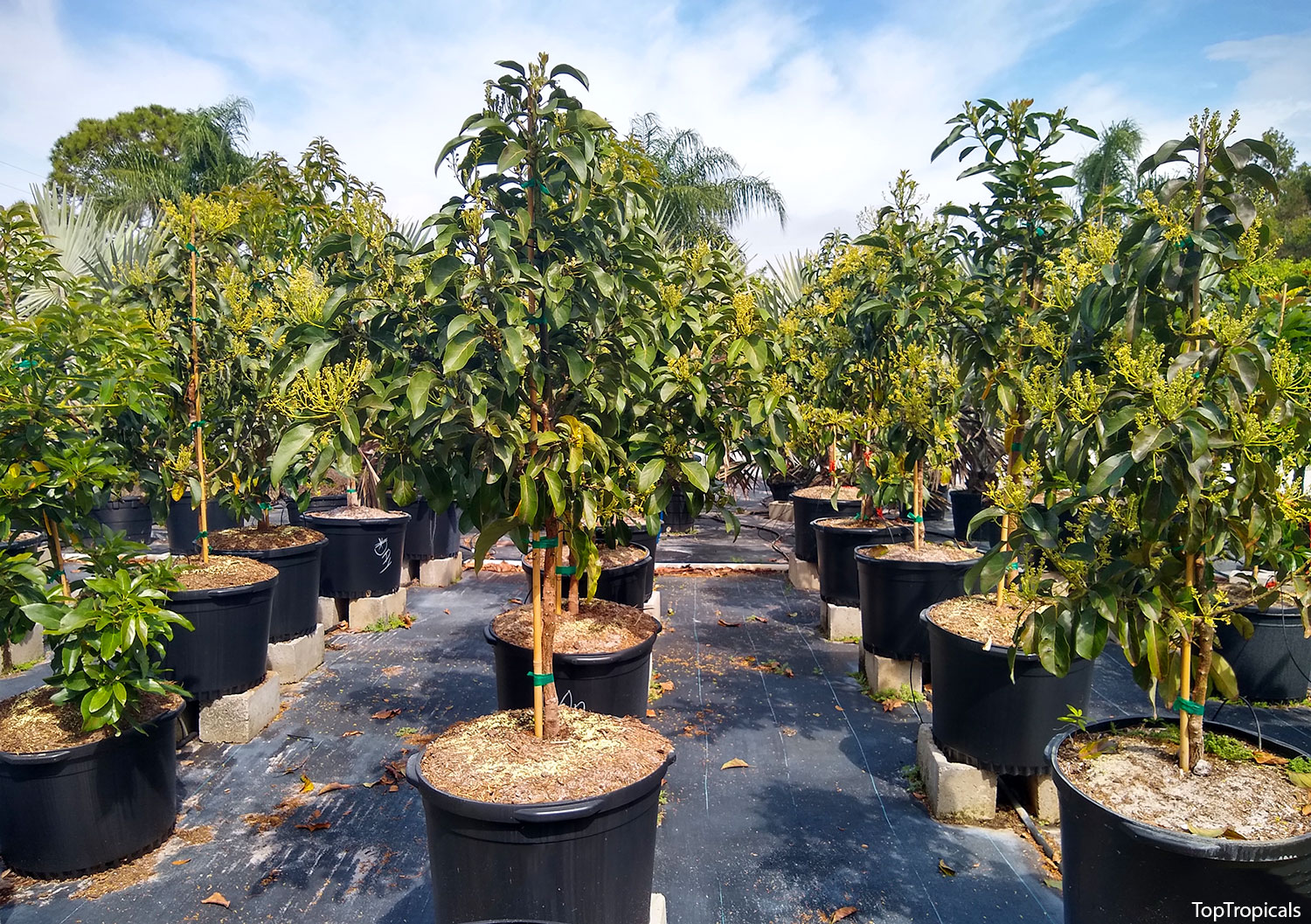
Avocado trees in pots

Photo above: 15 gal Avocado trees for local pick up. Delivery and installation available!

Date: 19 Feb 2024

Sky Blue Plumbago

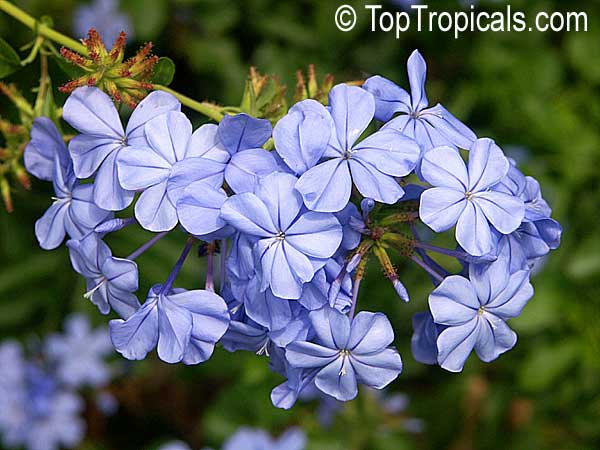
Plumbago auriculata Imperial Blue

Q: Can you recommend a small, easy flowering shrub for a hot, sunny location at the front of my house? I have lawn sprinklers, but they may not provide sufficient moisture. I attempted to grow roses and gardenias previously, but unfortunately, they didn't thrive. I'm eager to see some flowers, but I confess my watering habits aren't the best... Is there any hope for me?

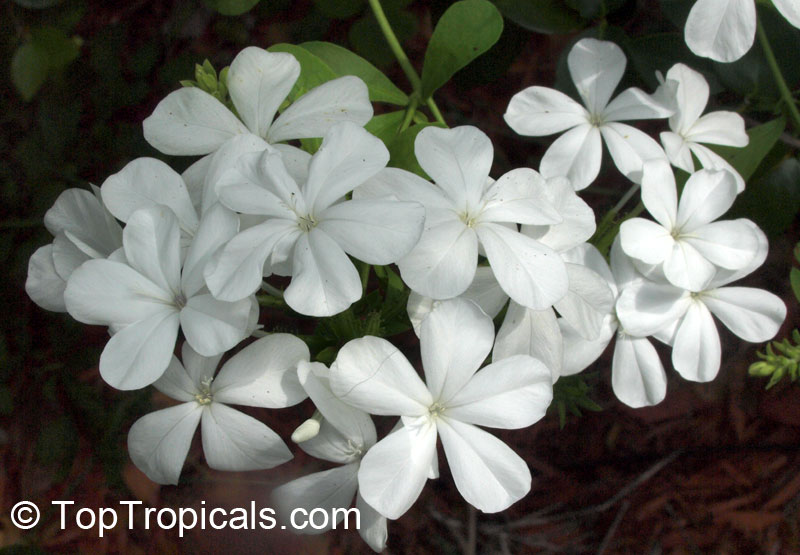
A: Don't lose hope just yet! We have the perfect solution for you. Plumbago is tailor-made for hot, sunny locations, offering a vibrant display of flowers with minimal effort required. This resilient plant is a true asset for southern landscapes, boasting adaptability, drought tolerance, rapid growth, and an extended blooming season. Plumbago's sky-blue blossoms are guaranteed to elevate the aesthetic of your outdoor space with their enchanting allure. With varieties like Imperial Blue and Pure White being among the hardiest cultivars, you're sure to find success with this delightful shrub.

Plumbago auriculata Alba