Garden Blog - Top Tropicals

Date: 22 Apr 2020

PeopleCats saving us from COVID-19!

Cat owners have higher immunity for COVID-19?

In our previous newsletter, we were talking about cats fighting the coronavirus and how to help them to recover.
The research made by Sabina Olex-Condor, a Polish doctor who works in a clinic in Madrid, showed that due to cross-immunity (cats are a known reservoir of coronaviruses) cat owners have milder sympthoms of COVID-19! Perhaps this is due to the fact that in a cross-reaction antibodies are produced to the virus, and owners of cats are more protected from COVID19... Read more)
Now that quarantine has been introduced almost universally because of coronavirus, dog owners are also in a better position - they can officially go outside for a short while. But the benefit of dogs (and other pets) is not only that. Scientists from the Italian city of Catanzaro found in the course of the study, that those who have a four-legged pet, have very mild symptoms of the COVID-19. A similar effect was observed in those in contact with cattle... To find an explanation for this phenomenon, the researchers compared viruses. It turned out that the disease of bulls, cows and other cattle is similar to Chinese coronavirus by 38.4%, and the virus of dogs by 36.9%. This means that owners of animals already have some kind of immunity. So the owners of cats and dogs, as a rule, tolerate coronavirus easier or completely asymptomatic. Read more...

Stay safe and healthy with your PetPeople!
TopTropicals PeopleCat Club

Thank you everybody for supporting us in helping PeopleCat Community!
Make your kind donation today and receive a surprise gift from us. Every little bit helps! Thank you and God bless you and your pets!

Date: 25 Jun 2020

Meet PeopleCats of TopTropicals. Cat of the day: Anders from the King's Palace

We receive many letters from customers who enjoy our Cat of the Day column, including those who want to share their cat stories with us! Today's guest in PeopleCat studio -

Cat Anders. Anders lives in Stockholm. He is a manager of a Garden Center located in one of the King's properties - Palace Ulriksdal. He has so many beautiful flowers in stock! Lots of orchids, camellias, and showy colorful annuals.
Anders' favorite spot is to sit by the cash register where he can closely monitor every payment transaction. Sometimes he takes a walk around the premises to take care of security issues and to stay on top of his inventory control. During lunch time Anders visit Flower Cafe nearby, to make sure visitors' dogs behave properly... Yes, dogs and cats are welcomed in!

TopTropicals PeopleCat Club and Zoo

Thank you for supporting us in helping PeopleCat Community!
Make your kind donation today and receive a surprise gift from us! Every little bit helps. Thank you and God bless you and your pets!

Date: 13 Apr 2021

Healthy Plants: Q&A from Mr Booster

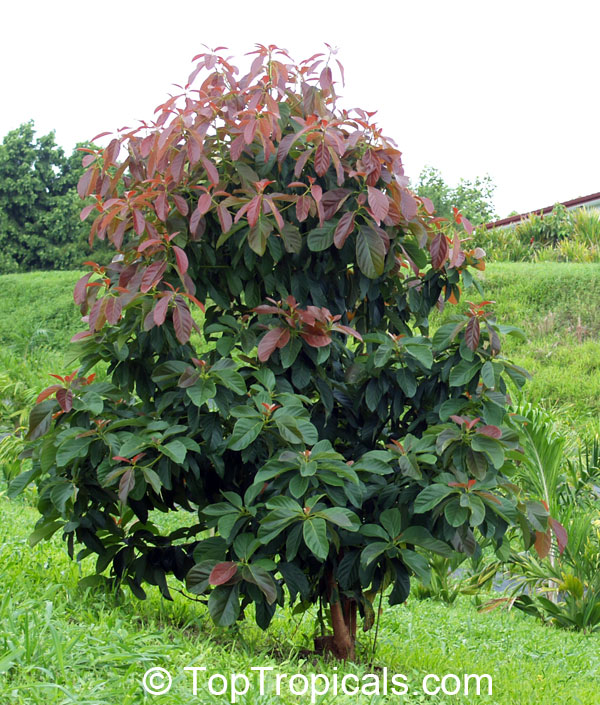
Why my Avocado is not flowering?

Q: I have 5 avocados. Three of your cold hardy varieties and two others that have all flowered and set fruit in the past. The last two years including this year, not a single one of them has put out any flowers. I am getting lots of new growth like one would expect on a tree too young to flower. The last two years have been very mild with out any damaging frost where in previous years they lost all their leaves due to frost yet started putting out flowers once winter was over. I am confused because they have all flowered and set fruit previous years. Any ideas would be appreciated.

A: From information you provided, and considering the trees get lots of full sun and cold was not an issue, the only explanation is - lack of nutrients. Here is an example.
Very common situation: you get a small 2-3 ft Avocado or Mango tree in 3 gal pot (or even smaller) from a nursery, full of flowers, and sometimes even a small fruit. You bring it home, plant it in the ground or a bigger pot, it looks happy and grows like crazy. Then next year - oops, no fruit, sometimes not even flowers. What happened?
When the tree lived in a nursery, it was provided with all necessary nutrients through the injector systems (continuous feed); or some nurseries may use top dress smart release on regular schedule. Regardless of fertilizer type, professional grower's set up delivers plant food non-stop, on regular basis, with balanced formulas. Plants are not only growing fast but also ready to produce, since nutrients are always available for a full growth cycle.
When you plant a tree in the ground (or larger pot), conditions change. They may be beneficial for the plant: lots of room for roots to establish, hence lots of vegetative growth. Even if you planted it using good quality fertile soil, this soil may contain mostly nutrients responsible for vegetative growth (branches and leaves). Chances are, your soil may be rich in Nitrogen (good for green growth), but poor in other elements responsible for flowering and fruiting (Phosphorous, Potassium, and many important micro-elements such as Molybdenum, Boron, Iron, etc.). Besides, existing soil gets exhausted quickly, and within a year a two, if you don't add fertilizer, flowering and fruiting may be reduced or even stopped. This is why fertilizing program is very important for fruit trees that are expected to bring a crop soon.

We recommend:

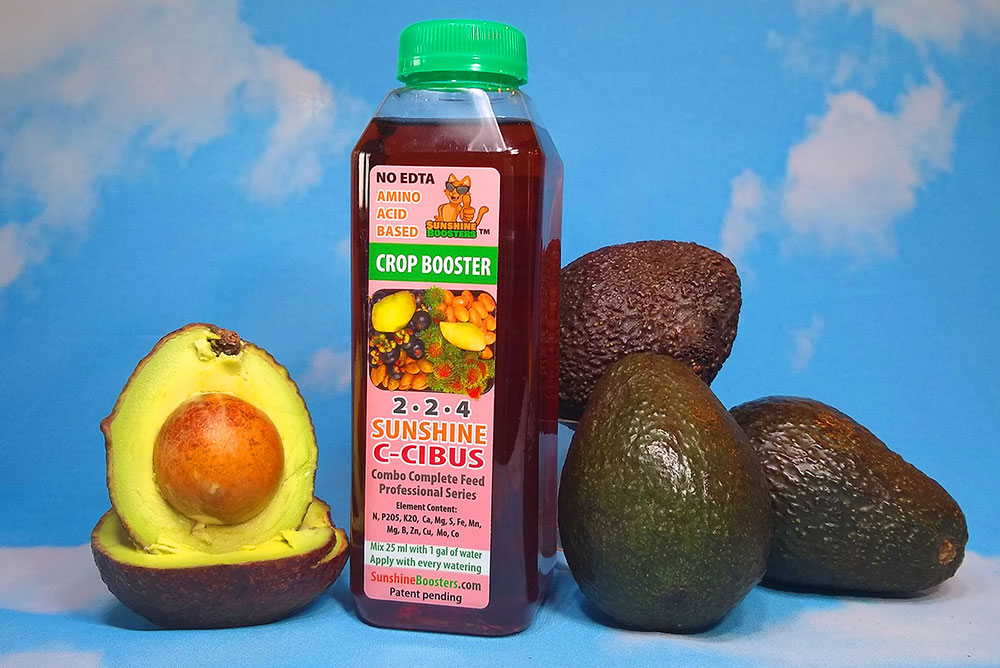
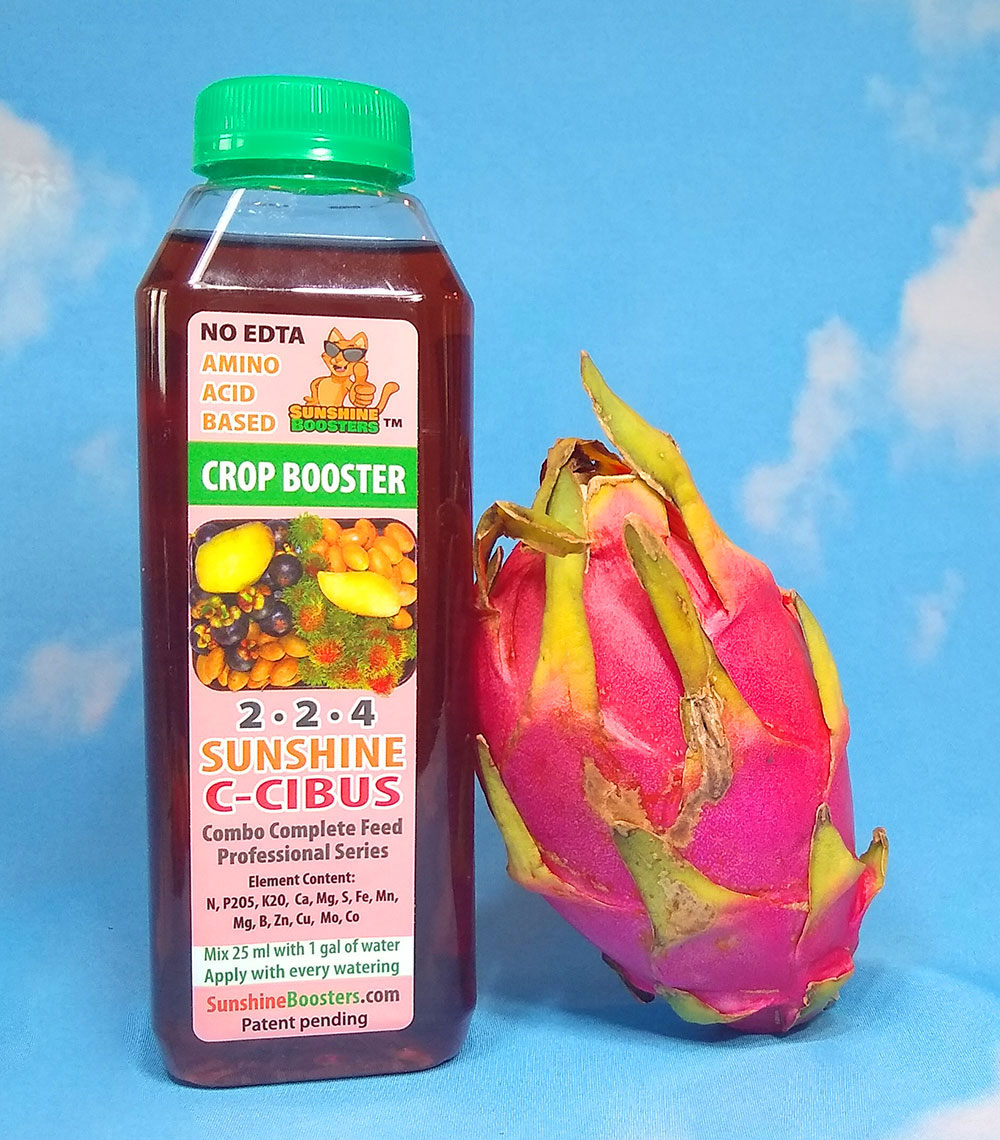
- SUNSHINE C-Cibus - Crop Nutrition Booster - balanced food for fruit trees
- SUNSHINE-Honey - sugar booster - promotes more efficient blossoming and pollination, makes flowers bigger and reduces bud drop
- SUNSHINE SuperFood - for improving fruit trees production

Also keep in mind that some fruit trees have a habit of "skipping" a year and may either produce less or not produce at all every other year. In any case, balanced nutrition program can help to fix this "bad habit".

Date: 4 Mar 2021

Healthy Plants: Q&A from Mr Booster

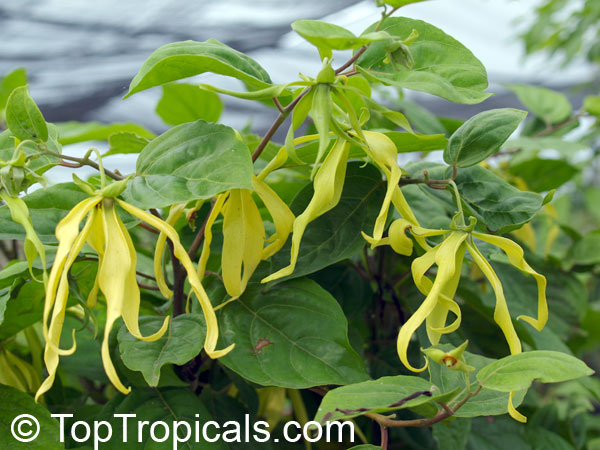
Ylang Ylang leaves after winter

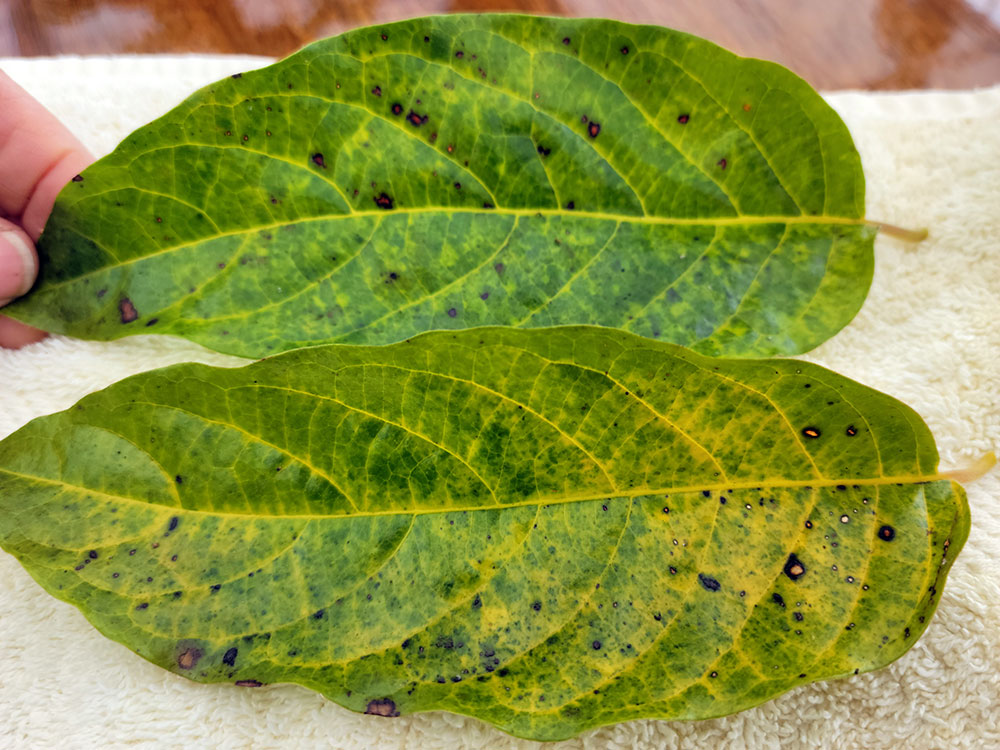
Q: Hi, I purchased ylang ylang tree a couple of years ago. It's grown quite well in my Greenhouse but I'm having some trouble figuring out if I'm watering it too much not enough or if it has an insect. Can you please take a look at my photos and maybe give me a suggestion of what my problem might be?

A: It is normal for Ylang Ylang tree to get dark spots during winter time. Sometimes Cananga gets whole branches darkened (especially dwarf variety fruiticosa), some may even fall off. But they will be replaced with new growth in Spring-Summer. There is nothing wrong with your plant, it is just a reaction to cold and short day light when you keep this plant indoors. These leaves eventually will fall off as the weather warms up, and will be replaced with a new fresh green growth.
Luckily, Cananga is not susceptible to insects and diseases, but its leaves can look unattractive in winter. Make sure to keep watering at minimum until temperatures raise to 80's.
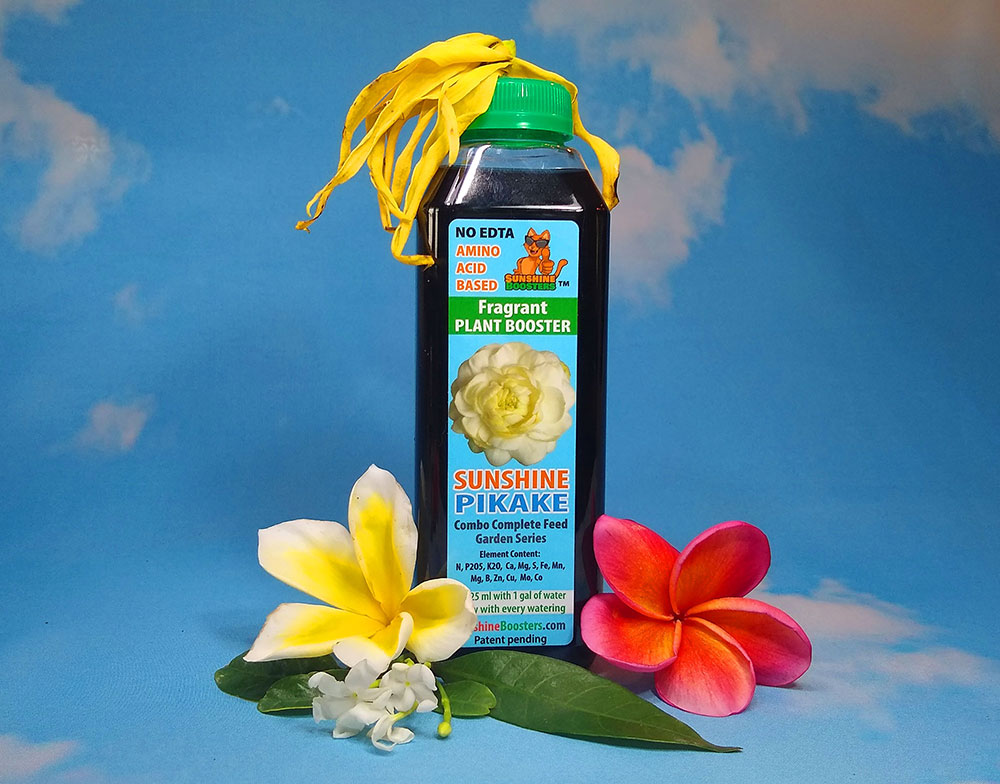
Start fertilizing as soon as new growth appears. We recommend SUNSHINE Pikake - Fragrant Flower Booster, an ultimate fertilizer for fragrant plants.

Date: 25 Feb 2021

Healthy Plants: Q&A from Mr Booster

Dragon Fruit Magic Tricks

Q: I purchased two sweet red pitayas, that arrived and were planted on May 28, 2020, they were damaged but not serious. my question is this one pitaya is a beautiful green, and has grown 6or 8 " already, the other is bigger and is a grayish green and has not shown any sign of growth at all in six weeks, how long do I wait before I throw it out and buy another?

A: Being a cactus, sometimes Pitaya slows down its growth waiting for more favorable conditions. If one of your plants doesn't show any new growth, just give a it some more time and make sure the plant stays happy. To make pitaya happy, provide the following:
- Water. Unlike most cacti, Pitaya prefers regular watering (but not a wet soil). Make sure it is planted in well-drained media. Do not water again if soil remains moist, wait until it dries out on the surface. During hot weather, Pitaya enjoys light daily watering.
- Light. Unlike most cacti, Pitaya benefits from a filtered light especially while establishing. Try to create a temporary shade over the plant until it starts active growth (if grown in the ground), or move the pot in filtered light. Dull color or dry spots are signs of sun burn. Once the plant shows new growth, you may remove sun protection, or move the pot gradually into the full sun.
- Food. Pitayas are heavy feeders. Use the following fertilizer:
SUNSHINE C-Cibus - Crop Nutrition Booster

Q: I've been growing dragon fruit cuttings from Okinawa, Thailand and Vietnam for several years in pots and cannot get them to fruit. Any fertilizer suggestions? I live in Northern Virginia so I bring the massive pots in the garage under lights and a heater for the winter but back outside once the temperature warms up.

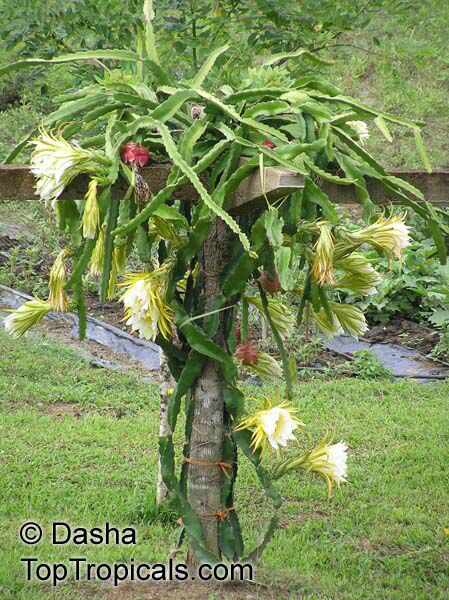
A: There is a little trick to get Dragon fruit to flowering and fruiting. This plant likes flowering when it is attached to a strong support. In commercial plantations, they use special trellises/frames made out of logs, but you can make one yourself using simple materials.
See article: Do-It-Yourself Support Structure for Dragon Fruit.
And of course, don't forget a special plant food for tropical fruit - Sunshine C-Cibus.
You can successfully get your Dragon fruits to fruit in pots, providing bright light in Summer. In Winter, keep the plants on a dry side to give them some rest and a chance to hibernate before the next fruiting season.