Garden Blog - Top Tropicals

Date: 1 Jan 2019

Top Tropicals New Year Resolutions

We take this opportunity to extend our grateful thanks to all visitors and friends of our garden and website. The entire Top Tropicals team wishing you a Happy New Year with Happy New Plants!

In 2019, Top Tropicals plans include (but are not limited to):
- improved design of the website, online store and shopping cart
- many new introductions of rare flowering plants including Red Jade Vine, lots of new Adeniums
- rare fruit trees, including Mangosteen, Nutmeg, Clove and more
- extended selection of rare tropical seeds
- many new videos of rare tropical plants
- free and discounted shipping
Stay informed with our Newsletter updates!

New Year Resolutions for Gardeners in 2019
TopTropicals.com

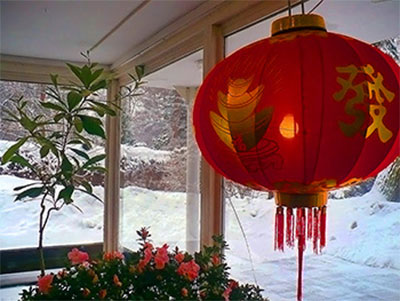
January is the month to plan and dream about your yard and garden. Grow your garden a few steps at a time each year: pick a few resolutions for 2019 and plan accordingly. Next year, a few more, and so on until you build the garden of your dreams.
This winter, resolve to:
- Hang a bird feeder.
- Order seeds of some rare plants so you can have an early start.
- Prune a tree into an espalier - it's a perfect time before Spring.
- Ask your grandparents what they grew in their gardens.
- Build a raised bed for succulents.
- If you live in a warm climate, plant a fruit tree or two.
- Start a compost pile.
- Plant a palm tree.
- Try some plant boosters to improve your plants hardiness.
- Chose Flowering trees, shrubs and vines suitable for areas in your garden that still have room...
- Install a rain barrel.
- Eat outside as often as possible.
- Show a child how to plant a tree.
- Provide a water source for bees and butterflies. They are not only cool, but also pollinators that will help to set fruit and seeds!
- Call TopTropicals for garden advise - what to plant, where to plant, and how not to kill it!
- Plant a berry-bearing tree or shrubs to feed the birds. Mulberry, Blackberry, Tropicals Cherries - are always good choices. They are 15% OFF now, offer expires 1/8/19.
- Rake and save fallen leaves for winter mulch for your garden beds.
- Save seeds from flowers to plant next year.
- Give plants as gifts all year long.

Happy gardening in 2019!

Date: 1 Jan 2019

NEW VIDEO:

Dwarf Barbados Cherry

Malpighia punicifolia - Dwarf Barbados-Cherry, Dwarf Acerola. This dwarf form of Acerola makes a wonderful low-growing shrub or beautiful bonsai tree with edible fruit. Profuse bloomer, it is also a nice ornamental! Due to its shallow and smaller root system, Acerolas can be interplanted with other crops more closely than many trees. Acerolas grows in marl, limestone, clay and other heavy soils as long as it drains well. Has the highest vitamin C content of any fruit. 1 Cherry is equal to 12 oranges. Used in jellies, jams, freezes without losing its vitamin C content. The plant is drought tolerant and easy to grow.

Malpighias are available from our store

Stay updated with TopTropicals Videos by subscribing to our channel at YouTube.com/TopTropicals and get our latest video news of what is fruiting and blooming!

Date: 28 Dec 2018

FEATURED BUTTERFLY PLANT:

TopTropicals.com

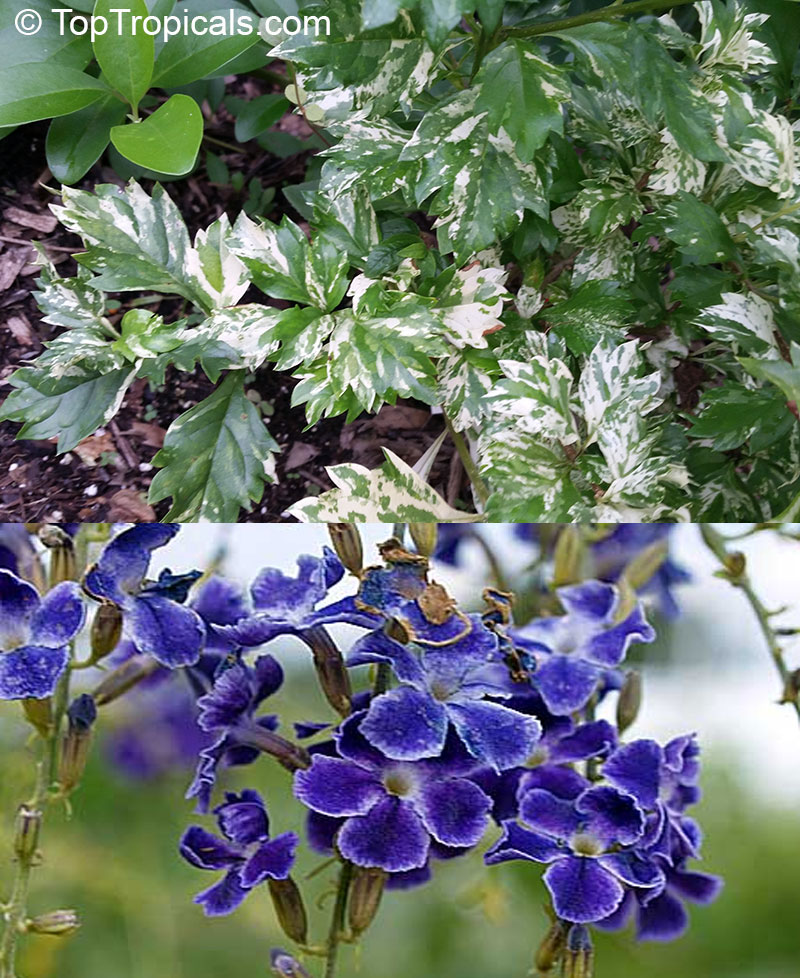
Duranta variegata - Variegated Sky Flower

Variegated Sky Flower is grown for its summer flowers and ornamental fruit. This evergreen fast-growing shrub spreads and arches to 10 feet tall and wide and is great for live hedges and covering fences and corners. In the summer, cascading clusters of blue tubular flowers appear followed by wonderfully contrasting orange-yellow berries. This variegated form has creamy-yellow margins around the one inch long serrated leaves. In mild climates, this plant can be in flower nearly year round with flowers and fruit appearing at the same time. It does best in full sun with frequent deep watering and is hardy to about 20-25F. A good choice for espaliers, as a small tree or large bush; all forms benefit from frequent selective pruning. Flowers are very attractive to butterflies. Great for providing a color contrast in the landscape, and is especially well-suited as a bright-colored background or screening. Prune back in late winter to encourage a more compact shape and strong flush of fresh spring foliage. Requires moderate watering in a well-drained soil.

Check out this plant...

Date: 28 Dec 2018

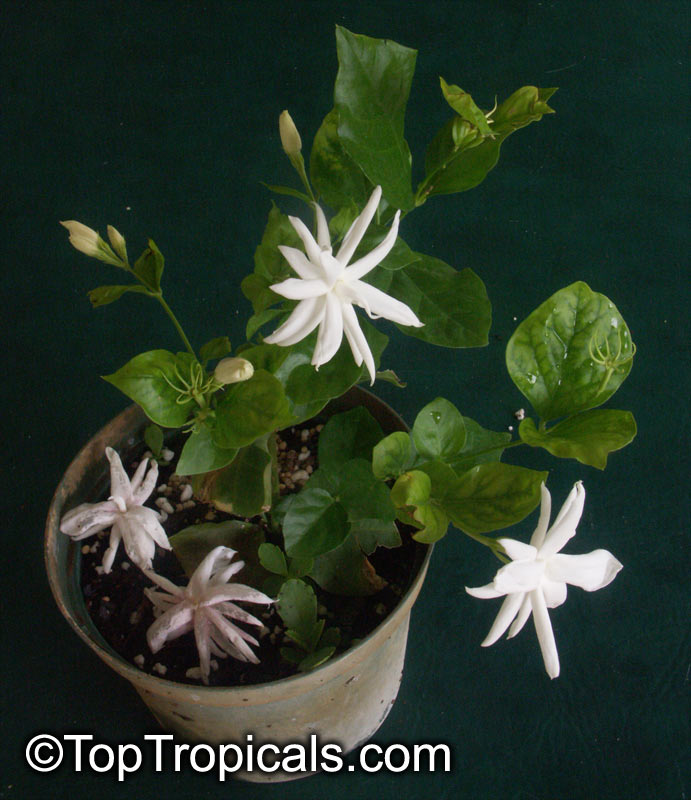
How to get a Jasmine to bloom.
Caring for jasmines as container plants during Winter

TopTropicals.com

Locate the jasmine plant where it will receive bright filtered light at least six hours every day.

Put a few pebbles in a shallow plate or tray and pour fresh water over the pebbles. Set the pot on the pebbles, but don't let the water level touch the bottom of the pot. This increases the humidity in the air around the jasmine. Keep the plant away from wood stoves, heat vents and radiators.

Water the jasmine when the top 1/2 inch of the soil feels dry. Don't let the soil get soggy, and never let the pot sit in water. Water the plant sparingly during the winter.

Feed jasmine twice a month between Spring and early Fall, using a granulated slow-release, or water-soluble houseplant fertilizer mixed at half strength. Don't fertilize during the winter months.

Prune the jasmine as needed to maintain the desired shape. Never prune in winter, as the plant will be preparing to bud.

Encourage the jasmine to bloom by putting it in a cool room at night for four to five weeks during Fall to Early Winter. The plant should get plenty of sunlight during the day, but during the night, move it to a pitch-dark room where the temperature is between 40 and 50 degrees F. After four to five weeks, leave the plant in its regular, daytime location. The plant should start blooming in mid-Winter to early Spring.

See all jasmine plants...

Date: 24 Dec 2018

Growing Nutmeg from seed: secrets of successful germination

TopTropicals.com

Q: I received a Nutmeg nut and I am wondering do I need to open a hard shell before planting it? Any other tips on growing nutmeg from seed? When will you have Nutmeg plants for sale?

A: We just received fresh nutmeg seeds from Sri Lanka and planted them right away, so we should have Nutmeg plants by Spring/Summer. These are some tips on how to make germination a success:
- nutmeg seeds are viable only for a few weeks after harvesting so plant them as soon as possible.
- wash the seed and soak it in warm (100F) water with a few drops of SUNSHINE-S booster that improves germination. Soak for up to 24 hours. You may use a thermos to keep it warm.
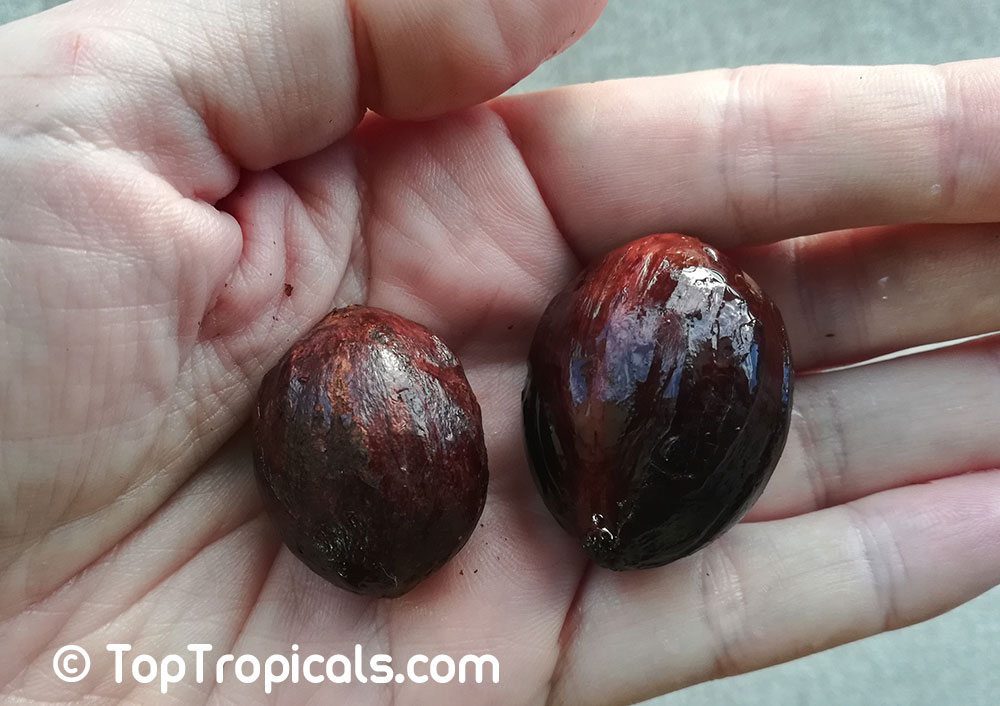
- there is no need for scarification. The outer shell of nutmeg is hard, however, it is not thick so the water will penetrate easily. On the photo above, you can see 2 seeds: the one on the right expanded twice in size after sozking.
- Plant in a porous soilless mix, preferably light seed germination mix, in 4-6" pot, and keep moist but not soggy. You may cover the pot with plastic to keep moisture in.
- Unless you are germinating the seed in hot tropical conditions, you should use bottom heat - 80-85F. A heating pad is the best solution (make sure it doesn't have a timer that automatically shuts it off). For safety, use GFI protected electric outlets since you will be watering the pot.
- Be patient and allow a few weeks for germination. Once the seed sprouted, keep it in bright filtered light and apply SUNSHINE Superfood to young seedling, along with a small dose of Slow Release Fertilizer, for kickstart.
- Move the seedling out in bright sun light once the temperature outside is above 70F.

We have a very long waiting list for Nutmeg plants (item 3878) and seeds (item 6203), so you may reserve one for yourself using our Wishlist form; this way you will be notified immediately when we have the plants in stock, as they won't last long. A few seeds are still available for sale, order now while they are fresh:

Top