Garden Blog - Top Tropicals

Date: 24 Jun 2018

Tour of Top Tropicals - Part 2 - Nursery

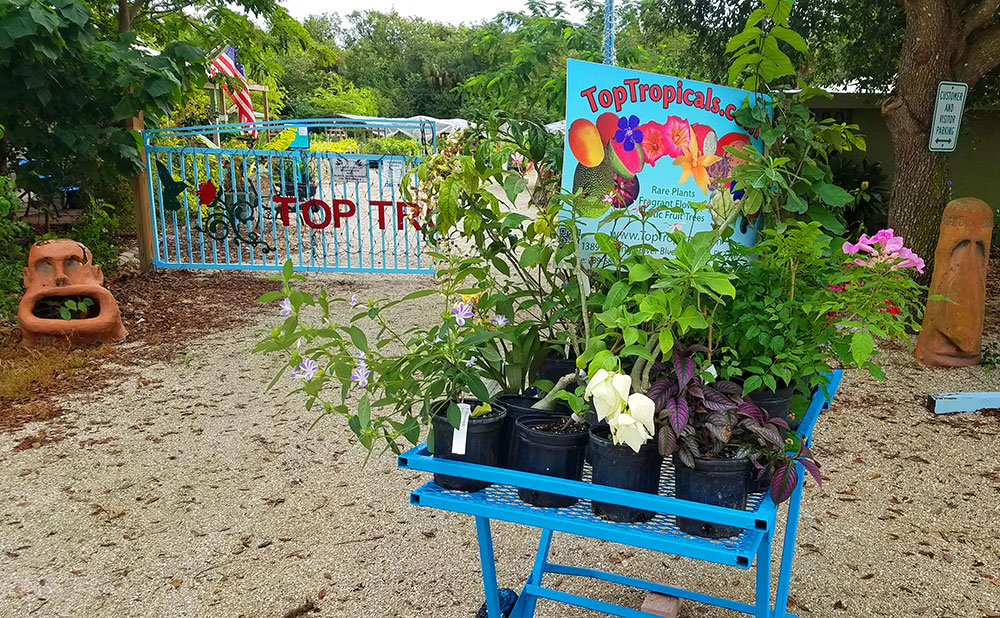
Visit Top Tropicals nursery and see spectacular flowering plants and tropical fruit trees in pots that we ship to you.
This is the second video of a 3-part story about Top Tropicals. The showed some of our garden specials.

Make sure to get back soon to see -
Part 3: Meet customer service team and shipping department crew...

Stay updated with TopTropicals Videos by subscribing to our channel at YouTube.com/TopTropicals and get our latest video news of what is fruiting and blooming!

Date: 24 Jun 2018

TopTropicals

Winter Flowering Plants

Take advantage of the late season tropicals! Brighten up your winters with spectacular flowers and winter producing fruit trees!

Many Floridians move up North during hot summer months, our snow-bird season usually starts late September and ends by Mother's Day in May. Many of our local seasonal customers planting those flowering and fruiting species that they can fully enjoy while staying in Florida. Below you will find a few specials that are in bloom right now.
Check out full list of winter bloomers and late season plants, and download a PDF chart of the most interesting tropical plants that will flower and fruit for you in Fall, Winter and early Spring. Some of them are ever-blooming, others are late- or early season.
Visit our Garden Center in Ft Myers FL and see those blooming specials right now at our front office display!

Date: 24 Jun 2018

TopTropicals

Florida winters and gardening

From Anna Banana, our Garden Center customer advisor.
Cool weather - no sweat. Here in Florida we are blessed to have warm winters. We just went to the beach for Christmas! Winter time is not only a good beach time, but also the best planting time here. Why? I always refer my customers to Murray Corman's article Tropical Planting Breaks the Rules. "...Wintertime does not just mean hard work for tropical gardeners. It is also a time to enjoy the fruits of our labor. Winter-blooming plants and the visitors they attract - birds, bats and butterflies - make the garden as enjoyable in winter as any other time of year. Tasks performed during the spring and summer up north have to be done during the fall and winter here. Why? The answer is elementary: It's too hot! Taking advantage of the coolest months of the subtropical year for heavy chores like planting trees has a twofold benefit: The gardener can make hay while the sun shines without getting heat stroke and the plants appreciate the moderate temperatures, enjoying a break from the stress of 93 degrees in the shade..."
Continue reading...

Winter flowering plants - are a blessing for a tropical gardener. See below what's blooming now! See our recommendations for winter flowering and fruiting plants (PDF).

Date: 24 Jun 2018

TopTropicals

How much water?

Q: I have purchased many tropical plants from you throughout the summer and now I need to think about how not to kill them overwintering in my NY apartment. I was told that overwatering can be a big problem for house plants in winter. How much should I water, and how many times per week?

A: Overwatering in the number one cause of the houseplant death. But be sure not to underwater, either.
- Don't water on the fixed schedule, get to know your plant's needs instead. Most plants only need watering when the top 1/2" of potting mix is try. gently poke your finger into the soil to test it. Some experience gardeners go by weight of the pot - a very light pot will have a dry mix.
- Aim to make the potting mix moist, but not wet. Most plants hate sitting in soggy potting mix, so always let excess water drain away.
- Potting mix in terra cotta pots dries out more quickly than that in plastic or ceramic pots, because terra cotta is a porous material.
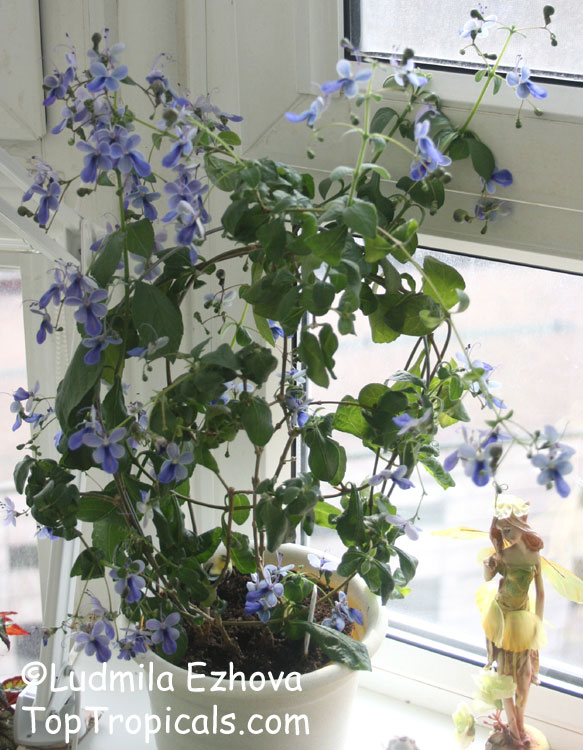
- Most plants need less water in winter because they are not actively growing and need this period of winter rest. However some plants are winter bloomers and they may need regular watering providing bright light to produce flowers, for example clerodendrums.

Date: 24 Jun 2018

Overwintering tropicals indoors and air humidity

Q: My rainforest plant collection thrived outdoors in our humid summer (I live in Maryland) but of course I had to bring them indoors for winter and now with snow outside they are suffering. Some leaves dried and fell of. Please advise how not to lose my babies over winter!

A: When overwintering tropical plants indoors, think about 3 factors: light, temperature, and humidity.
Light. Providing bright light is obvious, and all indoor gardeners are doing their best to have as much well-lit spots for their plants as possible.
TemperatureTropical plants, especially those from rainforest, do not enjoy significant fluctuations in temperature, so avoid following places: - neat hear register (or air conditioning vent) - in drafts - on a windowsill behind curtains at night
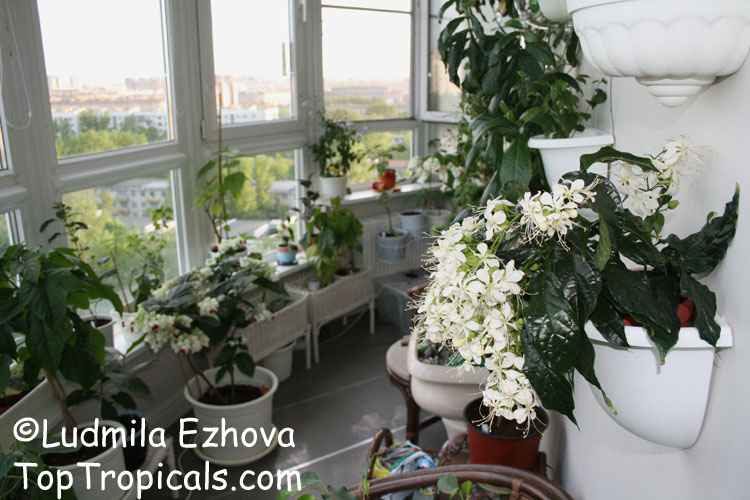
Humidity. Most tropical plants need more humidity than is available in the average, centrally heated home, but some rooms, such as bathrooms and kitchens, are more humid than others. To created humidity, fill a tray that is the same width as a plant, with pebbles or gravel. Pour in water, keeping the level at just below the top of the pebbles, then place your plant on top. The water will produce humidity as it evaporates. Alternatively, mist the leaves using a hand mister in the morning, so leaves dry before night. If you have hard water, use distilled or rain water. Grouping plants together will also increase humidity.