Garden Blog - Top Tropicals

Date: 10 Mar 2016

Do-It-Yourself Support Structure for Dragon Fruit
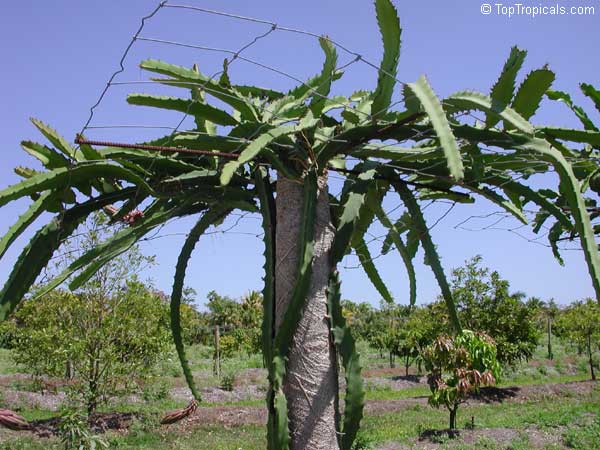
This interesting do-it yourself project was sent to us by our customer from South Florida. Many tropical gardeners want to grow fascinating Dragon Fruit, and their most common question is - what kind of support I should use for this amazing fruiting cactus? We hope you find this information very useful. Happy Gardening!

Dragon fruit is a terrestrial/epiphytic fruit baring cactus, which may grow fleshy stems up to 30 ft high, given sturdy support. However, downward hanging or horizontal branches stimulate production of flowers at the tips of the branches. Commercial groves in different parts of the world use different method to achieve this. The traditional Vietnamese way is to train the plant into a “fountain”, which consists of a vertical central trunk about 8ft tall and a horizontal structure, such as a wagon wheel on top of it to support the horizontal branches (see picture on the right).

This picture served as my inspiration to build my own structure. I used five 4”x4” 10ft wood beams as the trunk, shaped as a cross. I attached the beams to each other with 10” long screws.

I dug a 2 ft deep 12”x12” hole in the ground and positioned the trunk inside, such that about 8ft are above ground. I covered it with several layers of burlap top to bottom.

The horizontal structure on top is made of four 4ft long 2”x2” wood beams and two 12”x12” wood plates to hold them together. I attached this structure to the top of the trunk.

I used old watering pipe to form two rings around the trunk to support the branches. Here is the result!... See step-by-step full size pictures and the rest of the article...

Date: 22 Mar 2016

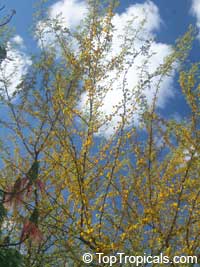
Plant Horoscope. Aries Zodiac lucky plants: Aloe and Erythrina

Aries - 3/21-4/19. Aries is a FIRE sign ruled by the planet Mars. Plants associated with this element and planet very often have thorns or prickles. They can be also spicy or bitter in flavor, or red in color.

Because Aries rules the head, eyes and face, the plants for Aries purify the blood, stimulate the adrenal glands, and/or are high in iron (Mars rules the mineral iron). Mars-ruled Aries is assertive, energetic and fearless. Mars rules the red blood cells, the muscles, and metabolic processes, as well as the motor nerves and the head. These plants help you when you want more get-up-and-go and the courage to take on the world.

Aries Zodiac lucky plants - Governors plum, Hibiscus Karkade, Tapioca, Mamey Sapote, Ruda, Baobab, Euphorbia, Acanthus, Aloe, Caesalpinia, Erythrina, Opuntia, Dragon Fruit, Pachypodium, Pomegranate, Chilli peppers, Syngonium, Begonia, Geranium, Red Sandalwood, Jamiaca pepper (Pimenta, Allspice), Camphor, Jujube, Anise, Red Roses, Tiger Lily, Impatiens, Calendula, Tarragon, Ginger, Coriander, Basil, Ruda, Amaryllis, Wild Indigo, Gooseberries, Sesbania, Campsis, Red Oleander, Maple, Schotia brachypetala, Momordica, Coffee, Amla , Ephedra, Red Kapok.

For other signs information, see full Plant Horoscope.

Date: 14 May 2016

Top Tropicals Video: Ambarella - delicious June Plum

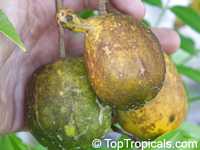
Golden Apple, or June Plum - Spondias cytherea.

This exciting fruiting plant will amaze you with its ability to flower and fruit at a young age. It fruits in winter and holds the fruit up to 6-8 months, long after the leaves have dropped. The fruit appears in pairs and will turn a brushed-golden color as it ripens. Its feel and juiciness resembles that of a mango but with completely different flavor. The Golden apple is used both in sweet and savory dishes depending on its ripeness. When green, the fruit is commonly eaten as is (with or without skin just like green mangoes) with salt and other salty/spicy dips, made into salsas, chutneys, and into juices and smoothies. When fully ripe, the Golden Apple will be deep yellowish-orange in color. When yellow, the fruit is eaten just like an apple or stewed with sugar to make an applesauce-like dessert.

Check out this video: Ambarella - delicious June Plum...

Stay updated with TopTropicals Videos by subscribing to our channel at YouTube.com/TopTropicals and get our latest video news of what's fruiting and blooming!

Date: 11 May 2016

Top Tropicals Video Presents: Doctor Noni

Top Tropicals Video Channel. We are happy to introduce to our customers our new project - Top Tropicals Video. Gardeners have been enjoying our Tropical Treasures Magazine with its unique stories on fascinating plants, their history, plant clinic and Do-It-Yourself projects. Now you can have more fun to visit actual tropical paradise by watching our short movies in your convenience - from your computer, or simply on your smart phone. In our future video tours, we will be showing both popular and rare exciting plants and how to grow them. We will be sharing little secrets of how to make these plants happy, so they will make your own life brighter and happier. Stay updated with TopTropicals Videos by subscribing to our YouTube channel at YouTube/TopTropicals and get our latest video news of what's fruiting and blooming! Our today's video story -

Doctor Noni - life sustaining plant. Many people have heard about the mysterious and miraculous Noni fruit, yet few know exactly what it is. This odd-looking fruit grows on a beautiful tropical tree from Polynesia - Morinda citrifolia, that actually belongs to a Coffee family! The Noni fruit, also called Cheese Fruit for its special odor, has unique health benefits. It is said that this plant food is to be used when we are feeling really ill or really old... Do you want to know how to have your own FREE fresh Noni juice year round? Check out this Movie: Doctor Noni - life sustaining plant...

Date: 19 May 2016

Care of mail-order plants during hot summer

Q: I live in California and about a month ago ordered several plants from you, including fruit trees (Carambola, Mango, Avocado) and flowering trees (Xanthostemon, Adeniums, Champaca, Ylang Ylang). They were all doing well until I tried to move them into full sun, when they got leaf burn immediately. Ylang Ylang was doing great in a shade, but I repotted it from 1 gal into 3 gal and it is drooping leaves now. It has been very hot (over 100F) and dry (humidity is less than 25%). Any suggestions?

A: Hot summer can be pretty challenging time for establishing new plants. These are some guidelines to make your summer gardening more successful and rewarding.

1. You can order plants at any time, but keep your eye on your local weather forecast and try to chose cooler periods to schedule your plant shipments. Here at TopTropcals we monitor weather at destinations, and we can also delay shipment per your request until more favorable conditions.

2. During hot Summer months, many plants are still OK to ship, and to be planted, many species are heat tolerant. It's usually safe to ship most succulents, including Desert roses and Euphorbias. Some fruit trees are pretty easy too, like Loquats, Mango, Eugenias. Many flowering trees can take heat: Acacias, Clusias, Jatropha, Sausage Tree, Plumerias and many others. Check our full list of plants suitable for hot and dry conditions. Most jasmines, including Jasmine Sambac and Trachelospermum make also a safe choice for hot weather planting.

3. Use shade cloth or simply white sheets to protect young plants and new plantings from hot sun.

4. When establishing mail ordered plants during hot weather, keep them in shade for longer period of time than average recommended 1-2 weeks. Give them a chance to establish really well. In areas with low air humidity, try to create a simple mist system. It can be purchased in your local Home Depot for only $20 and set up takes only 10 minutes! It makes a big difference and can help you save many plants from hot weather stress.

5. Although it may seem that during hot weather plants need more water due to high evaporation, be careful with watering, and check soil with your finger before watering - don't water if it is still wet. Combination of "hot and wet" can be as harmful for the root system as "cold and wet" during winter. Protect root systems from overheating: covering black pots with white cloth will work. Remember when temperature is above 90F, most of plants slow down their metabolism, which means roots slow down or even stop pumping water and become more vulnerable to overwatering. For the same reason, do not hurry to step up into bigger container if roots haven't filled yet the existing pot.