Garden Blog - Top Tropicals

Date: 3 May 2016

Scotch Bonnet Hot Sauce for Your Fiesta

You will need: Capsicum x baccatum - Scotch Bonnet Pepper, and -

- 1 teaspoon vegetable oil
- 18 fresh Scotch Bonnet peppers, sliced and seeded
- 6 fresh jalapeno peppers, sliced
- 6 cloves garlic, crushed
- 1/2 cup minced onion
- 3/4 teaspoon salt 2 cups water
- 1/4 cup distilled white vinegar
- Leave some of all the Scotch Bonnets with seeds for a spicier sauce

In a large sauce pan over medium-high heat, combine oil, peppers, garlic, onion, and salt; cook for 5 minutes, stirring frequently. Pour in water, and cook for 20 minutes, or until the ingredients are soft. Stir frequently. Remove from heat, and allow mixture to cool to room temperature. Transfer the mixture to a blender, and puree until smooth. Pour in vinegar and sugar; blend until mixed. Keep refrigerated.

Feliz Cinco de Mayo!

Date: 26 Apr 2016

HEALING POWER OF HERBS

The most effective herbs to help you sleep. Tick-tock, tick-tock. Nothing is worse than the feeling of lying awake, unable to sleep as the numbers on the clock edge closer and closer to morning. Perhaps like many others, you toss and turn with your mind racing, playing the events of the day over and over again. Maybe you fall asleep easily, but wake up shortly after and can't get back to sleep for the rest of the night. If this sounds familiar, you are not alone. Fortunately, there are natural alternatives to prescription sleeping pills that are just as effective but are far gentler on the body. The following article by Marilyn Reid takes a closer look at some of the best herbs to help you sleep. Reed more...

Mother's day discounts. Fruit tree is the best gift for your Mother. Take advantage of these generous discounts to make a good present!
15% for orders over $100 (excluding S&H): MOTHERS15
20% for orders over $200 (excluding S&H): MOTHERS20
Can't be combined with any other offers. Not valid for past purchases. Codes are valid through Mother's Day - Sunday, May 8, 2014

Date: 22 Apr 2016

Plant Horoscope. Taurus Zodiac lucky plants: Fragrant Cananga odorata and Chonemorpha

Taurus - 4/20-5/20. Taurus is an EARTH sign ruled by the planet Venus. Venus is the planet that represents desire and beauty, regarded as the female embodiment of sexual love and human appetite, so Taurus plants often have gorgeous flowers and enticing fragrances and, occasionally, red fruit. It rules the internal sexual organs, the nose and sense of smell.

Because Taurus rules the throat and ears, the best plants for the Bull are often soothing to the throat, or may calm the digestive system after overindulging in the finest foods. Taurus is related to those things we want and value. It harmonizes various body systems, and influences the complexion and facial appearance. Also under Venus's dominion are the abdomen, kidney, thymus, and breasts. Venus-governed herbs are soothing and help to regulate the body's metabolism through the endocrine system. Taurus herbs are traditionally used to attract money and resources. Earthy Taurus sign is all about building a stable and comfortable foundation and can help you generate greater abundance and prosperity in your life.

Taurus Zodiac lucky plants - Aglaia, Cananga odorata (Ylang-Ylang), Artabotrys (Climbing Ylang-Ylang), Cerbera, Night blooming jasmine, Chonemorpha, Erblichia, Euodia, Hiptage, Iboza (Musk Bush), Anise, Lavender, Lonchocarpus Lilac Tree, Nutmeg, Parijat, Camphor Basil, Osmanthus, Funeral tree, Quisqualis, Satureja (Kama Sutra Mint Tree), Viburnum, Carissa, Murraya, Curry Leaf, Bunchosia (Peanut butter fruit), Eucalyptus, Lily, Vitex agnus castus (Blue Chaste Tree), Alstonia scholaris (Sapthaparni), Papaya, Maple, Jasmine, Guaiacum, Camellia, Ephedra, Fuchsia, Geranium, Spider lily, Gardenia, Magnolia, Plumeria, Paeonia,  Verbena, Clerodendrums, Apple, Pear, Apricot, Peach, Plantain, Olive, Grape, Pomegranate, Mango, Neem Tree, Cherry, Cypresses, all Berries, Raspberry, Asparagus, Mint, Clove, Roses, Stagshorn fern, Catnip.

For other signs information, see full Plant Horoscope.

April 22 Earth Day discount - 15% off fragrant plants! Earth Day is more than just a single day â€" April 22, 2016. It's bigger than attending a rally and taking a stand. Plant one tree at a time to make our Planet better! This Earth Day and beyond, let's make big stuff happen. - See more at: www.earthday.org

Check out our Fragrant Plants for 15% off! 1-day deal only!

Date: 20 Apr 2016

5 secrets of propagation
How to propagate rare plants? It is exciting and fascinating process - to be a Creator of a rare plant collection. Sometimes when you have a rare plant, you baby it and wish you could have at least two of the kind, just in case you lose one to weather conditions or an accident... If you lose one, it hurts! Plant collectors know the feeling - it is always a good idea to propagate a few more of the rare kind. Here at Top Tropicals we know that feeling too, and we want you to keep your baby plants alive and thriving, multiply them, share with others, and make our planet better - one plant at a time! Know your different plants, and different ways of their propagation. Ready for the secrets revealed?

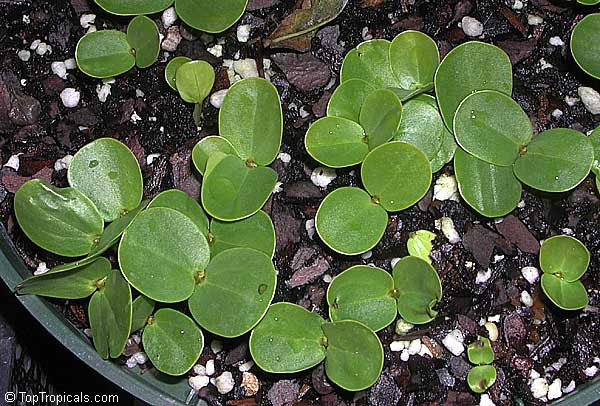
1. Seeds. The most popular way and in most cases the most reliable. Also, a seedling has a strong, vertical root system (cuttings or air layers have shallow roots). However growing from seed is the only sexual method of propagation (vs other methods - asexual, or cloning), which means, some varieties don't come true from seed. Similar to a baby born from two parents, blonde mother and brunette father, can have either light or dark hair... or even red, genetically provided by the great-grand father! The most important factors of success when growing from seed are - well-drained germination mix (check out our Seed Germination Mix #3), and a combination of perfect temperature (high temperature 80-90F induces germination, but some species like it cooler!) and mix moisture level (can't stay soggy).

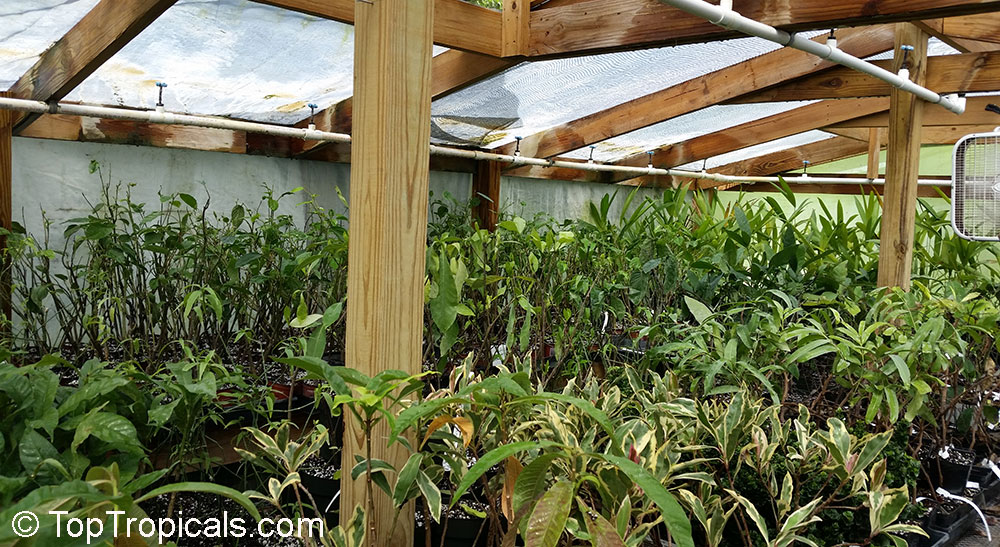
2. Cuttings. In most cases, works great as long as you know the secret for this method: clean (sterile) soil mix (check out our Propagation Mix #2), warm temperatures and very high air humidity (not moist soil, but humid air!). Mist house works well (see picture) with periodically controlled foggers (5-20 sec of fog every 5 to 20 min during light time - depending on species, and temperature), but simple clear plastic bag over a pot or tray works as well! Large leaves should be trimmed in half, or more, to eliminate extra evaporation, and soil should be only slightly moist, not soggy. Remember to use rooting hormone that not only improves rooting but keeps away fungus problems. You are welcomed to visit mist house in our facility, we will be happy to share experience.

3. Air Layers. From our experience, key to success with this method is patience. Most air layers take a few months to set root. Keep sphagnum moss moist, and create air layers only during active growth season - Sprint through Summer. Use rooting hormone.

4. Grafting. This method requires the most skills and experience but is not as difficult as it sounds. Plants can be grafted withing the same genus (e.g. one Gardenia sp. on another Gardenia sp.). There are many grafting manuals on internet. Try once, and you will get addicted to grafting! In many cases it is the most effective method. Especially when seeds not available and cuttings don't work with the species, while grafting works much faster than air-layering. The main secret in grafting is using the right type of graft, which comes with experience. Another important thing is keeping grafting parts and tools clean/sterile. Treat/clean surfaces with anti-fungicides horticultural soap (Example: Abound anti-fungal, Green Shield soap) and use rooting hormone.

5. Root divisions. All gardeners know that some plants are best to propagate by rhizome/root divisions, like Gingers, Heliconias, or Iris. And not everyone knows that some fruiting and flowering trees don't mind to reproduce by root divisions. For example, Jujube - Ziziphus jujuba, and Strawberry tree - Muntingia calabura, readily produce root suckers. Watch out for them and don't let them go to waist when spraying weeds. All time favorites, fragrant Clerodendrums also like this easy method of reproduction, especially C. bungei, C. philippinum, and many others.

Check out our Growing supplies section for professional soil mixes and drainage components that are so important in your propagation success. At Top Tropicals, we often use Coconut Coir for propagation. Good luck in your growing, and remember - if you propagated a few extra collectibles, Top Tropicals may trade or buy from you!

Date: 18 Apr 2016

Seeds germination in summer

Q: What is the best way to germinate seeds in summer? Should I keep trays indoors or put them outside?

A: Summer is the best growing season for plants, and for their propagation. Seed germination process of tropical plants usually benefits from warm, and even hot temperatures, so keeping pots with seeds outside in full or partial sun can be the best way. However some seeds may be more sensitive than others, or require slightly cooler or higher temperature for germination. These are a few tips that may help:

- For seed germination, use only well drained mixes, containing either peat moss or coconut fiber to retain moisture. Some succulents may require adding sand to the germination mix. You may also try our Professional Formula Seed Germination Mix.

- Large tropical seeds, like palms, or seeds of Fabaceae (Bean) family, can be grown in full sun. Their germination will benefit from higher temperatures (up to 90-95F). Make sure to keep soil moist. Cover them well, with 3/4 to 1 inch of soil.

- Fruit seeds (large size) should be germinated either in individual cells or small pots (3-4" diameter).

- Small to medium size seeds can be grown in so-called community pots. Seedlings can be separated after they establish their first roots.

- Tiny seeds should be planted closer to the surface, covered with only 1/4-1/8 inch of soil; some seeds require bright light for germination, so full sun will be a plus. Some small seeds like Ficus for example, prefer to be broadcasted on the surface, uncovered. Put containers with such seeds in bright shade, as you don't want the surface of the soil to dry out.

- Once your seeds sprouted, move them in filtered light - bright to medium shade depending on tenderness of the species. (Gingers prefer shade, while succulent sprouts can stay in brighter light). Regardless of water/sun needs of the species, all young sprouts and first leaves are sensitive to hot sun and may get burned or even killed. Once a baby plant has a few leaves and well-branched root system, you may start moving trays into a brighter light.

- Do not overwater young seedlings, keep soil slightly moist but not soggy.

See full list of available seeds.