Garden Blog - Top Tropicals

Date: 22 Oct 2025

💞 Cassia or Bauhinia?
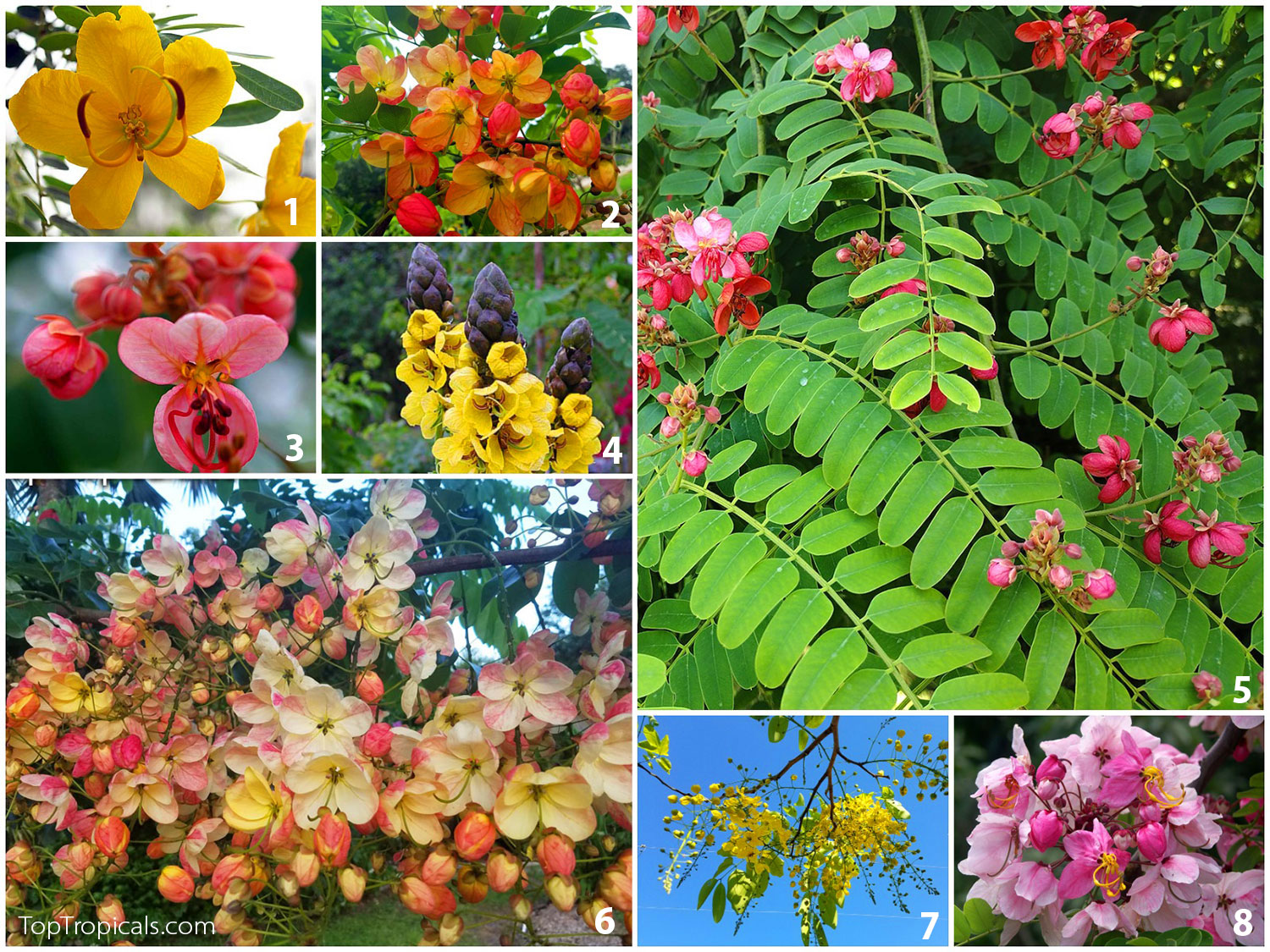
Collage of Cassia and Senna flowering trees:
1 – Cassia bicapsularis (Butterfly Bush),
2 – Cassia x natalensis (Rainbow Cassia),
3 – Cassia grandis (Red Cassia),
4 – Cassia didymobotrya (Popcorn Cassia), similar to Senna alata 
(Empress Candles),
5 – Cassia javanica (Apple Blossom Tree),
6 – Cassia roxburghii (Ceylon Senna),
7 – Cassia fistula (Golden Shower Tree),
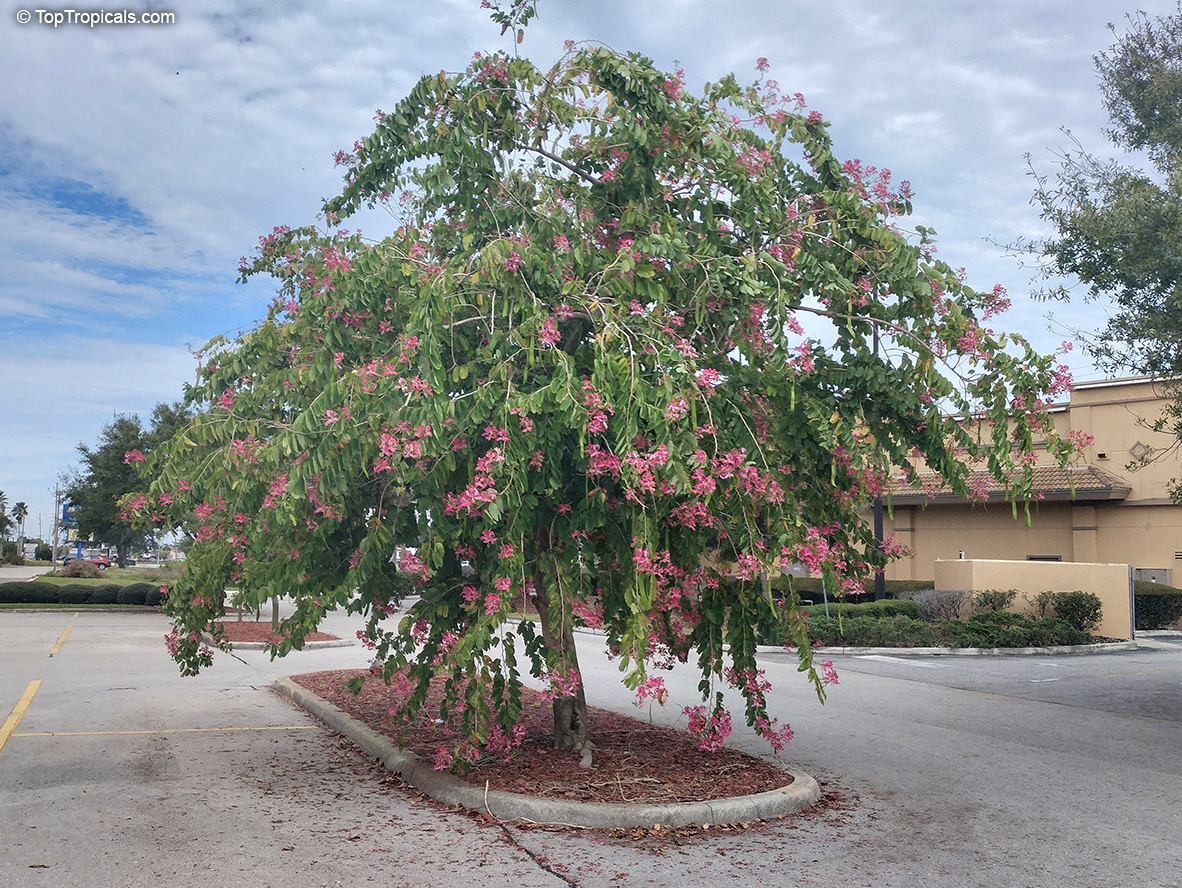
8 – Cassia x nodosa (Pink Shower).

Looking for a small tree that blooms like fireworks but still fits on your patio? We hear this question all the time at Top Tropicals: Cassia or Bauhinia? Both are tropical showstoppers, but they shine in very different ways.

🌞 Cassias: Sunshine Fireworks

Cassia trees are some of the most rewarding tropical bloomers you can grow. Fast-growing, free-flowering, and surprisingly cold-tolerant, they thrive in full sun and summer heat. Their bright clusters come in shades of yellow, orange, pink, red, and even multicolor blends. The famous Rainbow Cassias show swirls of coral, gold, and rose on the same tree, creating a living fireworks display.

For gardeners in warm regions, these trees become spectacular focal points in the landscape. In containers, compact yellow forms like Cassia didymobotrya (Popcorn Cassia) and Senna alata (Empress Candles) stay manageable and bloom freely through summer.

Cassias can also be grown in pots with pruning and patience. Once mature, they reward you with breathtaking color that turns any patio or pool deck into a tropical show. Most showy cassias (numbers correspond to the photos in the collage above):

  1. Cassia bicapsularis (Butterfly Bush) - is a fast-growing, low-maintenance shrub covered in bright yellow, butterfly-like blooms from fall through winter.
  2. Cassia x natalensis (Rainbow Cassia)
  3. Cassia grandis (Red cassia) - a medium size tree having profuse blooms of dark pink to crimson flowers throughout the Spring.
  4. Cassia didymobotrya (Popcorn Cassia), small tree producing golden-yellow flowers with a distinct scent of peanut butter that open from brown buds in late summer and autumn. Similar to Senna alata (Empress Candles)
  5. Cassia roxburghii (Ceylon Senna) - graceful tree with spreading, drooping branches appearing to be overweighed by its wealth of clustering red blossoms.
  6. Cassia x nodosa (Pink Shower) - is a spectacular medium-sized, fast-growing tree with cascading clusters of fragrant pink-and-white appleblossom blooms in spring and summer.
  7. Cassia fistula (Golden Shower) - to many tropical gardeners, the most beautiful of cassias with masses of bright gold flower clusters appear on almost every branch.
  8. Cassia javanica (Apple Blossom) - dazzles with dense clusters of pink-to-white blossoms that change shades as they bloom, creating a spectacular display that lasts for months.
"Cassias love the heat and sunshine," says Tatiana Anderson, Top Tropicals Plant Expert. "They are perfect for anyone who wants big bursts of color and doesn’t mind giving them space and light to grow."

👉 Explore Cassia Trees

Bauhinia Magic: Orchid-Like Blooms in a Compact Size
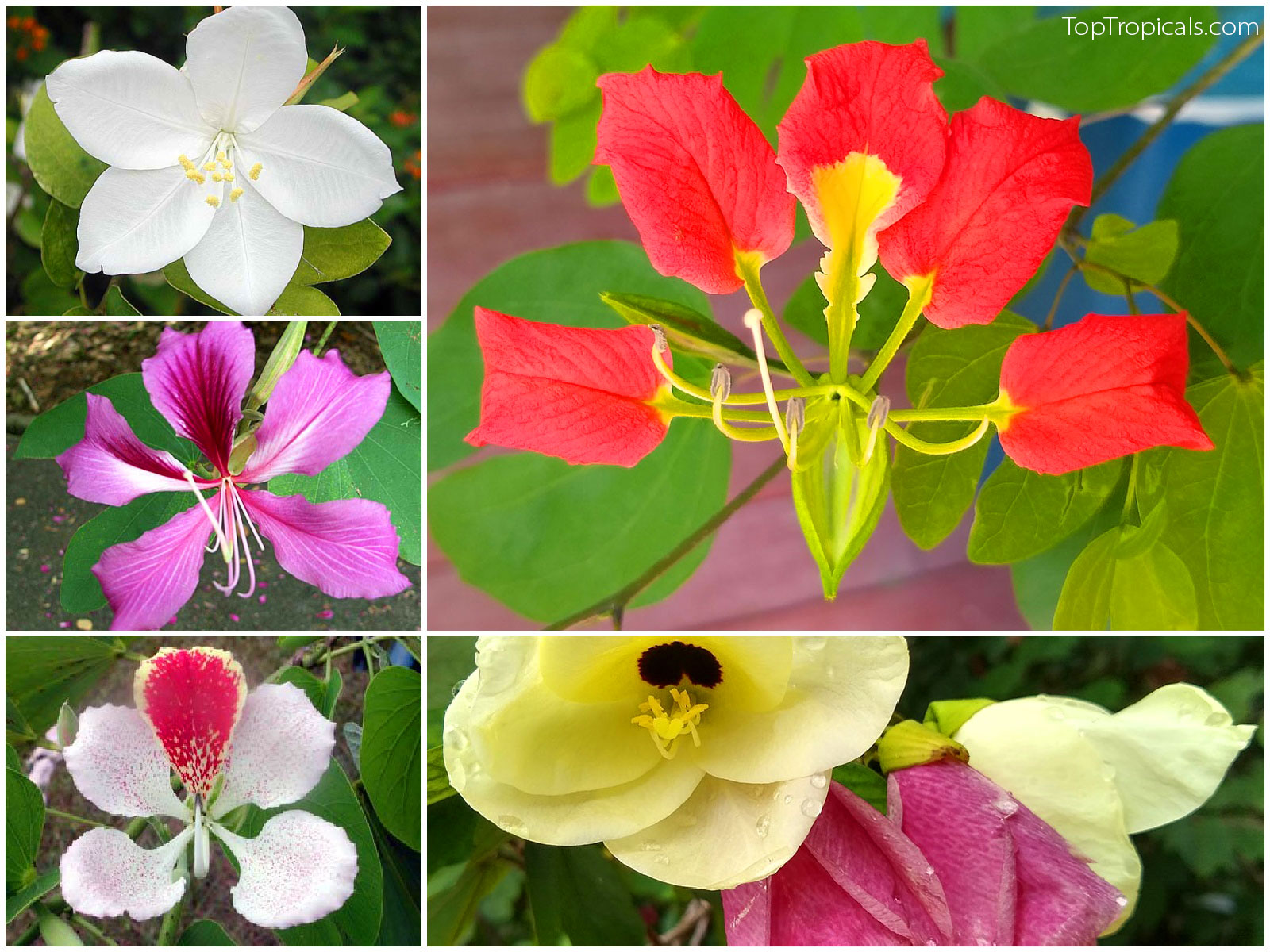
Collage of Bauhinia orchid trees: top left – Bauhinia acuminata 
(Dwarf White Orchid Tree), middle left – Bauhinia blakeana (Hong Kong 
Orchid Tree), bottom left – Bauhinia monandra (Napoleon’s Plume 
Orchid Tree), top right – Bauhinia madagascariensis (Red Dwarf Orchid 
Tree), and bottom right – Bauhinia tomentosa (Yellow Orchid 
Tree)

Bauhinia orchid trees: top left – Bauhinia acuminata (Dwarf White Orchid Tree), middle left – Bauhinia blakeana (Hong Kong Orchid Tree), bottom left – Bauhinia monandra (Napoleon’s Plume Orchid Tree), top right – Bauhinia madagascariensis (Red Dwarf Orchid Tree), and bottom right – Bauhinia tomentosa (Yellow Orchid Tree)

Bauhinia trees known as Orchid Trees, bring a touch of tropical luxury to any space. Their butterfly-shaped leaves and orchid-like blossoms appear in shades of red, pink, purple, white, and yellow, often lasting up to ten months a year. Bauhinias are ideal for gardeners who want nonstop color in a manageable size. Most species grow well in large pots and bloom young, often within the first season.

The following compact varieties stay neat and flower almost continuously in warm weather:

The Hong Kong Orchid Tree is especially prized because it is sterile and produces no messy seed pods, keeping patios clean. Grafted Buhinia blakeana trees begin blooming while still small, making them perfect for containers or tight spaces.

"Bauhinias are generous bloomers," Tatiana explains. "They respond beautifully to regular feeding and full sun. If nights turn too cold, just move the pot to a sunny porch - they’ll keep their tropical charm most of the year."

Give them full sun, regular fertilizer, and a well-drained mix such as Sunshine Abundance, and they will reward you with months of vivid blooms. When nights turn too cold, simply move the pot to a sunny porch or bright window. Bauhinias adjust beautifully and keep their tropical grace year after year.

🎥 Watch Short Videos:

💲 Special Offer – 20% off Cassias and Bauhinias!

Get 20% OFF Cassias and Bauhinias with code

RAINBOW2025

Min order $100. Excluding S/H, valid online only, cannot be combined with other offers.

Hurry, offer expires October 30, 2025!
👉 Explore Bauhinias - Orchid Trees

Date: 13 Sep 2025

🌸 Meet the Most Colorful Ground Orchids

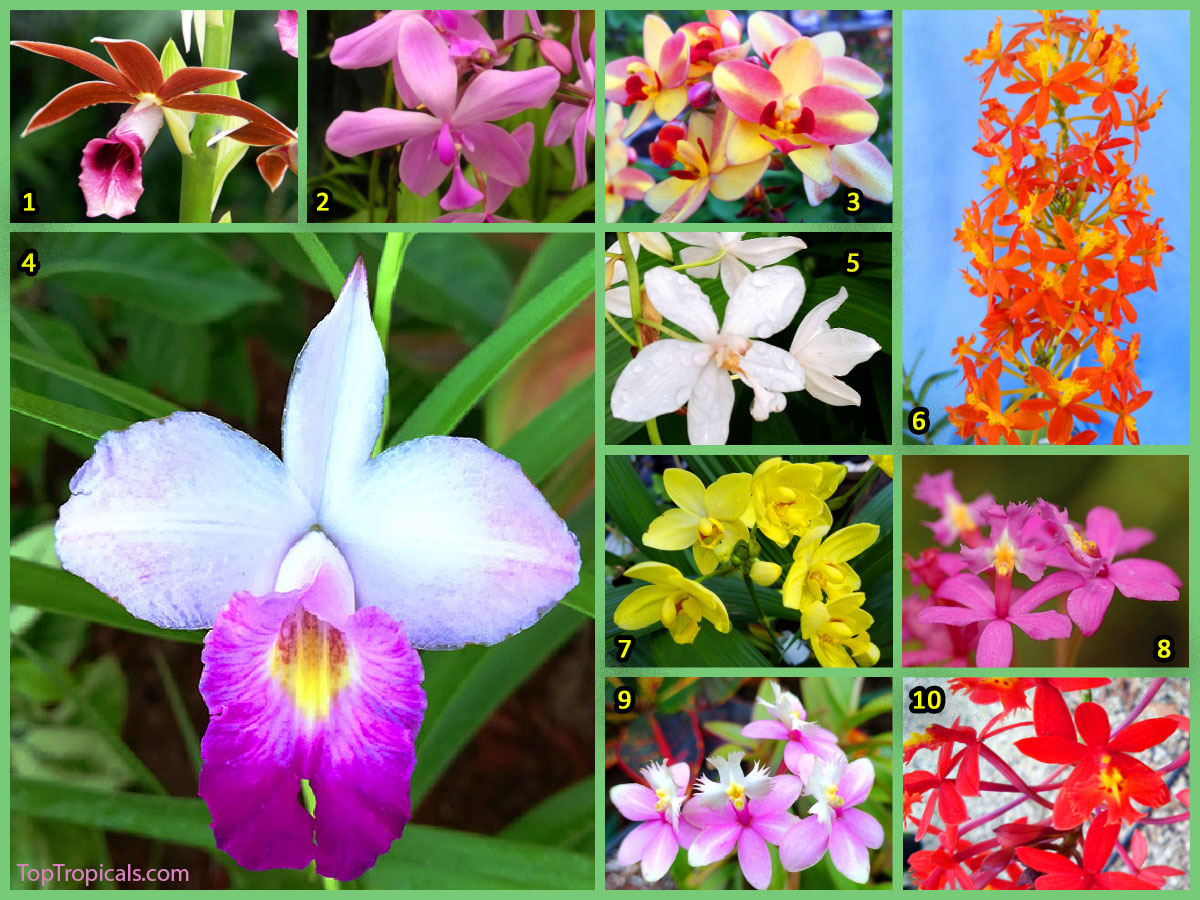
Collage of ground orchids – Phaius tankervilleae (Nun Orchid), 
Spathoglottis varieties (purple, yellow, white, pink), Arundina graminifolia
 (Bamboo Orchid), and Epidendrum species (orange, pink, red Reed 
Orchids)

Ground Orchids – Spathoglottis, Phaius, Arundina, Epidendrum

  1. Chinese Nun Ground Orchid (Phaius tankervilleae)
  2. Yokohama Ground orchid Kate (Bletilla striata x formosana)
  3. Tropical Punch, Sorbet Ground Orchid (Spathoglottis plicata)
  4. Bamboo Orchid (Arundina graminifolia)
  5. Snow Angel, Coconut Cloud Ground Orchid (Spathoglottis alba)
  6. Orange Reed Ground Orchid (Epidendrum radicans Sunrise)
  7. Lemon Kiss, Sorbet Ground Orchid (Spathoglottis chrysanta)
  8. Pink Reed Ground Orchid, Violet Queen (Epidendrum radicans Fuchsia)
  9. Lavender Reed Ground Orchid (Epidendrum elongatum x radicans)
  10. Red Raspberry Reed Ground Orchid (Epidendrum radicans Red Glow)

Orchids have a mystique that sets them apart — elegant, exotic, almost unreal in their perfection. But let’s be honest, not everyone has luck with the fancy ones that cling to trees or need greenhouse tricks.

Ground orchids are different. They grow in regular garden soil, bloom in sun or shade, and come in all sorts of shapes and colors. They’re the orchids you don’t have to fuss over.

Nun Orchid (Phaius tankervilleae) – Ever wonder why it’s called the Nun Orchid? The flowers really do look like the white veil and brown habit nuns used to wear. The plants send up spikes 3–4 ft tall with 10–20 fragrant blooms that open one after another for weeks. I like them best tucked under trees where they just keep spreading year after year.

Spathoglottis – The nonstop bloomer – If you want flowers that just don’t quit, this one’s it. Spathoglottis clumps up and throws spikes of purple, pink, or yellow that last for weeks, then keep coming back through the summer. In warm spots they’ll bloom almost year-round. Honestly, it’s one of the easiest orchids you’ll ever grow.

💲 Special Offer – 20% off Ground Orchids!

Get 20% OFF ground orchids with code

ORCHID2025

Min order $100. Excluding S/H, valid online only, cannot be combined with other offers.

Hurry, offer expires September 17, 2025!

Shop ground orchids

Date: 13 Jan 2026

A dancing water nymph revealed!

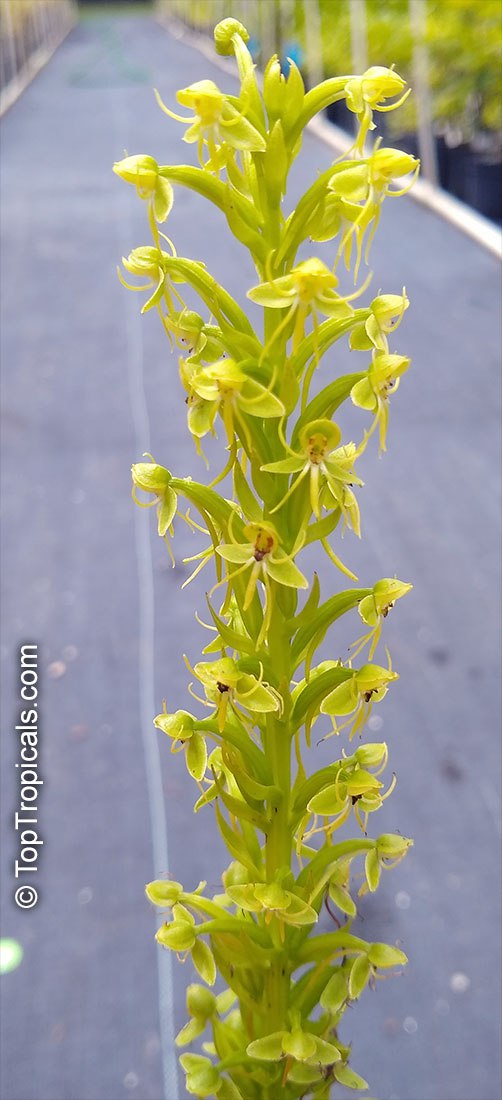
Habenaria repens - Dancing Water-Spider orchid, Floating Orchid, flower spike

Habenaria repens - Dancing Water-Spider orchid, Floating Orchid, flower spike

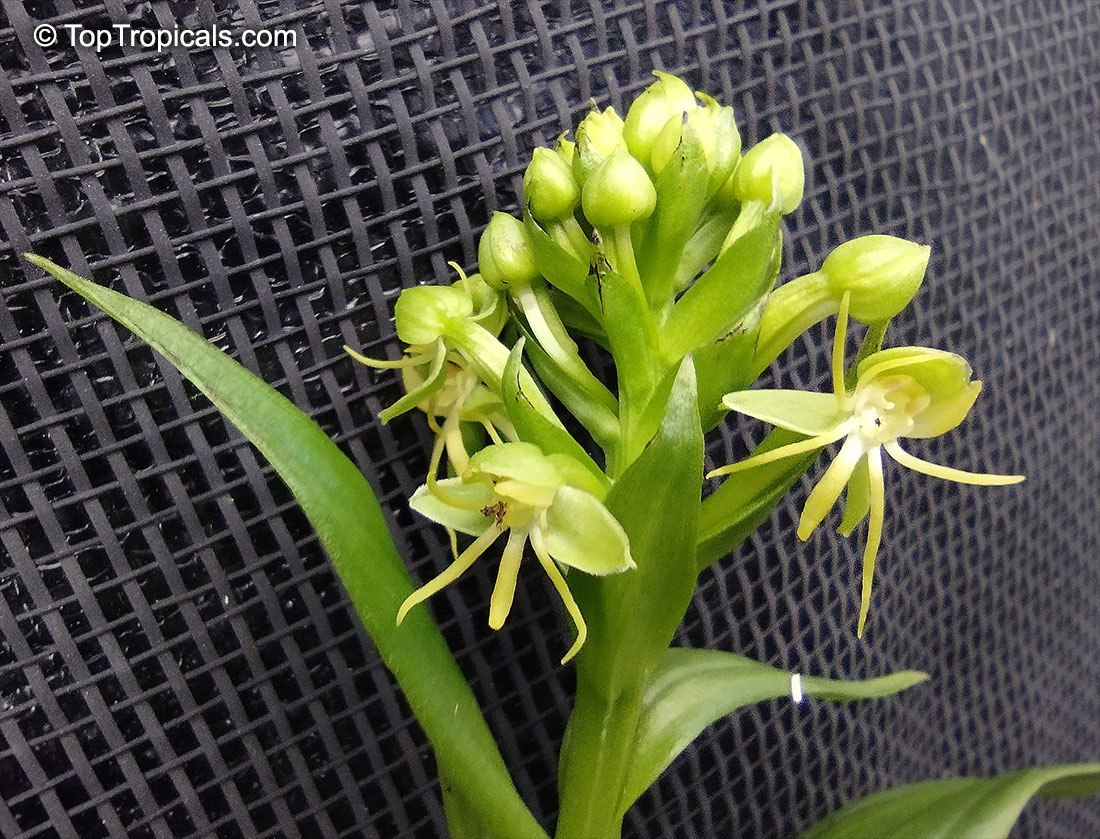
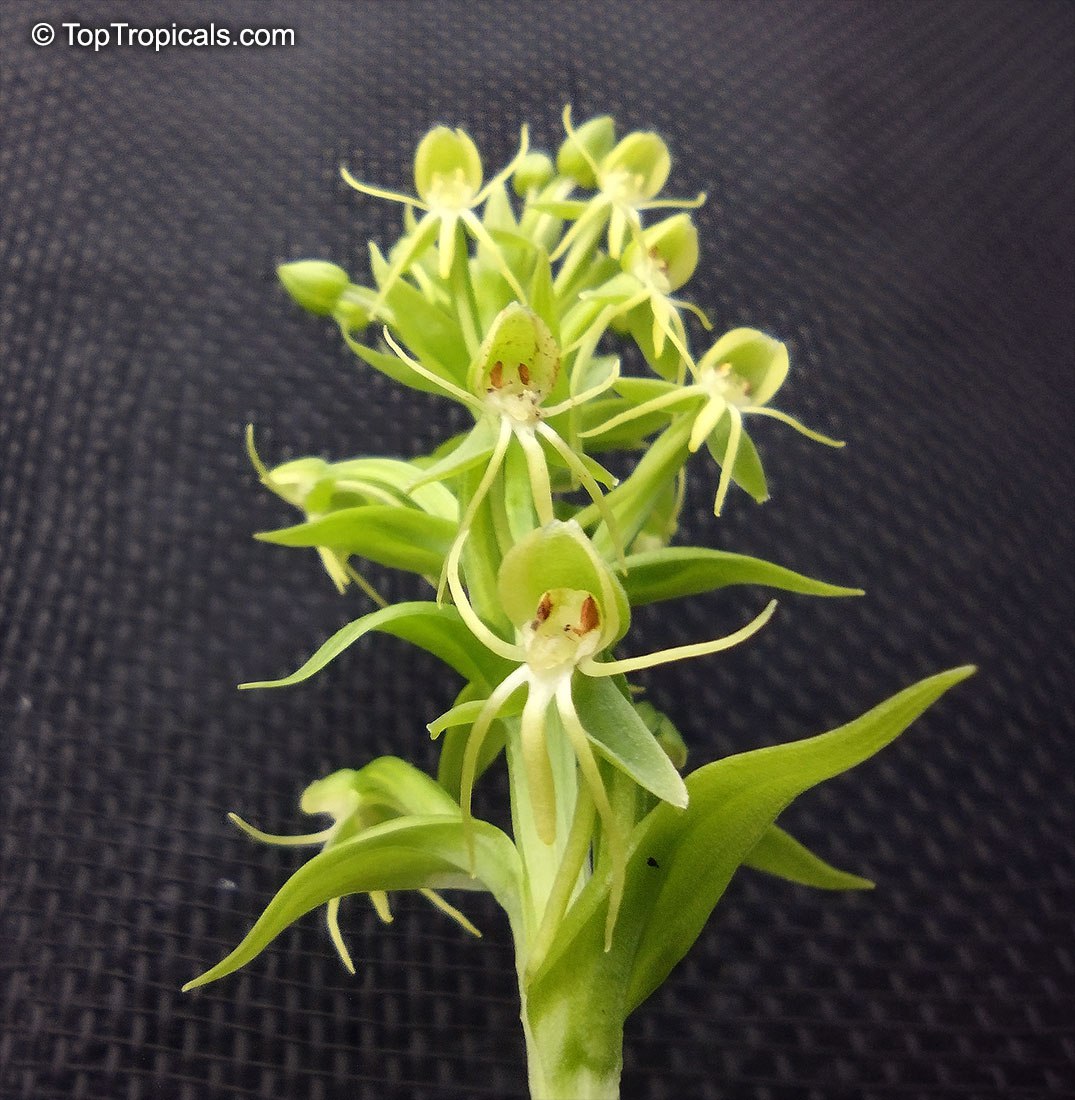
Habenaria repens - Dancing Water-Spider orchid, Floating Orchid, flower close up

Habenaria repens - Dancing Water-Spider orchid, Floating Orchid, flower close up

Habenaria repens - Dancing Water-Spider orchid, Floating Orchid, flower close up

Habenaria repens - Dancing Water-Spider orchid, Floating Orchid, flower close up

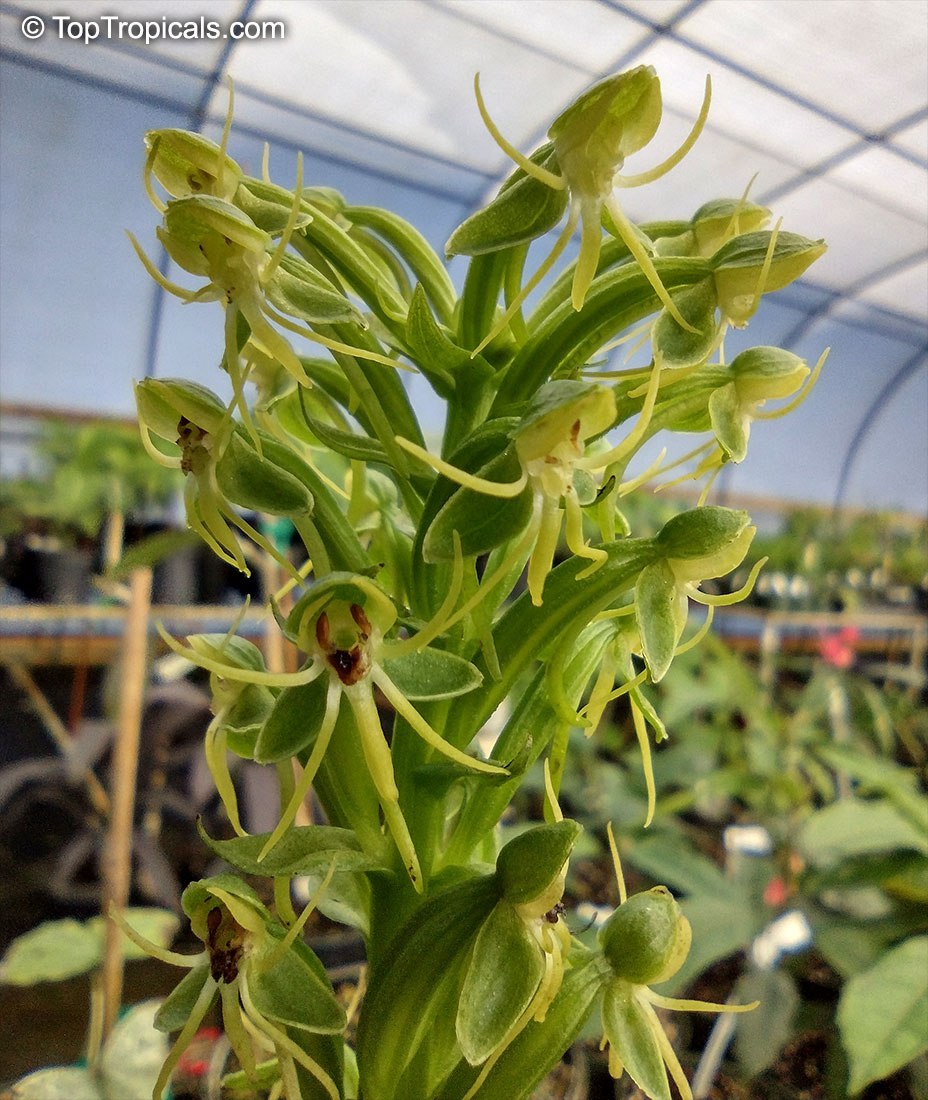
Habenaria repens - Dancing Water-Spider orchid, Floating Orchid, flowers

Habenaria repens - Dancing Water-Spider orchid, Floating Orchid, flowers

💃 A dancing water nymph revealed!

Habenaria repens - the tiny Dancing Water-Spider orchid, Floating Orchid, a dancing fairy, sprite, sylph, pixie - or a water nymph?
  • 💞 If you look closely, this native orchid really does look like it is dancing. The tiny, spidery flowers of Habenaria repens seem to hover in motion, giving rise to its charming common name - Water-spider Bog Orchid, also called Floating Orchid.
  • 💞 Habenaria repens is one of the few orchids that can live both on land and in water. It naturally grows in wet ditches, marshes, meadows, and along pond and lake edges, and it can even form floating mats in still water. In warm climates, it may bloom almost year-round, sending up tall flower spikes packed with 10-50 delicate greenish-white blooms. The narrow, spider-like petals and lip are designed to attract pollinators, while the light green sepals blend perfectly into wetland surroundings.
  • 💞 This orchid produces several yellow-green leaves along its stem, with smaller leaves near the flower spike. It prefers consistently moist to wet conditions and slightly acidic soil. In cultivation, it does best in bog gardens, shallow pond margins, alongside carnivorous plants like pitcher plants, or even in containers kept very wet.
  • 💞 Small, subtle, and easy to overlook at first glance, Habenaria repens rewards anyone who stops and looks closely. Once you see that little flower dancing, you will never forget it.


What does this tiny flower look like to you?
A dancing fairy, sprite, sylph, pixie - or a water nymph?

🛒 Add Dancing Spider Orchid to your rare plant collection

📚 Learn more:
Habenaria repens - Water-spider Bog Orchid, Floating Orchid in Plant Encyclopedia

#Nature_Wonders #Container_Garden

🟢 Join 👉 TopTropicals

Date: 24 Mar 2024

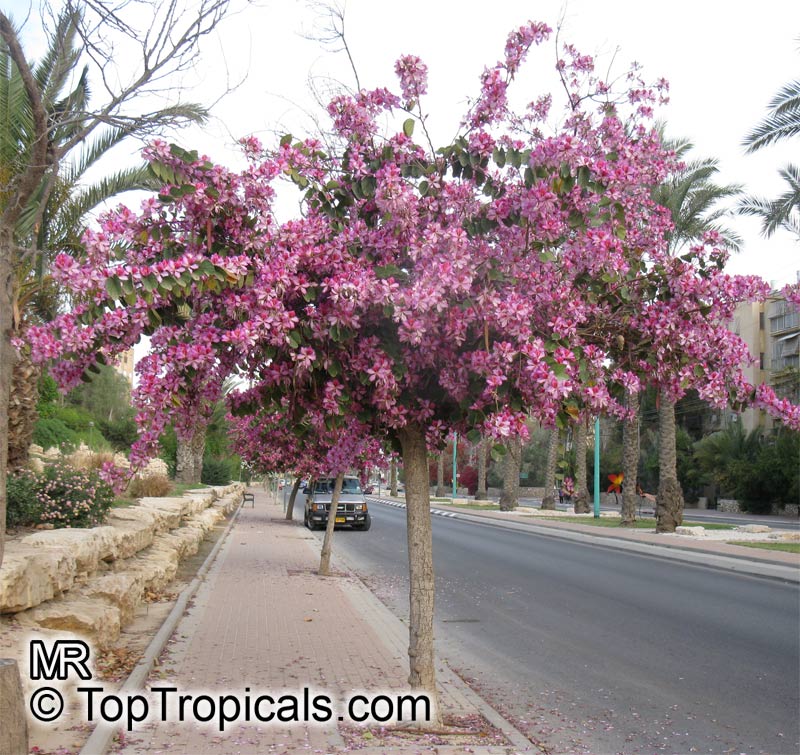
Bauhinias: trees with Orchid Flowers
and Butterfly Wings...

Bauhinia variegata - Purple Orchid Tree

Photo above: Bauhinia variegata - Purple Orchid Tree, one of the most spectacular varieties.

Q: We just moved to Florida and I see these beautiful trees with large purple flowers. I was told these are Orchid trees, do you have them?

A: Bauhinias, commonly known as Orchid trees, are renowned for their captivating flowers and unique foliage. These trees typically grow to a moderate height of 15-25 feet with a spread of 10-15 feet, showcasing a rounded to vase-like shape. Thriving in hardiness zones 9-11, they exhibit resilience to heat and can withstand mild frost. There are over 300 species of Bauhinia, which are distributed in tropical and subtropical areas. These species vary in characteristics such as size, foliage, and flower color, contributing to the diversity and appeal of this genus. You can find them as trees, shrubs, and even vines.

Bauhinias are evergreen (in tropics) to semi-deciduous (in cooler climates), offering year-round beauty with intermittent blooming cycles. The peak bloom time varies depending on the species and location, often occurring in late winter to early spring, bedecking the tree with striking orchid-like flowers in hues ranging from white and pink to purple and red. The flowers boast delicate petals with intricate patterns, resembling the elegance of true orchids.

One of the distinguishing features of Bauhinia leaves is their unique bi-lobed or bilobed structure, which gives them a distinct appearance. The leaves are deeply divided, typically into two lobes or halves, hence the common name "Butterfly tree" due to their resemblance to butterfly wings. This characteristic is often used as an identifying trait for Bauhinia species. The bilobed leaves add to the visual appeal of the tree, contributing to its ornamental value in addition to its beautiful flowers.

Bauhinia monandra - Napoleons plume

Photo above: Bauhinia monandra - Napoleons Plume, starts flowering in small size. This one is very beautiful but the most cold sensitive and should be grown in pots in areas with winter freeze. It will happily bloom in container!

Low-maintenance by nature, Bauhinias require minimal upkeep. Annual feeding with a balanced fertilizer enhances growth and flowering. Pruning is generally optional but can be done in late winter or spring, after flowering, to maintain shape or remove dead or damaged branches. These trees thrive in full sun, preferring well-drained soil. With their enchanting blooms and easy care requirements, Bauhinia orchid trees are a delightful addition to any landscape, and a colorful specimen for tropical winter gardens.

In addition, Orchid trees grow fast and provide excellent shade. They can make a shady spot in your garden in no time, giving relief from the hot sun. This is really valuable, especially in places where it gets very hot. So, not only are Orchid trees pretty to look at with their lovely flowers, but they're also great for keeping you cool!

Read more about Bauninias:
Bauihnias: Orchid trees with Butterfly flowers... and leaves

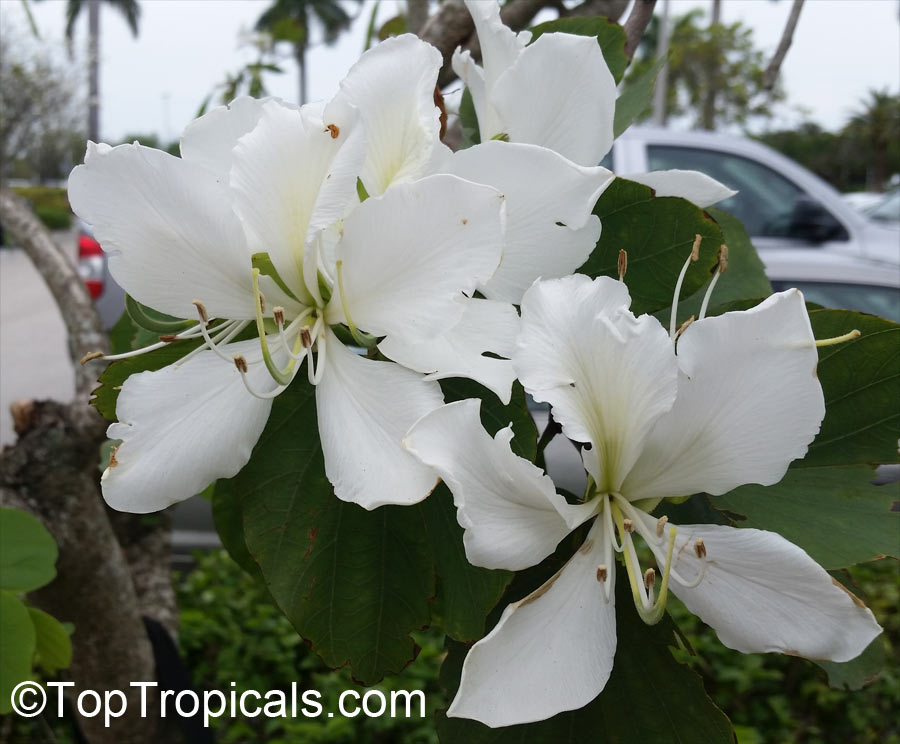
Bauhinia x alba (candida) - White orchid tree

Photo above: Bauhinia x alba (candida) - White orchid tree, the most cold hardy variety that can take light freeze once established.

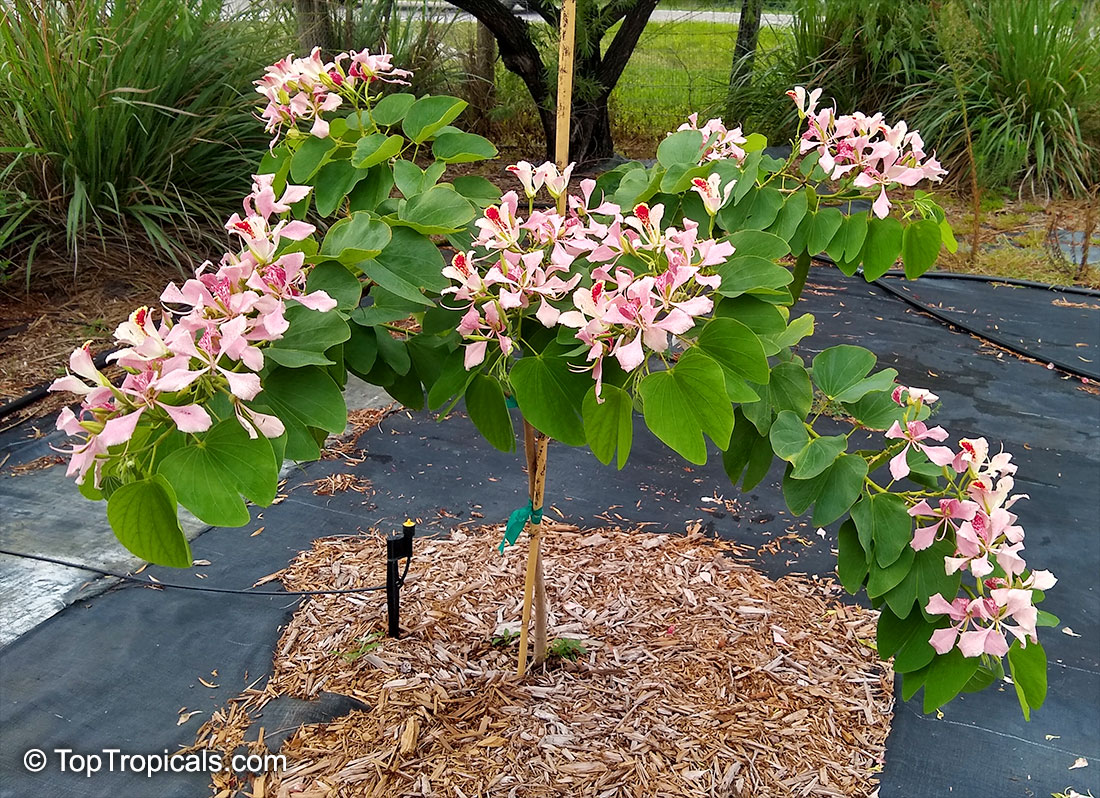
Bauhinia purpurea - Purple Orchid Tree

Photo above: Bauhinia purpurea - Purple Orchid Tree, one of the most popular and easy trees in Southern landscapes.

Date: 16 Jan 2026

The most asked-about tree in the Sunshine State: Bauhinia

Purple Orchid tree - Bauhinia purpurea

🌸 The most asked-about tree in the Sunshine State: Bauhinia
  • 🌸 If you visit Florida in winter, chances are you will notice a tree covered in orchid-like flowers and wonder what it is. That tree is often an orchid tree, most commonly Bauhinia purpurea. It is fast growing, wide spreading, and blooms from late winter through spring, sometimes with a second round in summer. The flowers range from magenta to lavender, are lightly fragrant, and stand out even from a distance. The leaves are just as distinctive - split into two halves like butterfly wings, which is why these trees are also called butterfly trees.
  • 🌸 Orchid trees are easygoing and practical. They thrive in full sun, tolerate many soil types as long as drainage is good, and need little water once established. Growth is quick, often 2–3 feet per year, making them excellent shade trees for hot climates. The flowers attract bees, butterflies, and hummingbirds, and in some cultures the buds and blossoms are used in cooking, while the bark has a long history in folk remedies. Beautiful, useful, and low maintenance, orchid trees are a perfect fit for Southern landscapes.


🛒 Discover Bauhinias - Orchid trees

📚 Learn more:

#Trees

🟢 Join 👉 TopTropicals