Small tree 10-20 ft - Plant Encyclopedia Results

Number of plants found: 1482     Next    Go to page:  1  2  3  4  5  Last  

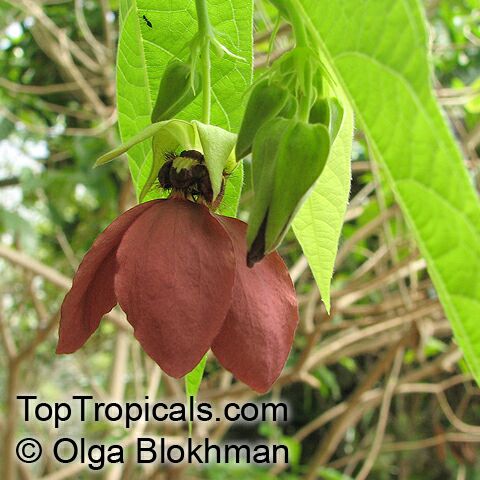
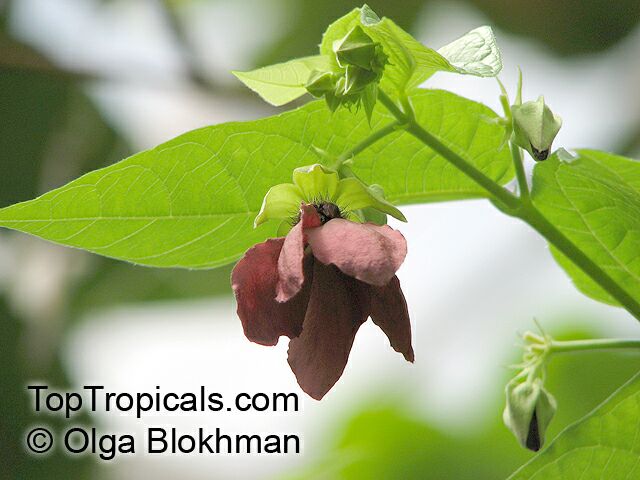
Abroma augusta (Devil Cotton) burgundy flower close up with green leaves attached to plant
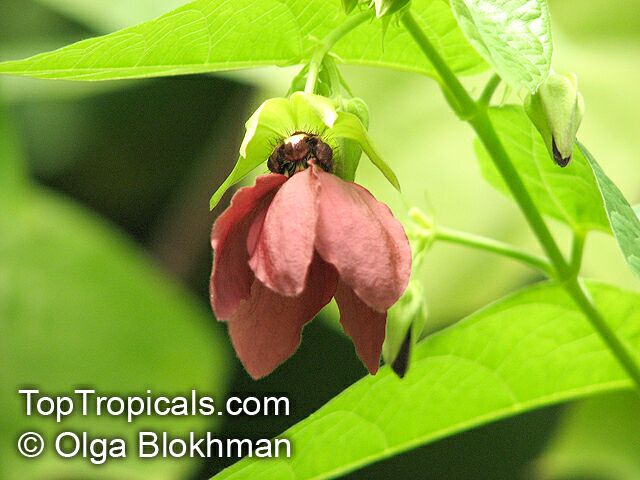
Abroma augusta (Devil Cotton) burgundy flower hanging with green leaves and closed buds nearby.

Botanical name: Abroma augusta

Common name: Devil Cotton

Family: Malvaceae

Subfamily: Sterculioideae

Origin: Tropical Asia
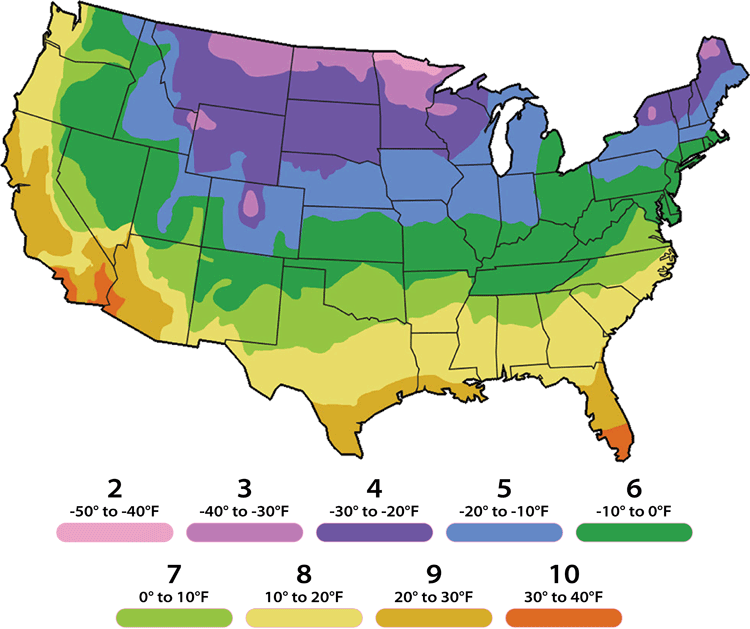
USDA Plant Hardiness MapLarge shrub 5-10 ft tallSmall tree 10-20 ftSemi-shadeFull sunWatering: Regular. Let topsoil dry slightlyRed, crimson, vinous flowersUnusual colorEthnomedical plant.
Plants marked as ethnomedical and/or described as medicinal, are not offered as medicine but rather as ornamentals or plant collectibles.
Ethnomedical statements / products have not been evaluated by the FDA and are not intended to diagnose, treat, cure, or prevent any disease. We urge all customers to consult a physician before using any supplements, herbals or medicines advertised here or elsewhere.

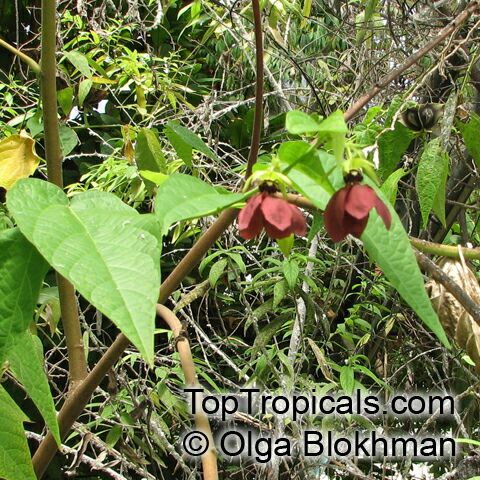
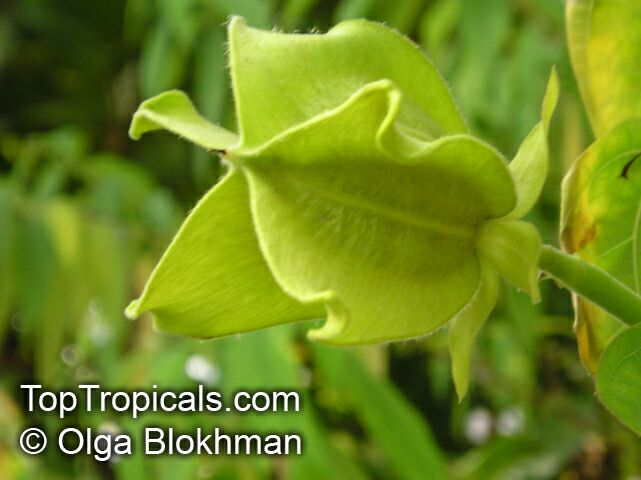
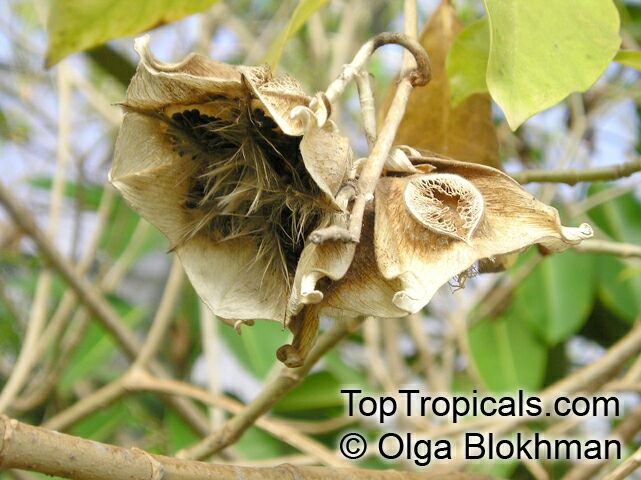
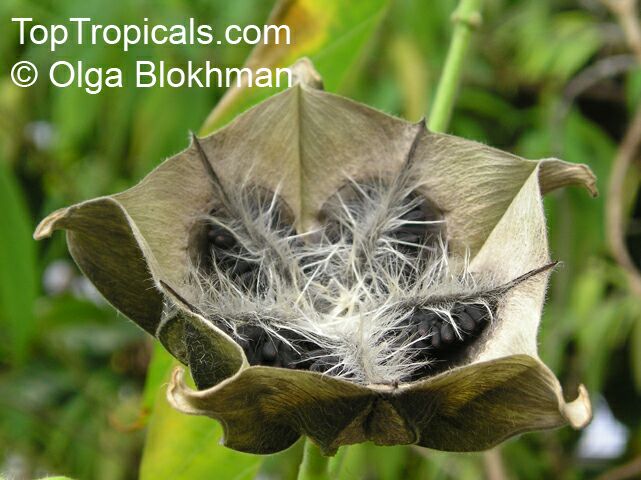
The leaves have an oblong shap.The seeds are contained in a cotton-like envelope. Dark, maroon flowers are formed in terminal panicles. The leaves and stems are covered with soft, bristly hairs that are extremely irritating to the touch.

Link to this plant:
https://toptropicals.com/catalog/uid/abroma_augusta.htm

Acacia auriculiformis (Darwin Black Wattle) yellow flower tree with dense dark green leaves plant
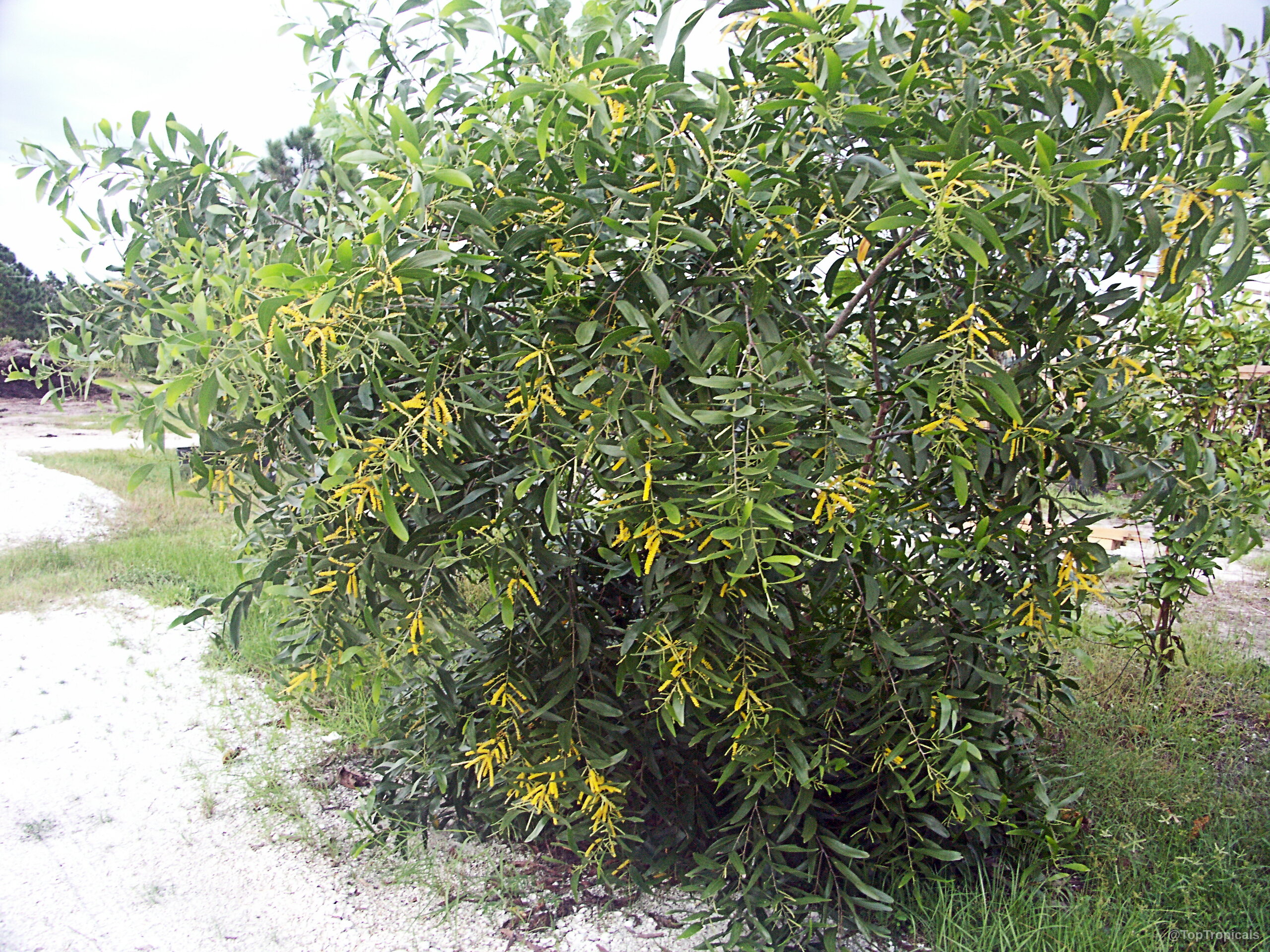
Acacia auriculiformis (Darwin Black Wattle) tree with yellow spike flowers and thick green leaf foliage.

Botanical name: Acacia auriculiformis

Common names: Darwin Black Wattle, Ear Pod Wattle

Family: Fabaceae

Subfamily: Mimosoideae

Origin: Australia, New Guinea

USDA Plant Hardiness MapSmall tree 10-20 ftFull sunWatering: Moderate. Water when top soil feels dryYellow, orange flowersPlant attracts butterflies, hummingbirdsFragrant plant

Very fast growing, undemanding ornamental and shade tree. Honey-sweet, showy yellow flowers attract bees and butterflies. The plant is amazing in its ability to recolonize waste. Hard to kill. Can grow as much as 6-8 ft per season. Mature trees are medium sized. If you are looking for a fast result, this shade tree is for you. The plant is amazing in its ability to recolonize waste, paper mill sludge; even uranium spoils. This is the only tree found on a 20-year old uranium spoil. Cold hardy to some freeze.
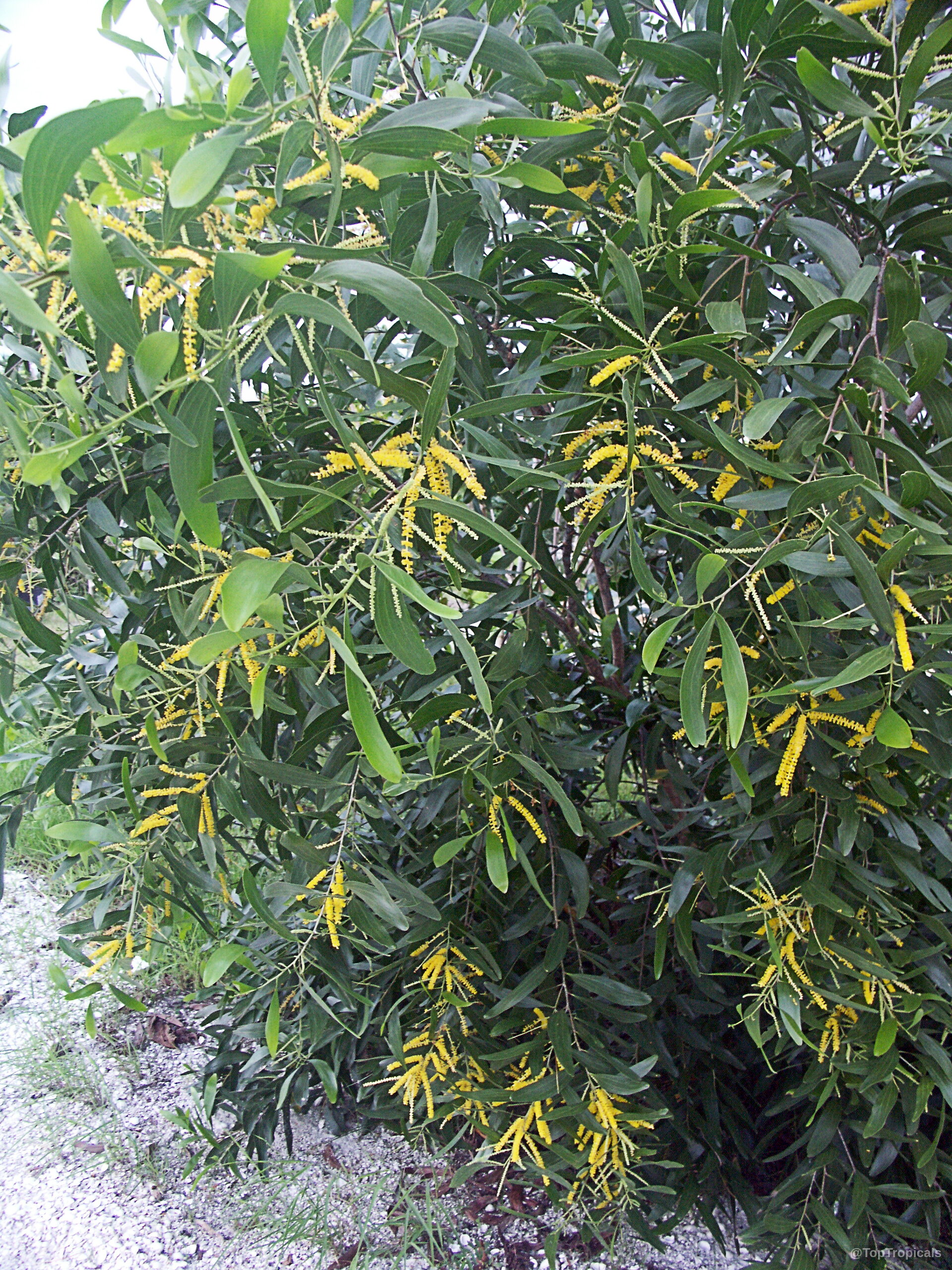

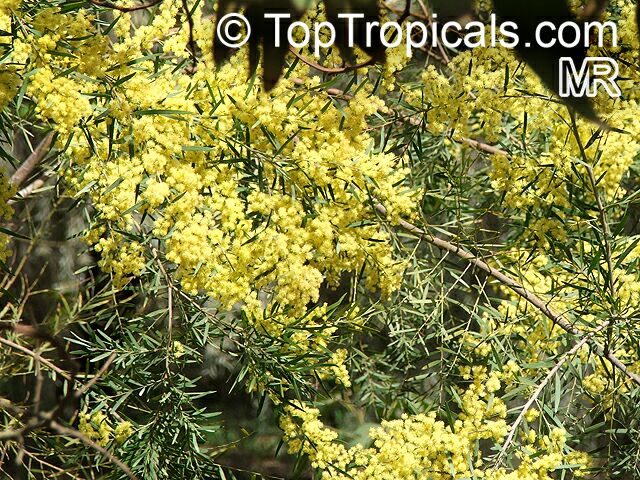
Acacia auriculiformis (Darwin Black Wattle) with yellow flowers and dense green leaves on tree
Acacia auriculiformis (Darwin Black Wattle) with dense foliage and thin yellow flower spikes.
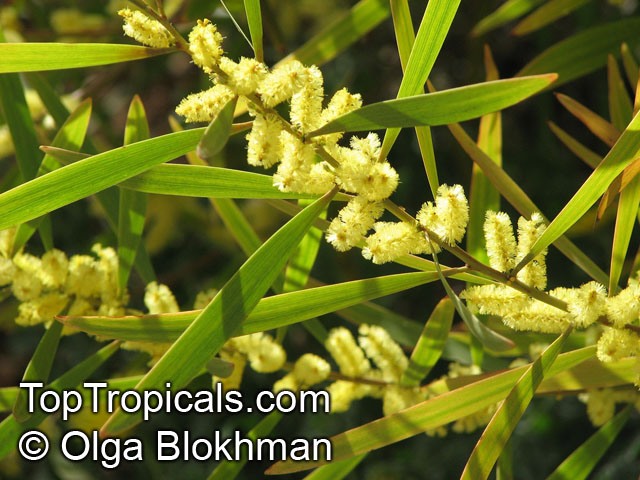
Acacia auriculiformis (Darwin Black Wattle) yellow flower spike close up among deep green leaves.
Acacia auriculiformis (Darwin Black Wattle) with long yellow flower spikes hanging near flat green leaves.
Acacia auriculiformis (Darwin Black Wattle) yellow flower spikes with long slender green leaves hanging down
Acacia auriculiformis (Darwin Black Wattle) clusters of long yellow flowers among narrow dark green leaves.
Acacia auriculiformis (Darwin Black Wattle) yellow flower close up on a green leafy branch
Acacia auriculiformis (Darwin Black Wattle) yellow flower spikes growing alongside deep green curved foliage


Link to this plant:
https://toptropicals.com/catalog/uid/acacia_auriculiformis.htm

Acacia baileyana (Purple Fernleaf Acacia) 'Purpurea' dark purple leaves close up on branch
Acacia baileyana (Purple Fernleaf Acacia) 'Purpurea' reveals deep violet foliage with small budding stems.

Botanical name: Acacia baileyana

Common name: Purple Fernleaf Acacia

Cultivar: Purpurea

Family: Fabaceae

Subfamily: Mimosoideae

USDA Plant Hardiness MapSmall tree 10-20 ftFull sunWatering: Moderate. Water when top soil feels dryYellow, orange flowersOrnamental foliagePlant attracts butterflies, hummingbirdsFragrant plant

Acacia baileyana 'Purpurea' (Purple Fernleaf Acacia) is a small, drought tolerant tree that can reach 10-20 feet in height in the right conditions. It thrives in full sun, and requires moderate water, which decreases once established. It has ornamental foliage, and produces beautiful yellow, orange flowers. These fragrant blooms attract butterflies and hummingbirds to your garden. It grows best in USDA hardiness zones 9-11.

When planting Acacia baileyana 'Purpurea', dig a hole that is twice as wide as the root ball and around the same depth. This will ensure the roots have plenty of space to spread out. Once planted, water deeply to help the roots establish.

For cold regions, it is best to plant Acacia baileyana 'Purpurea' in a pot and move it indoors in cold winter months. Make sure the pot is well drained and replant every few years for optimal growth. Feeding with a fertilizer in the spring and summer will help promote growth. If you see any signs of disease or pests, treat them as early as possible with an appropriate product.
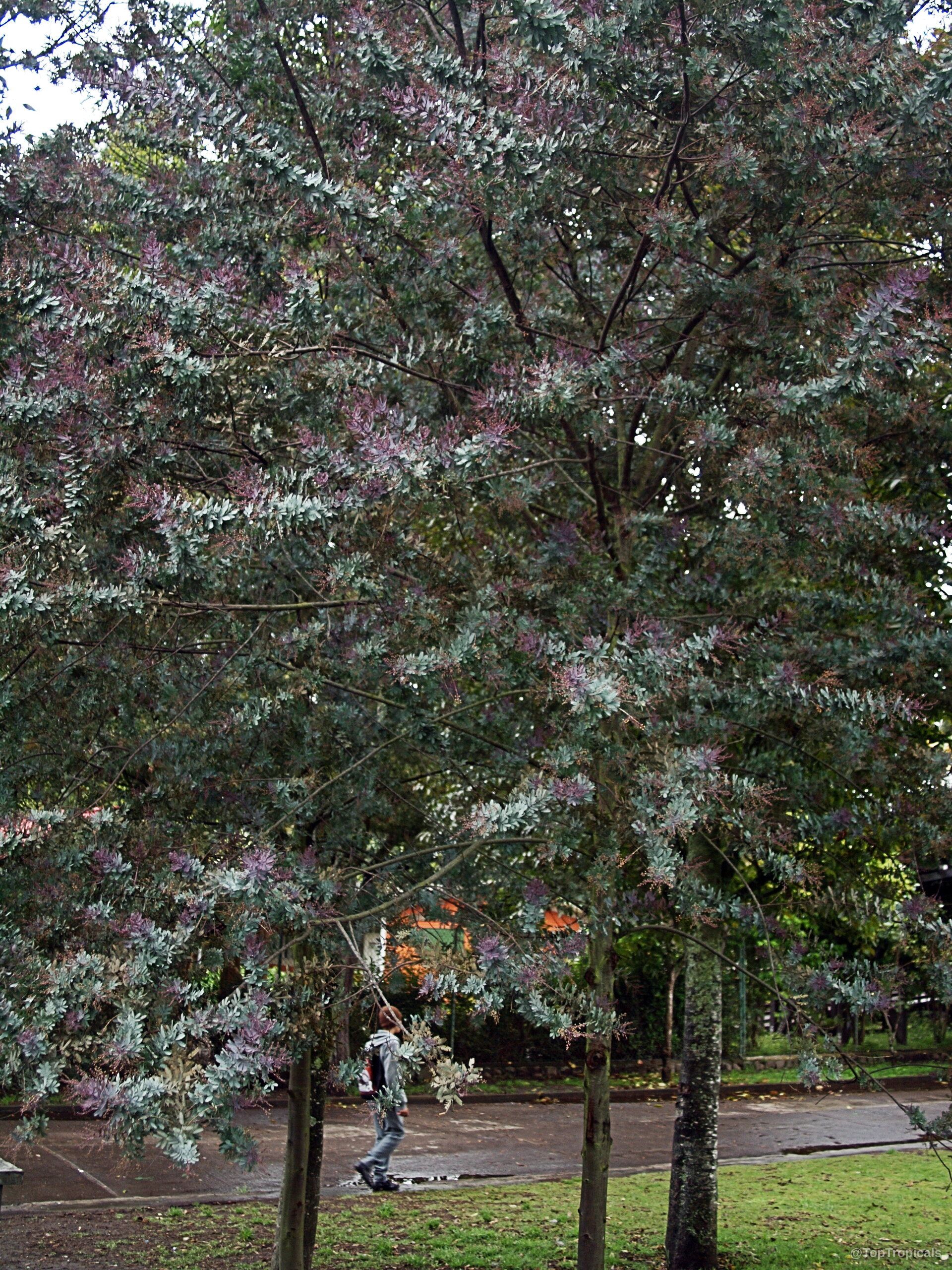
Acacia baileyana (Purple Fernleaf Acacia) 'Purpurea' tree with feathery blue and purple leaves
Acacia baileyana (Purple Fernleaf Acacia) 'Purpurea' tree with soft foliage in shades of blue and purple
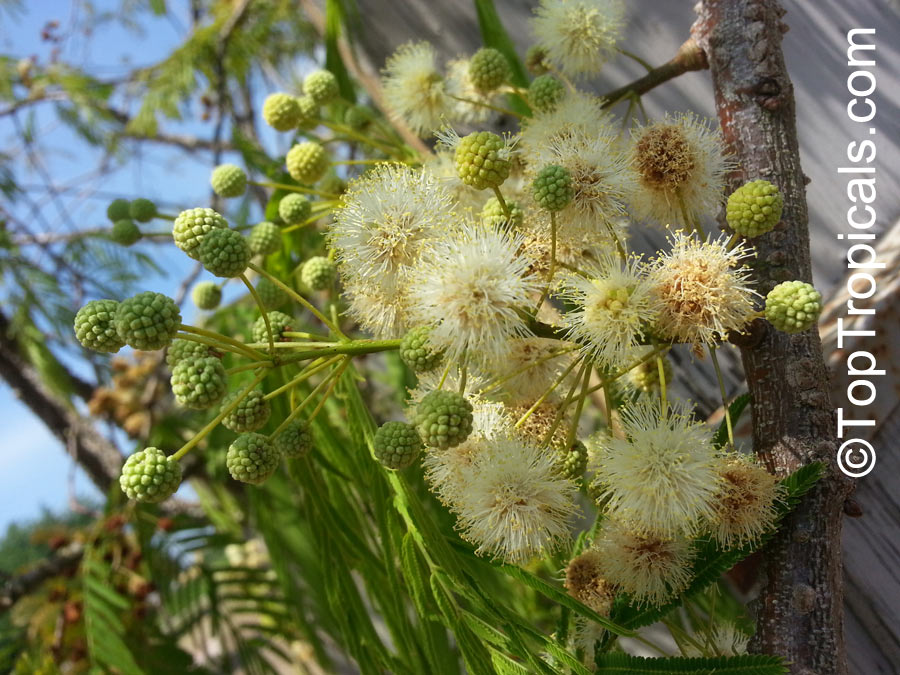
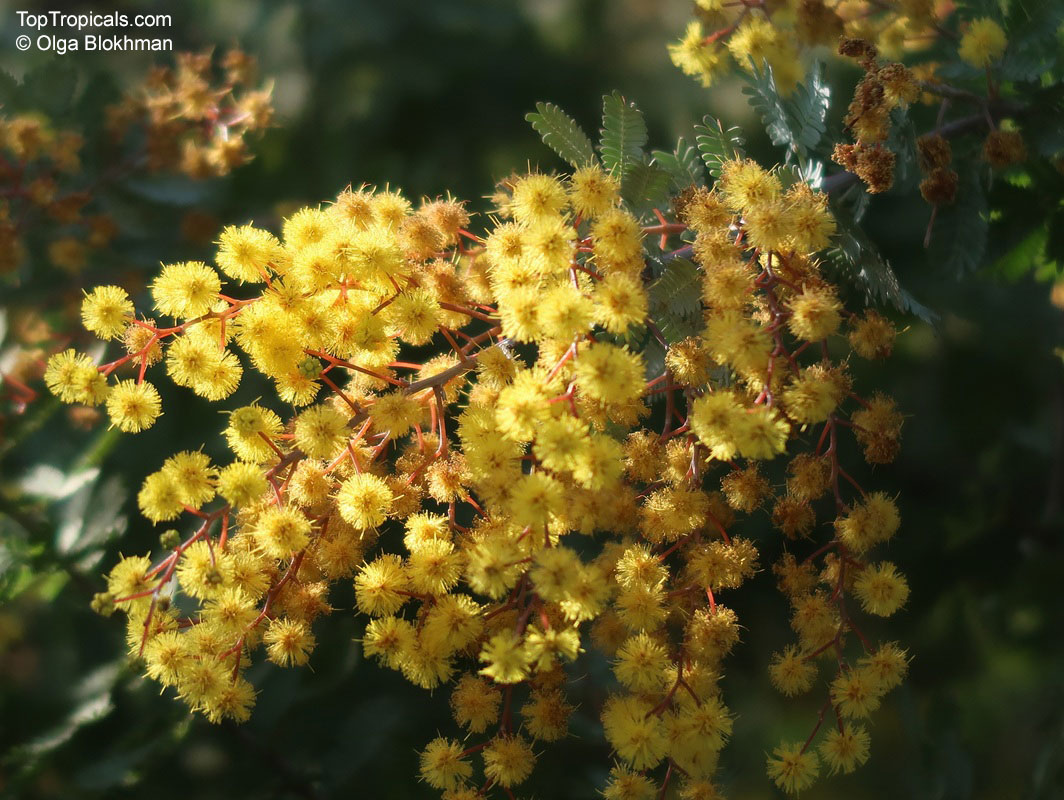
Acacia baileyana (Purple Fernleaf Acacia) 'Purpurea' yellow flower cluster, close up view.
Acacia baileyana (Purple Fernleaf Acacia) 'Purpurea' with many round yellow fluffy flowers.
Acacia baileyana (Purple Fernleaf Acacia) 'Purpurea' yellow flower close up against blue sky background
Acacia baileyana (Purple Fernleaf Acacia) 'Purpurea' yellow flower clusters reaching toward the clear blue sky.
Acacia baileyana (Purple Fernleaf Acacia) 'Purpurea' yellow flower clusters close up in natural sunlight
Acacia baileyana (Purple Fernleaf Acacia) 'Purpurea' stems covered in fuzzy yellow flowers and small leaves


Link to this plant:
https://toptropicals.com/catalog/uid/acacia_baileyana_purpurea.htm

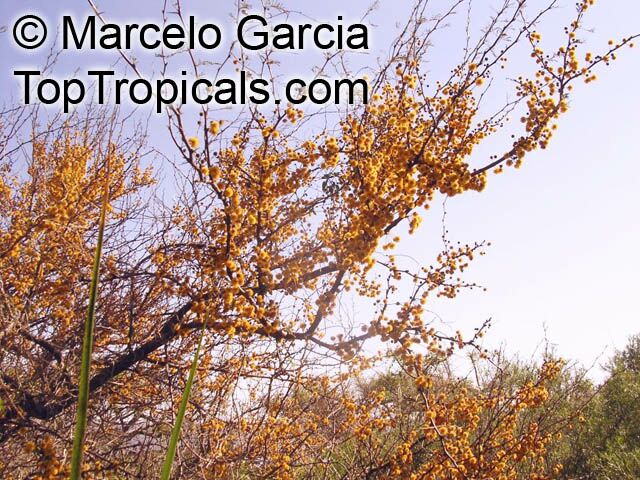
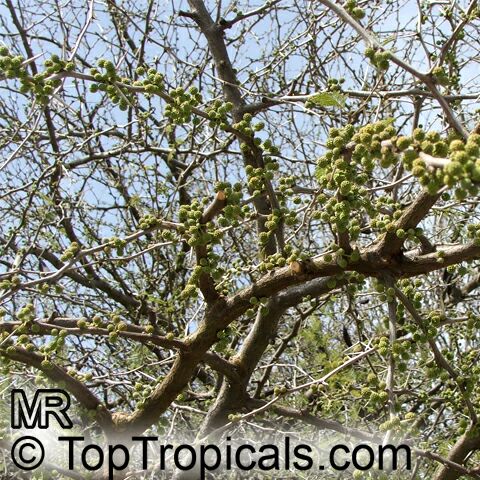
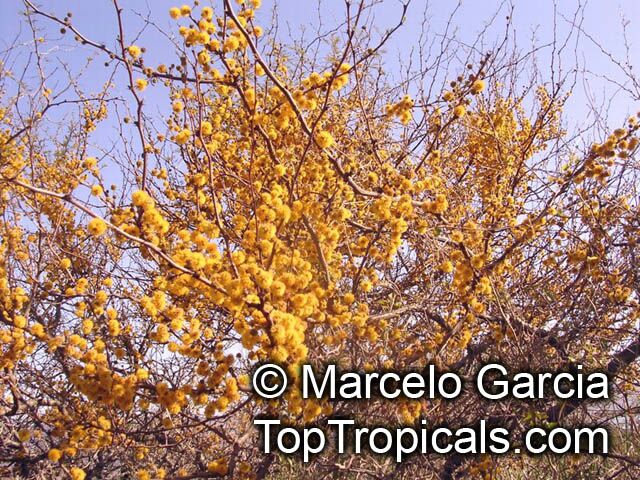
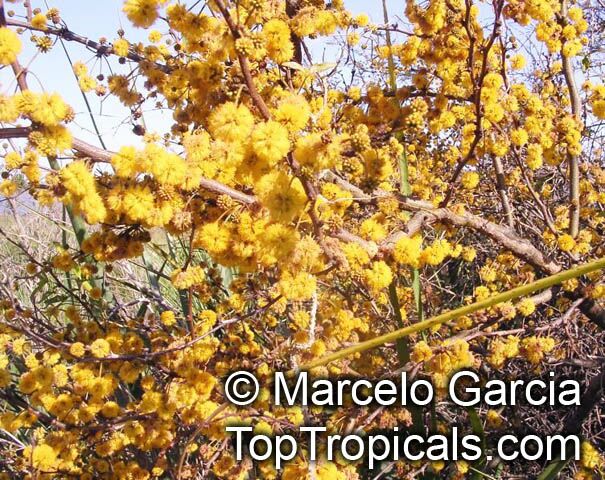
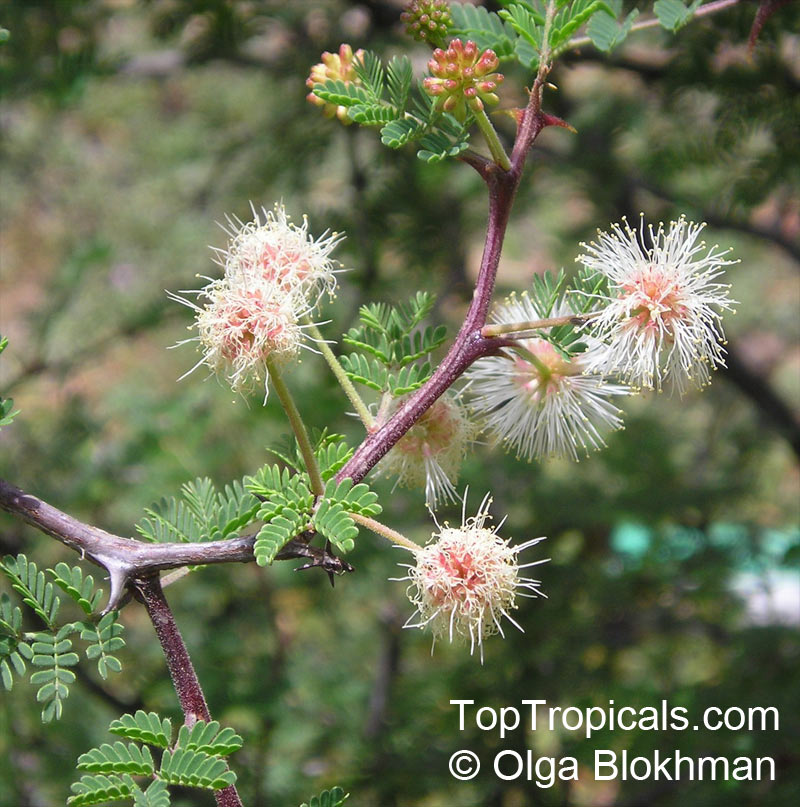
Acacia cavenia (Espino Cavan) yellow flower clusters on a branch close up
Acacia cavenia (Espino Cavan) branches laden with round yellow flower clusters against clear sky

Botanical names: Acacia cavenia, Mimosa caven

Common names: Espino Cavan, Roman Cassie

Family: Fabaceae

Subfamily: Mimosoideae

Origin: Chile and Argentina

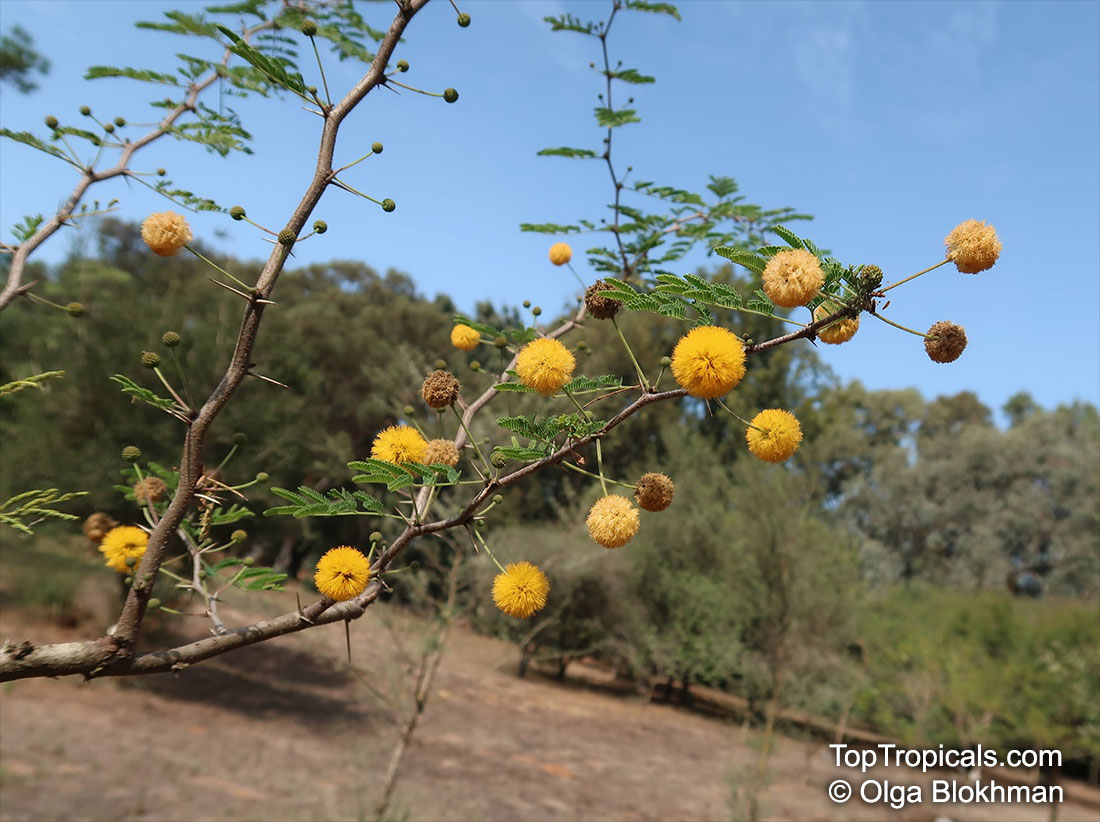
USDA Plant Hardiness MapSmall tree 10-20 ftFull sunWatering: Moderate. Water when top soil feels dryYellow, orange flowersFragrant plant


Link to this plant:
https://toptropicals.com/catalog/uid/acacia_cavenia.htm

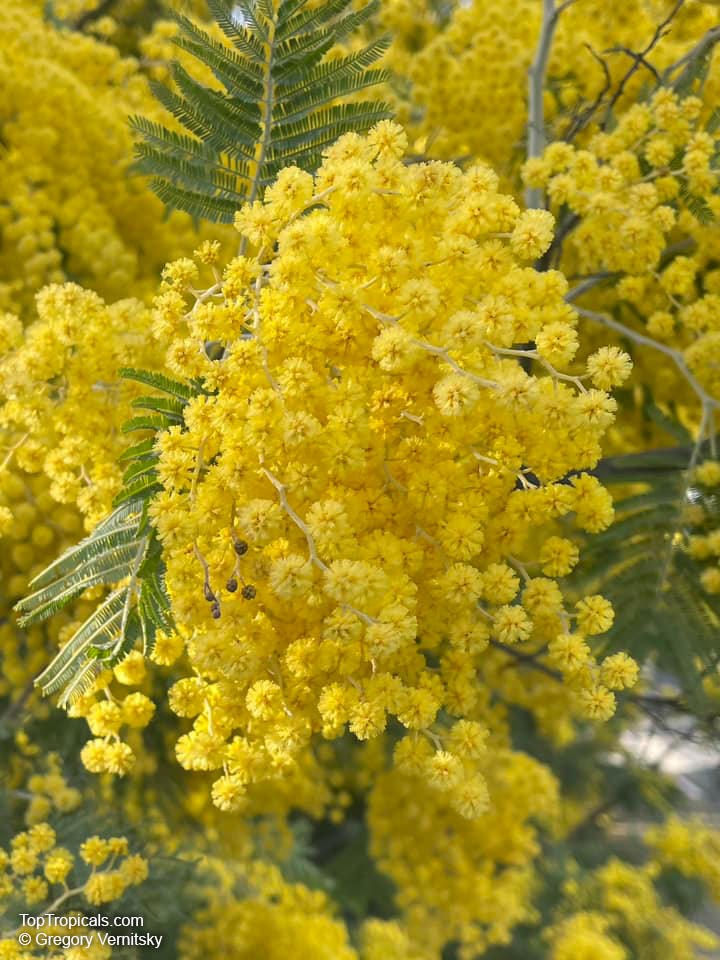
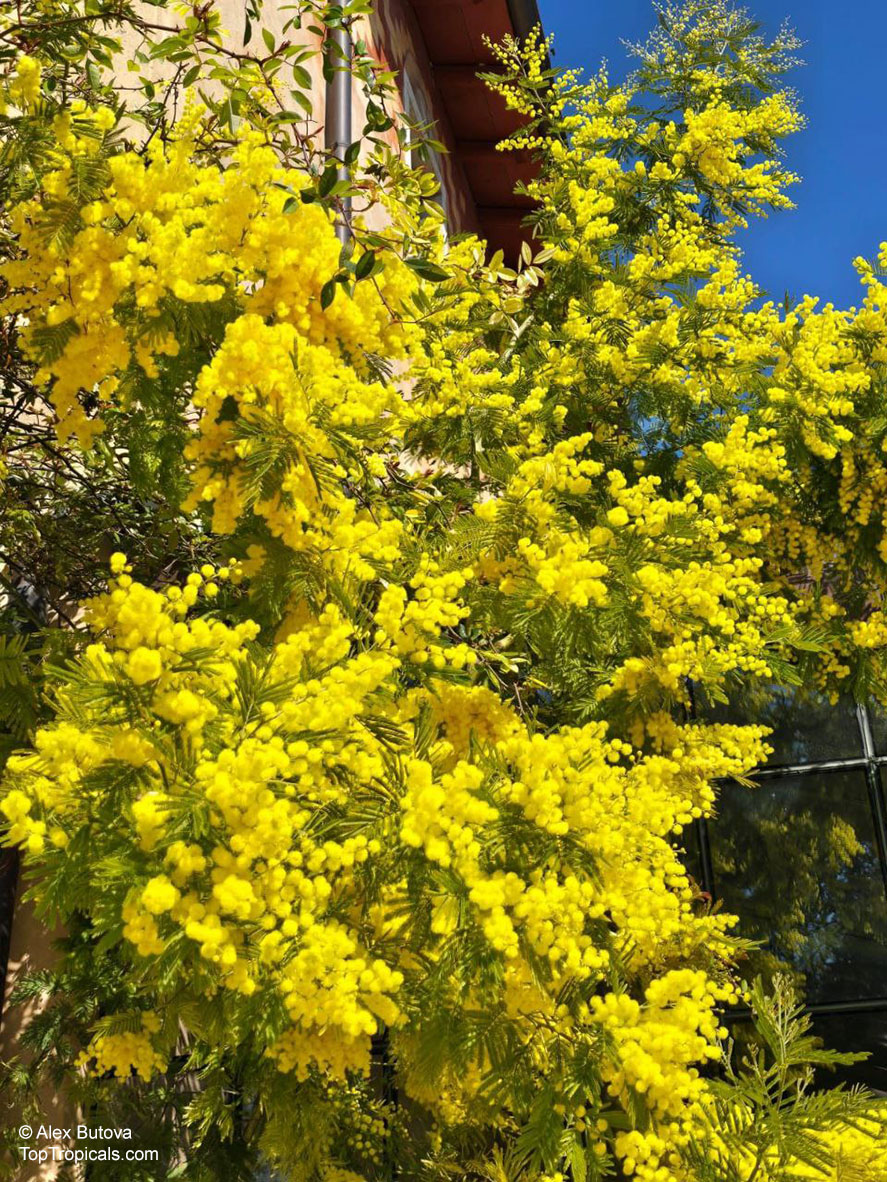
Acacia dealbata (Silver Wattle) yellow flower close up cluster on branch with green leaves
Acacia dealbata (Silver Wattle) yellow flower clusters grow densely alongside feathery green foliage on branches.

Botanical name: Acacia dealbata

Common names: Silver Wattle, Winter Mimosa tree

Family: Fabaceae

Subfamily: Mimosoideae

Origin: Australia

USDA Plant Hardiness MapSmall tree 10-20 ftFull sunWatering: Moderate. Water when top soil feels dryYellow, orange flowersPlant attracts butterflies, hummingbirdsFragrant plant

Acacia dealbata (Silver Wattle) is usually found growing in full sun and can tolerate a range of soils as long as it is well drained. It appreciates moderate water and should be kept evenly moist; it is also moderately drought tolerant once established. This small tree is native to Australia and grows to a height of 10-20 feet, with a spread of 8-15 feet. This tree is invaluable in the landscape due to the profusion of fragrant, yellow or orange flowers that are produced in early spring. Not only do they add much beauty and fragrance to the garden, but they attract both butterflies and hummingbirds.

It thrives in USDA zones 9-11. When planting Acacia dealbata, choose a spot where it can be in full sun and keep the soil evenly moist. In cold regions, the Silver Wattle does best in a container rather than planted directly in the ground. Be sure the container is large enough for the tree to reach its full height, with plenty of drainage. During the colder months, mulch heavily around the container to protect the roots. Water when the soil is dry to a depth of an inch or so, and avoid over-watering as this can lead to root rot. Fertilizer should be applied occasionally during the growing season.

Overall, Acacia dealbata is a unique and beautiful addition to the garden, with its fragrant blooms and stunning foliage.
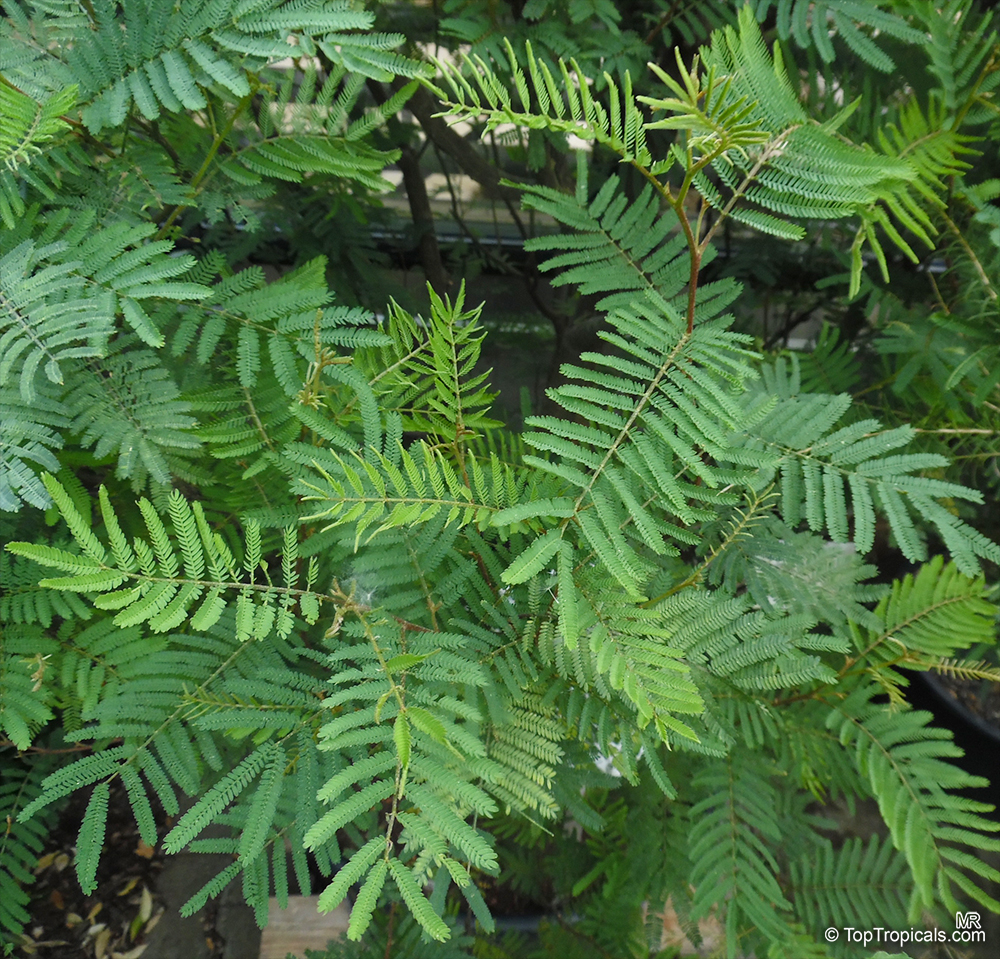
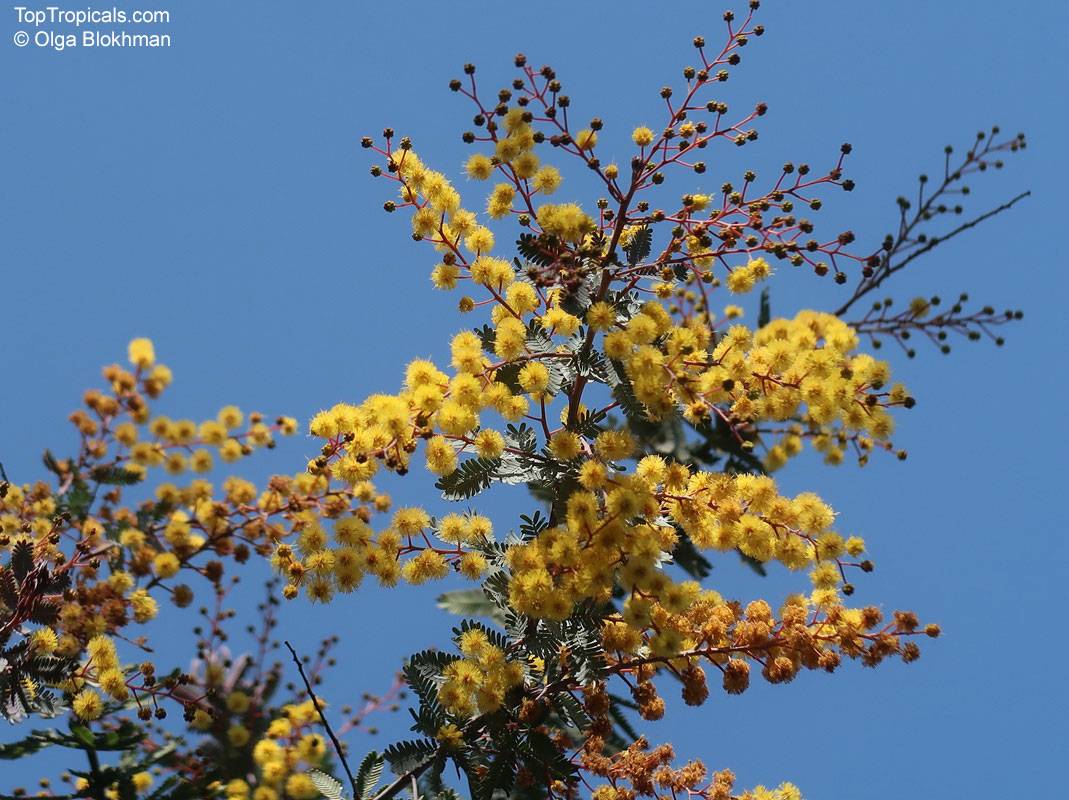
Acacia dealbata (Silver Wattle) green leaves, feathery foliage growing on a branch in close up.
Acacia dealbata (Silver Wattle) displays delicate green feathery foliage growing in a dense healthy cluster.
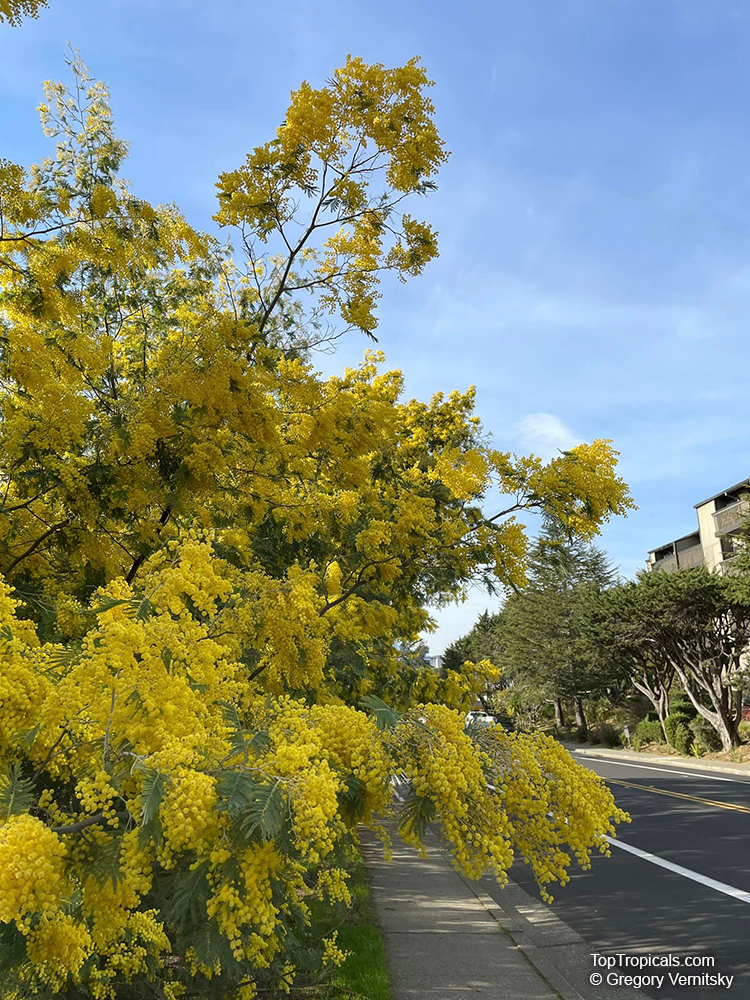
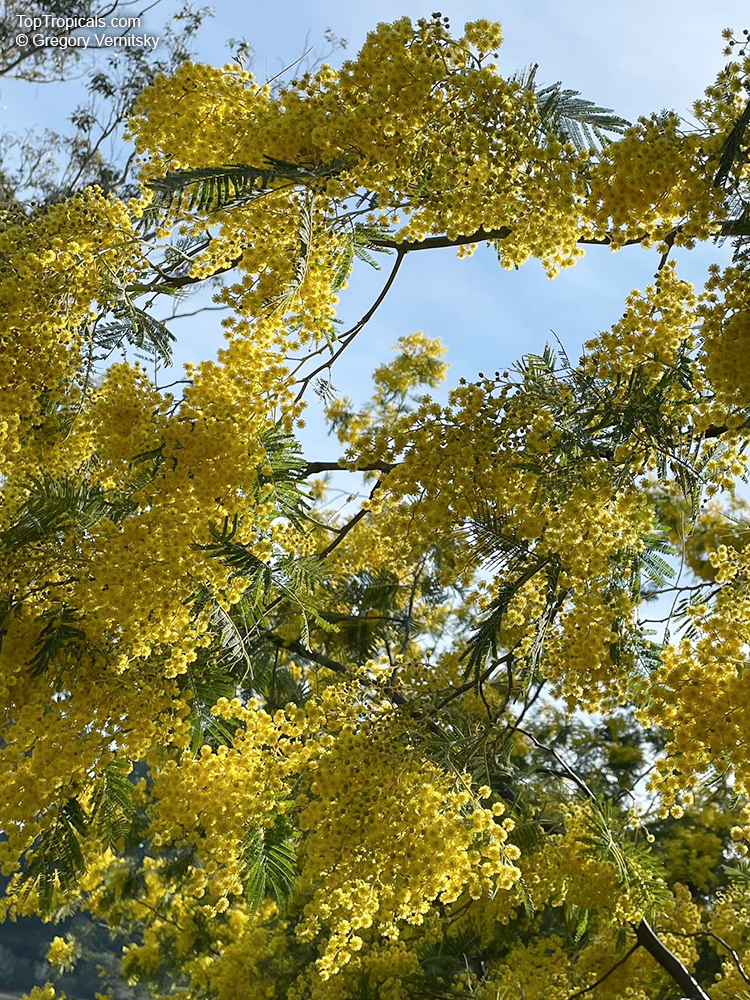
Acacia dealbata (Silver Wattle) yellow tree branch heavy with dense clusters of golden flower segments
Acacia dealbata (Silver Wattle) tree branch laden with abundant clusters of tiny rounded yellow flower
Acacia dealbata (Silver Wattle) with yellow flowers and fine green fern-like leaves on branches
Acacia dealbata (Silver Wattle) with many clusters of yellow flowers amidst finely divided green foliage.
Acacia dealbata (Silver Wattle) yellow flower clusters on delicate green foliage, close up branch view.
Acacia dealbata (Silver Wattle) yellow pom-pom flowers covering the green fern-like leaves on branches.
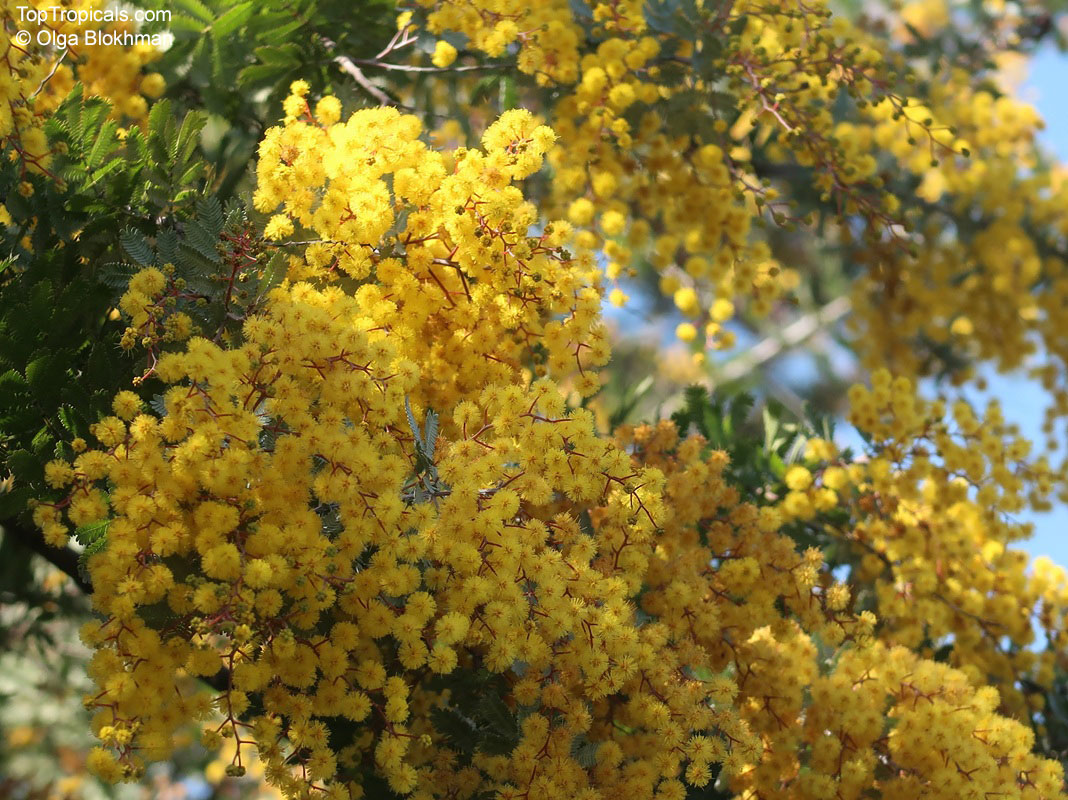
Silver Wattle (Acacia dealbata) is covered by bright yellow blooms in the Mediterranean region in spring.


Link to this plant:
https://toptropicals.com/catalog/uid/acacia_dealbata.htm

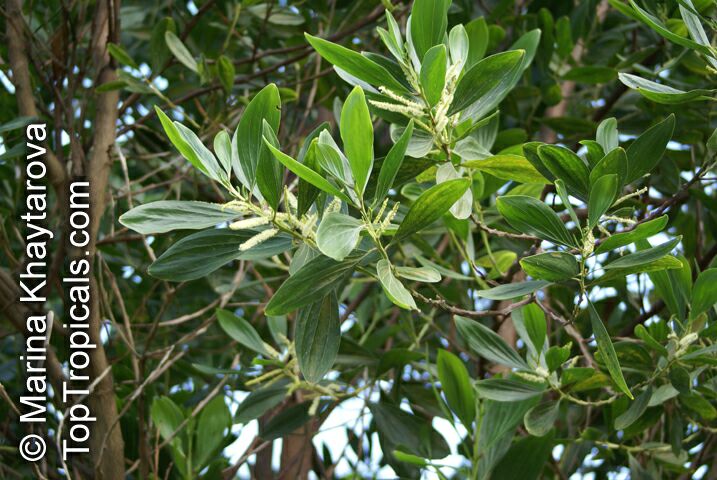
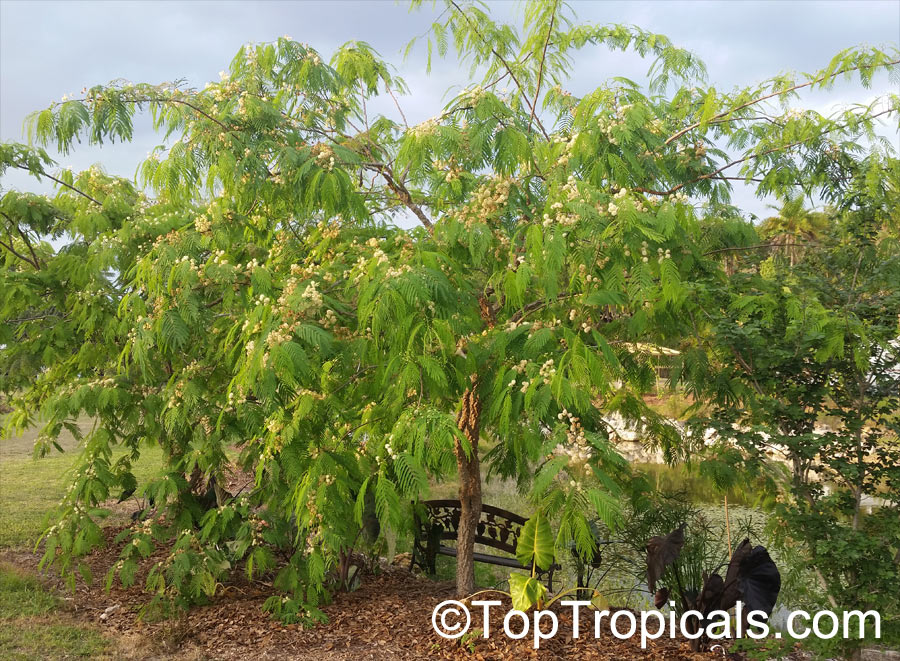
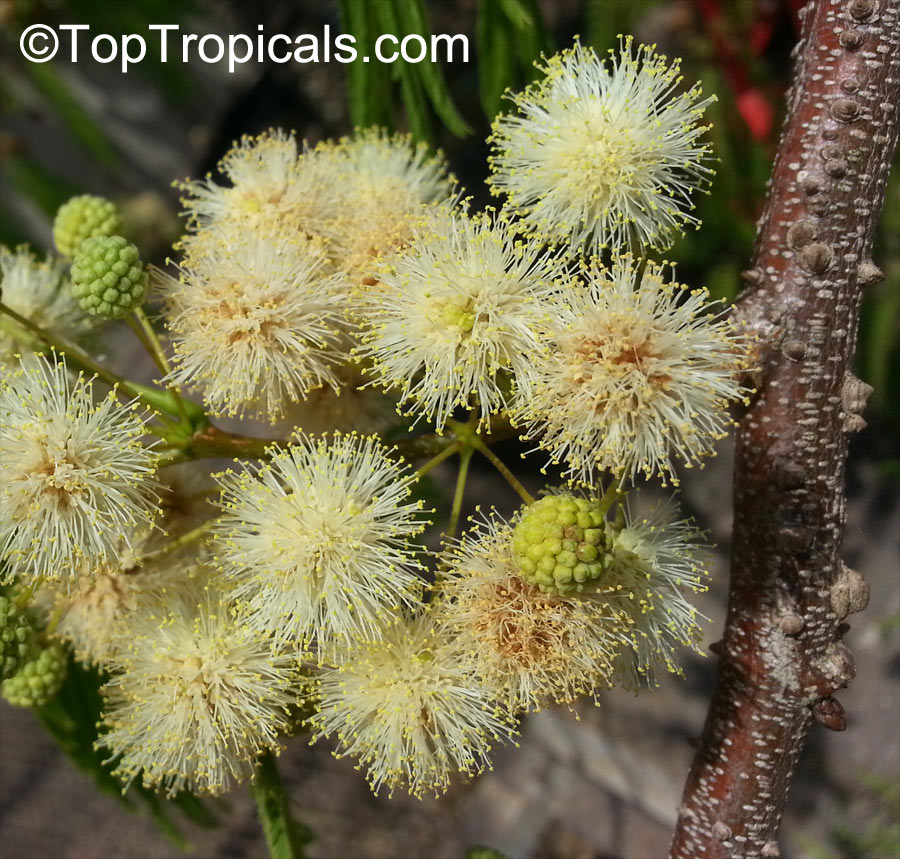
Acacia mangium (Mangium Wattle) plant with deep green leaves and small white spike flowers
Acacia mangium (Mangium Wattle) stems carry waxy green leaves and clusters of white flower spikes.

Botanical name: Acacia mangium

Common names: Mangium Wattle, Black Wattle, Hickory Wattle

Family: Fabaceae

Subfamily: Mimosoideae

Origin: Australia, Papua New Guinea, Indonesia

USDA Plant Hardiness MapLarge tree taller than 20 ftSmall tree 10-20 ftFull sunWatering: Moderate. Water when top soil feels dryWhite, off-white flowersPlant attracts butterflies, hummingbirds

Acacia mangium grows up to 30m tall, often with a straight trunk.

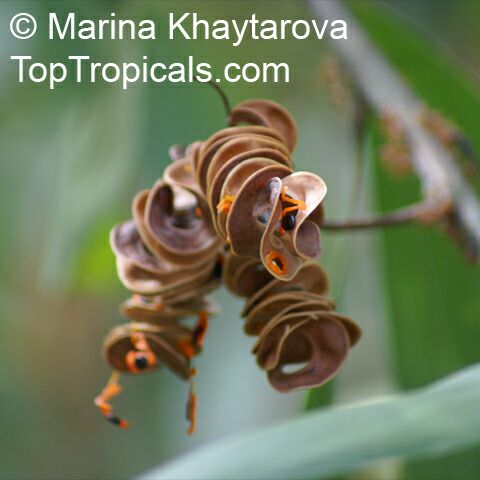
Phyllodes lanceolate or ovate, conspicuously veined, light or dark green; flower-heads rod-like, white, sparse, on hairy peduncles about 1 cm long; pods long, slender, coiled or twisted and contorted. Its uses include environmental management and wood.
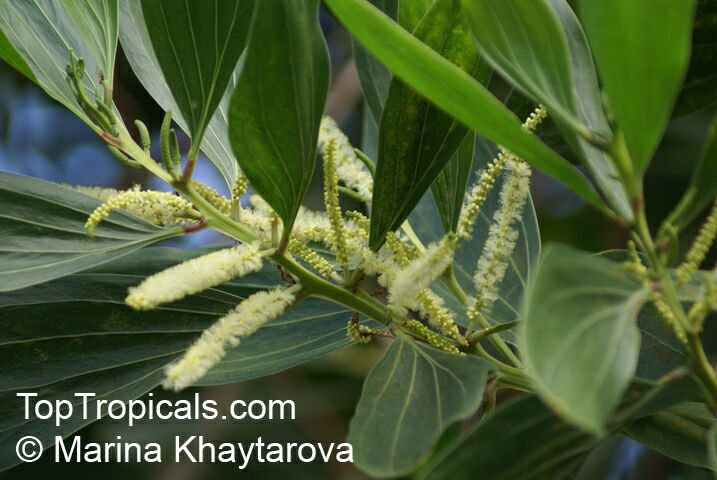

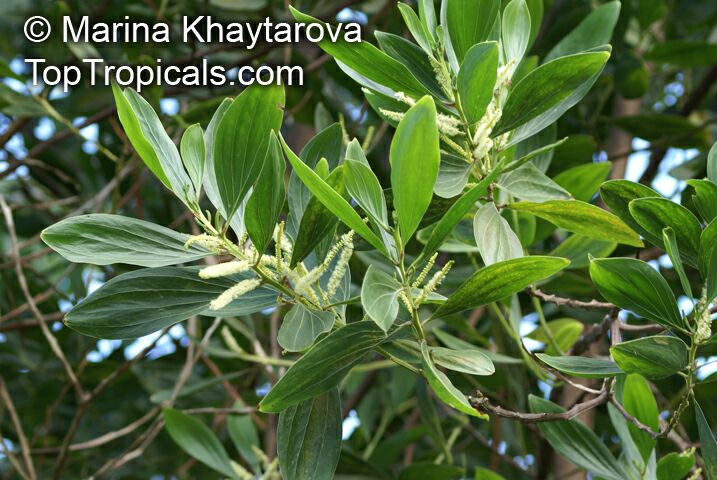
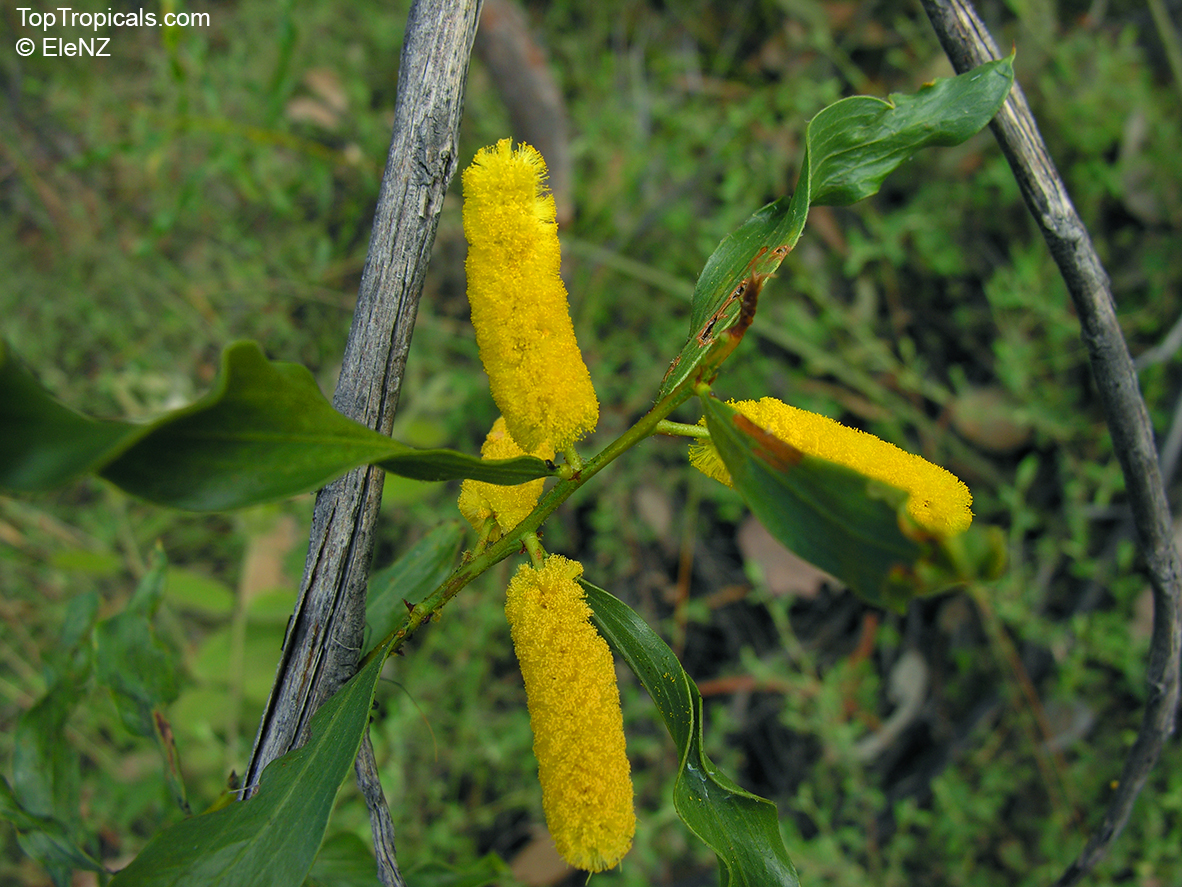
Acacia mangium (Mangium Wattle) yellow flower spikes close up with green leaves on a plant.
Acacia mangium (Mangium Wattle) yellow spikes sit among large green leaves on a thin woody branch.
Acacia mangium (Mangium Wattle) green leaves with cream spikes close up plant
Acacia mangium (Mangium Wattle) showing green oval leaves alongside long, soft cream colored spikes.
Acacia mangium (Mangium Wattle) green leaves with small pale yellow flower spikes in close up.
Acacia mangium (Mangium Wattle) green leaves with delicate pale yellow flower spikes along the branches.
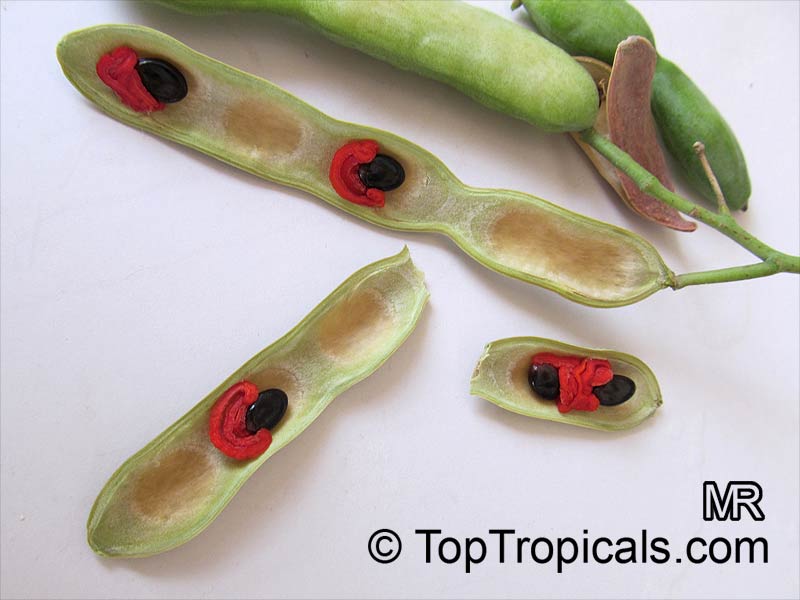
Acacia mangium (Mangium Wattle) brown coiled fruit pods close up, orange seeds visible inside.
Acacia mangium (Mangium Wattle) coiled brown fruit pods dangling with small orange seeds inside them.


Link to this plant:
https://toptropicals.com/catalog/uid/acacia_mangium.htm

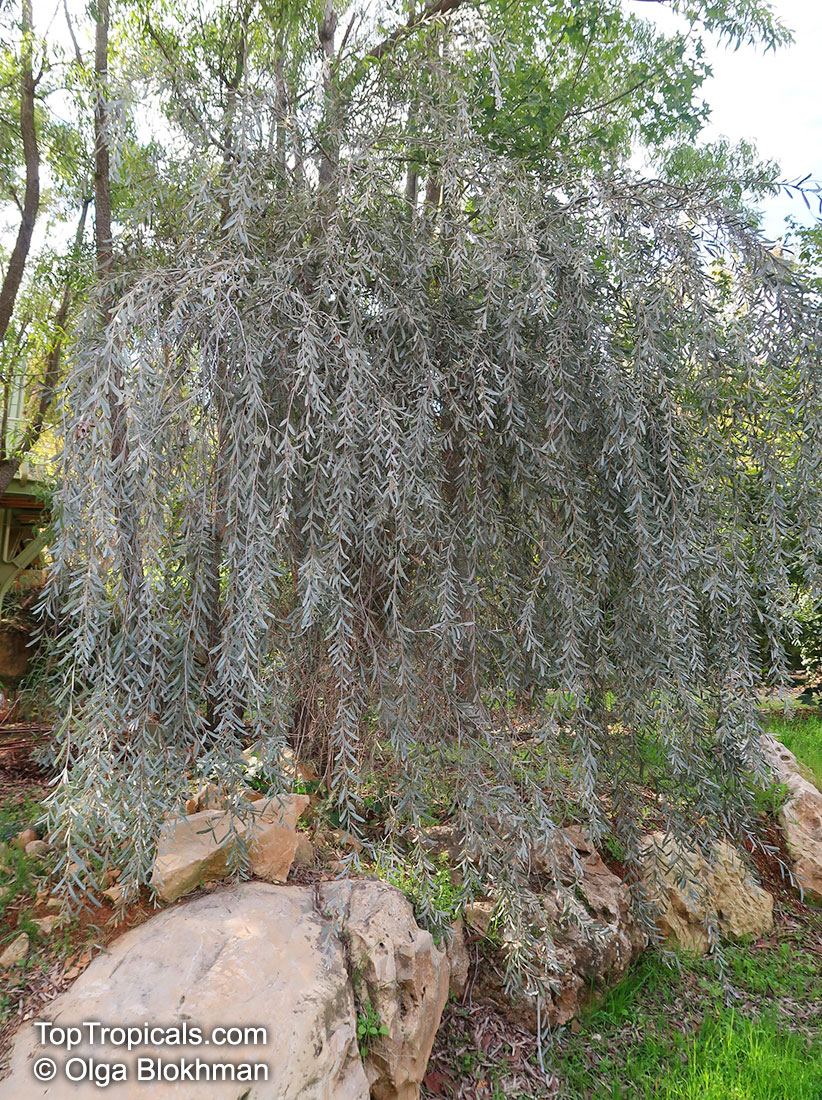
Acacia pendula (Weeping Myall) tree with cascading silver grey leaves hanging from thin drooping branches
Acacia pendula (Weeping Myall) tree with cascading silver grey foliage draping down over large landscape rocks

Botanical name: Acacia pendula

Common names: Weeping Myall, Silver-leaf Boree

Family: Fabaceae

Subfamily: Mimosoideae

Origin: Australia

USDA Plant Hardiness MapSmall tree 10-20 ftFull sunWatering: Moderate. Water when top soil feels dryYellow, orange flowersSubtropical plant. Mature plant cold hardy at least to 30s F for a short time

Acacia pendula, also known as Weeping Myall, is a small deciduous tree native to Australia. Growing 10-20 feet in height, it has a spreading form with weeping growth habit and grey-green foliage. Acacia pendula is an eye-catching tree for parks, gardens and backyards.

In autumn, Acacia pendula produces clusters of yellow to orange flowers giving a beautiful display in the garden. The flowers are followed by small brown seedpods which are ingested by birds and other wildlife.

It is best grown in full sun and will tolerate low watering. While established plants may be drought tolerant, Acacia pendula will benefit from moderate amounts of water during dry periods. In warm climates, it can be grown in a pot, making an attractive feature on a balcony or patio.

The Weeping Myall is frost hardy and handles cold temperatures to at least 30 degrees Fahrenheit for short periods of time. This small tree is suitable for USDA Plant Hardiness Zones 9-11.

To ensure healthy growth, it is important to follow basic plant care and maintenance. Provide a deep watering every two weeks in dry conditions, and fertilize twice a year with a general purpose fertilizer. For container-grown Acacia pendula, use a potting mix enriched with an additional 10% soil conditioner or sand for improved drainage. When growing this tree in cold regions, provide extra protection by mulching over the roots in winter and cover with a cloth or tarp in extremely cold weather.
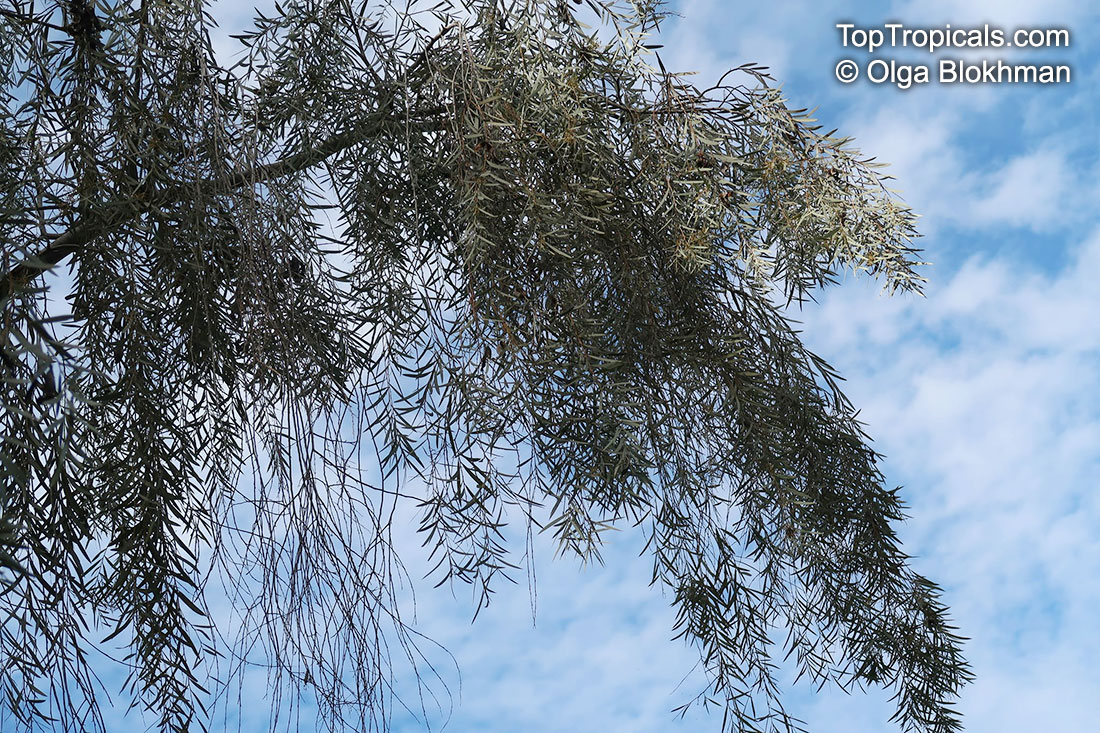
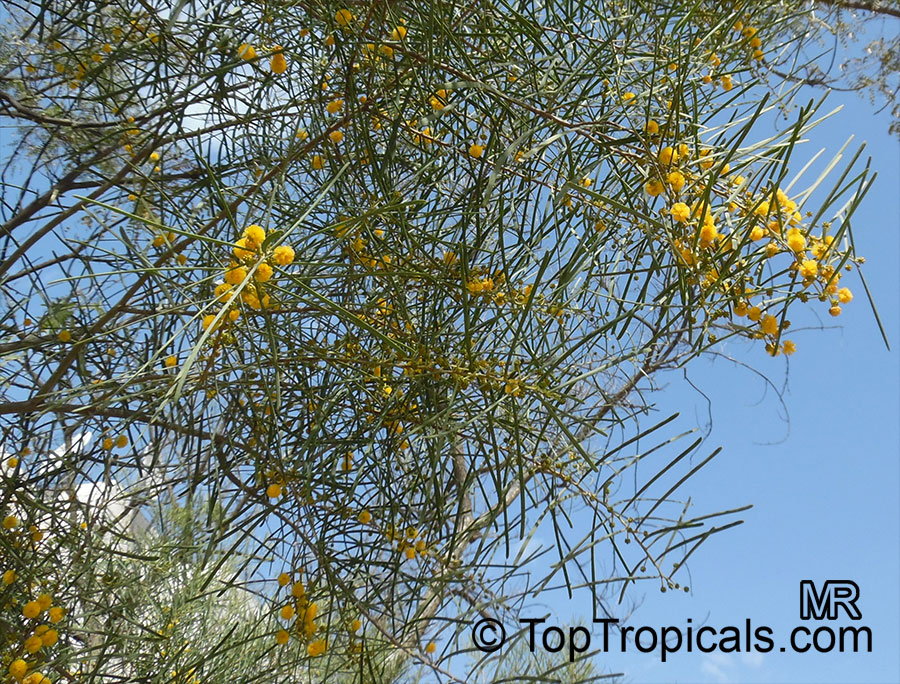
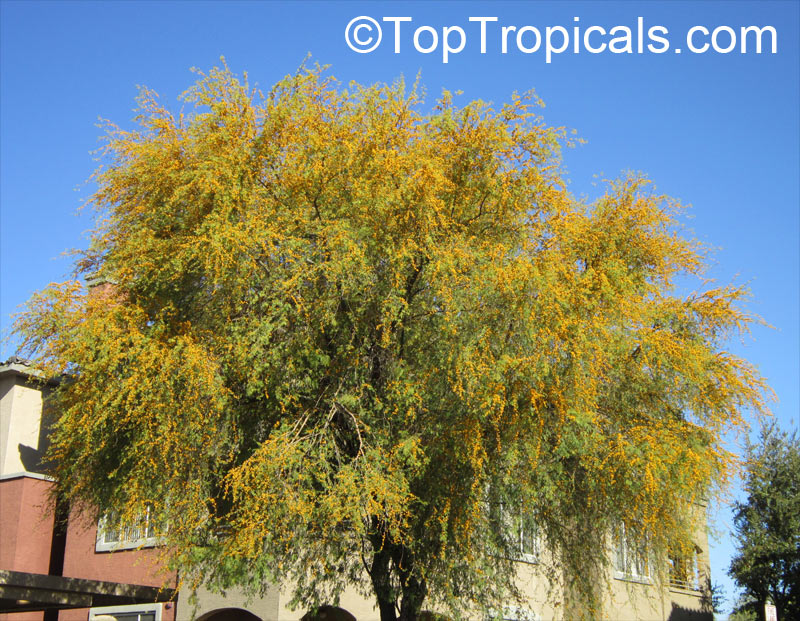
Acacia pendula (Weeping Myall) silver gray leaves on drooping branches against a clear blue sky
Acacia pendula (Weeping Myall) with long slender foliage hanging down from arching branches into the atmosphere


Link to this plant:
https://toptropicals.com/catalog/uid/acacia_pendula.htm

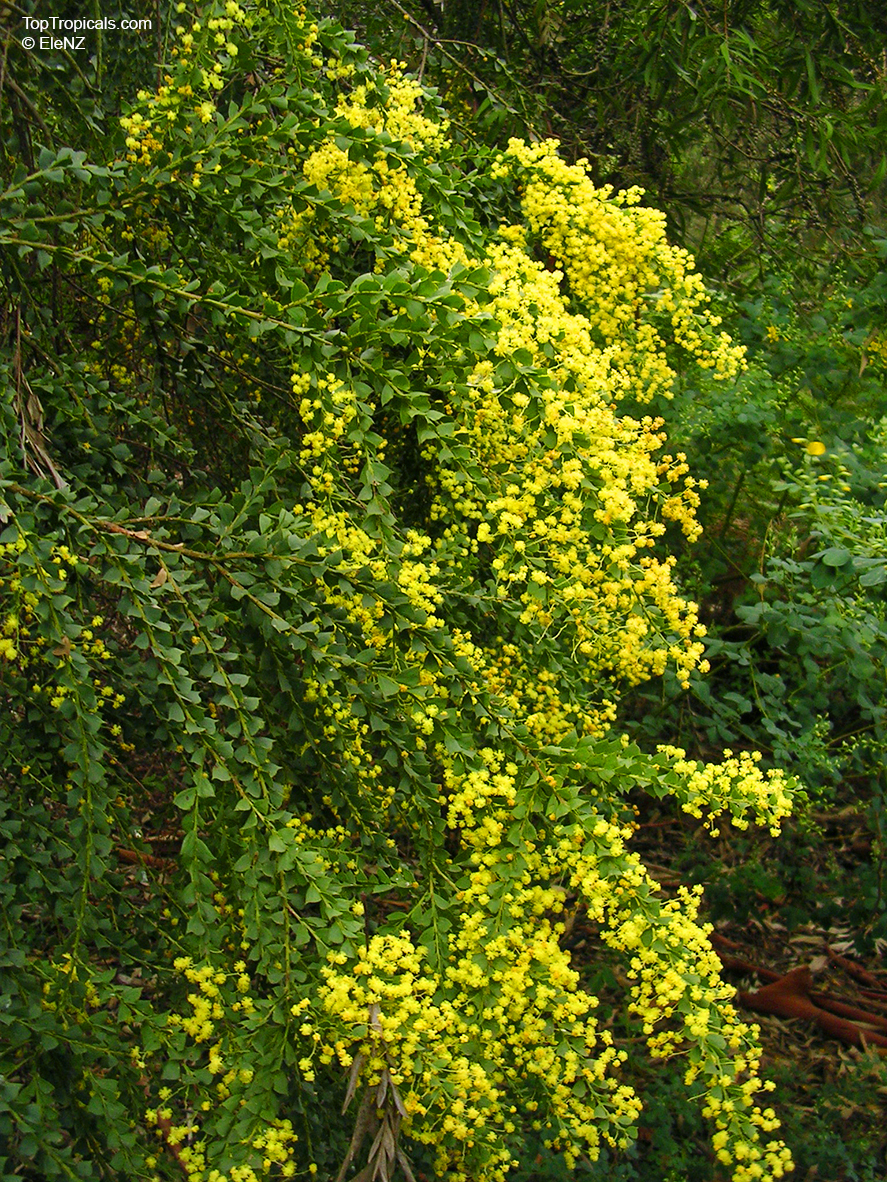
Acacia pravissima (Ovens Wattle) yellow flower cluster on green leaf branches in a tree
Acacia pravissima (Ovens Wattle) yellow flower clusters hanging from many small dark green leaves

Botanical name: Acacia pravissima

Common name: Ovens Wattle

Family: Fabaceae

Subfamily: Mimosoideae

Origin: Australia

USDA Plant Hardiness MapLarge shrub 5-10 ft tallSmall tree 10-20 ftFull sunWatering: Moderate. Water when top soil feels dryYellow, orange flowersPlant attracts butterflies, hummingbirds

A vigorous growing tree with silvery, blade-like leaves. Has a rapid growth pattern. In early spring and sometimes again in the fall, the trees are covered in puffy yellow flowers. Easy in full sun and free-draining soil. Drought tolerant.
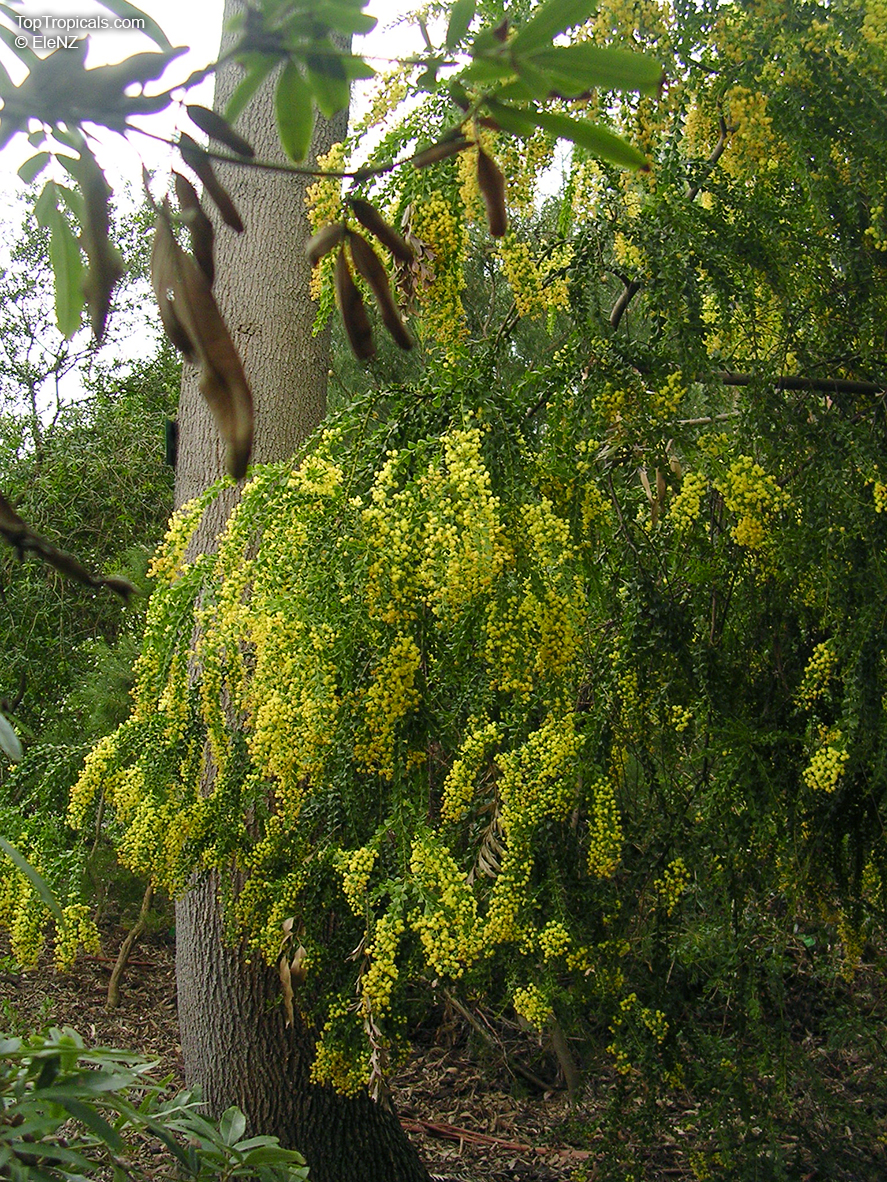
Acacia pravissima (Ovens Wattle) yellow flower clusters hanging from thin branches on the plant.
Acacia pravissima (Ovens Wattle) yellow flower clusters hanging down from slender green leafy branches.
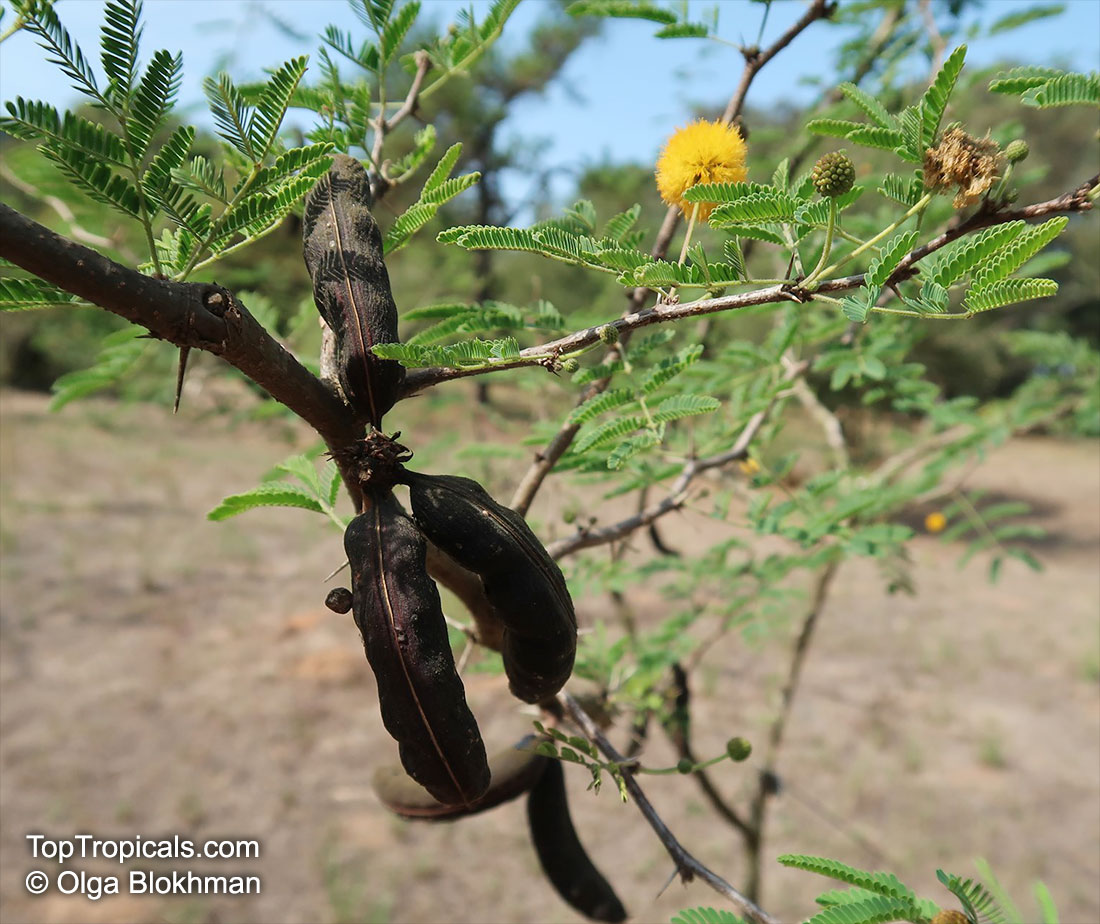
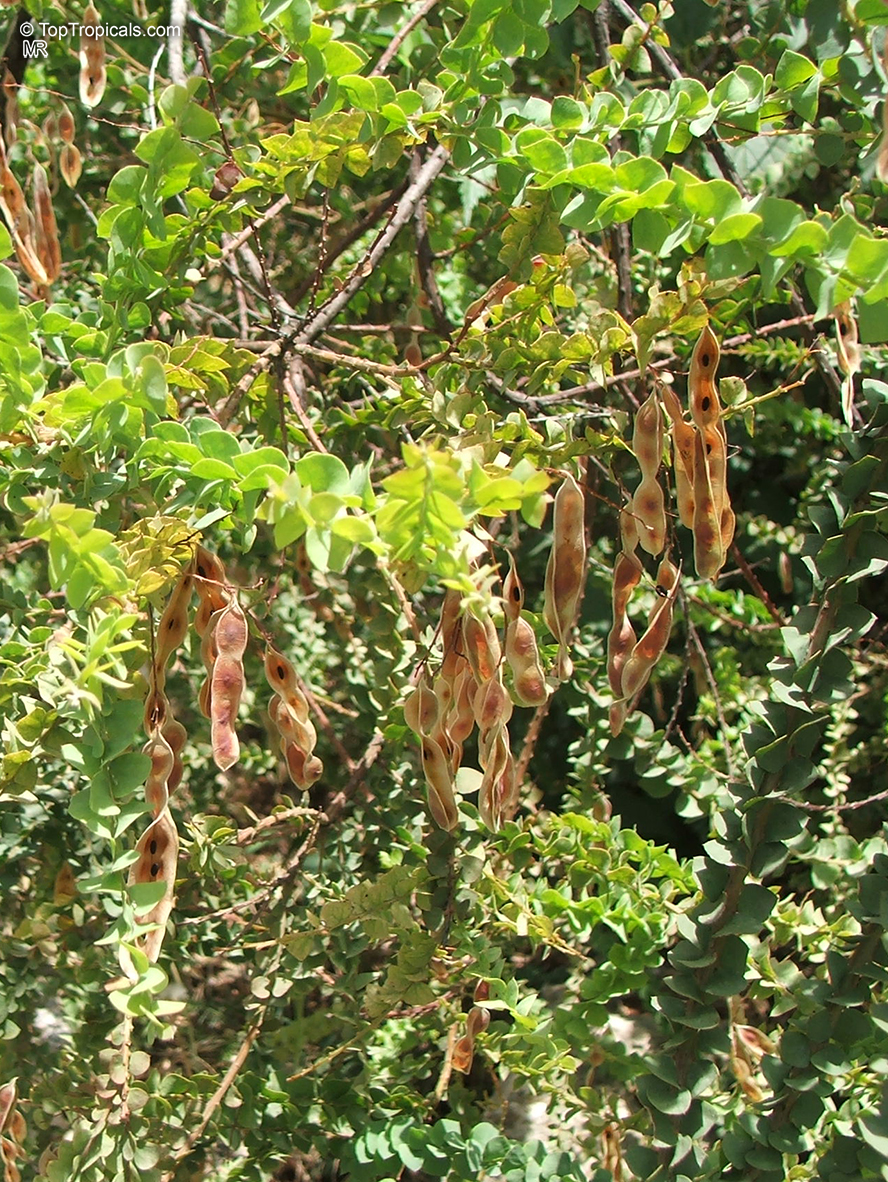
Acacia pravissima (Ovens Wattle) green leaves with brown fruit hanging on a tree branch
Acacia pravissima (Ovens Wattle) with its small green triangular leaves and many hanging brown fruit pods.
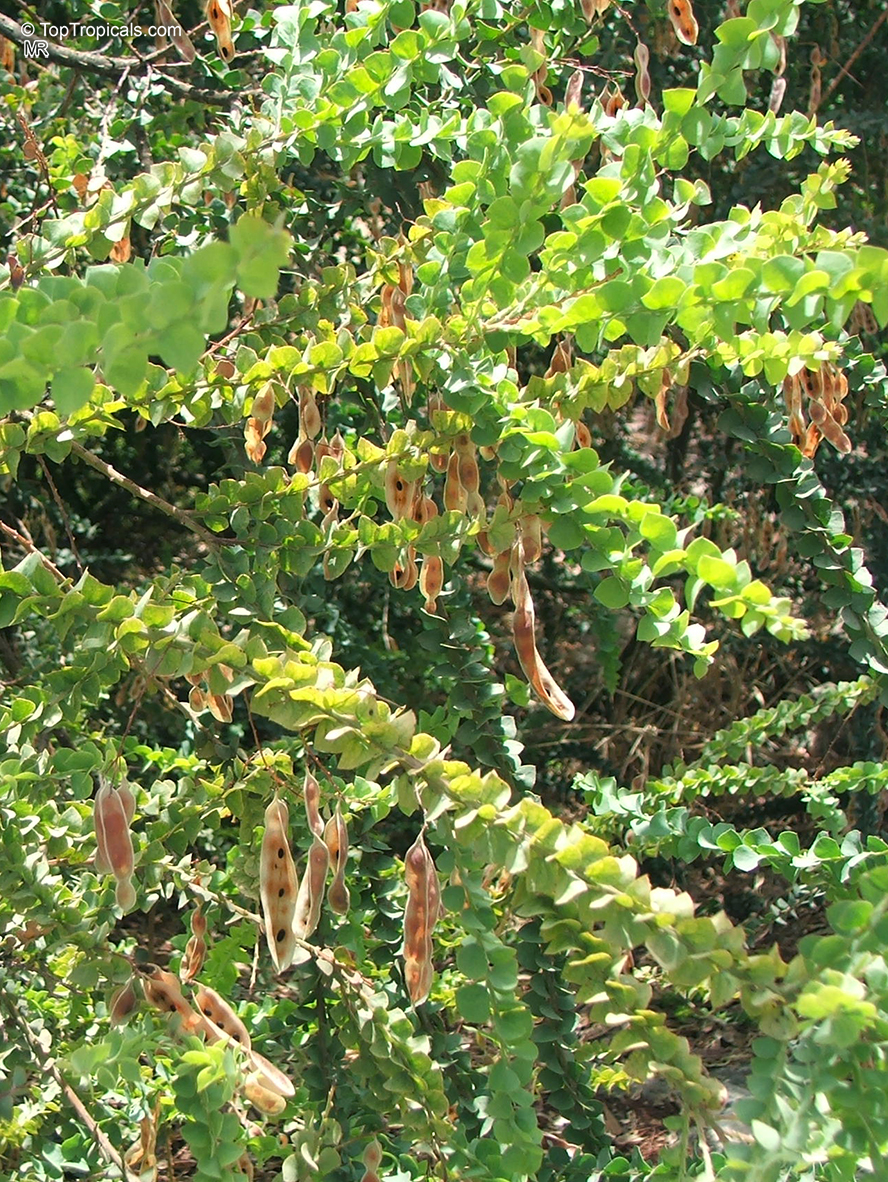
Acacia pravissima (Ovens Wattle) plant with light green leaves and brown fruit hanging down
Acacia pravissima (Ovens Wattle) branches covered with small triangular leaves and hanging brown seed pods


Link to this plant:
https://toptropicals.com/catalog/uid/acacia_pravissima.htm

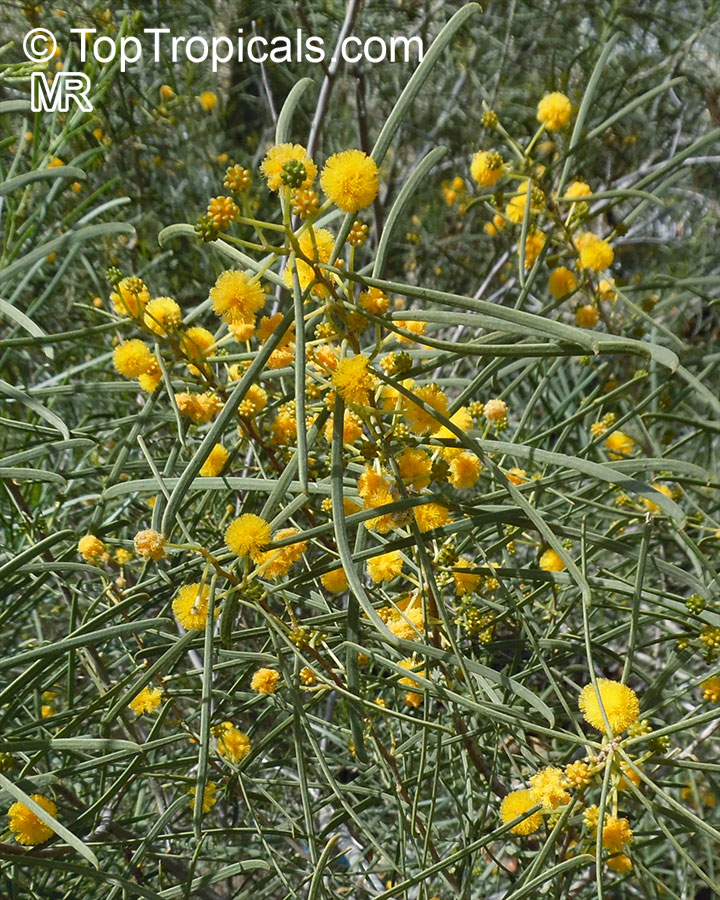
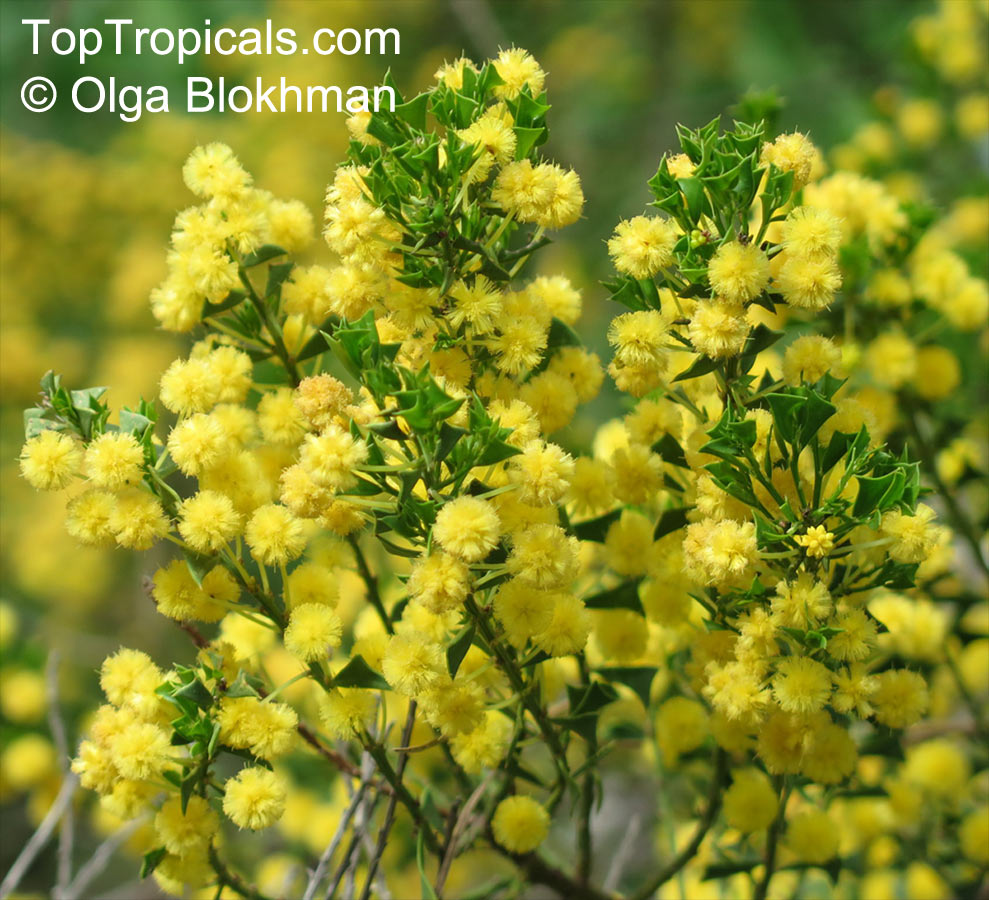
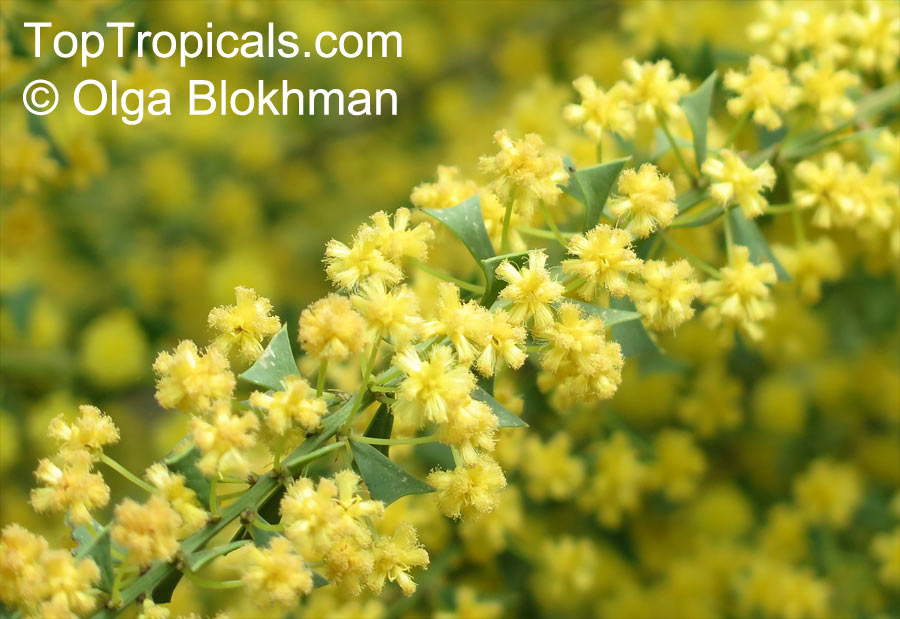
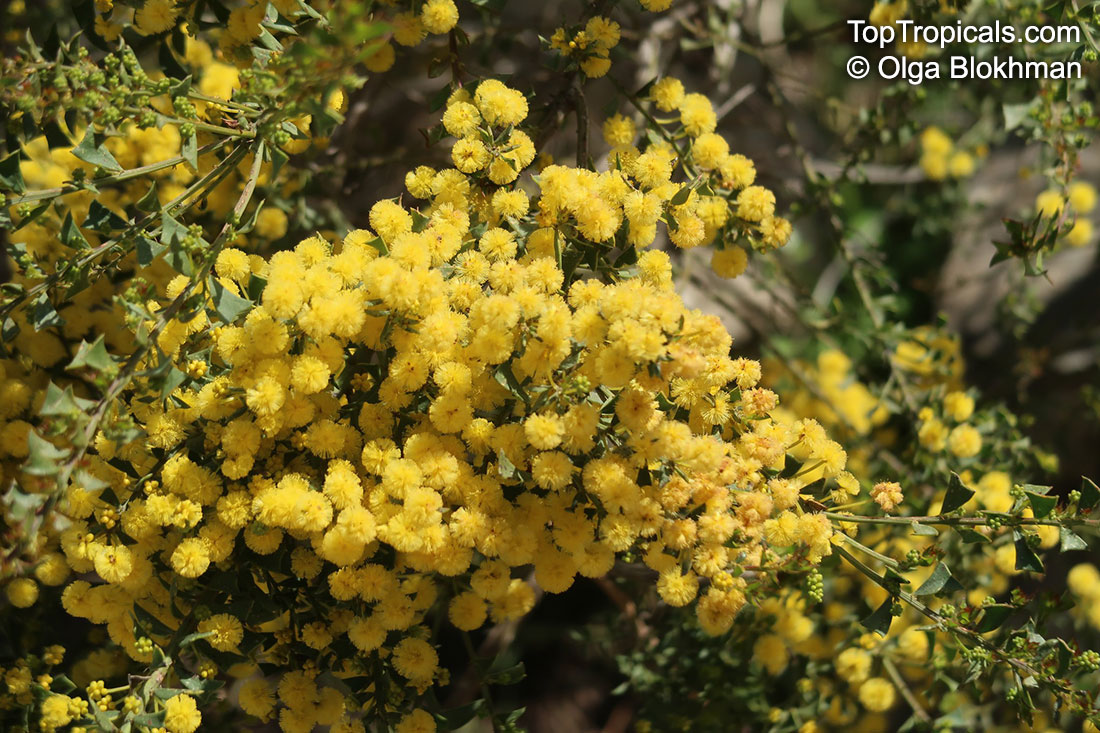
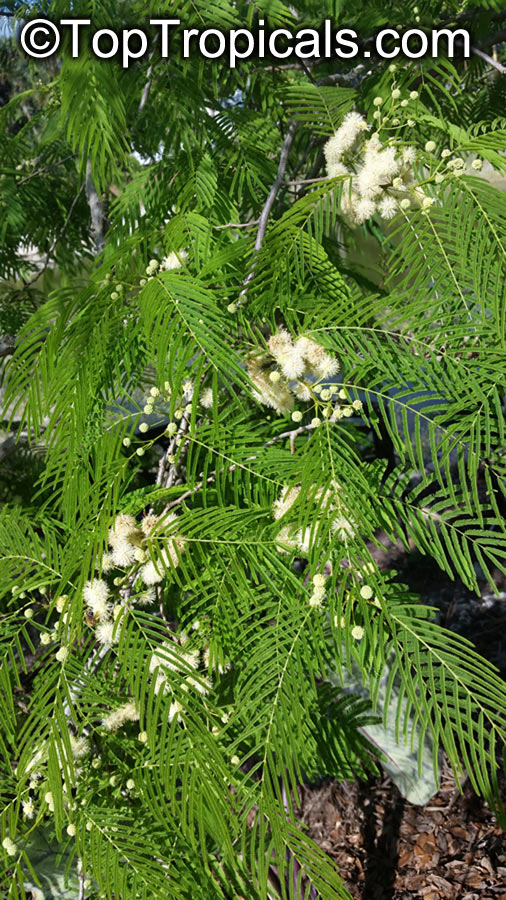
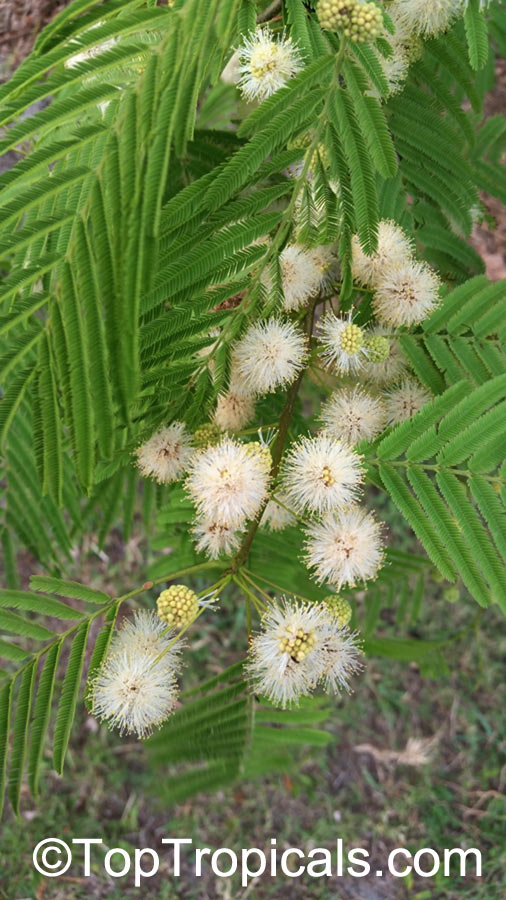
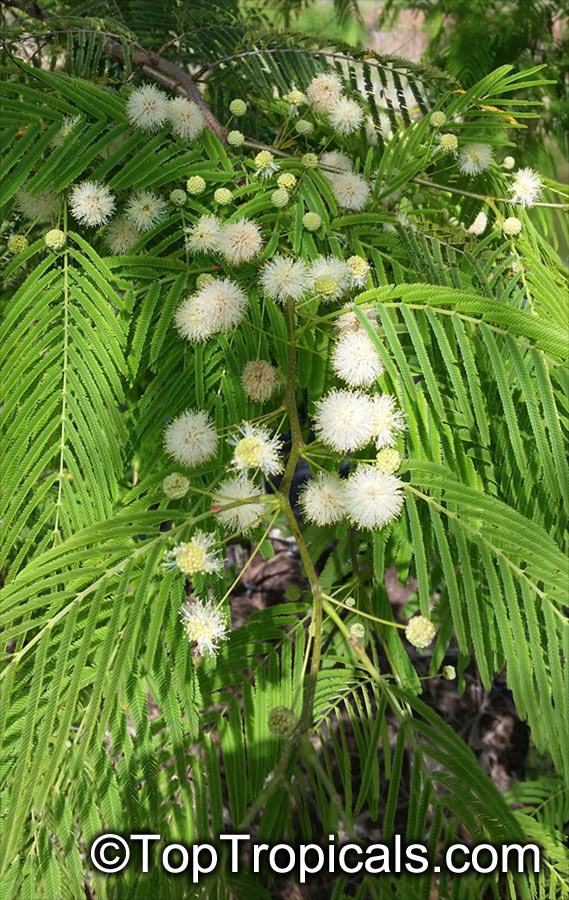
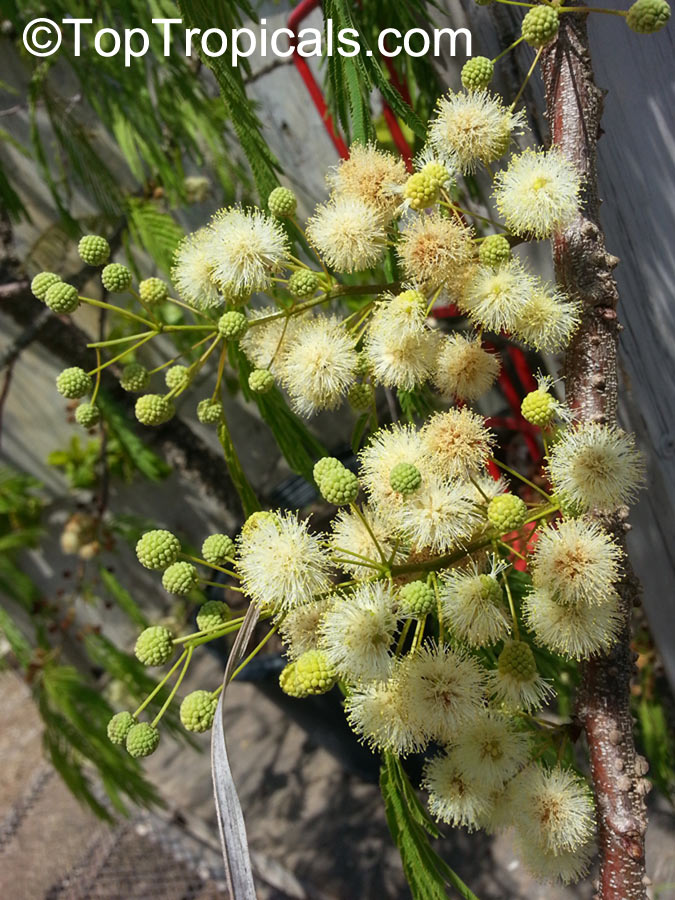
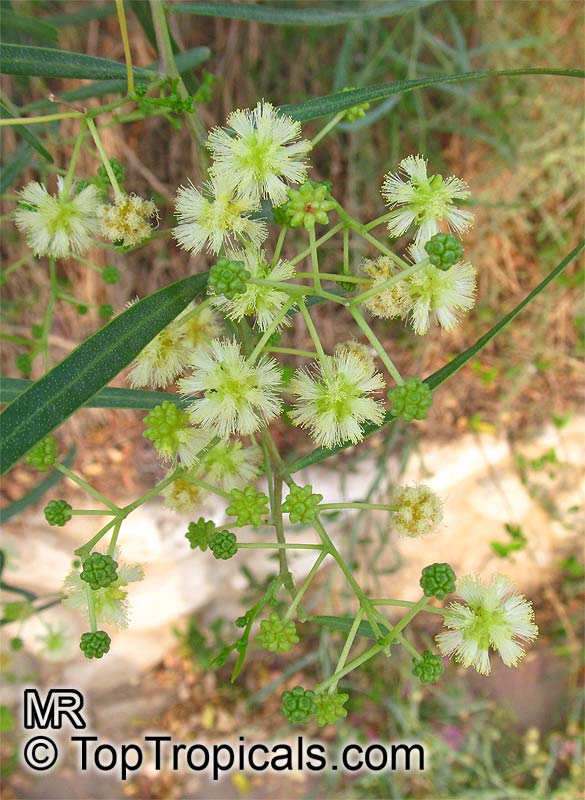
Acacia sp. (Prickly Moses) yellow flower close up on a green ferny branch of plant.
Acacia sp. (Prickly Moses) with yellow fluffy flower clusters and thin green feathery foliage.

Botanical name: Acacia sp.

Common names: Prickly Moses, Khair

Family: Fabaceae

Subfamily: Mimosoideae

Origin: Australia

USDA Plant Hardiness MapLarge shrub 5-10 ft tallSmall tree 10-20 ftFull sunWater Requirement: Low. Allow soil to dry out between wateringsWatering: Moderate. Water when top soil feels dryYellow, orange flowersWhite, off-white flowersPlant attracts butterflies, hummingbirds

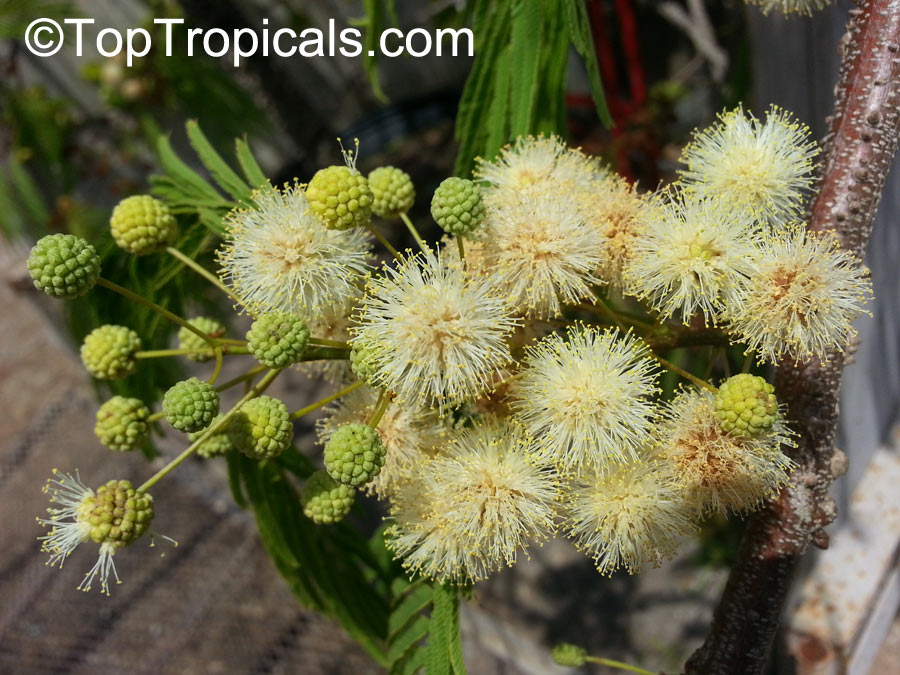
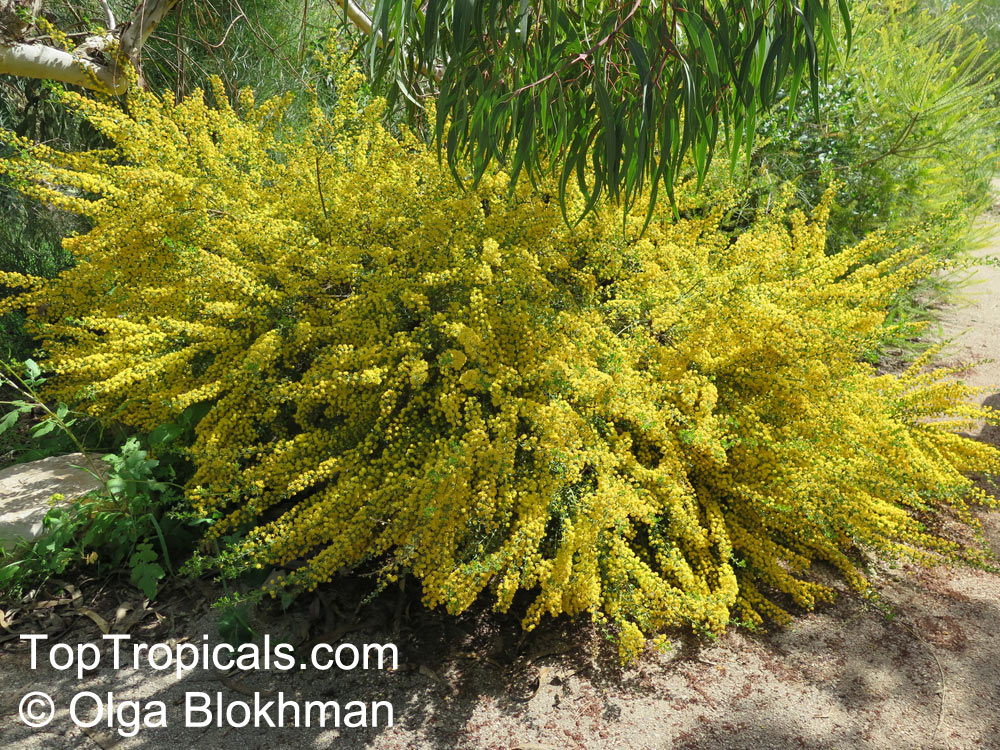
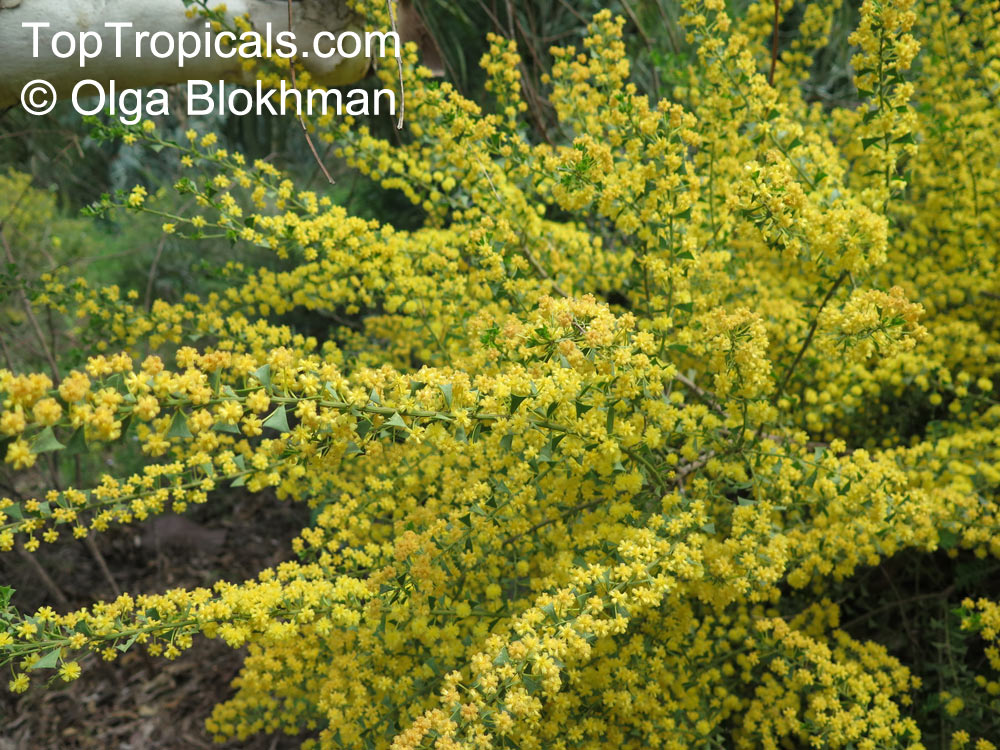
Pale yellow flowers in short spikes.

Grows well in dry climates. Water occasionally, will tolerate mild droughts. Grows well in most soil types and will stand salt spray.
Link to this plant:
https://toptropicals.com/catalog/uid/acacia_sp.htm

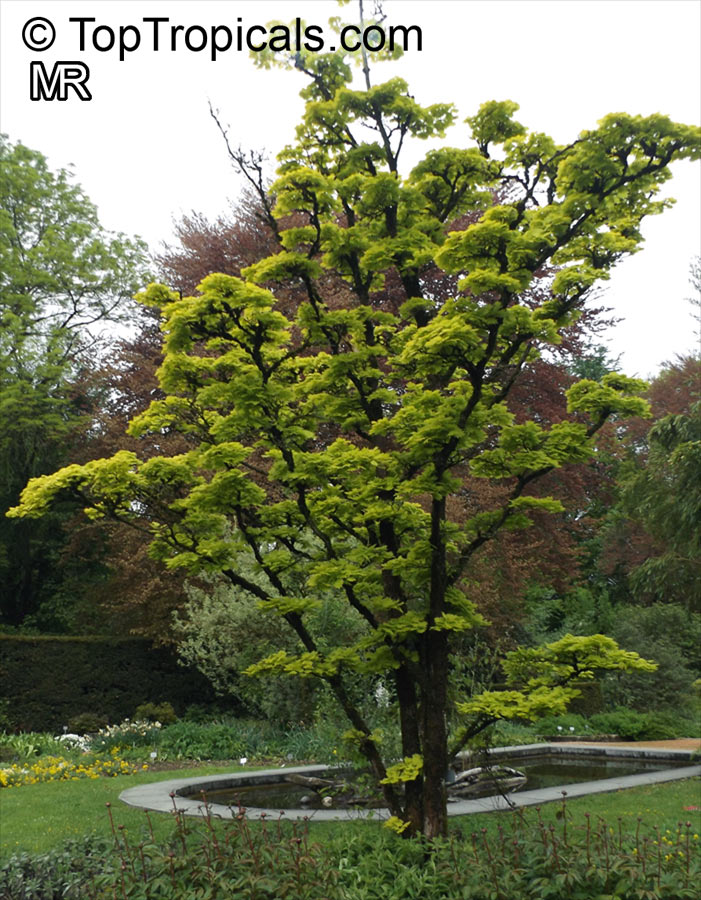
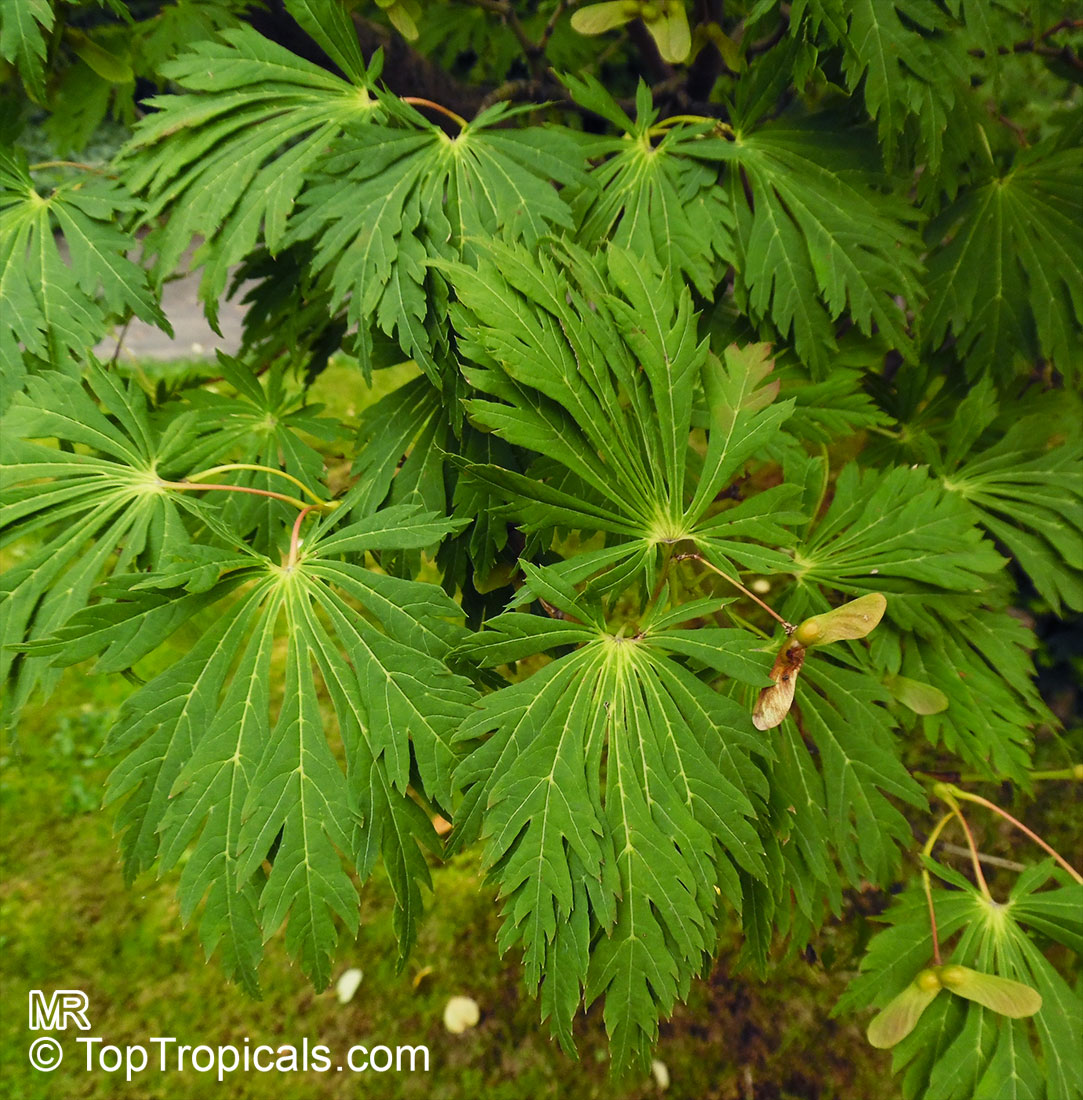
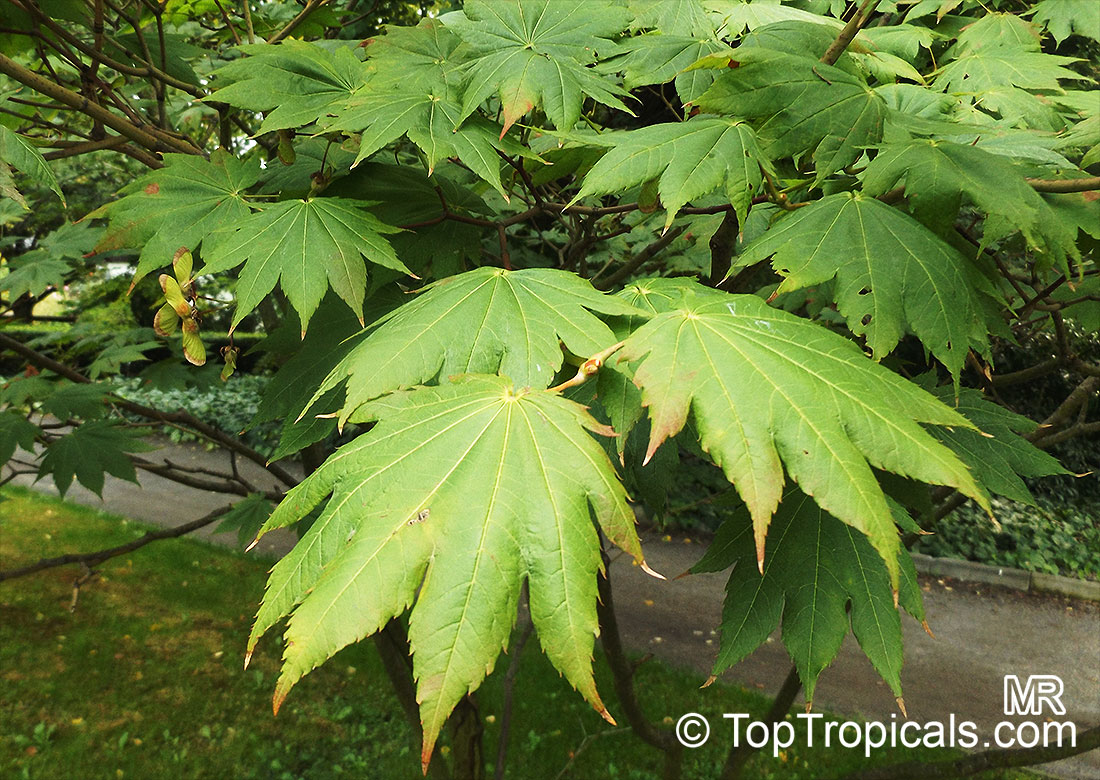
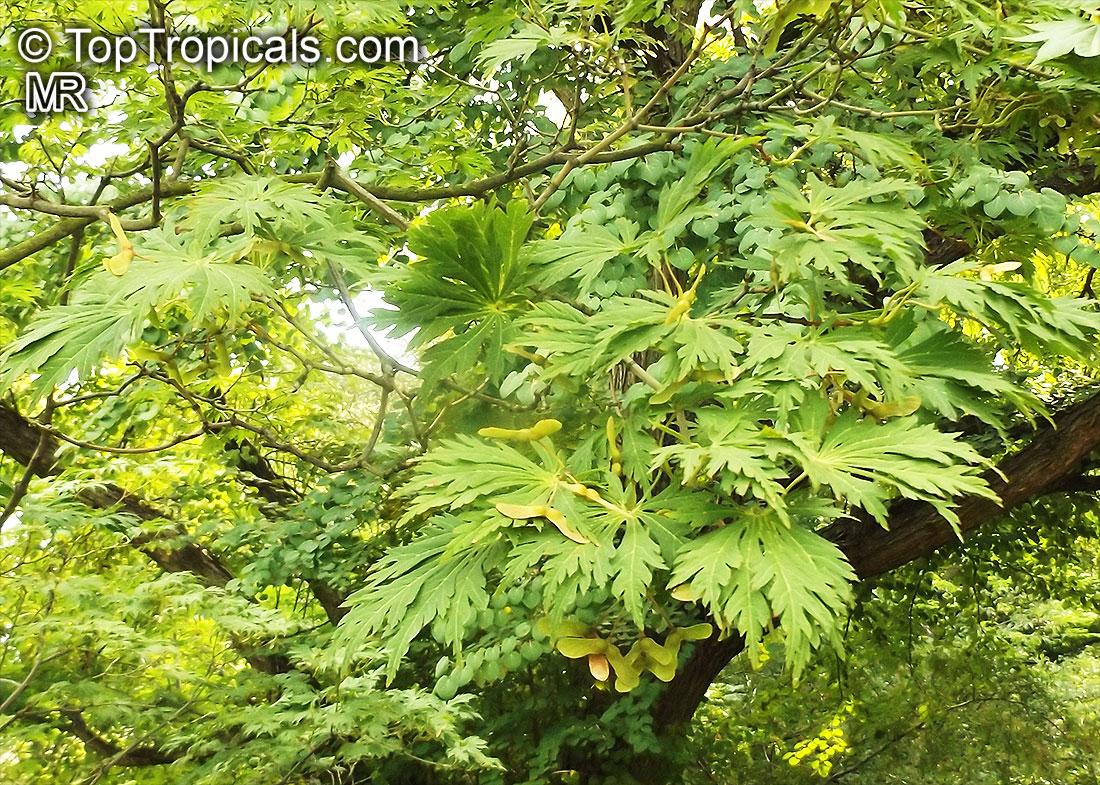
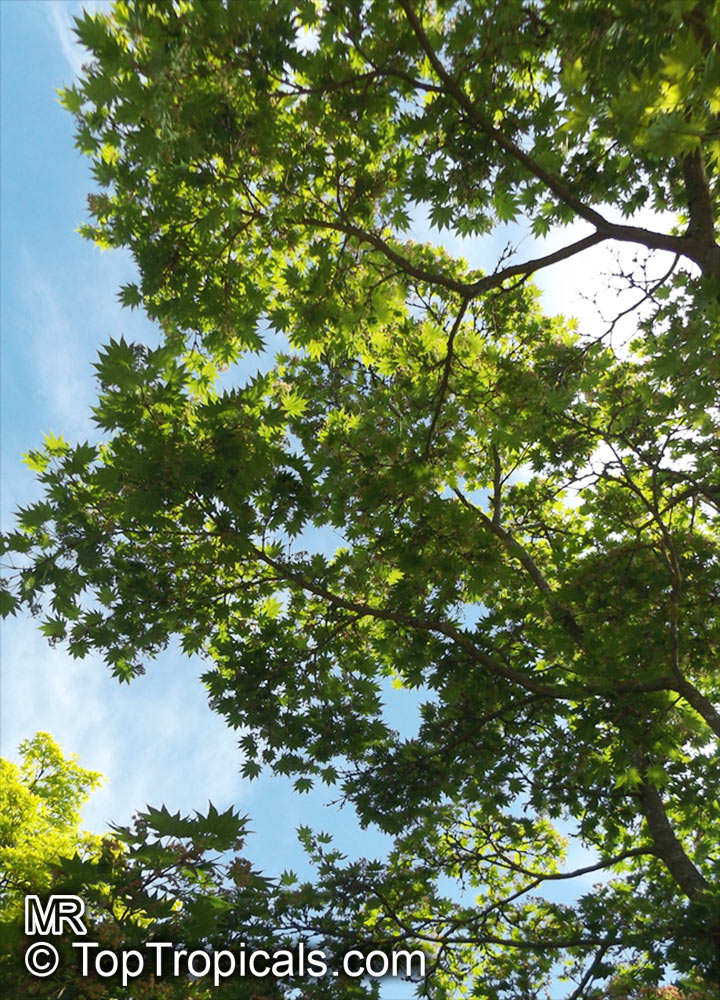
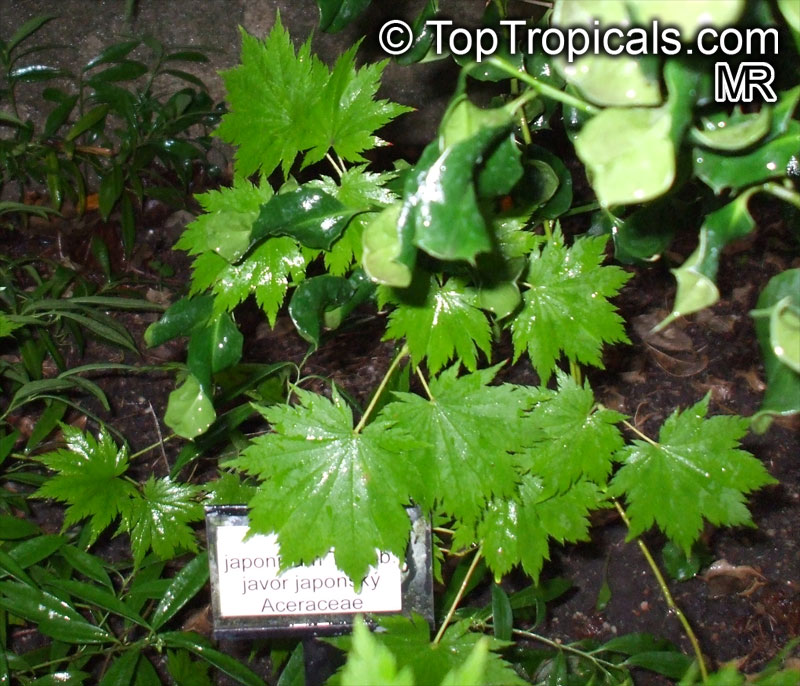
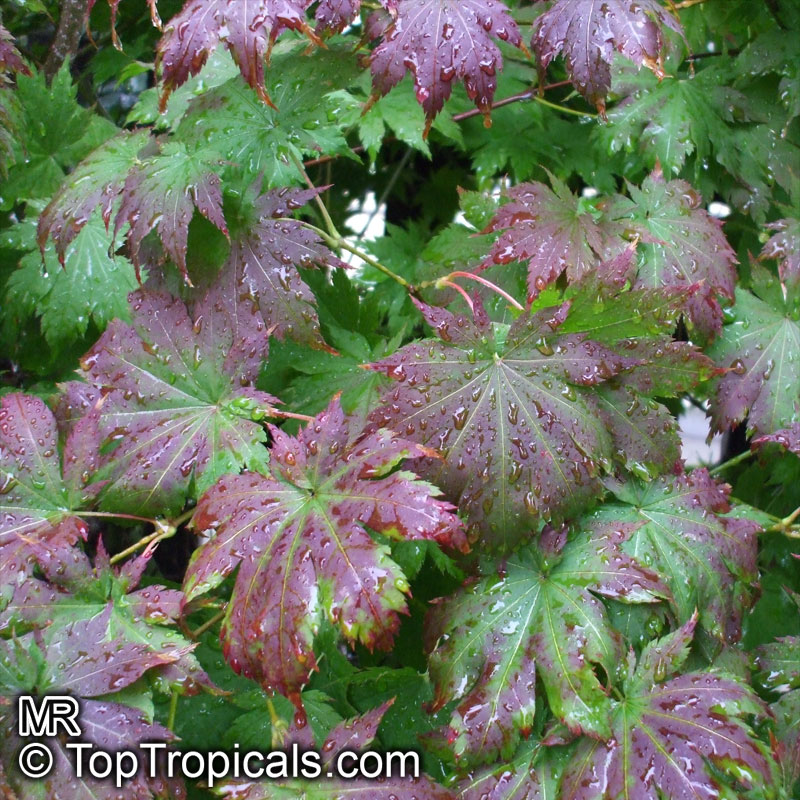
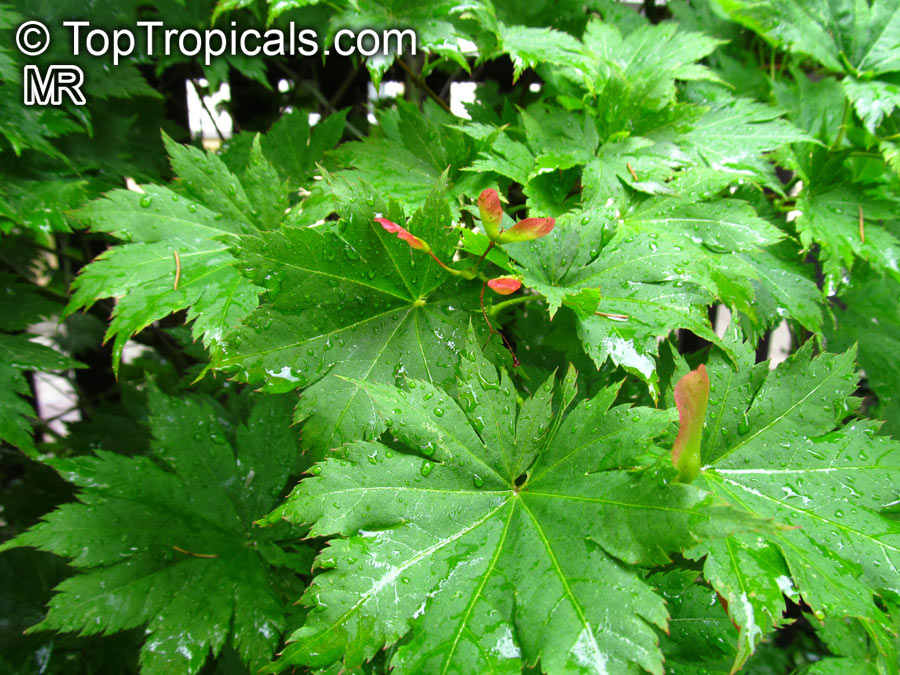
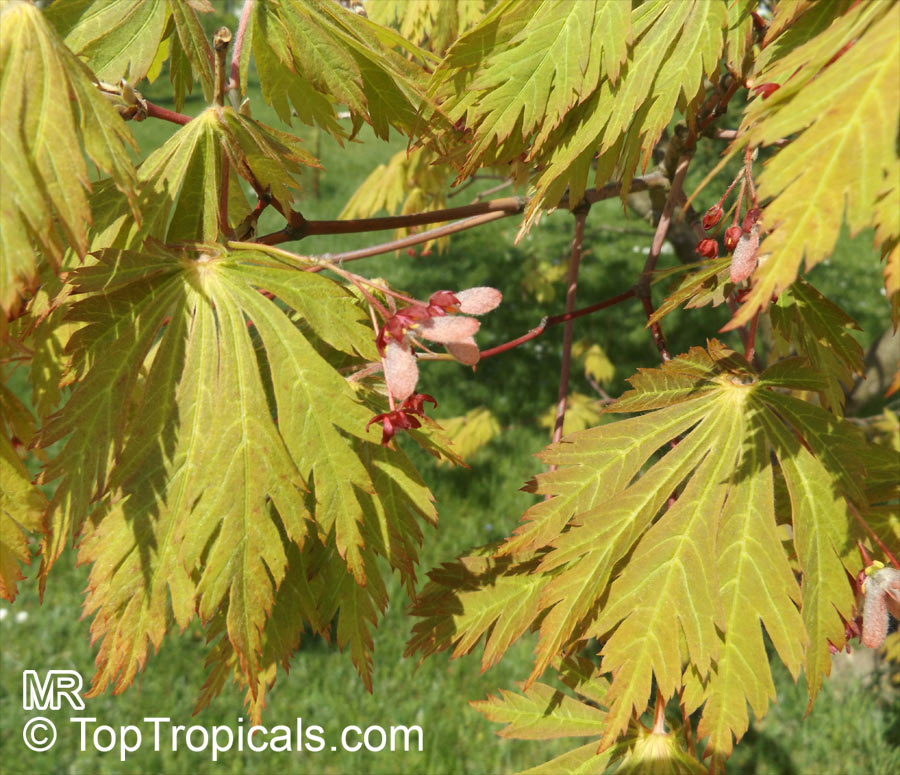
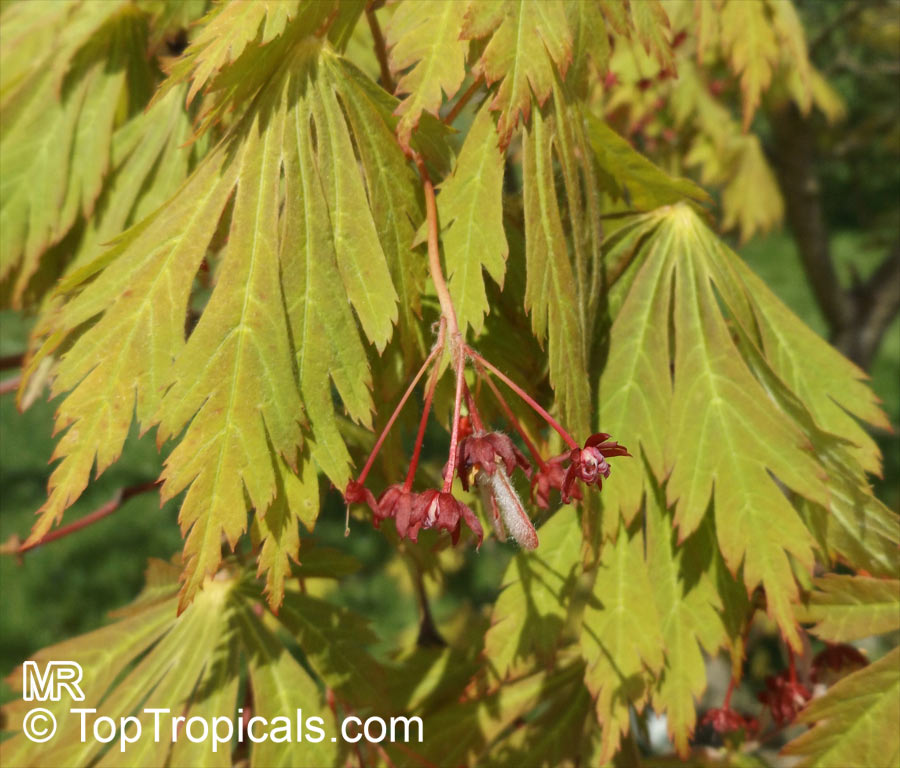
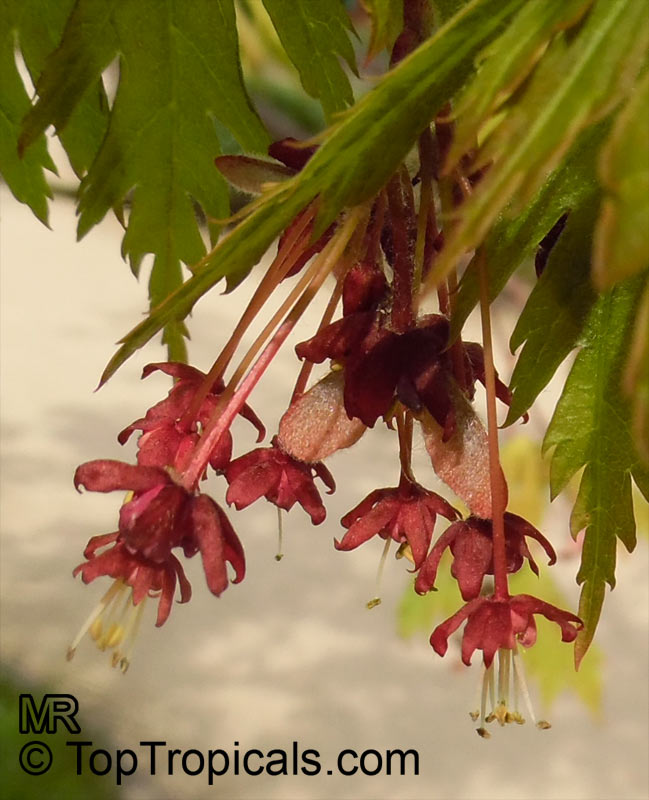
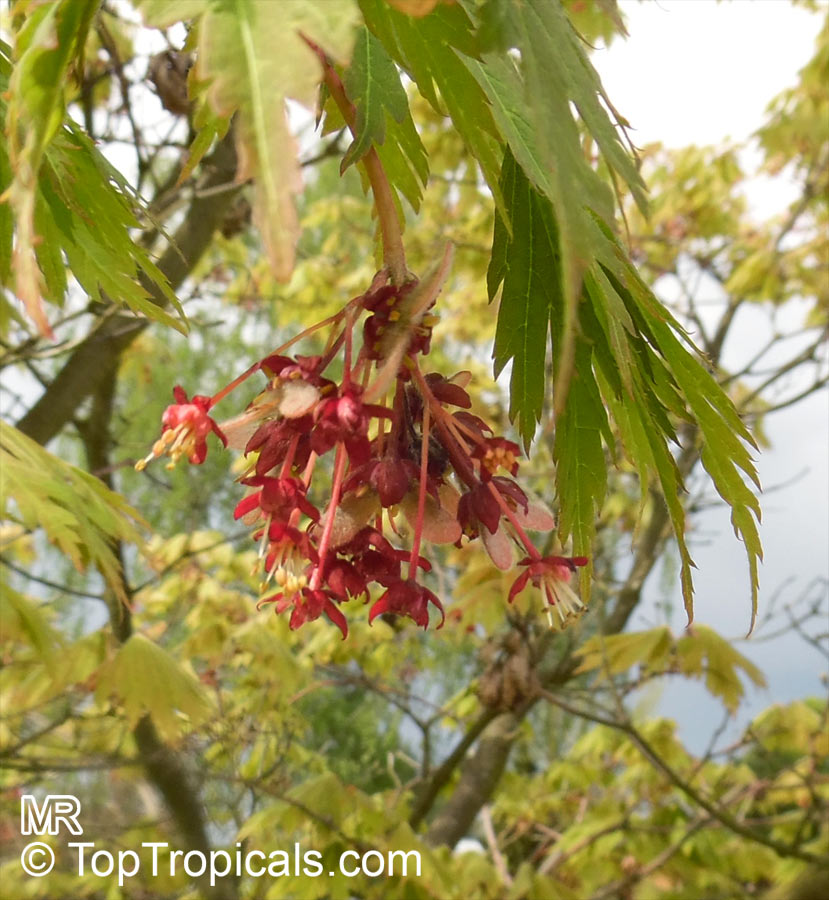
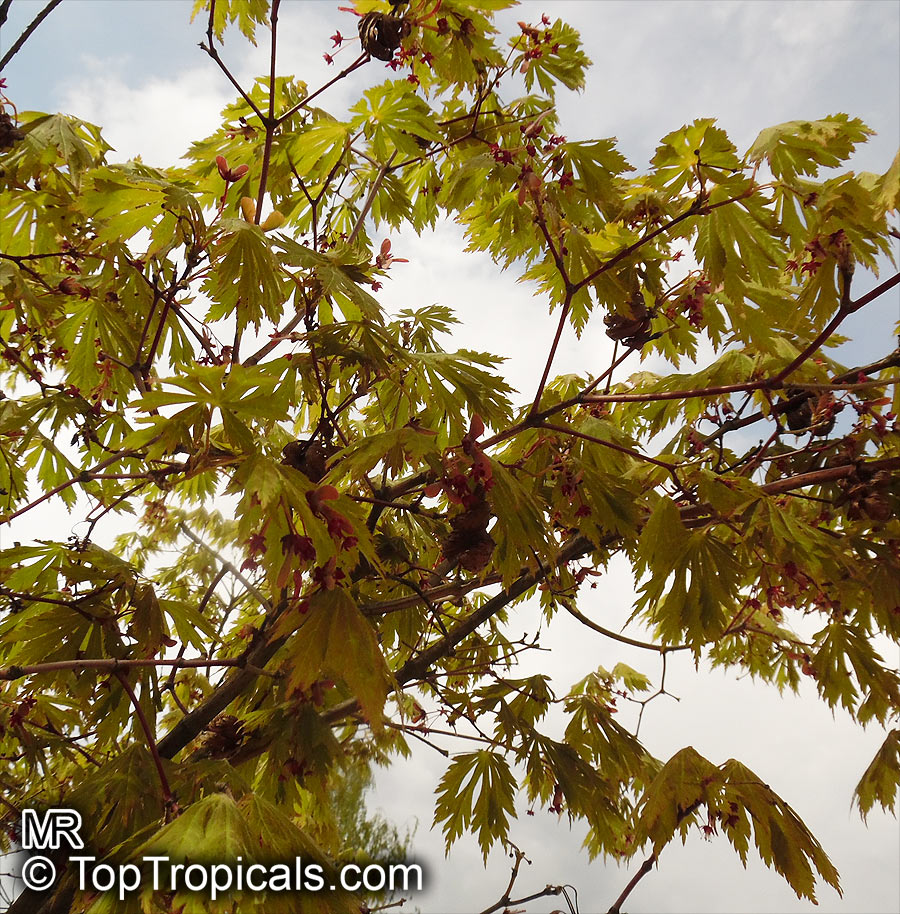
Acer japonicum (Amur maple) tree with vibrant lime green leaves reaching toward the sky
Acer japonicum (Amur maple) tree with a tall, slender trunk and distinct lime green leaves.

Botanical name: Acer japonicum

Common names: Amur maple, Downy Japanese maple, Fullmoon maple

Family: Sapindaceae

Origin: Japan

USDA Plant Hardiness MapPlant used for bonsaiSmall tree 10-20 ftSemi-shadeFull sunWatering: Moderate. Water when top soil feels dryRed, crimson, vinous flowersOrnamental foliageDeciduous plantSubtropical plant. Mature plant cold hardy at least to 30s F for a short time

Acer japonicum is a small deciduous tree growing to 5-10 m (rarely 15 m) tall, with a trunk up to 40 cm in diameter. In cultivation, it is often only a shrubby tree with multiple trunks joining at ground-level. In autumn, the leaves turn bright orange to dark red.
Link to this plant:
https://toptropicals.com/catalog/uid/acer_japonicum.htm
 
Next


Use link to repeat this search:
https://toptropicals.com/cgi-bin/garden_catalog/cat.cgi?search_op=and&keyword_op=and&language=e&number=10&no_change_lang=1
&v1=str&user=tt&sale=1&first=0