Pink flowers - Plant Encyclopedia Results

Number of plants found: 1158     Next    Go to page:  1  2  3  4  5  Last  

Photograph of Bougainvillea sp. (Bougainvillea)

Botanical name: Bougainvillea sp.

Common name: Bougainvillea

Cultivar: Cherry Blossom

Family: Nyctaginaceae

Origin: Brazil

USDA Plant Hardiness MapPlant used for bonsaiLarge shrub 5-10 ft tallVine or creeper plantSmall tree 10-20 ftSemi-shadeFull sunWater Requirement: Low. Allow soil to dry out between wateringsWatering: Moderate. Water when top soil feels dryWhite, off-white flowersPink flowersThorny or spinySeaside, salt tolerant plant

Bougainvillea is a genus of vigorous flowering vines, shrubs, and small trees in the Nyctaginaceae family, native to South America, particularly Brazil, Peru, and Argentina. Celebrated for their spectacular displays of brilliant color, Bougainvilleas are among the world's most popular ornamental plants in tropical, subtropical, and warm temperate climates. Depending on the species and growing conditions, they may climb 20 to 40 feet (6 to 12 m) with support or be maintained as compact shrubs, hedges, standards, bonsai, or container specimens through regular pruning.

Their true flowers are small, tubular, and usually white or cream, but each is surrounded by three large, papery bracts that provide the vivid display. Bracts occur in shades of purple, magenta, pink, red, orange, yellow, white, or combinations of these colors, often covering the plant for months in warm climates. Bougainvilleas bloom most heavily in full sun and well-drained soil and become increasingly drought tolerant once established. They perform best when allowed to dry slightly between waterings and generally flower more profusely under bright, sunny conditions. Hardy in USDA Zones 9b-11, they are widely grown on trellises, fences, pergolas, walls, hanging baskets, and in large containers. Numerous species, hybrids, and cultivars are available, ranging from vigorous climbers to naturally compact forms with single, semi-double, or fully double colorful bracts.See article about Bougainvillea.

Bougainvillea 'Cherry Blossom' is an ornamental bougainvillea cultivar prized for its unusual color-changing display. Newly opened bracts emerge creamy yellow to pale lemon with delicate cherry-pink margins, gradually maturing to soft rosy pink and creating a beautiful two-toned effect over an extended flowering season. The plant blooms freely in warm climates, often displaying clusters in several color stages at once for exceptional ornamental appeal. Its well-branched growth makes it well suited for containers, trellises, fences, and other decorative garden settings where its subtle pastel colors can be fully appreciated.

This cultivar performs best in full sun and well-drained soil, where it flowers most abundantly. Once established, it is drought tolerant and benefits from light pruning to maintain its shape and encourage repeated blooming. Suitable for USDA zones 9b to 11, 'Cherry Blossom' is an excellent choice for containers or landscape plantings, providing months of graceful color with relatively little maintenance.


Link to this plant:
https://toptropicals.com/catalog/uid/bougainvillea_sp_cherry_blossom.htm

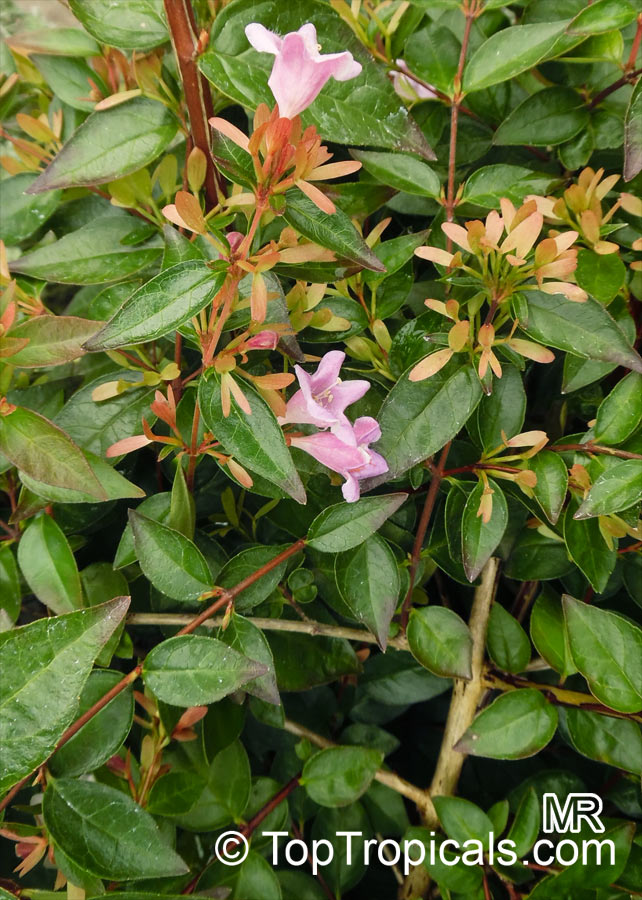
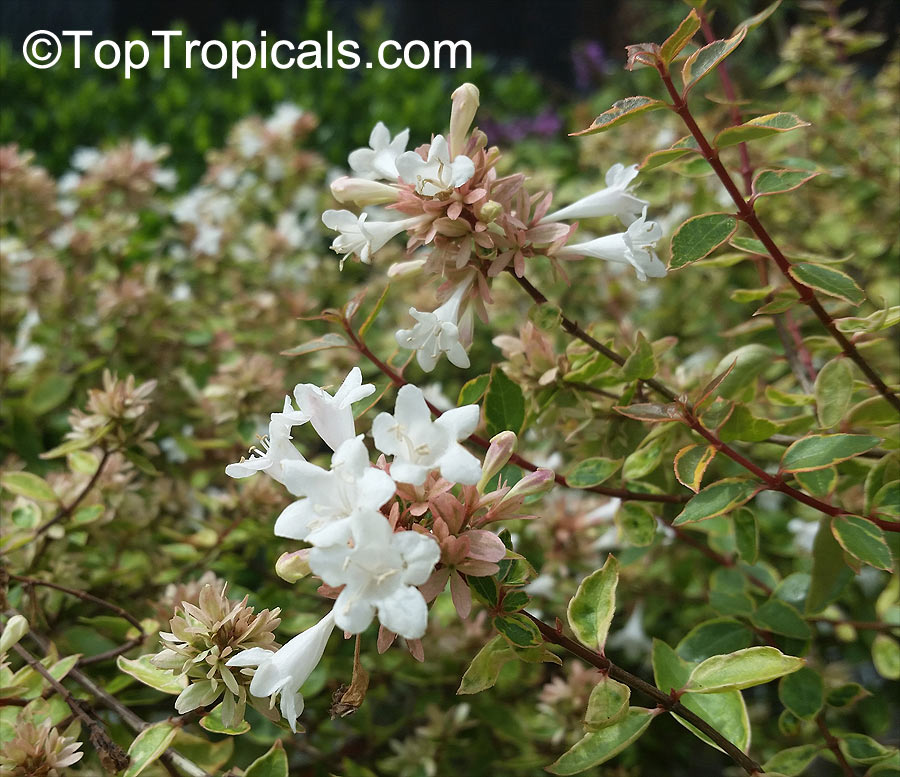
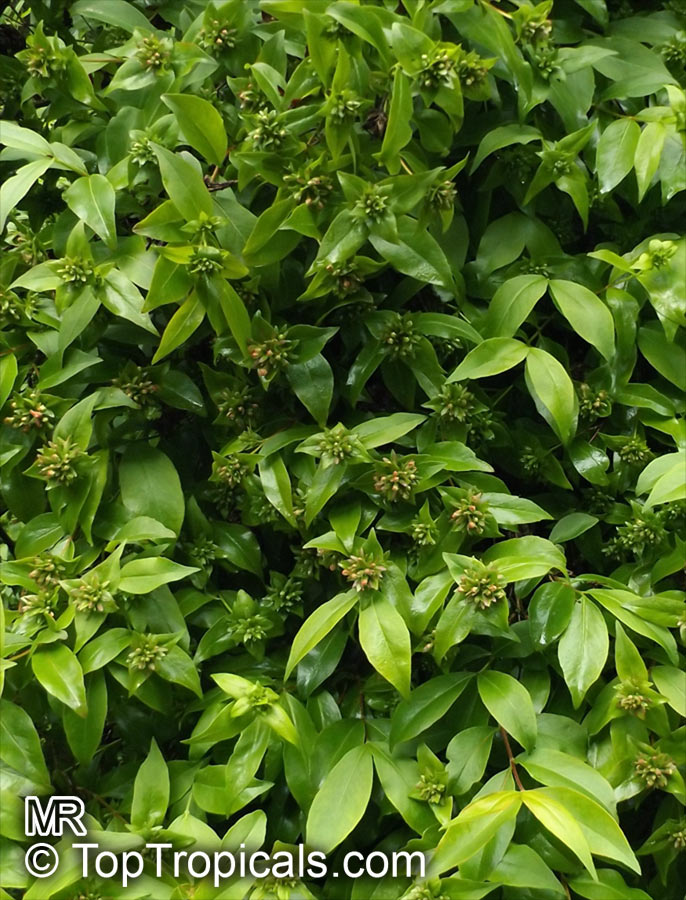
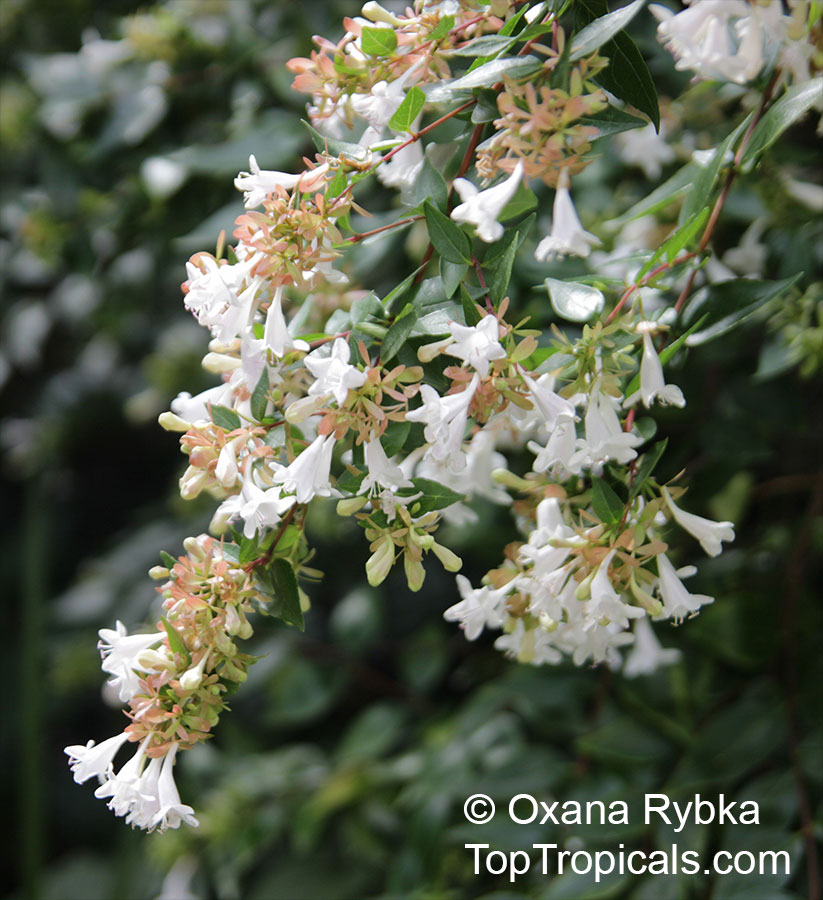
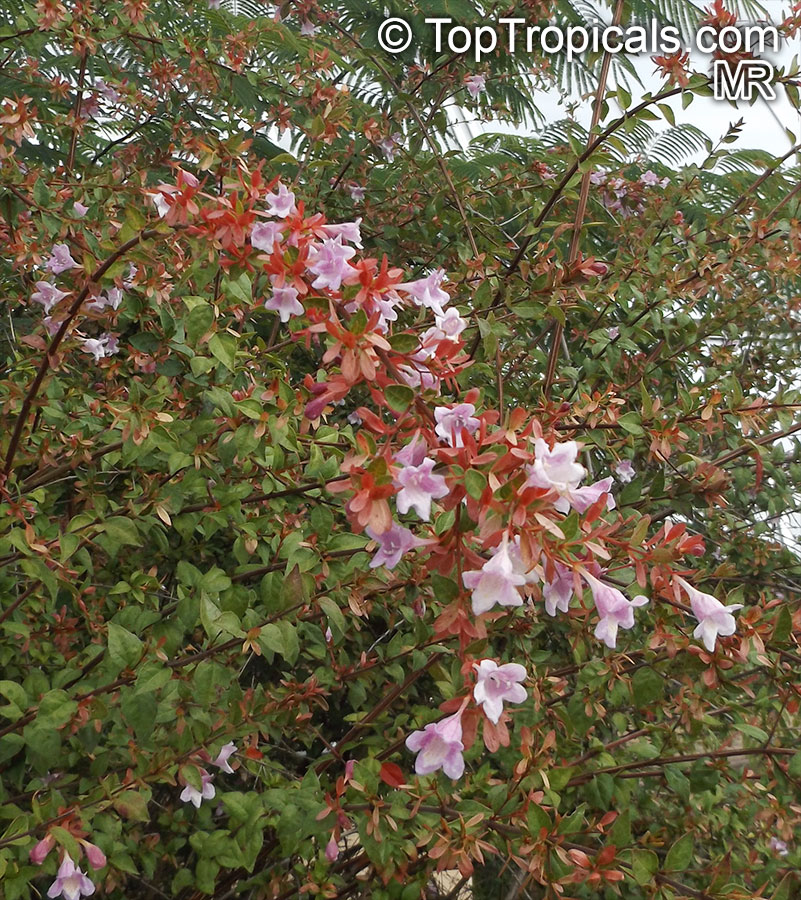
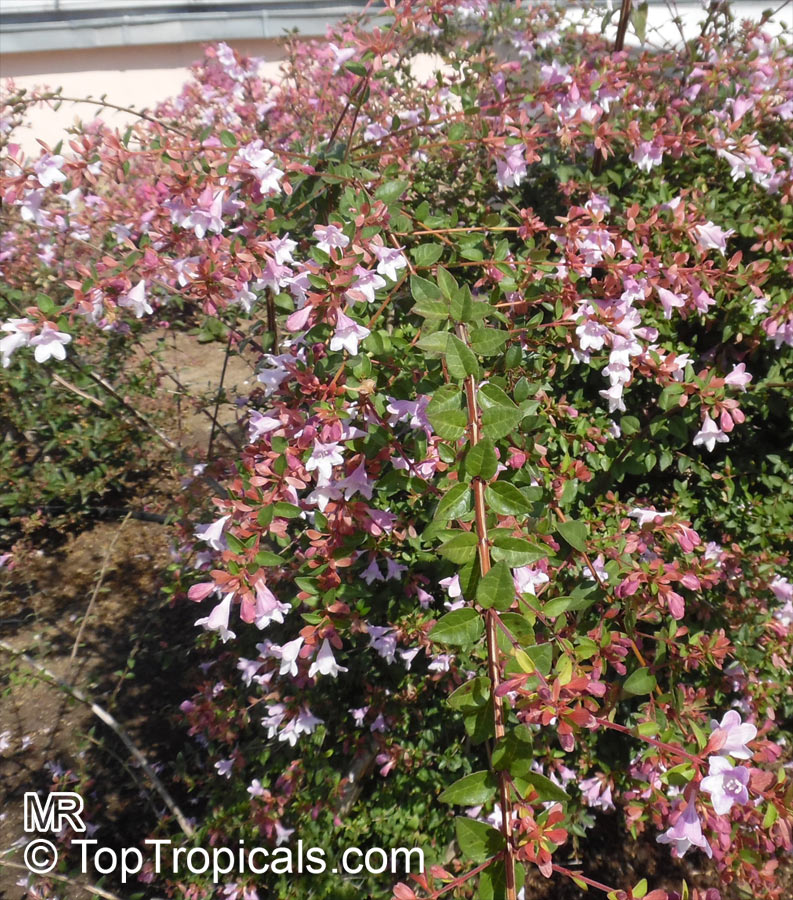
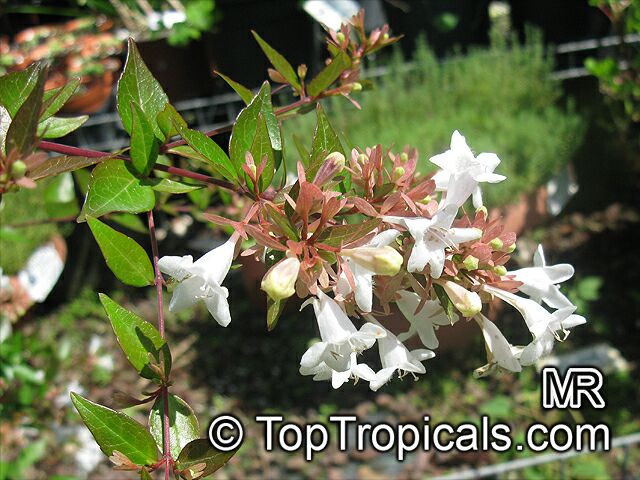
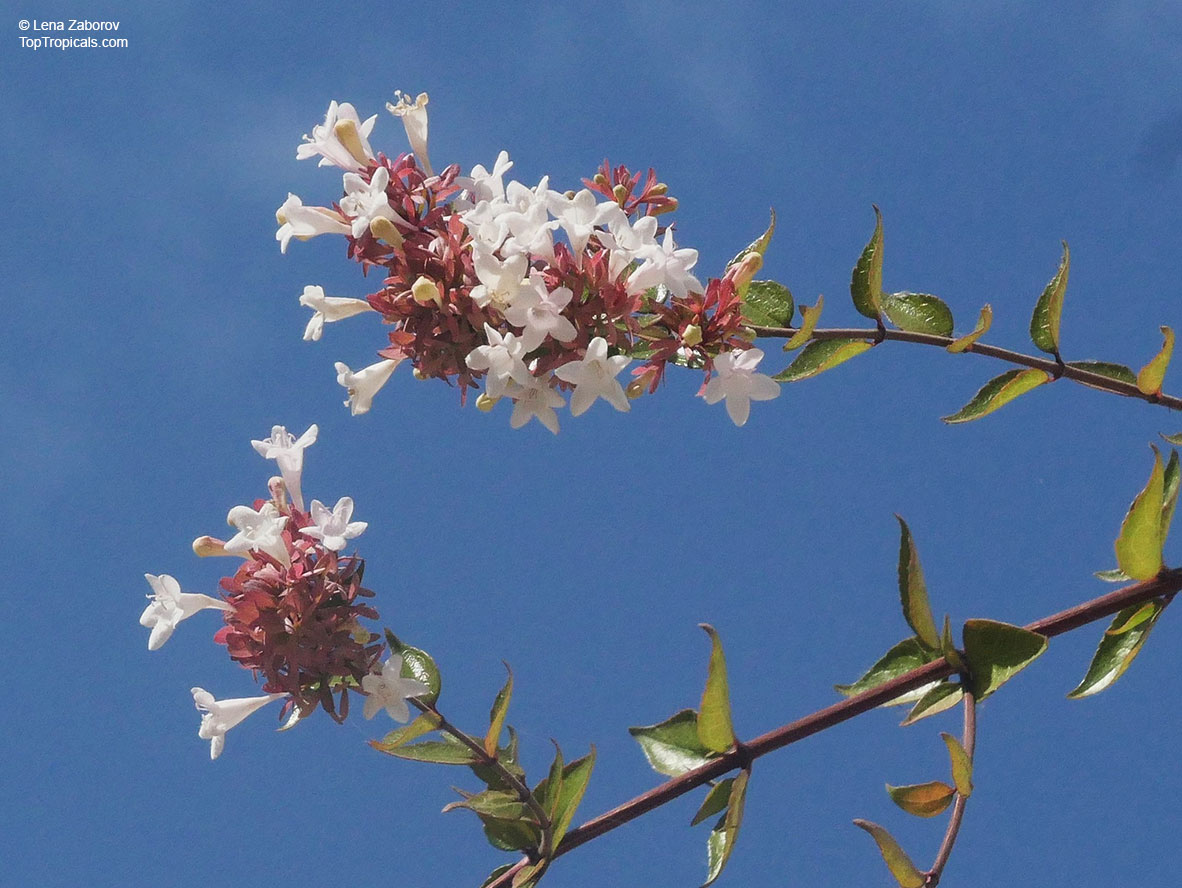
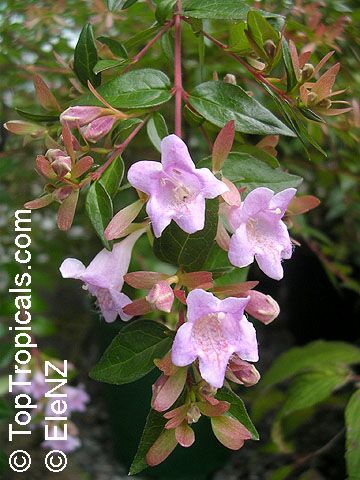
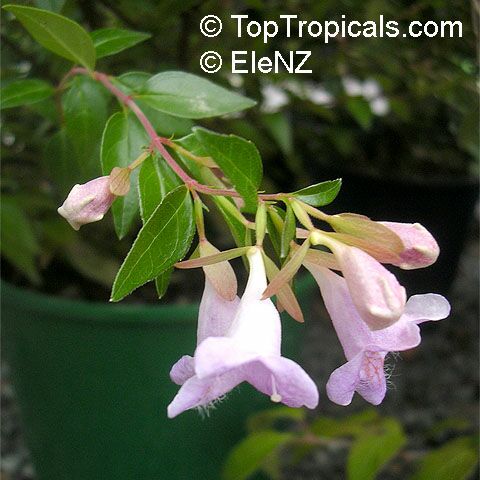
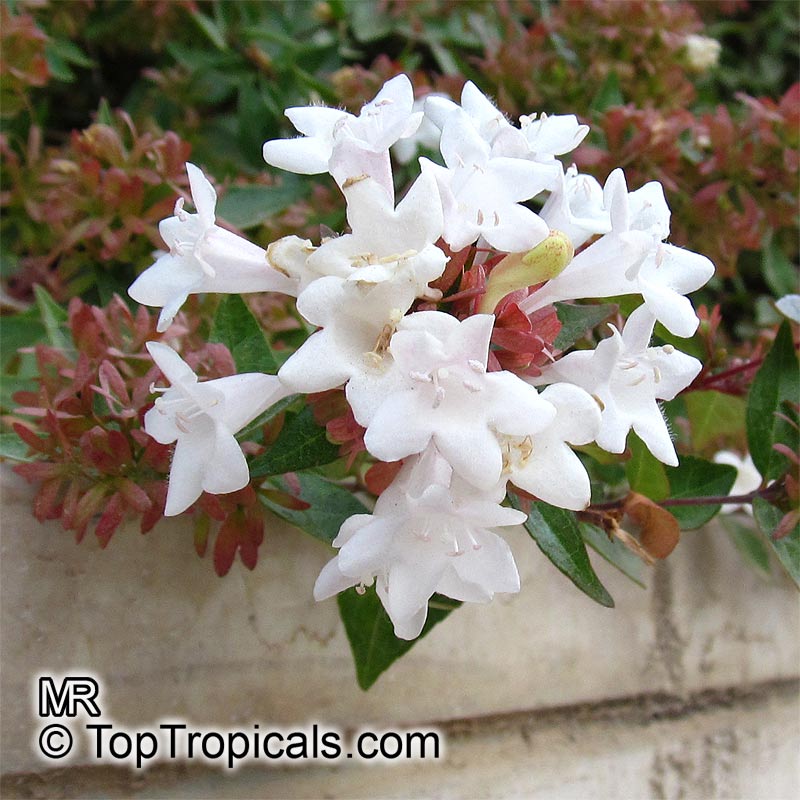
Abelia grandiflora (Glossy Abelia) pink flower and deep green leaves close up plant view
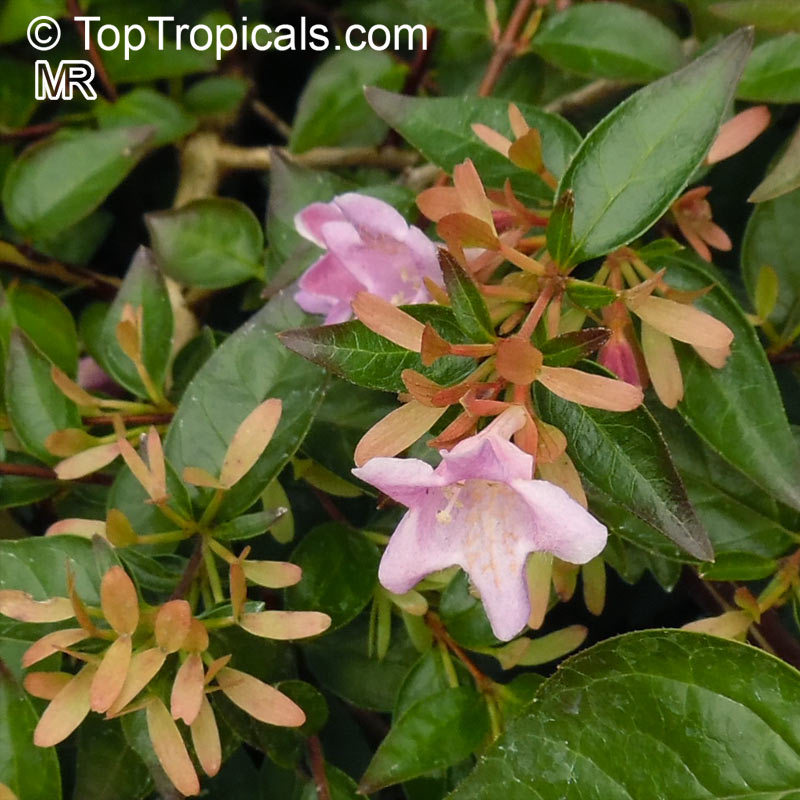
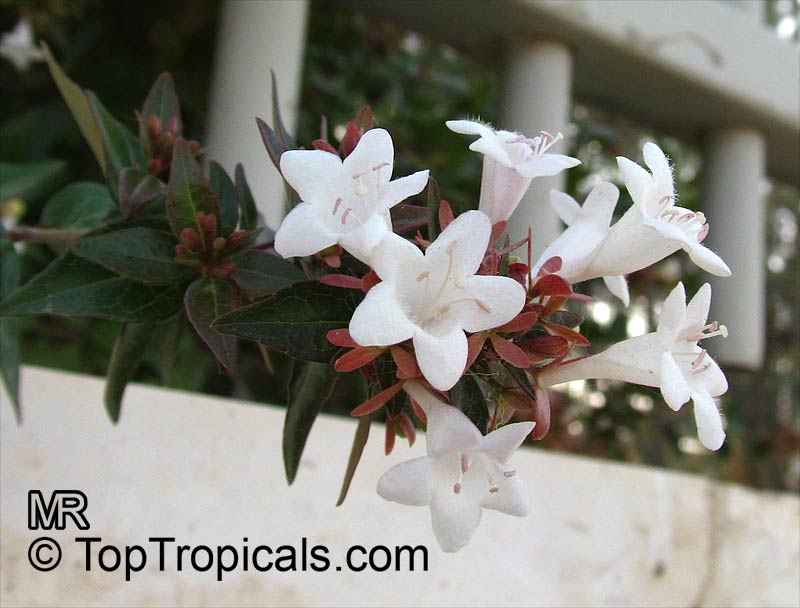
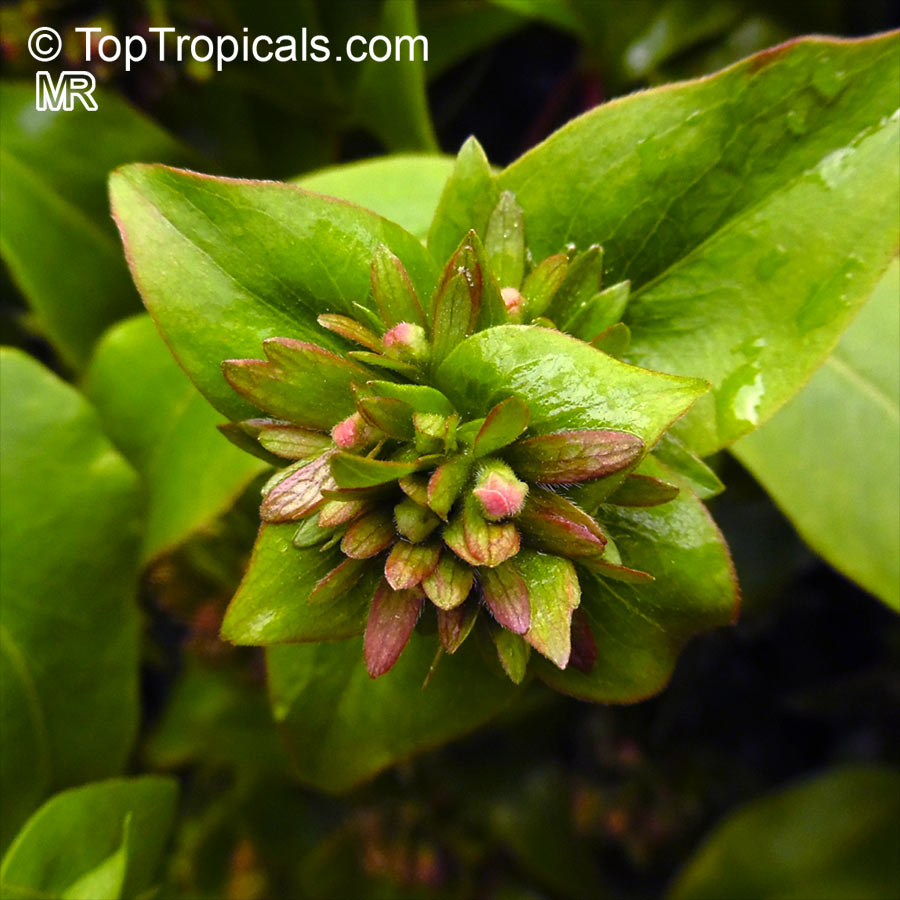
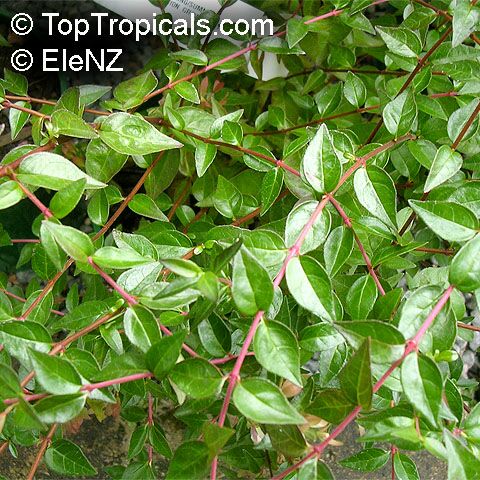
Abelia grandiflora (Glossy Abelia) pink flower petals nestled among dark green foliage on woody stems

Botanical name: Abelia grandiflora

Common name: Glossy Abelia

Family: Caprifoliaceae

Origin: China
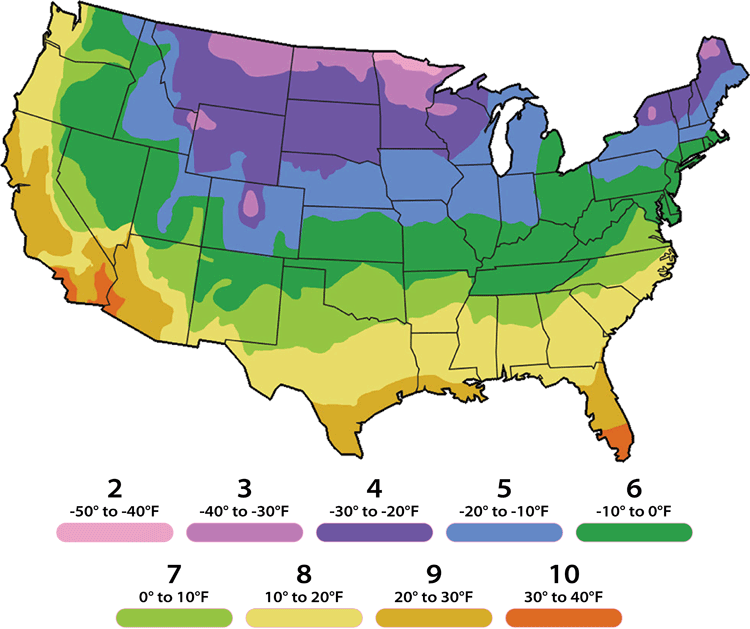
USDA Plant Hardiness MapSmall plant 2-5 ftSemi-shadeFull sunWatering: Moderate. Water when top soil feels dryWatering: Regular. Let topsoil dry slightlyWhite, off-white flowersPink flowersPlant attracts butterflies, hummingbirdsFragrant plantSubtropical plant. Mature plant cold hardy at least to 30s F for a short time

Abelia is a popular evergreen or semi-evergreen shrub with a rounded, fountain-like growth habit. It is fast-growing, growing up to 4-8 feet tall and 4-6 feet wide. Its leaves are fine-textured, glossy, oval, and dark green, usually 2 inches long, and the new growth has a bronze color. Abelia produces small, white and pink tubular flowers in clusters at the end of its stems, from summer to fall. The flowers are barely one inch long, but they are slightly fragrant - which attracts hummingbirds and butterflies.

This shrub is a great choice for planting near a pool, as it loves both full sun and semi-shade exposure. When watering it, allow the soil to dry out between waterings. It is mostly pest- and disease-free. Mature Abelias can withstand temperatures as low as 30 degrees Fahrenheit for a limited time.

Hyperacanthus amoenus is another popular evergreen shrub. It has pinkish red flowers with off-white petals that are fragrant, followed by green fruits that turn brown when ripe. This shrub is easy to grow, needing only full sun and regular watering - though it should be in USDA Zones 8 -9 for full protection from cold weather. For areas with colder climates, it is recommended to keep the plant in a pot and move it indoors in winter. In such a case, extra care should be taken to make sure it has enough water, light and fertilizer. Pruning may also be necessary to ensure the plant remains within the size desired.
Link to this plant:
https://toptropicals.com/catalog/uid/abelia_grandiflora.htm

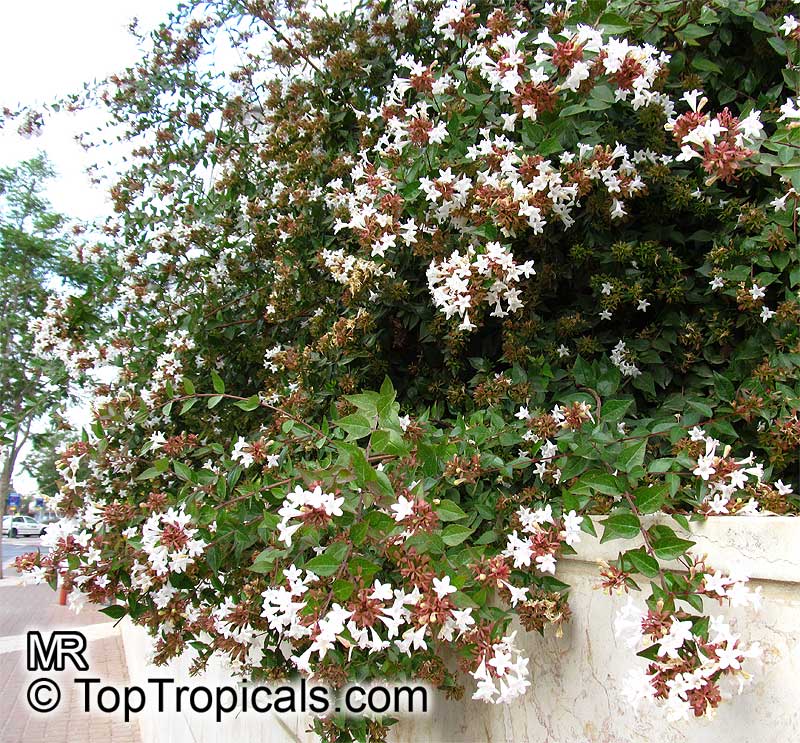
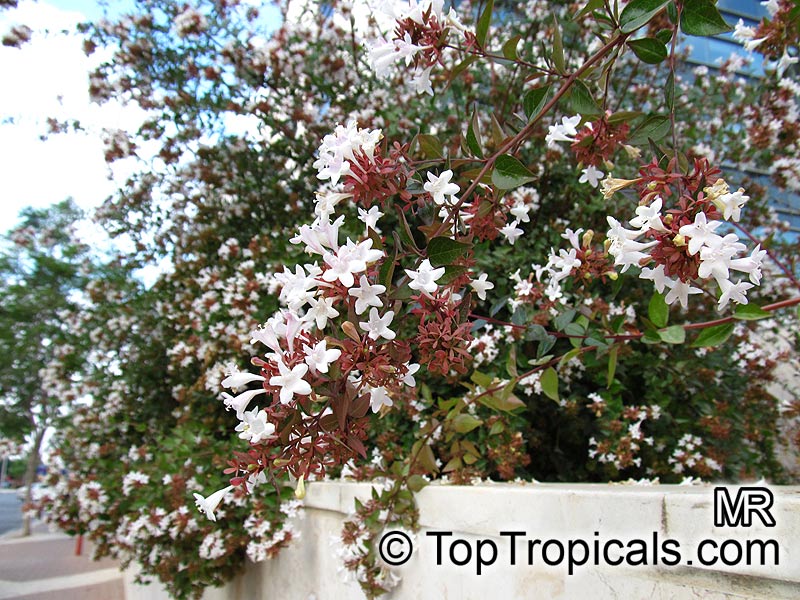
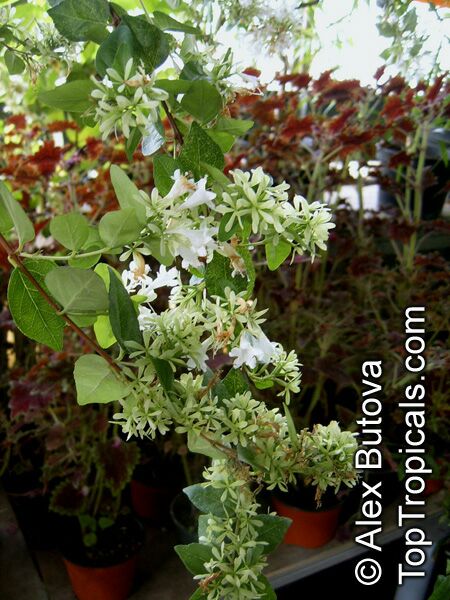
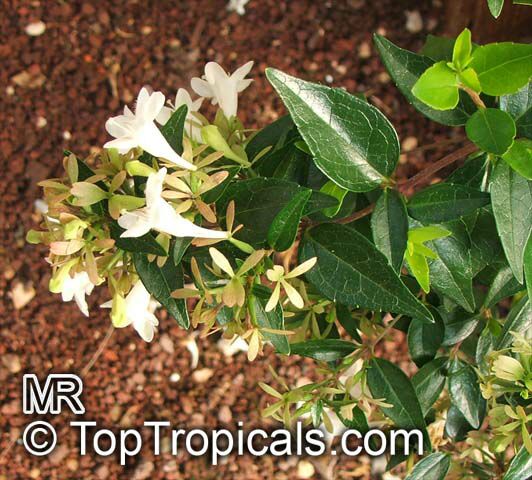
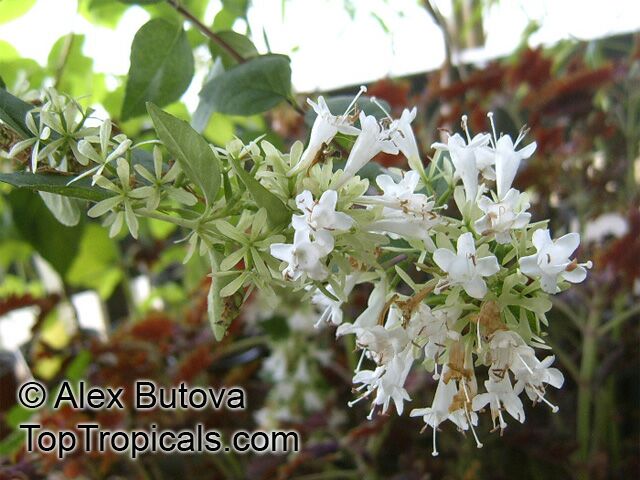
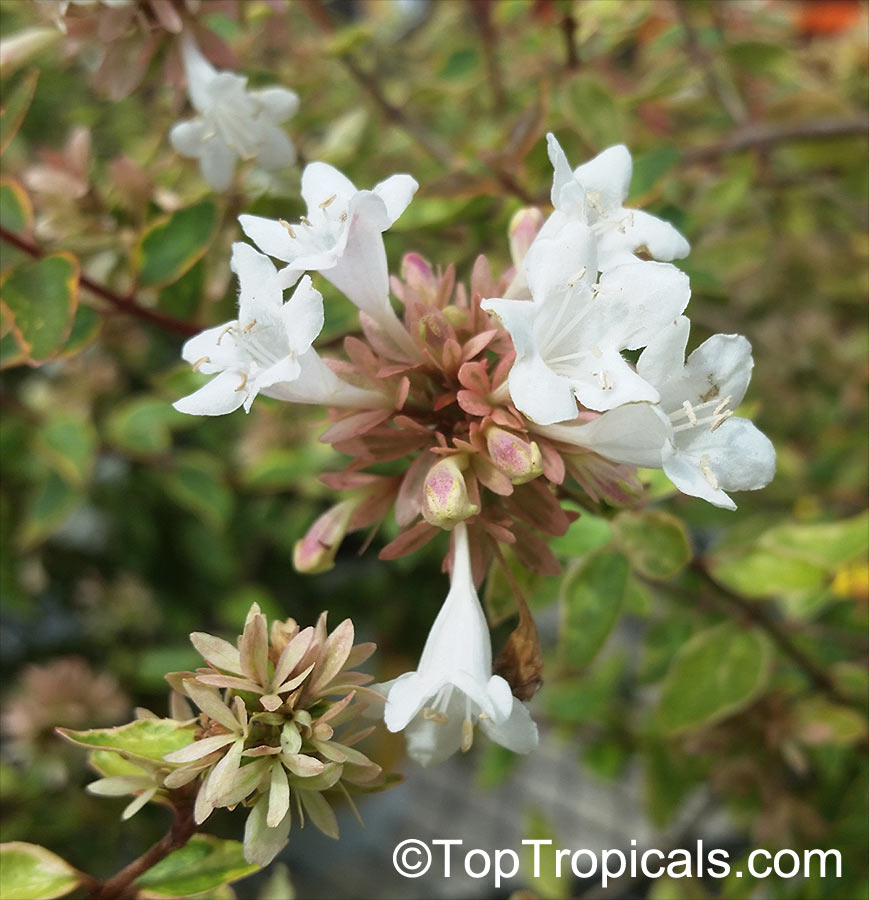
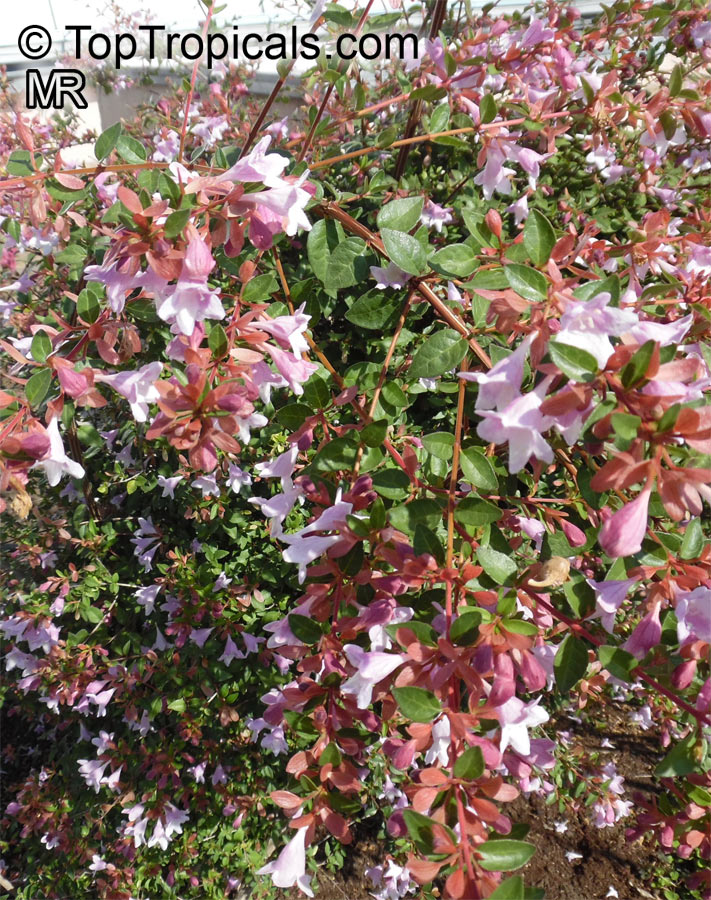
Abelia (Abelia) white flower cluster close up on leafy branch with green pointed foliage
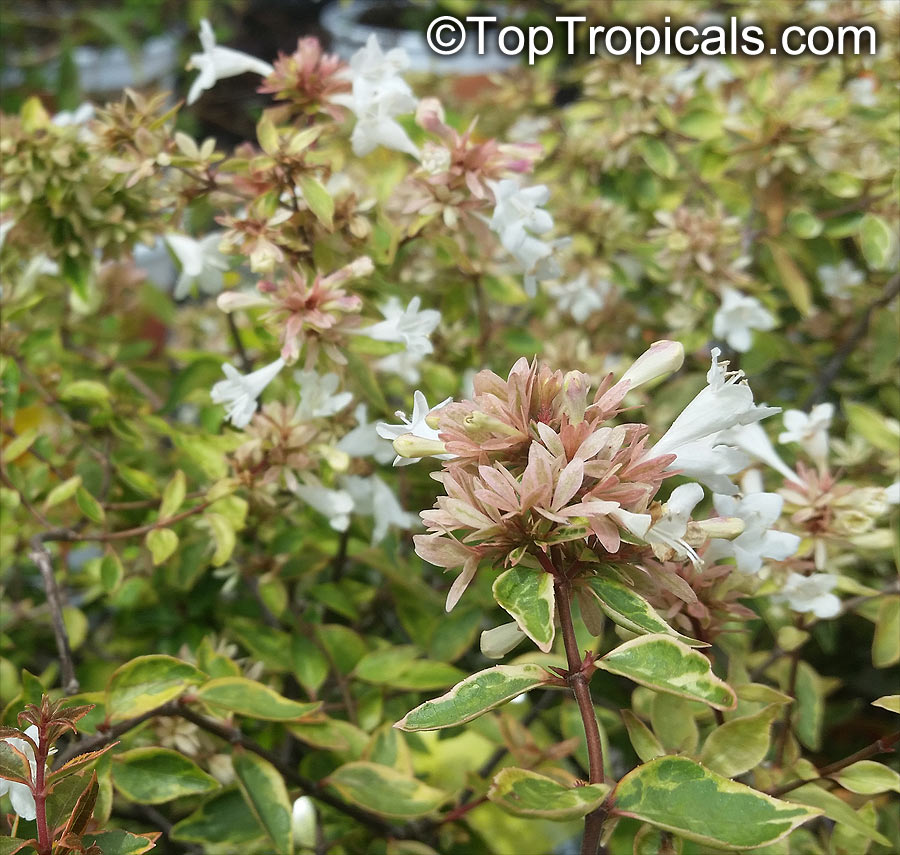
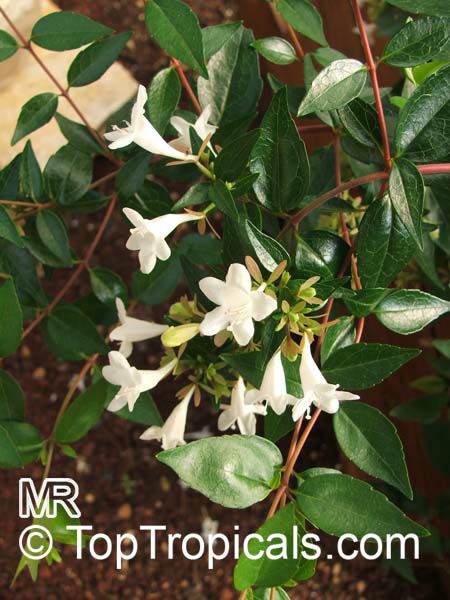
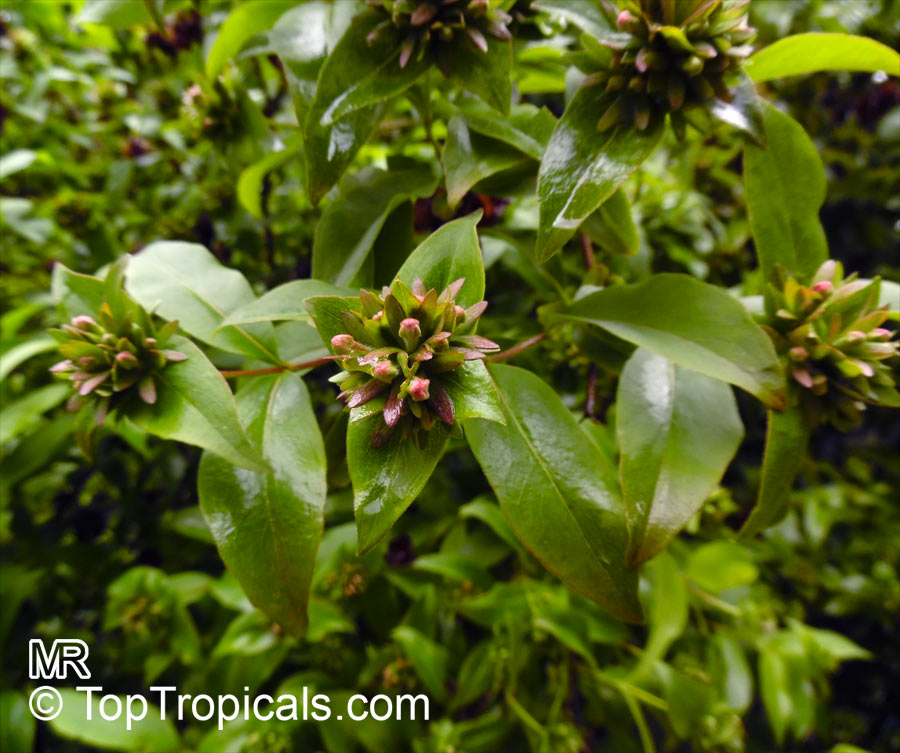
Abelia (Abelia) white flower cluster with green pointed foliage on a multi-stemmed woody branch

Botanical name: Abelia sp.

Common name: Abelia

Family: Caprifoliaceae

USDA Plant Hardiness MapPlant used for bonsaiLarge shrub 5-10 ft tallSemi-shadeFull sunWatering: Moderate. Water when top soil feels dryWatering: Regular. Let topsoil dry slightlyWhite, off-white flowersPink flowersSubtropical plant. Mature plant cold hardy at least to 30s F for a short time

The flowers appear in the upper leaf axils and stem ends, 1-8 together in a short cyme; they are pendulous, white to pink, bell-shaped with a five-lobed corolla.

The species from warm climates are evergreen, and colder climate species deciduous.


Link to this plant:
https://toptropicals.com/catalog/uid/abelia_sp.htm

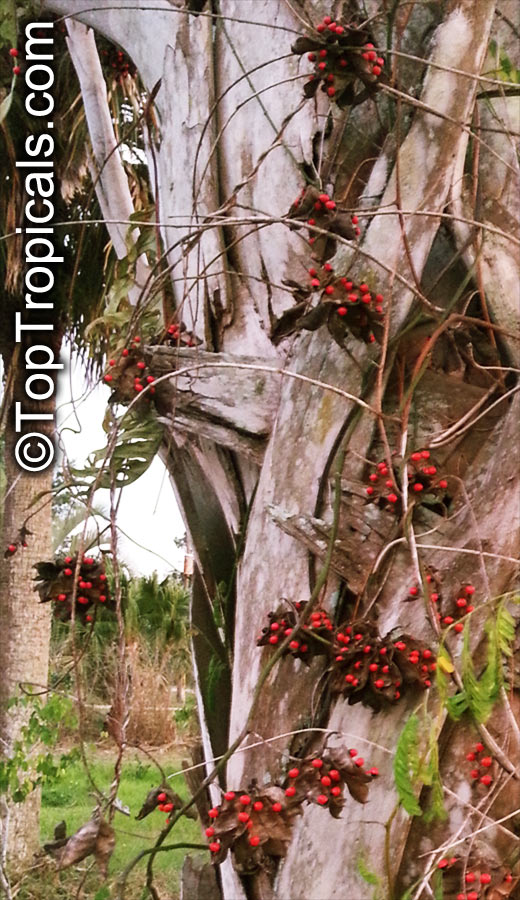
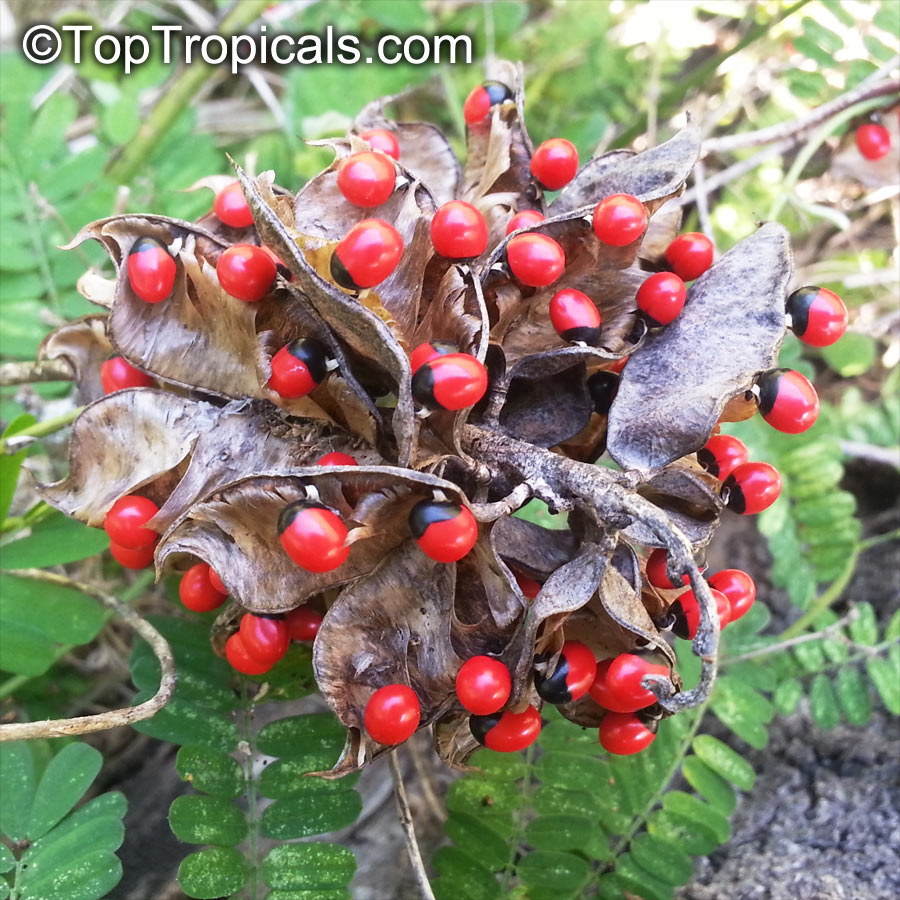
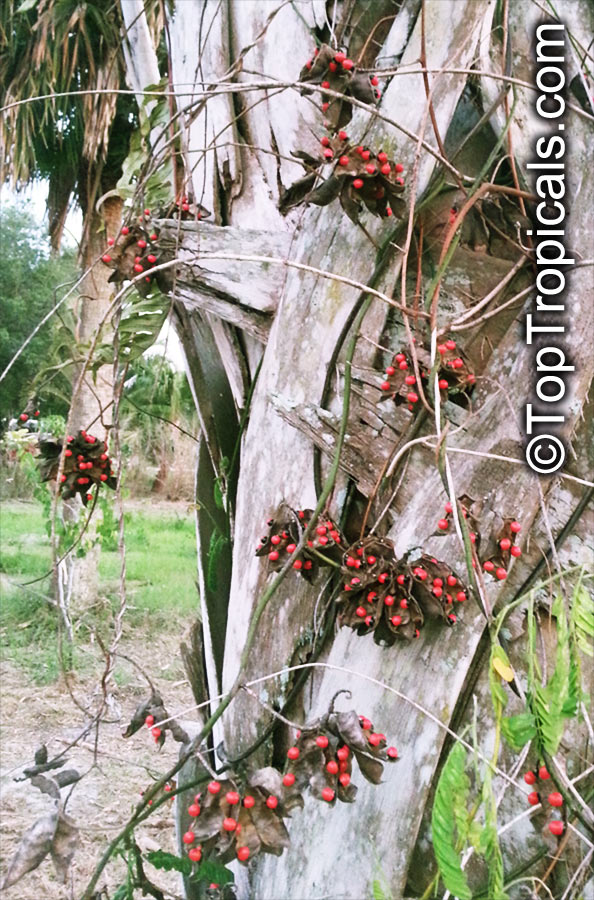
Abrus precatorius (Buddhist rosary bead) red fruit on climbing vine stems against rough tree bark
Abrus precatorius (Buddhist rosary bead) reveals red fruit pods clinging to dry textured tree bark surface.

Botanical name: Abrus precatorius

Common names: Buddhist rosary bead, Rosary pea vine, Carolina muida, Deadly crab's eye, Lucky bean, Prayer beads, Weather plant, Wild liquorice

Family: Fabaceae

Subfamily: Faboideae

Origin: India, Sri Lanka, Thailand

USDA Plant Hardiness MapVine or creeper plantFull sunWatering: Moderate. Water when top soil feels dryBlue, lavender, purple flowersPink flowersToxic or PoisonousEthnomedical plant.
Plants marked as ethnomedical and/or described as medicinal, are not offered as medicine but rather as ornamentals or plant collectibles.
Ethnomedical statements / products have not been evaluated by the FDA and are not intended to diagnose, treat, cure, or prevent any disease. We urge all customers to consult a physician before using any supplements, herbals or medicines advertised here or elsewhere.

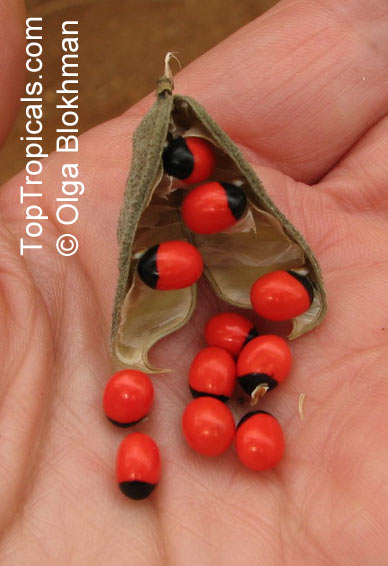
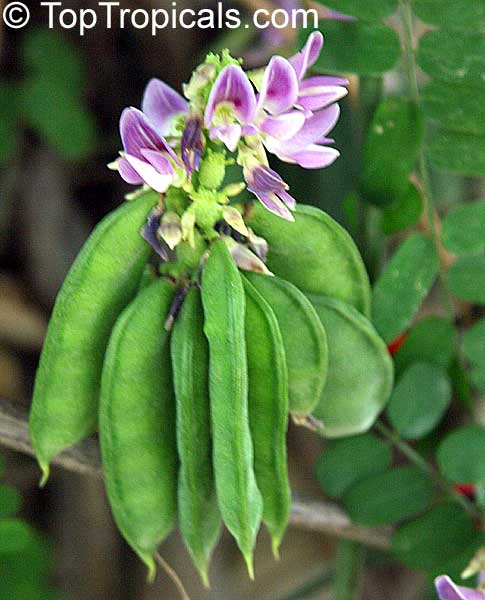
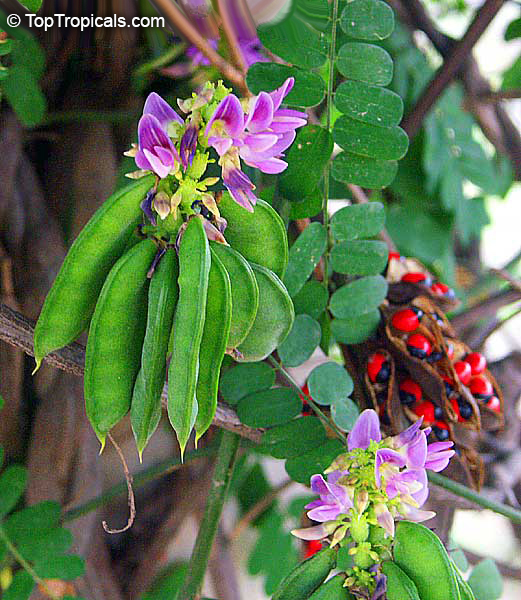
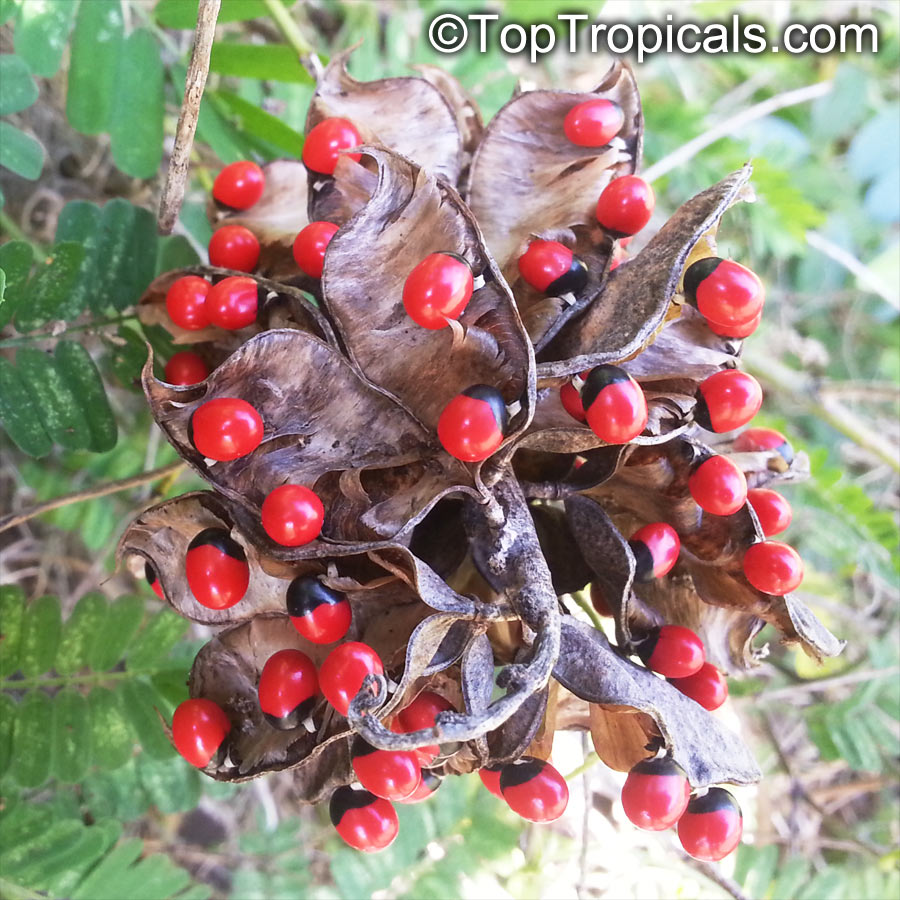
Abrus precatorius has small pretty purple flowers located at the end of the stalks. Fruits are short, inflated pods, splitting open when mature to reveal the round; hard and shiny seeds which are scarlet, but black at the base. Seeds contain abrin, one of the most toxic plant poisons known.
Link to this plant:
https://toptropicals.com/catalog/uid/abrus_precatorius.htm

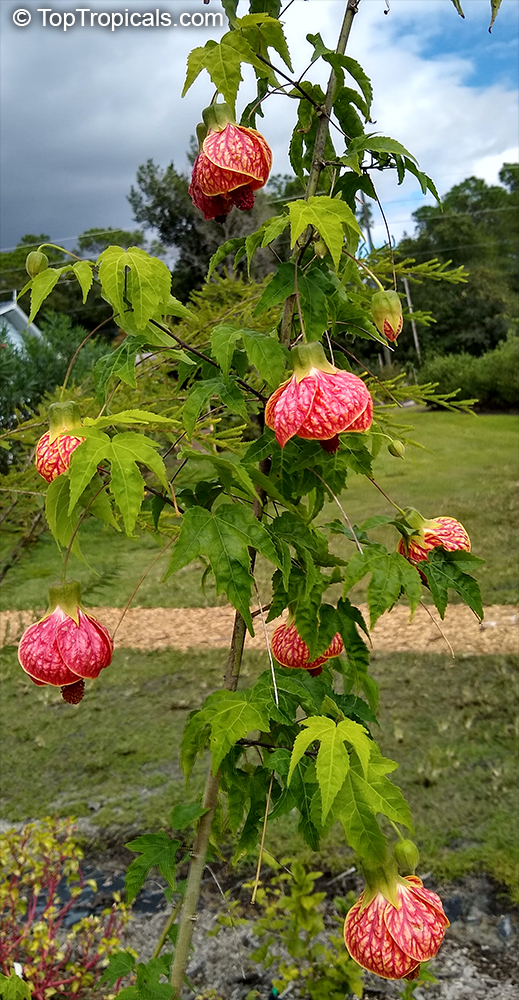
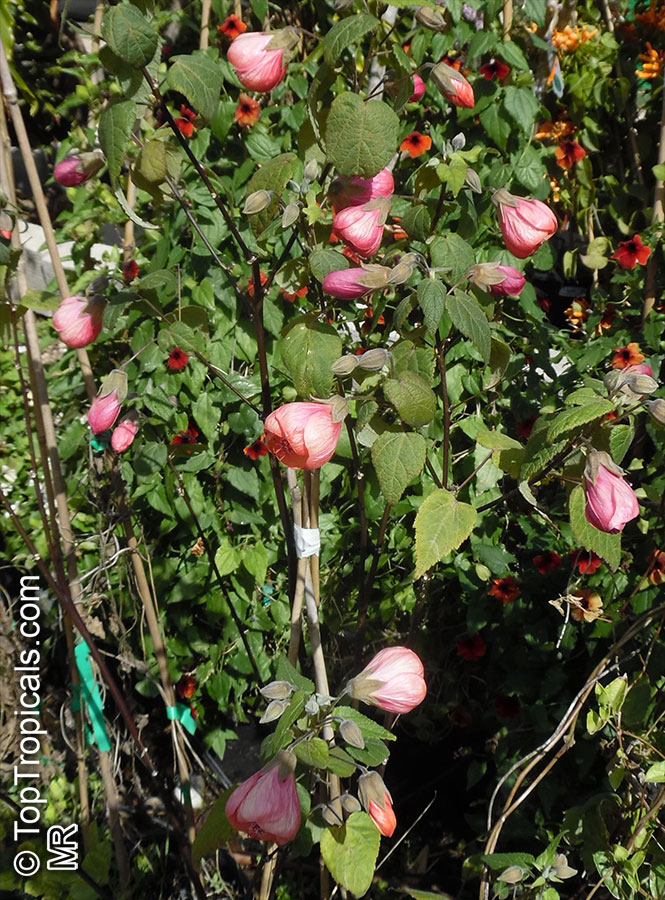
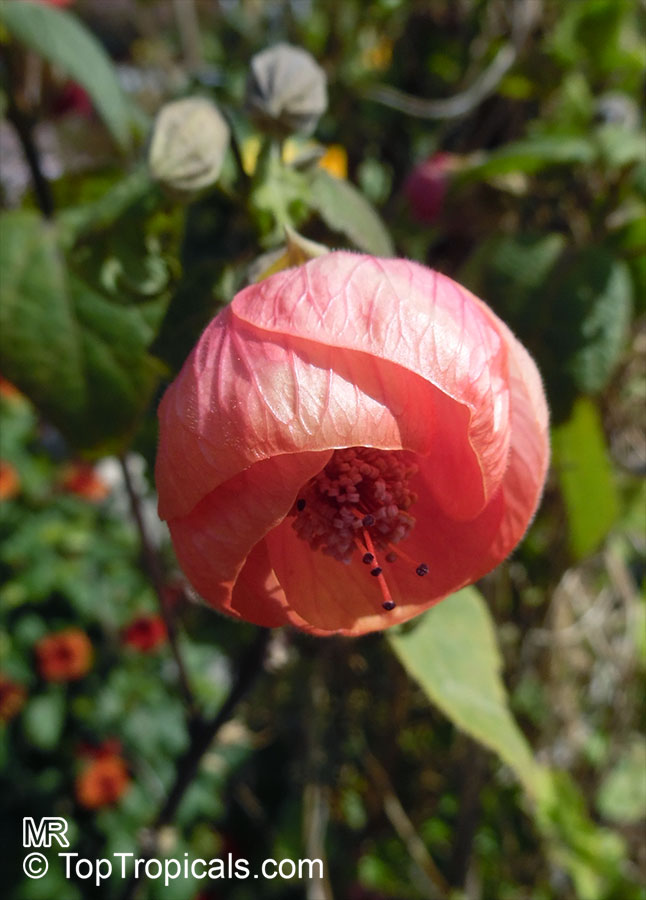
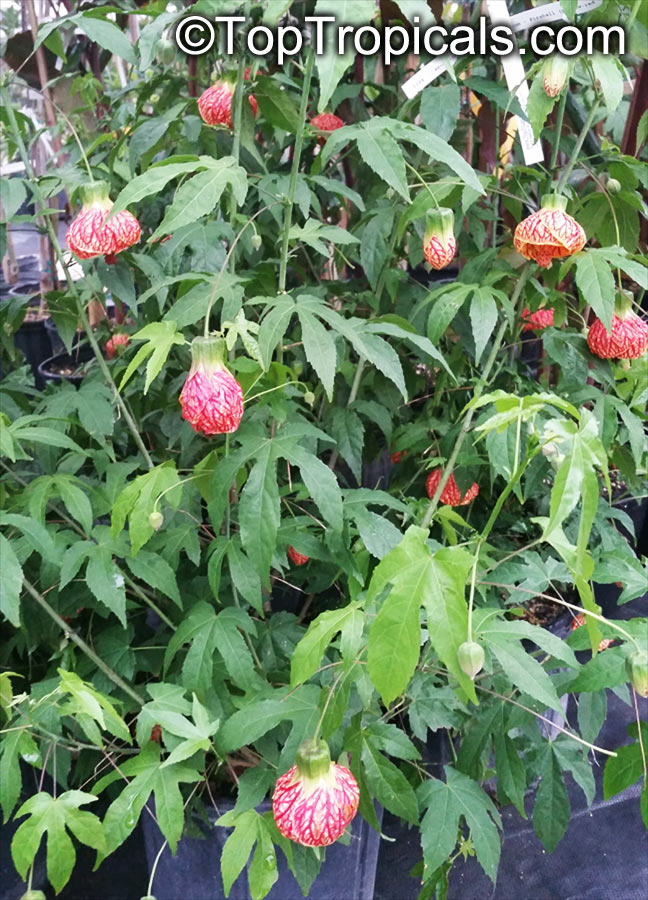
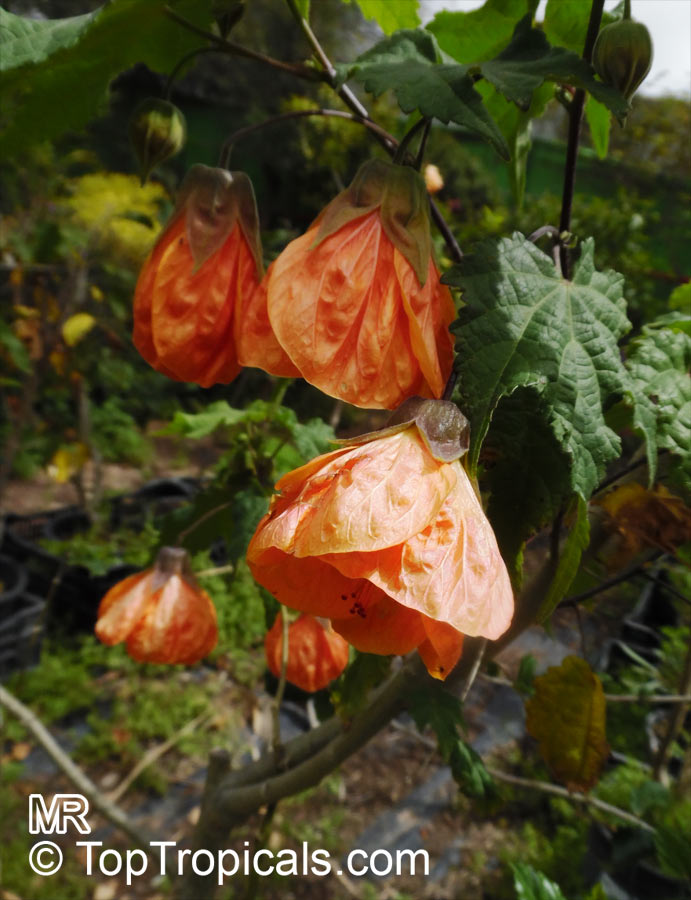
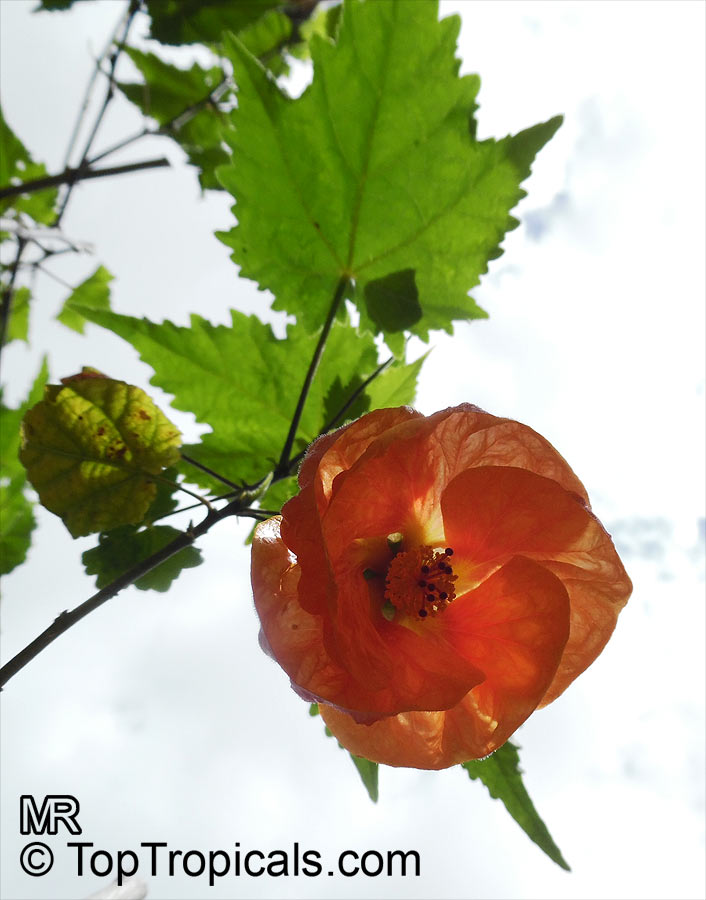
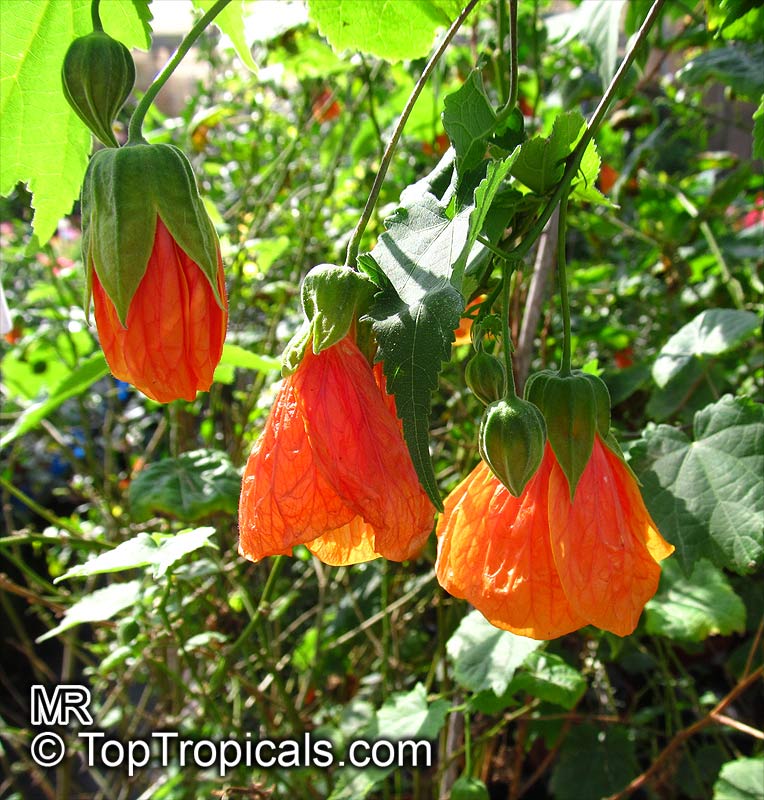
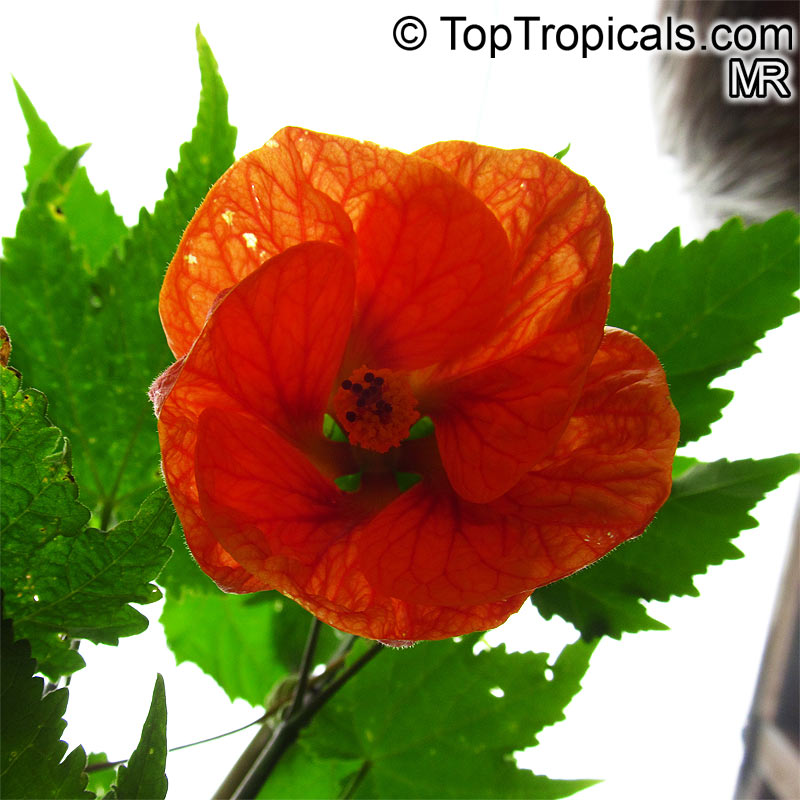
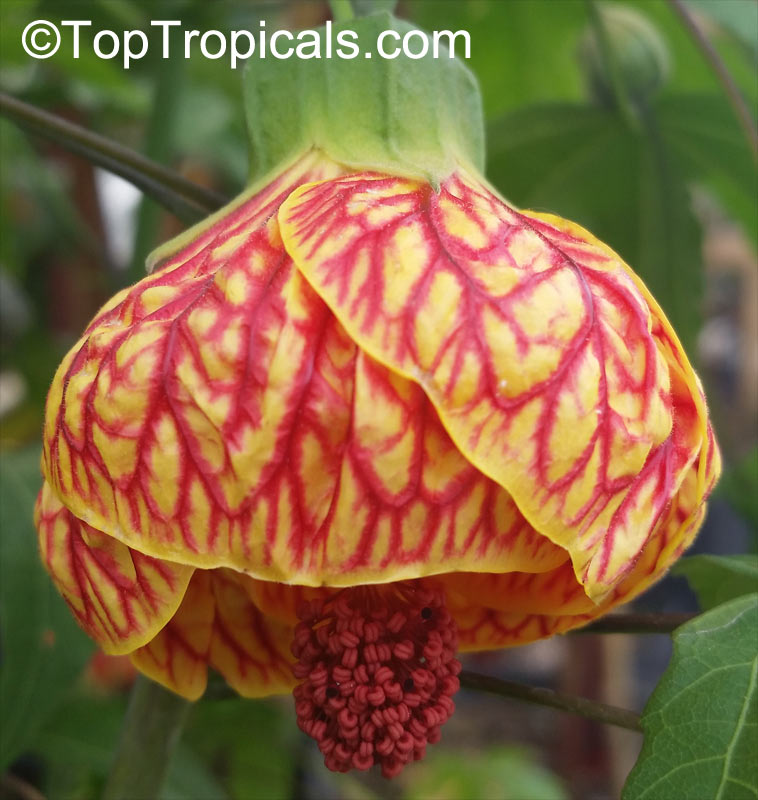
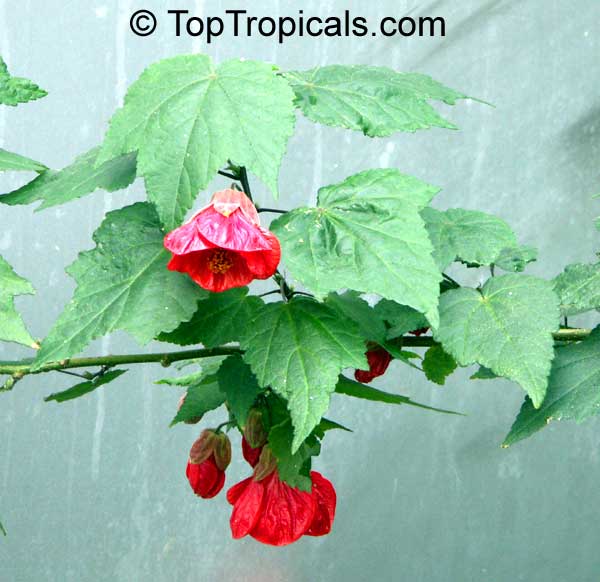
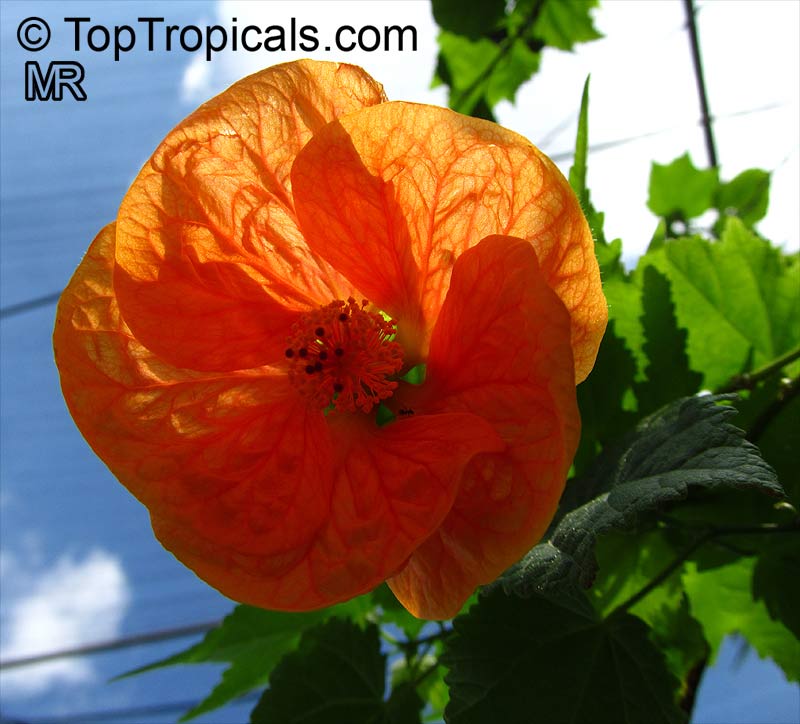
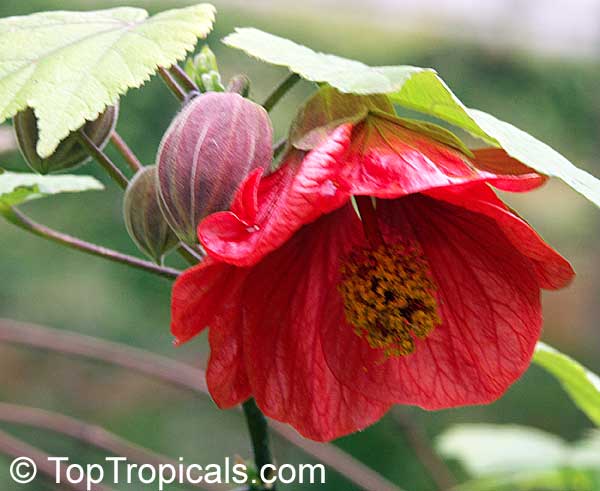
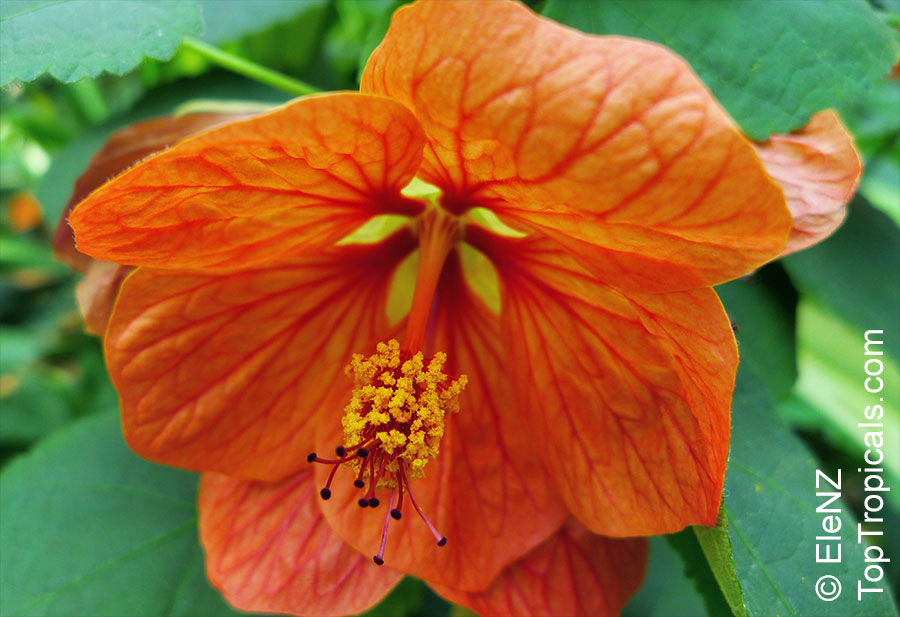
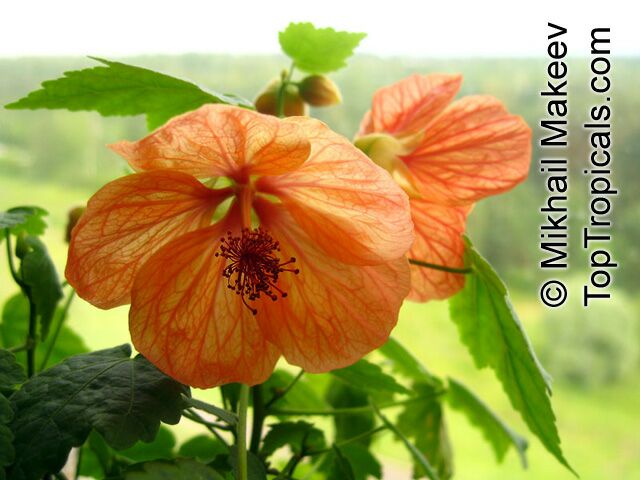
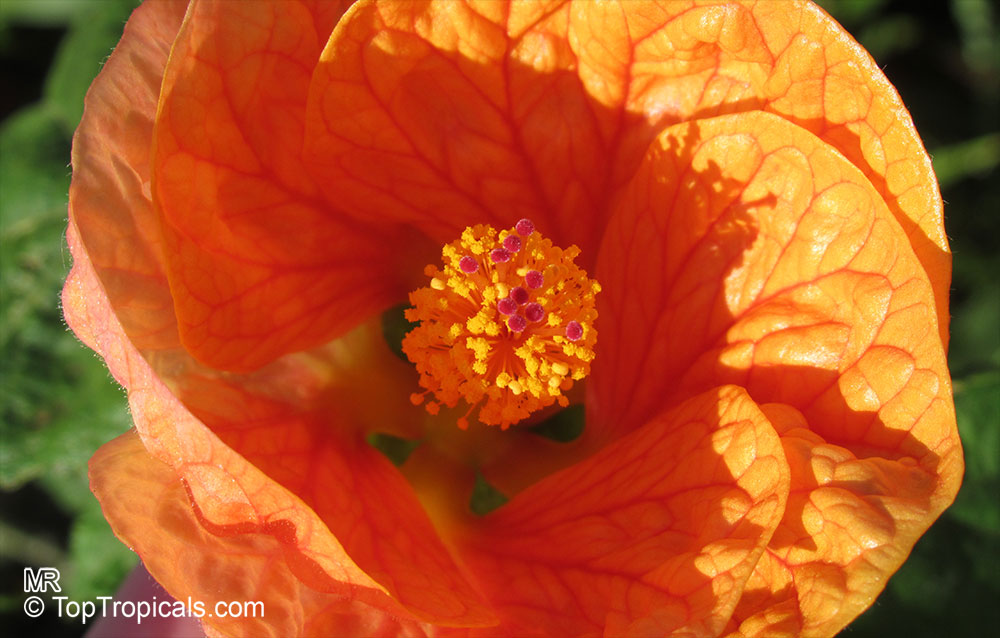
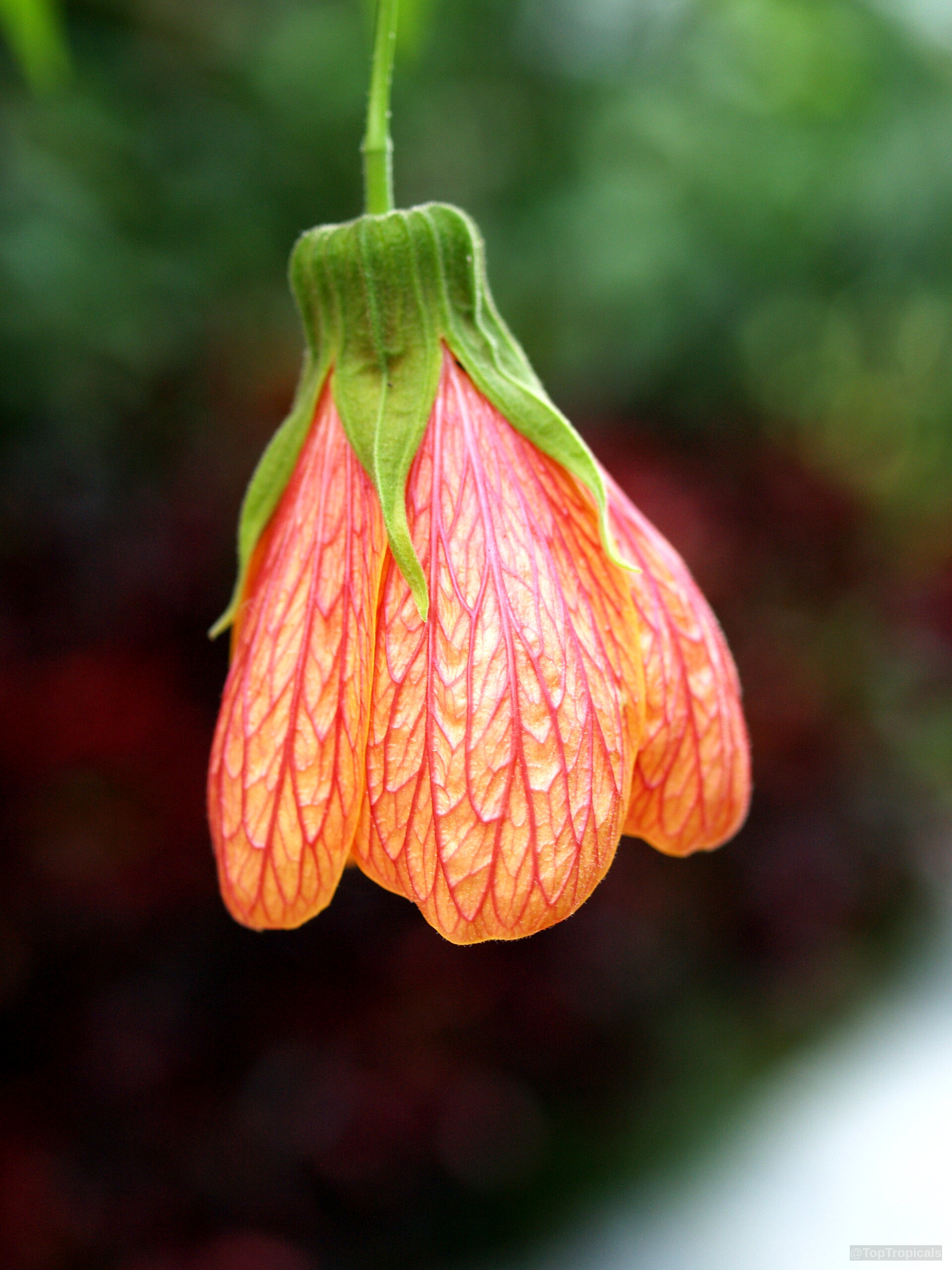
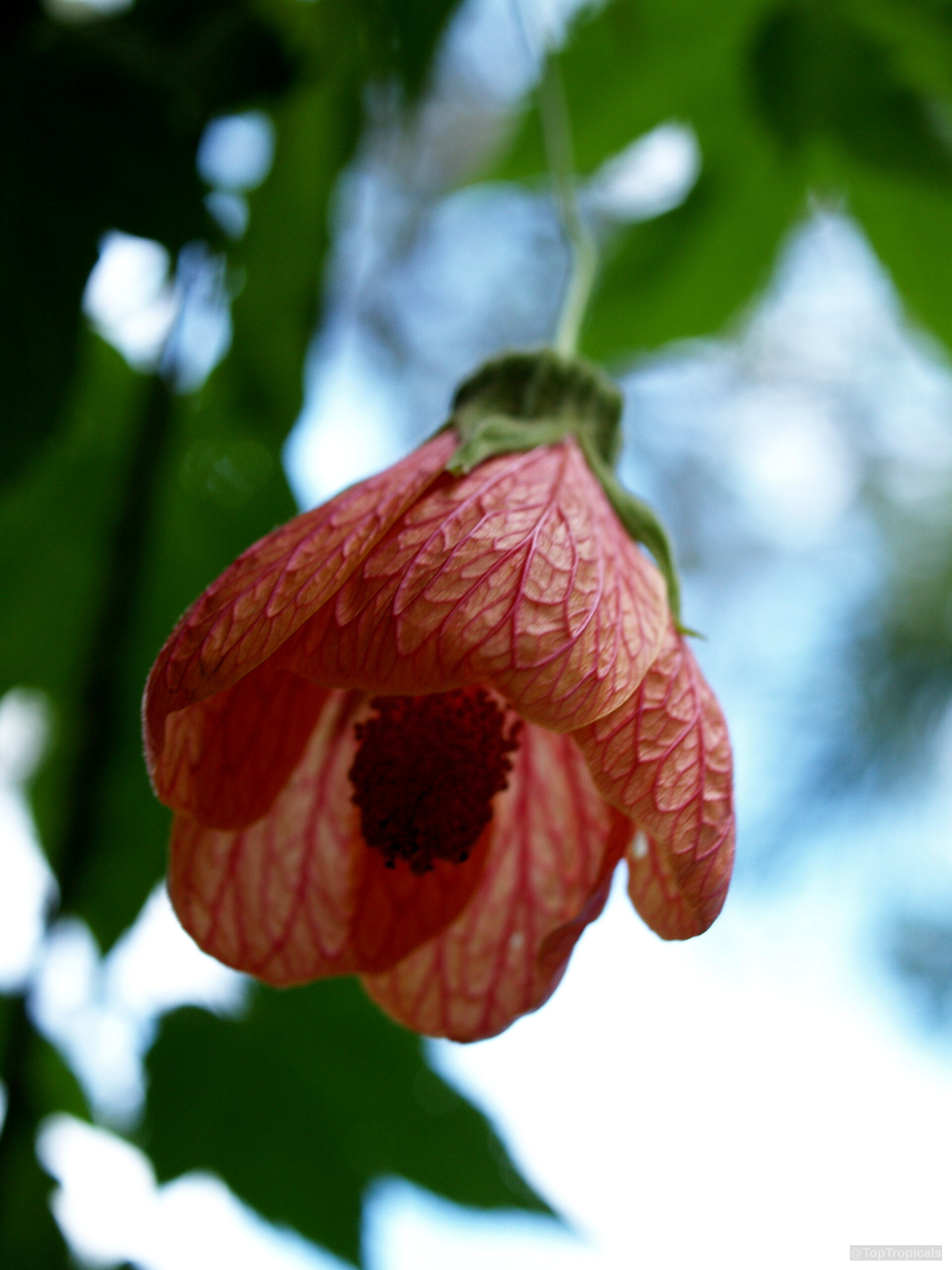
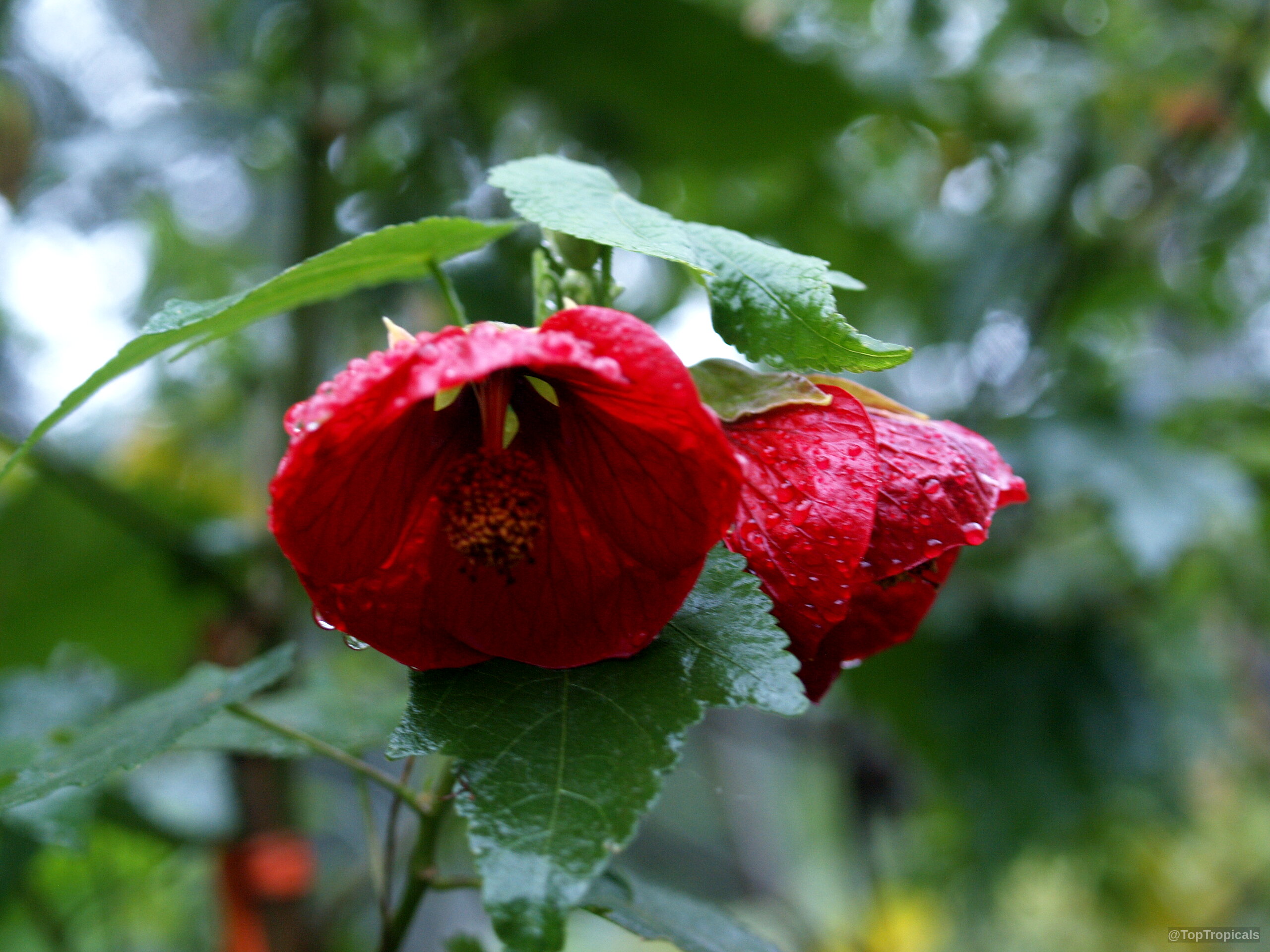
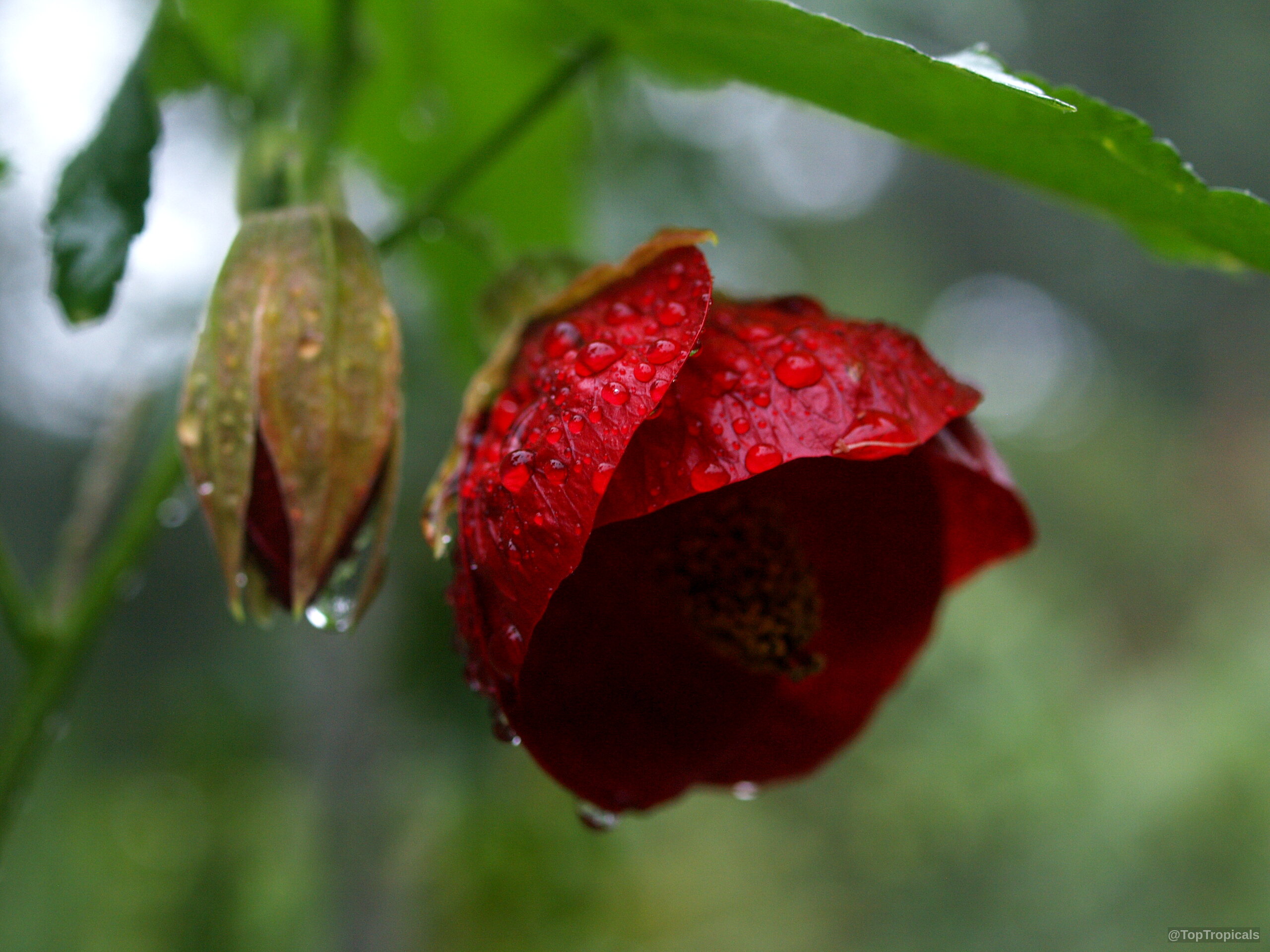
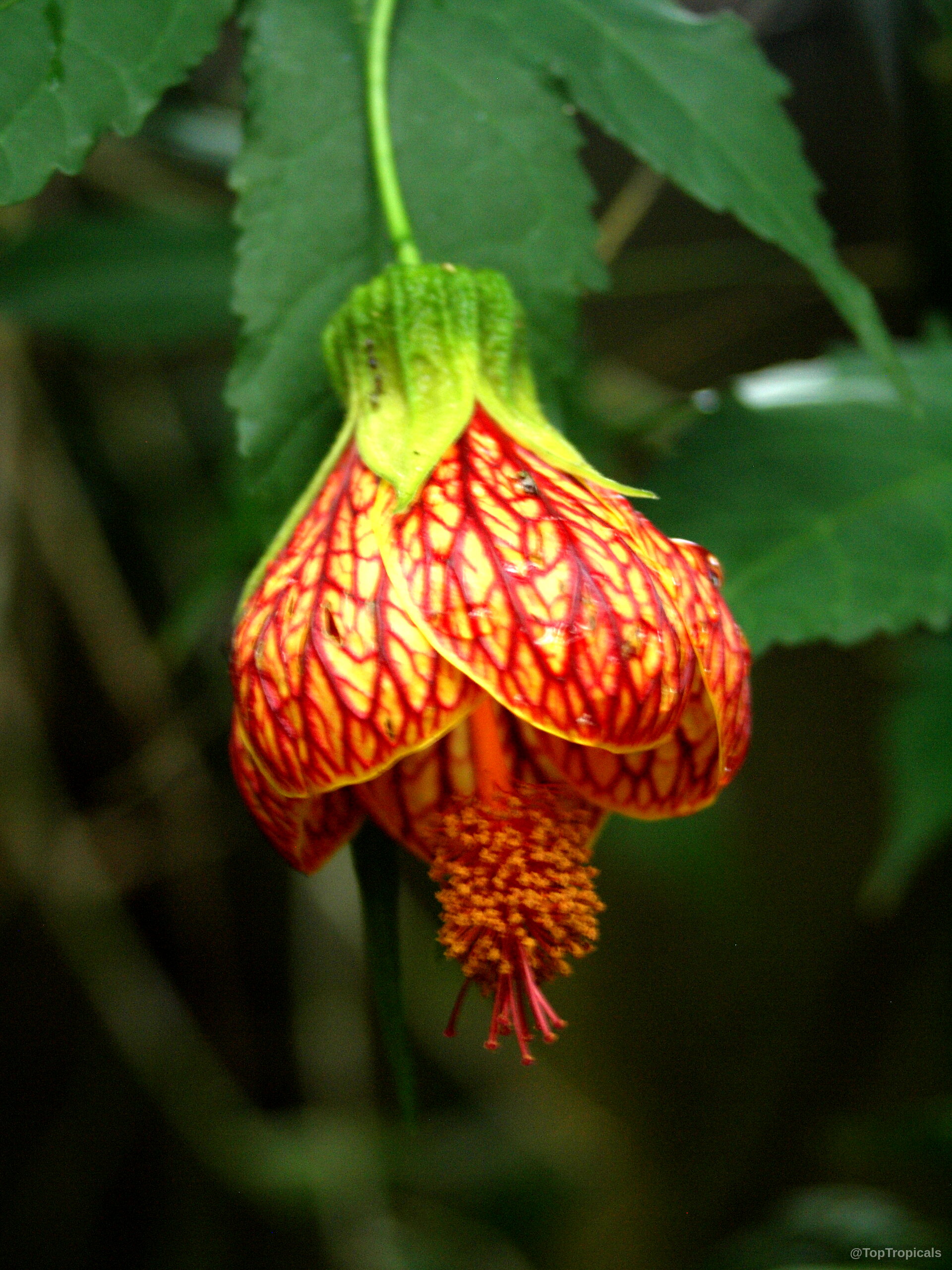
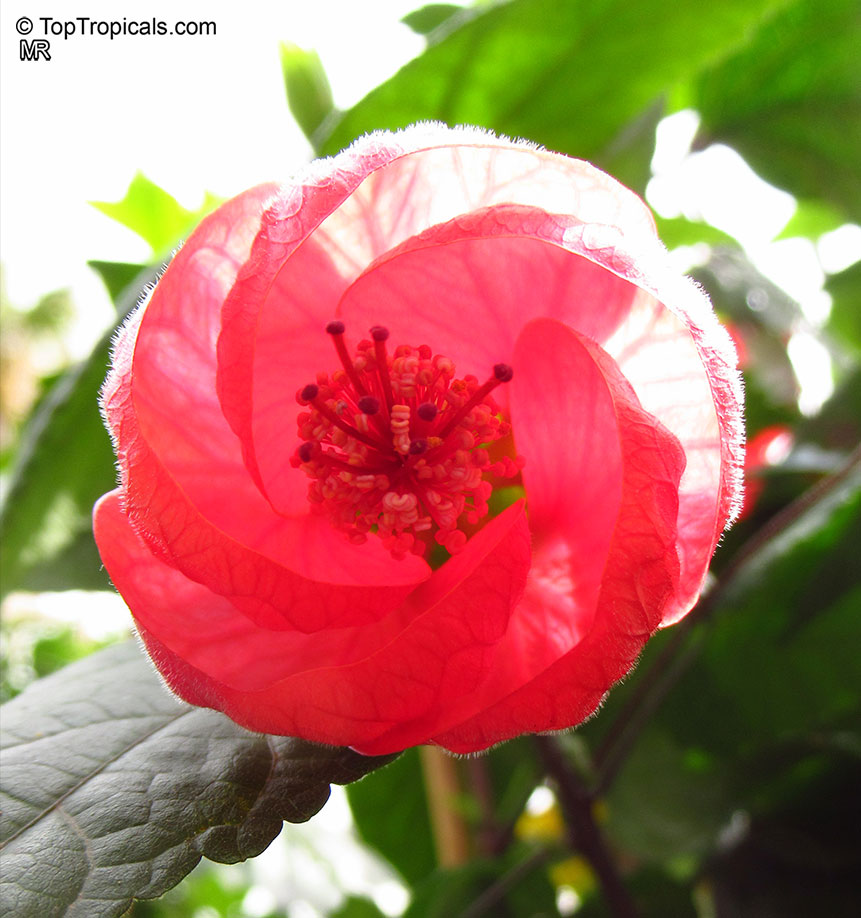
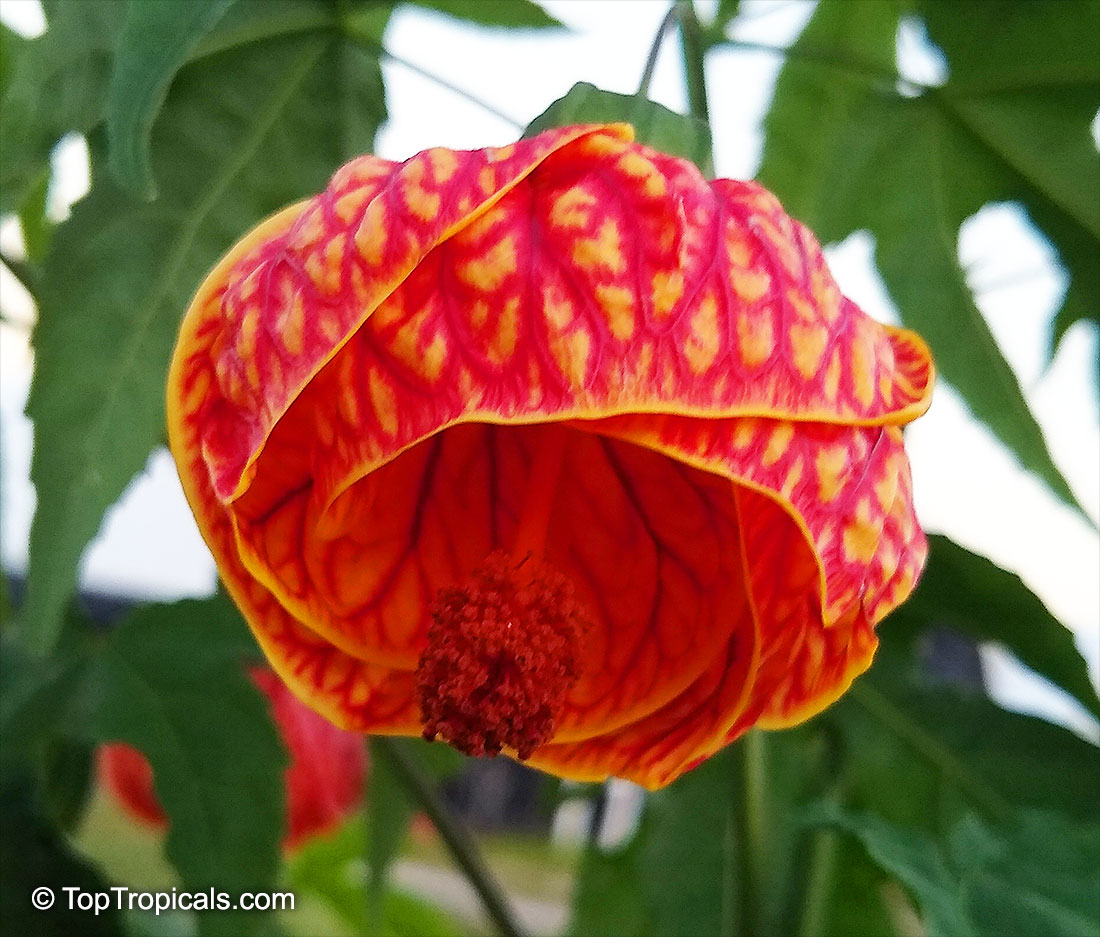
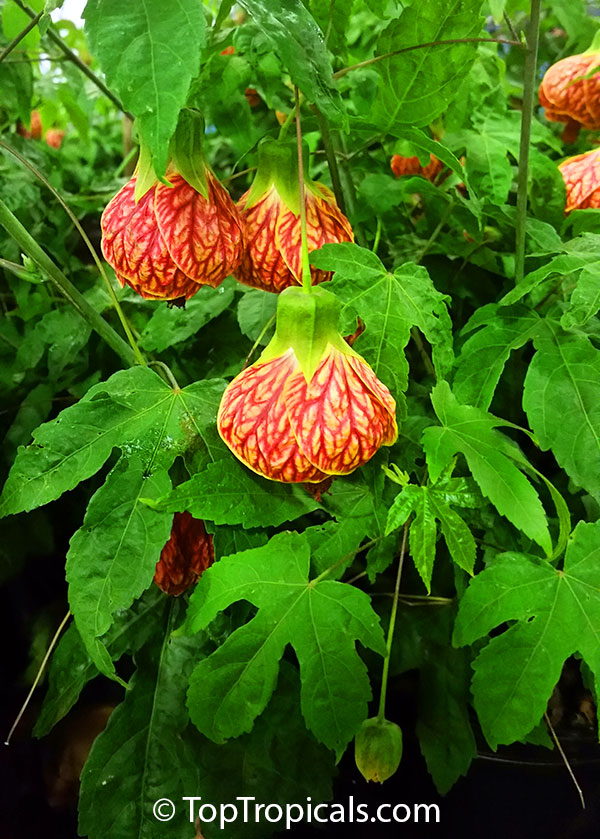
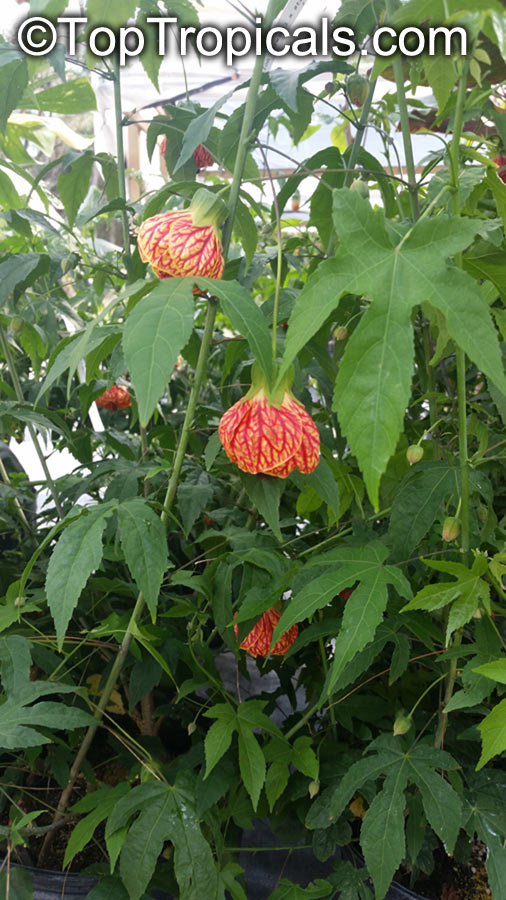
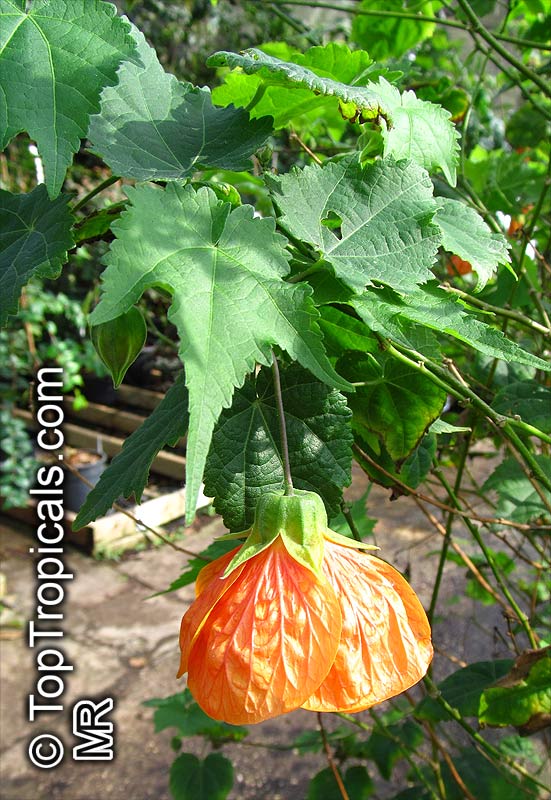
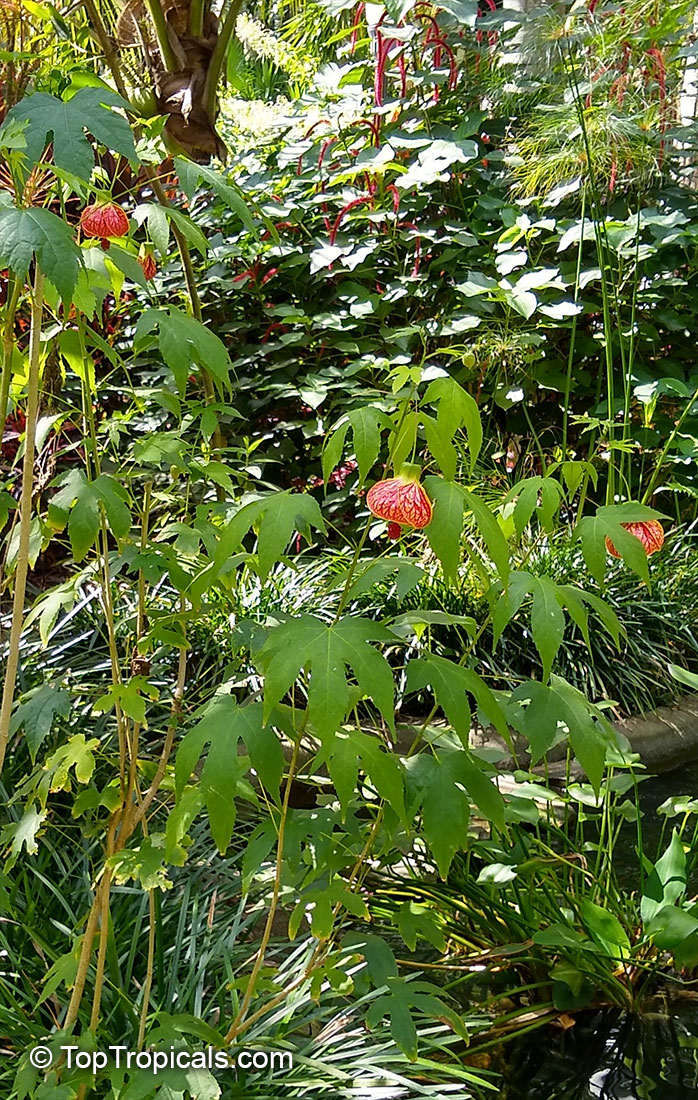
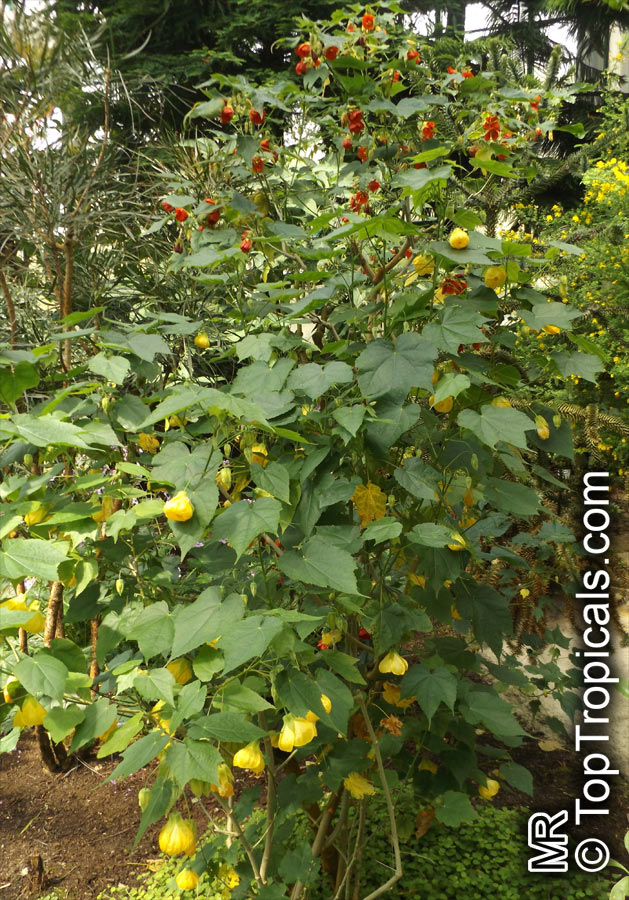
Abutilon sp. (Flowering Maple) orange and red bell-shaped flower hanging from slender green branch
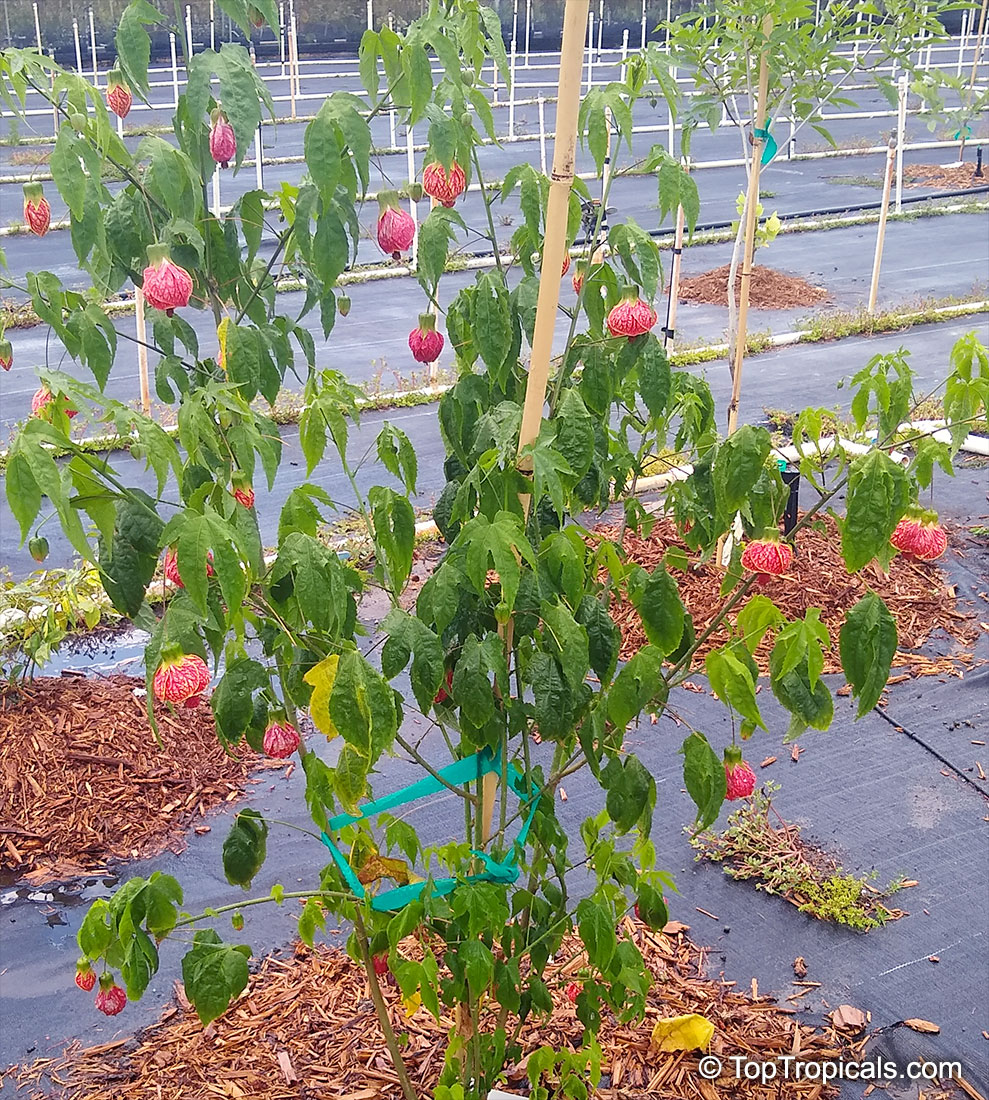
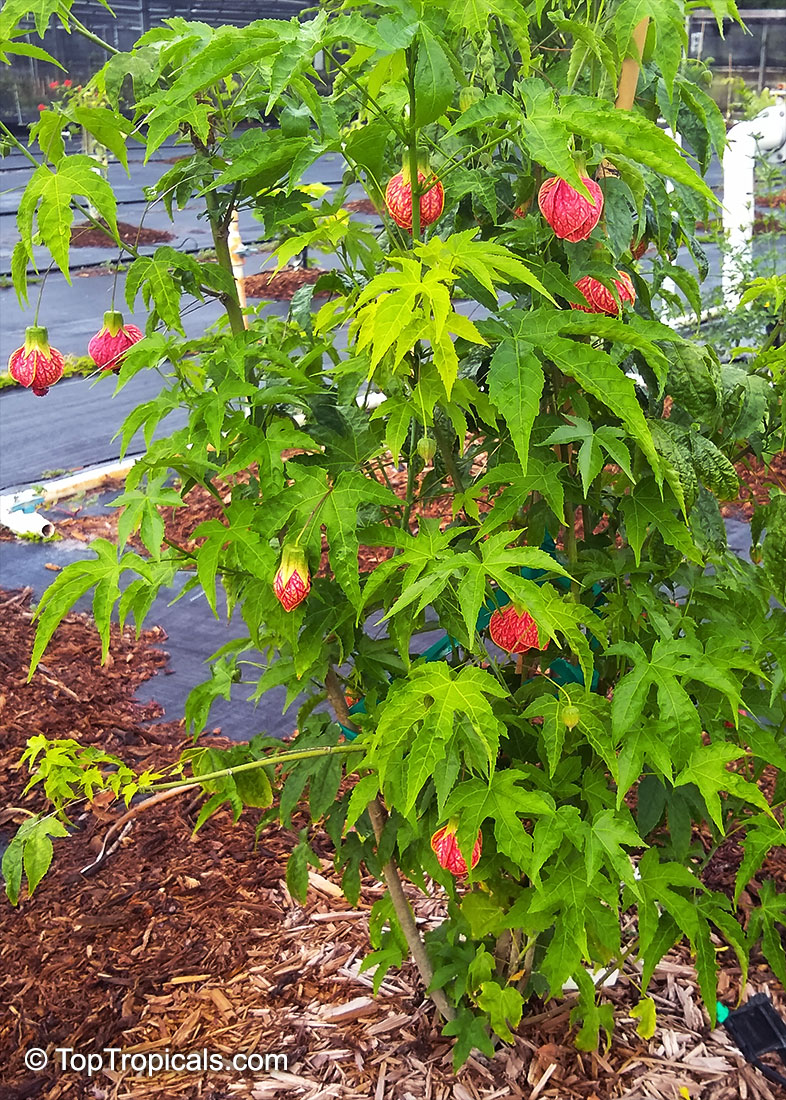
Abutilon sp. (Flowering Maple) bell-shaped orange flowers hanging from stems with maple-like green leaves.
Abutilon 'Fireball'

Botanical name: Abutilon sp.

Common names: Flowering Maple, Weeping Maple,Chinese Lantern

Family: Malvaceae

Origin: South America

USDA Plant Hardiness MapLarge shrub 5-10 ft tallSemi-shadeFull sunWatering: Regular. Let topsoil dry slightlyYellow, orange flowersRed, crimson, vinous flowersWhite, off-white flowersPink flowersPlant attracts butterflies, hummingbirdsSubtropical plant. Mature plant cold hardy at least to 30s F for a short time

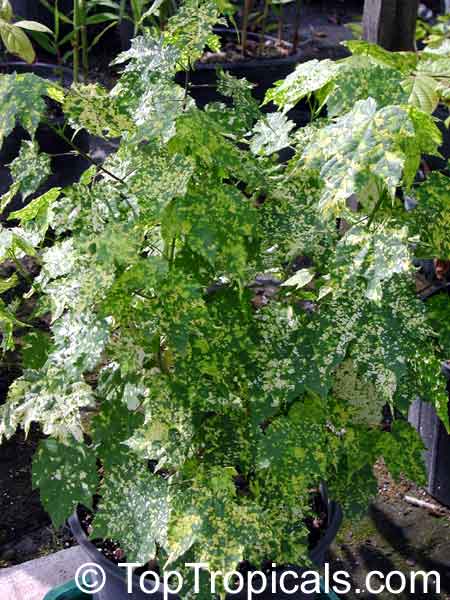
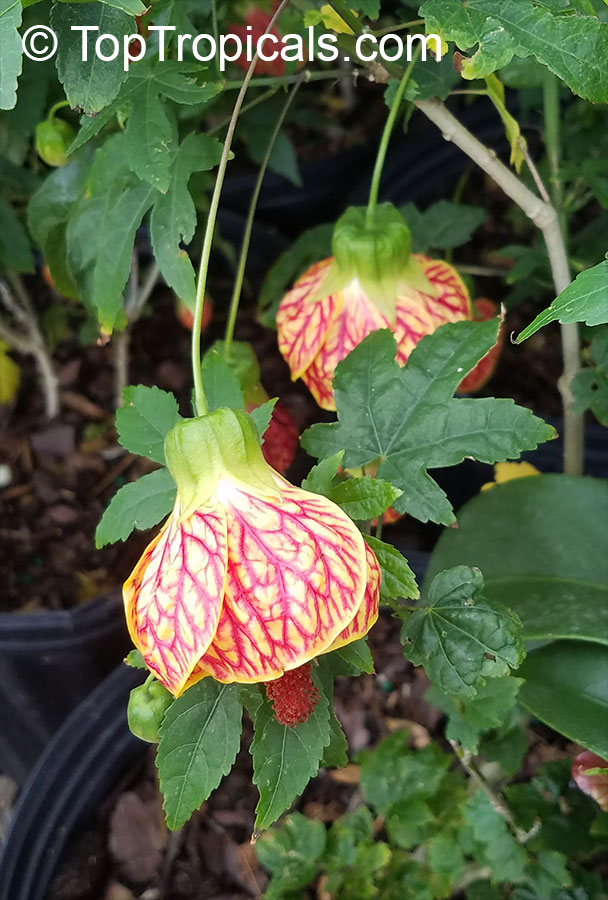
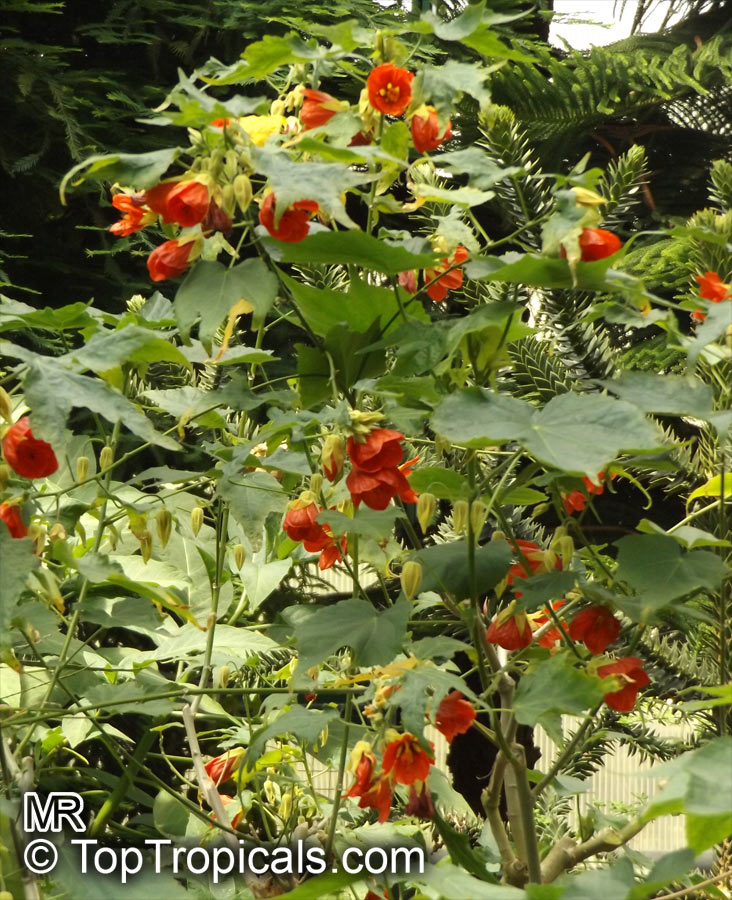
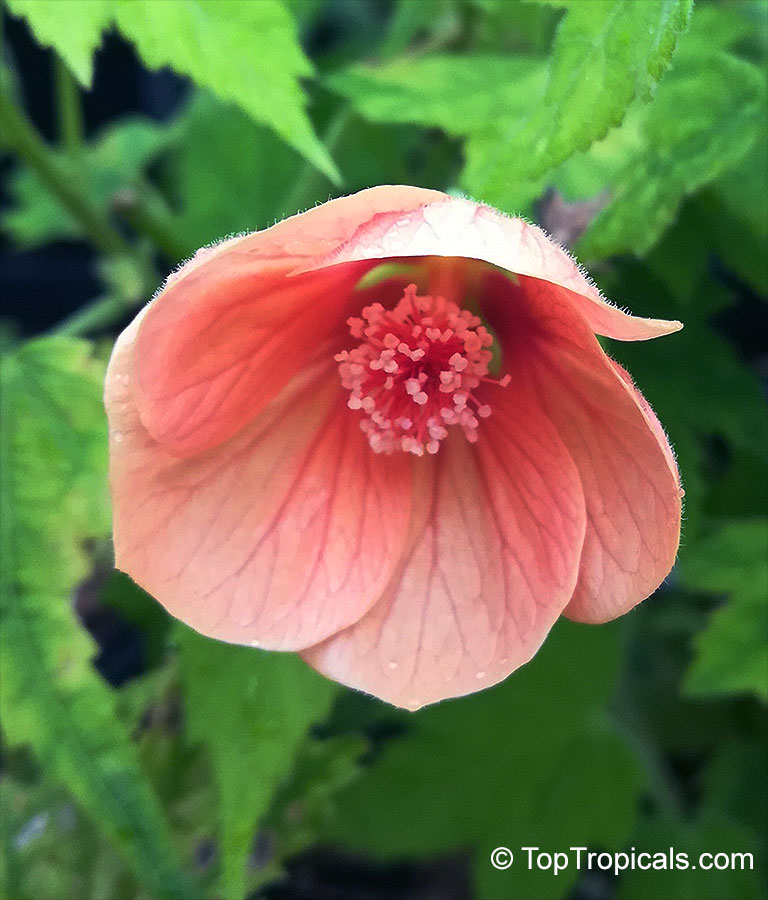
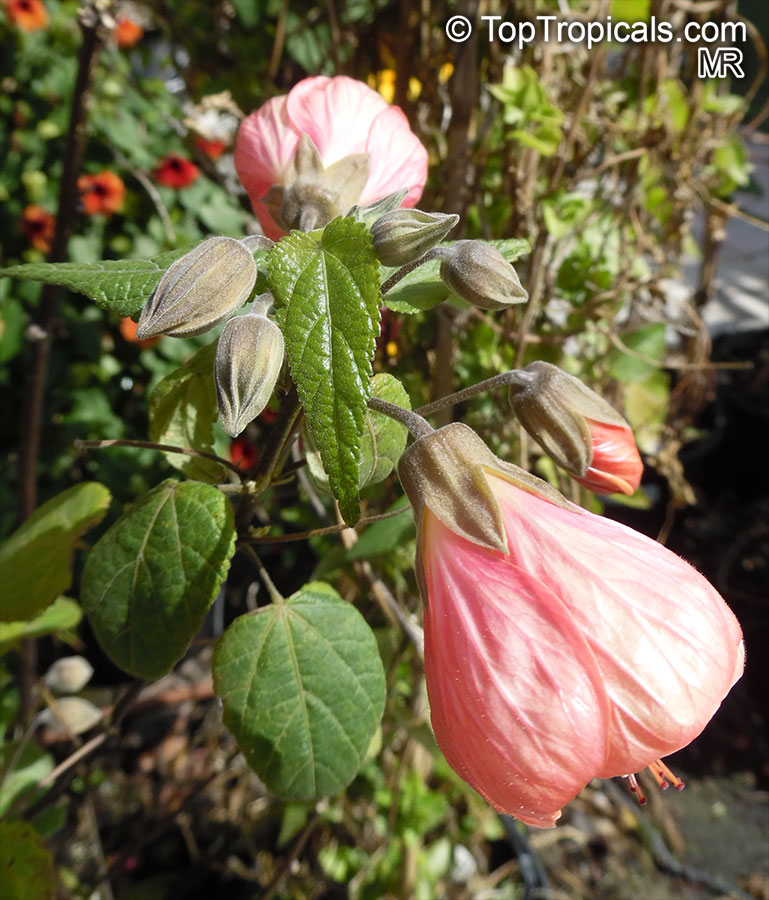
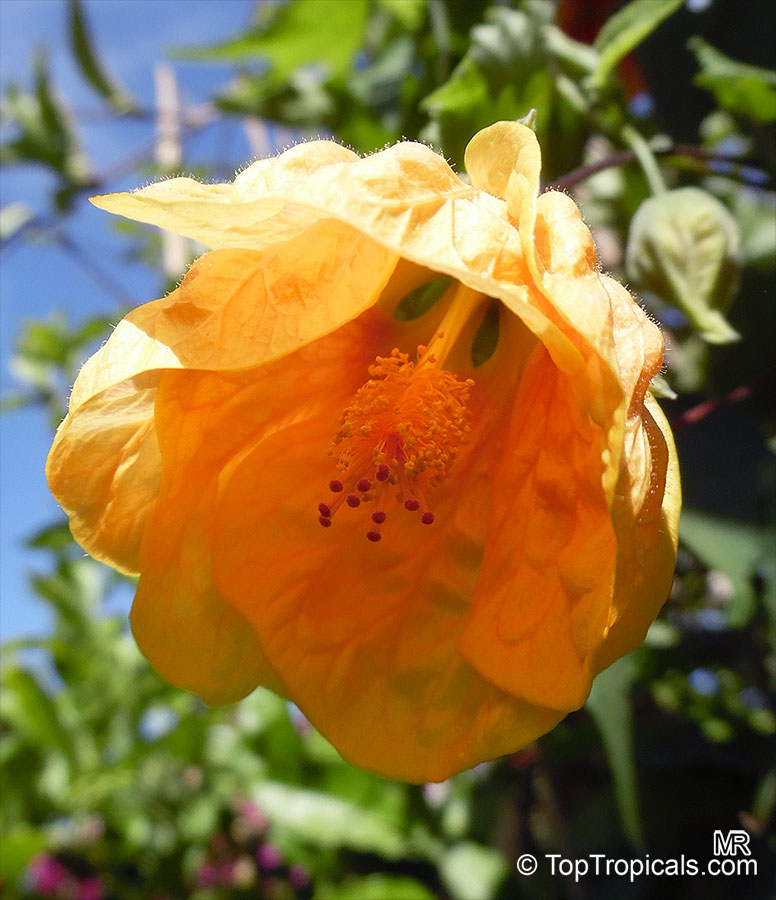
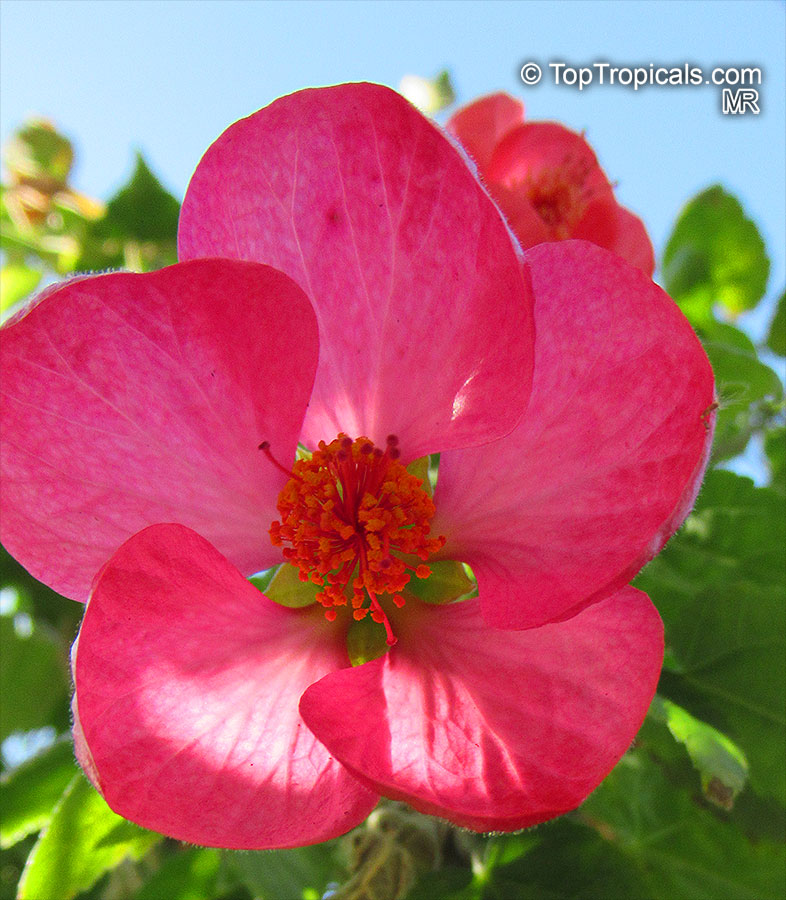
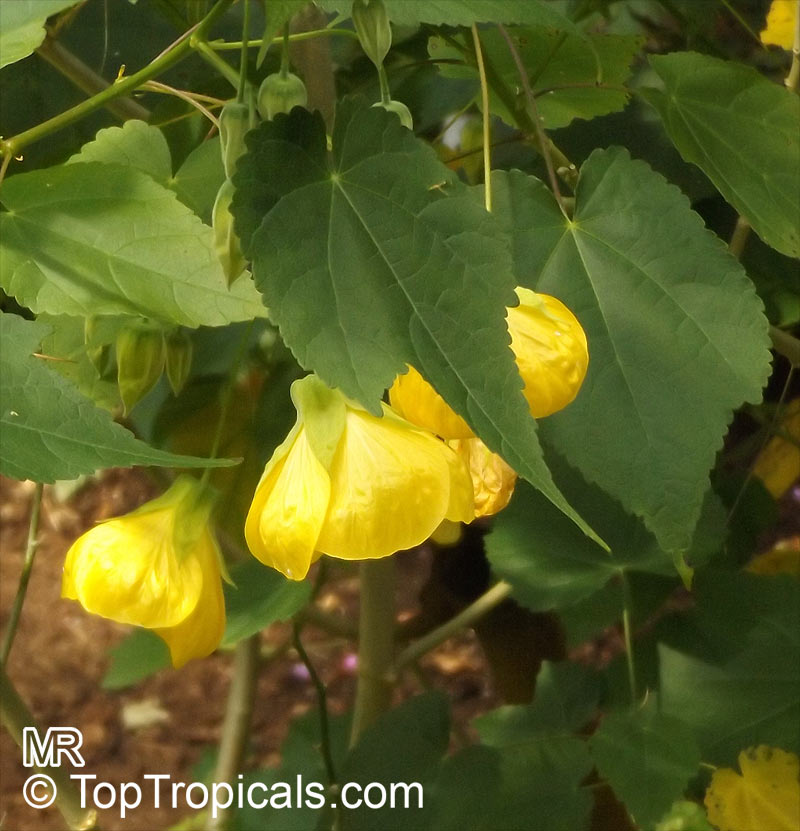
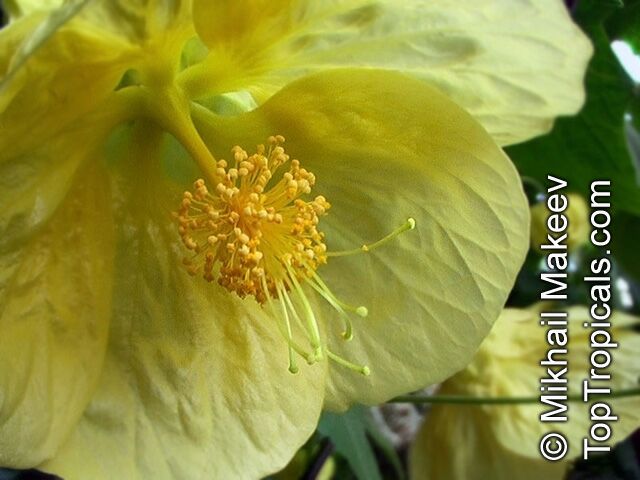
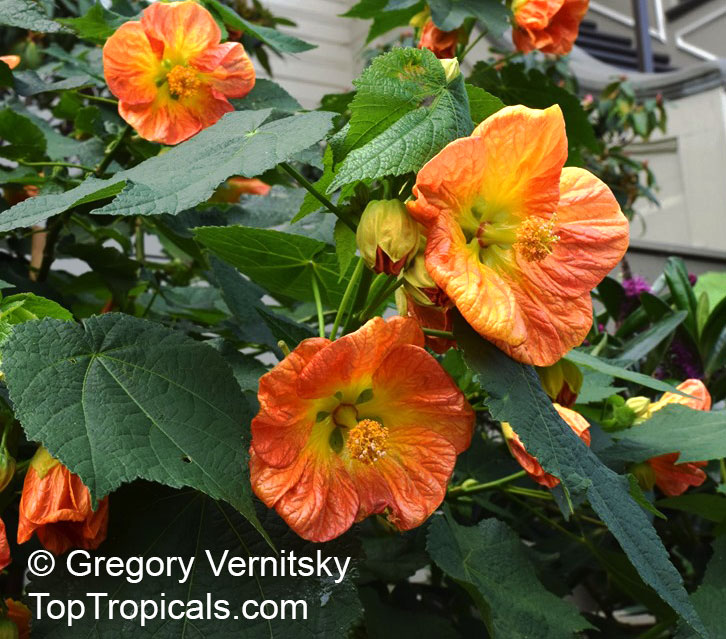
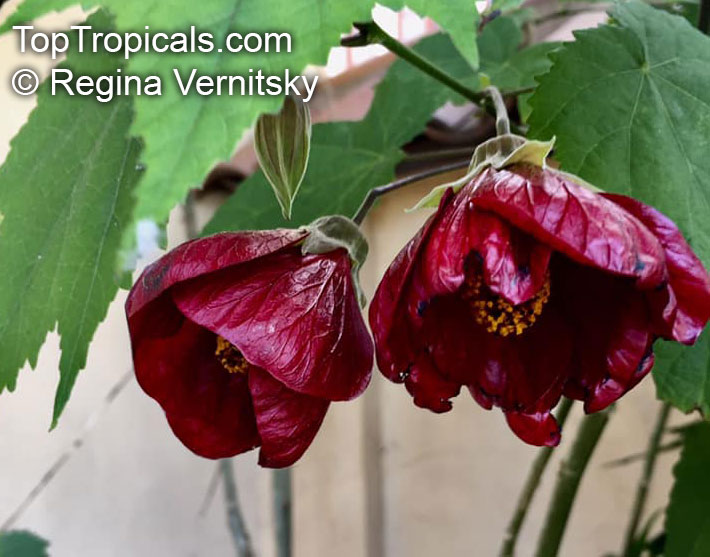
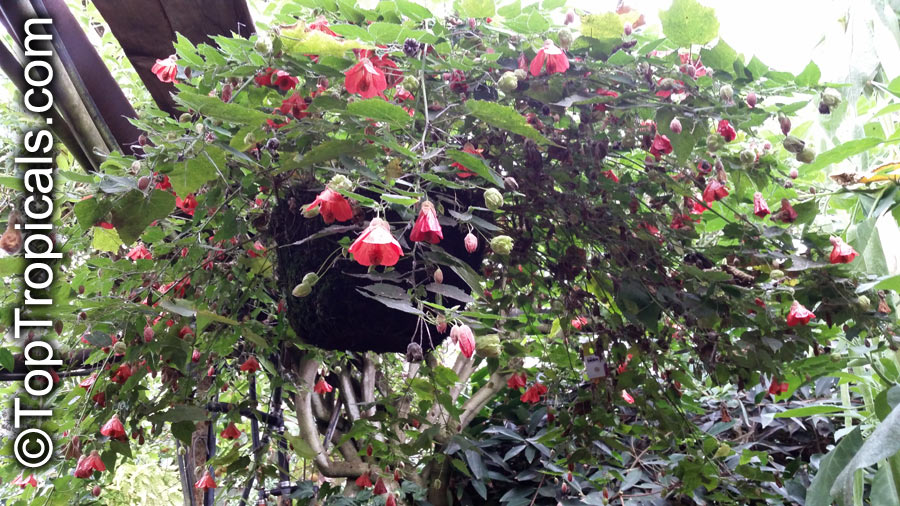
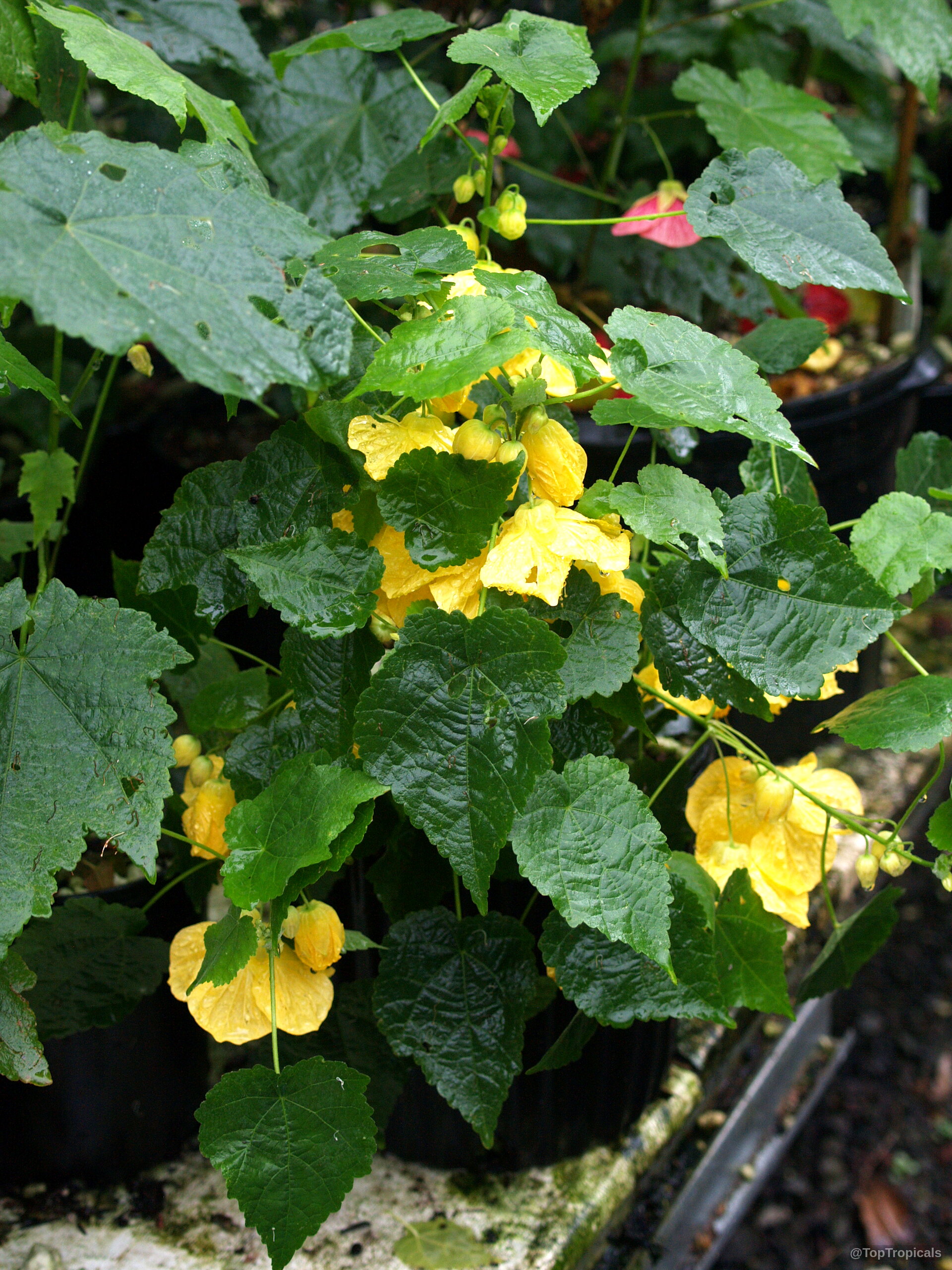
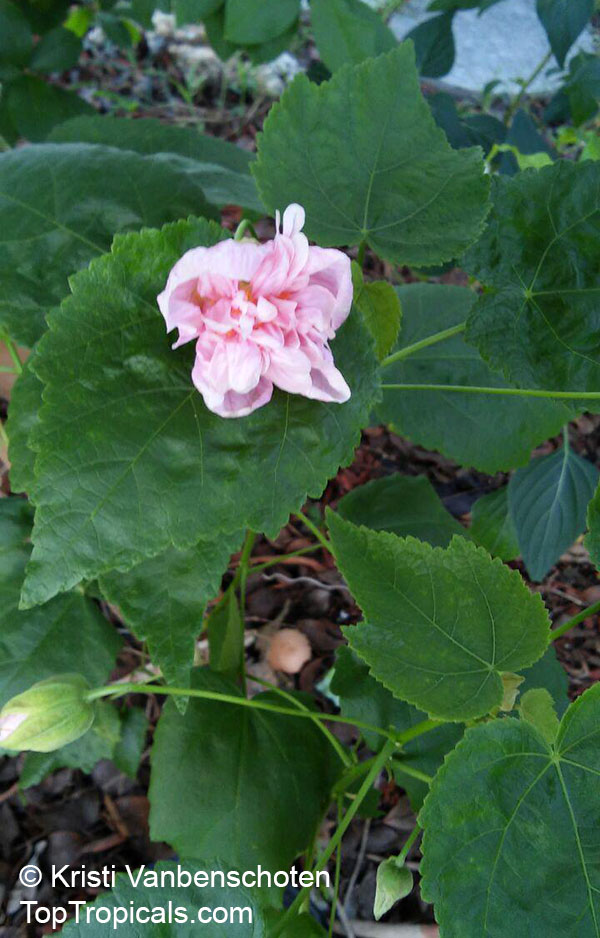
Abutilon species, commonly known as flowering maples or Chinese lanterns, are evergreen or semi-evergreen shrubs grown for their attractive maple-like foliage and pendant, bell-shaped blooms. Many garden forms are complex hybrids, combining traits from several South American species. These hybrids are valued for their long flowering season, compact to medium growth habit, and wide color range including white, yellow, orange, pink, and red. Some cultivars feature variegated leaves, adding extra ornamental appeal.

Hybrid abutilons thrive in full sun to partial shade and prefer fertile, well-drained soil with regular watering. They benefit from pruning in early spring to maintain shape and encourage branching, and pinching growing tips promotes a bushier form. Hardy in USDA Zones 8-11, they can tolerate brief drops to near freezing but require frost protection. In colder climates, hybrids are well-suited to container culture, allowing them to be overwintered indoors or in sheltered areas. Regular feeding during the growing season supports continuous blooming, and spent flowers should be removed to prolong display.
Link to this plant:
https://toptropicals.com/catalog/uid/abutilon_hybridum.htm

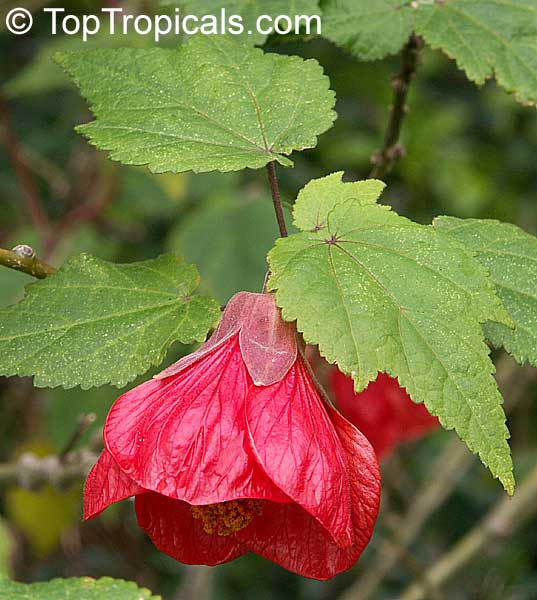
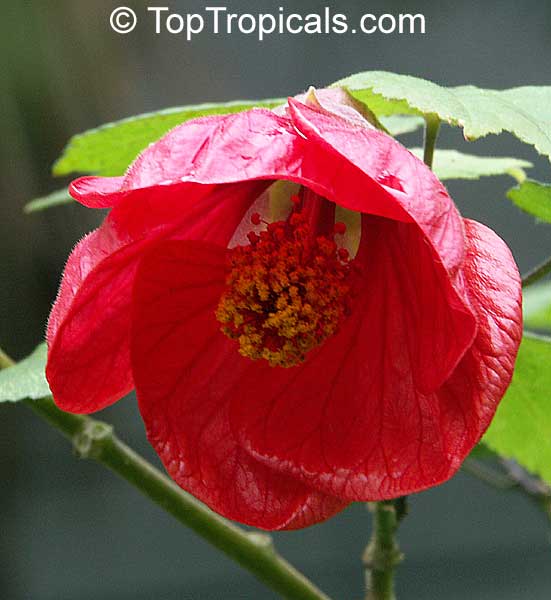
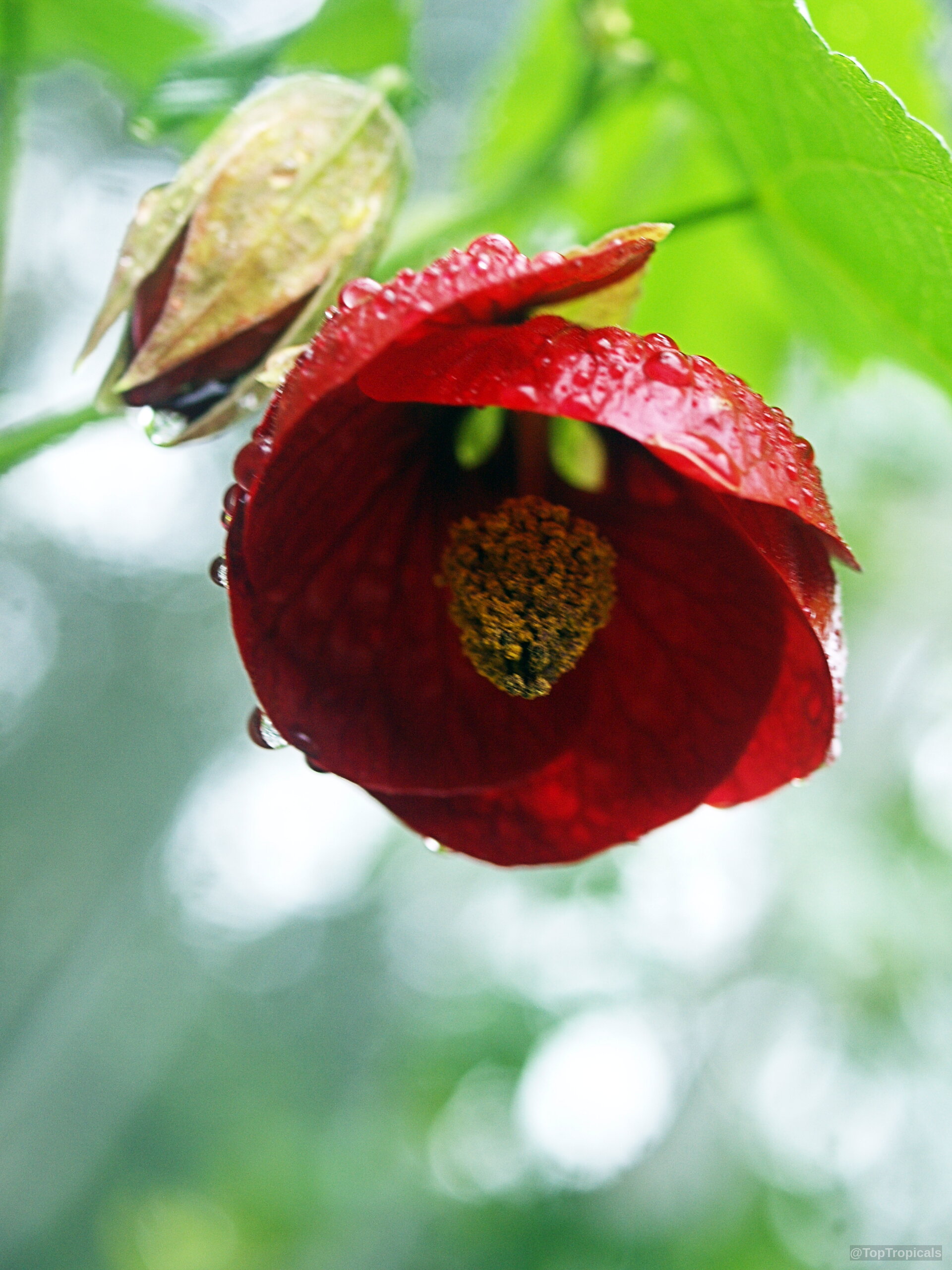
Abutilon darwinii x striatum, Fireball, Biltmore Ballgown

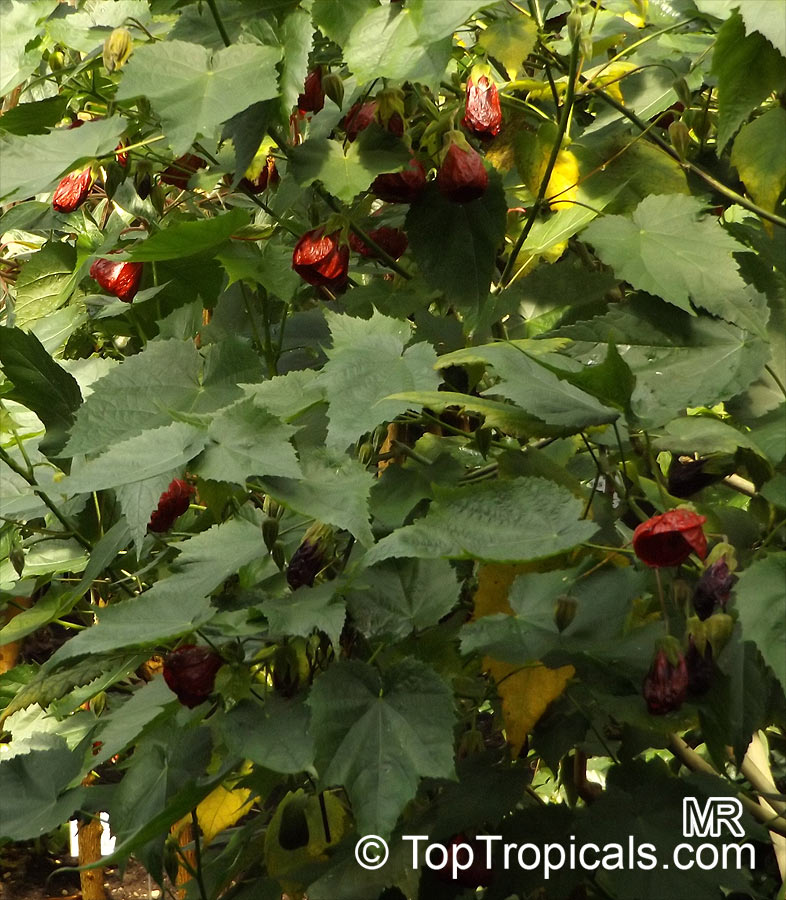
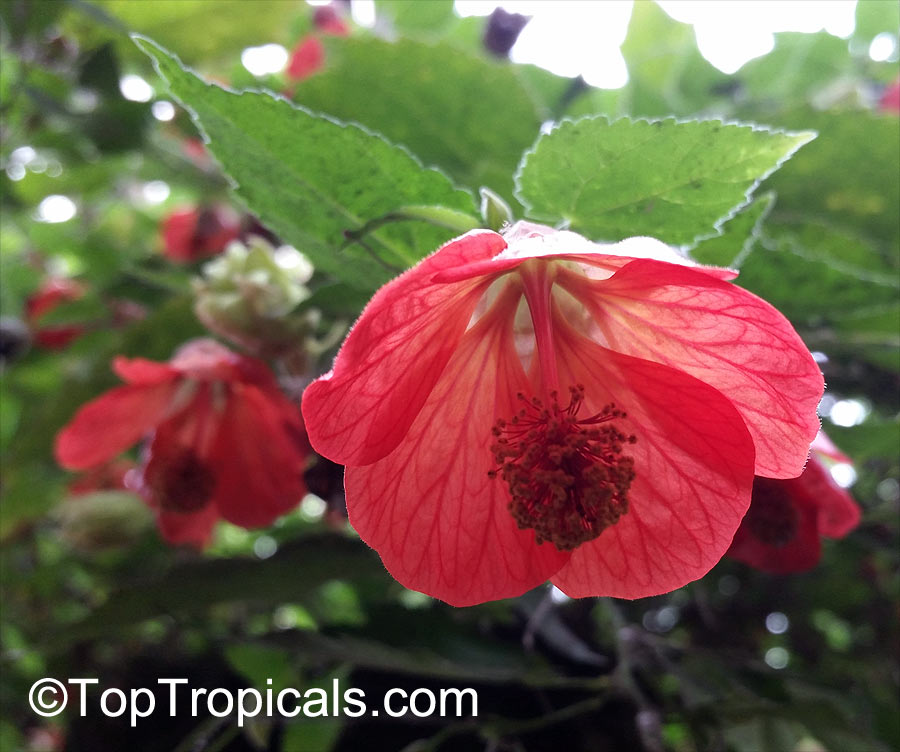
Also known as A. x hybridum Fireball, and Abutilon Biltmore Ballgown, this is one of the many lovely hybrids between A. darwinii and A. striatum, with maple-like leaves and bell-flowers whose petals are recurved, turning in slightly at the bottom. Flowers are fiery red, as one would imagine, with prominent red veins accenting the surface. Happy plants can reach 8-10 ft tall, though pruning easily adjusts the size. Best with plentiful summer water and fertilizer. Less hardy than many, preferring temperatures that only occasionally drop into the 20s F, USDA zone 9. Placement out of wind with overhead protection and plentiful mulch help in less than balmy climates.

Recommended Fertilizer: SUNSHINE Megaflor - Bloom Nutrition Booster
Grown in
10"/3 gal pot
4 plants in stock
$49.95


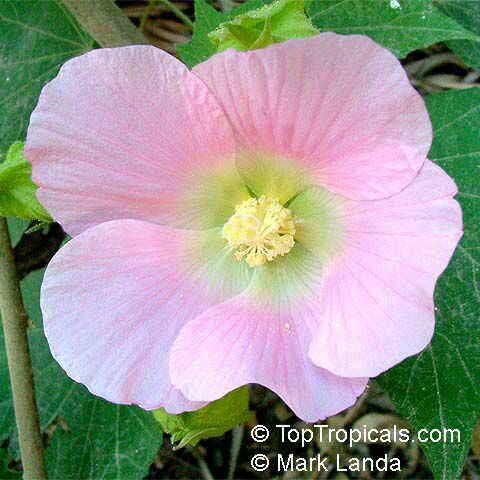
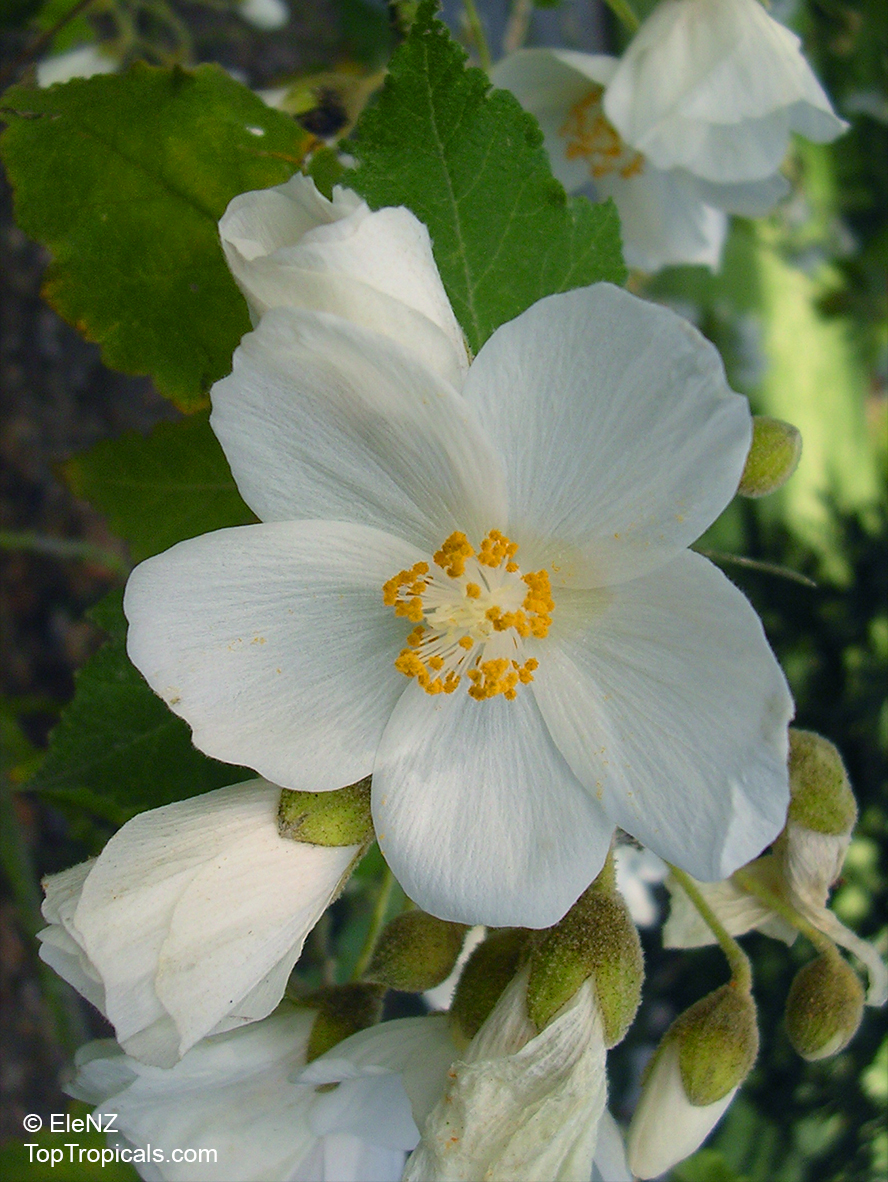
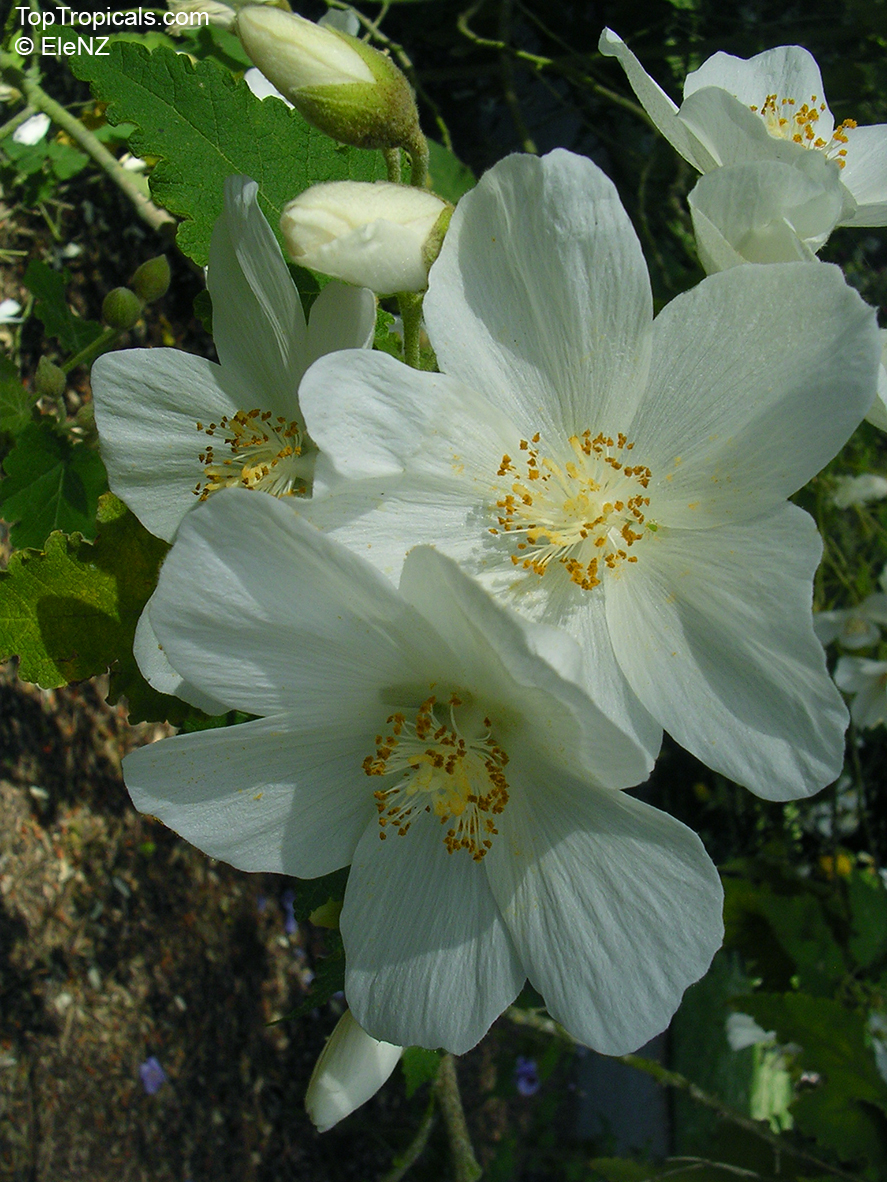
Abutilon vitifolium (Vine-leaved Abutilon) white flower close up with yellow center and green leaves
Abutilon vitifolium (Vine-leaved Abutilon) white flower with yellow pollen clusters and soft green foliage.

Botanical names: Abutilon vitifolium, Corynabutilon vitifolium

Common names: Vine-leaved Abutilon, Flowering Maple, Indian Mallow

Family: Malvaceae

Origin: Chile

USDA Plant Hardiness MapLarge shrub 5-10 ft tallSemi-shadeFull sunWatering: Moderate. Water when top soil feels dryWatering: Regular. Let topsoil dry slightlyWhite, off-white flowersPink flowersSubtropical plant. Mature plant cold hardy at least to 30s F for a short time

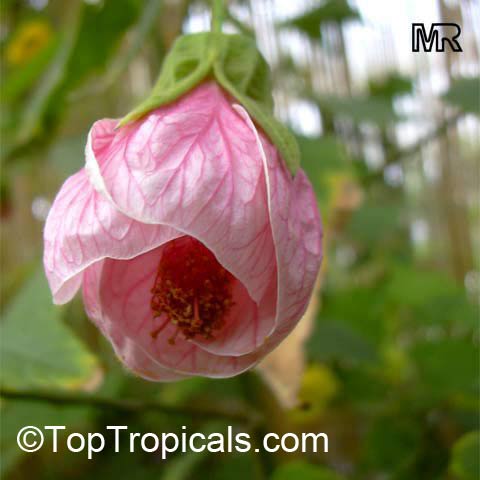
It usually grows to be anywhere between 5-10 feet tall, depending on the conditions in which it is grown and the amount of care it receives. If kept well mulched on the ground, it can easily reach its maximum of 10 feet. Full sun and semi-shade are both equally suitable for this species, but with regular water, the best of the blooms can be expected. The vines produce hanging buds of either a cheery pink or a more dainty, off white, depending on variety.
When mature, Abutilon vitifolium is cold hardy down to at least 30 degrees Fahrenheit for a short time, as determined by USDA Zone 8-11. If planted in colder regions, be sure to take extra care that the shrub is well potted and situated in an area protected from the winter weather. Mulch can also be helpful in keeping its roots warm and the shrub topped up with the right amount of water.
This large shrub is ideal for garden pathways or any border area in the garden, admired for its trumpeting petals of varying shades of pink, white and off-white. When in full bloom, it can even be seen through hedges or used as a specimen in moonlight gardens. With its height, hardiness and a little care, it can make a beautiful addition to any outdoor home.


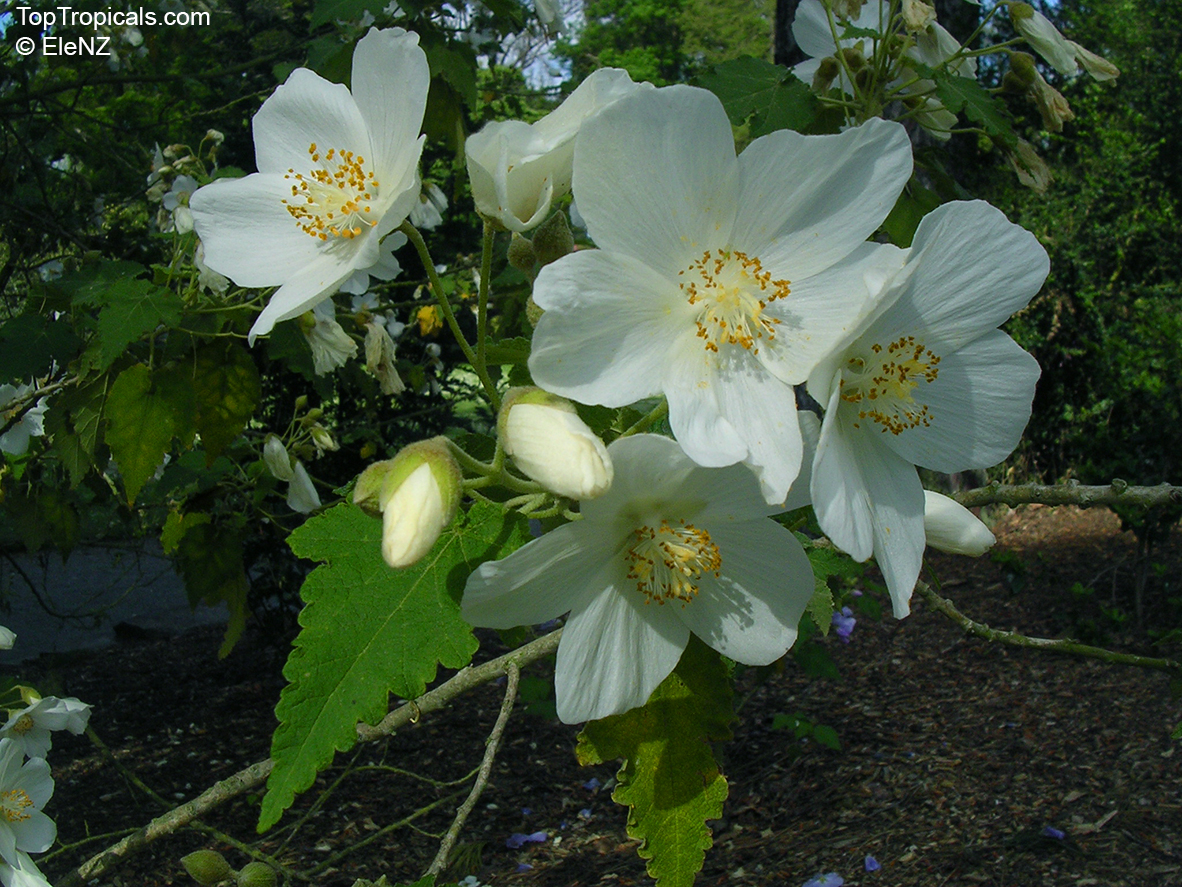
Abutilon vitifolium (Vine-leaved Abutilon) white flower close up with gold center petals and green leaves
Abutilon vitifolium (Vine-leaved Abutilon) with soft white flower petals and vibrant gold central pollen structures.
Abutilon vitifolium (Vine-leaved Abutilon) white flower close up with yellow center and green foliage
Abutilon vitifolium (Vine-leaved Abutilon) white flower clusters on a branch near fuzzy green leaves
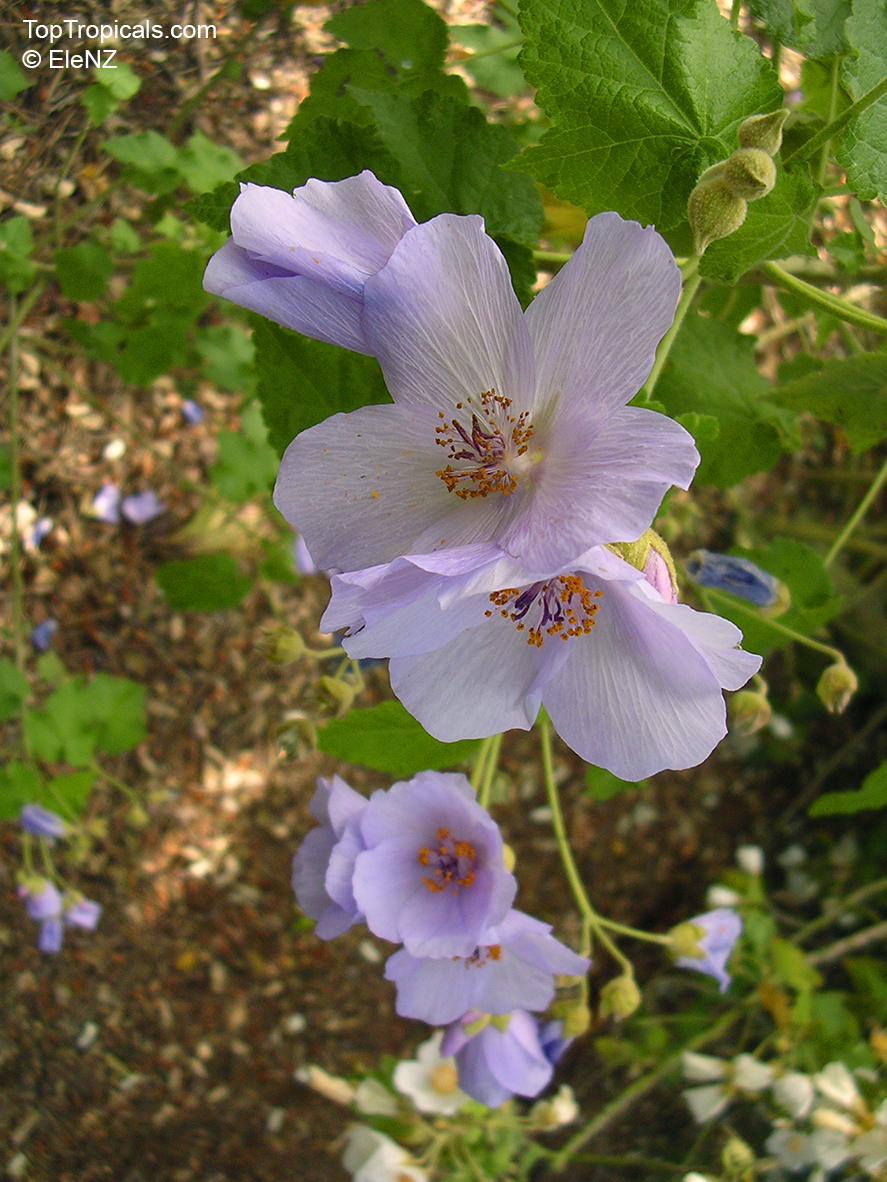
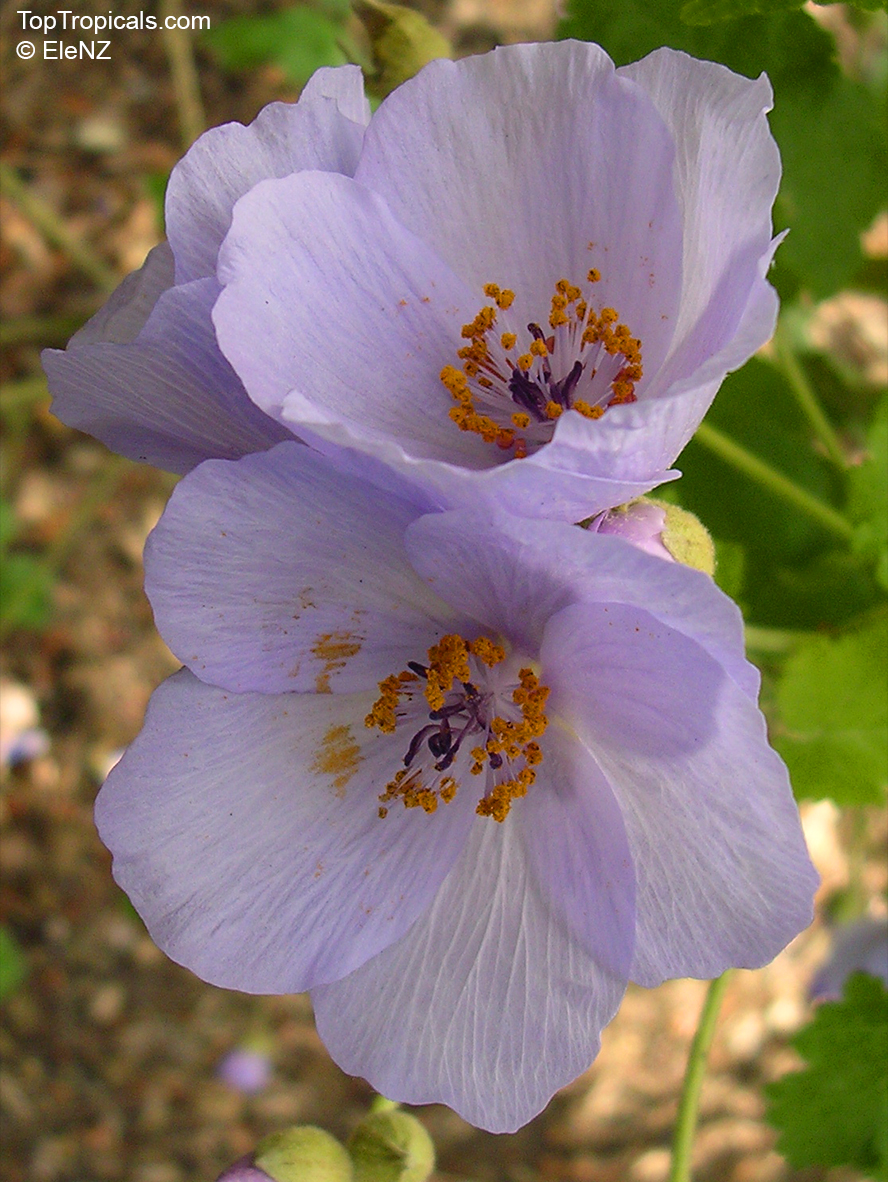
Abutilon vitifolium (Vine-leaved Abutilon) light lavender flower, close up of petals with orange centers.
Abutilon vitifolium (Vine-leaved Abutilon) displays light lavender petals and orange centers on green leafy stems.
Abutilon vitifolium (Vine-leaved Abutilon) with light lavender flower, close up of petals.
Abutilon vitifolium (Vine-leaved Abutilon) with delicate lavender flower petals and orange pollen stamens.


Link to this plant:
https://toptropicals.com/catalog/uid/abutilon_vitifolium.htm

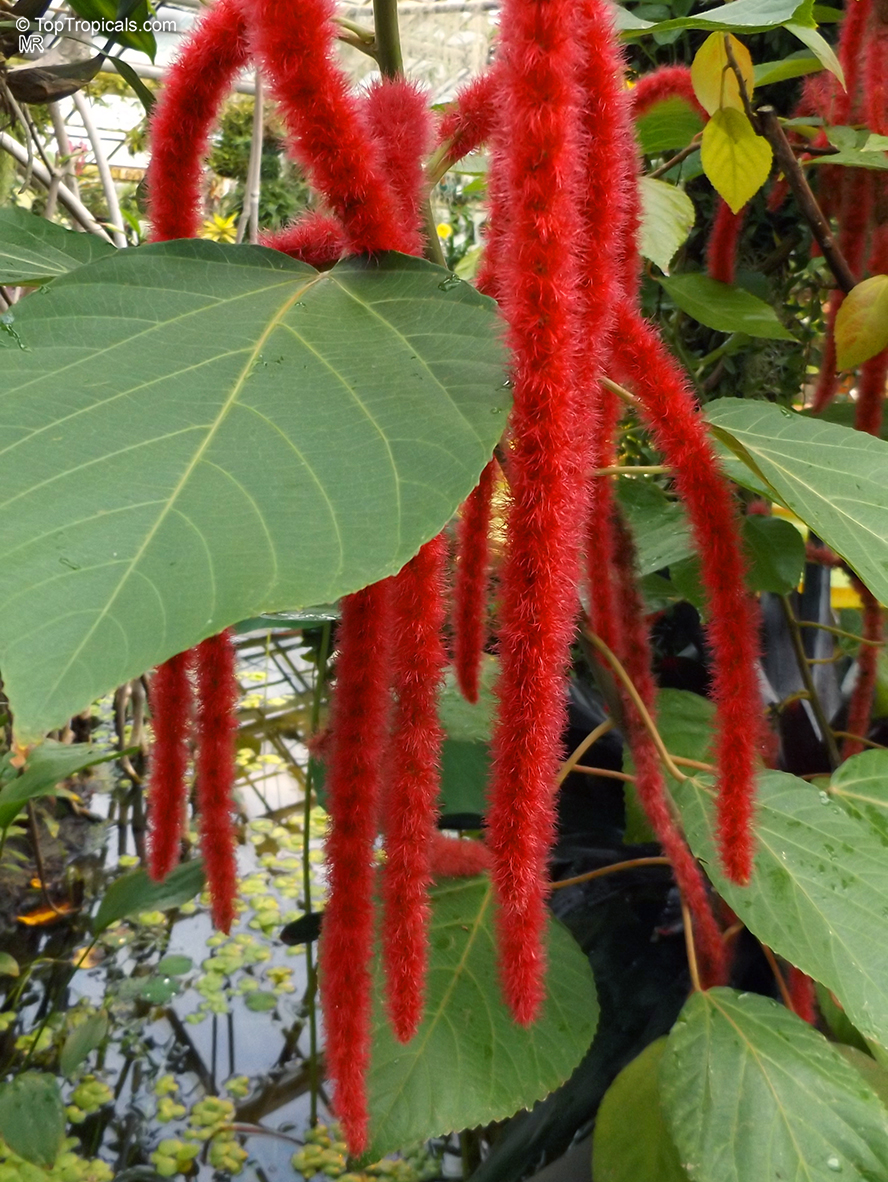
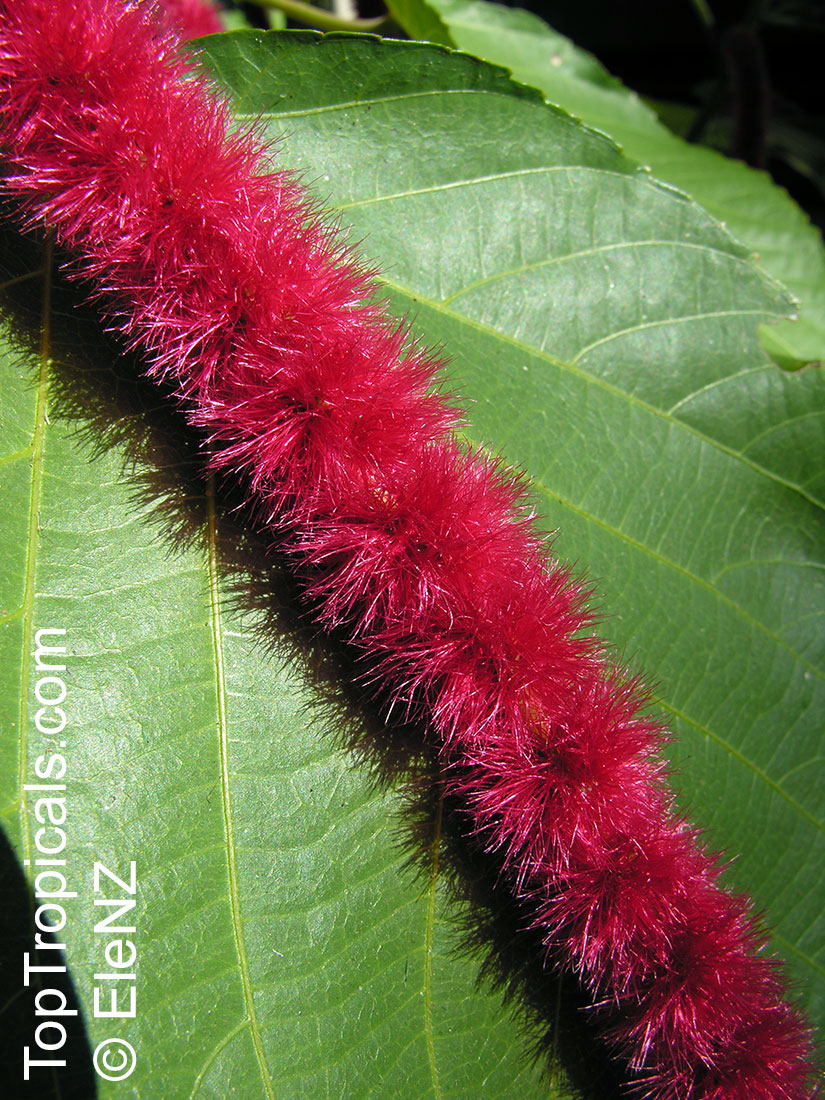
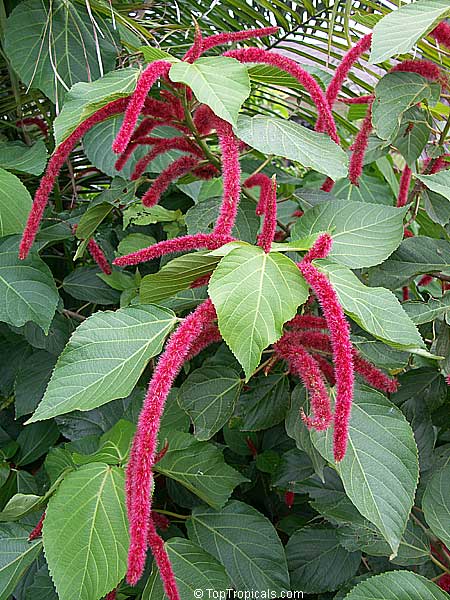
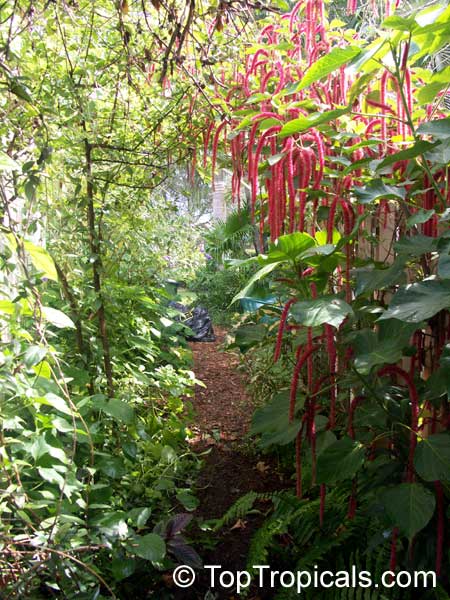
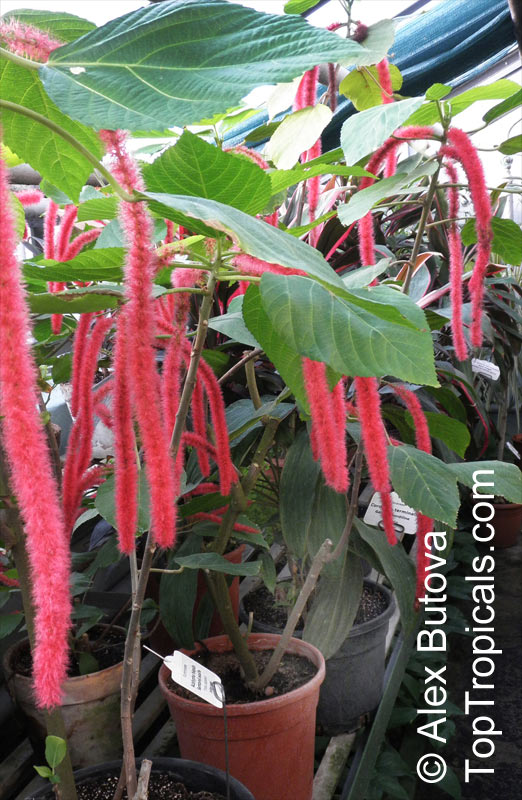
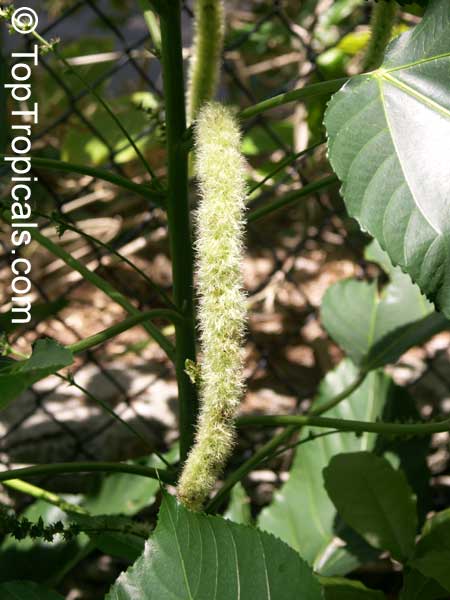
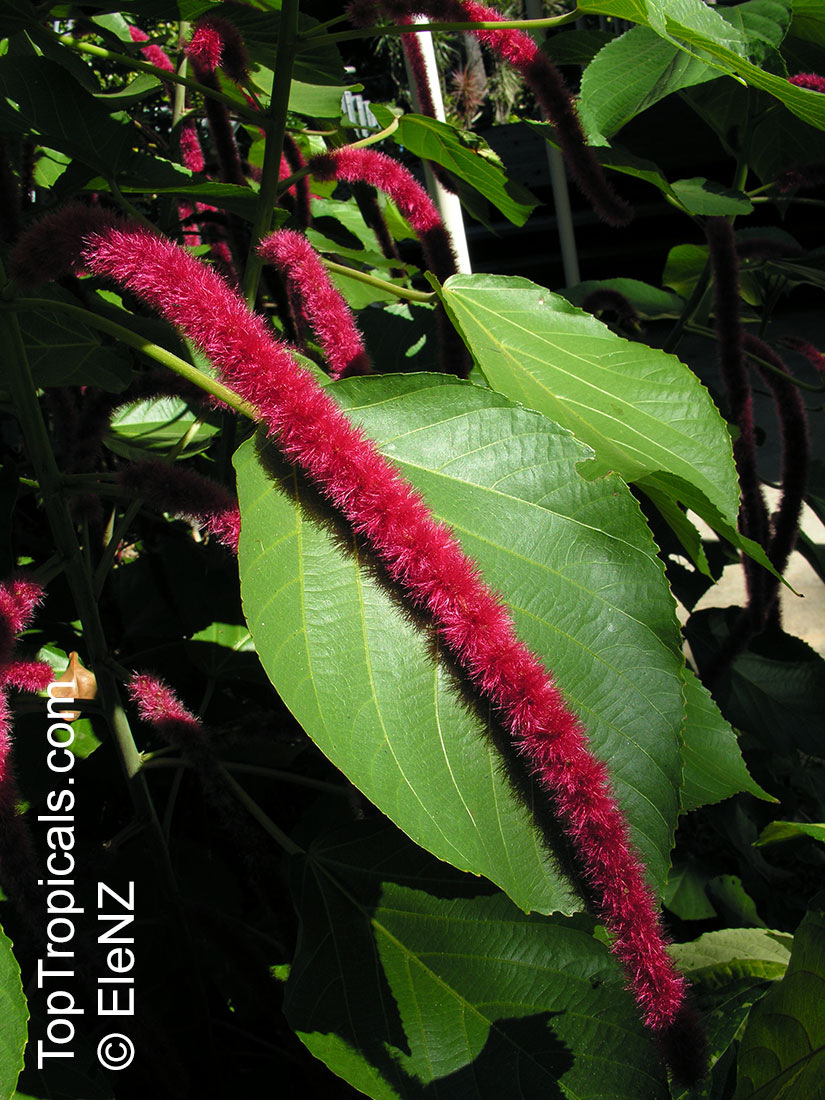
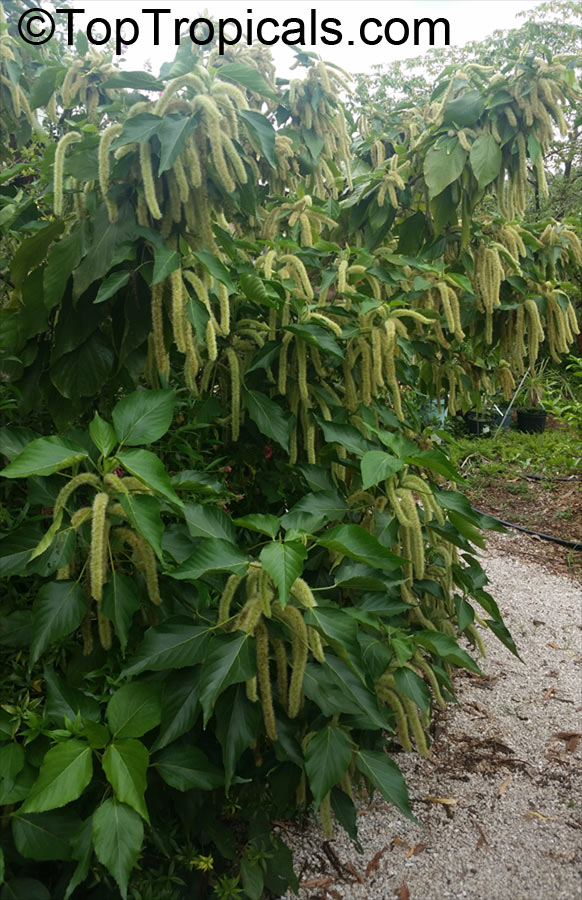
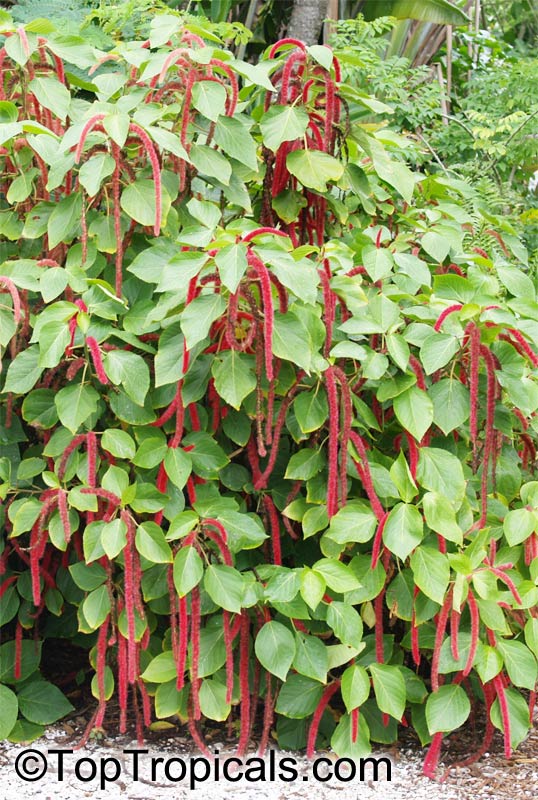
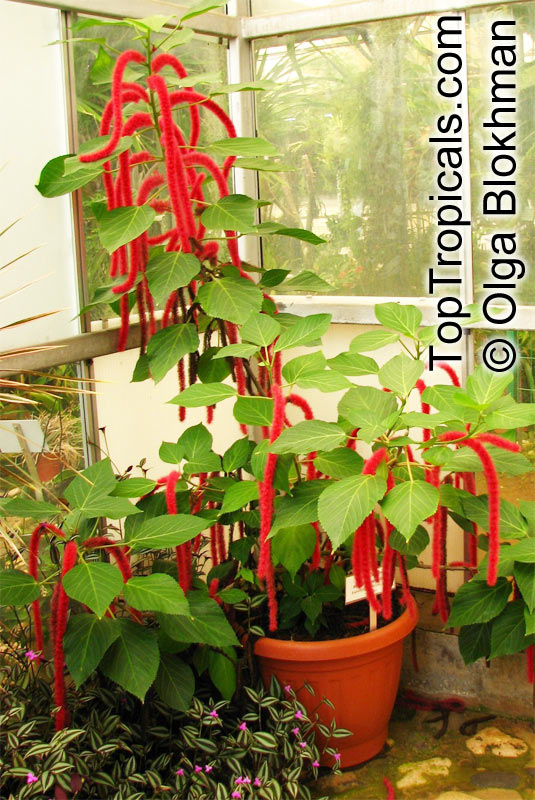
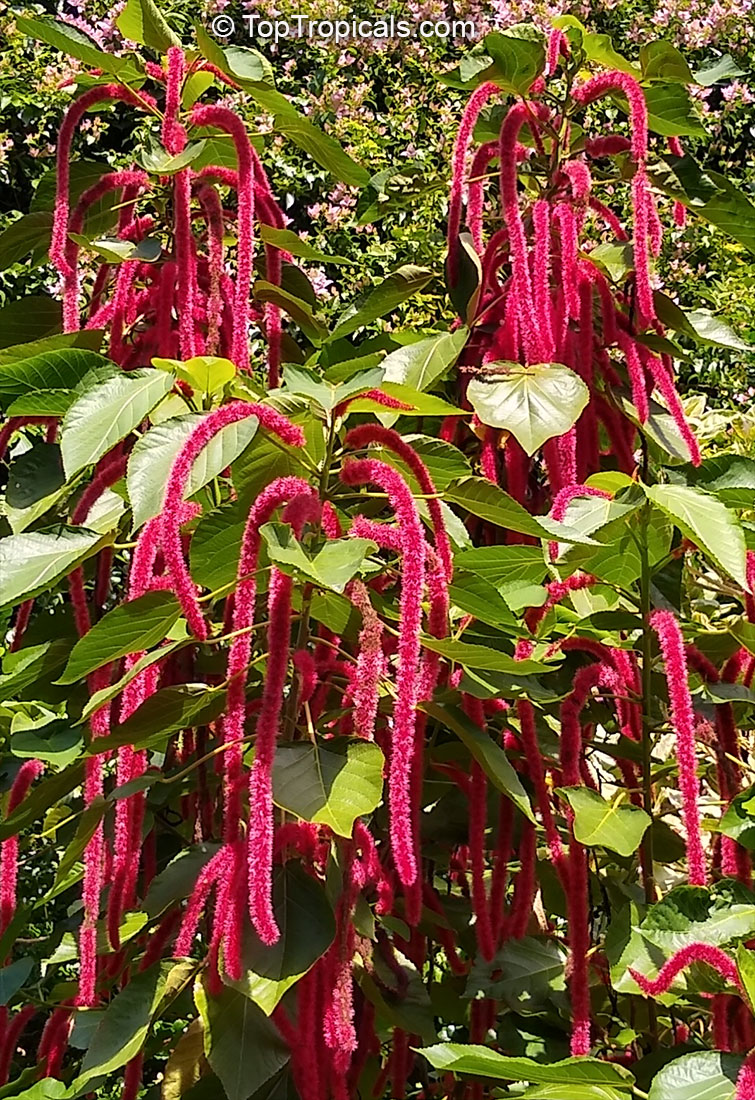
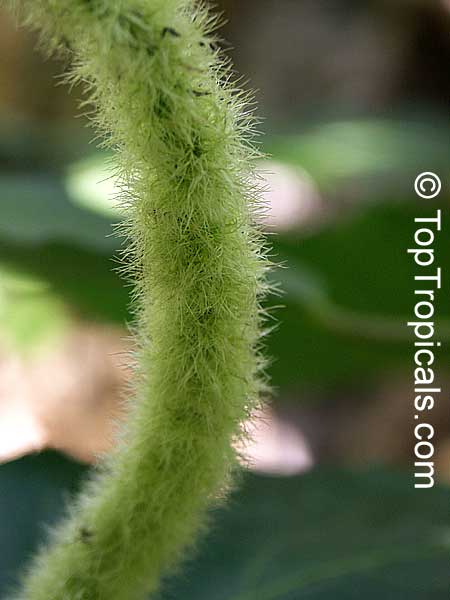
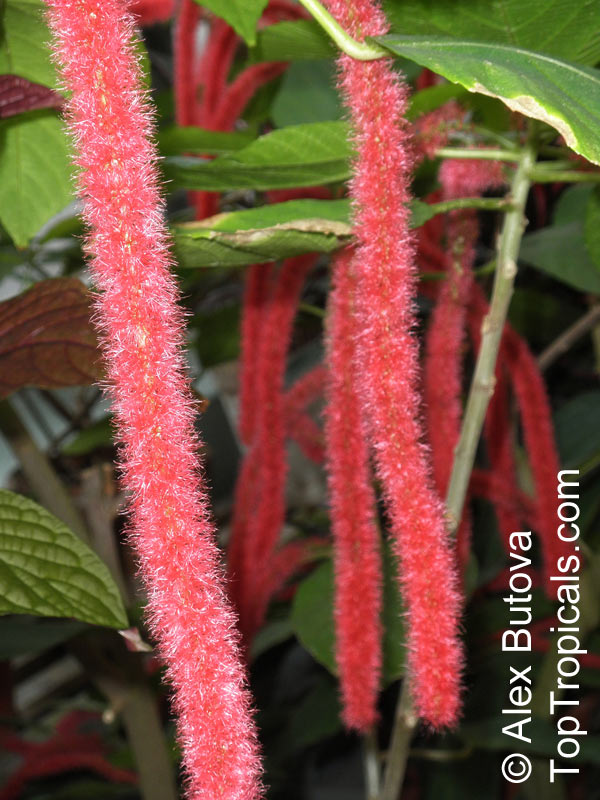
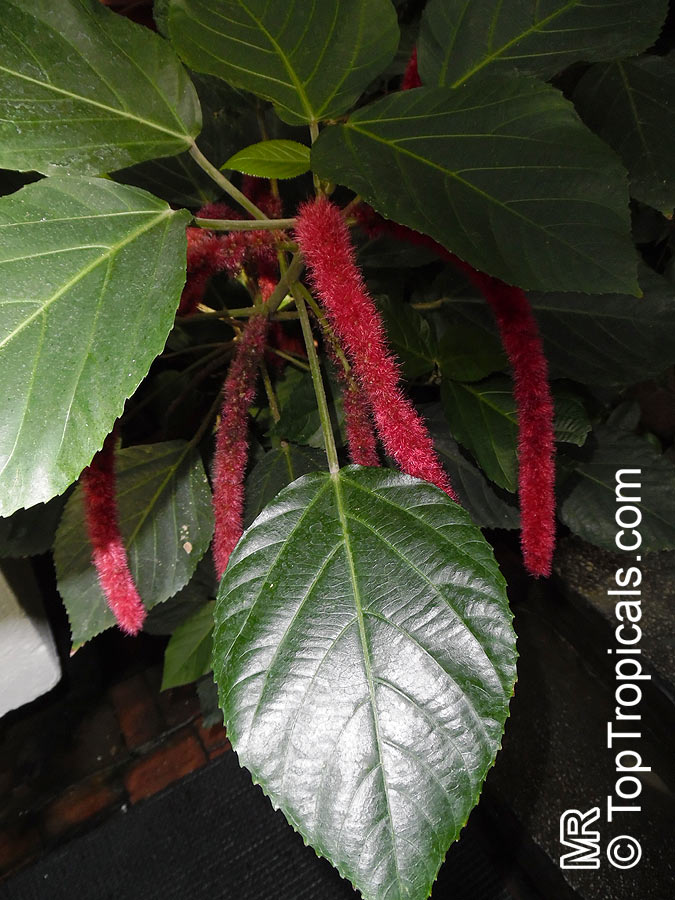
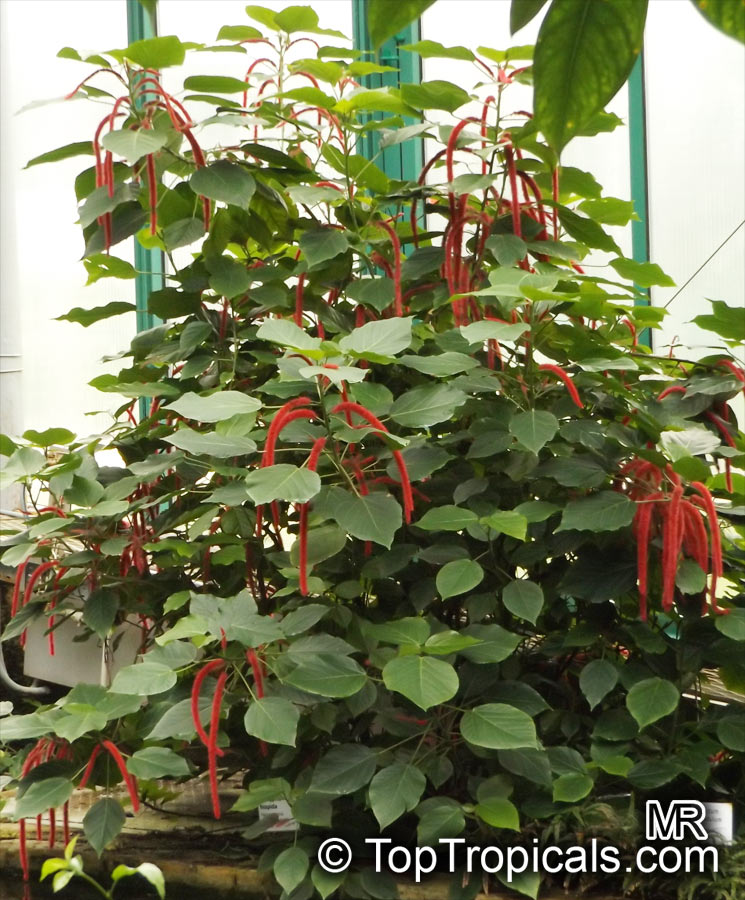
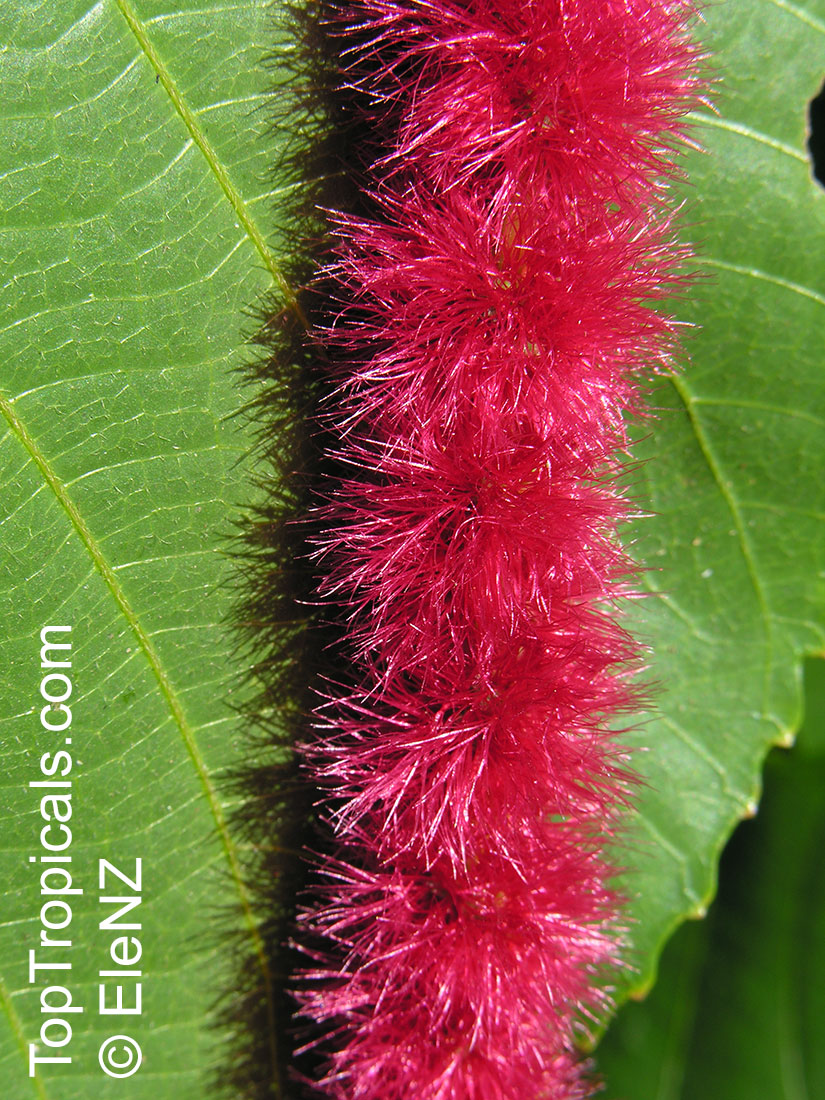
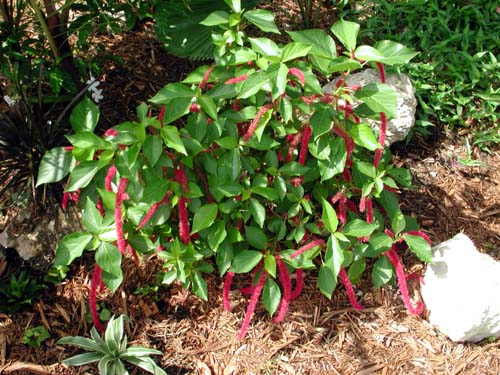
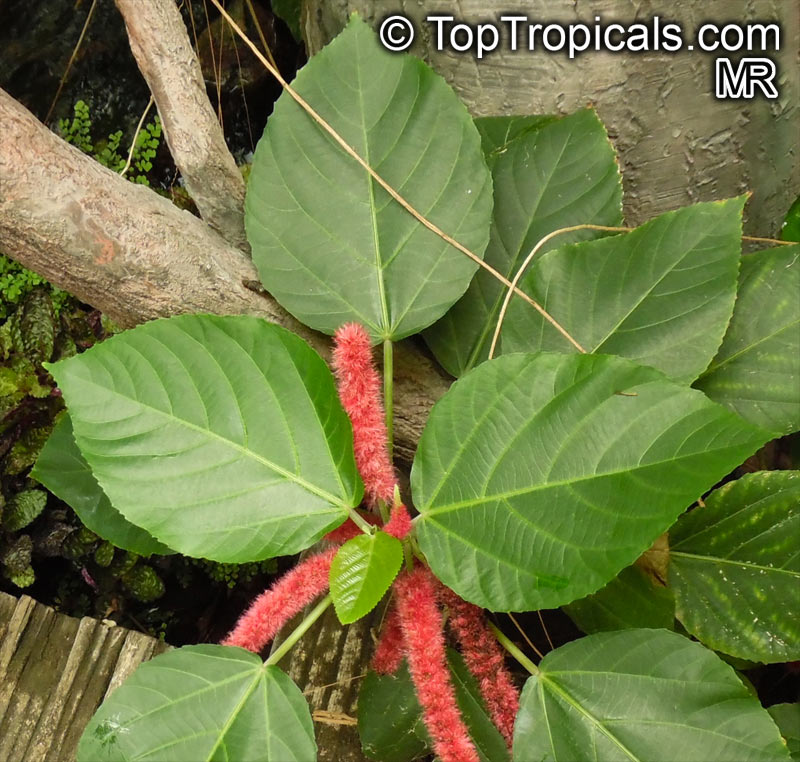
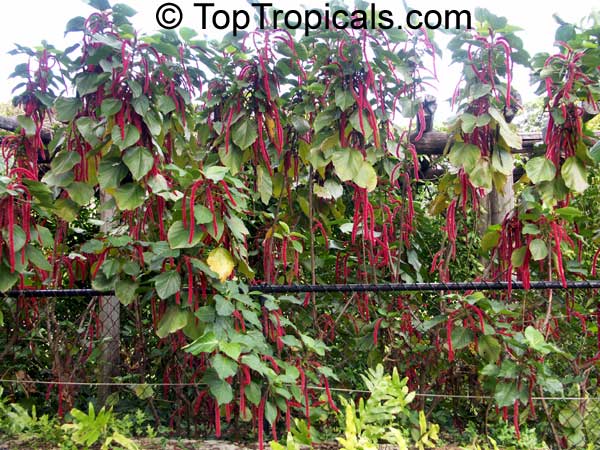
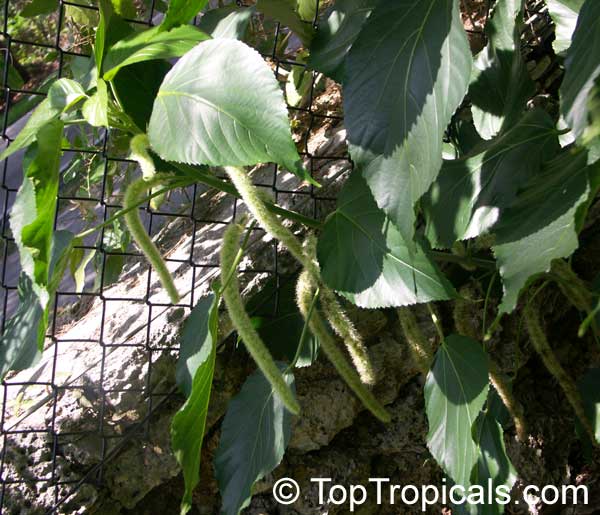
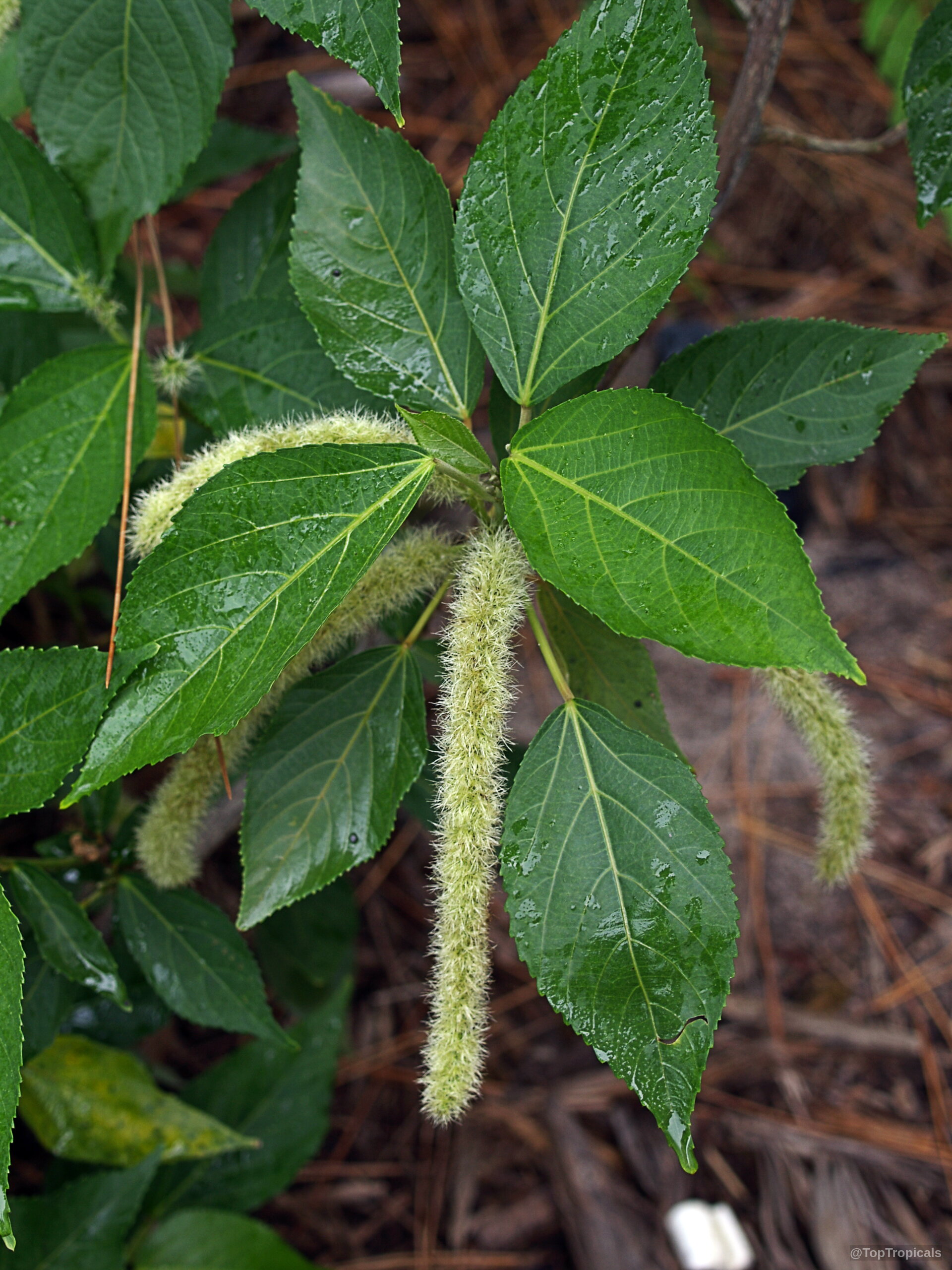
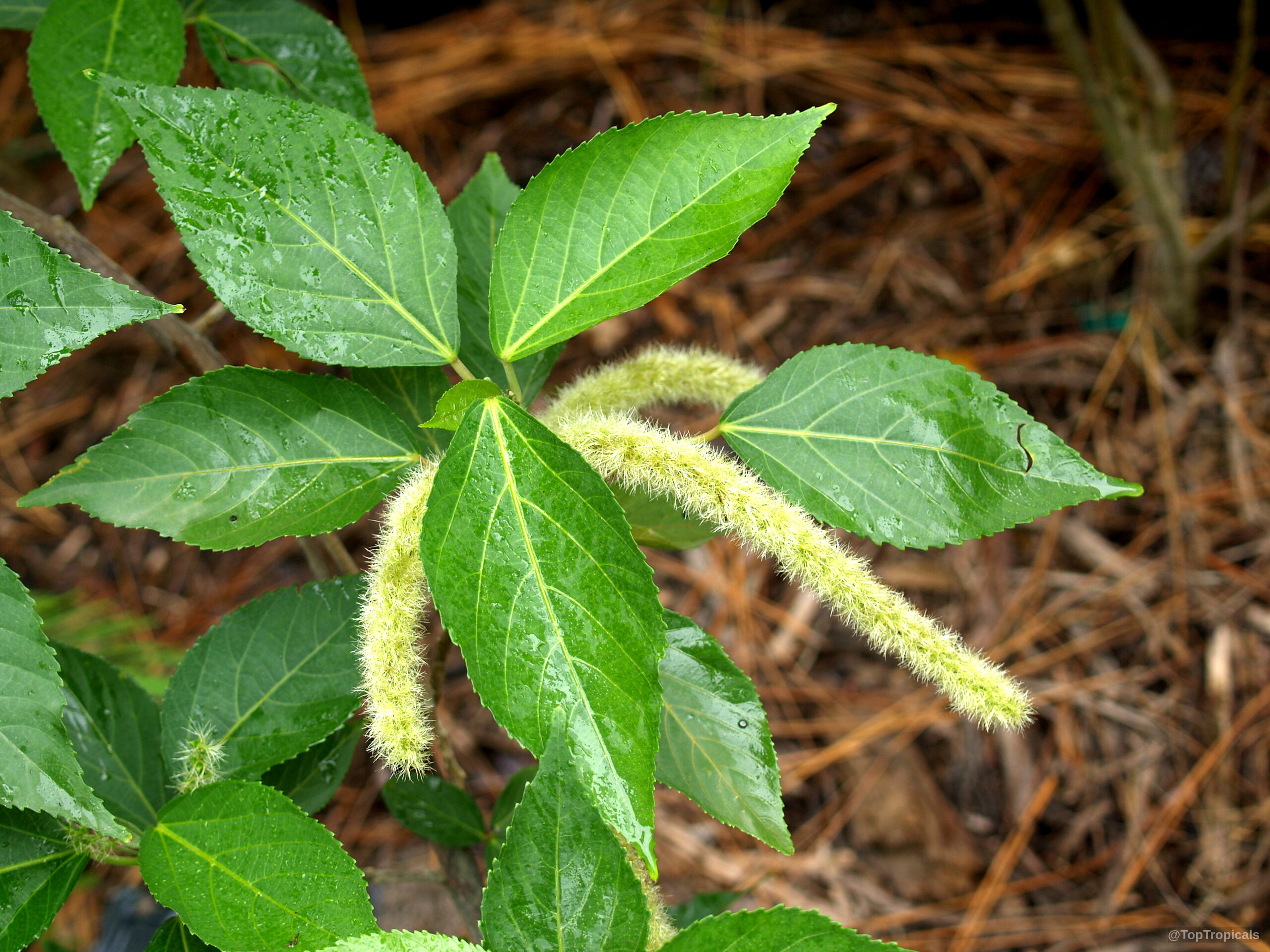
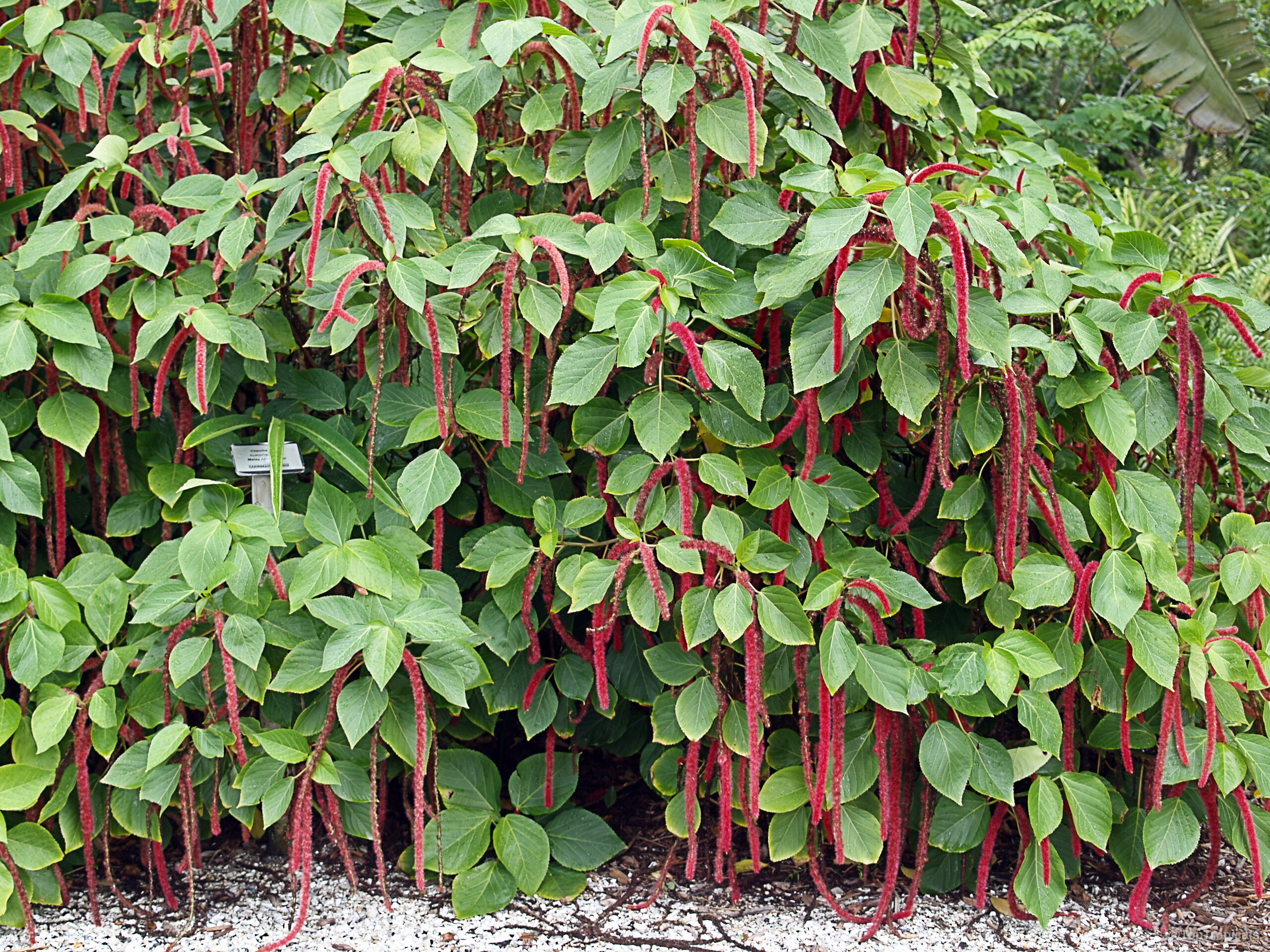
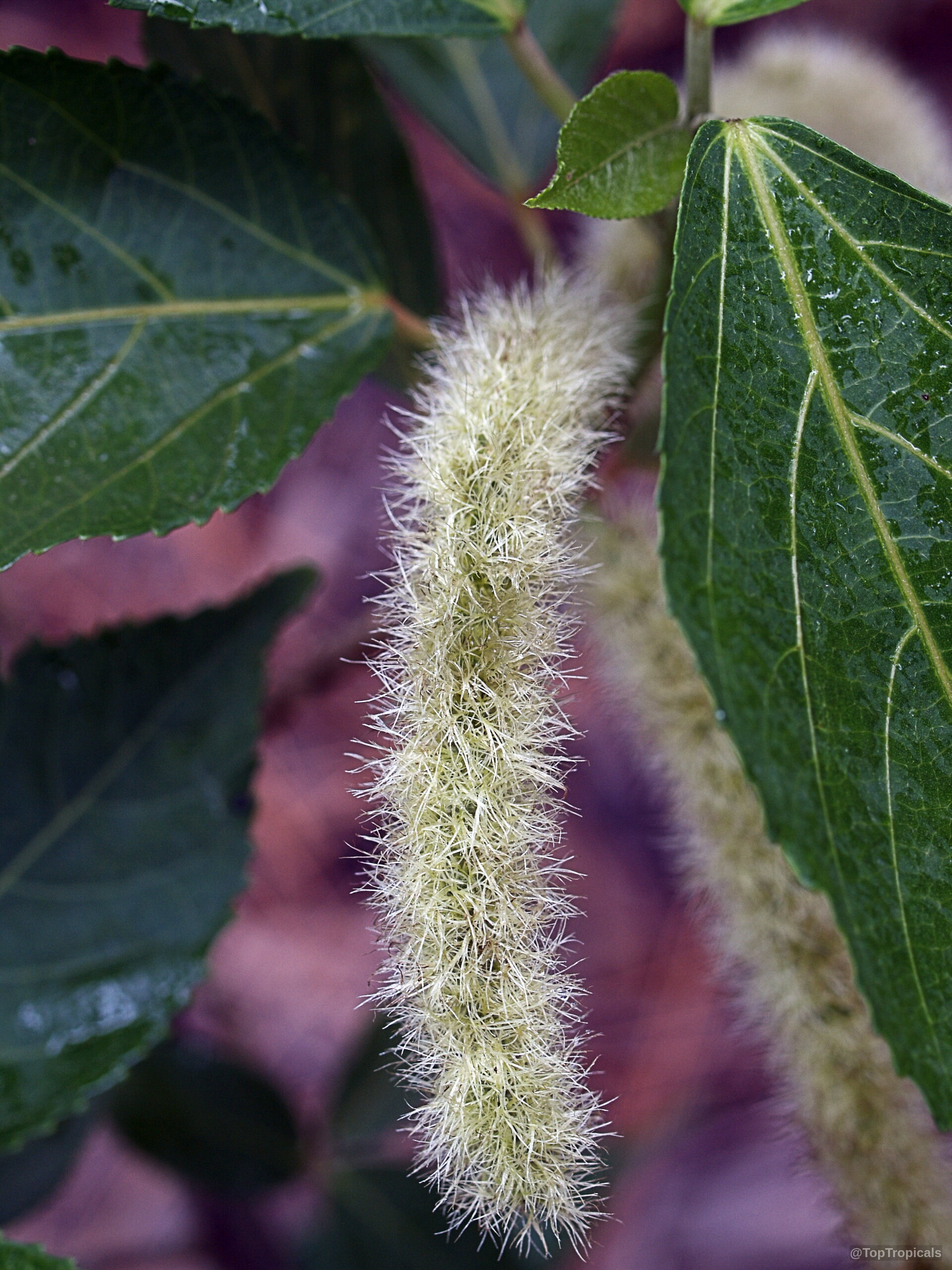
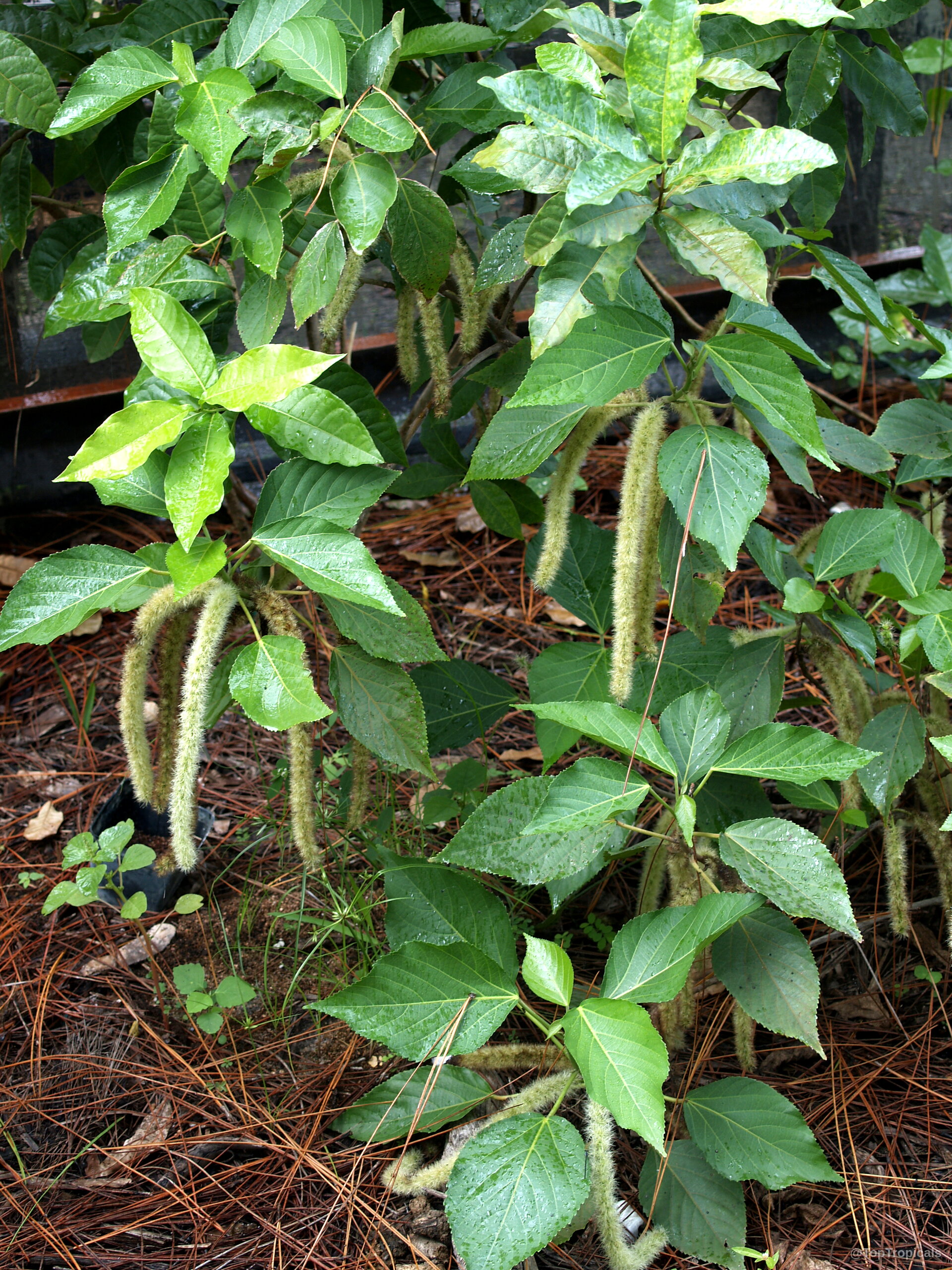
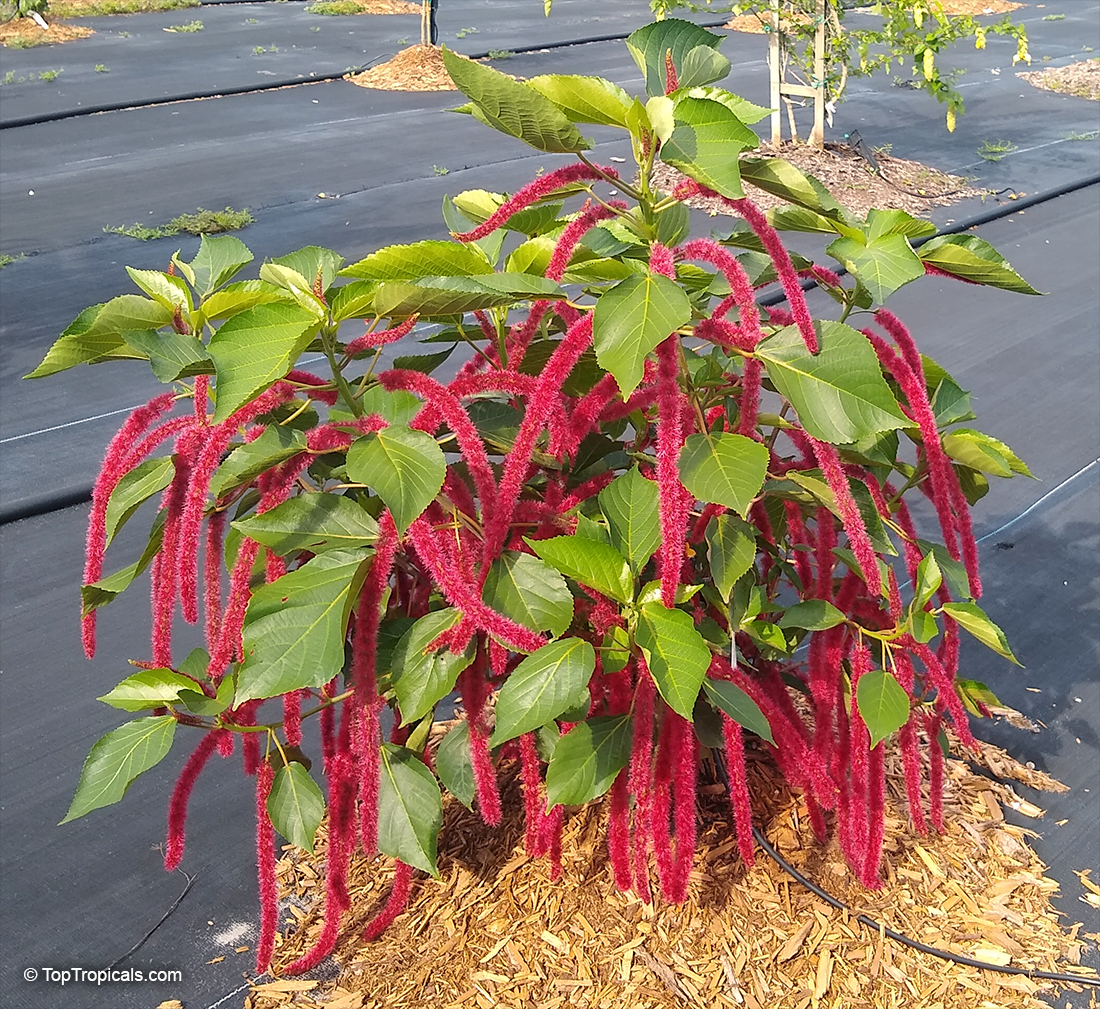
Acalypha hispida (Cat Tail) red fuzzy flower hanging from green plant close up
Acalypha hispida (Cat Tail) with long dangling red flower spikes and large green foliage leaves.

Botanical name: Acalypha hispida

Common names: Cat Tail, Chenille Plant, Red Hot Cattail, Foxtail, Red Hot Poker

Family: Euphorbiaceae

Origin: East Indies

USDA Plant Hardiness MapLarge shrub 5-10 ft tallSemi-shadeFull sunWatering: Regular. Let topsoil dry slightlyRed, crimson, vinous flowersWhite, off-white flowersPink flowersSubtropical plant. Mature plant cold hardy at least to 30s F for a short timeSeaside, salt tolerant plant

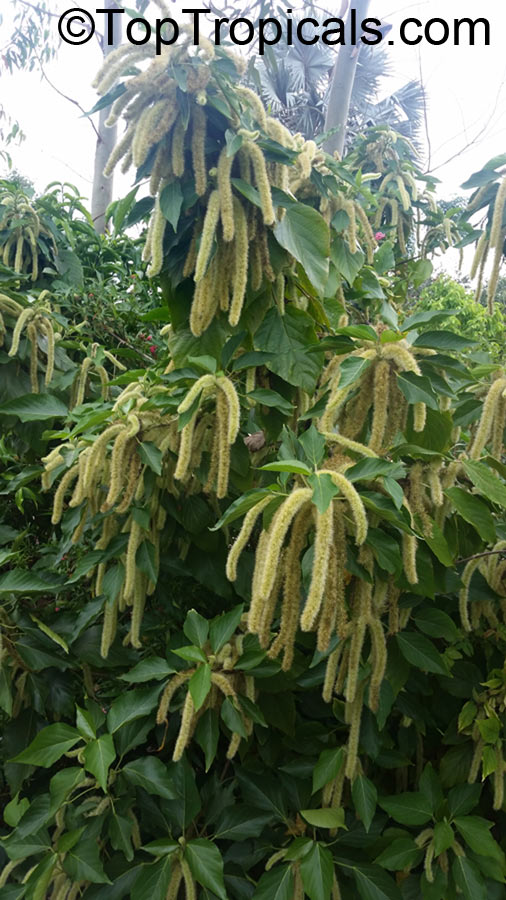
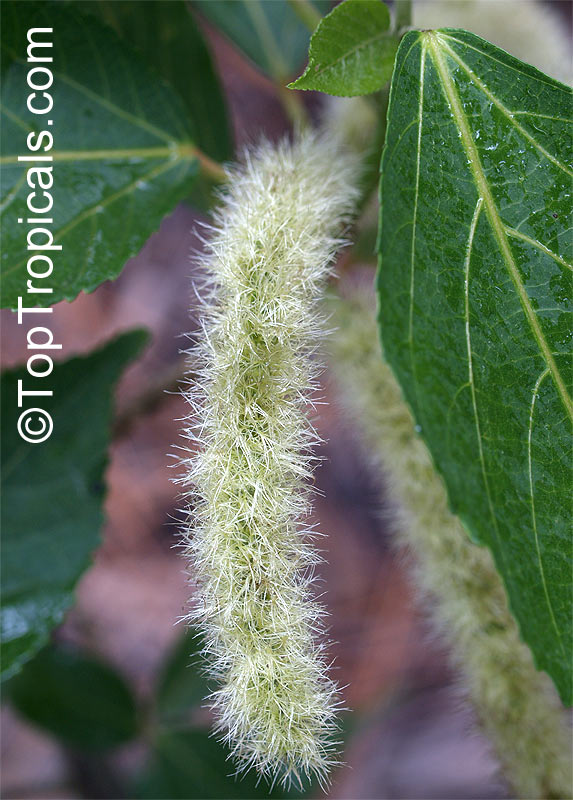
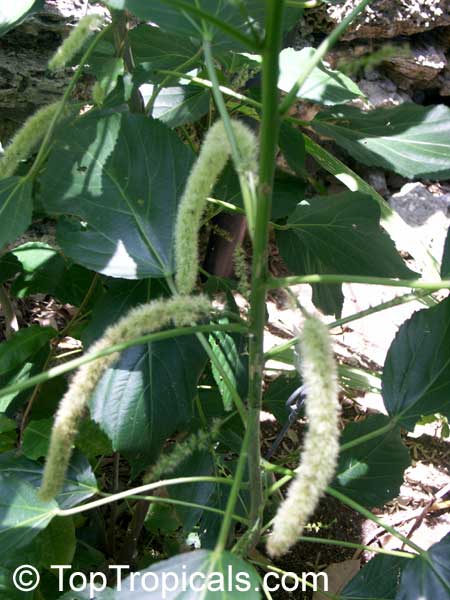
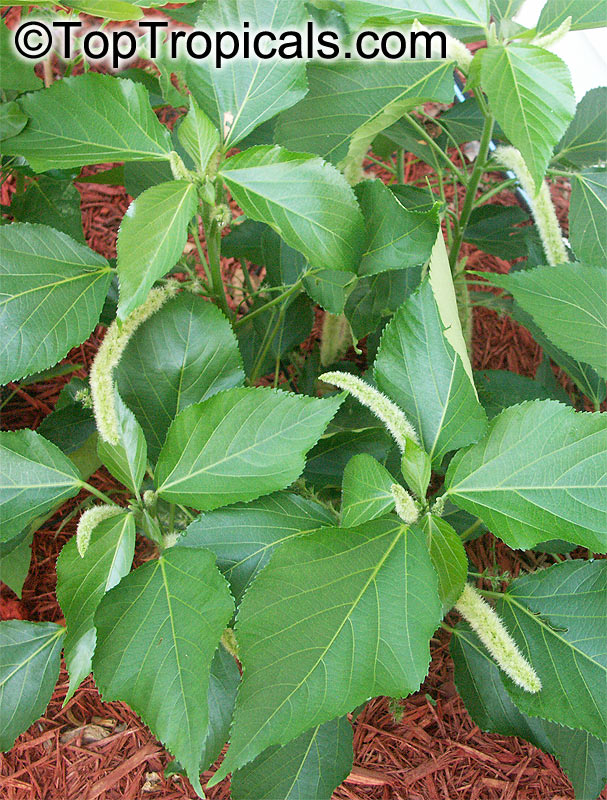
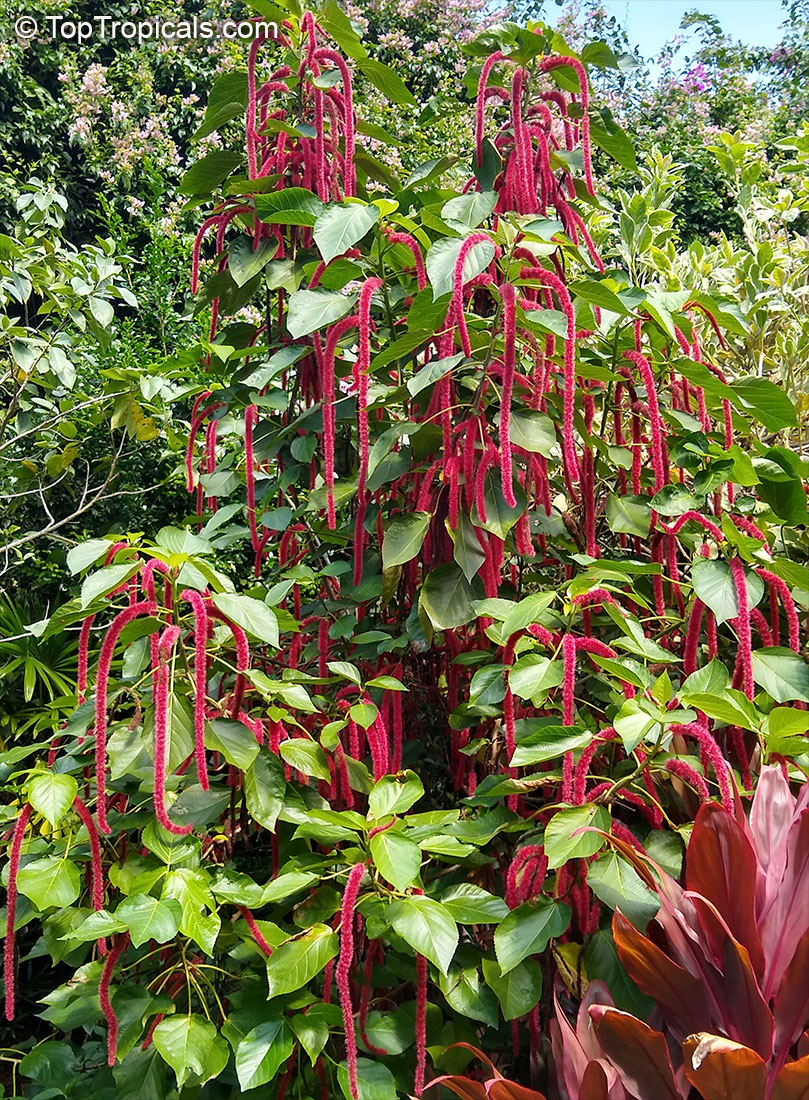
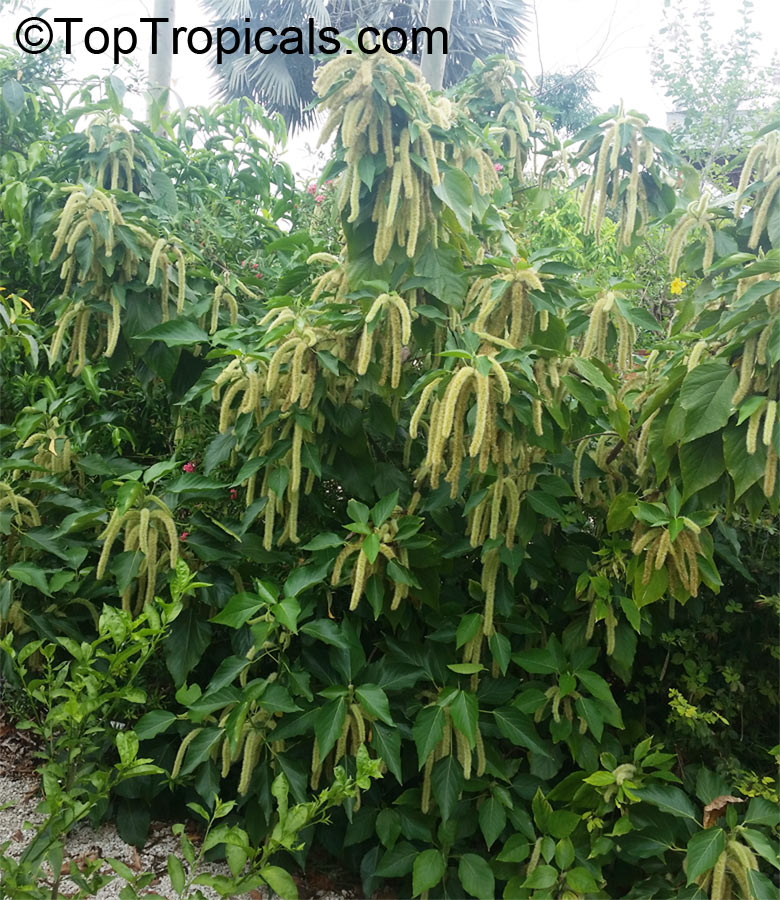
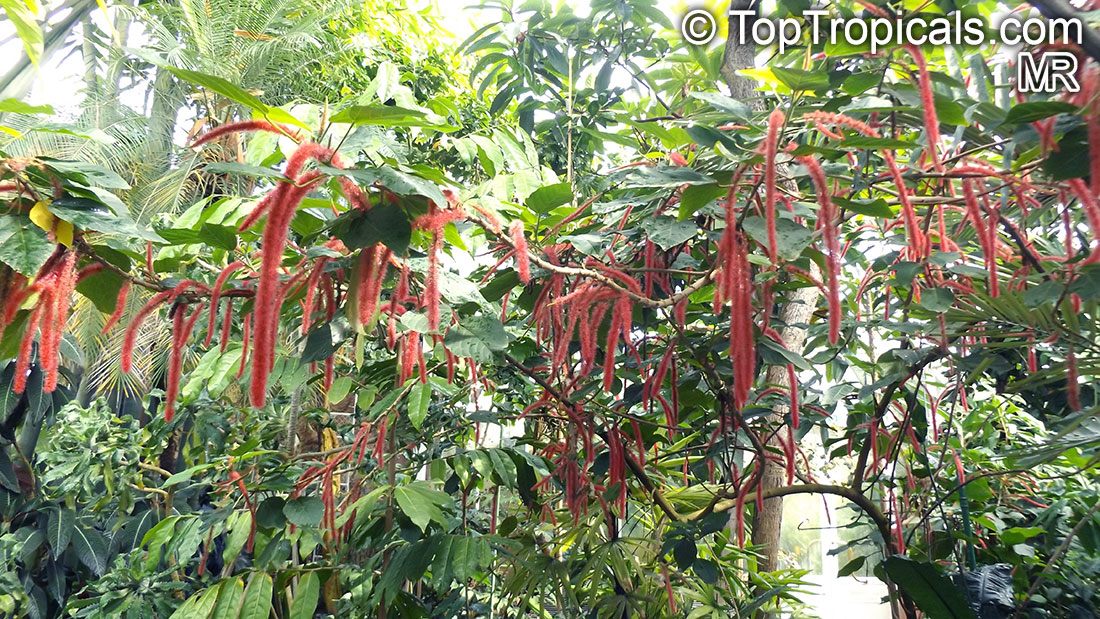
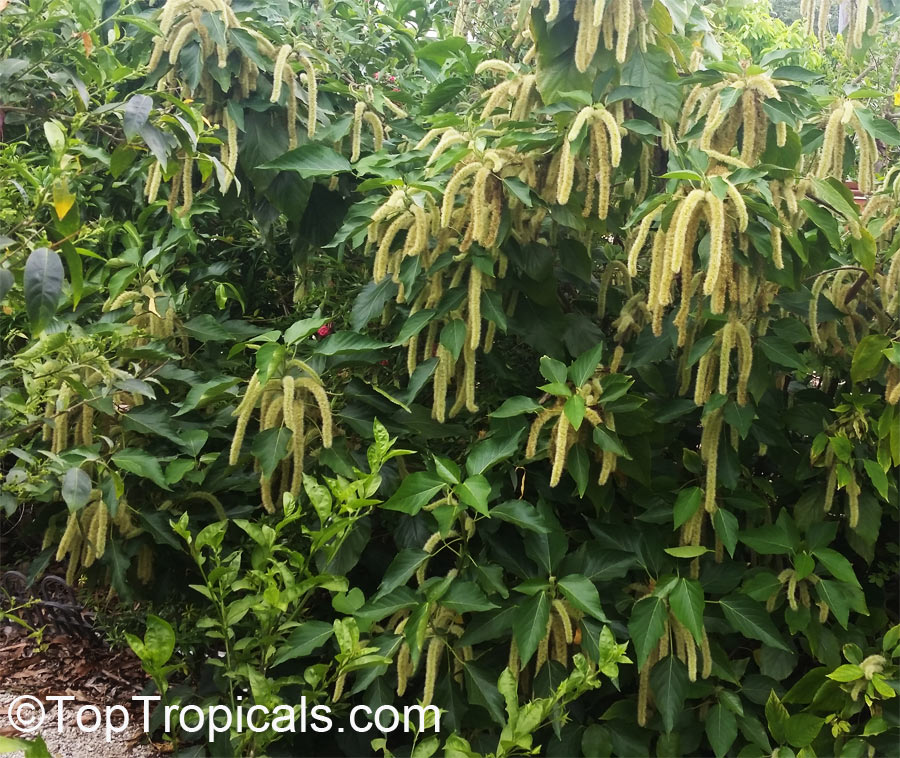
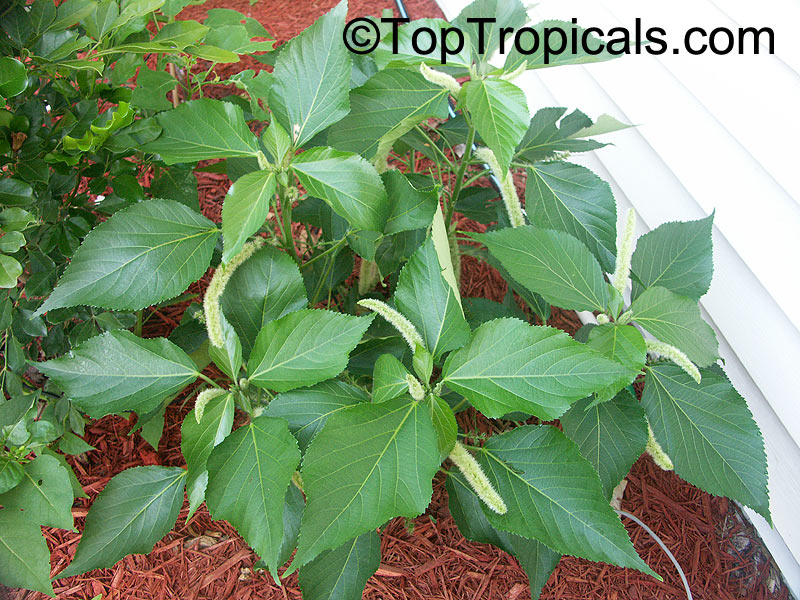
Acalypha hispida grows as a large shrub 5-10 feet tall. If trimmed, it can be grown as a hedge or even maintained at a low height shrubs. The plant produces flowers in a variety of shades, including the traditional cat tail red, as well as pink, white, off-white, and crimson or vinous colored varieties. The shrub blooms year round in warmer climates and spring through fall in cooler climates, producing masses of long, bright inflorescences that hang down and give rise to its popular name of "Cat Tails". The brightly colored pendulous tassels are extremely showy. This is a tough and versatile plant which is salt-tolerant and seaside-resistant, and can withstand temperatures down to the 30s F for a short period of time.Acalypha hispida can typically be grown in USDA Zones 9-11.

When growing Acalypha hispida in zones cooler than zone 9, the plant should be grown in a pot and brought in for the winter to a cold, but not freezing, area. The soil should be kept moist, and fertilizer should be used sparingly, but may be beneficial from April to August. Acalypha hispida should be pruned often to maintain a healthy shape and prevent overgrowth. To encourage flowering, the new growth should be trimmed during the winter months.


Link to this plant:
https://toptropicals.com/catalog/uid/acalypha_hispida.htm

Cat tail, Chenille plant - very popular everbloomer with long red cat tails - pendulous flowers. Large, fast growing full shrub.

Recommended Fertilizer: SUNSHINE Megaflor - Bloom Nutrition Booster
Grown in
10"/3 gal pot
3 Plants in stock
$39.95


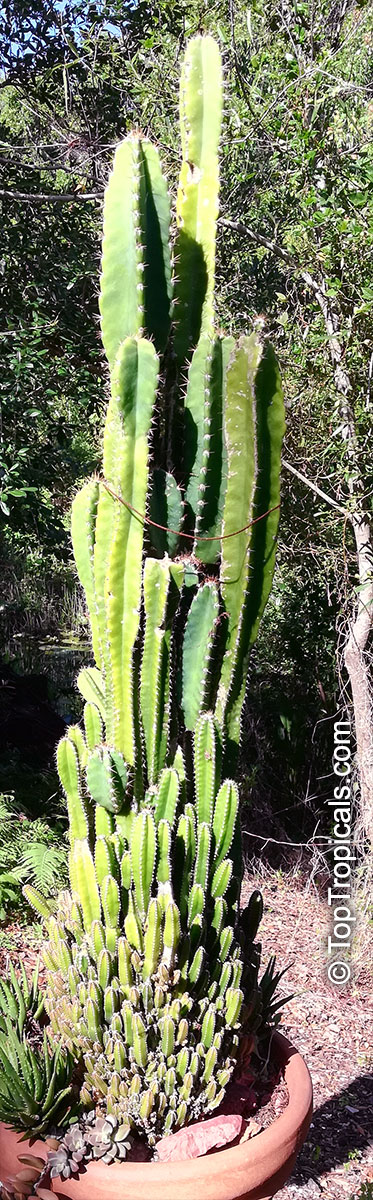
Acanthocereus tetragonus (Night-blooming Cereus) green tall plant growing inside a round terracotta clay pot.
Acanthocereus tetragonus (Night-blooming Cereus) standing tall with ribbed stems inside a round terracotta clay container.

Botanical names: Acanthocereus tetragonus, Acanthocereus pentagonus

Common names: Night-blooming Cereus, Barbed-wire Cactus, Sword-pear

Family: Cactaceae

Origin: Central America, Caribbean

USDA Plant Hardiness MapLarge shrub 5-10 ft tallFull sunWhite, off-white flowersPink flowersThorny or spinyPlant attracts butterflies, hummingbirds

Acanthocereus tetragonus is a tall, columnar cactus that reaches a height of 2-7 m. Flowers are open from midnight until dawn, attracting hummingbird moths.

Acanthocereus tetragonus 'Fairy Castles' is a dwarf, columnar, branching, slow growing cactus. The Fairy Castles Cactus is the colorful name by which the plant is marketed and refers to the numerous vertical stems of different heights that resemble spires and turrets.
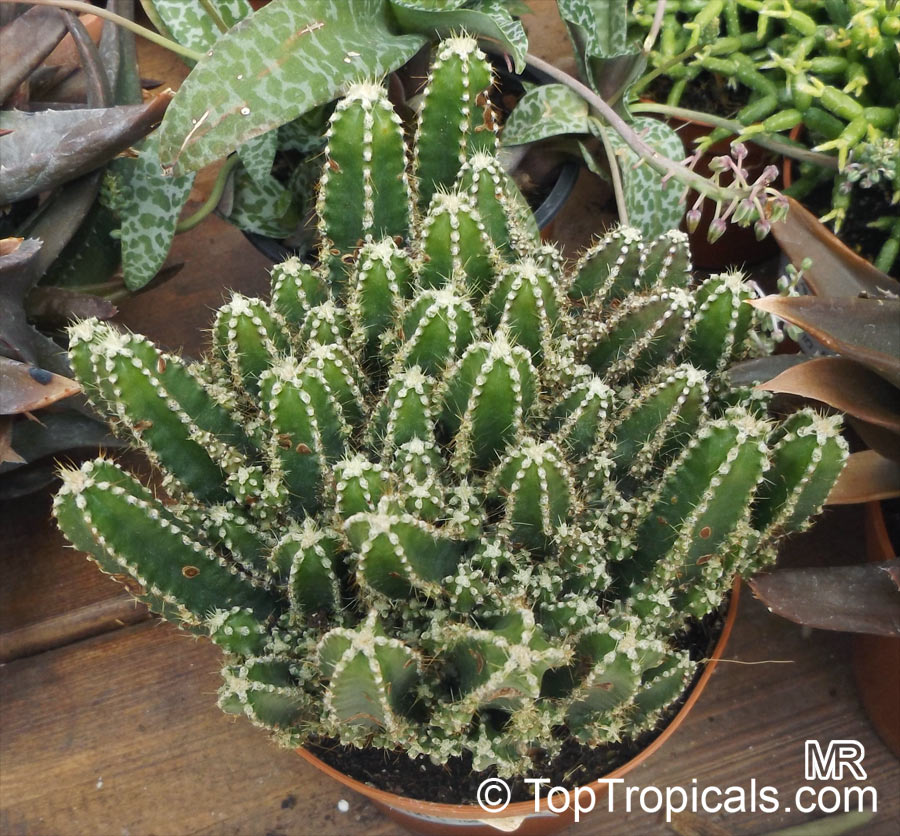
Acanthocereus tetragonus (Night-blooming Cereus) green cactus plant in a pot, close up.
Acanthocereus tetragonus (Night-blooming Cereus) cactus in a brown pot, showing green stems and many spines.


Link to this plant:
https://toptropicals.com/catalog/uid/acanthocereus_tetragonus.htm

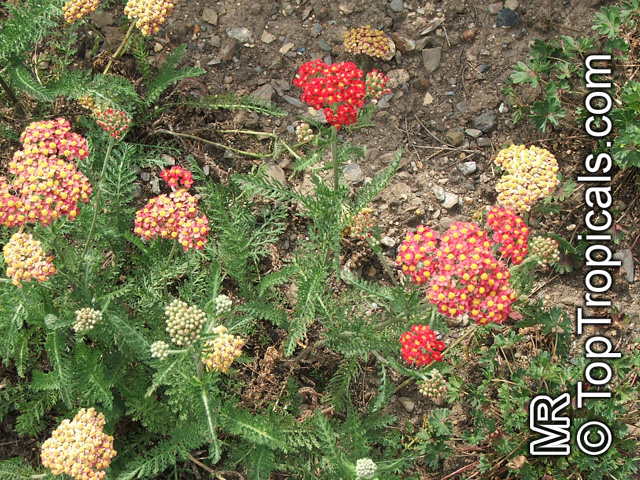
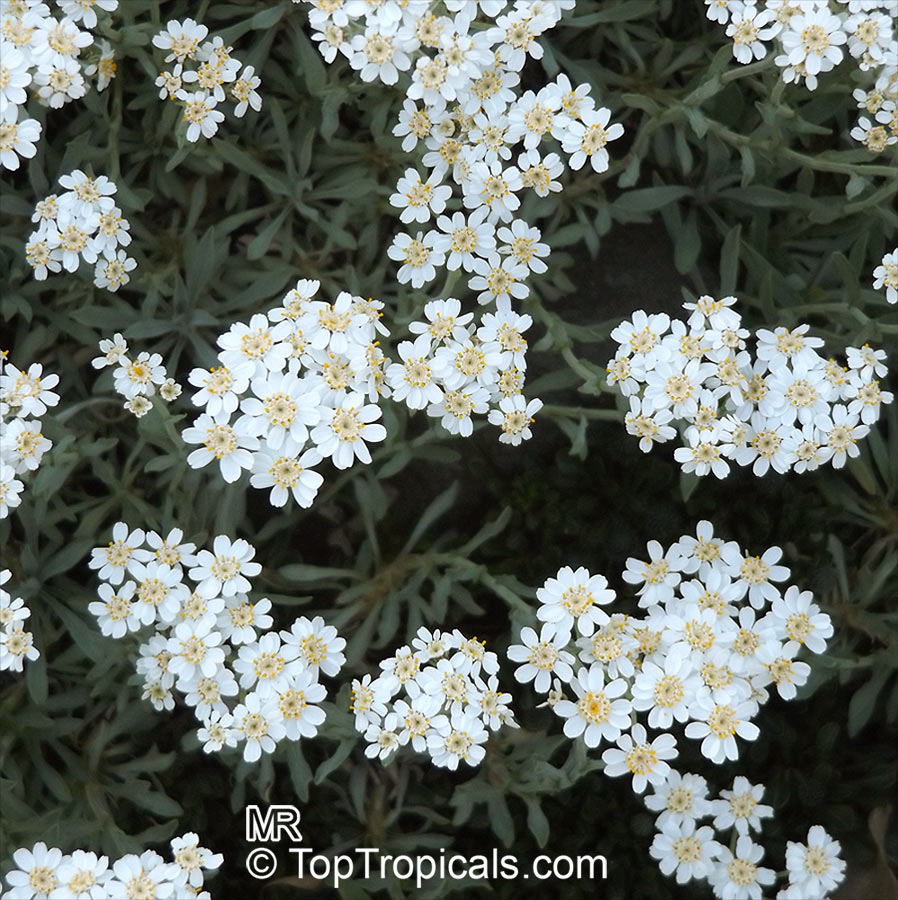
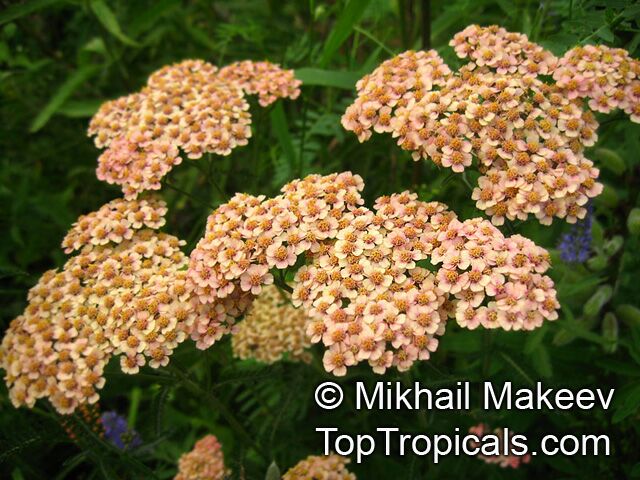
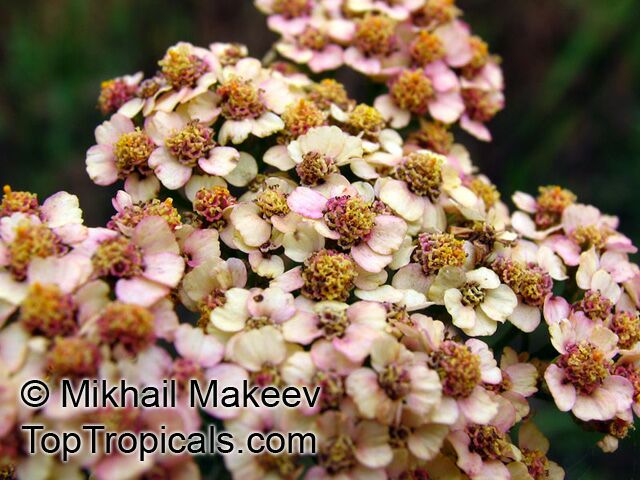
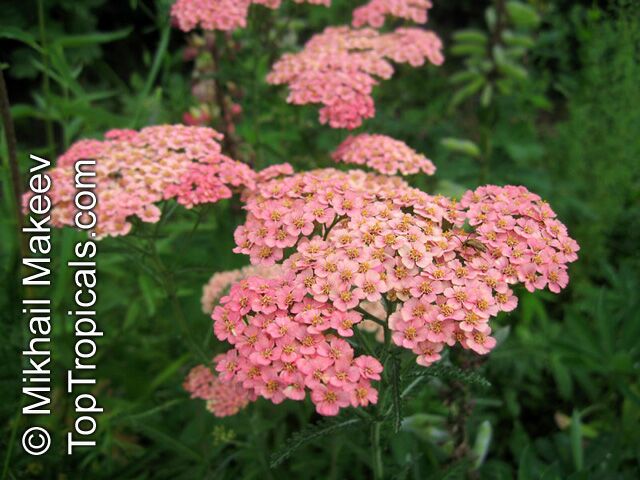
Achillea sp. (Yarrow) with white flowers and small yellow centers in a close up.
Achillea sp. (Yarrow) clusters of white flowers with tiny yellow centers above soft grey green foliage.

Botanical name: Achillea sp.

Common names: Yarrow, Thousand-leaf, Milfoil, Sneezewort, Soldier's Friend

Family: Asteraceae

USDA Plant Hardiness MapSmall plant 2-5 ftFull sunWatering: Moderate. Water when top soil feels dryYellow, orange flowersRed, crimson, vinous flowersWhite, off-white flowersPink flowersPlant attracts butterflies, hummingbirdsEthnomedical plant.
Plants marked as ethnomedical and/or described as medicinal, are not offered as medicine but rather as ornamentals or plant collectibles.
Ethnomedical statements / products have not been evaluated by the FDA and are not intended to diagnose, treat, cure, or prevent any disease. We urge all customers to consult a physician before using any supplements, herbals or medicines advertised here or elsewhere.Subtropical plant. Mature plant cold hardy at least to 30s F for a short time

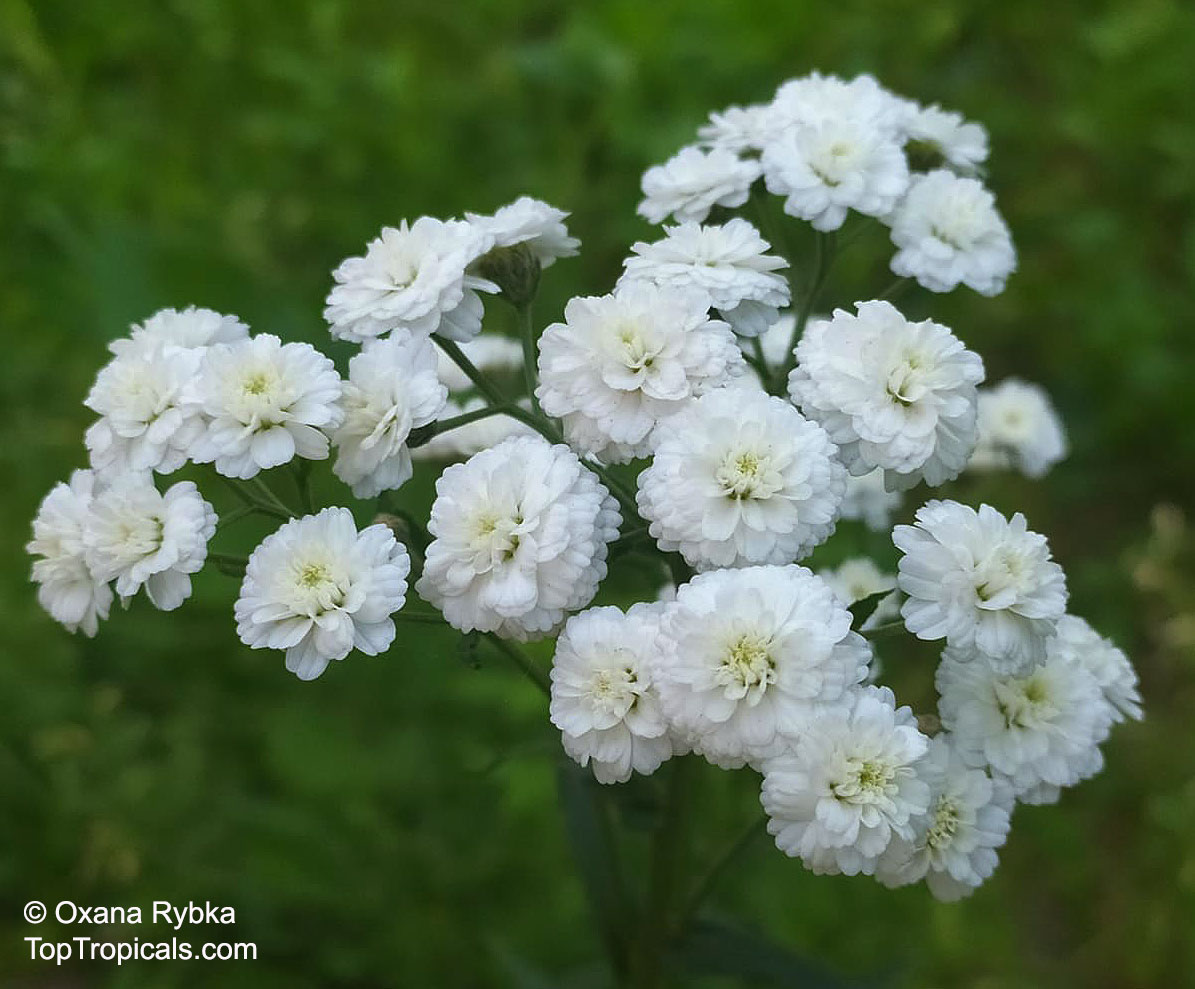
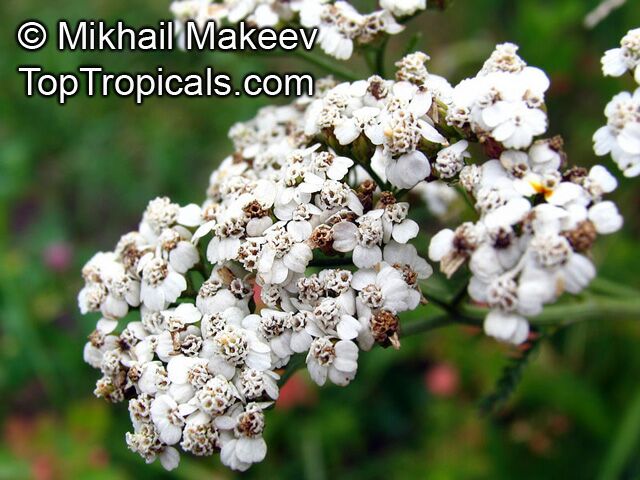
Common Yarrow is a drought tolerant species of which there are several different ornamental cultivars.

The herb is purported to be a diaphoretic, astringent, tonic, stimulant and mild aromatic. Yarrows are well suited to the wildflower garden. The soft, lacy foliage makes an interesting and beautiful groundcover. The flowerheads are used in arrangements, fresh and dried.
Link to this plant:
https://toptropicals.com/catalog/uid/achillea_sp.htm

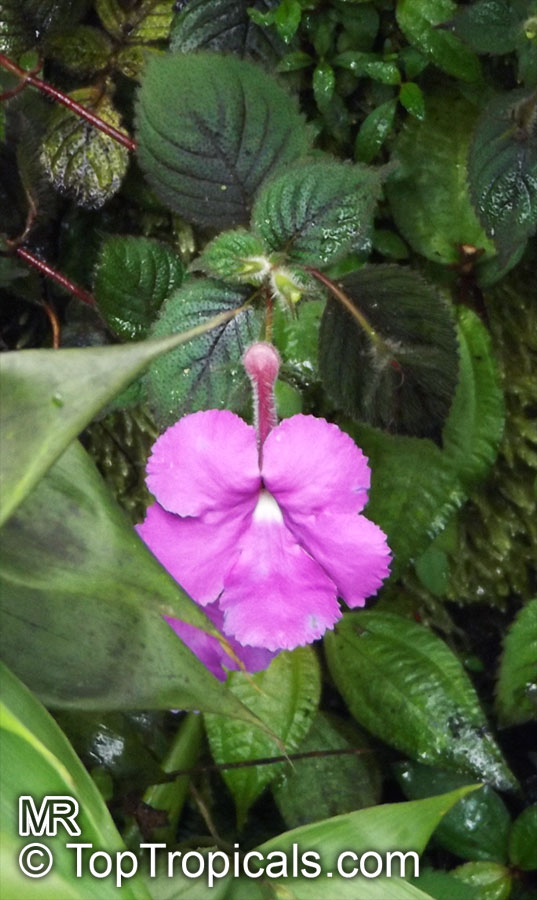
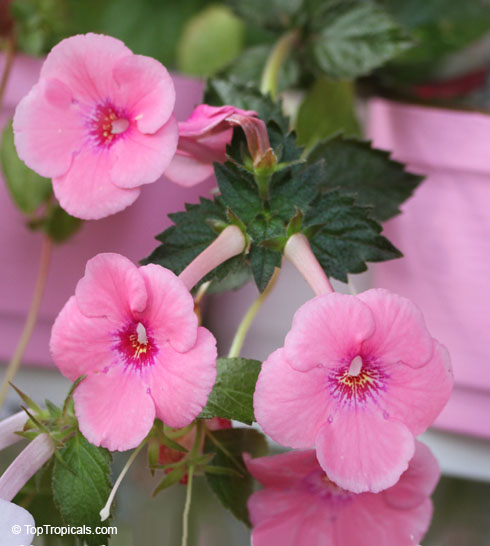
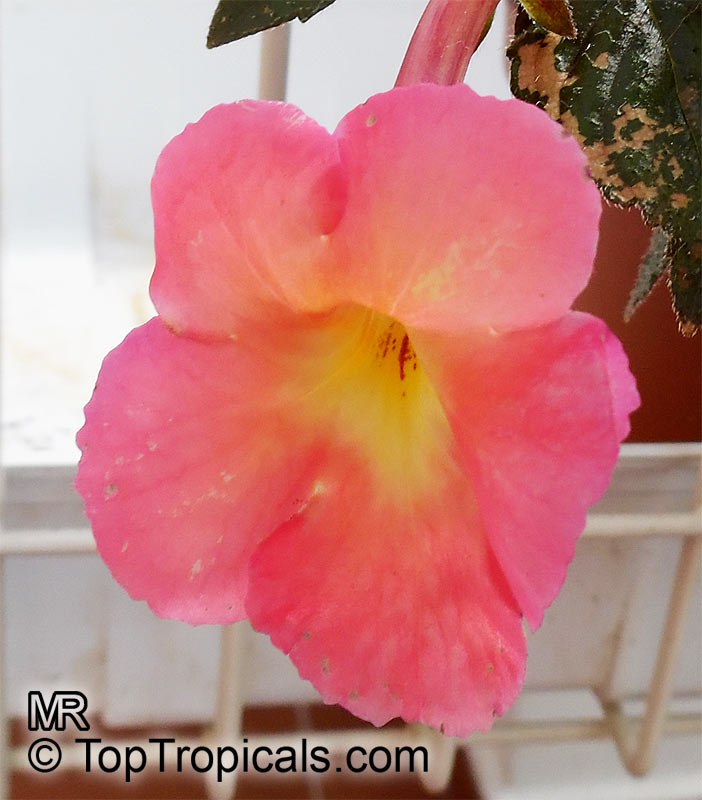
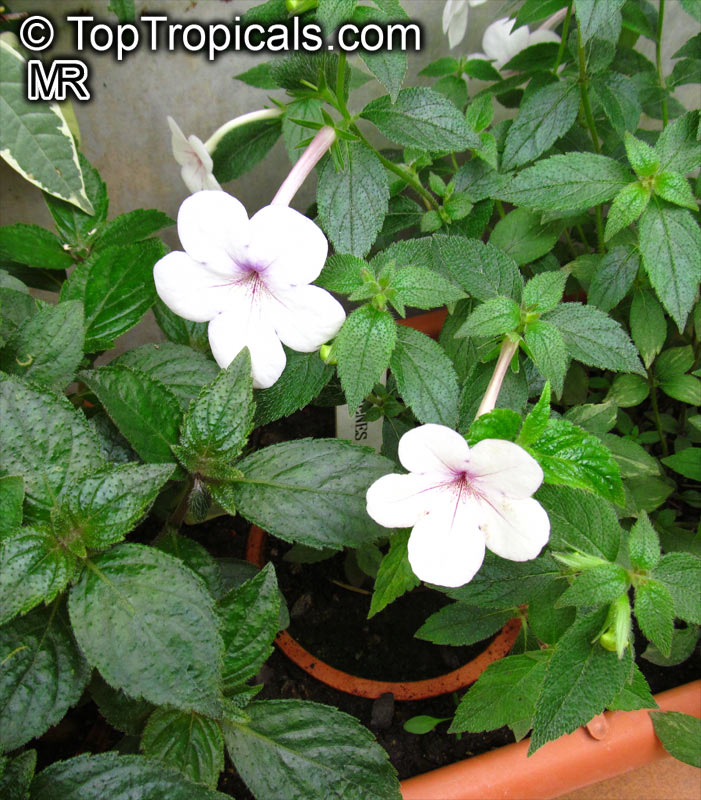
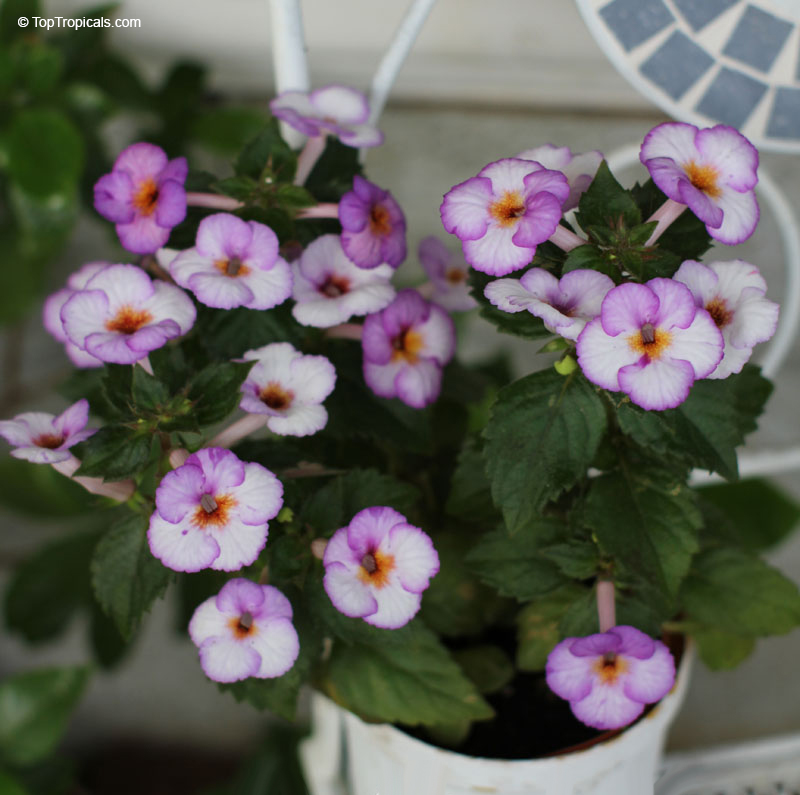
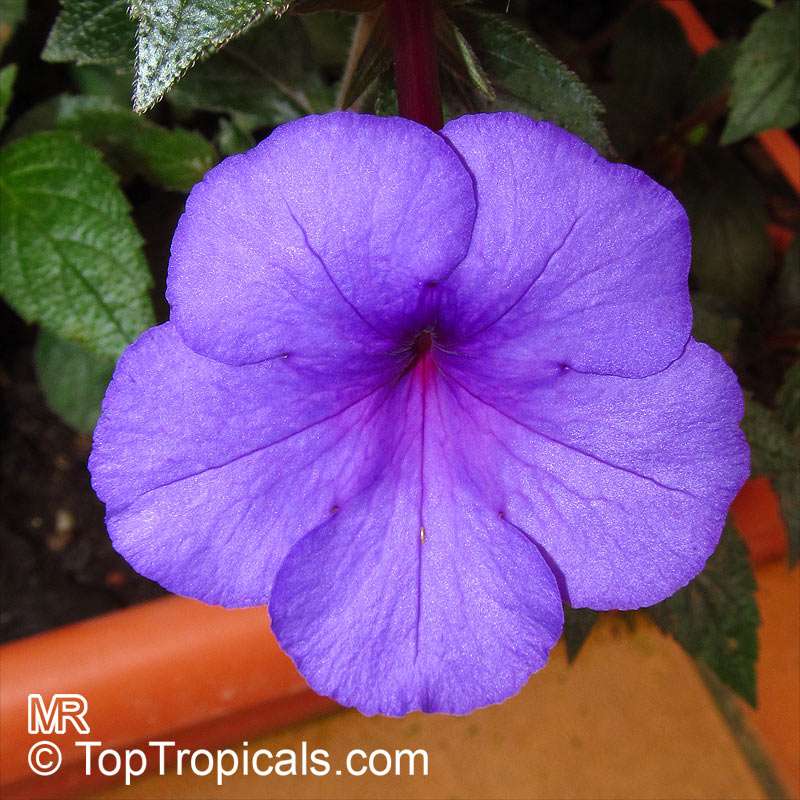
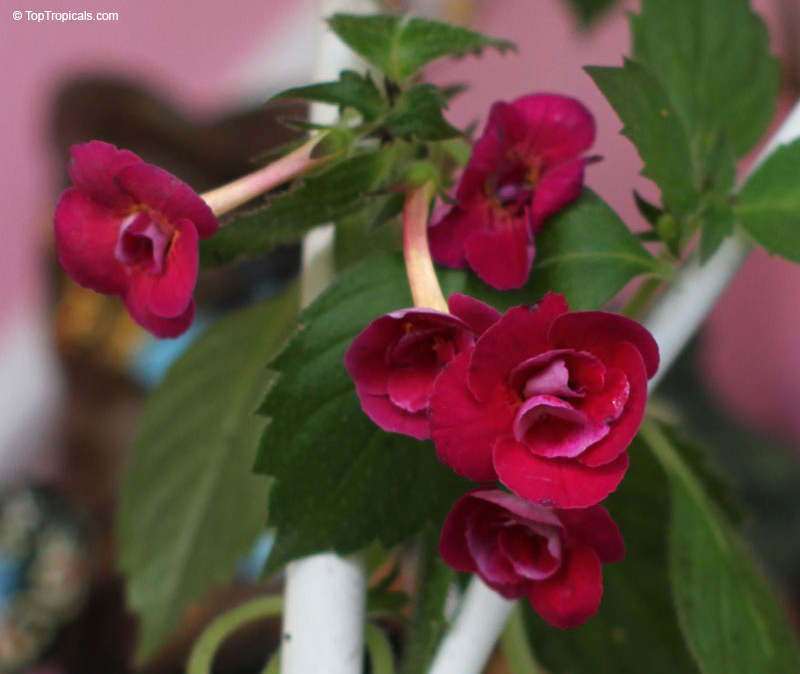
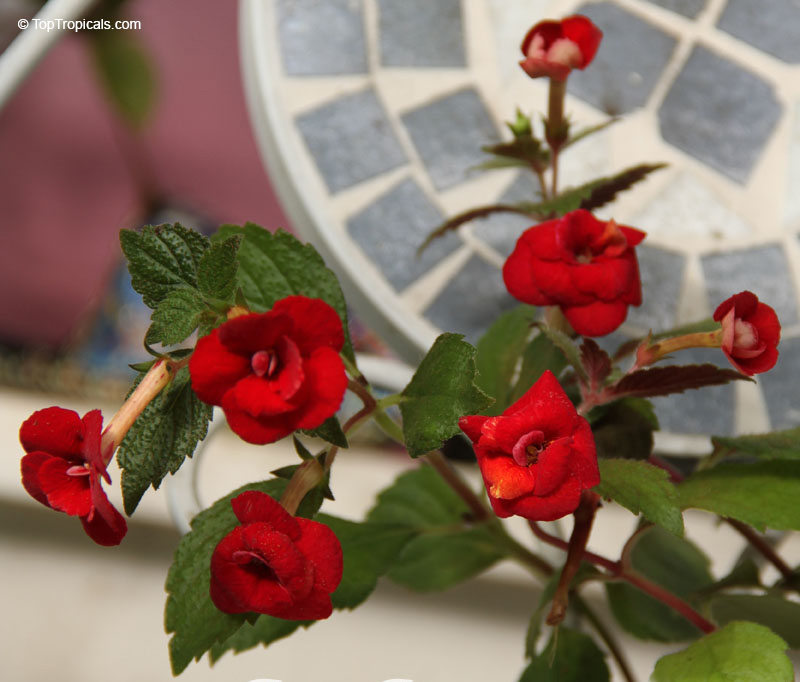
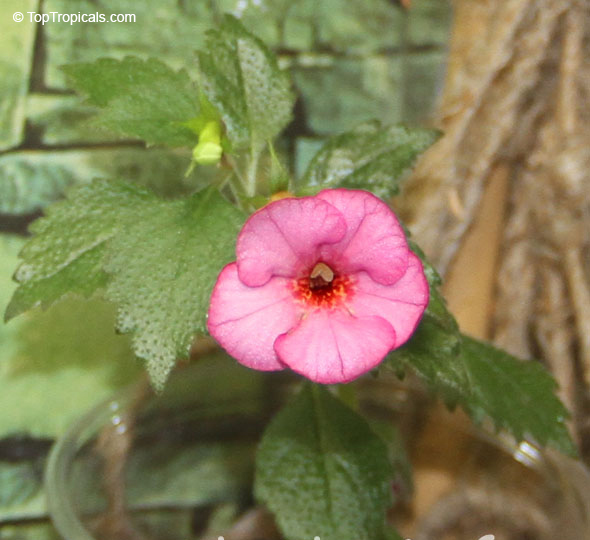
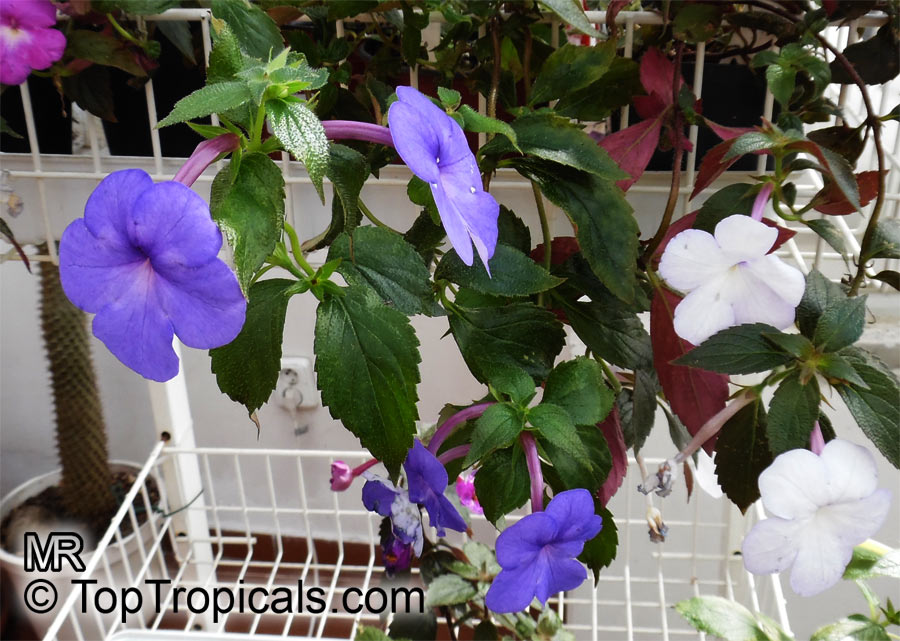
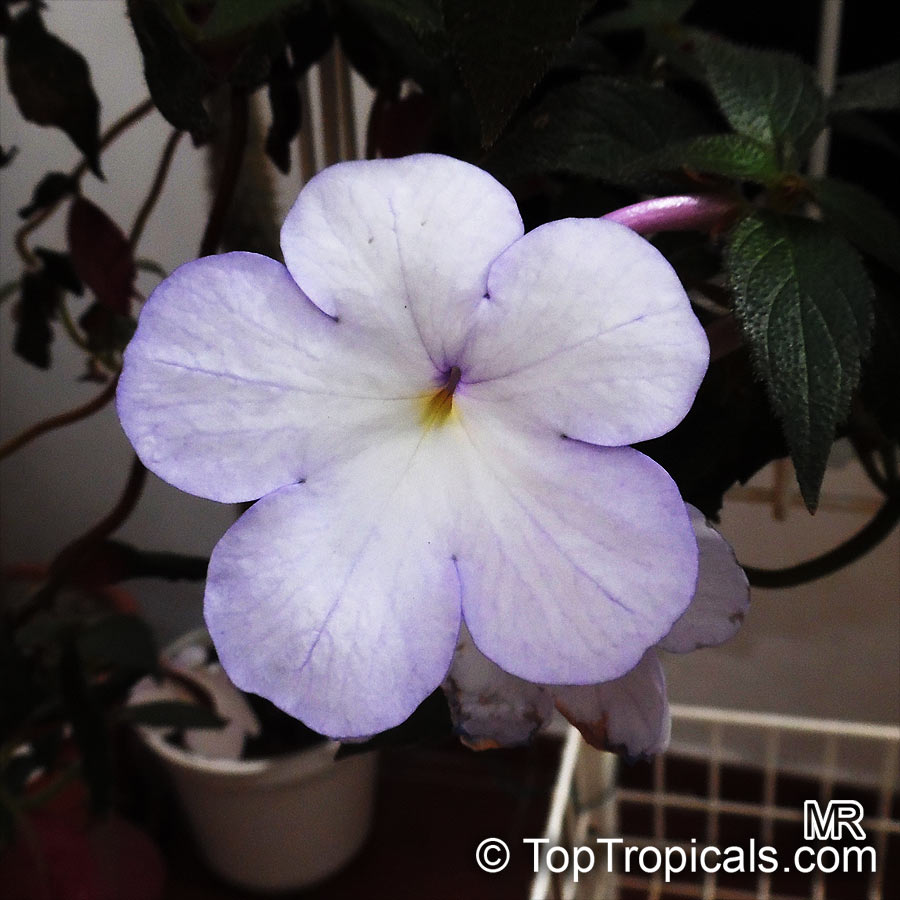
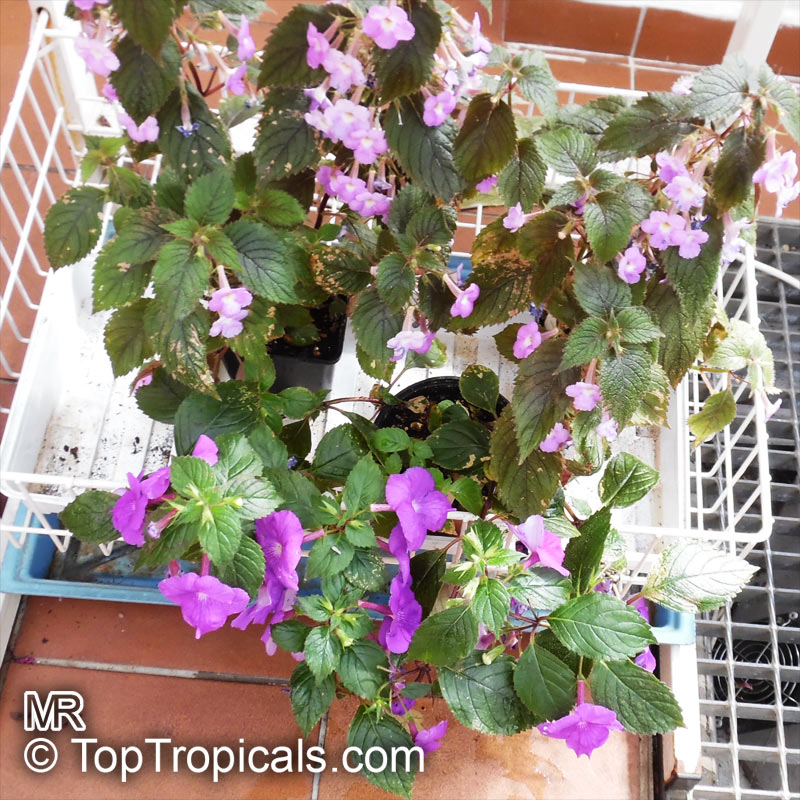
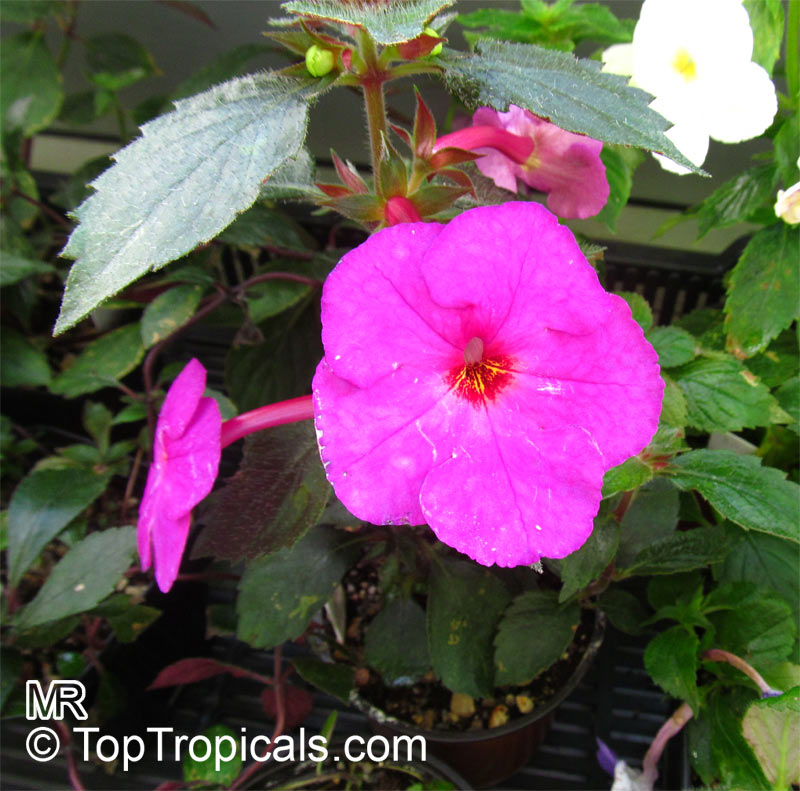
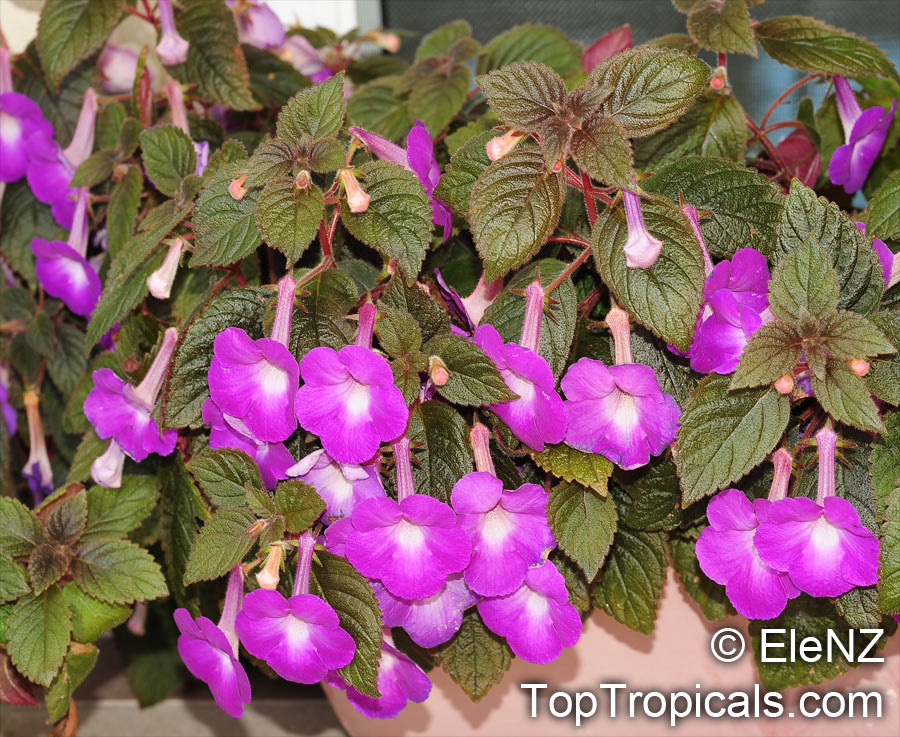
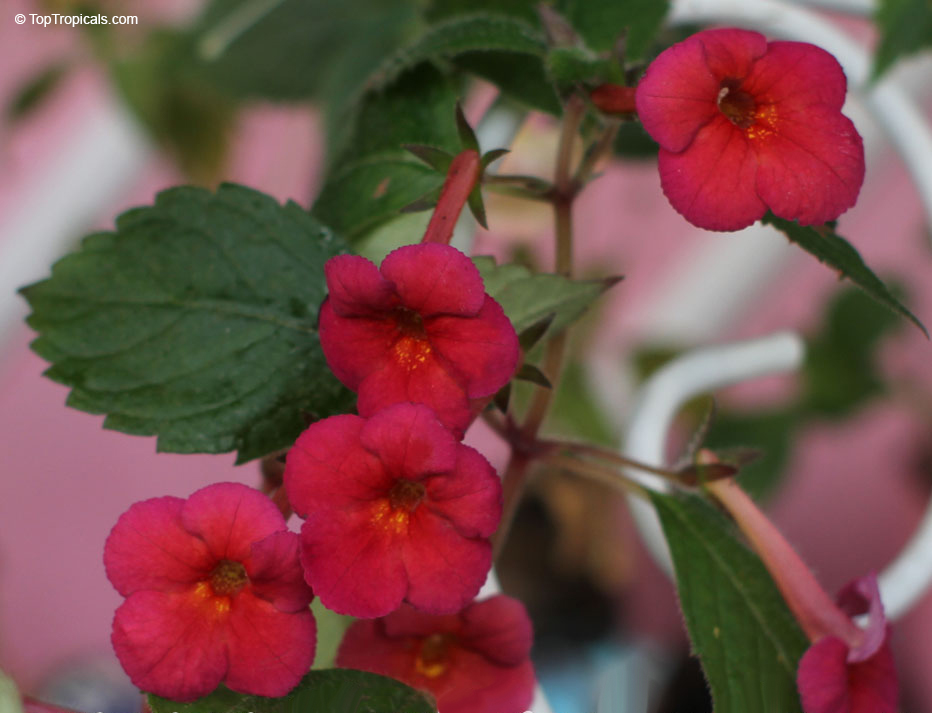
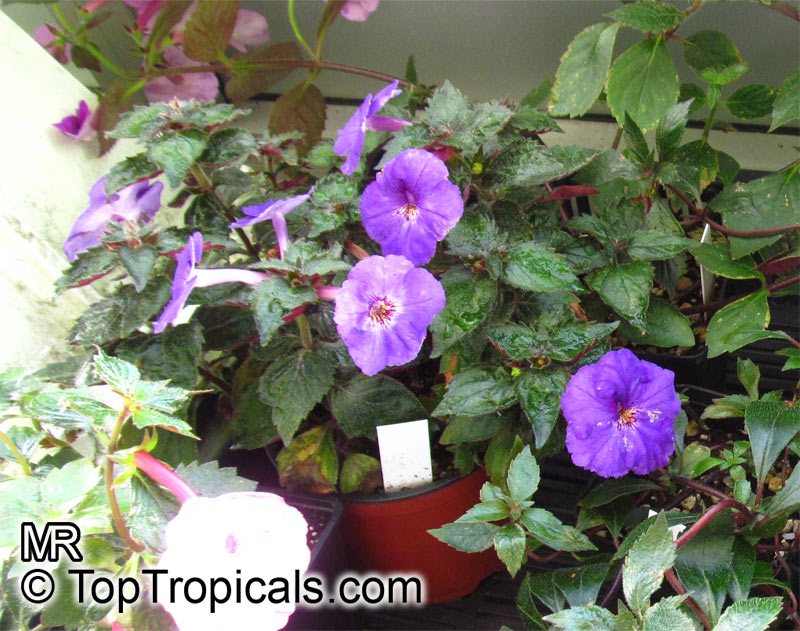
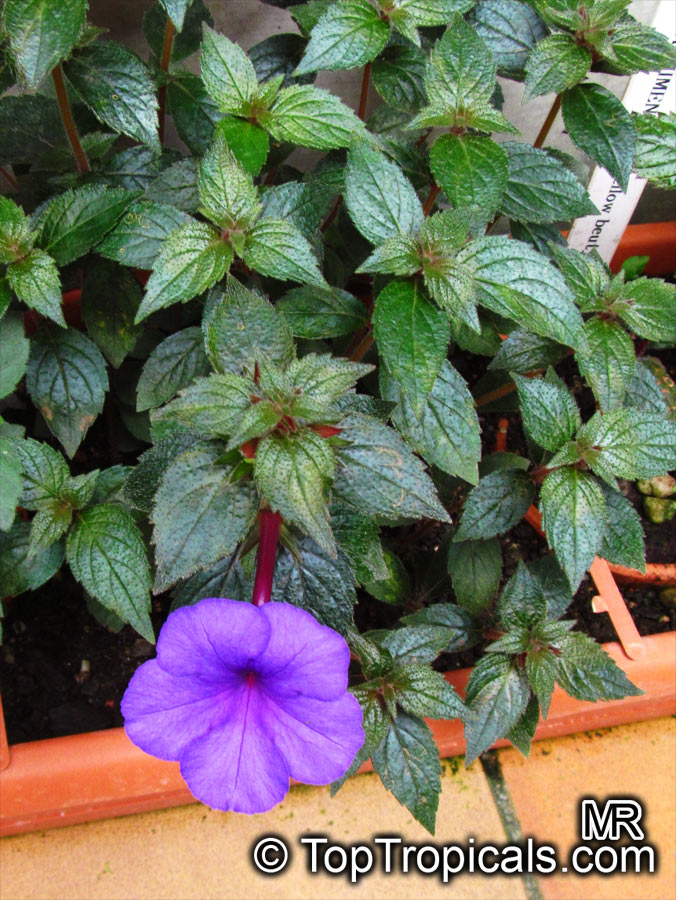
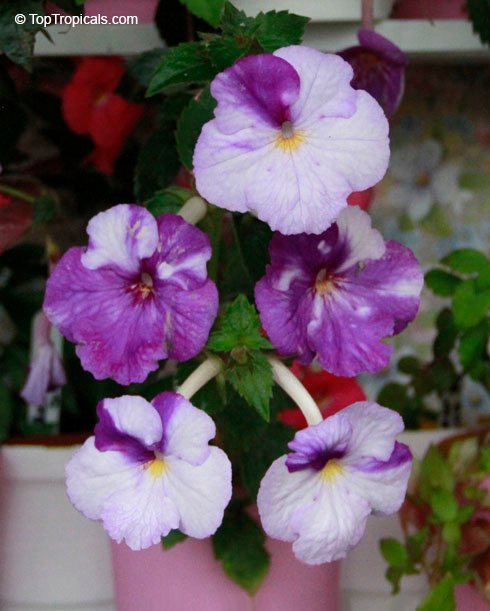
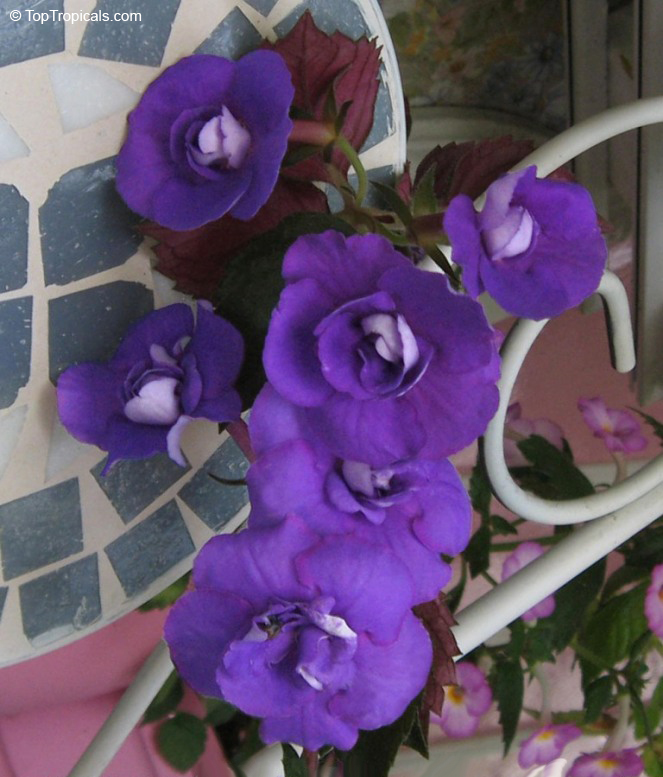
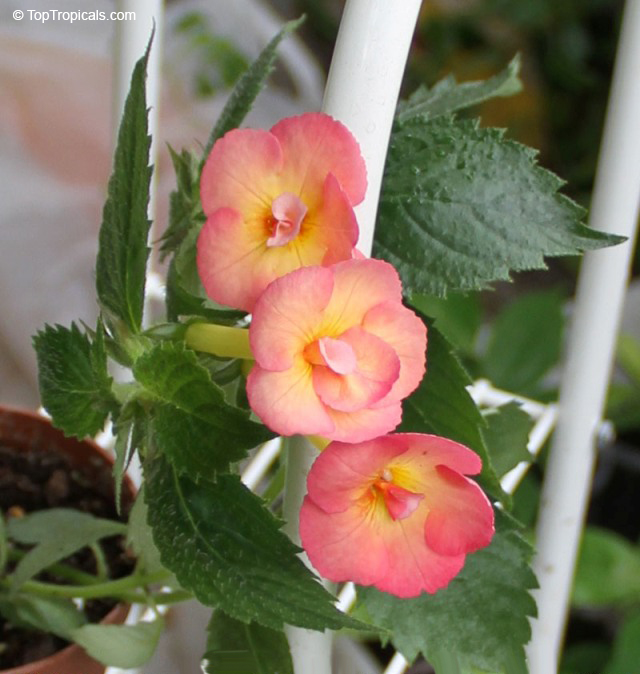
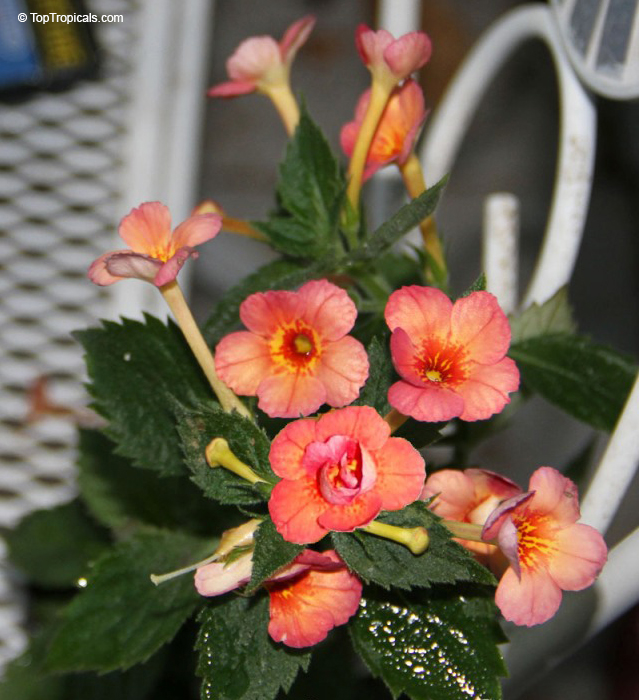
Achimenes sp. (Cupid's Bower) close up purple flower with dark textured green leaves.
Achimenes sp. (Cupid's Bower) purple flower nestled among dark green textured foliage.

Botanical name: Achimenes sp.

Common names: Cupid's Bower, Hot Water Plant, Monkey-Faced Pansy, Magic Flower, Orchid Pansy

Family: Gesneriaceae

Origin: South America

USDA Plant Hardiness MapSmall plant 2-5 ftSemi-shadeWatering: Moderate. Water when top soil feels dryWatering: Regular. Let topsoil dry slightlyYellow, orange flowersRed, crimson, vinous flowersUnusual colorBlue, lavender, purple flowersWhite, off-white flowersPink flowers

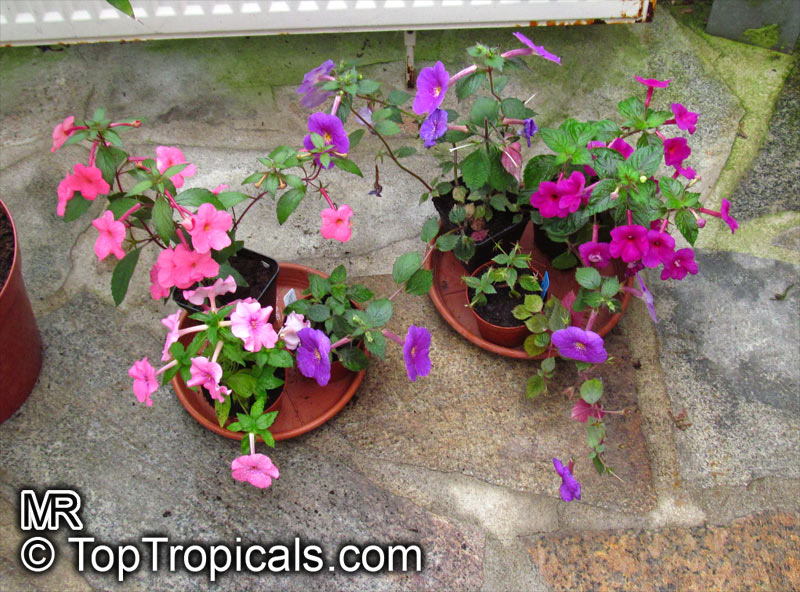
Achimenes species and hybrids are commonly grown as greenhouse plants, or outdoors as bedding plants in subtropical regions. The species have been extensively hybridized, with many of the hybrids involving the large-flowered species A. grandiflora and A. longiflora. Many of the species and their hybrids have large, brightly colored flowers and are cultivated as ornamental greenhouse and bedding plants.
Link to this plant:
https://toptropicals.com/catalog/uid/achimenes_sp.htm
 
Next


Use link to repeat this search:
https://toptropicals.com/cgi-bin/garden_catalog/cat.cgi?search_op=and&keyword_op=and&language=e&number=10&no_change_lang=1
&v1=pnk&user=tt&sale=1&first=0