Groundcover and low-growing 2ft plant - Plant Encyclopedia Results
| Number of plants found: 383 | Next | 
|
Go to page: | 1 | 2 | 3 | 4 | 5 | Last |
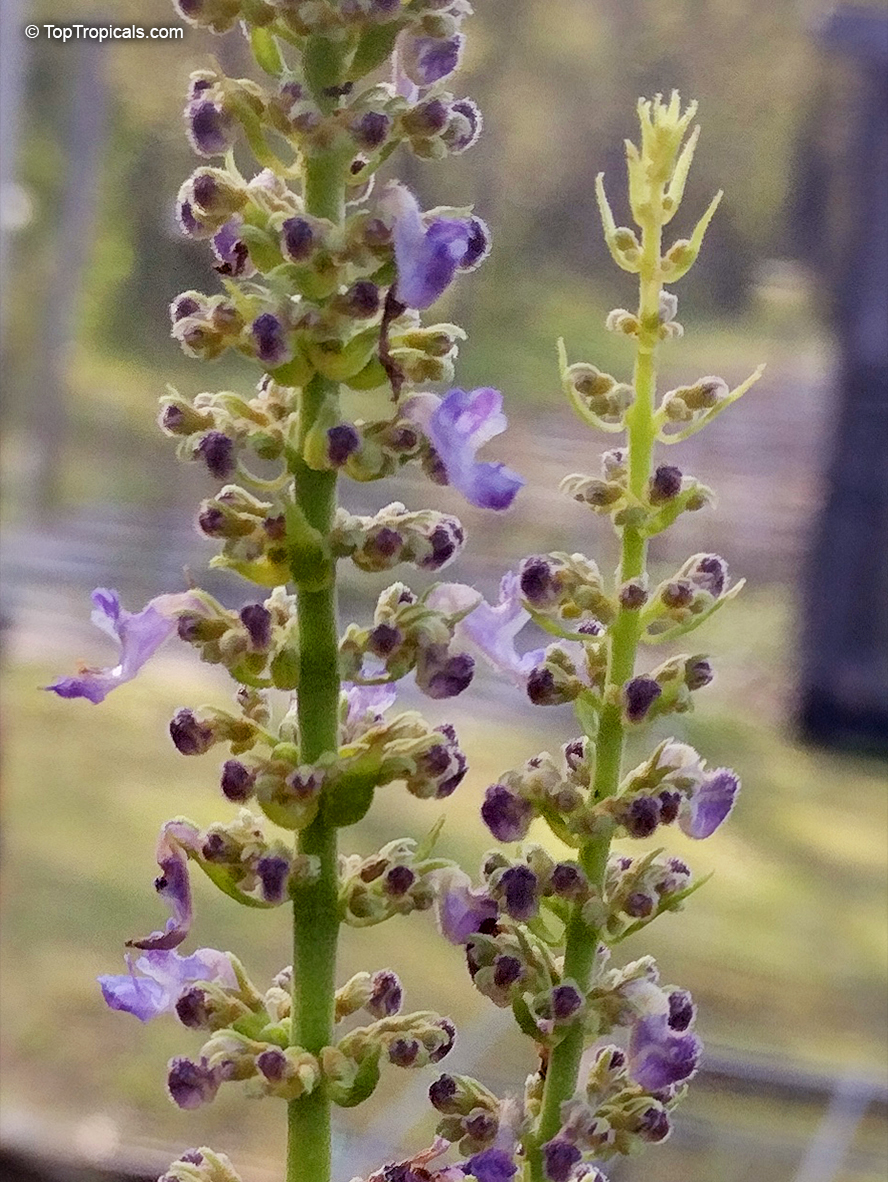
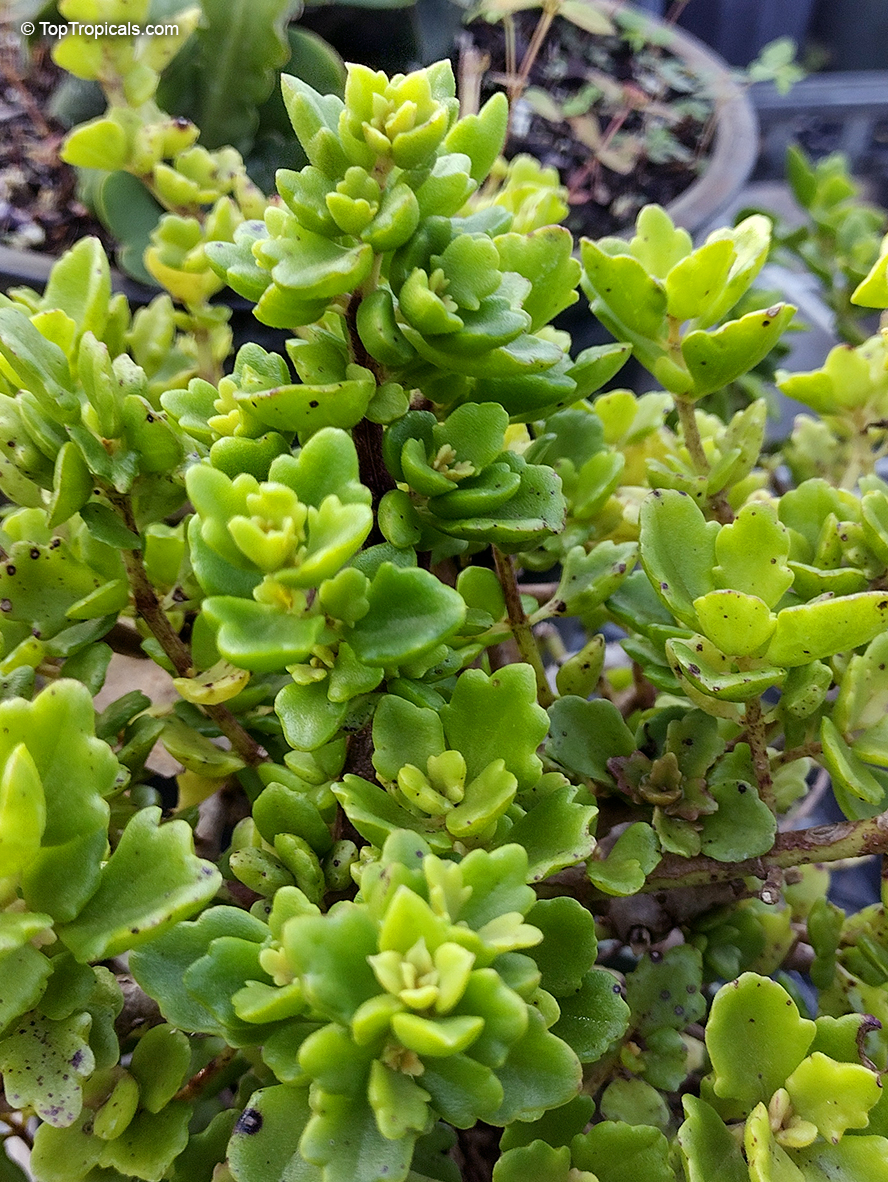
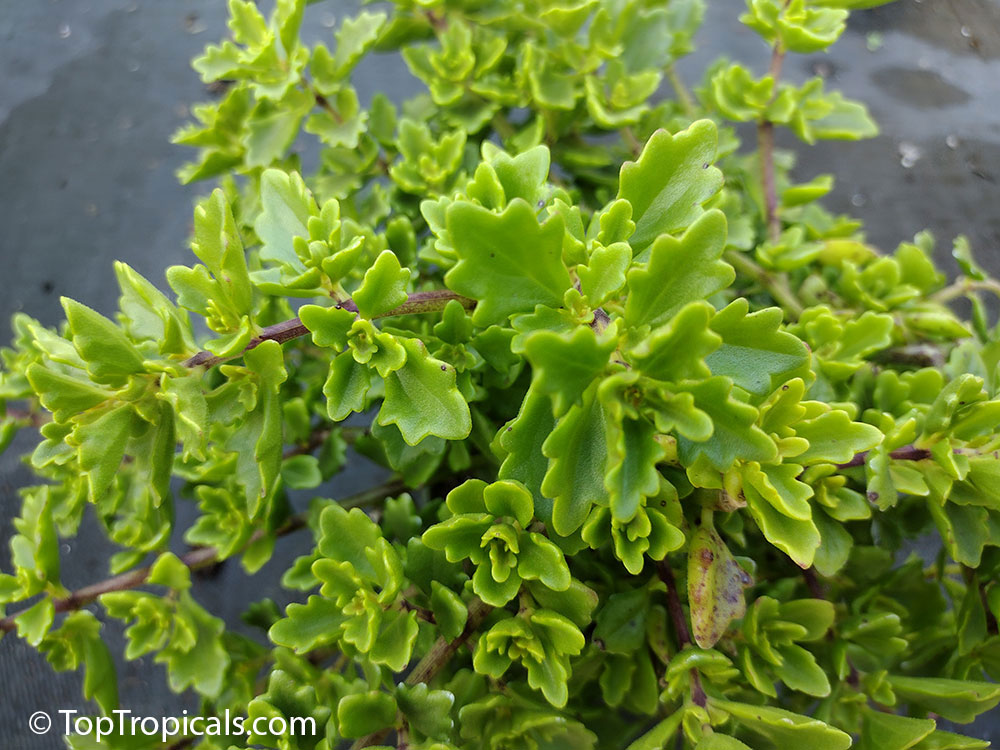
Botanical name: Plectranthus spicatus
Common name: Durban Lavender
Family: Lamiaceae
Origin: Southern Africa
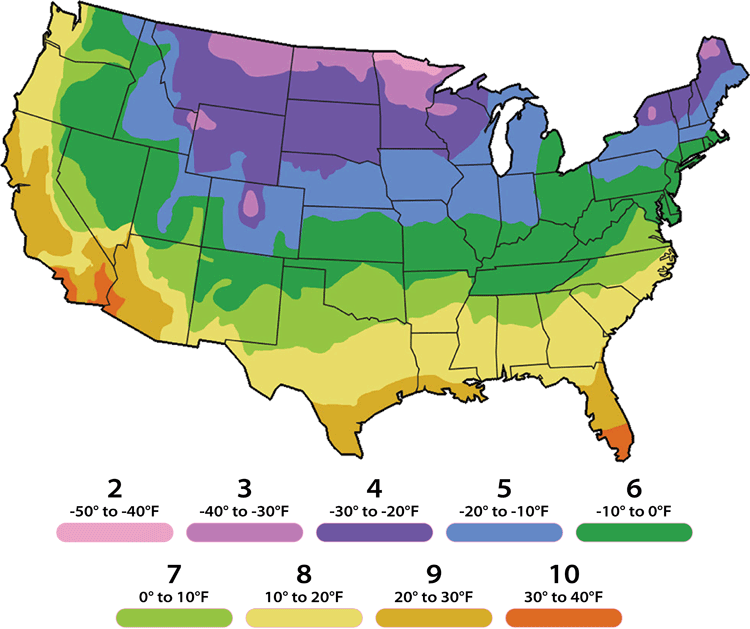
USDA Zone: 9-11


This is a succulent plectranthus with small bright green, serrated leaves. It has a long bloom period of narrow 12 inch spikes of lavender blue flowers. In gardens there, it is used as a vigorous ground cover and has been found suitable as a green roof plant. It's a tough groundcover that prefers dry conditions and grows in both sun or semi-shade.
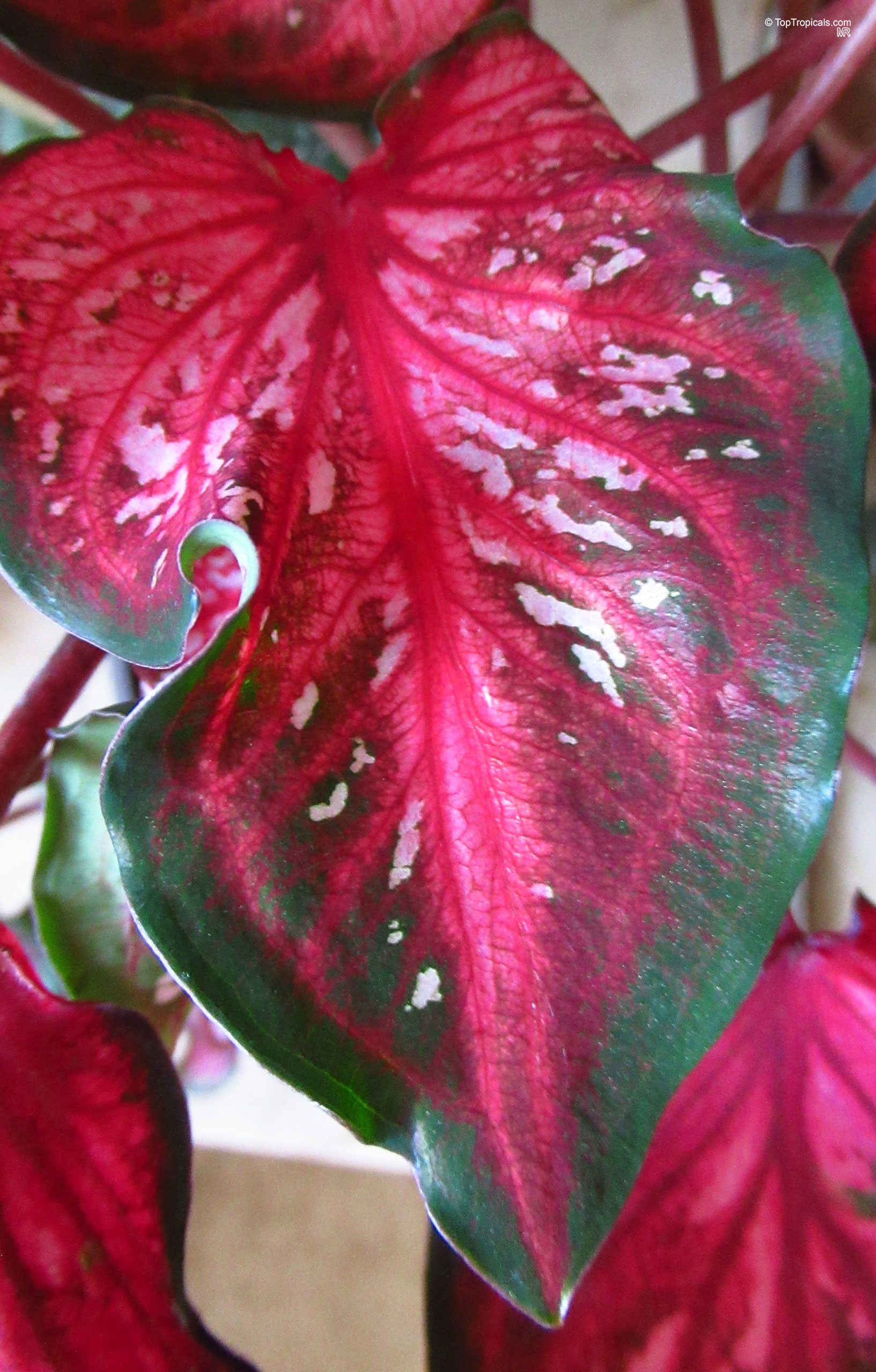
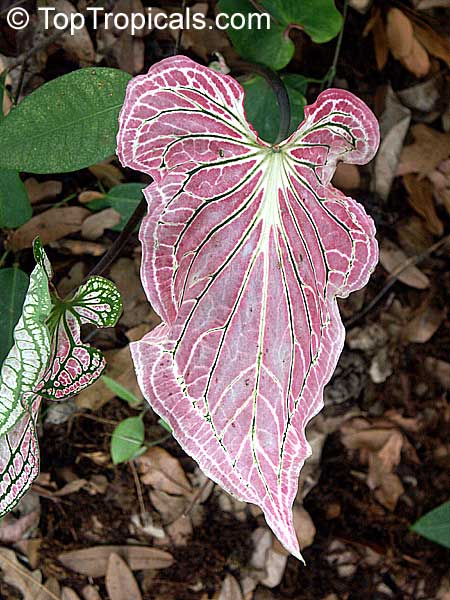
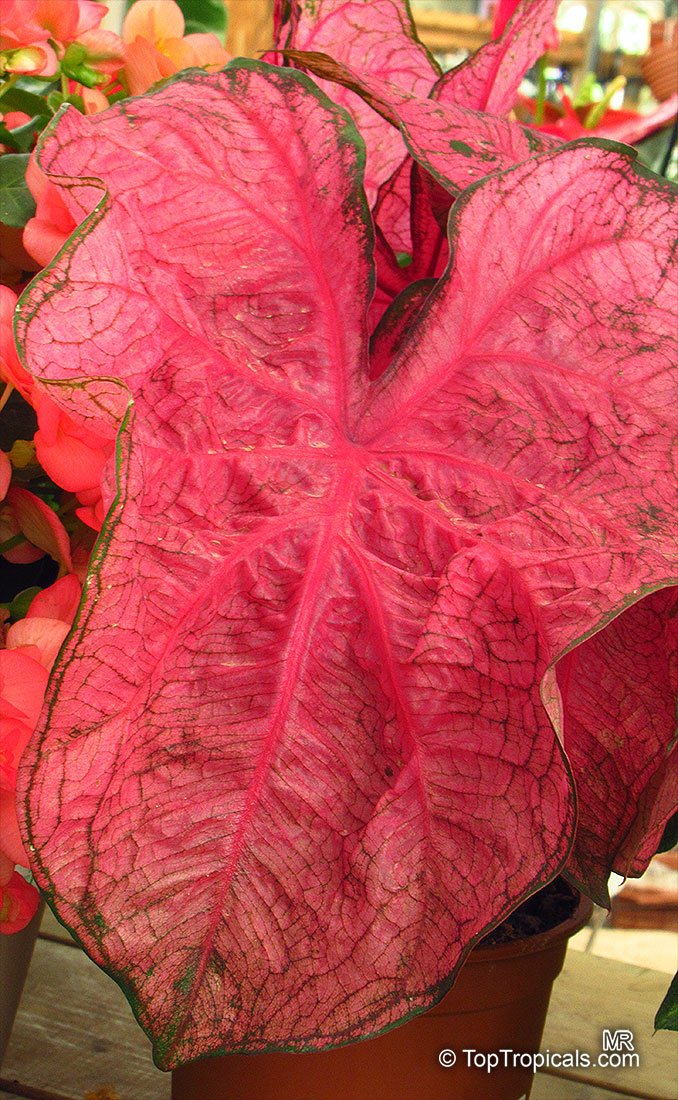
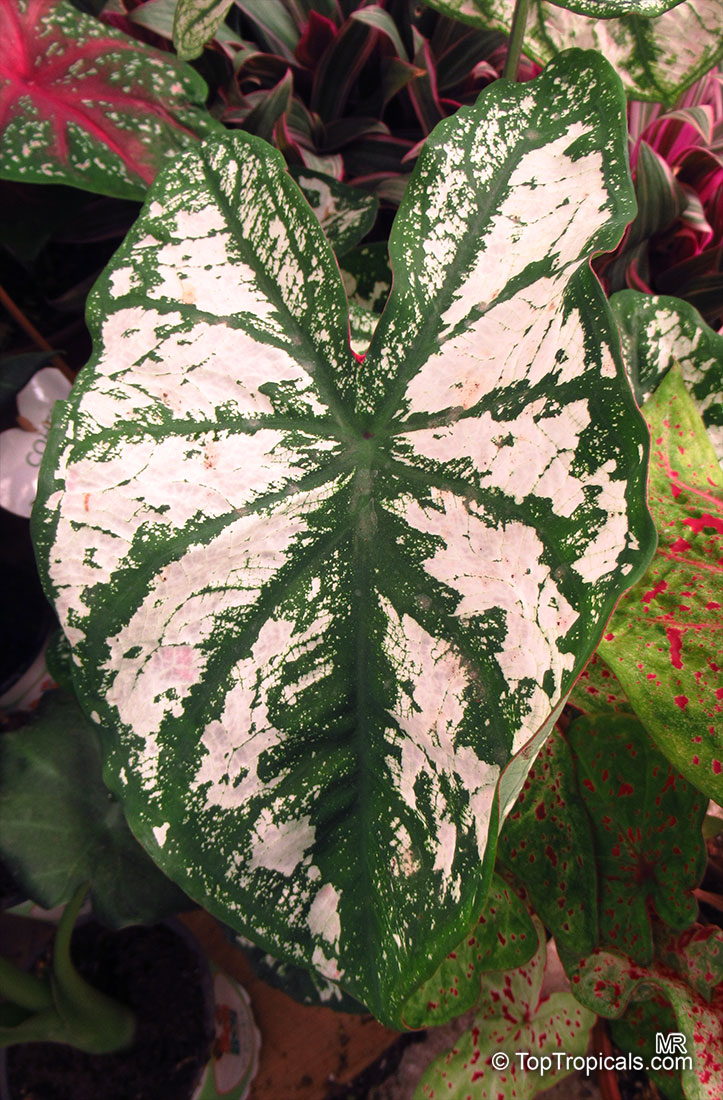
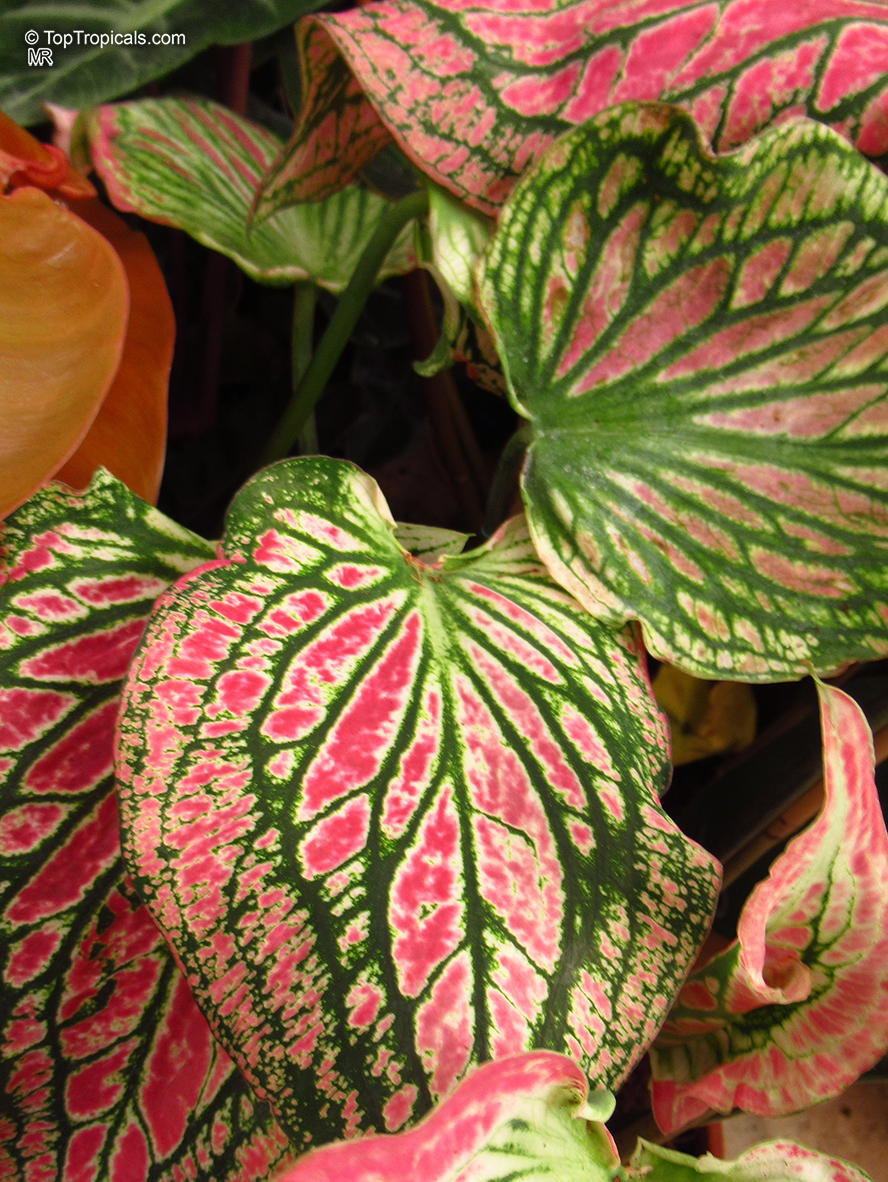
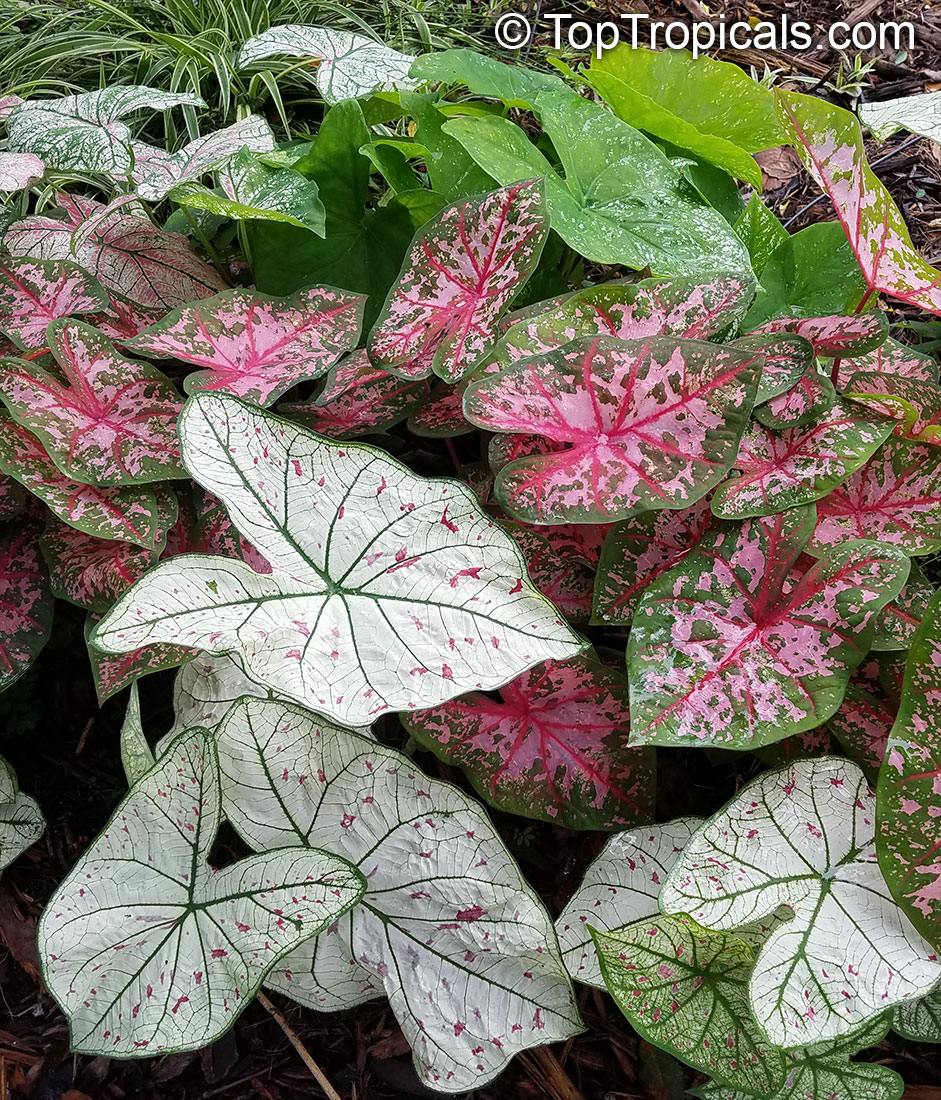
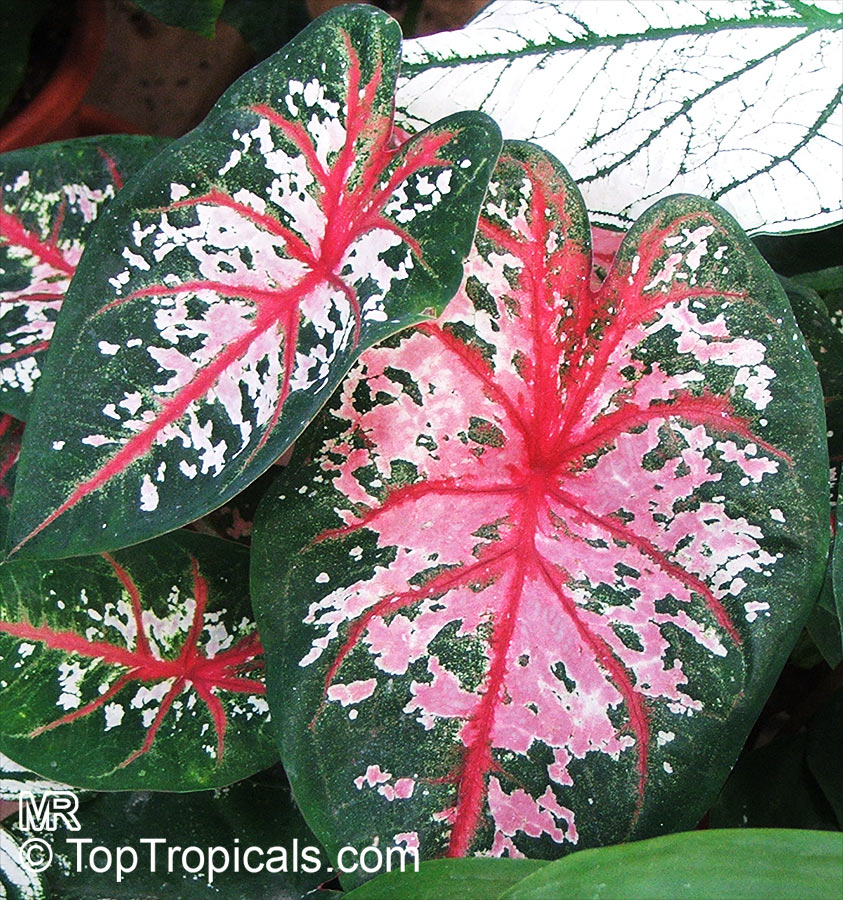
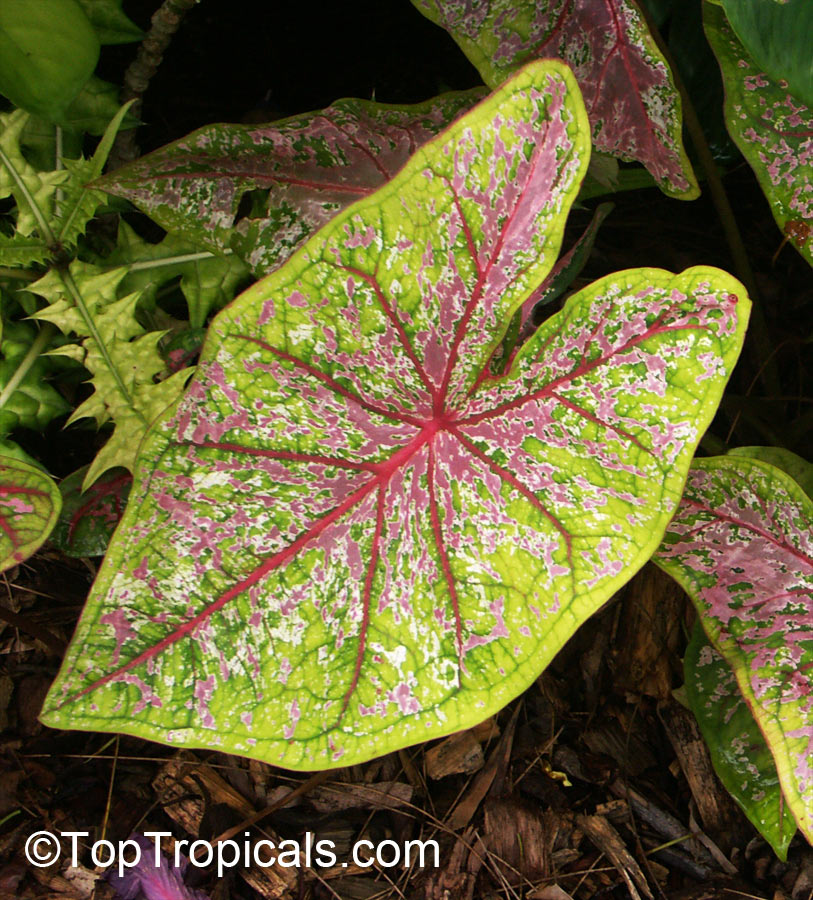
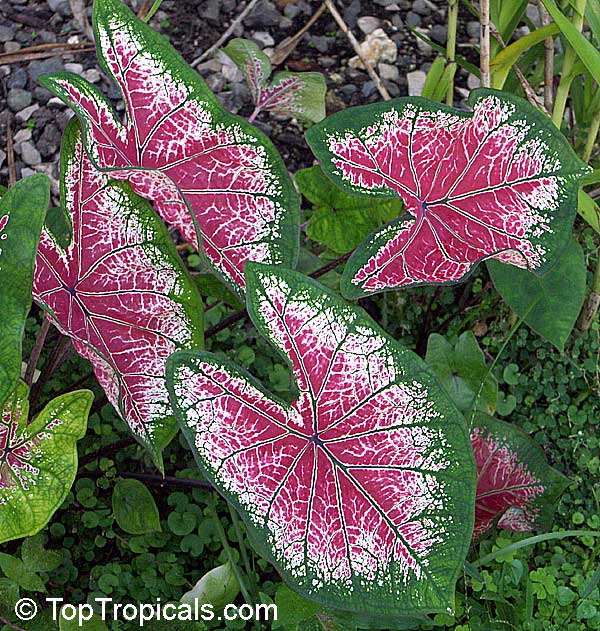
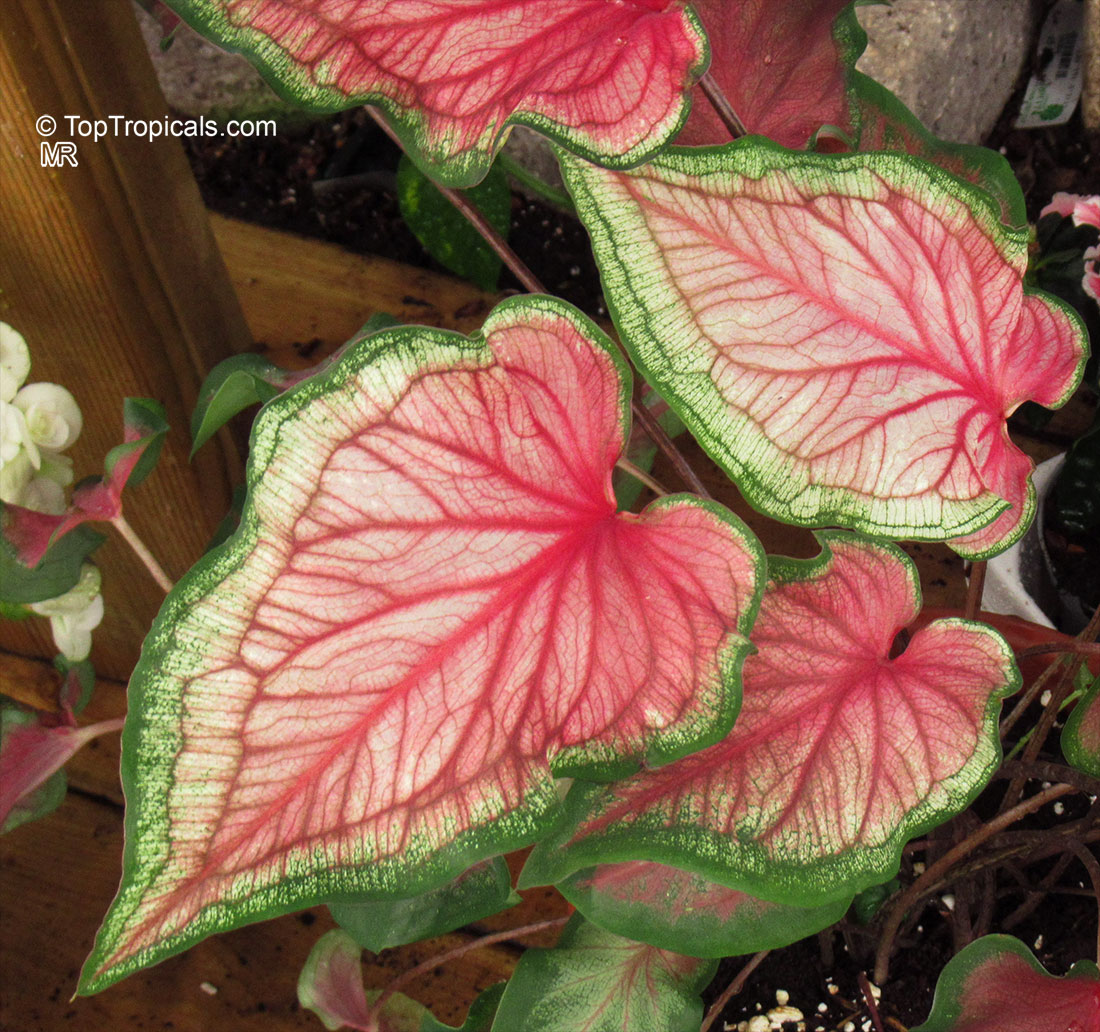
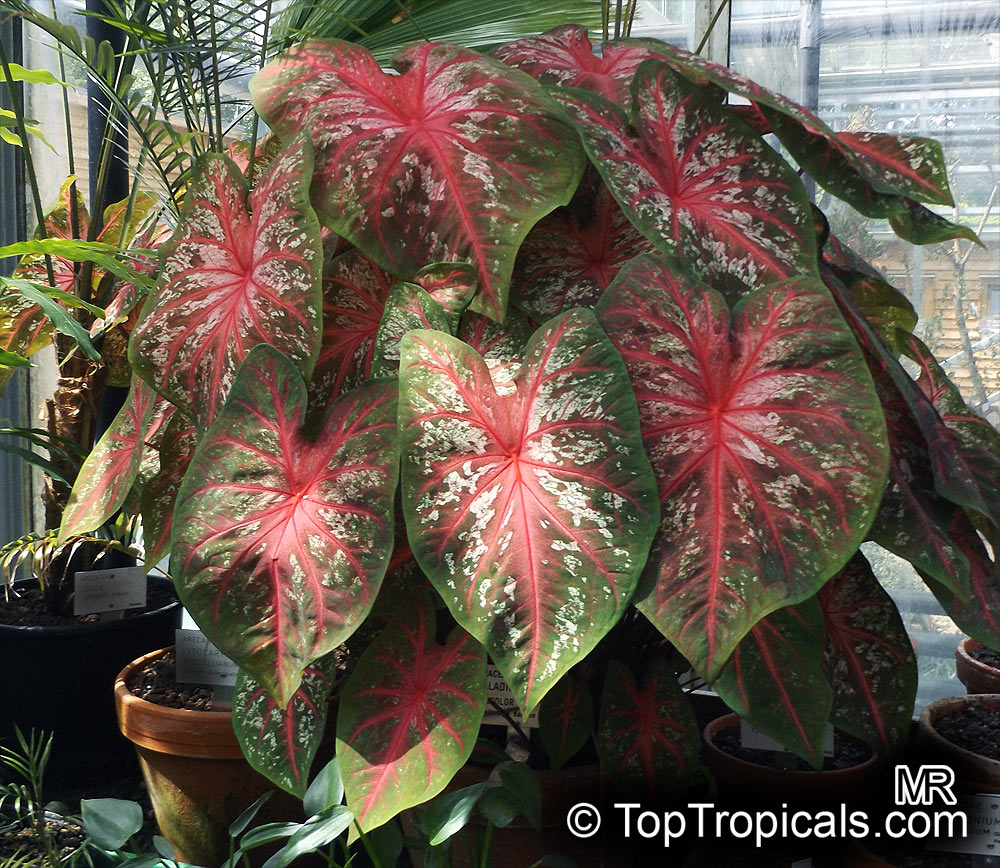
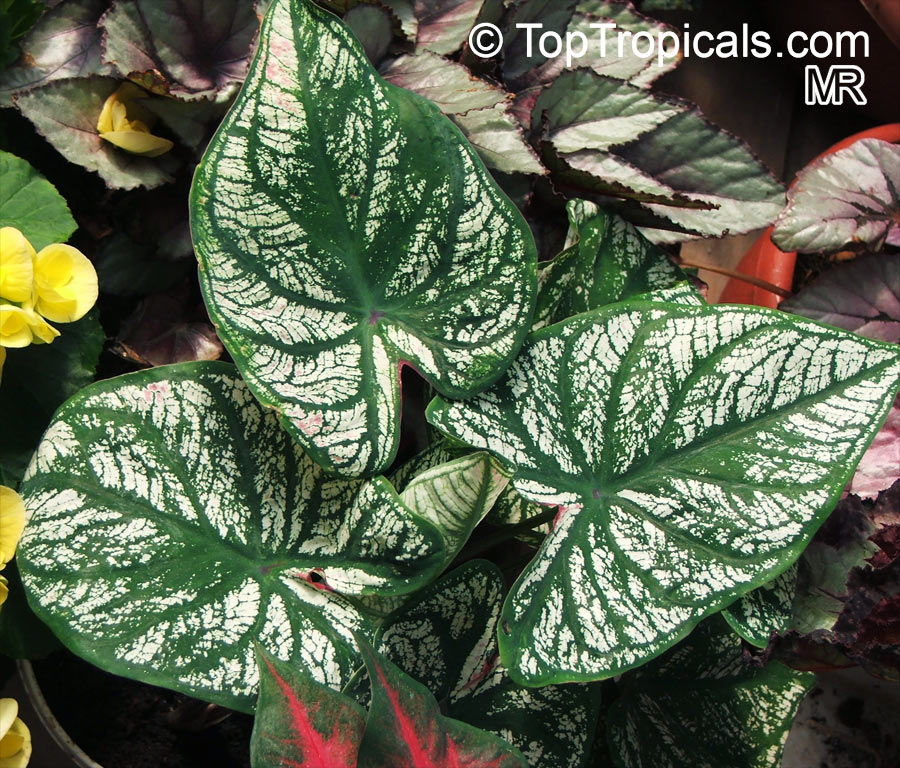
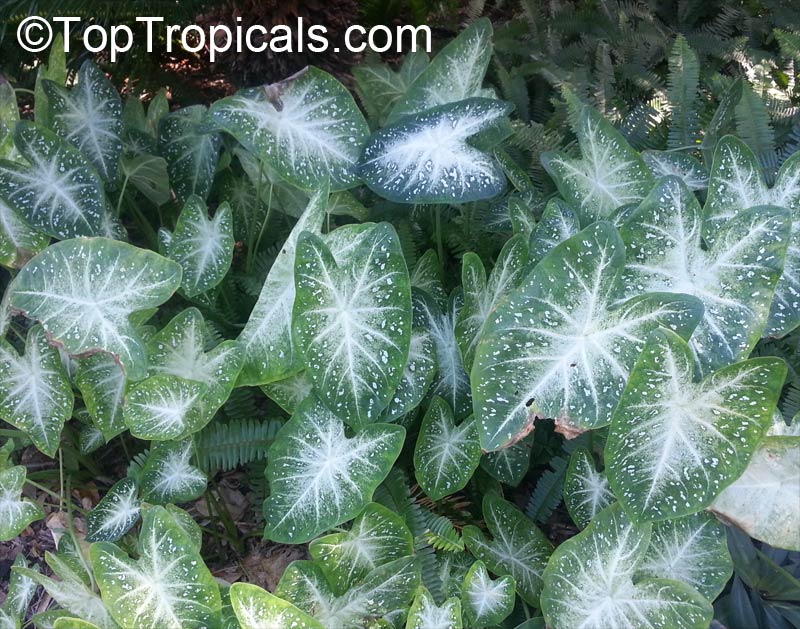
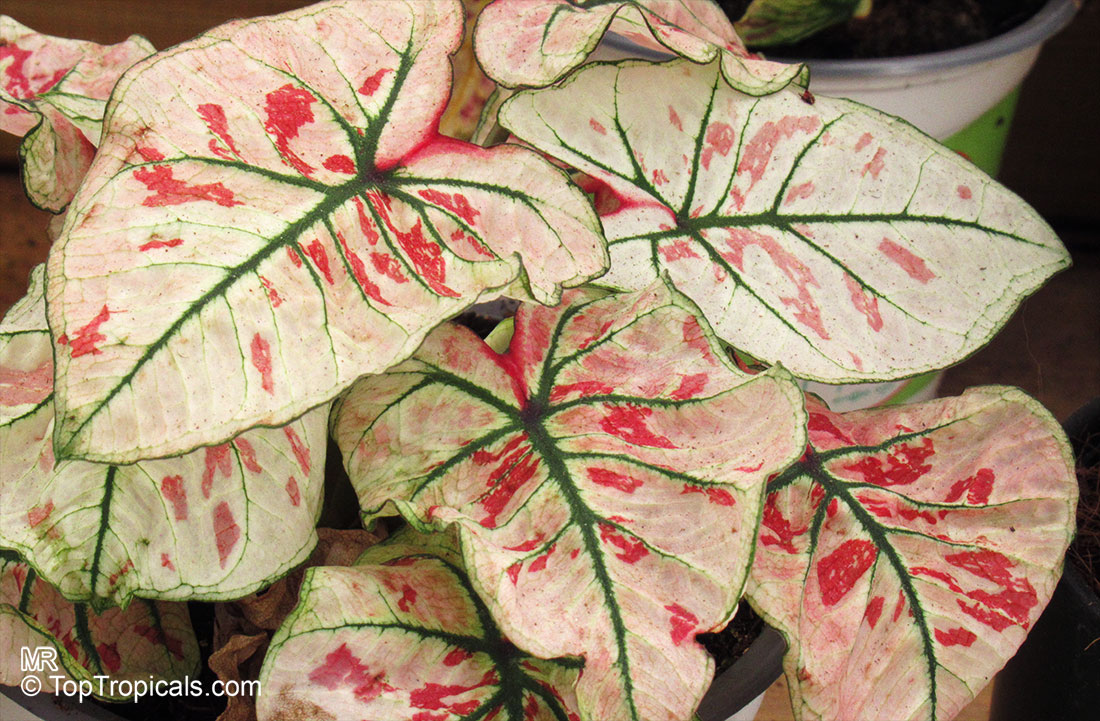
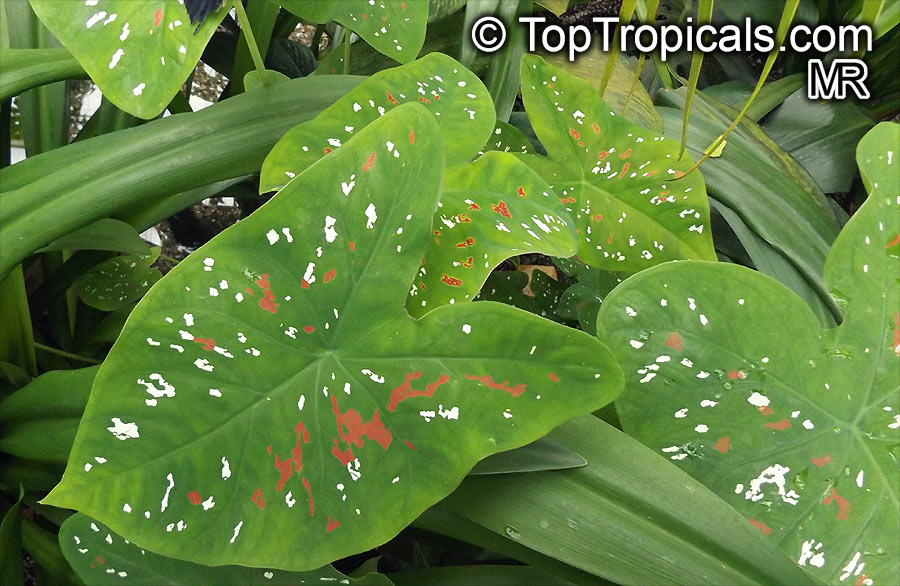
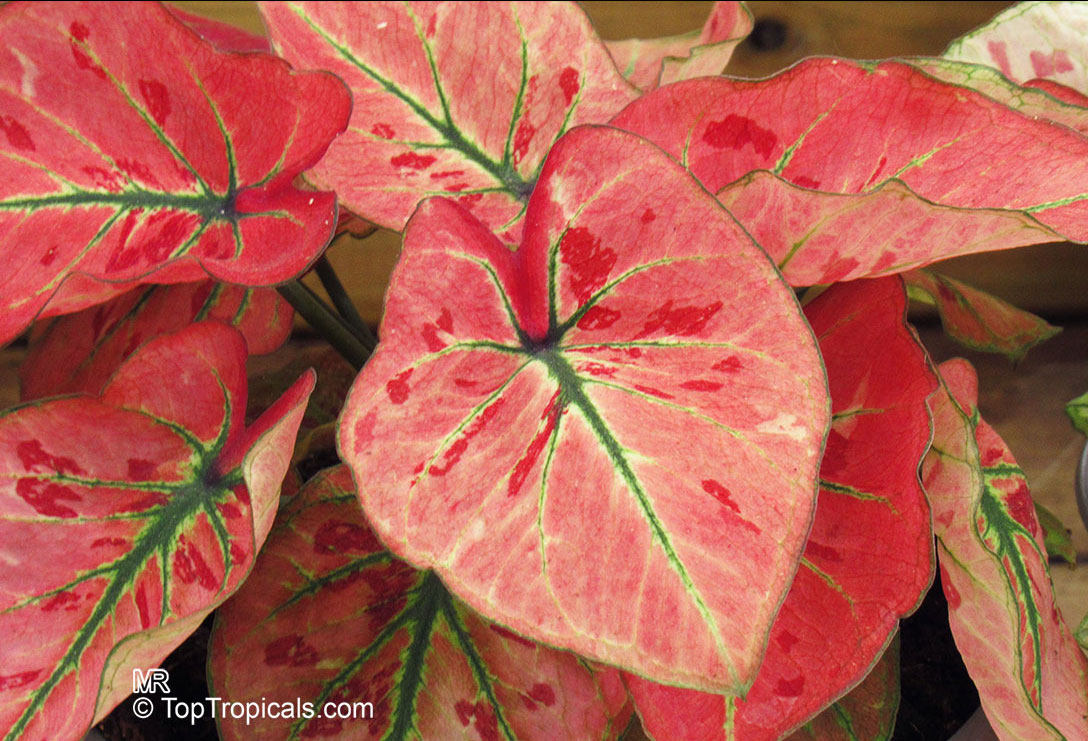
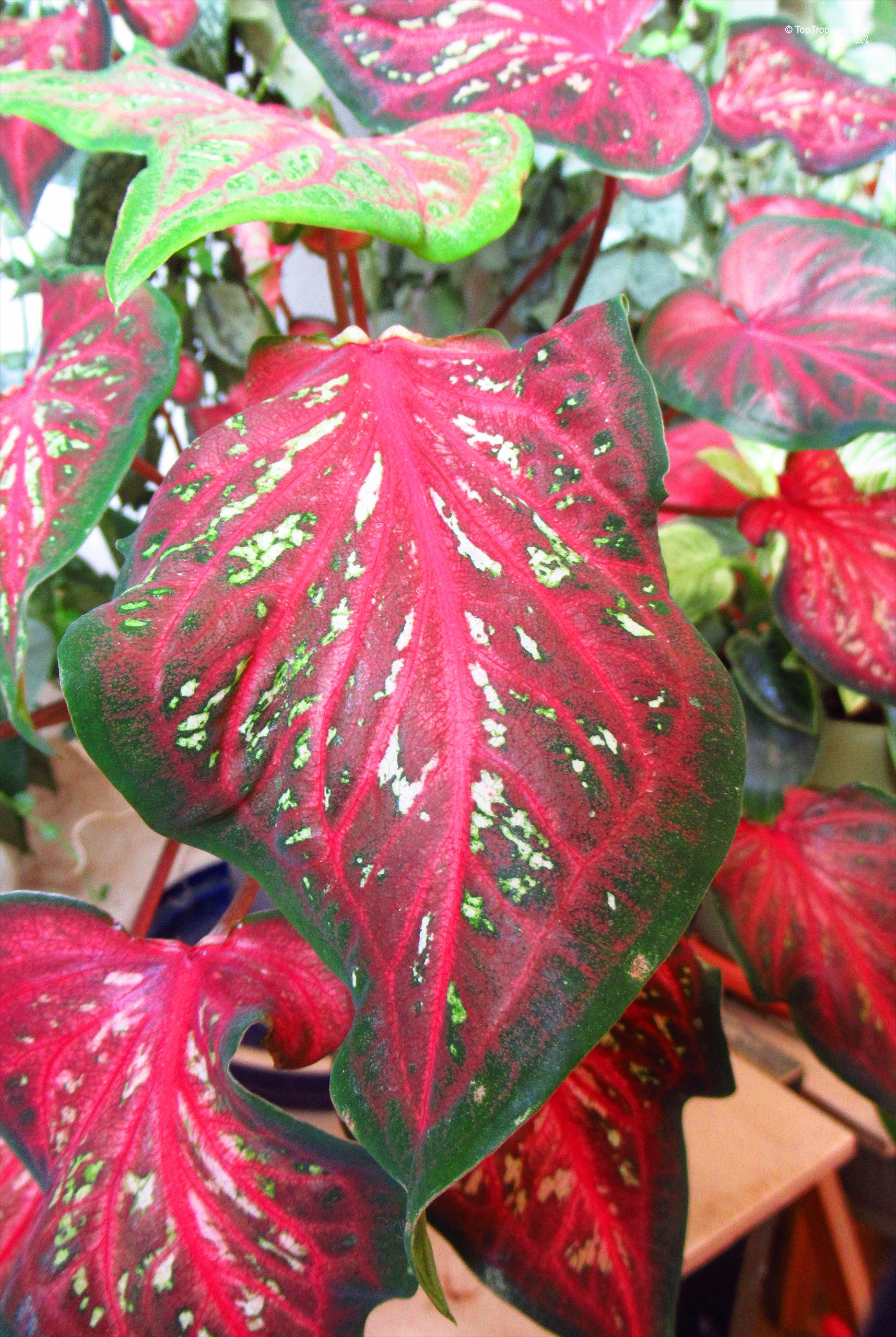
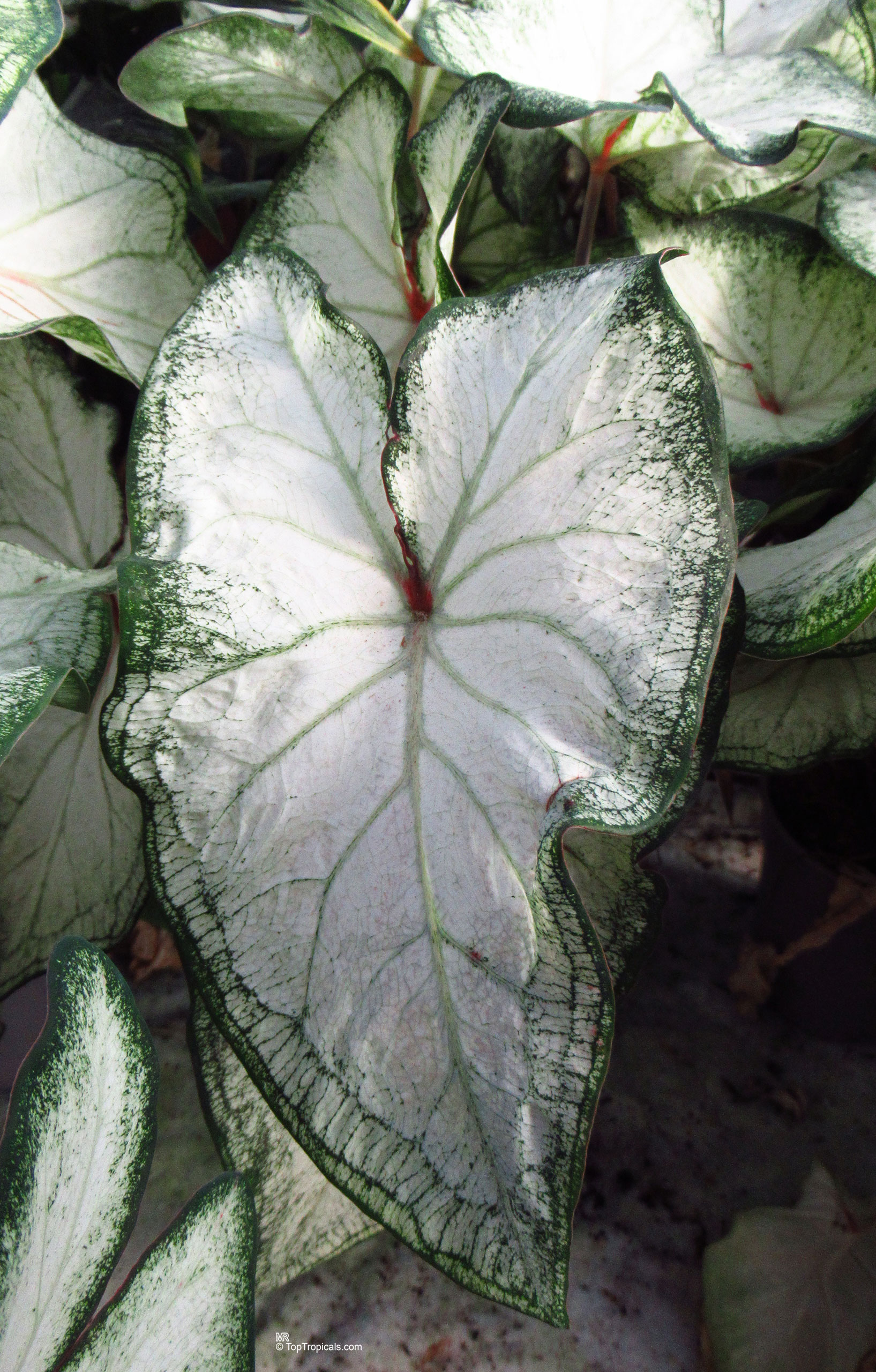
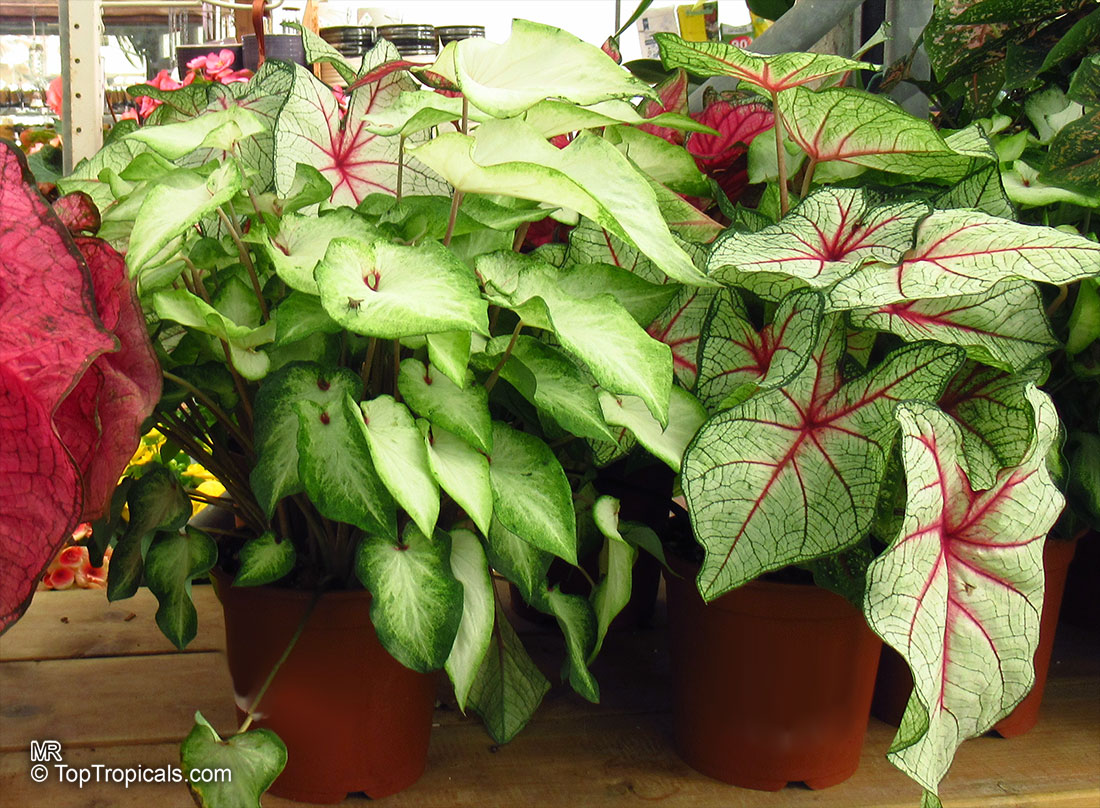
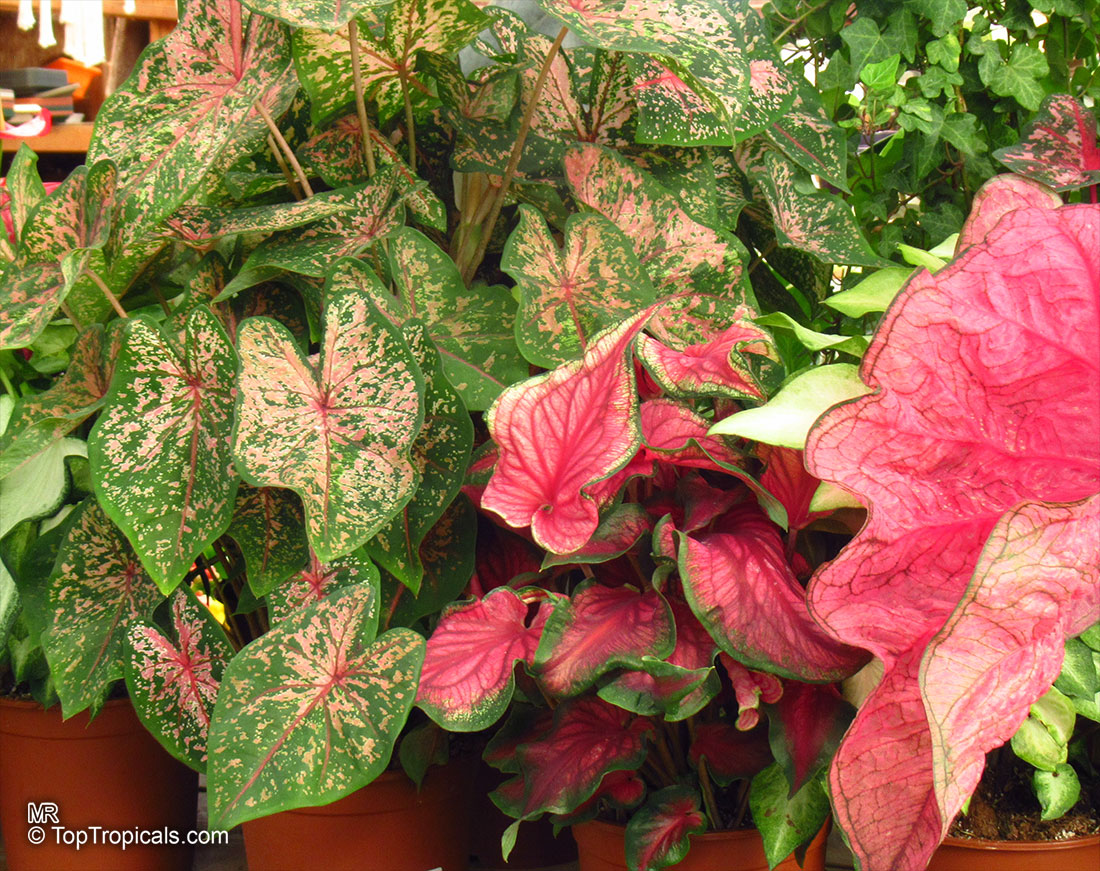
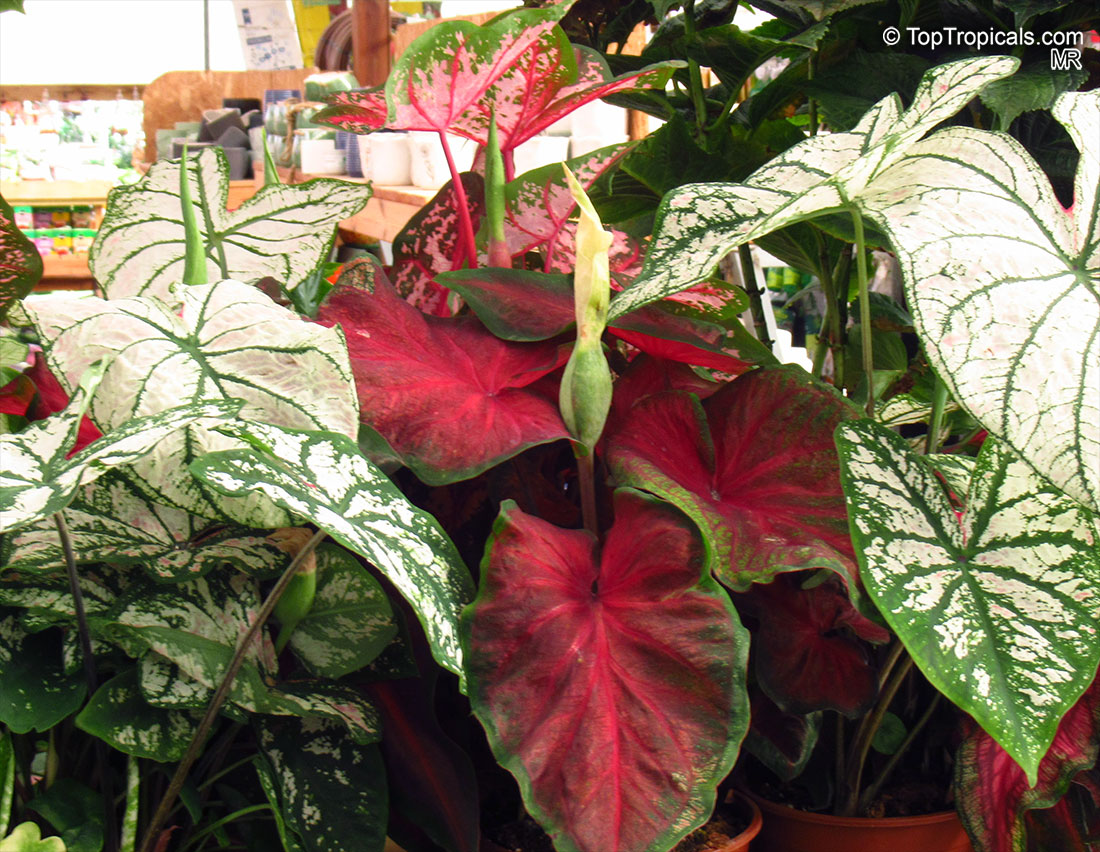
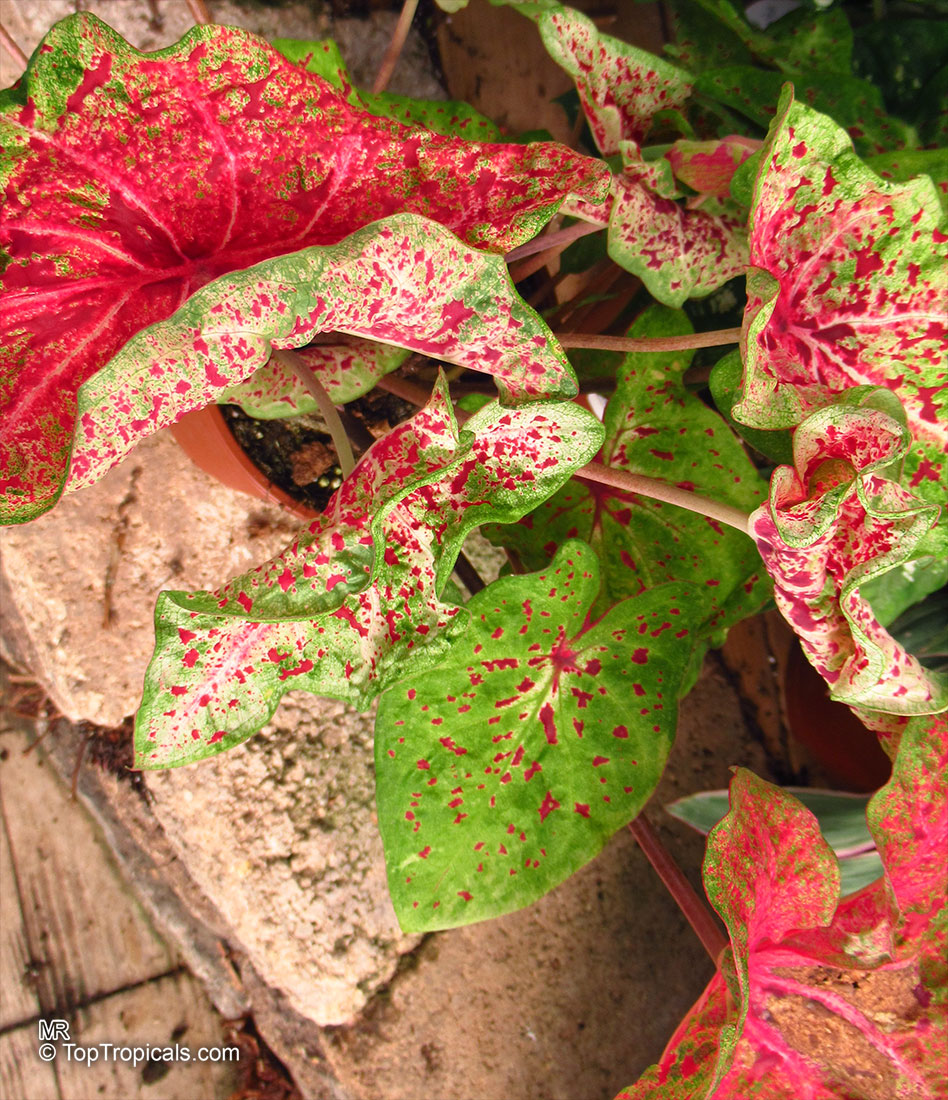
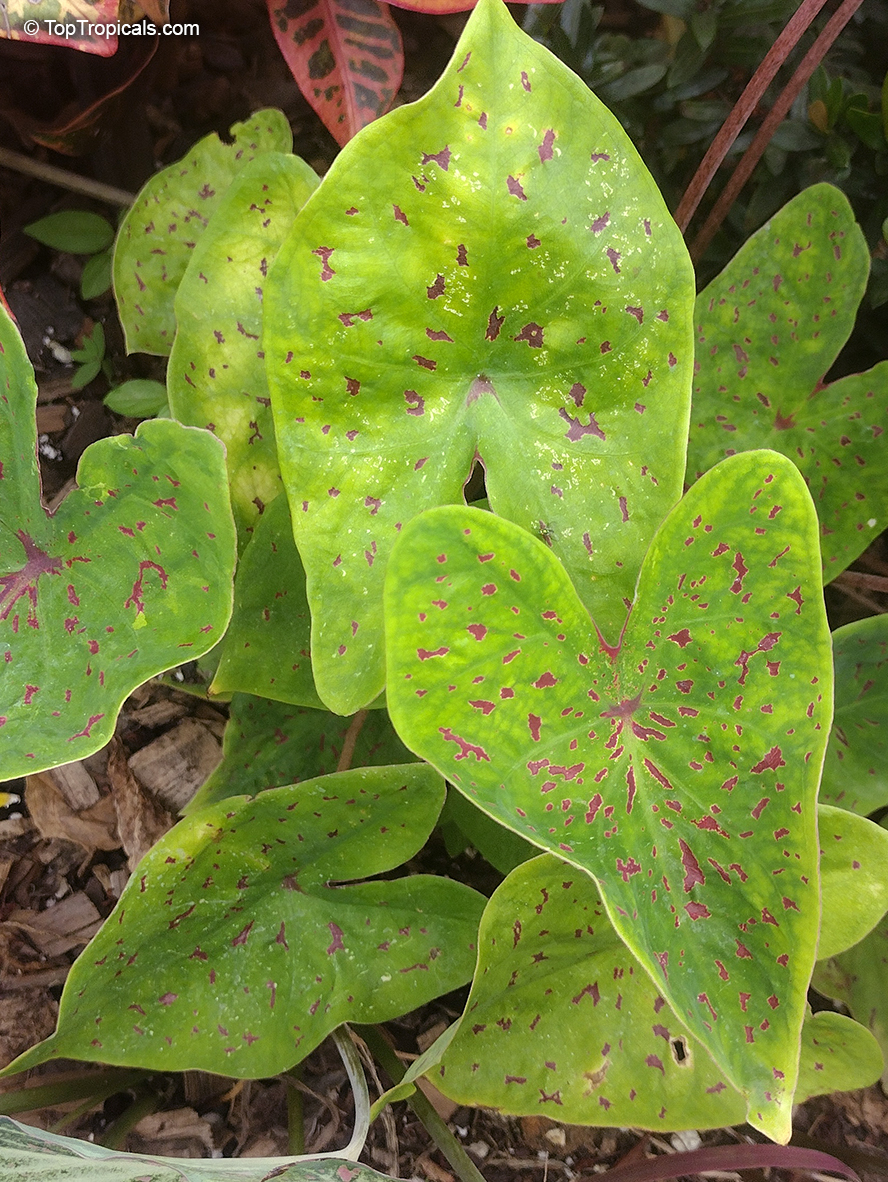
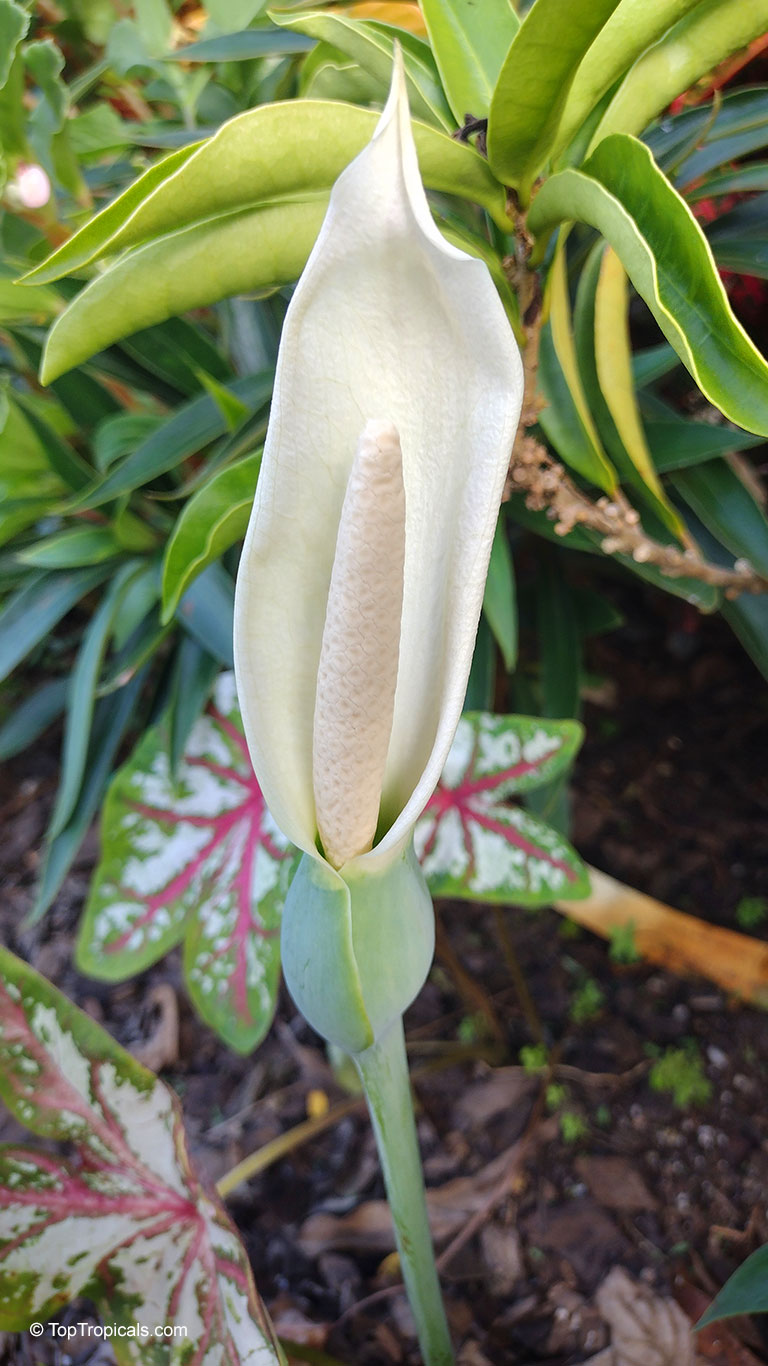
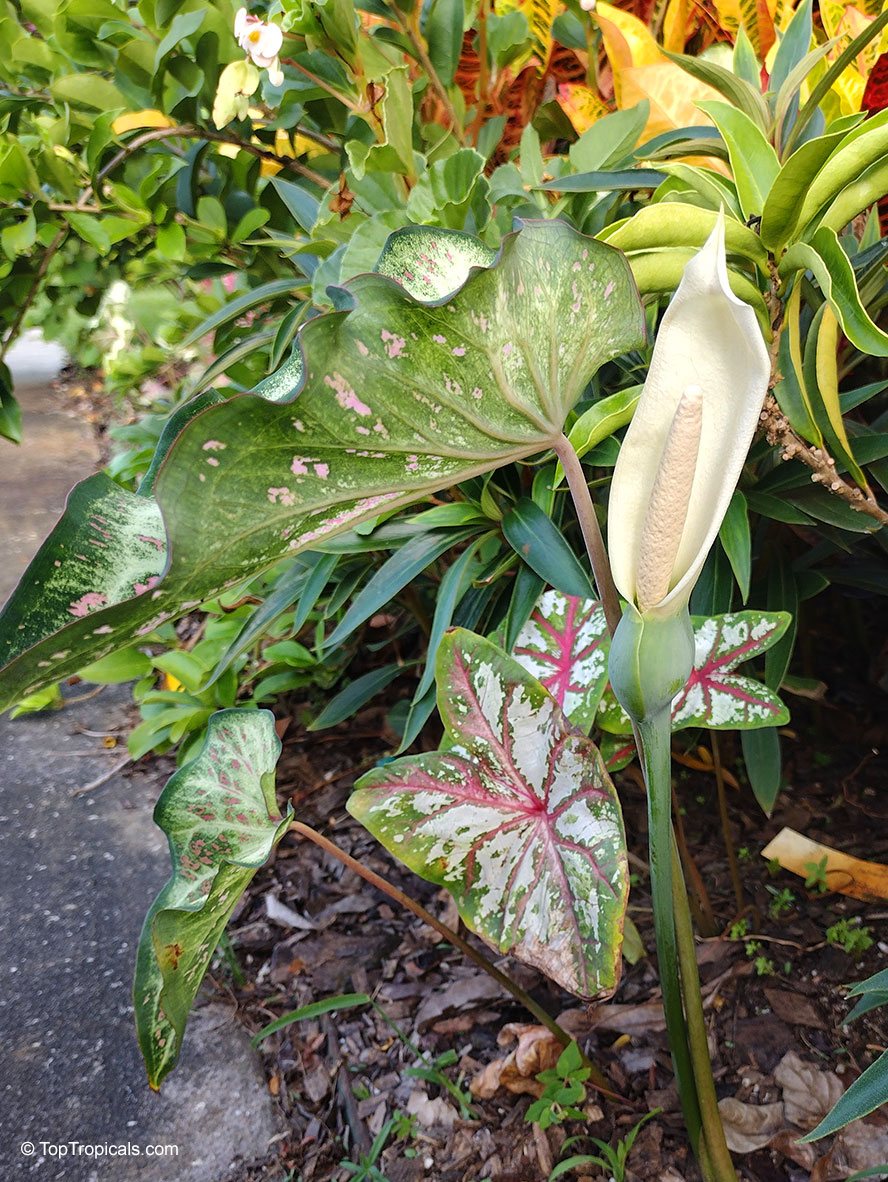
Botanical name: Caladium bicolor
Common names: Caladium, Fancy Leaved Caladium
Family: Araceae
Origin: South America
USDA Zone: 9-11
Cold tolerance: 35°F


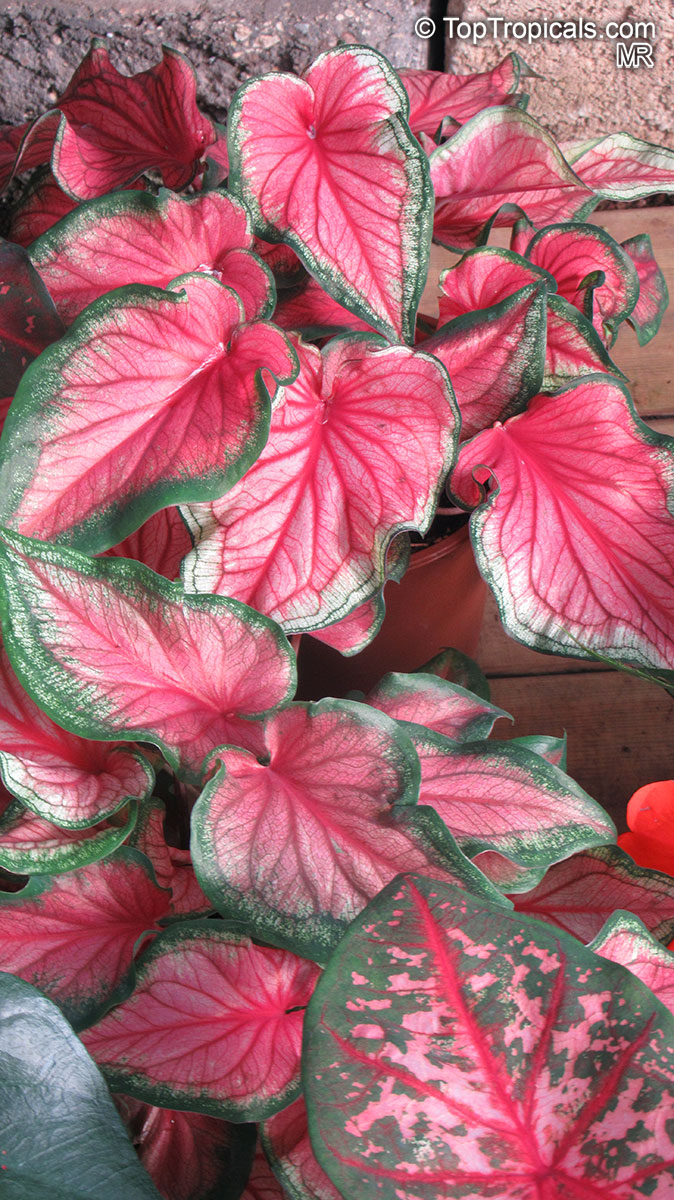
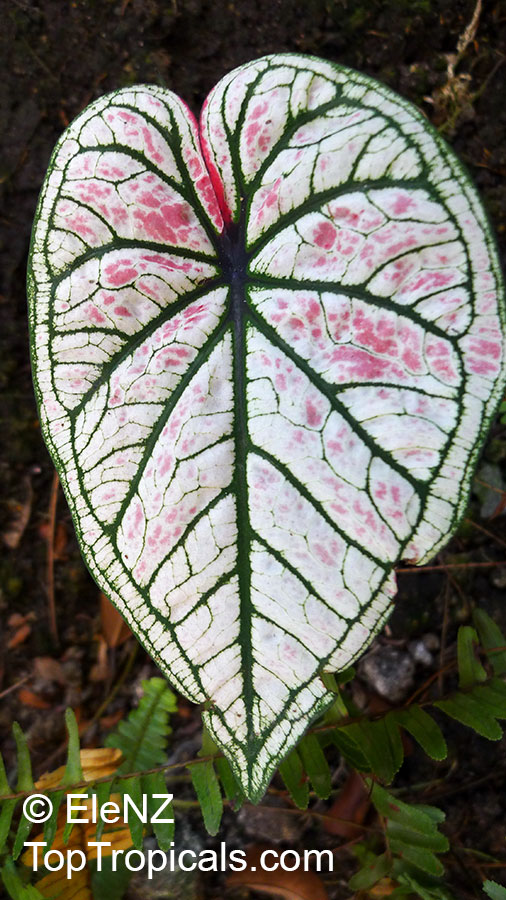
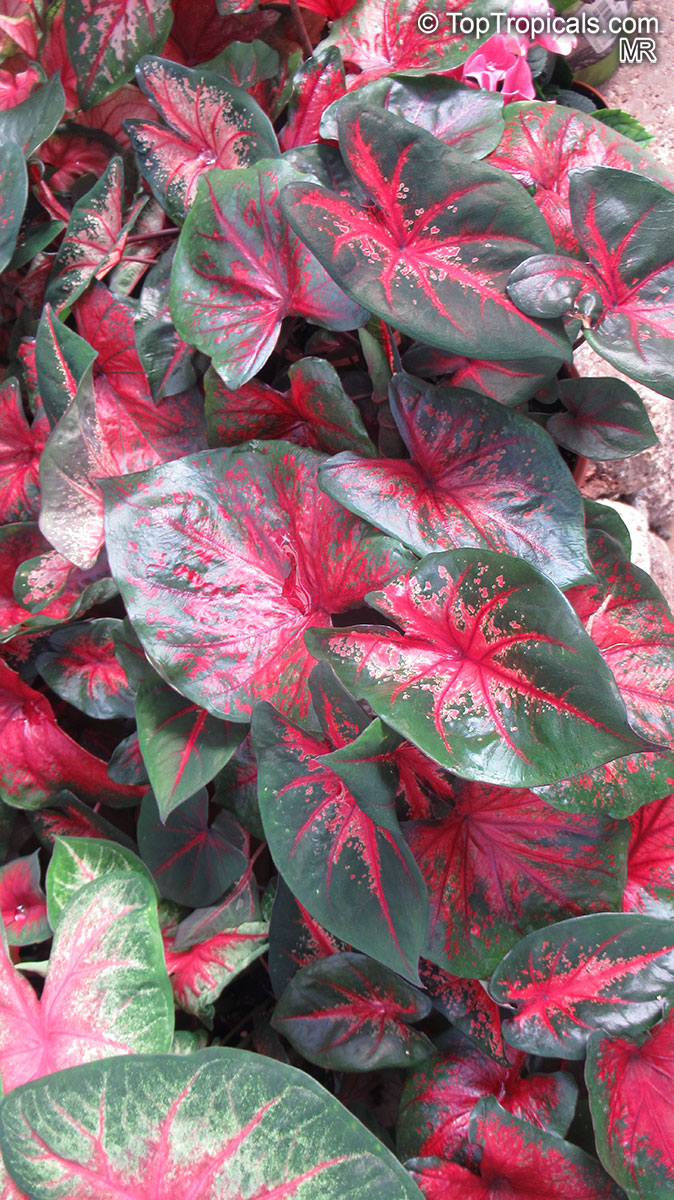
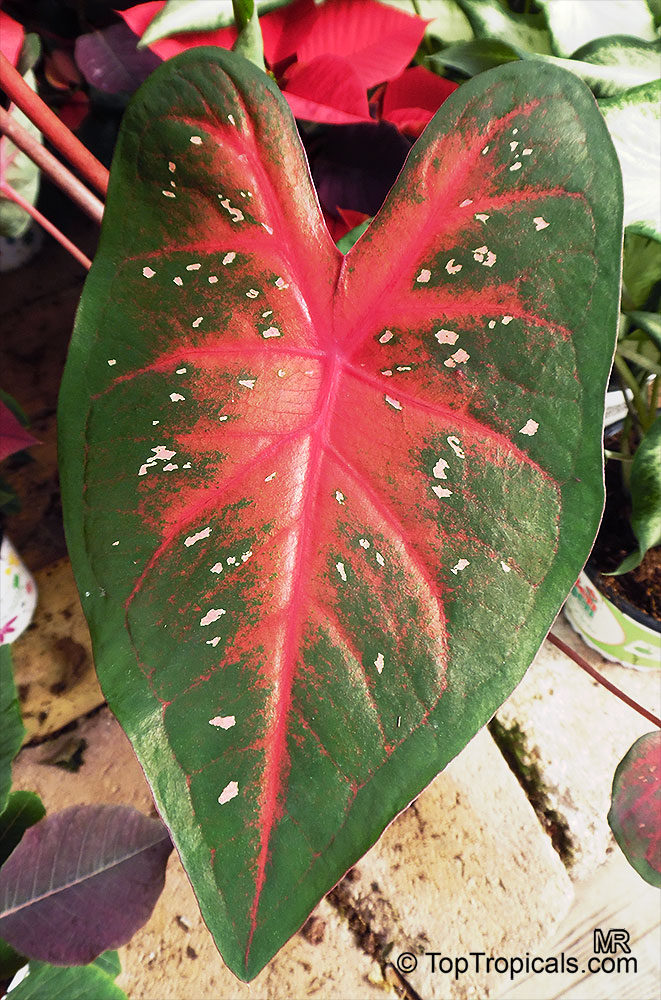
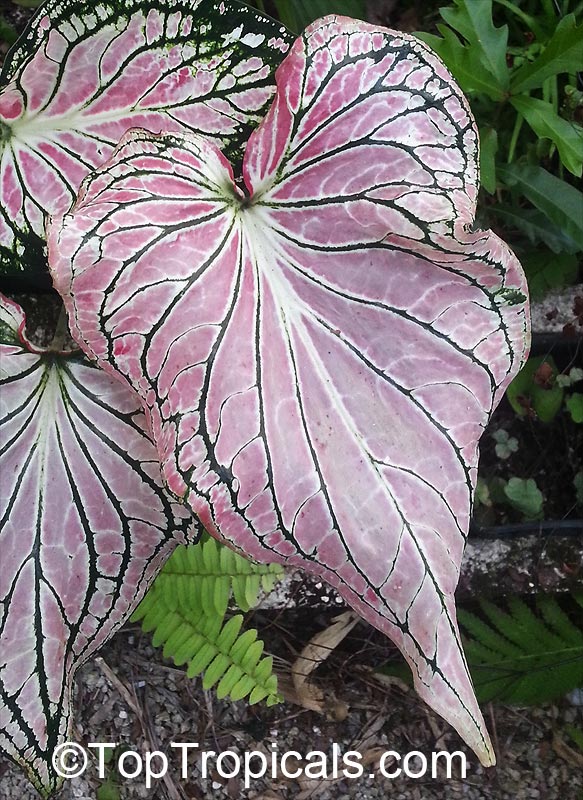
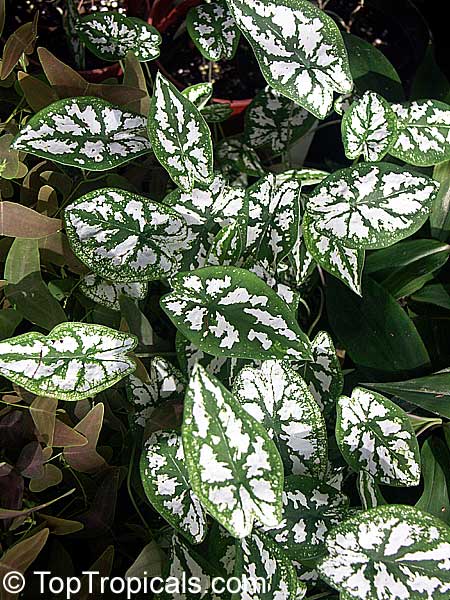
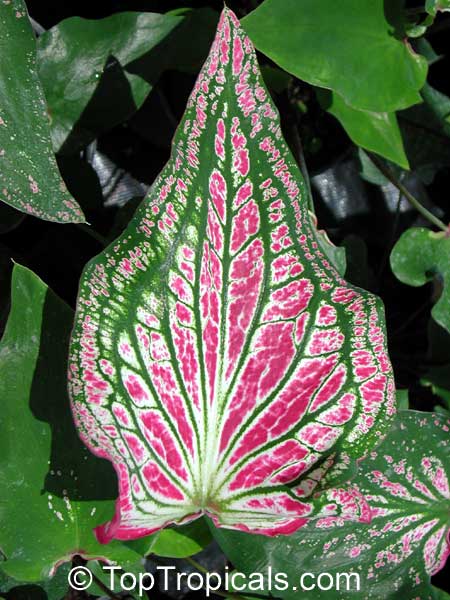
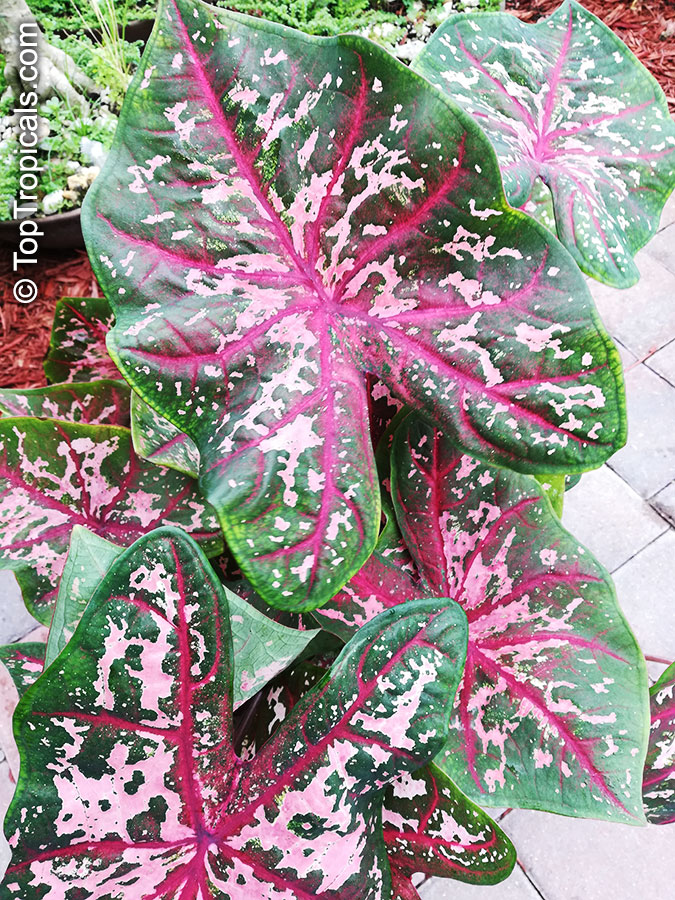
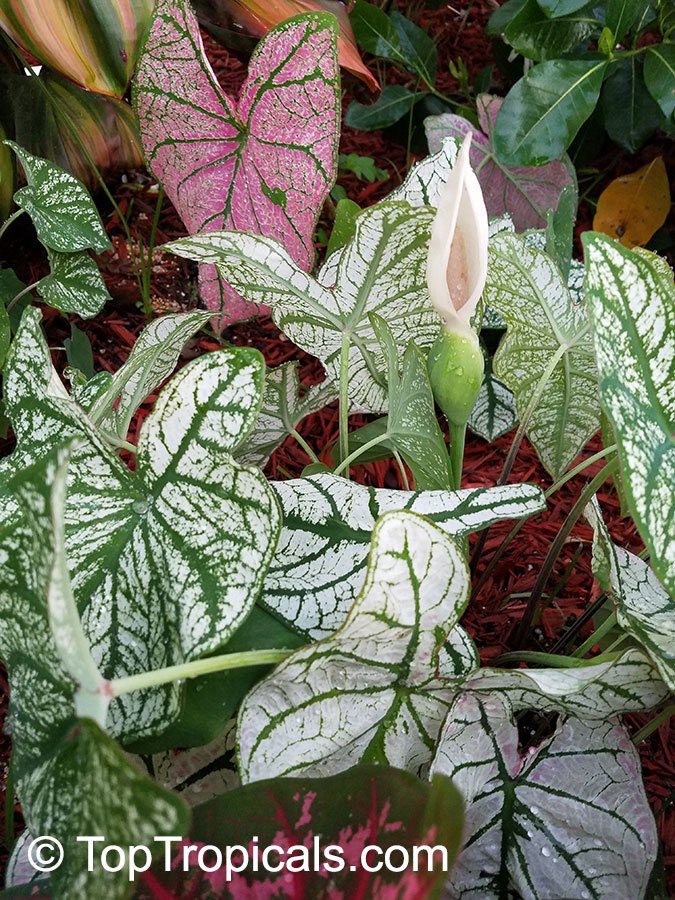
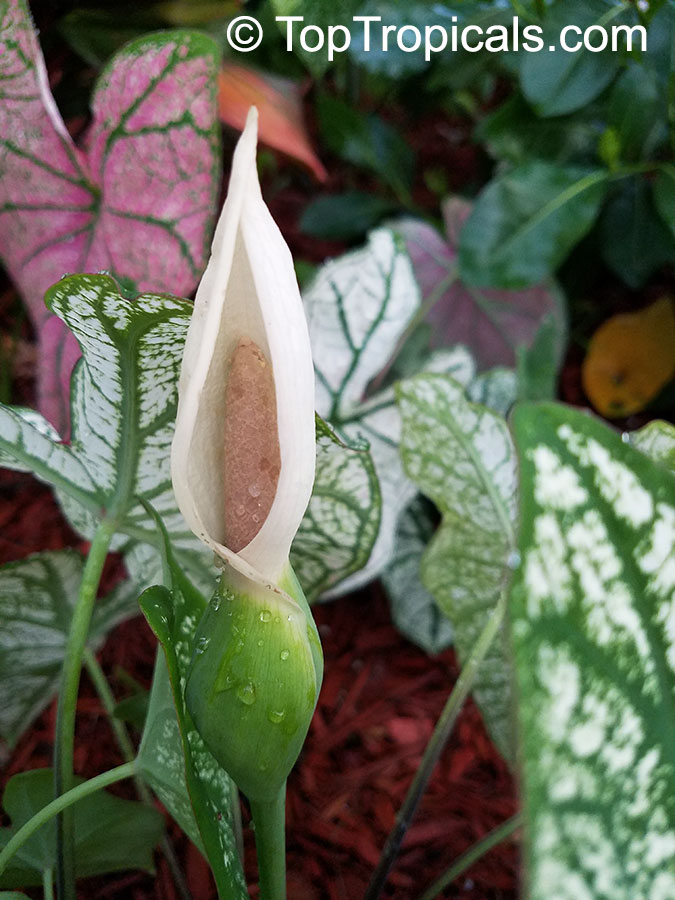
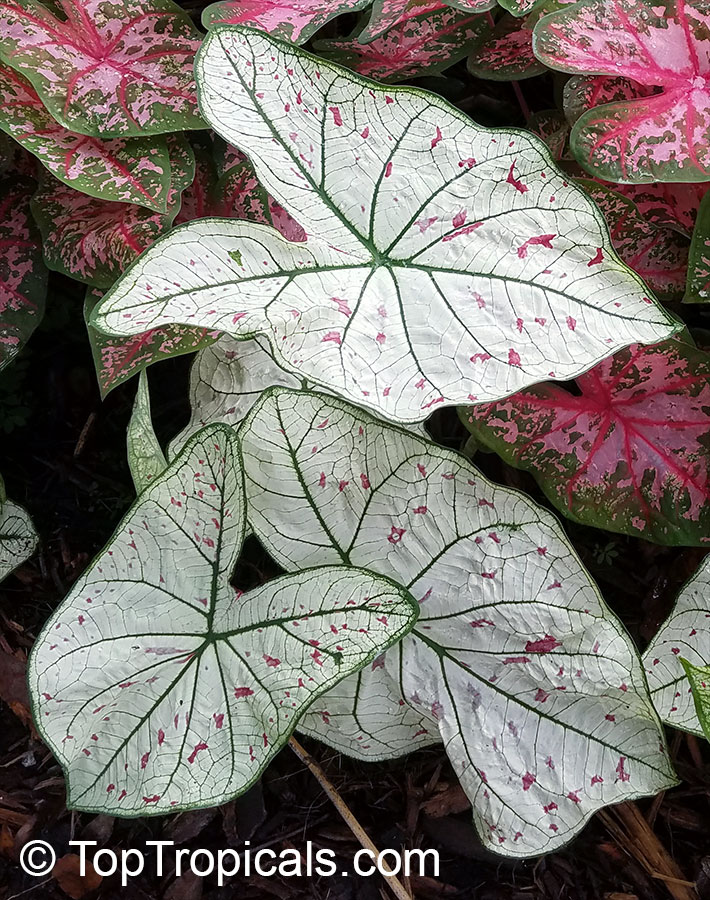
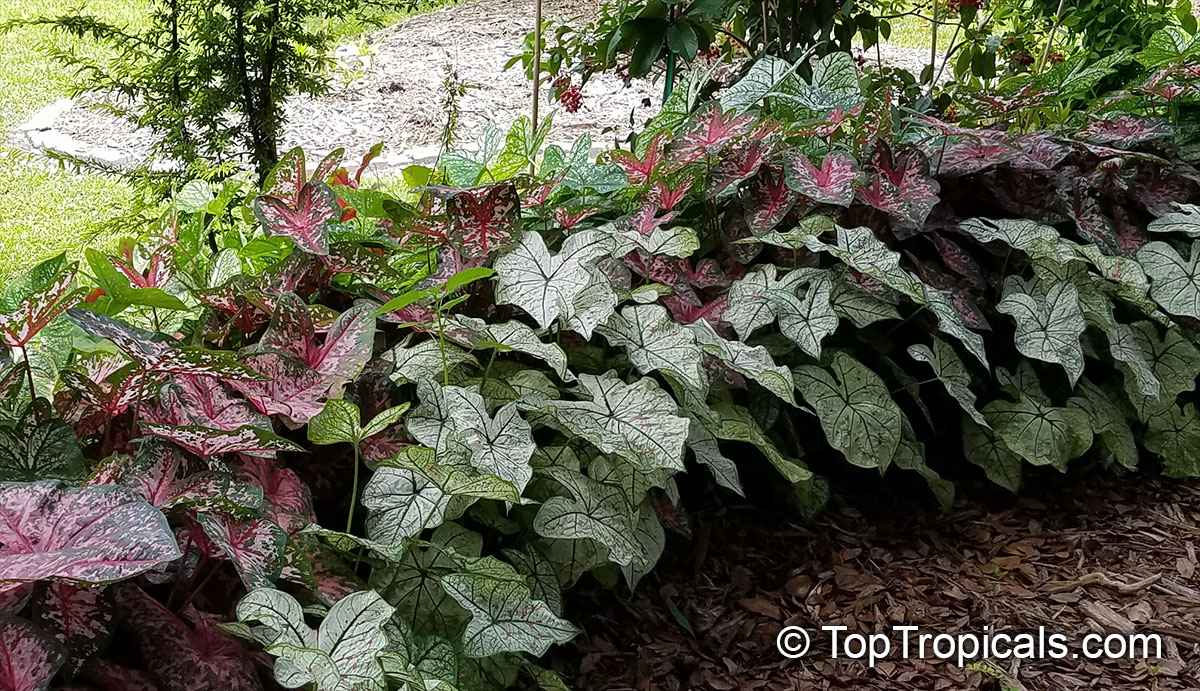
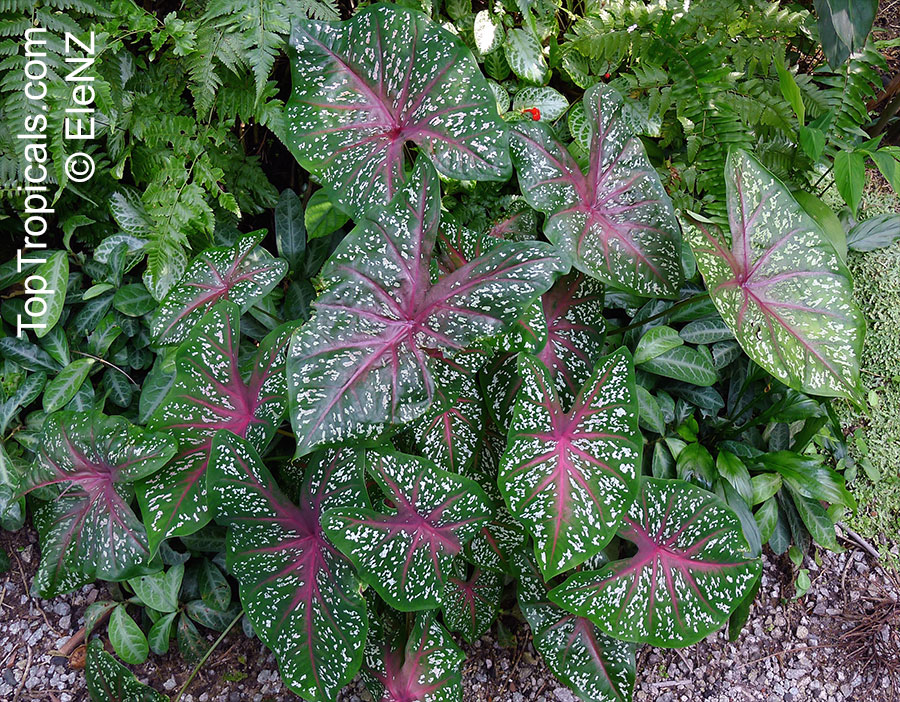
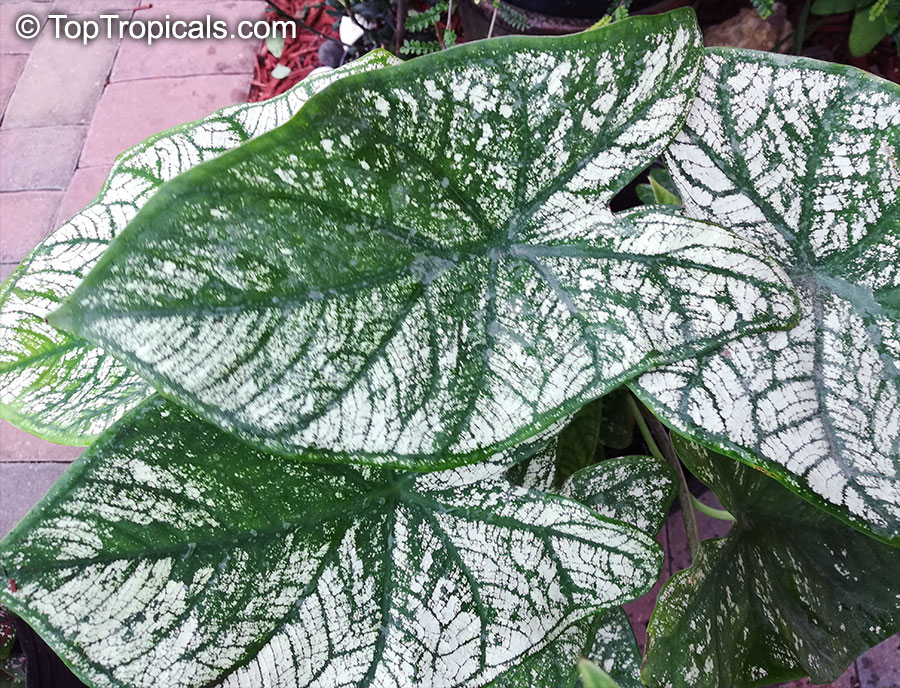
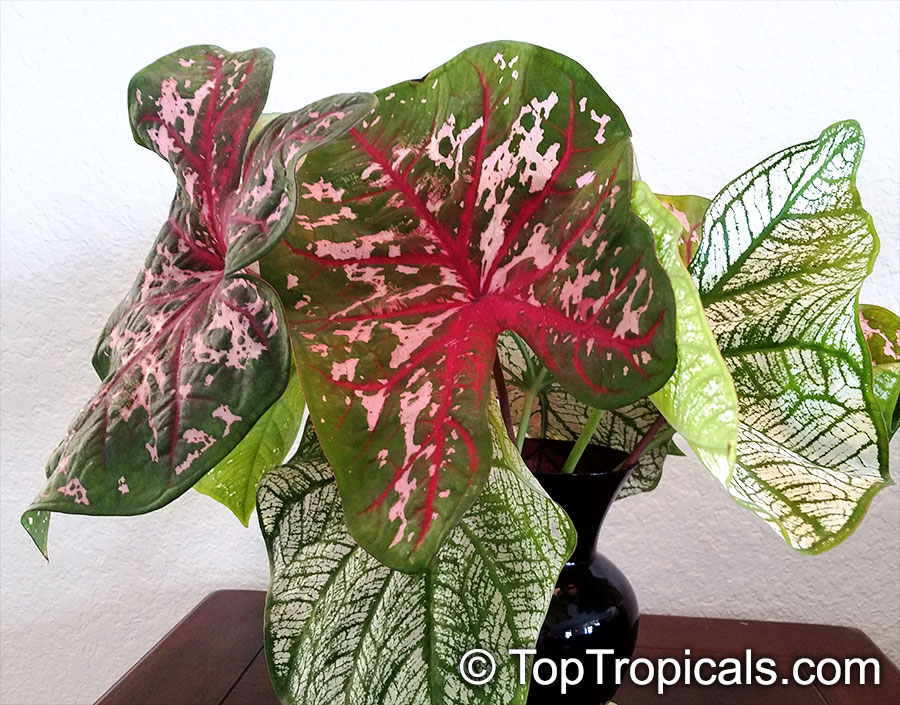
Caladium bicolor is a tuberous tropical perennial from South America, especially Brazil, valued for its dramatic foliage. It produces large heart- or lance-shaped leaves that emerge directly from the underground tuber on slender petioles. The leaves display vivid patterns in combinations of green, white, pink, and red, making it a striking choice for shaded gardens or indoor displays. While it can bloom under favorable conditions, its floral display is insignificant compared to the ornamental value of its foliage. The flowers of Caladium are modest white spadices, typical of plants in the .
Grow in rich, well-drained, slightly acidic soil and provide warm, humid conditions with bright indirect light. Water regularly during the growing season to keep the soil evenly moist, but reduce watering during dormancy. In temperate climates, lift tubers in autumn and store them dry at 55-60F until replanting in spring. Ideal for USDA Zones 10 -11, Caladium bicolor also thrives in containers, bringing bold color and tropical flair to shaded spaces.


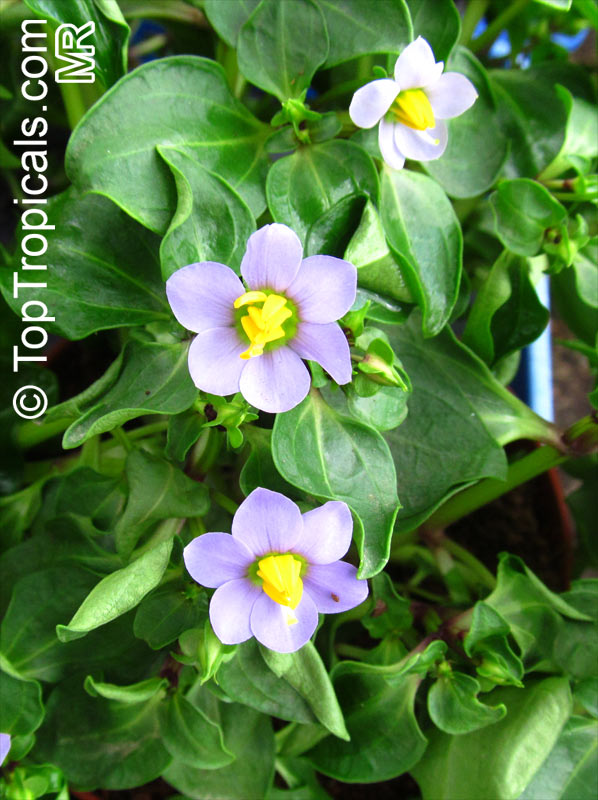
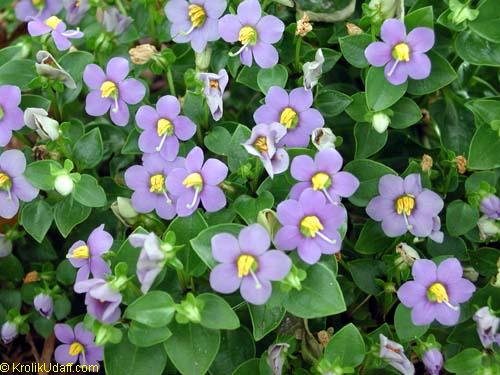
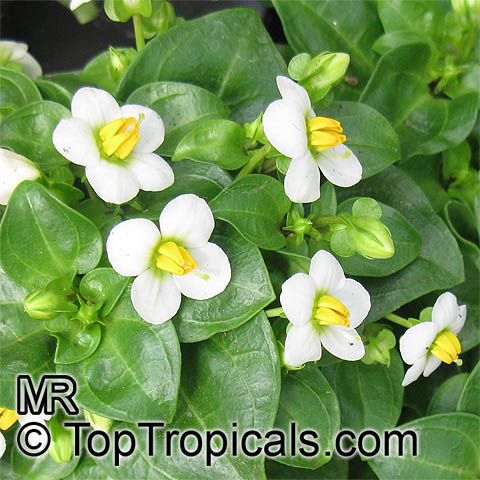
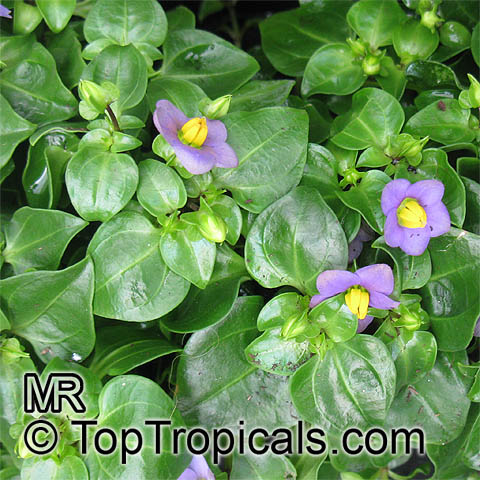
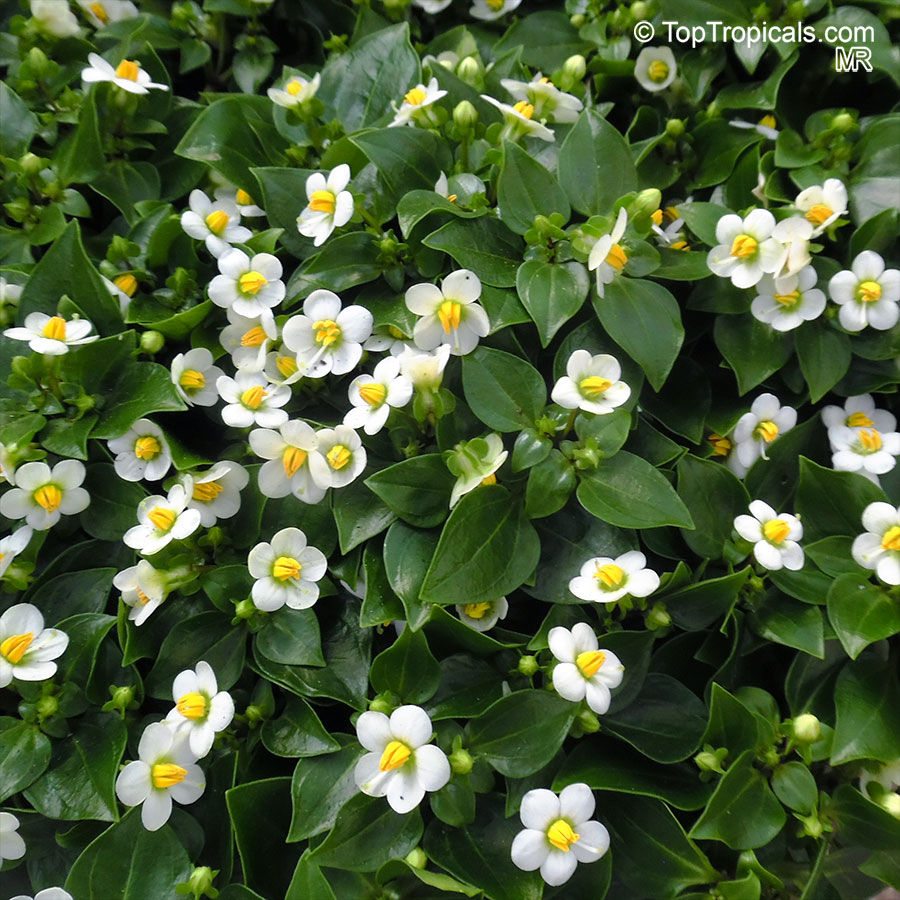
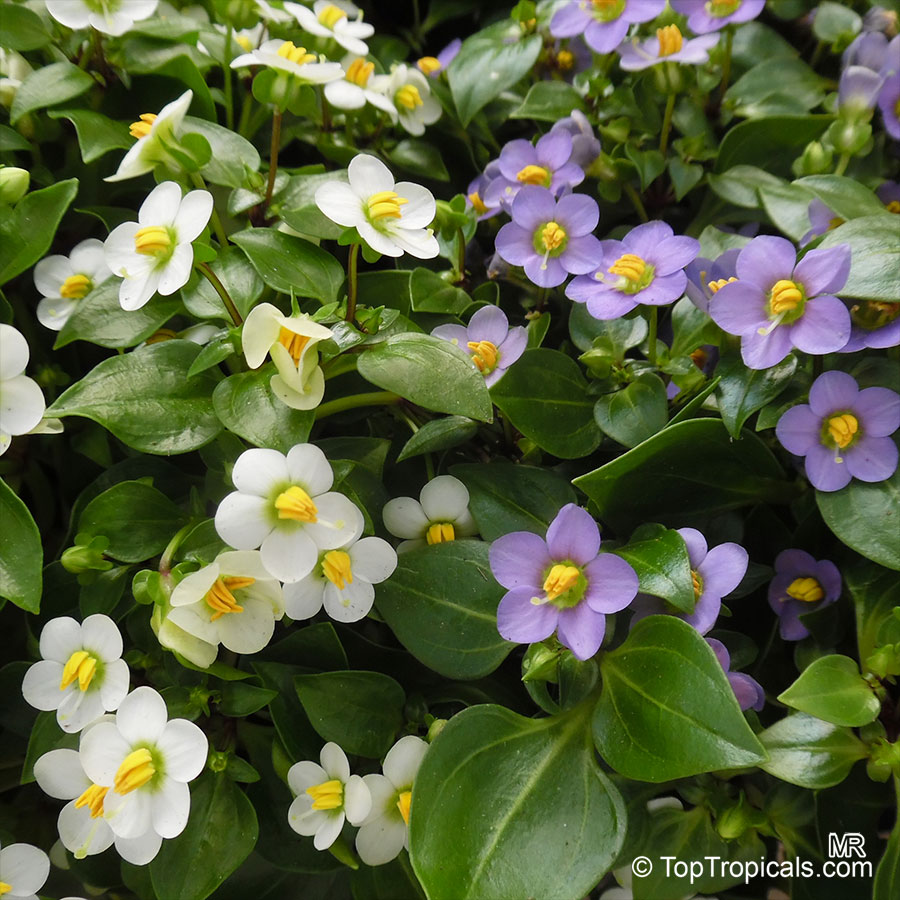
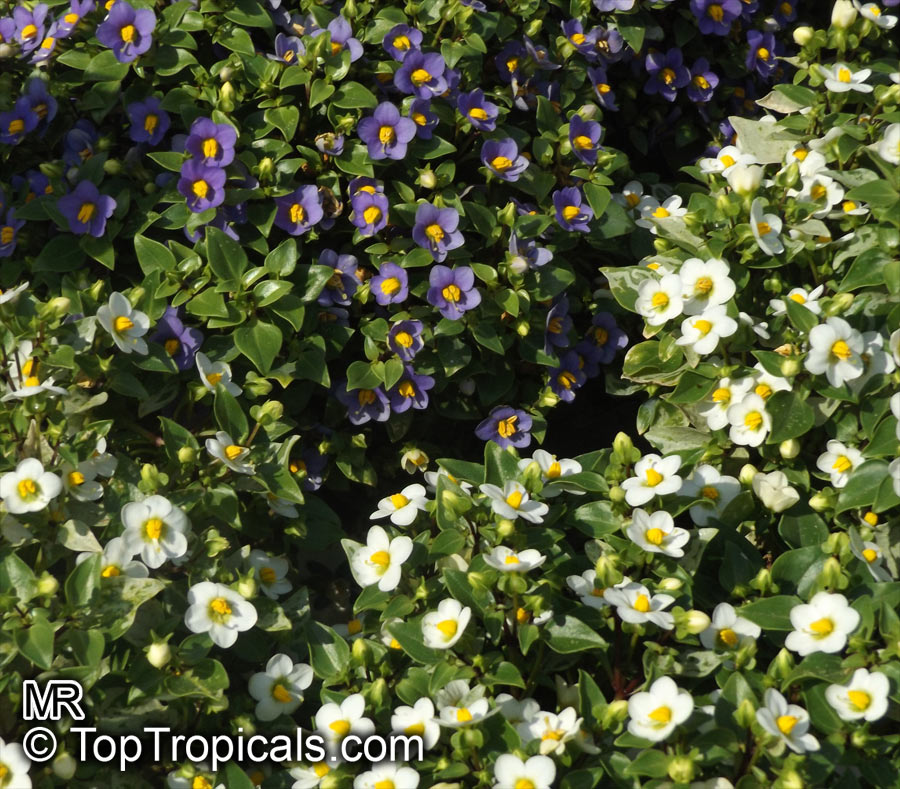
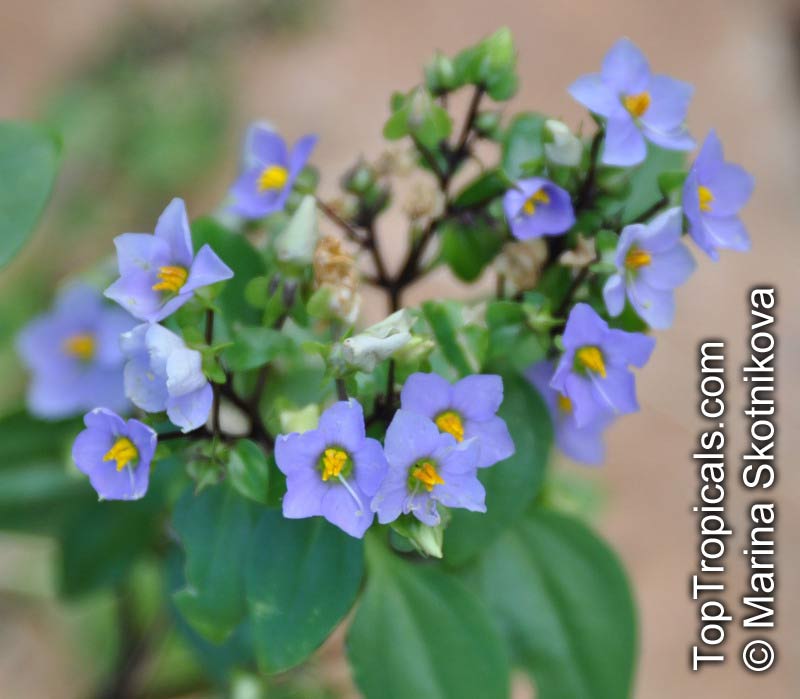
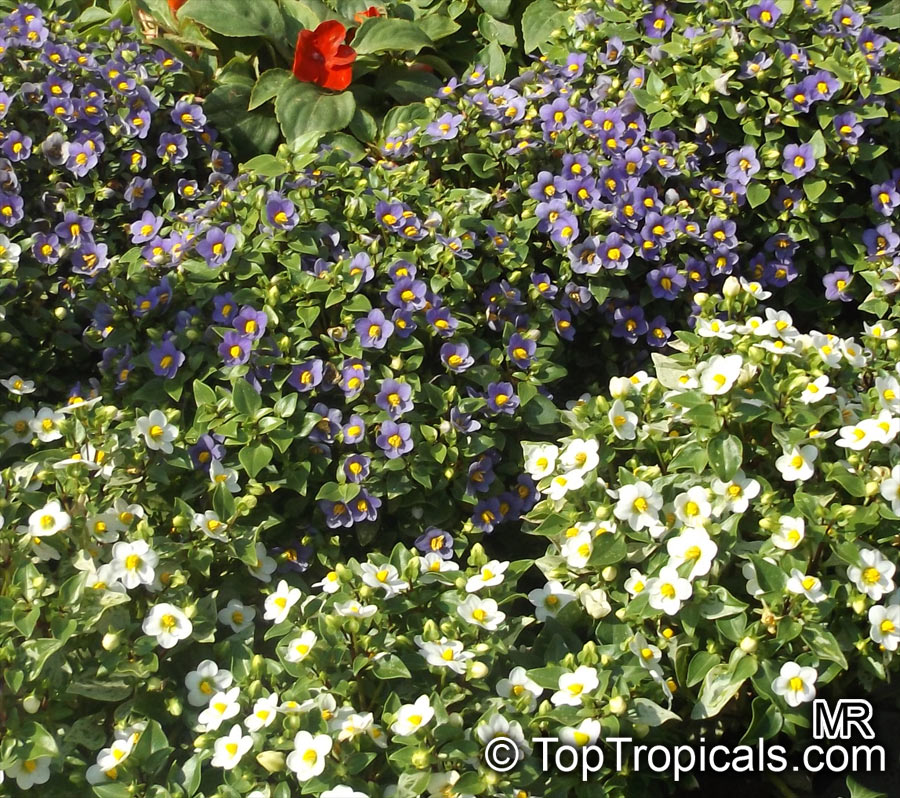
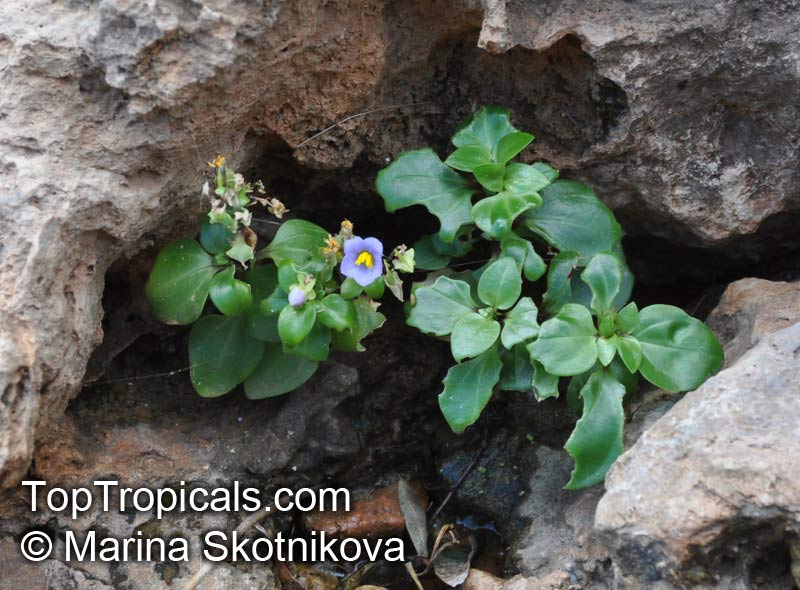
Botanical name: Exacum affine
Common name: Persian Violet
Family: Gentianaceae
Origin: Island of Socotra off the Southern Arabian Peninsula
USDA Zone: 9-10


Exacum affine, or Persian Violet, is a small herbaceous biennial plant. Leaves are dark green, ovate to 1 to 5 inches long. Plants with great age will reach 2 foot tall. They make a great houseplant and in USDA zone 7 they are used in landscaping as annuals. Blooming Time: Seeds of the plant sown in mid-winter will bloom in the summer, and seeds sown in the fall will bloom in the spring. The small bluish-lilac star-shaped flowers with deep yellow stamens are mildly fragrant. They are very showy.
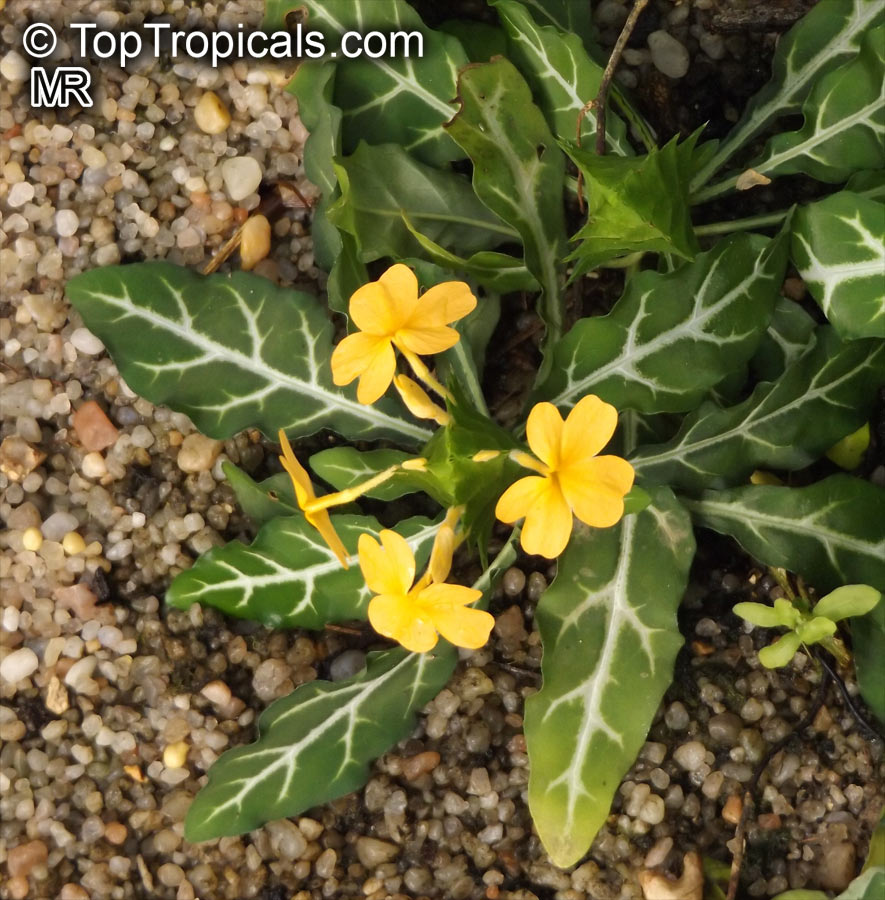
Botanical name: Crossandra pungens
Common names: Firecracker Plant, Firecracker Flower
Family: Acanthaceae
Origin: Eastern Africa
USDA Zone: 9-10

Grown from 2 to 5 feet tall. It's native to Eastern Africa, however, you might be surprised how well it can thrive in warmer climates.
Crossandra pungens (Firecracker Plant) will give you an easy-to-maintain living tapestry of colors and textures throughout the summer months. This flowering shrub will provide plenty of brilliant yellow and orange flowers. It's a stunning ornamental year round and its flowers will attracted hummingbirds and butterflies to your garden.
The firecracker plant grows well in semi-shade and it requires regular water to thrive. When using it as a groundcover, it's best to keep it low-growing, no more than 2ft tall. If you're growing it as a shrub, you'll need to prune it regularly to give it shape. In colder regions it can be kept in pots so it can be transferred indoors if needed.
Growing the firecracker plant in a pot in cold regions requires good drainage, plenty of water, and a bit of extra tender loving care. You'll want to make sure the soil is rich in nutrients and let it dry between watering. Be sure to move it to a warm spot for the cooler months and mulch to keep the roots of the plant warm and stable.
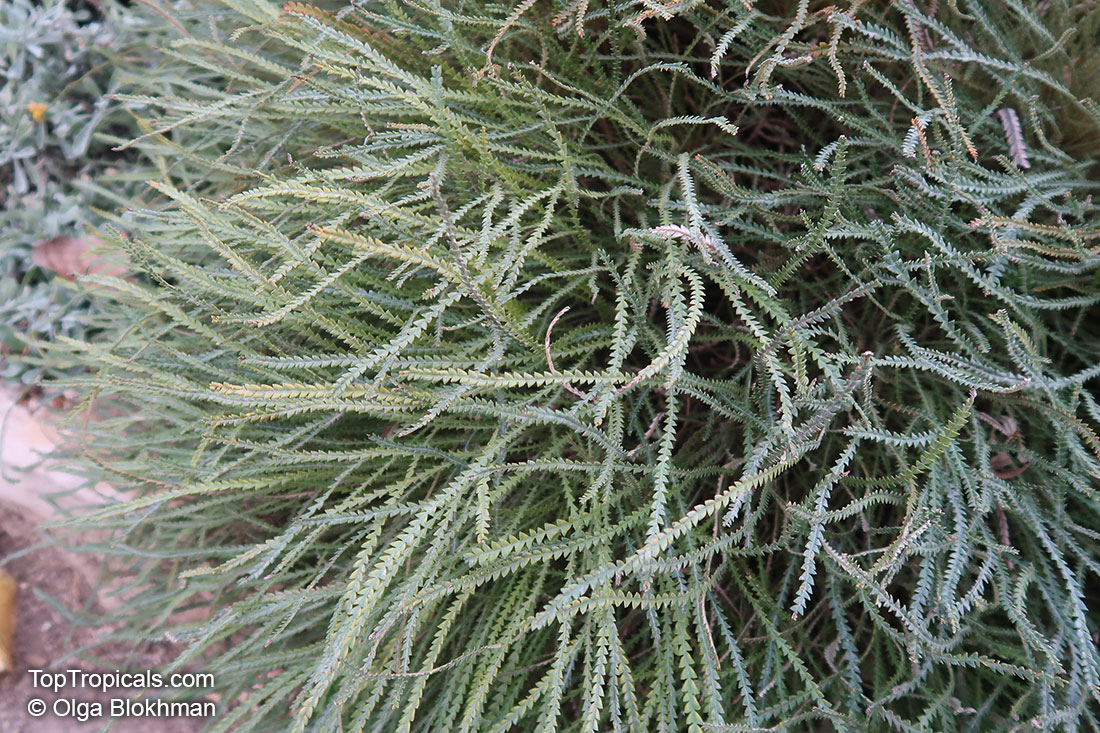
Botanical names: Banksia nivea, Dryandra nivea
Common name: Honeypot Dryandra
Family: Proteaceae
Origin: Australia
USDA Zone: 9-10

A prostrate shrub with a creeping, suckering habit with a height of not much more than 30 cm making it an ideal native ground cover.
Dark green divided leaves with a triangular or sickle shape segments. Its main flowering time is during spring with flower colors including cream, yellow, orange, pink, red and brown. Drought and frost resistant once established.
Dryandra was considered a separate genus until early 2007, when it was merged into Banksia.
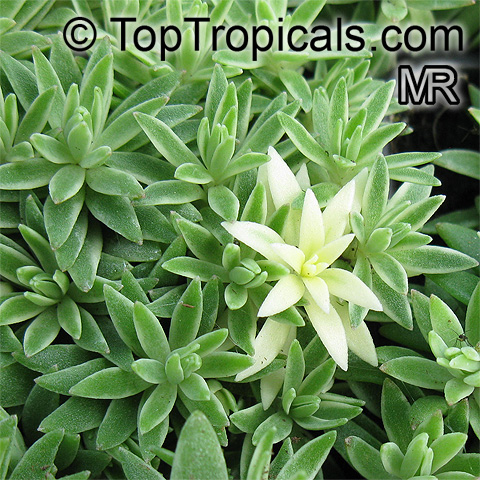
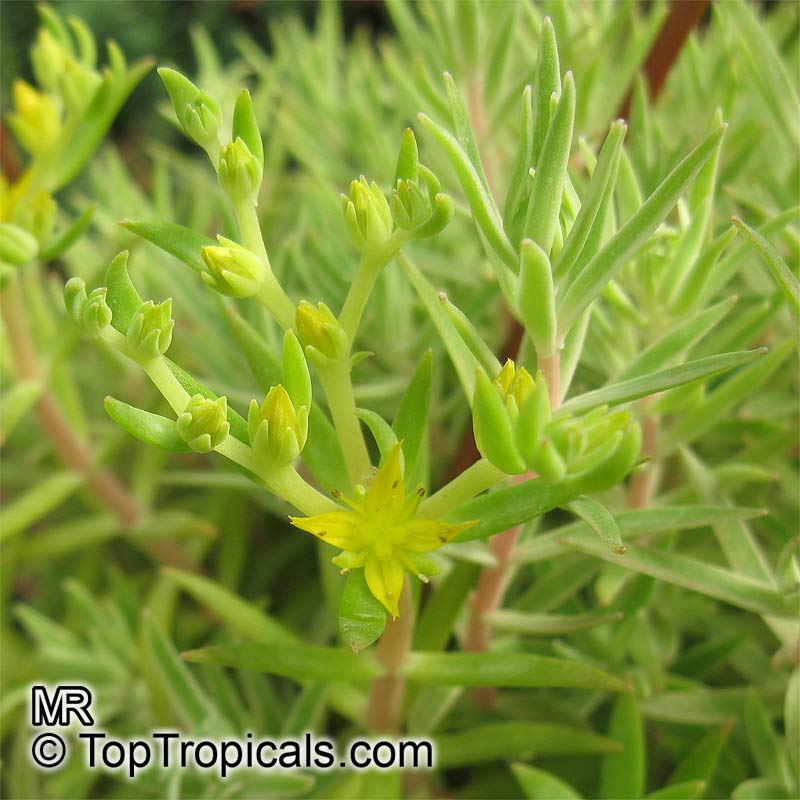
Botanical name: Sedum lineare
Common names: Carpet Sedum, Needle Stonecrop
Family: Crassulaceae
Origin: China, Japan
USDA Zone: 9-10
Drought-tolerant; suitable for xeriscaping.
Suitable for growing in containers.

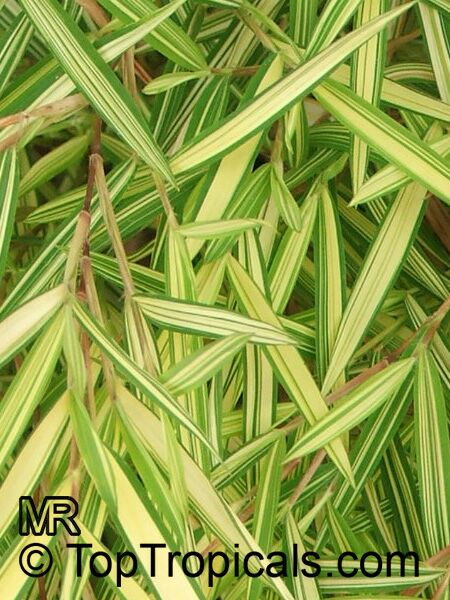
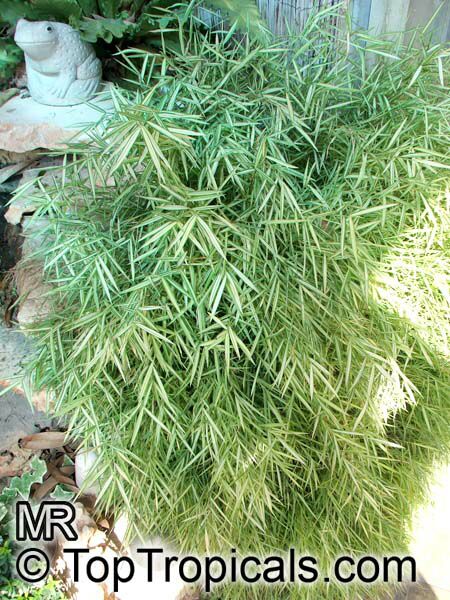
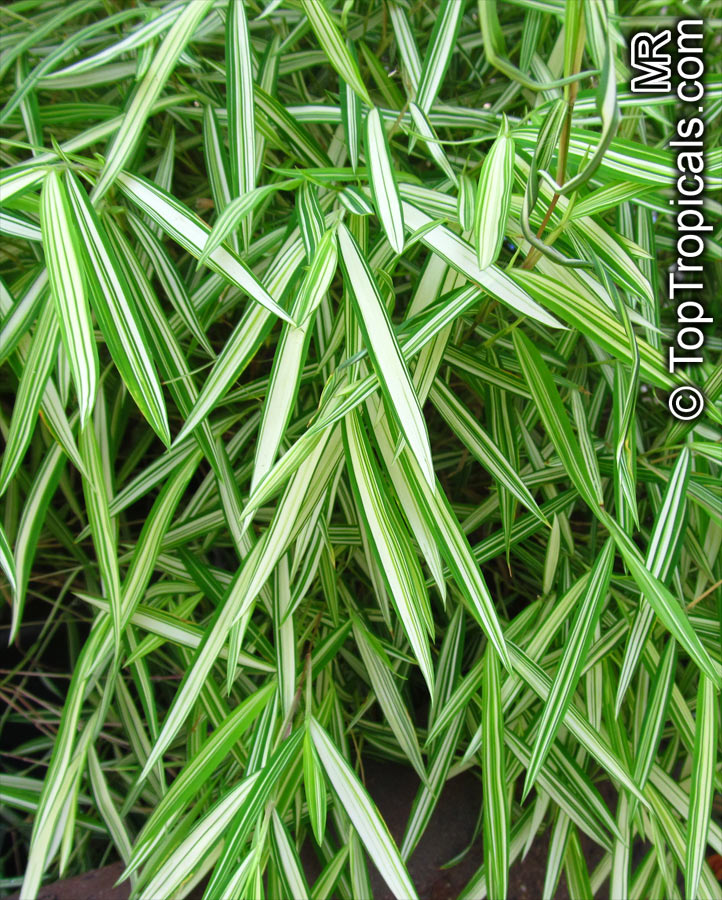
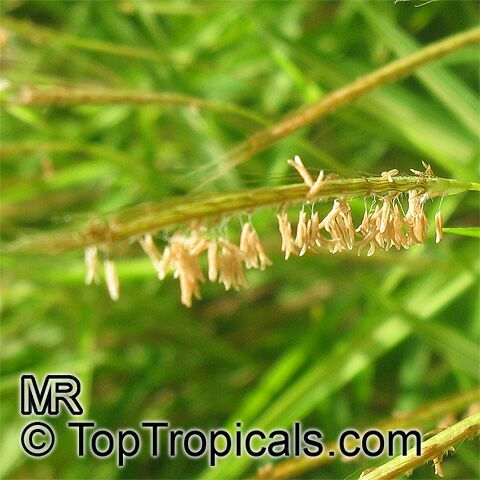
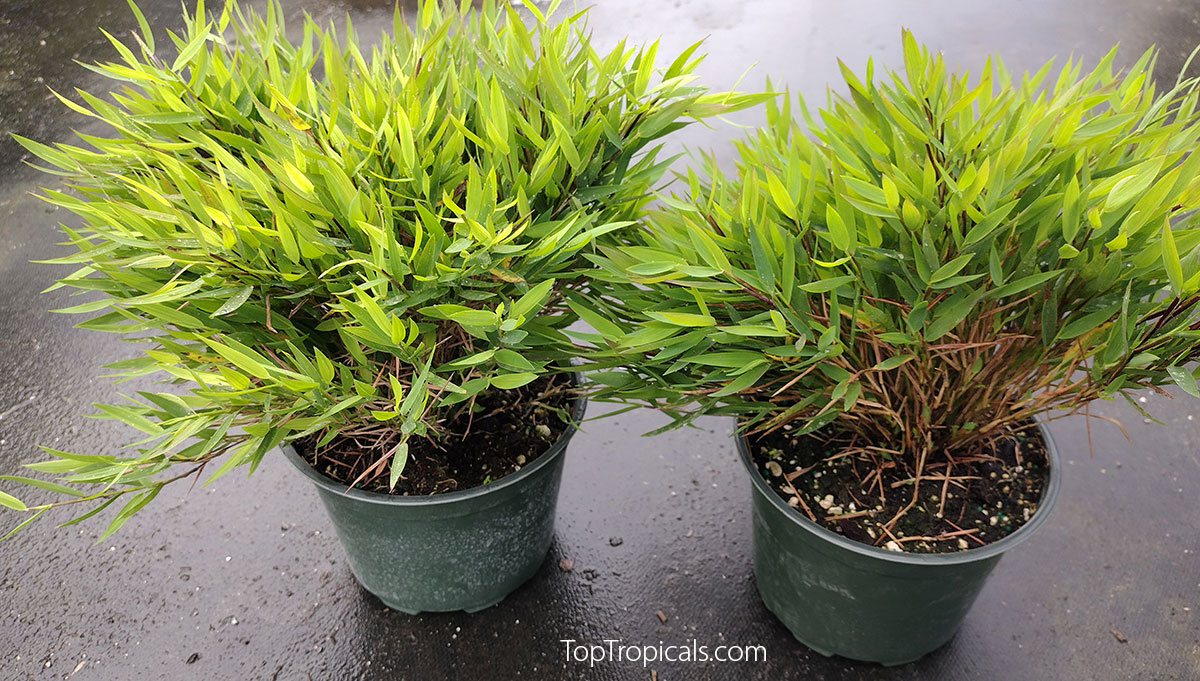
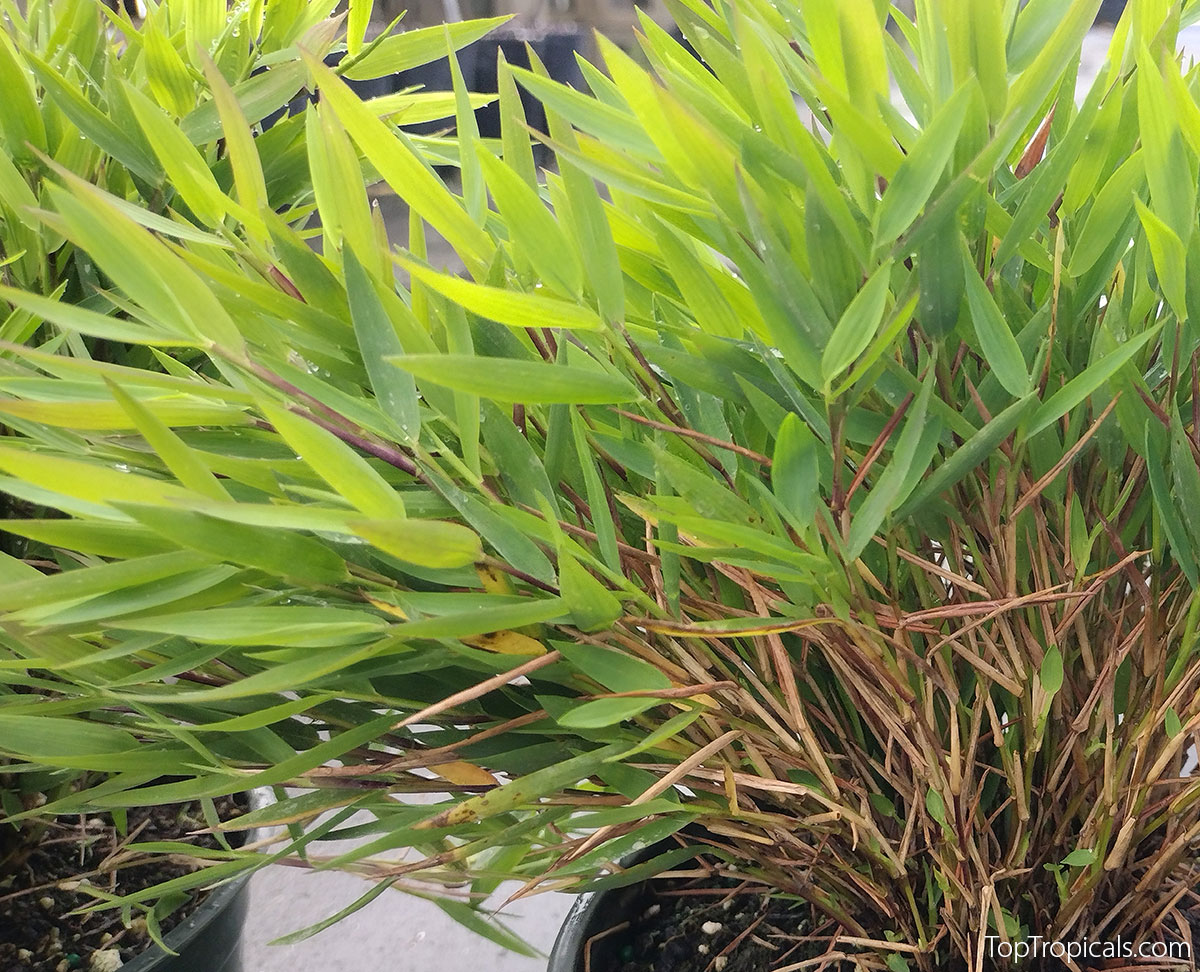
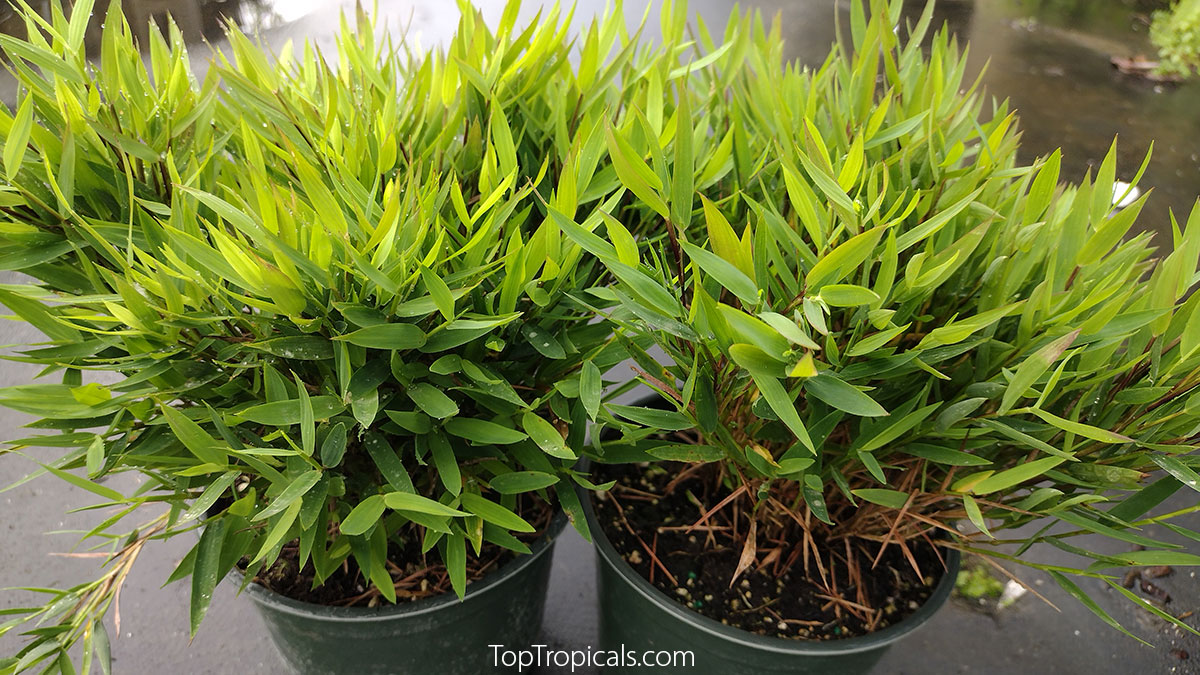
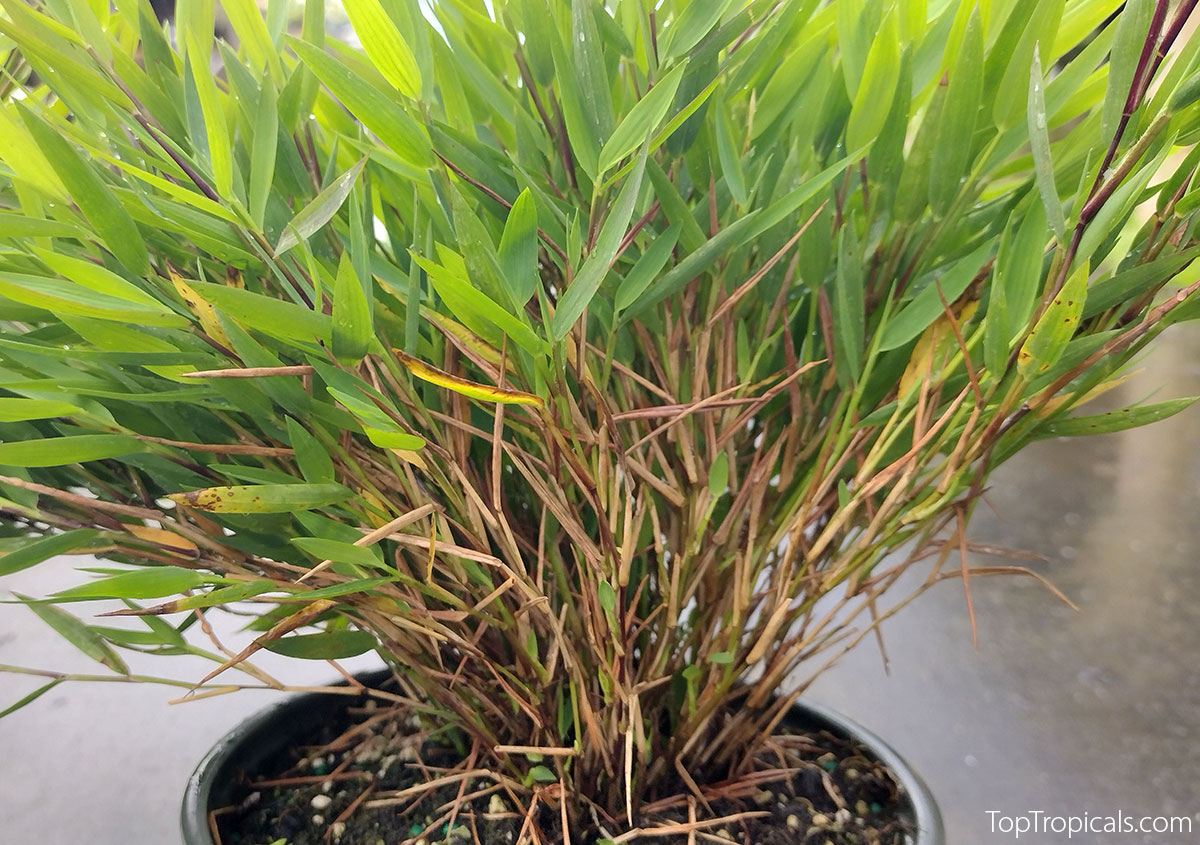
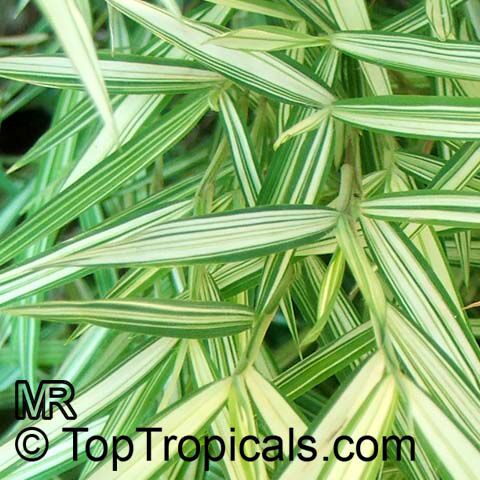
Botanical name: Pogonatherum paniceum
Common names: Miniature Bamboo, Baby Panda Bamboo
Family: Poaceae (Formerly:Poaceae / Gramineae)
Origin: Southeast Asia
USDA Zone: 9-11

This is not bamboo but a grass. A versatile plant with very fine and long, bright green or yellow-green variegated leaves.
Grow it next to waterfall. Plant it along a border for a soft line of greenery. Looks great in containers.
Needs constant moisture but can handle sun or shade. Drying out is the end of it. Even suitable for indoors.
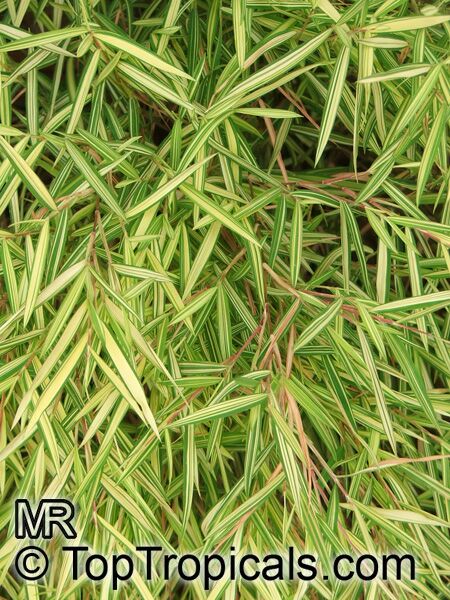
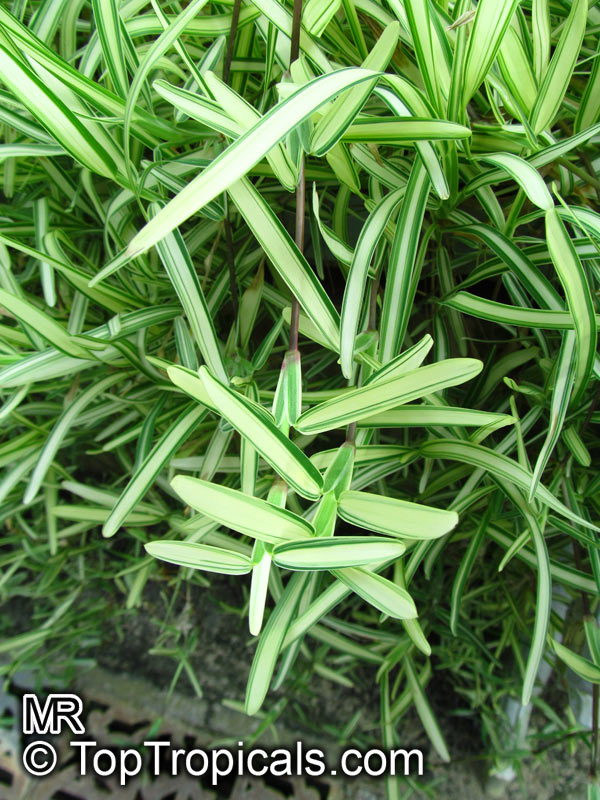
Botanical name: Stenotaphrum secundatum
Common names: st. Augustine Grass, Buffalo Grass
Cultivar: Variegatum
Family: Poaceae (Formerly:Poaceae / Gramineae)
Subfamily: Panicoideae
USDA Zone: 9-10
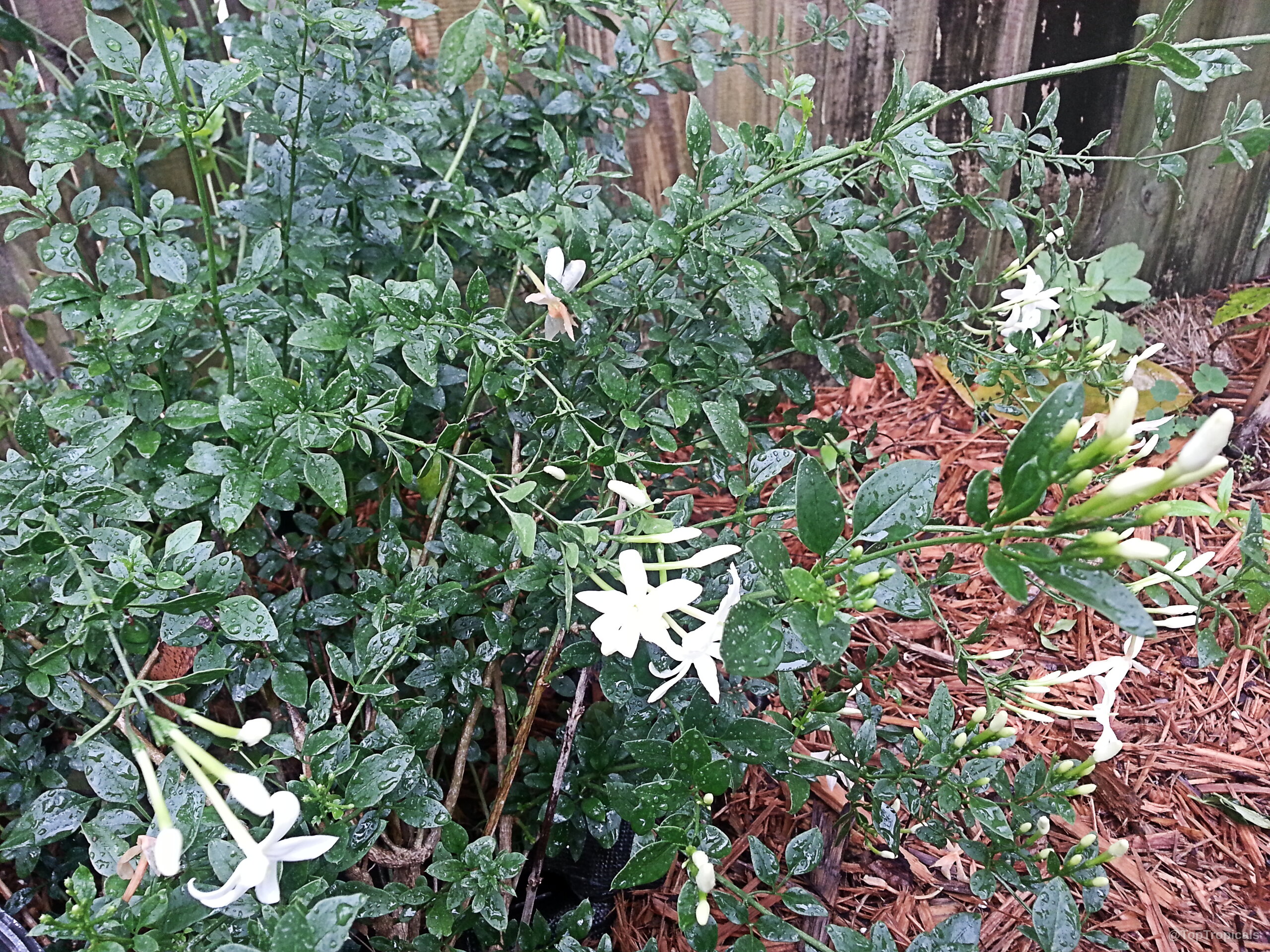
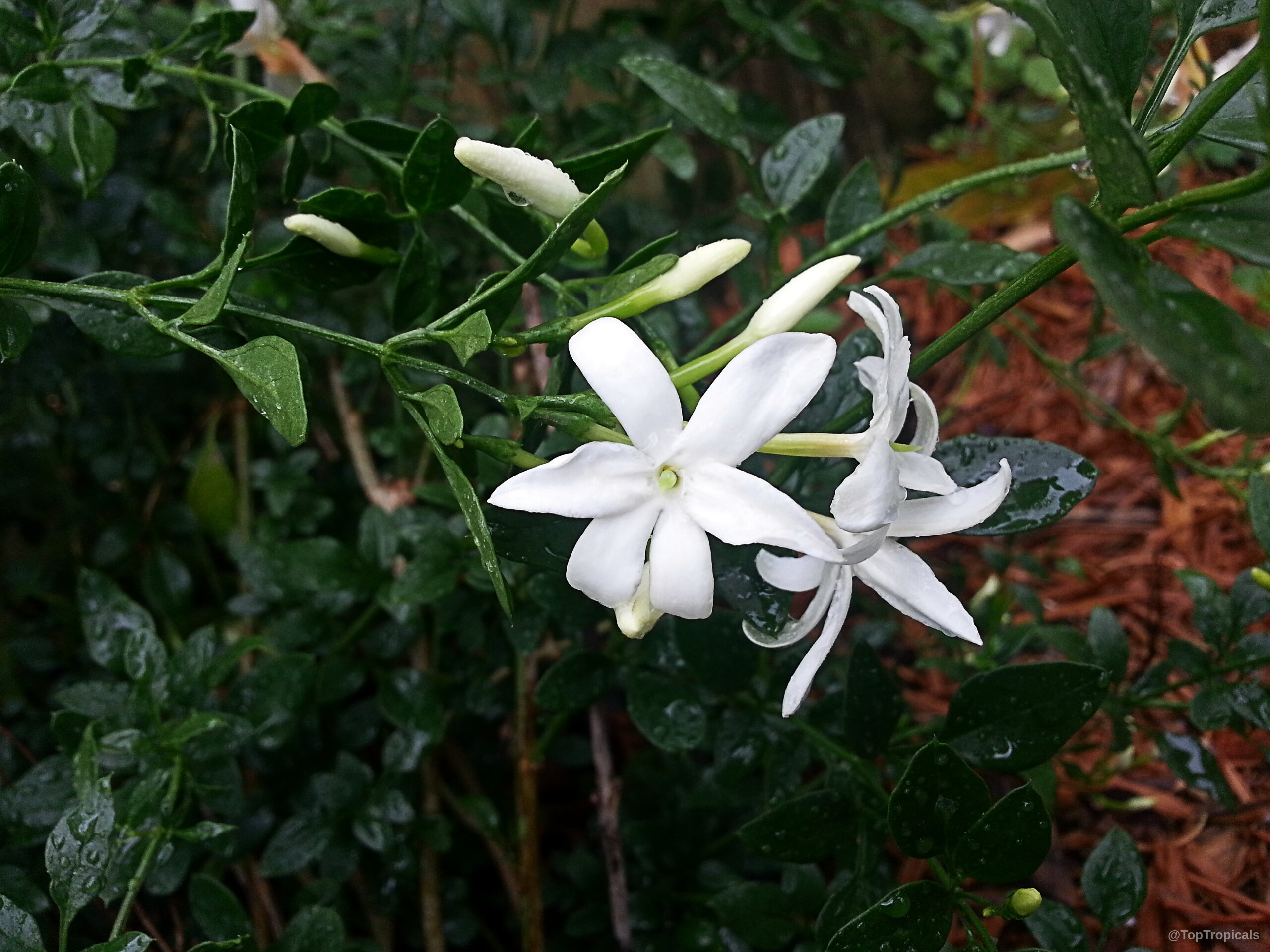
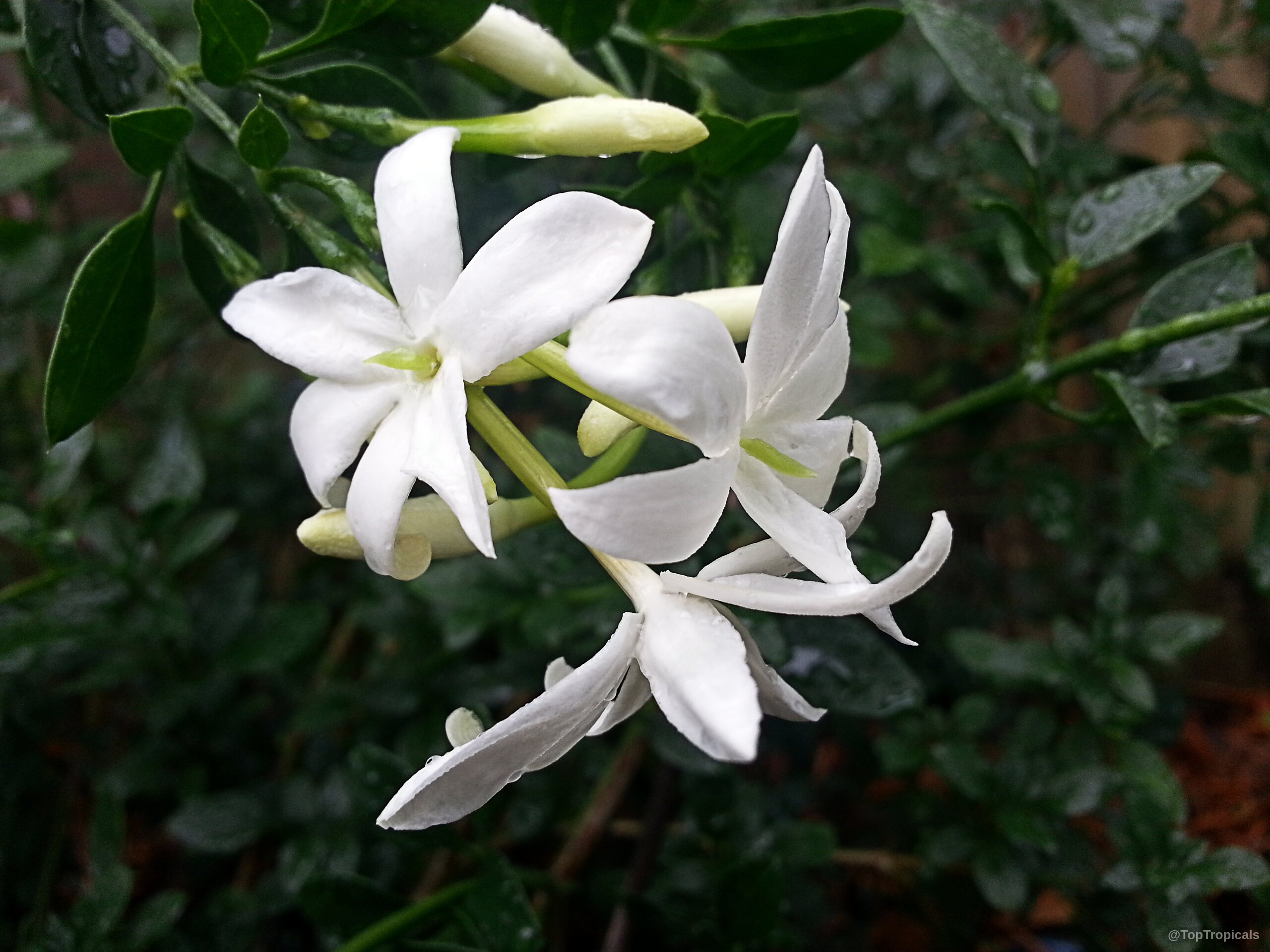
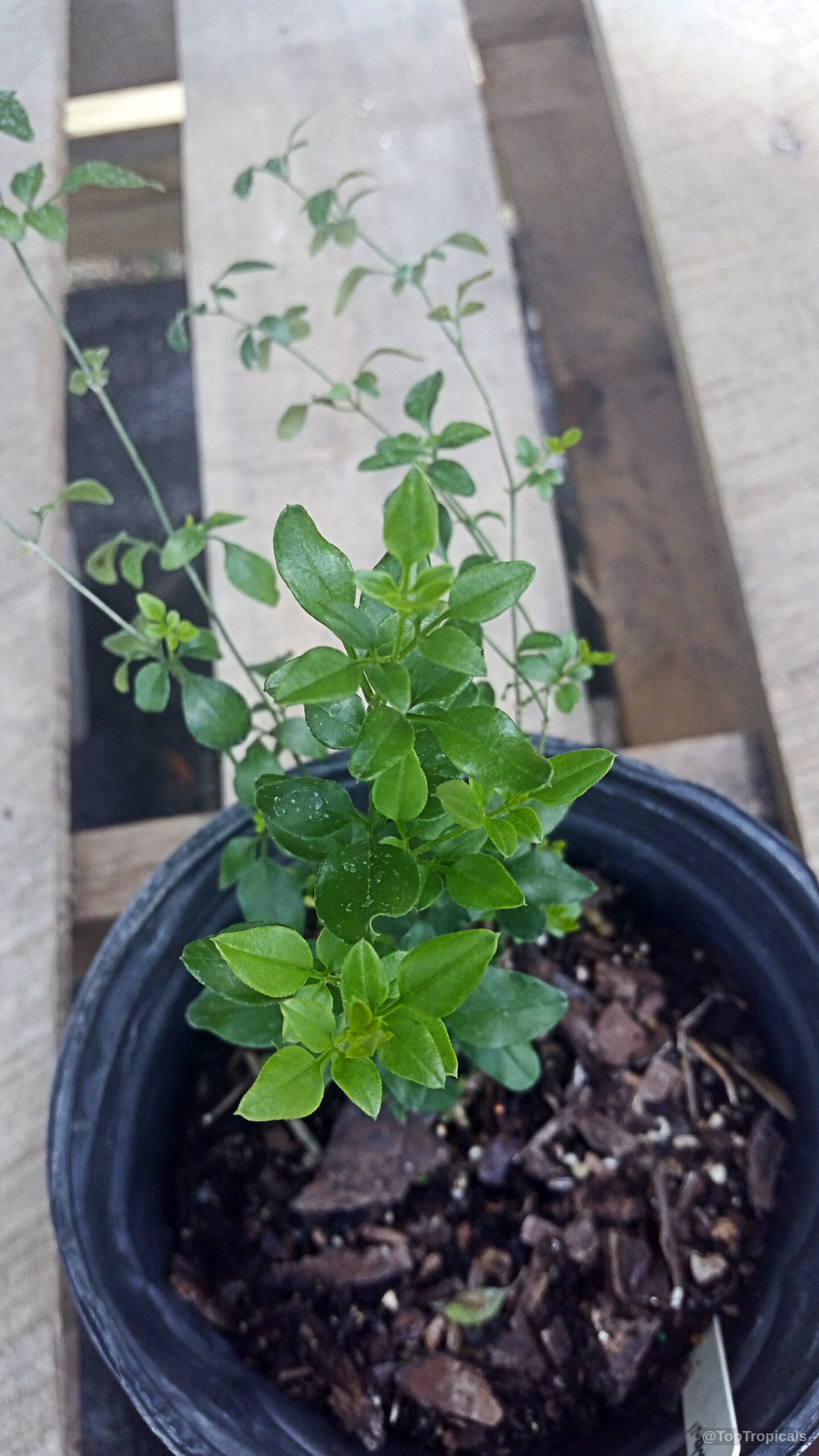
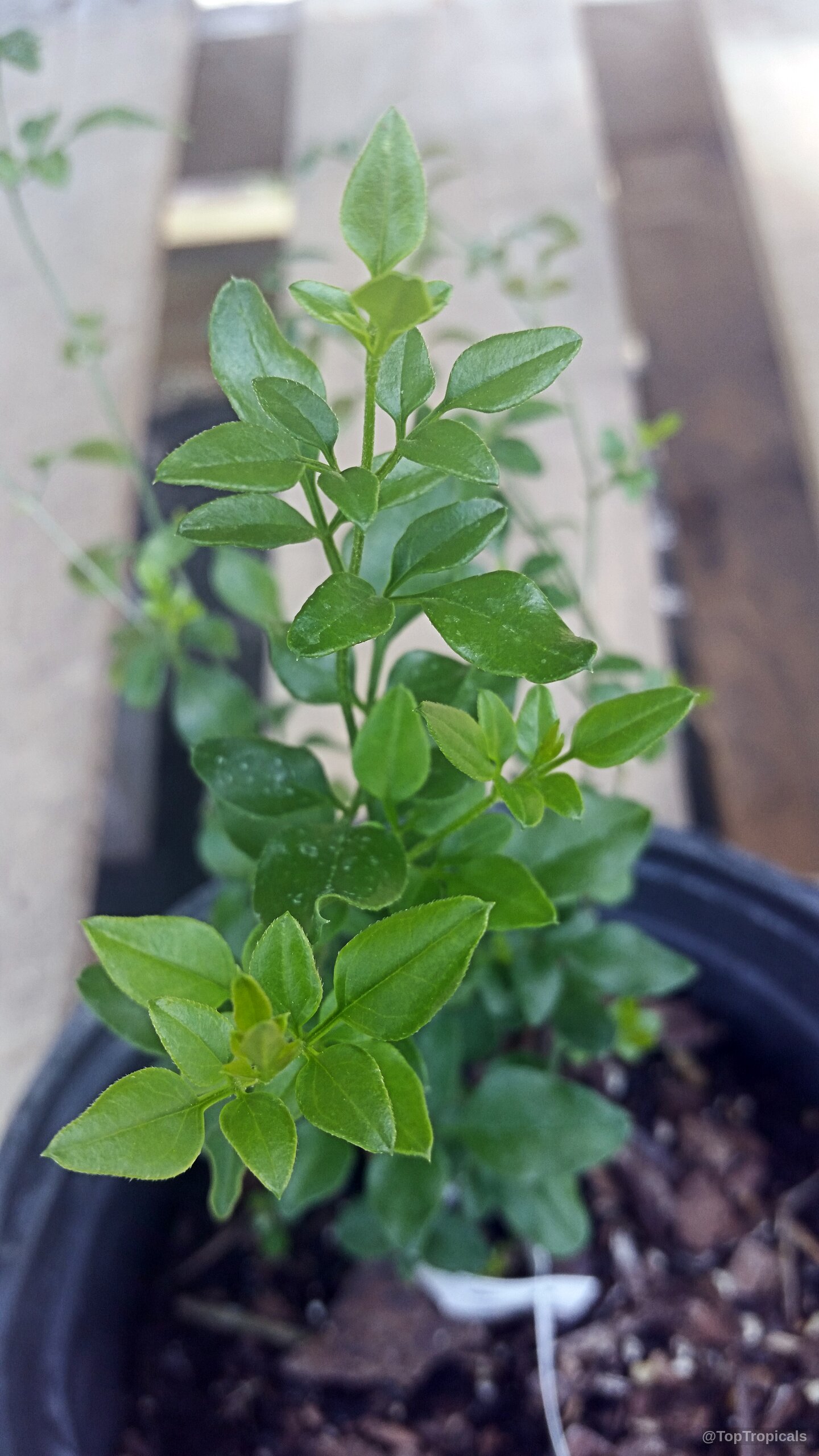
Botanical name: Jasminum sp.
Common names: Dwarf White Jasmine, Jasmine Mini, Baby Jasmine
Family: Oleaceae
USDA Zone: 8-11


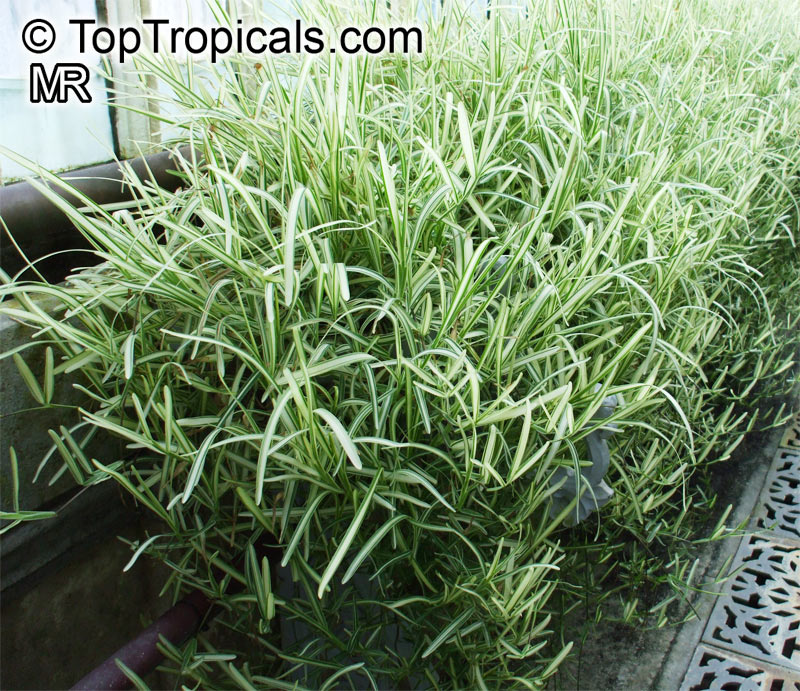
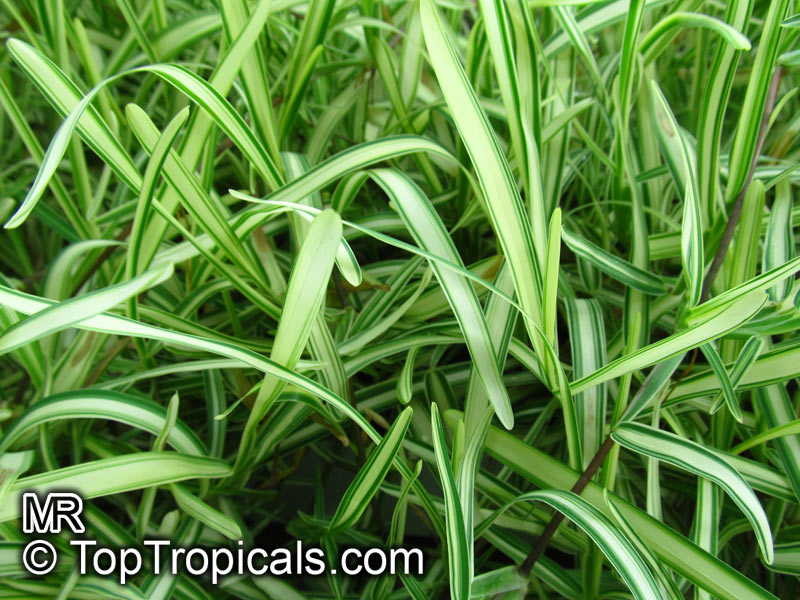
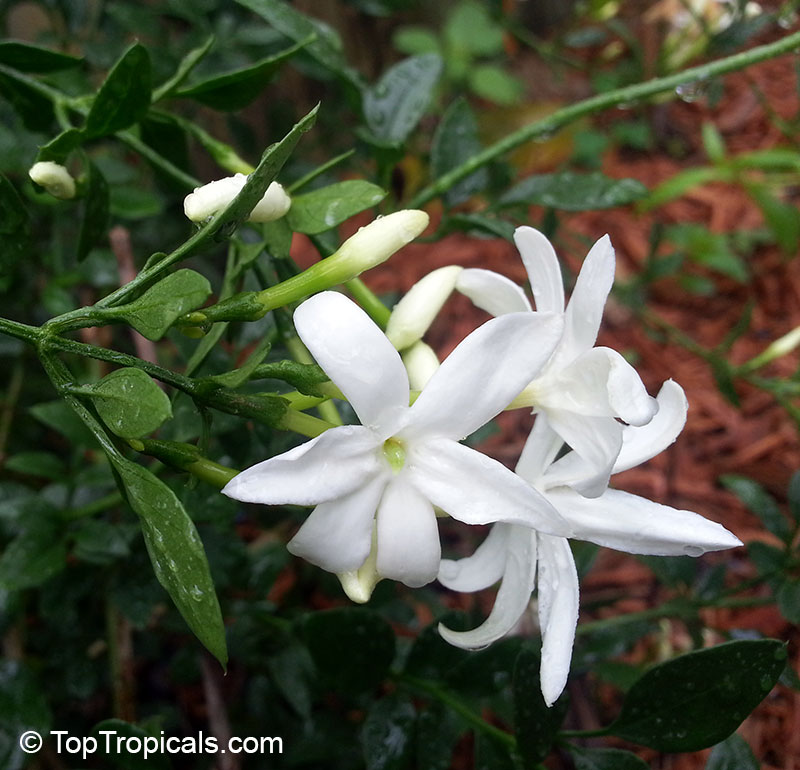
This dwarf, slow growing jasmine has leaves very similar to J. parkeri but they are a bit bigger. They start as bright green when young, then turn darker with age. Flowers are pure white, sweetly fragrant. The create dramatic contrast with dark leaves.
Jasmine Mini can be shaped as bonsai or a small compact container specimen. This requires minimal pruning. If left untrimmed, the plant may grow longer vining branches, but even in this case it can be treated as a Dwarf grower and will need only a small trellis.
Blooms in summer.
This is a perfect small plant for fragrant plant collectors who got to the point of lack of space! Great for containers.
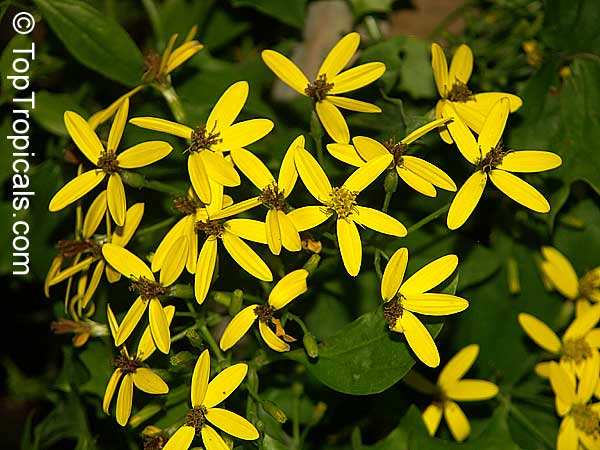
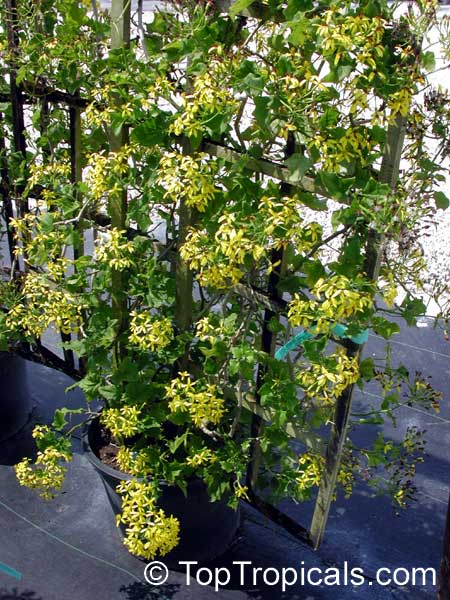
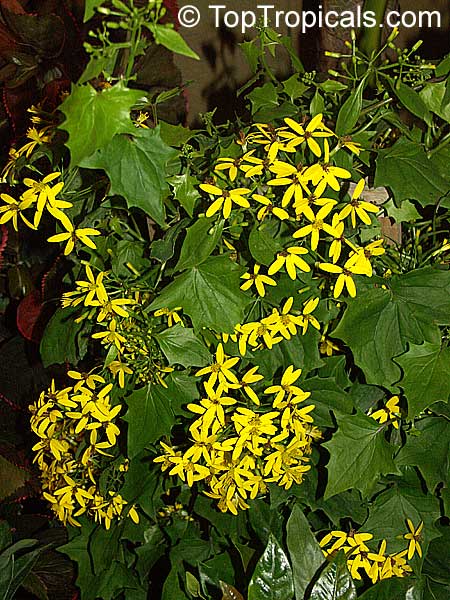
Botanical names: Senecio mikanioides, Delairea odorata
Common names: German Ivy, Cape Ivy, Water Ivy, Parlor Ivy
Family: Asteraceae
Origin: South Africa
USDA Zone: 9-10

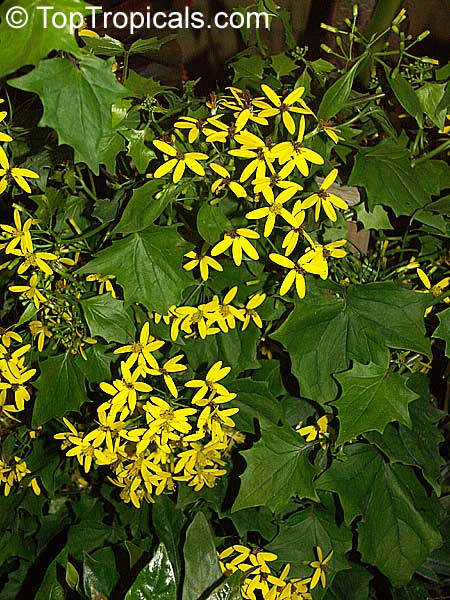
Cape Ivy or German Ivy is considered a groundcover option and a low-growing plant, growing up to 2 feet tall depending on the climate. The plant prefers full sun or semi-shade and requires regular or moderate water. In cooler climates it should be grown in a pot and placed in full sun to help it survive properly. The vibrant yellow and orange flowers attract many hummingbirds and butterflies.
Cape Ivy does thrive in USDA zone 9-11, however, it can become an invasive ground cover for some climates, so it should be monitored. When planting in a garden bed, it is recommended to dig a trench and layer the surface with newspaper to prevent the roots from spreading. Pruning of the stems and flowers is also important to contain the plant's growth and should be done after flowering occurs.
Growth for this plant is normally slow, so fertilizer is not necessary. A layer of leaf mulch in the surrounding area helps retain moisture and suppresses weeds. The plant is tolerant to low temperatures and some frost however frost-tender leaves may discolor and damage if temperatures are too cold.
All in all, Senecio mikanioides or Cape Ivy or German Ivy, is an easy to care for, hardy plant that produces vibrant yellow and orange flowers in the spring. It attracts hummingbirds and butterflies and is suitable for USDA zone 9 through 11 climates when care instructions are followed. Caring for the plant includes regular pruning, as well as preventing the root from spreading by layering the surface with newspaper. Fertilizer is not necessary for this slow-growing plant and leaf mulch should be used to retain moisture and suppress weeds.
| Next | |
Use link to repeat this search:
https://toptropicals.com/cgi-bin/garden_catalog/cat.cgi?search_op=and&keyword_op=and&language=e&number=10&no_change_lang=1
&v1=grd&user=tt&sale=1&first=0