Subtropical plant - Plant Encyclopedia Results
| Number of plants found: 1088 | Next | 
|
Go to page: | 1 | 2 | 3 | 4 | 5 | Last |
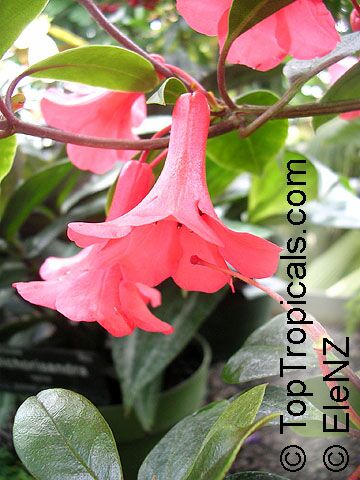
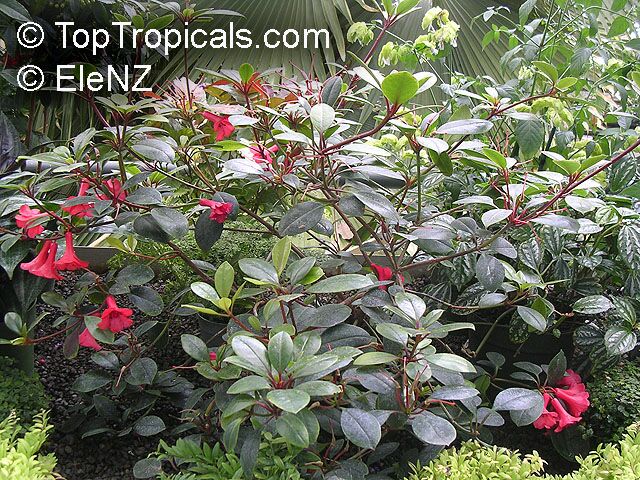
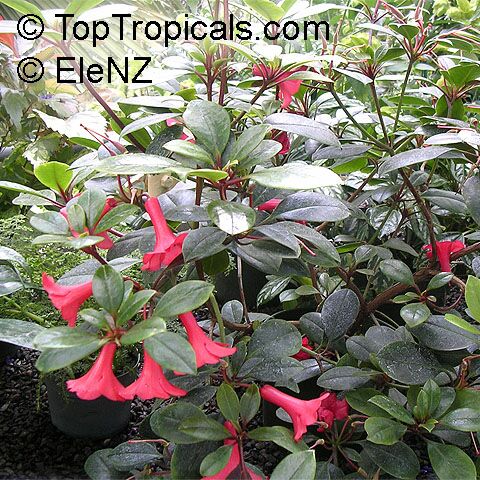
Botanical name: Rhododendron lochiae
Common name: Australian Rhododendron
Family: Ericaceae
Origin: Queensland (Australia)
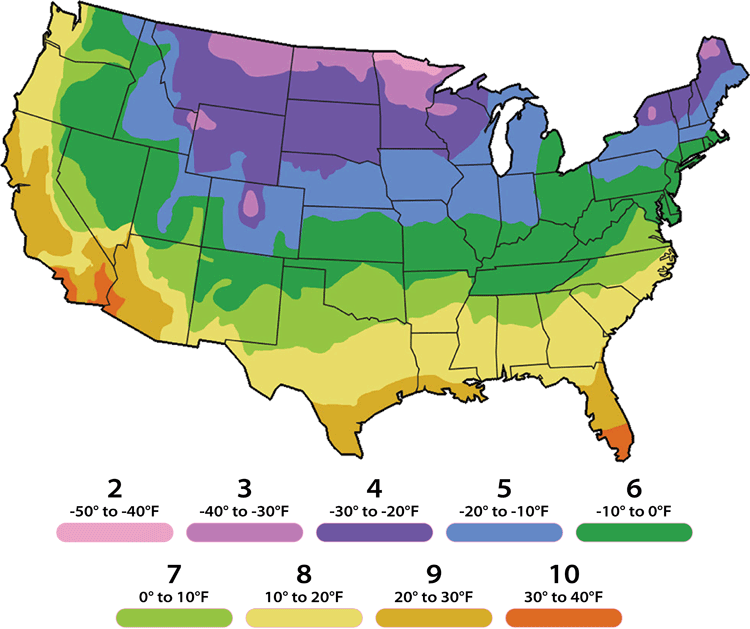


Rhododendron lochiae (Australian Rhododendron) is a small shrub that is native to cold climates, reaching a height of 2-5 ft. It can grown in USDA zones 7-9. The plant is best grown in a cold frame, conservatory, or greenhouse in order to maintain temperatures above freezing in the winter. Good drainage is necessary to avoid excess wetness in these sheltered environments. When grown outside in cold regions, the plant should be placed in a sheltered, sunny spot with protection from cold winds. It can withstand temperatures as low as 25°F when planted in the open garden. To keep the plant healthy, water it regularly and feed it with a balanced fertilizer. After flowering, lightly prune the shrub to maintain its shape.
Rhododendron lochiae can also be grown in put. It is not recommended to repot the plant in the winter, but it can be done in the spring. In the summer, prune and pinch the new shoots to promote better shape. It is attractive to butterflies and hummingbirds and is known for its deep red, crimson, and vinous flowers that grow in clusters of up to six.
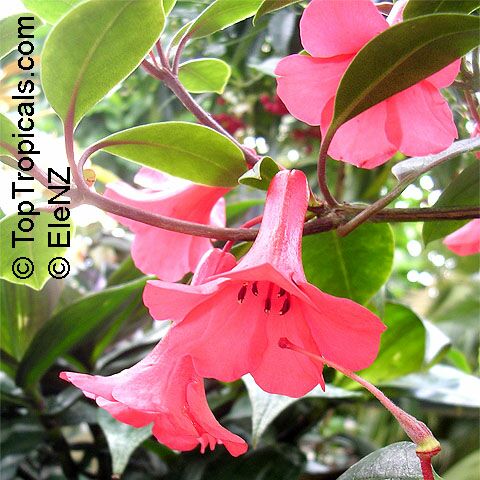
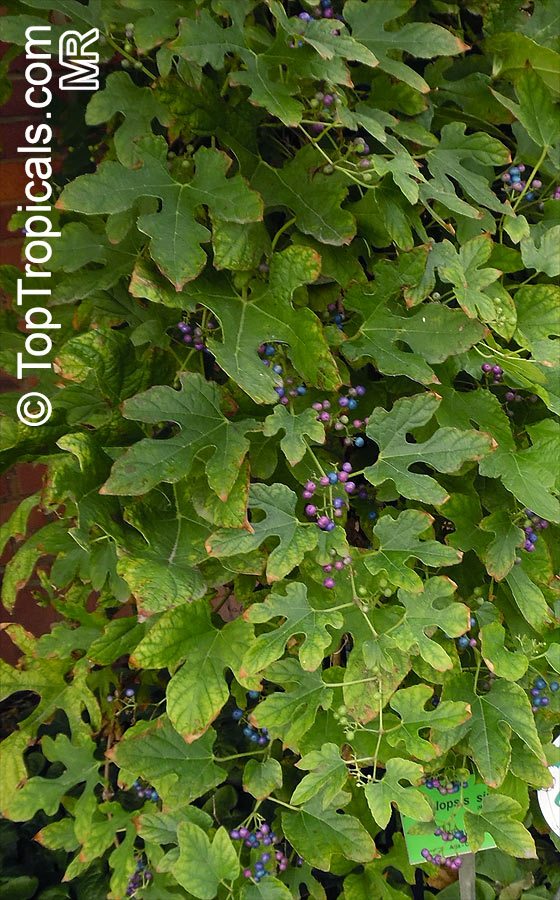
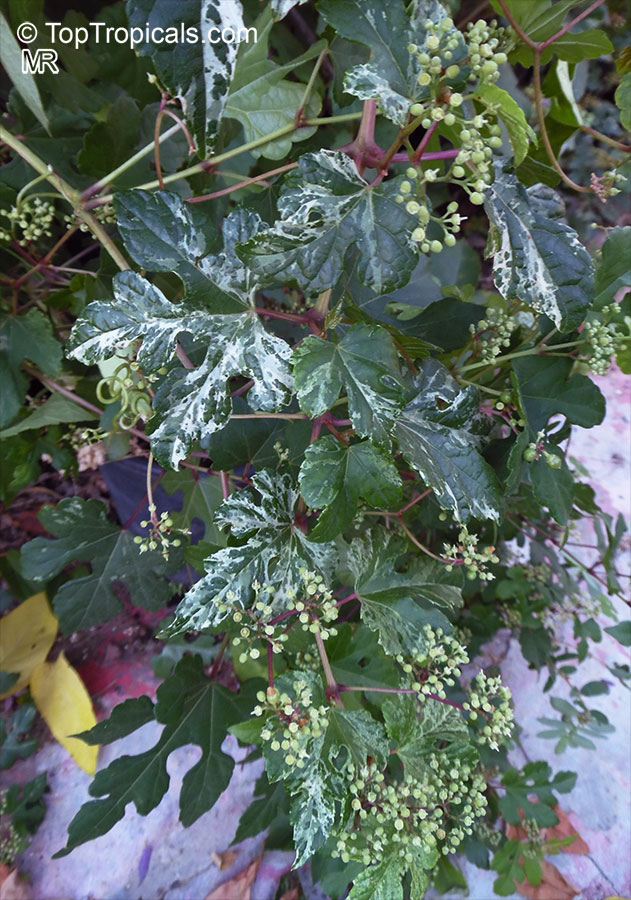
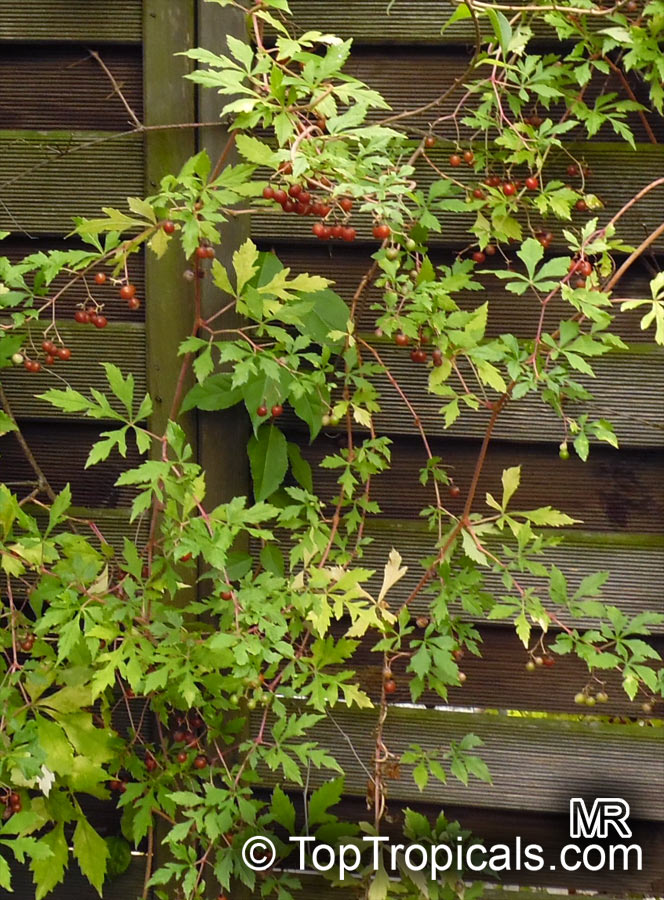
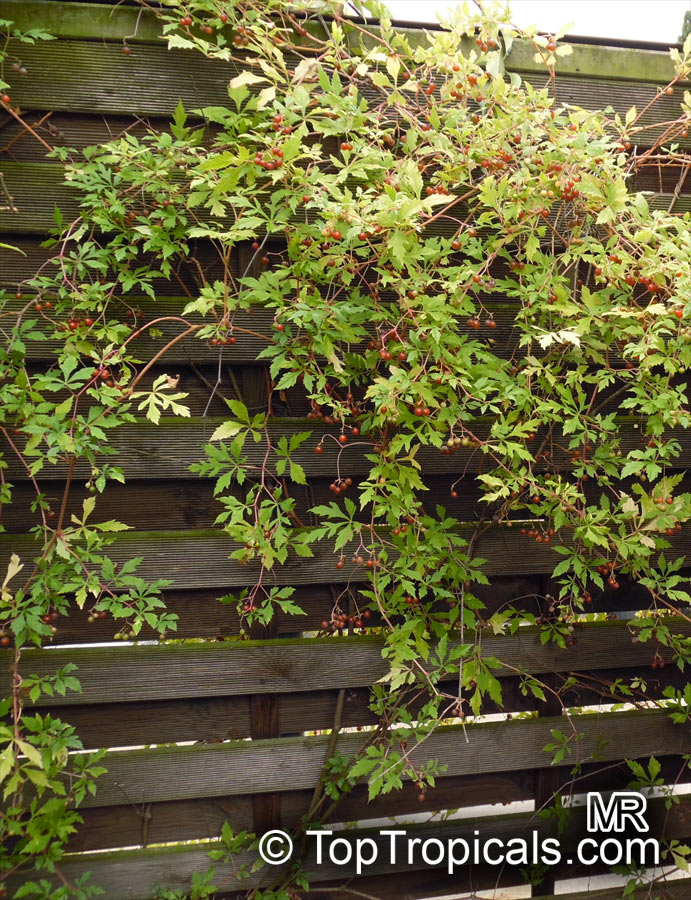
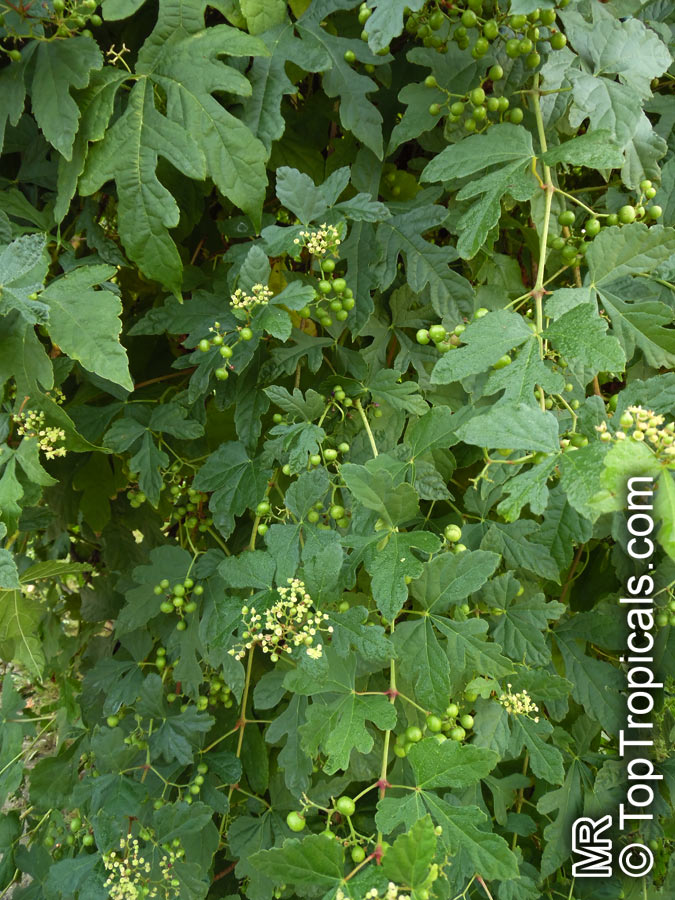
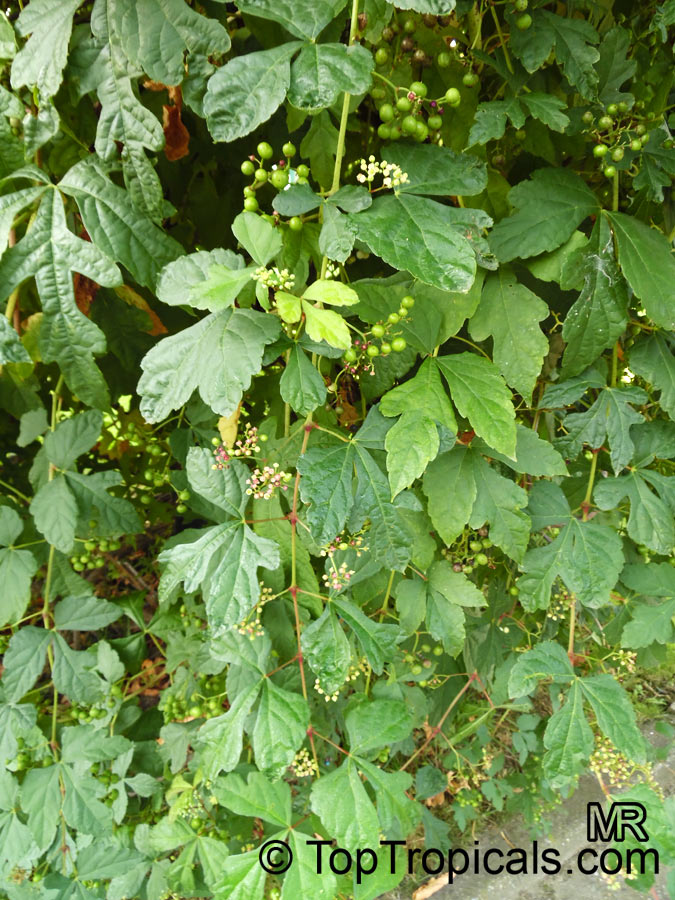
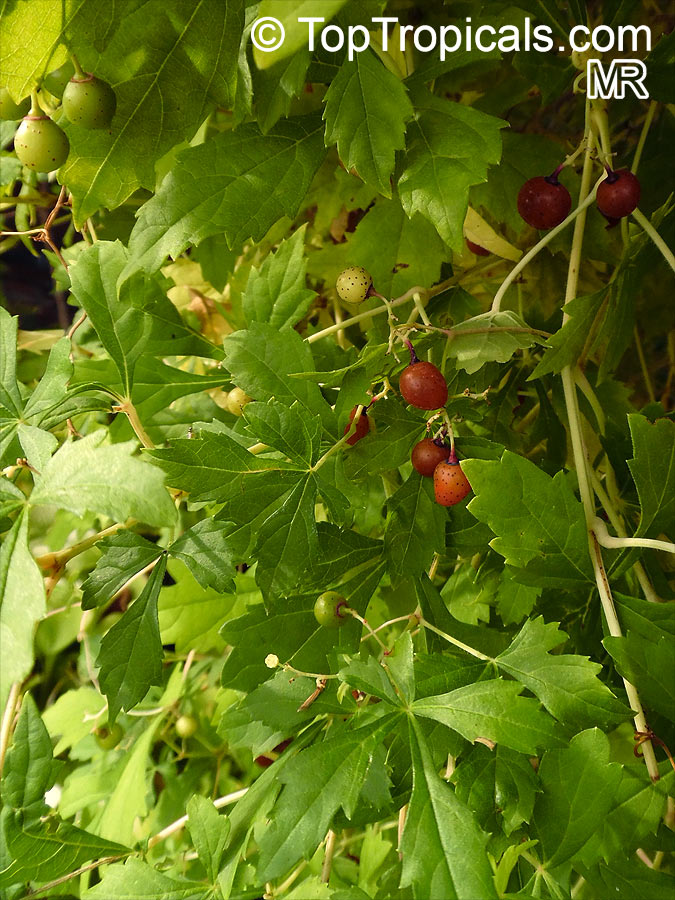
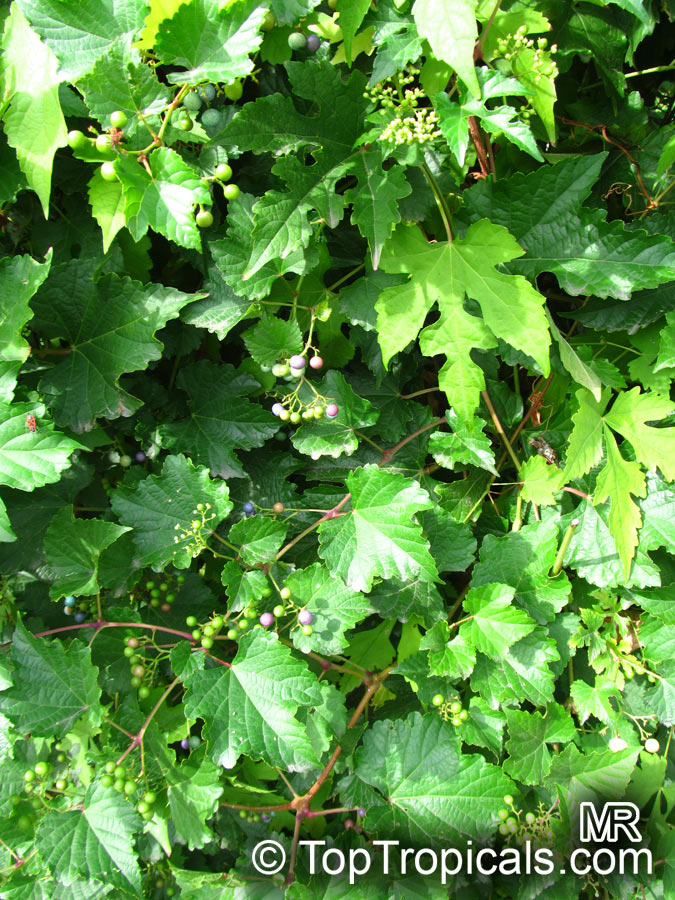
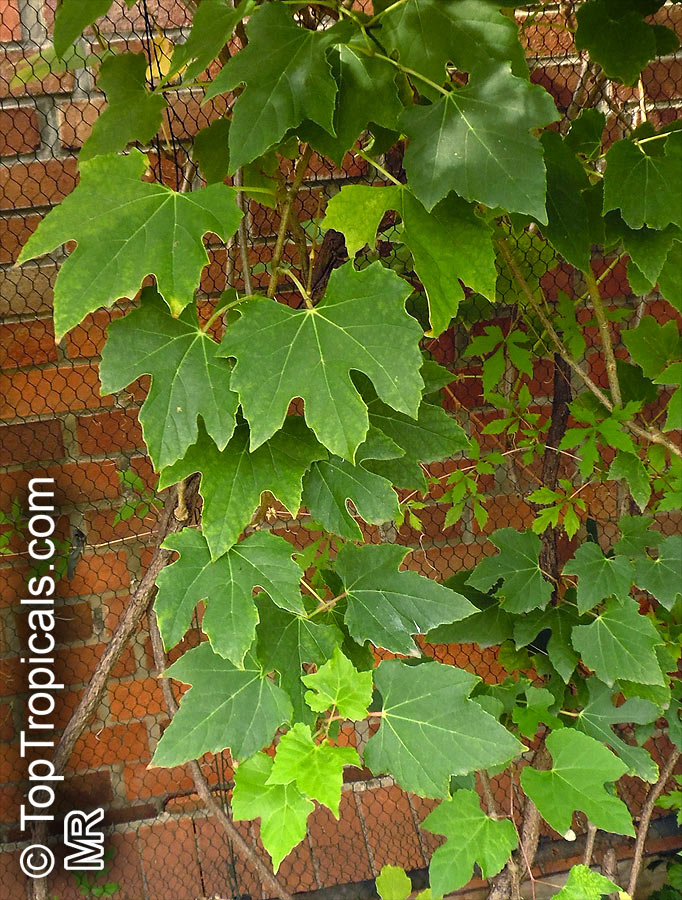
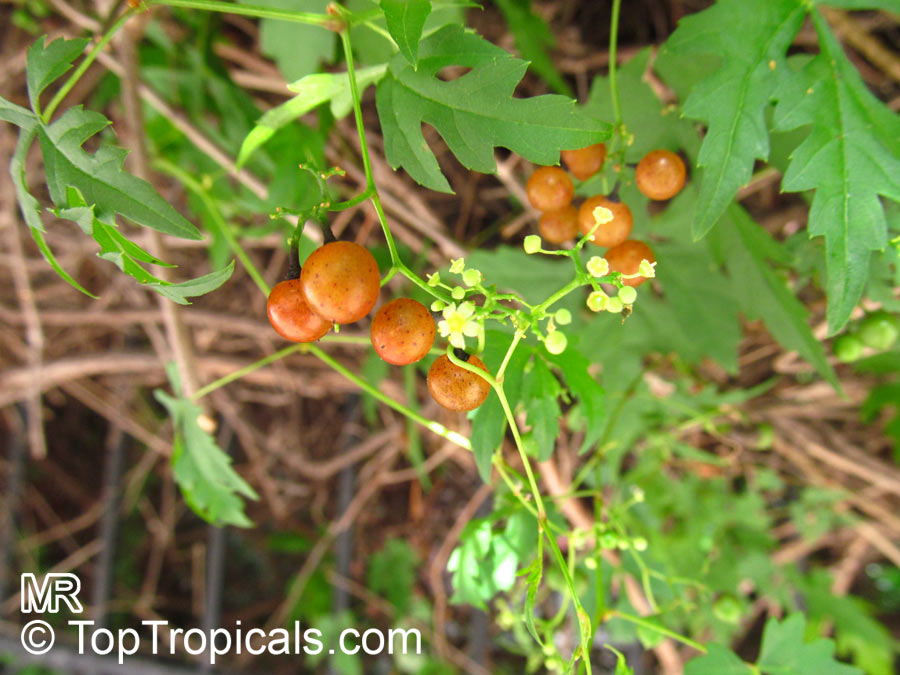
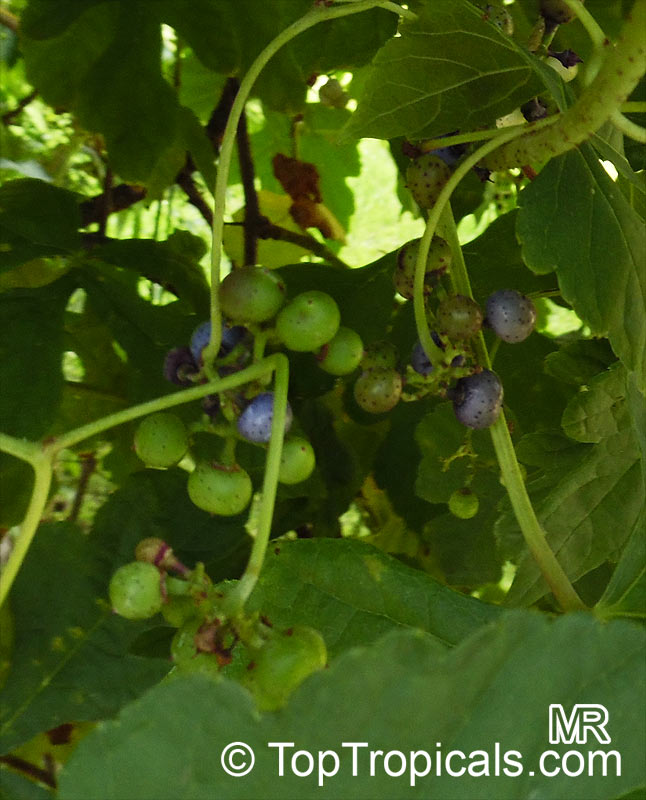
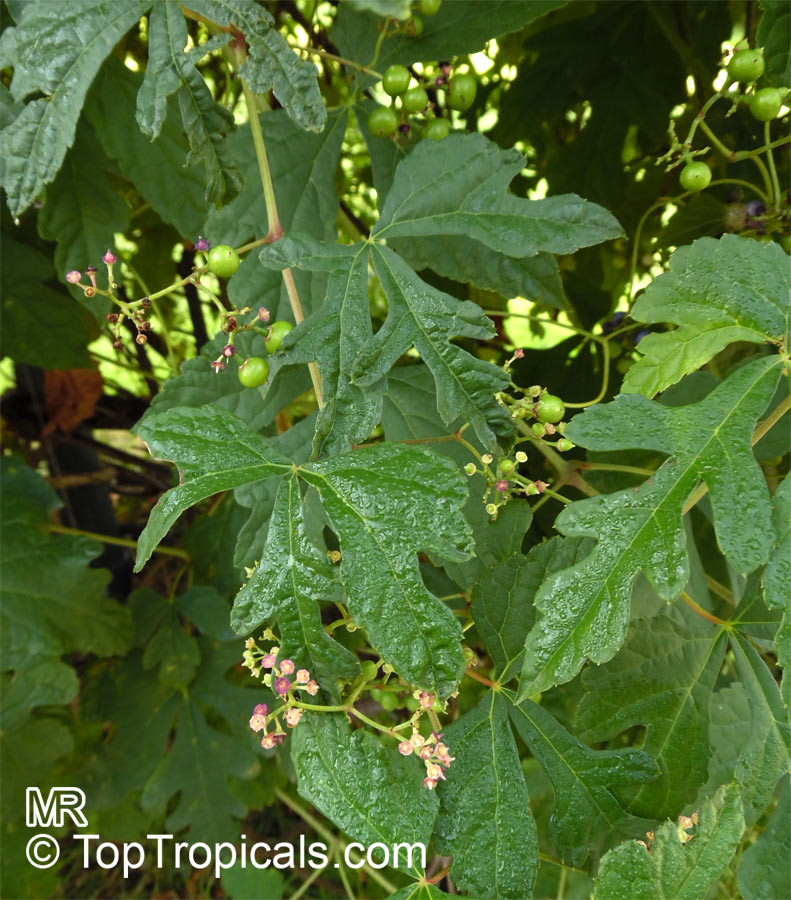
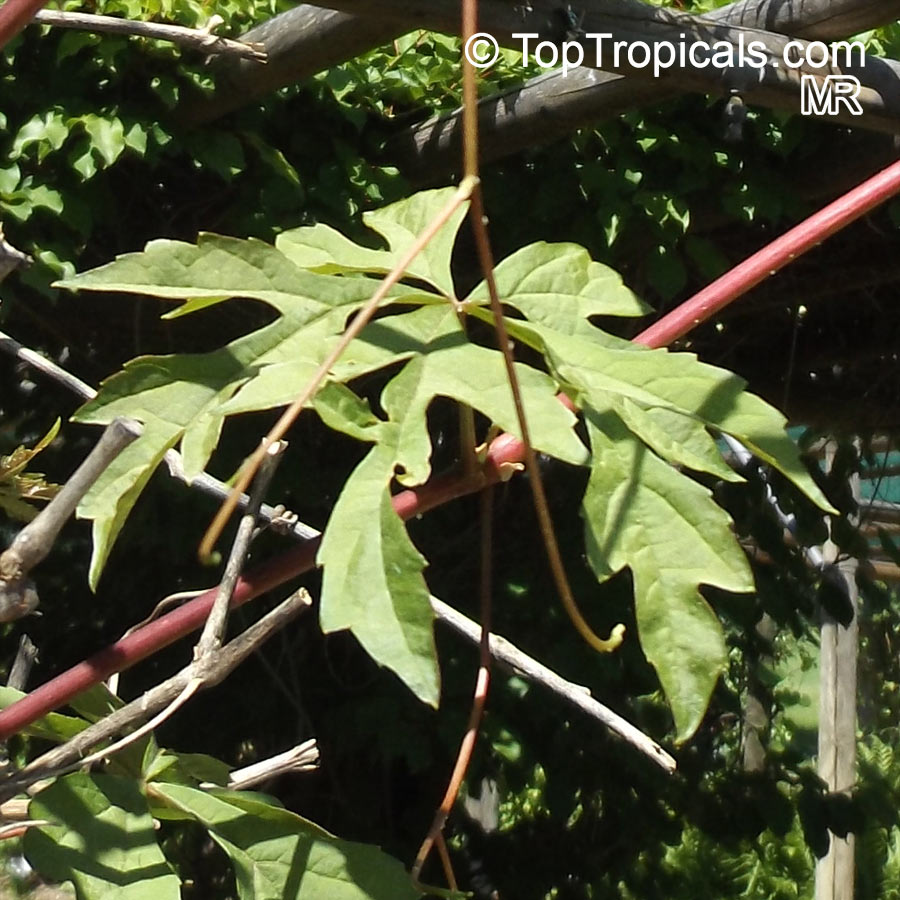
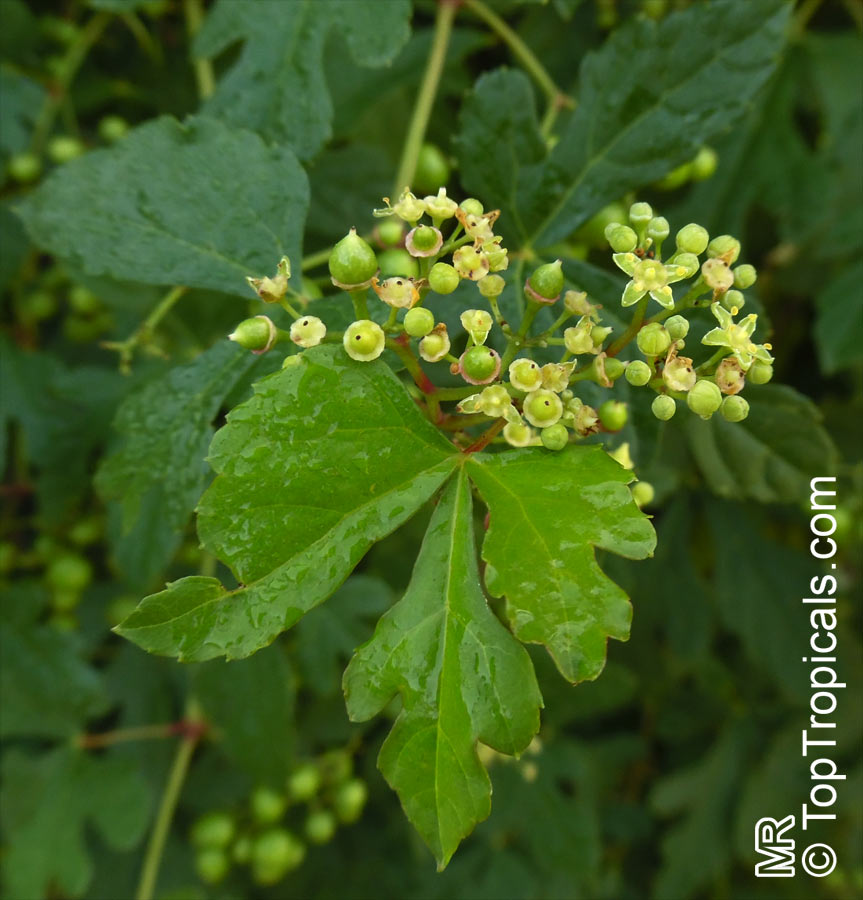
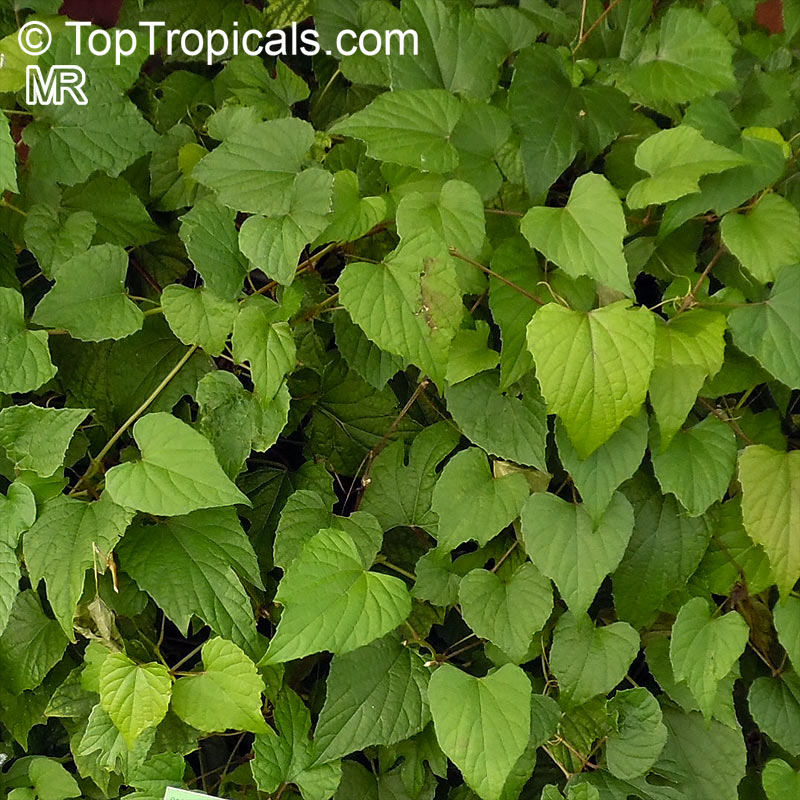
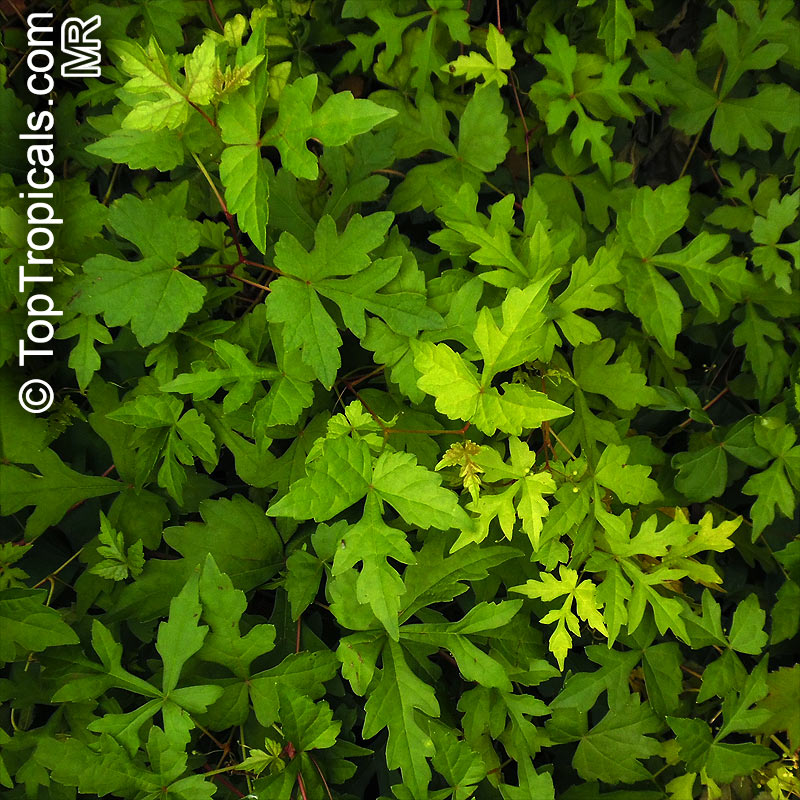
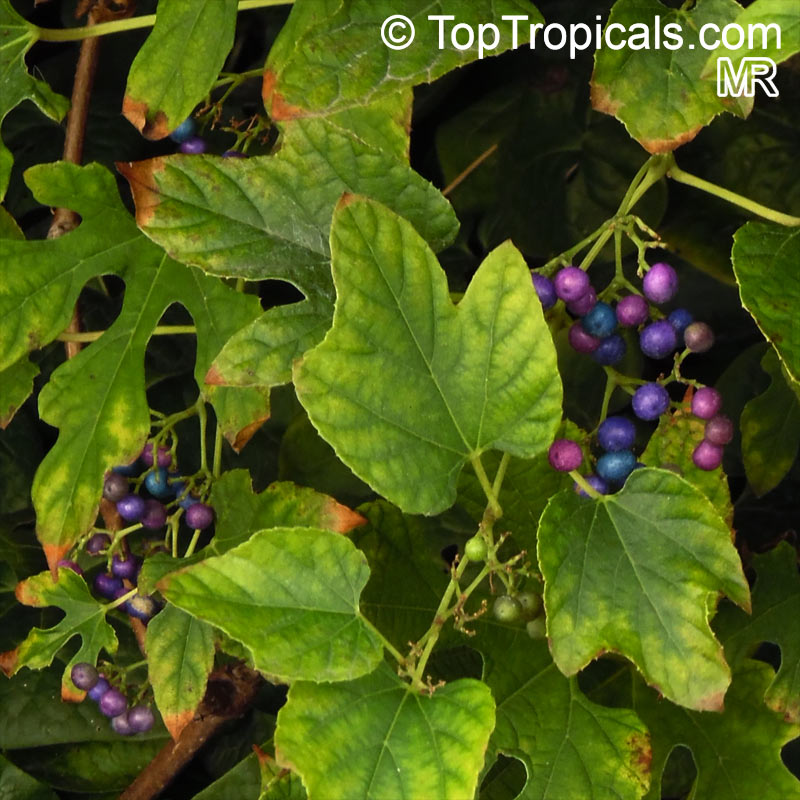
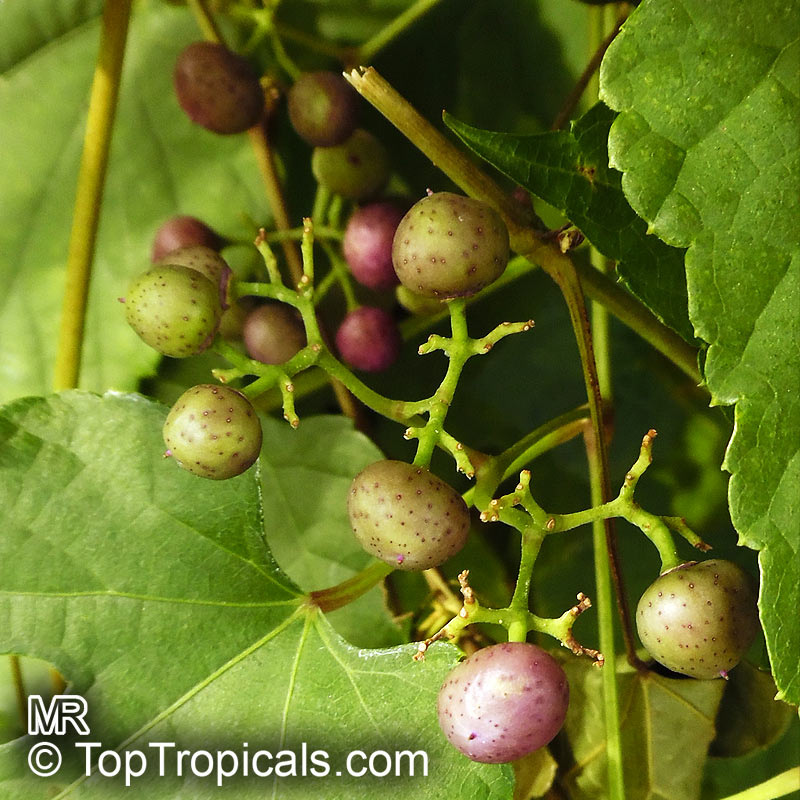
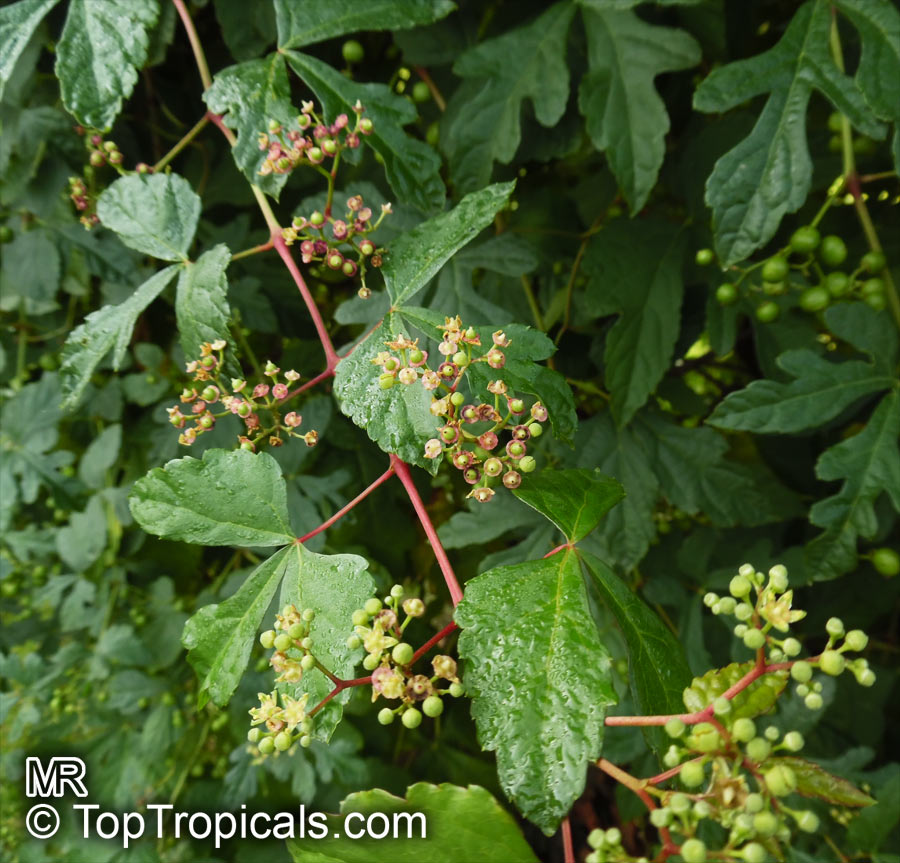
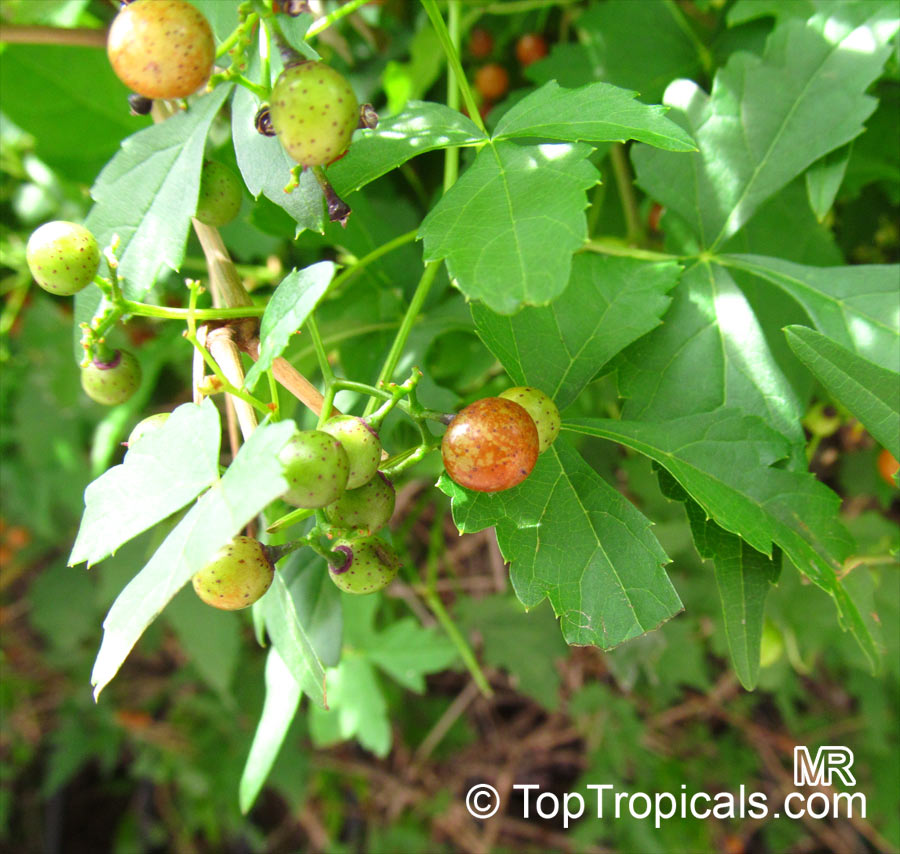
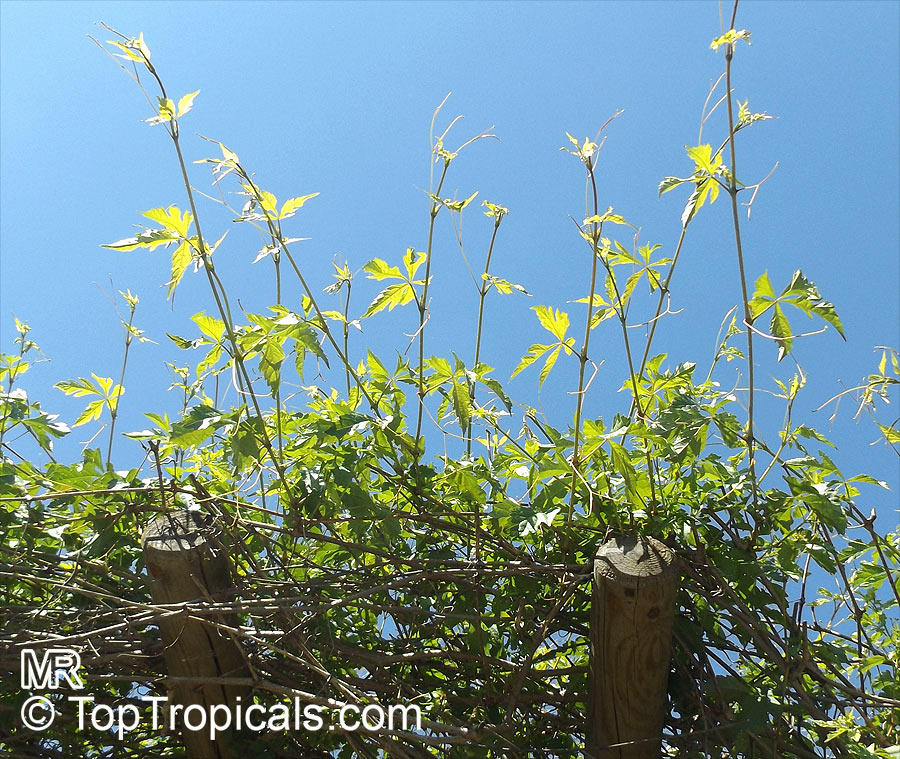
Botanical name: Ampelopsis sp.
Common names: False Grape, Porcelain Berry
Family: Vitaceae


Ampelopsis is a vigorous, woody, deciduous, tendril-climbing vine which is somewhat similar in habit to wild grape vines and will typically grow 15-25'.
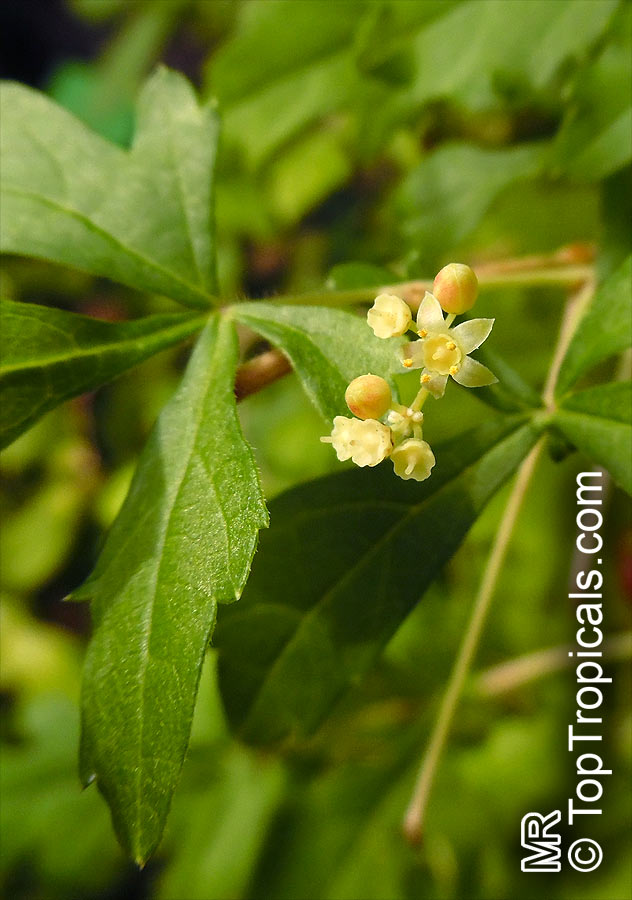

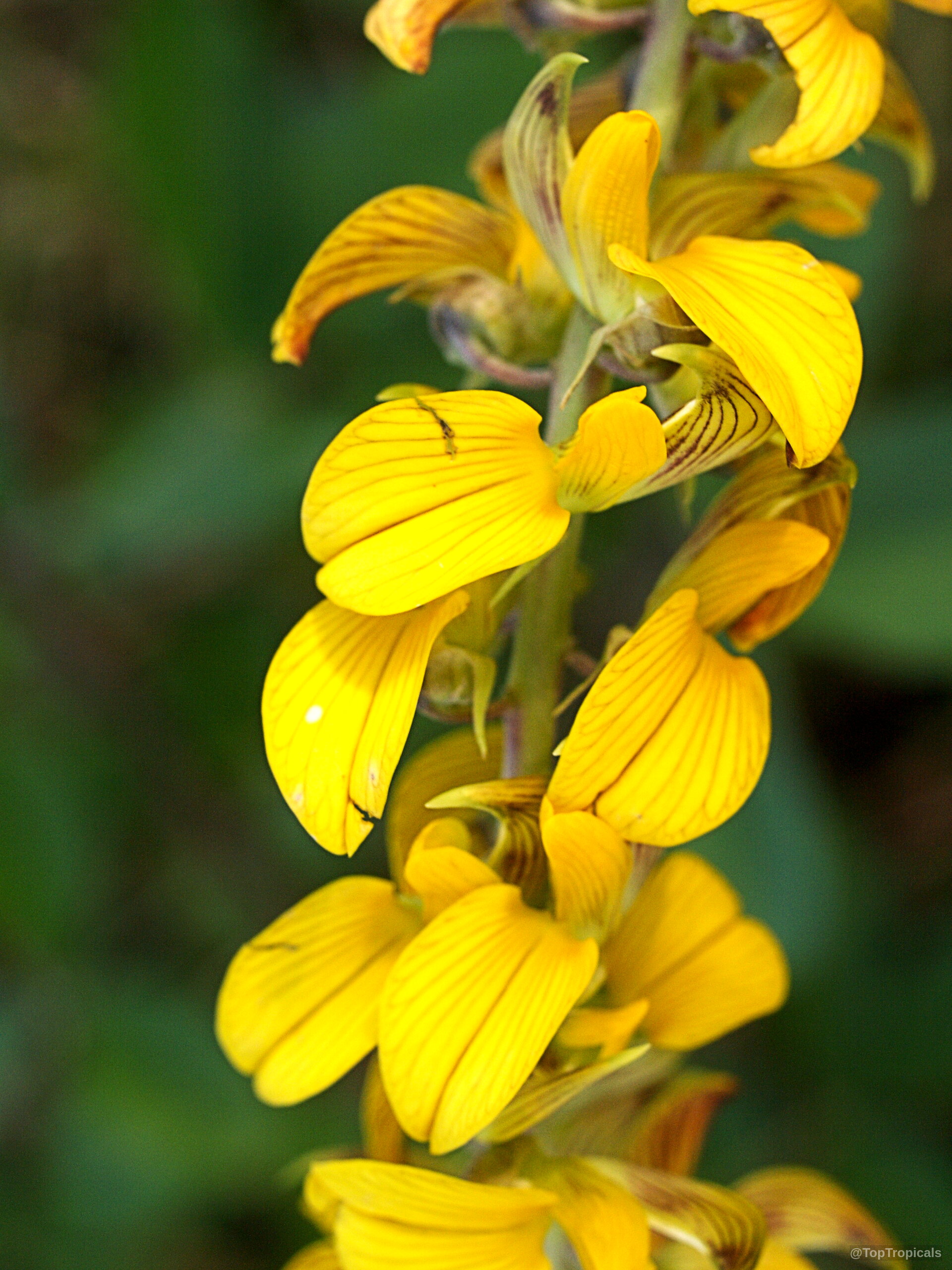
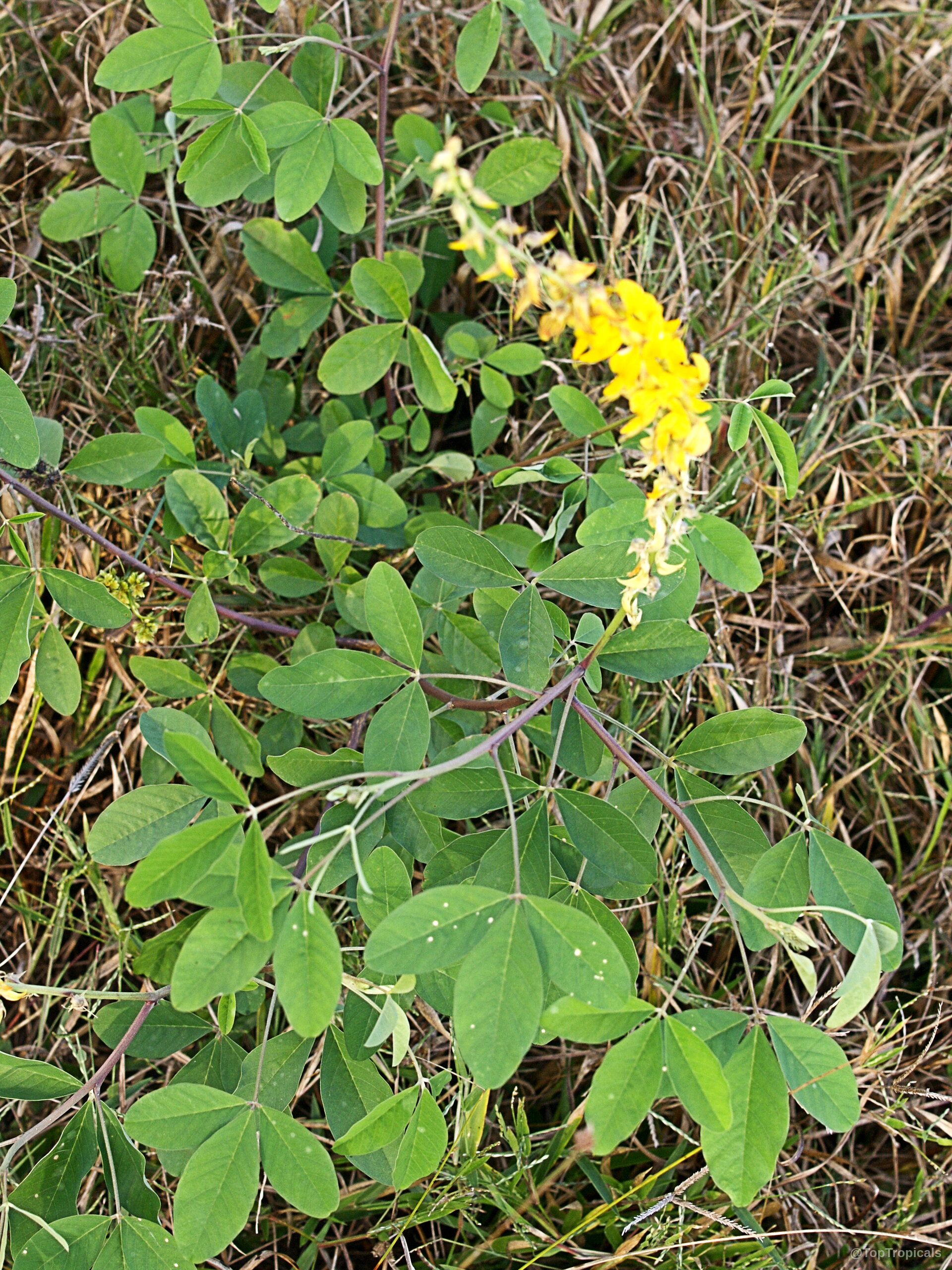
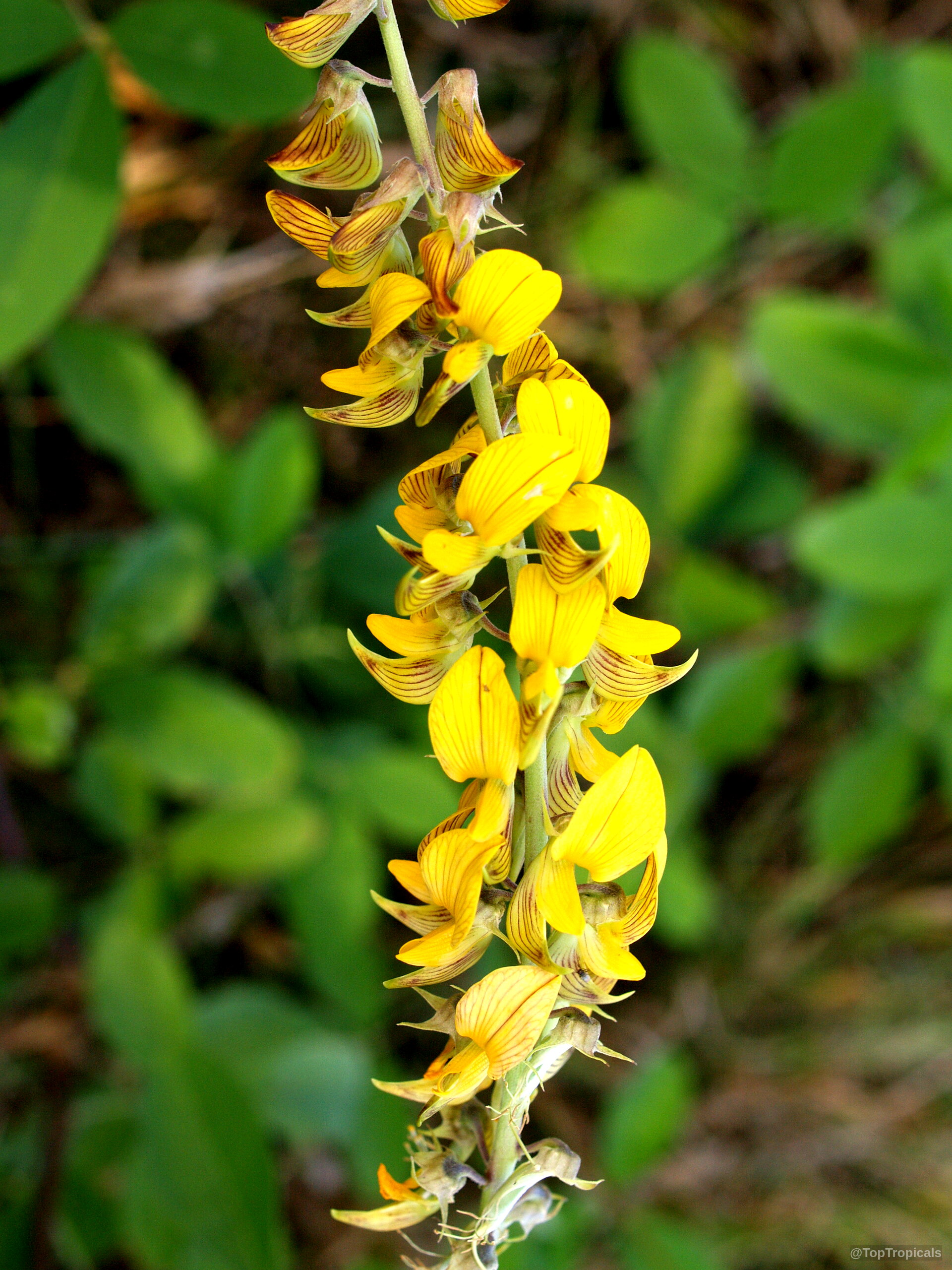
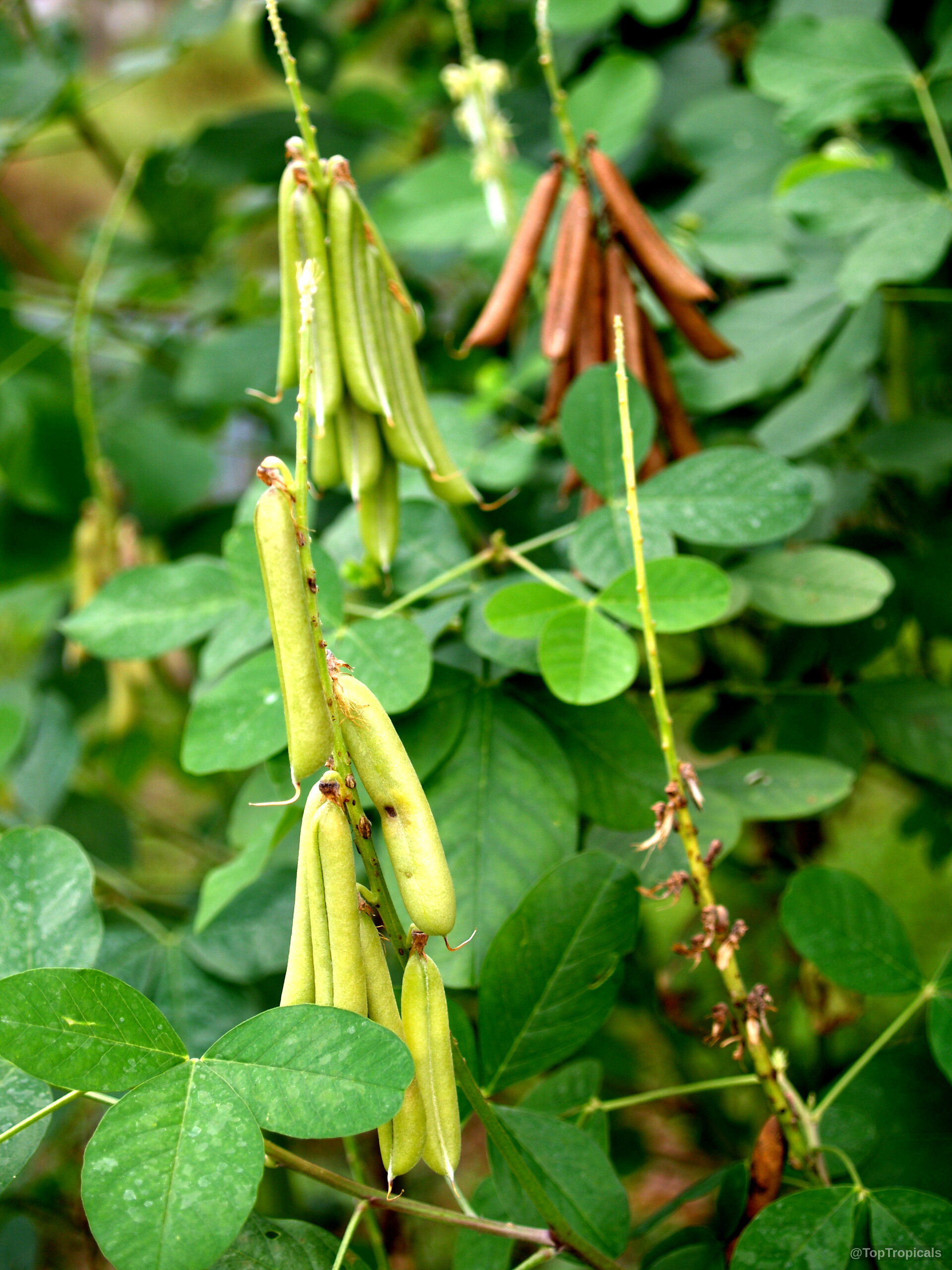
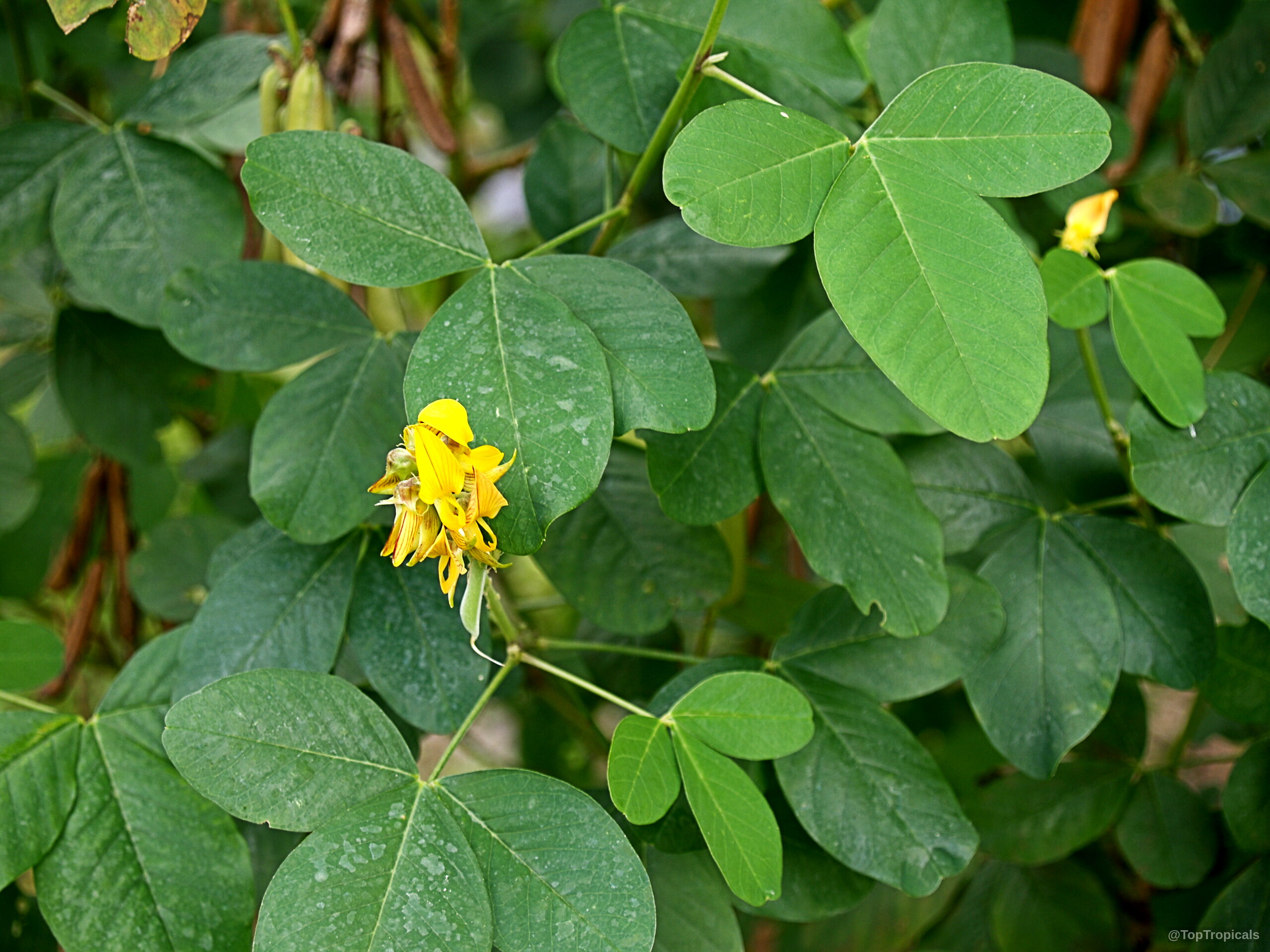
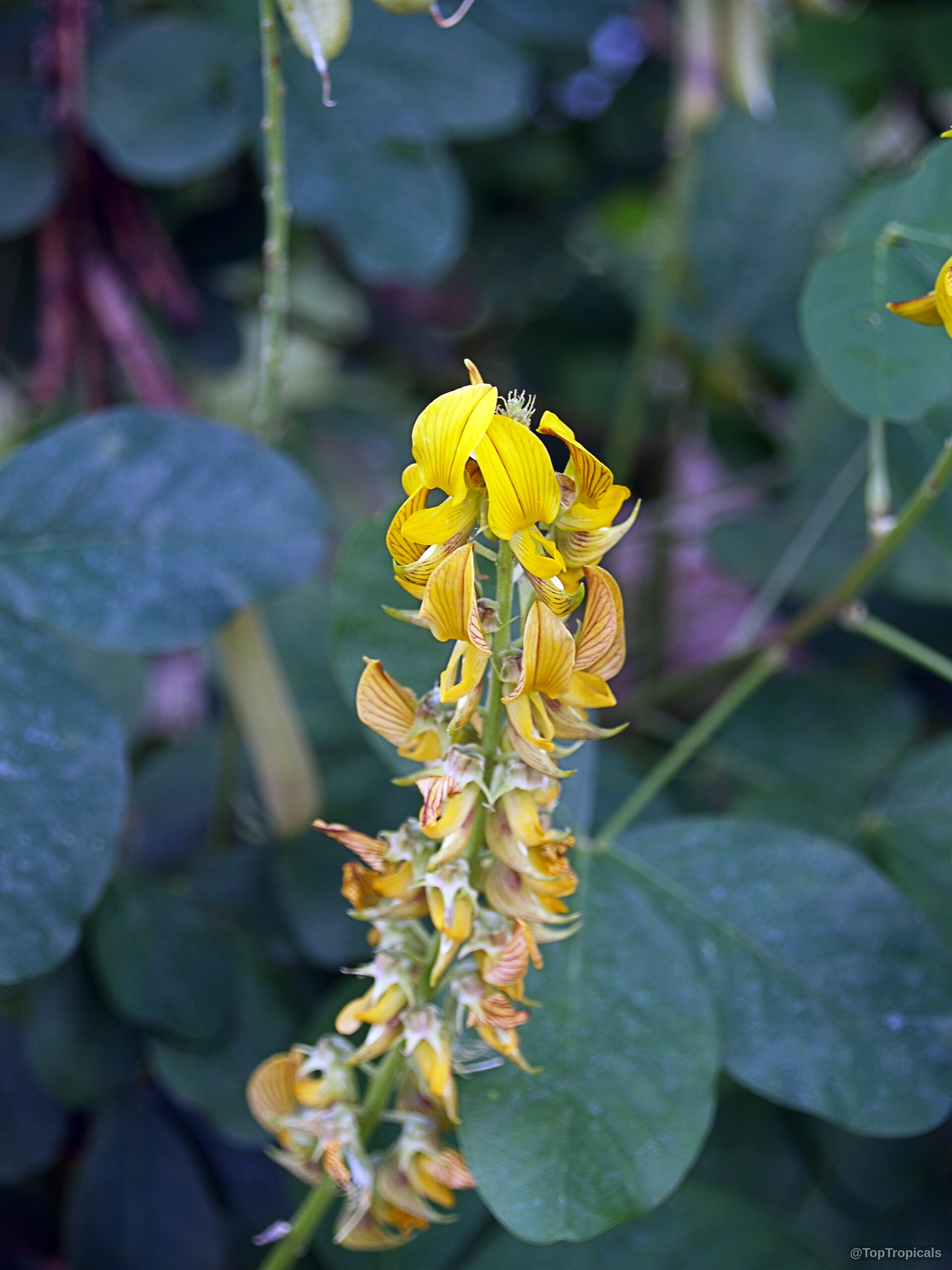
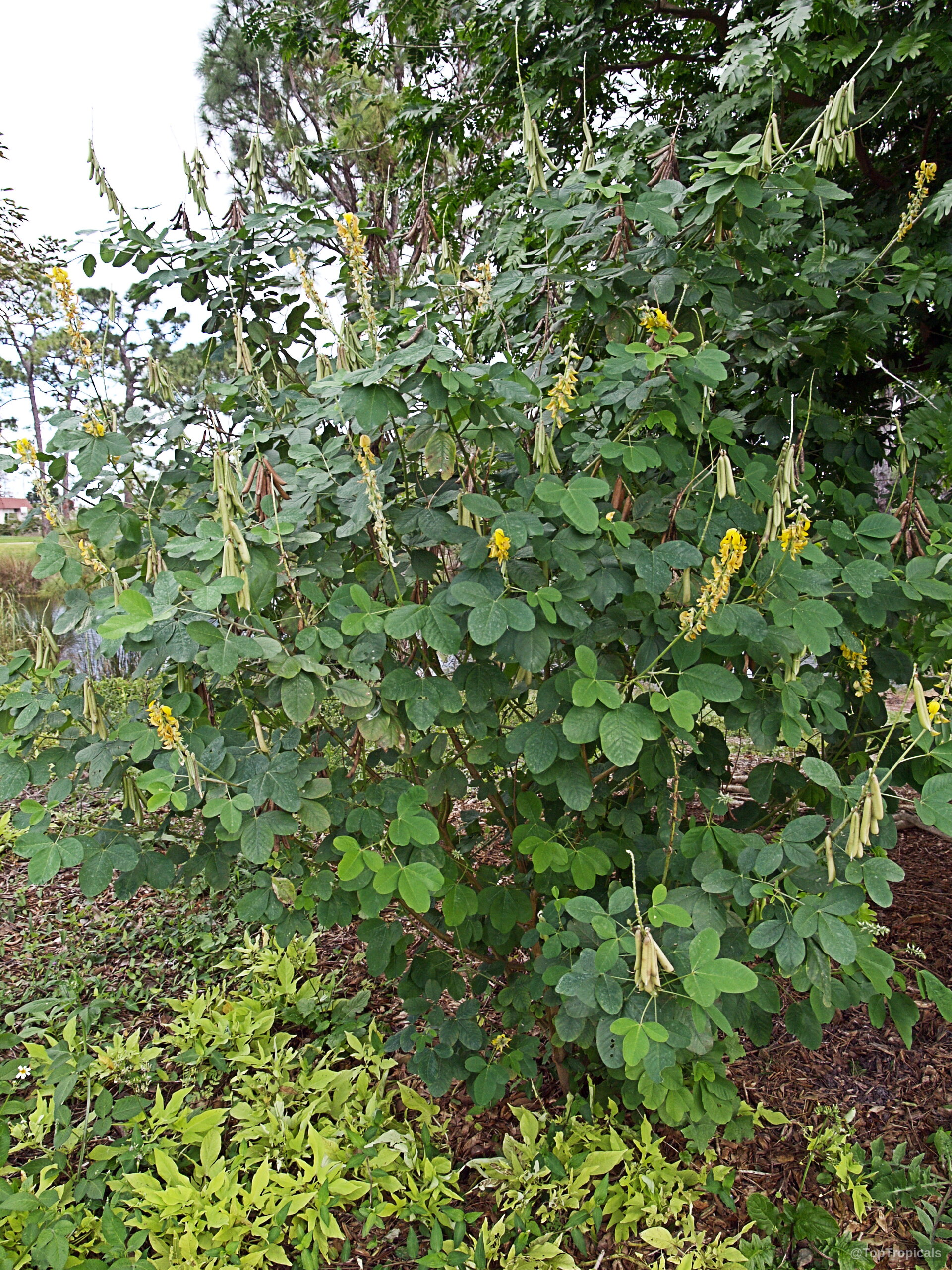
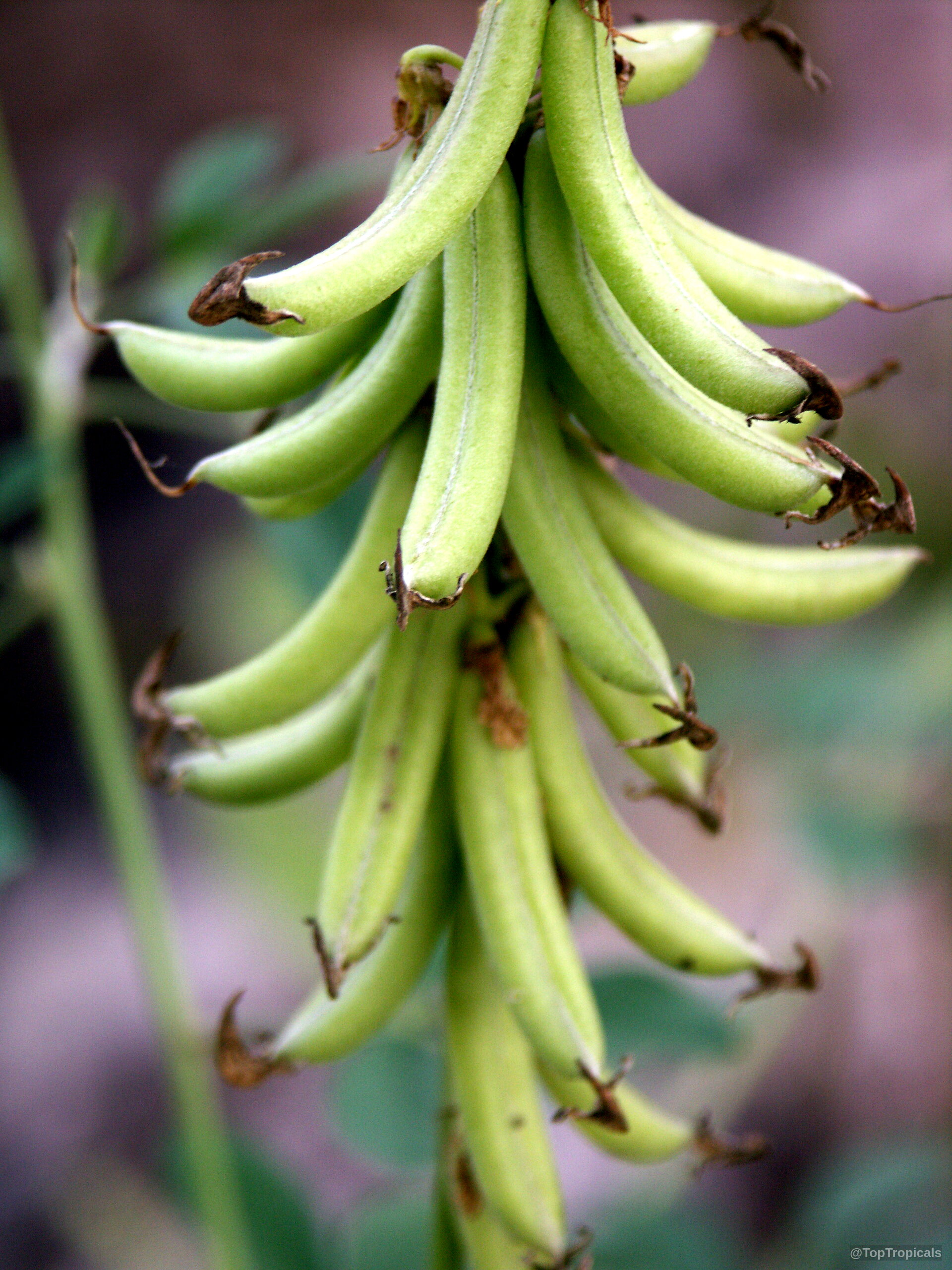
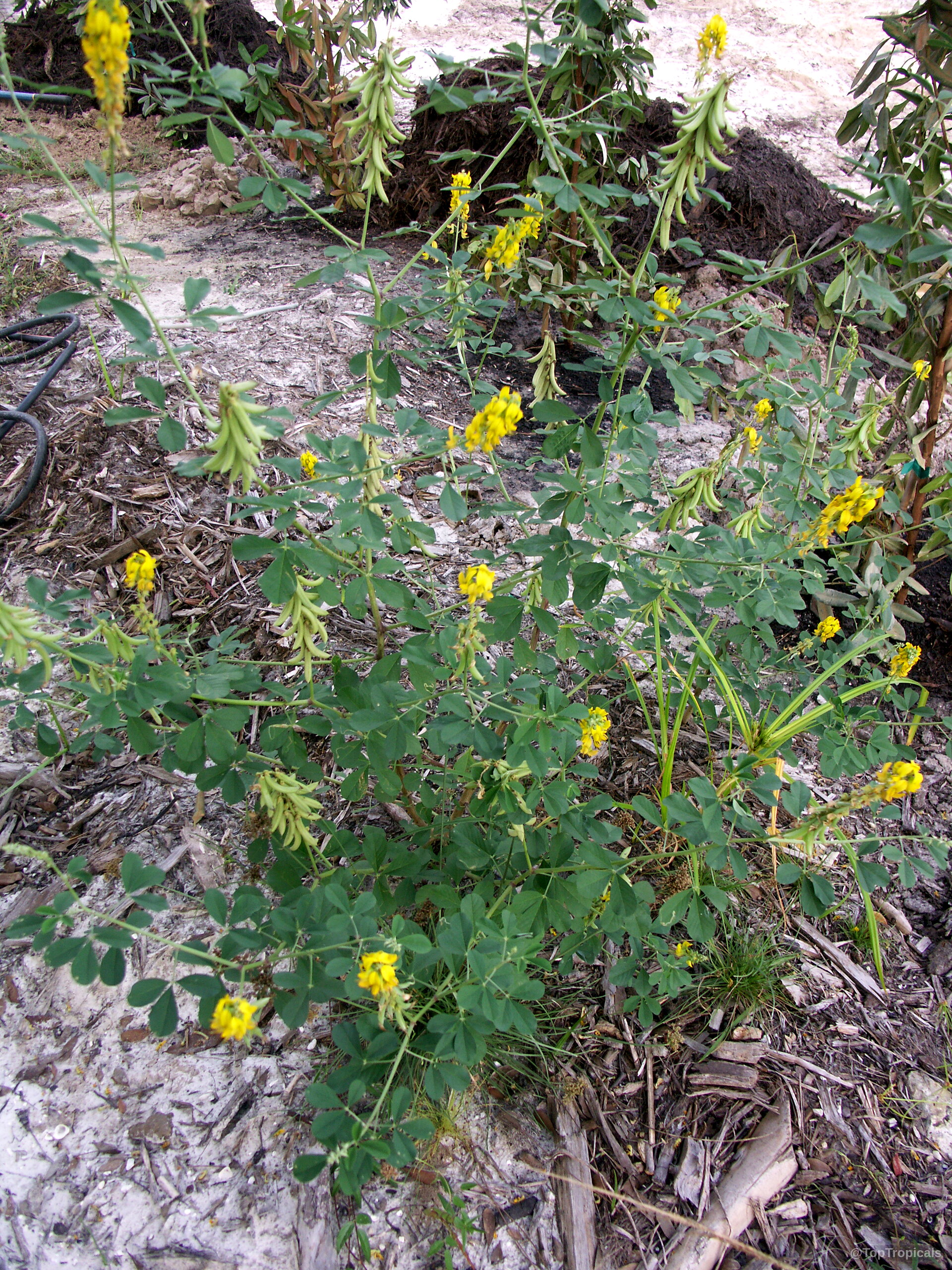
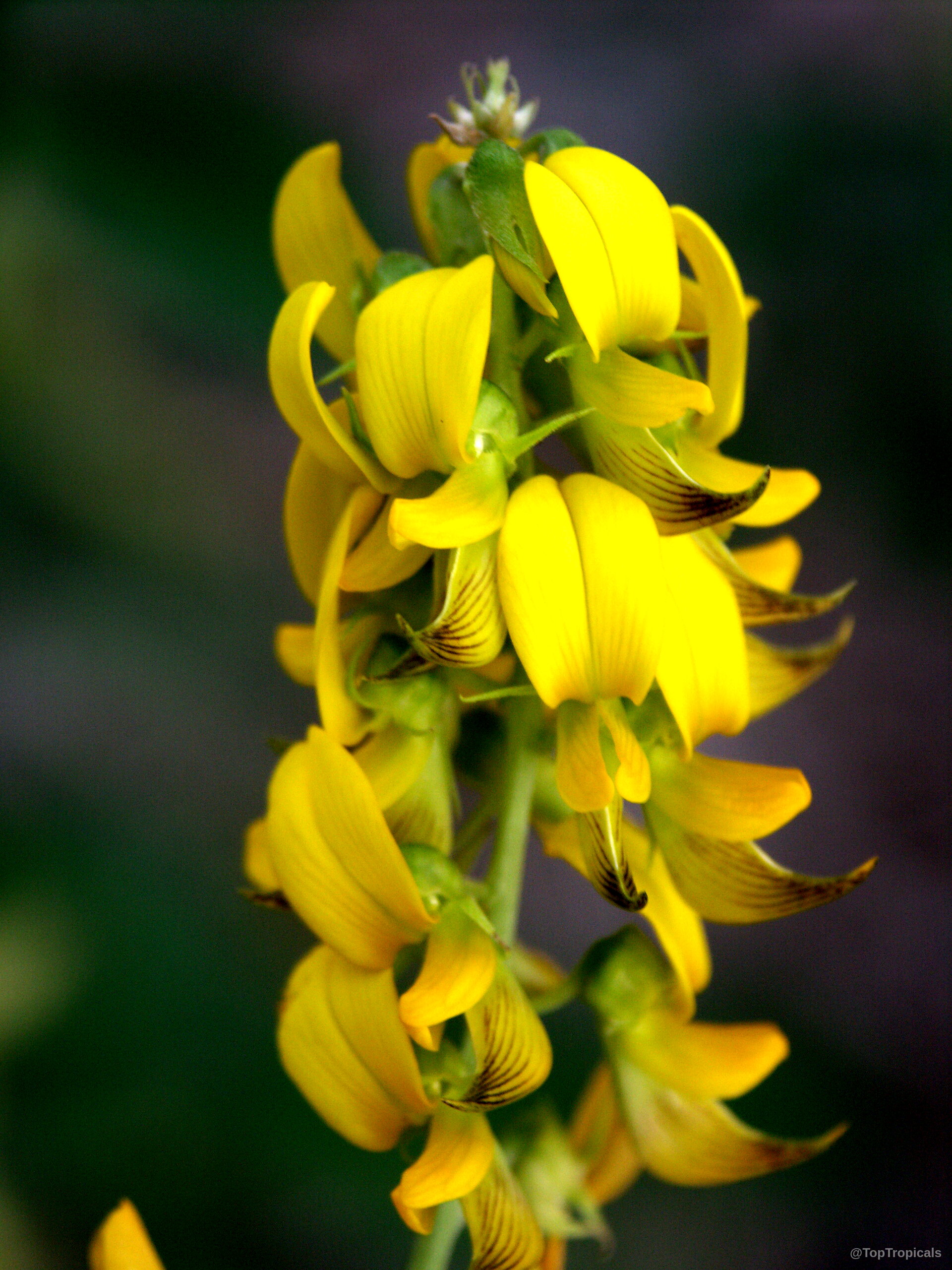
Botanical name: Crotalaria pallida
Common name: Smooth Rattlebox
Family: Fabaceae
Subfamily: Faboideae
Origin: Tropical Africa


Crotalaria pallida (Smooth Rattlebox) is an attractive small native plant of Tropical Africa, ranging from a 2-5 ft compact shrub to a 5-10 ft large one, depending on the climate where it is grown. It is highly desirable for its bright yellow and orange flowers, making it a popular choice for attracting butterflies and hummingbirds.
This hardy plant is easy to grow and will tolerate harsh sites, poor soils, drought, and even a short freeze of temperatures at least down to 30s F. It is suitable for growing in USDA Zones 8-11, and can even take some cold temperatures in its mature form.
Sunshine is one of the most important things for the Smooth Rattlebox, as it has a preference for full sun, and too much shade can reduce flowering and lead to a smaller shrub. For optimum growth and full flower production, regular watering is recommended. It is easy to care for your Smooth Rattlebox in a pot - especially if temperatures in your area drop below freezing. Make sure to bring your pot indoors or otherwise cover it for winter.
The Smooth Rattlebox requires only minimal pruning and maintenance, with regular fertilizing and deadheading of flowers to prevent too much of the plant's energy from being taken up by seed production. With the ability to survive in the toughest of climates, this hardy shrub is a recommended choice for gardeners all over the world.


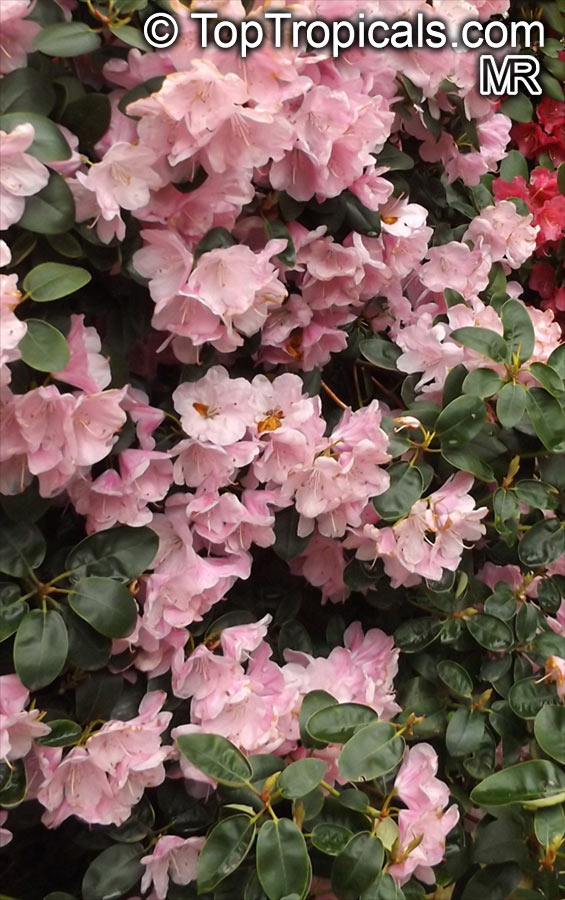
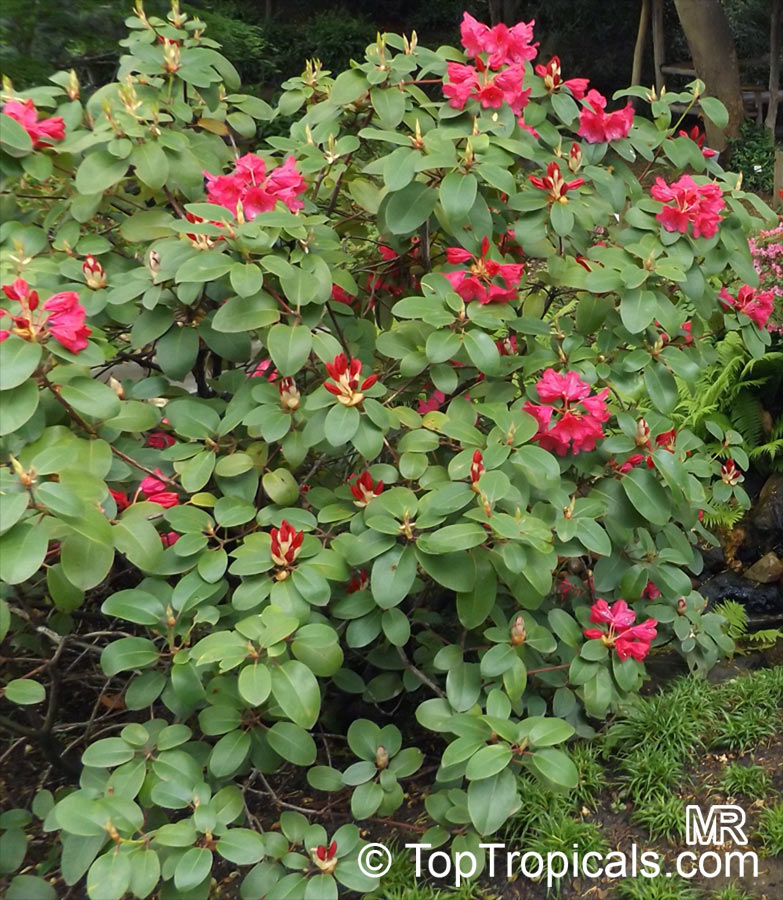
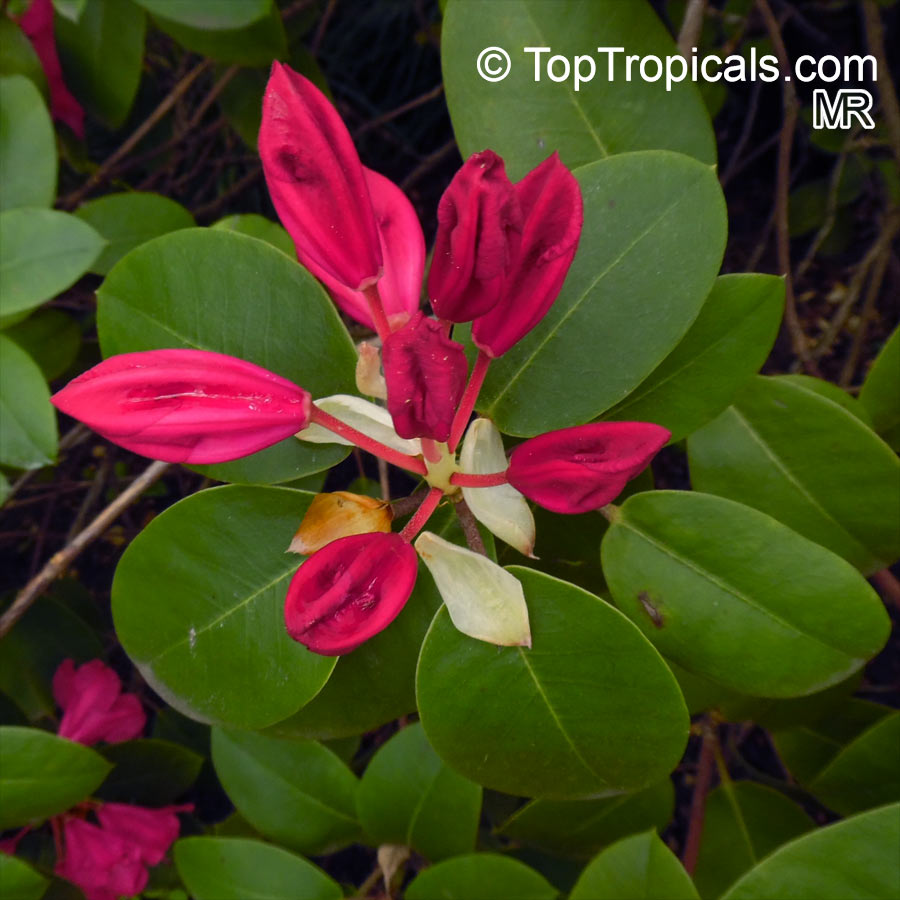
Botanical name: Rhododendron williamsianum
Common name: Williamsianum rhododendron
Family: Ericaceae
Origin: China

Hardy to min. -25°C, perhaps a little more on protected sites.
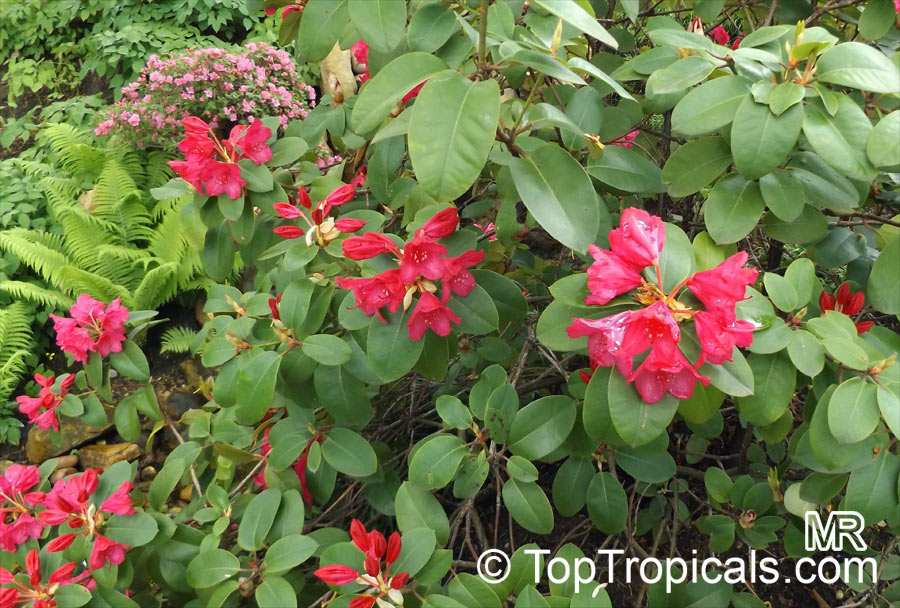
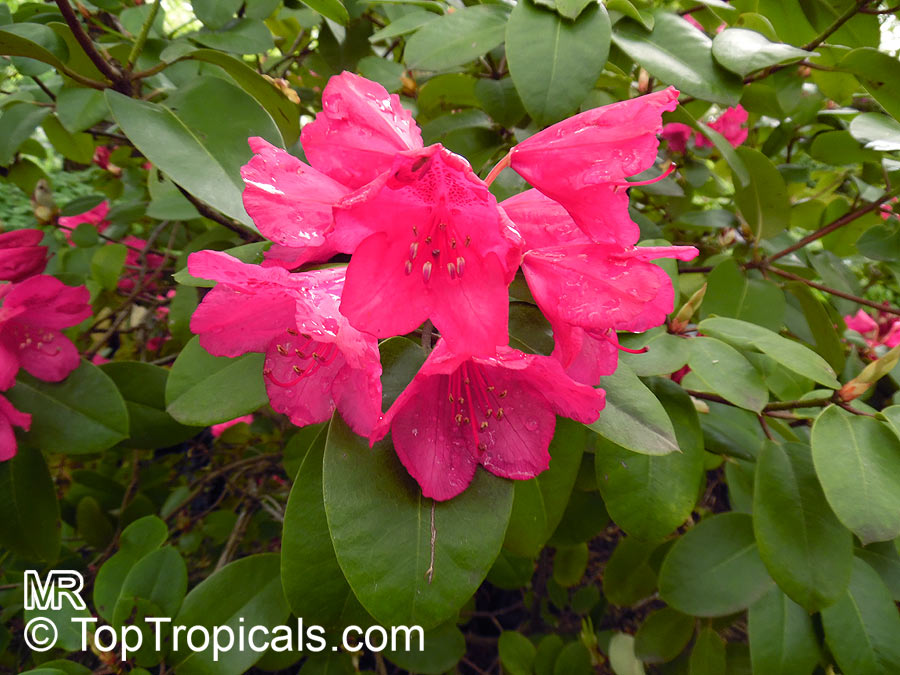
'August Lamken' is a Williamsianum rhododendronwith bright pink, bell-shaped flowers with frilled margins produced mostly in late May. Its evergreen, rounded to ovate leaves are softer green than on hybrid rhododendrons.
Botanical name: Cinnamomum camphora
Common names: Camphor Tree, Camphor Laurel
Family: Lauraceae
Origin: China, Japan
Hardiness: 15°F


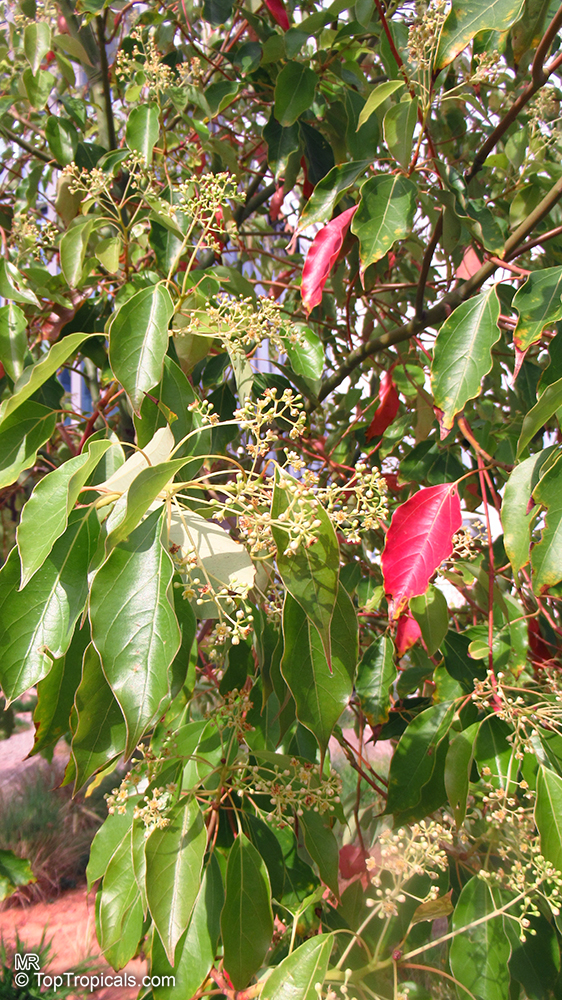
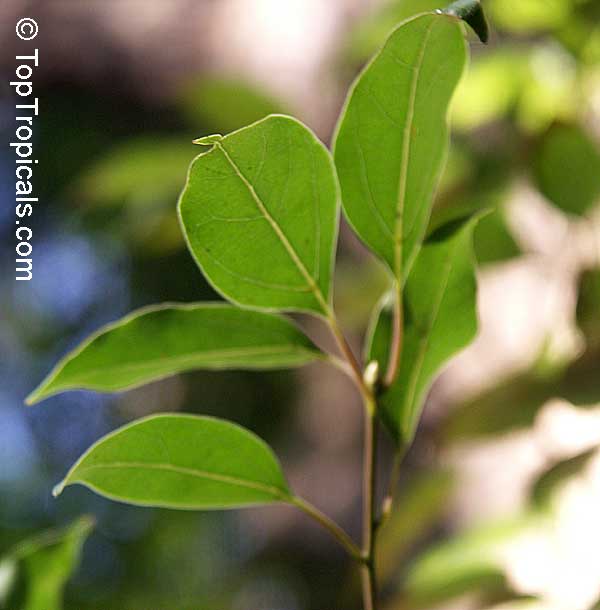
This is an exotic tree that has been widely cultivated for more than a century as a shade and ornamental tree in Florida and elsewhere. This is the aromatic tree from which camphor was derived (used in medicines and mothballs), until camphor oil began to be made artificially in the 1920s. The camphor quickly grows into a good-looking shade tree which is frequented by berry-eating birds. The camphor tree is a broad-leaved evergreen that is often twice as wide as it is tall. It grows to 50 to 100 feet tall. Where trees are present, the ground is often well-populated with camphor seedlings or small trees; of course this is when they are easiest to control. A quick way to identify camphor is to crush some leaves in order to smell the pungent camphor odor. Camphor trees are densely covered with shiny oval and elliptical leaves, up to 5 inches long. Young leaves are reddish. In spring, the tree grows 3 inch spikes of very small yellowish-white flowers, which are soon replaced by black pea-sized berries. Camphors grow either in full sun or light shade, and prefer well-drained, sandy soil.
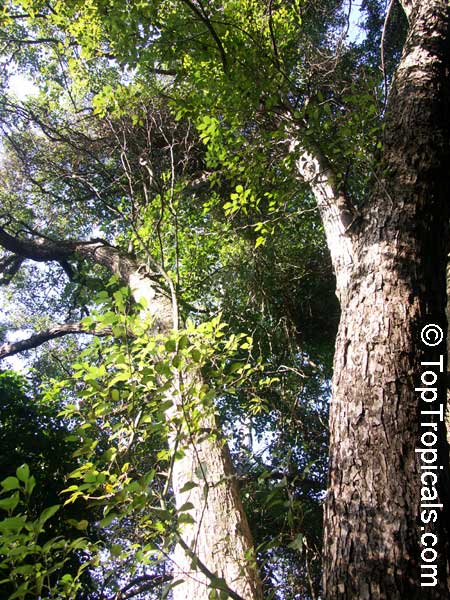
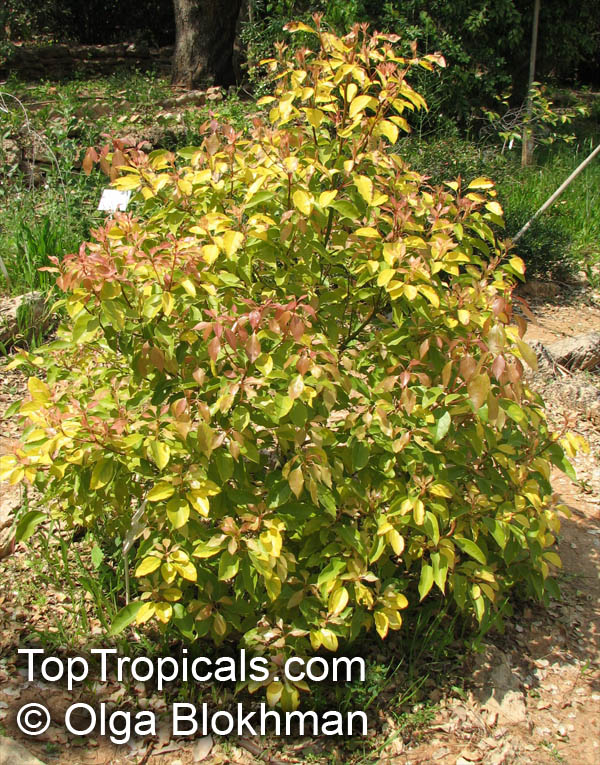
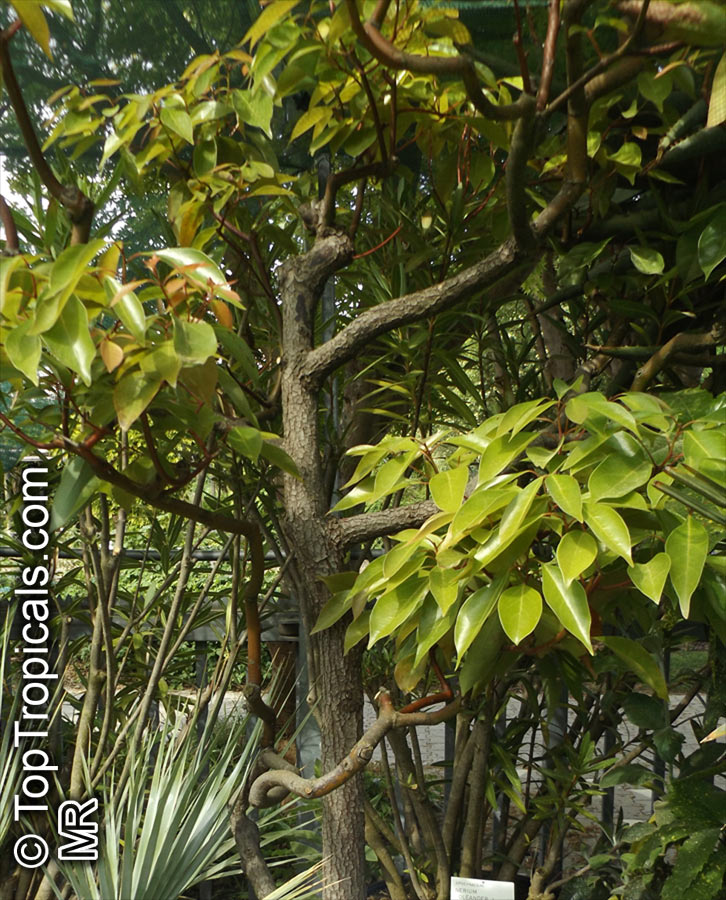
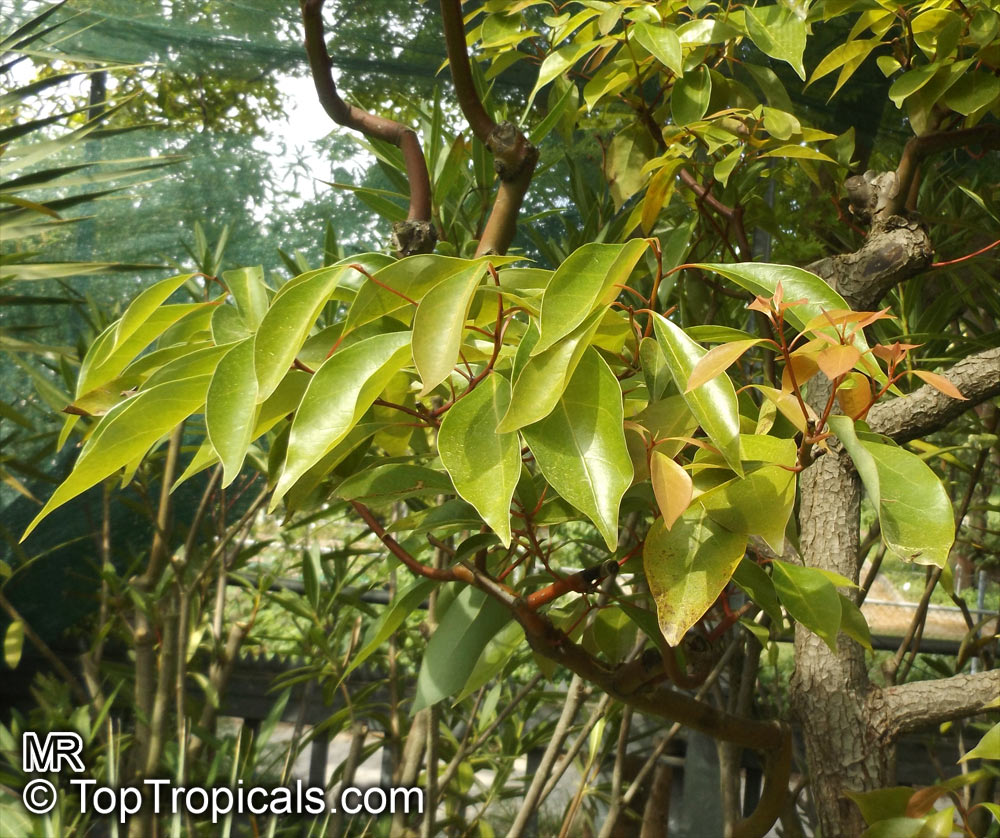
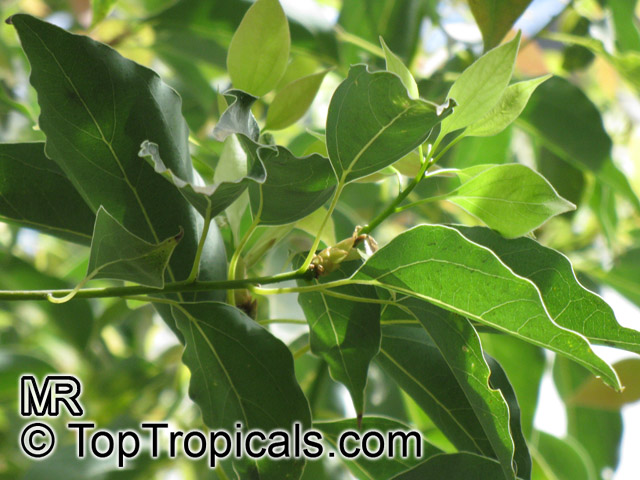
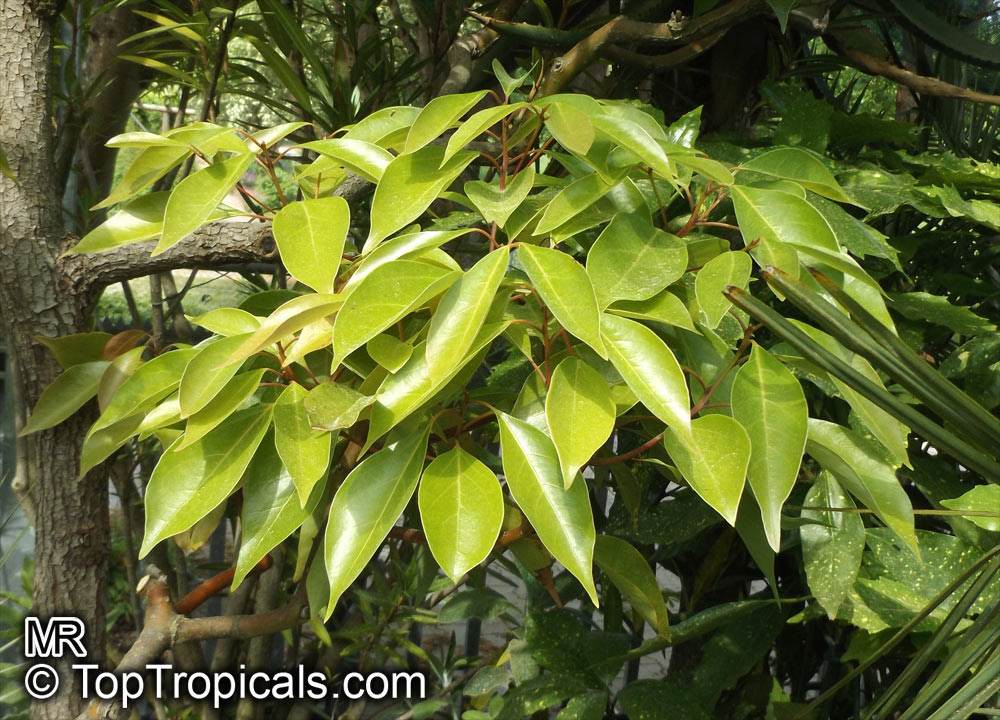
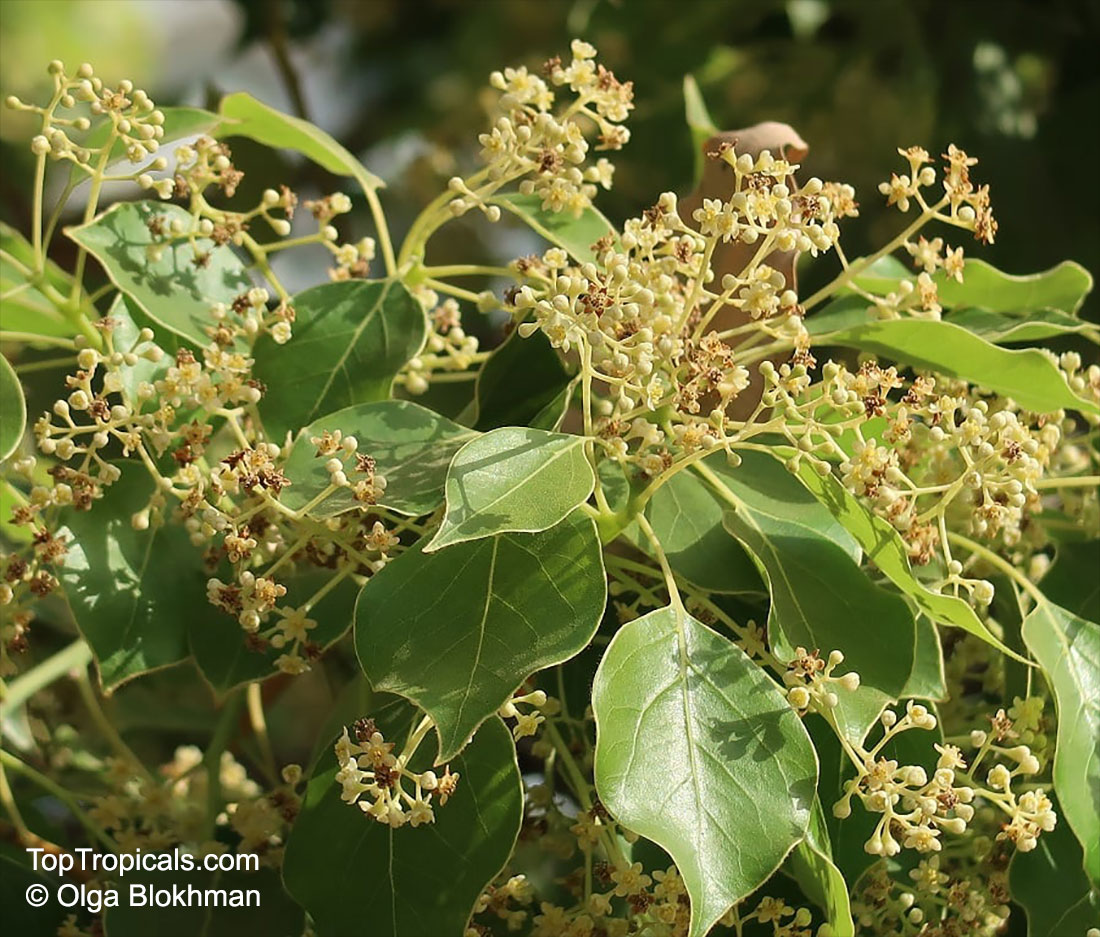
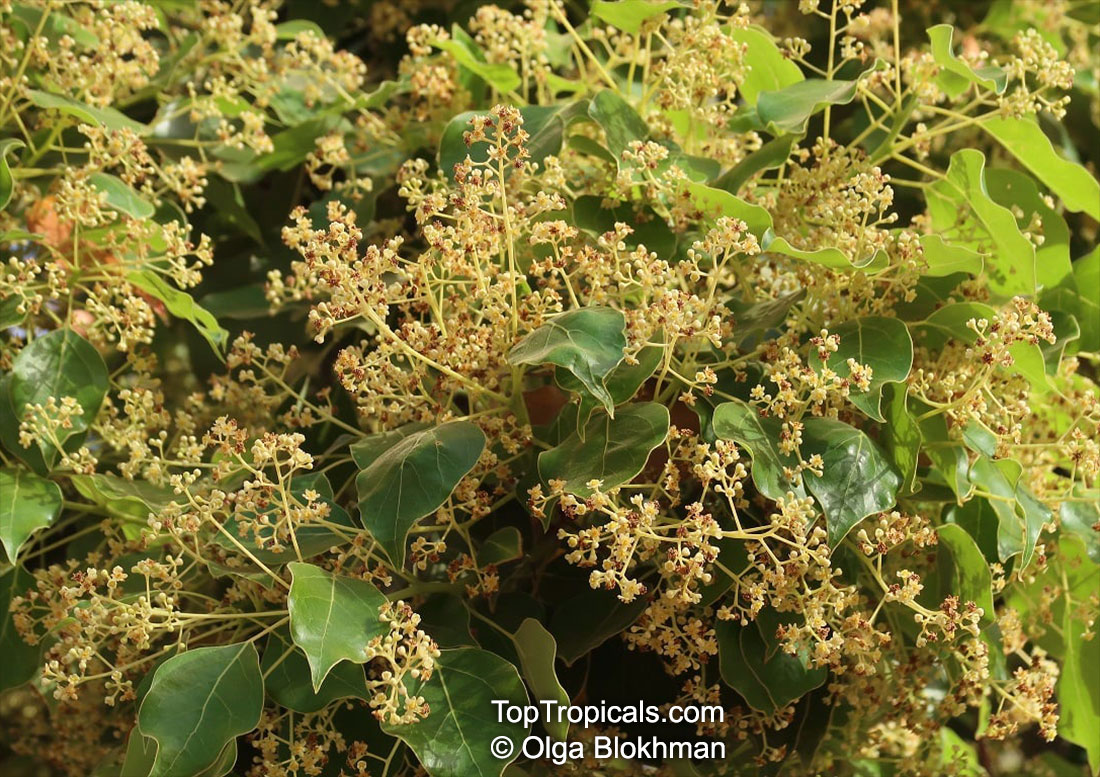
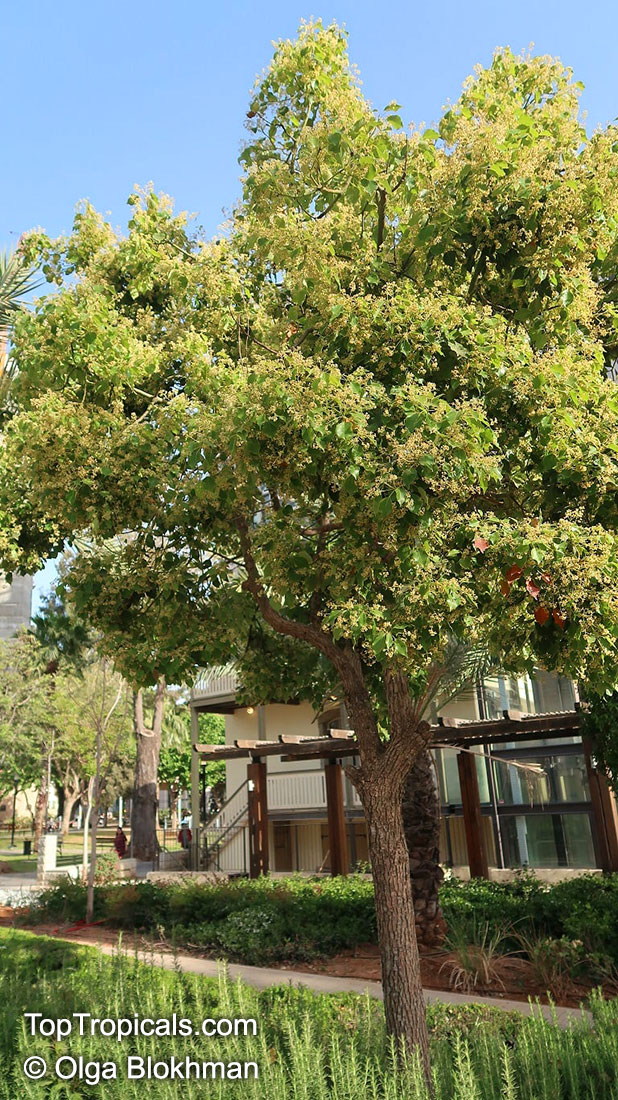
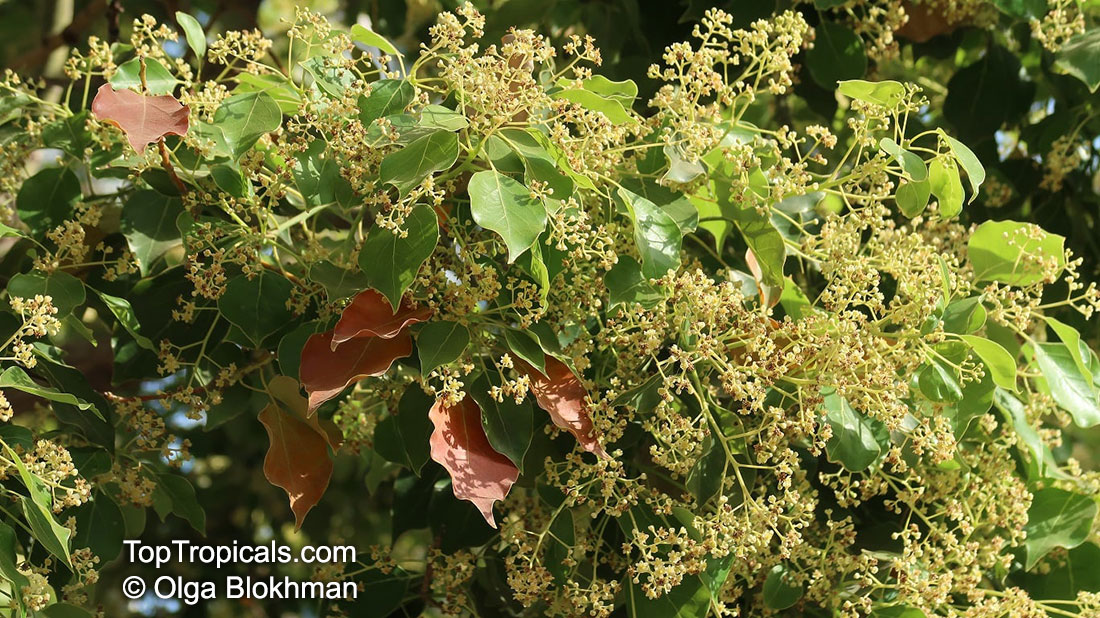
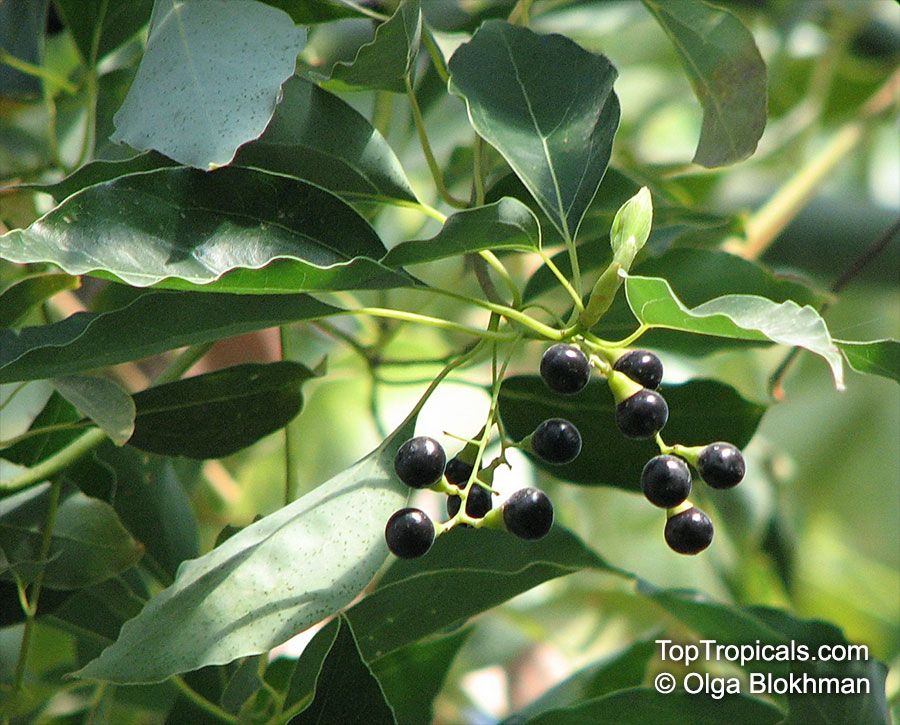
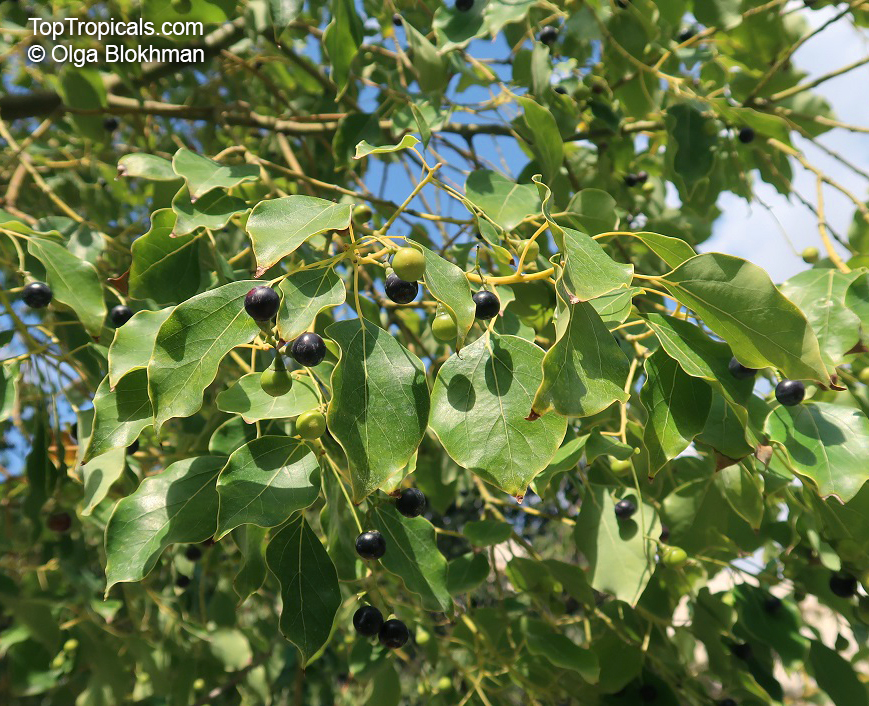
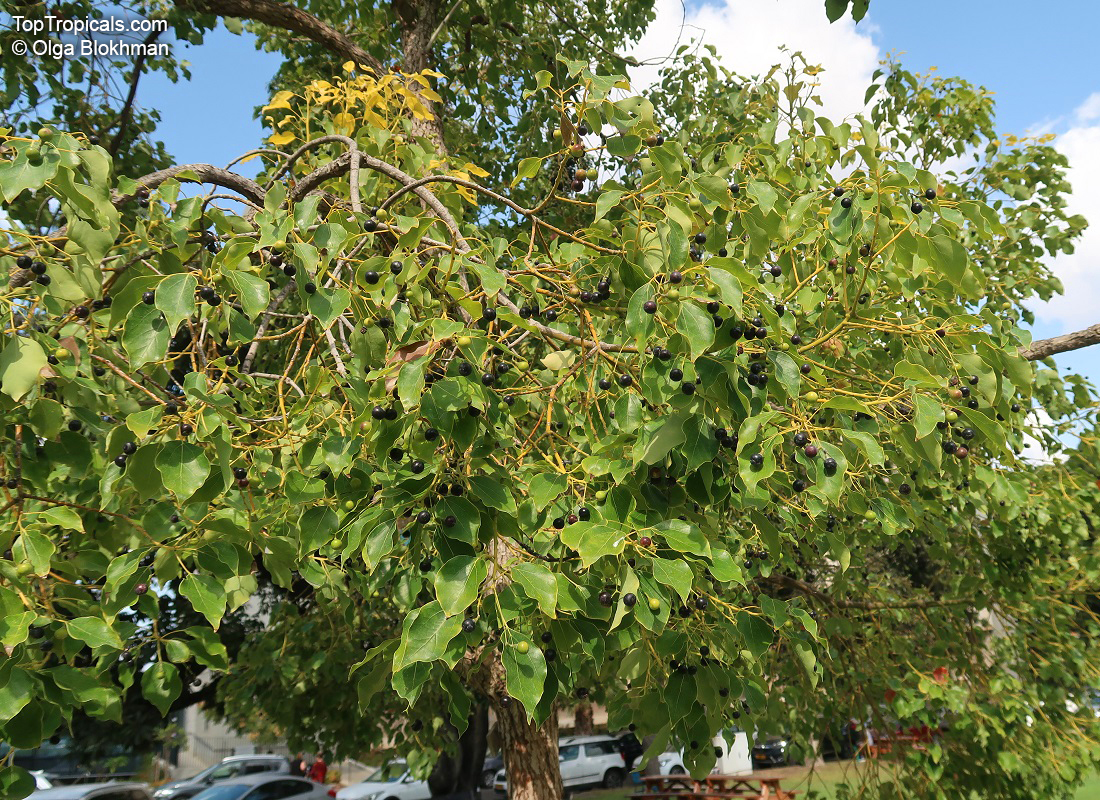
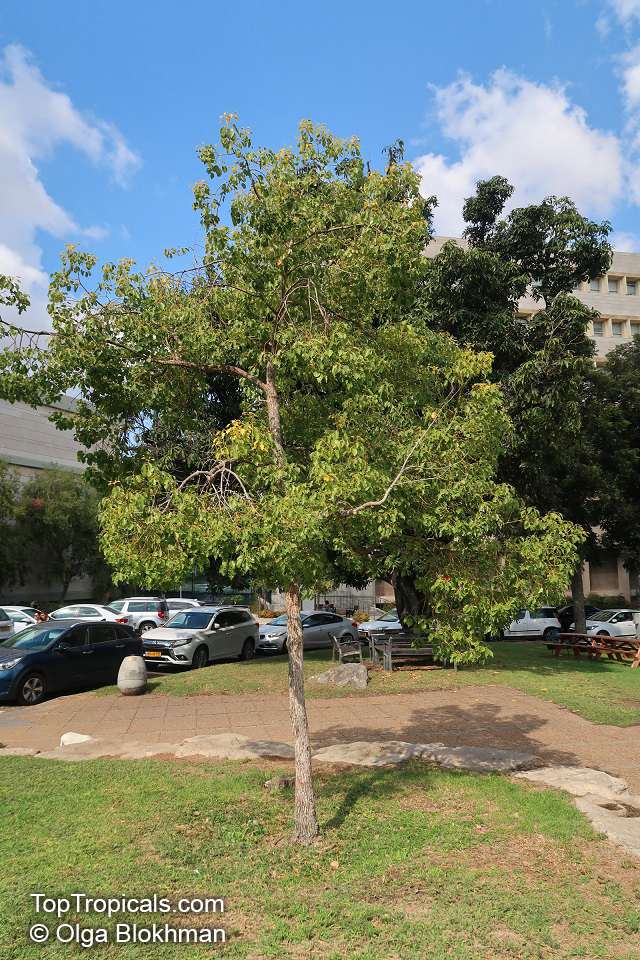
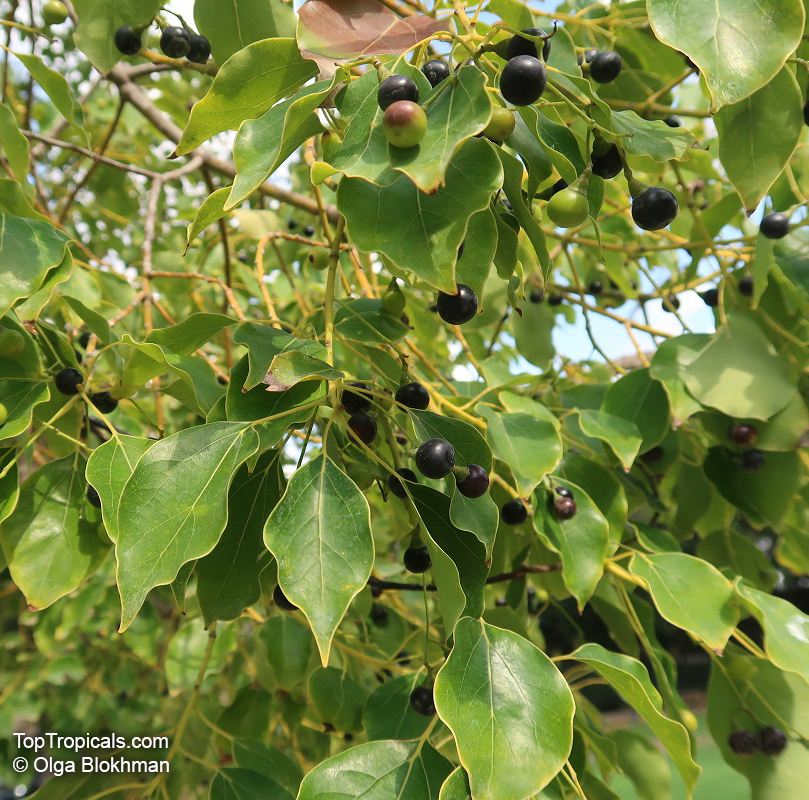
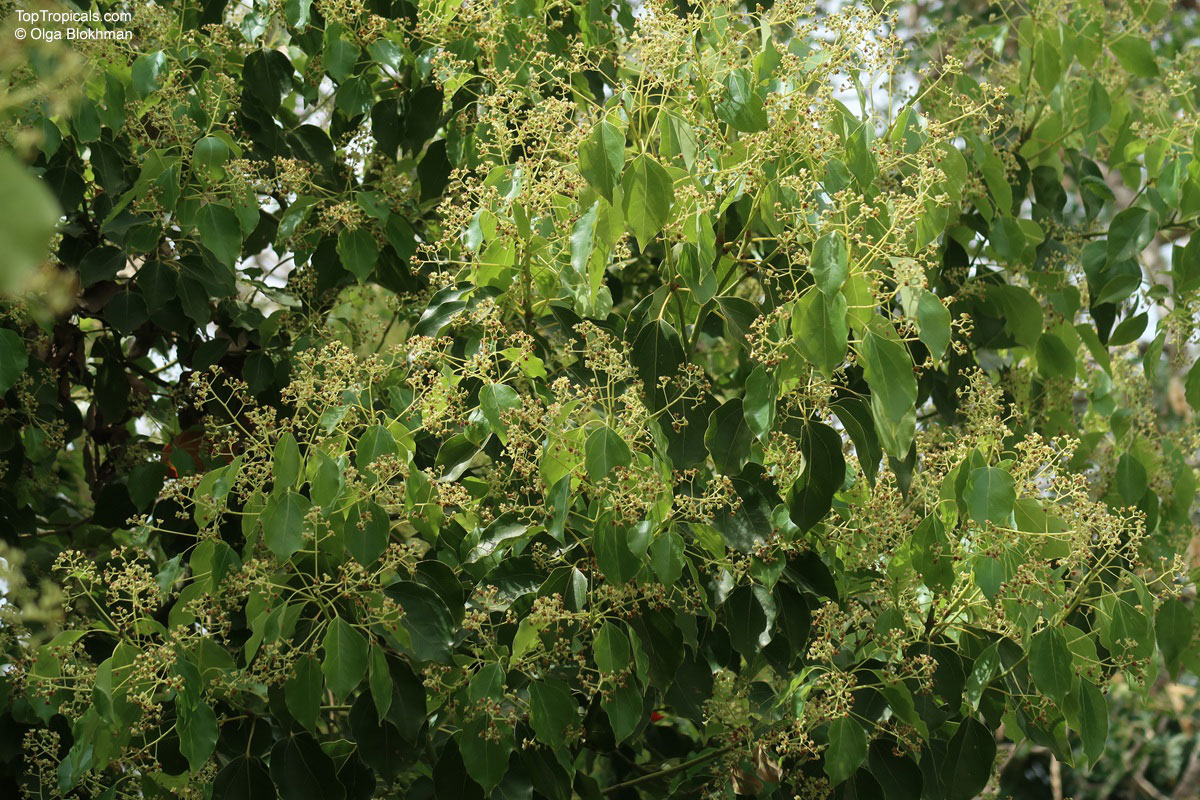
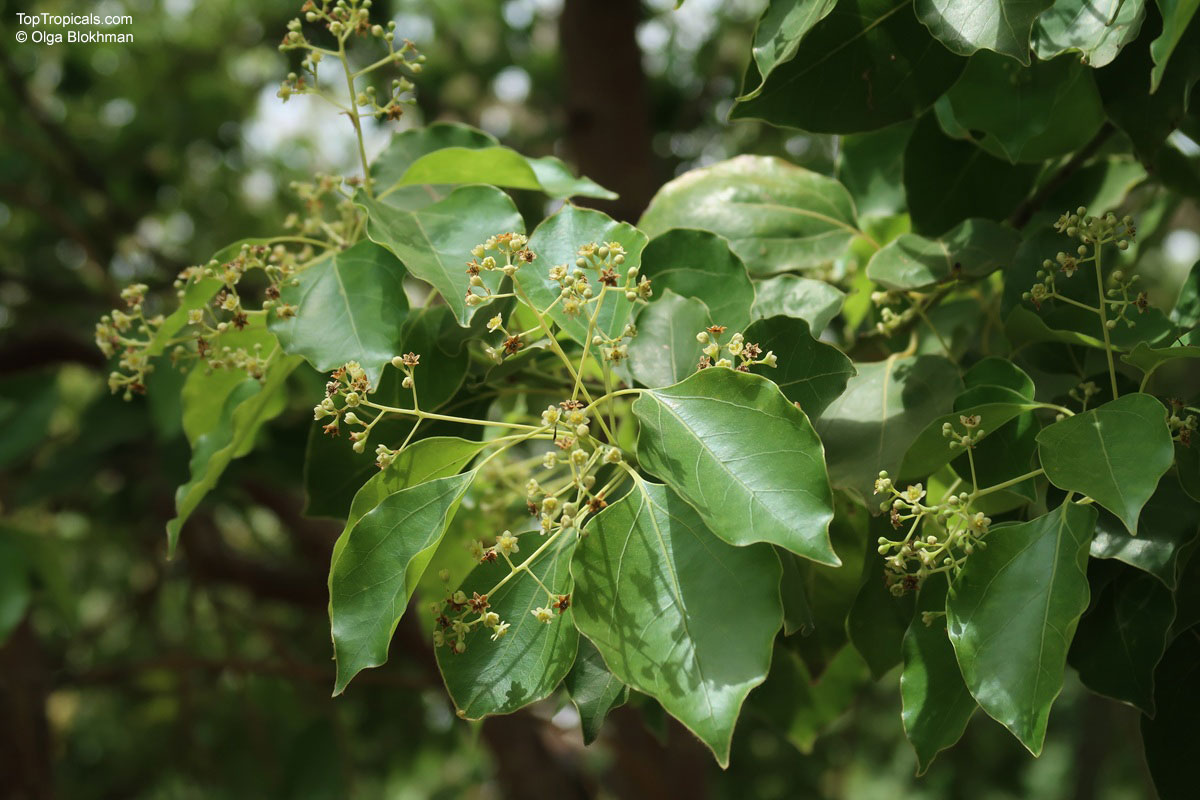
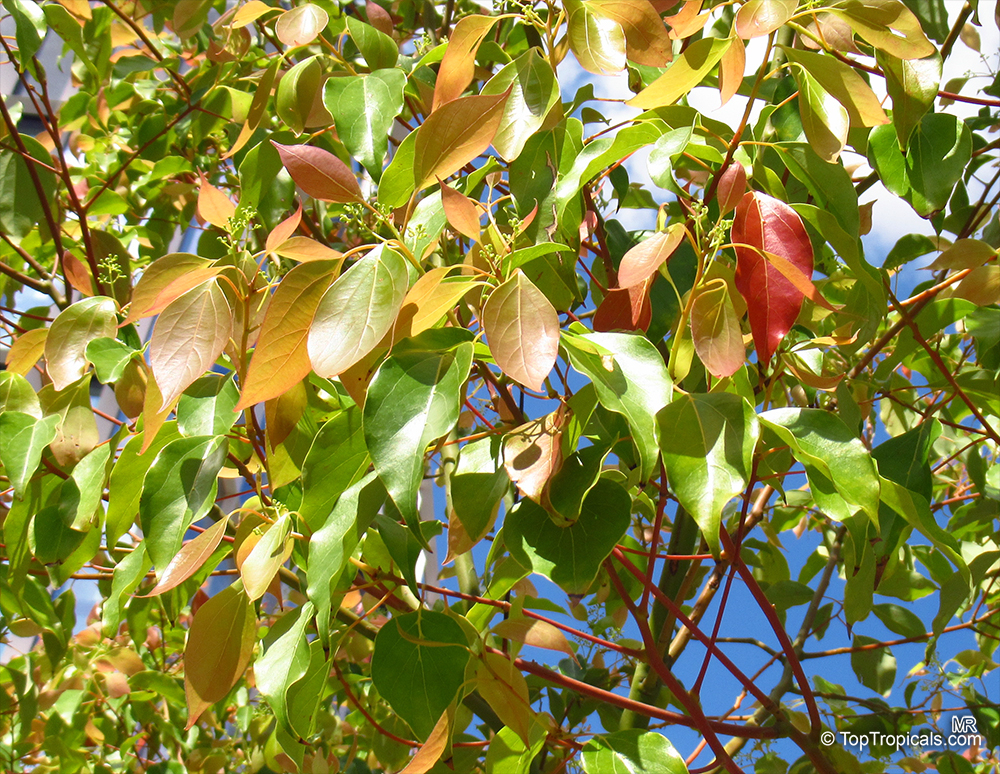
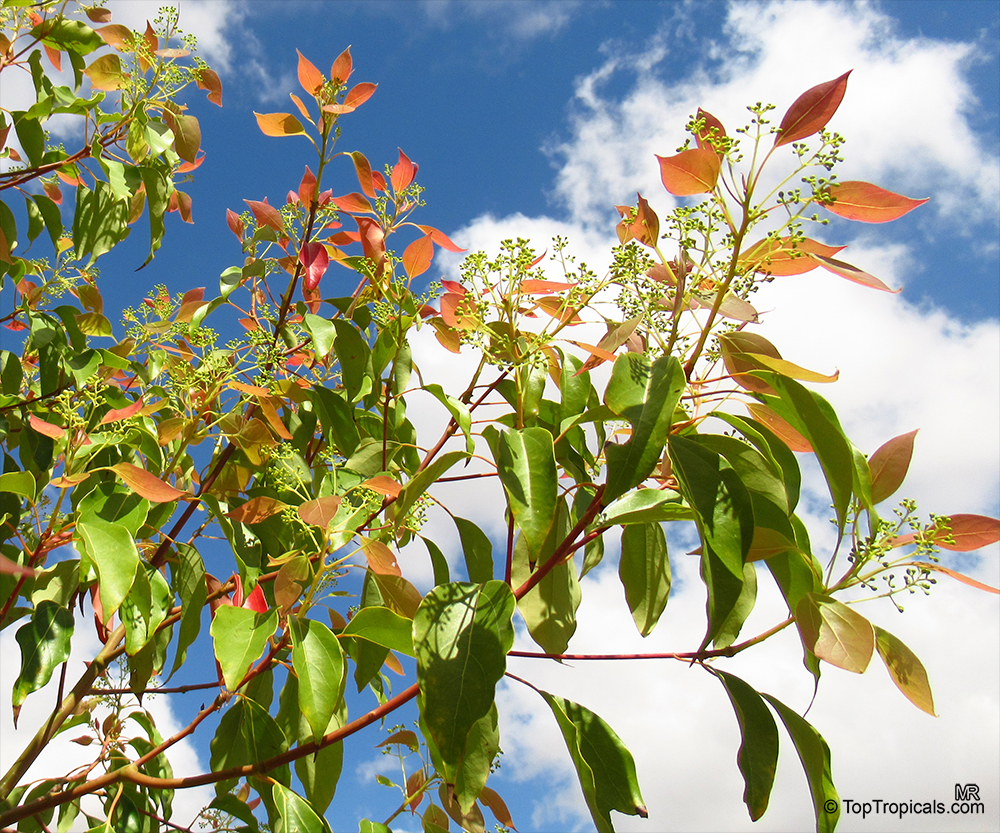
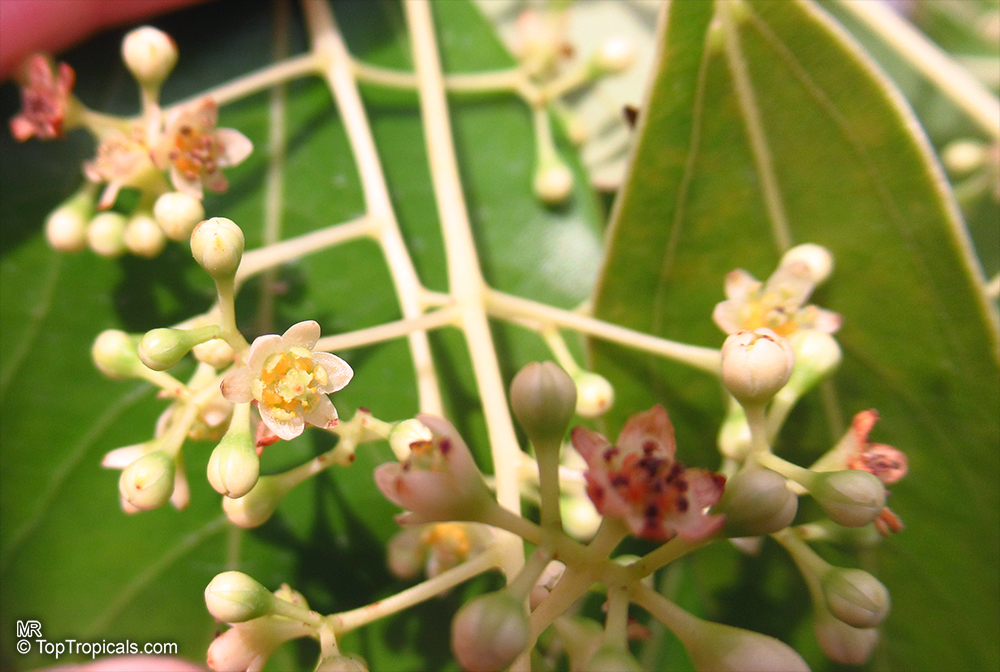
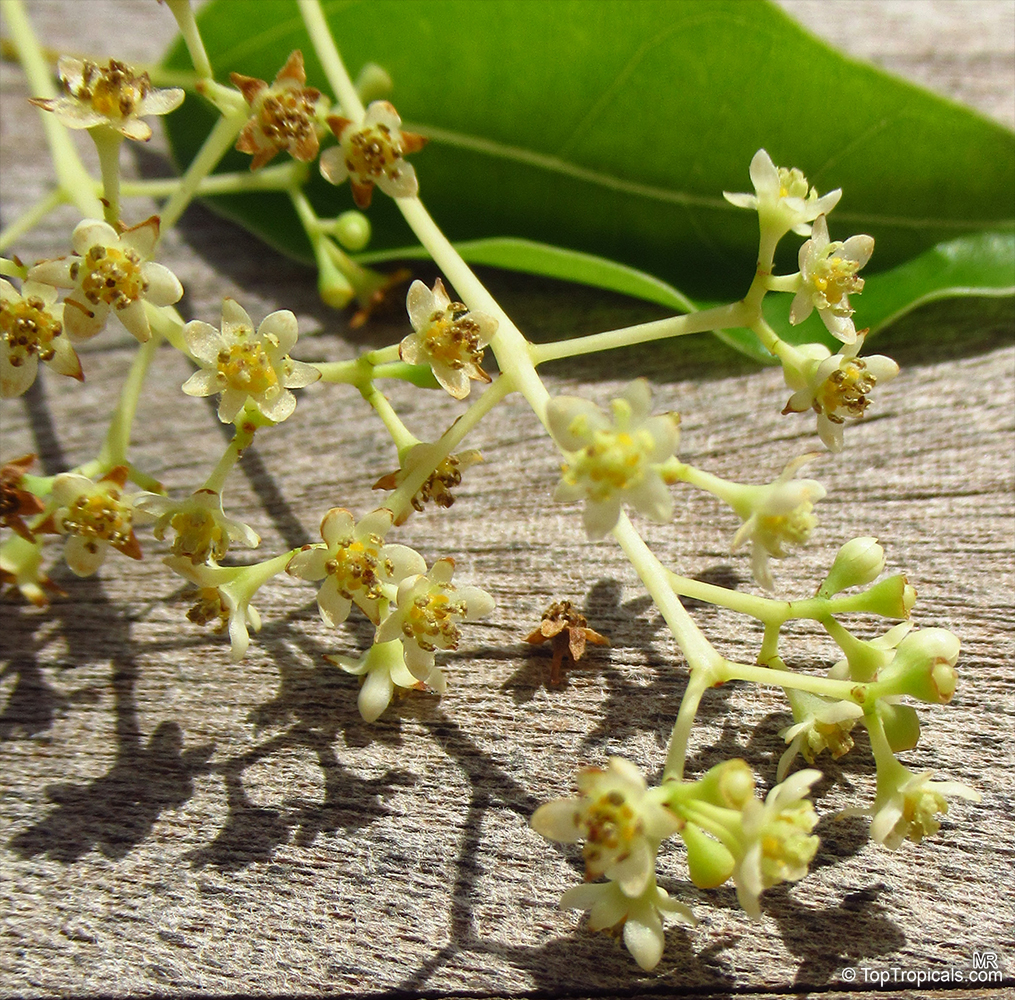
Branches and leaves are used for aromatic medicinal sauna.
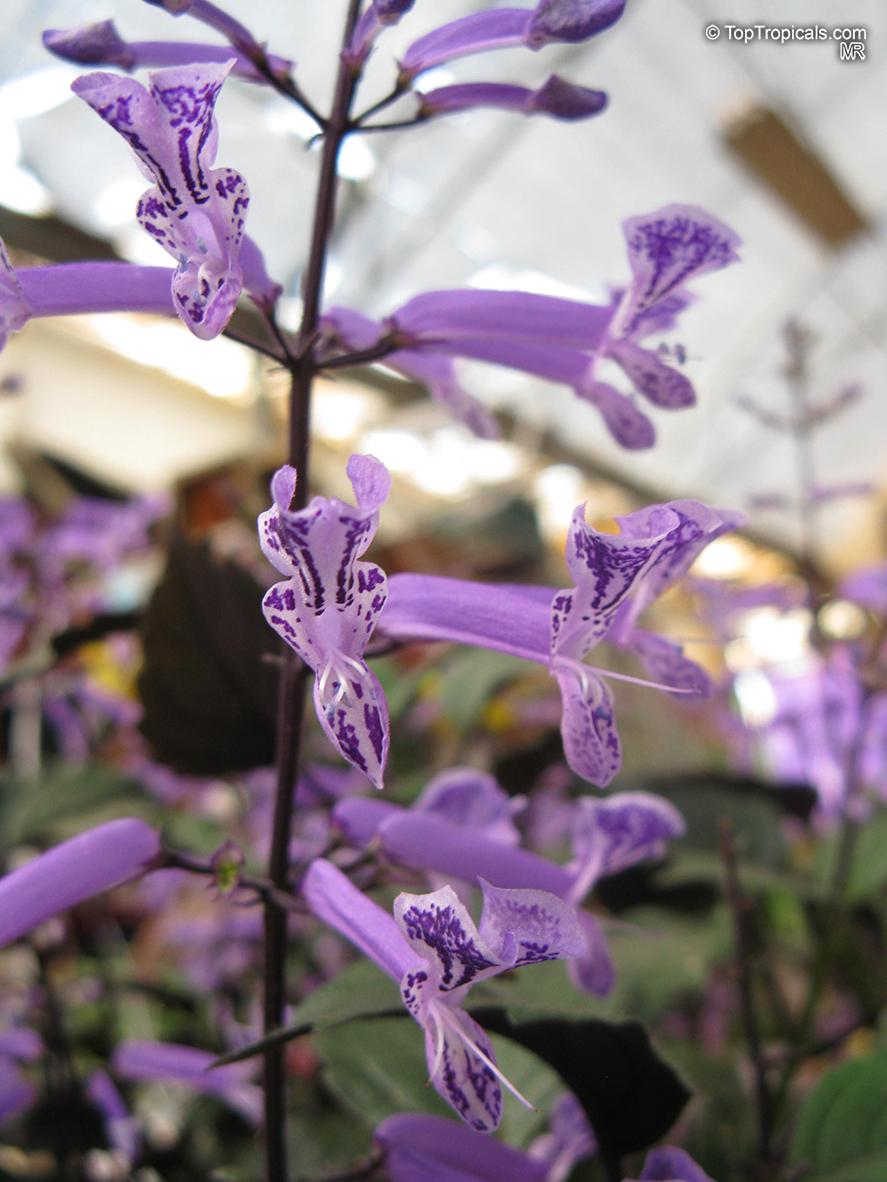
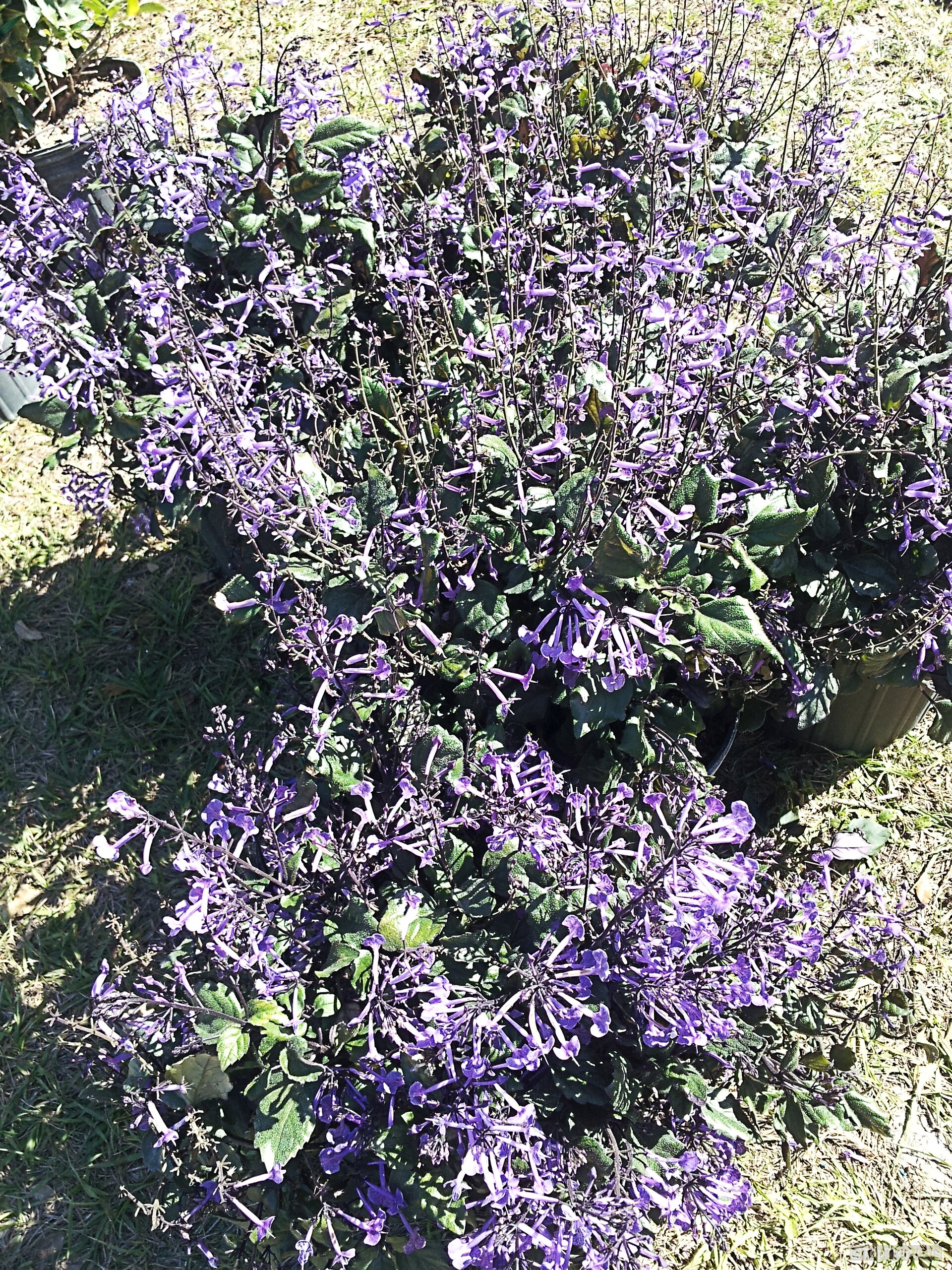
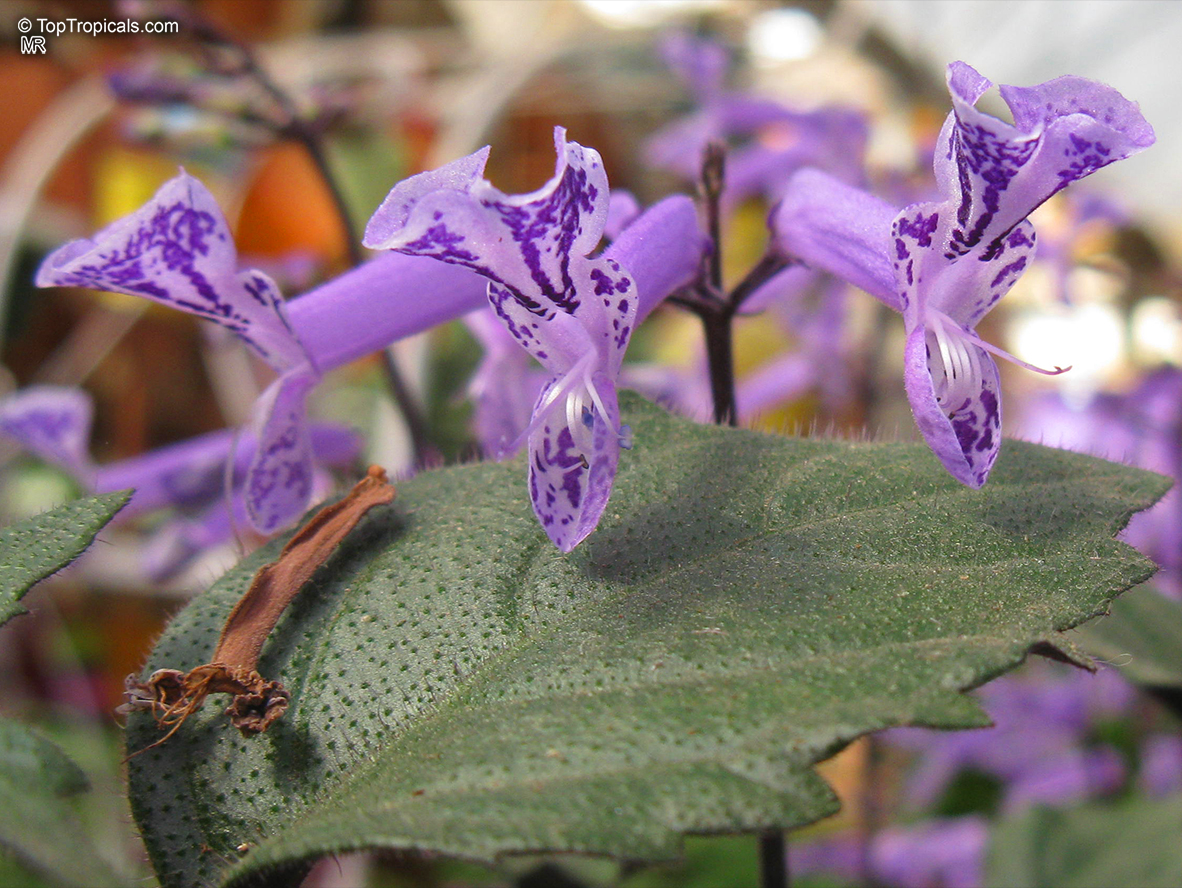
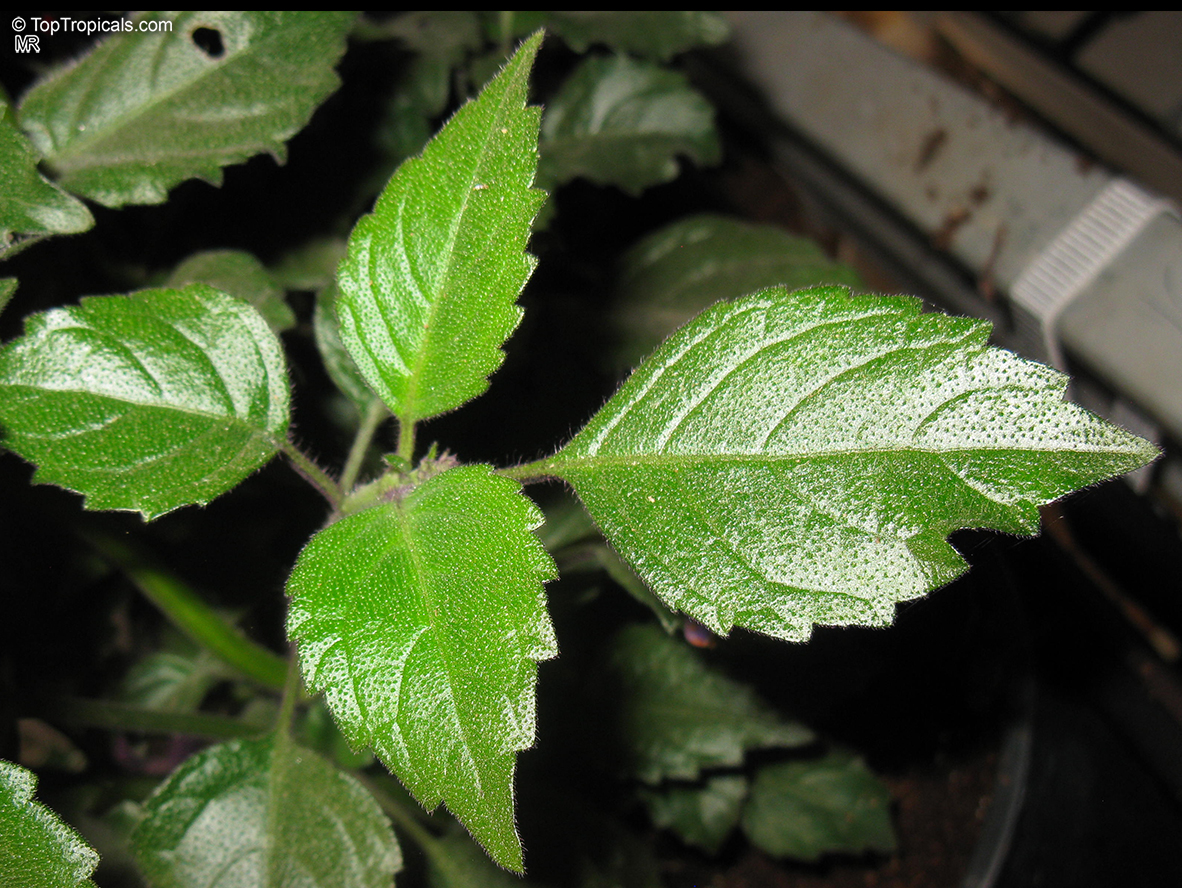
Botanical name: Plectranthus sp.
Common names: Mona Lavender, Plectranthus hybrid
Cultivar: Mona Lavender
Family: Lamiaceae
Origin: South Africa
Hardiness: 30°F


An evergreen perennial with numerous stems growing to a rounded plant 3 feet tall and wide. The leaves are deep green with purplish veins, slightly curled at the edges with short coarse teeth and growing to 2 inches long and 1 inch wide. More than 6-inch-long spikes of lavender blossoms. A colorful new plant for container gardens to display at entrances, on patios and as a balcony or porch display. Also use as a bedding plant for annual or perennial gardens to provide colorful fall foliage and flowers. Encourage a compact growth habit by periodically trimming the tips of new shoots. Keep plants inbounds by pruning shoots hanging over walkways and affecting nearby plantings. Remove old flower heads as the blooms decline.

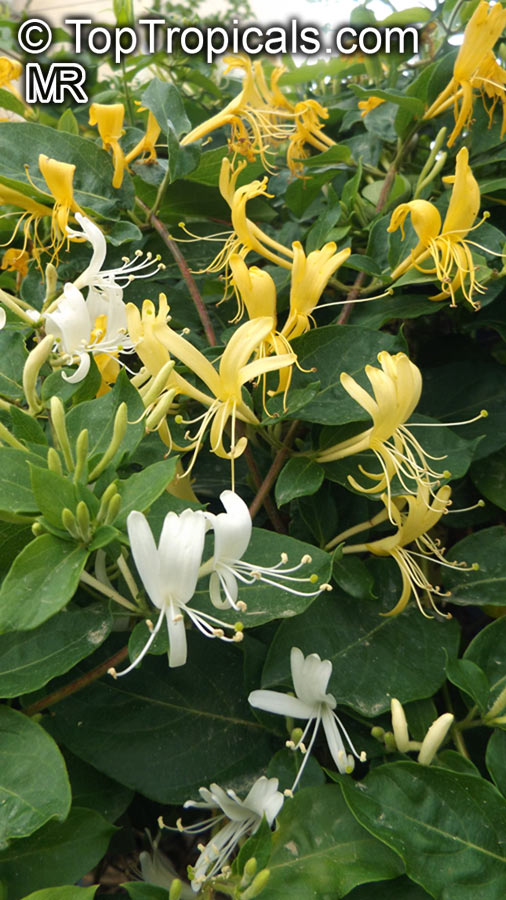
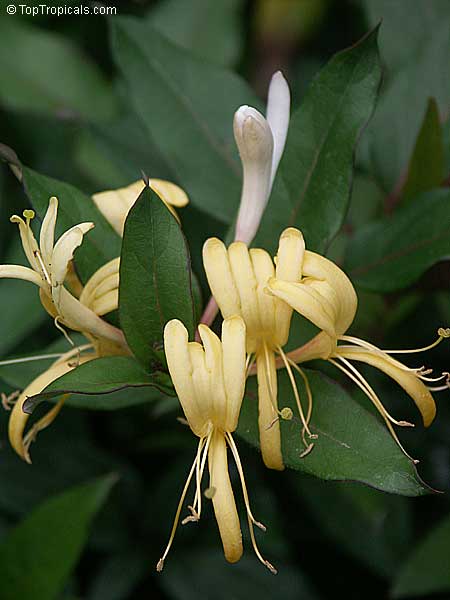
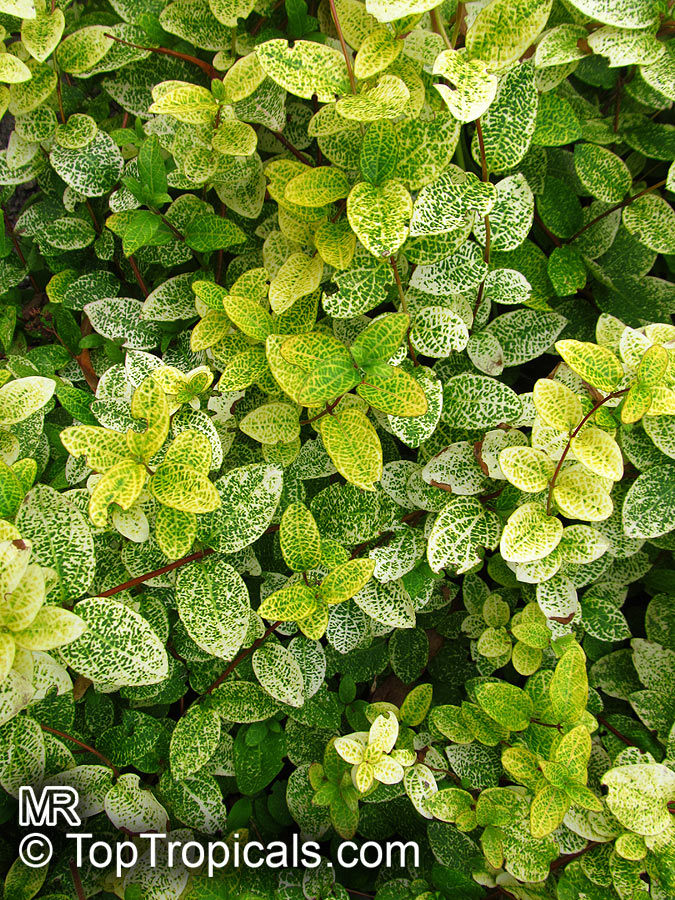
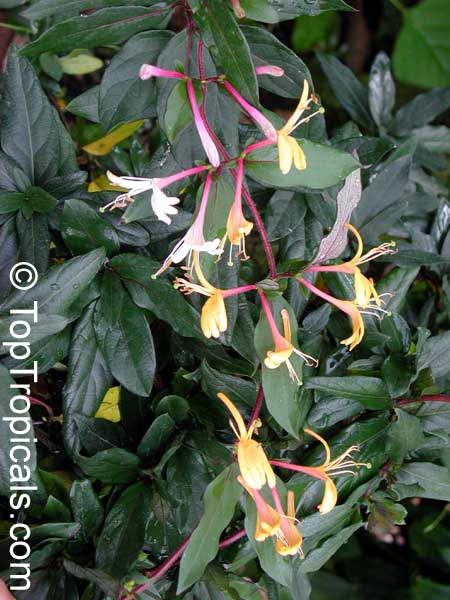
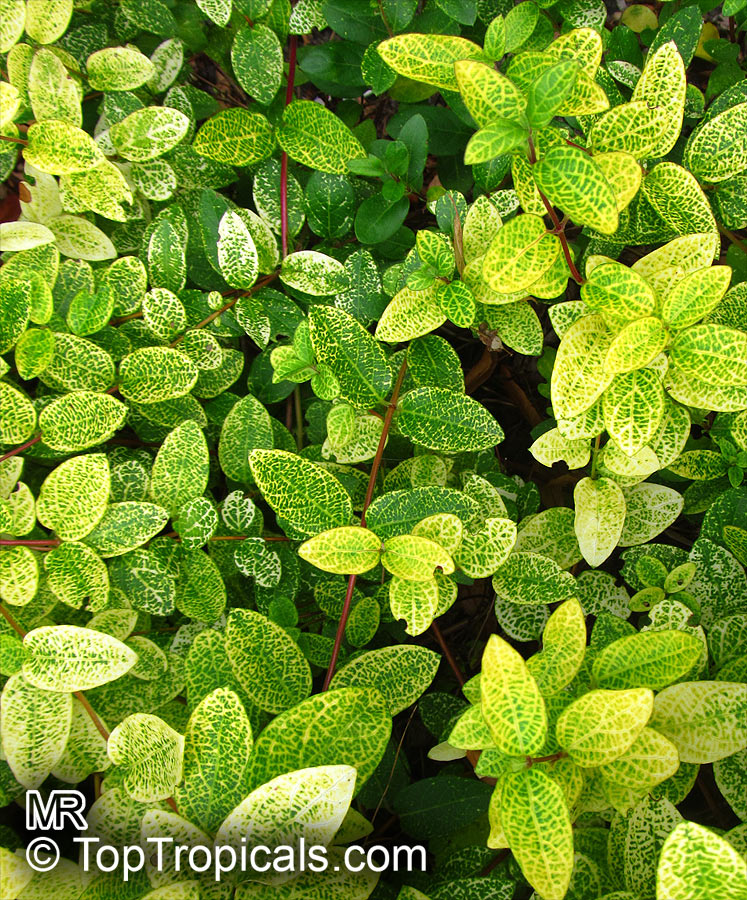
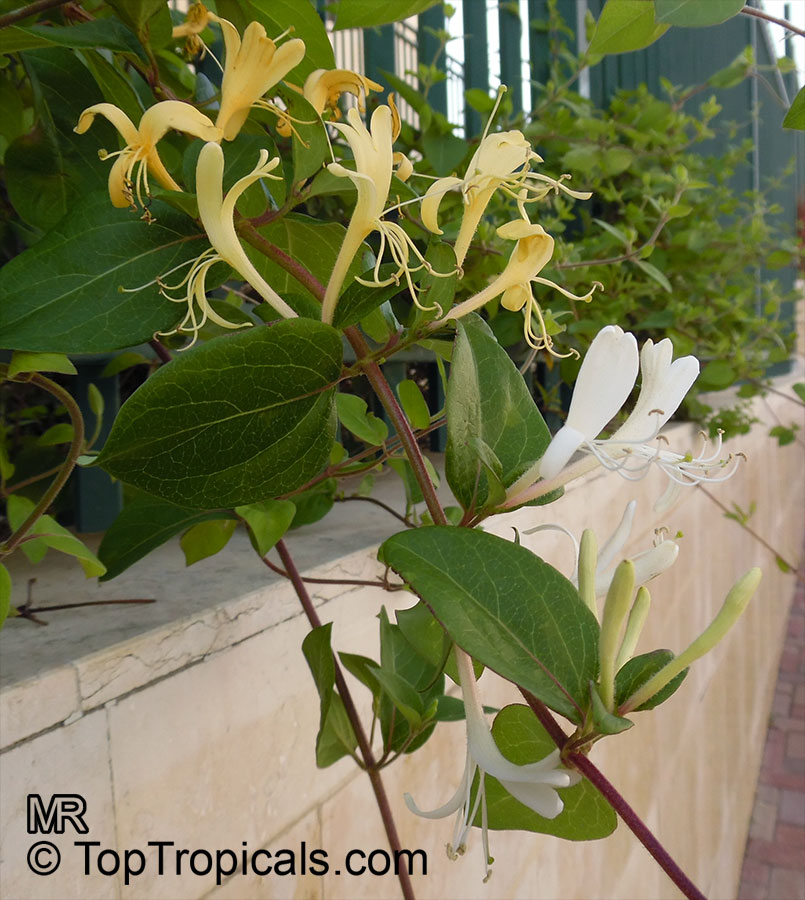
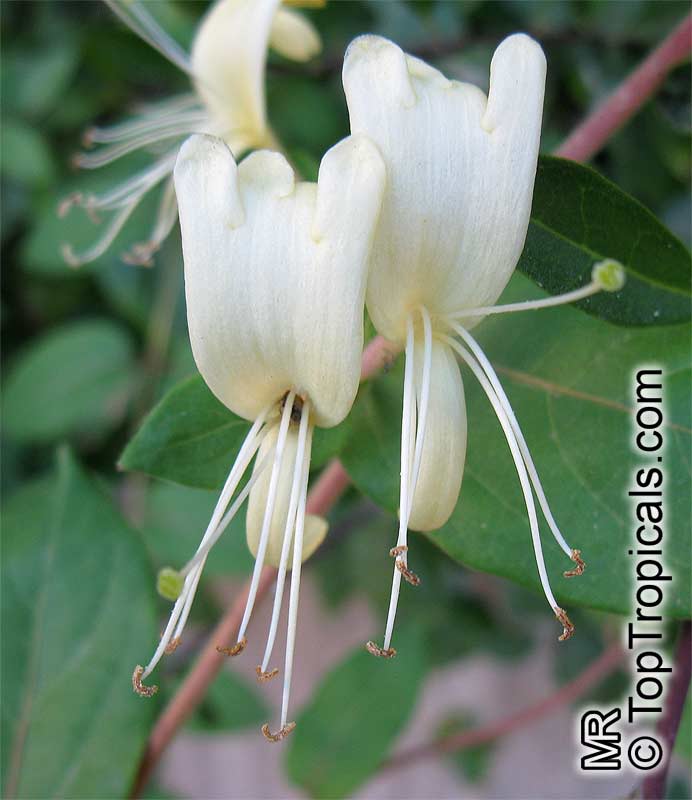
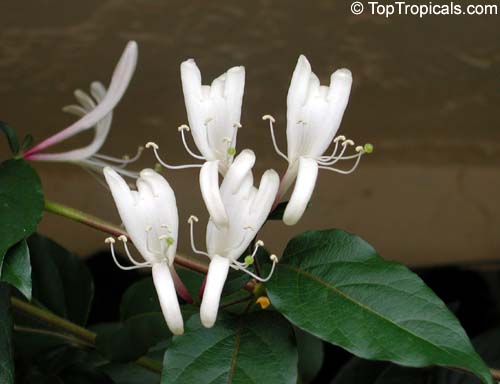
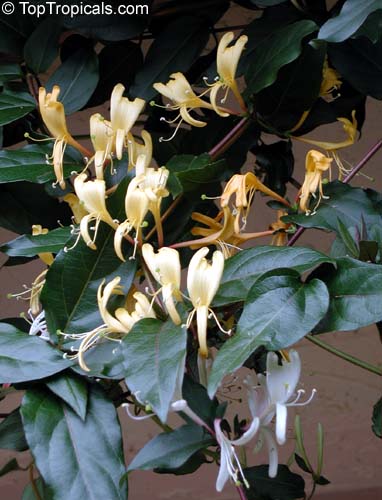
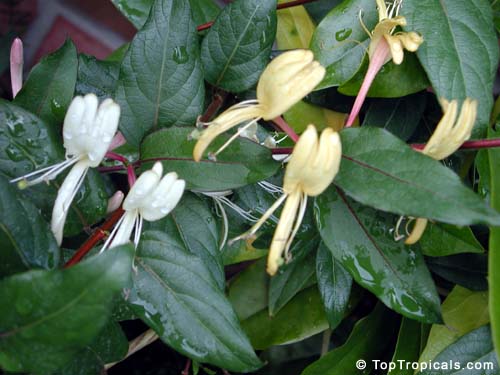
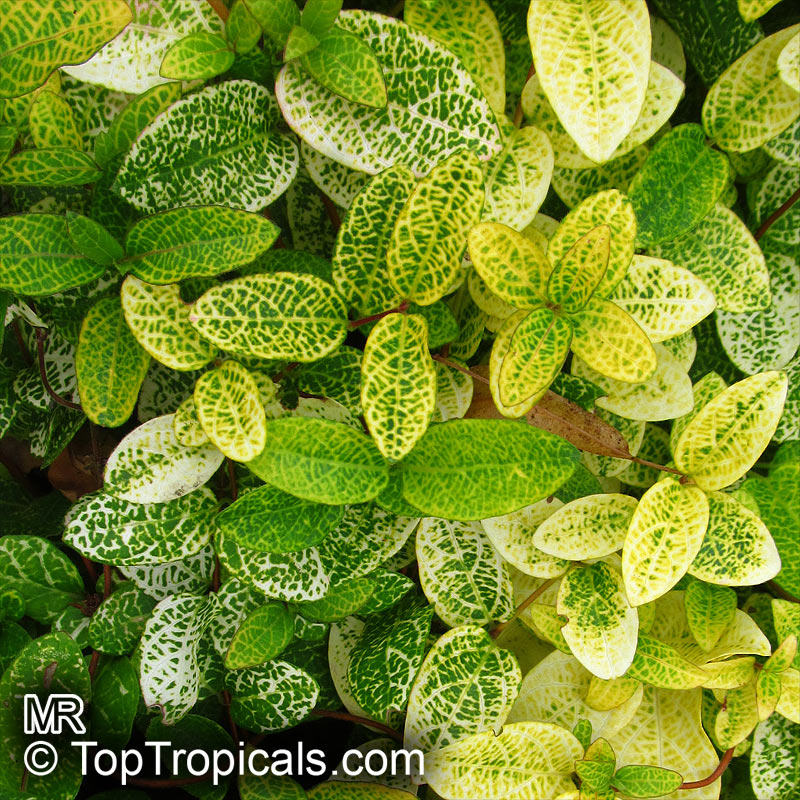
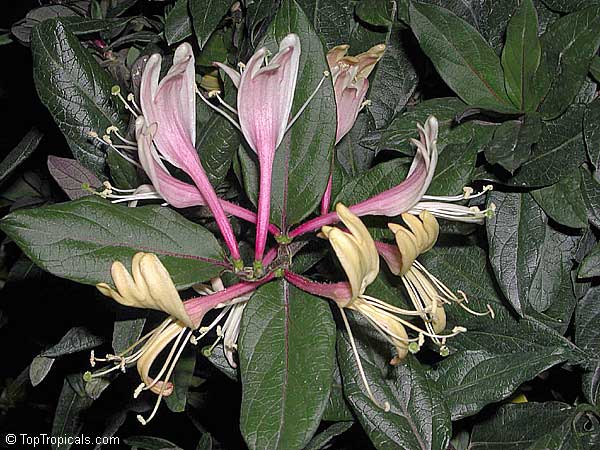
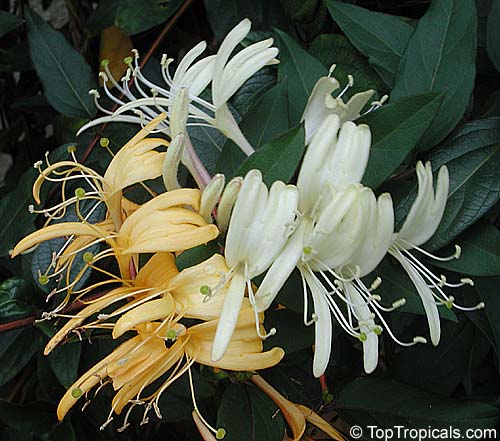
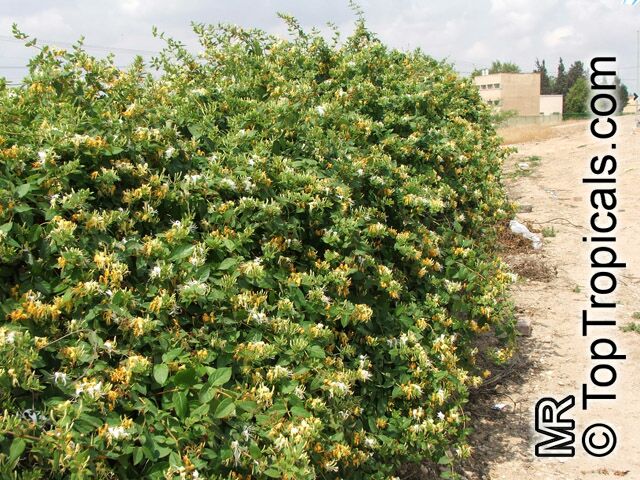
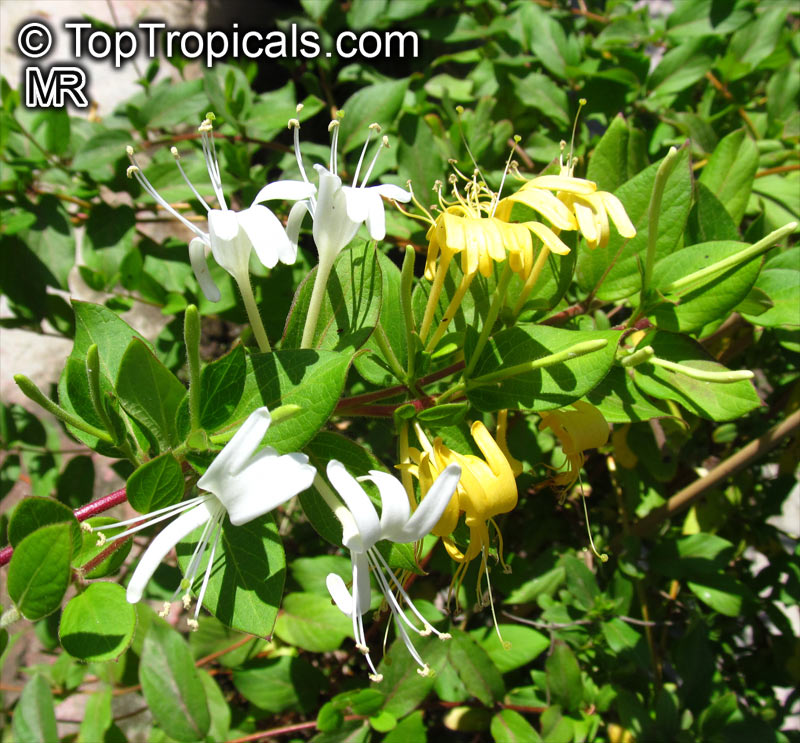
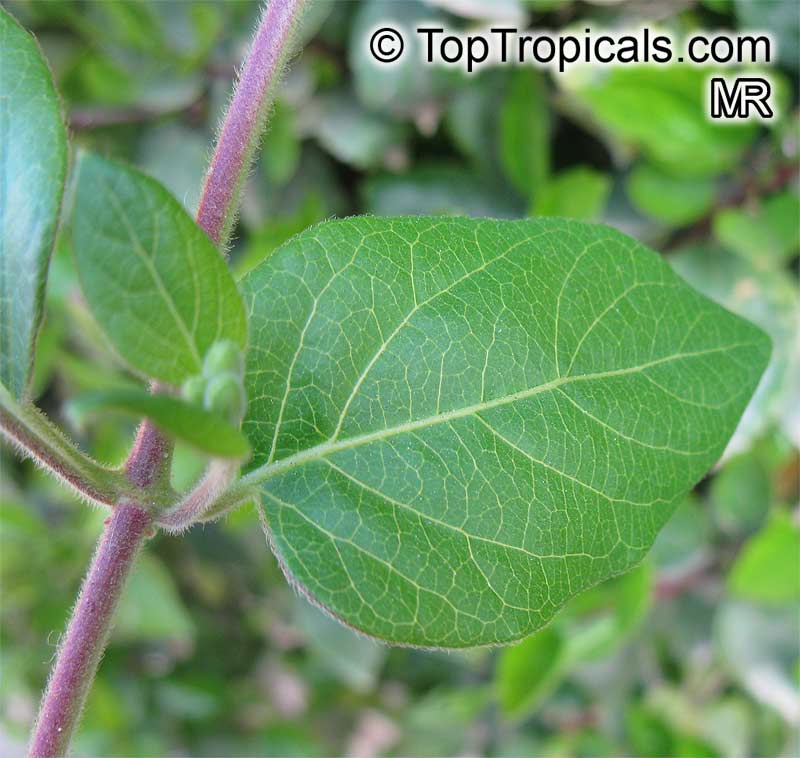
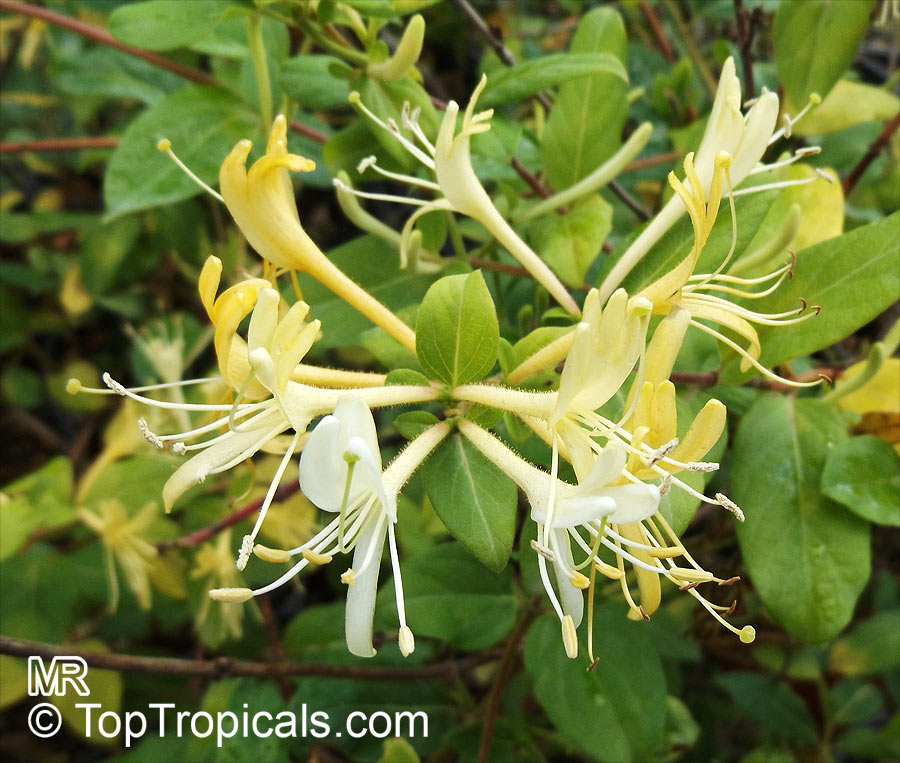
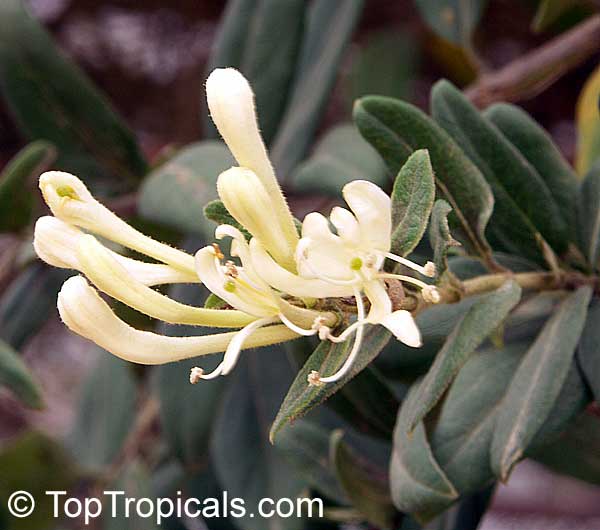
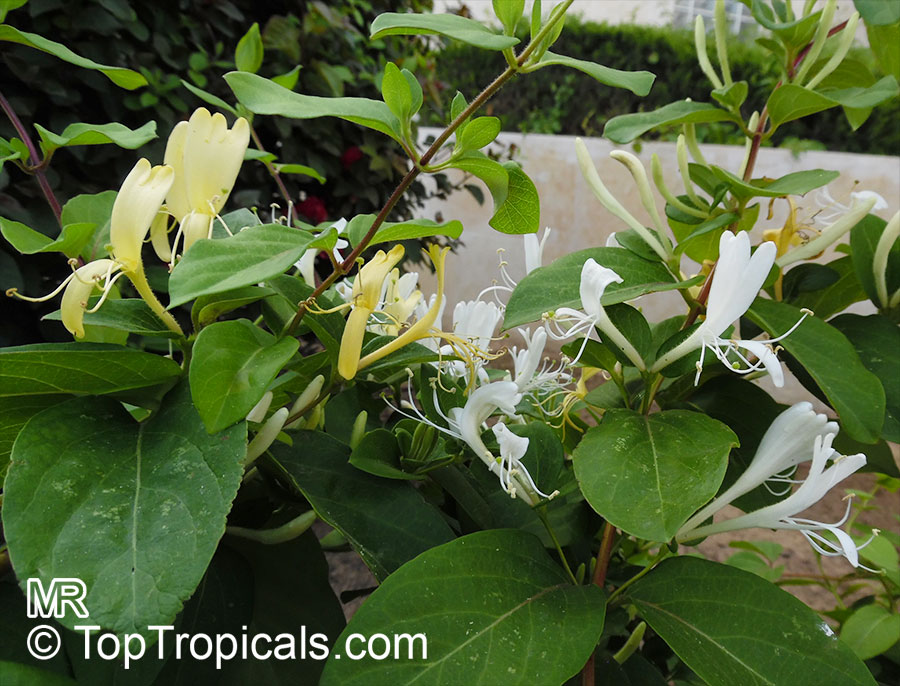
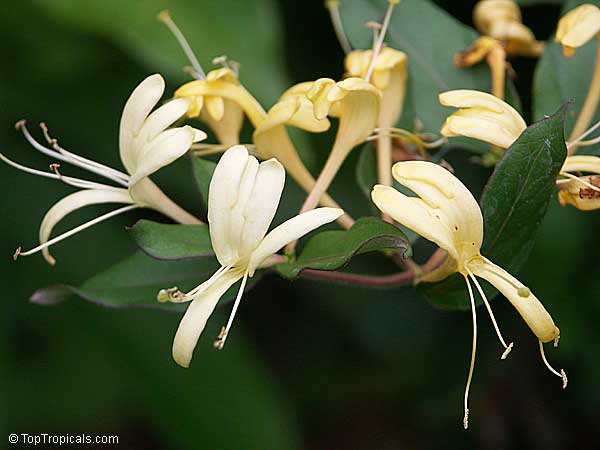
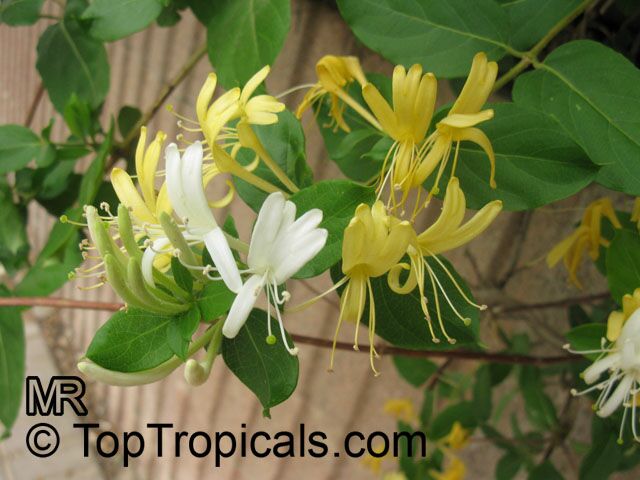
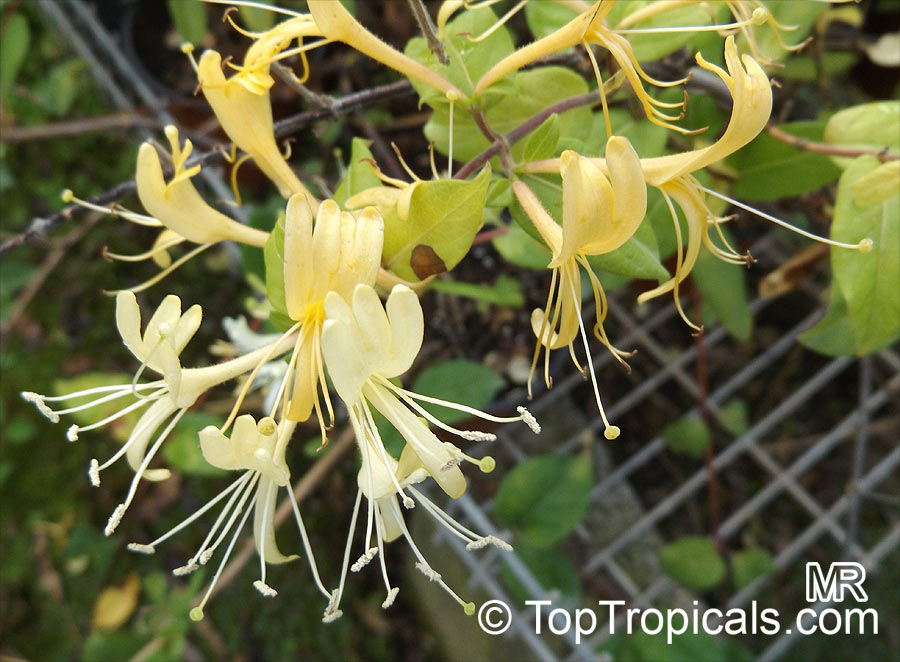
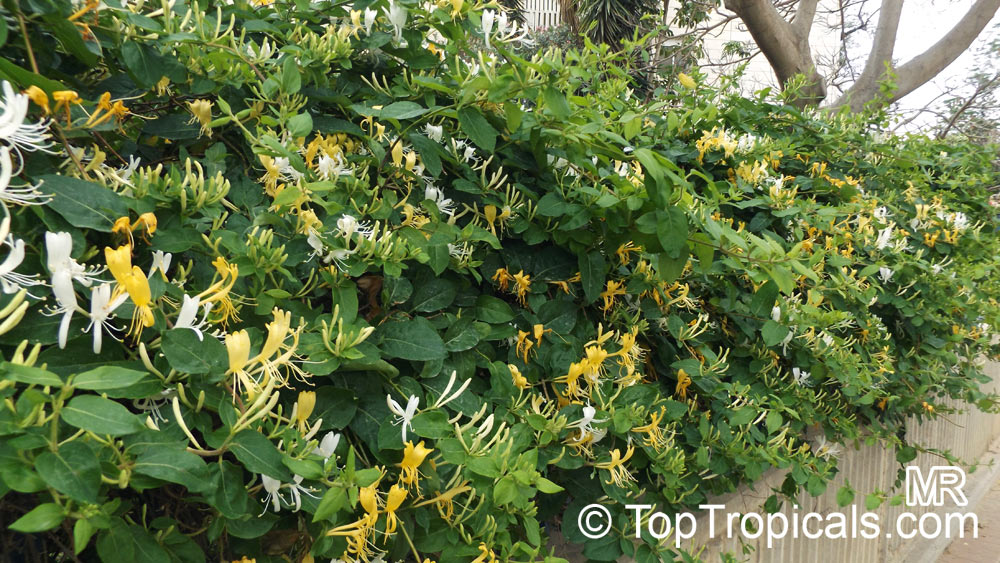
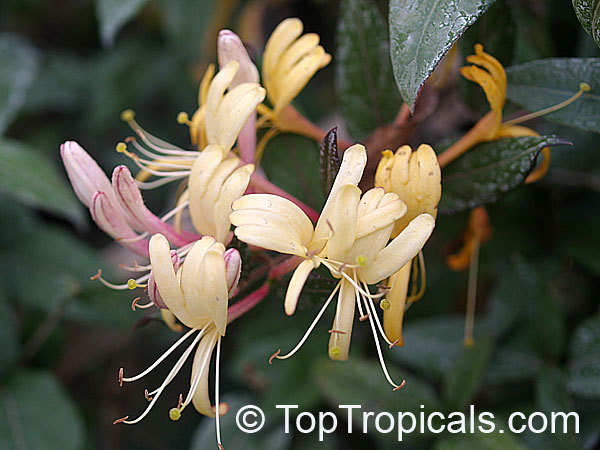
Botanical name: Lonicera japonica
Common names: Japanese Honeysuckle, Halls honeysuckle
Family: Caprifoliaceae
Origin: Japan


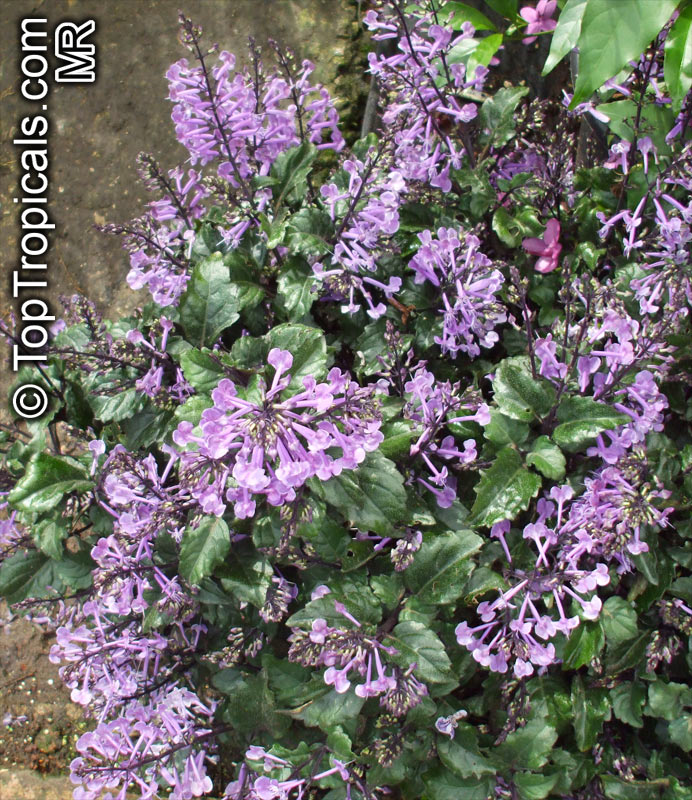
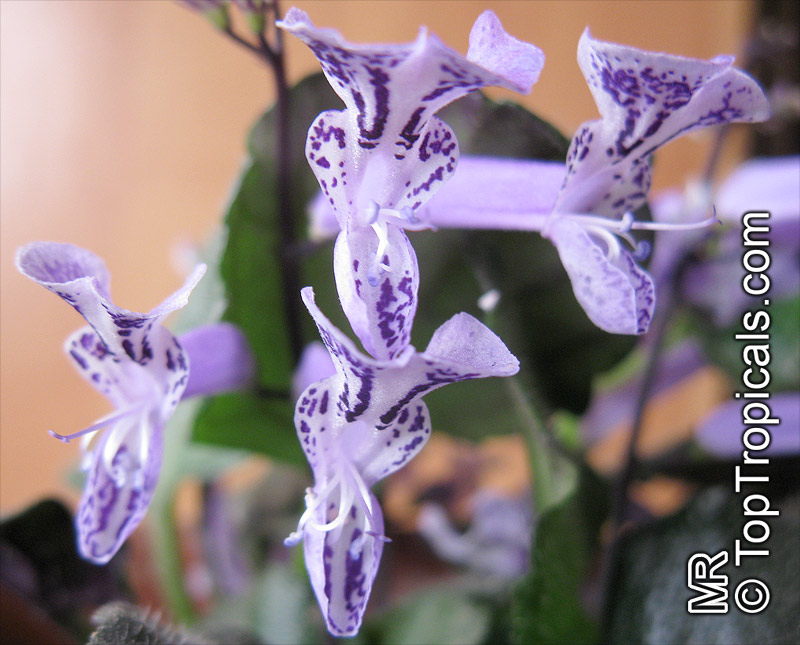
The Japanese Honeysuckle (Lonicera japonica) is an evergreen vine or creeper, and it is native to Japan. This plant is best grown in full sun to semi-shade, and it will tolerate moderate watering. It has white to off-white flowers that can be tinged with yellow or orange, and they are very fragrant, making this a popular choice for attracting butterflies and hummingbirds. This vine can become invasive, so it's best to practice regular pruning. The mature plant is cold-hardy and can handle temperatures of at mid 20s degrees Fahrenheit for a short time. This honeysuckle is also tolerant of seaside and salt, and it is most often grown in USDA Hardiness Zones 8-10.
If you're growing the Japanese Honeysuckle in a pot in colder regions, it's important to choose a larger container to give the roots plenty of room for growth. Make sure you select a well-draining potting soil and that you relocate the pot to a sheltered spot in the winter months. Ensure the pot doesn't freeze by covering it with a cloth or plastic, and move it back outside once the winter weather has passed. Pay attention to the soil moisture levels, and water when the topsoil is dry. If you have a warmer climate, you can let the soil dry out between waterings, but don't allow the plant to suffer from drought stress. Enjoy the sights, smells, and sounds that this plant will bring to your garden.

Ordering seeds info
RECOMMENDED SUPPLIES:
Seed Germination Mix #3, professional grade
SUNSHINE-Epi - Seeds and cuttings booster
SUNSHINE Bombino - Young Plant Booster
Recommended Fertilizer: SUNSHINE Pikake - Fragrant Flower Booster
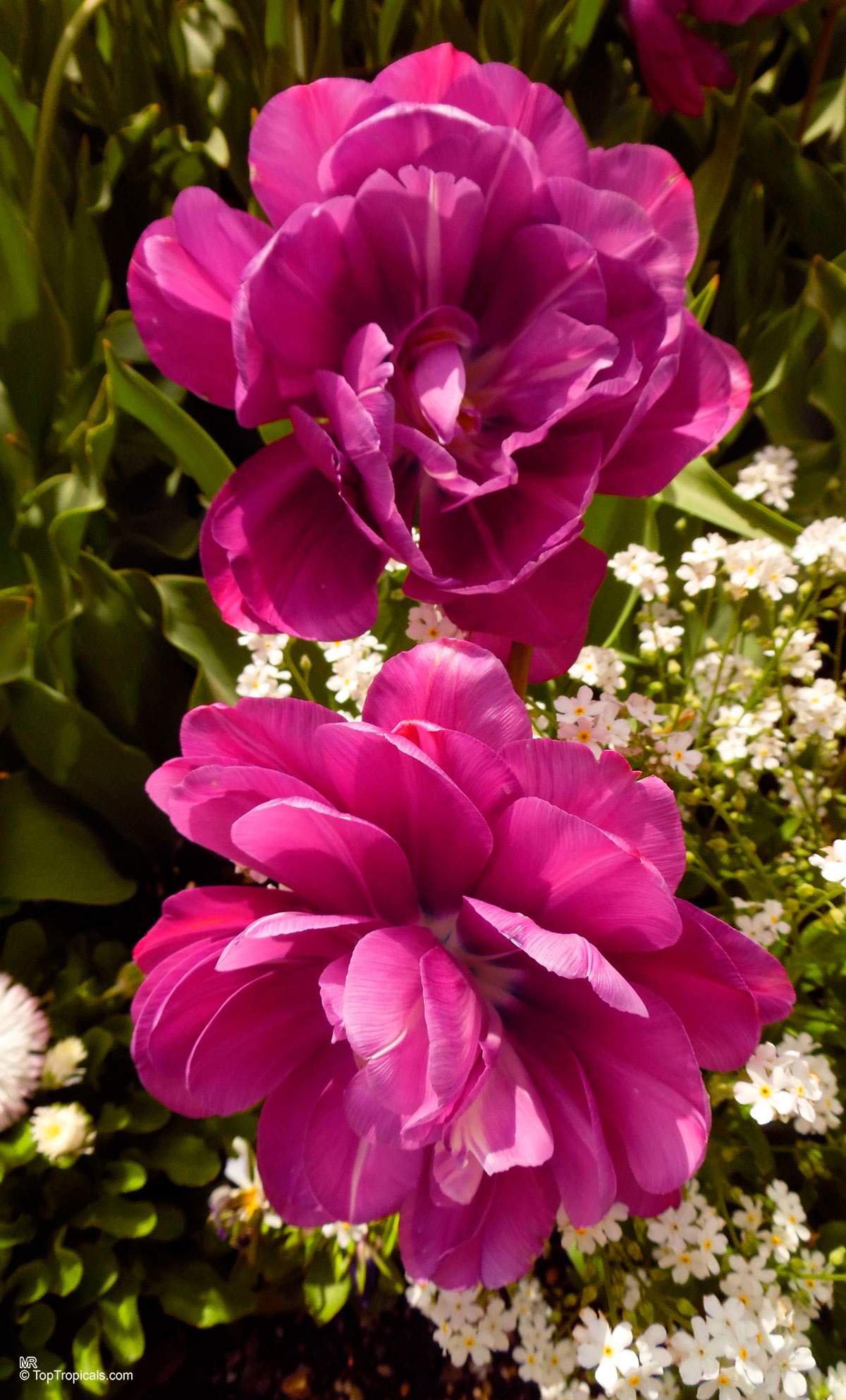
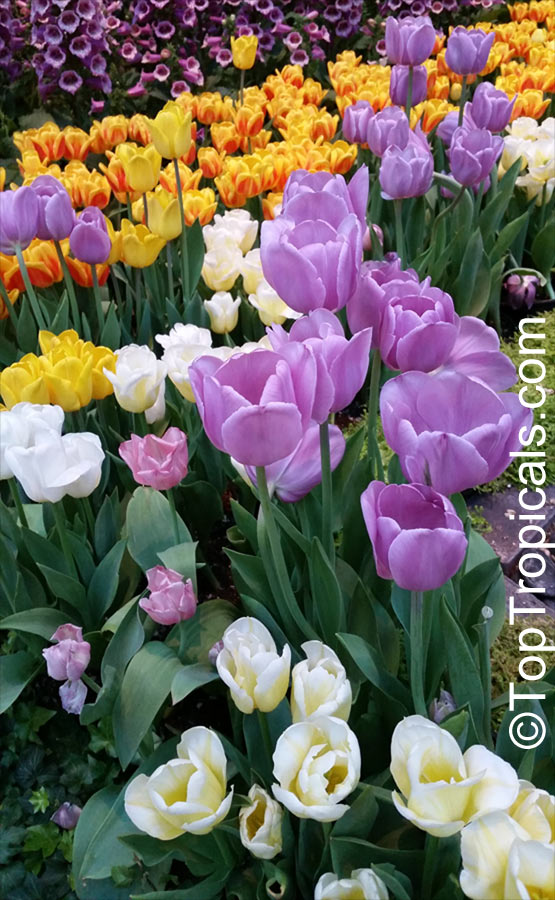
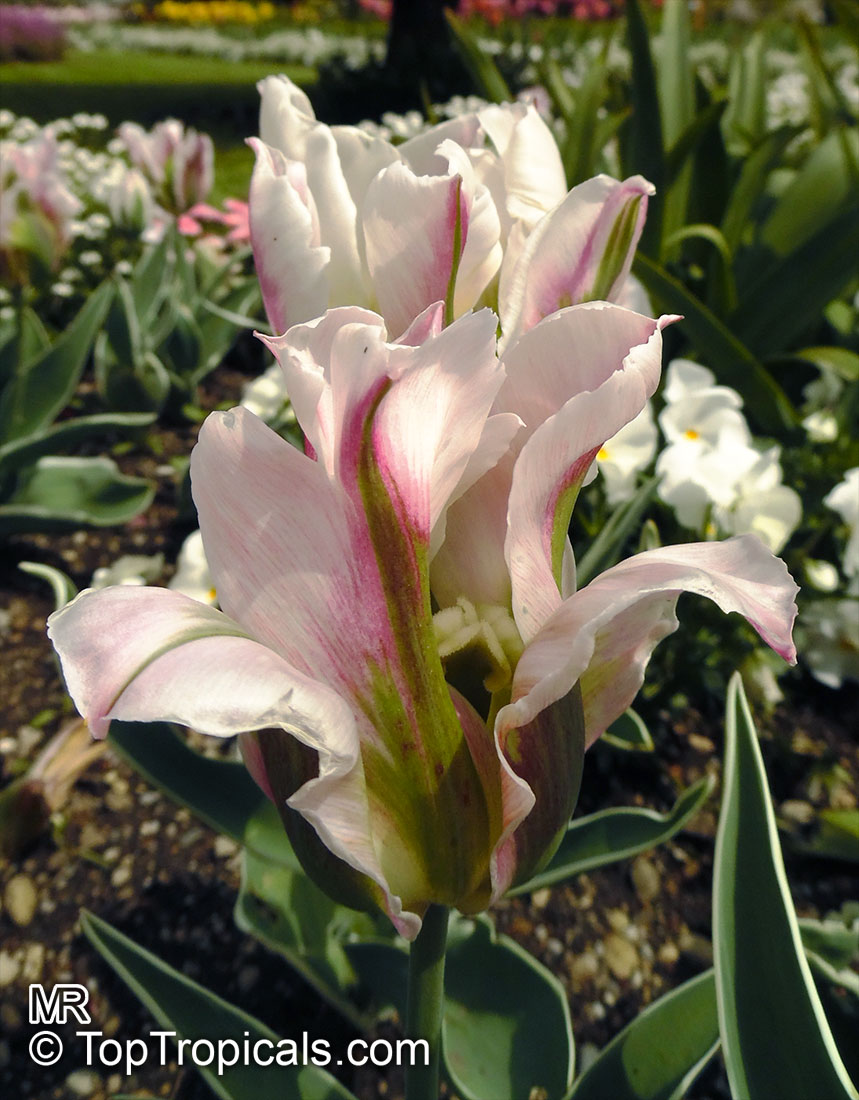
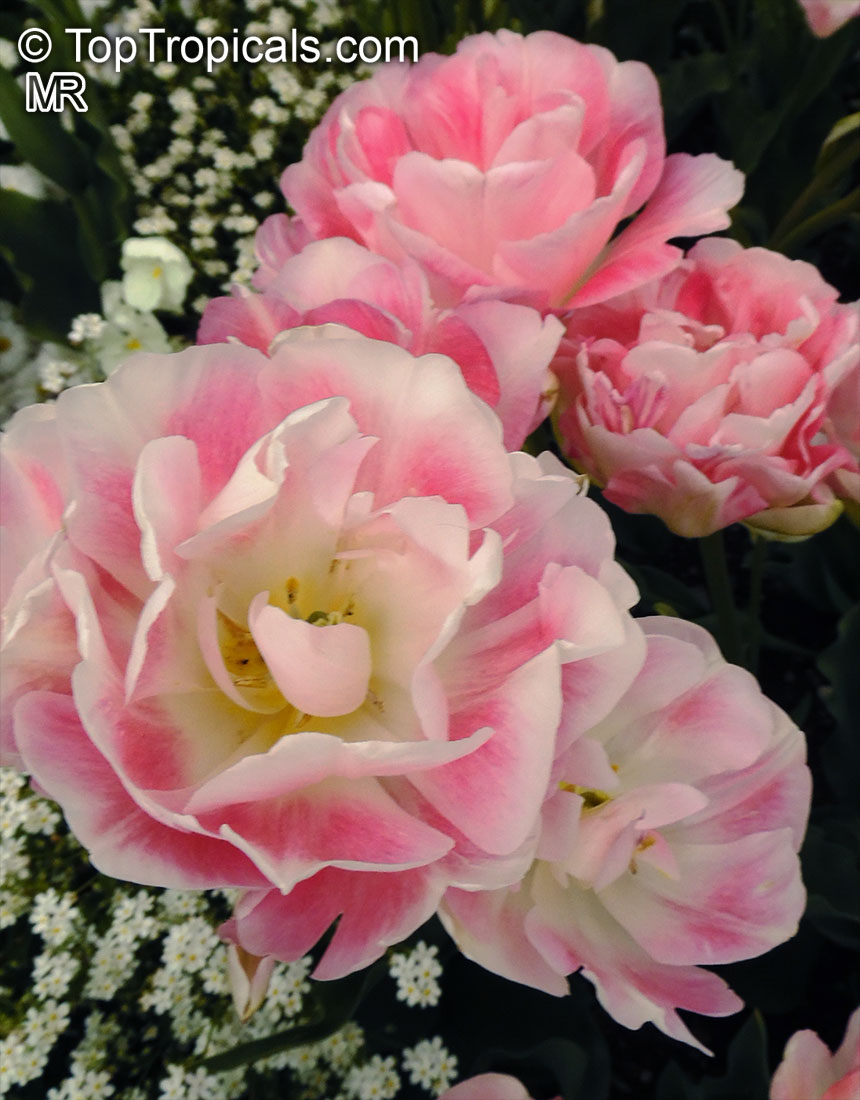
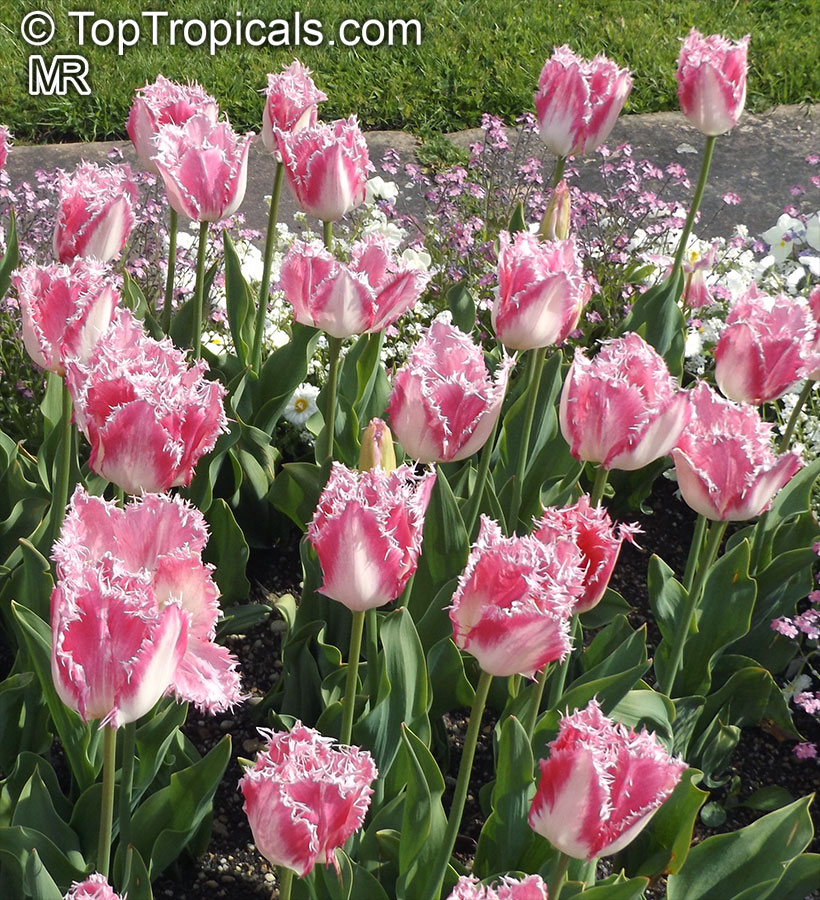
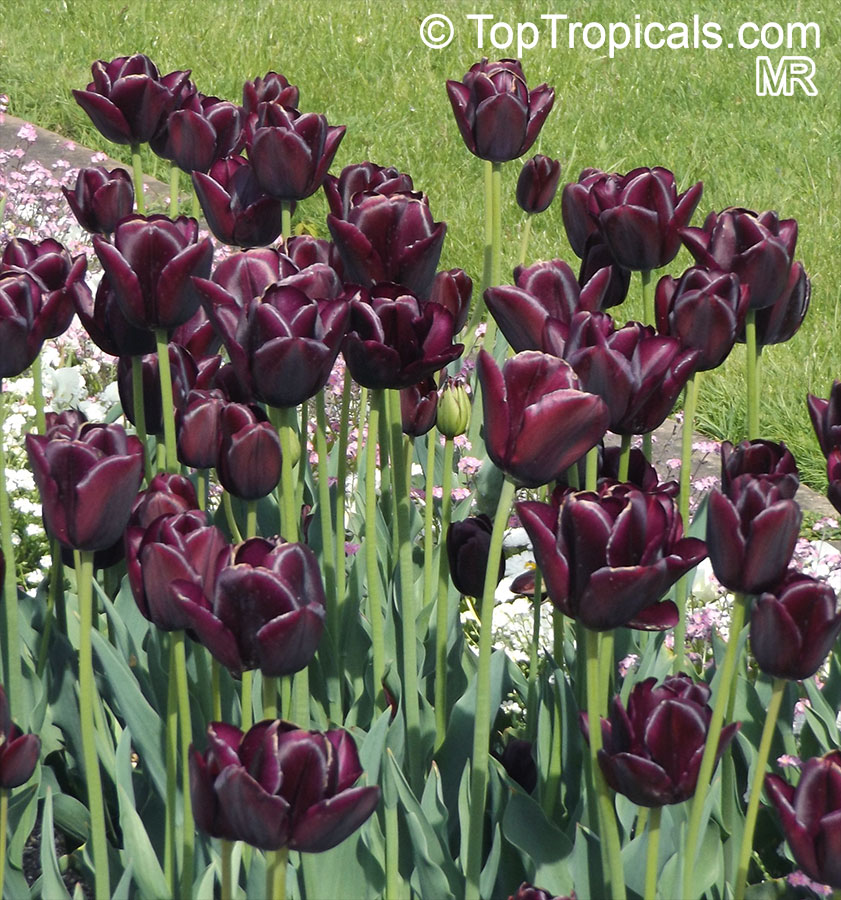
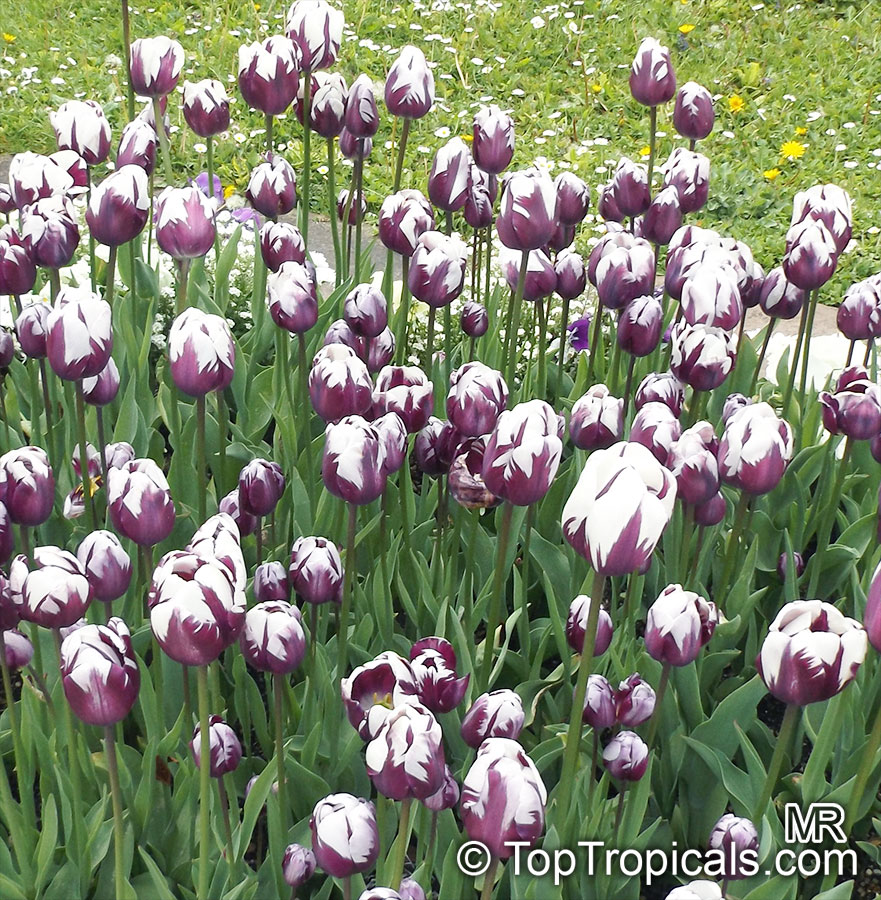
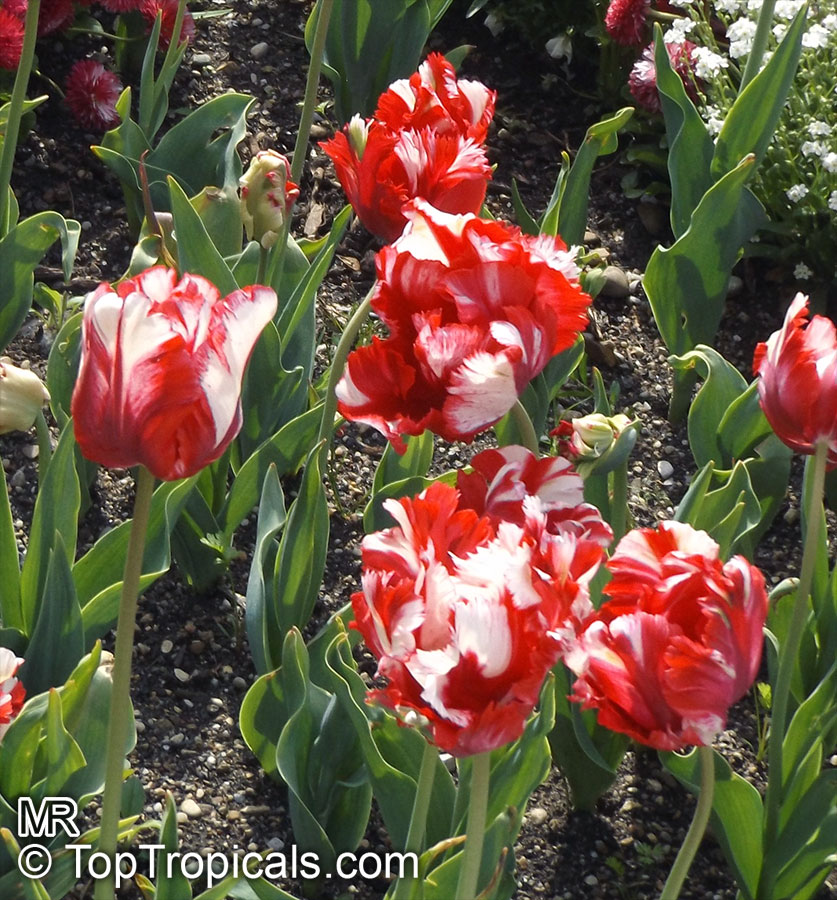
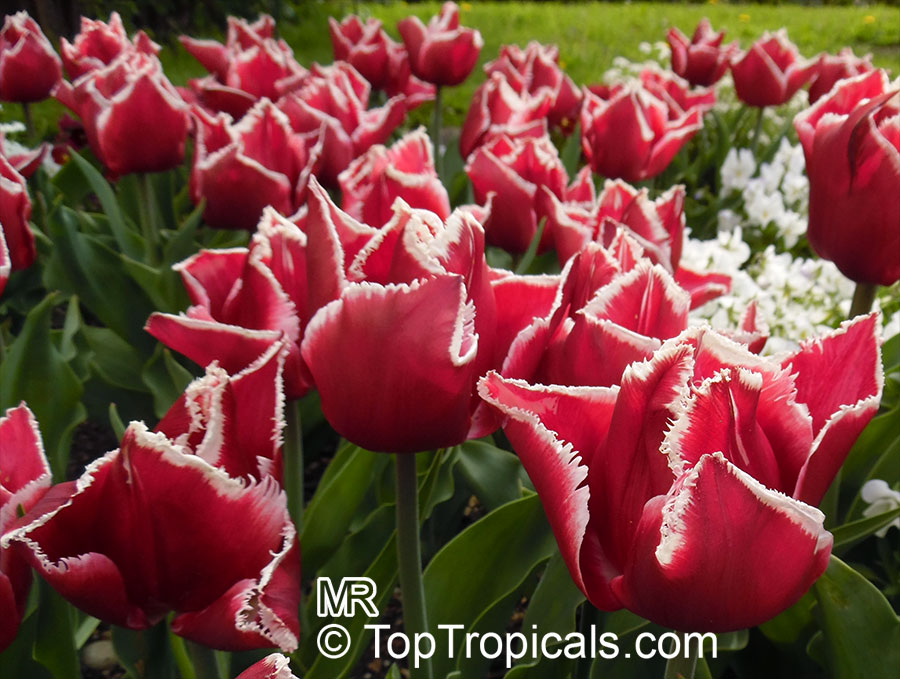
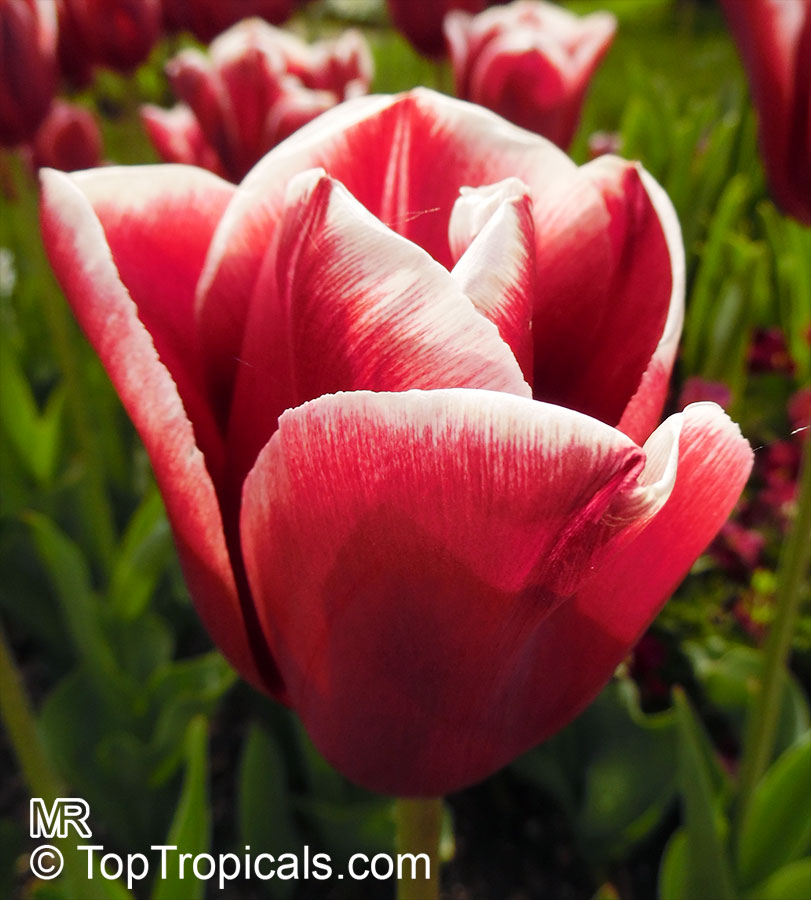
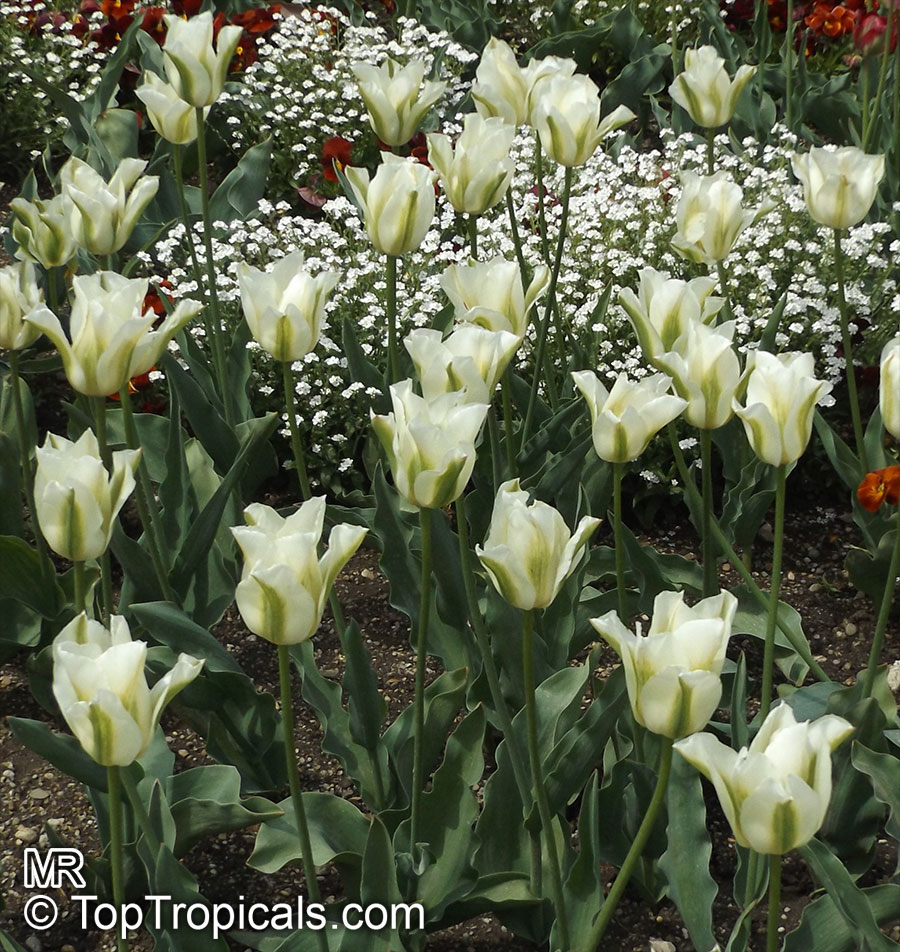
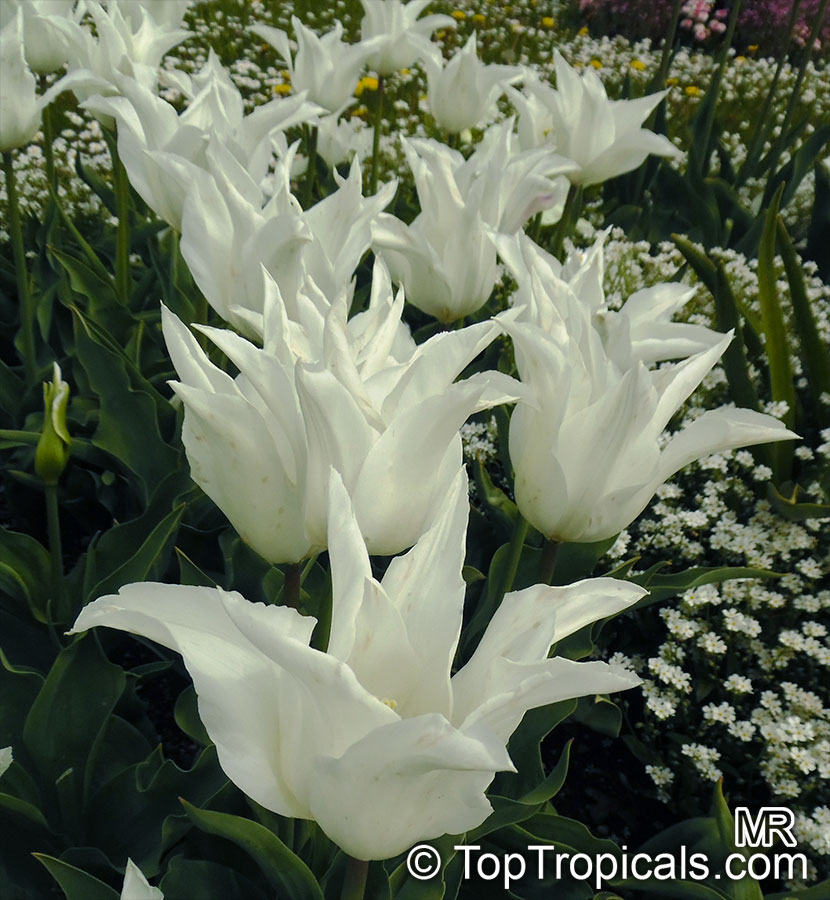
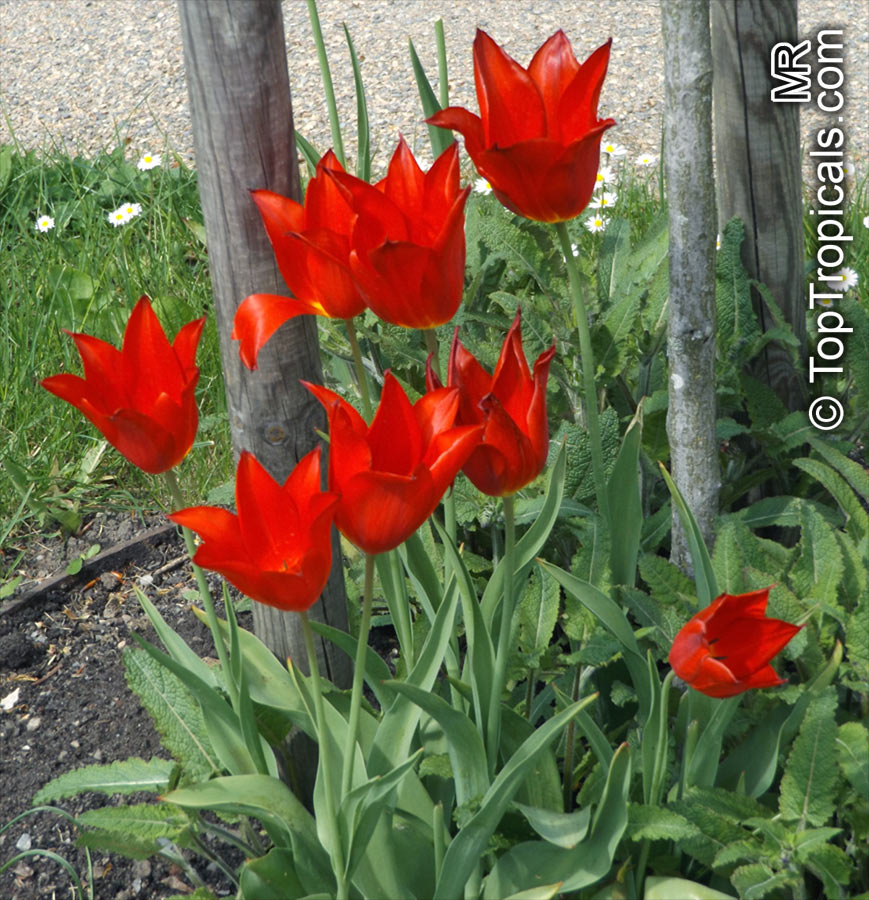
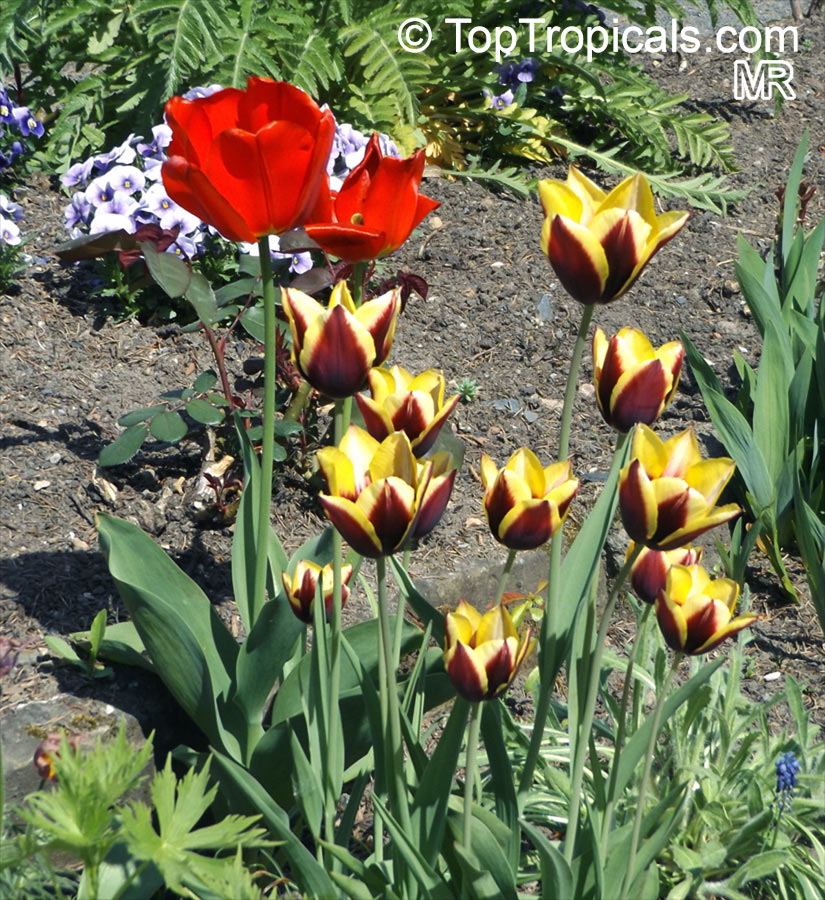
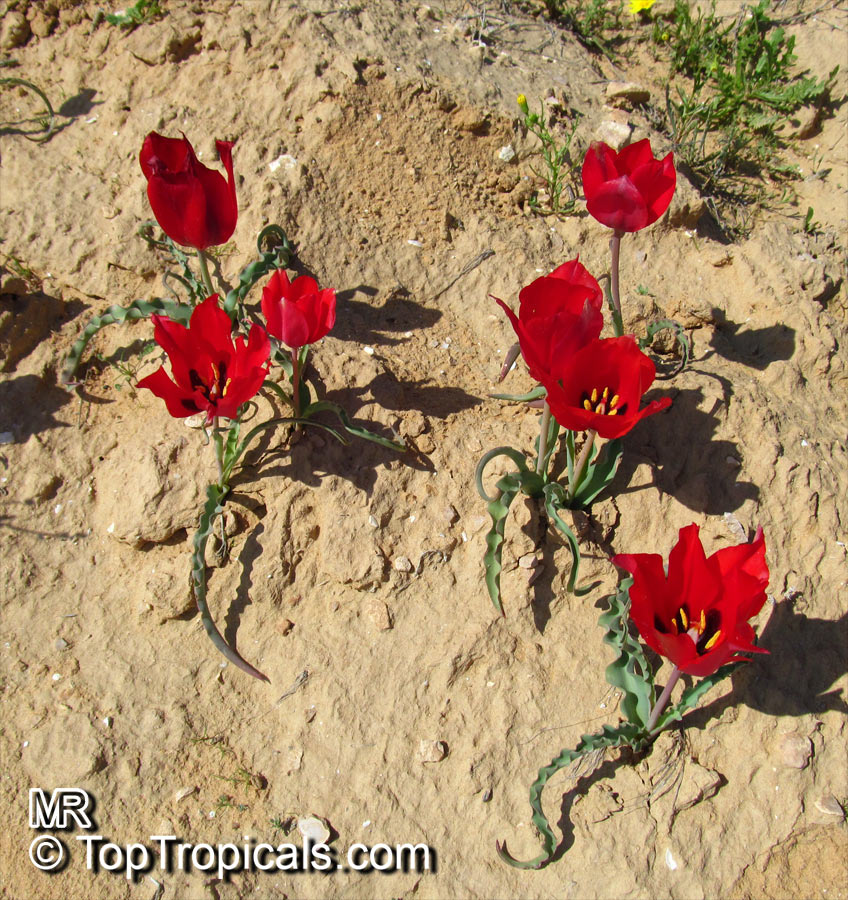
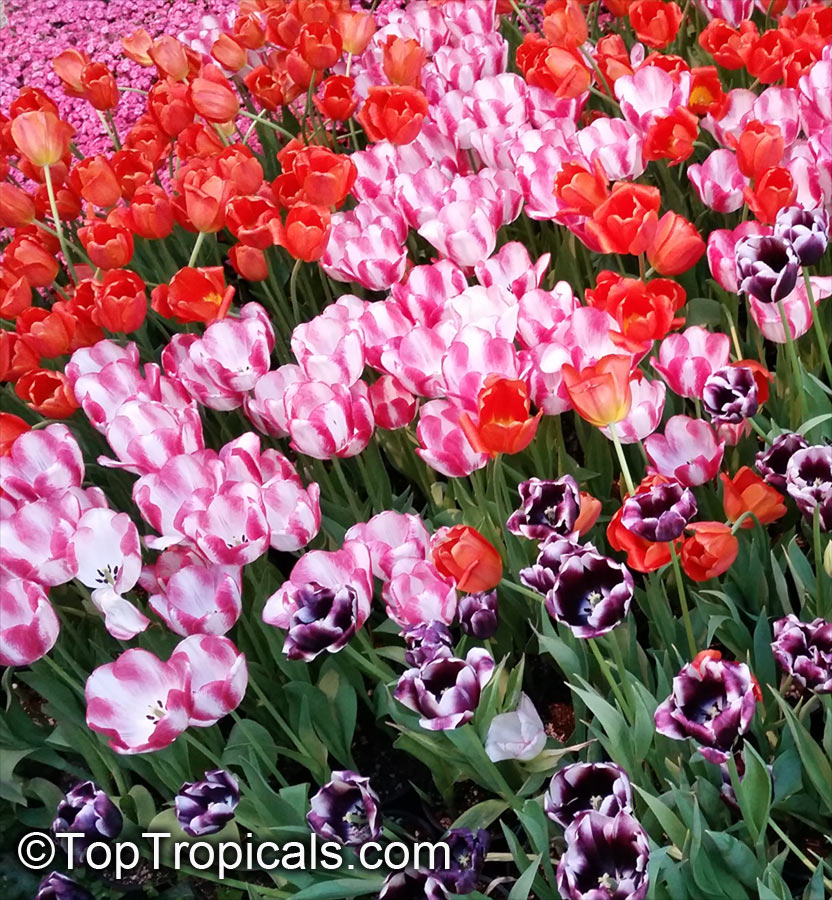
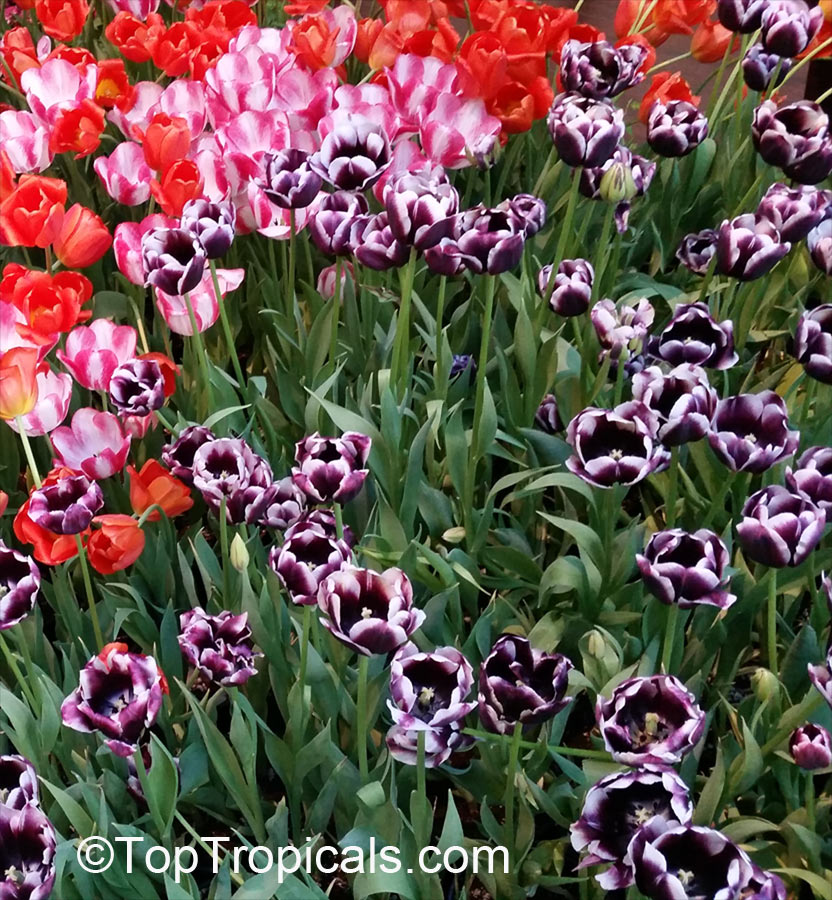
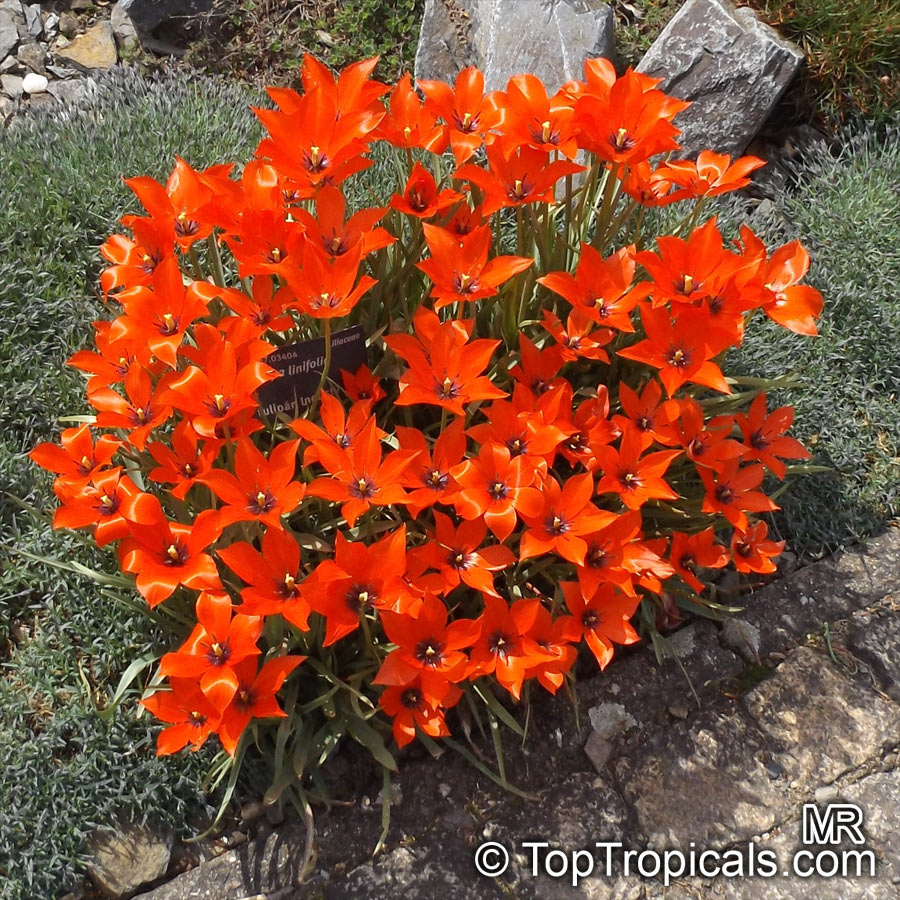
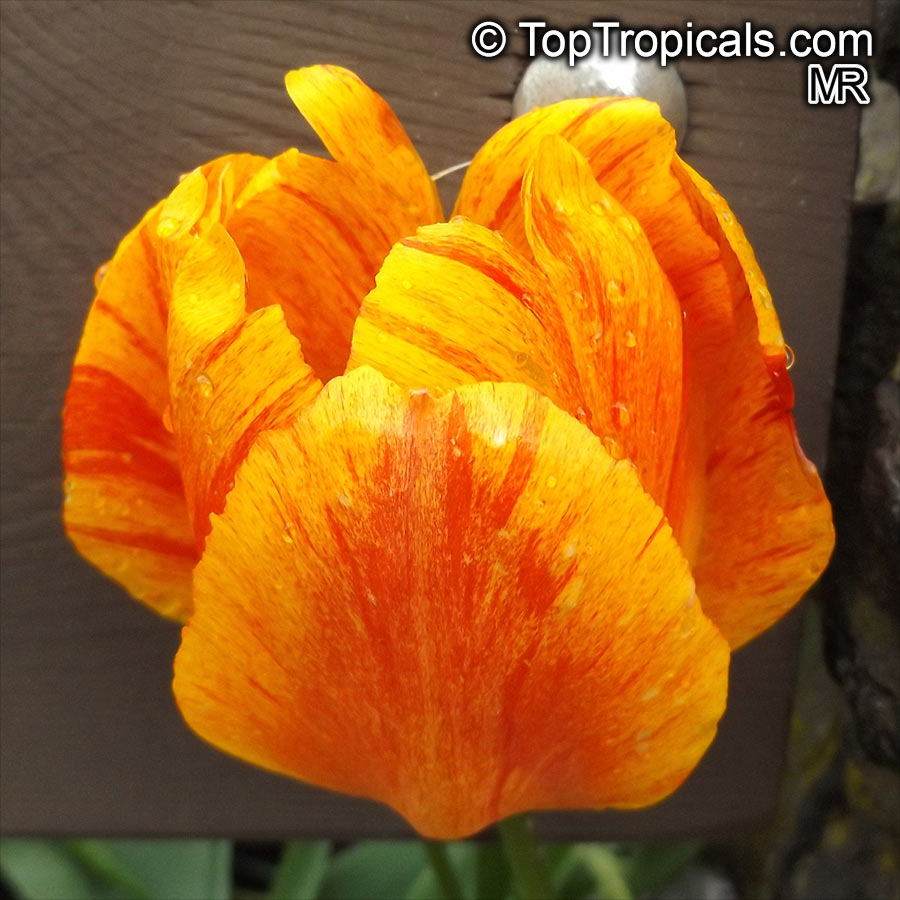
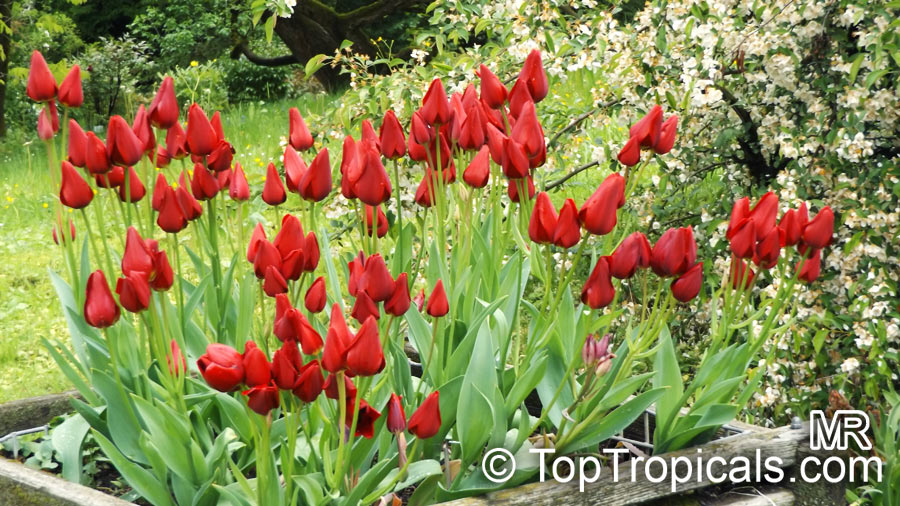
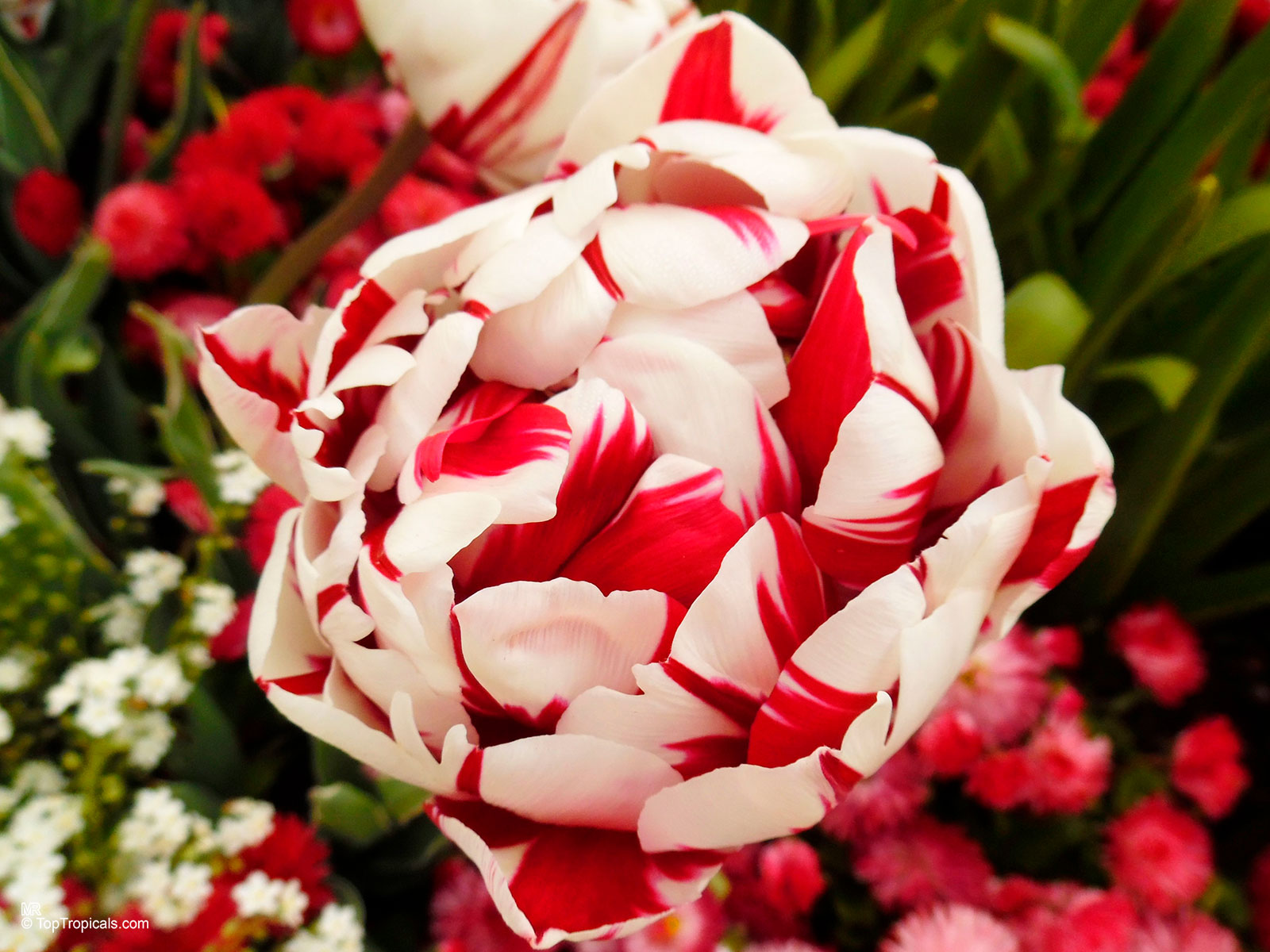
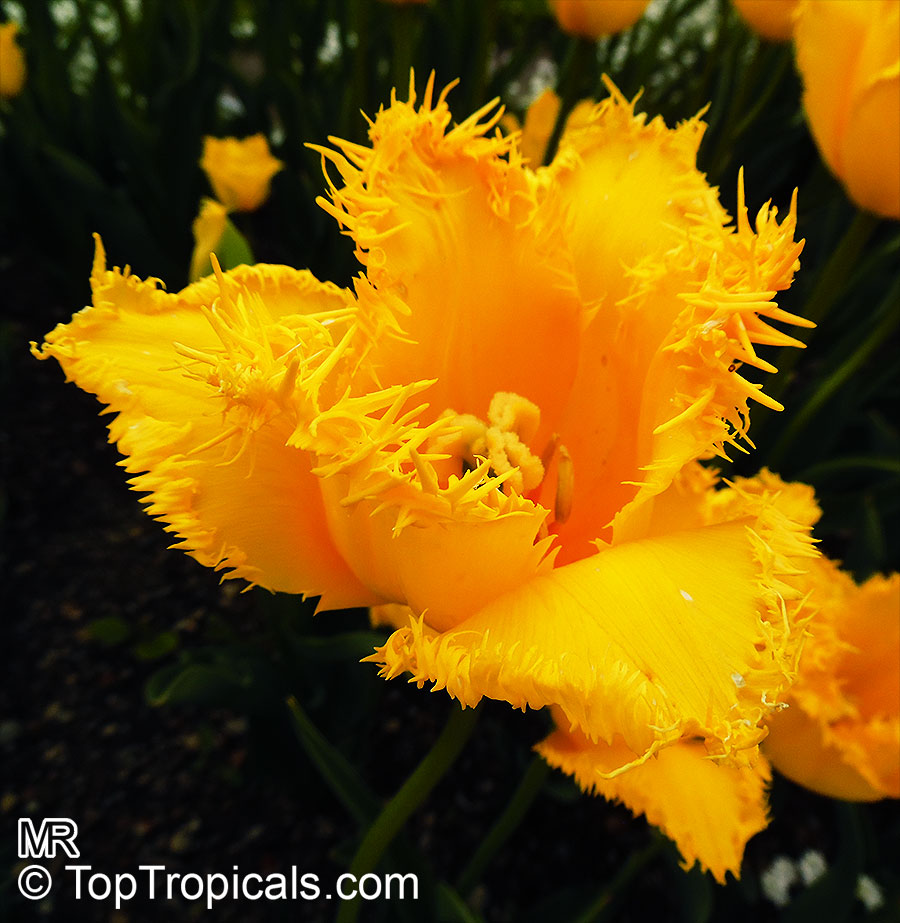
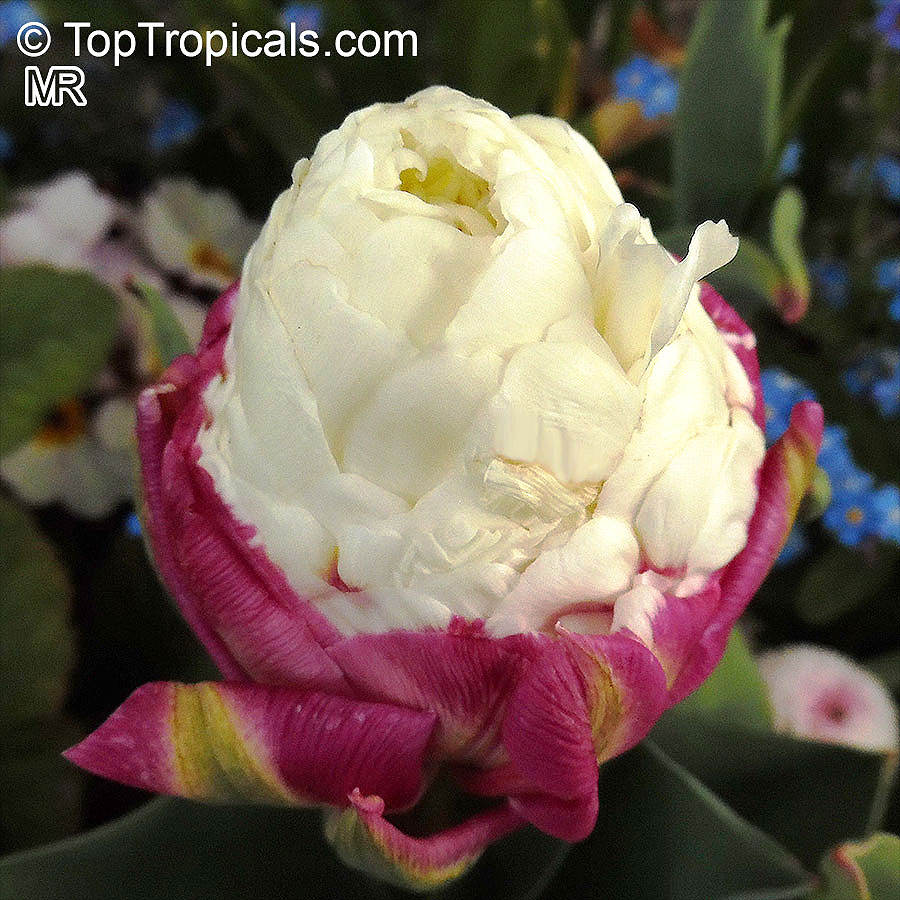
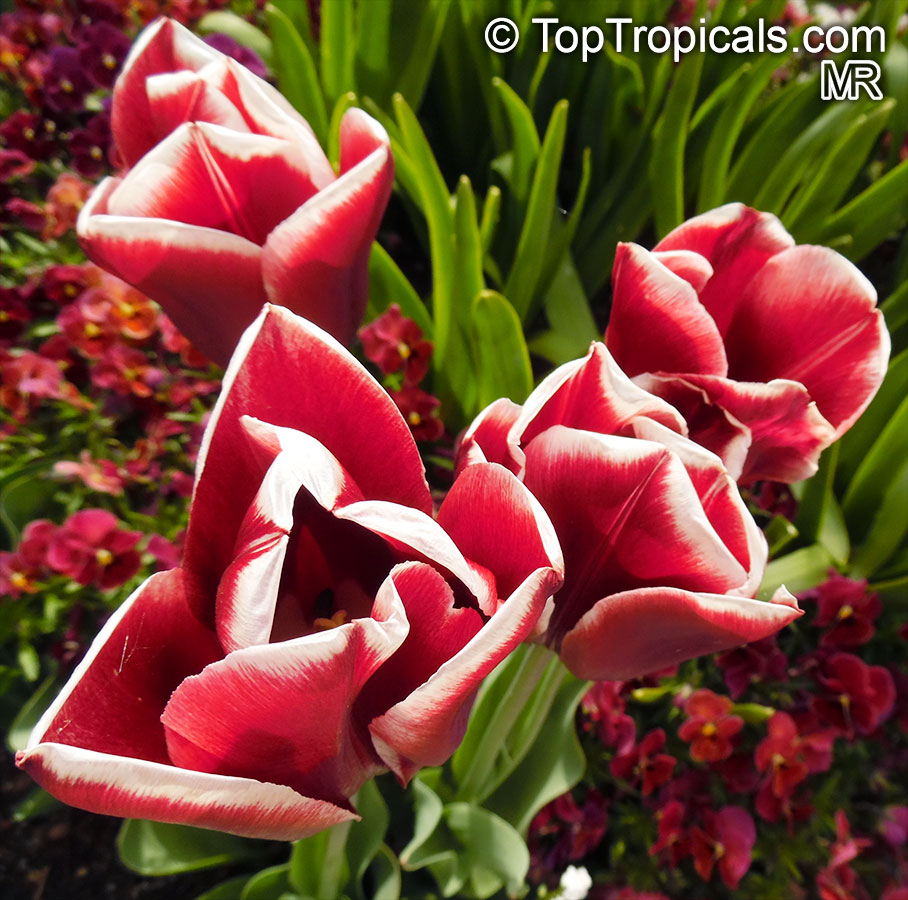
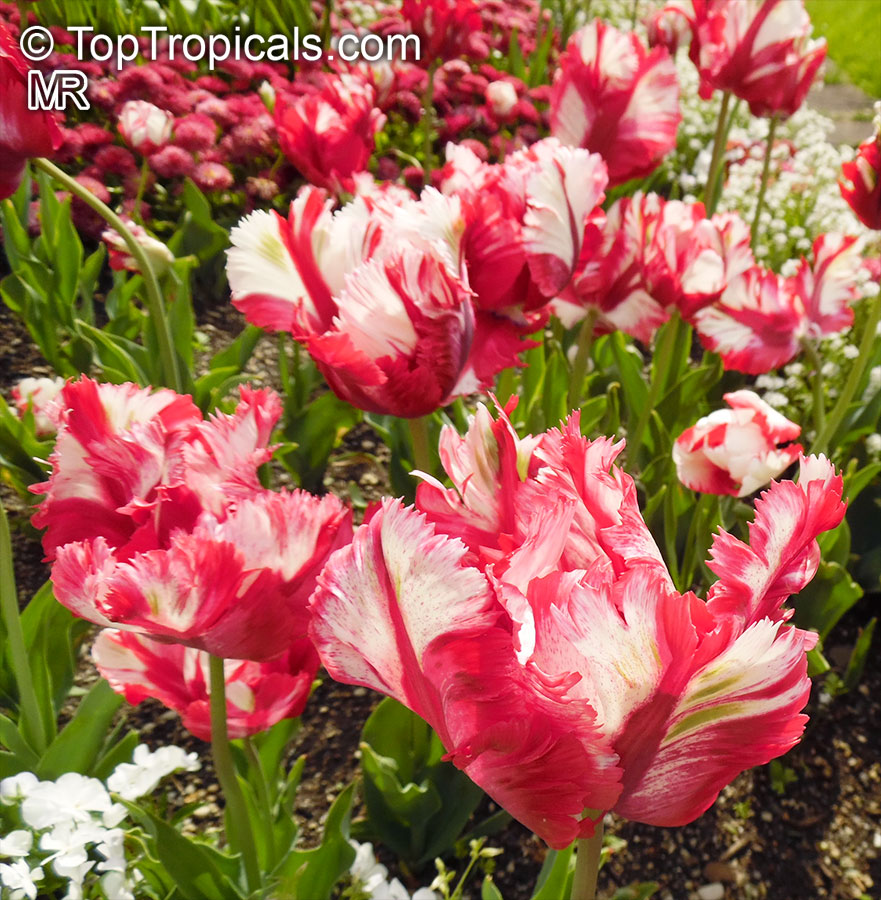
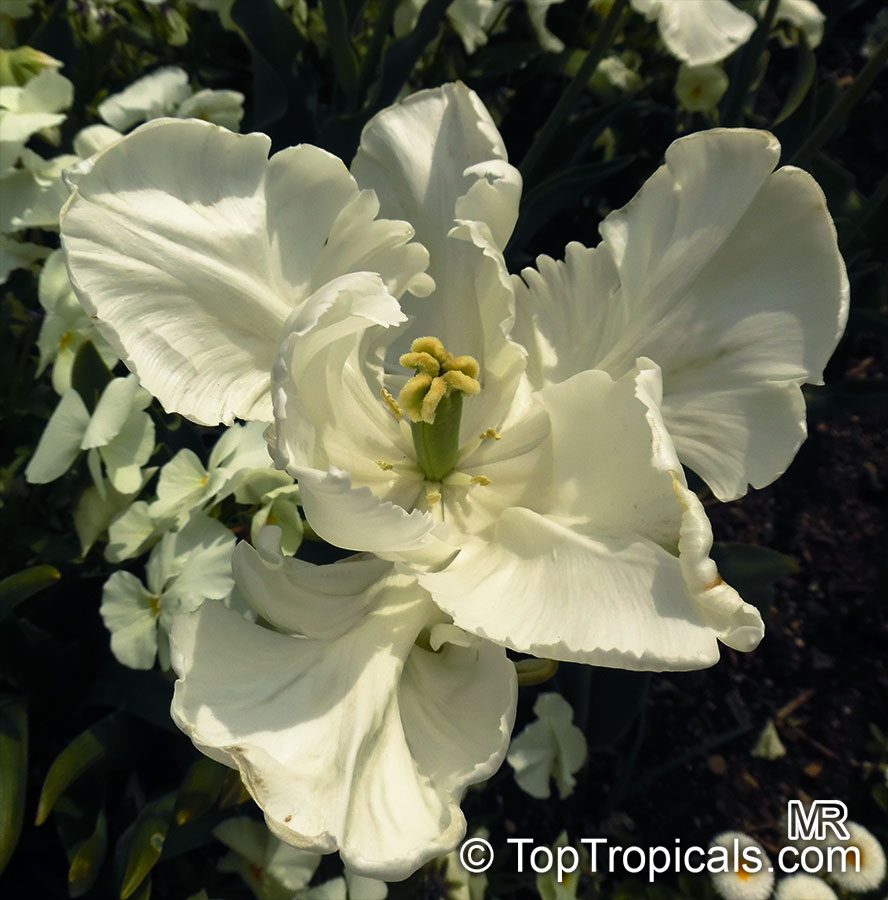
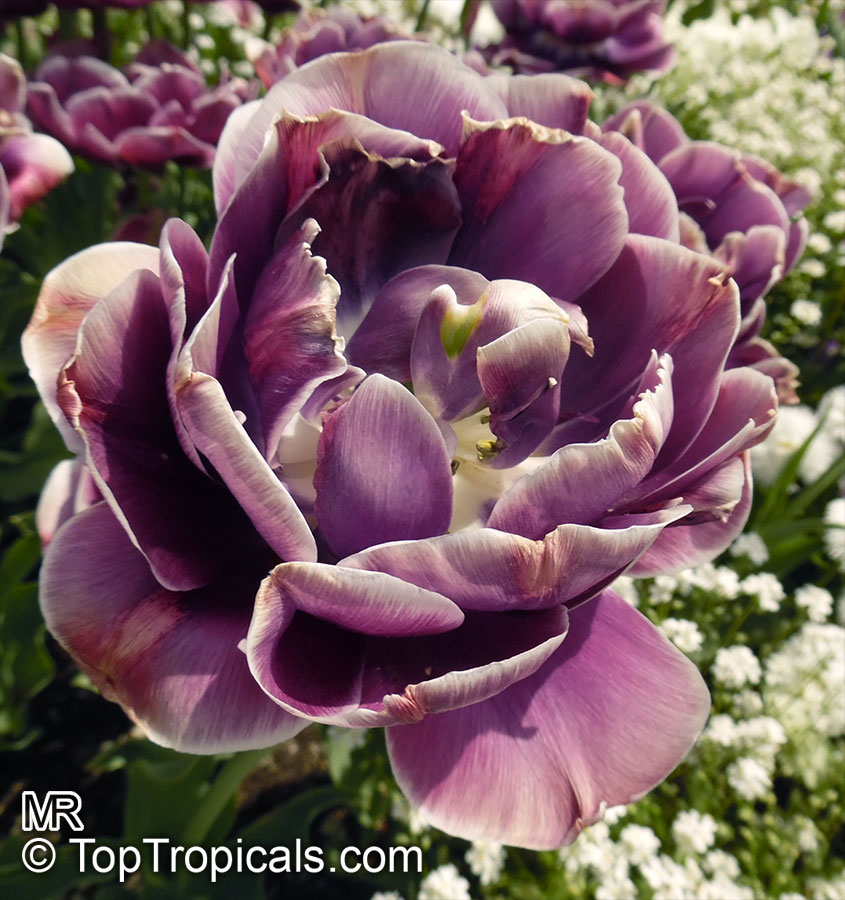
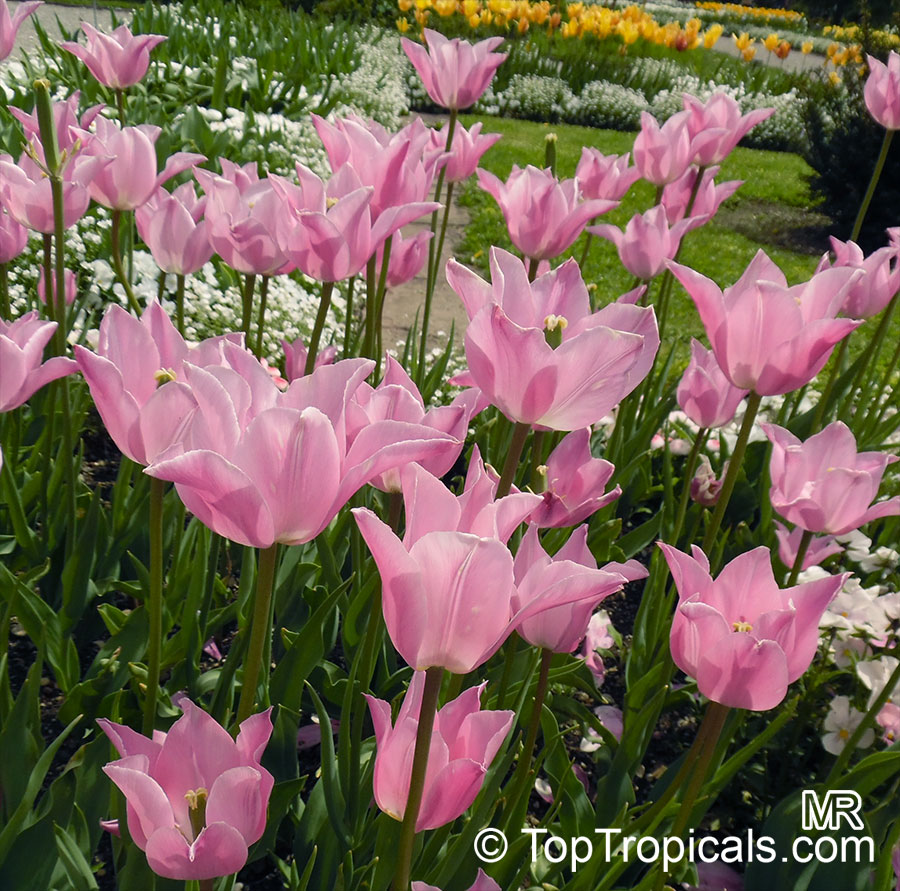
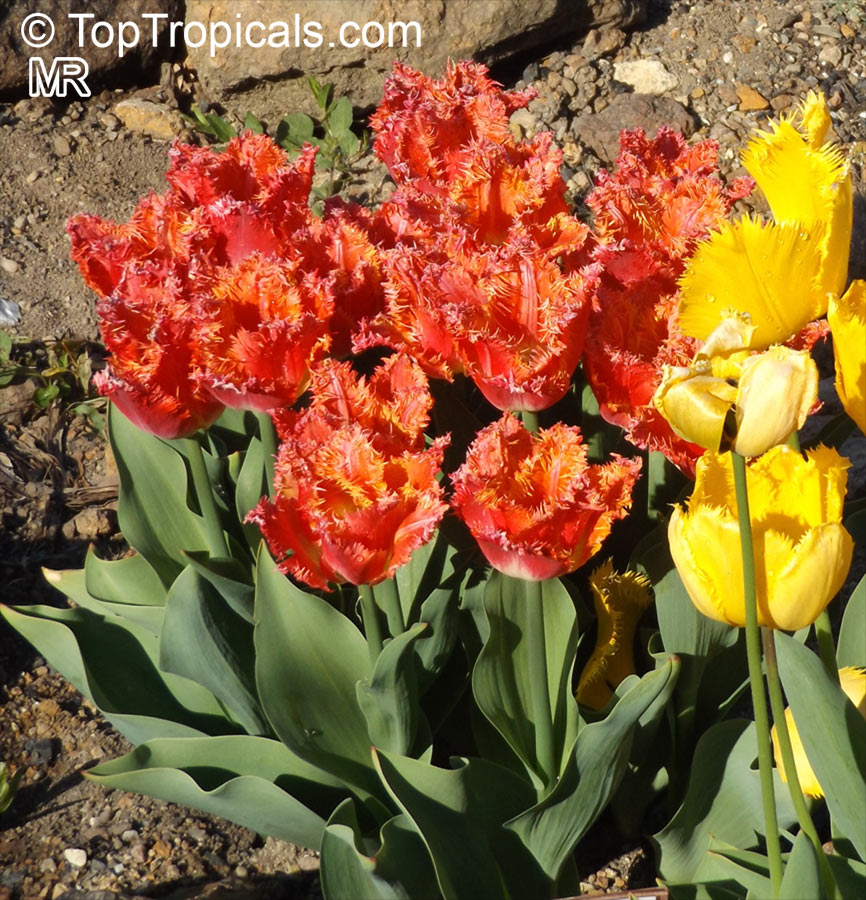
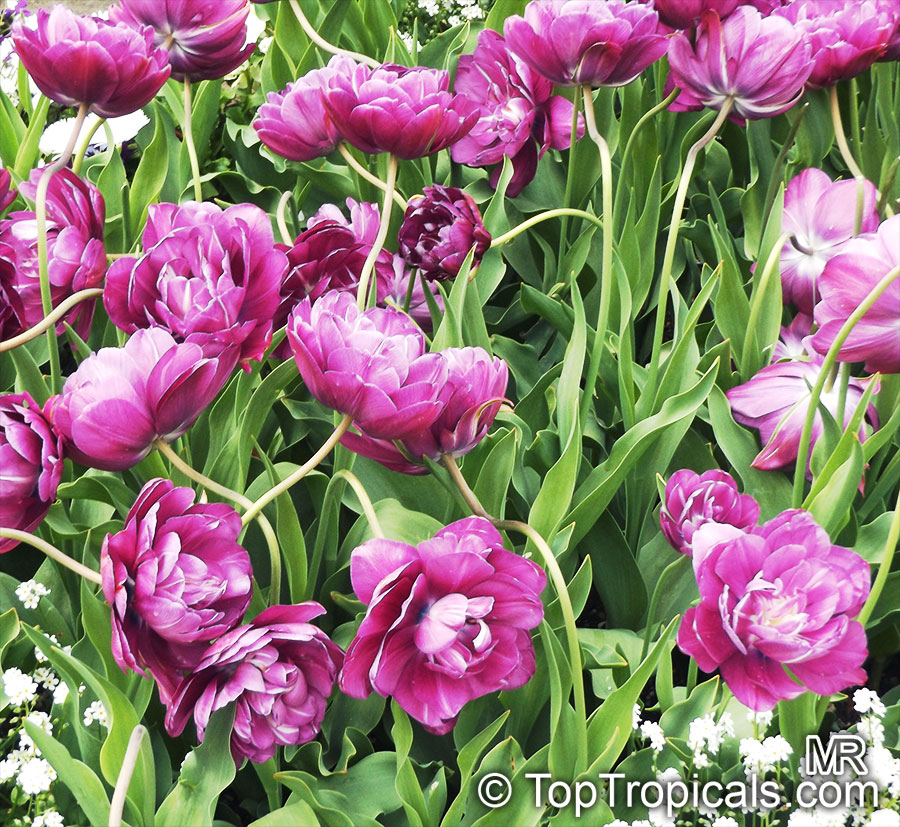
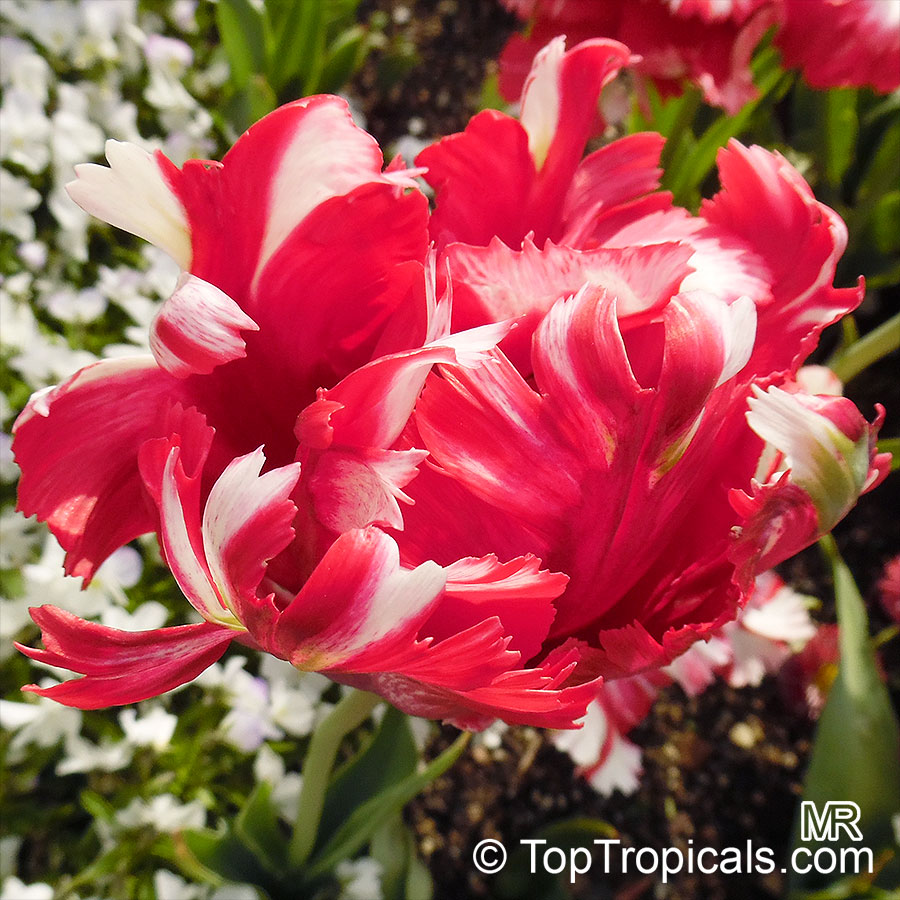
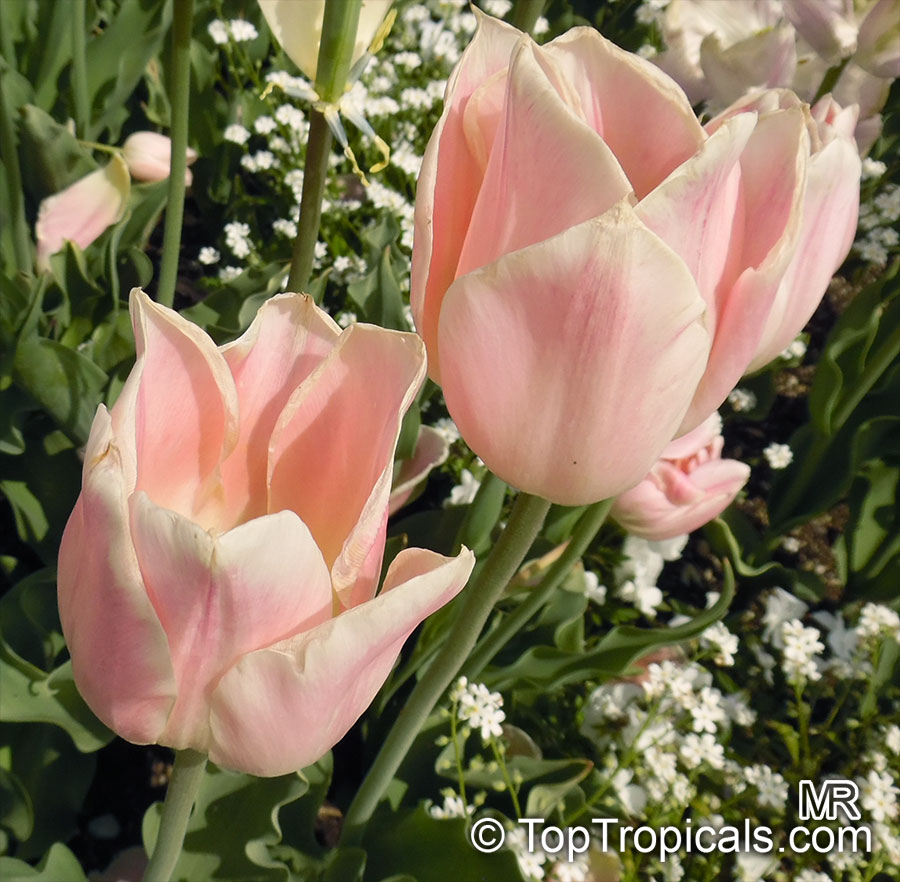
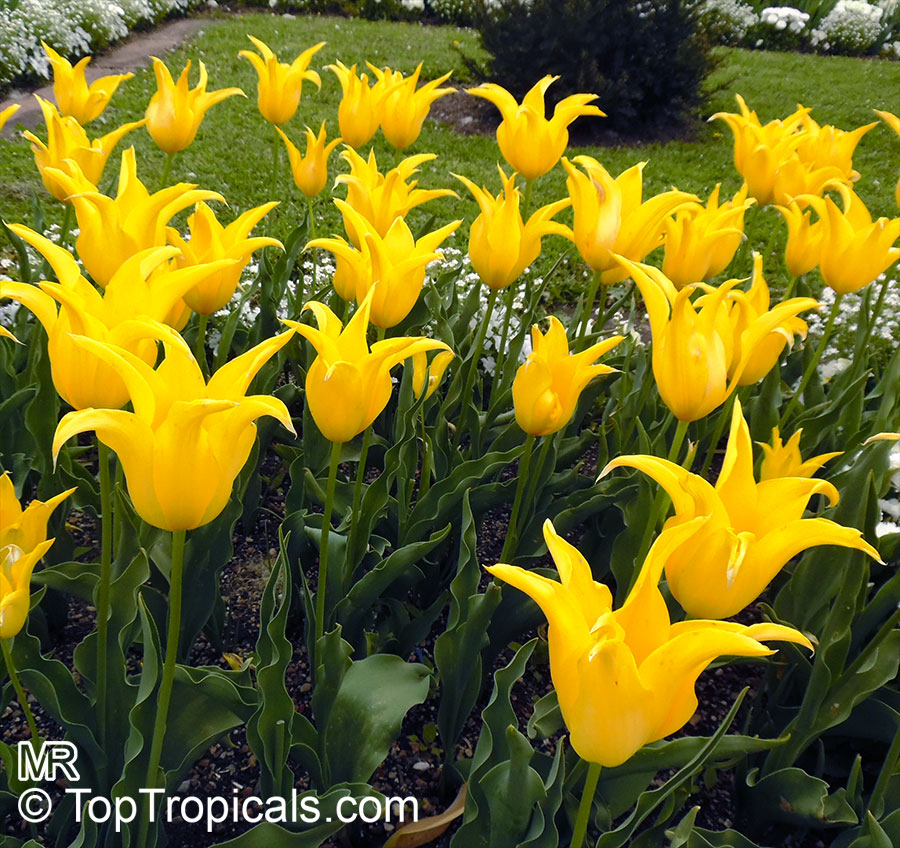
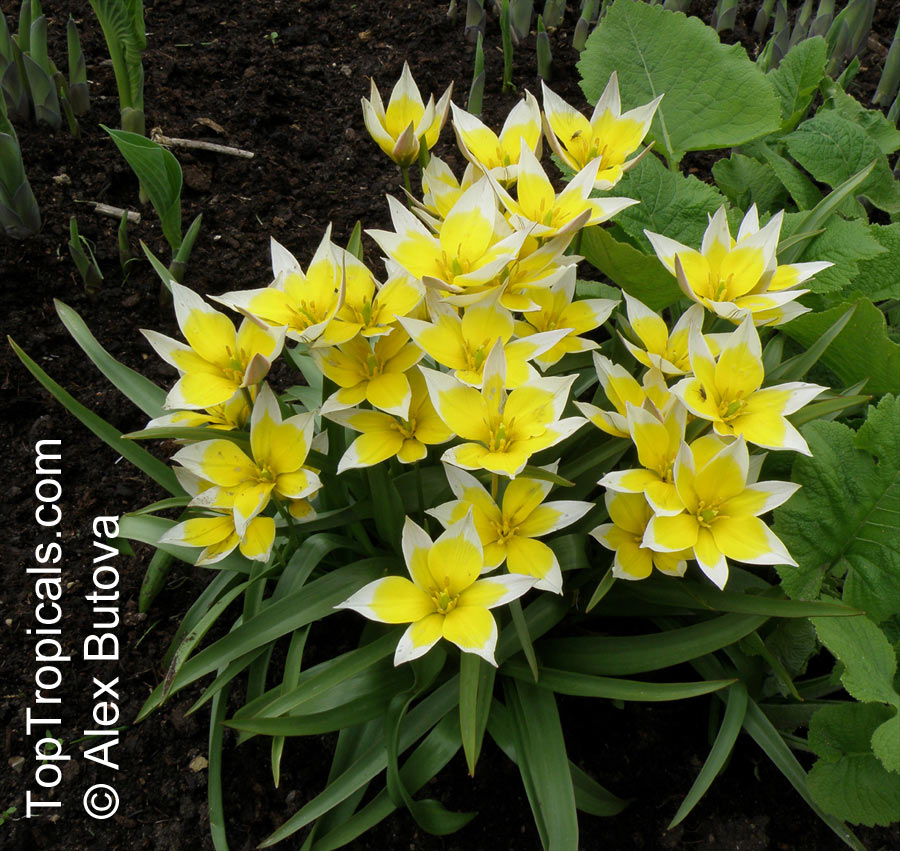
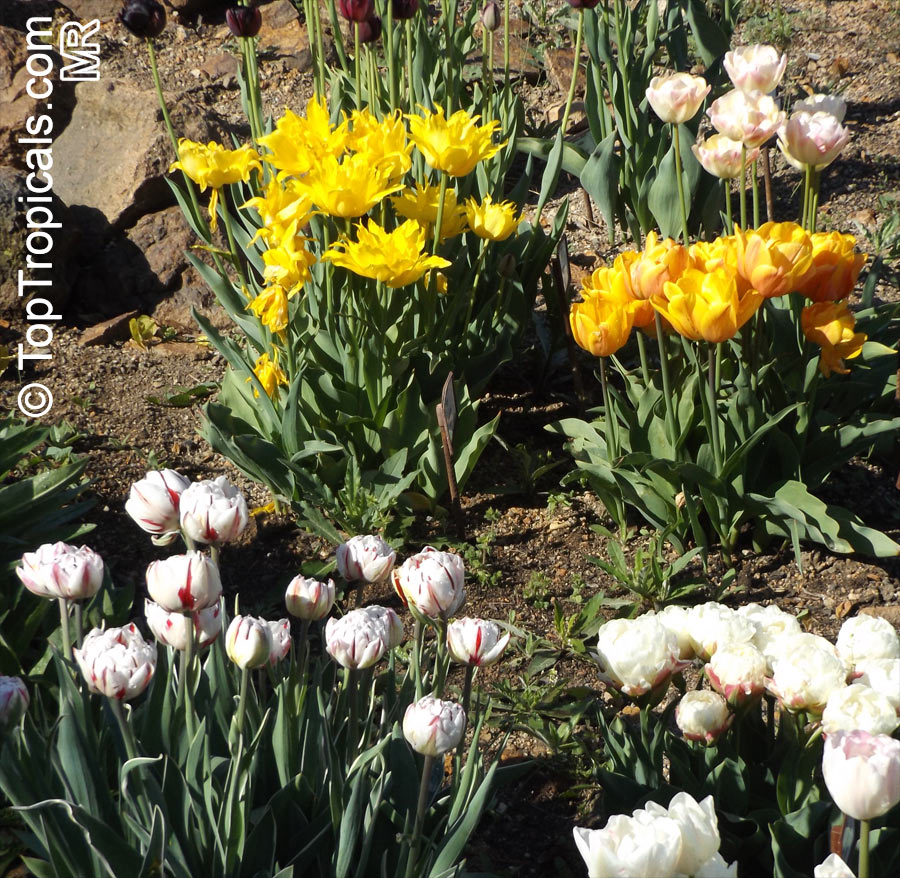
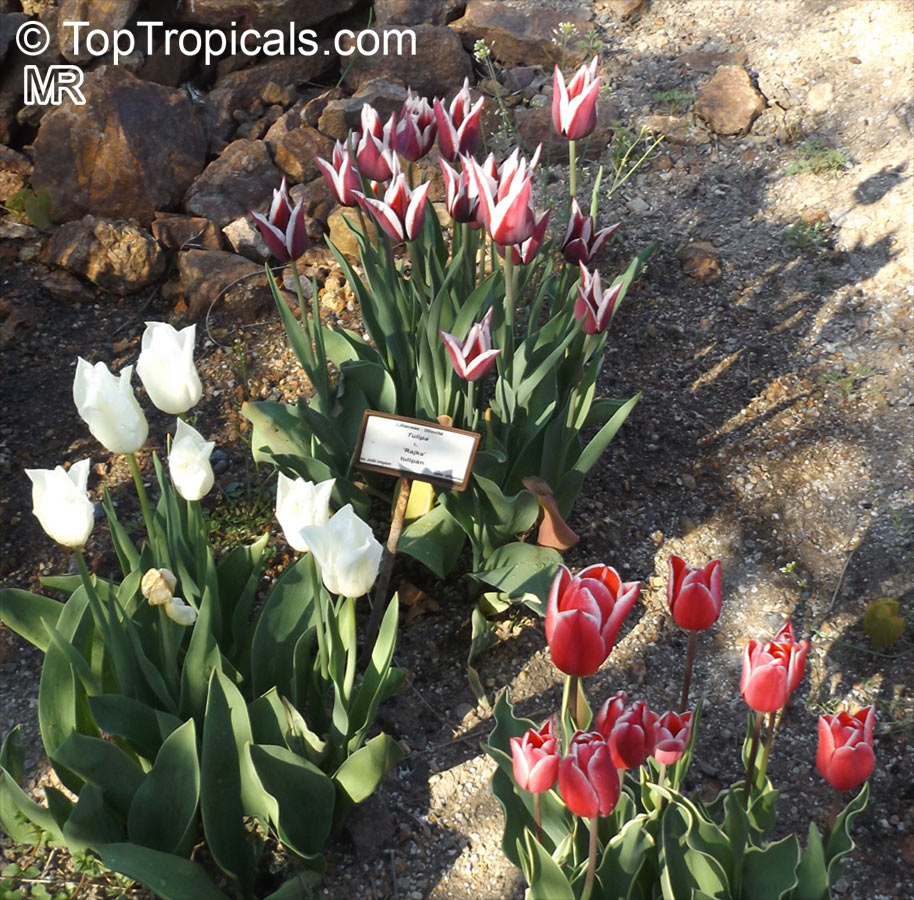
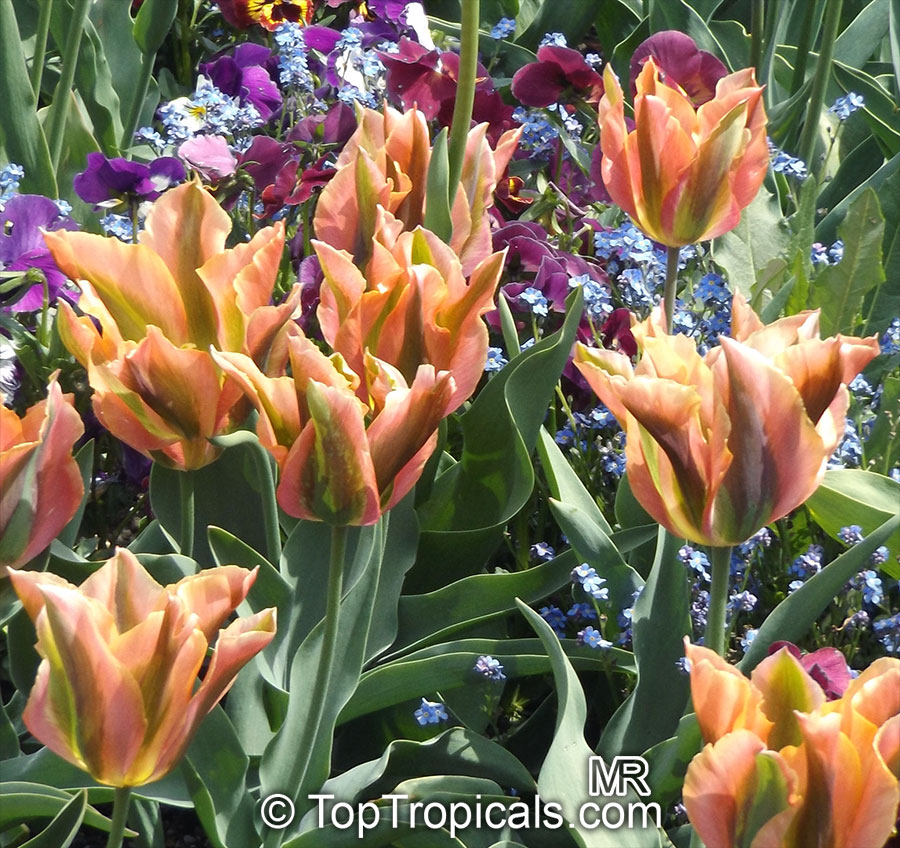
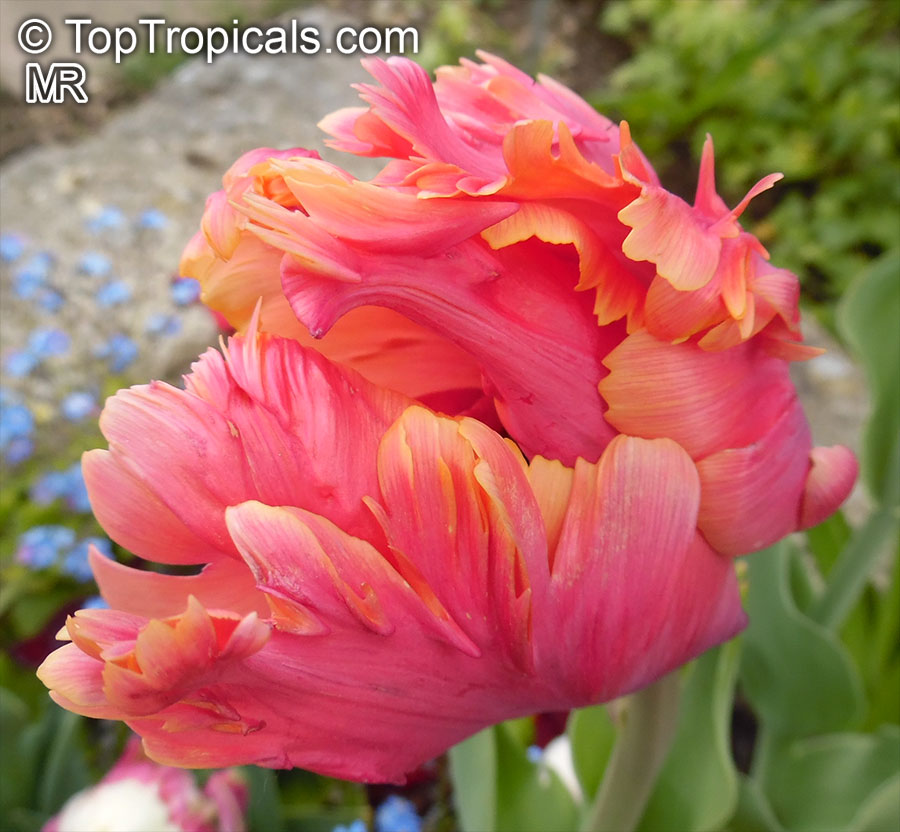
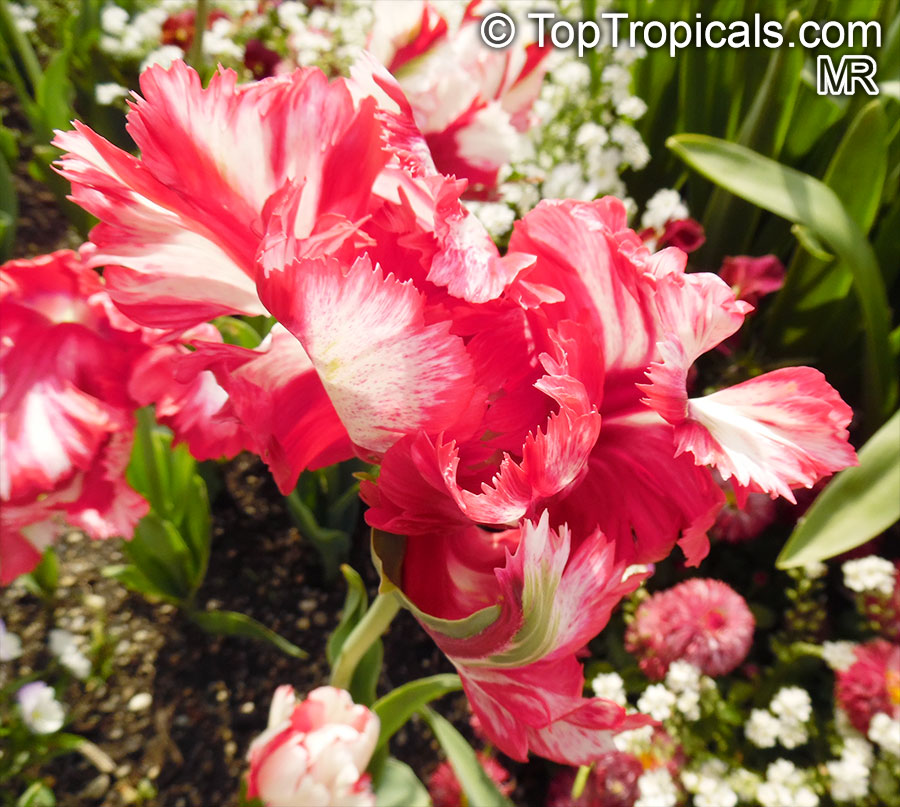
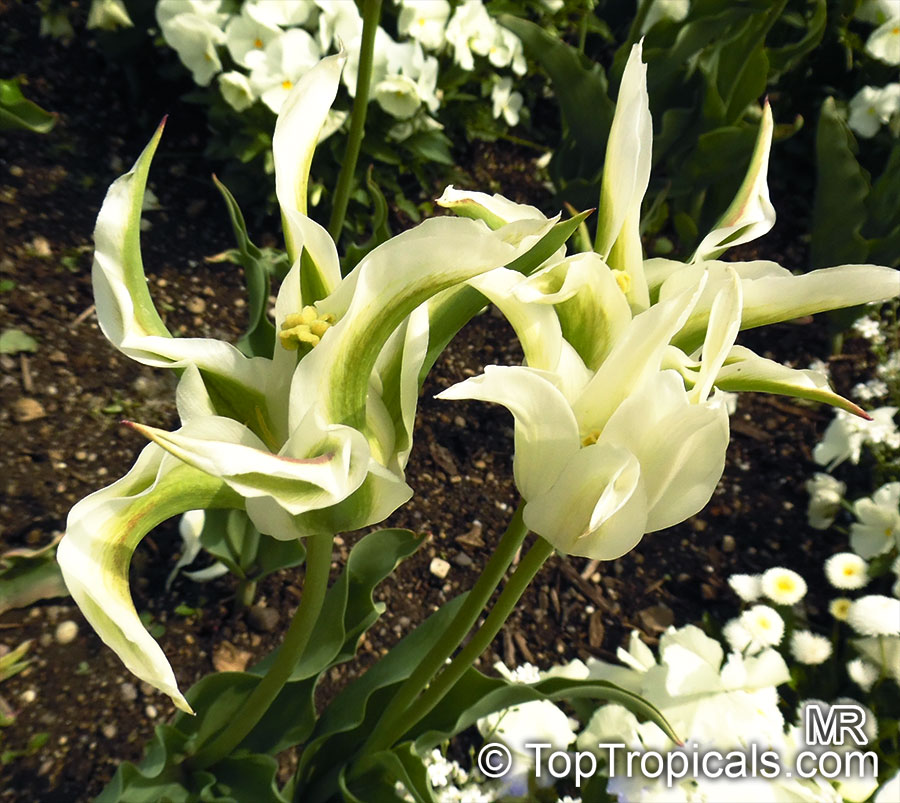
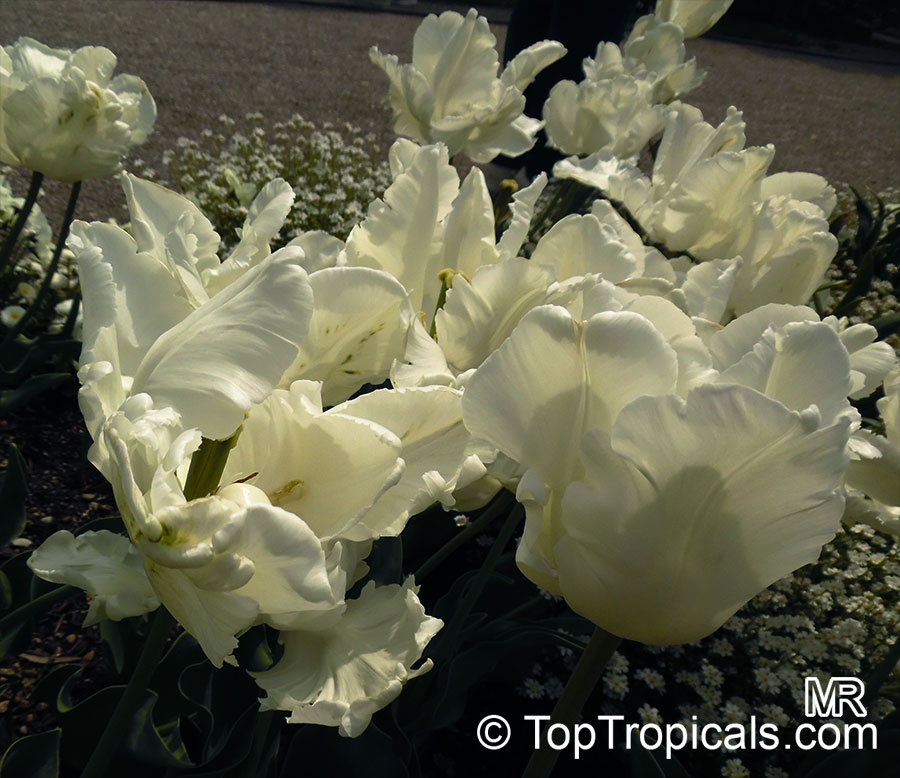
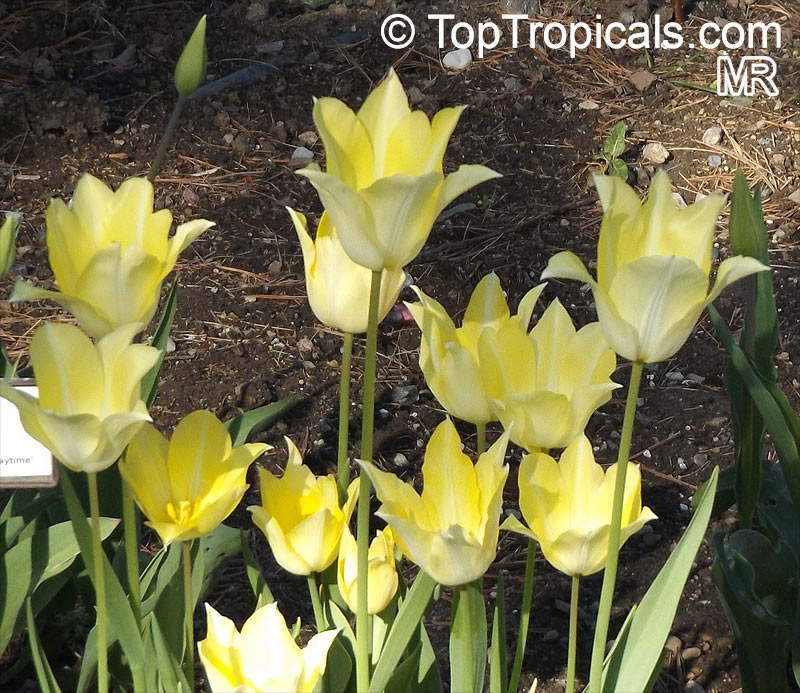
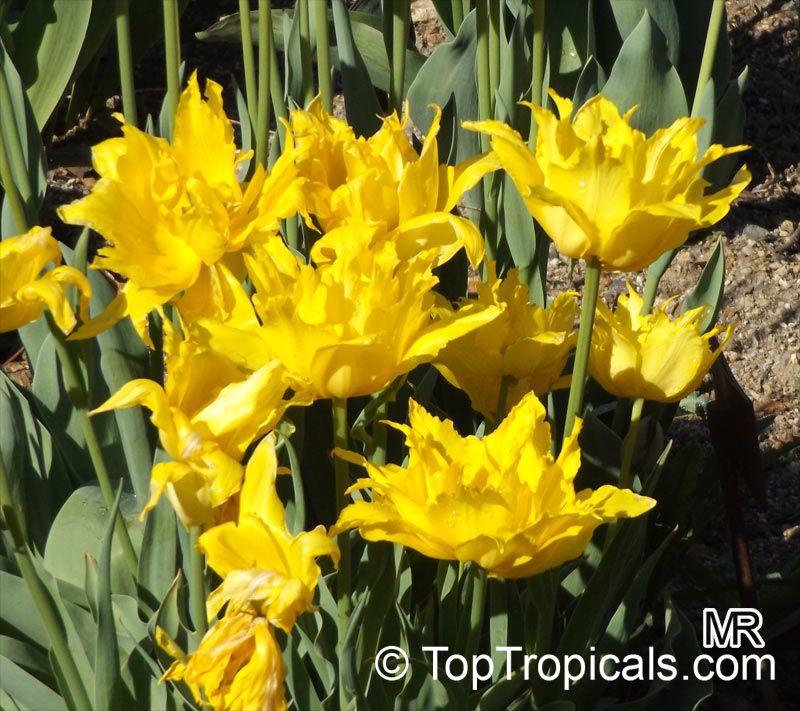
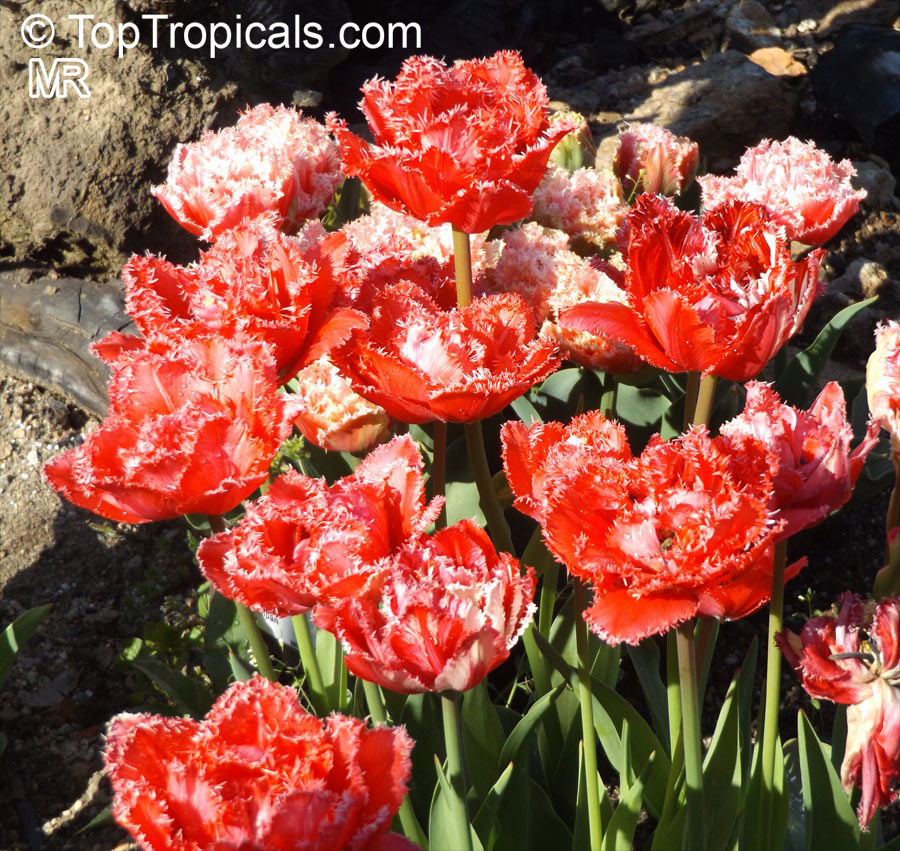
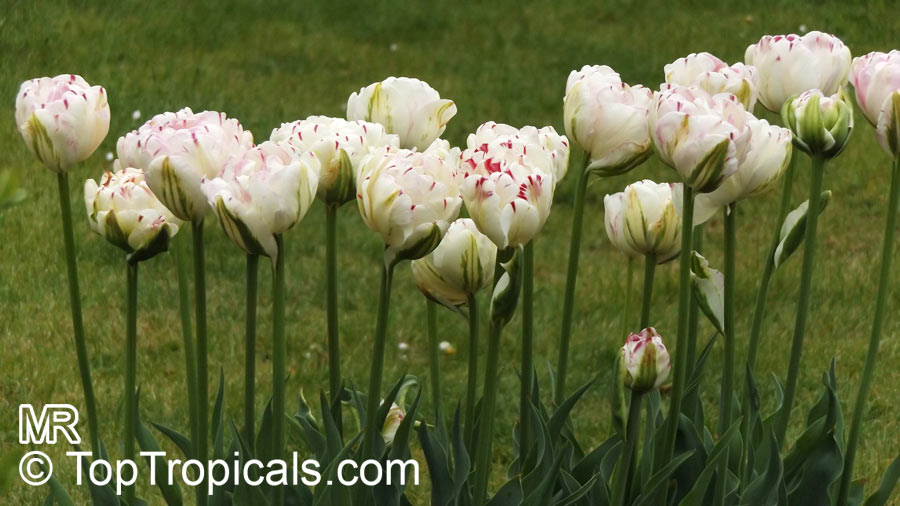
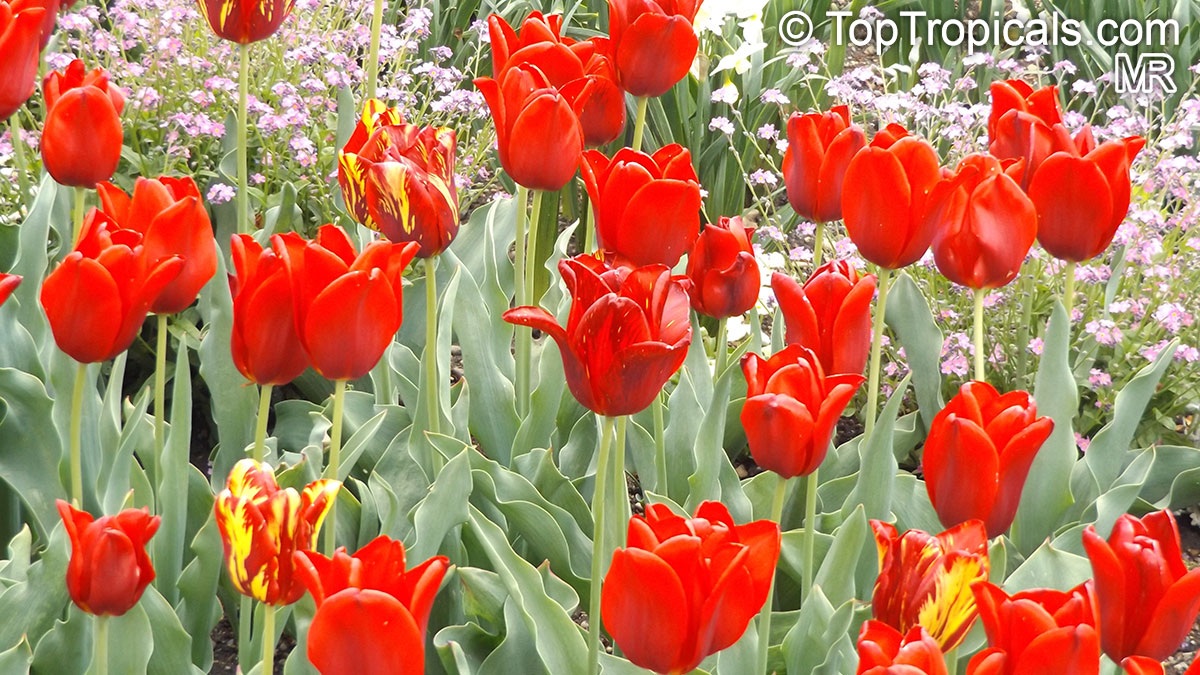
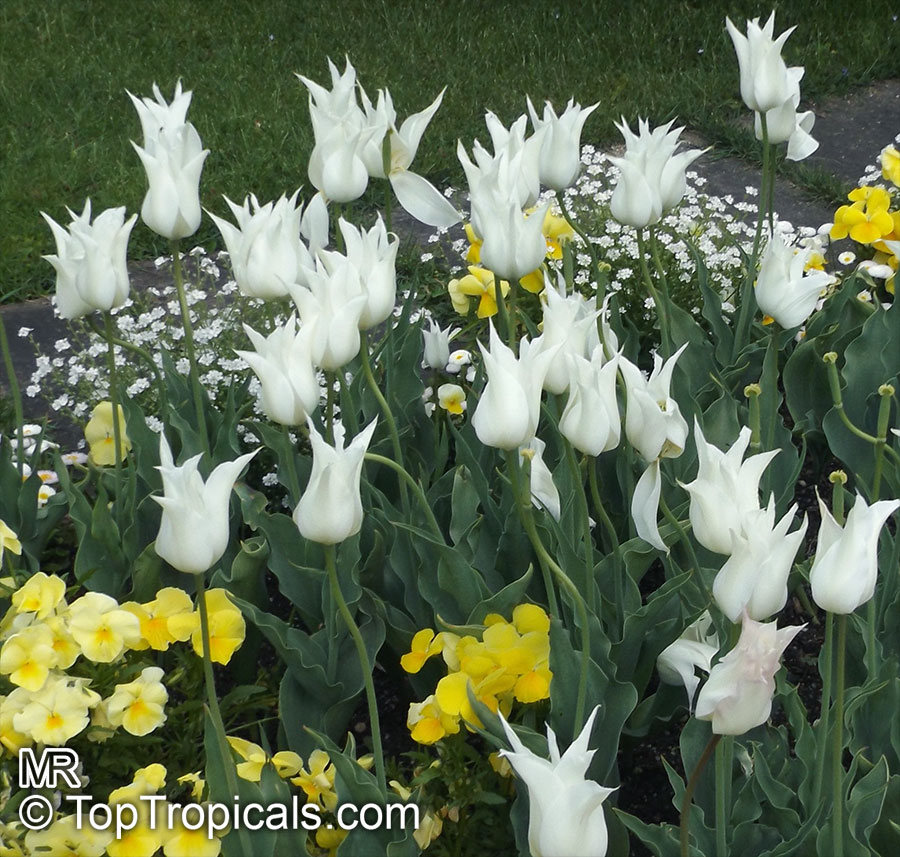
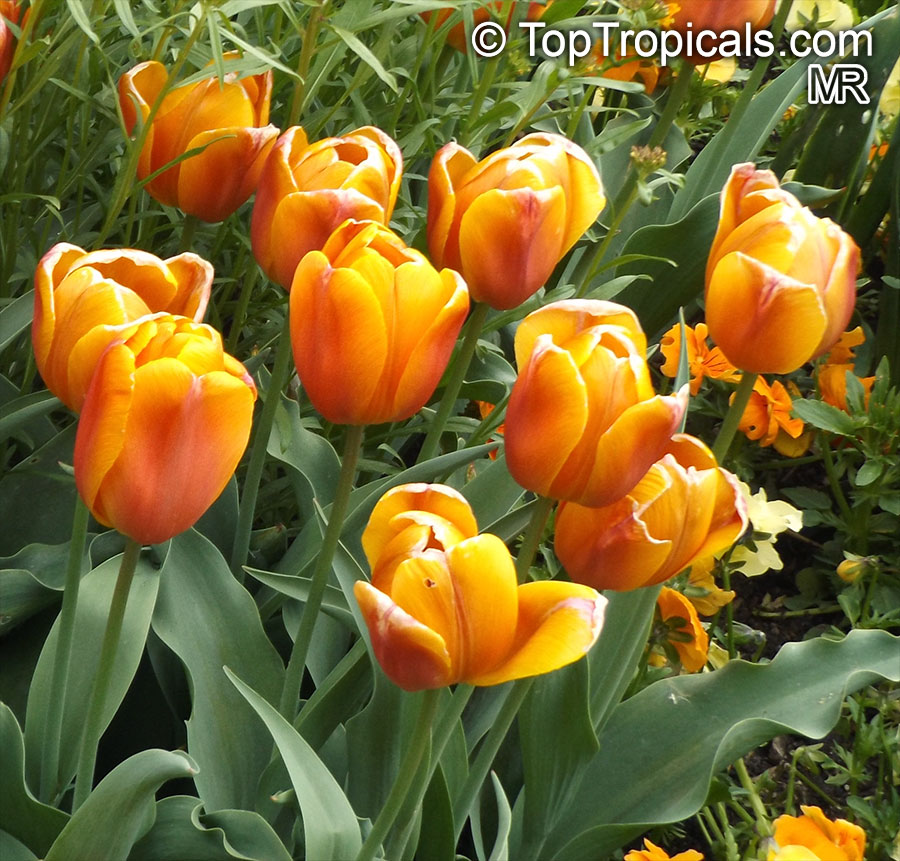
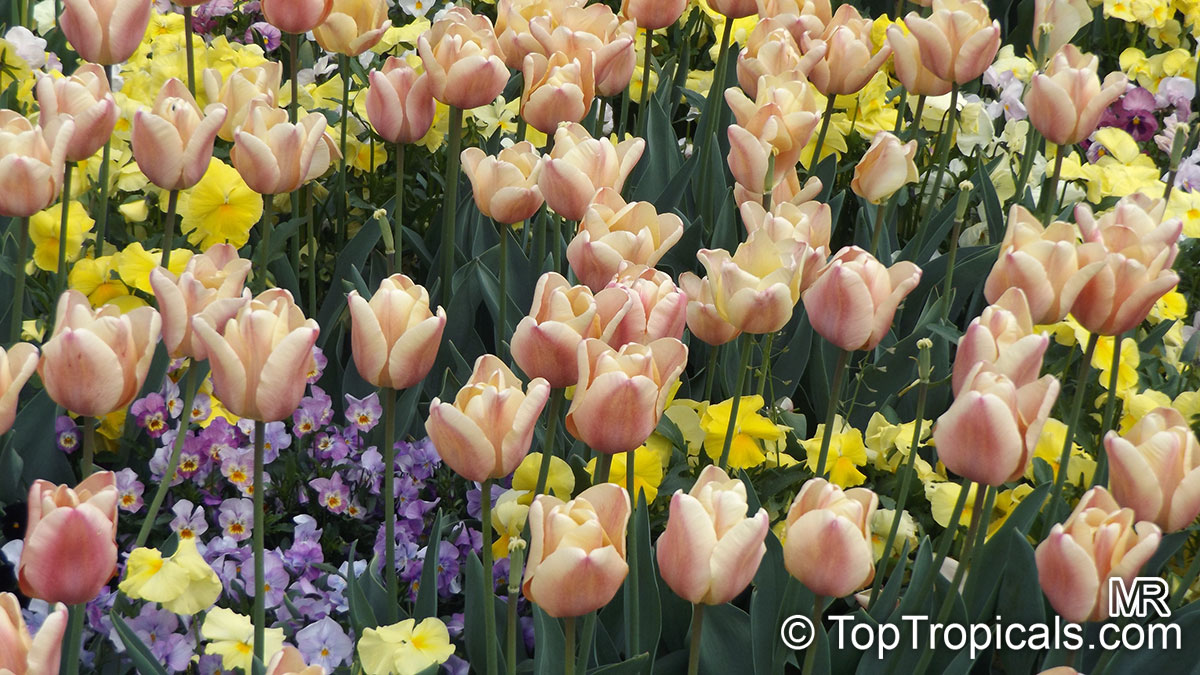
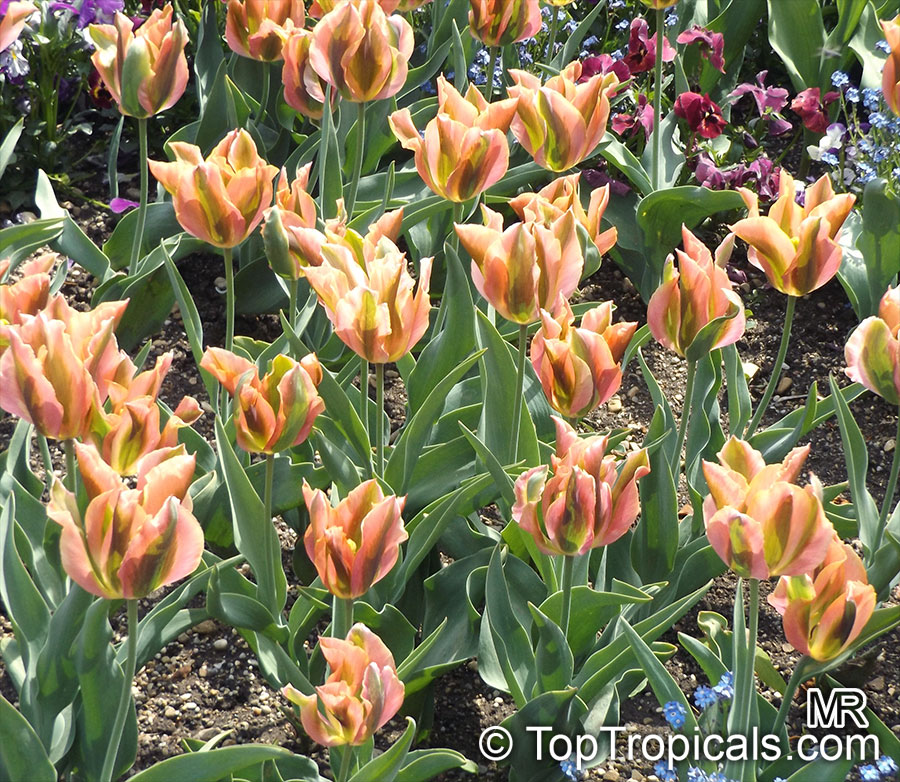
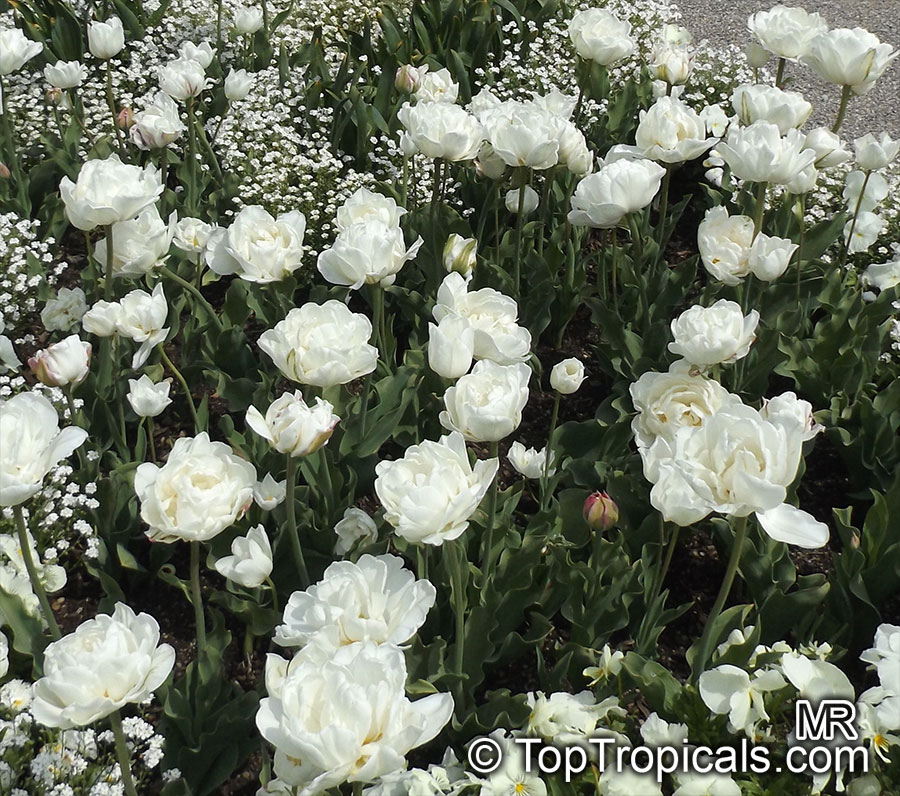
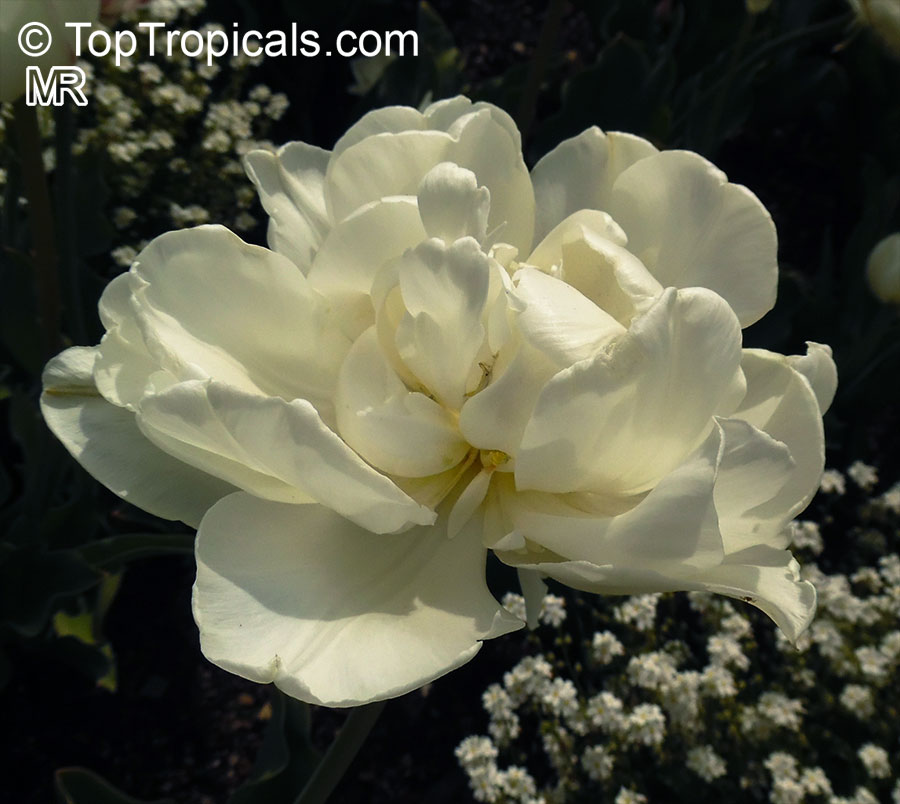
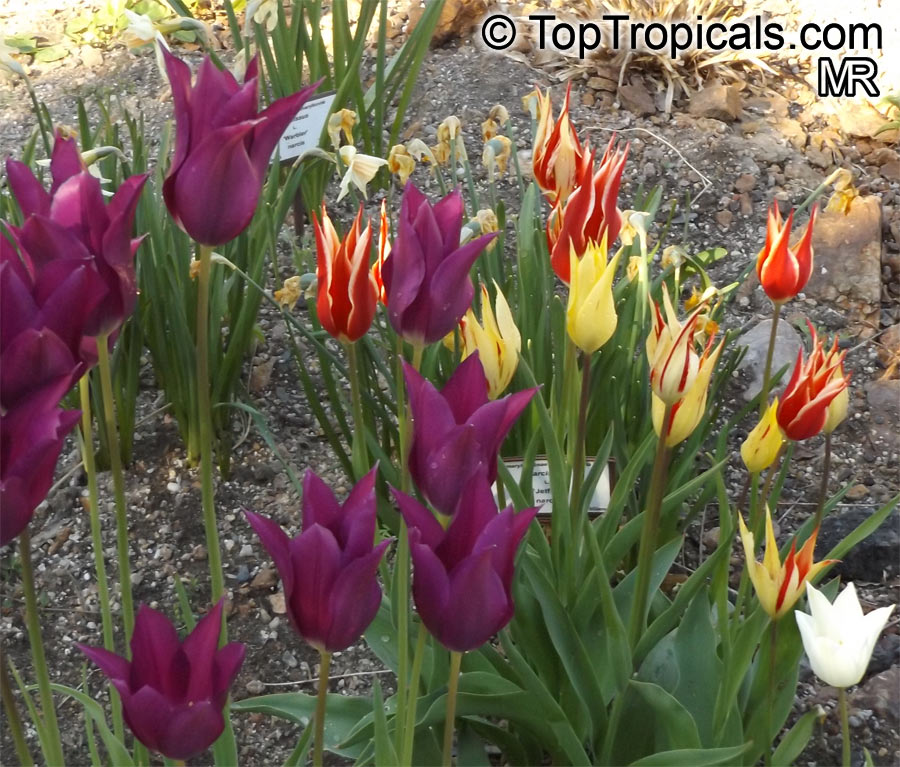
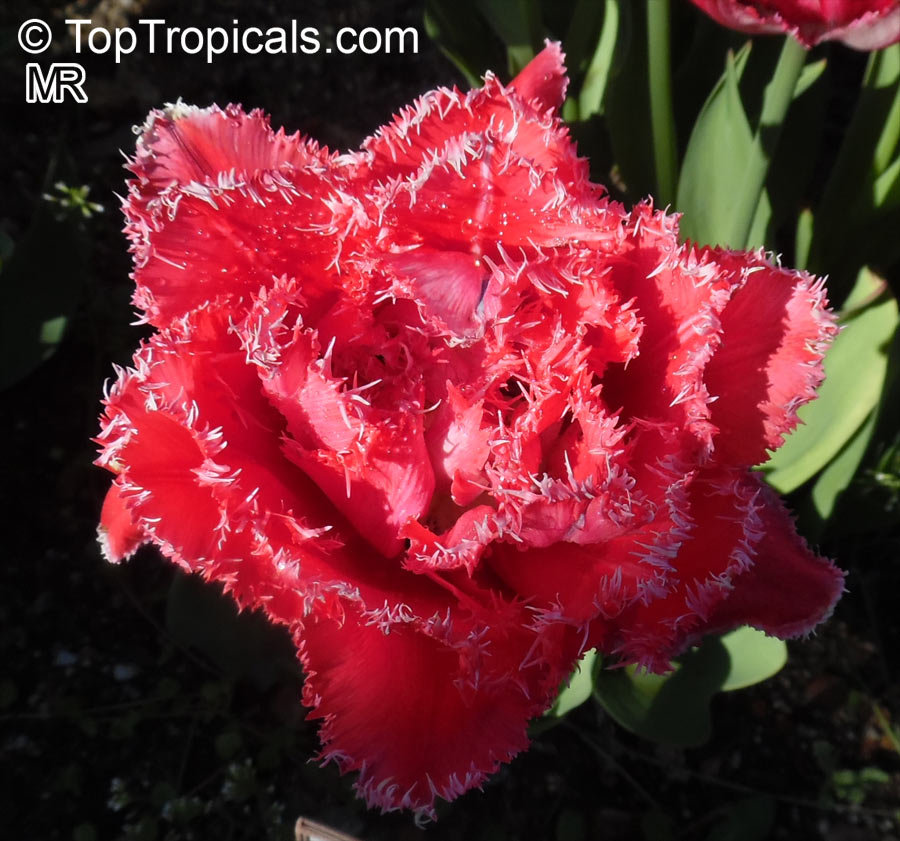
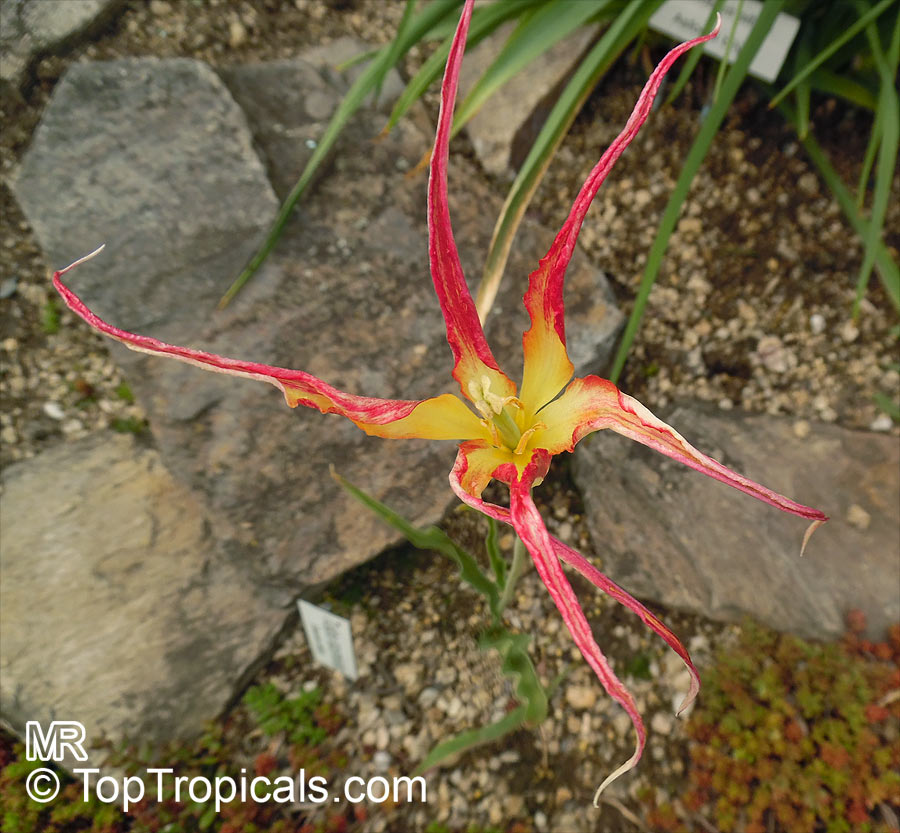
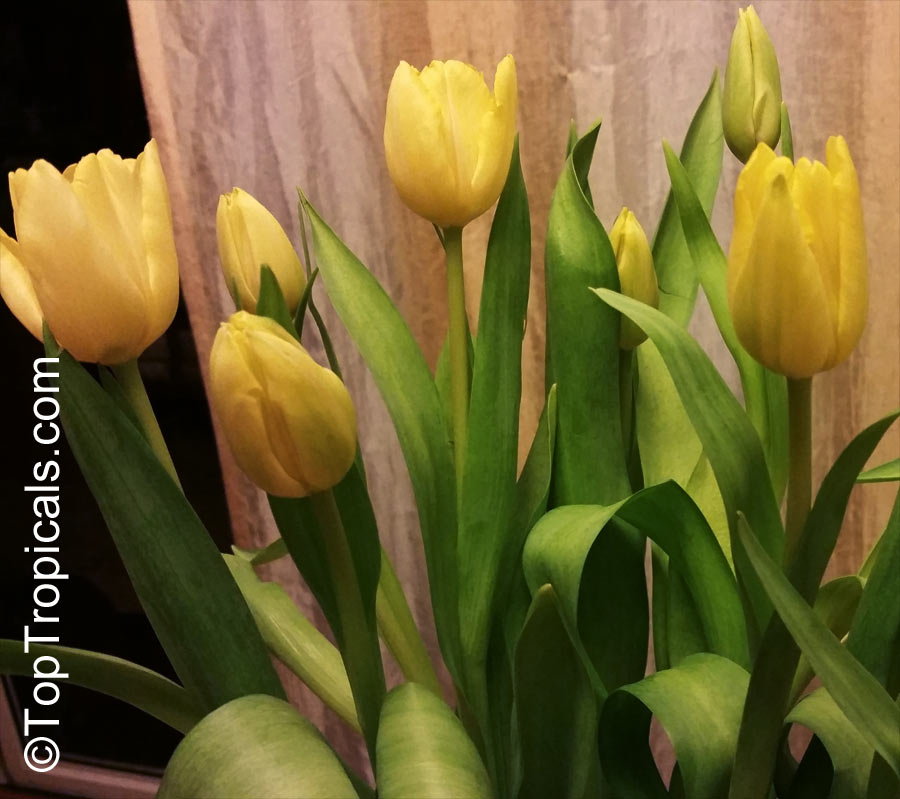
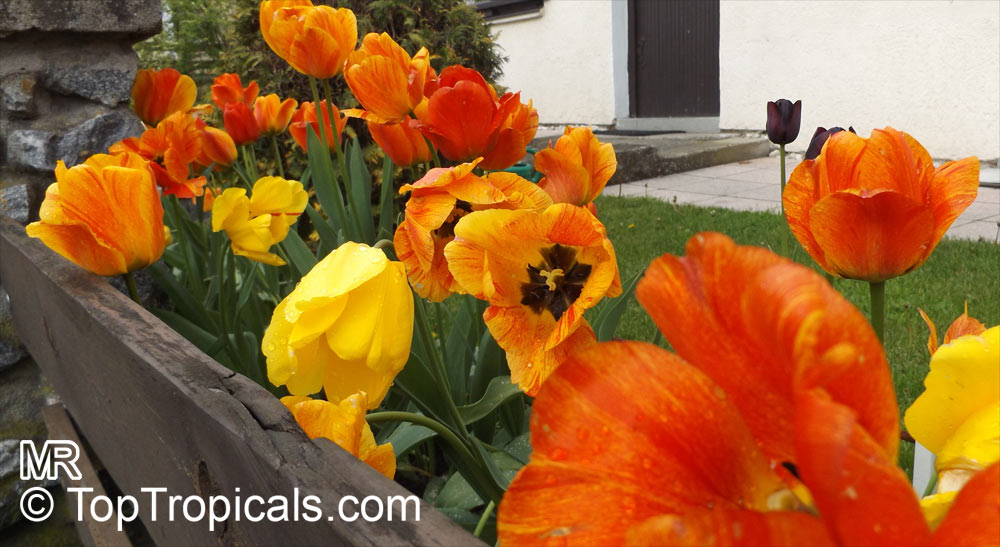
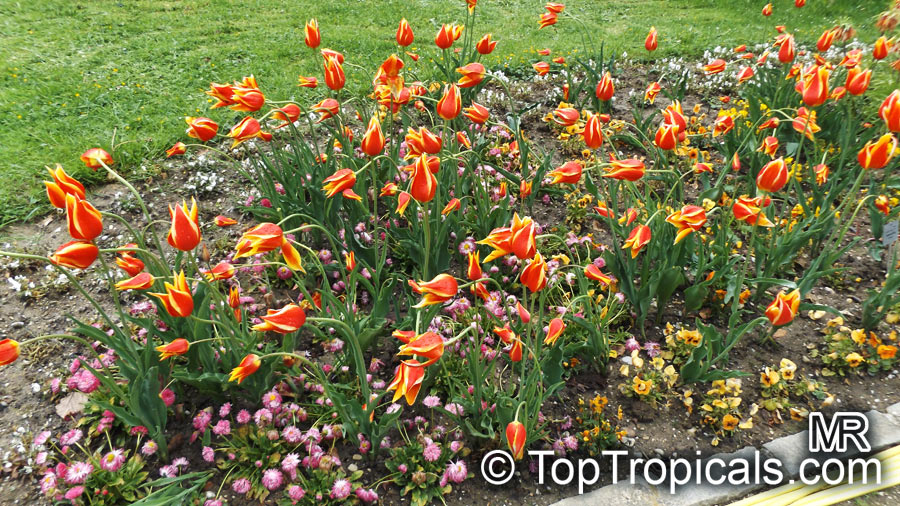
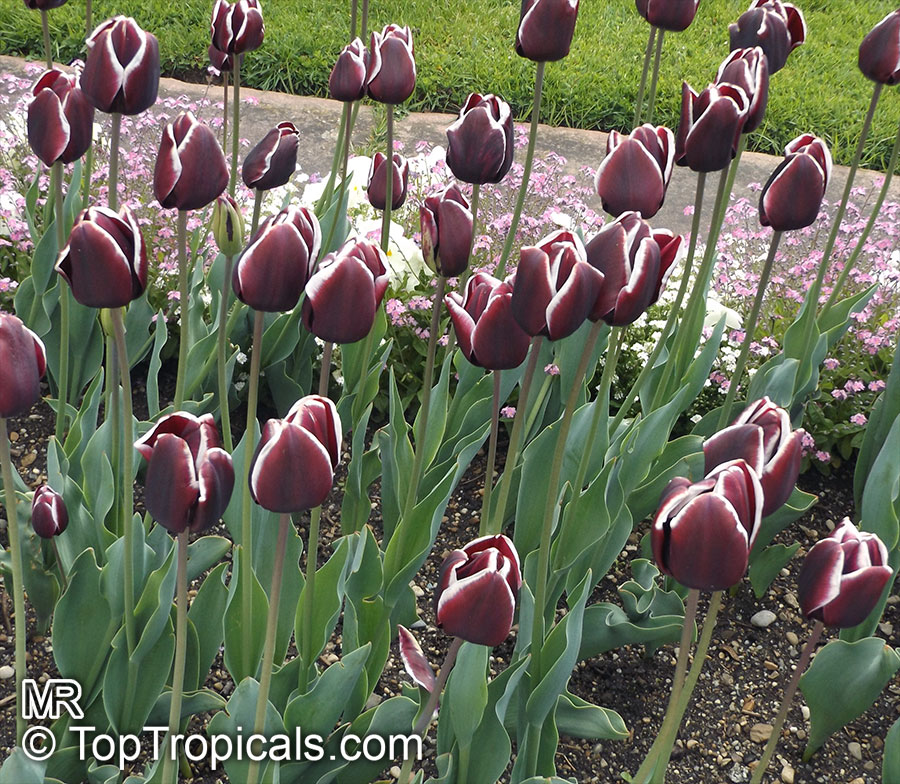
Botanical name: Tulipa sp.
Common name: Tulip
Family: Liliaceae
Subfamily: Lilioideae
Origin: Central Asia


Their beauty and variety have made them popular in gardens and floral displays around the world, from the Netherlands to the United States.
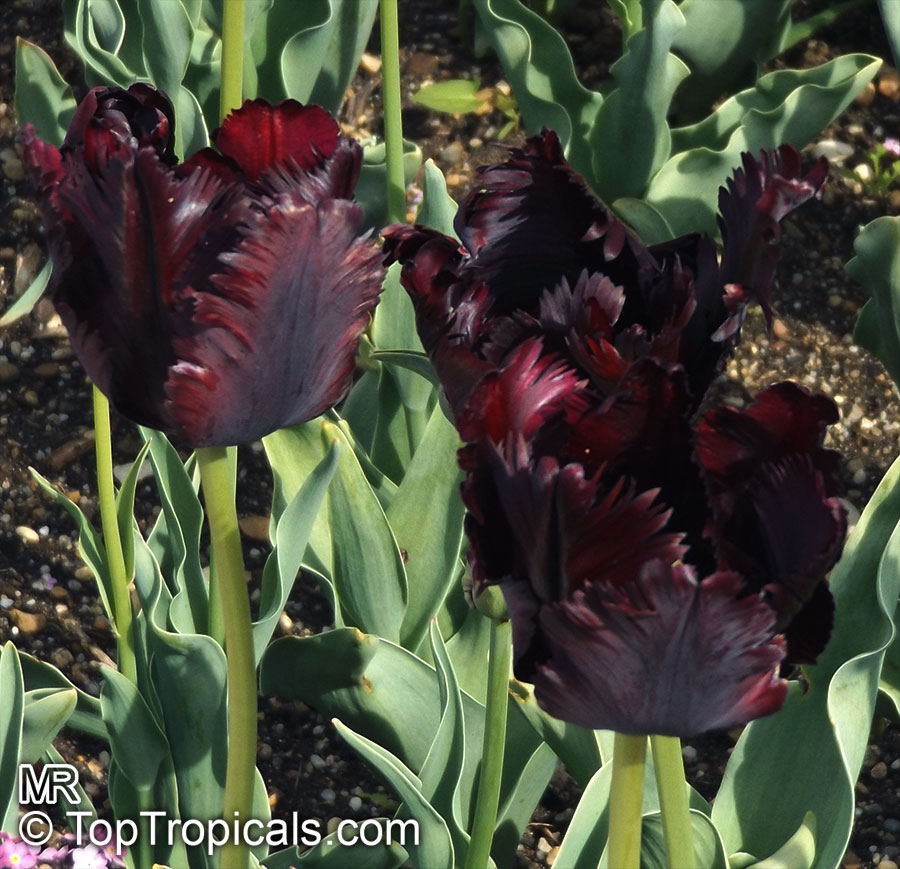
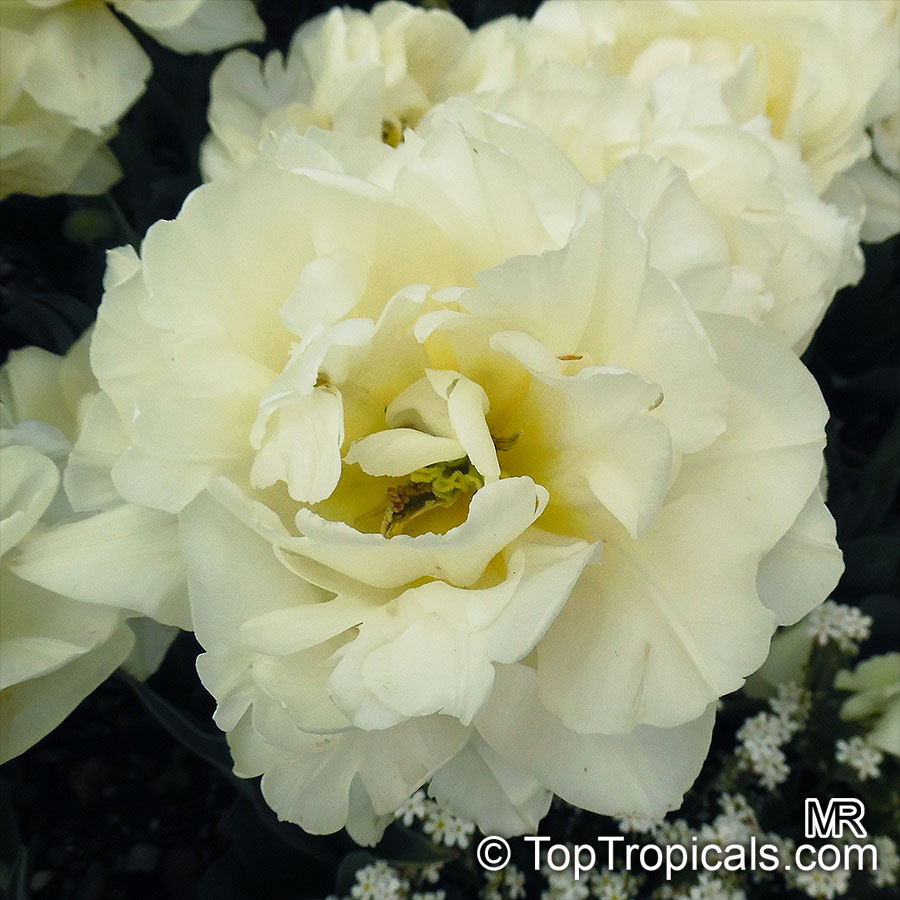
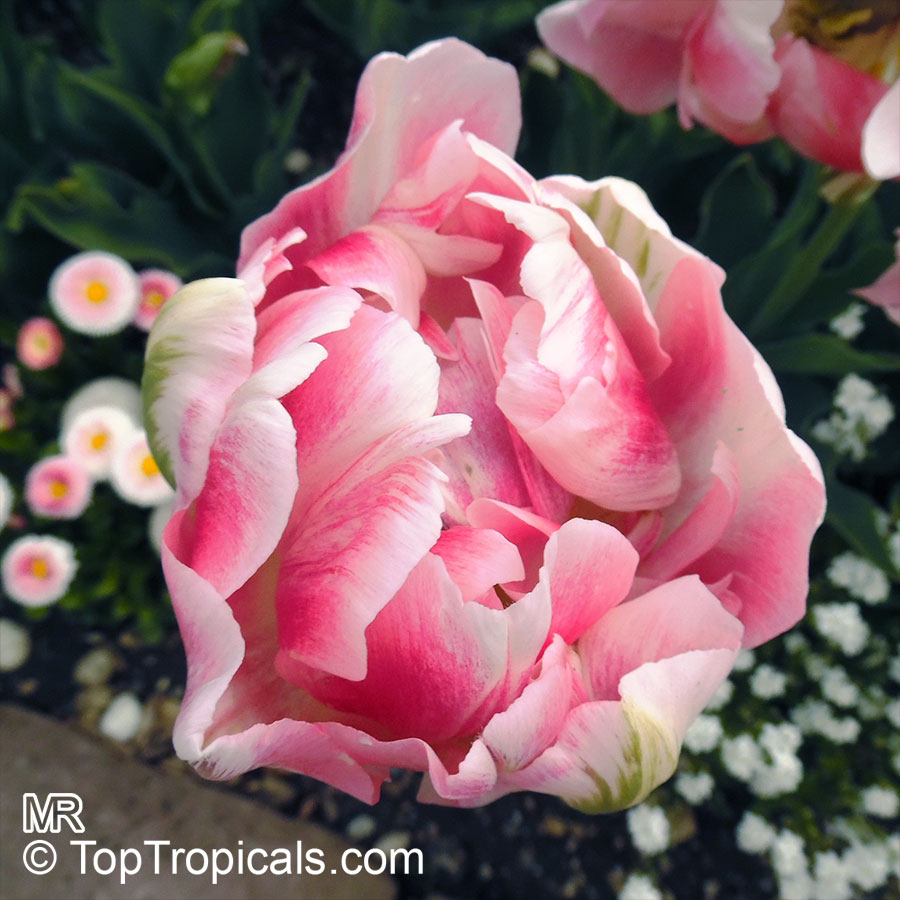
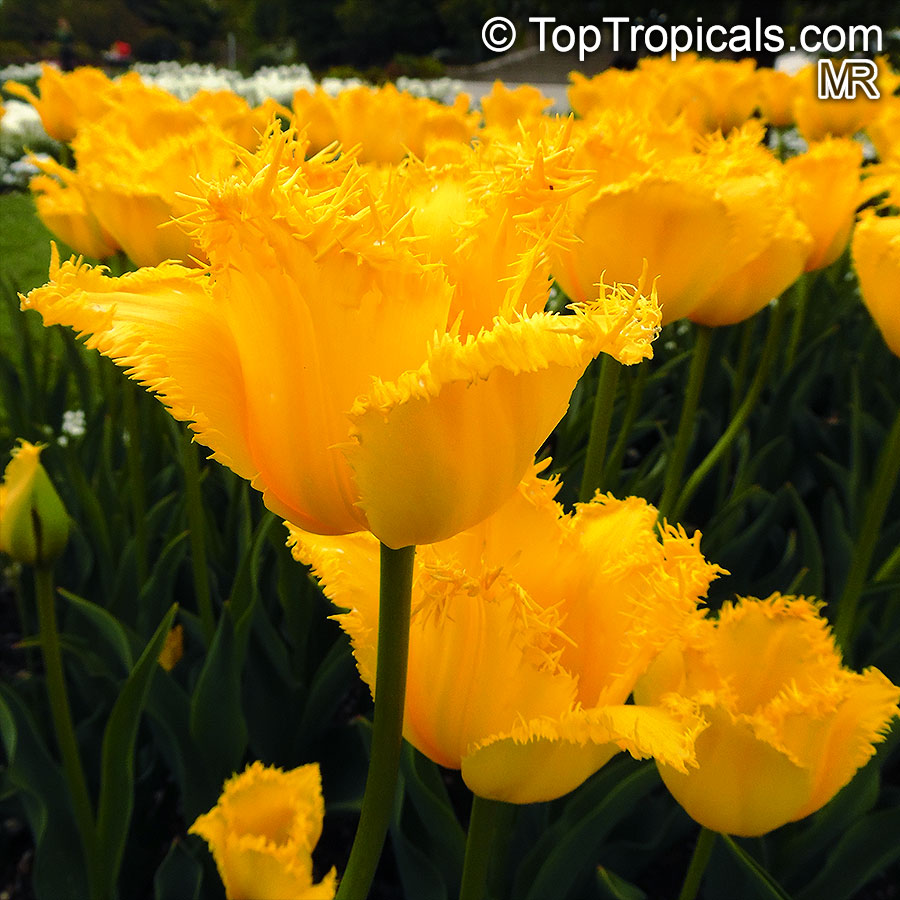
Tulips are small plants that grow 2-5 ft tall and come in a variety of colors, including pink, white and off-white, blue, lavender, purple, as well as unusual colors such as red, crimson and vinous, and yellow and orange. These blooming flowers are often planted in borders, and the ornamental foliage makes them an attractive garden addition. When planted in the right conditions and cared for adequately, these stunning perennials will add life and beauty to any garden.
To ensure the best results when growing tulips, they need full sun or semi-shade, and moderate water. They are usually hardy in USDA zone 6-9. They need well-drained soil. When planting, ensure that the bulb is placed in the soil no more than 4-5 inches deep. Fertilizing can help hasten flowering, however, overfertilizing can cause overgrown foliage, with fewer flowers. Water deeply but not too often; wait until the top inch of soil is dry before watering again.
In regions with cold winter climates, tulips can be grown in pots and moved indoors. When potting tulips, make sure to use pots with good drainage and fertile soil. Ensure that the soil is kept moist but not saturated; tulips like their soil damp but not wet. During the dormant phase, it is best to keep the pots in an area with temperatures between 50-60°F. When the plants show signs of re-growth, they should be moved to a warm light location, such as a windowsill with full sun.
With the right care and attention, tulips make a beautiful addition to any garden. They have a wide assortment of colors, from subtle to dramatic, and with their simple elegance, add a bit of charm to any outdoor space.


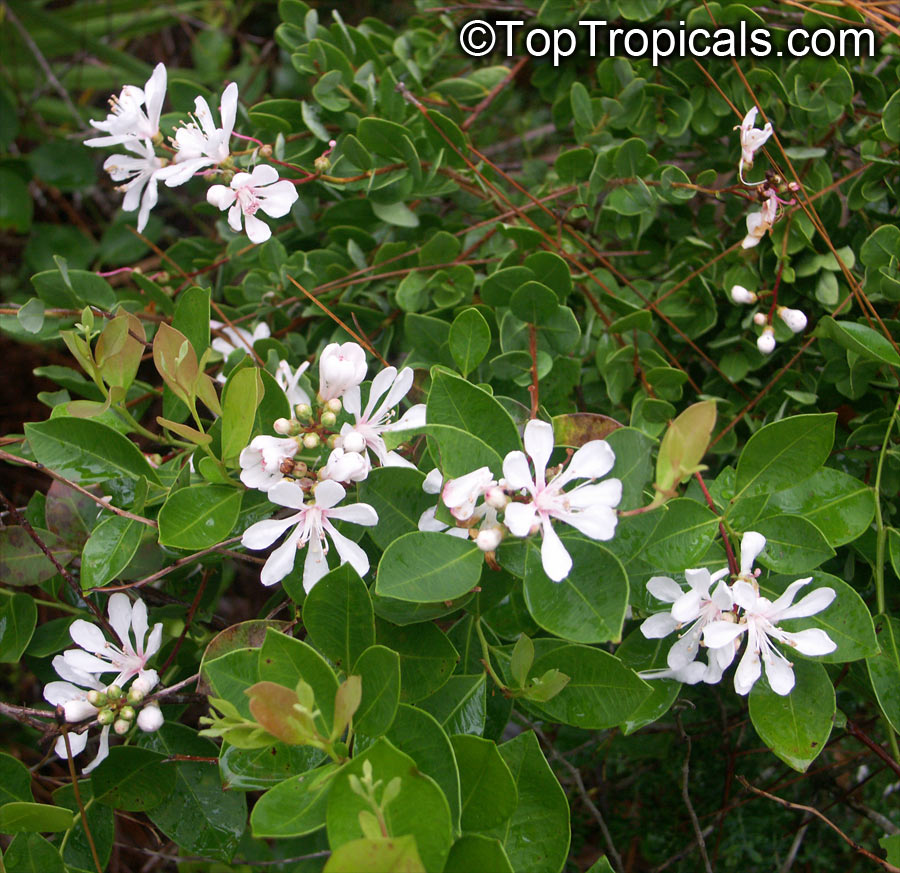
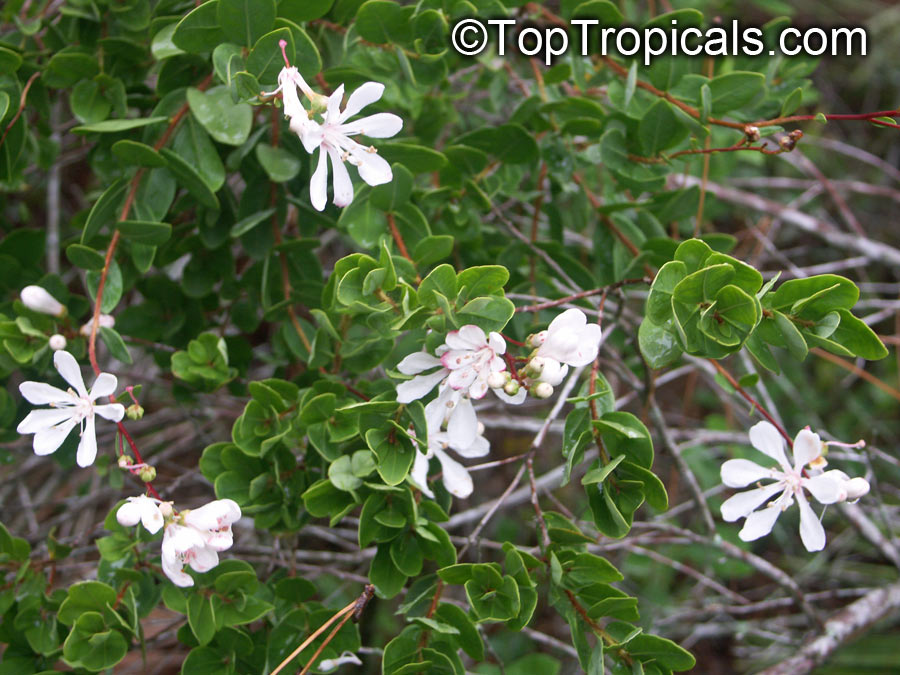
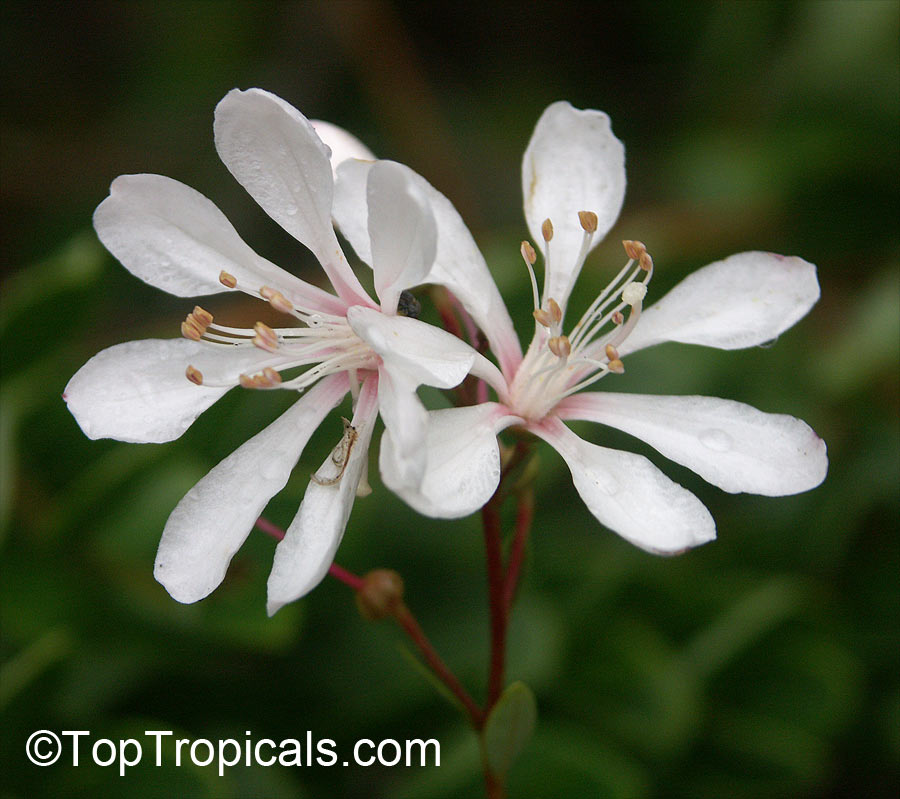
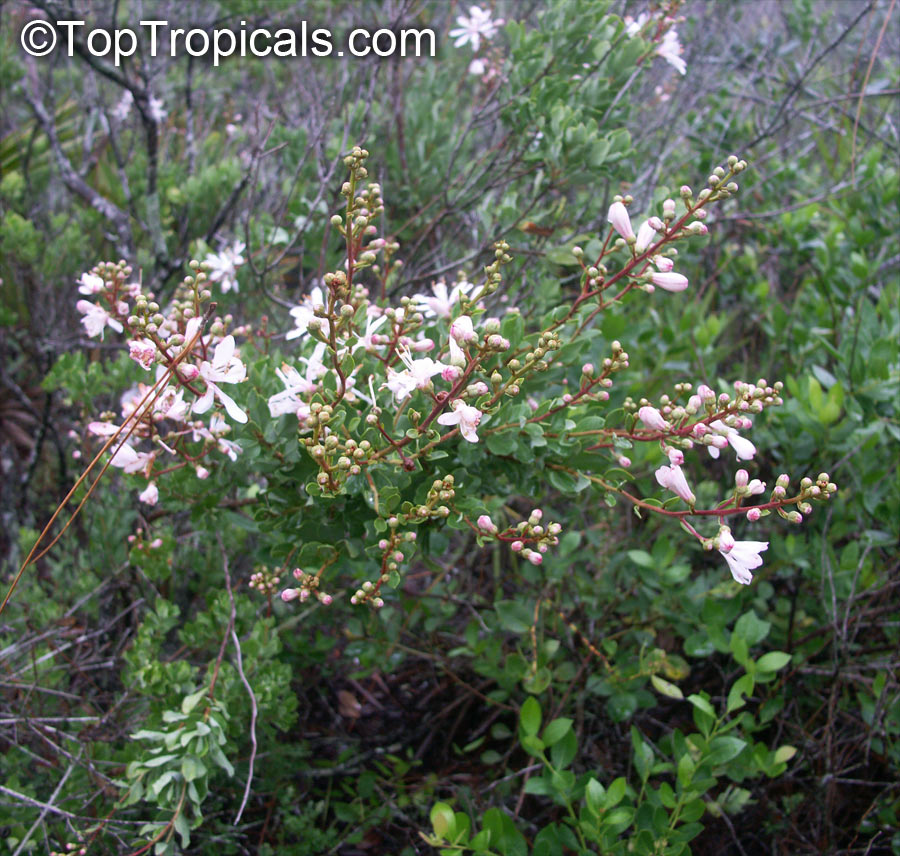
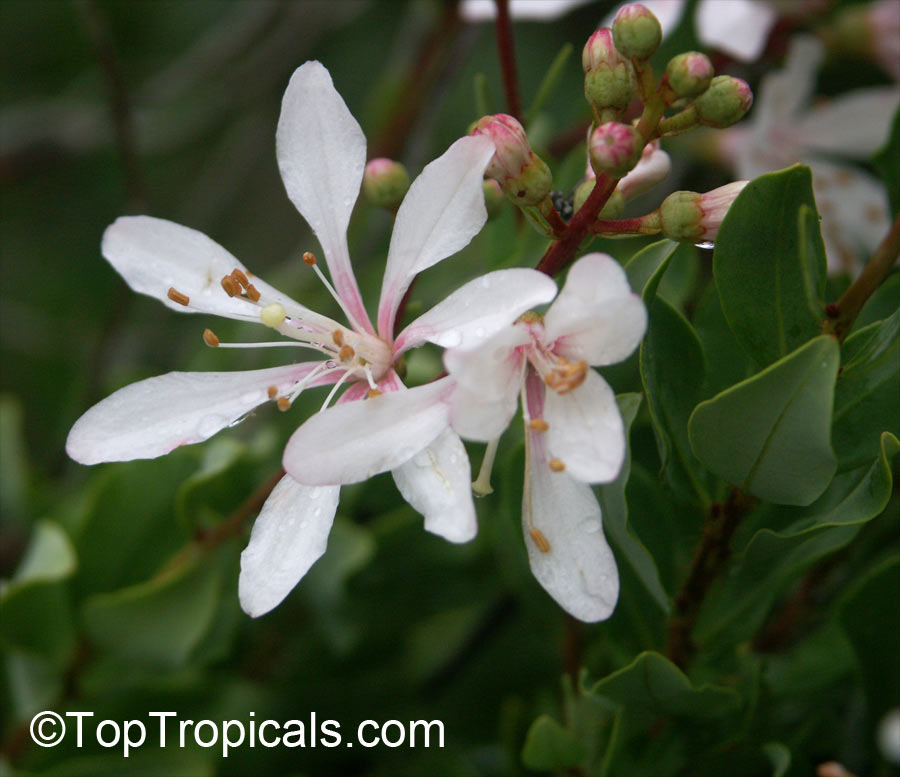
Botanical name: Bejaria racemosa
Common name: Tarflower
Family: Ericaceae
Origin: Florida
Bejaria racemosa is a woody shrub with a fragrant flower found in the southeastern US states of Florida, Georgia, and Alabama.
This is a very ornamental shrub when in flower, and worthy of more attention by the native plant trade. Primarily recommended for natural landscapes. Also an accent shrub.
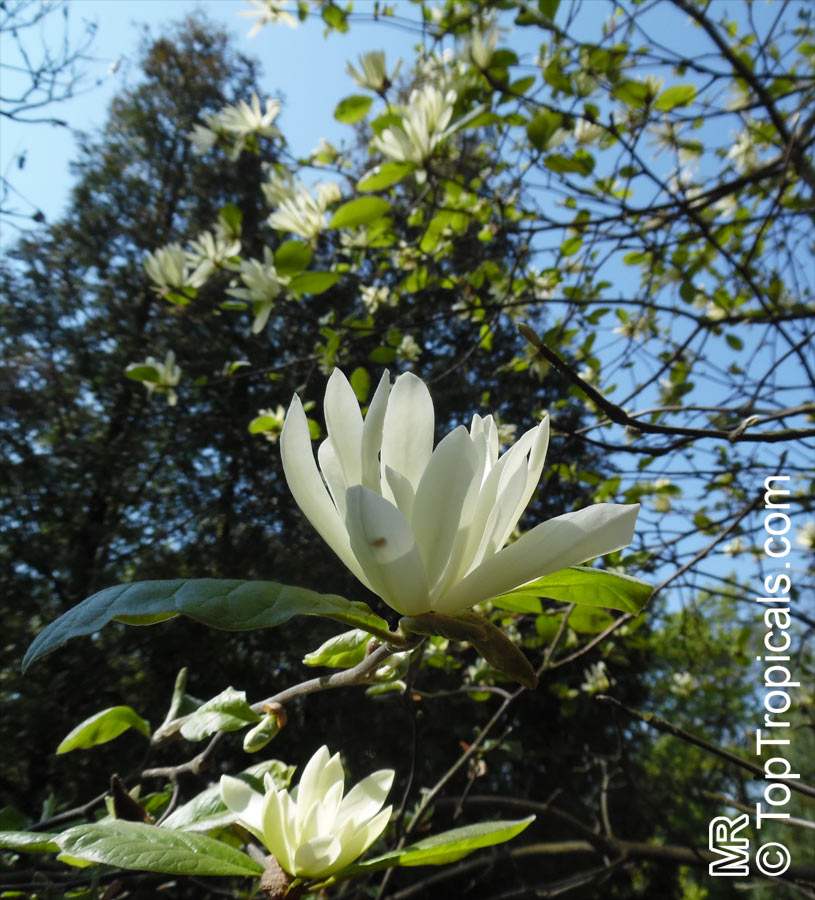
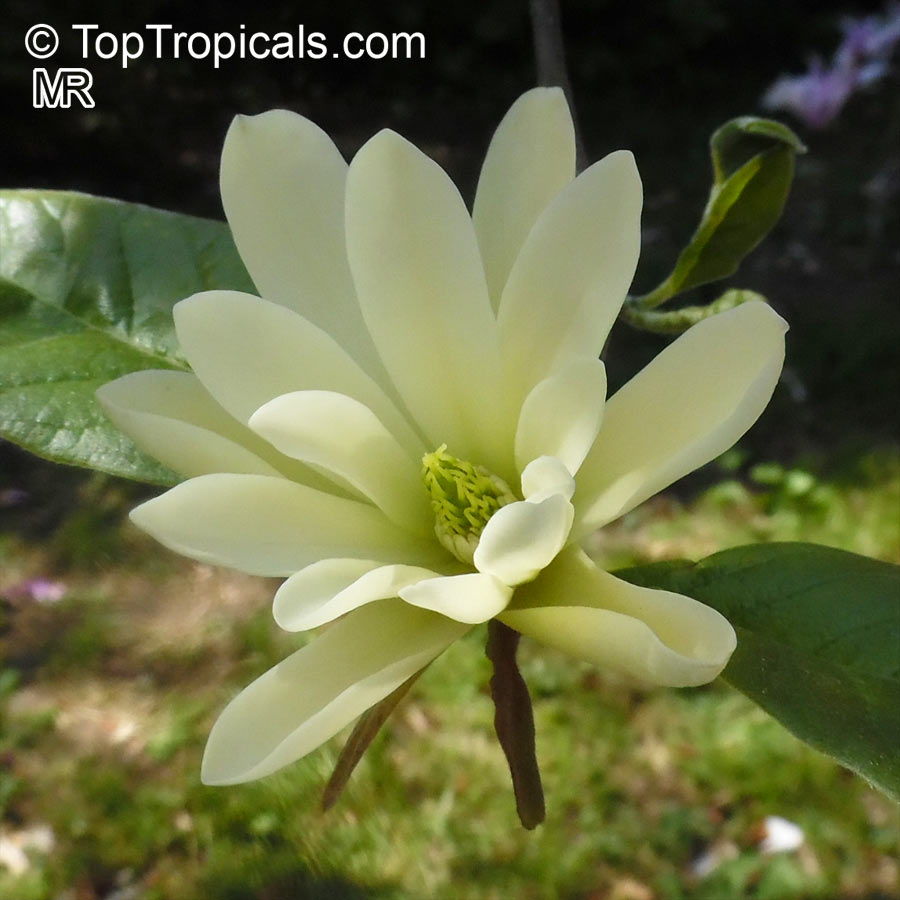
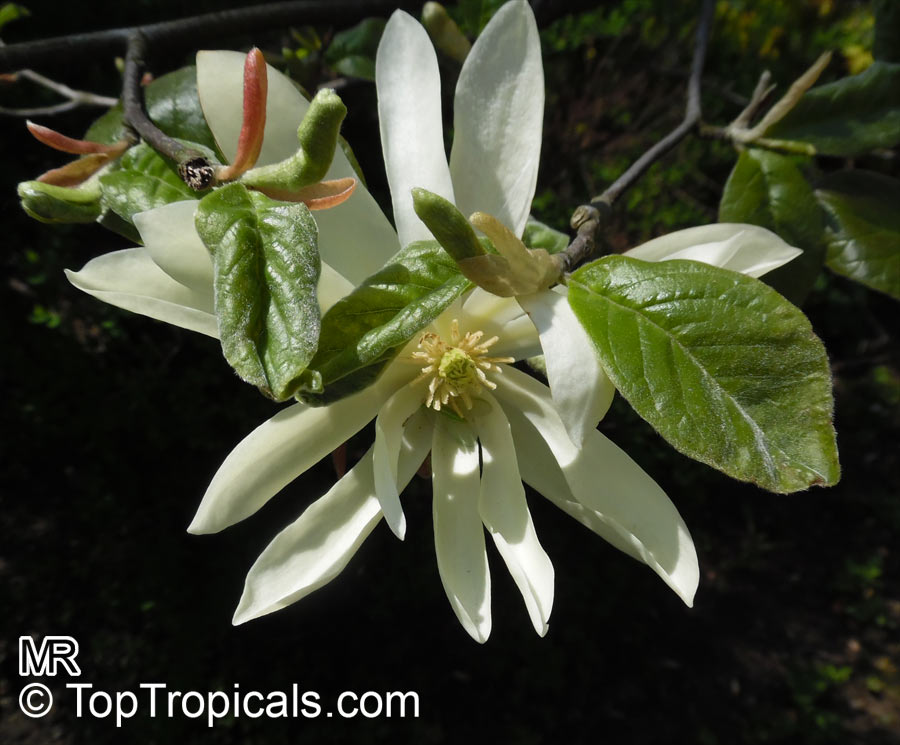
Botanical name: Magnolia sp.
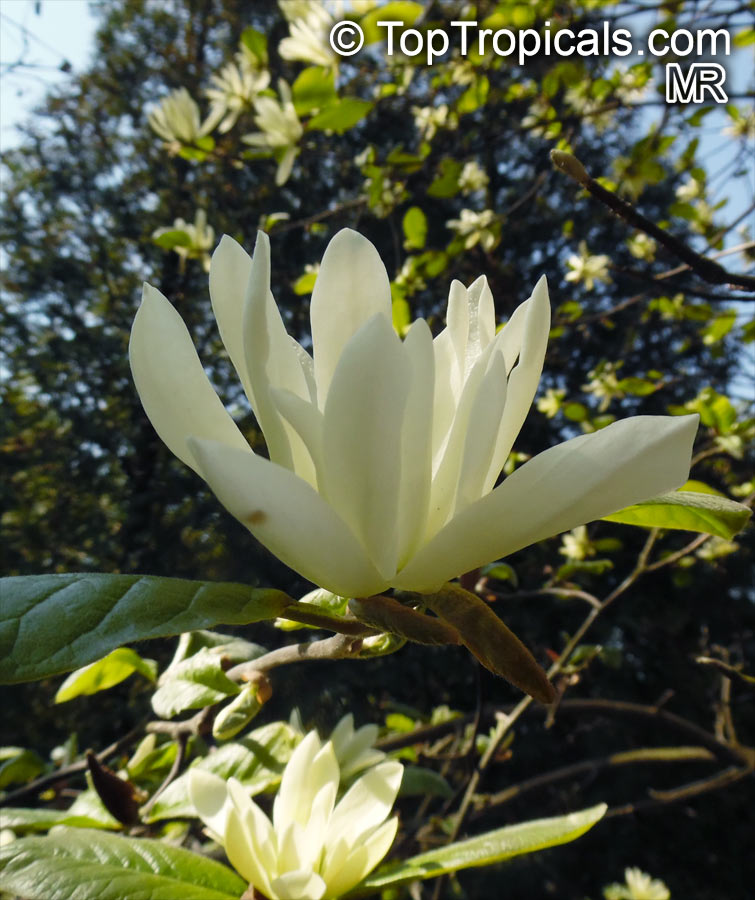
Common name: Goldstar Magnolia
Cultivar: Goldstar
Family: Magnoliaceae
Hardiness: -10°F


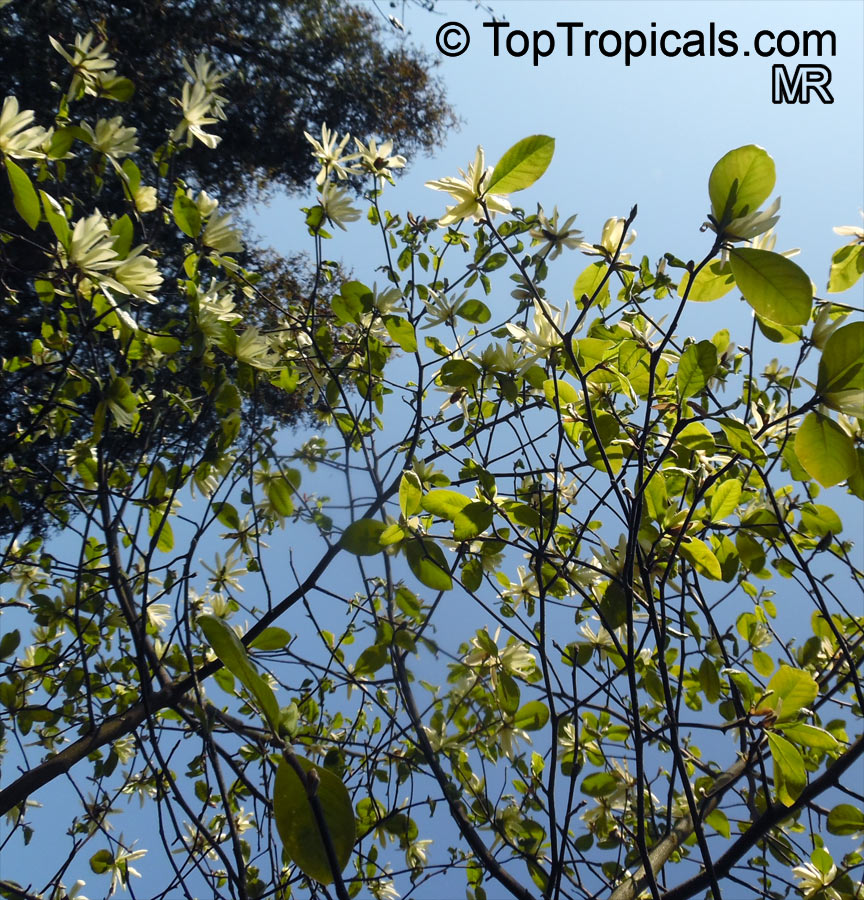
It is an upright, deciduous, large evergreen shrub or small tree to 5-20 ft tall and wide. It should be planted in full sun and is hardy in USDA Zone 5-9, making it a great choice for gardeners in many parts of the country.
Magnolia 'Goldstar' prefers regular water, but is tolerant of occasional dry spells. Plants grown in containers will require more frequent watering than plants grown in the ground. This magnolia will attract hummingbirds, butterflies and other pollinators to the garden. To keep the plant looking its best, trim the flowers and dead head after blooming. Prune in spring to shape the plant and remove any undesirable branches.
This beautiful plant is cold hardy at least to the low 30s F for a short time. In cold climates, plants grown in containers should be brought indoors in winter or taken to a protected area such as a greenhouse. Plants grown in the ground may need protection depending on the severity of the winter. Mulch and shelter from cold winds can help protect the roots from frost.
Magnolia 'Goldstar' has been a favorite of gardeners for generations, and with good reason. Its bold yellow and white flowers, fast growth, and hardiness make it a great addition to just about any garden. With the proper care and protection, it will continue to delight gardeners for years to come.
| Next | |
Use link to repeat this search:
https://toptropicals.com/cgi-bin/garden_catalog/cat.cgi?search_op=and&keyword_op=and&language=e&number=10&no_change_lang=1
&v1=frz&user=tt&sale=1&first=0