Dry conditions - Plant Encyclopedia Results
| Number of plants found: 308 | Next | 
|
Go to page: | 1 | 2 | 3 | 4 | 5 | Last |
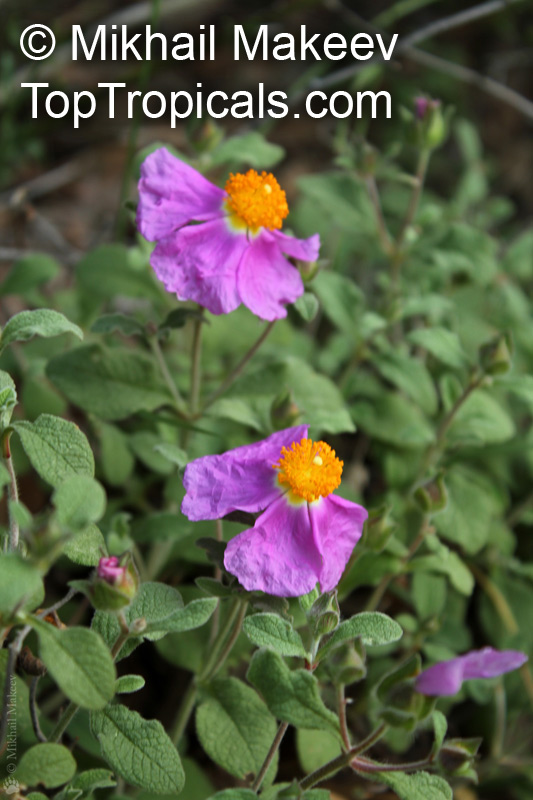
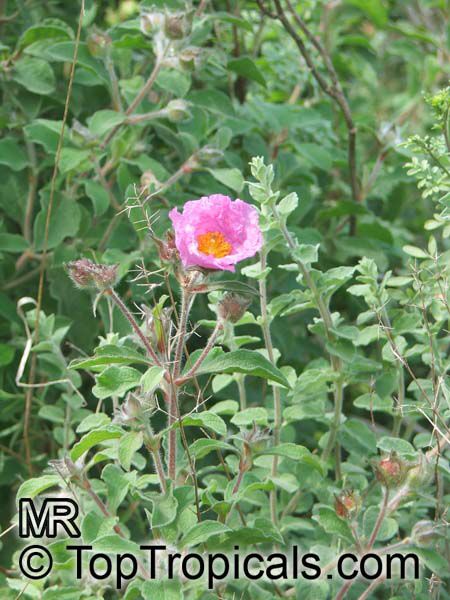
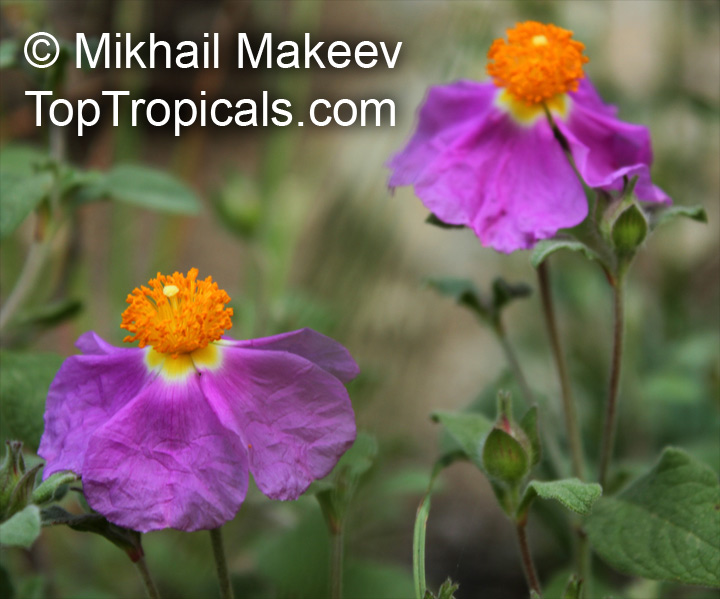
Botanical names: Cistus incanus, Cistus villosus
Common names: Hairy Rockrose, Pink Rockrose
Family: Cistaceae
Origin: Southern Europe, Mediterranean


They are thermophilous perennial shrubs found on dry or rocky soils, which require open, sunny places. As with many other Cistaceae, the species of Cistus have the ability to form mycorrhizal associations with truffles (Tuber) and are thus able to thrive on poor sandy soils or rocks.
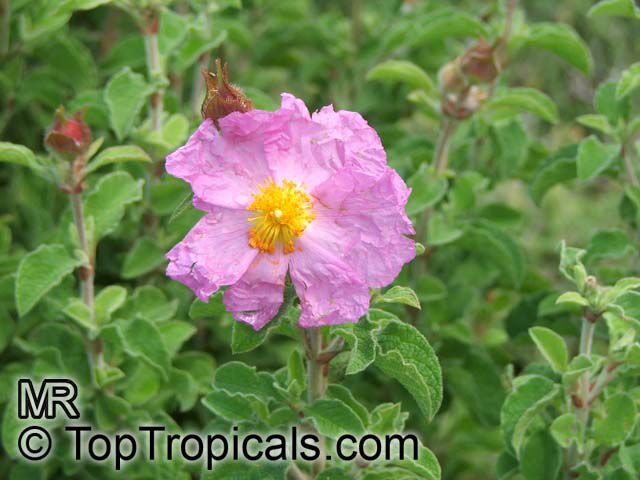
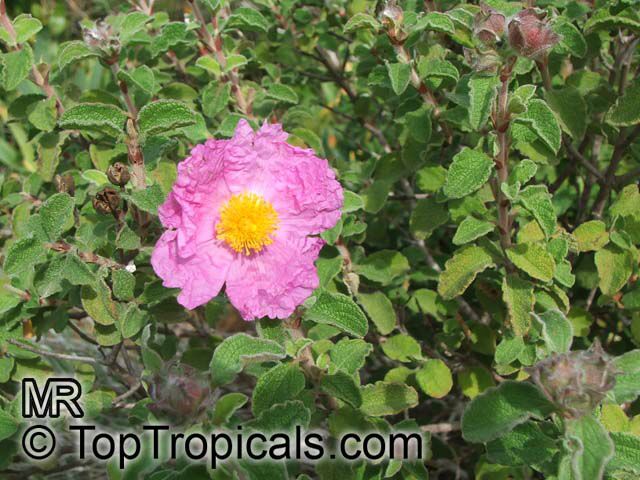
The leaves are oval and crinkled, about 2 in(5 cm)long. Saucer-shaped rosy purple flowers about 2 in(5 cm) in diameter are produced in summer, the petals rumpled like tissue paper.
The most unique feature of this plant is its richness of polyphenols whose extraordinary abundance in the Pink Rockrose has popularized it as a valuable food supplement used in teas, taken alone and even incorporate in boutique health foods where its age old reputation of supporting the immune system and therefore assisting naturally with reisistance to and recovery from common colds and flu. This highly fragrant extract of the rockrose is a labdanoid terpene.When labdanum resin or leaves and twigs are steam distilled, a dark yellow oil is produced that is used in flavoring baked goods, gum and candy, and in laundry products and cleaners.
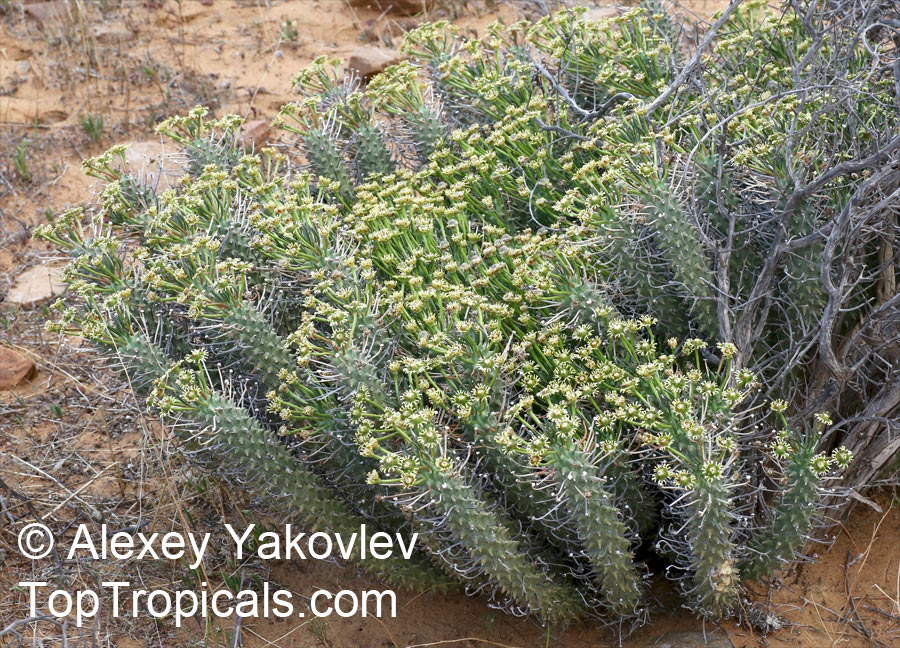
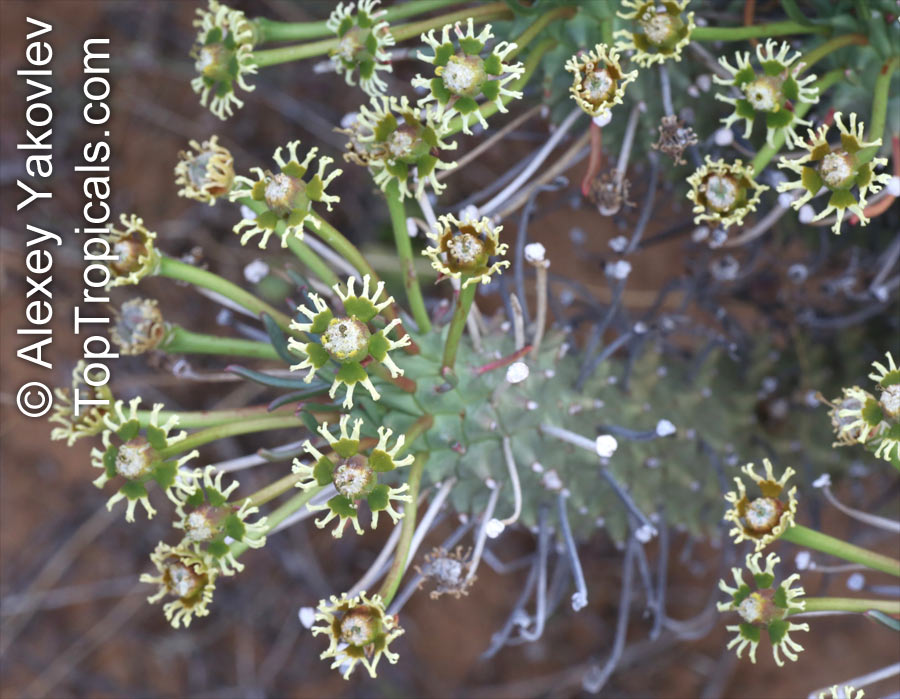
Botanical name: Euphorbia caput-medusae
Common name: Medusa's Head
Family: Euphorbiaceae
Origin: South Africa


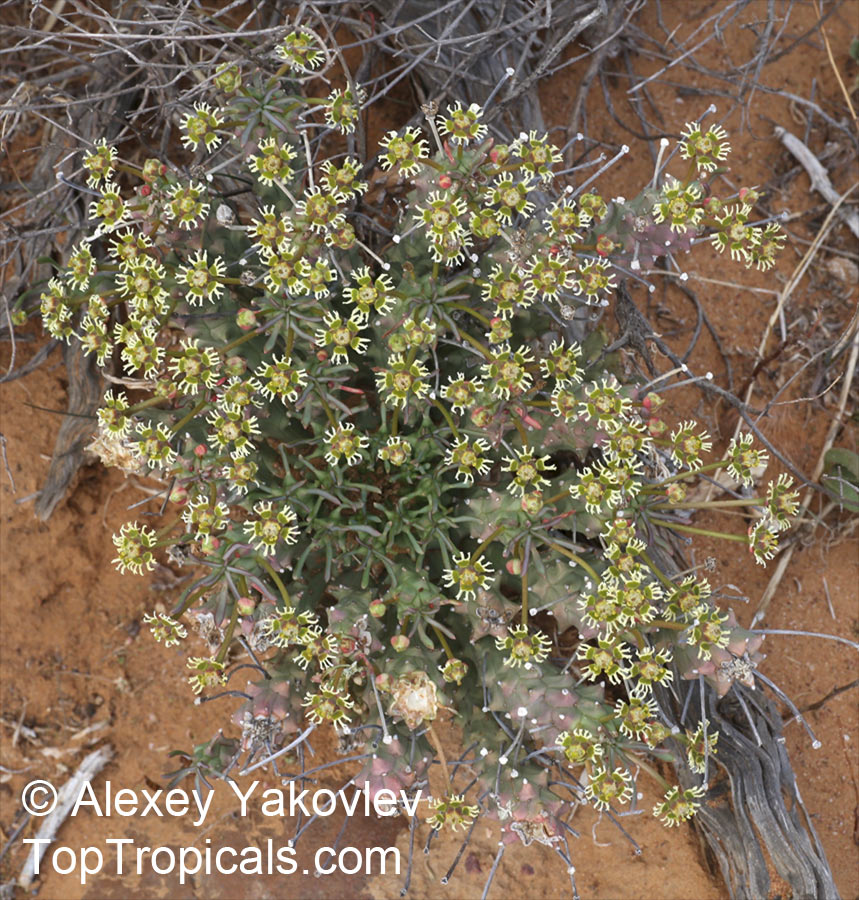
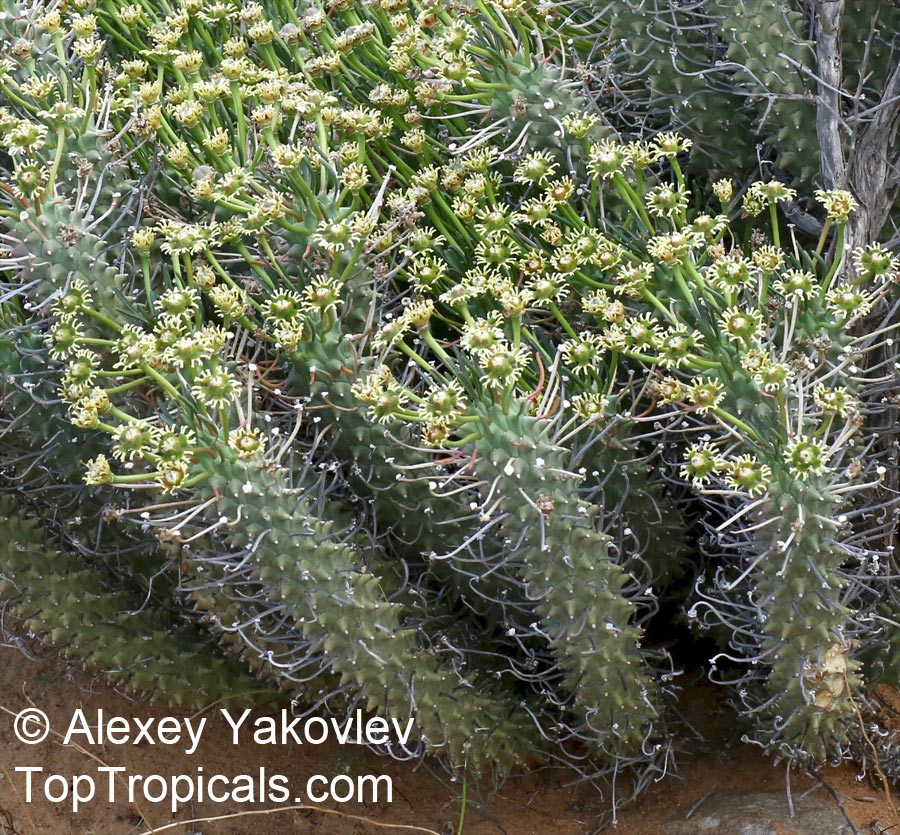
This succulent resembles the head of Medusa, with many serpent-like stems arising from a short, central caudex. White flowers bloom on short stalks rising from the ends of young branches in the spring and summer.
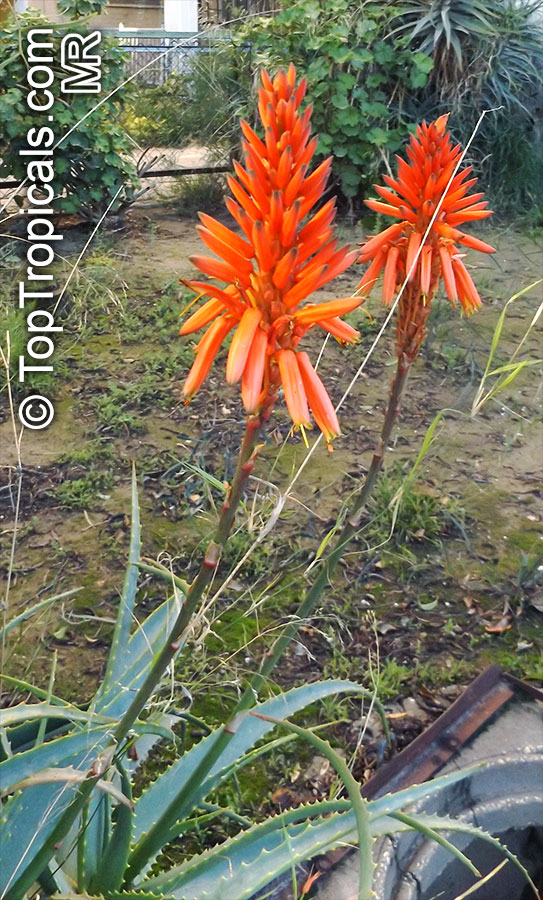
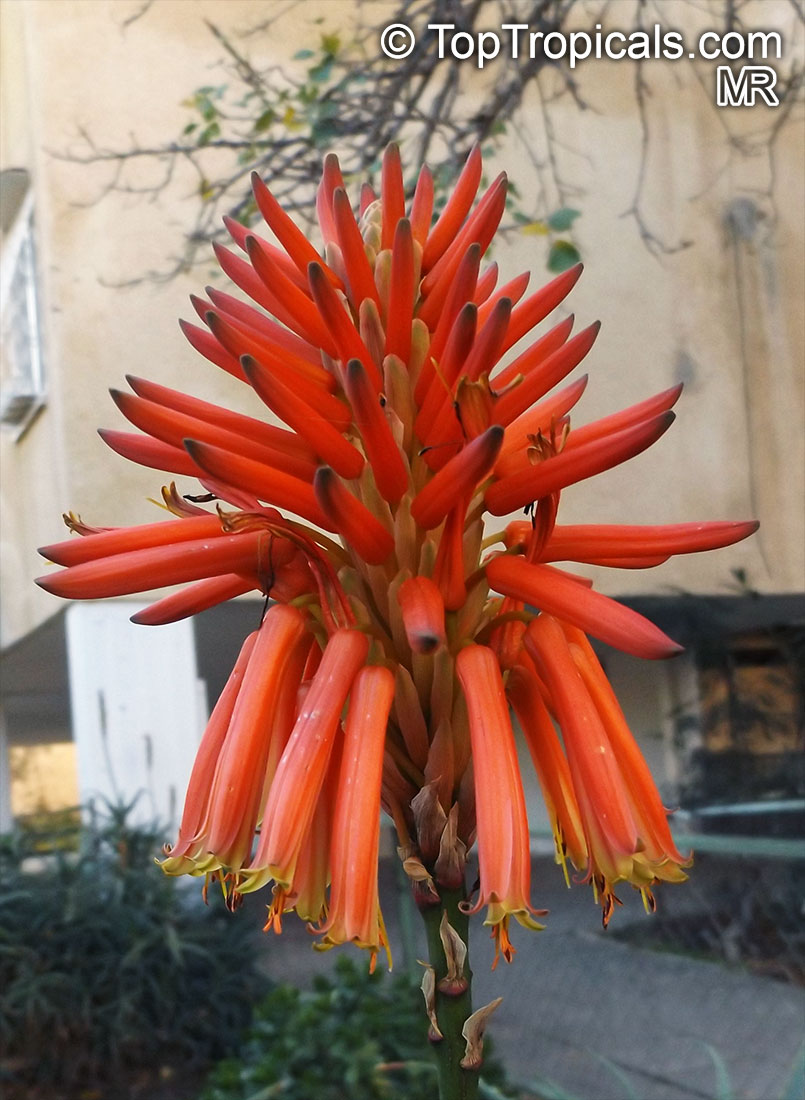
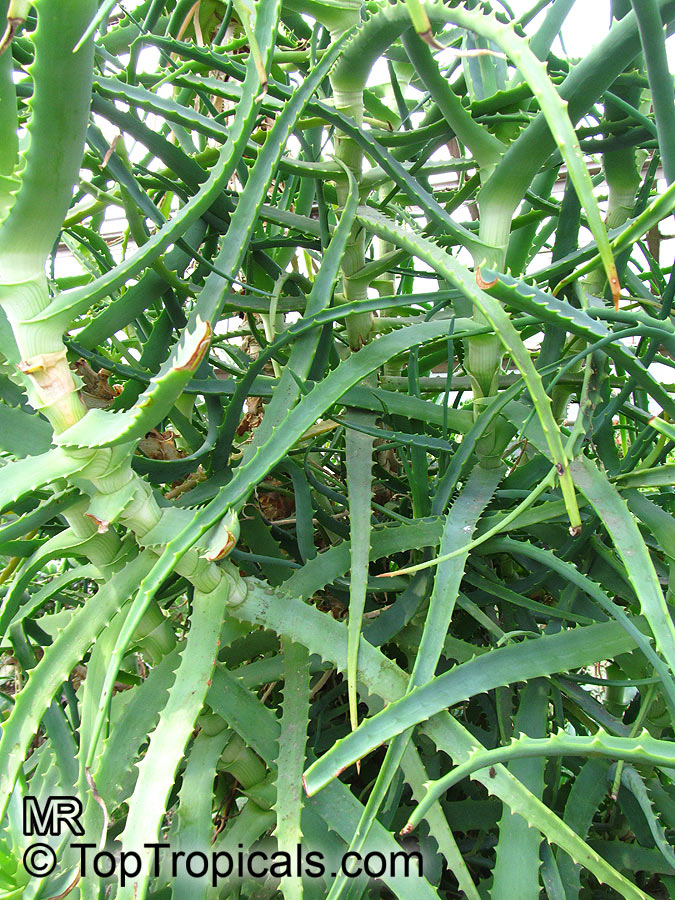
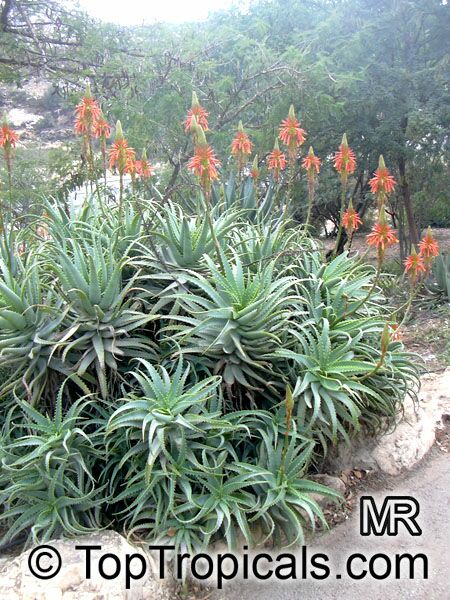
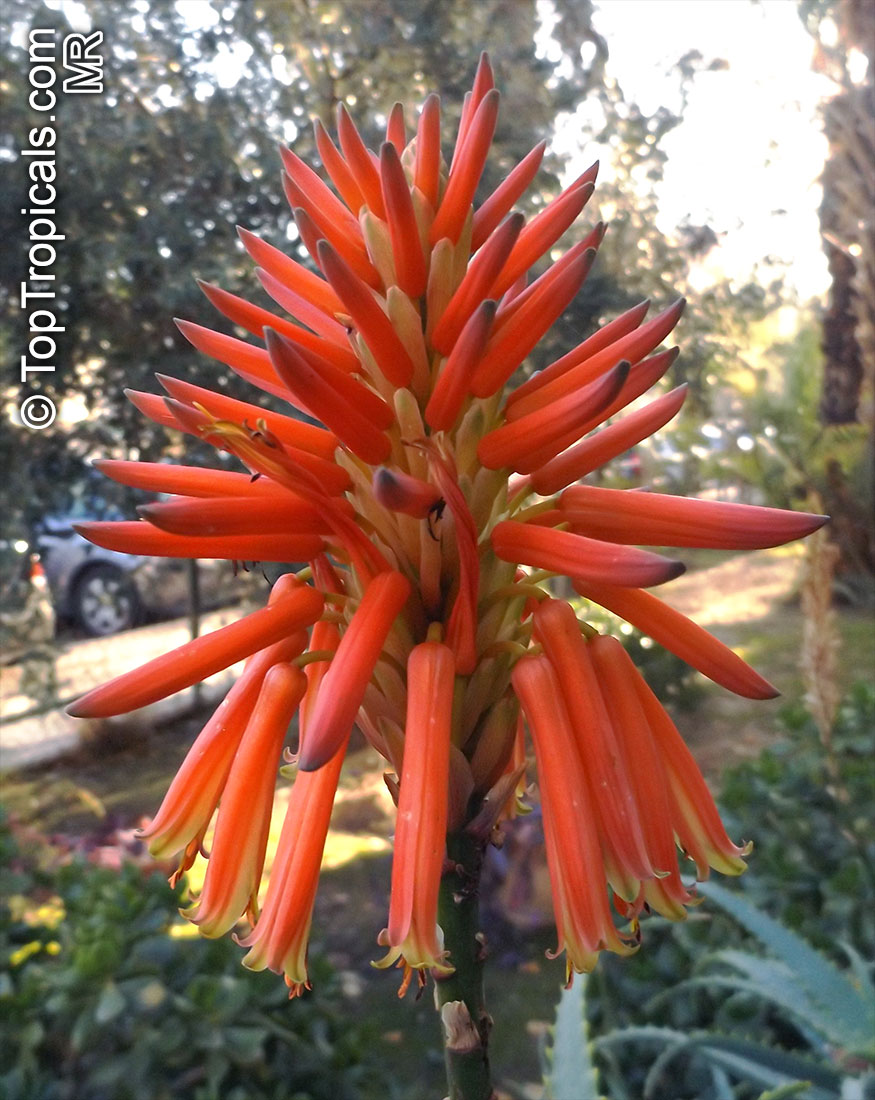
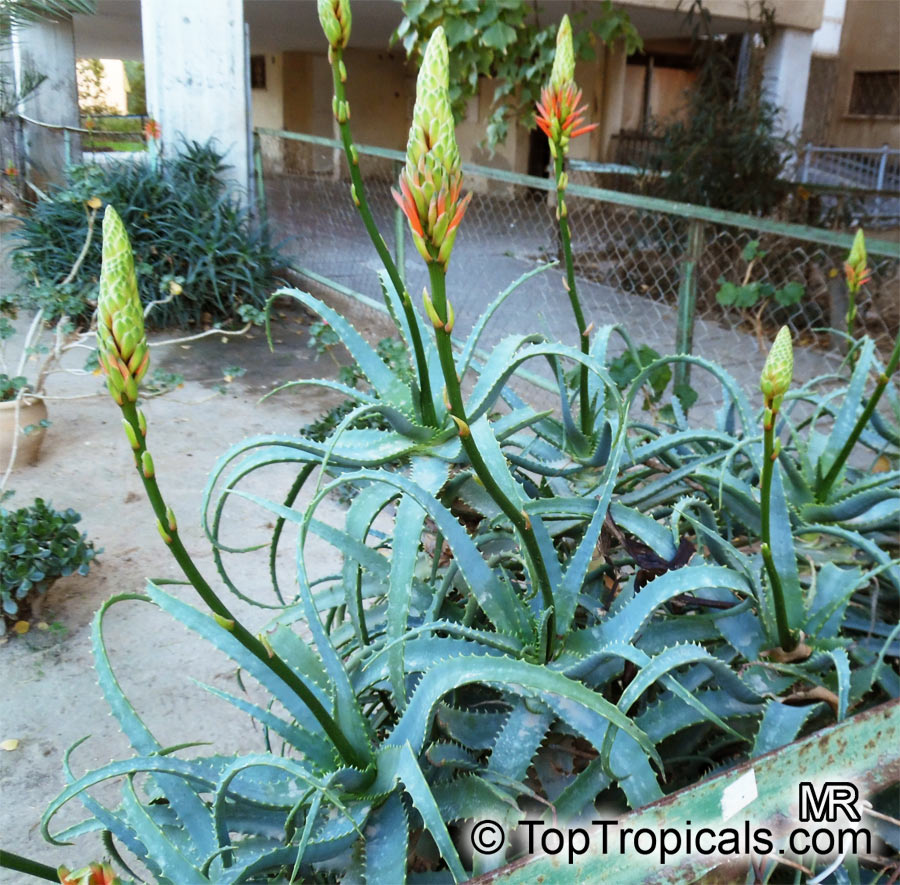
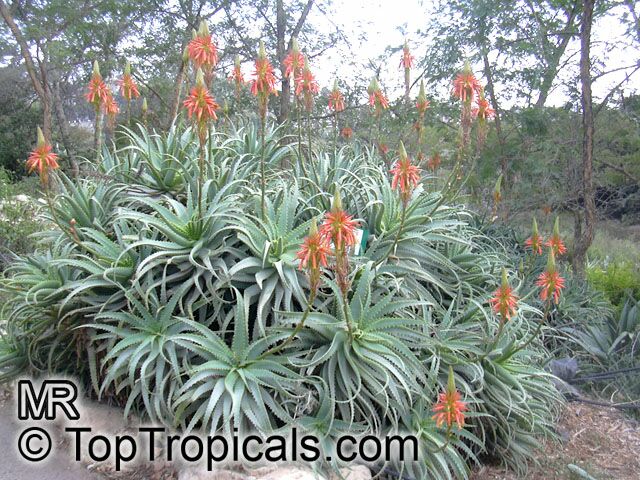
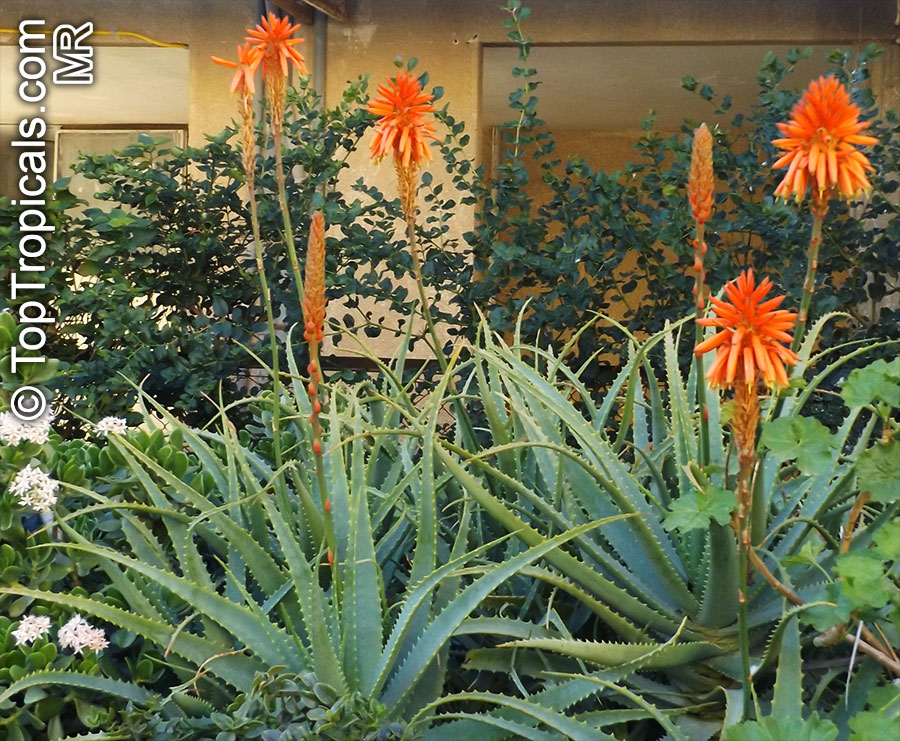
Botanical name: Aloe arborescens
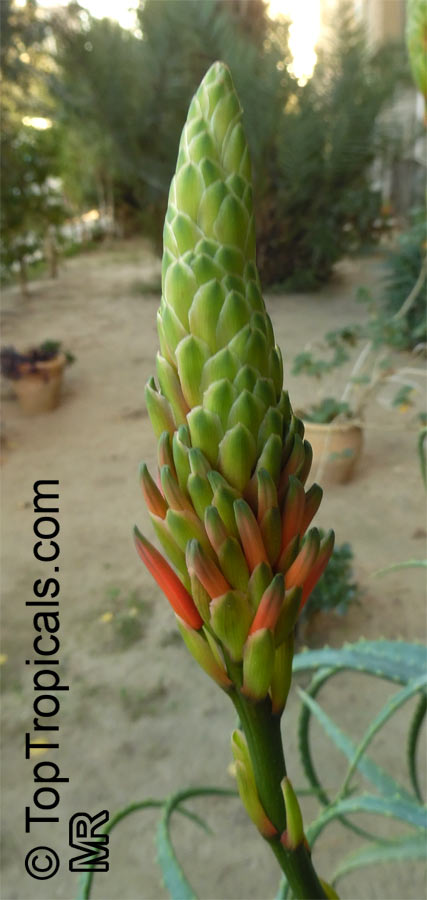
Common names: Tree Aloe, Krantz Aloe, Torch Aloe
Family: Asphodelaceae (Formerly:Xanthorrhoeaceae)
Subfamily: Asphodeloideae
Origin: South Africa


Tree Aloe is grown mainly as an ornamental or as an accent plant, but is also an excellent and impenetrable hedge plant. Established plants will survive a drought quite well, but for the benefit of the plant, water should be provided.
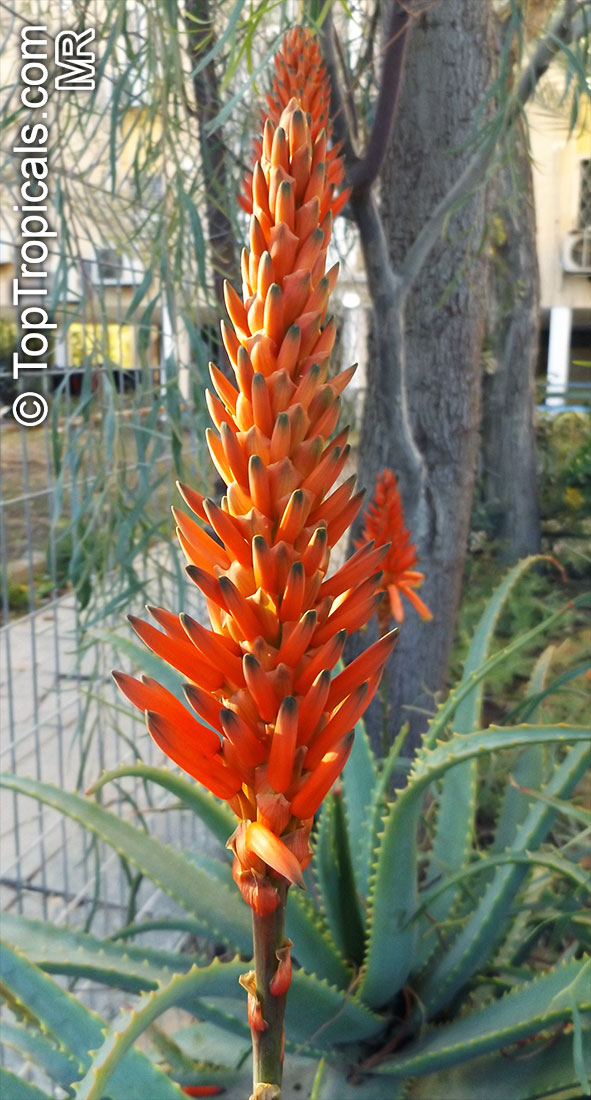
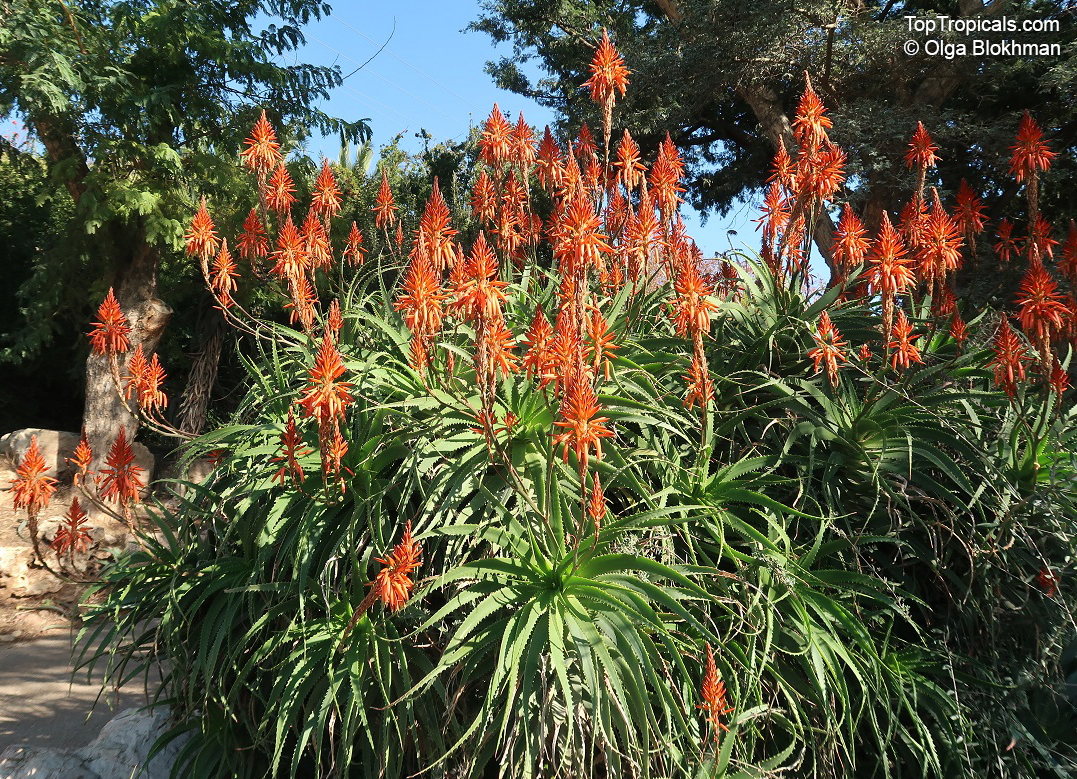
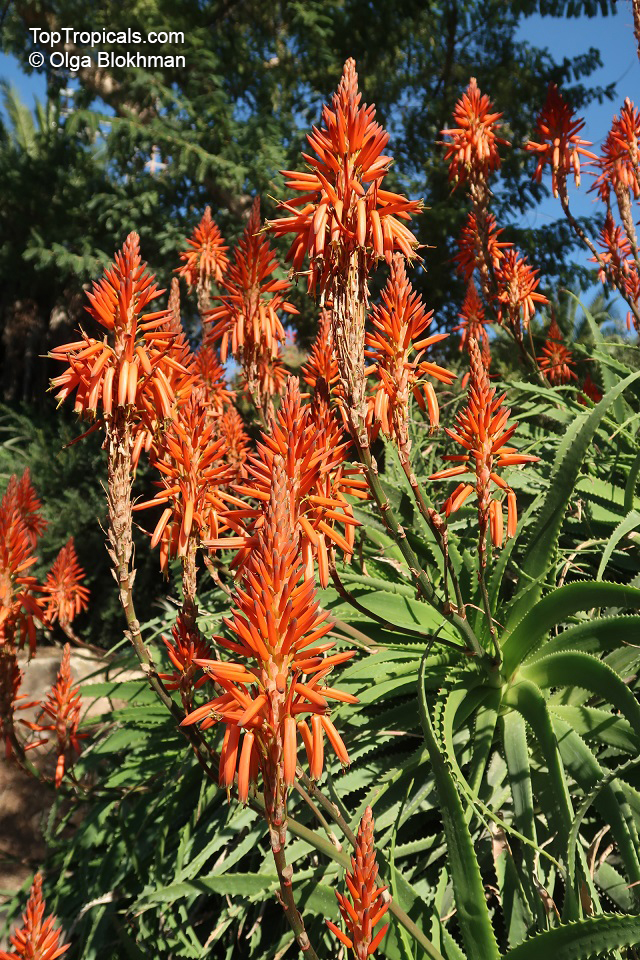
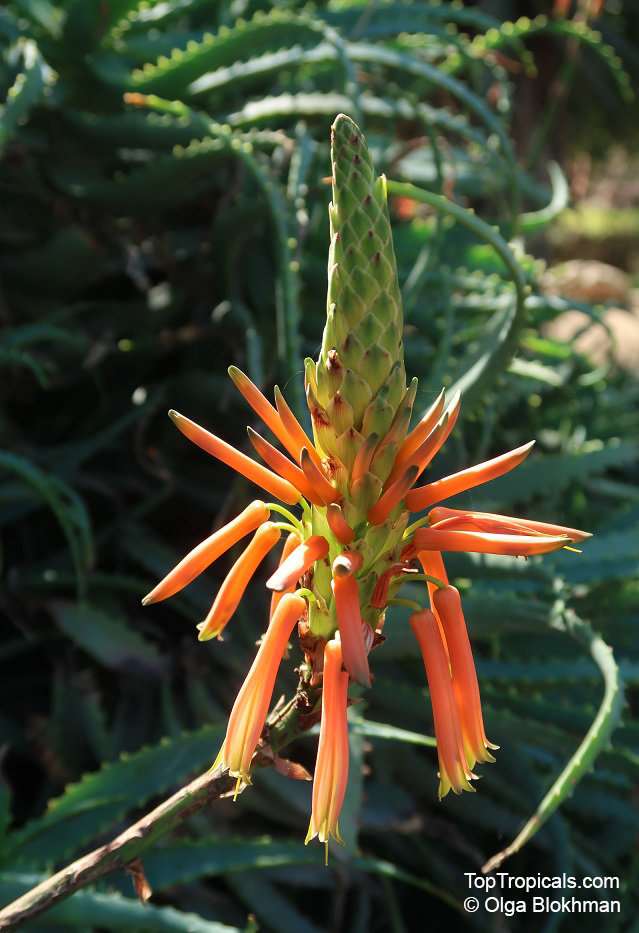
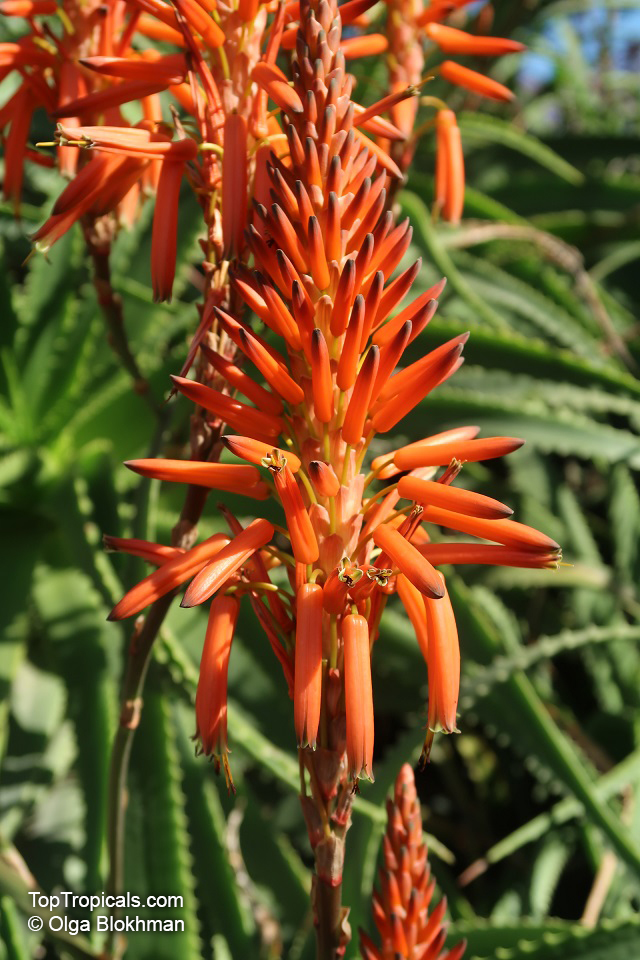
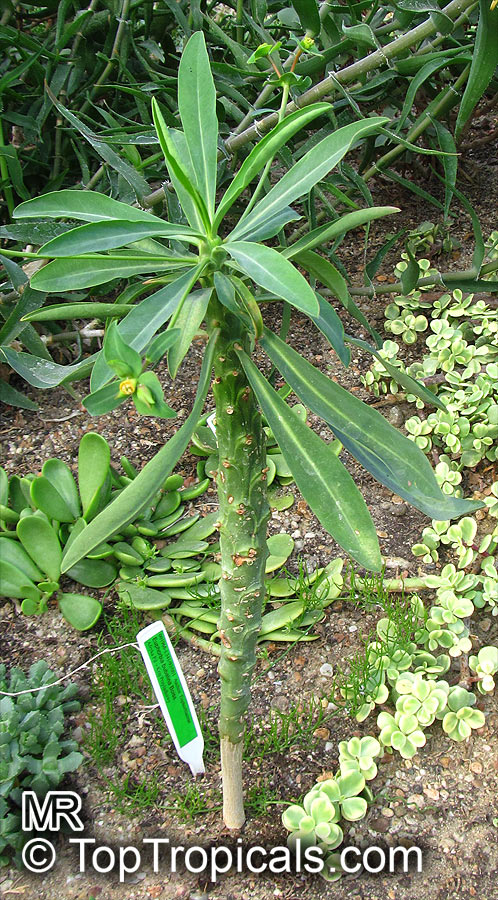
Botanical names: Euphorbia bubalina, Euphorbia laxiflora
Common names: Buffalo Euphorbia, Bosmelkbos
Family: Euphorbiaceae
Origin: South Africa
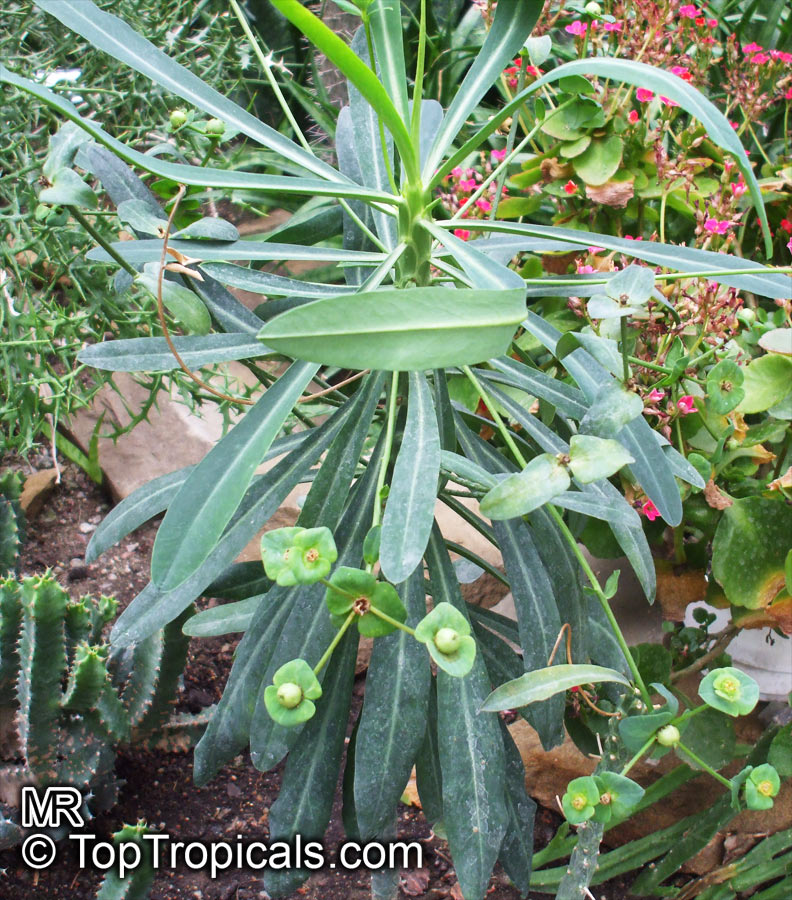
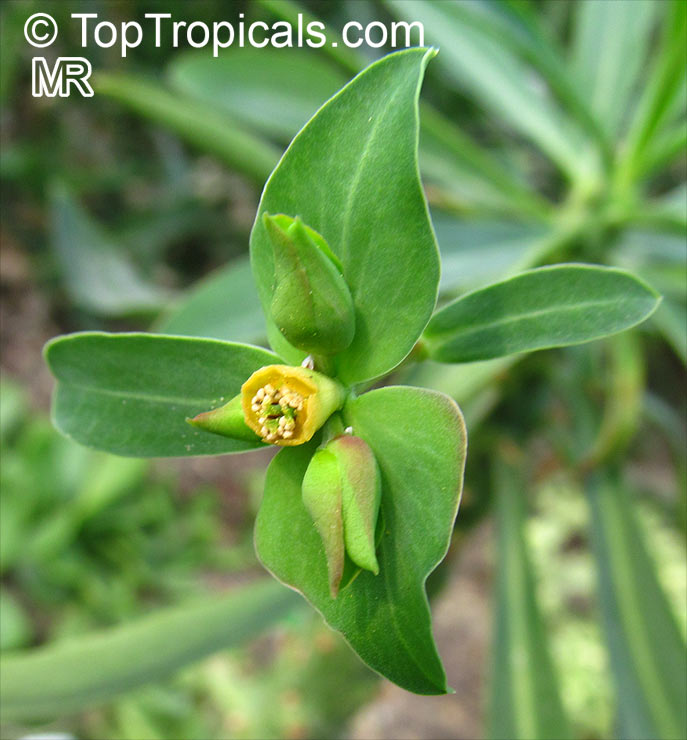
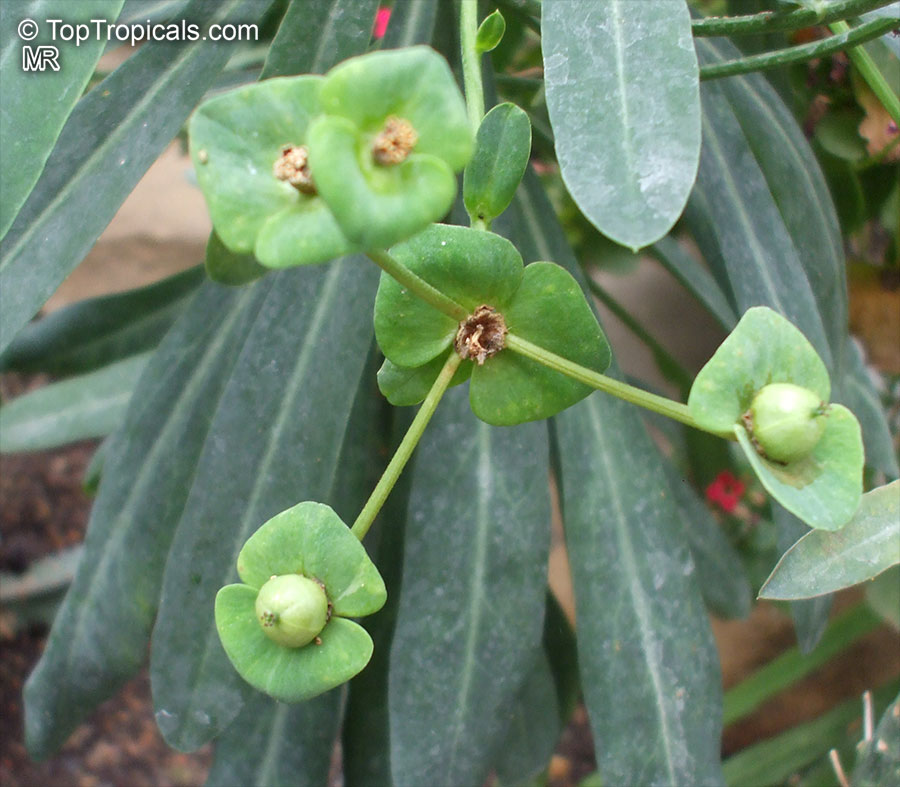
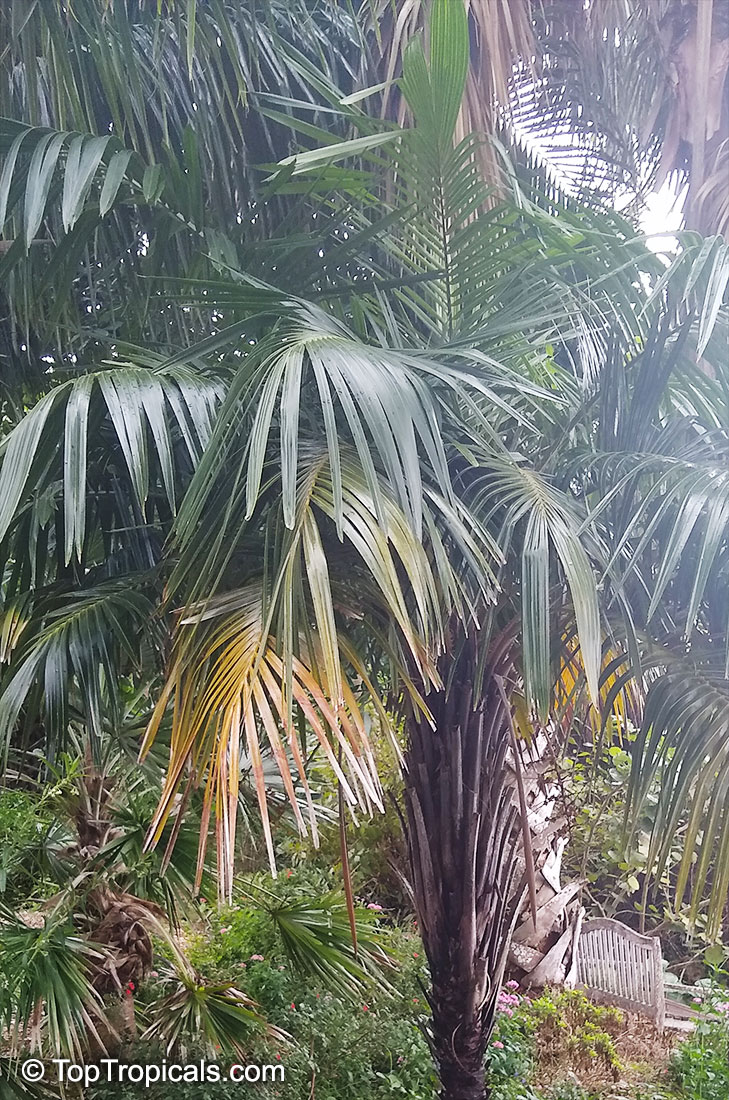
Botanical names: Syagrus schizophylla, Cocos schizophylla, Arikuryroba schizophylla
Common name: Arikury Palm
Family: Arecaceae / Palmae
Origin: Eastern Brazil


It grows near the sea. Growth rate: Slow. Salt tolerance: Very tolerant. Drought tolerance: Resistant. Minimum temperature: 27F.
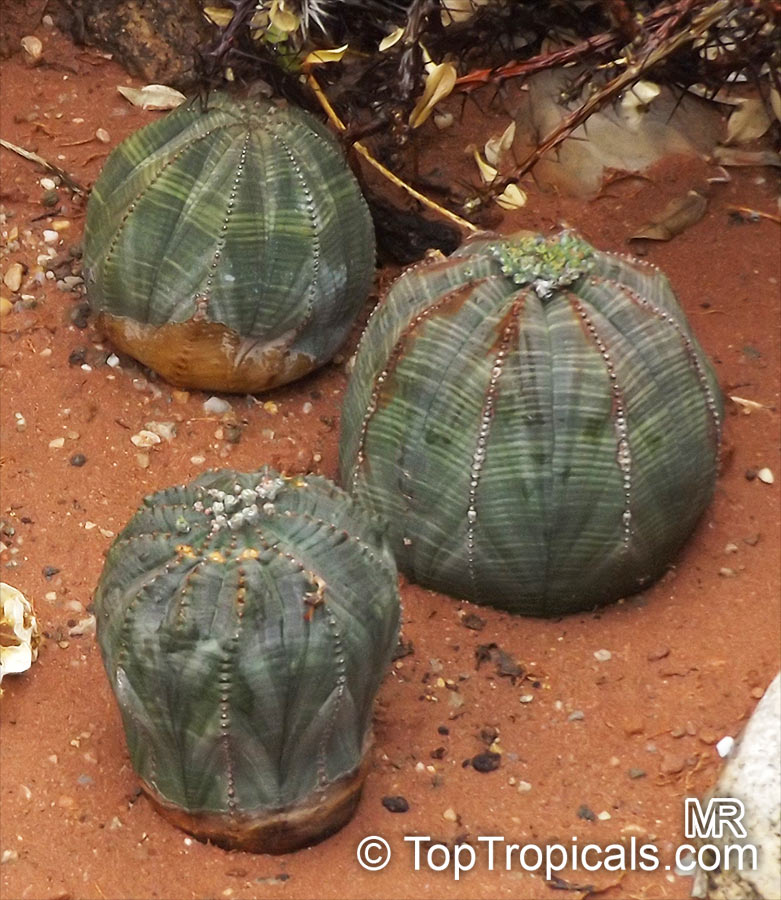
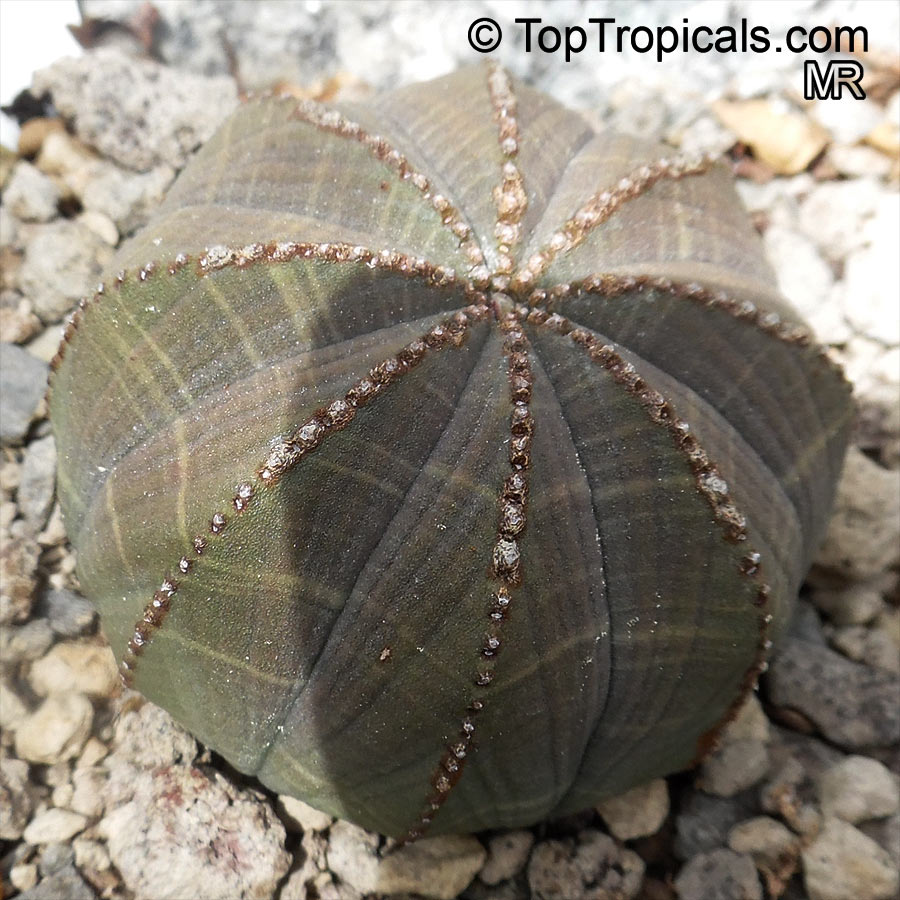
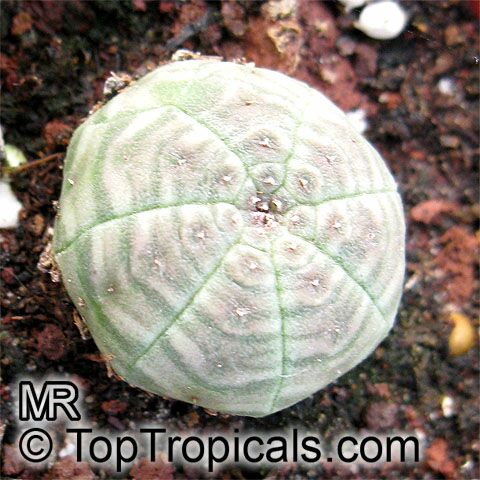
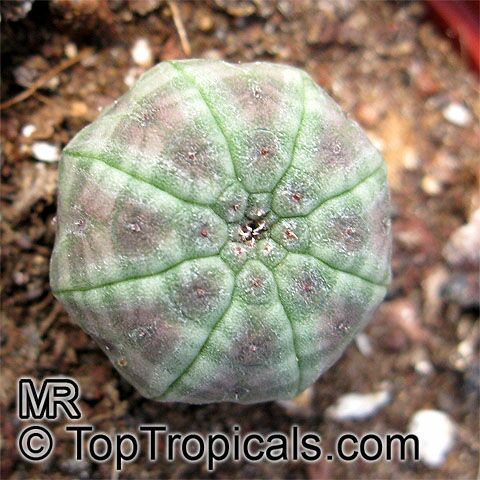
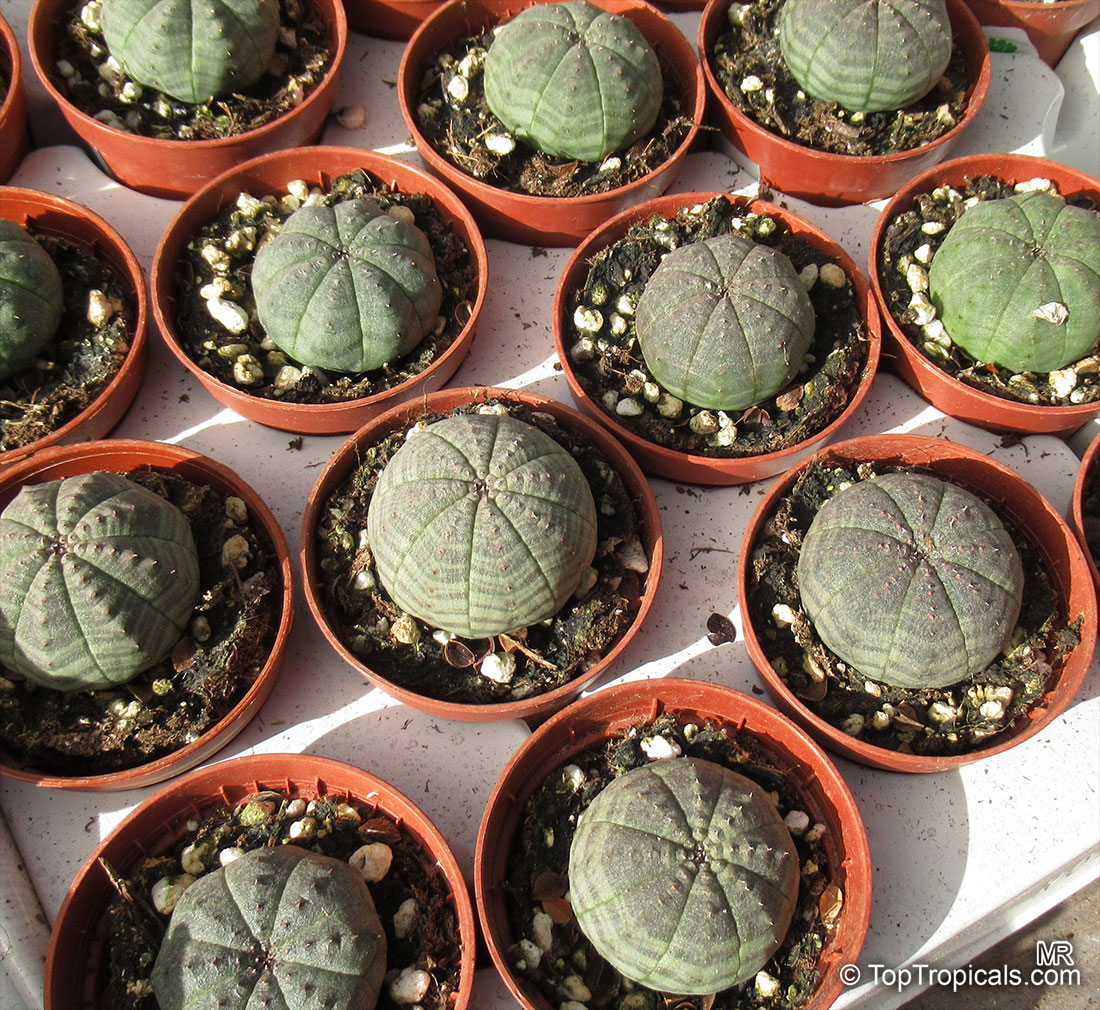
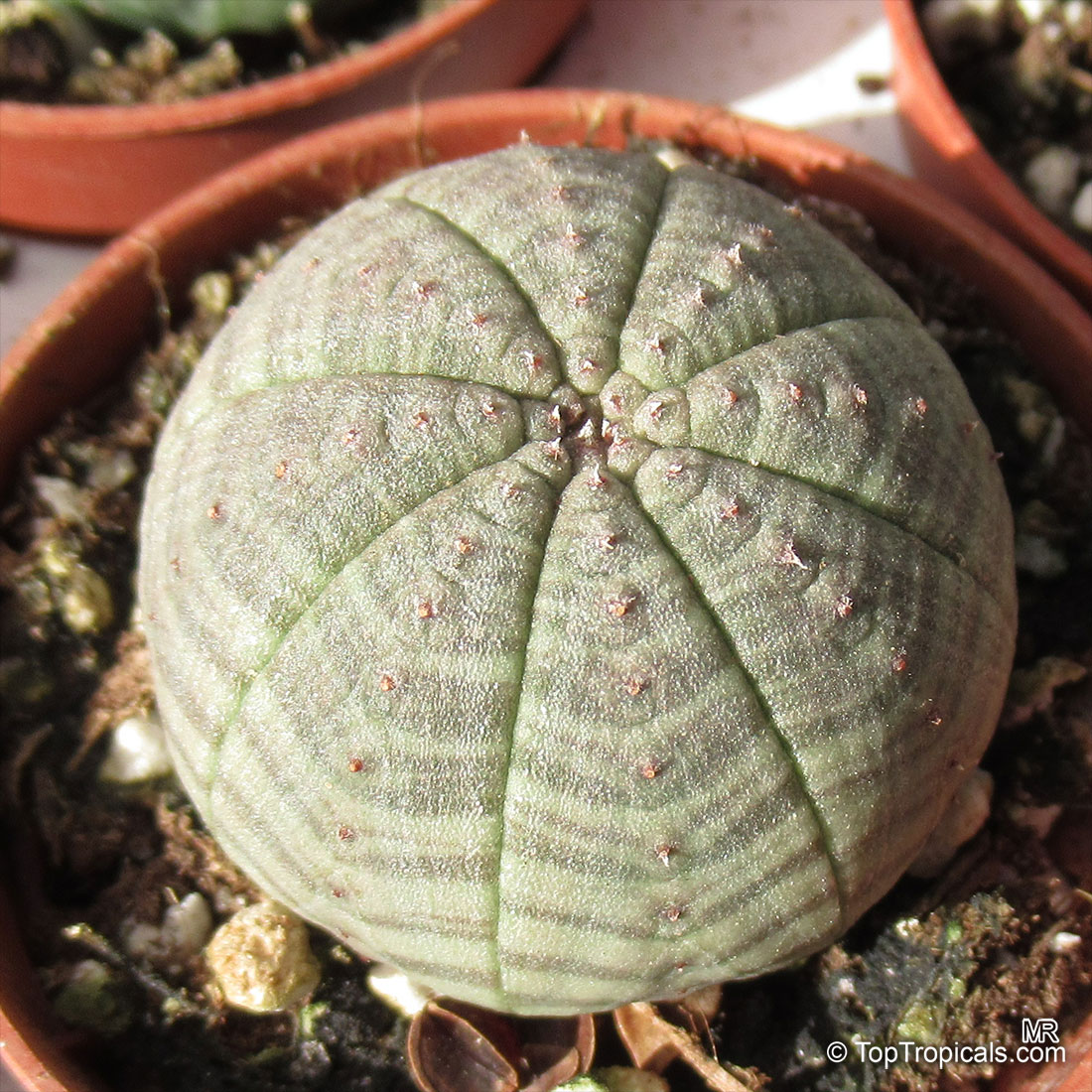
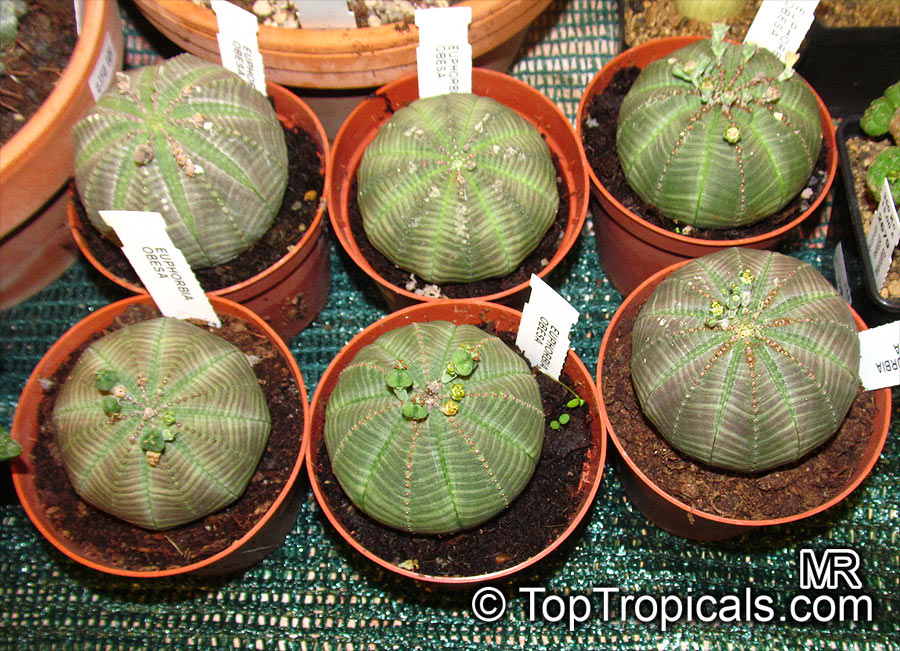
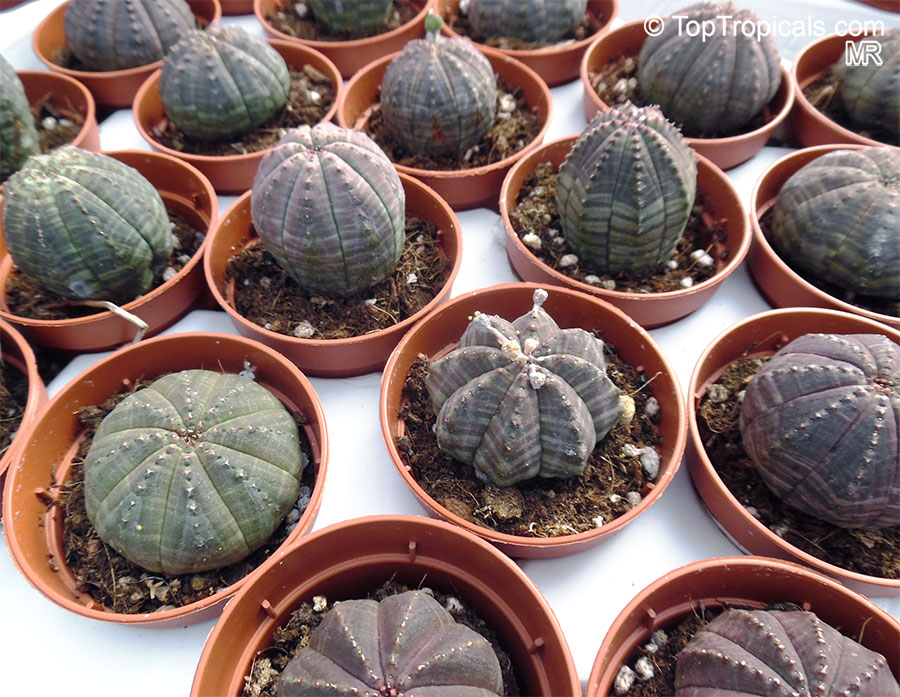
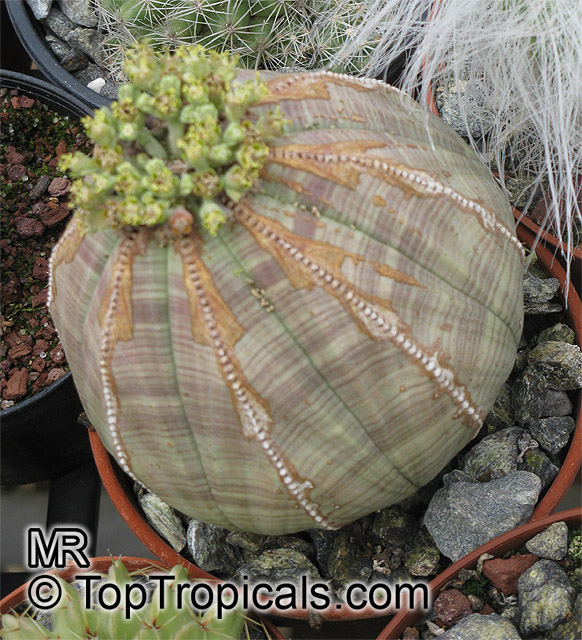
Botanical name: Euphorbia obesa
Common name: Baseball Plant
Family: Euphorbiaceae
Origin: South Africa
Euphorbia obesa grows into a small shrub typically 2-5 feet in height with a tight, spherical shape. It produces a profusion of pink to yellowish stems and an explosion of flat, slightly cupped, toothless and papillae seeds, which gives Euphorbia obesa its famous "baseball" shape.
Euphorbia obesa is not particularly fussy about its growing conditions, but it prefers full sun and moderate water. When it experiences dry conditions and too little water, its resilience will kick-in and it will naturally scale back its water consumption and adjust accordingly.
In cold regions, potted Euphorbia obesa can be brought indoors during the winter period and kept warm. Euphorbia obesa is easy to grow in pots, as long as they are placed in warm and airy environments such as patios or conservatories. During the summer months, the Baseball Plant will attract plenty of attention due to its quirky shape and tolerate minimal watering. It is important to note, however, that its milky sap is highly irritating and care should be taken when handling!
Growing in USDA Zone 9-11, Euphorbia obesa is a unique, drought-tolerant and resilient evergreen succulent that may prove slightly challenging for experts, but overall it is easy to keep and maintain. The Baseball Plant is a statement piece for any garden, and far from the boring plants one might imagine.
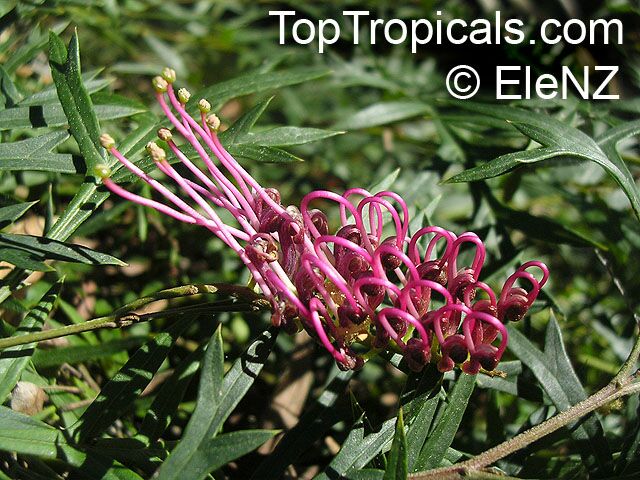
Botanical name: Grevillea sp.
Common names: Bronze Rambler Grevillea, Trailing Grevillea
Cultivar: Bronze Rambler
Family: Proteaceae
Origin: Australia
Hardiness: 20°F
It is said to be a cross between Grevillea rivularis and Grevillea Poorinda Peter.
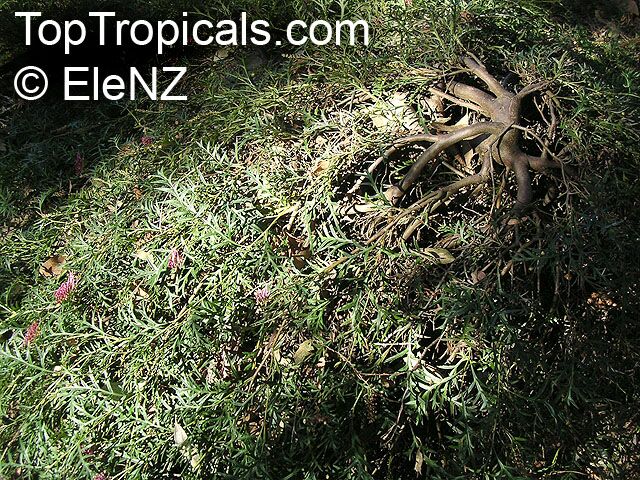
This cultivar is essentially prostrate forming a mat up to 4m across with some branches rising to 3m tall. Its habit is very dense.
Grevillea `Bronze Rambler' has proven to be extremely vigorous and a very hardy plant for difficult sites. It is drought tolerant and frost hardy. The cultivar grows best in a full sun to semi-shaded situation in well-drained soils of either a clay or sandy nature. It is useful for rapidly covering large areas or banks and batters. It must be propagated by vegetative means to preserve the cultivar form.
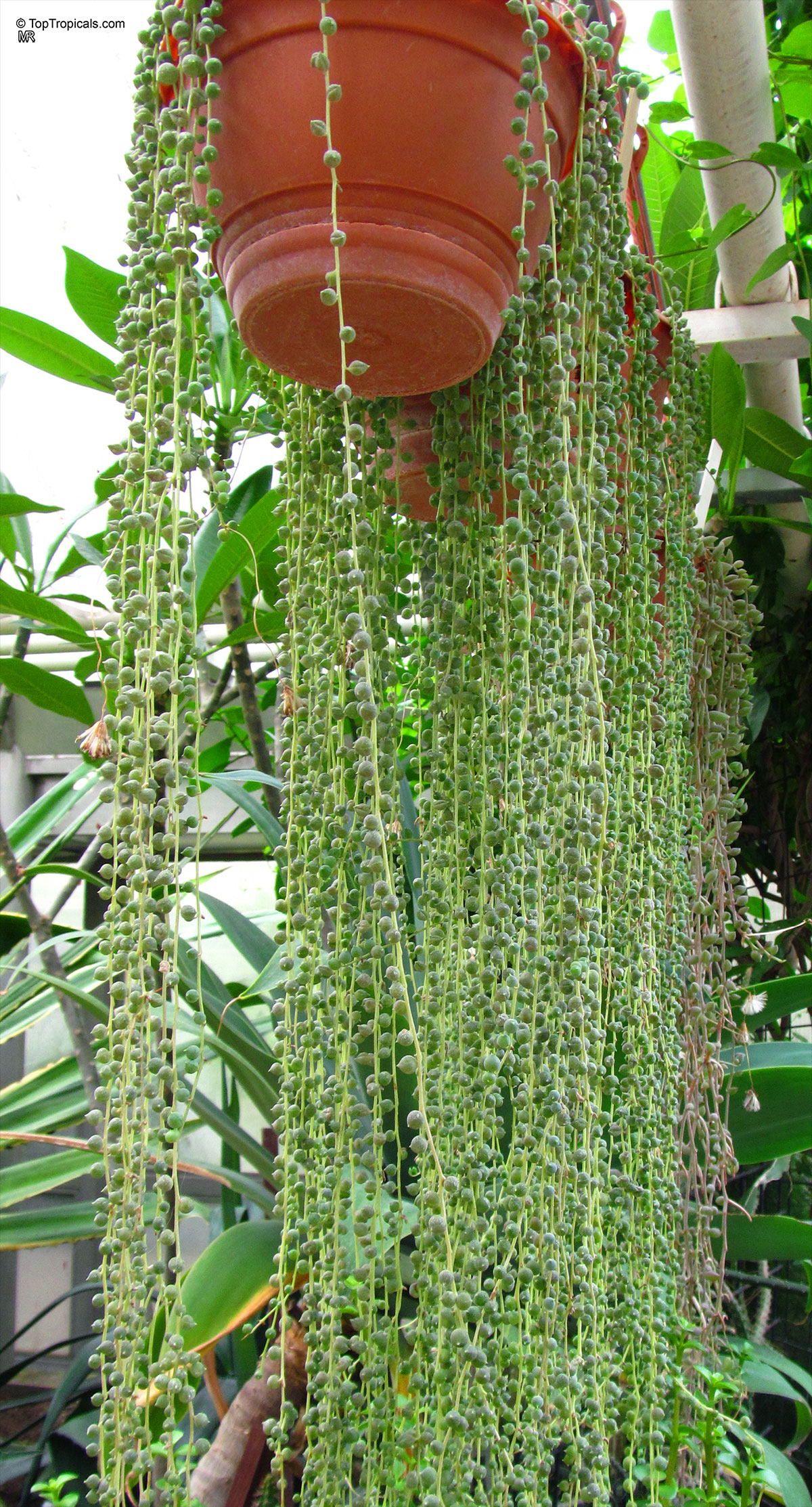
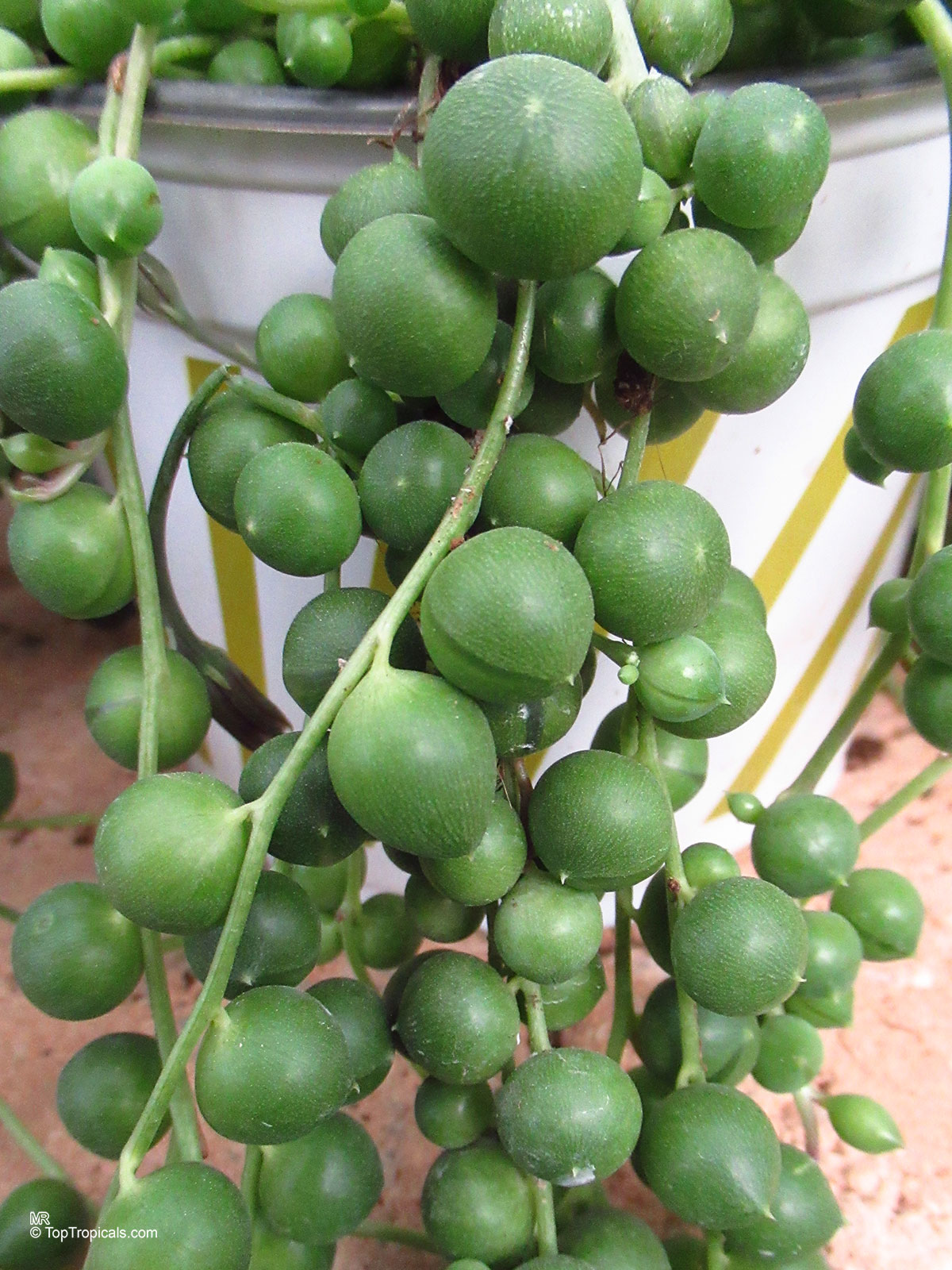
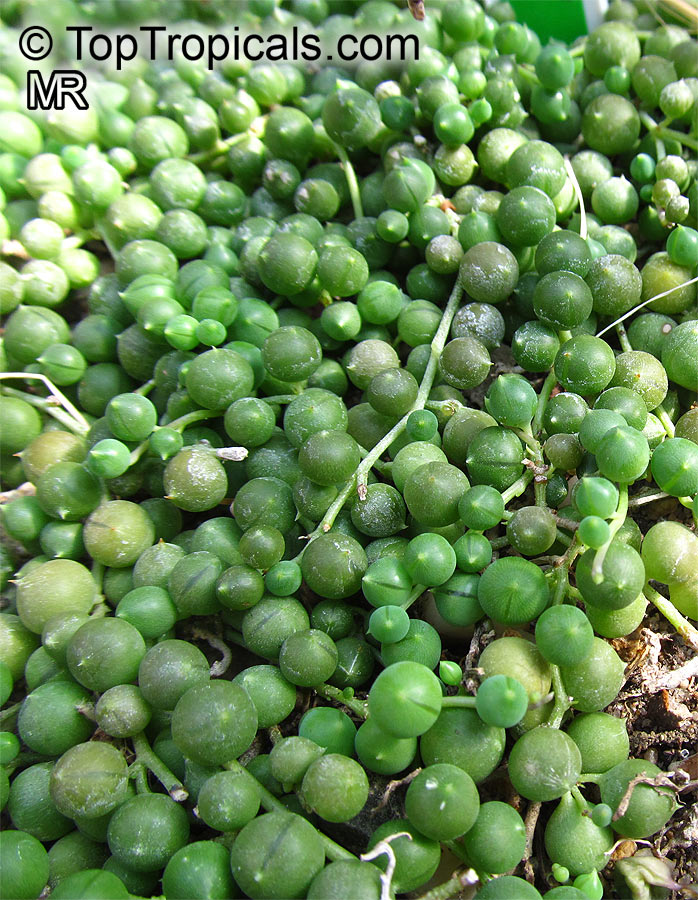
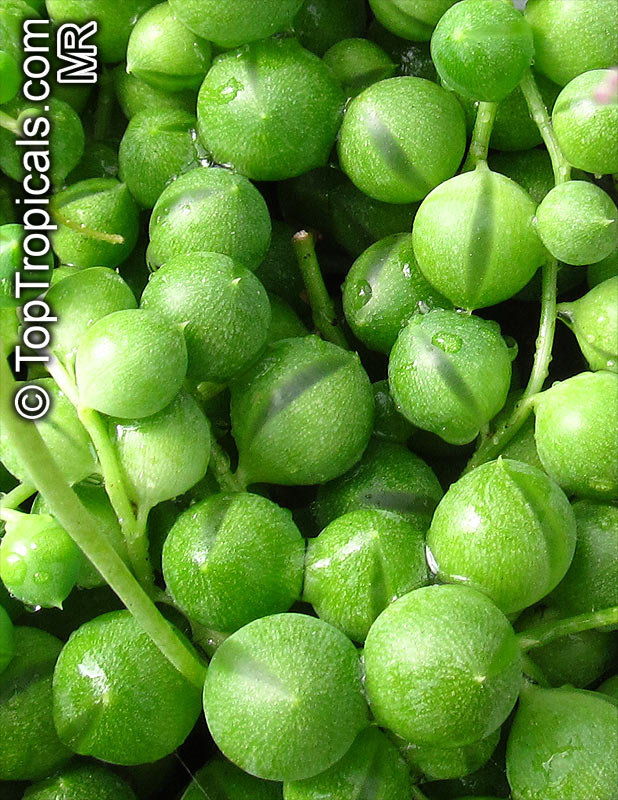
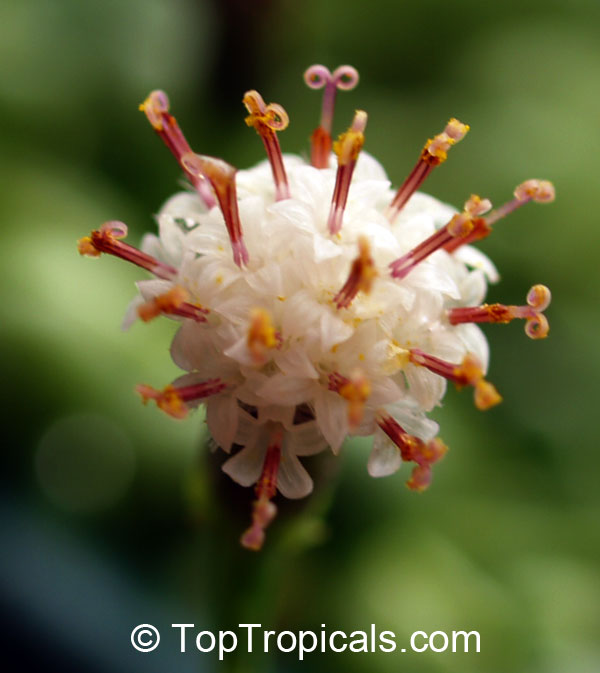
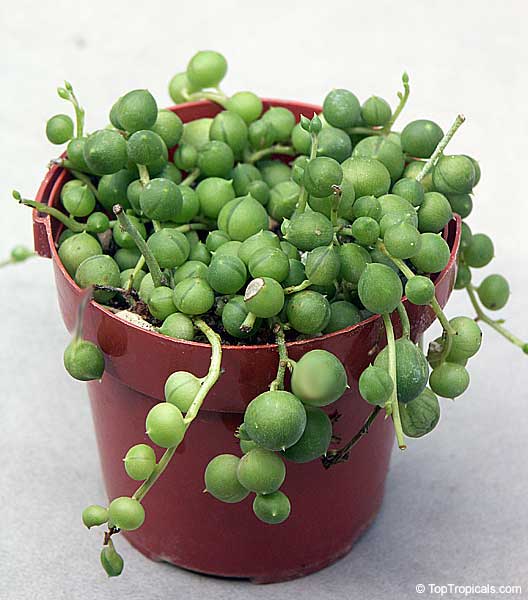
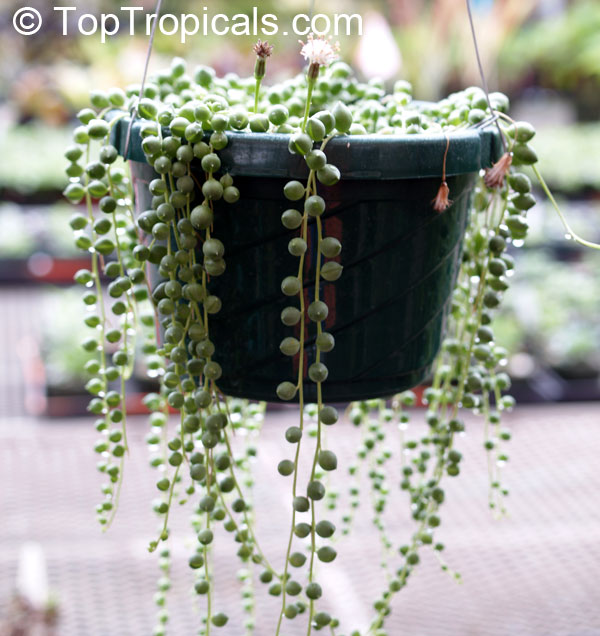
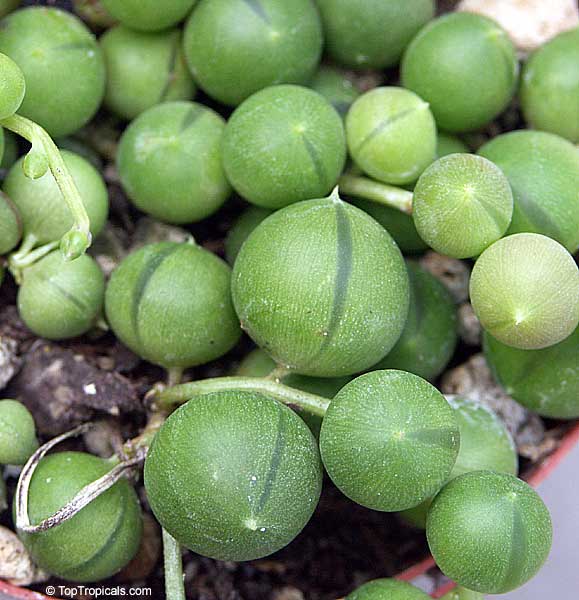
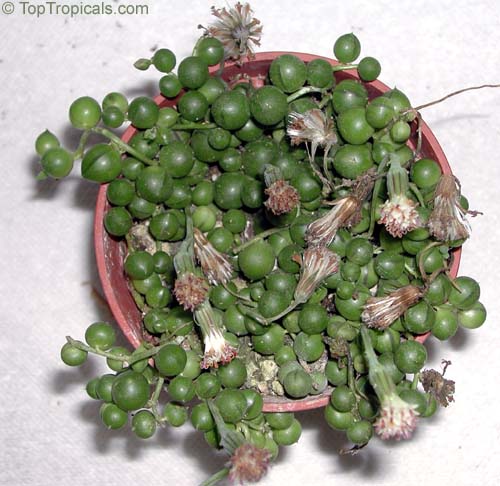
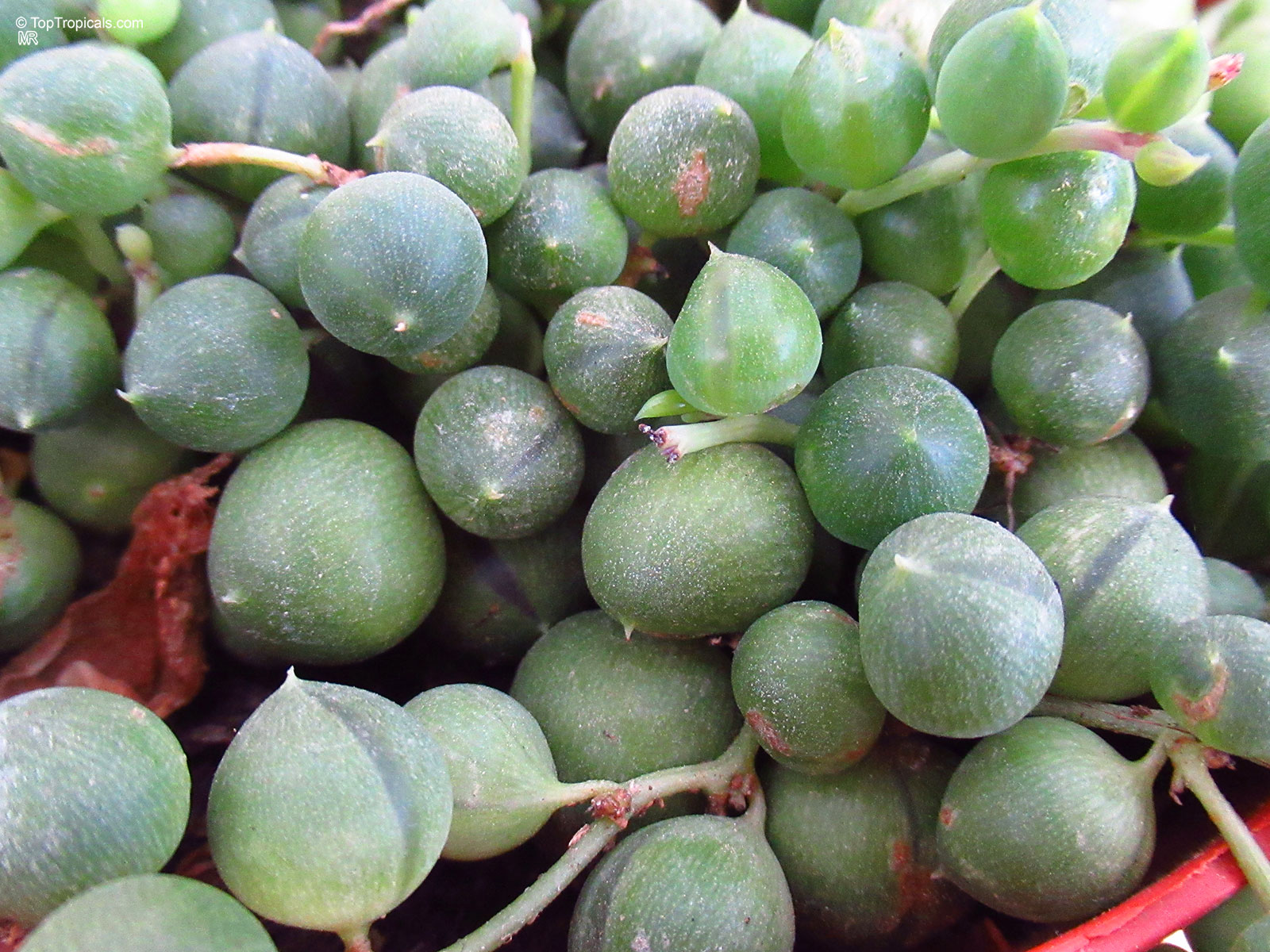
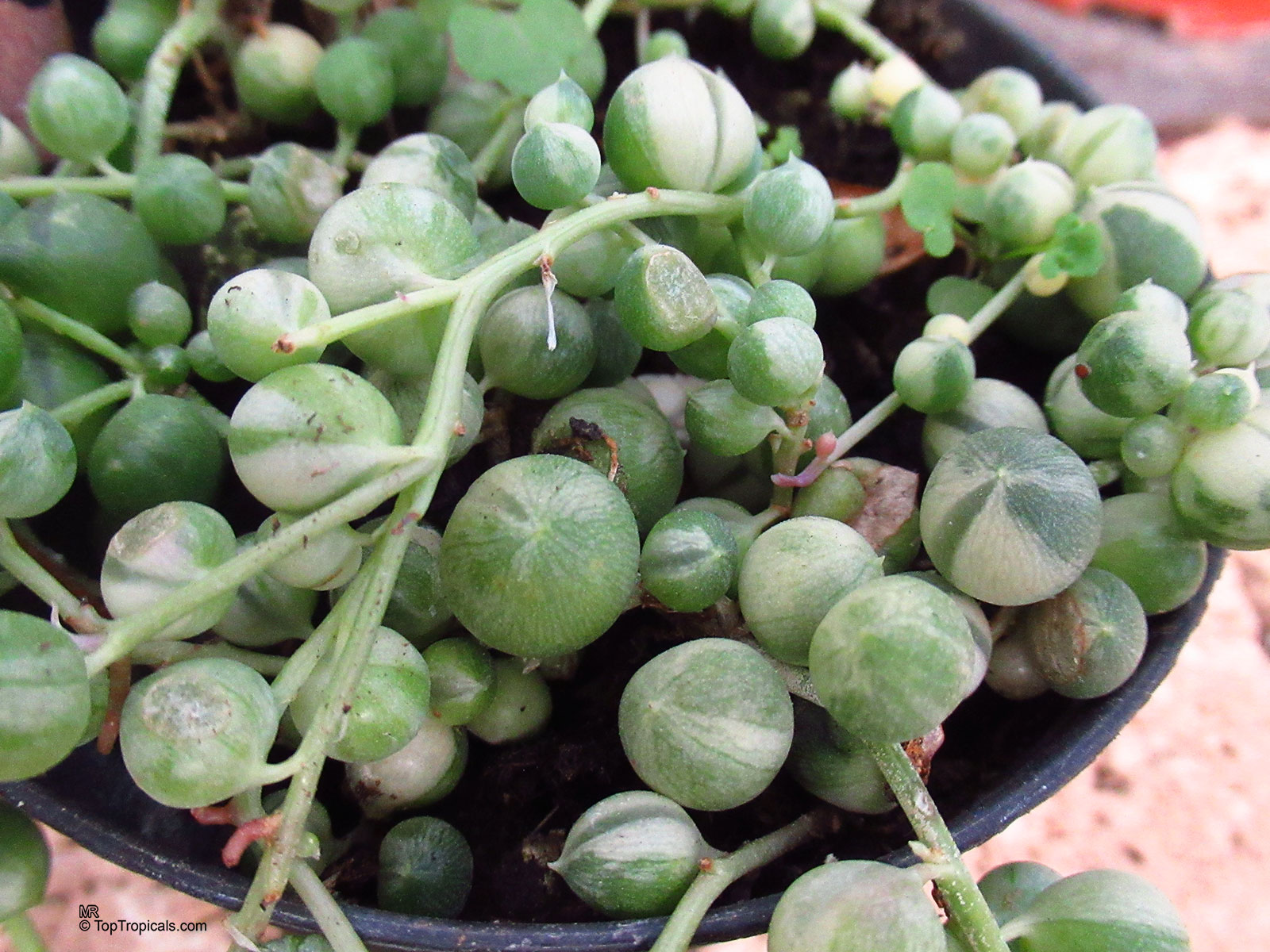
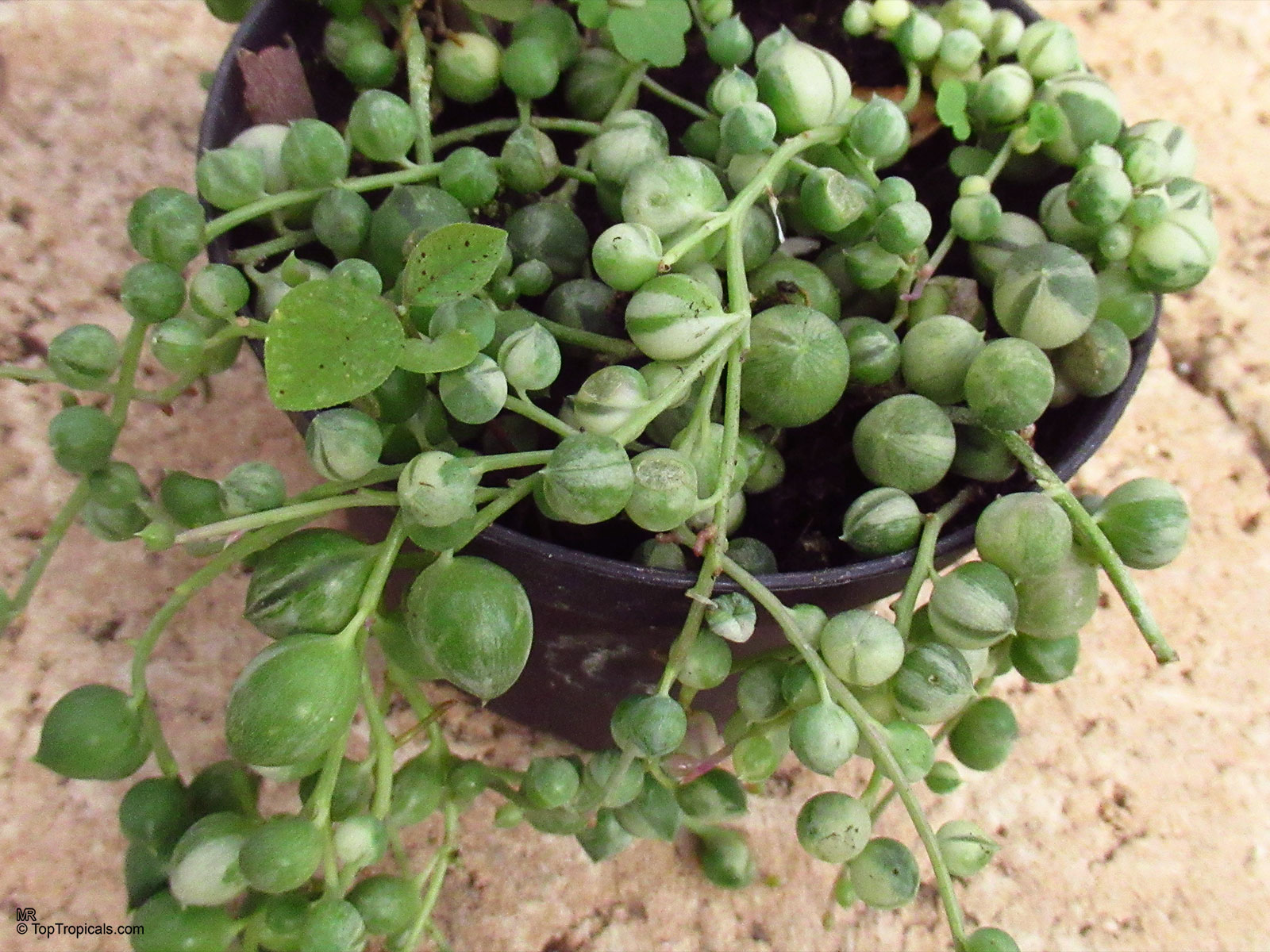
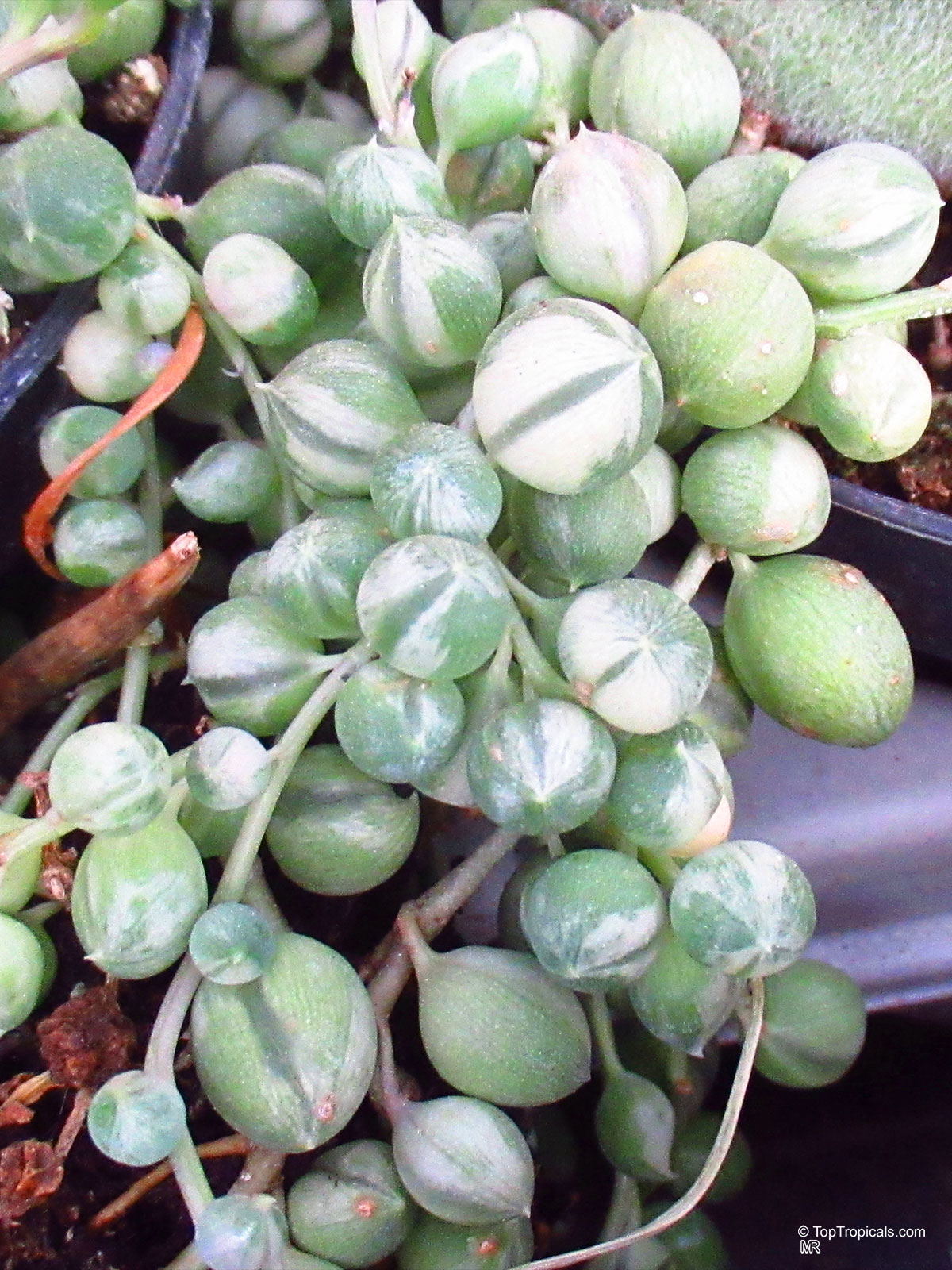
Botanical names: Curio rowleyanus, Senecio rowleyanus
Common names: String of pearls, String of peas, Bead Plant
Family: Asteraceae
Origin: South Africa
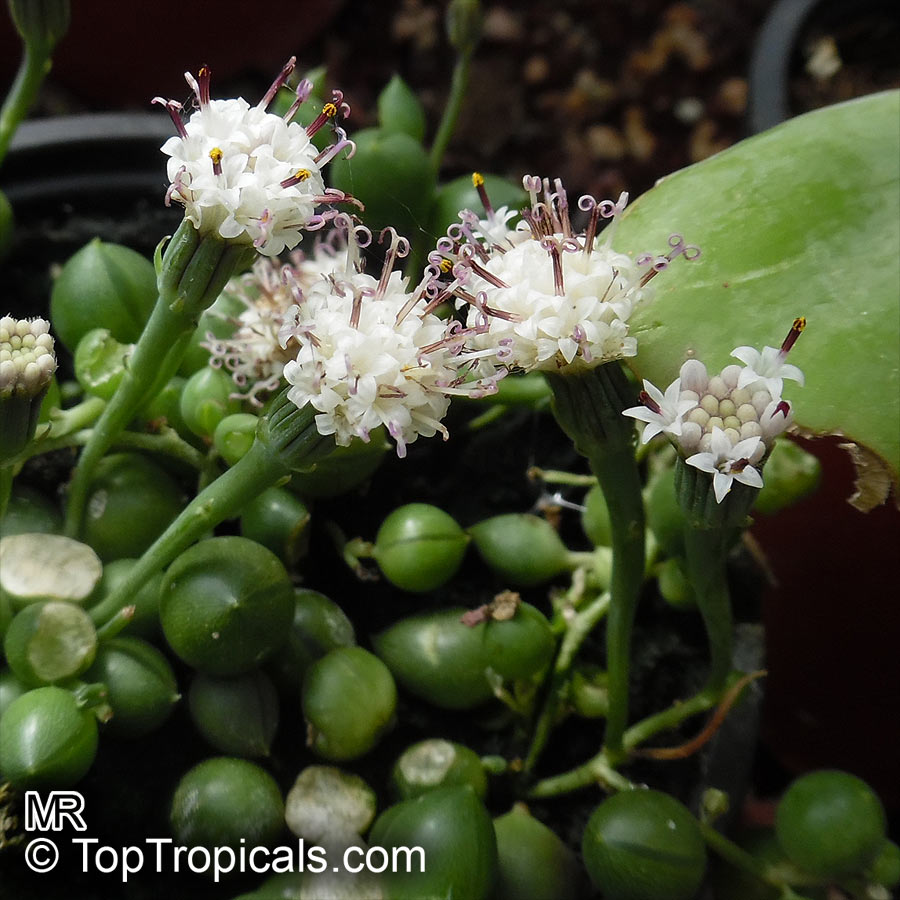
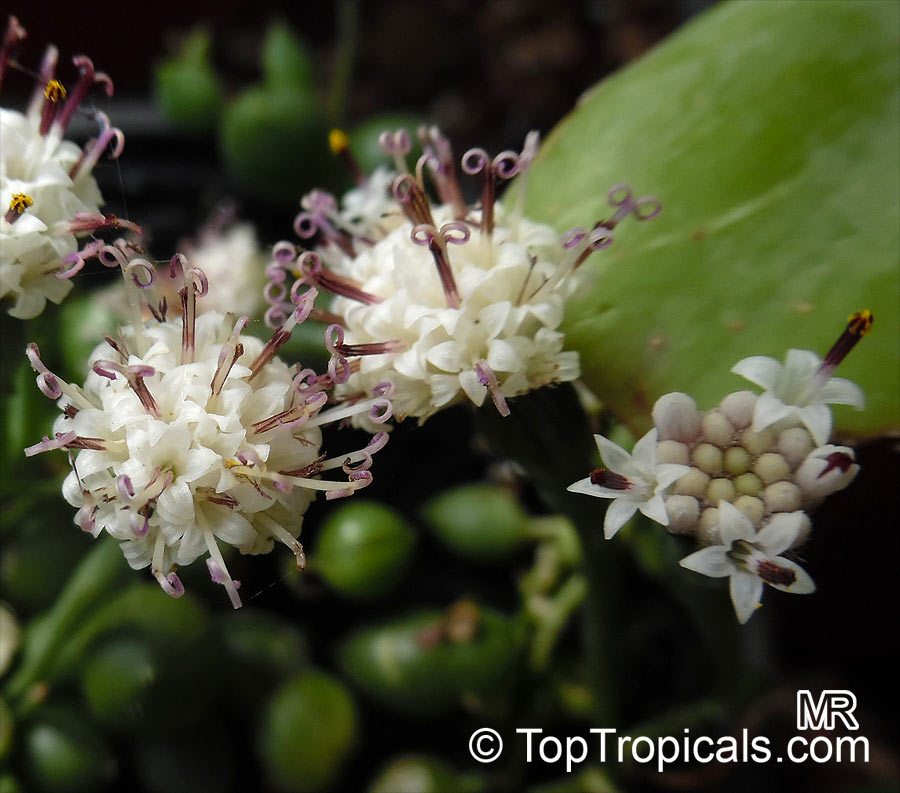
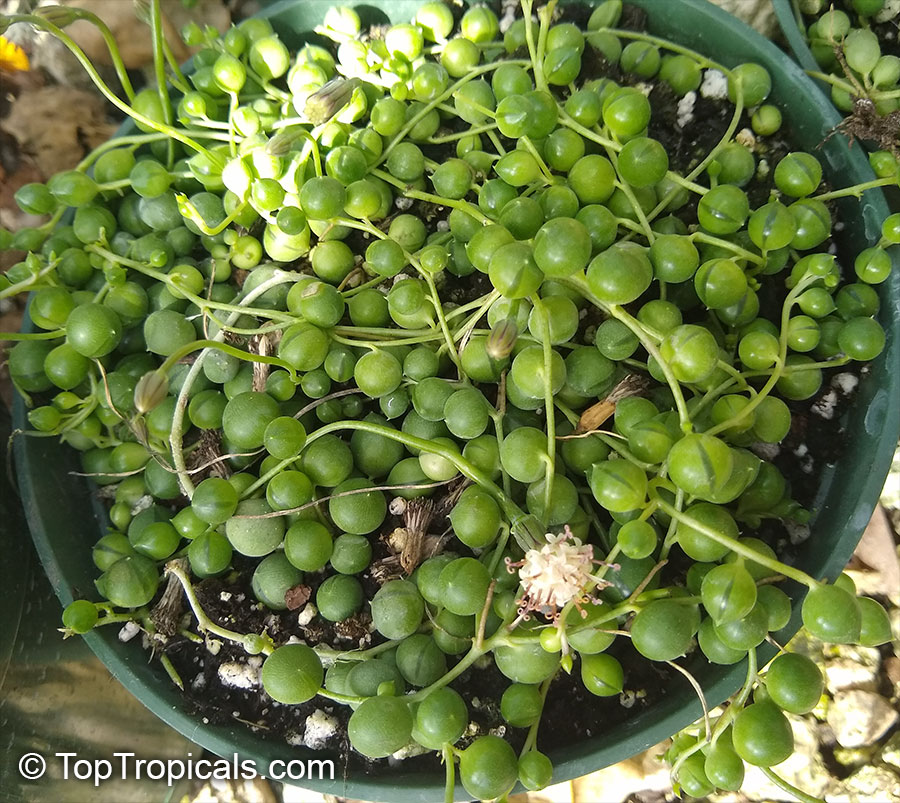
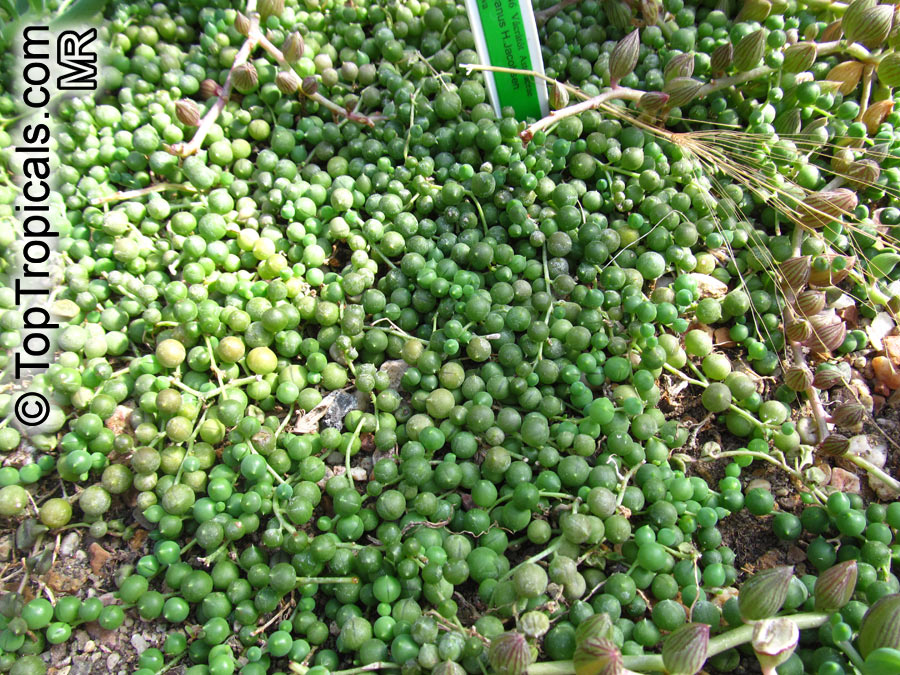
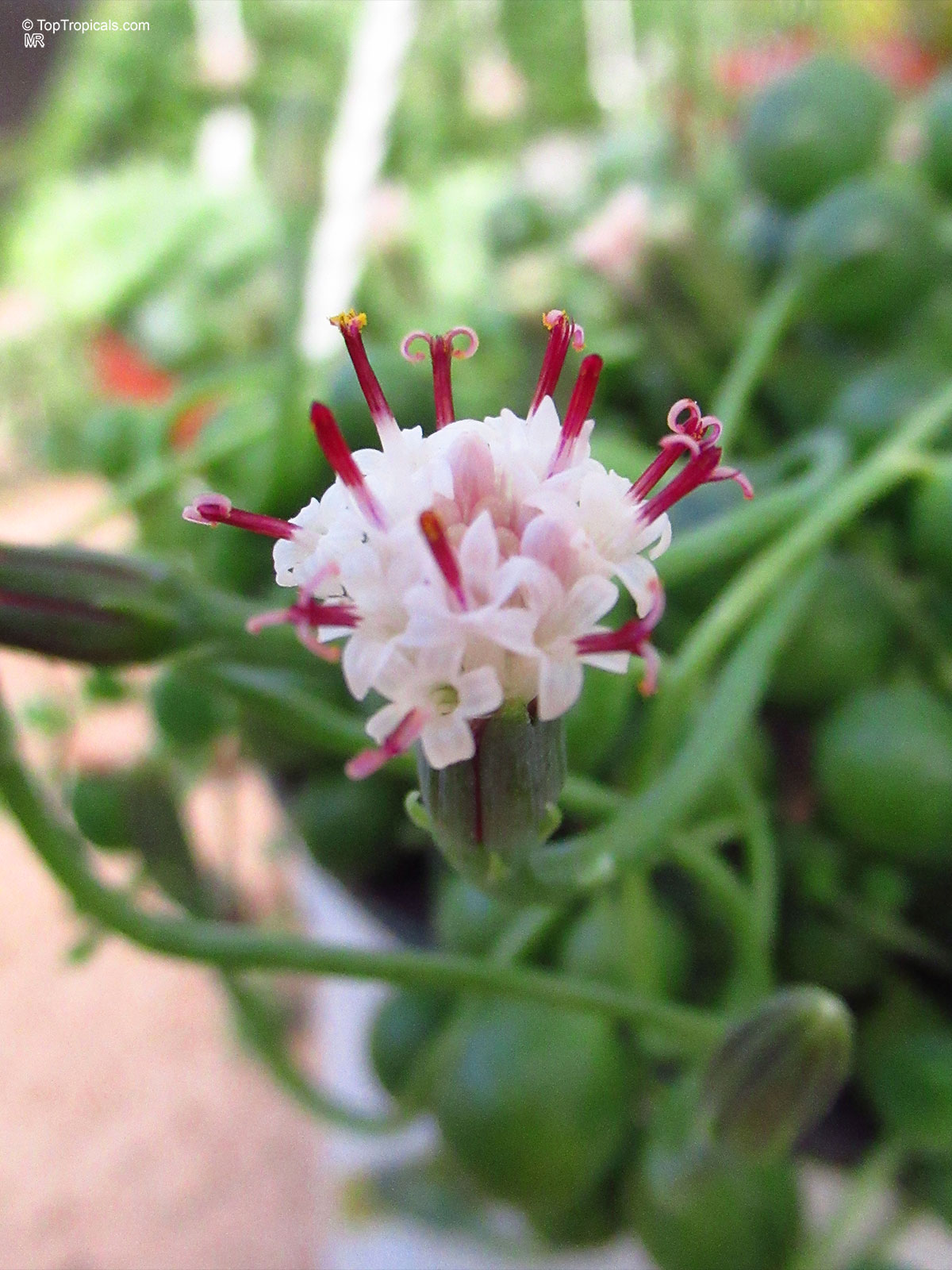
Curio rowleyanus (Senecio rowleyanus), also called String of pearls, is an excellent groundcover for dry rock gardens or for edging garden paths. It is a low-growing plant, and can cope with a variety of light exposures, from full sun to semi-shade. It has attractive white and off-white flowers that are highly fragrant, and its small succulent leaves are low maintenance and thrive in dry, sandy conditions. In the right environment, this plant can quickly spread and form a beautiful, green tangle that adds texture and scent to the landscape.
Plant is native to South Africa, and is hardy in USDA Zone 9-11. Plants in colder climates should be grown in pots and brought inside during the winter months. Potted plants require well-drained soil. Water the plant when the soil is dry to the touch, reducing watering even further during winter when the plant is resting.
Overall, Curio rowleyanus is a great choice for those looking for an aromatic, drought-tolerant groundcover for gardens or containers. With its colourful and fragrant flowers combined with its low-maintenance attributes, this plant is sure to add interest to any outdoor space.
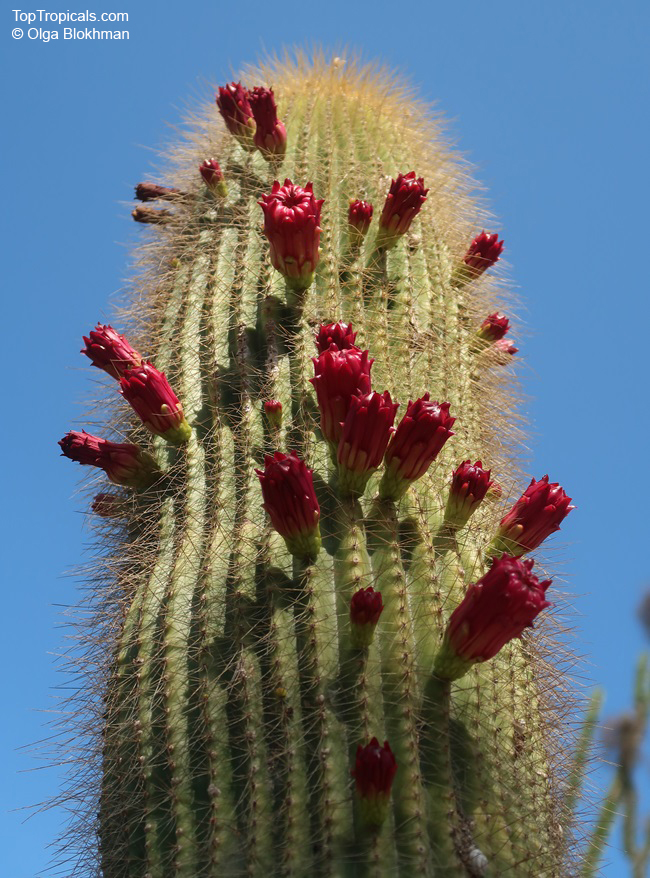
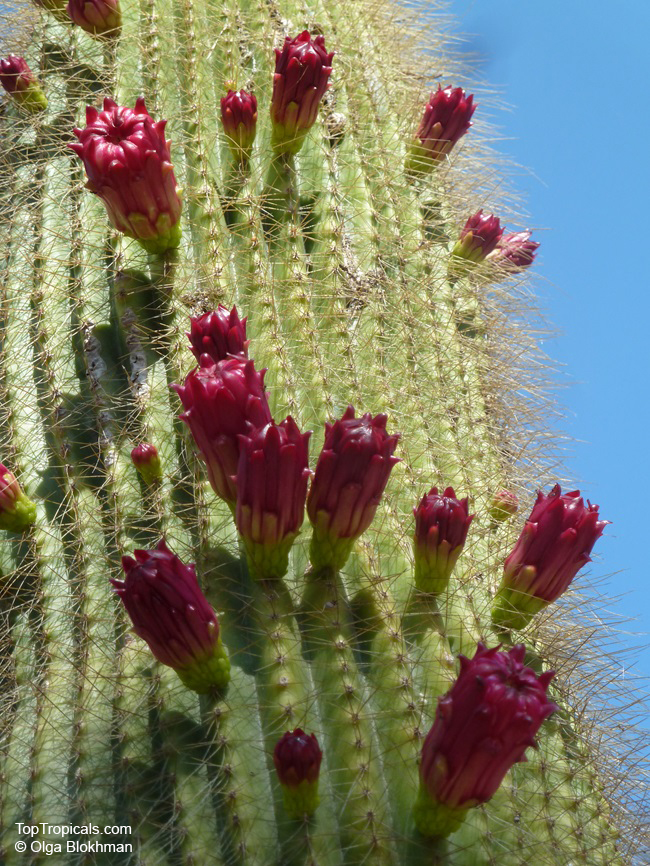
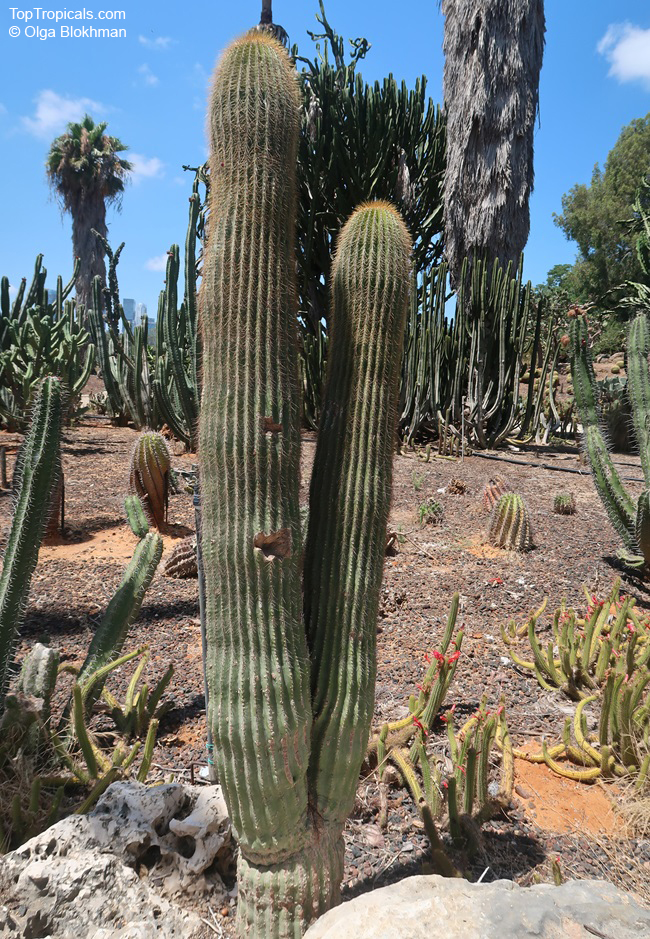
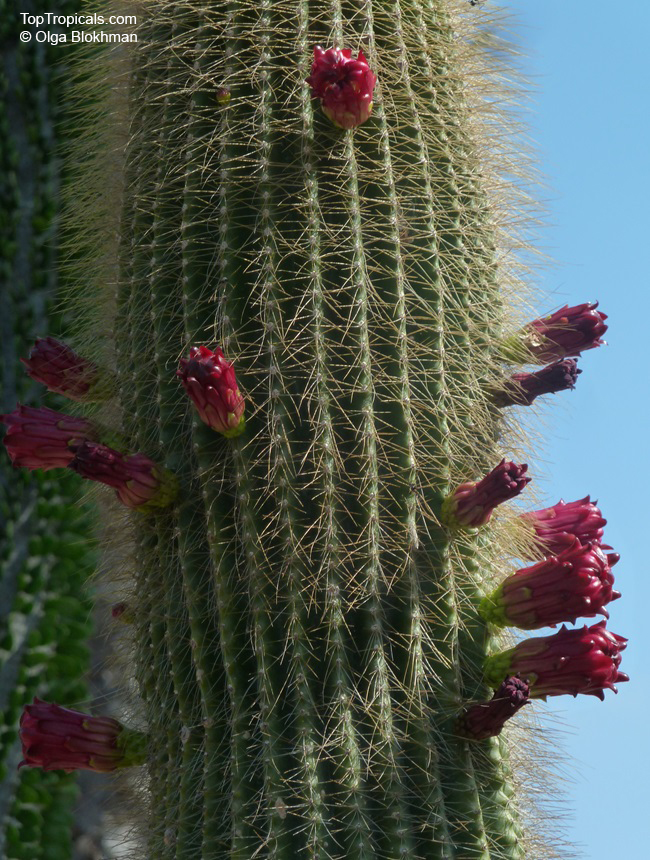
Botanical names: Cephalocereus polylophus, Neobuxbaumia polylopha, Carnegiea polylopha
Common names: Cone Cactus, Wax Cactus, Golden-Spined Saguaro, Golden Saguaro
Family: Cactaceae
Origin: Mexico

Cephalocereus polylophus is a fascinating cactus with a unique appearance, making it a popular choice for cactus enthusiasts and gardeners interested in desert plants.
The cactus is well-adapted to hot, dry climates and can tolerate high temperatures and intense sunlight. The fruits are edible by humans and have a delicate, nutty flavor.
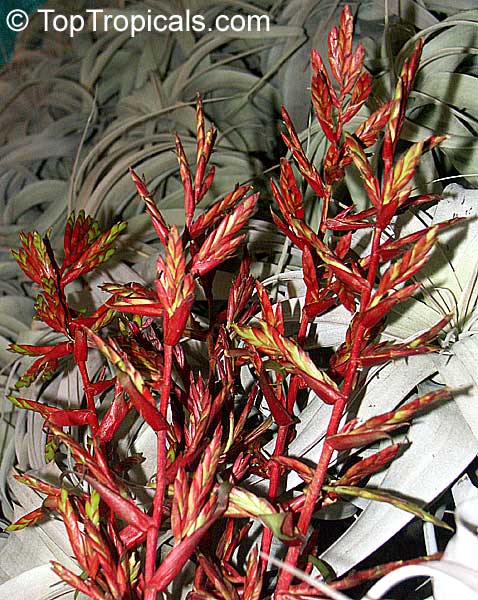
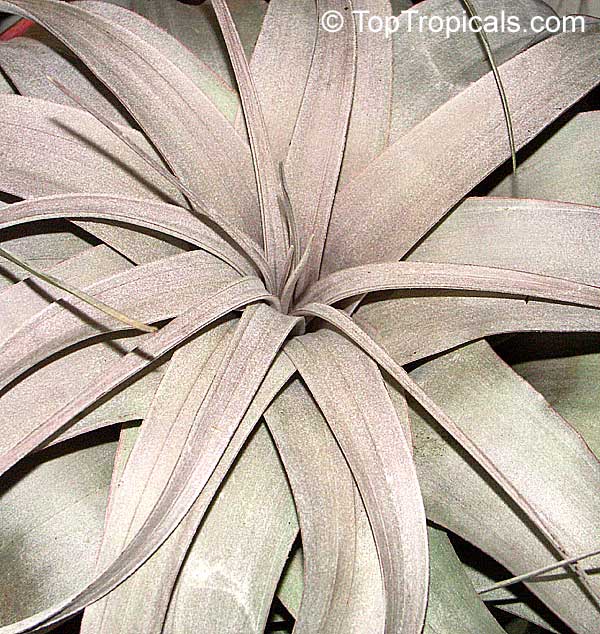
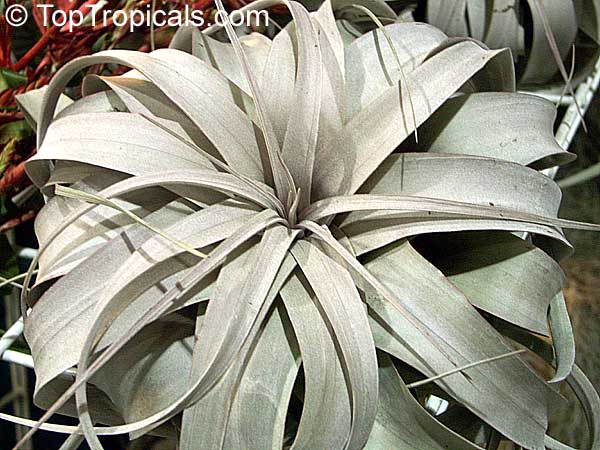
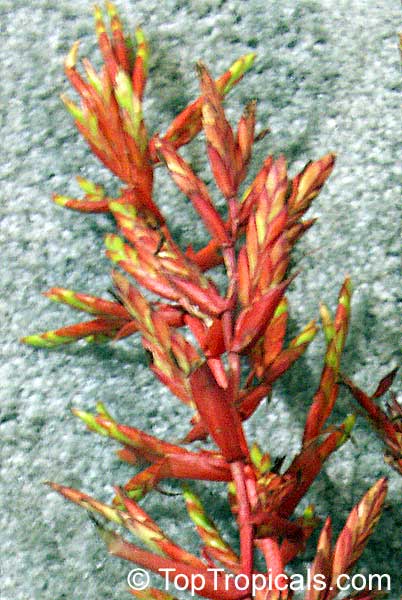
Botanical name: Tillandsia xerographica
Common name: Xerographica
Family: Bromeliaceae
Subfamily: Tillandsioideae
Origin: El Salvador, Mexico

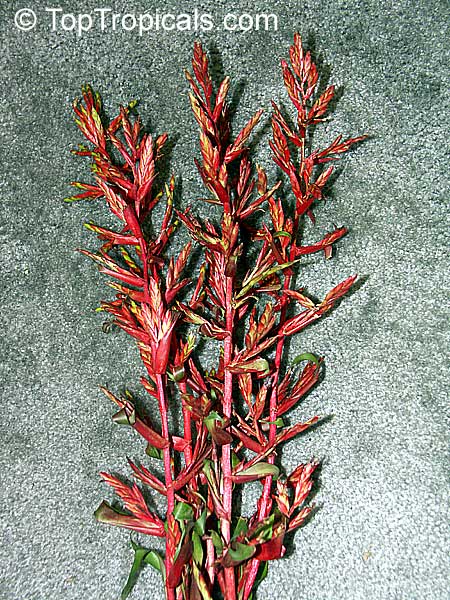
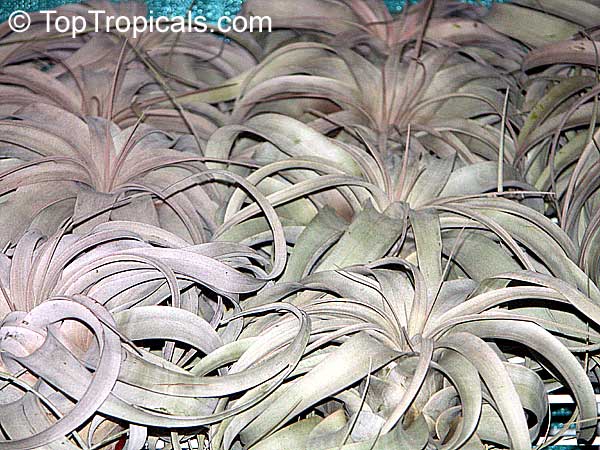
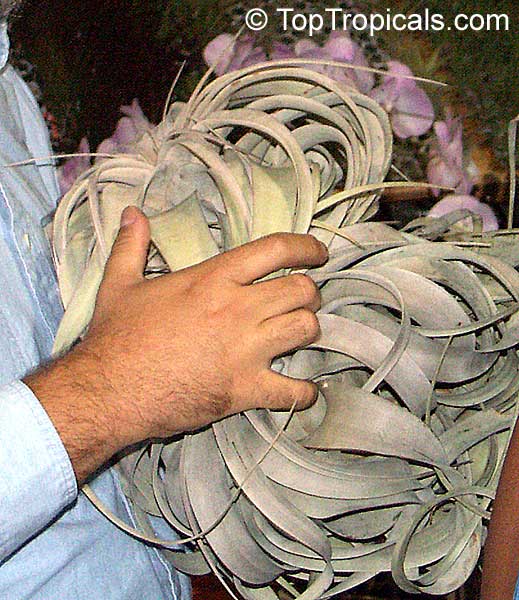
Beautiful species, very slow growing, but is easy to take care of. It loves sunshine and will take regular watering as long as the water won't stand in rosette, but can stand some drought quite well. This plant grows epiphytically on trees and on rocks in at elevations of 600 to 1,800 feet. Its silvery gray leaves, sometimes almost white, wide at the base and tapering to a point, make an attractive, sculptural rosette, 3 feet or more in diameter and 3 feet high in flower. The inflorescence, on a thick, green stem, from 6 to 15 inches in height, densely branched. The leaf bracts are rosy red; the floral bracts are chartreuse; and the petals of the tubular flowers are red to purple. Xerographica is a slow growing species with very long lasting blooms (months). The plant is currently on the CITES list of endangered species, therefore import/export restrictions apply.
| Next | |
Use link to repeat this search:
https://toptropicals.com/cgi-bin/garden_catalog/cat.cgi?search_op=and&keyword_op=and&language=e&number=10&no_change_lang=1
&v1=dry&user=tt&sale=1&first=0