Unusual color - Plant Encyclopedia Results
| Number of plants found: 280 | Next | 
|
Go to page: | 1 | 2 | 3 | 4 | 5 | Last |
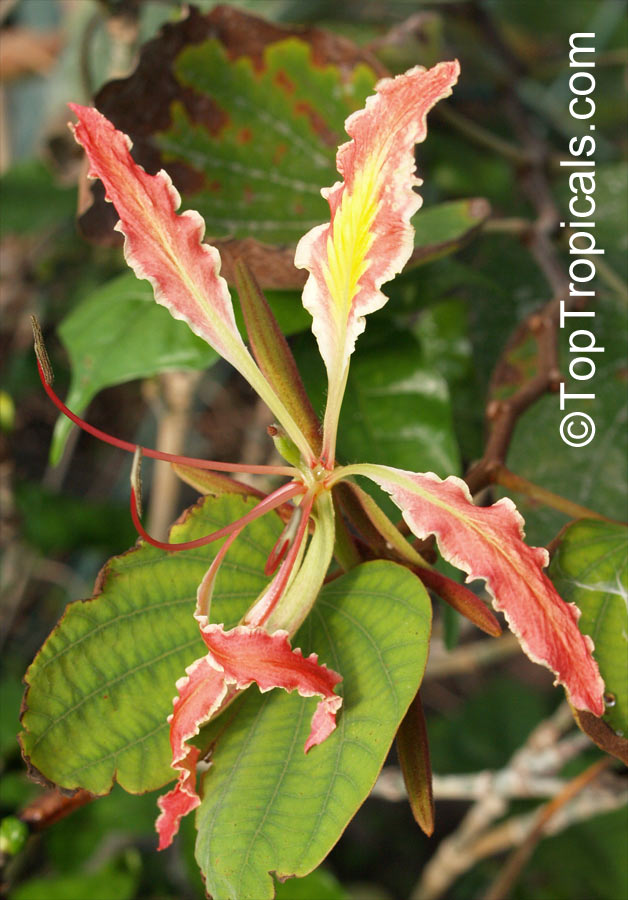
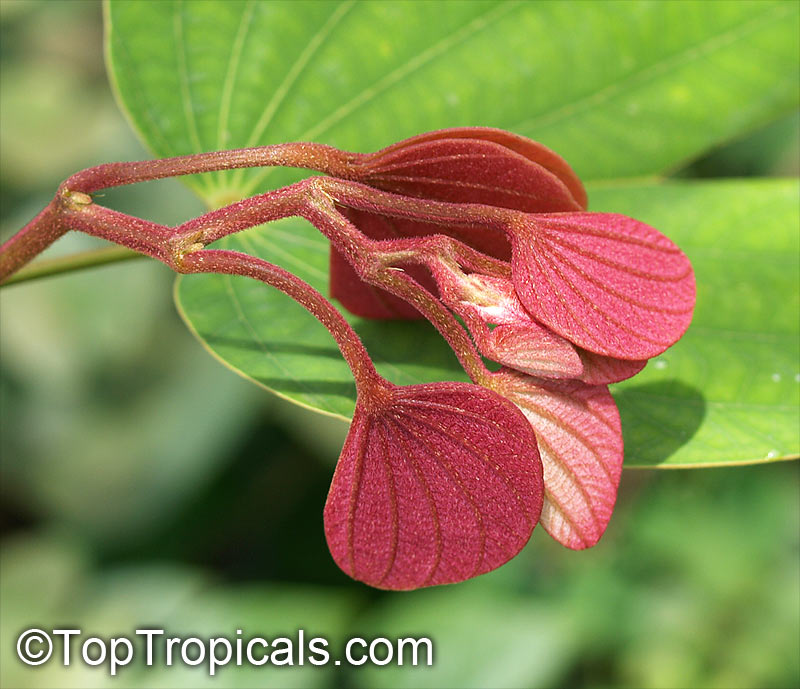
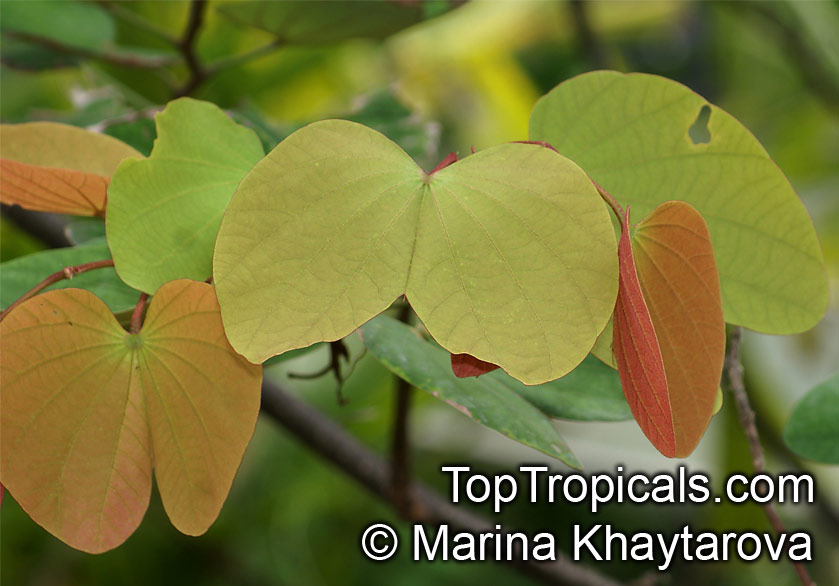
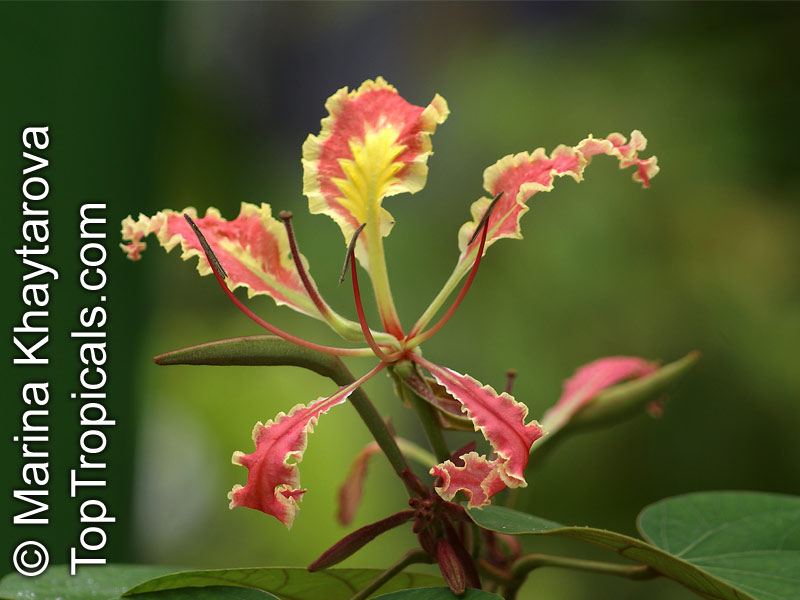
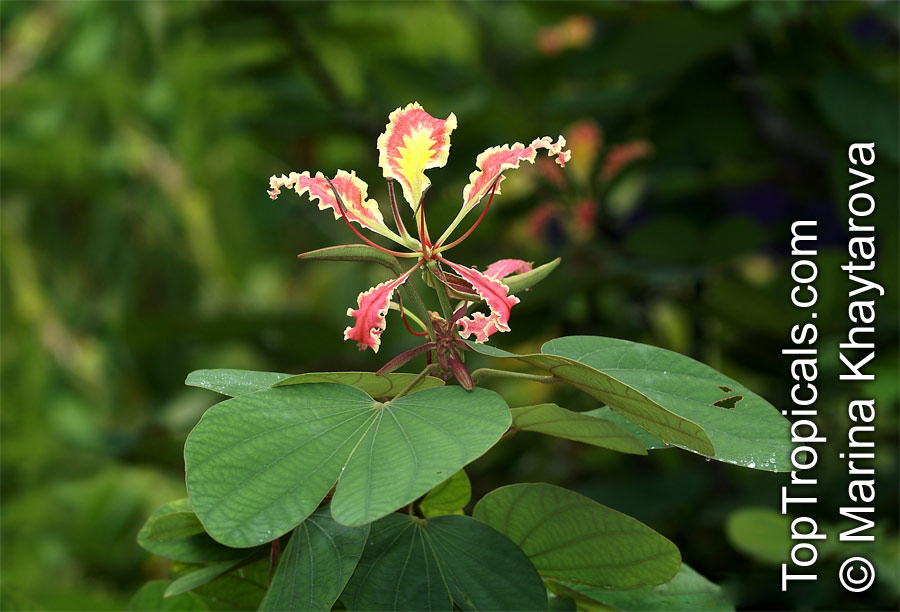
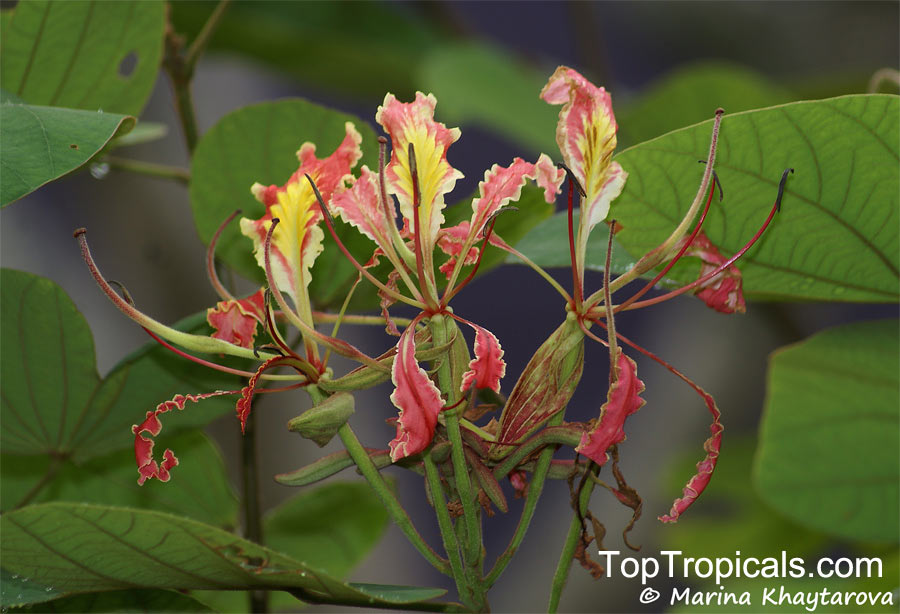
Botanical name: Bauhinia pottsii
Common name: Orchid Tree
Family: Fabaceae
Subfamily: Caesalpinioideae
Origin: Thailand
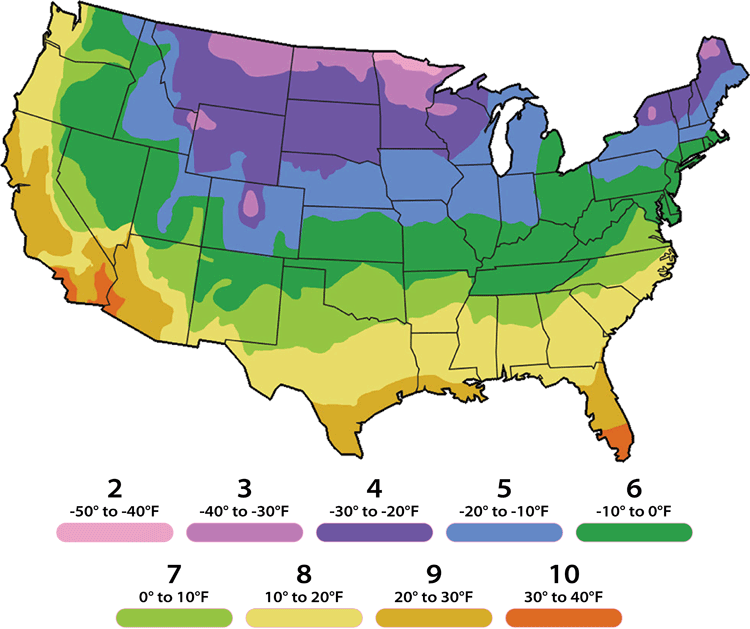
USDA Zone: 9-10
 Plant form: Small tree
 Mature height: 10-20 ft
 Sun exposure: Full sun or bright light indoor; semi-shade
 Cold tolerance: Frost sensitive. Protect from freezing.
 Watering: Moderate
 Flower color: Red, crimson, vinous; unusual color
 Suitable for: Outdoors in USDA Zones 9-11; small gardens, containers, and indoor growing
 Butterfly attractor: Attracts butterflies and hummingbirds
Small tree or shrub with beautiful bright Orchid-like flowers, red with white borders and yellow markings on petels. Young leaves are bright red. Rare species.
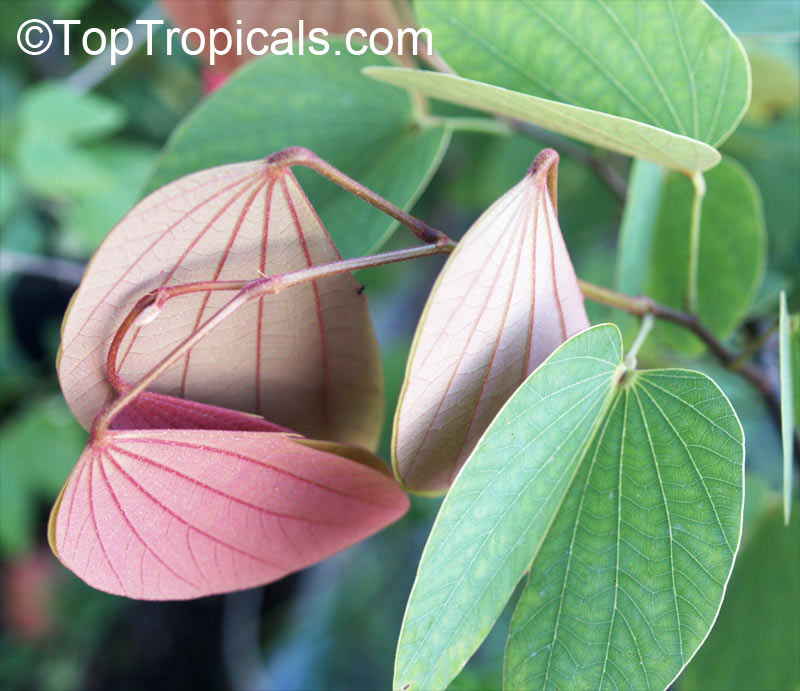
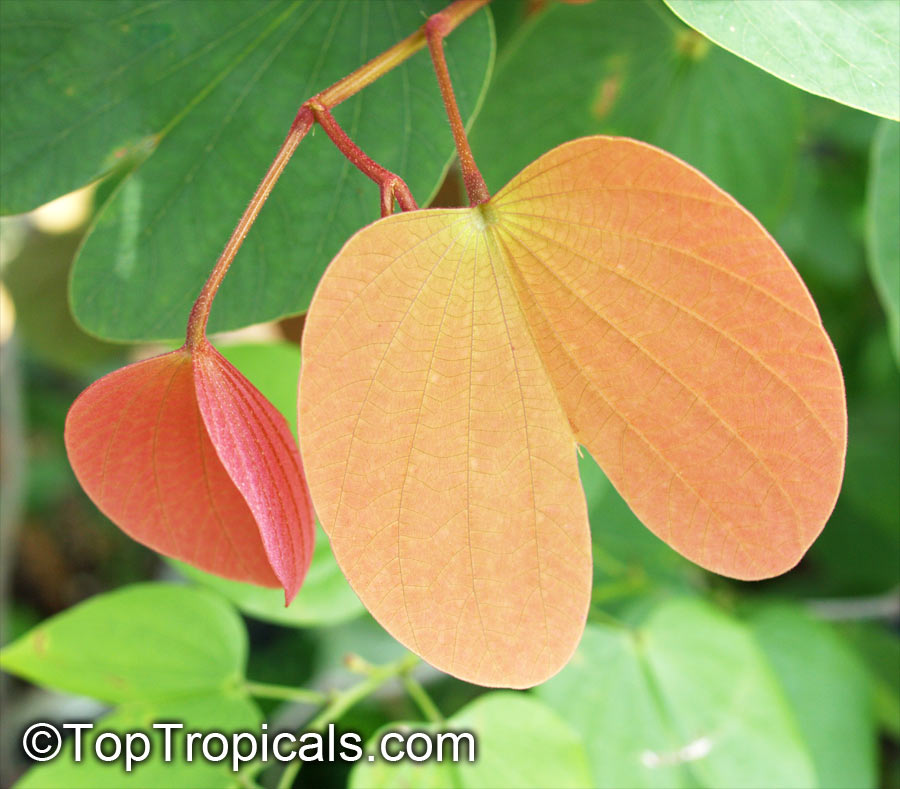


Botanical name: Salpiglossis sinuata
Common name: Painted Tongue
Family: Solanaceae
Origin: Chile
USDA Zone: 10-11
 Plant form: SmallMature height: 2-5 ftSun exposure: Full sun or bright light indoorCold tolerance: Frost sensitive. Protect from freezing.
 Watering: Regular


 Flower color: Pink; white and off-white; blue, lavender, purple; red, crimson, vinous; yellow, orange; unusual colorSuitable for: Outdoors in USDA Zones 10 - 11; small gardens, containers, and indoor growingButterfly attractor: Attracts butterflies and hummingbirds
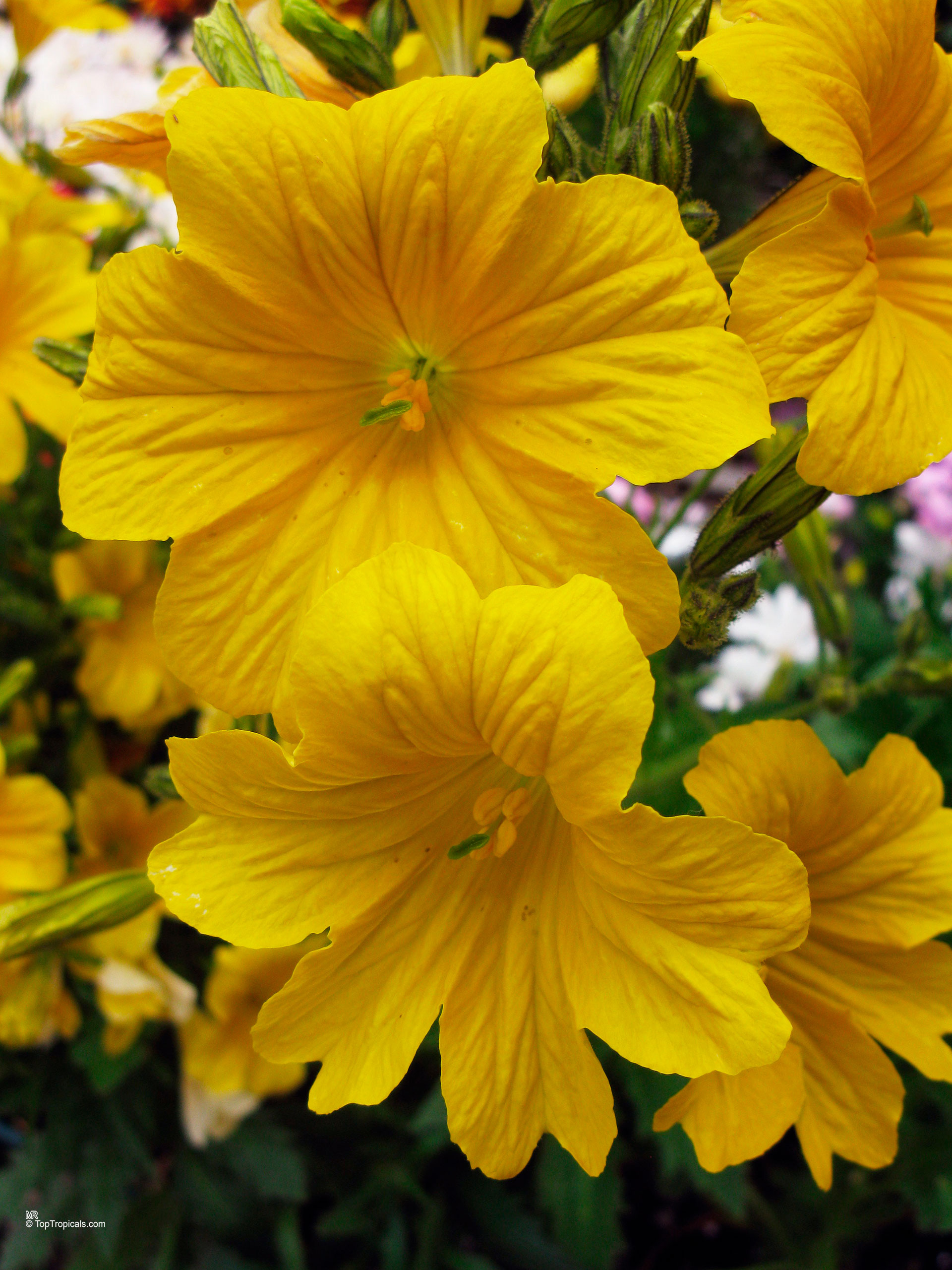
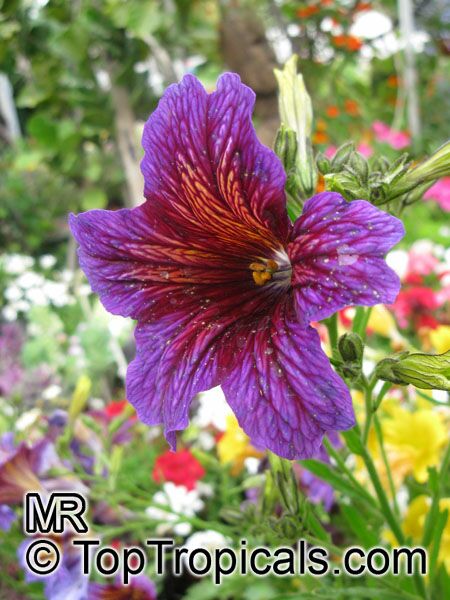
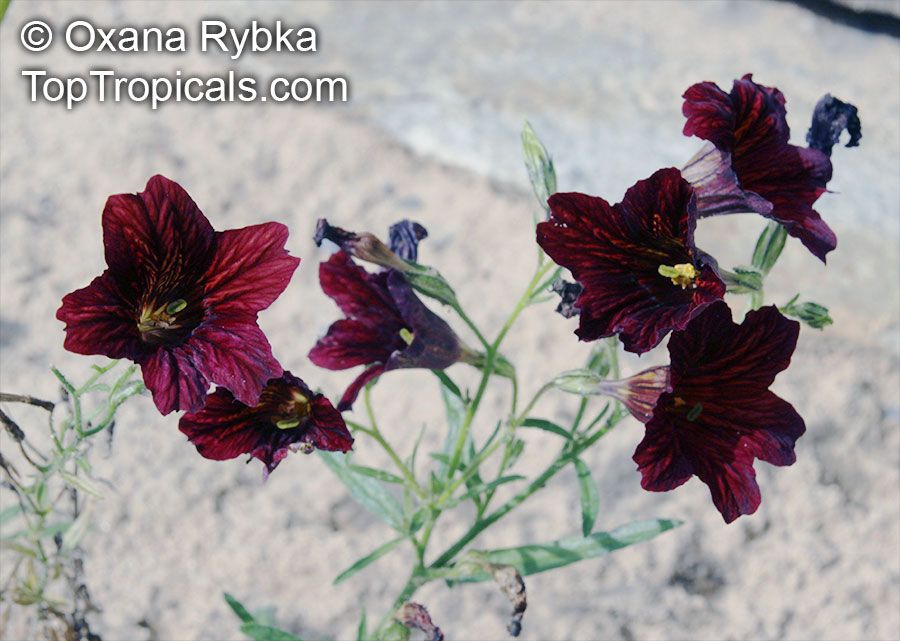
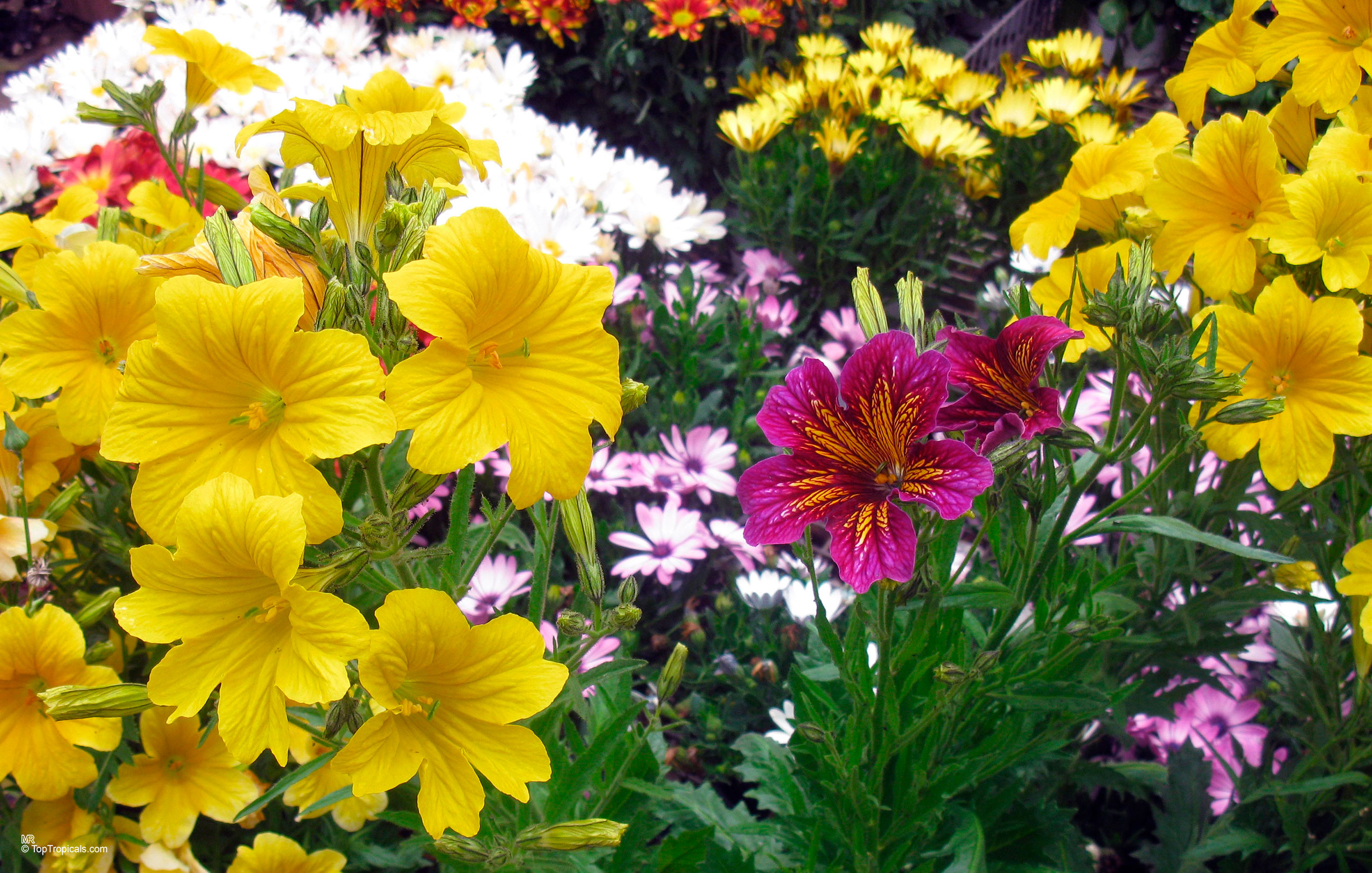
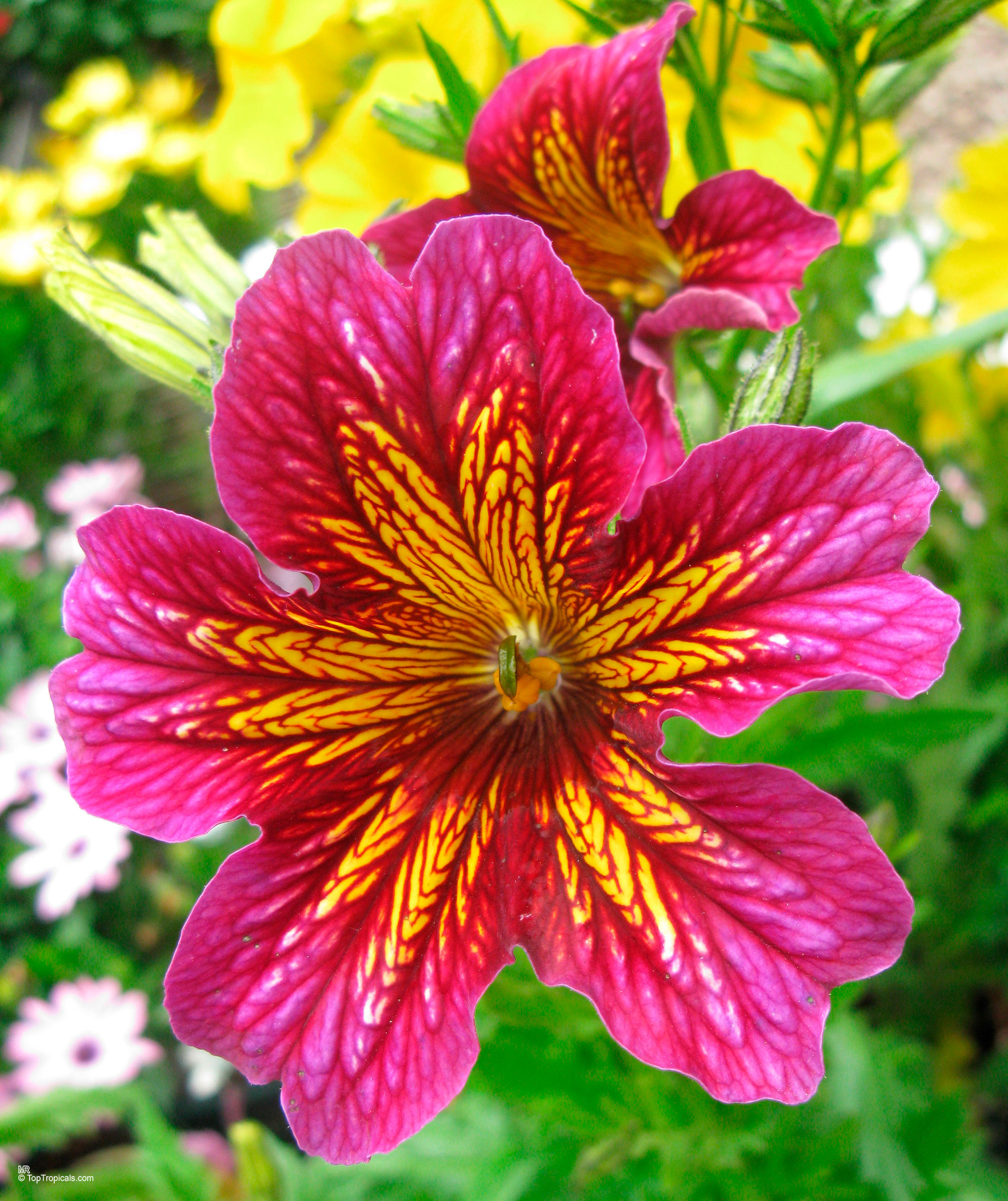
Salpiglossis sinuata, commonly known as Painted Tongue, is a colorful flowering plant in the Solanaceae family native to Chile. Usually grown as an annual, it forms upright, branching plants 1 to 3 feet (30 to 90 cm) tall with narrow green leaves and large, trumpet-shaped flowers. The velvety blooms are celebrated for their remarkable range of colors, including yellow, cream, pink, red, purple, blue-violet, and deep maroon, often intricately veined with contrasting golden or darker markings. This unique patterning gives each flower the appearance of being hand-painted, making the species a favorite for borders, cottage gardens, and cut flower arrangements.
Salpiglossis sinuata grows best in full sun or light afternoon shade in hot climates and prefers fertile, well-drained soil with regular moisture. Removing spent flowers encourages continued blooming from late spring through summer and often into autumn in mild climates. Suitable for USDA Zones 10-11 as a short-lived perennial, it is most commonly cultivated as an annual elsewhere. Its richly colored, orchid-like flowers and exceptionally long flowering season provide vibrant color throughout the growing season.
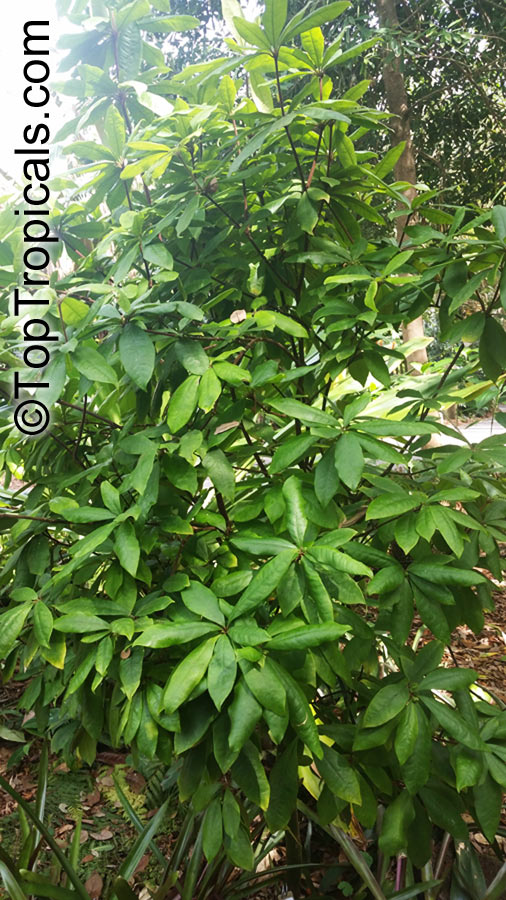
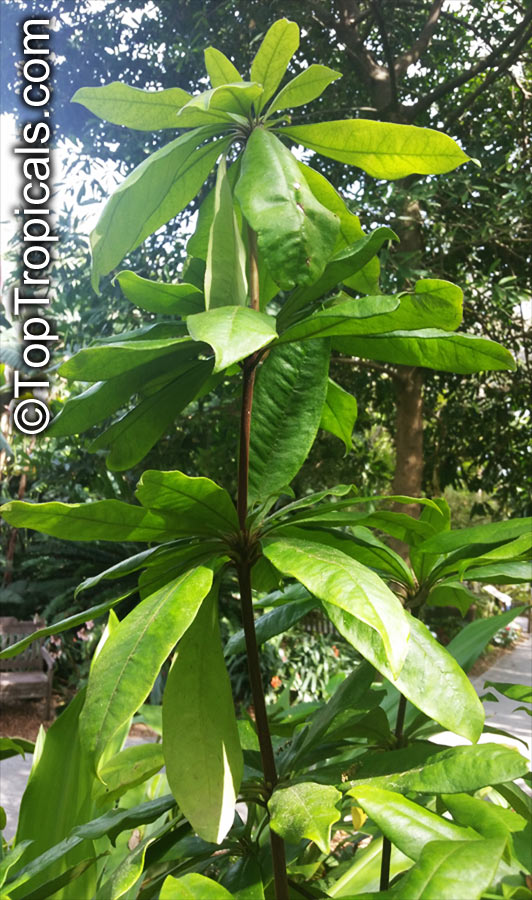
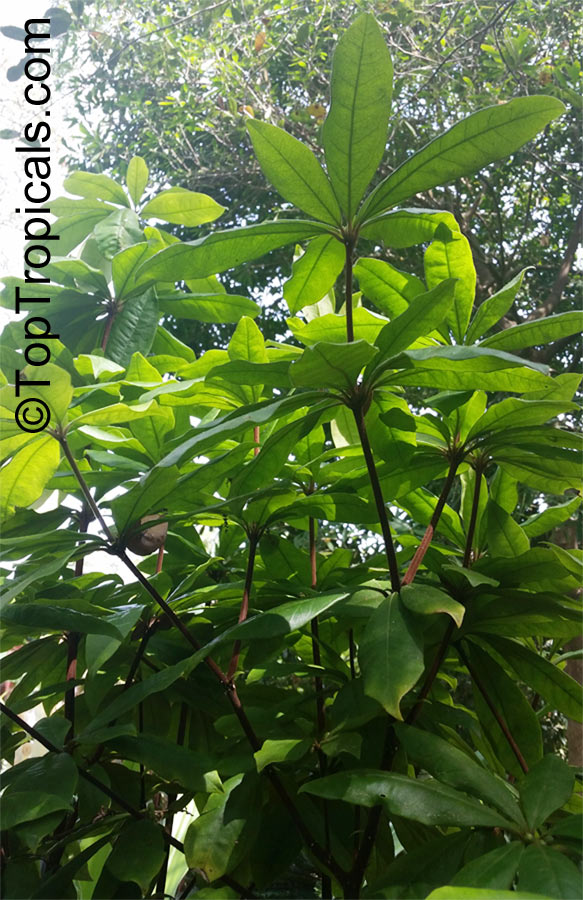
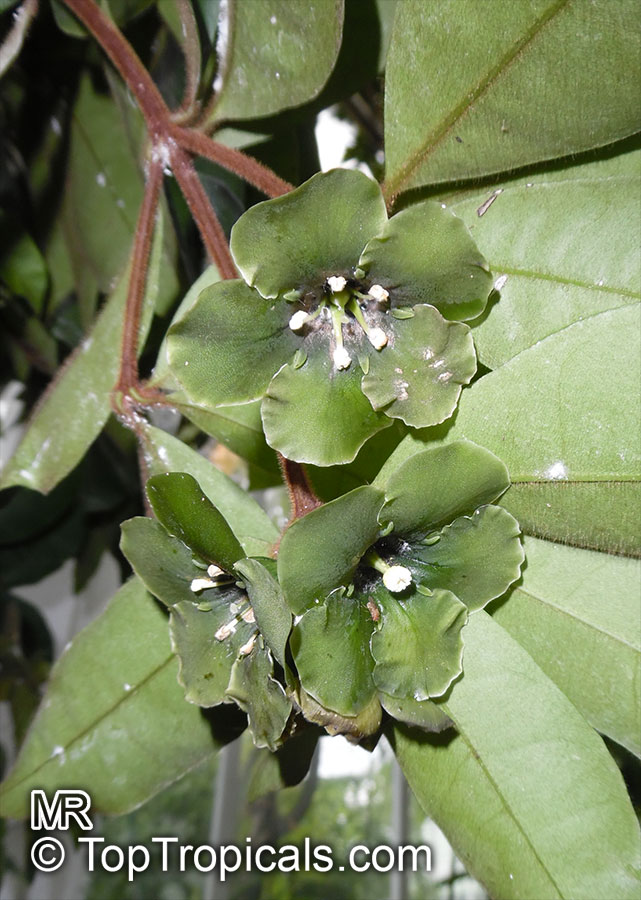
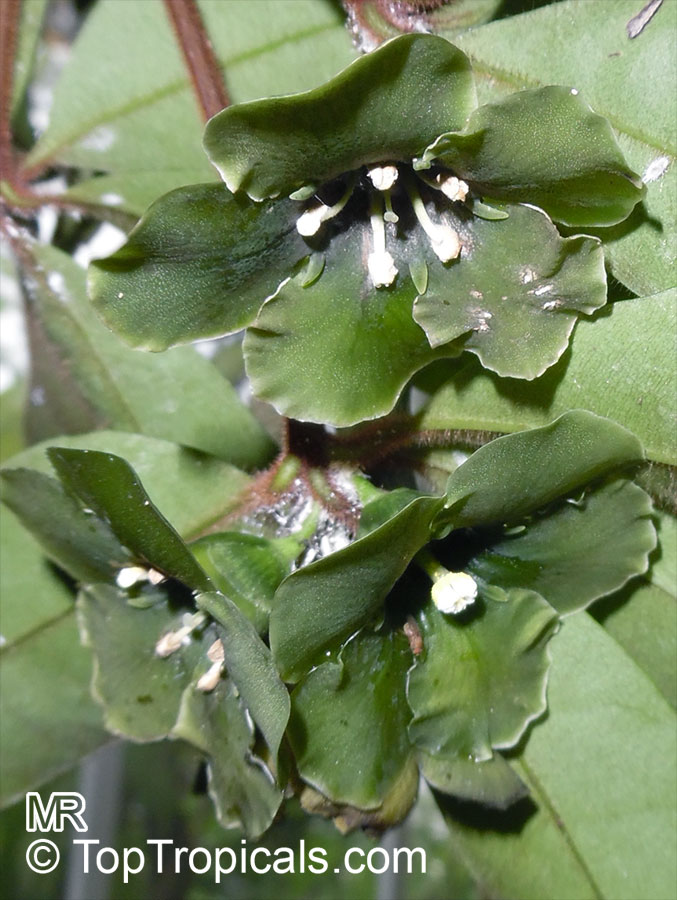
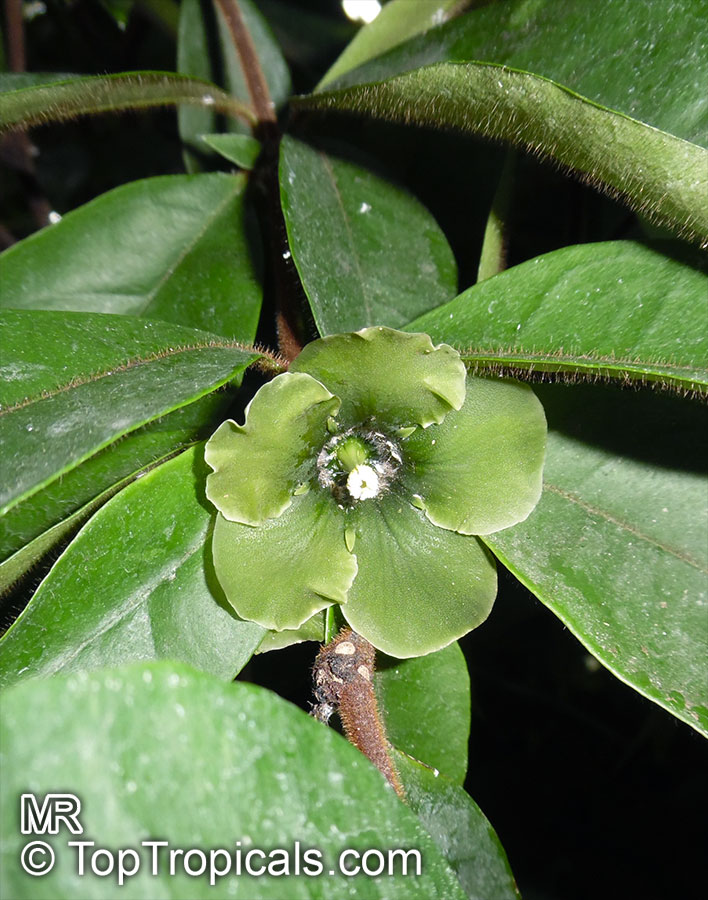
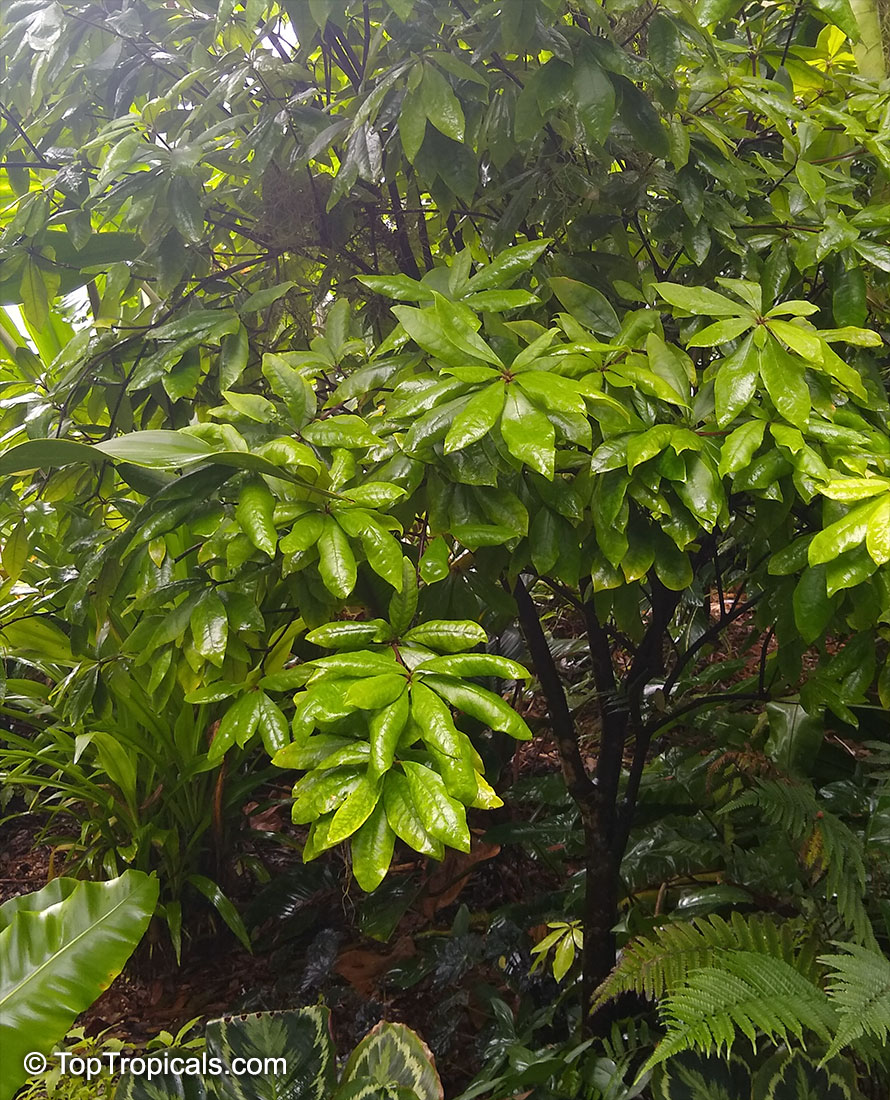
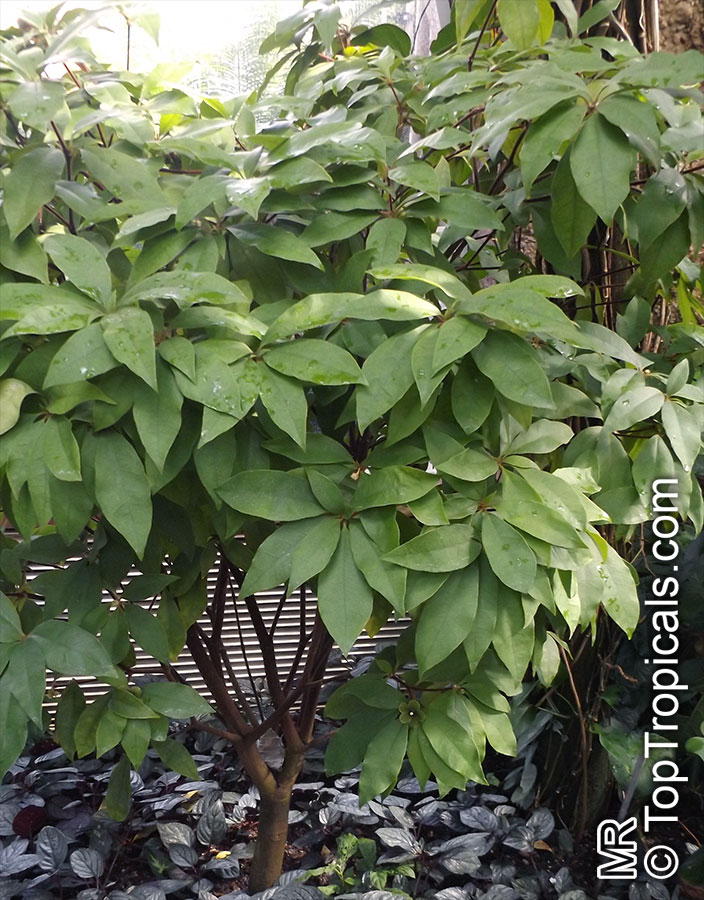
Botanical name: Deherainia smaragdina
Common name: Emerald Flower
Family: Primulaceae (Formerly:Theophrastaceae)
Origin: Mexico
USDA Zone: 9-10
 Plant form: Large bush or small treeMature height: 10-20 ftSun exposure: Full sun or bright light indoor; semi-shadeCold tolerance: Frost sensitive. Protect from freezing.Watering: Moderate; regularFlower color: Unusual colorSuitable for: Outdoors in USDA Zones 9-11; small gardens, containers, and indoor growing
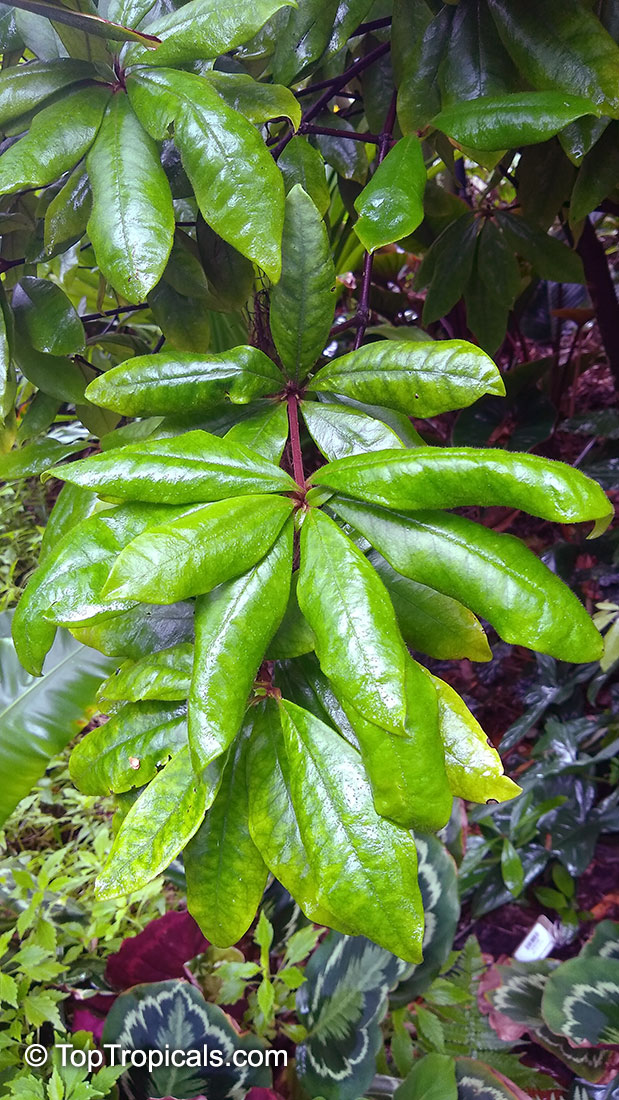
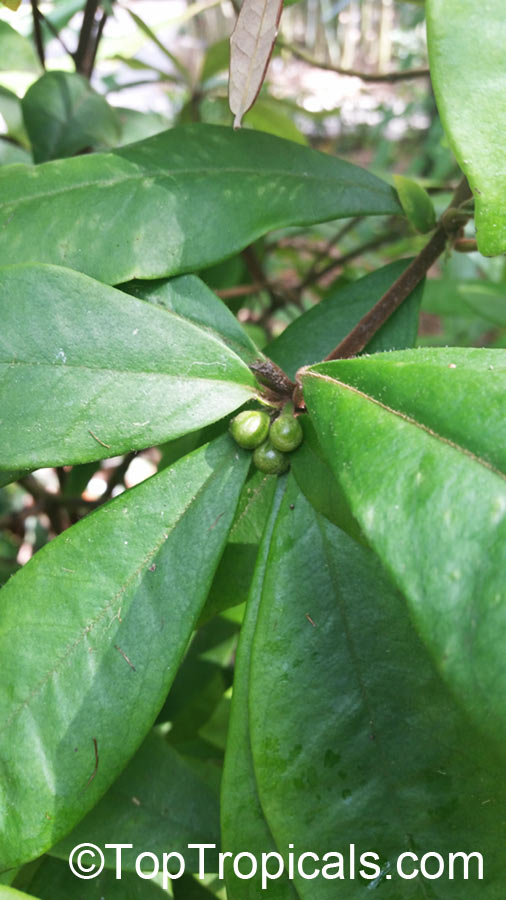
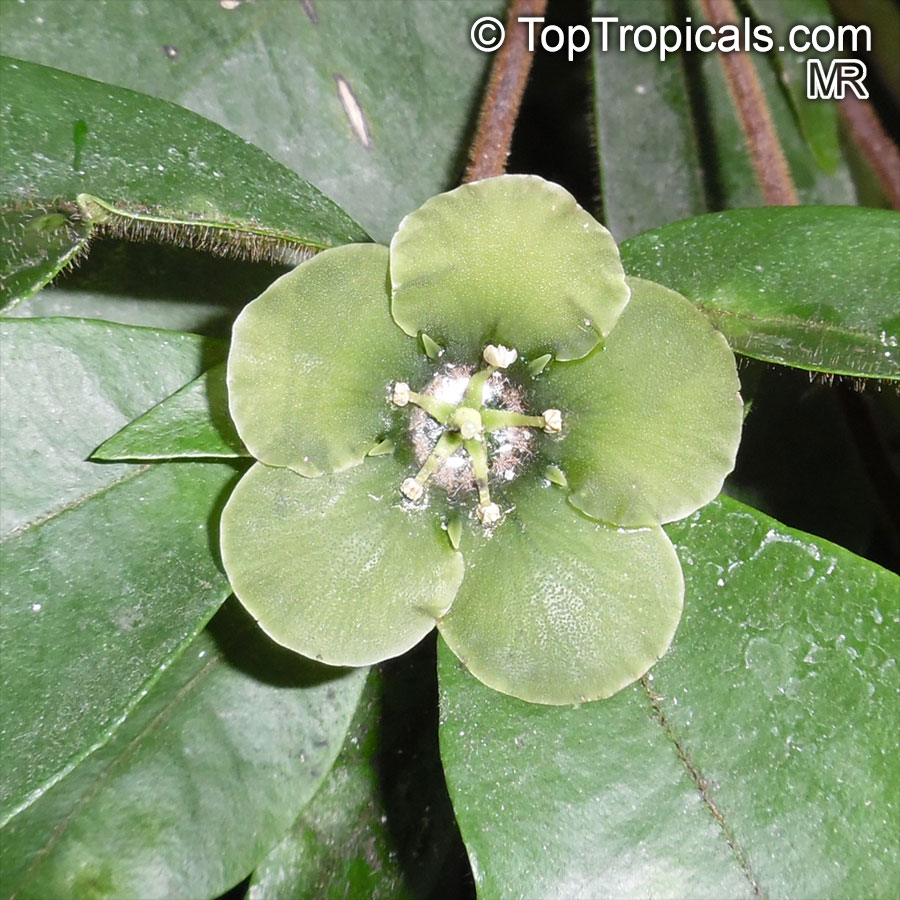
This large, evergreen shrub usually grows to a height of 5-10 ft tall, occasionally reaching up to 20 ft when planted as a small tree. It is known for its glossy, light green foliage, its 5-pointed star-shaped flowers and its unusual color.
Deherainia smaragdina performs best in full sun or semi-shade and prefers regular water during periods of active growth. During non-growing periods, it prefers moderate watering and should be kept dry. Growing well in USDA Zones 9-11, Deherainia smaragdina is an excellent plant for warm summer climates.
In areas which experience cooler seasonal temperatures, Deherainia smaragdina can still be grown successfully in pots. It is important to keep the plants root zones warm and provide it with sufficient drainage. To protect the foliage against frost, it is best to provide the pot with some extra insulation, such as a blanket or burlap. Water as needed in winter and spring, but reduce watering during hotter months. Deherainia smaragdina is an attractive and unusual shrub which is well worth growing in colder regions with suitable care.
Botanical names: Sauromatum venosum, Typhonium venosum, Arum venosum
Common name: Voodoo Lily
Family: Araceae
Origin: Himalayas
USDA Zone: 8-10
Plant form: SmallMature height: 2-5 ftSun exposure: Semi-shade Cold tolerance: Tolerates light freezing to about 30°F for short periods (mature plants). Young plants must be protected.Flower color: Unusual colorSuitable for: Outdoors in USDA Zones 8 - 10; small gardens, containers, and indoor growing
 Irritating or toxic: Irritating
 Fragrance: Fragrant; perfume plant
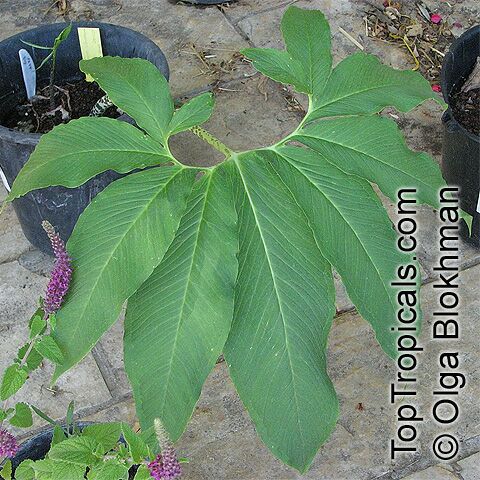
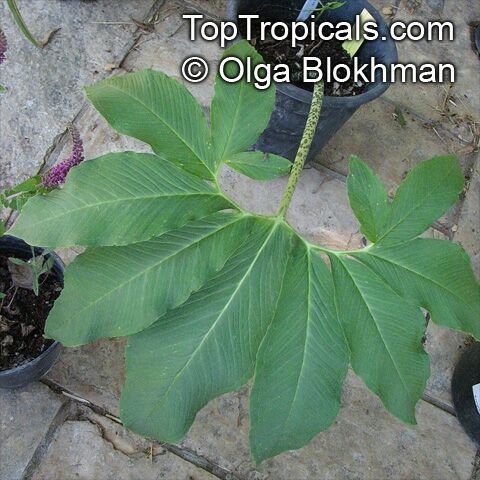
The Sauromatum venosum, also known as the Voodoo Bulb, is a shade-loving house or garden plant native to temperate and tropical regions of Asia. This tuberous perennial is characterized by its solitary, segmented round leaf and peculiar, arum-like flower. The plant grows from an underground corm, which can produce multiple new corms in a large specimen.
The Sauromatum venosum is particularly known for its ability to bloom from a corm without soil and water, which has earned it the name "Voodoo Bulb." Its inflorescences emerge before the leaves, displaying a purplish-brown-spotted, yellowish spathe and a purplish-brown spadix. These inflorescences emit a strong odor that is often compared to cow manure, rotting flesh, or a dirty wet dog. The scent, which lasts for about two days, attracts carrion-feeding insects that help pollinate the plant.
Following the blooming of the flower, the leaf of the Sauromatum venosum appears and develops over several months. The leaf is glossy, silver-green, segmented, softly hairy, and fan-shaped, with a dark mid-vein. It measures about 2-5 feet in diameter and 2-4 feet in height. In mature plants, the side leaflets bend downwards, creating a cup shape that conceals the center of the flower spike. The leaves die back and enter dormancy during winter colder months.
To cultivate Sauromatum venosum, plant the corm with the low-side down and the pointed side up in moist, well-drained soil in semi-shade. The plant prefers warmth and ample moisture. While it may not withstand extreme cold, it can be grown in colder regions if the corm is brought indoors during cold spells . In warmer climates, Sauromatum venosum can be grown in pots with a well-draining soil mix, requiring regular watering and feeding with a balanced fertilizer to ensure optimal growth.
Sauromatum venosum is a relatively low-maintenance houseplant, provided proper growing conditions. This fast-growing bulb requires minimal care and forms an unusual clump over time. Its unique blooms contrast nicely with the deep green foliage, making it an attractive addition to gardens and patios. The plant can be grown as a specimen in containers or borders in temperate climates, with mature plants being cold hardy down to the 30s Fahrenheit for short periods.
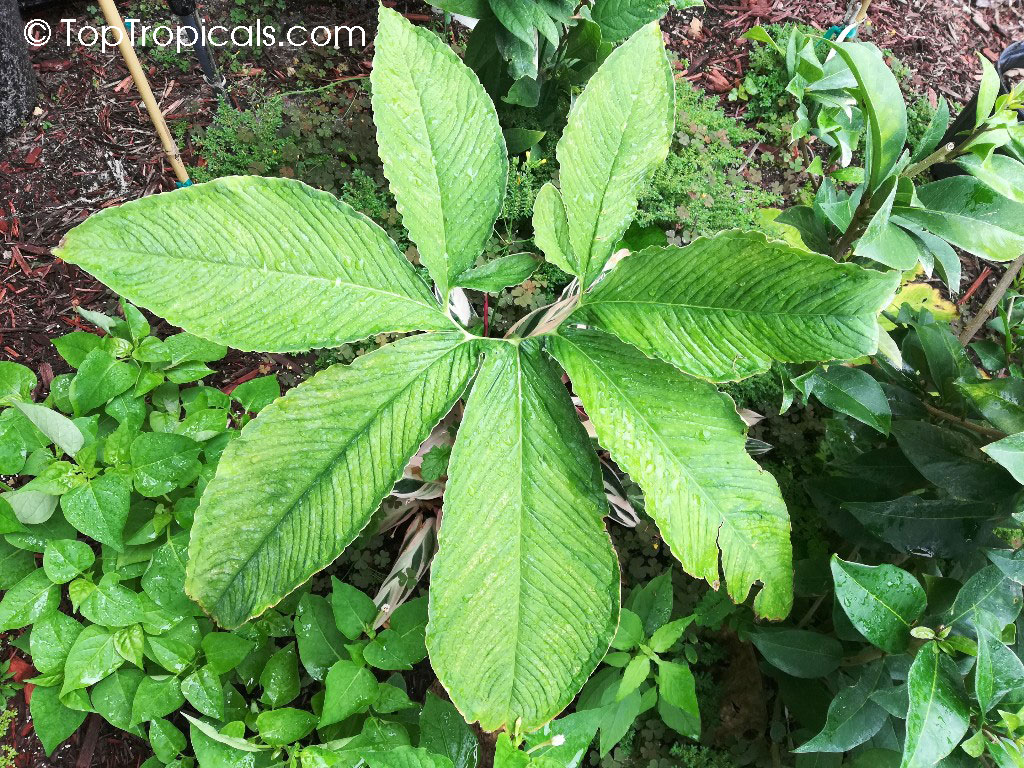
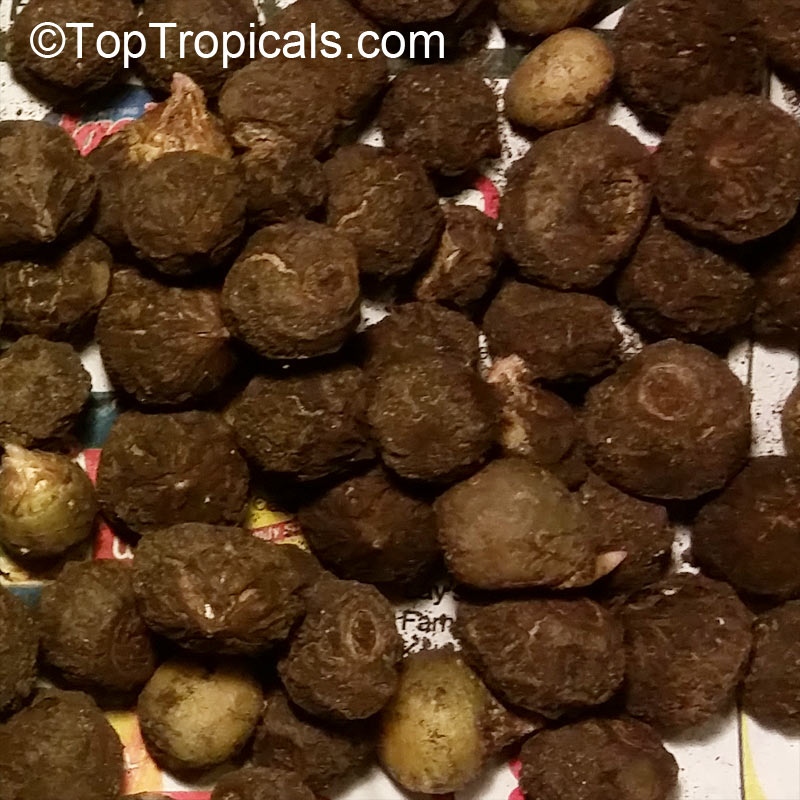
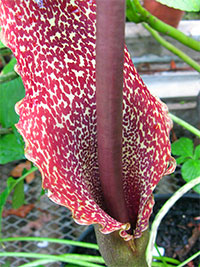
It grows to around 20 inches tall from an underground corm. A large T. venosum corm can spawn multiple new corms. Inflorescences emerge before their leaves. This plant is also known as the Voodoo Bulb because of its ability to flower from a corm without soil and water. An inflorescence has a purplish-brown-spotted, yellowish spathe and a purplish-brown spadix which emit a strong odor perceived as similar to cow manure, rotting flesh, or a dirty wet dog, depending on who smells the inflorescence. The odor lasts about 2 days, and attracts carrion-feeding insects which can pollinate this plant.
This plant is dormant from Fall through Winter, shipped as tuber, keep on dry side until it grows back its leaves in Spring.
Recommended Fertilizer: SUNSHINE Robusta - Rapid Growth Booster
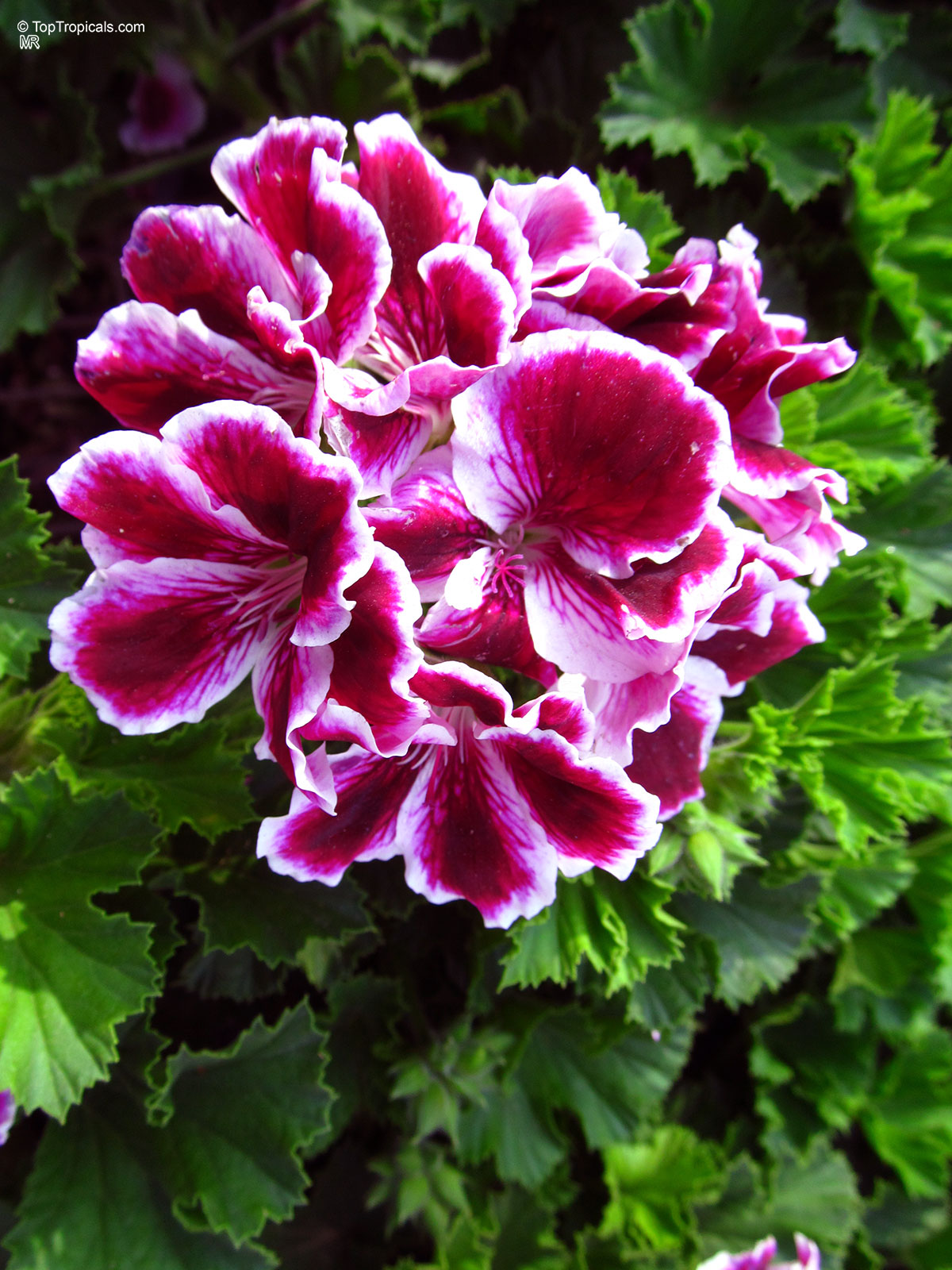
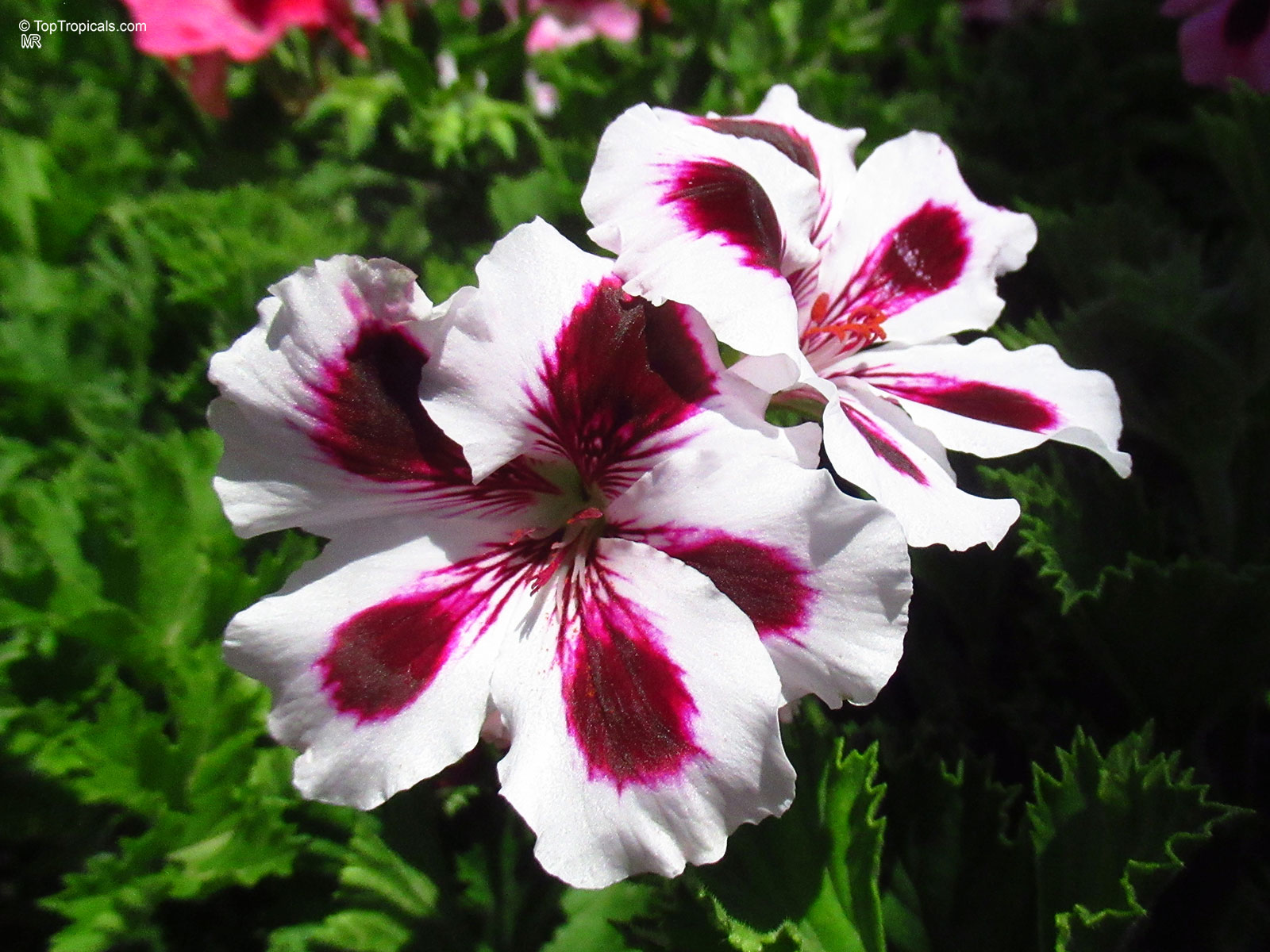
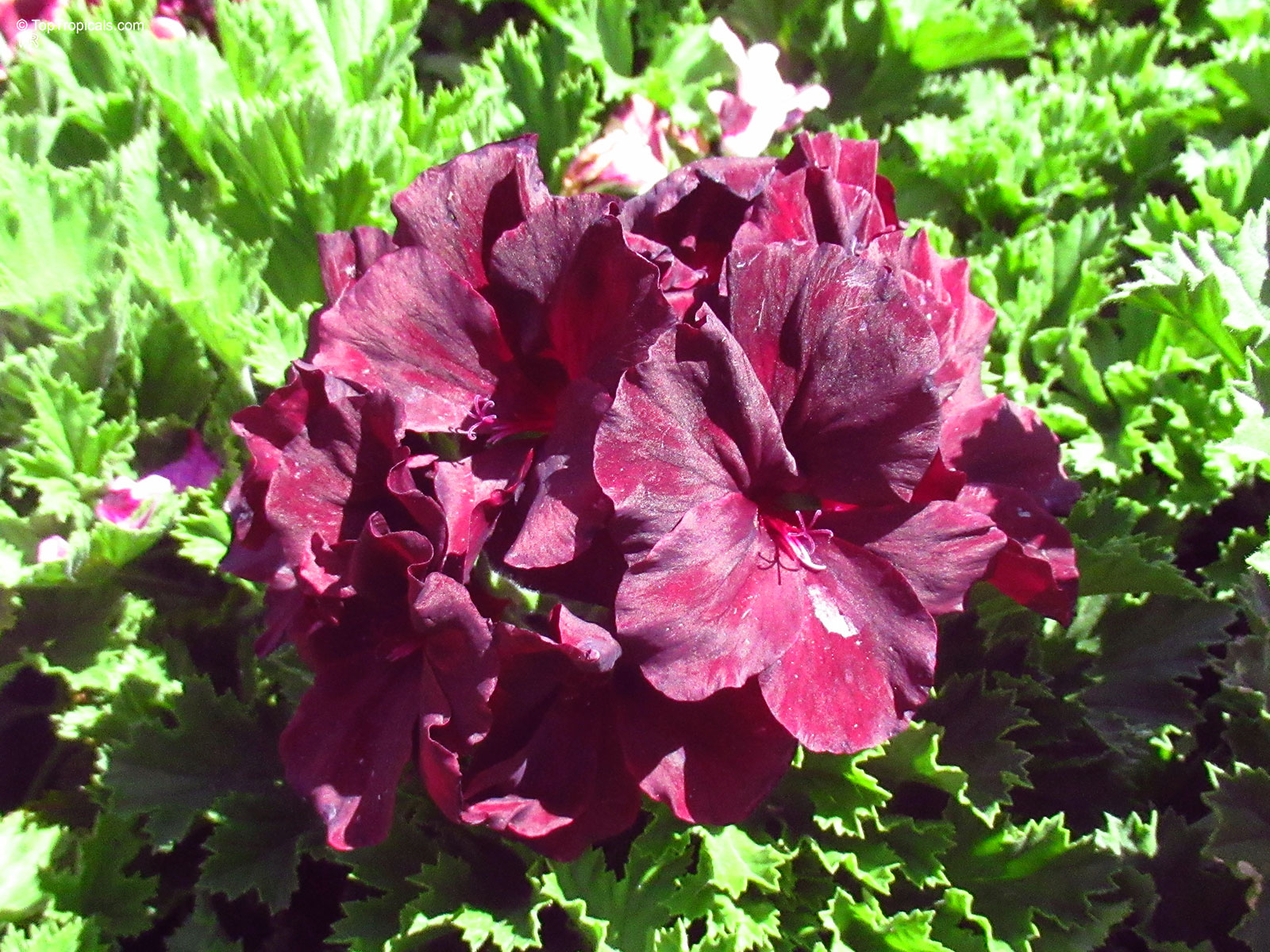
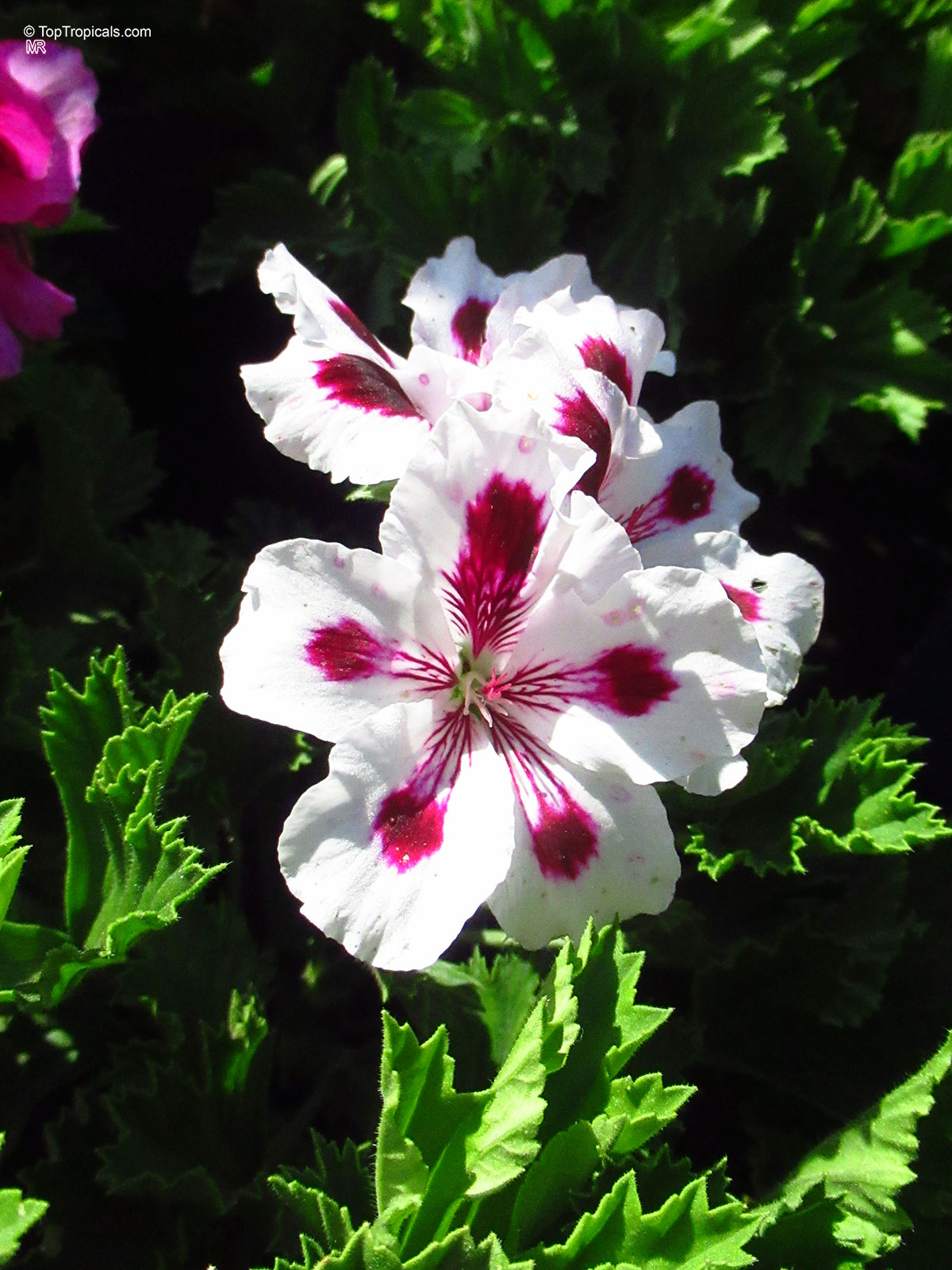
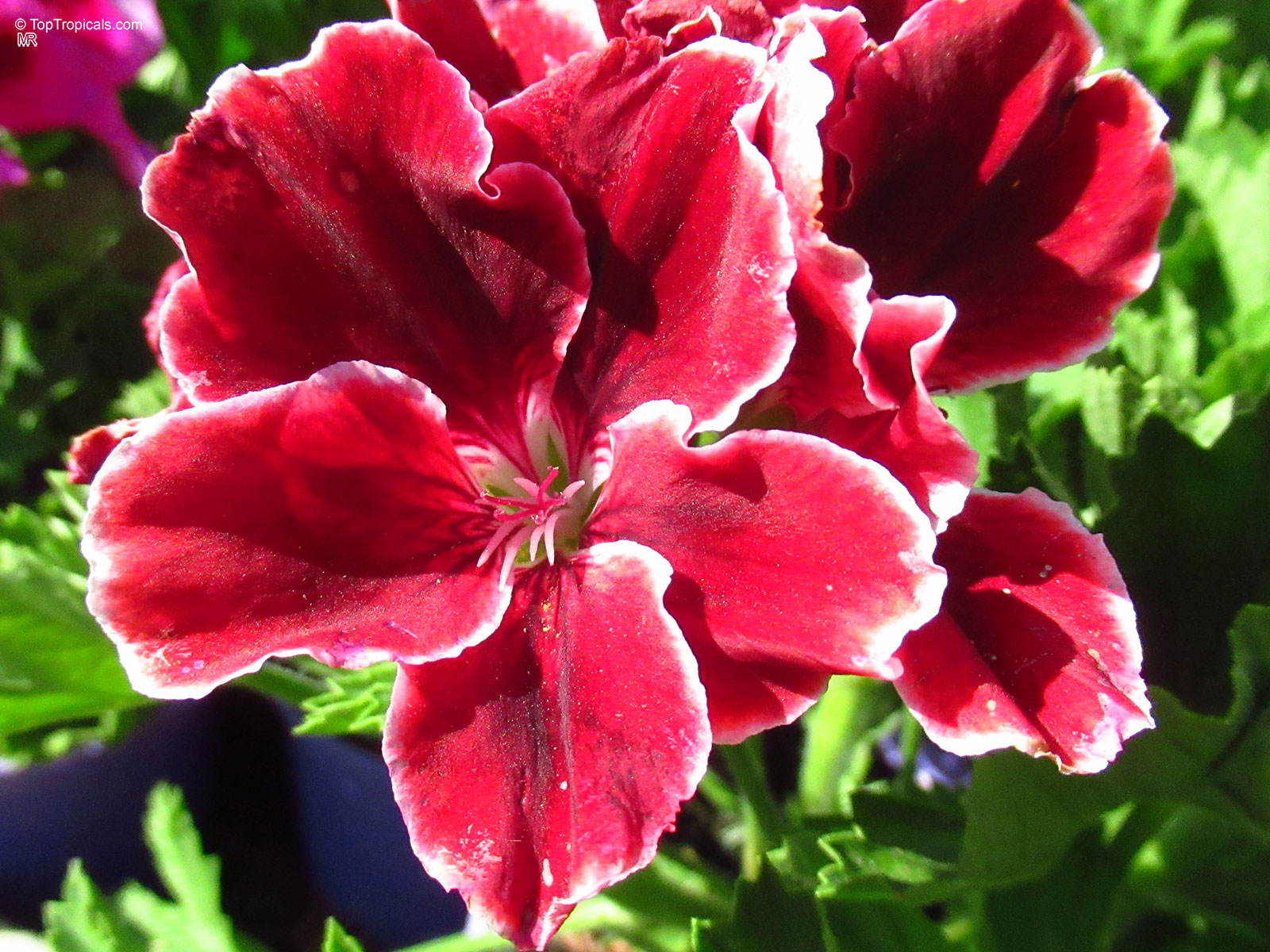
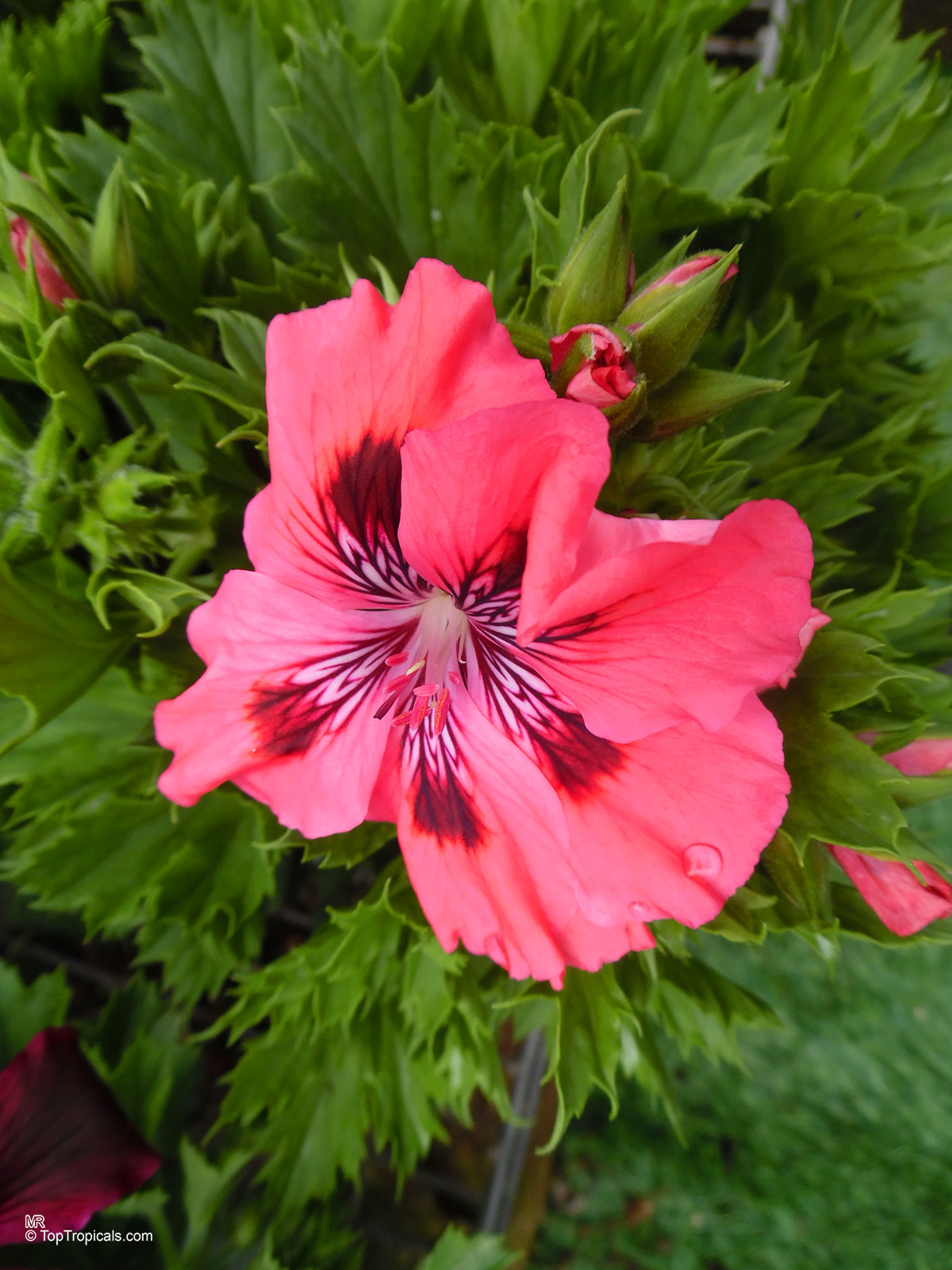
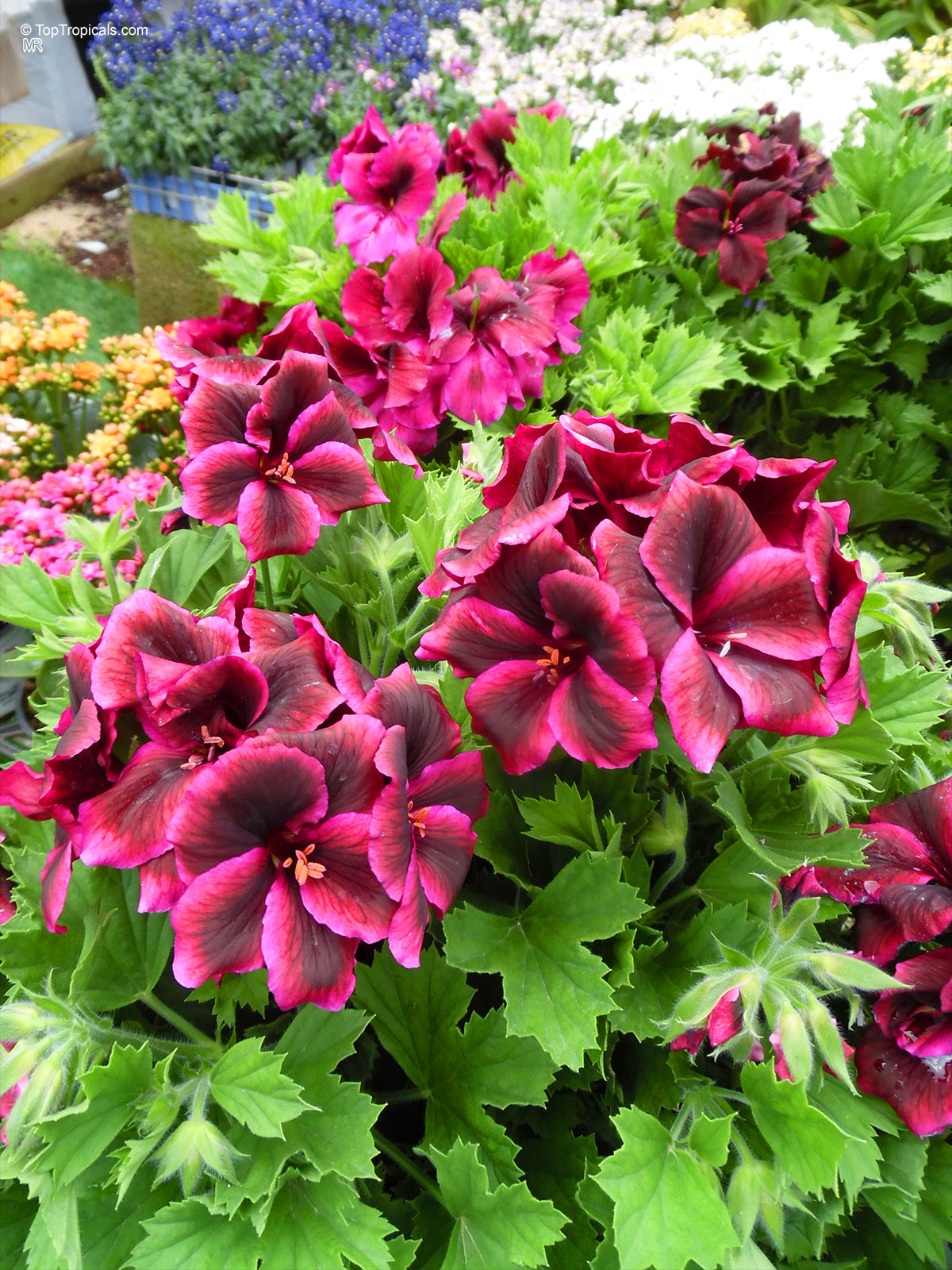
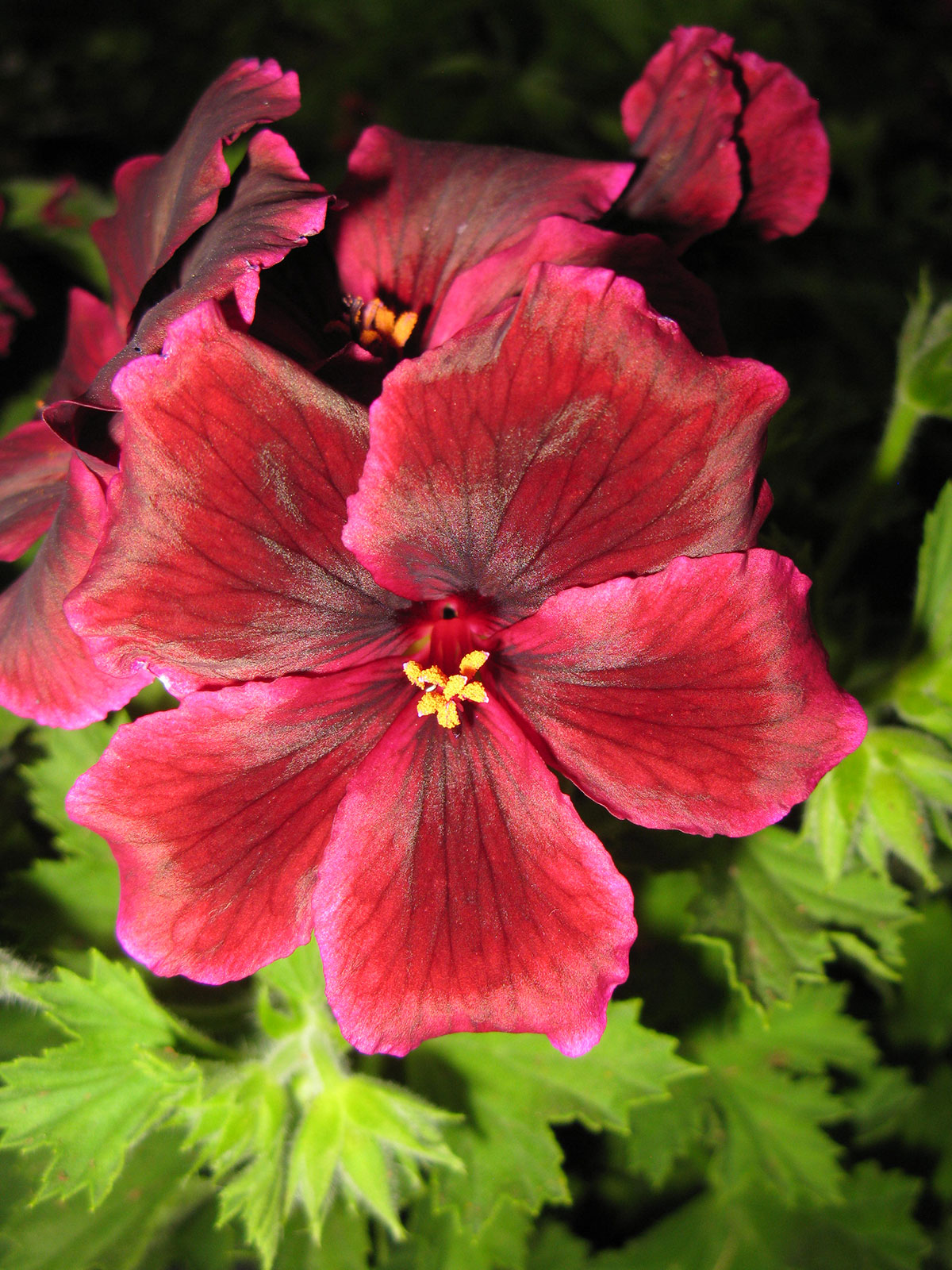
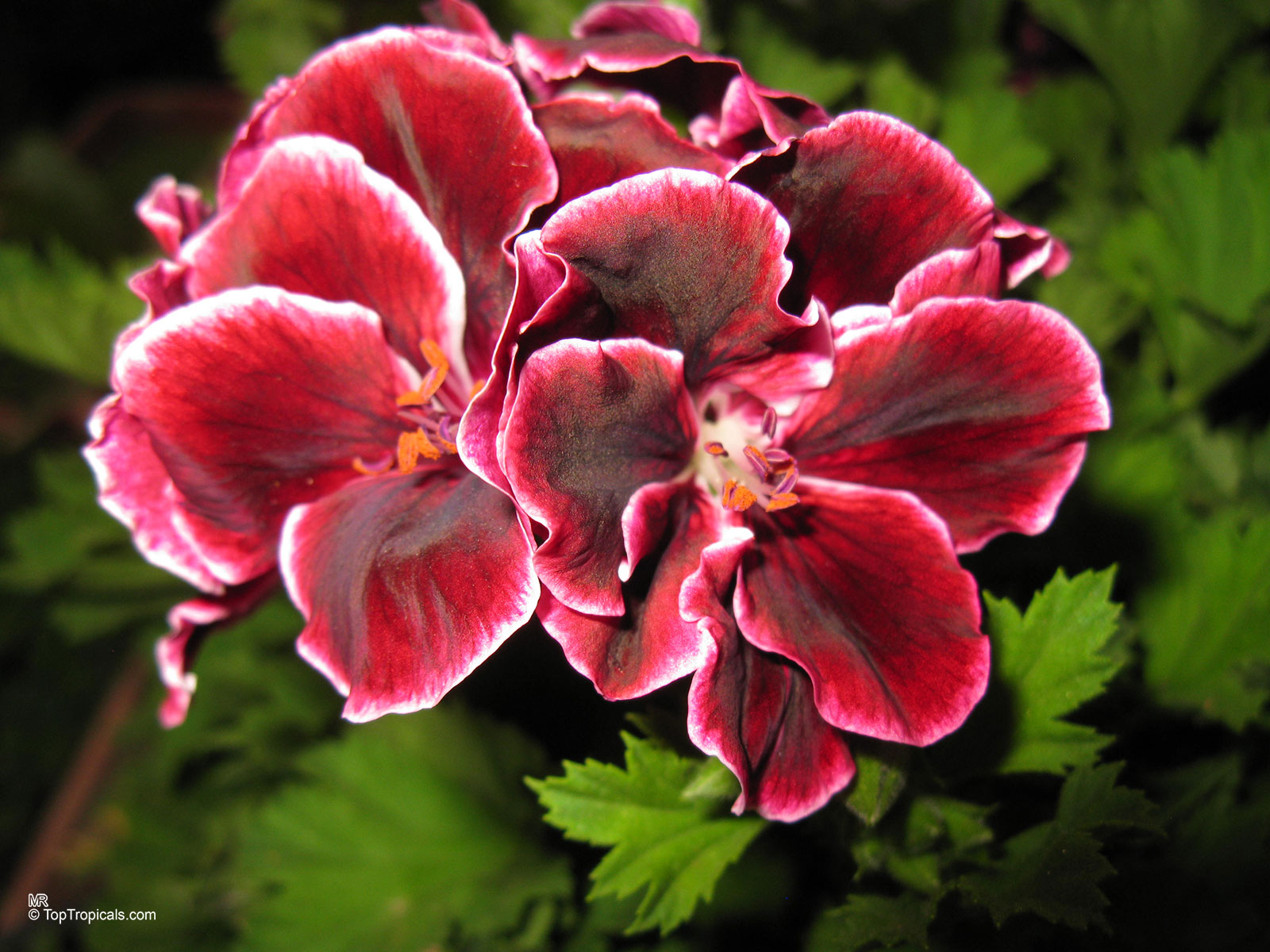
Botanical name: Pelargonium sp.
Common names: Martha Washington Pelargonium, Show Pelargonium
Cultivar group: Regal Group
Family: Geraniaceae
USDA Zone: 10-11
Cold tolerance: 35°F
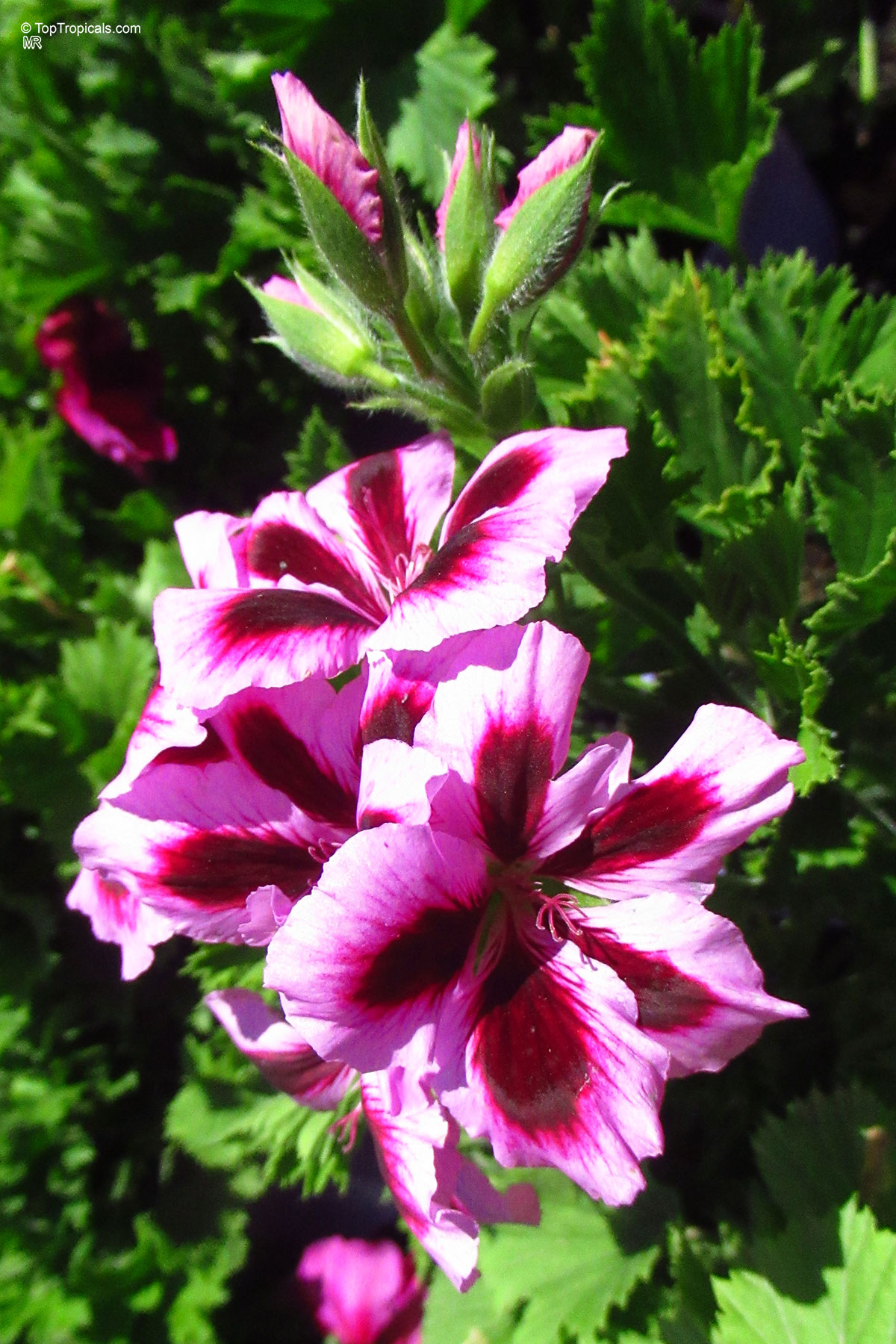
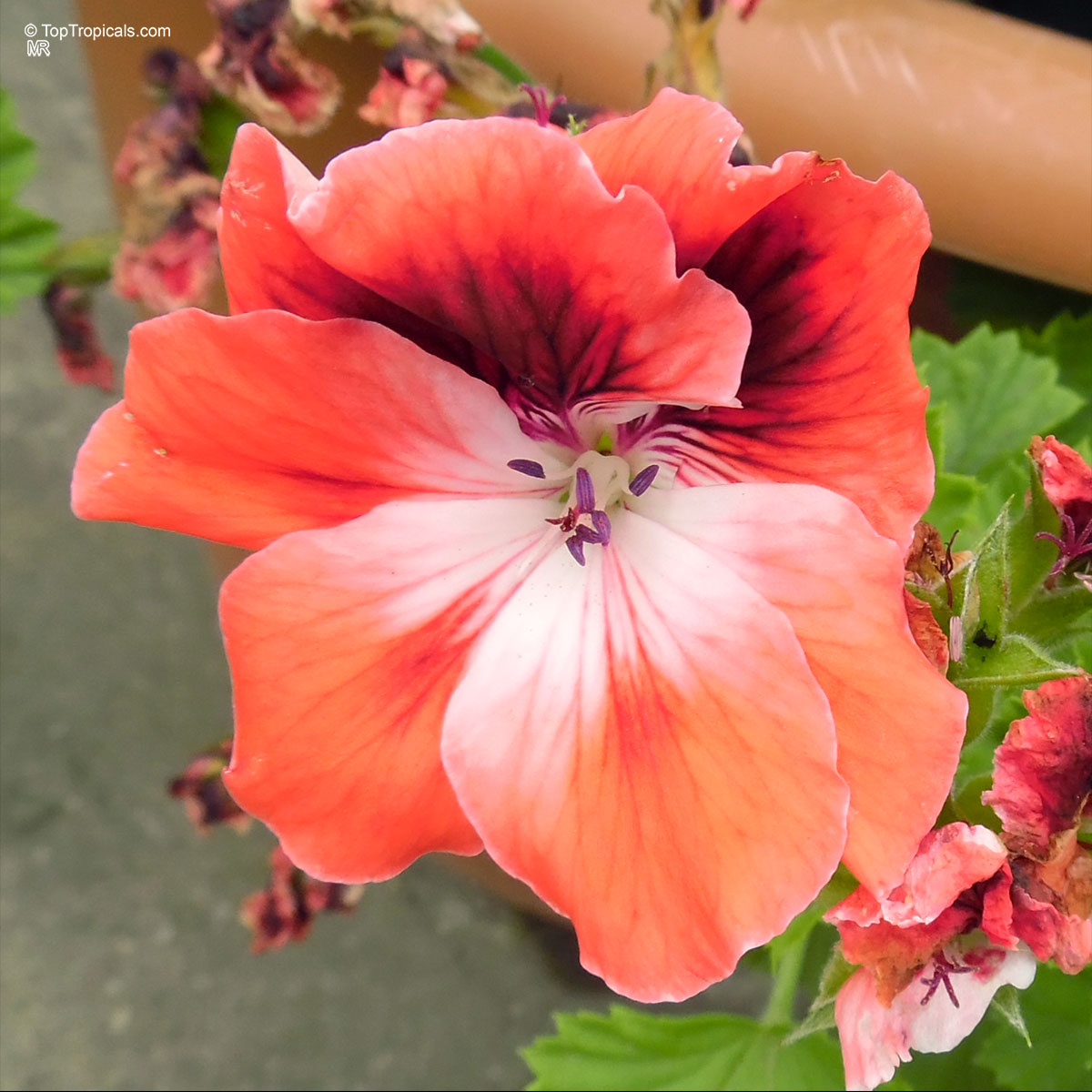
Plant form: SmallMature height: 2-5 ftSun exposure: Semi-shadeCold tolerance: Frost sensitive. Protect from freezing.Watering: RegularFlower color: Pink; white and off-white; red, crimson, vinous; unusual colorSuitable for: Outdoors in USDA Zones 10 - 11; small gardens, containers, and indoor growingPelargonium (Regal Group), commonly known as Regal pelargonium or Martha Washington geranium, is a horticultural group of large-flowered pelargoniums valued for their bold, patterned blooms and compact, bushy growth. Derived mainly from South African species such as Pelargonium cucullatum and related taxa, this group represents a complex assemblage of cultivars rather than a single species. Plants typically reach 1 to 2 feet in height with a rounded habit and medium green, slightly textured foliage that supports the ornamental display.
The flowers are notably large and often marked with contrasting blotches, veins, or feathered patterns in shades of white, pink, red, purple, and near-black, frequently with darker upper petals. This group is widely grown in containers and patio settings, where individual plants serve as focal specimens. Regal pelargoniums prefer bright light, cool to moderate temperatures, and well-drained soil, with moderate watering and good air circulation. They perform best in USDA zones 10 to 11 and require protection below about 35 F. Flowering is concentrated in spring to early summer, with some modern cultivars extending the bloom period under favorable conditions.
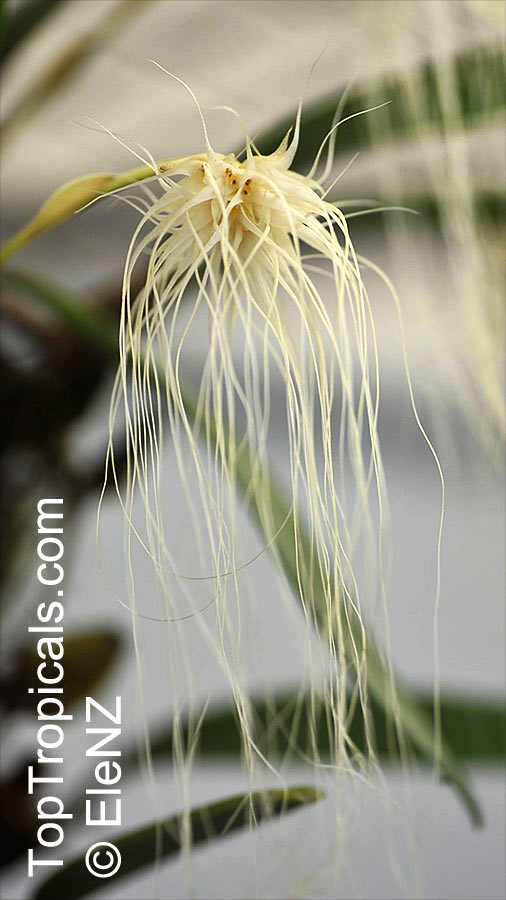
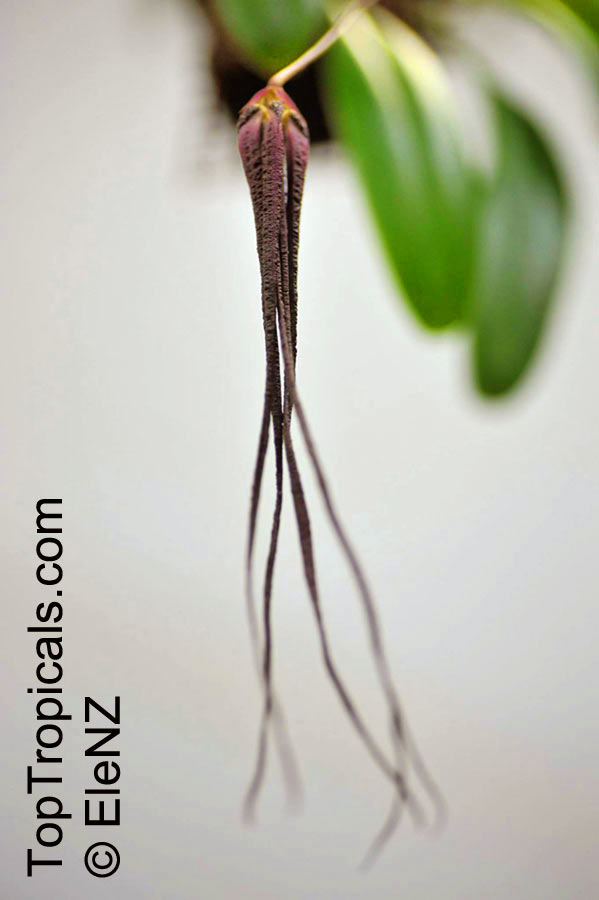
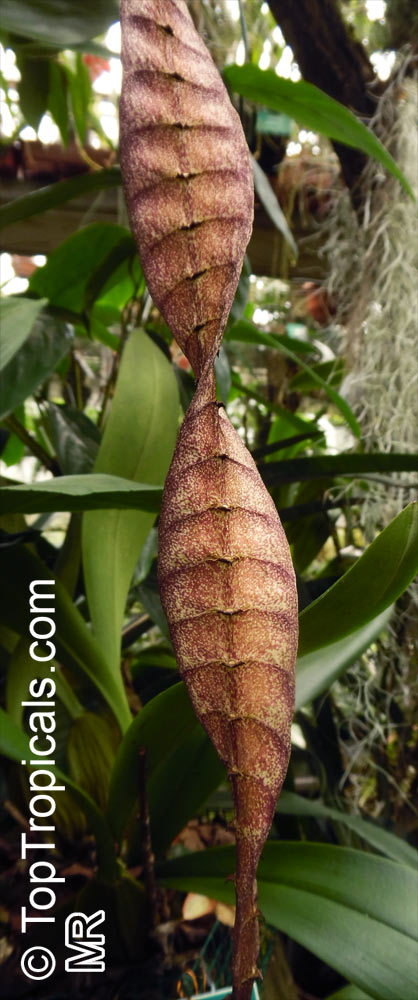
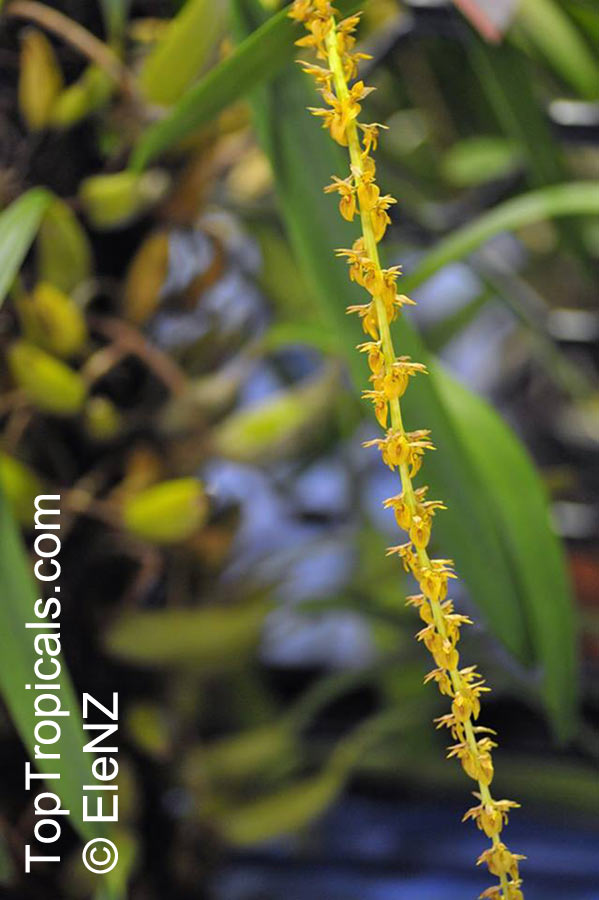
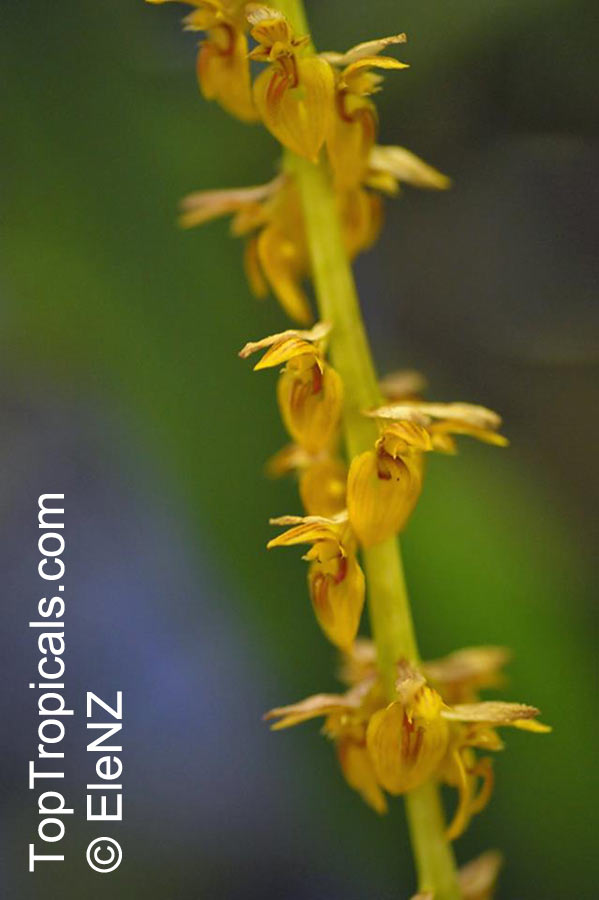
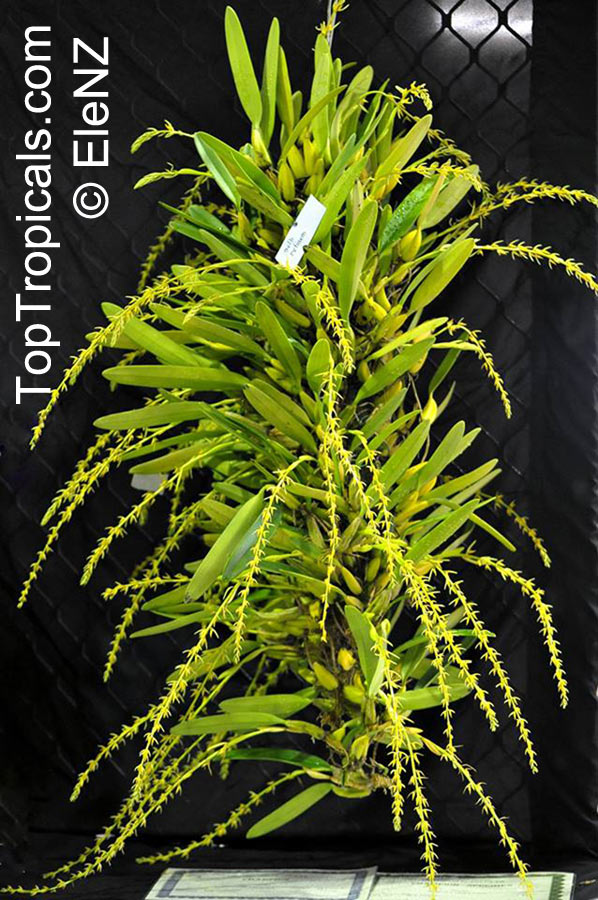
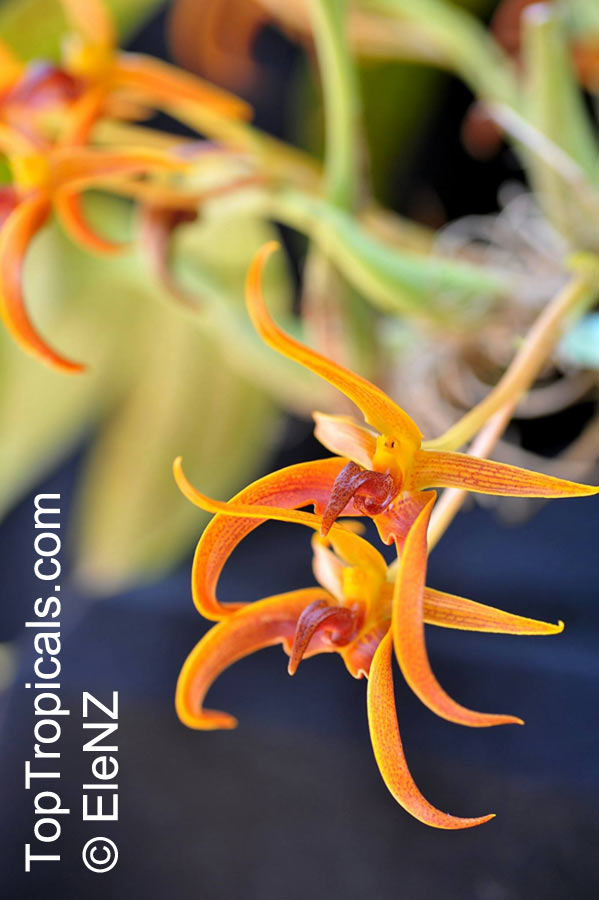
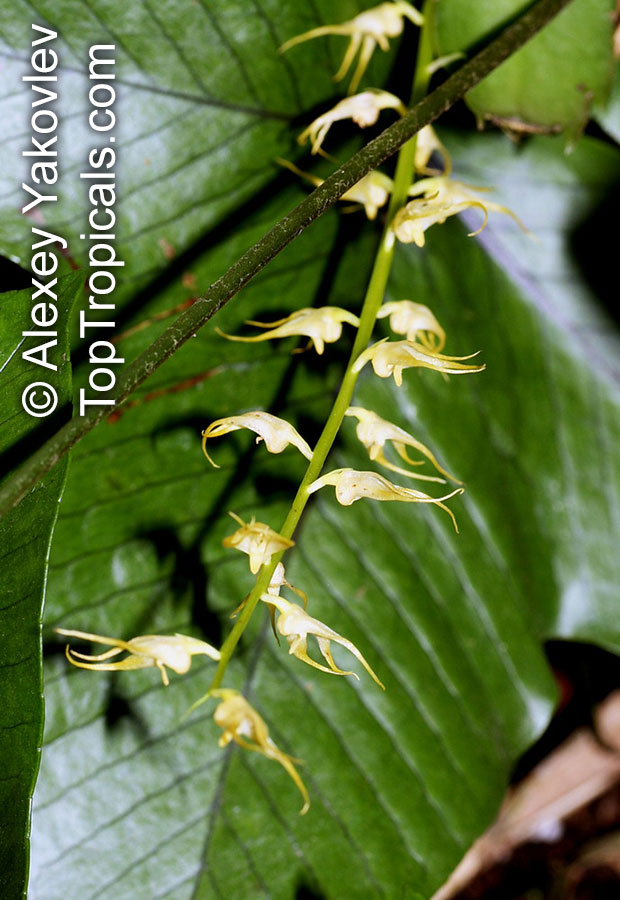
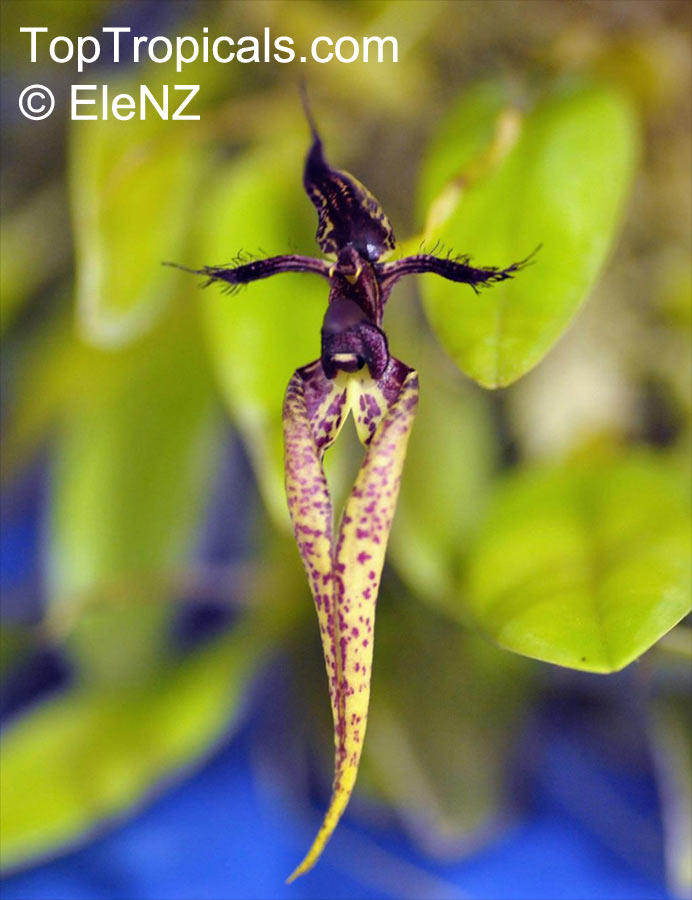
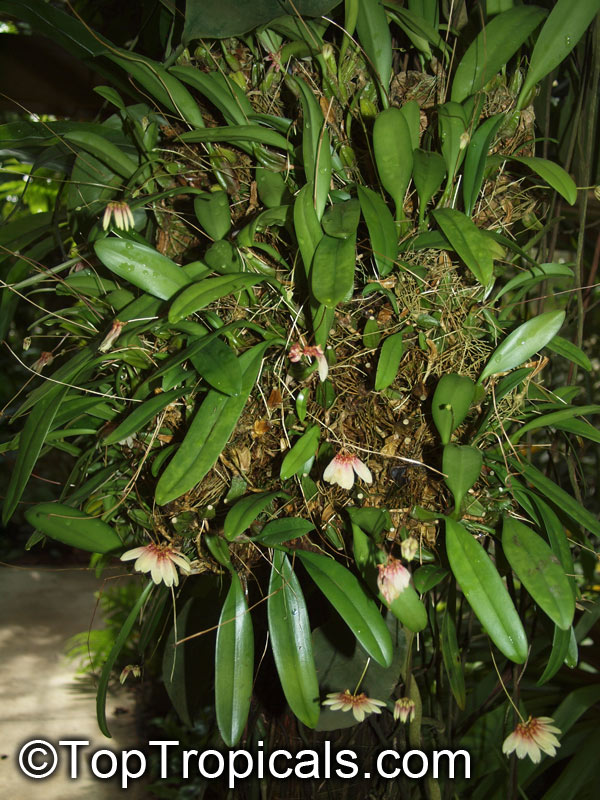
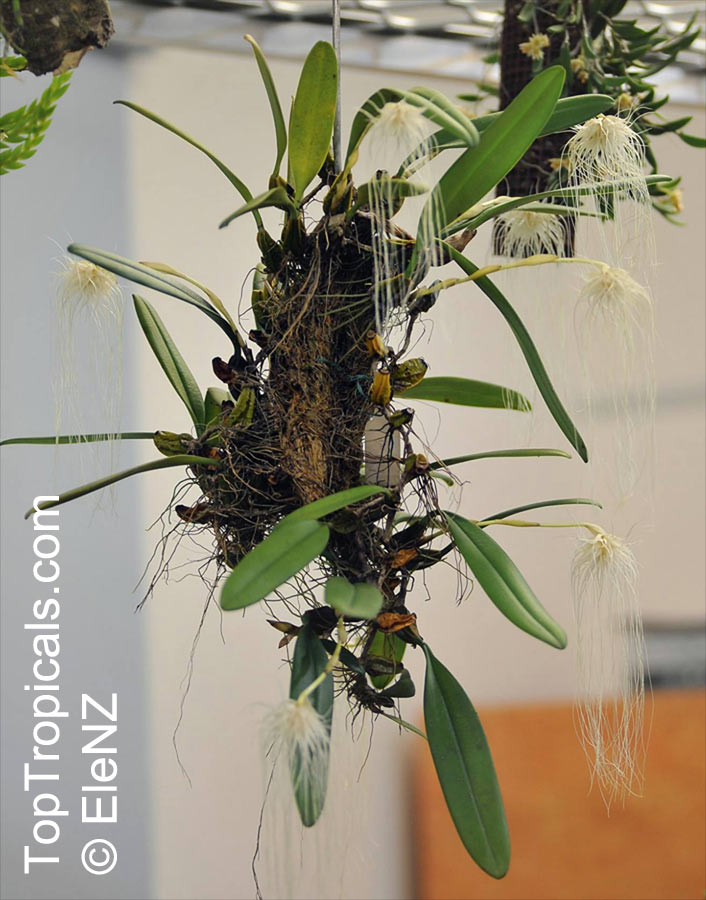
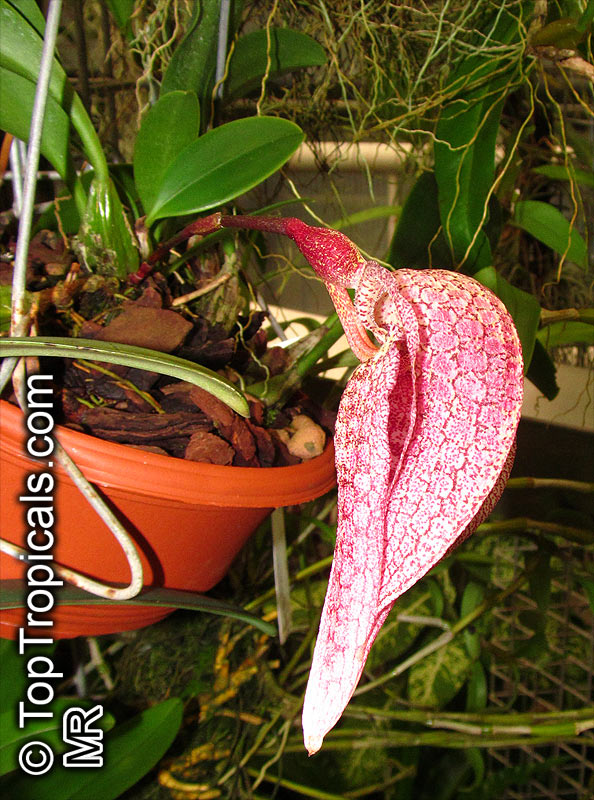
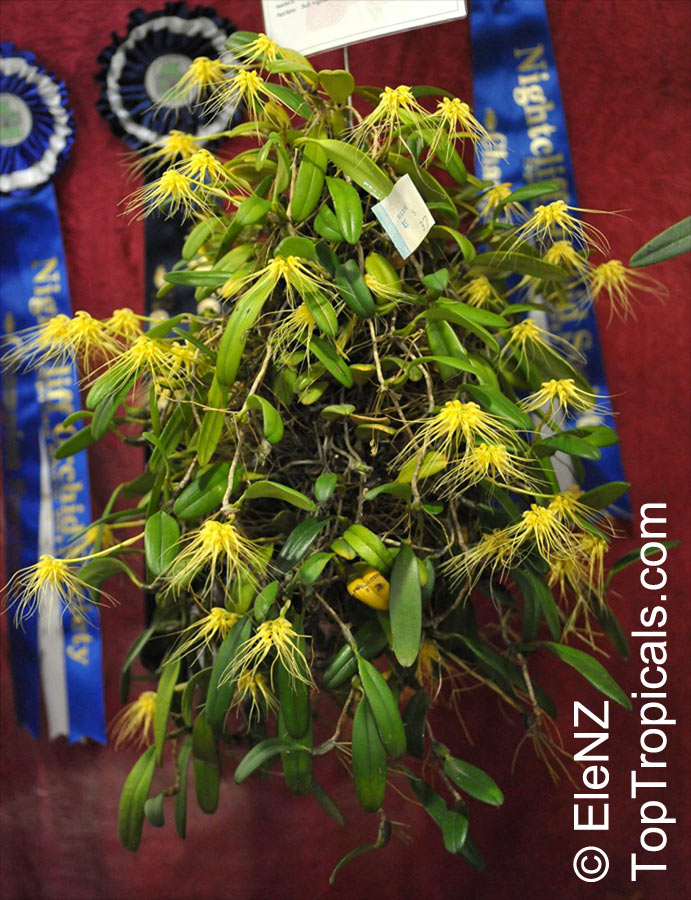
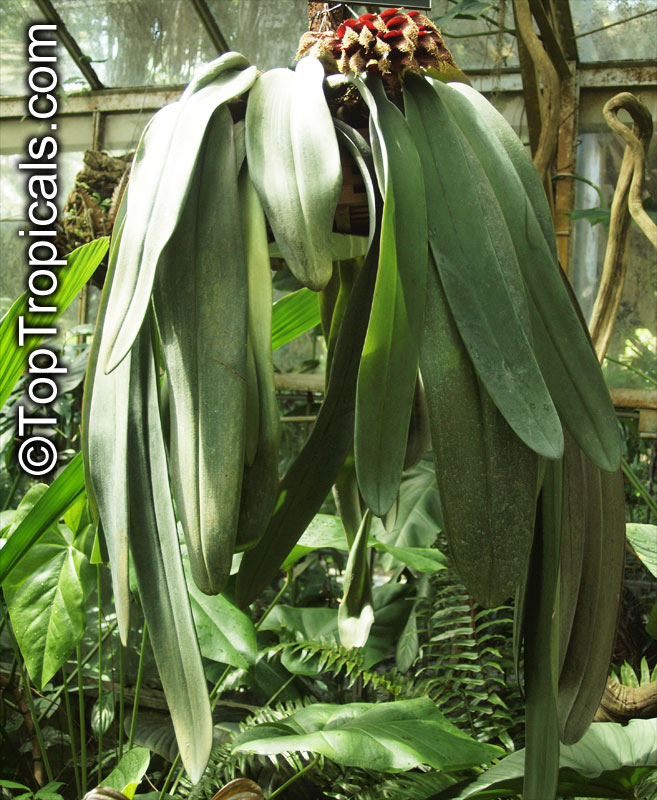
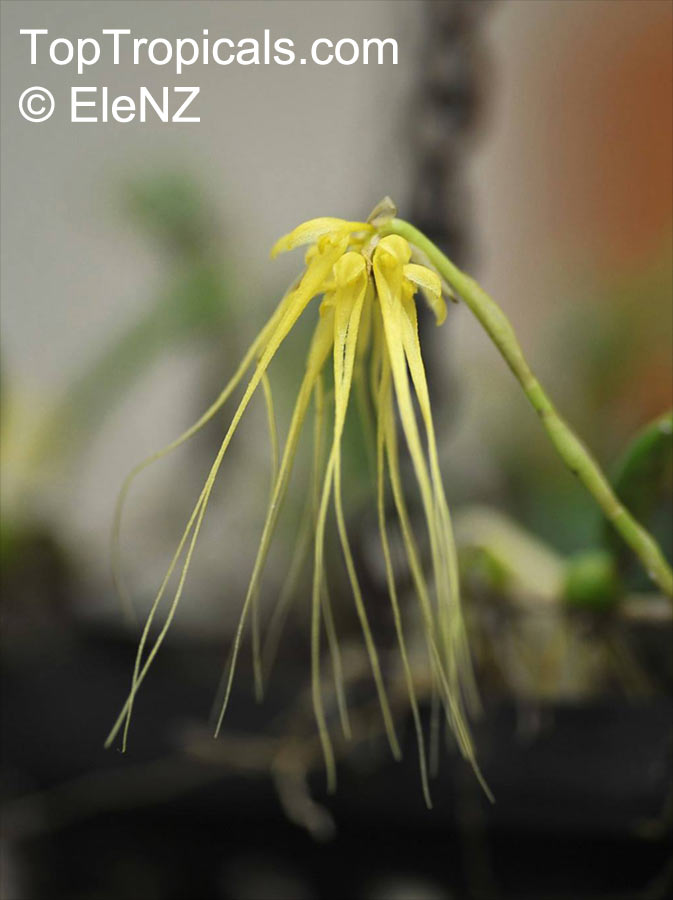
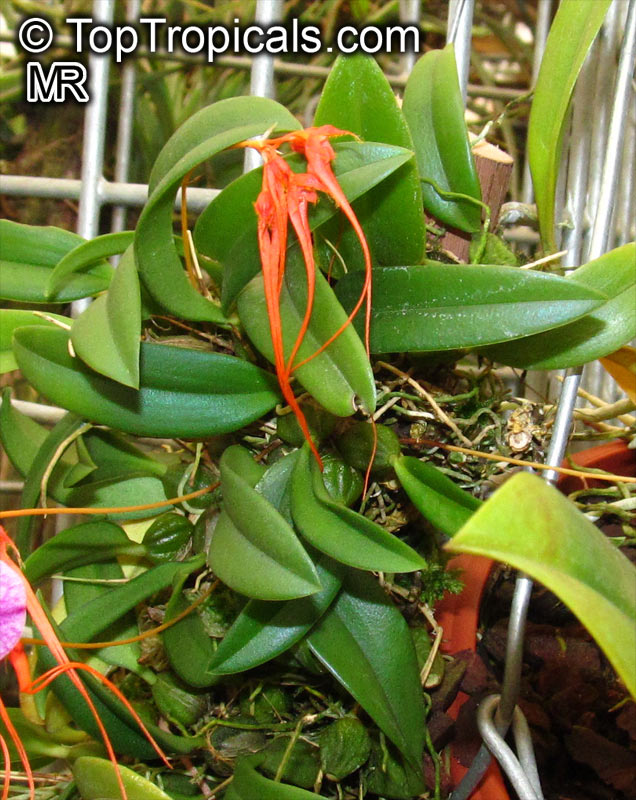
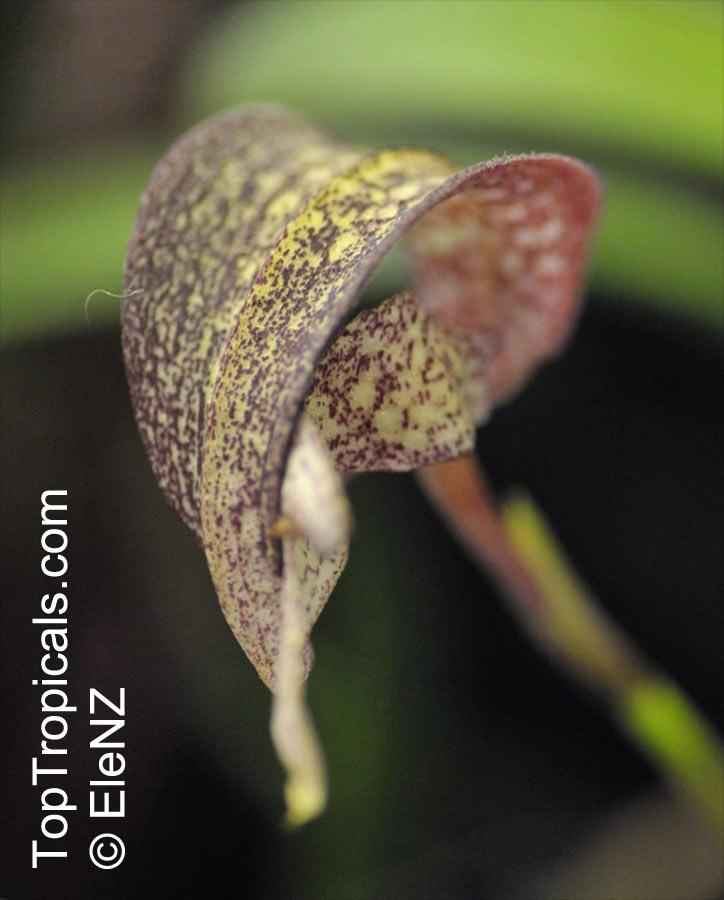
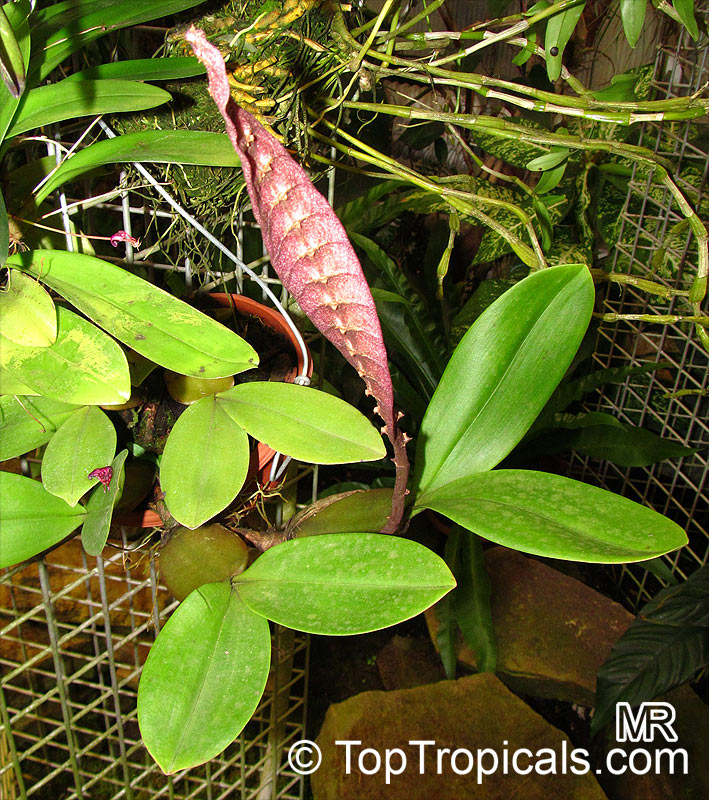
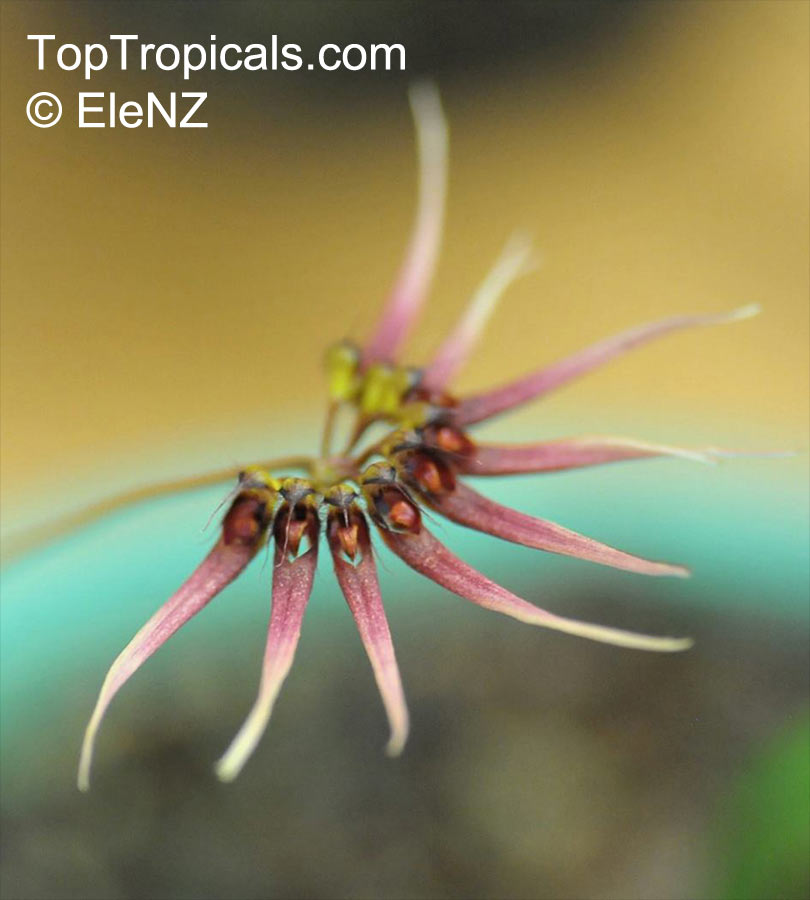
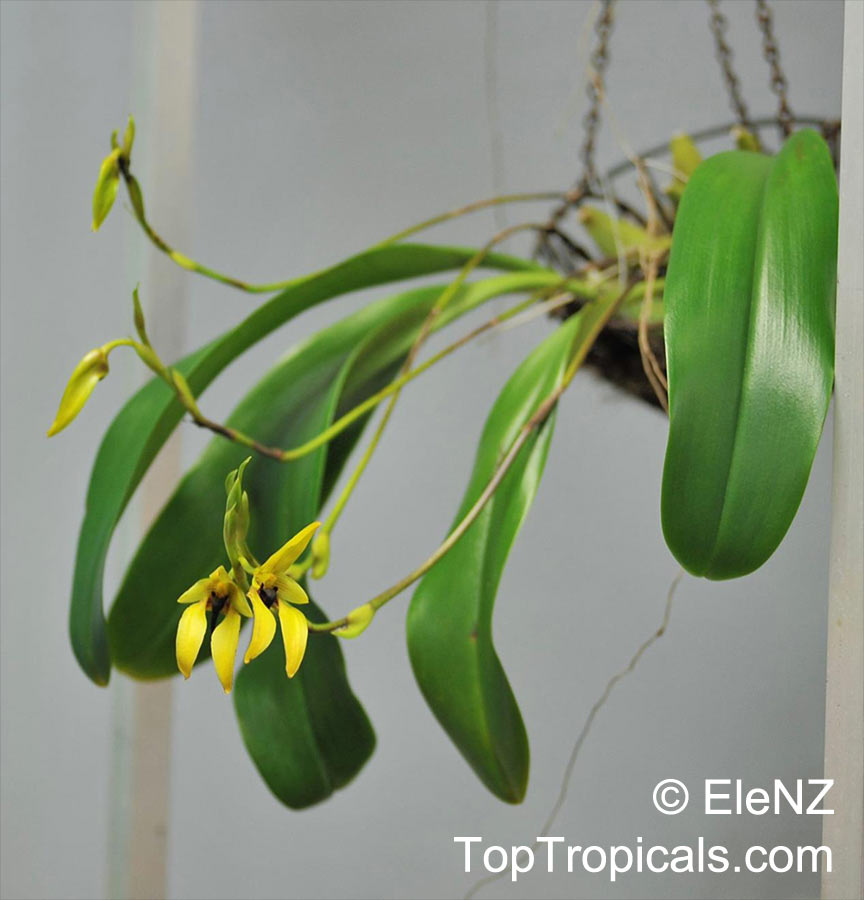
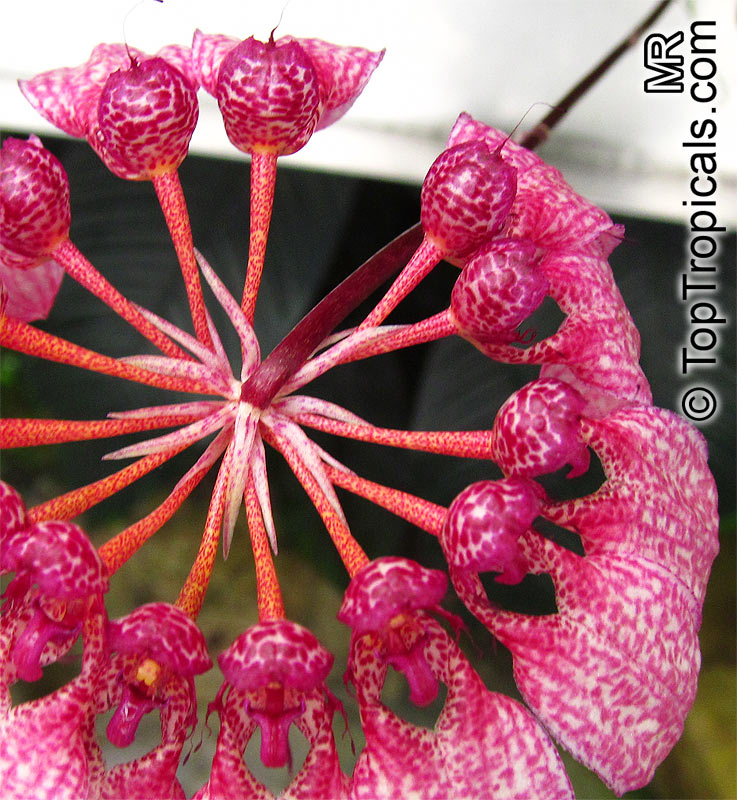
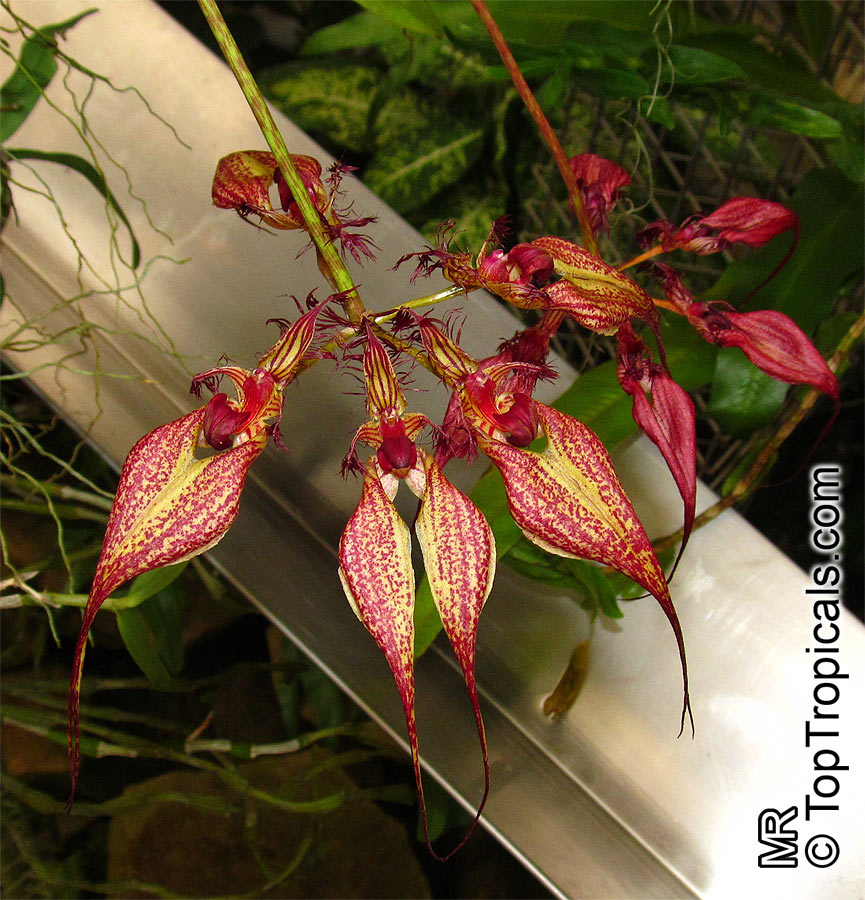
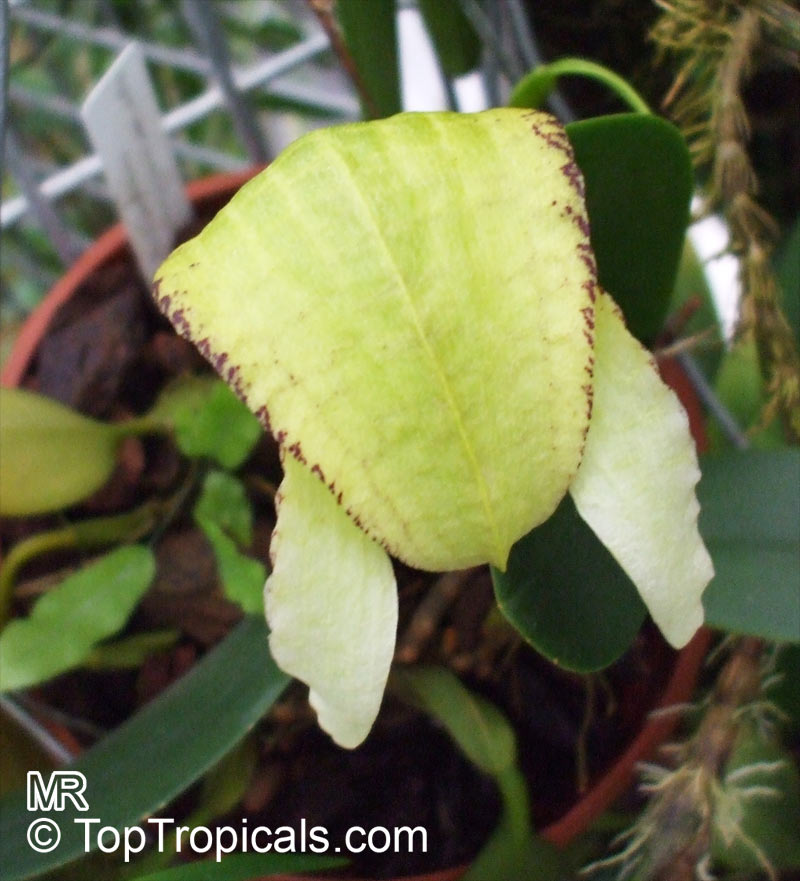
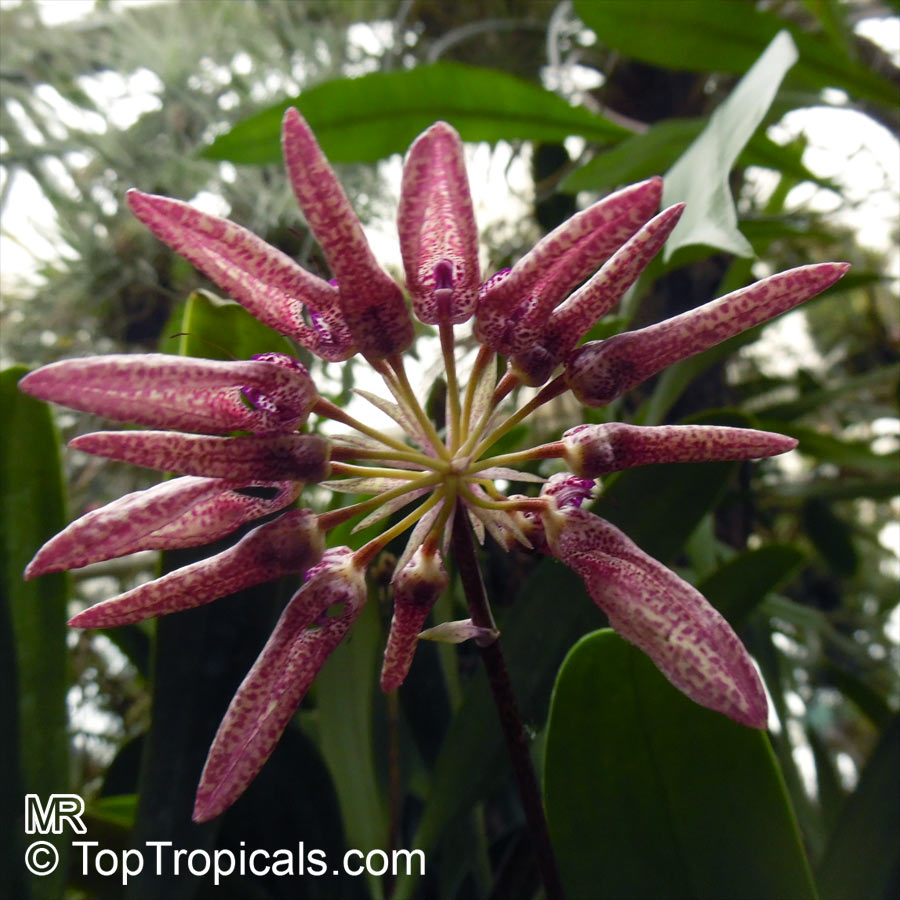
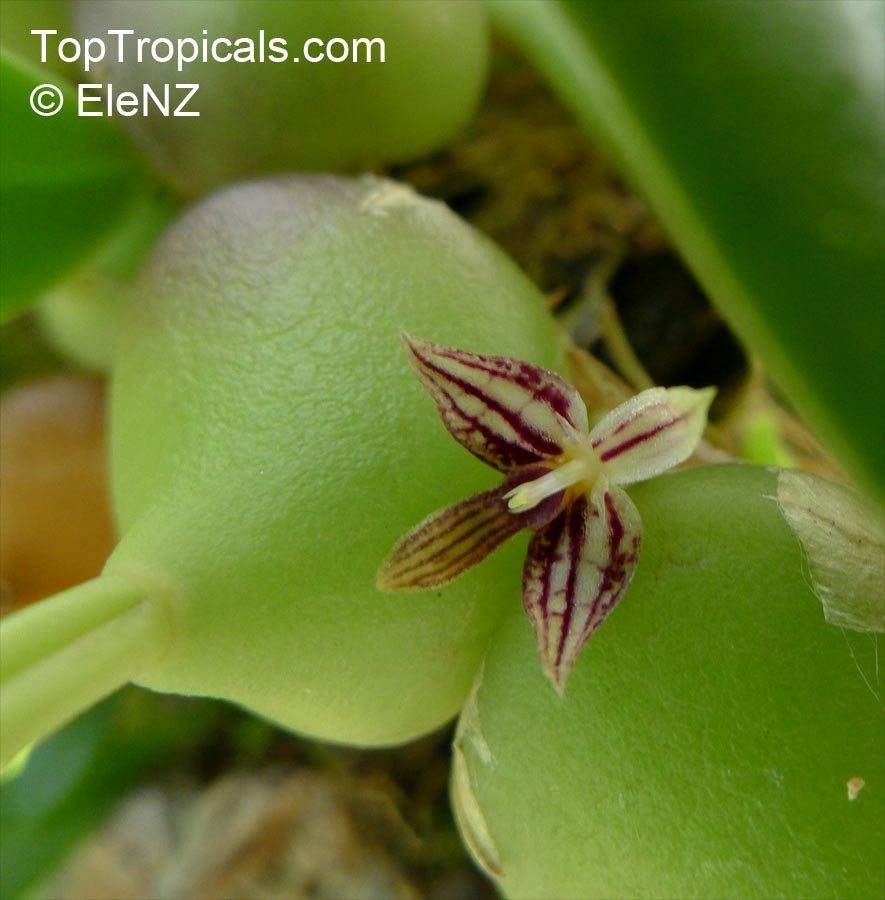
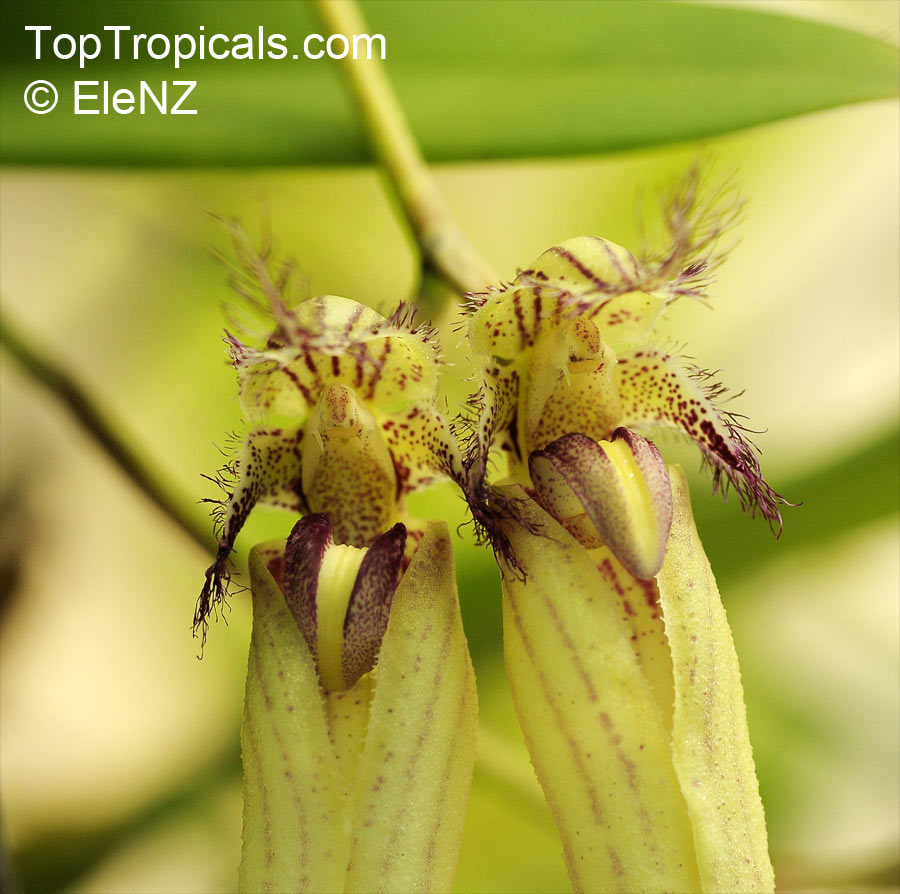
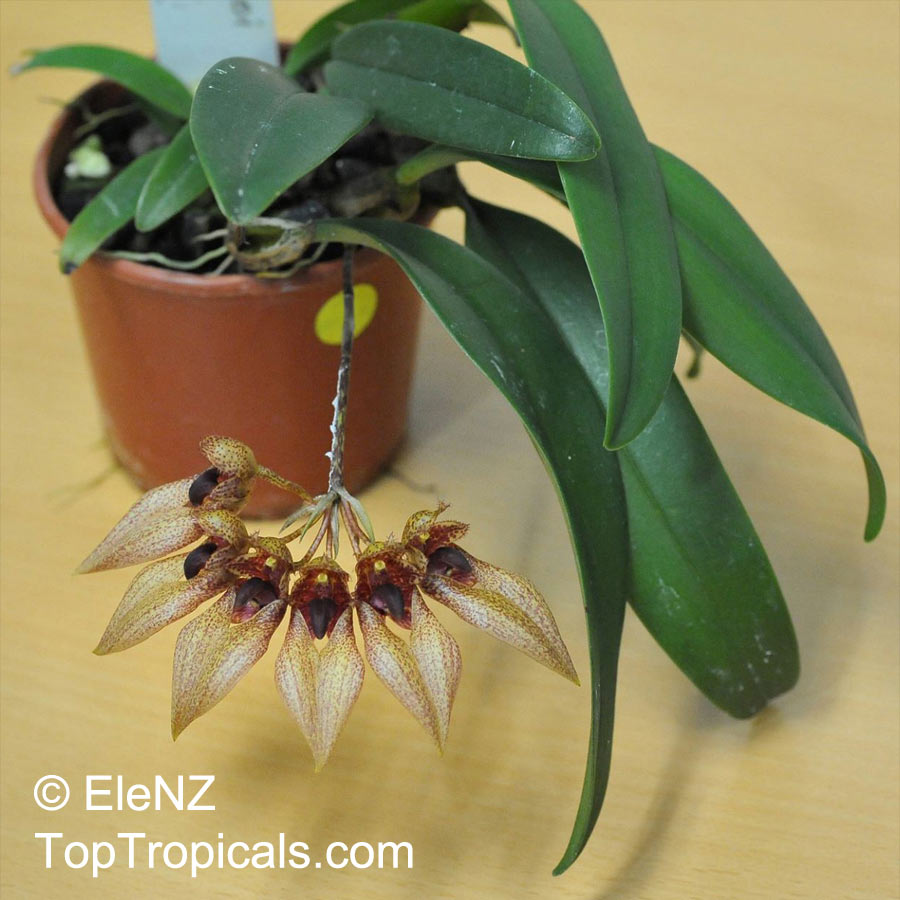
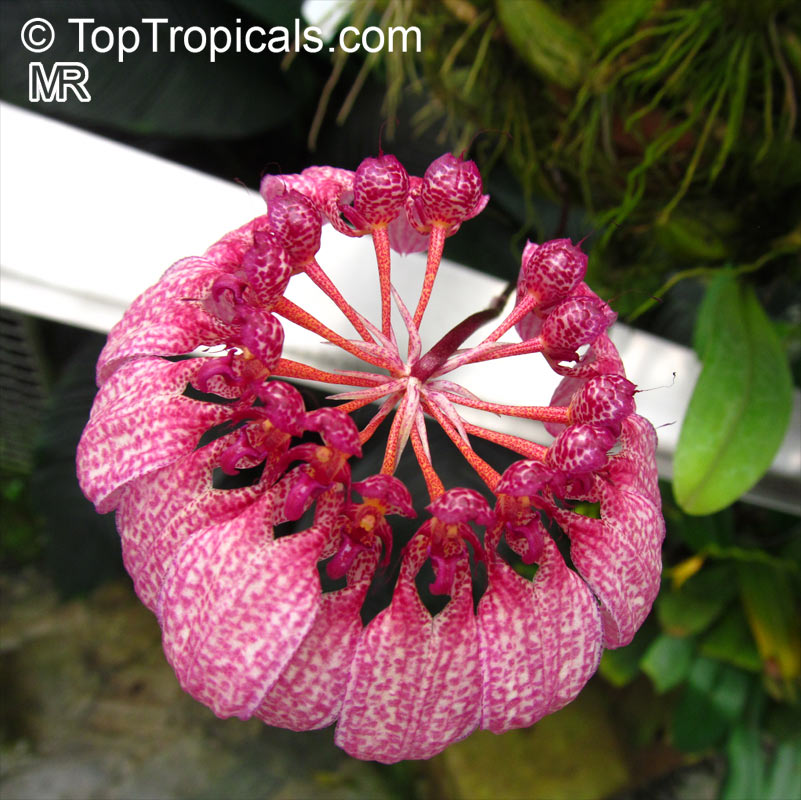
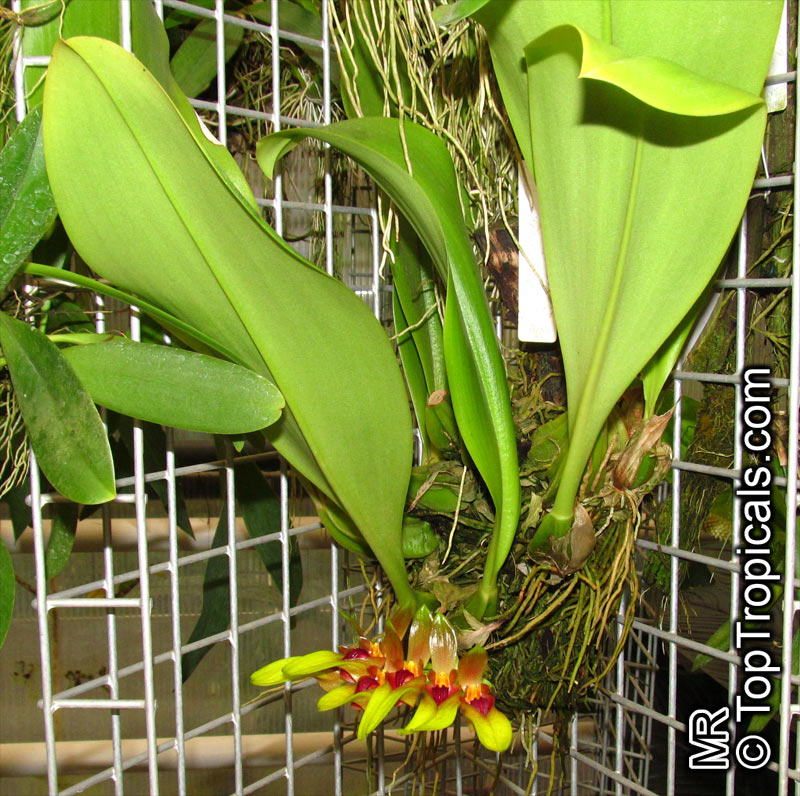
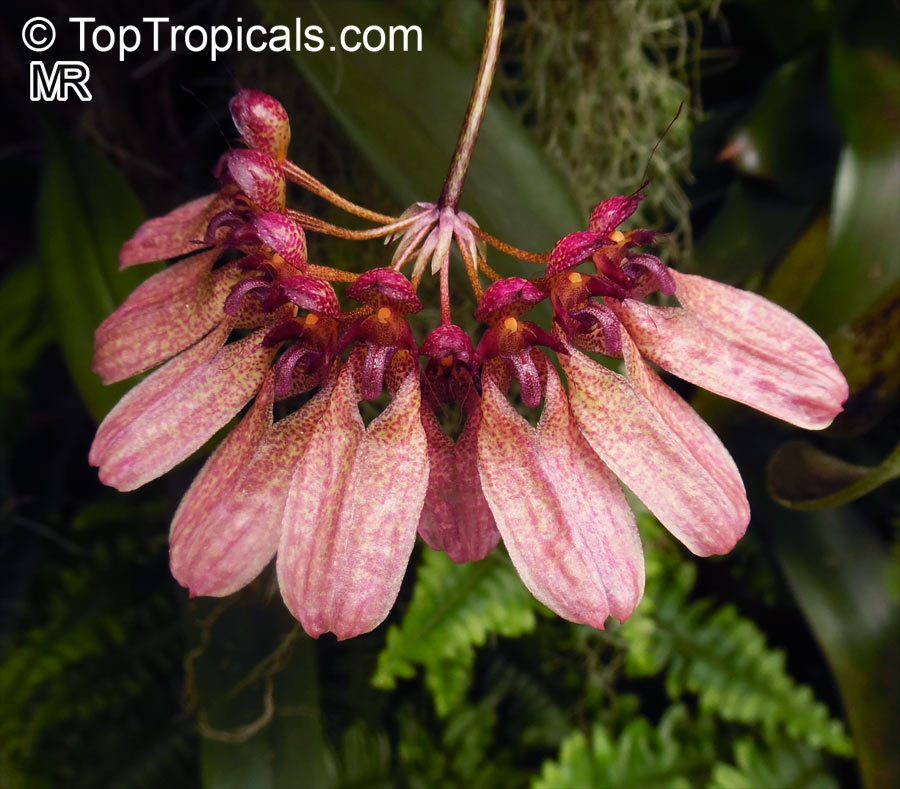
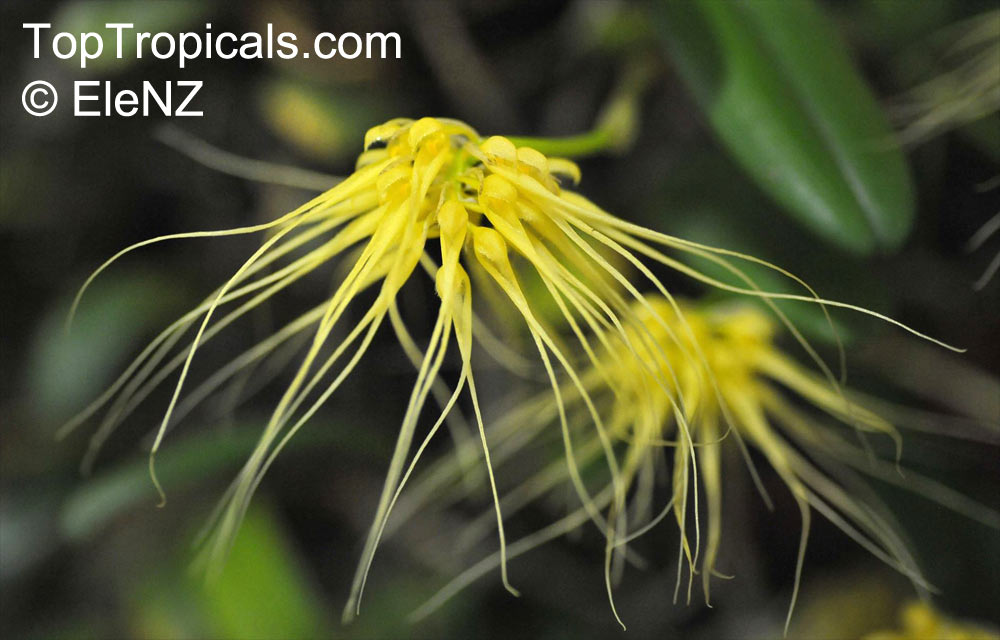
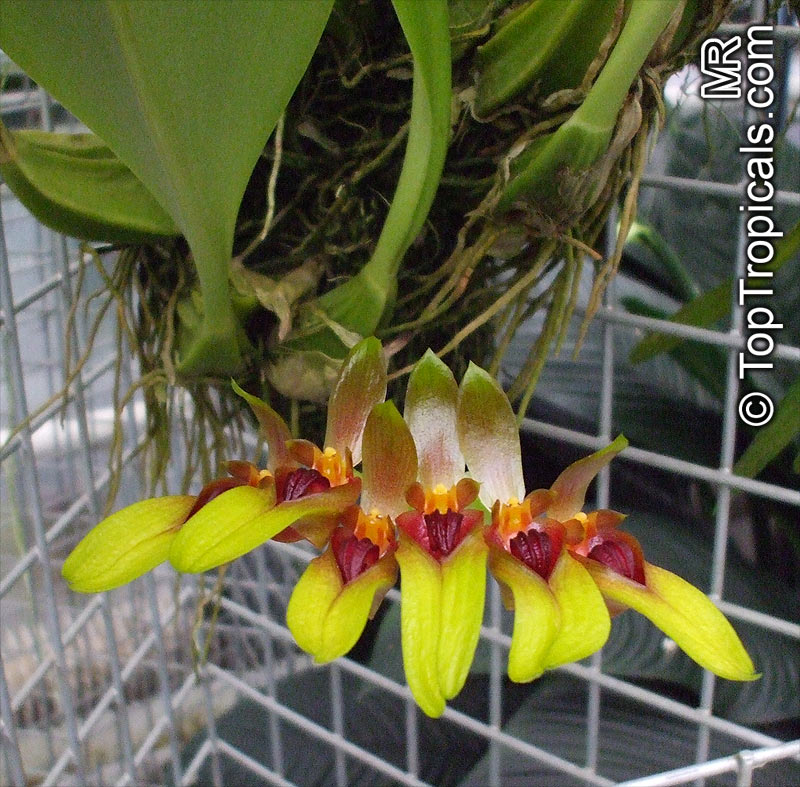
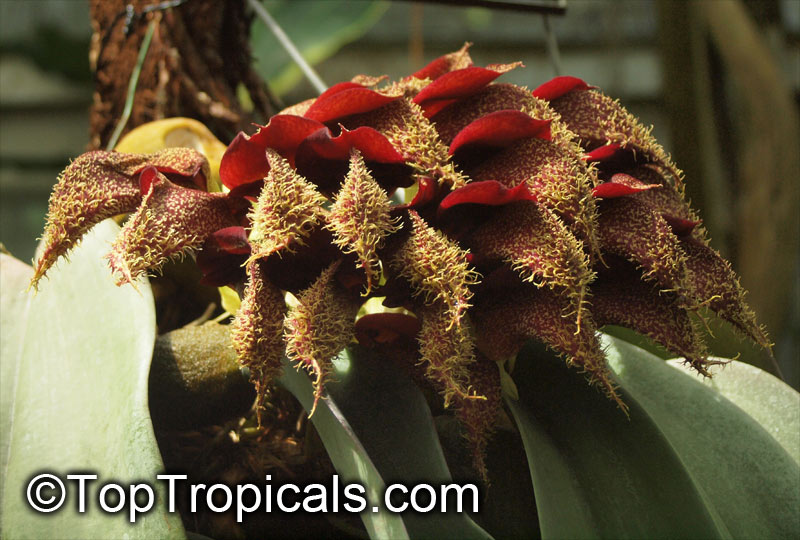
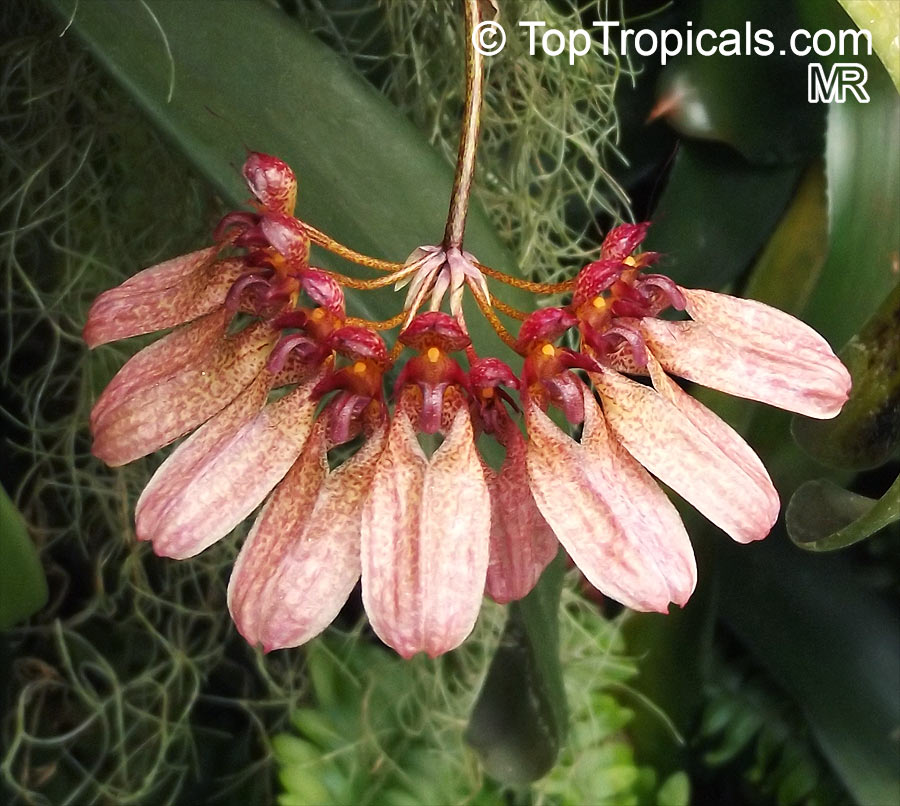
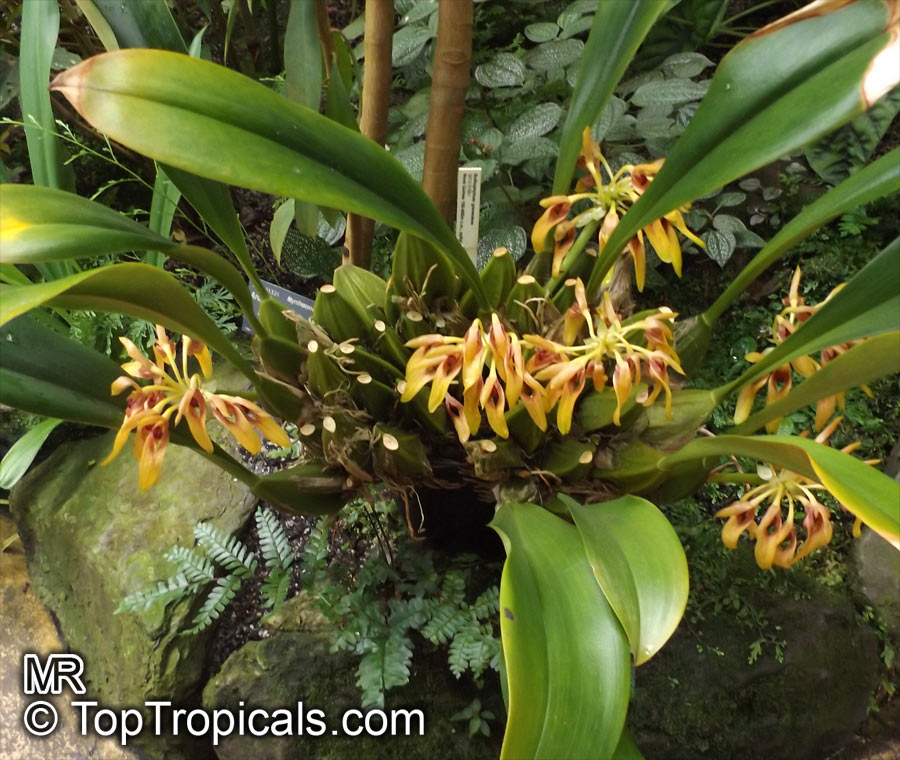
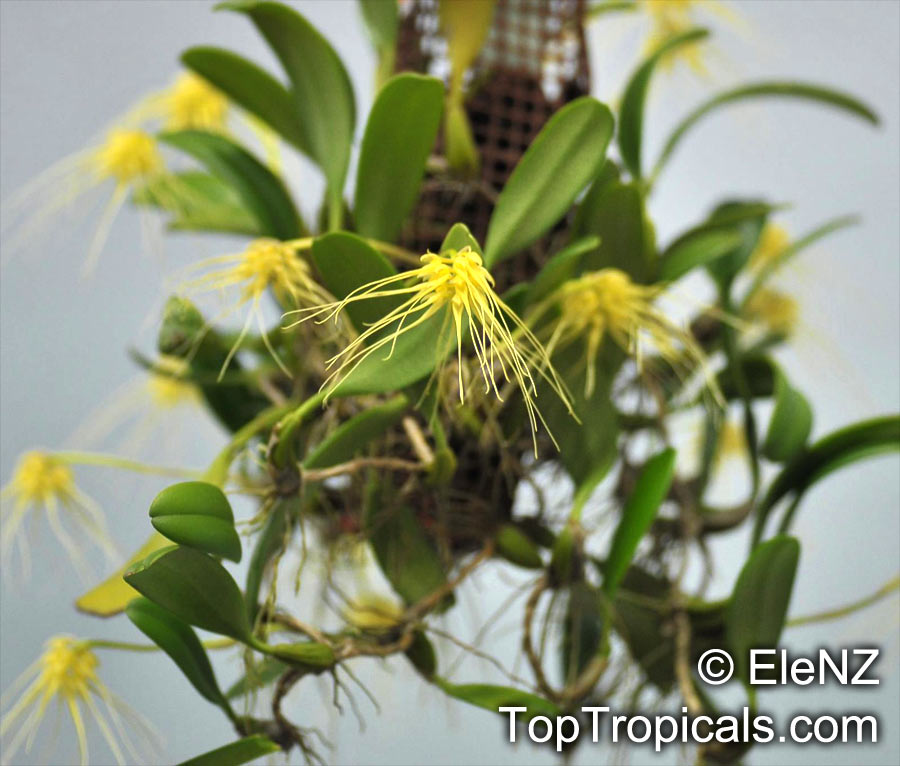
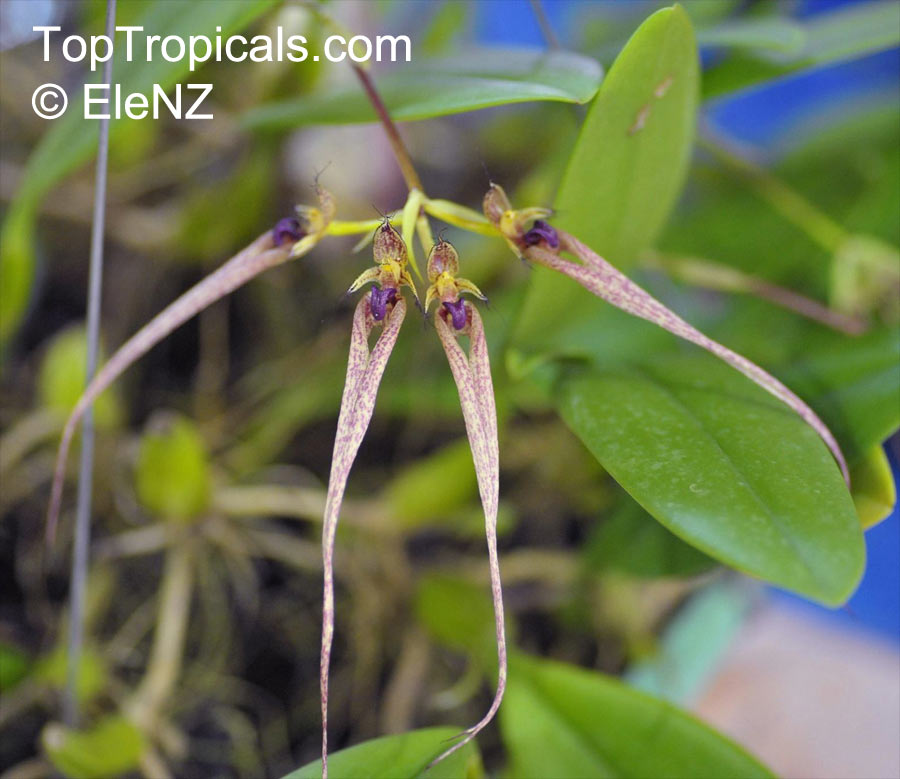
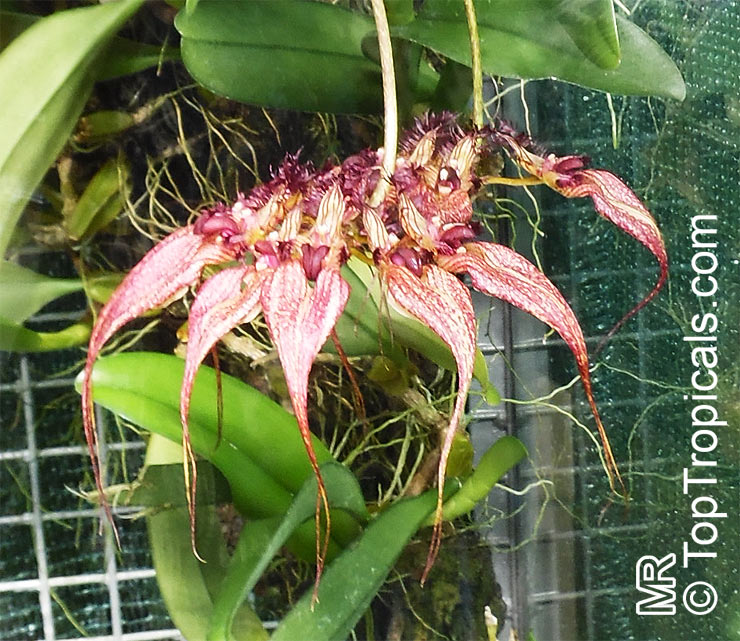
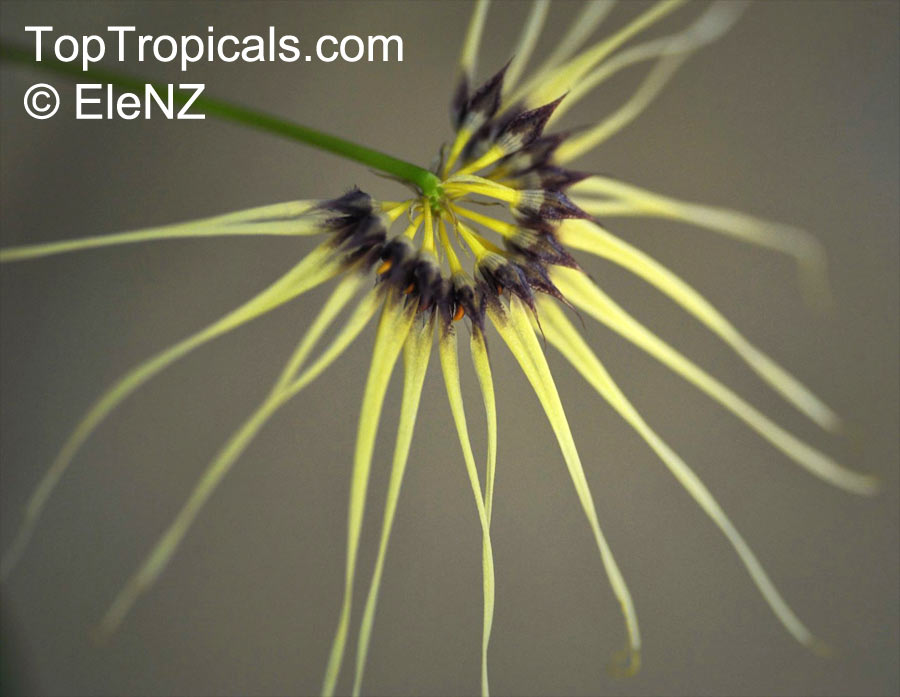
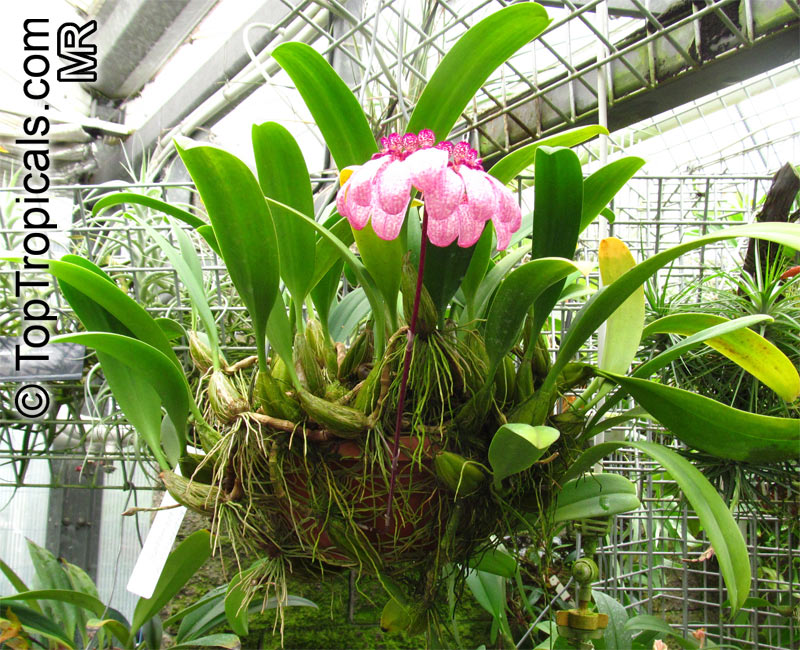
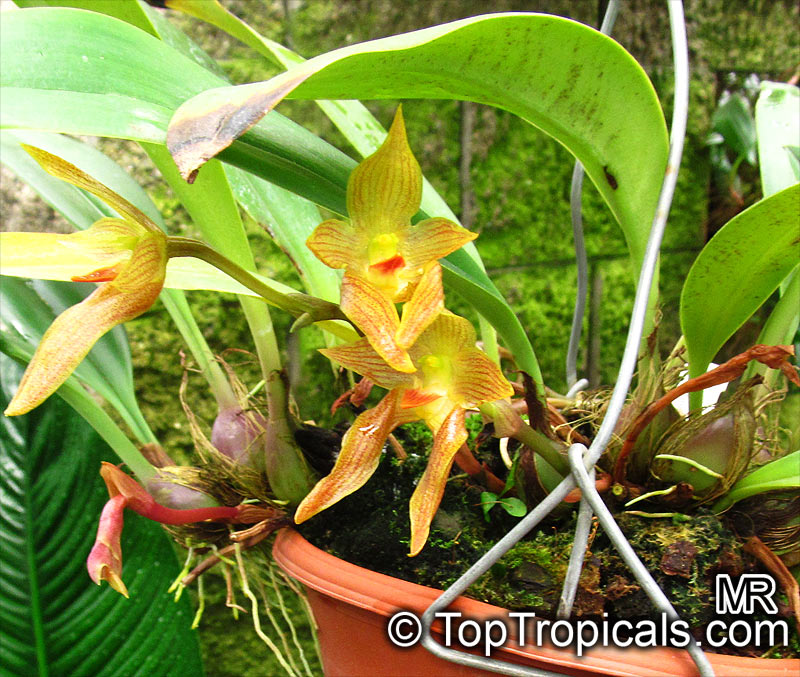
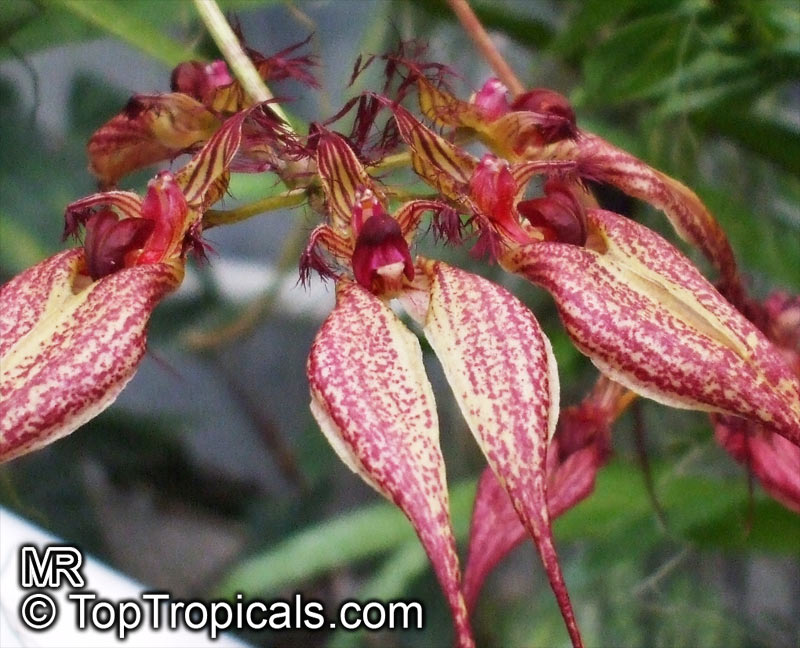
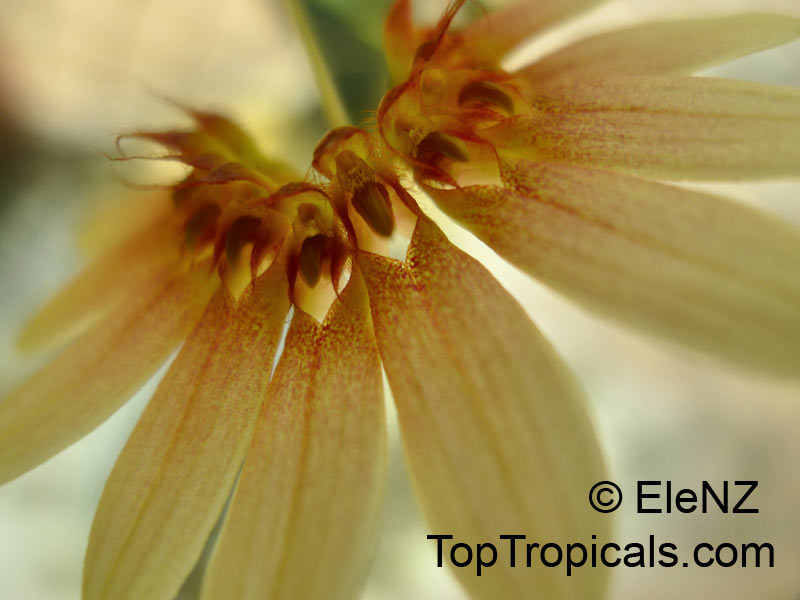
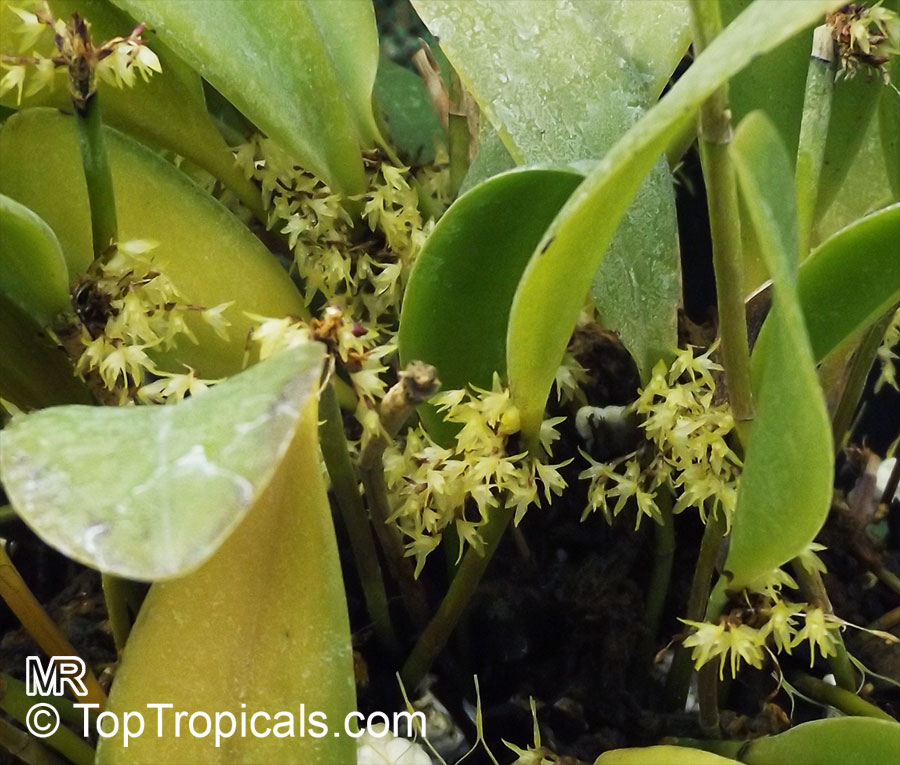
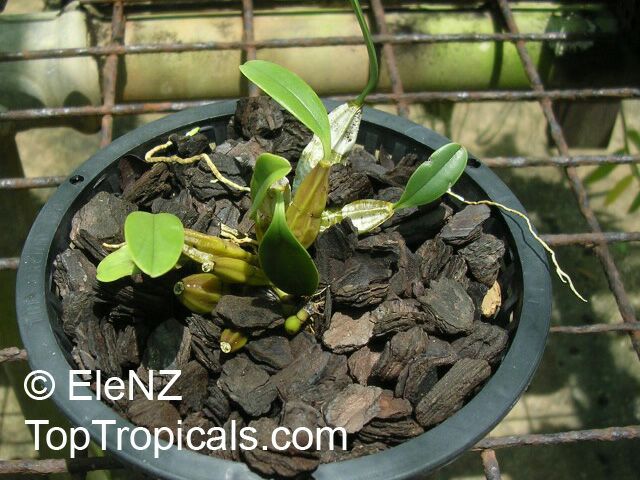
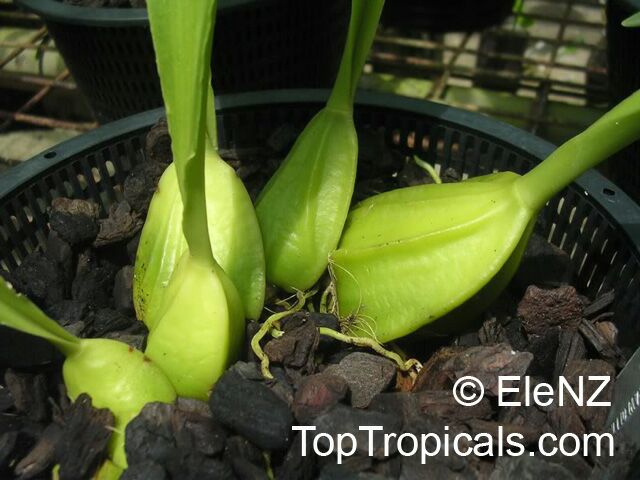
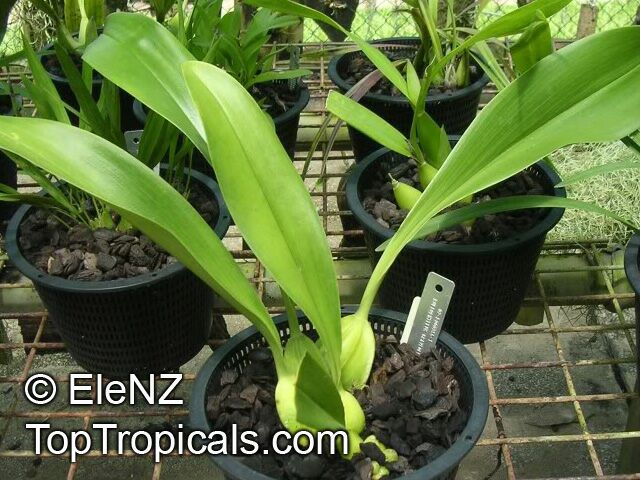
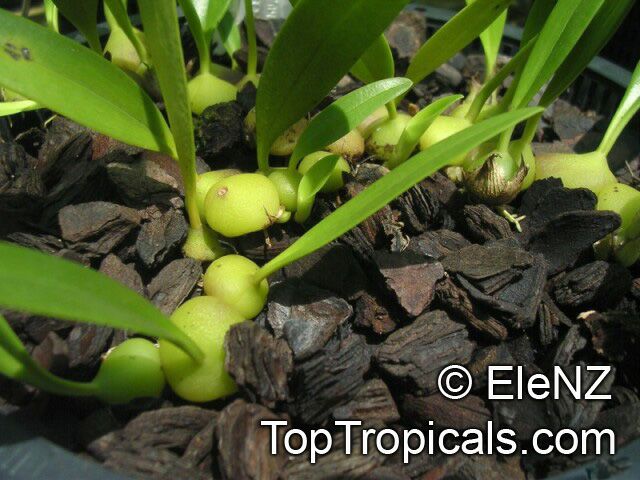
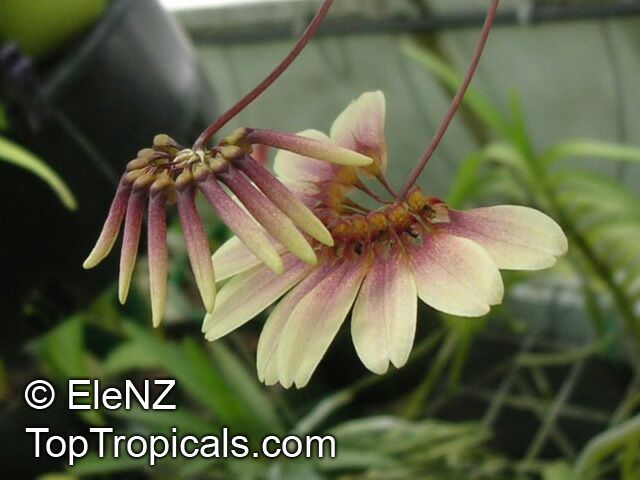
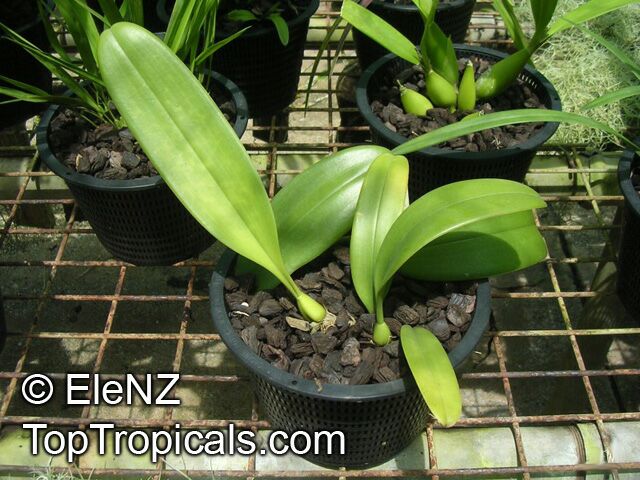
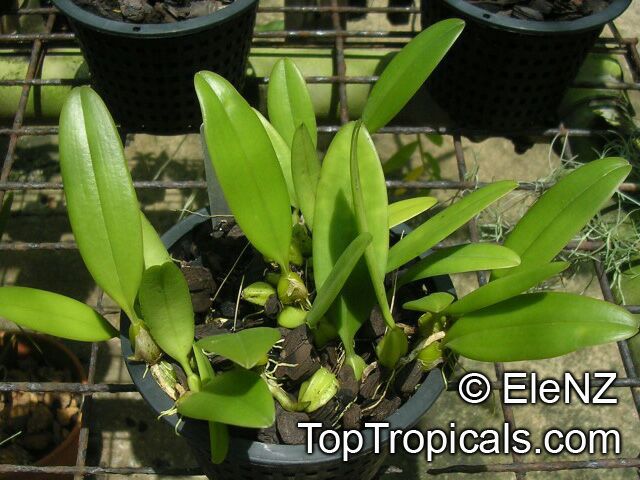
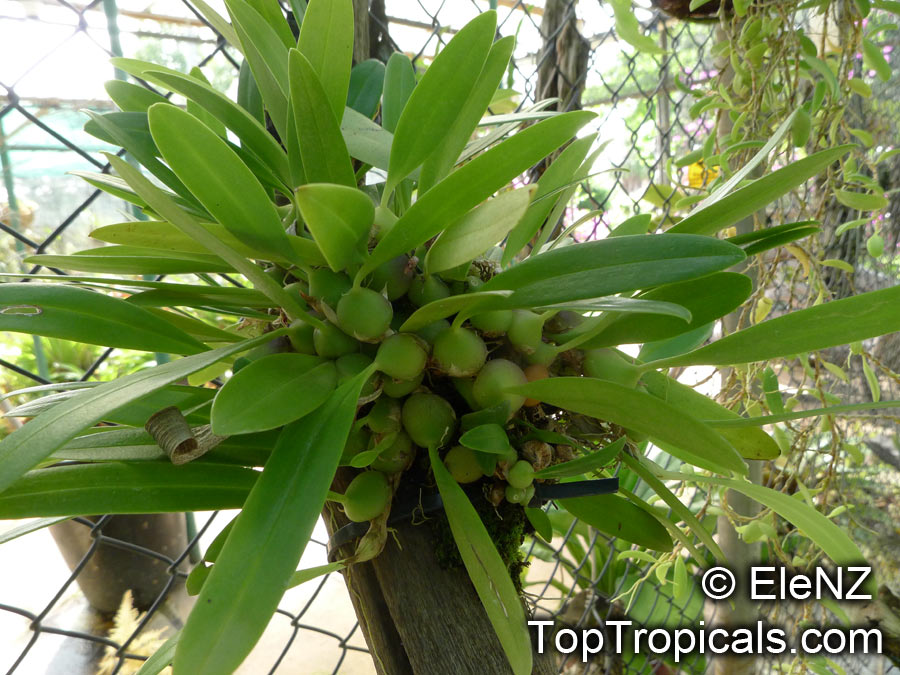
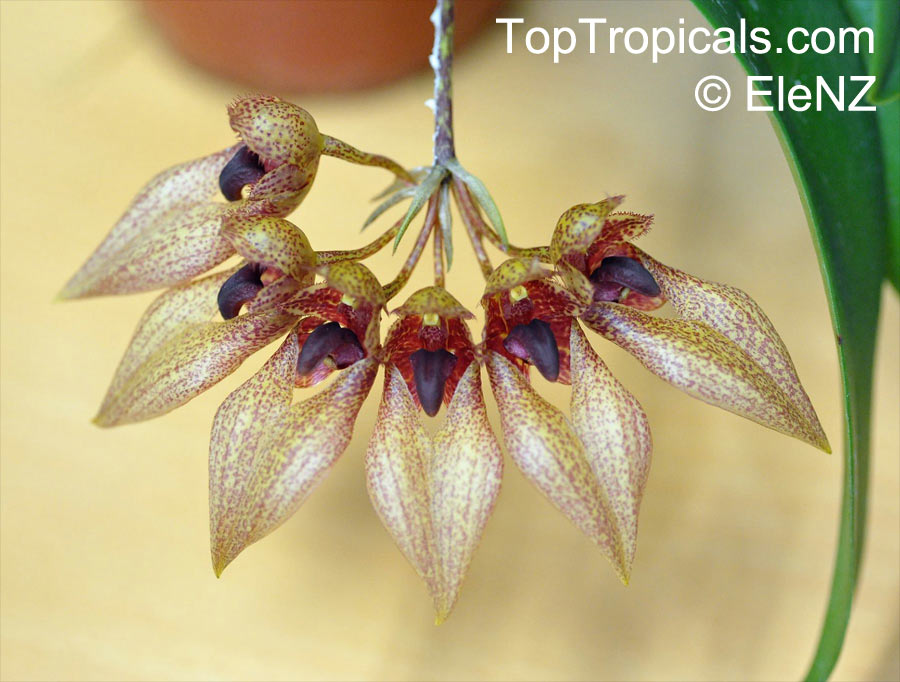
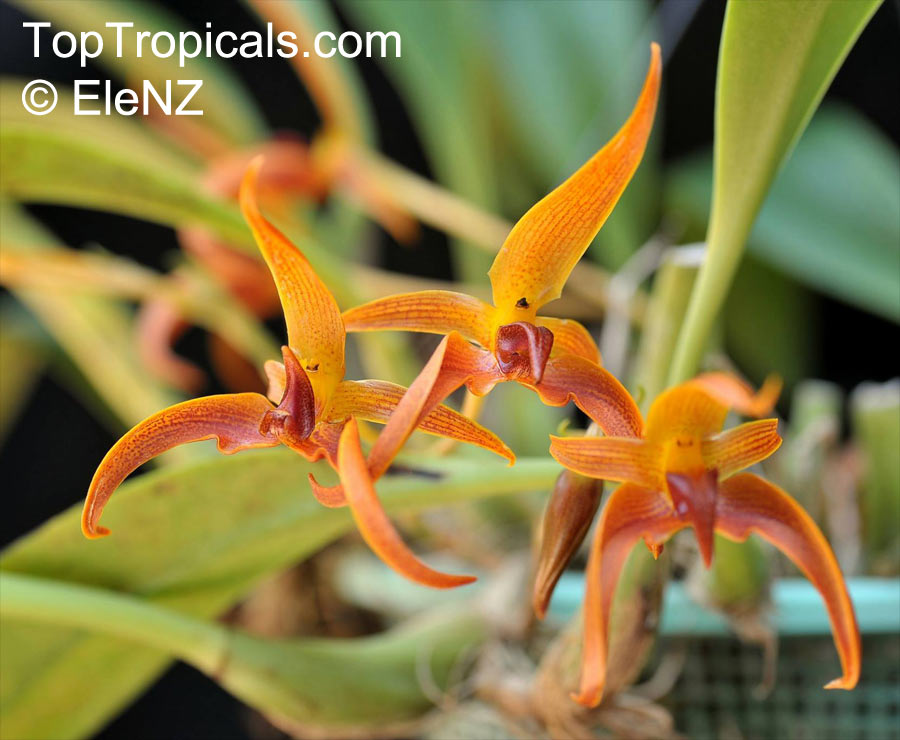
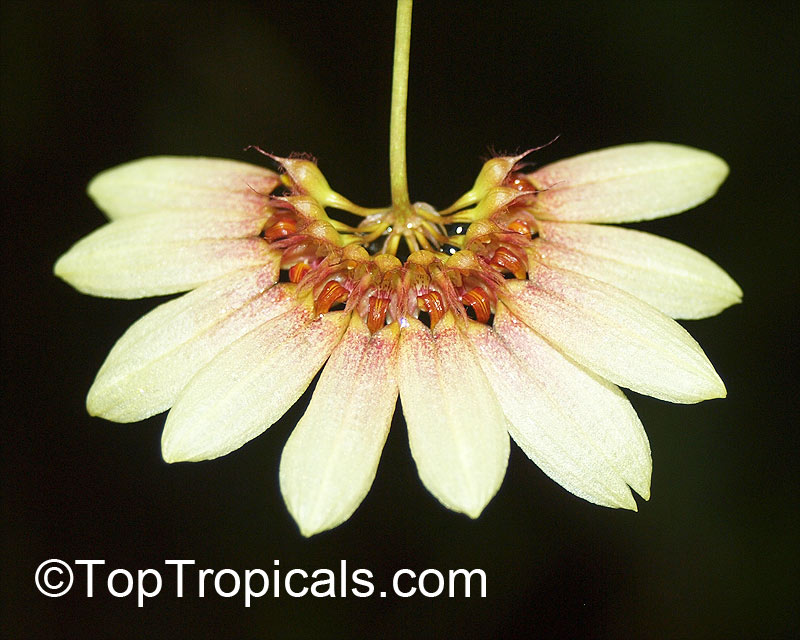
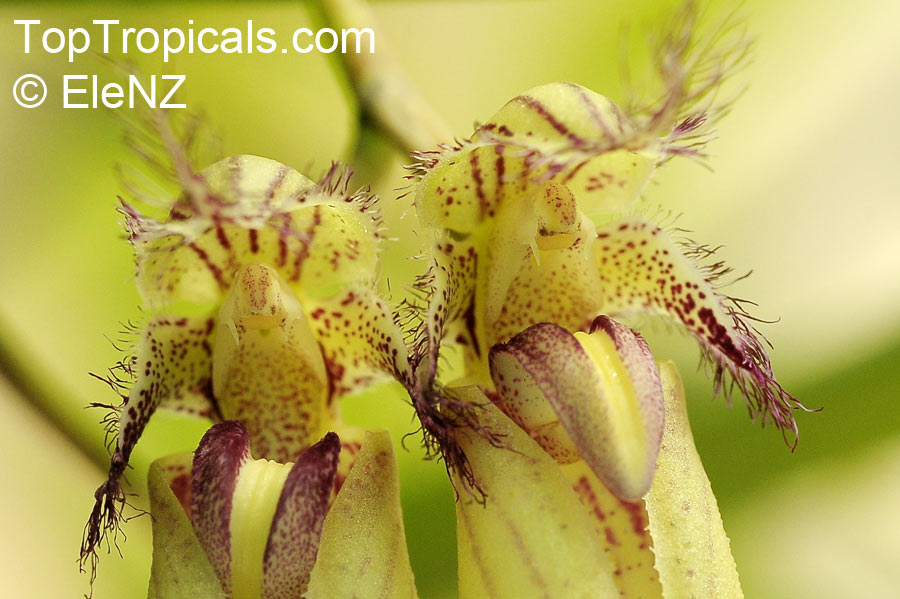
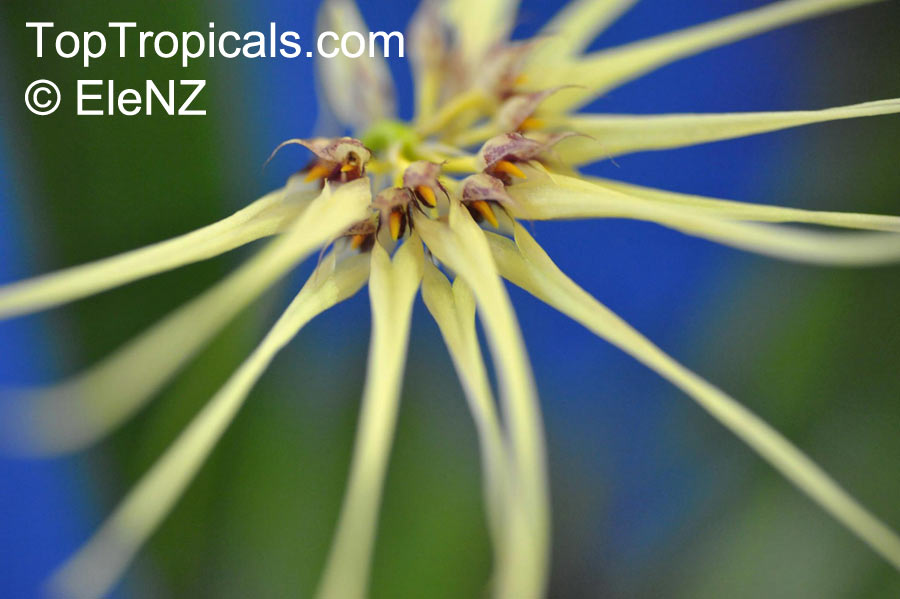
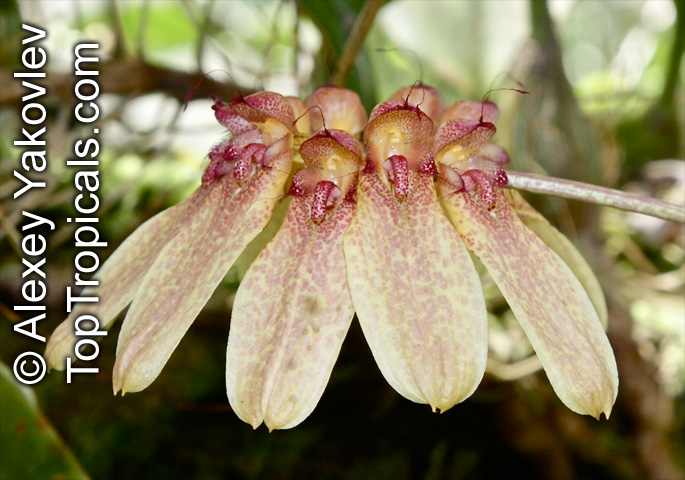
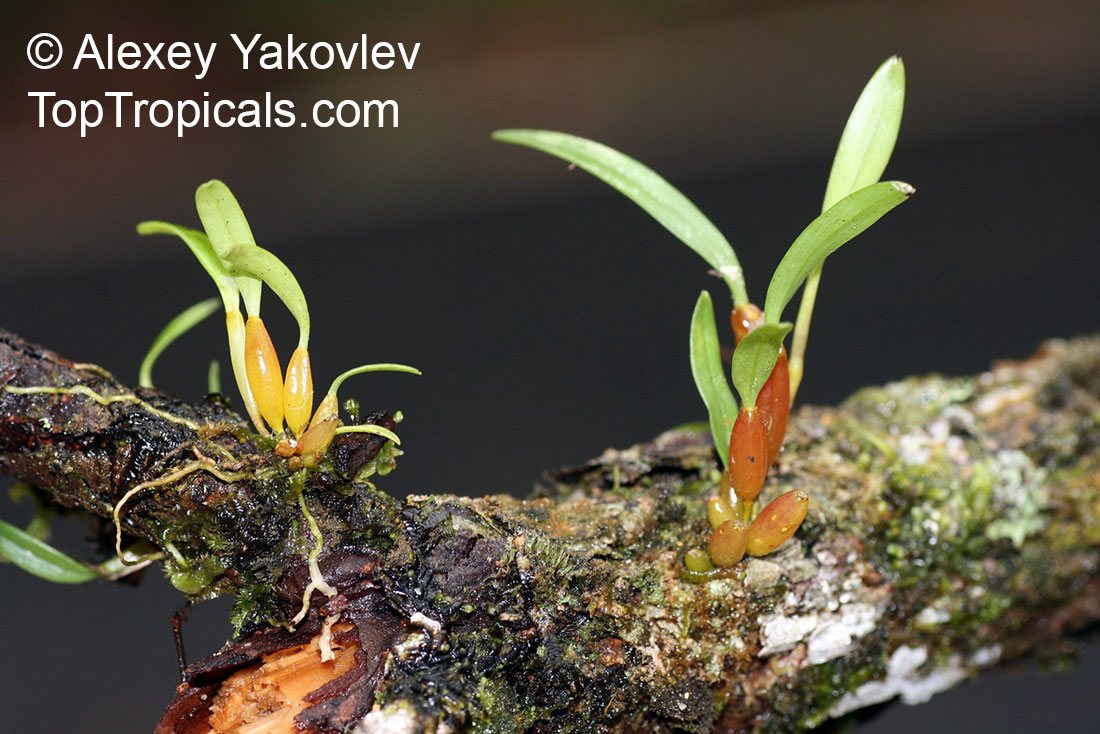
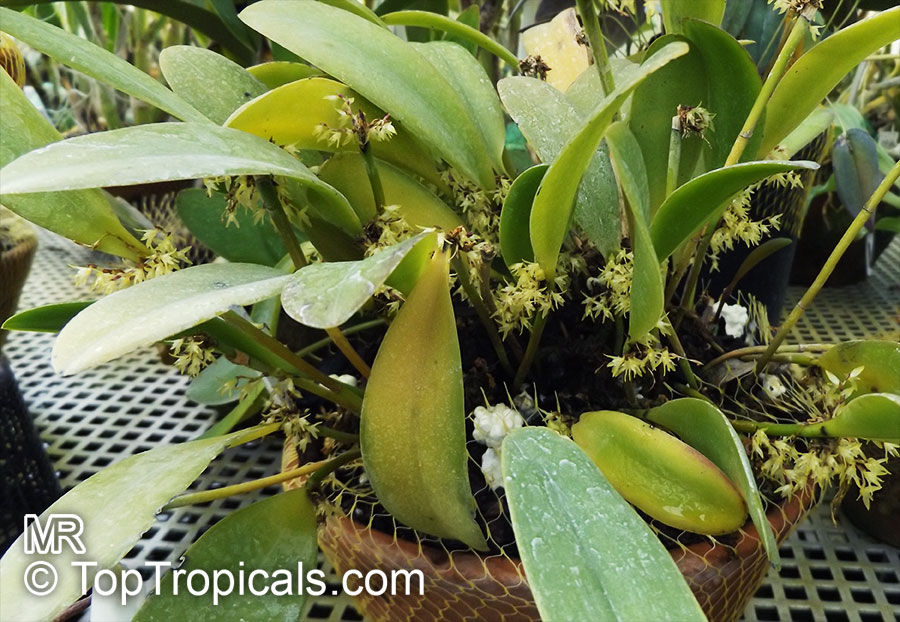
Botanical name: Bulbophyllum sp.
Common name: Bulbophyllum
Family: Orchidaceae
USDA Zone: 9-10
Plant form: SmallMature height: 2-5 ft Sun exposure: Semi-shade; shadeCold tolerance: Frost sensitive. Protect from freezing.
 Watering: Moderate; epiphyte. Needs light, frequent misting or soaking to stay hydrated.Flower color: Pink; white and off-white; red, crimson, vinous; yellow, orange; unusual colorSuitable for: Outdoors in USDA Zones 9-11; small gardens, containers, and indoor growing
Bulbophyllum is the largest genus in the Orchidaceae.
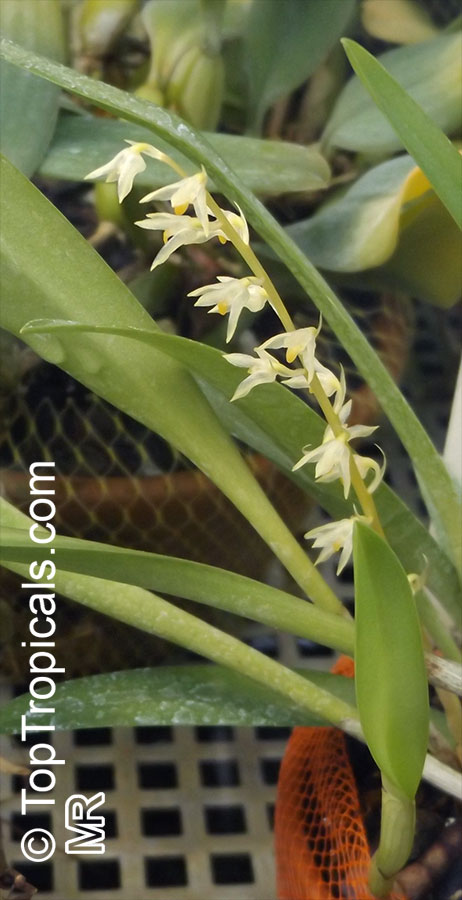
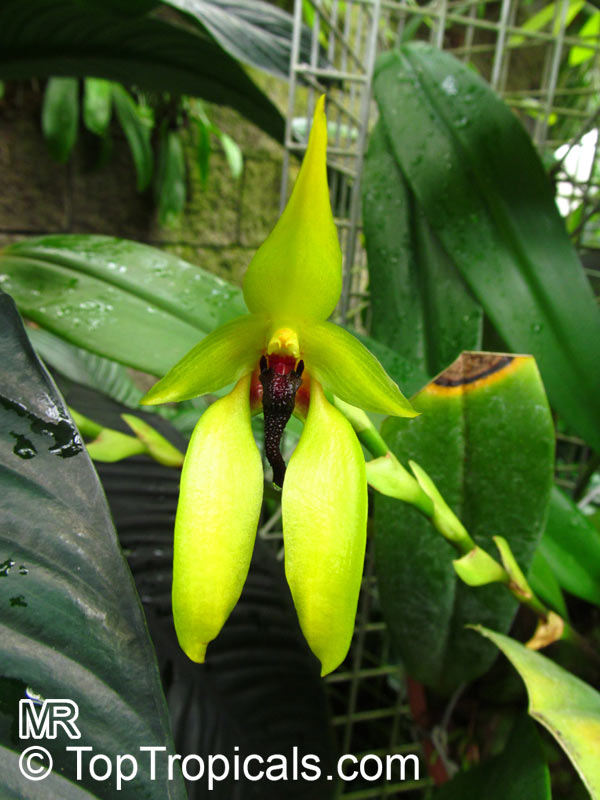



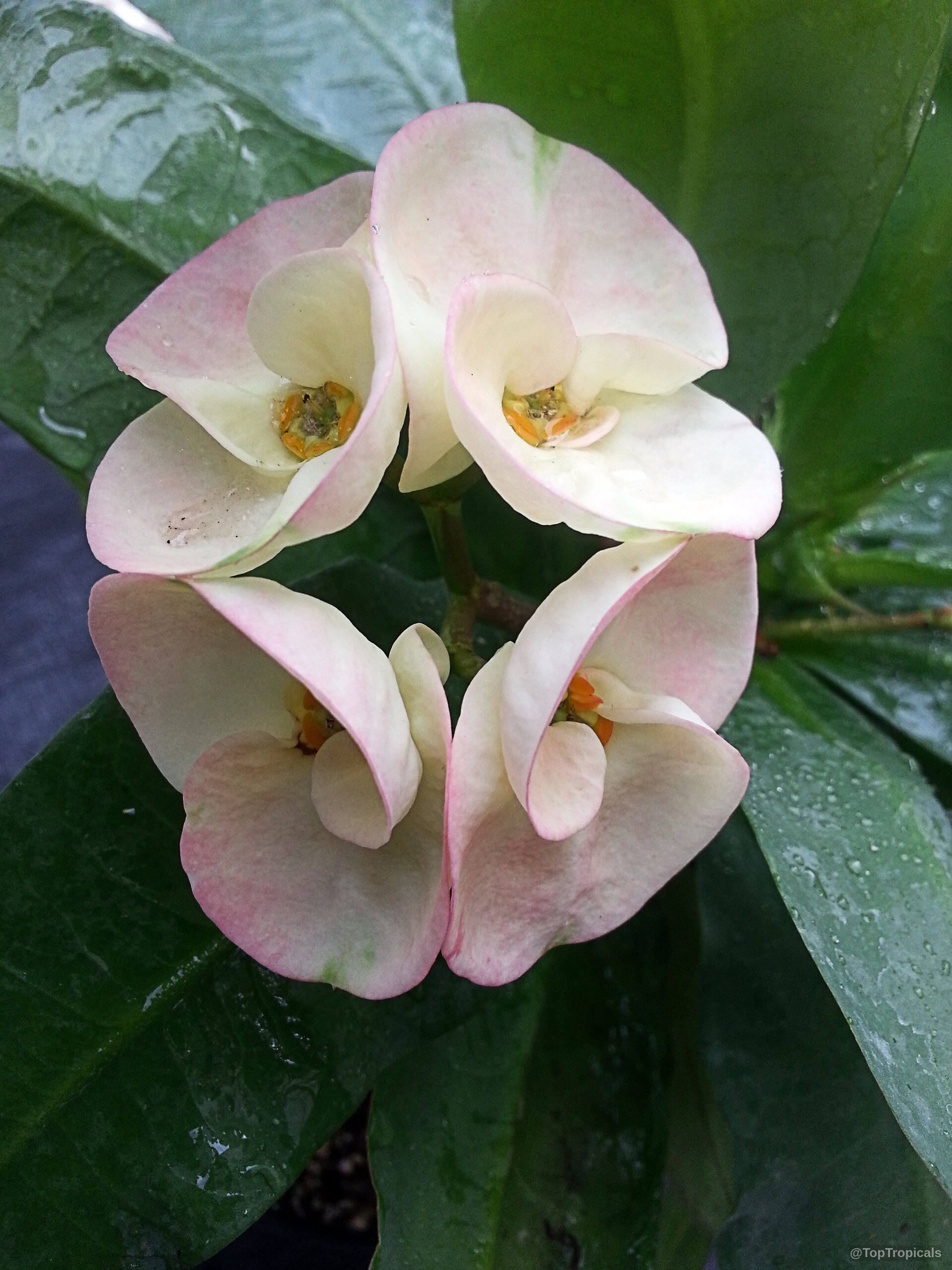
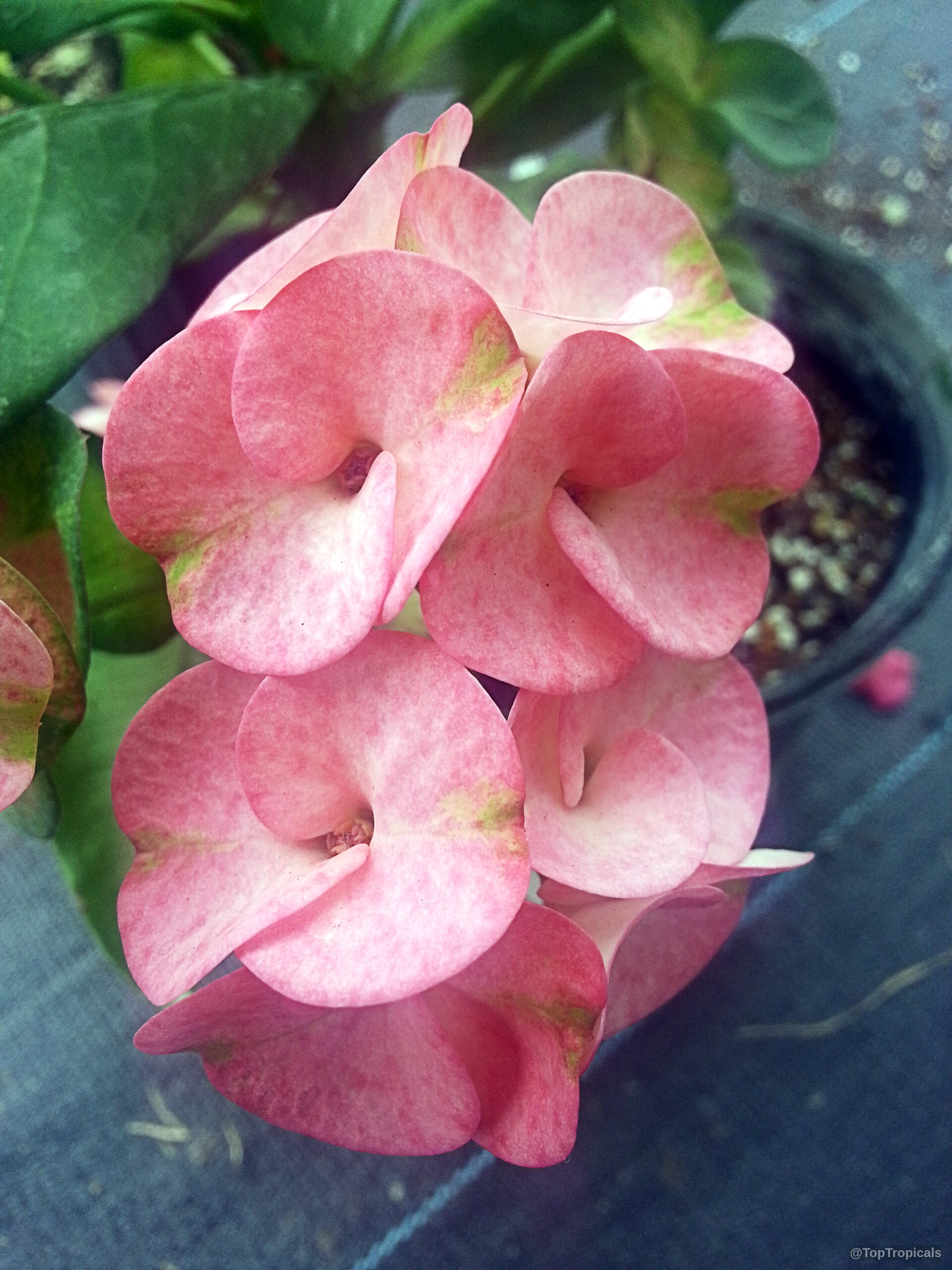
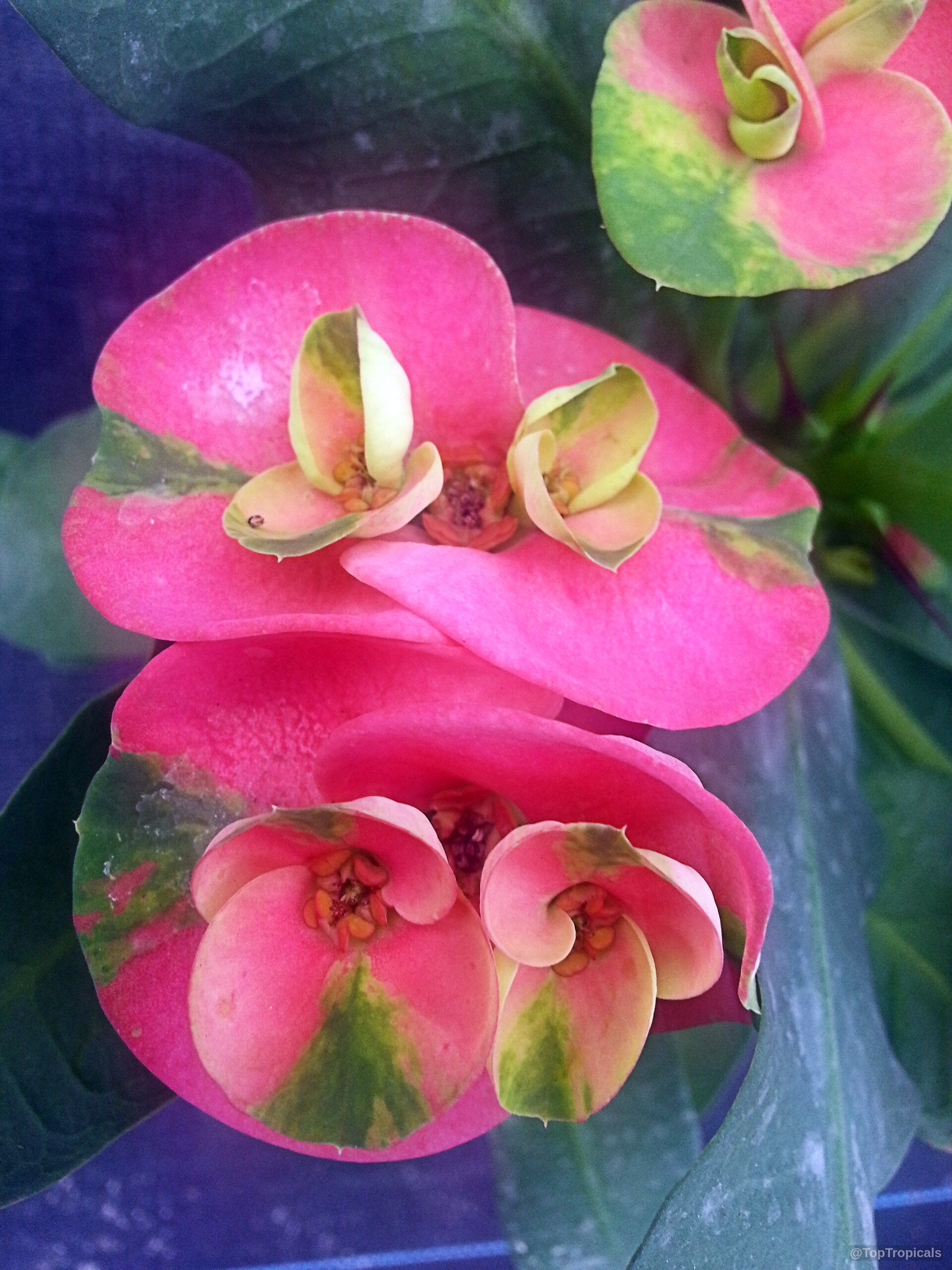
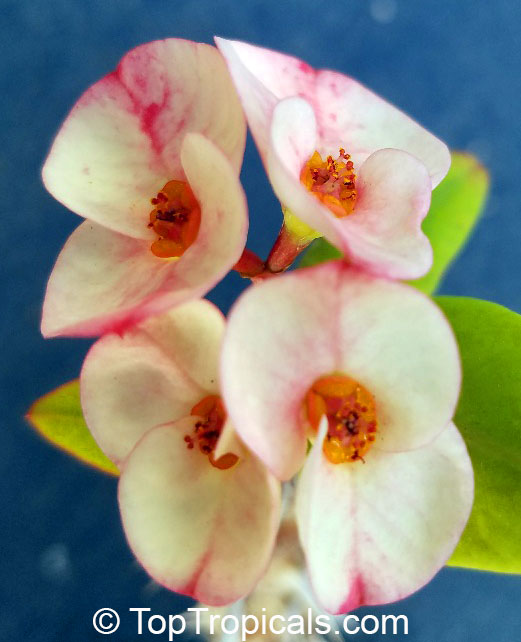
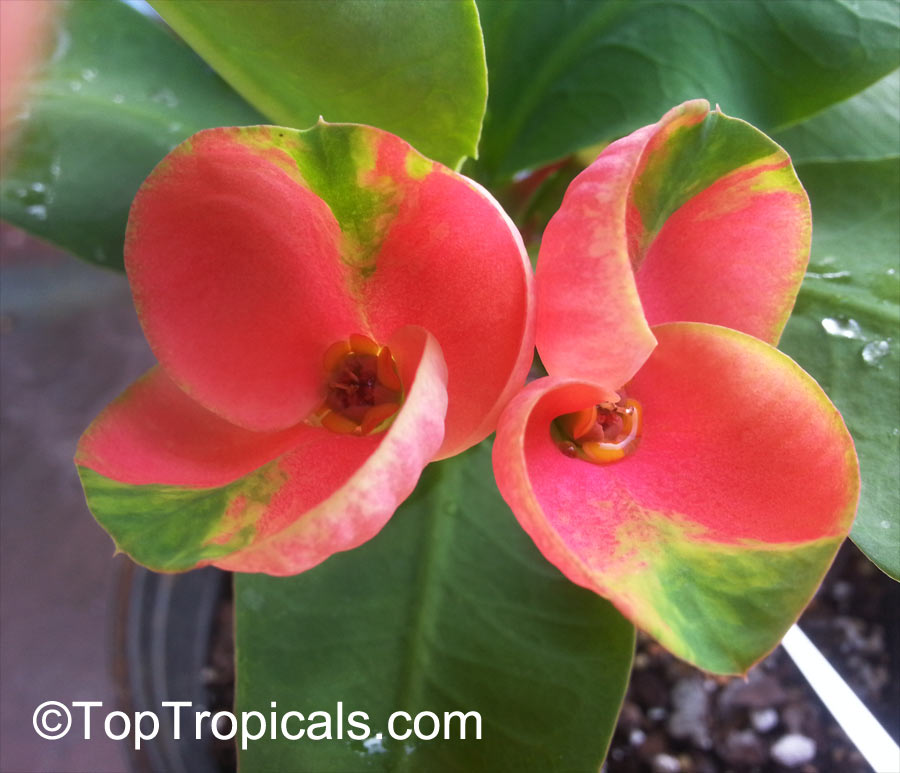
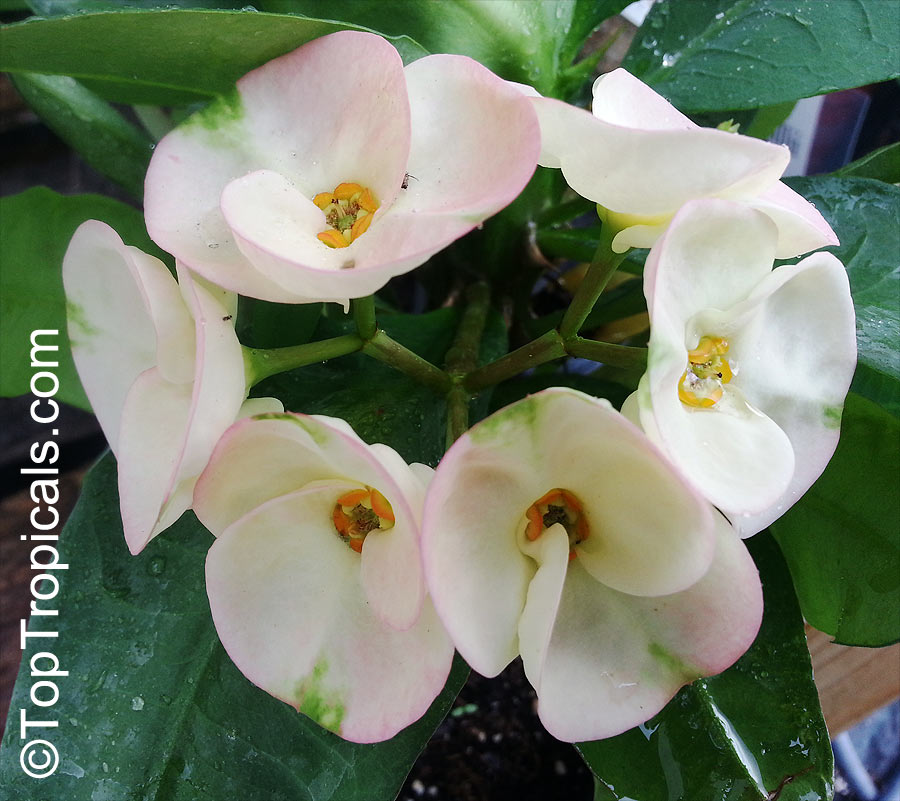
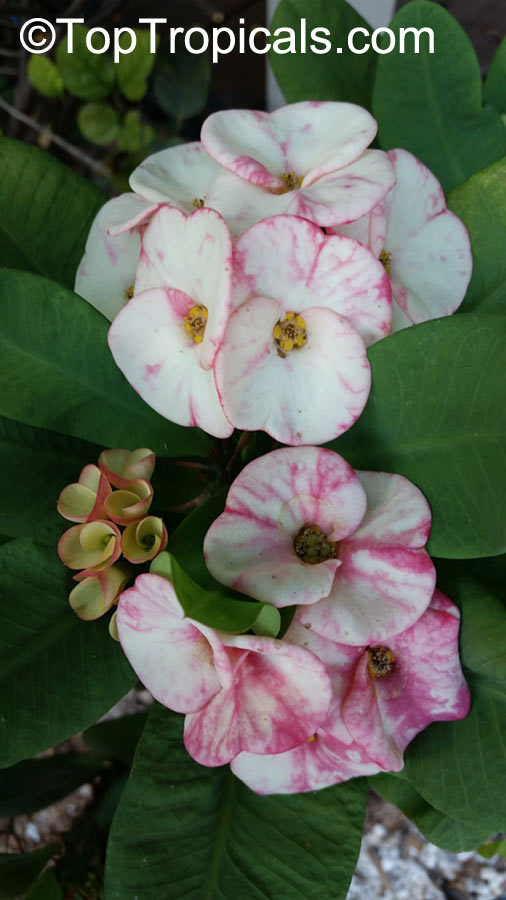
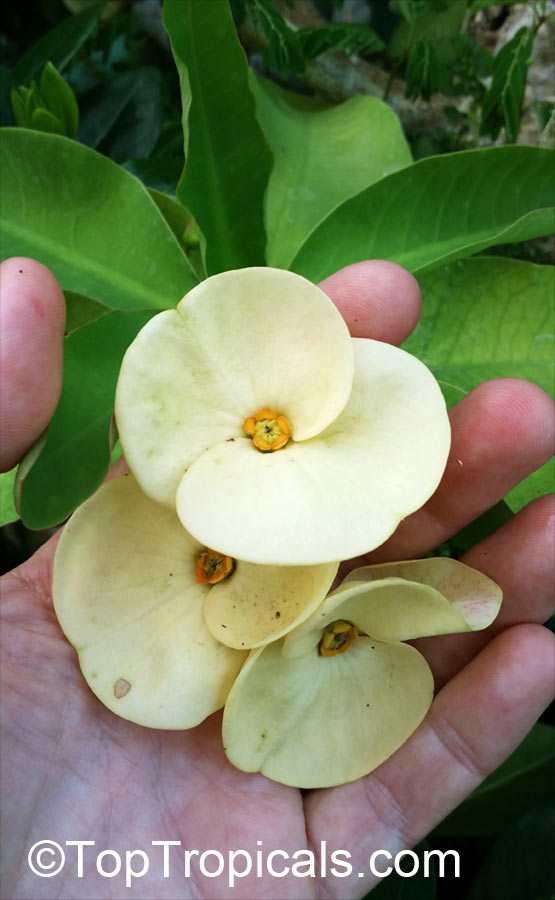
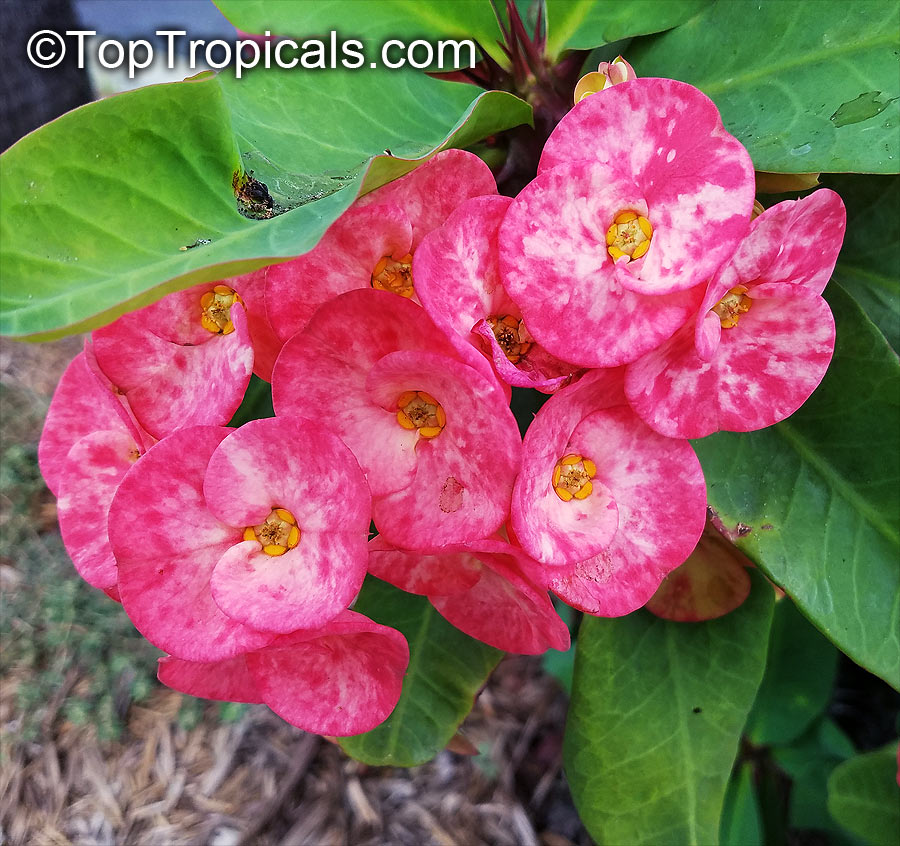
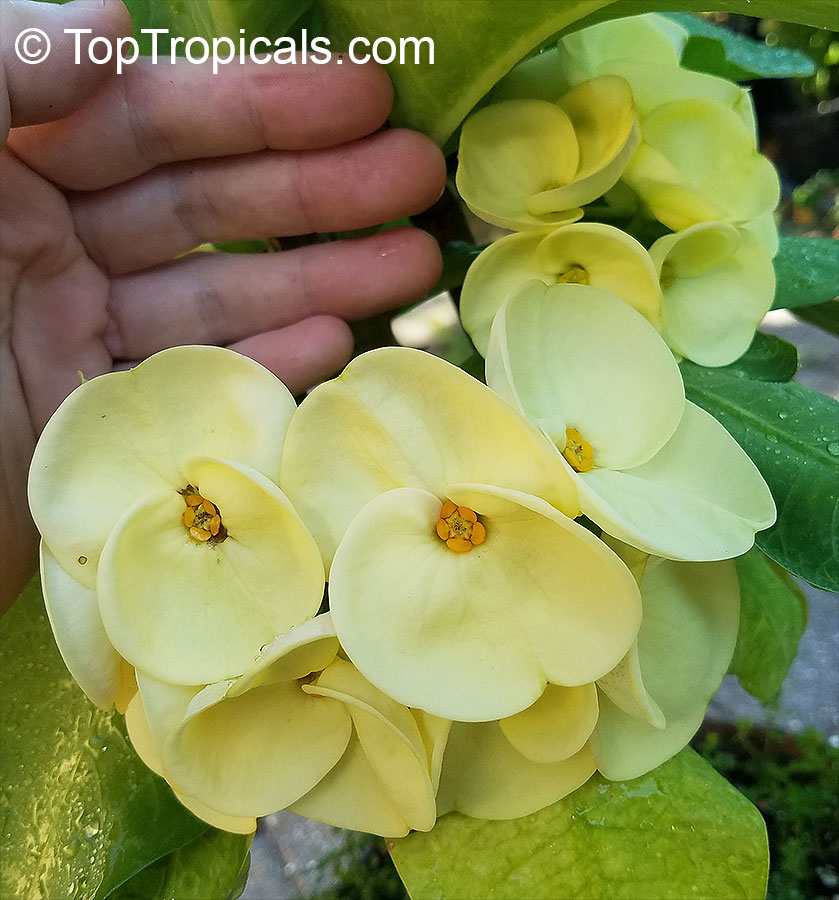
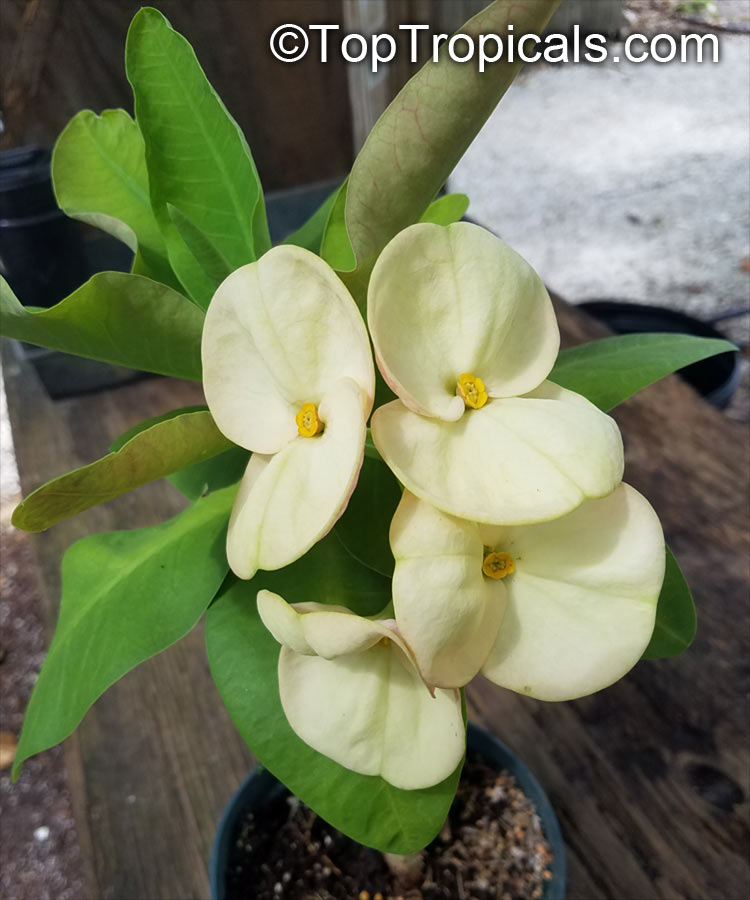
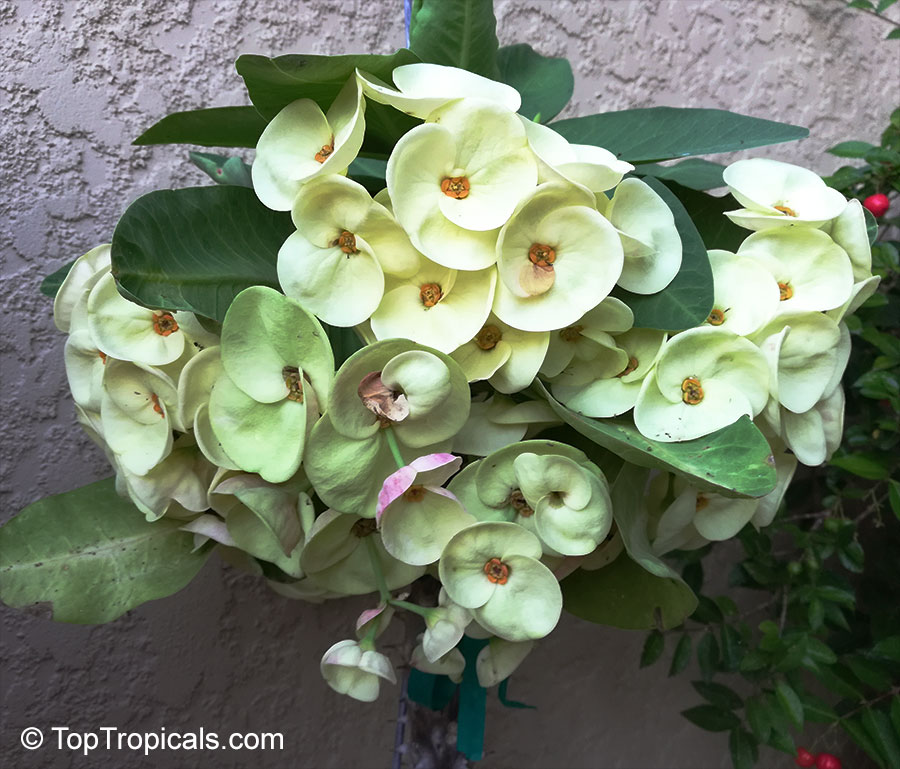
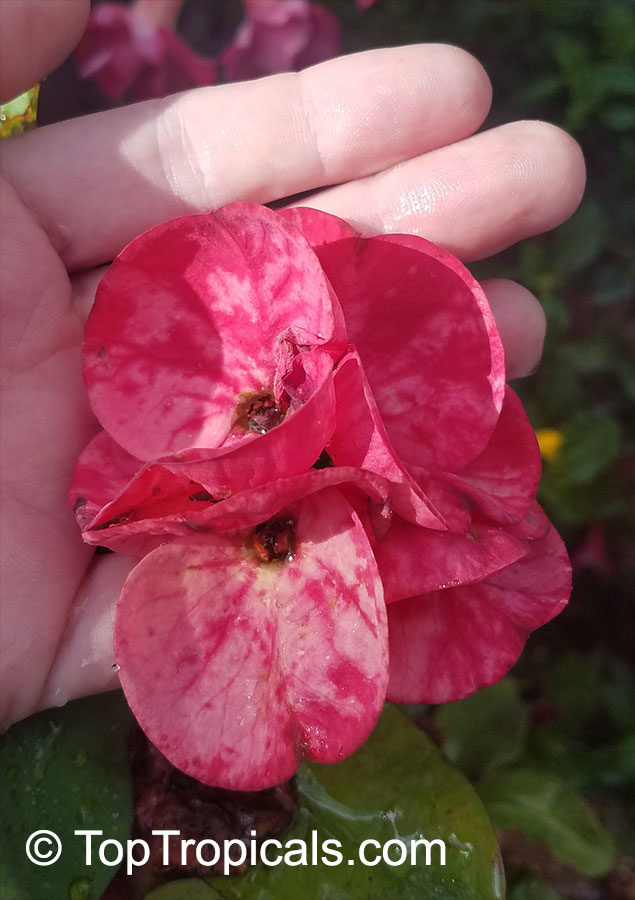
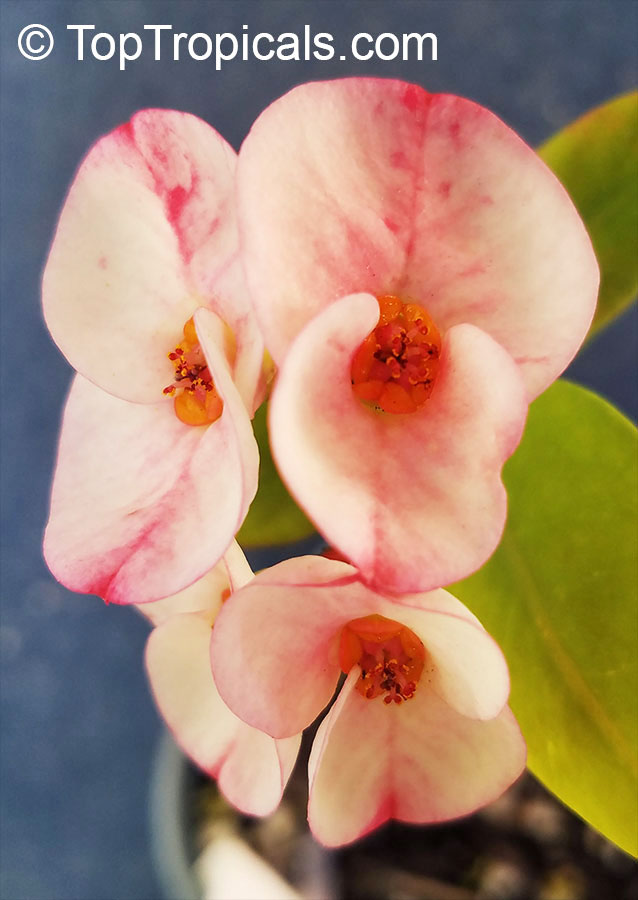
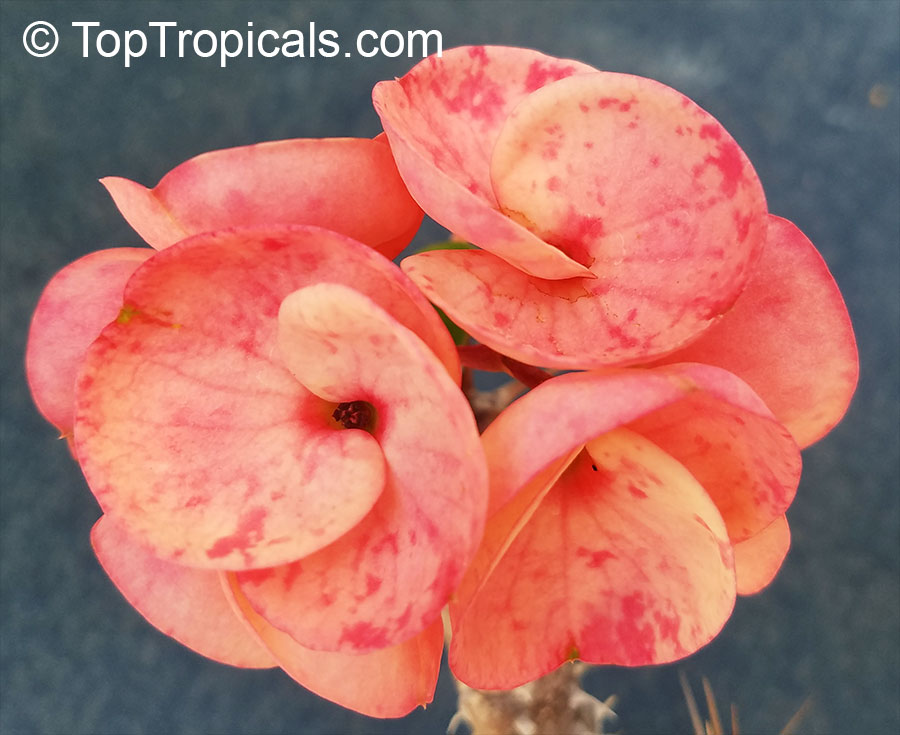
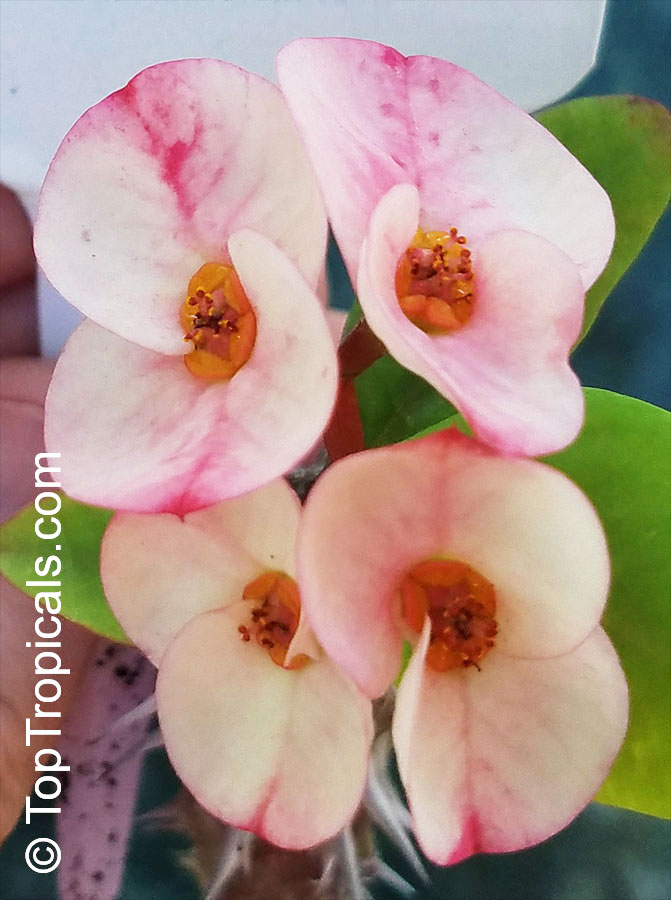
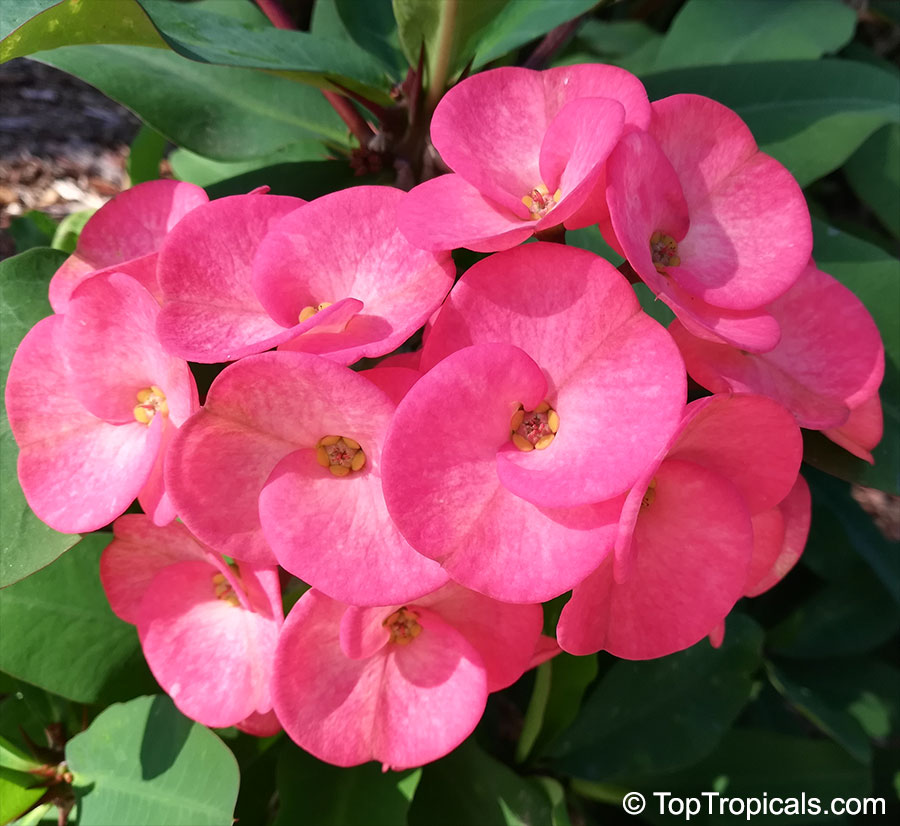
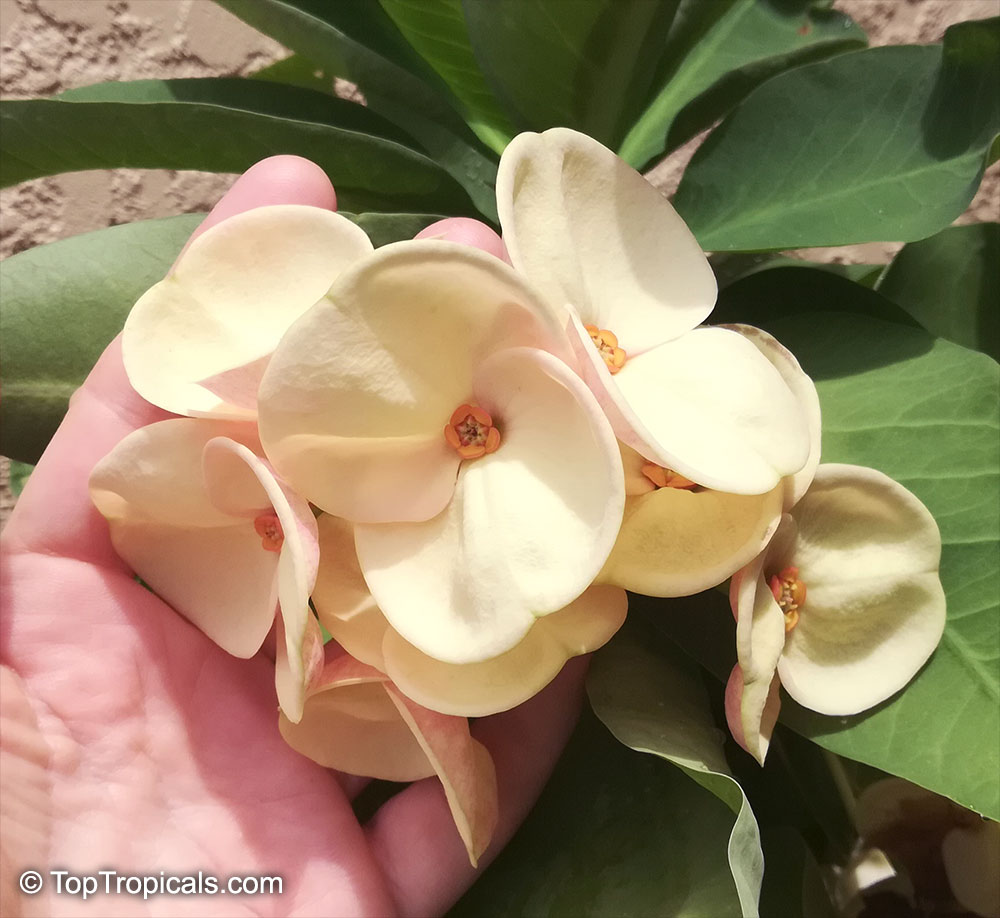
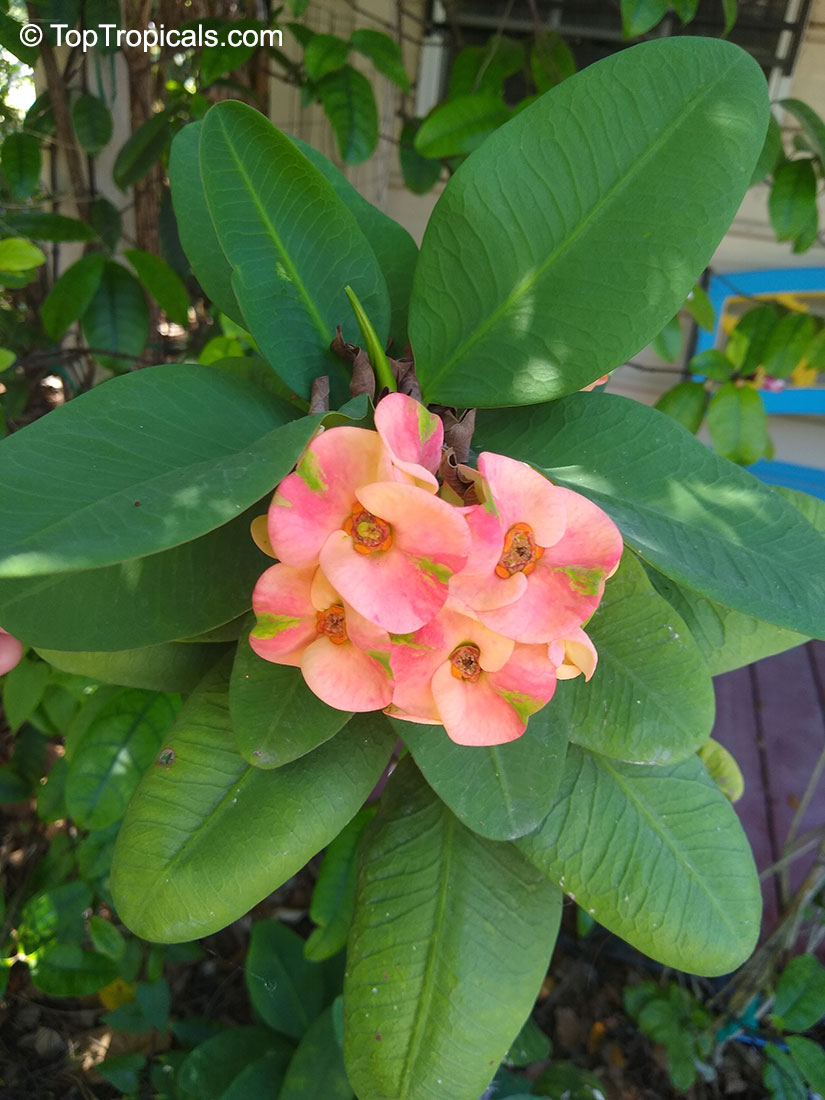
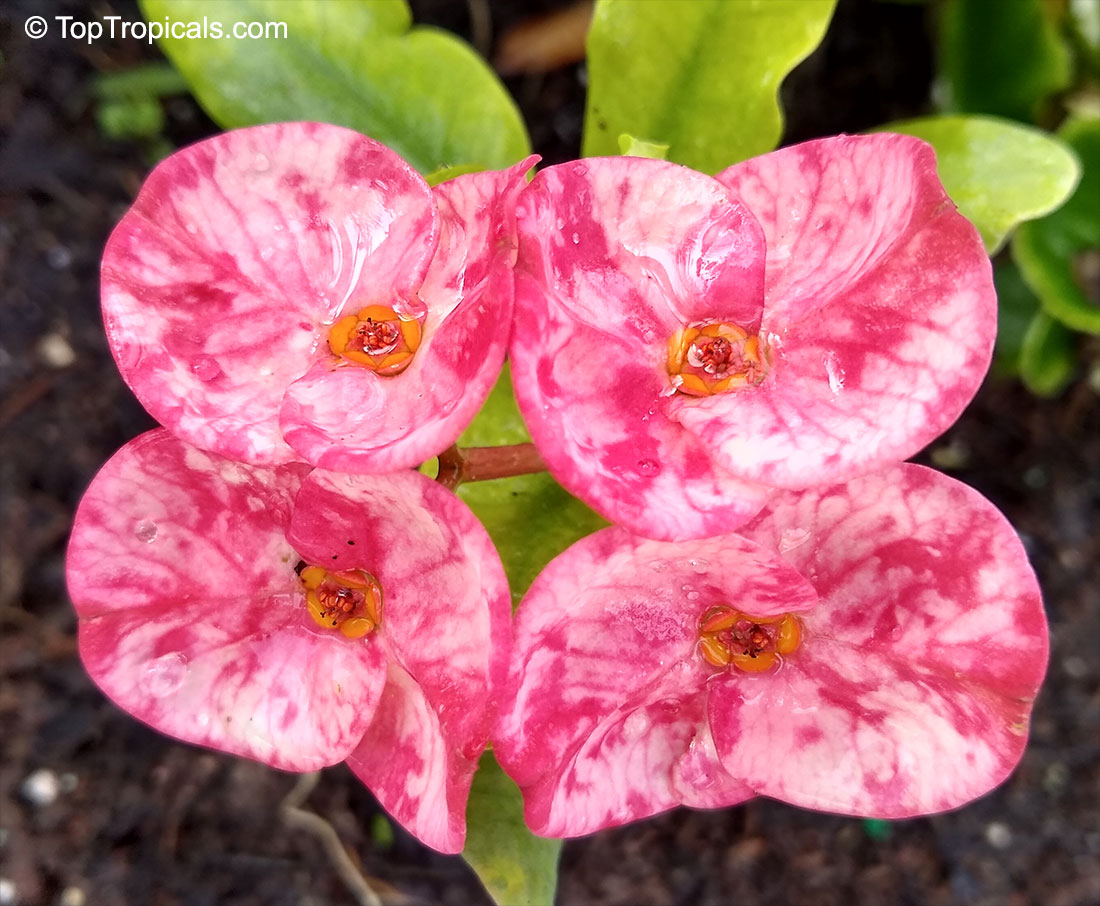
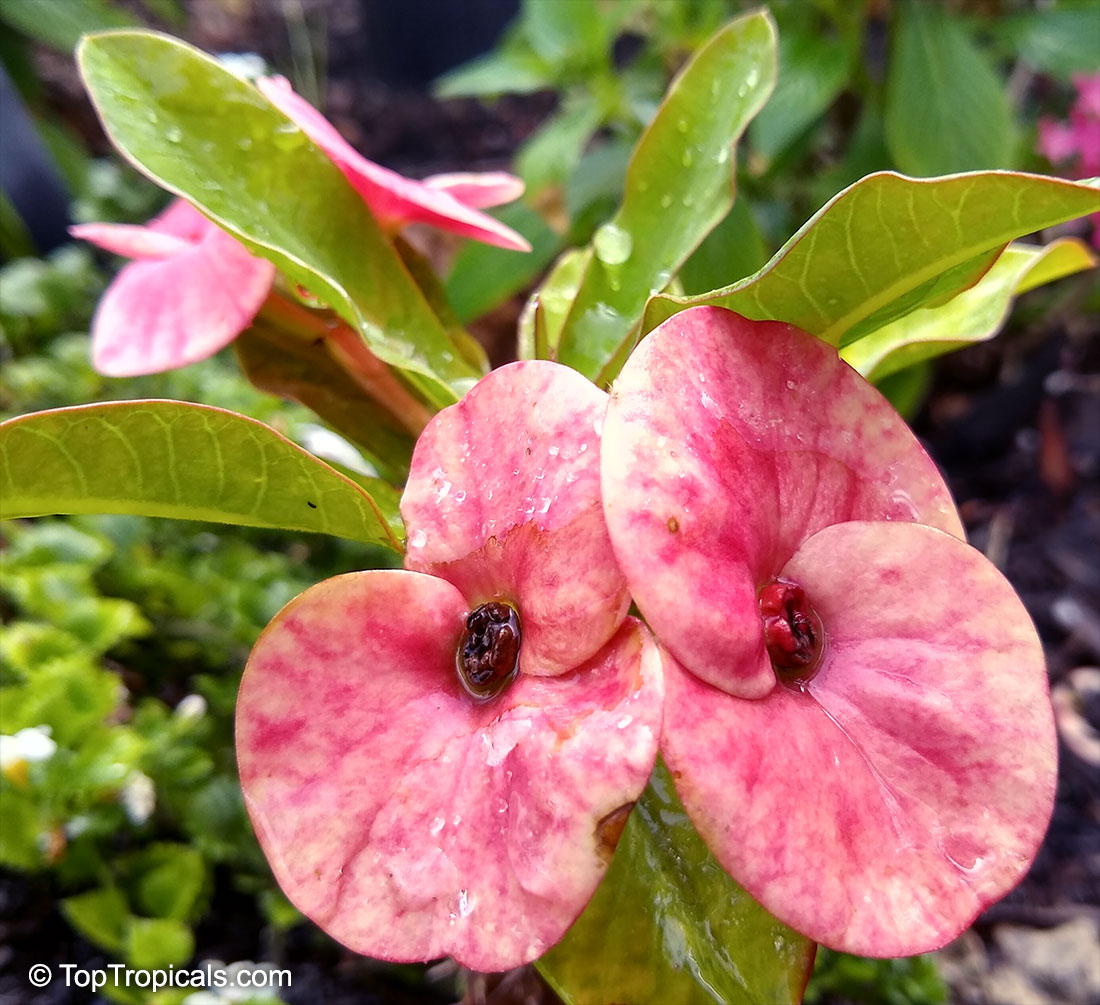
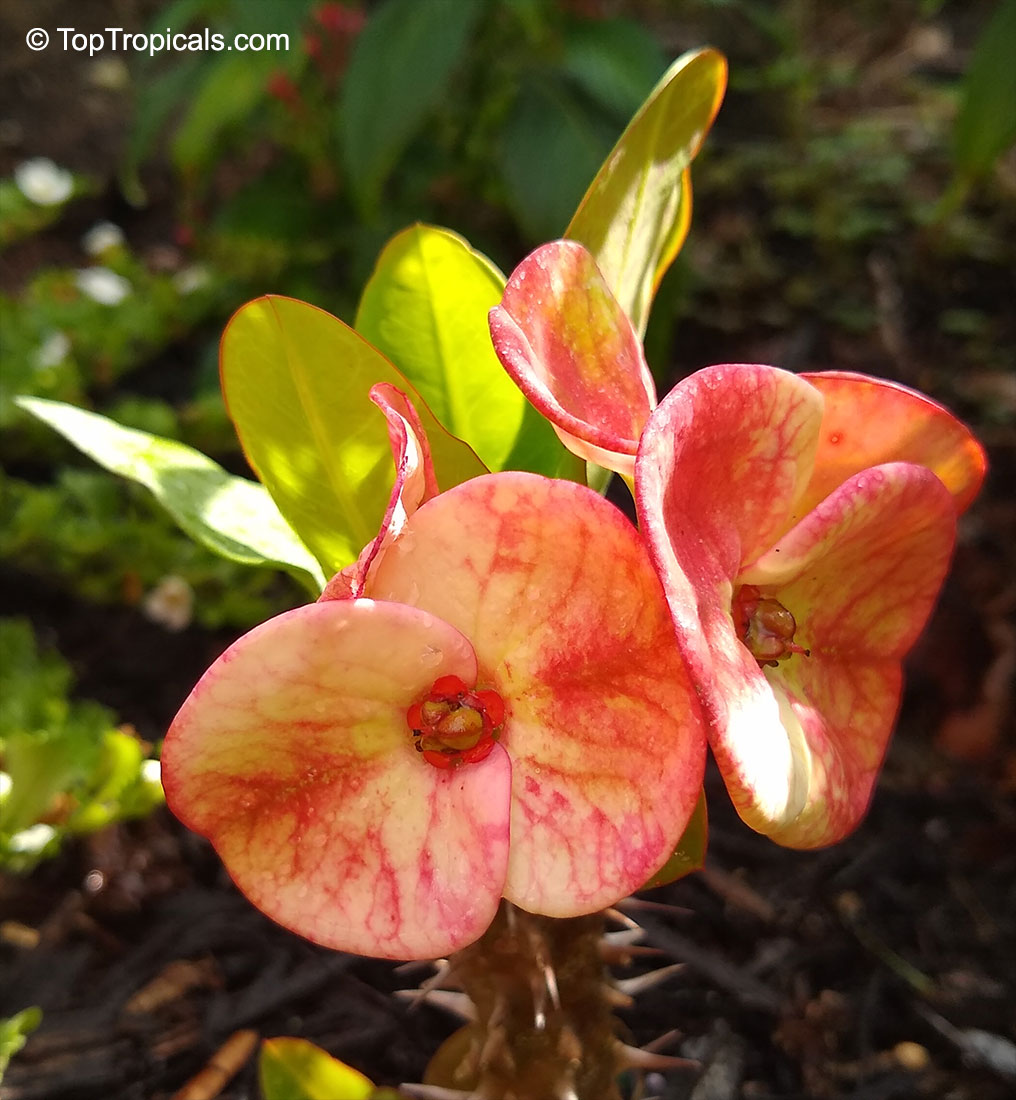
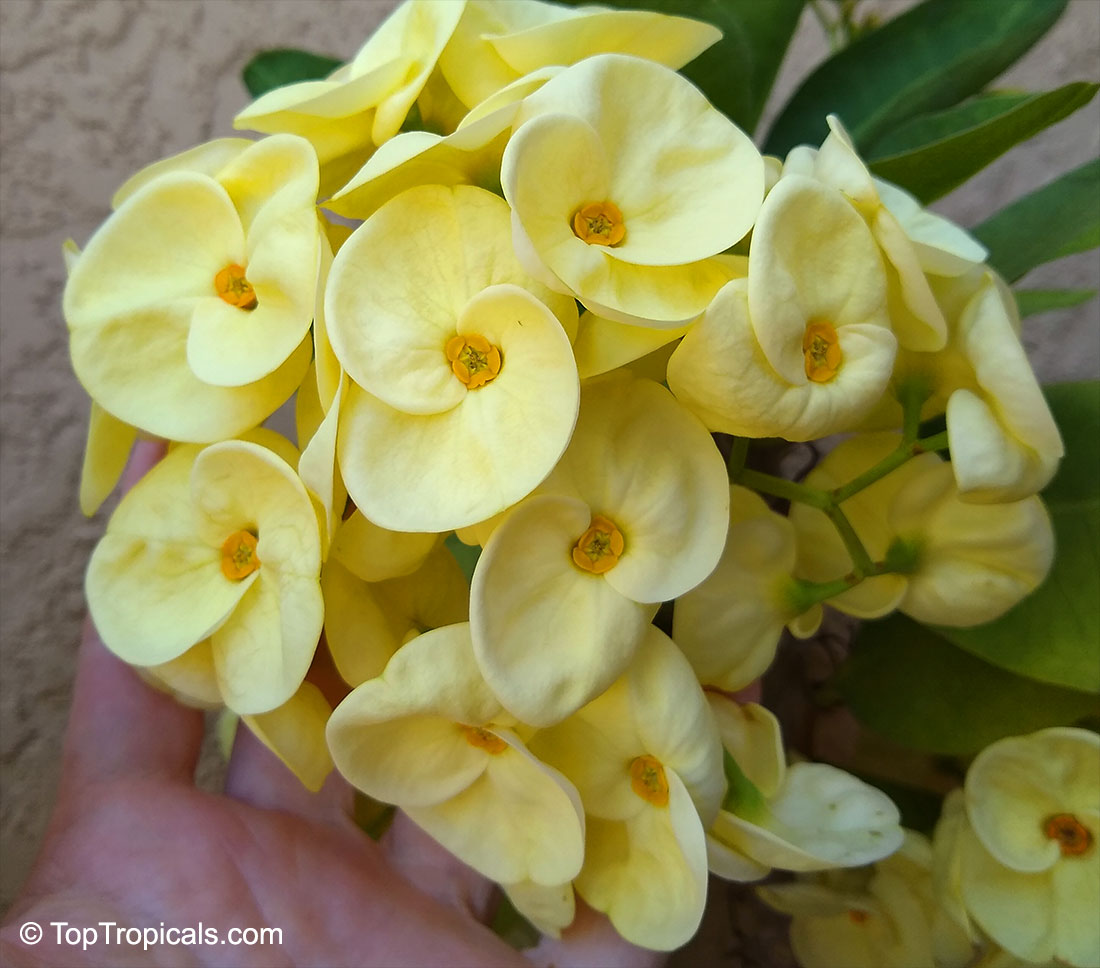
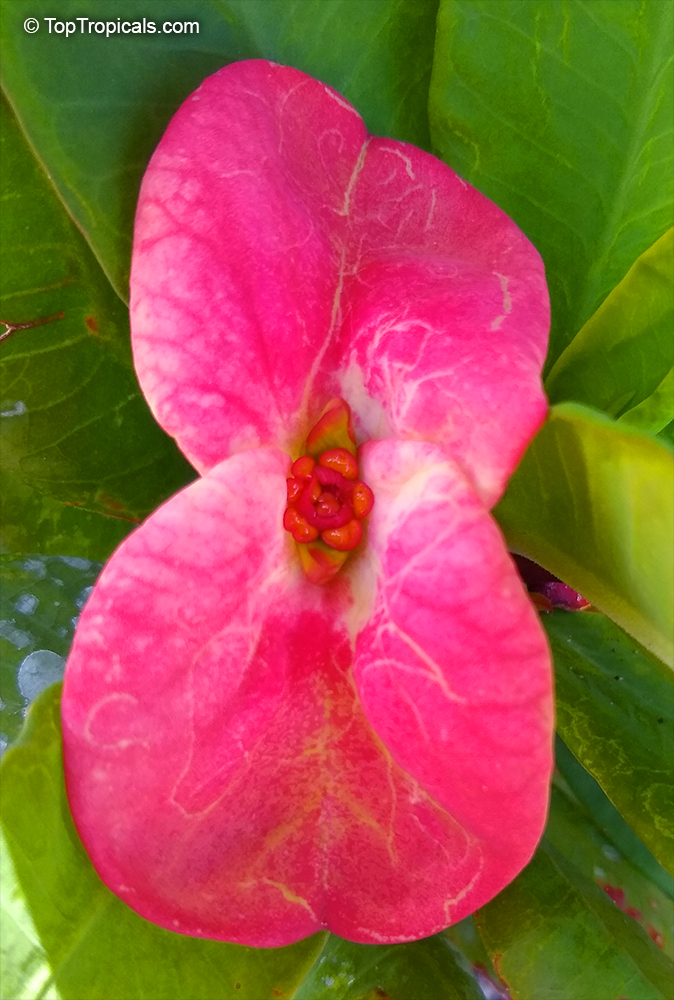
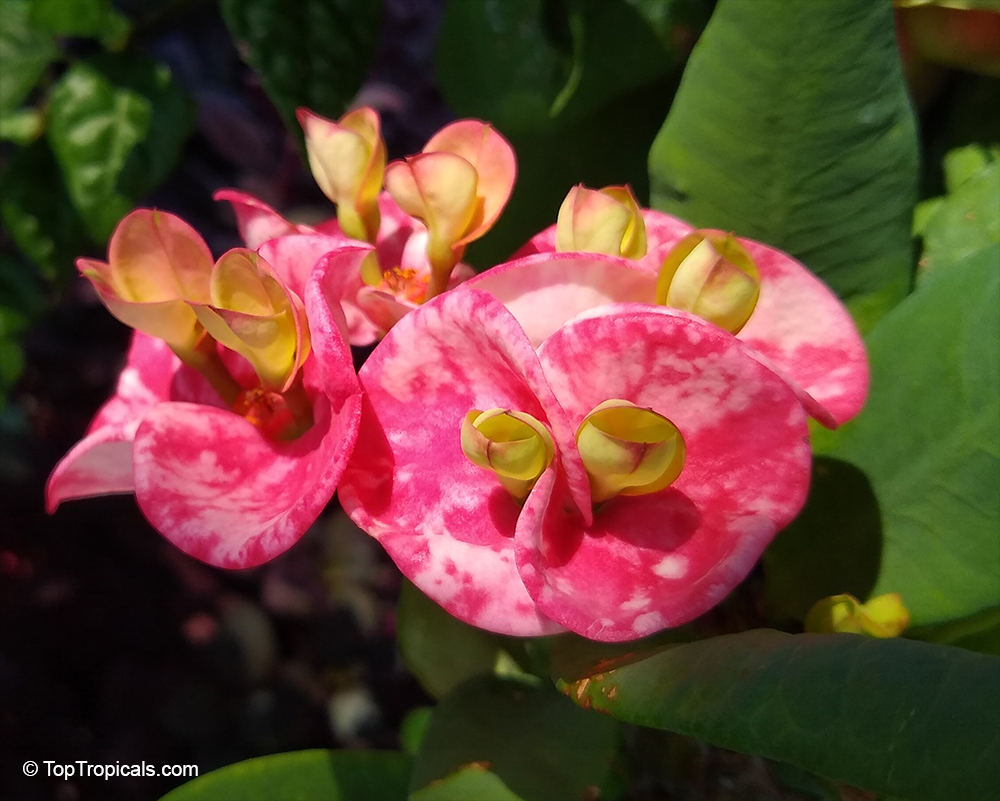
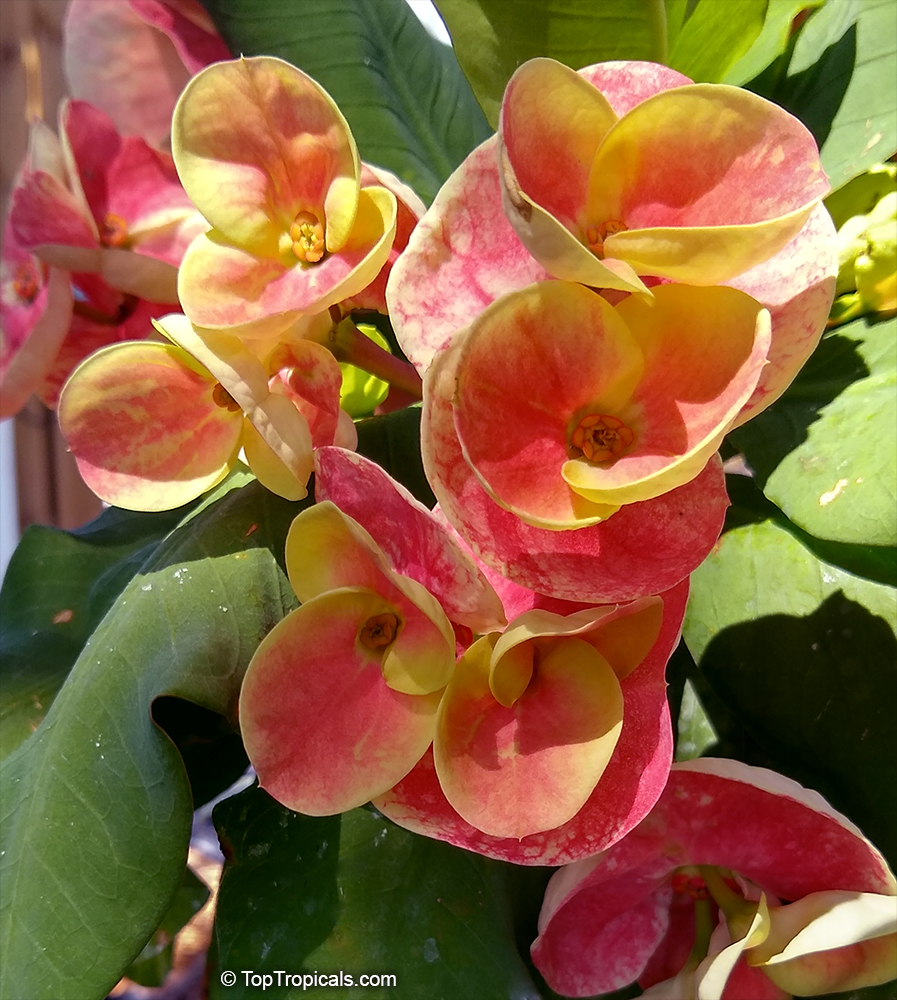
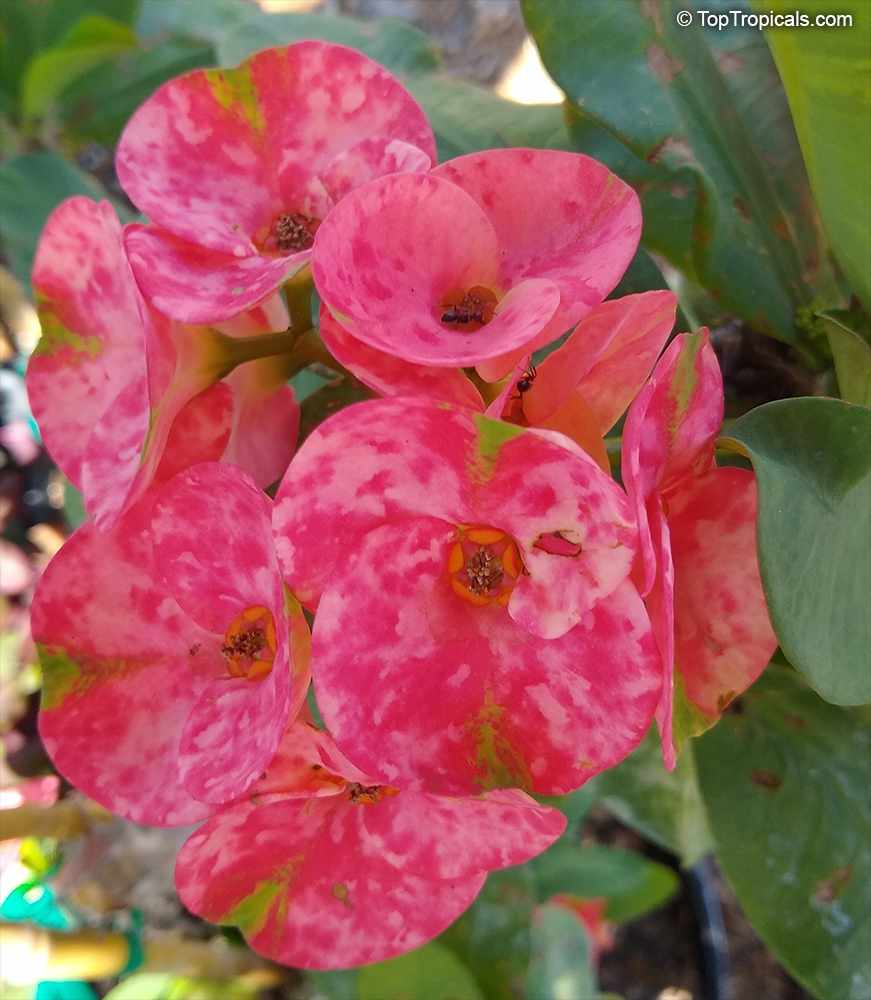
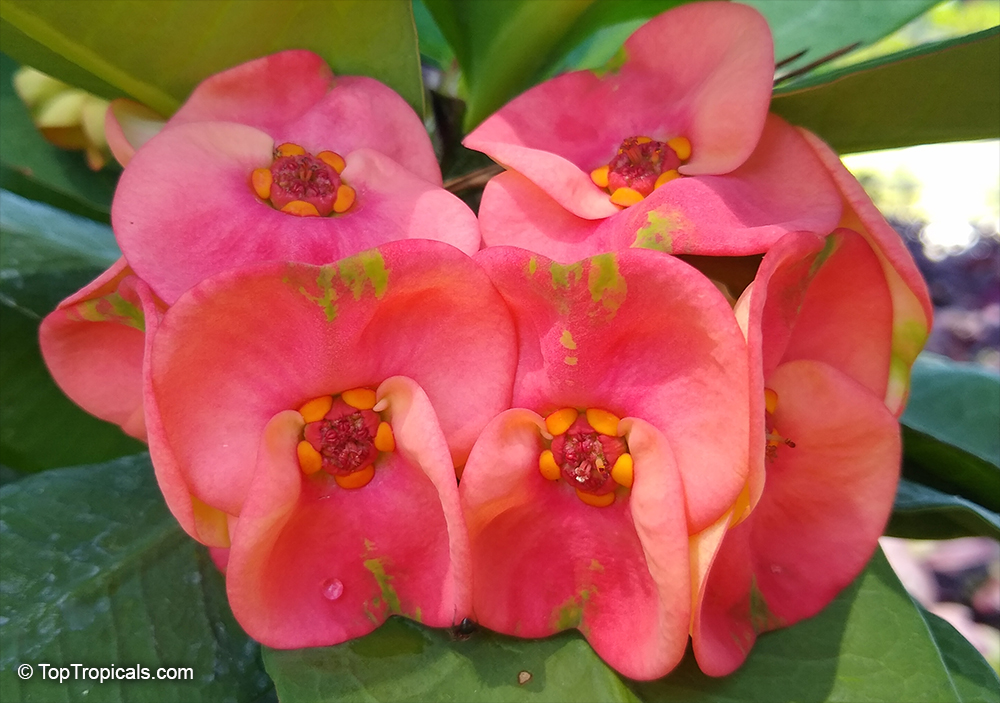
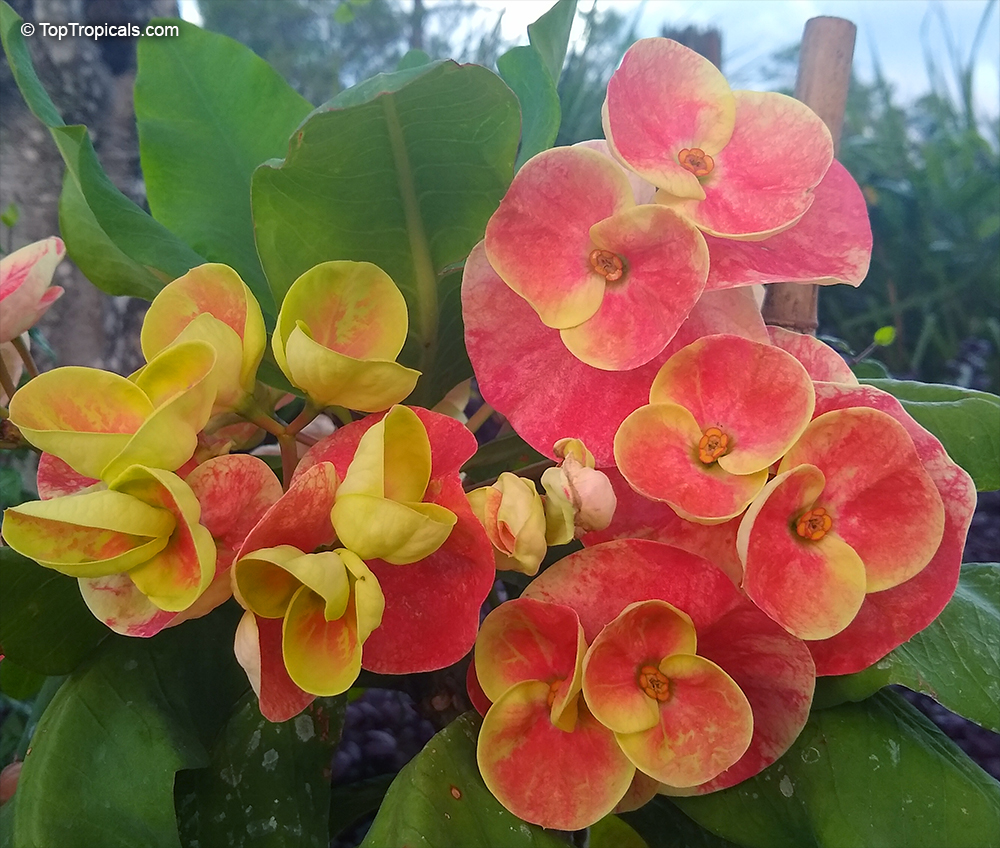
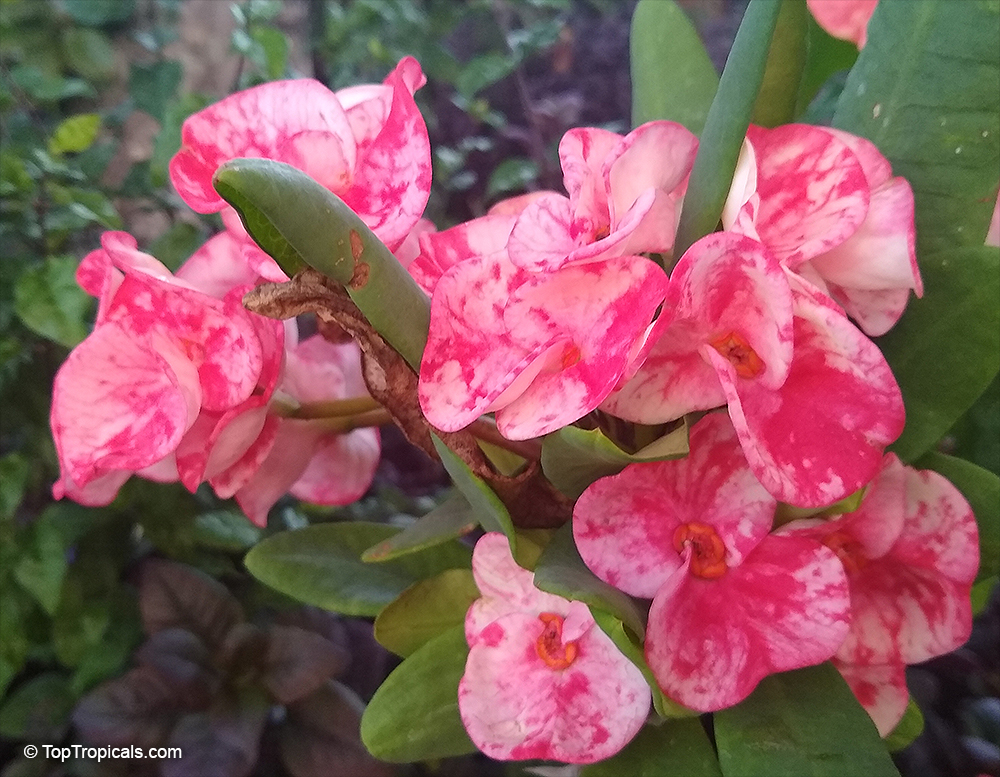
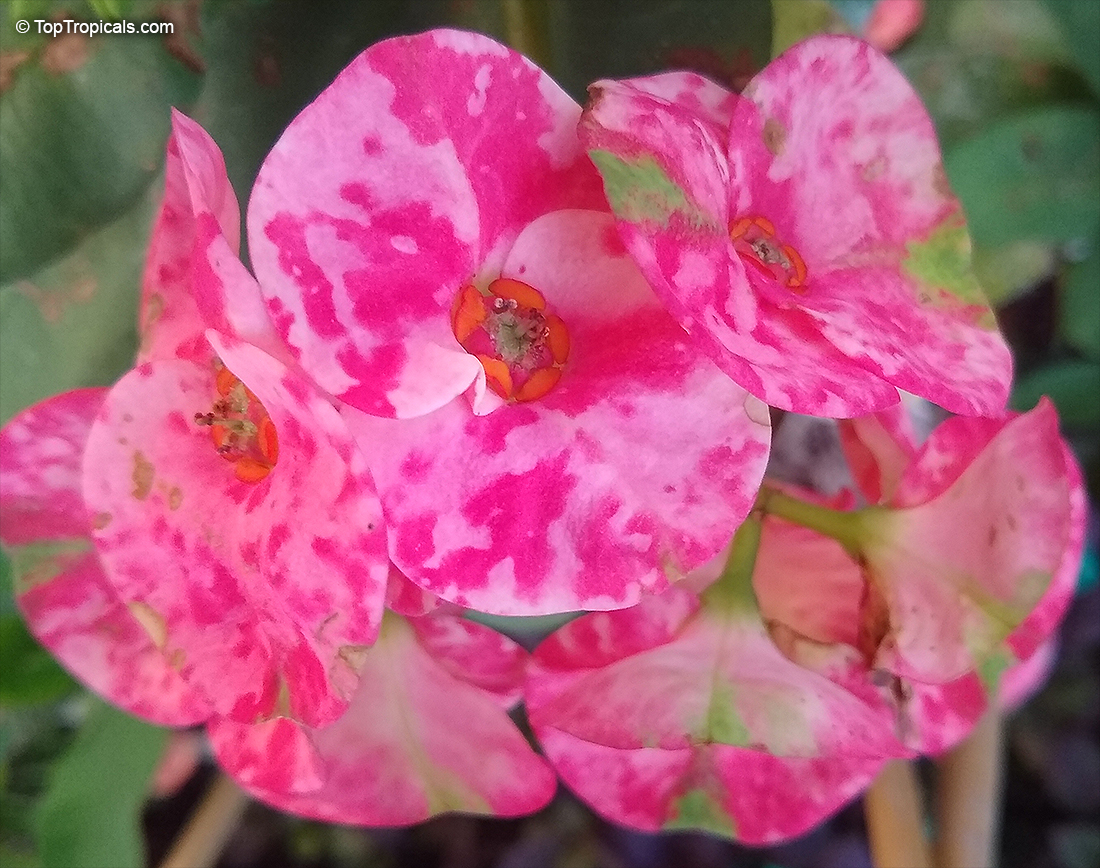
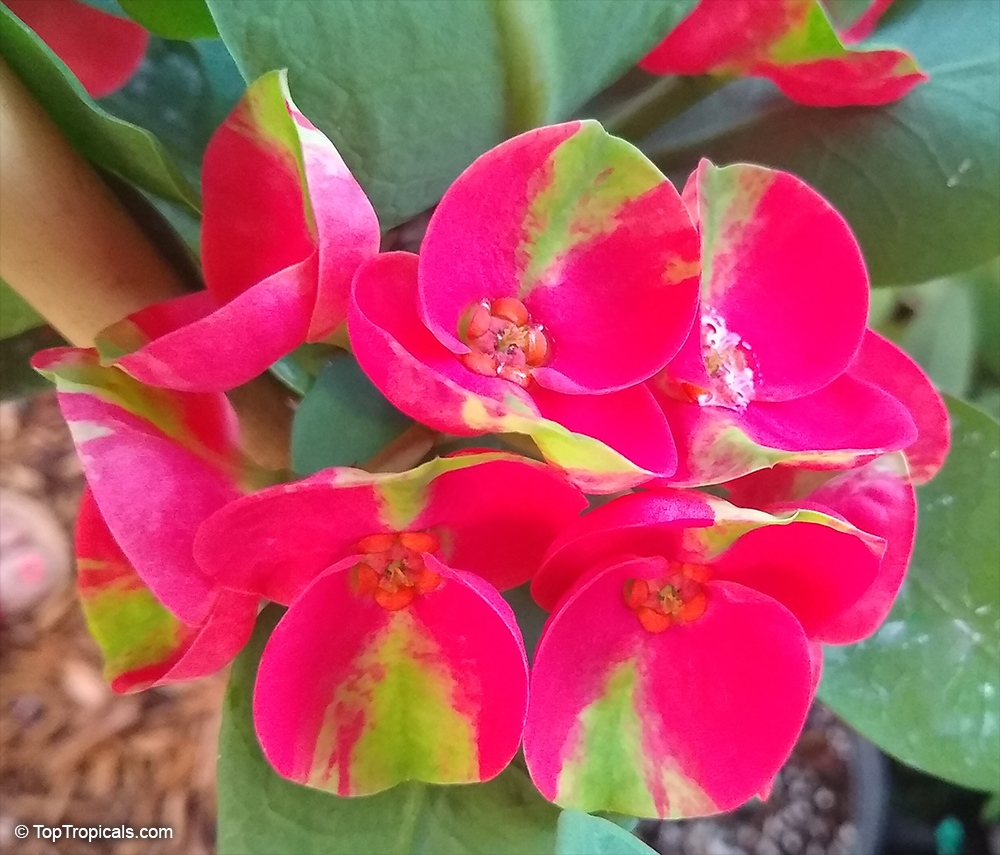
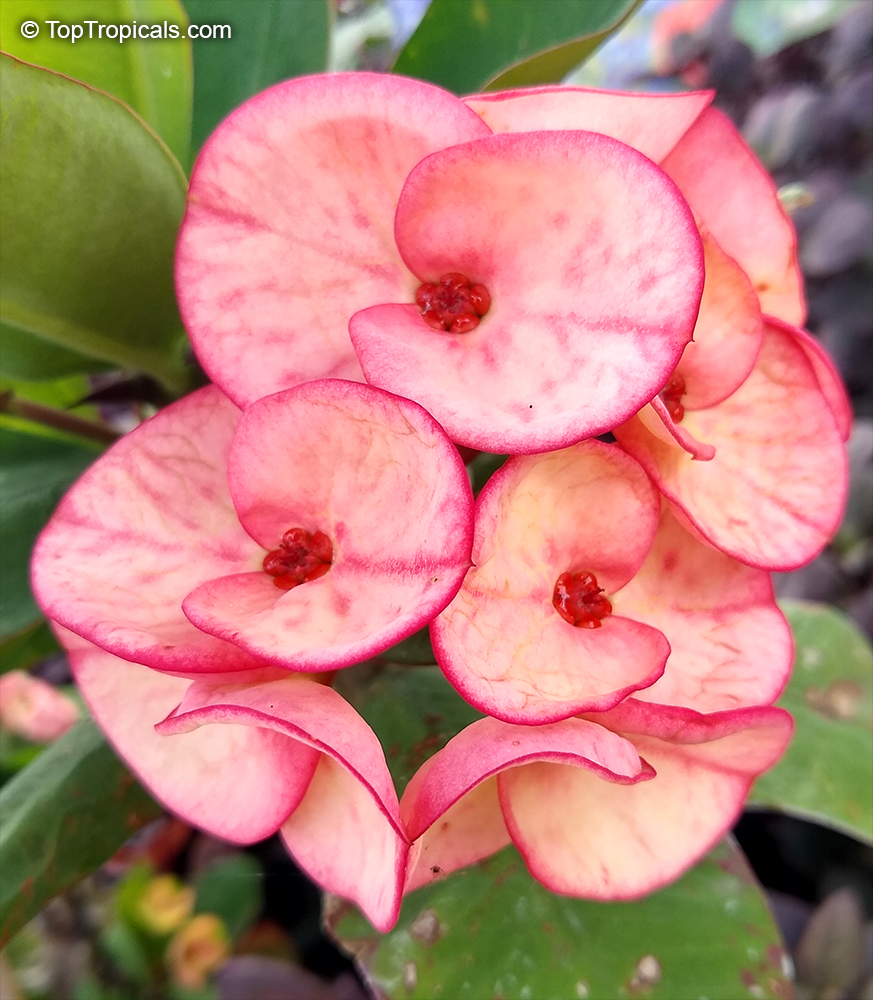
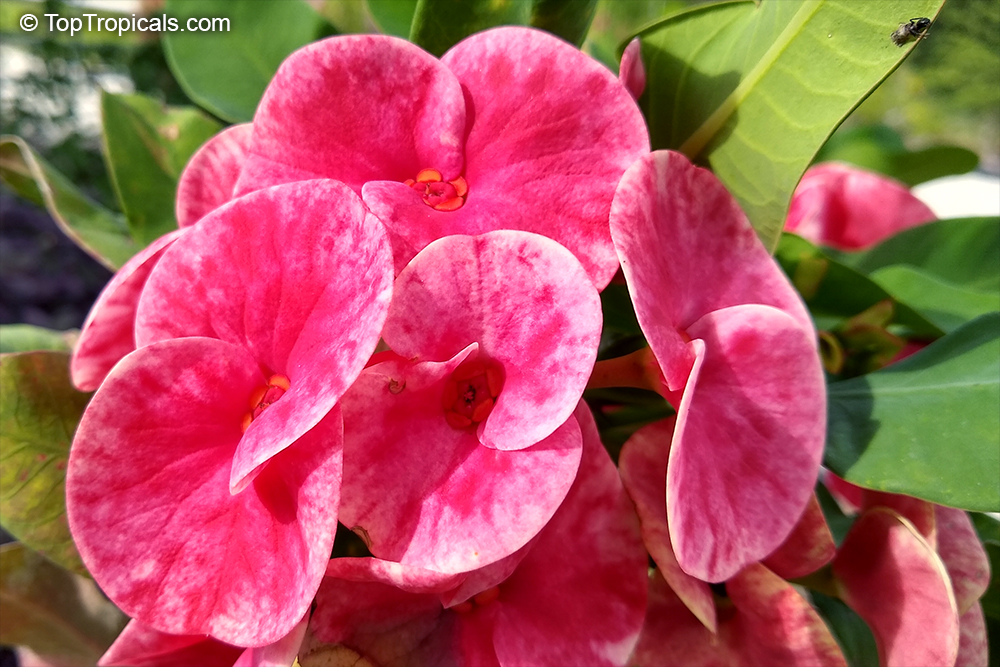
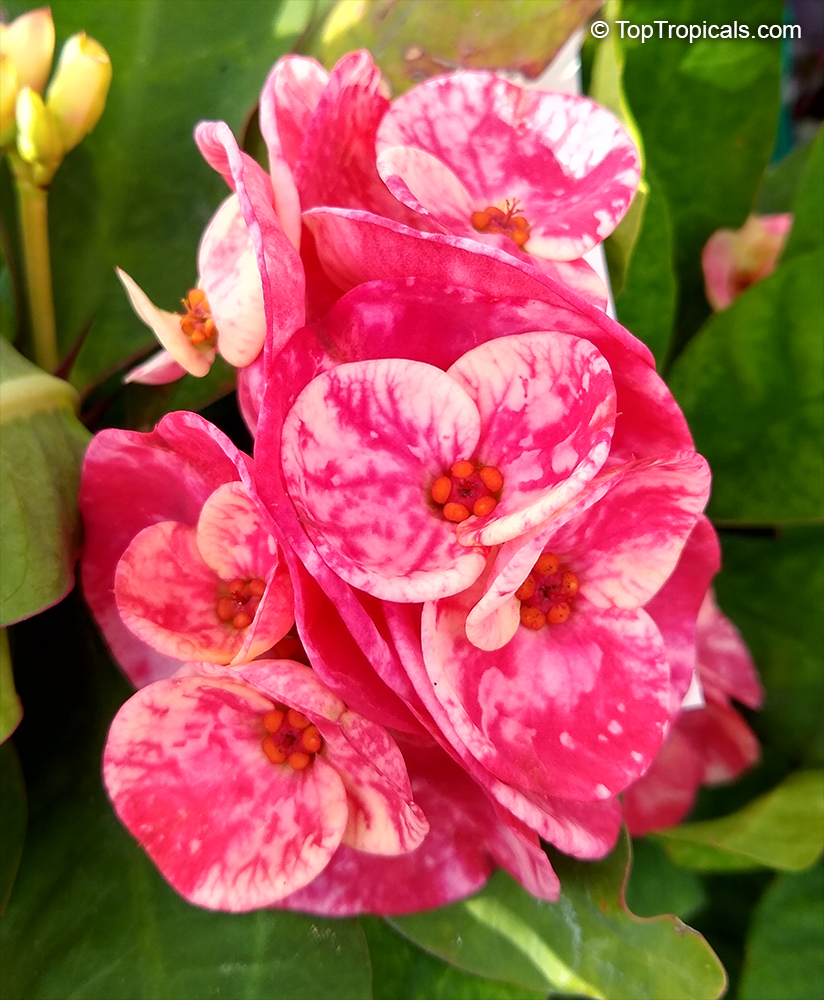
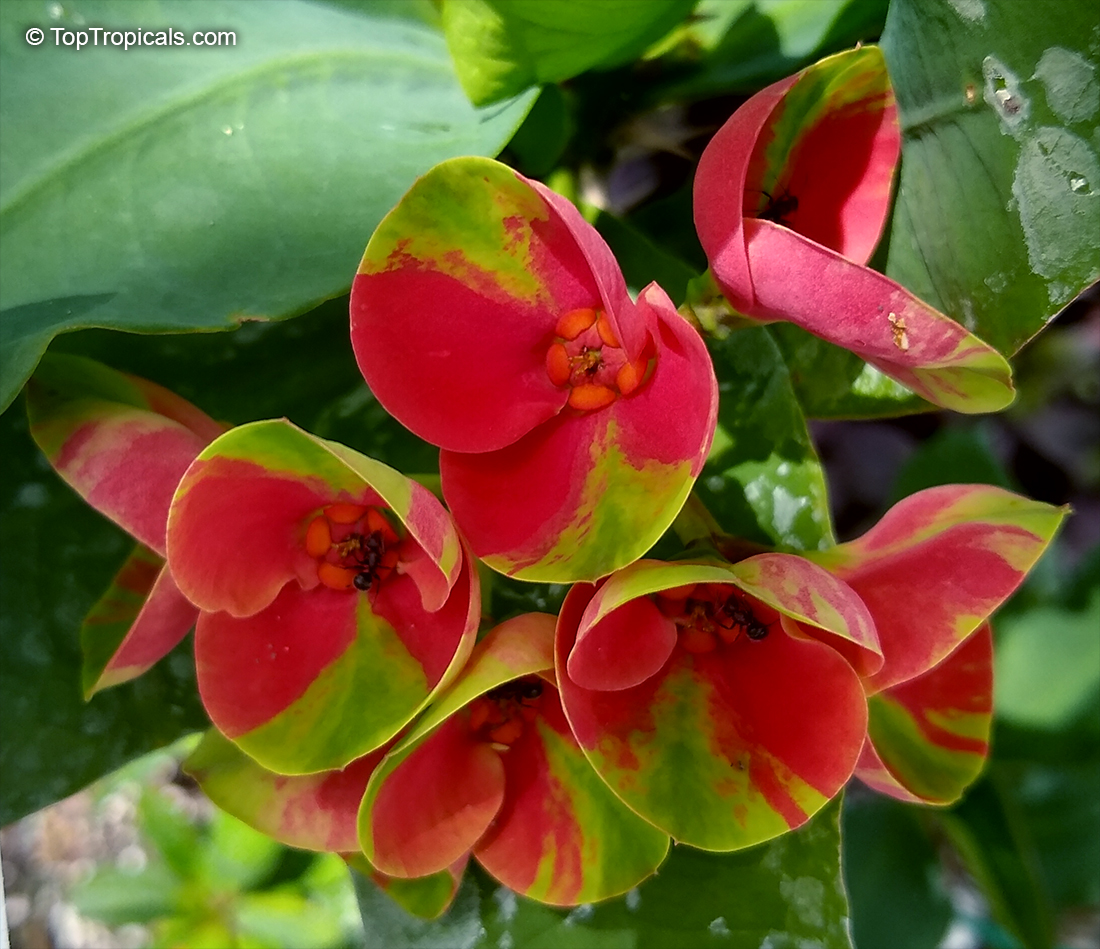
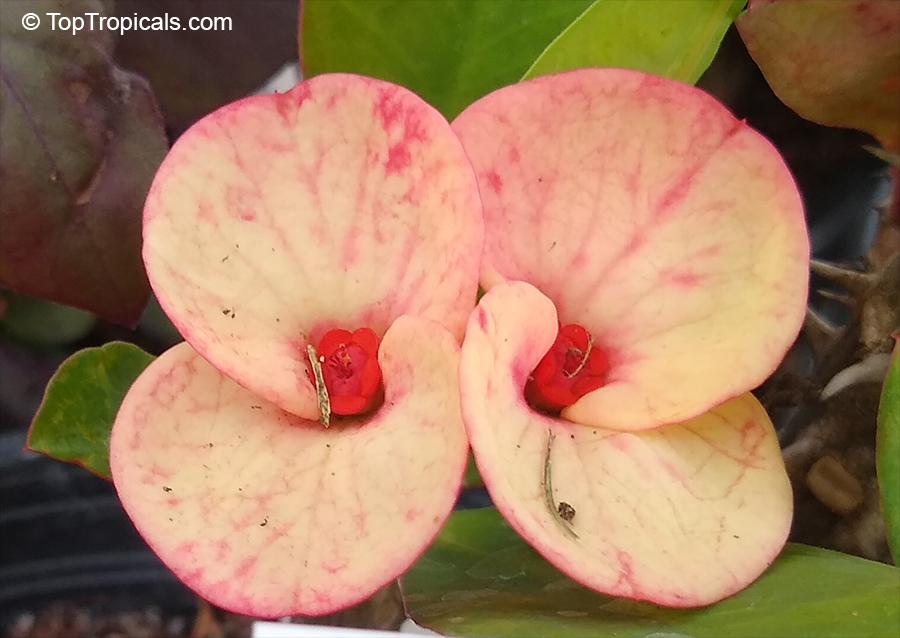
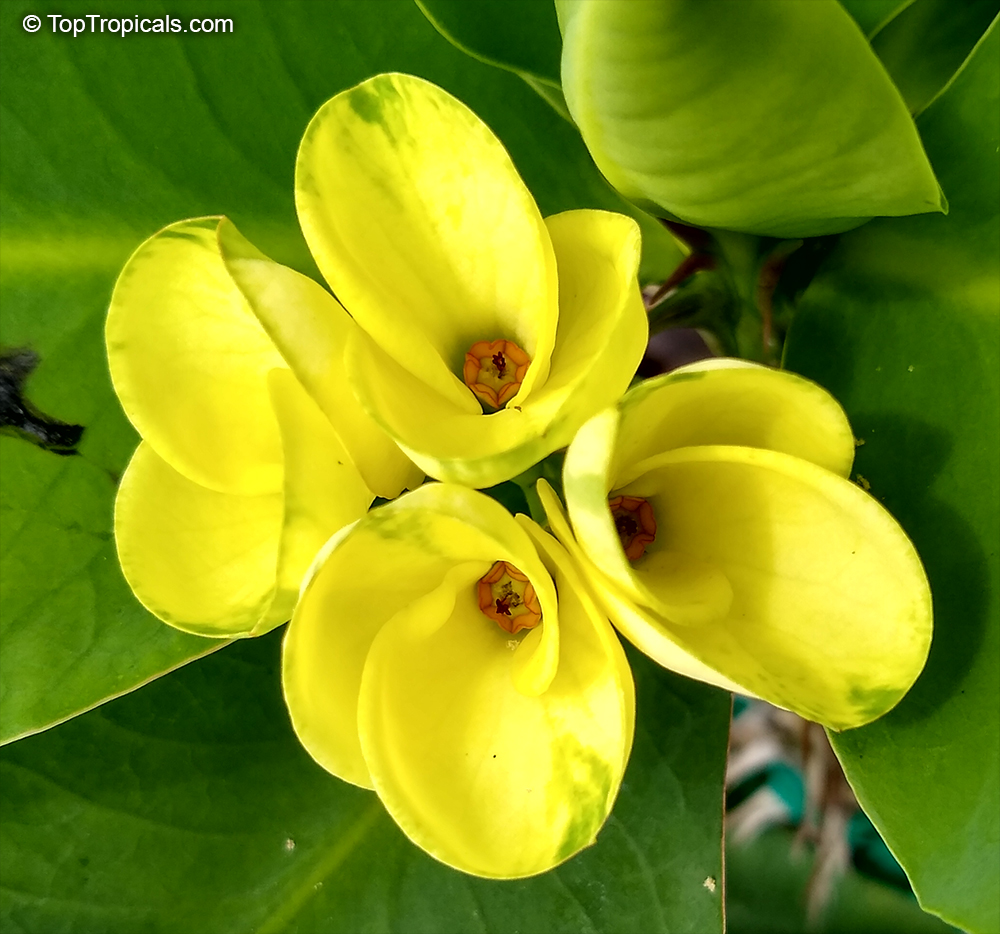
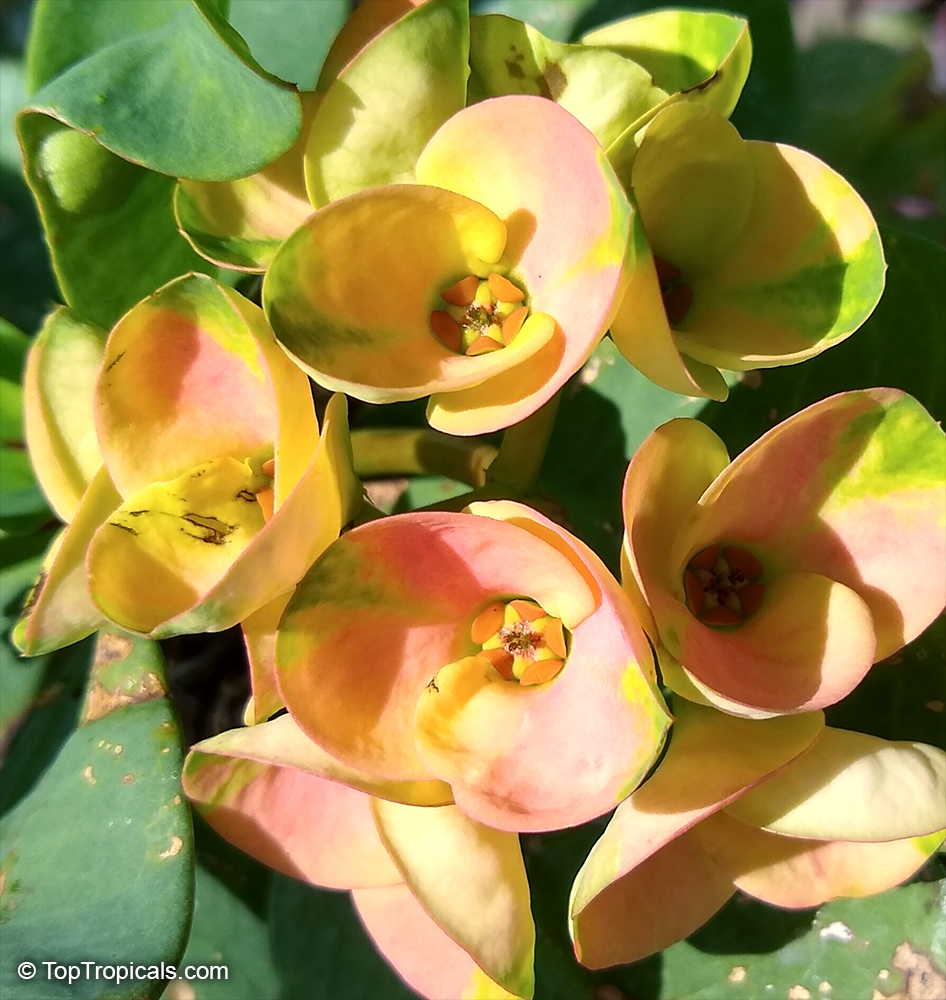
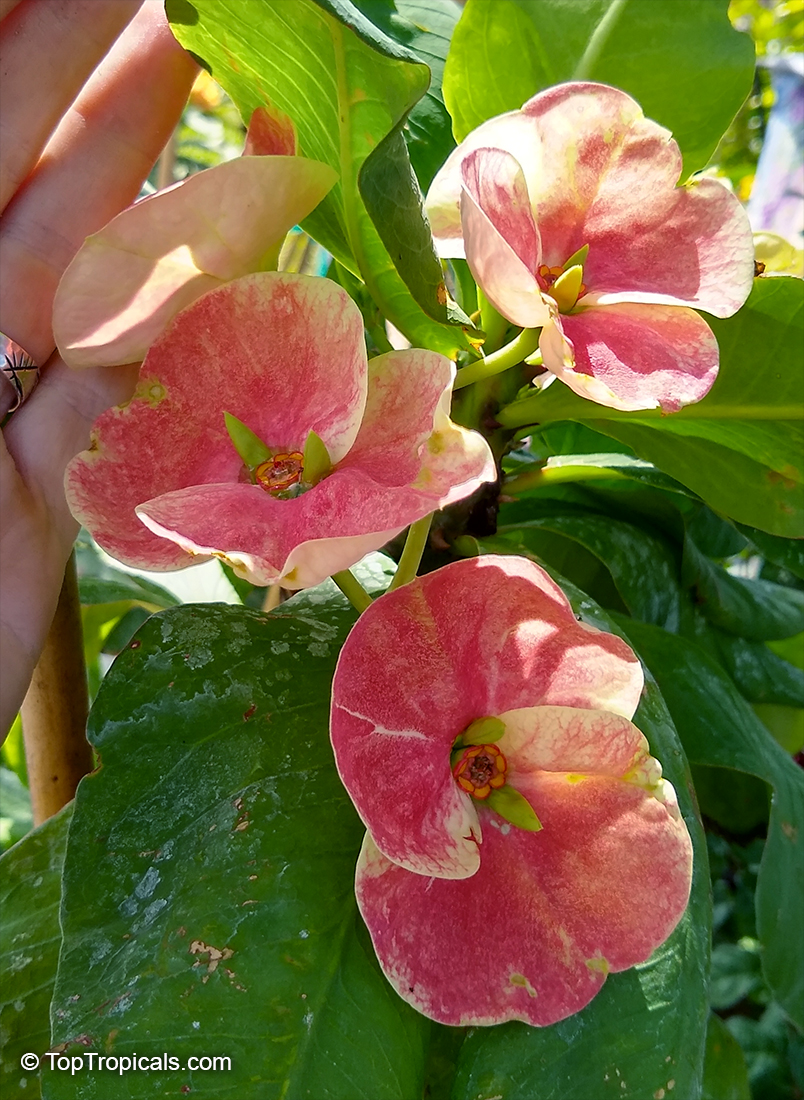
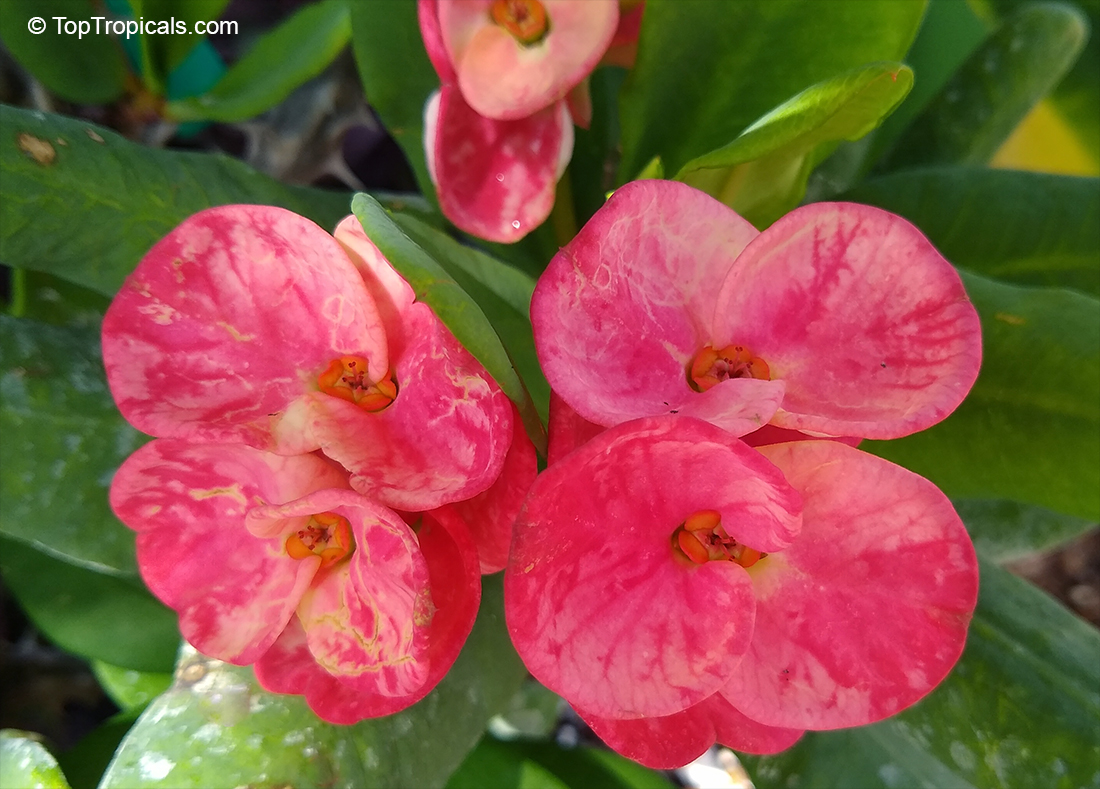
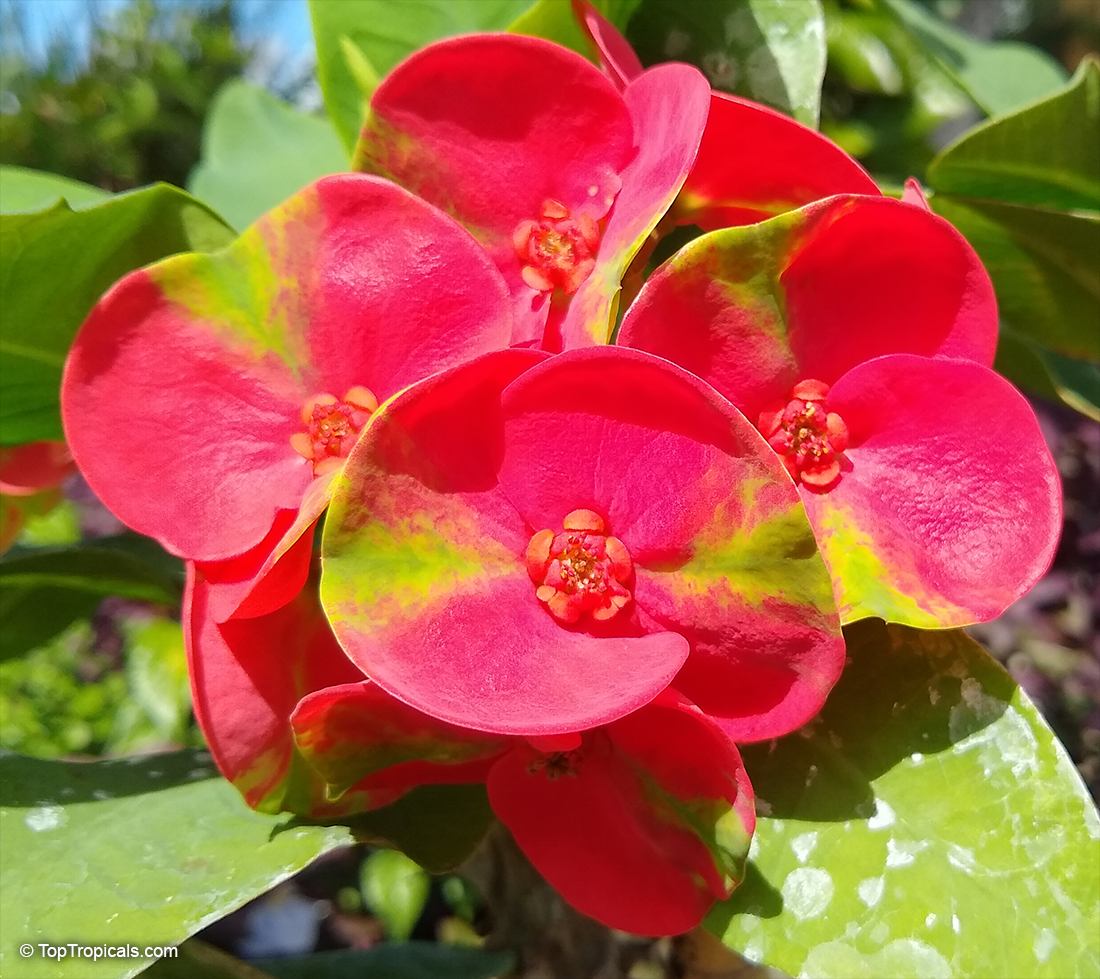
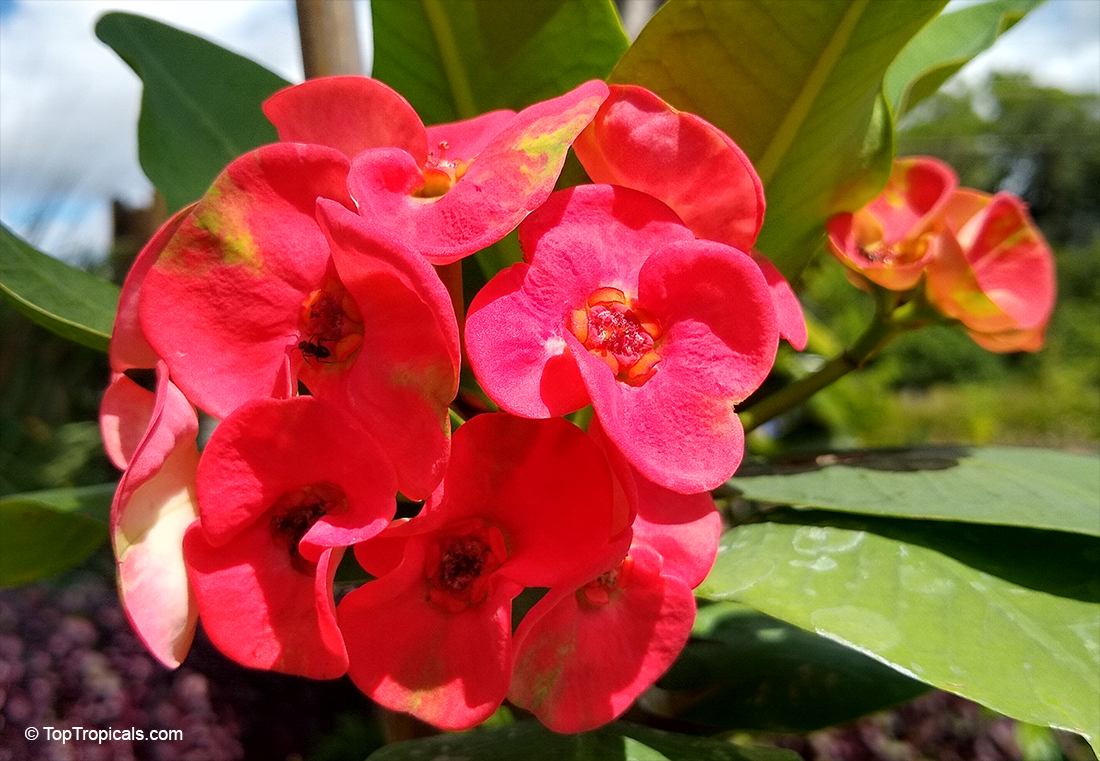
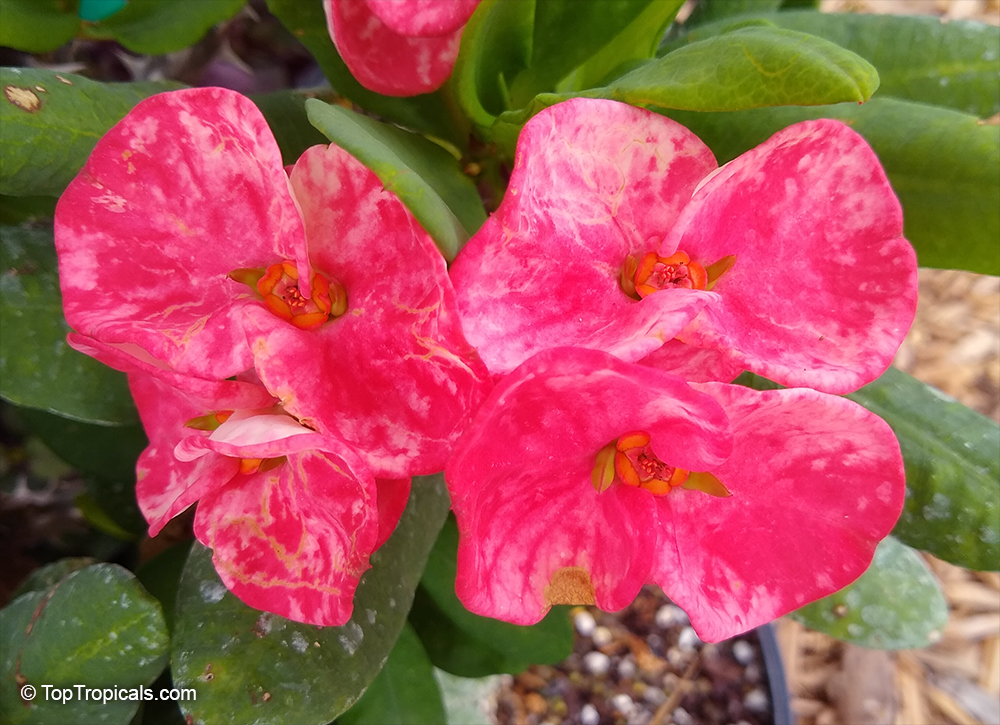
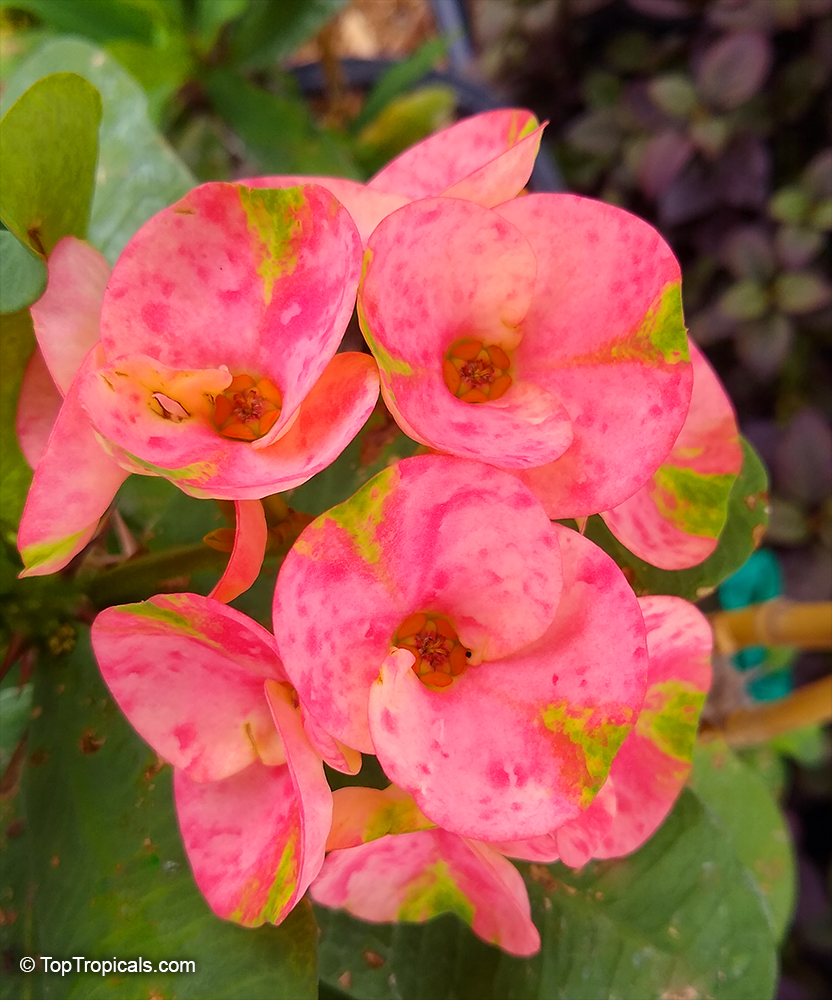
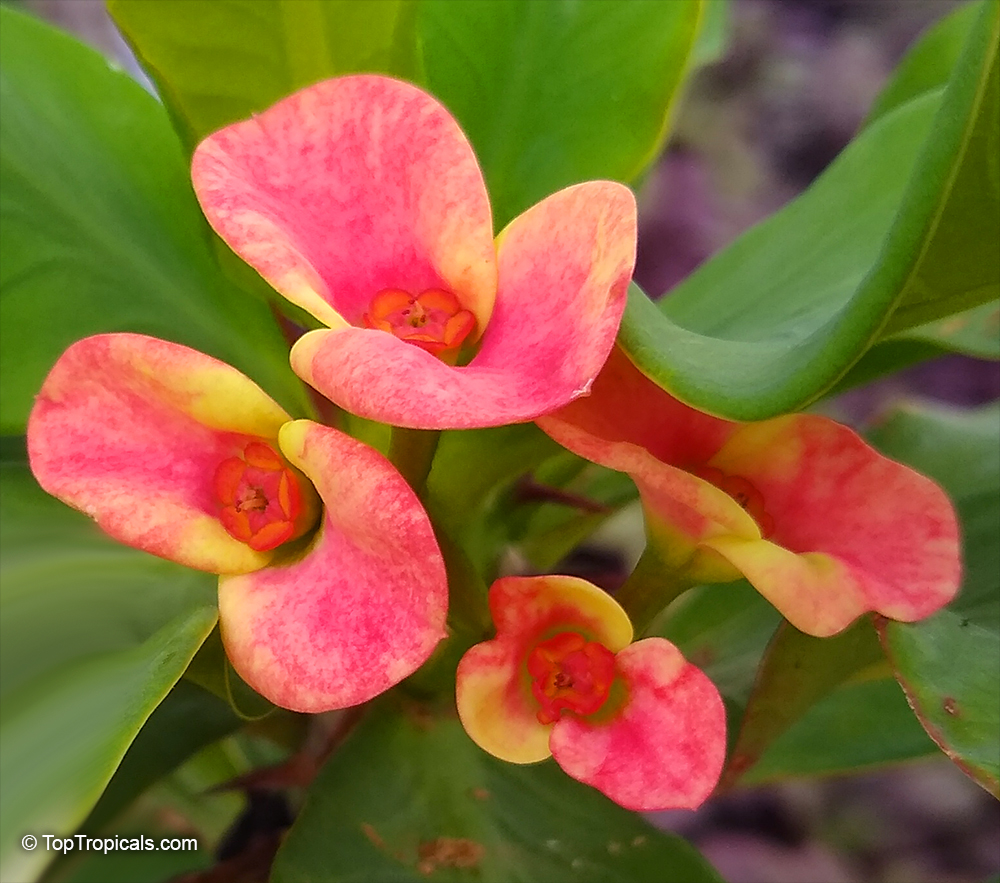
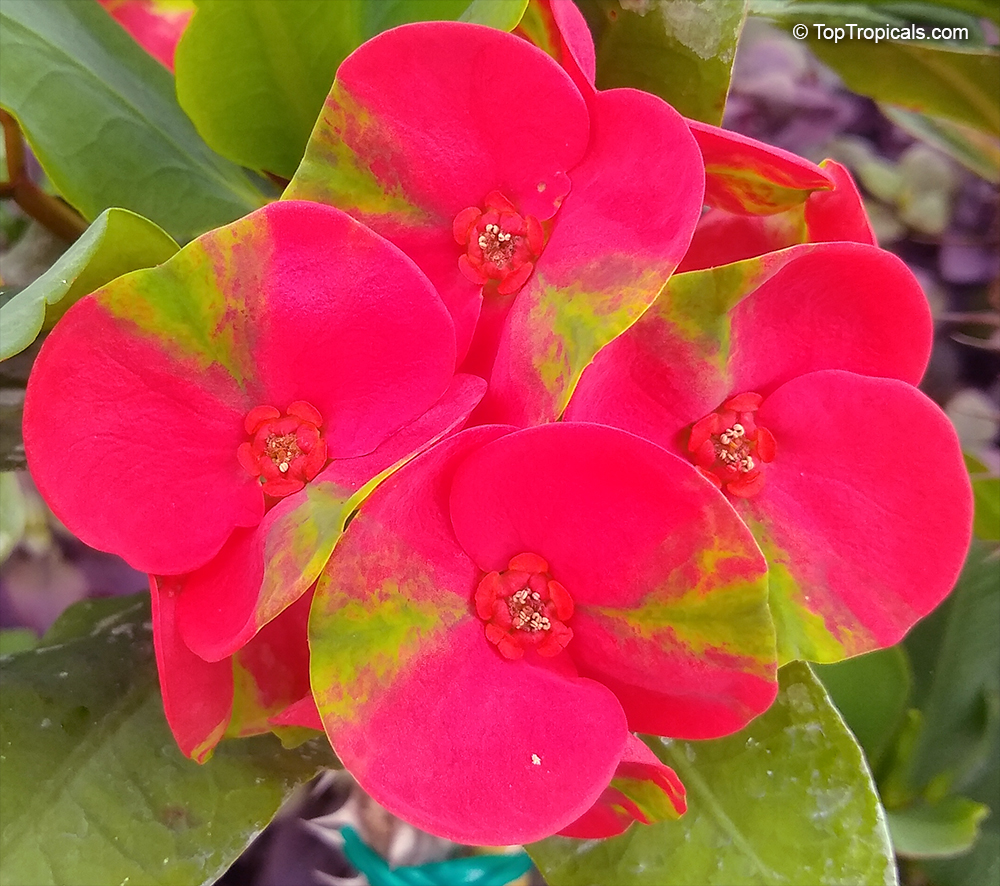
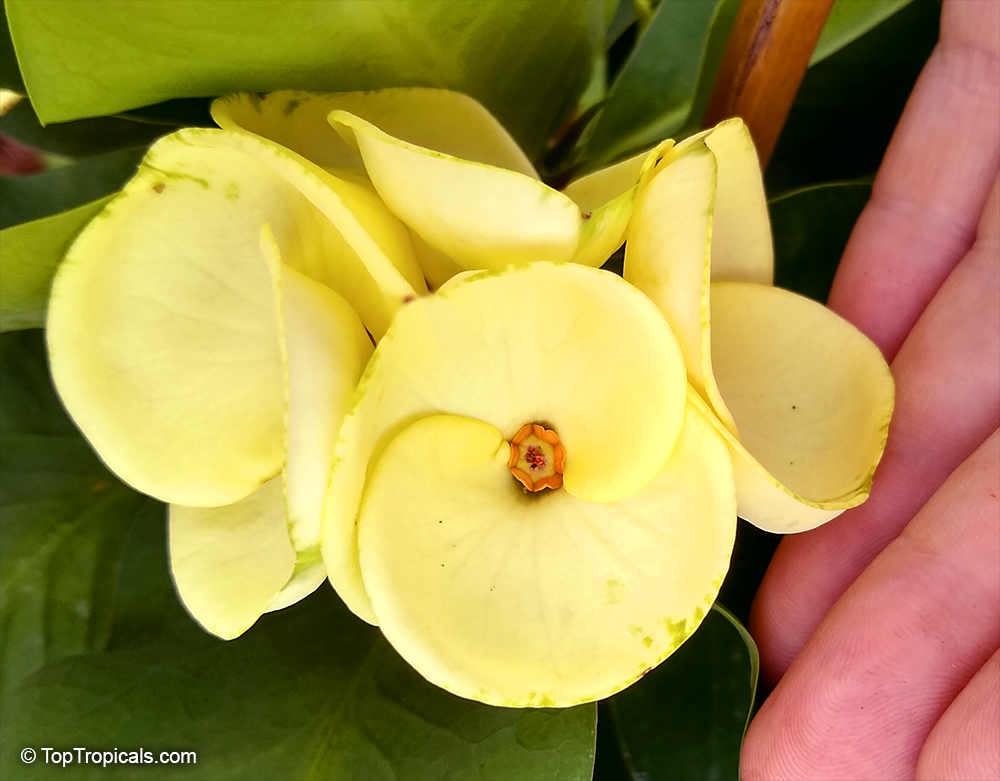
Botanical name: Euphorbia milii
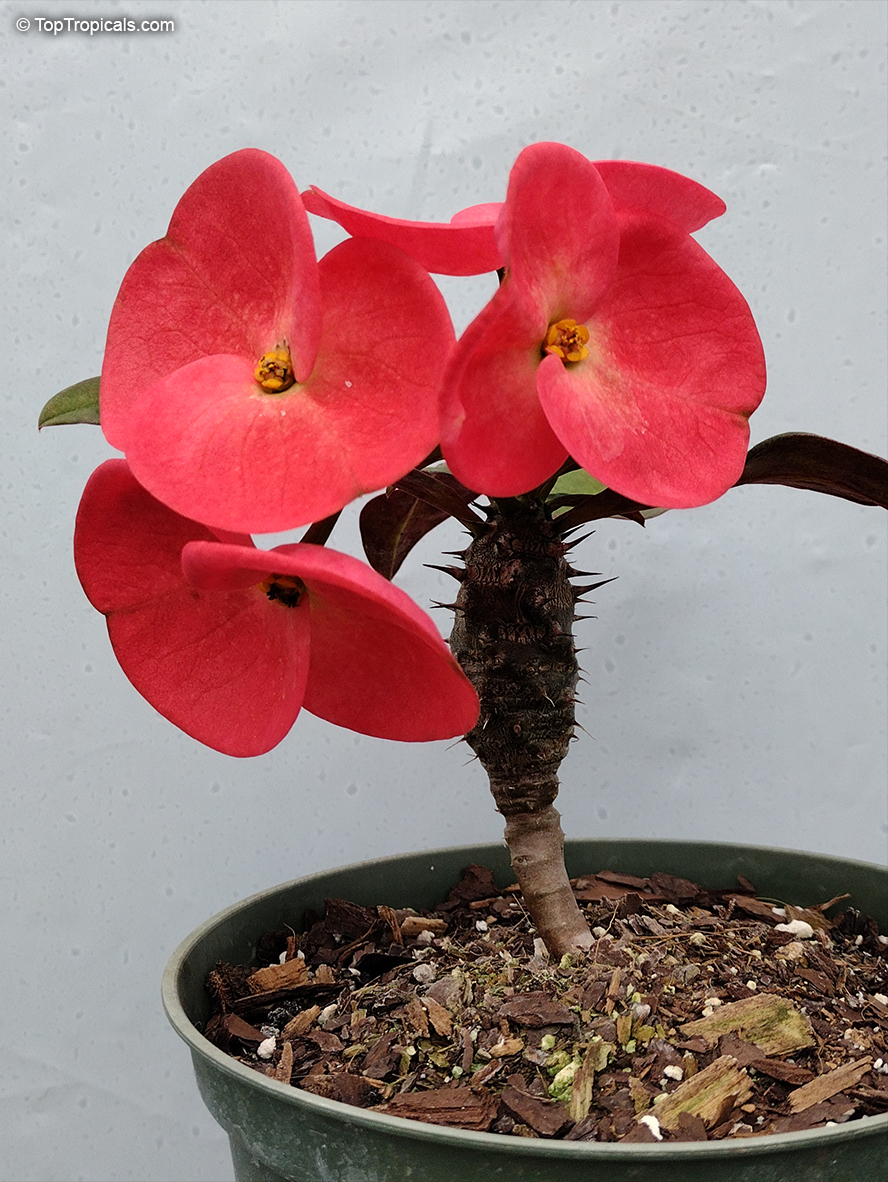
Common name: Thai Giant Crown of Thorns
Cultivar: Thai Giant
Family: Euphorbiaceae
USDA Zone: 9-11
Cold tolerance: 35°F
Plant form: SmallMature height: 2-5 ftSun exposure: Full sun or bright light indoorCold tolerance: Frost sensitive. Protect from freezing.Watering: ModerateFlower color: Pink; white and off-white; red, crimson, vinous; yellow, orange; unusual colorSuitable for: Outdoors in USDA Zones 9 - 11; small gardens, containers, and indoor growing Foliage: DeciduousIrritating or toxic: Irritating
 Thorns: Thorny or spiny
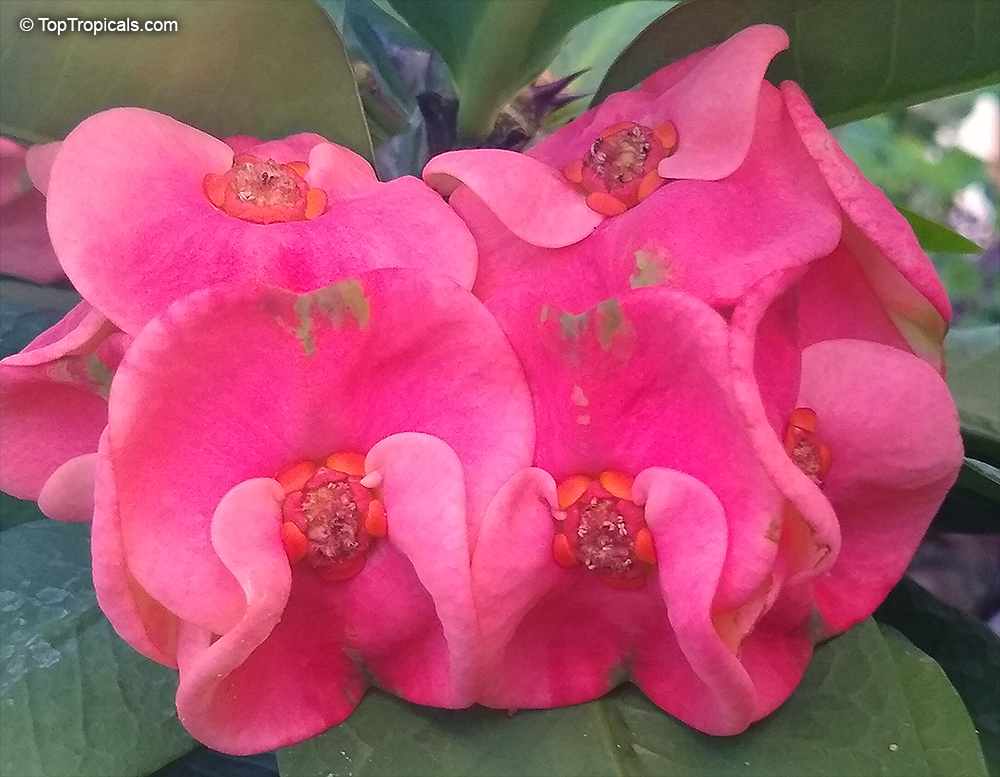
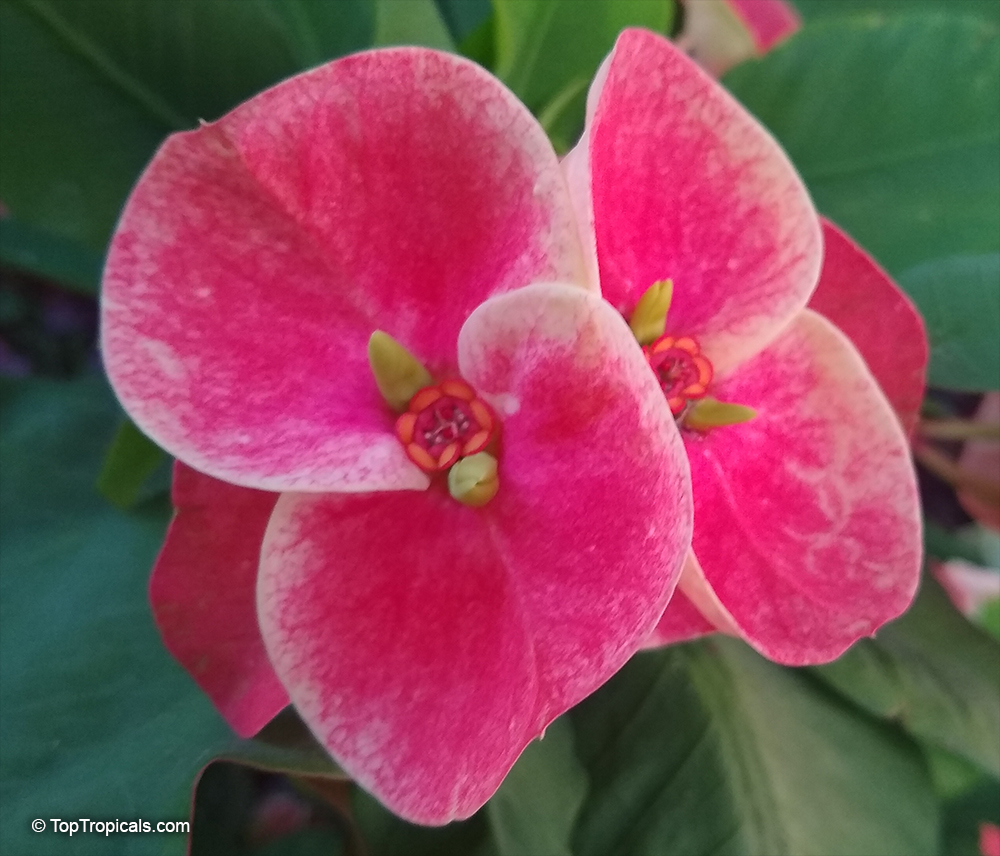
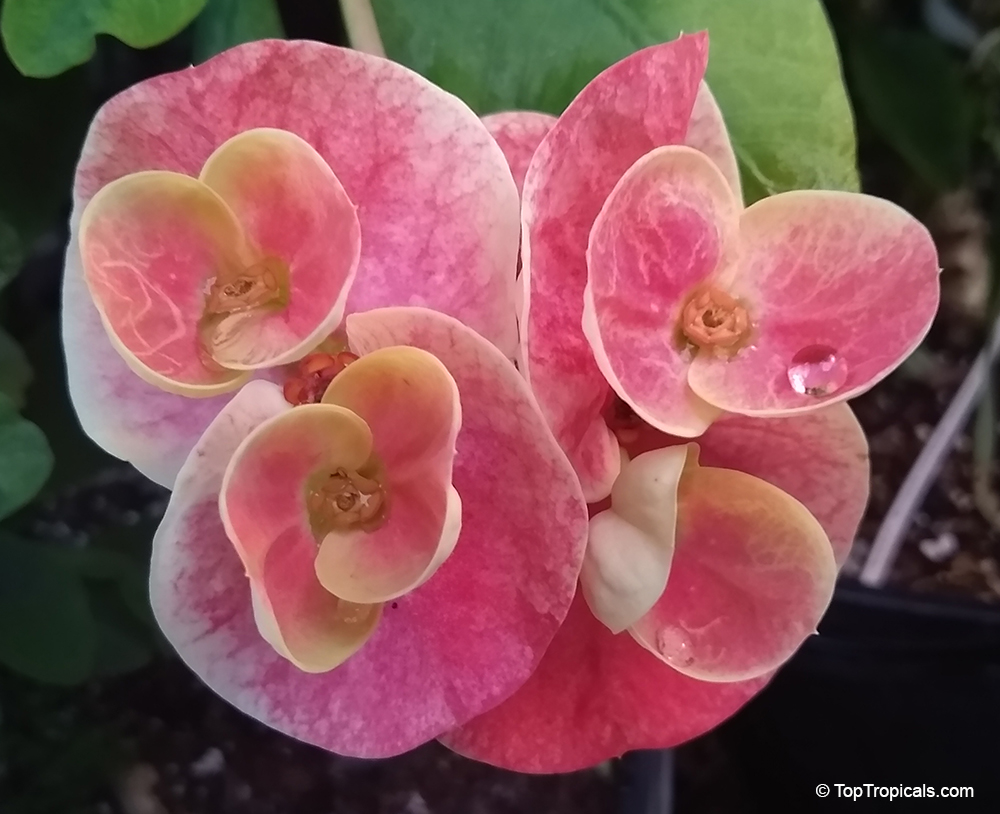
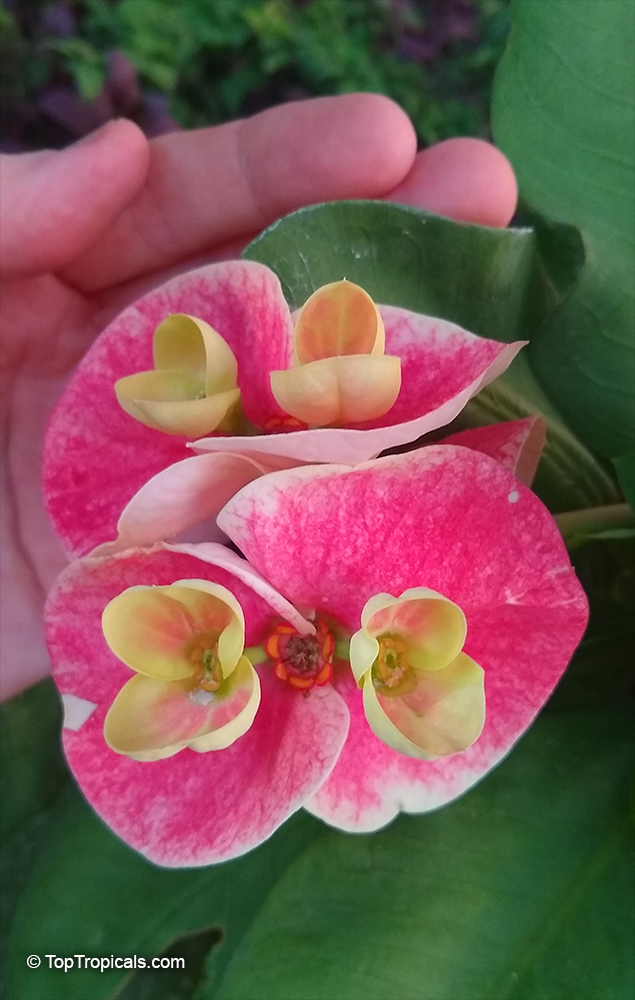
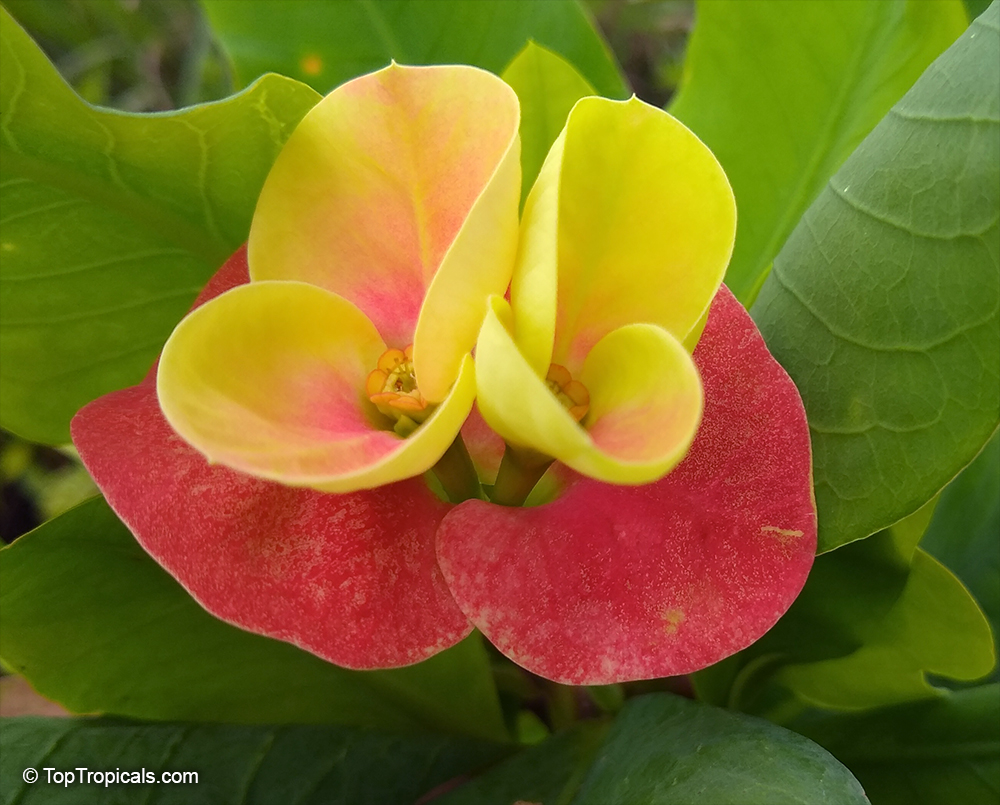
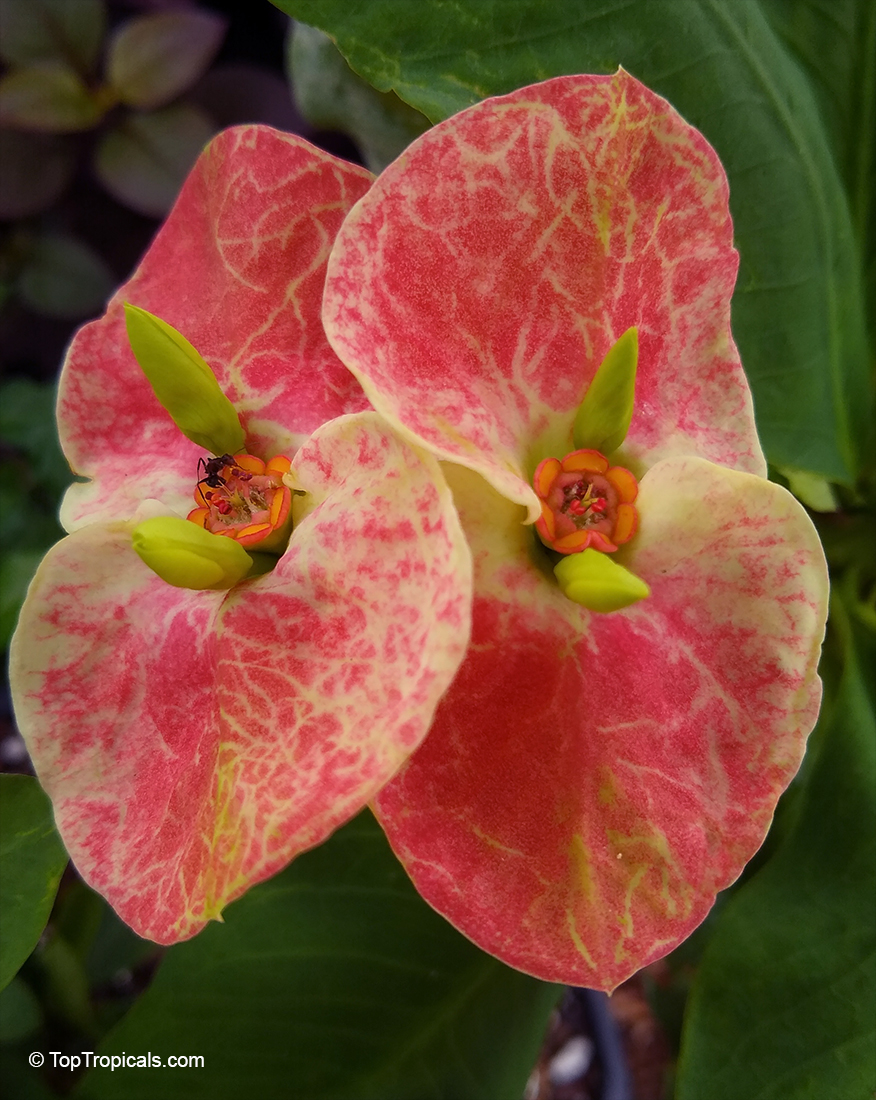
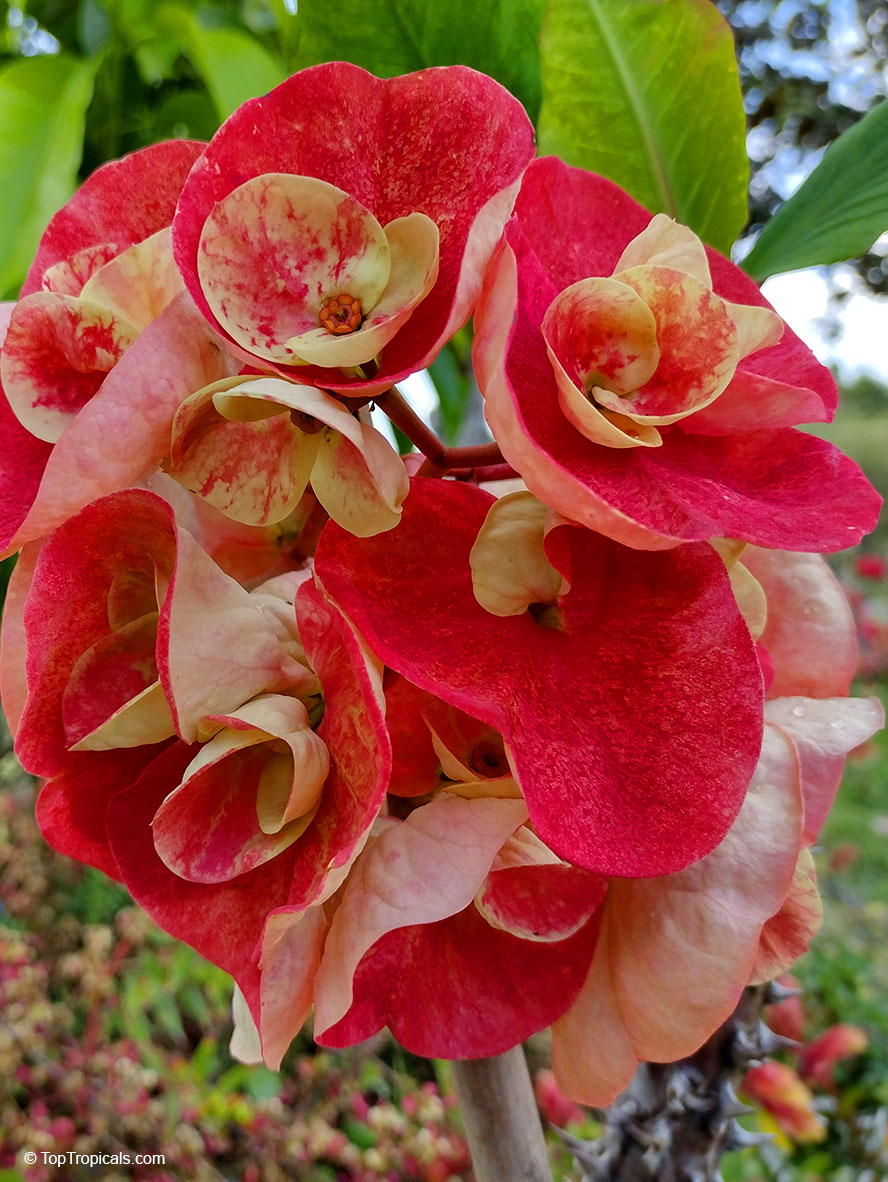
Euphorbia milii (crown of thorns) is a spiny succulent shrub native to Madagascar, grown for its bright, long-lasting floral bracts and drought tolerance. It forms woody, thorn-covered stems with small, oval leaves clustered near the growing tips. The true flowers are tiny, surrounded by showy bracts in shades of red, pink, yellow, or white. The plant blooms over a long season in warm conditions and is widely cultivated in tropical and subtropical gardens, as well as in containers.
Thai Giant Hybrids are a group of Euphorbia milii cultivars selected in Thailand for exceptionally large floral bracts, often exceeding 2 in across, and a wide range of intense colors, including multicolored and patterned forms. These hybrids also tend to have more compact growth and heavier blooming compared to typical forms. Grow in full sun to light shade, in well-drained soil, and water moderately, allowing the soil to dry between waterings. Hardy in USDA Zones 10 11; protect from frost. Propagation is by stem cuttings, taken with care due to the plant s toxic latex sap.


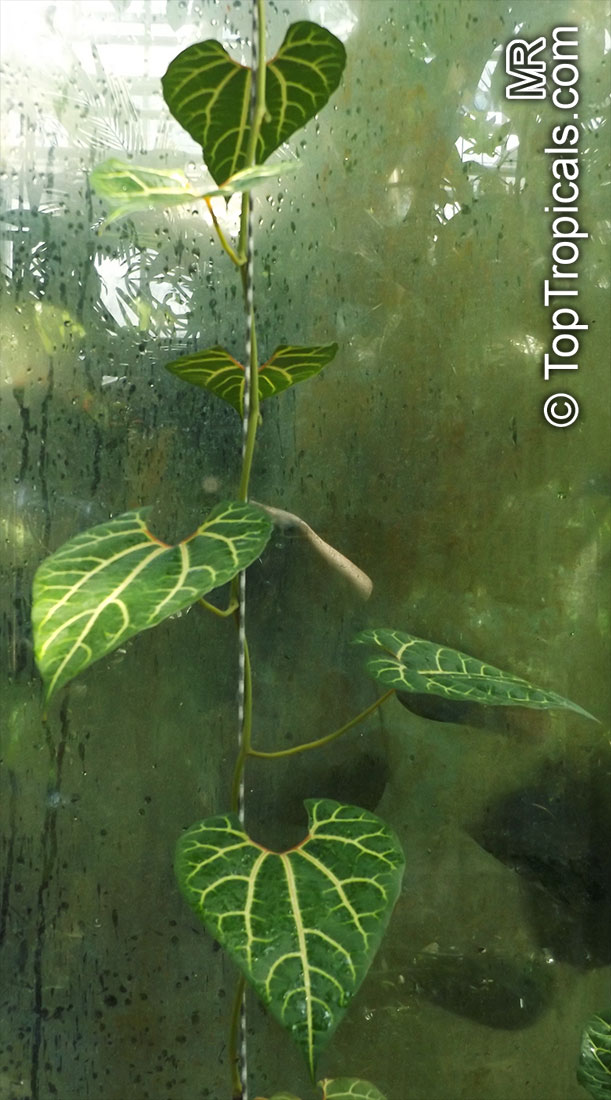
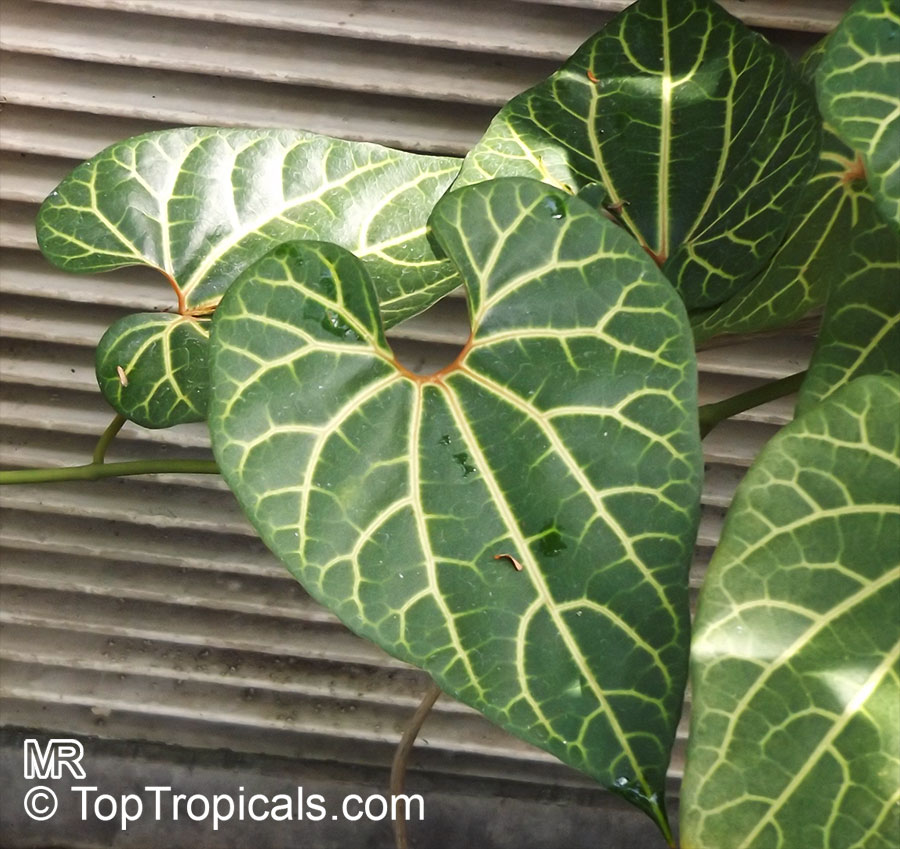
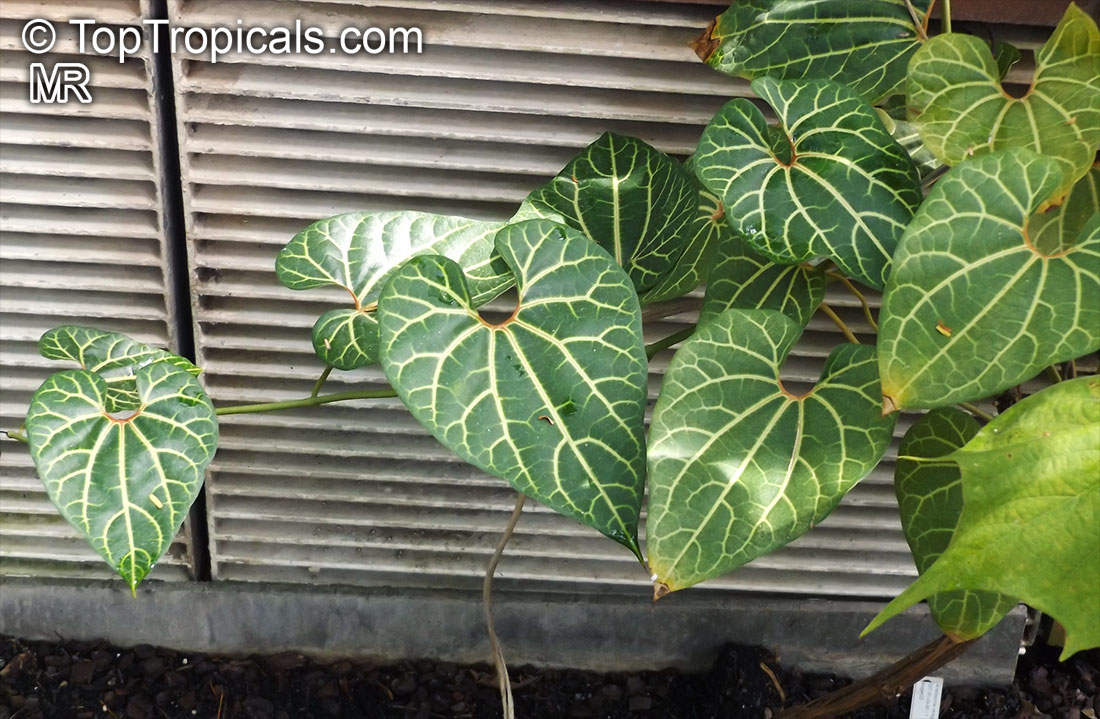
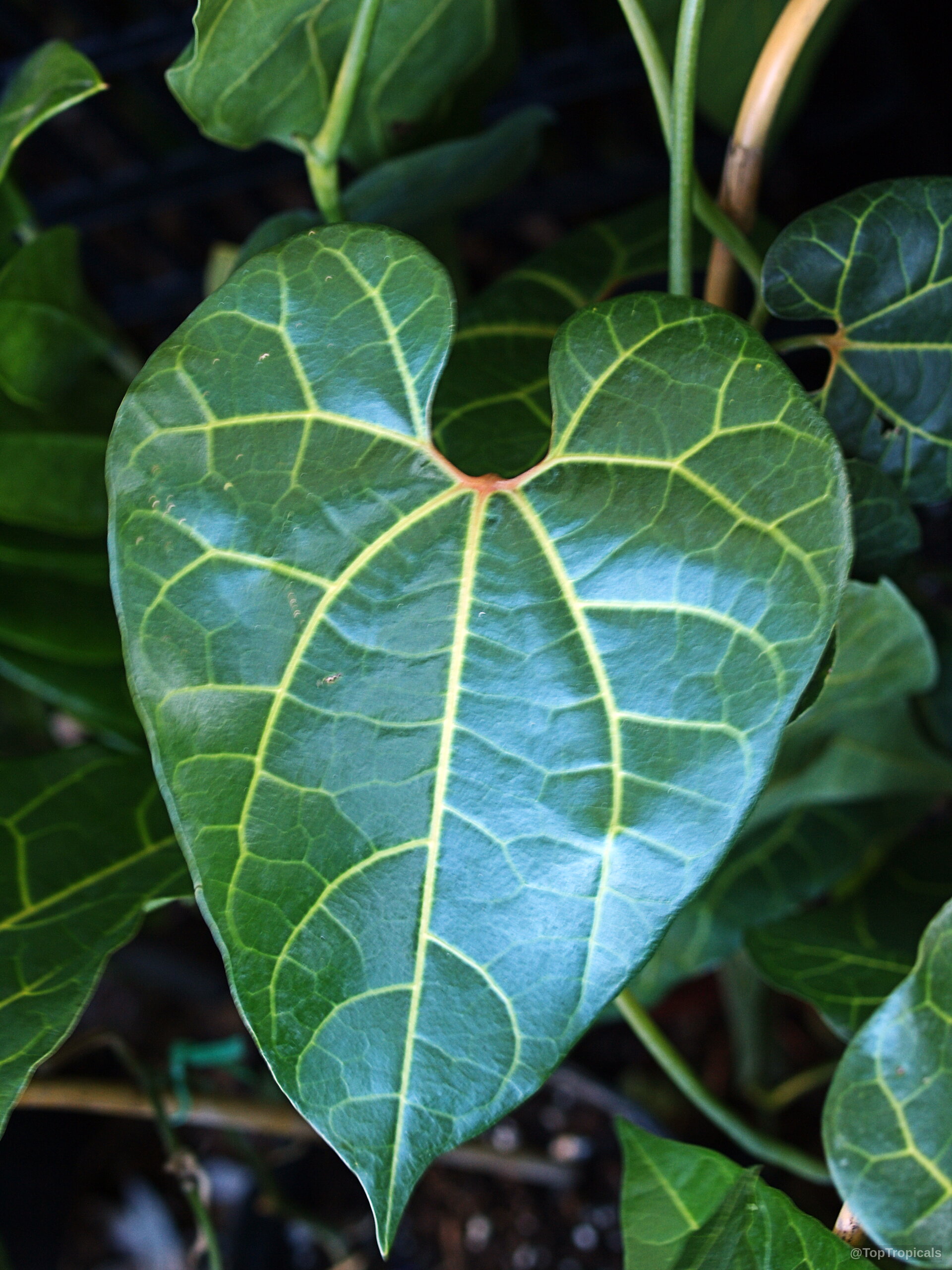
Botanical name: Aristolochia leuconeura
Common name: Pipe Flower
Family: Aristolochiaceae
Origin: Costa Rica
USDA Zone: 9-11
 Plant form: Climbing or creeping vineSun exposure: Full sun or bright light indoor; semi-shadeCold tolerance: Tolerates light freezing to about 30°F for short periods (mature plants). Young plants must be protected.Watering: RegularFlower color: Unusual colorSuitable for: Outdoors in USDA Zones 9 - 11; small gardens, containers, and indoor growing
 Foliage color: Ornamental foliageButterfly attractor: Attracts butterflies and hummingbirds
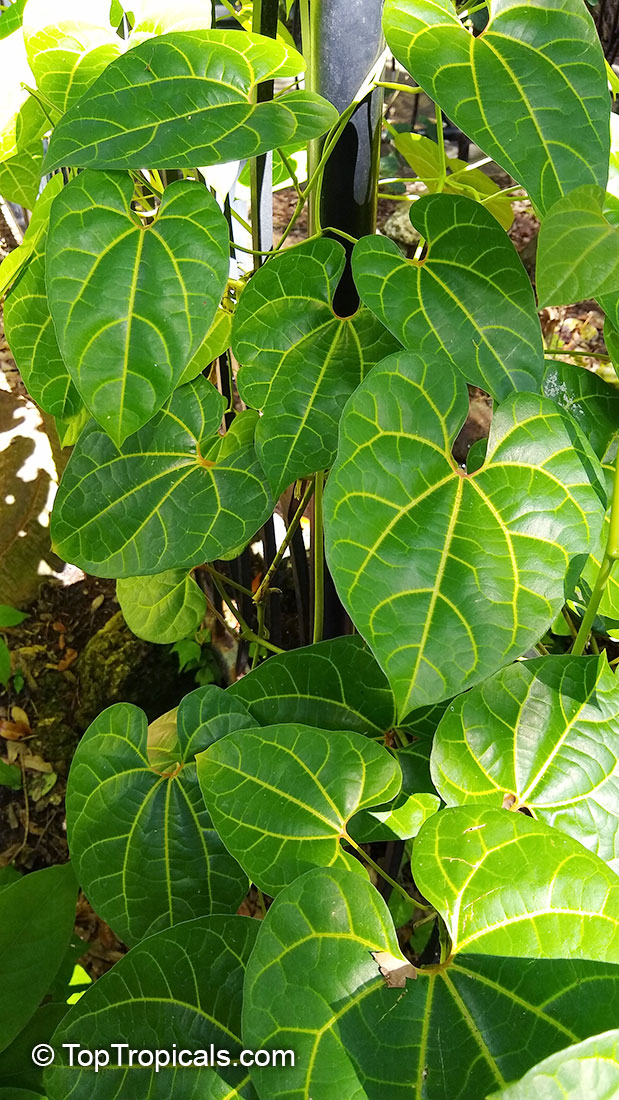
Aristolochia leuconeura (Pipe Flower) is a vine or creeper native to Costa Rica and grows in USDA Zone 9-11. It has unusual colored flowers and ornamental foliage that attracts butterflies and hummingbirds, making it a great choice for the garden.
This plant requires full sun to semi-shade and regular watering. It prefers soil that is kept moist, but not soggy. The leaves are 5-6 inches wide and leathery, almost like aroid leaves. The small flowers are an unusual shape too.
Grown in a pot, Aristolochia leuconeura can be moved indoors or protected in cold weather if it is expected to drop below 30s F for a short period of time. It is best to cover the pot if the temperature drops too low so the roots will not be damaged. If growing in the ground, mulching can help the plant survive cold weather.
Aristolochia leuconeura is a great way to add unusual color and texture to your garden.


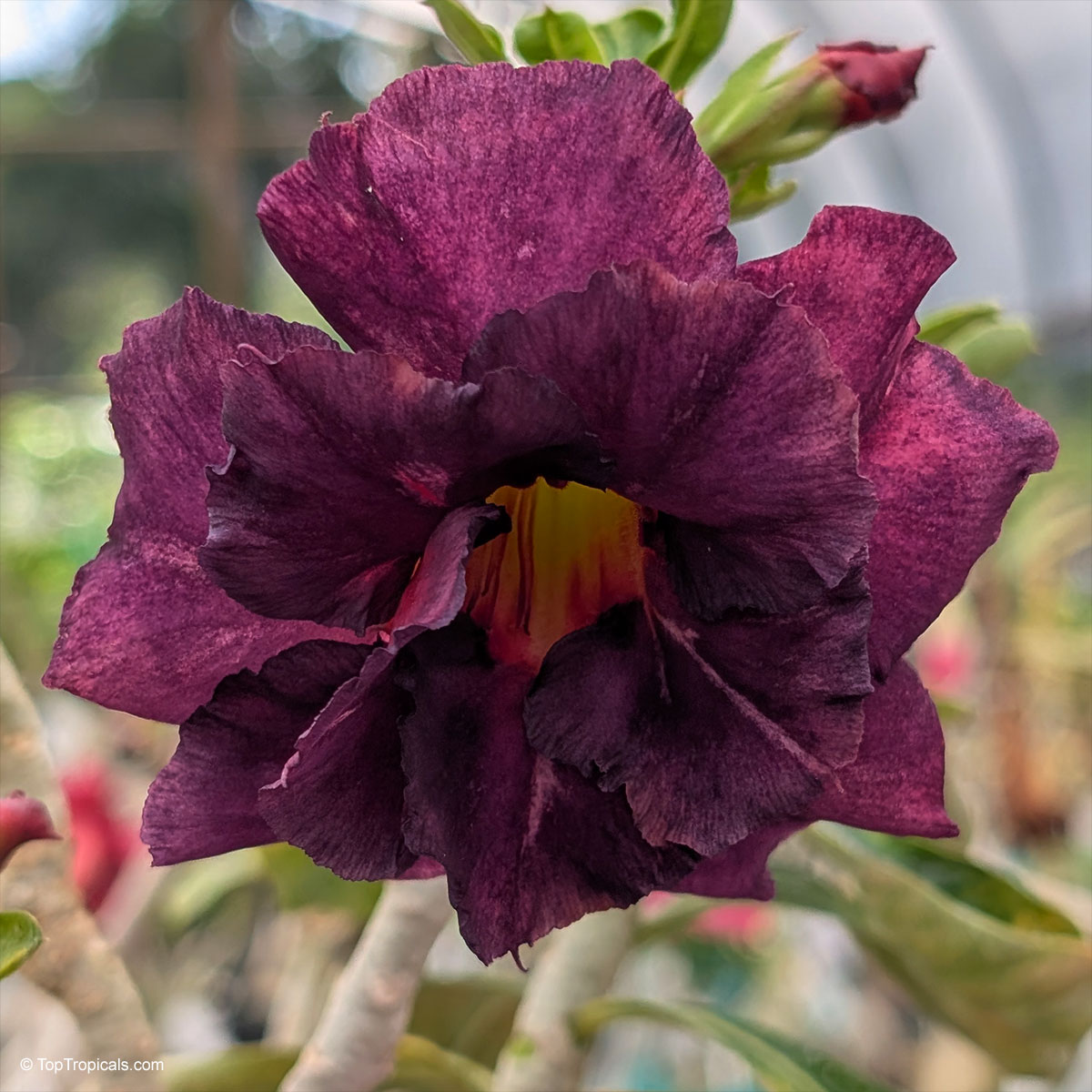
Botanical name: Adenium sp.
Common name: 'King of Purple' Desert Rose
Cultivar: King Of Purple
Family: Apocynaceae
USDA Zone: 9-10

 Plant form: Small; plant with caudex; suitable for bonsaiMature height: 2-5 ftSun exposure: Full sun or bright light indoor; semi-shadeCold tolerance: Tolerates light freezing to about 30°F for short periods (mature plants). Young plants must be protected.Watering: ModerateFlower color: Red, crimson, vinous; unusual colorSuitable for: Outdoors in USDA Zones 9-11; small gardens, containers, and indoor growing
Adenium 'King of Purple' with rich, velvety petals in deep plum and purple shades - a bold and regal presence in any collection.
Botanical name: Napoleonaea vogelii
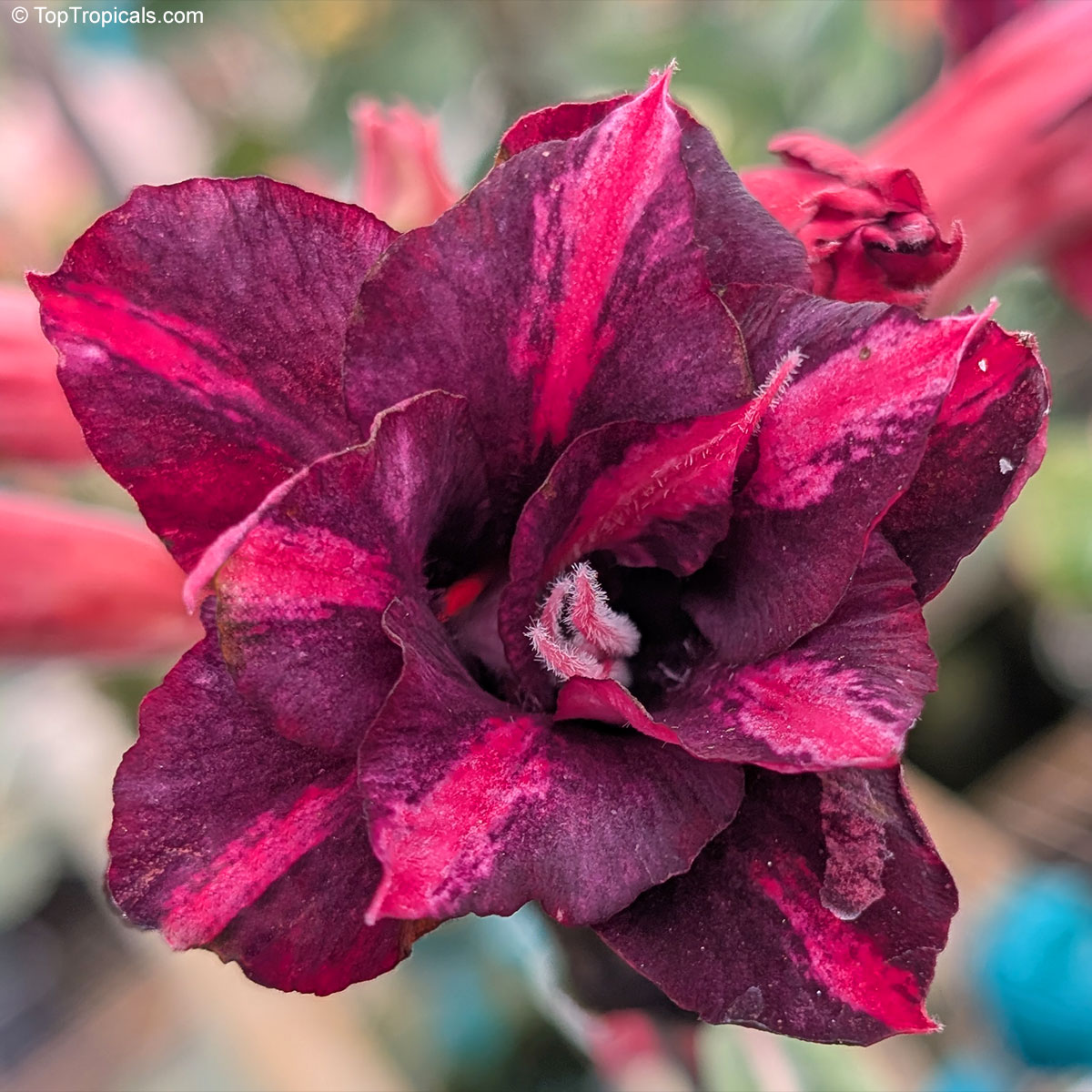
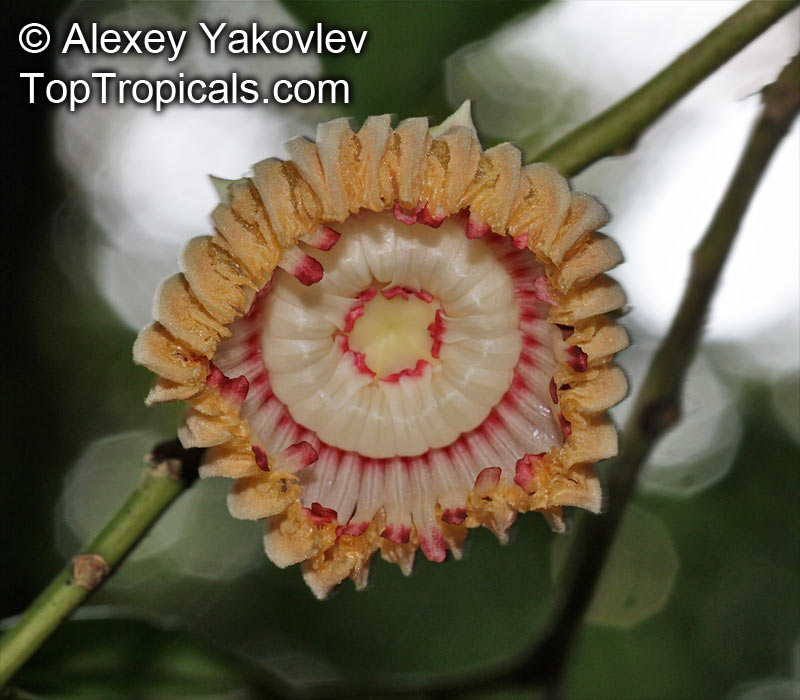
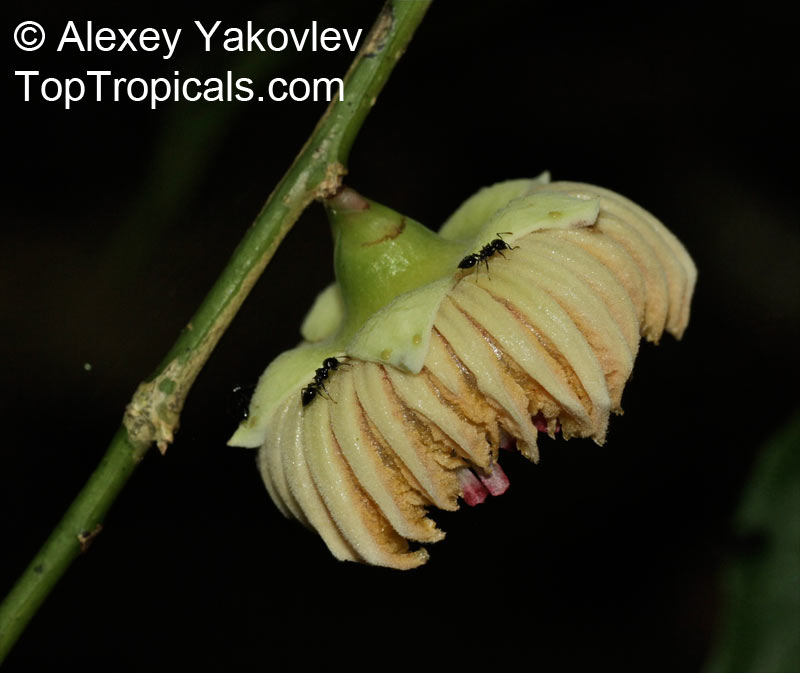
Common name: Napoleons Hat
Family: Lecythidaceae
Origin: Africa
USDA Zone: 9-10
Plant form: Small treeMature height: 10-20 ftSun exposure: Full sun or bright light indoor; semi-shadeCold tolerance: Frost sensitive. Protect from freezing.Watering: Moderate; regularFlower color: Unusual colorSuitable for: Outdoors in USDA Zones 9-11; small gardens, containers, and indoor growing Ethnomedical: Ethnomedical plant, traditionally used in folk or indigenous medicine
Napoleona is an interesting group of trees and shrubs found in the understorey of tropical rainforests. Esteemed for the exquisite, vividly colored, saucer shaped flowers that grow from leaf axils, or directly from trunk and stem. They are mostly grown as greenhouse specimens by collectors, but can be used as landscaping ornamentals where conditions are suited.
| Next | |
Use link to repeat this search:
https://toptropicals.com/cgi-bin/garden_catalog/cat.cgi?search_op=and&keyword_op=and&language=e&number=10&no_change_lang=1
&v1=dif&user=tt&sale=1&first=0