Blue, lavender, purple flowers - Plant Encyclopedia Results
| Number of plants found: 478 | Next | 
|
Go to page: | 1 | 2 | 3 | 4 | 5 | Last |
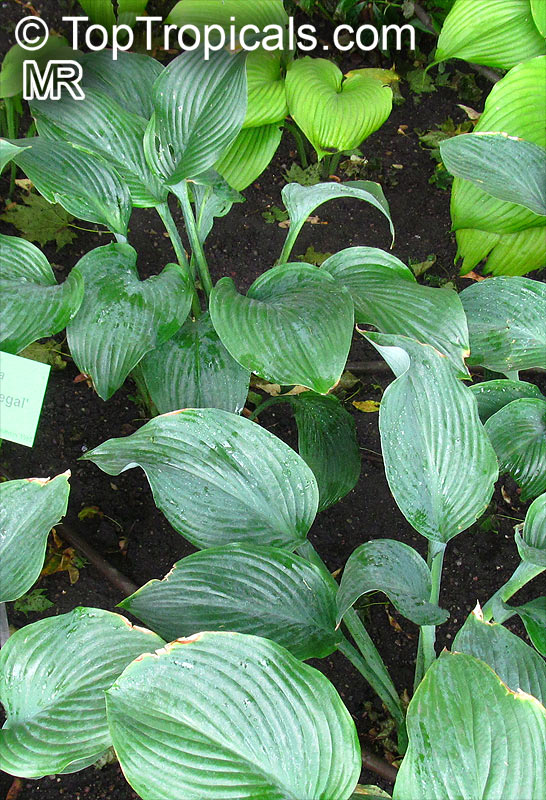
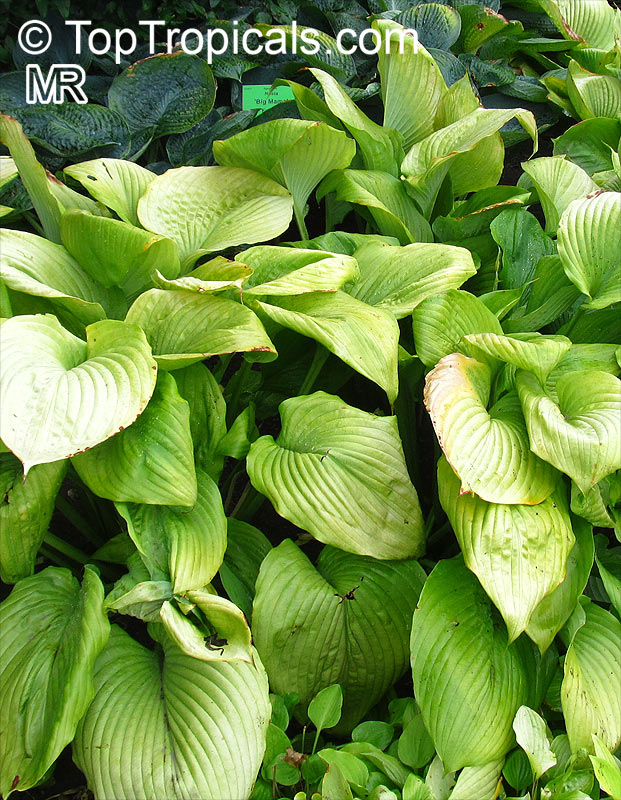
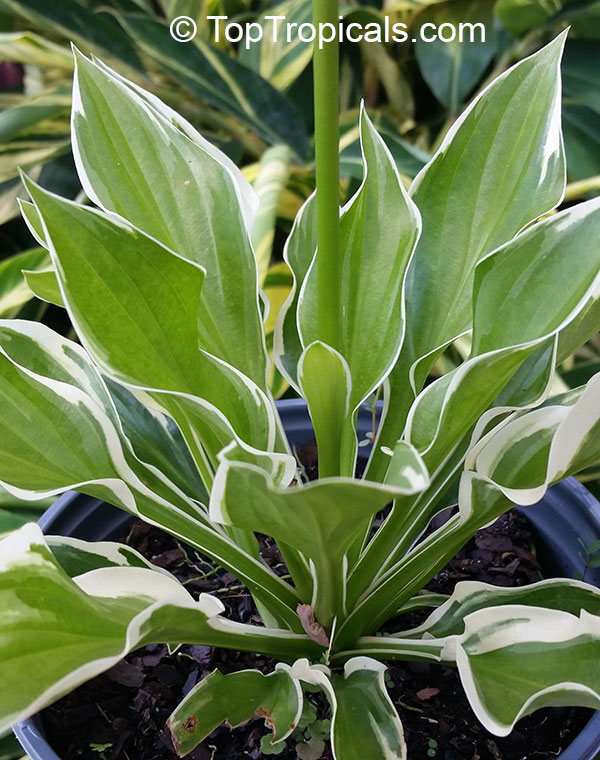
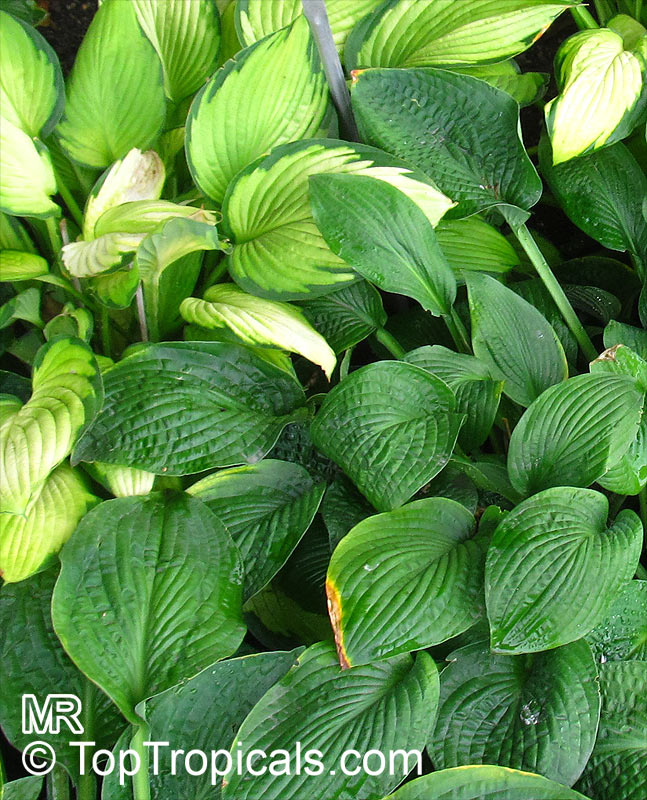
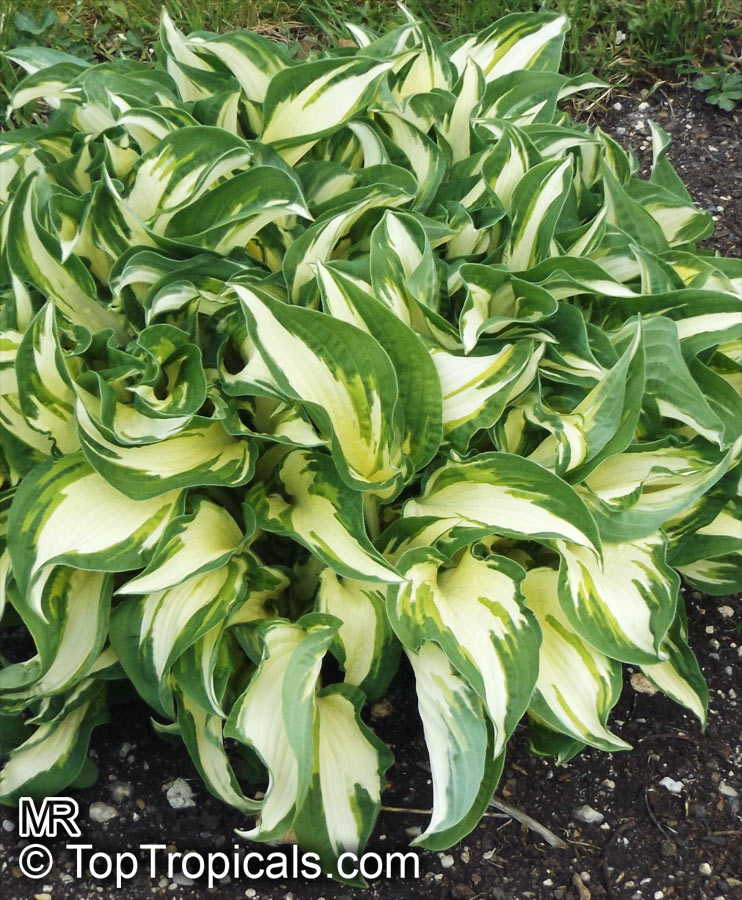
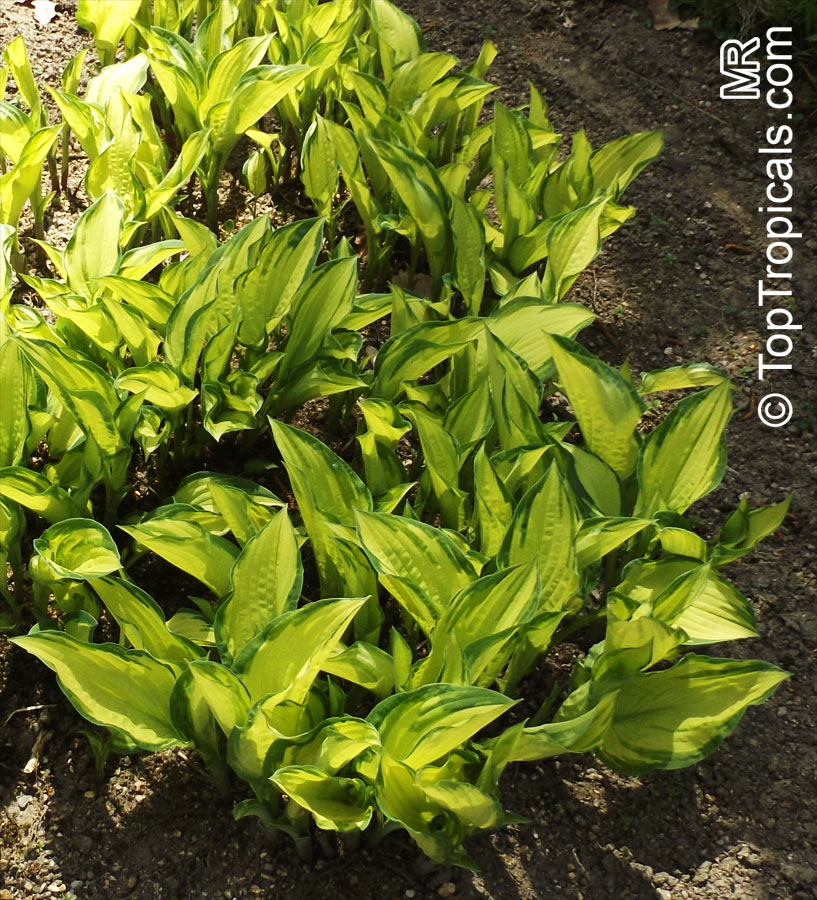
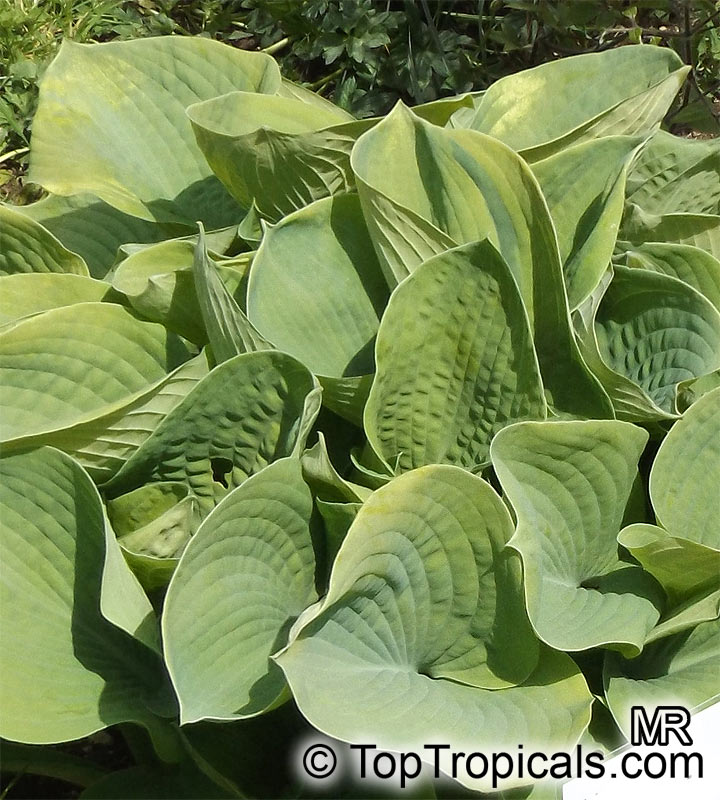
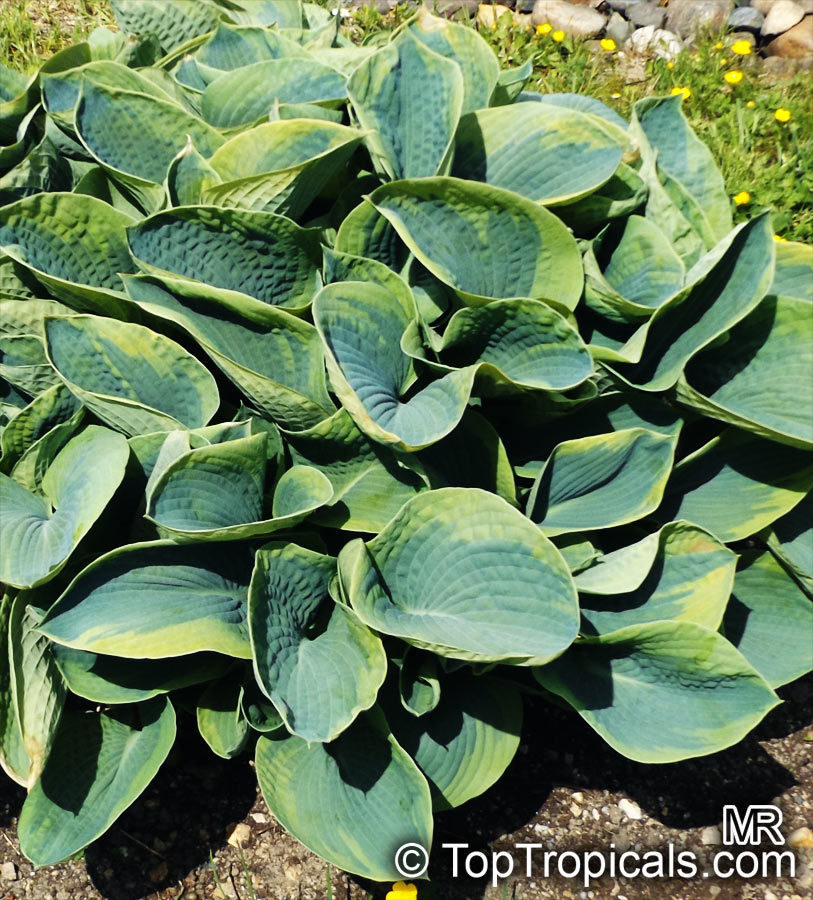
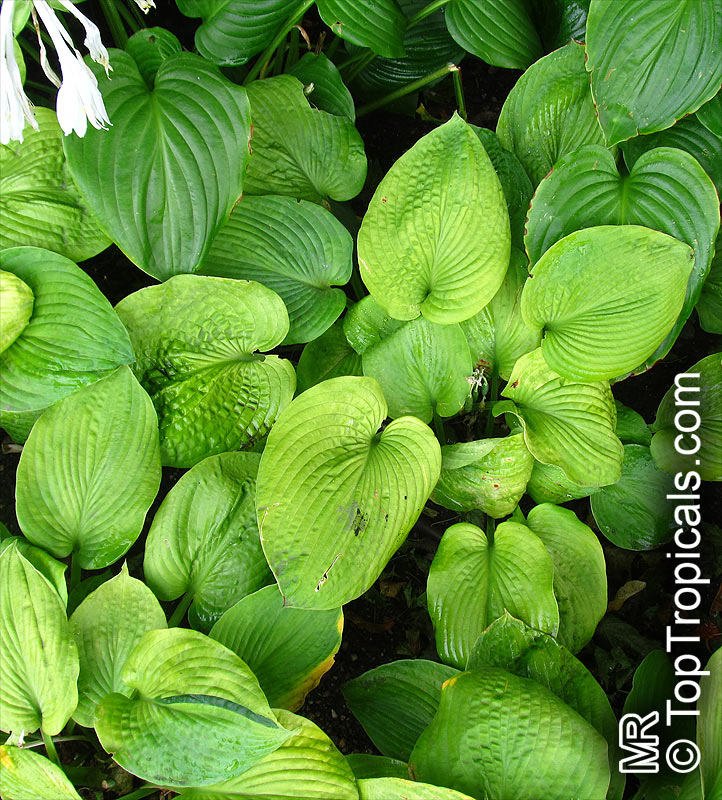
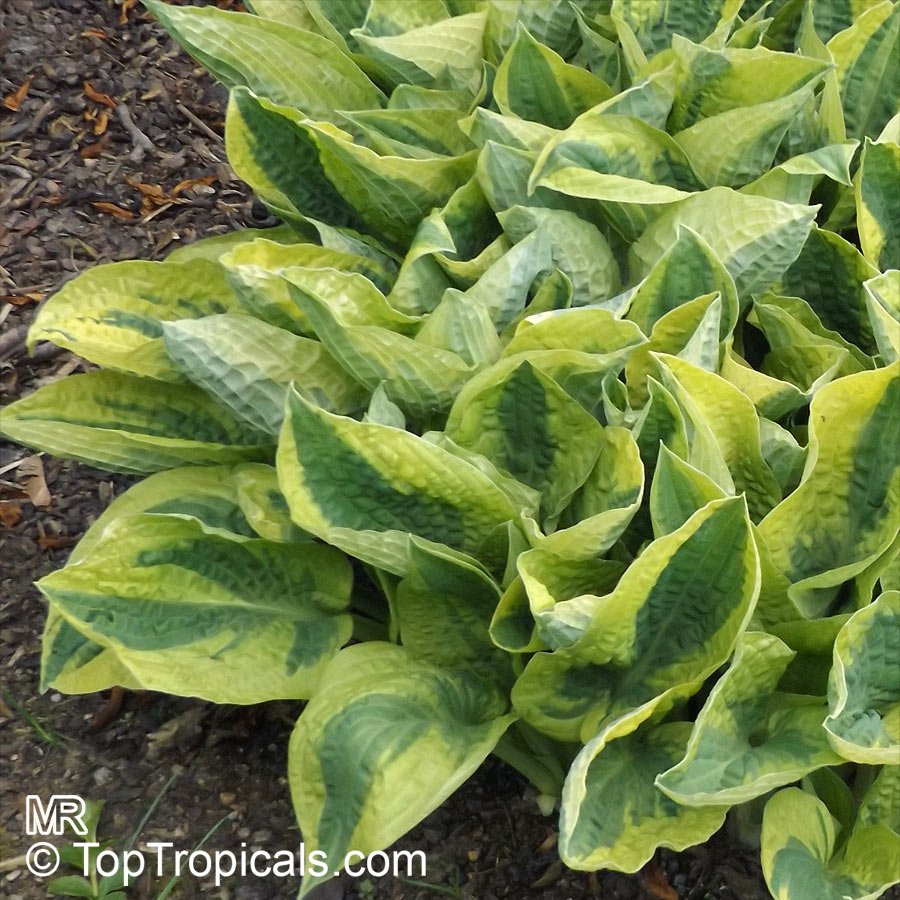
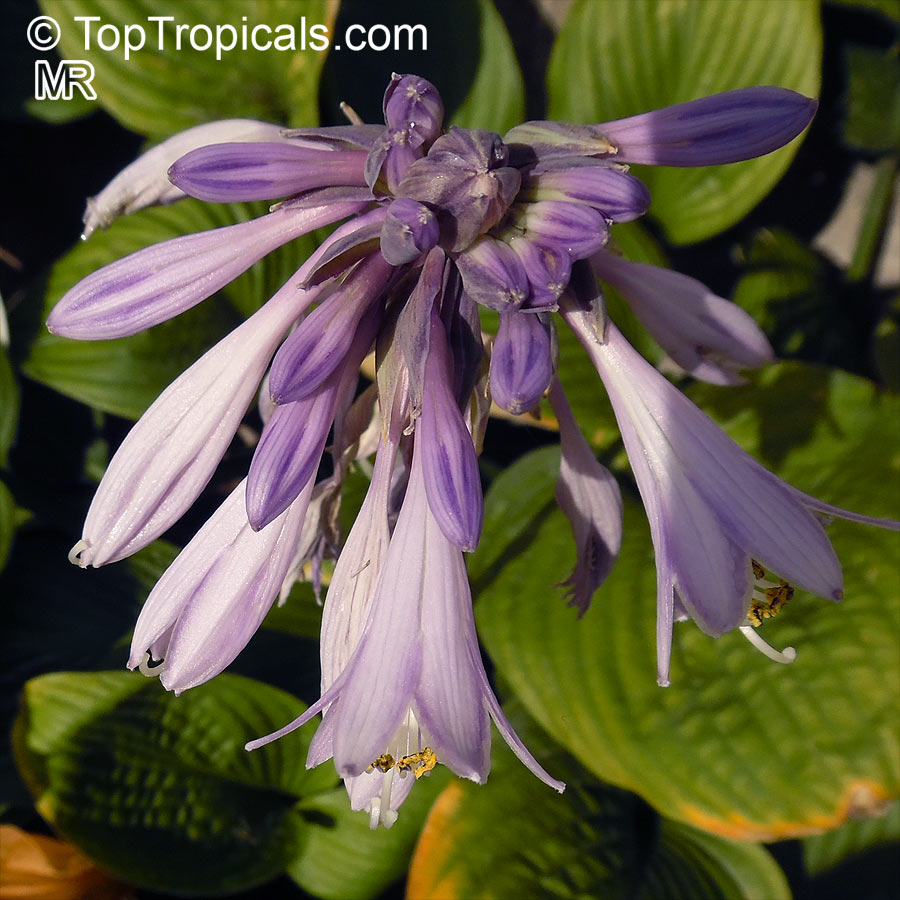
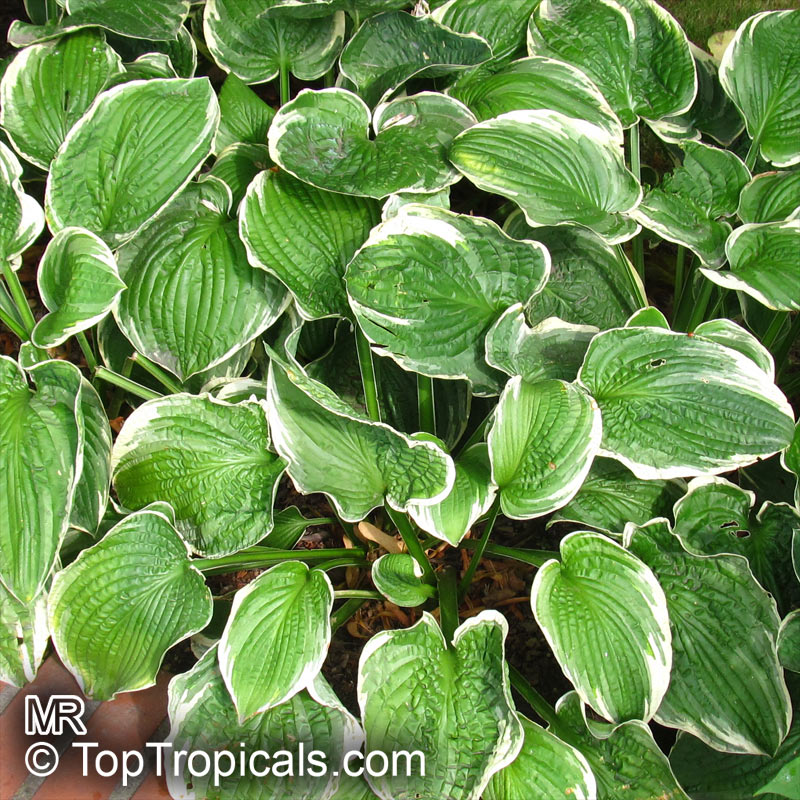
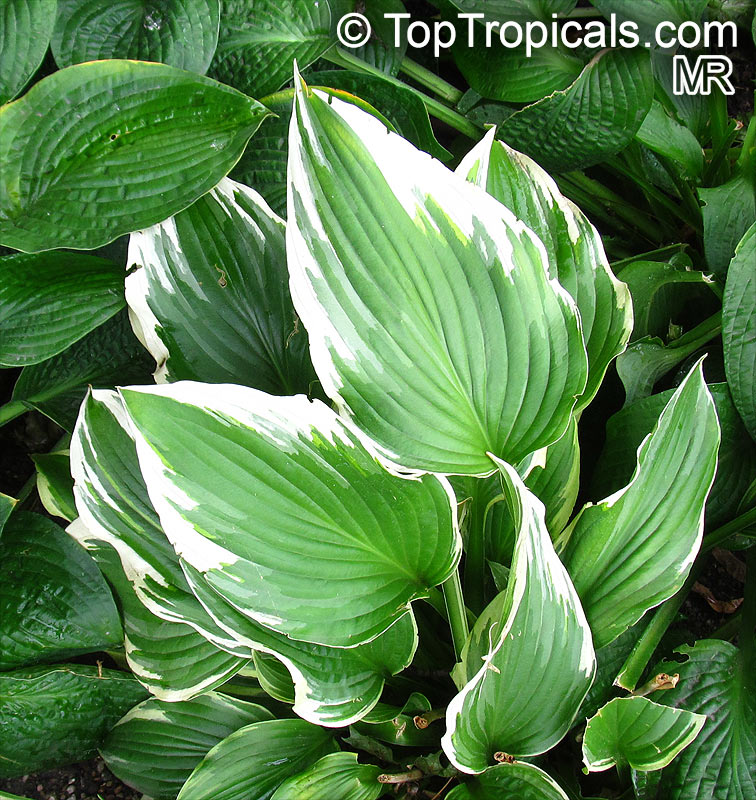
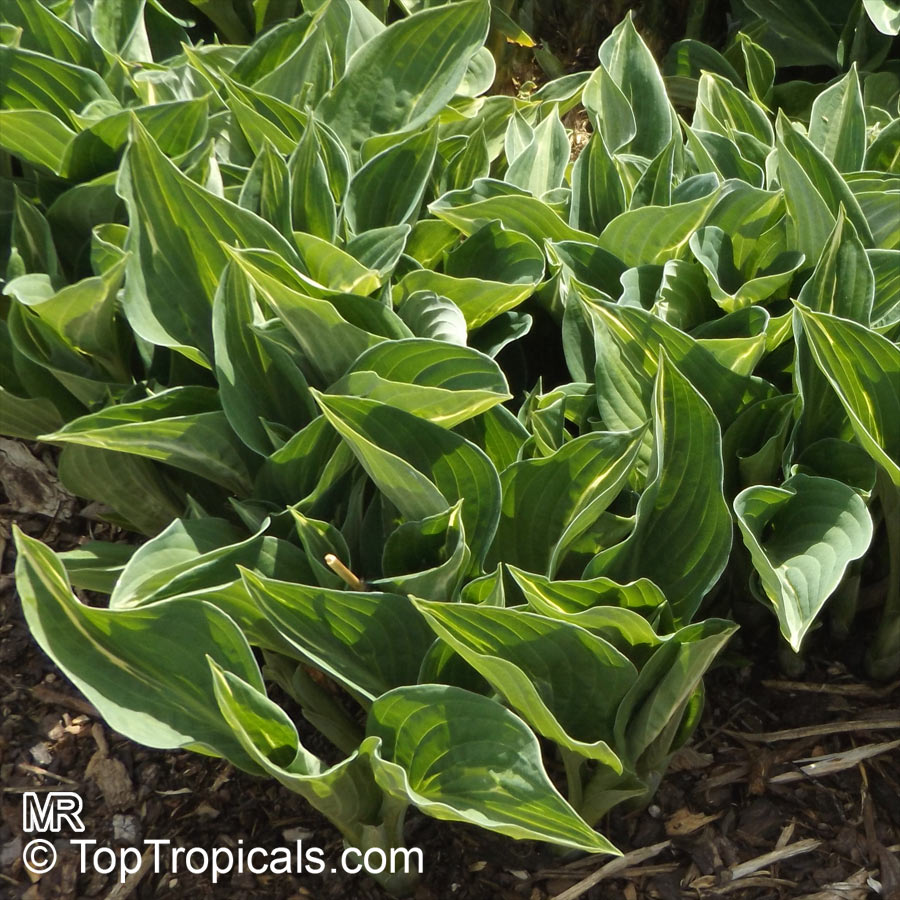
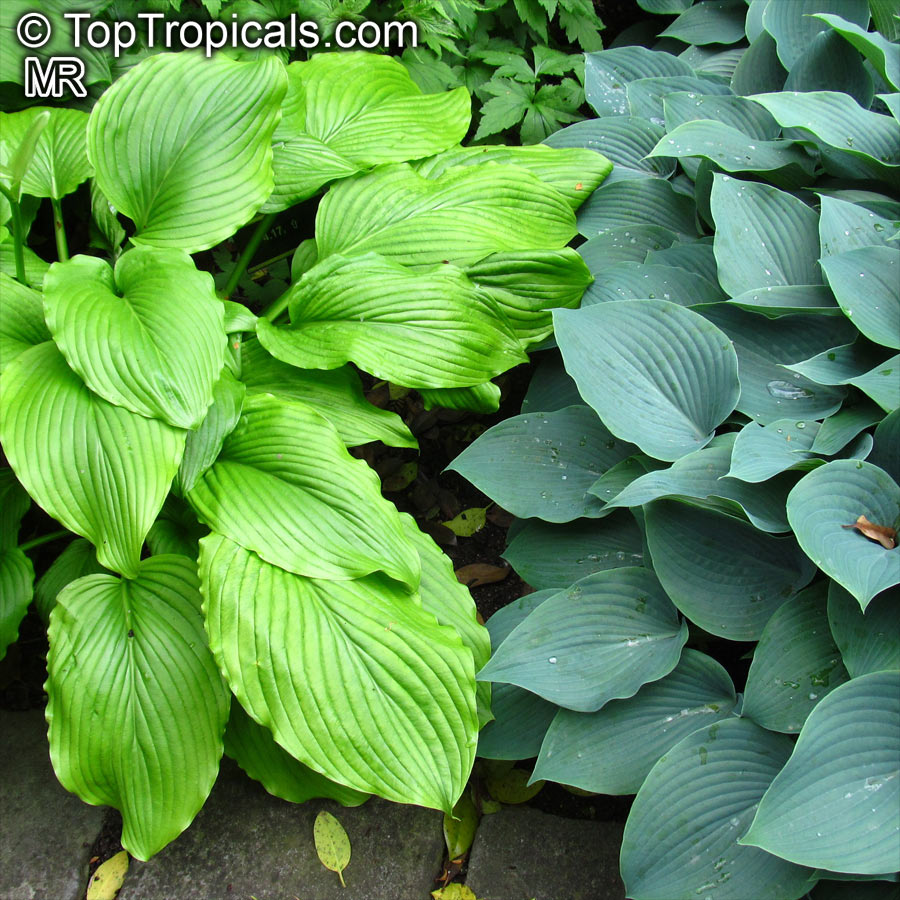
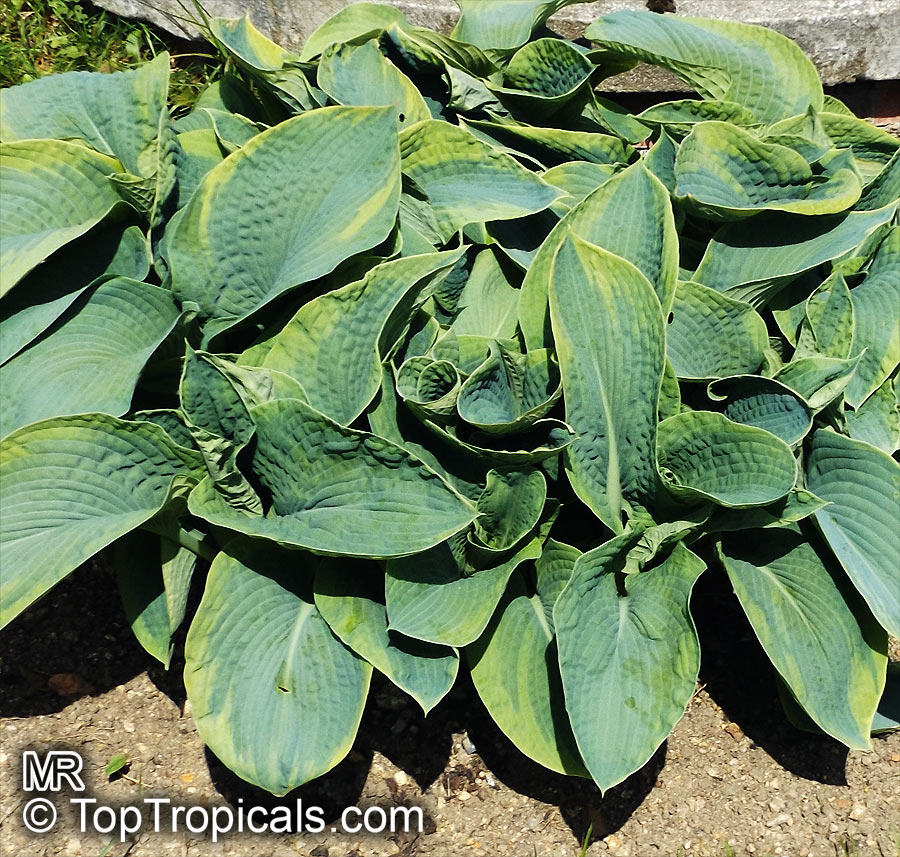
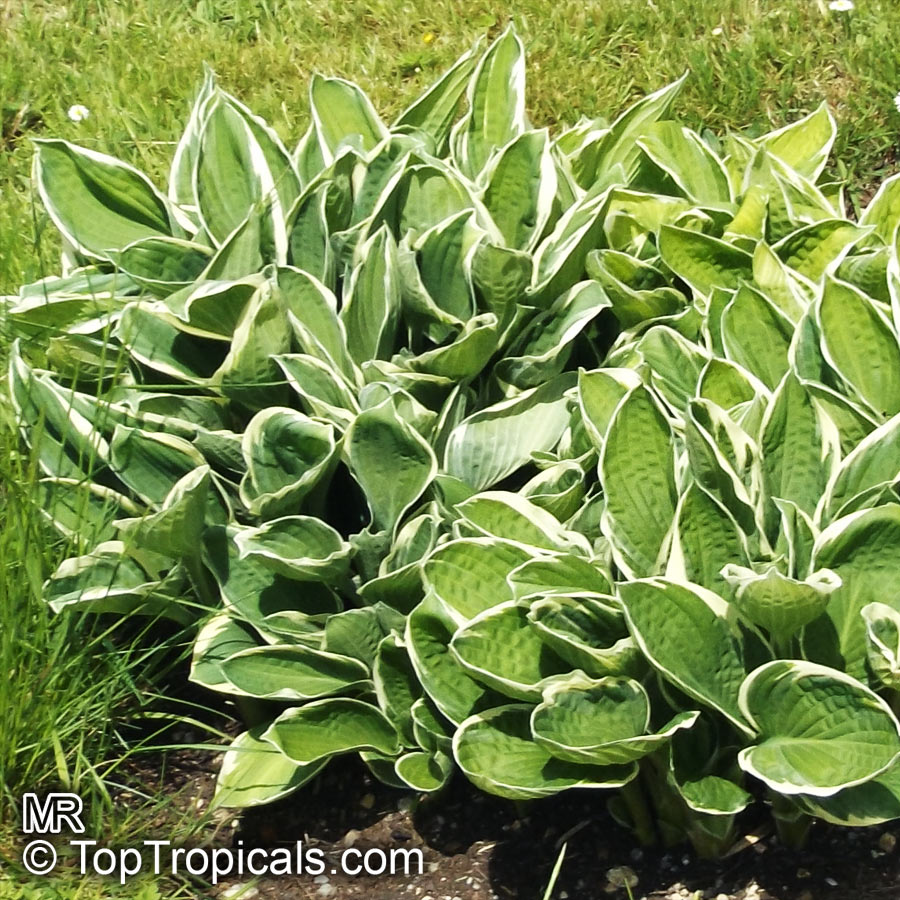
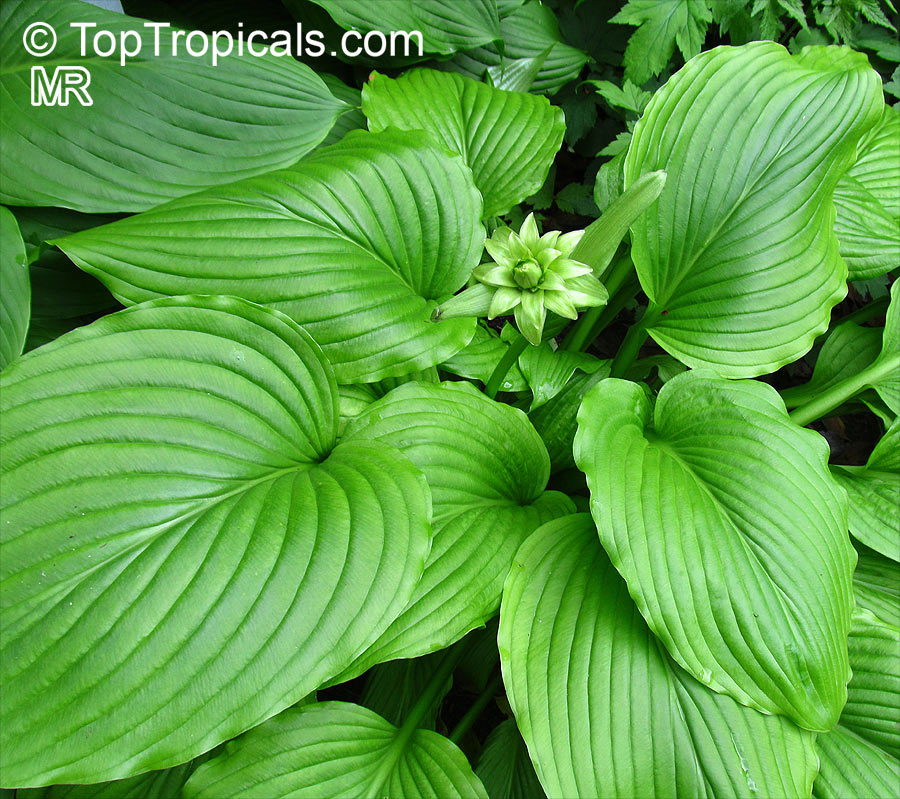
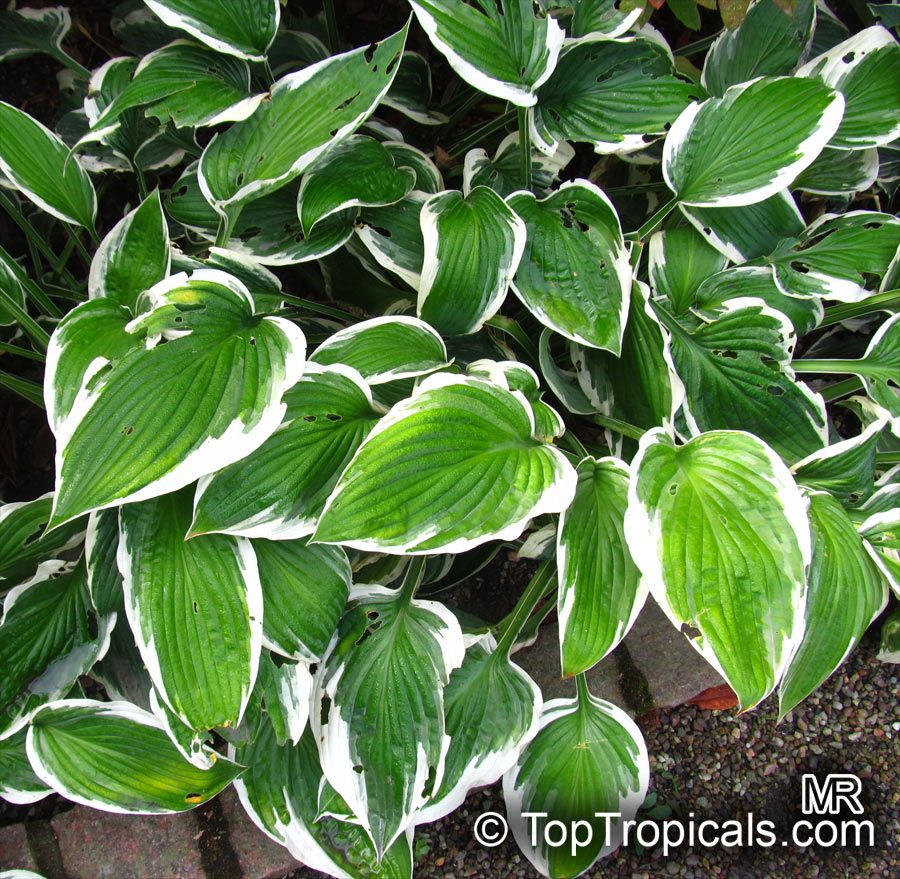
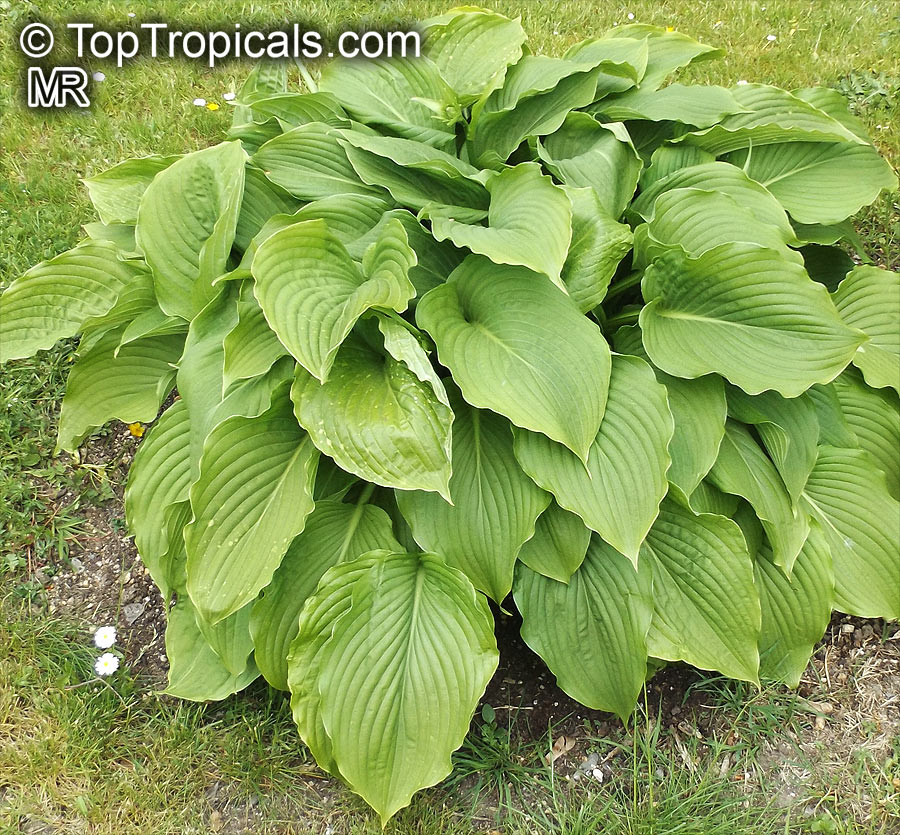
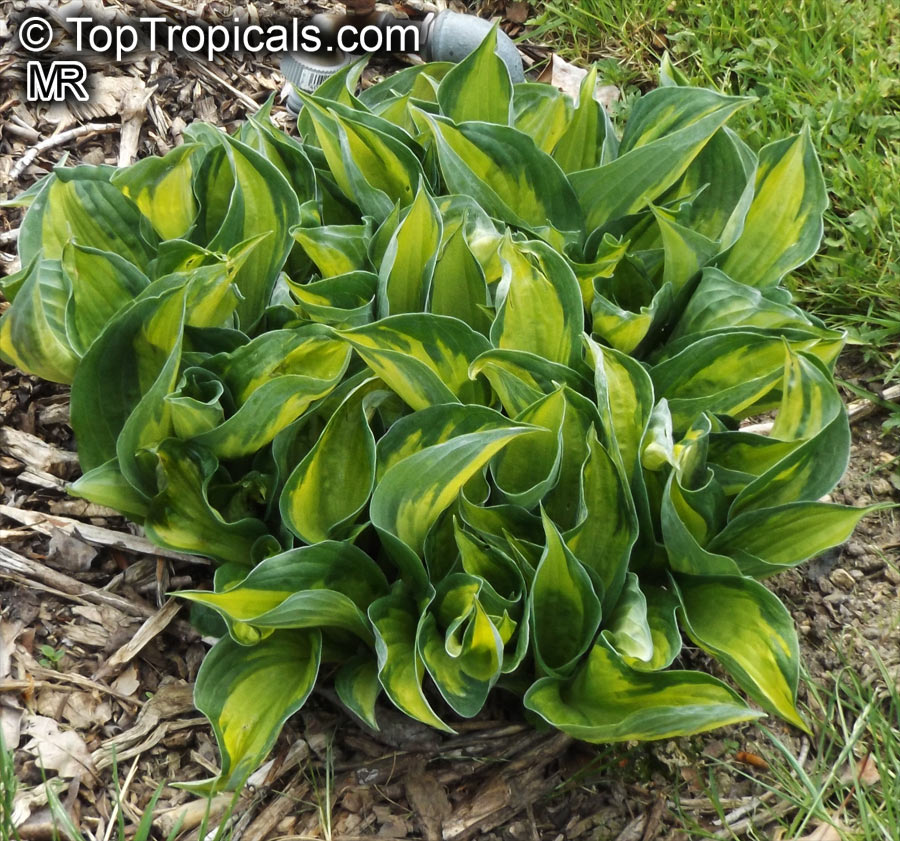
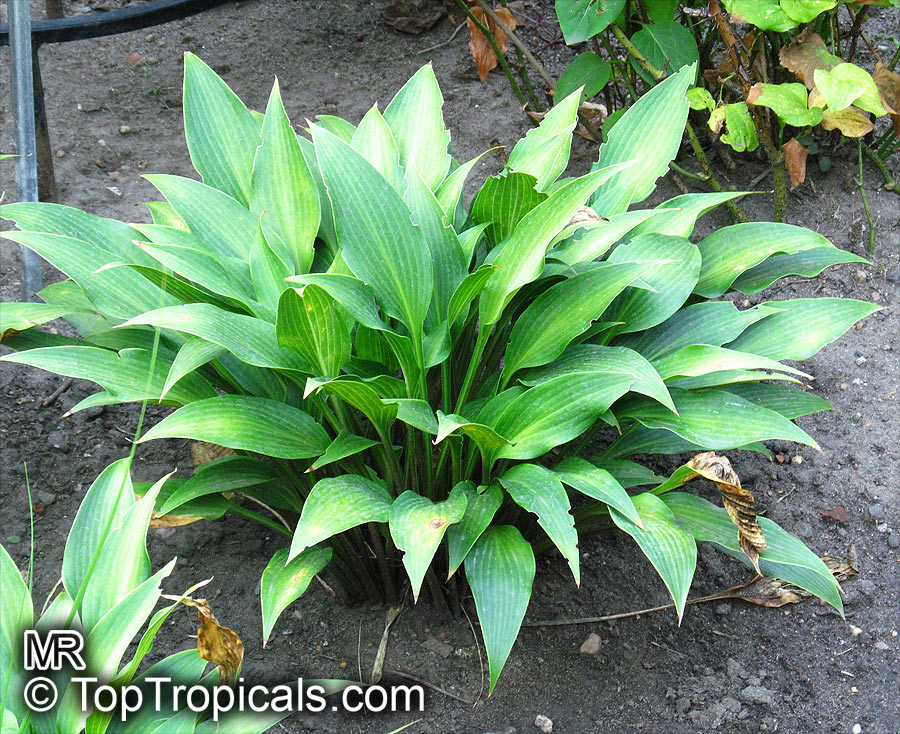
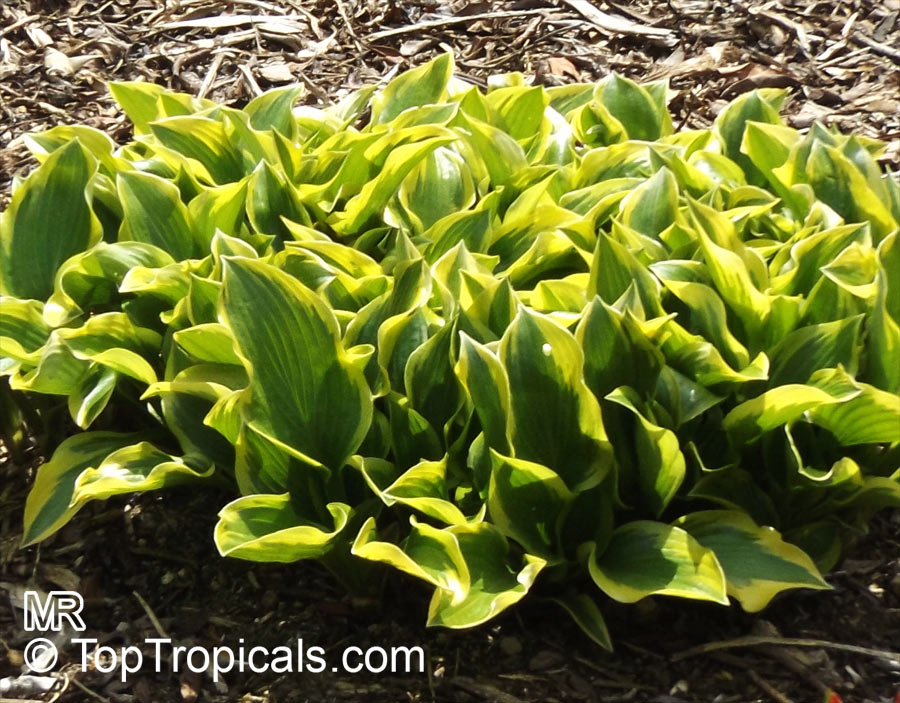
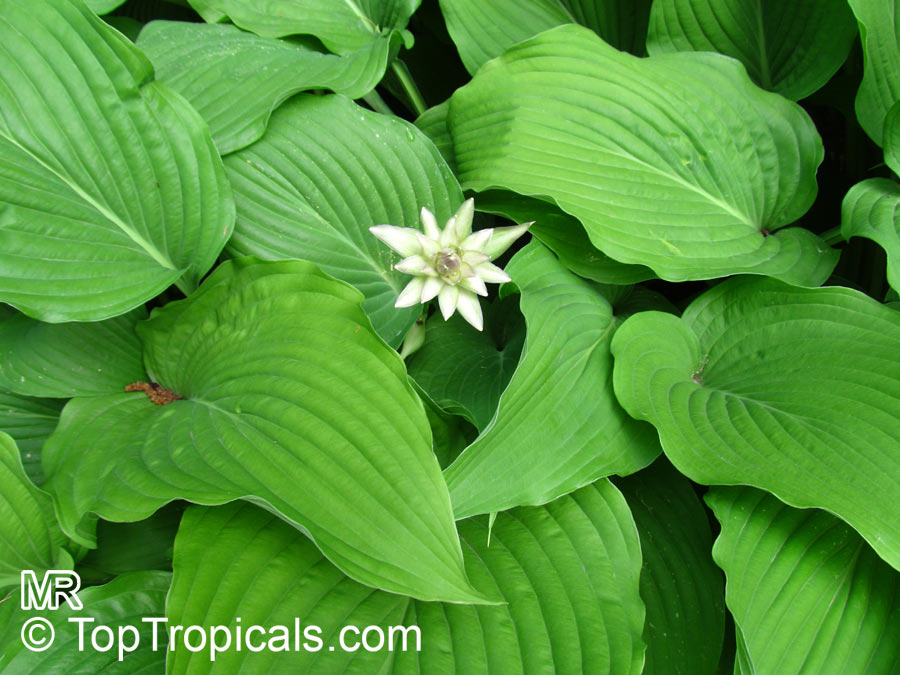
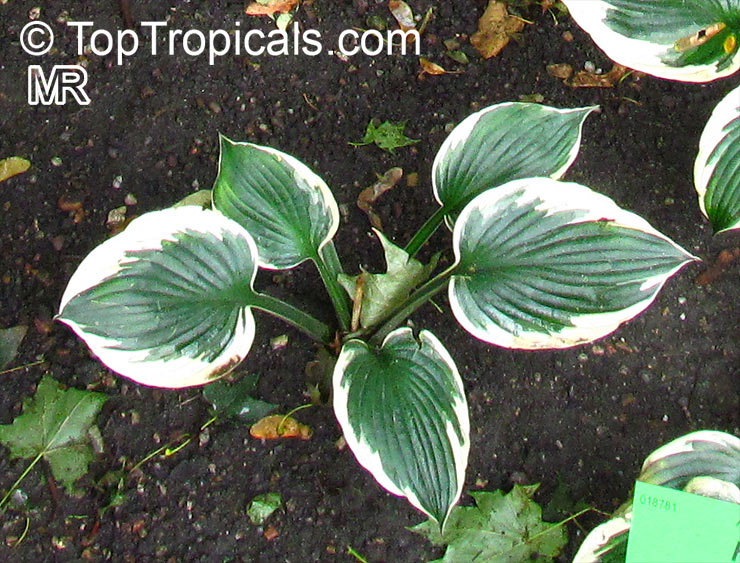
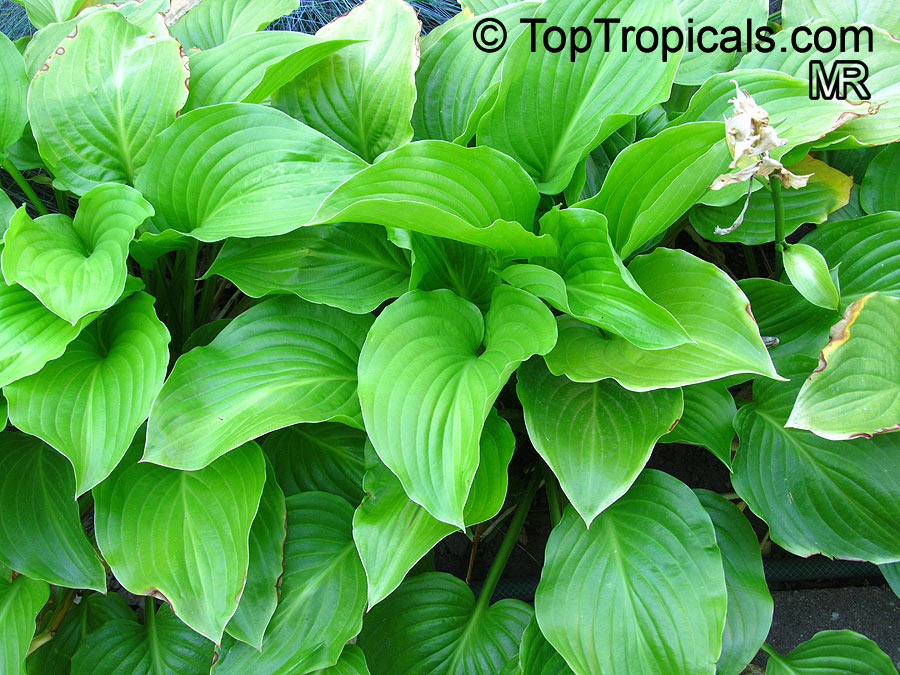
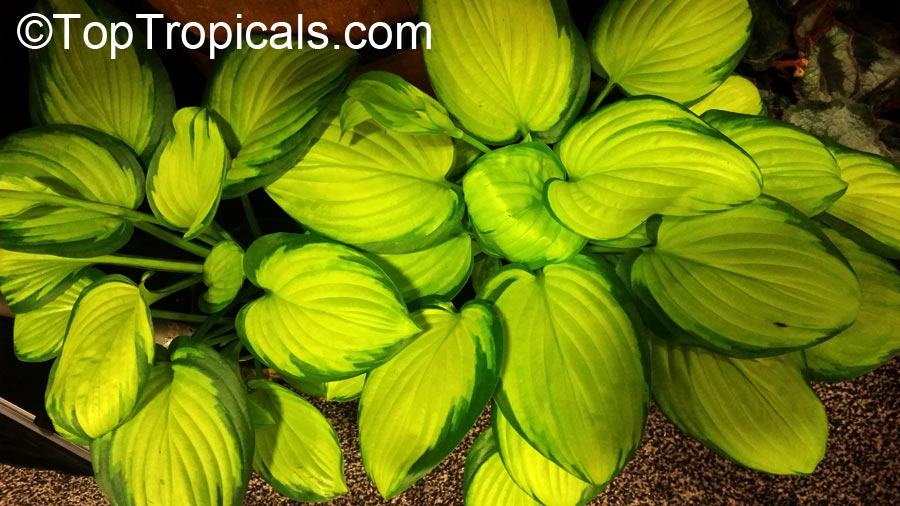
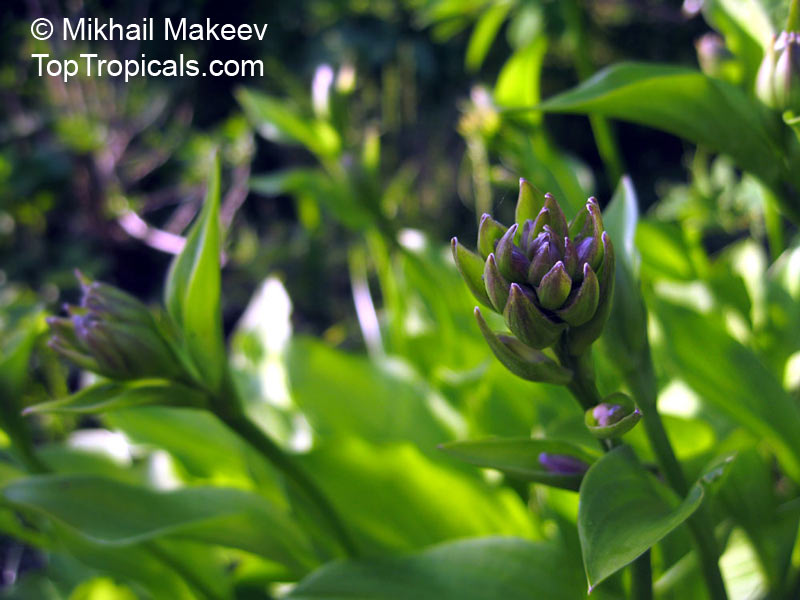
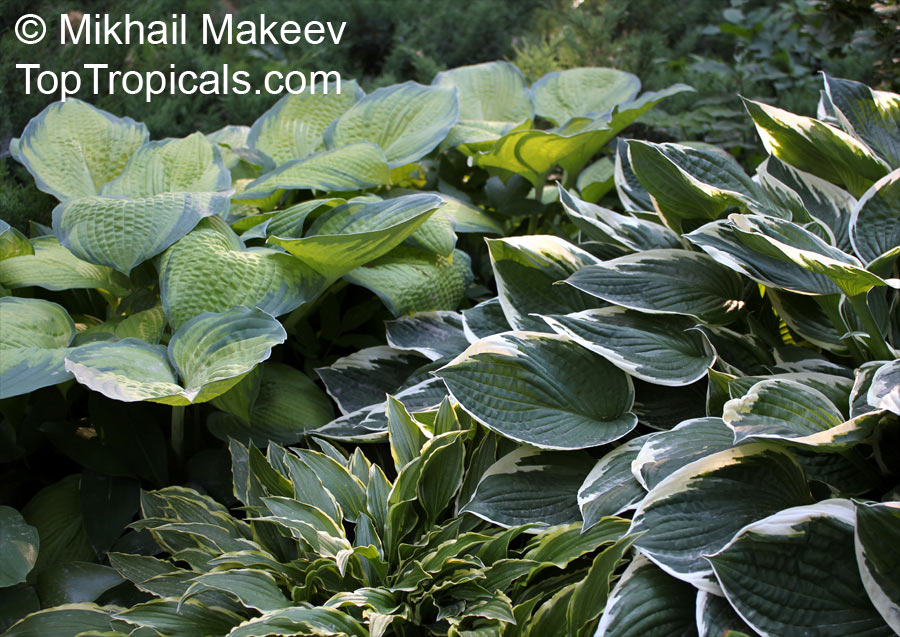
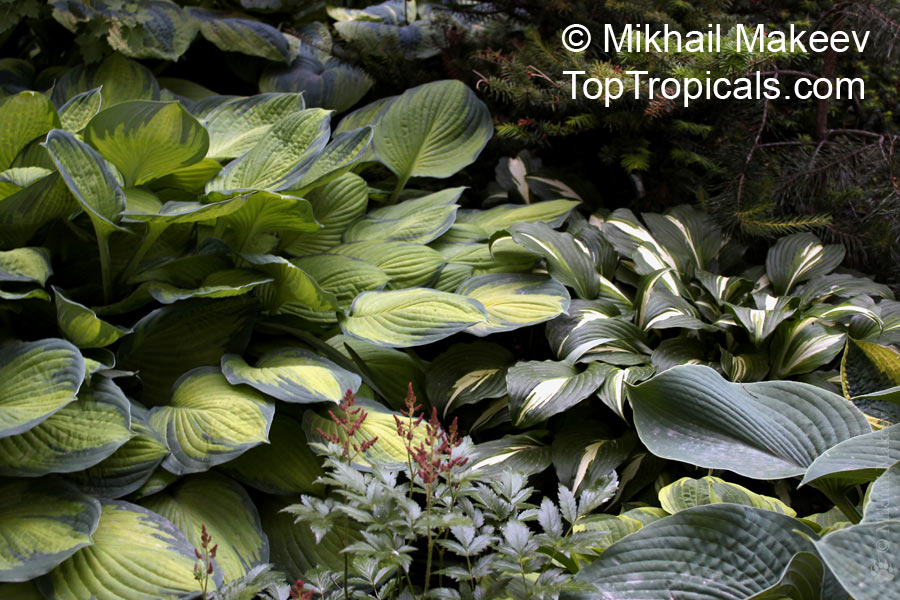
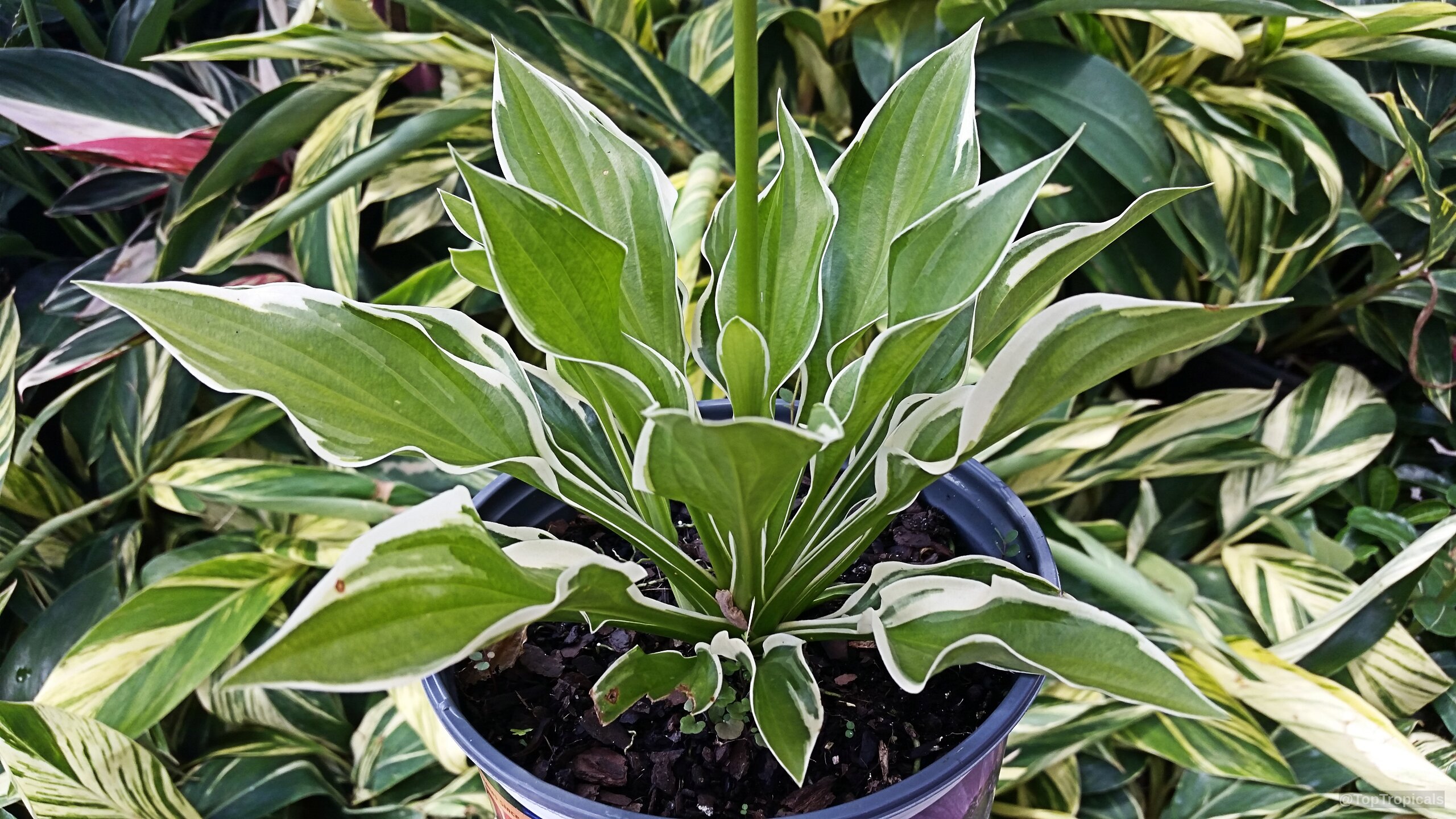
Botanical name: Hosta sp.
Common names: Plantain Lily, Giboshi, Hostas
Family: Asparagaceae (Formerly:Hostaceae)
Subfamily: Agavoideae
Origin: China, Japan, Korea, Russian Far East
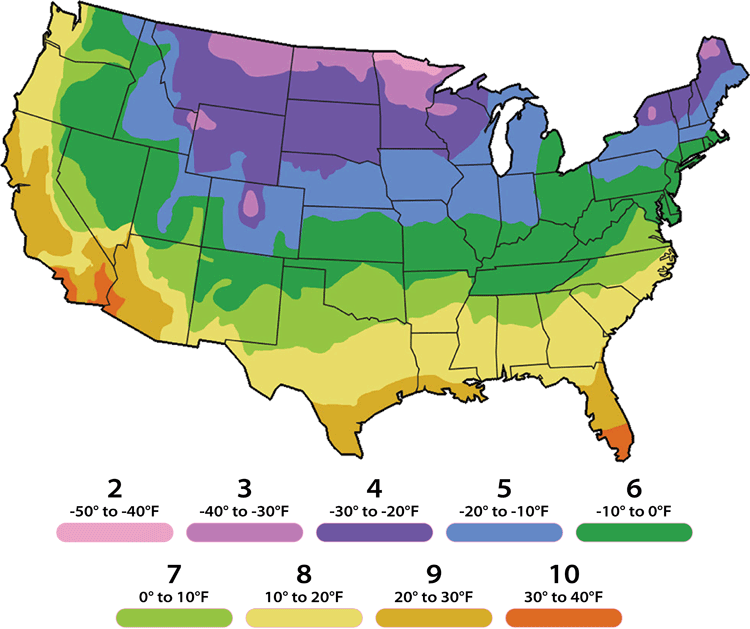
USDA Zone: 3-8


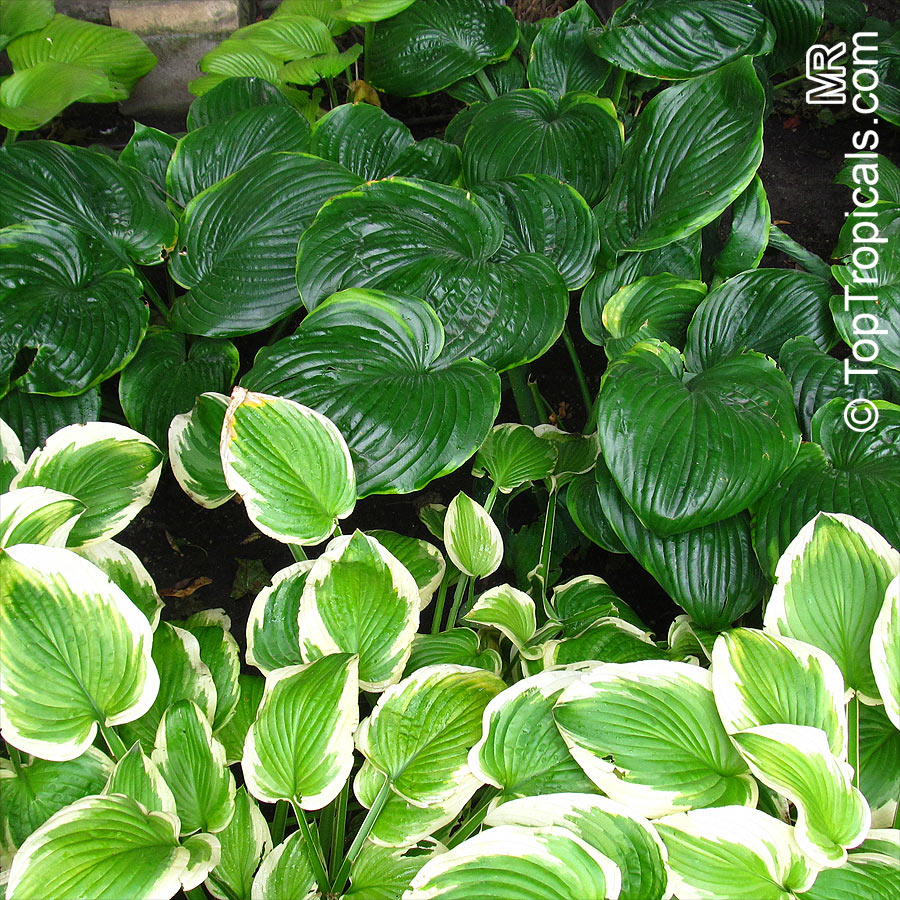
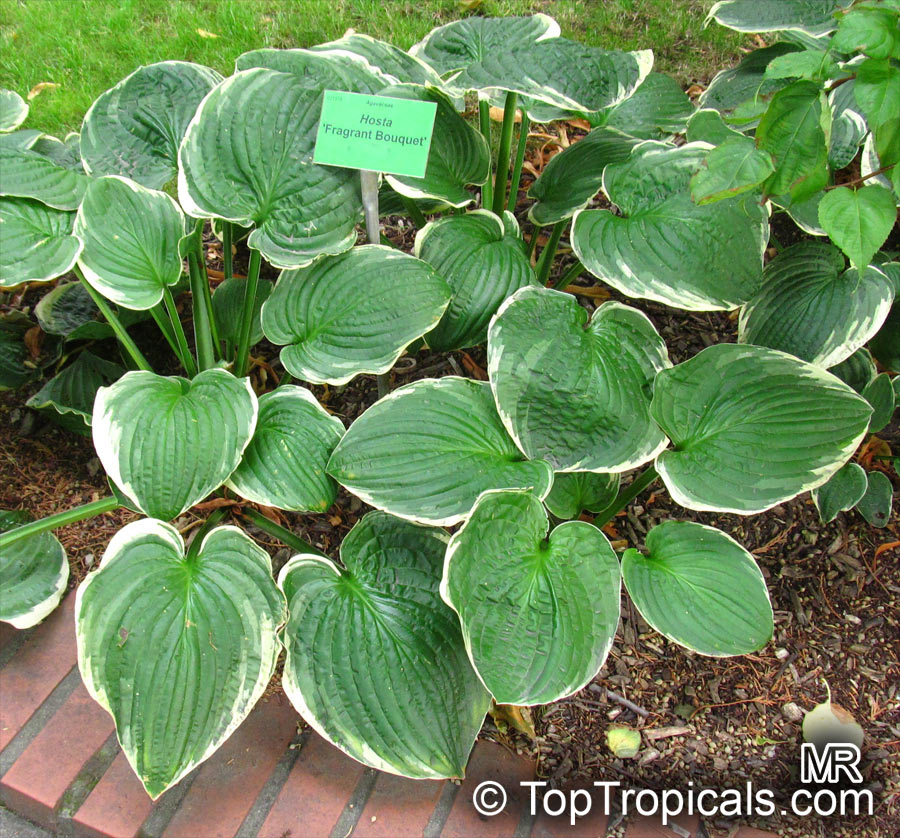
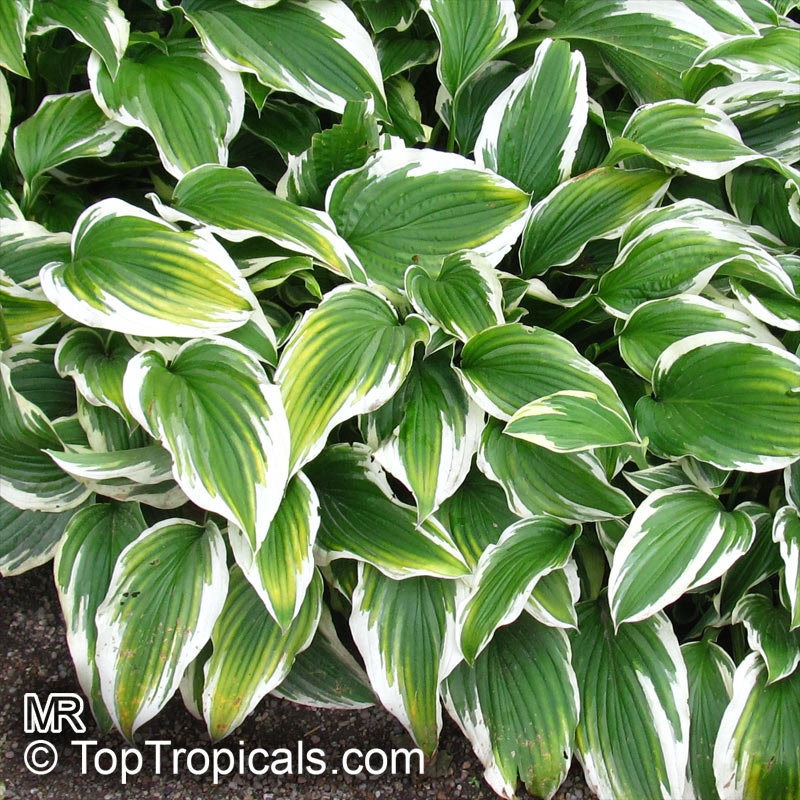
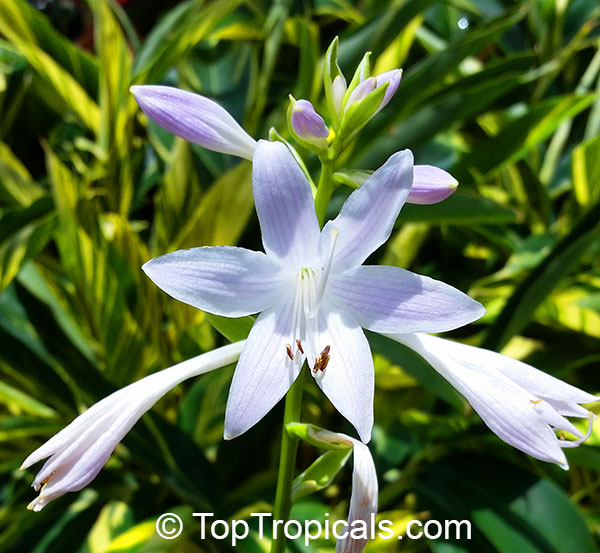
The Hosta, or Plantain Lily is a very useful, long lived perennial for the shade garden. This family of plants is known for its decorative, large clumps of lush green foliage and spikes of lily shaped, sometimes fragrant flowers which appear later in summer. Hosta leaves come in a broad range of solid and bi-colors, from blue to green or gold.The most common leaf shape is heartlike, but some varieties have narrow, straplike leaves.
Hostas thrive in filtered shade like you would find in their natural habitat - the forest floor. The fragrant varieties Hostas and the solid green varieties will tolerate full sun, but these types are better off with morning sun than hot afternoon sun. Hostas are somewhat drought resistant, but the more light which they receive, the more water the plant will need to survive, so watering should be increased proportionate to the brightness of the lighting. Hosta plants should be grown in well-drained, rich organic soils. Most Hostas are hardy in zones 3-9, but they will benefit from some winter protection by mulching.
Hostas can be left undisturbed for many years but if they overgrow their setting, they can be easily transplanted in the spring.
Hostas can be grown from seed which can be sown directly in the garden in spring or early summer or they can be started indoors at 70°. Germination takes 15-20 days.
They can also be propagated by dividing mature clumps.The best time is to divide Hostas is in early spring, when the new growth has just begun to show. Large clumps can be cut into quarters using a sharp, straight edged shovel, a large knife or even an axe. To divide smaller Hostas, dig up the clump and shake off most of the soil. Pull the rhizomes apart or separate them with a sharp knife, making sure each division has a good cluster of leaves and plenty of roots.

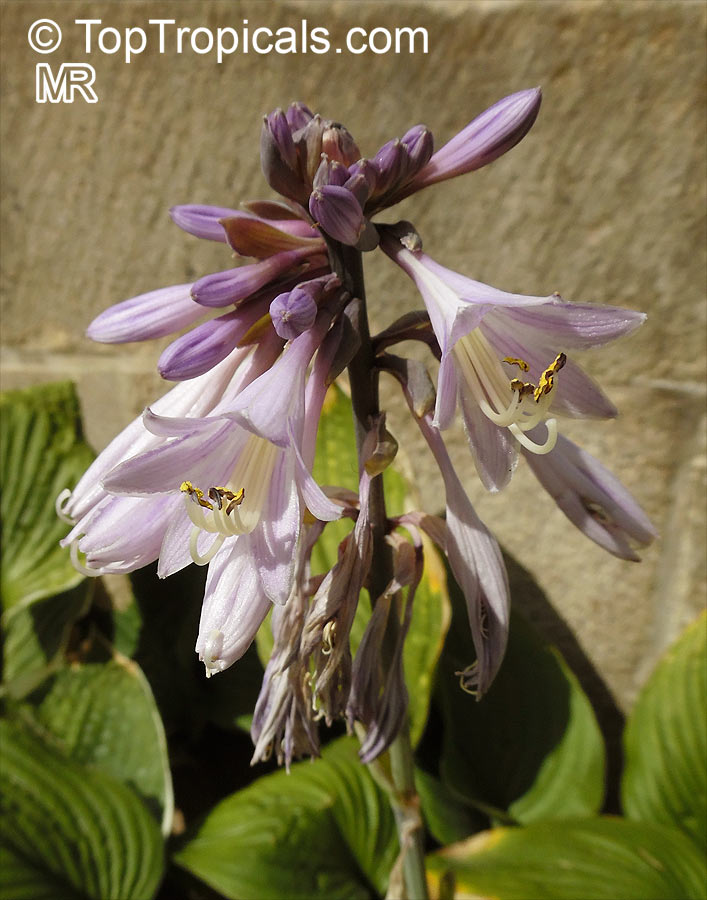
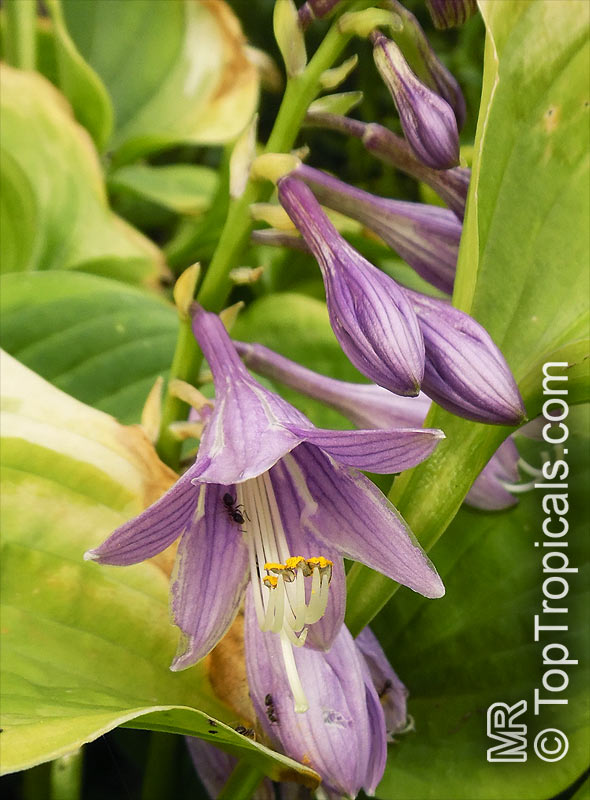


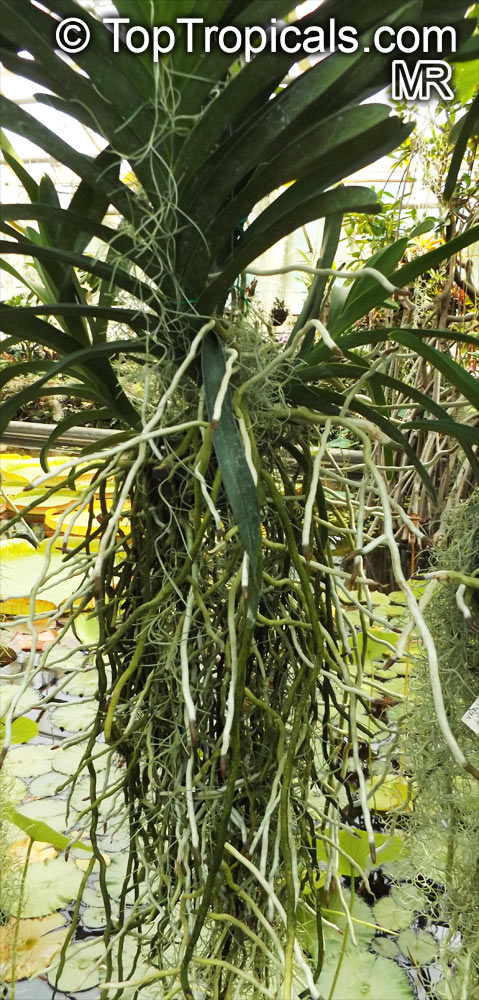
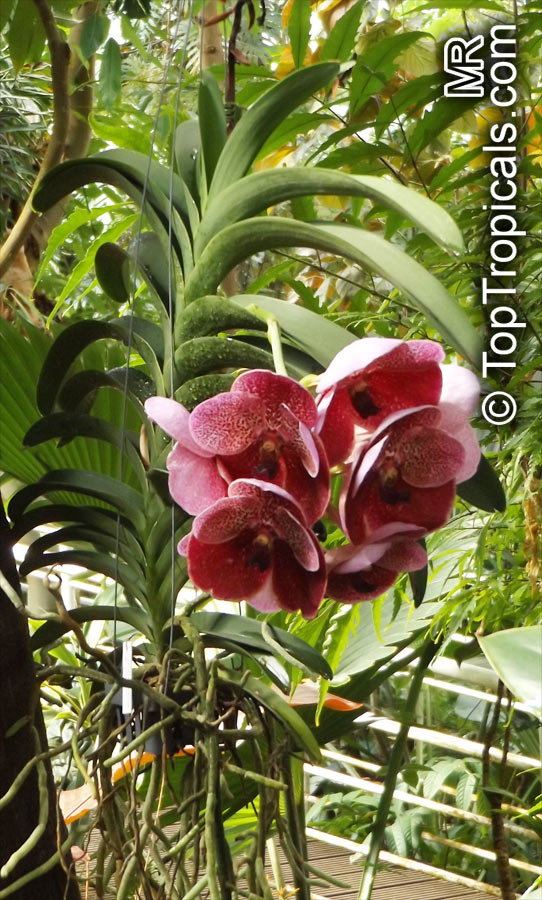
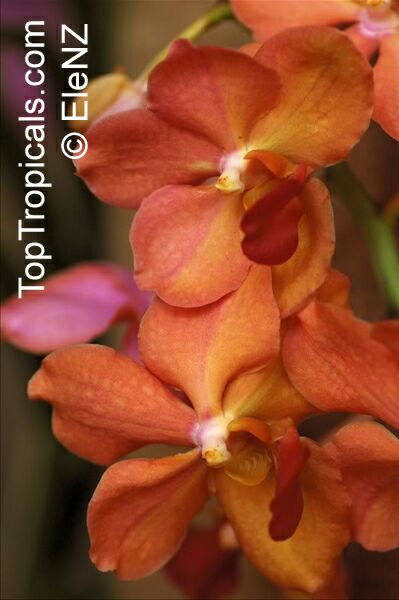
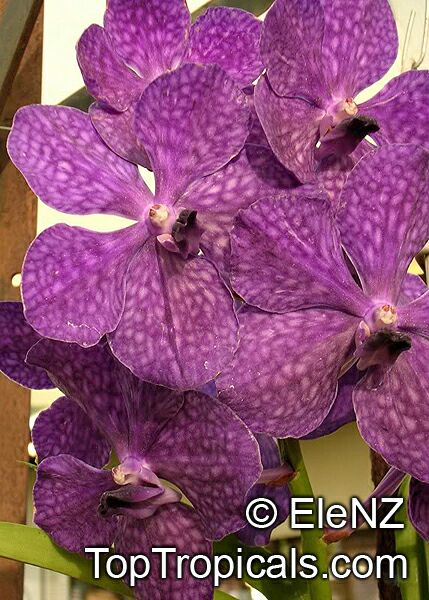
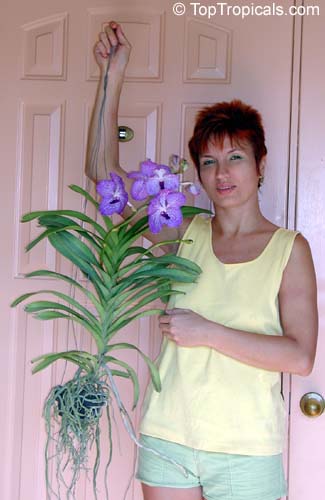
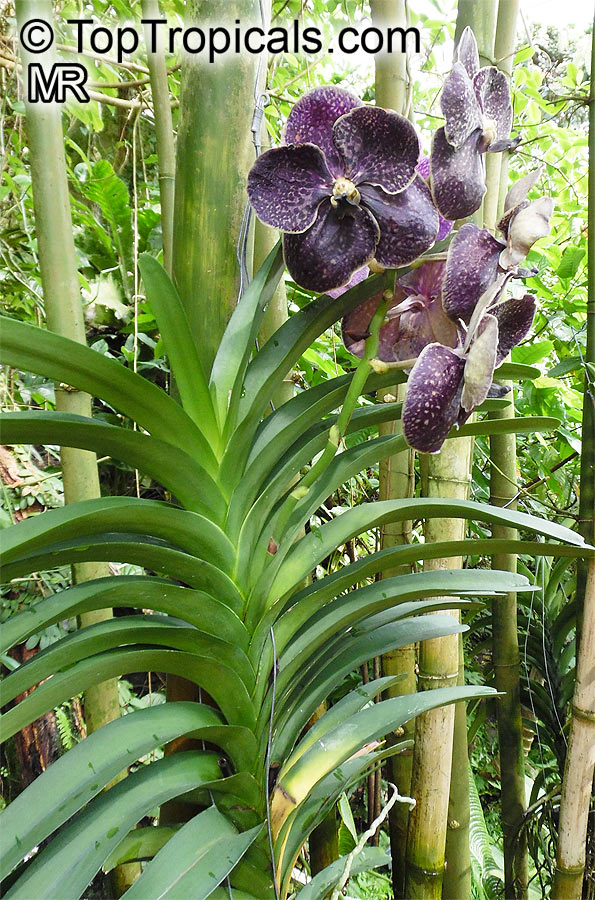
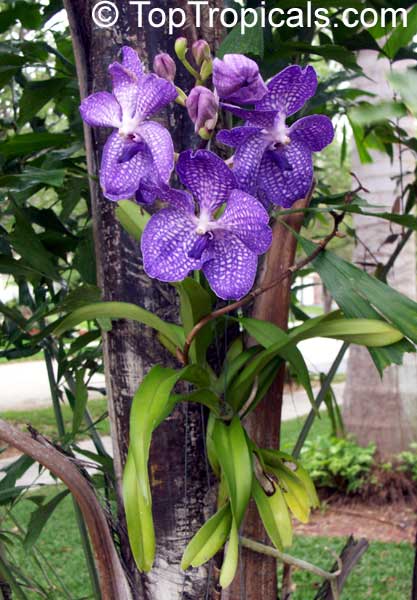
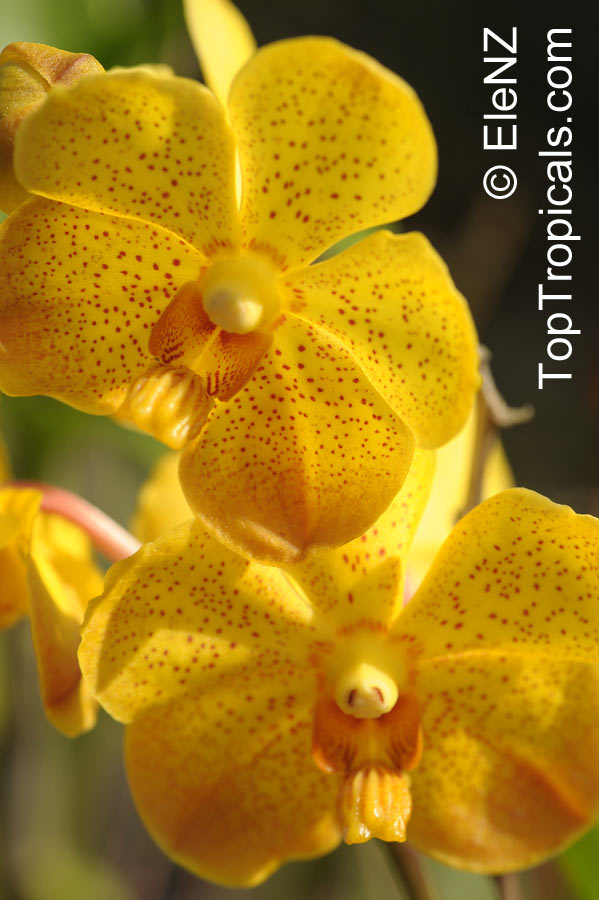
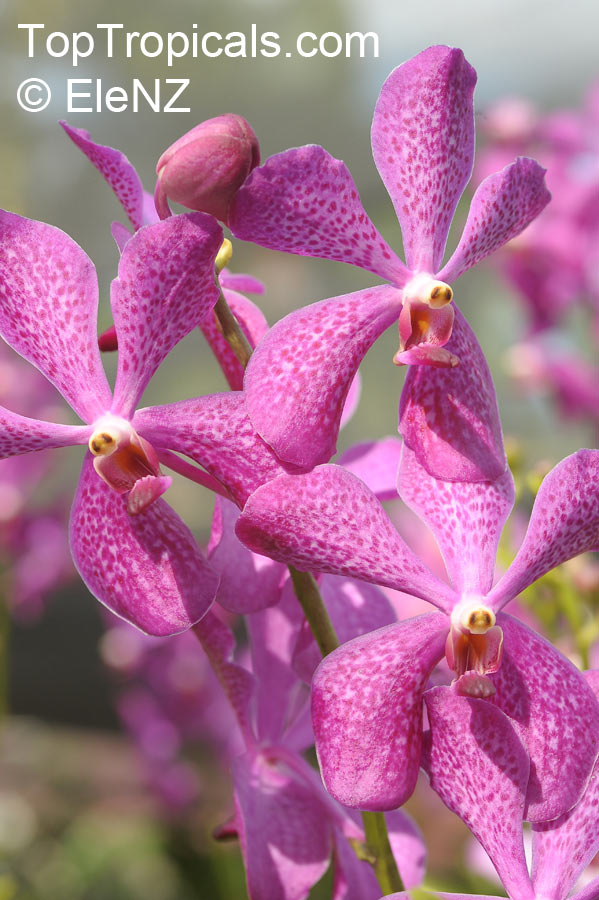
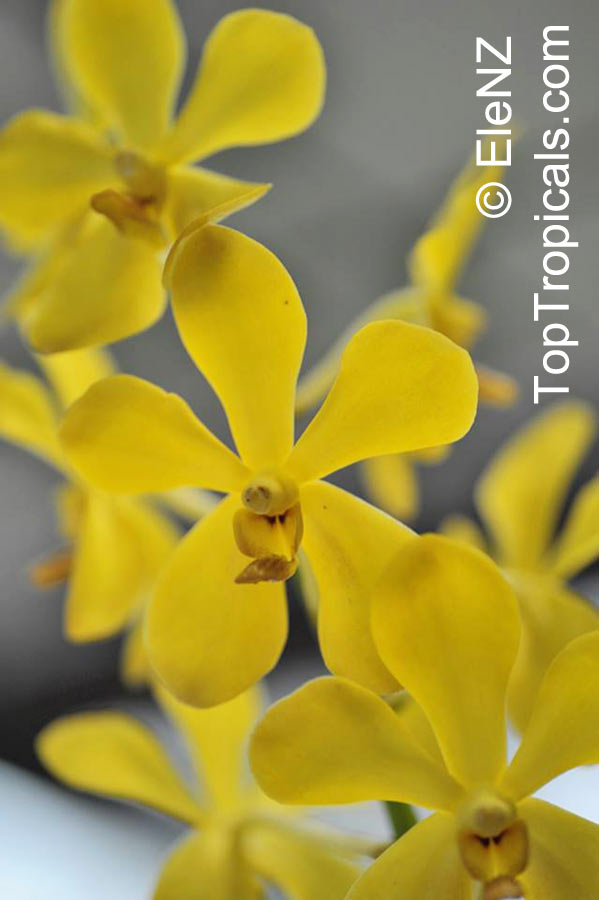
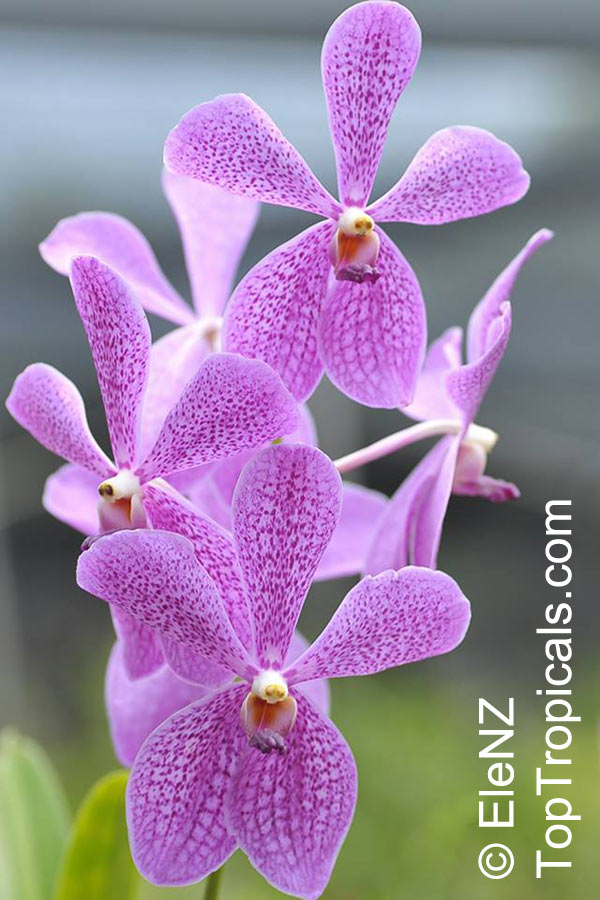
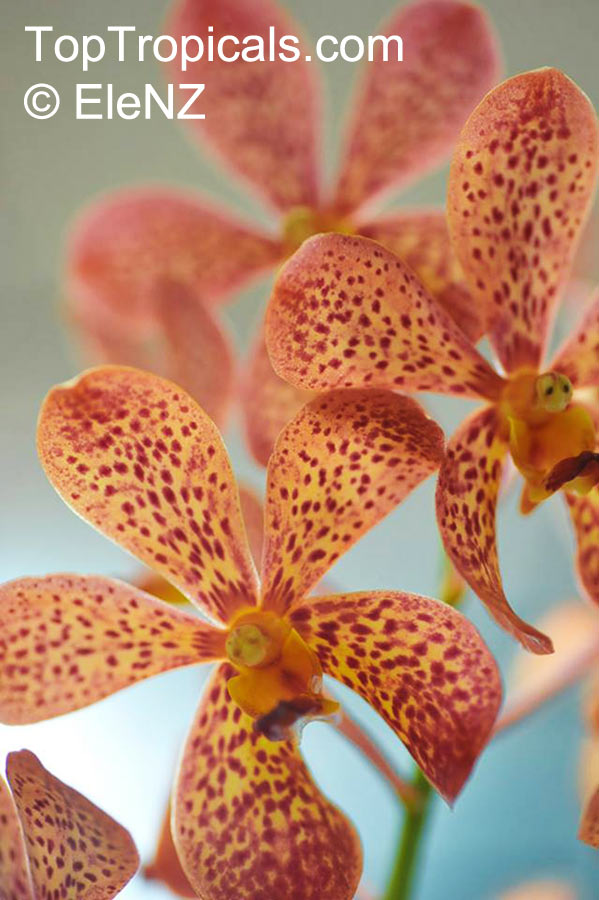
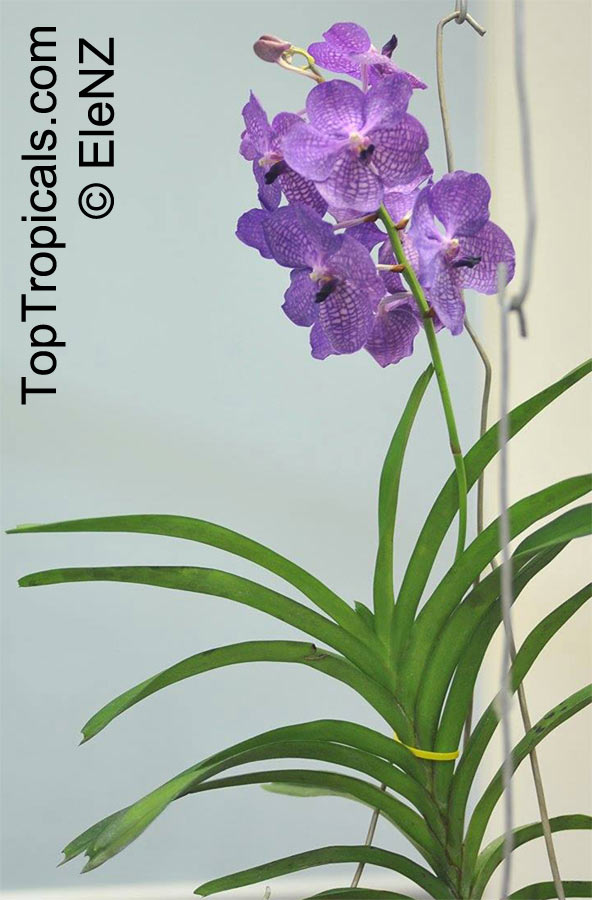
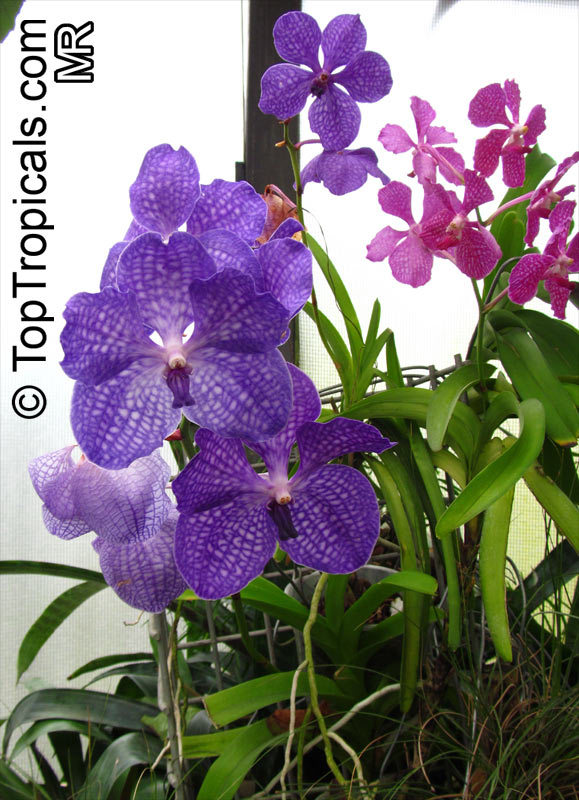
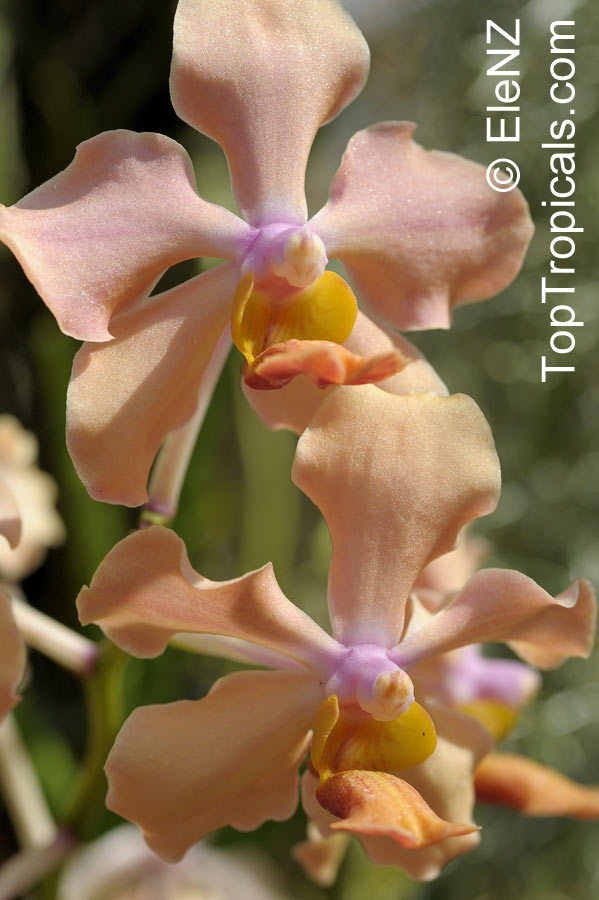
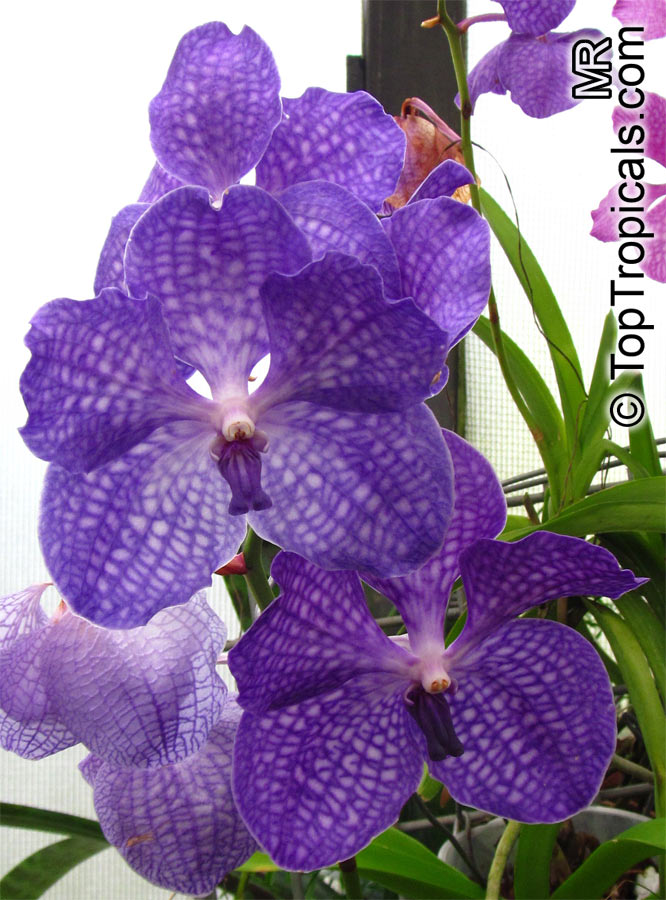
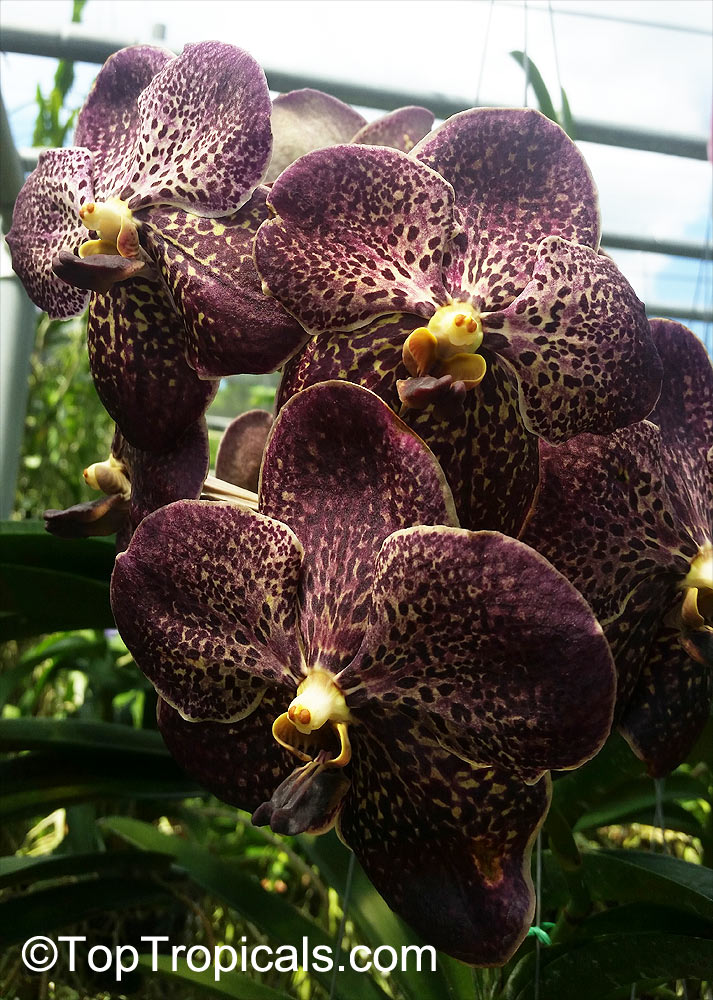
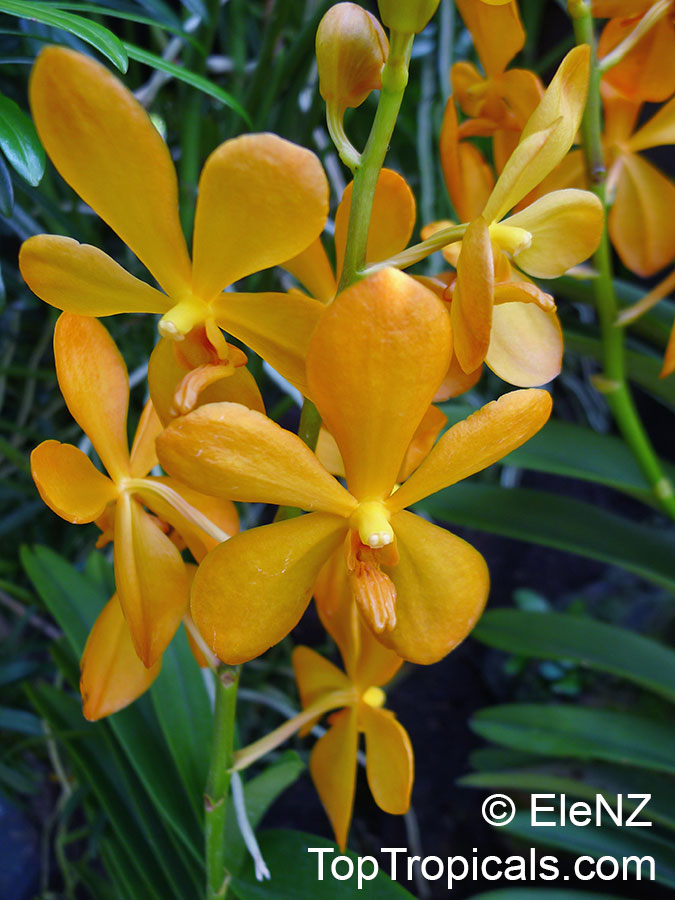
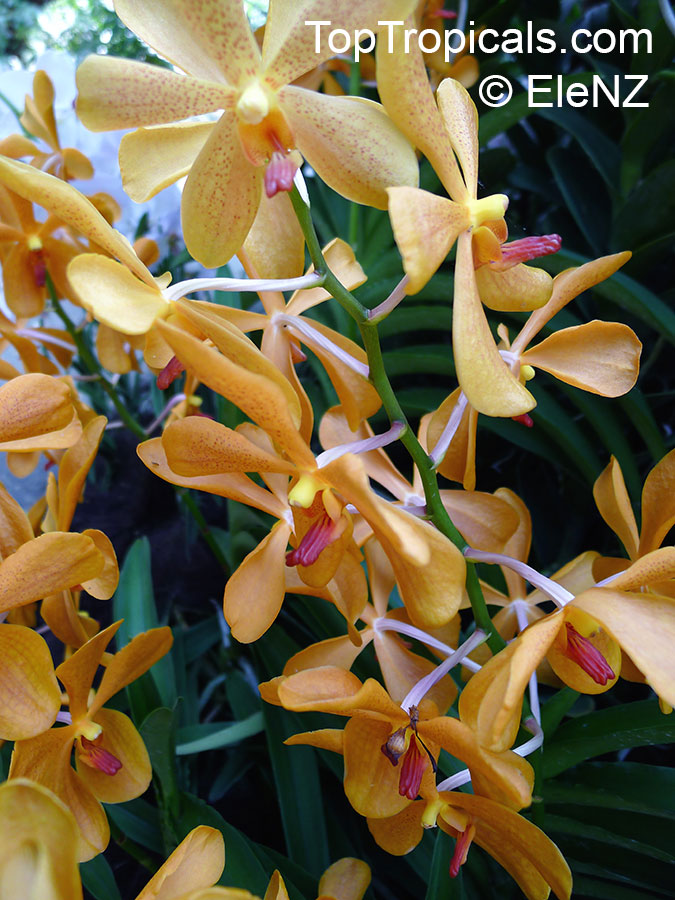
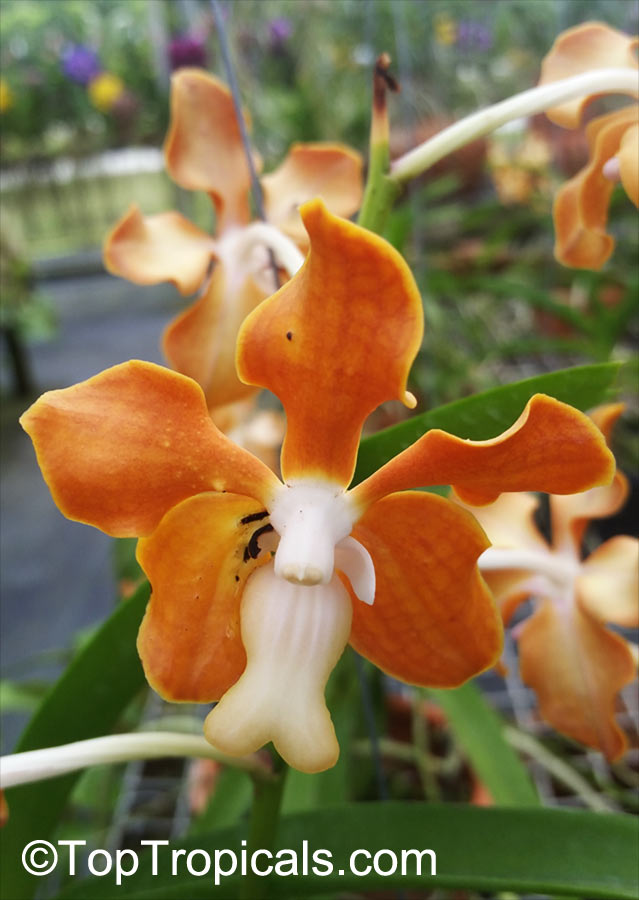
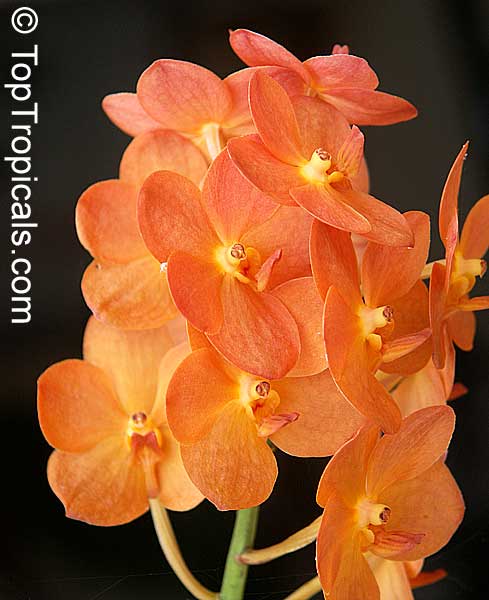
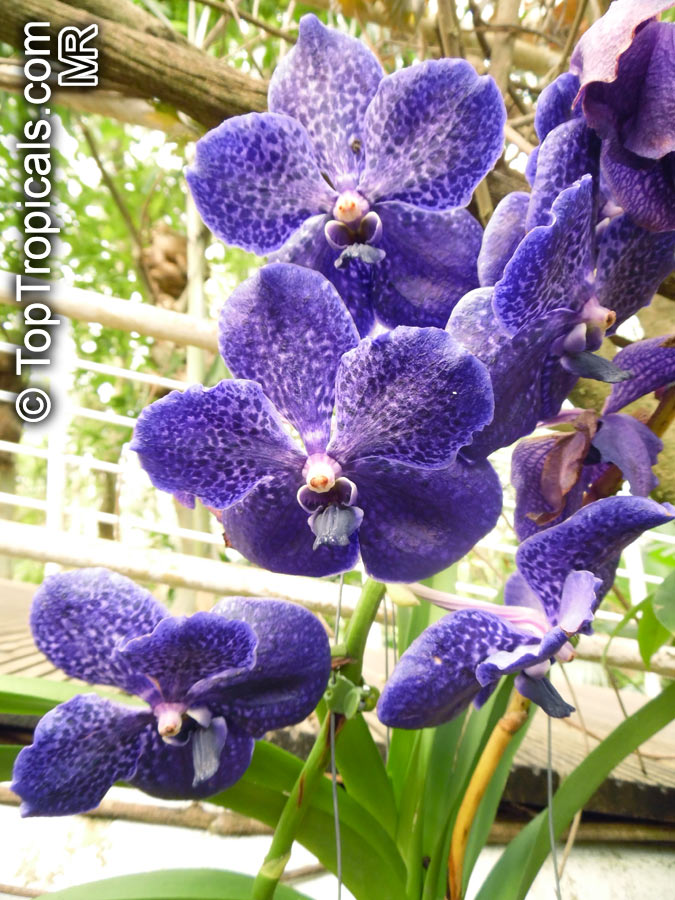
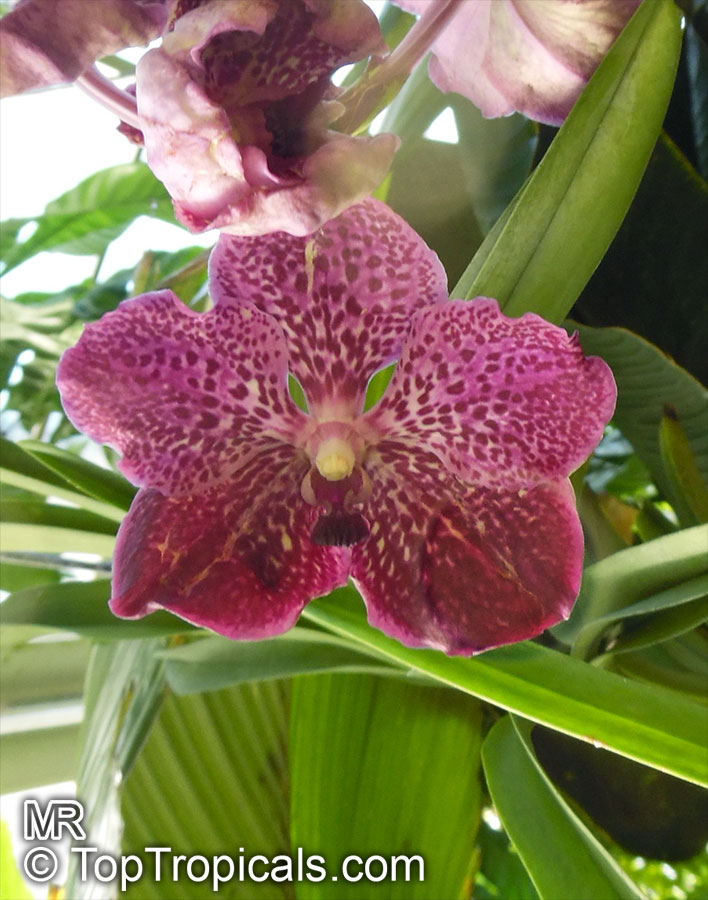
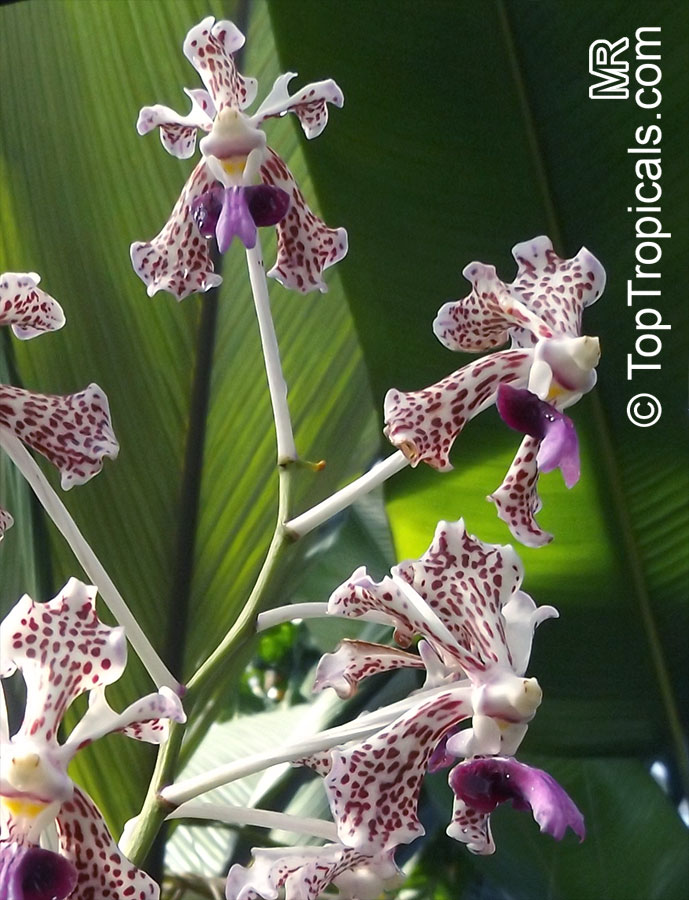
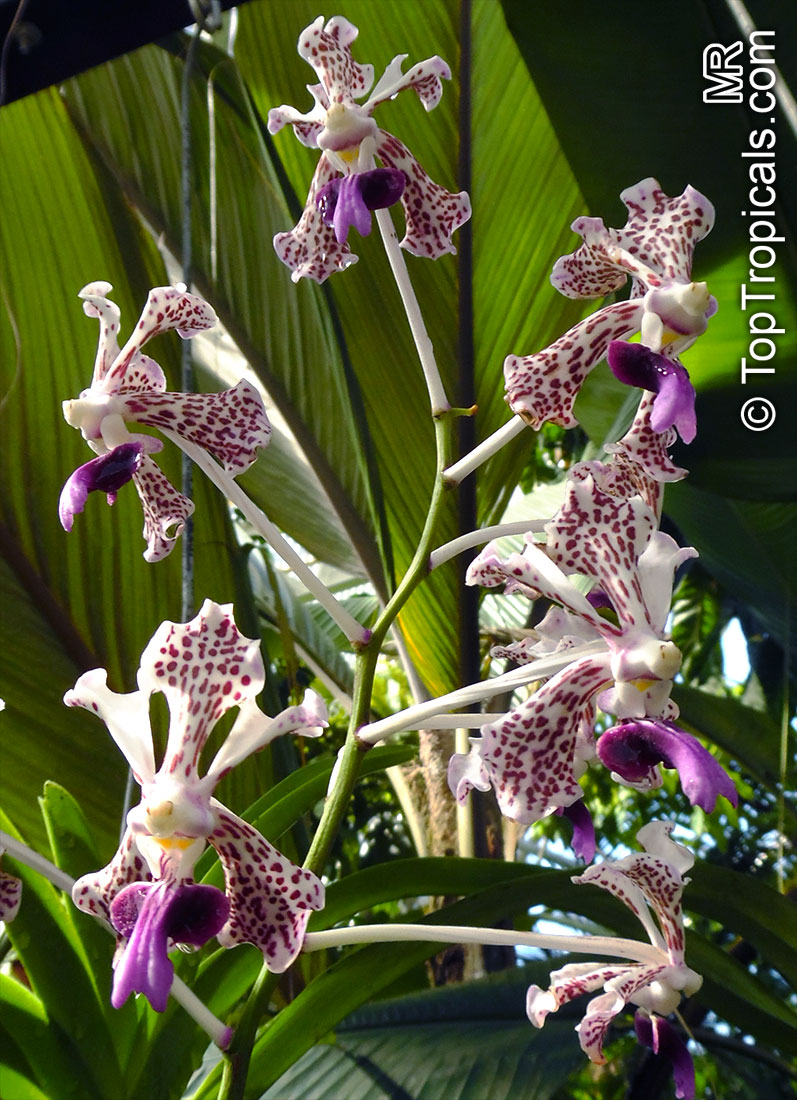
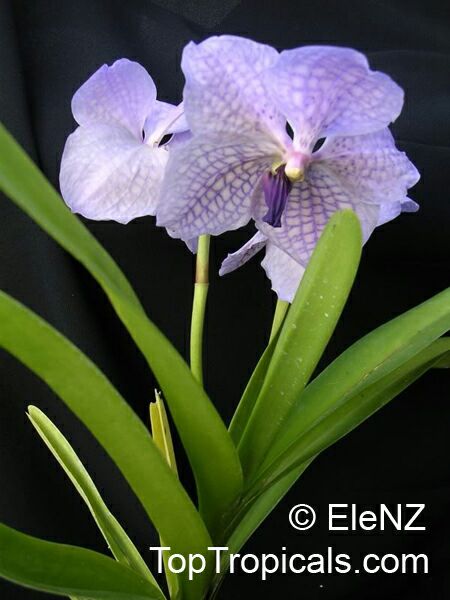
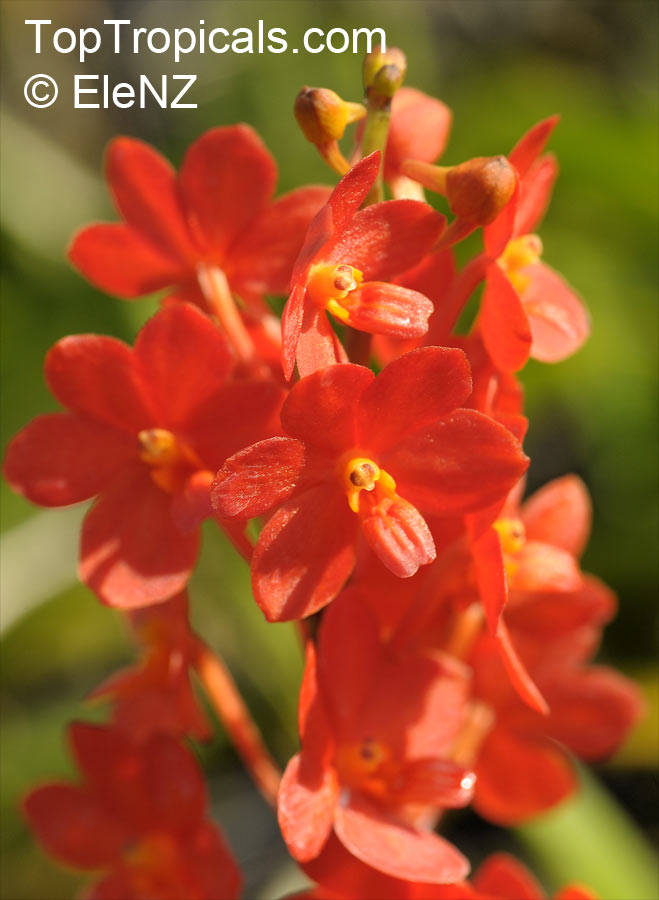
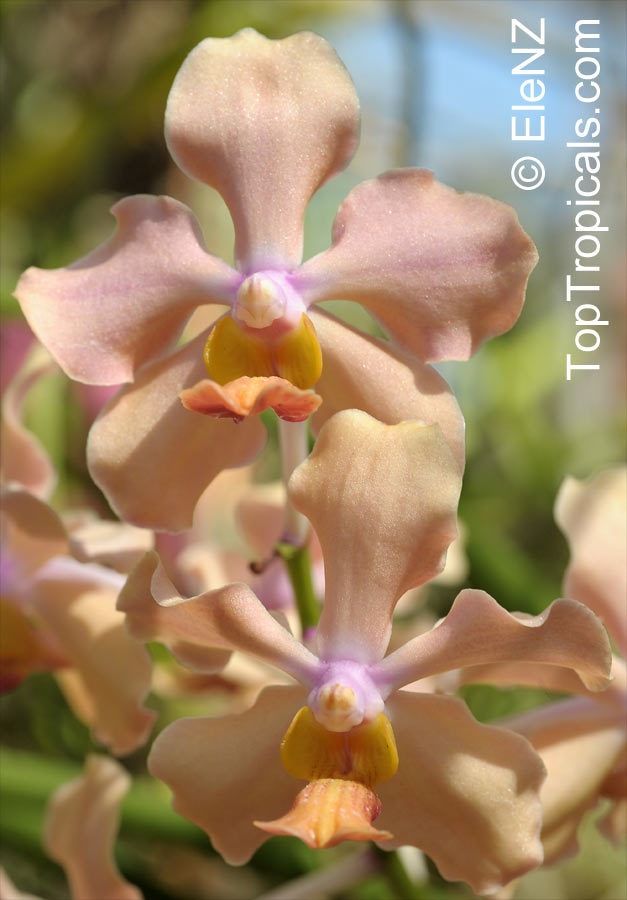
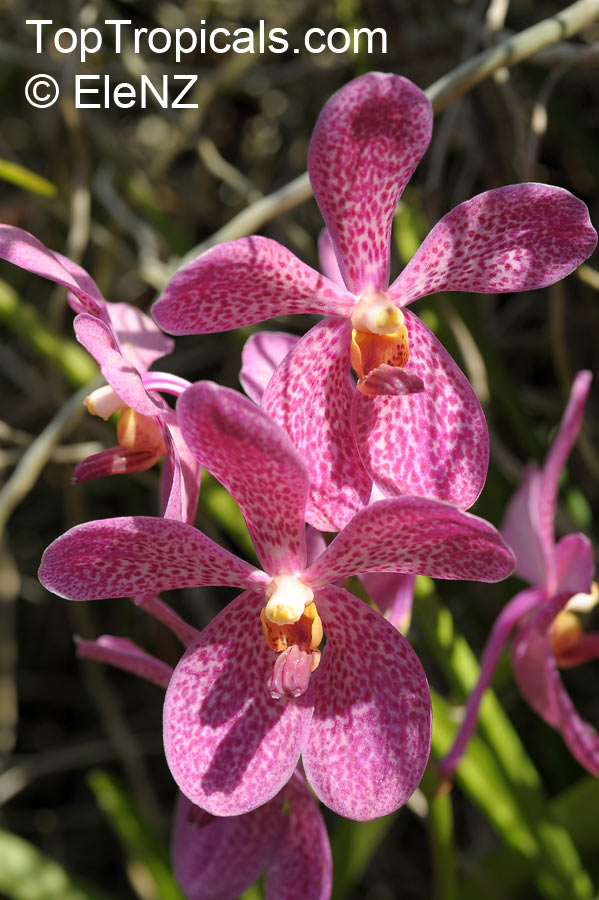
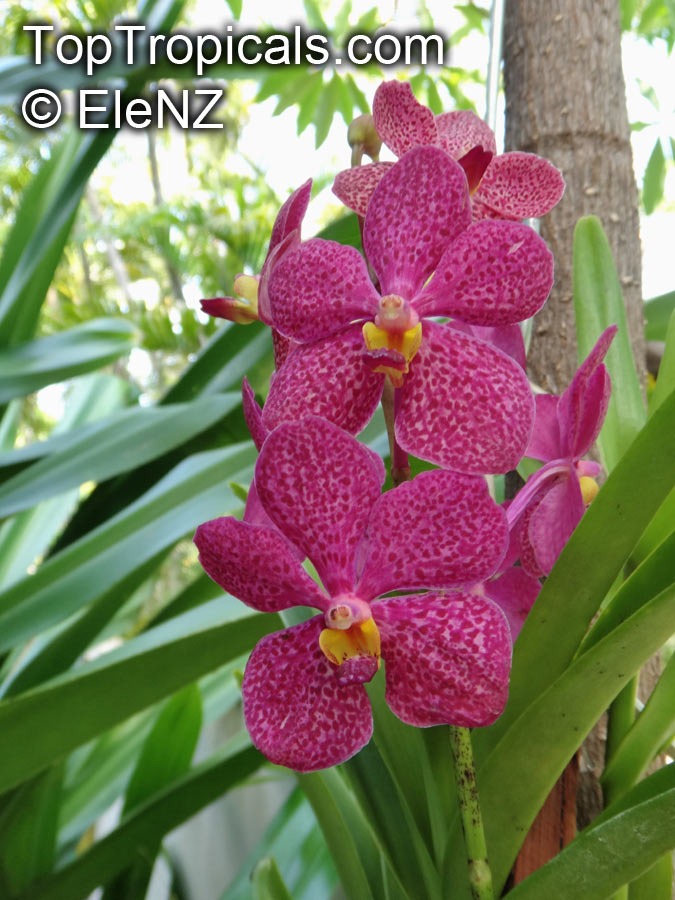
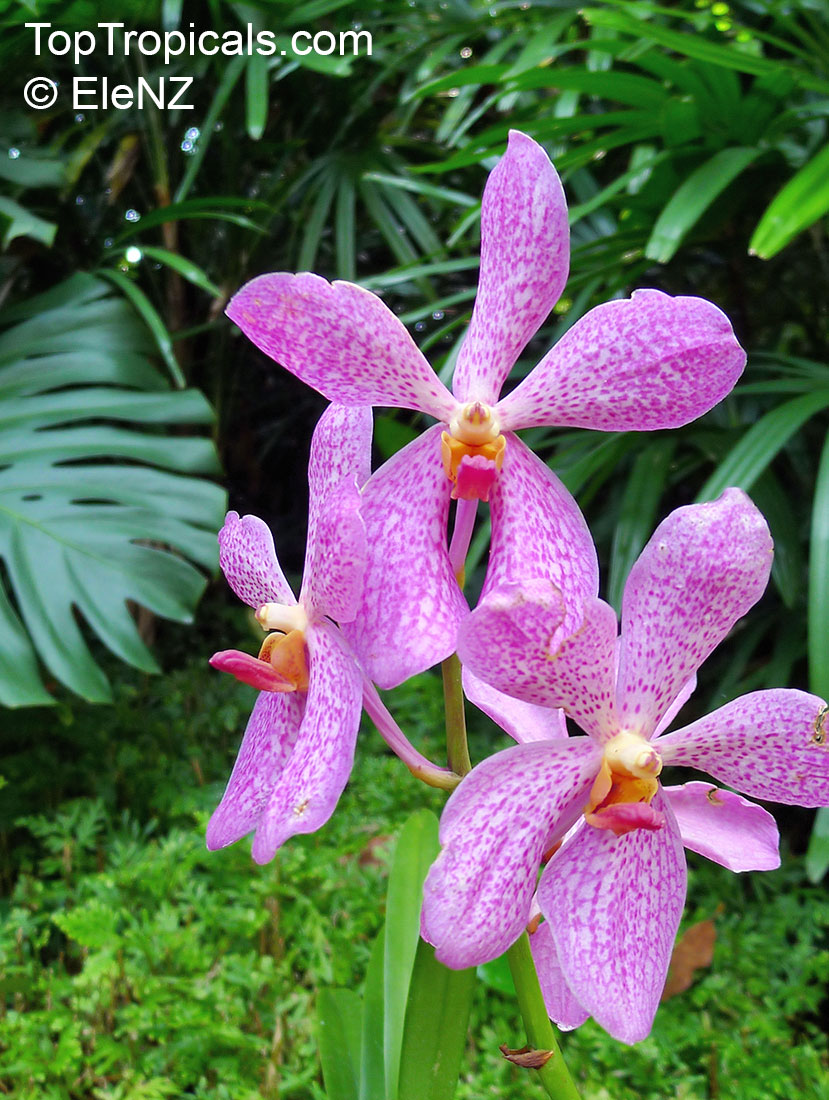
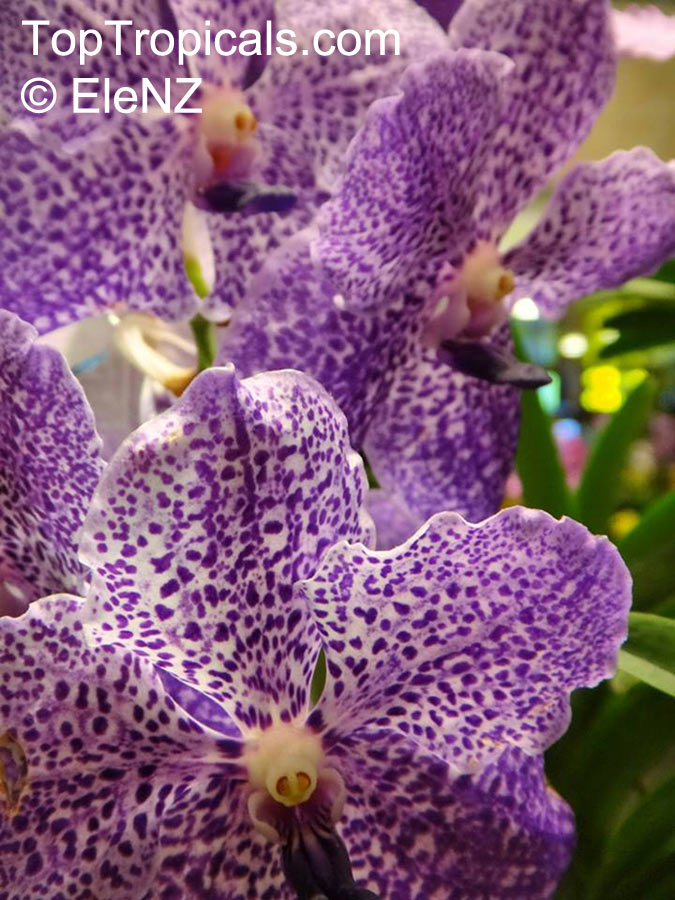
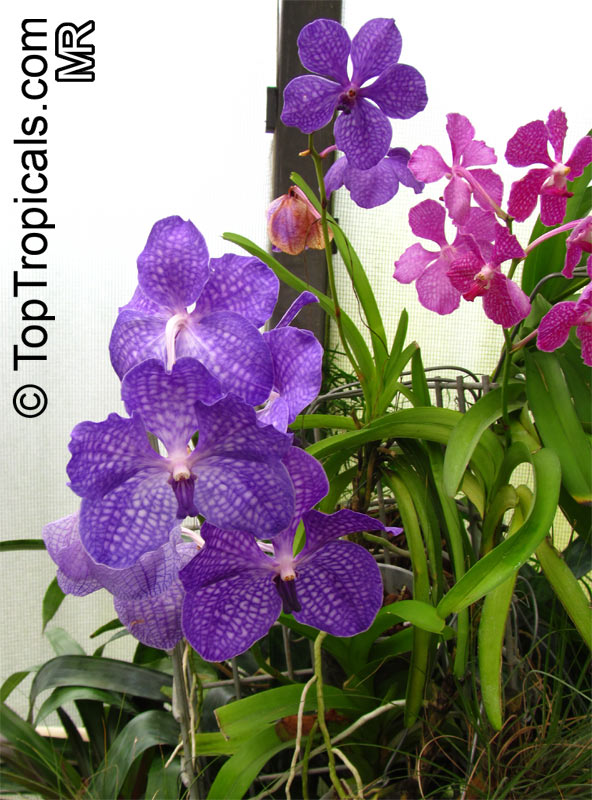
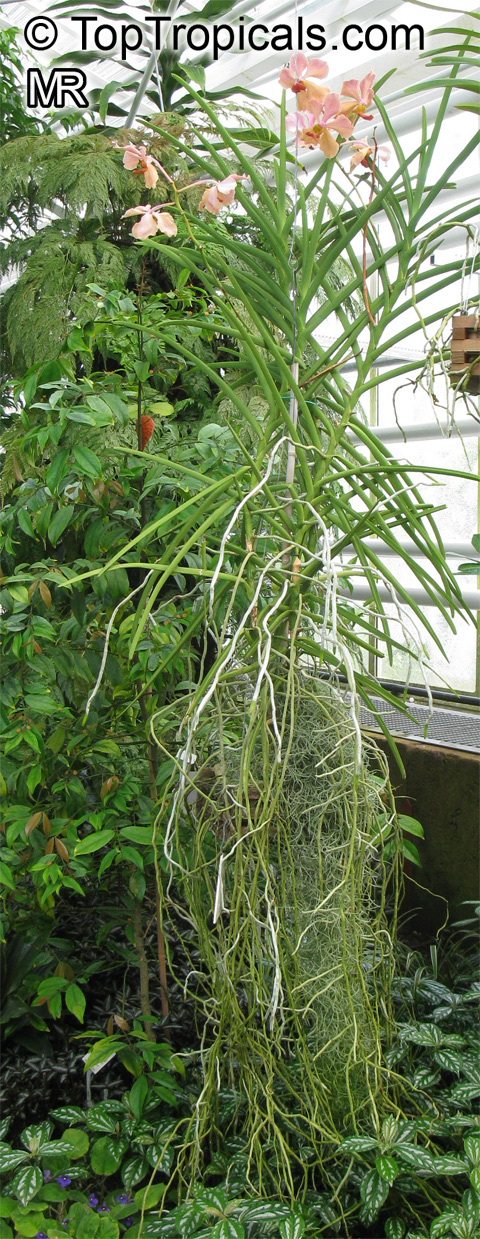
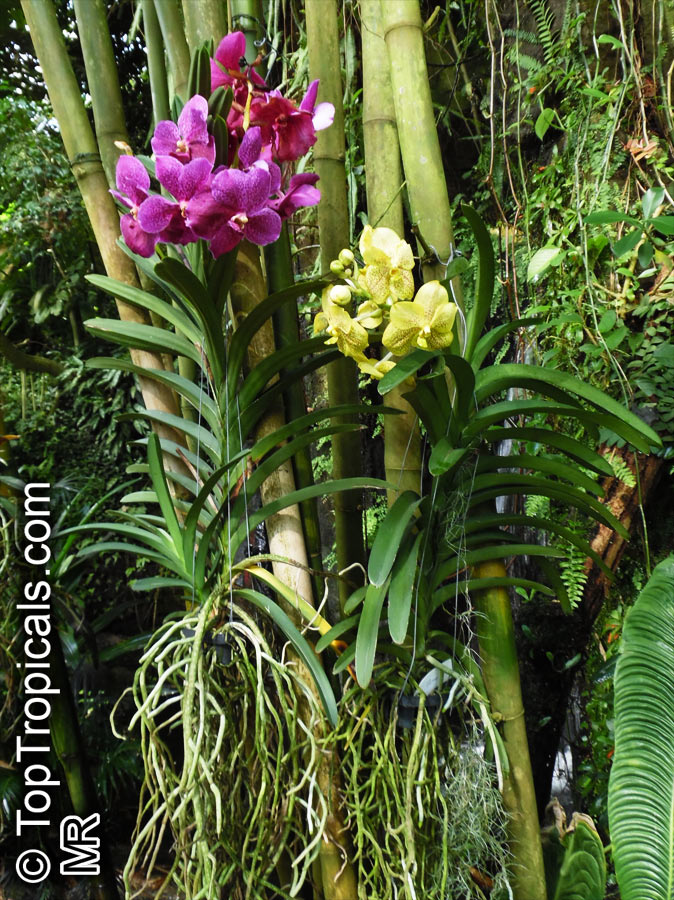
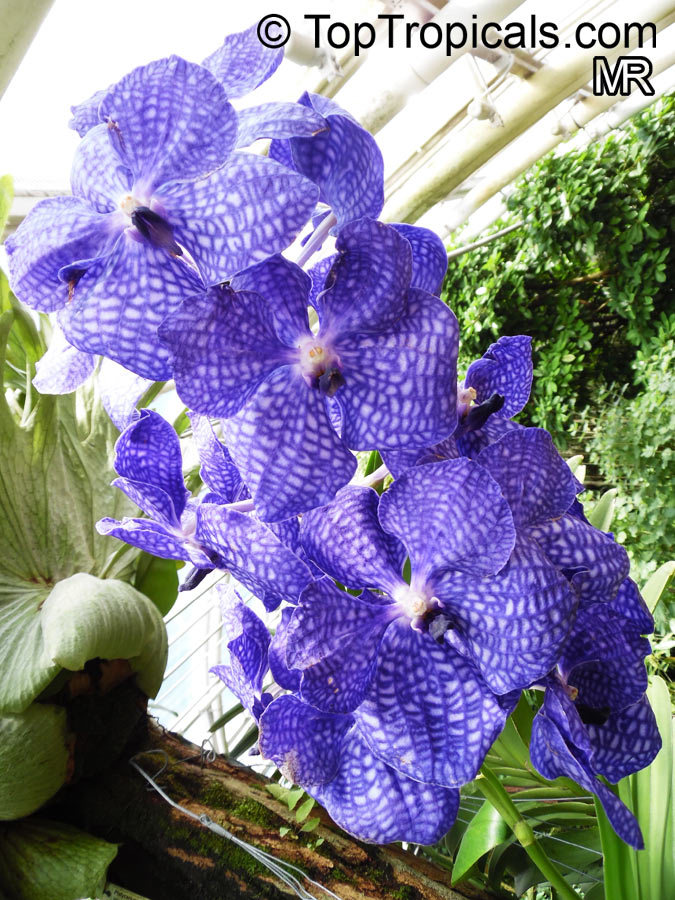
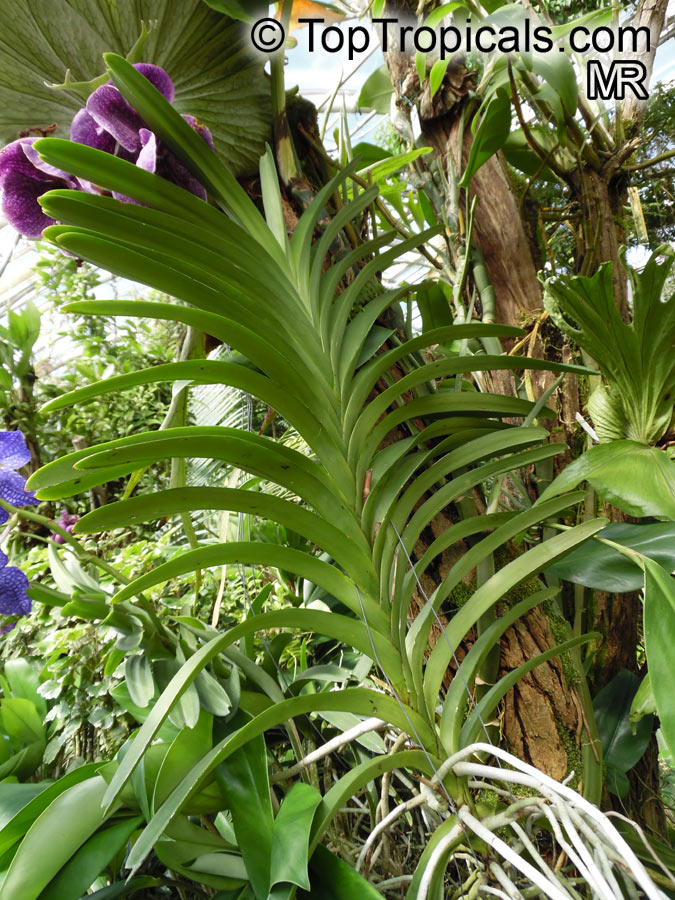
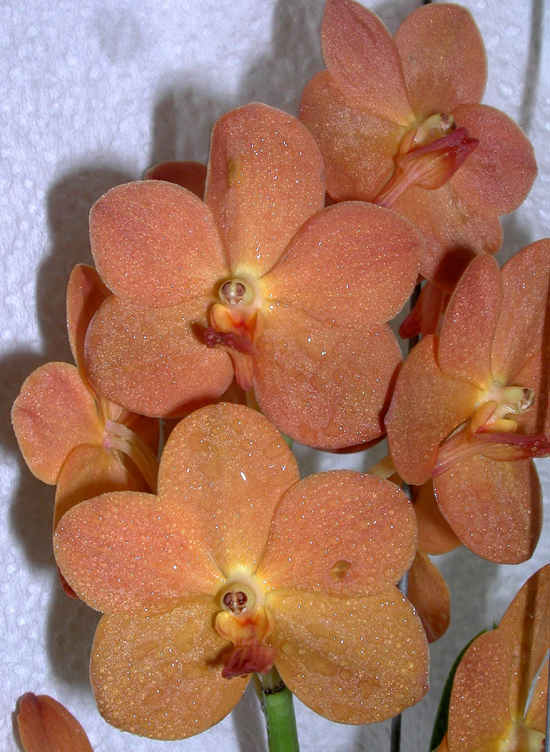
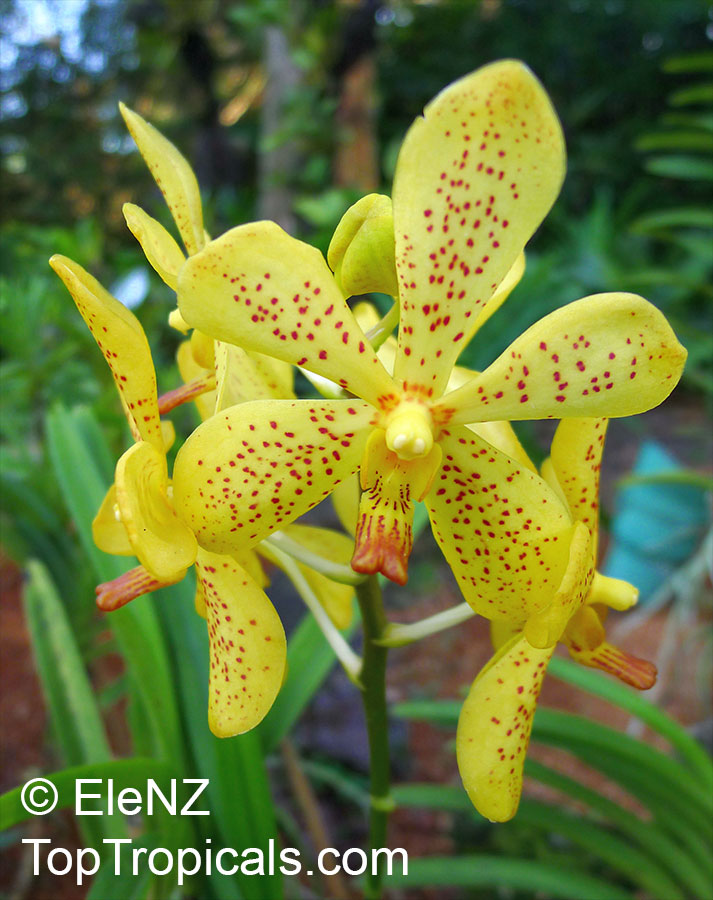
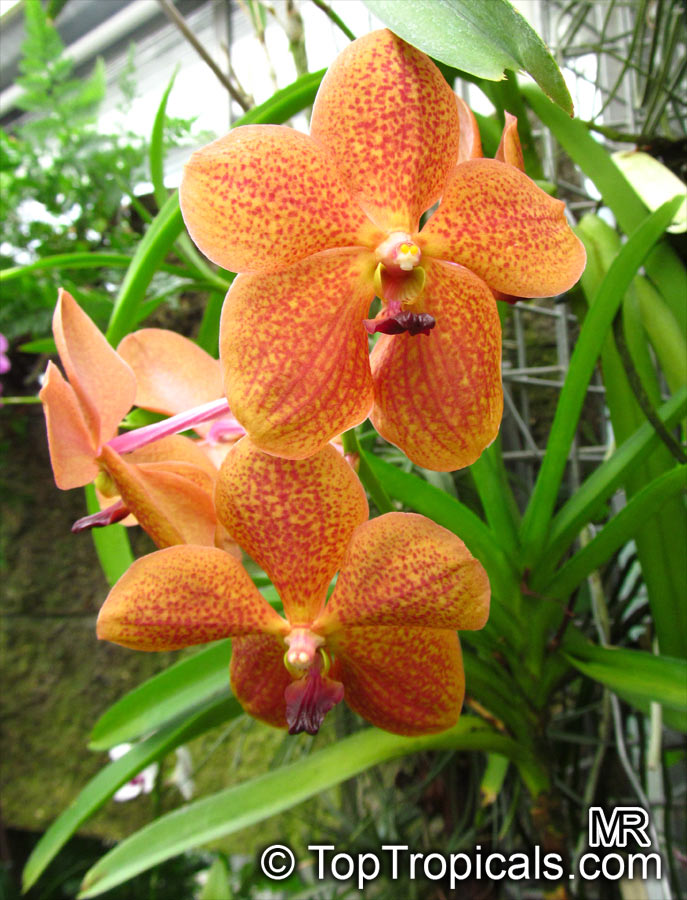
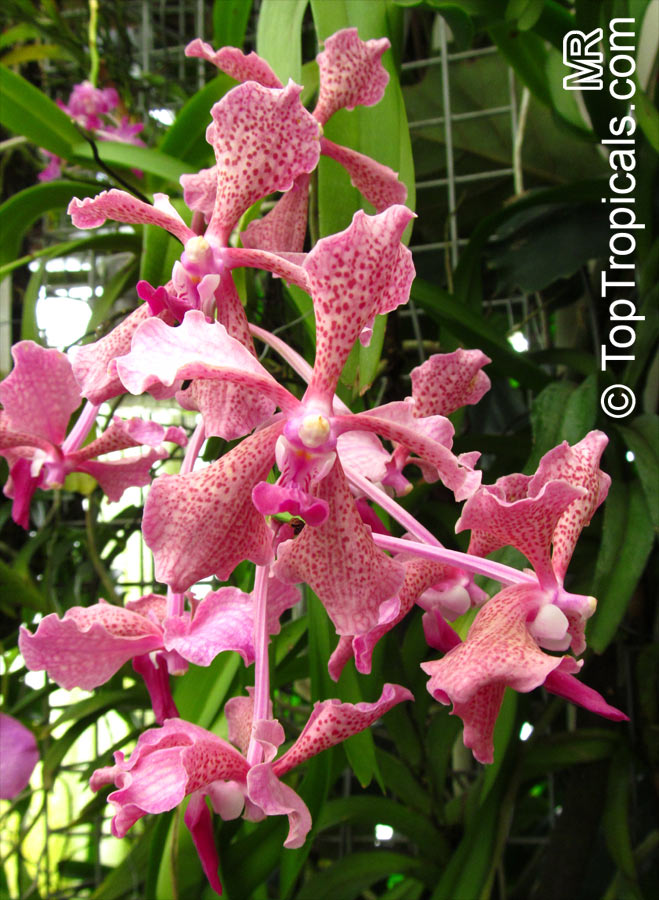
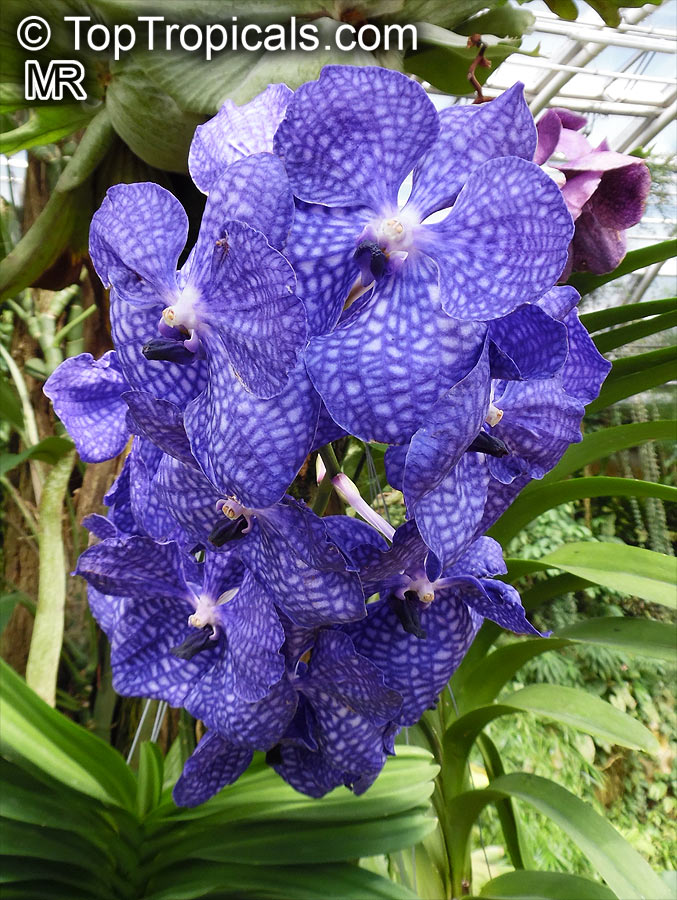
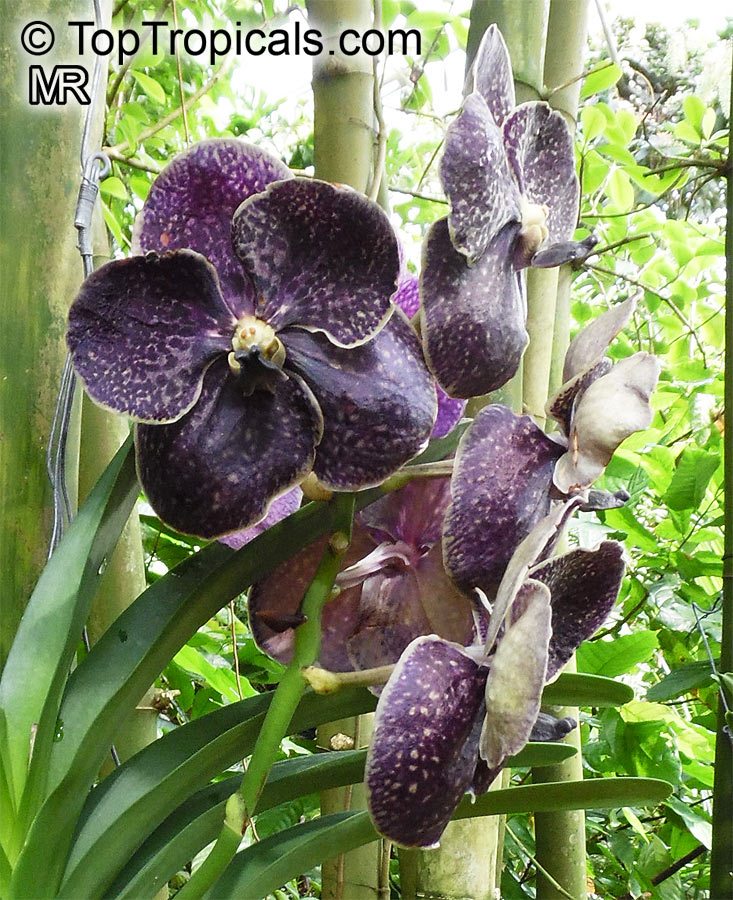
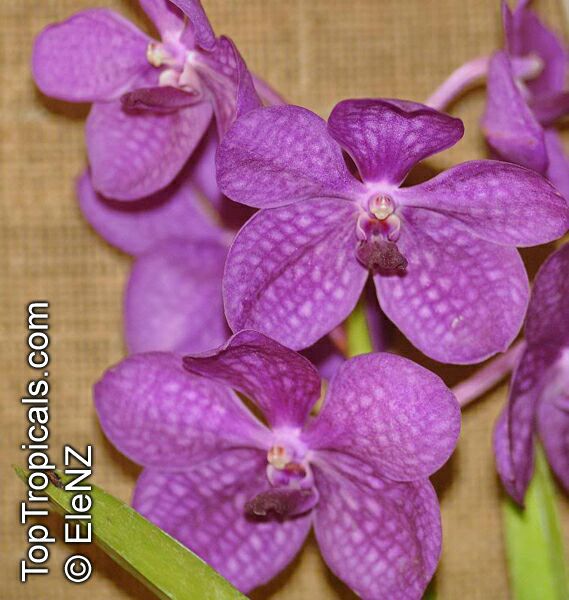
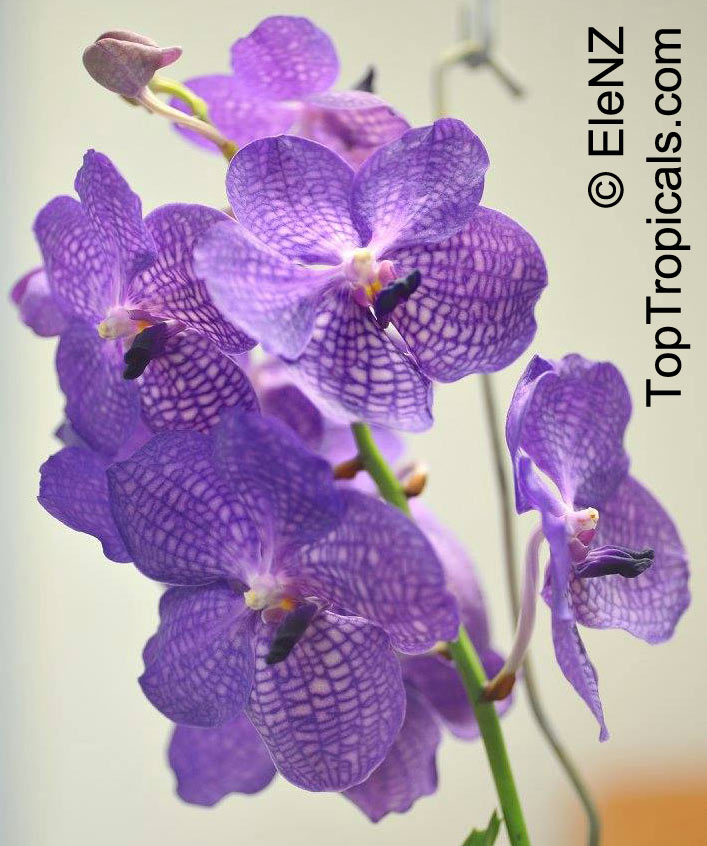
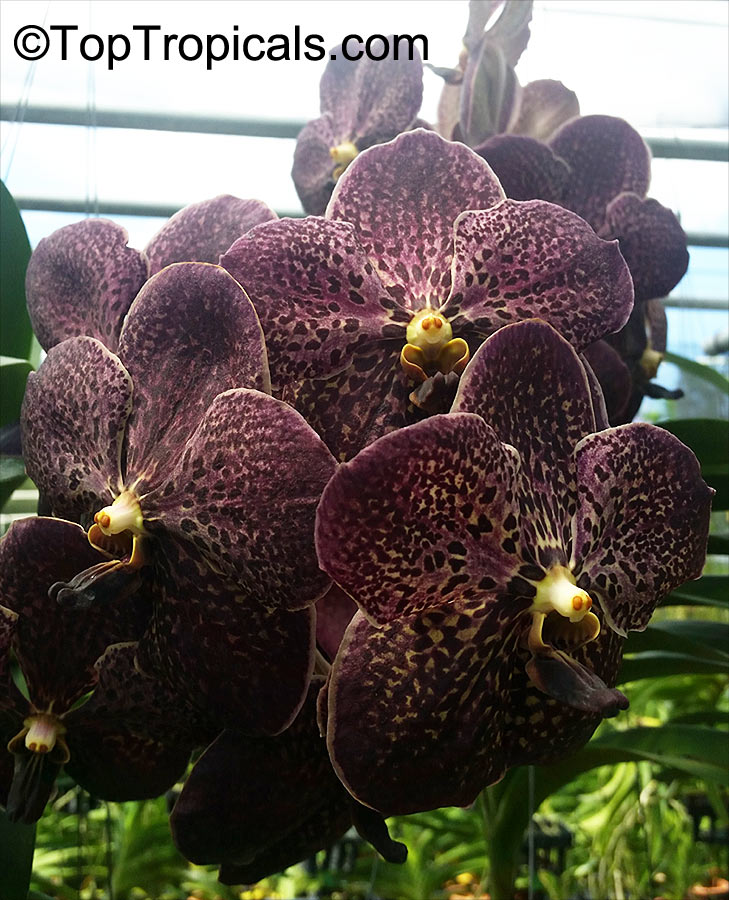
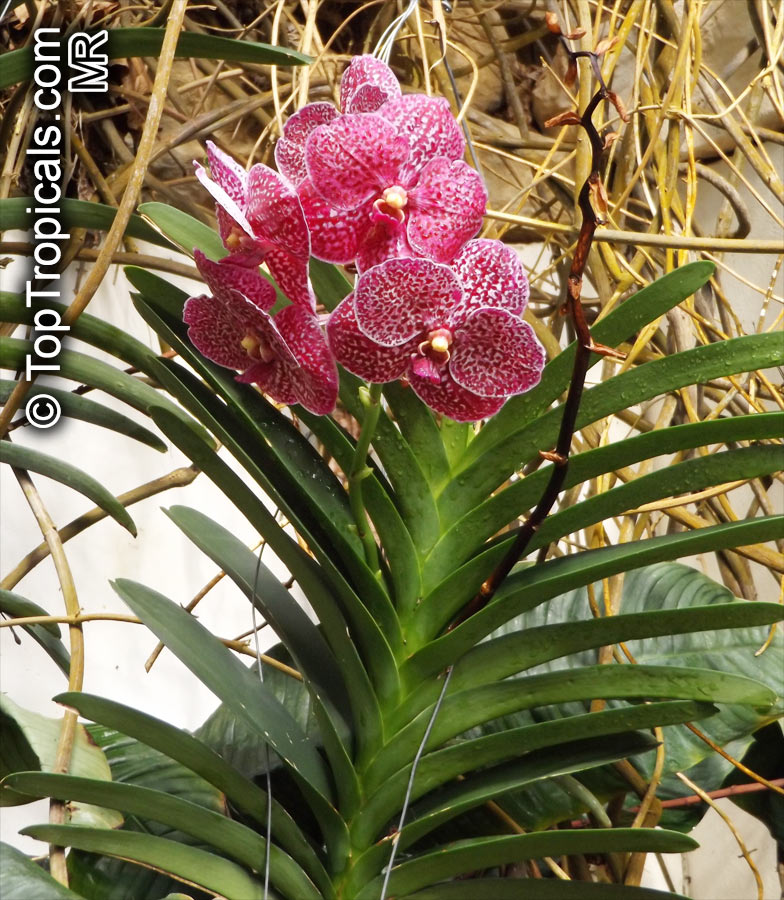
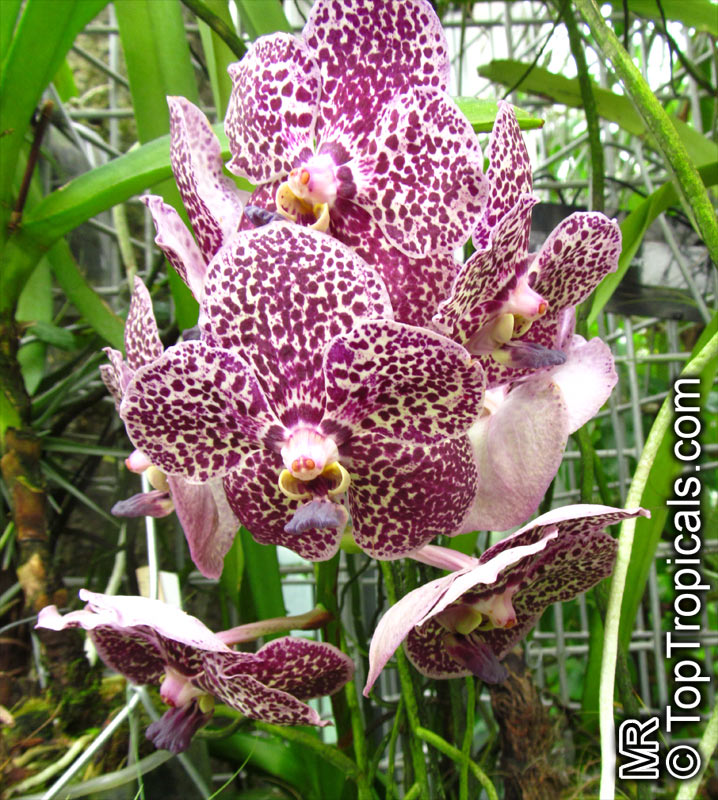
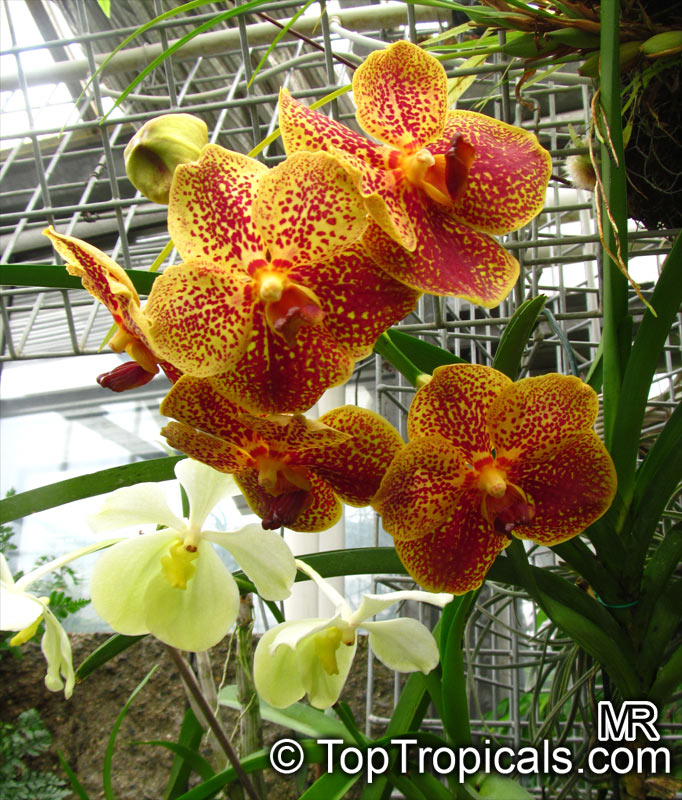
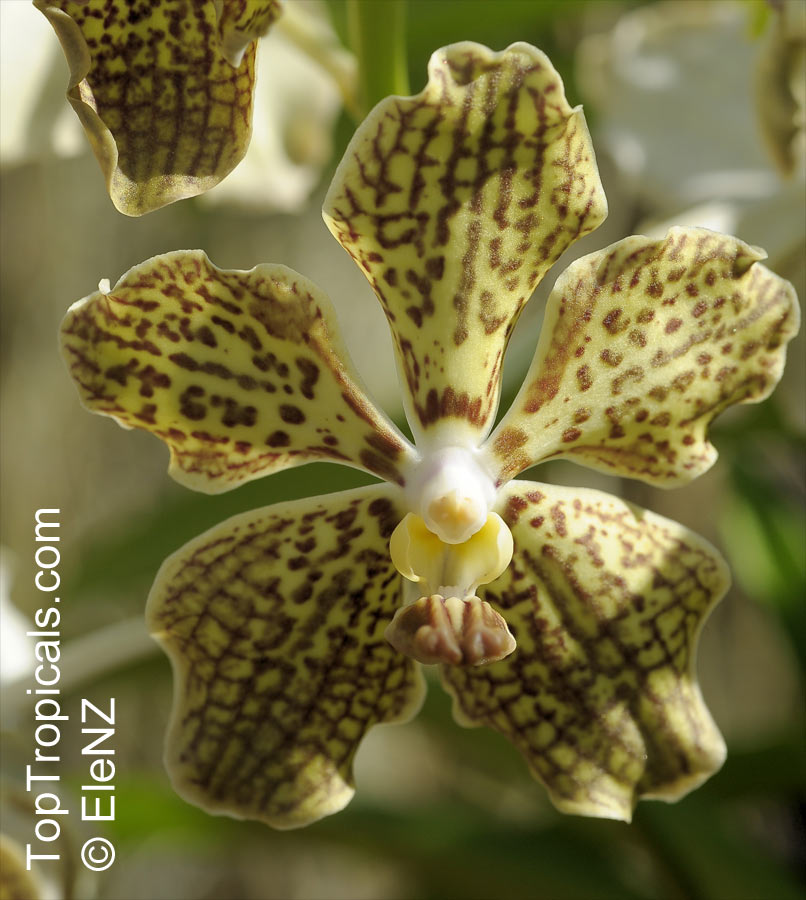
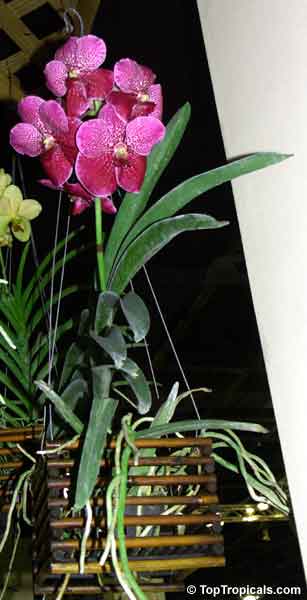
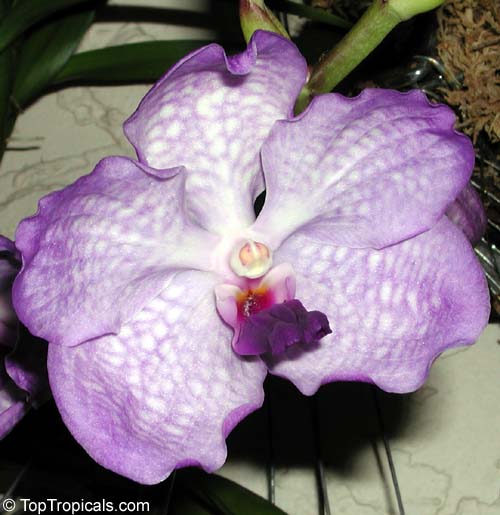
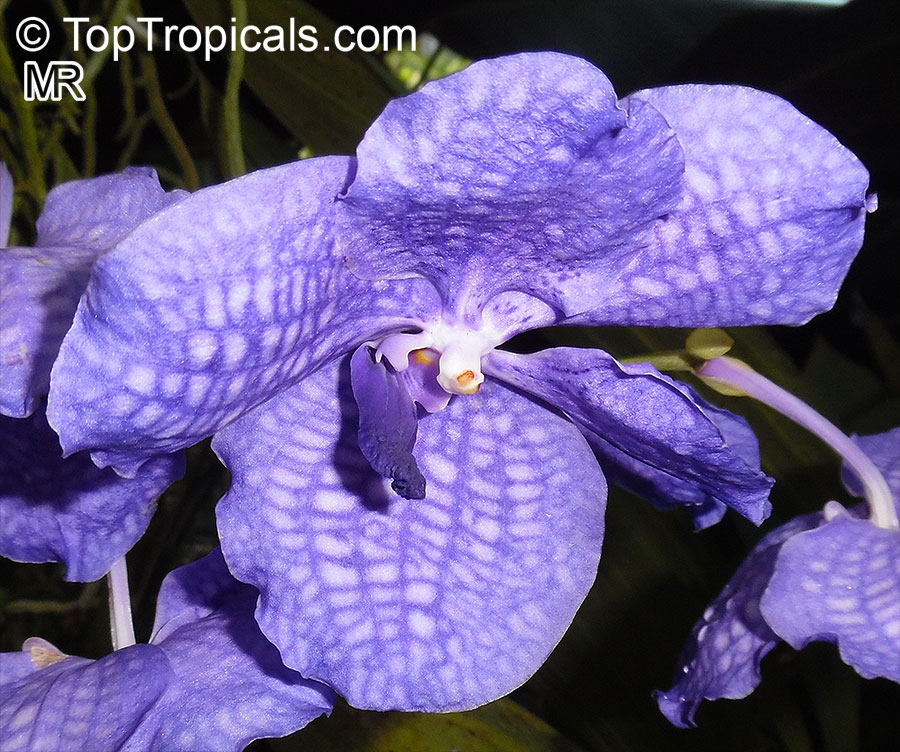
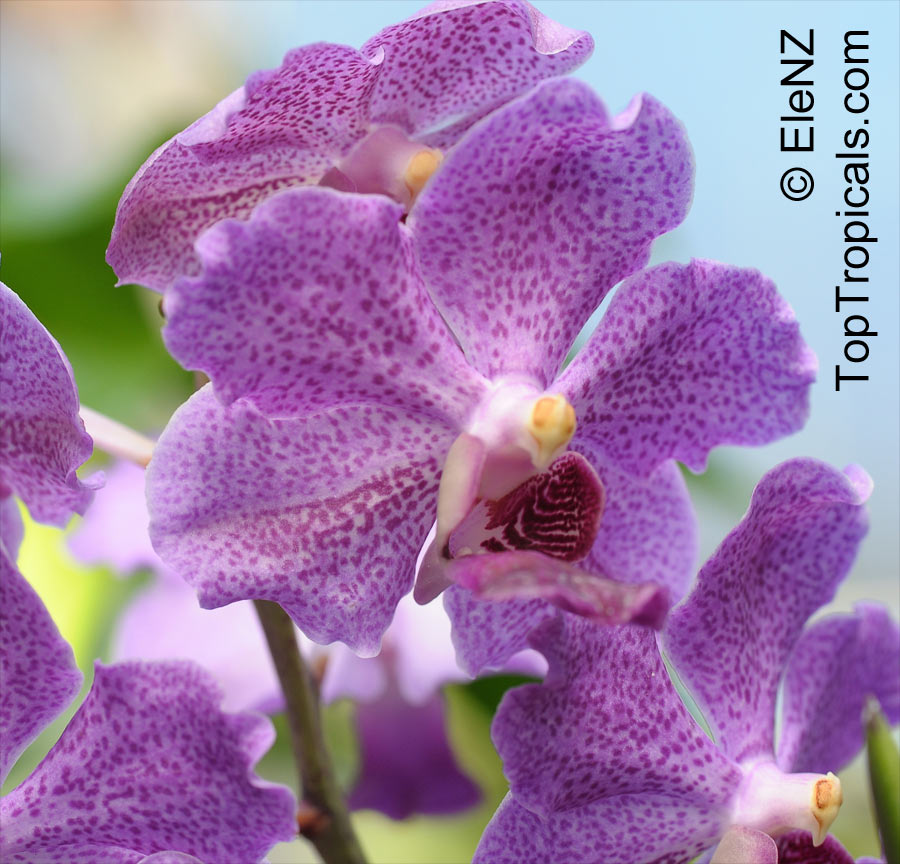
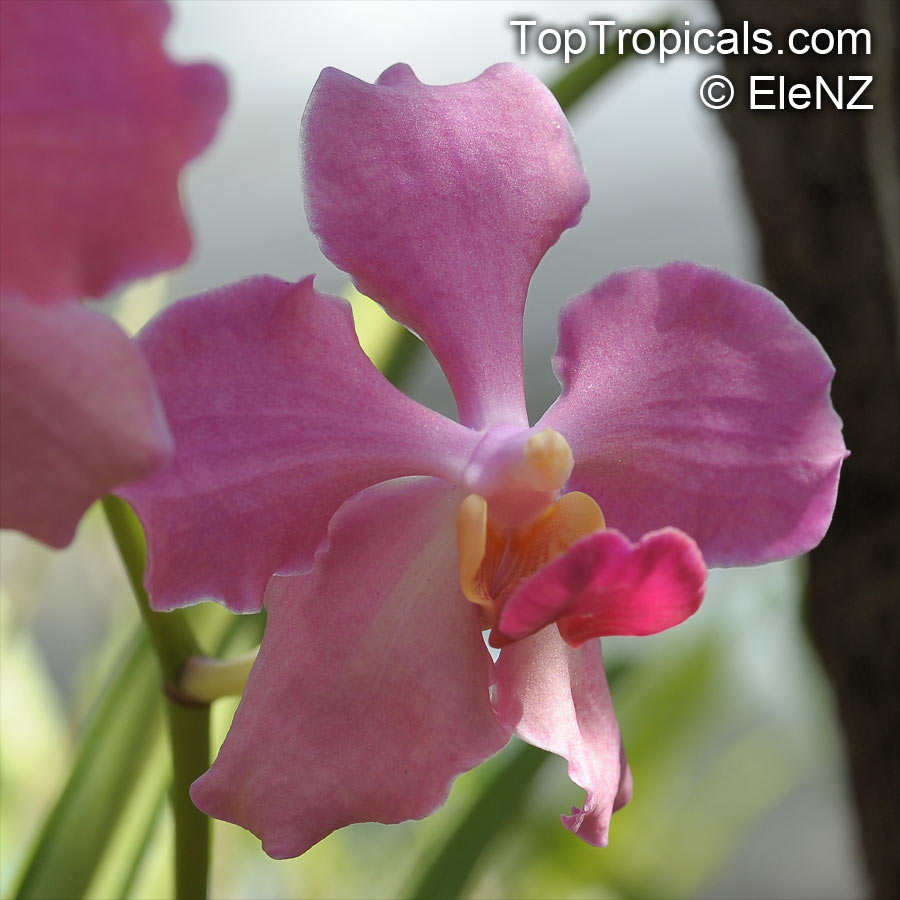
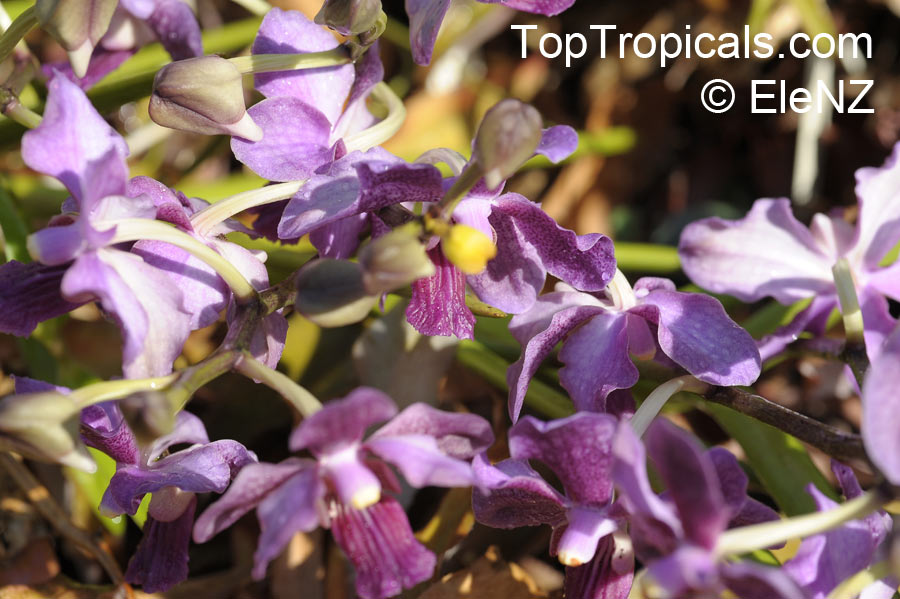
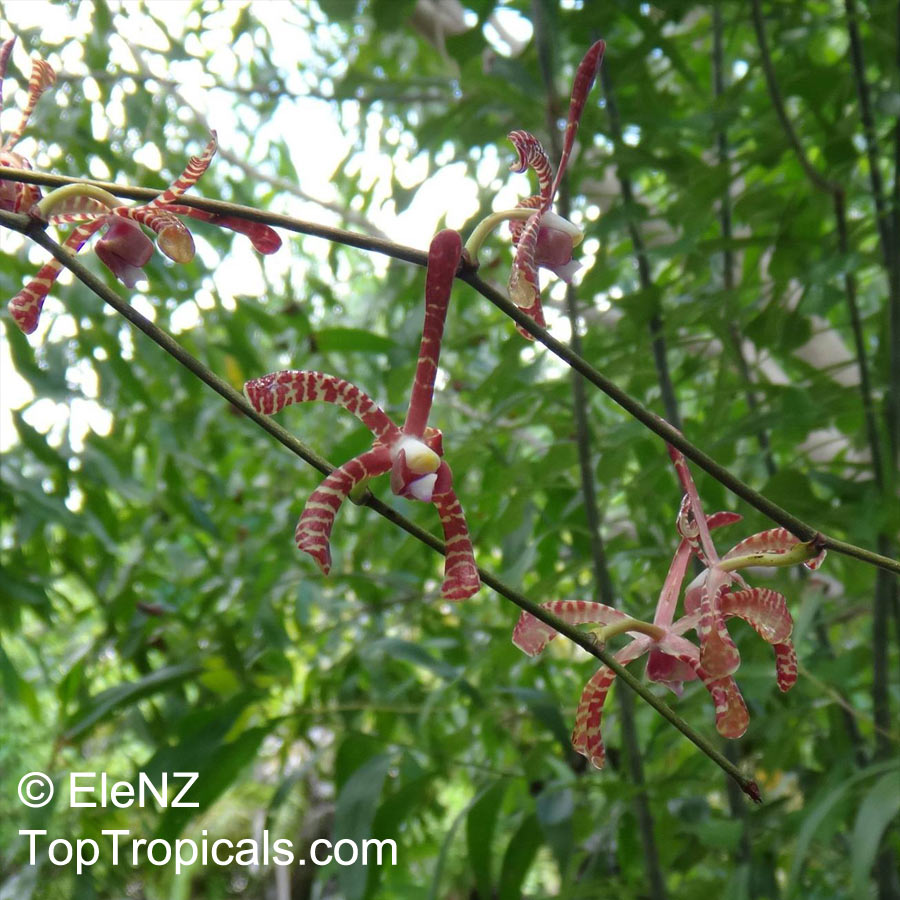
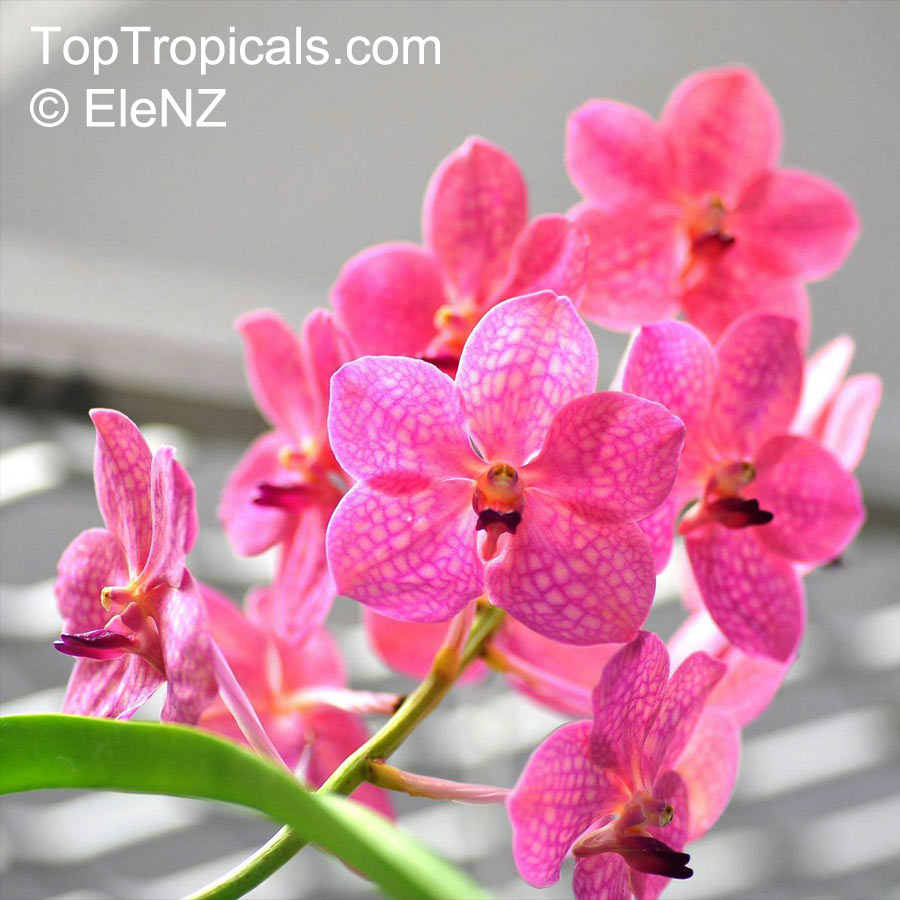
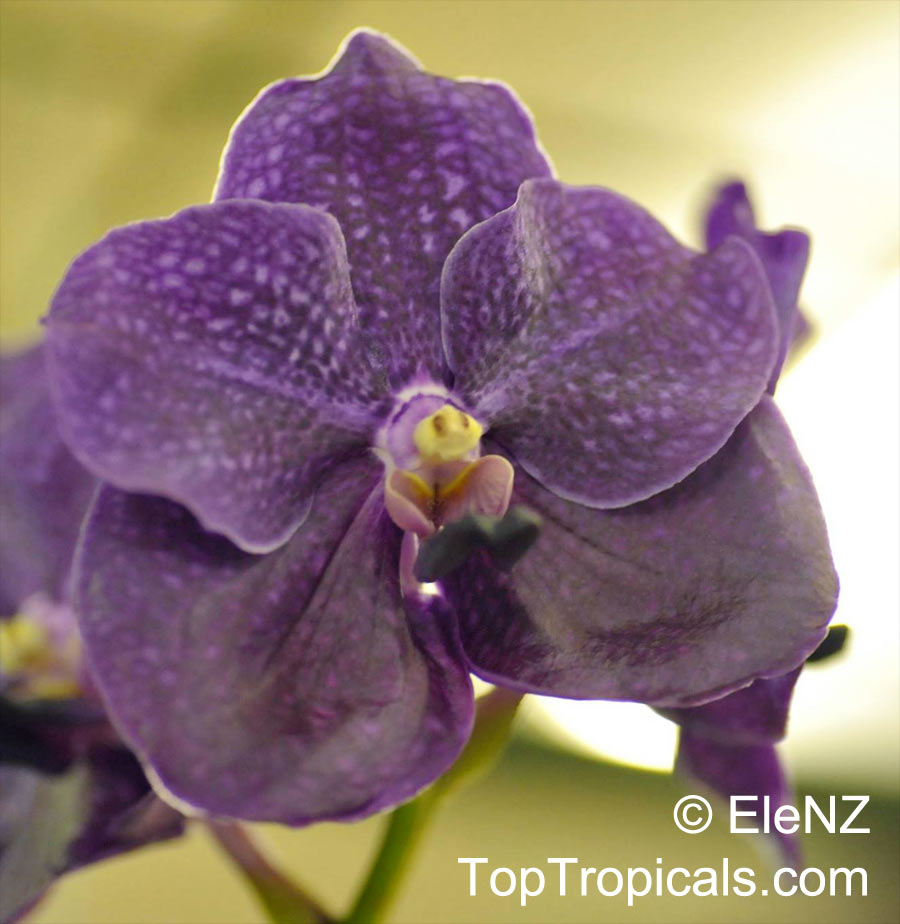
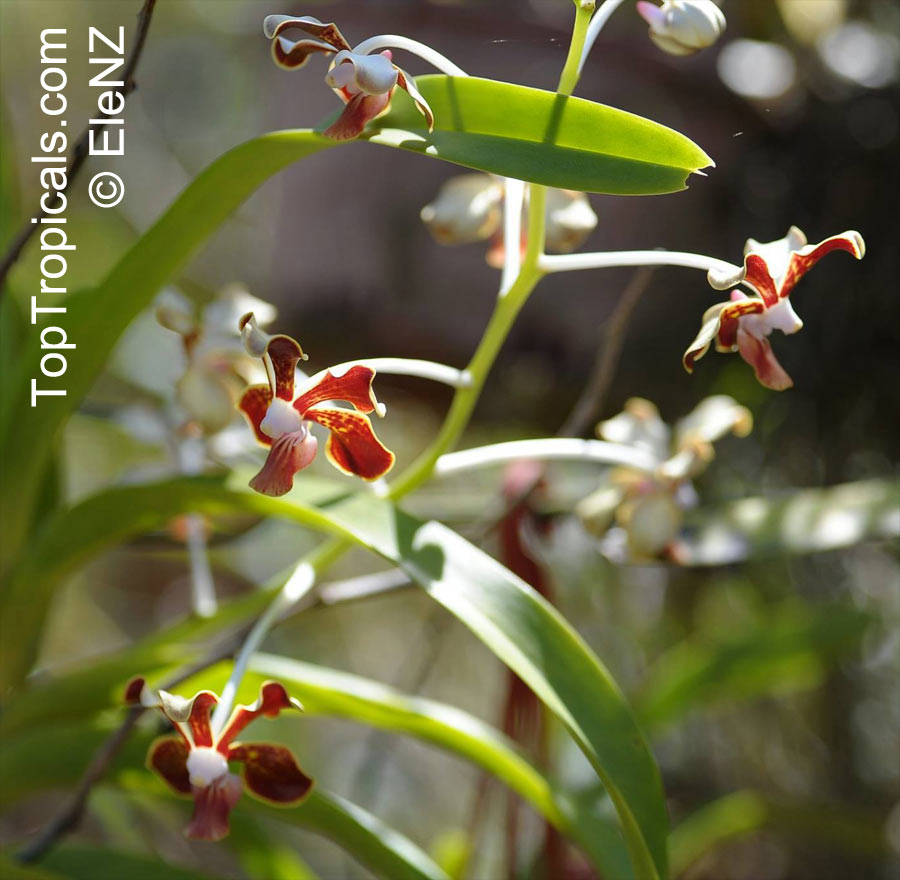
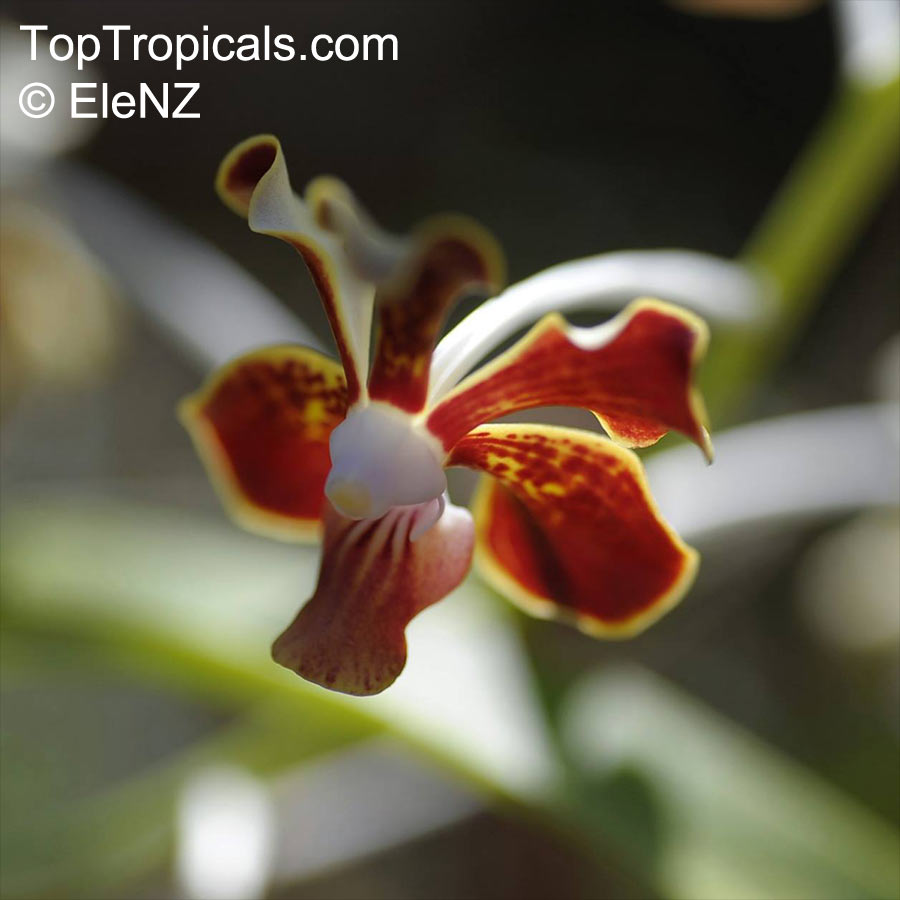
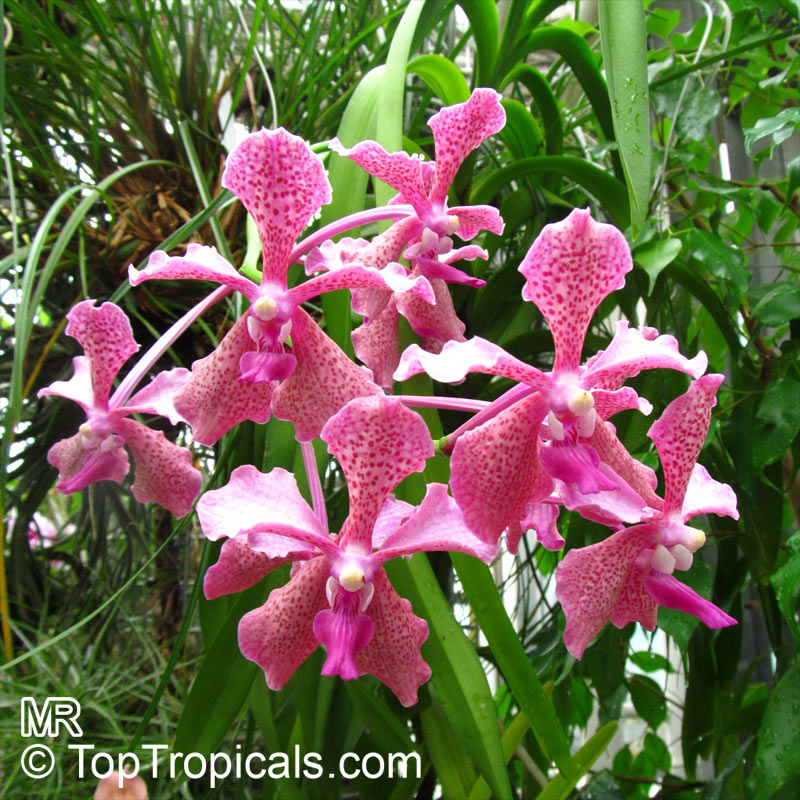
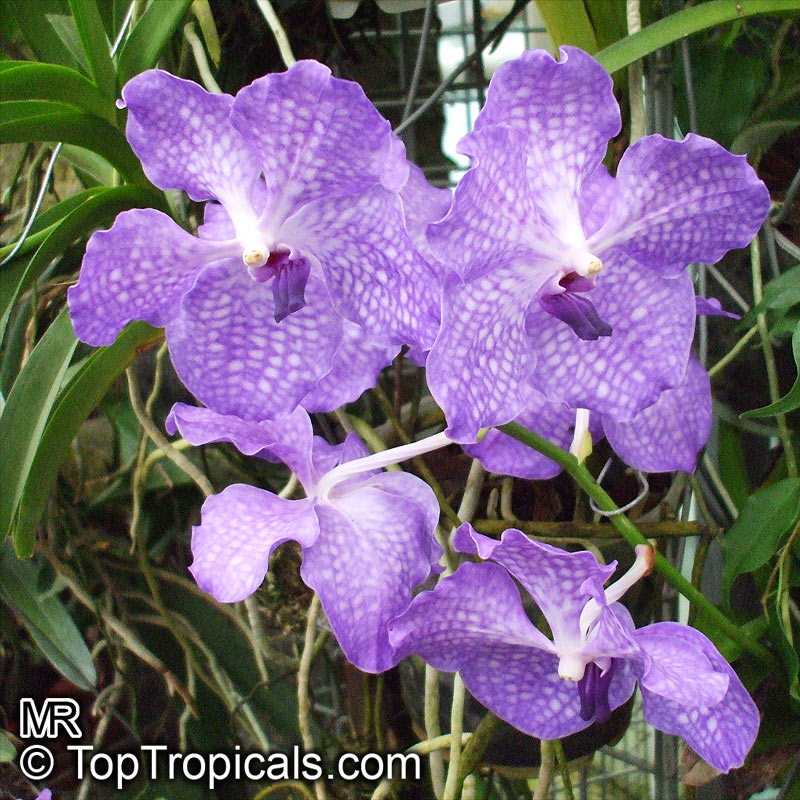
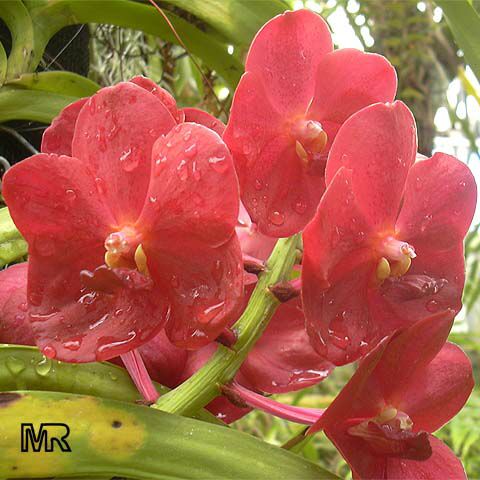
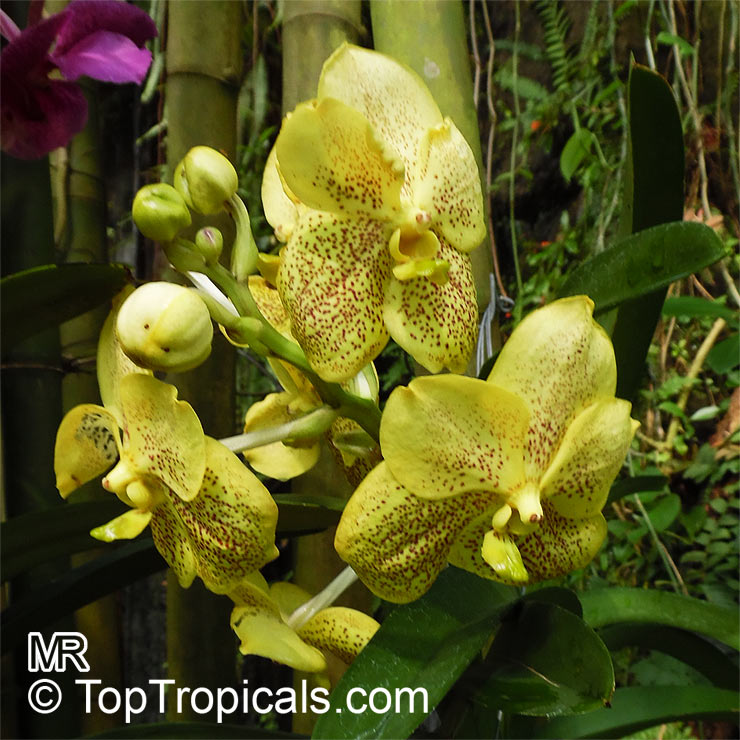
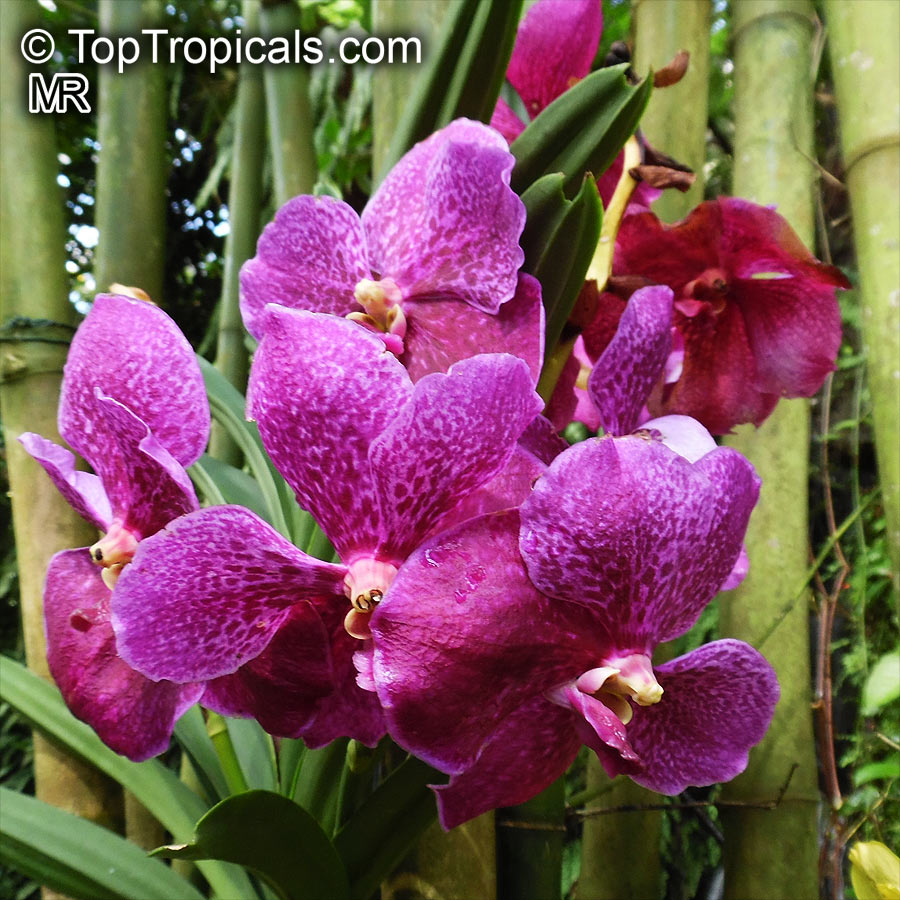
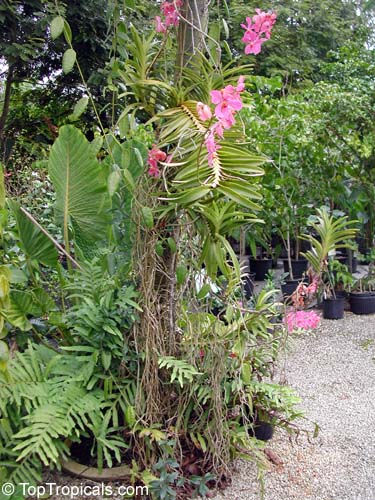
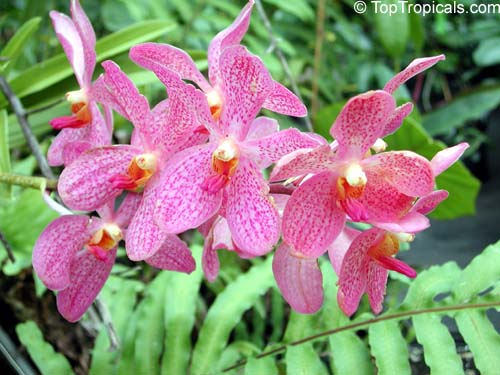
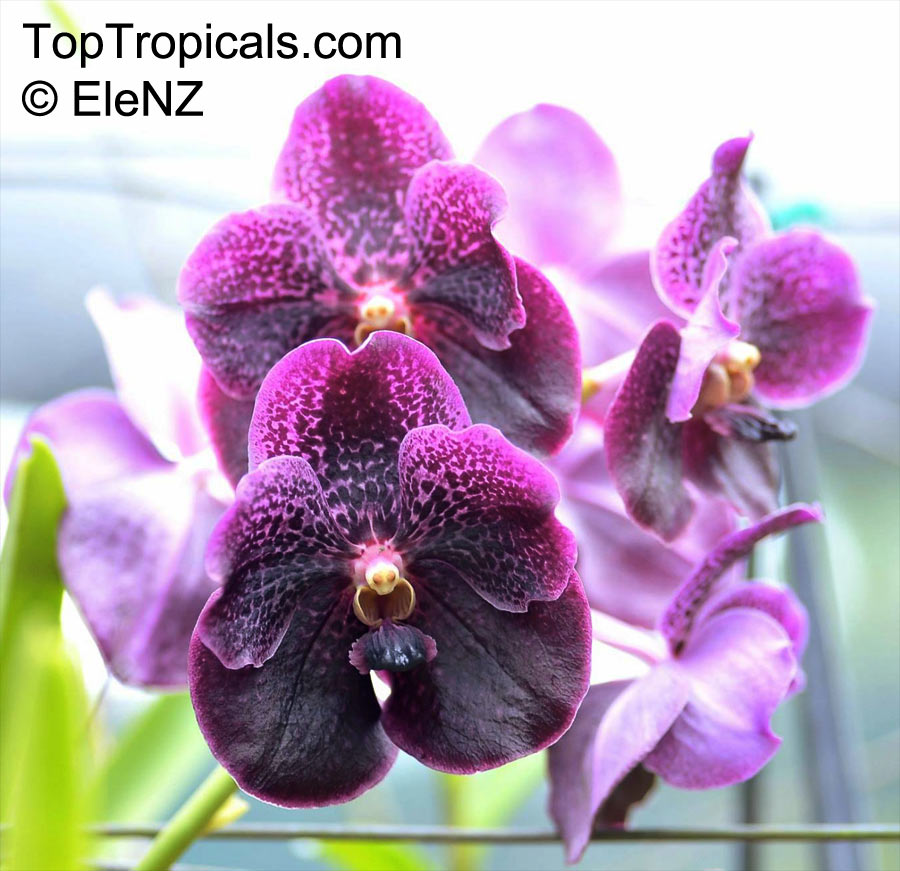
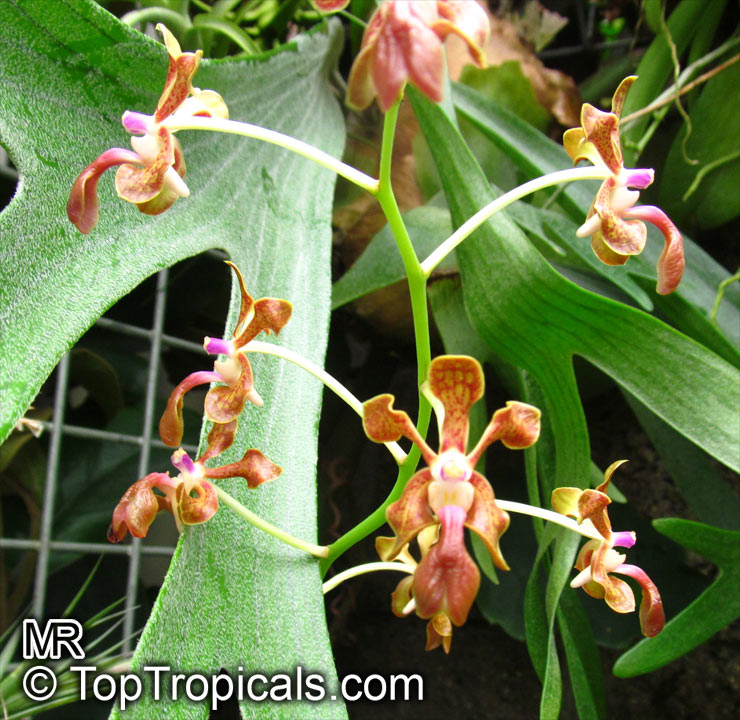
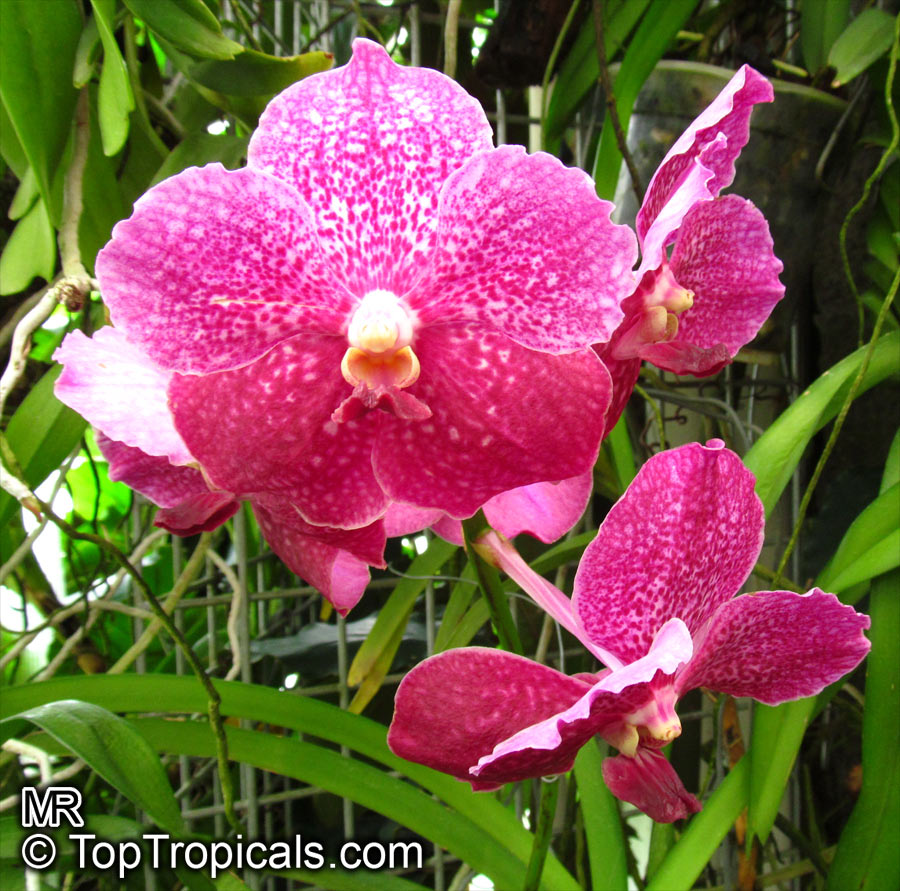
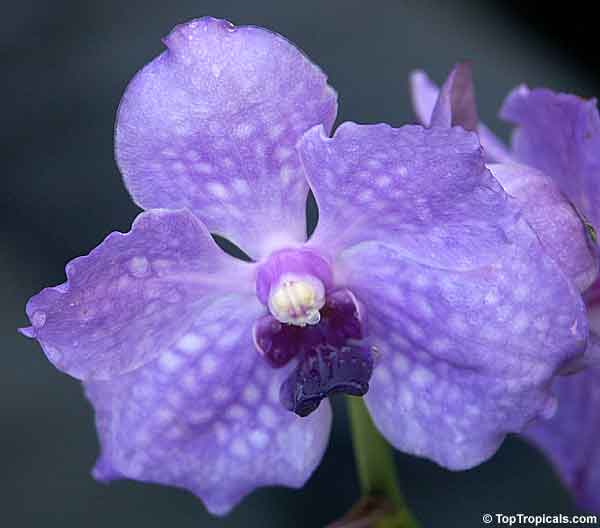
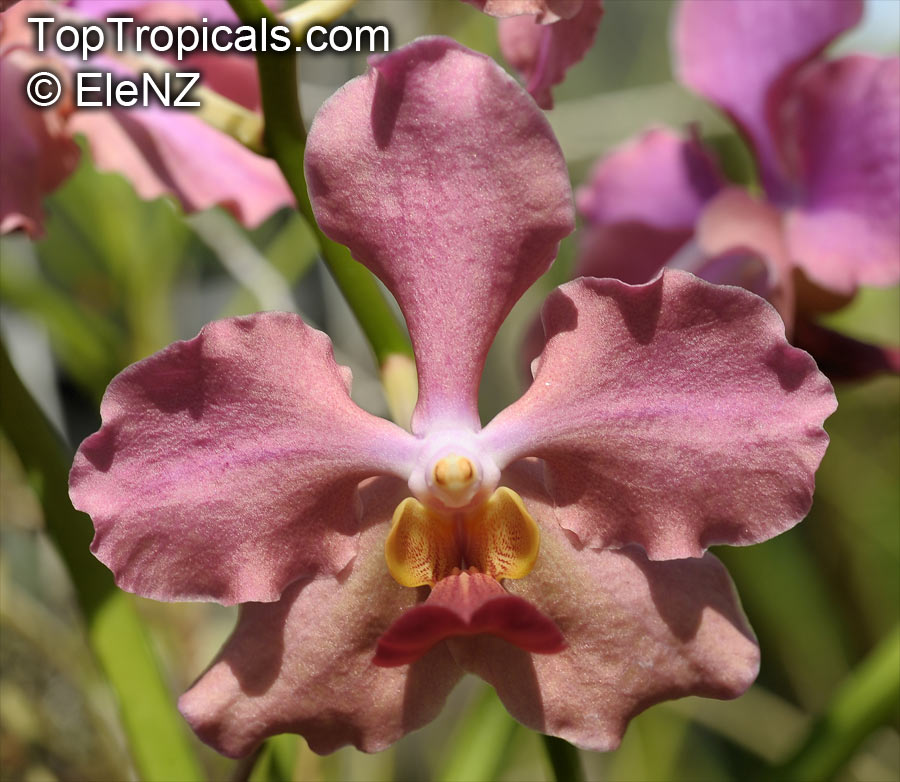
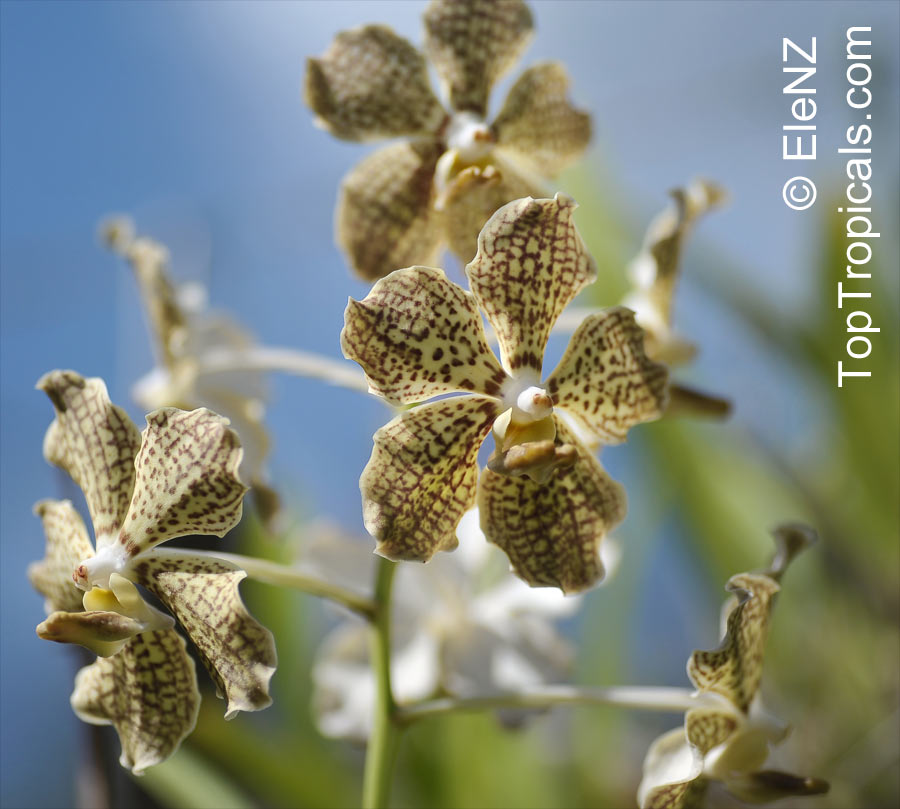
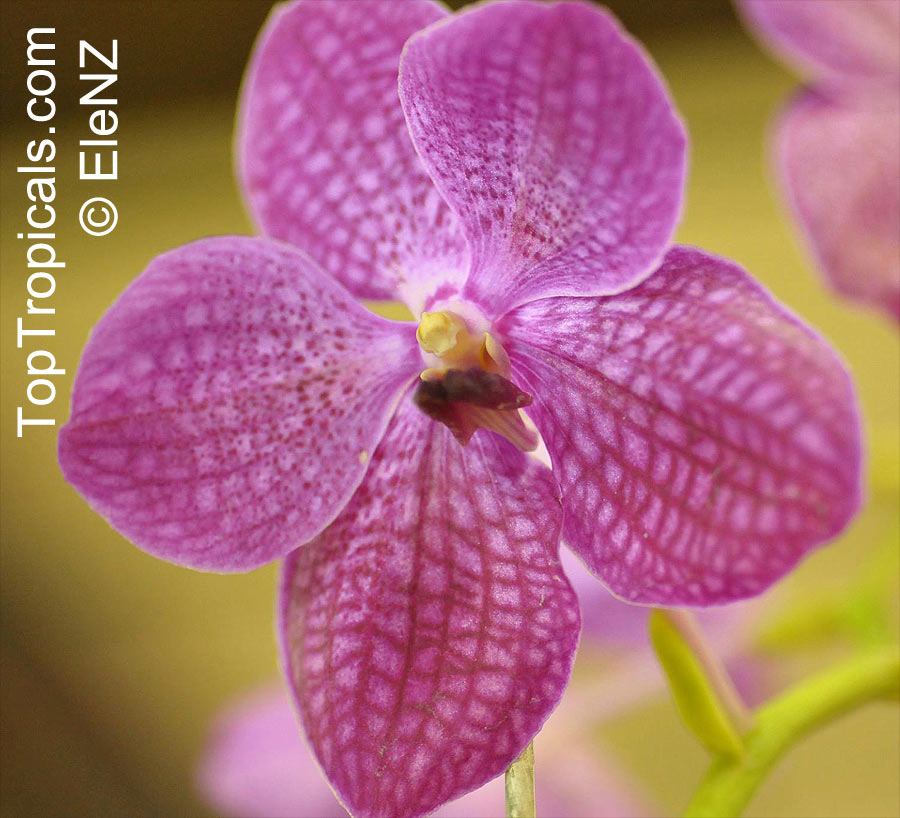
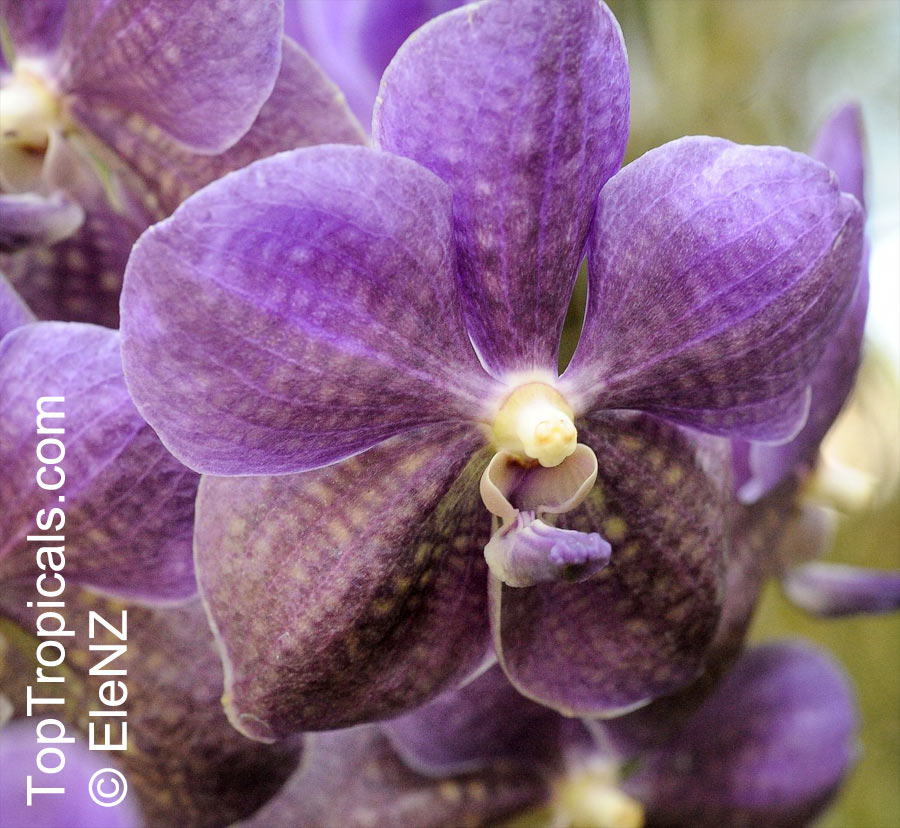
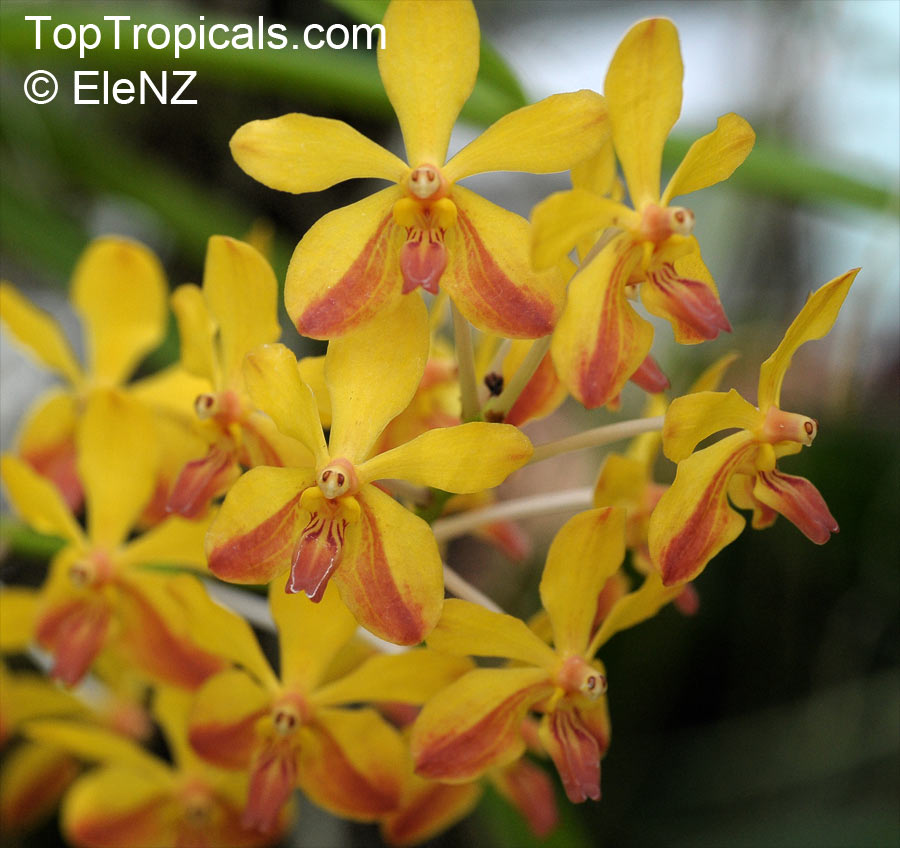
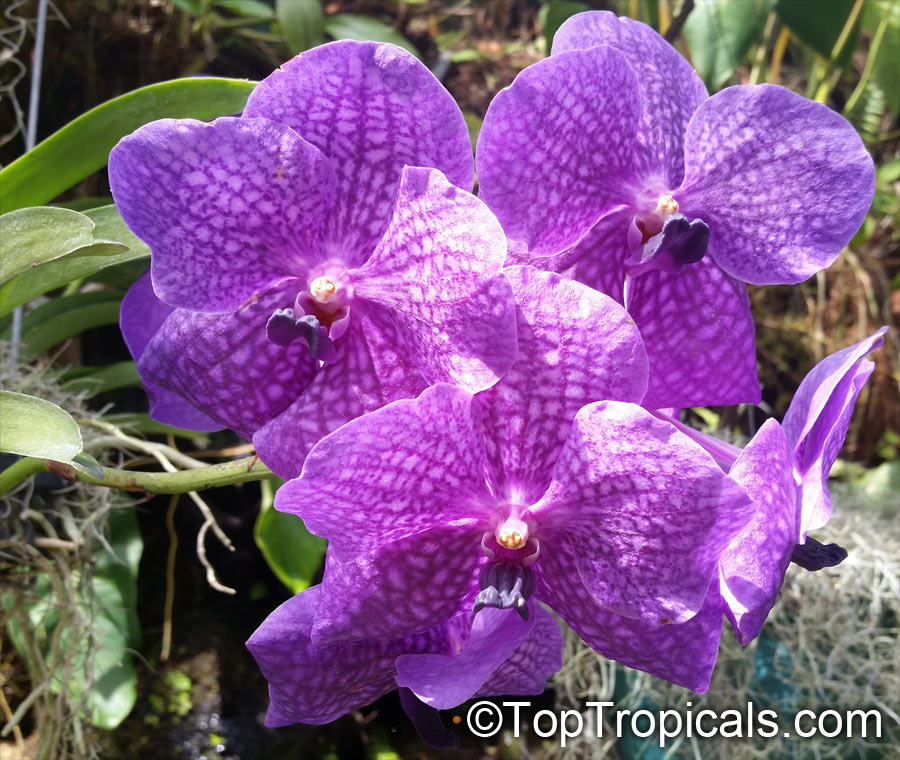
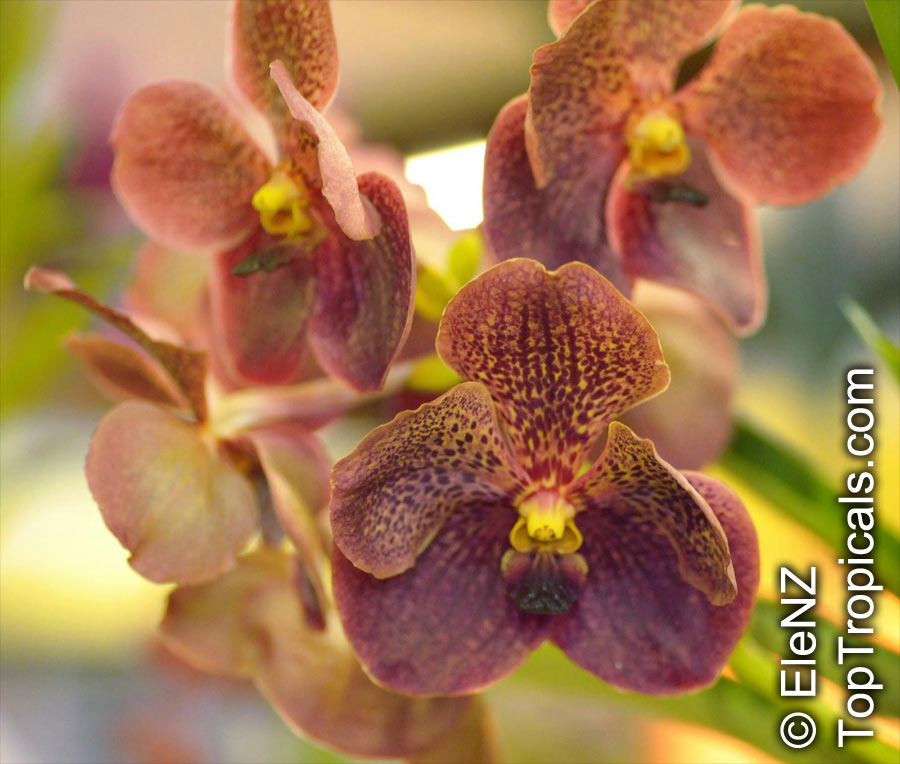
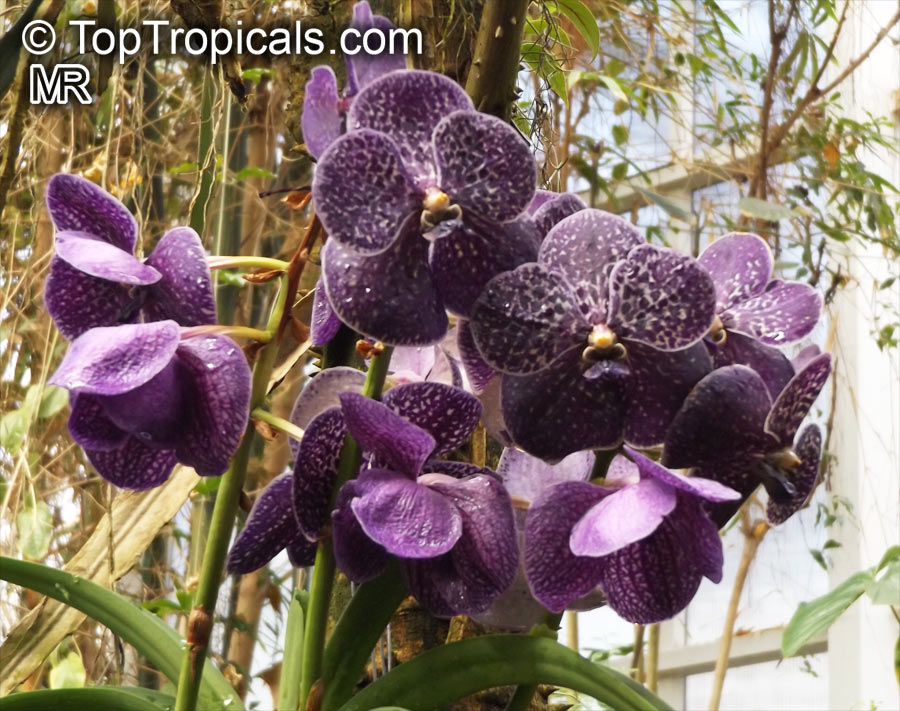
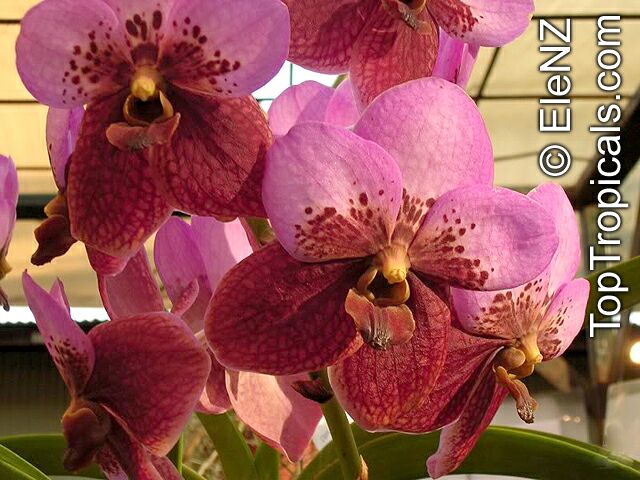
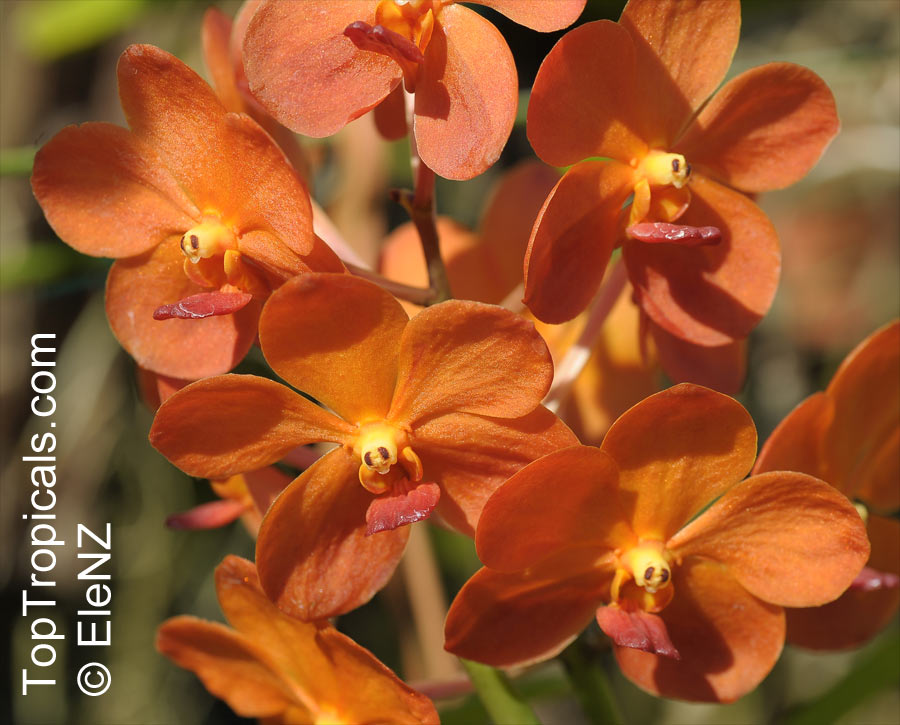
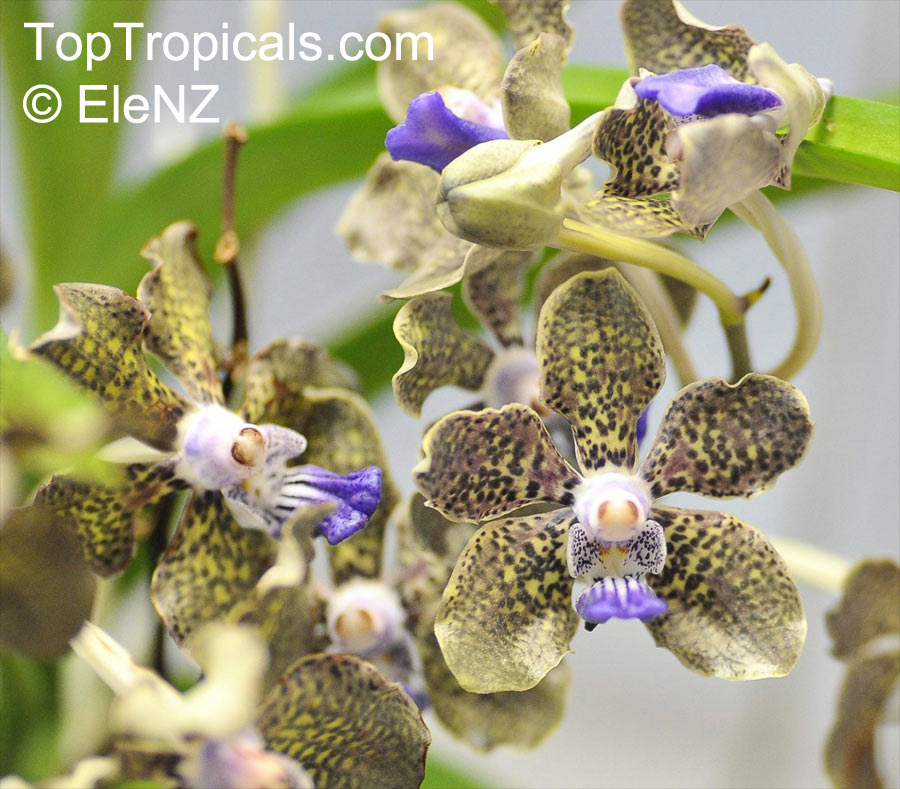
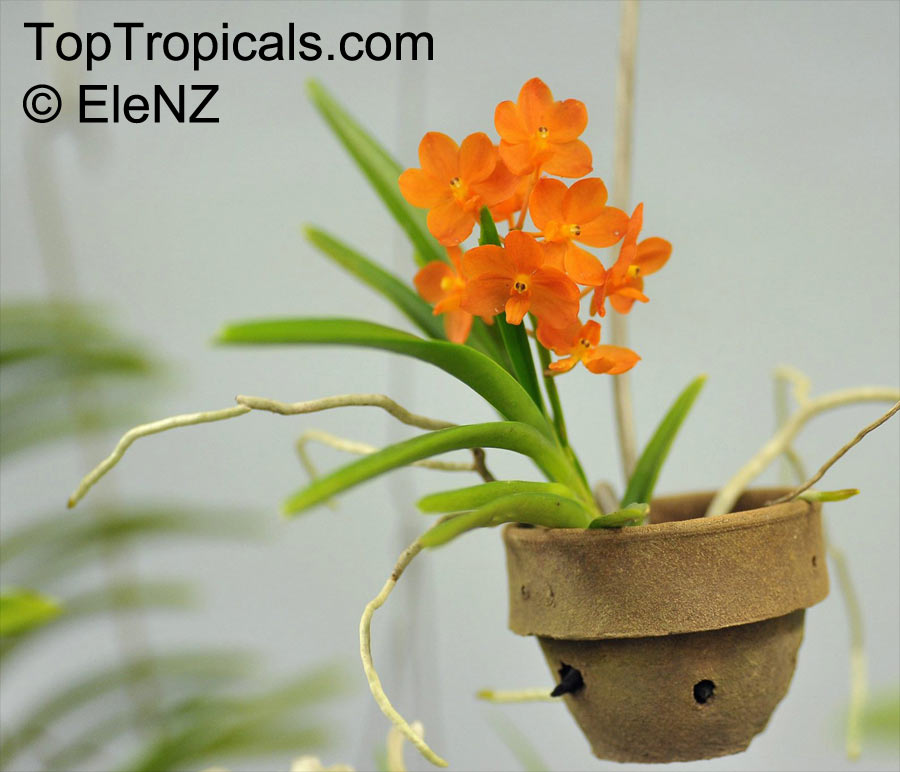
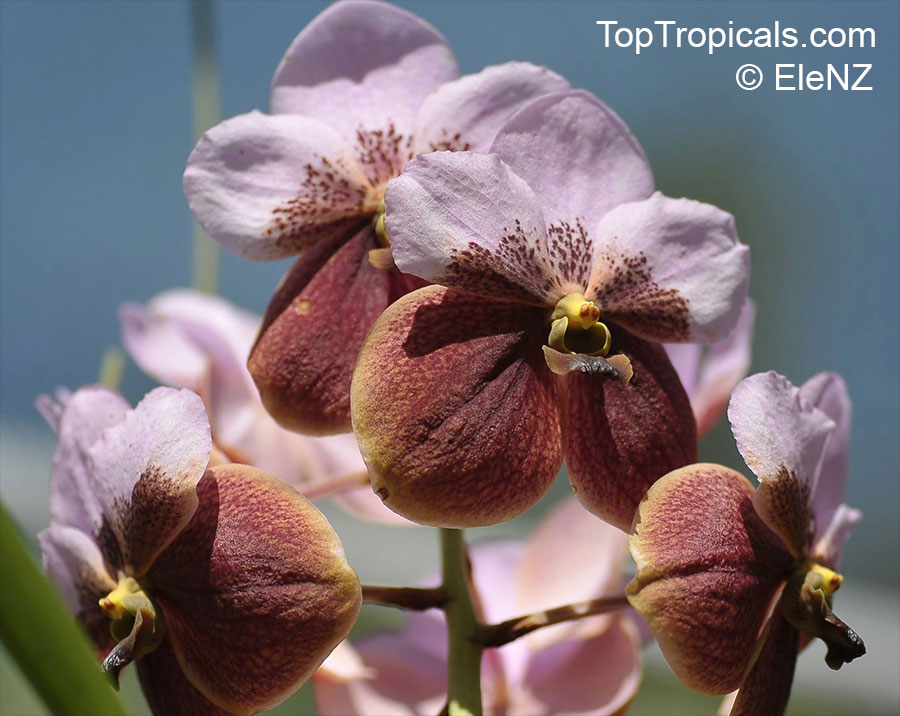
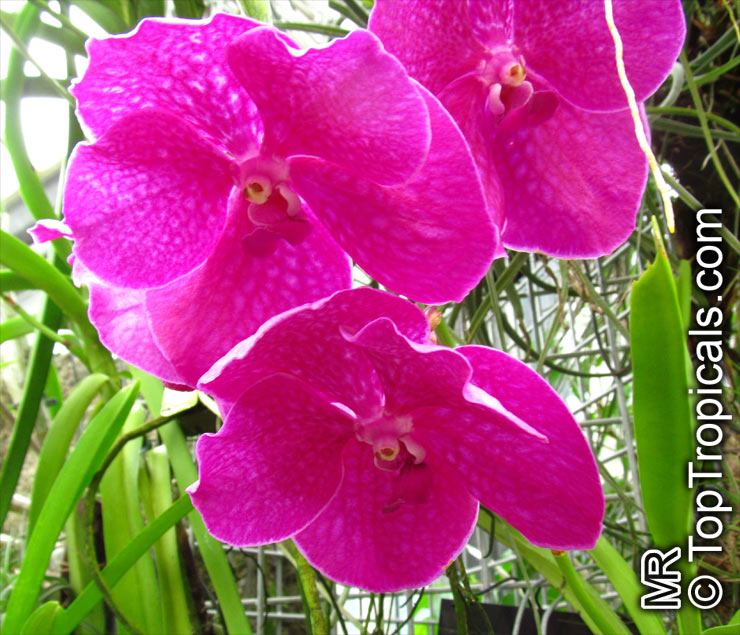
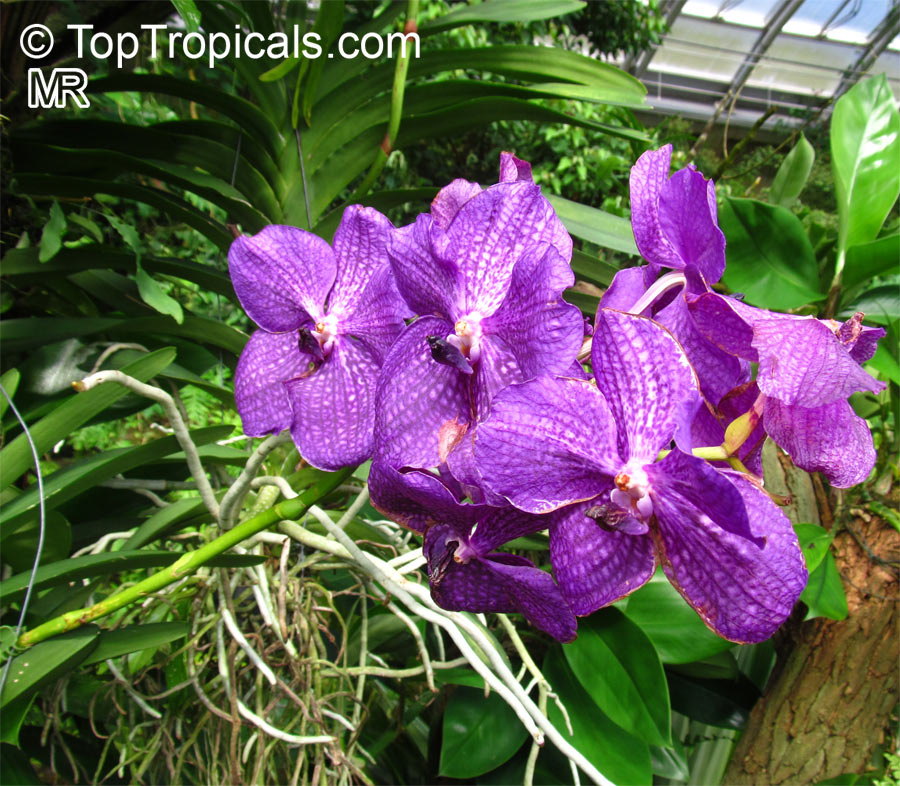
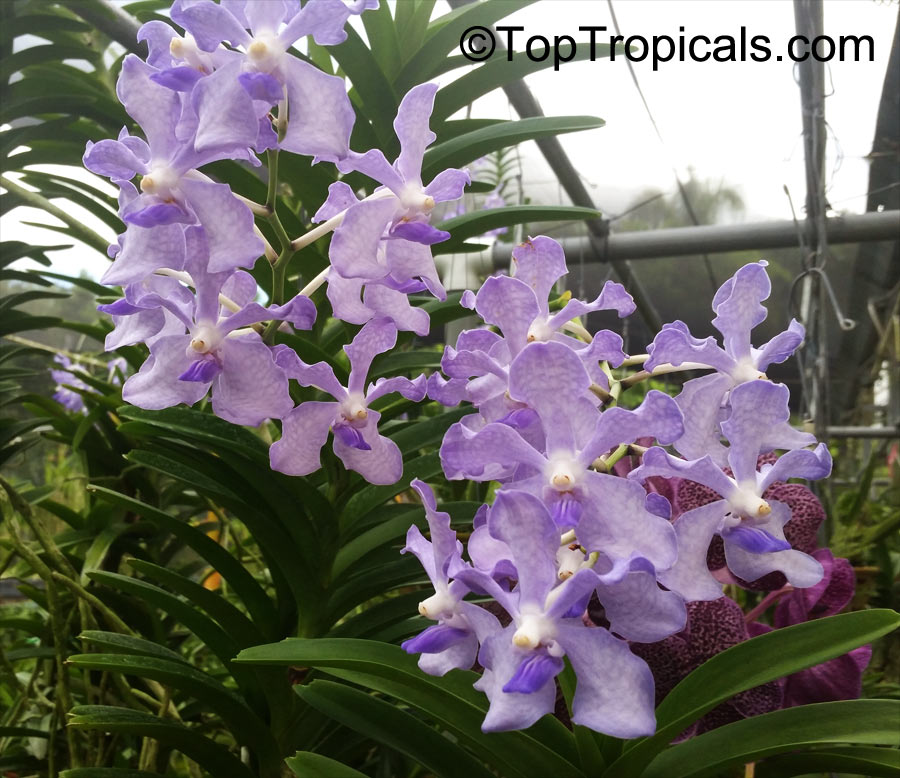
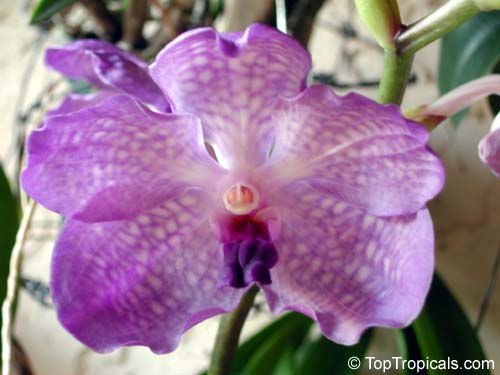
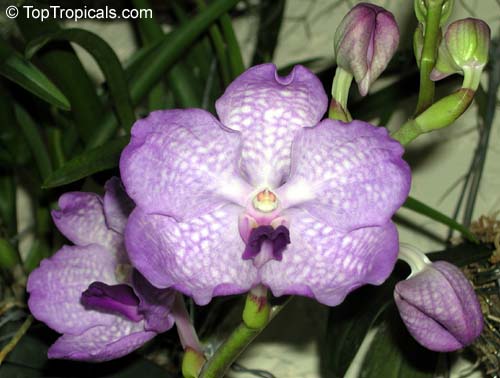
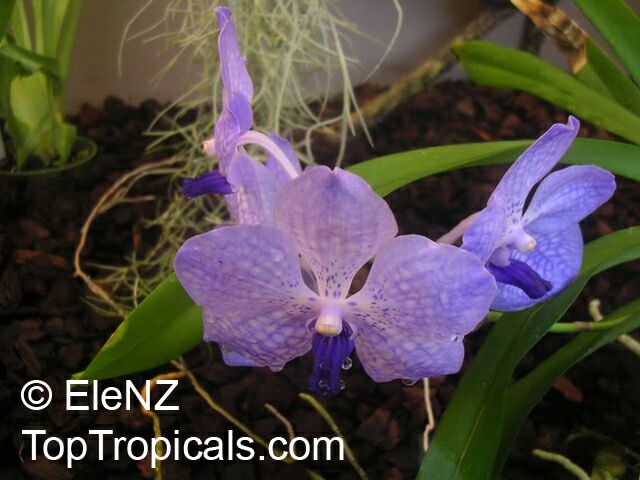
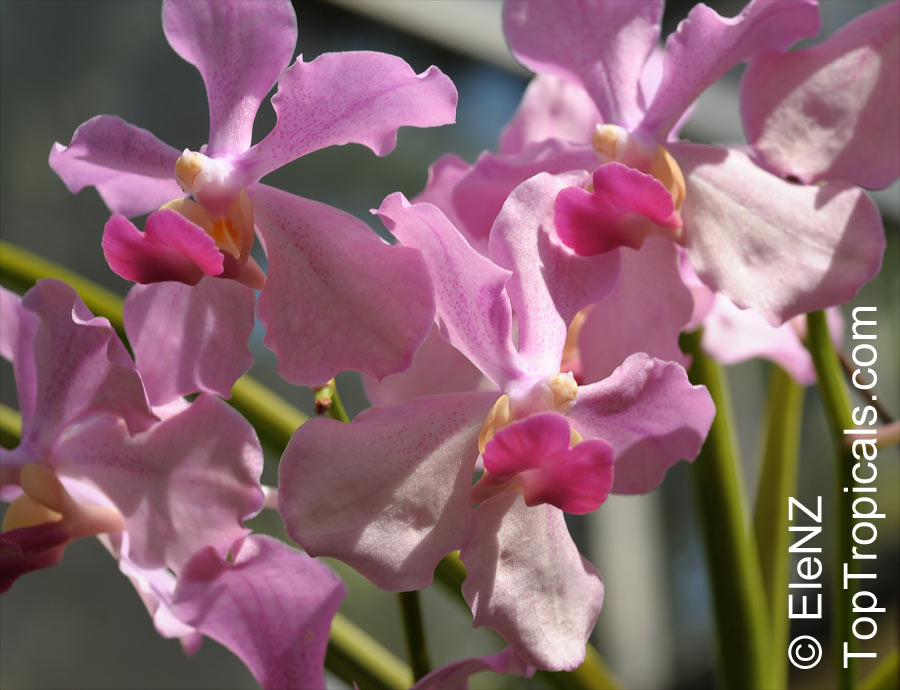
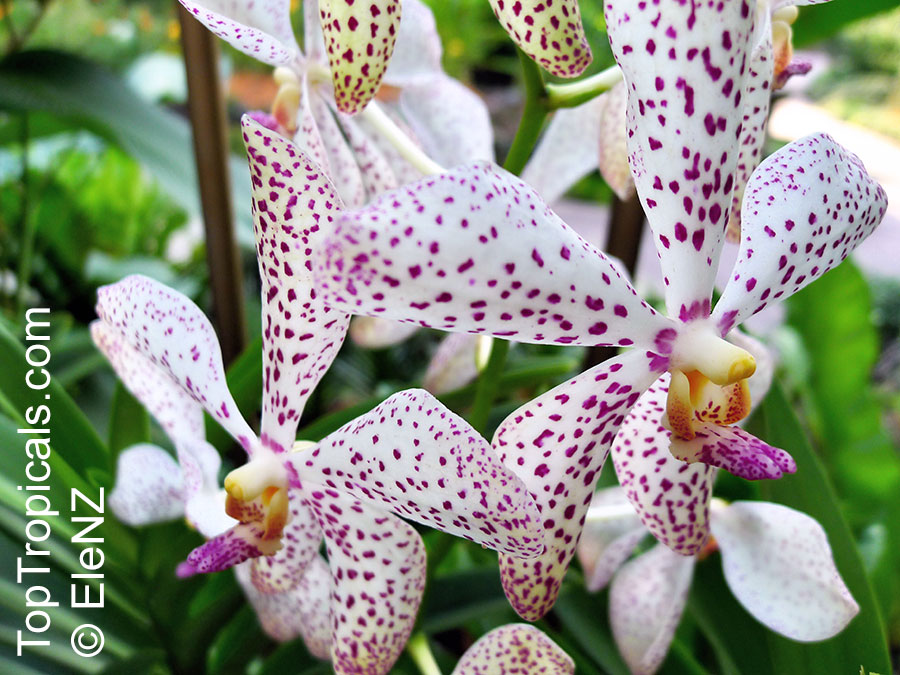
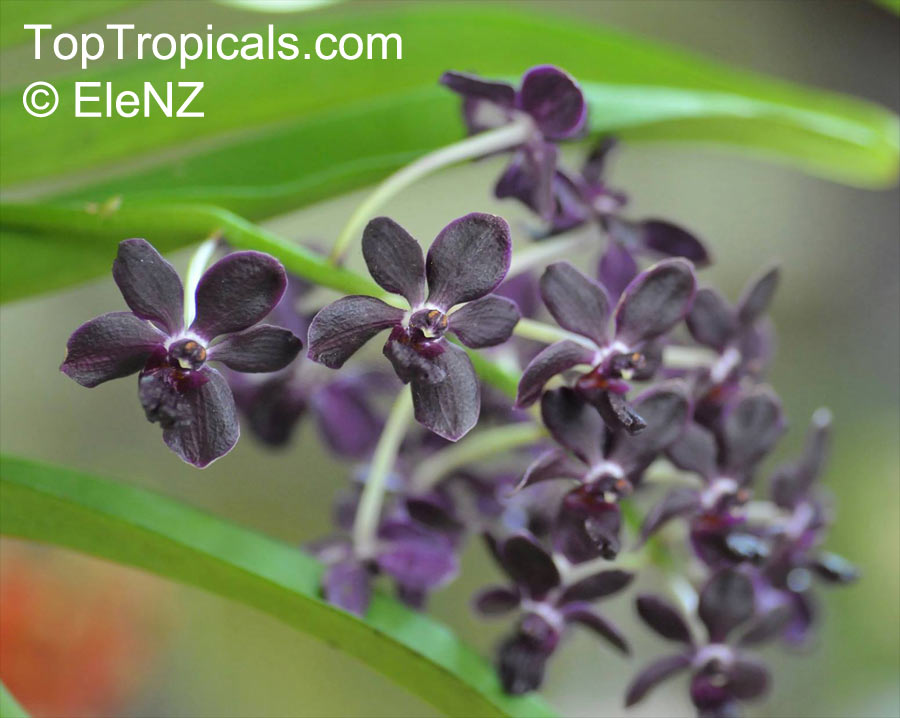
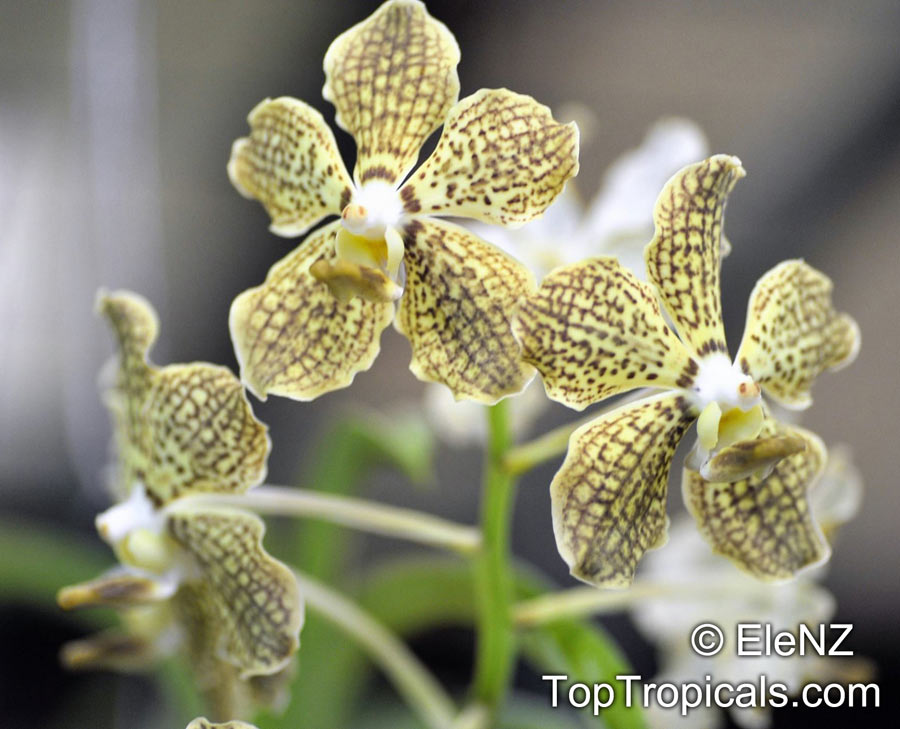
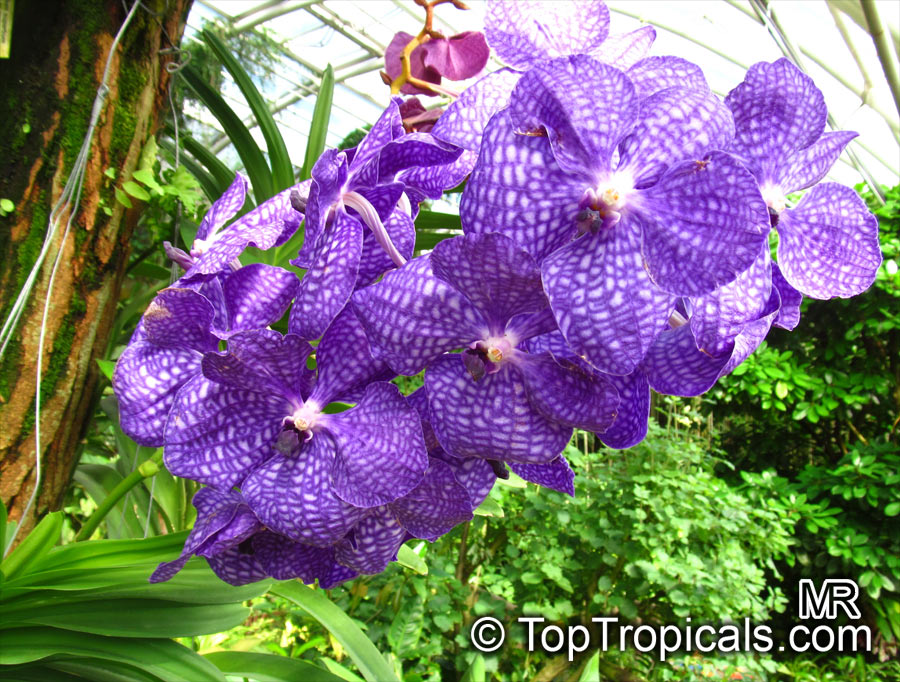
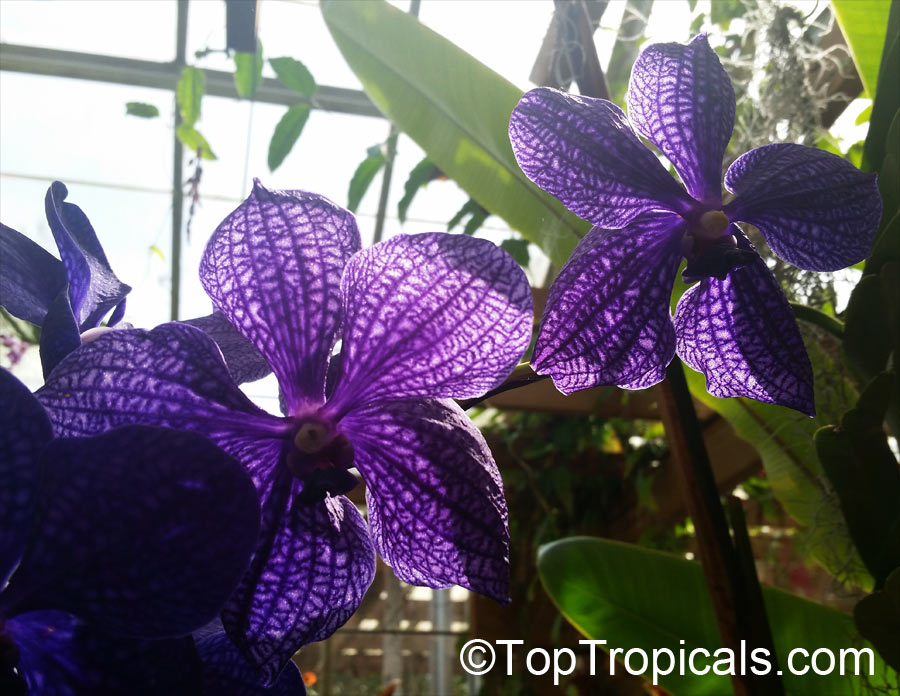
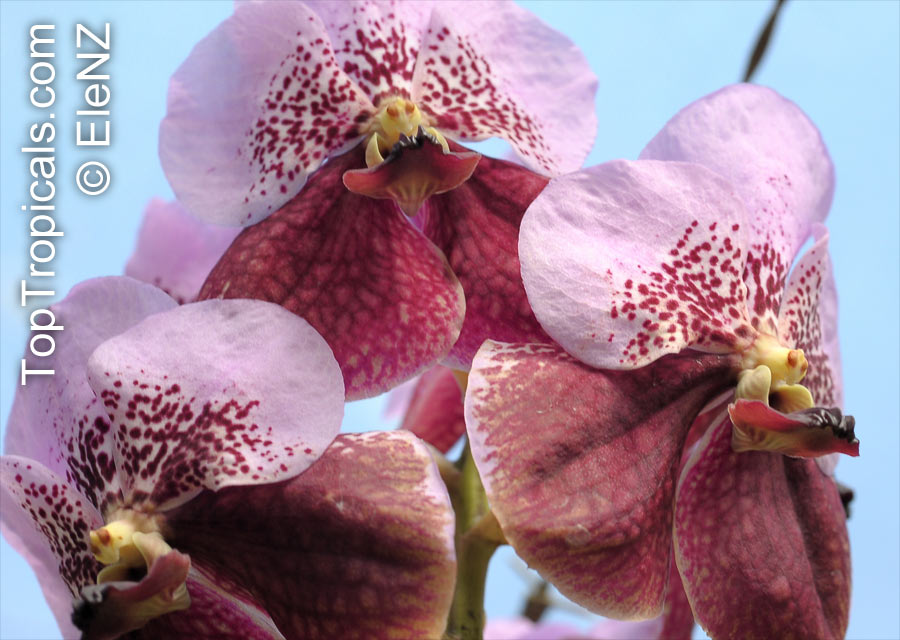
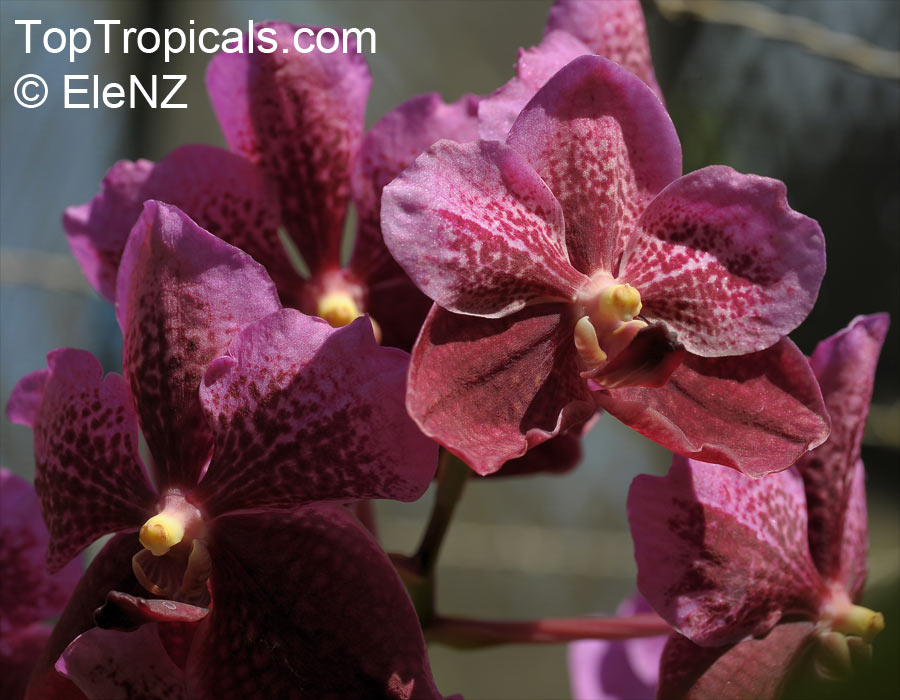
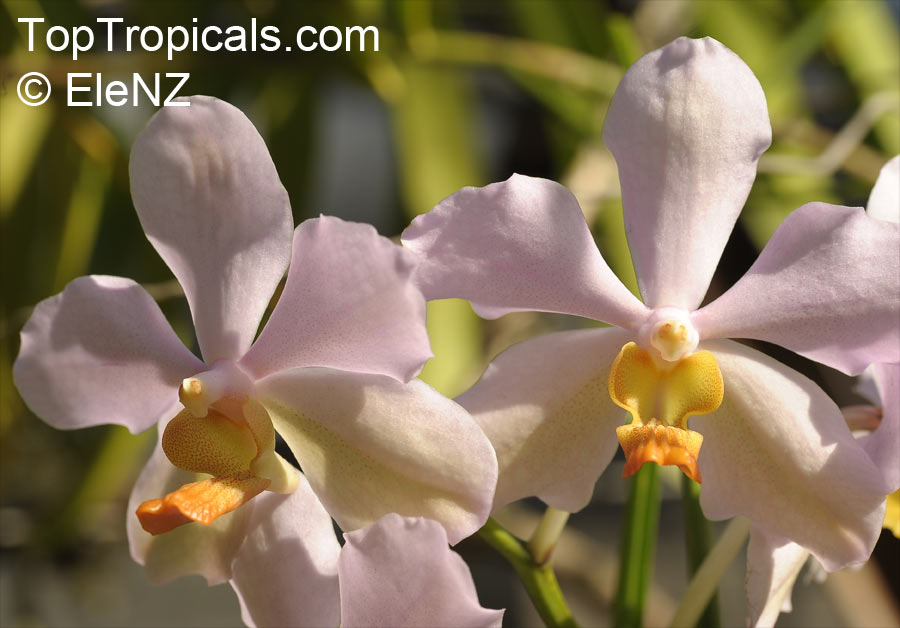
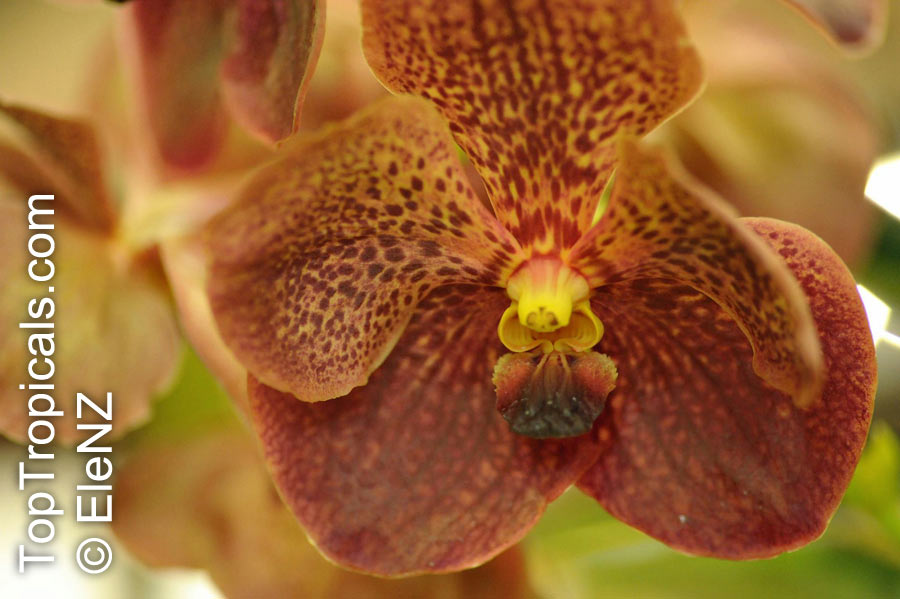
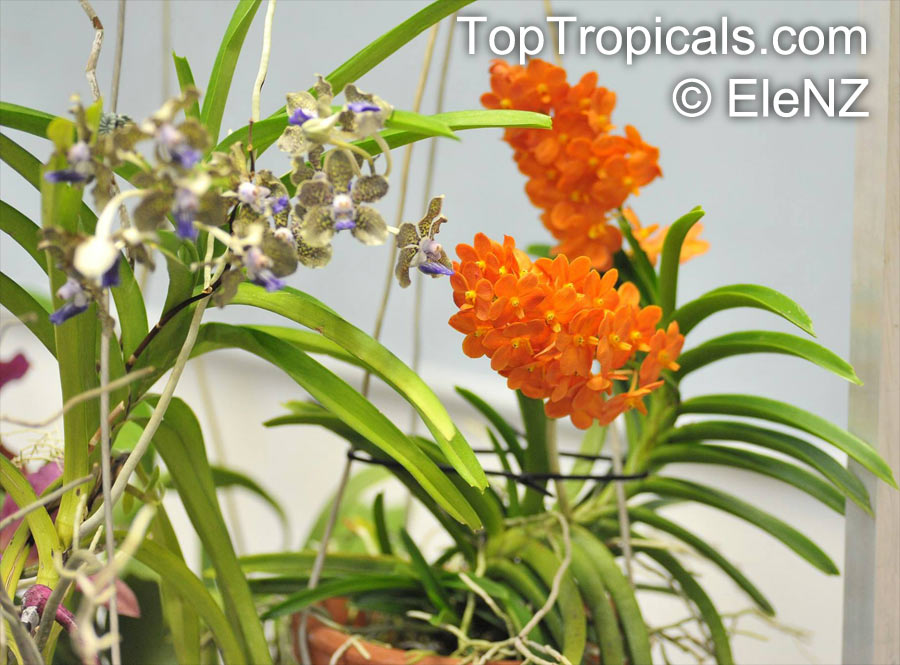
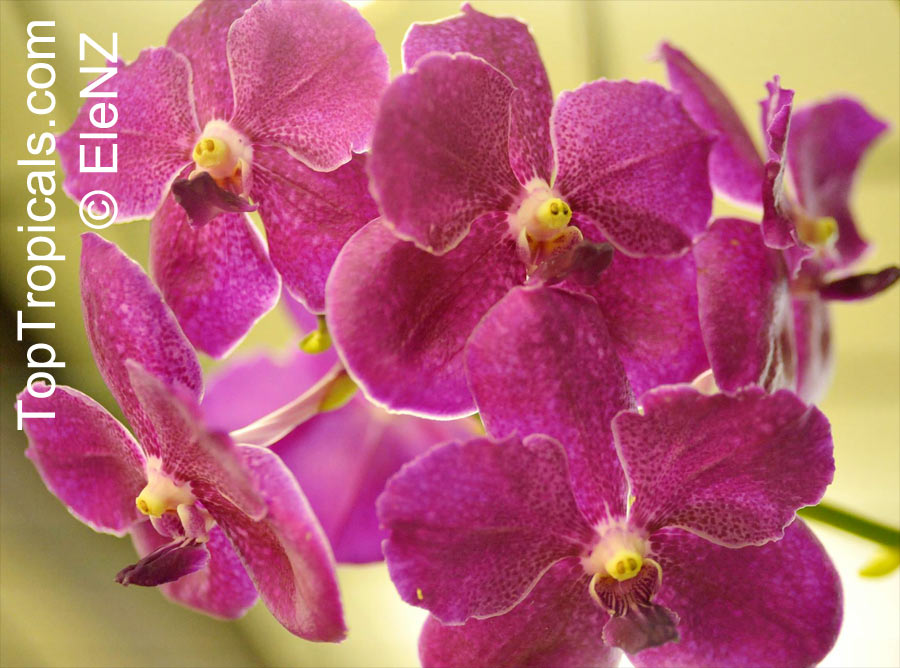
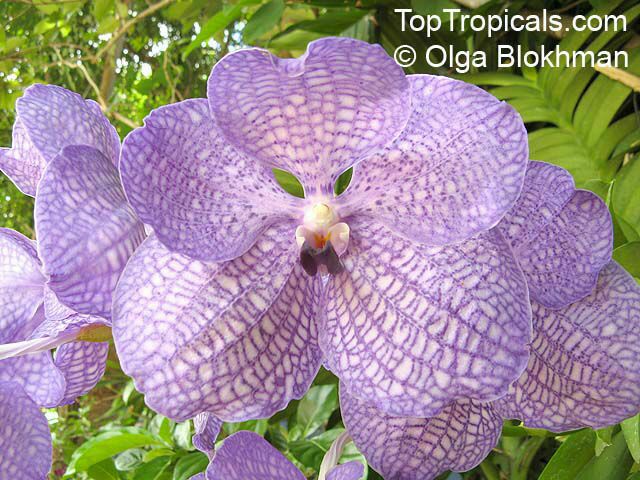
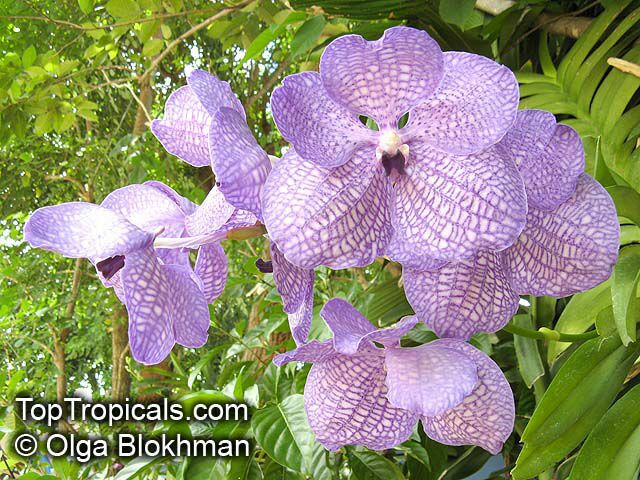
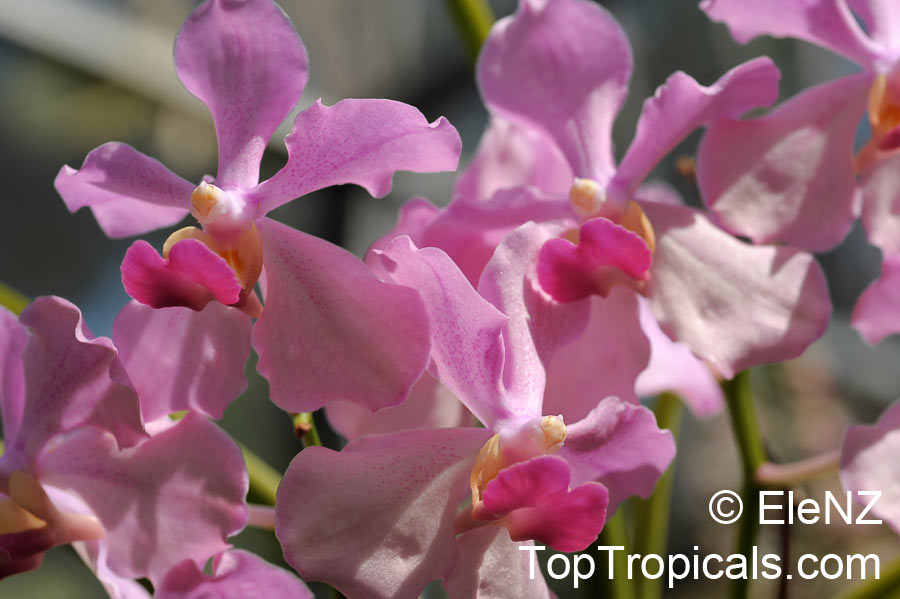
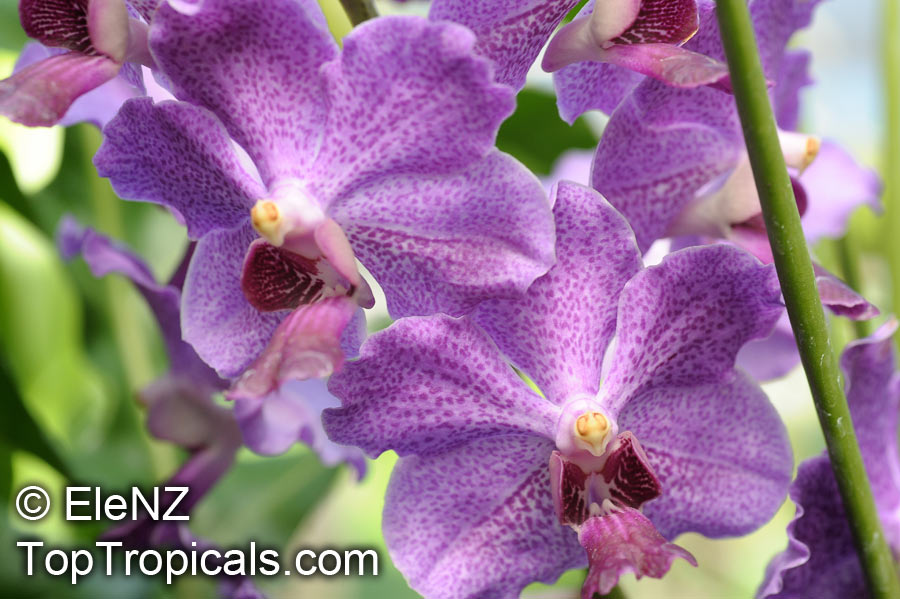
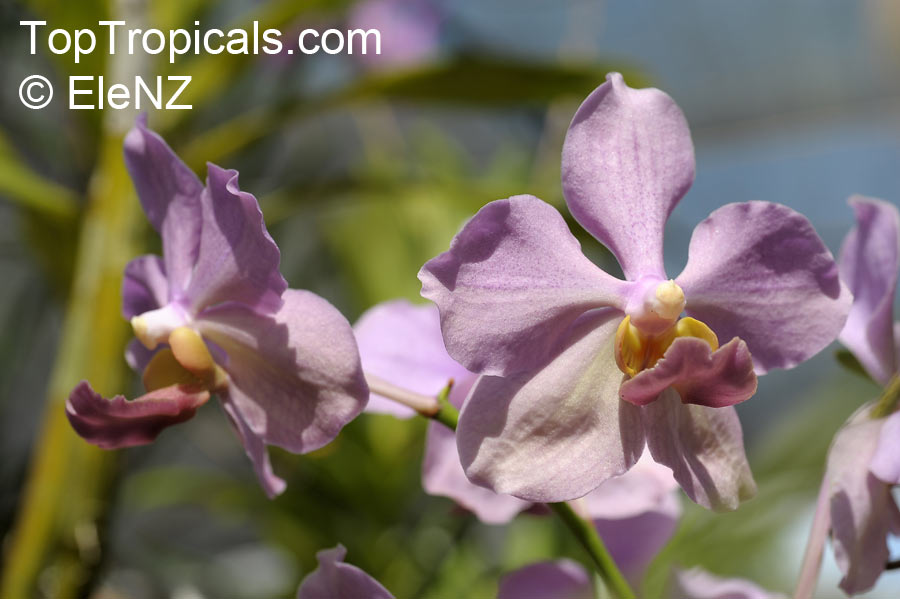
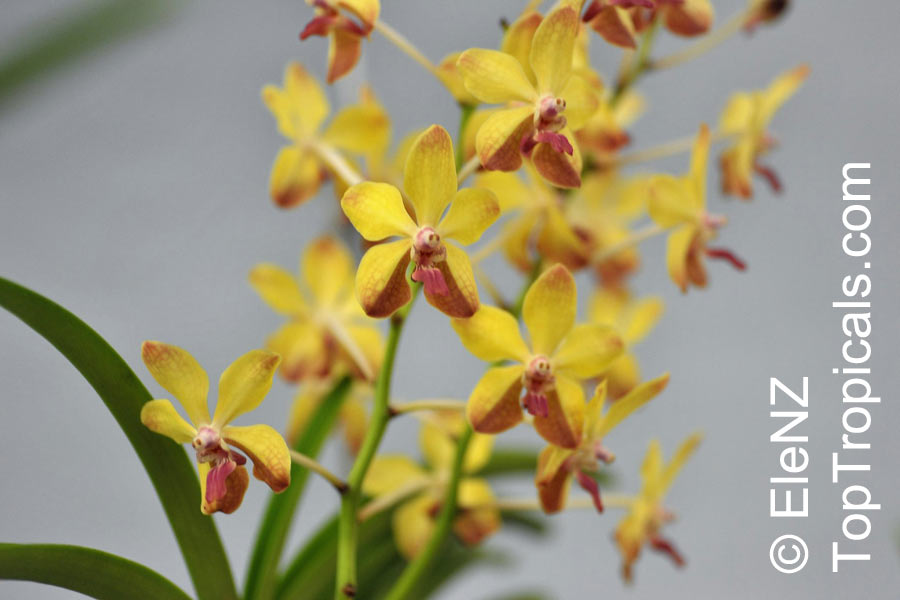
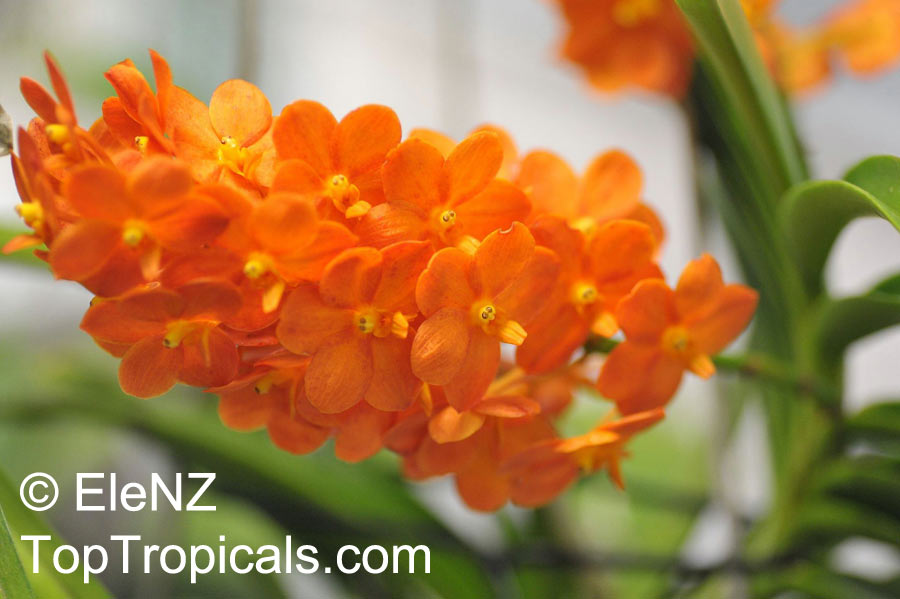
Botanical name: Vanda sp.
Common name: Vanda Orchid
Family: Orchidaceae
USDA Zone: 10-11
Cold tolerance: 35°F


Vandas have about 50 species, from which the many hybrids are derived from the tropics Asia and the orient as far down as Australia, they require warm growing conditions with plenty of bright light. Normally they grow best suspended in wooden baskets. They need lots of light, but will still burn when the sun reaches them through glass, so some shading is necessary, the correct level of shading has been reached when on a sunny day, your hand will cast a shadow on the plant but without a definate edge. Grow them high up, but dont forget to give them good air circulation.
Vandas like it hot, minimum night temps may fall to 55 deg. as long as the plant is thoroughly dry by nightfall and daytime temperatures in the 80s is quite ok.
See Orchid page for pictures of different orchids and care info.
Intergeneric hybrids:
Ascocenda (Ascocentrum x Vanda)
Aranda (Arachnis x Vanda)
Mokara (Arachnis x Ascocentrum x Vanda)
Kagawara (Ascocentrum x Renanthera x Vanda)
The Vanda Alliance is made up mostly of warm- and full-sun-growing orchids with colorful flowers. Originating in tropical Asia, they are easily grown in warm climates.








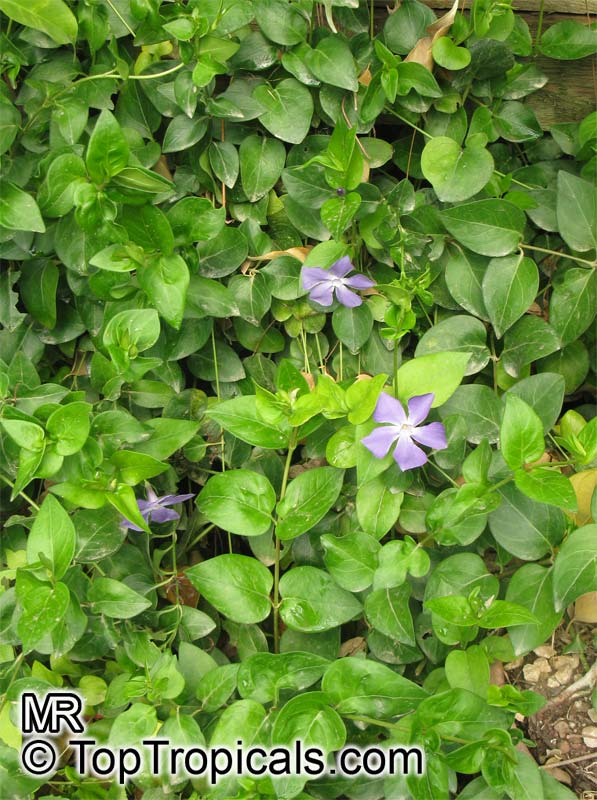
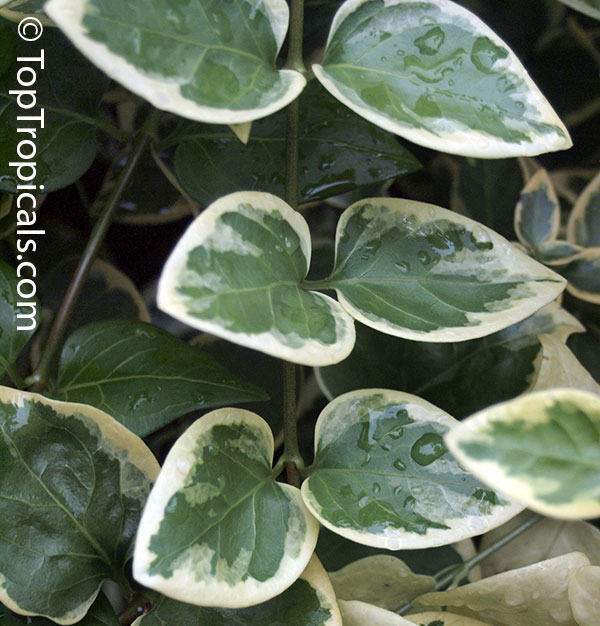
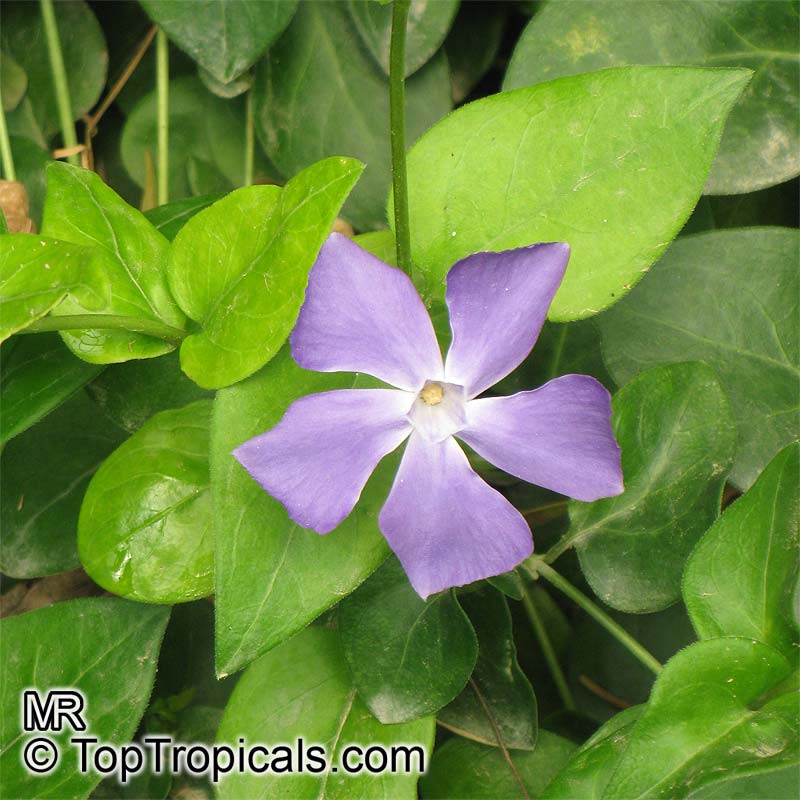
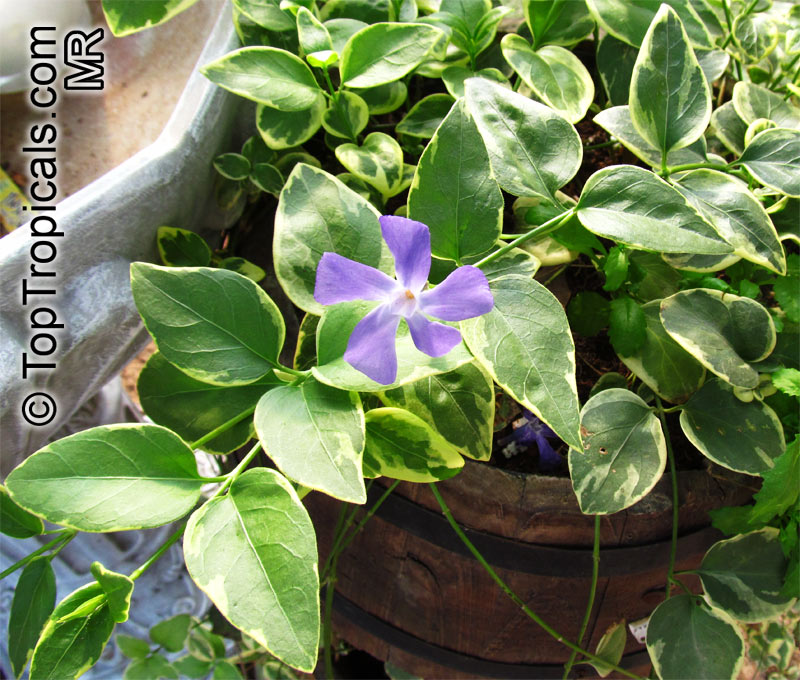
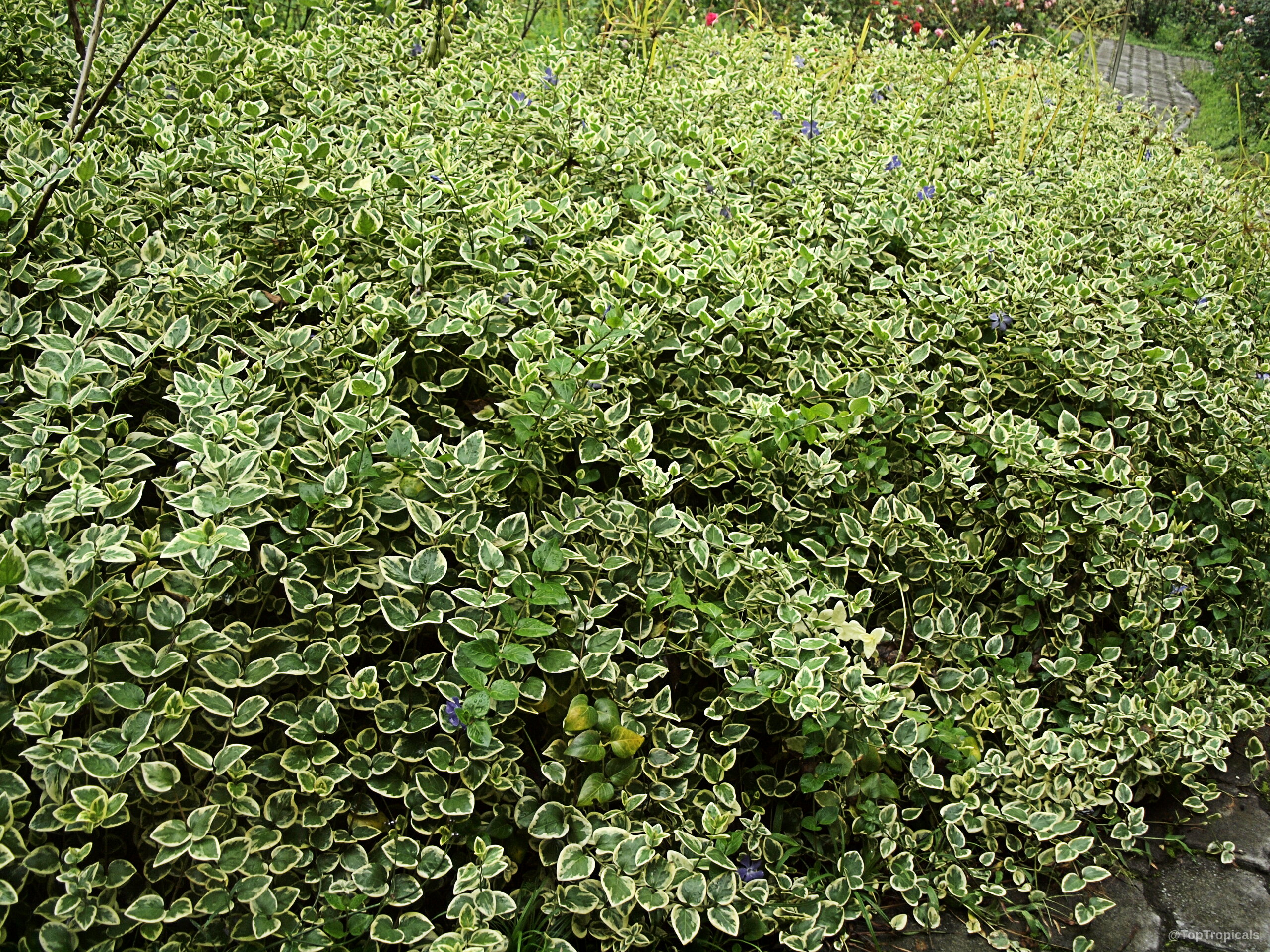
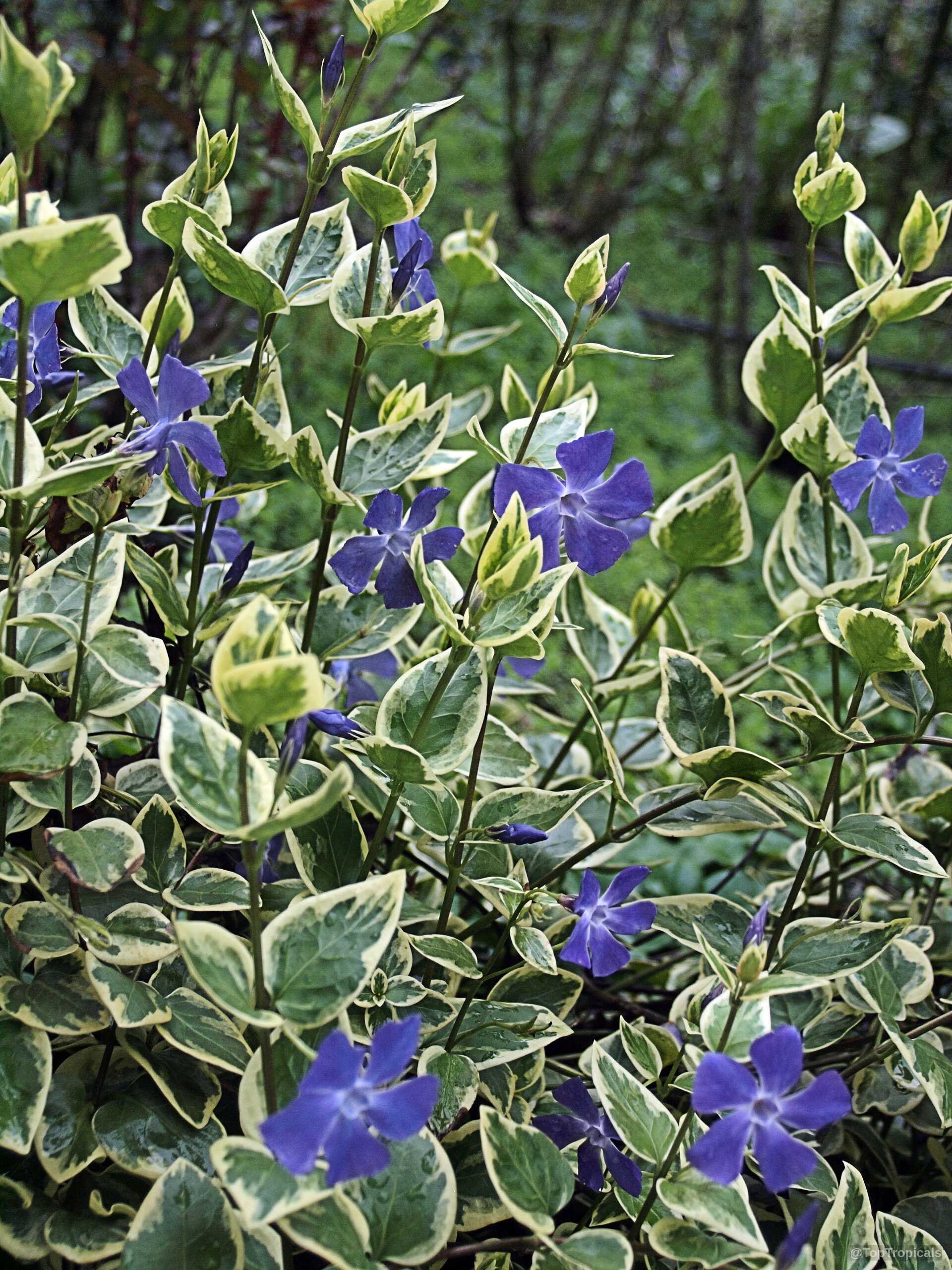
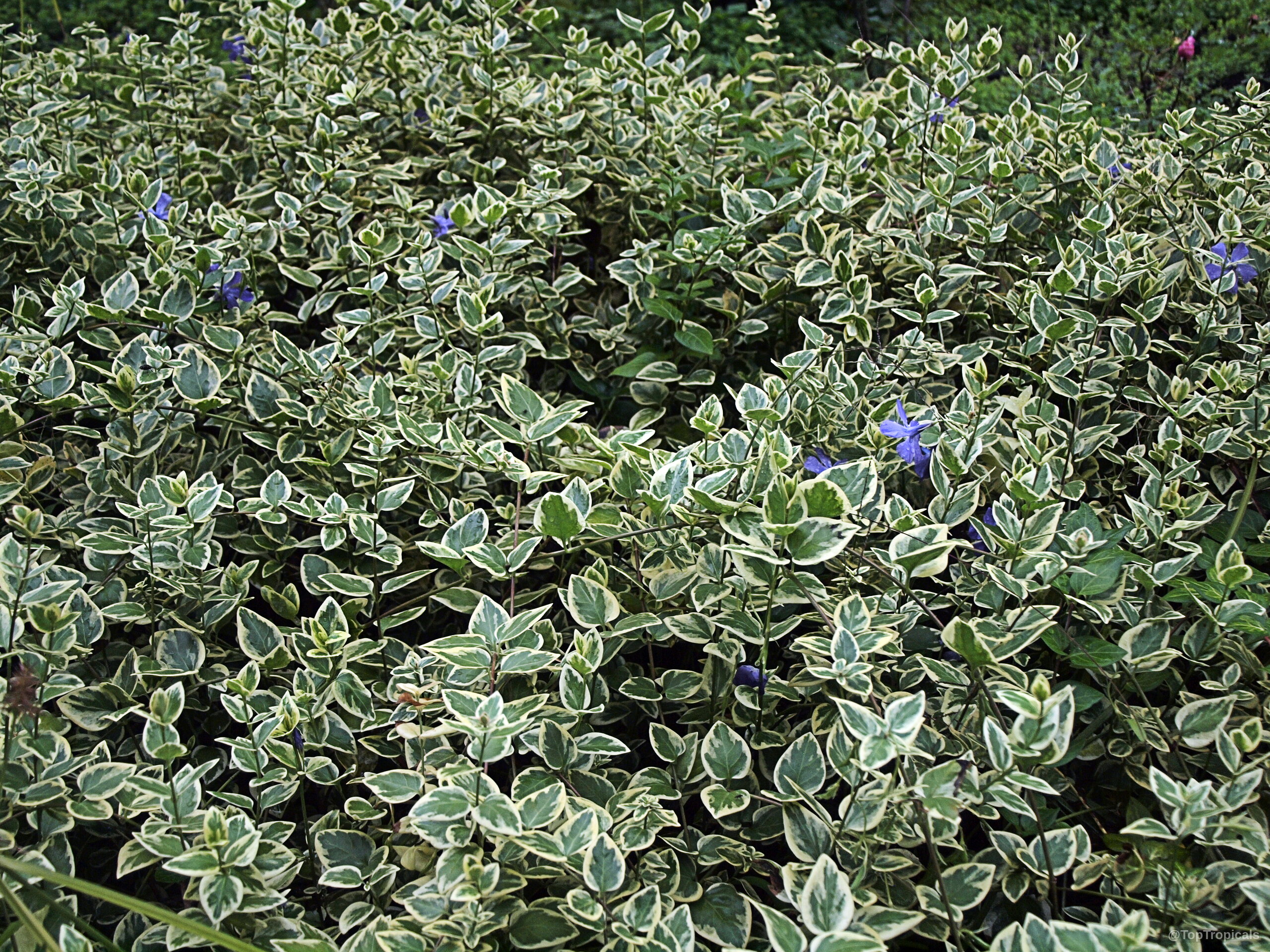
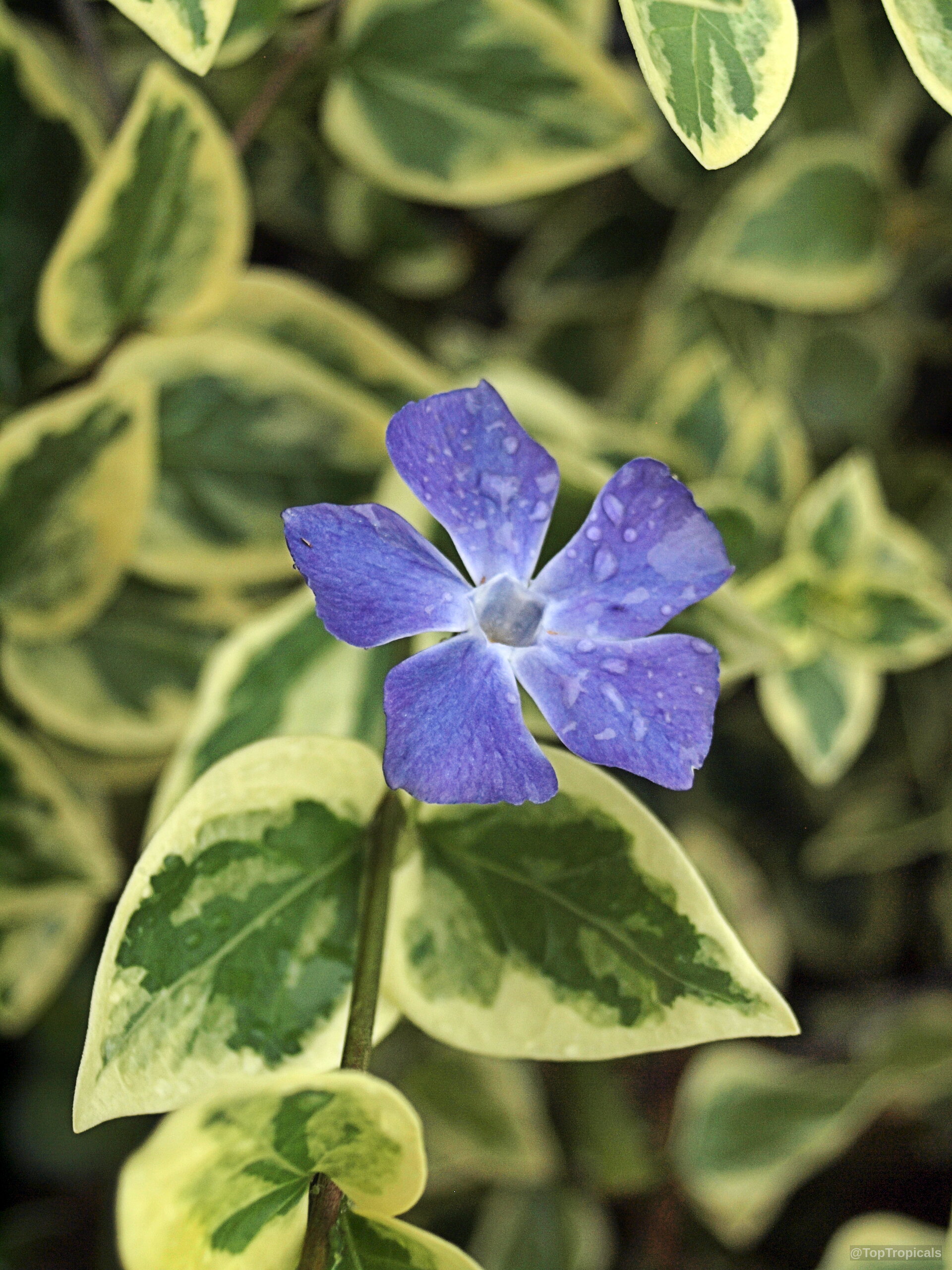
Botanical name: Vinca major
Common names: Bigleaf Periwinkle, Large Periwinkle, Greater Periwinkle, Blue Periwinkle
Family: Apocynaceae
Origin: Mediterranean
USDA Zone: 7-9

It's native to the Mediterranean and is grown in USDA Zones 7-9. This low-growing plant is one of the most popular perennials for the garden; it offers a dark green 'carpet' of foliage and a profusion of star-shaped, lavender, blue and purple flowers. While it is a good groundcover, it can also become invasive, so it needs to be pruned and controlled in order to keep it in its place.
Grow Vinca major in soil that has good drainage, and provide it with regular water. In the summertime, a little extra water can help the plant to survive through the heat. As winter arrives, water needs to be reduced and the soil should be allowed to dry out between waterings. The mature plant is cold hardy, although protection from frost is recommended to keep this plant from damage.
When growing Vinca major in pots, be sure to use a pot that is big enough for the plant root system. Provide plenty of drainage and water regularly, allowing the soil to dry out in between waterings. If you live in a particularly cold region, the plant should be kept in a sheltered environment, or even brought indoors during the winter months.
Overall, Vinca major is a popular and hardy groundcover, which offers a plethora of lavender, blue and purple star shaped flowers and a mass of dark green foliage - as long as it is pruned and controlled. Providing regular water and a little extra protection in cold regions and winter months will keep your plant thriving year-round.



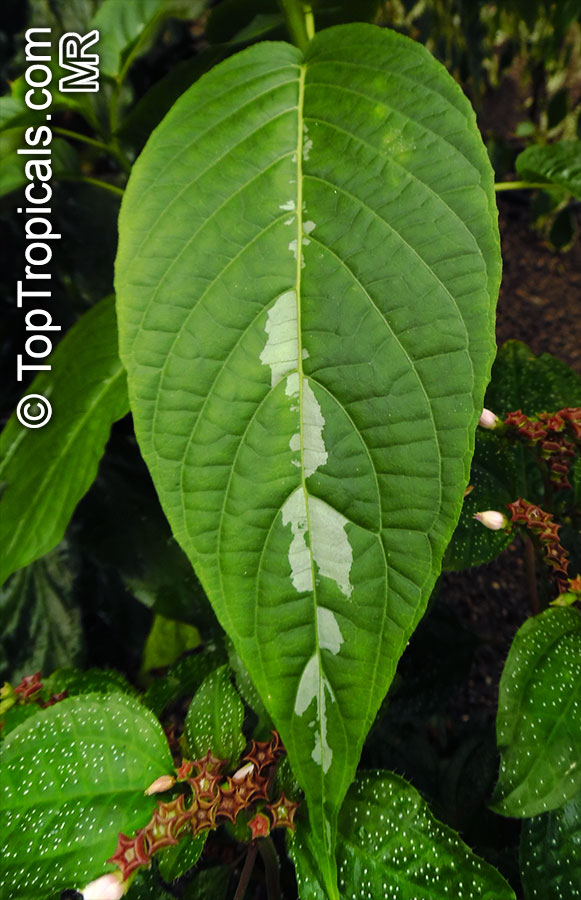
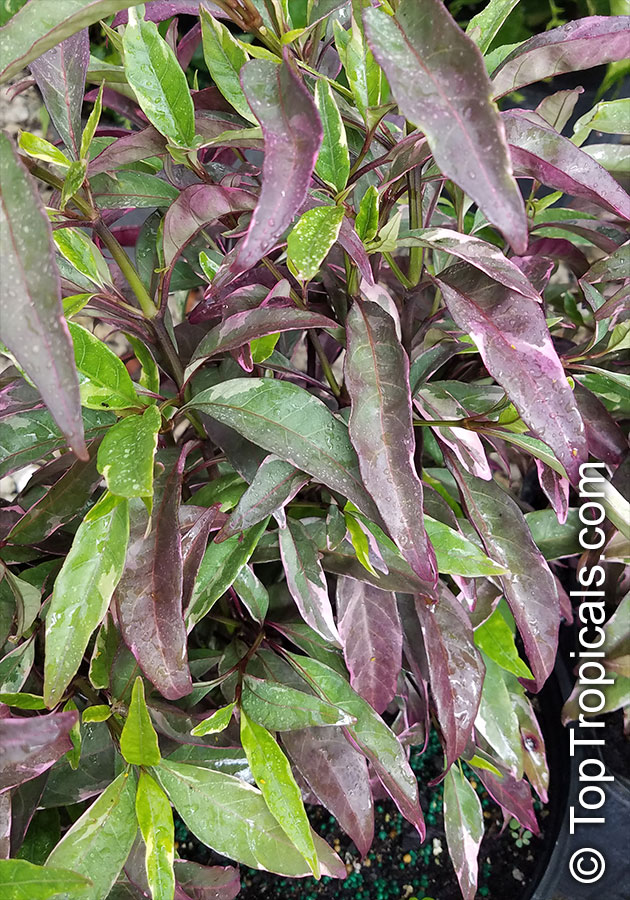
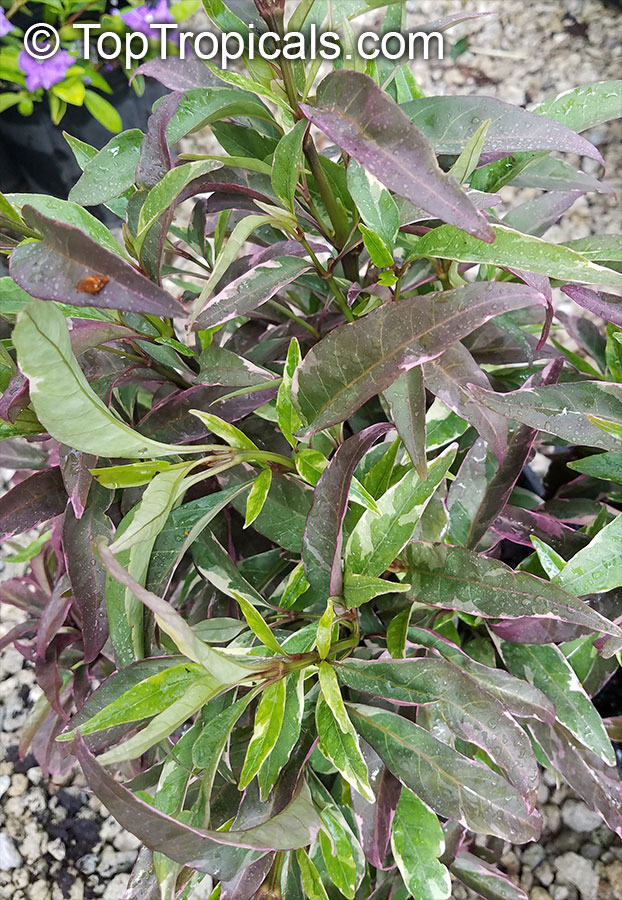
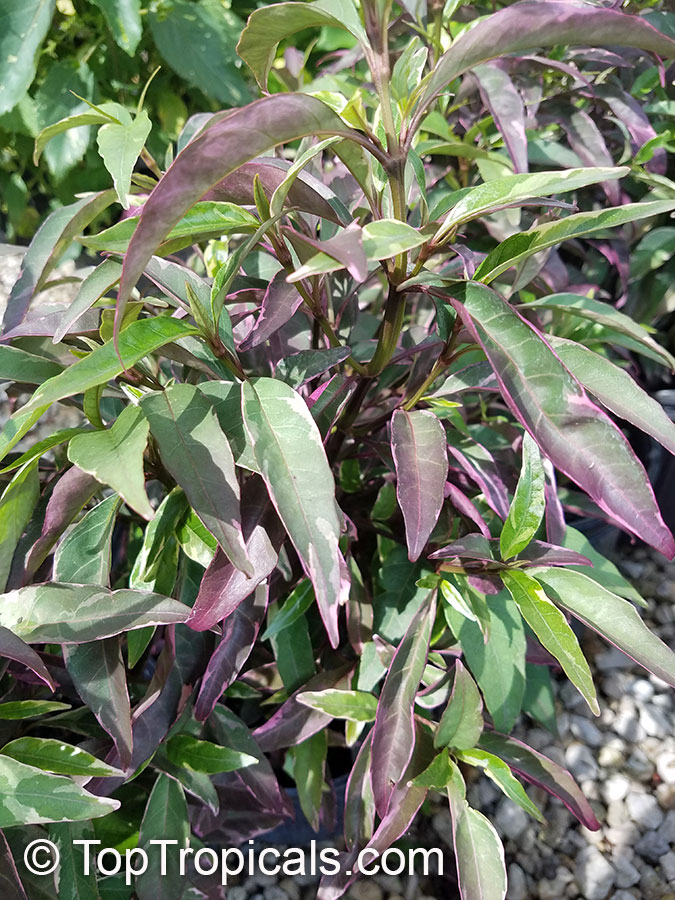
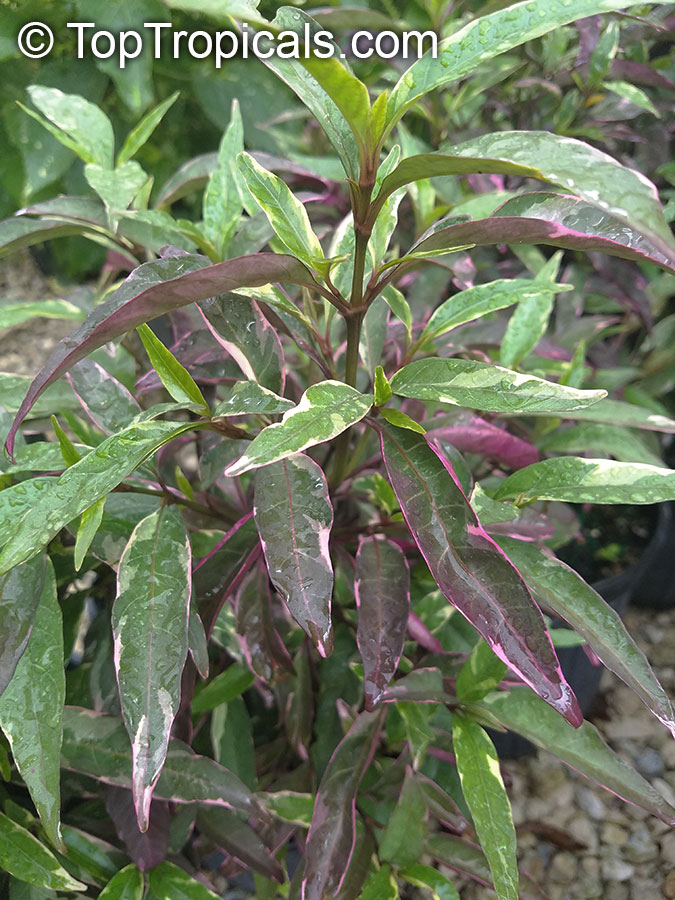
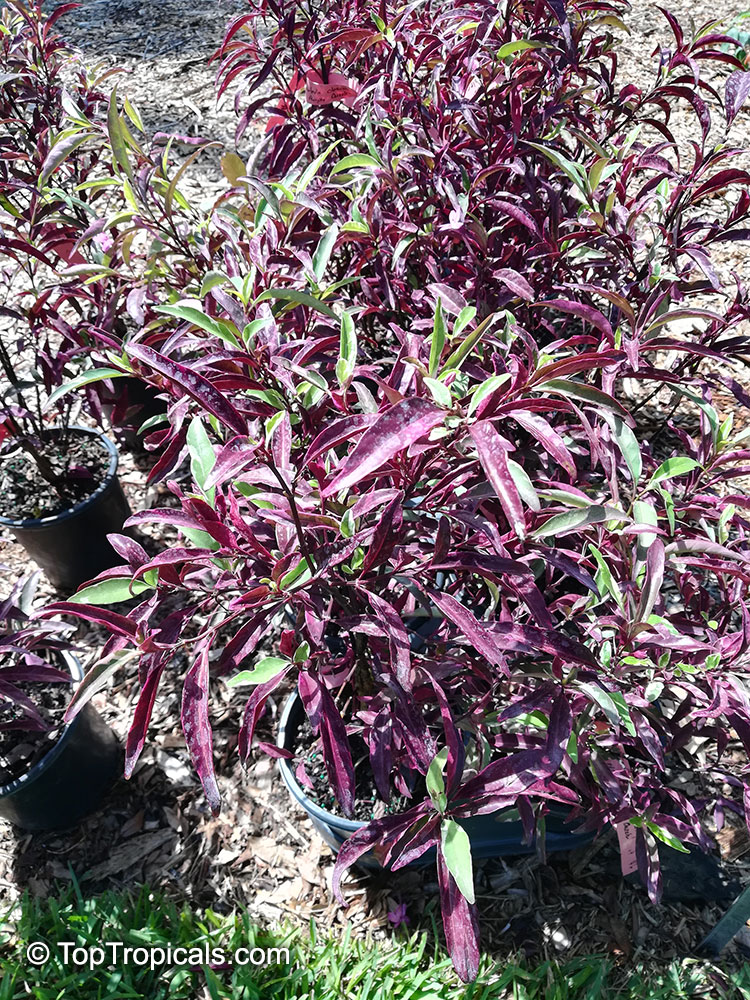
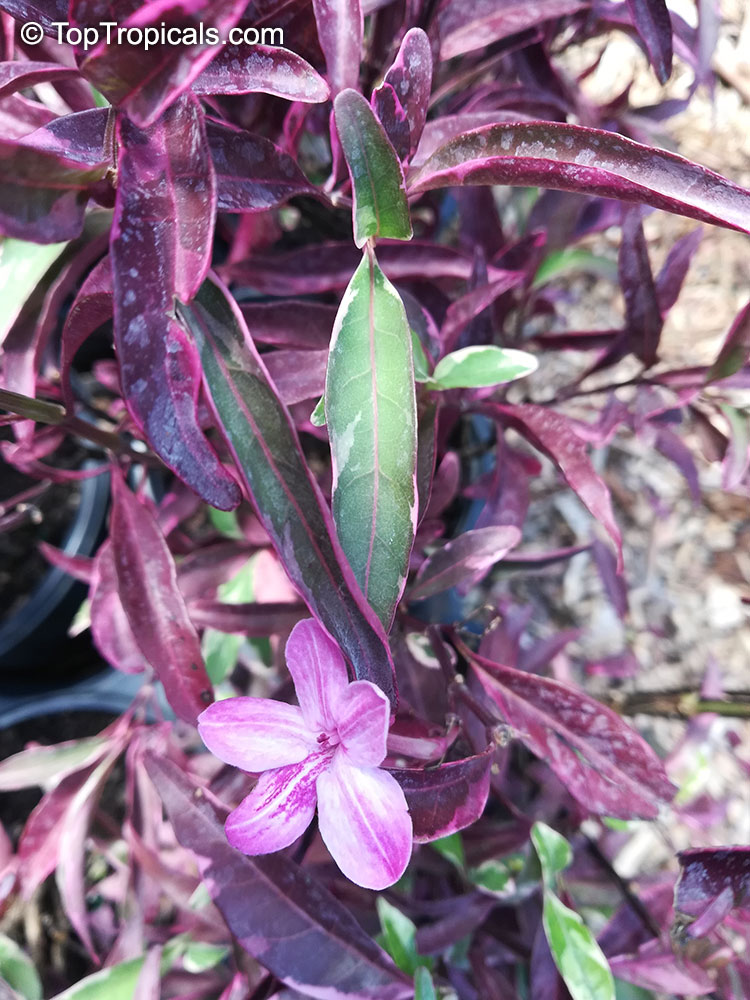
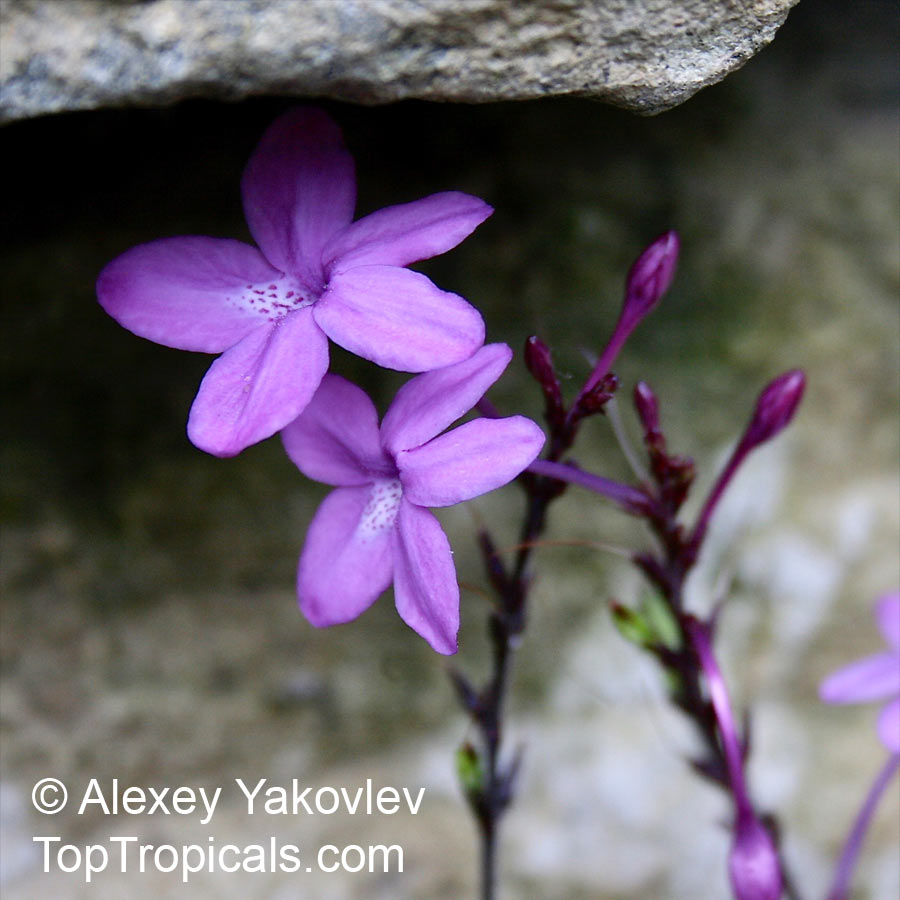
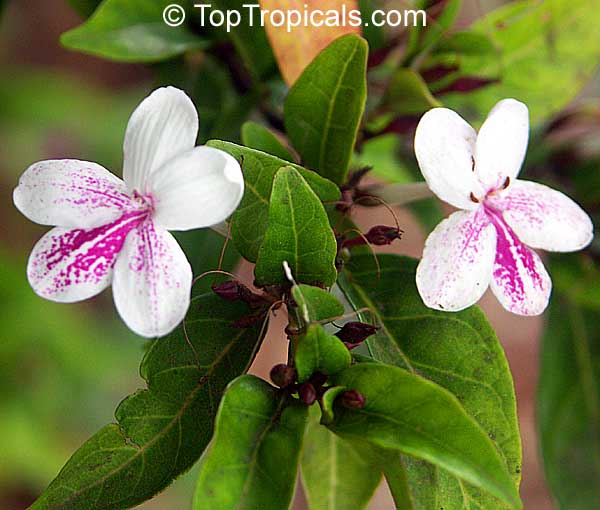
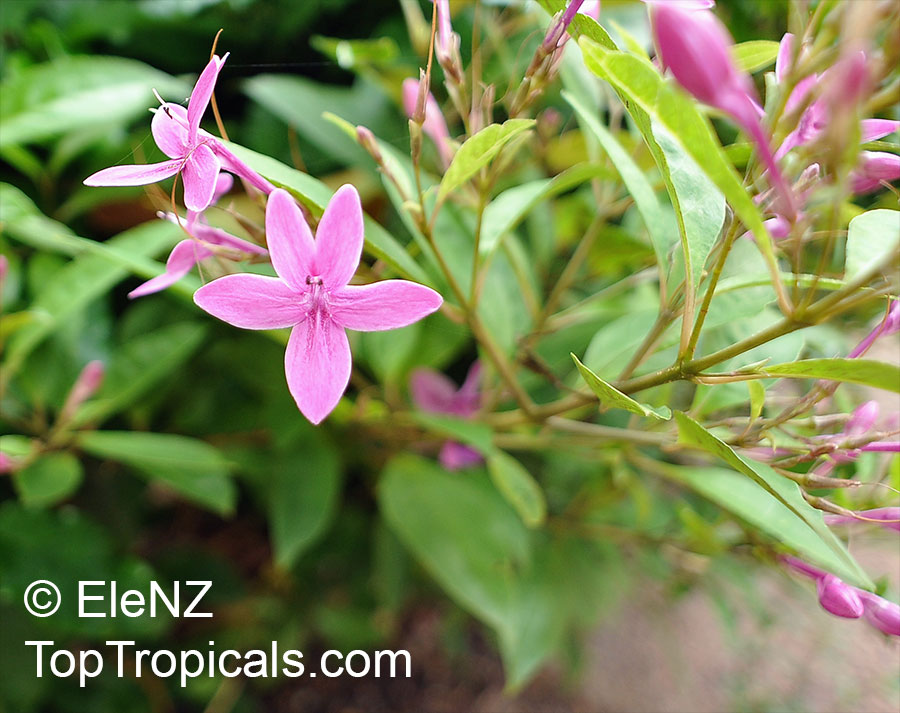
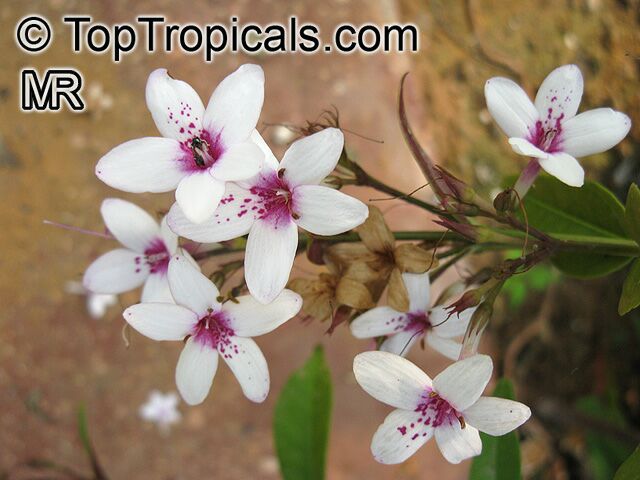
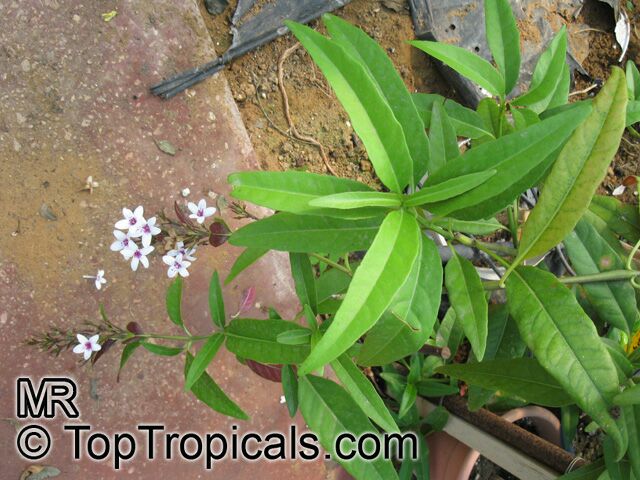
Botanical name: Pseuderanthemum sp.
Common name: Shooting Star
Family: Acanthaceae
USDA Zone: 9-10
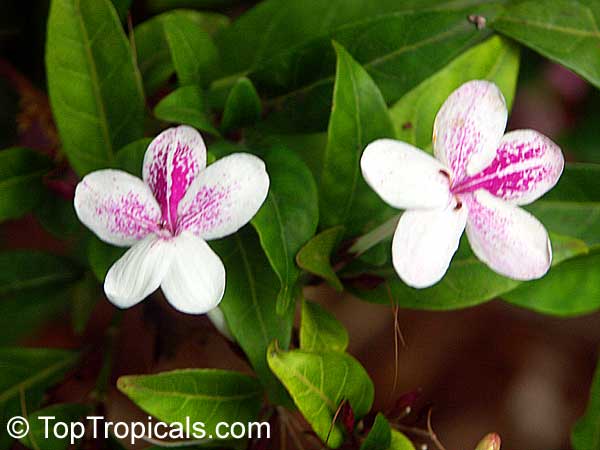
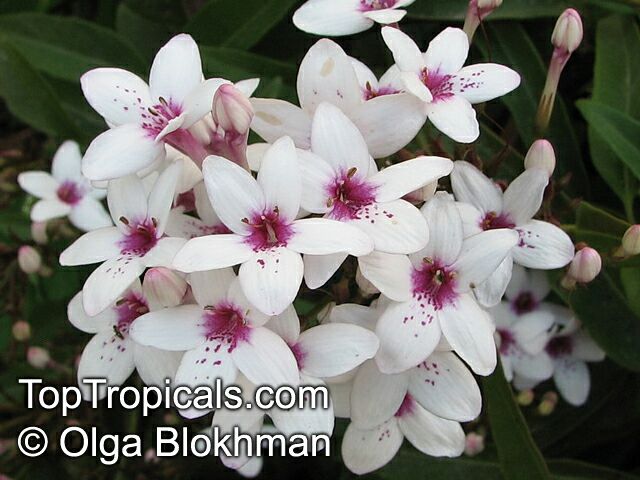
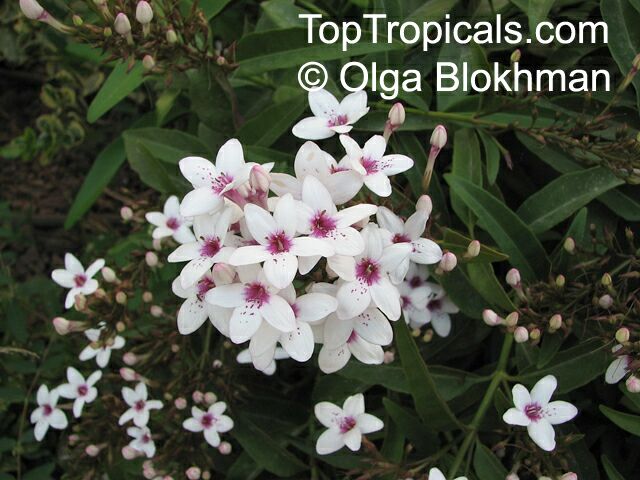
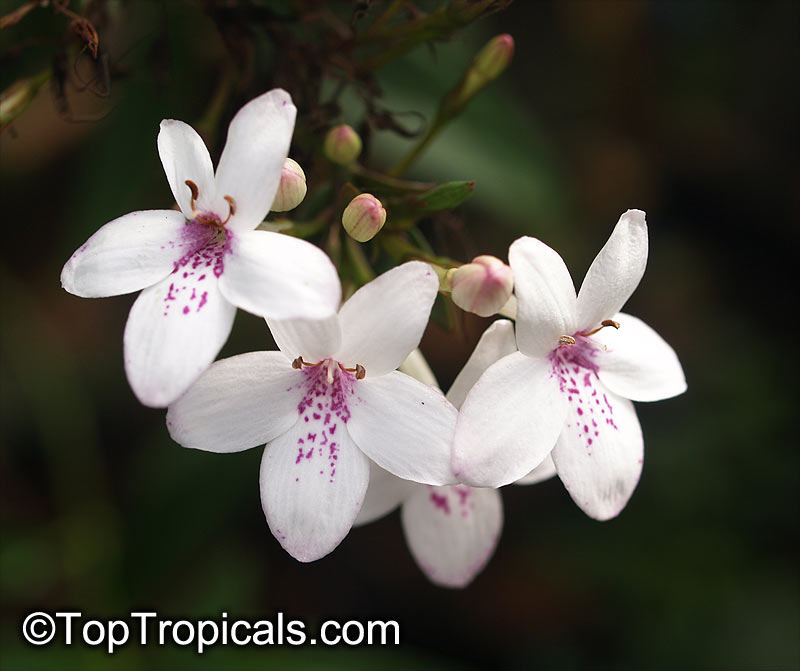
It has small purple-red-spotted white flowers.
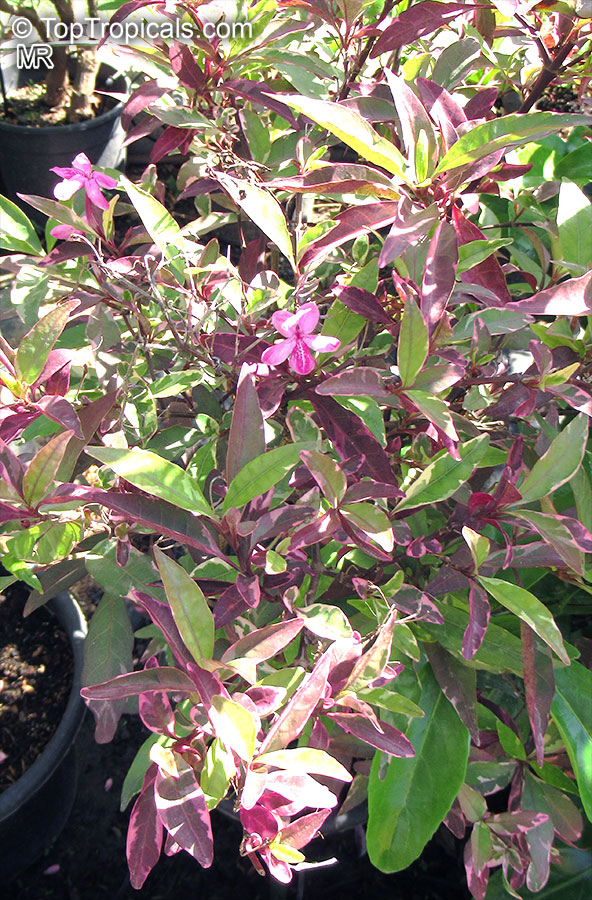
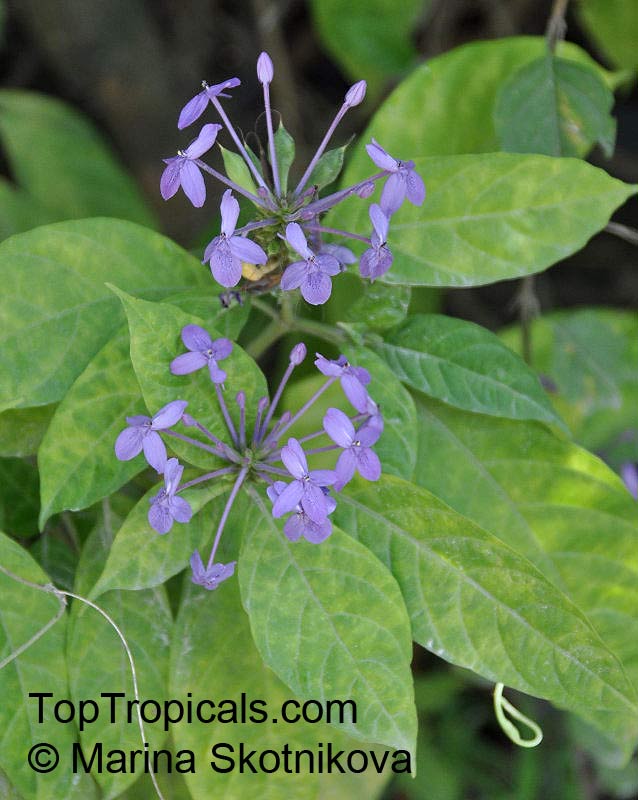
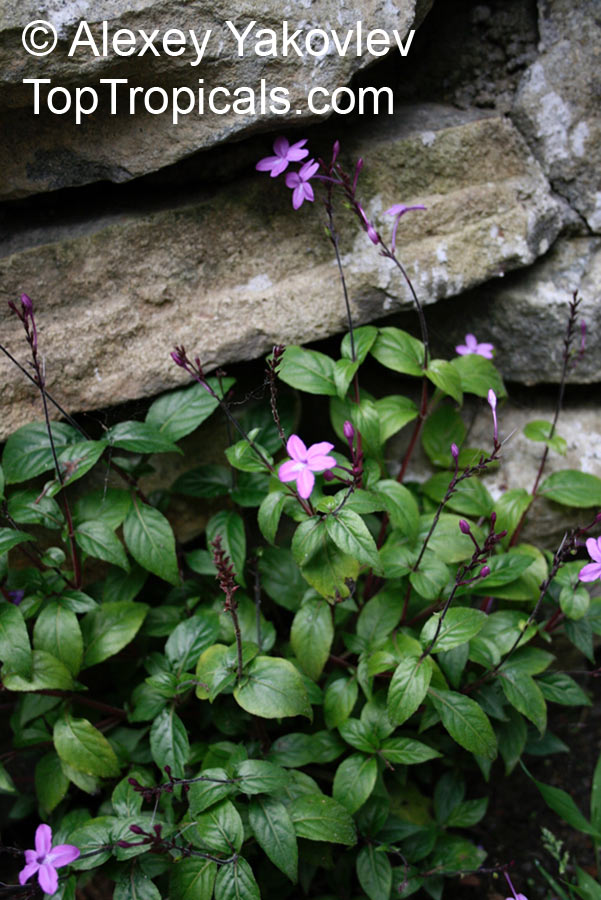
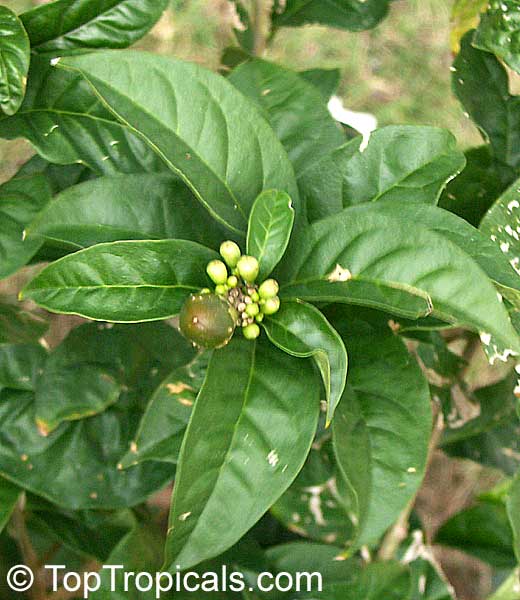
Botanical name: Brunfelsia mire
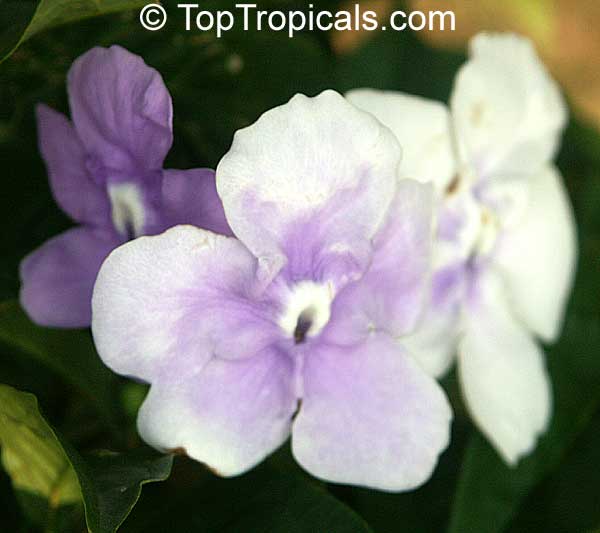
Common name: Brunfelsia
Family: Solanaceae
Origin: Peru
USDA Zone: 9-10

The genus Brunfelsia belongs to the alkaloid-rich family Solanaceae and usually is placed in the relatively advanced tribe Salpiglossideae. Brunfelsia is a medium-sized genus of about 42 species of small trees and shrubs: 22 species are confined to the West Indies; 20 species are found in tropical South America. B. Mire and the related B. hydrangeiformis cause paralysis and stimulation of the
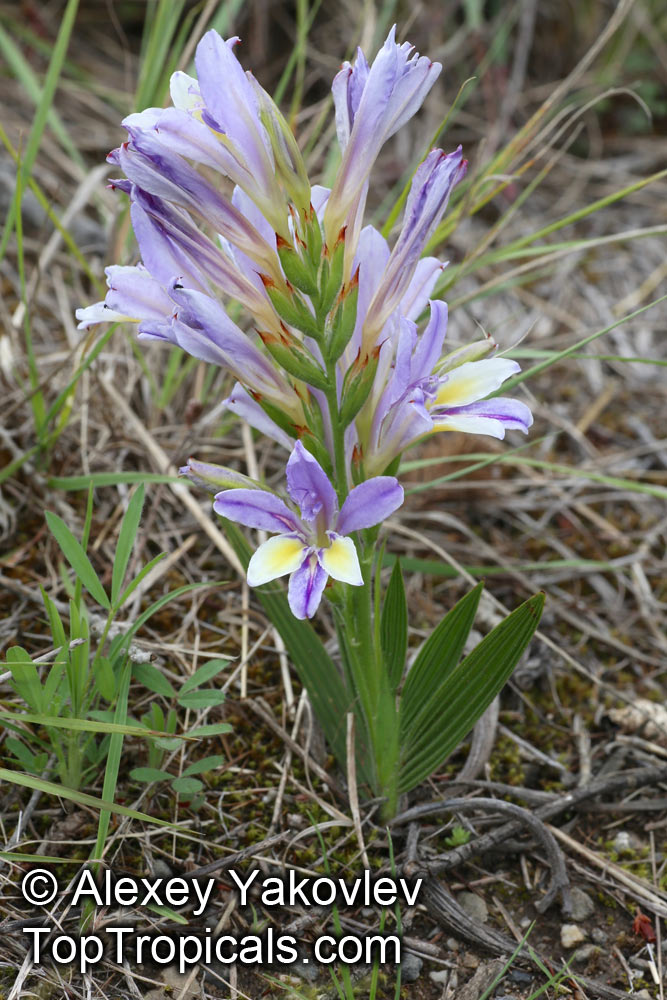
Botanical name: Babiana sp.
Common name: Babiana
Family: Iridaceae
Subfamily: Ixioideae
Origin: South Africa
USDA Zone: 9-10

All Babianas are deciduous, either winter or summer growing. Most are winter growing. Like most other winter growing (or Mediterranean climate) irids, they start their growth cycle in autumn when the first rains fall.
The flowers are long lasting and brightly colored, and many are scented as a bonus.
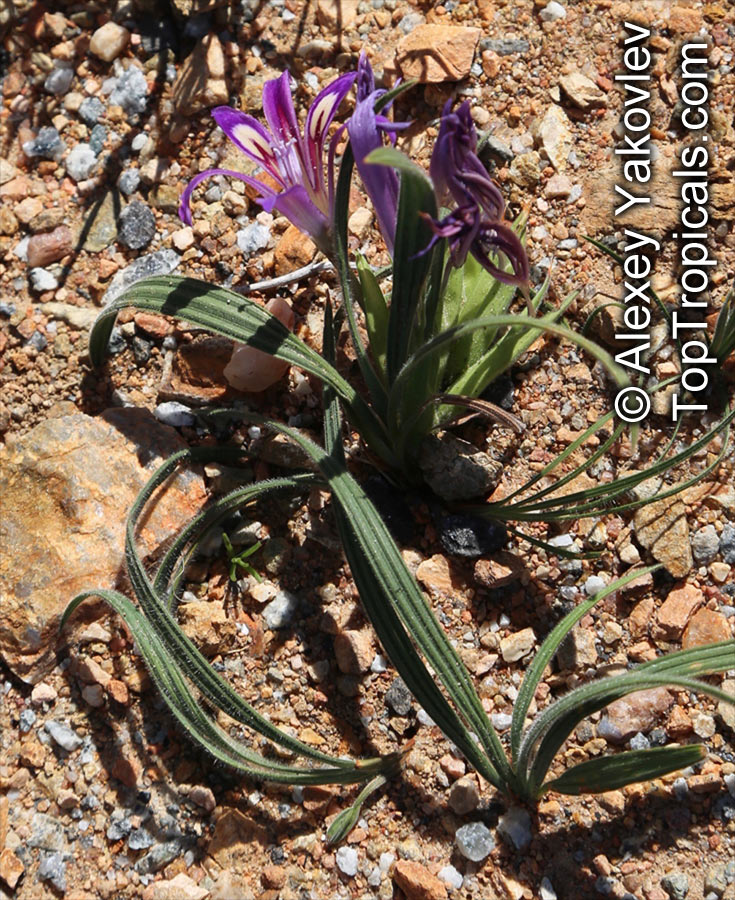
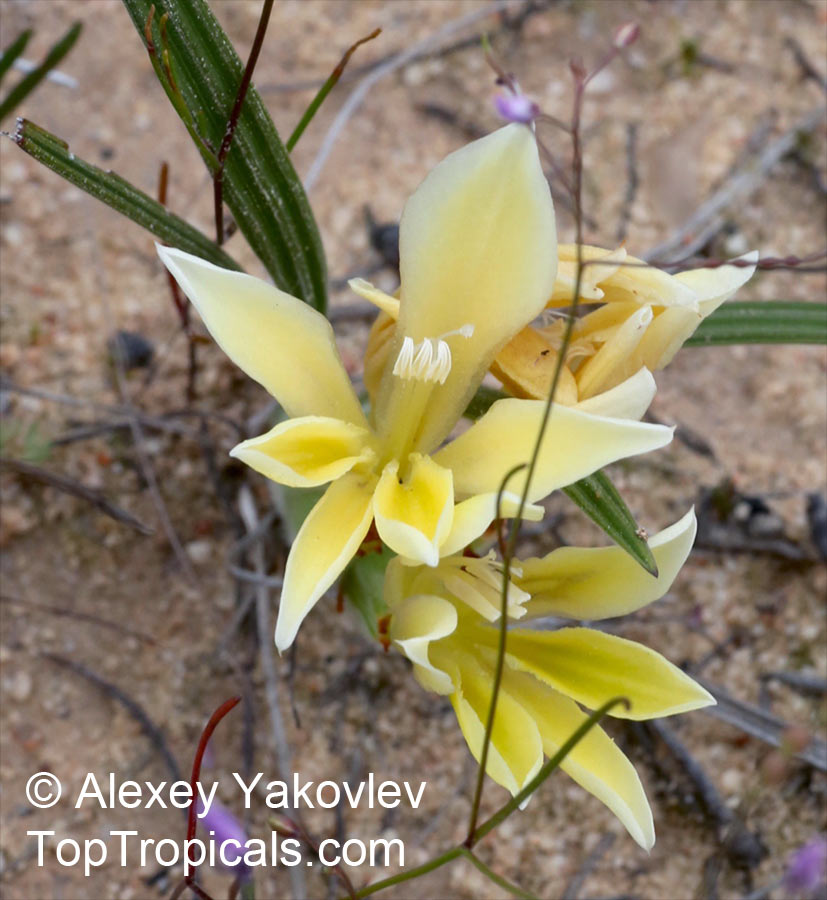
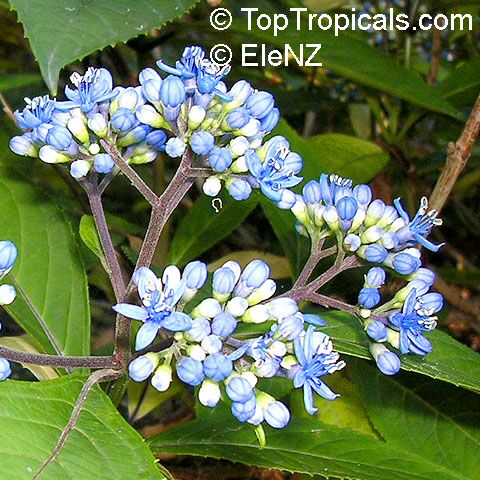
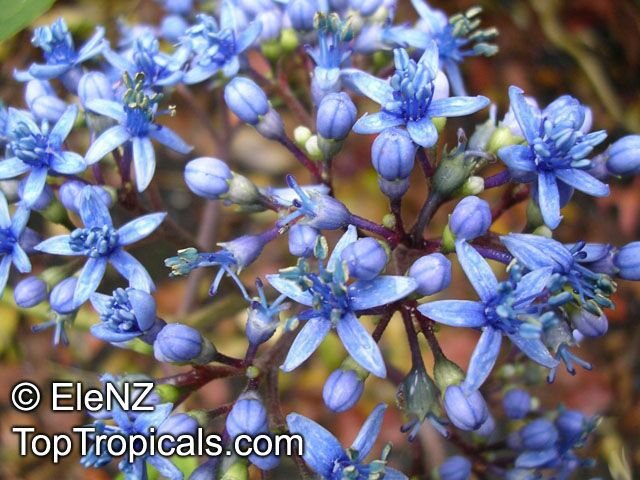
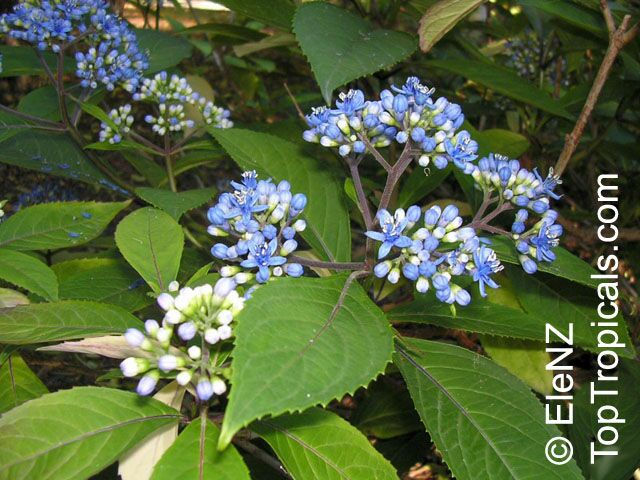
Botanical name: Dichroa versicolor
Common name: Dichroa
Family: Hydrangeaceae
Origin: South East Asia
USDA Zone: 9-10

Like Dichroa febrifuga it blooms in broad domes of small fertile flowers of deep blue. What immediately distinguishes it are the nearly black stems on all new growth. This shrub is dense, upright and robust, reaching over six feet. Evergreen and rather tender, it will thrive in most parts of Zones 8-10, but shoud be given a sheltered position. Best planted in sun or shade. It's best to prune to around half size after flowering to maintain vigour and flower performance next summer. Tolerant of dry spells, more so than it's sisters, the hydrangeas. Yellowing of foliage though is a sign that it needs more water, and very likely a little general fertilizer.
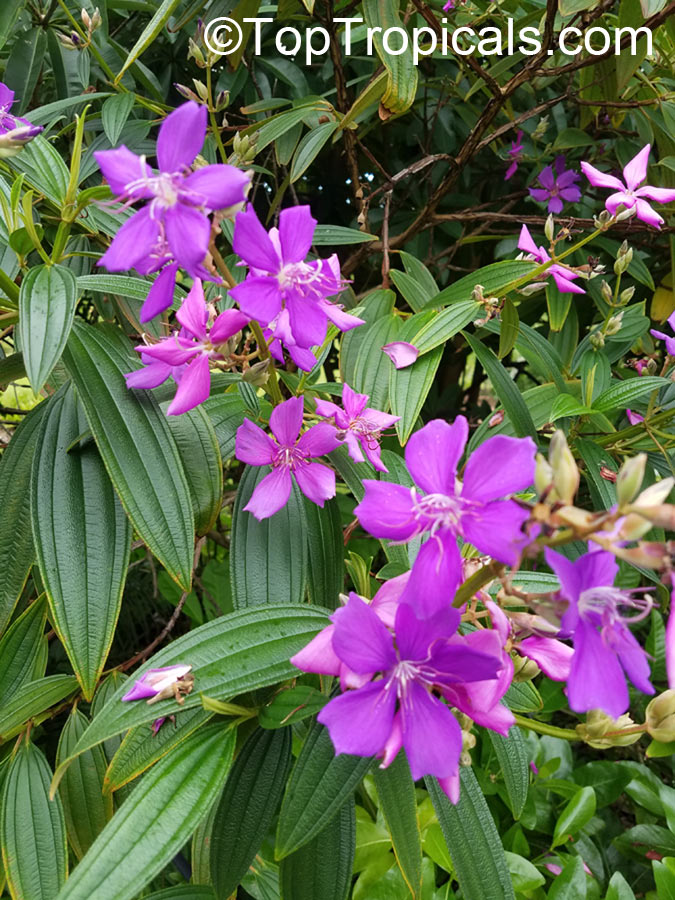
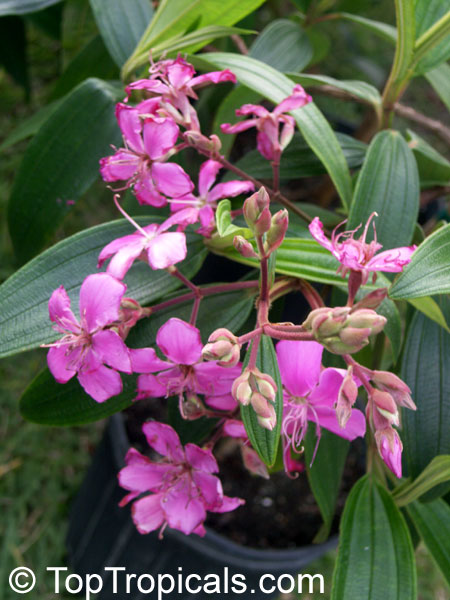
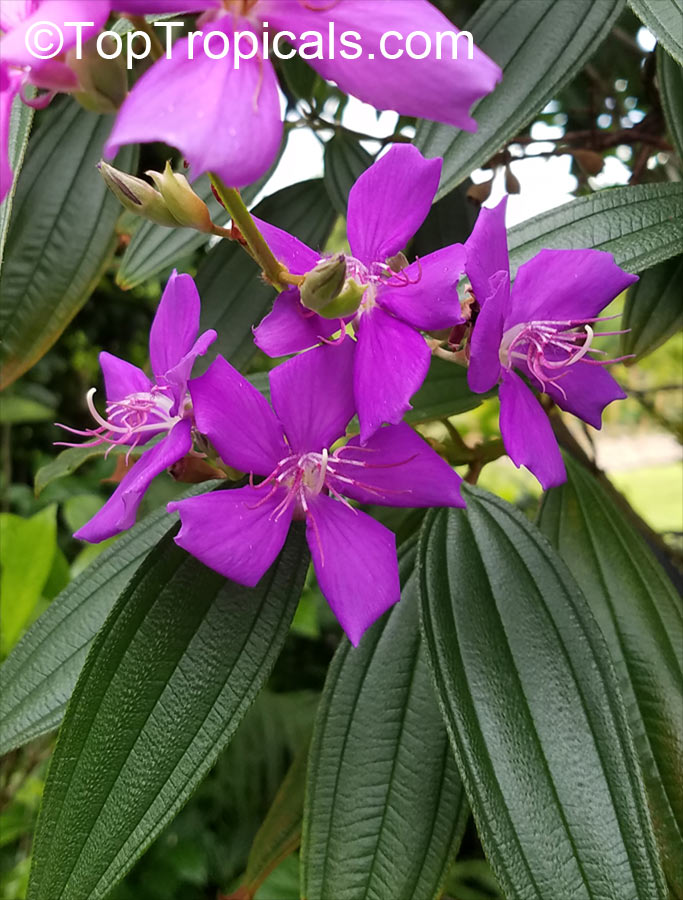
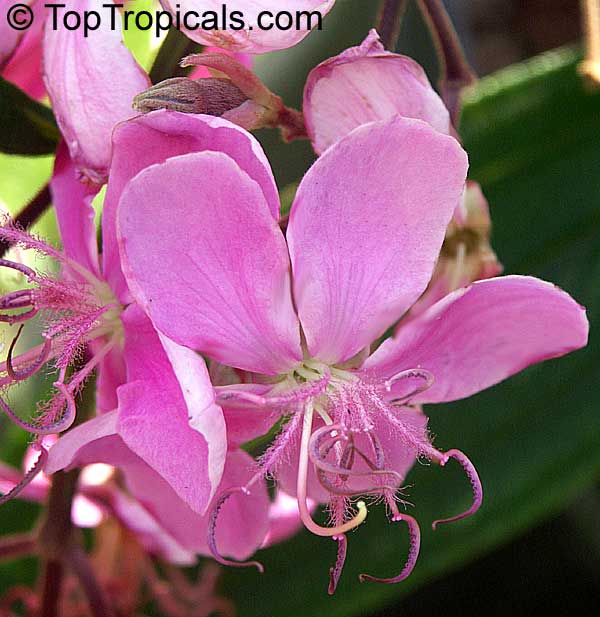
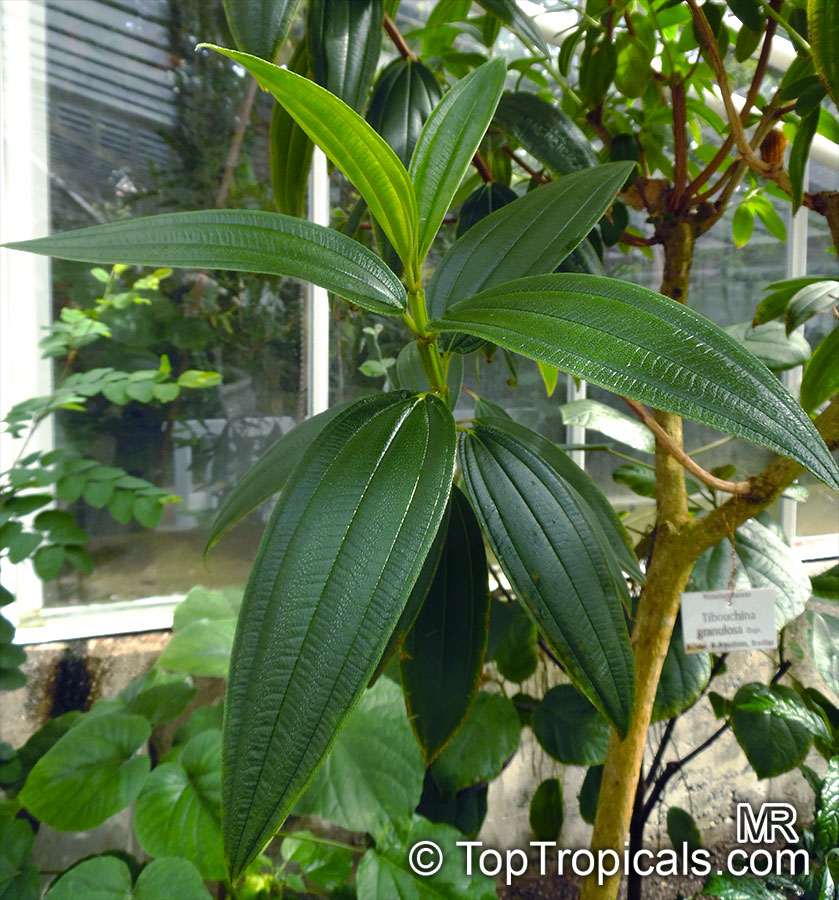
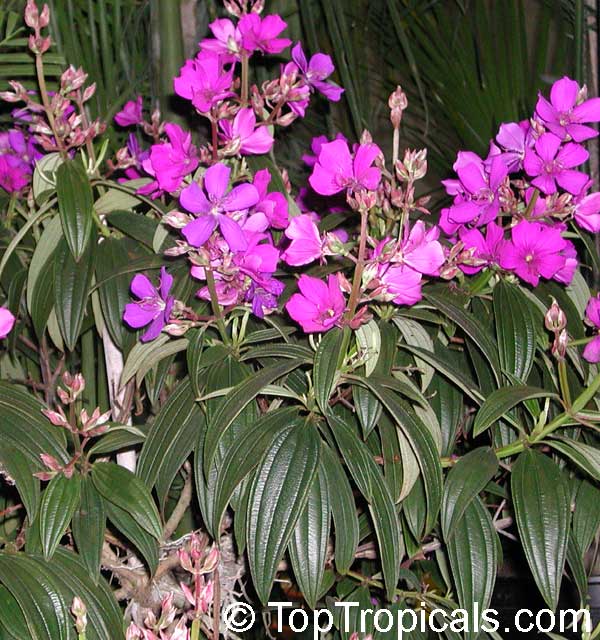
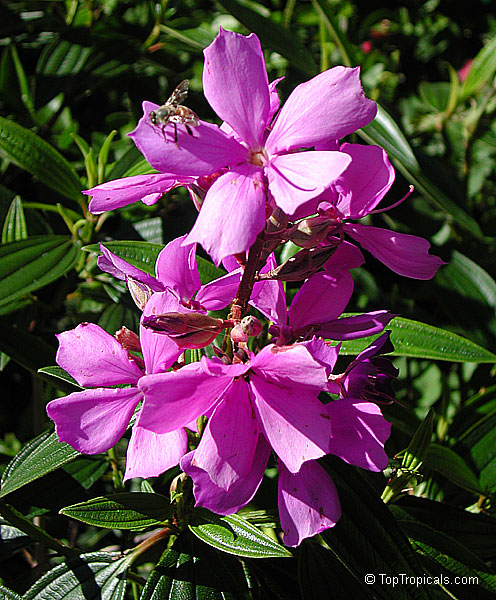
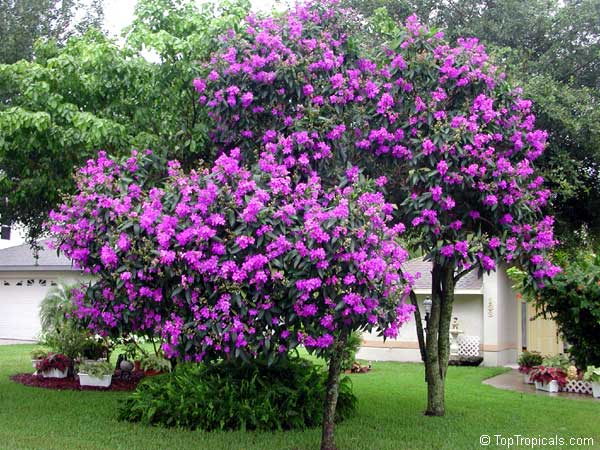
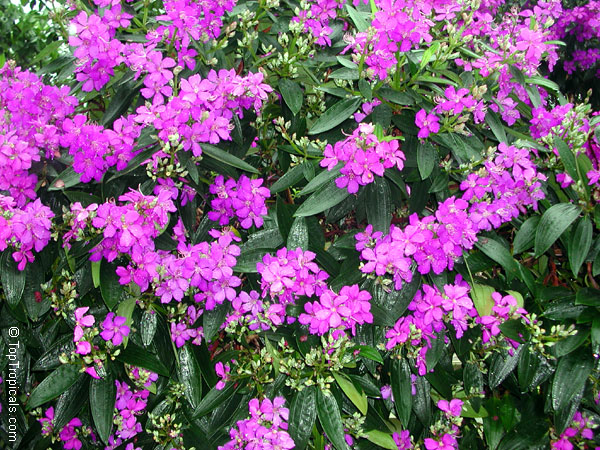
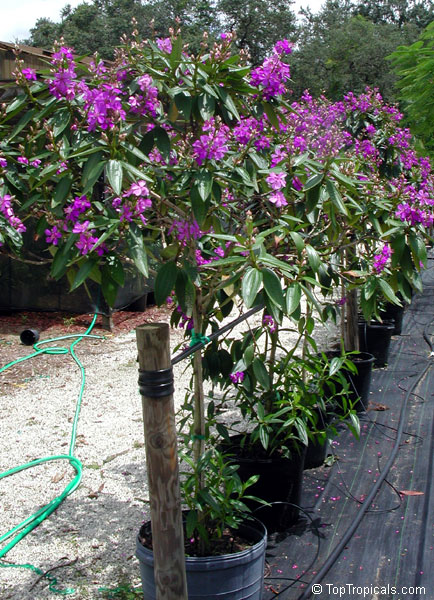
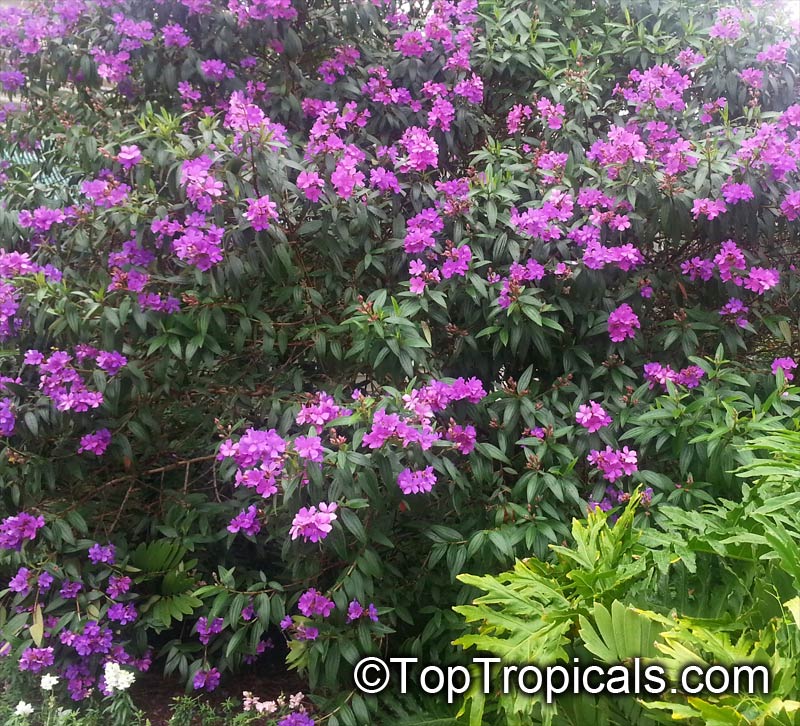
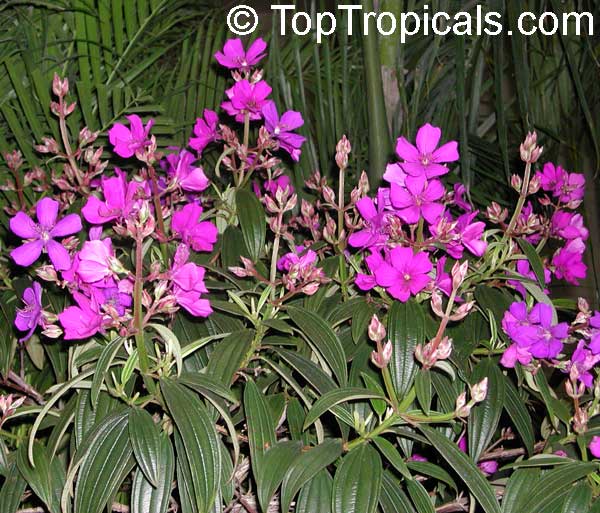
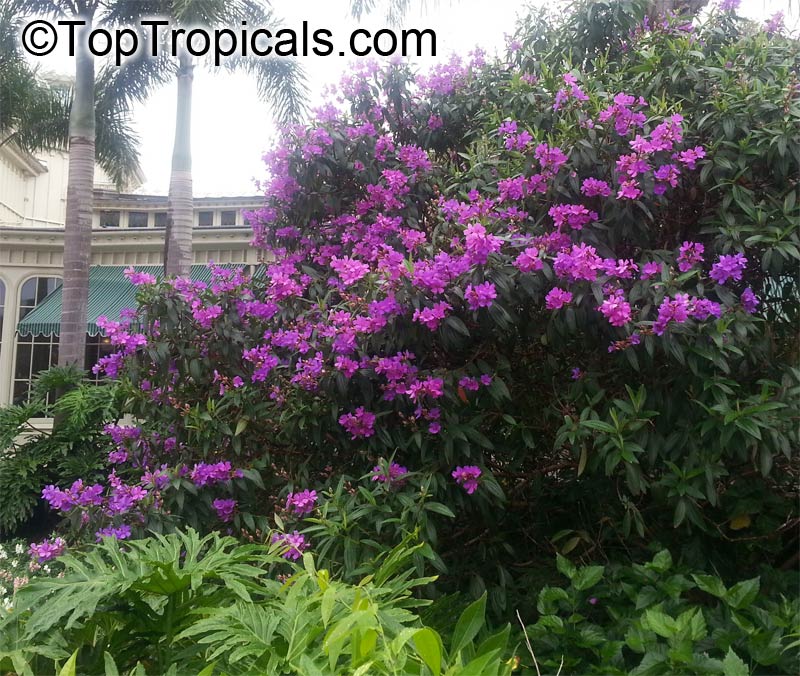
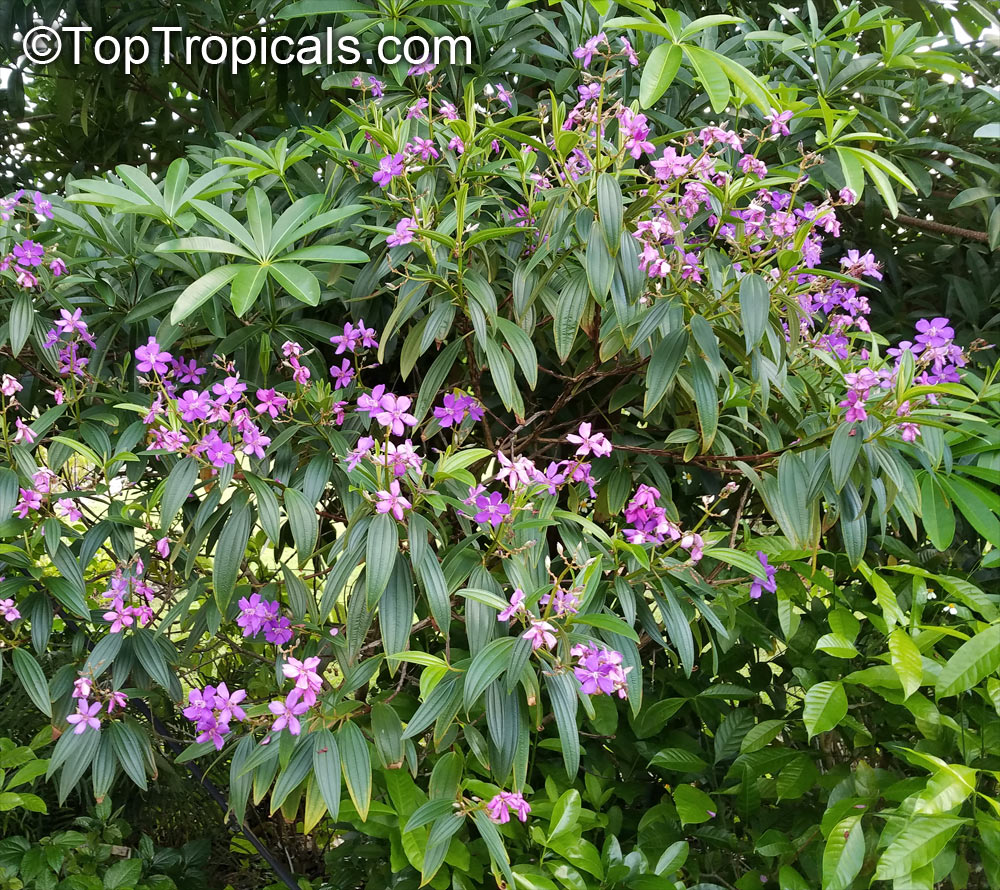
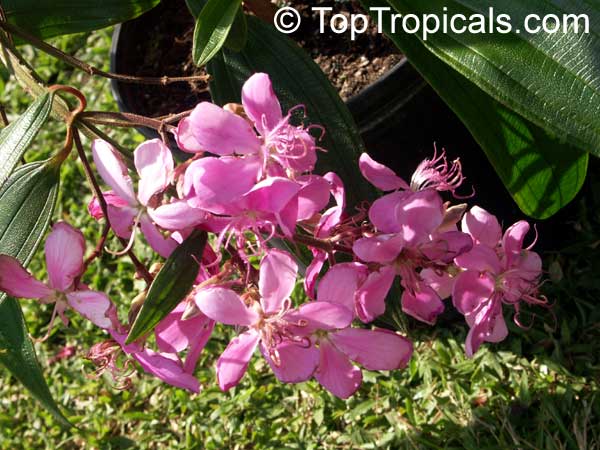
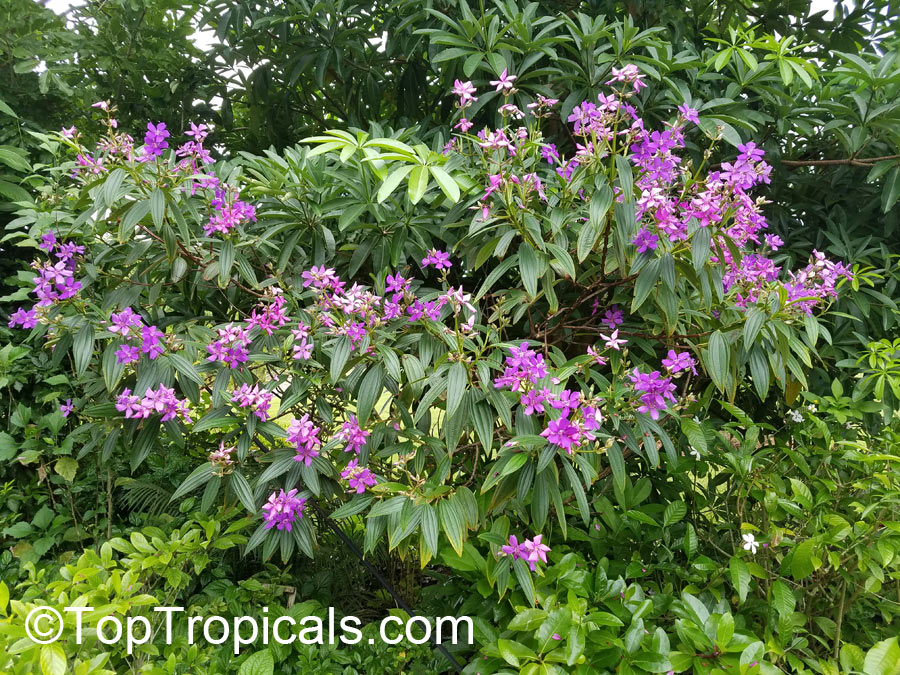
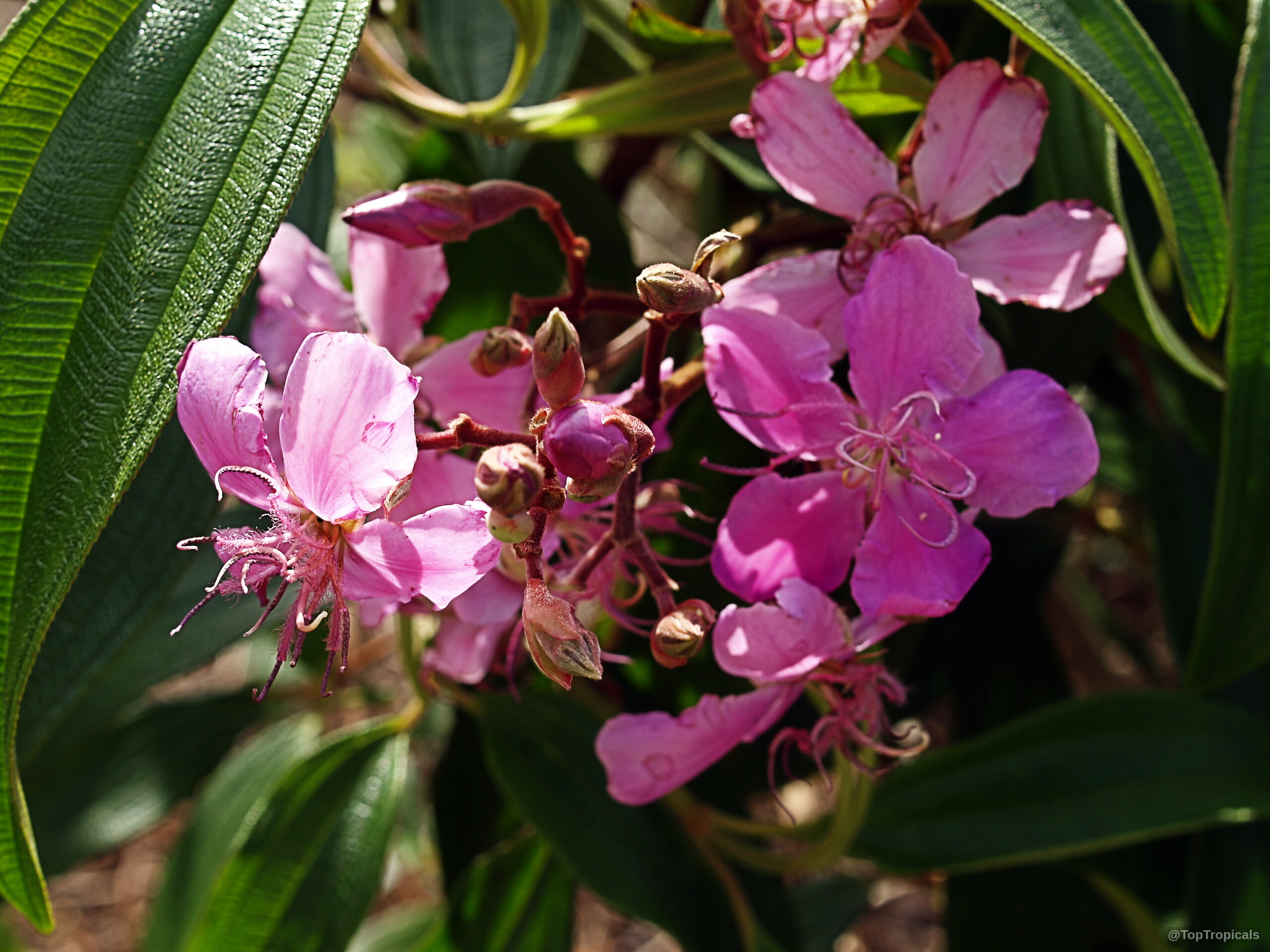
Botanical name: Tibouchina granulosa
Common names: Glory tree, Purple Spray Tree
Family: Melastomataceae
Origin: Western Brazil and Eastern Bolivia
USDA Zone: 9-11

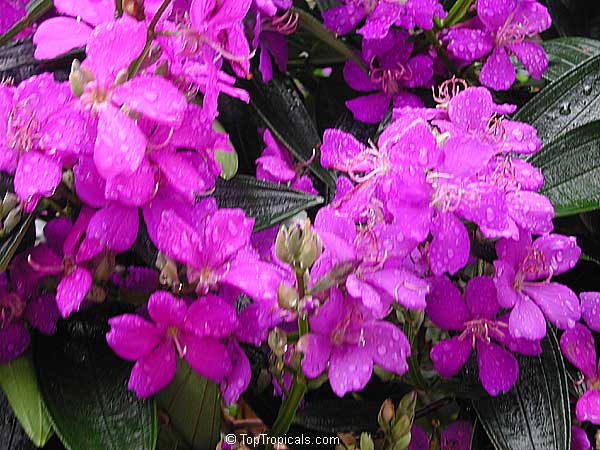
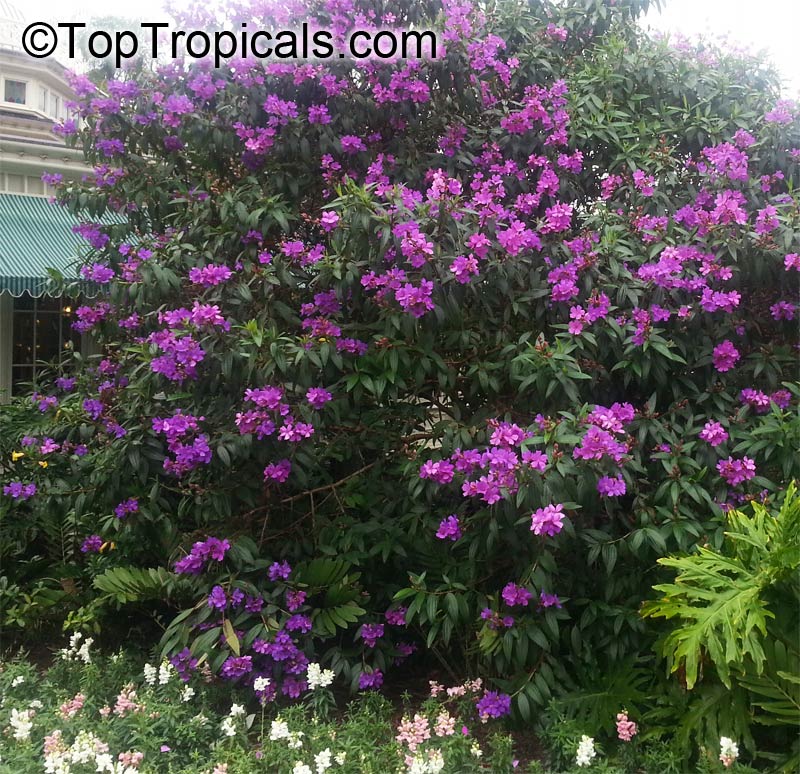
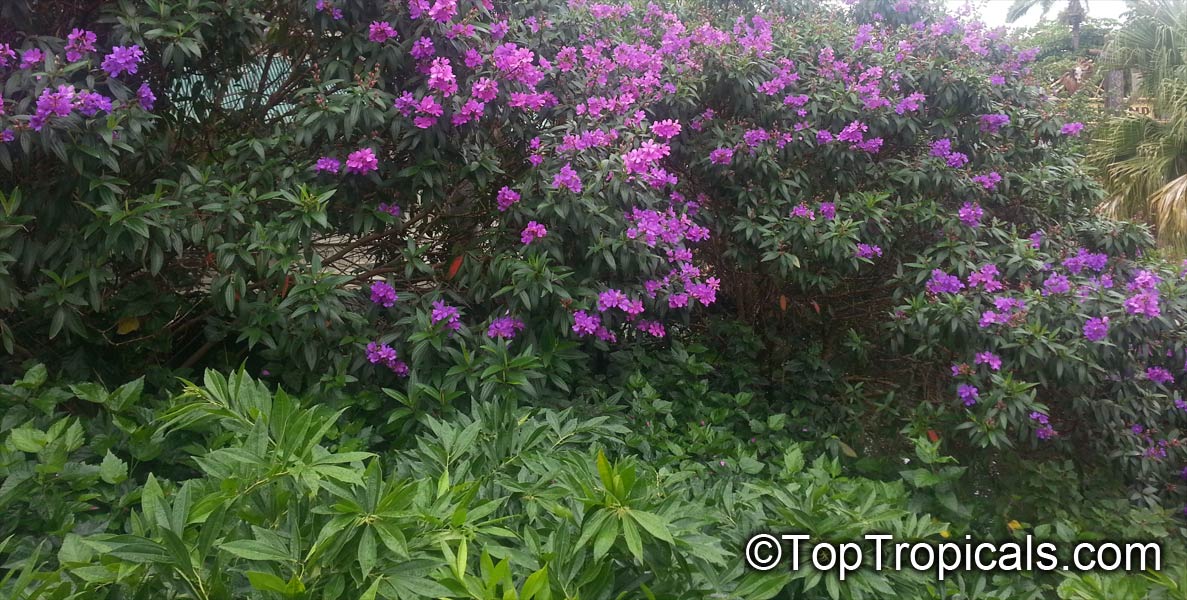
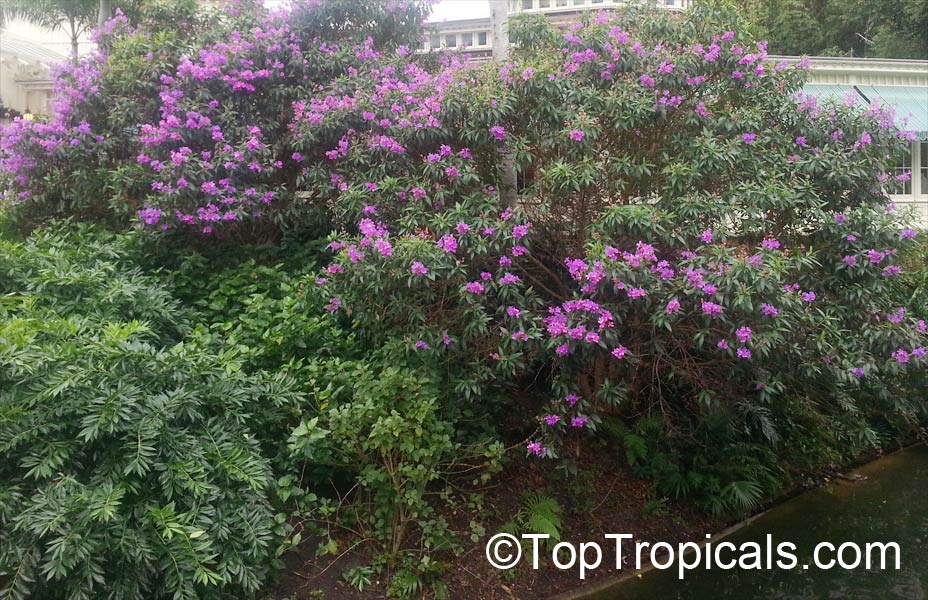
The species name refers to the grainy, gritty texture of the leaves. This wonderful tree grows quickly as much as 40 feet in its native habitat but is usually about half that height in cultivation. Blooms 2-3 times a year, spring to fall. Flowering panicles at branch tips can completely cover the tree with rich, velevet-like blossoms. The stems are four-angled, and the new growth is clothed in a reddish bronze felt. The wonderful 8" long leaves are narrowly elliptic to lanceolate in shape and a dark green in color, pubescent beneath but usually smooth and almost glossy above. The flowers are in erect terminal panicles and each five-petaled 2" wide blossom is a deep rose to violet in color. The varied-shaped stamens of this flower are visited by pollen-collecting bees.
Local pickup only. This item is not available for shipping. Local delivery may be available in Ft. Myers or Sebring, Florida. Contact us for an estimate. Non-pickup orders are subject to restocking fees.
Recommended Fertilizer: SUNSHINE Megaflor - Bloom Nutrition Booster
Local pickup only. This item is not available for shipping. Local delivery may be available in Ft. Myers or Sebring, Florida. Contact us for an estimate. Non-pickup orders are subject to restocking fees.
Recommended Supplies: SUNSHINE Megaflor - Bloom Nutrition Booster
SUNSHINE-Epi - Caudex booster
Adenium Soilless Mix
Local pickup only. This item is not available for shipping. Local delivery may be available in Ft. Myers or Sebring, Florida. Contact us for an estimate. Non-pickup orders are subject to restocking fees.
Recommended Supplies: SUNSHINE Megaflor - Bloom Nutrition Booster
SUNSHINE-Epi - Caudex booster
Adenium Soilless Mix
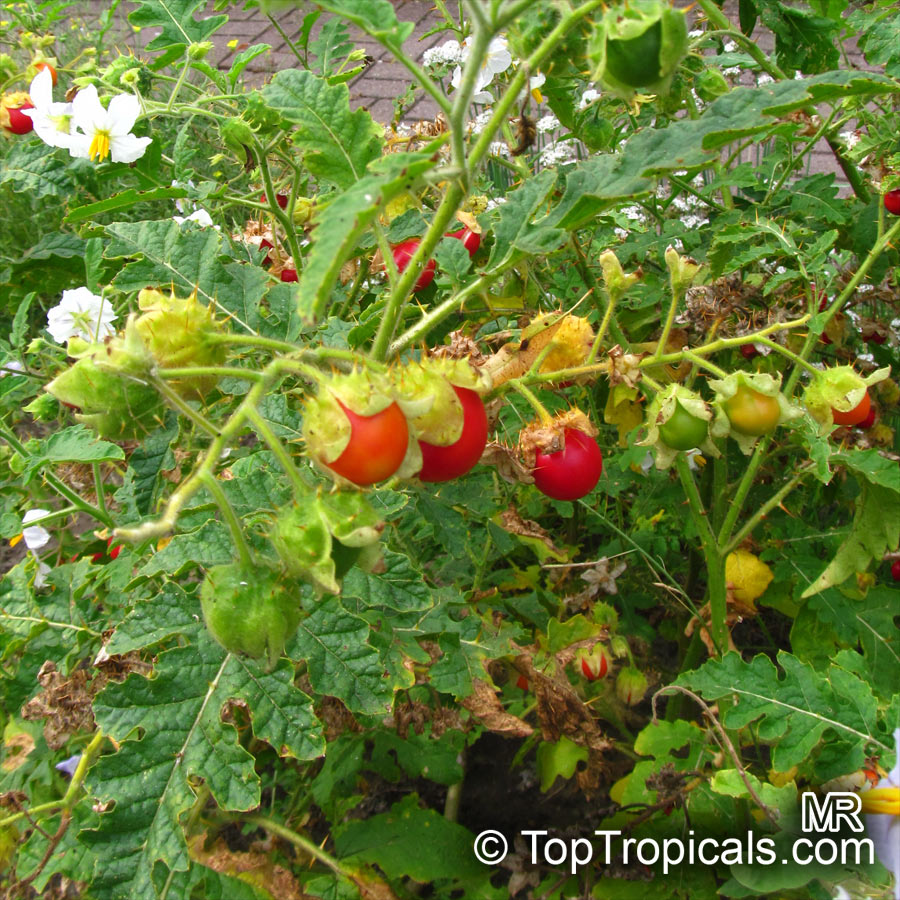
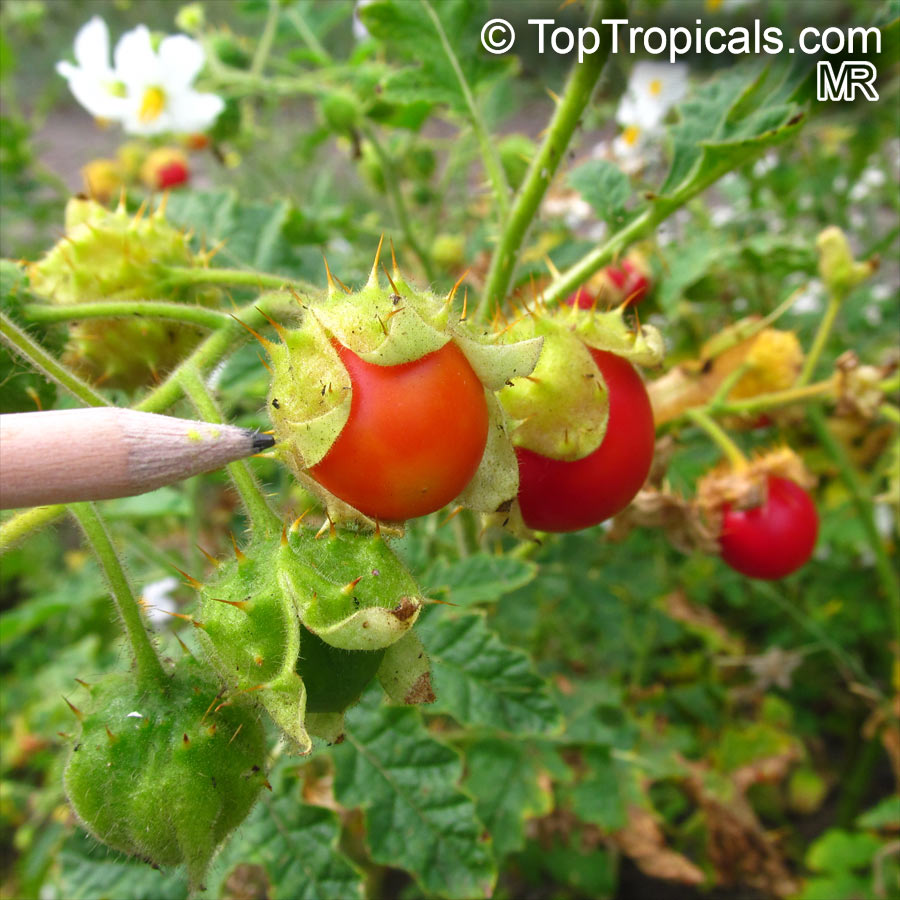
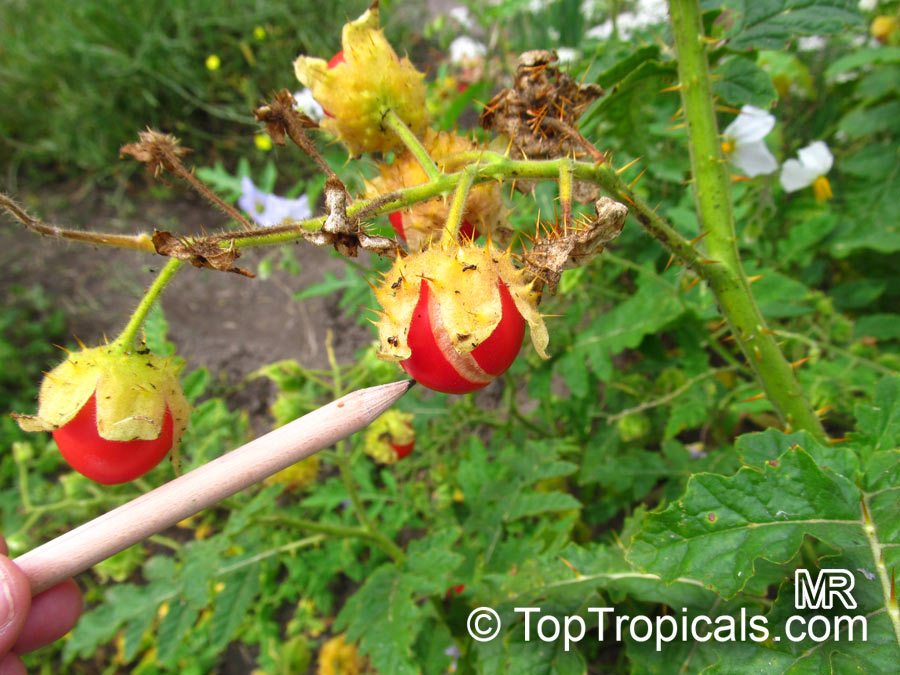
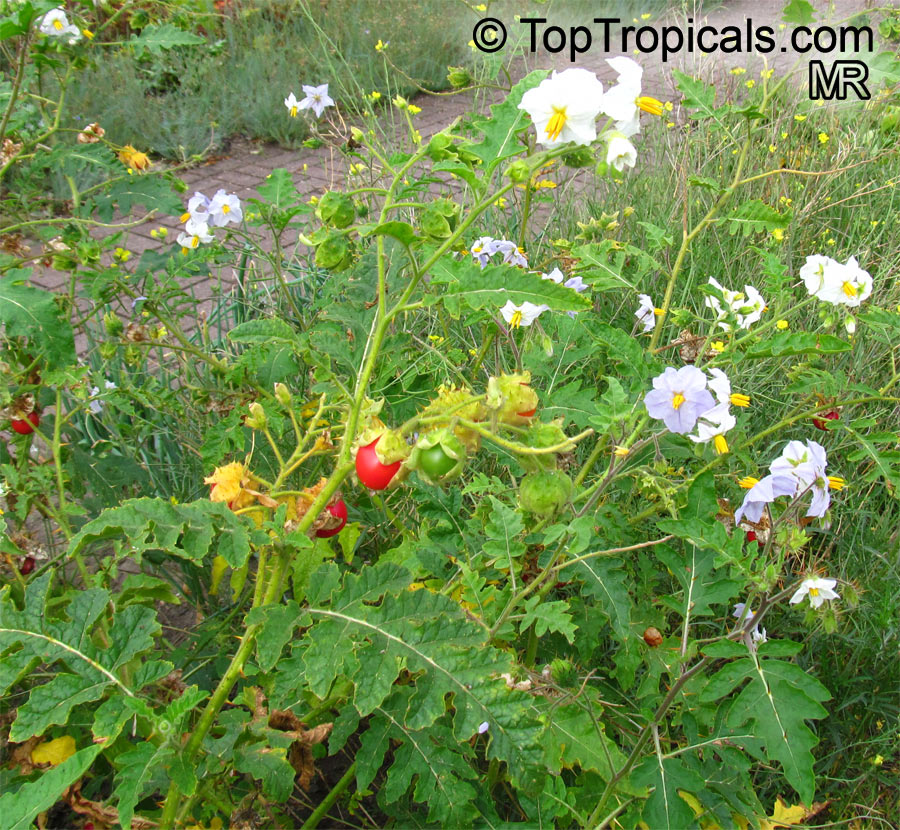
Botanical names: Solanum sisymbriifolium, Solanum balbisii
Common names: Sticky Nightshade, Litchi Tomato, Morelle de Balbis
Family: Solanaceae
Origin: South America
USDA Zone: 6-11


Solanum sisymbriifolium, commonly known as Sticky Nightshade, is a small plant native to South America. It is known for its irritating, prickly foliage and bright, colorful flowers. It can grow as tall as 2-5 feet, depending on how it is cared for.
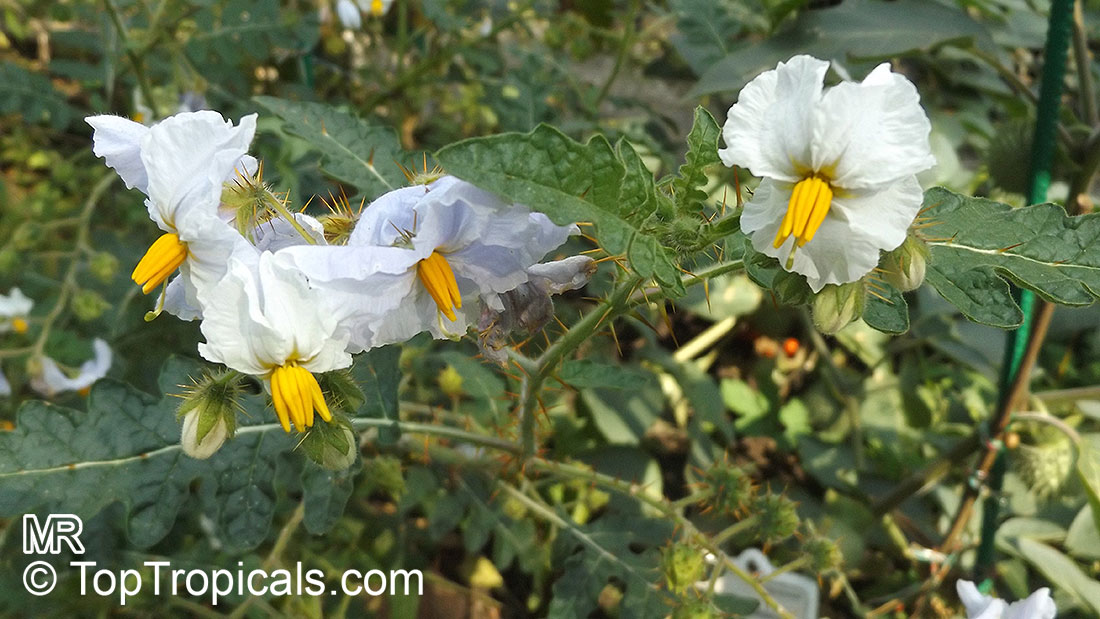
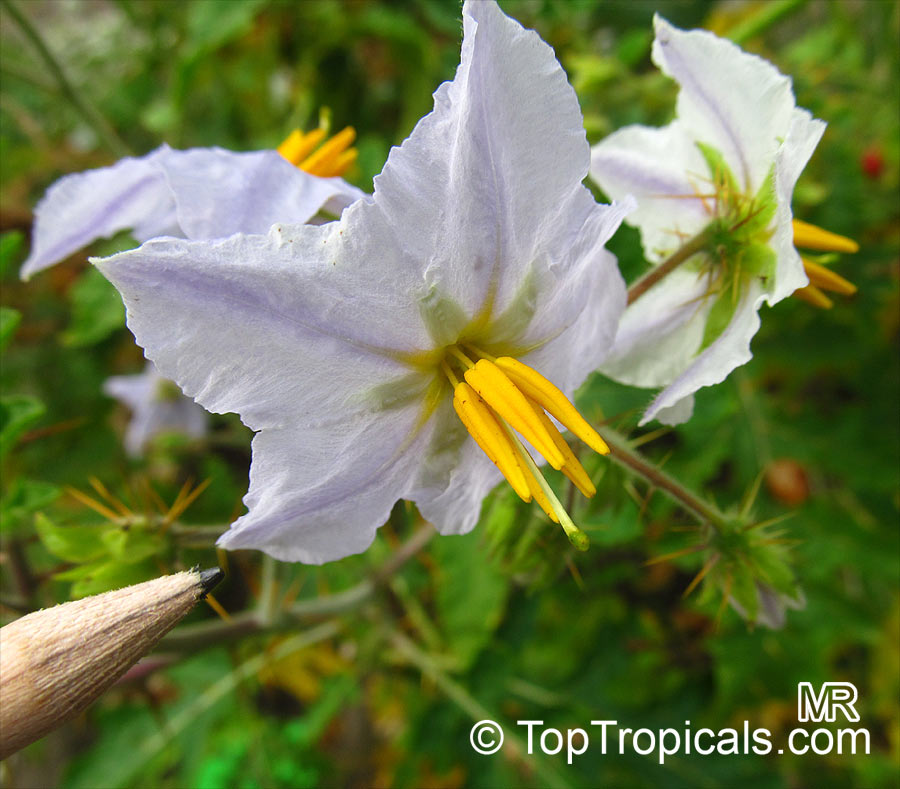
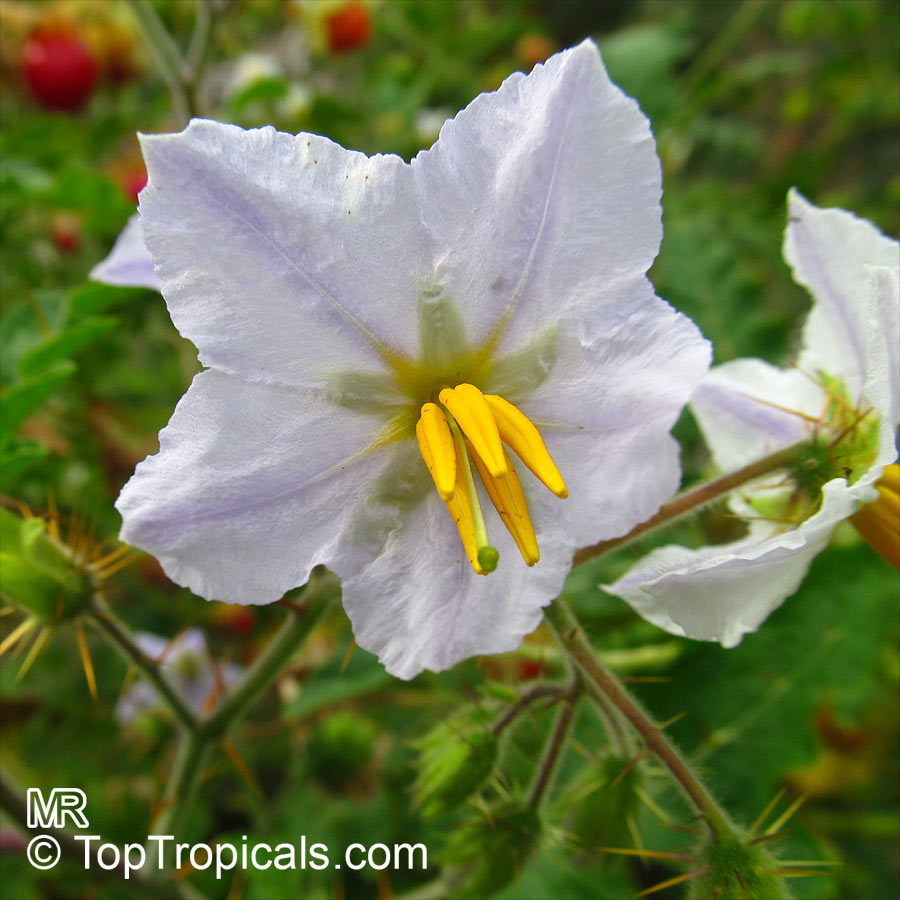
The Sticky Nightshade thrives in full or semi-shade sunlight, and it requires regular to moderate water. When it is in bloom, it produces a variety of flower colors, including pink, white, off-white, blue, lavender, and purple. All of the flowers have the same basic shape, each with five petals and a yellow center.
When caring for this plant in a pot, it should be given special attention in cold regions. The mature plant is known to be cold hardy at least to 30s F for a short time. If the temperature drops below this level, the plants should be brought indoors until the weather warms back up.
The Sticky Nightshade is also known for its edible fruits which are often used in cooking, although it does produce irritating sap when handled. These small and round fruits are red on the outside with a yellow center that bursts open when ripe and fully ready to be harvested. It is known to produce over a hundred of these fruits in a single season, and they are known to contain vitamins A and C along with other healthy benefits.
In conclusion, the Sticky Nightshade is a small, vibrant plant that is native to South America. It's easy to care for, producing an abundance of colorful flowers and edible fruits. It requires regular to moderate water and semi-shade sunlight, and in cold regions, it should be brought inside during extreme temperatures to ensure it is not damaged.
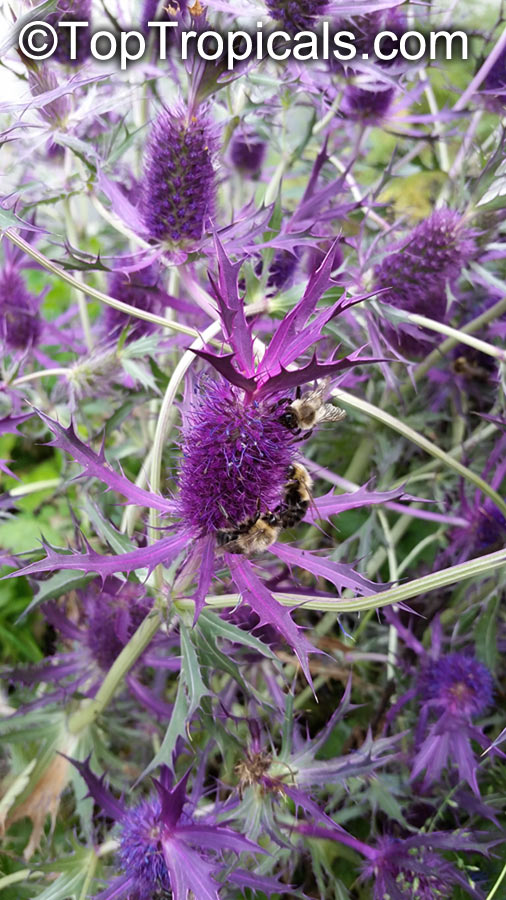
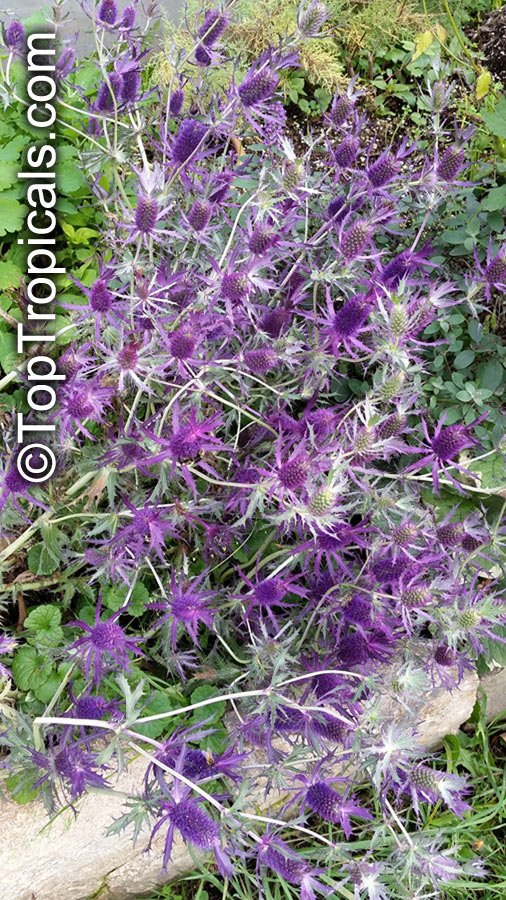
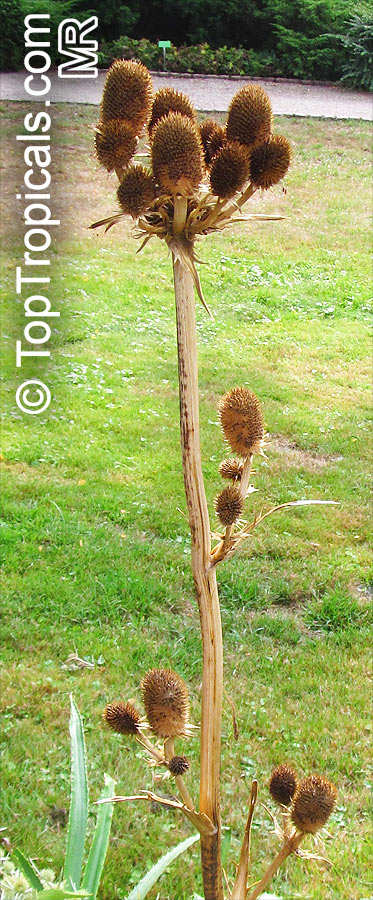
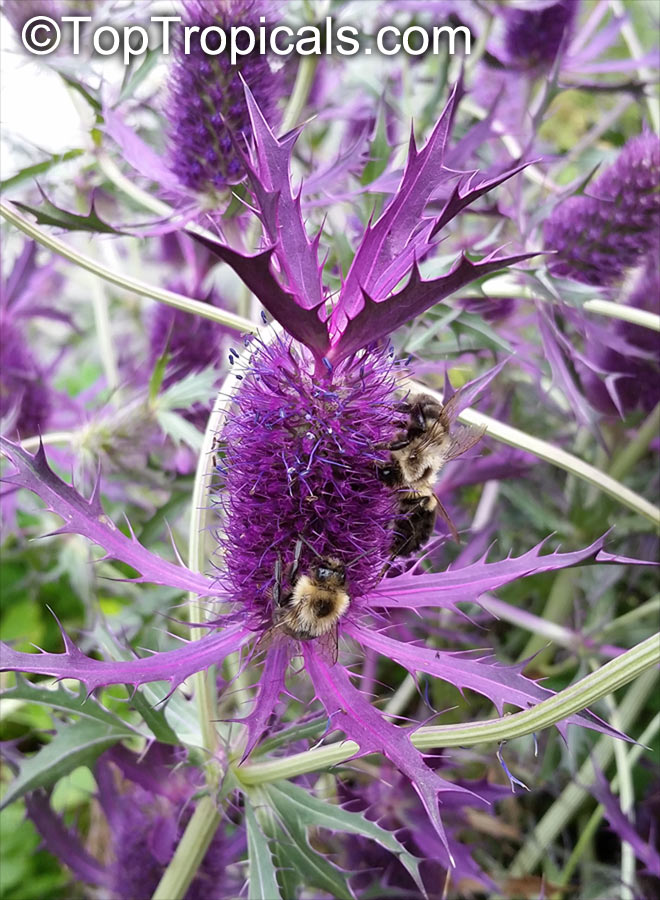
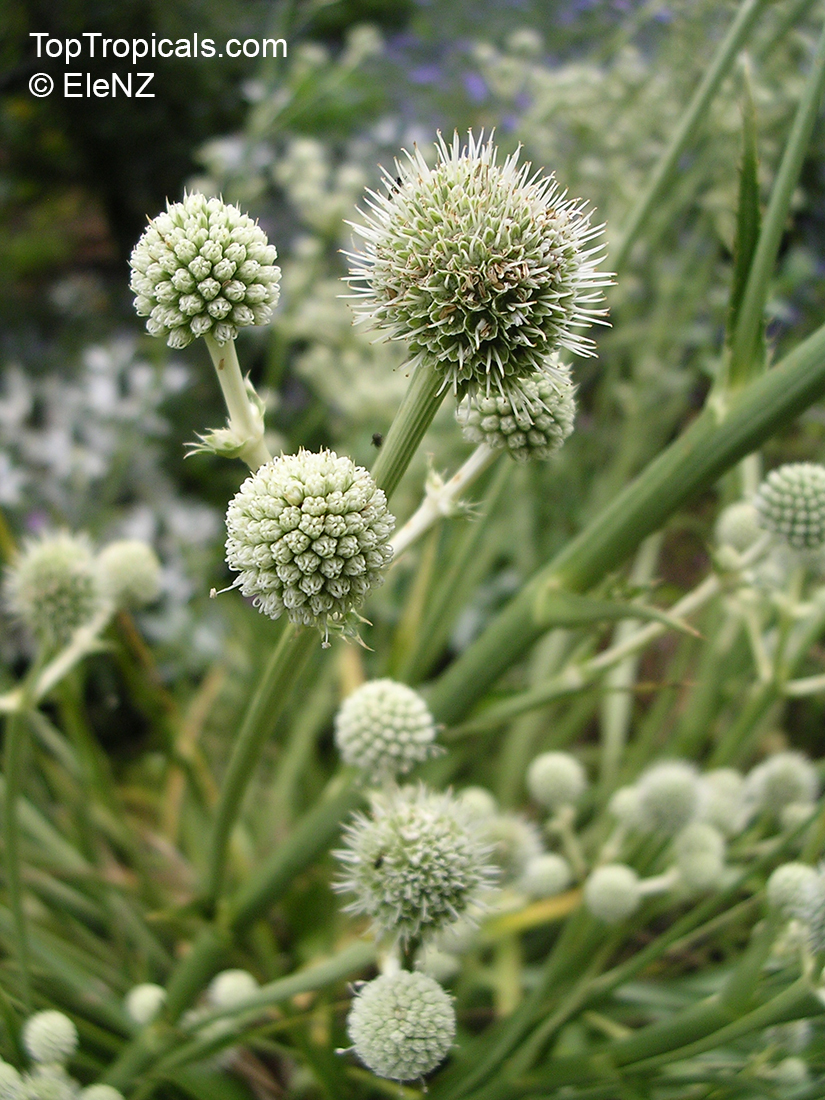
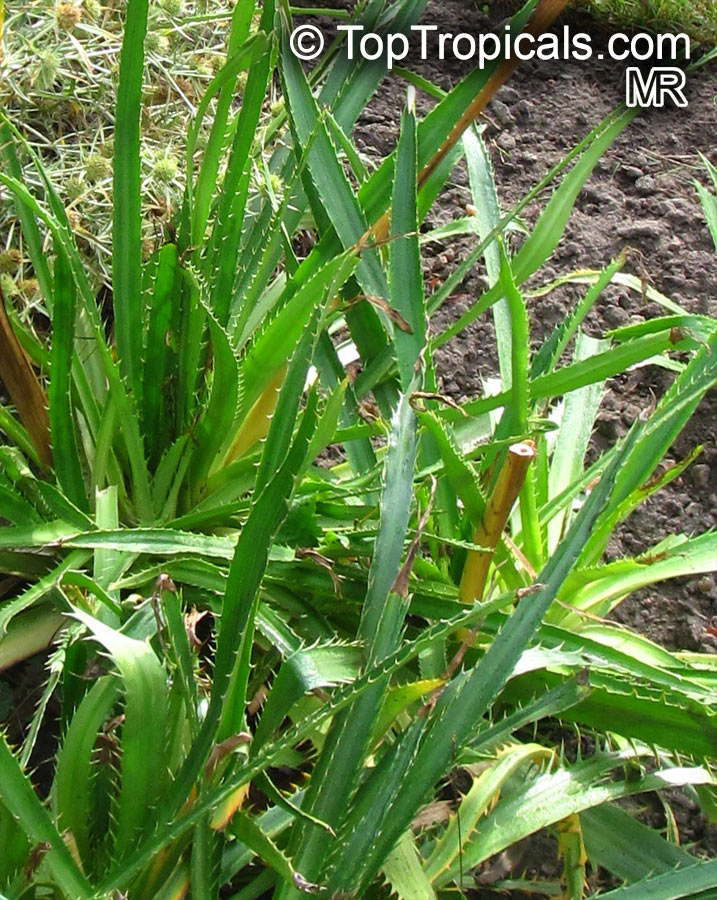
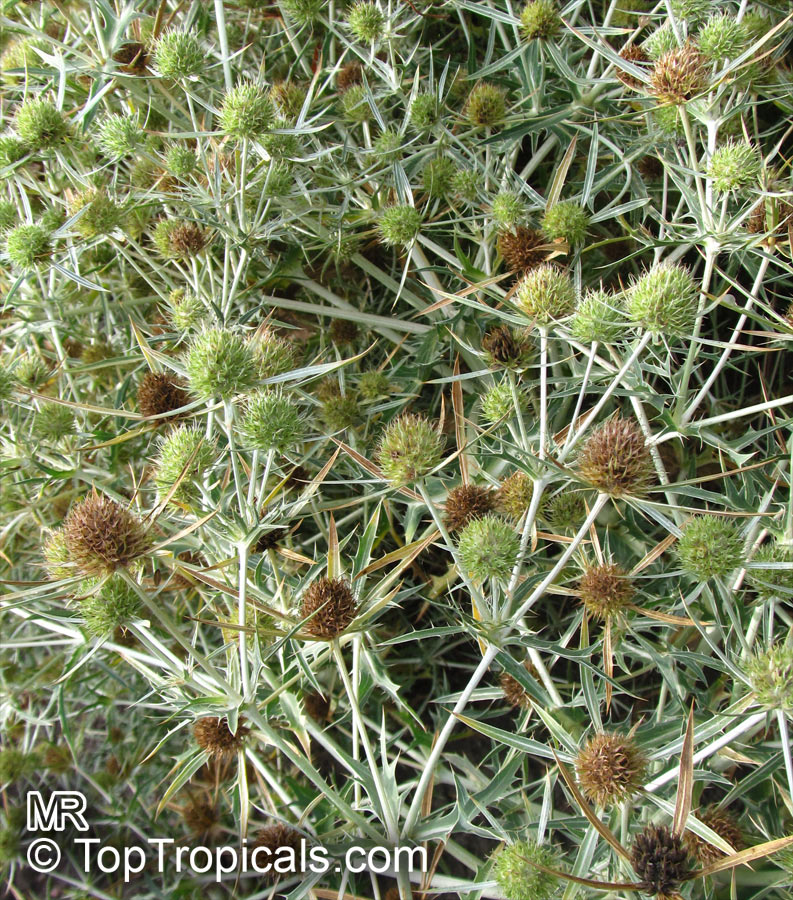
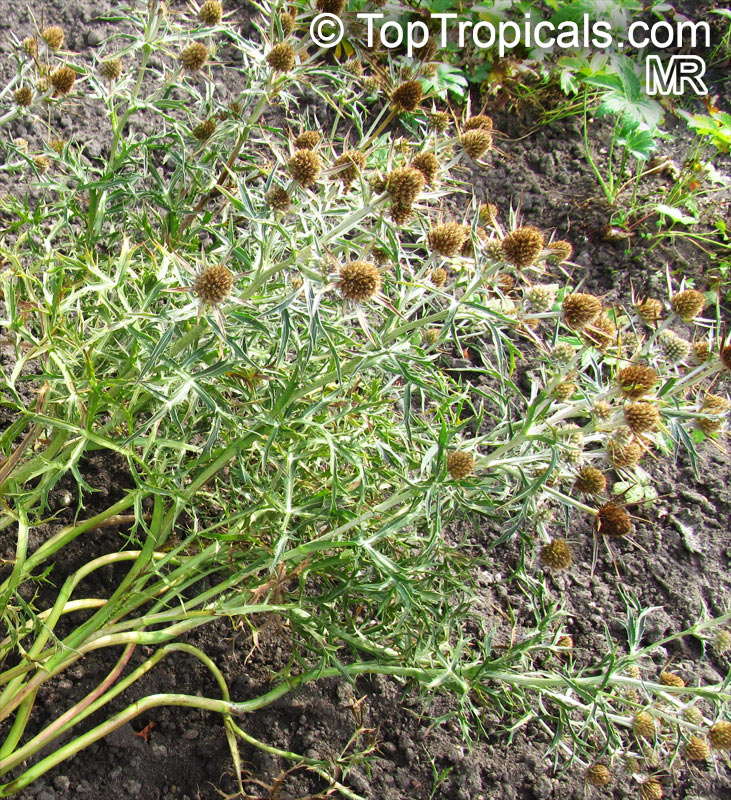
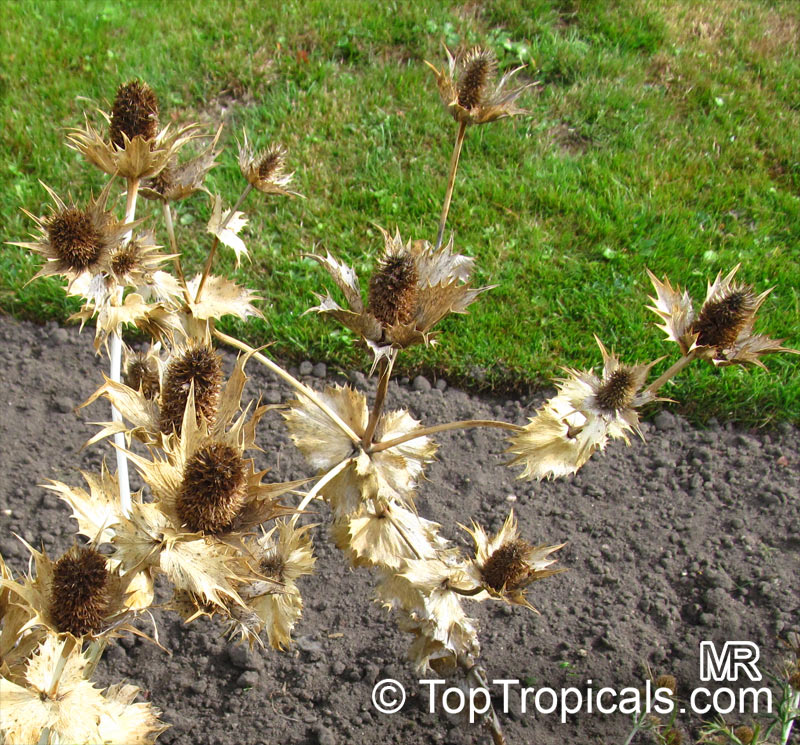
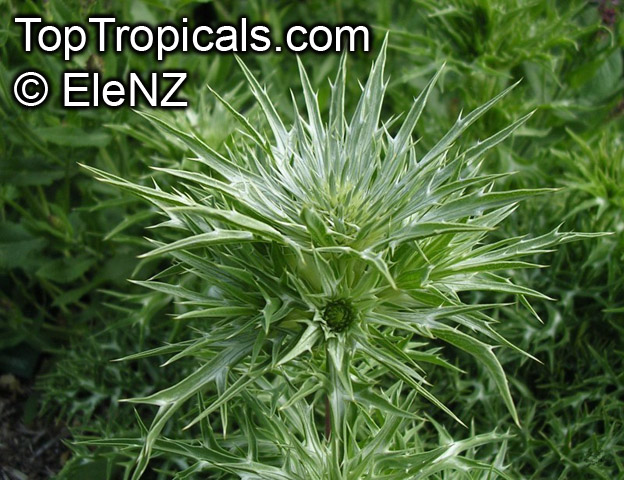
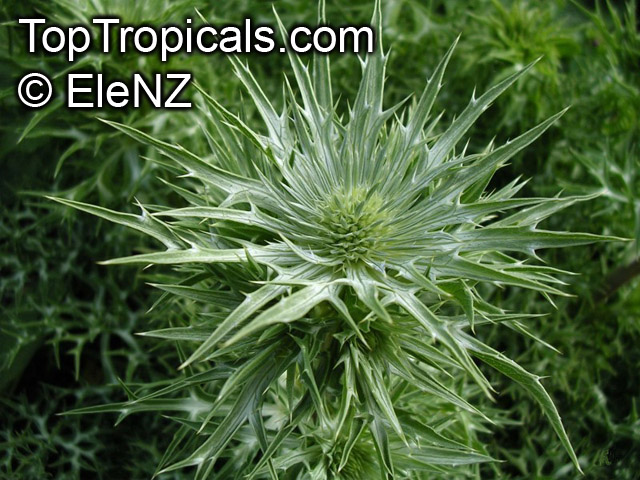
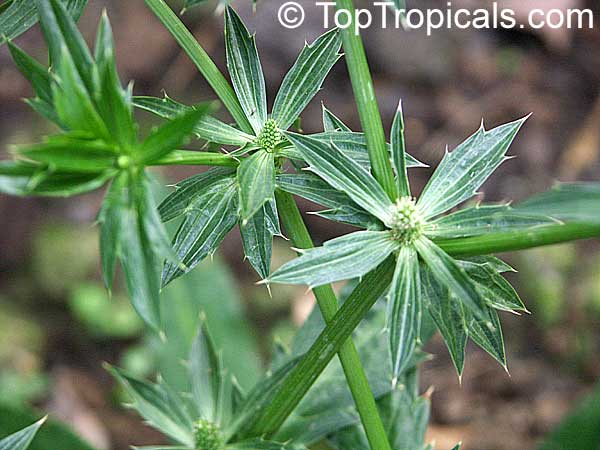
Botanical name: Eryngium sp.
Common name: Sea-holly
Family: Apiaceae / Umbelliferae
Origin: Europe, Central Asia
USDA Zone: 3-9


| Next | |
Use link to repeat this search:
https://toptropicals.com/cgi-bin/garden_catalog/cat.cgi?search_op=and&keyword_op=and&language=e&number=10&no_change_lang=1
&v1=blu&user=tt&sale=1&first=0