Shade - Plant Encyclopedia Results
| Number of plants found: 510 | Next | 
|
Go to page: | 1 | 2 | 3 | 4 | 5 | Last |

Botanical names: Coleus barbatus, Plectranthus barbatus
Common name: Indian Coleus
Family: Lamiaceae
Origin: South America


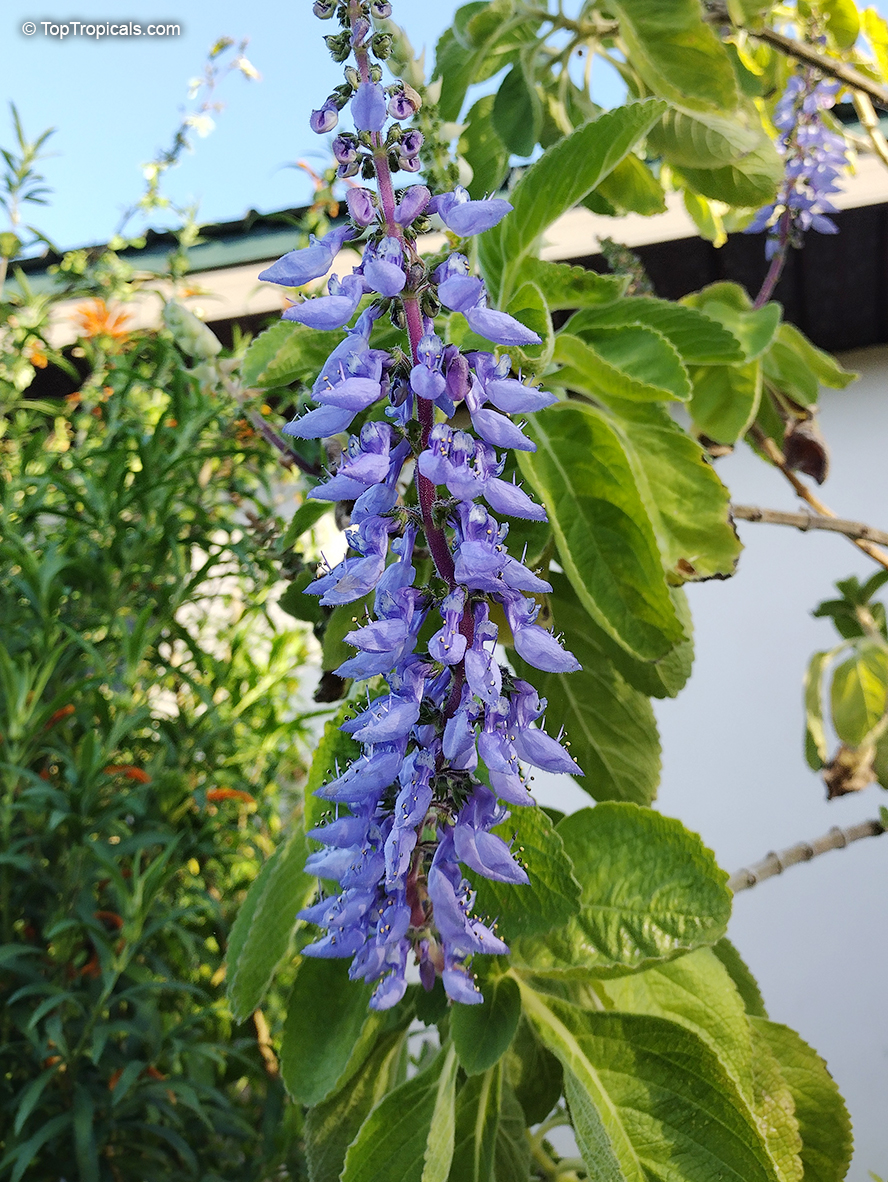
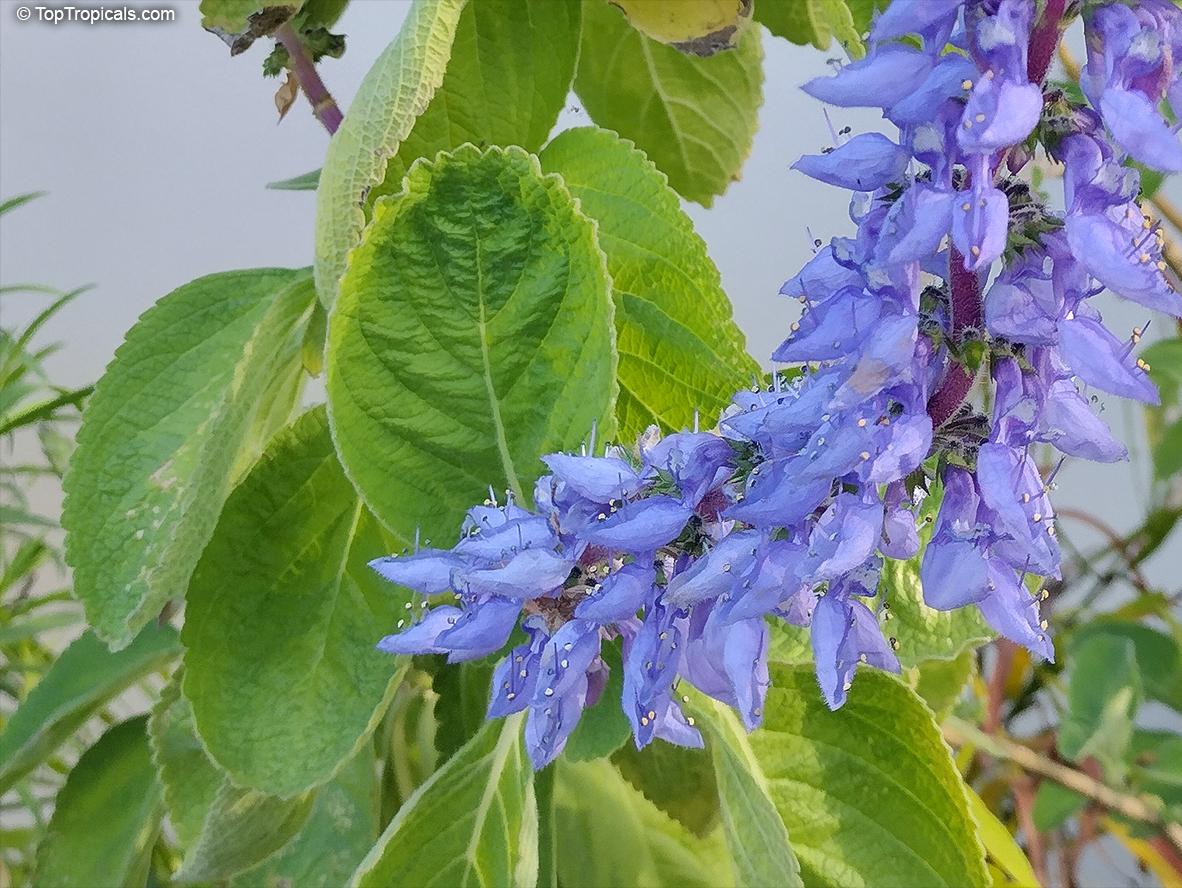
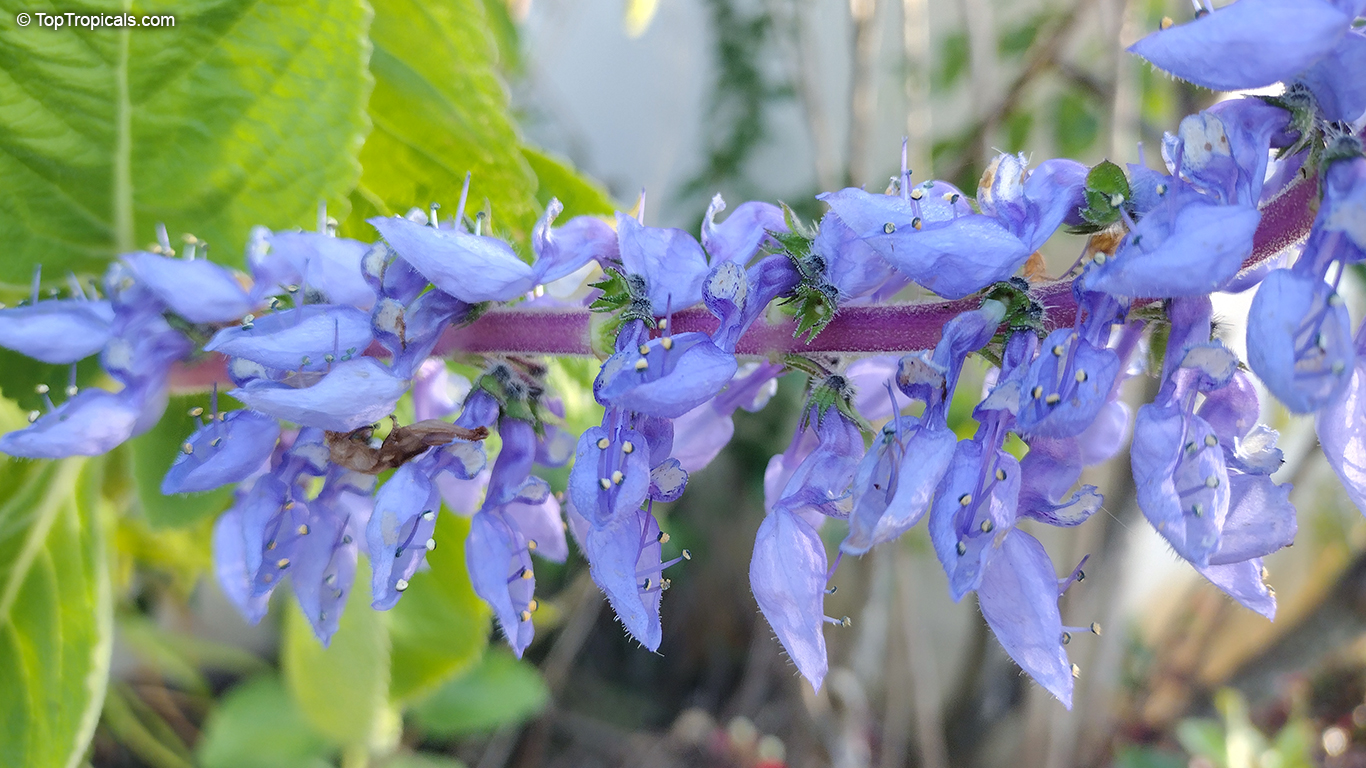
Coleus barbatus, commonly known as Coleus forskohlii or Indian coleus, is a tropical perennial plant that is primarily grown for its medicinal properties and attractive foliage.
Coleus barbatus is relatively easy to cultivate, and it's often grown as an annual in cooler climates or as a perennial in warmer regions. In colder climates, Coleus barbatus can be grown as an annual or brought indoors before the first frost. It makes an excellent indoor plant if provided with adequate light and warmth during the winter.

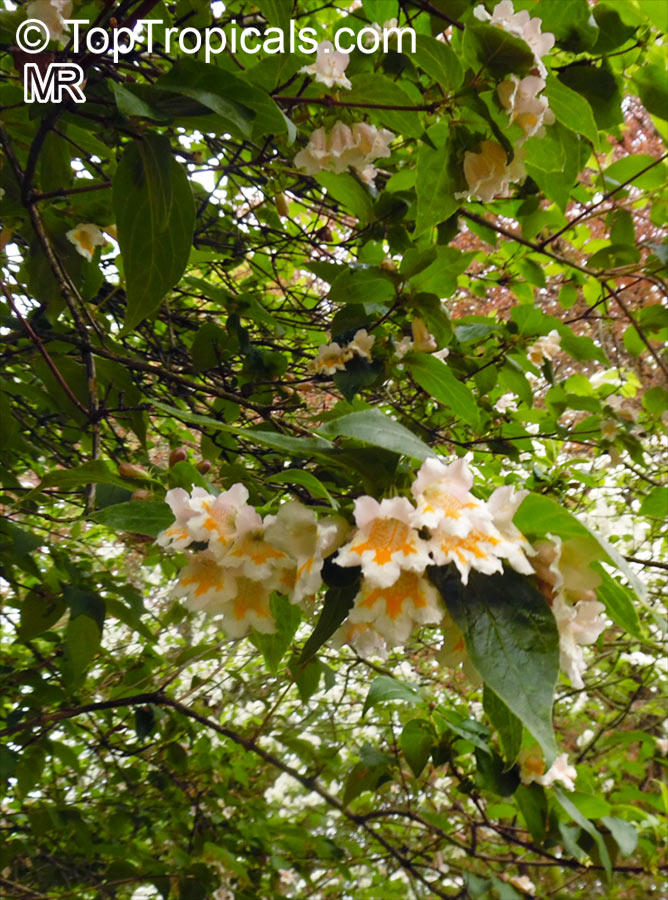
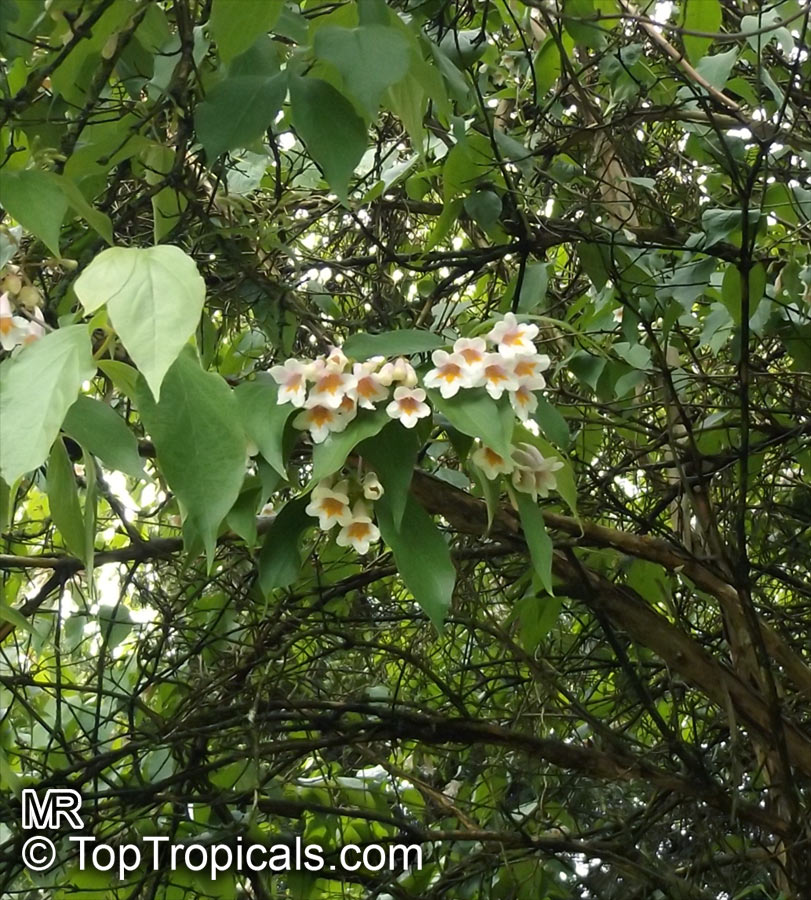
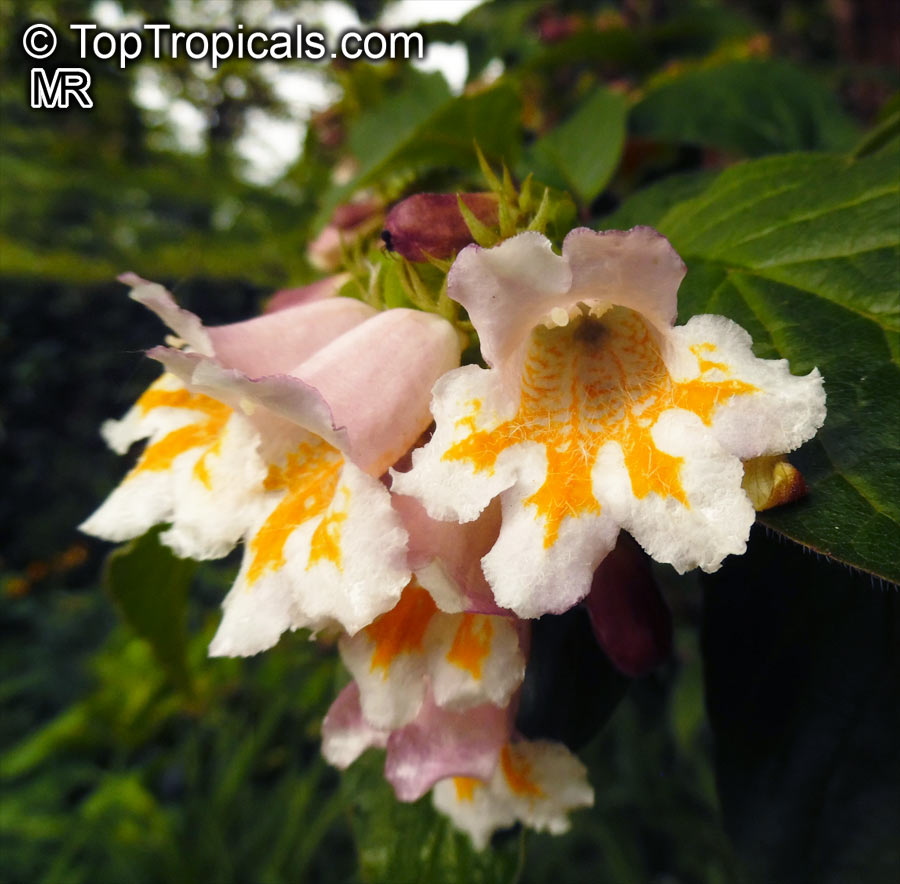
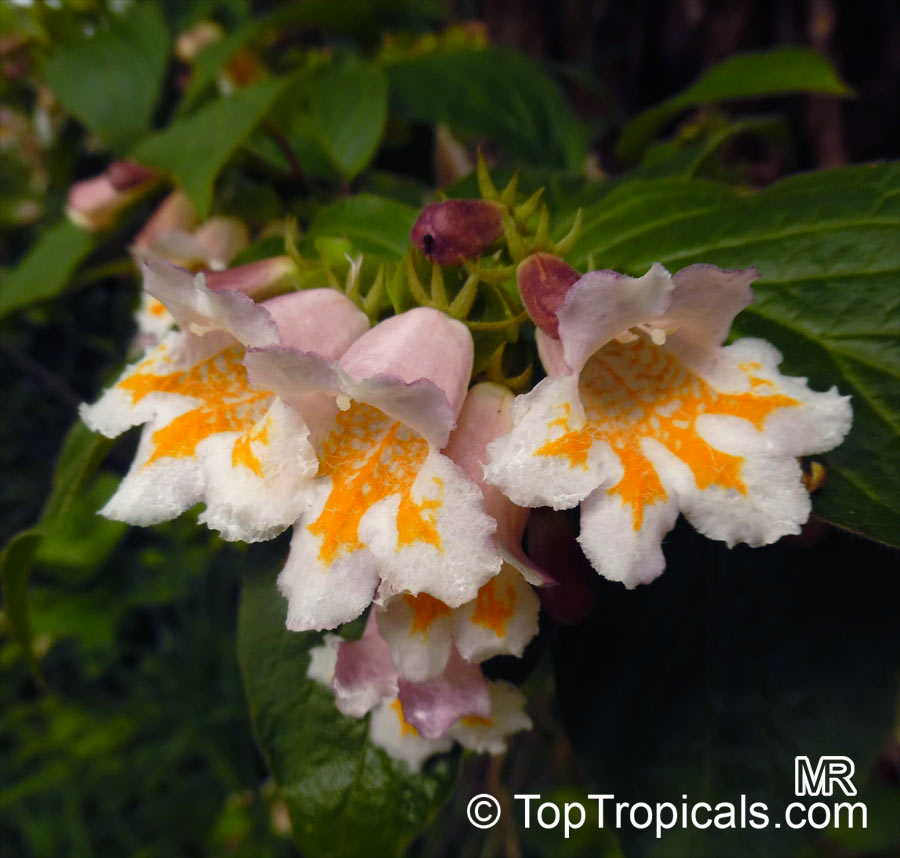
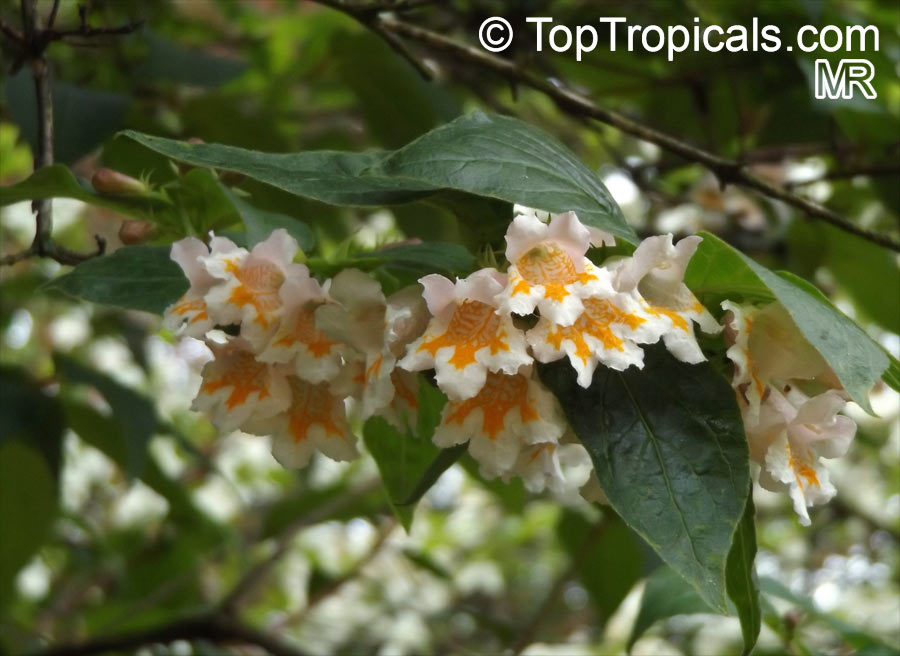
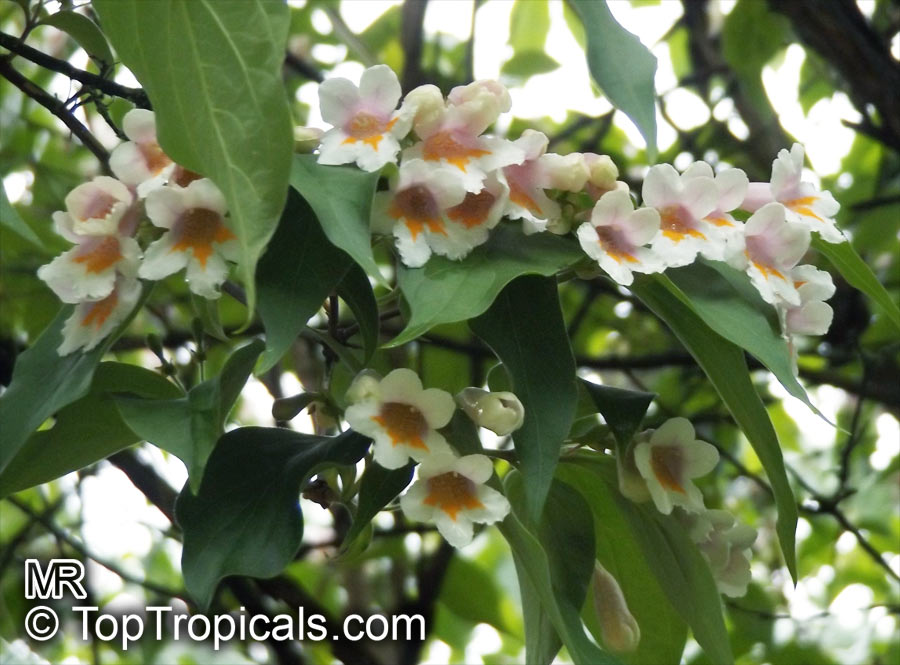
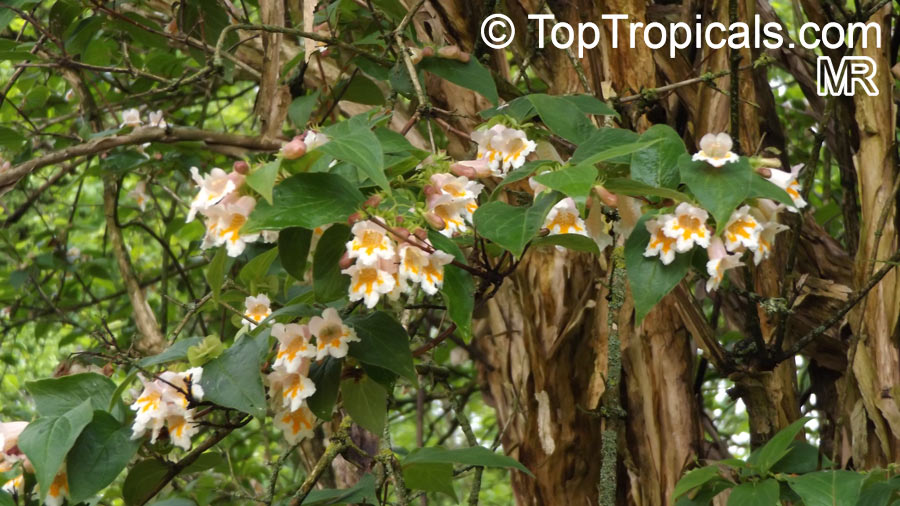
Botanical name: Dipelta sp.
Common names: Dipelta, Boxleaf Honeysuckle
Family: Caprifoliaceae
Origin: China


Fragrant, funnel-shaped, foxglove-like, pinkish-white flowers with yellow throats which bloom singly or in clusters from late April to June.
Dipelta is similar to Kolkwitzia amabilis
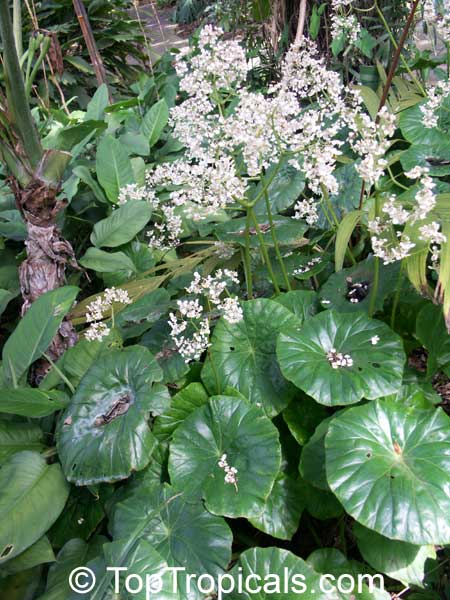
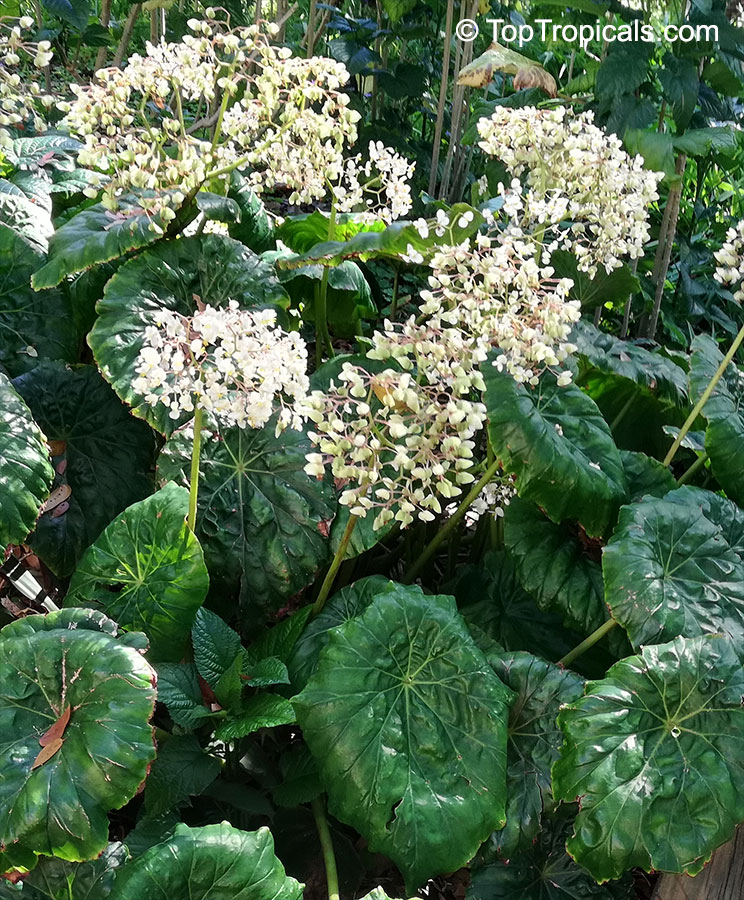
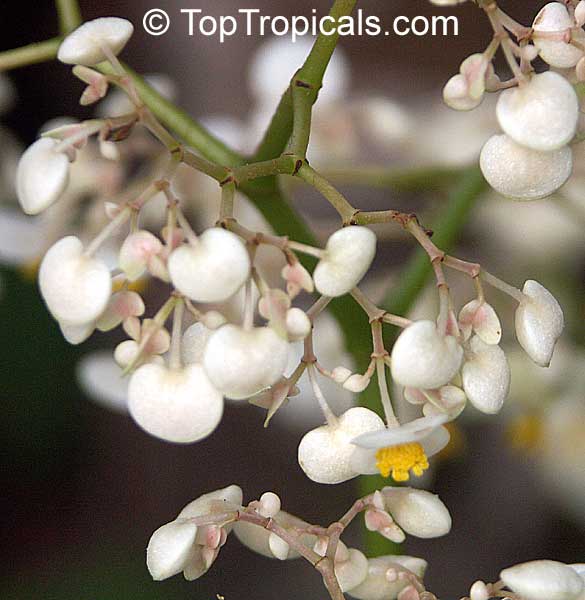
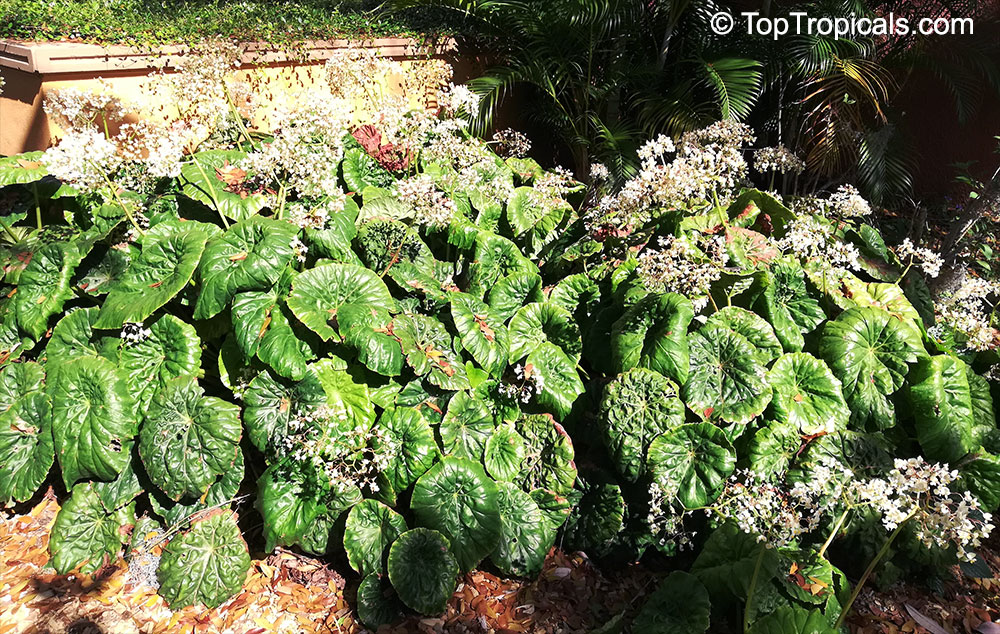
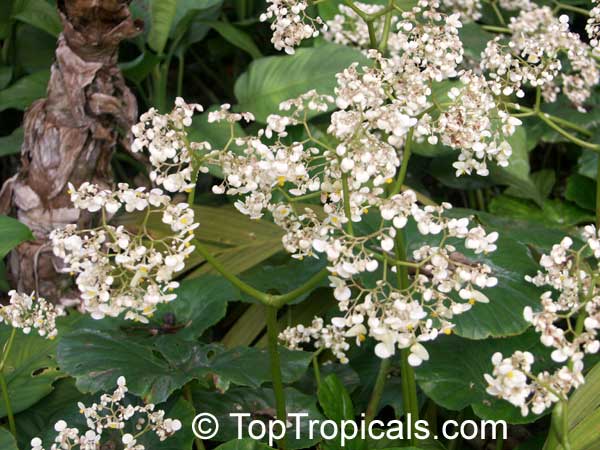
Botanical name: Begonia nelumbiifolia
Common name: Lily-pad Begonia
Family: Begoniaceae
Origin: Southern Mexico, Colombia

Keep the soil moist. Needs humidity to thrive.
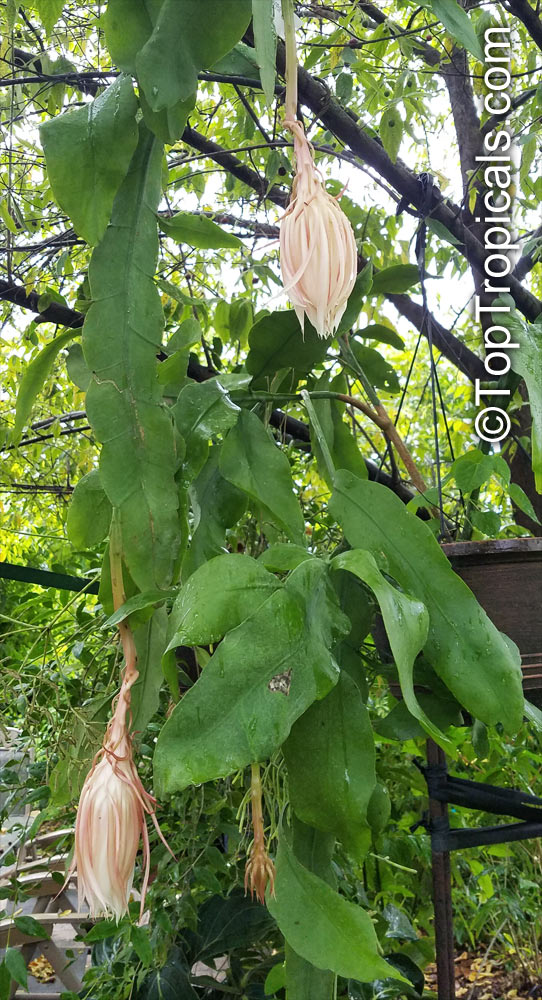
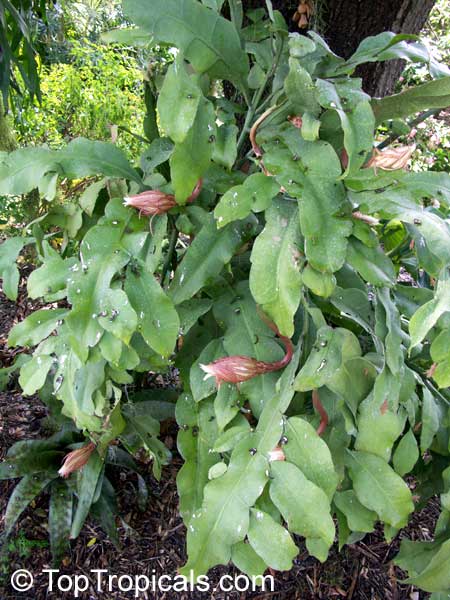
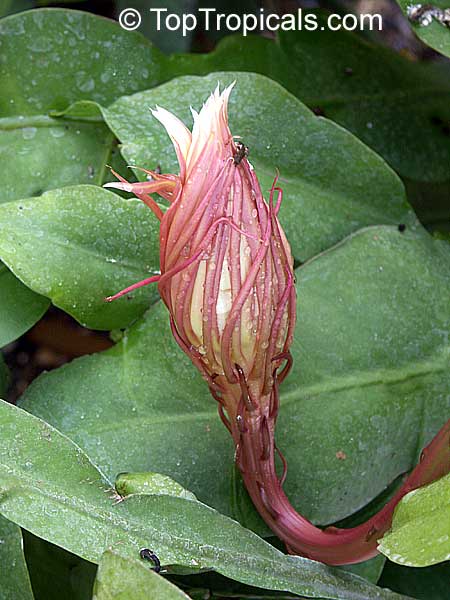
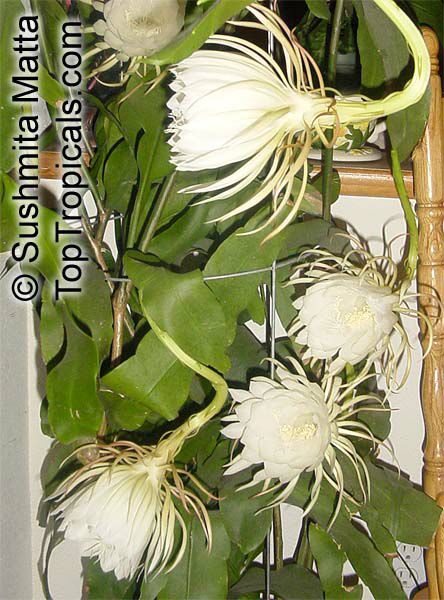
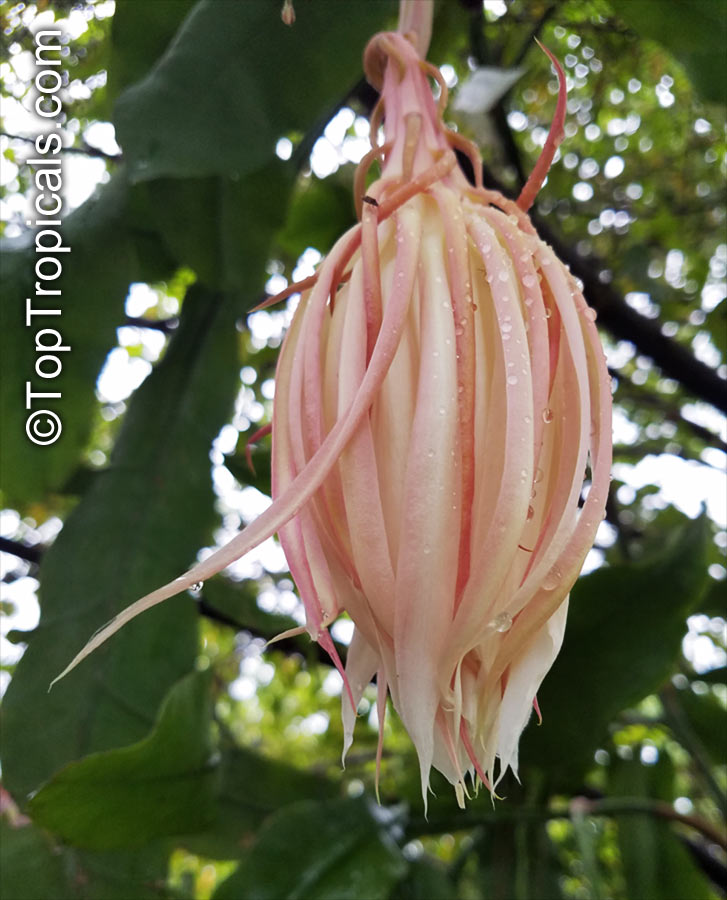
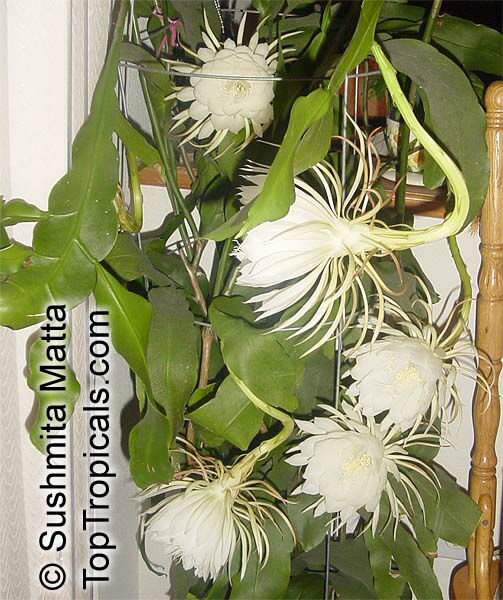
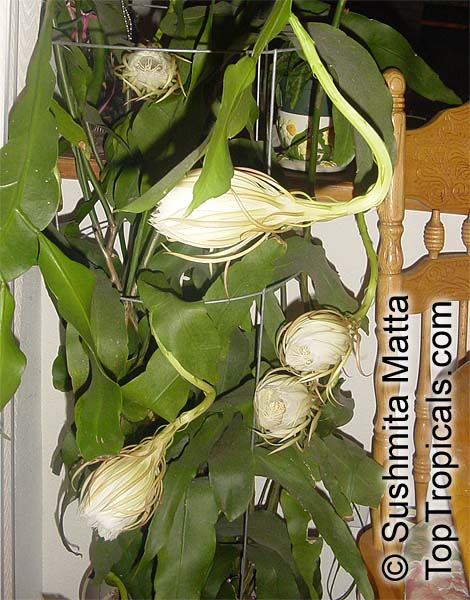
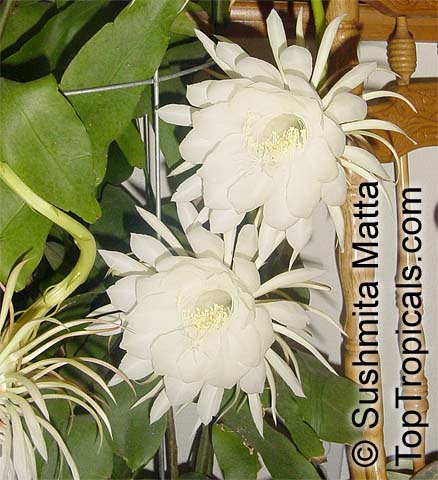
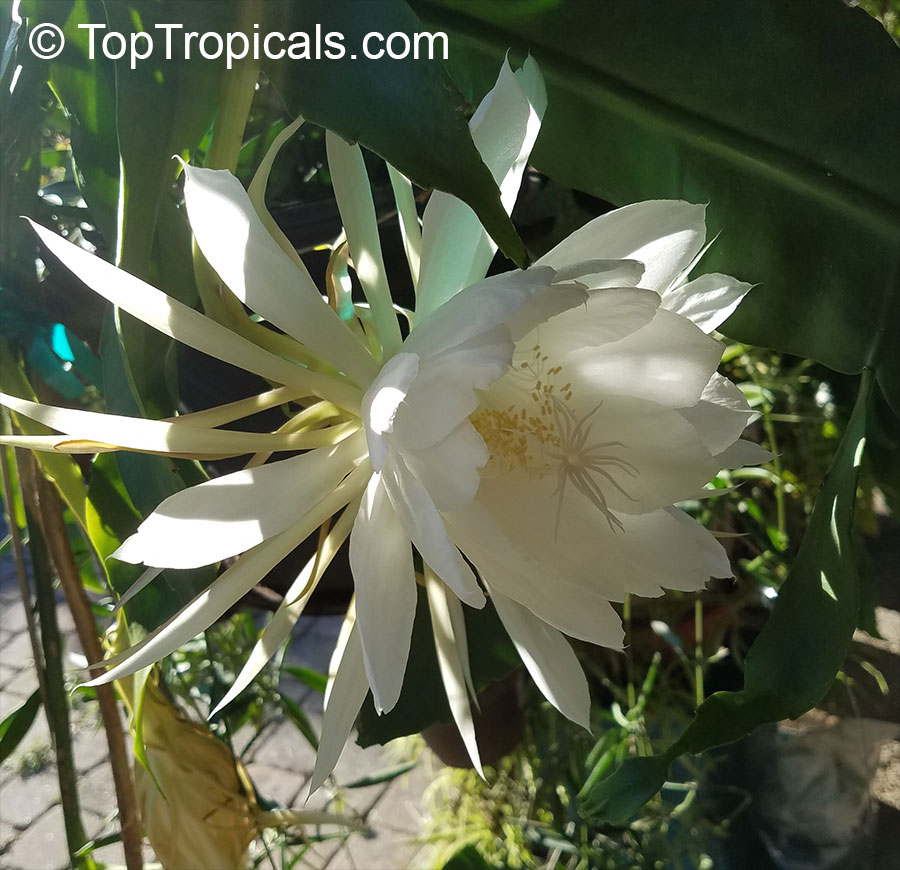
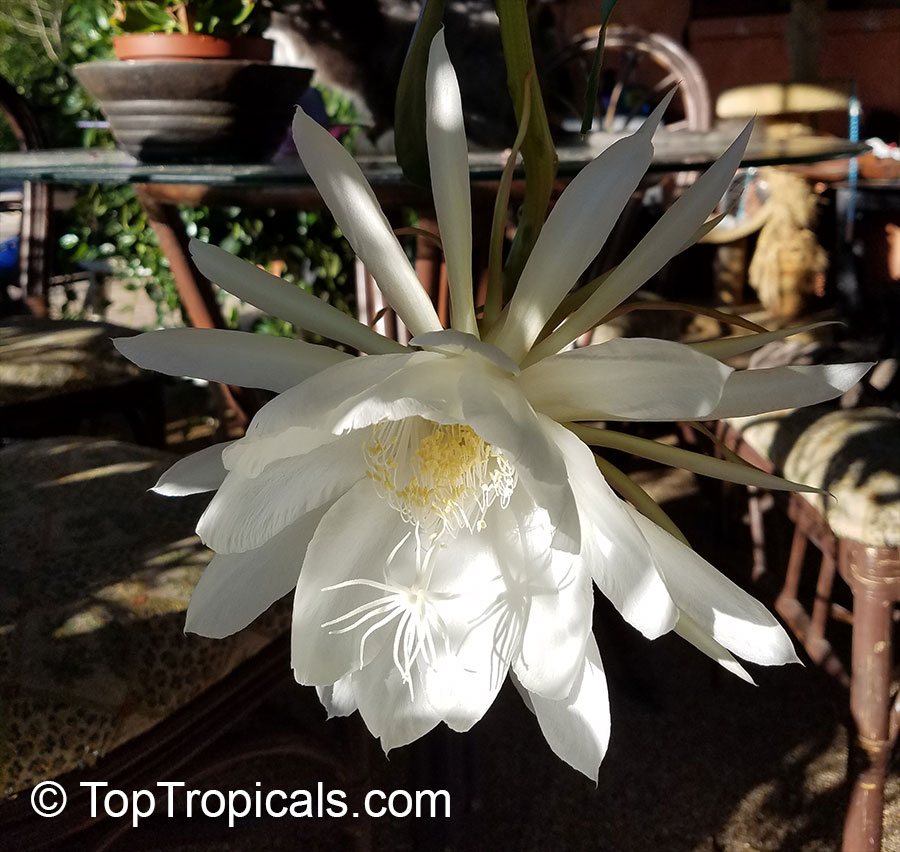
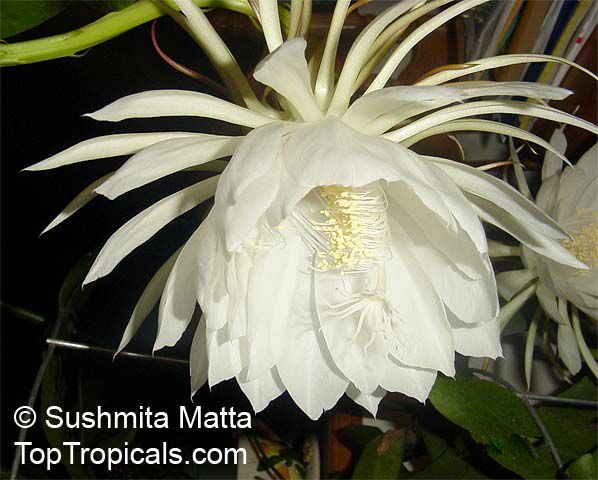
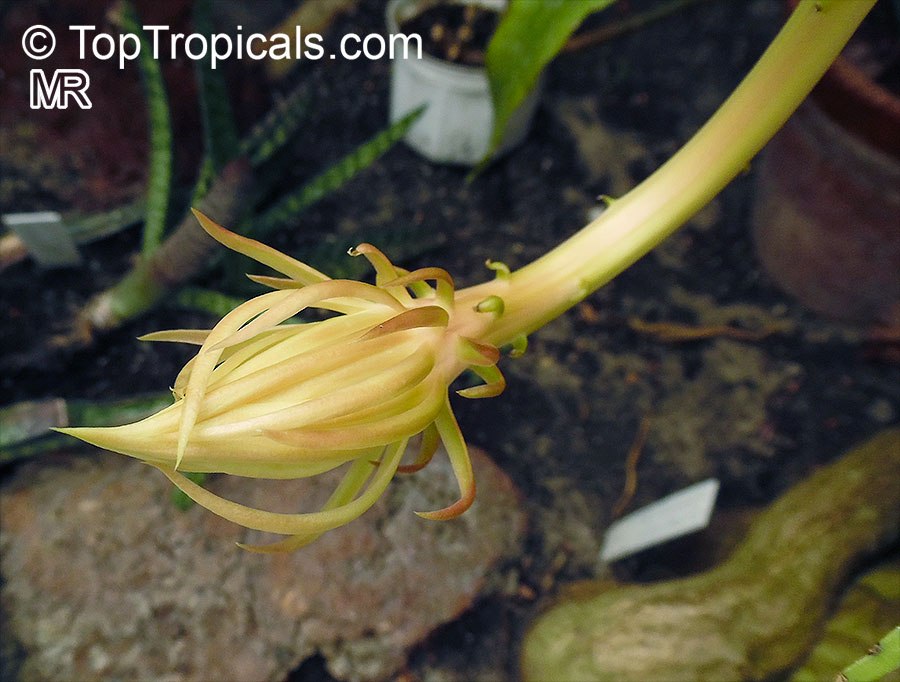
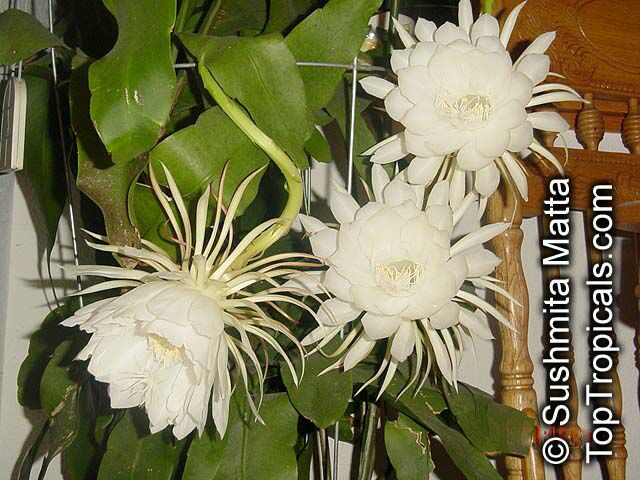
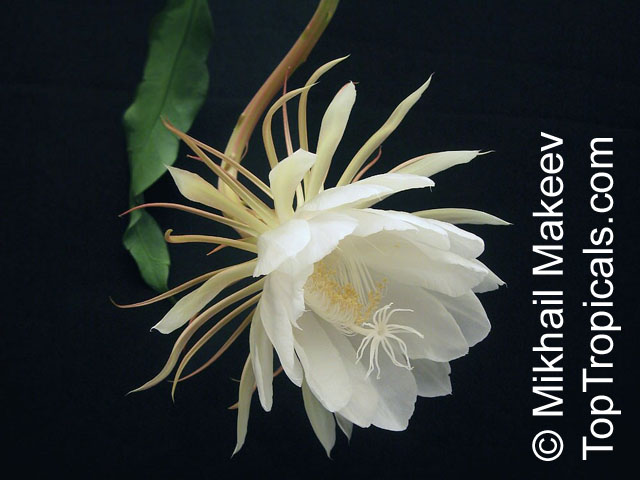
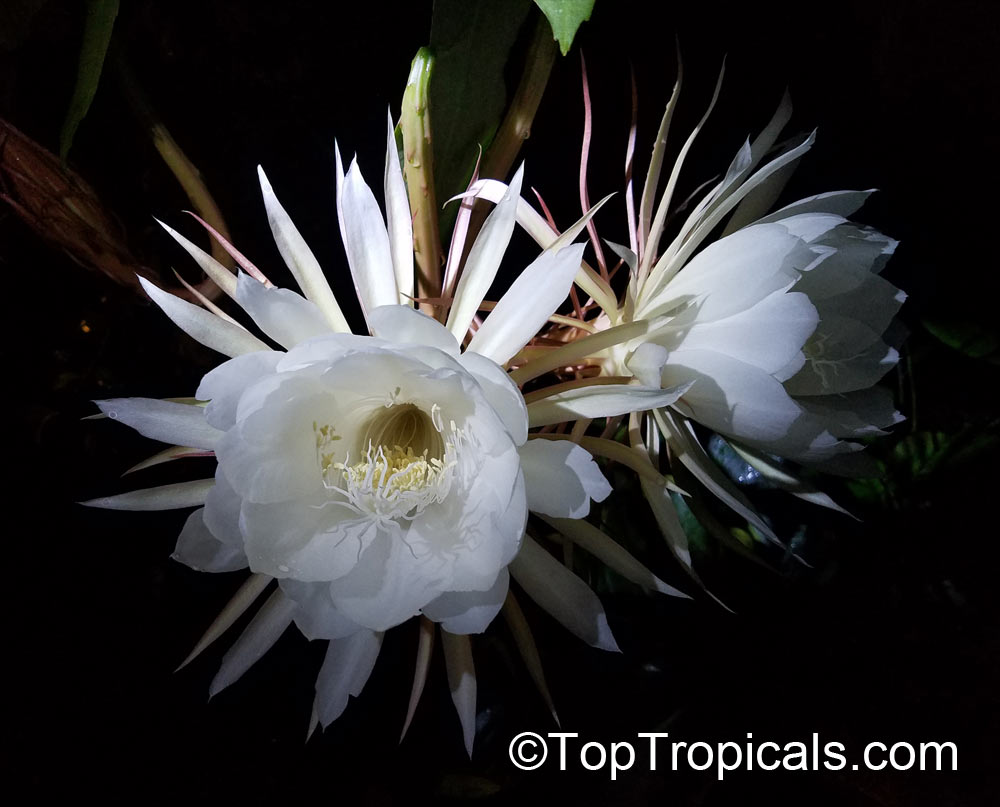
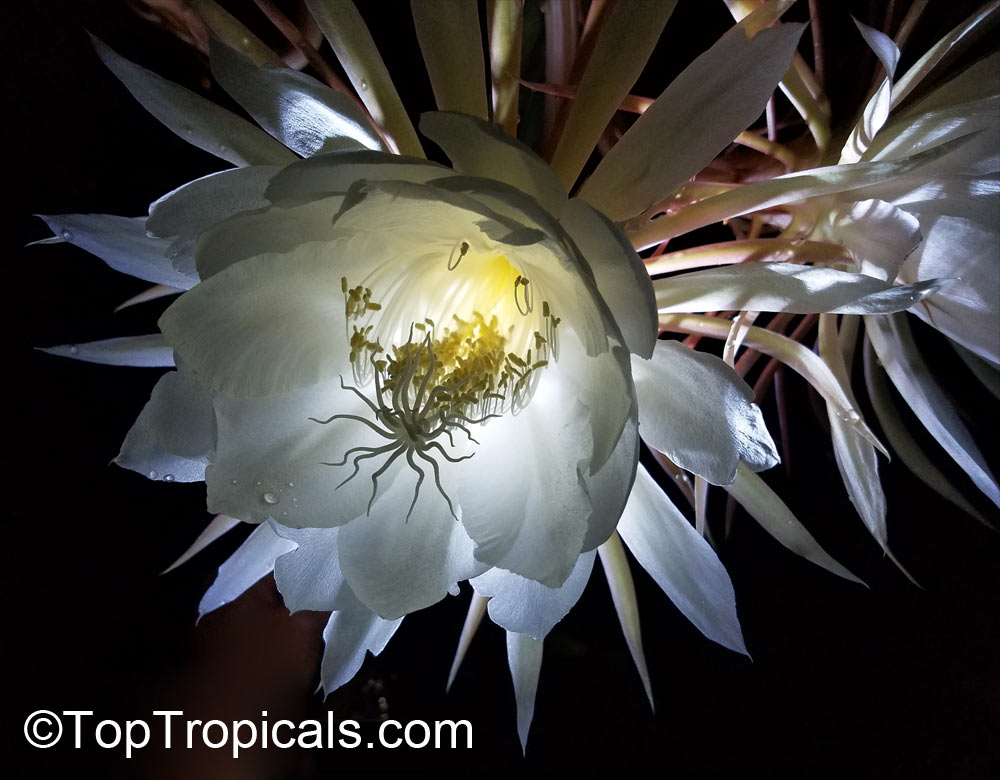
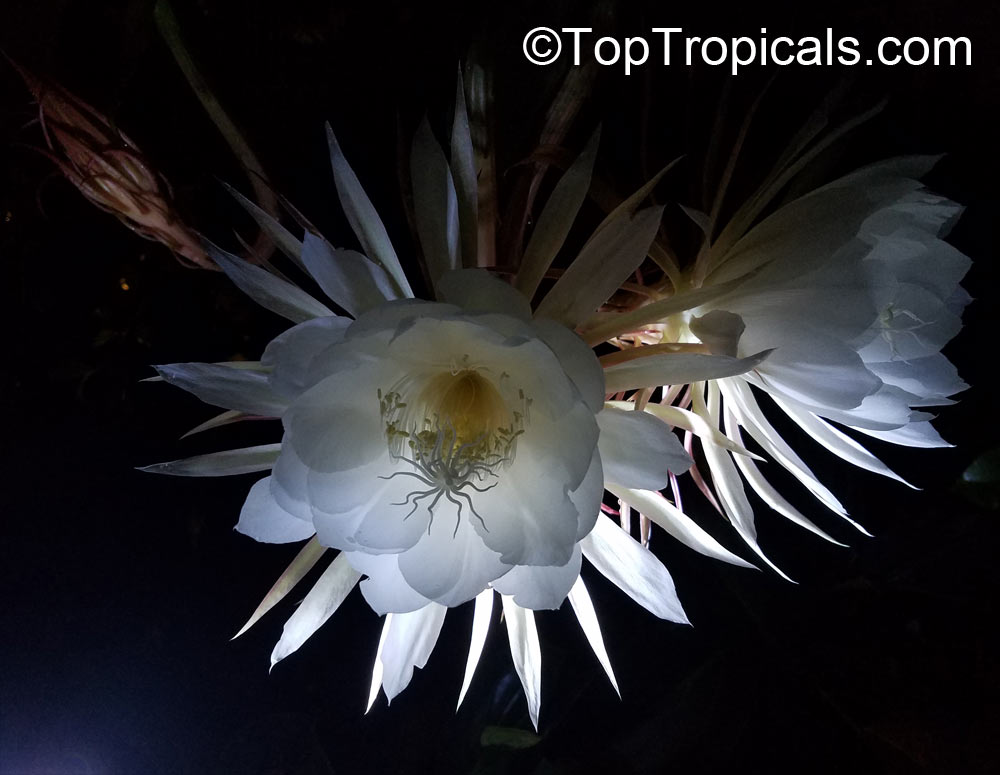
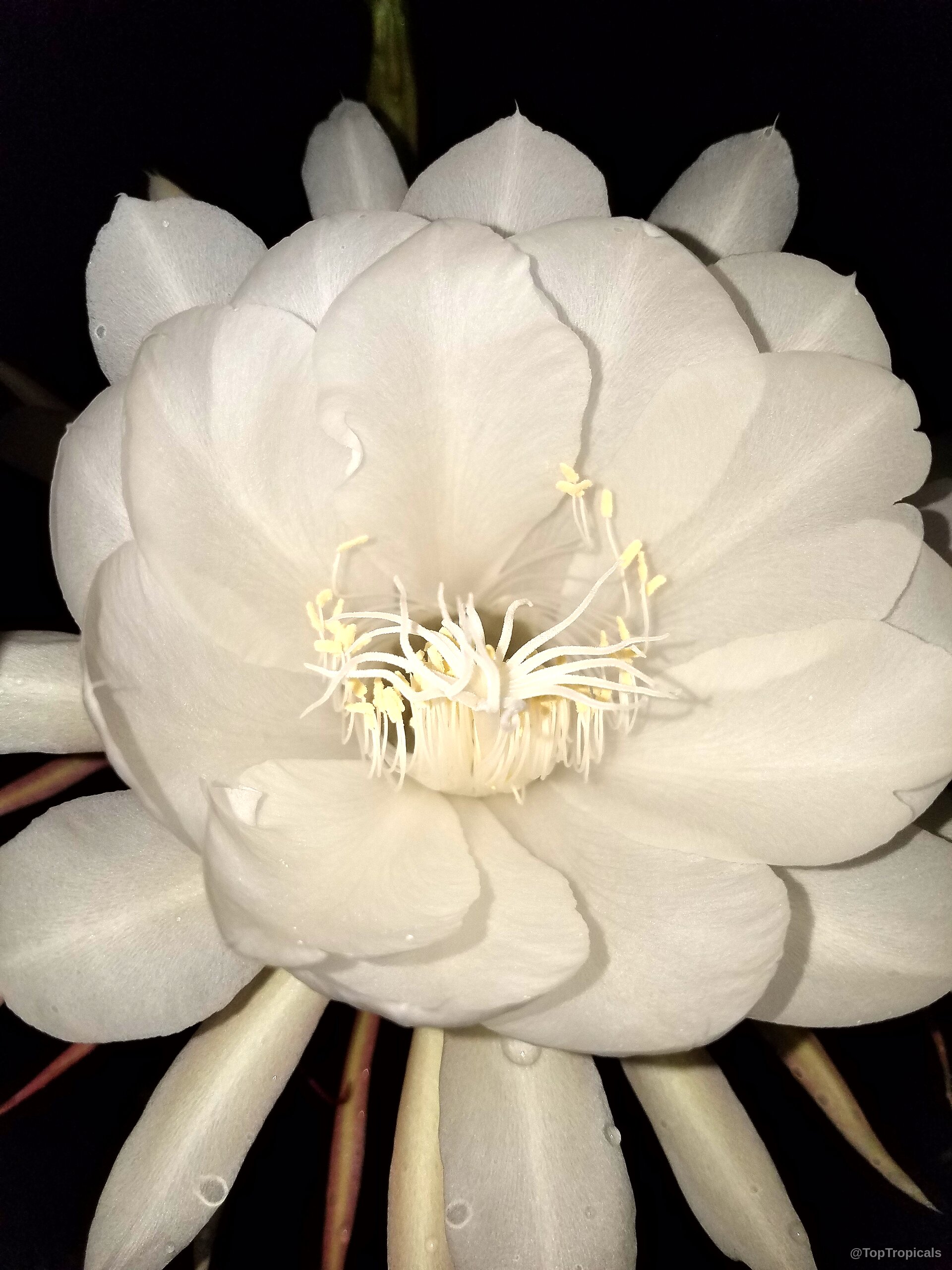
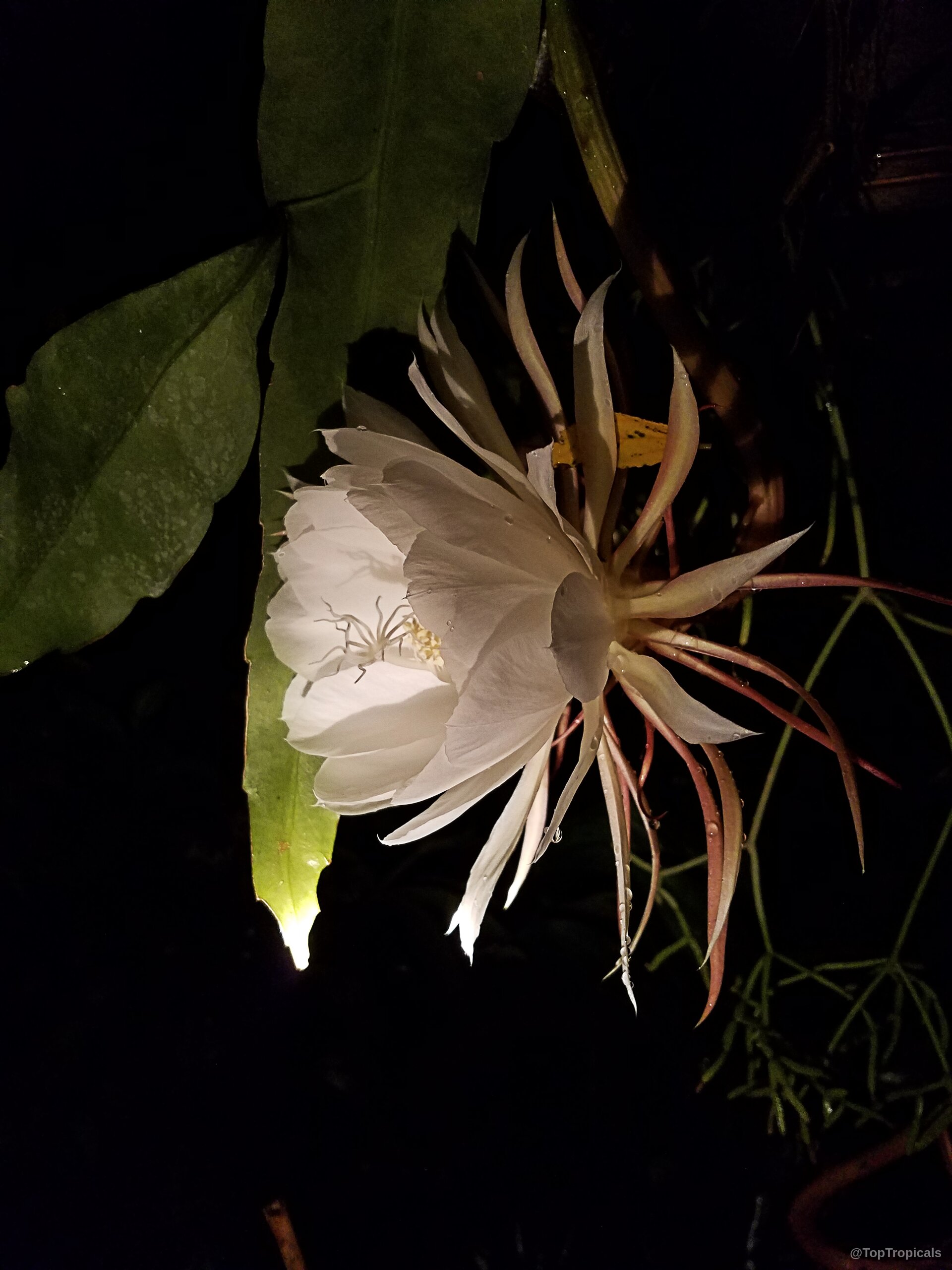
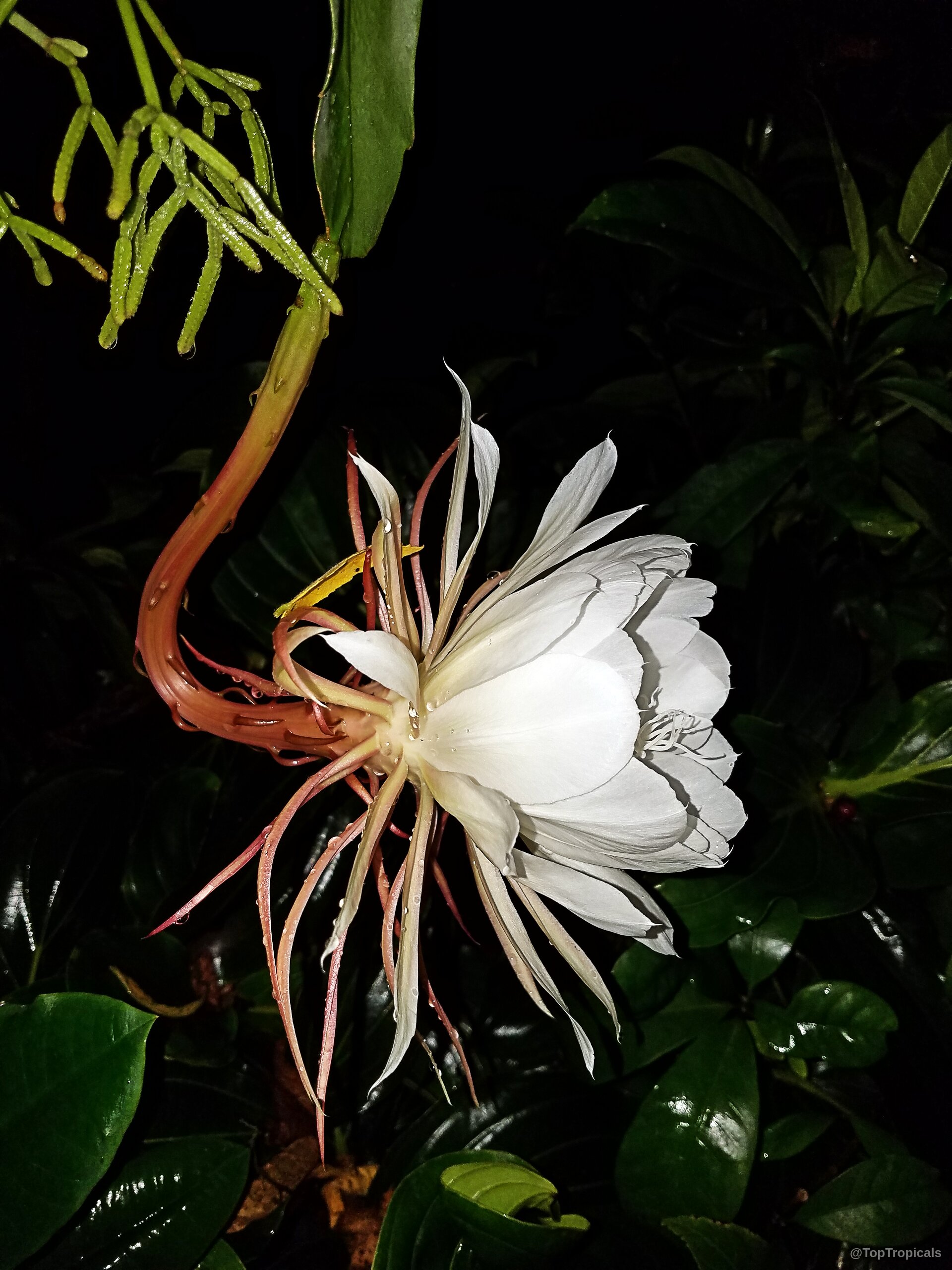
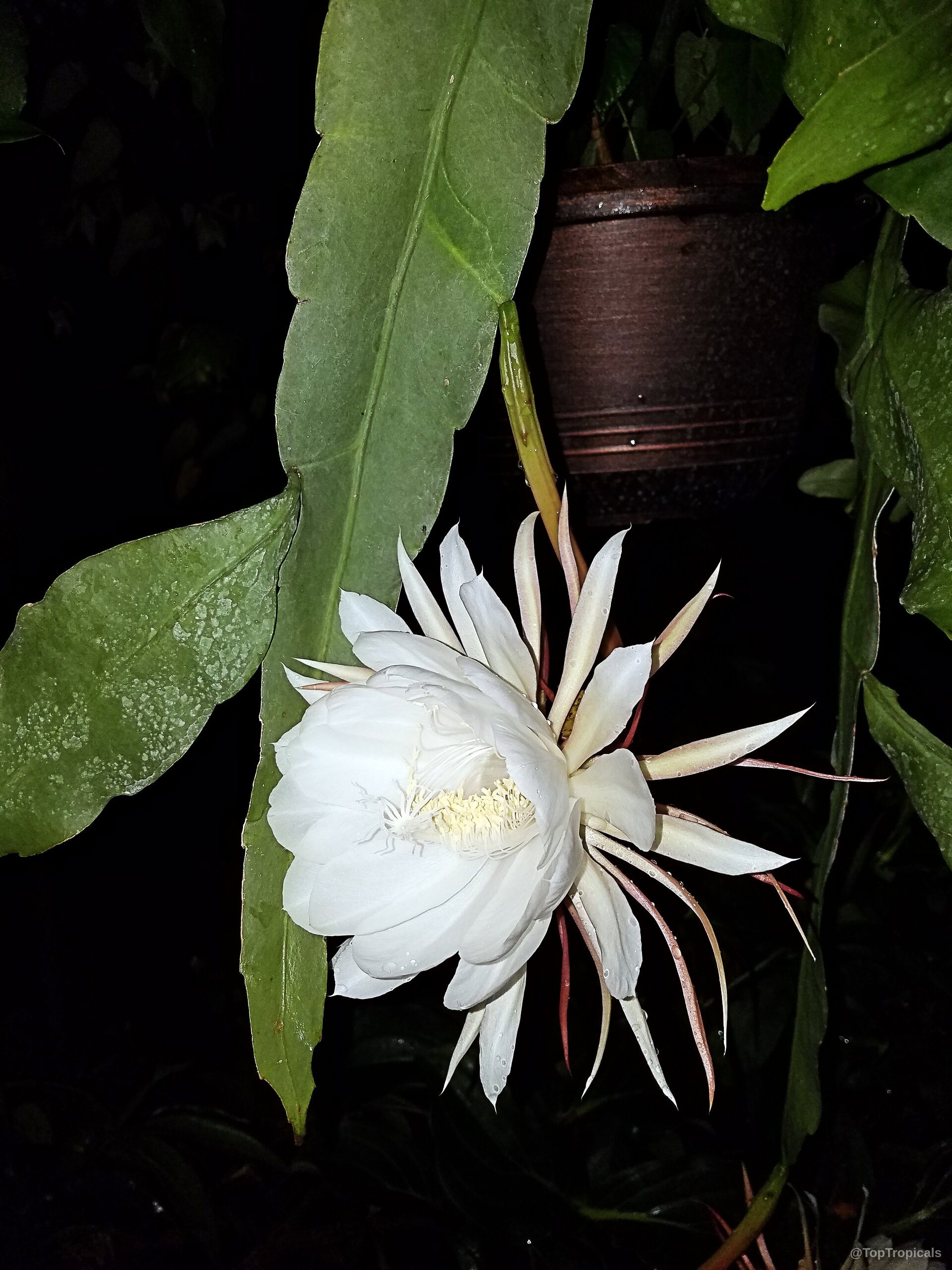
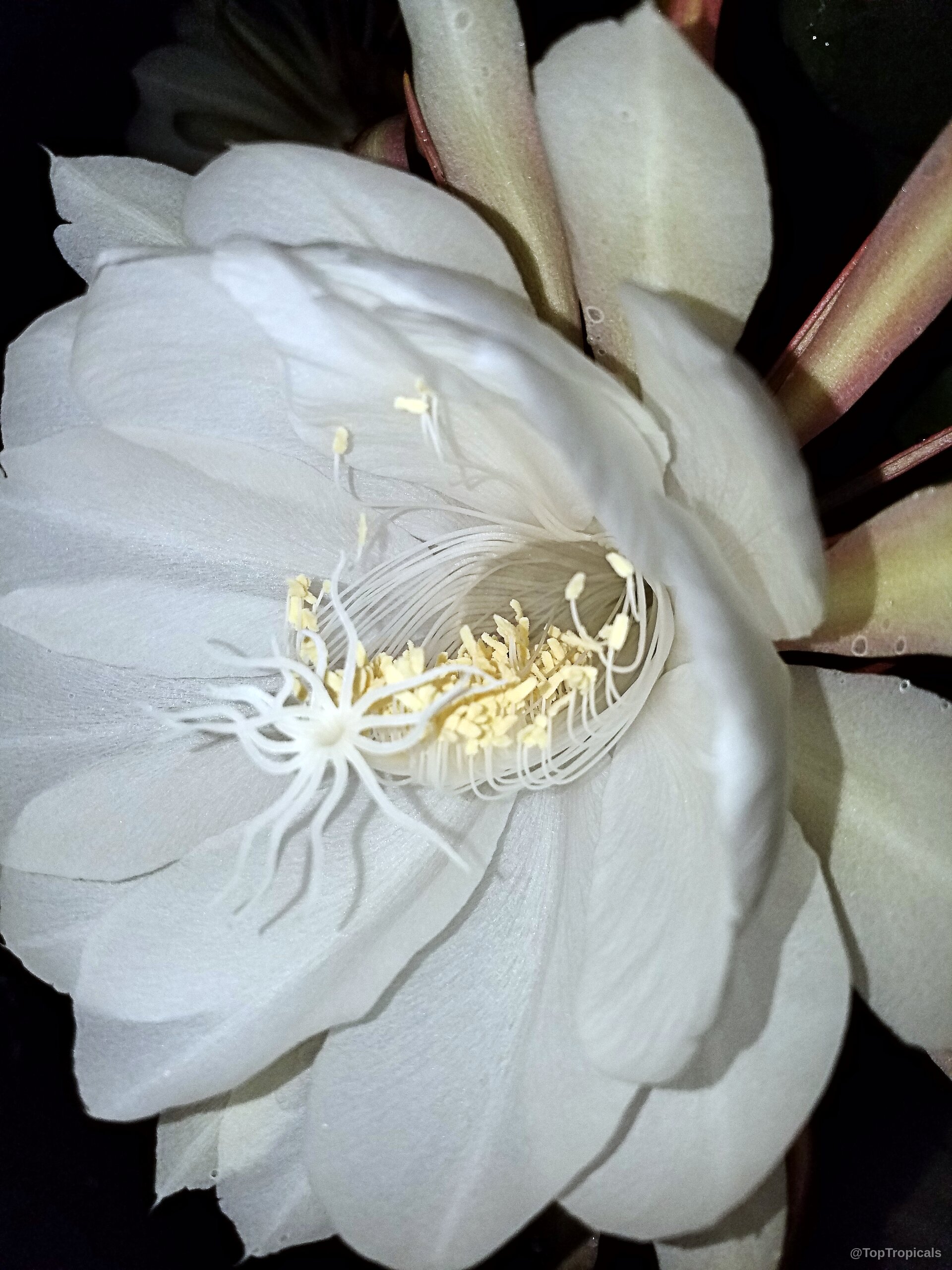
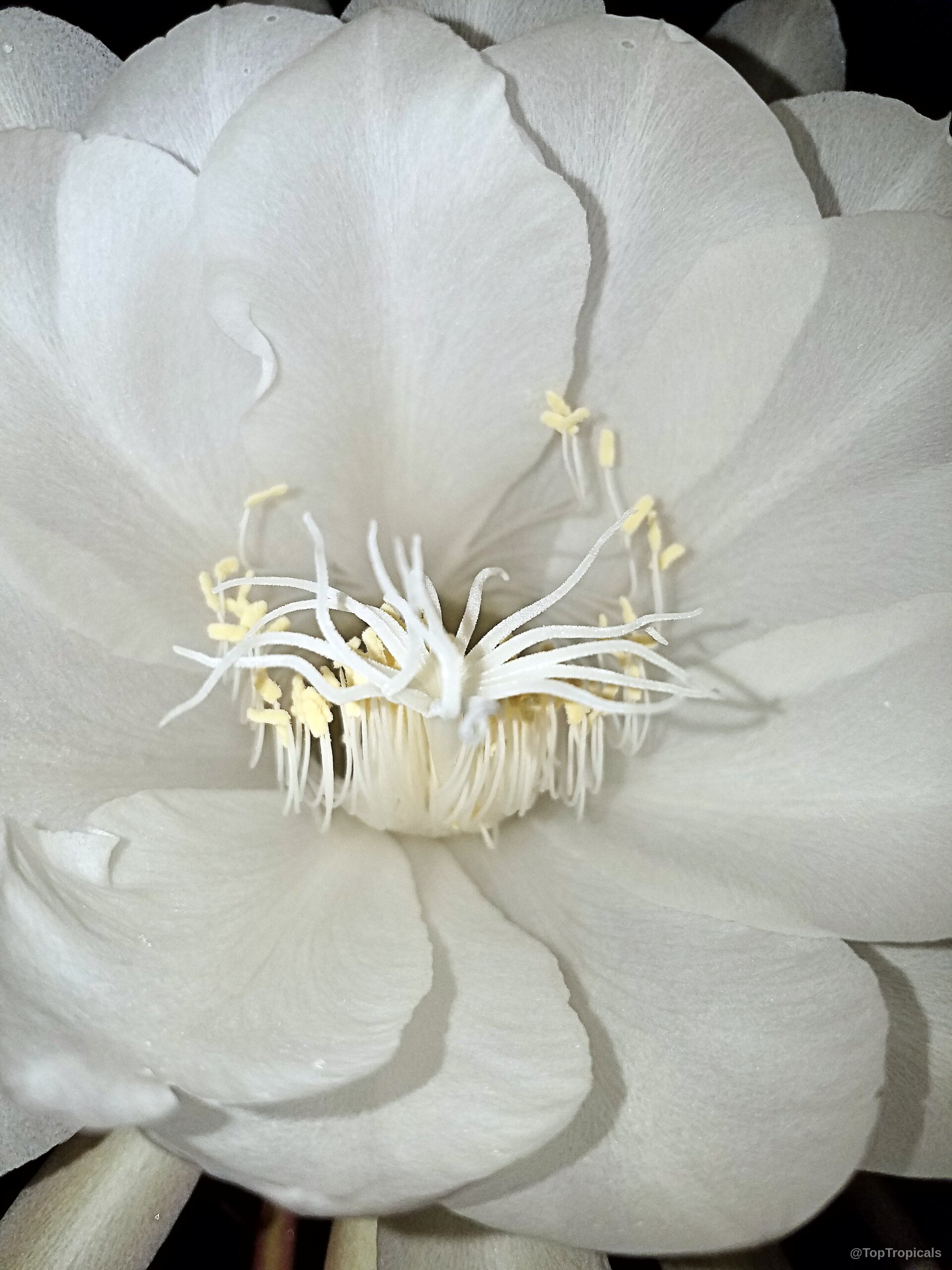
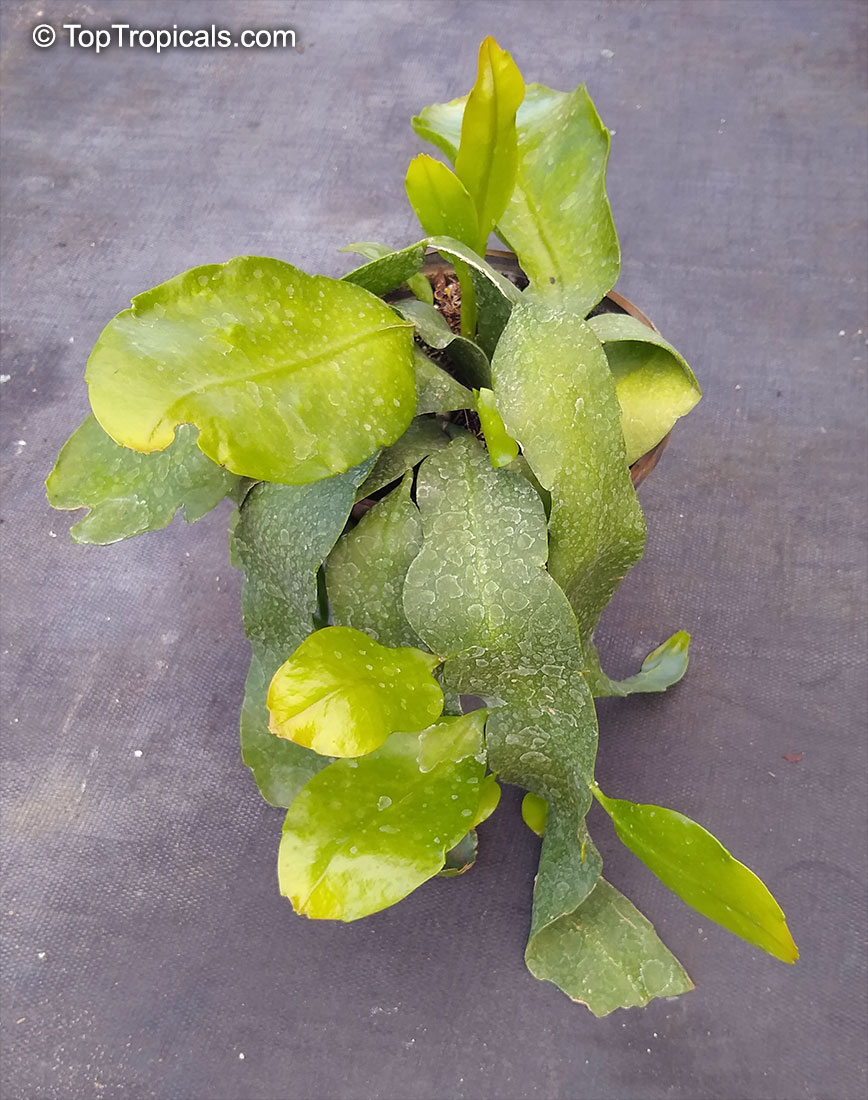
Botanical name: Epiphyllum oxypetalum
Common names: Belle de Nuit, Lady of the Night, Queen of the Night, Night blooming Cereus, Dutchman's Pipe
Family: Cactaceae
Origin: Central America


This special cactus grows in tropical rainforests and has large wide meaty leaves. The flower is huge, white, fragrant, and nocturnal. Blooms at night hours, hence the name. One of the most exotic indoor plants. The plant is common around Veracruz, Mexico, a coastal area that borders the Gulf of Mexico. In this area, the weather is extremely humid, and the temperatures vary quite broadly, from 60 to 120 F, with a rainy season that lasts from May to October.
Queen of the Night is a very popular and yet mysterious plant. The flowers open once a year after sunset for one night. However the flowering period can last a month or two during the warm season. So each flower lasts only one night, but there will be more flowers to come! In the Nature, Queen of the Night grows on trees in the jungles of Central and South America. It is very easy to grow as an indoor plant in colder climates. In tropical and subtropical areas, grown outside in hanging baskets.
If grown from cutting, it may take 2-3 years until the plant starts blooming.
Propagation Methods: by dividing rhizomes, tubers, corms or bulbs (including offsets); leaf cuttings, herbaceous stem cuttings.
Synonyms: Epiphyllum latifrons, Phyllocactus acuminatus, Epiphyllum acuminatum, Epiphyllum grande, Phyllocactus latifrons, Cereus latifrons, Phyllocactus oxypetalus, Cereus oxypetalus, Phyllocactus grandis.












Recommended Fertilizer: SUNSHINE Robusta - Rapid Growth Booster
 SUNSHINE Pikake (NPK 2-2-4) - eco-friendly concentrated nutrition booster for fragrant flowers. Improves quantity and quality of flowers. Encourages profuse blooming. Increases flower fragrance intensity. Can be used with every watering. For best results, use in combination with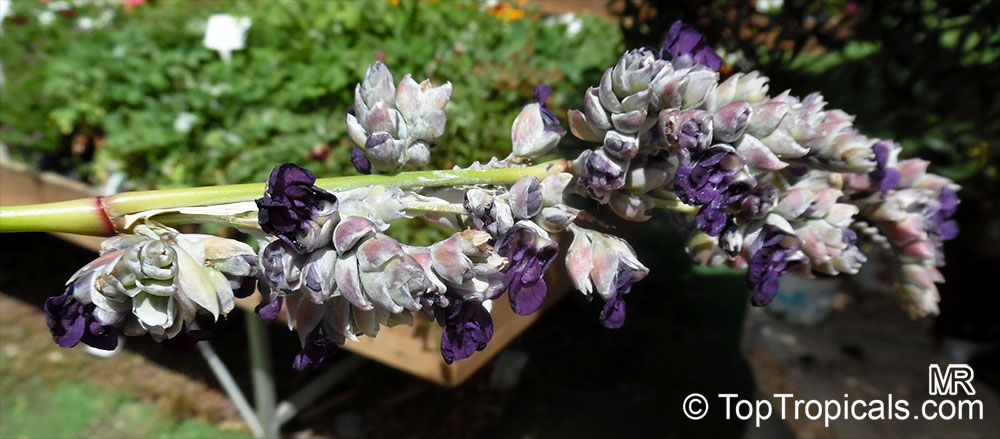
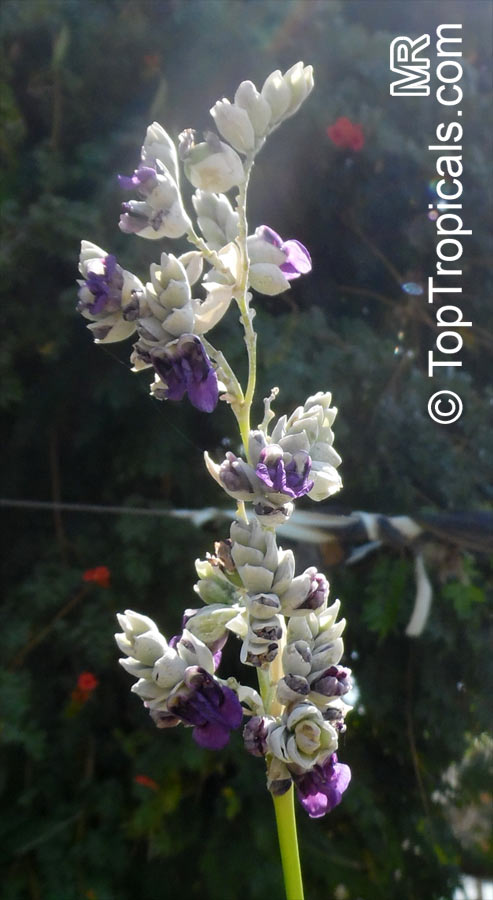
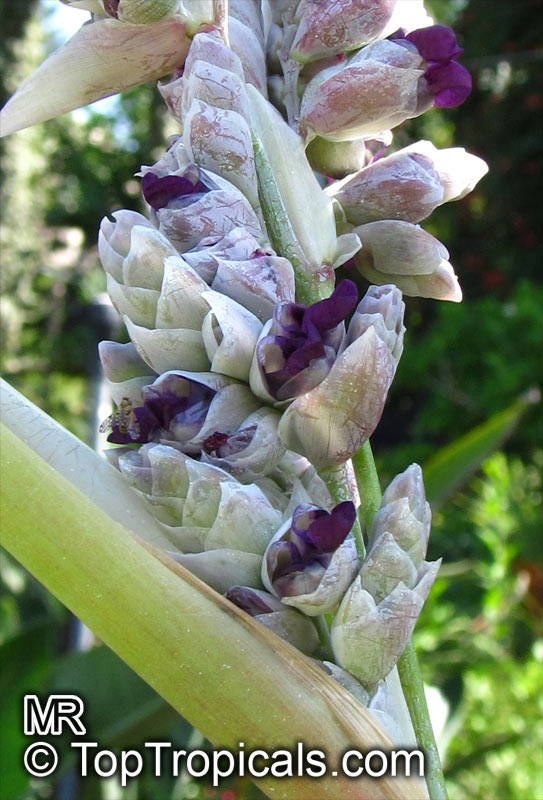
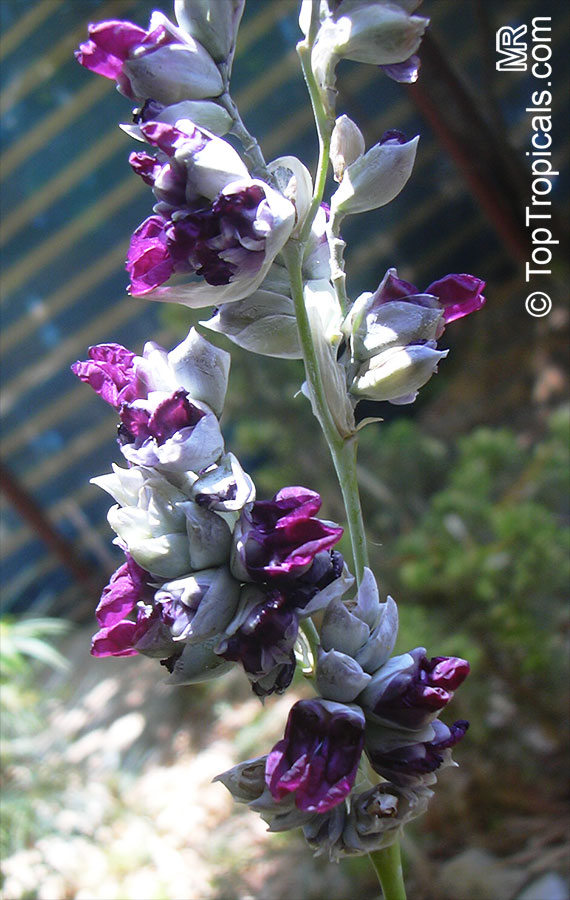
Botanical name: Thalia dealbata
Common names: Powdery Thalia, Hardy Canna, Water Canna, Alligator Flag
Family: Marantaceae
Origin: Southeastern North America


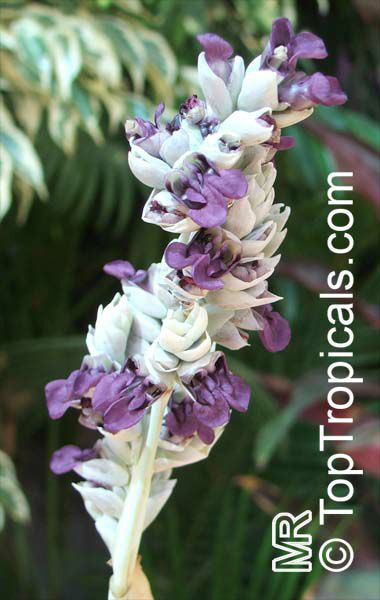
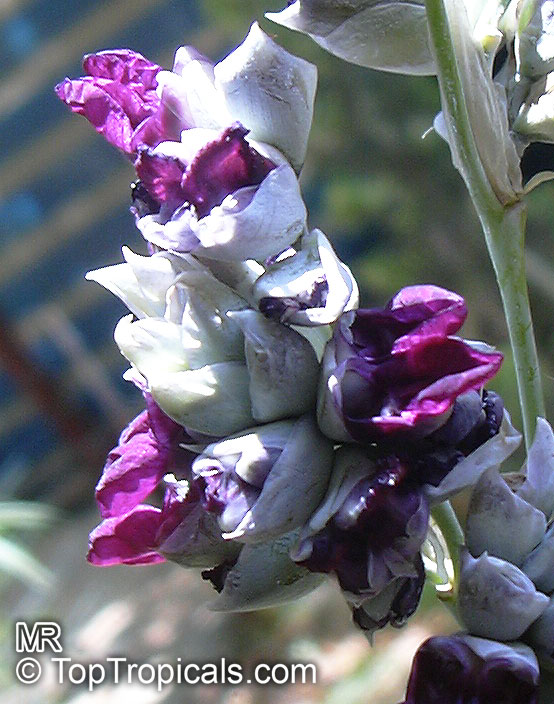
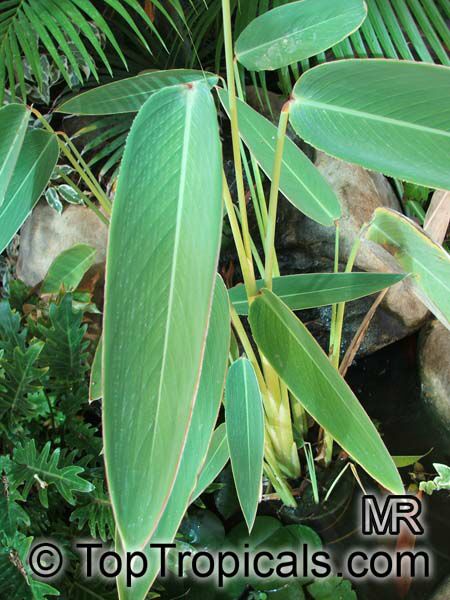
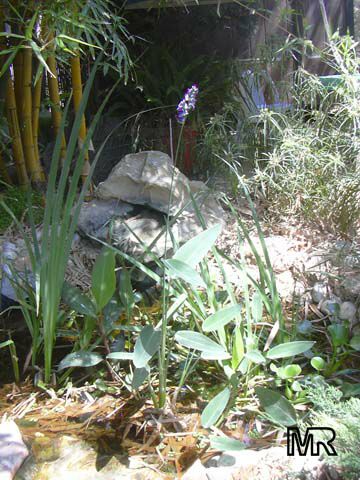
Powdery Alligator Flag is a robust, tropical, aquatic perennial. The large, broadly lance-shaped, long-petioled leaves are covered with a white powdery coating as are all parts of the plant. The blue and purple flowers are crowded in an open panicle. Alligator Flag can reach heights of 6 feet tall and leaves as wide as 20 inches.
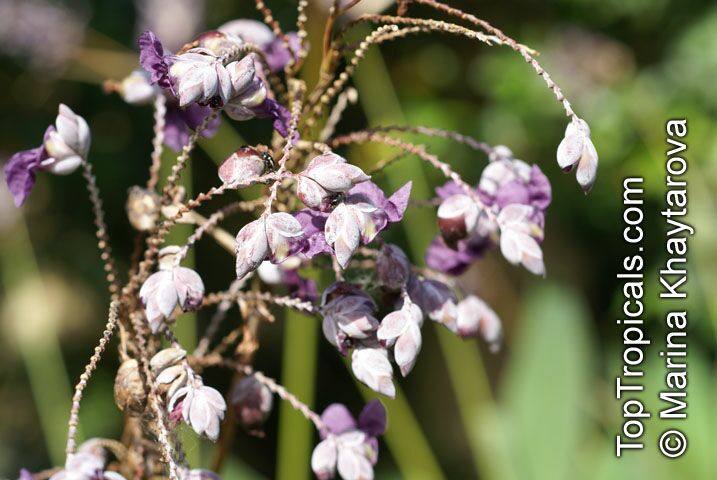
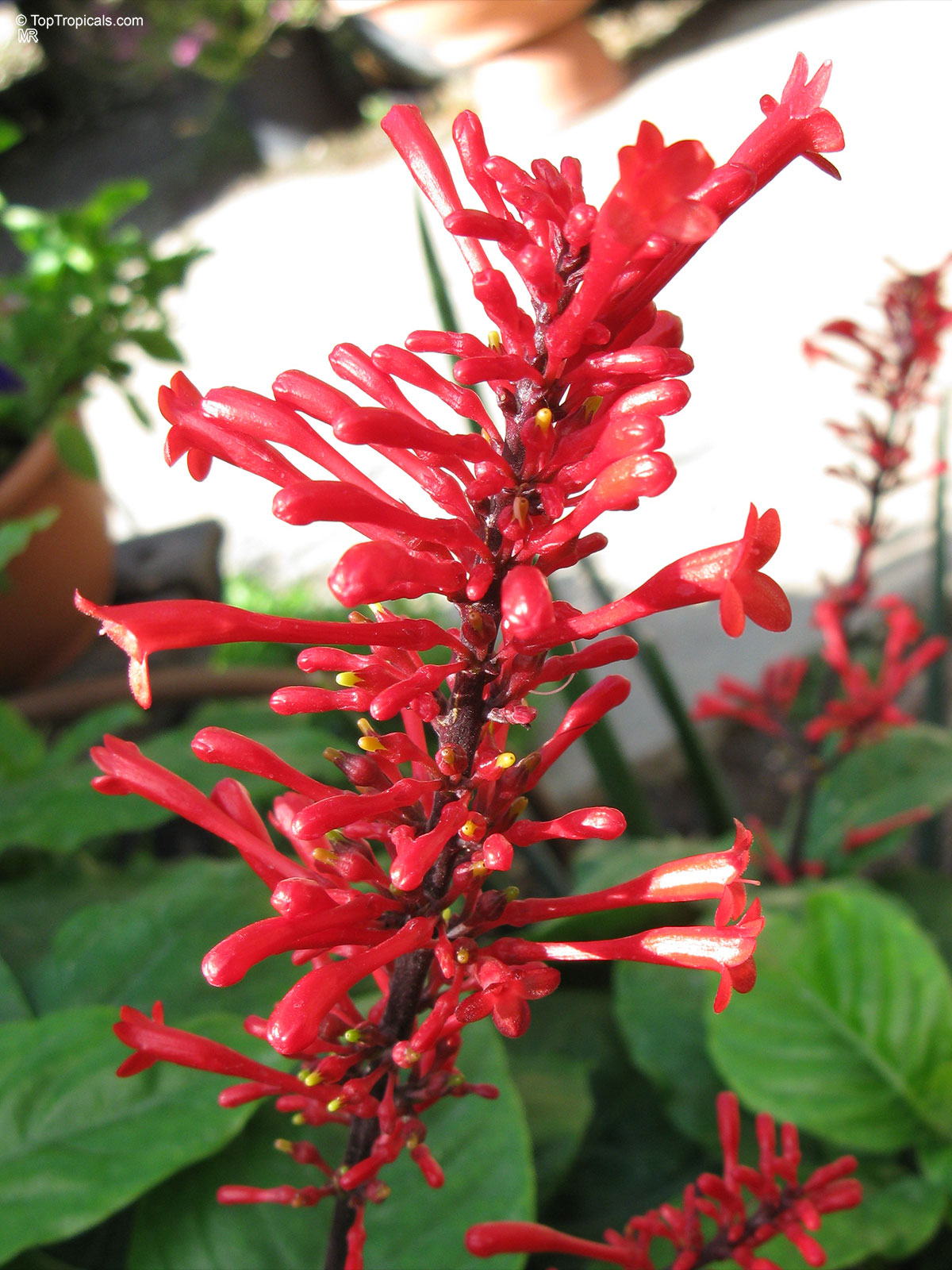
Botanical names: Odontonema cuspidatum, Odontonema strictum
Common name: Fire Spike
Family: Acanthaceae
Origin: Central America

Odontonema cuspidatum (Firespike) is a tropical evergreen shrub native to Mexico and Central America. It forms upright stems with large, glossy, deep green leaves and produces long spikes of tubular scarlet-red flowers that attract hummingbirds and butterflies. Reaching 4 to 6 feet in height, it creates a lush backdrop in gardens and is often planted as an ornamental hedge or accent. The vibrant blooms, appearing from late summer into fall, make it one of the most striking flowering shrubs for warm climates. This plant is also widely encountered in horticulture under the older name Odontonema strictum.
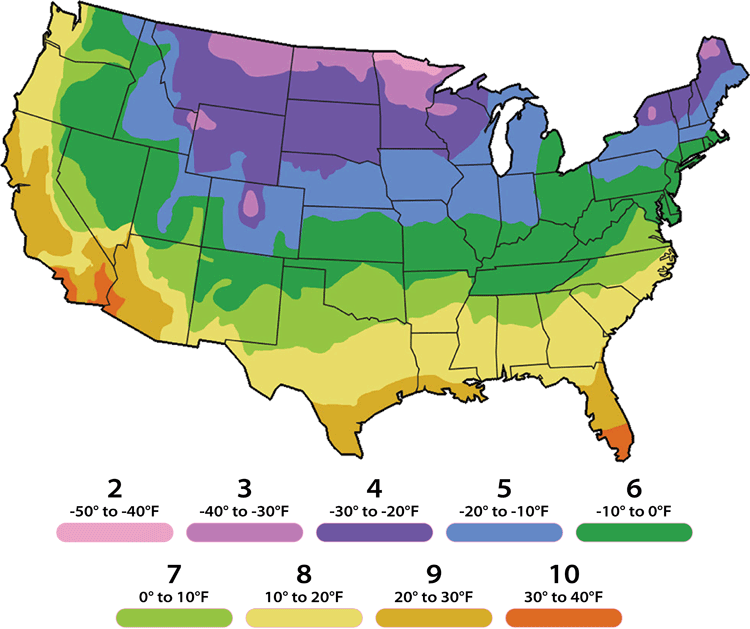
Odontonema cuspidatum grows best in partial shade but will also tolerate full sun if given adequate moisture. It prefers fertile, well-drained soil and responds well to pruning, which encourages dense regrowth and heavier flowering. Though not frost hardy, it can be overwintered indoors in containers in colder regions, where it adapts well to pot culture. It is suited for USDA Zones 9-11, with plants tolerating brief dips to about 30F, but protection is required in cooler conditions.
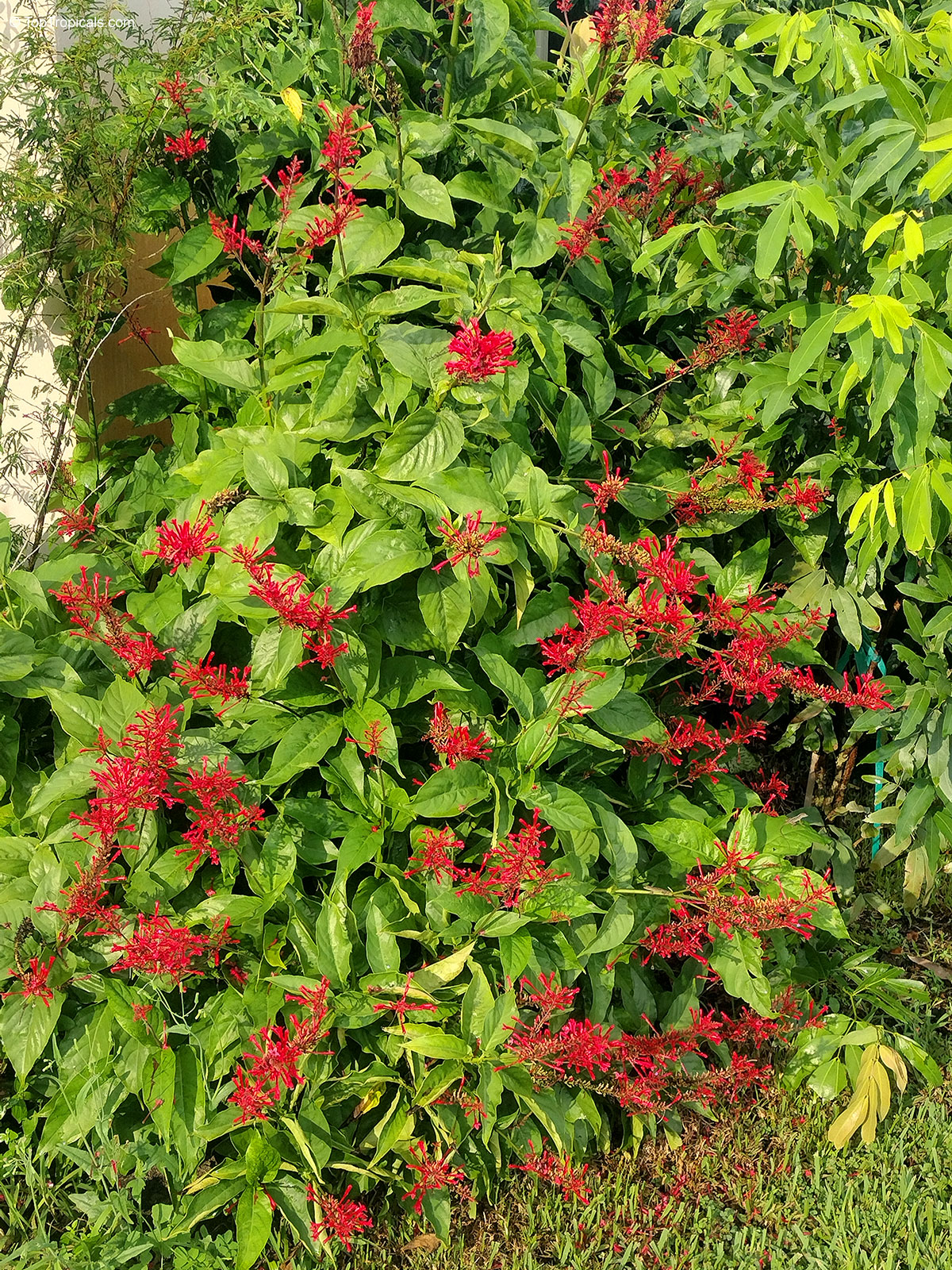
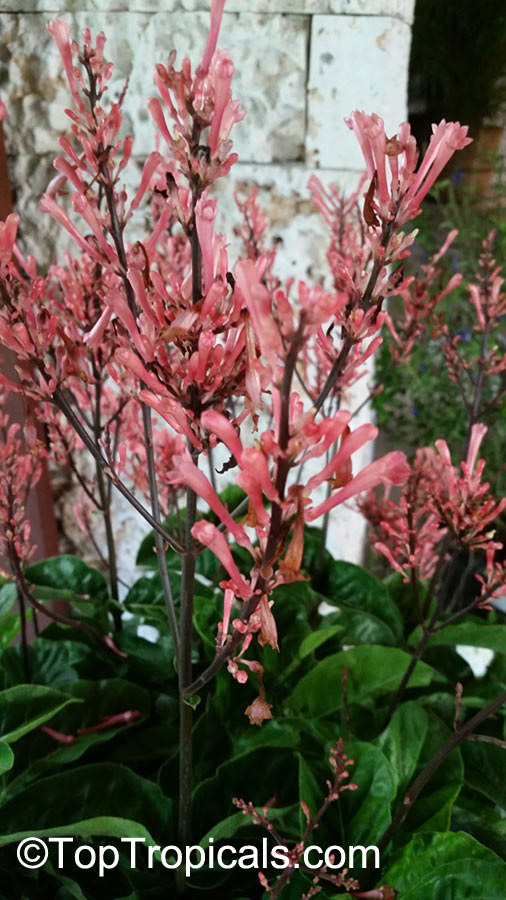

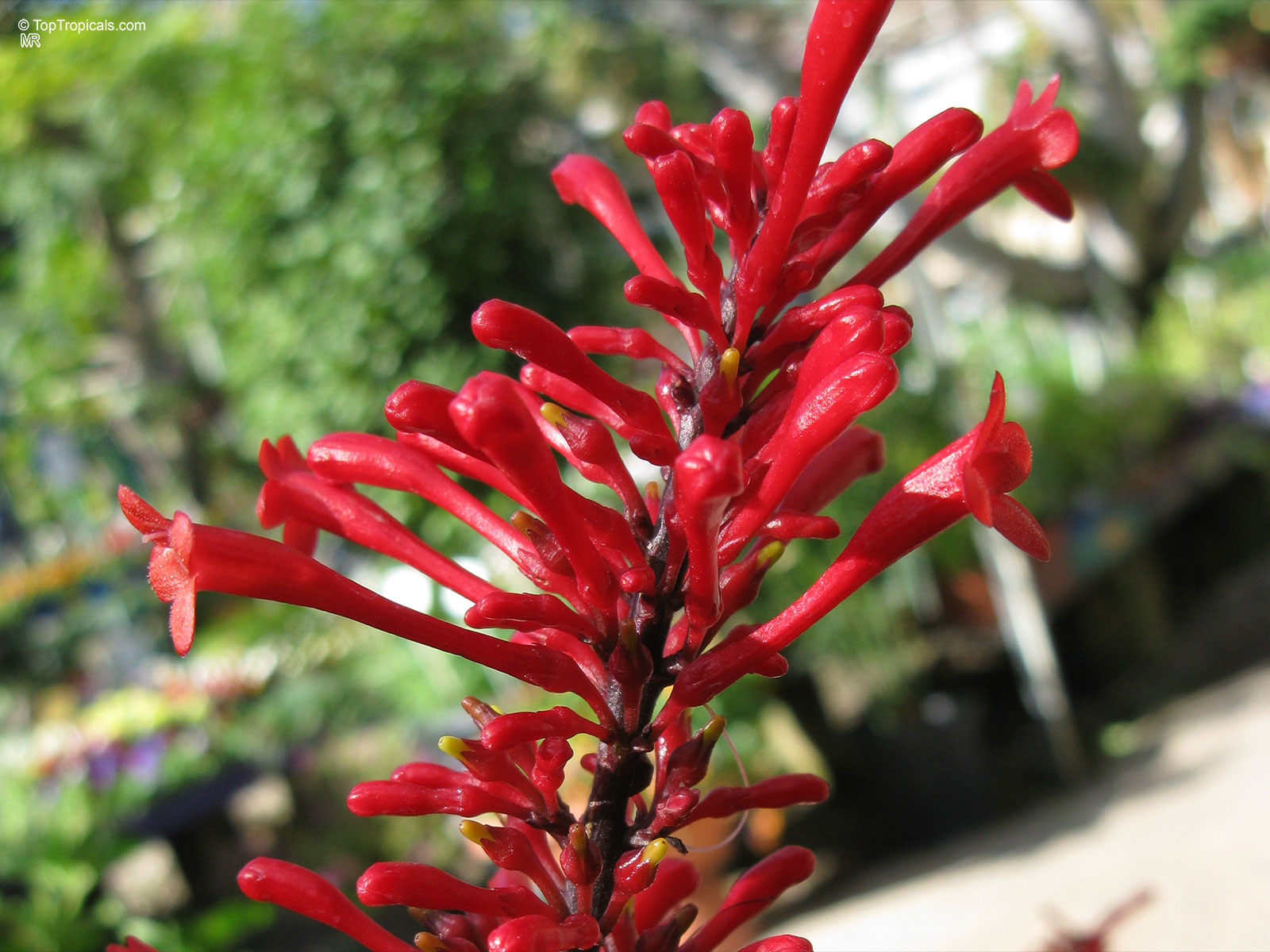

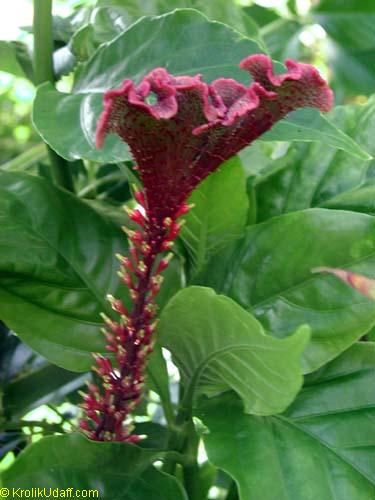
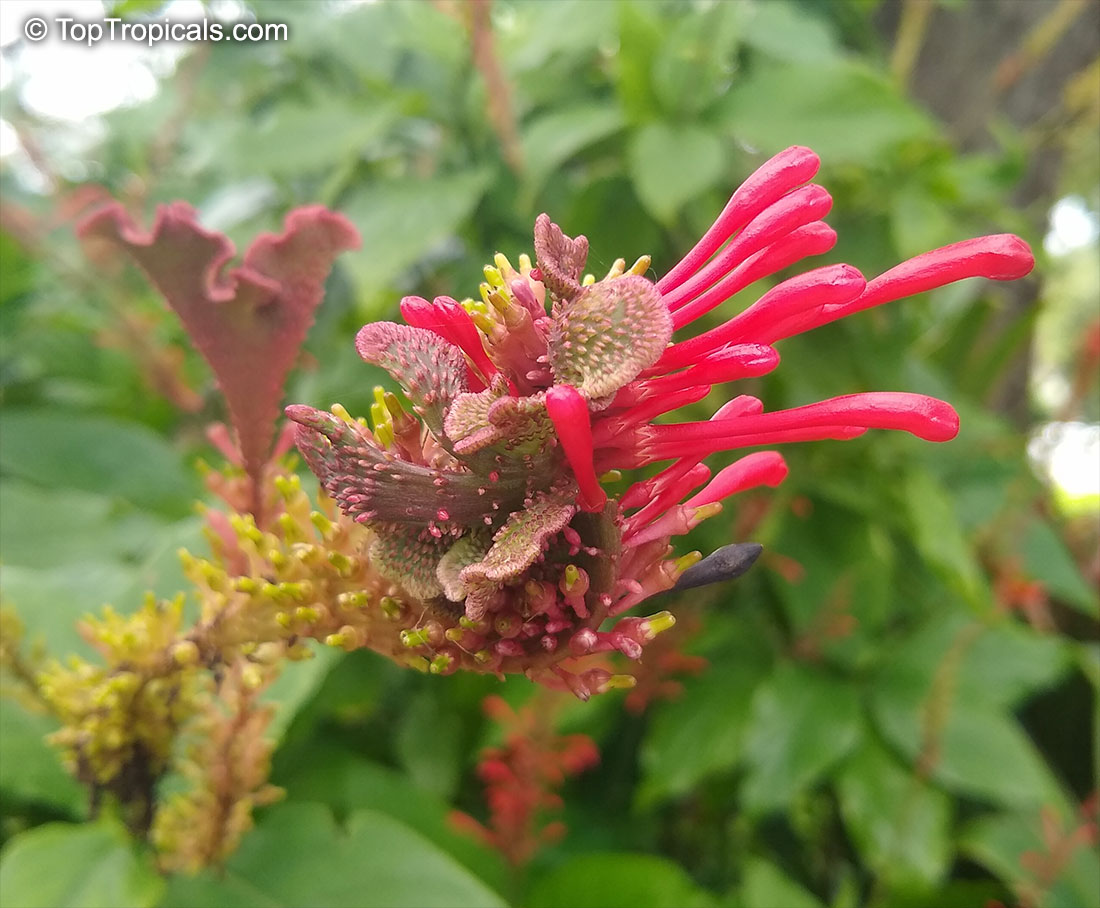
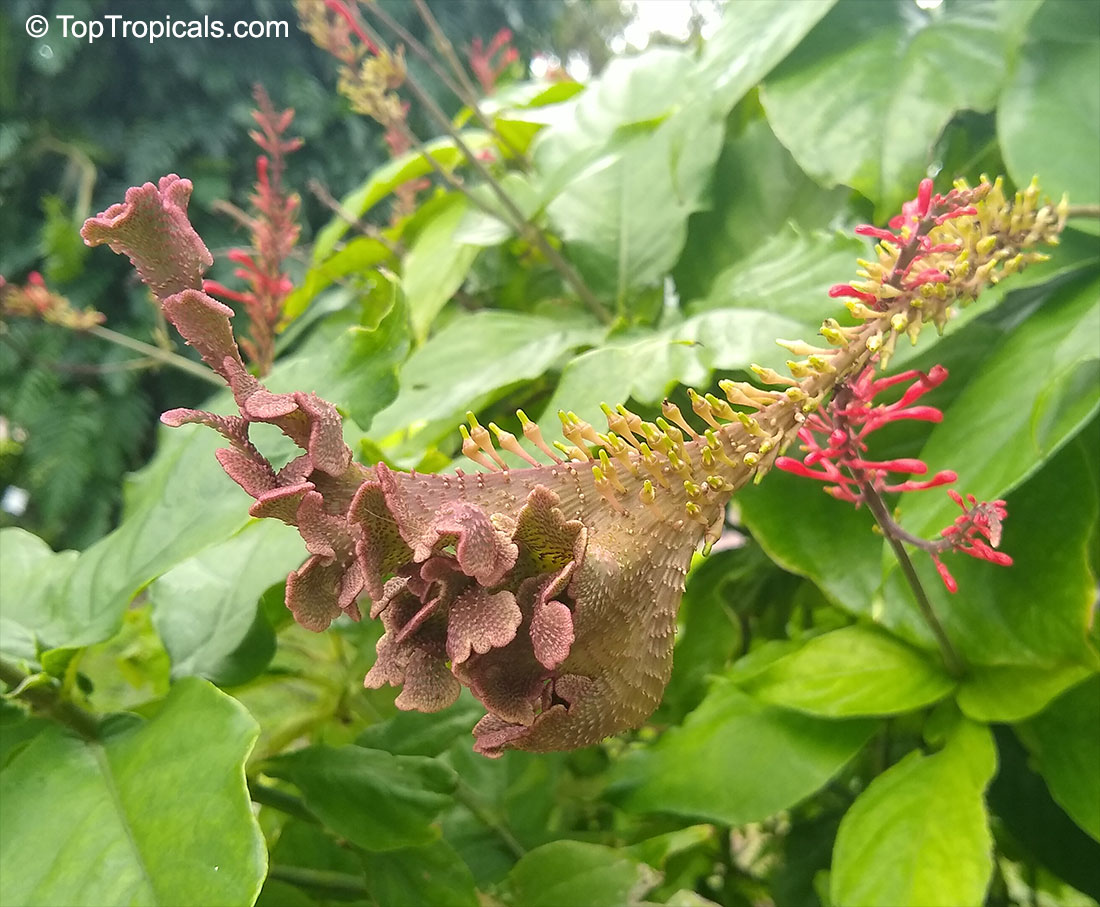

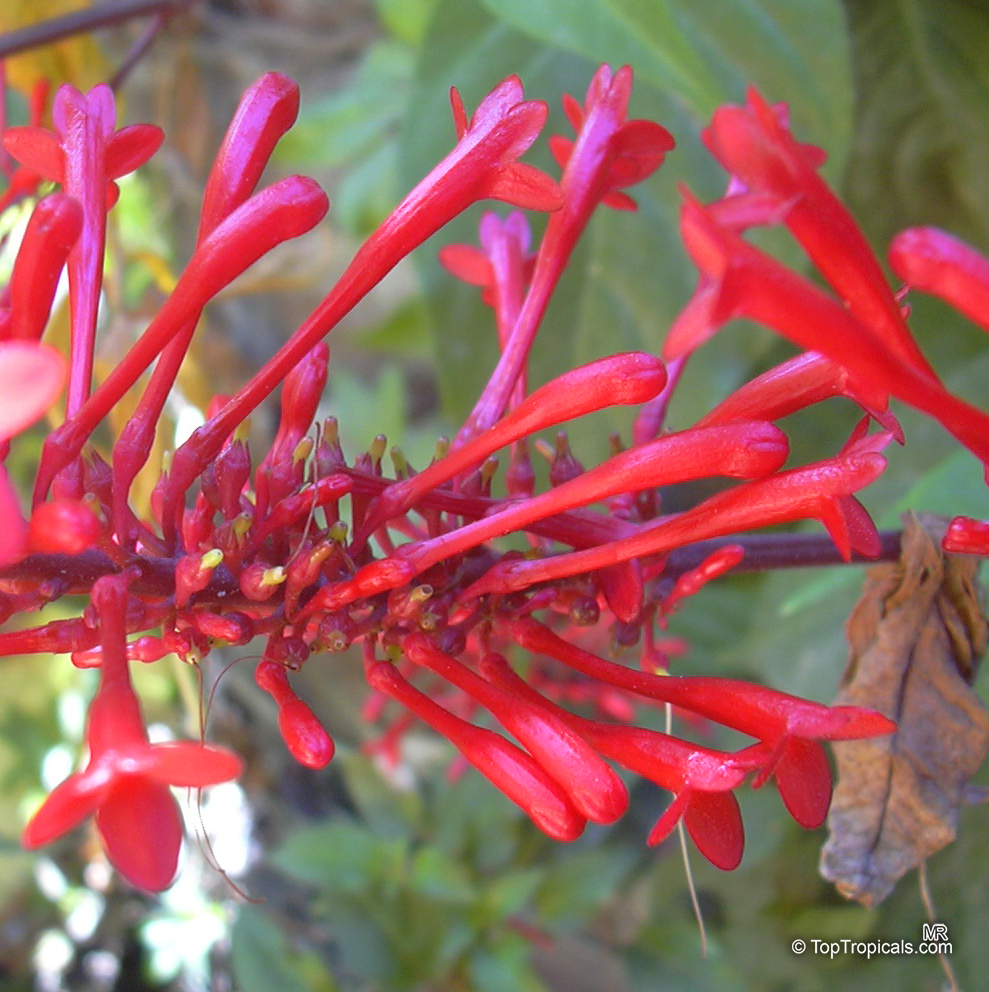
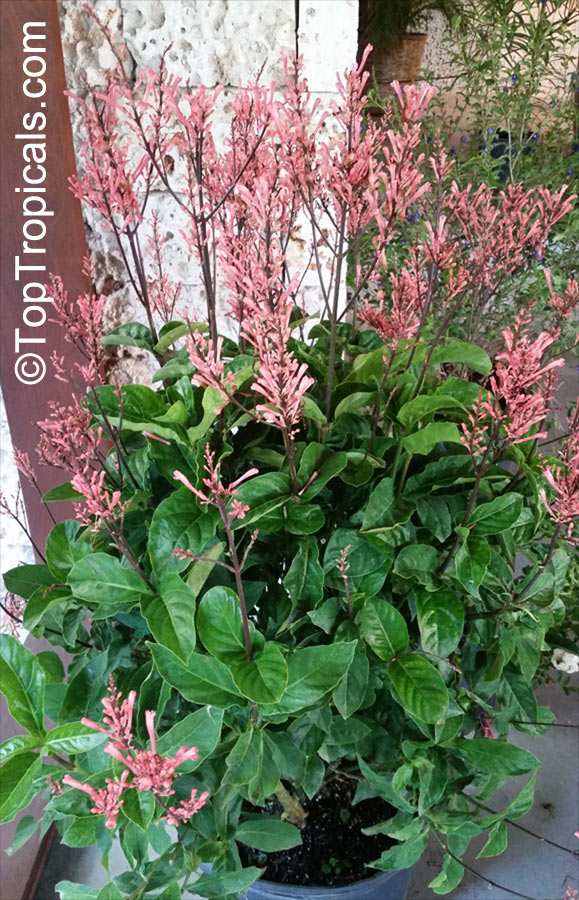


Plants are beautiful in bloom.
Recommended Fertilizer: SUNSHINE Megaflor - Bloom Nutrition Booster
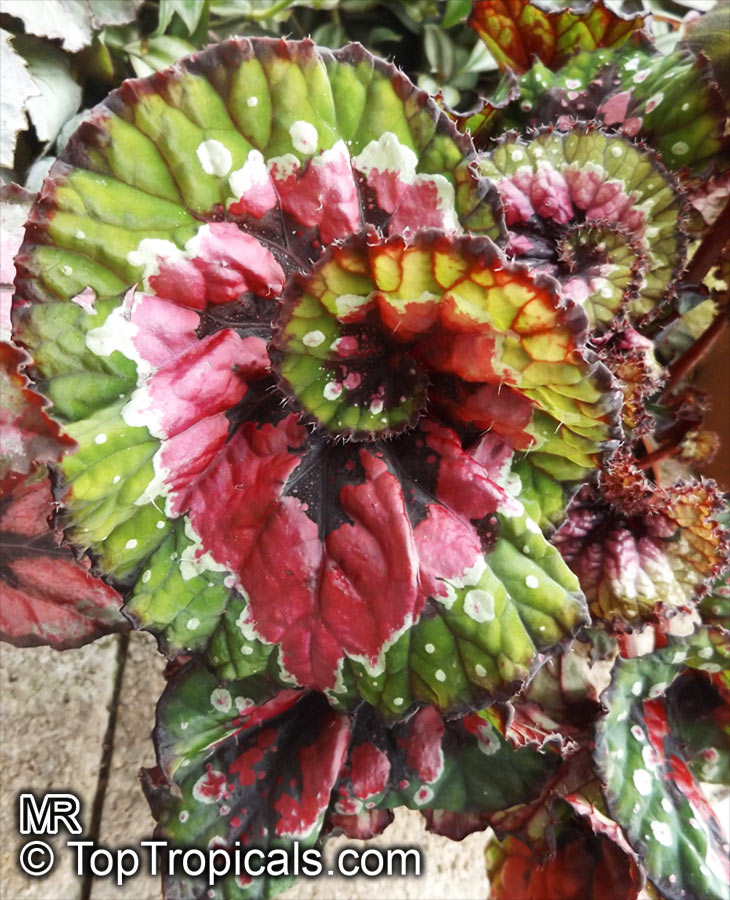
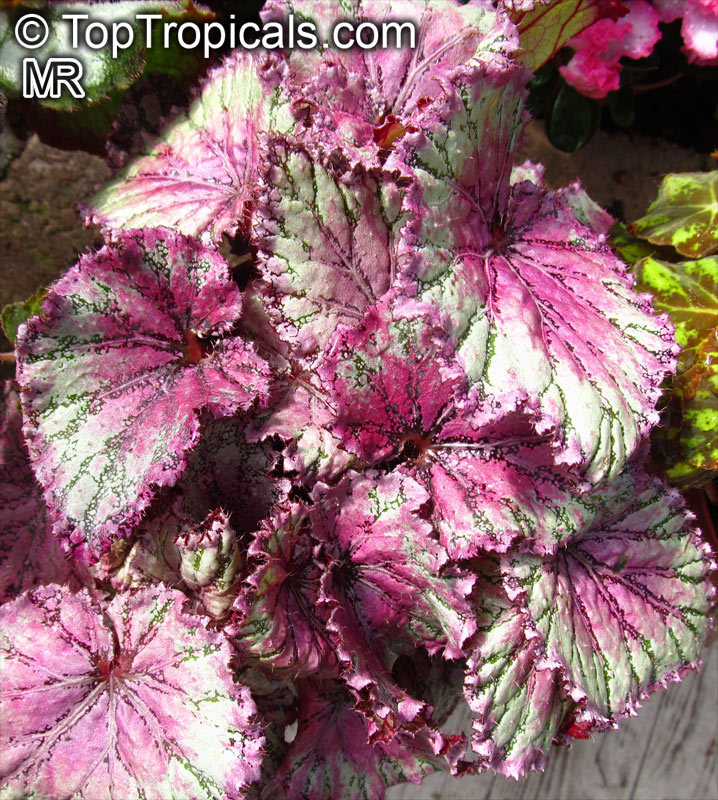
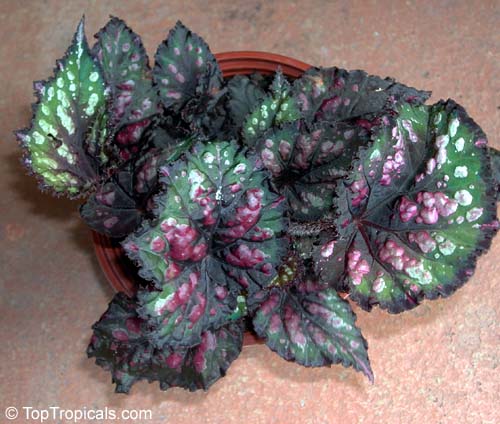
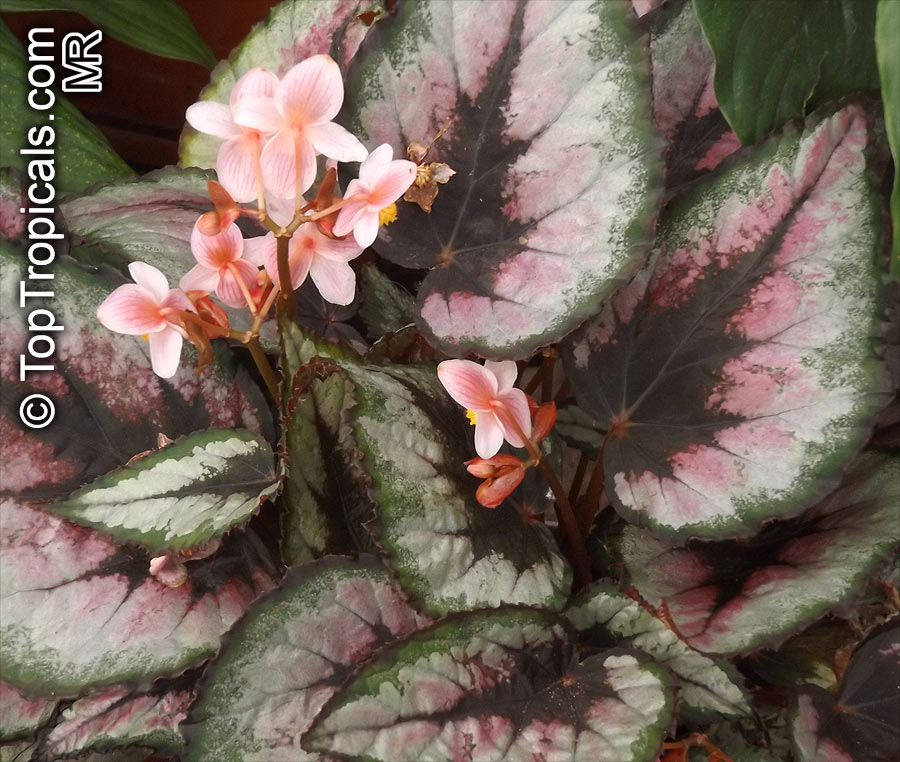
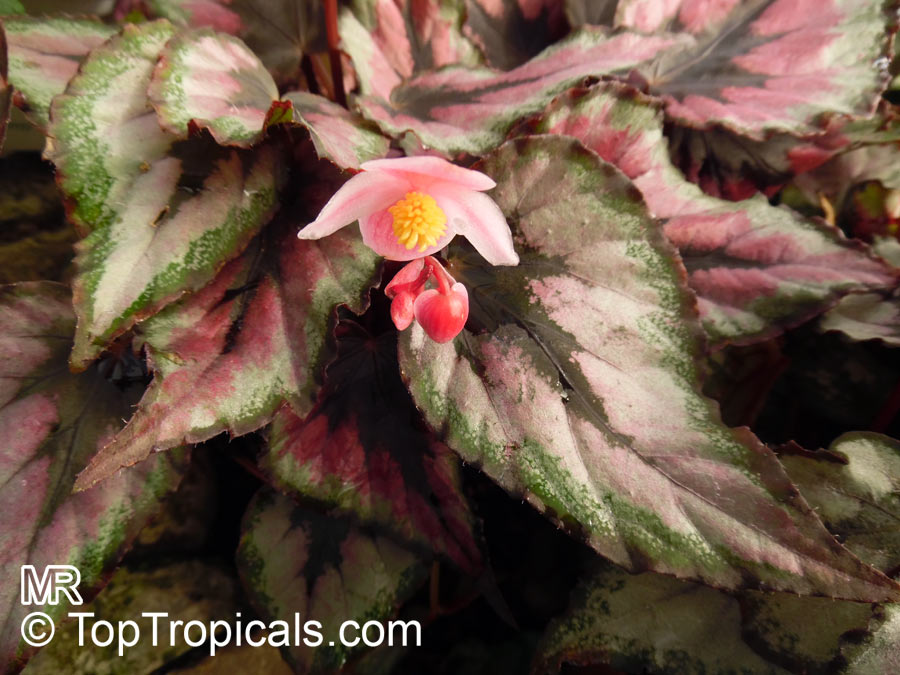
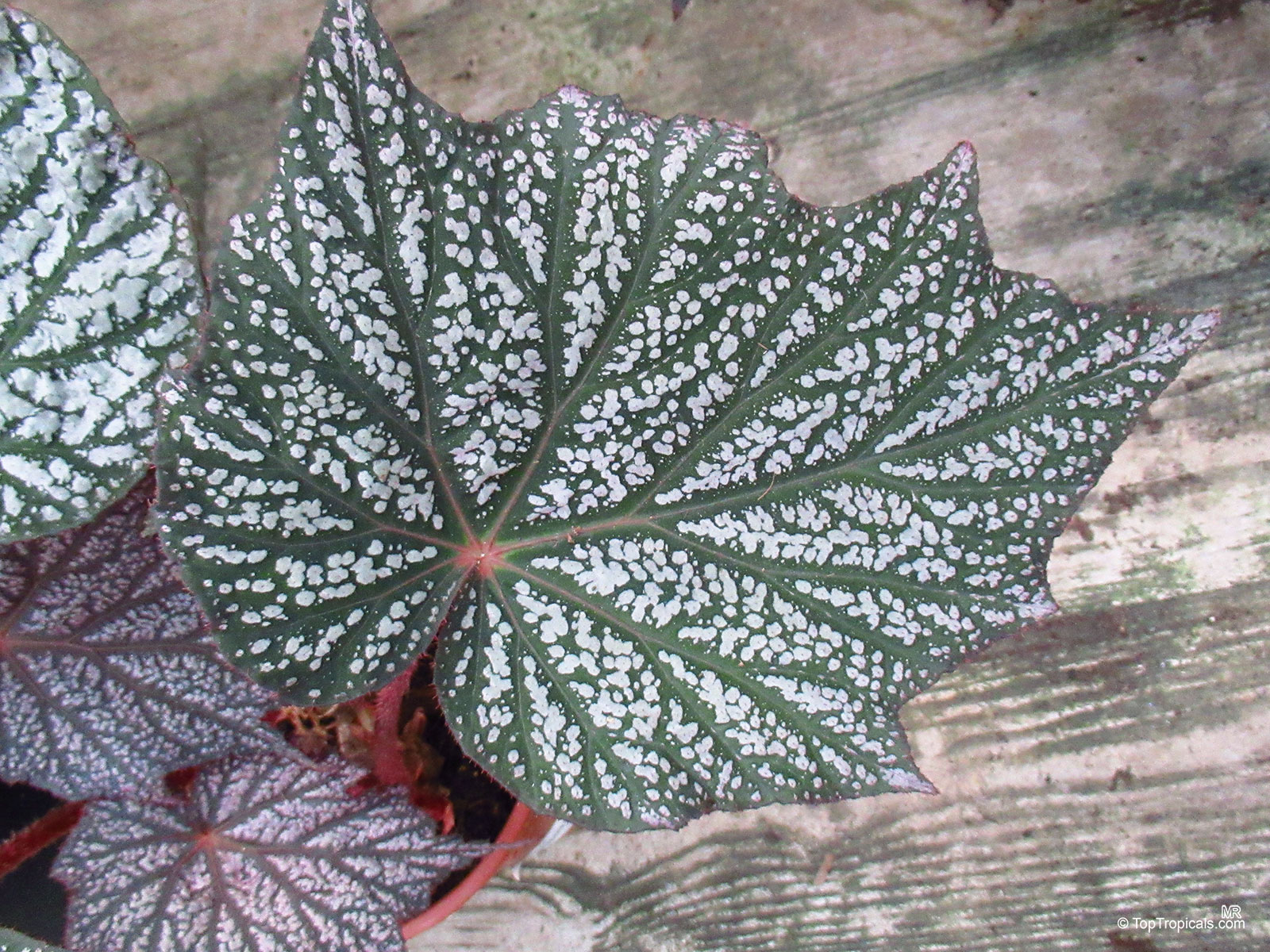
Botanical name: Begonia Rex-cultorum Group
Common names: Painted Leaf Begonia, Rex Begonia
Family: Begoniaceae

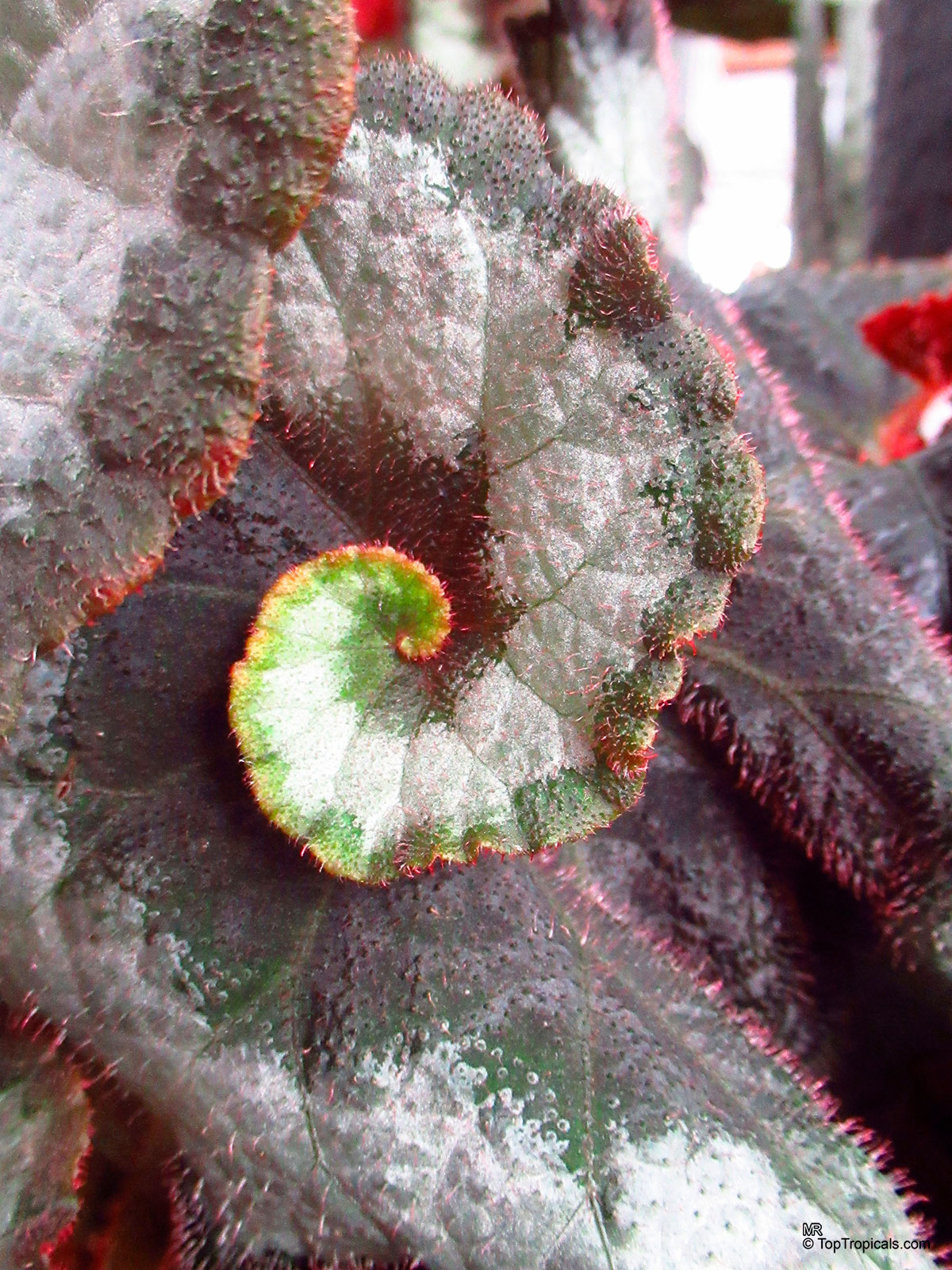
Begonia Rex - cultorum Group, also known as Painted Leaf Begonia, is a stunning genus of rhizomatous cultivars grown for their multicolored foliage. These flowers originate from the Himalayan Begonia rex and some related Asian species. It forms a small, yet beautiful shrub, reaching 2-5ft (60-150cm) in height.
This species of Begonia prefers partial shade or semi-shade, and needs regular watering during active growth. It is recommended to plant Begonia Rex in a pot with drainage holes in cold regions, rather than in a garden.
The foliage of Begonia C. Rex is particularly eye-catching, having silvery, pearly hues and a leathery texture. Its colors range from off-white and pink to bronze and purple and create a stunning addition to any type of garden. For optimal growth and appearance, Begonia Rex requires a well-draining soil mix, as well as watering and light fertilizing with balanced liquid fertilizer.
This attractive Begonia can thrive in USDA Zones 9-11 as long as it is planted in a suitable soil mix in a semi-shaded spot. In order to prevent it from drying out, it is recommended to provide mulching with organic material such as aged bark or composted leaves. When it comes to maintenance, it is possible to keep it in a good shape with careful pruning; however, be careful not to over-prune in winter months as Begonia C. Rex is very prone to root rot.
With correct maintenance and pruning, Begonia Rex cultorum Group will reward you with its lush foliage and divine beauty.
































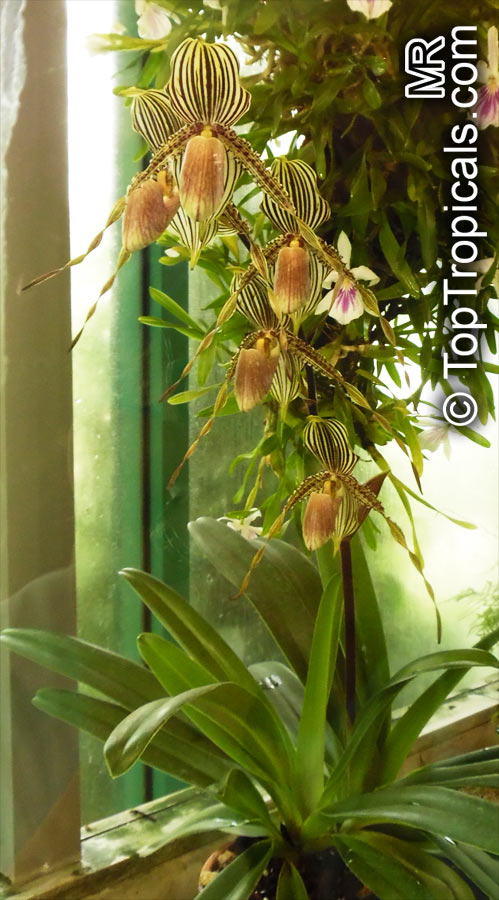
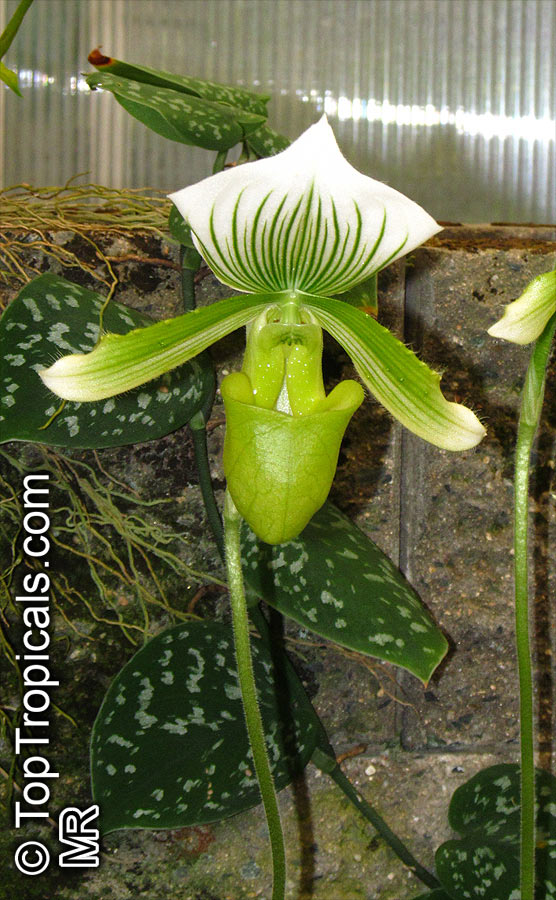
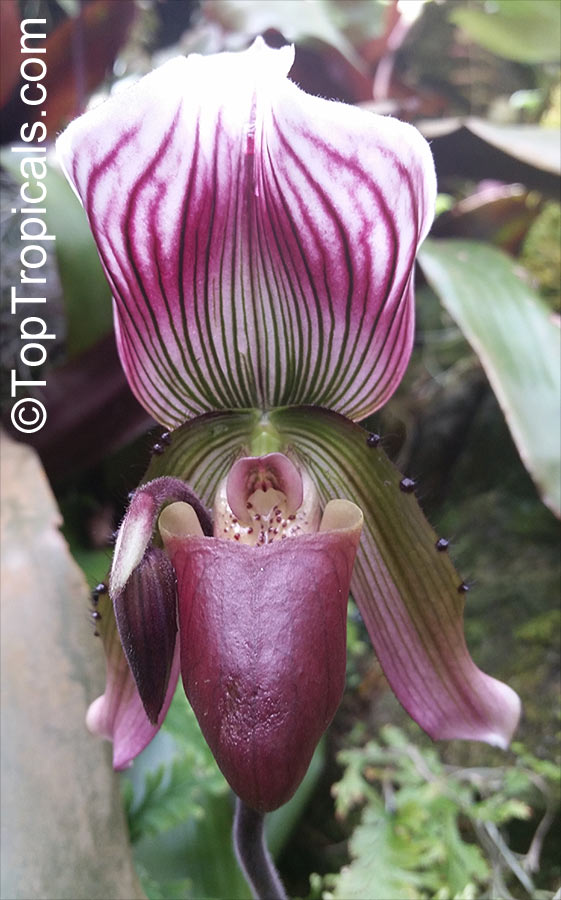
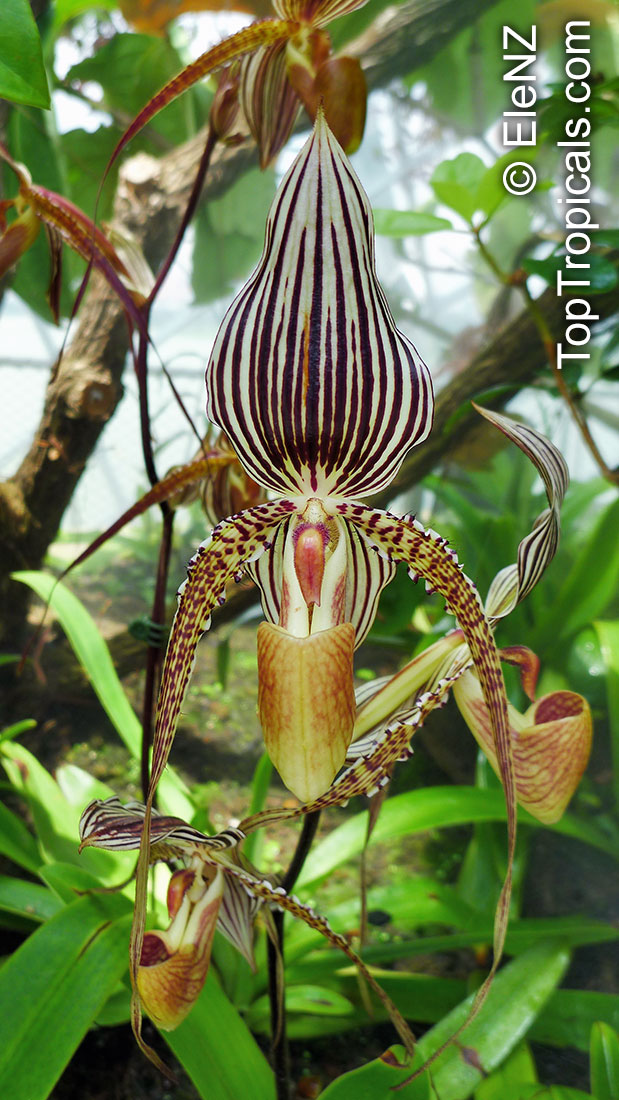
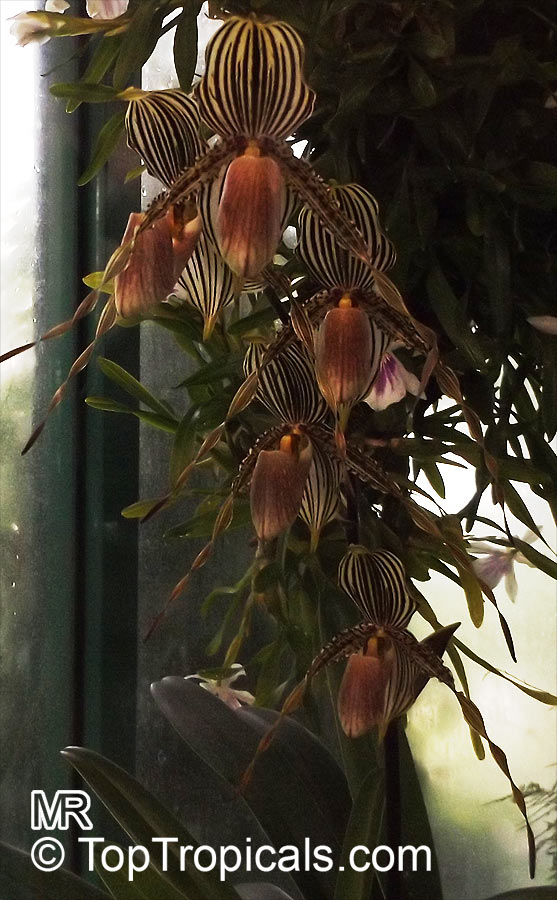
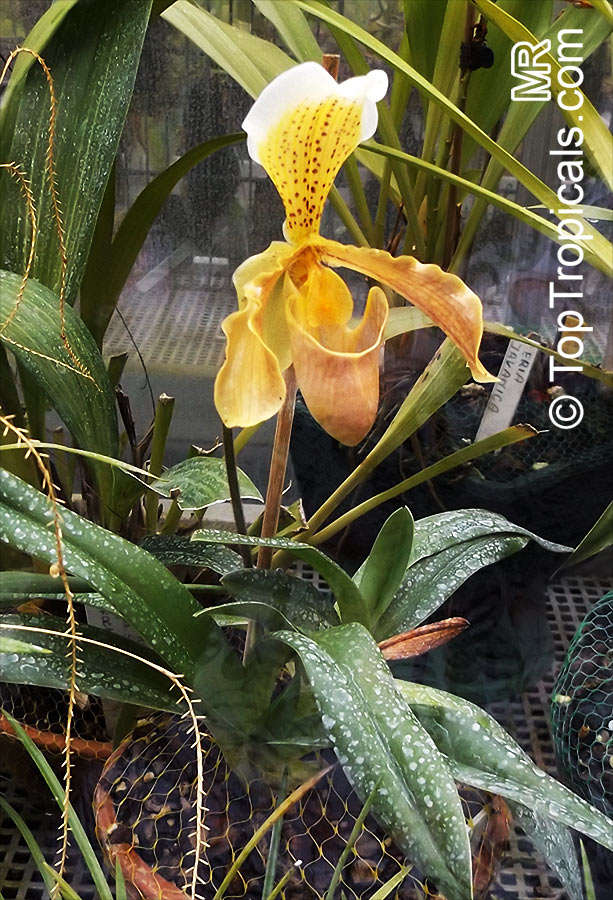
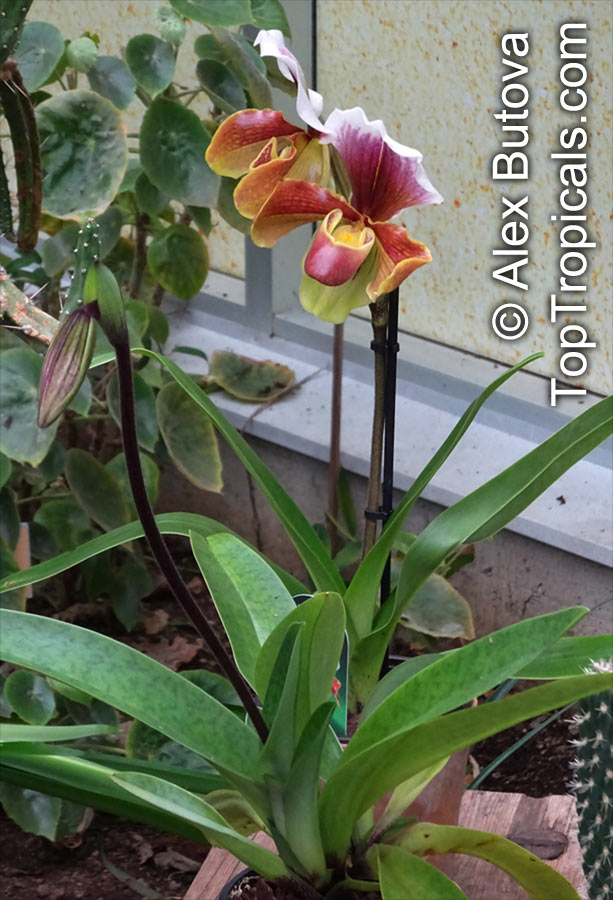
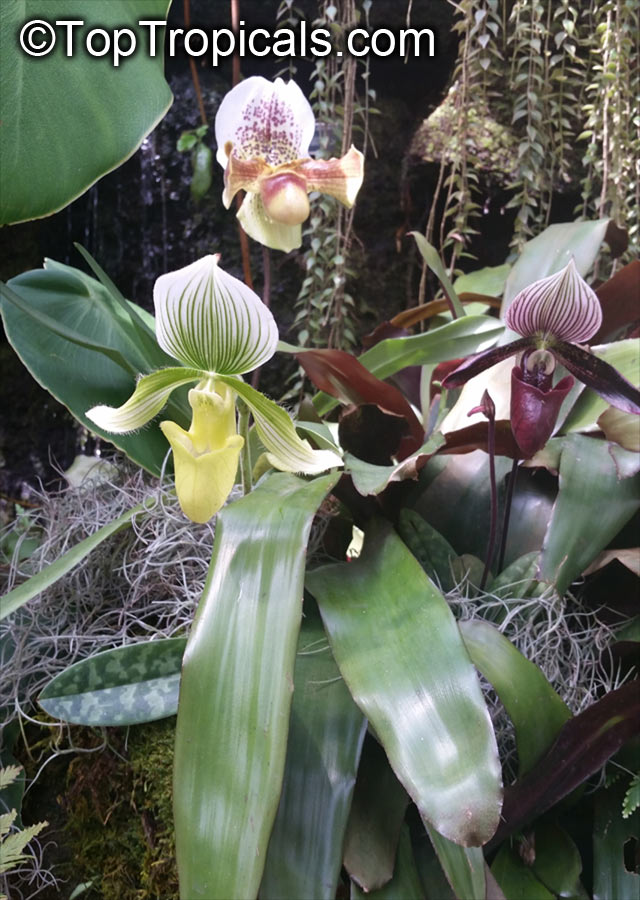
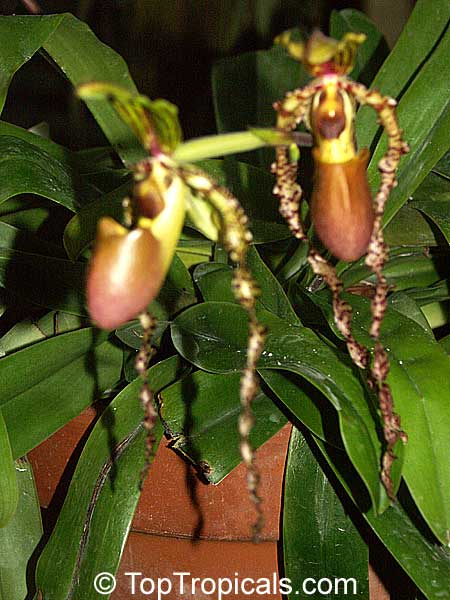
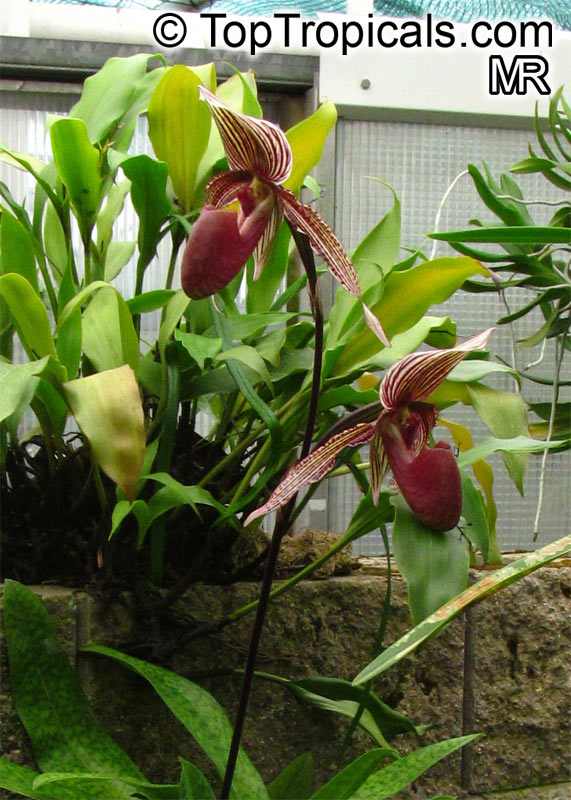
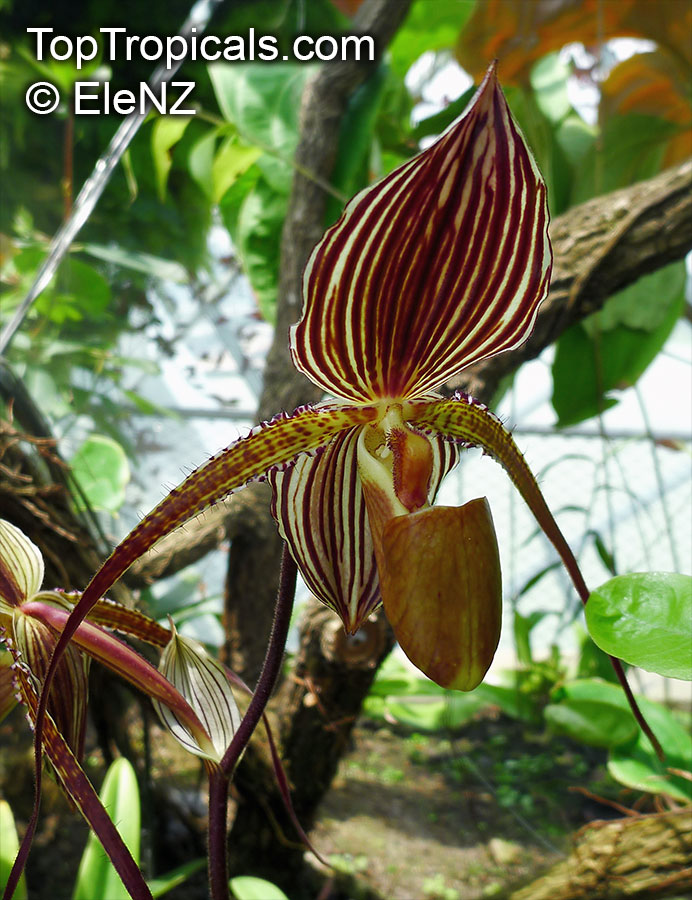
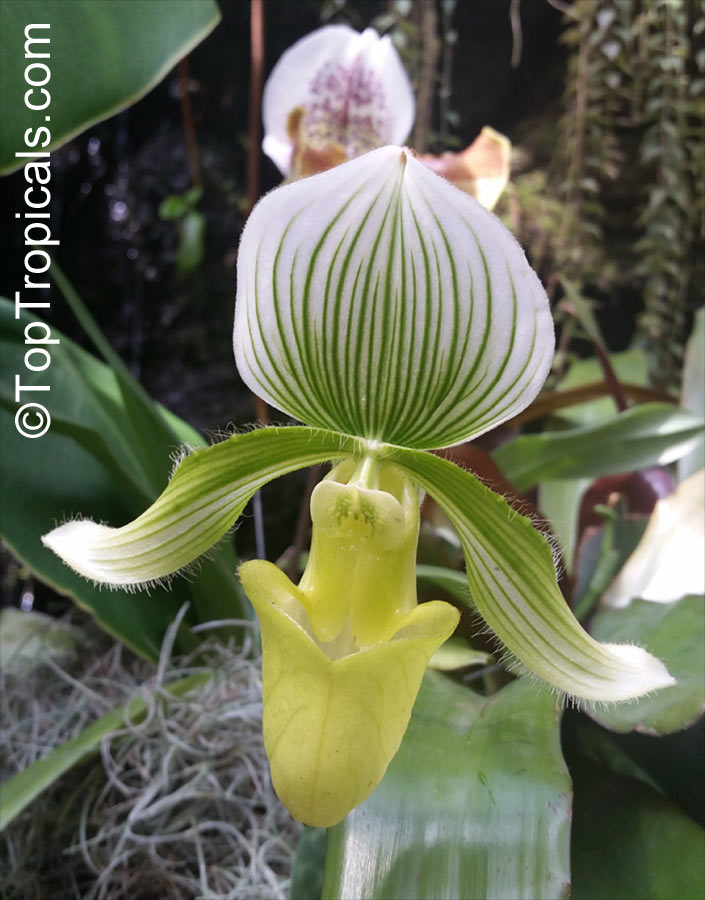
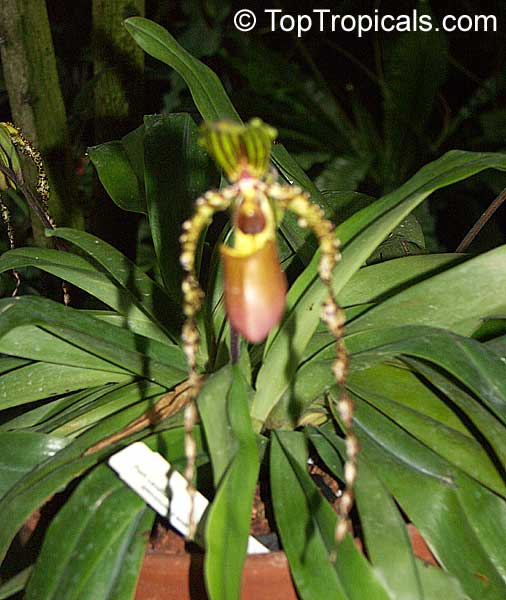
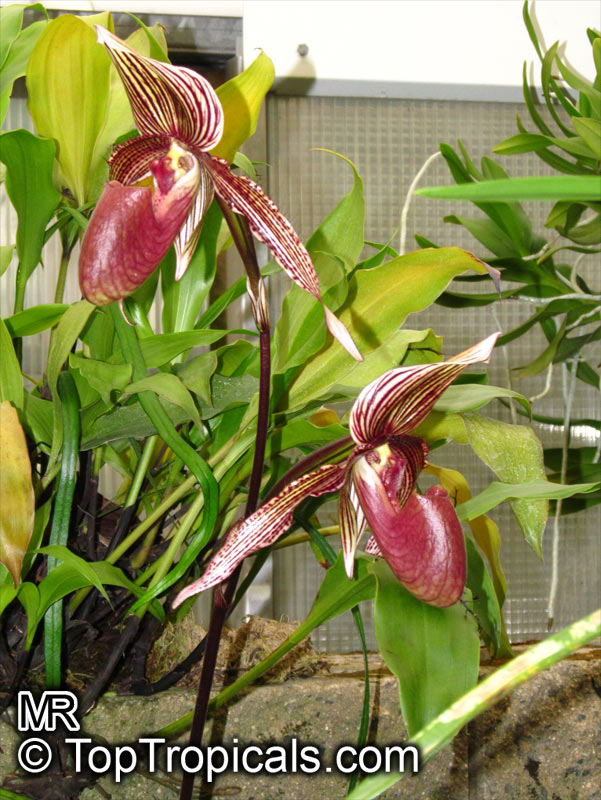
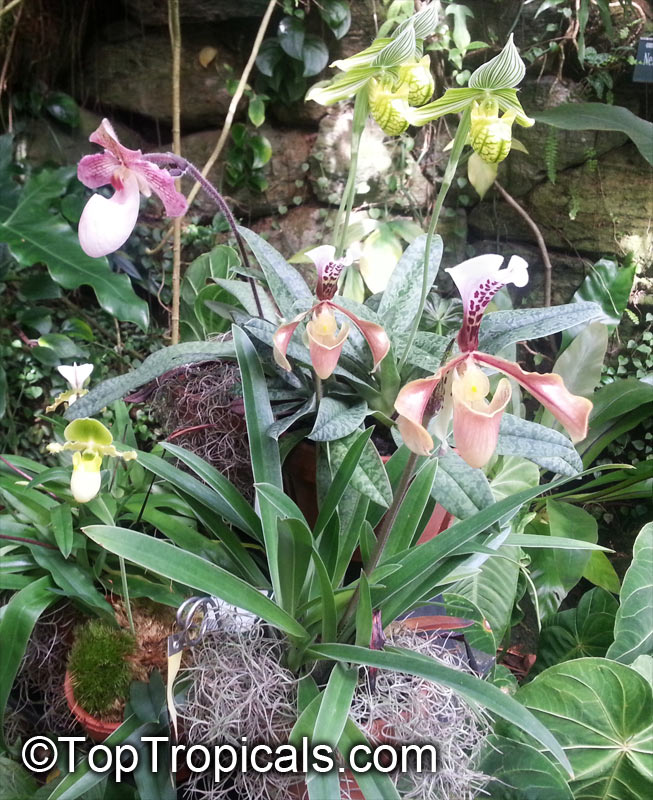
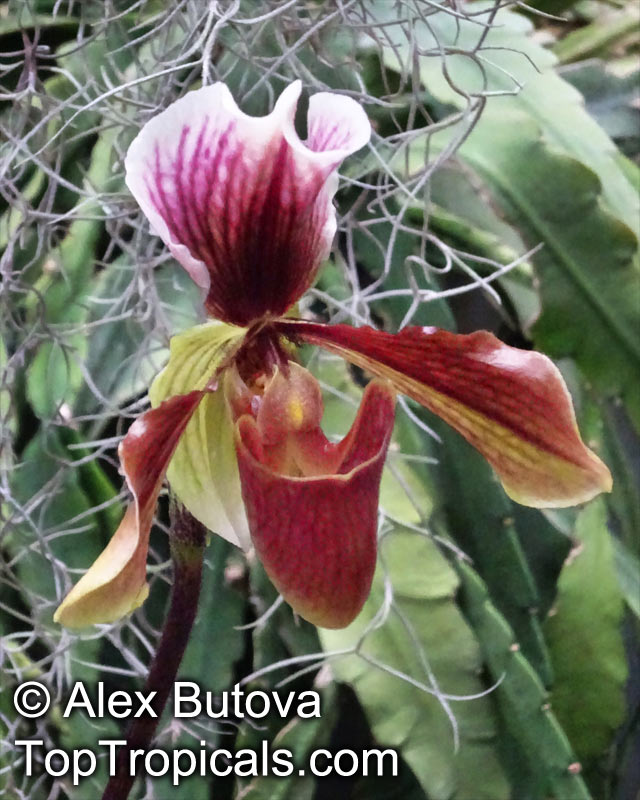
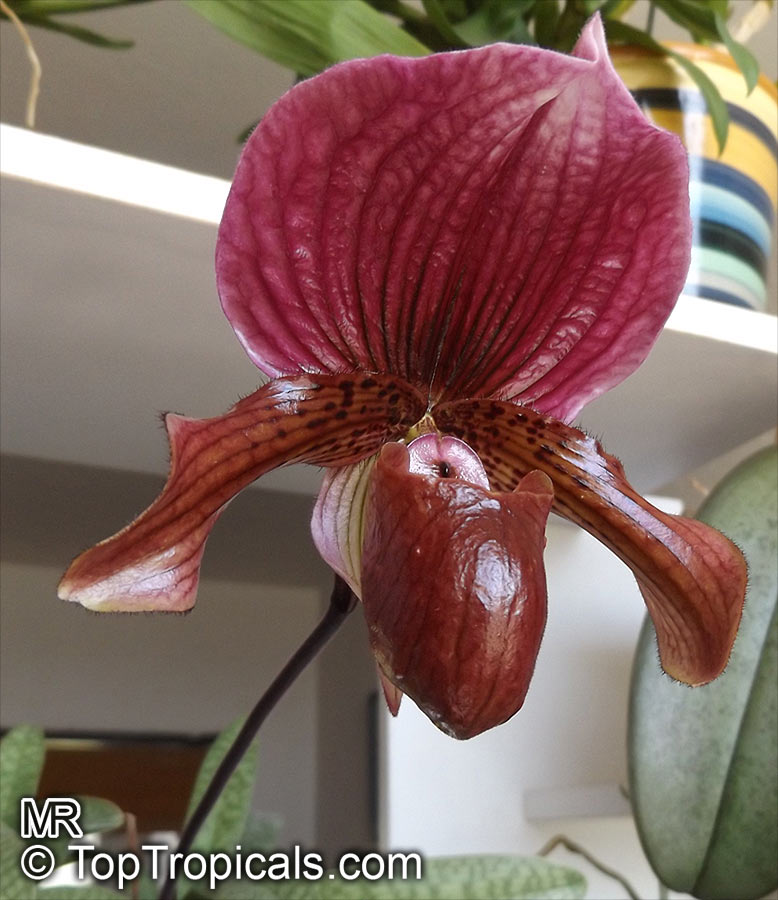
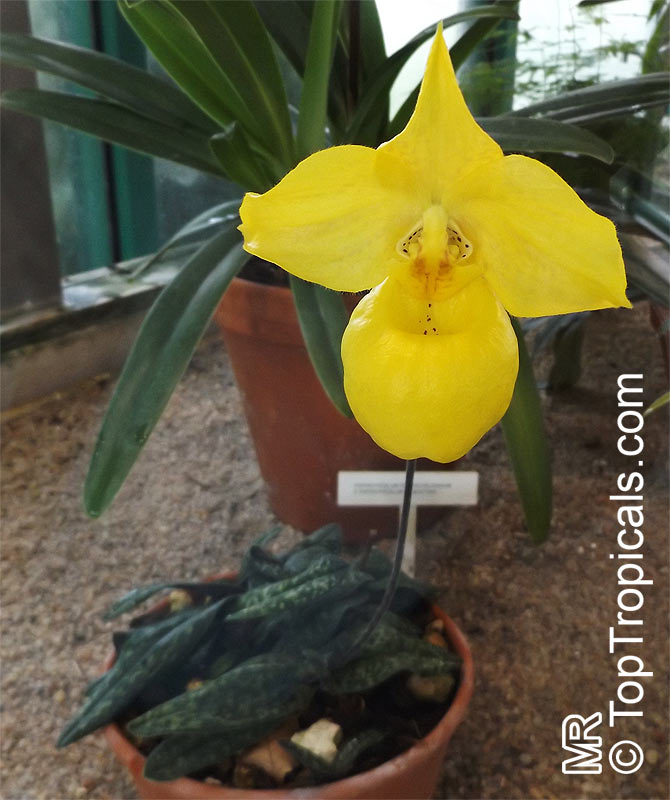
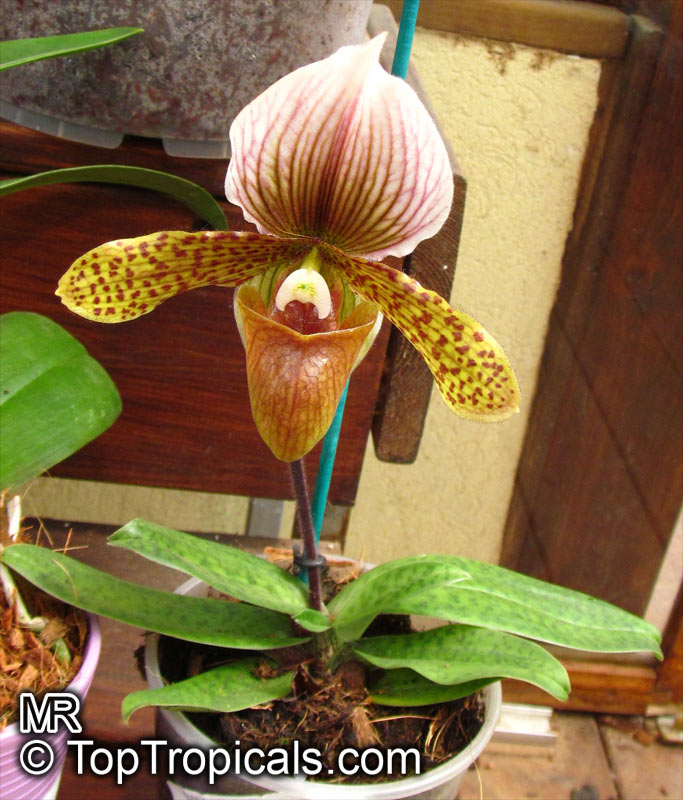
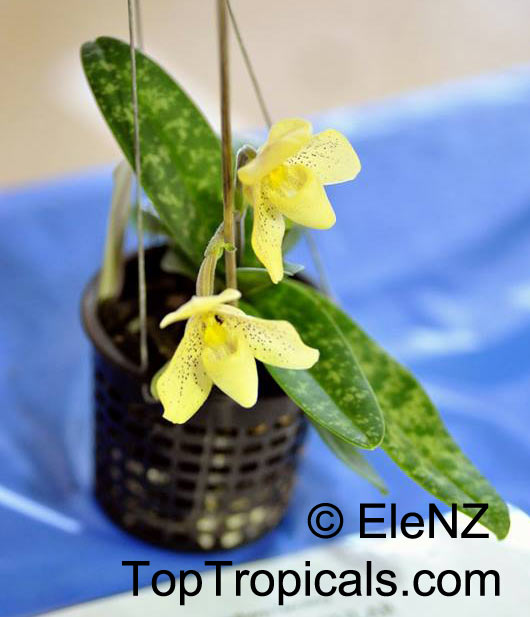
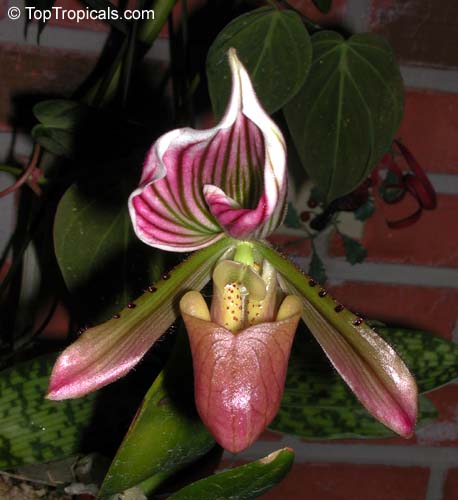
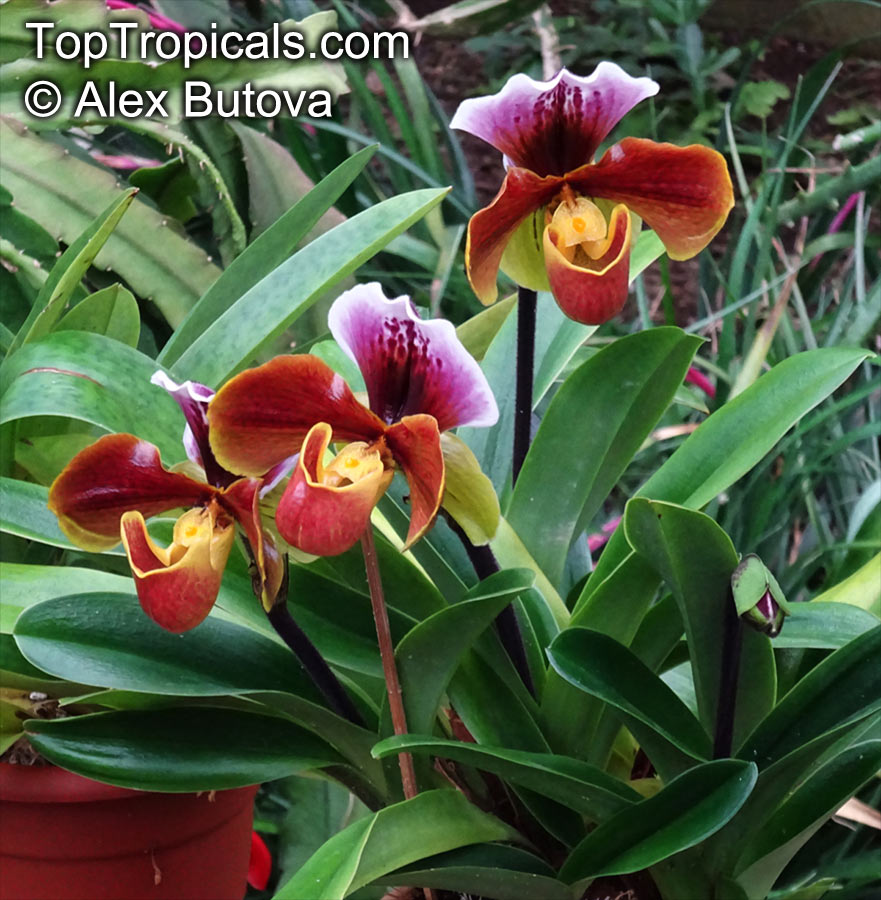
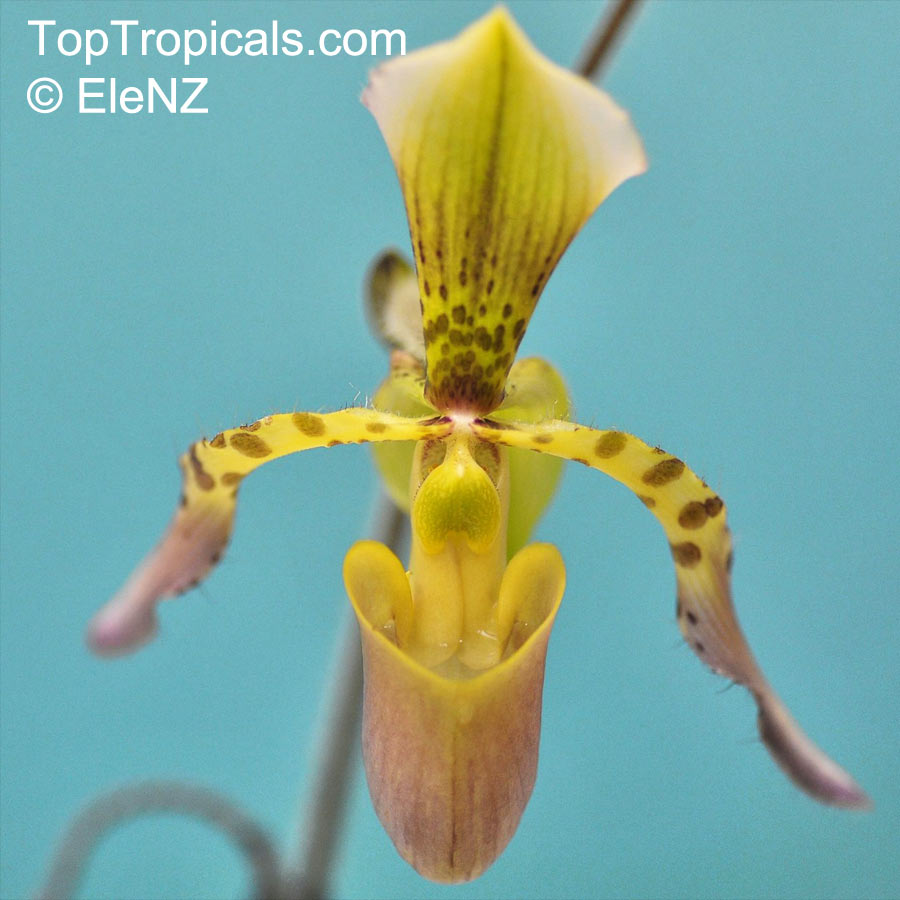
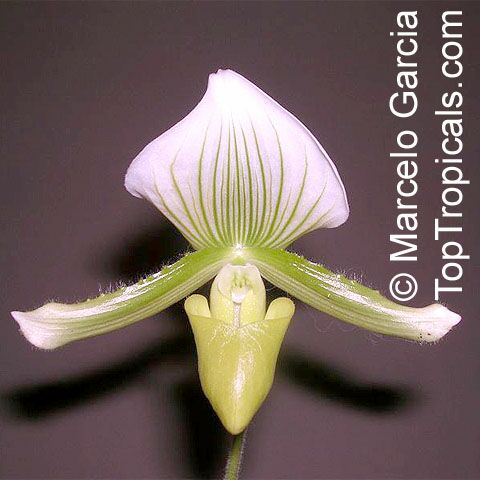
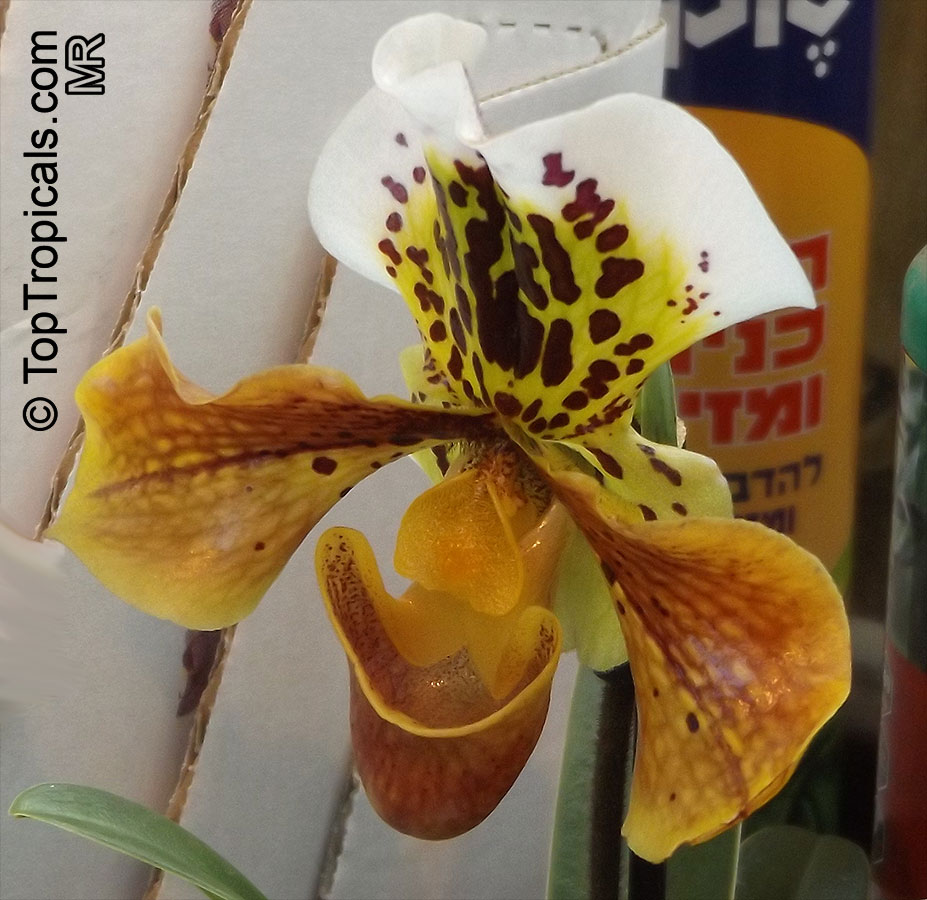
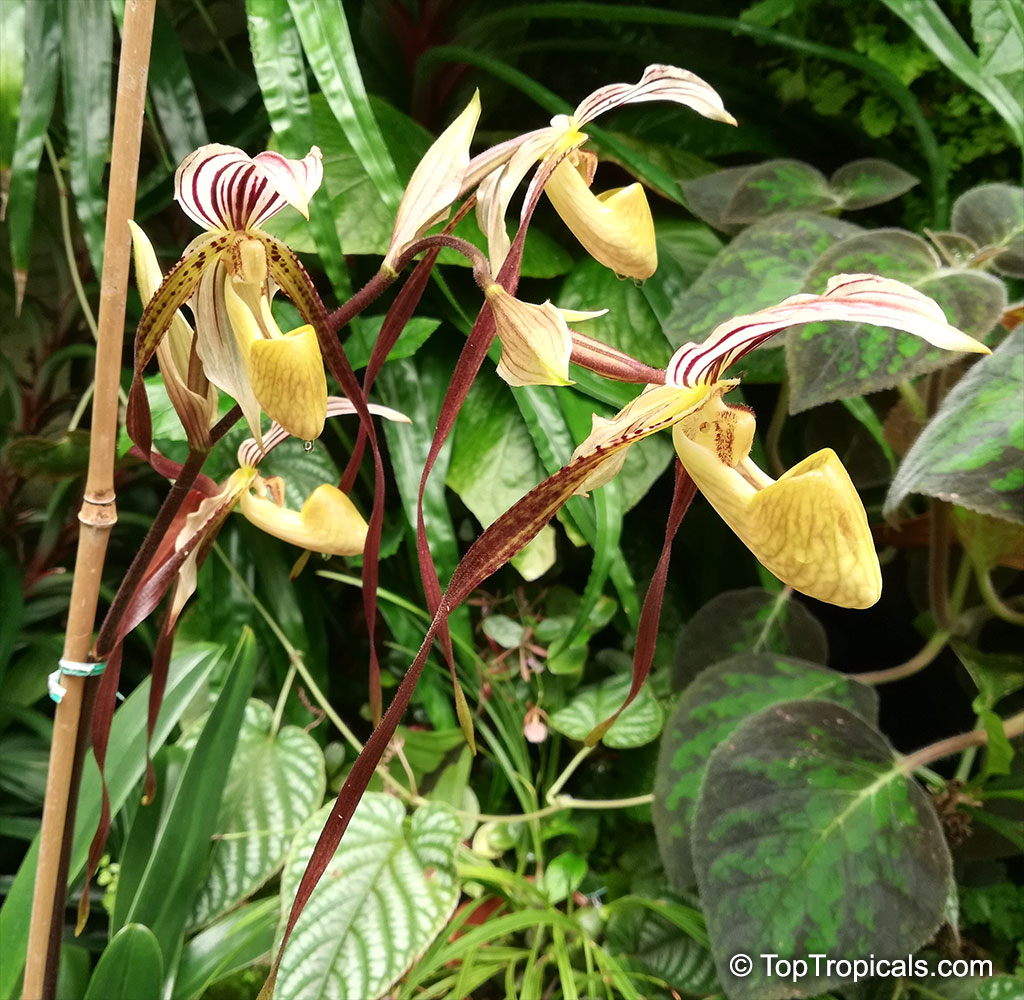
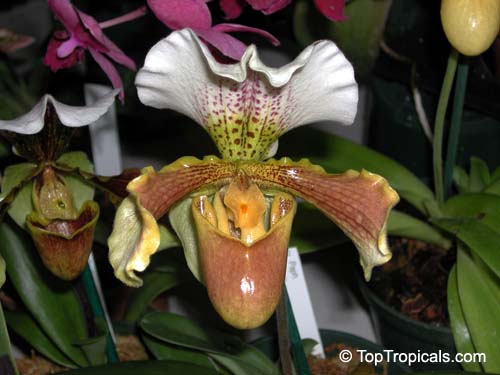
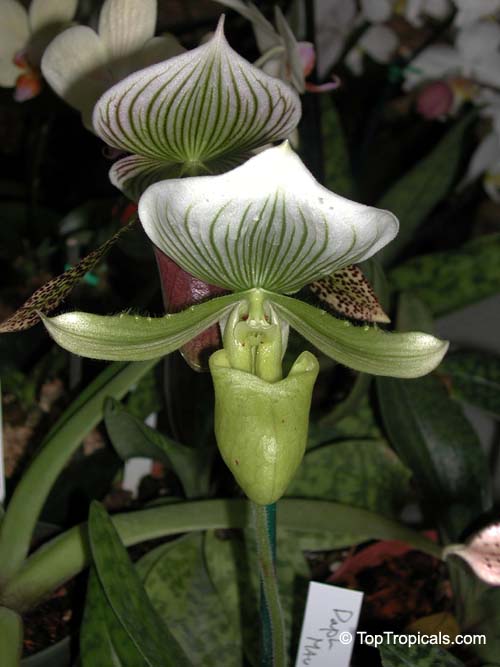
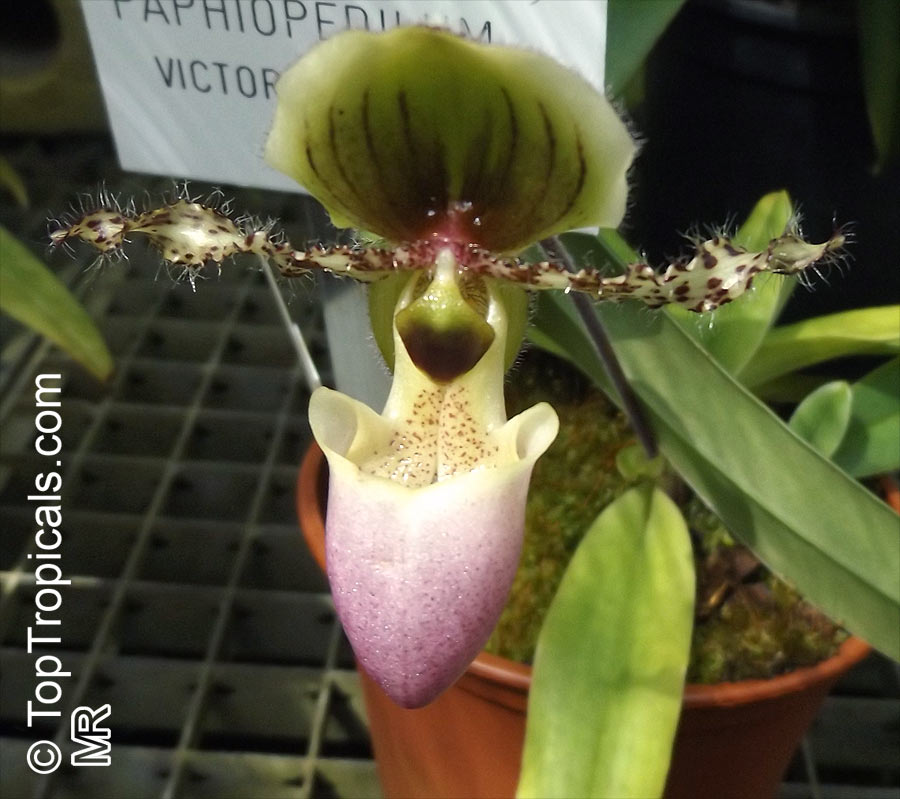
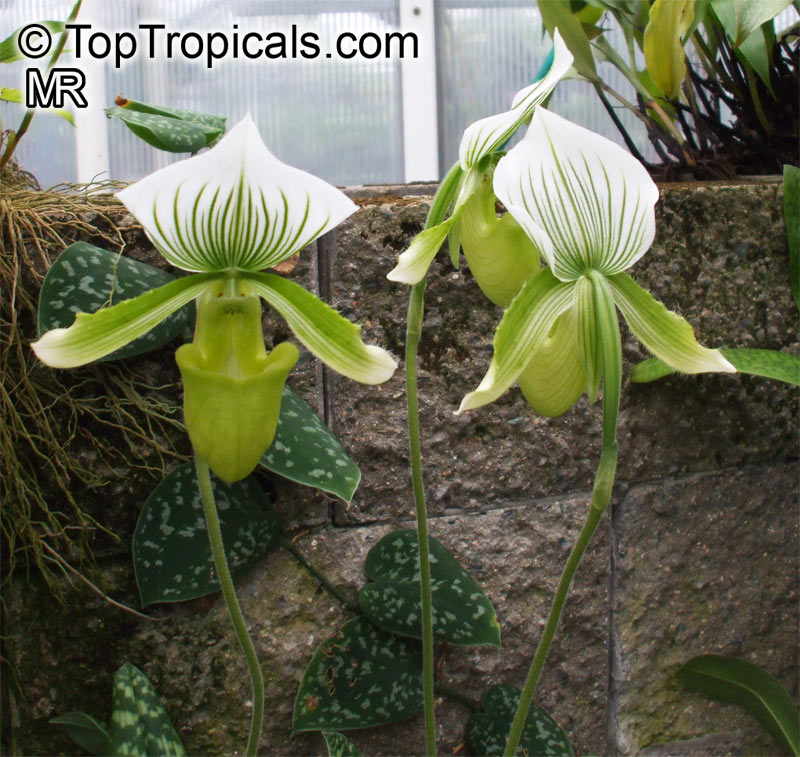
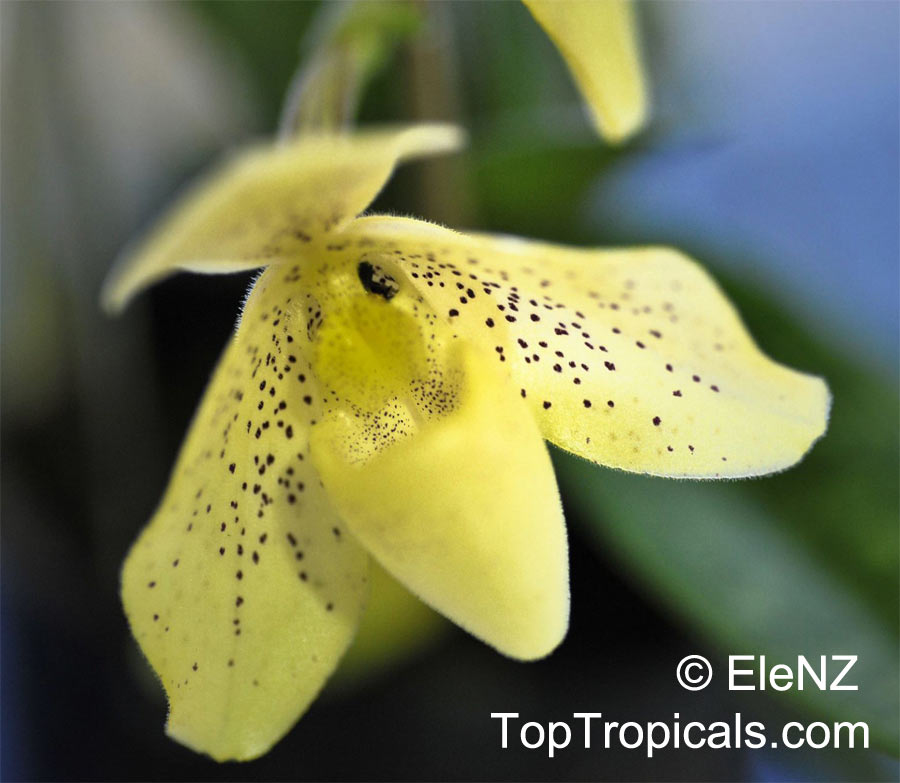
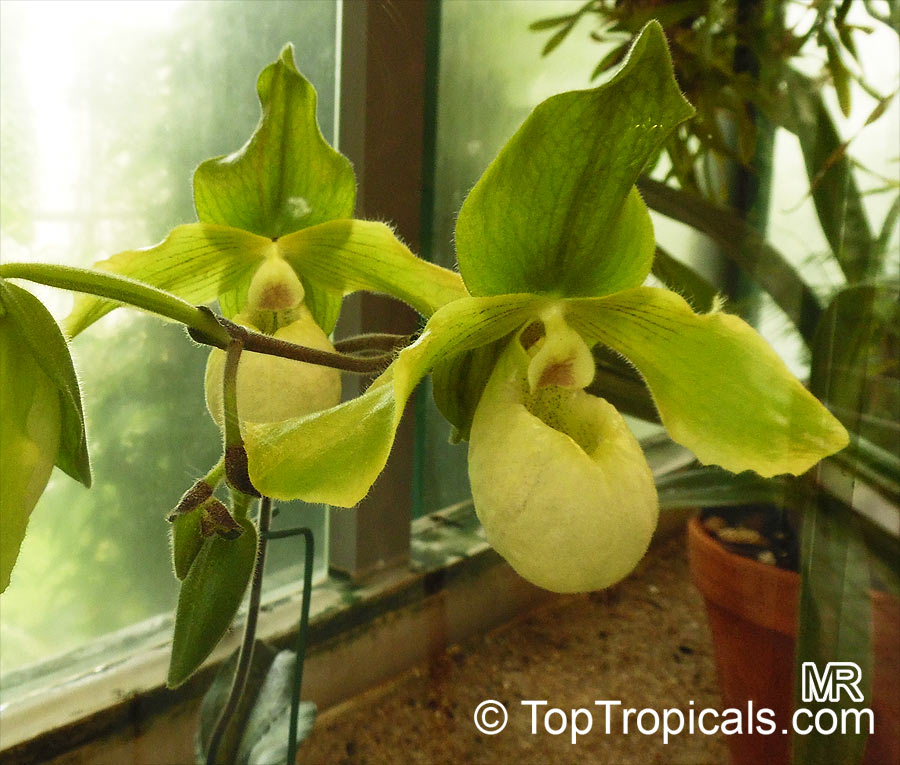
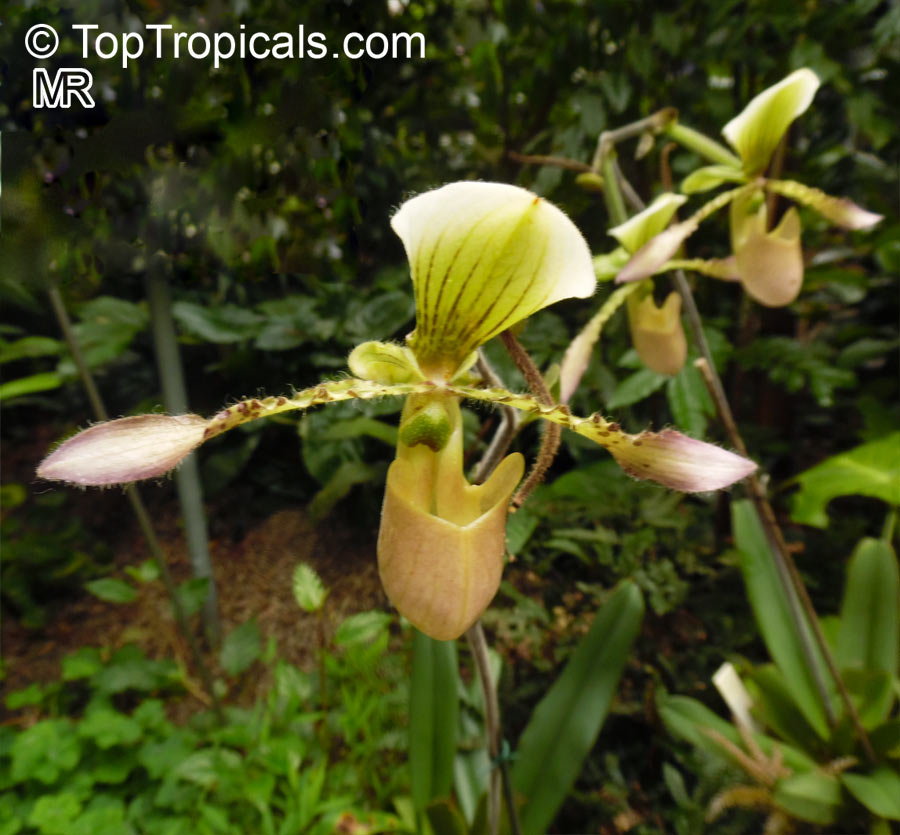
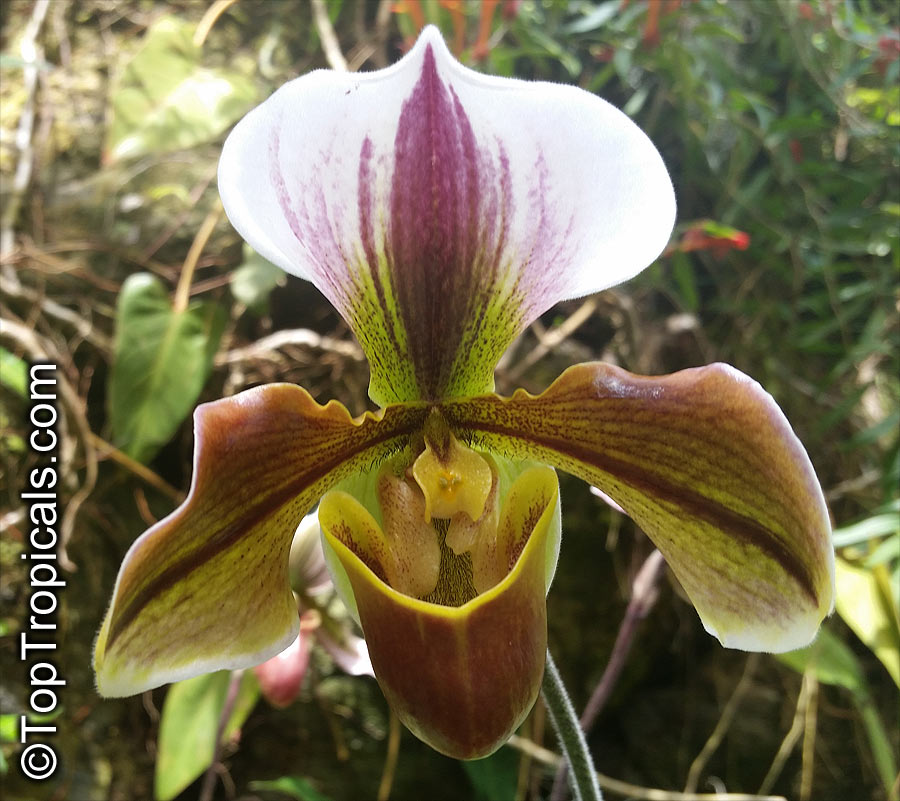
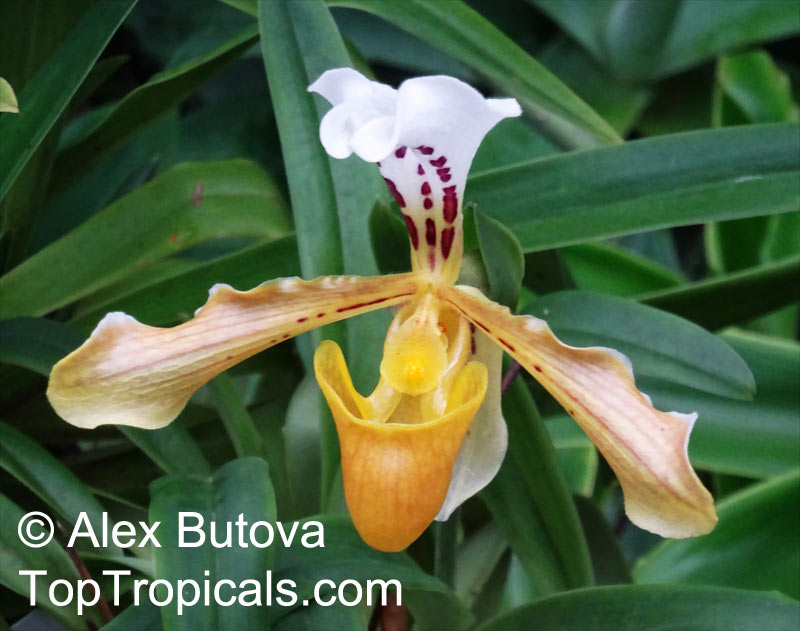
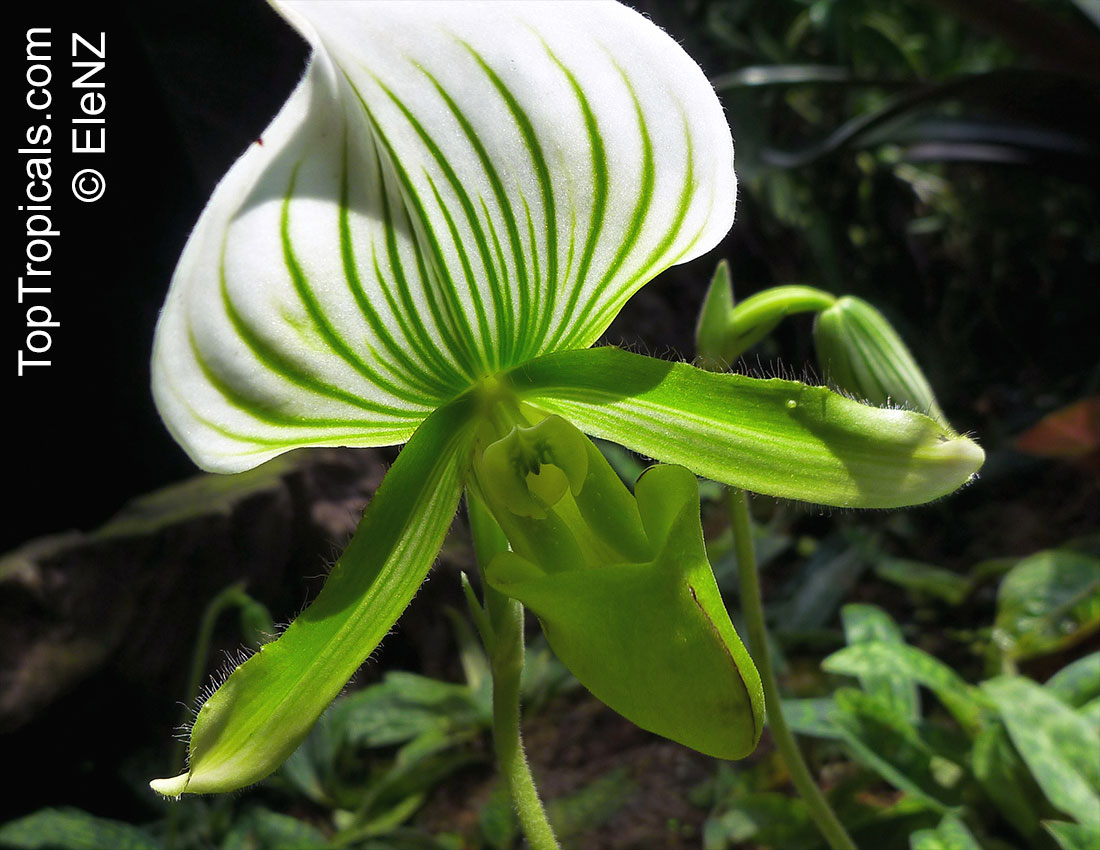
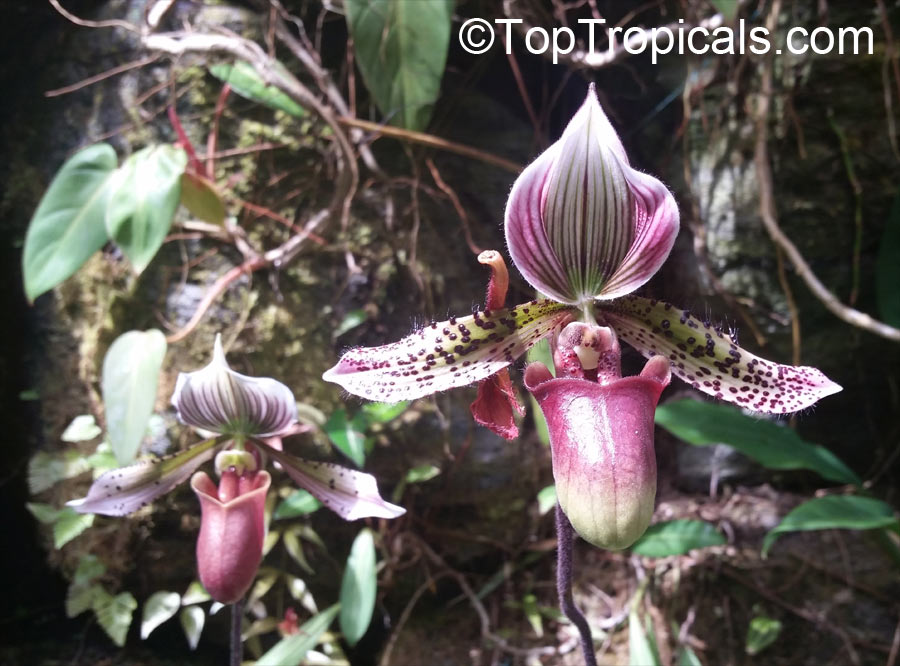
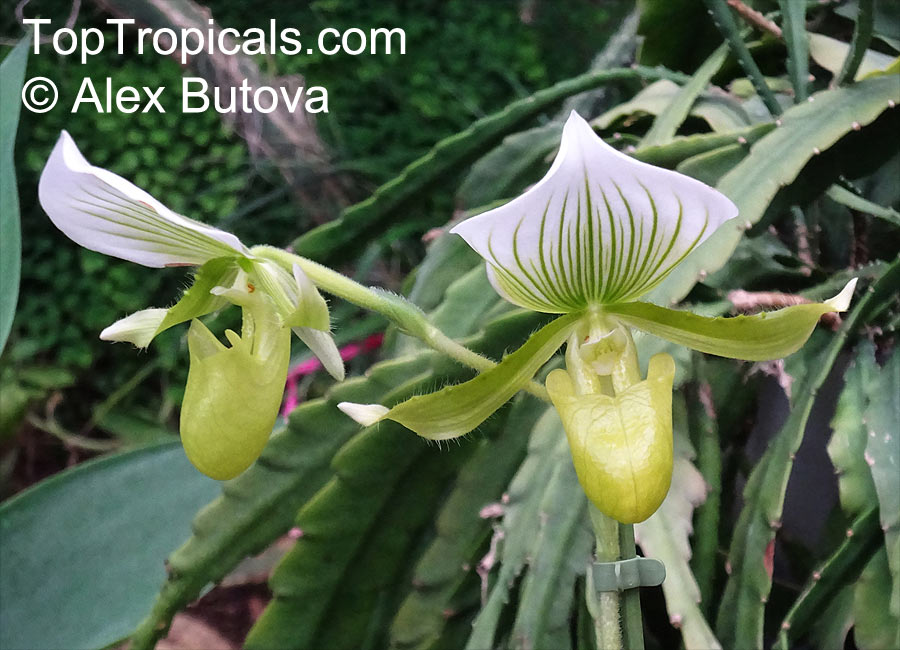
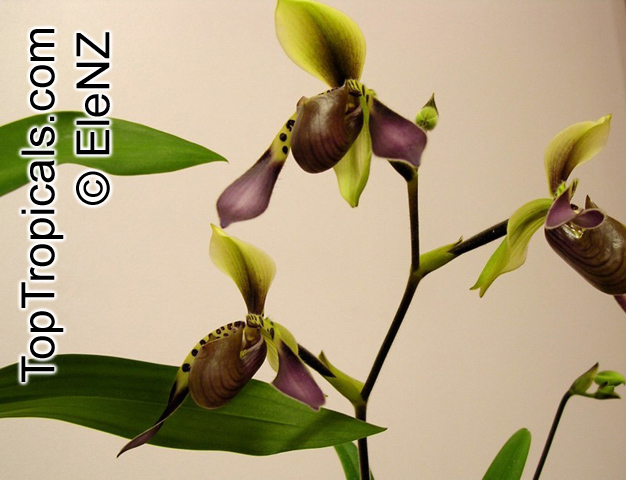
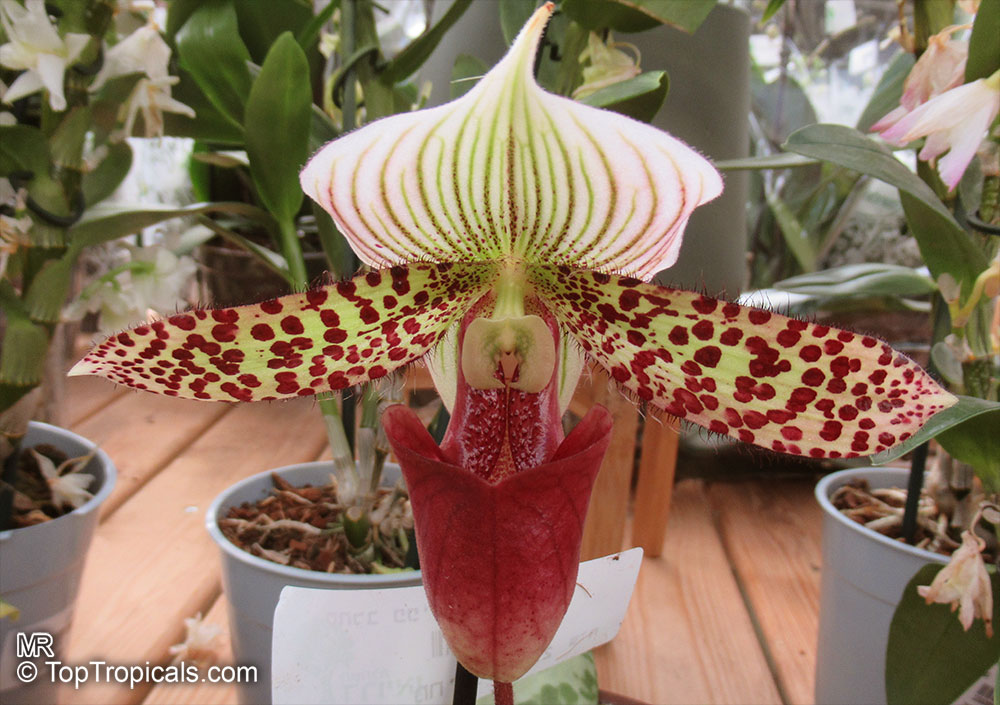
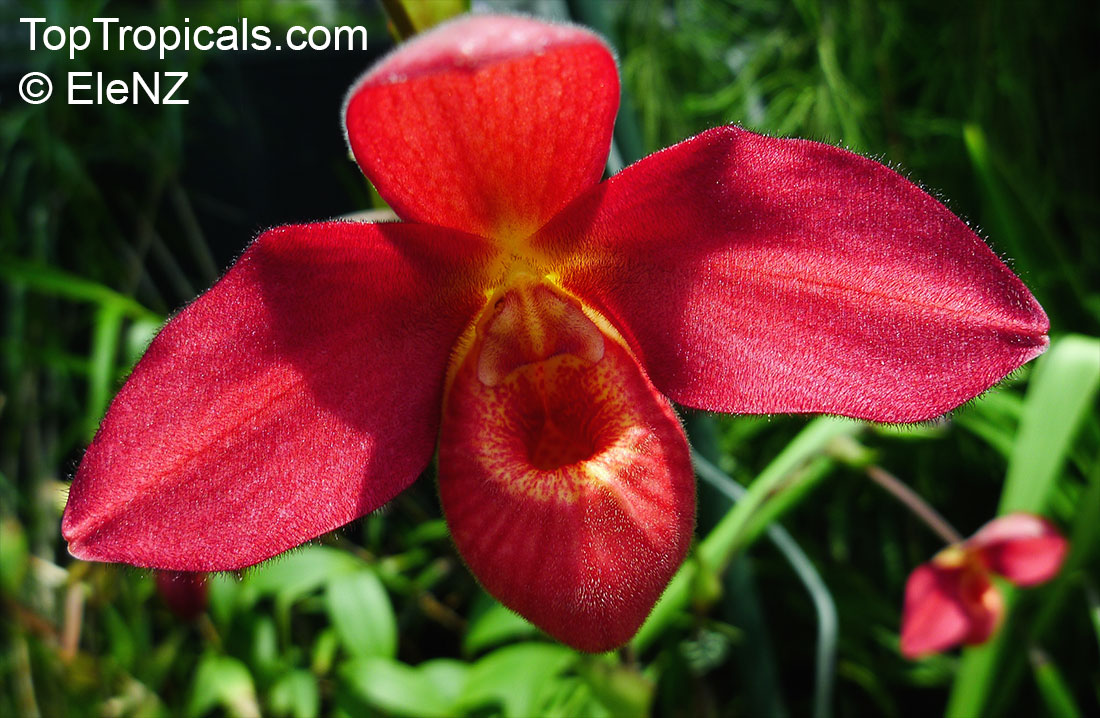
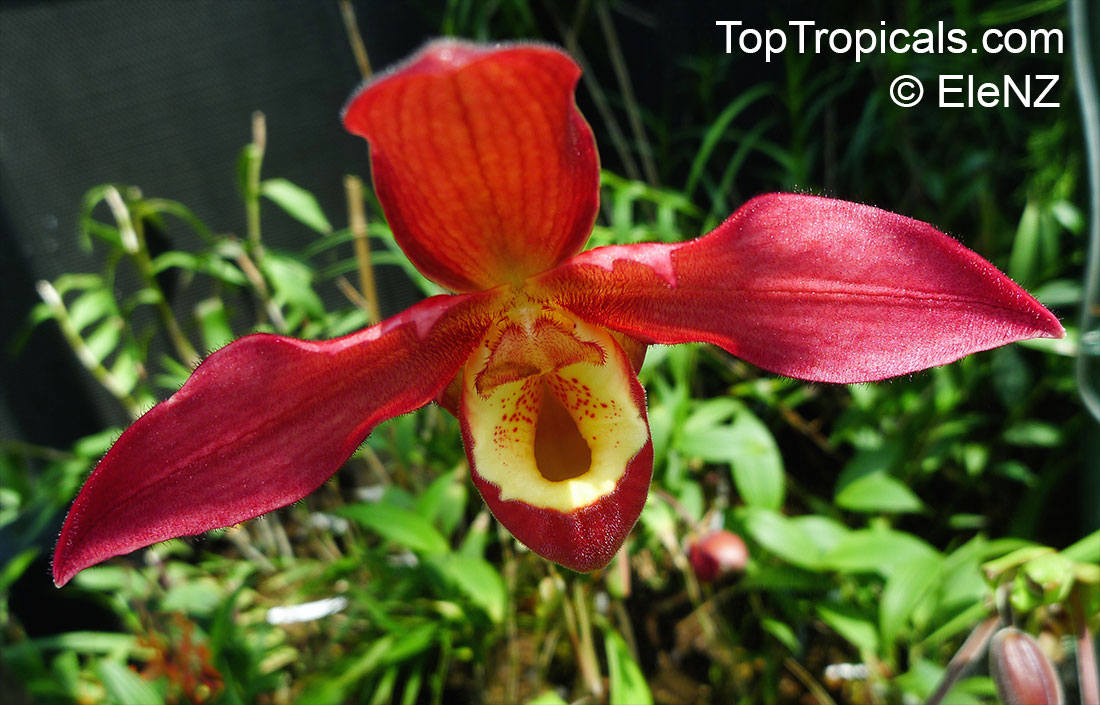
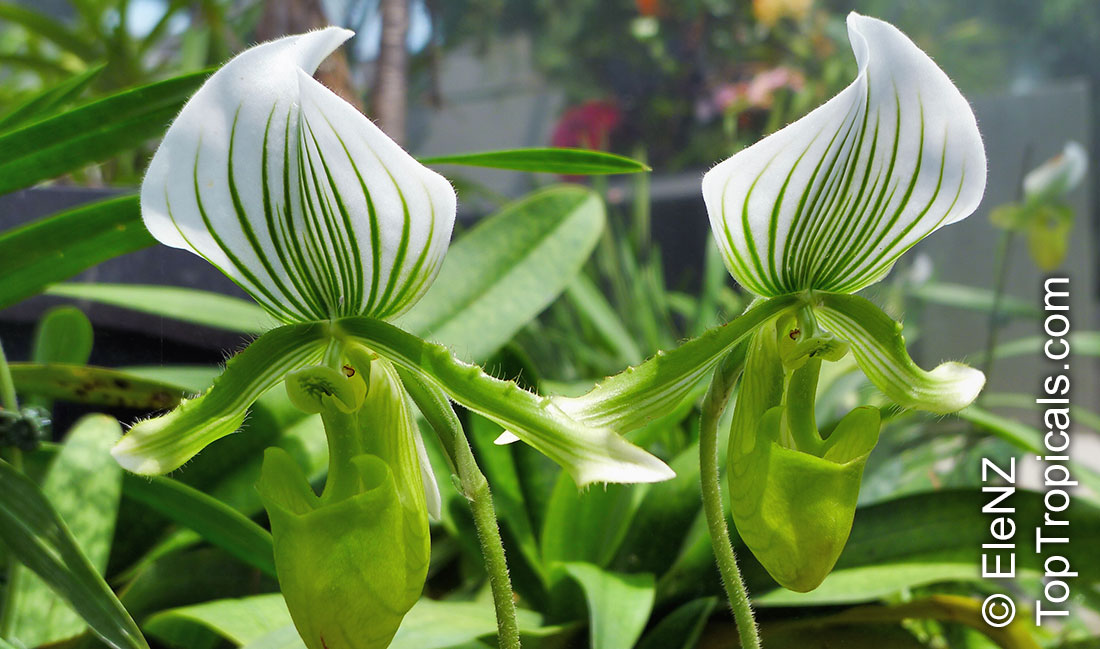
Botanical name: Paphiopedilum sp.
Common names: Paphiopedilum Orchid, Slipper Orchid
Family: Orchidaceae
Origin: Northern India, Philippines and New Guinea


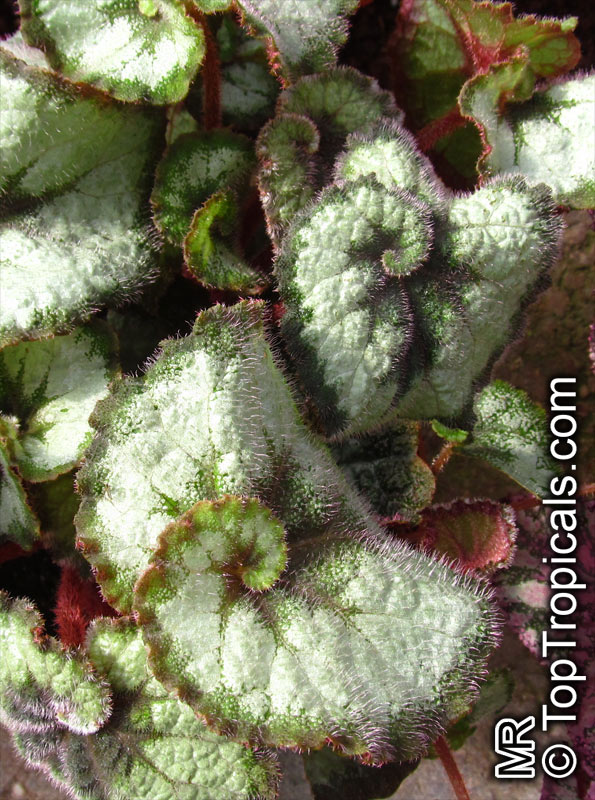
More than 60 species. They are magnificent orchids and both the species and the hybrids have always formed a major part of good collections. They have a fascinating array of colors and forms and their ease of culture has attracted lifelong admirers. All Paphiopedilum are characterised by both a cup-like lip called the pouch, and a prominent dorsal sepal. They are often called slipper orchids which refers to the shape of this pouch. The plants are mostly terrestrials, although some, like Paphiopedilum lowii may be found growing epiphytically, (on trees) or lithophytically, (on rocks) They are dwarf to moderate sized with leaves that are stiff, waxy or leathery and range from a glossy green to beautifully mottled. The leaves usually form a fan-shaped tuft. An erect scape, bearing one or more flowers, arises from the centre of each new growth. The flowers are from 2" to 5" across in a variety and mixture of colors and may last perfectly on the plant for six weeks or more. The major blooming season is from mid-autumn onwards although variations occur. Require reasonably cool nights, particularly in the spring when they will be setting their buds for the autumn flowering season. Although this need makes them difficult to manage in warm areas, their low light requirement makes it possible to keep them cool by shading. See Orchid page for pictures of different orchids and care info.















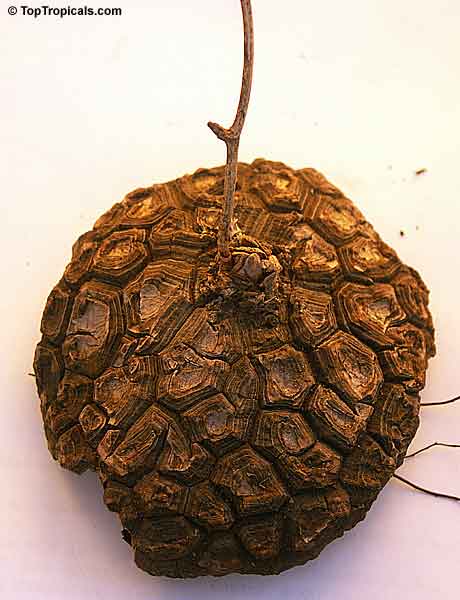
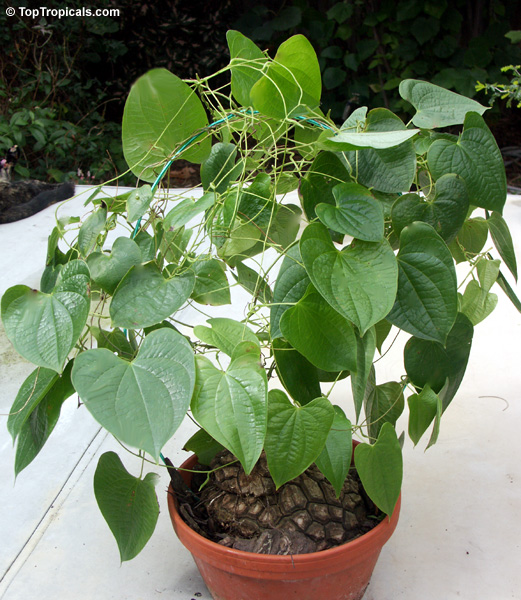
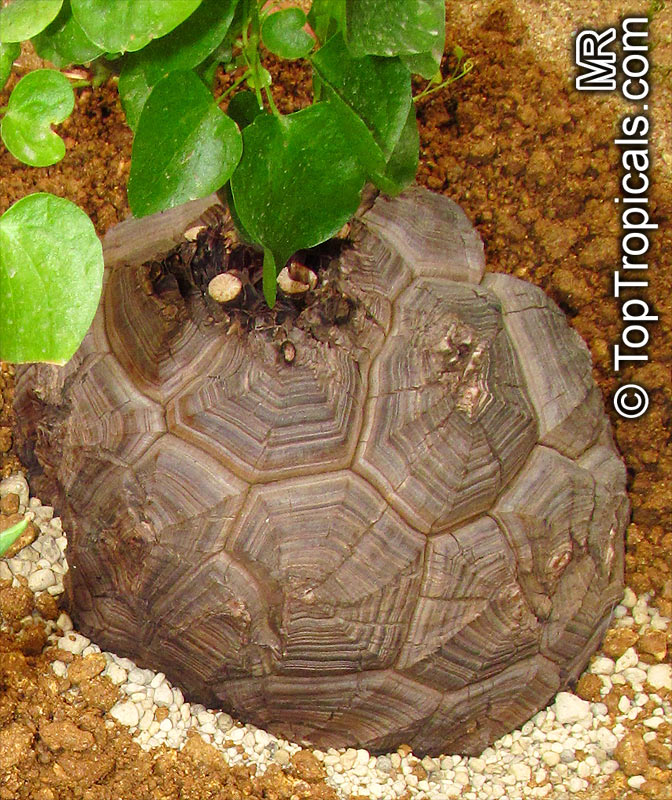
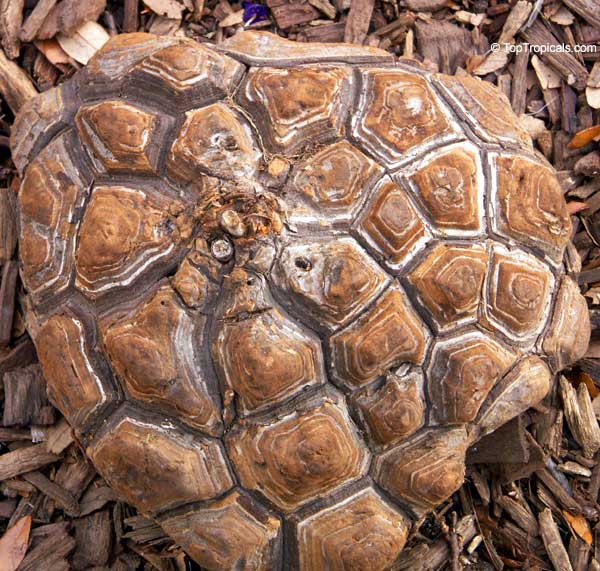
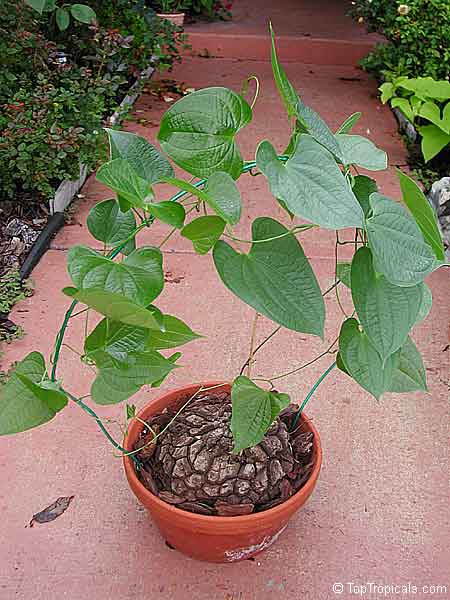
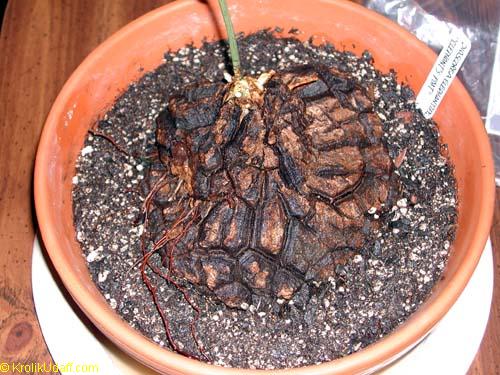
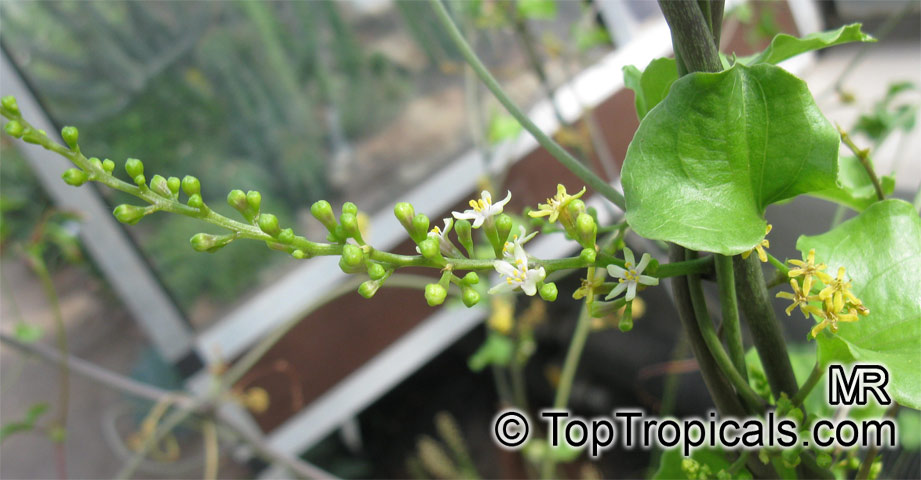
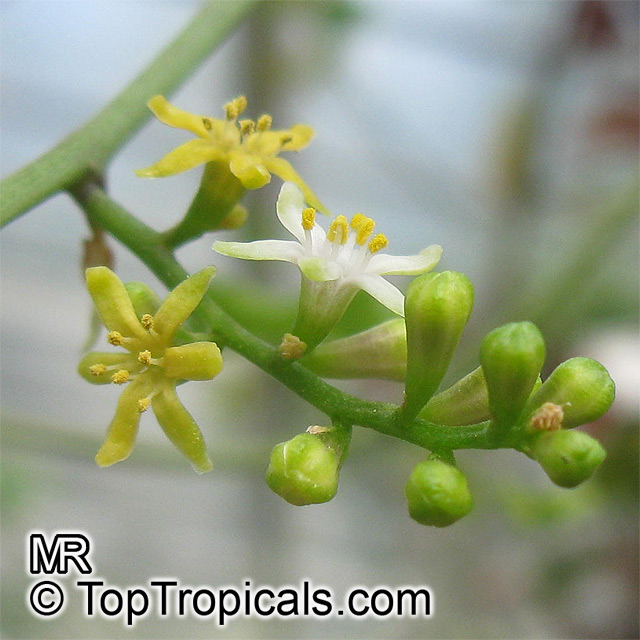
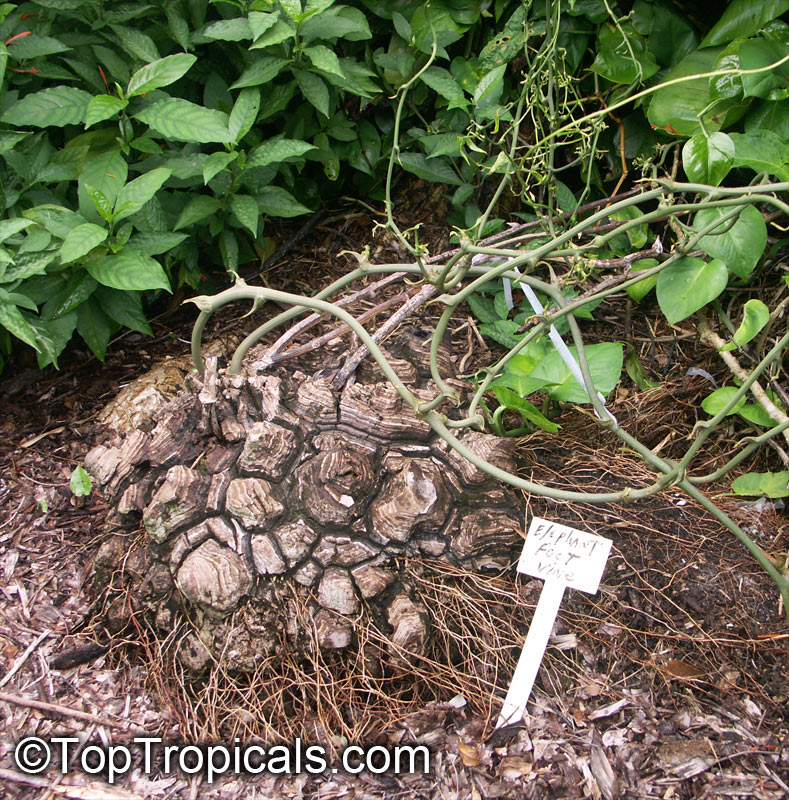
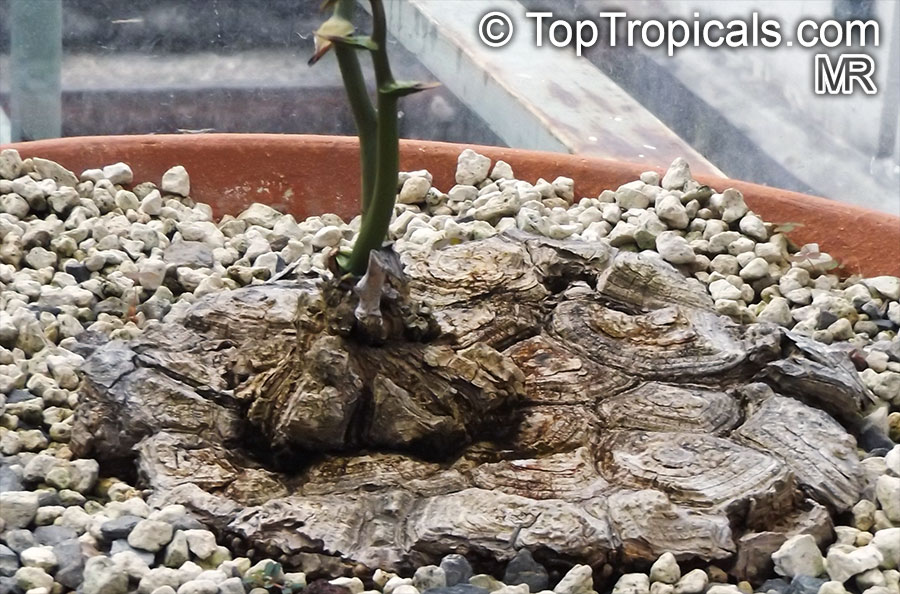
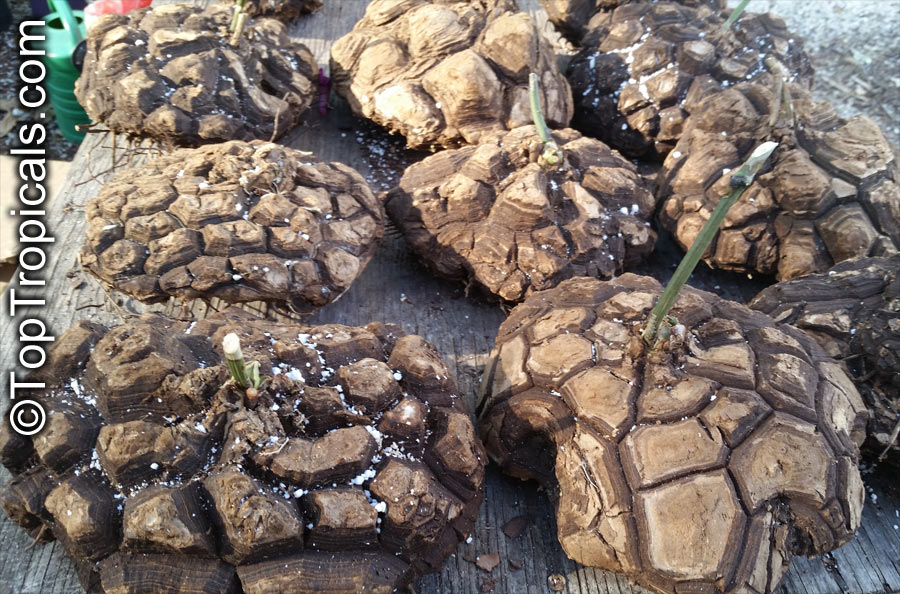
Botanical names: Dioscorea elephantipes, Dioscorea macrostachya, Dioscorea mexicana, Testudinaria elephantipes
Common names: Elephant foot, Turtle shell, Hottentot-Bread
Family: Dioscoreaceae
Origin: South Africa


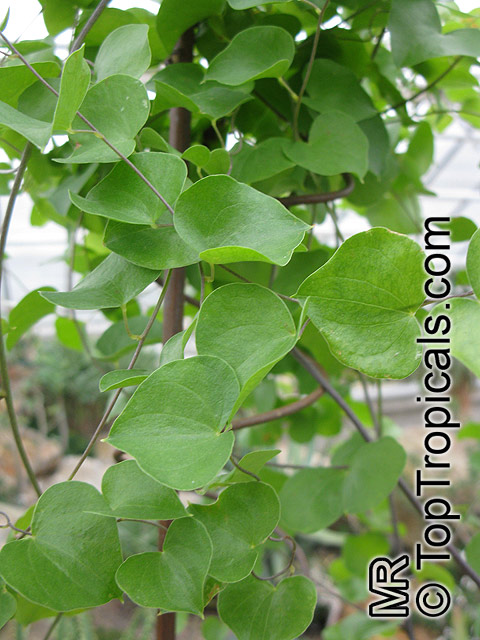
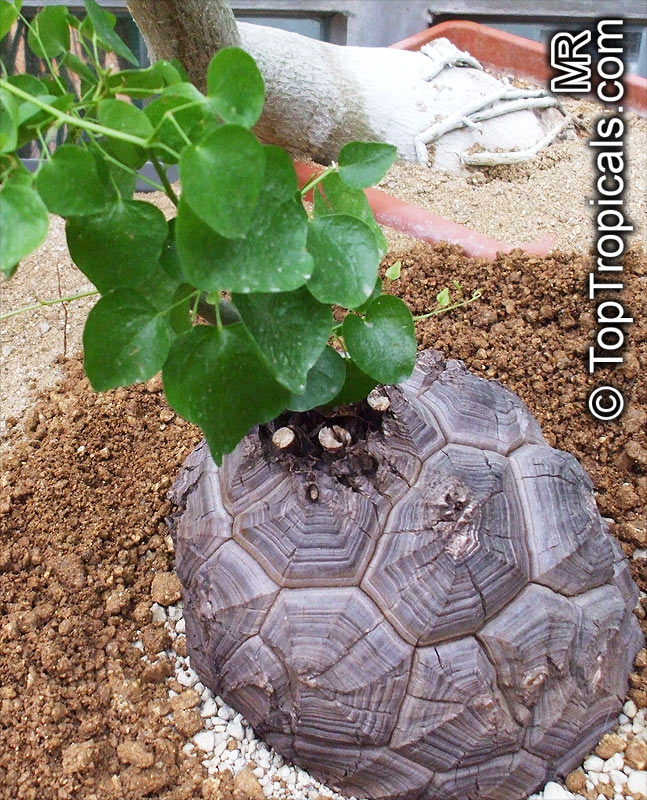
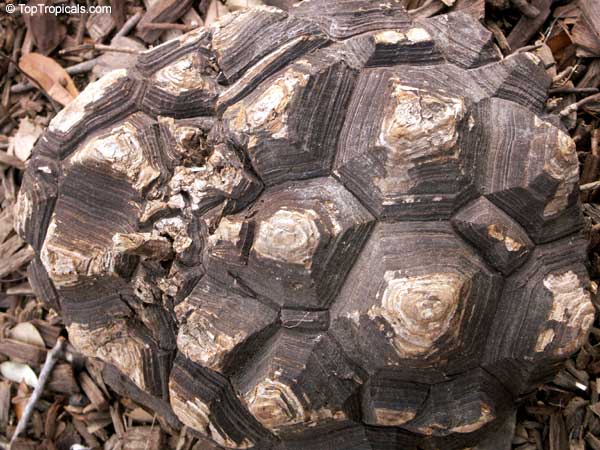
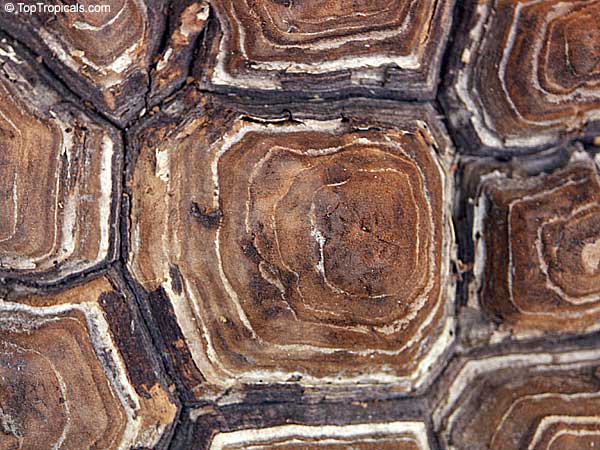
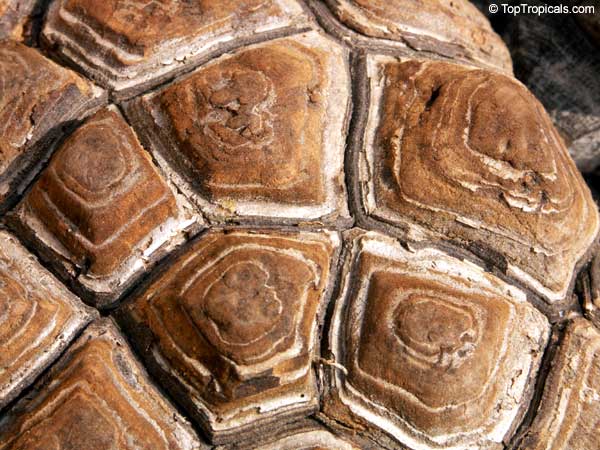
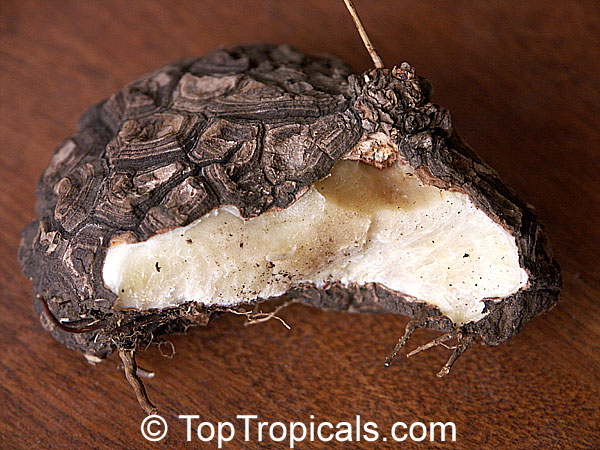
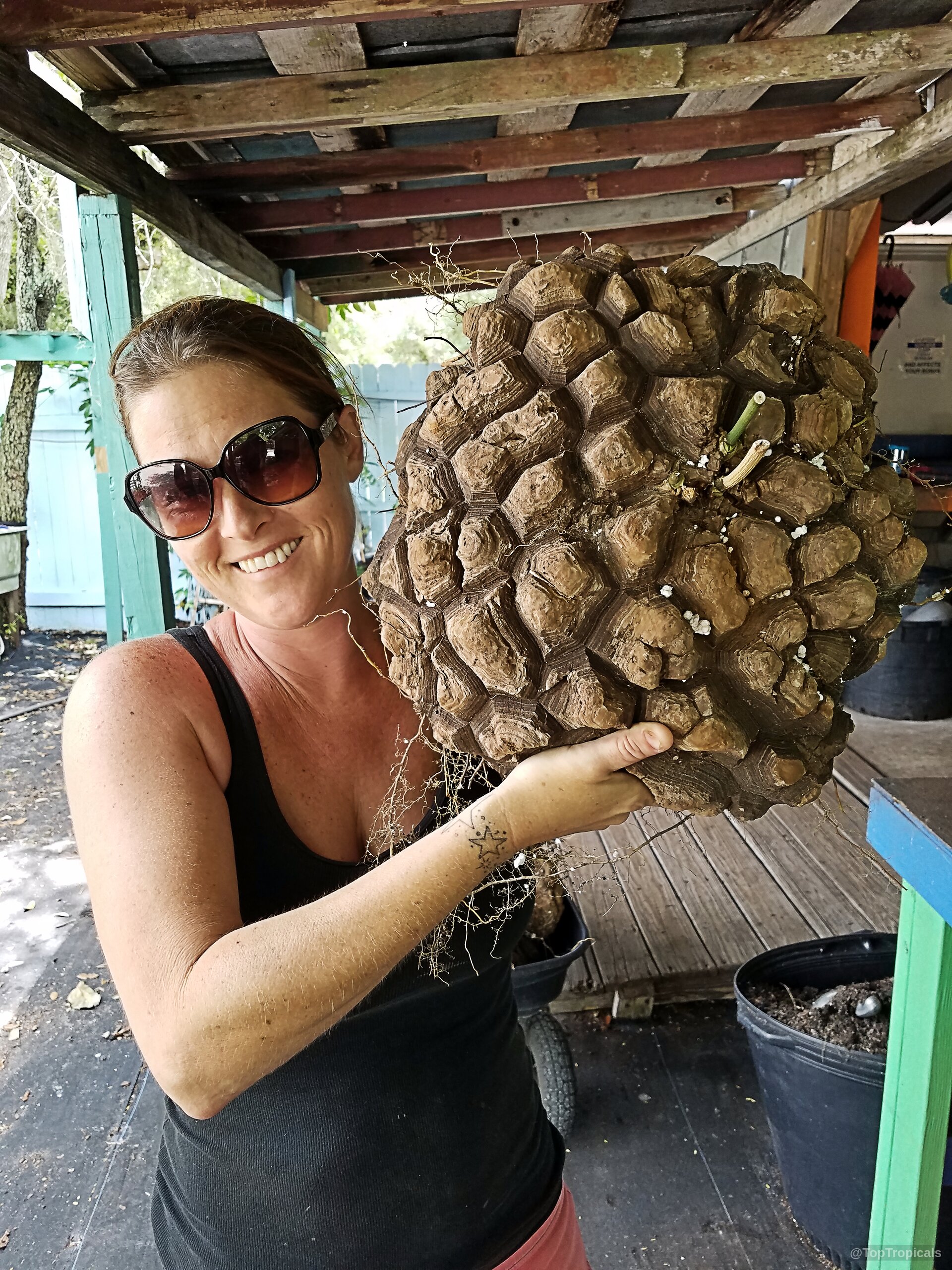
Curious plant with tuber is above ground level covered with layers of corky bark, resembling a caudex. Slow-growing. It is a very unusual succulent. Its main feature is a large, corky caudex that grows up to one meter in habitat, resembling an elephant foot (hence the popular name). The caudex looks as if it is segmented into geometric patterns (smaller plants look like tortoises) and looks dead but is actually a living tuber. A plant with a 18" caudex can be 75 years or older. The plant grows into a vine with attractive heart-shaped leaves and small yellow flowers. Culture is relatively easy. A greenhouse is great, but a windowsill with moderate to full sun works fine, as long as the plant is kept at 65F minimum. The vines may die back and regrow several times a year, depending on the particular plant and your region. Several plants in the same pot can go dormant in different times. Tuber contains saponins, originally cooked and eaten as a famine food by the Hottentots. Slow down water when the tuber is dormant. The plant is is dioecious (male and female flowers are produced on different plants). The 0.2 inches wide (4 mm), greenish-yellow flowers are insignificant. Seeds are the only way to reproduce. The seedlings caudex forms below ground and will grow much faster if left underground for a couple of years. Prefers filtered light, and the caudex must be kept in shade. Elephant Foot is a collectors item, but remarkably easy to grow. It will be with you for years with no effort. It is a wonderful conversation piece!
Growing directions (by Ed Sienkiewicz)
D. elephantipes doesnt send down deep roots, so plant in a shallow pot (I use clay bulb pots) about 1" larger than the diameter than the caudex. Potting soil should be very porous/loose so that there is easy drainage. Think about the area in which they grow natively. Remember that these plants are tropical DESERT plants. The soil should be very loose and drain very freely. Allow the soil to come up and slightly over the edge of the caudex 1/4"- 1/2" so that the edges are covered. Water well around the edges, being sure not to get water into the point from which the vine will grow (usually there some pieces of old vine in the growing area). Keep in a warm area and wait for the first shoots of the vine to appear. Water regularly from that point on. Use dilute (25 percent of normal) fertilizer with each watering. The plant should not be kept damp as with other tropical plants. Allow it to *almost* dry before watering again. The plant has natural dormancy period. That being said, however, my experience is that the plant will go dormant when *IT* wants to. If the vine begins to yellow and die back, limit the water and stop the fertilizer. If the vine dries up cease all water and move to a cool place for a couple of weeks. Return to a sunny area and wait for the vine to sprout again. NOTE: Many books will say that they are winter growers, because they are native to the southern hemisphere. In my experience they are opportunistic growers. I have had them grow in all seasons. I have had plants that went dormant for a couple of weeks and others who were dormant for months. Let the plant be your guide. You cannot force them to grow, and over watering will simply cause them to rot. The Dioscorea elephantipes caudex is similar to Dioscorea mexicana, but the individual "squares" are far more pointed/raised. Related species - Dioscorea macrostachya (Mexico).



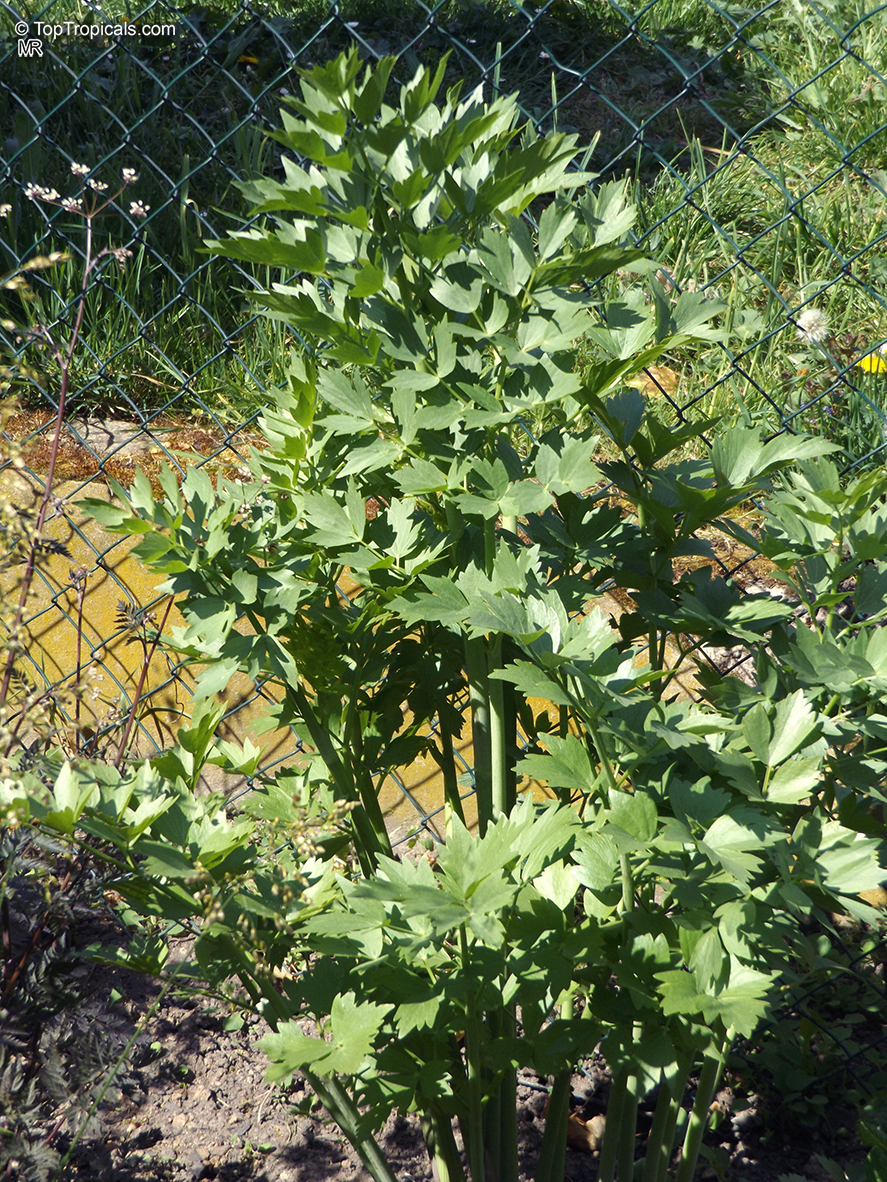
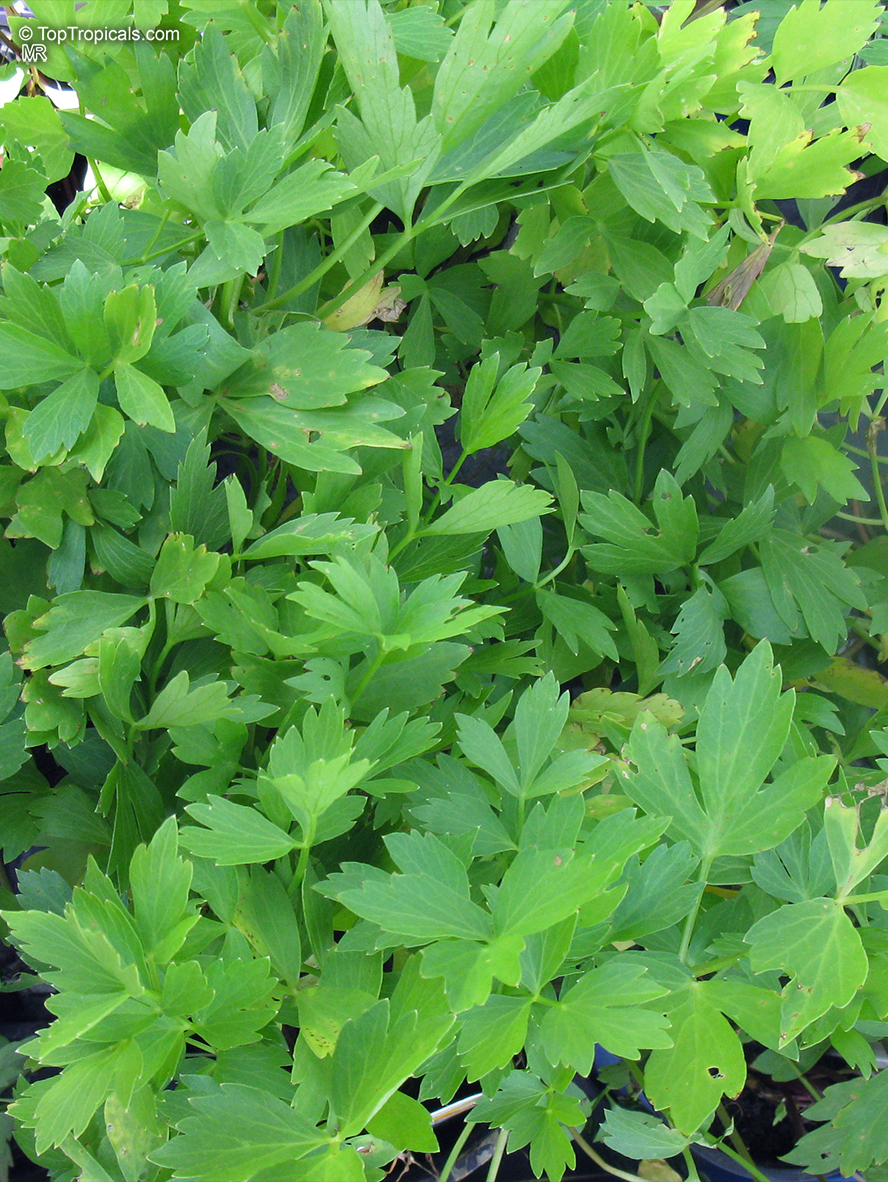
Botanical name: Levisticum officinale
Common names: Lovage, Love Parsley
Family: Apiaceae / Umbelliferae
Origin: Central Asia

Levisticum officinale is a tall (3 to 9 ft) perennial plant, the leaves and seeds or fruit of which are used to flavor food. The root is used as a diuretic.
Levisticum officinale has attractive foliage and can be used as a back-of-the-border plant.
| Next | |
Use link to repeat this search:
https://toptropicals.com/cgi-bin/garden_catalog/cat.cgi?search_op=and&keyword_op=and&language=e&number=10&no_change_lang=1
&v1=shd&user=tt&sale=1&first=0