| Number of plants found: 5131 |  | Prev | Next | 
|
Go to page: | First | 462 | 463 | 464 | 465 | 466 | 467 | 468 | 469 | 470 | 471 | Last |
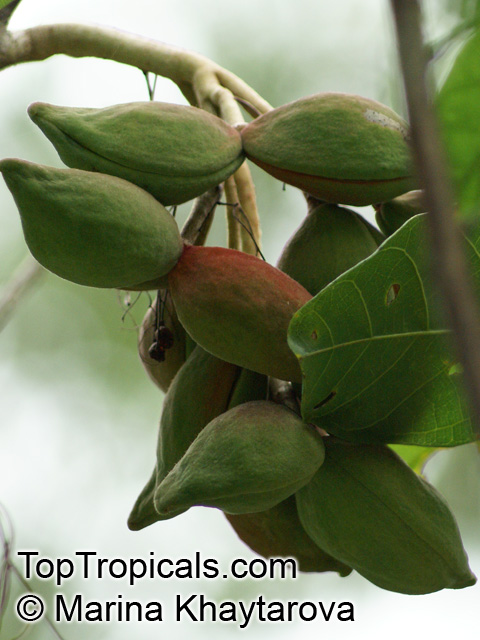
Botanical names: Sterculia monosperma, Sterculia nobilis
Common names: Chinese Chestnut, Seven Sister's Fruit
Family: Malvaceae
Subfamily: Sterculioideae
Origin: South China


The seeds are edible after boiling.
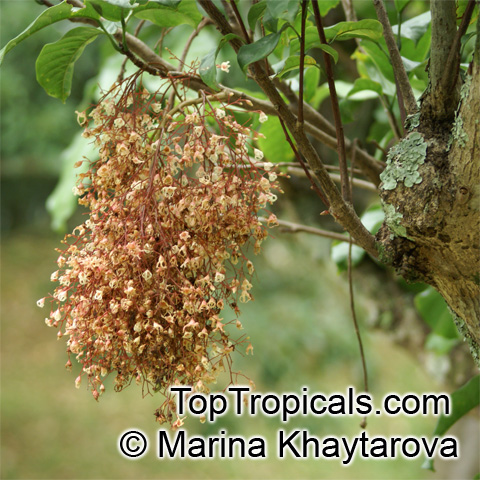
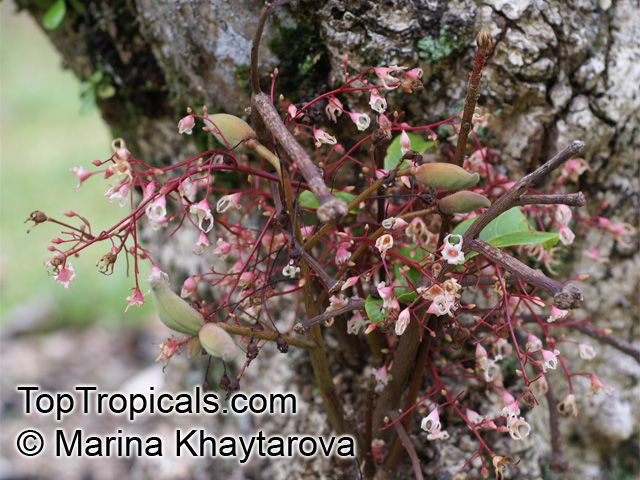
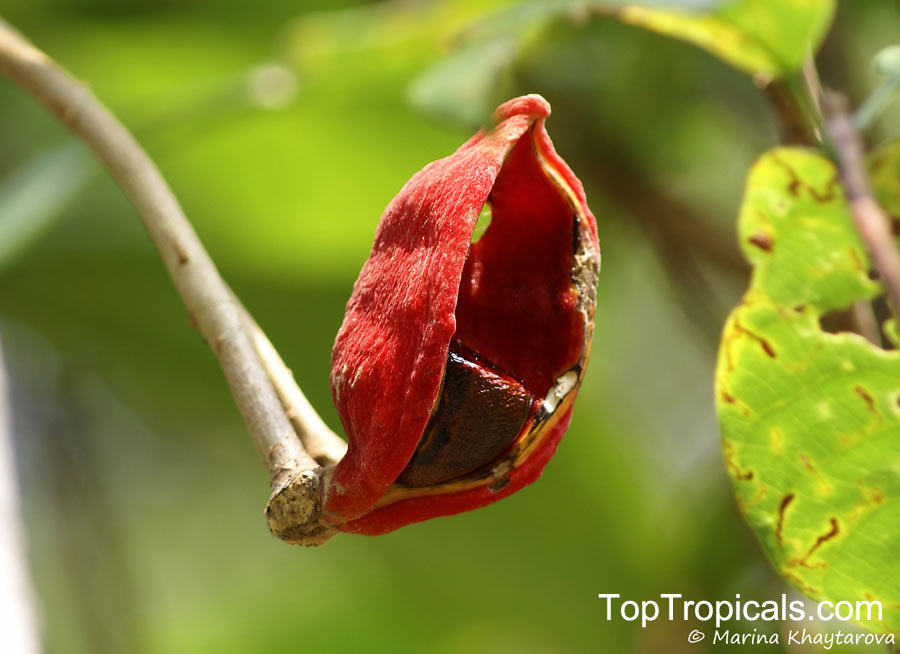
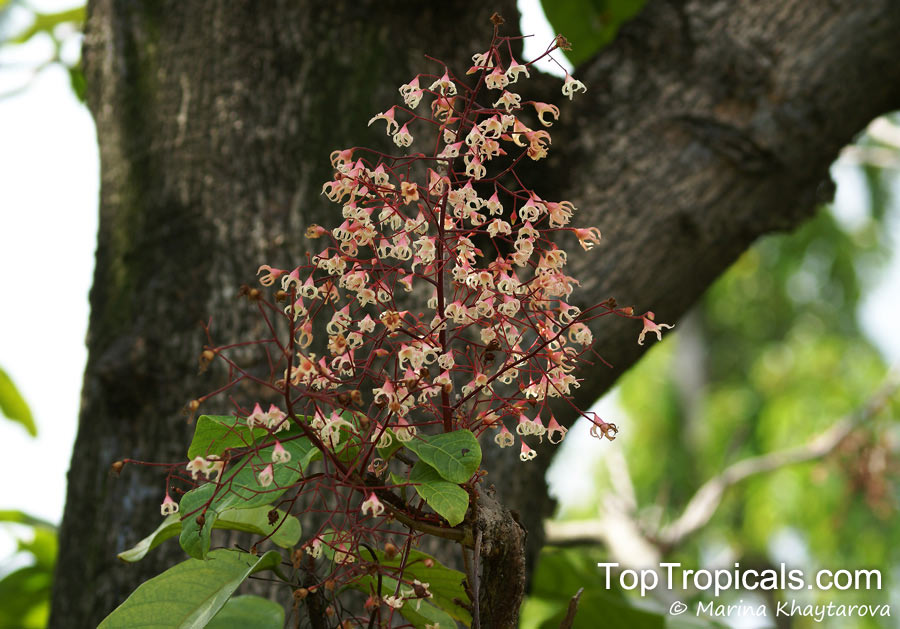
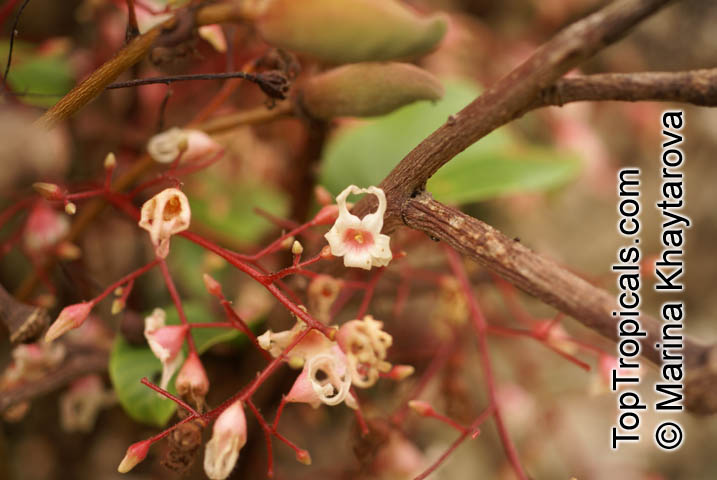
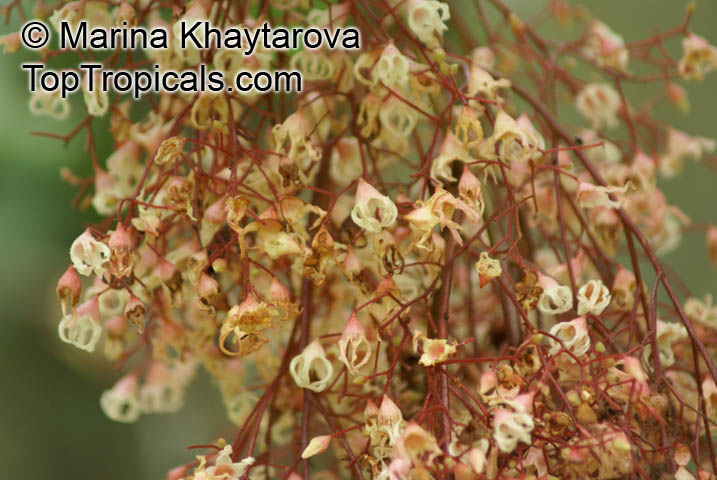
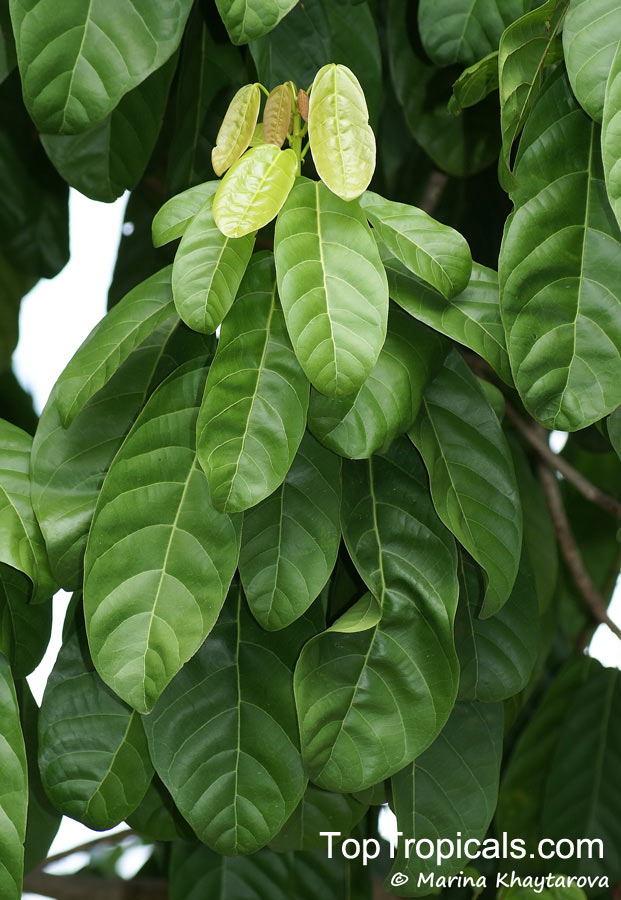
Botanical name: Sterculia oblongata
Common name: Kelumpang
Family: Malvaceae
Subfamily: Sterculioideae
Origin: Southeast Asia
The seeds are edible after boiling.
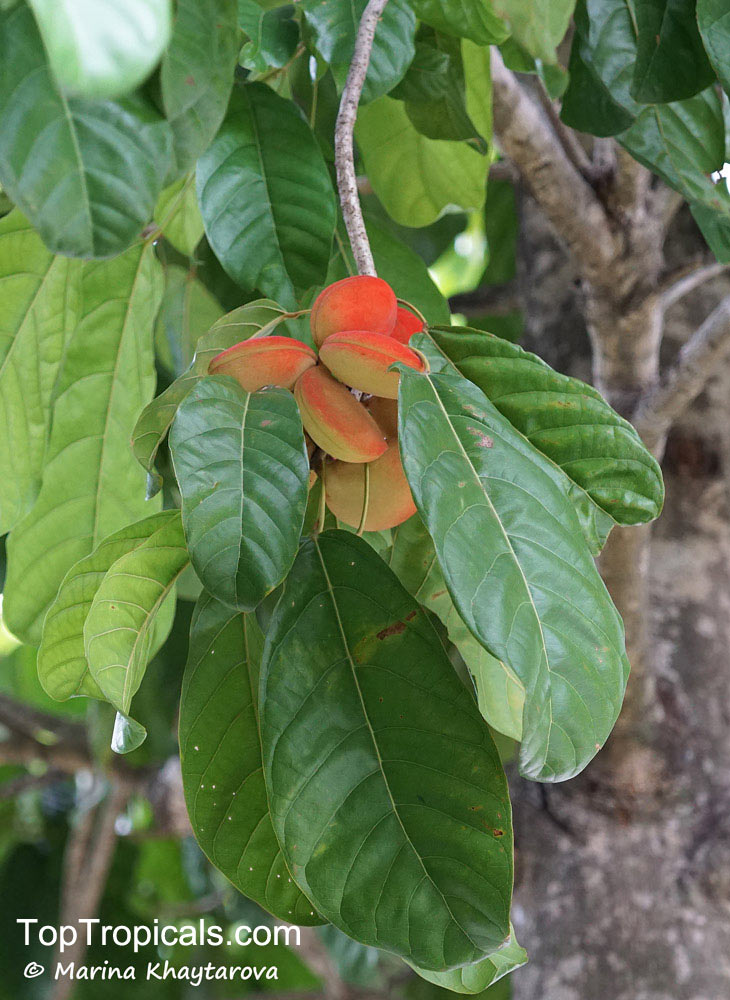
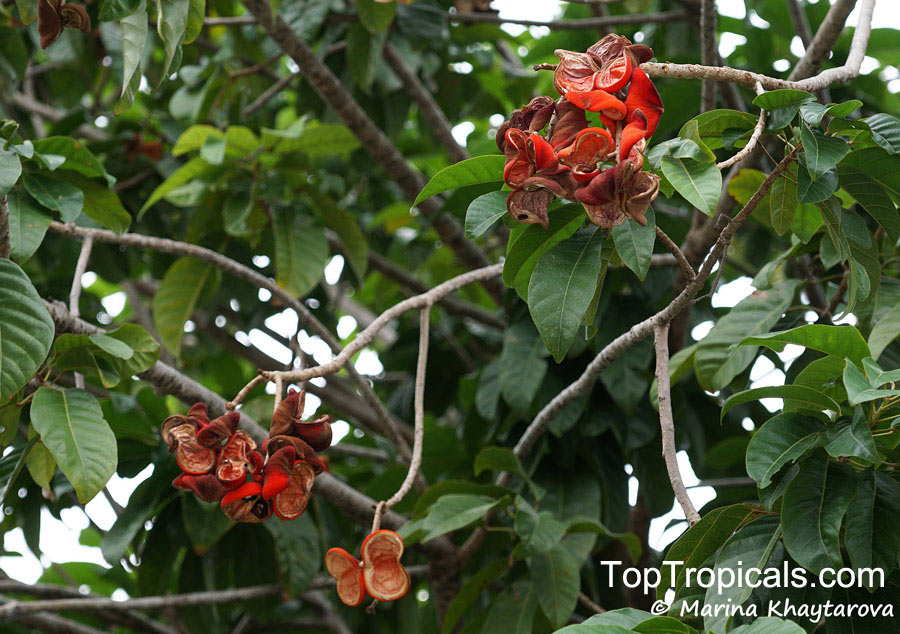
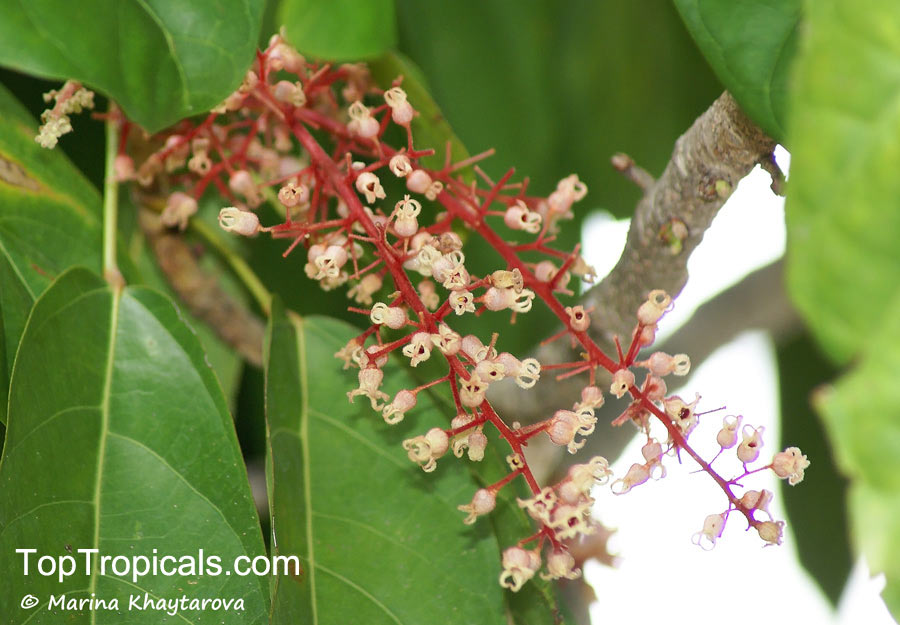
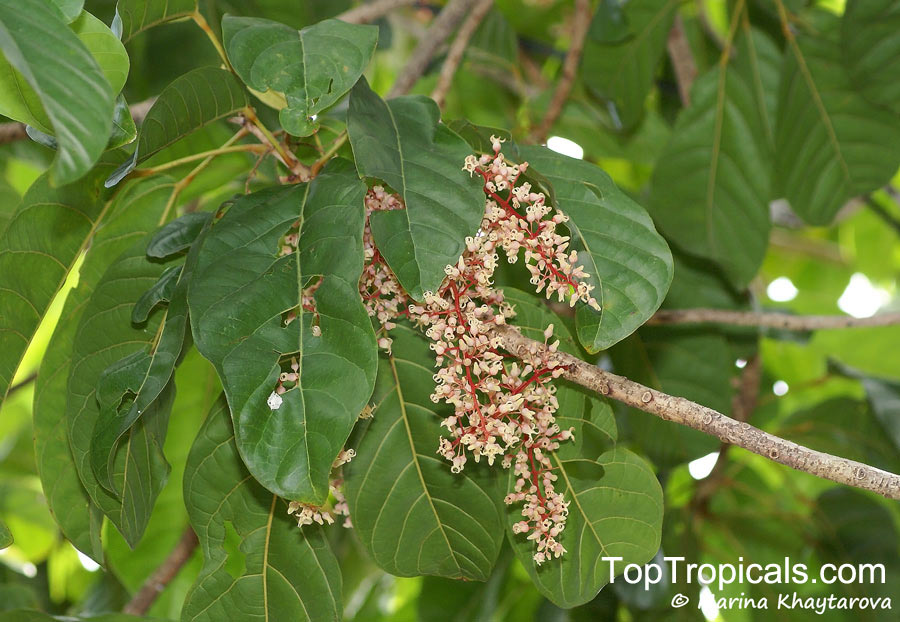
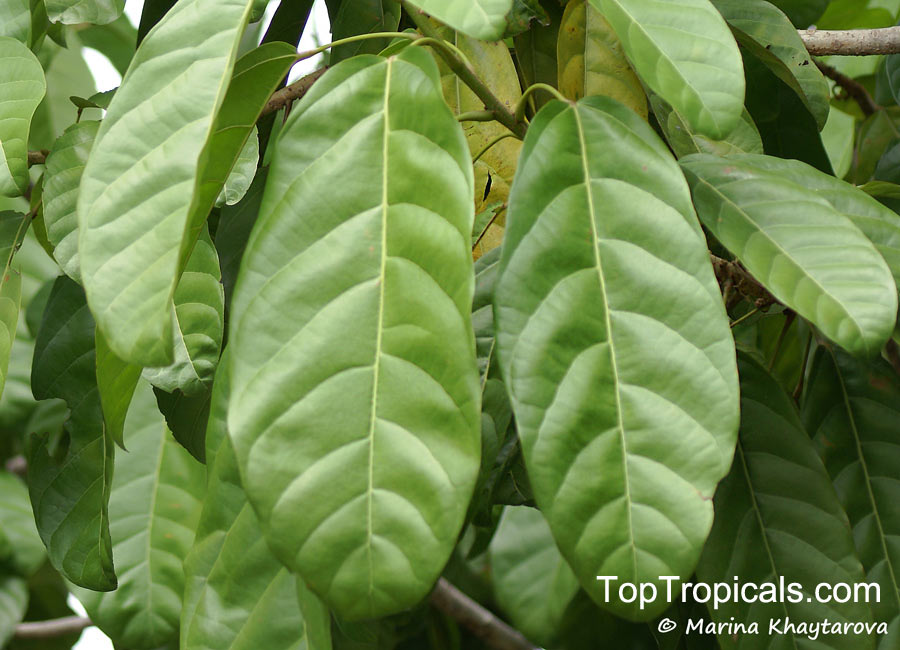
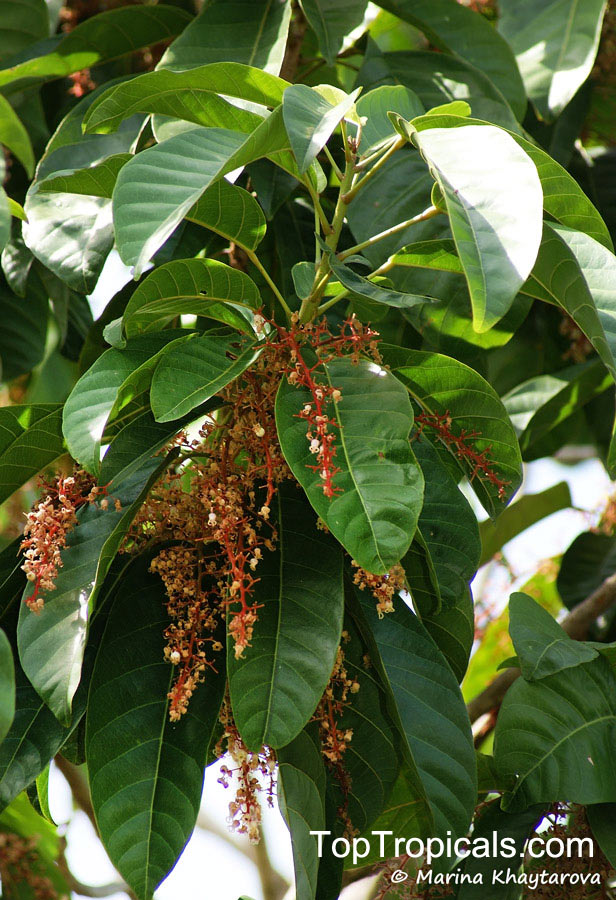
Botanical name: Sterculia parviflora
Common name: Sterculia
Family: Malvaceae
Subfamily: Sterculioideae
Origin: Southeast Asia

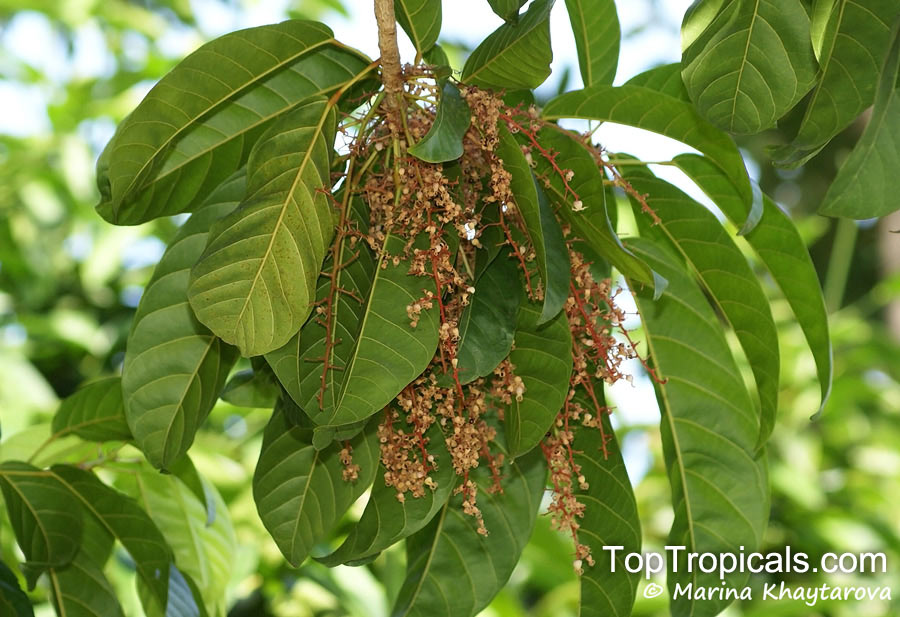
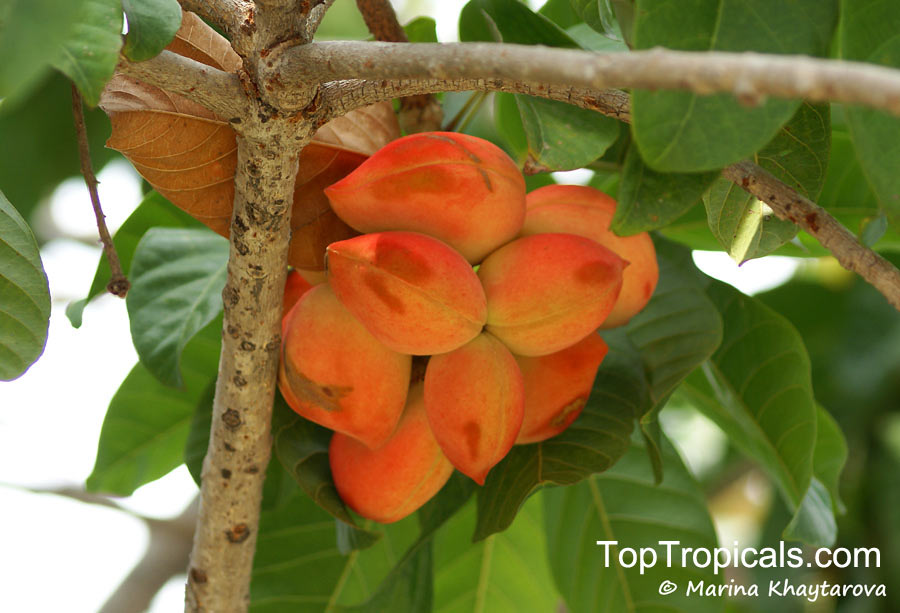
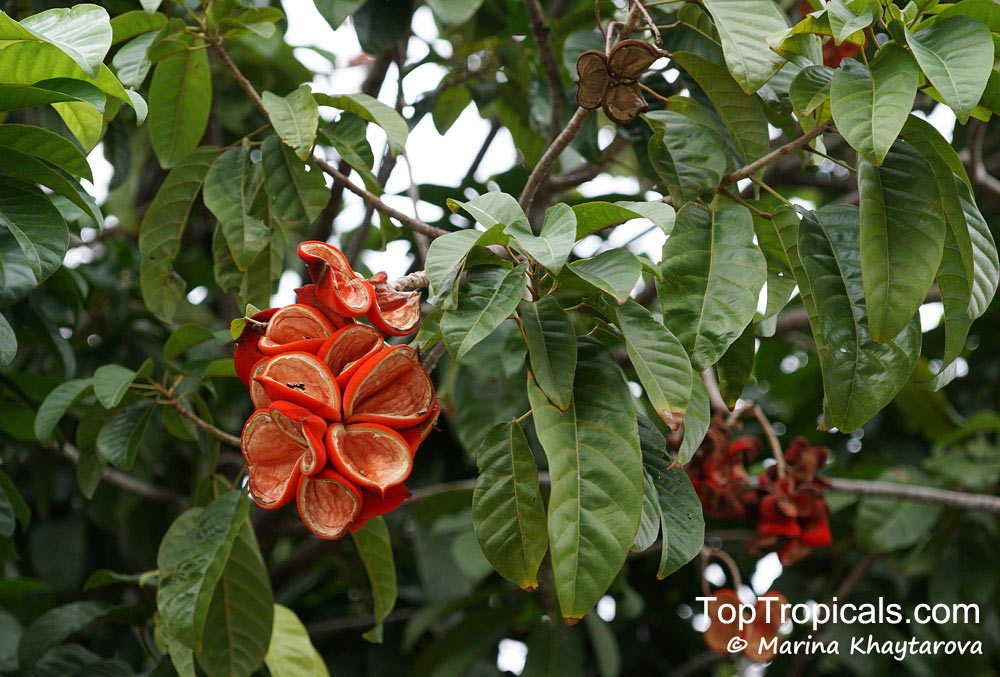
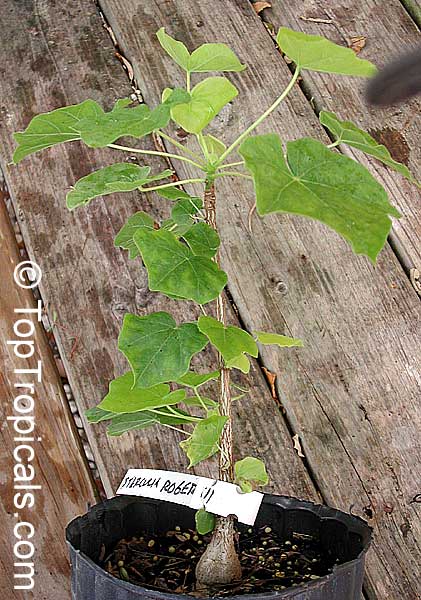
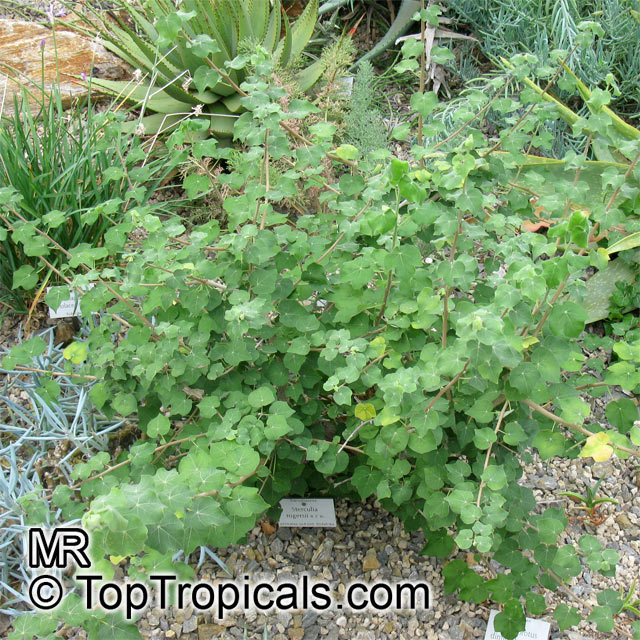
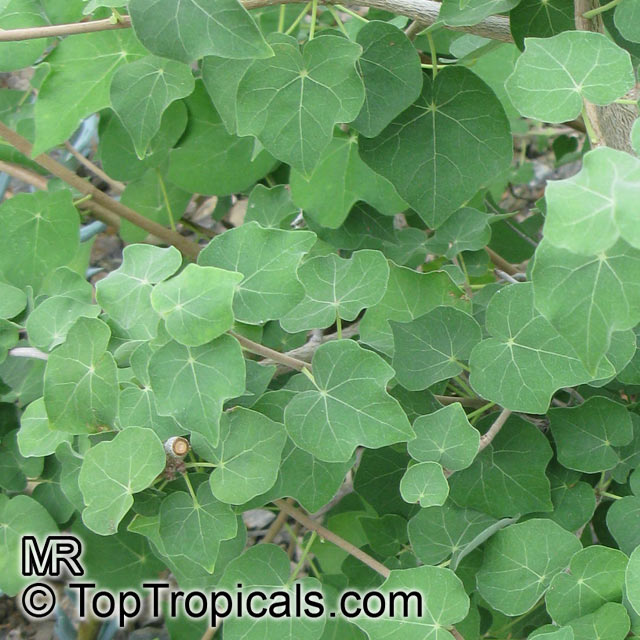
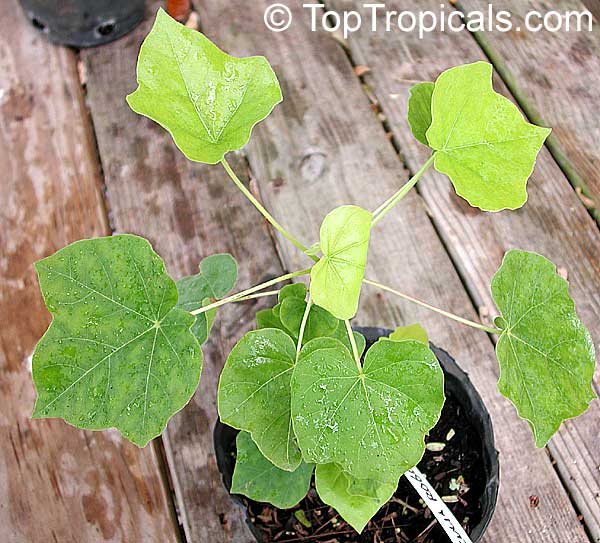
Botanical name: Sterculia rogersii
Common name: Common Star Chestnut
Family: Malvaceae
Subfamily: Sterculioideae
Origin: South Africa


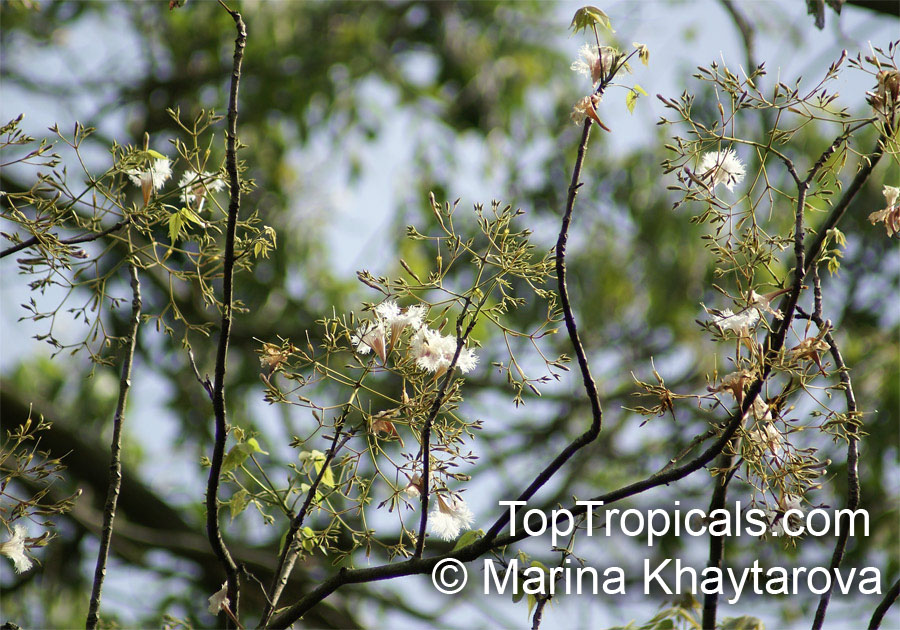
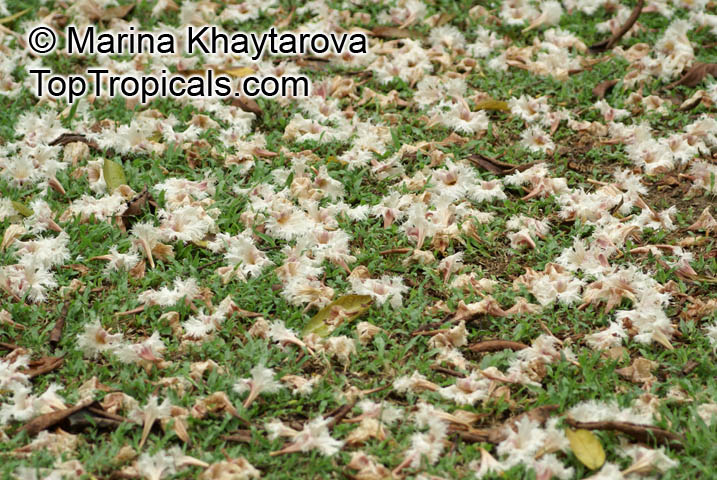
Sterculia rogersii, commonly known as Star Chestnut, is a beautiful small tree native to South Africa. It is a great option for a bonsai indoors and outdoors, as it can reach a size of 10 to 20 feet in mature stage. The star chestnut enjoys full sun and semi-shade, and is tolerant to very dry conditions as long as enough water is available in wet seasons. The white and off-white flowers of the tree look stunning, blooming from March to August. For the most part, the Star Chestnut is a deciduous plant, but it can still bring beauty to the landscape when its long and lush foliage begins to yellow and orange in the late Fall.
This species of tree is mature plant-hardy to temperatures of at least 30s F, although only for a short period of time. During the growing season, the Star Chestnut requires moderate water and appreciates a fertilized soil. To encourage good growth and flowering performance, it is necessary to water the tree two or three times a week. To keep in within the desired size, you may want to prune it during its growing season, as it can sometimes become quite vigorous.
In colder climates, where temperatures drop below freezing, the Star Chestnut should be planted in a pot and brought inside for the winter. When planting it in a pot, make sure to keep the tree well-watered and use a well-drained potting soil. Because of its small size, it can easily be placed in a bright location near a window to catch the sunlight, if needed. During the cold winter months, keep an eye on the soil moisture and water it just enough to keep it from drying out.
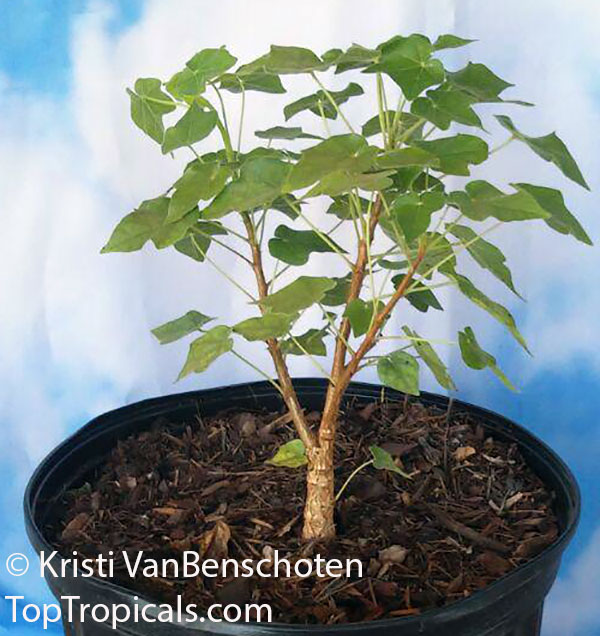

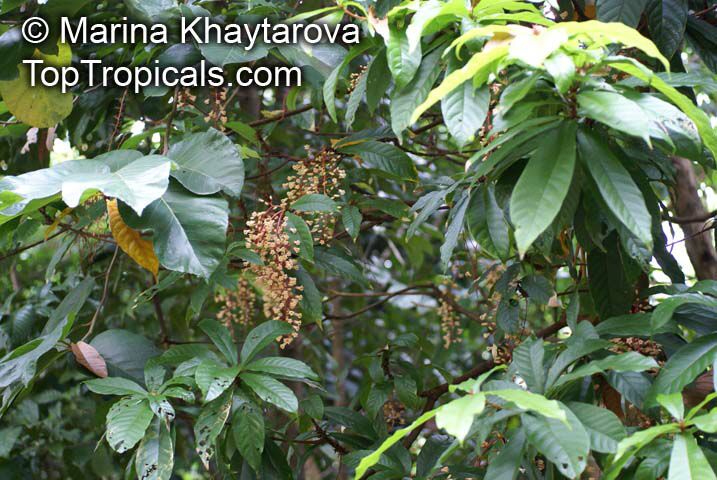
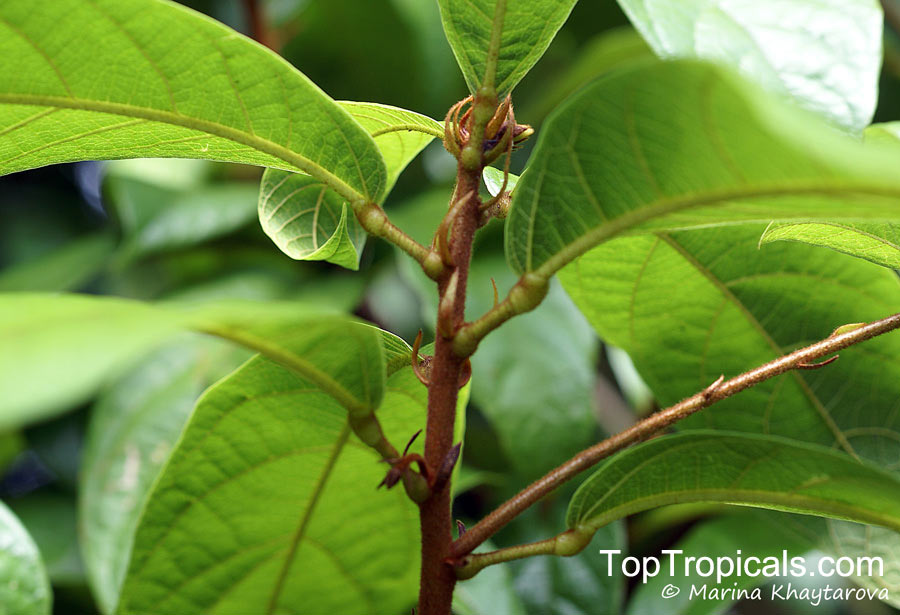
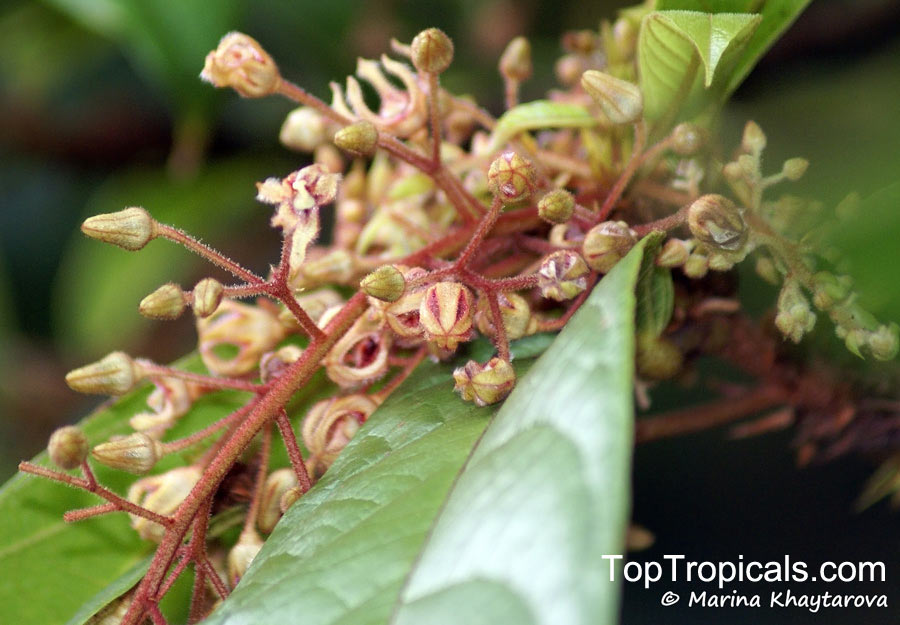
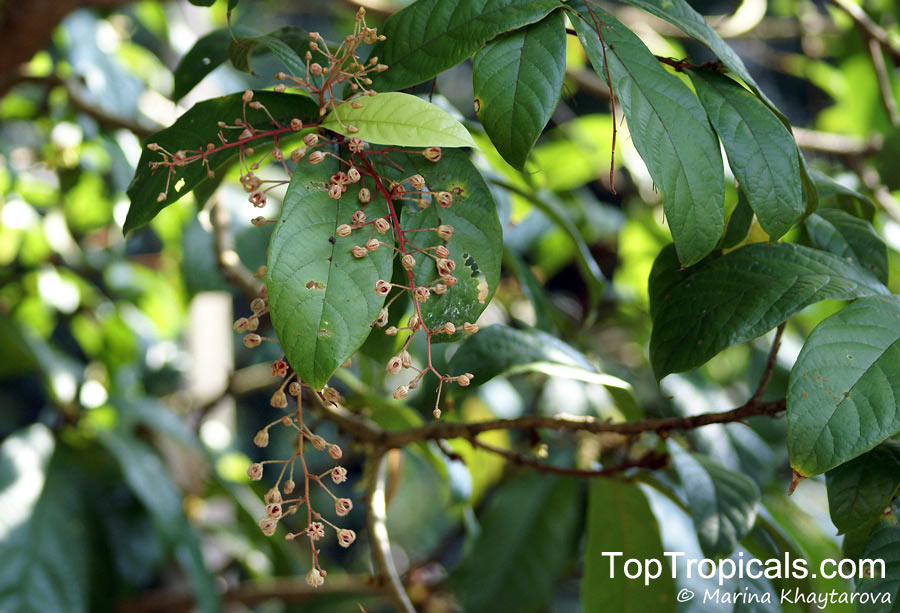
Botanical name: Sterculia rubiginosa
Common names: Kelumpang, Rusty Sterculia
Family: Malvaceae
Subfamily: Sterculioideae
Origin: Indo-China, Malay Peninsula, Sumatra

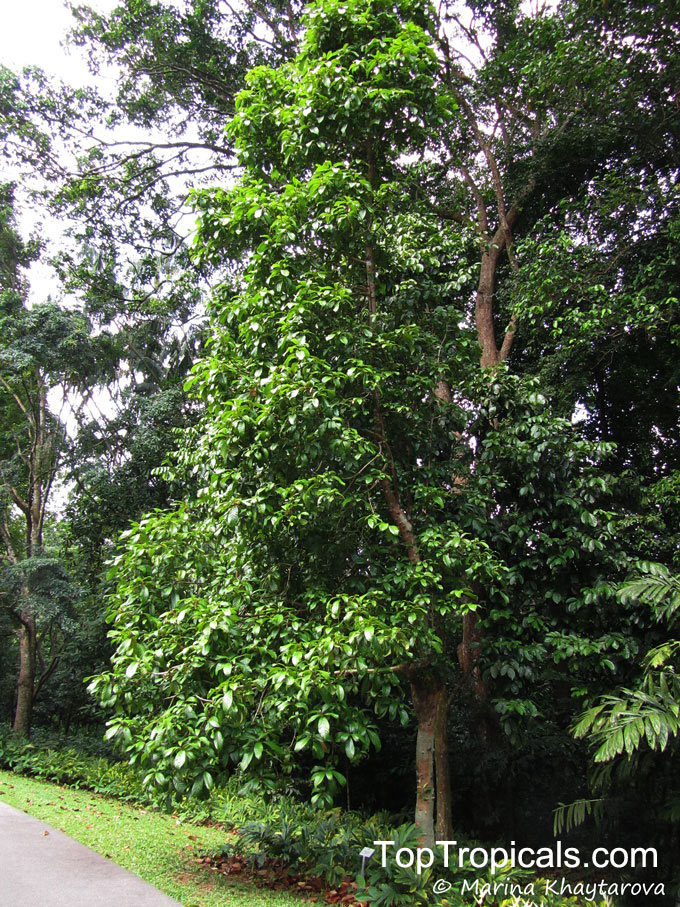
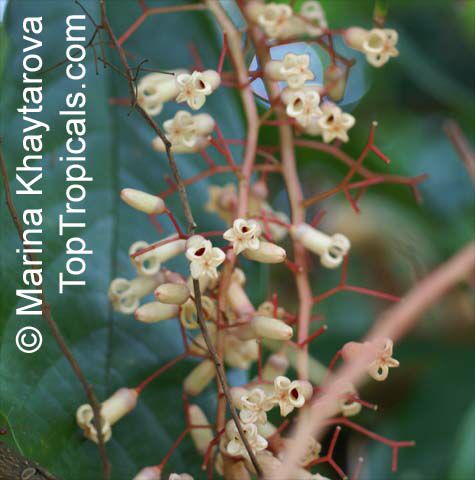
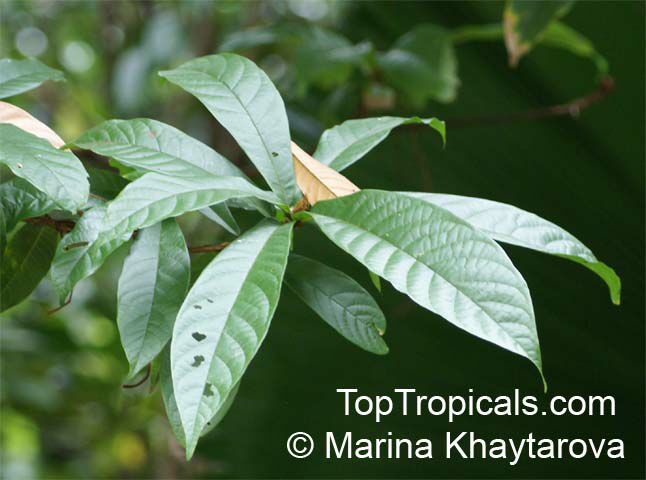
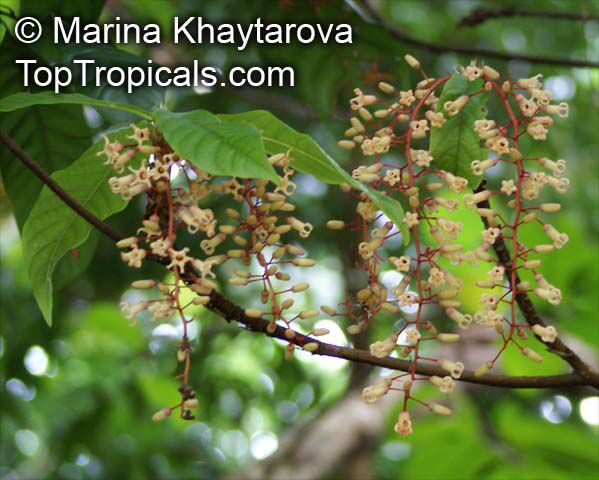
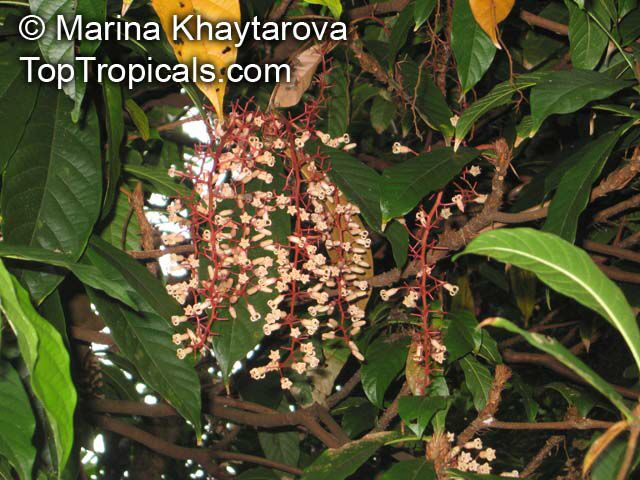
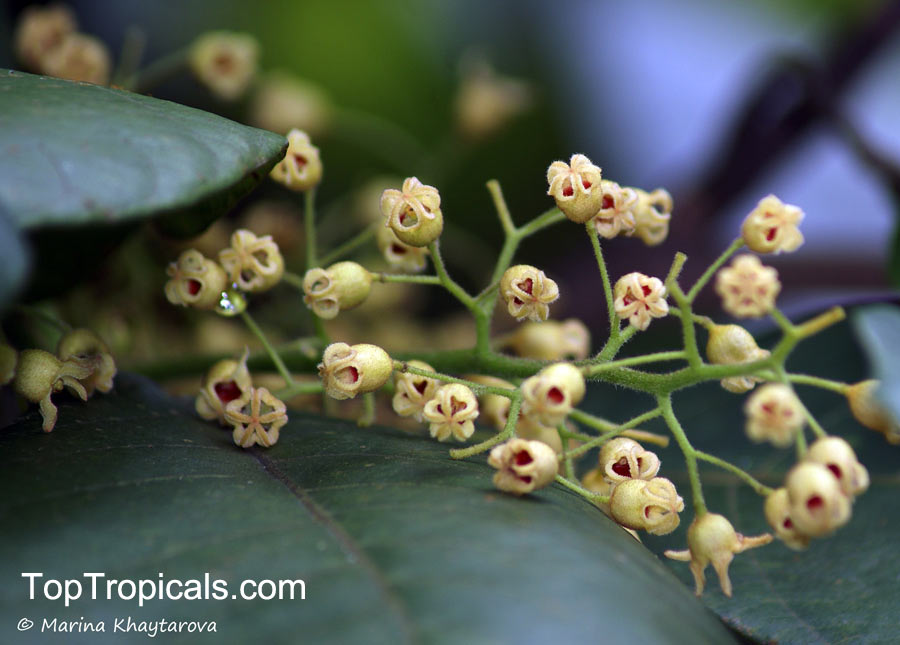
Botanical name: Sterculia shillinglawii
Common name: Tulip Sterculia
Family: Malvaceae
Subfamily: Sterculioideae
Origin: Australia, New Guinea
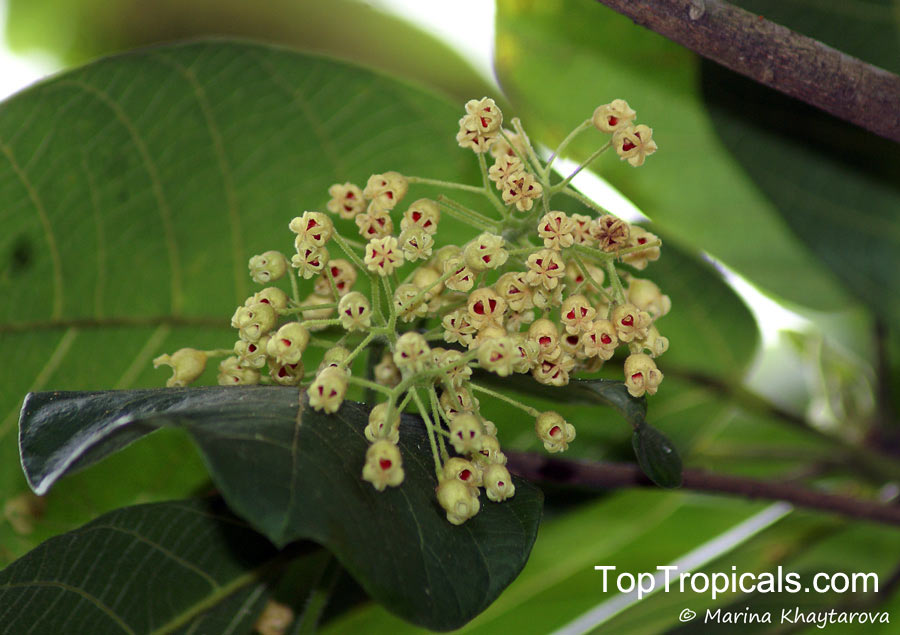
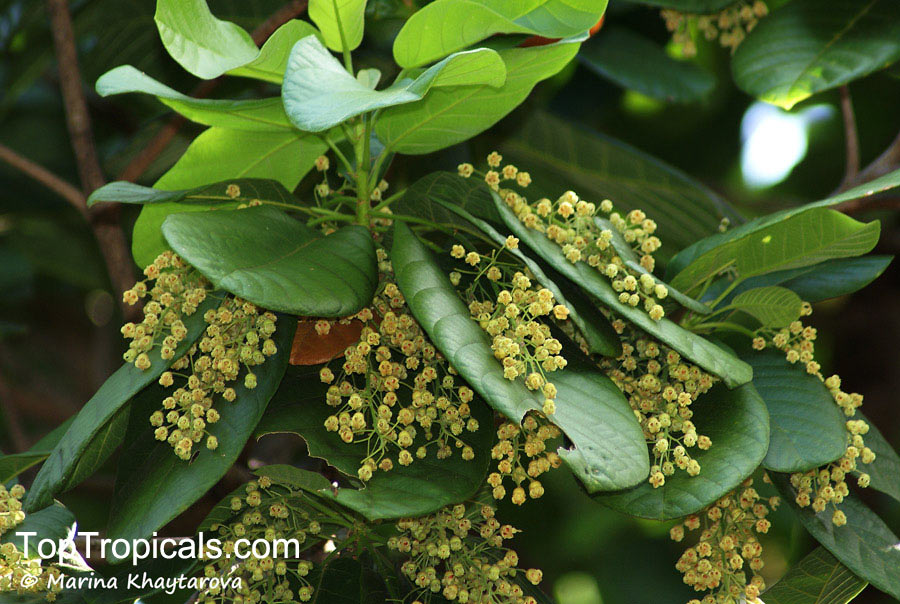
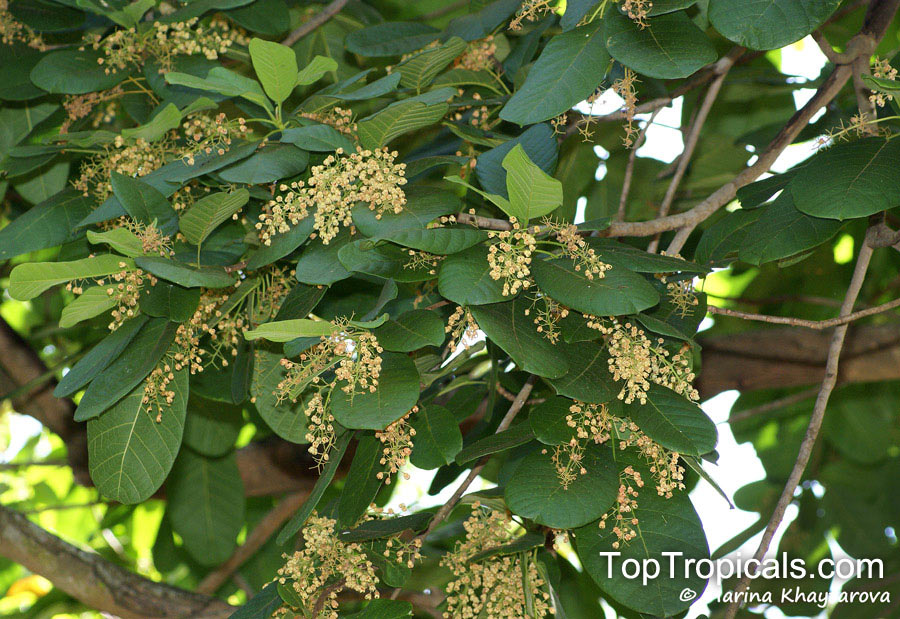
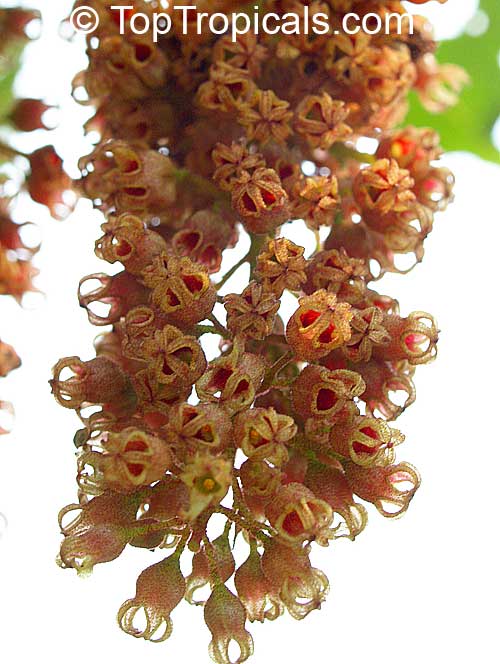
Botanical name: Sterculia tragacantha
Common names: Gum Tragacanth, Sterculia
Family: Malvaceae
Subfamily: Sterculioideae
Origin: Tropical Africa

A medium-sized, deciduous tree with more obviously whorled boughs and clustered leaves.
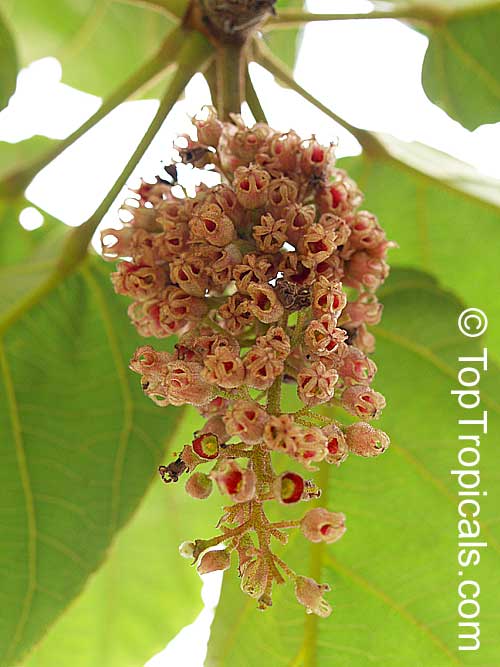
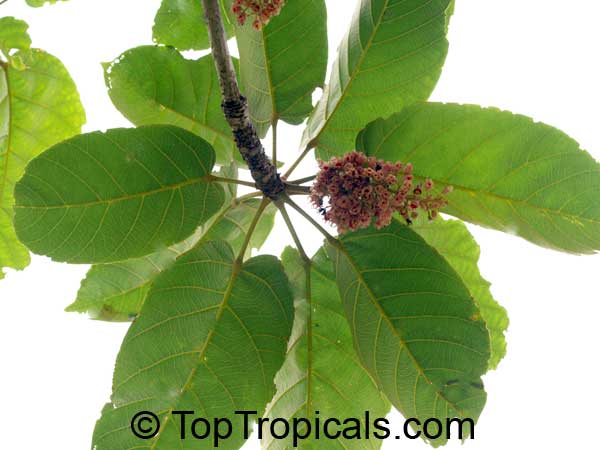

Botanical name: Sterculia urens
Common names: Kateera-gum, Katira, Kulu, Sterculia gum
Family: Malvaceae
Subfamily: Sterculioideae
Origin: India

Kullu (Sterculia urens) is a beautiful tree with white skin.Sterculia urens is a fairly common variety bearing, in February and March, small, greenish-yellow flowers, hirsute and sticky. The leaves are hand-shaped and similar to those of the Sterculia foetida. It is found in dry forests in rocky areas. Extraction of gum is done during summer season. It has great medicinal value and is a highly valued gum in the international market. It is also used in confectionaries and chewing gums.
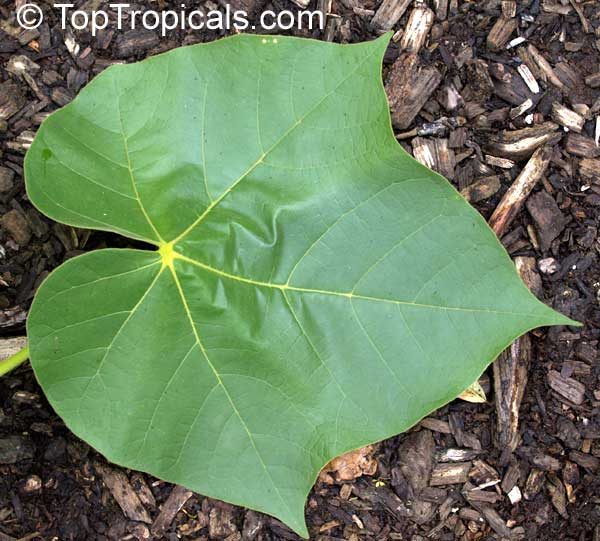
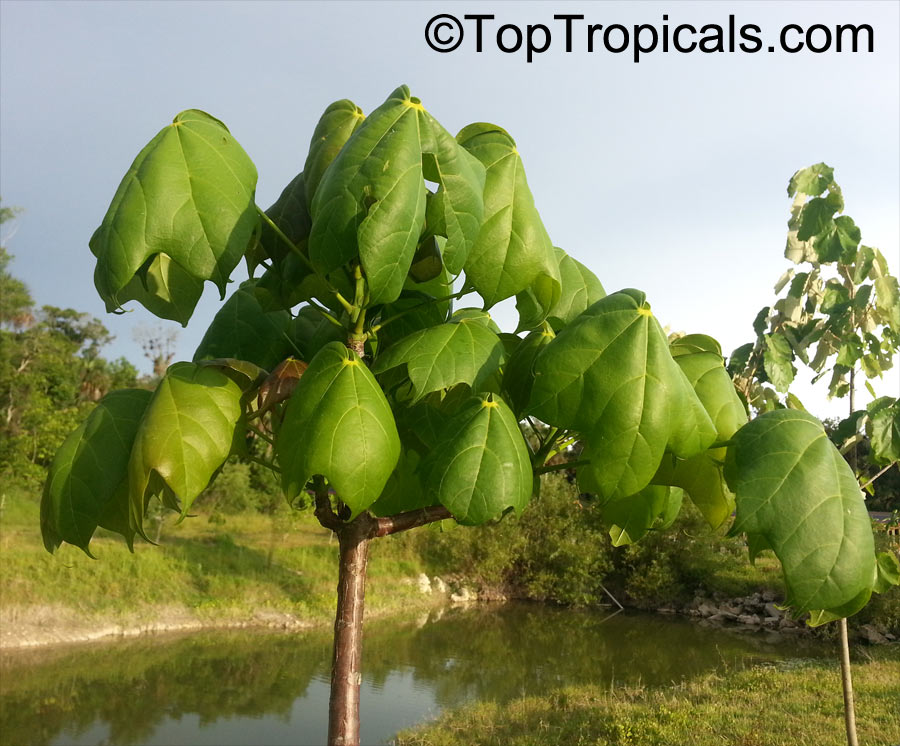
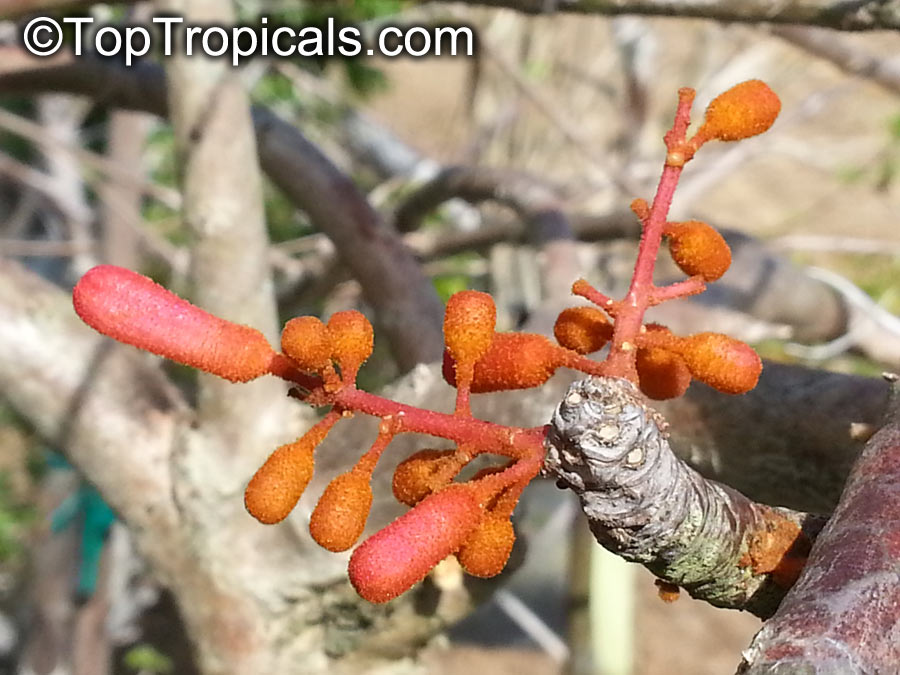
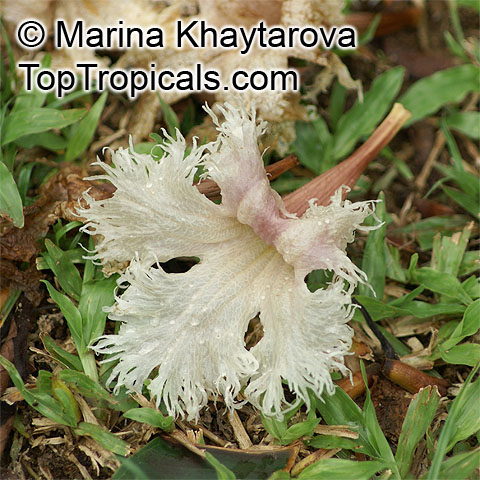
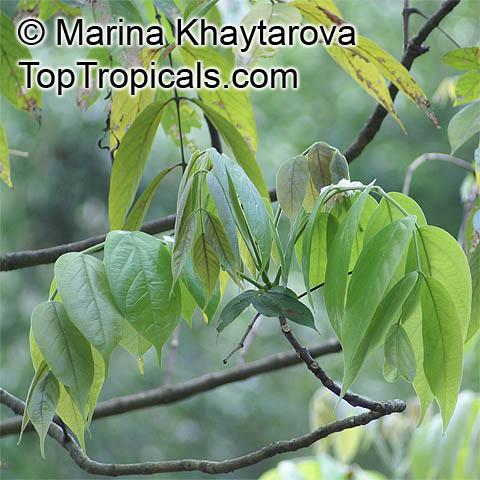
Botanical name: Stereospermum fimbriatum
Common name: Chahchah
Family: Bignoniaceae
Origin: Malay Peninsula


| Prev | Next | |
Use link to repeat this search:
https://toptropicals.com/cgi-bin/garden_catalog/cat.cgi?search_op=and&keyword_op=and&language=e&number=10&no_change_lang=1
&user=tt&sale=1&first=0