Pink flowers - Plant Encyclopedia Results (Page 14)
| Number of plants found: 1148 |  | Prev | Next | 
|
Go to page: | First | 9 | 10 | 11 | 12 | 13 | 14 | 15 | 16 | 17 | 18 | Last |
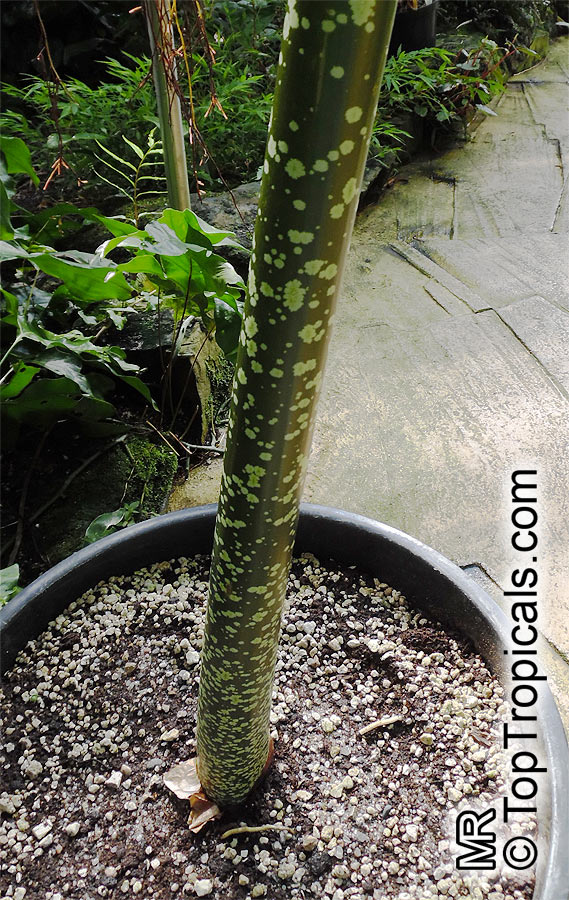
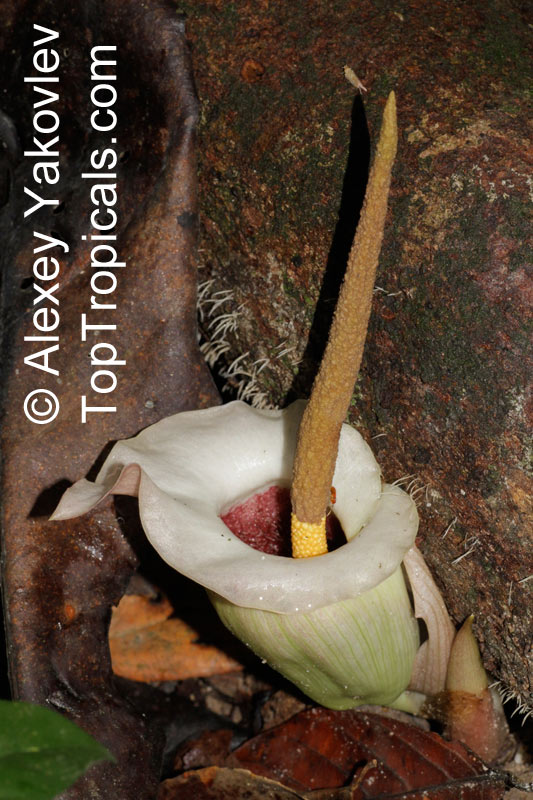
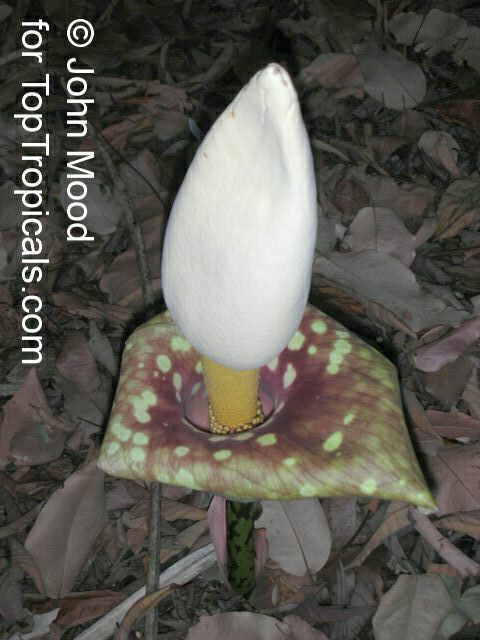
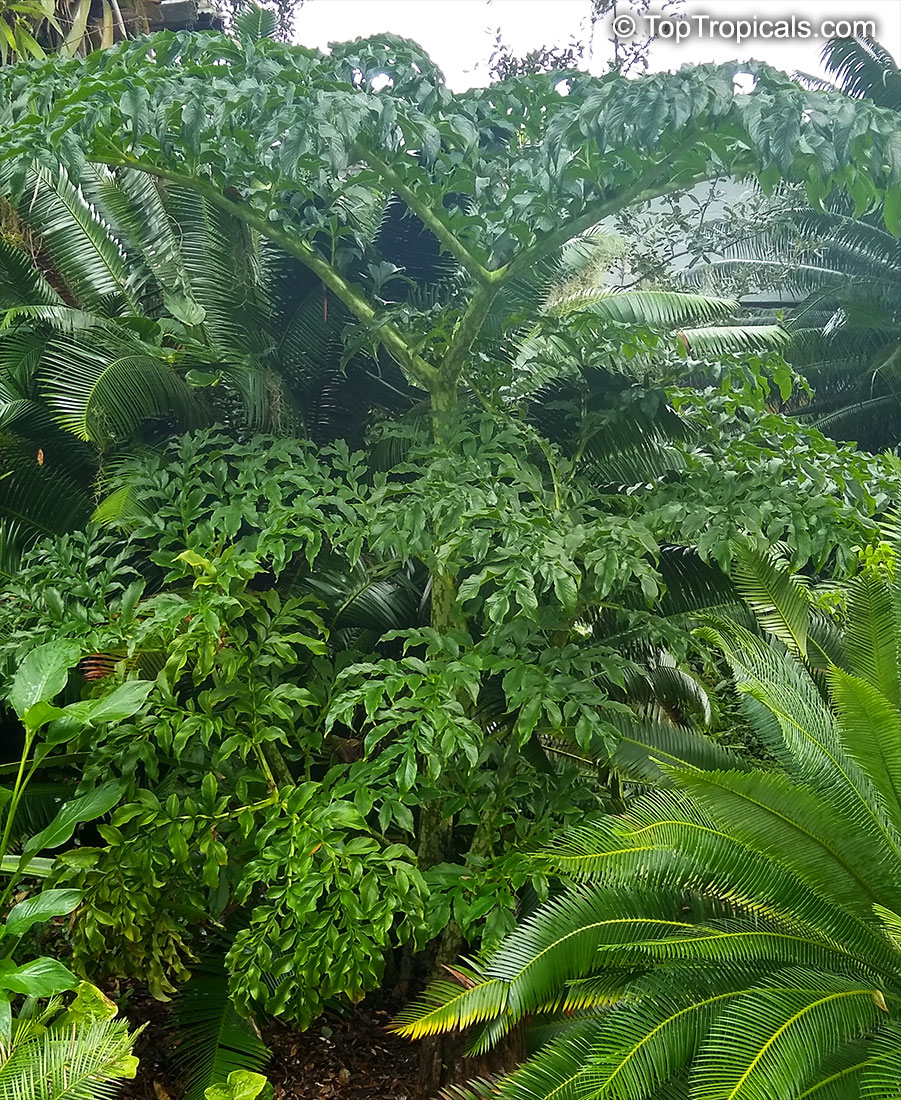
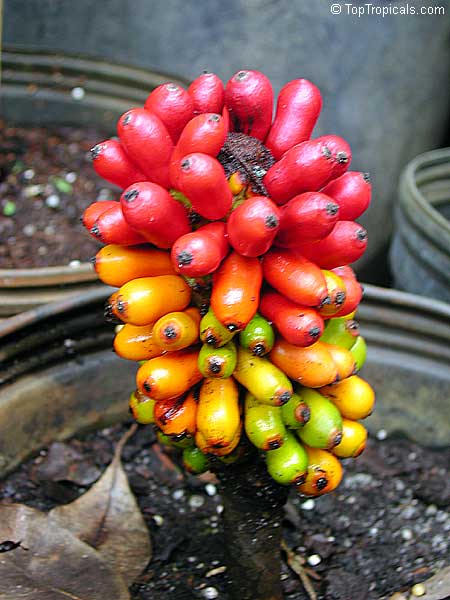
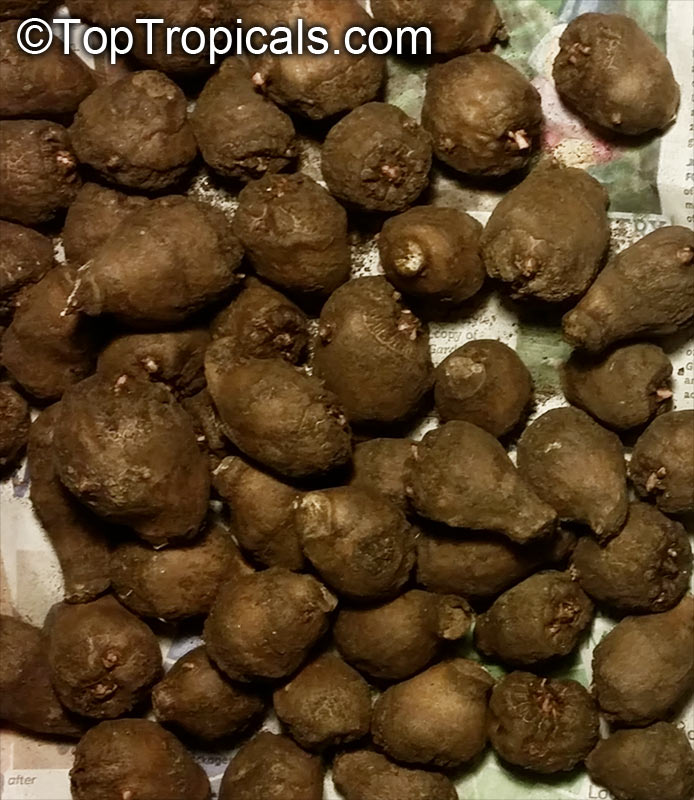
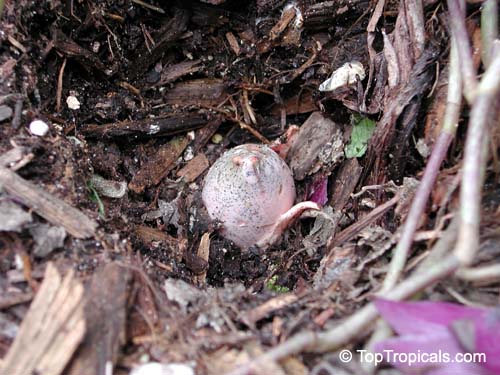
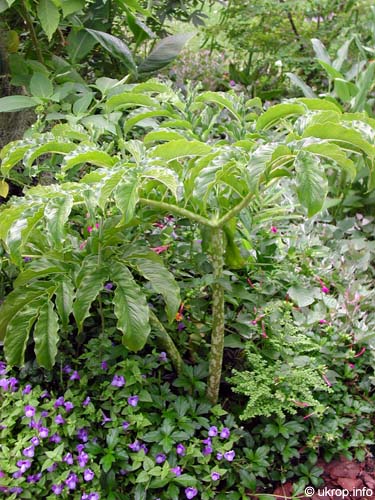
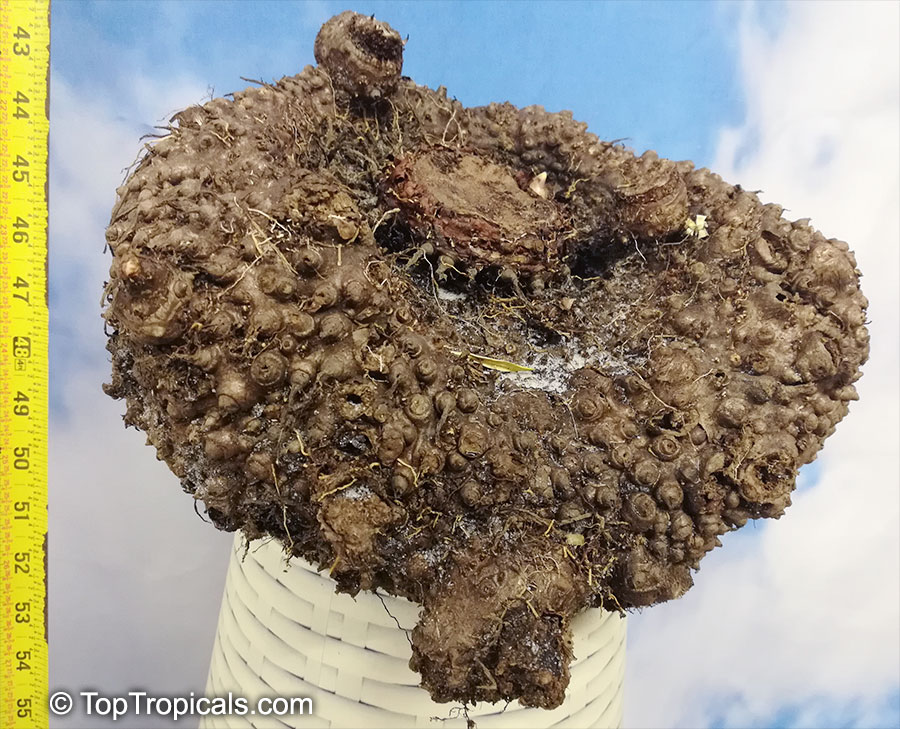
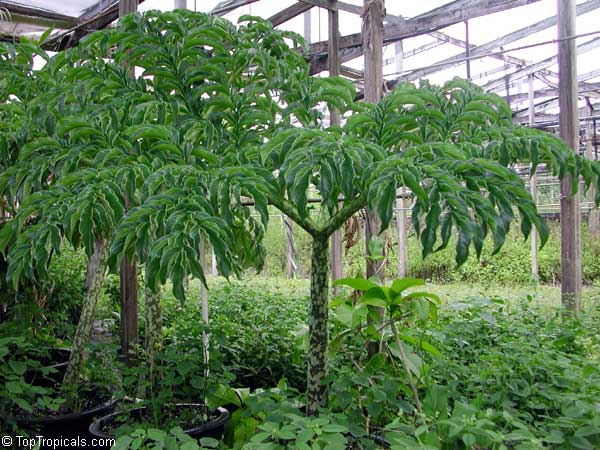
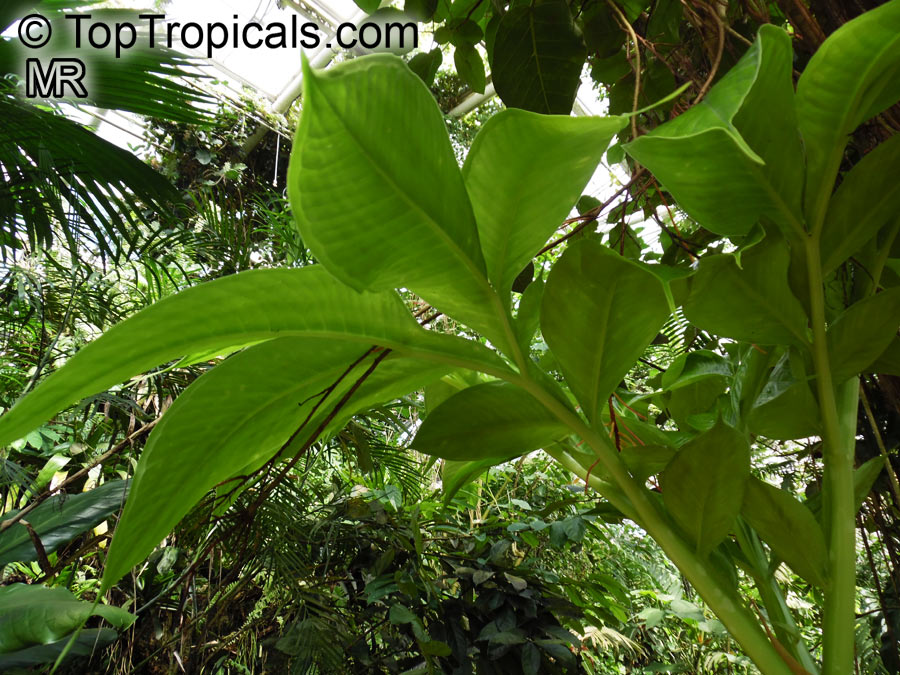
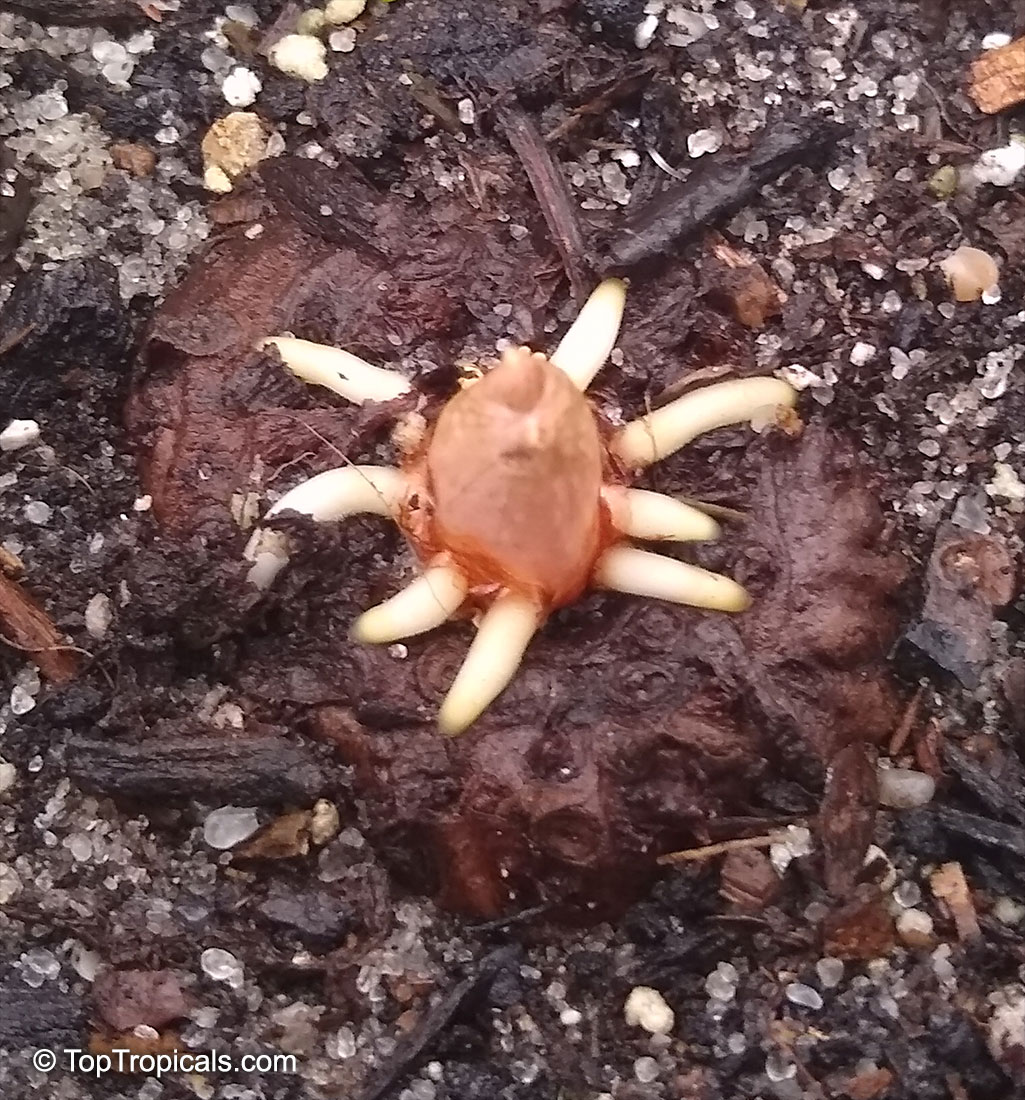
Botanical name: Amorphophallus sp.
Common names: Voodoo lily, Devils tongue, Snake Palm, Corpse flower, Elephant Foot Yam
Family: Araceae
Origin: Himalaya, India, Burma


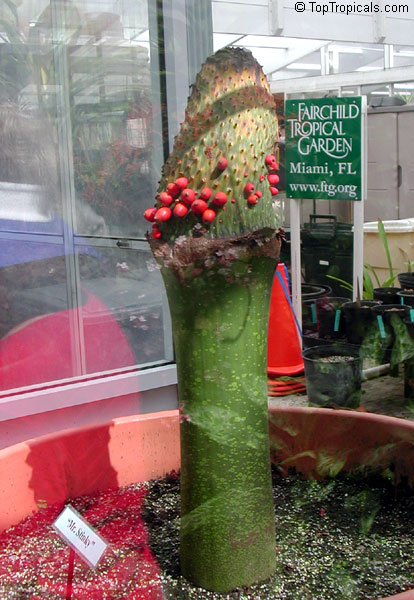
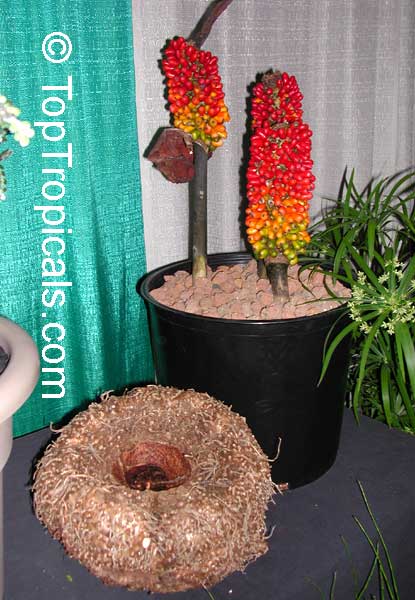
Amorphophallus species are herbs with an underground storage organ. This is usually a tuber. One single leaf emerges from the tuber, consisting of a vertical petiole (stalk) and a horizontal leaf-blade. The latter is dissected into few or numerous small leaflets. Once plants are mature an inflorescence may develop. The inflorescence may replace the leaf in one season, or develop alongside it. From winter dormant tubers emerge an umbrella like plant with beautiful speckled stems. Large flowers will emerge from mature plants in the spring. When the spathe opens the female flowers are receptive and must be pollinated that same day. The opening inflorescence emits an attractant scent. In Amorphophallus this scent has diversified considerably. In most species the scent is anything but pleasant, and reminds one of varieties of death, decay, sewage, gas and the like. A few species develop a scent that is actually pleasant to the human nose (e.g. carrot-like, anise, chocolate, fruity, lemon). After successful pollination most parts of the spathe wither and drop off, after which the individual female flowers develop into berries, containing the seeds. These berries are usually red or orange-red, but occasionally blue, white, or yellow-and- white. Amorphophallus thrives in a rich loamy soil in partial shade. Compost should consist of 2 parts loam to 1 part peat moss to 1 part sand. Keep the plant evenly moist all through the growing season. Keep dry during dormancy, keep moist during growing period. Fertilize monthly with a houseplant fertilizer. Water should be gradually withheld starting in October until the leaf withers. Store corms at a temperature above 50 degrees. They can be brought into active growth in late March. If the corms are strong enough, a blossom will soon be produced. The leaf follows soon afterwards. A. bulbifer definitely dislikes low humidity - the leaflets may partially desiccate; this seems to be more pronounced in low light. Also, in low light, the leafes become exceptionally dark green, with nicely contrasting pink margins. Such plants have to be moved to brighter light very gradually. In bright light, the leaves are bright green, with pinkish margins less pronounced. Other species: konjac, titanum, and much more...
Amorphophallus konjac is one of the largest flowers, a perennial exotic Asian plant. It grows a single, elongated center called a corm and a single large leaf that wraps around it. The corm is the part of the plant that is used, as well as its tuber, which is commonly called the konnyaku potato. Amorphophallus konjac acts as a diet aid that has many benefits. Its ability to swell when mixed with water allows it to fill the stomach. It also moves through the digestive system very slowly, making the appetite feel satisfied for a longer period of time. This characteristic of Amorphophallus konjac is beneficial in treating obesity. It is one of the most exotic, bizarre flowers. Can be easily grown in a pot as a house plant. The single leaf dormant in winter, then in spring the plant shoots out a remarkable flower.

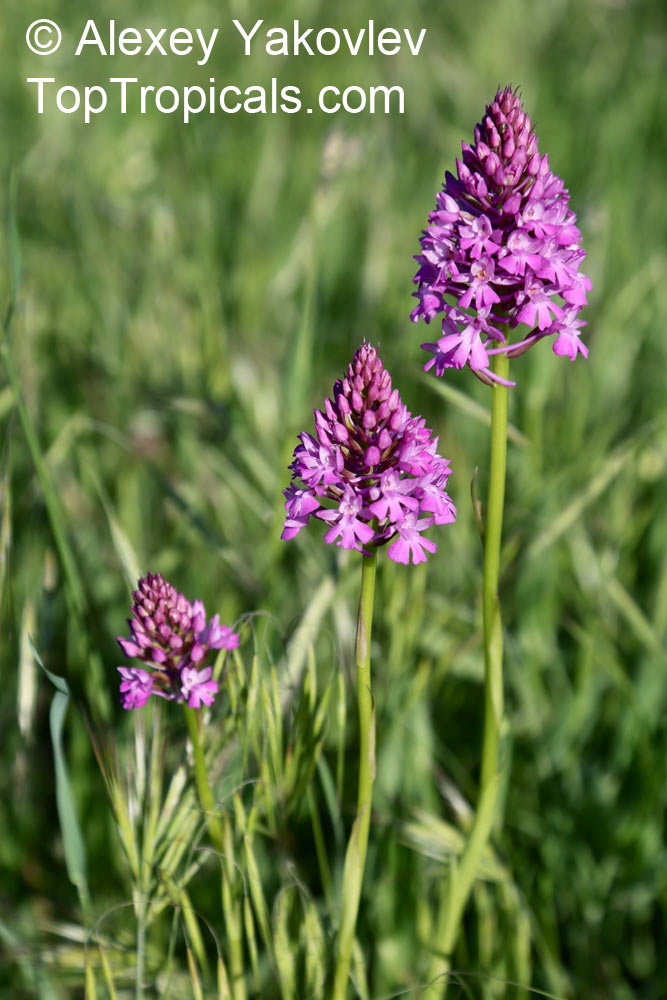
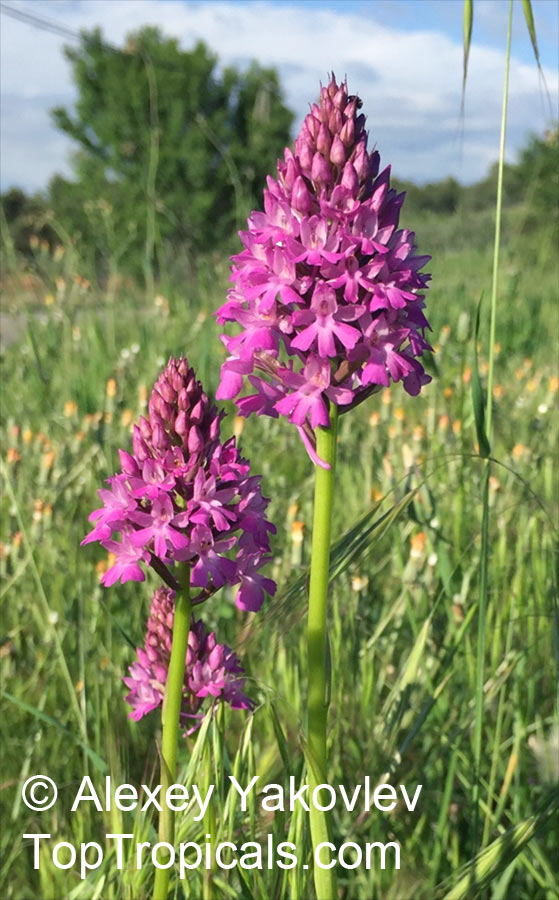
Botanical name: Anacamptis pyramidalis
Common name: Pyramidal Orchid
Family: Orchidaceae
Origin: Mediterranean region


It is a good orchid to put into a meadow or wildflower lawn and usually thrives. Flowering takes place in late June through July. It also grows happily in a cold greenhouse, preferably in a plunged terracotta pot.
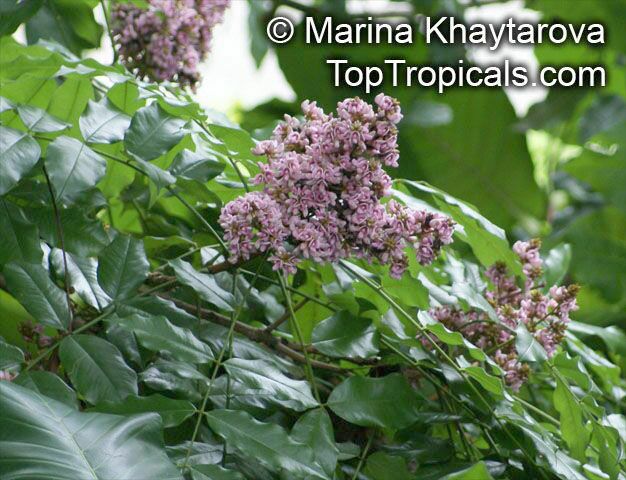
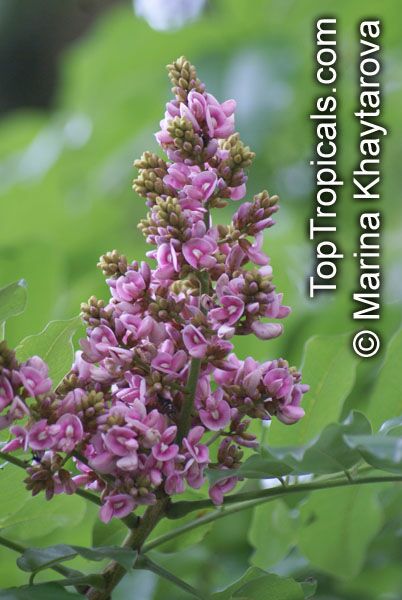
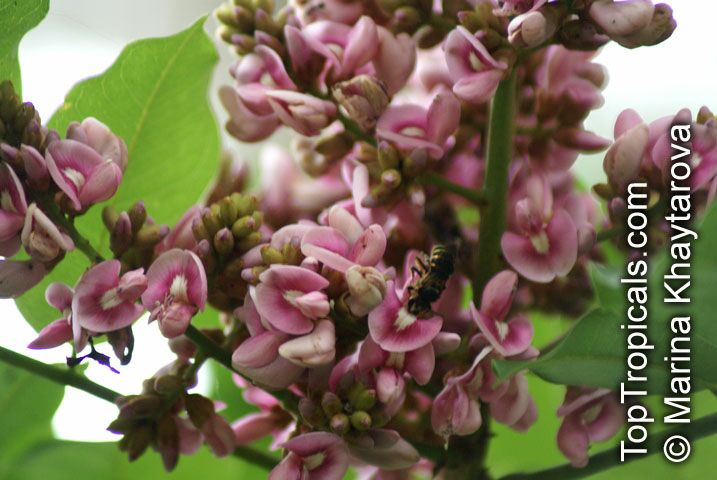
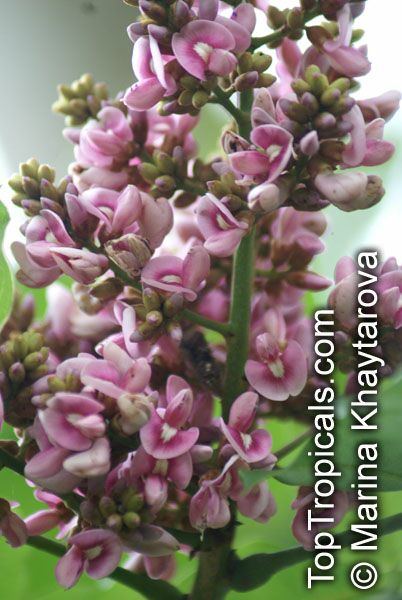
Botanical names: Andira inermis, Geoffroea inermis
Common name: Cabbage Tree
Family: Fabaceae
Subfamily: Faboideae
Origin: Central America


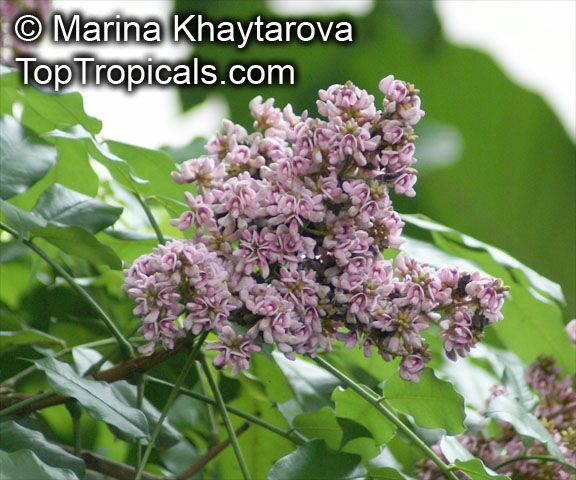
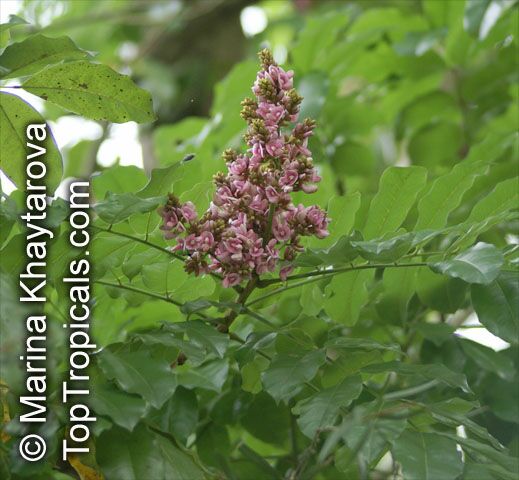
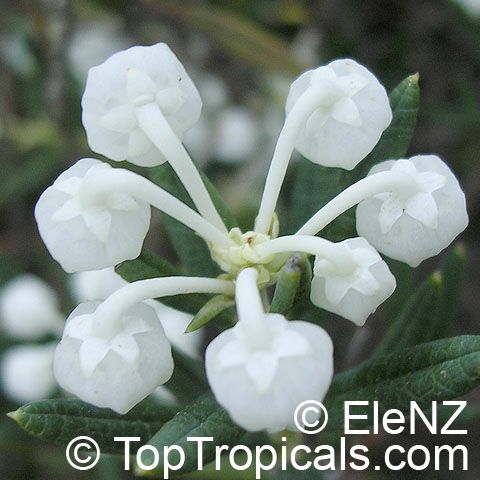
Botanical name: Andromeda polifolia
Common name: Bog Rosemary
Family: Ericaceae
Origin: N. Europe, N. Asia and northern North America


One of several broadleaf evergreen bog shrubs.
Distinguished from other bog shrubs by shape and bluegreen color of leaf.
Bog, often on floating mats of vegetation.
Cool, acidic soil (pH of 4.5-5)
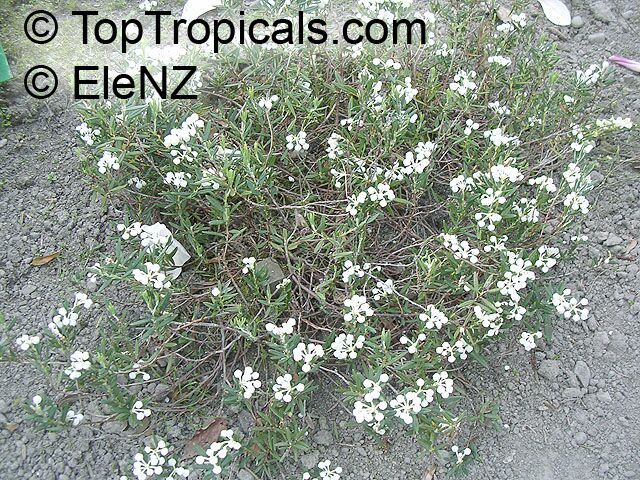
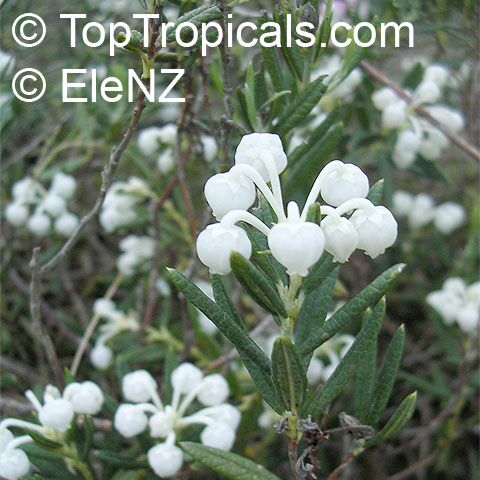
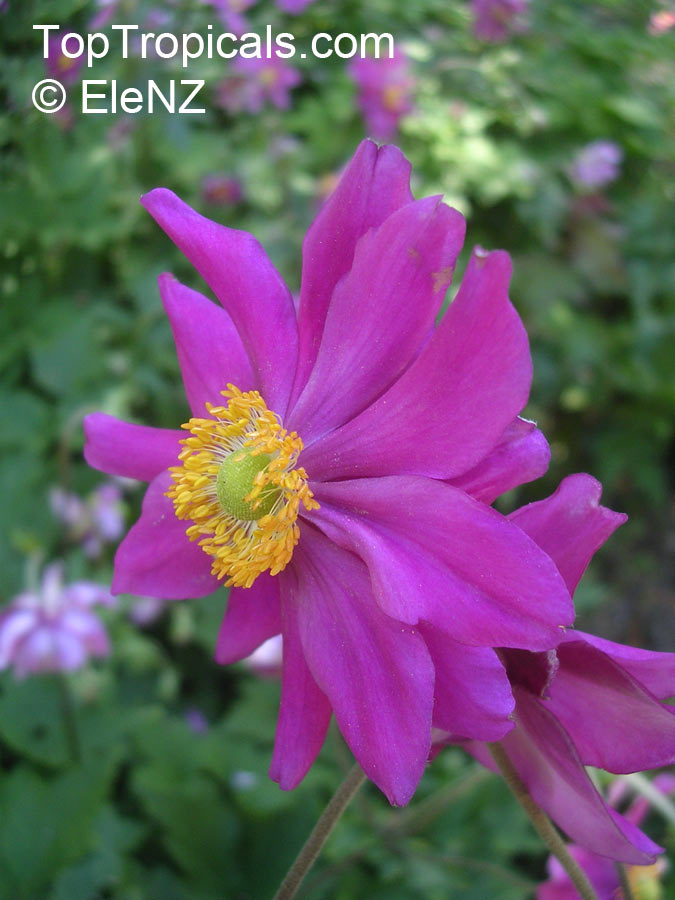
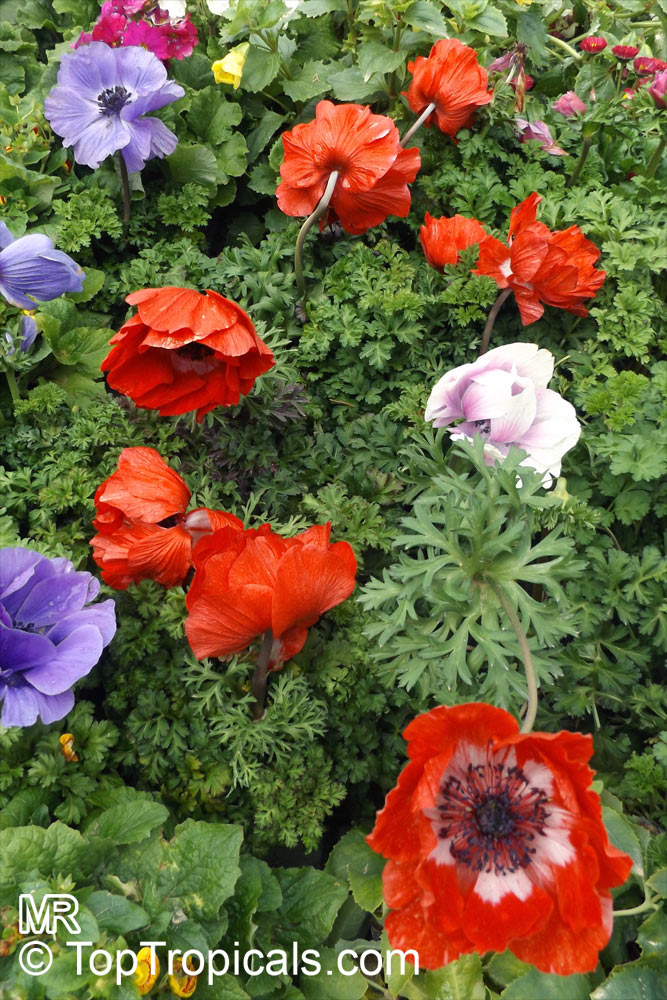
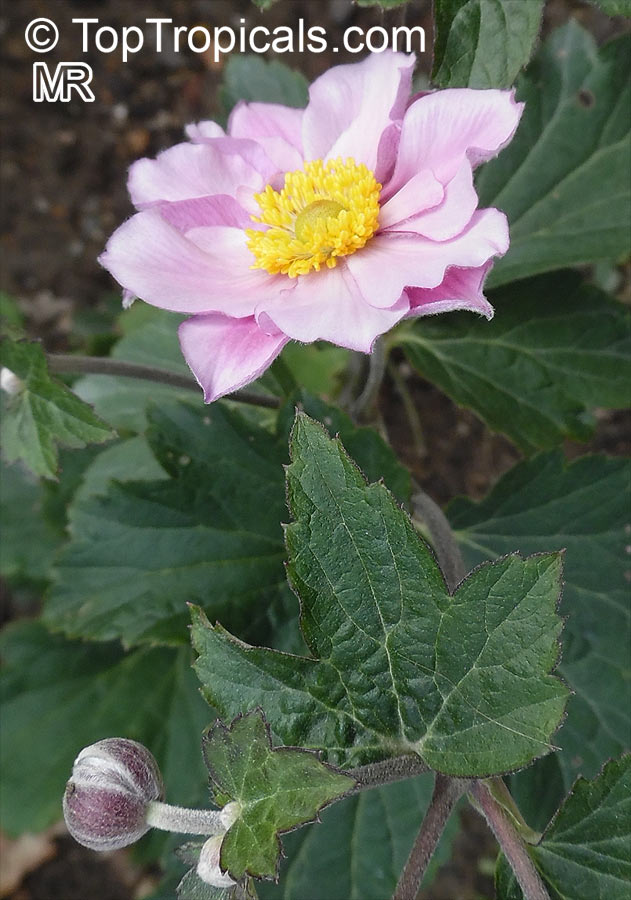
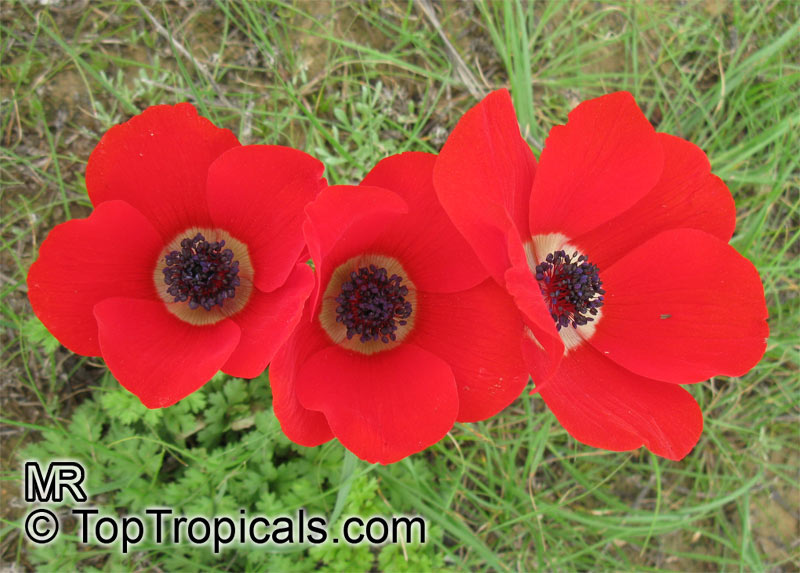
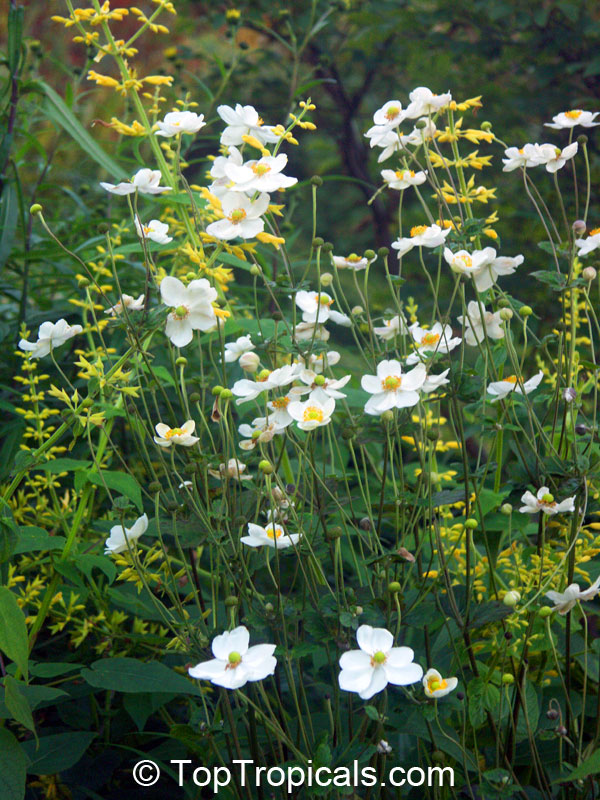
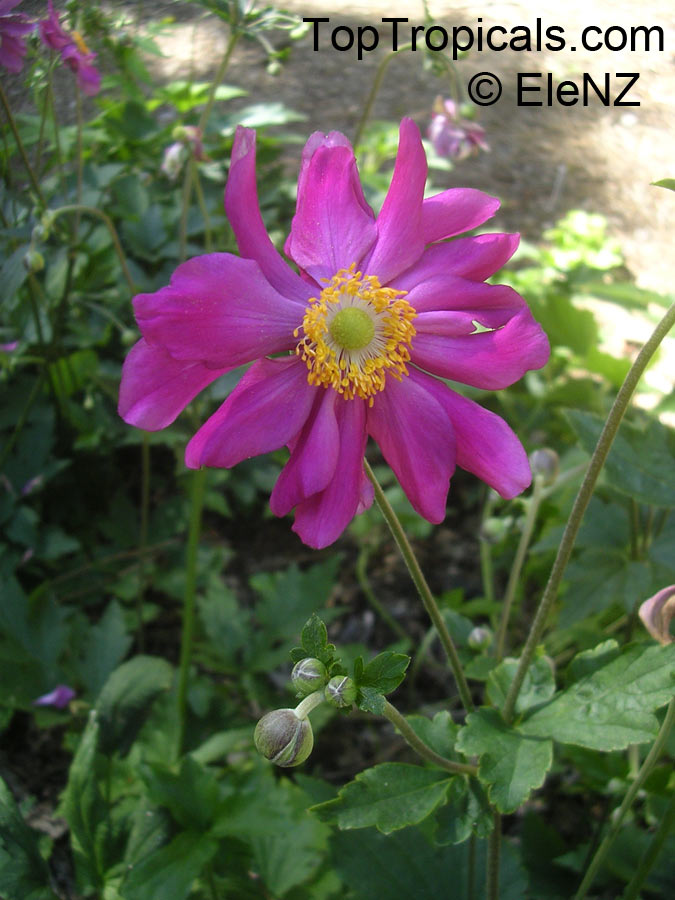
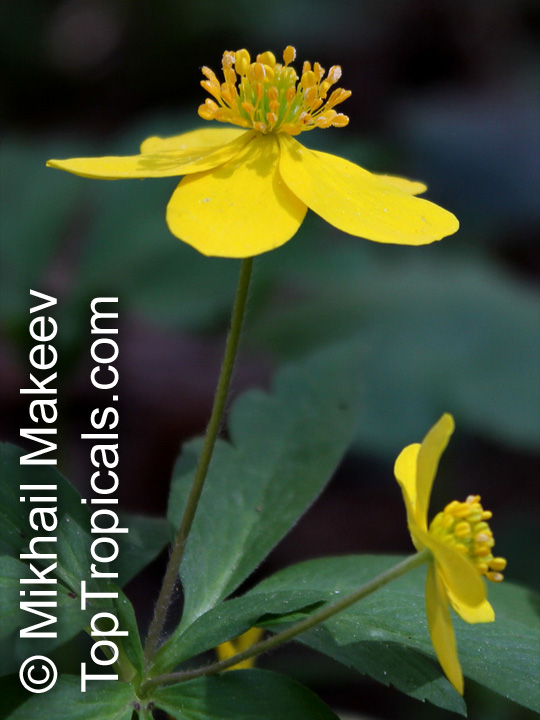
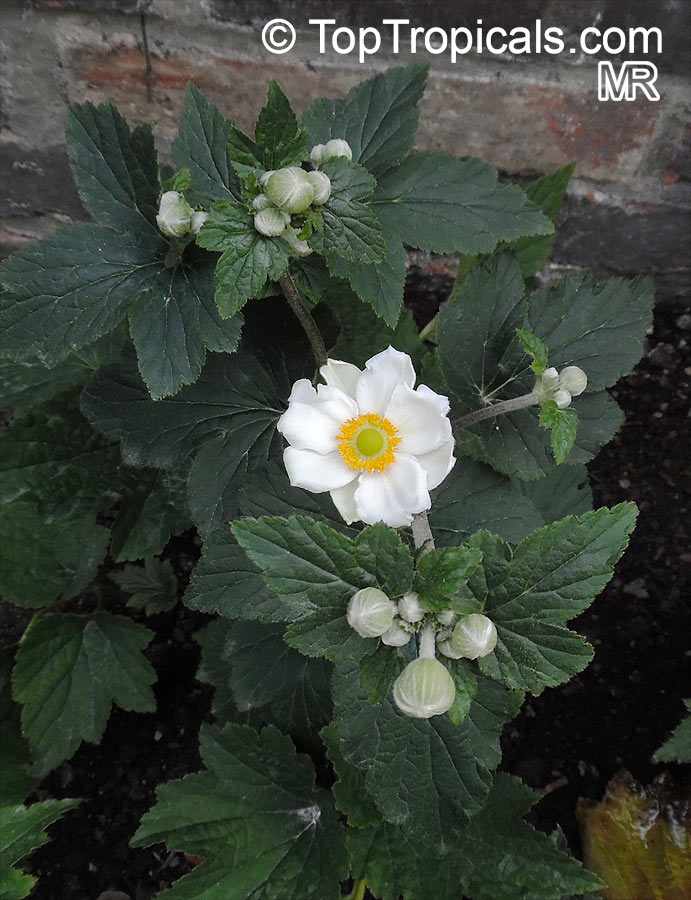
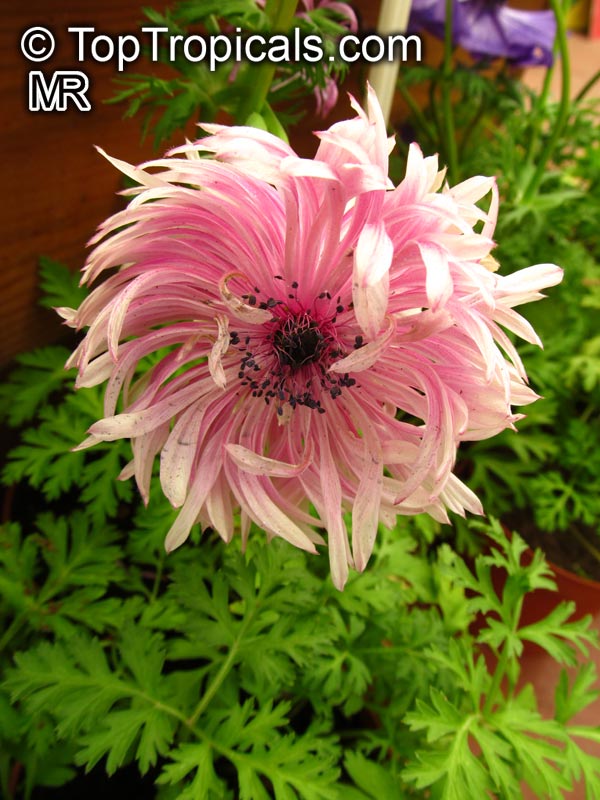
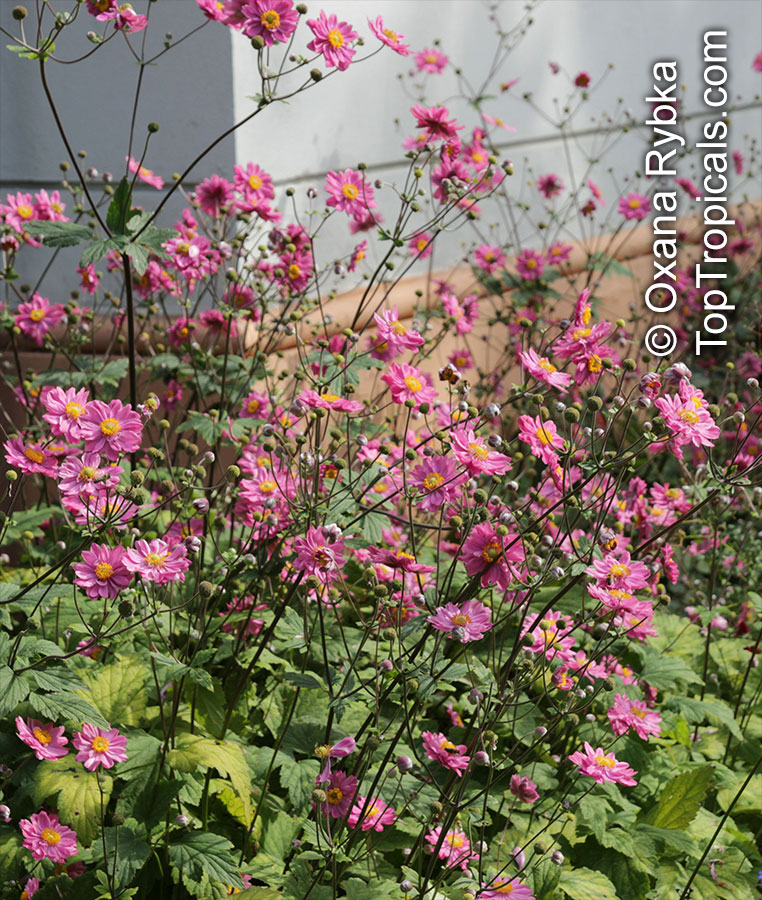
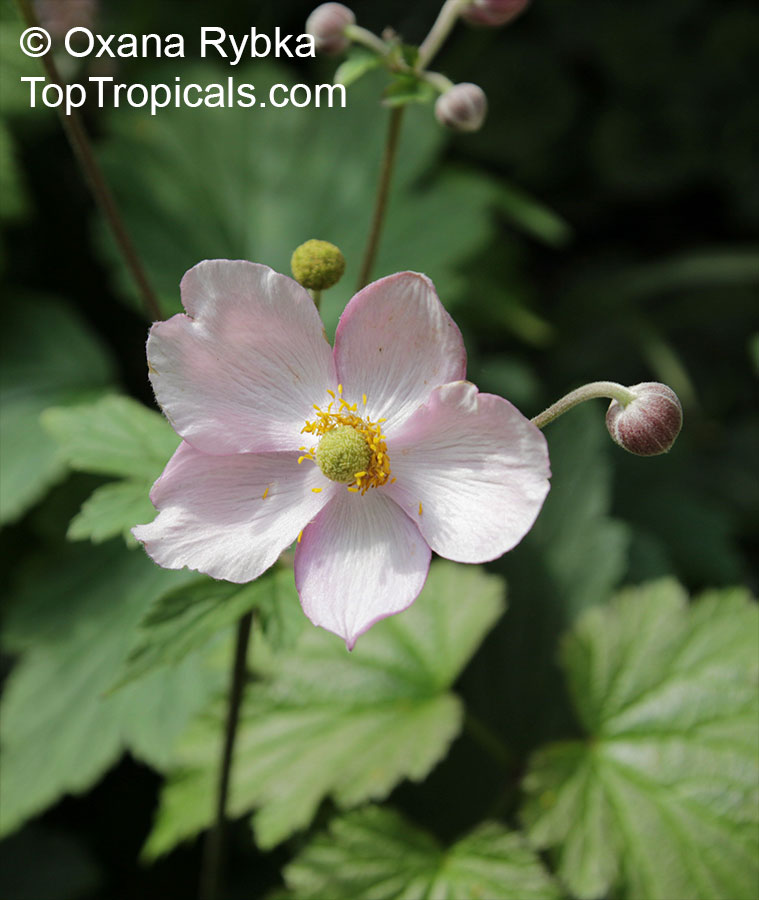
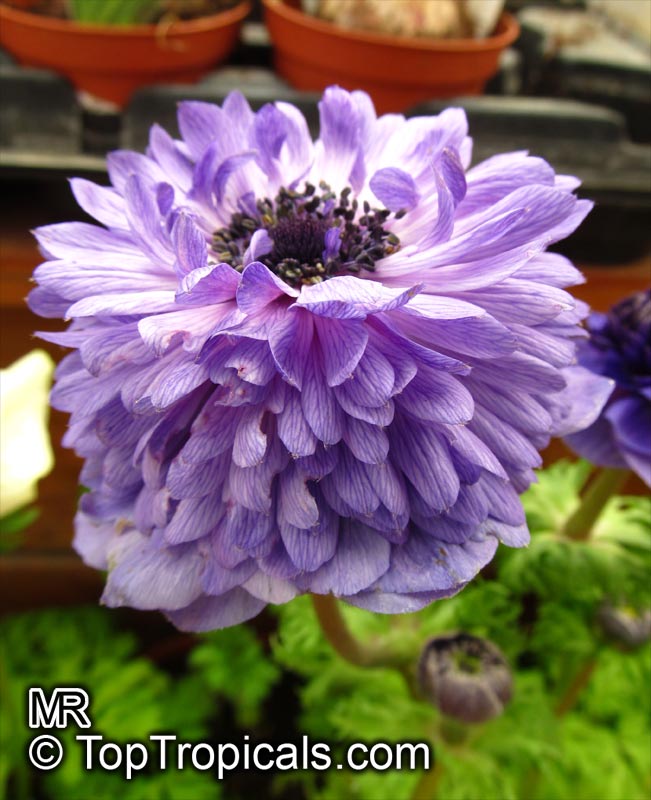
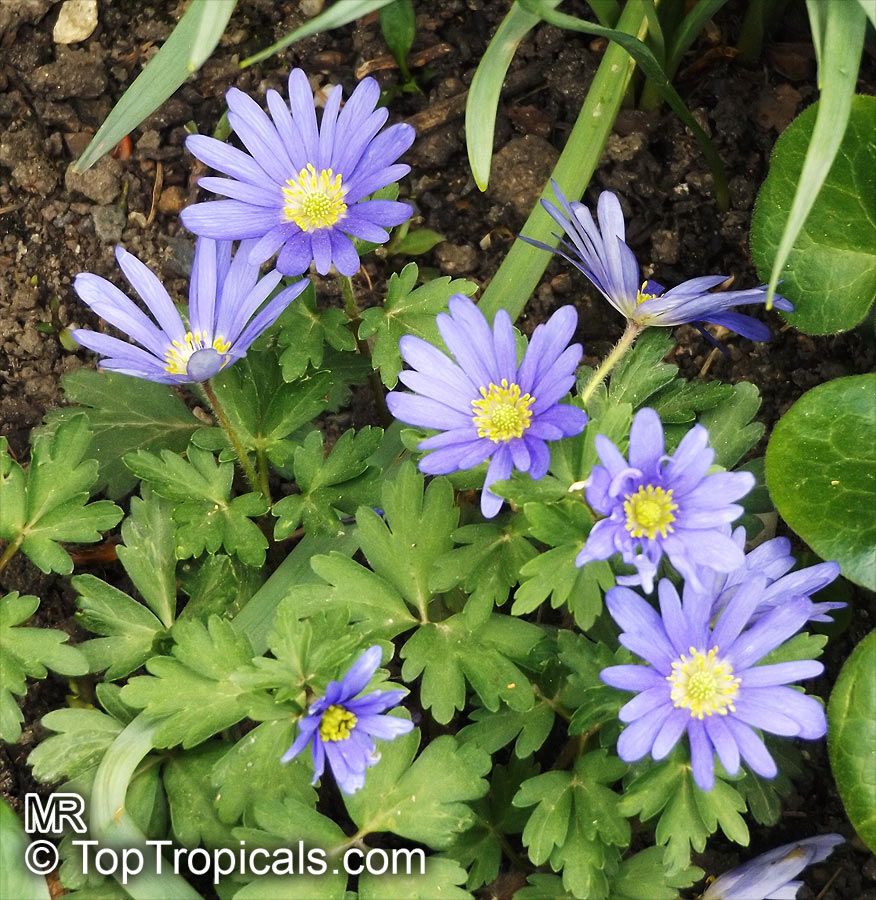
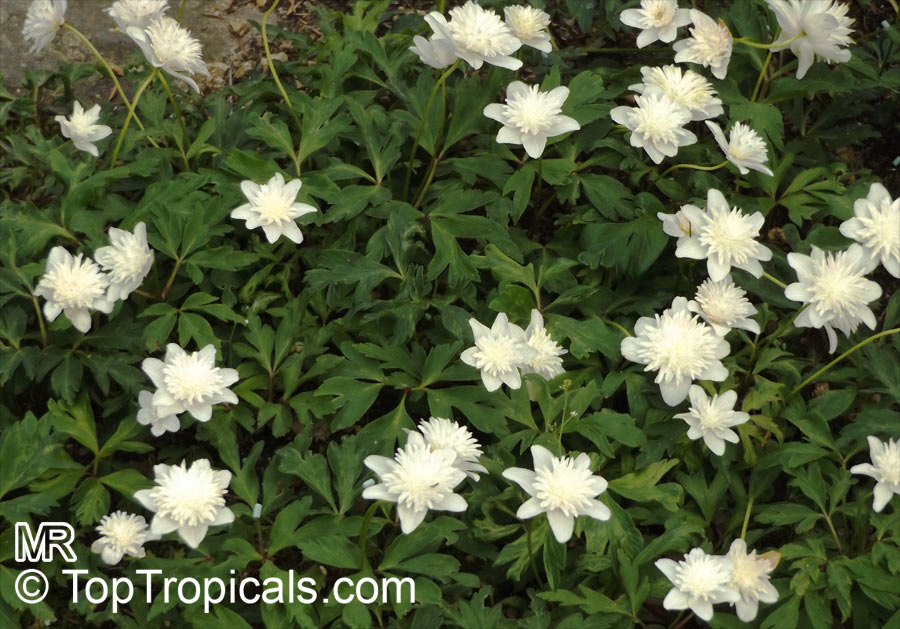
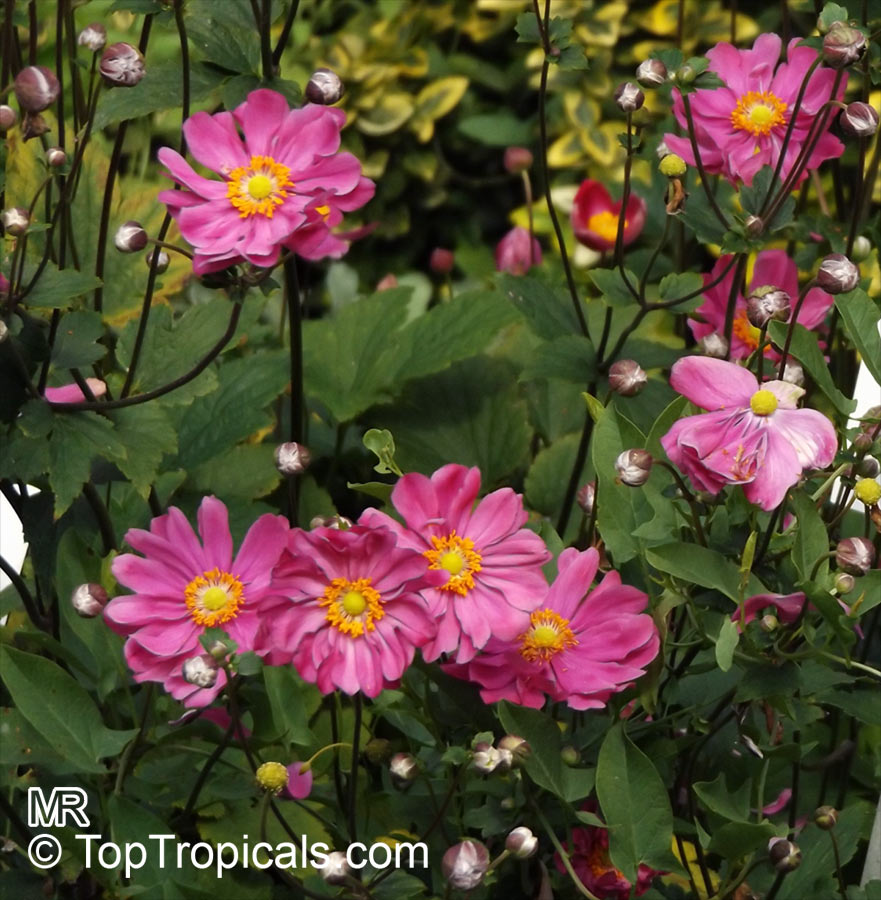
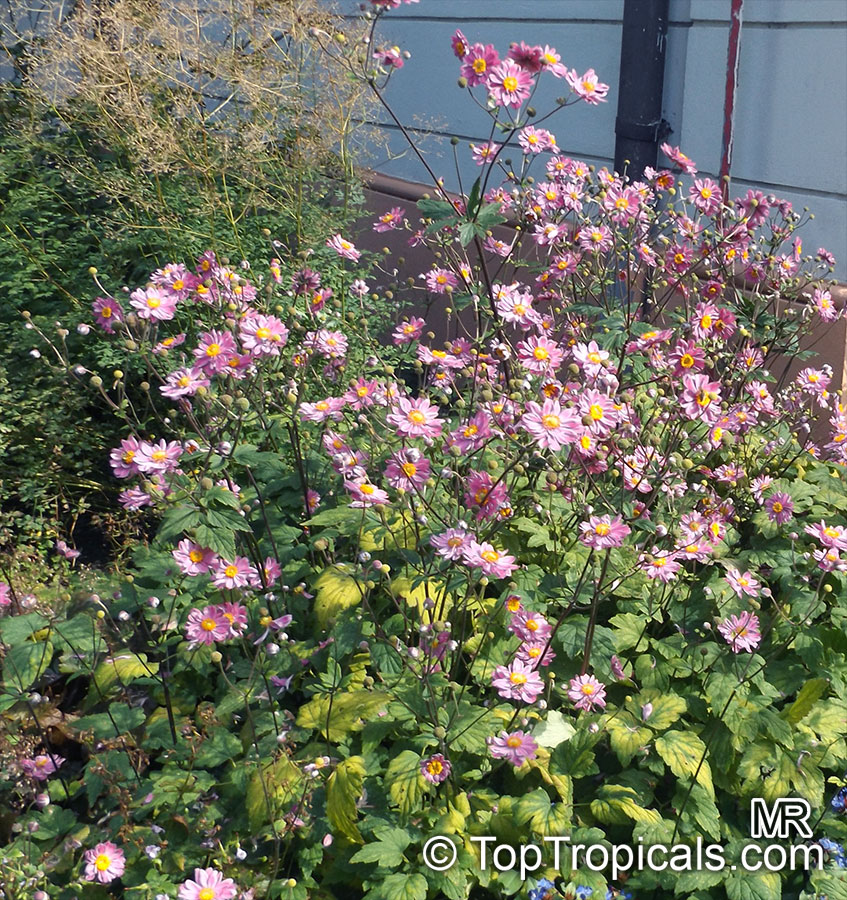
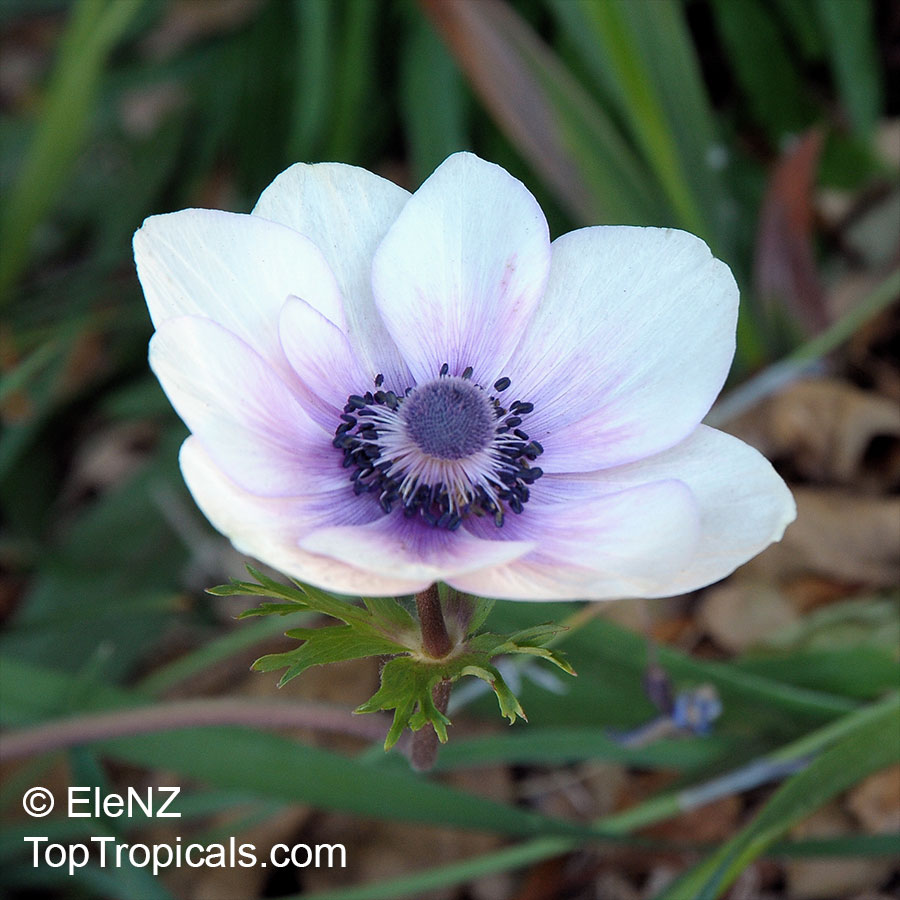
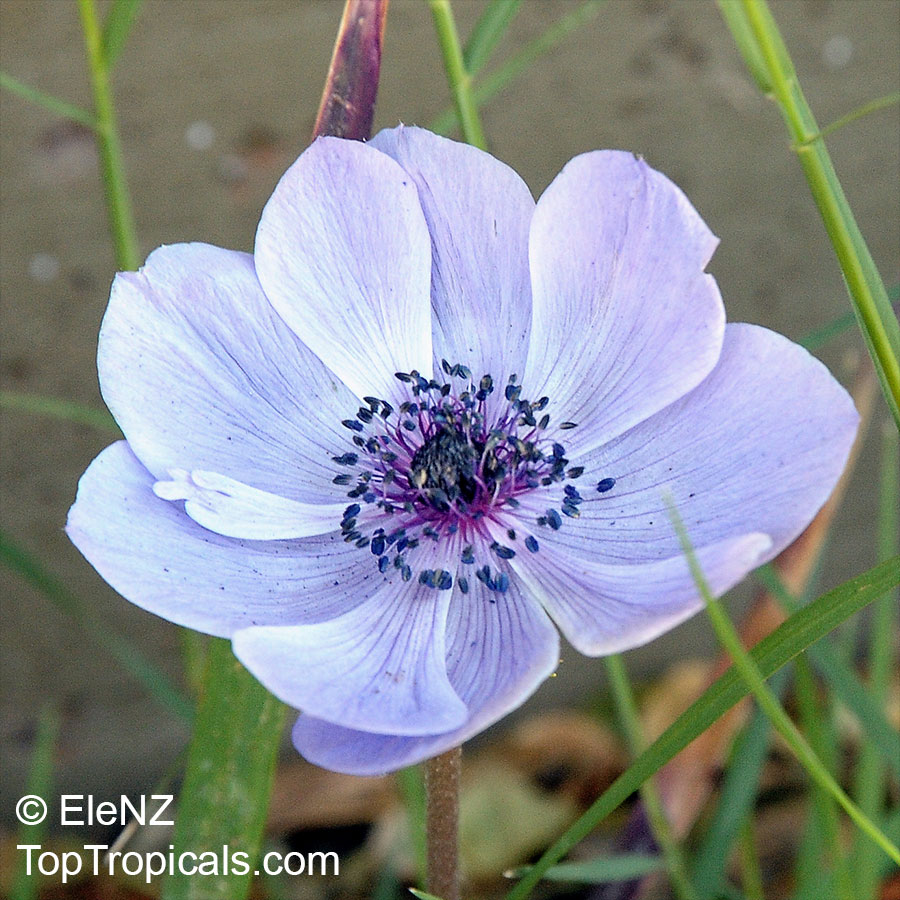
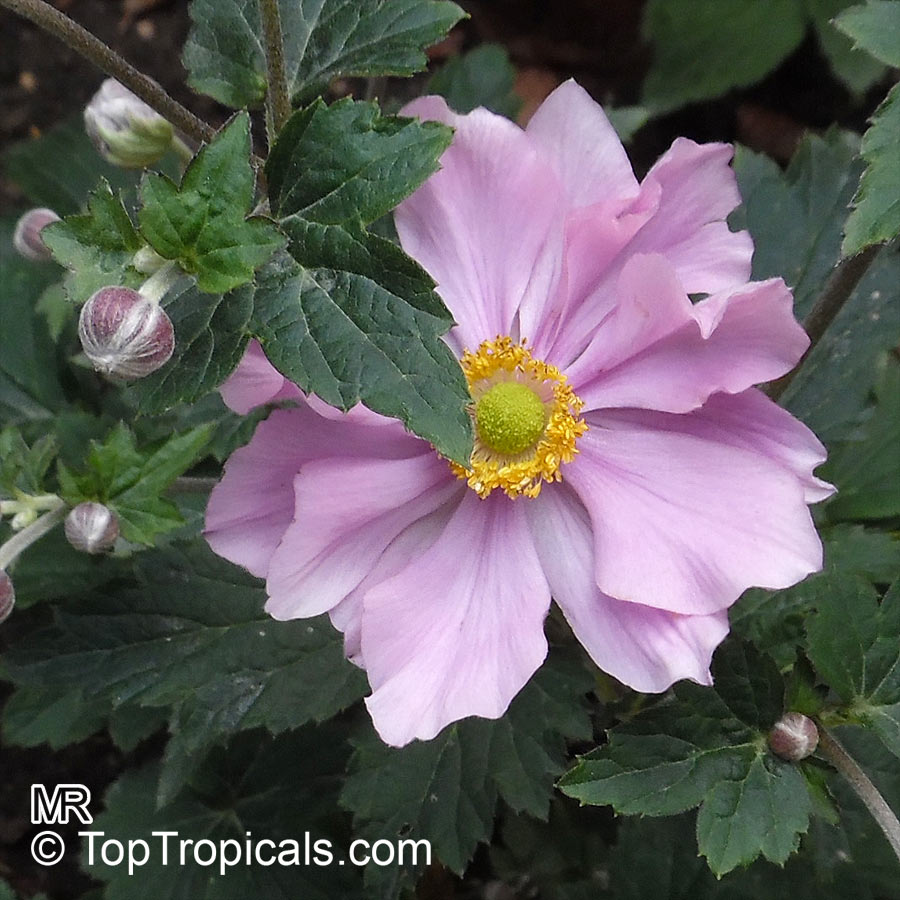
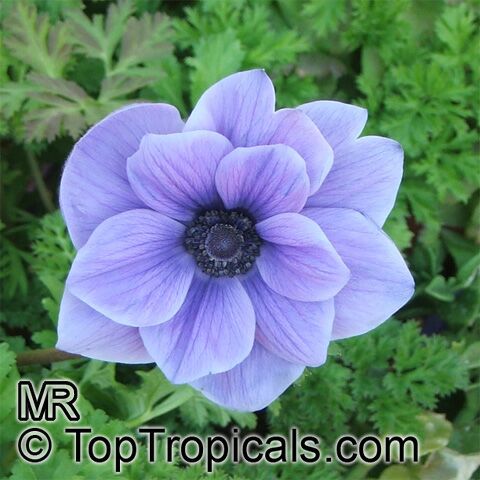
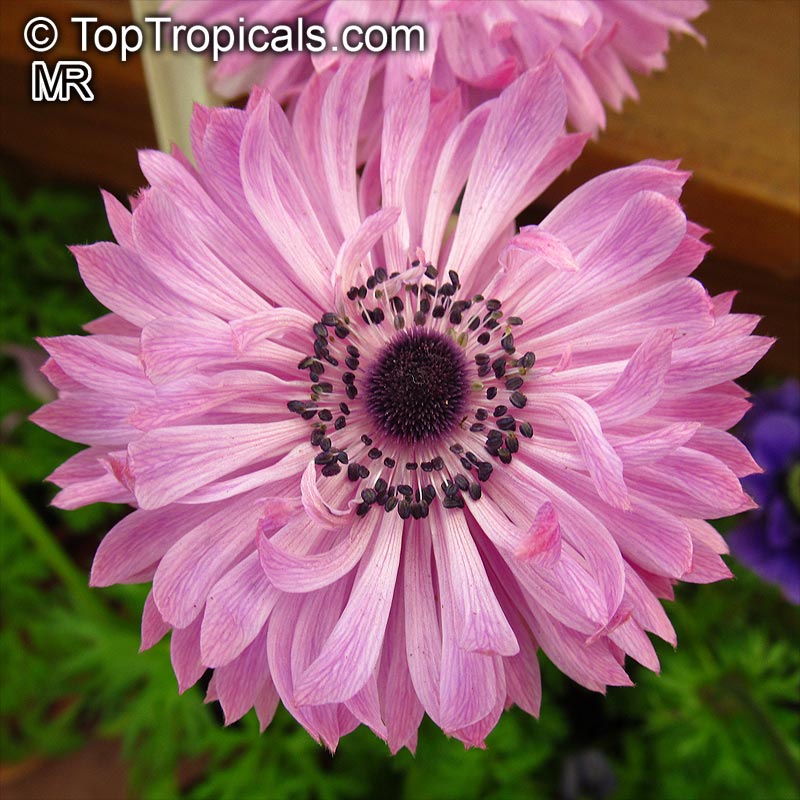
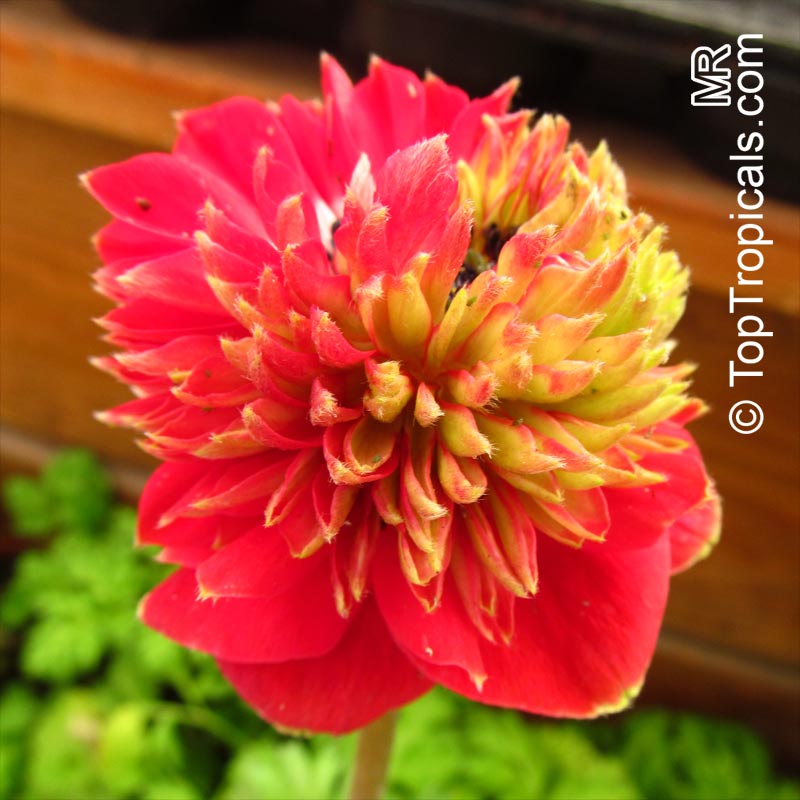
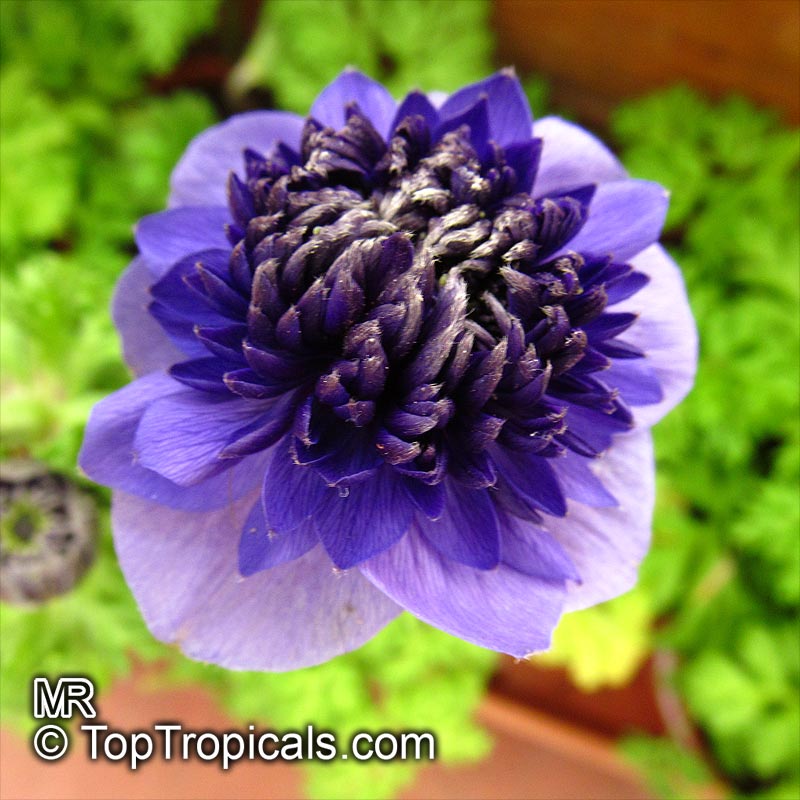
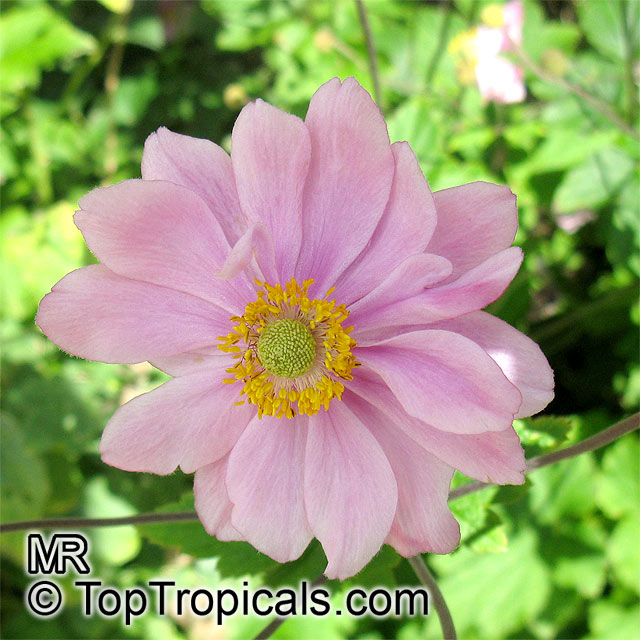
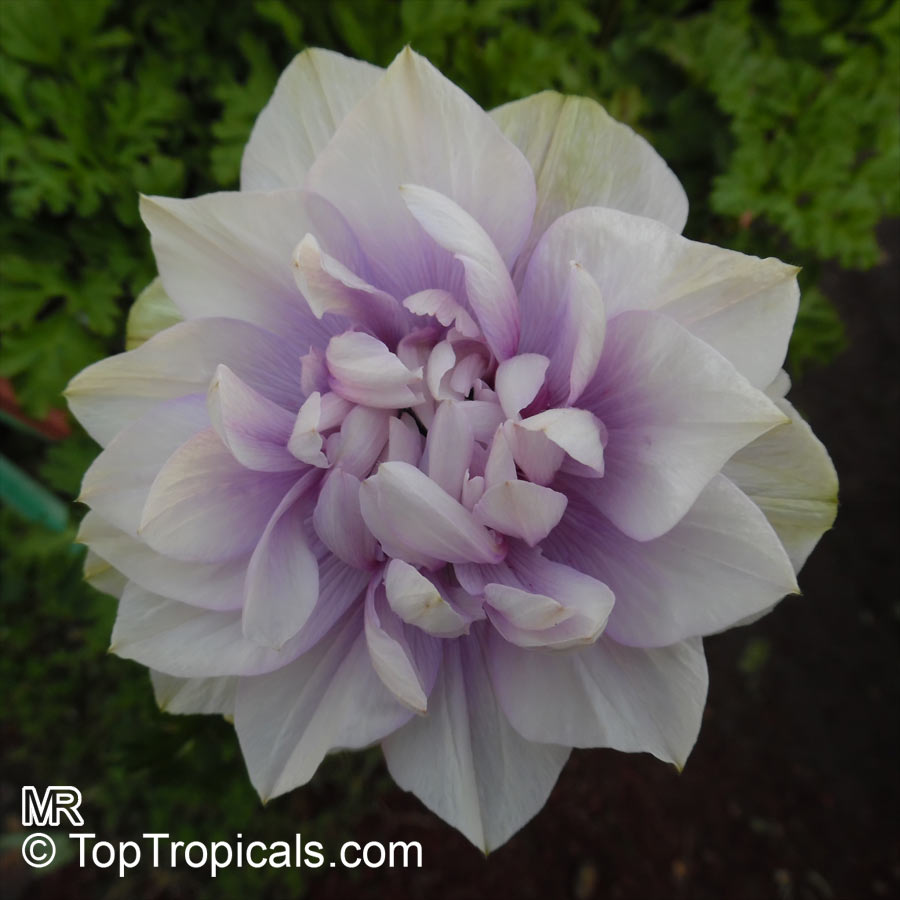
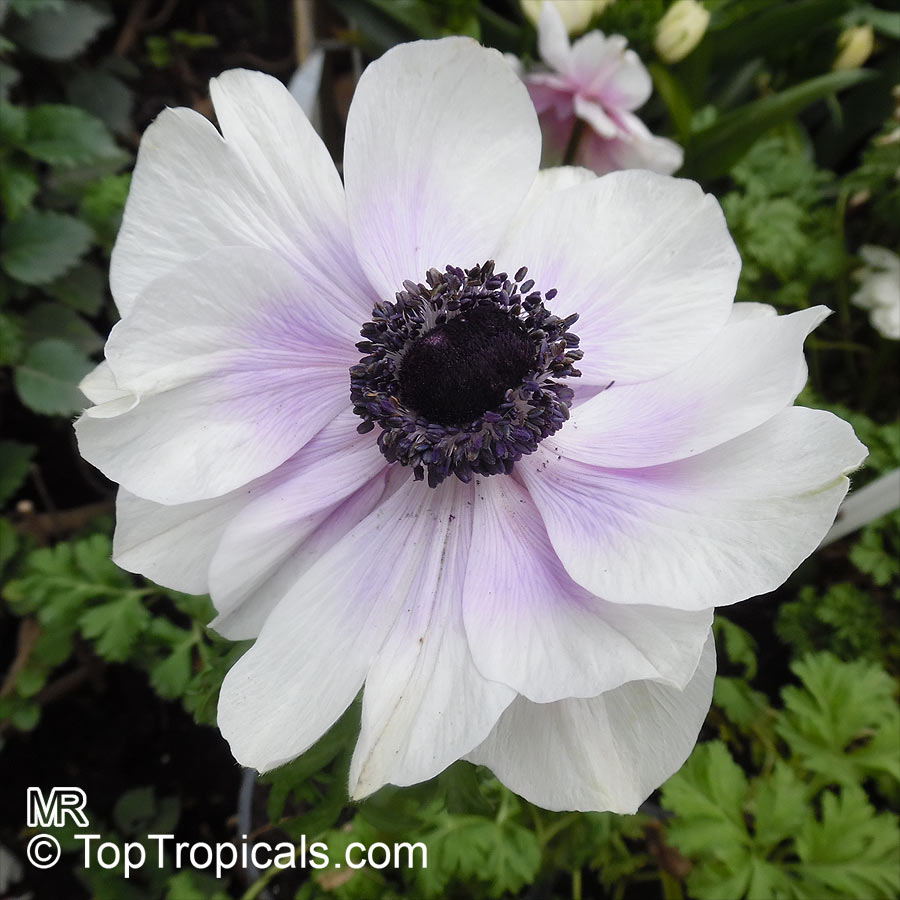
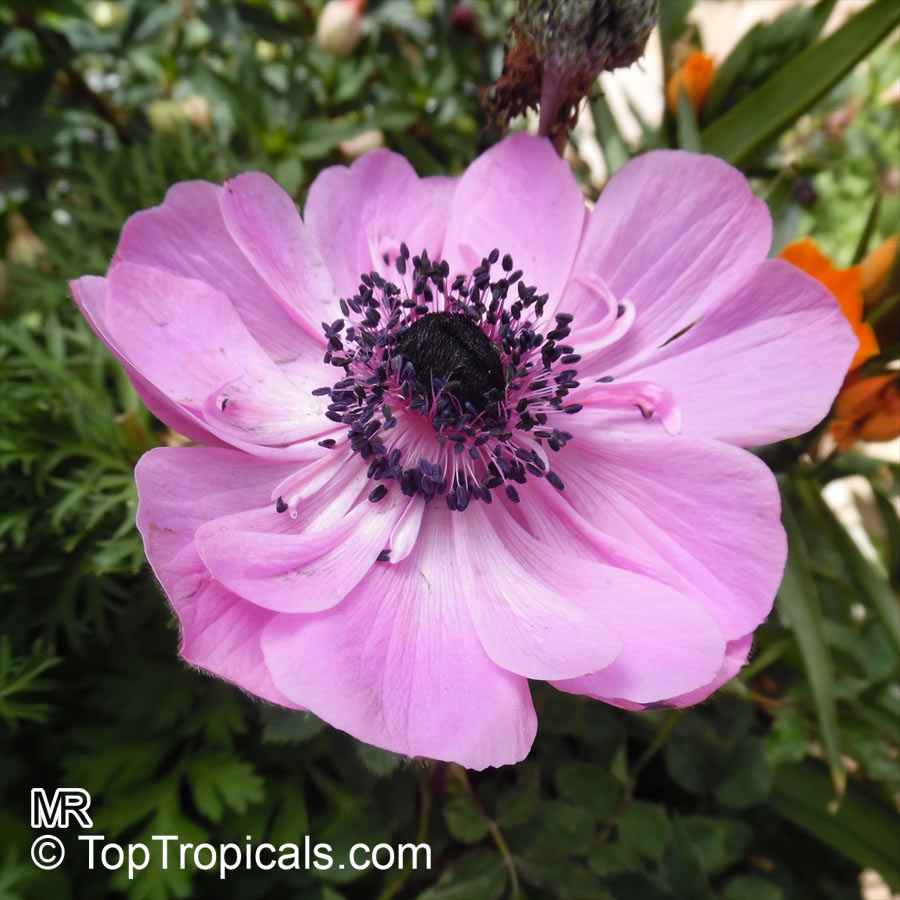
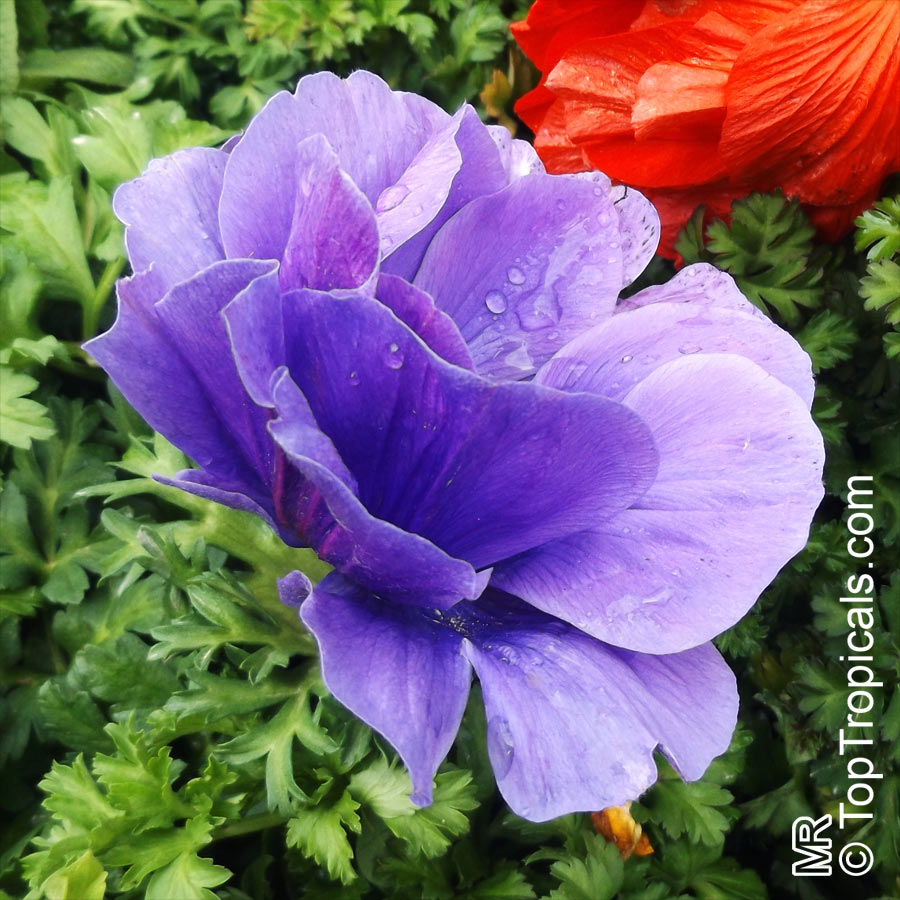
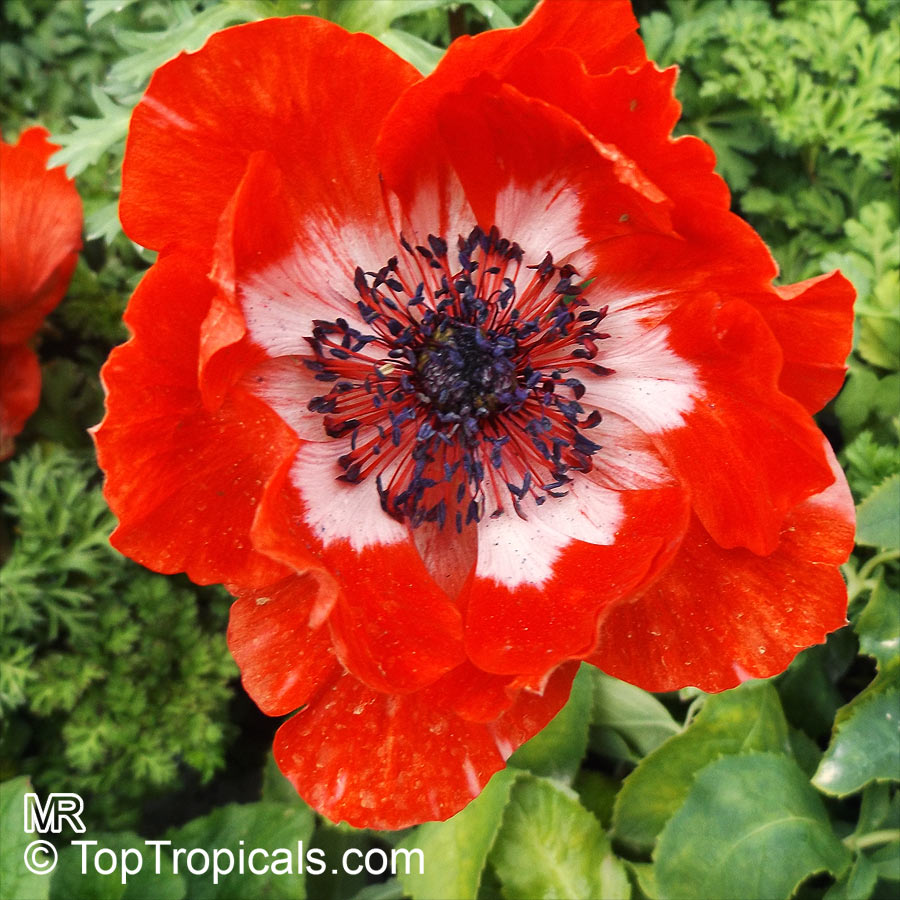
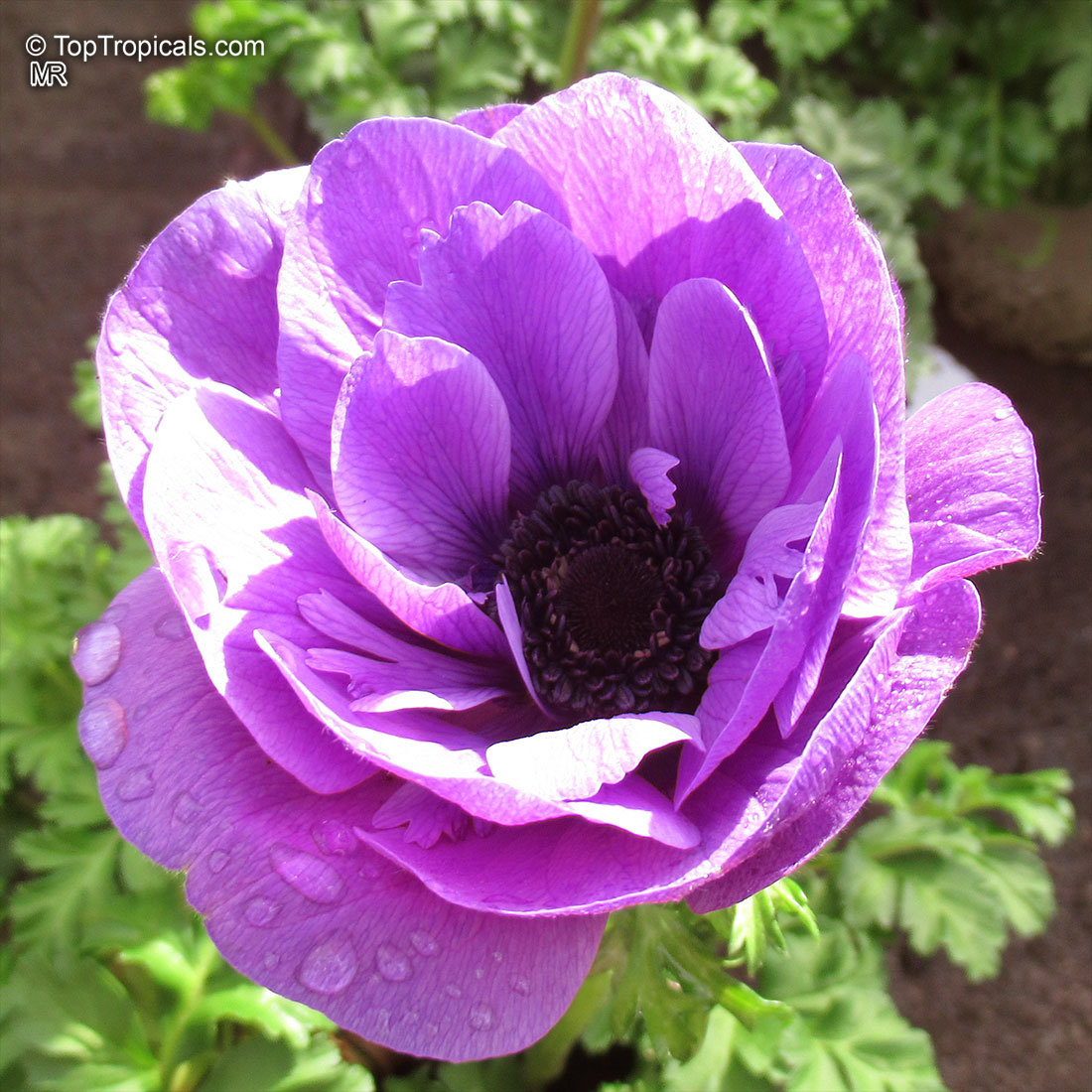
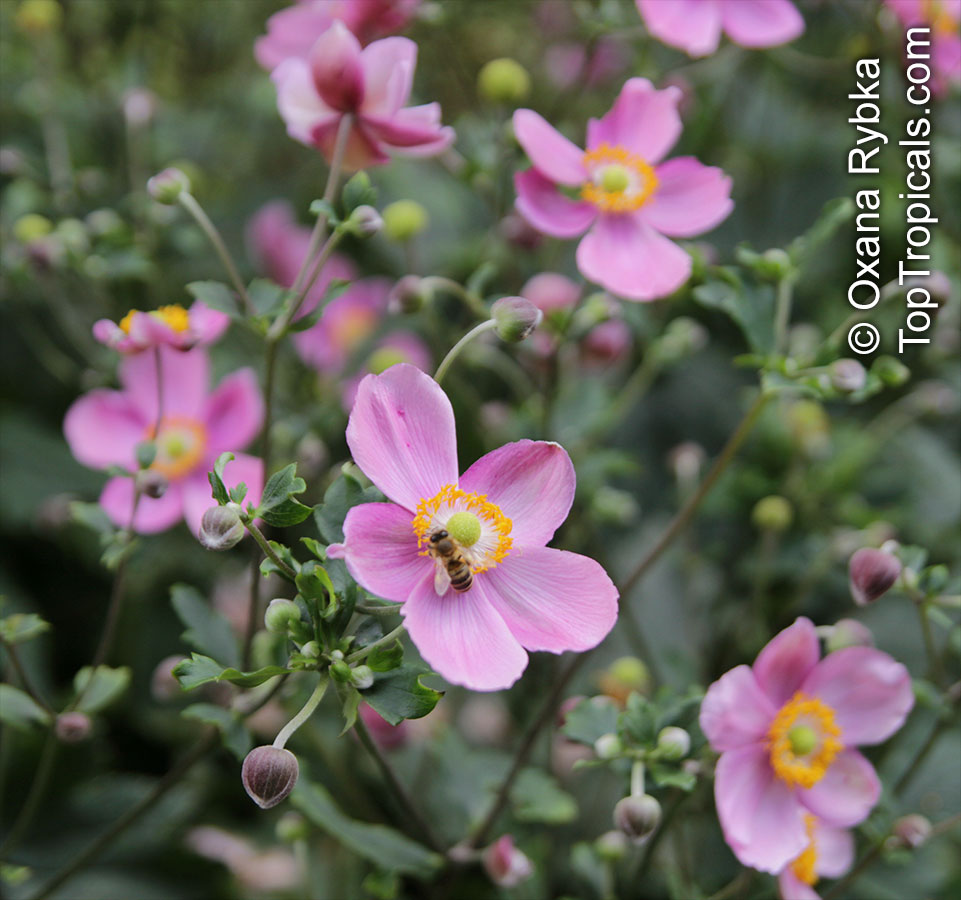
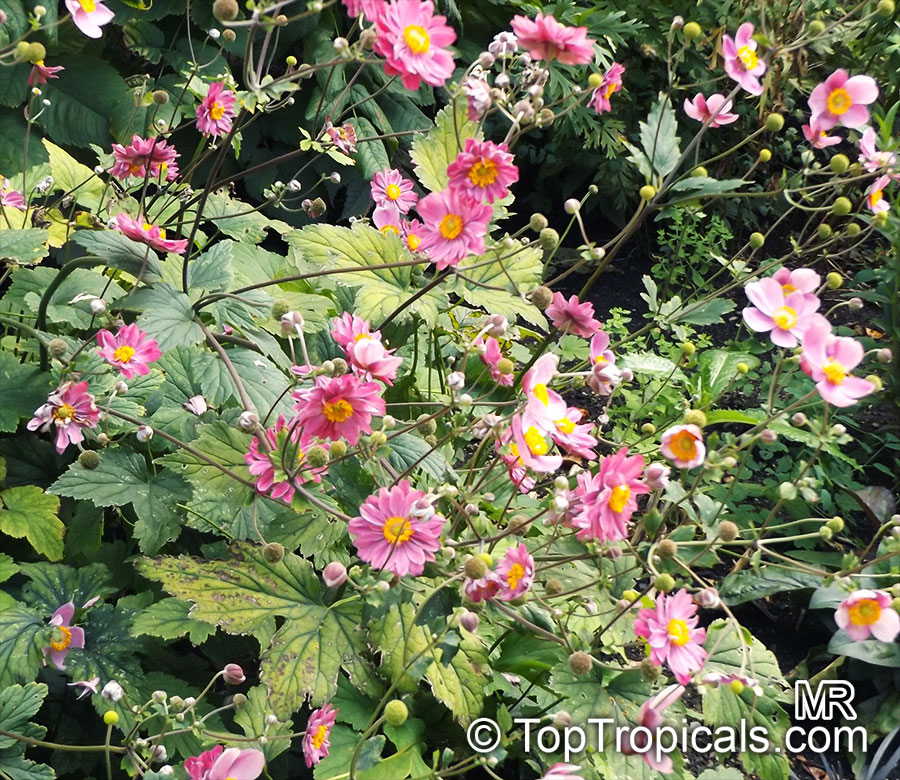
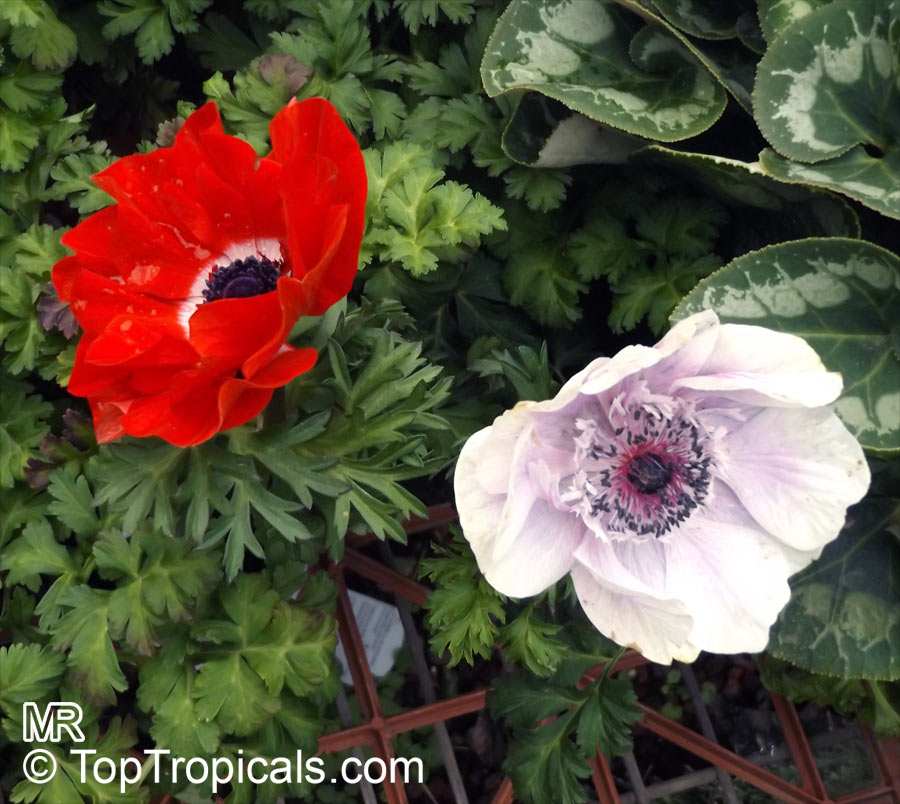
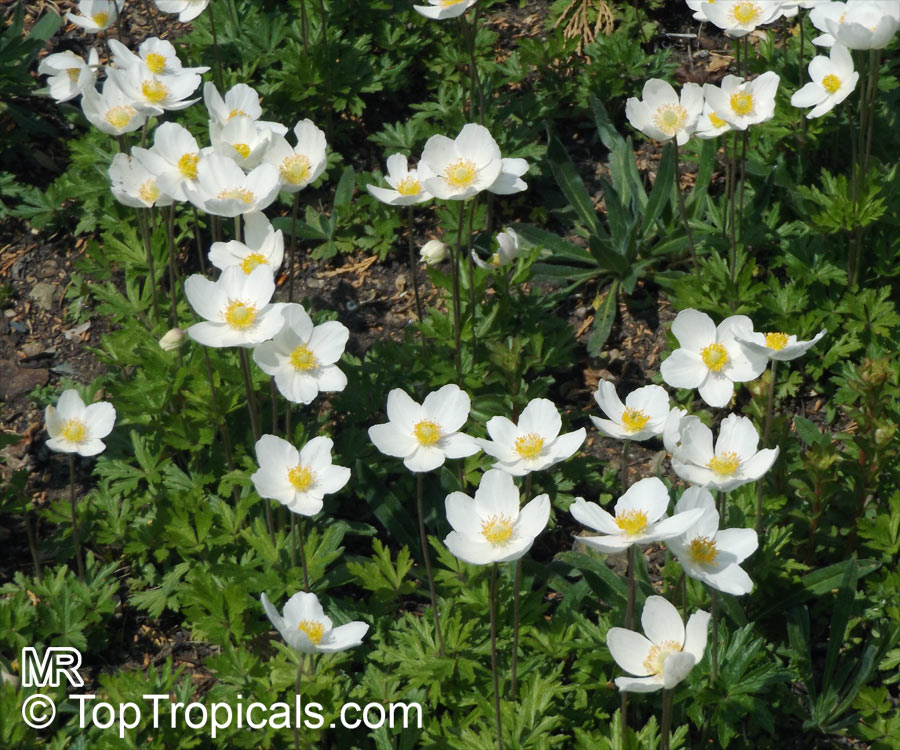
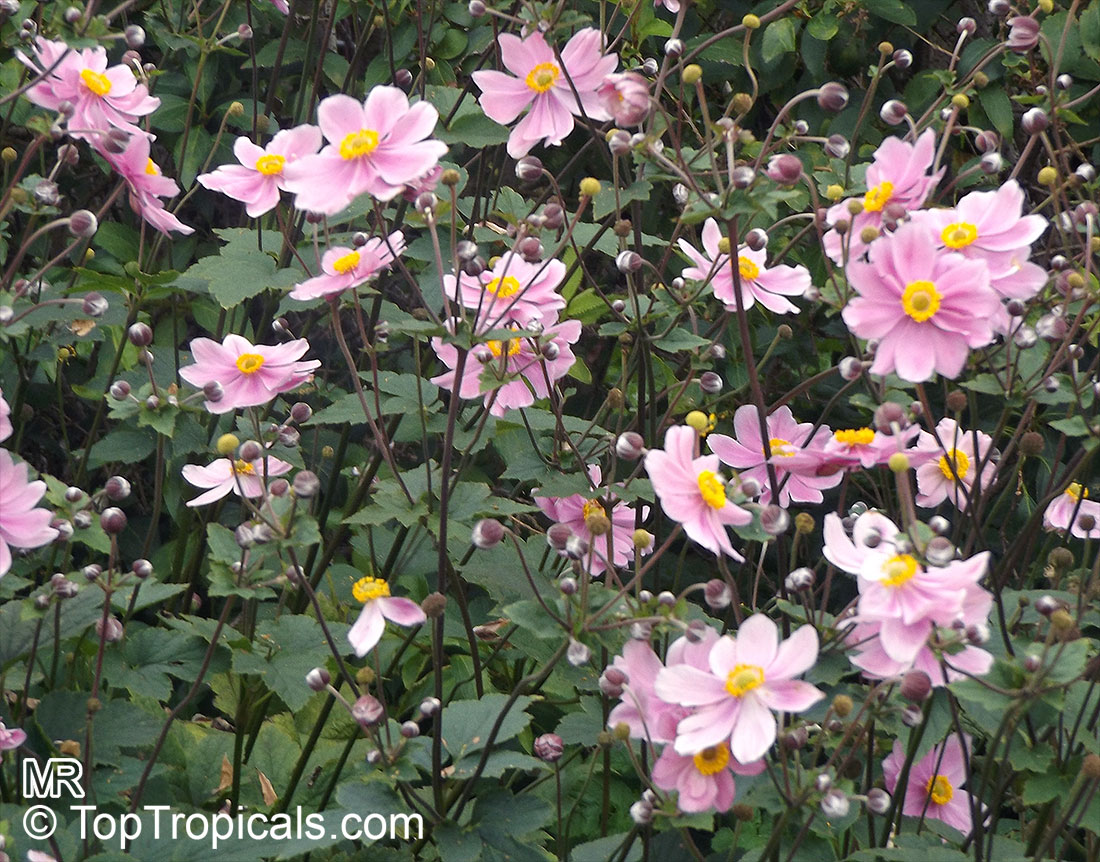
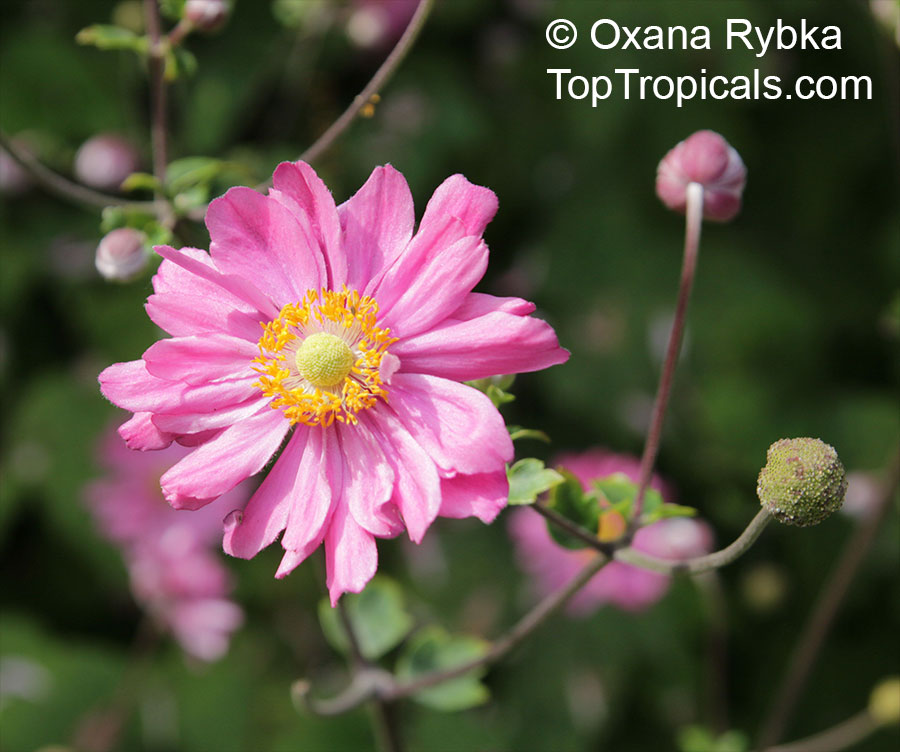
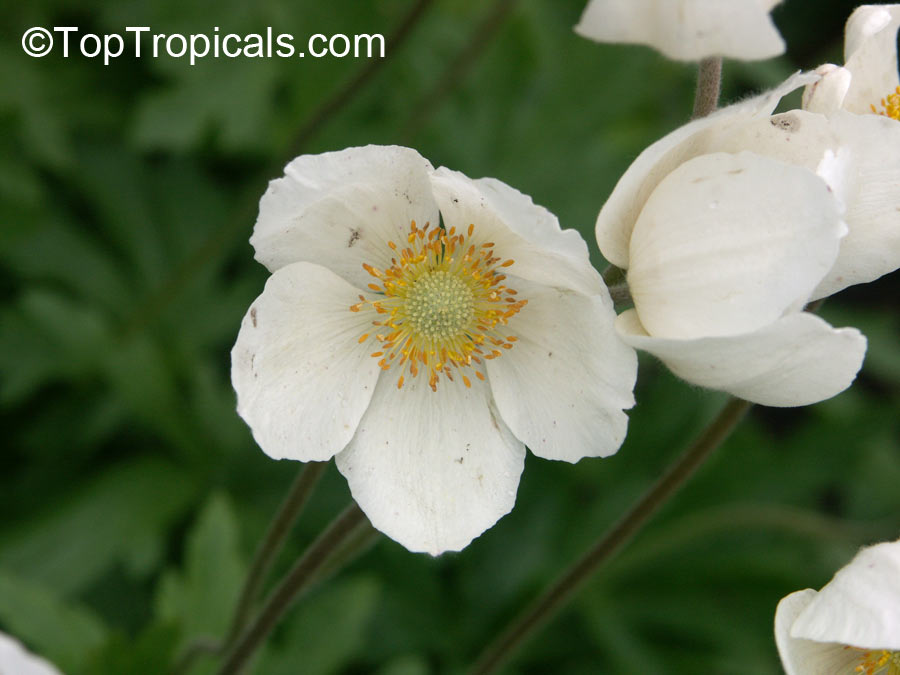
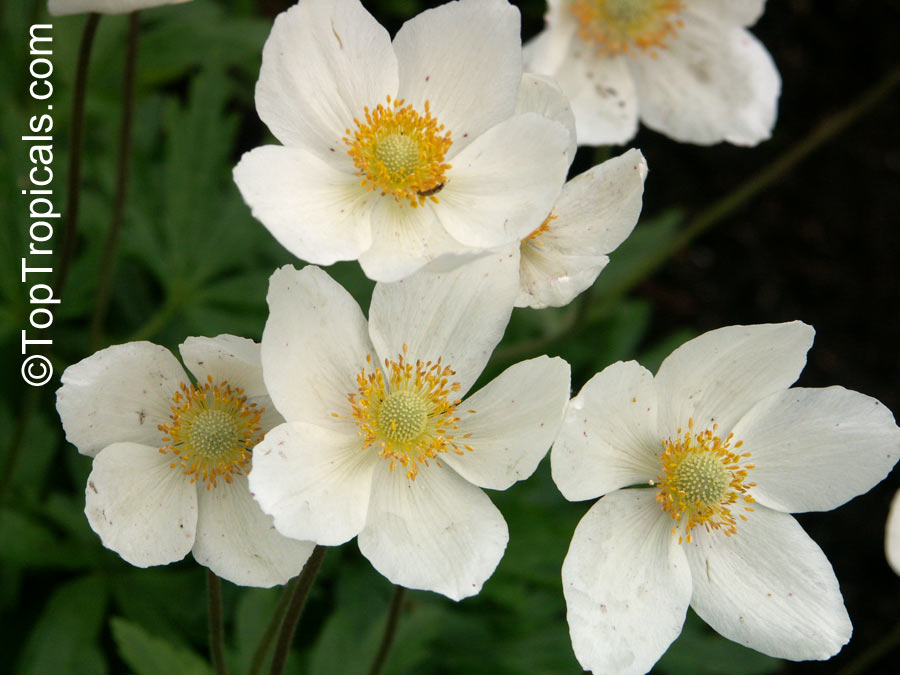
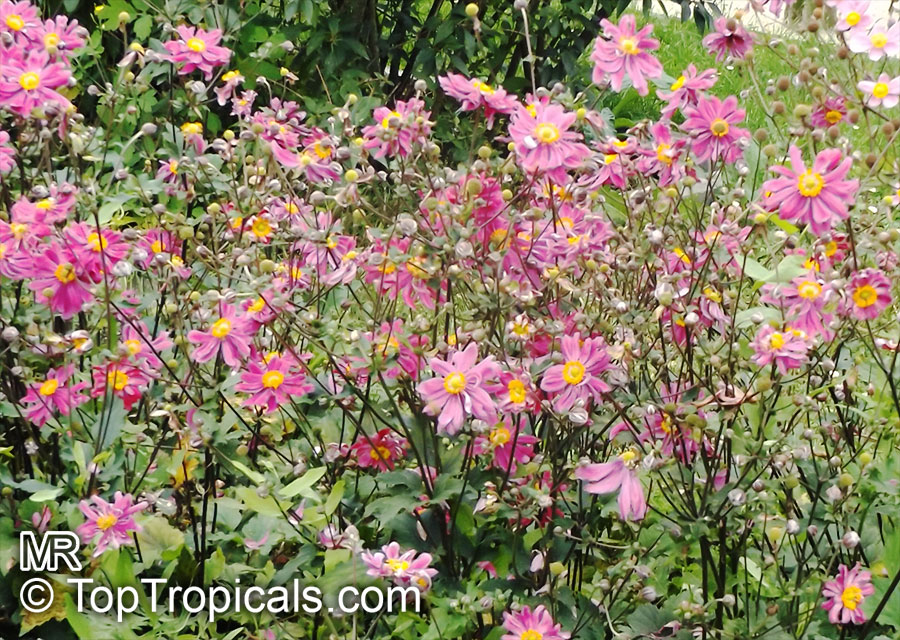
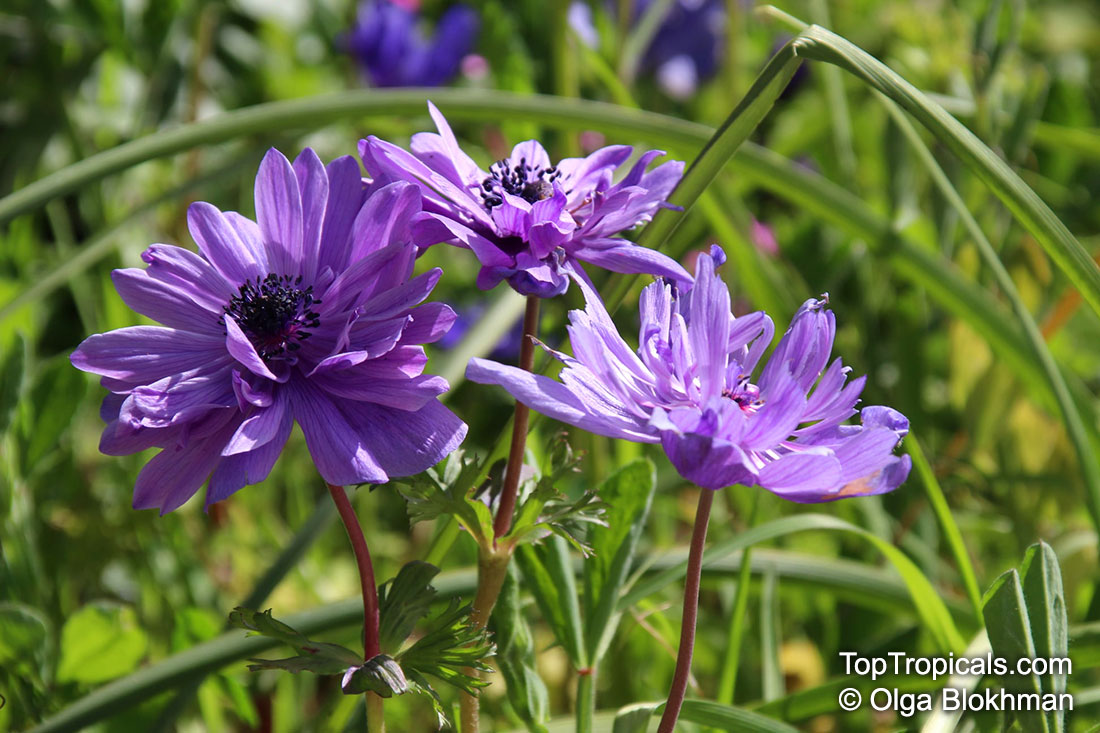
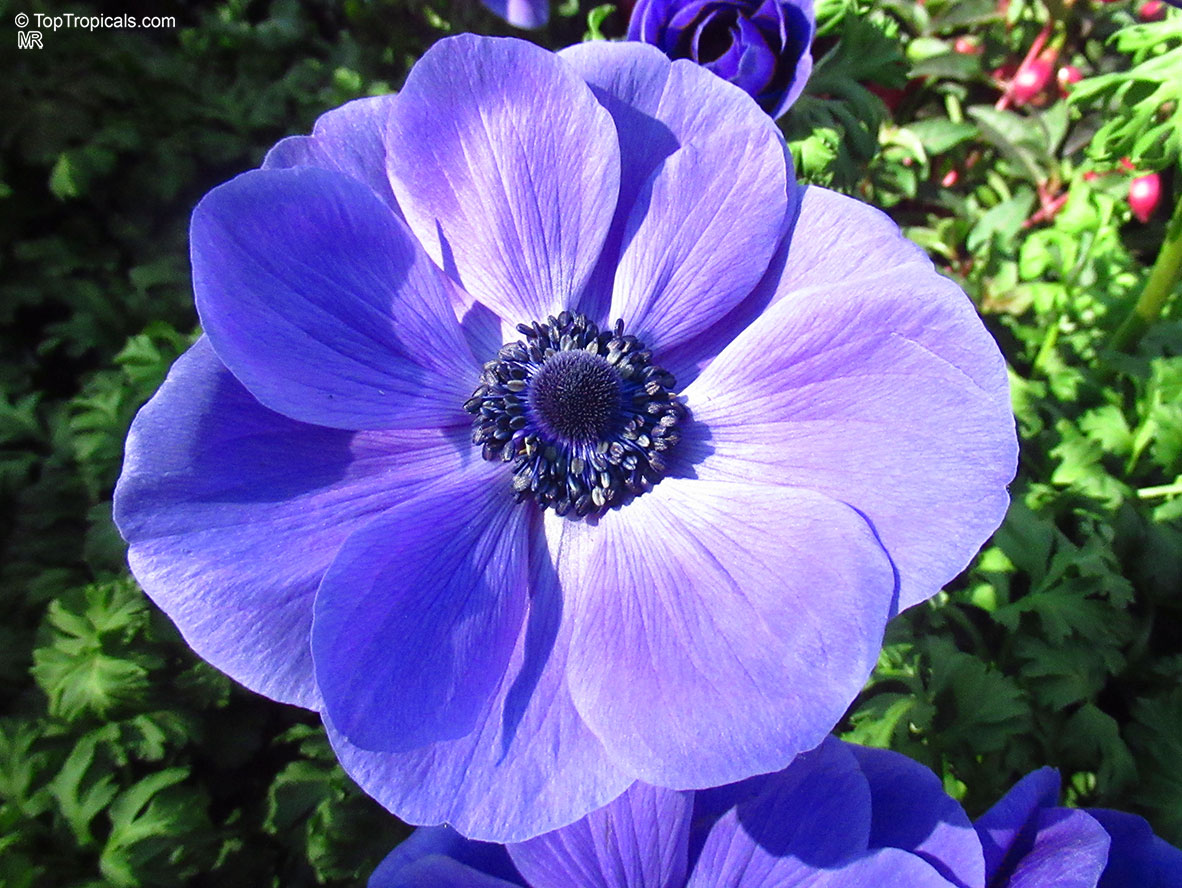
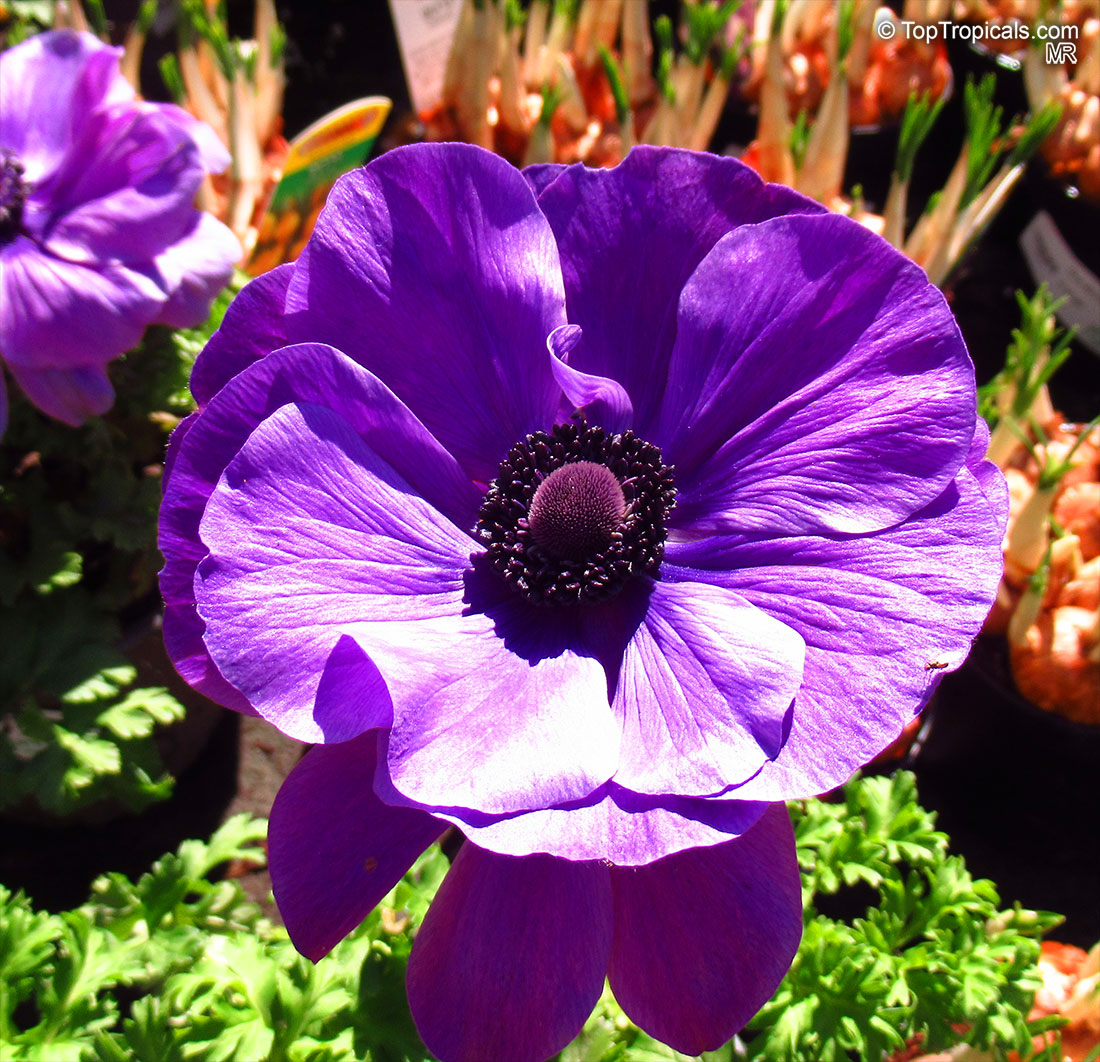
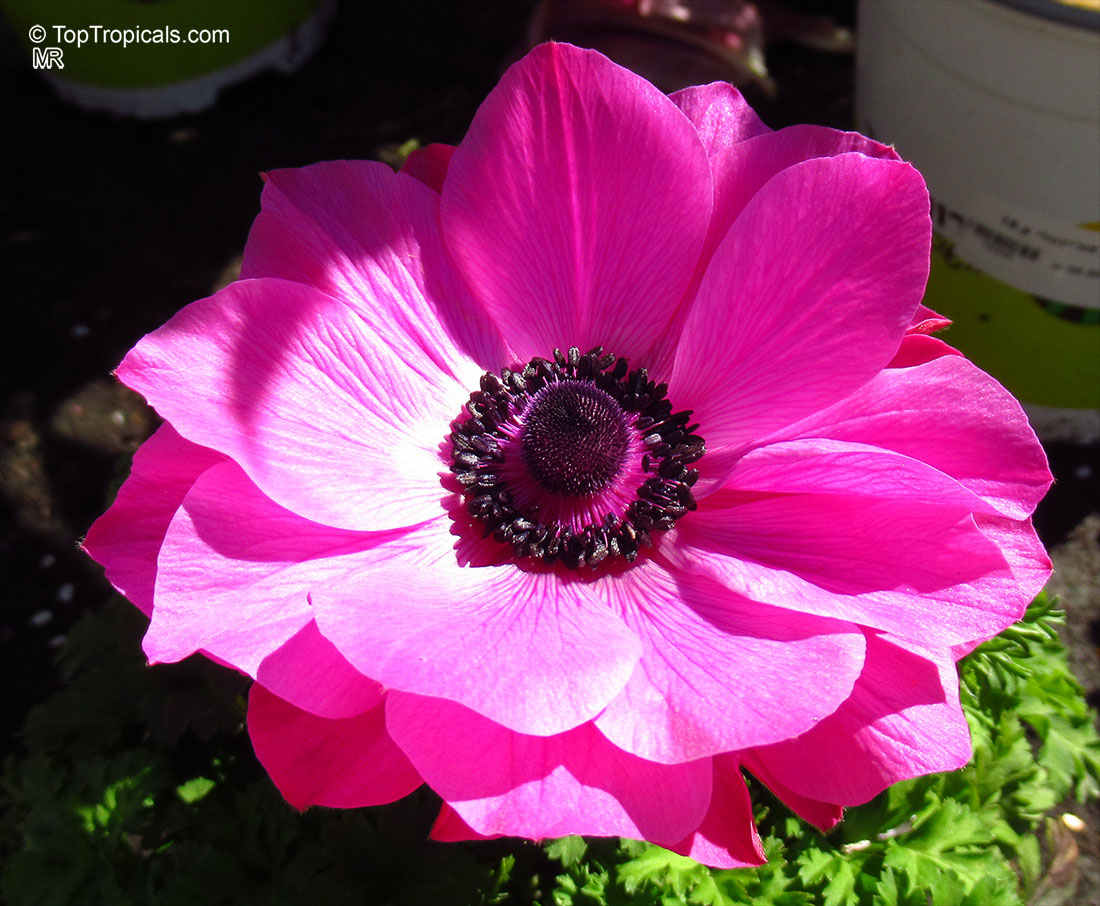
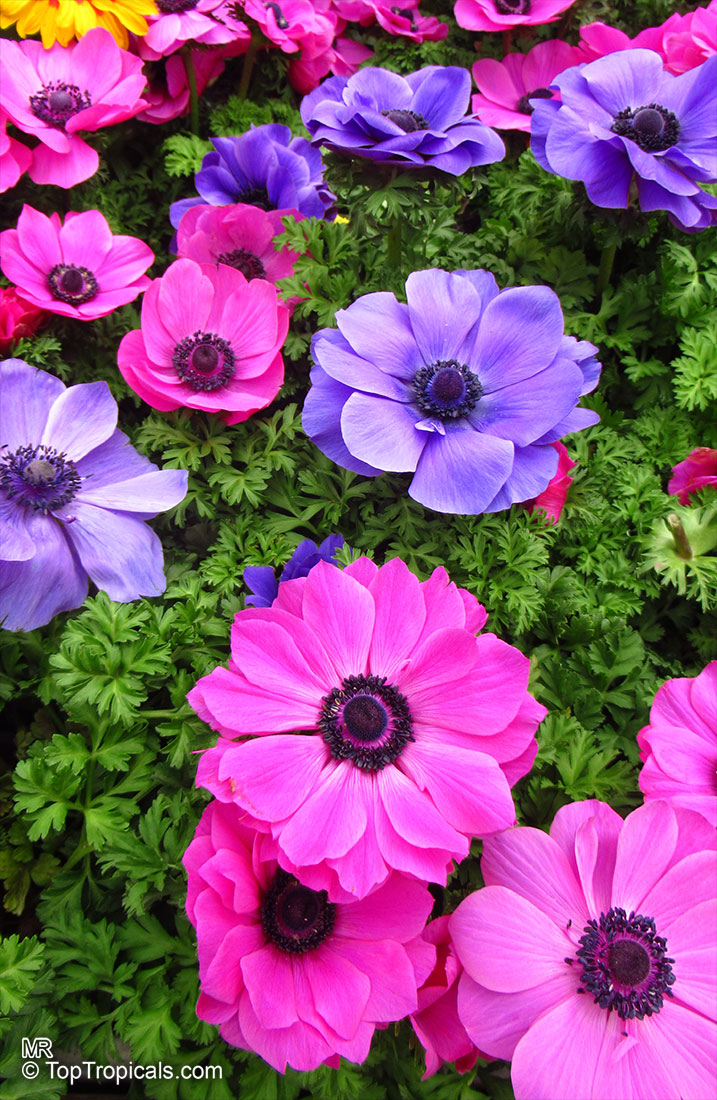
Botanical name: Anemone sp.
Common name: Windflower
Family: Ranunculaceae


Anemone sp. is a beautiful and hardy plant that is suitable for zones 3-10. It requires full sun to semi-shade, depending on the climate. This a small shrub usually growing up to a height of 2 to 5 feet.
With the right conditions, the Windflower produces beautiful and vibrant blooms in various colors. It produces single or double flowers in colors of pink, white, off-white, blue, lavender, purple, red, crimson and vinous and also yellow and orange.
Most windflowers require regular watering, however some species will tolerate extremely dry conditions. Generally, water once or twice a week, so that the soil stays moist but not soggy. To help conserve water, you can mulch the area around the plant to reduce evaporation. Additionally, to keep your Windflower blooming throughout the season, make sure to deadhead spent blooms.
Windflowers are not only attractive but also they attract a variety of butterflies and hummingbirds to your yard, making it a truly appealing area. These plants are cold hardy and can usually survive temperatures of 30F (or lower) for a short period, so they are great for gardeners in cooler climates.
Growing Anemone sp. in a container in a cooler climate can be a great option. As the flower prefers moist, well-drained soil, the container will help to keep it contained, while allowing air to circulate without the risk of it becoming waterlogged. Make sure to water more frequently and recheck moisture levels when temperatures begin to drop to keep your Windflower thriving. Additionally, if in a cold climate, you may also want to bring the container inside during the winter months to provide it extra protection.
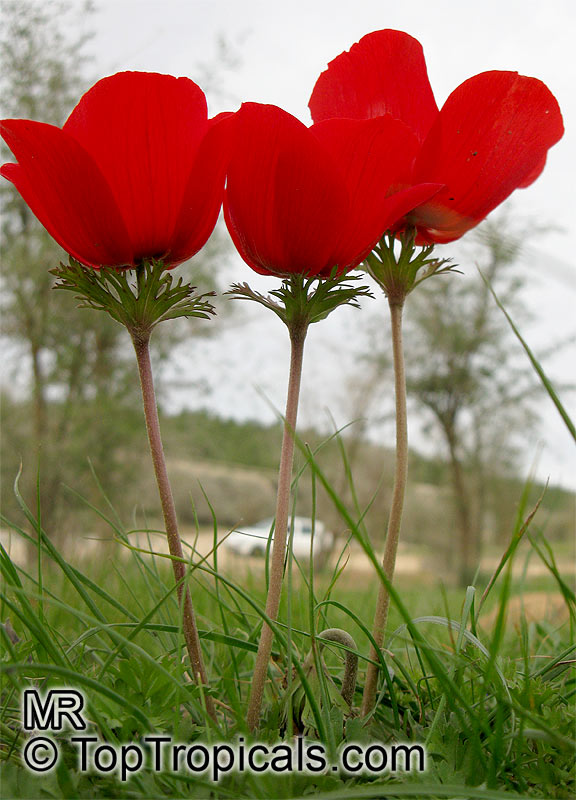

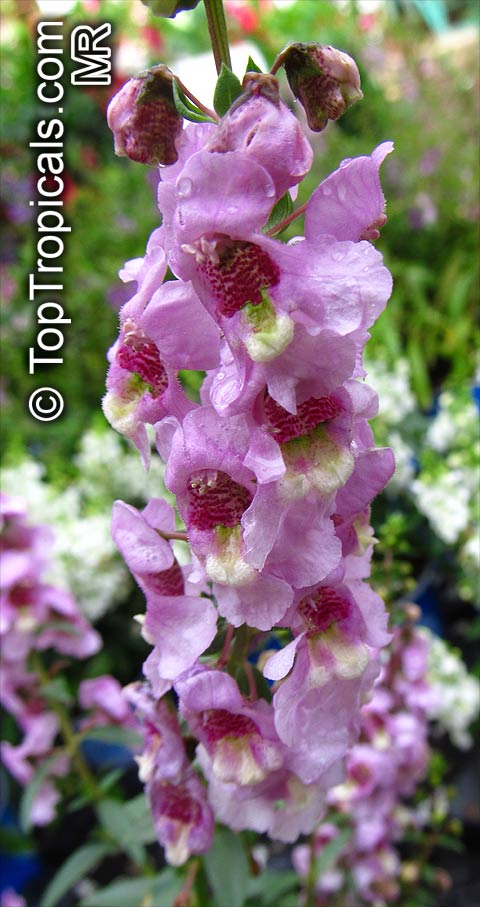
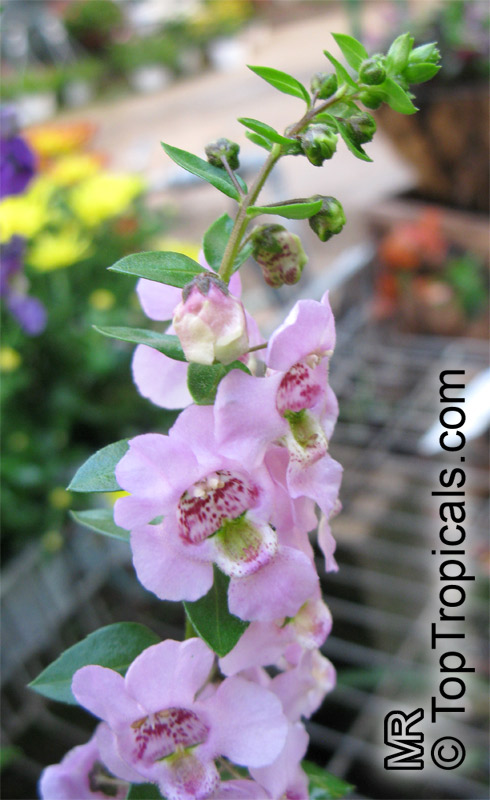
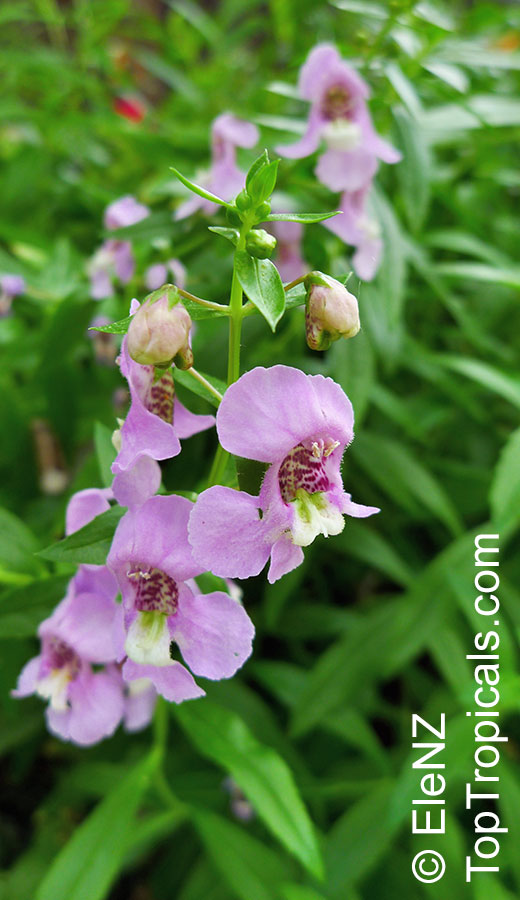
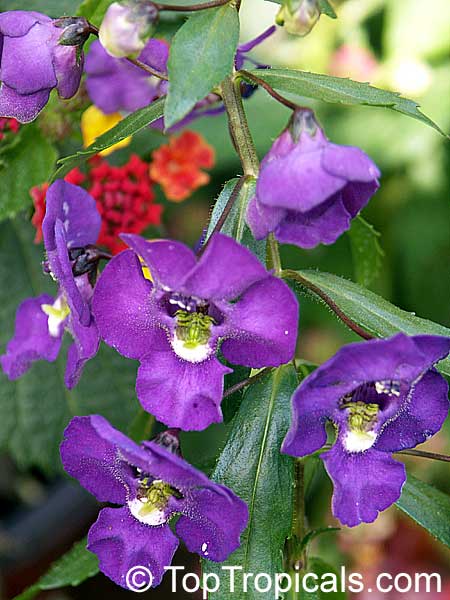
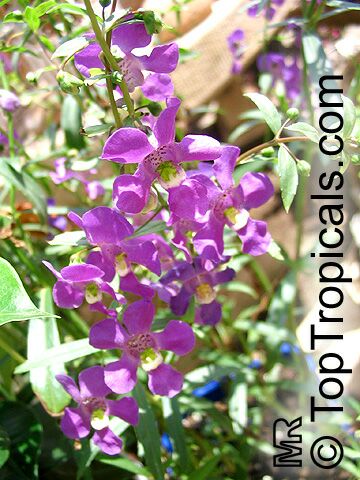
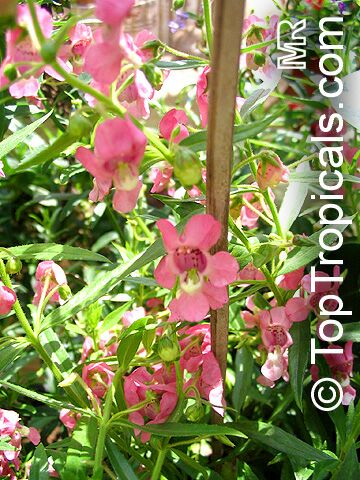
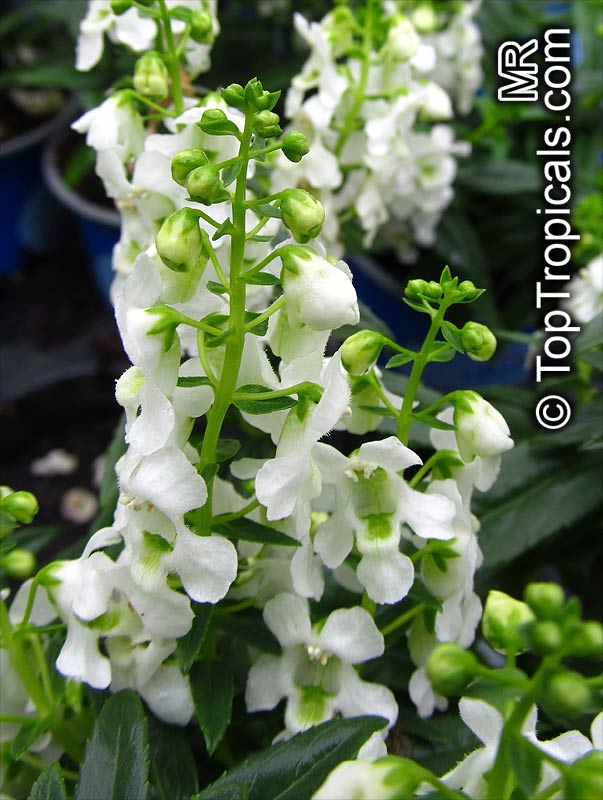
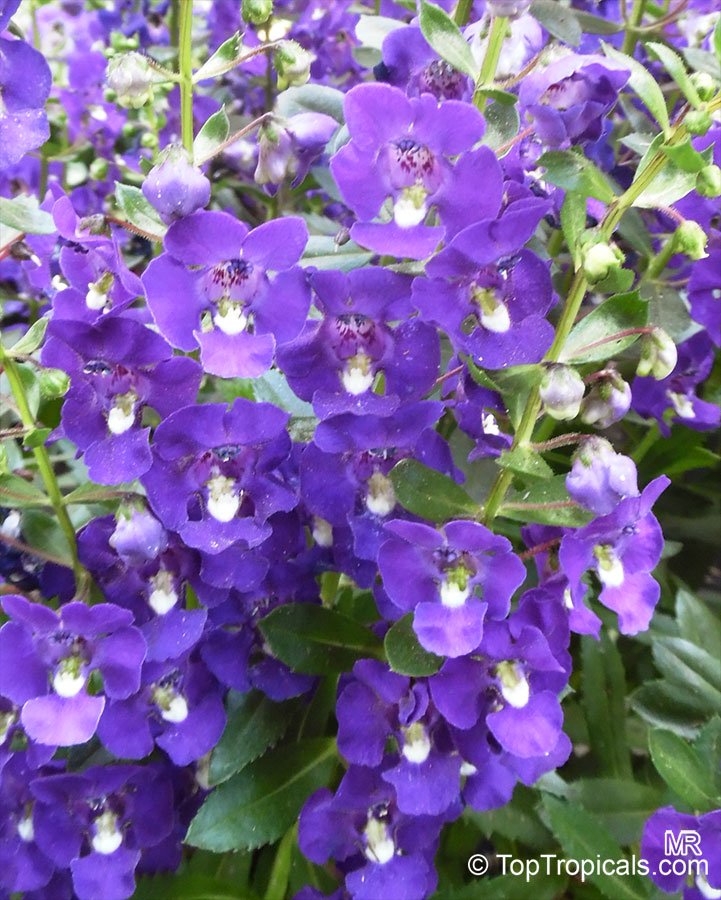
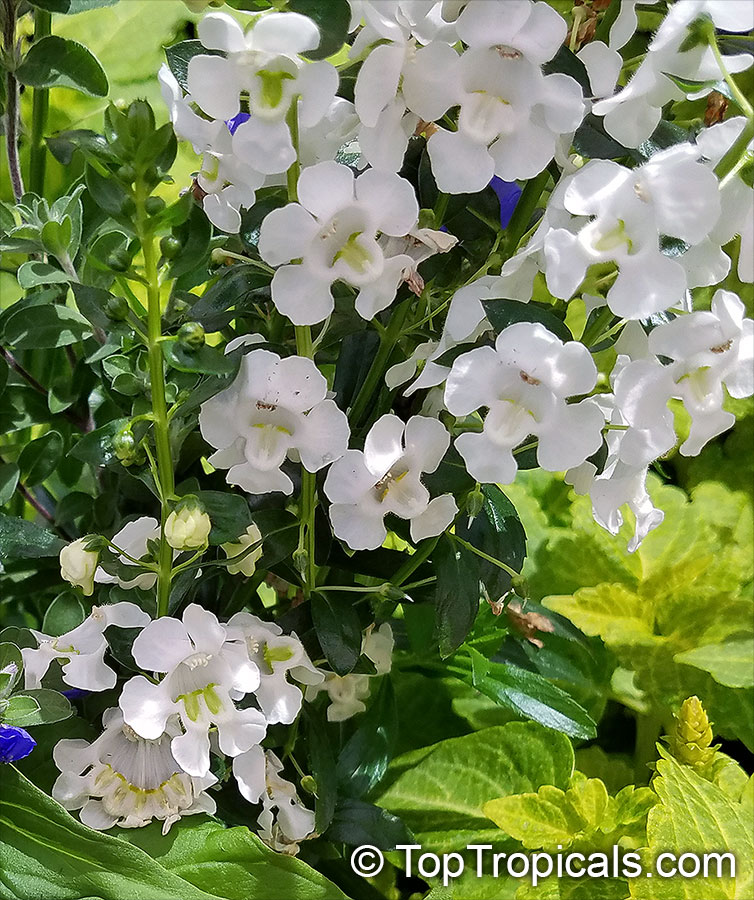
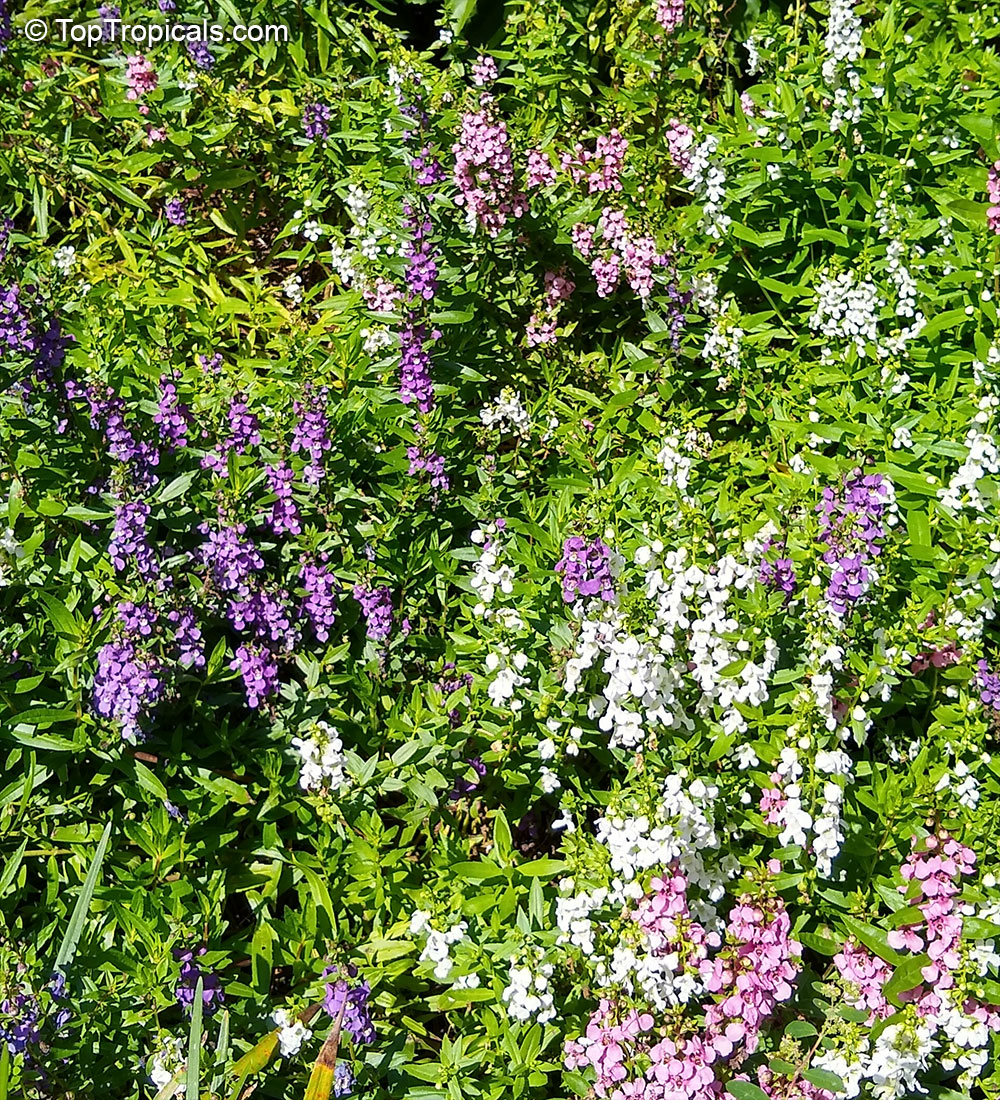
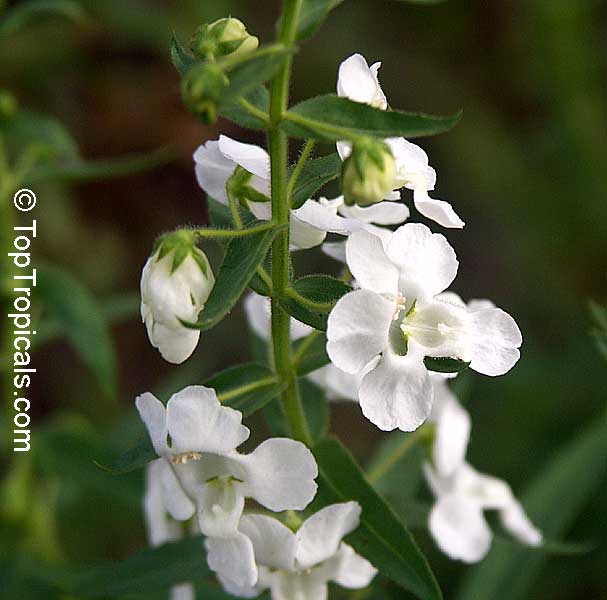
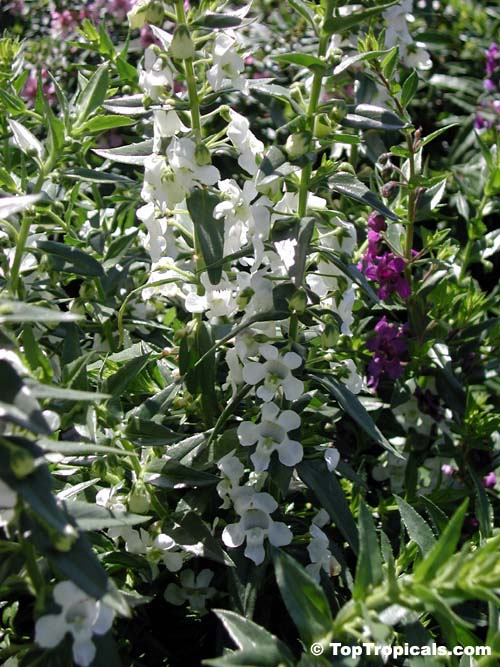
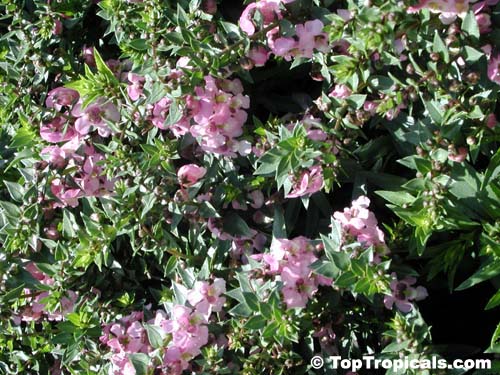
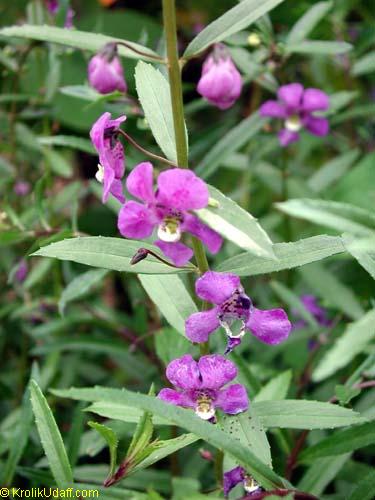
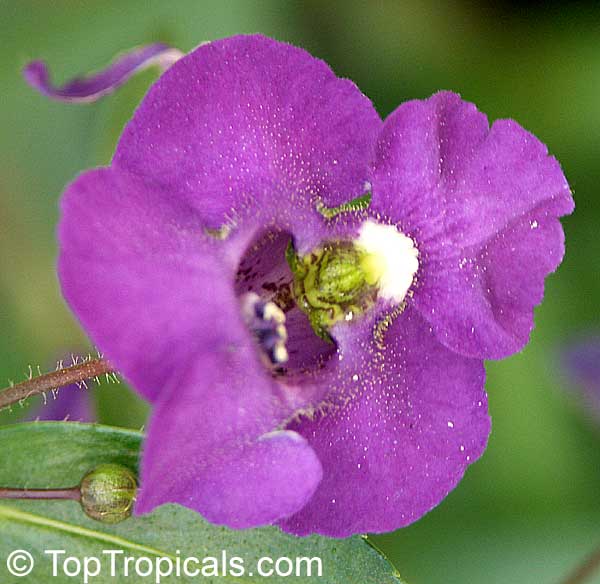
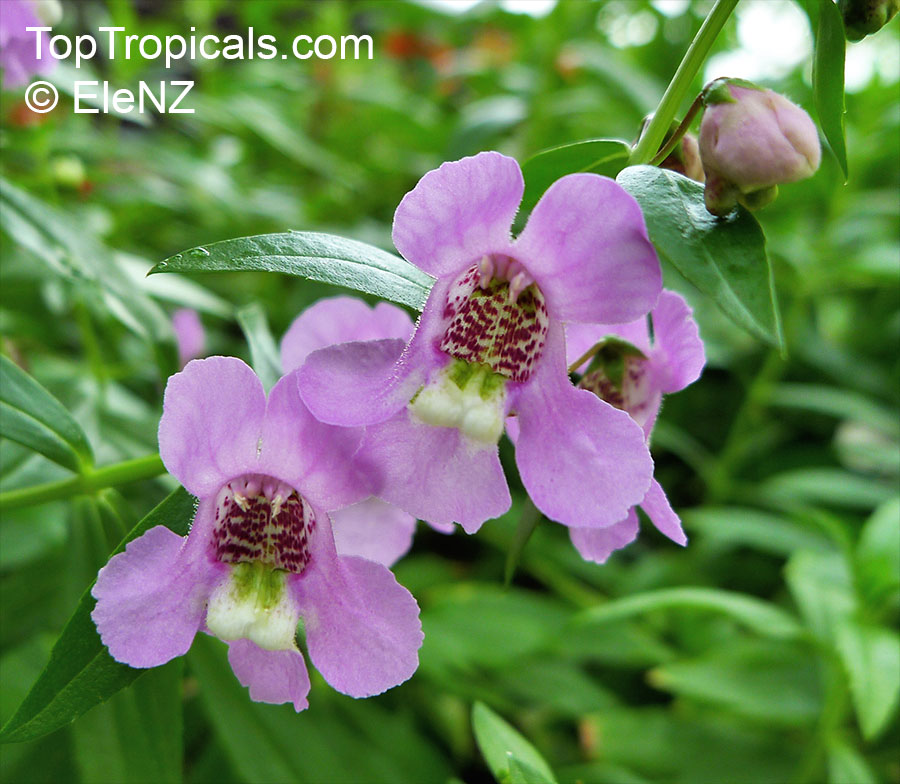
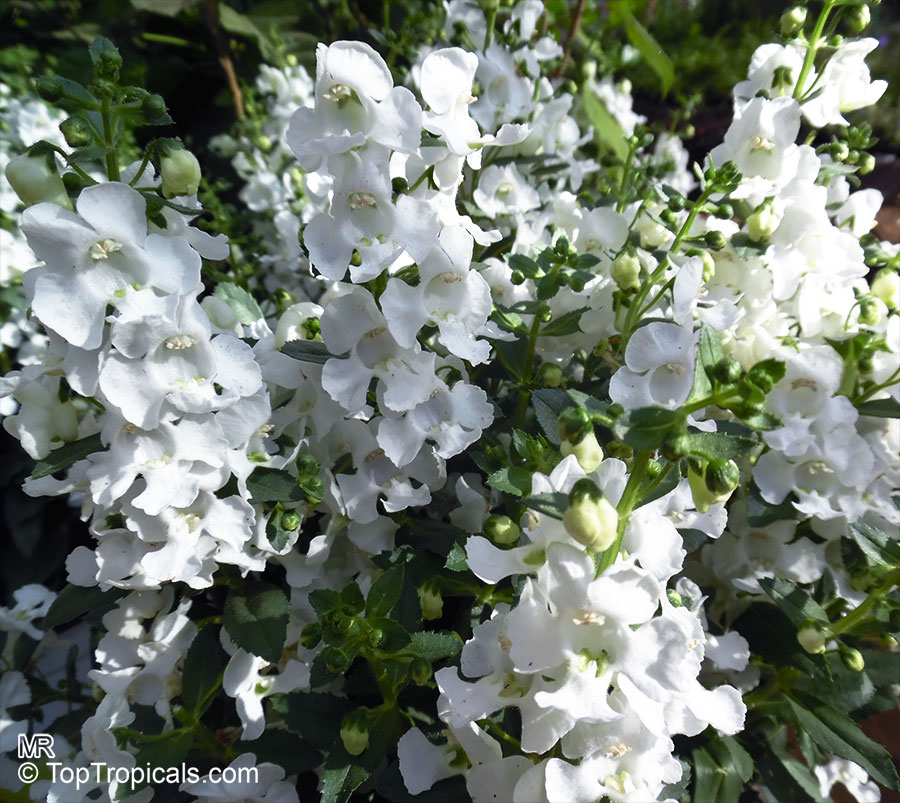
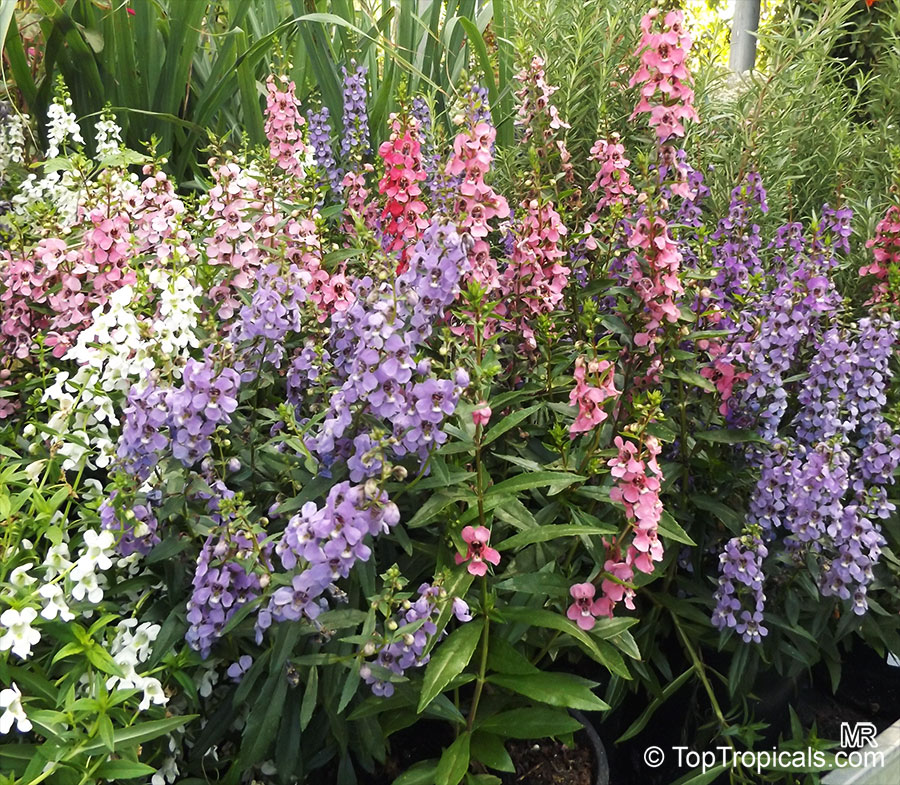
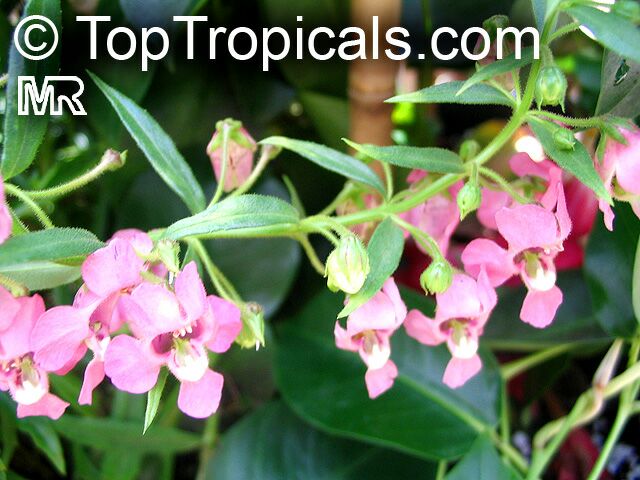
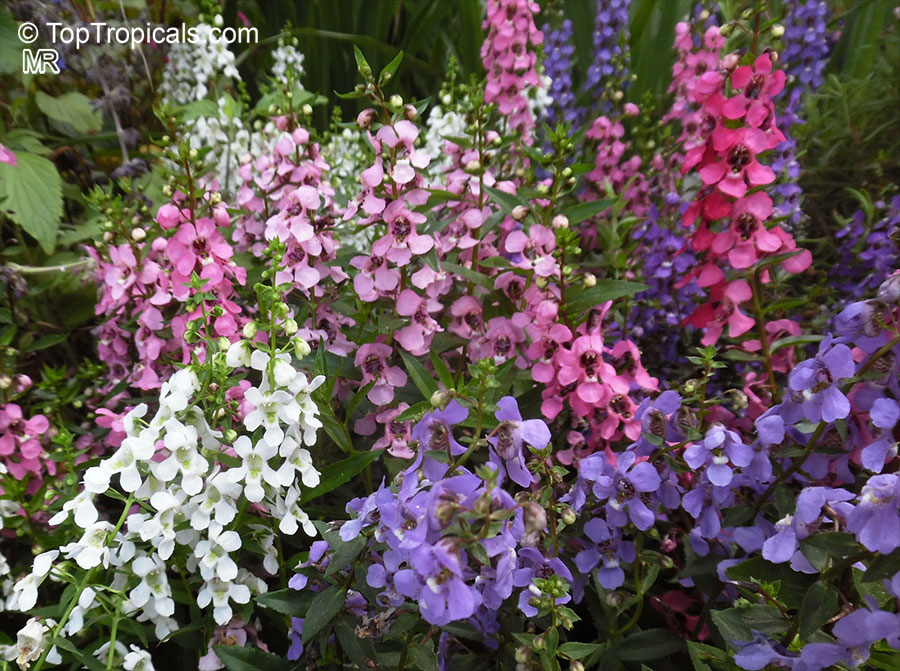
Botanical names: Angelonia angustiflolia, Angelonia goyazensis
Common names: Angel Mist, Summer Snapdragon, Angel Flower
Family: Plantaginaceae
Origin: Brazil


Angelonia is a relatively new species to the world commercial market. Every part of plant has fragrance. When you water them the smell comes stronger. It likes bright sun and water a lot. Grow faster at the cool place. Blooms all year round.

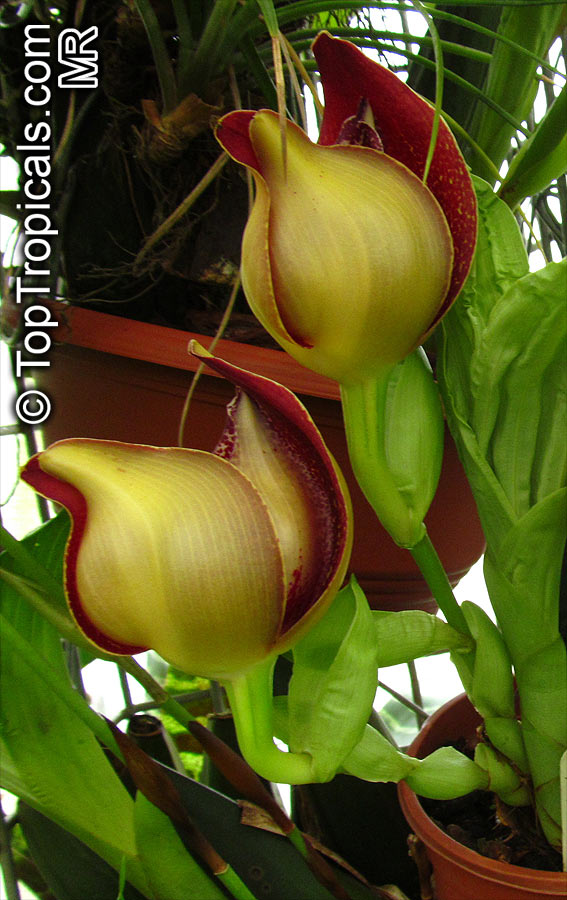
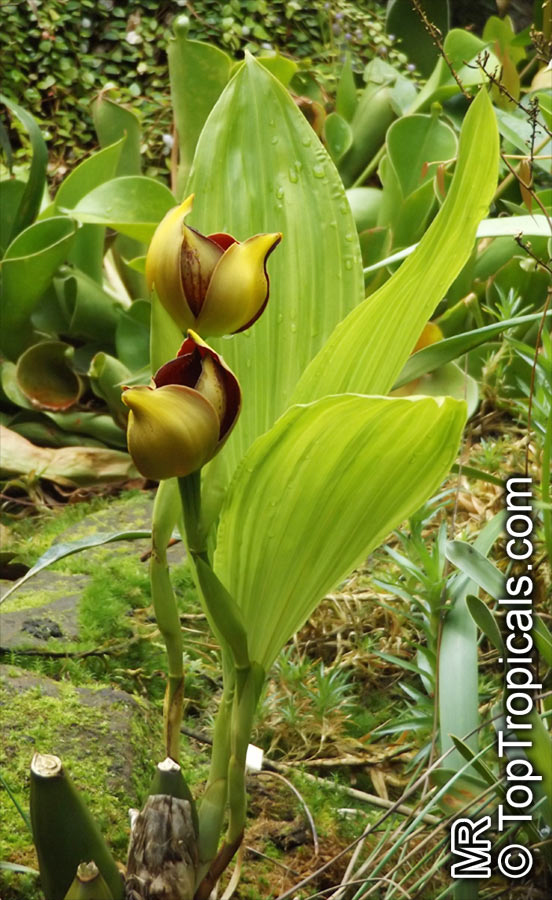
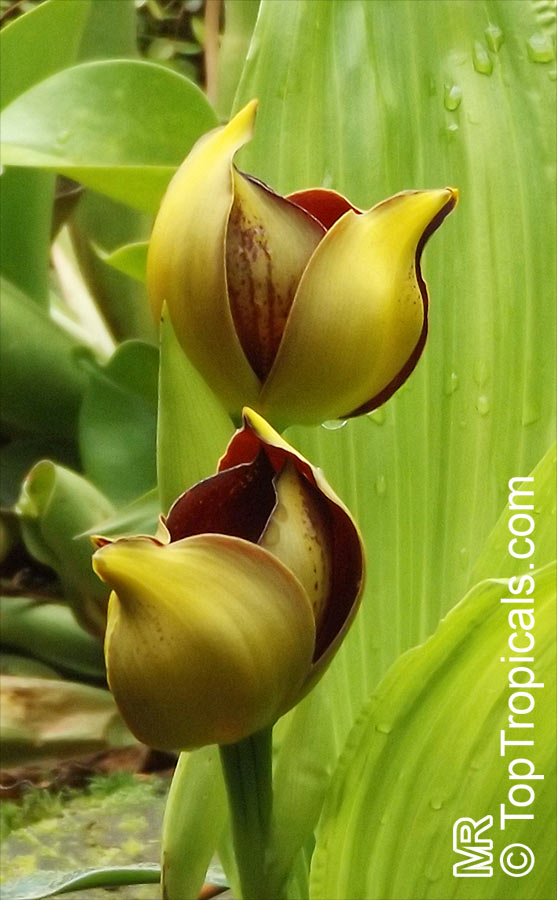
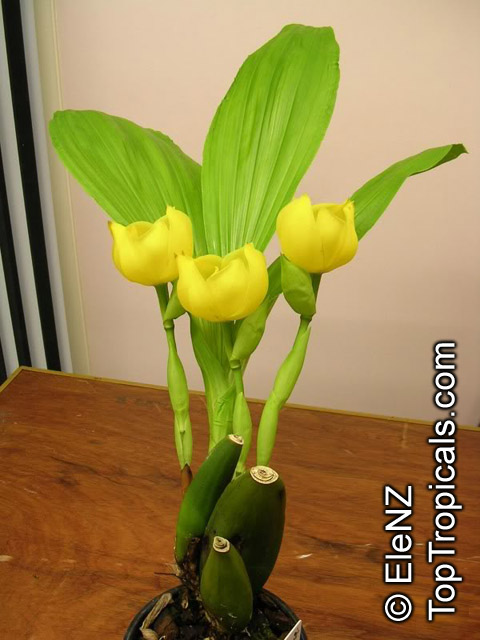
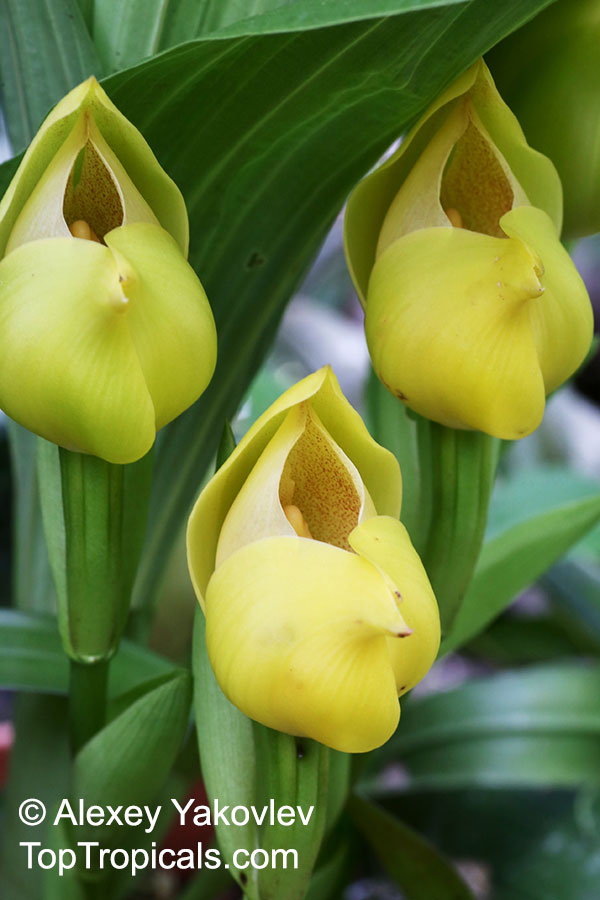
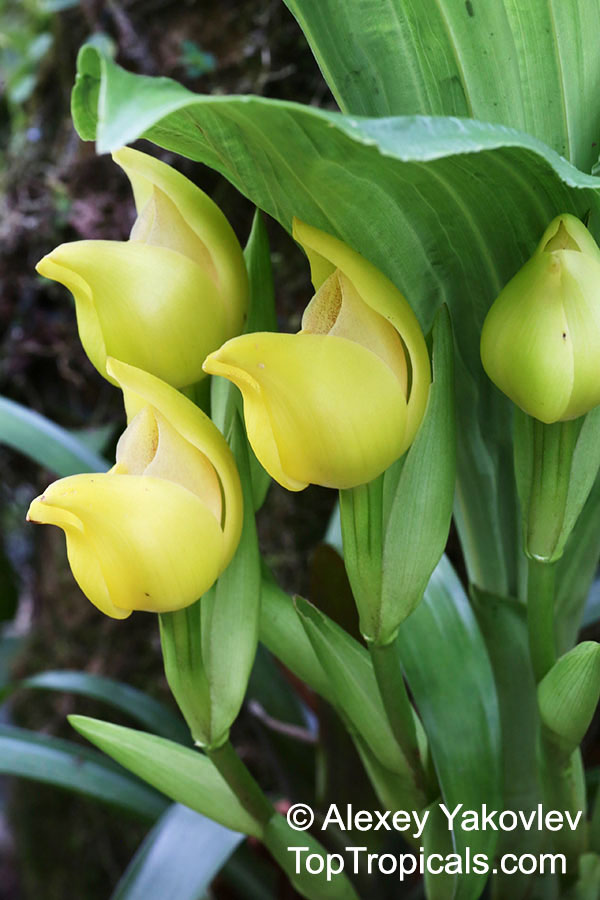
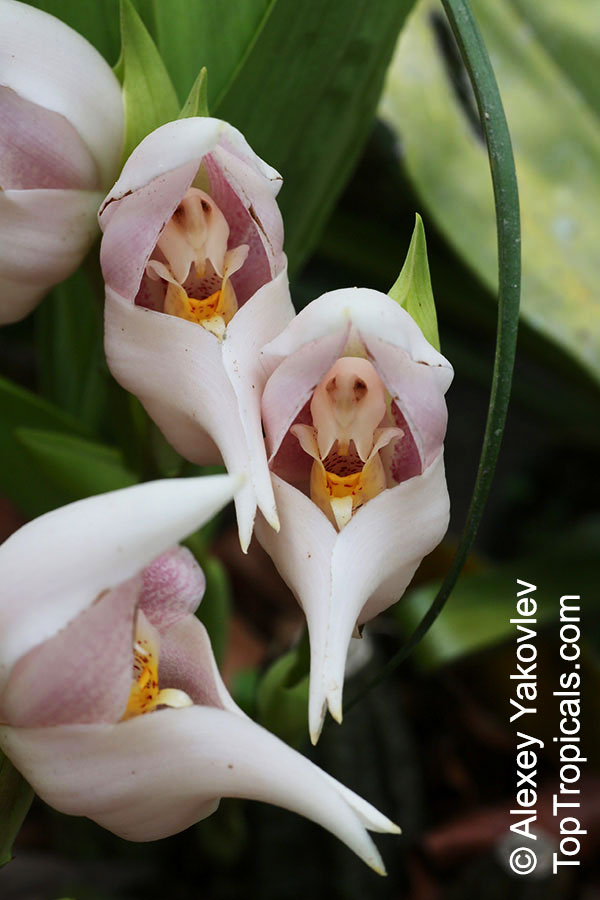
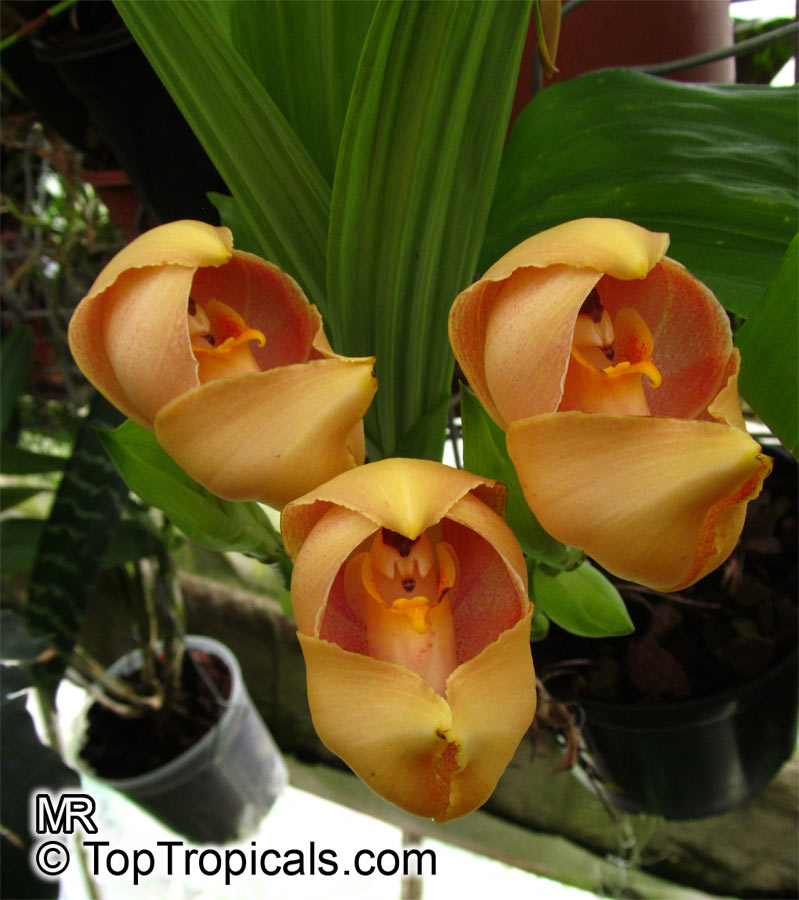
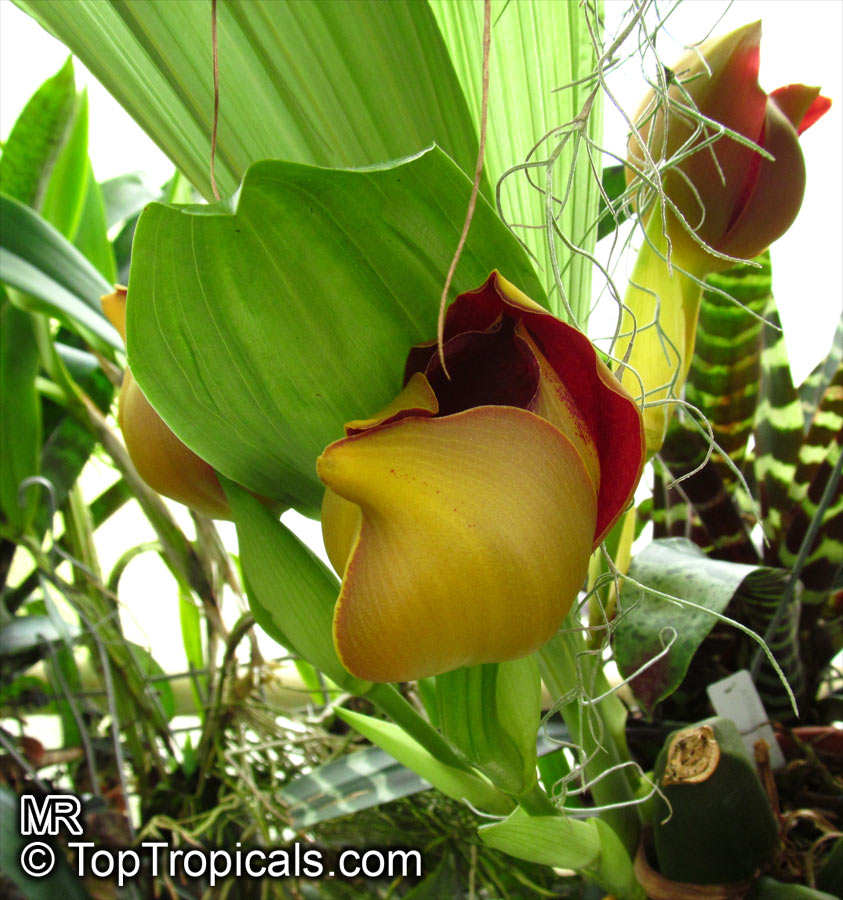
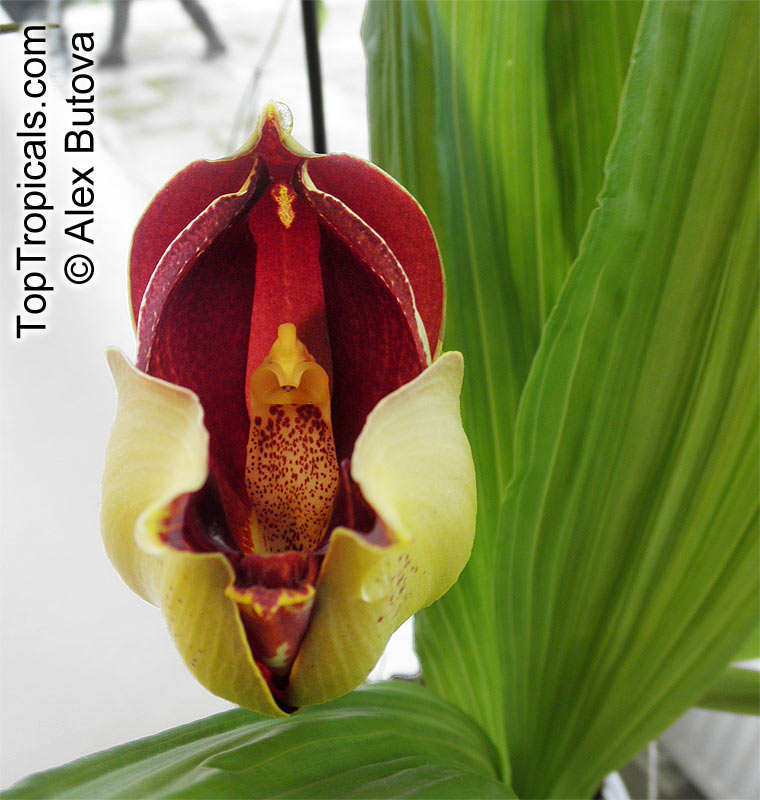
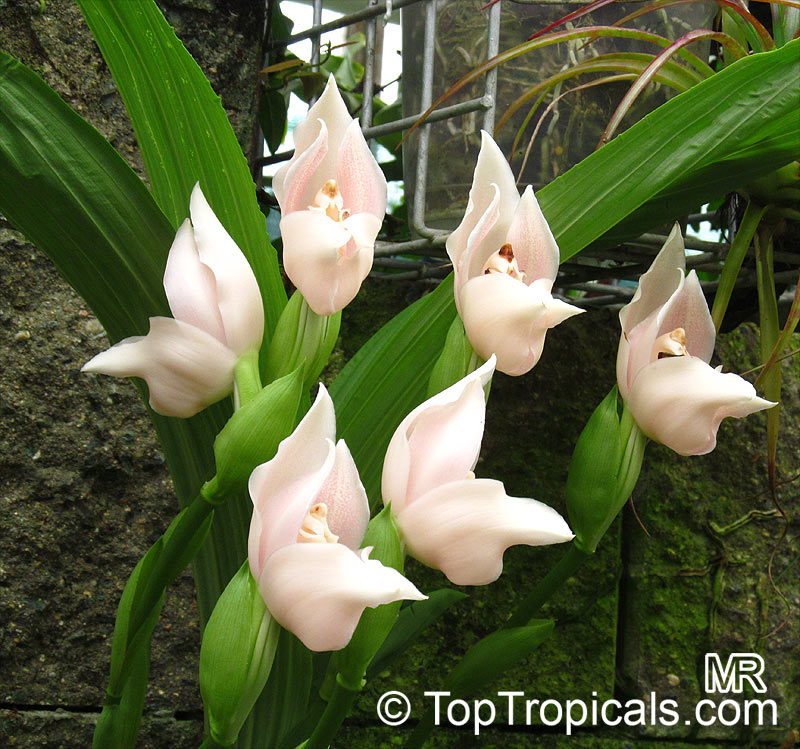
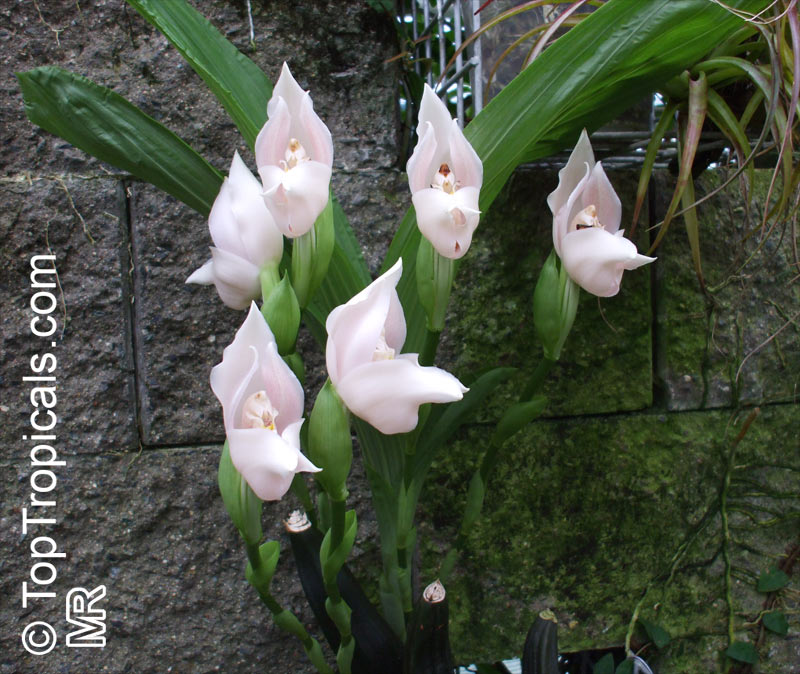
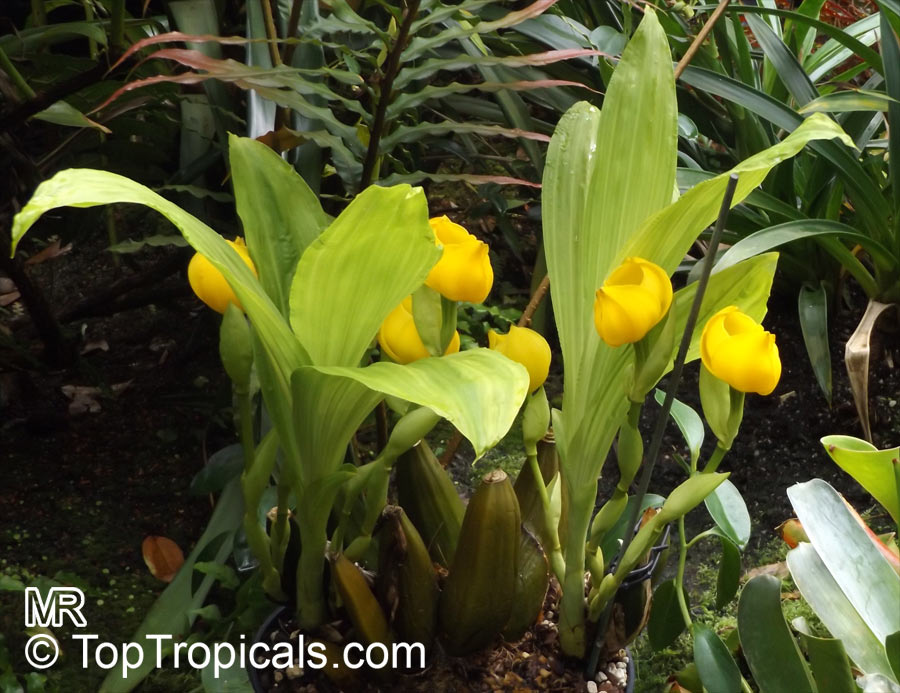
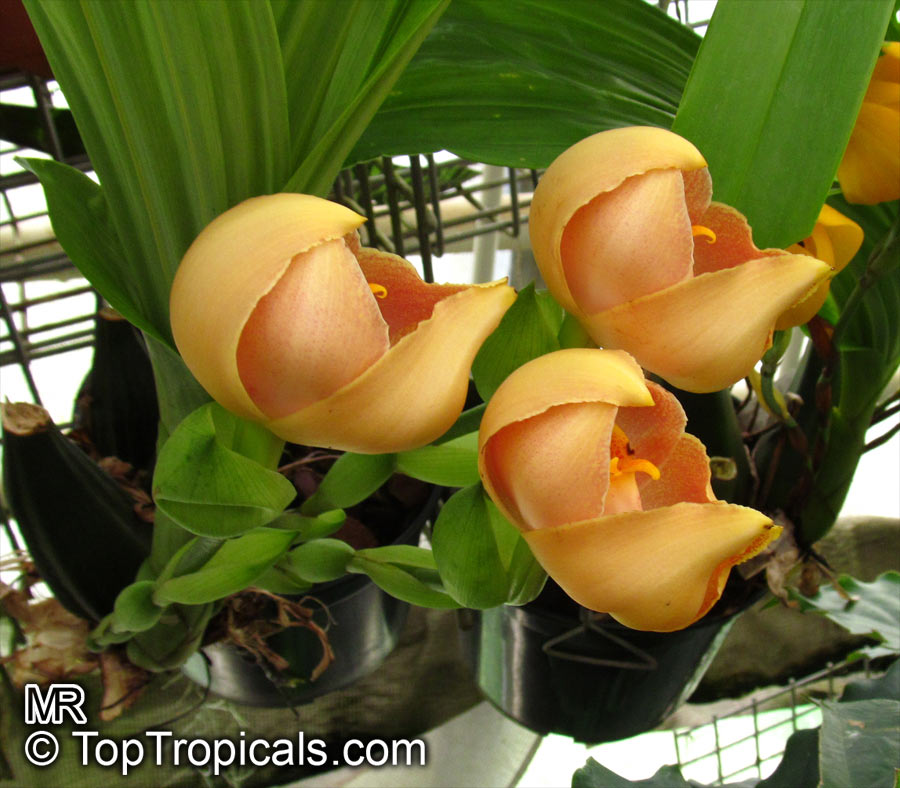
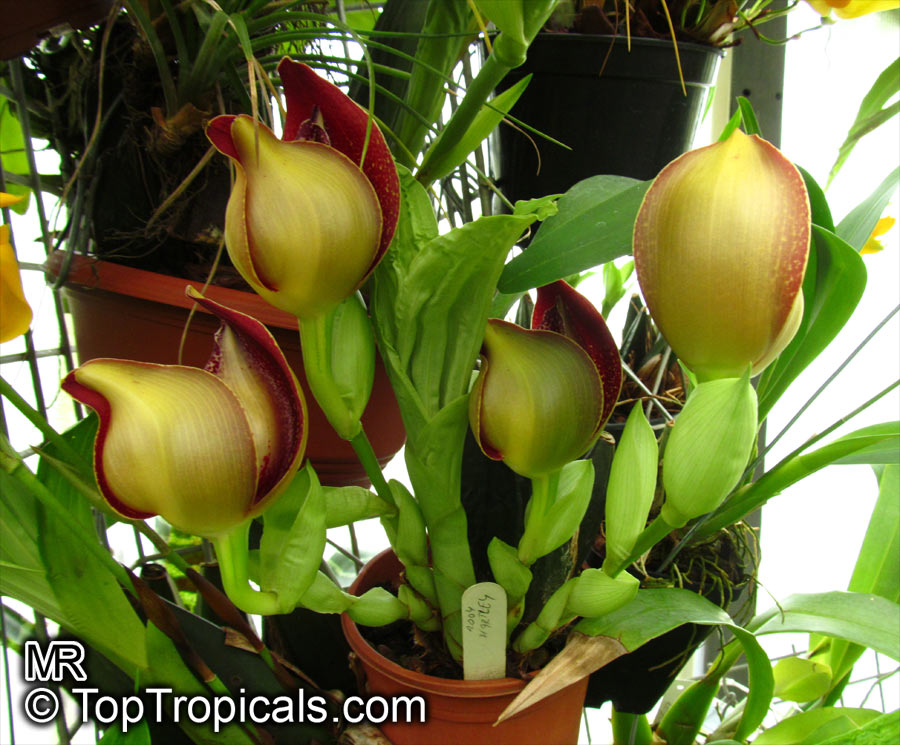
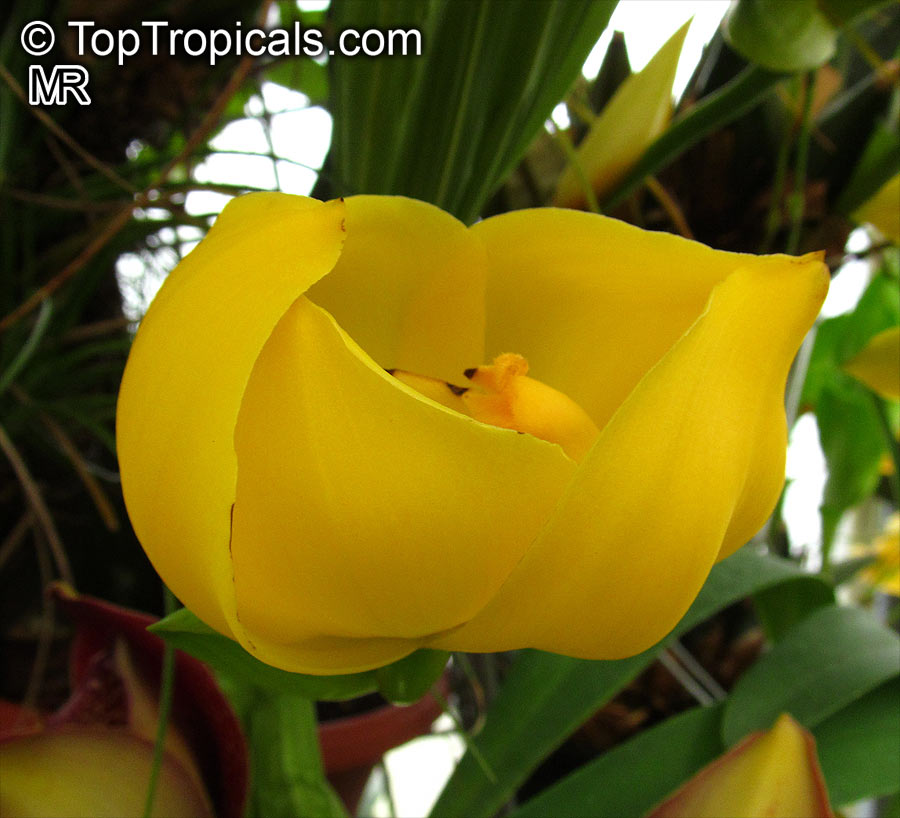
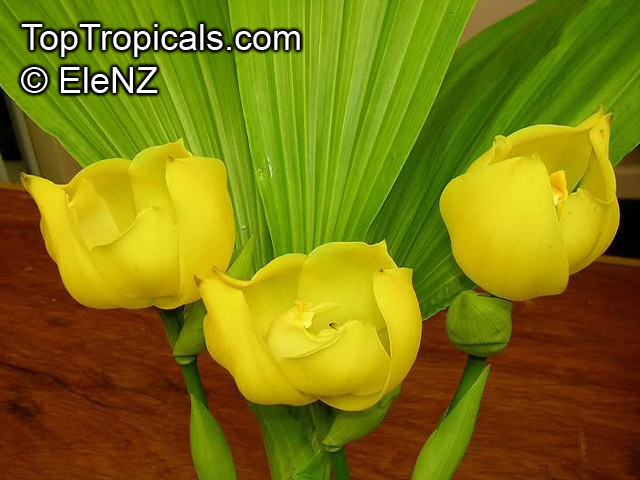
Botanical name: Anguloa sp.
Common name: Tulip Orchid
Family: Orchidaceae
Anguloa sp. is a small shrub grows from 2-5 ft, making it ideal for containers or small gardens. It prefers semi-shade to full sun, with regular watering. In hot regions it needs Moderate water for optimal health, and grows best in USDA Zones 9-11. When in season it presents large, showy blooms in shades of pink, white, and off-white, red and crimson, even vinous and yellow-orange. The blooms are sweetly fragrant, having strong scent of cinnamon, and attract both butterflies and hummingbirds.
When growing in a pot in colder regions, it's important to keep it sheltered from any frost. The soil should be kept slightly moist, not wet, so it is advisable to water only when the soil slightly dries up. Frequent misting may also help to keep some moisture around the plant. A layer of mulch in winter can help protect the roots from any natural frost.
Overall Tulip Orchids are a moderately easy to care for plant. As long as the climate is hospitable and given the right balance of water and sun, the reward of large, show stopping blooms is worth the effort.

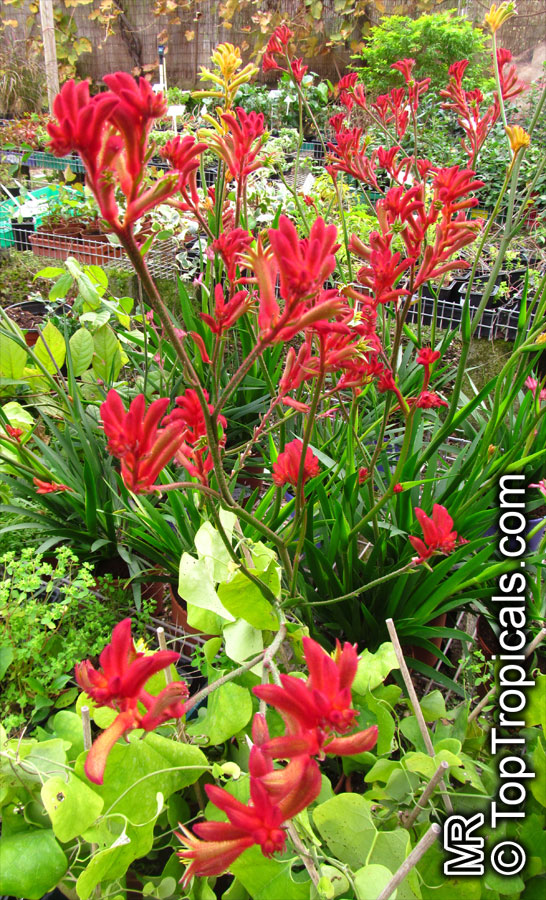
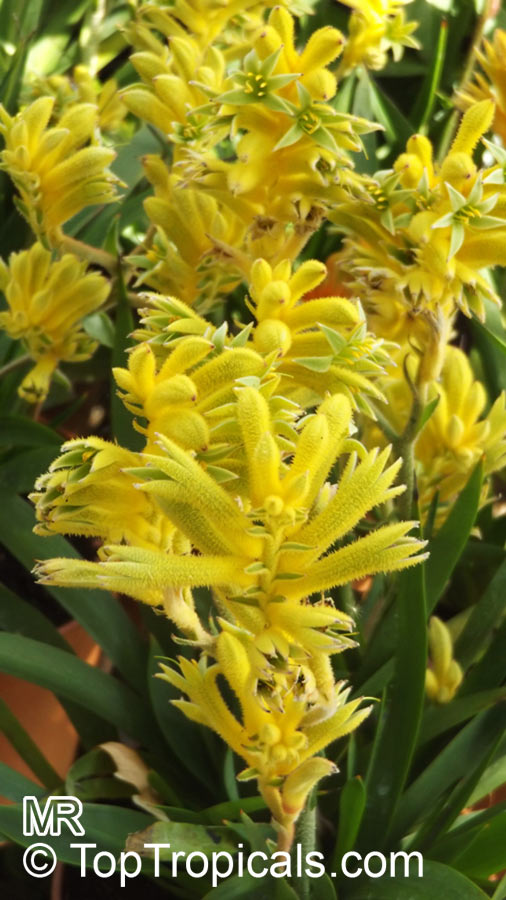
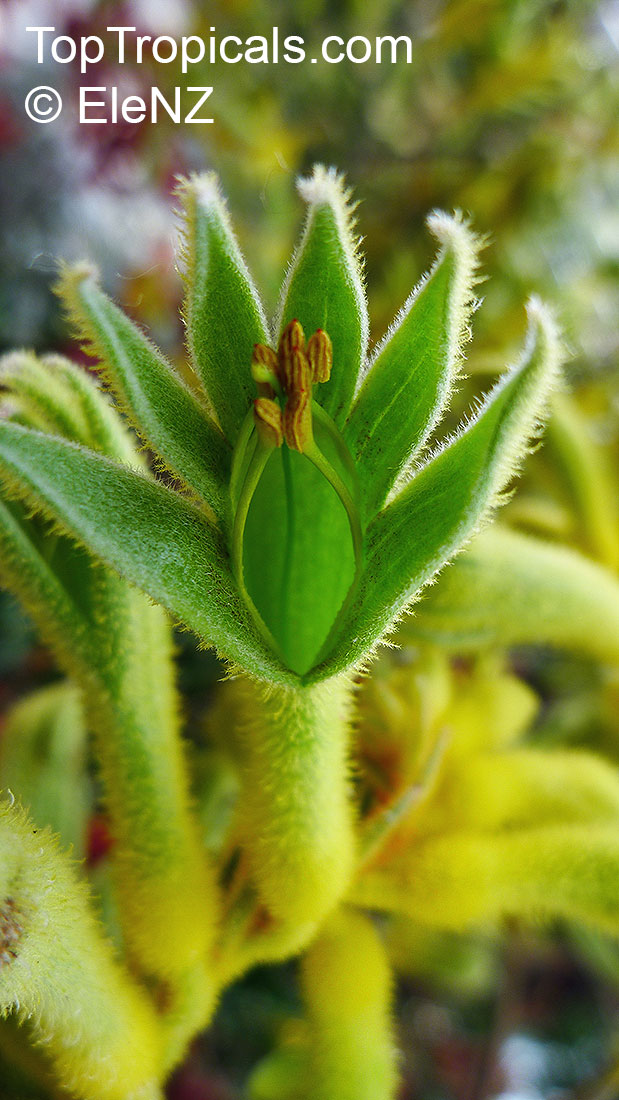
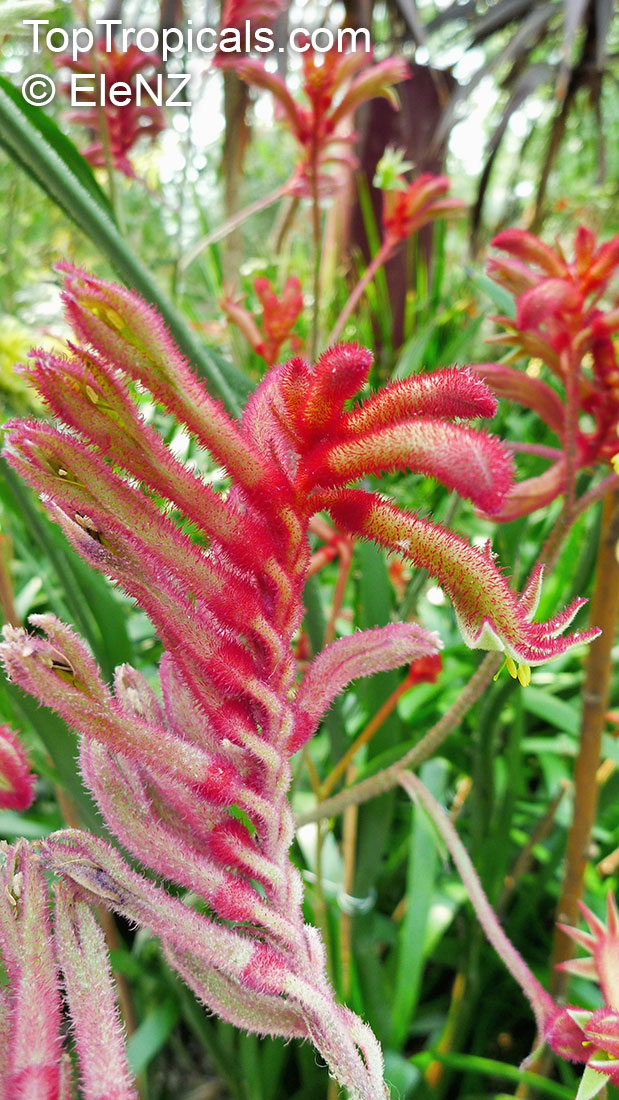
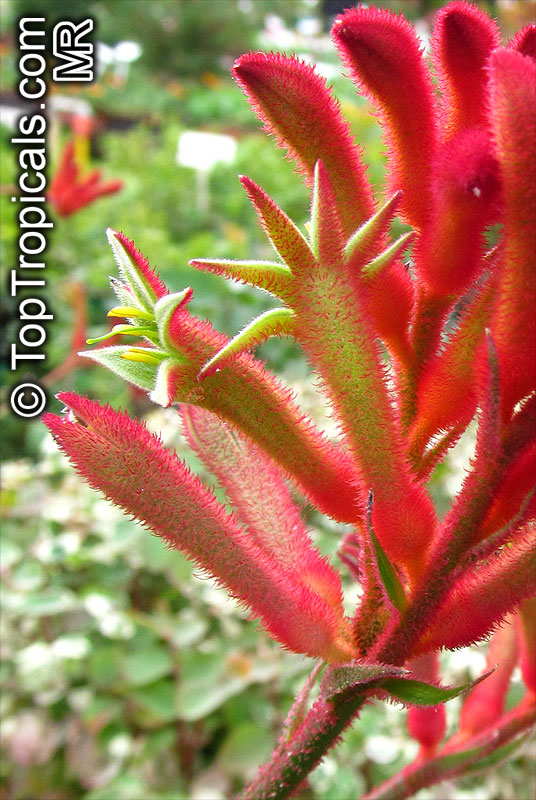
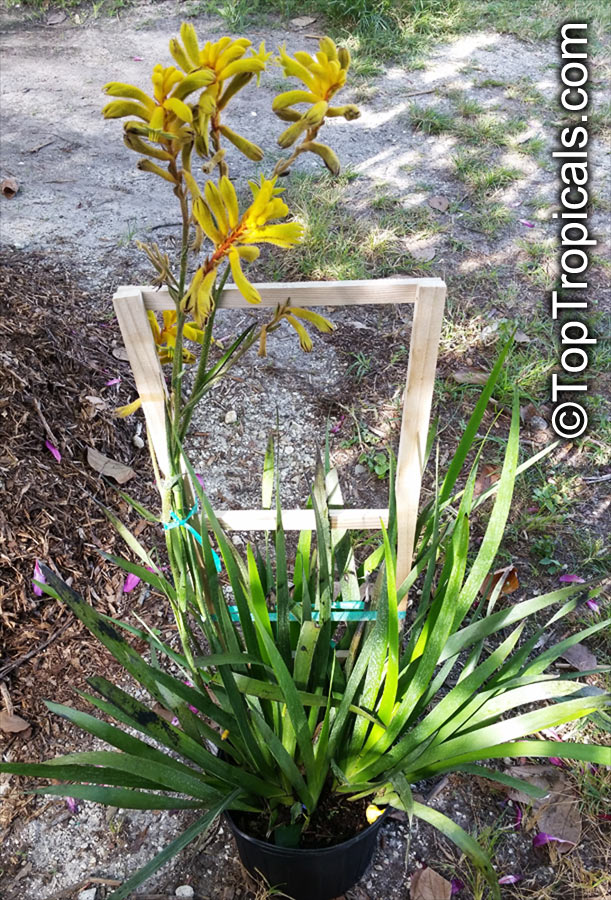
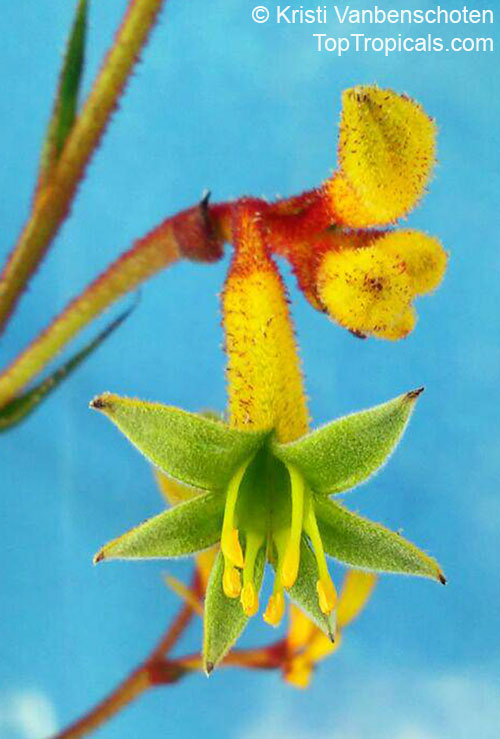
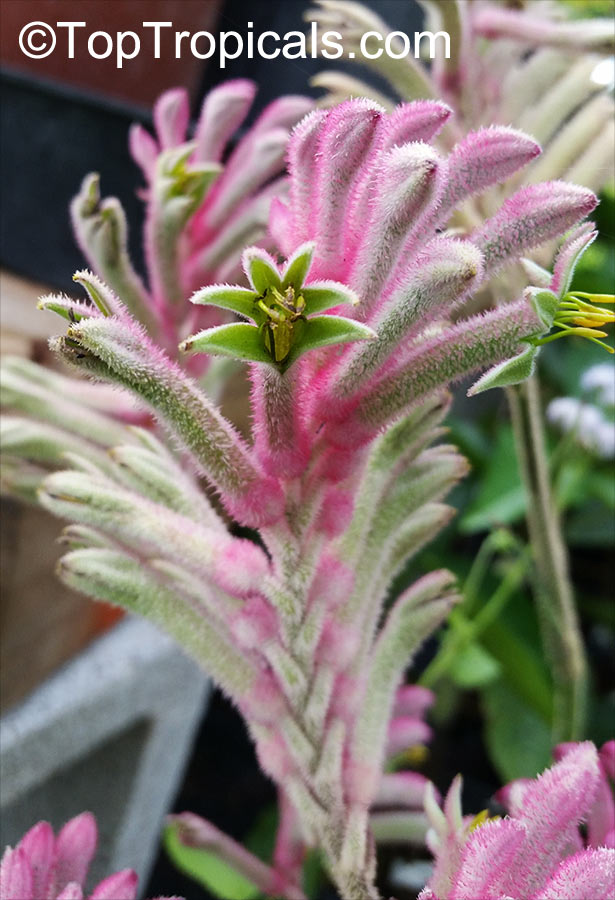
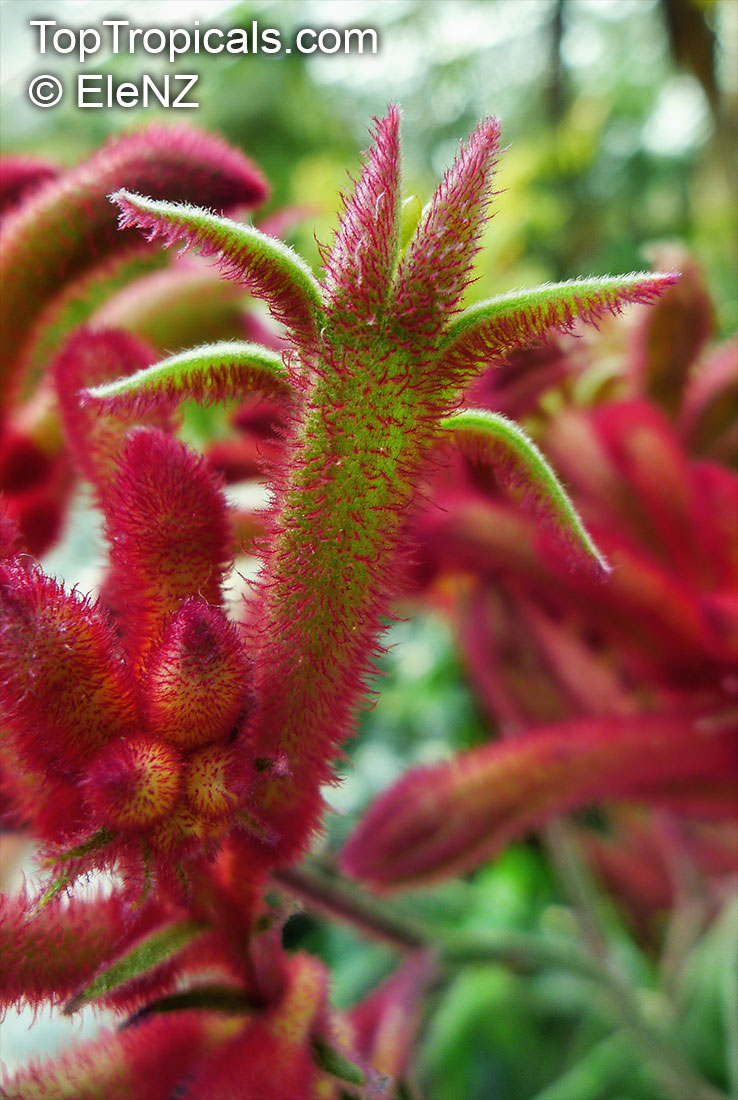
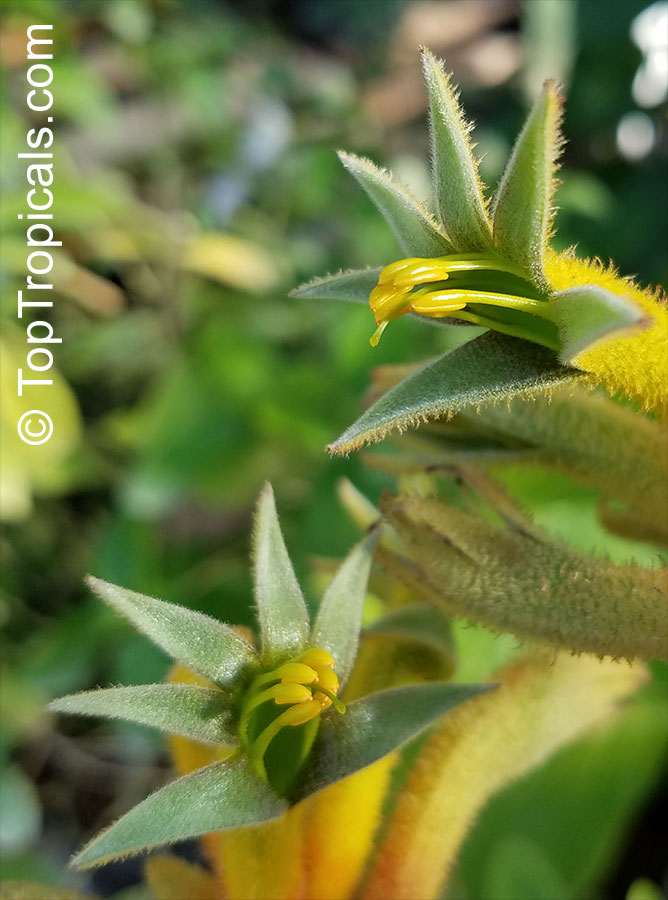
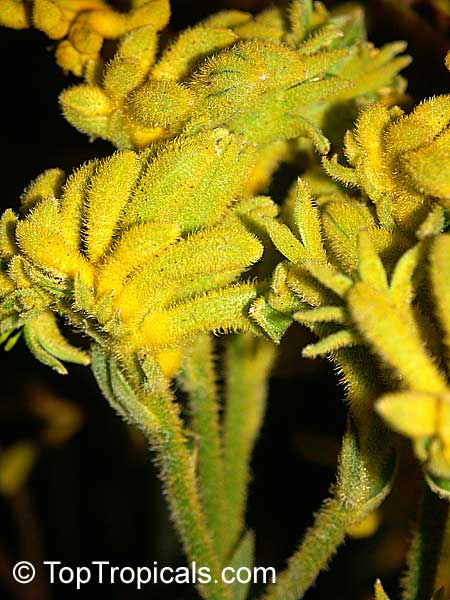
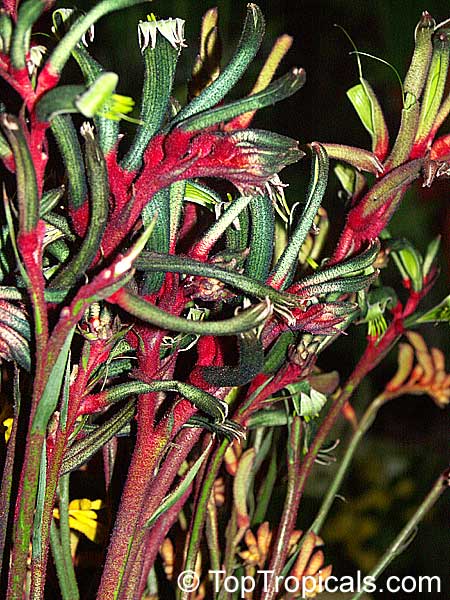
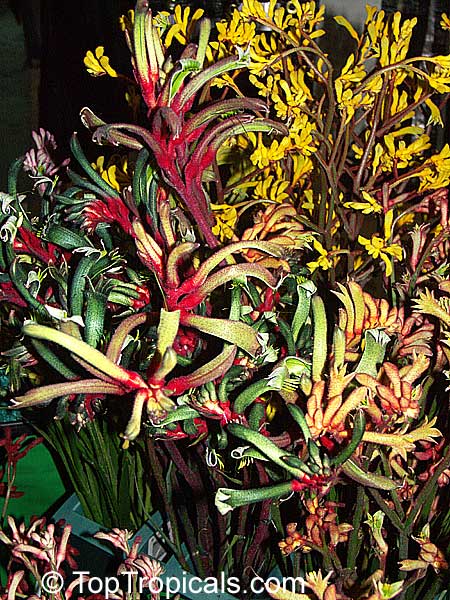
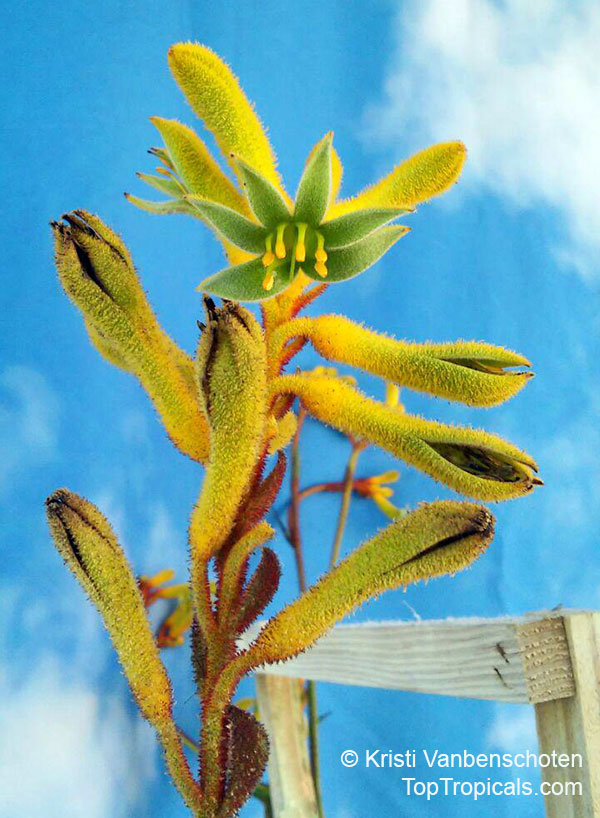
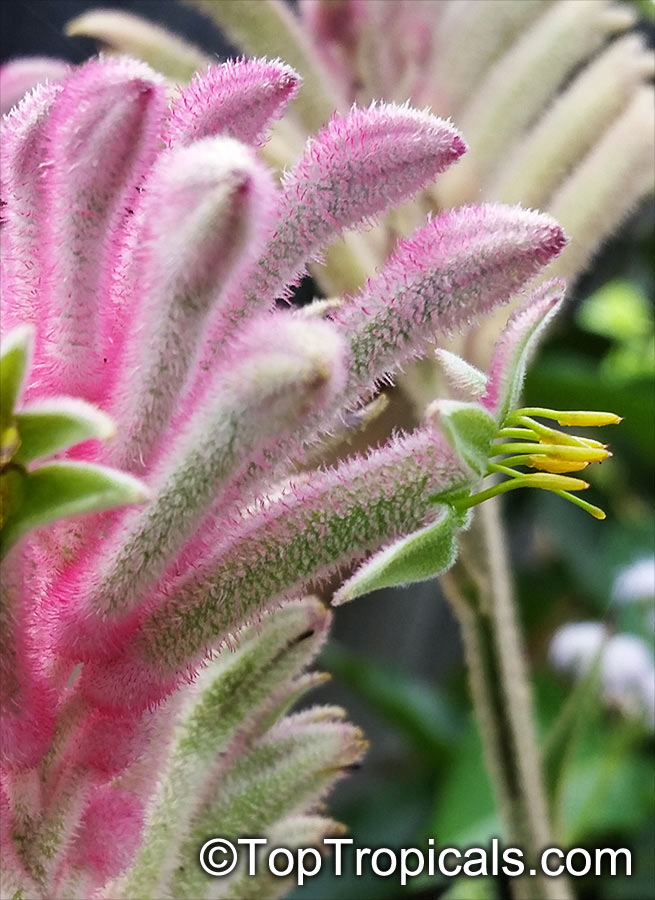
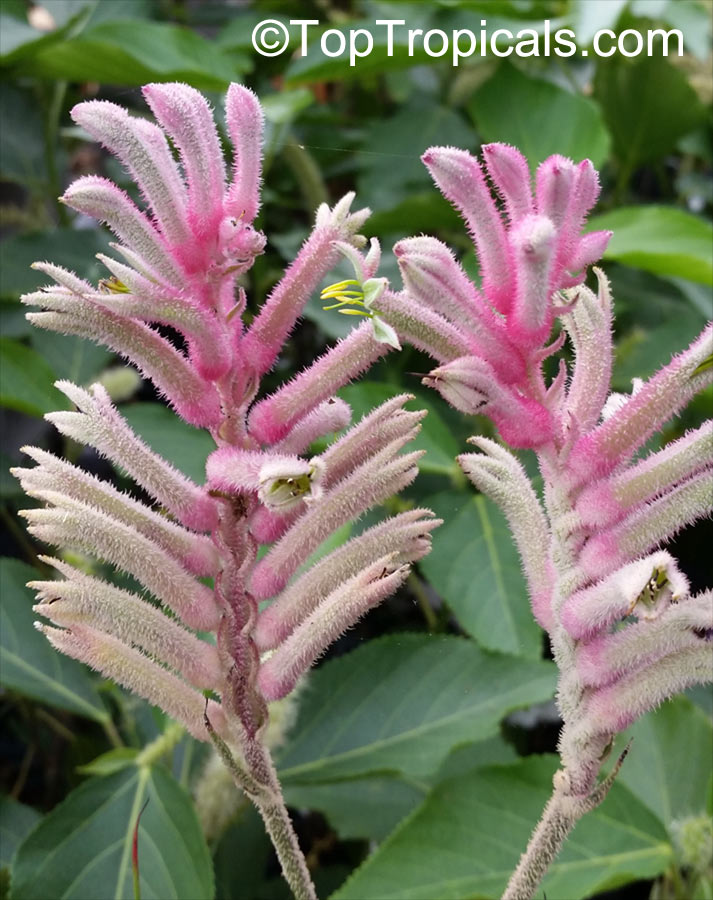
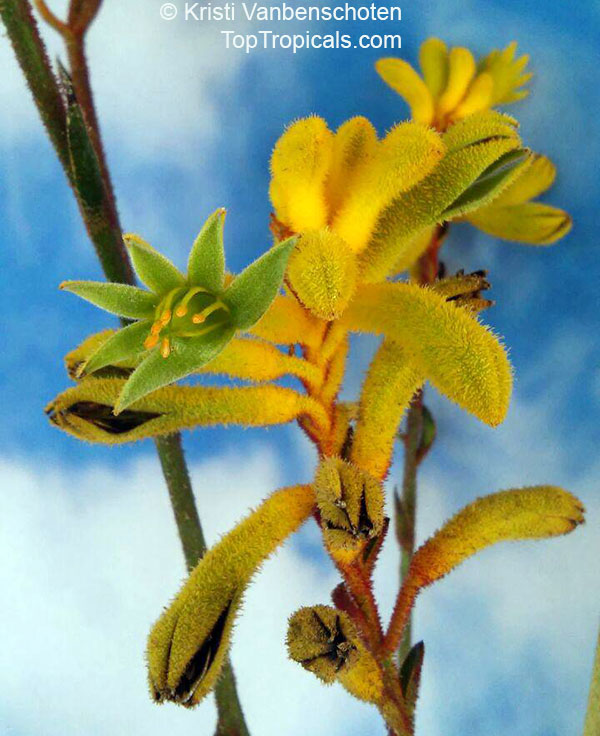
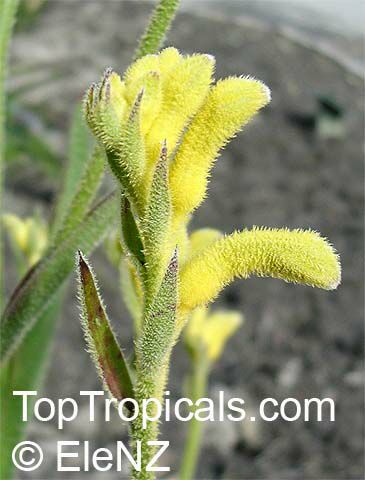
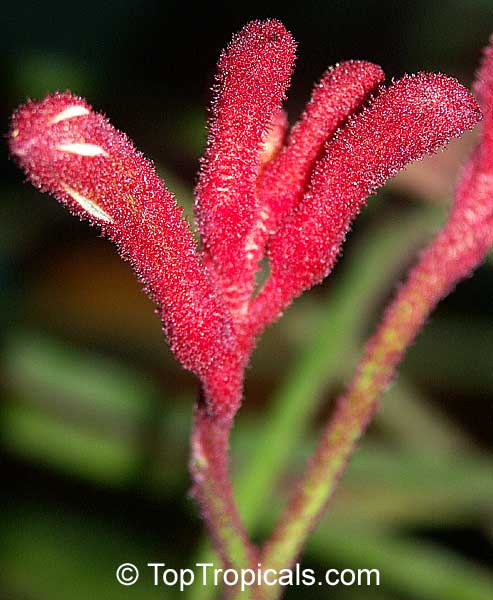
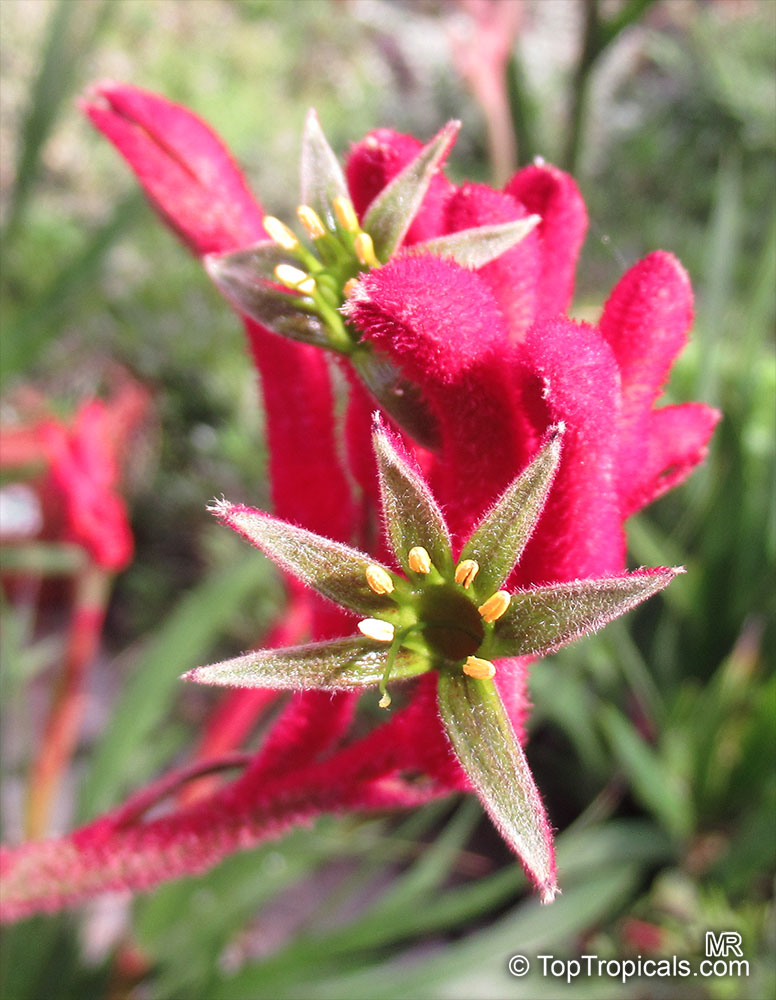
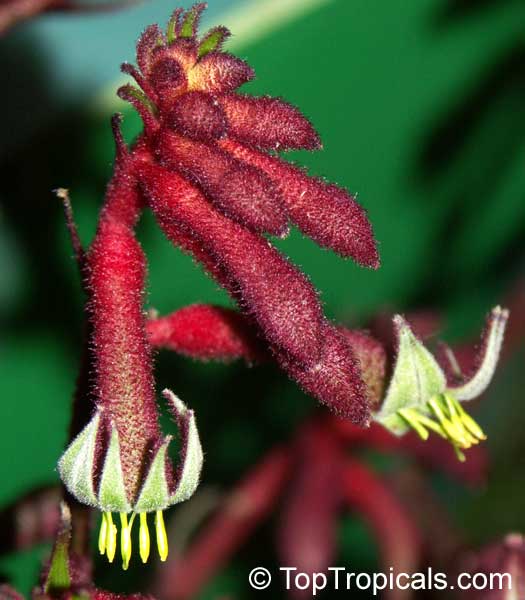
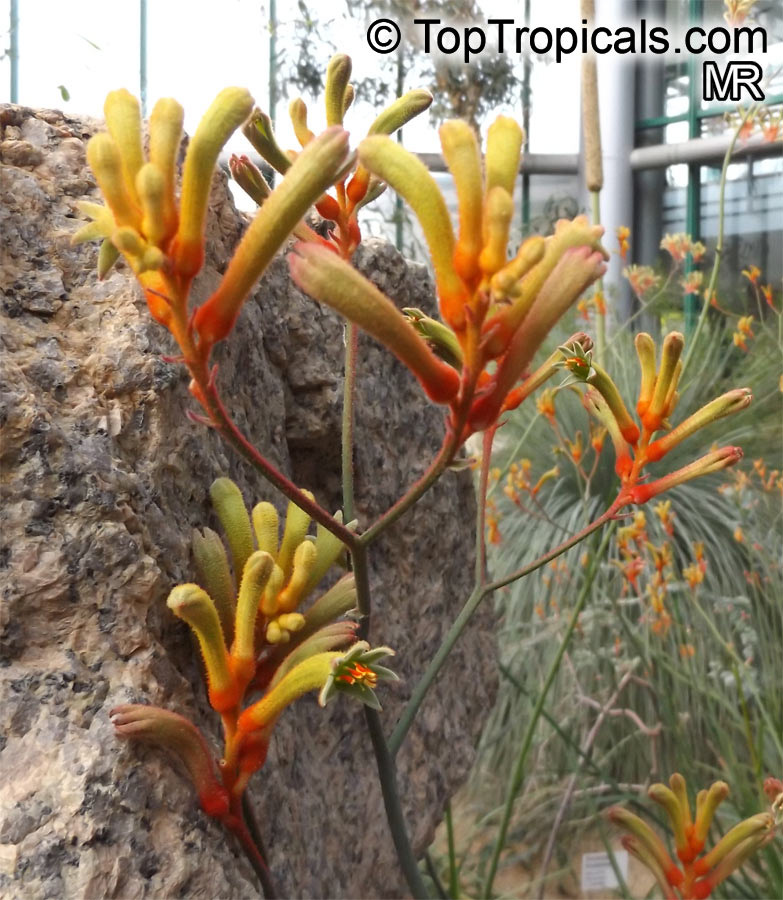
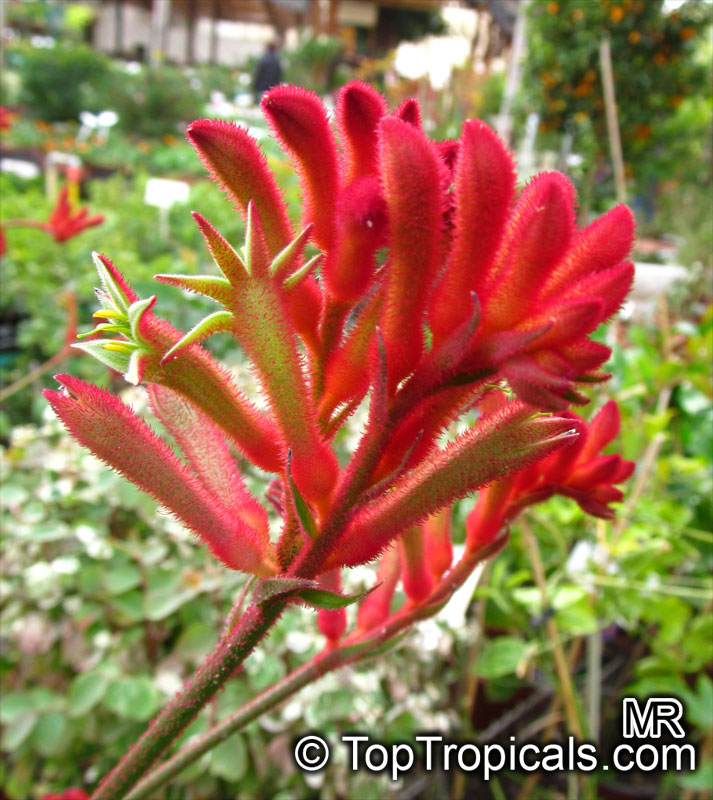
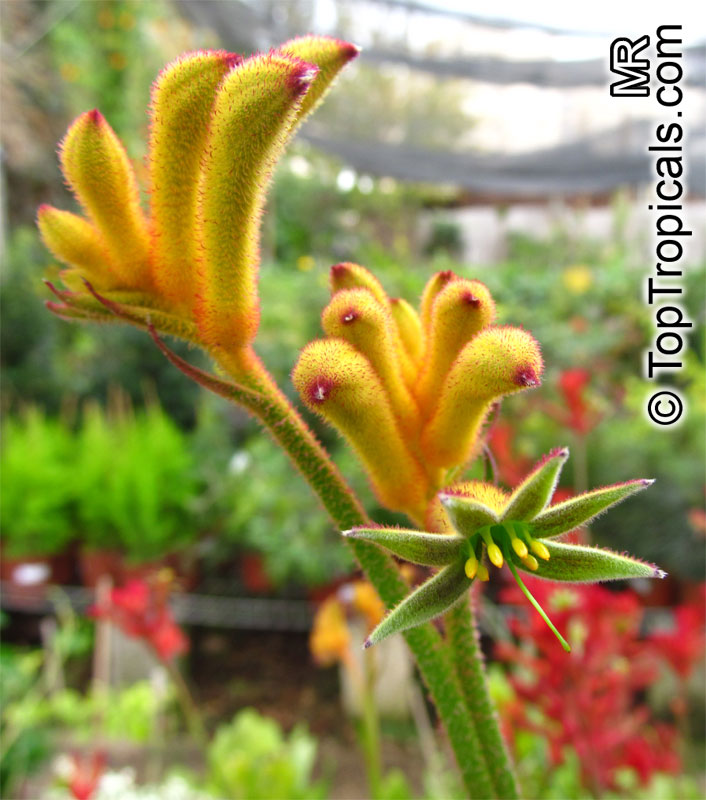
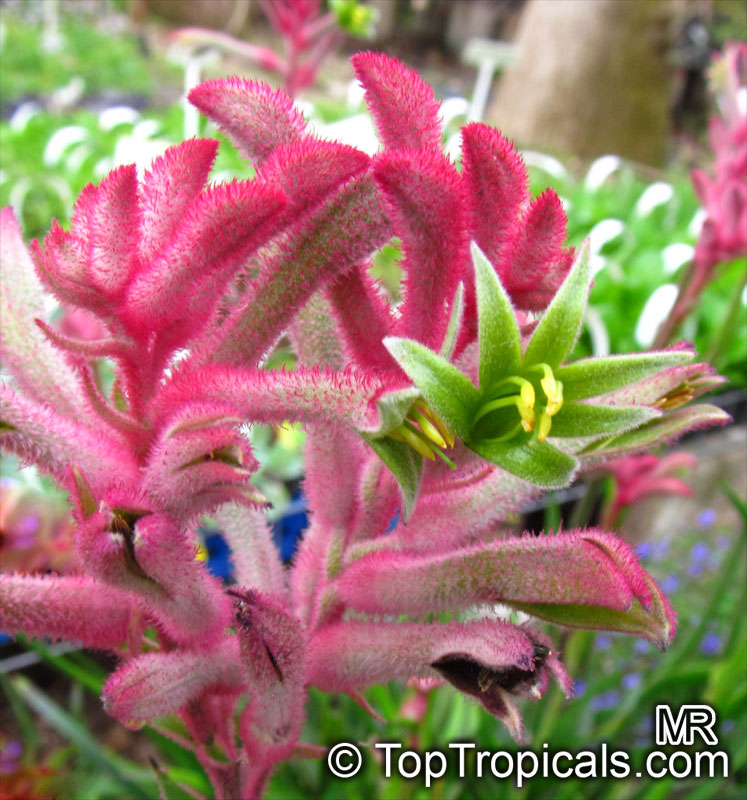
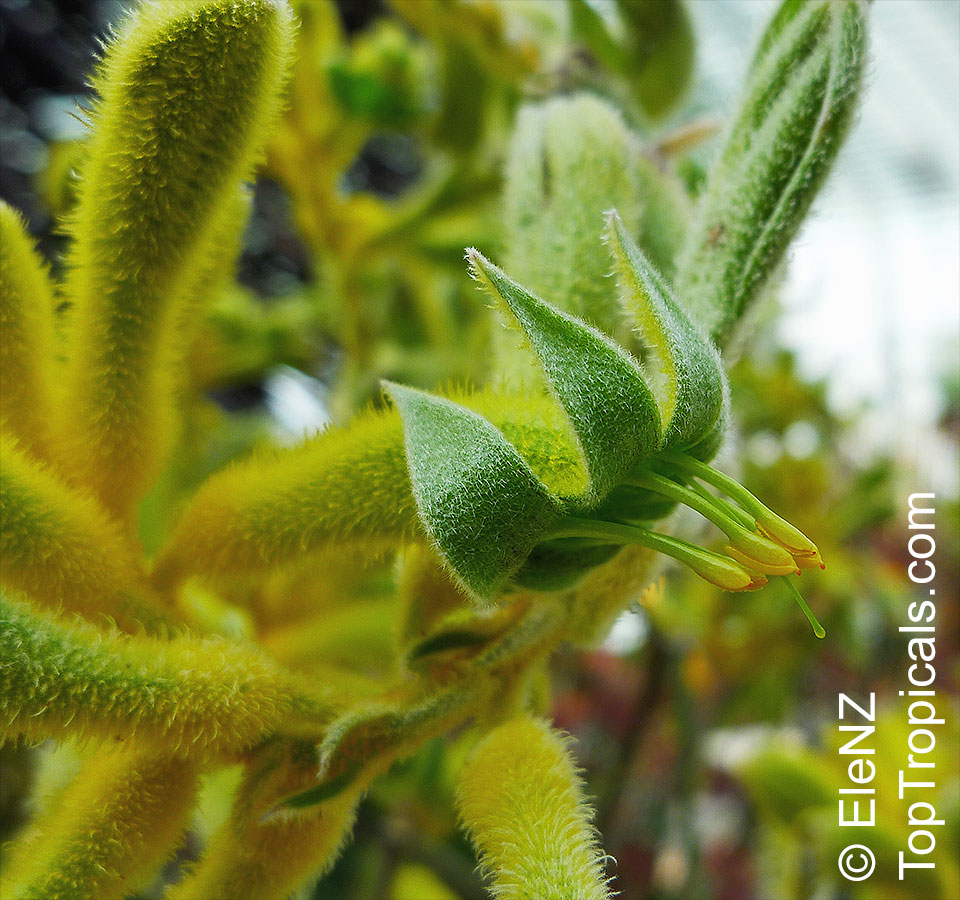
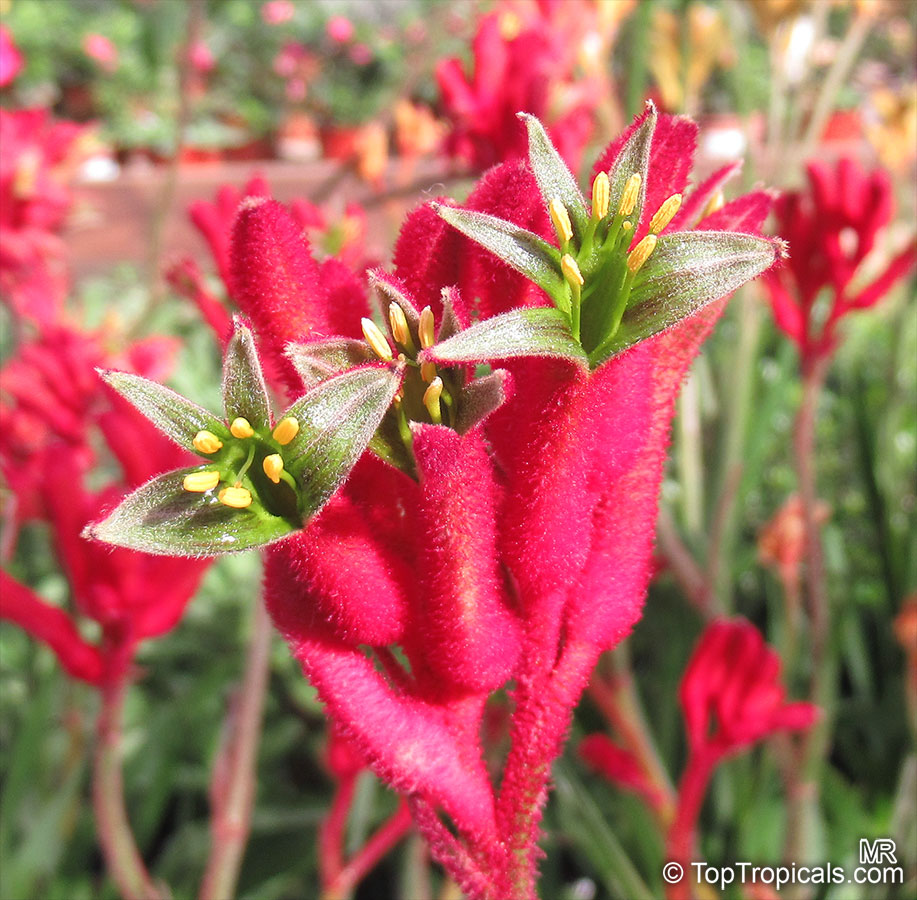
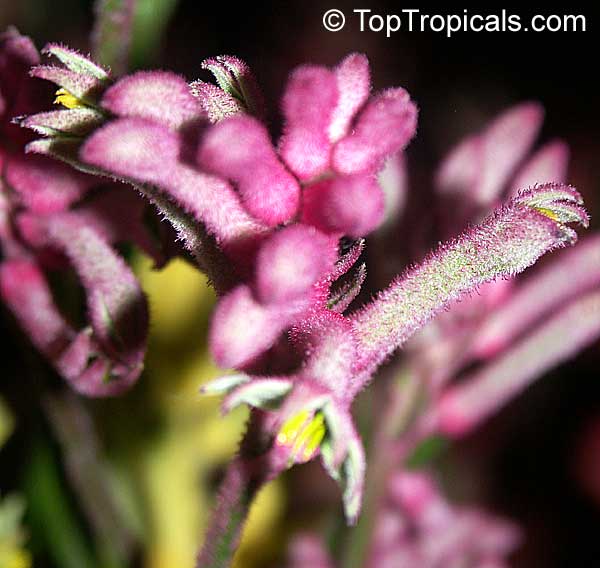
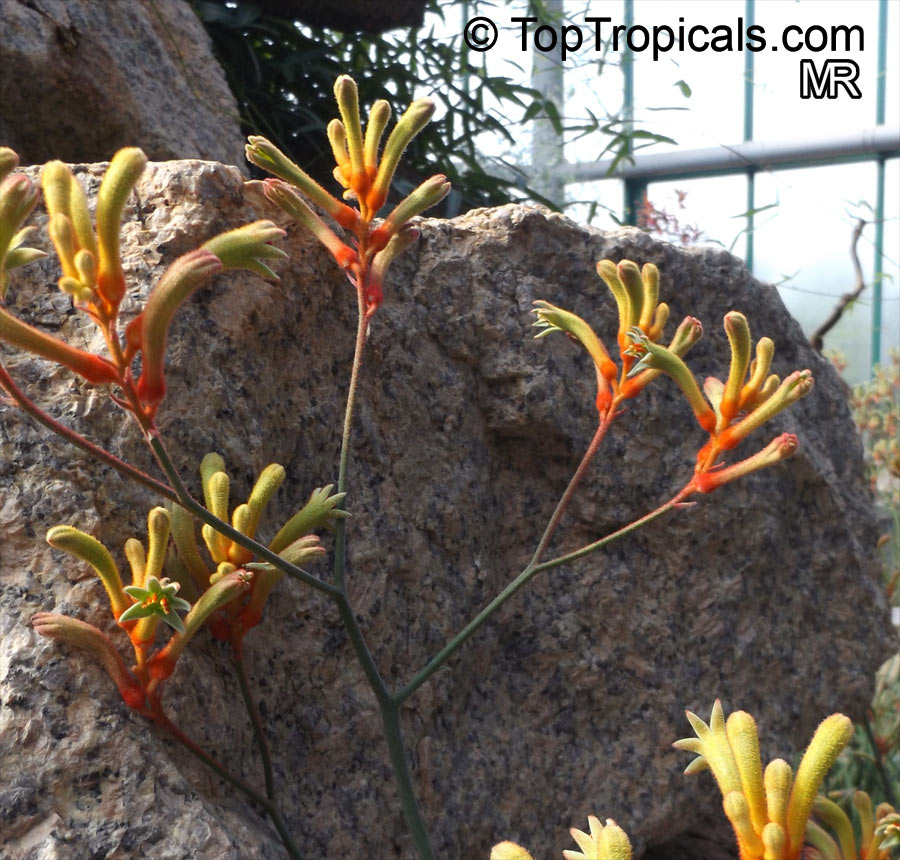
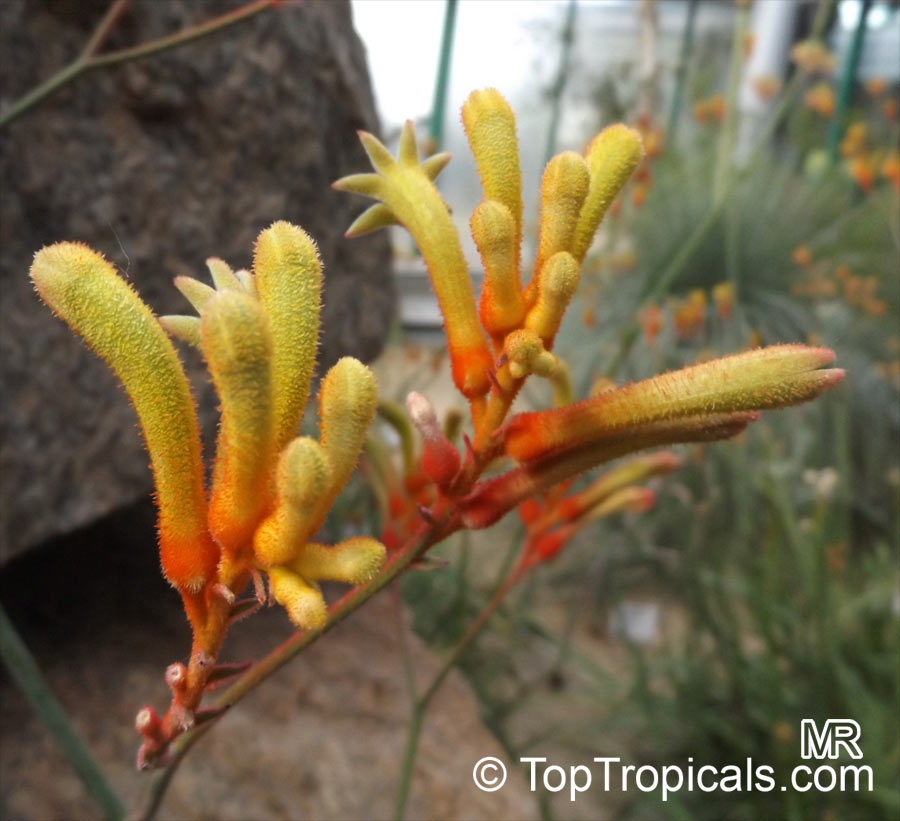
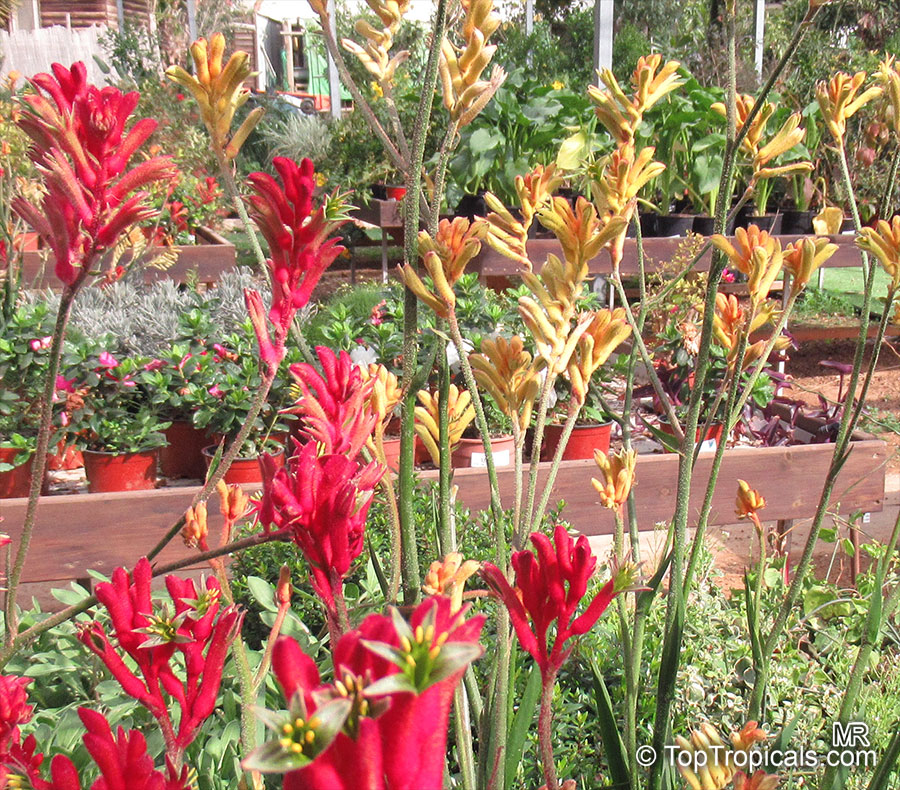
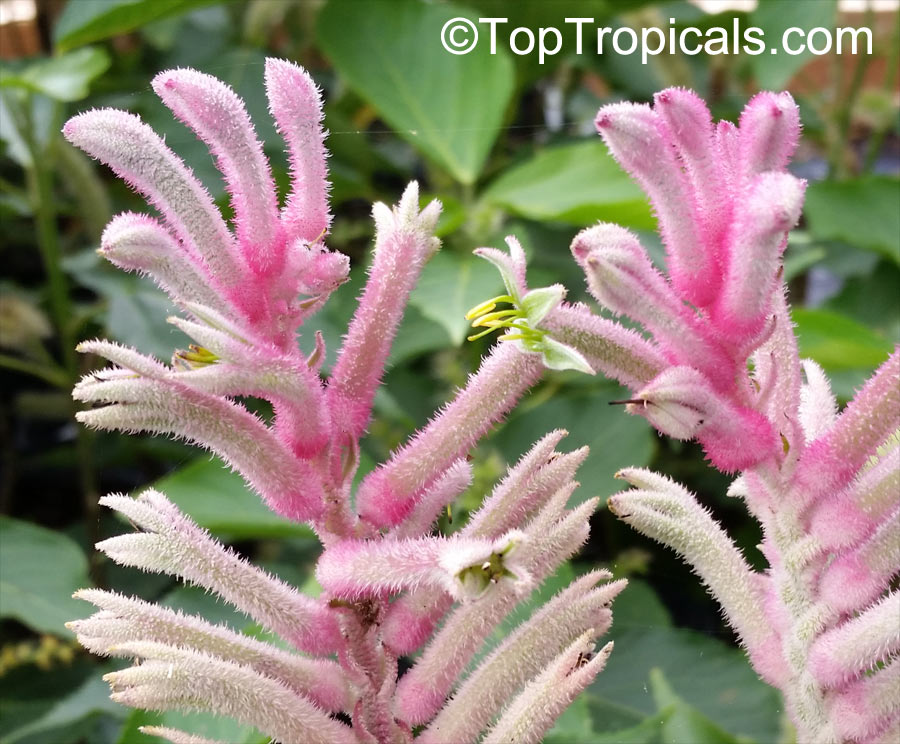
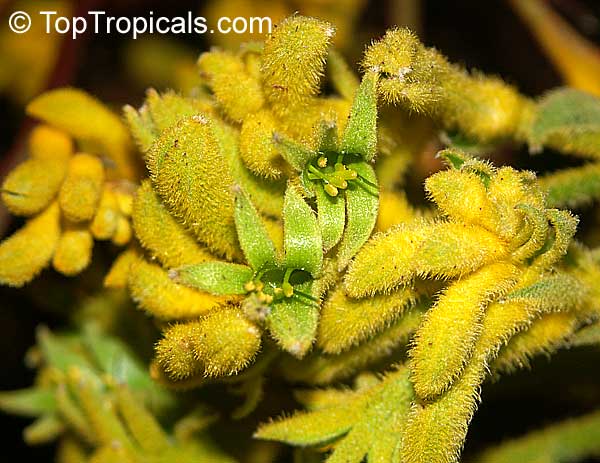
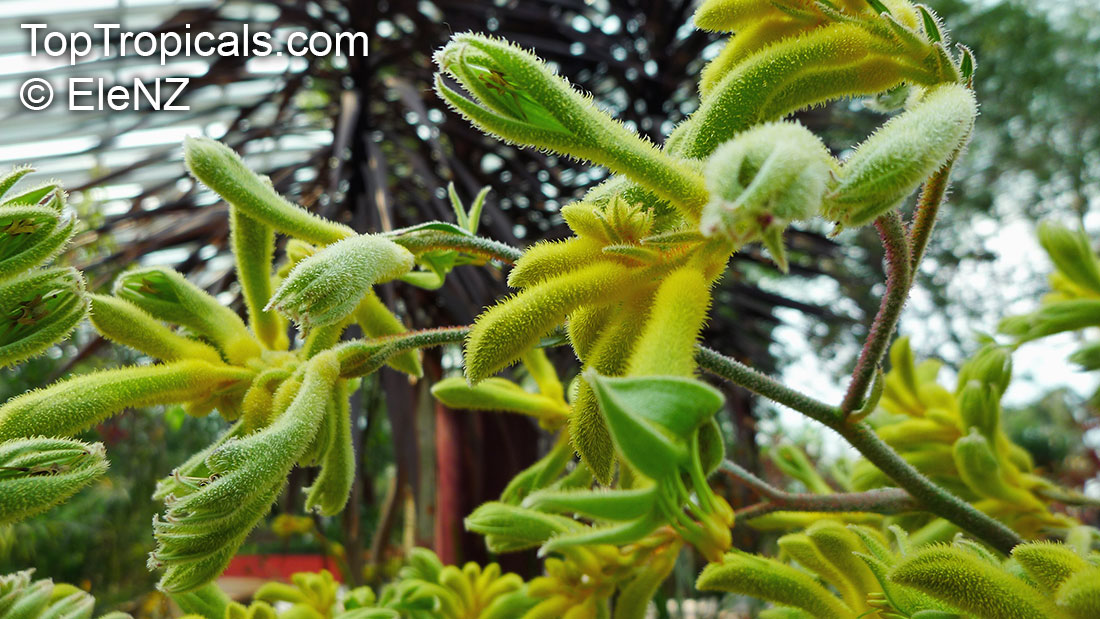
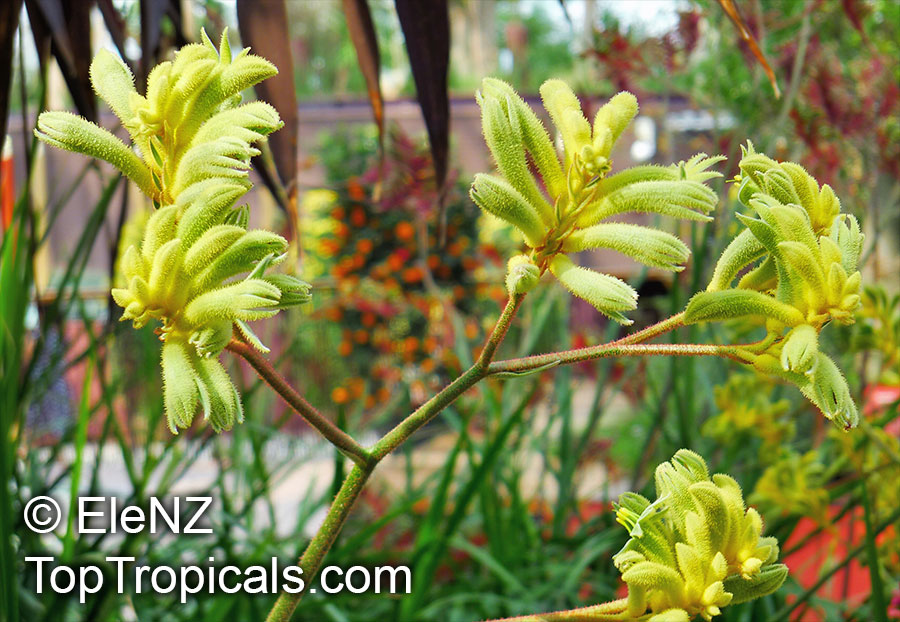
Botanical name: Anigozanthos sp.
Common name: Kangaroo Paw
Family: Haemodoraceae
Origin: Western Australia
Flower-stalk height and color of kangaroo paws, flowers varies between the species. Many new forms have also arisen as the result of deliberate hybridisation. The shape of the flowers and the position of the pollen-bearing anthers is a feature which allows pollen to be deposited on the head of feeding birds. Different species usually deposit pollen on different areas of the birds' head. This means that pollen from one species is unlikely to be deposited in the flowers of another species. Anigozanthos species are commonly propagated from seed. In general Kangaroo Paw grow best in well-drained soils in a sunny position. Well-composted organic matter will improve growth. Most species are dormant over winter (some die back completely) and it is important not to over-water at this time.

Botanical name: Anisodontea capensis
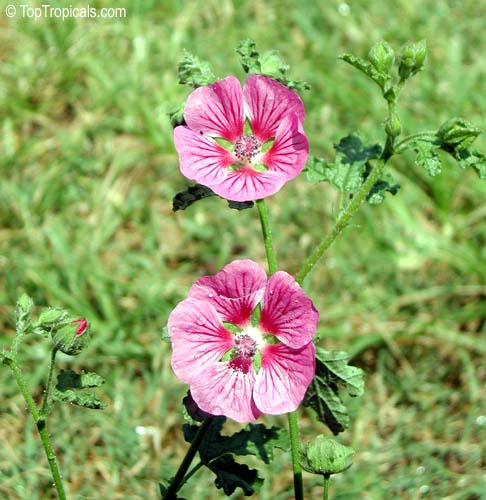
Common name: False mallow
Family: Malvaceae
Origin: South Africa
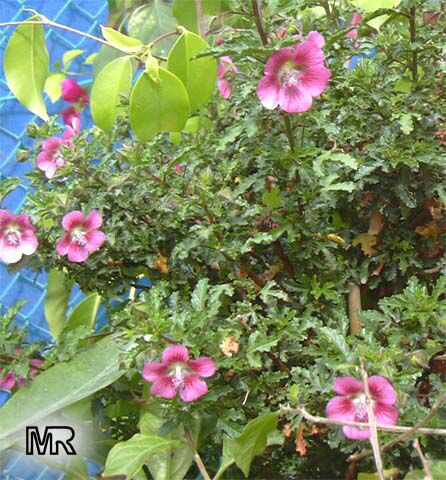
Anisodontea capensis, or False Mallow, is a native plant to South Africa, typically with a bushy round shape. It may be either a large shrub 5-10 ft tall, or a smaller slightly smaller shrub reaching 2-5 ft. in height.
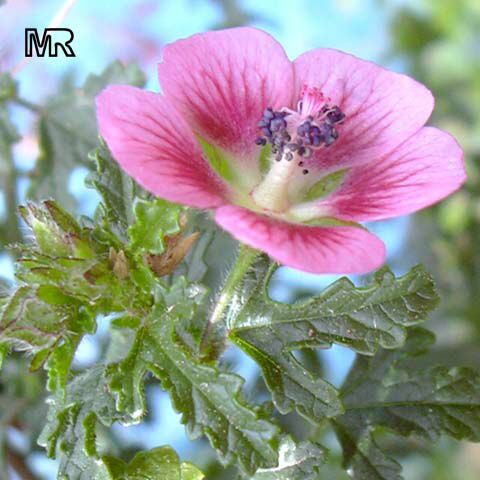
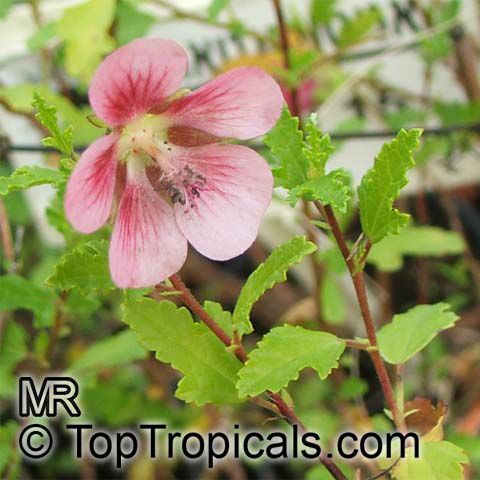
False Mallow needs full sun or semi-shade exposure to bloom and look its best, and prefers regular to moderate water. The bright, open-faced flowers start blooming in spring and continue throughout the fall. The pink flowers, 1-2" in diameter, resemble Hibiscus, and attract butterflies and hummingbirds, making it an attractive specimen plant.
False Mallow is drought tolerant once established and isn't fussy about soil. It is best to trim regularly to create a round bushy shape. False Mallow is cold hardy in USDA zones 7-9. In colder regions, it is best to grow False Mallow in a pot and bring inside in winter.
If given the proper care, Anisodontea capensis will reward with its curvesome shape and bright pink flowers. With its beauty and hardiness, False Mallow can be an excellent addition to your garden.
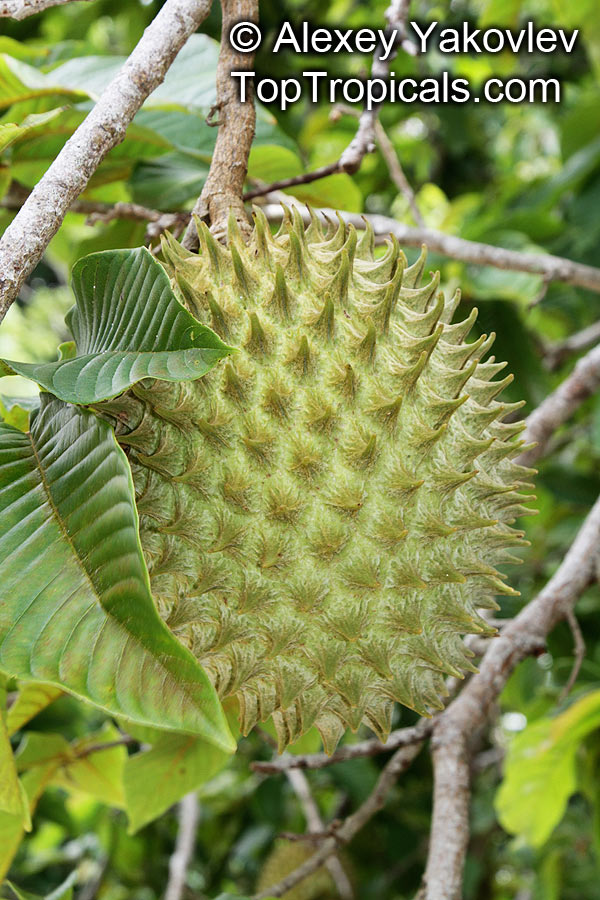
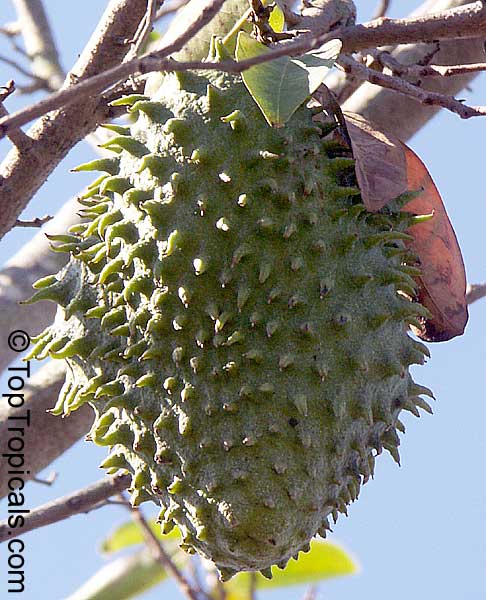
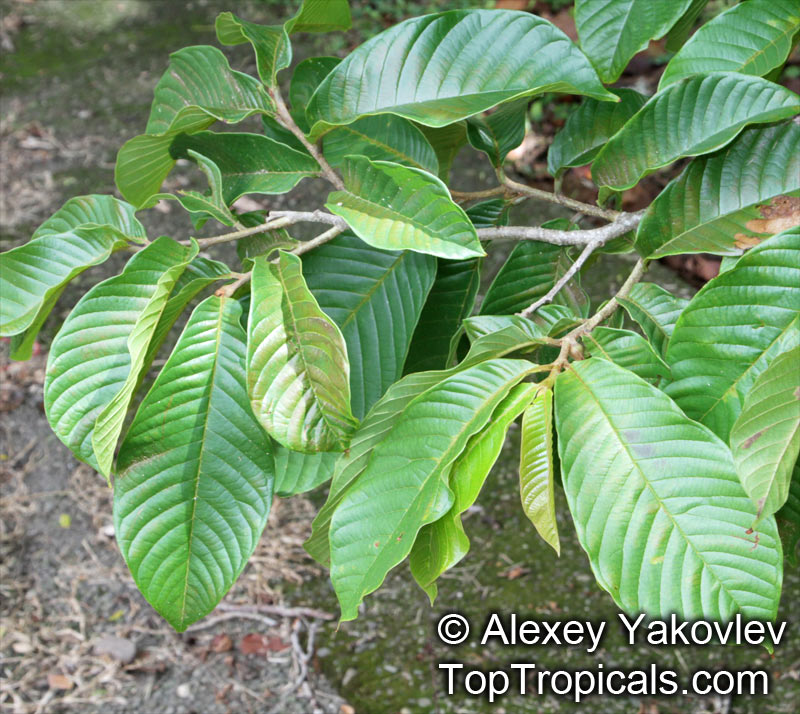
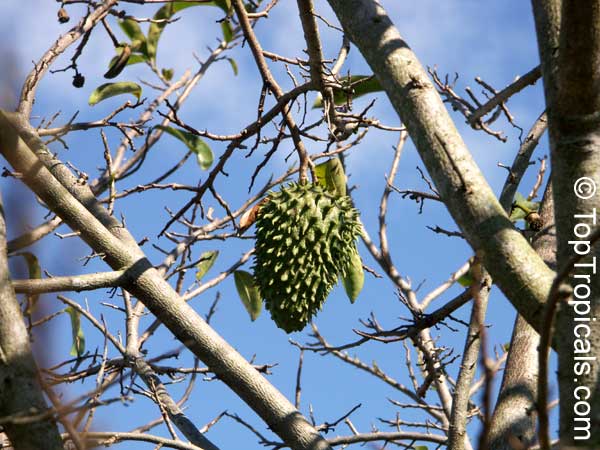
Botanical names: Annona purpurea, Annona diversifolia
Common names: Soncoya, Toreta, Ilama, Cabeza de Negro
Family: Annonaceae
Origin: Mexico, Panama, Colombia, Venezuela
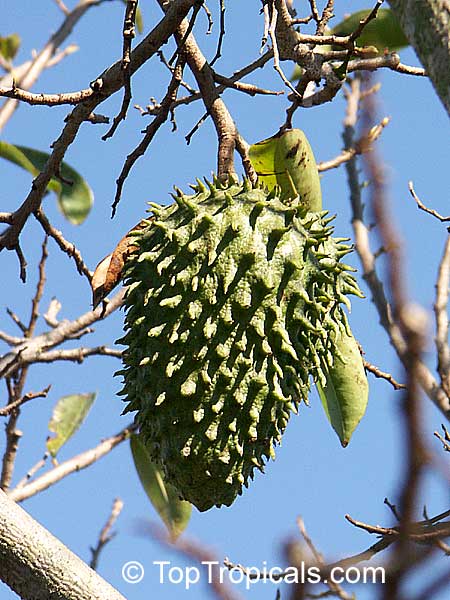
Annona purpurea (Soncoya) tree is a medium-sized tree with a trunk that usually branches fairly low. It is native to Mexico, Panama, Colombia, and Venezuela, and can be grown in USDA hardiness Zone 9-11. It produces showy, fragrant pink flowers in May, June, and July, and from August to October, its green fruit with small spines develops. The fruit is rounded and 6-8 inches in diameter, covered with a felt-textured brown skin and hook-like projections. The fruit pulp is edible and has a sweet, fruity flavor. It can be eaten raw, strained for juice, or mixed with other ingredients for various drinks and folk remedies. In Mexico, Soncoya juice is regarded as a remedy for fever and chills. It is given to relieve jaundice, probably because of its color.
The Soncoya requires a hot, humid climate, and for optimal growth, the soil should be well-draining. For trees grown in a pot, a soil-less mix is best. In regions with colder climates, the trees should be placed in a south-facing location and given additional protection such as a windscreen, or bringing the pot indoors during the winter months. It is important to follow a regular watering regime, so that the soil is kept evenly moist but not soggy. It may also be necessary to provide additional fertilizer to the plant during the growing season.
Shipped at customers risk, no replacements or refunds. Leaf drop possible. We guarantee healthy plant to be shipped and the best packaging. Express shipping optional.
Recommended Fertilizer: SUNSHINE C-Cibus - Crop Nutrition Booster
SUNSHINE-Honey - sugar booster
| Prev | Next | |
Use link to repeat this search:
https://toptropicals.com/cgi-bin/garden_catalog/cat.cgi?search_op=and&keyword_op=and&language=e&number=10&no_change_lang=1
&v1=pnk&user=tt&sale=1&first=0