Pelargonium - Plant Encyclopedia Results
| Number of plants found: 11 | Next | 
|
Go to page: | 1 | 2 |
Botanical name: Pelargonium crispum
Common name: Lemon-scented Pelargonium
Family: Geraniaceae
Origin: South Africa
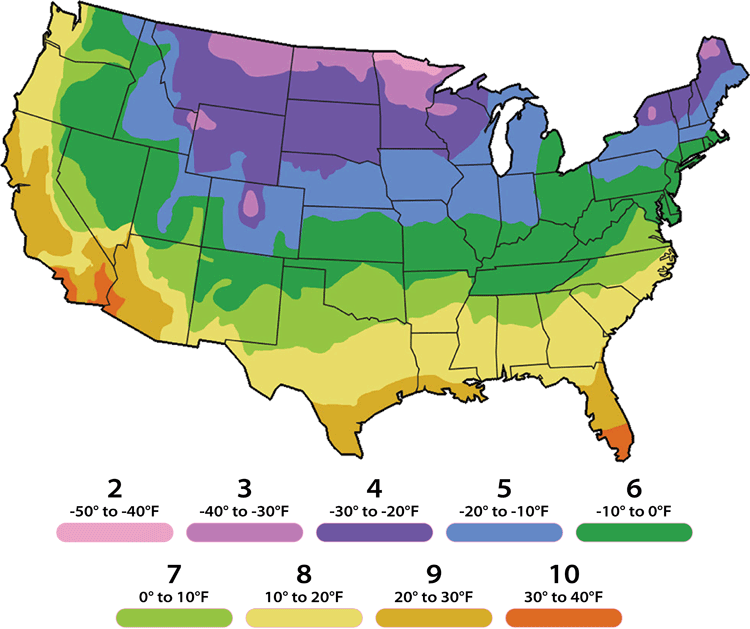
Hardiness: 35°F


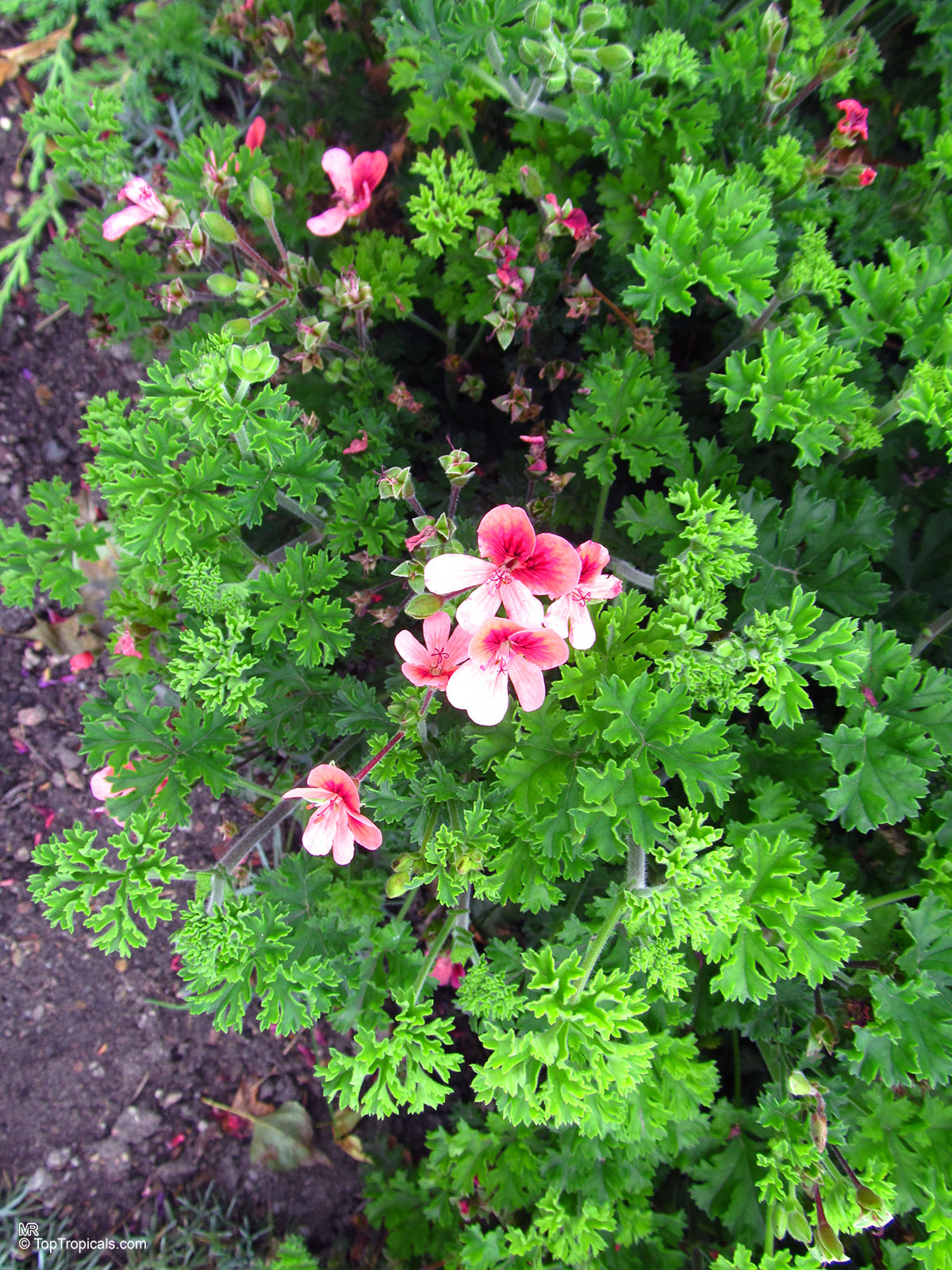
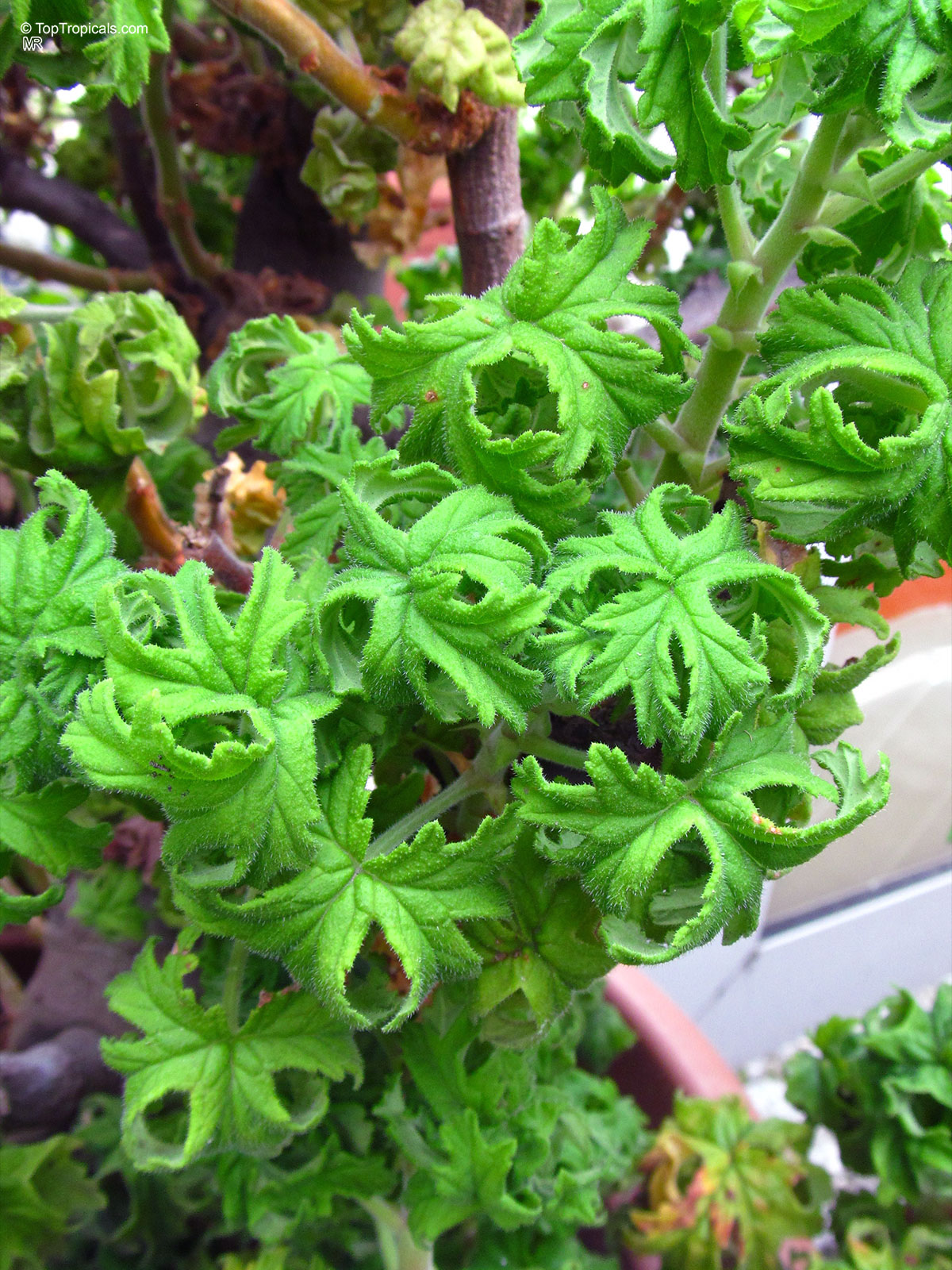
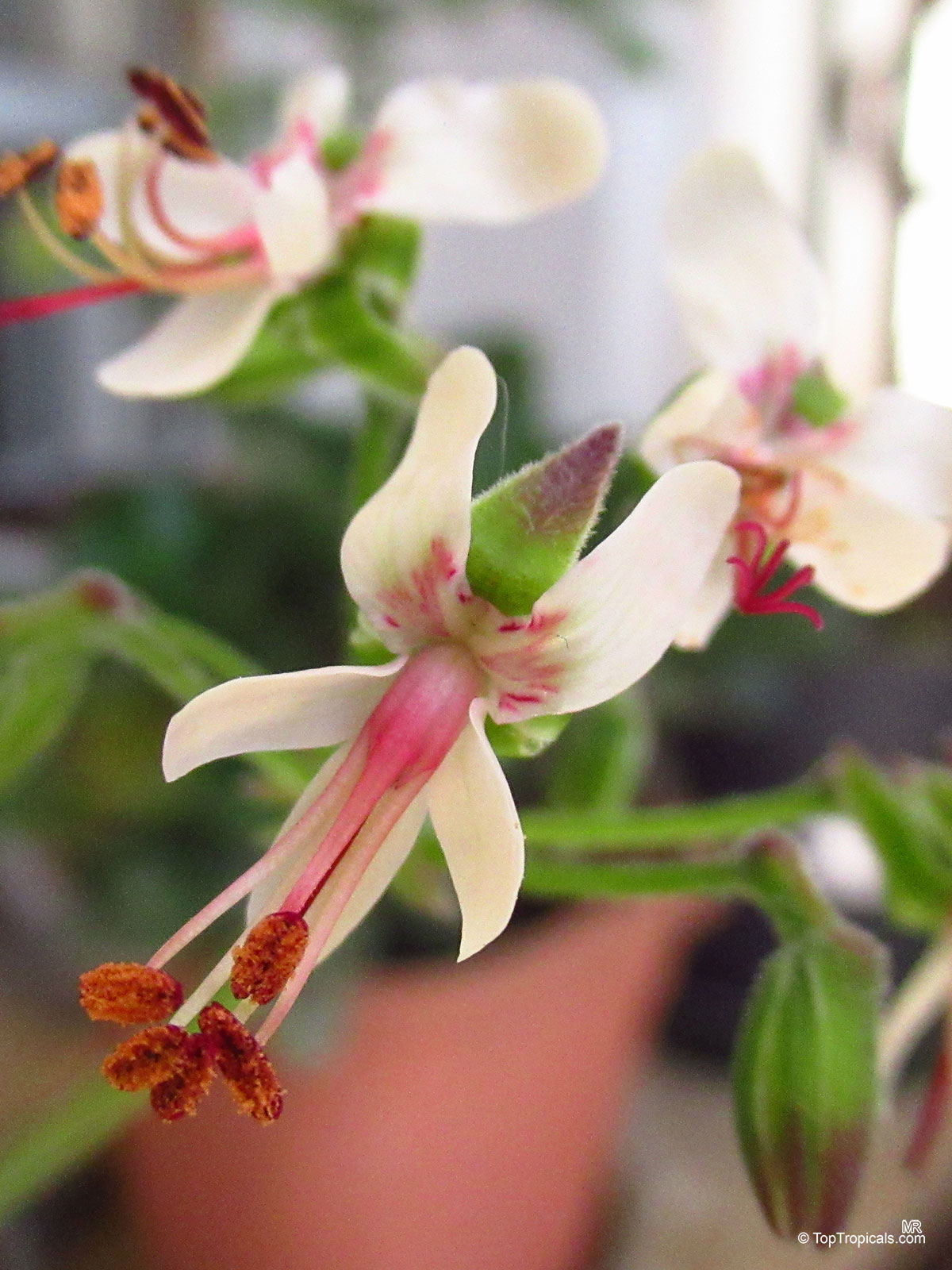
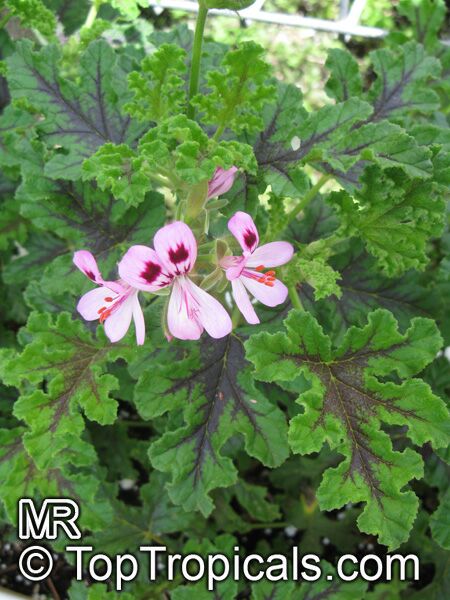
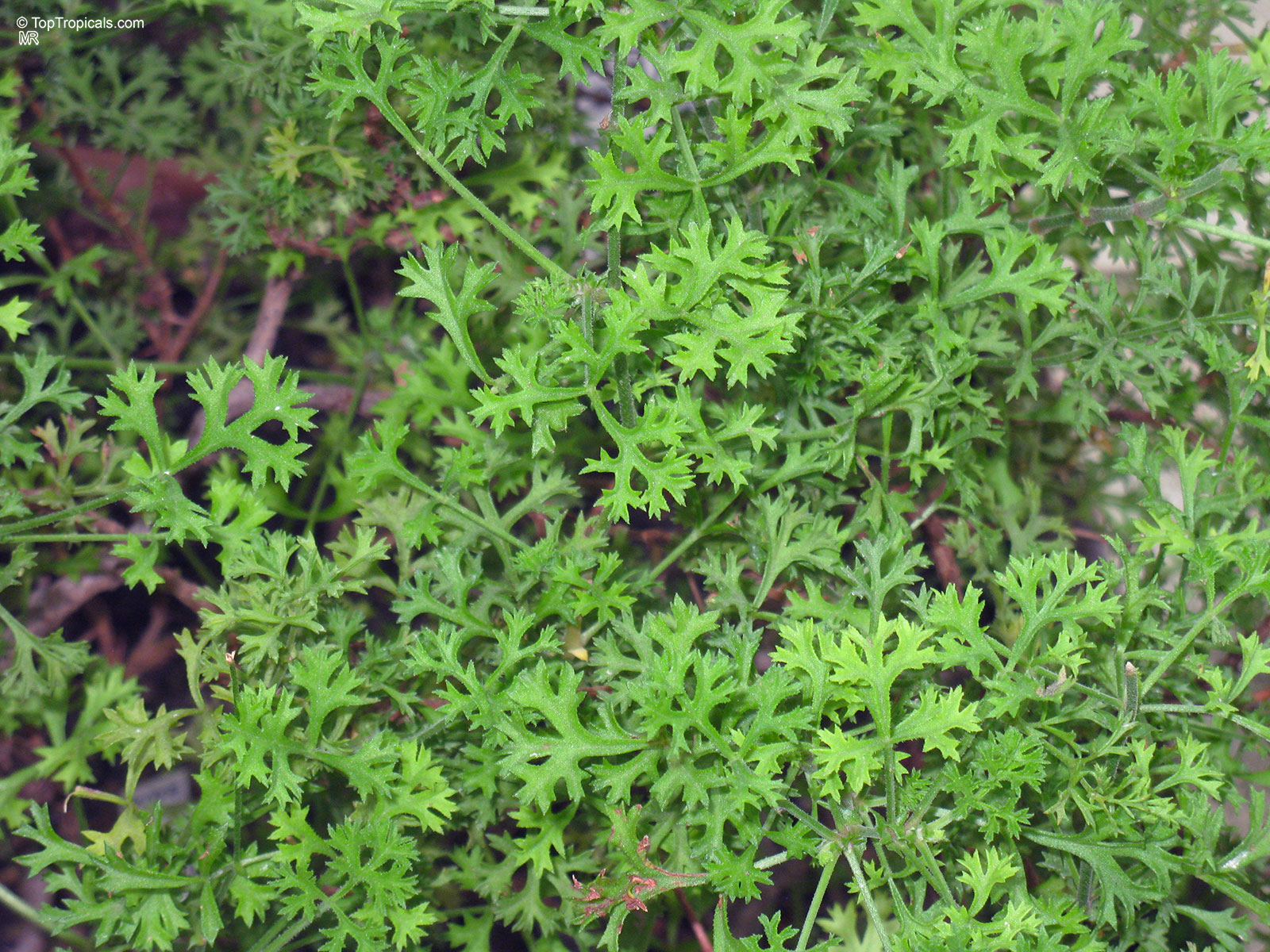
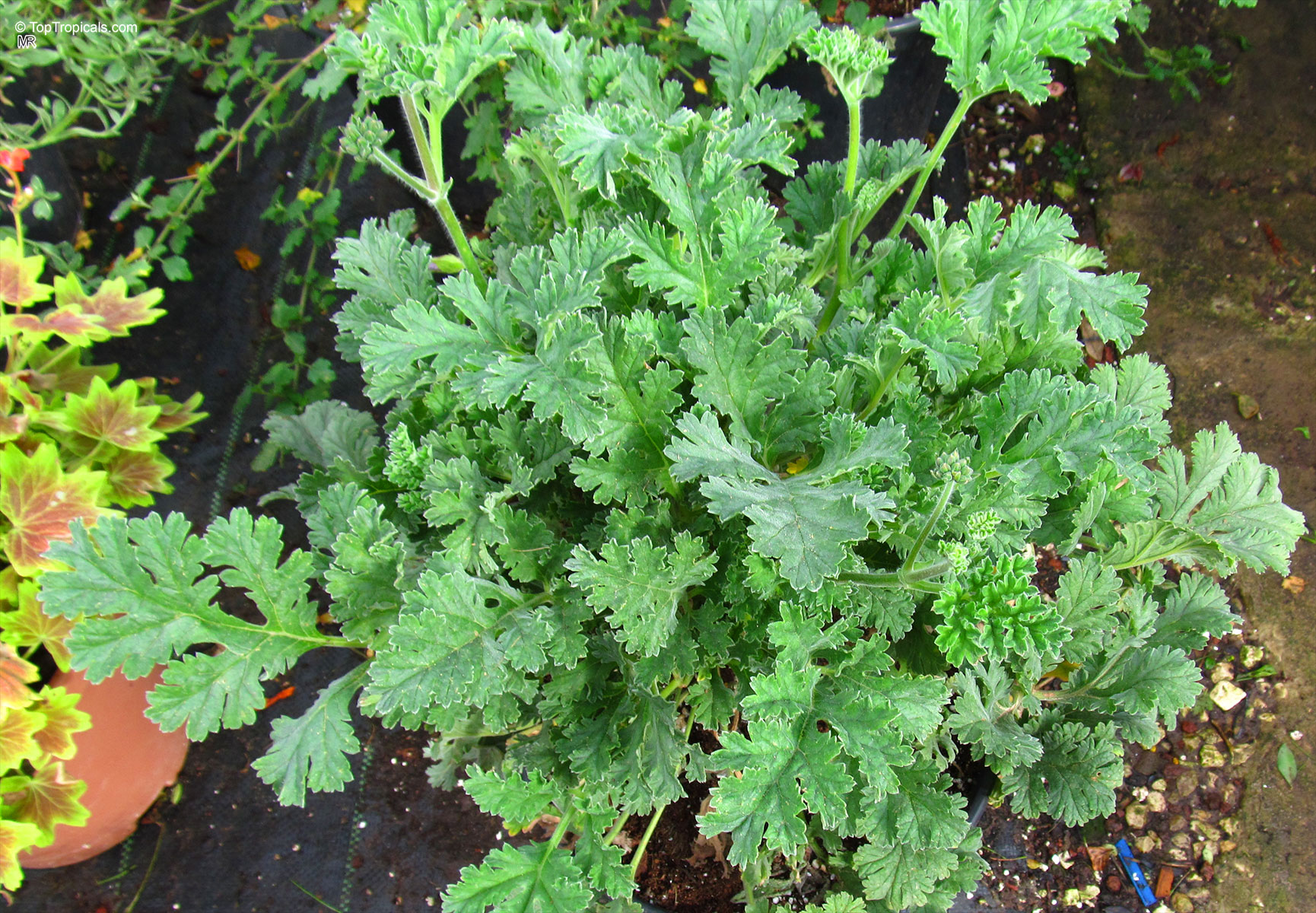
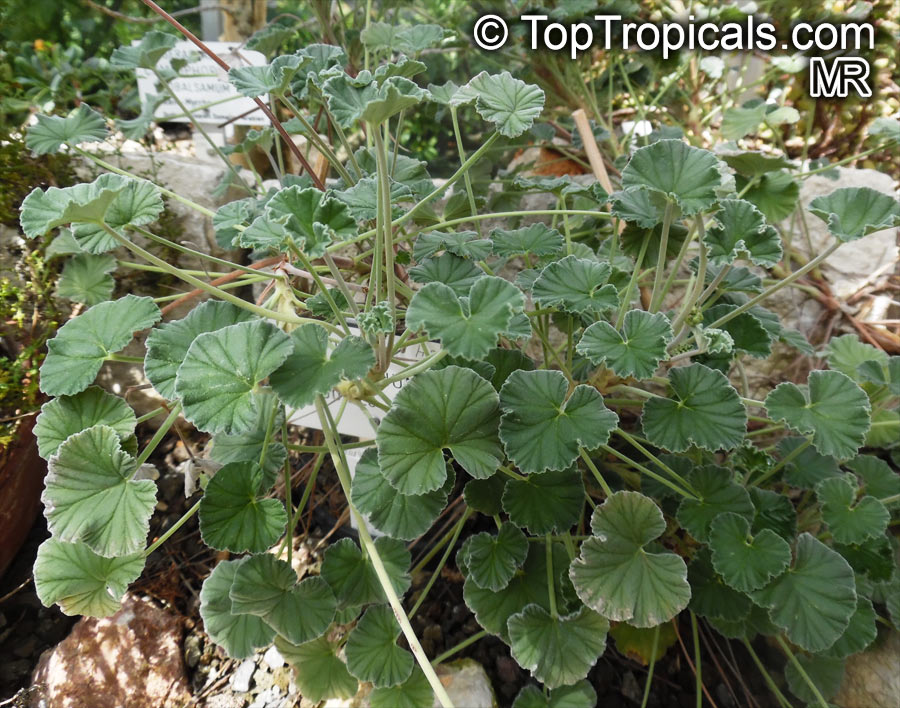
Pelargonium crispum, commonly known as lemon-scented pelargonium, is a small, woody shrub native to the Western Cape of South Africa, valued for its finely textured foliage and strong citrus fragrance. It typically grows 1 to 2 feet tall with a dense, branching habit, producing small, deeply crinkled, rounded leaves that release a distinct lemon scent when touched. The flowers are relatively small, usually pale pink to light purple with darker markings on the upper petals, and are produced in loose clusters above the foliage.
This species prefers full sun to bright light and well-drained soil, with moderate watering and good drying between cycles. It grows at a moderate rate and responds well to regular pruning, which helps maintain a compact form and encourages fresh aromatic growth. Suitable for USDA zones 9 to 11, it is frost-sensitive and should be protected below about 32 to 35 F. Pelargonium crispum is commonly grown in containers, herb gardens, and patios, where its fragrant foliage can be easily enjoyed.
Botanical name: Pelargonium ferulaceum
Common name: Carrot-leaf Pelargonium
Family: Geraniaceae
Origin: South Africa


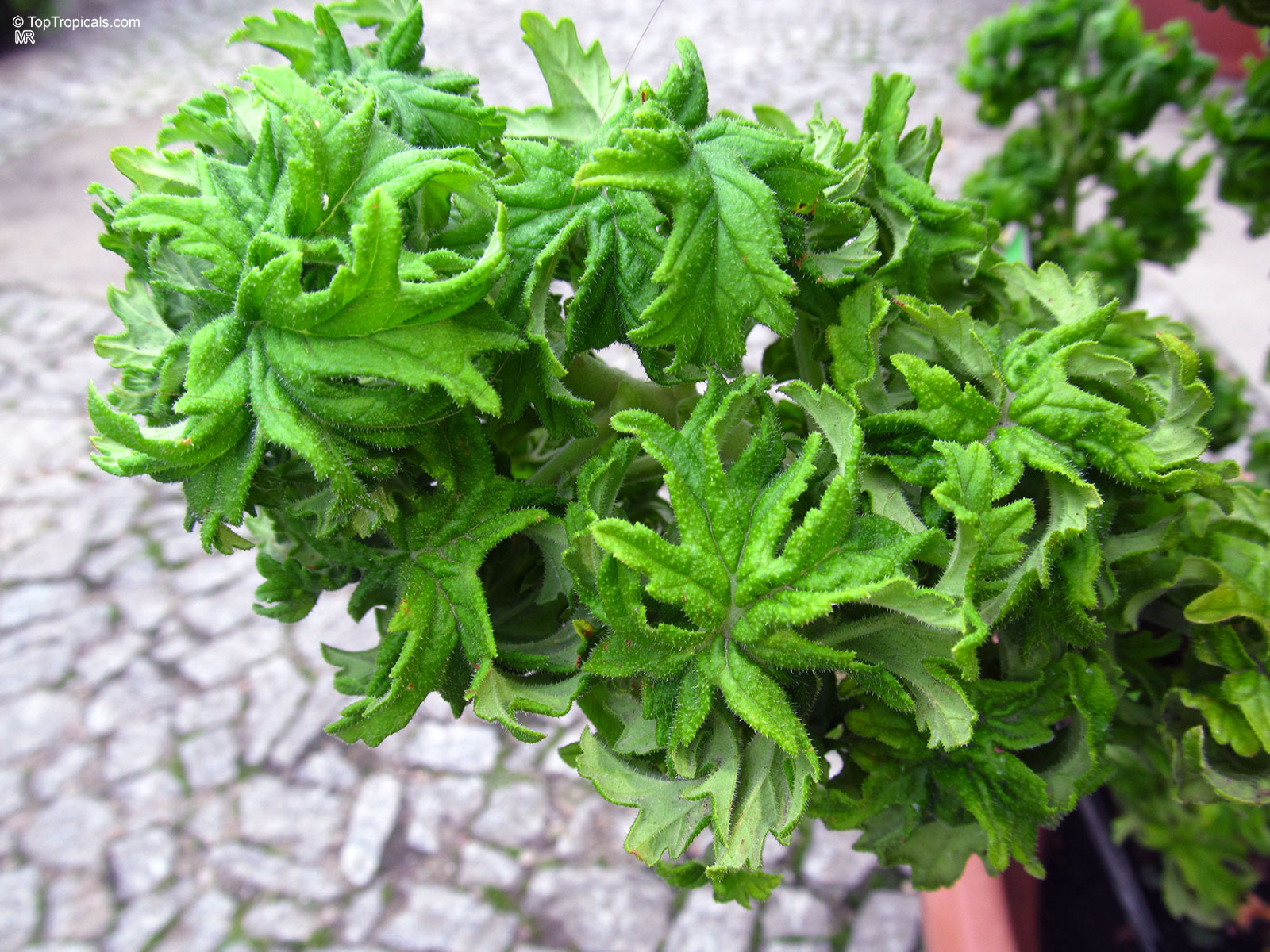
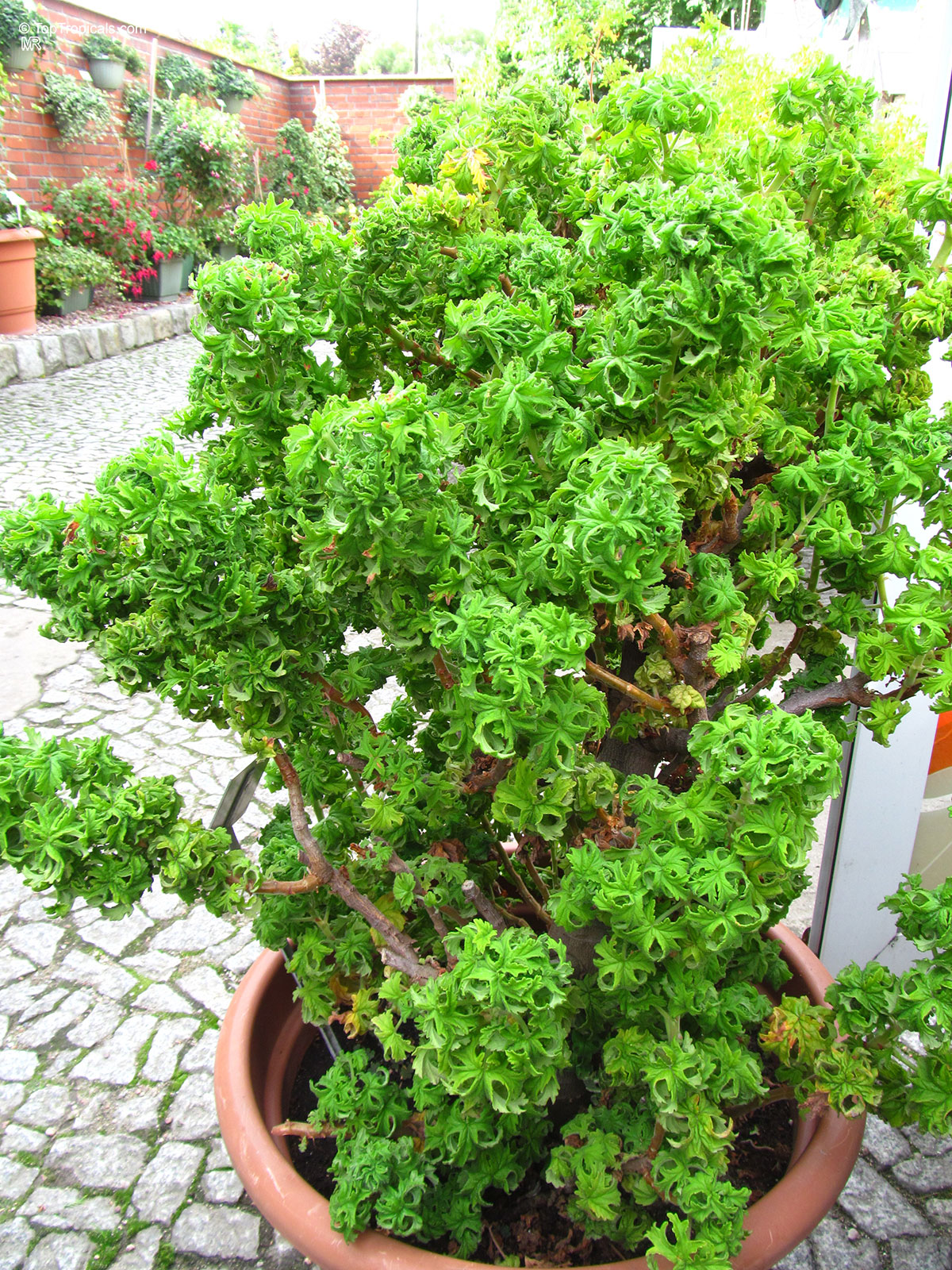
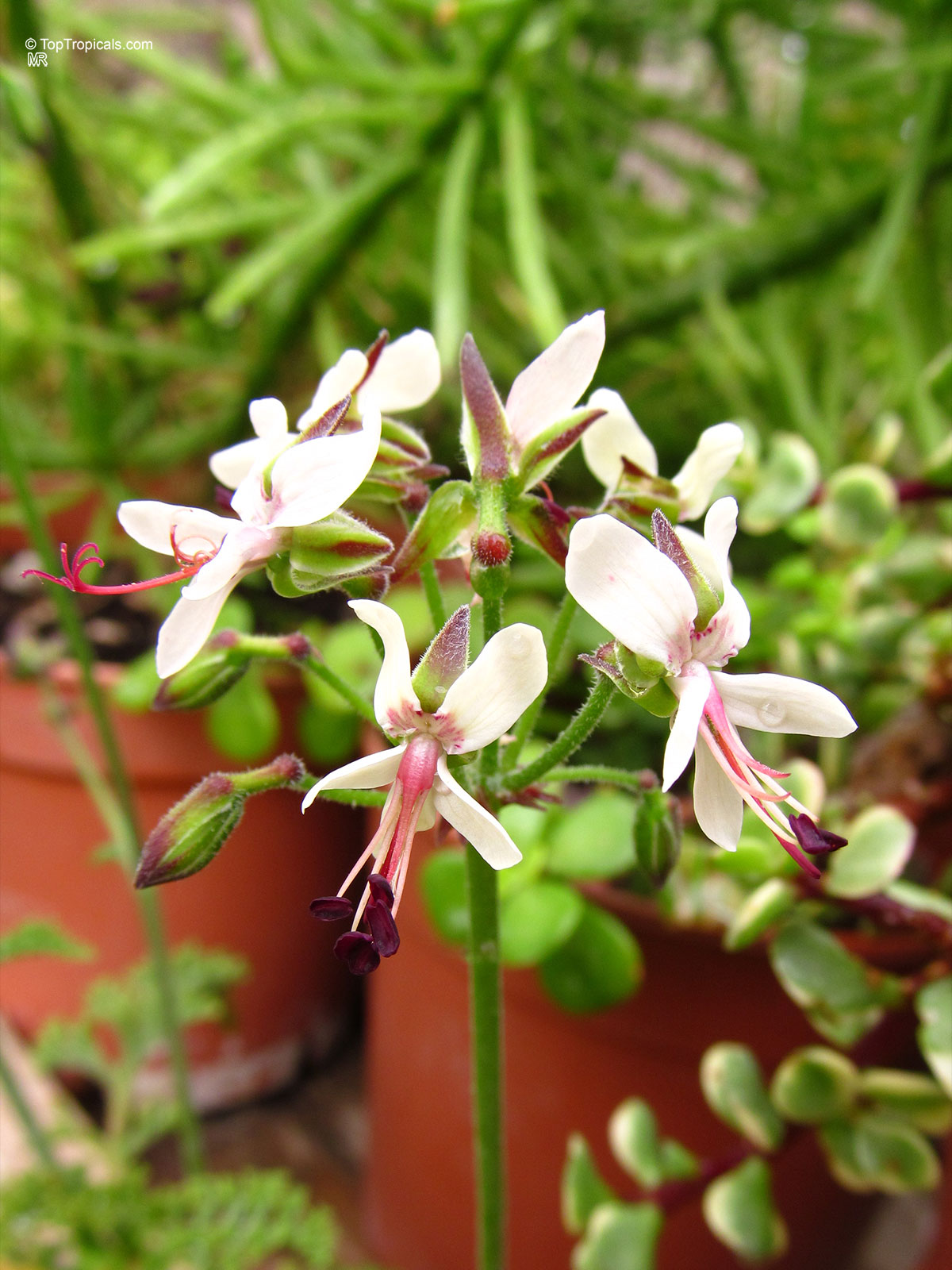
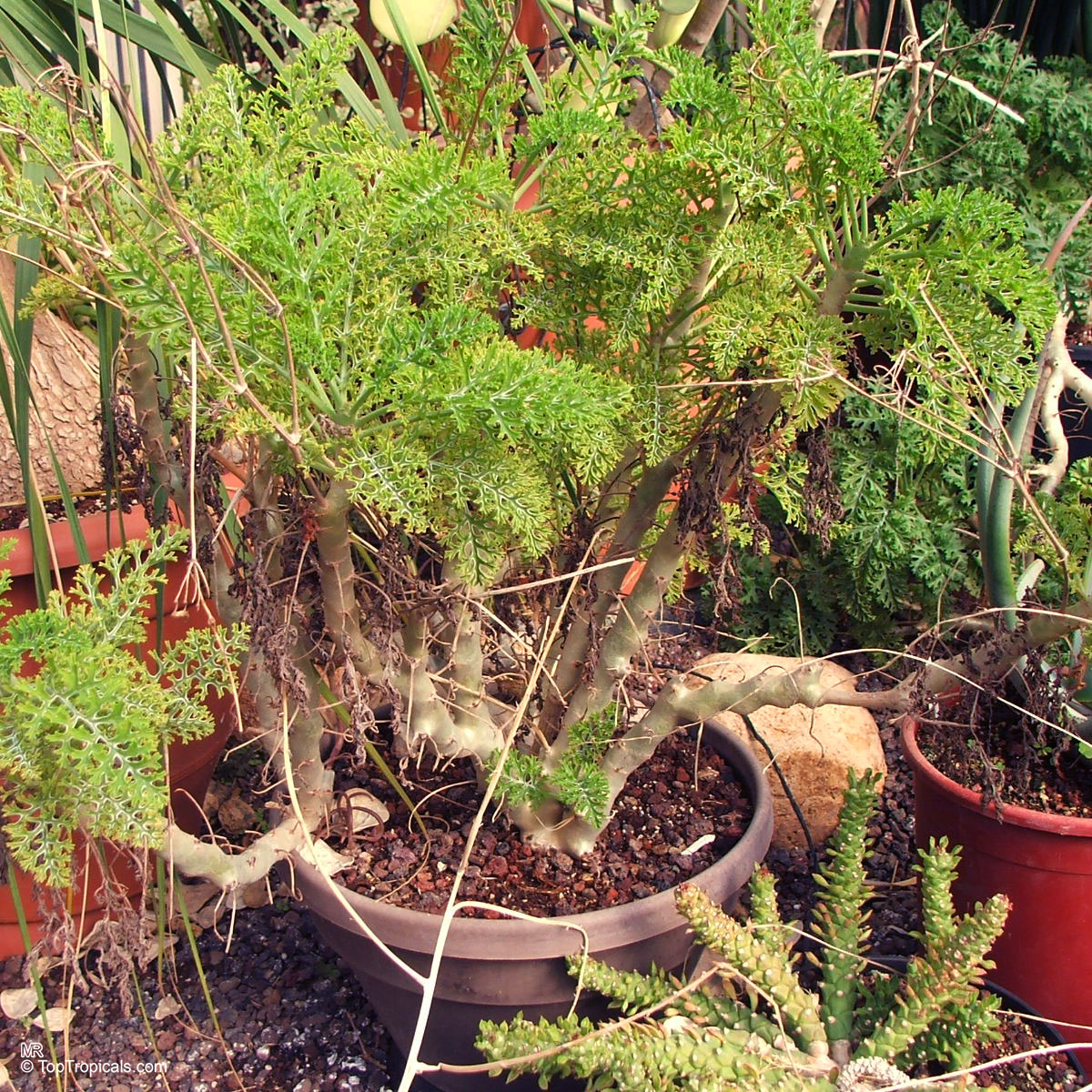
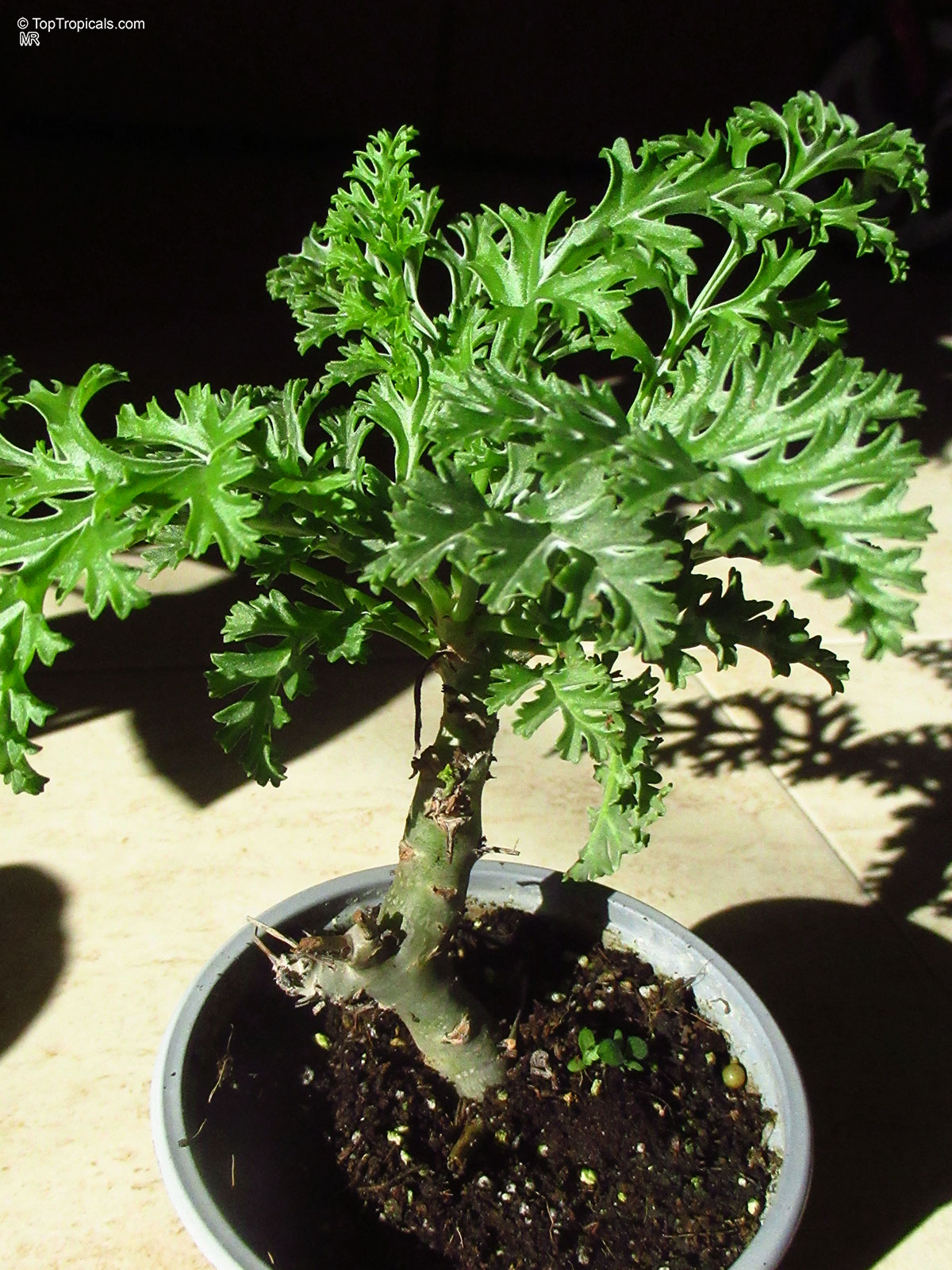
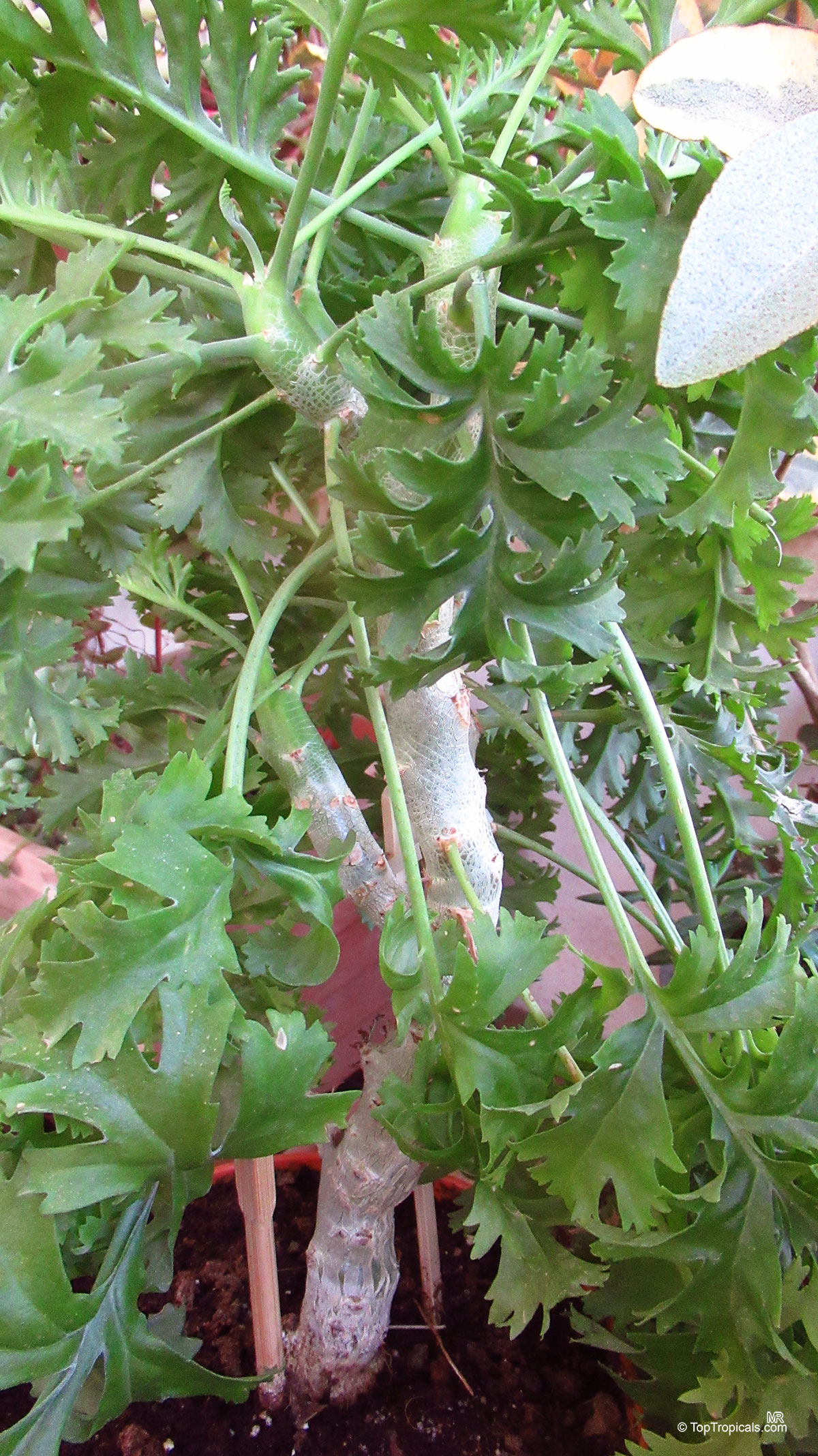
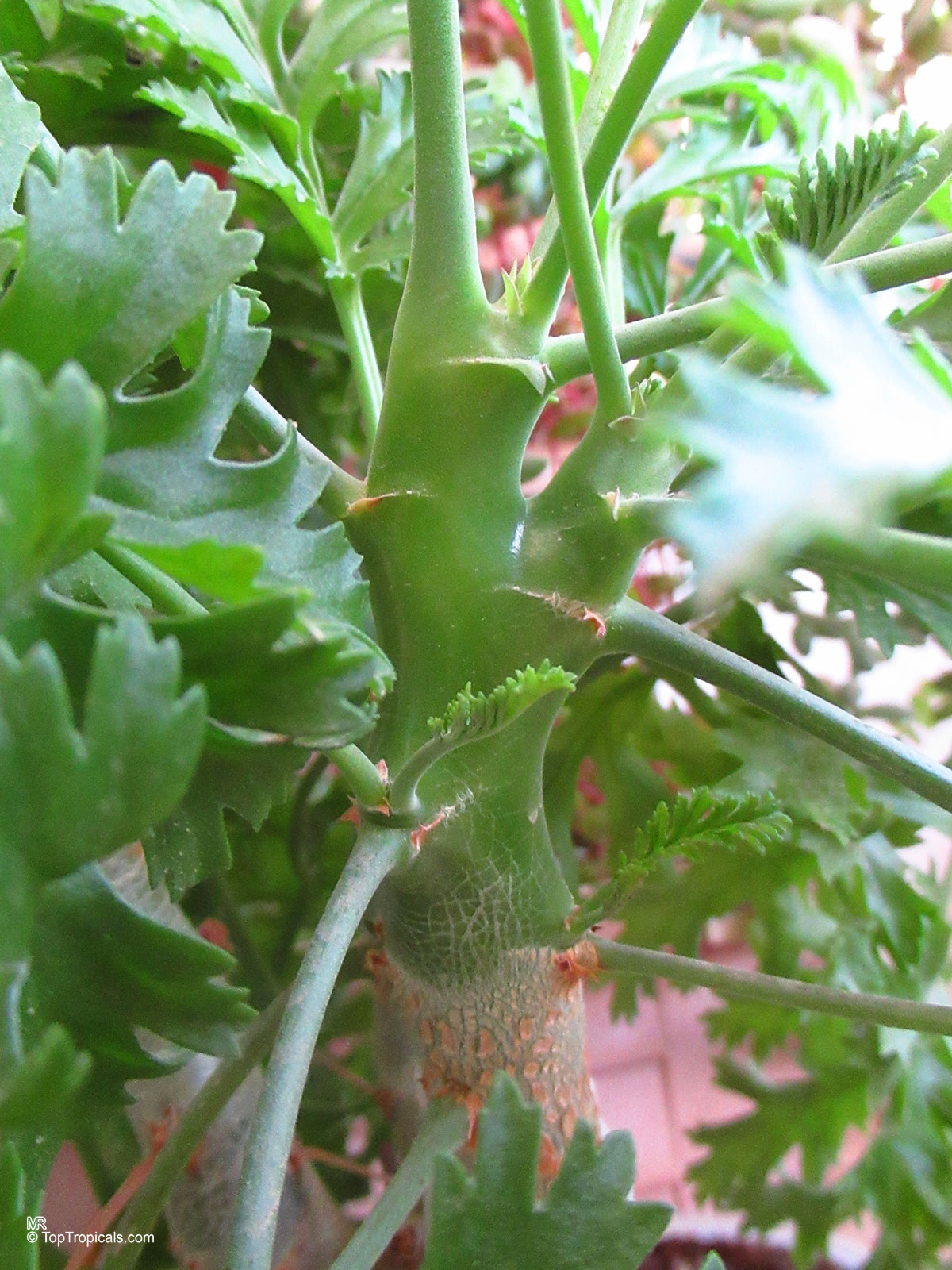
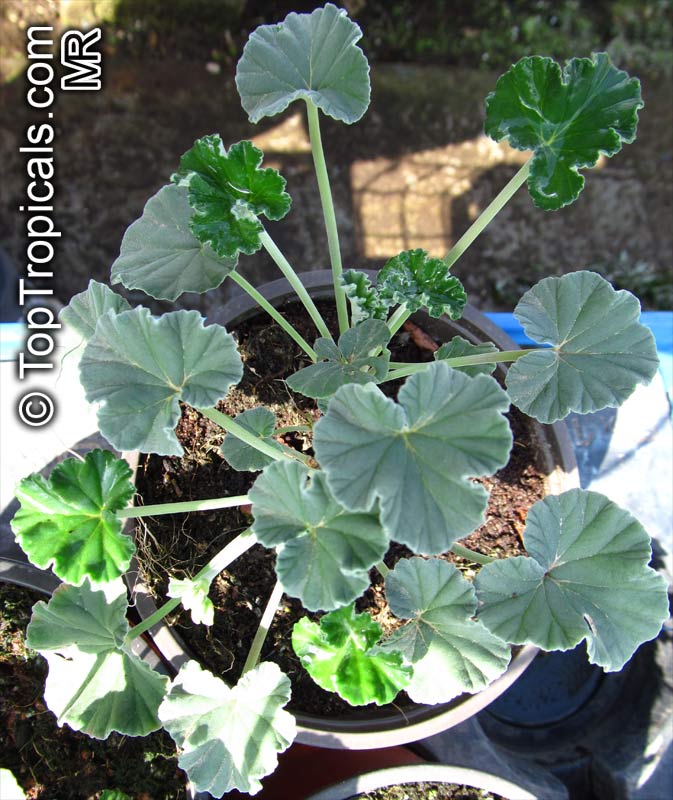
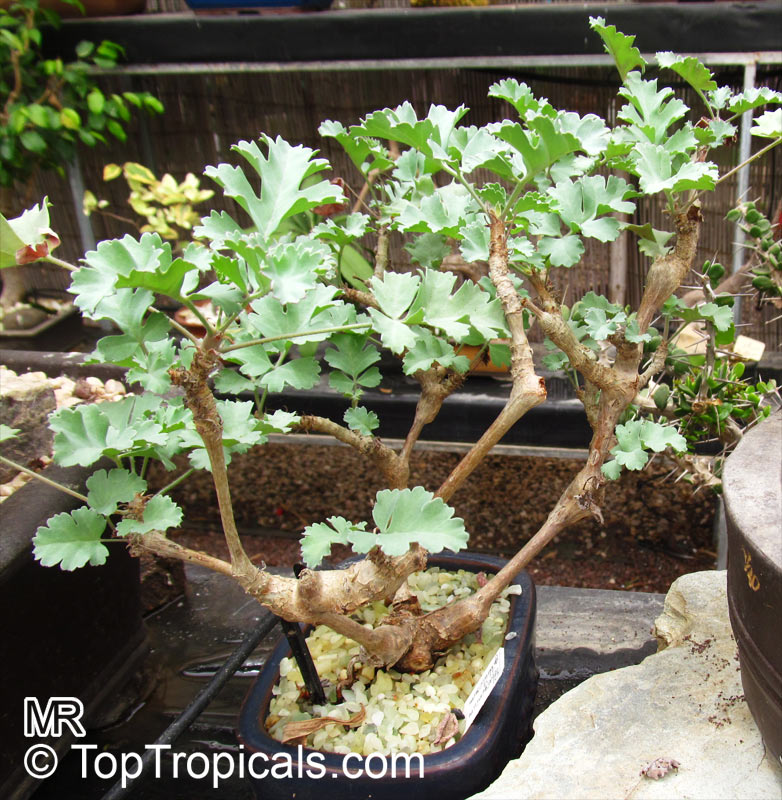
Pelargonium ferulaceum, commonly known as carrot-leaf pelargonium, is a compact, semi-succulent shrub native to arid regions of southern Africa, valued for its finely divided, bright green foliage and thickened trunk. It typically grows to about 1 to 2 feet tall in containers, forming a small, bonsai-like structure with a distinctly swollen, succulent stem and a loose canopy of deeply cut leaves that resemble parsley or carrot foliage, giving the plant a light, textured appearance.
This species prefers full sun to bright light and well-drained, sandy soil, with moderate watering and good drying between cycles to prevent root rot. It grows at a moderate pace and responds well to pruning, which helps maintain a compact shape. Small, understated flowers may appear in warm conditions, though foliage and trunk form remain the main ornamental features. Suitable for USDA zones 10 to 11, it is frost-sensitive and should be protected below about 35 F. It performs well in containers and is often chosen by collectors for its unusual caudiciform base.
Botanical name: Pelargonium peltatum
Common names: Ivy-leaved Pelargonium, Cascading Geranium
Family: Geraniaceae
Origin: South Africa

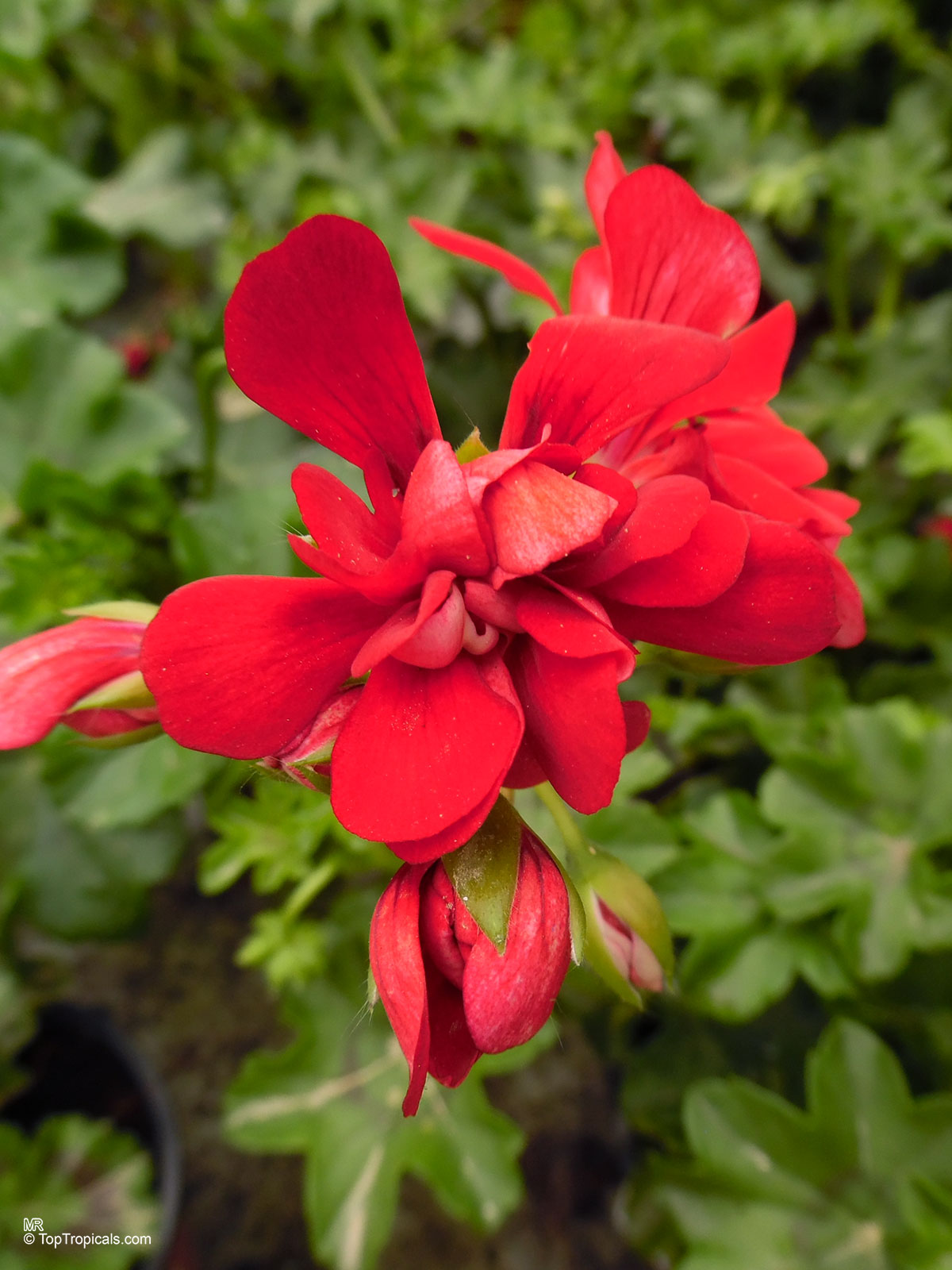
Pelargonium peltatum, commonly known as Ivy-leaved Geranium, is a trailing, evergreen perennial native to coastal regions of southern Africa, valued for its smooth, glossy leaves and long, cascading stems. It typically grows 1 to 2 feet tall with stems that can spread or trail 2 to 3 feet, making it suitable for hanging baskets and container displays. The rounded, slightly lobed leaves resemble ivy and provide a dense backdrop for clusters of simple or semi-double flowers in shades of pink, red, white, or lavender.
This species prefers full sun to light shade and well-drained soil, with moderate watering and good air circulation to prevent disease. It grows at a moderate to fast pace and blooms over a long season in warm conditions. Suitable for USDA zones 10 to 11, it is frost-sensitive and should be protected below about 32 F. It performs best in containers or raised settings where trailing stems can develop freely and is widely used in ornamental plantings.
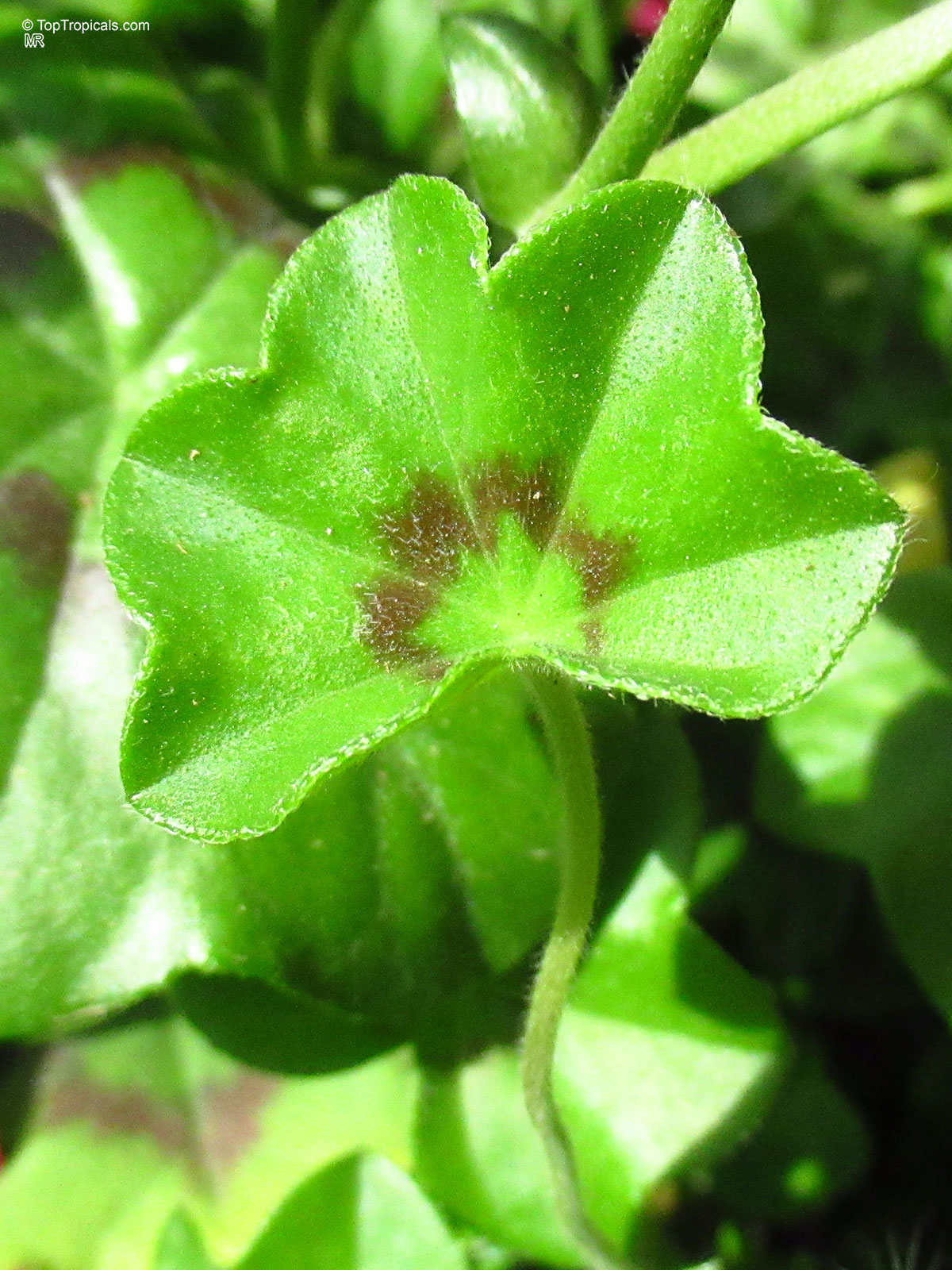
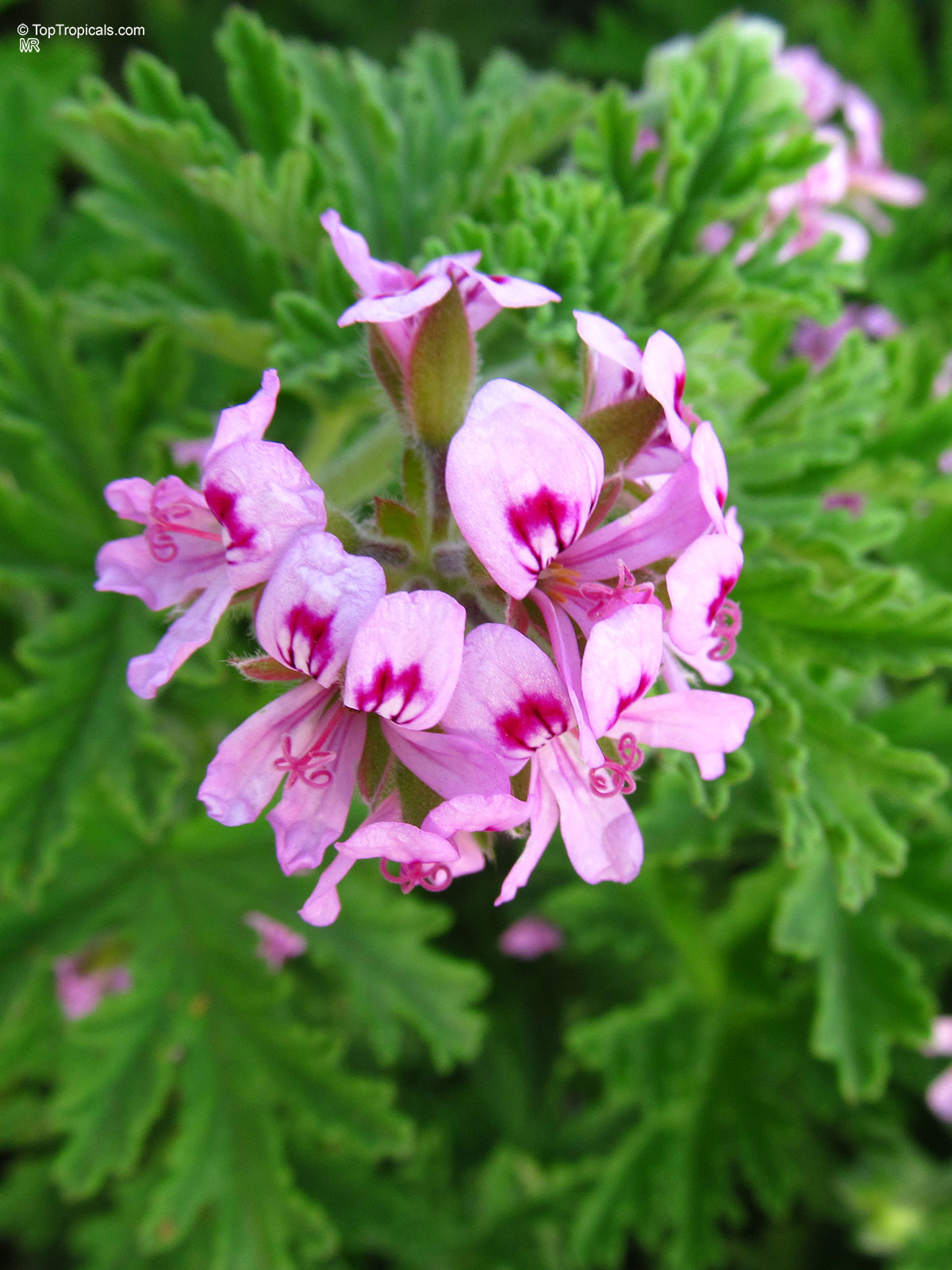
Botanical name: Pelargonium sp.
Common name: Scented-leaved Pelargonium
Cultivar: Scented
Family: Geraniaceae
Hardiness: 35°F


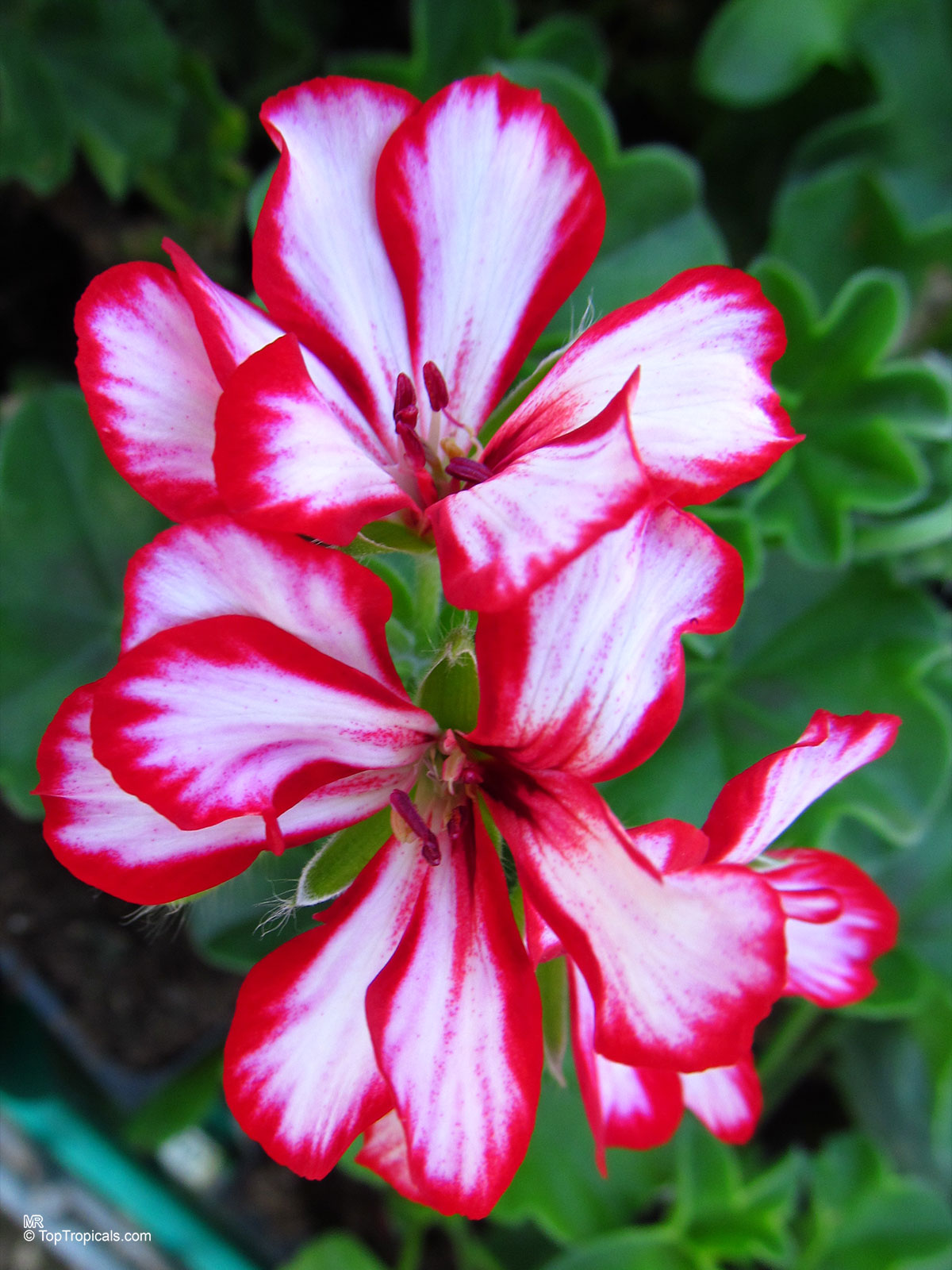
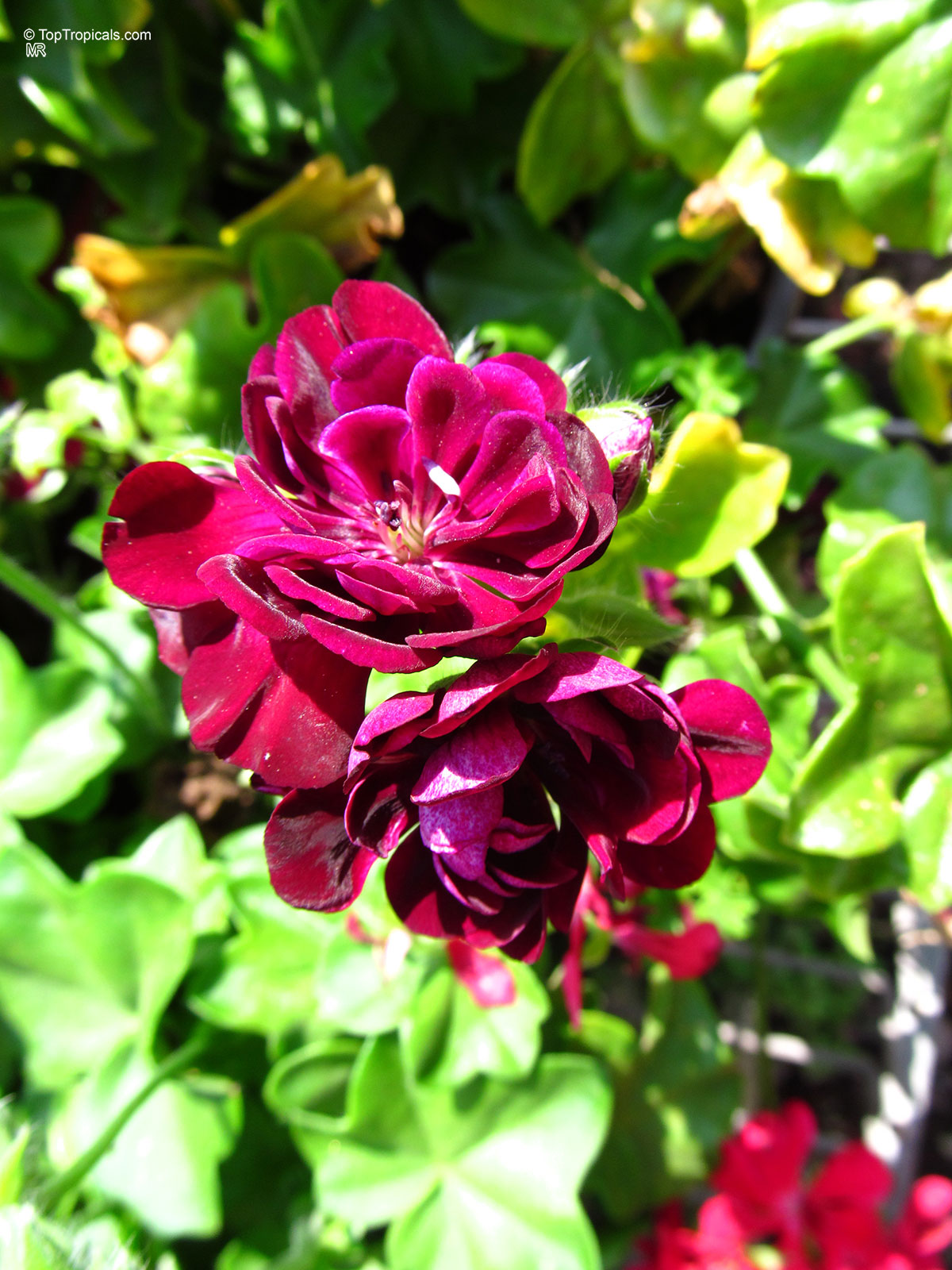
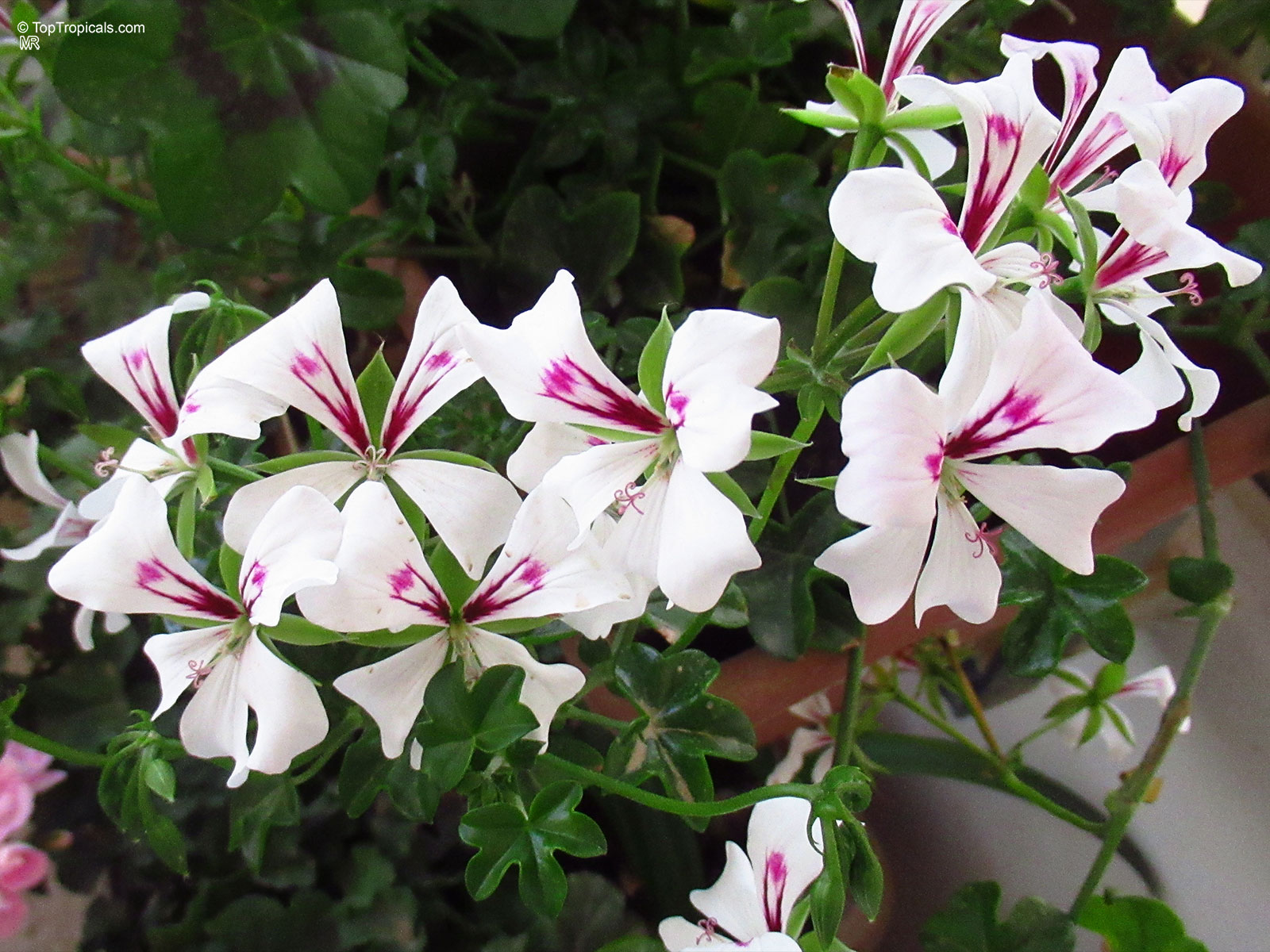
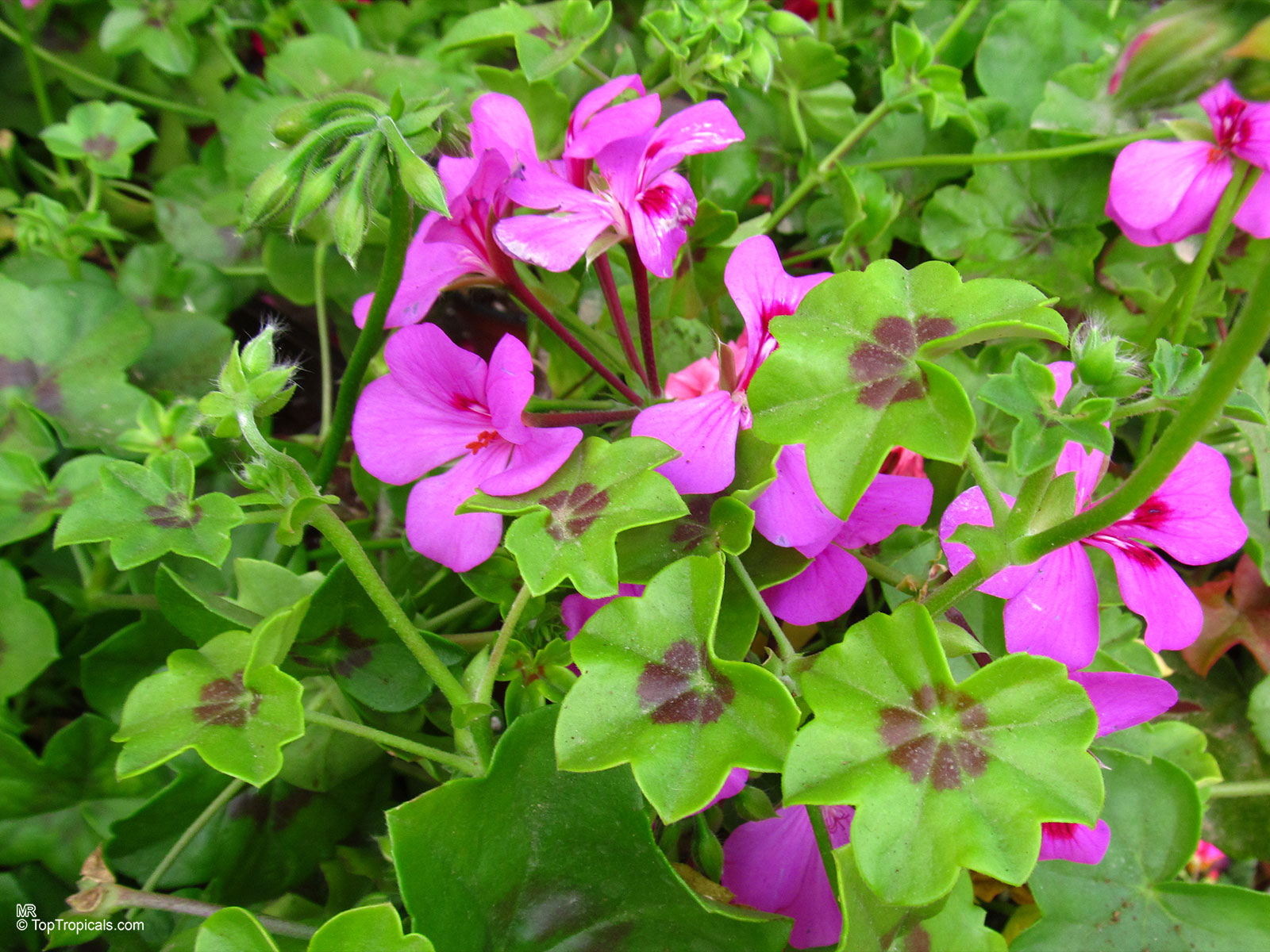
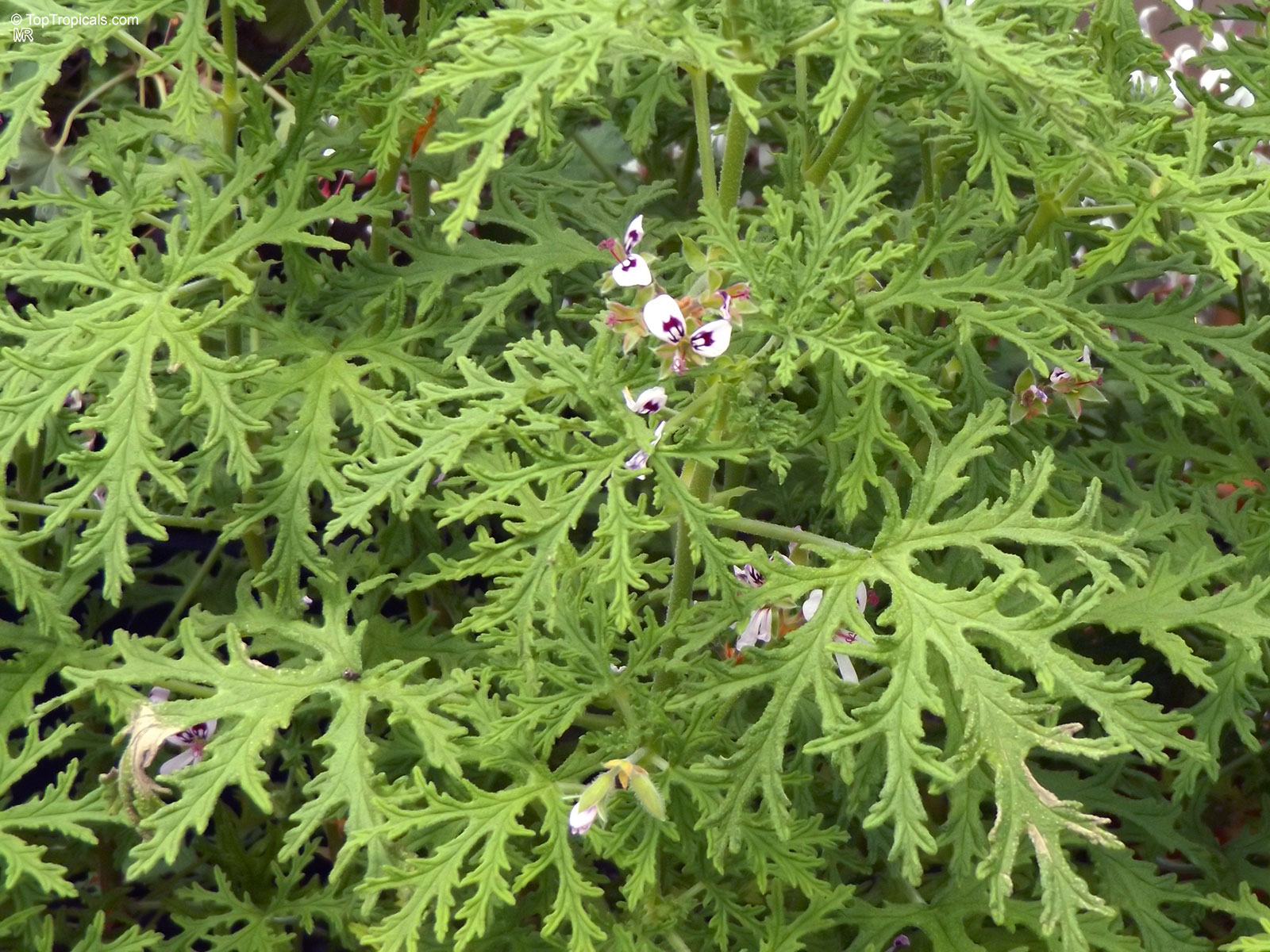
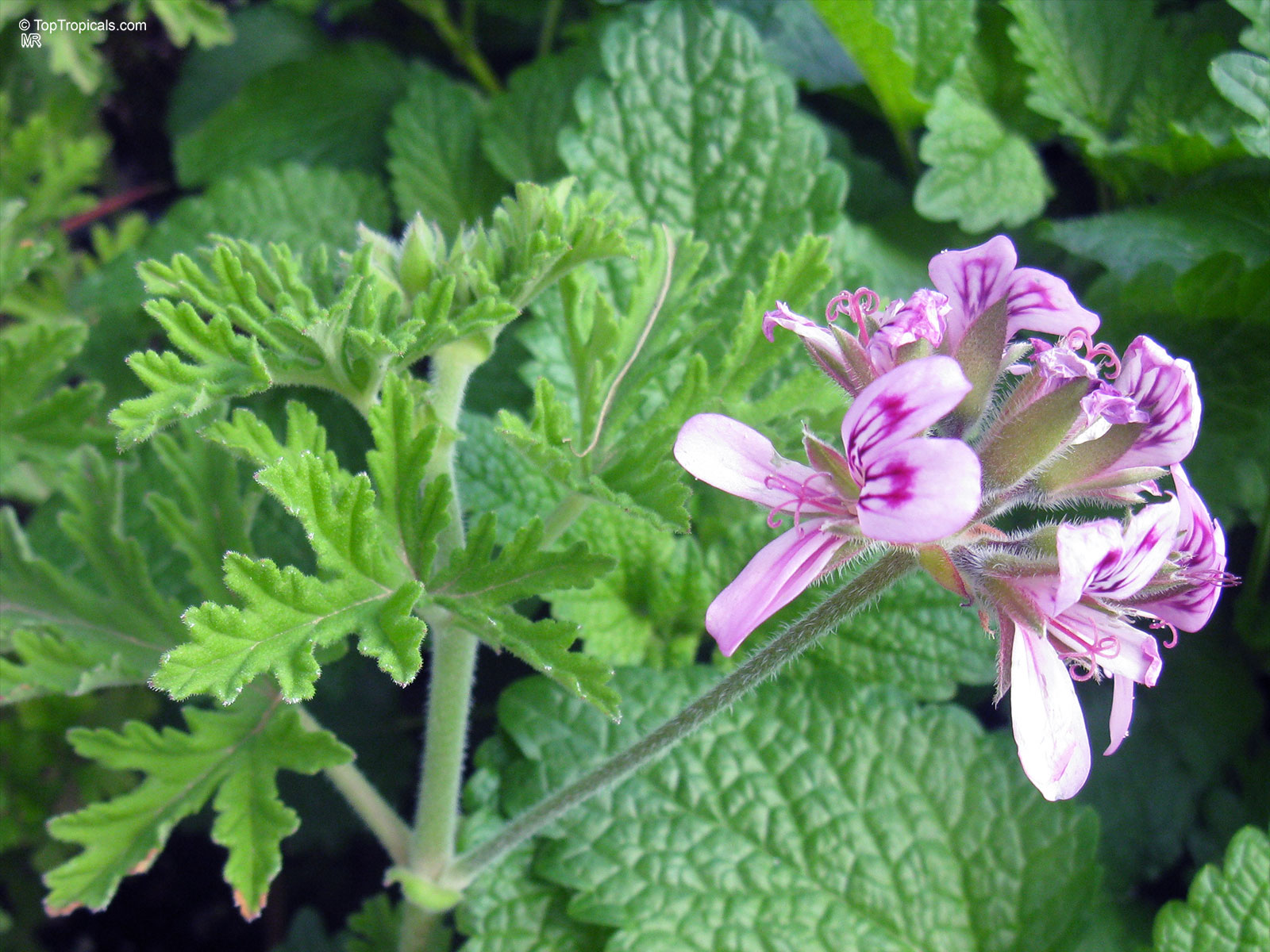
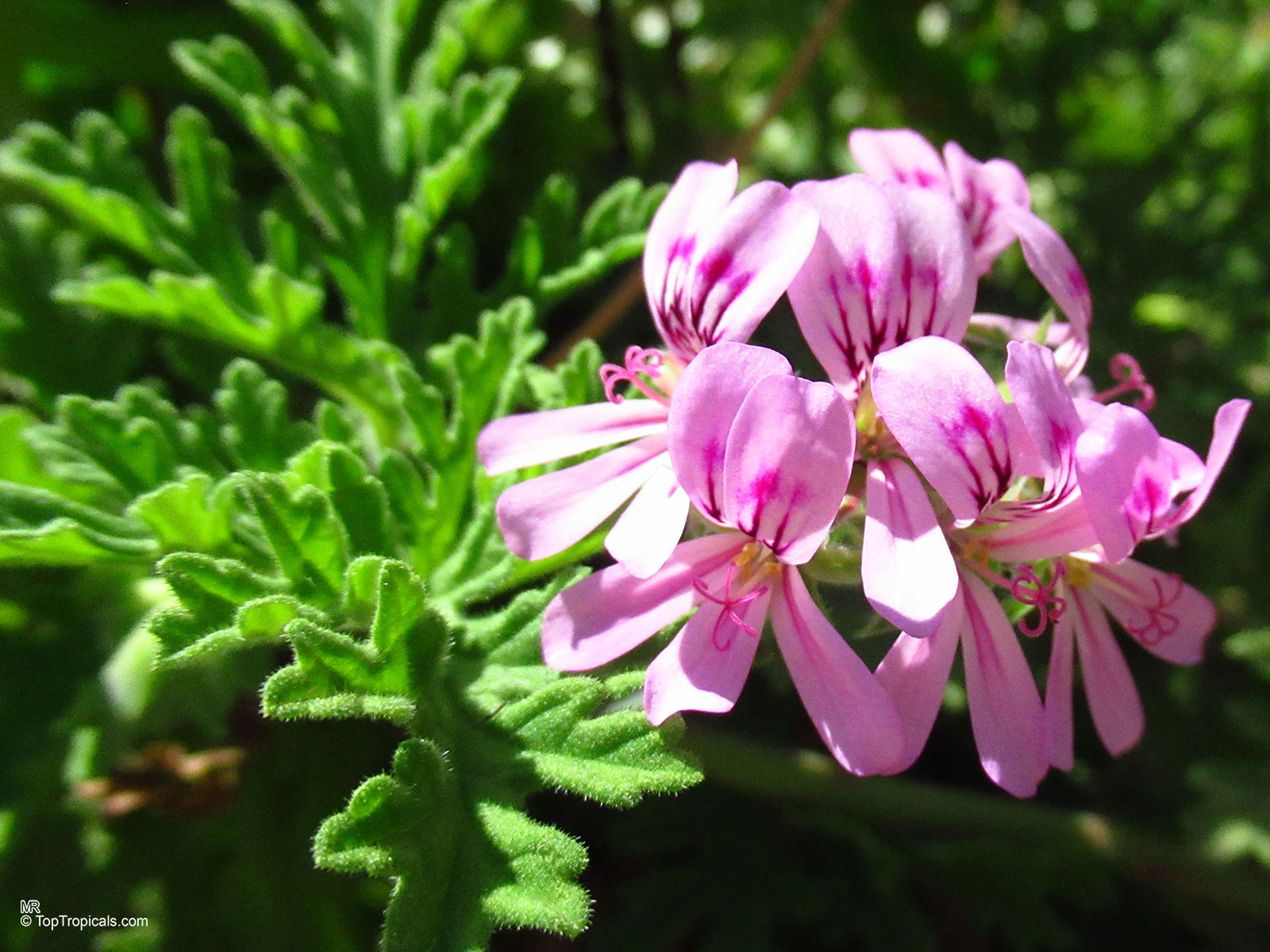
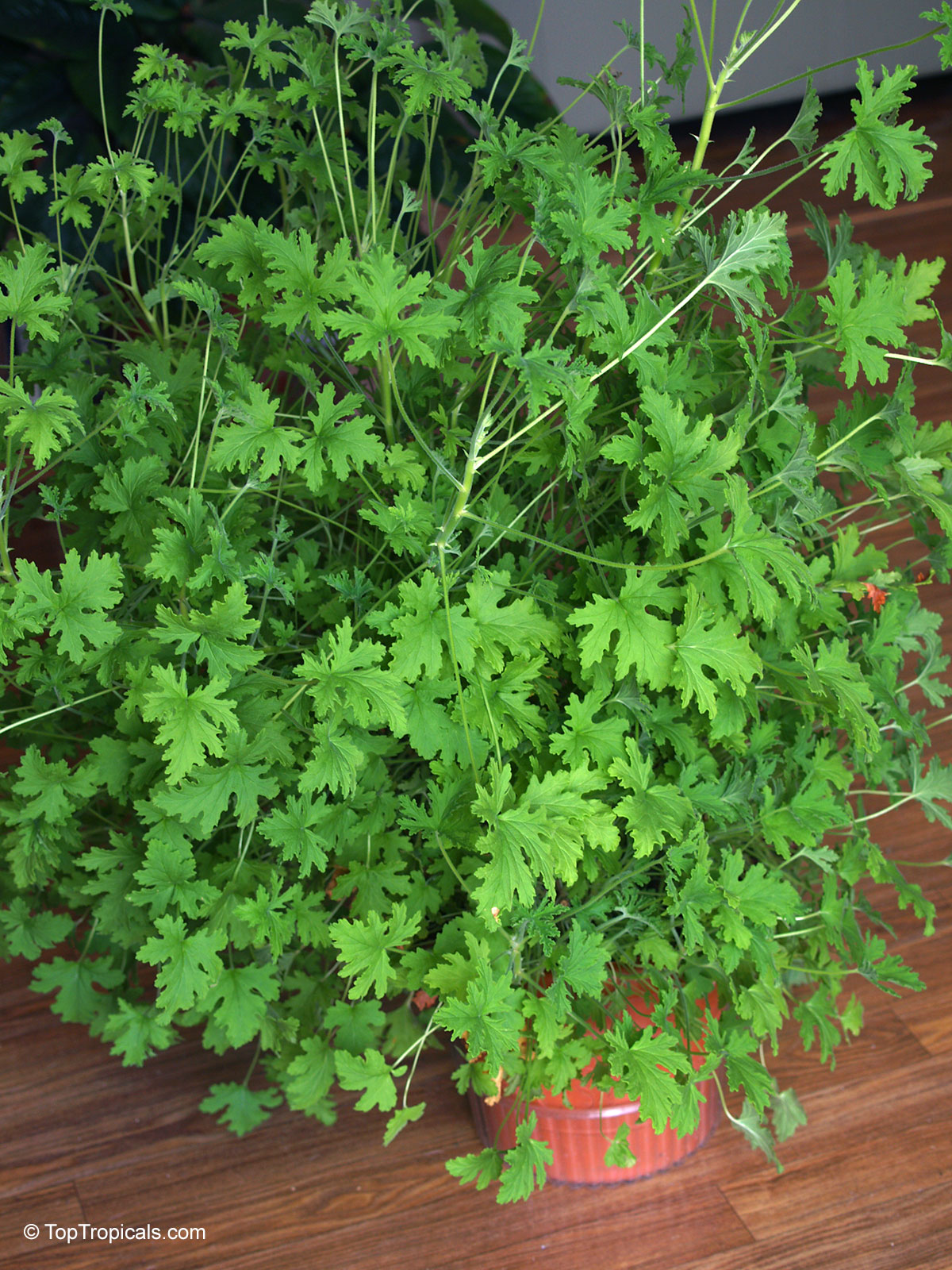
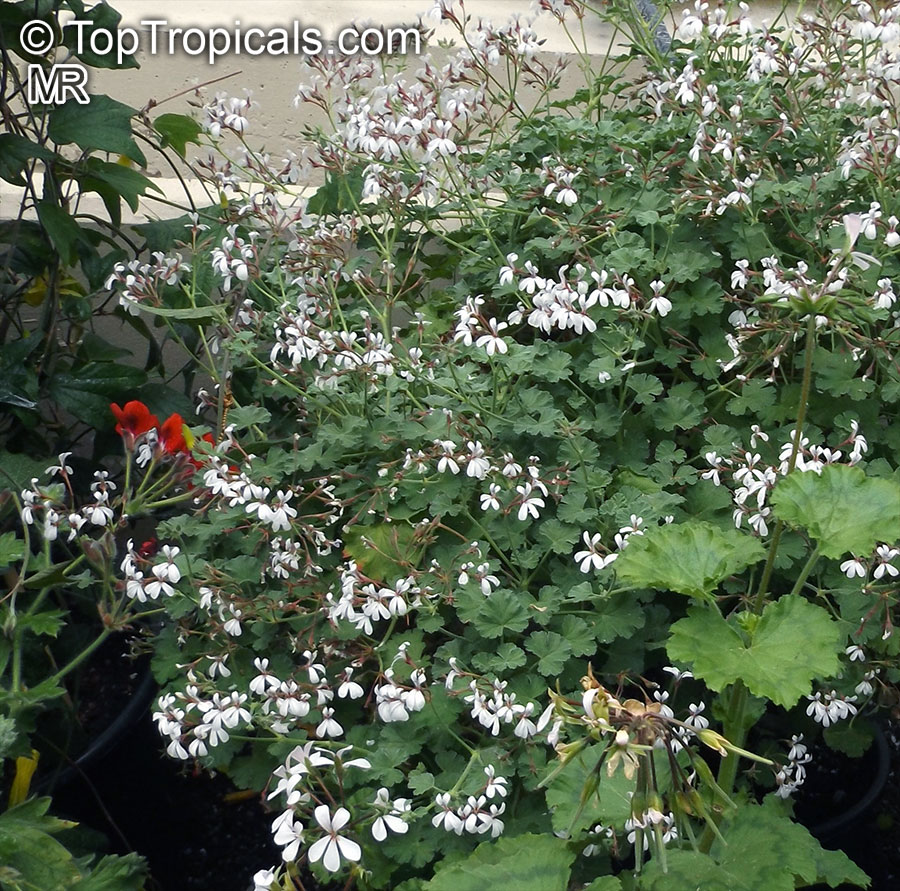
Pelargonium sp. (Scented) is a practical catalog designation used for aromatic pelargoniums with scented foliage rather than a formal botanical species or officially recognized cultivar group. This label brings together a wide range of species and complex hybrids, most often involving Pelargonium graveolens, Pelargonium capitatum, Pelargonium radens and related taxa, which are grown primarily for the fragrance of their leaves. Because these plants have been extensively hybridized and show overlapping leaf forms, they are frequently difficult to identify reliably to species level from appearance alone. For this reason, the term 'scented' is used here as a functional grouping to organize plants by their shared aromatic trait, while individual selections may be further described by scent type such as rose, lemon, mint, or camphor.
Scented pelargoniums are typically grown in containers or as patio plants, where their foliage can be easily handled to release fragrance. They prefer full sun to bright light and well-drained soil, with moderate watering and good drying between cycles, as many forms are somewhat drought-tolerant once established. Growth is moderate and varies by type, from compact shrubs to more open, branching forms, and light pruning helps maintain shape and encourages fresh aromatic foliage. Suitable for USDA zones 9 to 11 depending on parentage, most are frost-sensitive and should be protected below about 32 to 40 F.
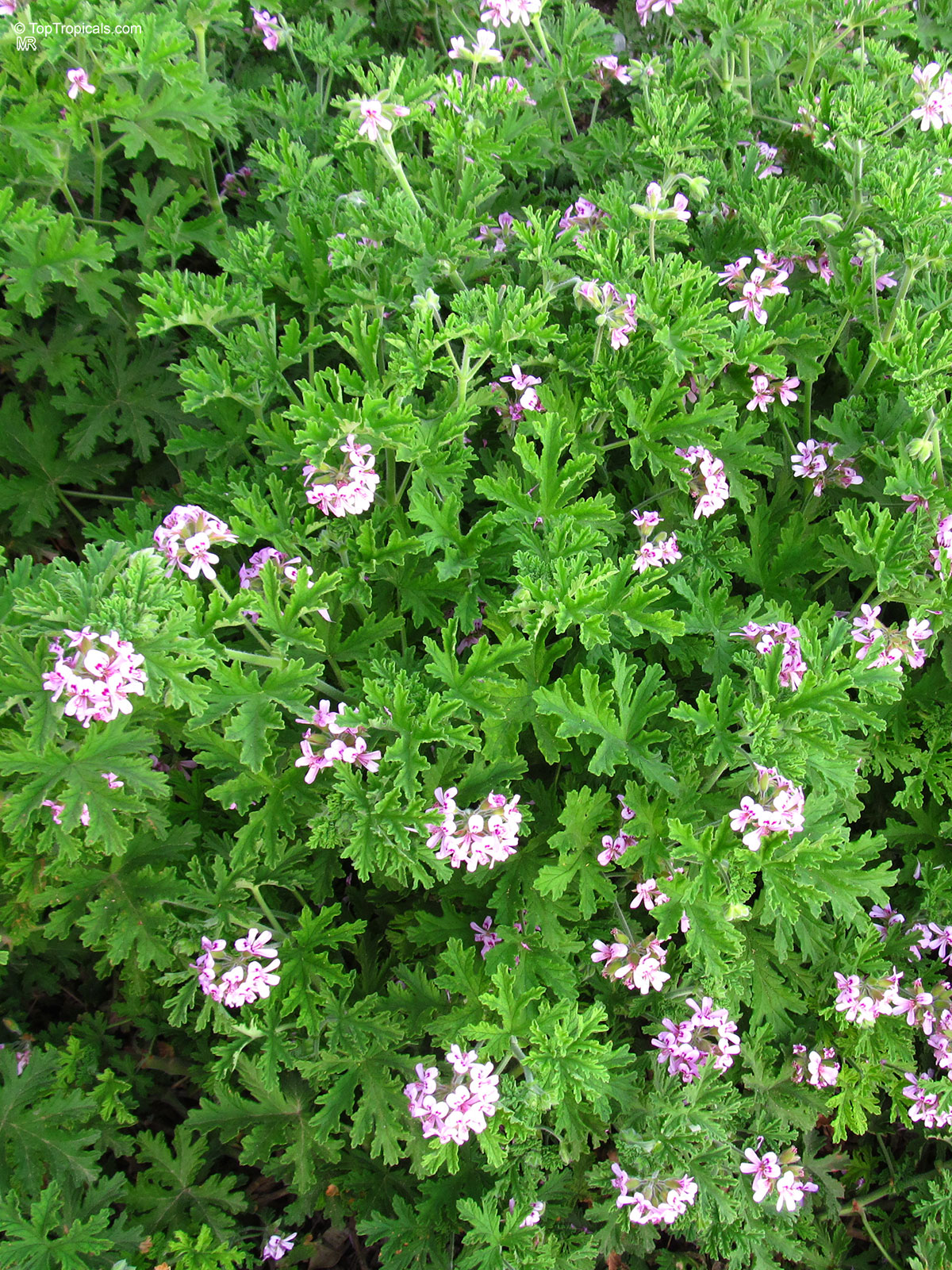
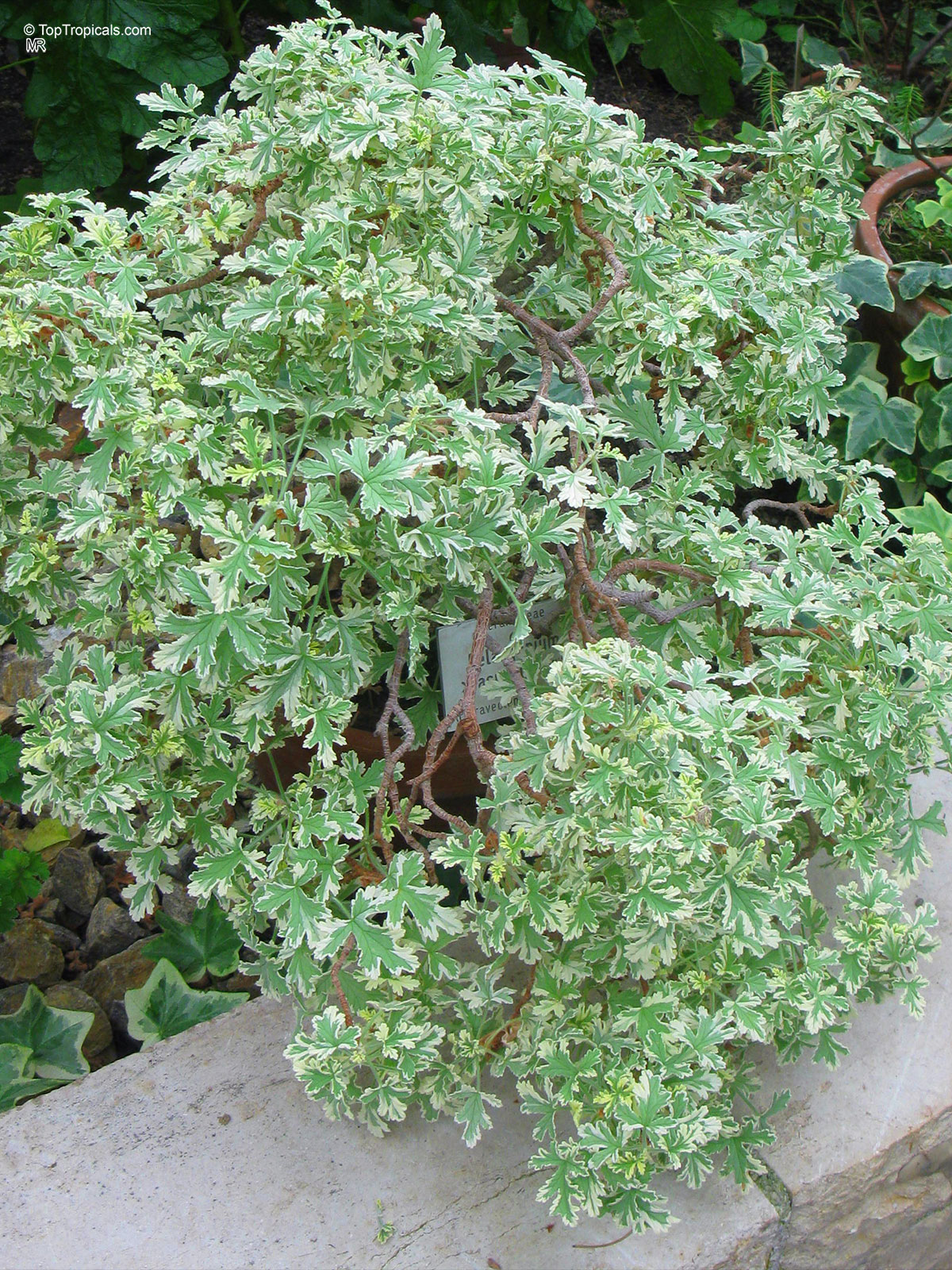
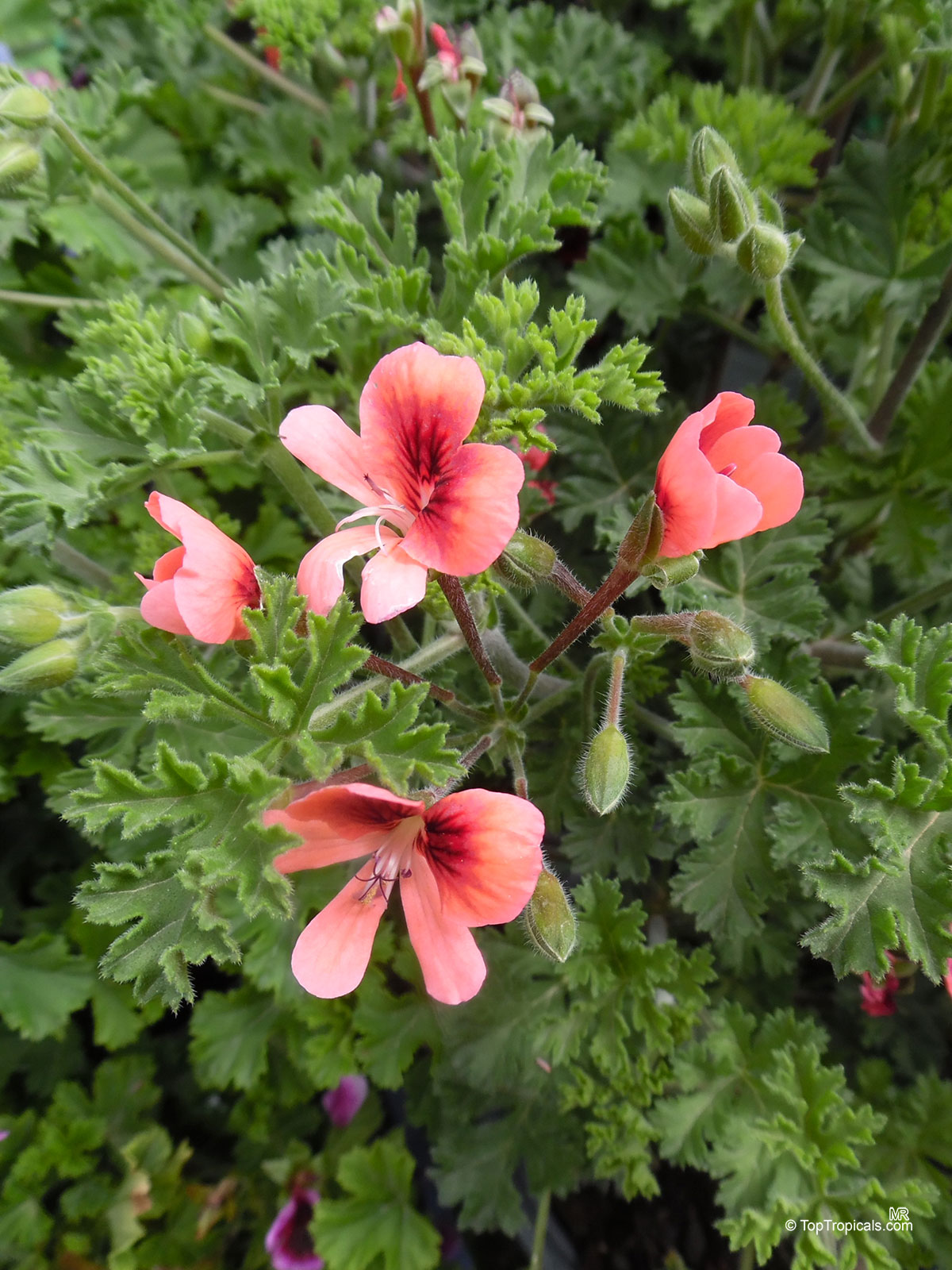
Botanical name: Pelargonium sp.
Common names: Angel Geranium, Angel Pelargonium
Cultivar group: Angel Group
Family: Geraniaceae
Hardiness: 35°F

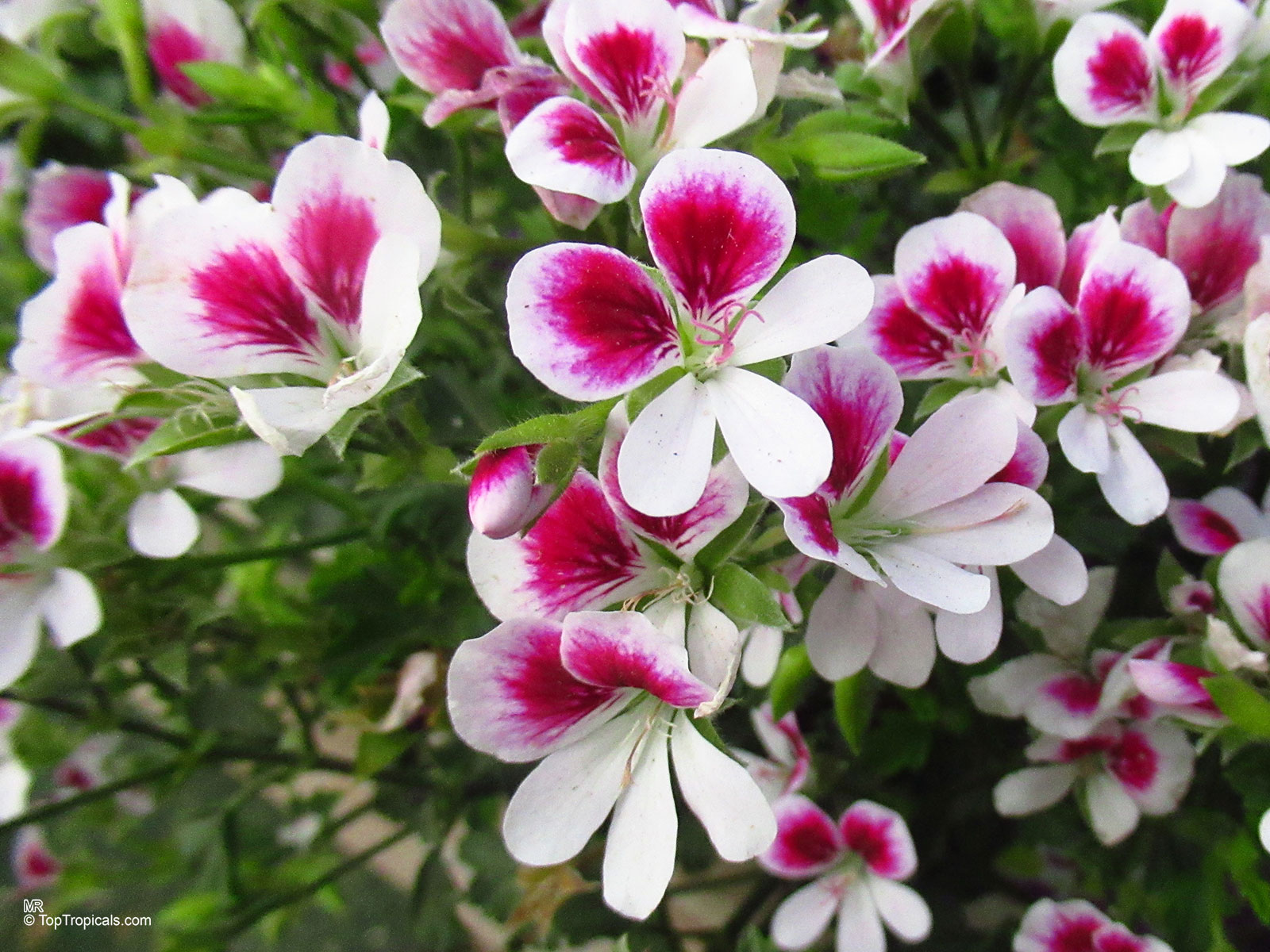
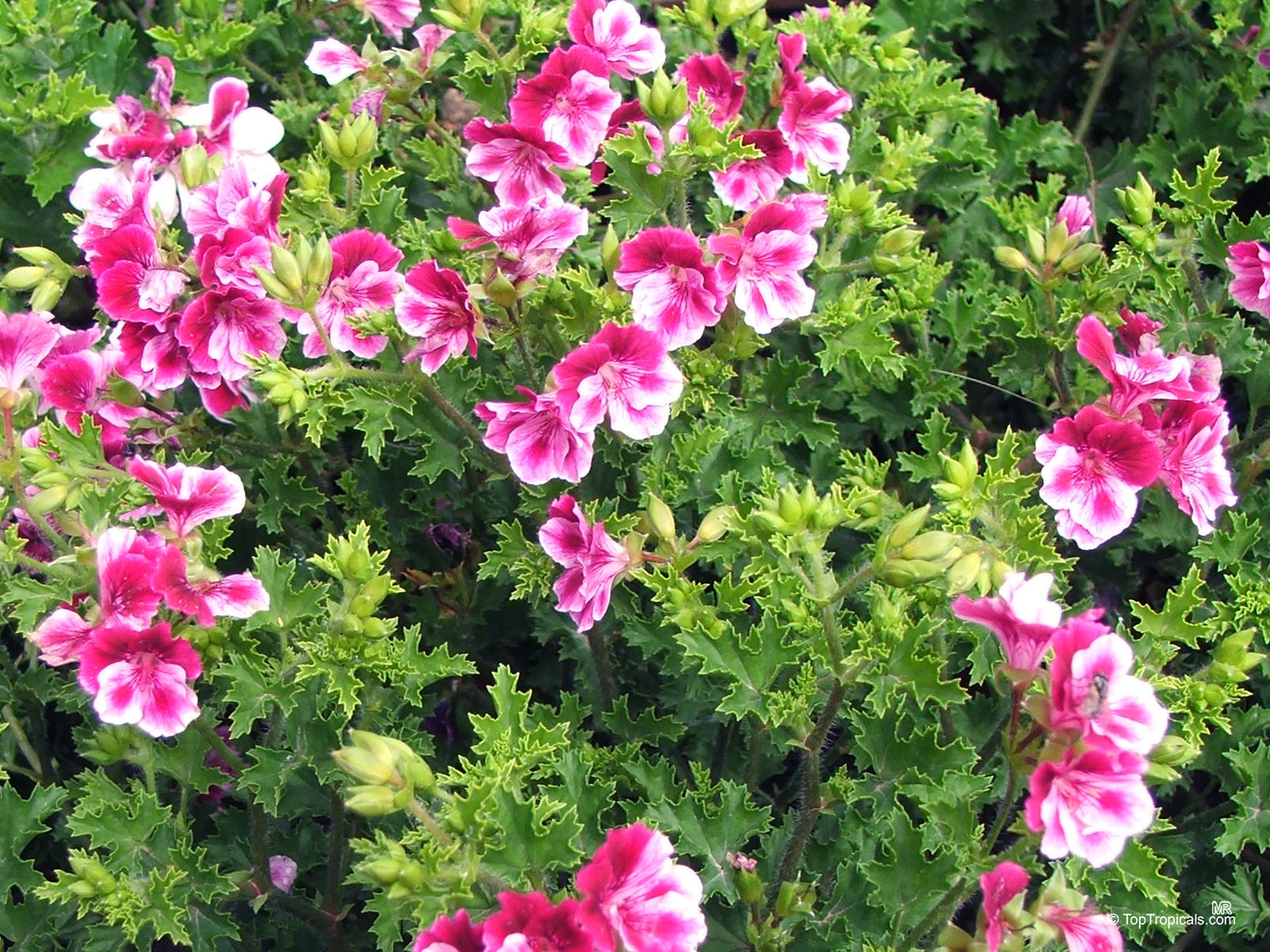
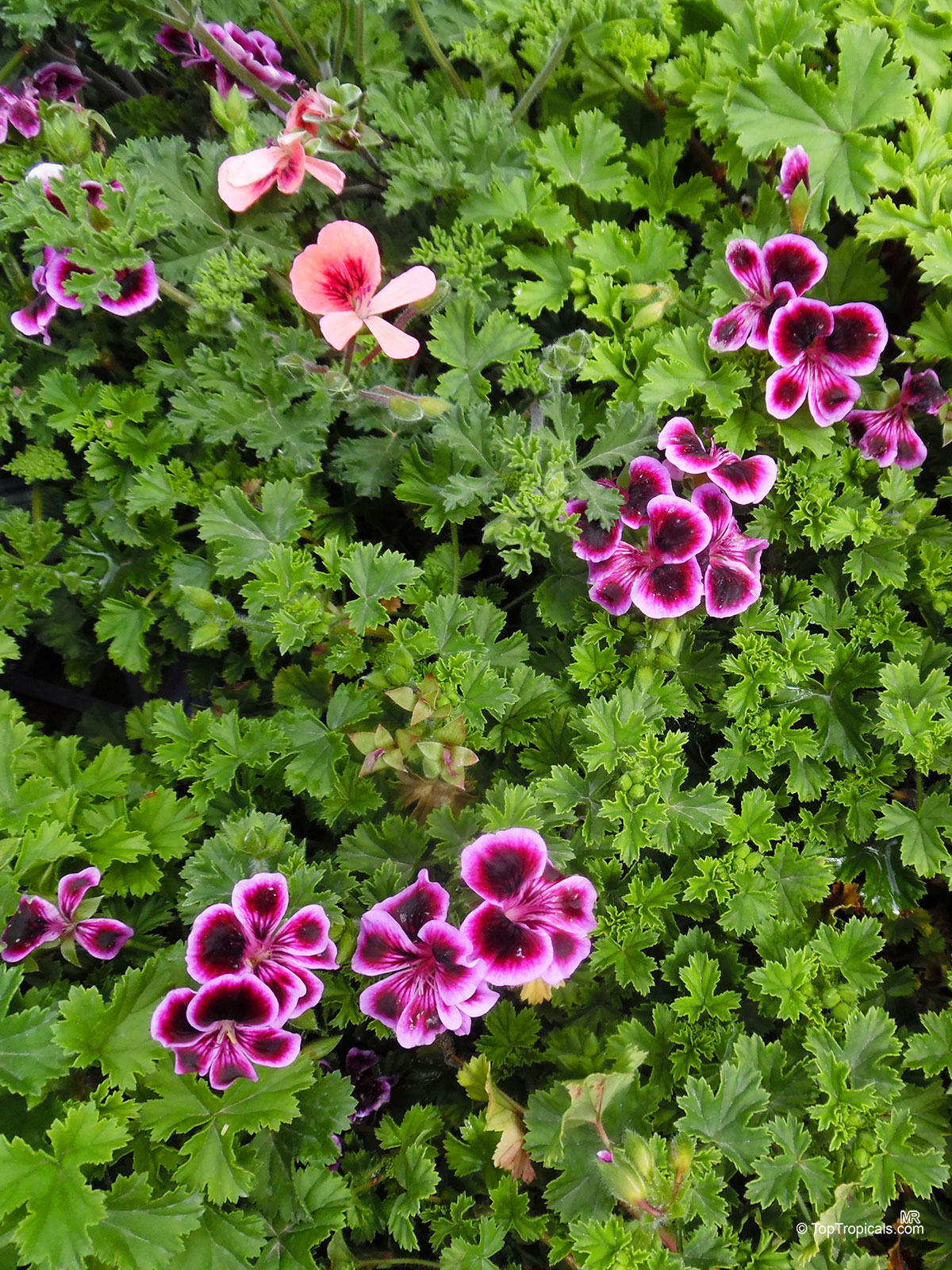
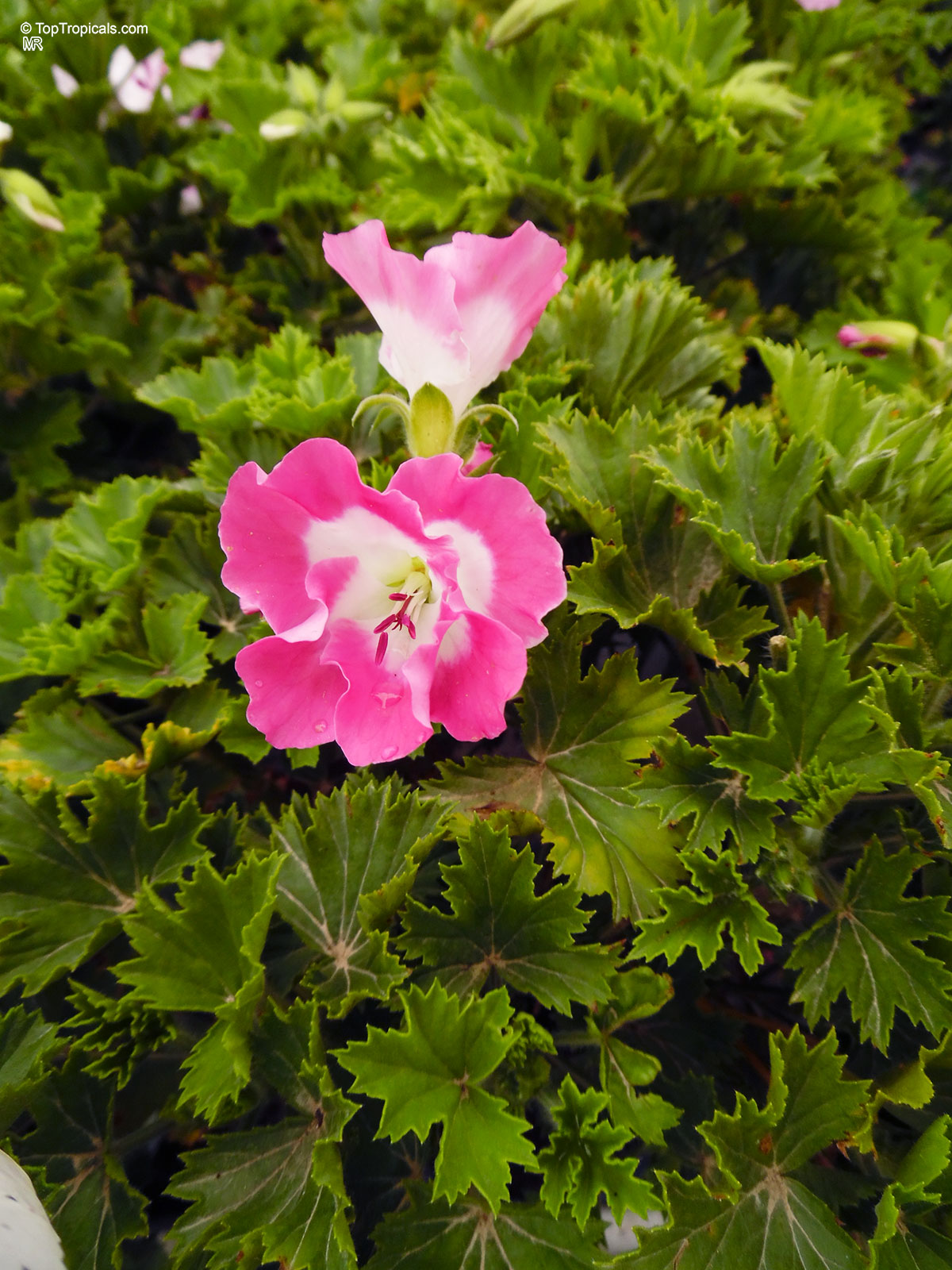
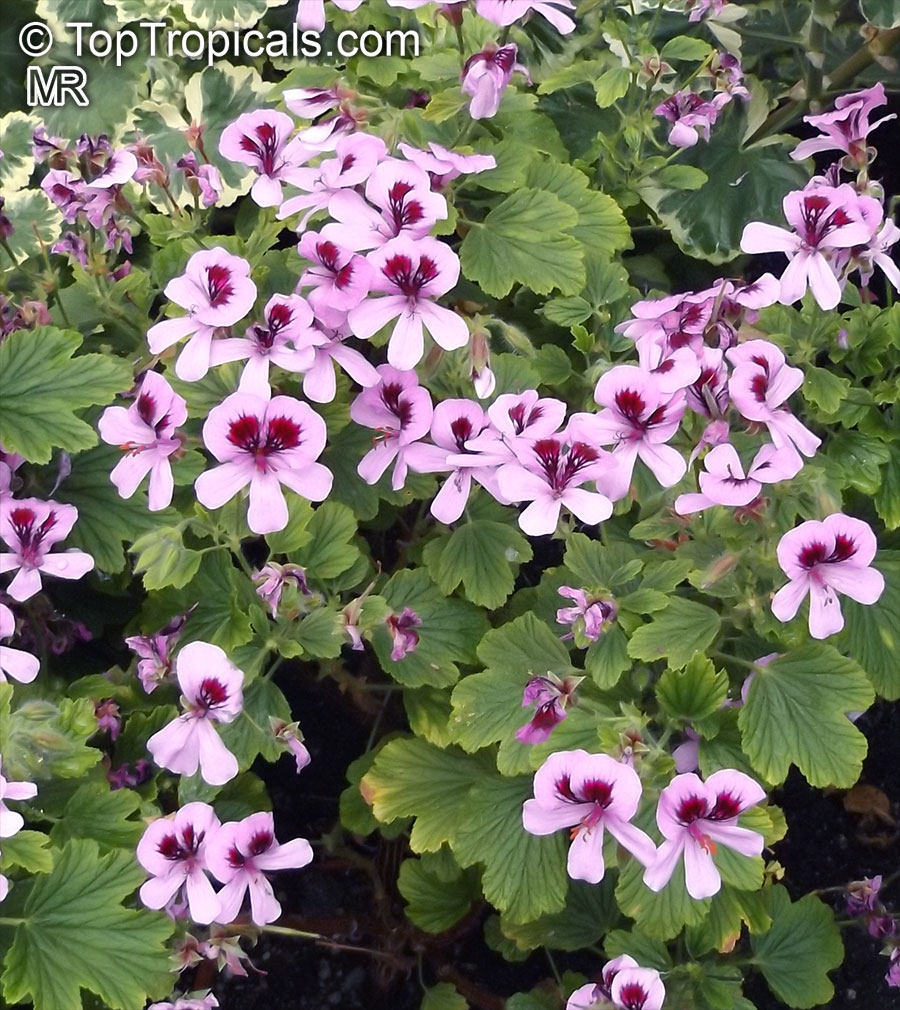
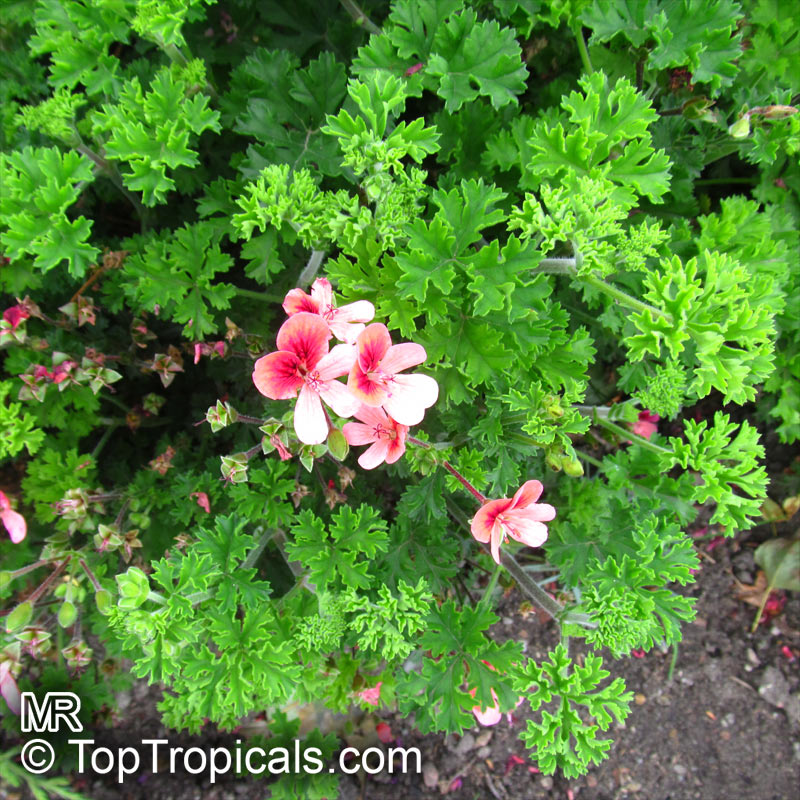
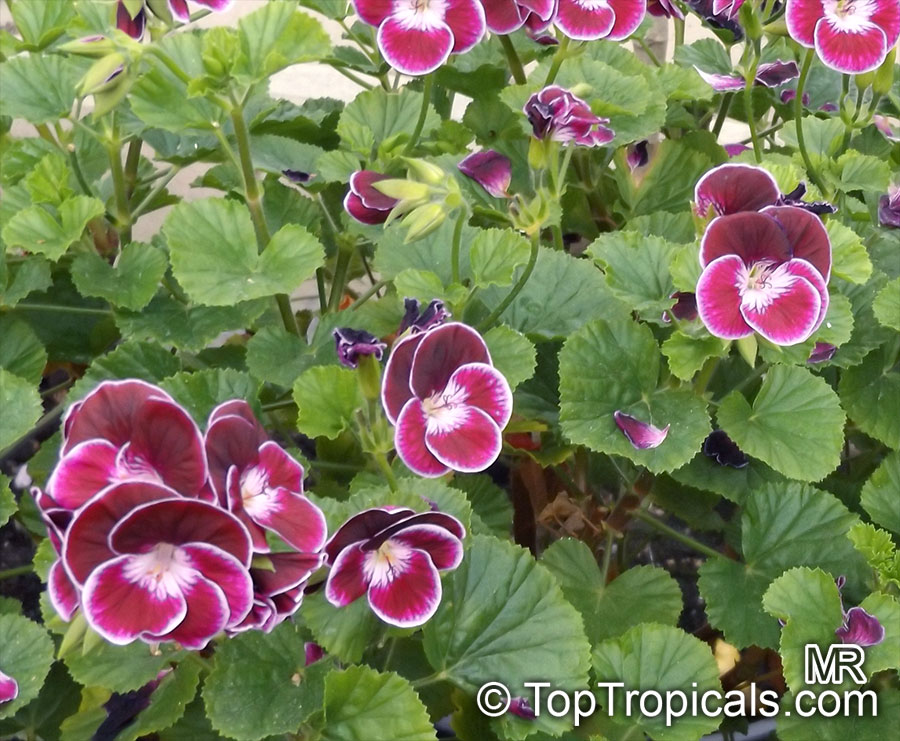
Pelargonium (Angel Group) originates from a long history of hybridization centered on Pelargonium crispum and related species, whose fine-textured foliage and compact habit were combined with the larger-flowered traits of regal pelargoniums through repeated crossing. Over time, further selection refined the characteristic features of Angel pelargoniums, including their reduced flower size, contrasting upper petal markings, and naturally tidy growth, establishing them as a stable and recognizable horticultural group rather than descending from a single hybrid cross.
These plants typically form small, dense, bushy specimens under 1 foot tall, with finely cut, often lightly aromatic foliage and numerous small flowers resembling miniature pansies in shades of white, pink, peach, and purple.
Angel pelargoniums are widely grown in containers, window boxes, and hanging displays, where their compact habit and abundant flowering are especially effective. They prefer full sun to bright light and well-drained soil, with moderate watering and allowing the soil to dry out between waterings. Growth is moderate, and regular pinching helps maintain a dense shape and prolong flowering. Suitable for USDA zones 10 to 11, they are frost-sensitive and should be protected below about 32-35F. Compared to Regal types, they tolerate slightly warmer conditions and tend to flower more freely over an extended season.
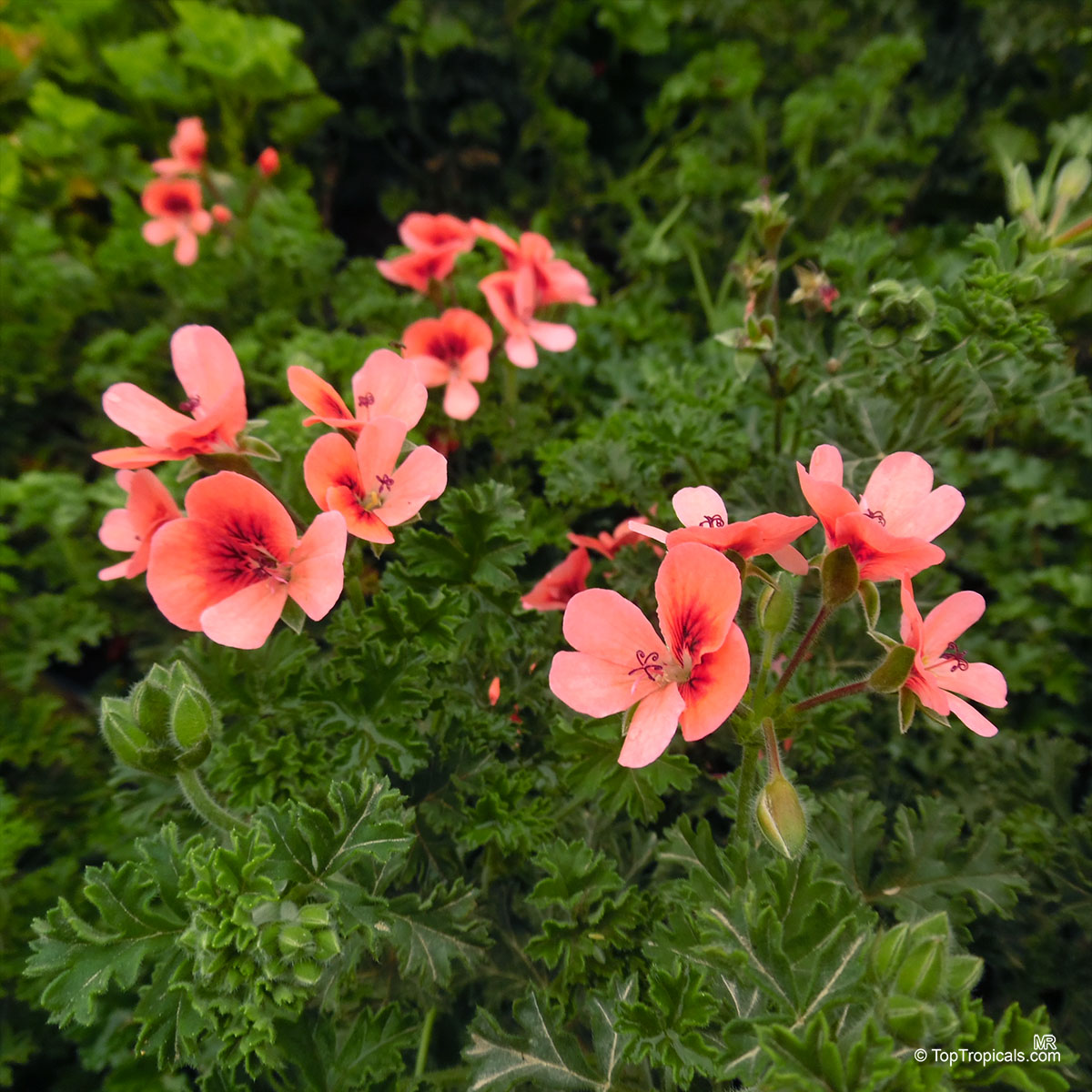
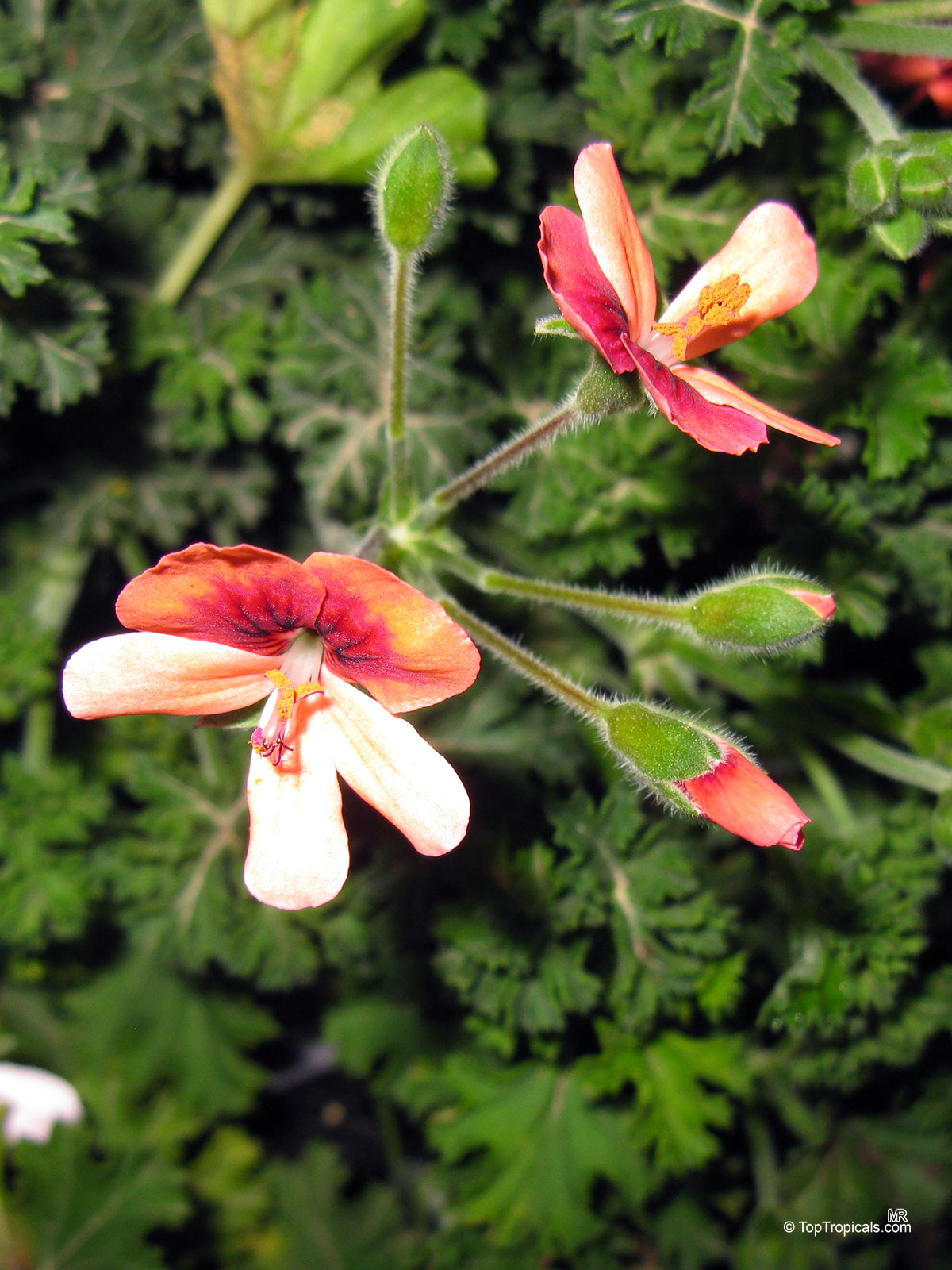
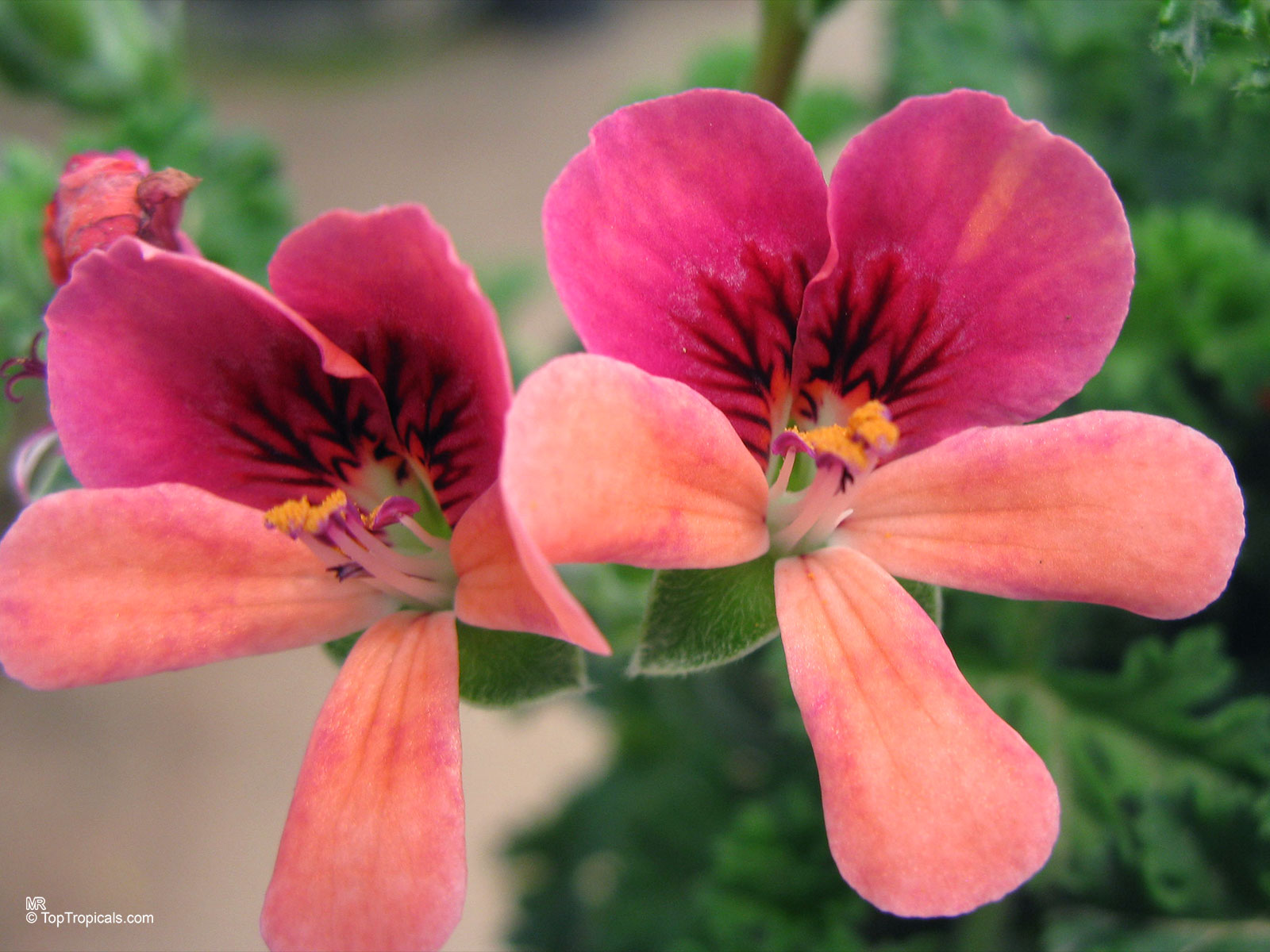
Botanical name: Pelargonium sp.
Common names: Martha Washington Pelargonium, Show Pelargonium
Cultivar group: Regal Group
Family: Geraniaceae
Hardiness: 35°F
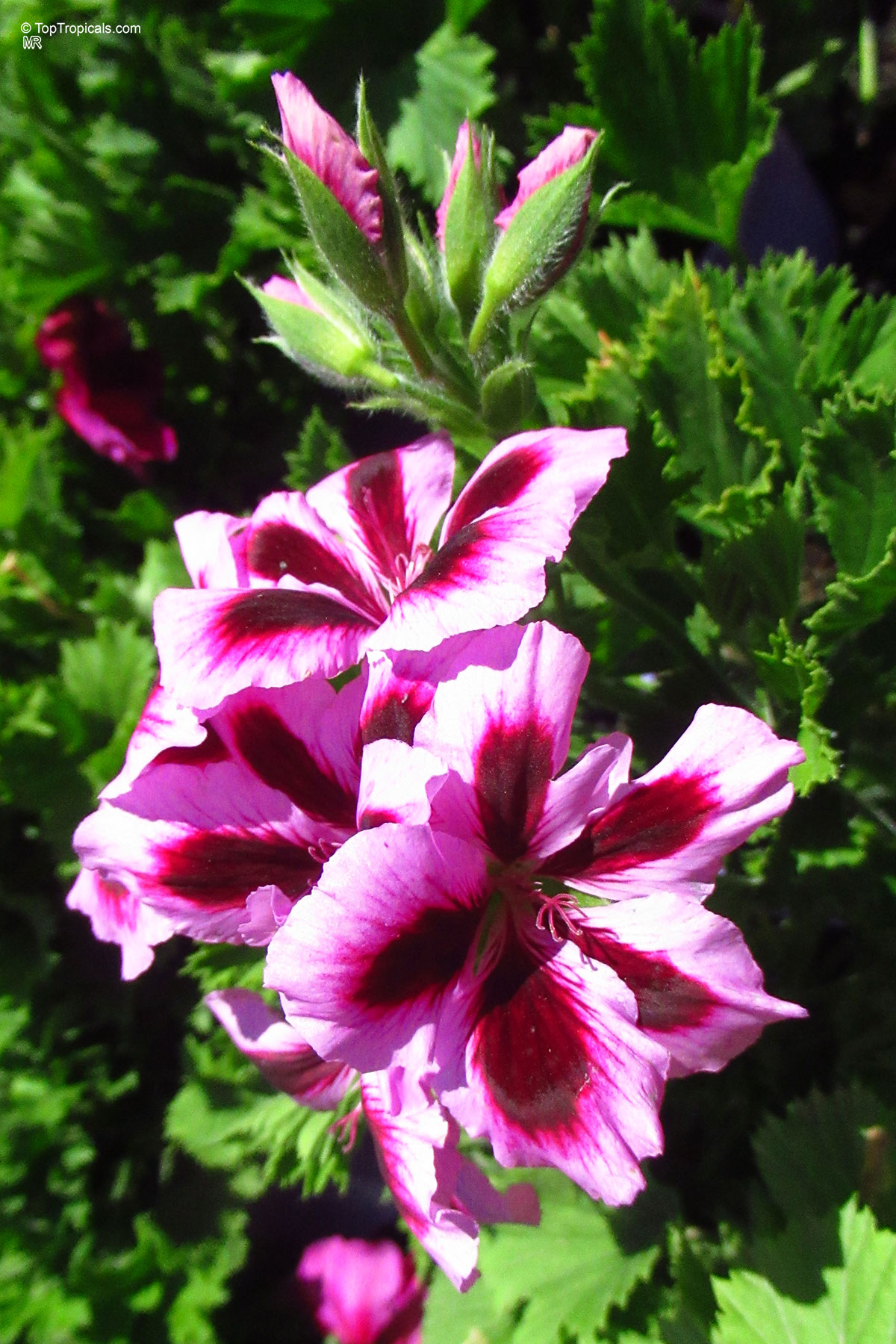
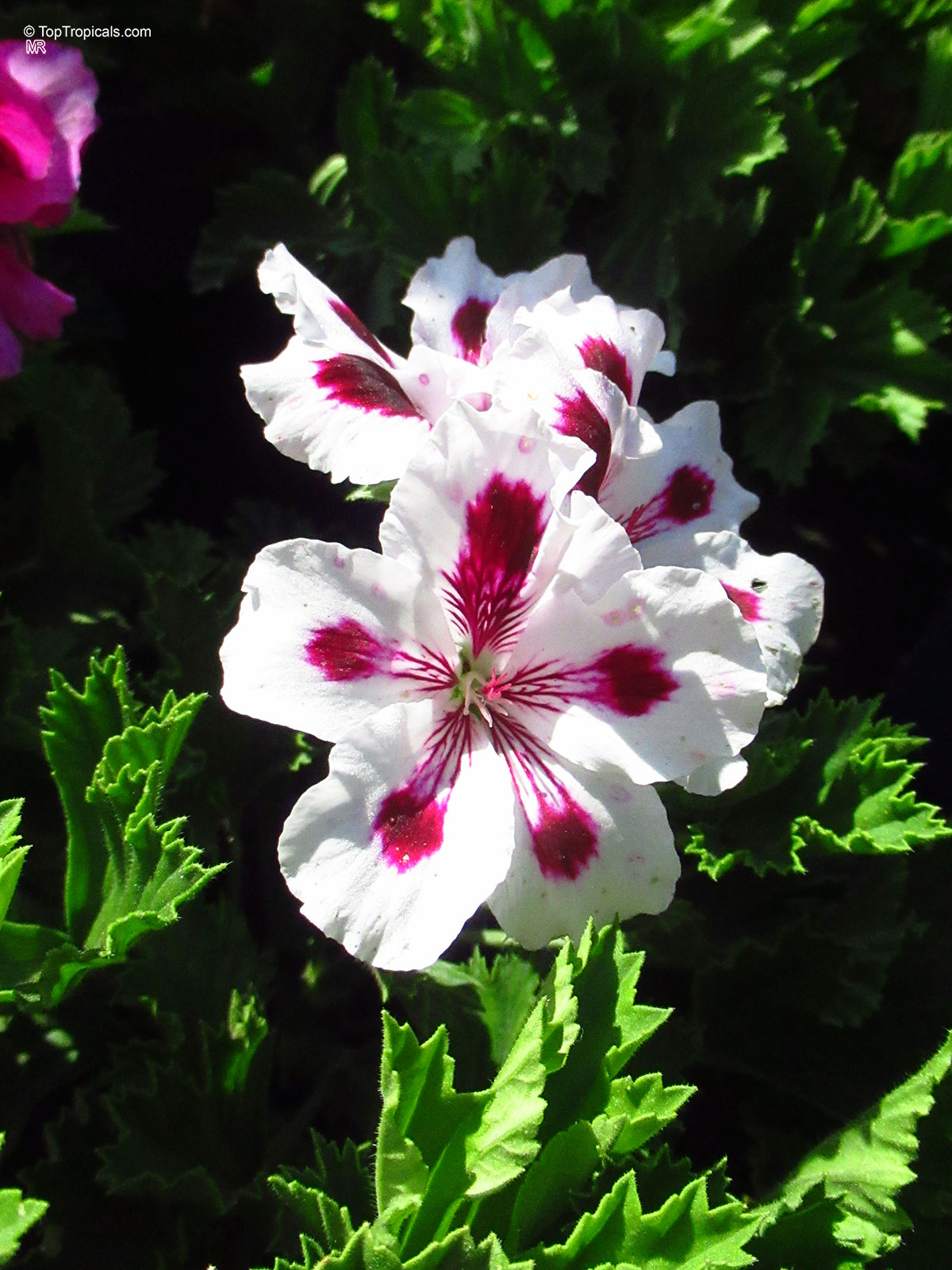
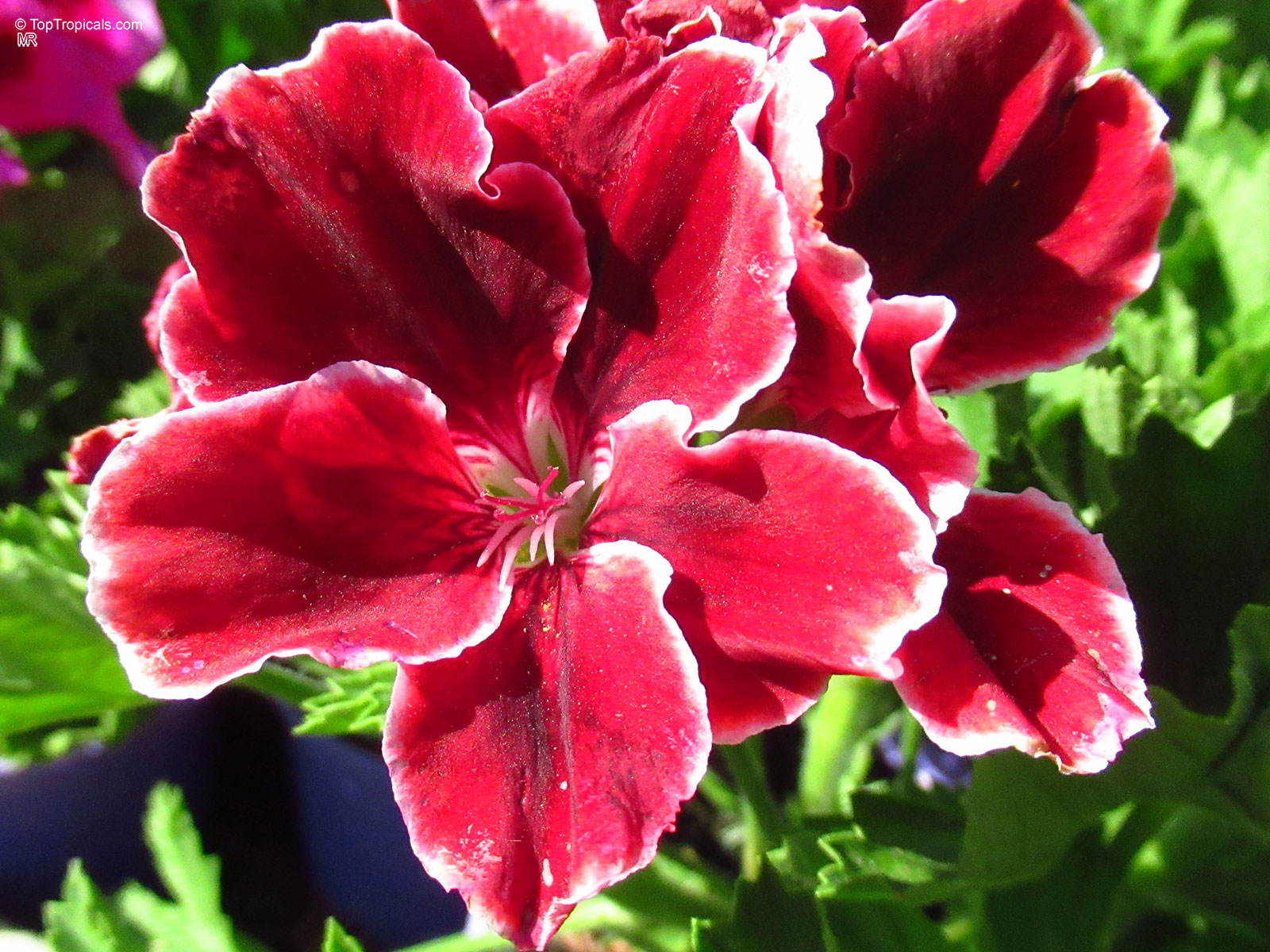
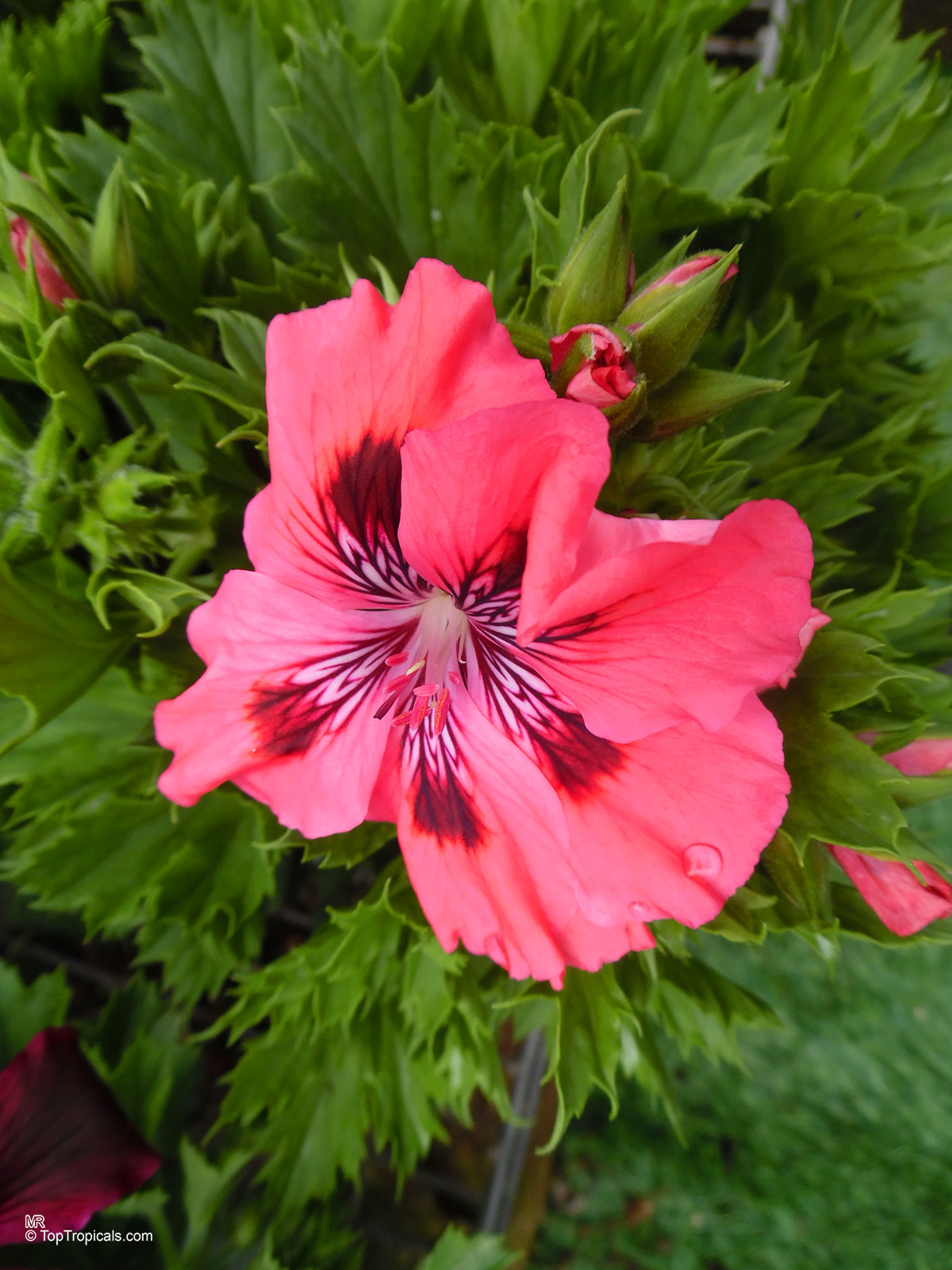
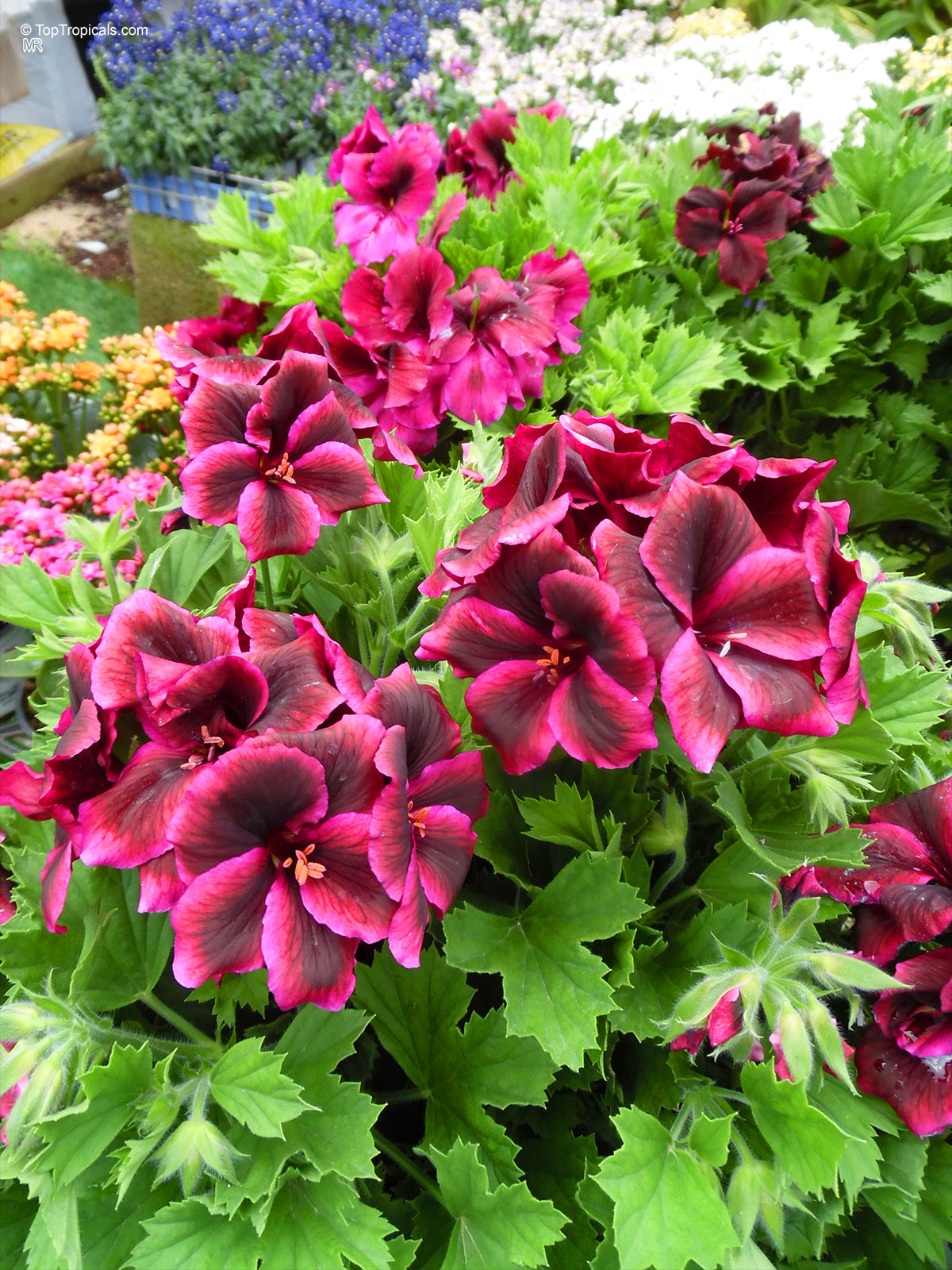
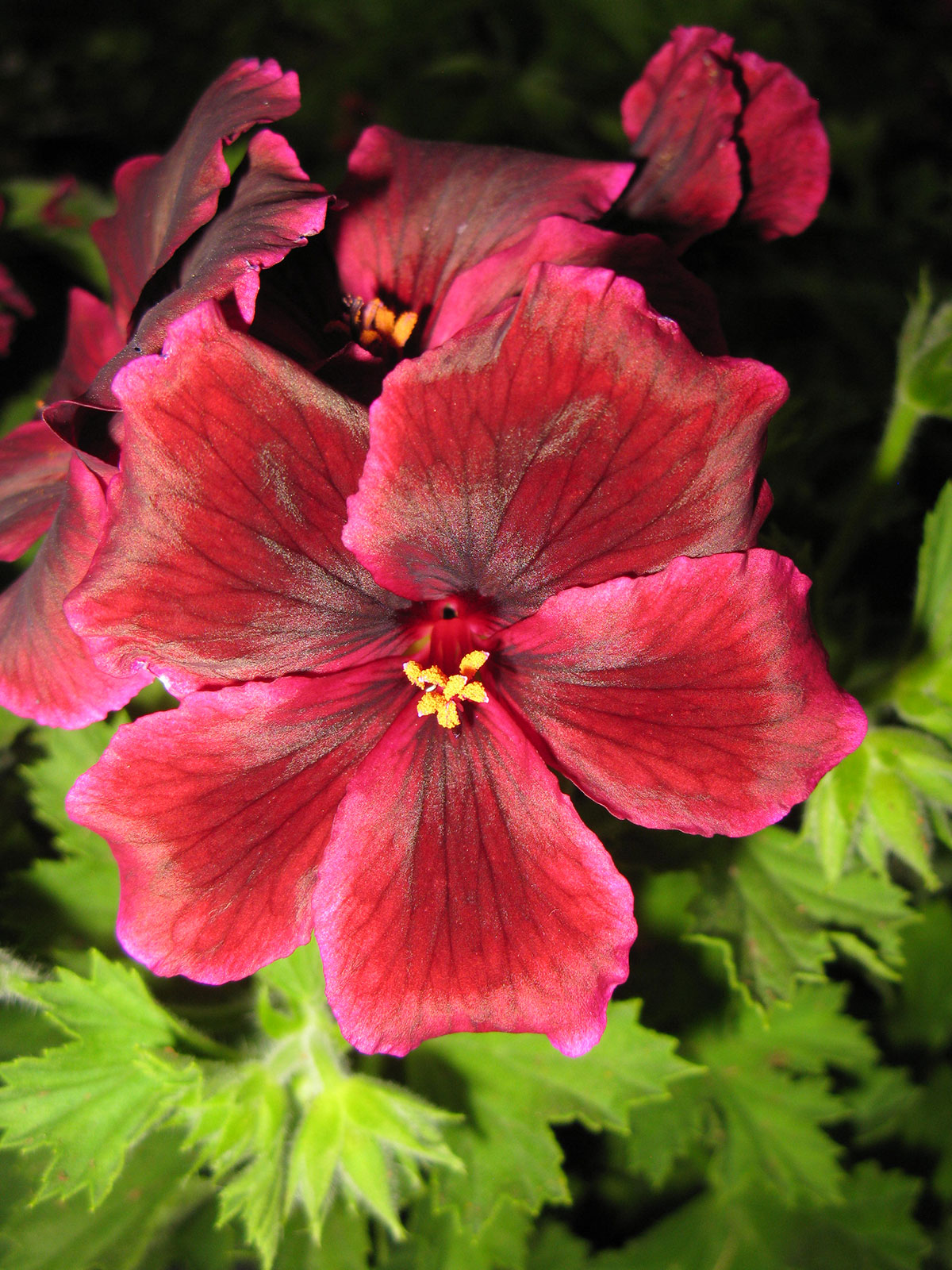
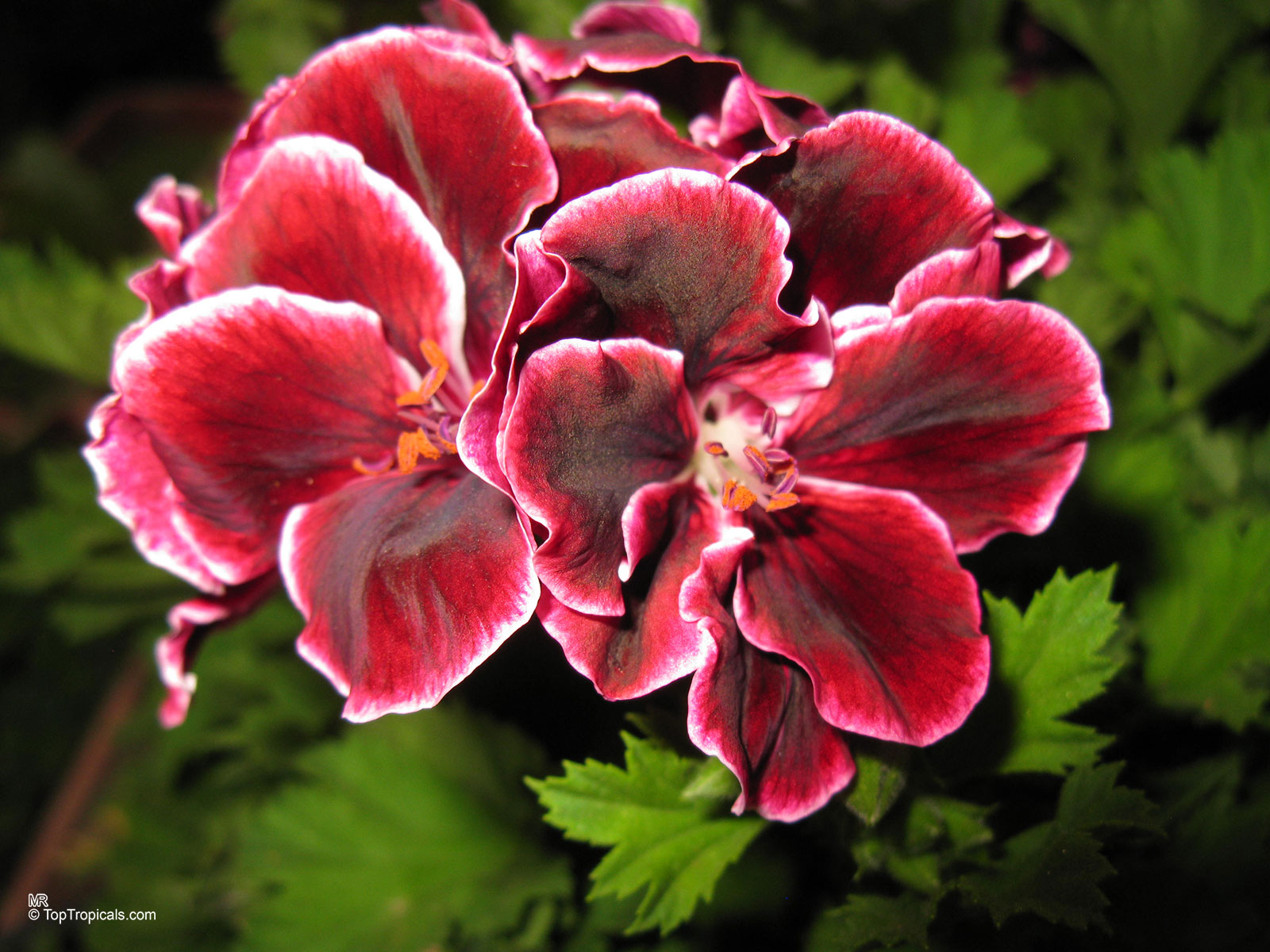
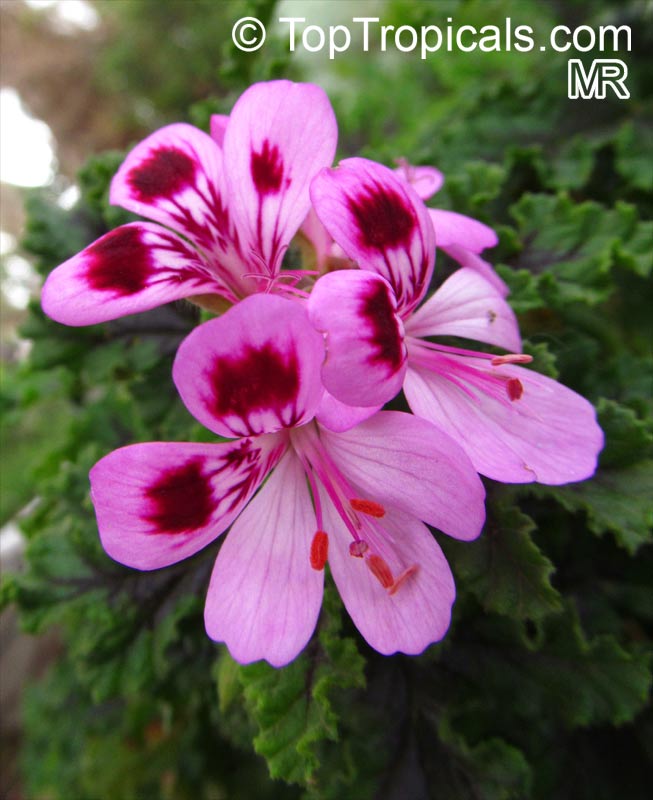
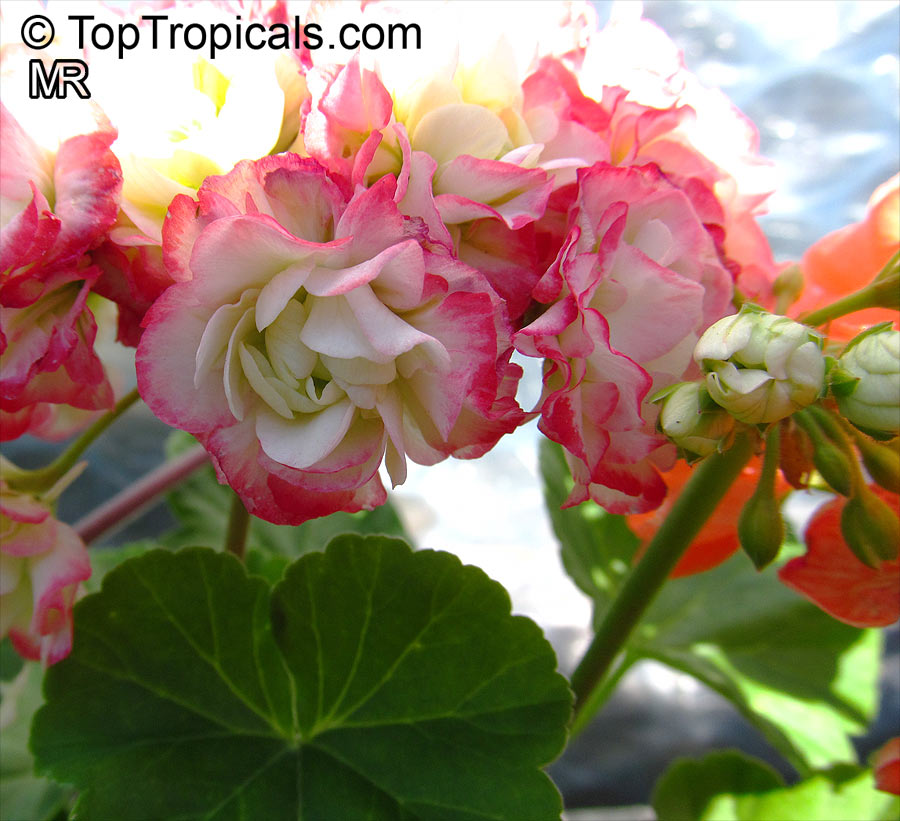
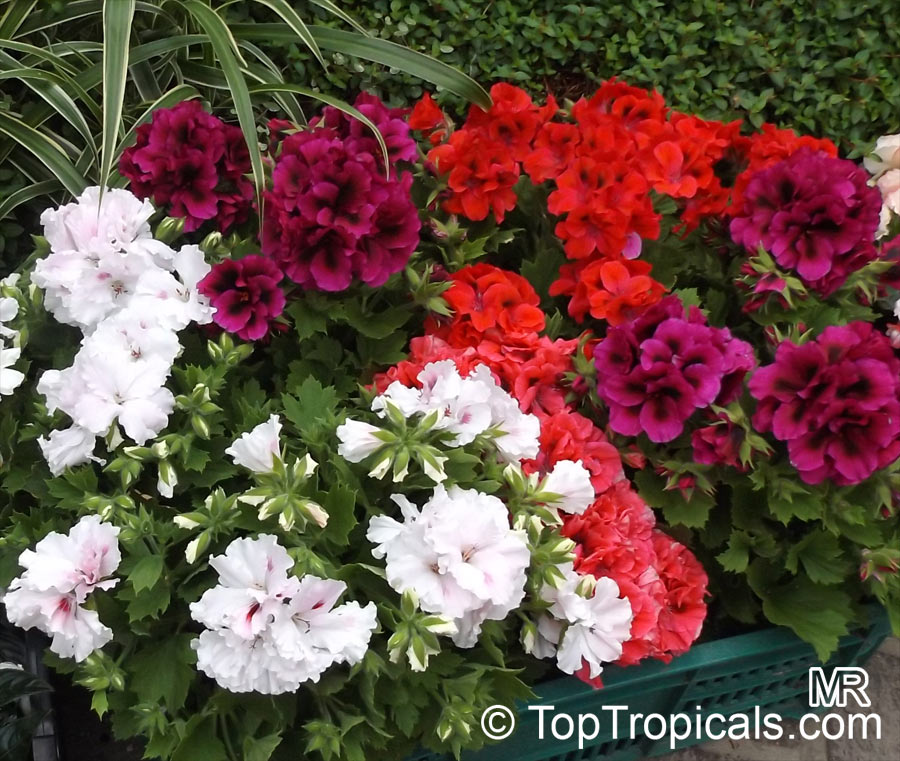
Pelargonium (Regal Group), commonly known as Regal pelargonium or Martha Washington geranium, is a horticultural group of large-flowered pelargoniums valued for their bold, patterned blooms and compact, bushy growth. Derived mainly from South African species such as Pelargonium cucullatum and related taxa, this group represents a complex assemblage of cultivars rather than a single species. Plants typically reach 1 to 2 feet in height with a rounded habit and medium green, slightly textured foliage that supports the ornamental display.
The flowers are notably large and often marked with contrasting blotches, veins, or feathered patterns in shades of white, pink, red, purple, and near-black, frequently with darker upper petals. This group is widely grown in containers and patio settings, where individual plants serve as focal specimens. Regal pelargoniums prefer bright light, cool to moderate temperatures, and well-drained soil, with moderate watering and good air circulation. They perform best in USDA zones 10 to 11 and require protection below about 35 F. Flowering is concentrated in spring to early summer, with some modern cultivars extending the bloom period under favorable conditions.
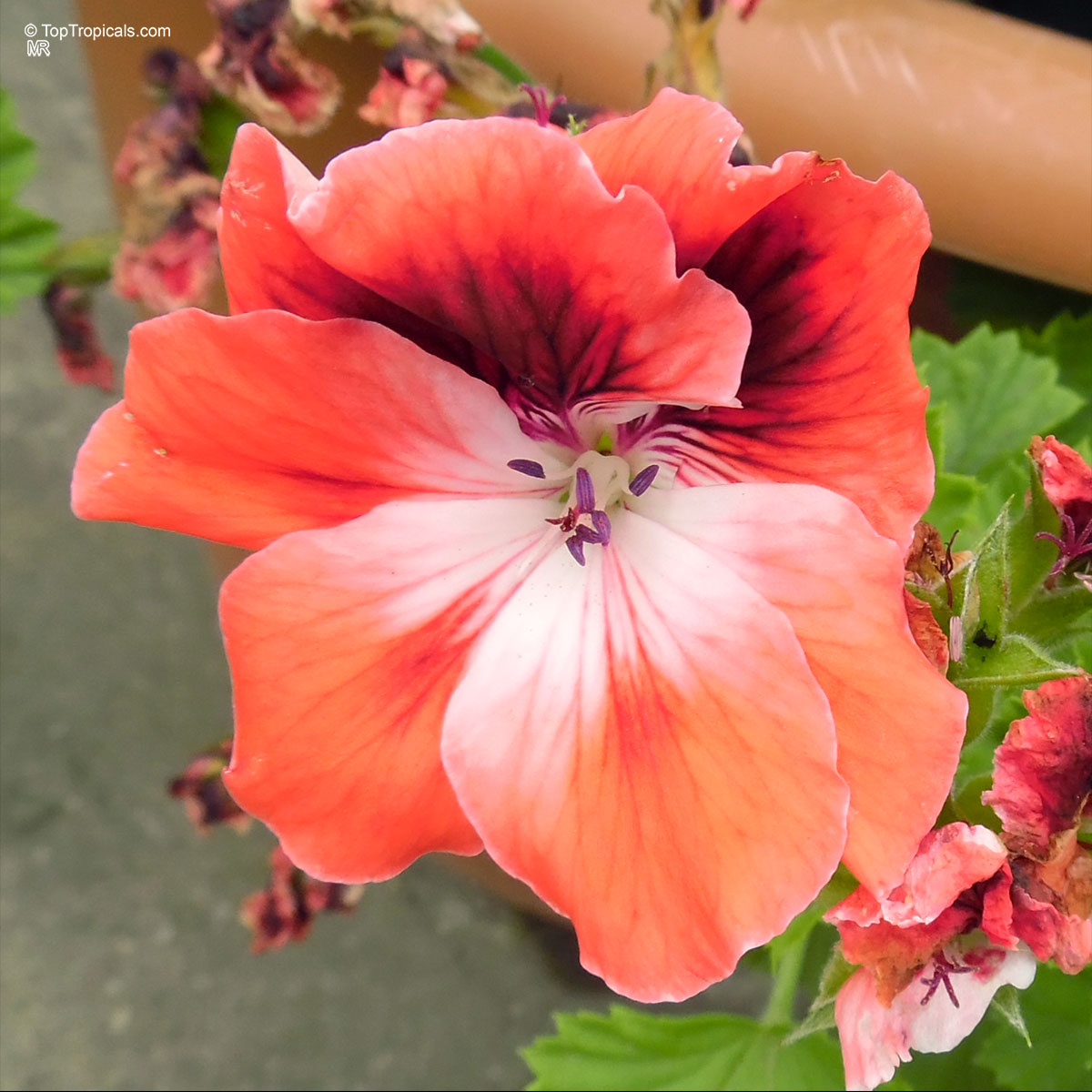
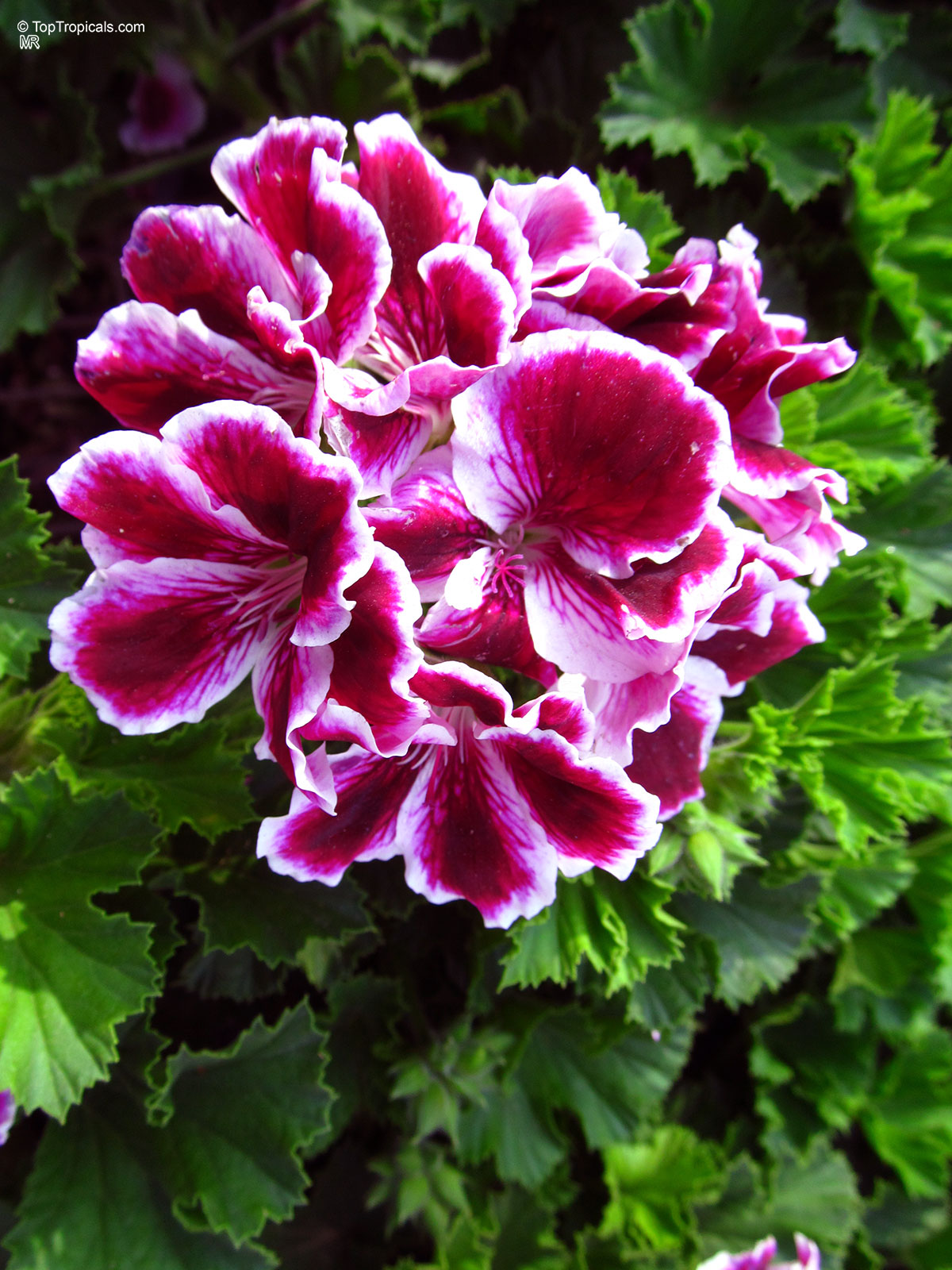
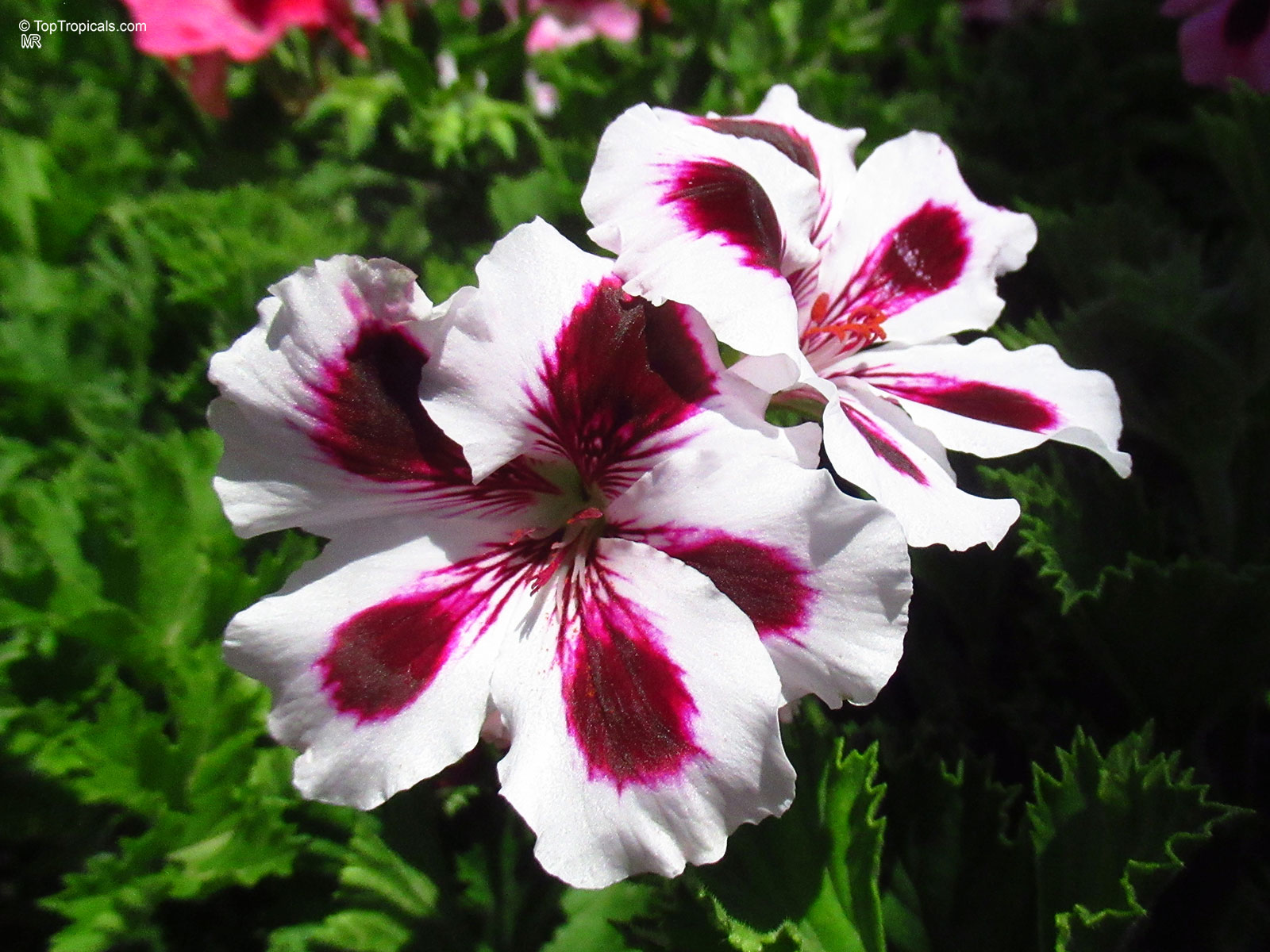
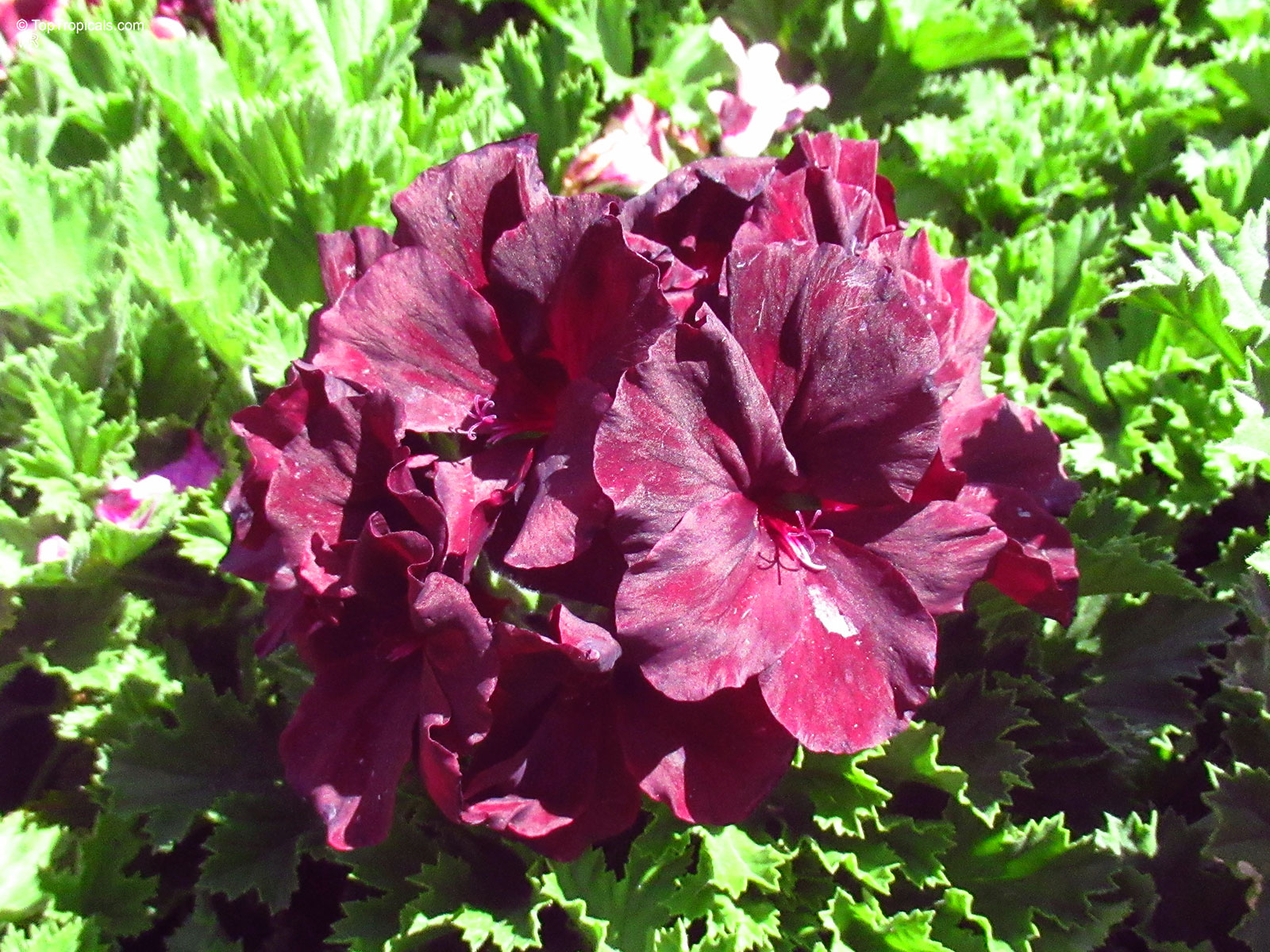
Botanical name: Pelargonium sp.
Common names: Zonal Geranium, Zonal Pelargonium
Cultivar group: Zonal Group, Pelargonium X Hortorum
Family: Geraniaceae
Hardiness: 32


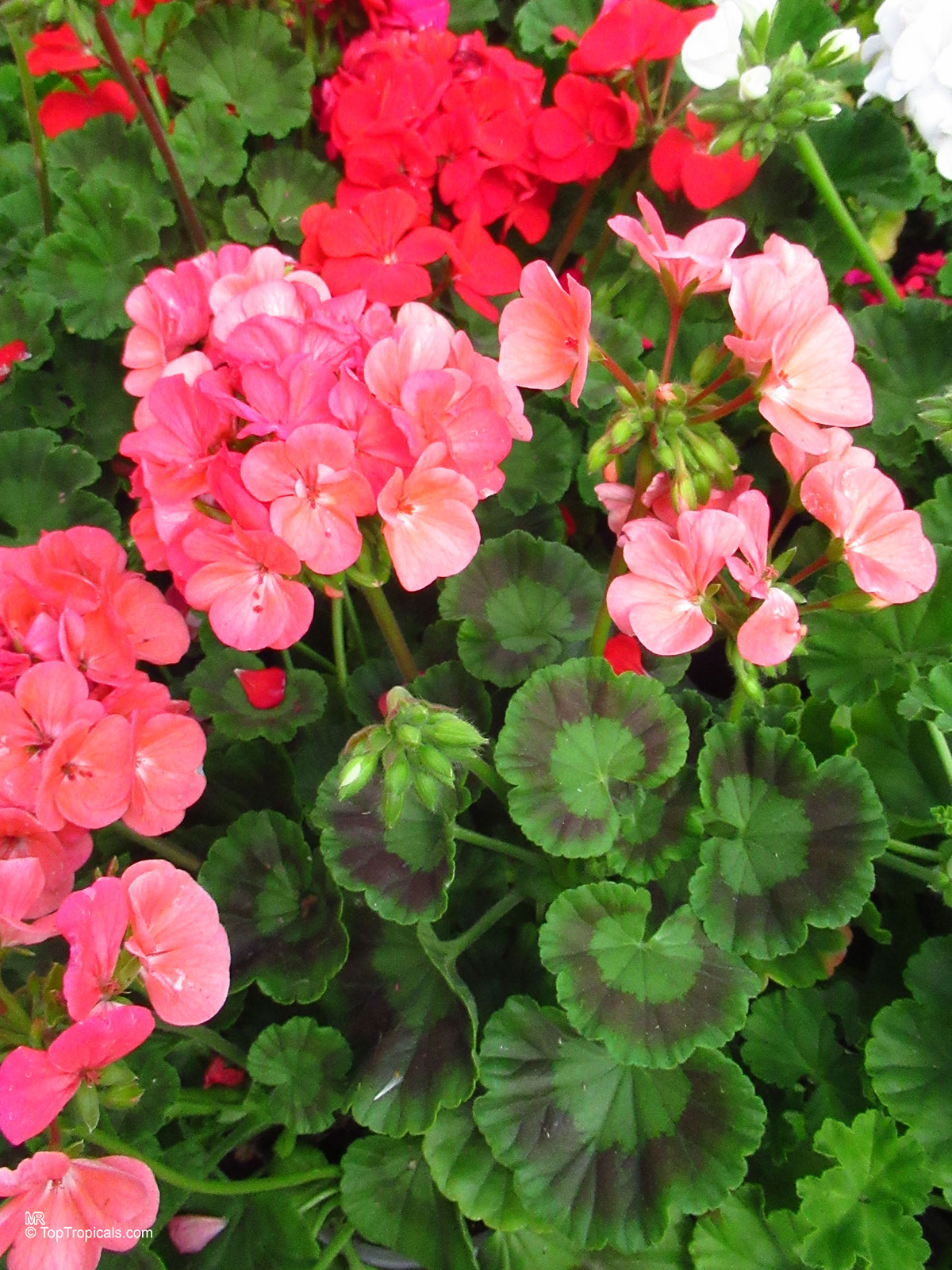
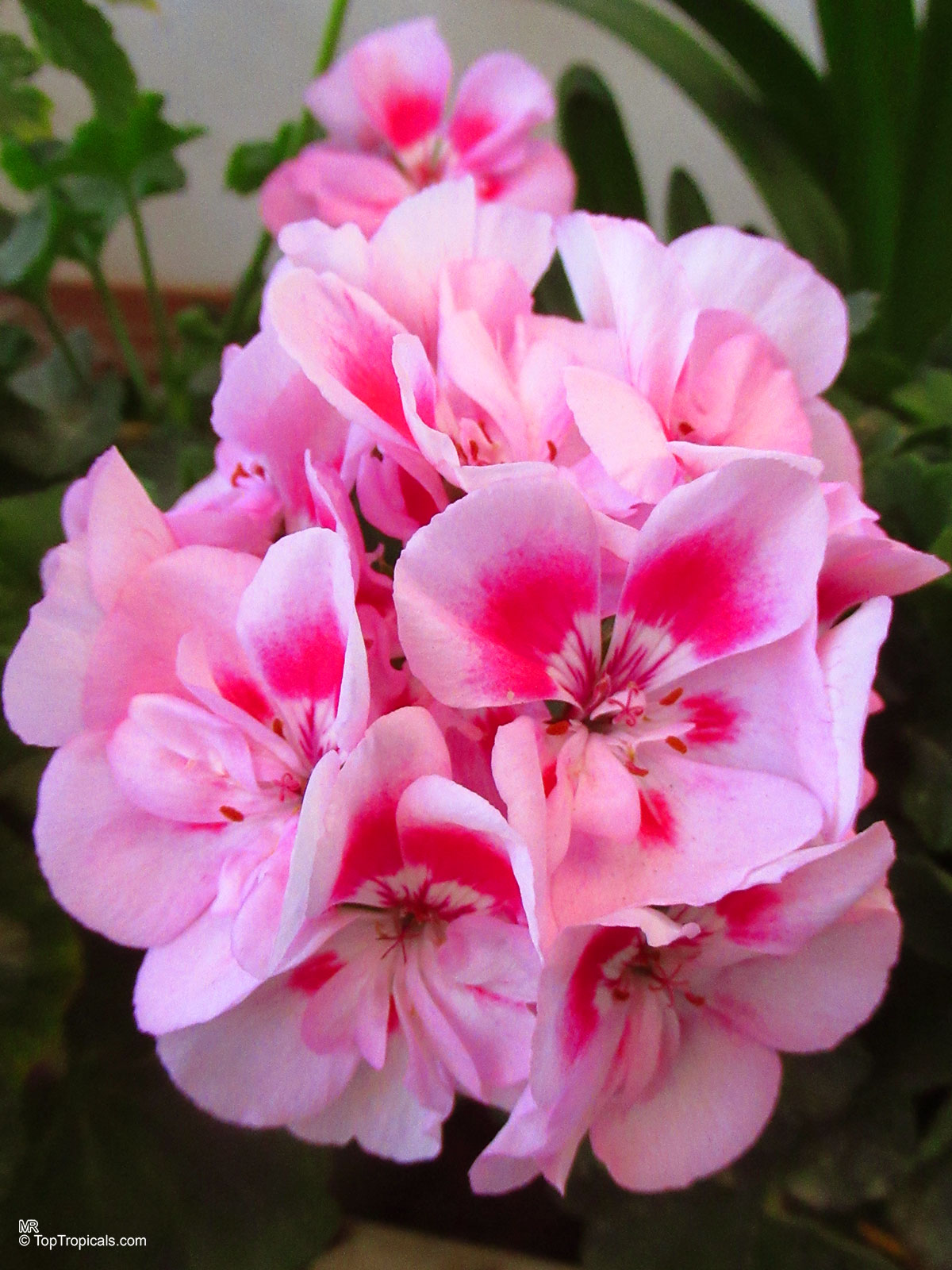
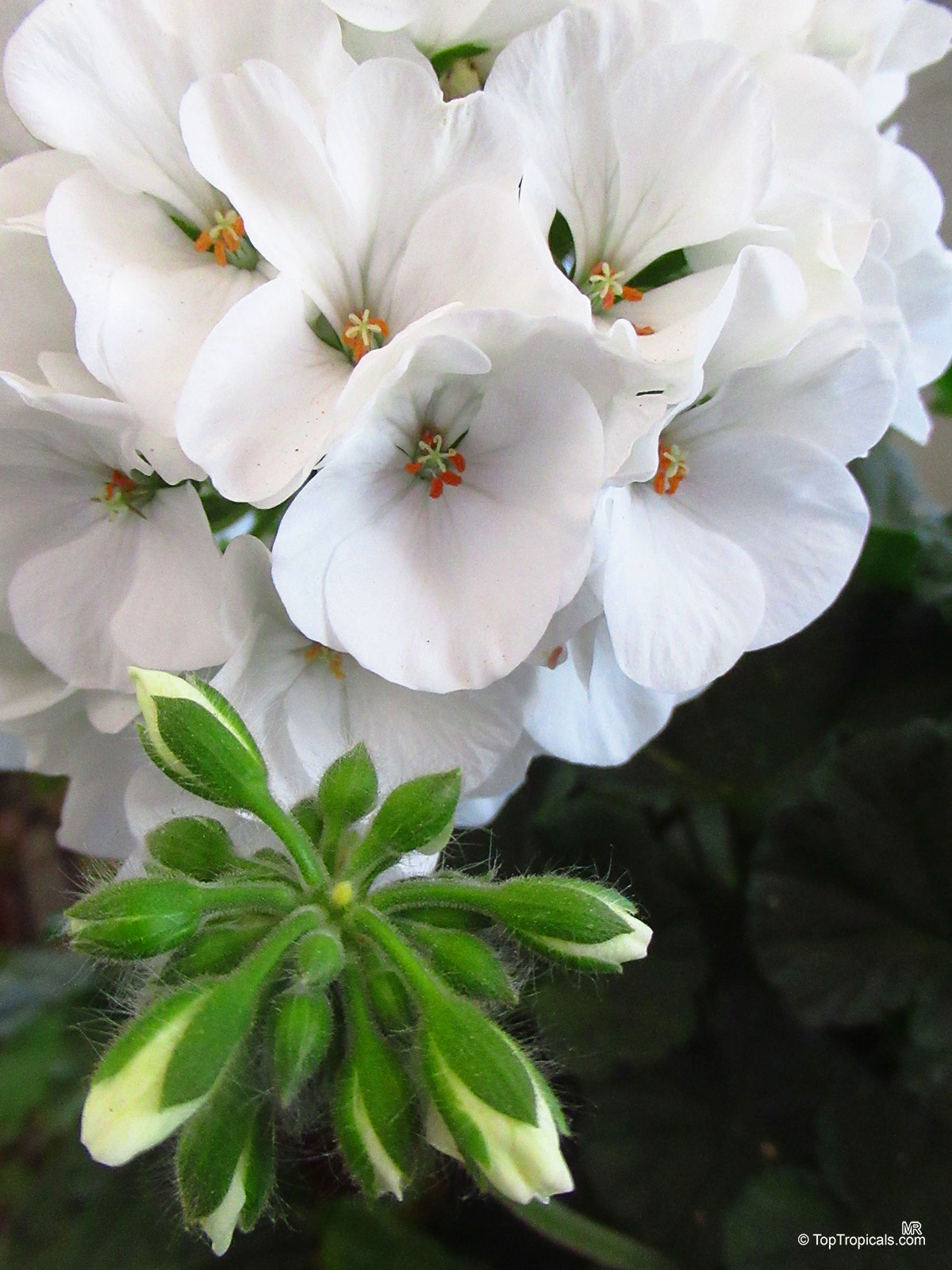
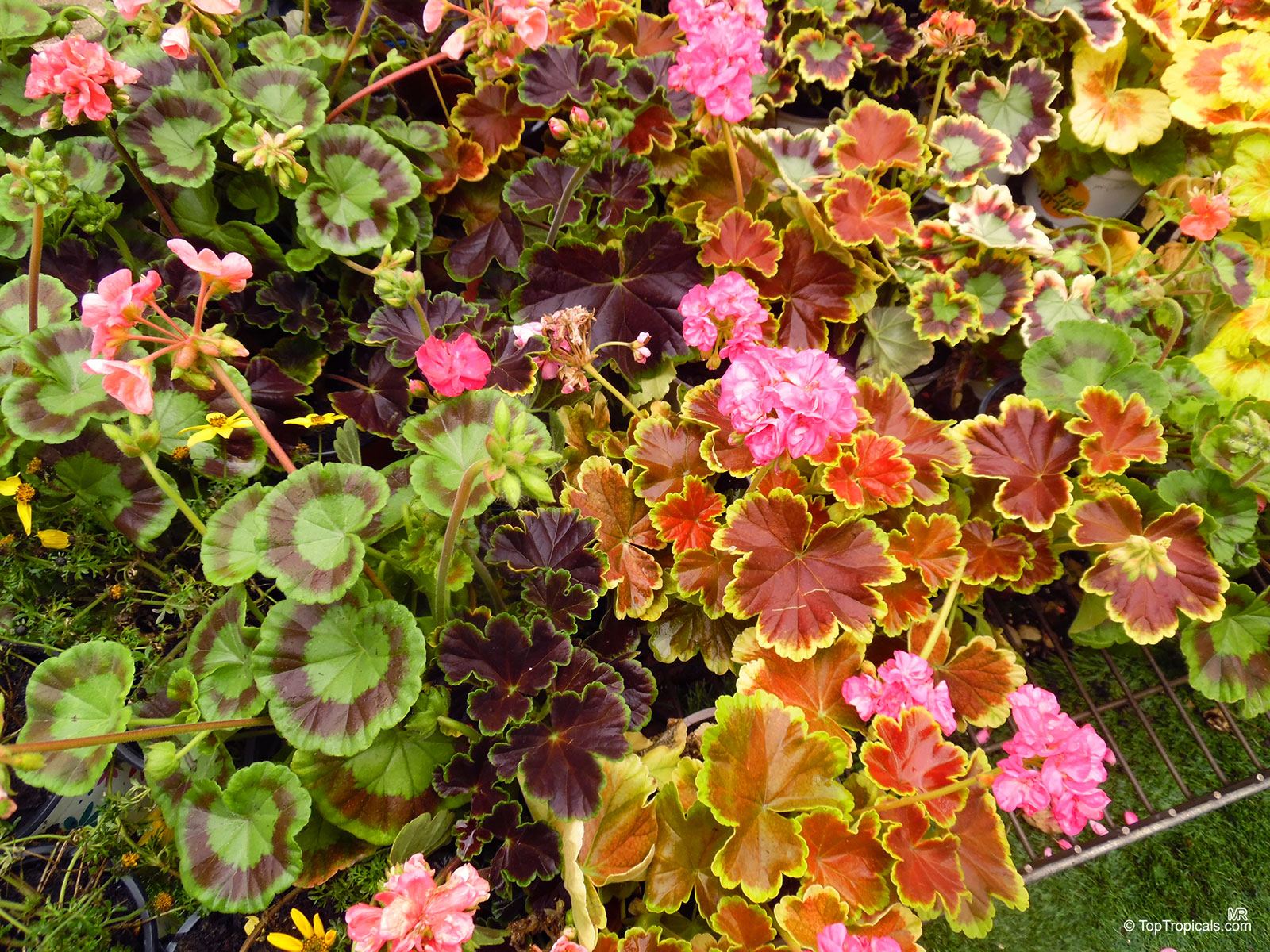
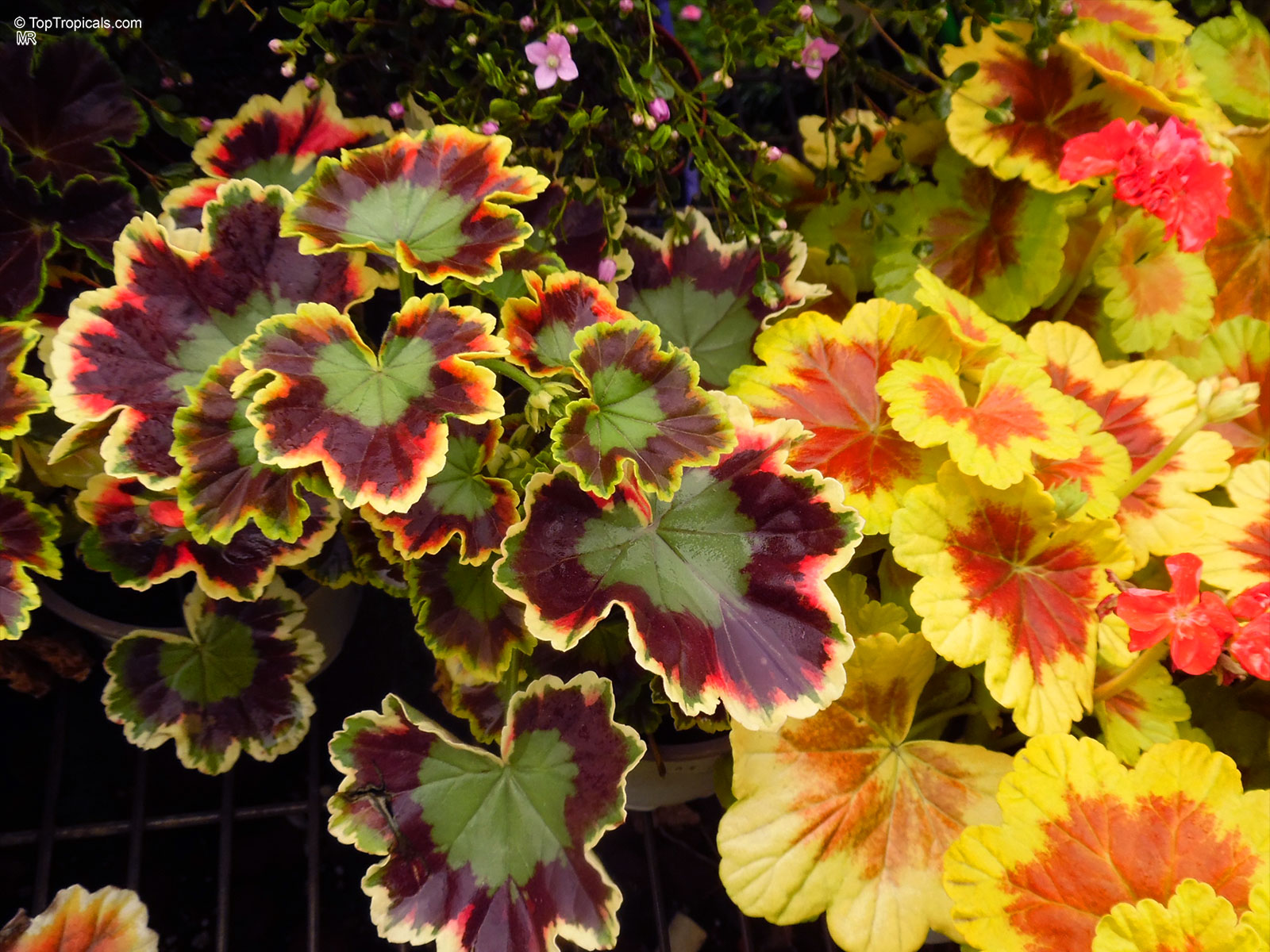
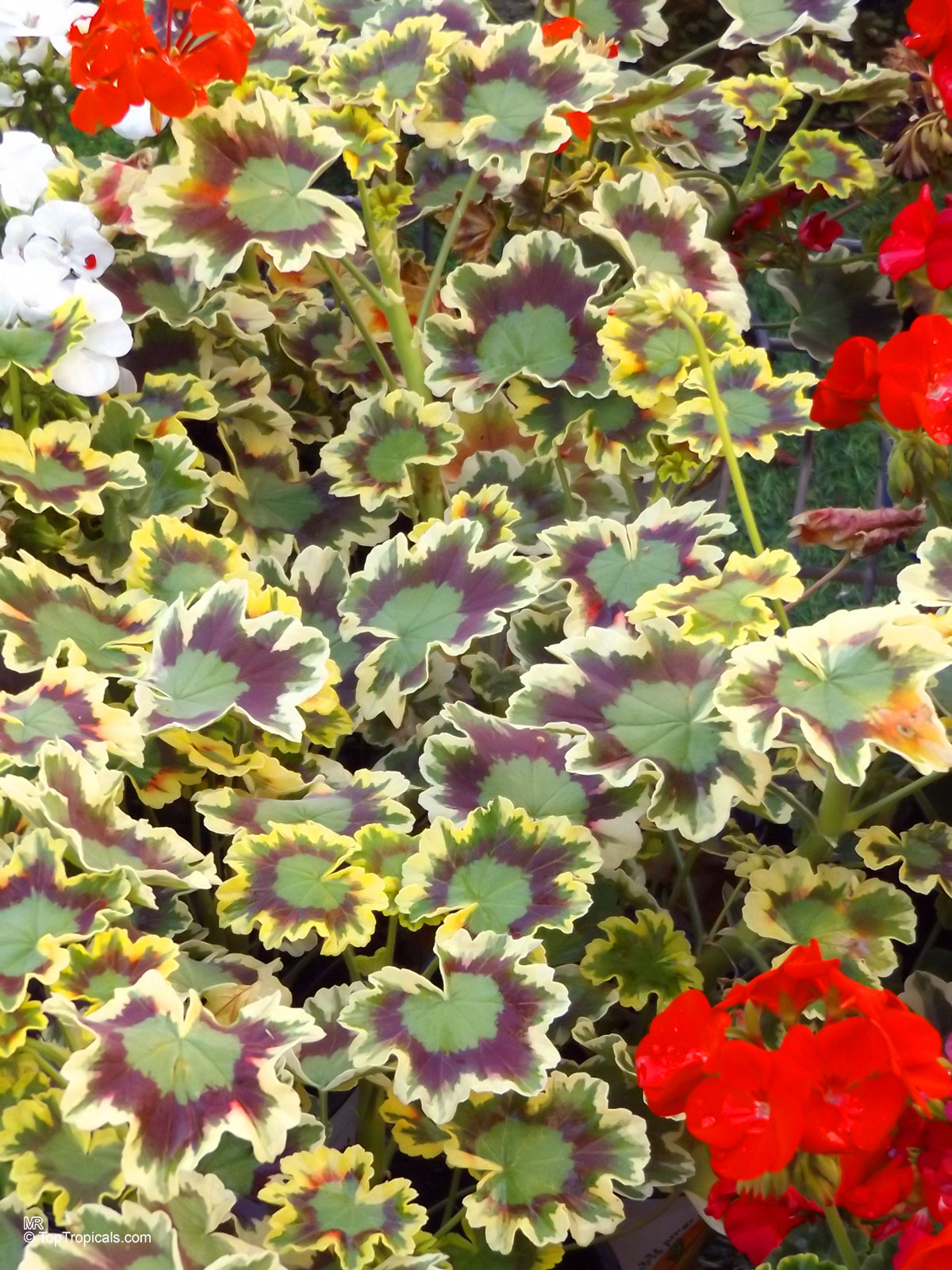
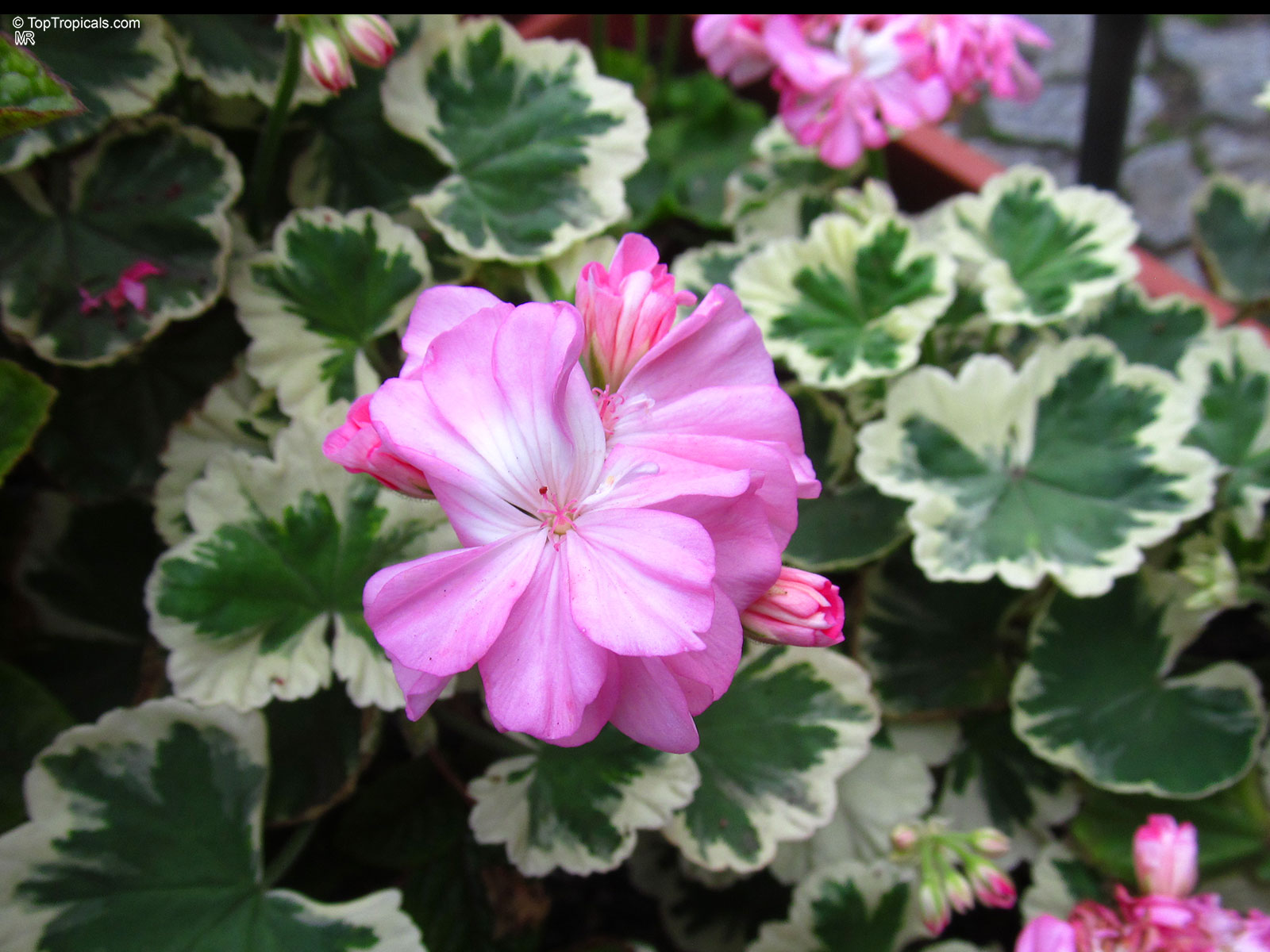
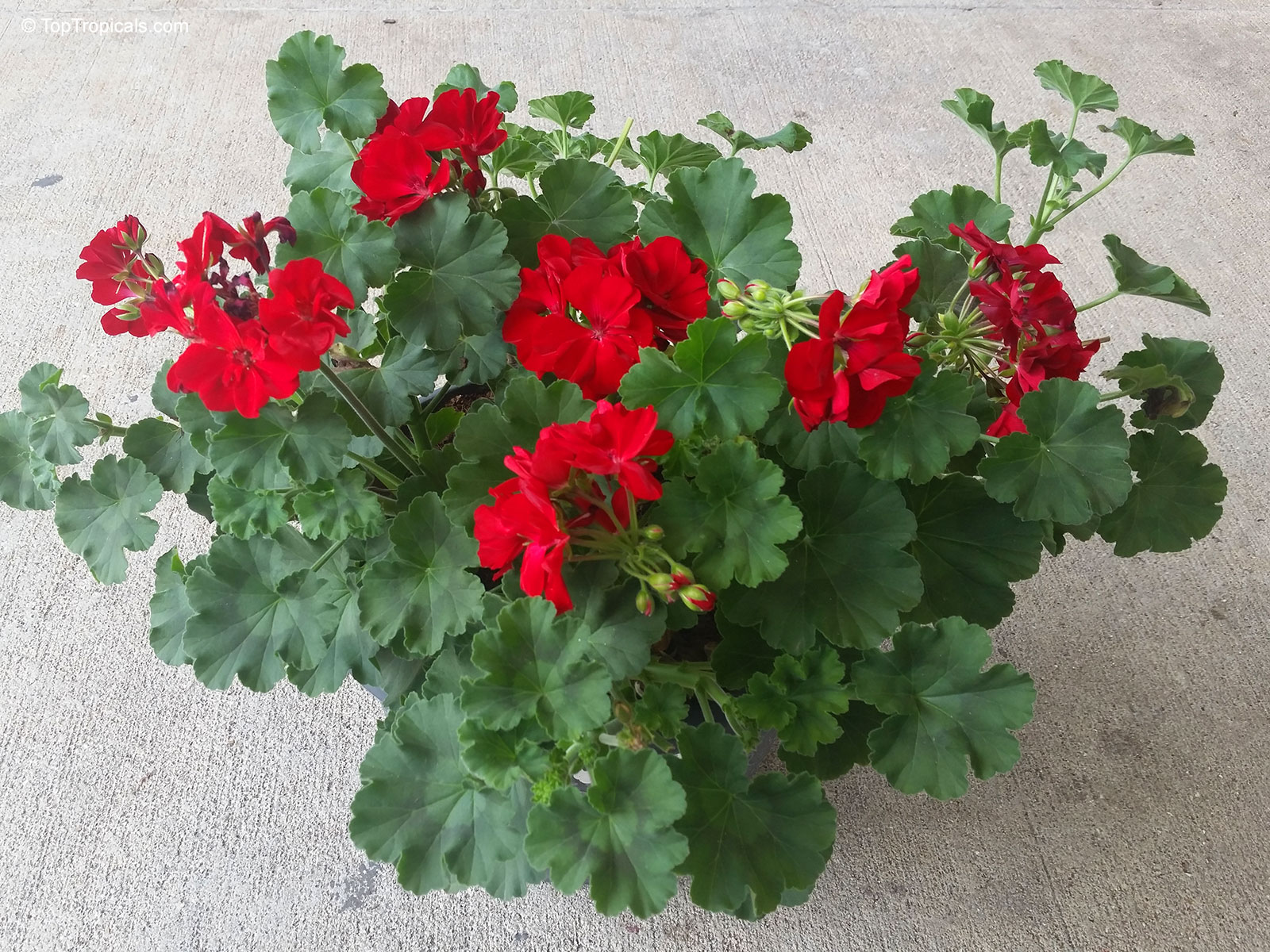
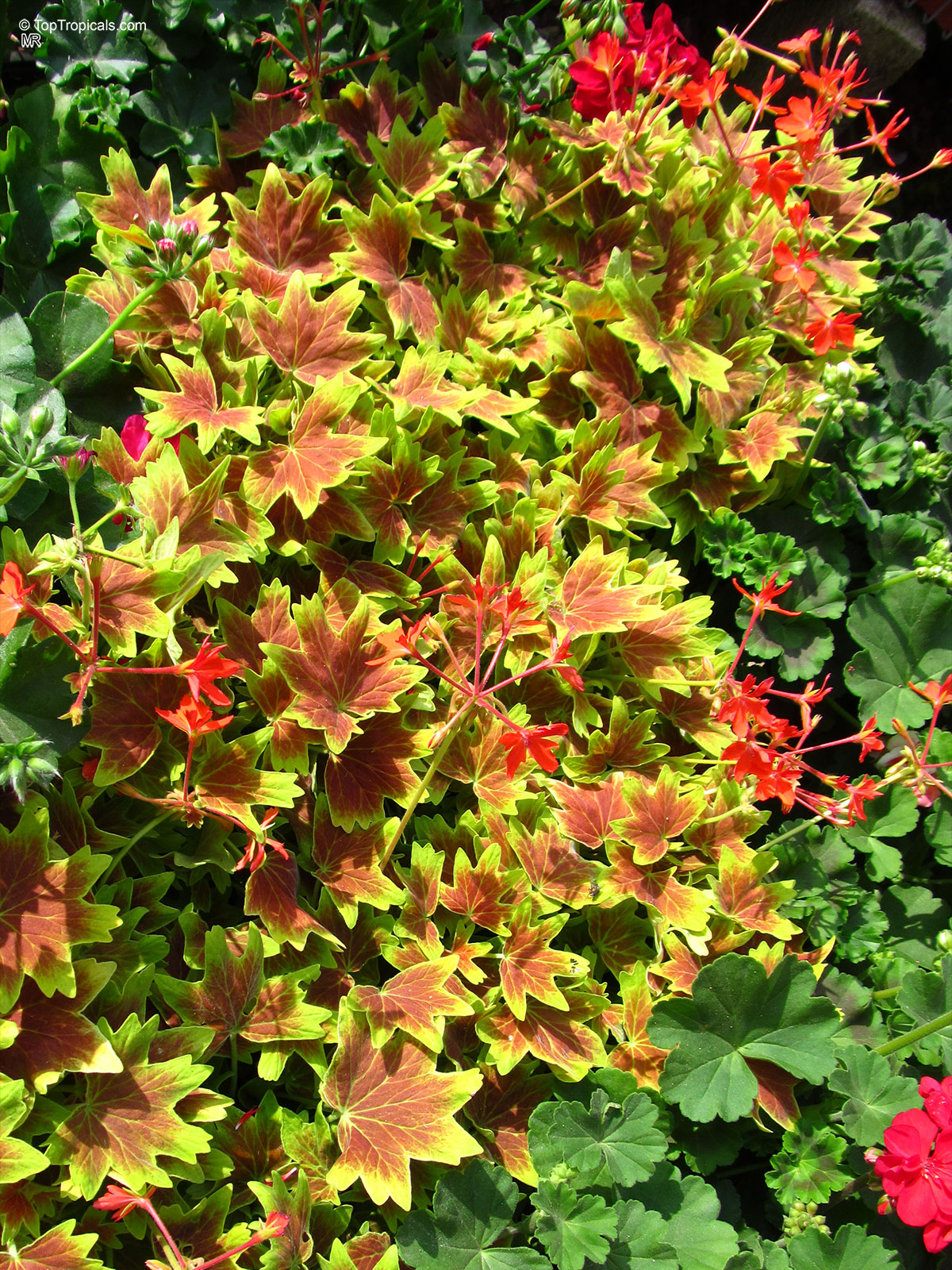
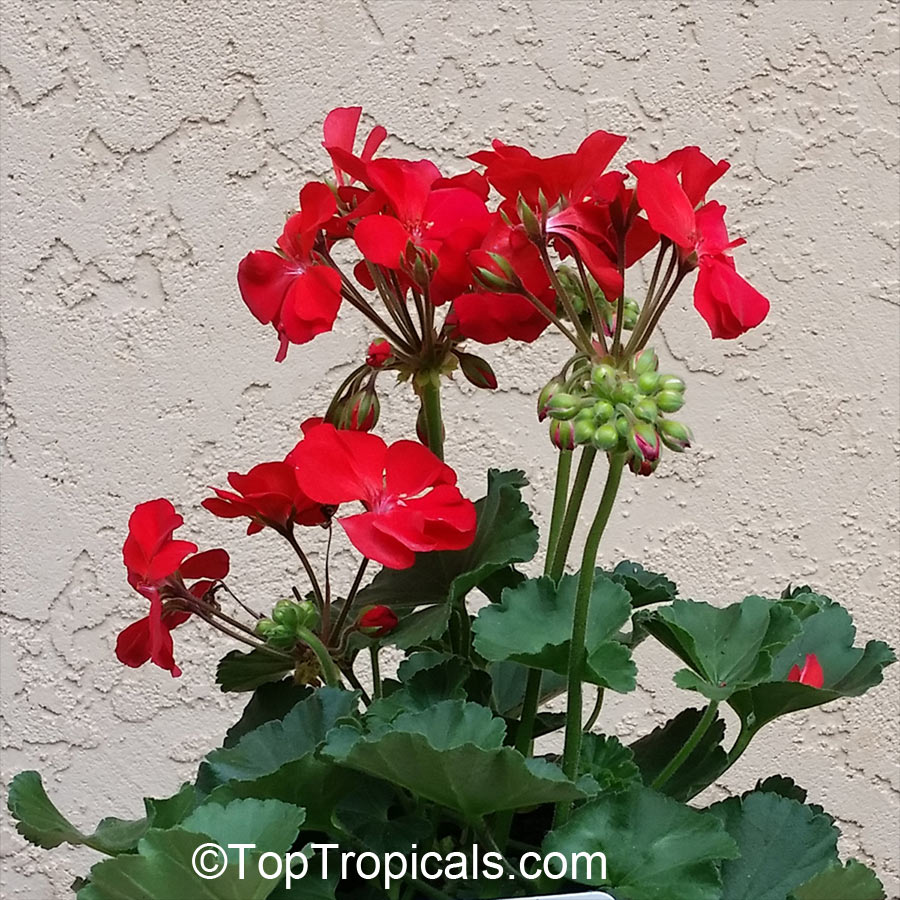
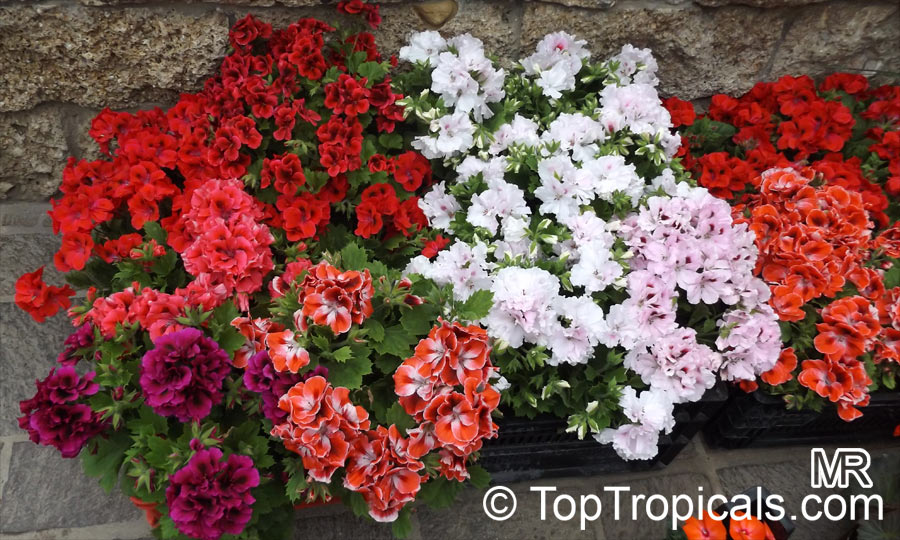
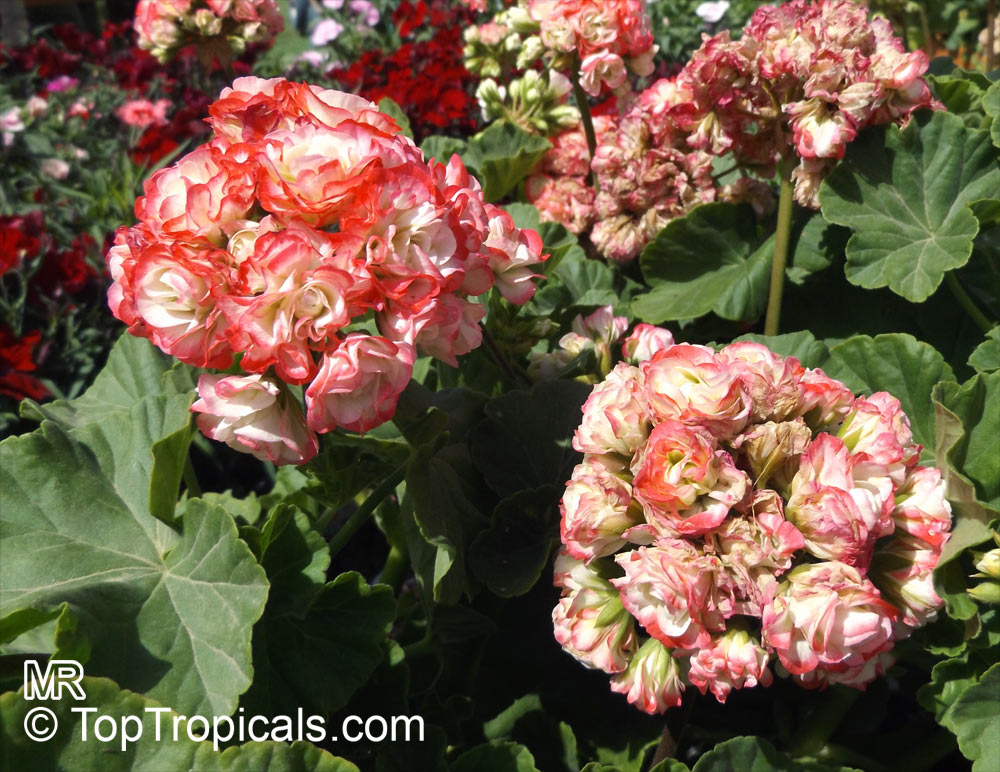
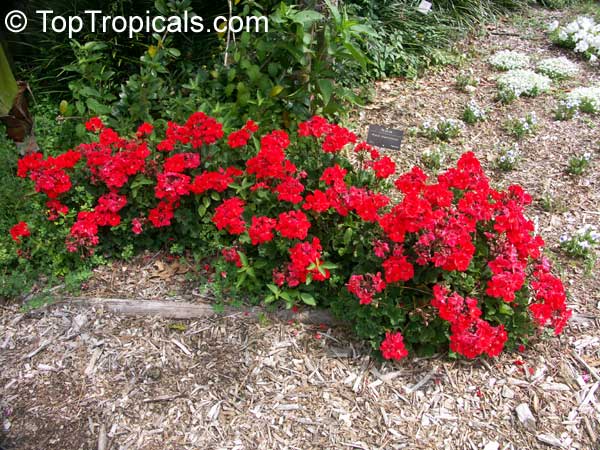
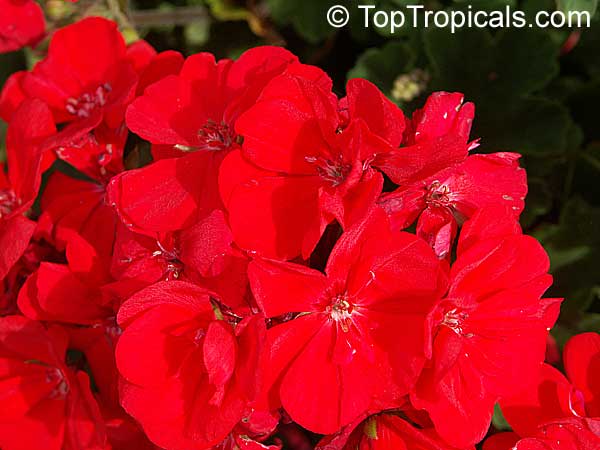
Pelargonium (Zonal Group), commonly known as zonal geranium, is a large and diverse horticultural group of pelargoniums valued for rounded flower clusters and characteristic zoned foliage. Plants typically form compact, bushy specimens 1 to 2 feet tall with semi-succulent stems and rounded leaves often marked by a darker circular band, while dense, spherical inflorescences on upright stems display a wide color range from white and soft pink to vivid red, coral, and bicolored forms depending on the cultivar.
What is Pelargonium (Zonal Group) and why is it also called Pelargonium x hortorum?
Pelargonium (Zonal Group) does not represent a single species but a complex assemblage of cultivars developed through hybridization, primarily involving Pelargonium zonale, Pelargonium inquinans, and related taxa. The name Pelargonium x hortorum has long been used to describe these plants as a nothospecies based on this hybrid origin and remains common in horticulture and trade. However, modern classification prefers the term Zonal Group, which more accurately reflects their multi-parent background and the diversity of cultivated forms. Zonal pelargoniums perform best in full sun to bright light and well-drained soil, with moderate watering and good drying between cycles. They grow at a moderate to fast pace and bloom over a long season, especially with regular deadheading and light pruning. Suitable for USDA zones 10 to 11, they are frost-sensitive and should be protected below about 32 to 35 F.
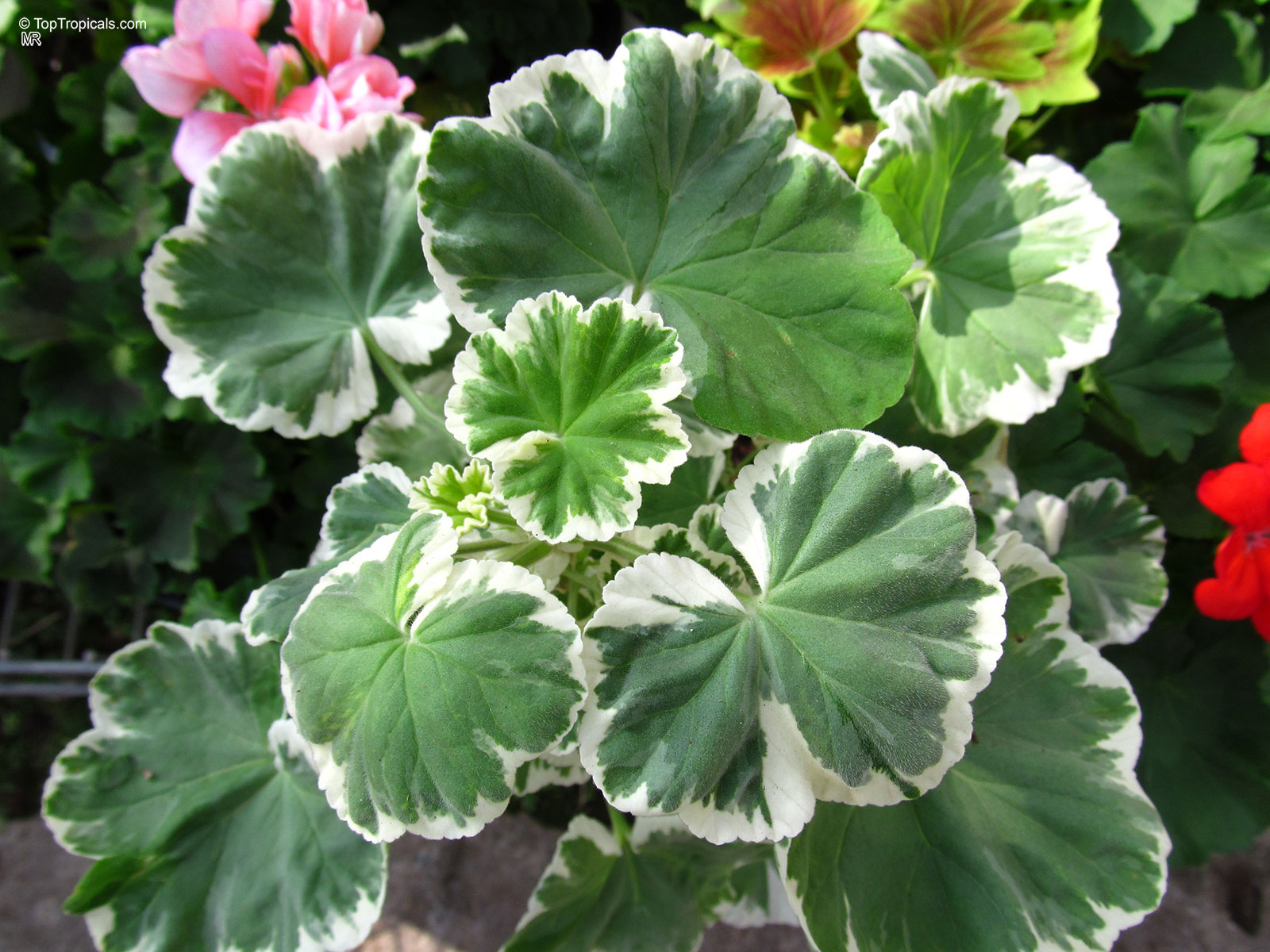
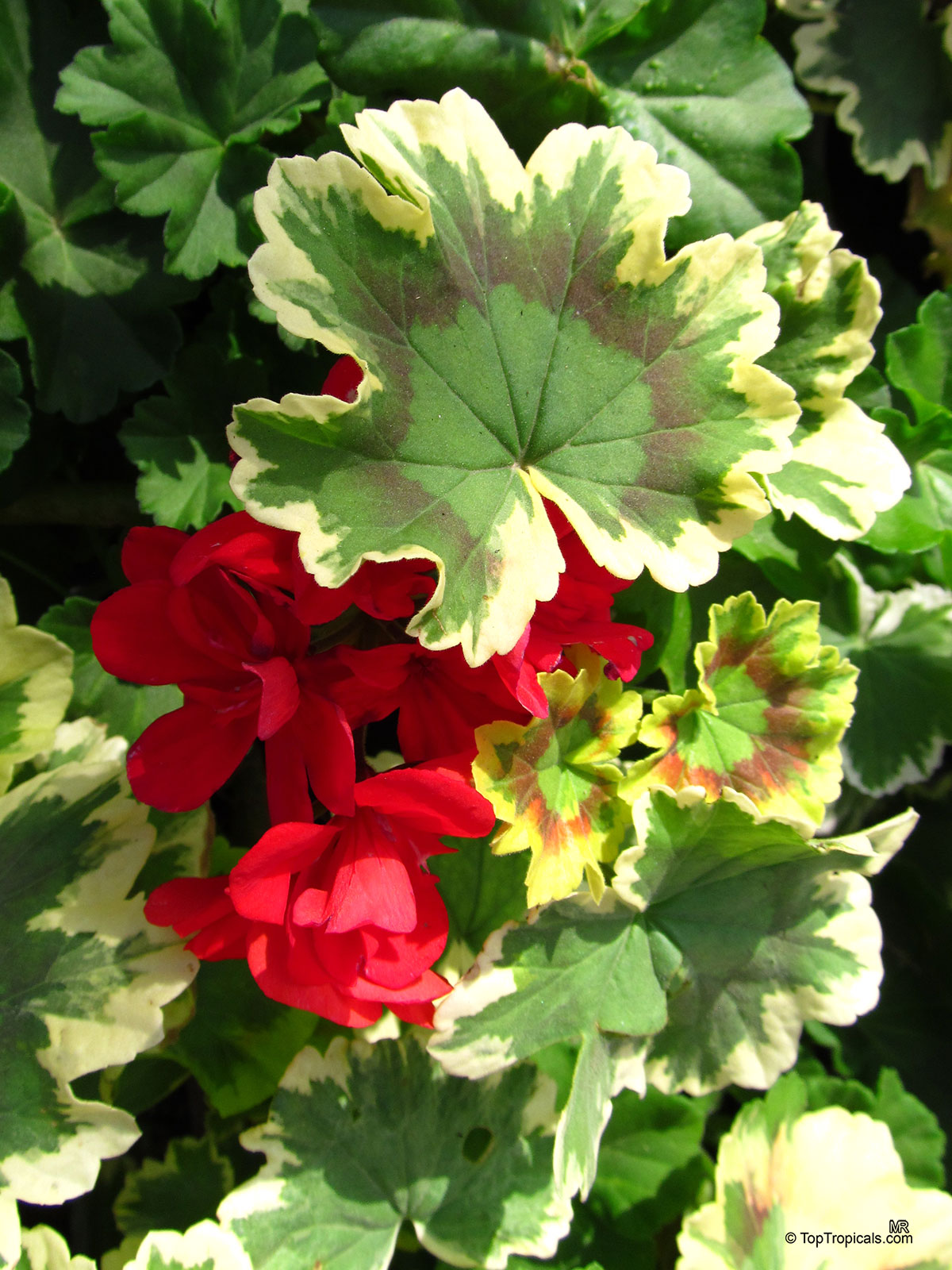
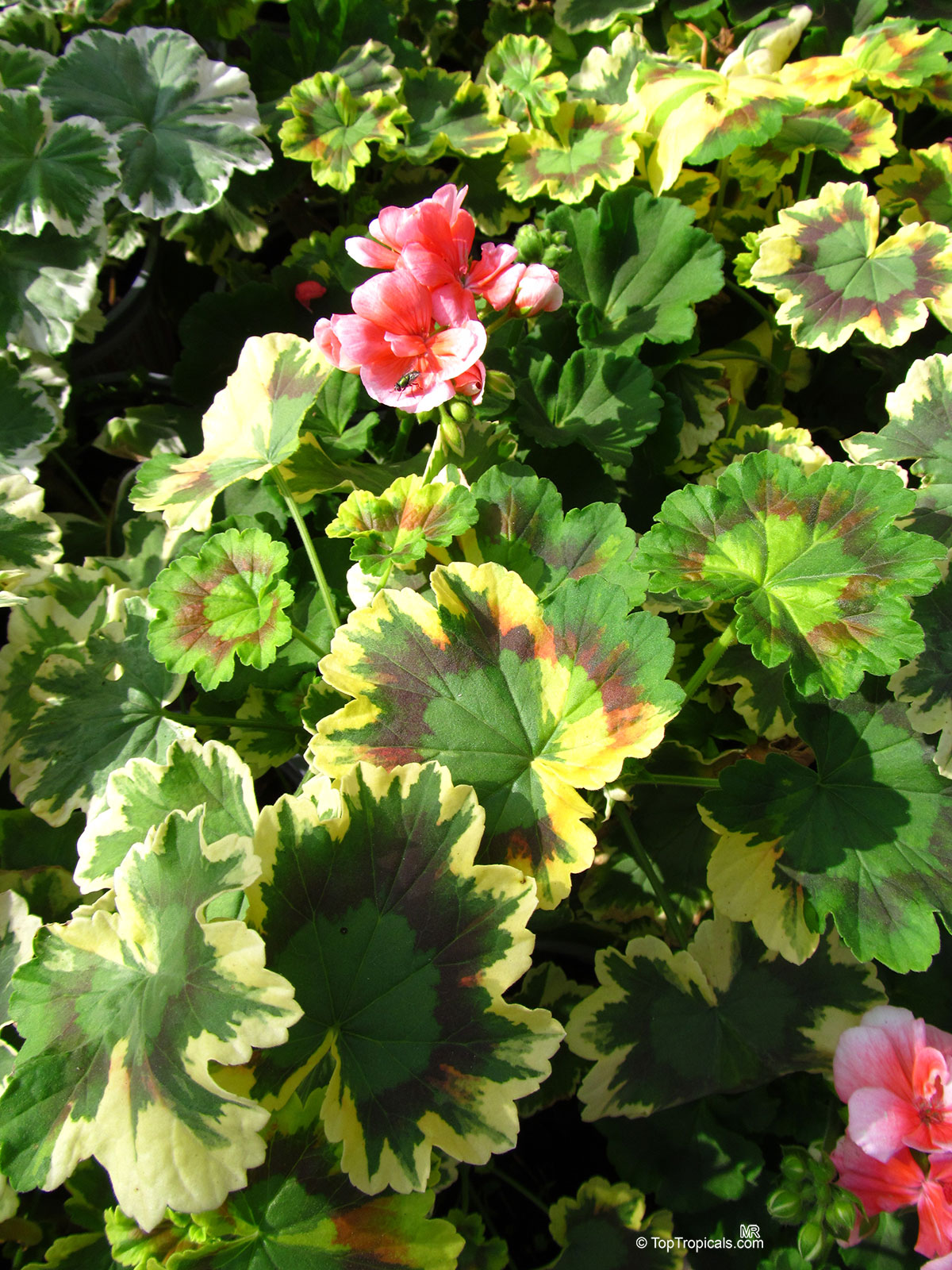
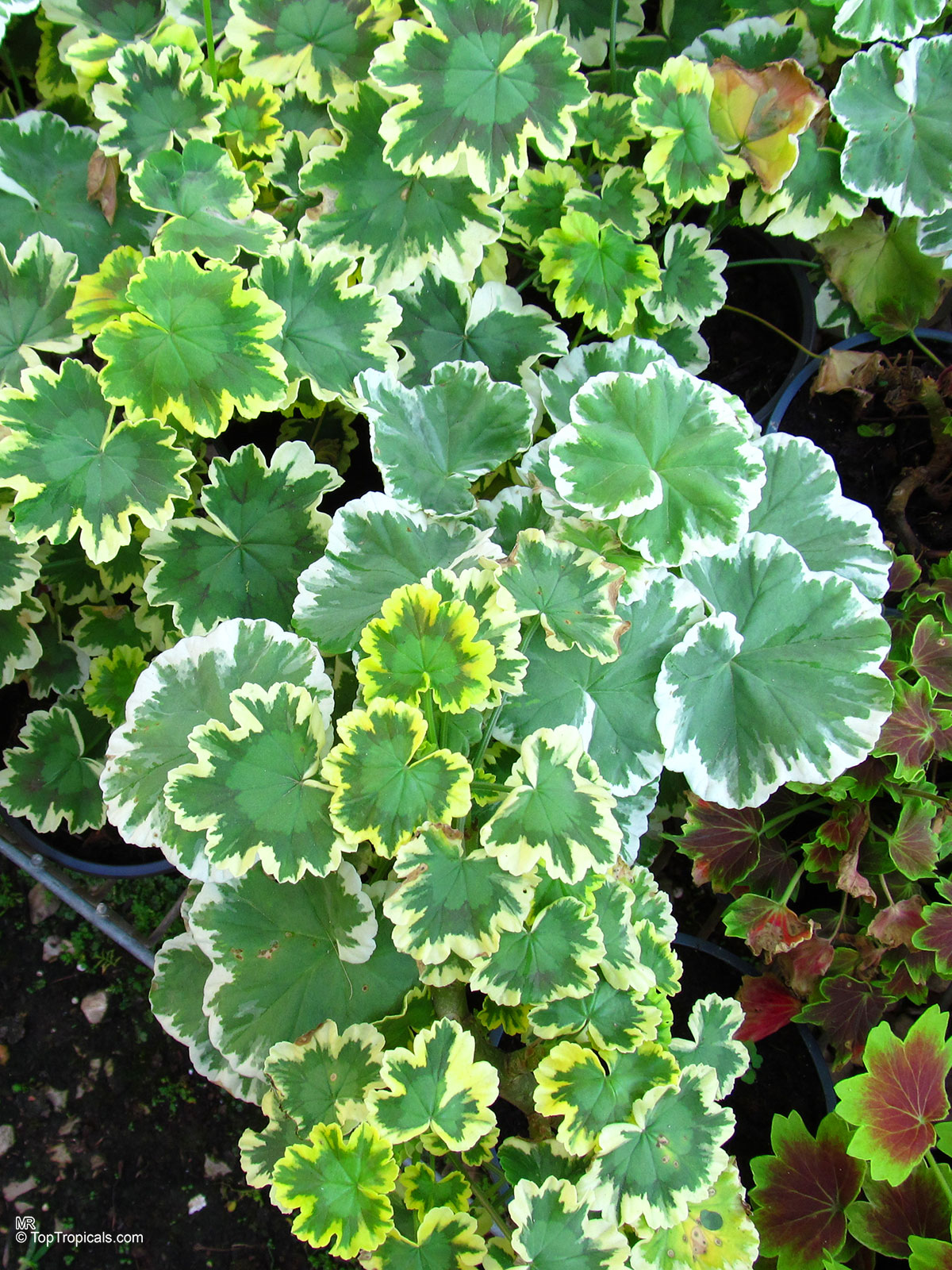
Botanical name: Pelargonium sp.
Common name: Stellar Pelargonium
Cultivar group: Stellar Group
Family: Geraniaceae
Hardiness: 35°F
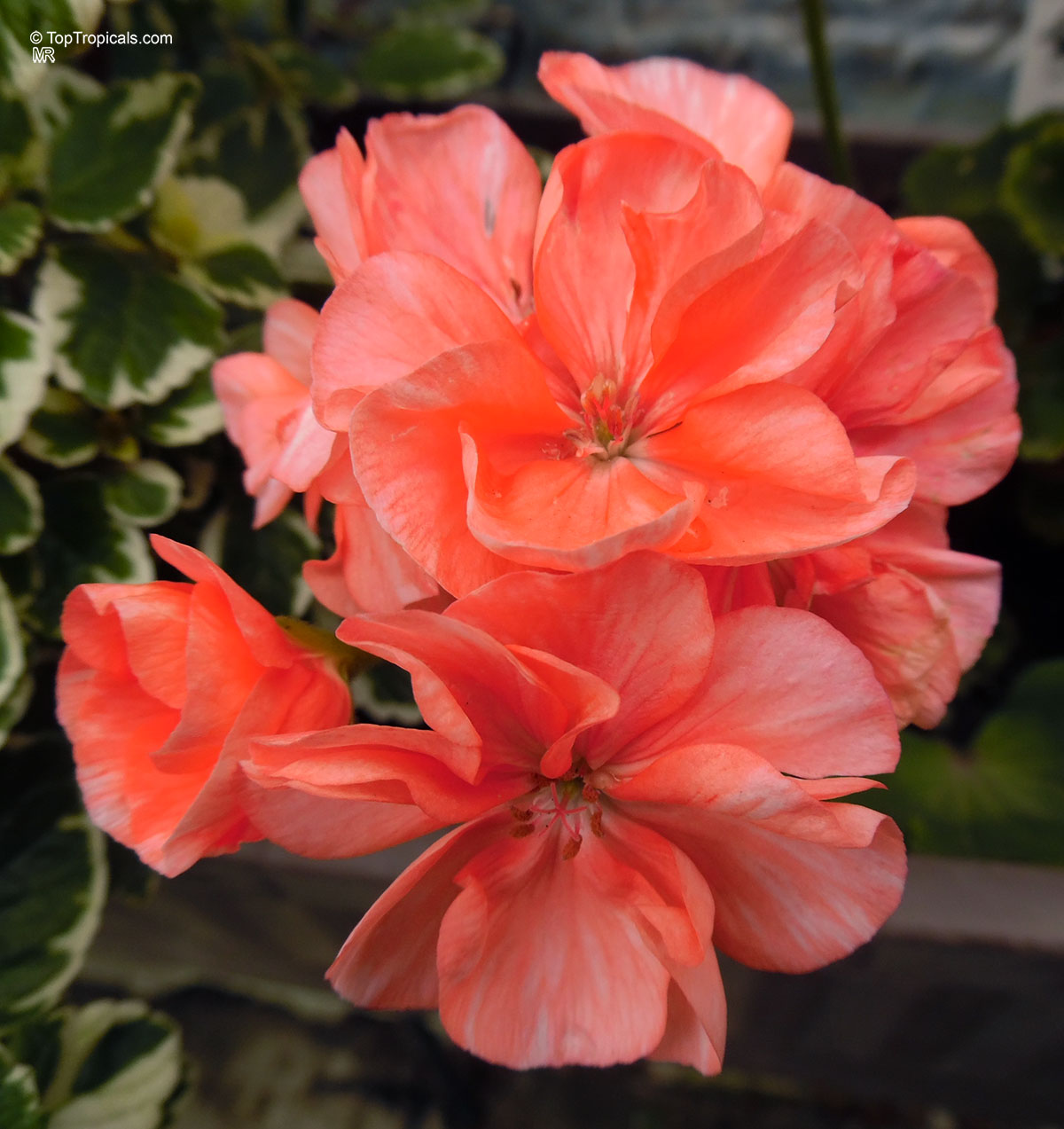
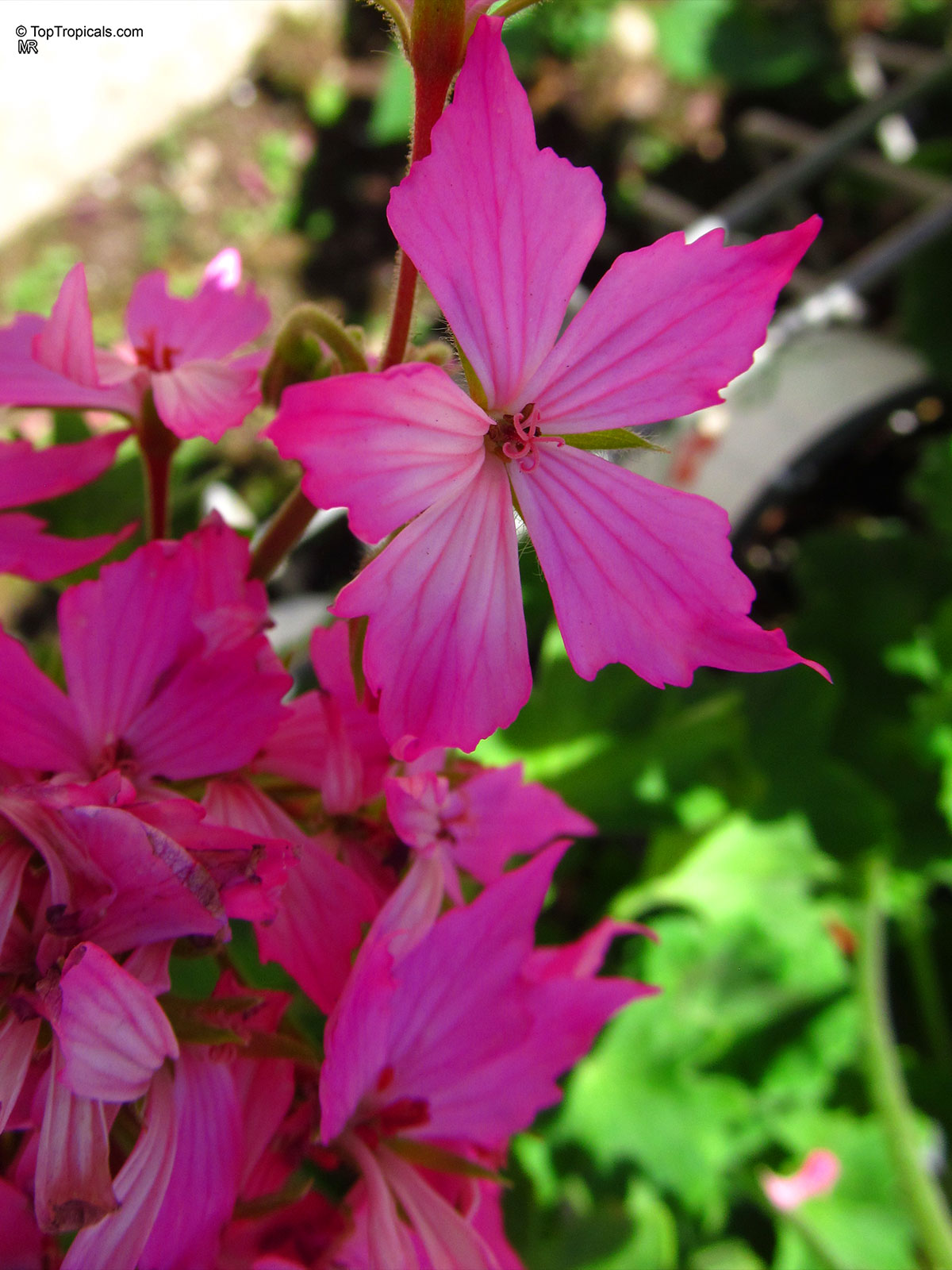
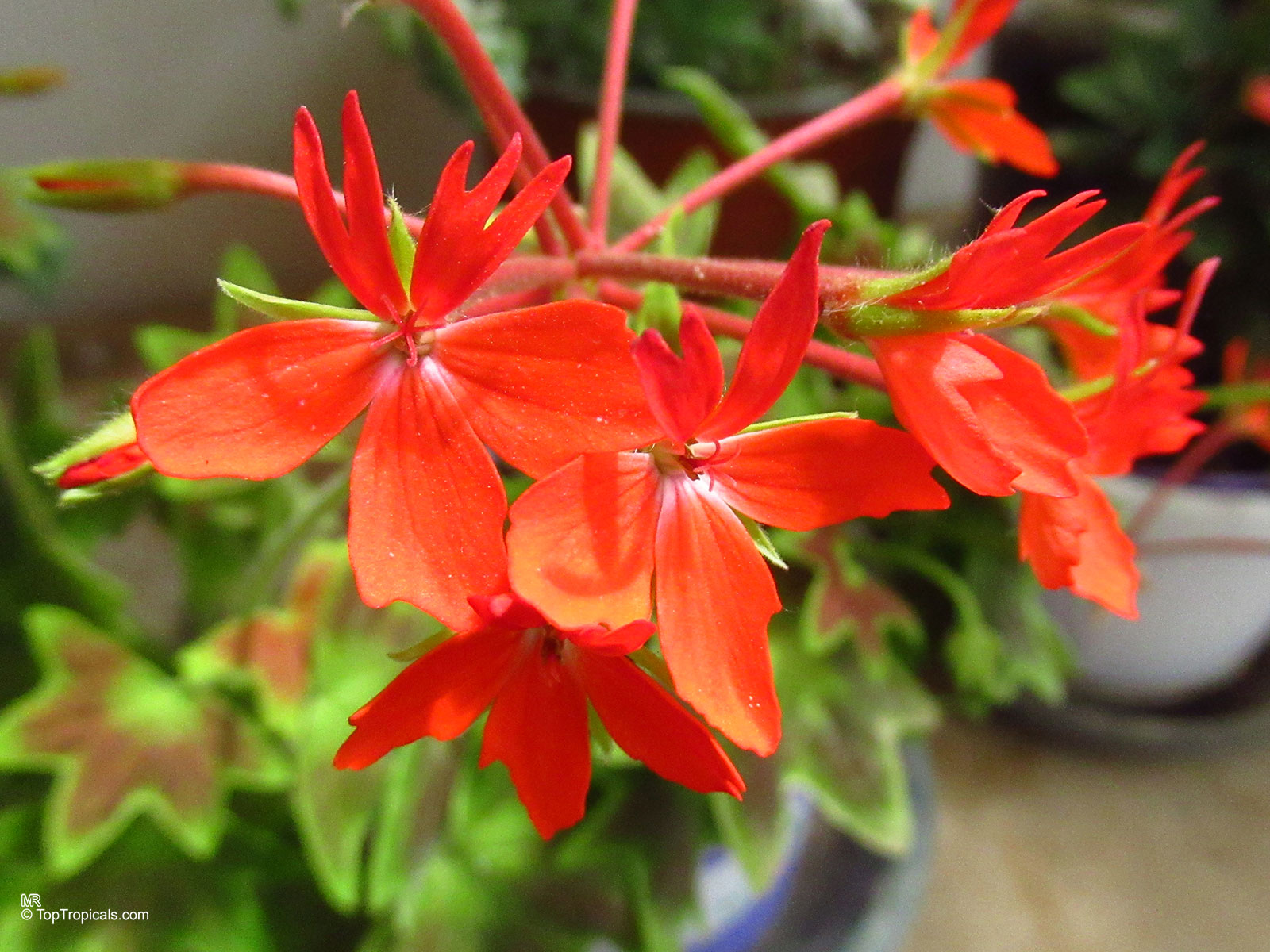
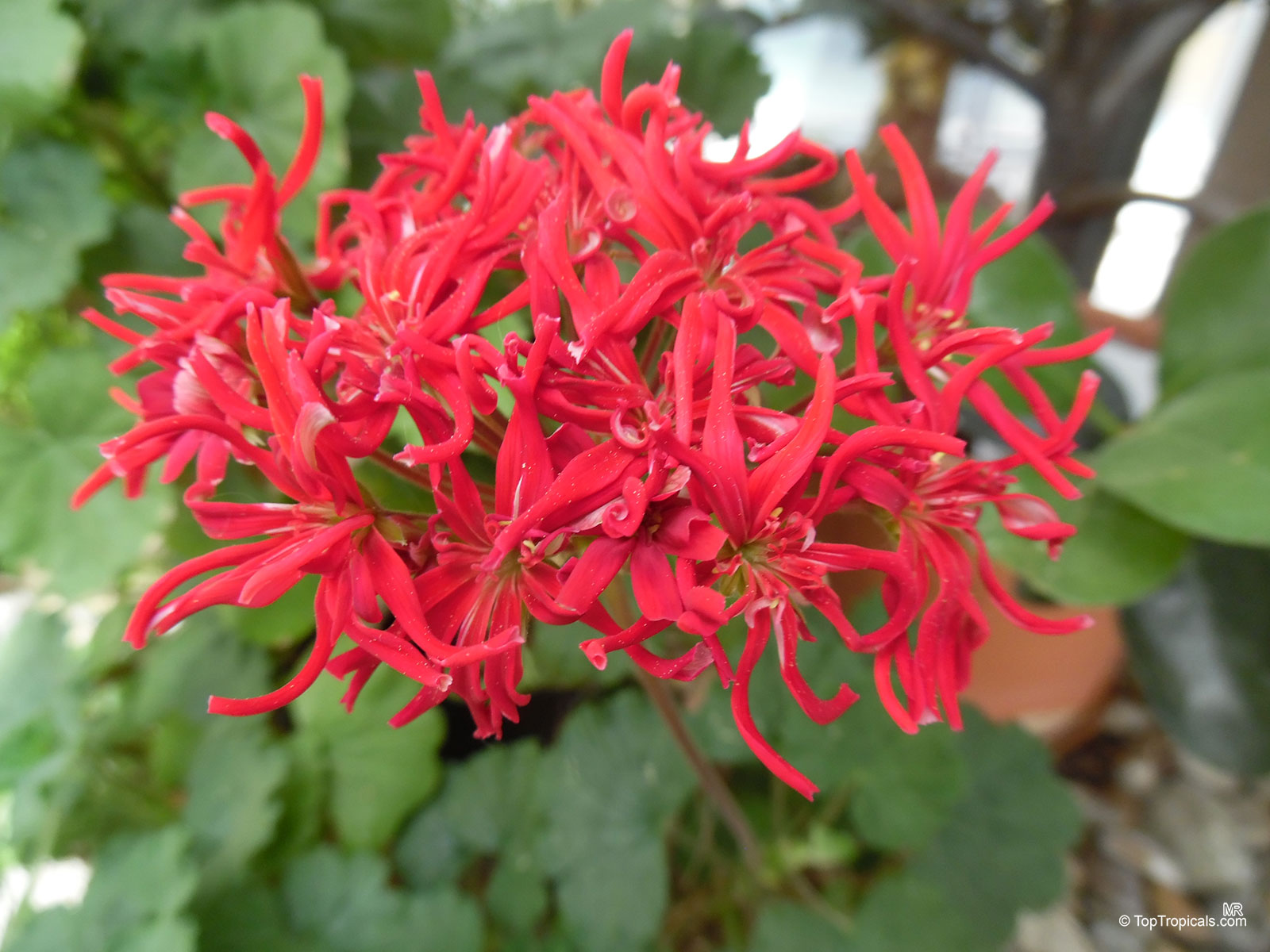
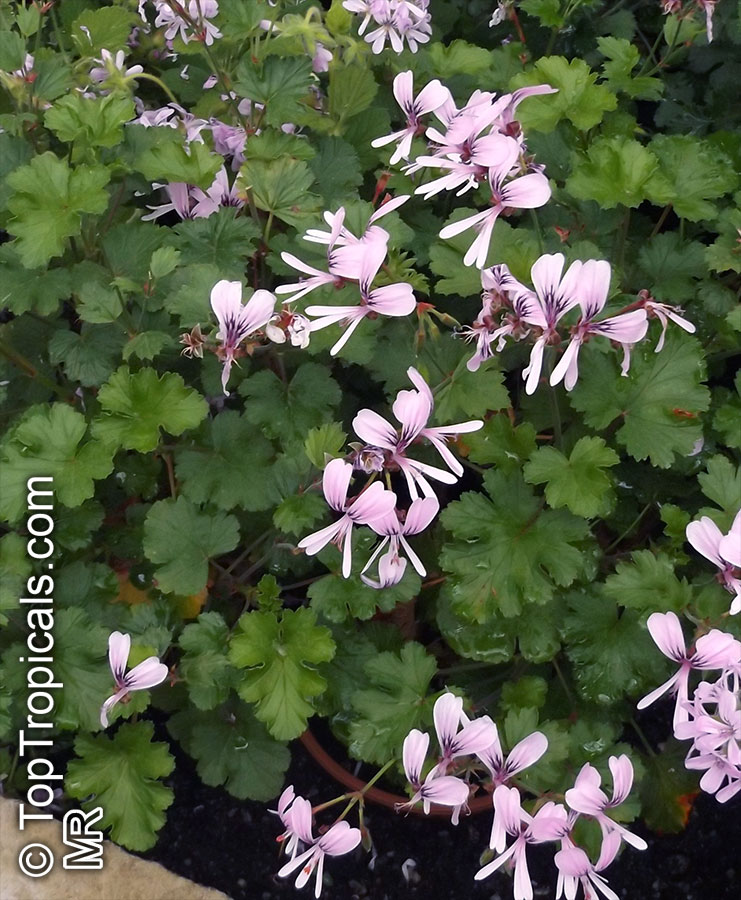
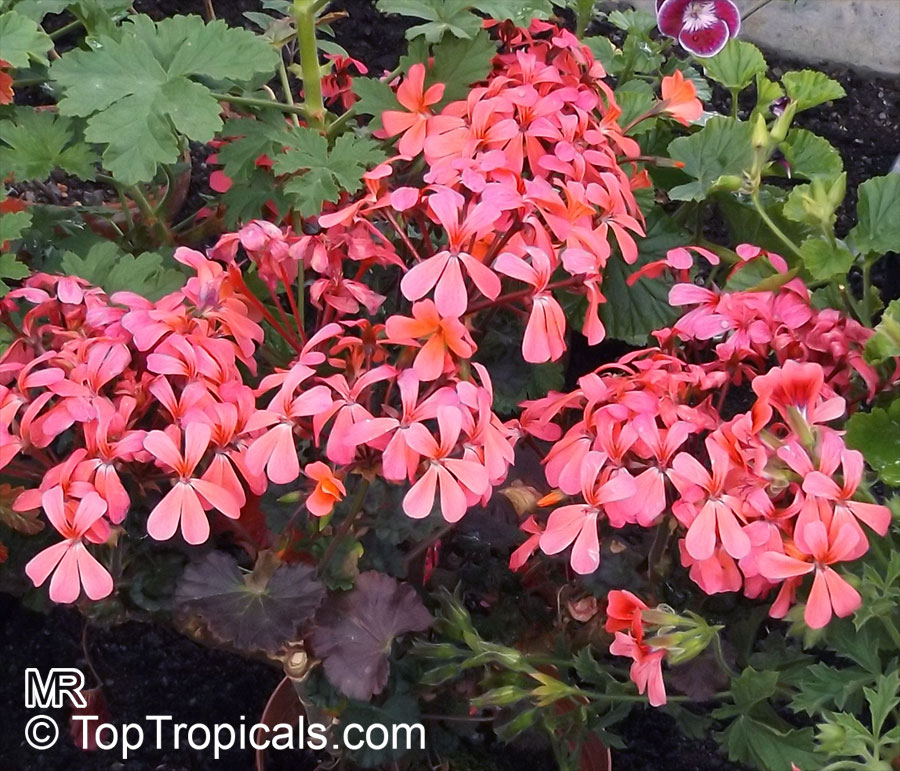
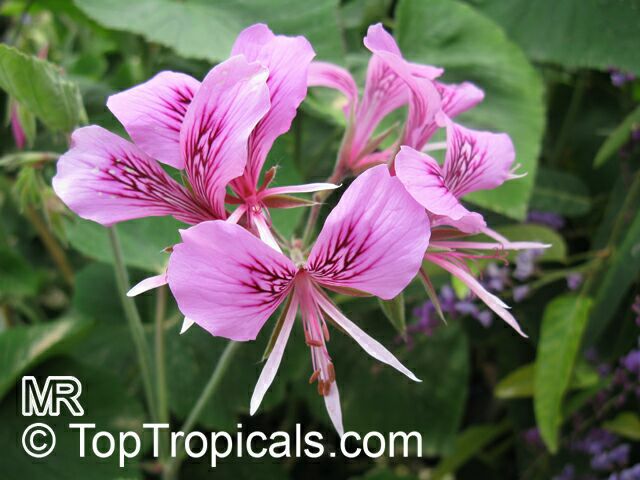
Pelargonium (Stellar Group) represents a morphological subgroup within the broader Pelargonium (Zonal Group), comprising cultivars derived from the same complex hybrid background involving Pelargonium zonale, Pelargonium inquinans, and related taxa, and therefore also commonly associated with the traditional name Pelargonium x hortorum. These plants retain the general compact, bushy habit typical of zonal pelargoniums, with semi-succulent stems and clustered inflorescences, but are immediately distinguished by their floral morphology: the petals are narrow, irregular, and often pointed, creating a star-like or slightly fringed appearance rather than the rounded outline seen in standard forms.
Stellar pelargoniums are typically grown in containers or as seasonal ornamentals, where their distinct flower shape sets them apart from other zonal types. They perform best in full sun to bright light and well-drained soil, with moderate watering and drying between cycles to prevent excess moisture around the roots. Growth is moderate to fast under warm conditions, and regular deadheading and light pruning help maintain a compact habit and support continued flowering. Suitable for USDA zones 10 to 11, they are frost-sensitive and should be protected below about 32 to 35 F.
Botanical name: Pelargonium tetragonum
Common name: Square-stemmed Pelargonium
Family: Geraniaceae
Hardiness: 35°F
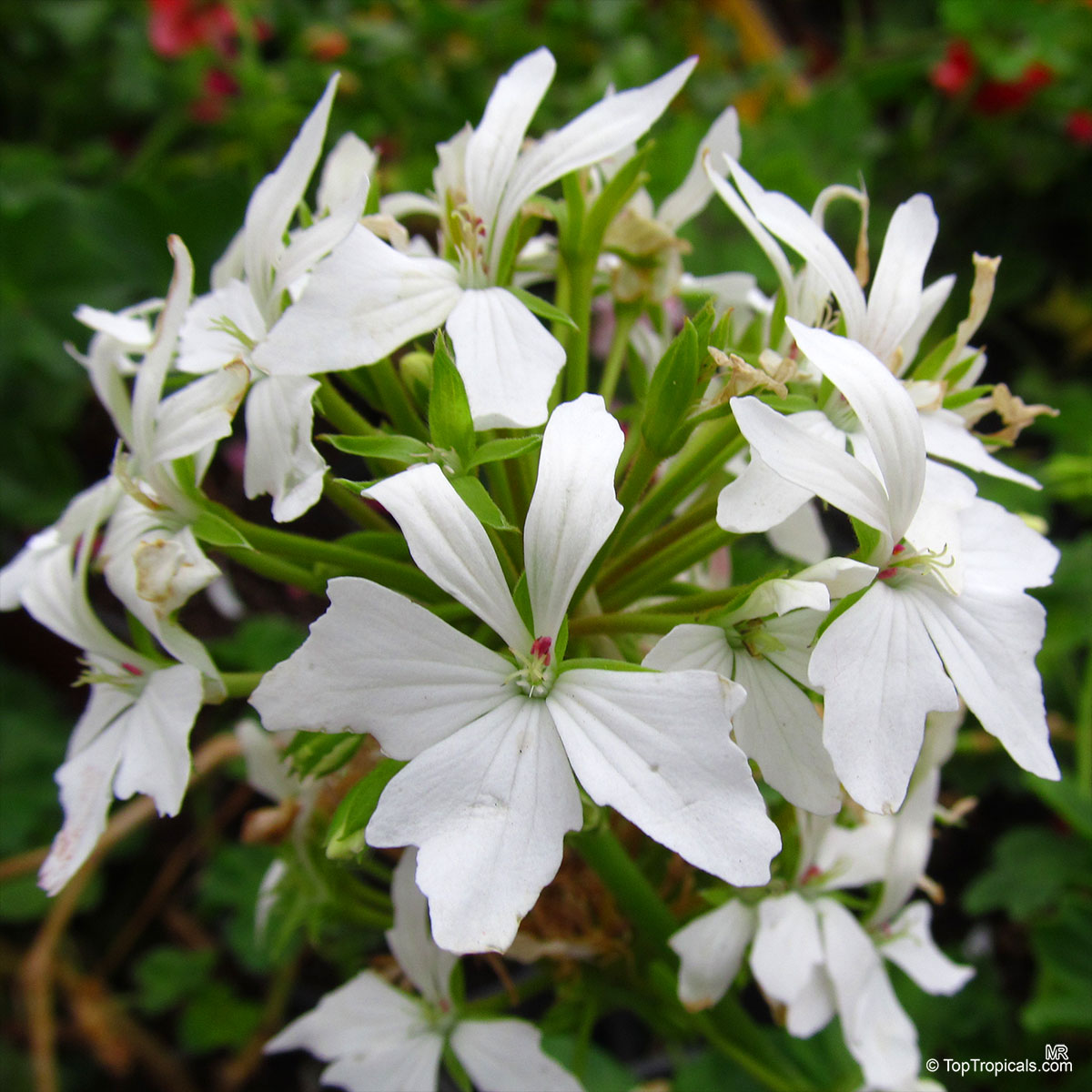
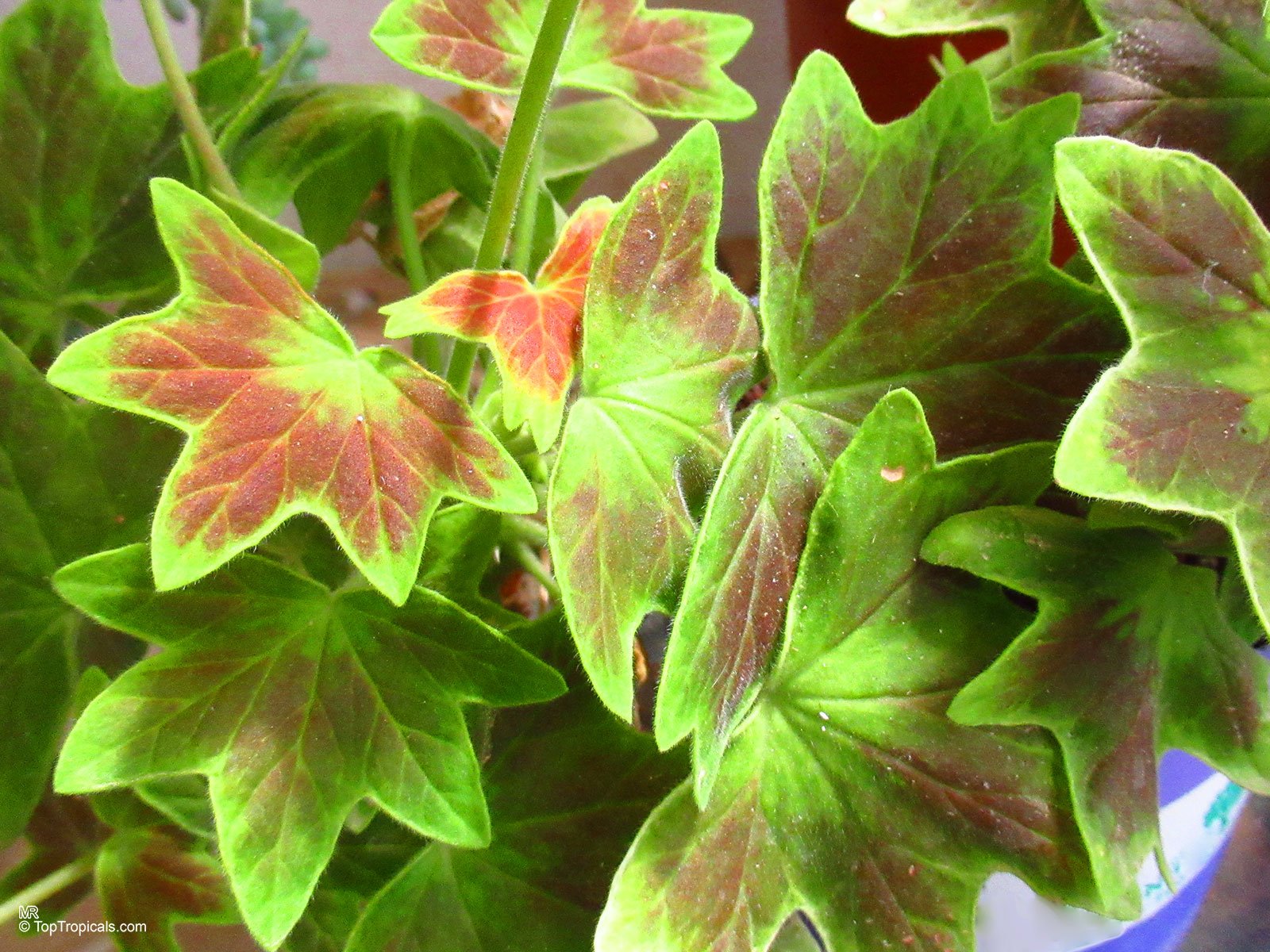
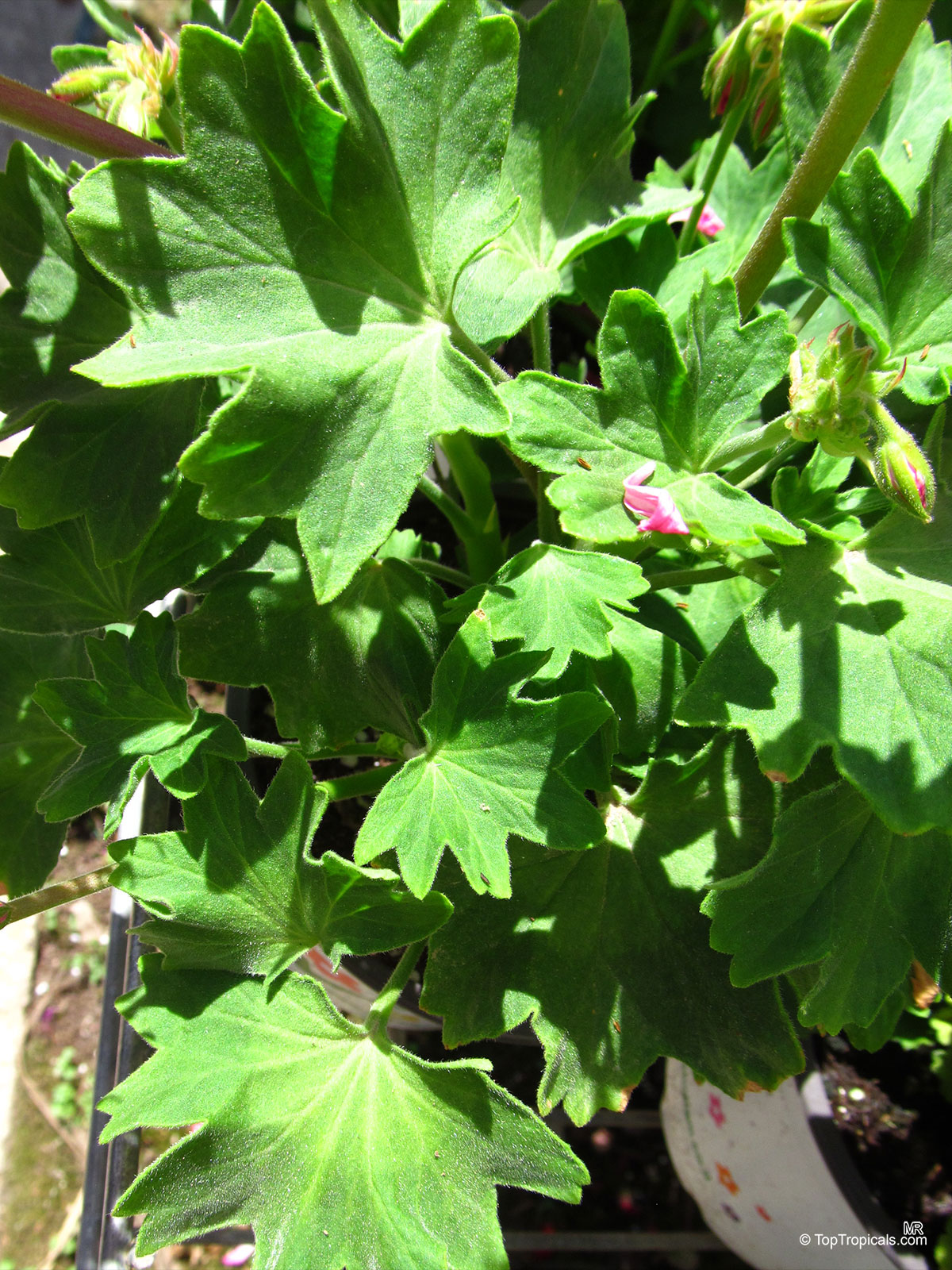
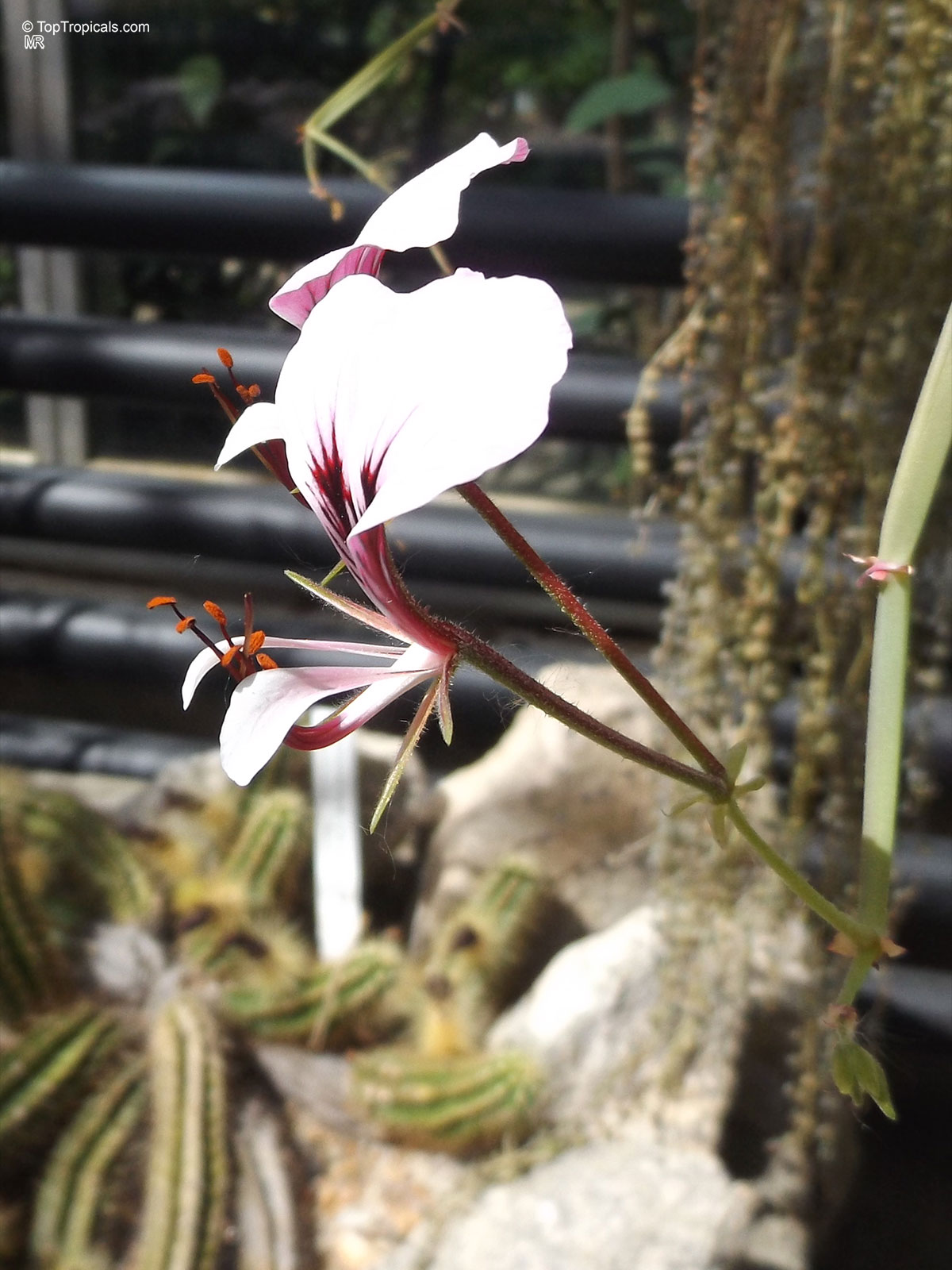
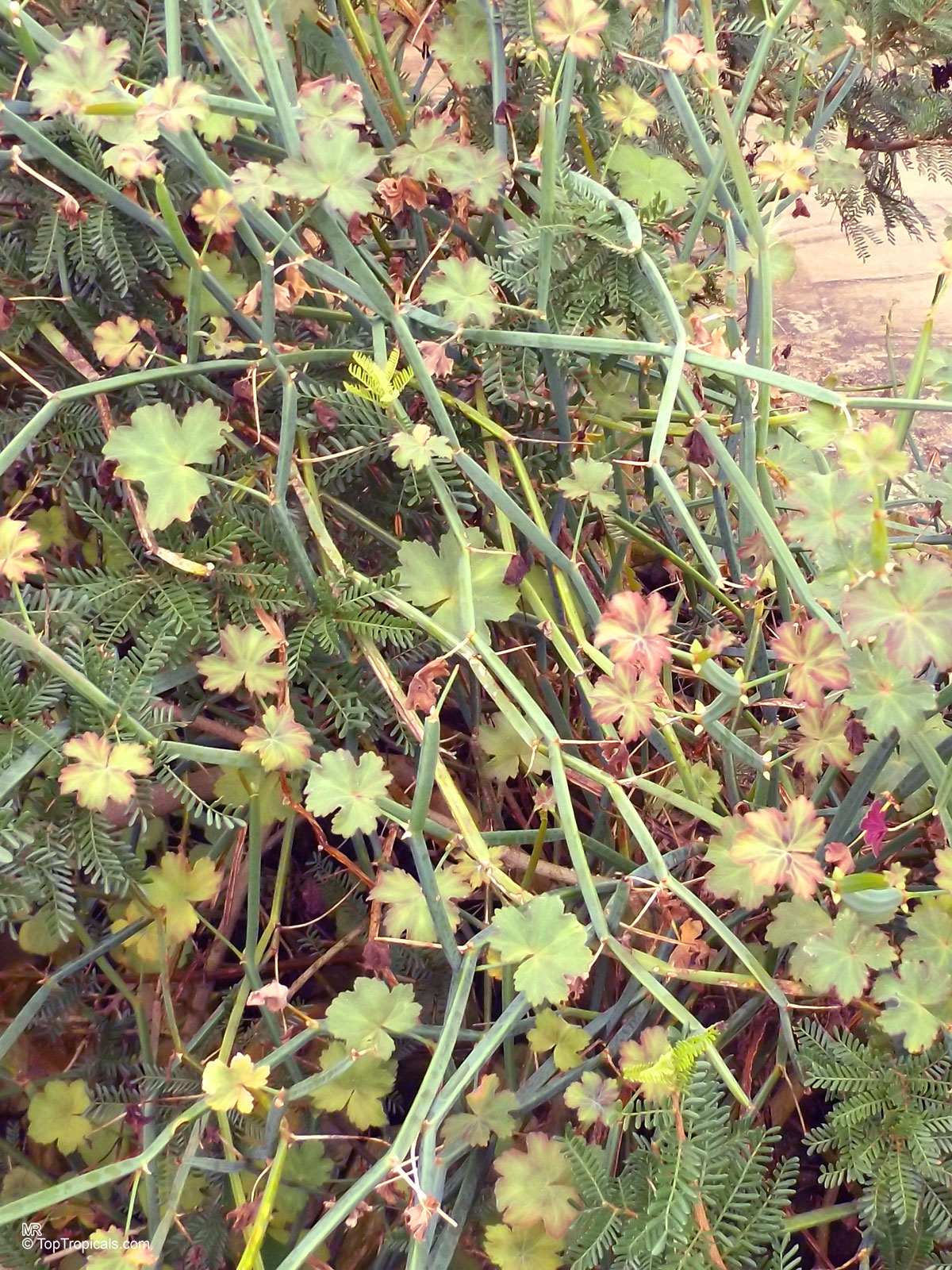
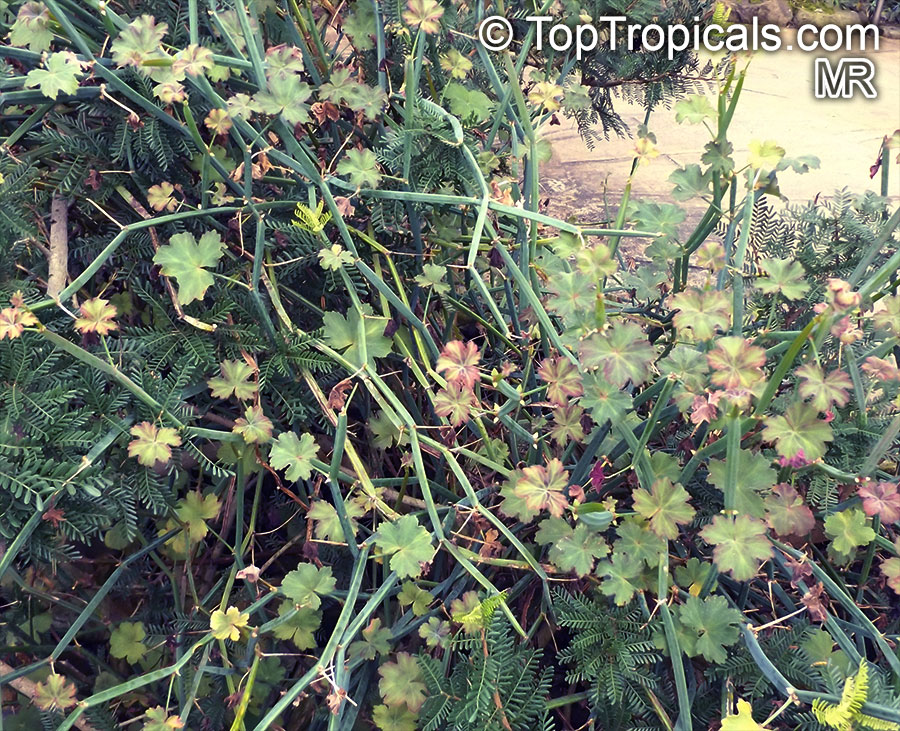
Pelargonium tetragonum, commonly known as Four-angled Pelargonium or Square-stemmed Pelargonium, is a semi-succulent shrub native to the Eastern Cape of South Africa, valued for its unusual quadrangular stems and climbing or sprawling habit. It typically grows 2 to 4 feet tall, with fleshy, green stems marked by four distinct ridges that give the plant its characteristic angular form. Leaves are small, soft, and often short-lived, appearing along the nodes, while the structure of the stems remains the dominant visual feature. Pale pink to white flowers with delicate markings may appear in warm seasons but are secondary to the architectural growth.
This species prefers full sun to bright light and very well-drained soil, with moderate watering and thorough drying between cycles to prevent rot. It grows at a moderate pace and benefits from support or pruning to manage its somewhat lax, climbing habit. Suitable for USDA zones 10 to 11, it is sensitive to frost and should be protected below about 35 F. Pelargonium tetragonum performs well in containers and is often grown as a collector plant for its distinctive, almost succulent-like form.
Botanical name: Pelargonium sp.
Common names: Pelargonia, Geranium
Family: Geraniaceae
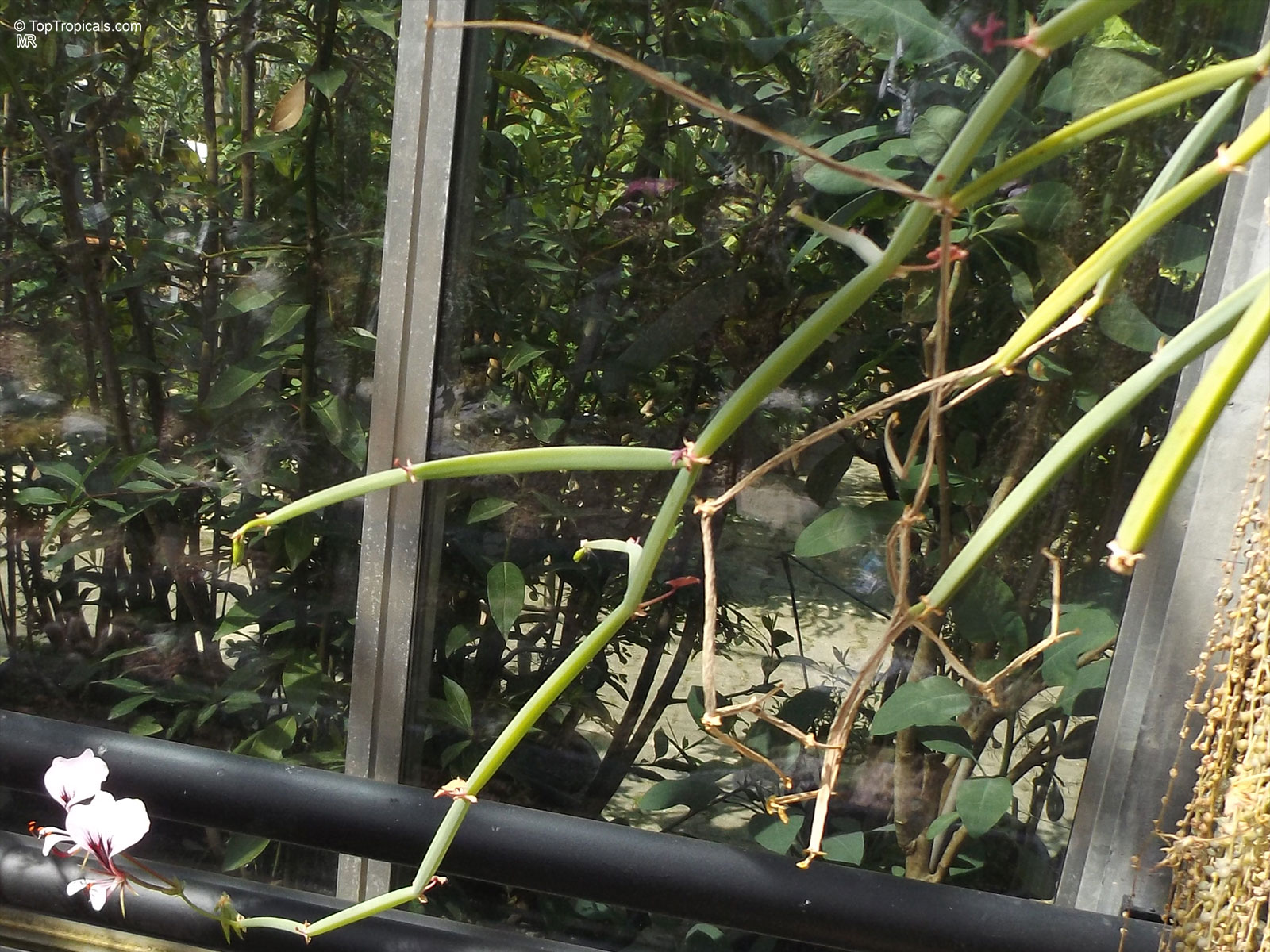
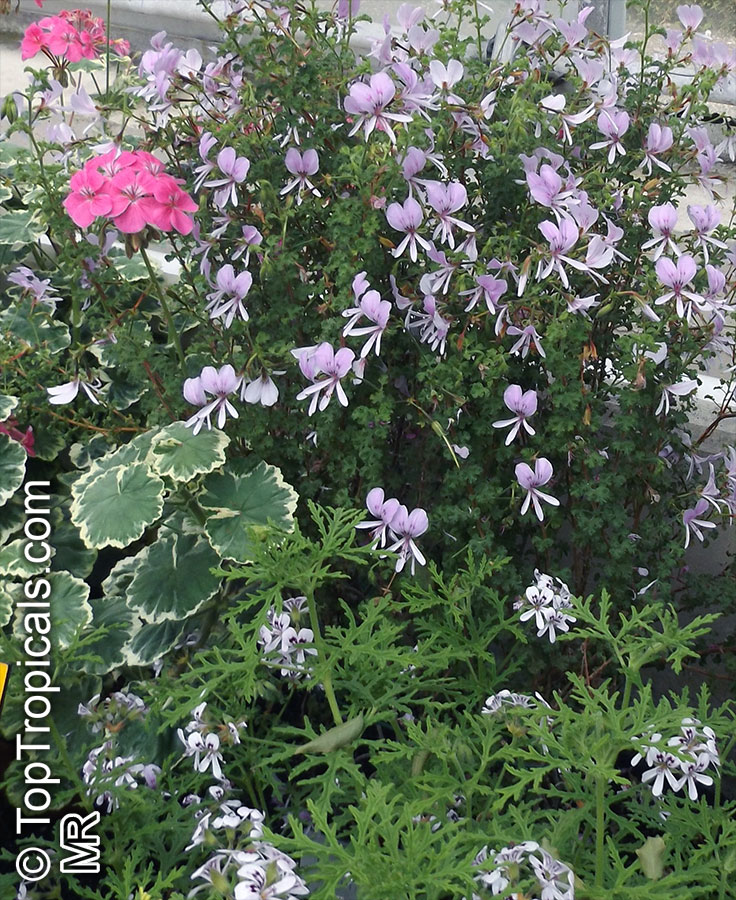
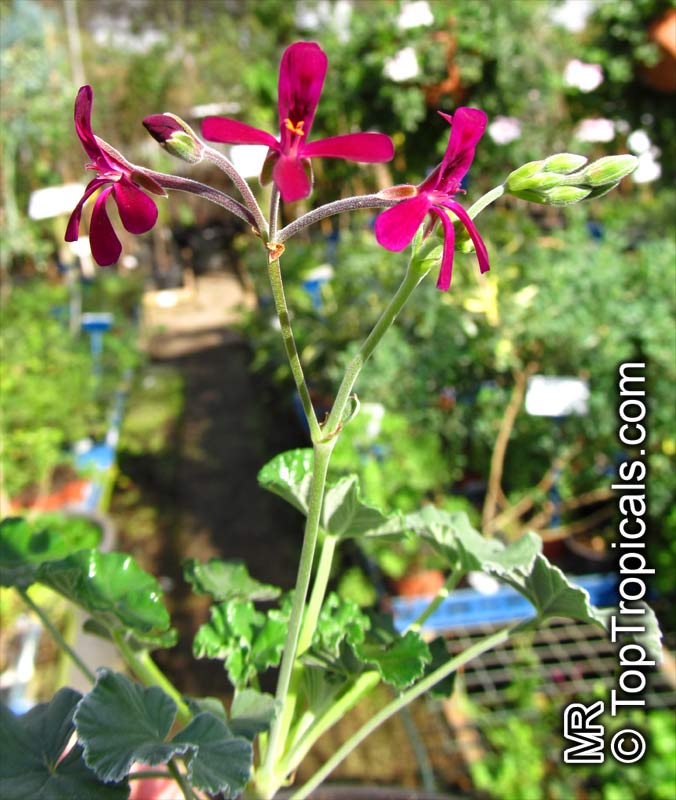
Pelargonium sp., commonly known as pelargonium or geranium, refers to a diverse group of species and horticultural forms native mainly to southern Africa, valued for their varied growth habits, aromatic foliage, and ornamental flowers. Plants may range from compact, upright shrubs to trailing or semi-succulent forms, typically growing from under 1 foot to several feet tall depending on the type. Leaves vary widely in shape and texture, from rounded and lobed to finely divided, often with a distinct scent when touched, while flowers appear in clusters and may be simple or elaborate in shades of white, pink, red, purple, or bi-colored.
Pelargoniums generally prefer full sun to bright light and well-drained soil, with moderate watering and drying between cycles to prevent root issues. Growth rate is moderate to fast under warm conditions, and many types bloom over extended periods, especially in spring and summer. Suitable for USDA zones 9 to 11 depending on species, most are frost-sensitive and require protection below about 32 to 40 F. They perform well in containers, making them widely used for patios, balconies, and indoor growing in cooler climates.
| Next | |
Use link to repeat this search:
https://toptropicals.com/cgi-bin/garden_catalog/cat.cgi?find=pelargonium&search_op=and&keyword_op=and&language=e&number=10
&no_change_lang=1&user=tt&sale=1&first=0