Sedum - Plant Encyclopedia Results
| Number of plants found: 12 | Next | 
|
Go to page: | 1 | 2 |
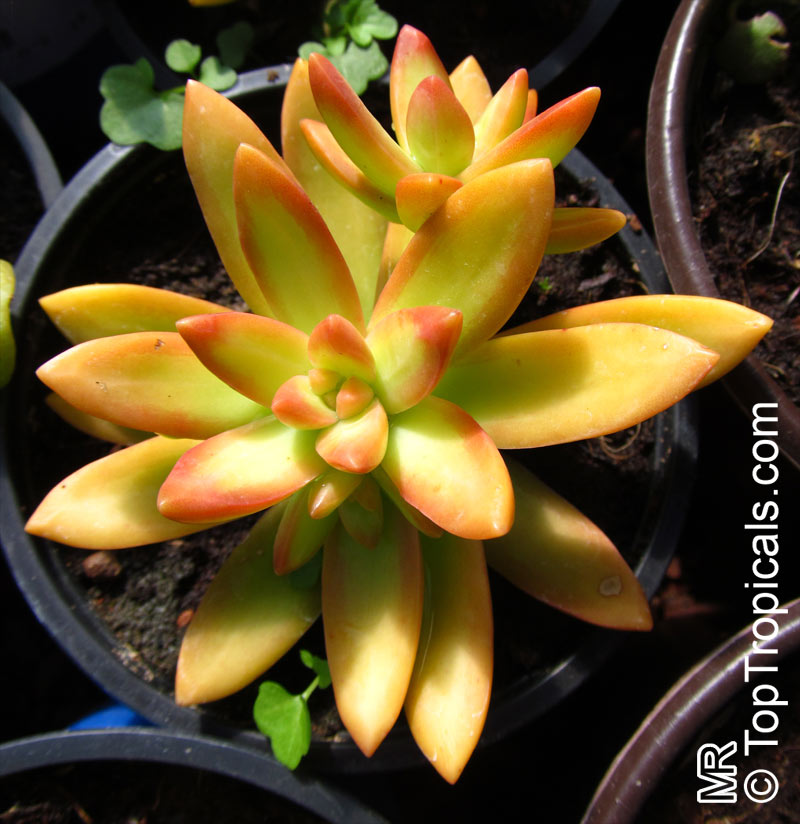
Botanical name: Sedum adolphi
Common name: Golden Sedum
Family: Crassulaceae
Origin: South Africa
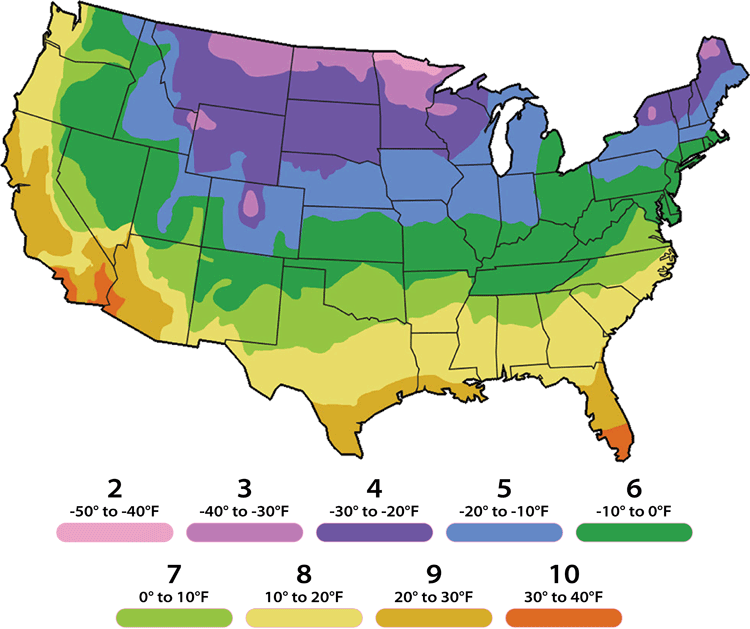
USDA Zone: 9-10


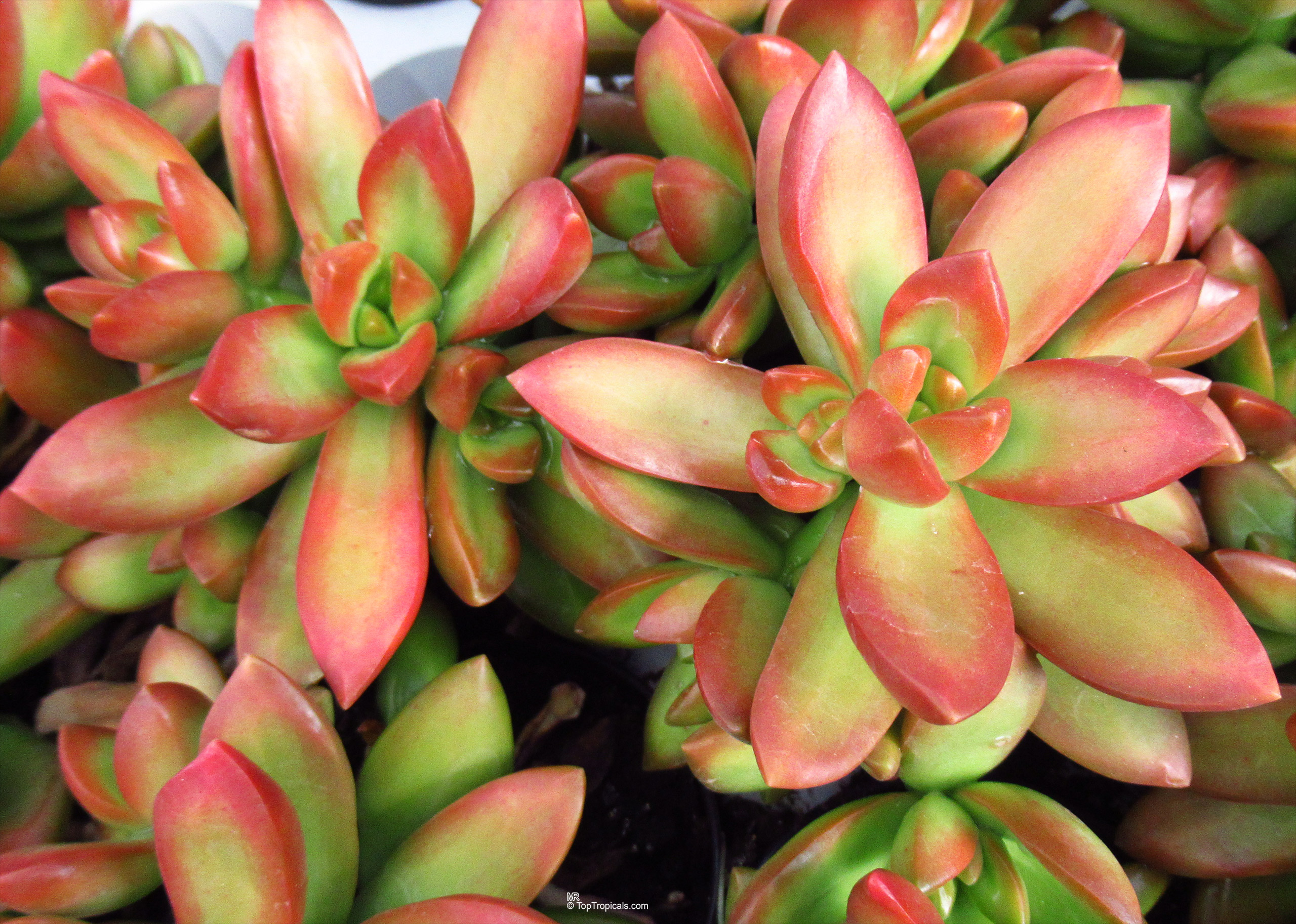
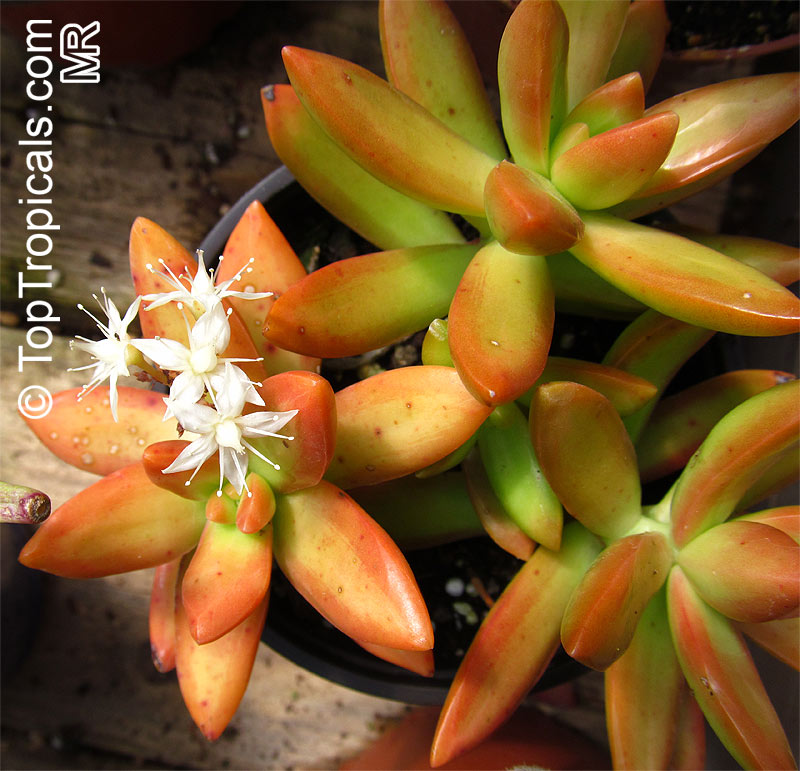
Beautiful green to yellow to orange colored sedum which grows like a low shrub. Makes great ground cover. White flowers. Easy care, prefers free draining soil.
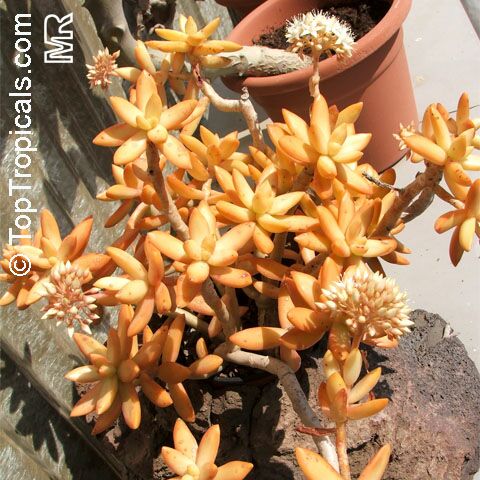
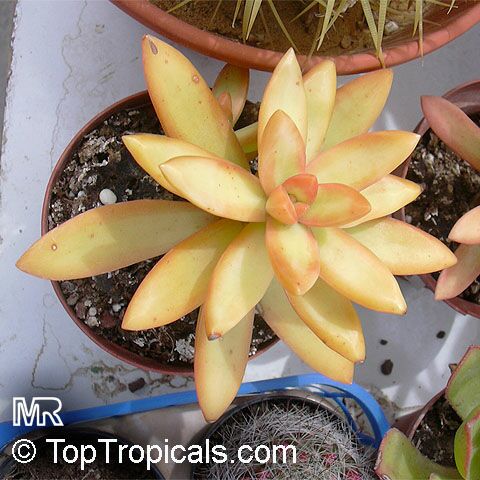
Botanical name: Sedum mexicanum
Common name: Mexican Sedum
Family: Crassulaceae
Origin: Mexico
USDA Zone: 8-10


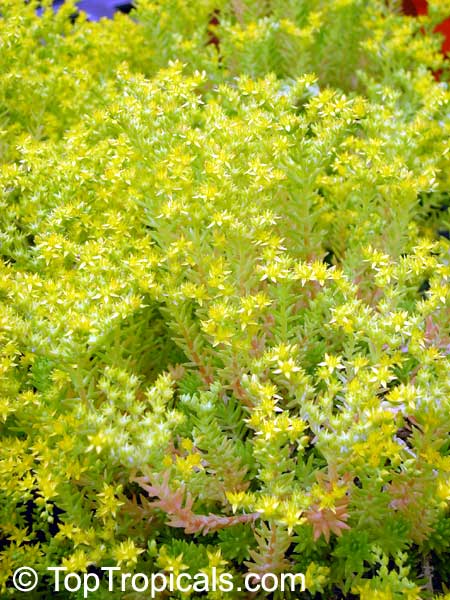
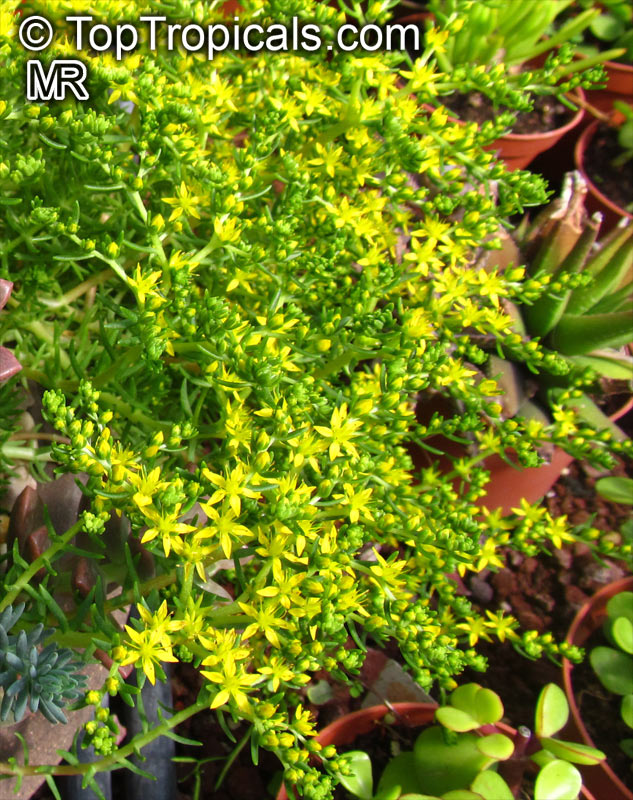
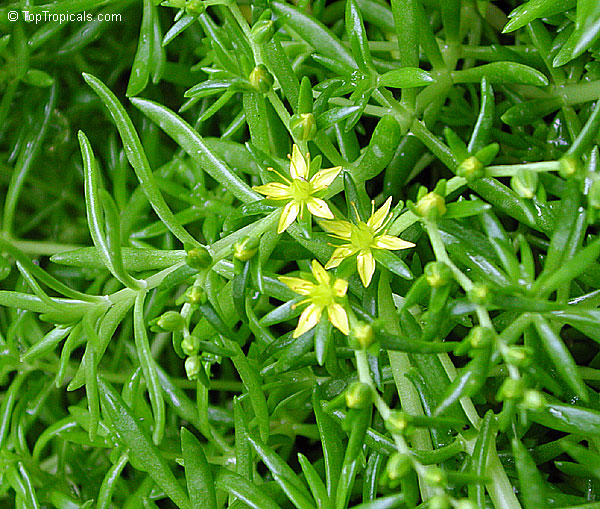
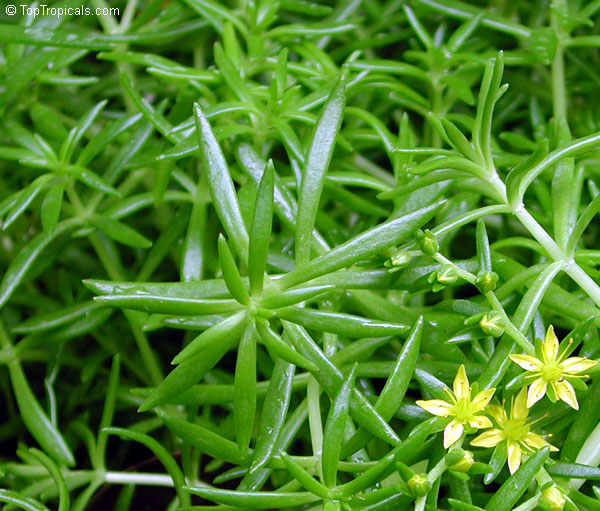
This is a low-growing plant only 2 feet tall and wide at maturity. Sedum mexicanum is a great choice for gardeners looking for unique groundcover and can be grown in USDA 7-10 climate zones. It tolerates full sun although it prefers semi-shade and regular watering. However, it is a low maintenance plant that requires moderate watering. The soft fleshy light green needles become saturated with yellow and orange flowers during the summer.
Sedum mexicanum is an extremely cold hardy plant that can survive temperatures down to low 20sF for a brief amount of time. In cold climates, it is best to grow it in a pot and bring it indoors before hard frosts. The plant needs a well-draining soil and protection from winter rains. In summer, it can benefit from regular weekly watering and a mulch of compost to help with moisture retention. For an even showier display of yellow and orange blooms, an all-purpose fertilizer may be applied.
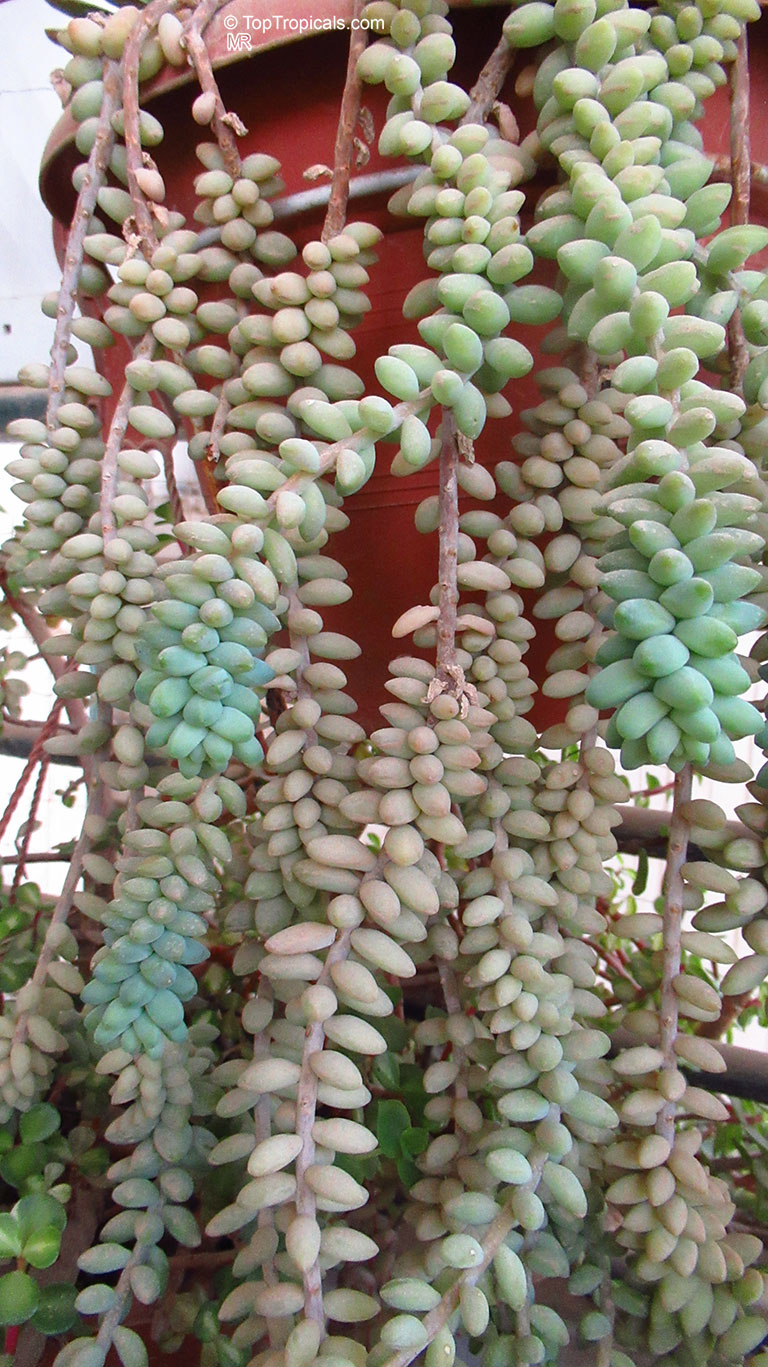
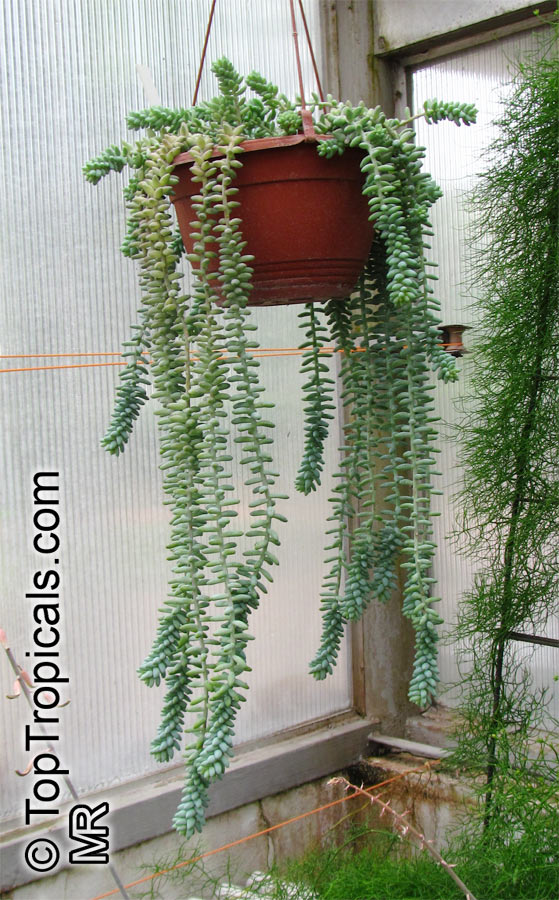
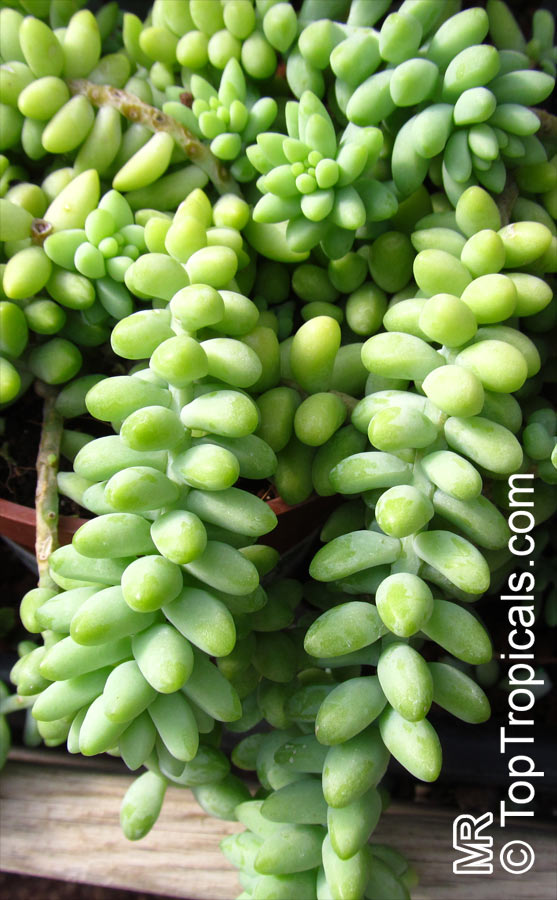
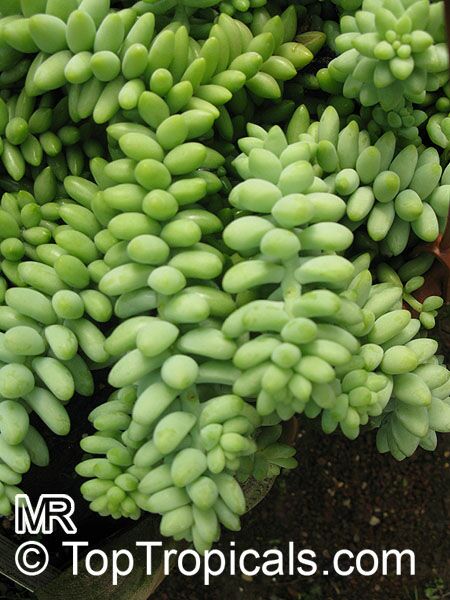
Botanical name: Sedum morganianum
Common name: Burro's Tail Sedum
Cultivar: Burrito
Family: Crassulaceae
Origin: Mexico
USDA Zone: 9-11
Cold tolerance: 35°F


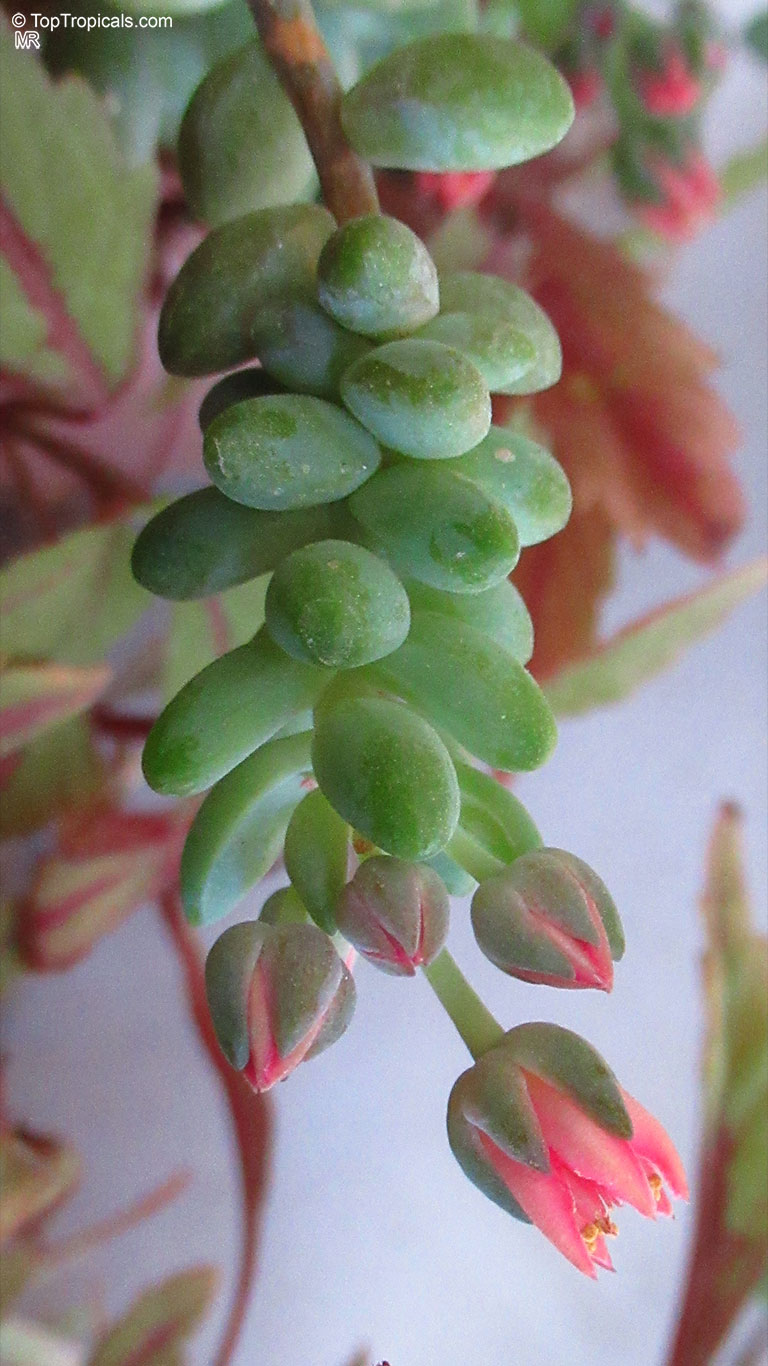
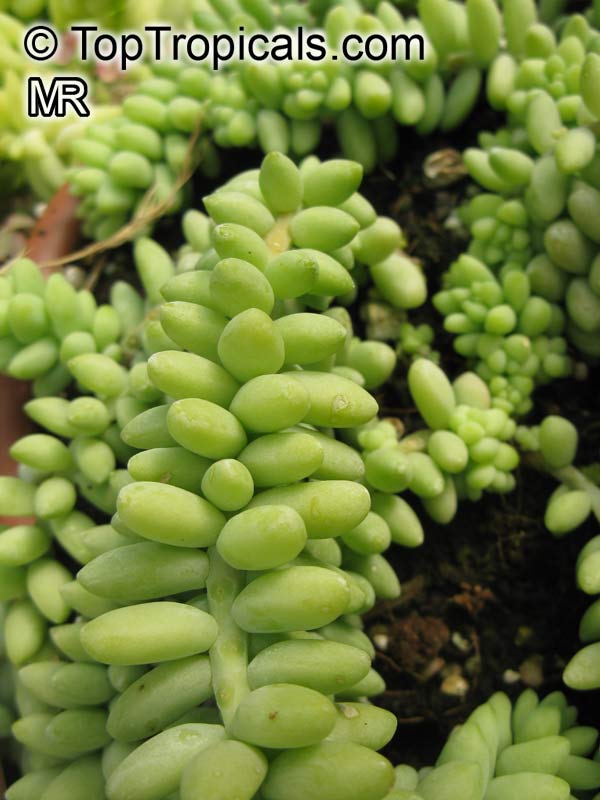
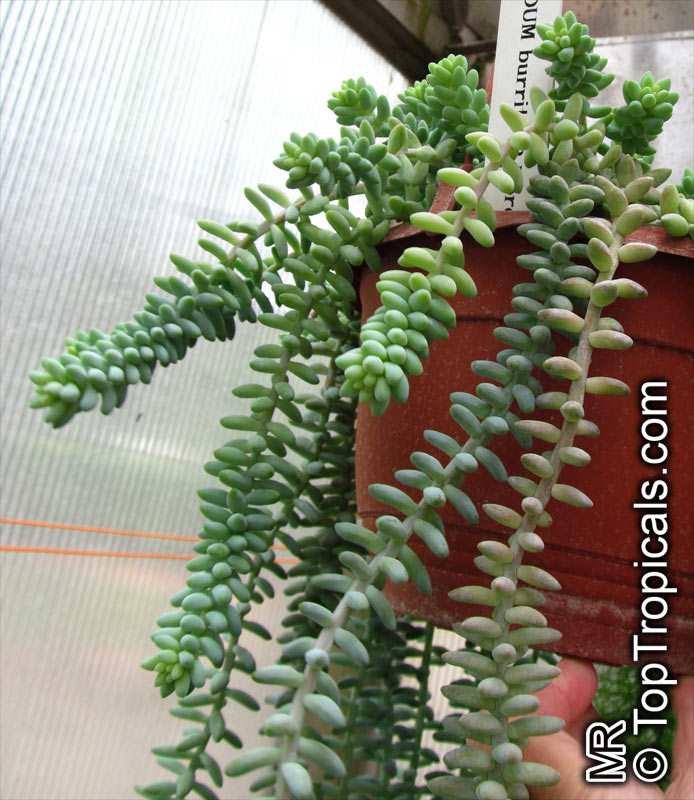
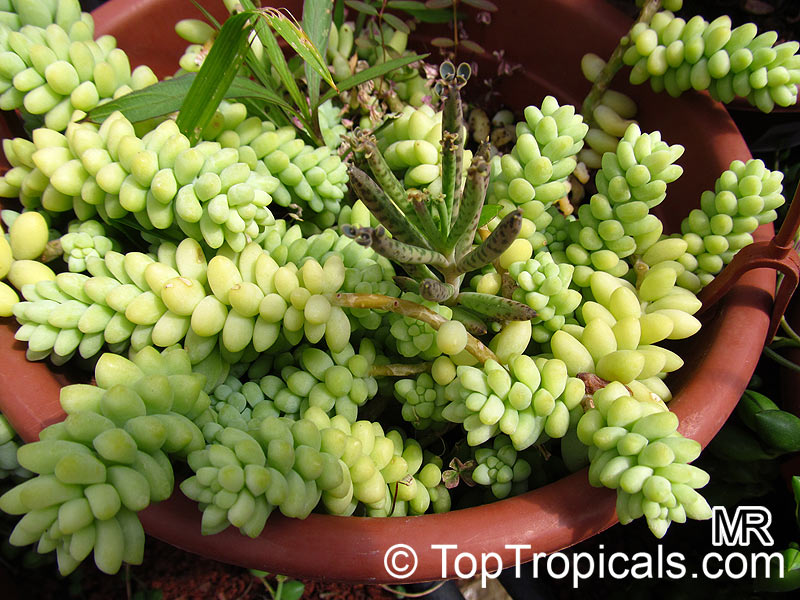
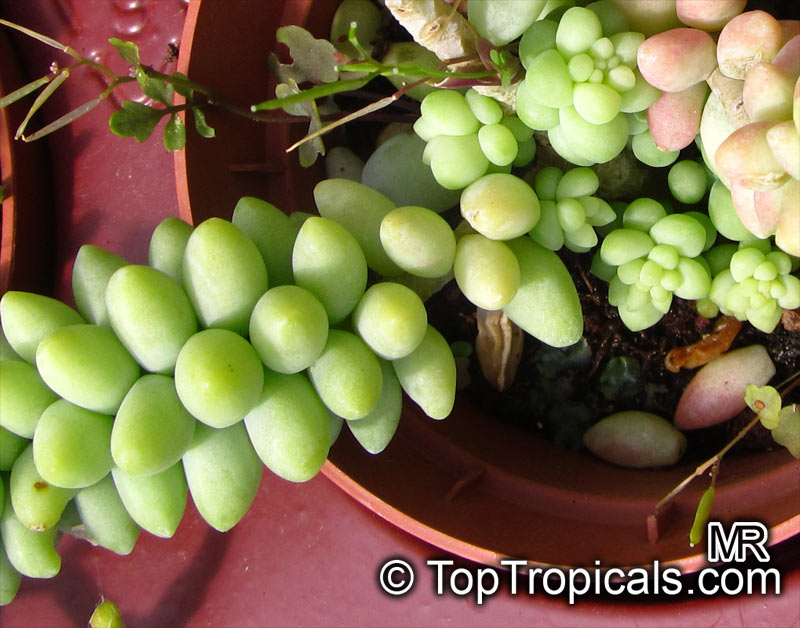
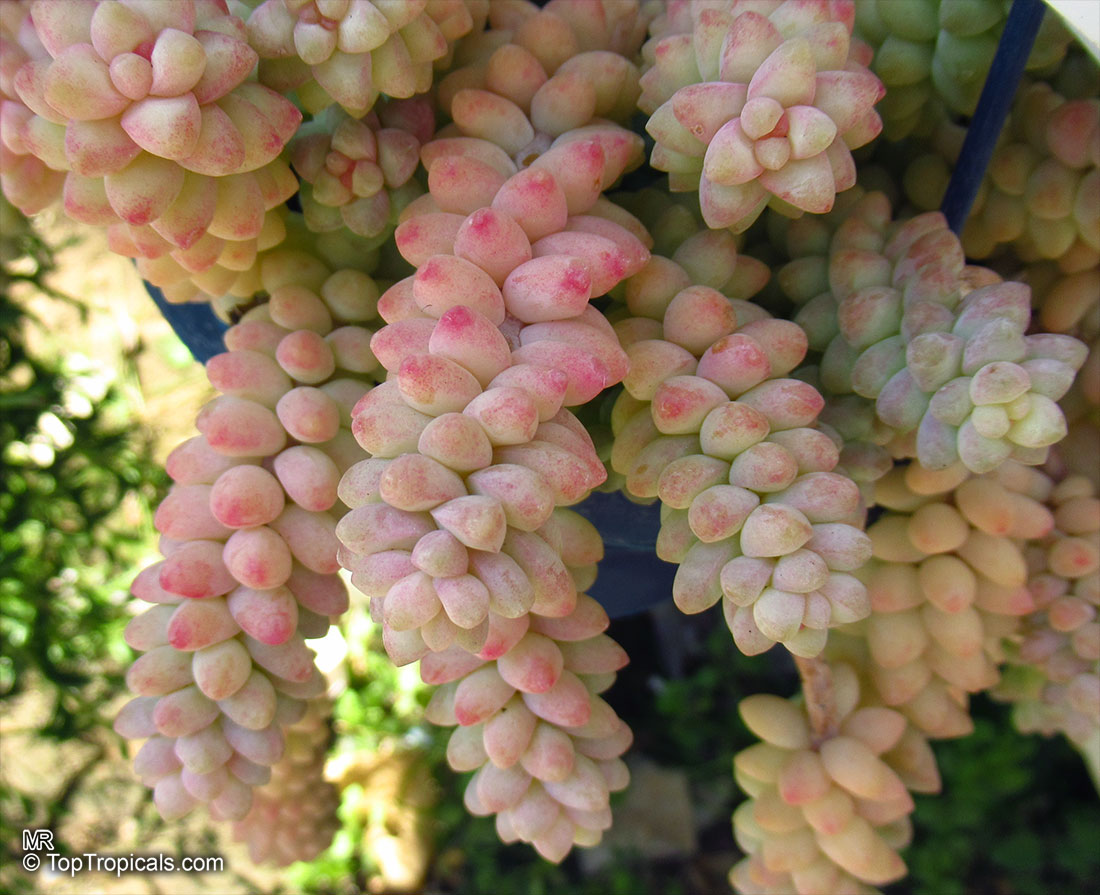
Sedum morganianum 'Burrito' is a trailing succulent from Mexico in the Crassulaceae family. Its stems grow 2 to 3 feet long and are densely packed with short, round, pale green leaves. This growth habit gives rise to the common name Burro's Tail, as the stems resemble a donkey's tail when hanging.
The plant grows best in bright, indirect light and needs sharply drained, sandy or rocky soil. Soil must dry fully between waterings to prevent rot.
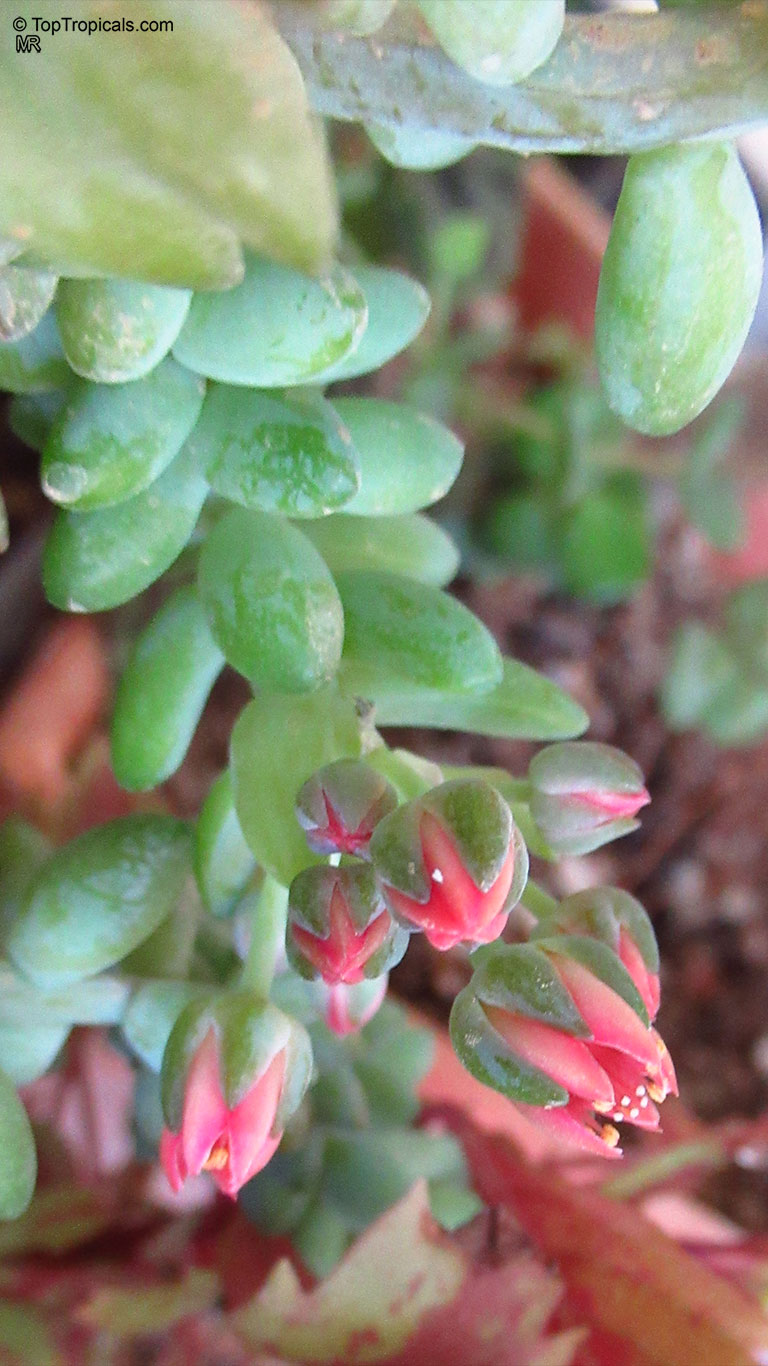
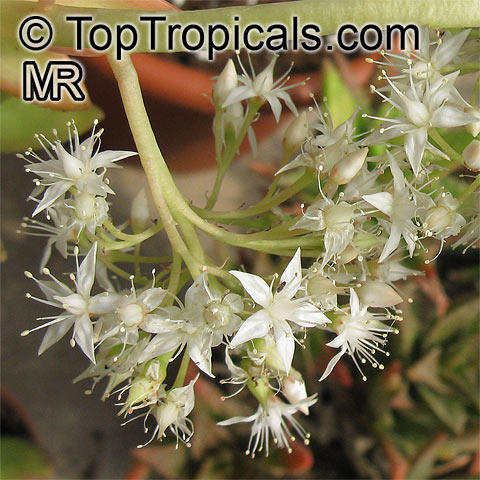
Growth is slow to moderate depending on warmth and exposure. Mature plants sometimes produce small pink flowers near the tips of the stems during warm months.
It is sensitive to cold and must be protected below 35F. It grows well in containers and is especially suited for hanging pots.
This plant is not edible and has no confirmed toxicity to people or pets.
It differs from standard Sedum morganianum by having shorter, rounder, and more closely packed leaves.
Botanical name: Sedum nussbaumerianum
Common name: Nussbaumer's Sedum
Family: Crassulaceae
Origin: Mexico
USDA Zone: 9-10

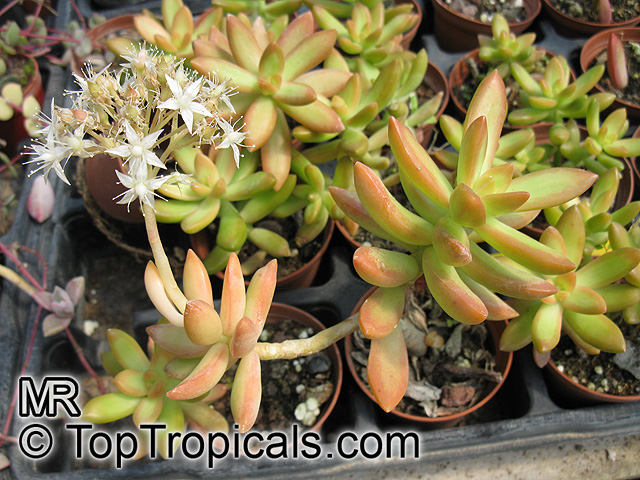
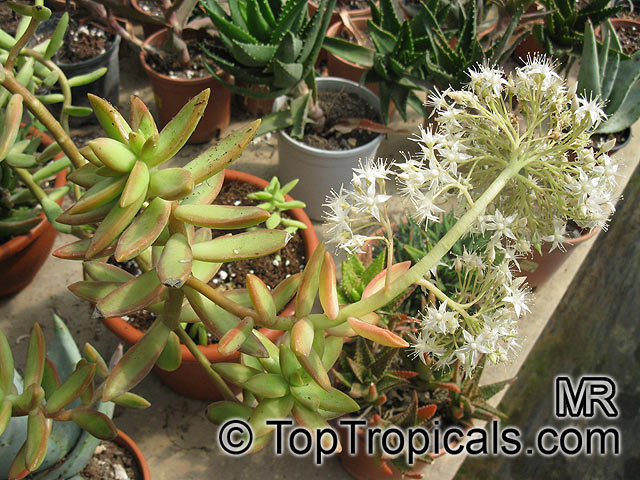
Sedum nussbaumerianum (Nussbaumer's Sedum), is a native to Mexico, and is a drought-tolerant shrub that can reach heights of 2-5 feet. It features stems that branch out horizontally, with yellowish-green leaves that have red edges. In the spring and summer, the shrub puts out greyish-green and off-white, star-like flowers that add a beautiful touch to any garden.
Due to its low-growing and drought-tolerant characteristics, this plant makes an excellent addition as a groundcover or low hedges, and it can thrive in USDA Zones 9-11. Its easy-care nature means that it only requires occasional pruning, occasional watering, and does best in full sun and free-draining soil. This makes it ideal for dry climates and for xeriscaping.
For cold regions where temperatures can drop below freezing, planting Nussbaumer's Sedum in pots is recommended and can be moved in colder months into a garage or other area that won't reach freezing temperatures. To help them survive the cold winter, wrap the pots with protective materials from the elements like burlap or other insulating materials. In the warmer months, move the plants back outside for optimal sun exposure for continued growth and flowering. Give the plants some extra water in the summer months, but be sure to not overwater or else the plants may not survive.
Overall, Nussbaumer's Sedum makes a great addition to any garden, requiring minimal effort and adding a beautiful touch to any landscaped area. It has a great tolerance to both heat and drought-like conditions, so it can thrive even in the most difficult of climates!
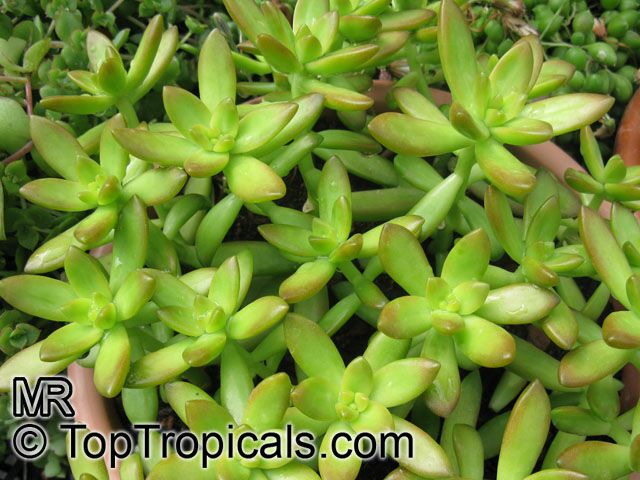
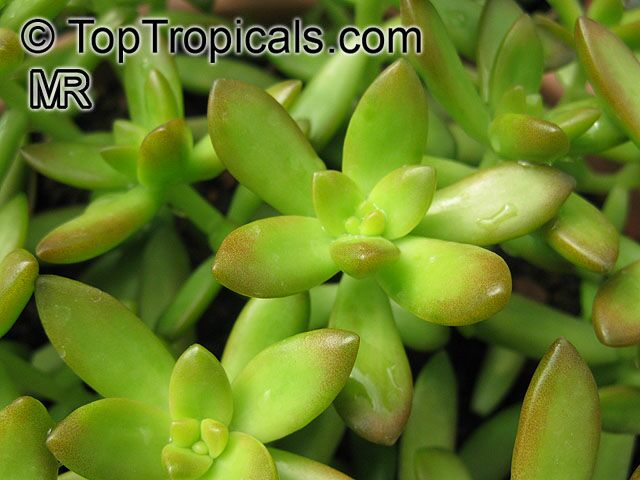
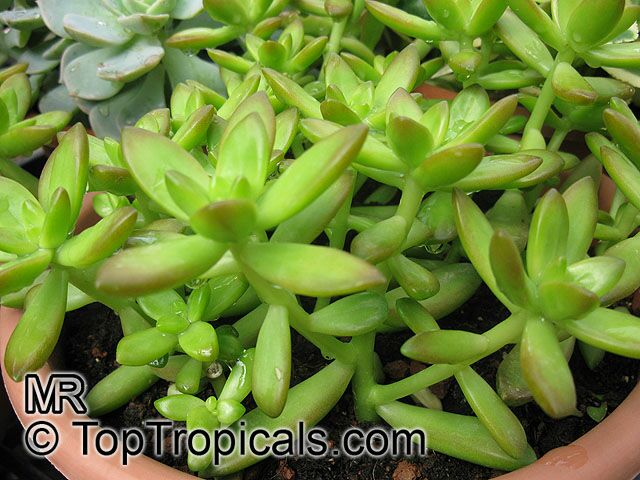
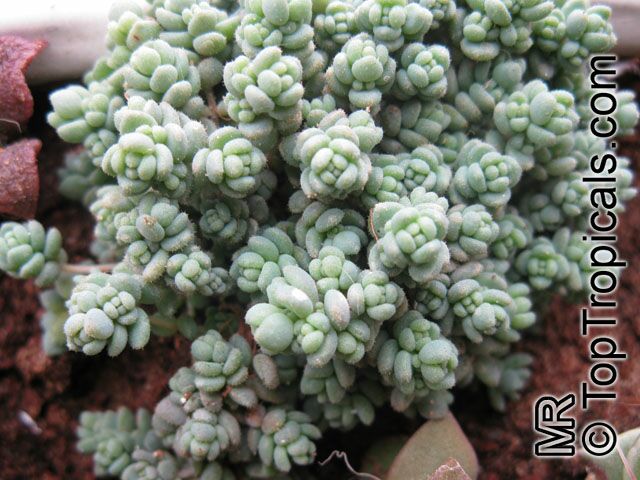
Botanical name: Sedum dasyphyllum
Common names: Corsican Stonecrop, Blue Tears Sedum
Family: Crassulaceae
Origin: Mediterranean
USDA Zone: 9-10
Despite its origin in the dry hillsides of the Mediterranean, Corsican Stonecrop grows in almost any well-drained situation where there is plenty of sun. This drought-tolerant succulent thrives with moderate water but is reasonably tolerant of dry conditions. It grows most vigorously in full sun and may require a bit of extra watering during windy periods and periods of high temperatures.
Corsican Stonecrop forms a low-growing carpet which makes it ideal for groundcover planting on slopes or banks. It grows to a height of 2ft with short flowering stems that carry white and off-white star-shaped flowers in the summer. Small shrubs of the same nature may reach up to 2-5 ft.
Growing Corsican Stonecrop in pots in cold regions requires a bit more attention. It can be placed in a bright, sunny spot but you must stop watering the pot as soon as temperatures drop. When the weather warms up, watering should be resumed. If growth is minimal and plants look withered during cold months, it is best to move them into a warmer area and then to a sunny spot once temperatures rise again.
This plant is best suited for USDA zones 9-11, but may remain evergreen if temperatures don't drop too low. Pruning will help to keep some of the older leaves in check and shaping is done in the spring when new shoots start to appear. Foliage will also benefit from a light application of liquid fertilizer which will help promote healthy growth.
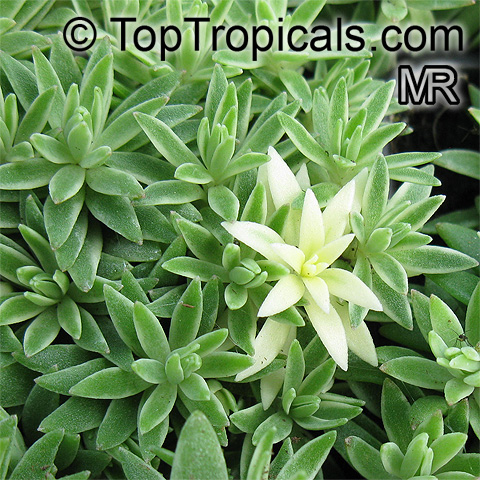
Botanical name: Sedum lineare
Common names: Carpet Sedum, Needle Stonecrop
Family: Crassulaceae
Origin: China, Japan
USDA Zone: 9-10


Drought-tolerant; suitable for xeriscaping.
Suitable for growing in containers.

Botanical name: Sedum tetractinum
Common name: Chinese Sedum
Family: Crassulaceae
Origin: China
USDA Zone: 9-10
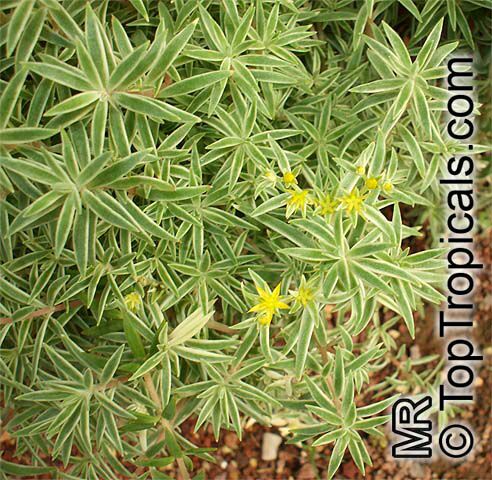
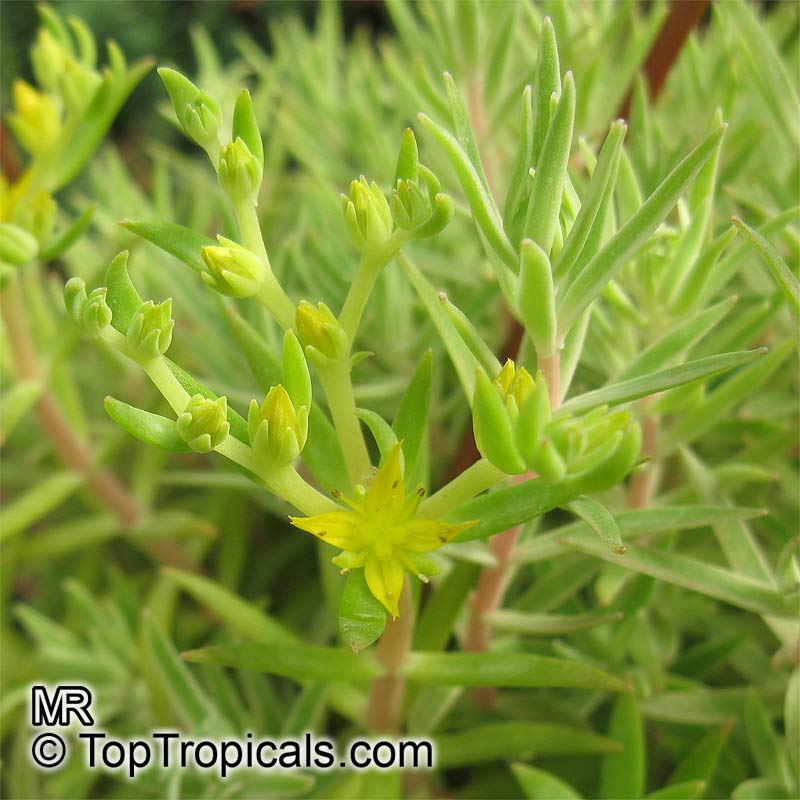
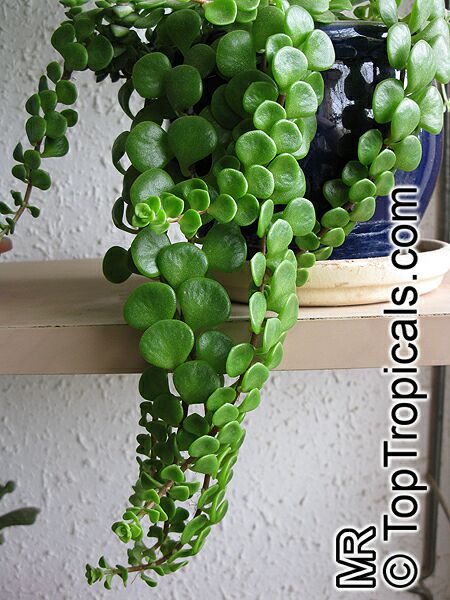
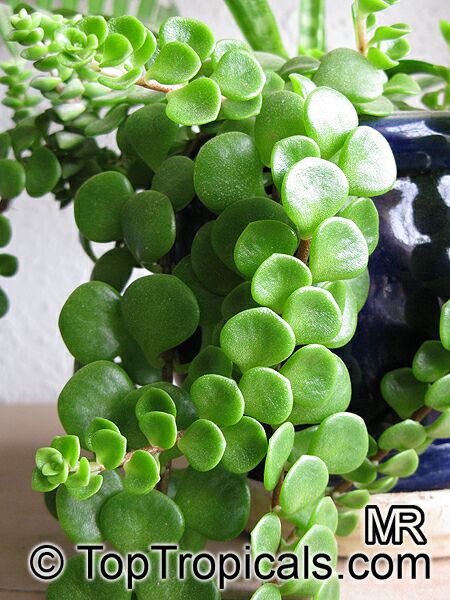
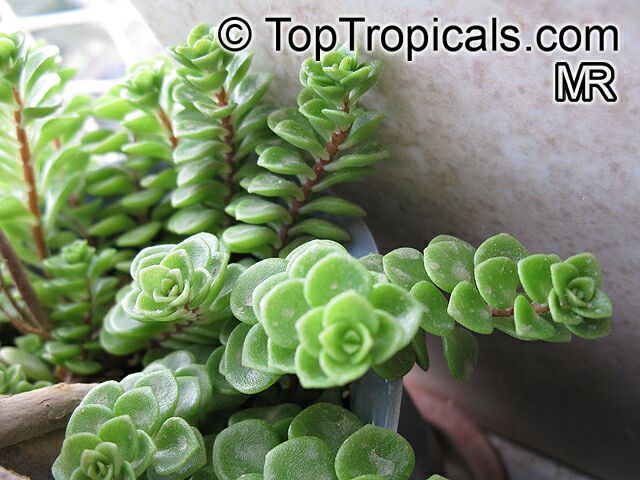
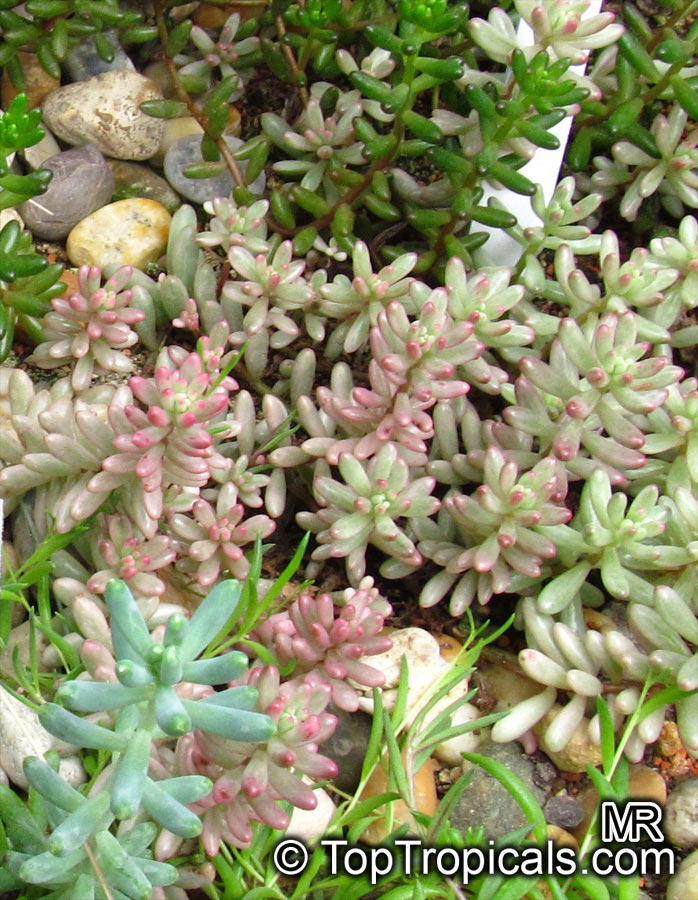
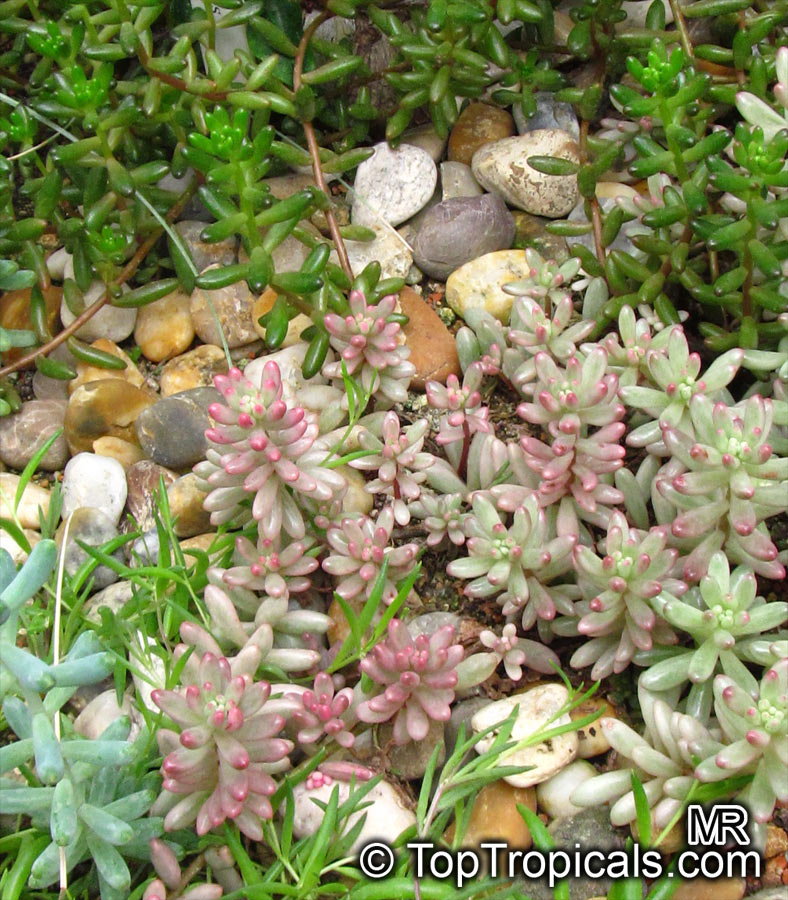
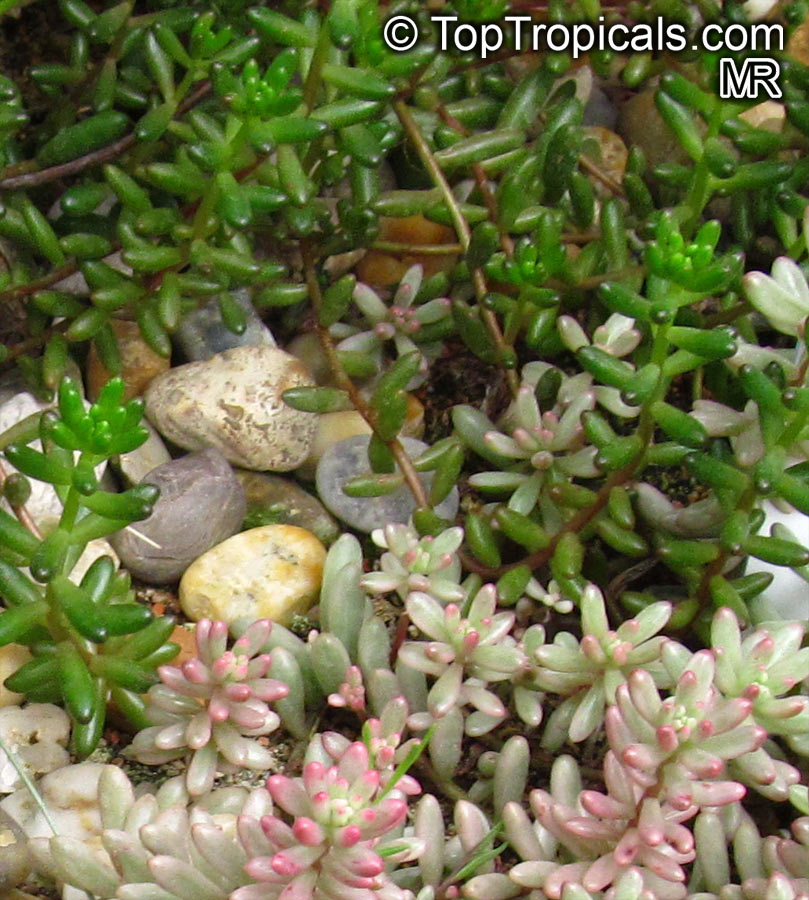
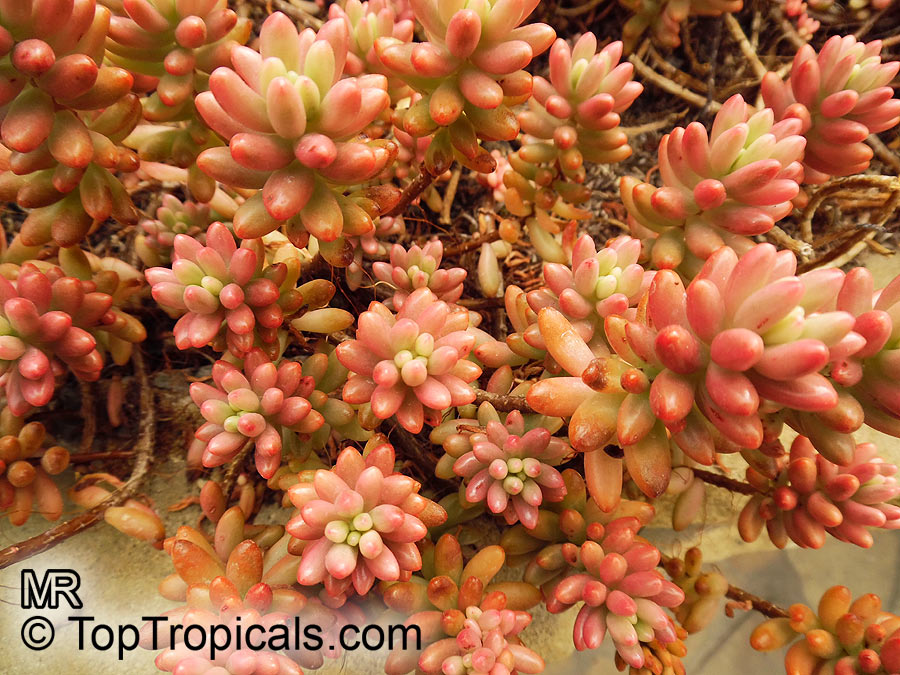
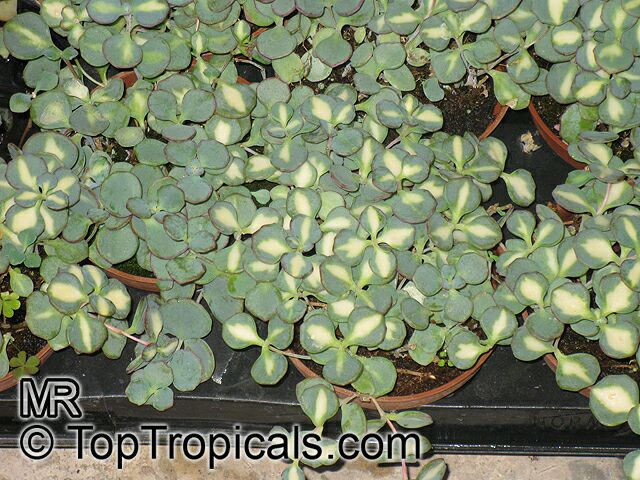
This plant has interesting growth habit feature. With the side light, leaves grow in one plane along the light direction; with the light directed from the top, leaves form dense rosette, as shown on the pictures. The two plants are grown from cuttings from the same plant; with different light diffusion conditions, they look like different plants.
Good as a groundcover or in containers.
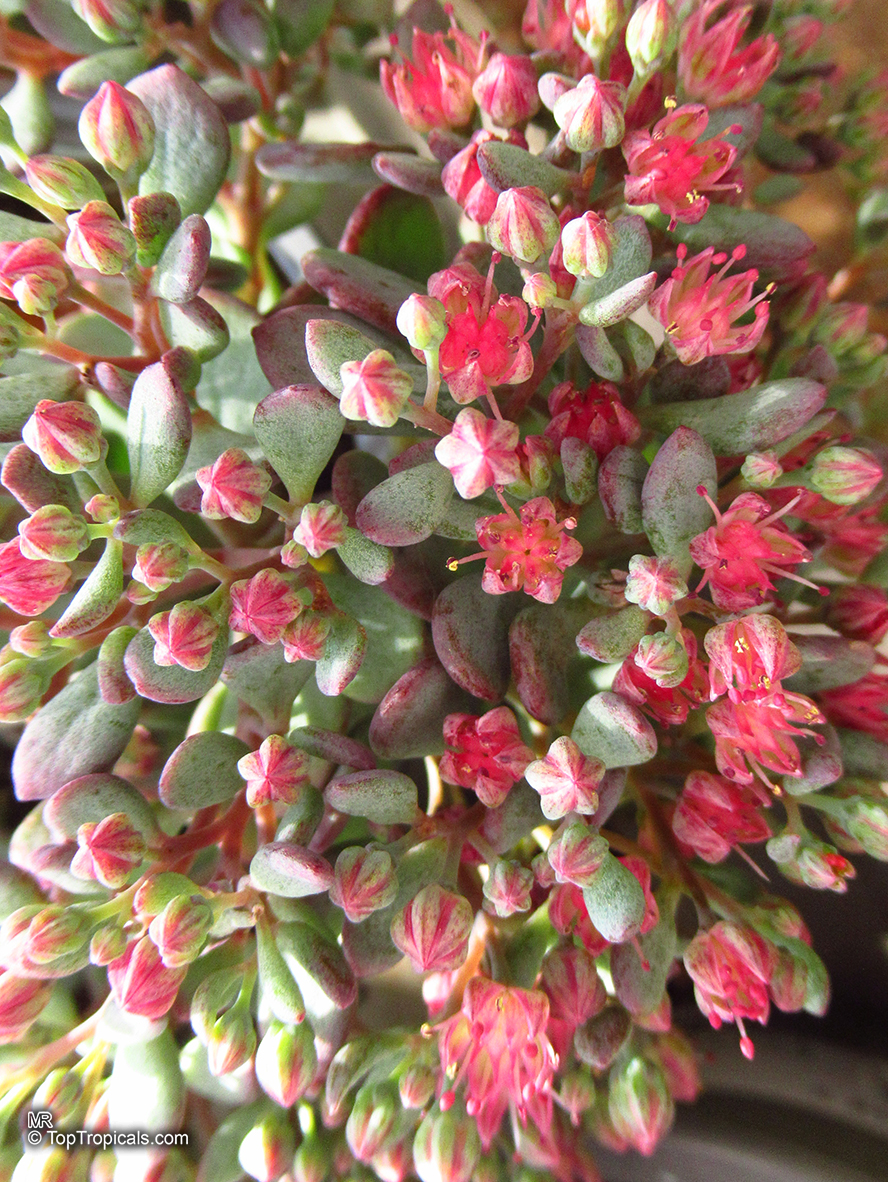
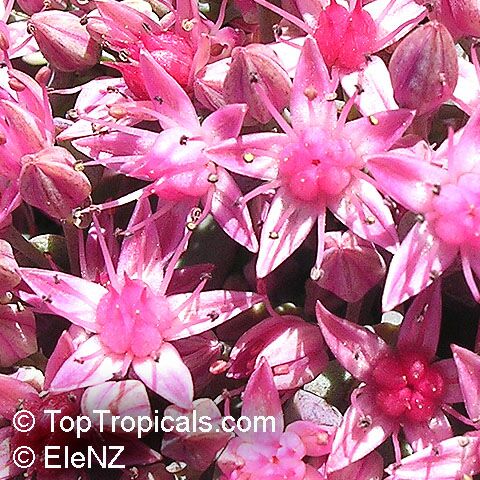
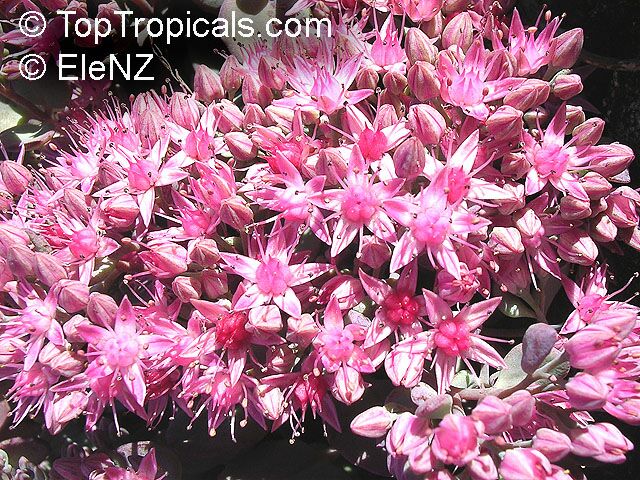
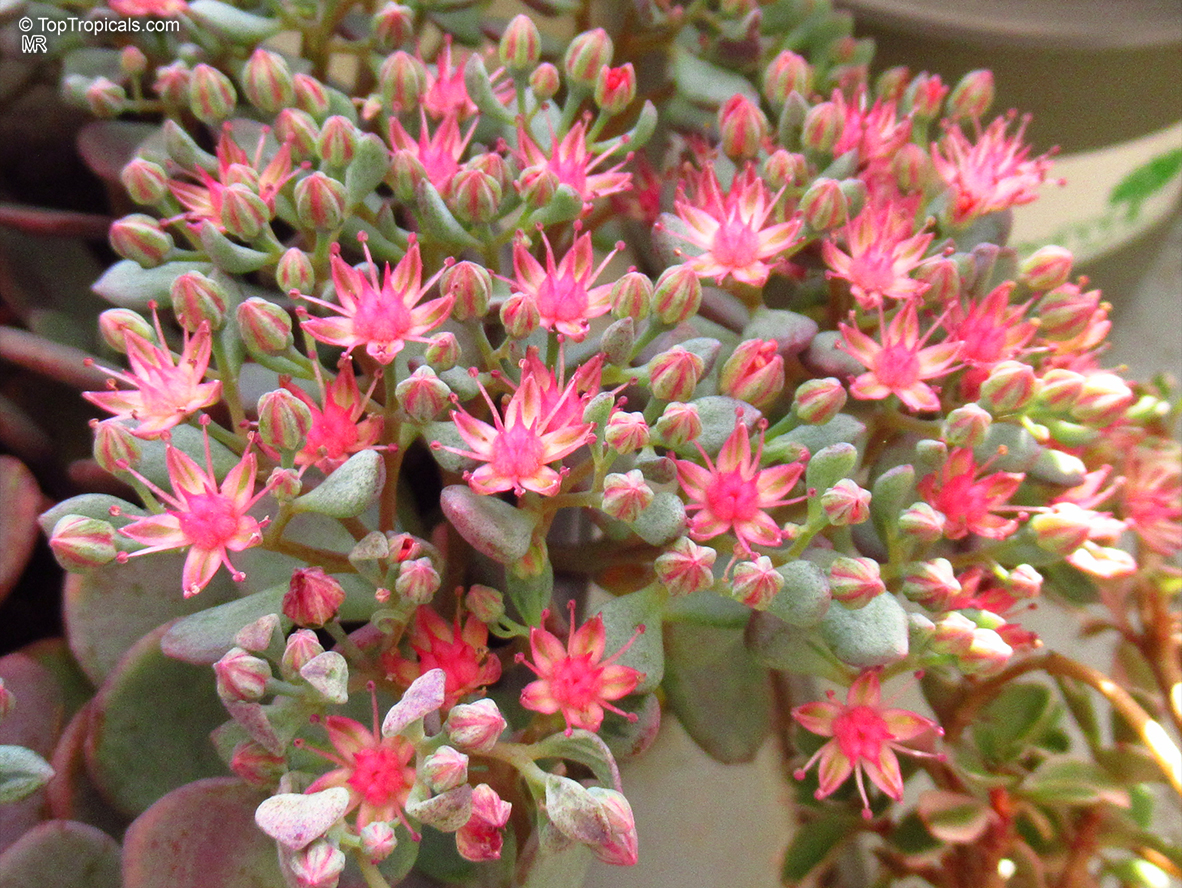
Botanical names: Sedum cauticola, Hylotelephium cauticola
Common name: Stonecrop
Family: Crassulaceae
Origin: Eastern Europe to Asia, Japan
USDA Zone: 4-9
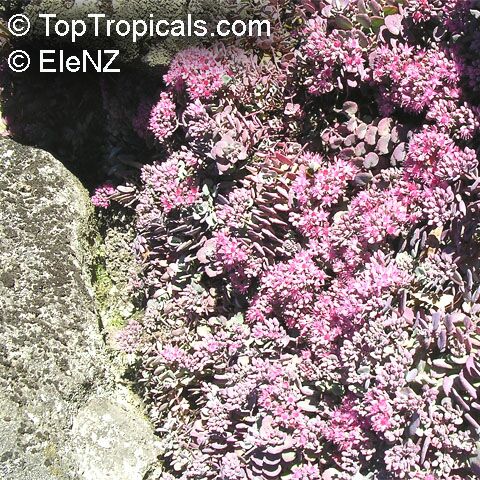
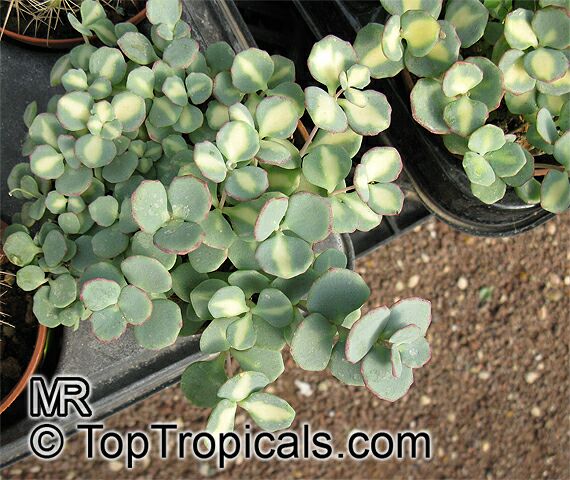
An exceptional plant for the rock garden or trough. Forms a loose carpet with bluish-grey leaves heavily spotted purple. Stems are also purple. Purple Pink flowers. Sedum prefer well-drained soil with a pH close to neutral (7.0) and can thrive with only a modest level of nutrients.
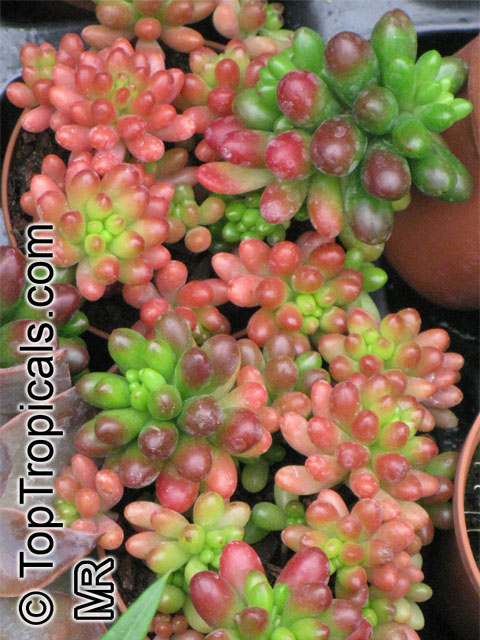
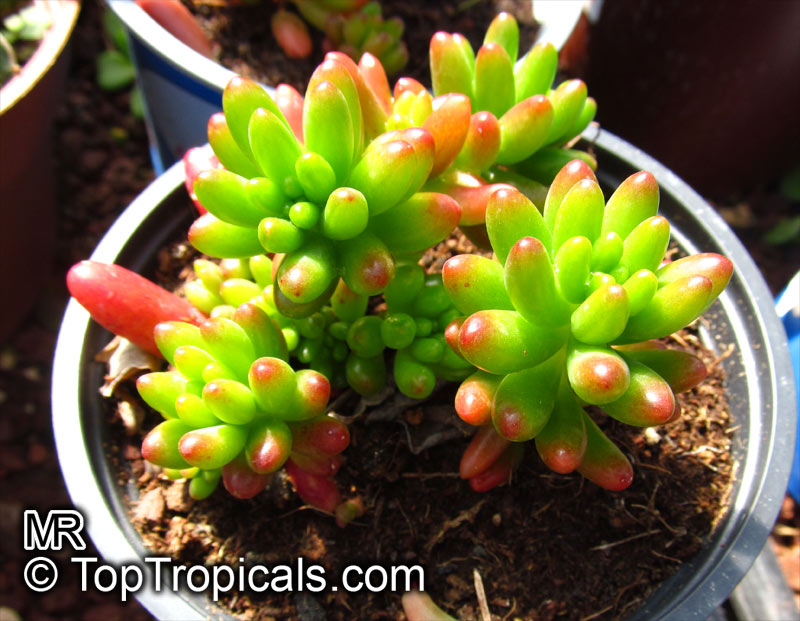
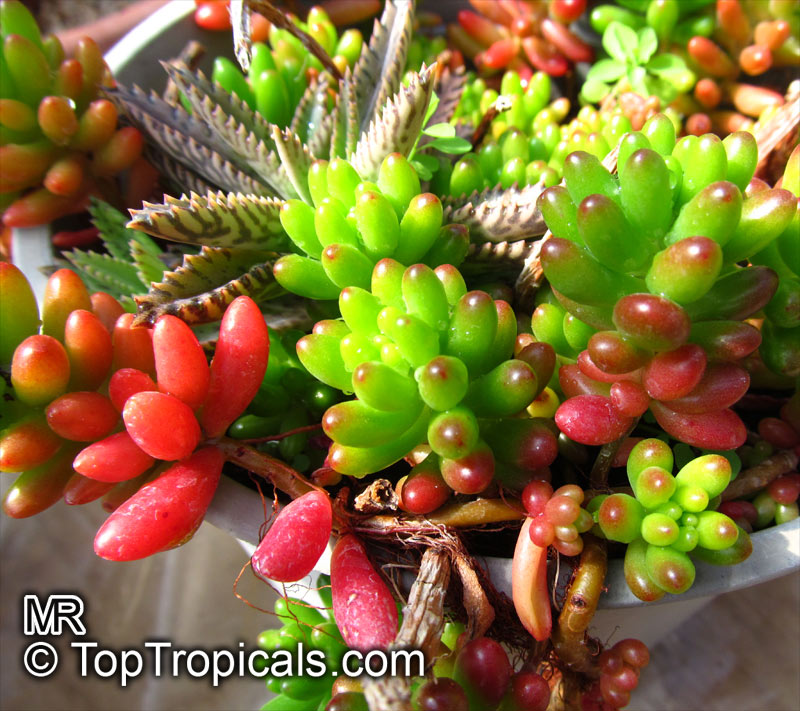
Botanical name: Sedum rubrotinctum
Common names: Jelly Beans, Brown Beans, Christmas Cheer
Family: Crassulaceae
Origin: Mexico
USDA Zone: 9-10
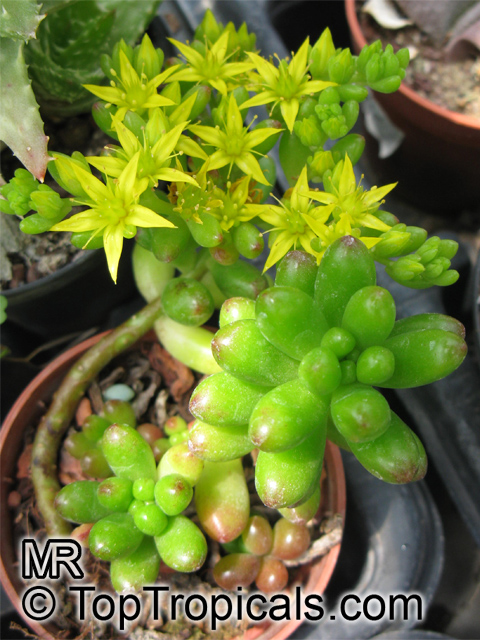
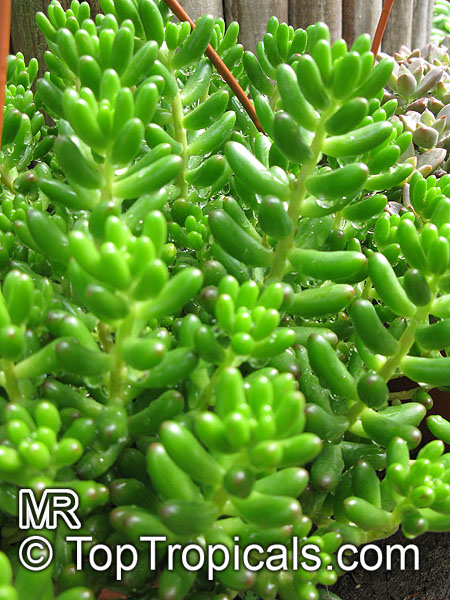
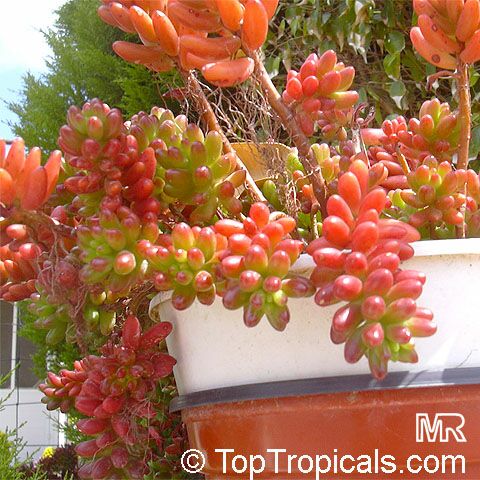
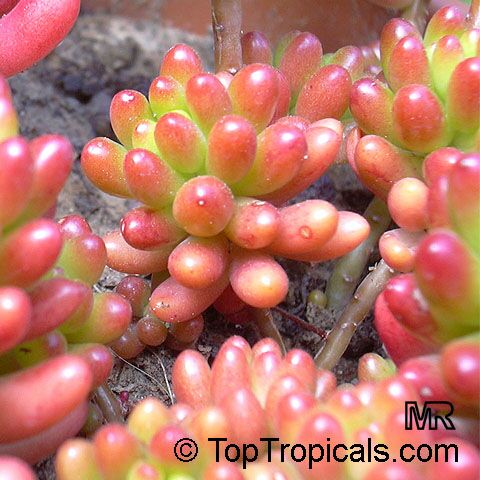
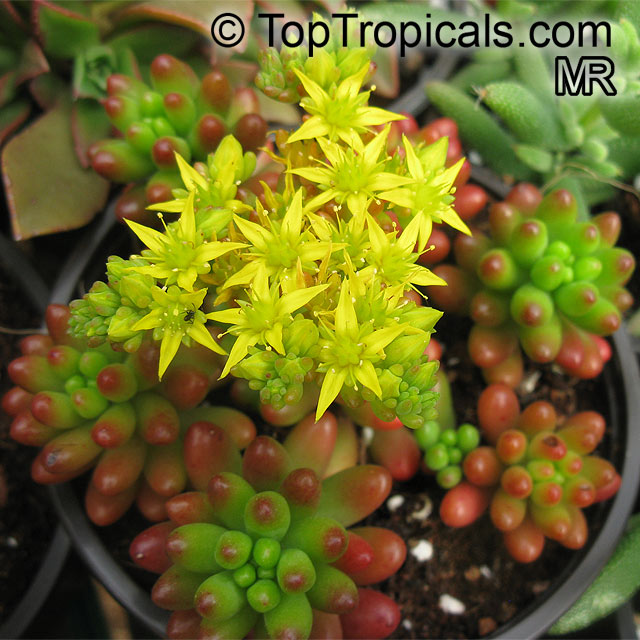
Sedum rubrotinctum (Jelly Beans) is an attractive native to Mexico, easy to grow ground cover that forms a low-growing mat, reaching only a height of 2ft. The leaves form a tight rosette structure, are spoon-shaped and tinted spectacularly in shades of blue-green. In summer, clusters of small yellow to orange flowers appear.
This succulent prefers full sun to semi-shade positions, with moderate water requirements. In dry conditions, it will survive for weeks without water. Jelly Beans needs to be grown in neutrally acidic soil with good drainage in USDA zones 9-11. If living in a colder region, this succulent will do best in a pot, as it is not winter hardy in colder climates.
To ensure good growth, be sure to avoid overwatering, which can cause root rot. Provide your Jelly Beans with a sunny spot and water it whenever the soil is dry to the touch. To grow strong and healthy, feed your plant once a month in spring and summer with a balanced liquid fertilizer.
Botanical name: Sedum sieboldii
Common names: October Daphne, Stonecrop
Family: Crassulaceae
Origin: Japan
USDA Zone: 3-9
Sedum sieboldii, commonly known as October Daphne, is a small plant that grows between 2-5 ft high. Native to Japan, this plant is a popular addition to gardens with ornamental foliage and near-indestructible blooms. It is suitable for xeriscaping and known for its drought-tolerance; it is hardy and can survive in semi-shade or full sun with moderate water. In extremely dry conditions the plant will even accept short periods of neglect.
Sedum sieboldii is grown in USDA Zones 3-9. In cold regions where it should be planted in containers or in pots that receive full sunlight. This will help the plant to survive through cold winter spells. To ensure proper growth keep the soil moist but not wet during its first two years after planting. Avoid over-watering and don't let the soil become soggy. It is also important to prune the plant after flowering to promote growth and keep the plant looking neat and tidy.
This low-maintenance plant is a great choice for any garden as it adds color and texture. With little effort, this plant will bring beauty and longevity to your garden.
| Next | |
Use link to repeat this search:
https://toptropicals.com/cgi-bin/garden_catalog/cat.cgi?find=Sedum&search_op=and&keyword_op=and&language=e&number=10
&no_change_lang=1&user=tt&sale=1&first=0