Pittosporum - Plant Encyclopedia Results
| Number of plants found: 14 | Next | 
|
Go to page: | 1 | 2 |
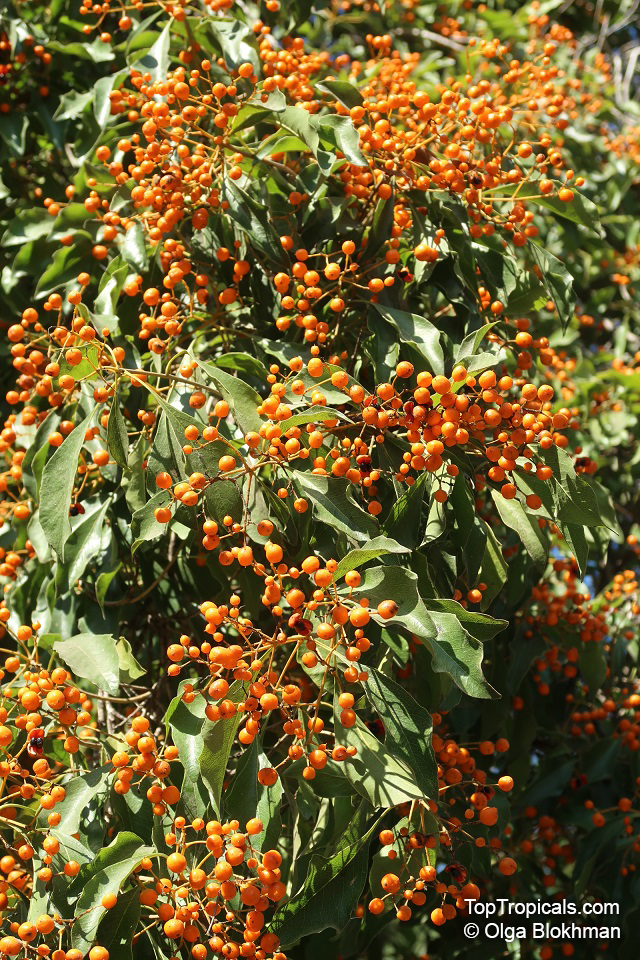
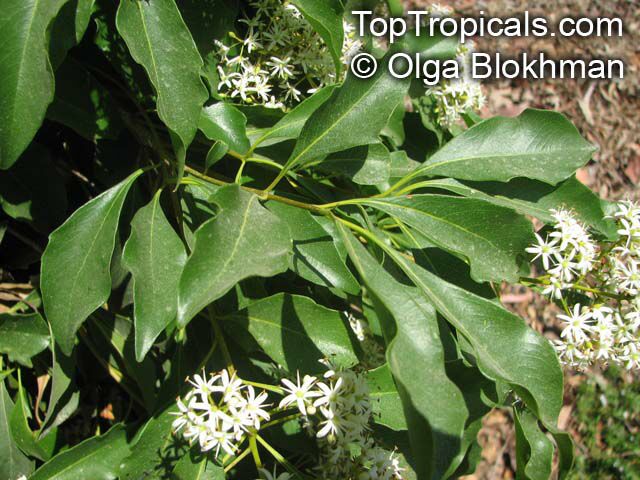
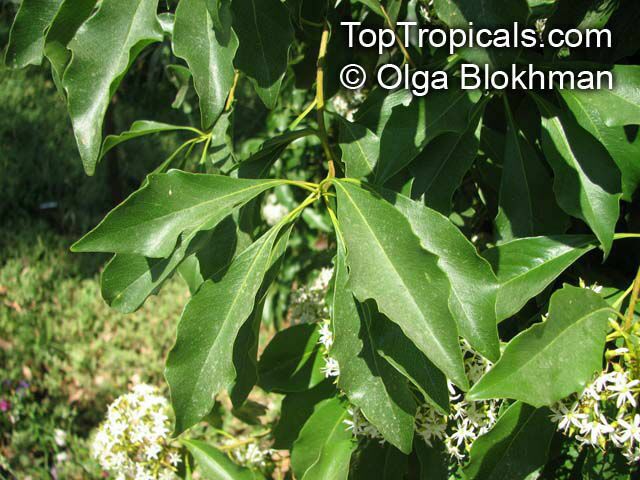
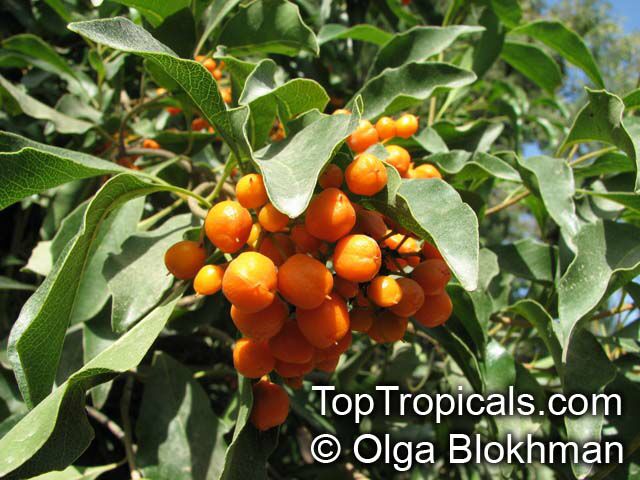
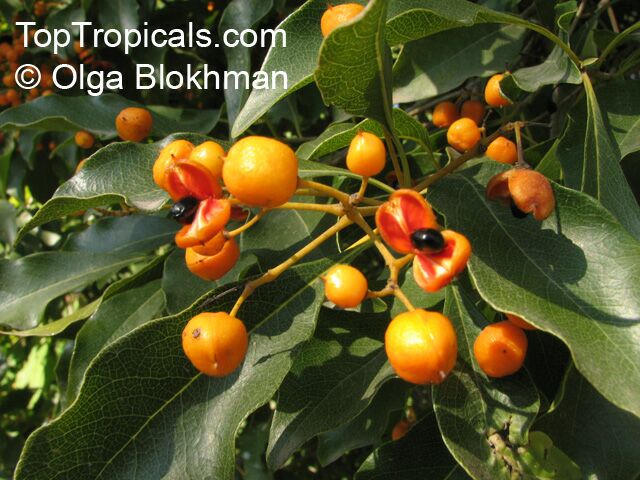
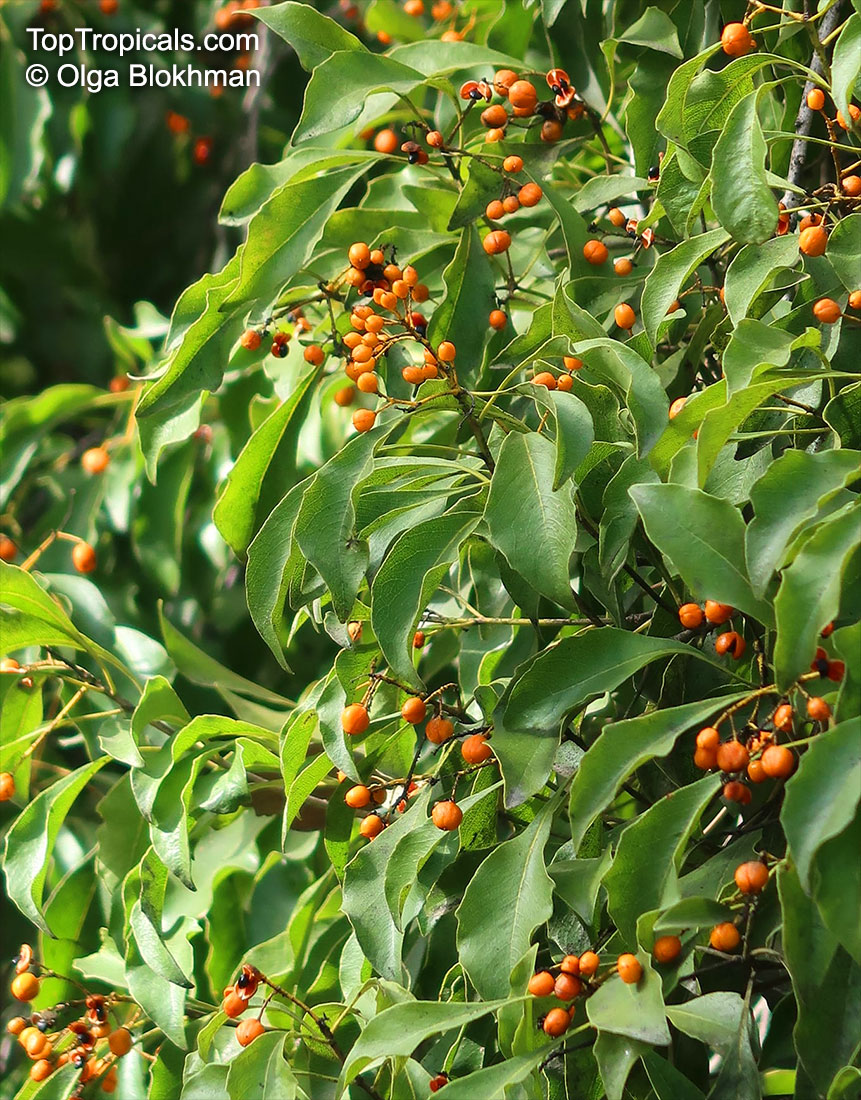
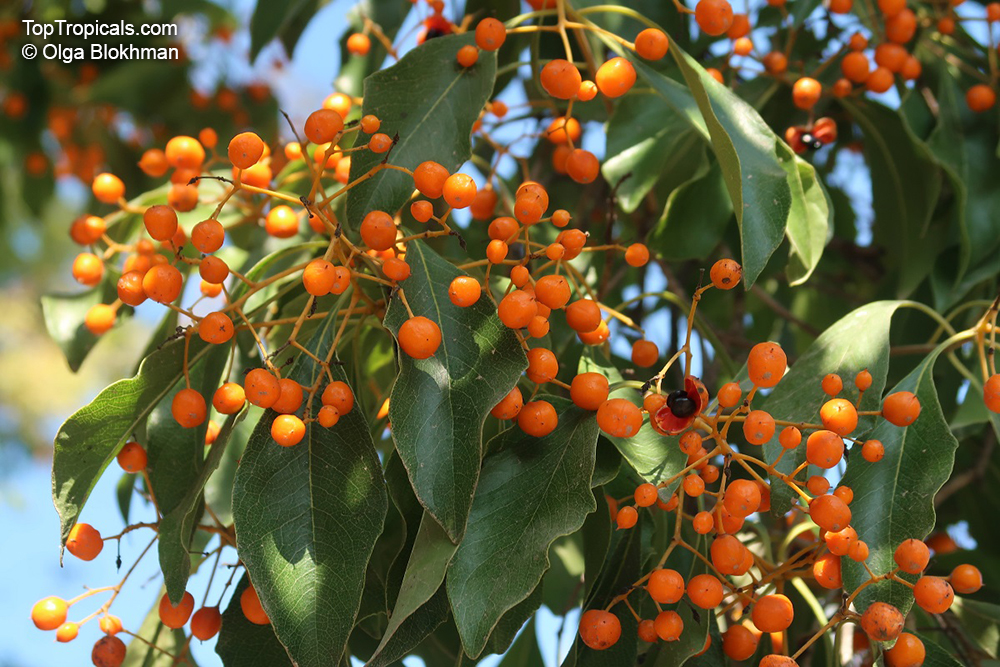
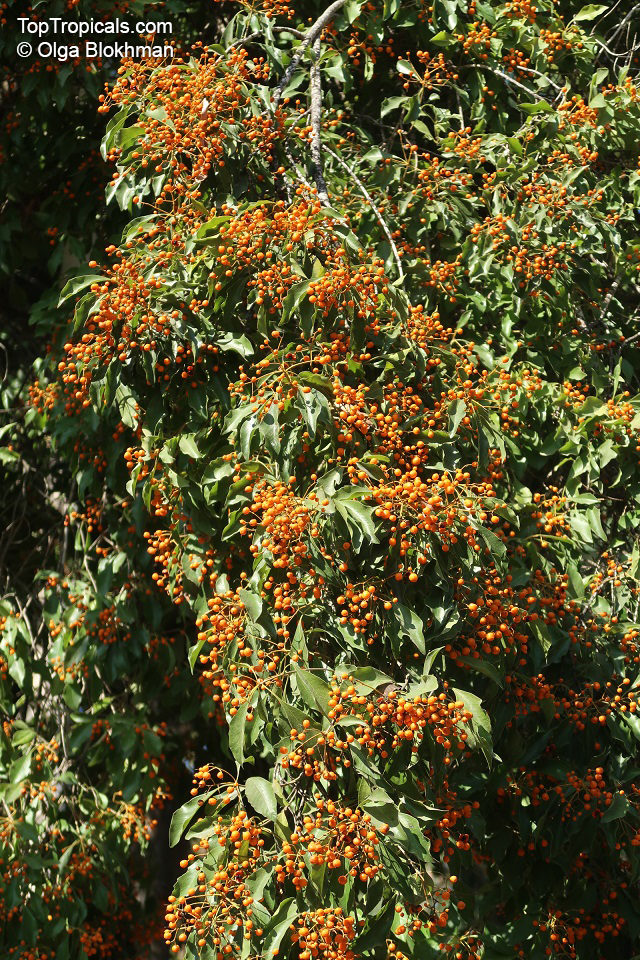
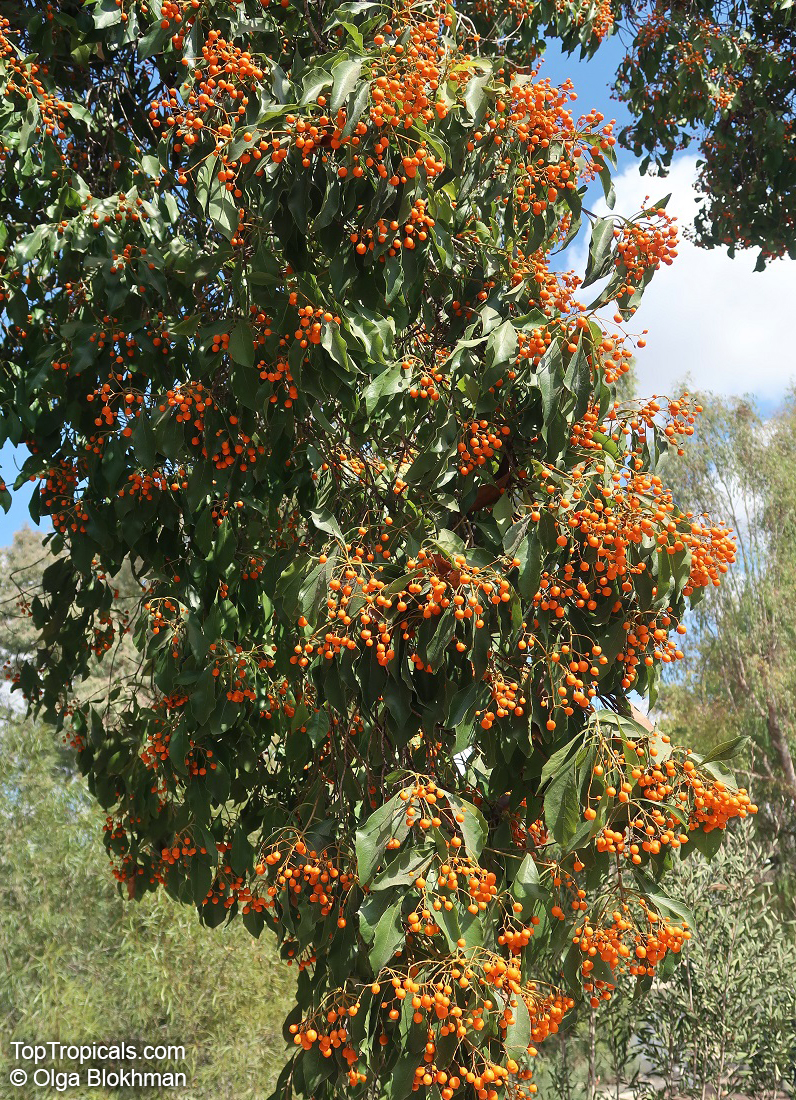
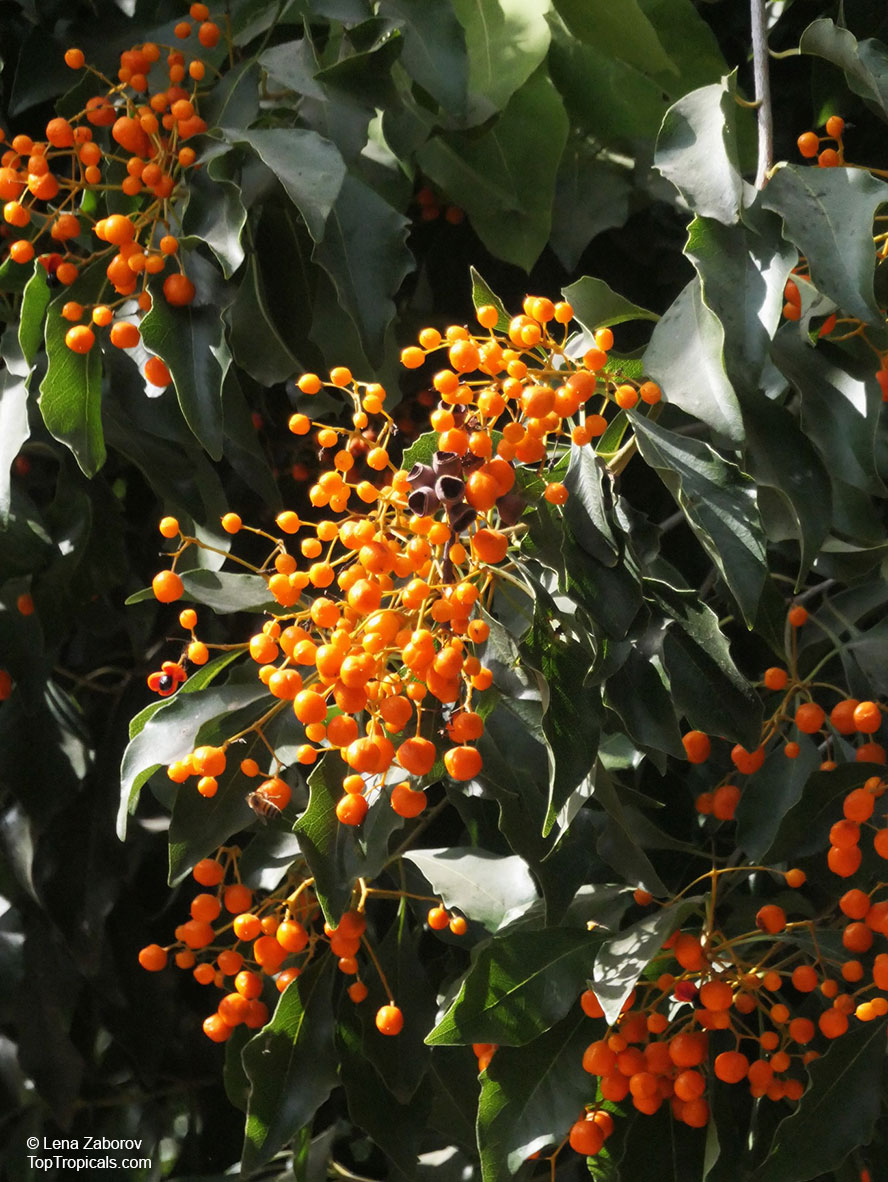
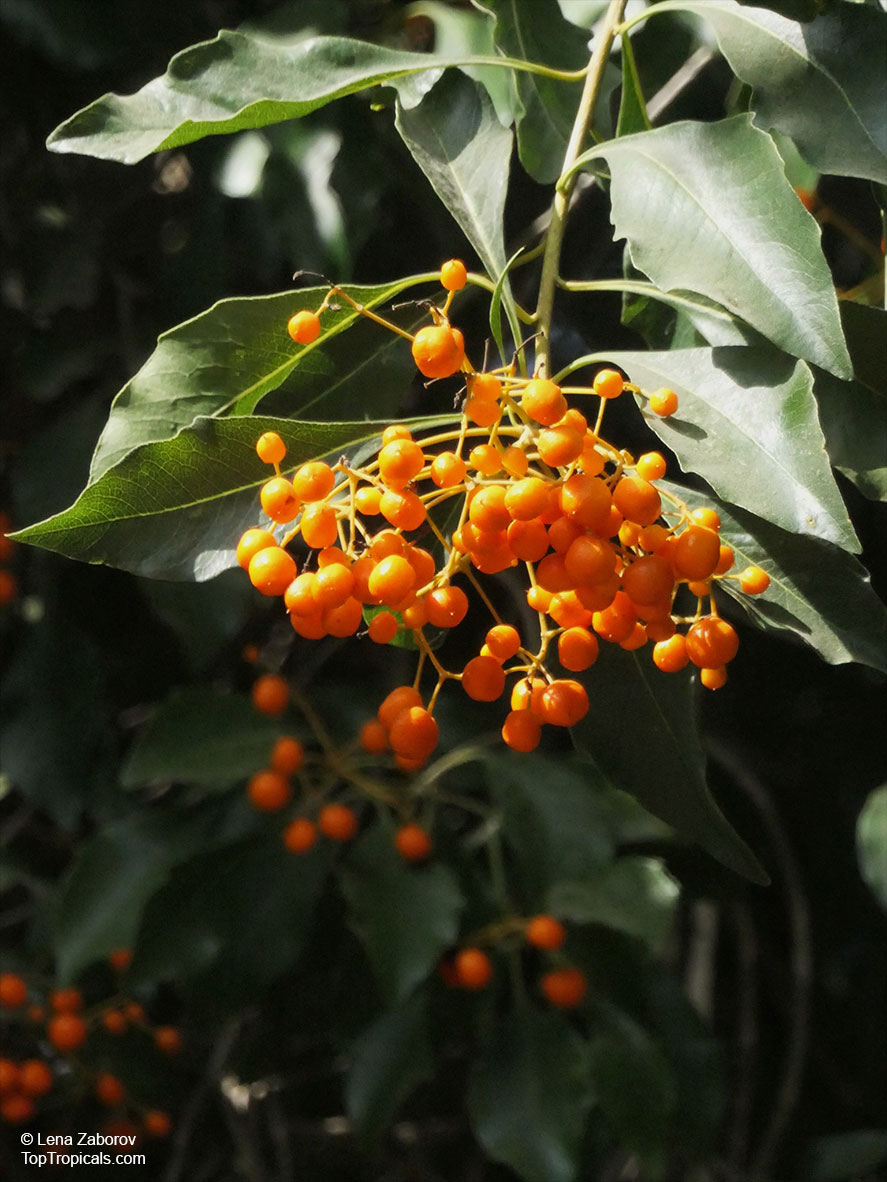
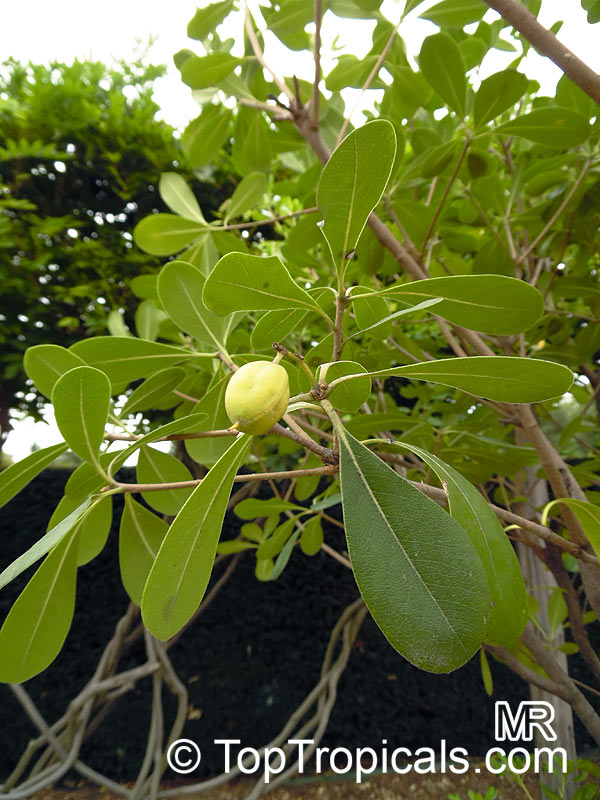
Botanical names: Auranticarpa rhombifolia, Pittosporum rhombifolium
Common name: Diamond Pittosporum
Family: Pittosporaceae
Origin: Australia
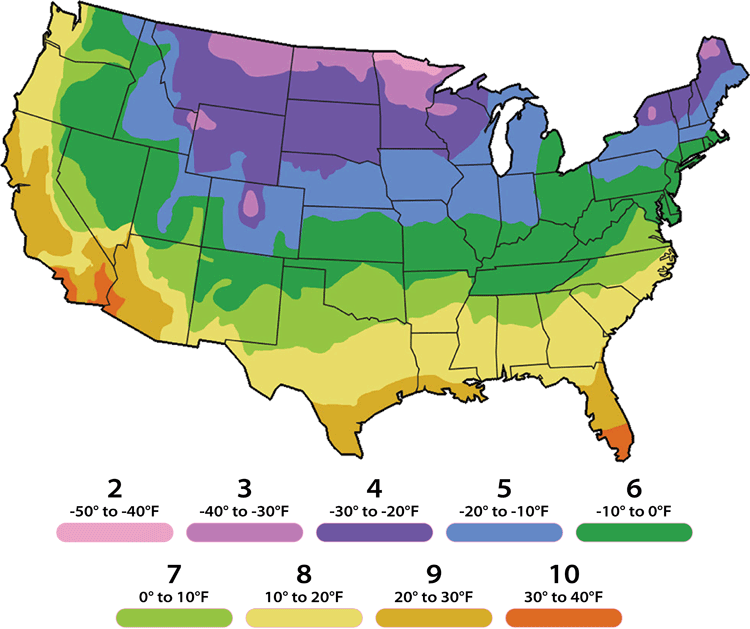
USDA Zone: 9a-10b


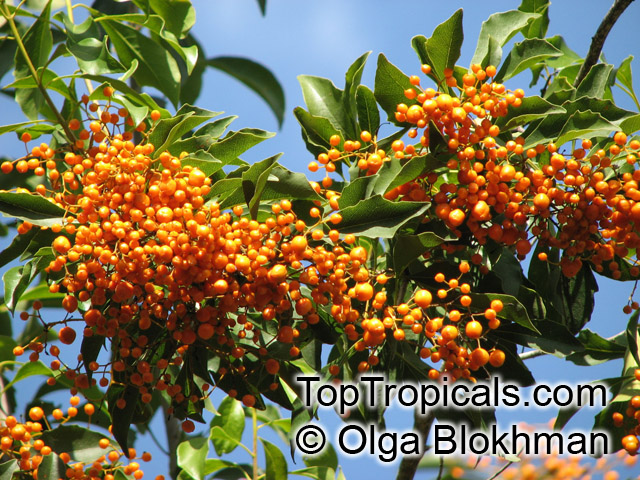
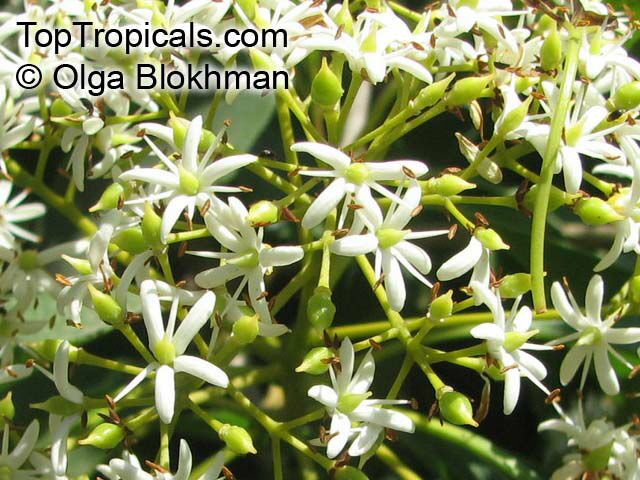
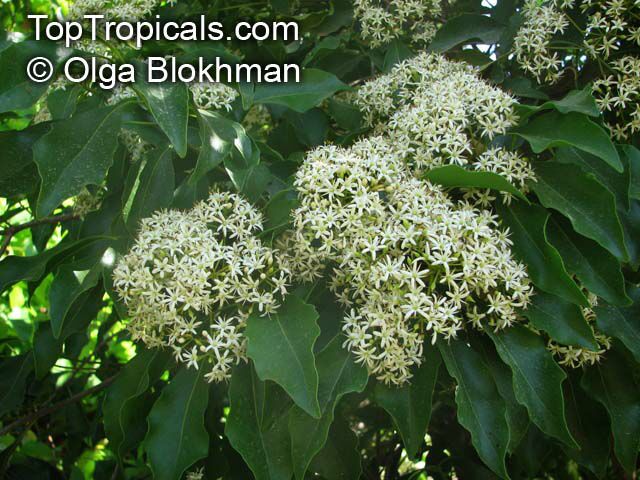
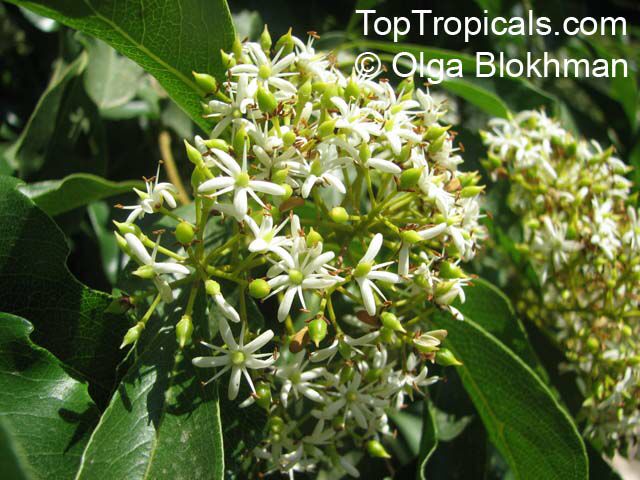
However it is called Diamond Pittosporum due to the shape of the leaves. It is generally inconspicuous until it flowers - when the whole tree becomes a mass of white - and then the tree becomes orange due to the enormous volume of orange fruits.
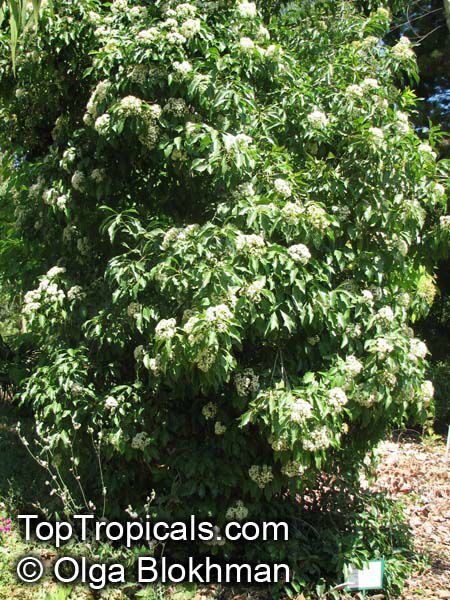
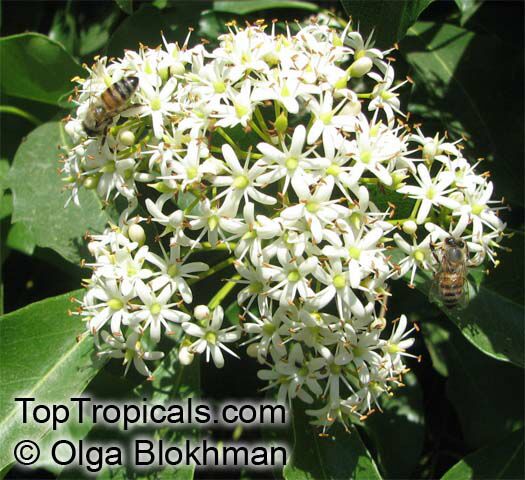

Botanical name: Pittosporum daphniphylloides
Common name: Pittosporum
Family: Pittosporaceae
Origin: China
USDA Zone: 9-10


A large evergreen shrub with bold leathery foliage up to 23cm long and dense rounded clusters of sweetly scented, soft-yellow, small flowers in spring. Its leaves are much larger than those of the common pittosporum, six to eight inches long and two to three inches wide.
Botanical name: Pittosporum sp.
Common name: Pittosporum
Family: Pittosporaceae
Origin: Southeast Asia, Australia
USDA Zone: 9-10
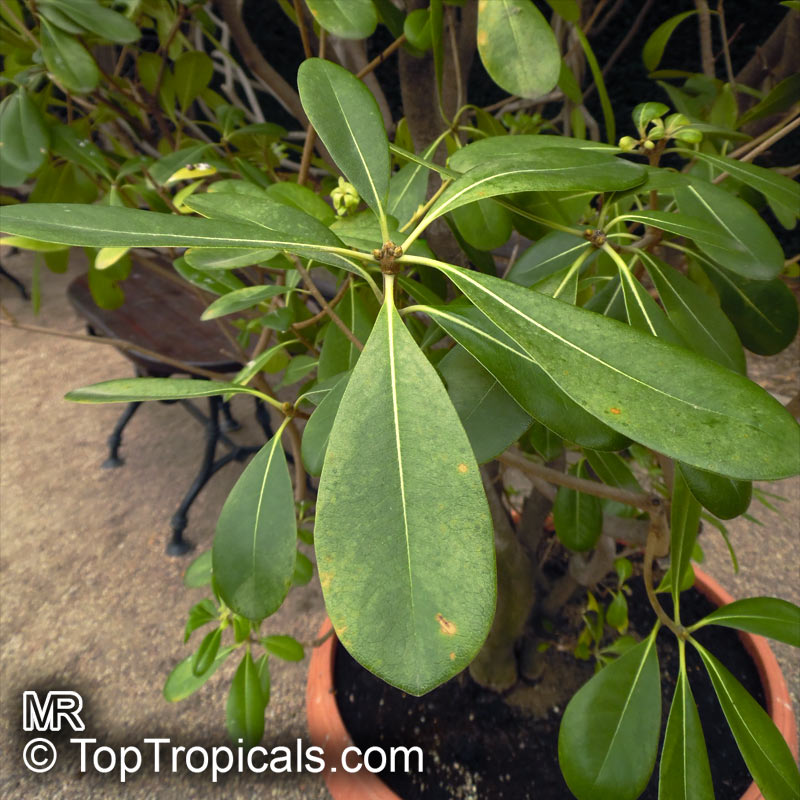
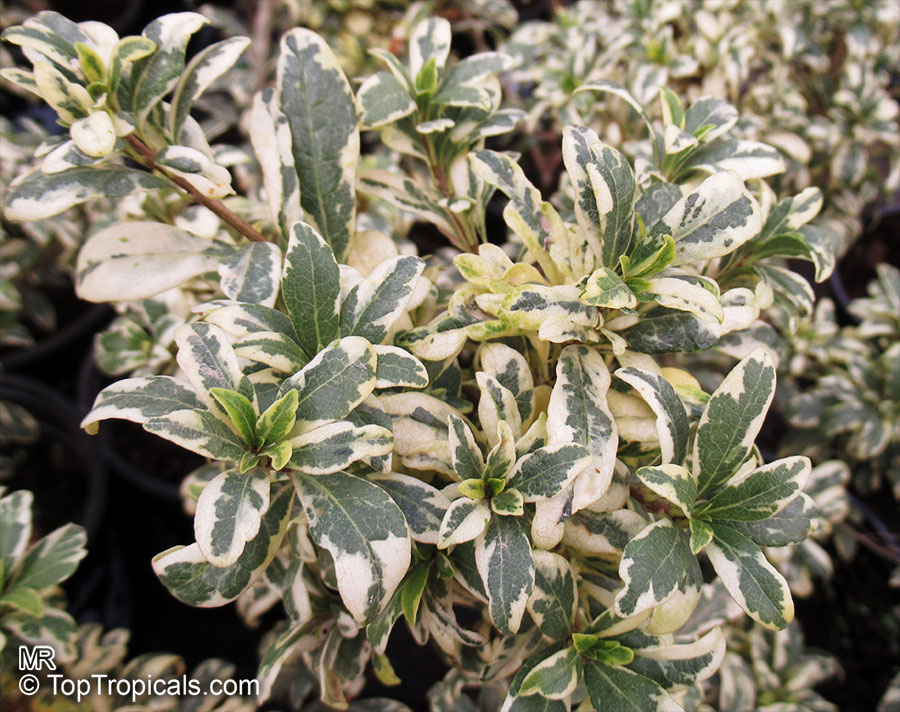
Pittosporums are a popular choice for those looking to add greenery and texture to their landscapes. These large shrubs can grow up to 20 feet under ideal growing conditions, making them perfect for creating hedges, screens, and accenting pathways. Native to Southeast Asia and Australia, the Pittosporum genus is known for its hardiness and versatility in terms of soil and light requirements.
One of the standout features of Pittosporums is their ornamental value. With a profusion of small white or off-white fragrant flowers that bloom in the spring and summer months, these evergreen plants are sure to add a pop of color to any garden. The foliage is also attractive, with a glossy and dark green hue that has a leathery texture. Depending on how they're pruned, Pittosporums can grow into a low-maintenance hedge or a more wild-looking small tree.
Pittosporums are quite drought-tolerant once established, making them a great option for those with busy schedules. They can tolerate full sun to semi-shade and will do best with regular watering. The species can grow in USDA zones 9-11. In colder regions, they can also be grown in containers indoors, as long as they're provided with plenty of light and water.
When growing Pittosporums in a container, keep the soil moist but not soggy. In colder regions, use cold-protection measures like applying a thick layer of mulch in the winter. Be sure to prune the plant in the fall to avoid breakage in heavy snows or ice.
Pittosporums are an excellent choice for adding color and texture to gardens and landscapes. Their hardiness and versatility make them ideal low-maintenance plants that can grow in a variety of climates and soils. With regular care and protection from cold temperatures, the Pittosporum genus will thrive for years to come.
Fun fact: The genus is named after their sticky seeds, from the Greek meaning "pitch-seed".
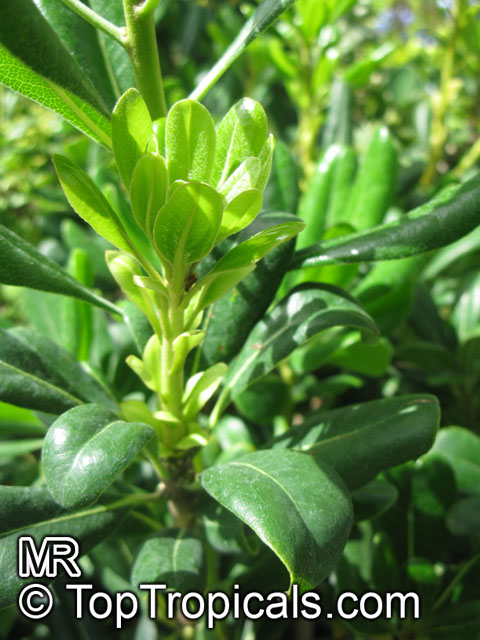
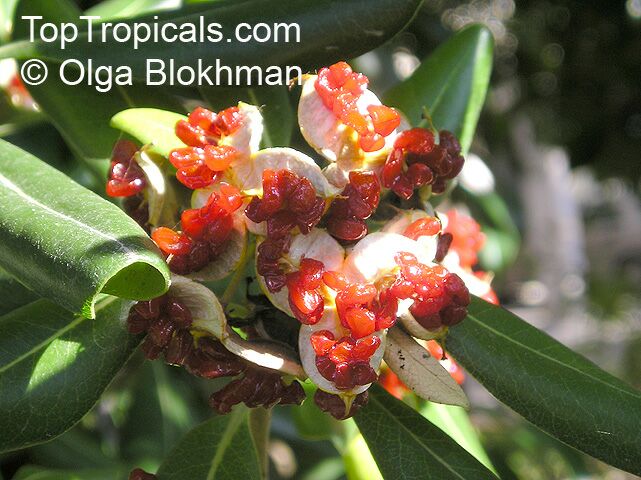
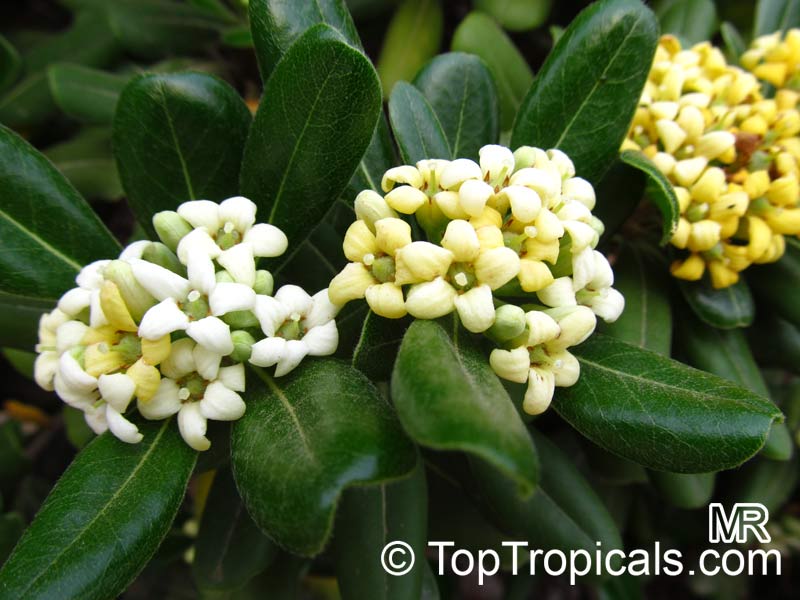
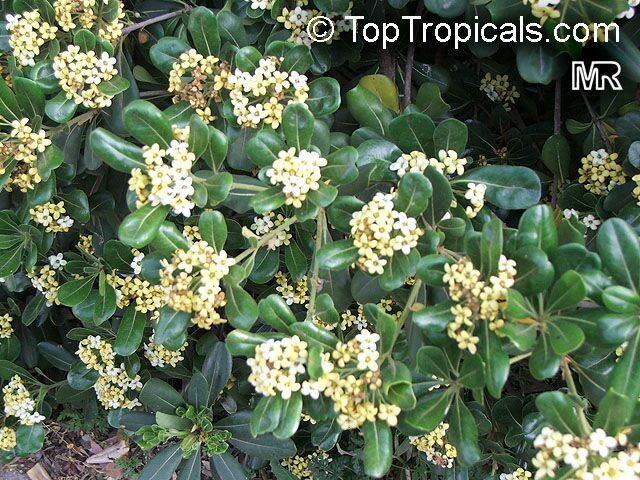
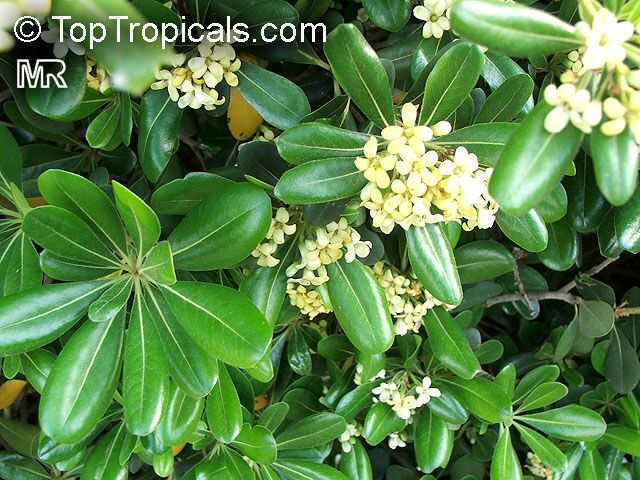
Botanical name: Pittosporum tobira
Common names: Japanese Mockorange, Japanese Pittosporum, Tobira
Family: Pittosporaceae
Origin: China, Formosa, Japan
USDA Zone: 9-10

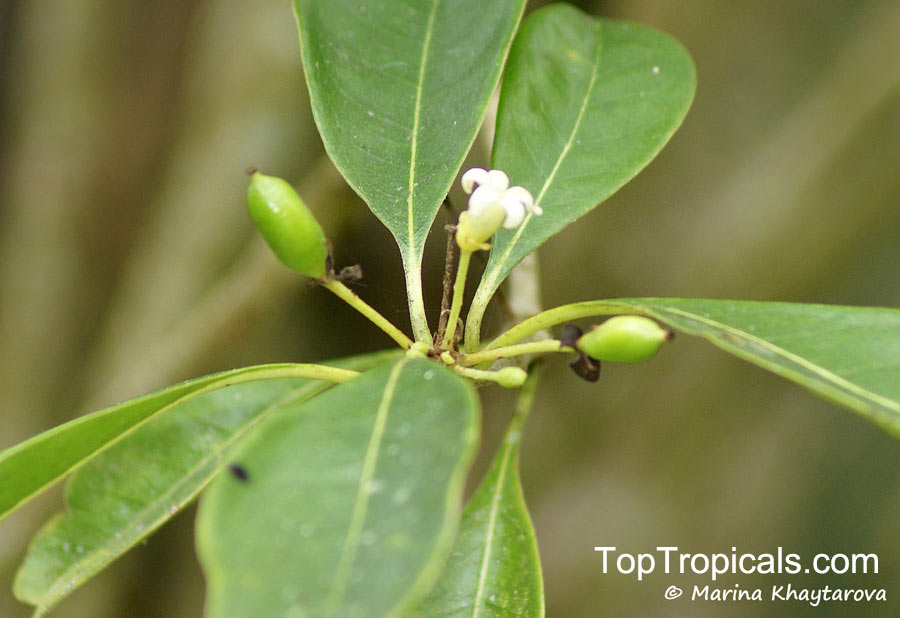
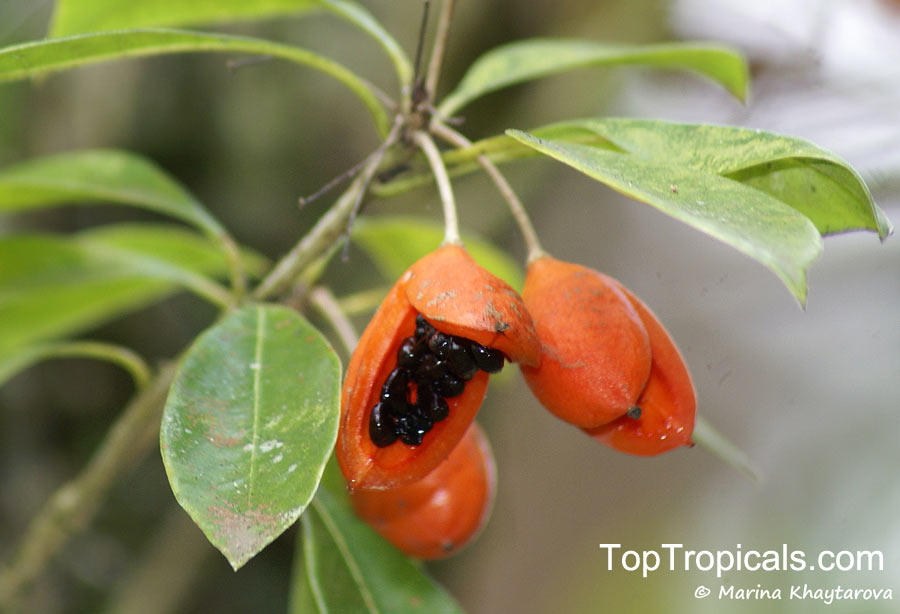
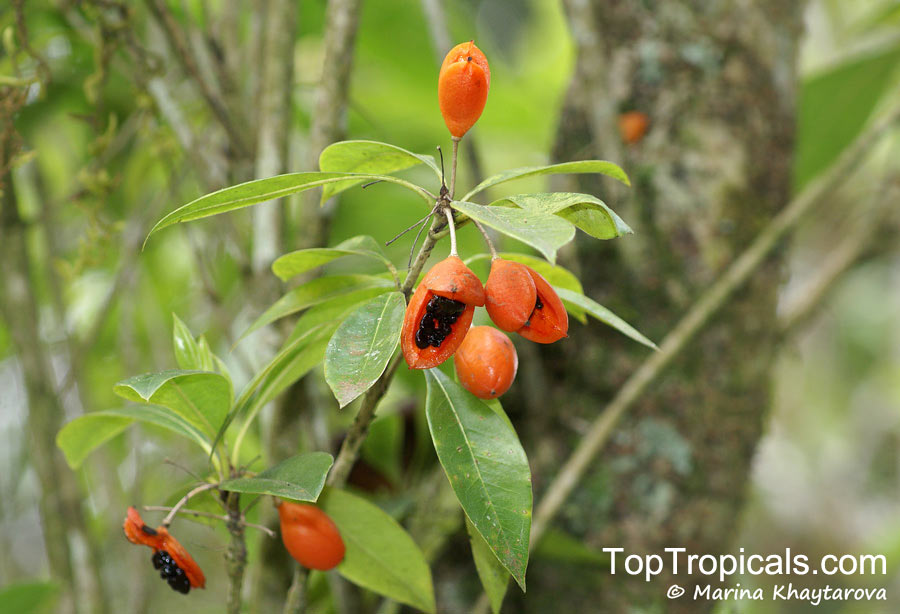
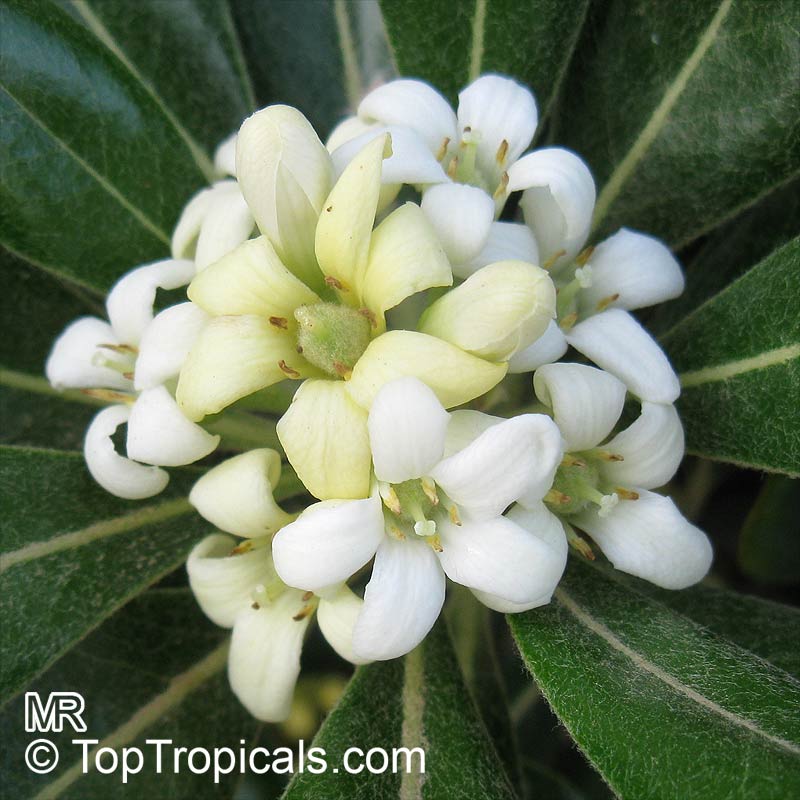
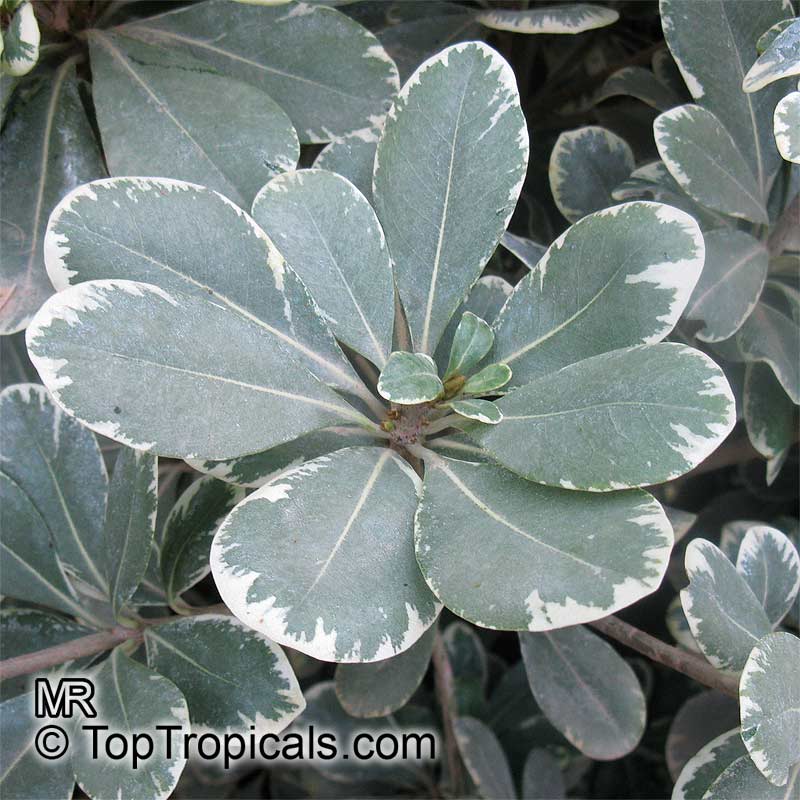
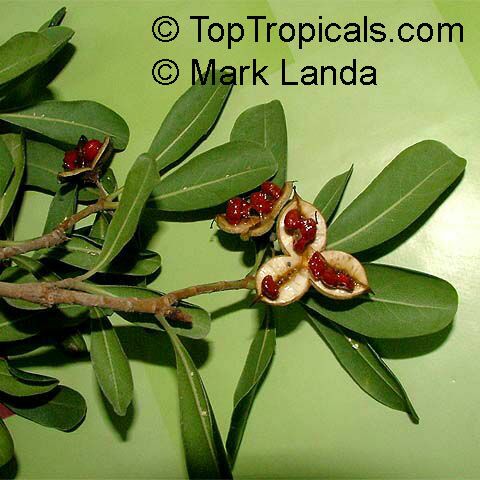
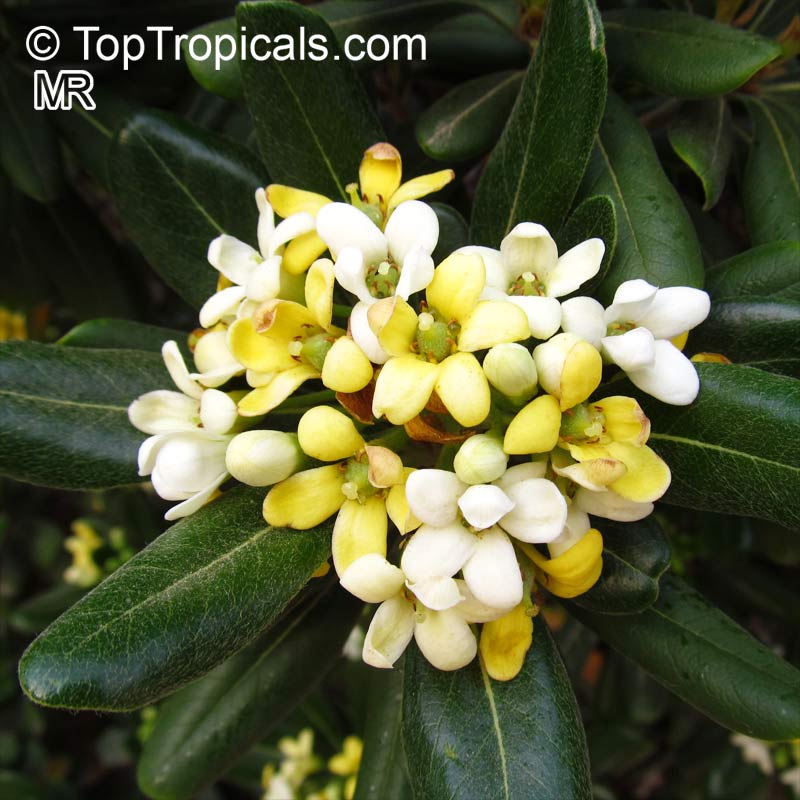
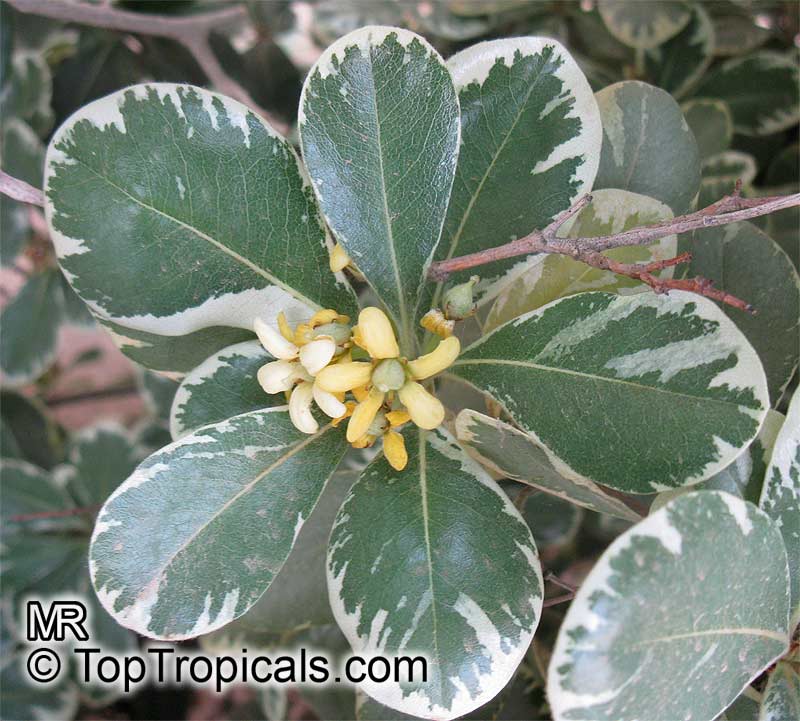
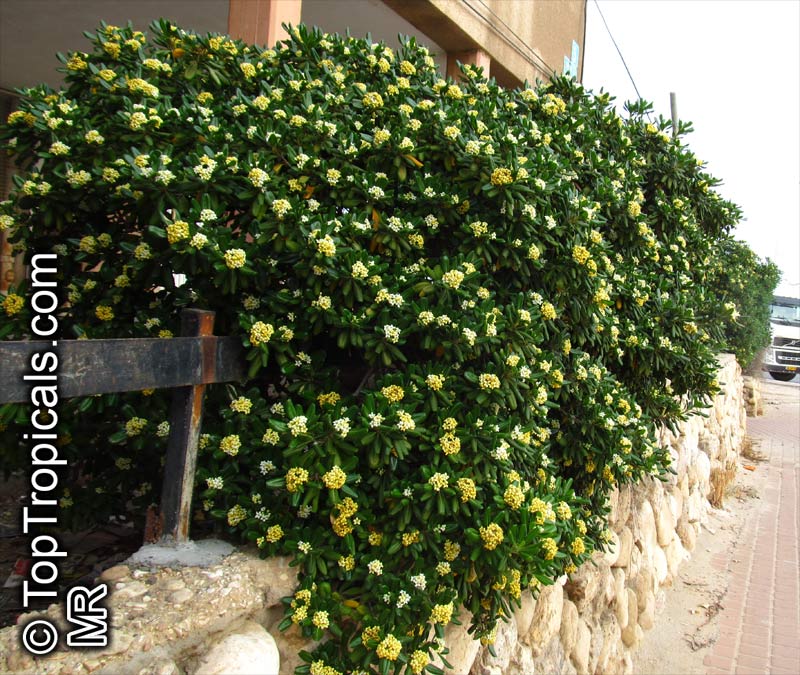
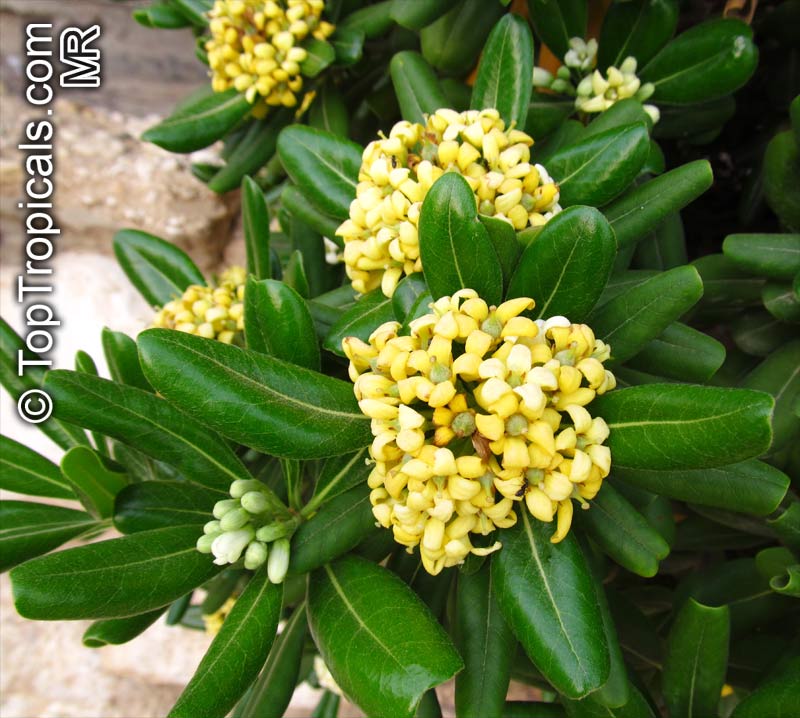
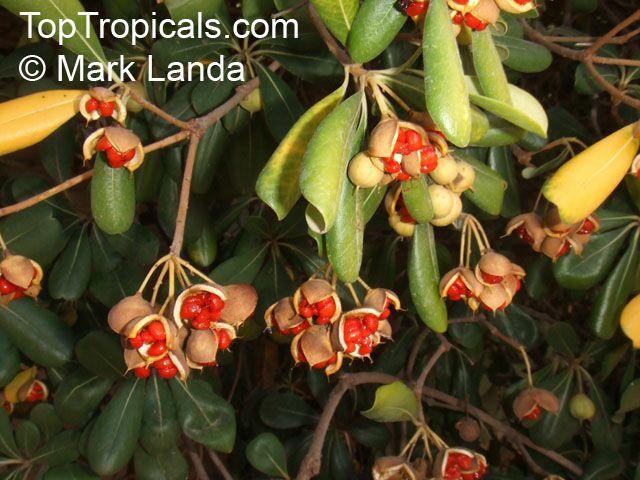
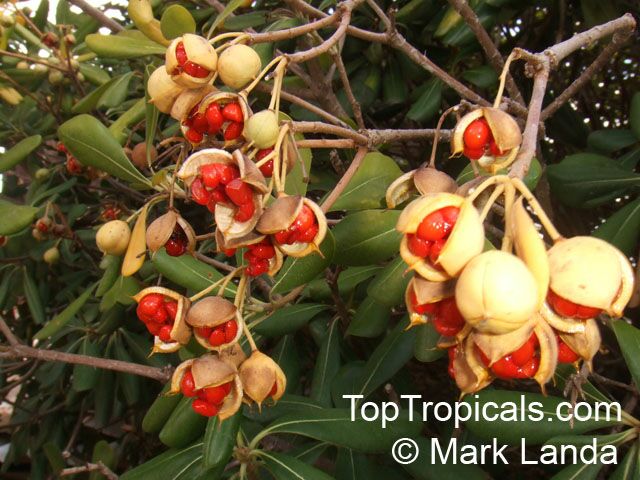
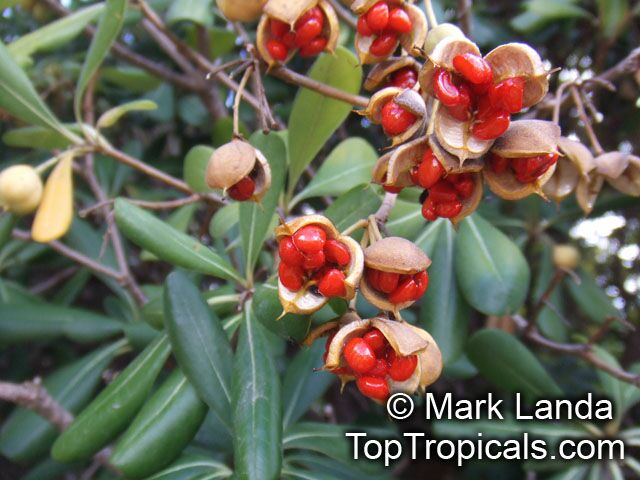
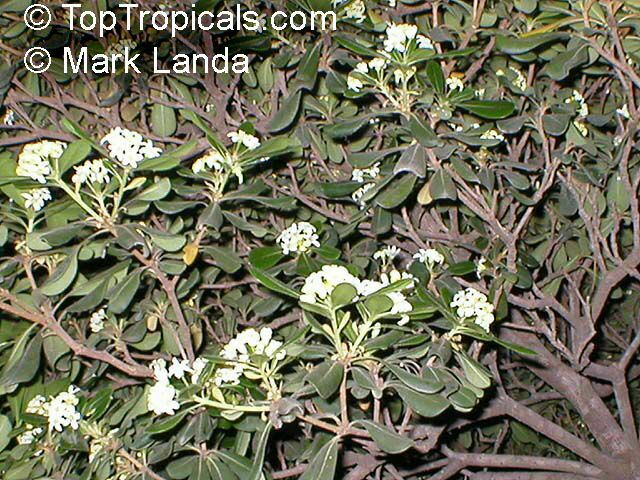
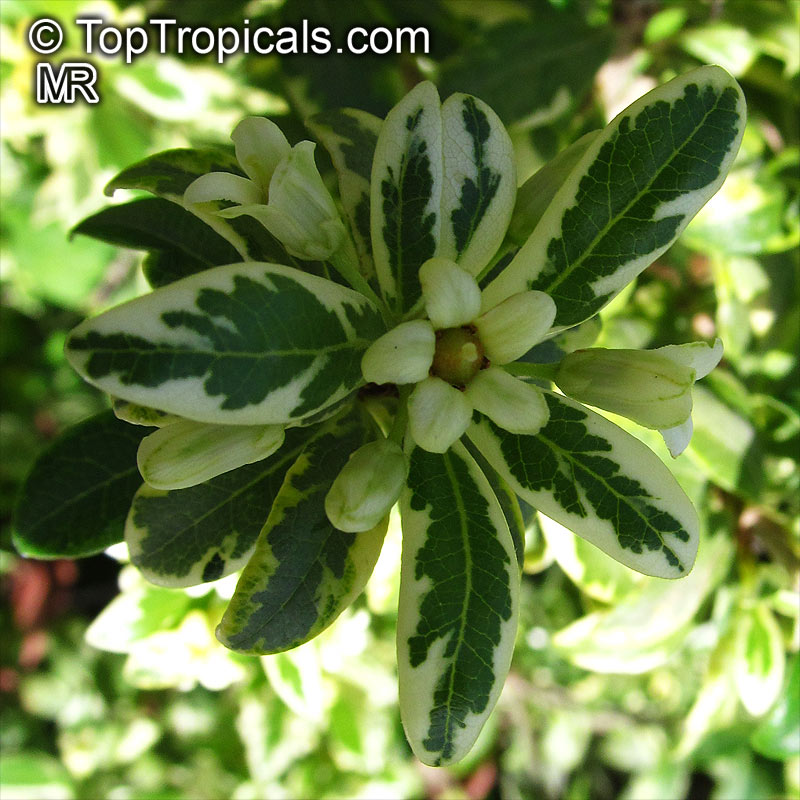
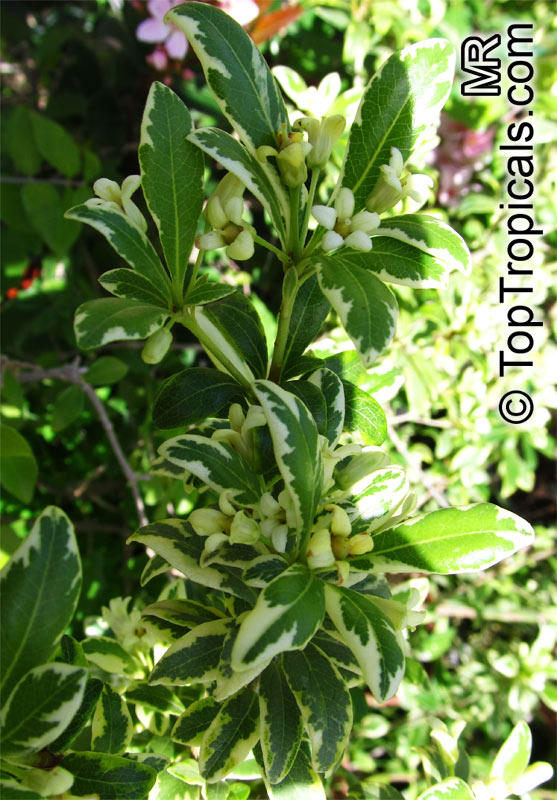
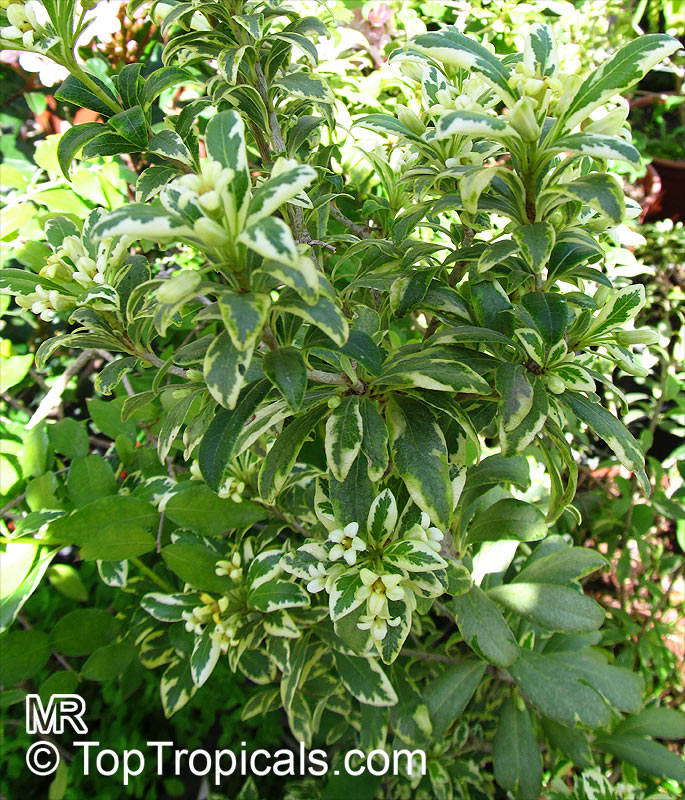
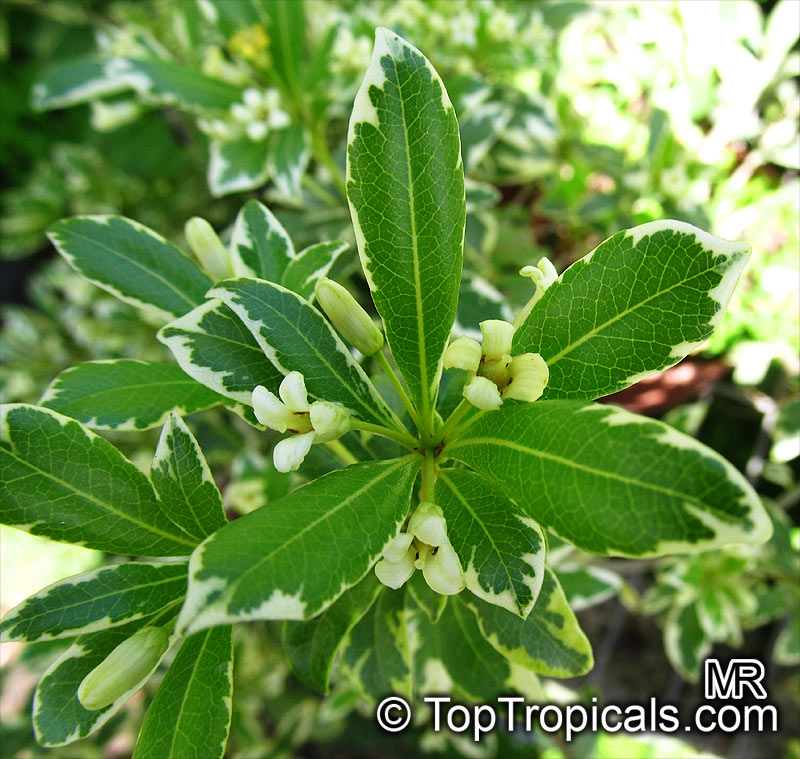
In general the Japanese pittosporum grows taller in the shade while those grown in full sun are more compact. The leathery leaves are glossy on the top with undersides that are lighter and have a dull surface. These very ornamental leaves reach a length of from 1-5 in and up to 1 in wide with edges that recurve (curl down and inward).The small flowers are about 0.5" in diameter and are held in clusters at the branch tips. They are pure white when they emerge from the bud and slowly age to a mellow creamy yellow. This plant is very adaptable and will grow in most soils except for those that are constantly wet. Moderate moisture is required for fastest growth and best looks. Established plants are able to survive long periods of drought but will look the worse for wear - will recover when adequate moisture is obtained. Propagation: By cuttings and seeds.




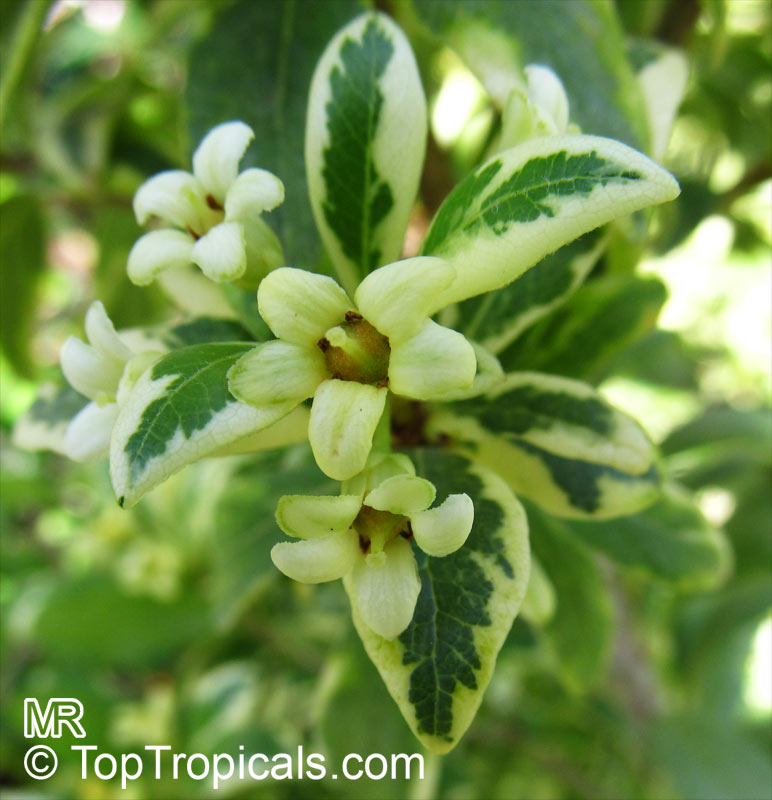
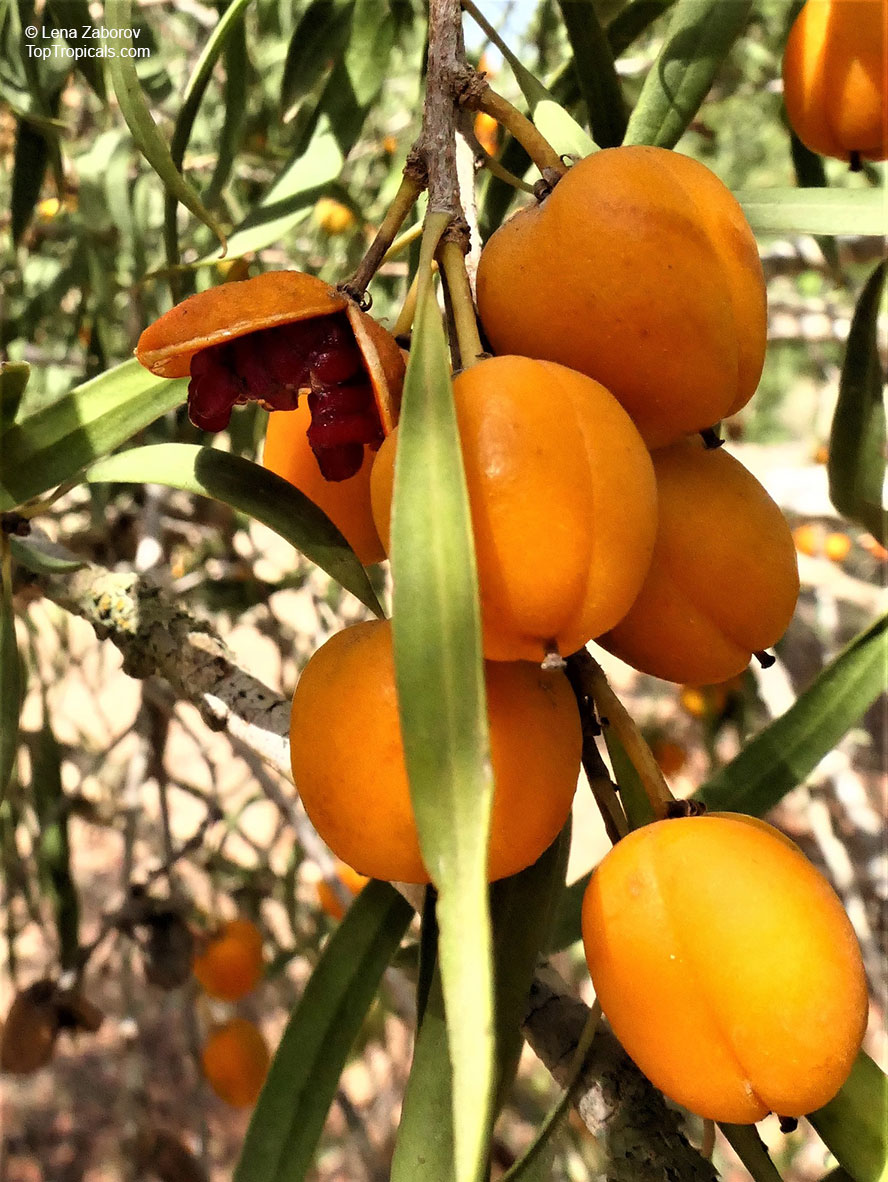
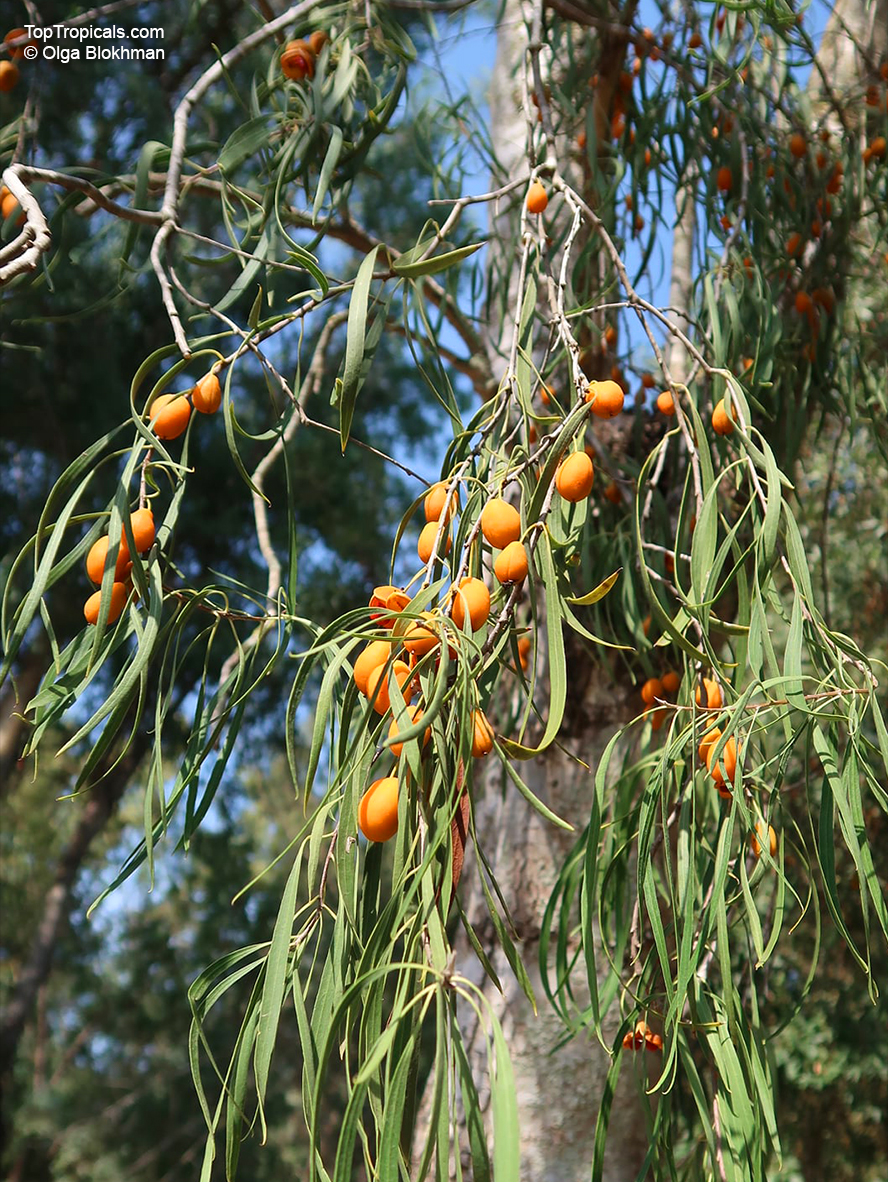
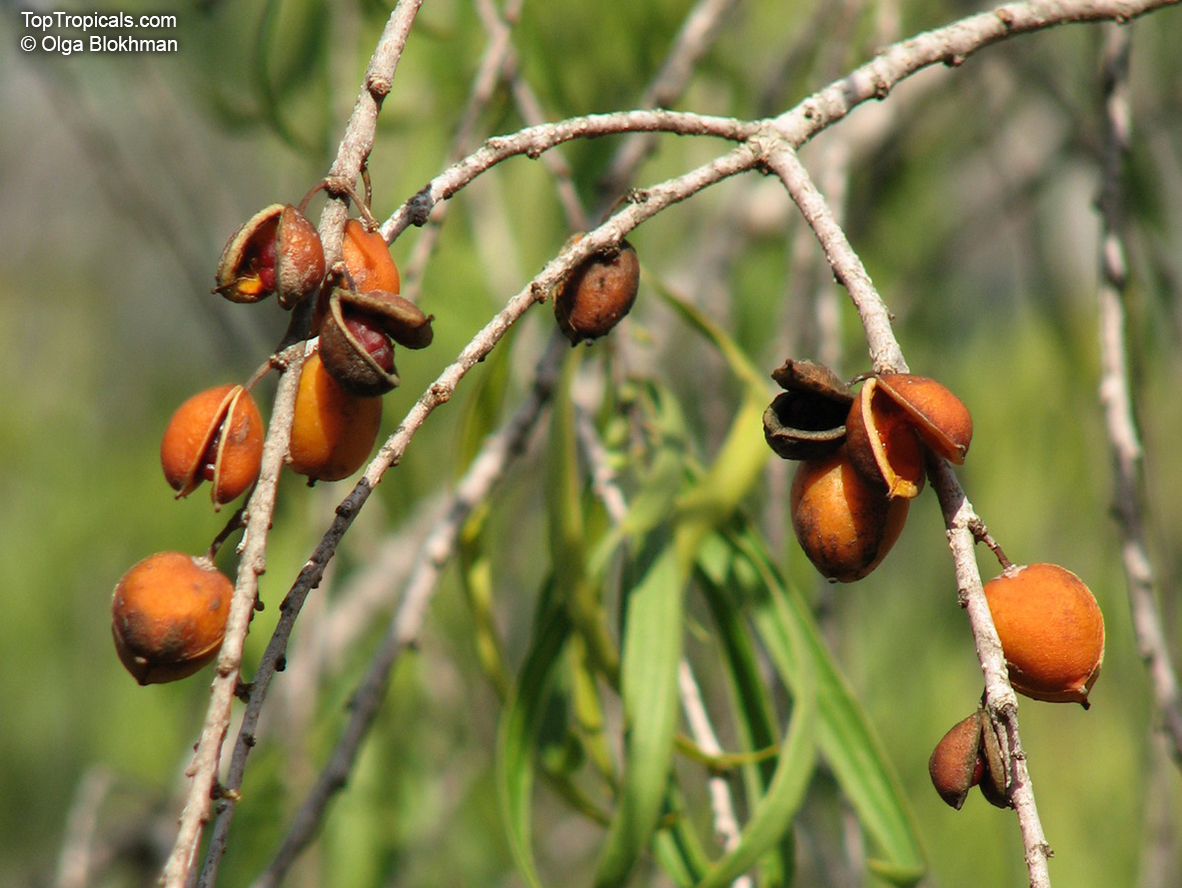
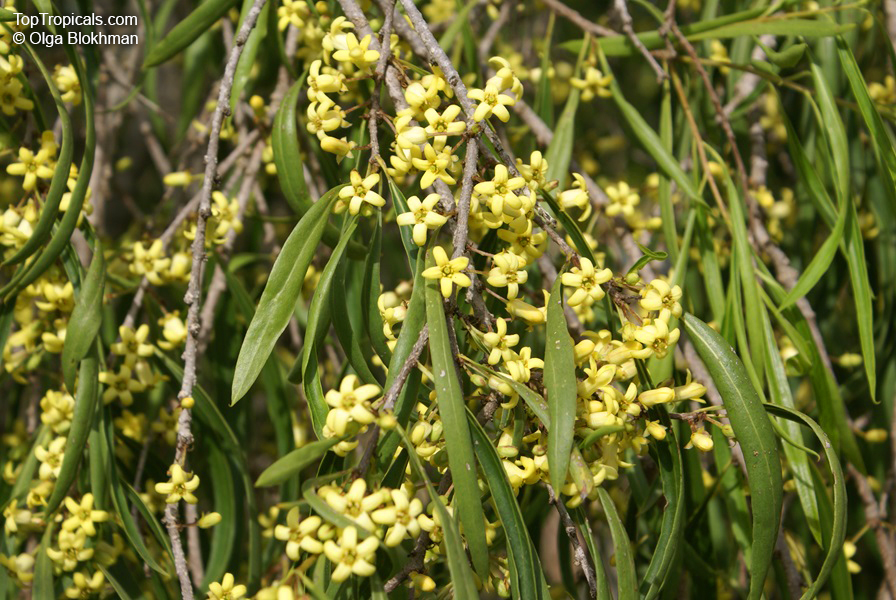
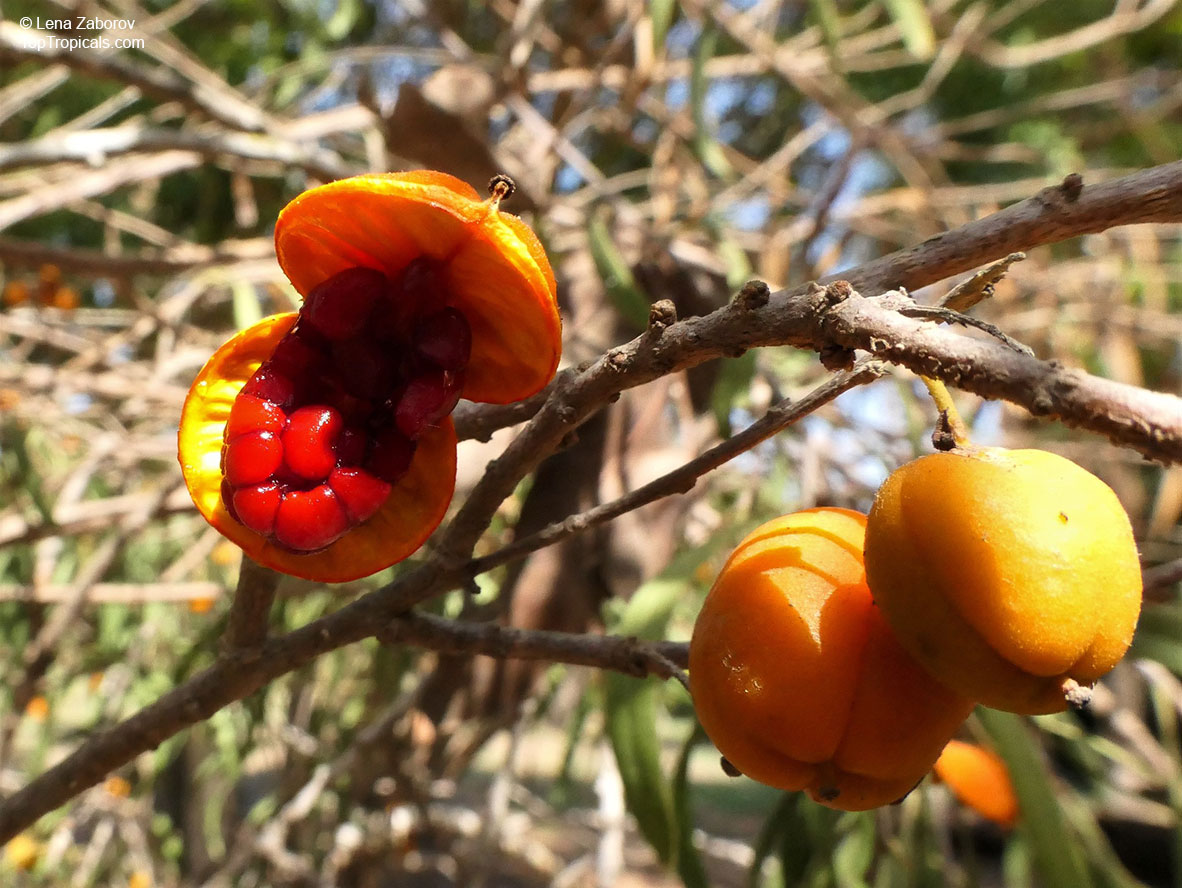
Botanical names: Pittosporum angustifolium, Pittosporum phillyraeoides
Common names: Willow Pittosporum, Butterbush, Native Apricot
Family: Pittosporaceae
Origin: Australia
USDA Zone: 8-11


Plants tolerate much wetter conditions in cultivation than they experience in their native habitat.
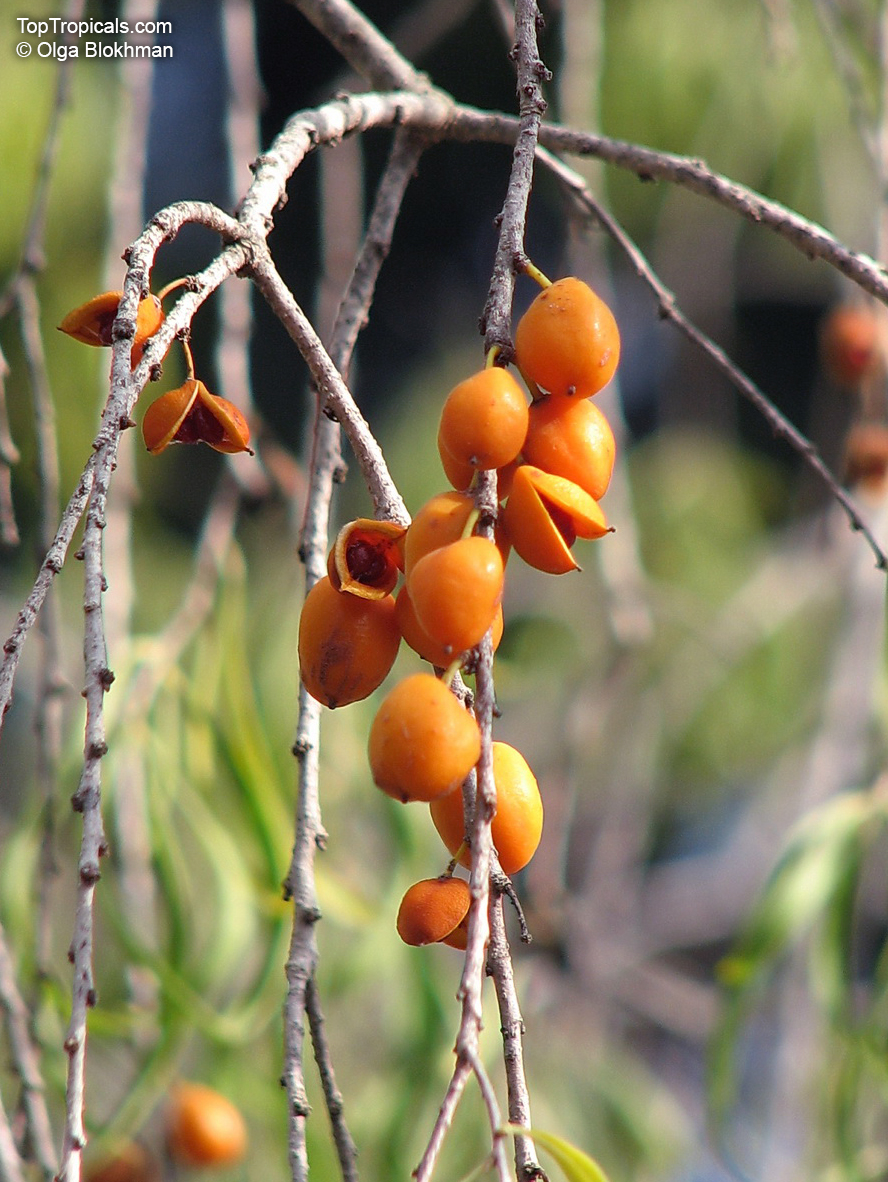
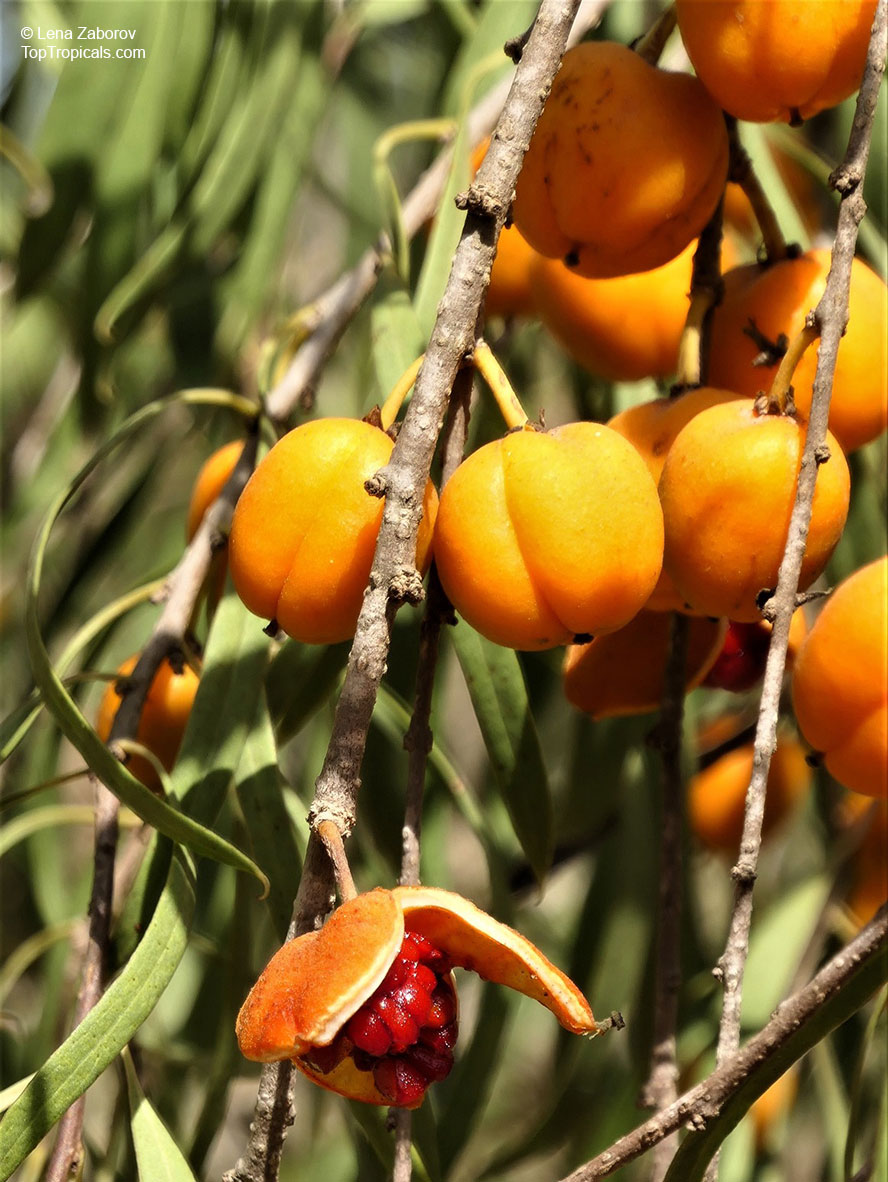
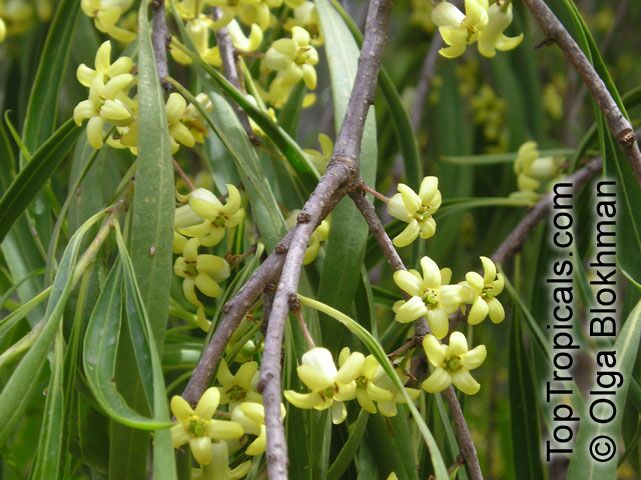
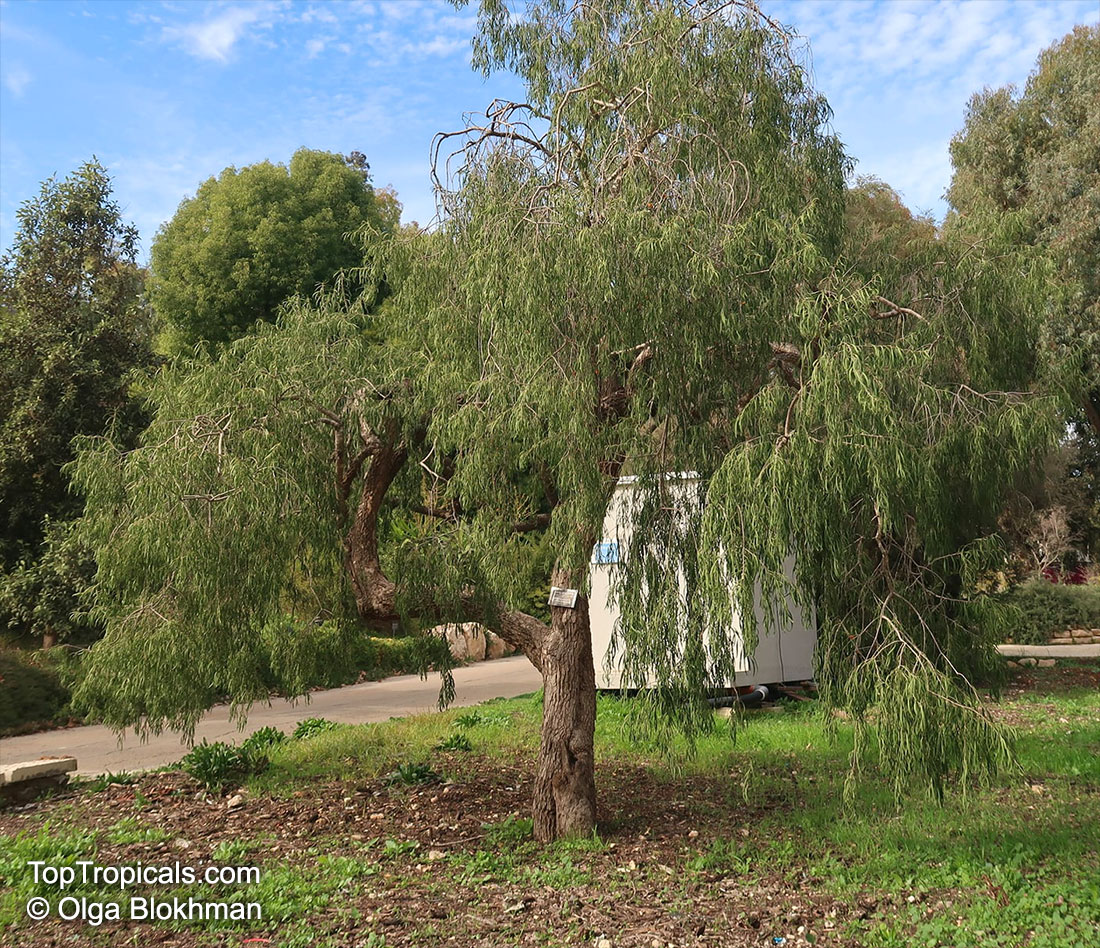
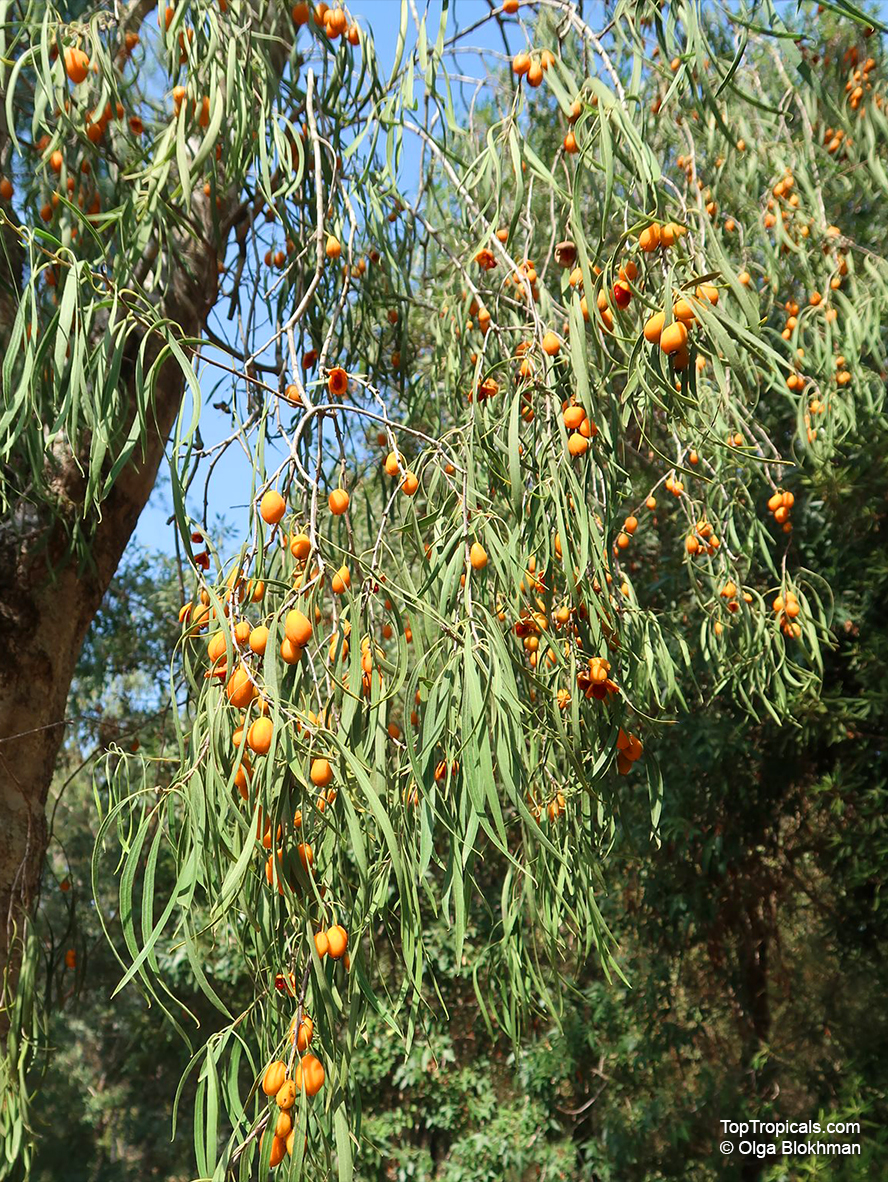
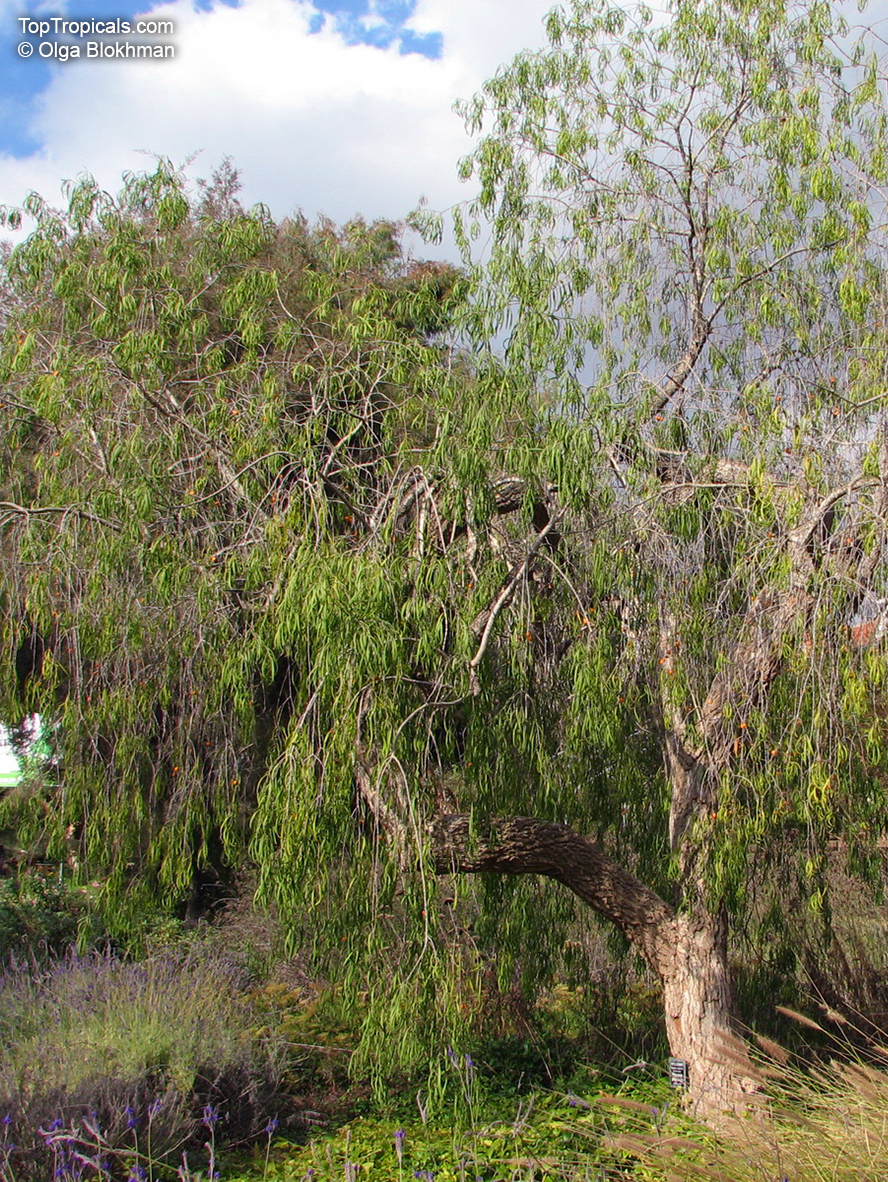
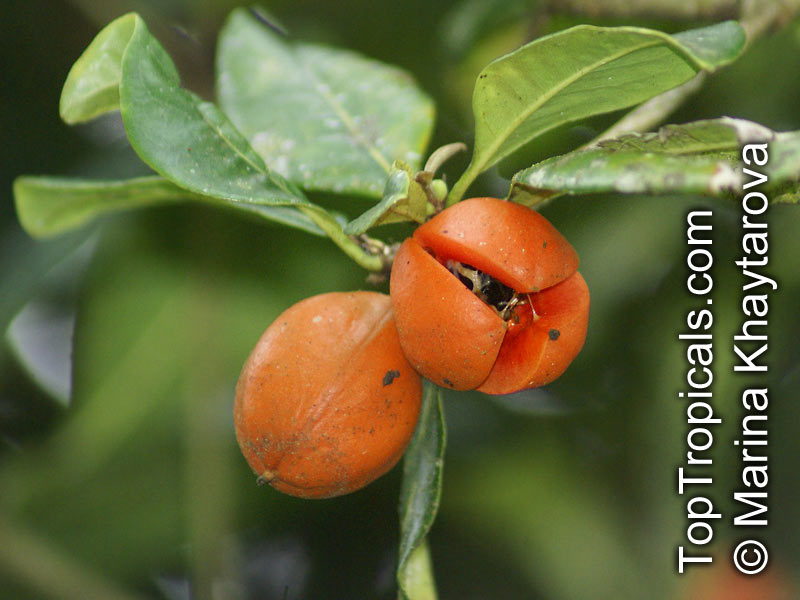
Botanical name: Pittosporum heterophyllum
Common name: Pittosporum
Family: Pittosporaceae
Origin: South China
USDA Zone: 9-10
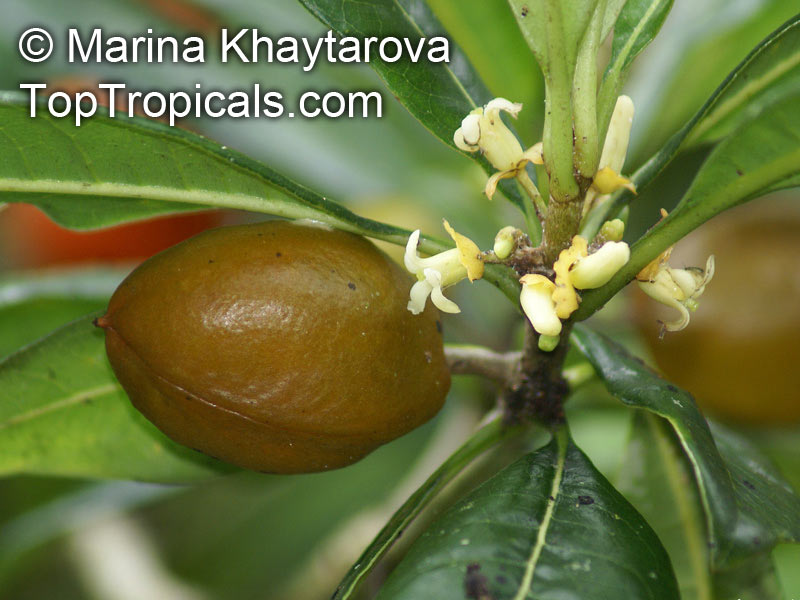
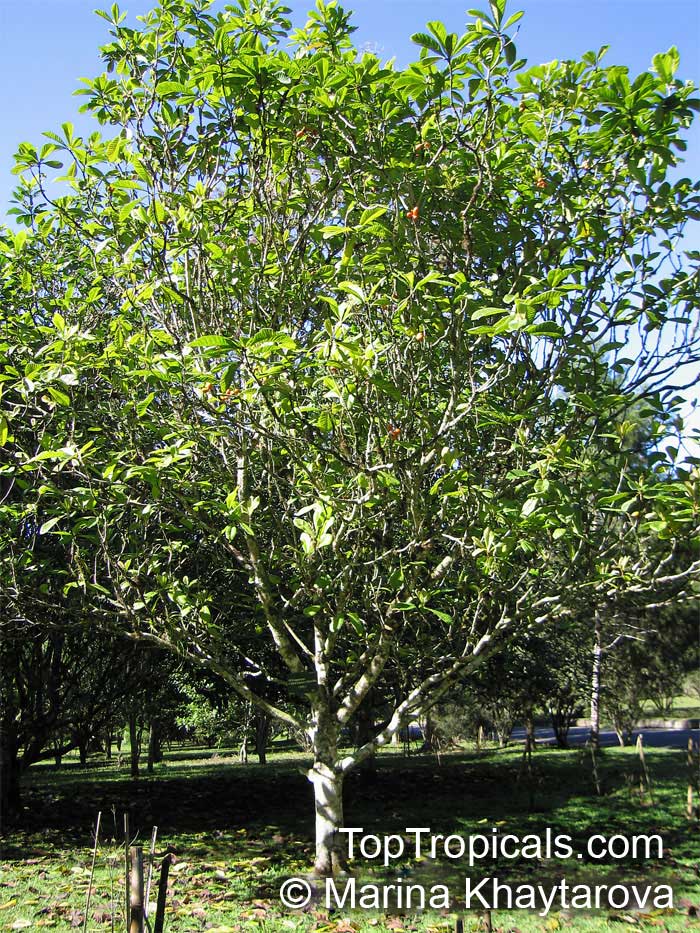
Botanical names: Pittosporum moluccanum, Pittosporum timorense
Common name: Pittosporum
Family: Pittosporaceae
Origin: Indonesia, Australia
USDA Zone: 9-10
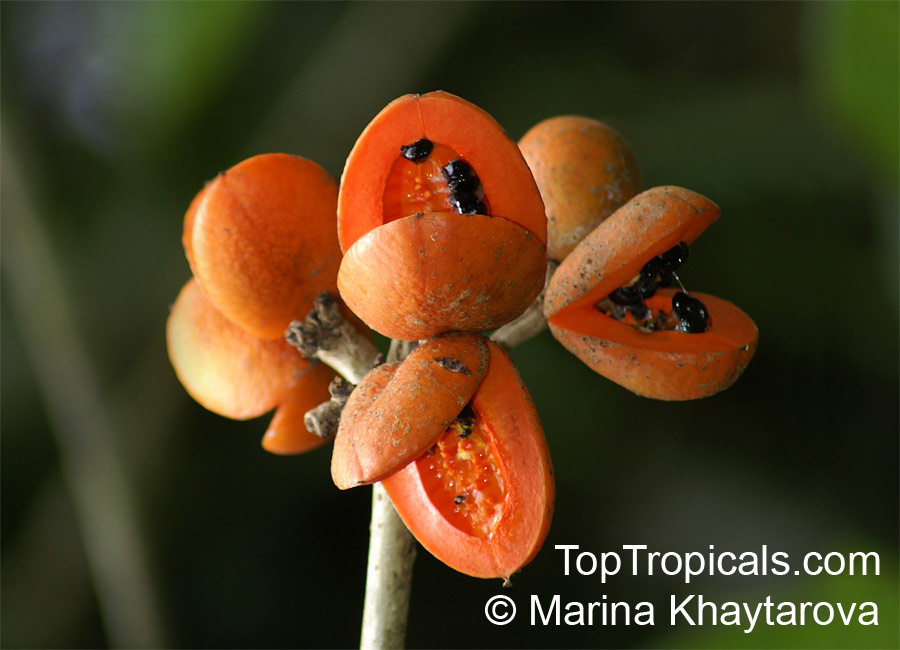
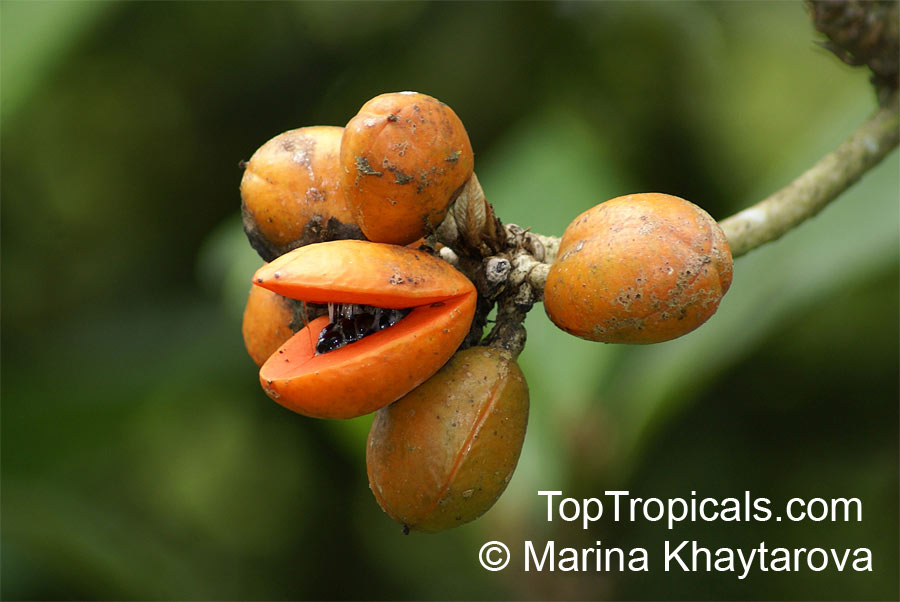
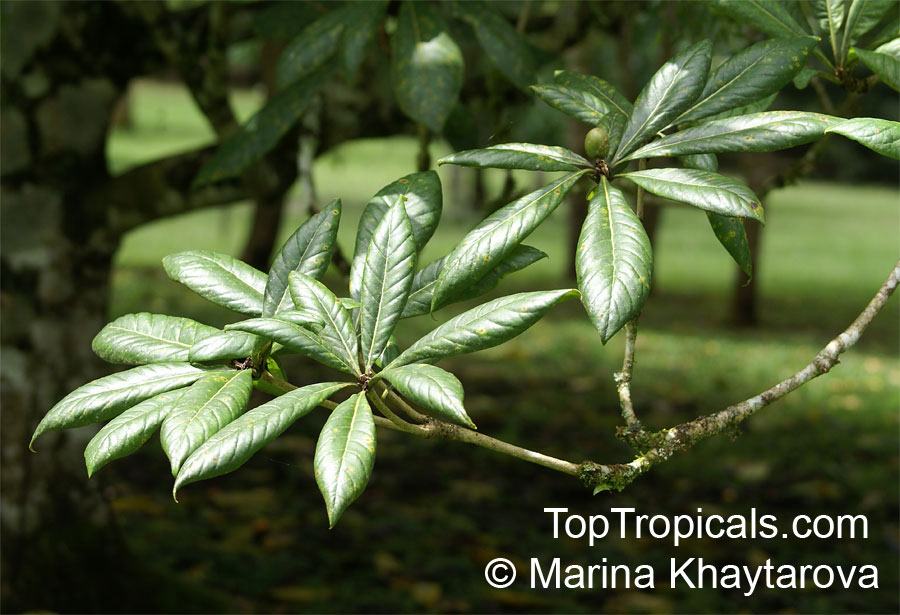
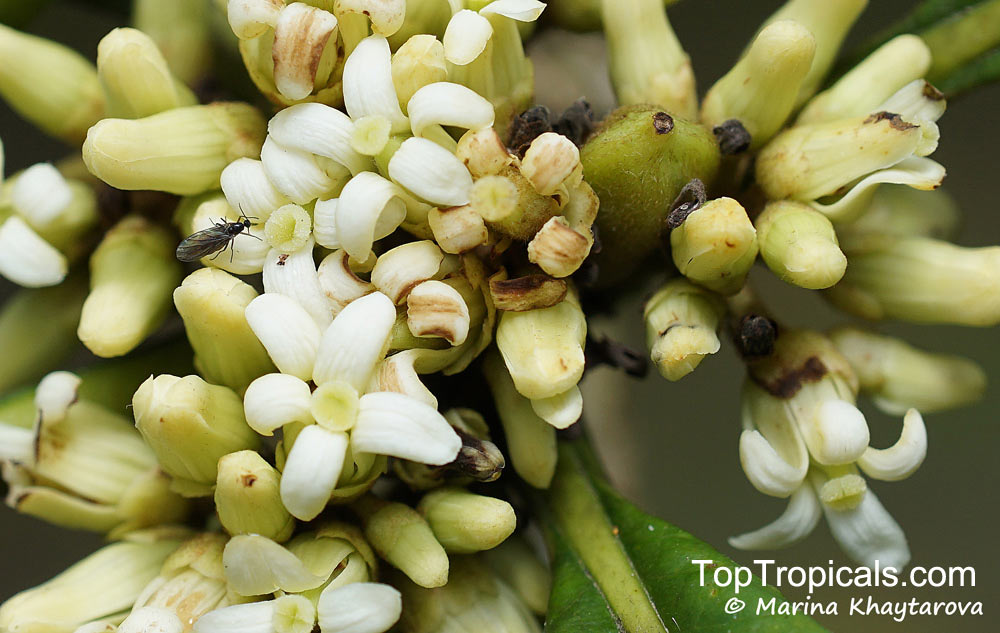
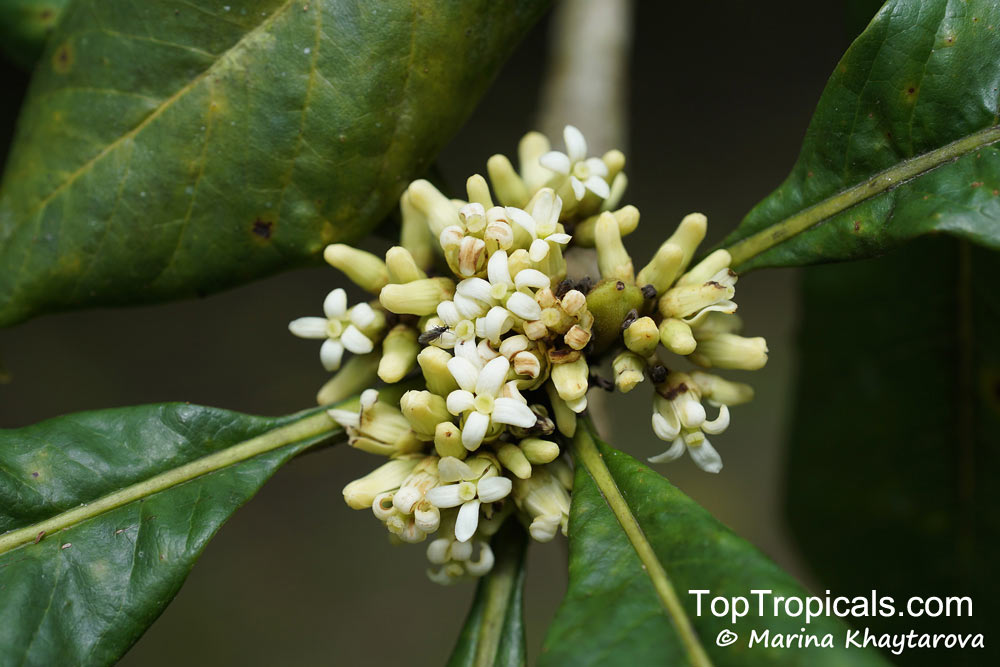

Botanical name: Pittosporum ramiflorum
Common name: Pittosporum
Family: Pittosporaceae
Origin: Malesia
USDA Zone: 9-10
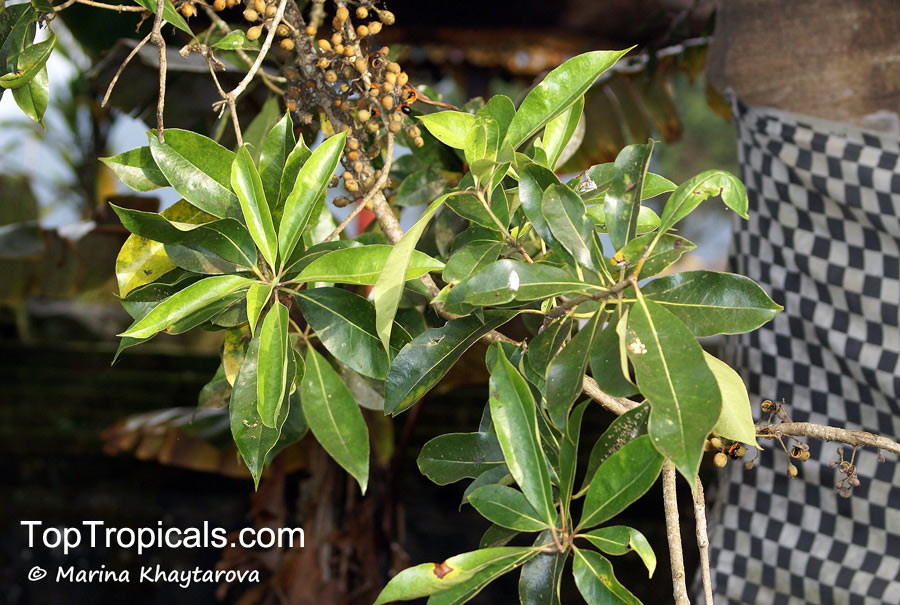
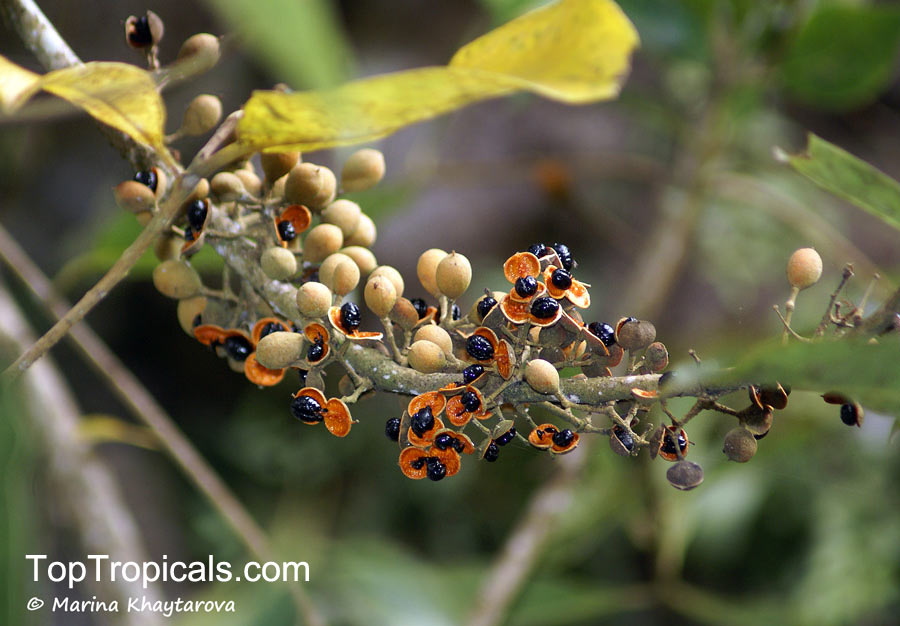
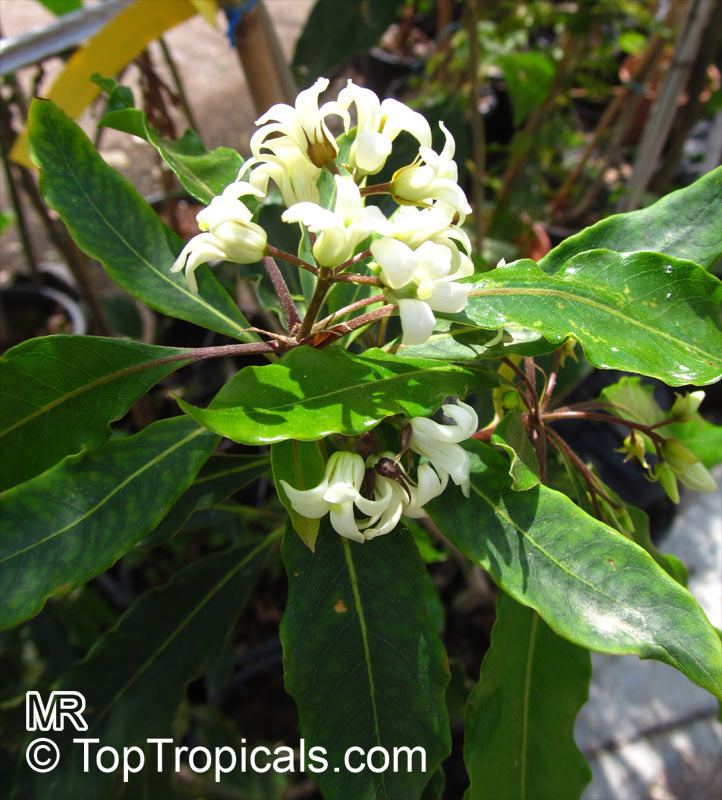
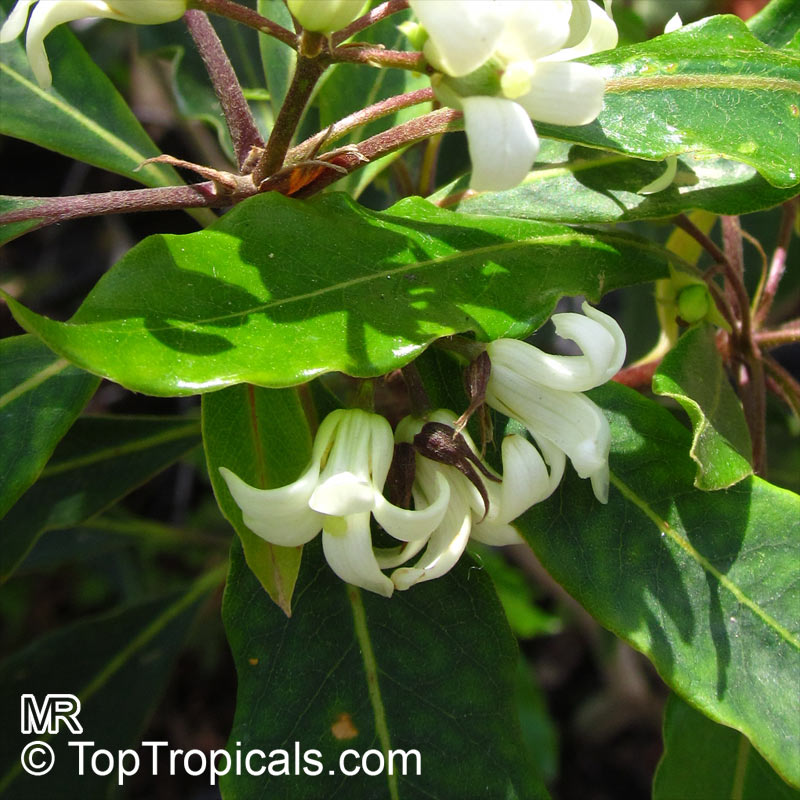
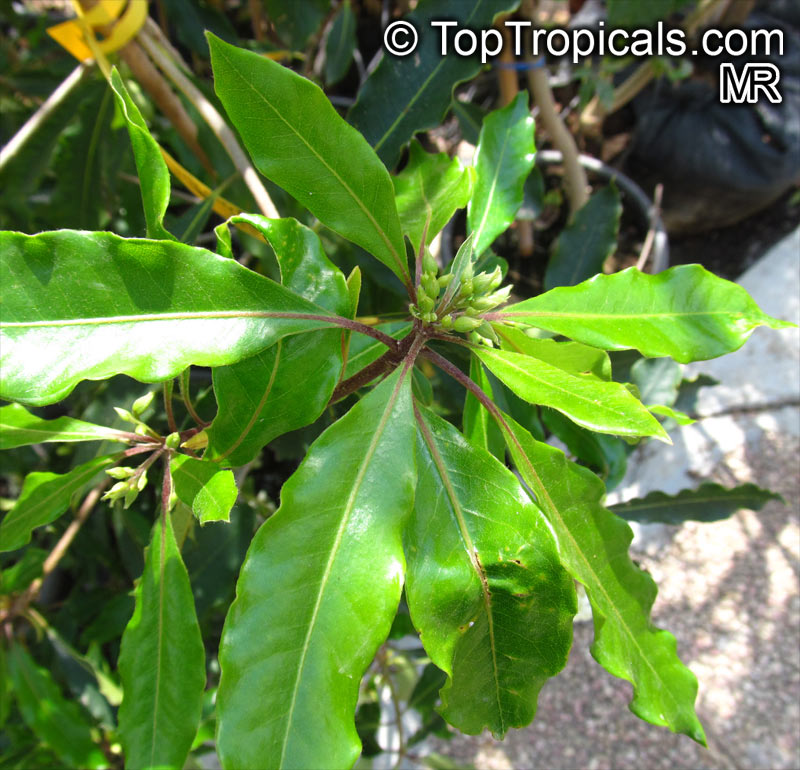
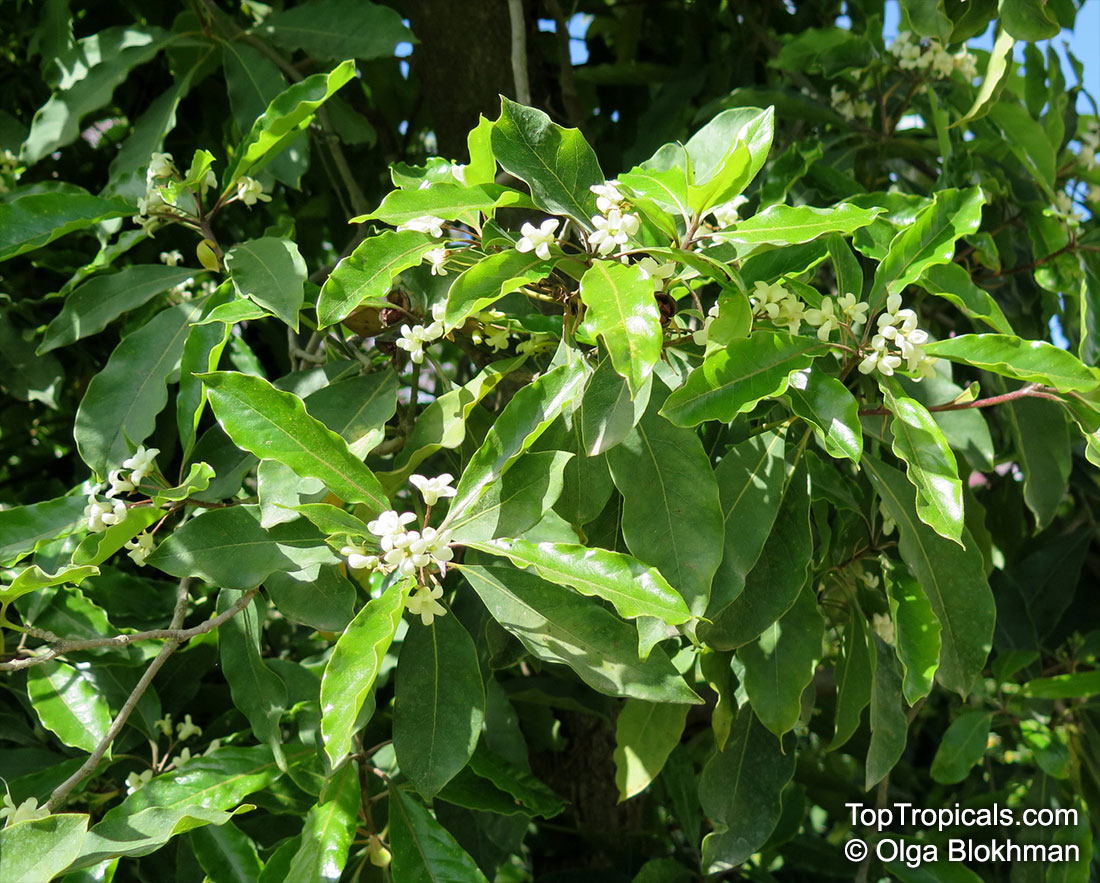
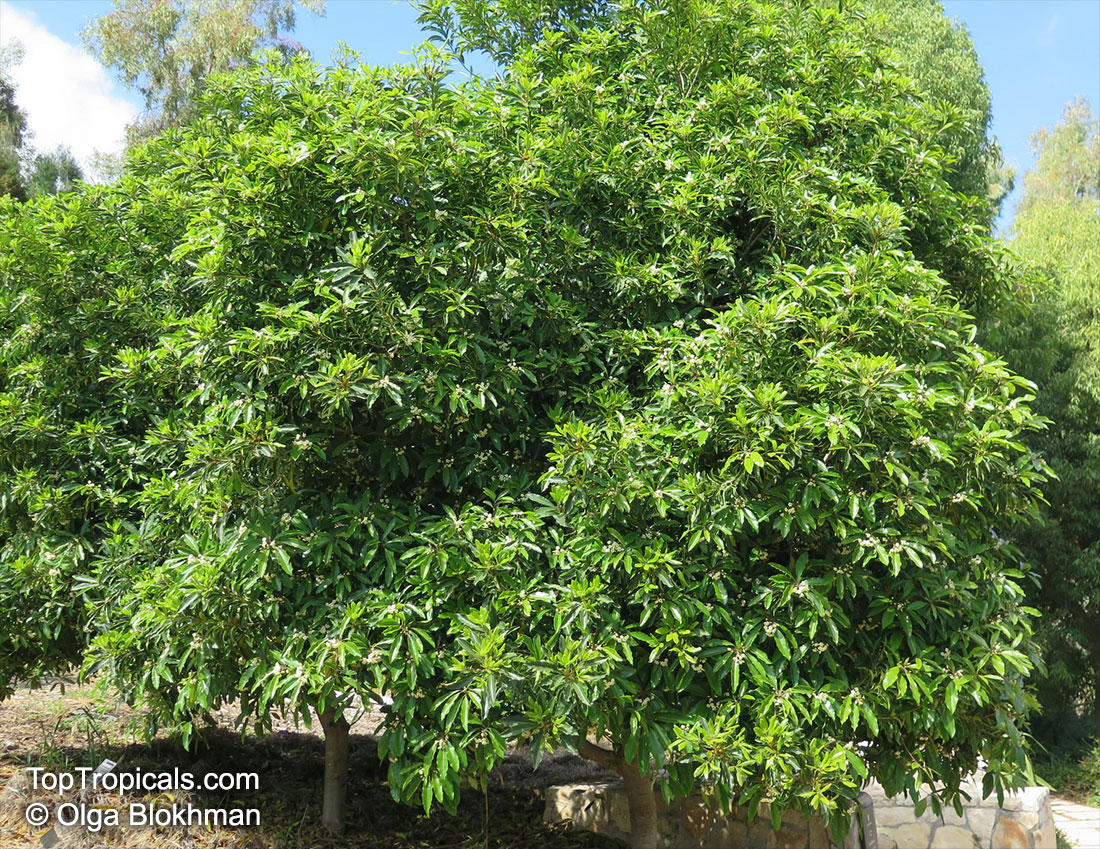
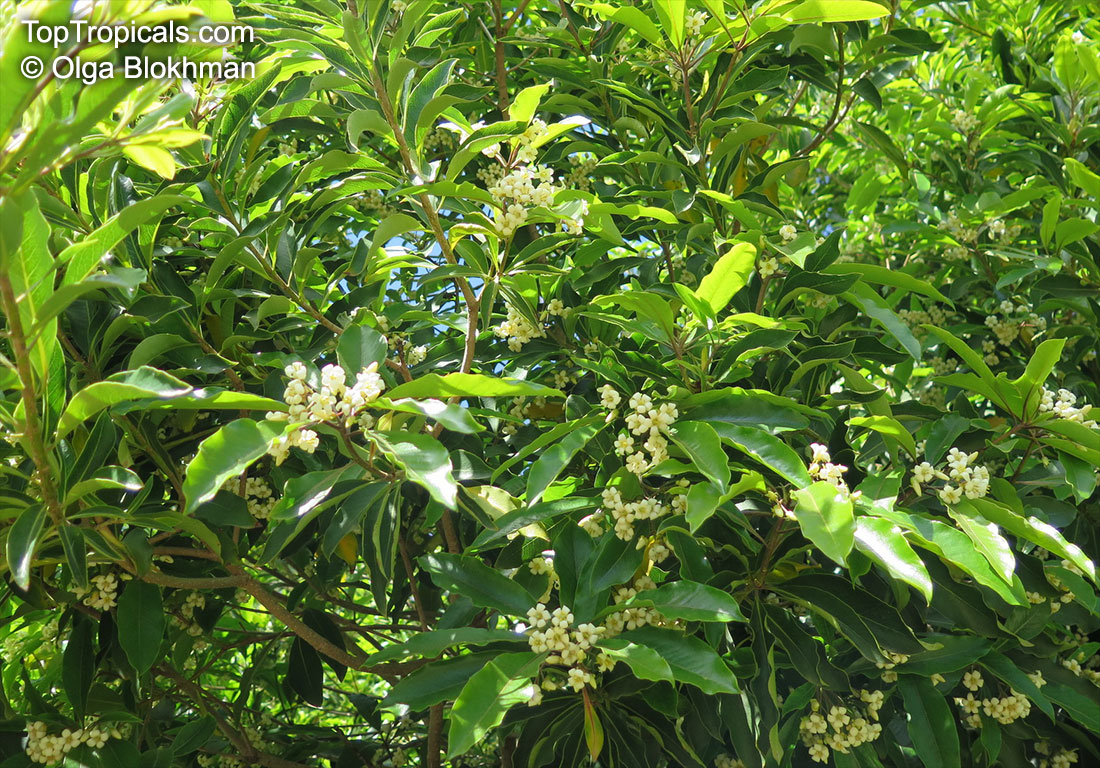
Botanical name: Pittosporum undulatum
Common names: Native Daphne, Sweet Pittosporum, Snowdrop Tree , Mock Orange
Family: Pittosporaceae
Origin: Australia
USDA Zone: 9-10
A large evergreen shrub or tree usually growing 4-14 m tall, but capable of growing up to 20 m in height. The creamy-white flowers are strongly scented and borne in small clusters (containing 4-5 flowers) at the tips of the branches. Separate male and female flowers are usually borne on different plants.
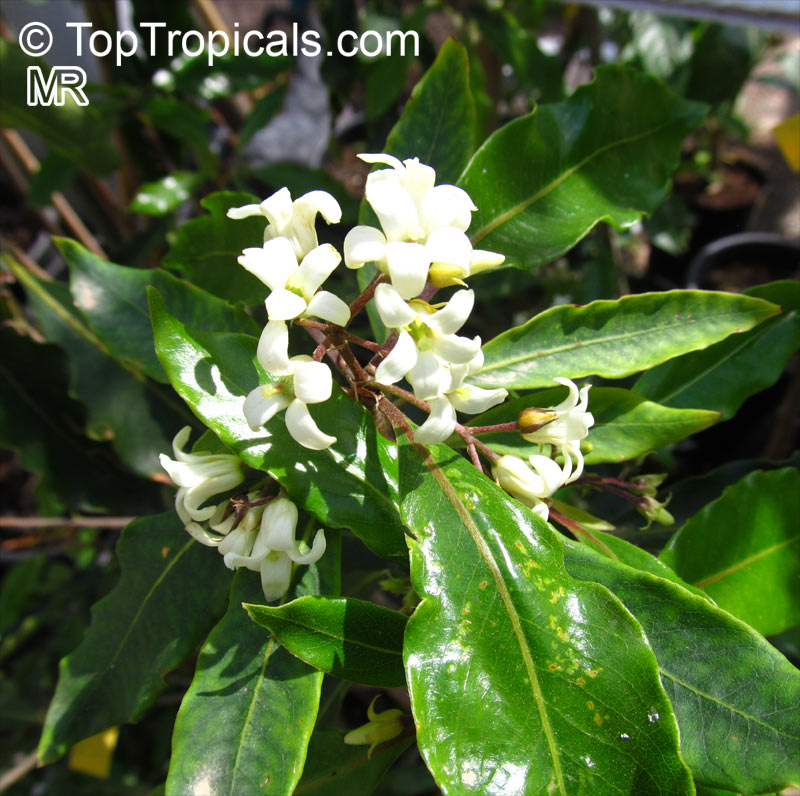
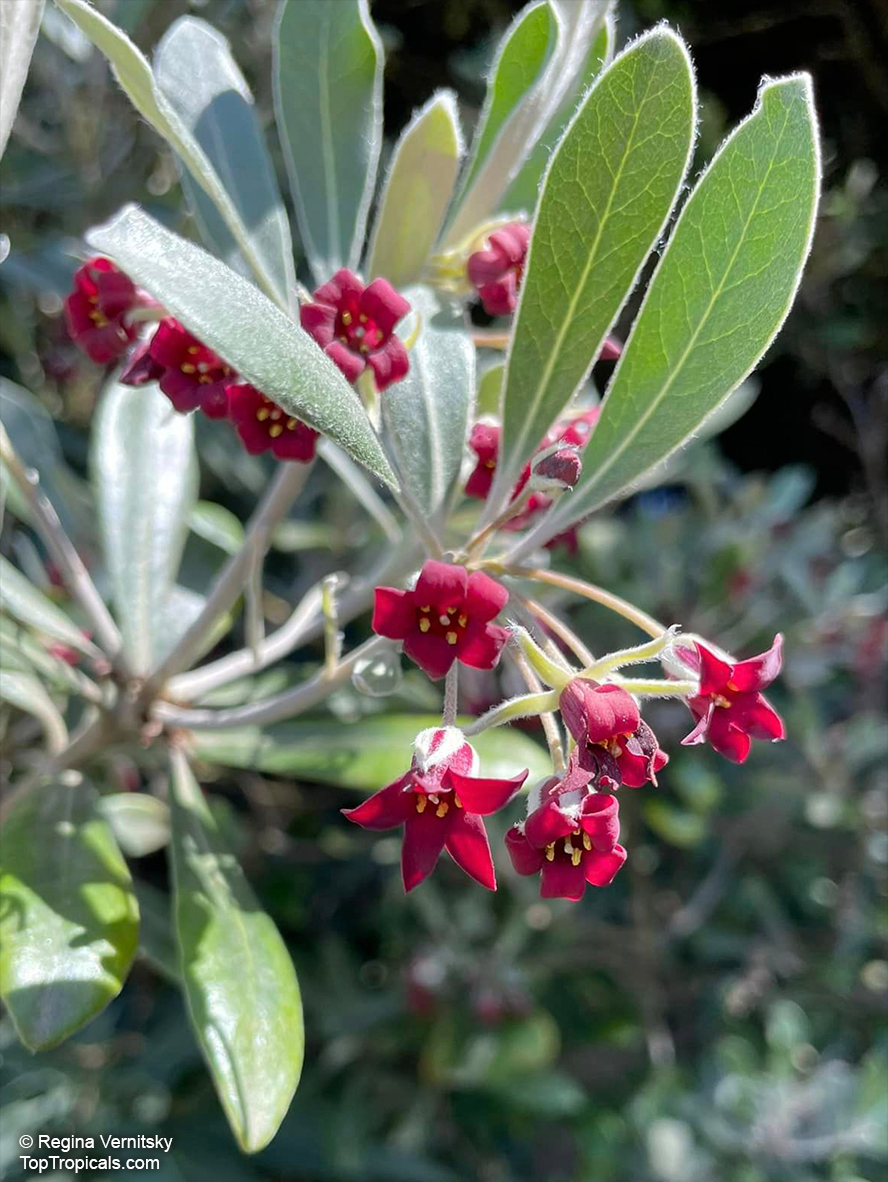
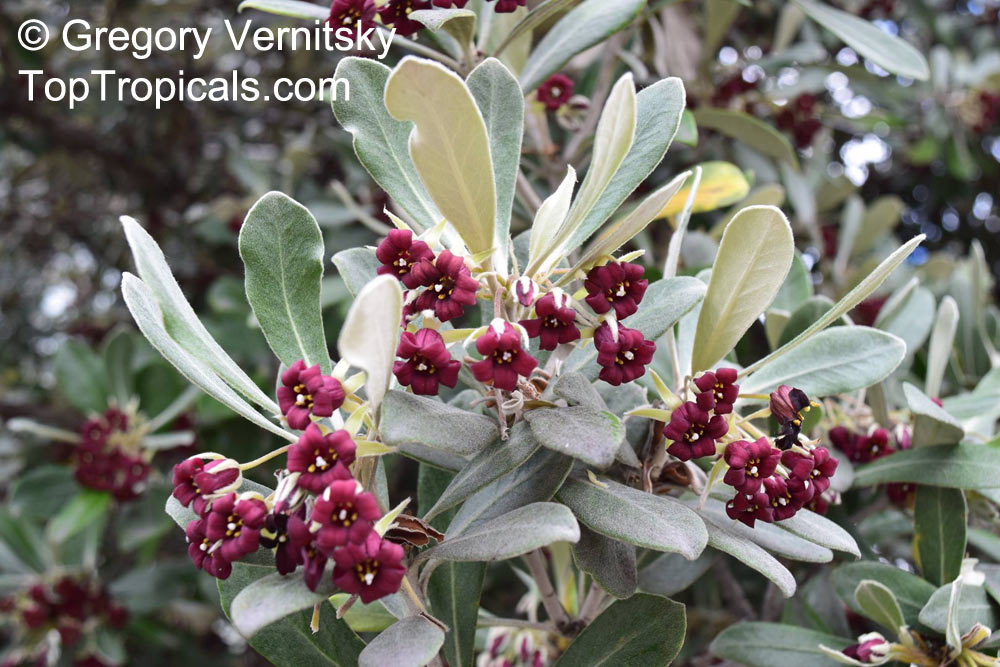
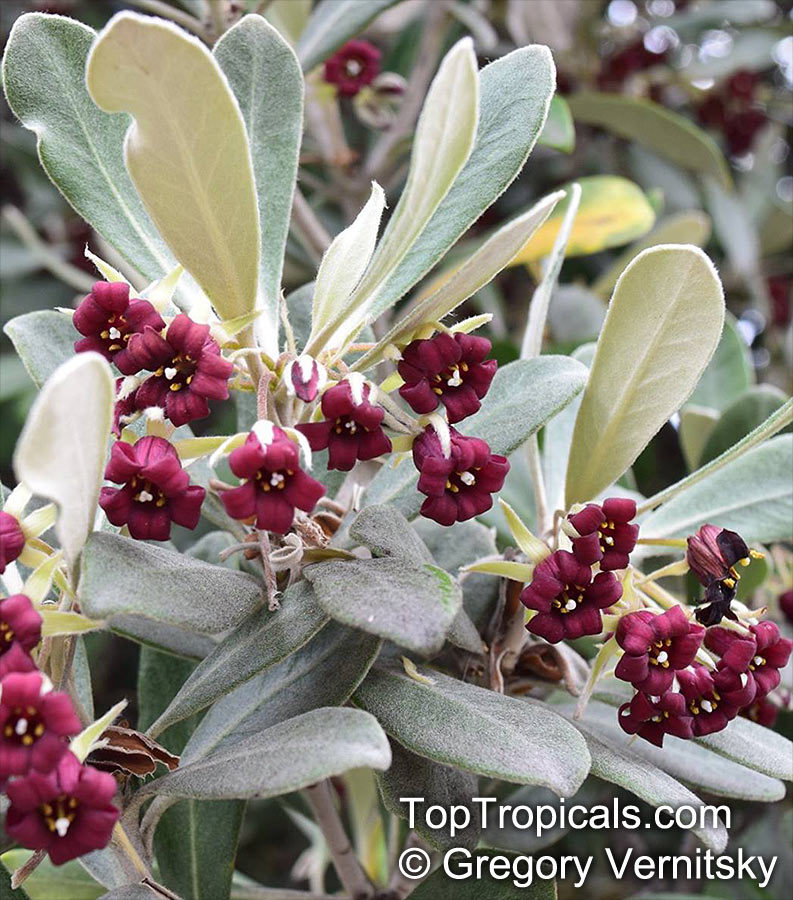
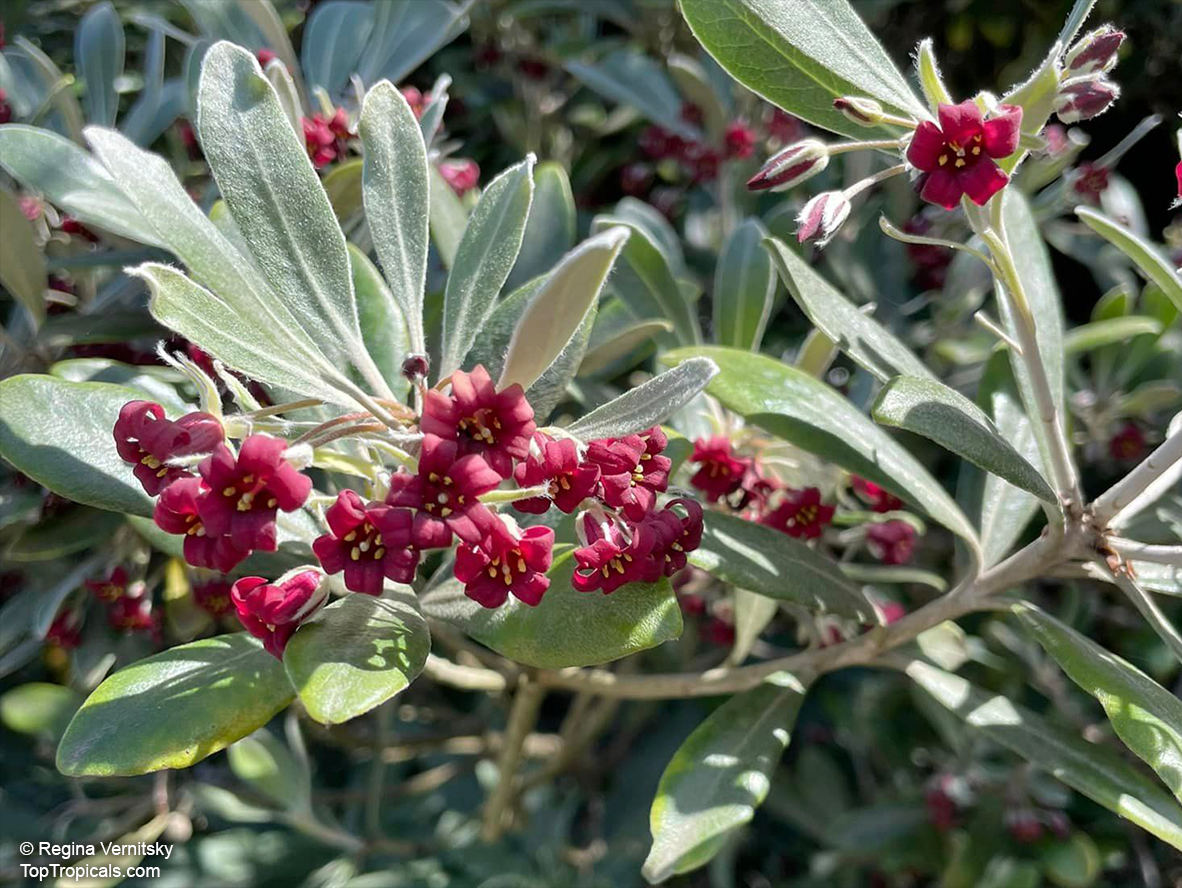
Botanical name: Pittosporum crassifolium
Common names: Stiffleaf Cheesewood, Karo
Family: Pittosporaceae
Origin: New Zealand
USDA Zone: 9-11


Pittosporum crassifolium is an easy to care for evergreen shrub that prefers full sun and regular watering. It's a resilient plant that tolerates salt spray, making it suitable for seaside and marshy environments. This species of Pittosporum is an ideal looking to add some vibrancy and texture to your garden, particularly if planted in groups. Growing best in USDA hardiness zone 9-11, the Stiff Leaf Cheesewood can thrive in warm and cold climates alike.
In terms of care, Pittosporum crassifolium is a fairly low maintenance shrub. For optimal growth, they should be watered around 1-2 times per week. In warmer climates, the plant will require a moderate amount of water, whereas cooler climates can get away with less frequent watering. Pruning should be done before flowering, which generally occurs in late winter or spring. This will help encourage new growth while also keeping the shrub at a manageable height.
If grown in colder regions, Pittosporum crassifolium can be planted in a container and kept indoors. When kept in a pot, it is best to water the plant about once a week or so when the soil is dry. Pruning should also be done in the winter or early spring. The plant should be given plenty of sun, either by putting it outside during the day or placing it in the sunniest window. When kept in colder climates, it's important to check the soil from time to time, as it can be relatively soggy during rainy periods or excessively dry during winter. Finally, be sure to give your shrub some fertilizer as needed in order to promote healthy growth.
| Next | |
Use link to repeat this search:
https://toptropicals.com/cgi-bin/garden_catalog/cat.cgi?find=Pittosporum&search_op=and&keyword_op=and&language=e&number=10
&no_change_lang=1&user=tt&sale=1&first=0