Piper, nigrum - Plant Encyclopedia Results
| Number of plants found: 5 |
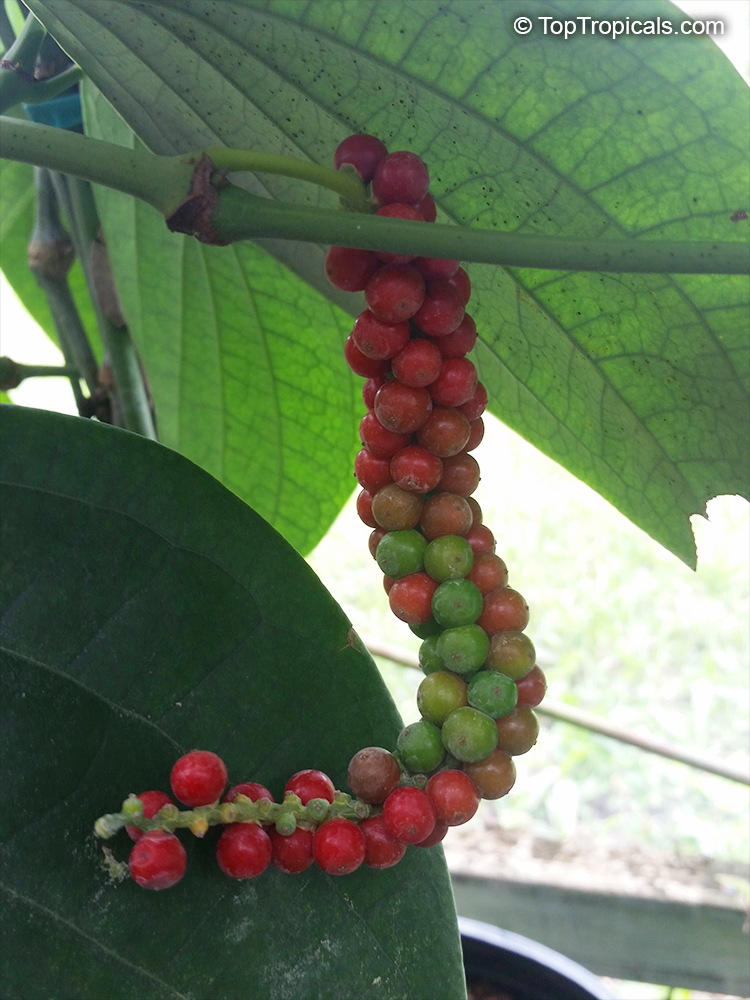
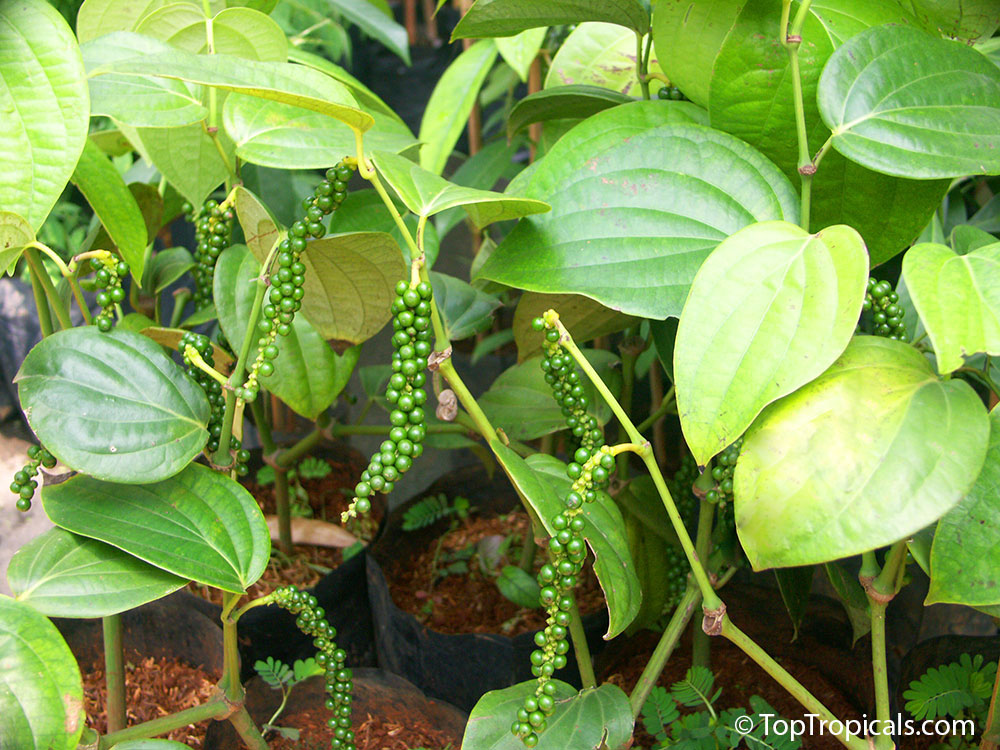
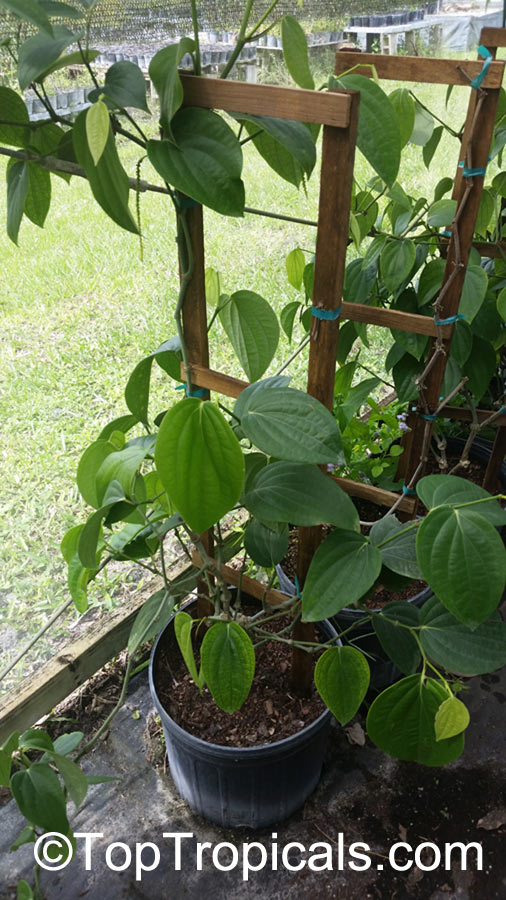
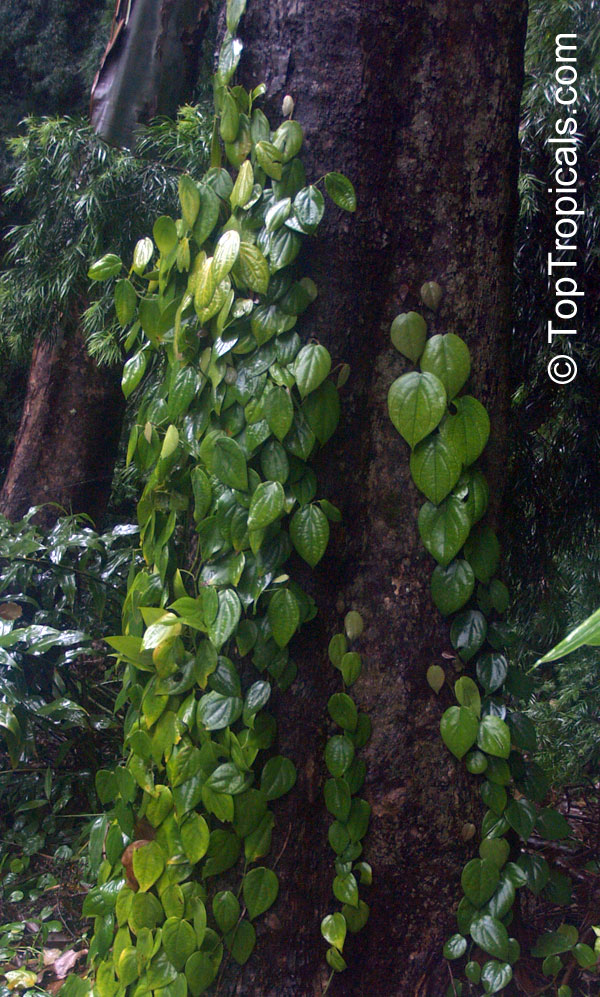
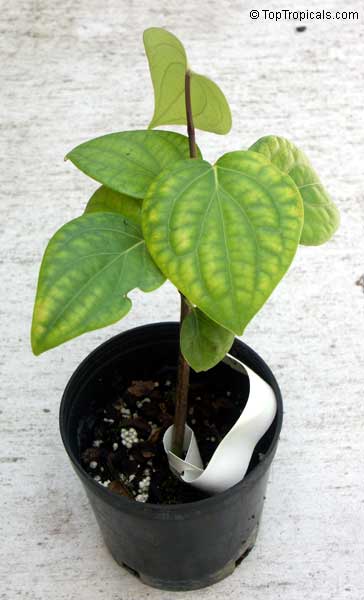
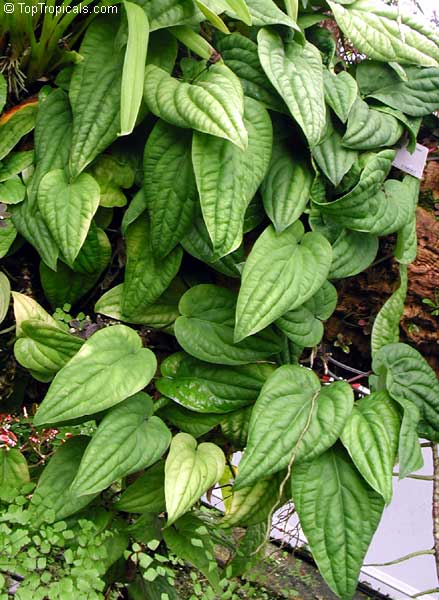
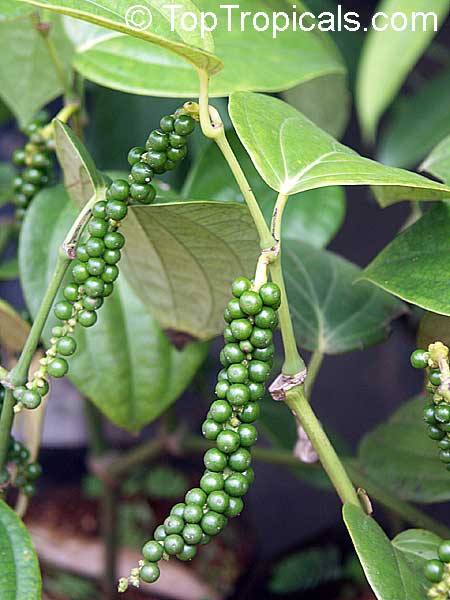
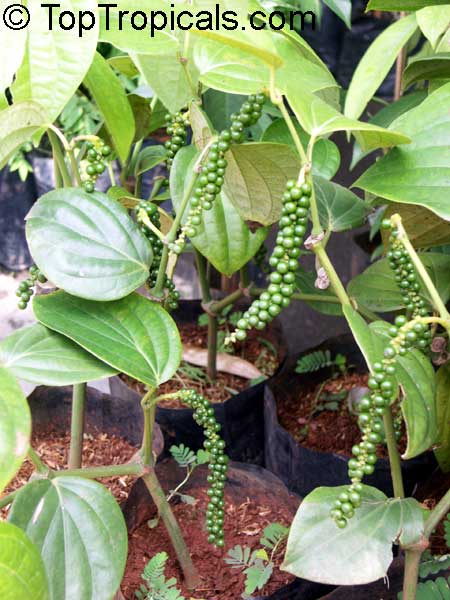
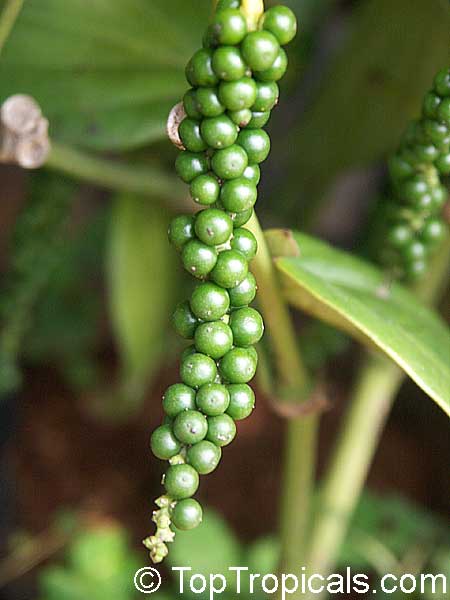
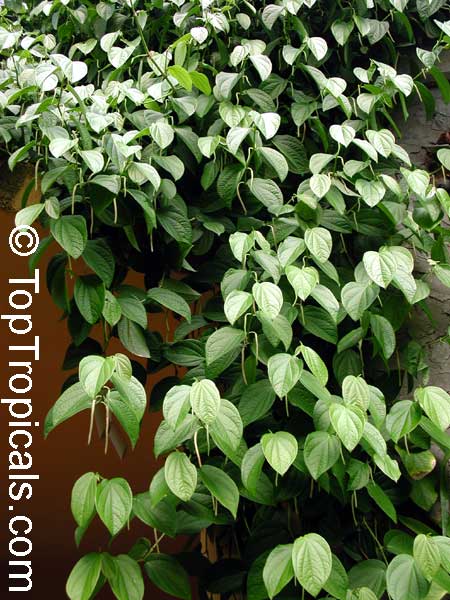
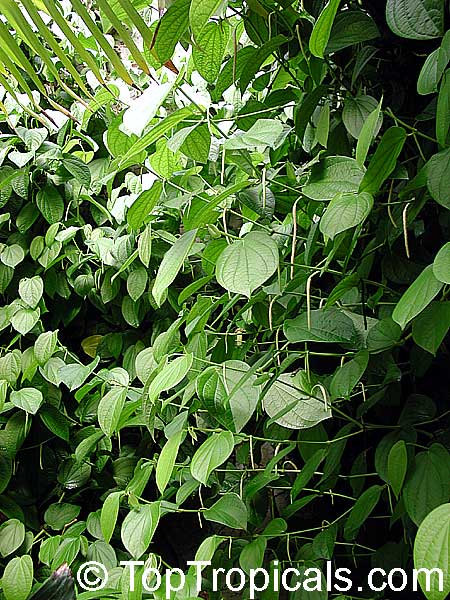
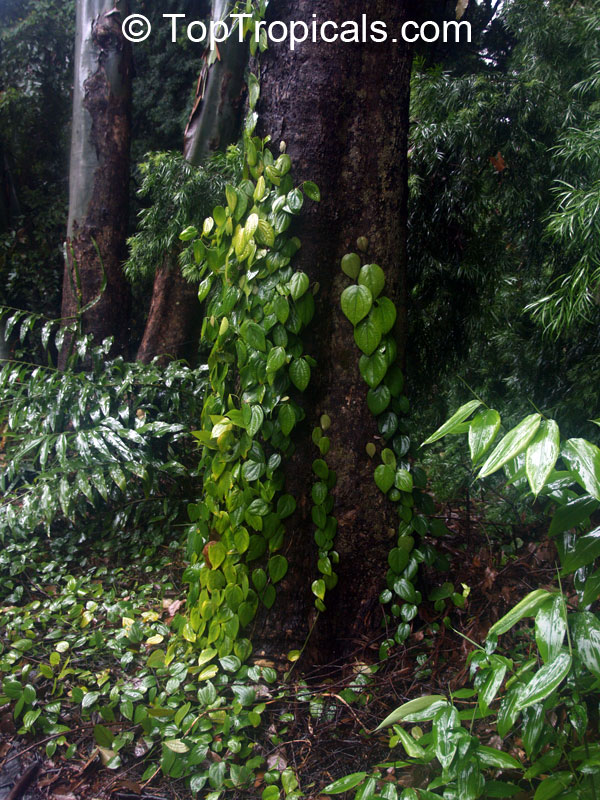
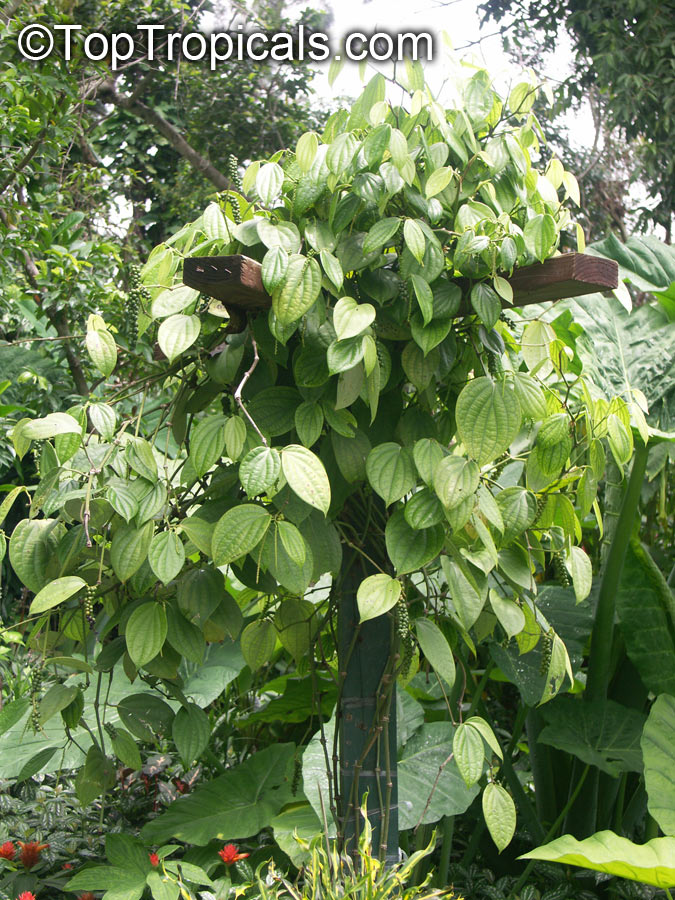
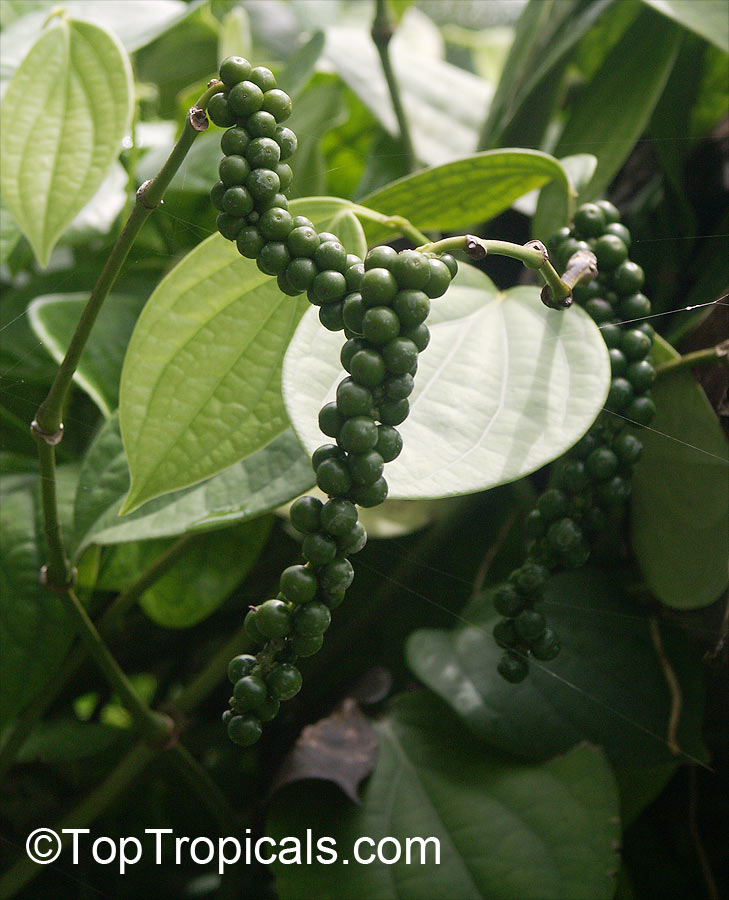
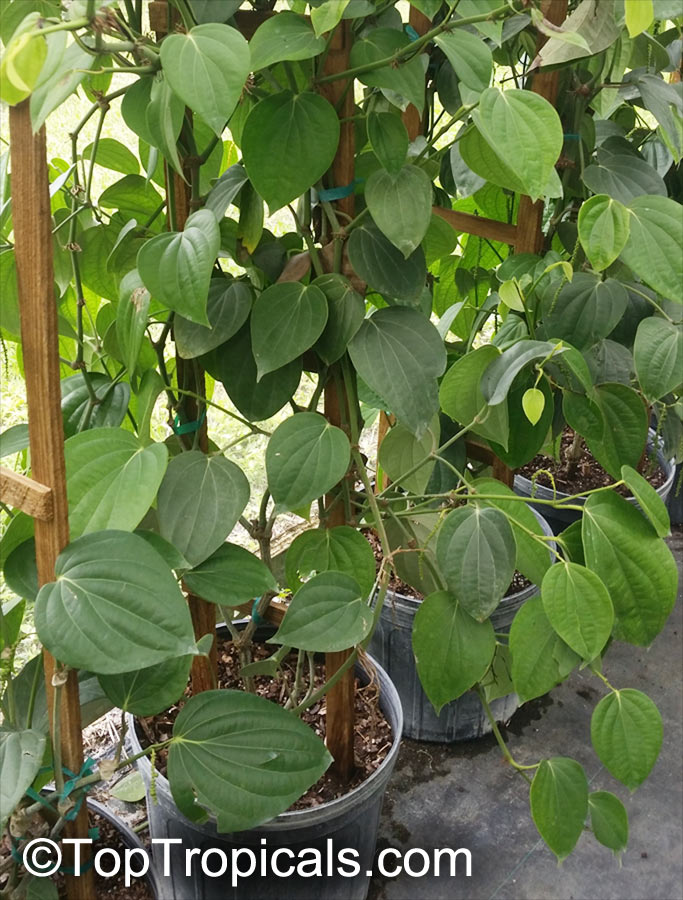
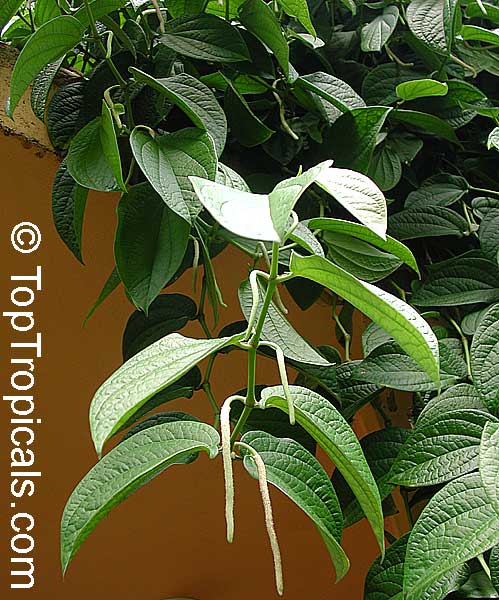
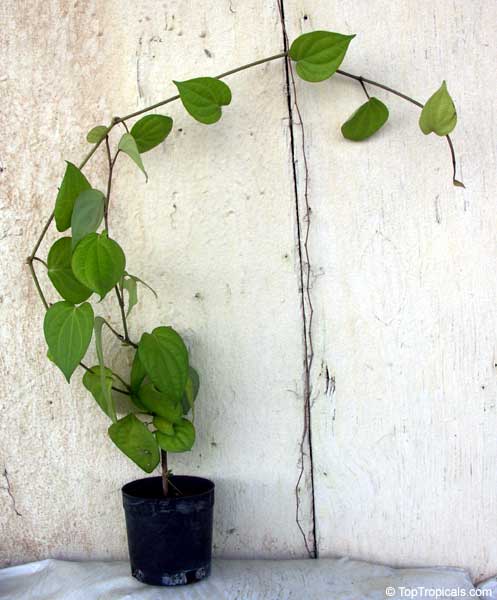
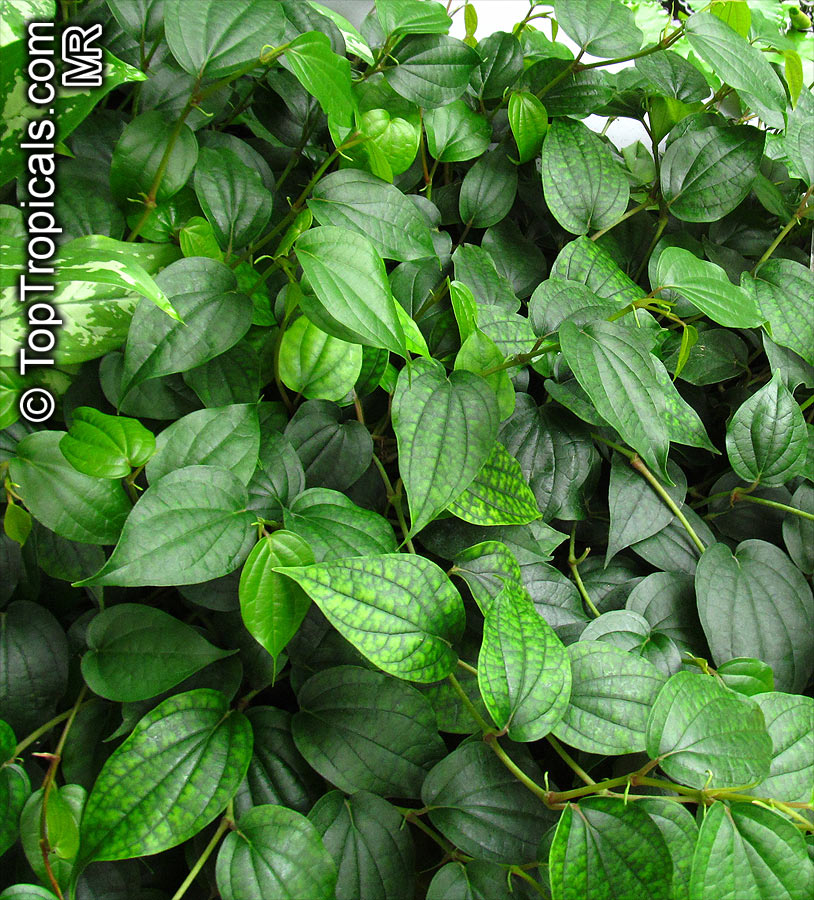
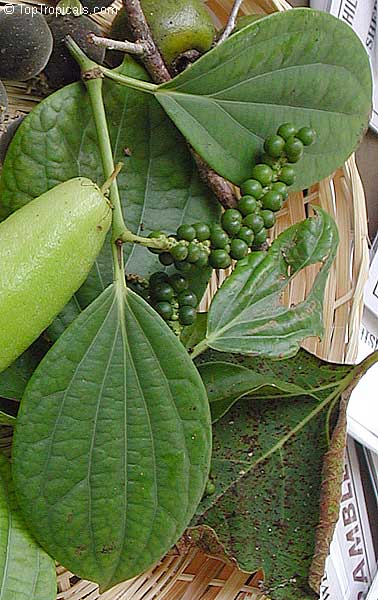
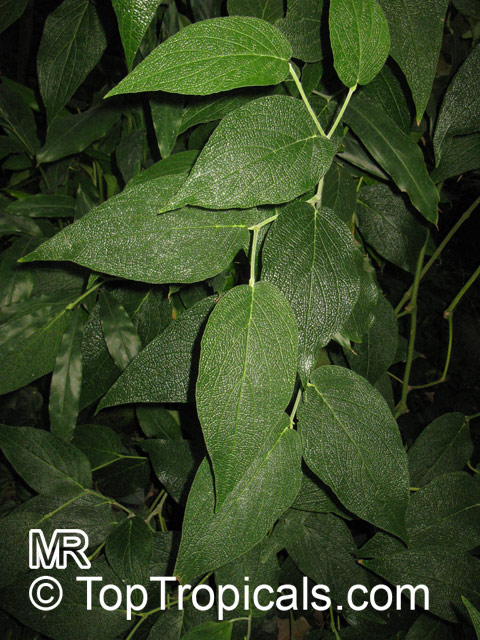
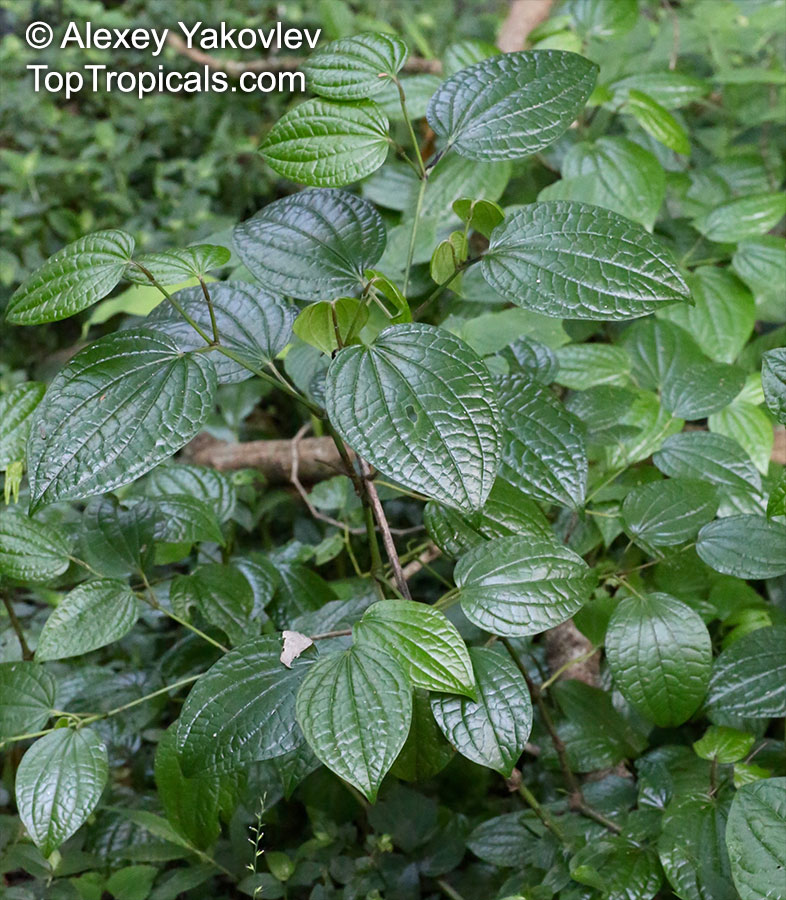
Botanical name: Piper nigrum
Common name: Pepper
Family: Piperaceae
Origin: Malabar, a region in the Western Coast of South India
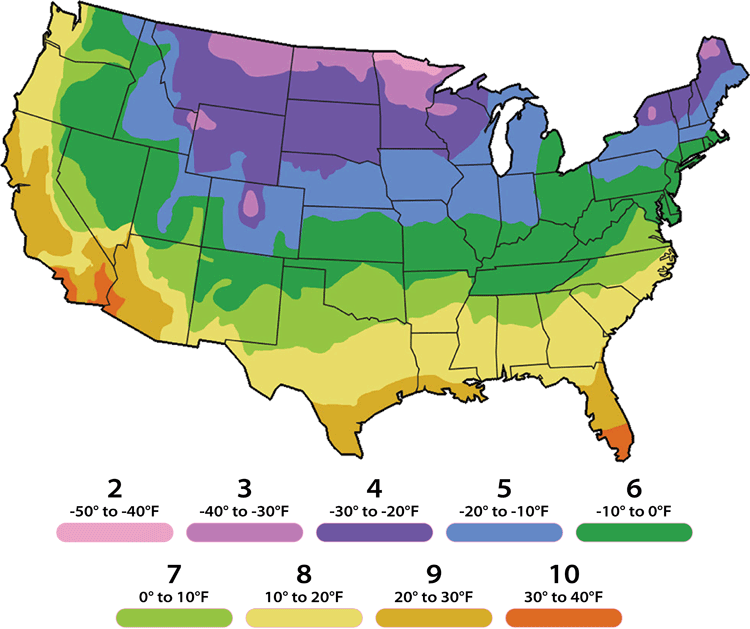
USDA Zone: 9-11


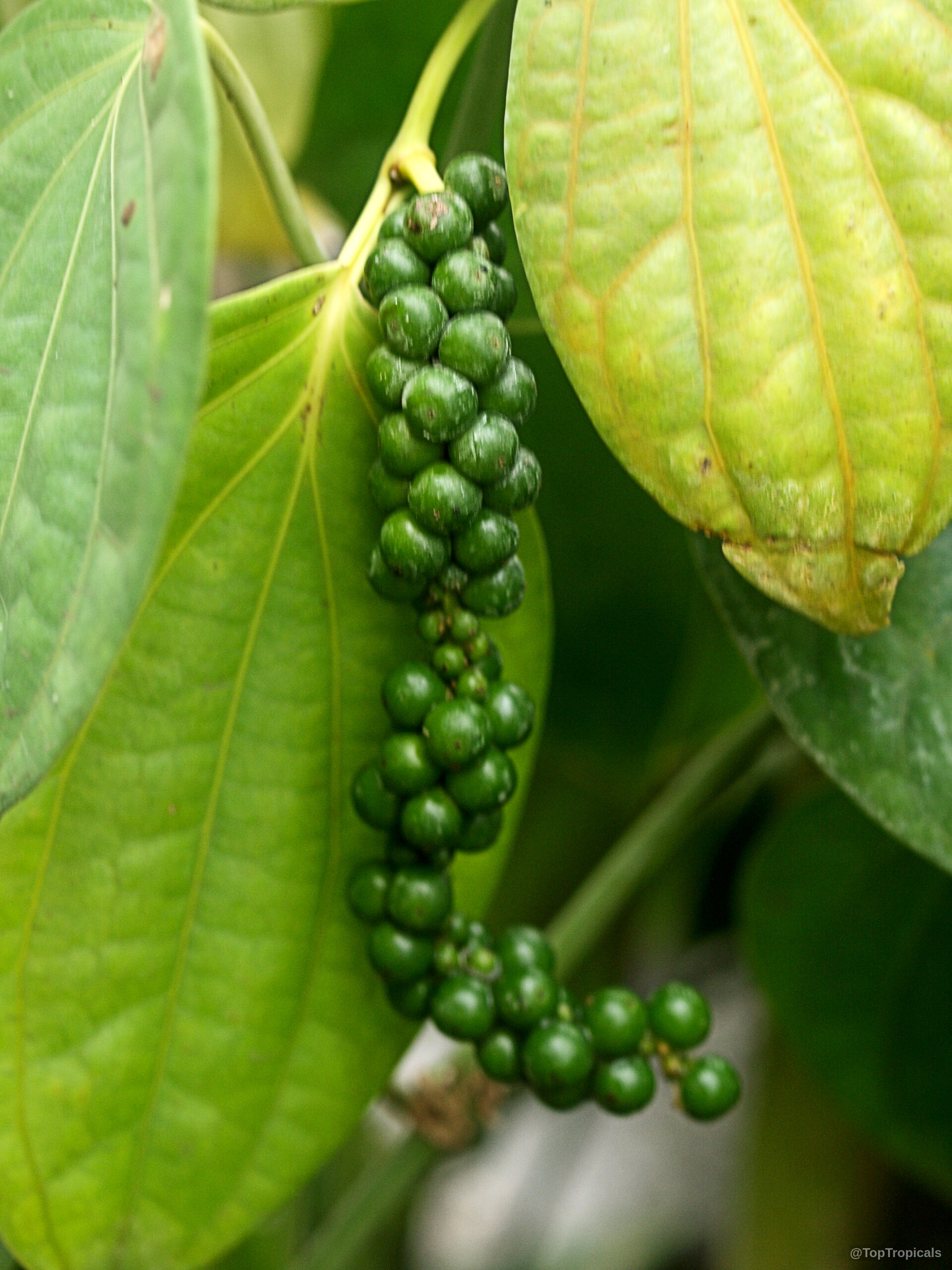
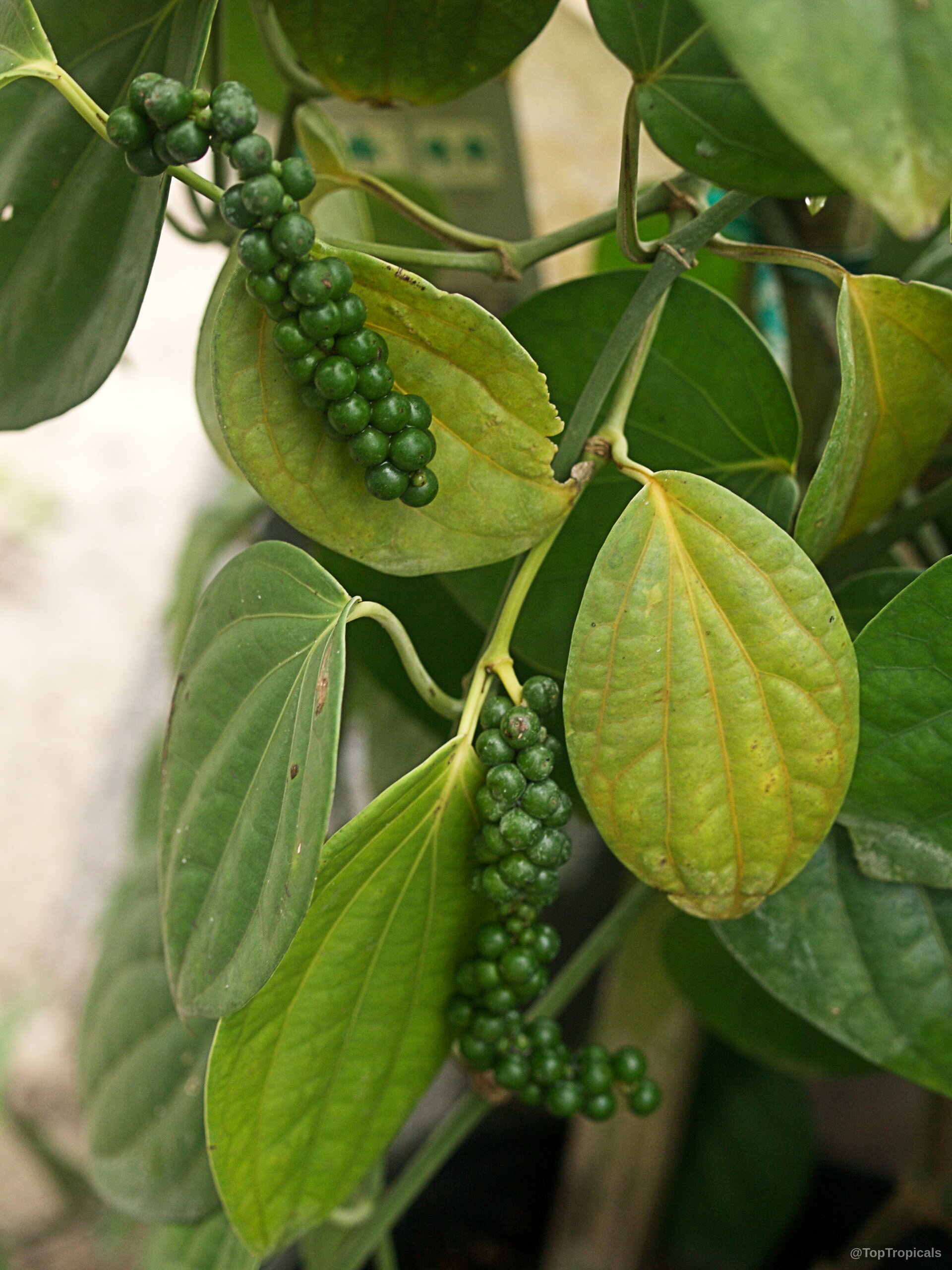
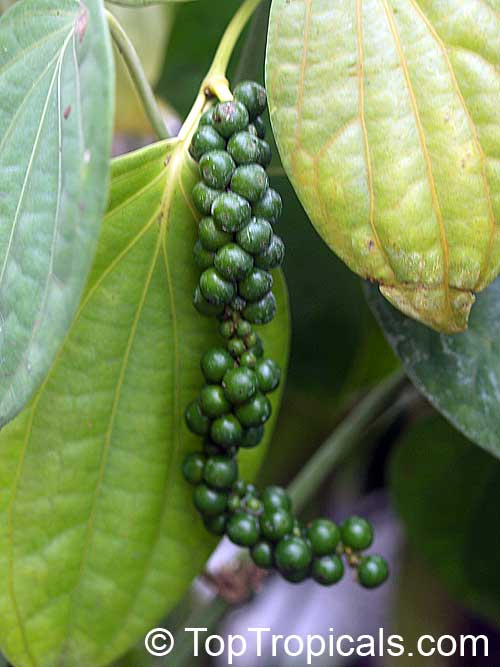
Pepper is cultivated since millennia. The wild form has not yet been unambigously identified, but there are closely related pepper species in South India and Burma. While black and white pepper were already known in antiquity, but green pepper (and even more, red pepper) is a recent invention. Black pepper, grown in Southern India since more than two thousand years, has always been much valued all over the world. Pungent and aromatic. The pungency is strongest in white pepper and weakest in green pepper, while black and green pepper are more aromatic than the white one.
See Article about Piper.

Recommended Fertilizer: SUNSHINE Robusta - Rapid Growth Booster
 SUNSHINE C-Cibus (NPK 2-2-4) - Crop Booster for every watering.
  SUNSHINE C-Cibus (NPK 2-2-4) - Crop Booster for every watering.
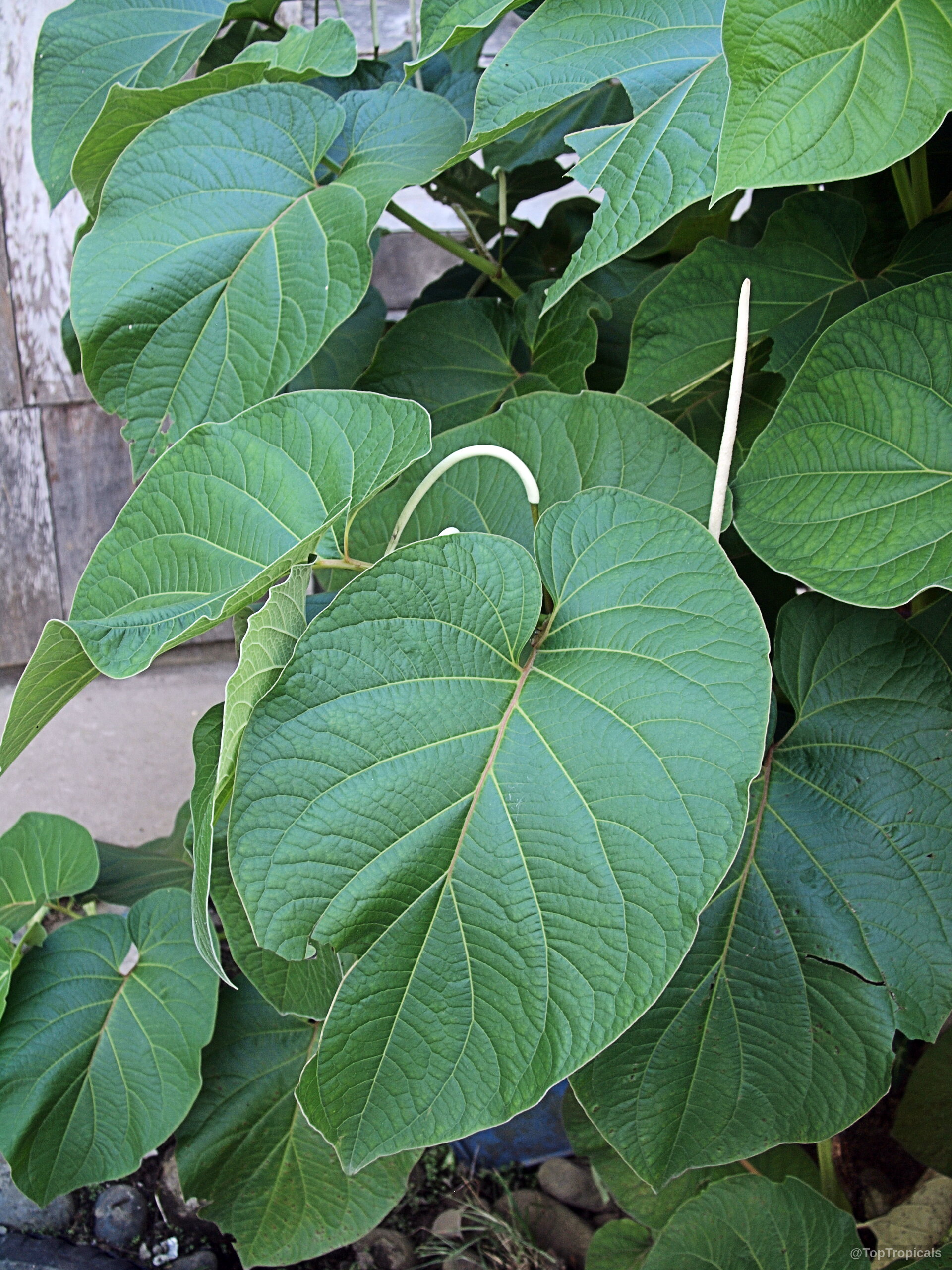
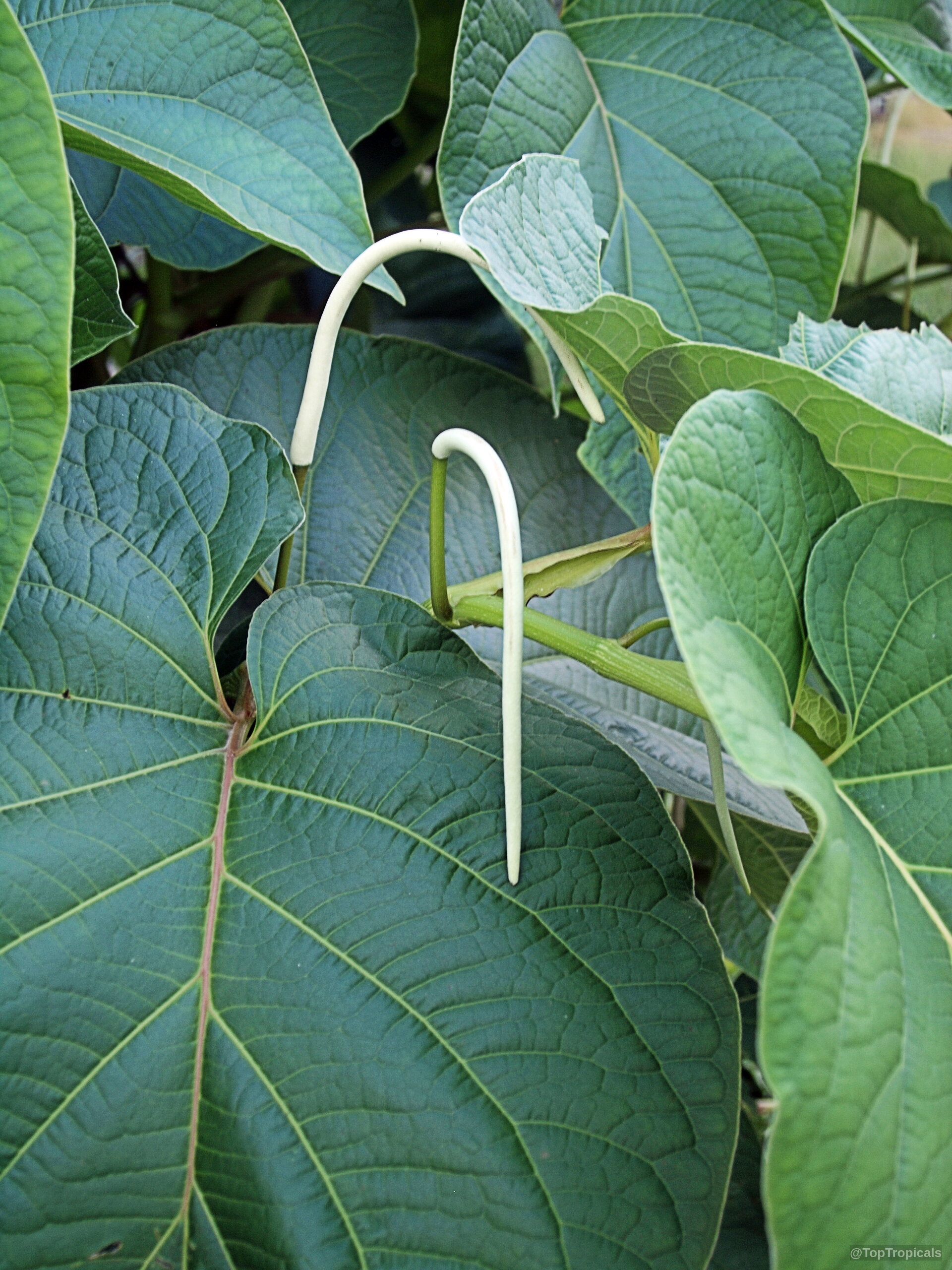
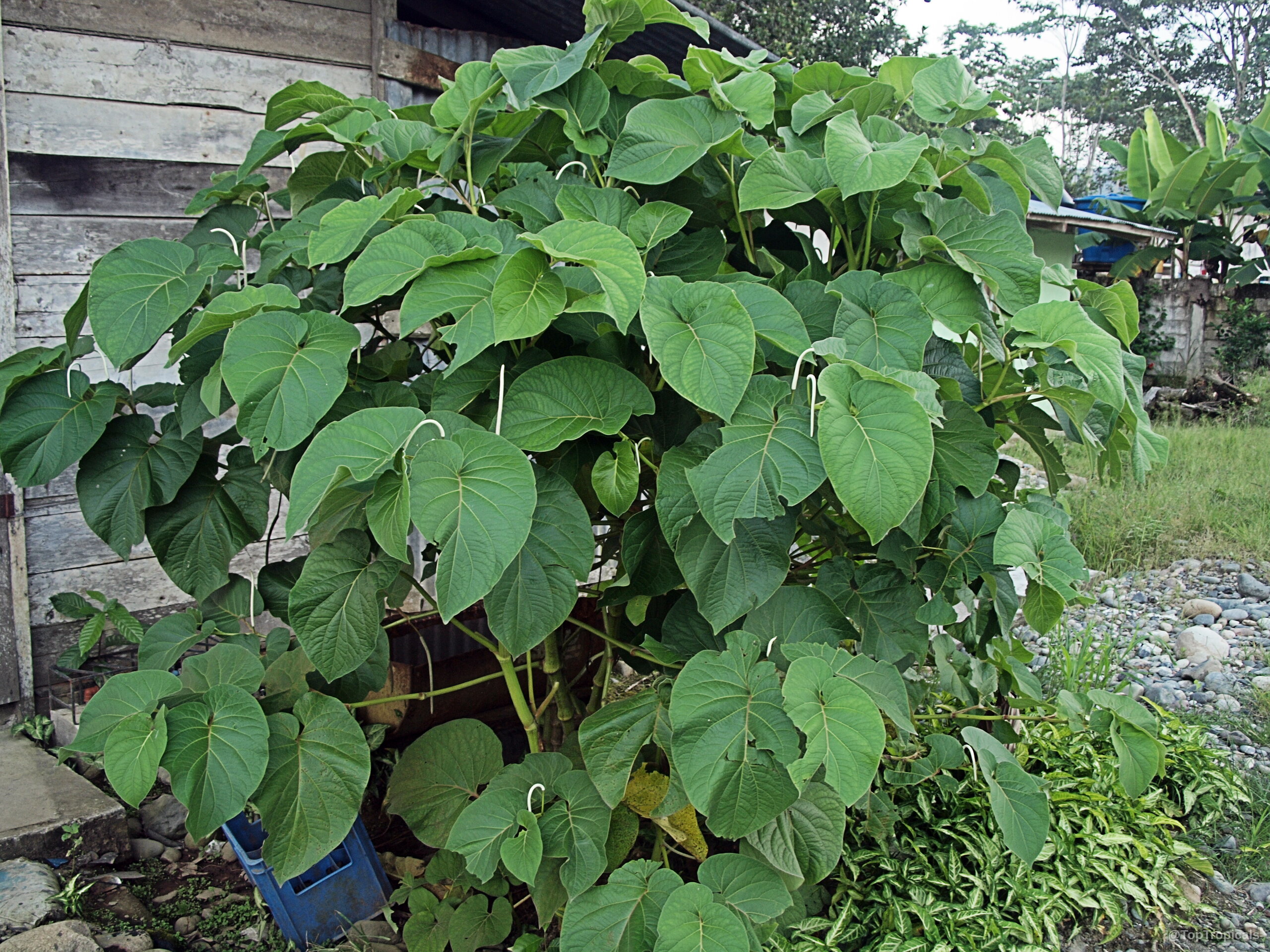
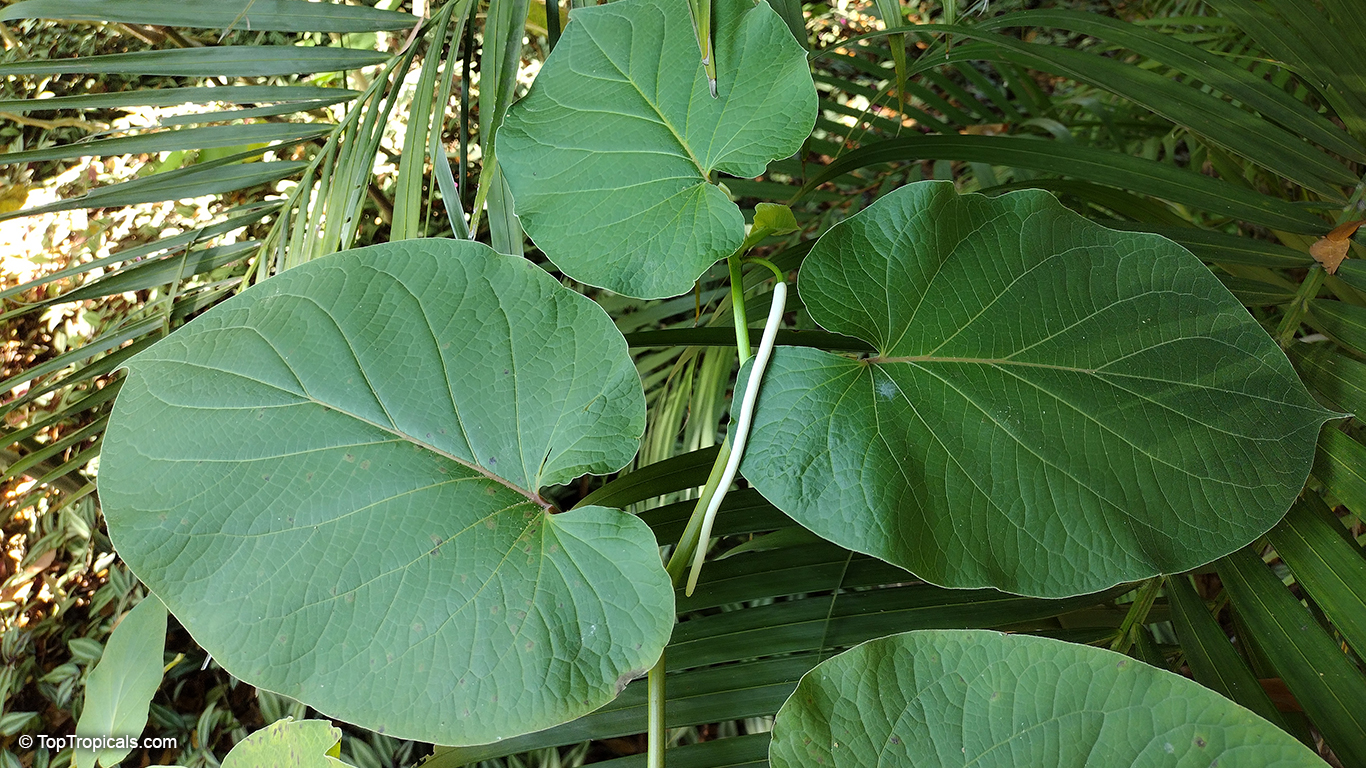
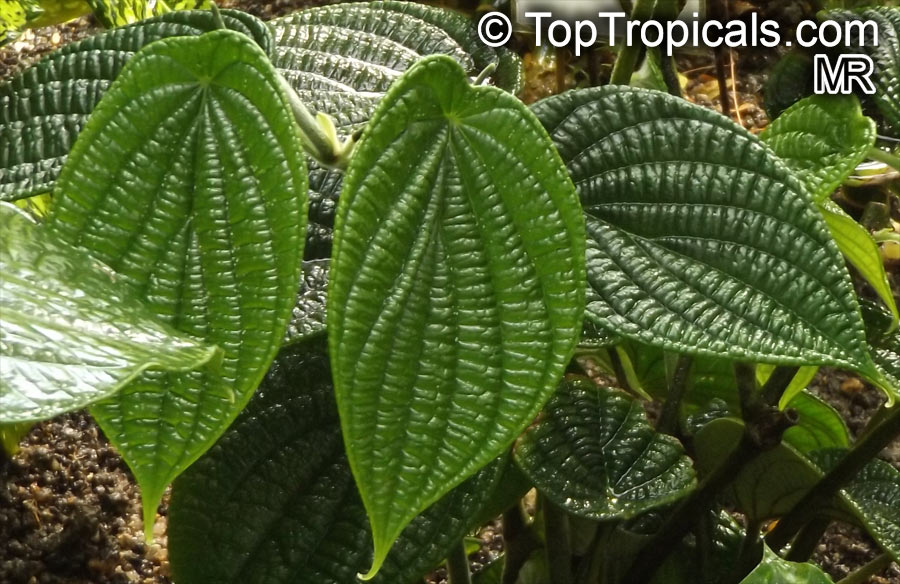
 Botanical name: Piper auritum
Common names: Root Beer Plant, Mexican Pepperleaf, Hoja Santa , Veracruz Pepper, False Kava-Kava, Sacred Pepper
Family: Piperaceae
Origin: Mexico through Colombia
USDA Zone: 8-11


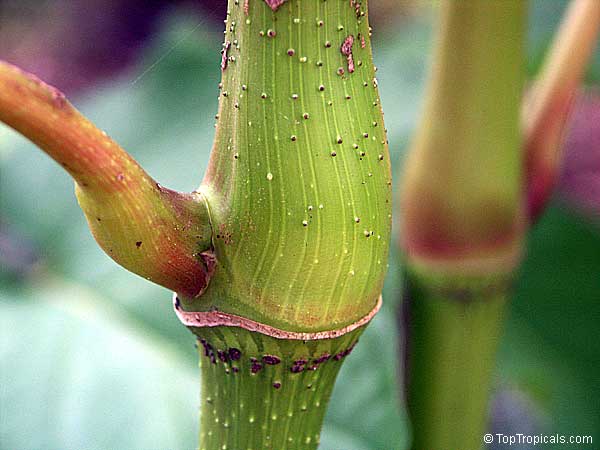
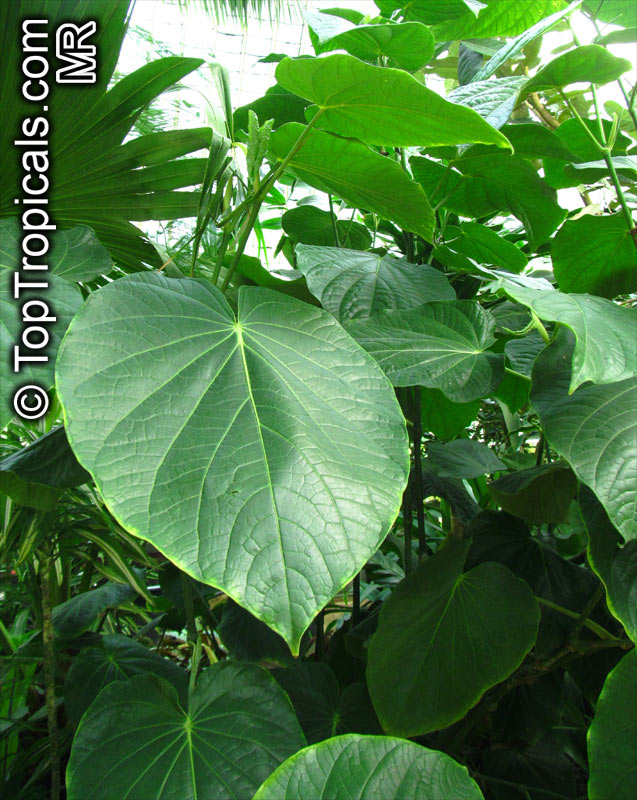
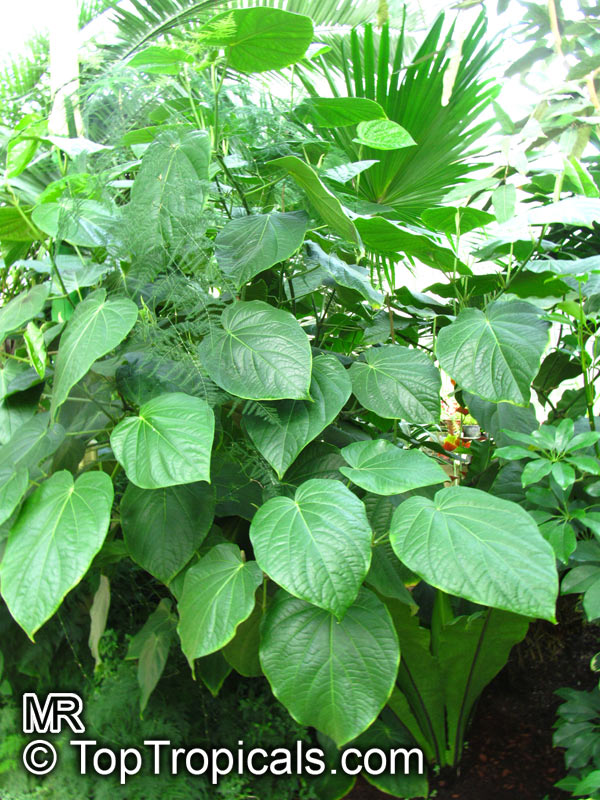
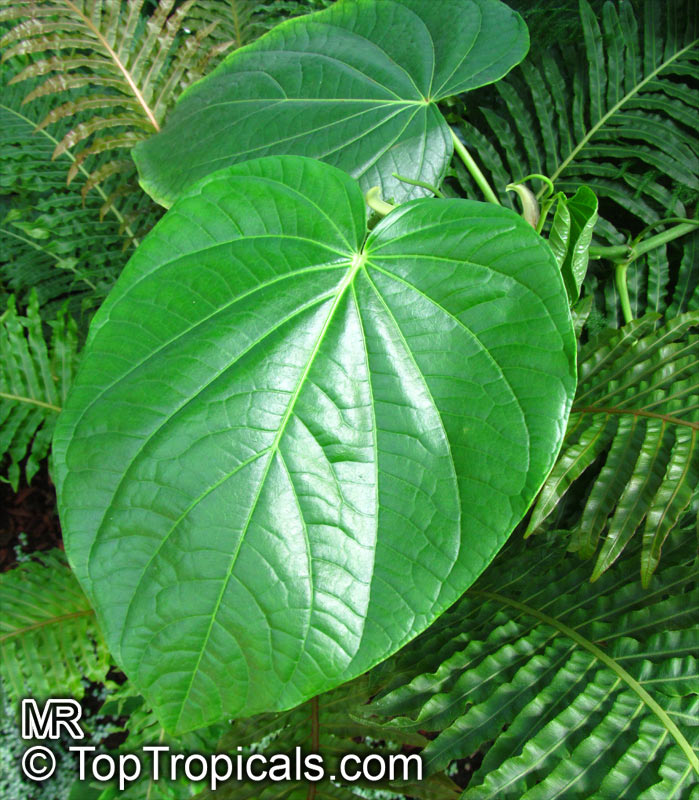
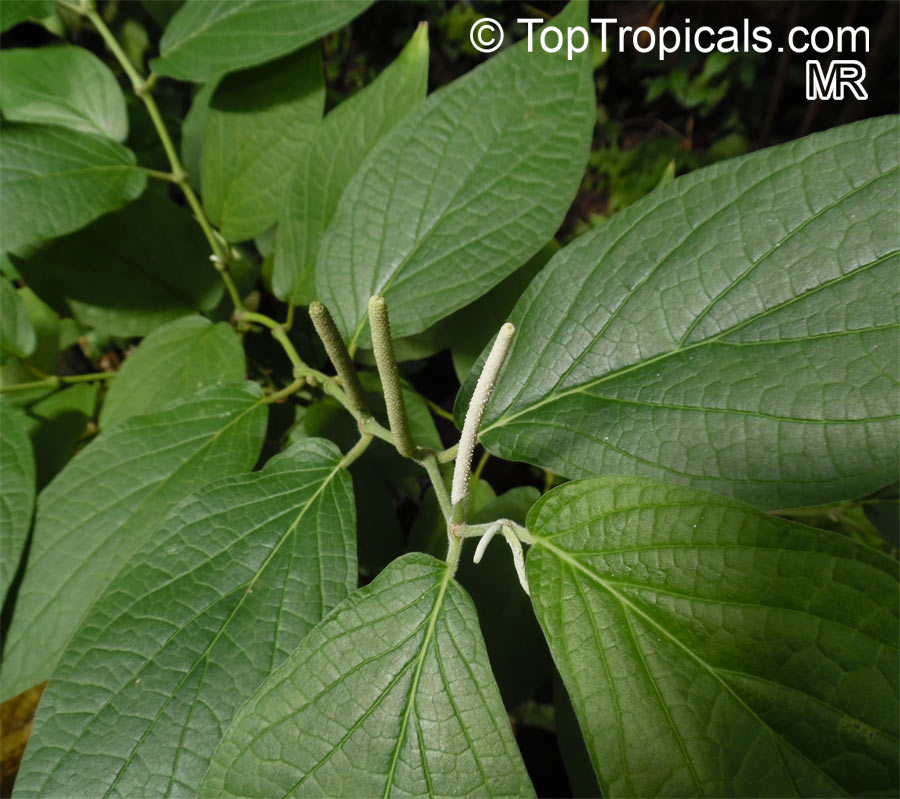
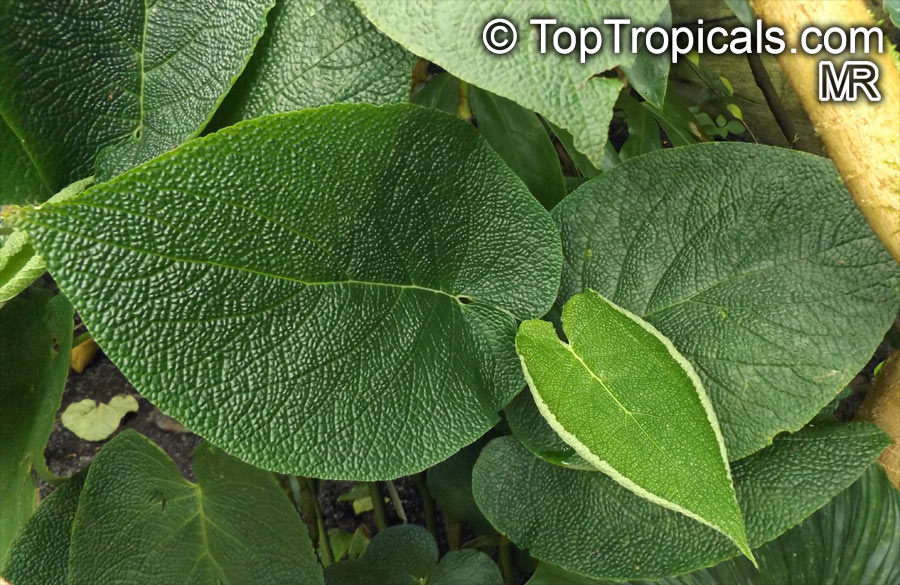
Close relative of Piper methysticum (Kava-Kava), and Piper nigrum (Black Pepper), this herb originated from Tropical America and grows also in the South Pacific. Large-leaved perennial, known for its leaves, which are used for their spicy aromatic scent and flavor, some liken to root beer, others to anise-clove. This species is easily identified by its huge leaves which can grow over a foot long in older specimens. Plants will grow out from roots so it can spread in ideal conditions. Flowers are long, skinny, white, and fuzzy looking. They may be borne in season. The plant doesn't usually form many fruits outside of its native range. The leaves are chopped and used for flavoring, as well as used whole, as wrappings for meats, tamales, etc.
P. auritum is very often confused with Piper methysticum (Kava-Kava), and probably has some similar effects. According to other sources, it can be poisonous. Explorer Captain James Cook, who gave this plant the botanical name of "intoxicating pepper", first discovered the true kava kava. Kava has been used for over 3,000 years for its medicinal effects as a sedative, muscle relaxant, diuretic, and as a remedy for nervousness and insomnia. It has been used in parts of the Pacific at traditional social gatherings as a relaxant and in cultural and religious ceremonies to achieve a higher level of consciousness. The roots can be made into a mildly narcotic beverage that is comparable to popular cocktails in our culture. Kava is now recognized by many doctors as an alternative to drugs like Xanax and Valium.
Recommended Fertilizer: SUNSHINE Robusta - Rapid Growth Booster
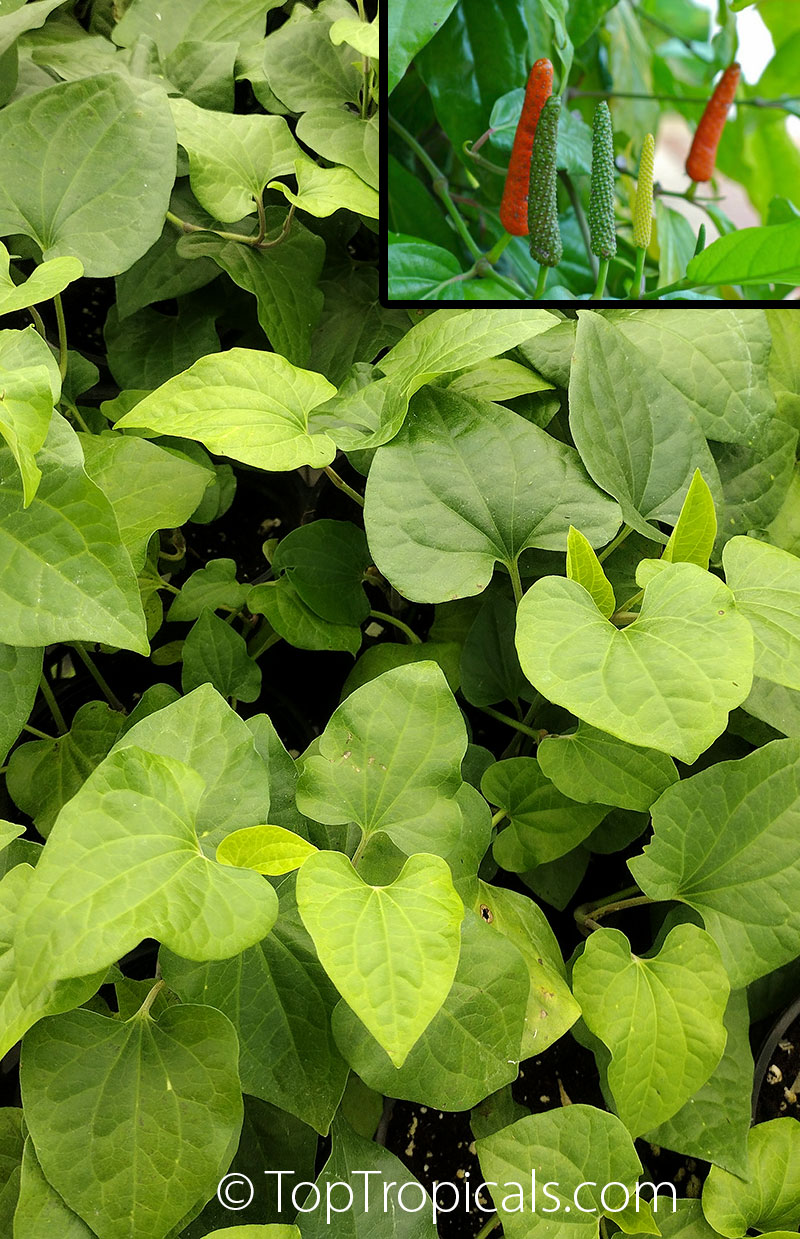
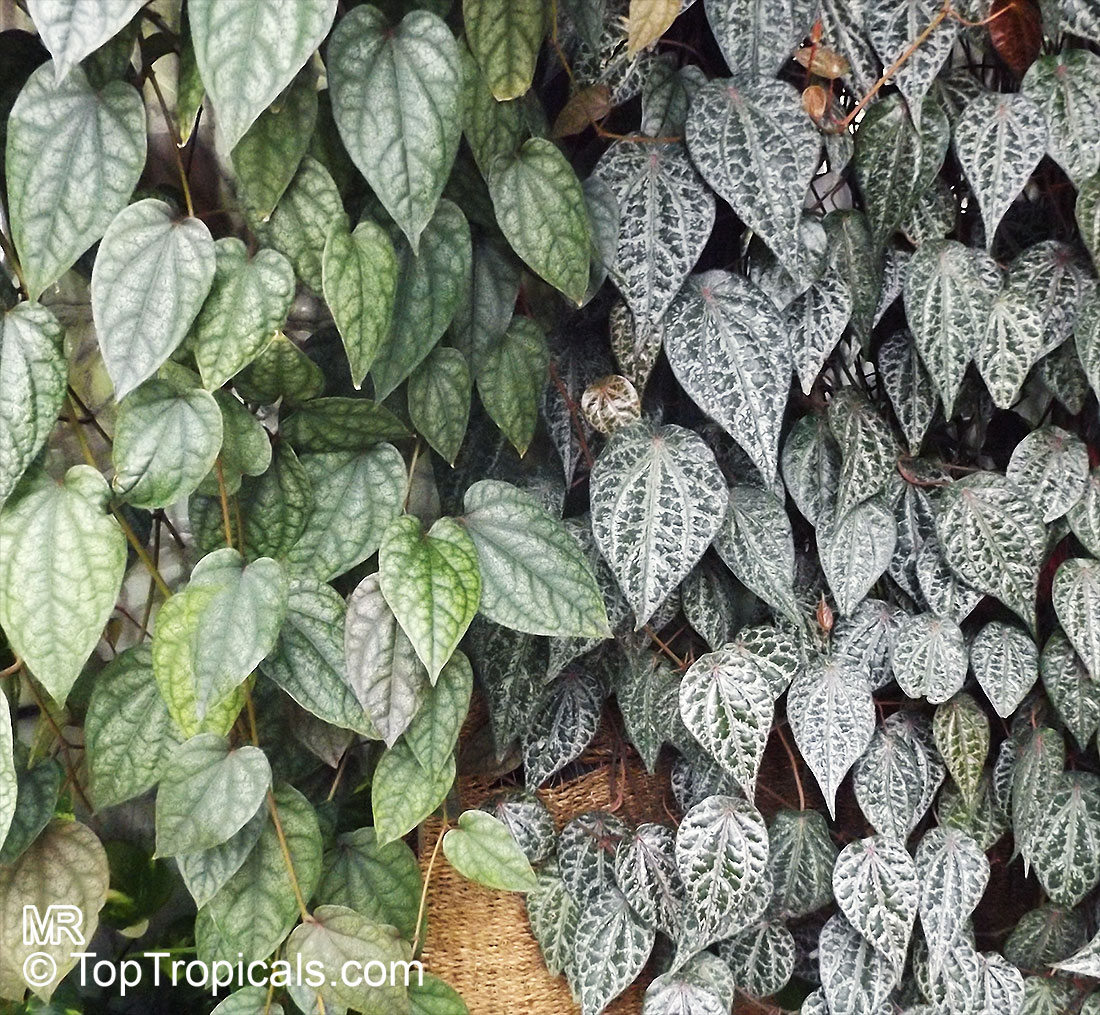
Botanical name: Piper longum
Common names: Bengal Pepper, Indian Long Pepper, Pippali, Piplamul
Family: Piperaceae
Origin: South Asia
USDA Zone: 9-11
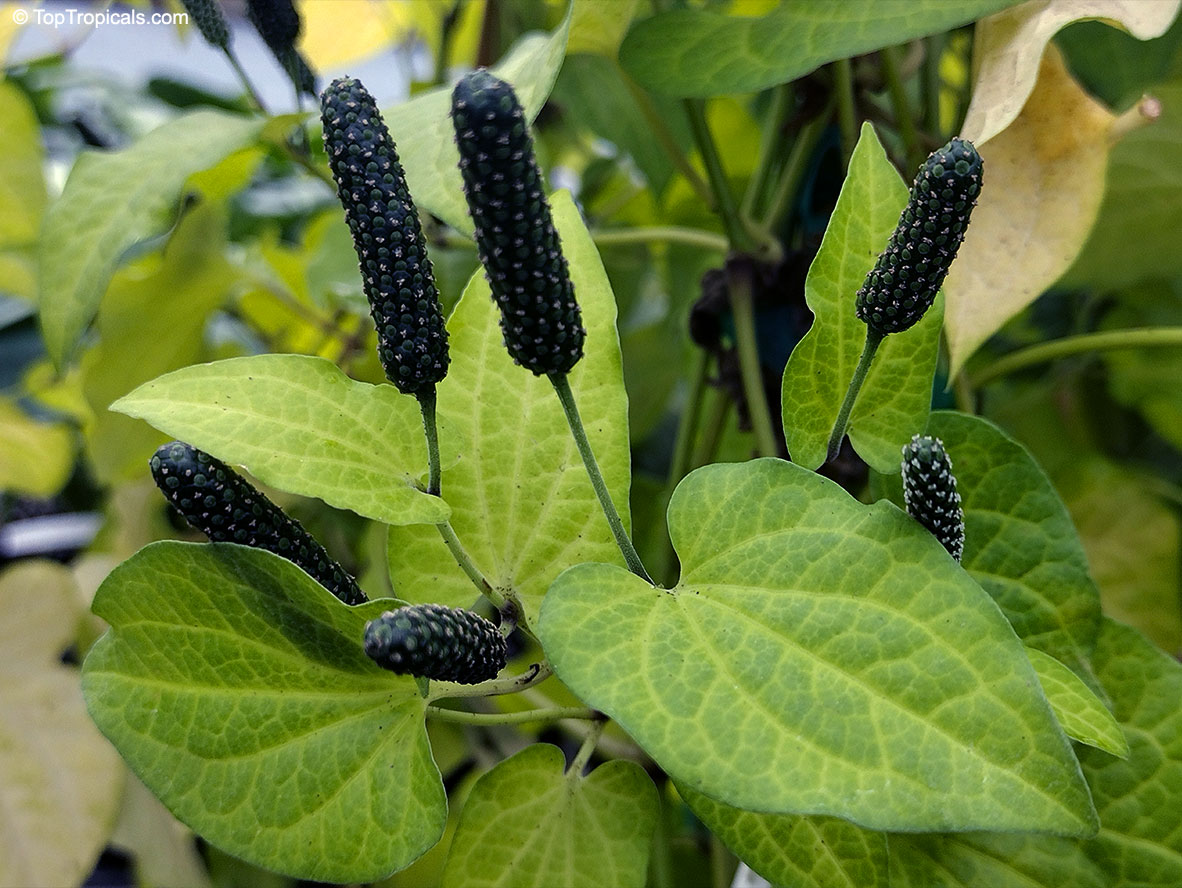
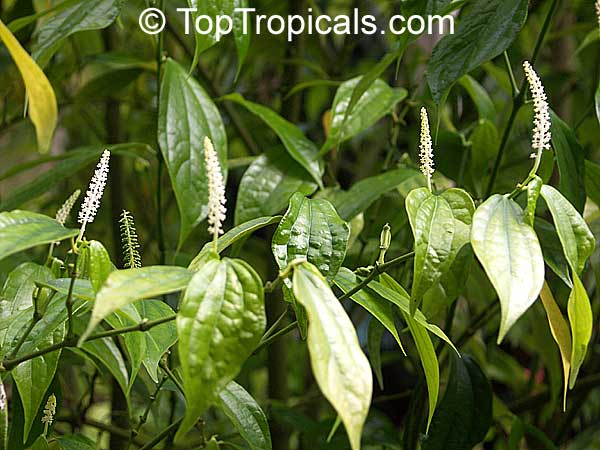
Long pepper is an edible and medicinal plant used as spice and in traditional Chinese medicine. It is cultivated for its fruit, which is usually dried and used as a spice and seasoning. Long pepper has a taste similar to, but sweeter and less pungent than, that of its close relative Piper nigrum (Black pepper) - from which black, green and white pepper are obtained.
Long Pepper is highly valued medicinal plant with decongestant, bronchodilator and expectorant effects, used to treat respiratory infections, stomachache, bronchitis, diseases of the spleen, cough, and much more.
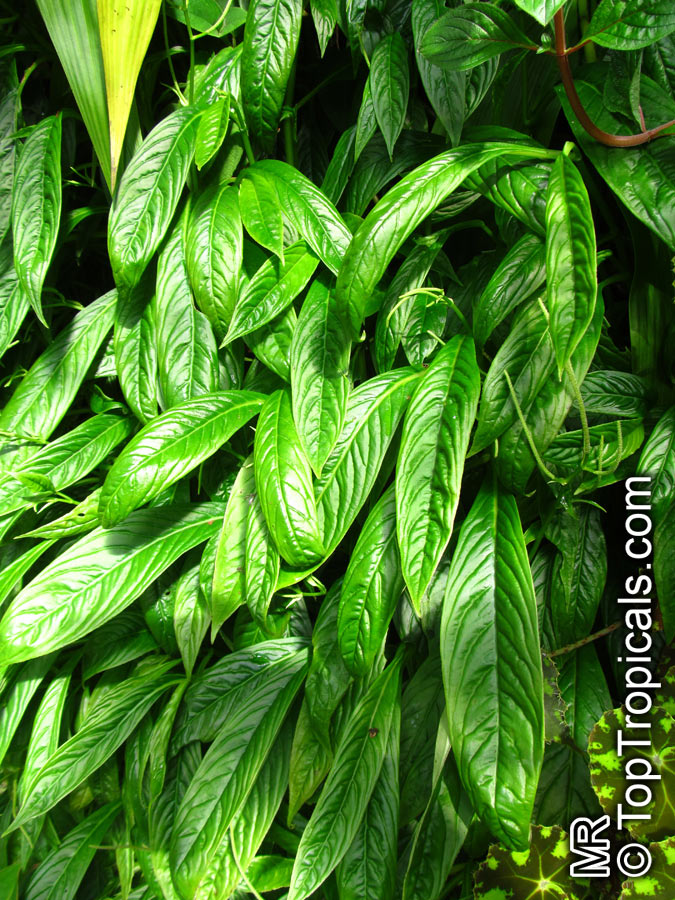
The plant grows into a vining shrub or a vine that can climp a tree, trellis or fence. Prefers shade to semi-shade and adequate water. The leaves of Piper longum start as heart shaped in juvenile plants and may get more elongated as the plant matures.
The species Piper longum is of South Asian origin (Deccan peninsular), whereas the closely related Piper retrofractum
comes from South East Asia and is mostly cultivated in Indonesia and Thailand.
See Article about Pipers.
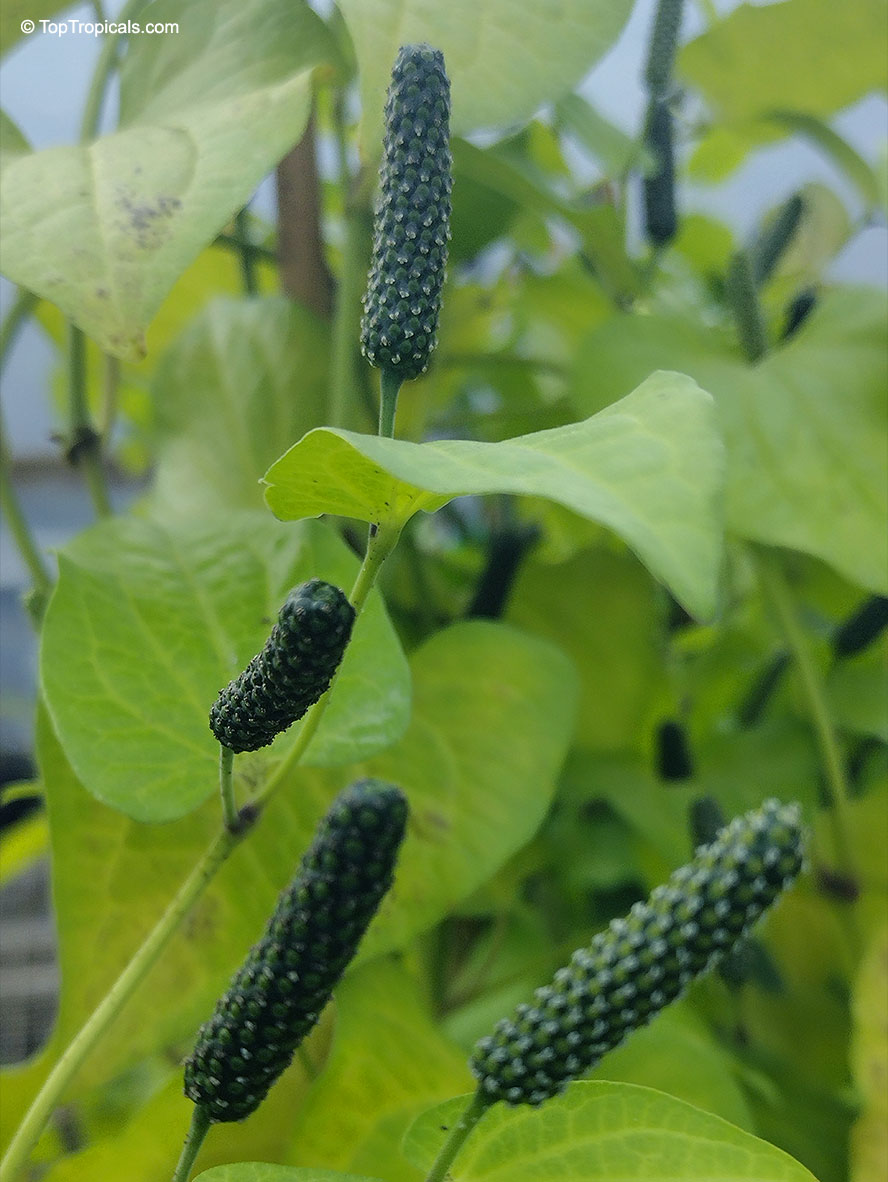
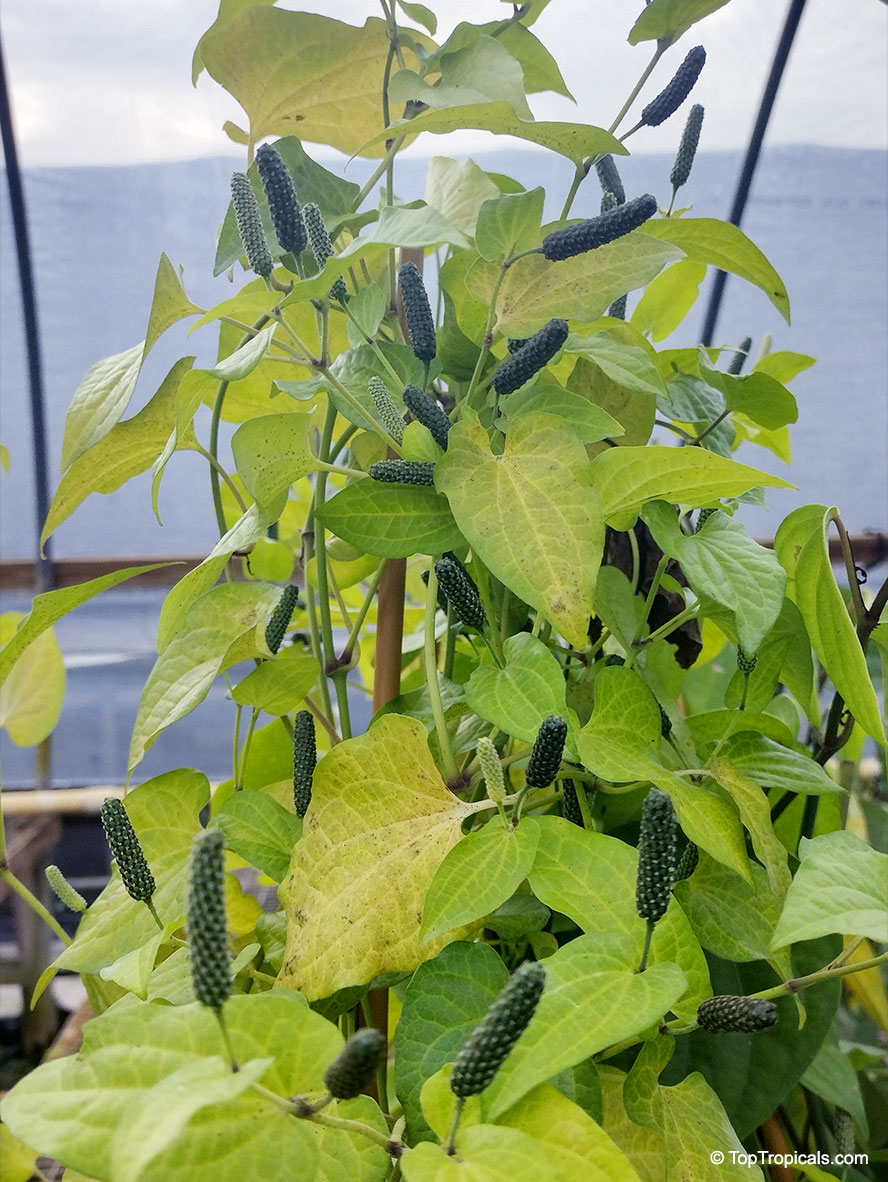
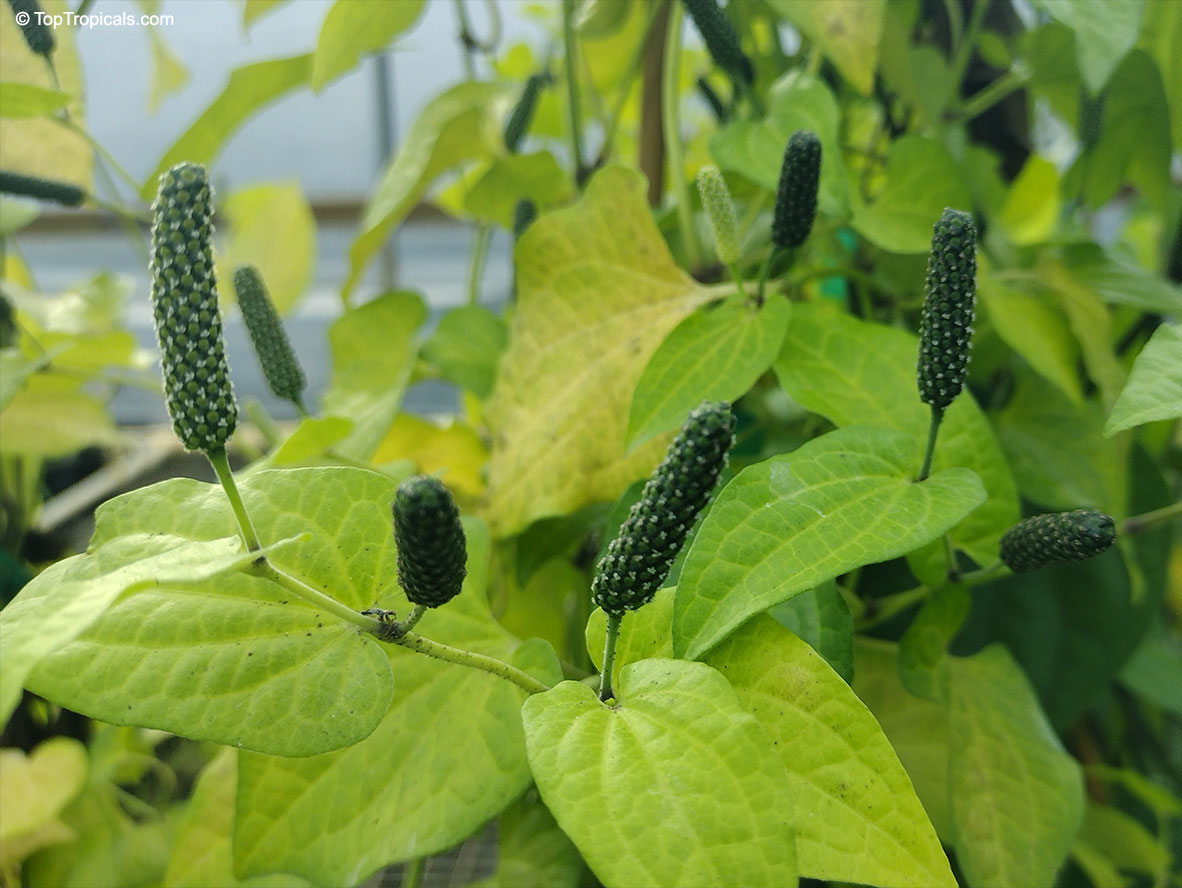
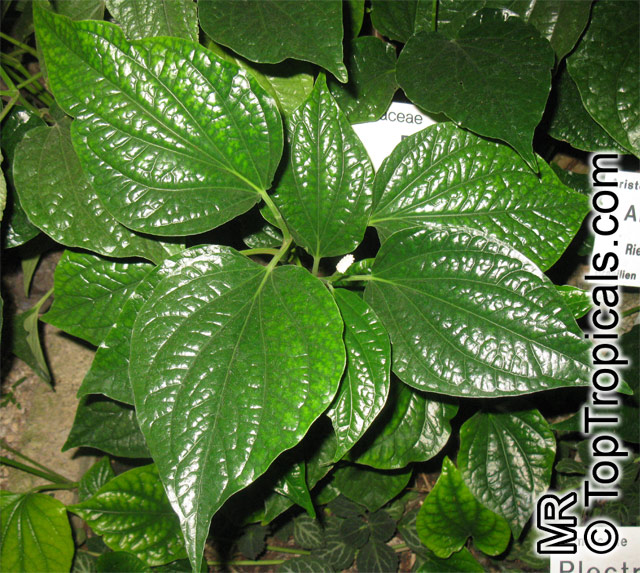
Botanical name: Piper sp.
Common name: Pepper
Family: Piperaceae
USDA Zone: 9-10
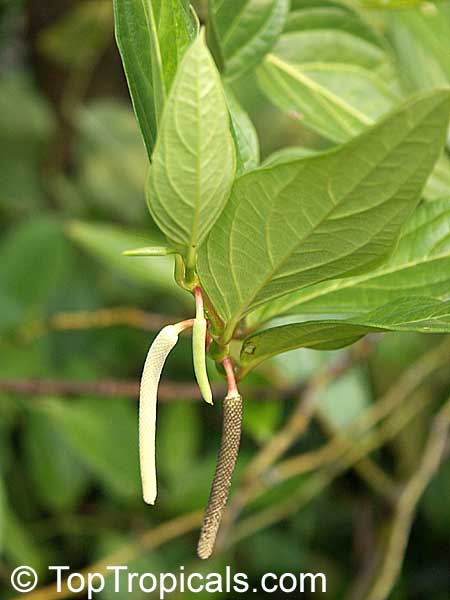
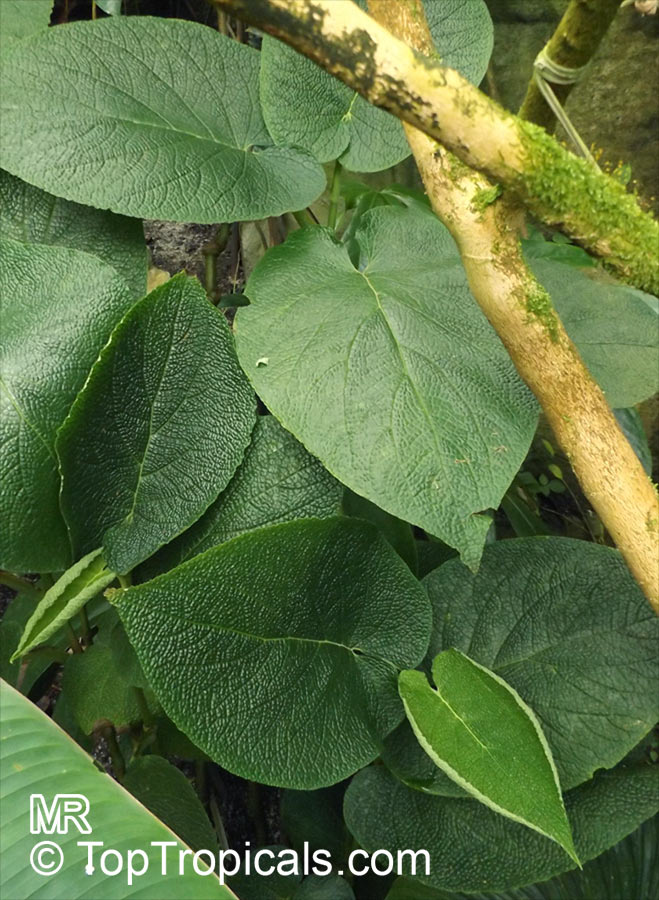
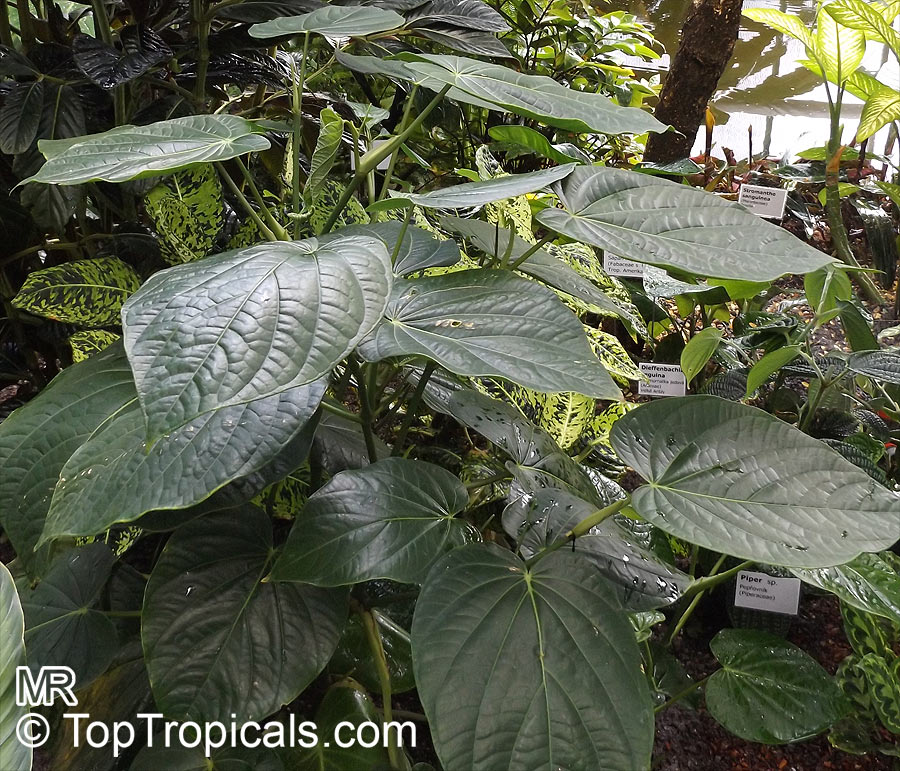
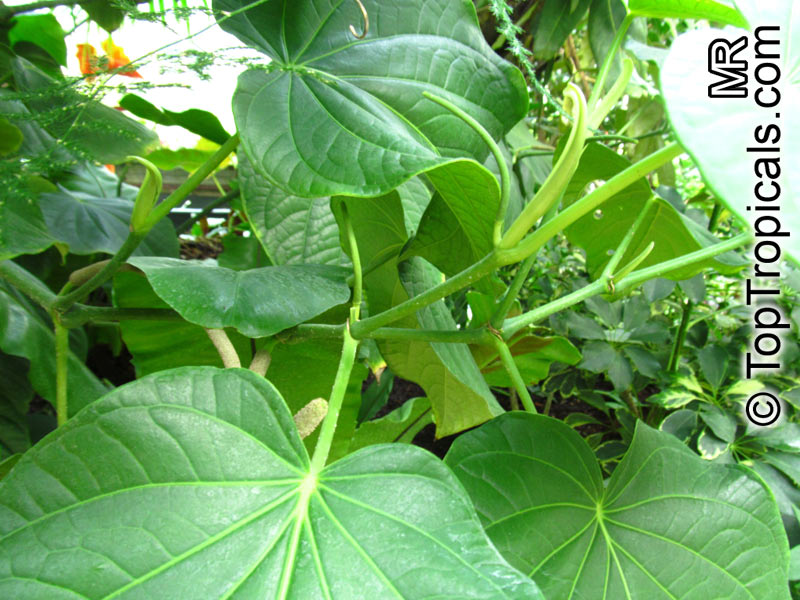
The genus Piper is large genus of chiefly climbing tropical shrubs.
Species:
Piper capense
Piper fimbriulatum


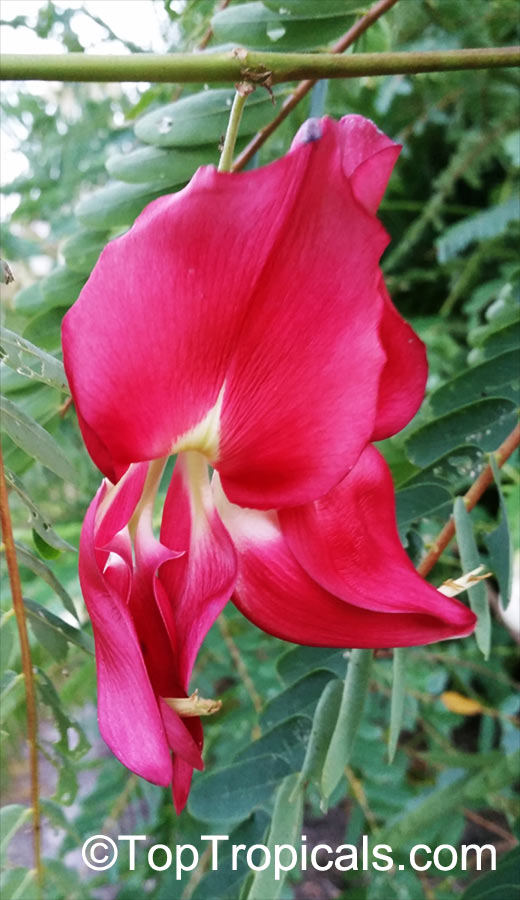
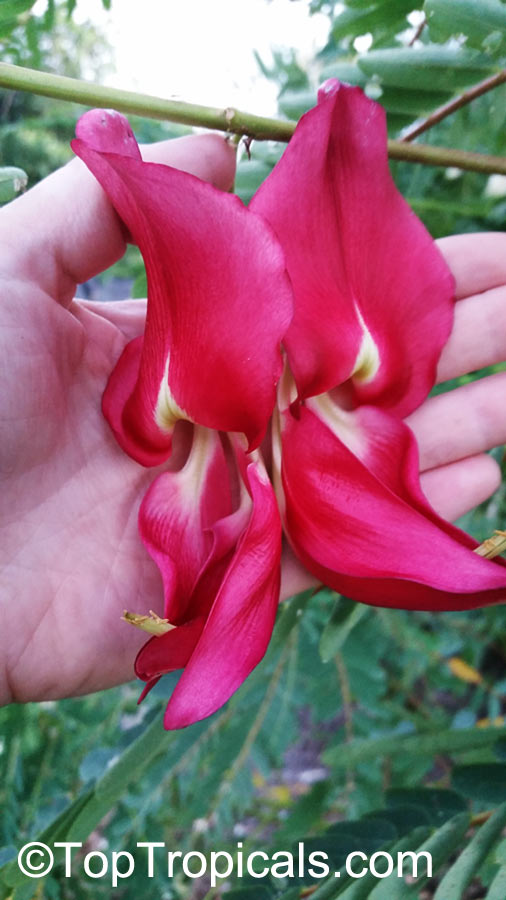
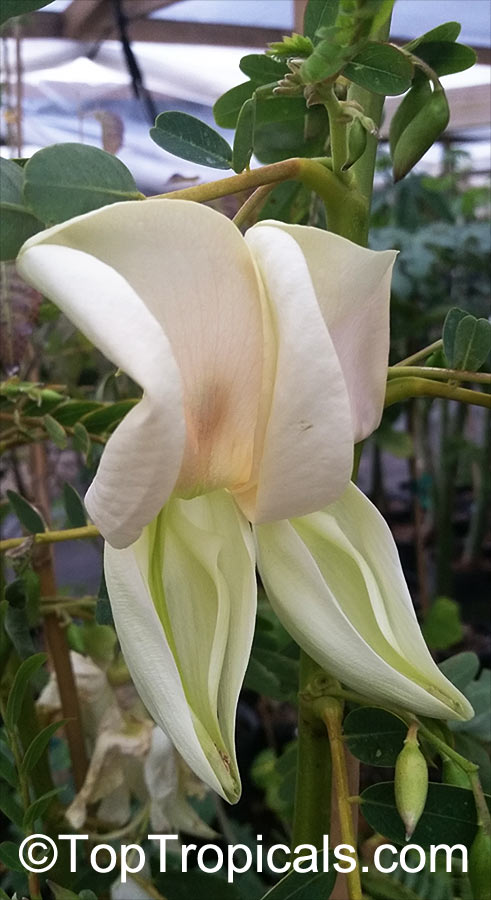
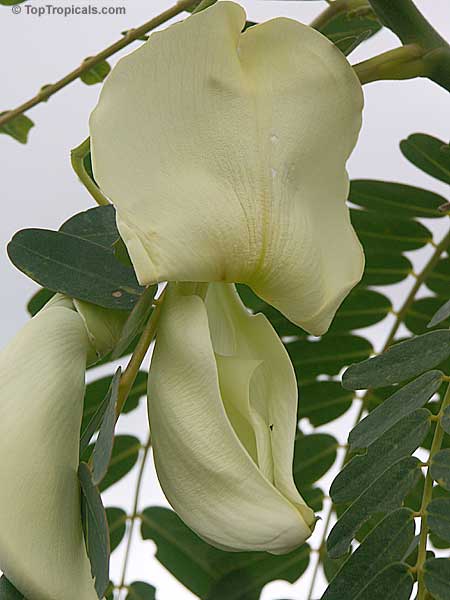
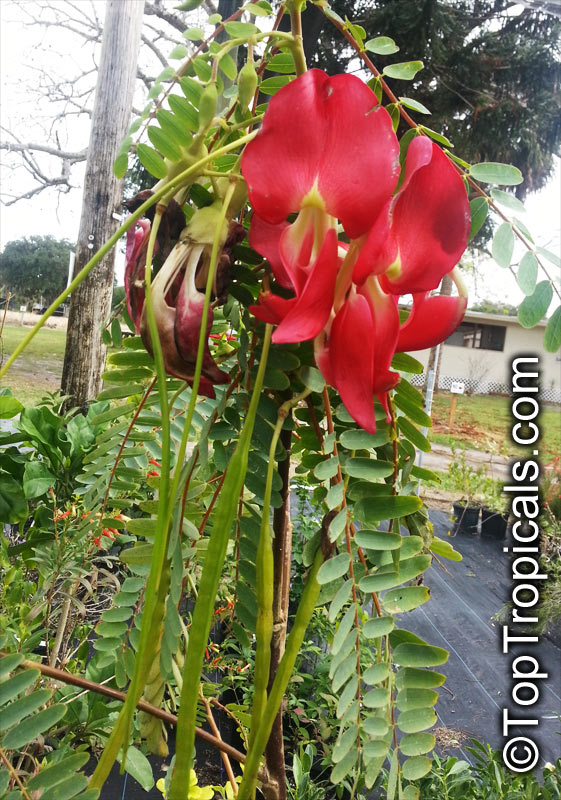
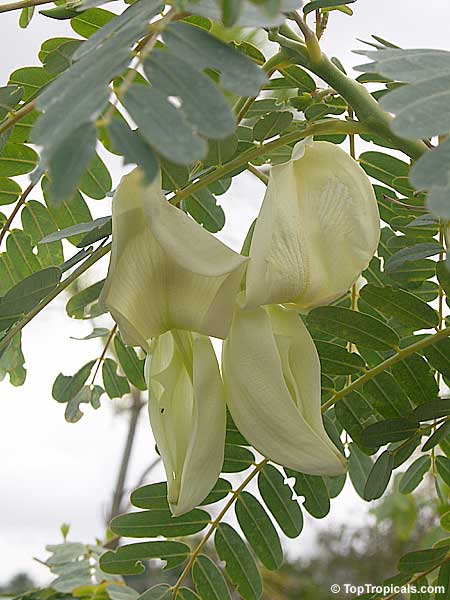
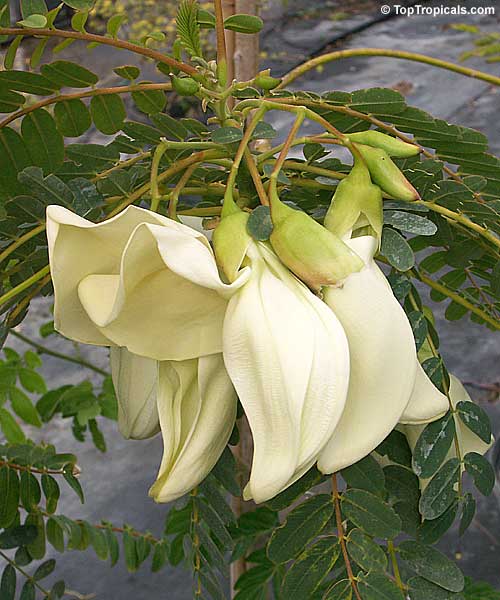
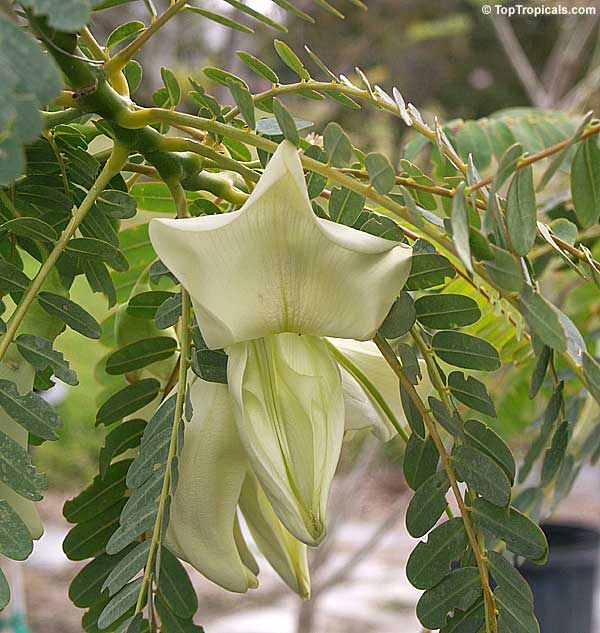
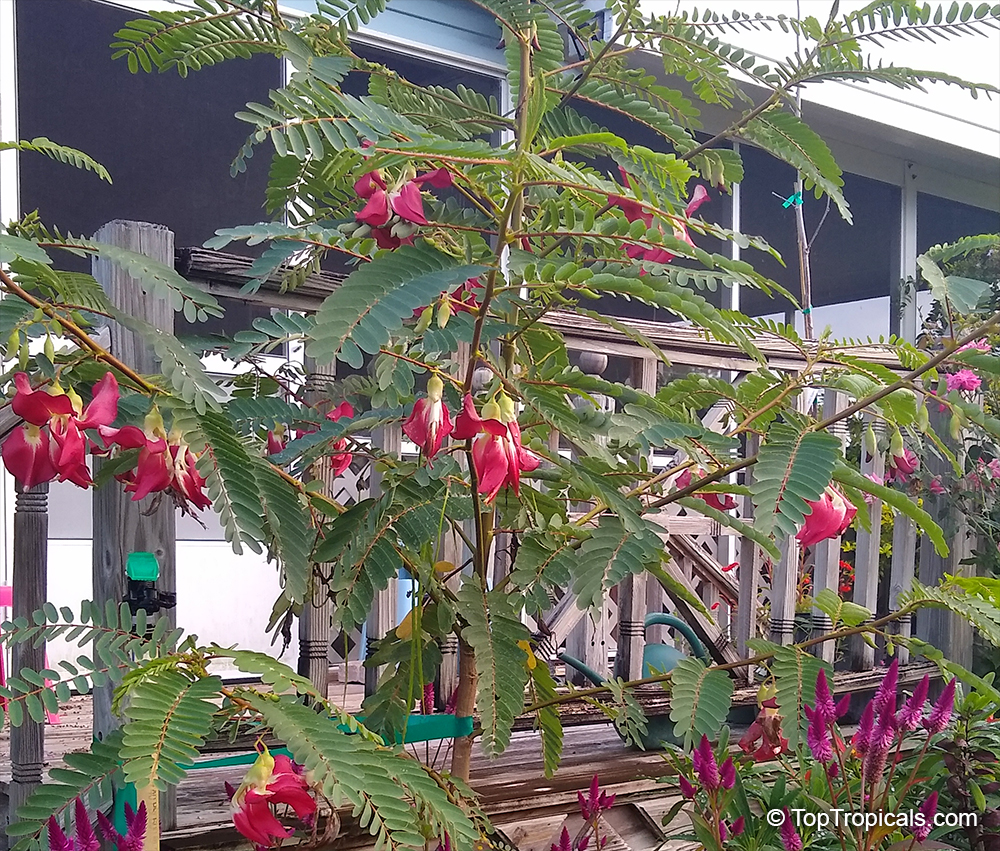
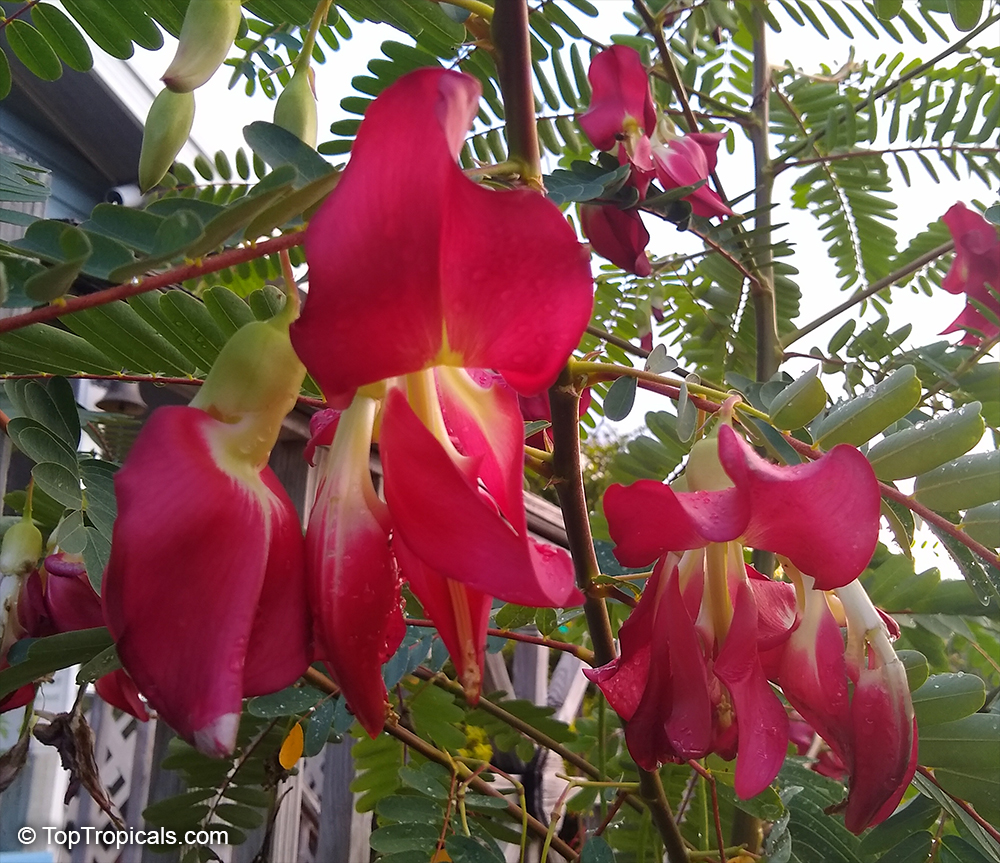
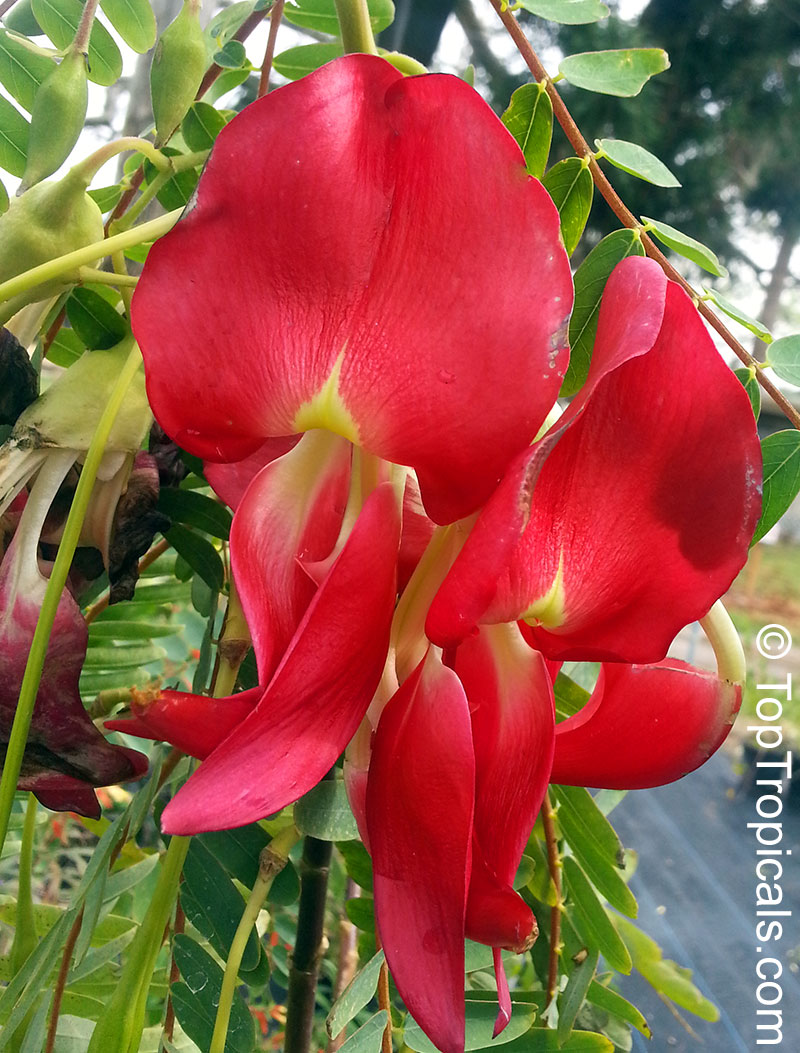
Botanical names: Sesbania grandiflora, Agati grandiflora
Common names: Hummingbird Tree, Butterfly Tree, Agati
Family: Fabaceae
Subfamily: Faboideae
Origin: Asia and Australia
USDA Zone: 9-11


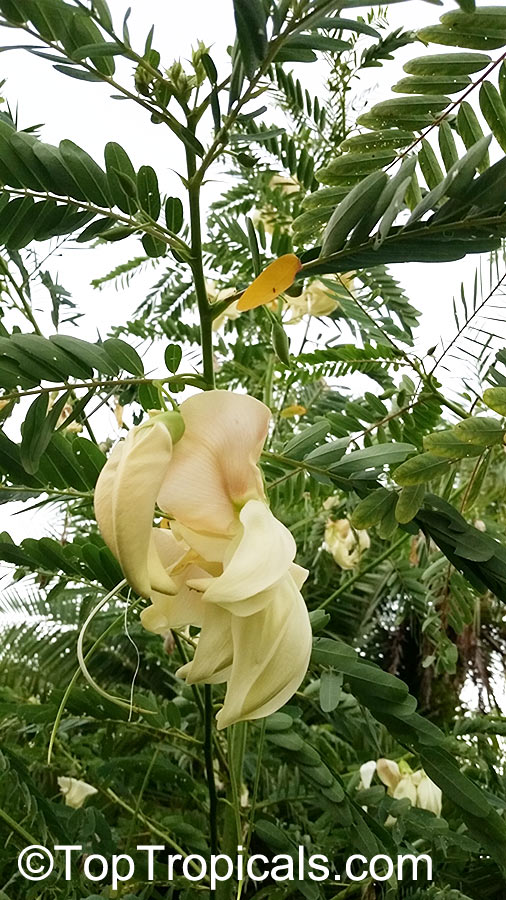
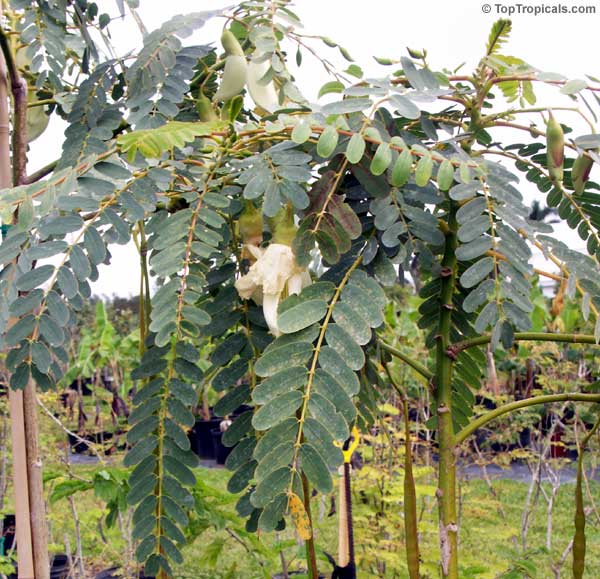
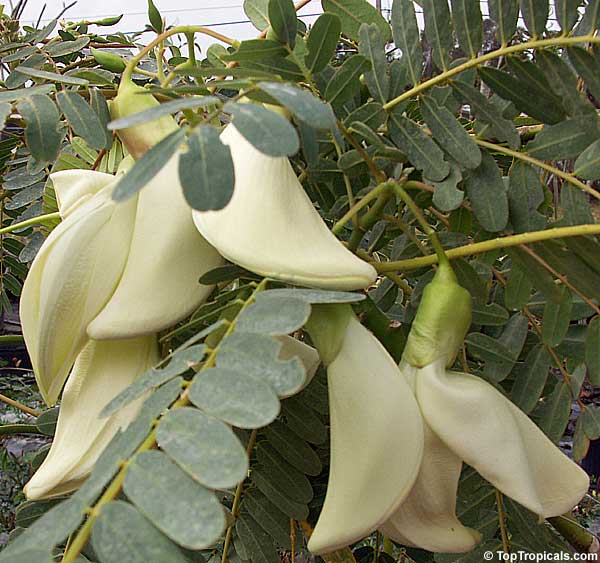
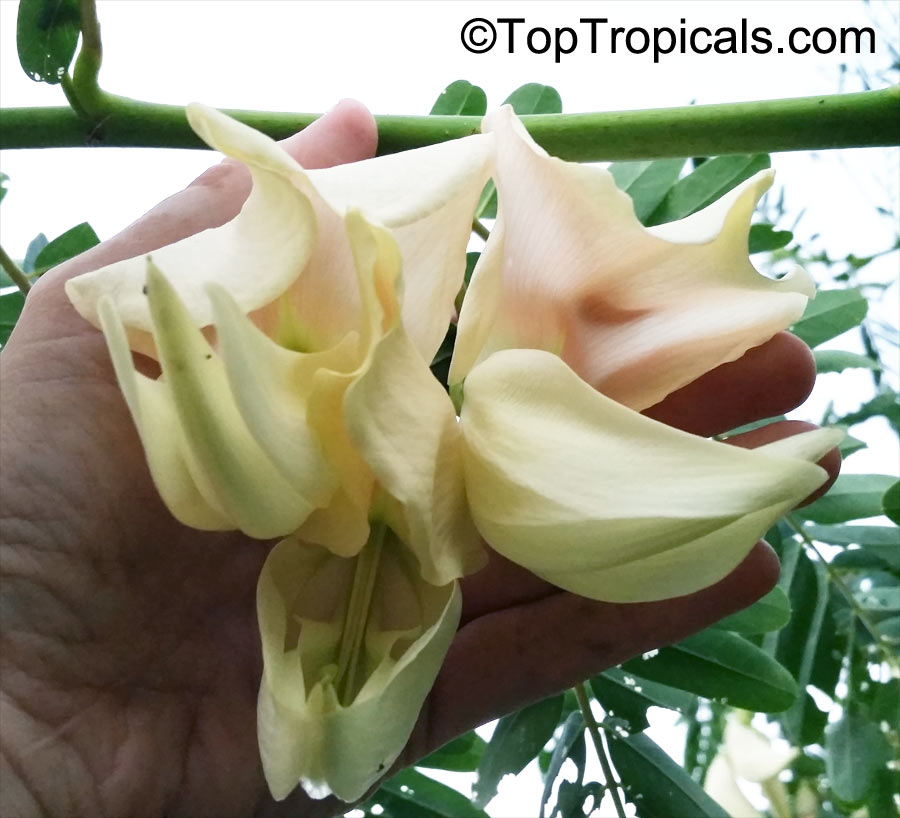
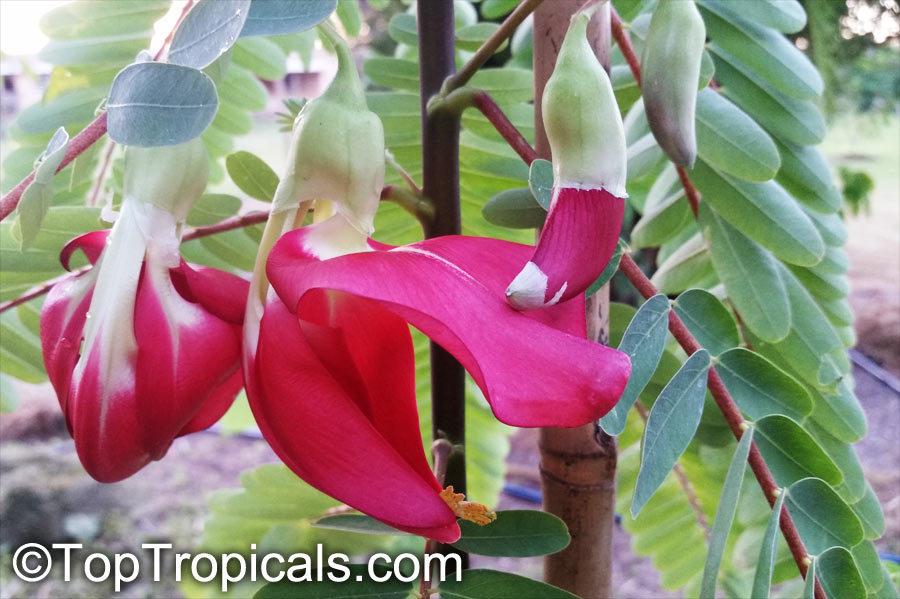
This small ornamental tree with a straight trunk produces a mass of large, 3-4" white flowers resembling little birds. Its lower branches create a floral canopy from November to June. Tolerates flooding. The flower is large and distinctively curved. Vertical pods, located near the flowers, can contain up to 20 seeds. The tender leaves, green fruit, and flowers are eaten alone as a vegetable or mixed into curries or salads. Flowers may be dipped in batter and fried in butter. Tender portions serve as cattle fodder. Ripe pods apparently are not eaten. The inner bark can serve as fiber and the white, soft wood not too durable, can be used for cork. The wood is used, like bamboo, in Asian construction. The tree is grown as an ornamental shade tree, and for reforestation. Bark, leaves, gums, and flowers are considered medicinal. In Java, the tree is extensively used as a pulp source. A gum resembling kino (called katurai), fresh when red, nearly black after exposure, exudes from wounds. This astringent gum is partially soluble in water and in alcohol, but applied to fishing cord, it makes it more durable. Pepper vines (Piper nigrum) are sometimes grown on and in the shade of the agati. Dried and powdered bark is used as a cosmetic in Java. An aqueous extract of bark is said to be toxic to cockroaches.
Recommended Fertilizer: SUNSHINE Megaflor - Bloom Nutrition Booster
Last one
Use link to repeat this search:
https://toptropicals.com/cgi-bin/garden_catalog/cat.cgi?find=Piper nigrum&search_op=and&keyword_op=and&language=e&number=10
&no_change_lang=1&user=tt&sale=1&first=0