Myrtle - Plant Encyclopedia Results
| Number of plants found: 26 | Next | 
|
Go to page: | 1 | 2 | 3 |
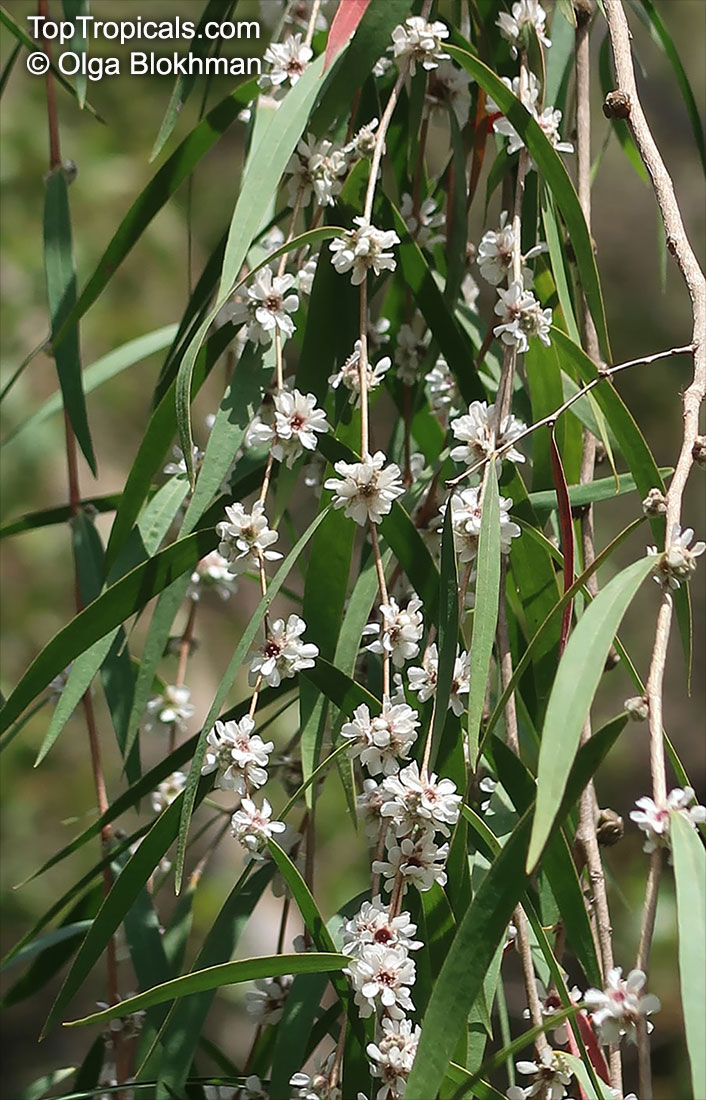
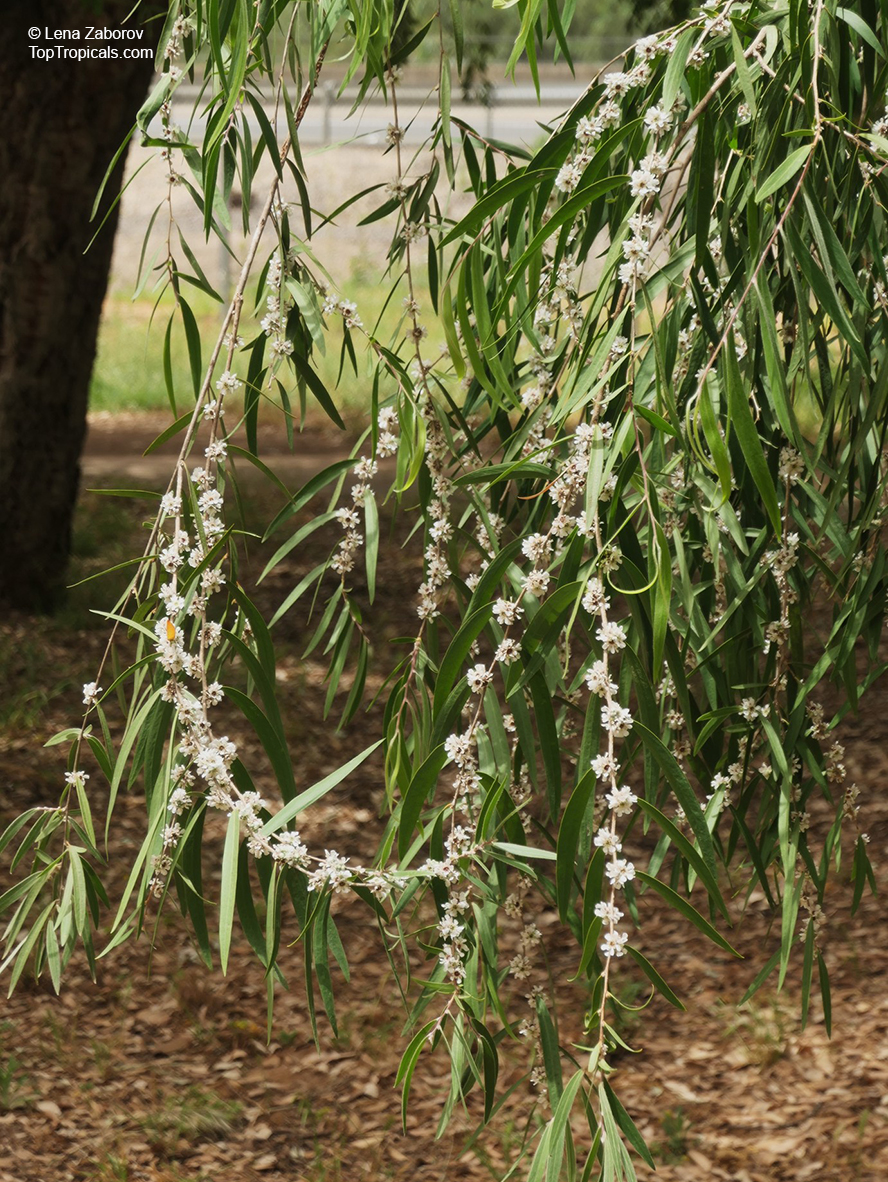
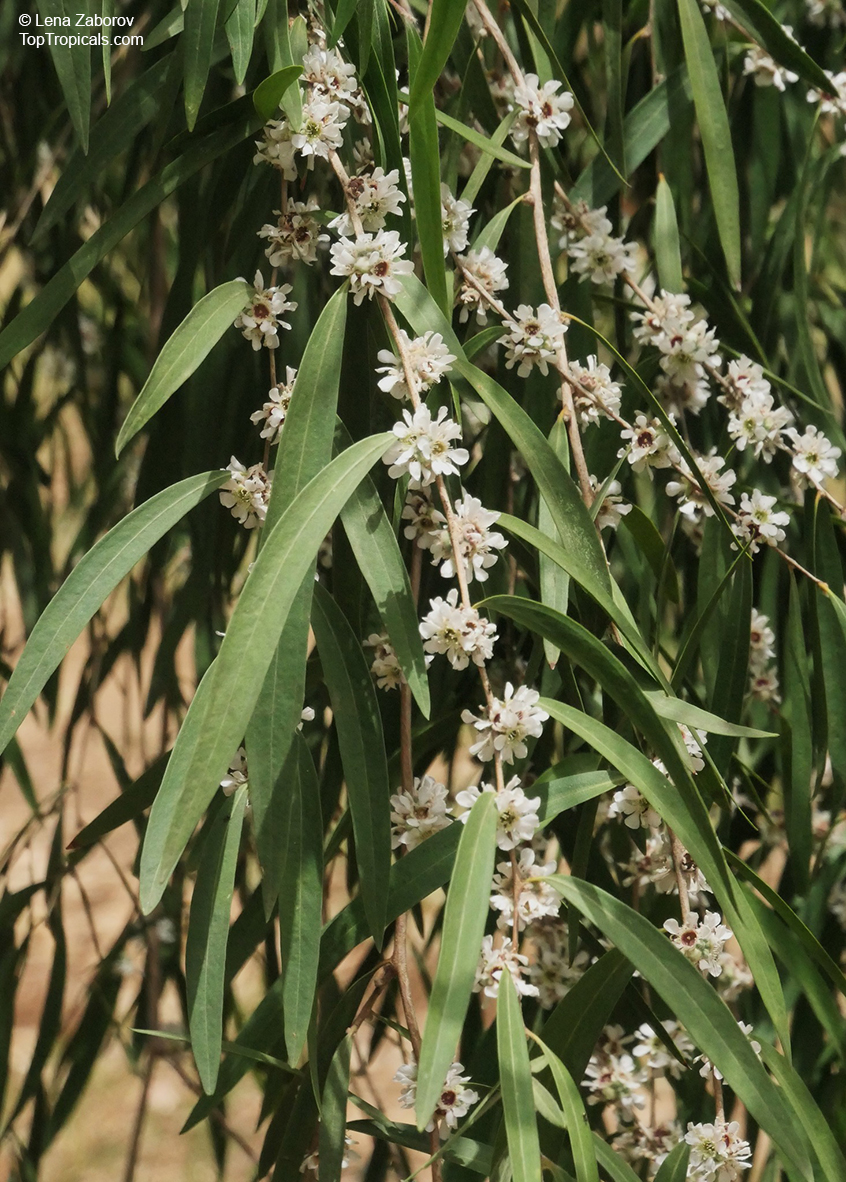
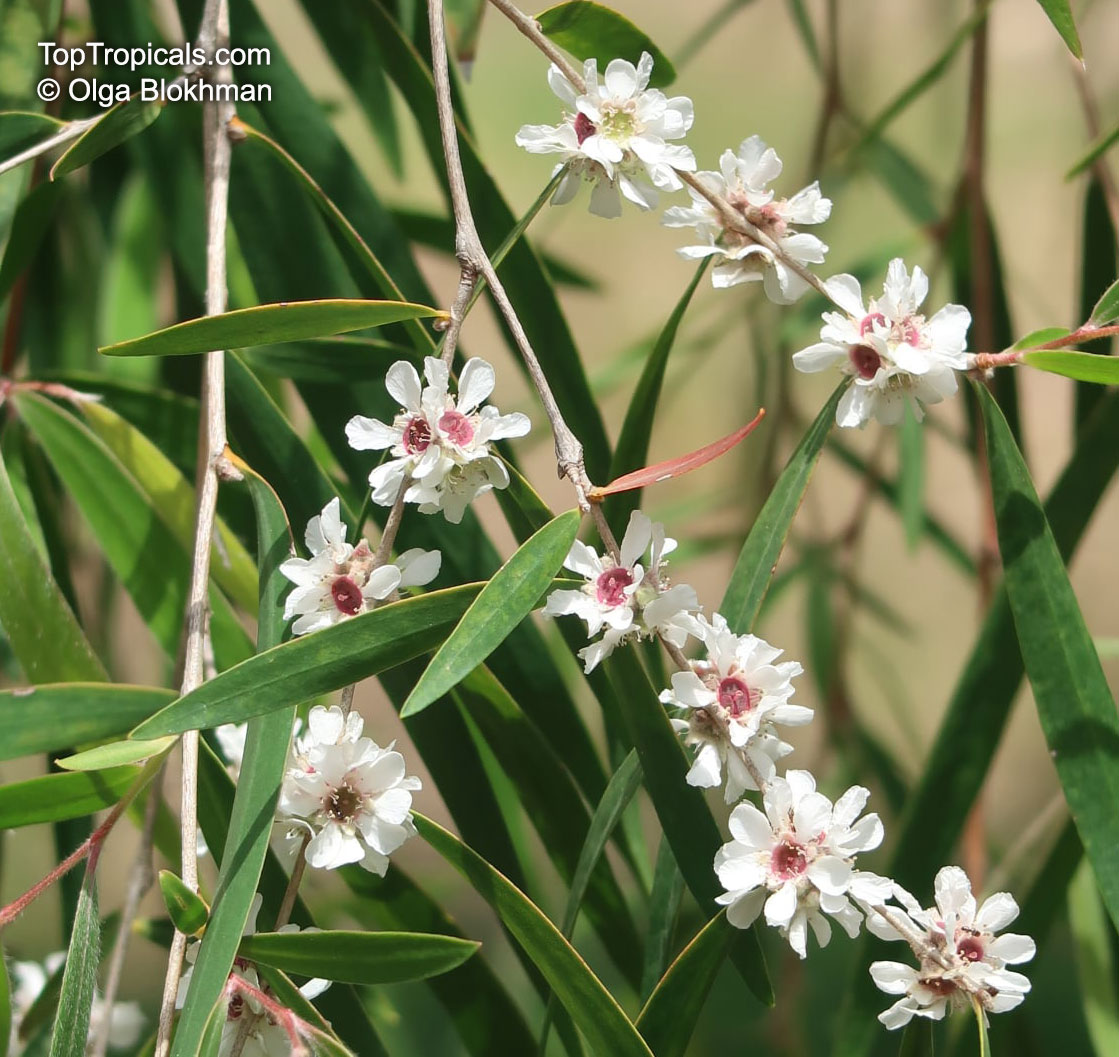
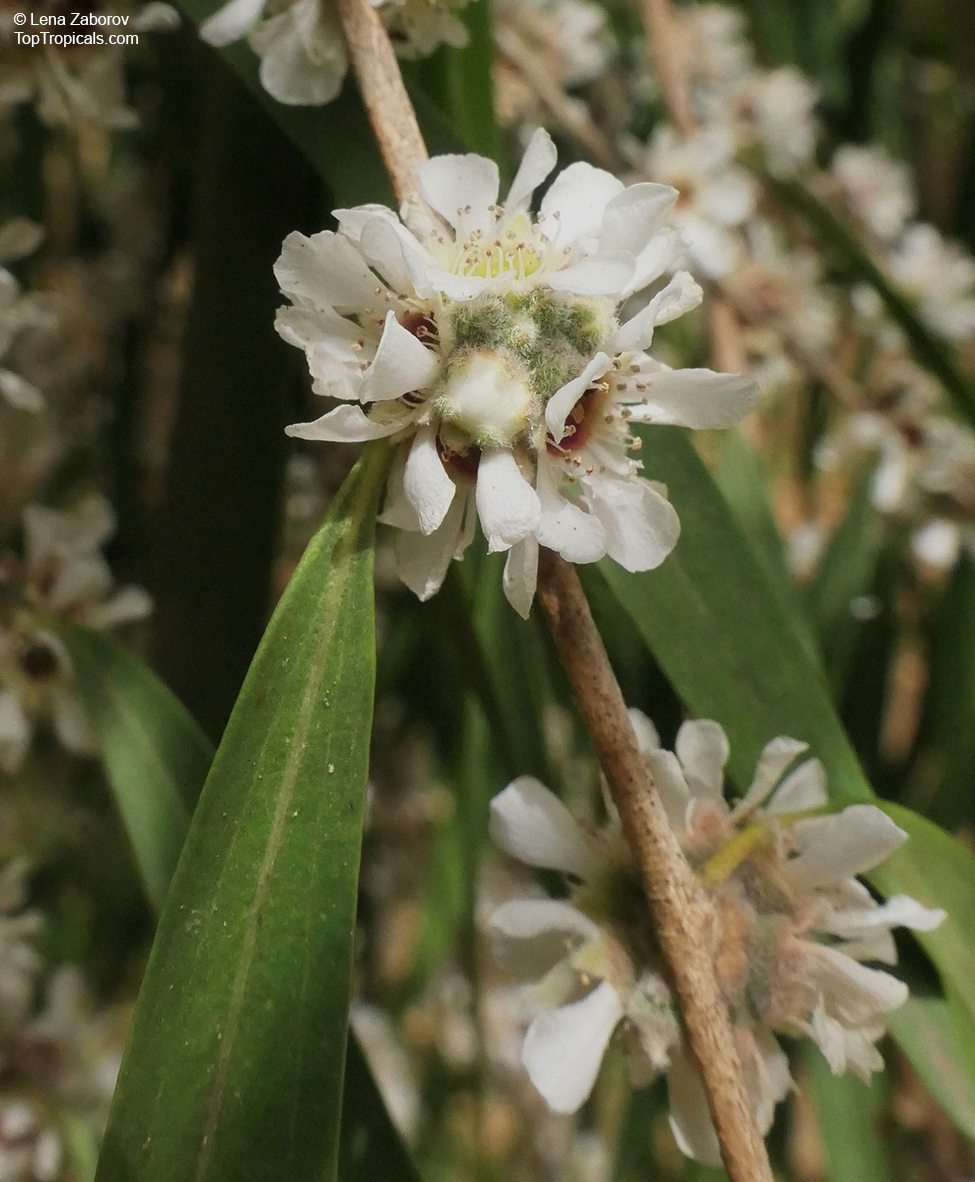
Botanical name: Agonis flexuosa
Common names: Willow Myrtle, Western Australian Peppermint
Family: Myrtaceae
Origin: Australia
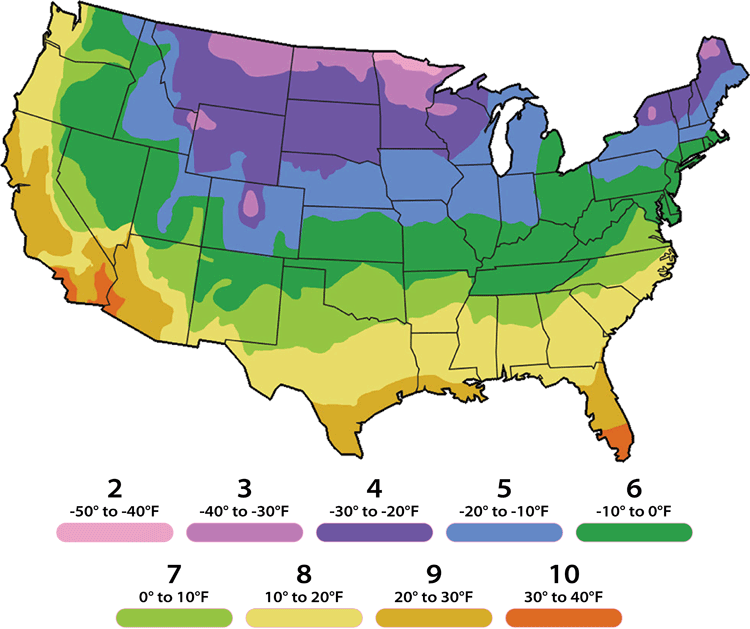
USDA Zone: 8b-11


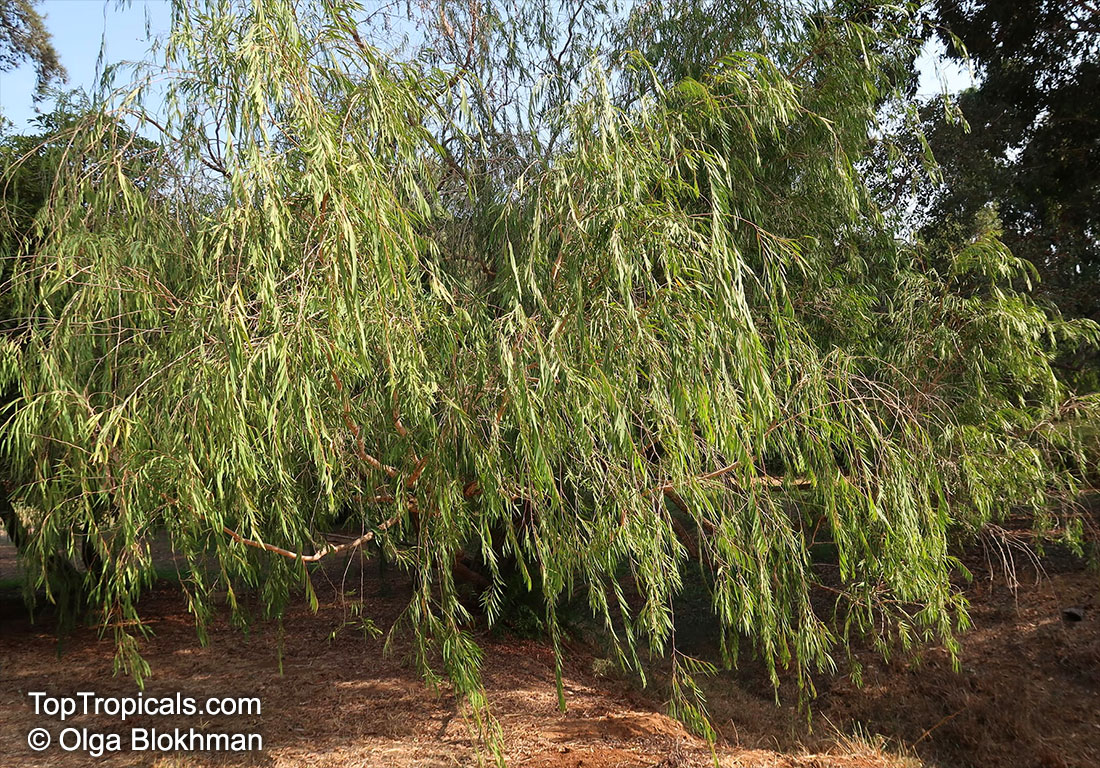
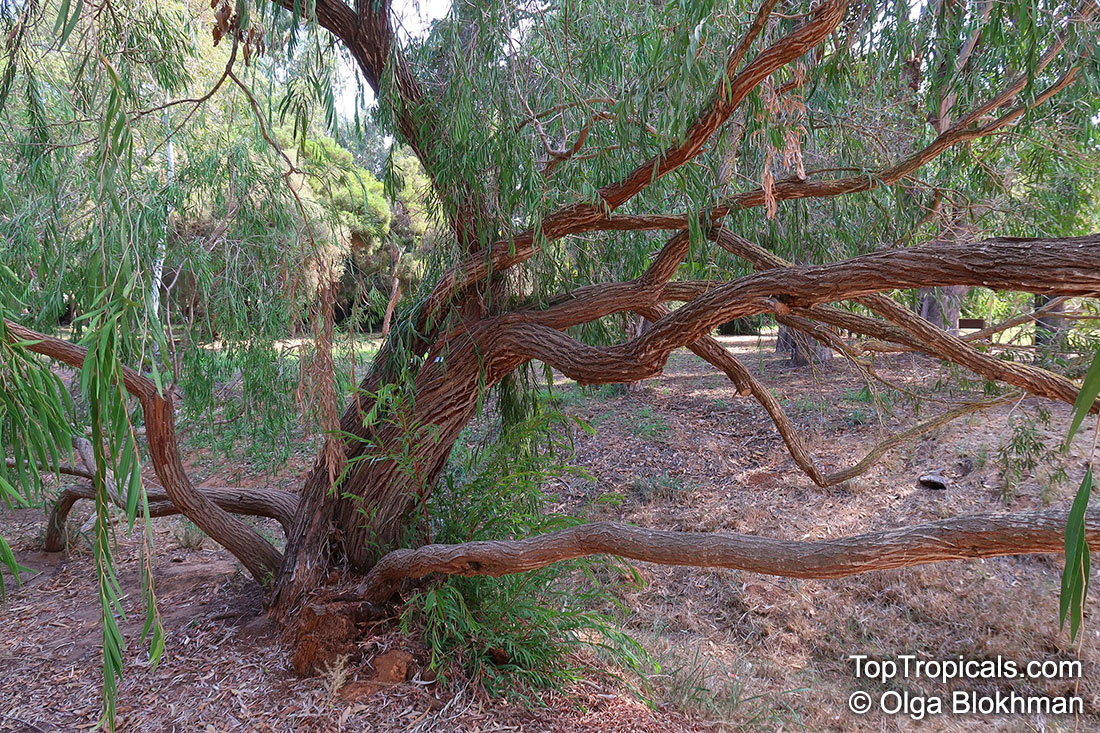
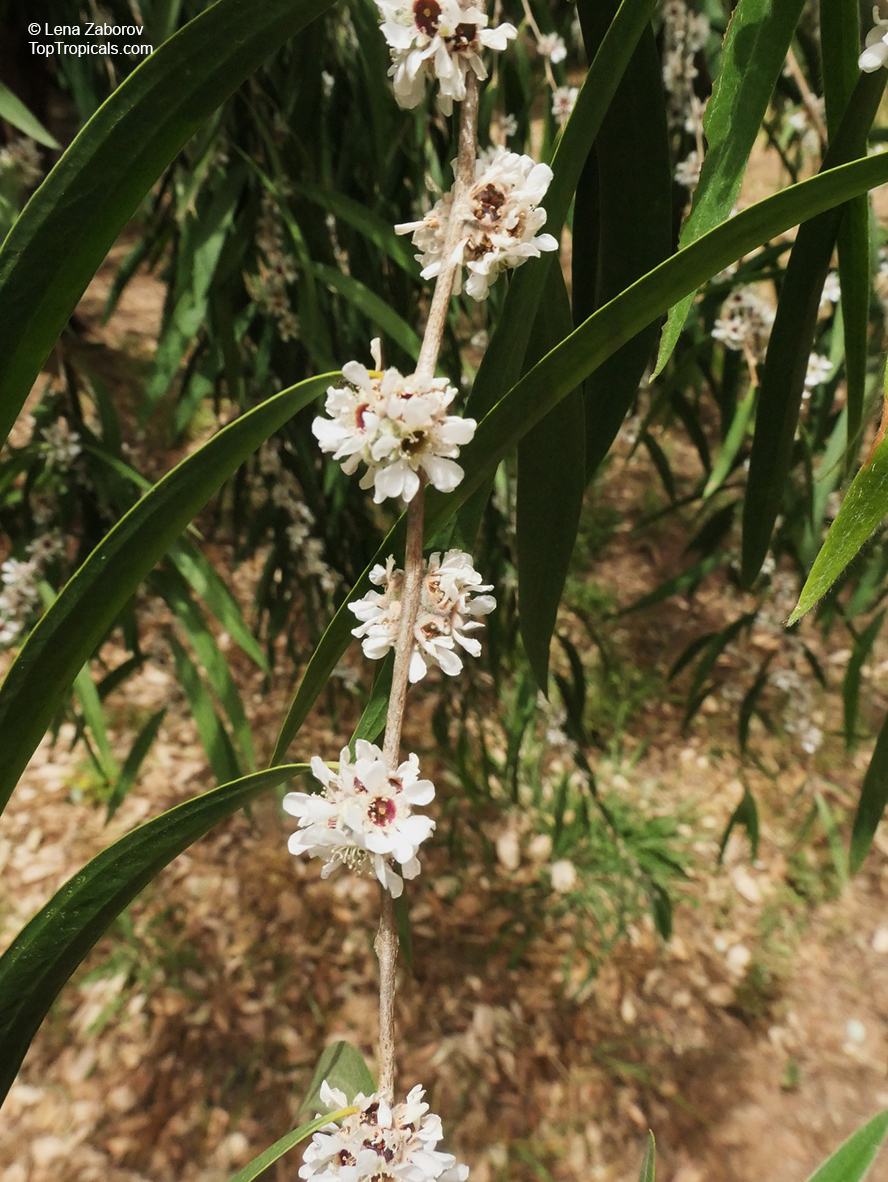
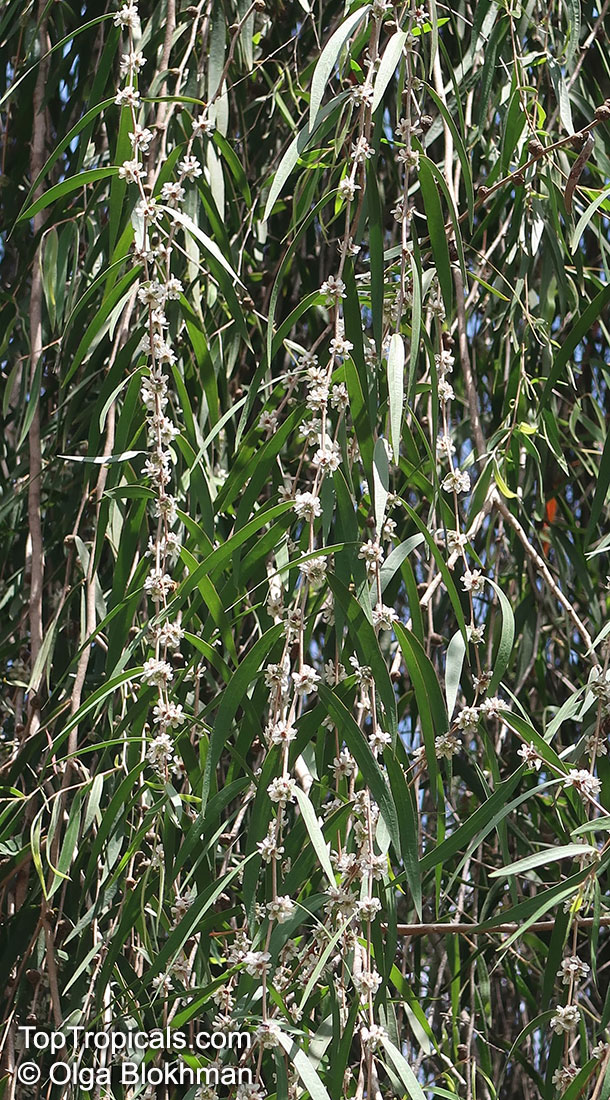
Native to Western Australia, this small tree is excellent for small urban spaces, growing 10-20 ft in height and 6-15 ft in spread. It has an upright habit with an open, sparse crown. Agonis flexuosa (Willow Myrtle) has an attractive foliage of broad green leaves with a smooth texture. In summer, the tree is covered with white to off-white, fragrant flowers that attract bees and other beneficial insects. When blooming, its flowers give the tree a soft, romantic look.
This is a hardy drought-tolerant tree - once established, it only needs moderate amounts of water compared to other trees. Agonis flexuosa can tolerate salt, making it suitable for seaside gardens or areas exposed to salt spray. It performs best in full sun to semi-shade and is frost-hardy, growing well in USDA Zone 8-11.
When planting Agonis flexuosa, the soil should be well-drained, not too heavy and with a neutral pH. If you choose to grow it in a pot, you should use a well-draining potting mix, water frequently and add a layer of mulch as it helps to keep the roots cool and moist. In cold regions, it's best to keep the pot in a sheltered or sunny spot during the winter months to protect it from frost and cold winds.
Overall, Agonis flexuosa is a low-maintenance, versatile species that adds beauty and texture to any garden. Its fragrant flowers, attractive foliage and hardiness make it an ideal choice for temperate gardens that require a small, hardy tree.
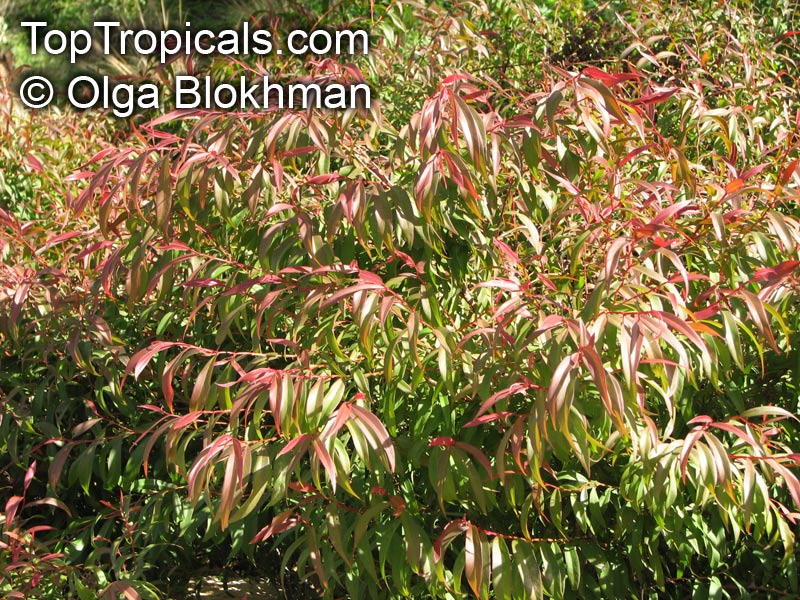
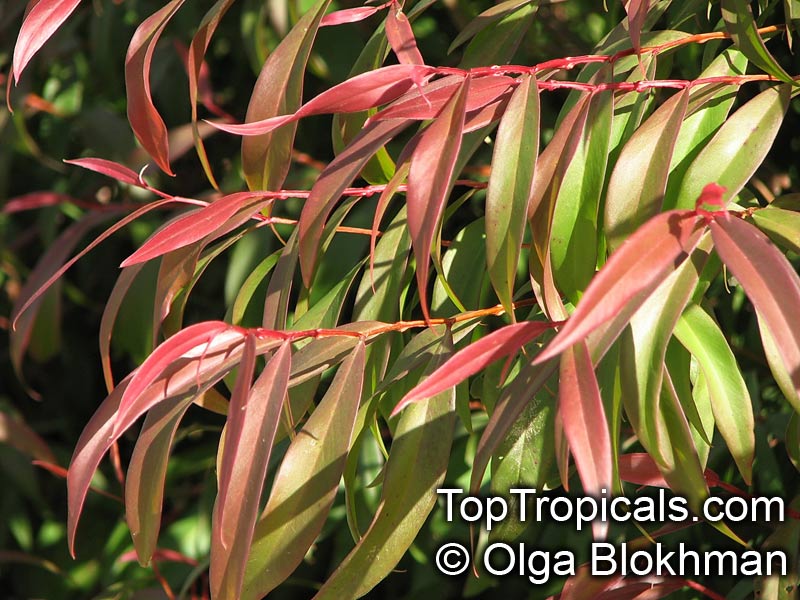
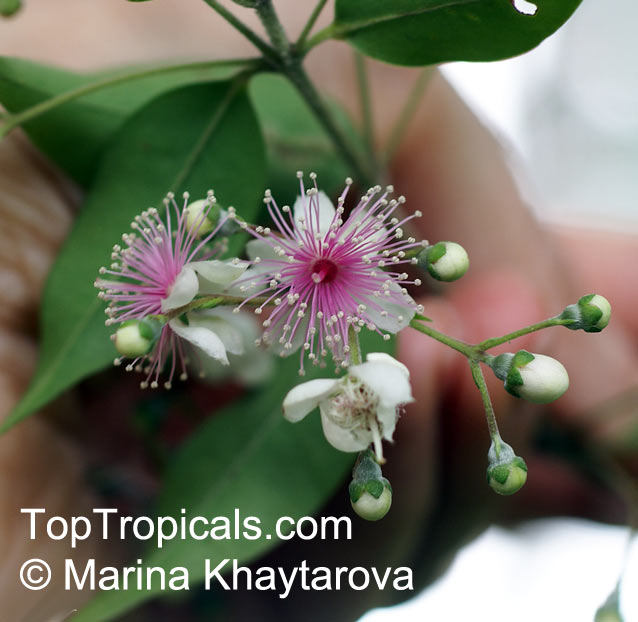
Botanical name: Decaspermum fruticosum
Common names: Brown Myrtle, Shrubby Decaspermum, Tailor Tree
Family: Myrtaceae
Origin: Southeastern Asia
USDA Zone: 9-10


Native to Southeastern Asia, Decaspermum fruticosum (Brown Myrtle) is a large shrub that grows 5-10 feet tall. It prefers full sun to semi-shade and regular to moderate water. It is relatively easy to care for and is more resistant to insects and diseases than many other plants. The plant blooms with beautiful light-colored pink, white, and off-white flowers that attract butterflies and hummingbirds.
For those living in USDA Zone 9-11, the Brown Myrtle is an ideal choice for a natural landscape. It can be grown in the ground or in a pot and is tolerant to various lighting and soil conditions. The plant requires well-draining soil and regular watering during hot weather. The topsoil should be kept moist but not soggy. In colder regions, Brown Myrtle should be grown in containers and brought inside for the winter. The container should be at least 8 inches in diameter and the plant should be watered regularly. For thriving growth, fertilize with a low-nitrogen liquid fertilizer once a month.
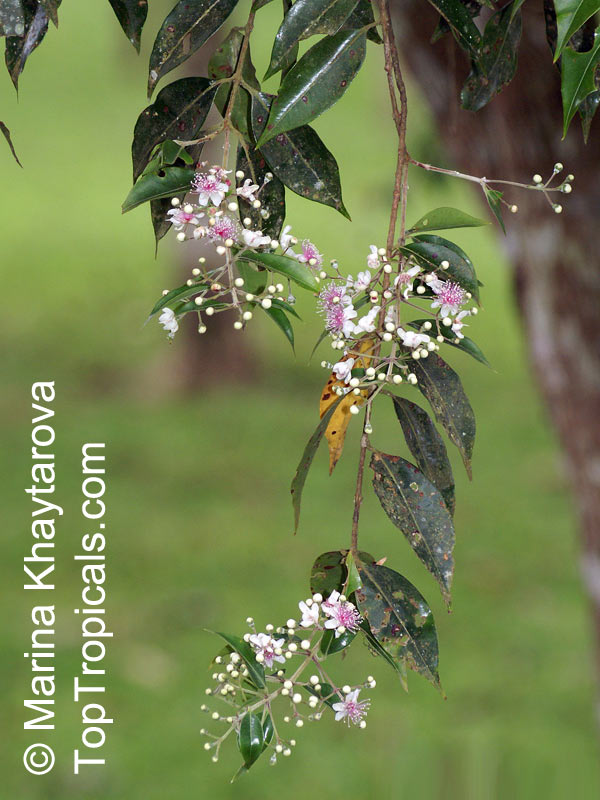
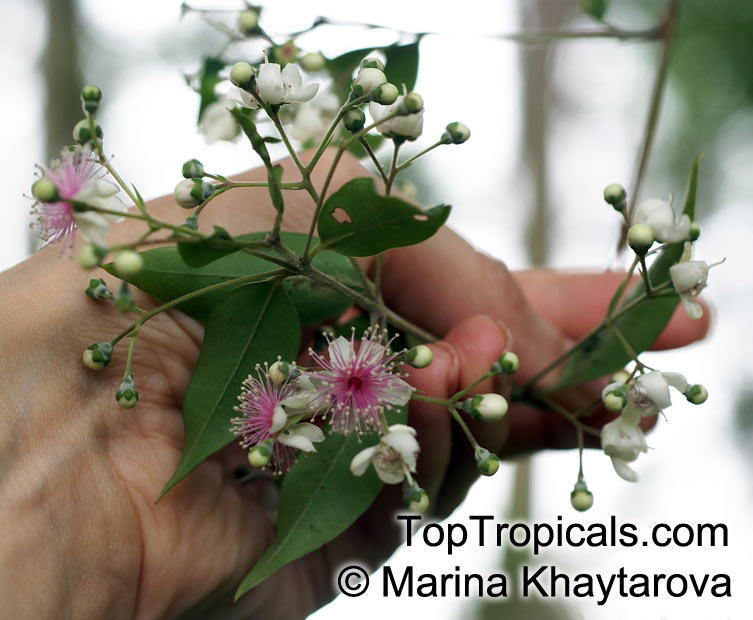
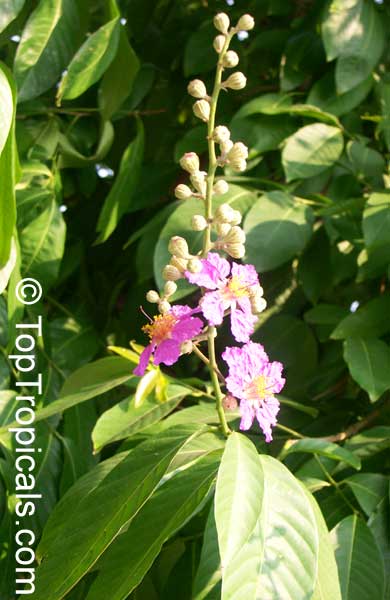
Botanical name: Lagerstroemia floribunda
Common names: Kedah Bungor, Crepe Myrtle
Family: Lythraceae
Origin: Indo-China, West Malesia
USDA Zone: 6-10
Cold tolerance: 0°F
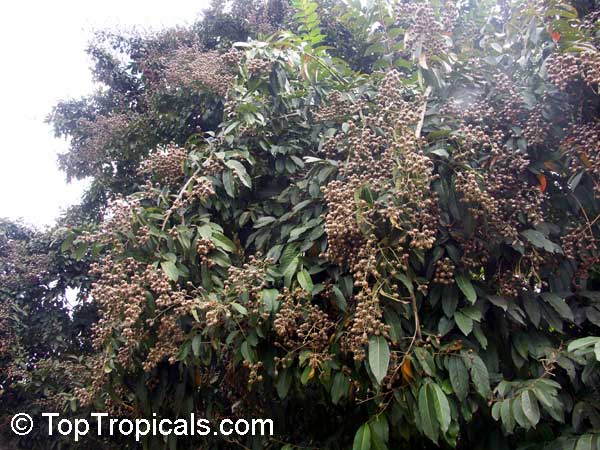
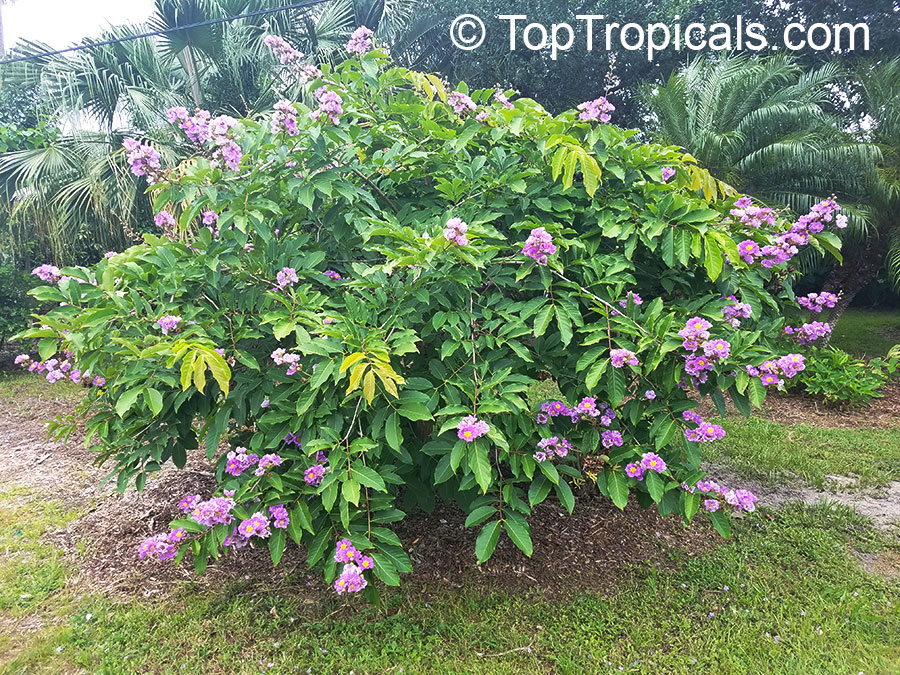
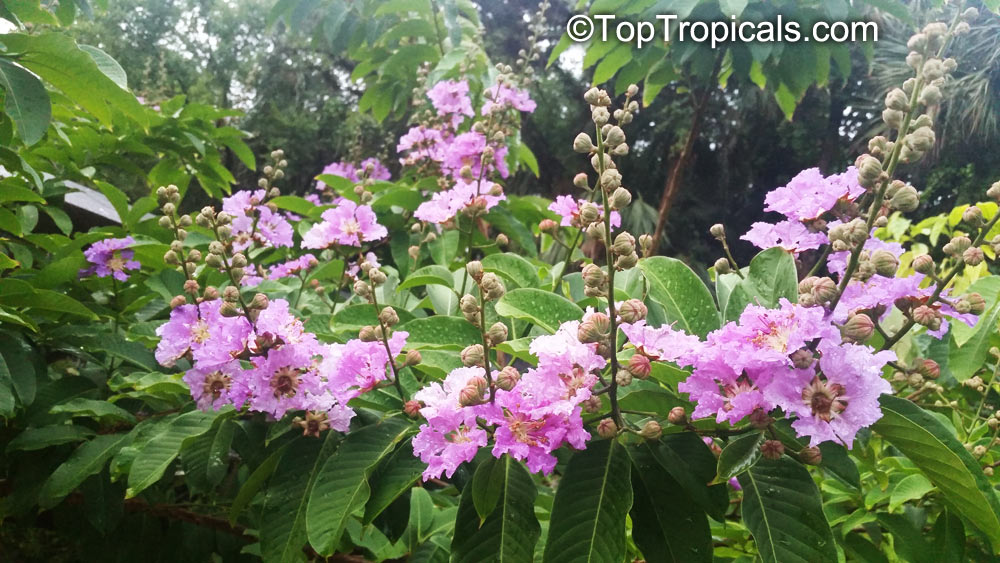
Lagerstroemia floribunda is Provincial tree of Saraburi province; one of the central provinces of Thailand. This a rare Crepe Myrtle with pink flowers which appear along the branches.
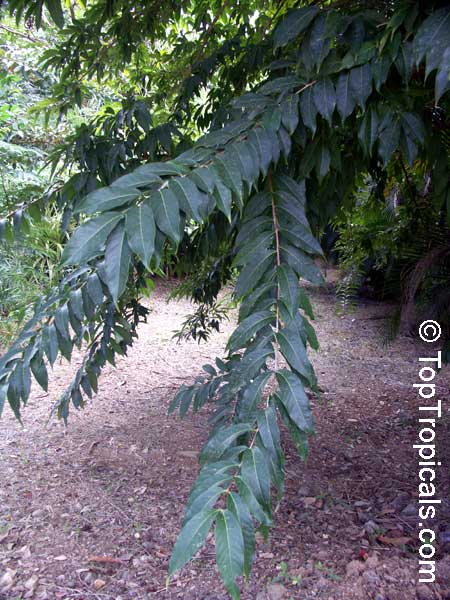
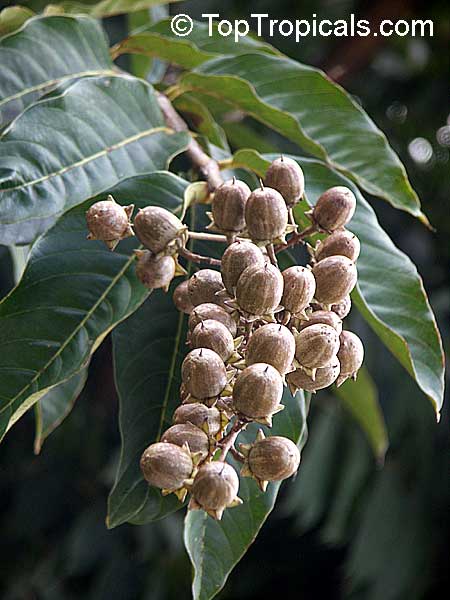
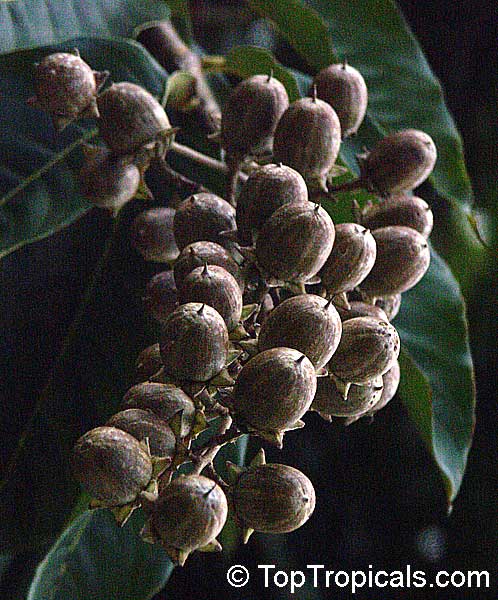
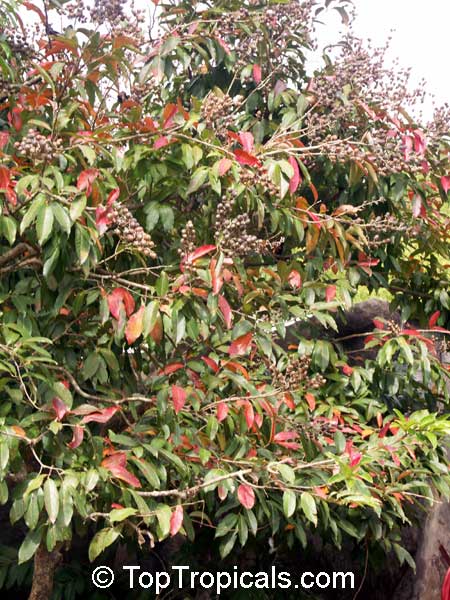
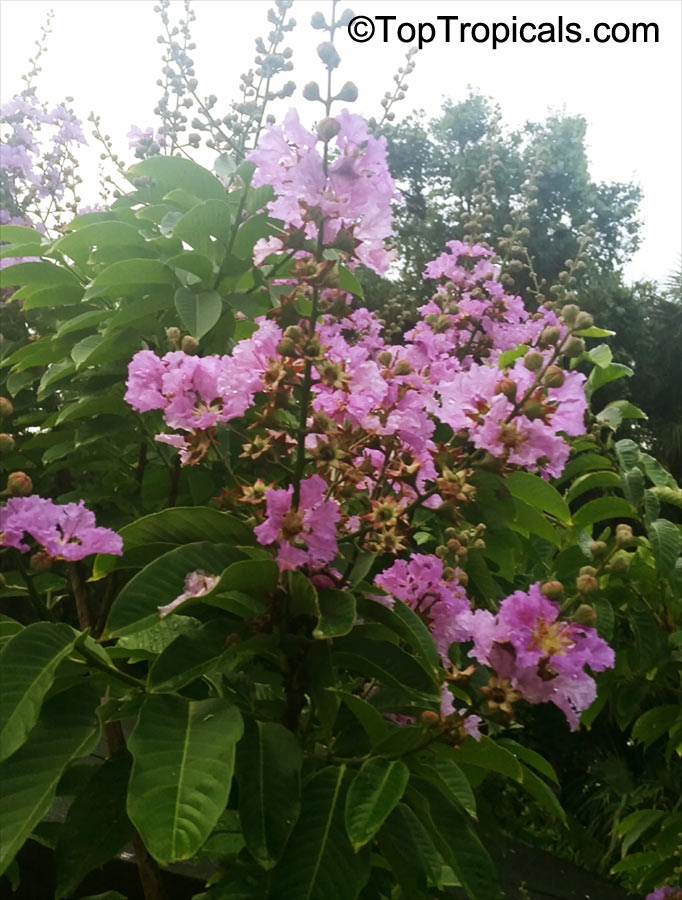
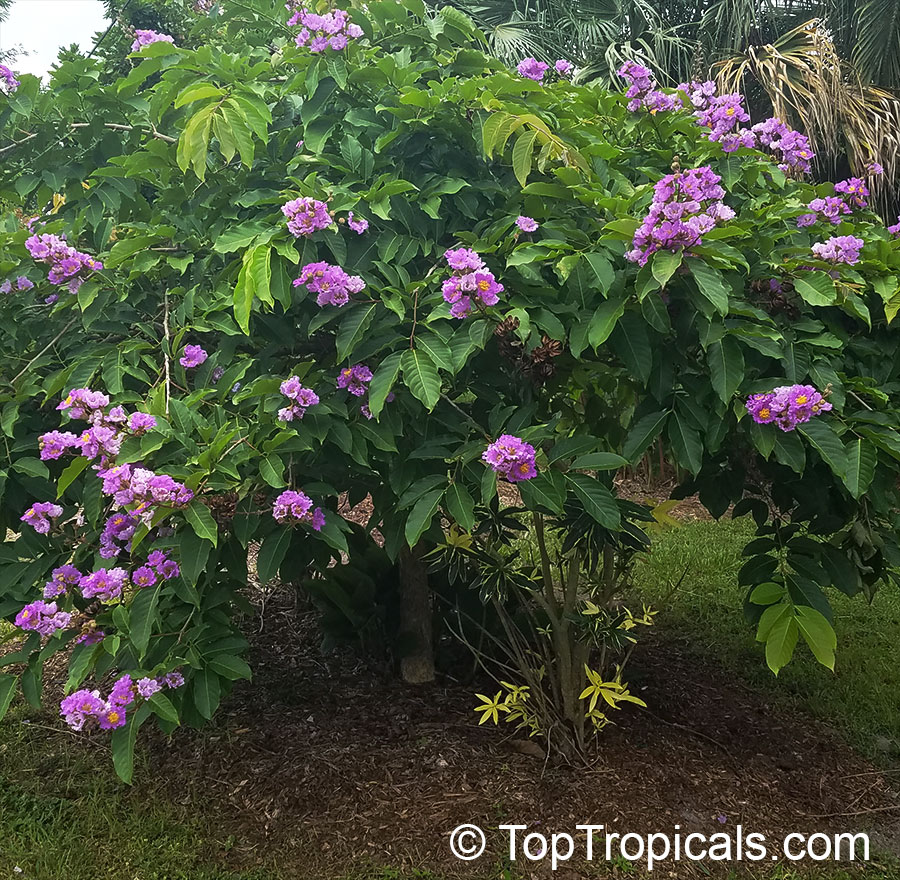
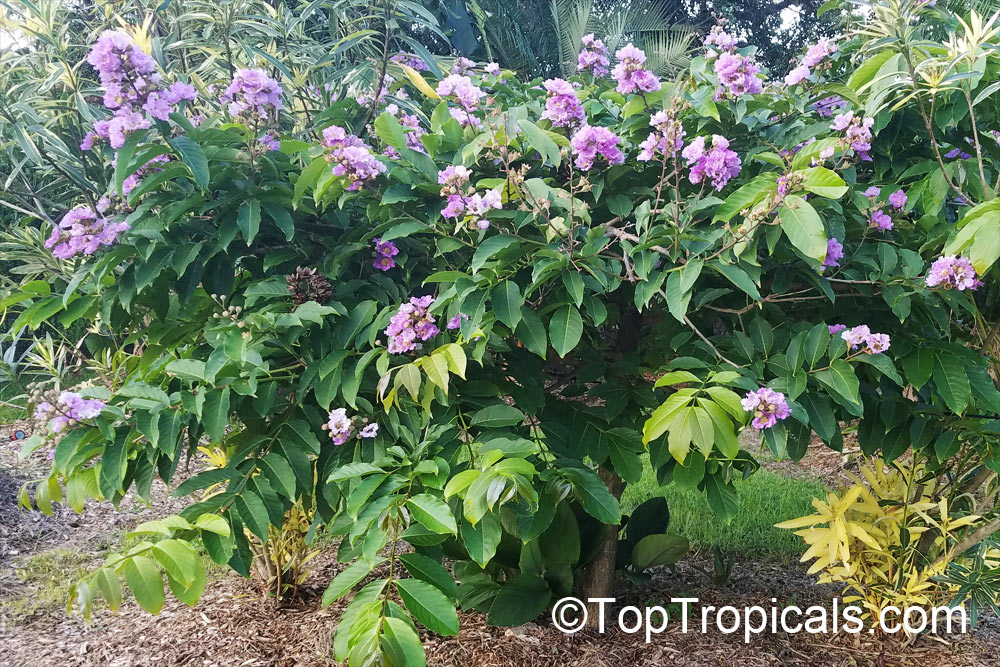
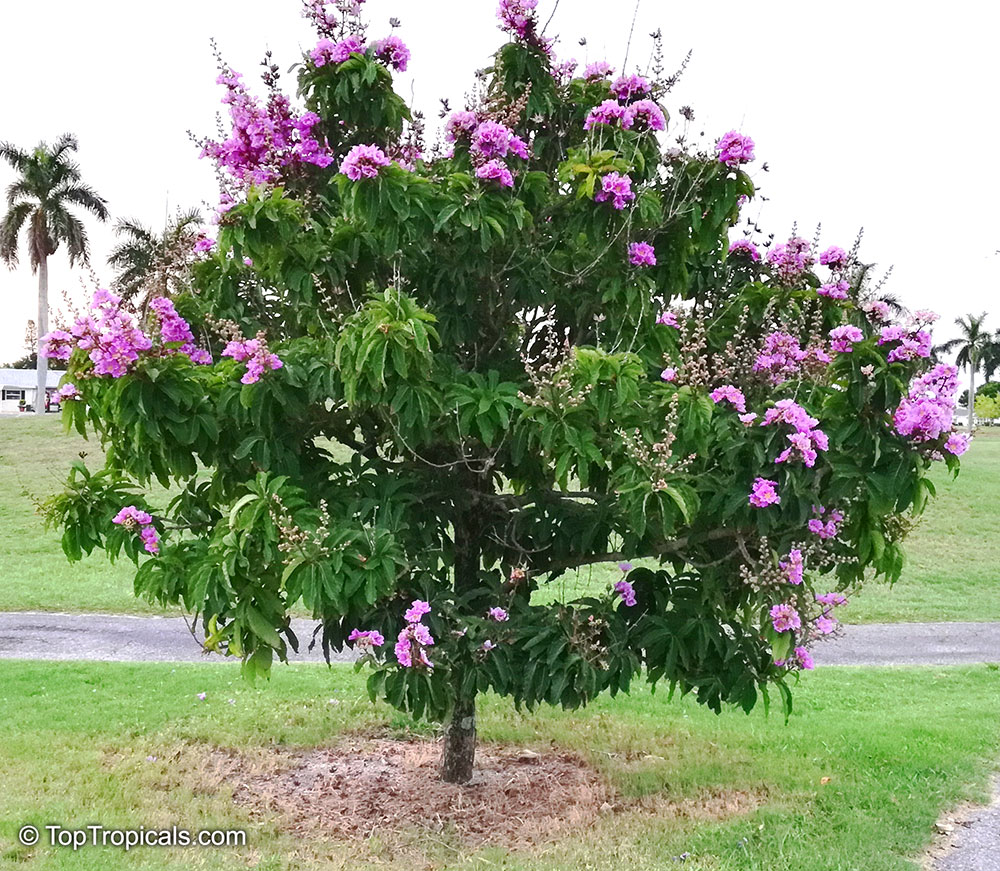
Botanical name: Lagerstroemia indica
Common names: Crape Myrtle, Crepe Myrtle
Family: Lythraceae
Origin: Australia, Asia, Pacific
USDA Zone: 7-10
Cold tolerance: 5°F


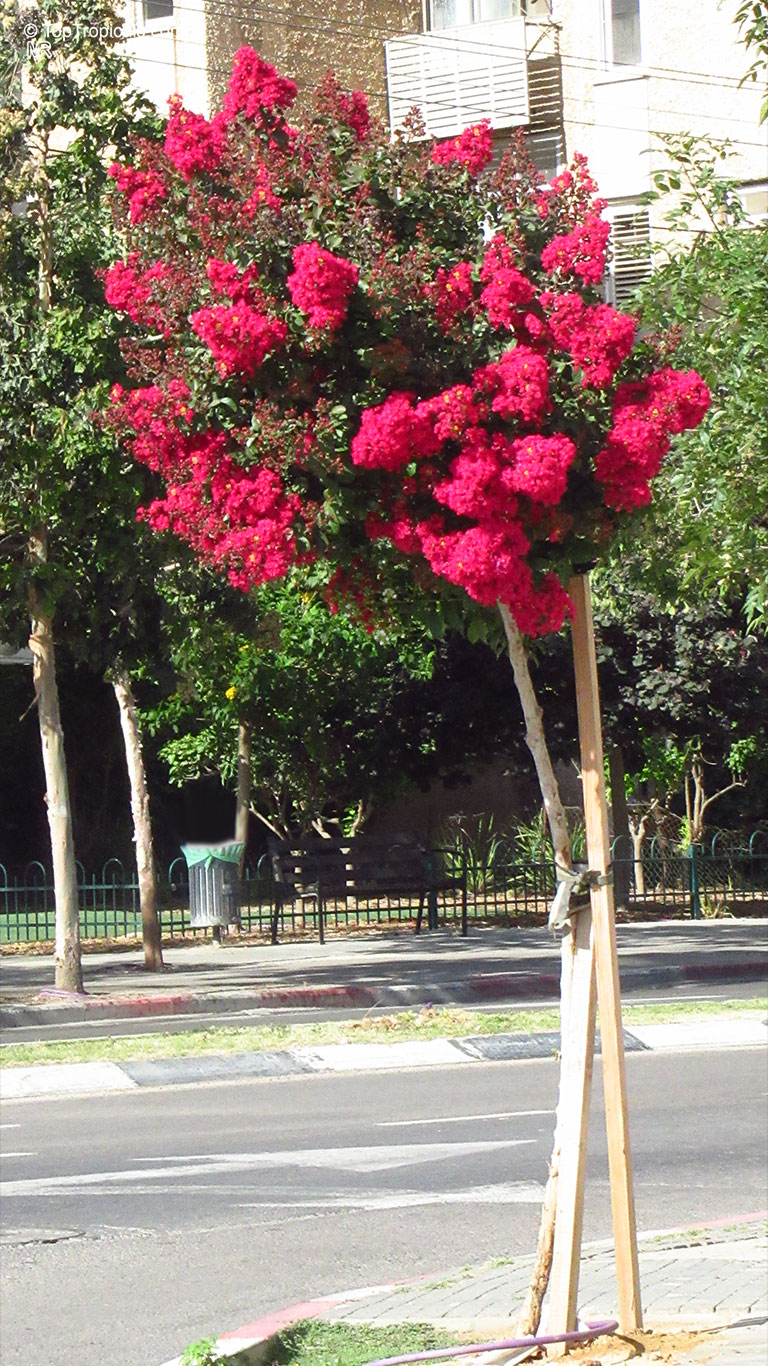
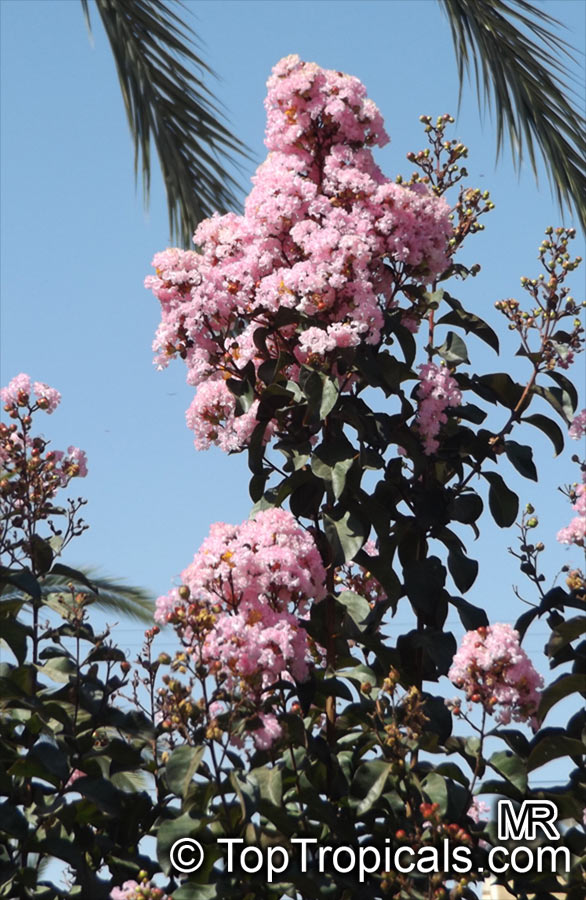
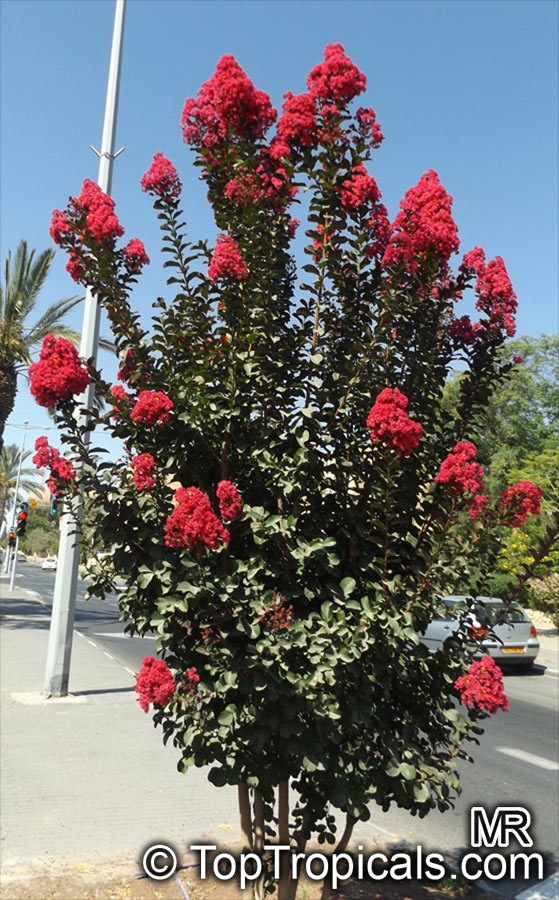
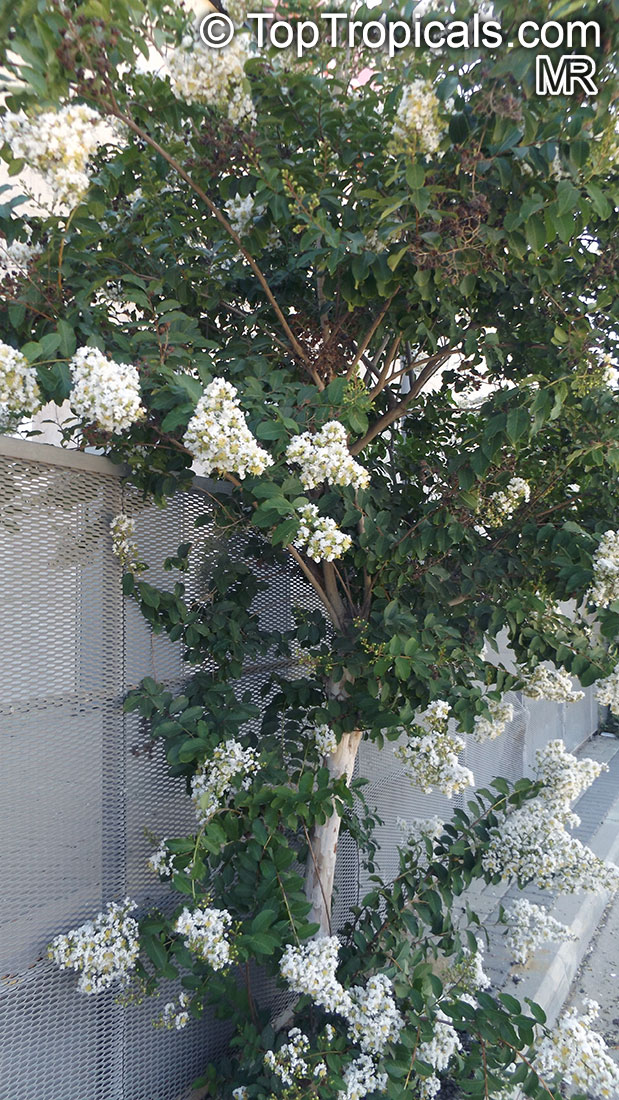
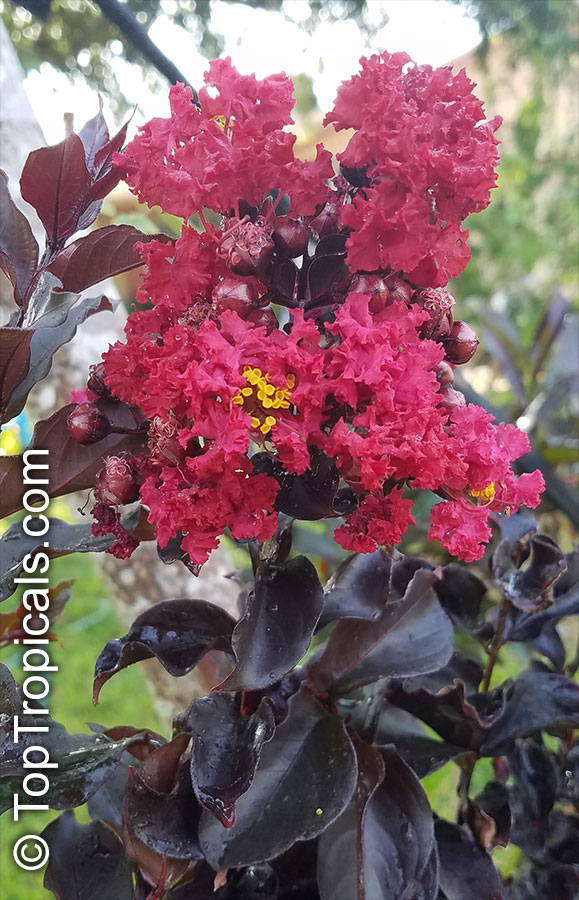
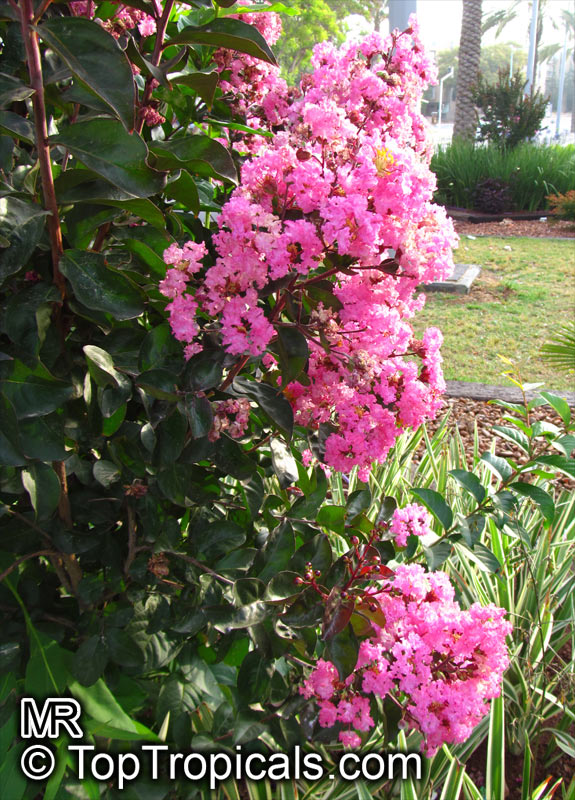
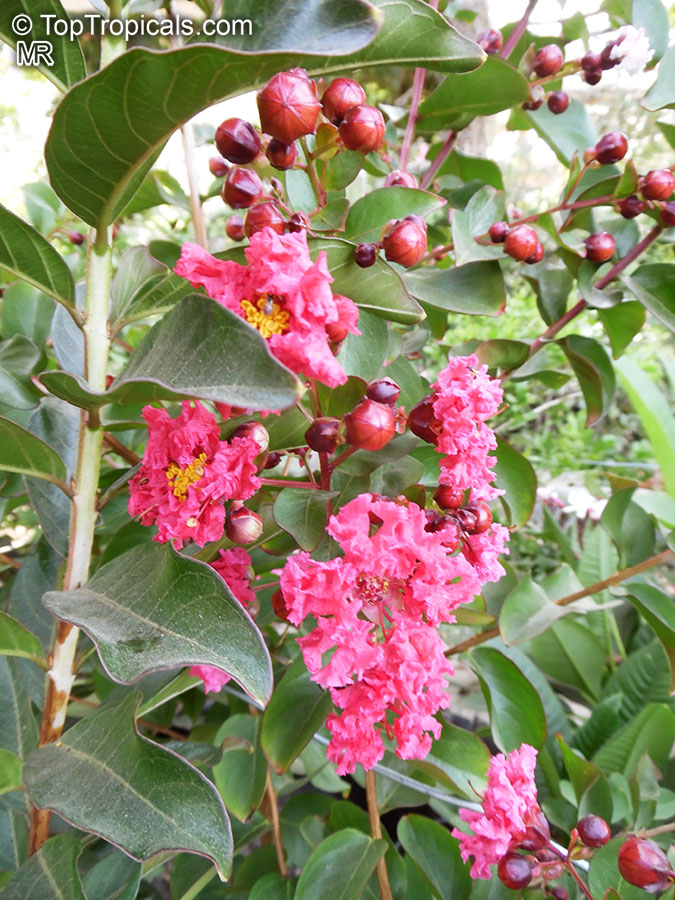
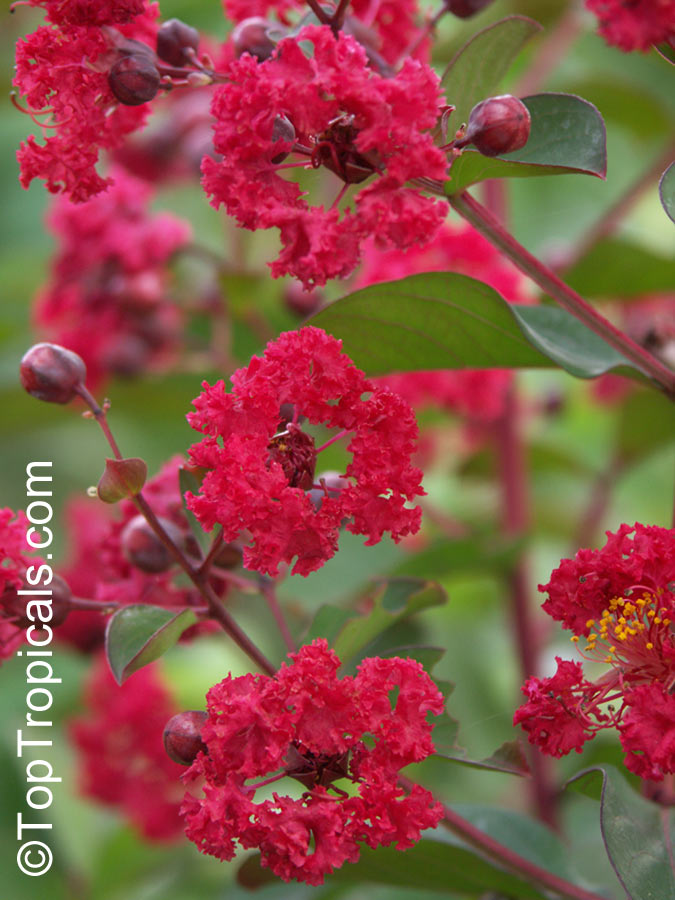
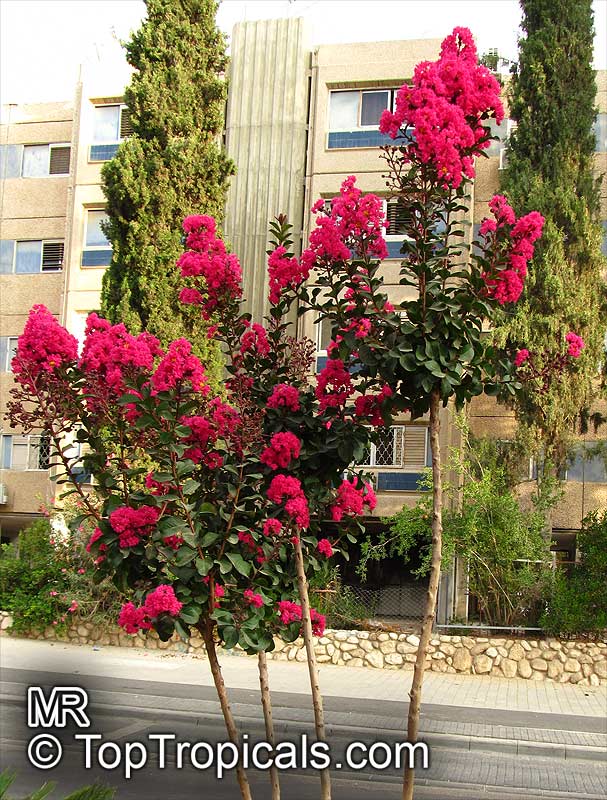
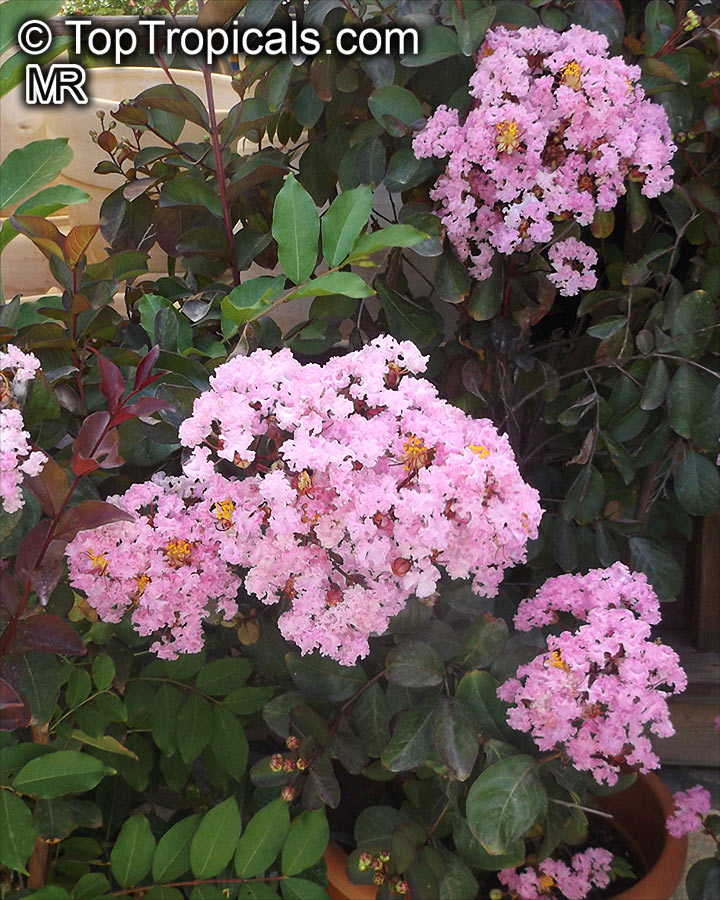
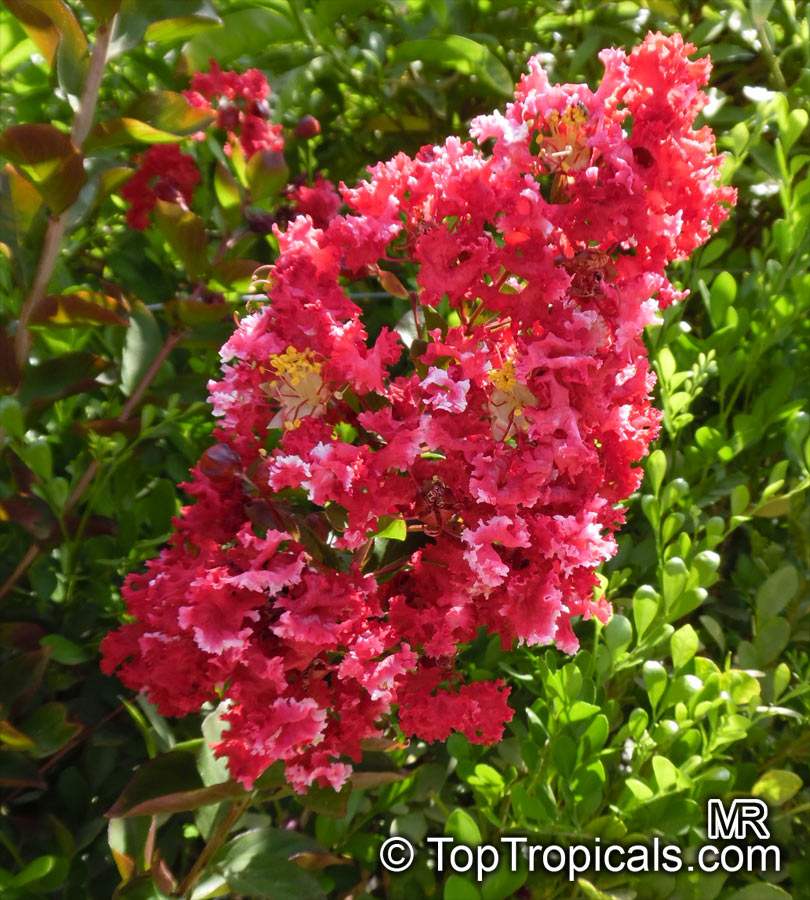
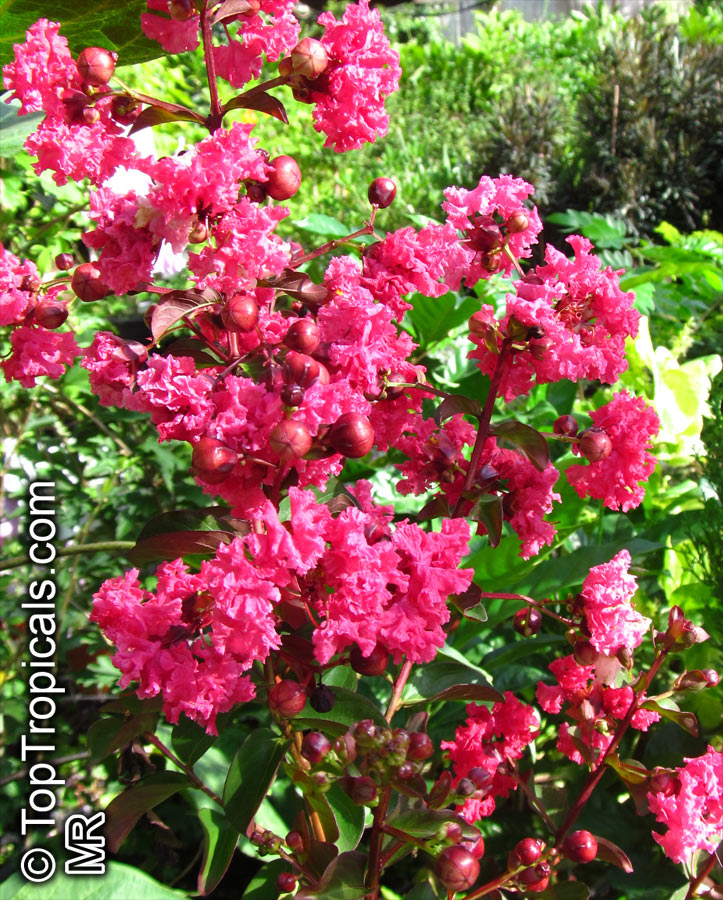
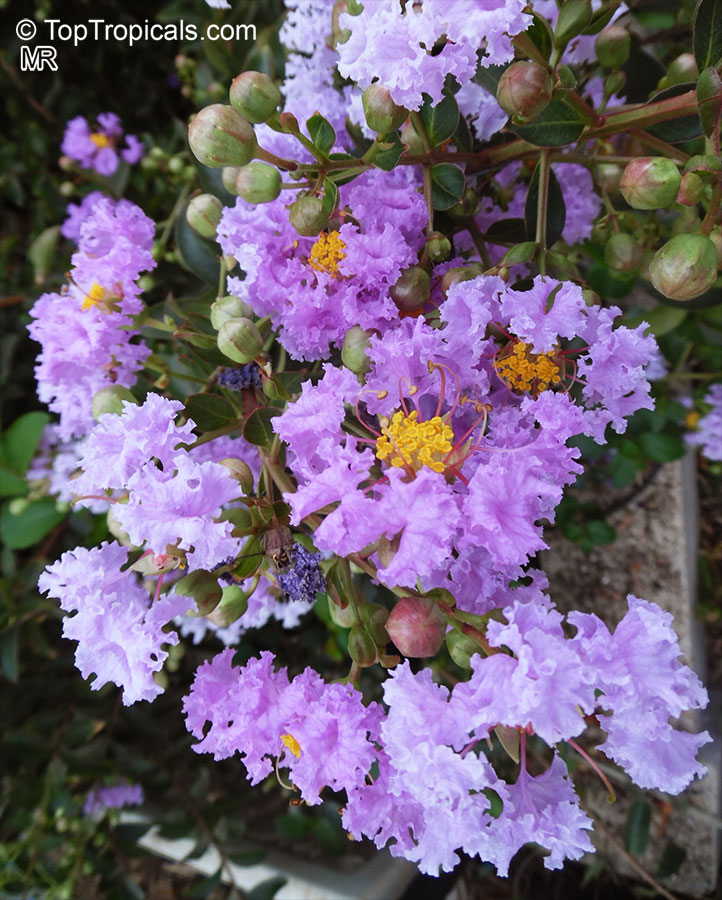
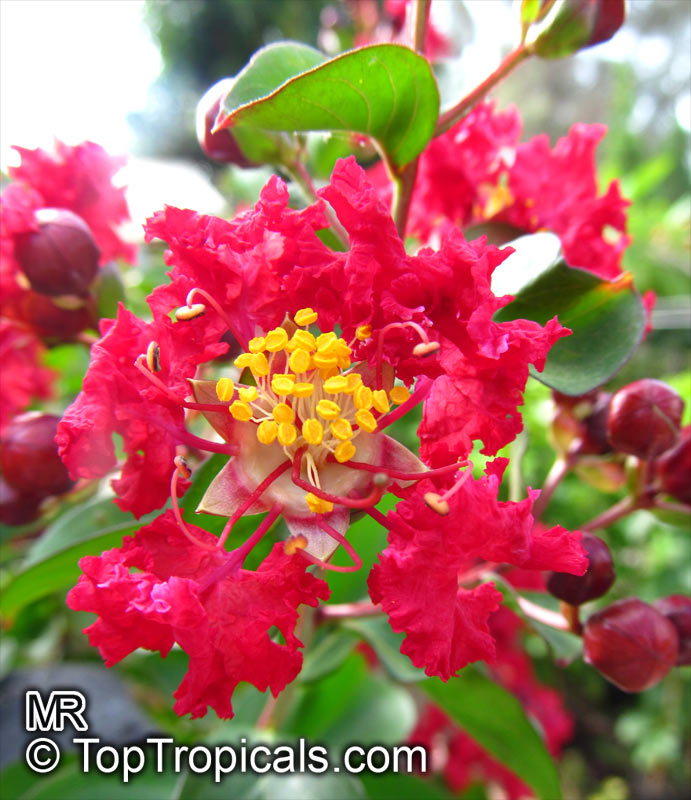
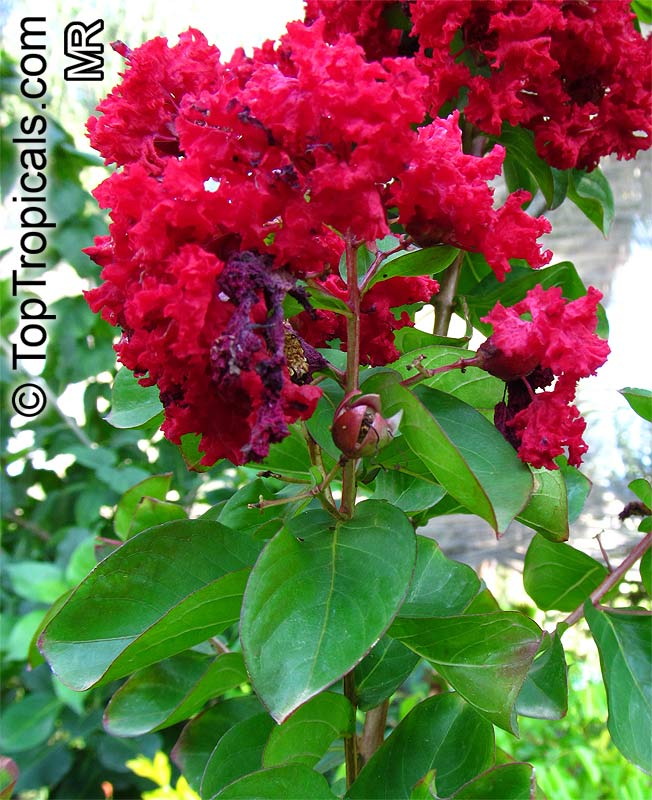
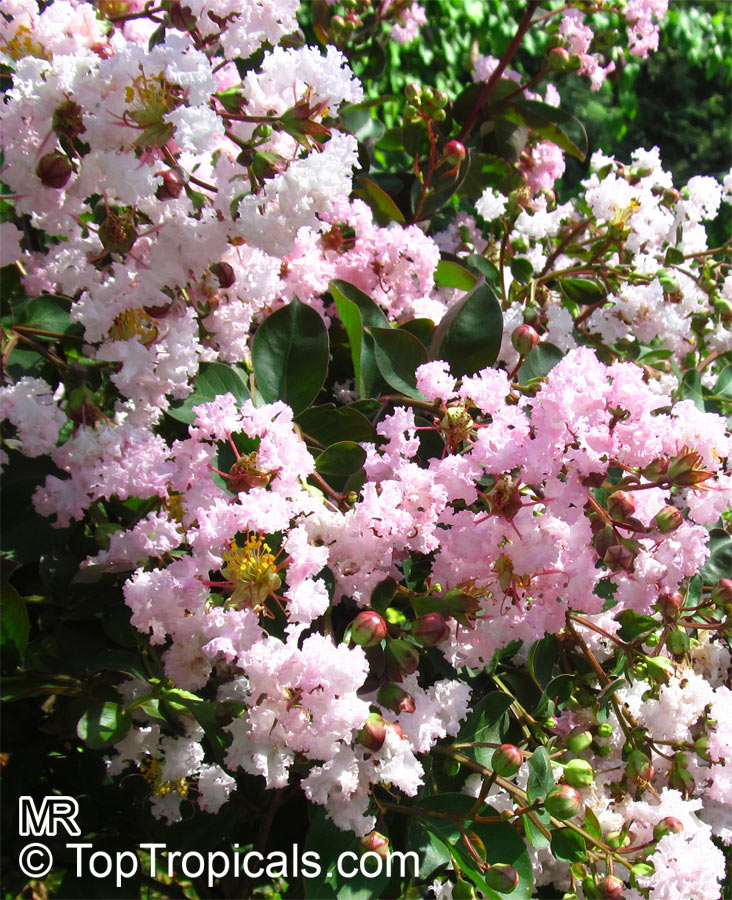
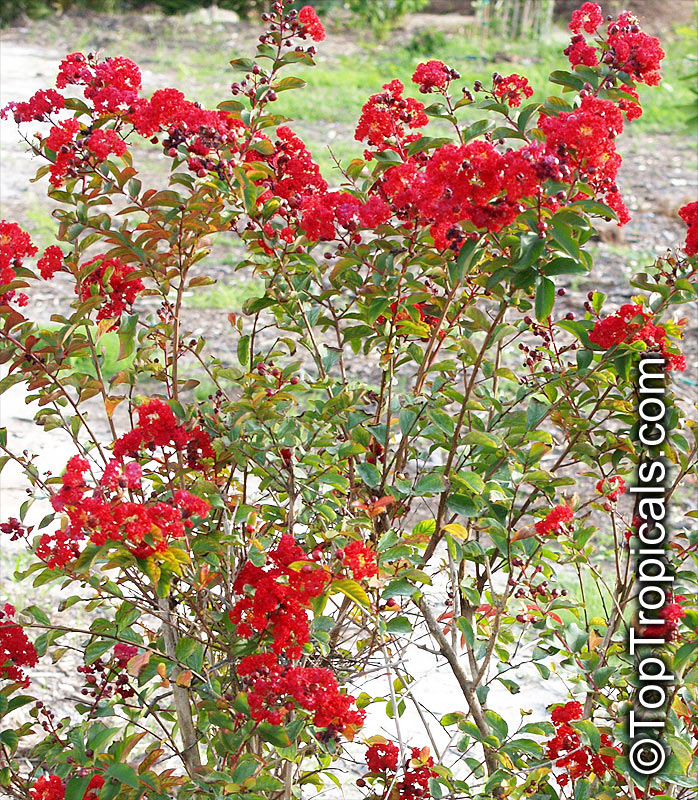
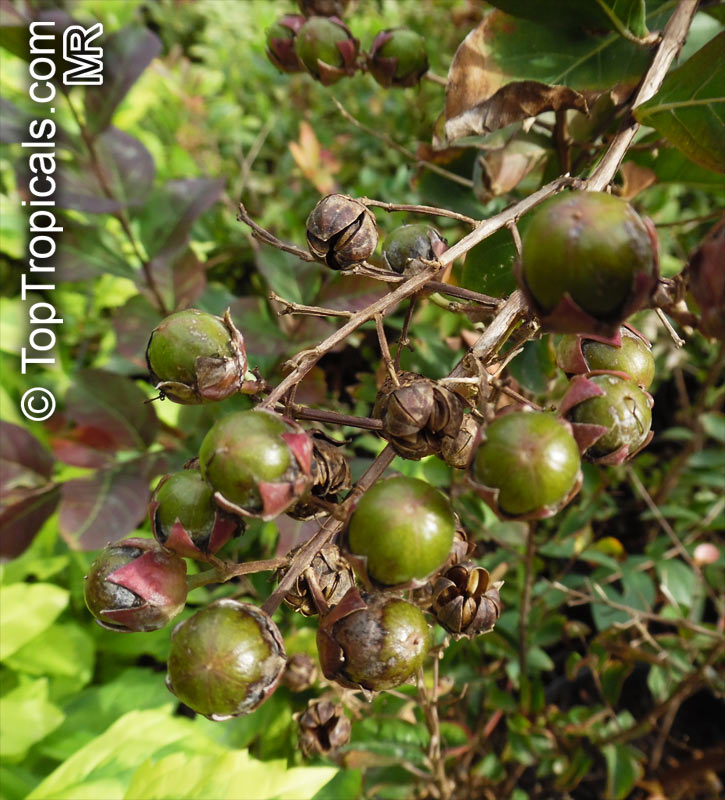
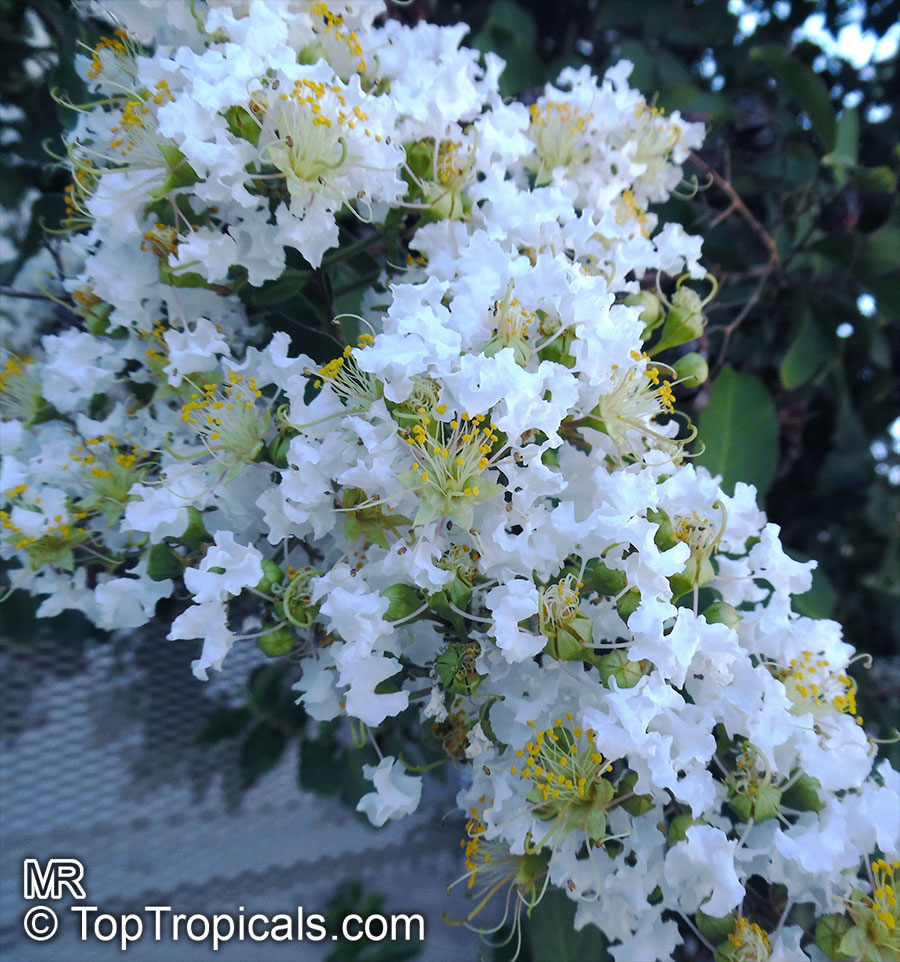
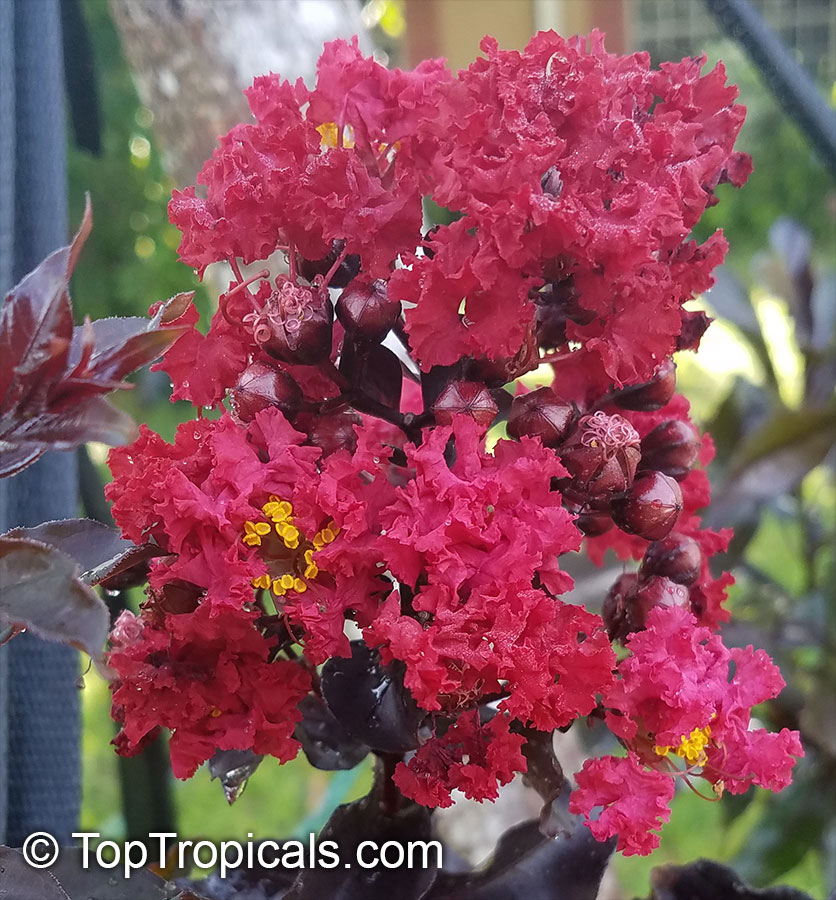
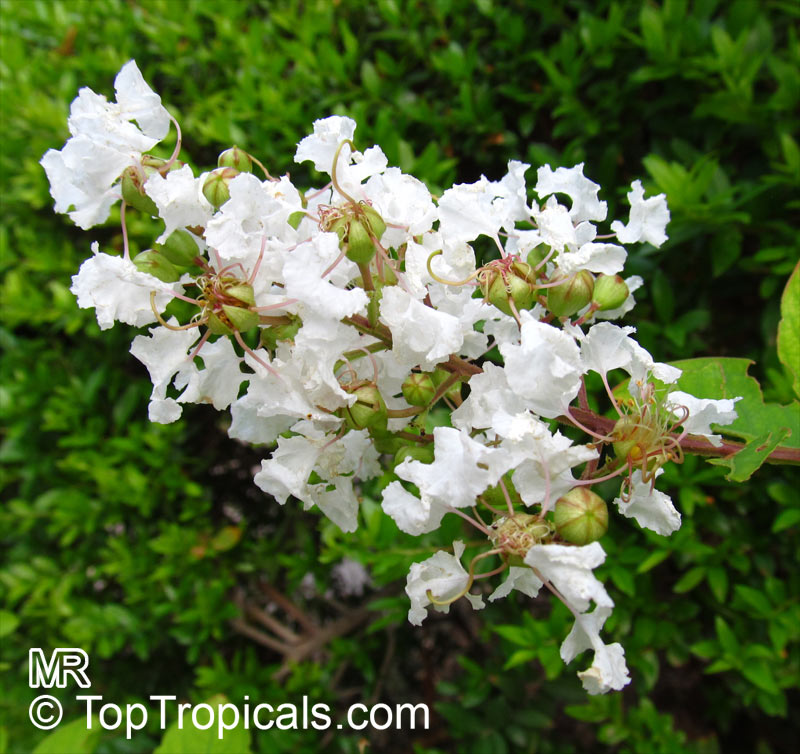
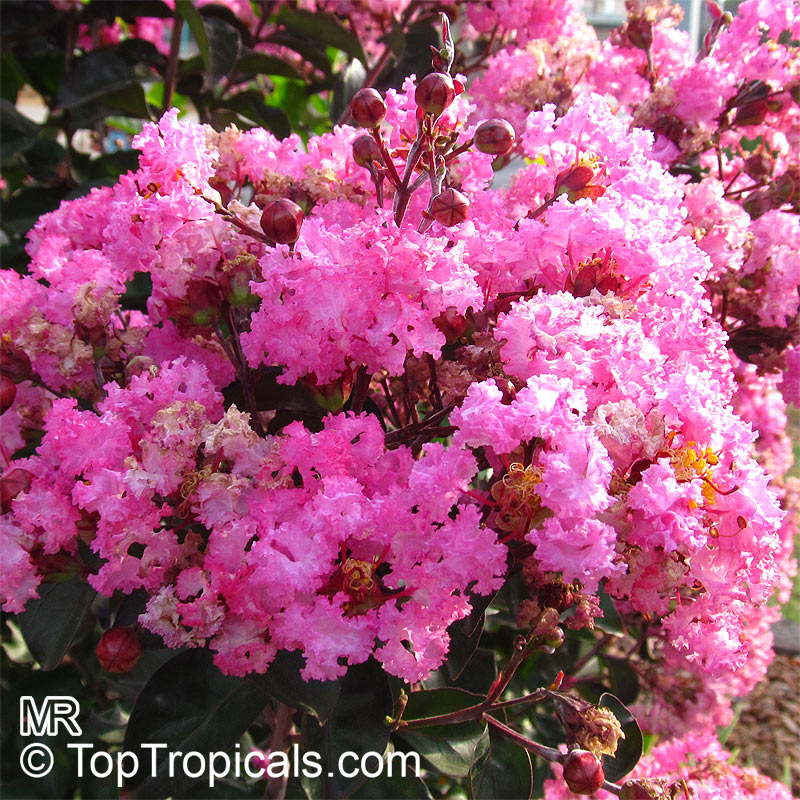
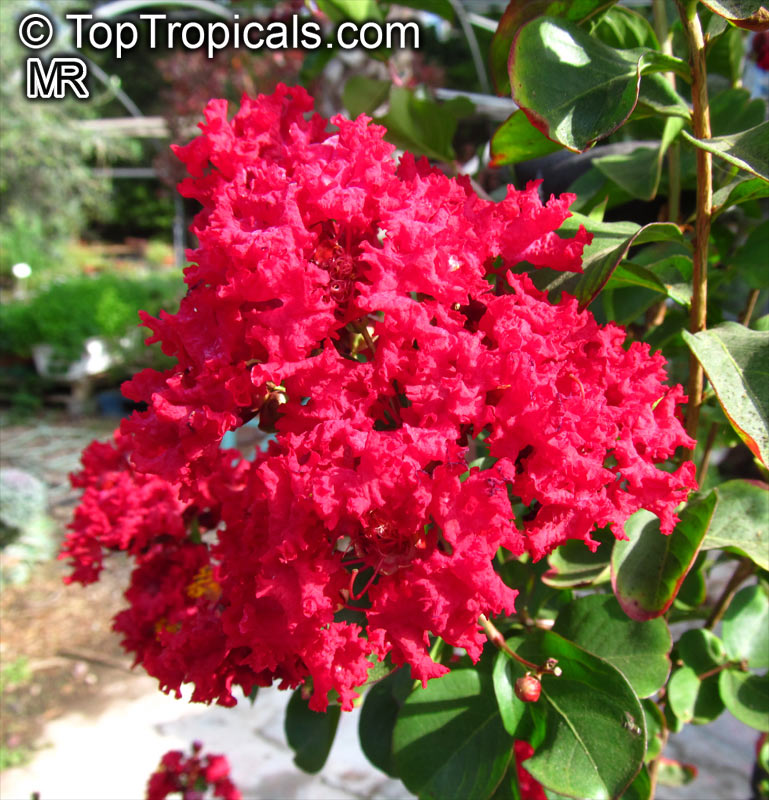
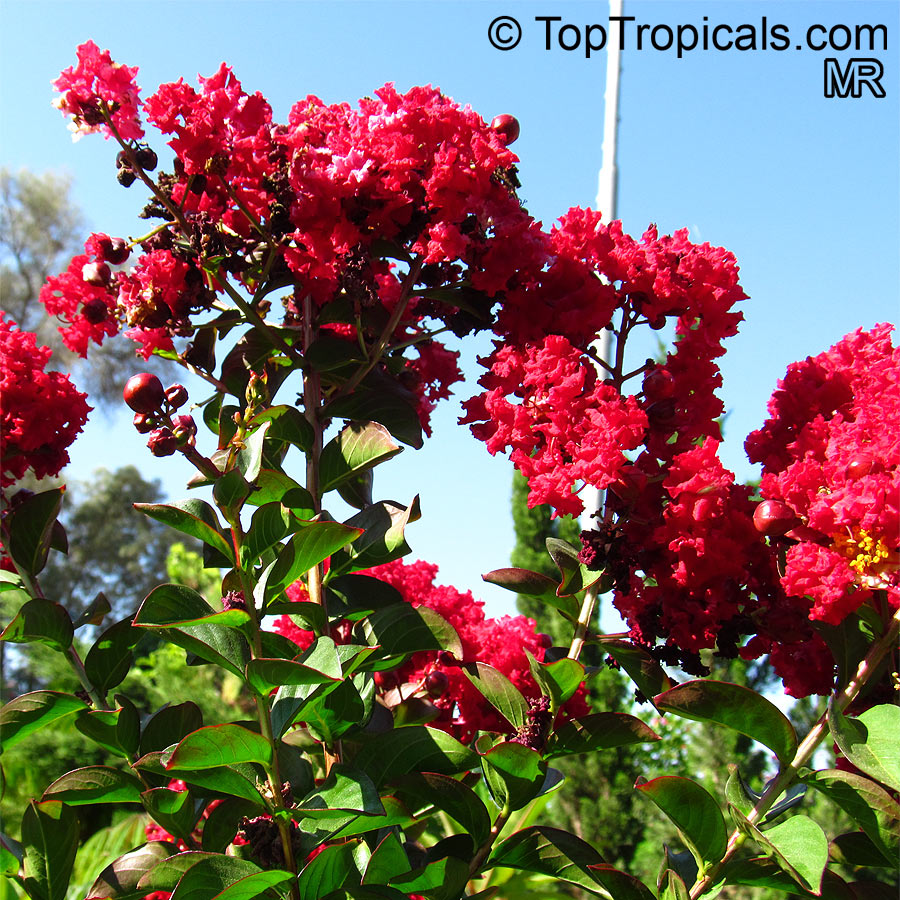
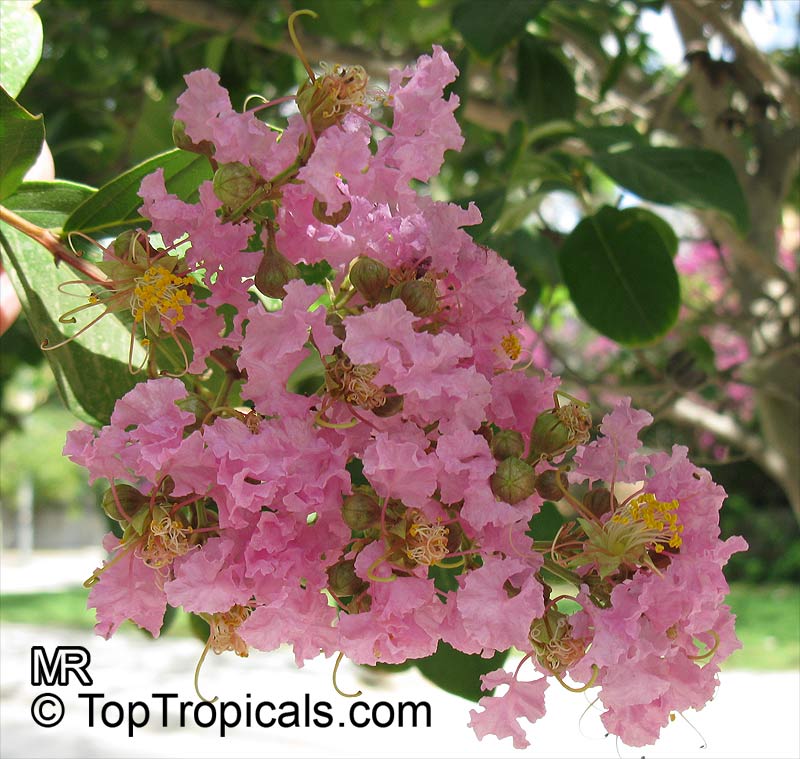
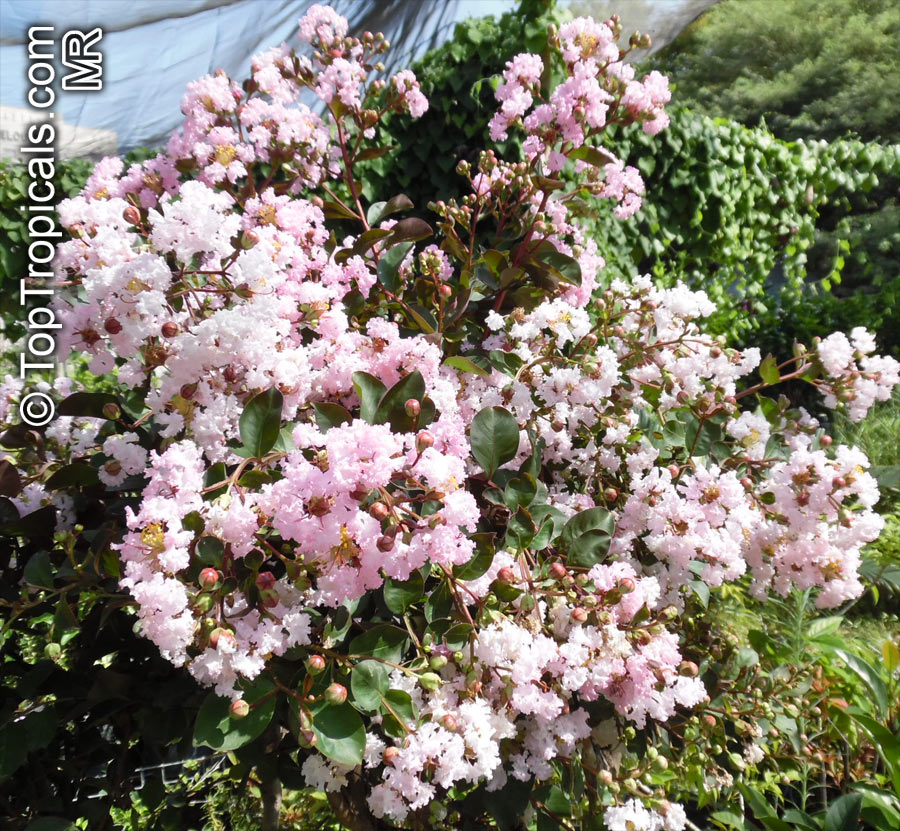
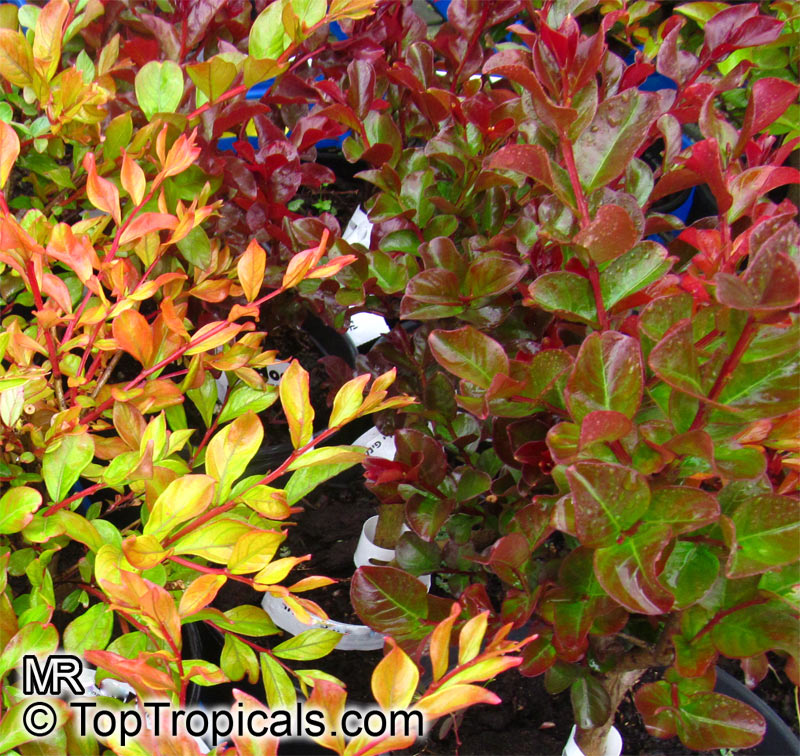
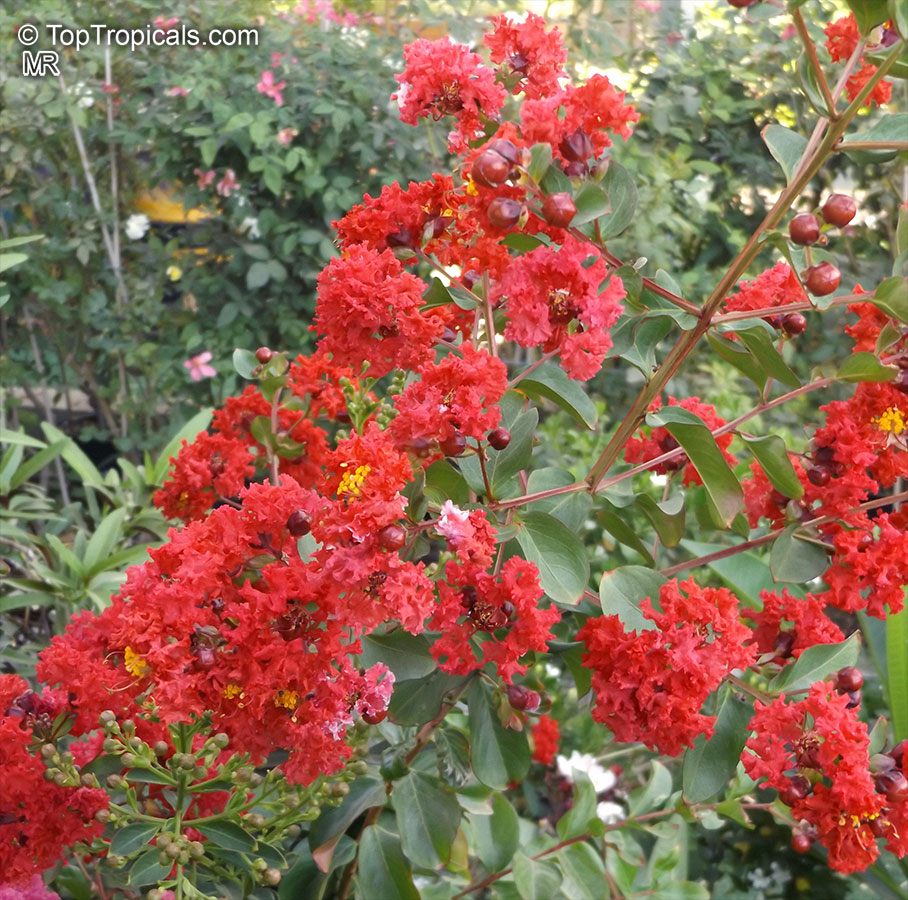
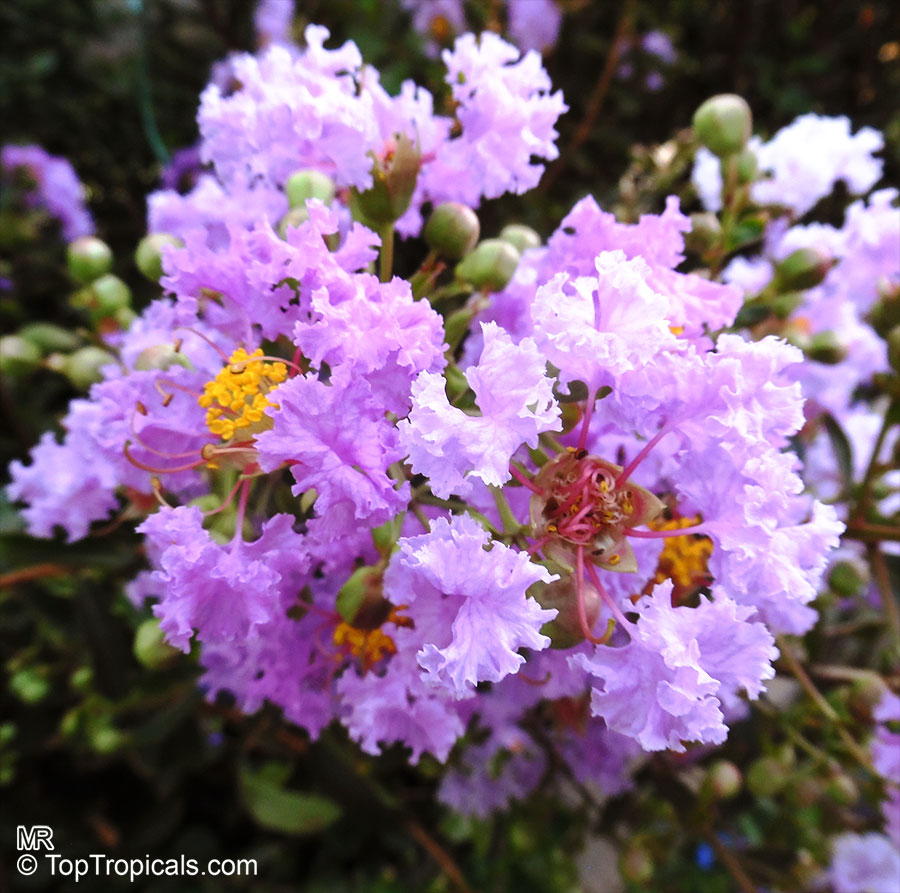
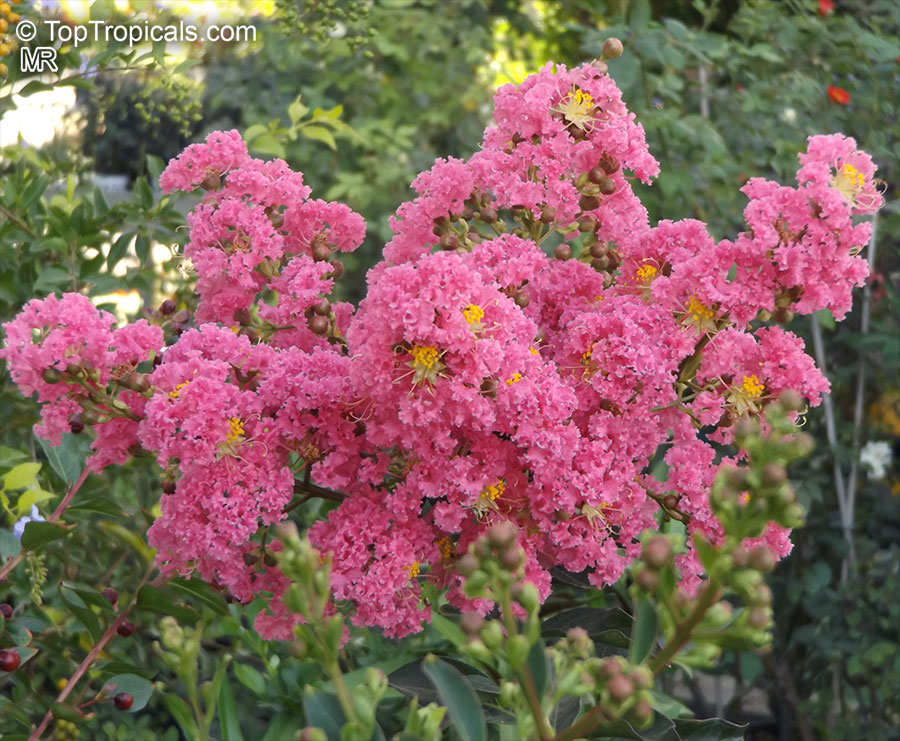
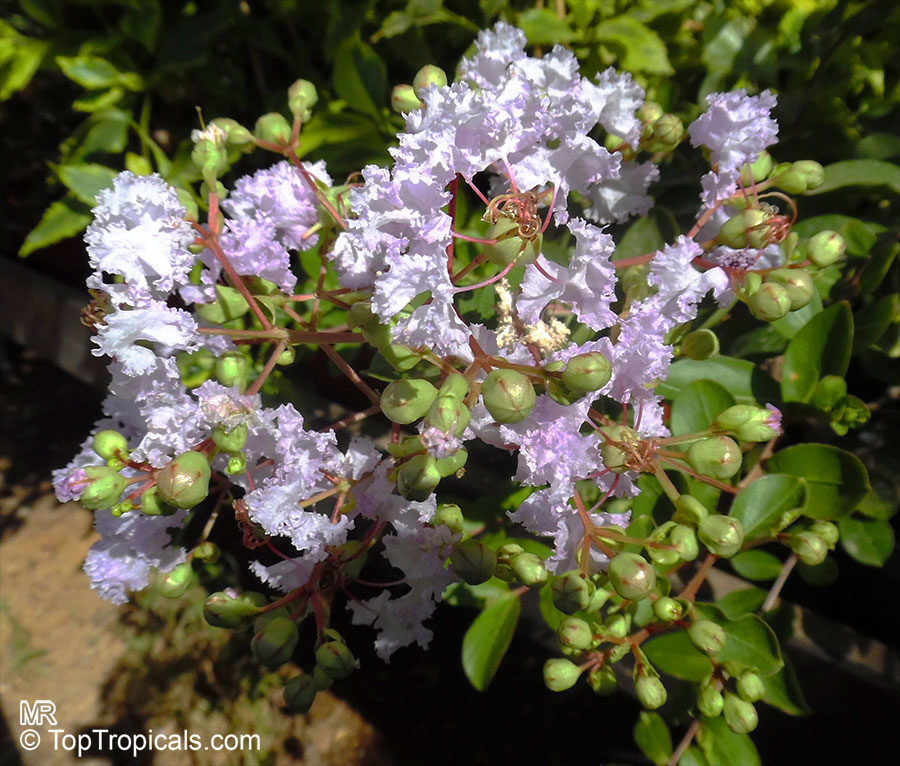
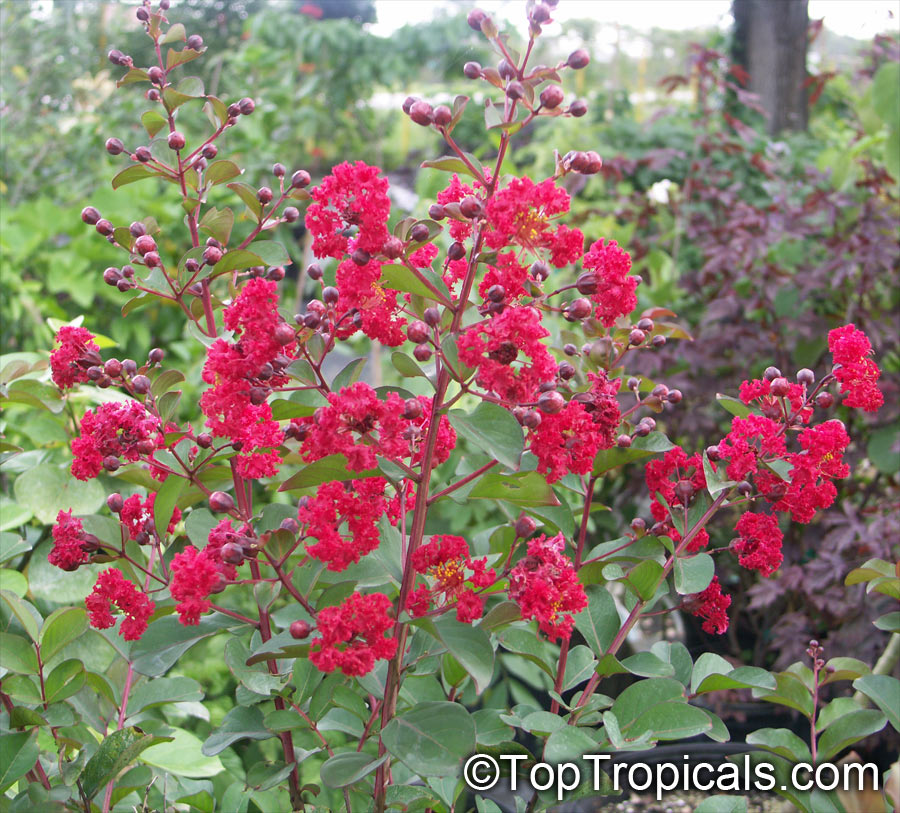
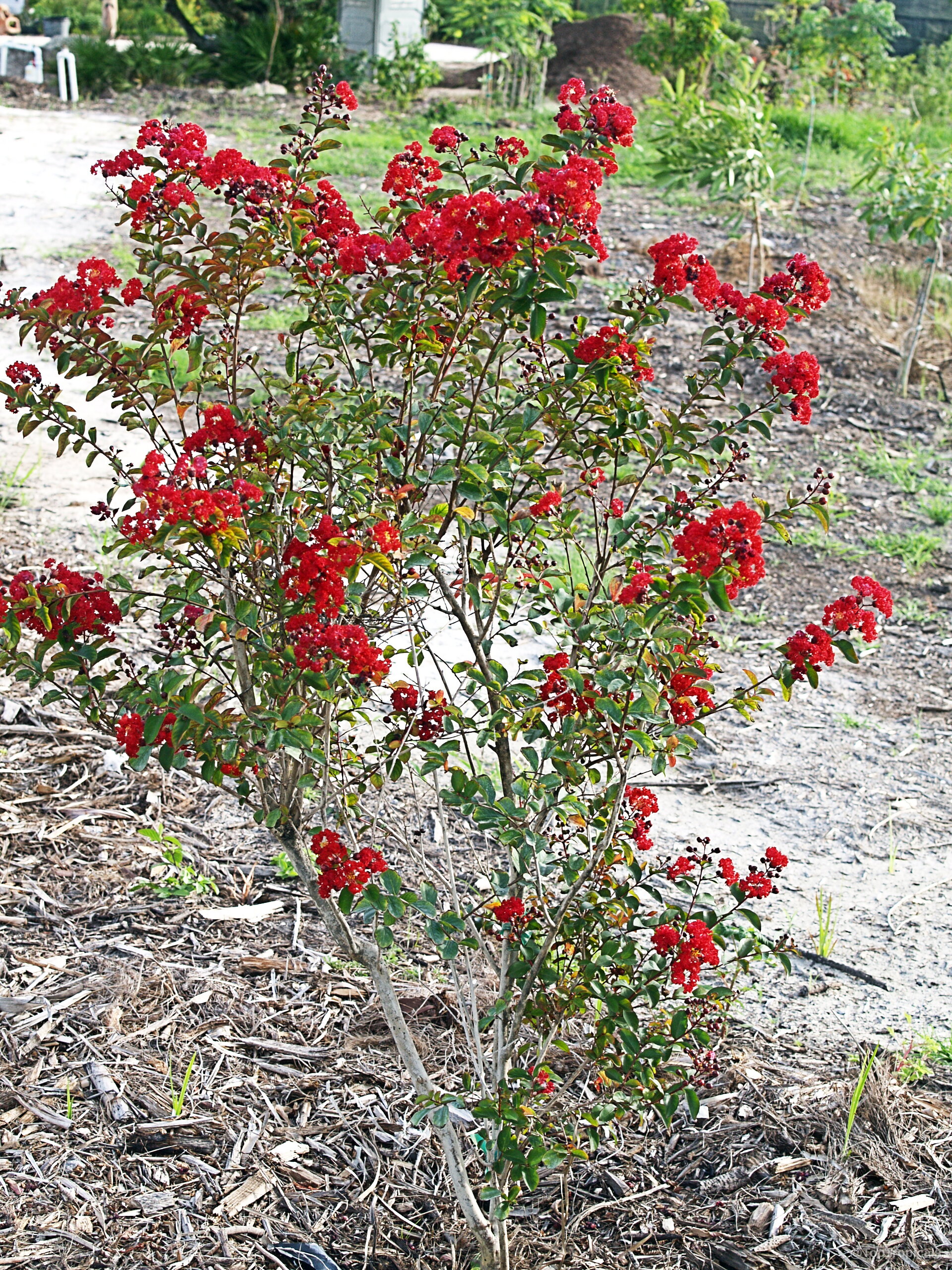
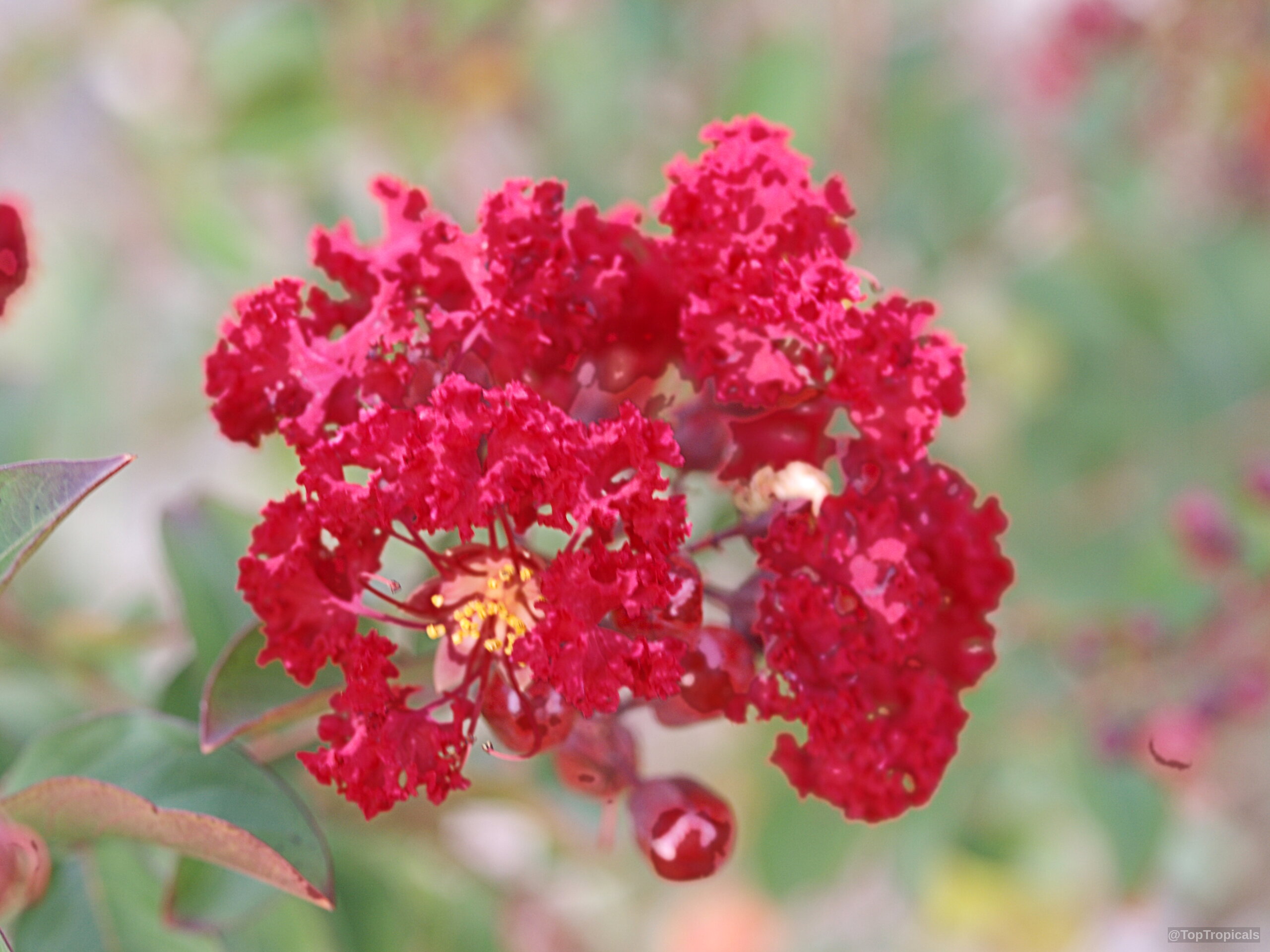
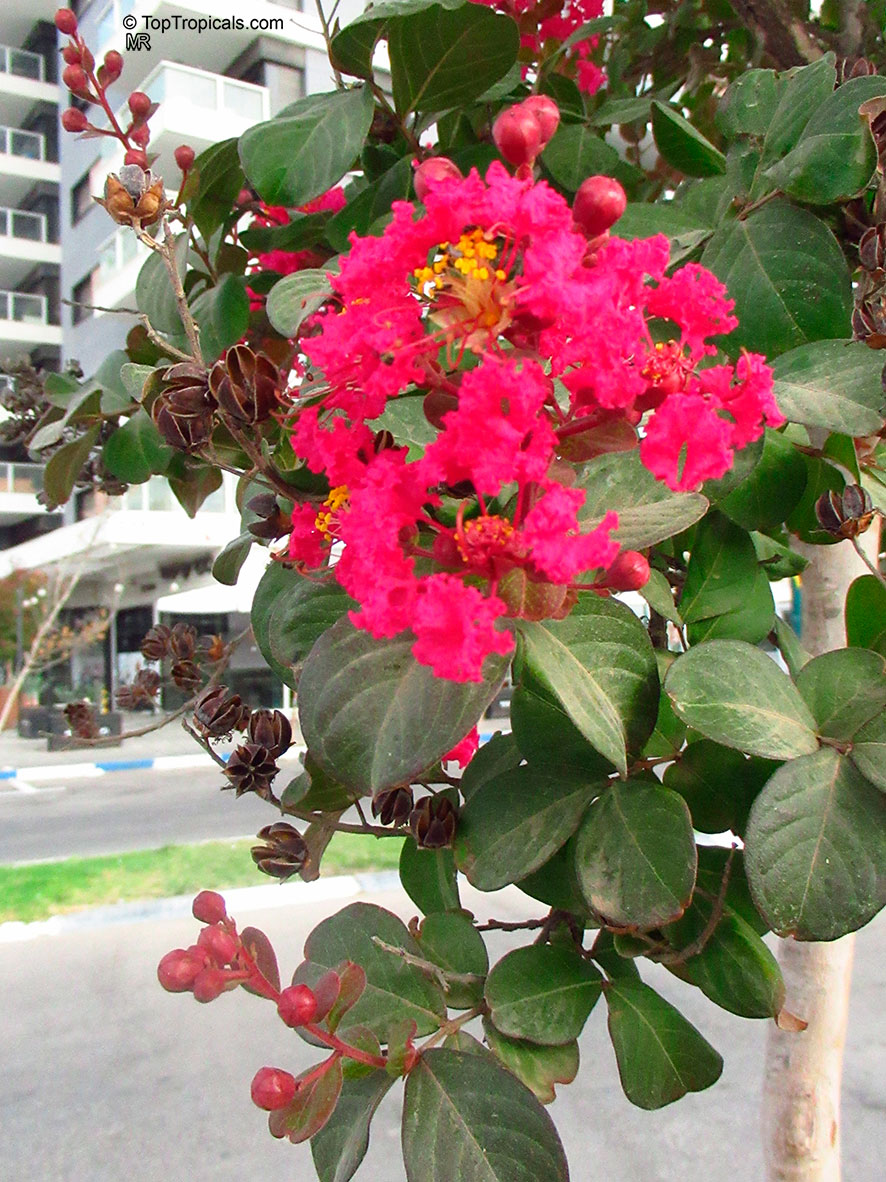
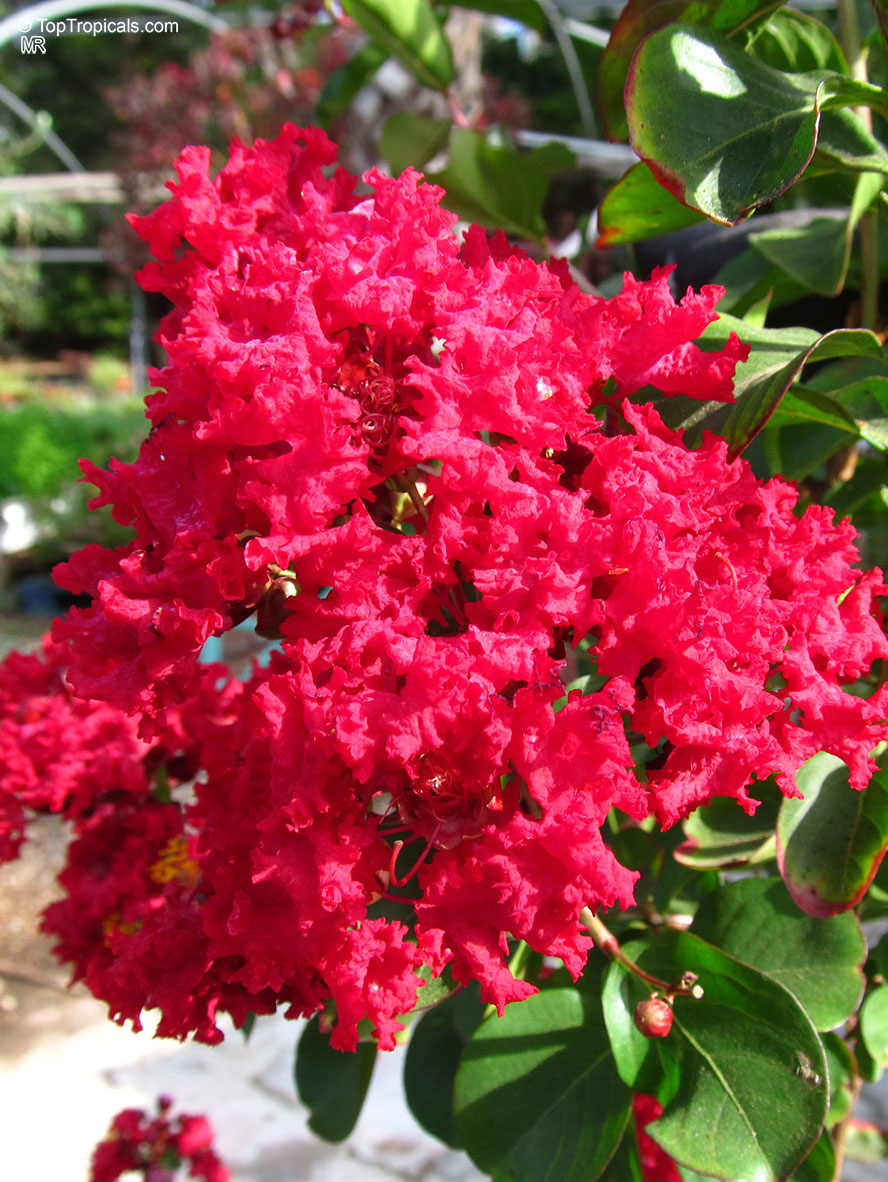
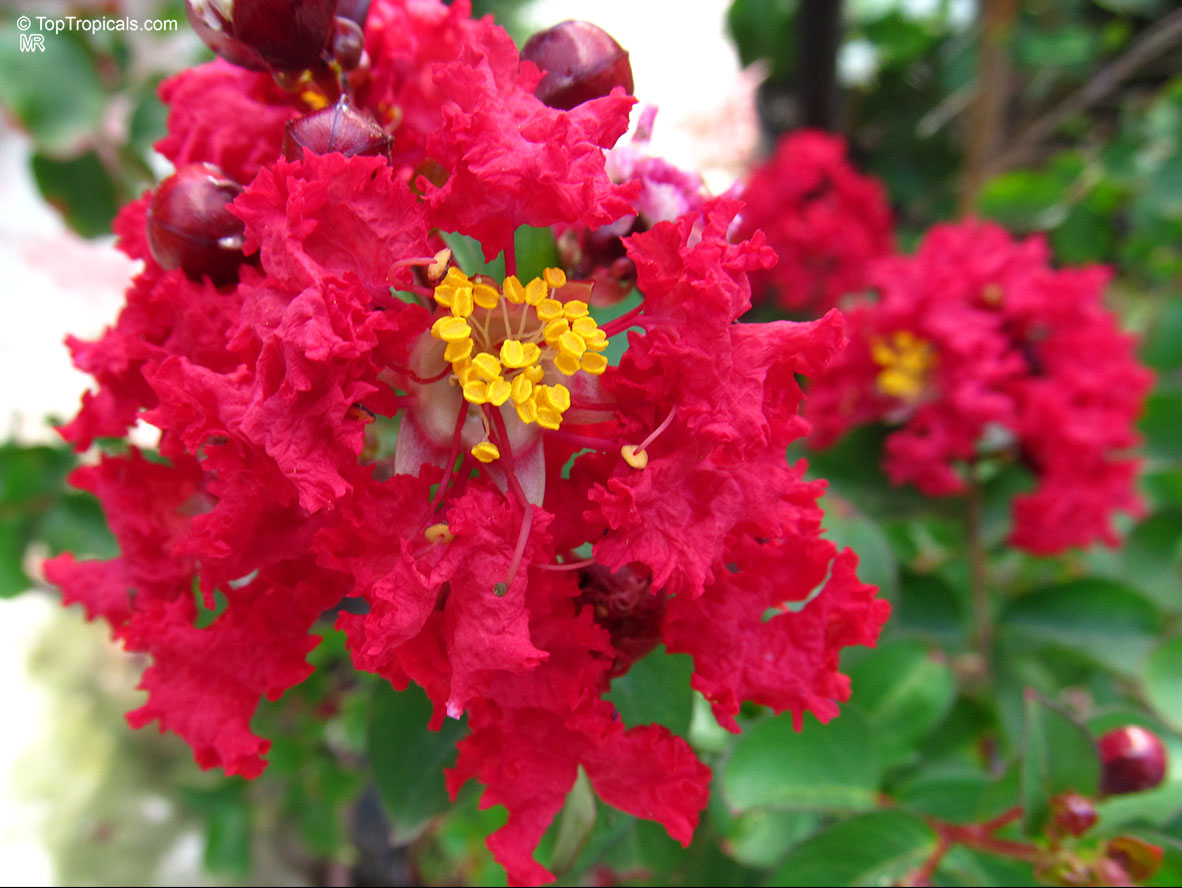
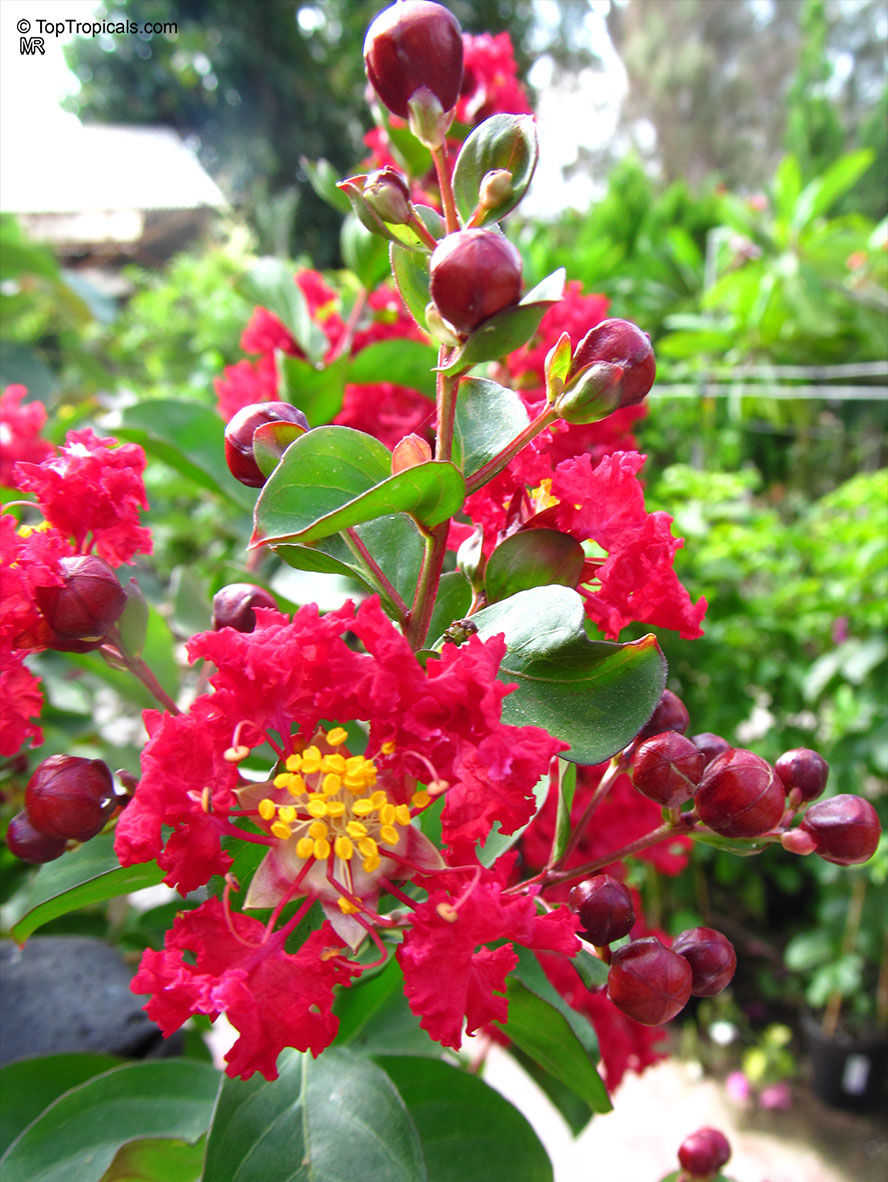
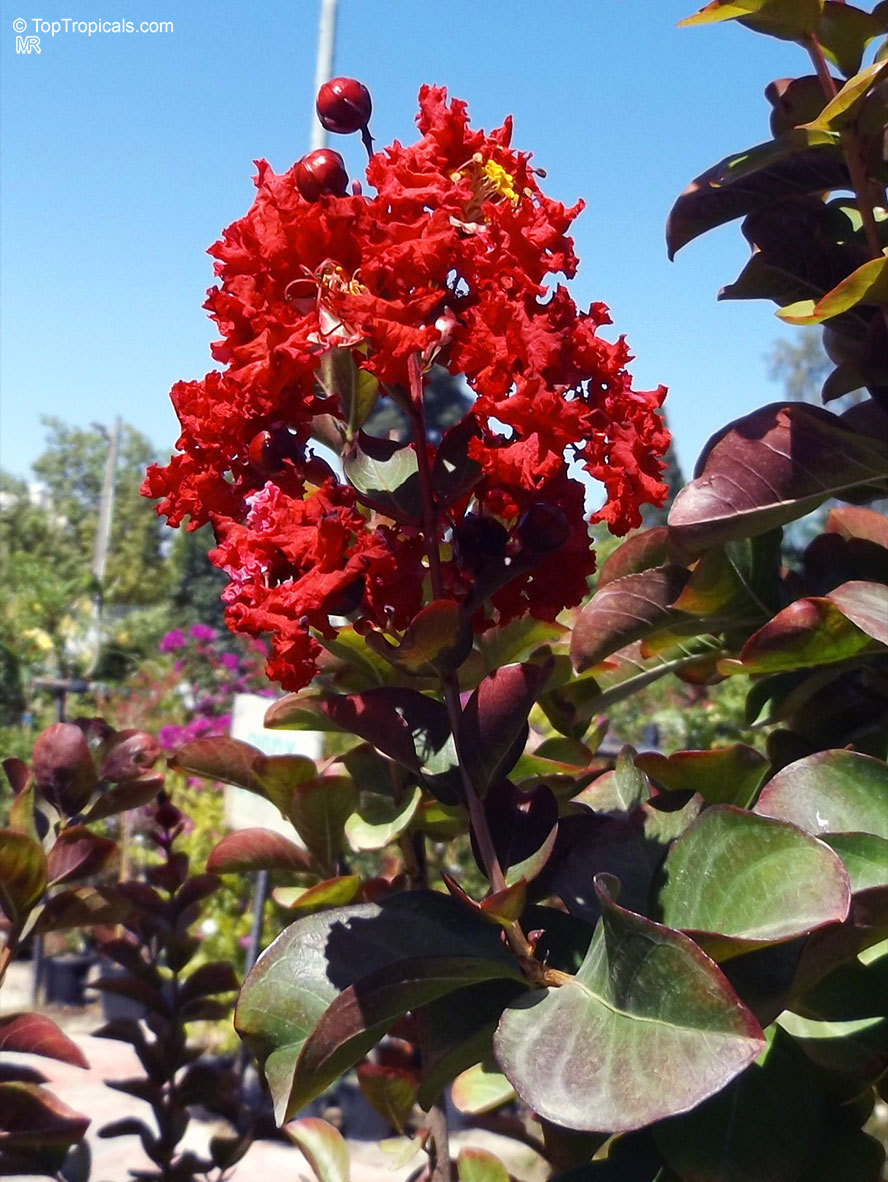
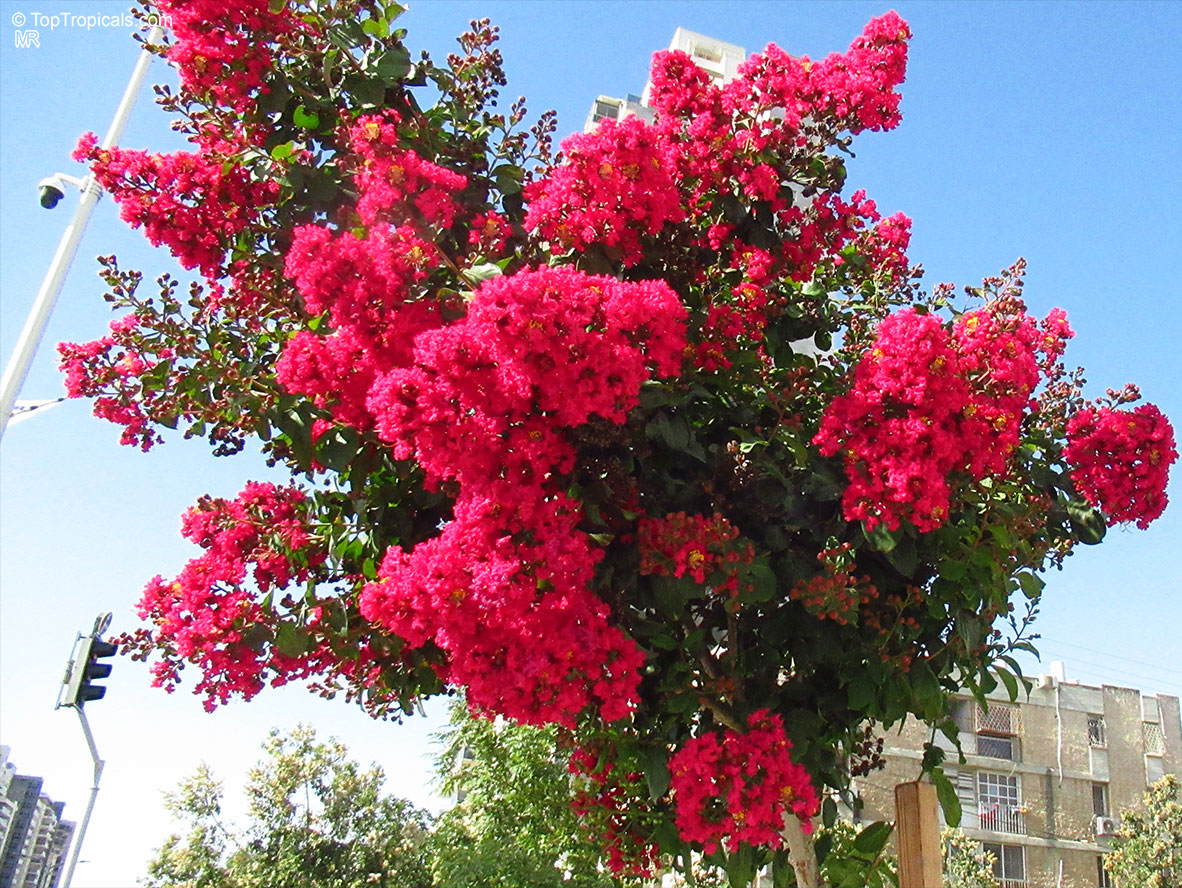
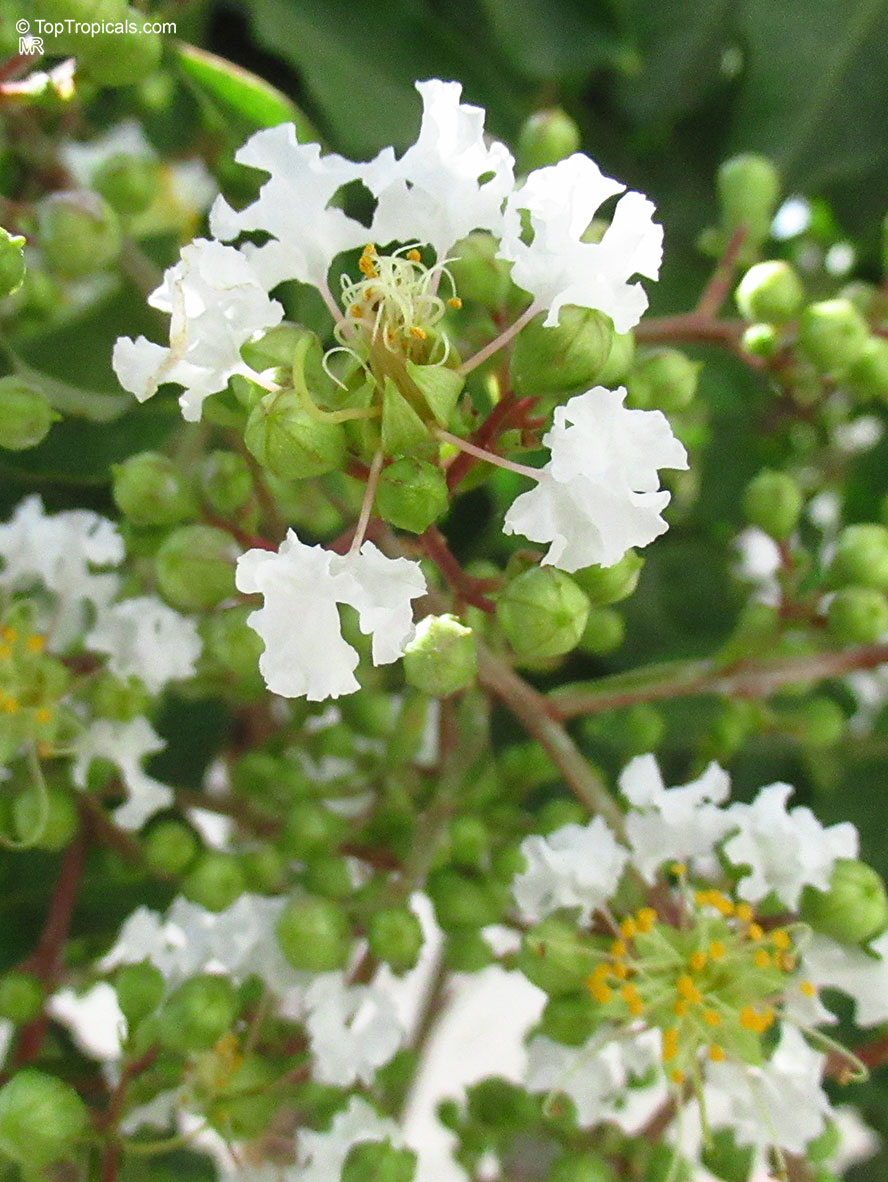
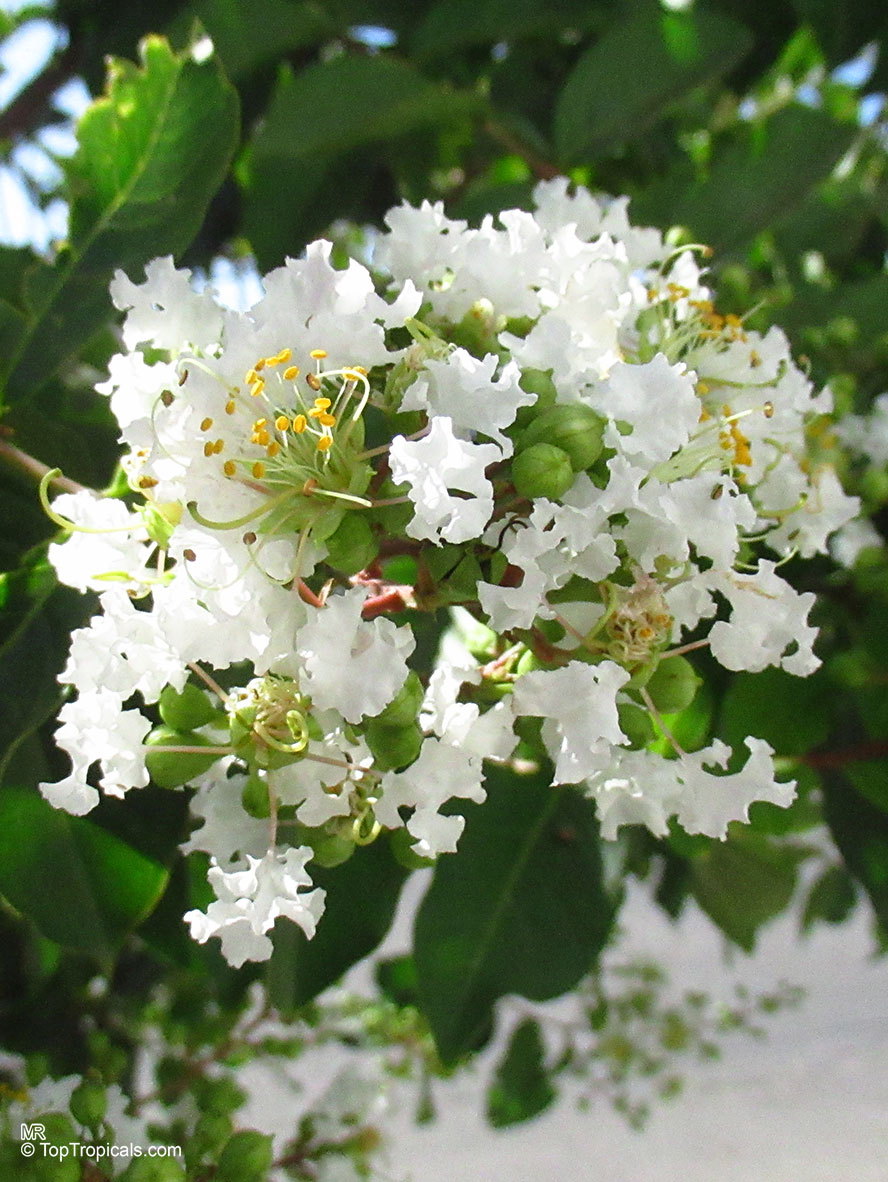
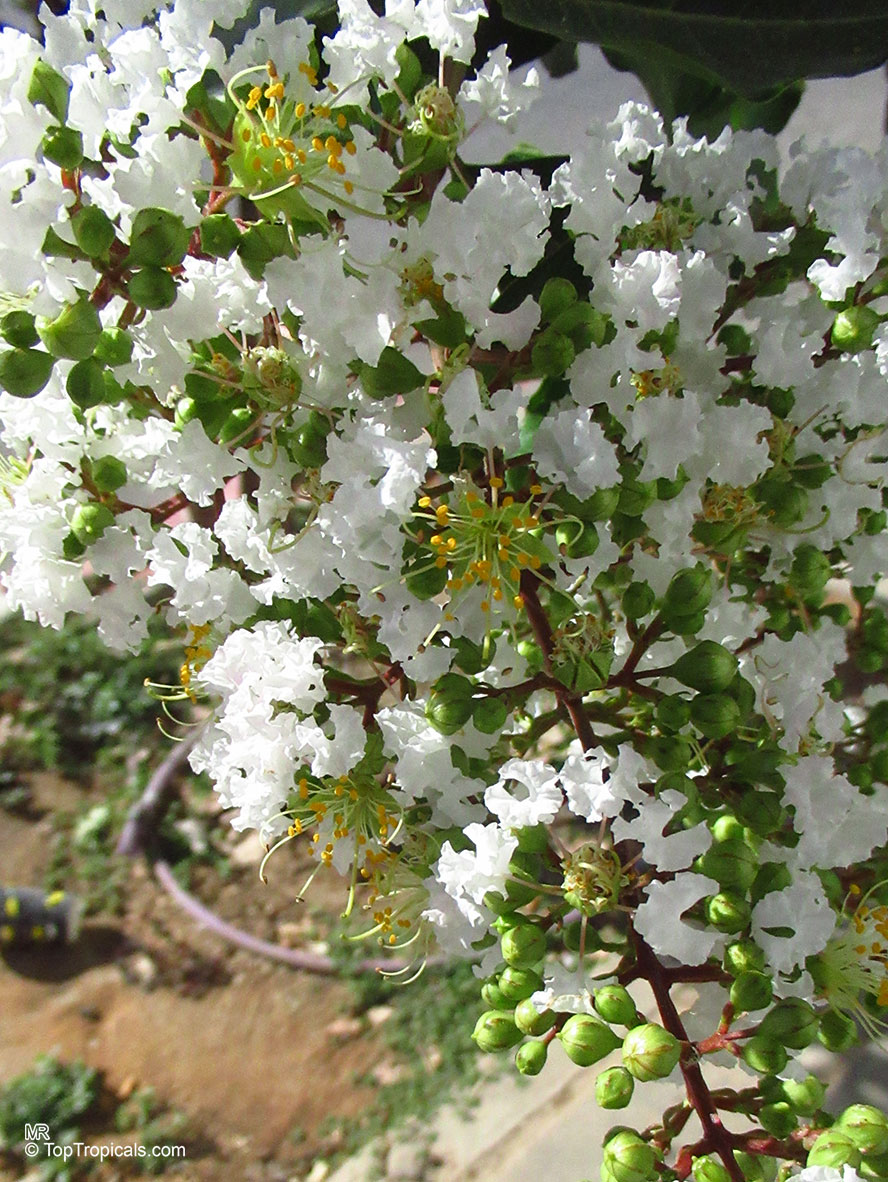
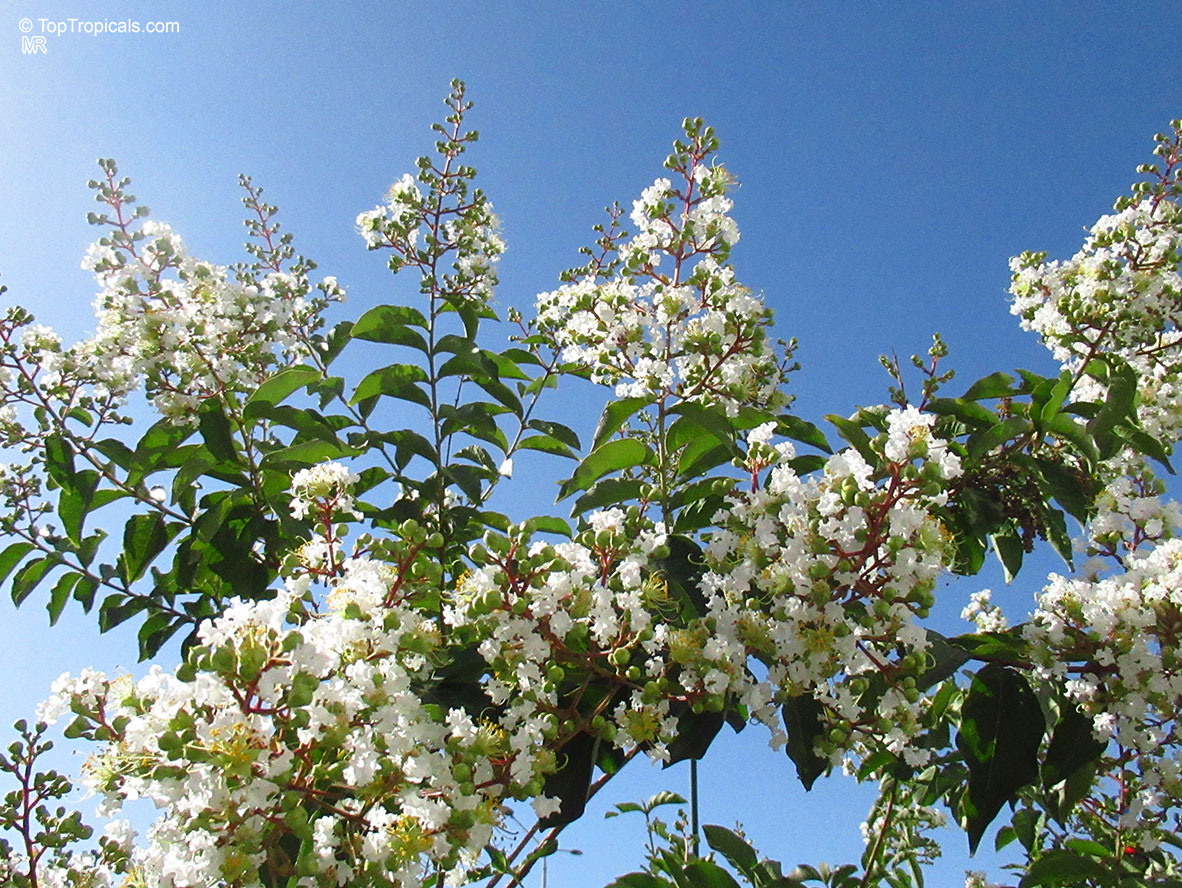
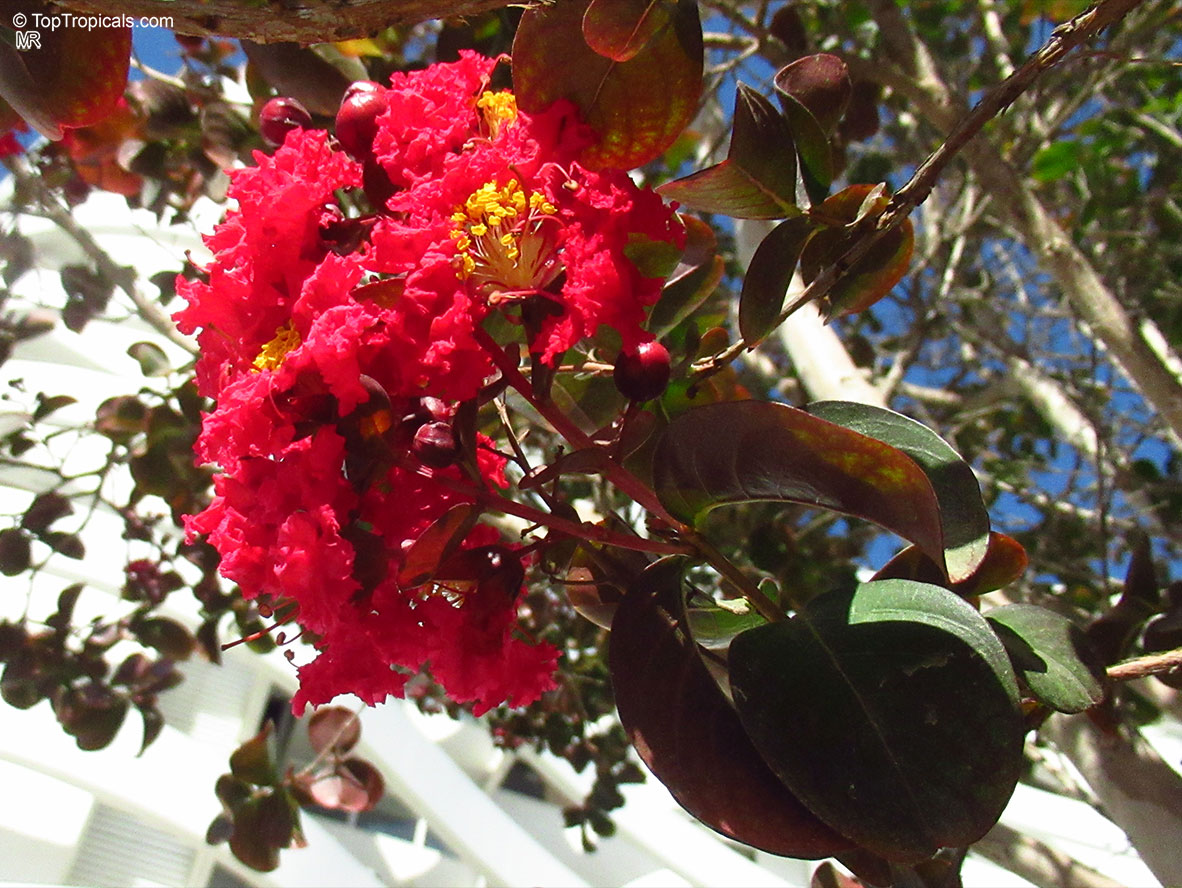
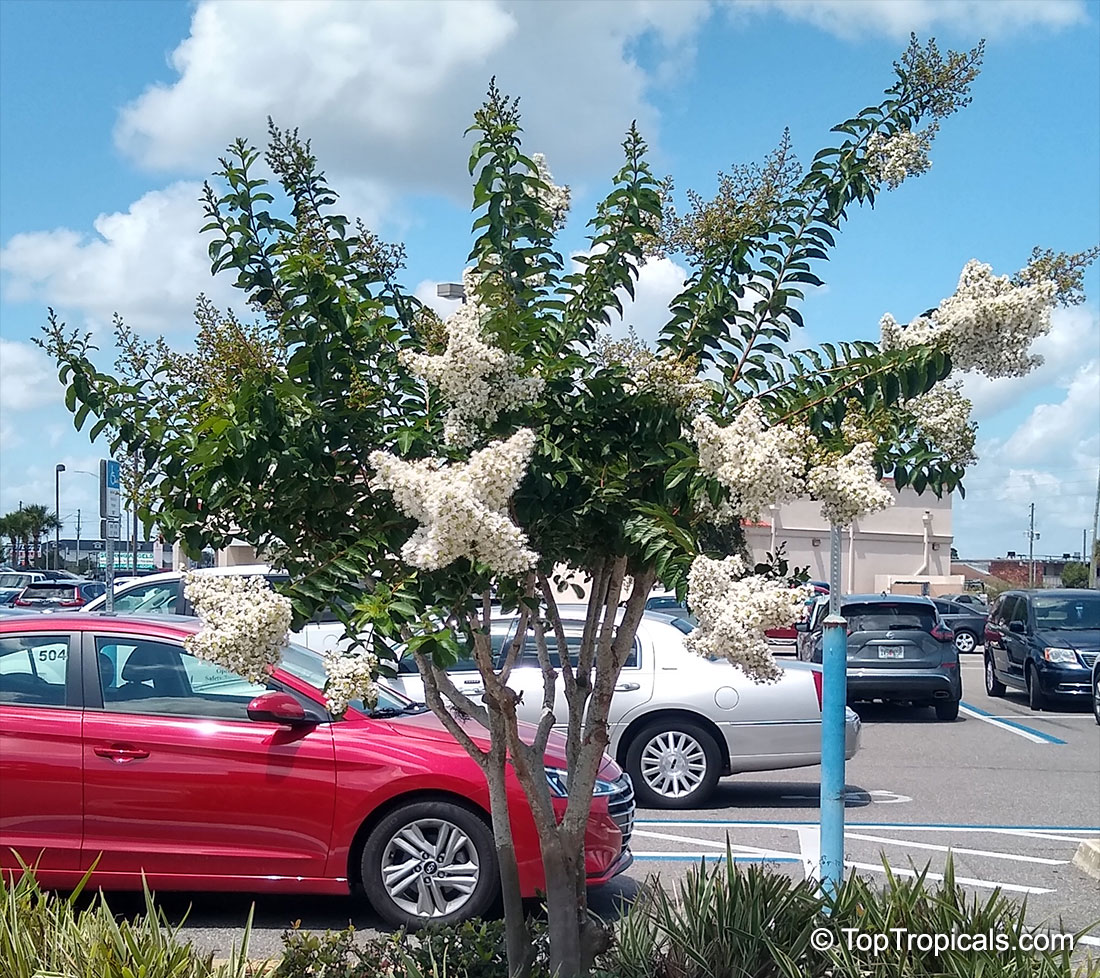
Lagerstroemia indica (Crape Myrtle) is a large shrub that can grow up to 5-10 feet tall, or a small tree that can reach between 10-20 feet in height. It is native to Australia, Asia and the Pacific. This deciduous plant is a great choice for gardens as it blooms for a long period of time, from 3-4 month and the profuse flowering begins even when the plant is very small. The flowers come in shades of white, off-white, pink, blue, lavender, purple, red and crimson and have a light but sweet fragrance. They also attract hummingbirds and butterflies, making them an eye-catching addition to any garden.
This shrub prefers full sun and regular watering to really thrive. In USDA Zone 7-10. The plant is also tolerant of seaside and salt conditions, making it suitable to grow even in seaside gardens.
When growing Crape Myrtle in a pot, or in cooler climates, there are a few precautions that one should take. The pot should be well-draining and the soil should contain plenty of organic matter to keep it moist. In addition, the plant should be protected from strong winds and some shade should be provided during the hottest parts of the day.
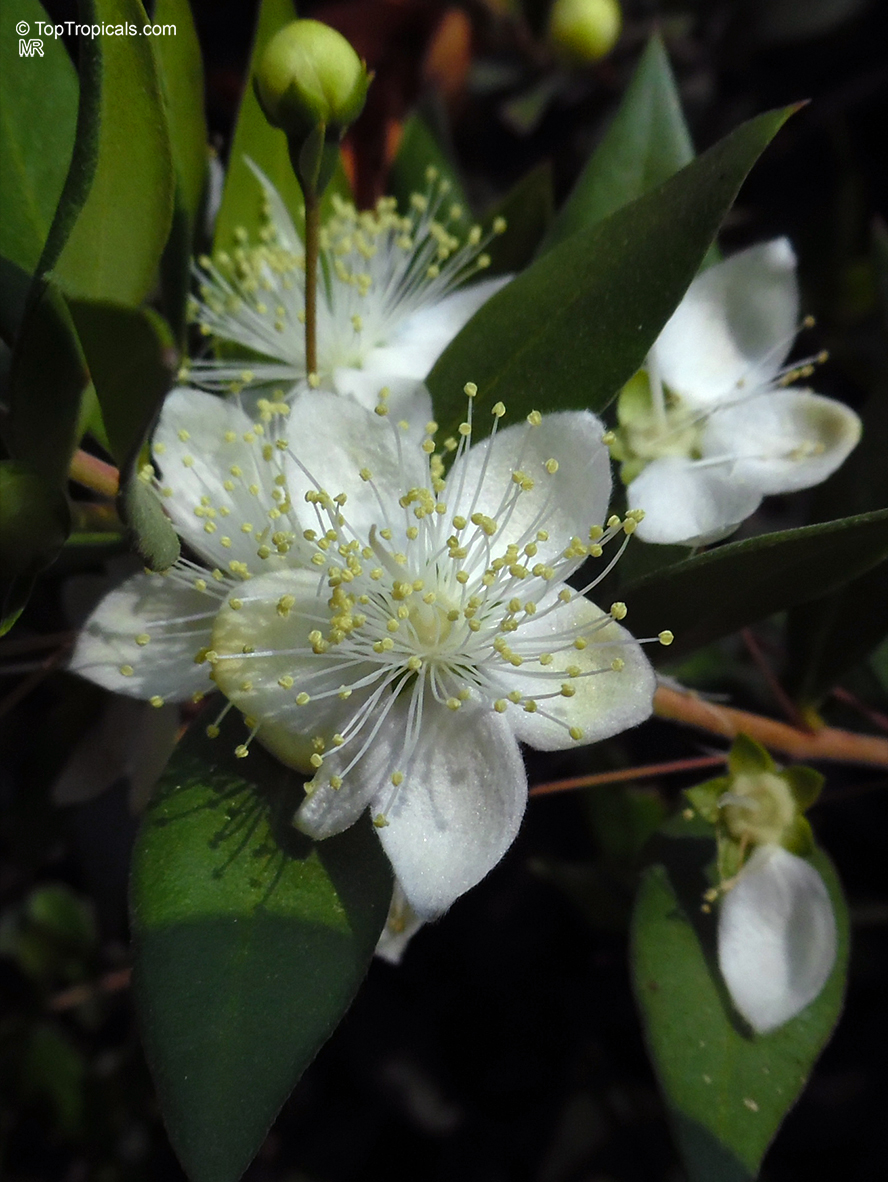
Botanical name: Myrtus communis
Common name: True Myrtle
Family: Myrtaceae
Origin: Mediterranean Basin
USDA Zone: 8-10

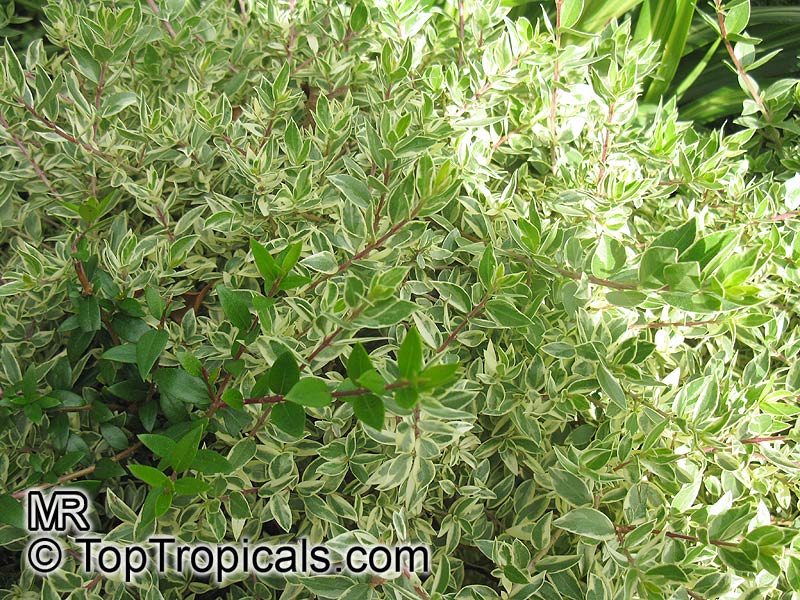
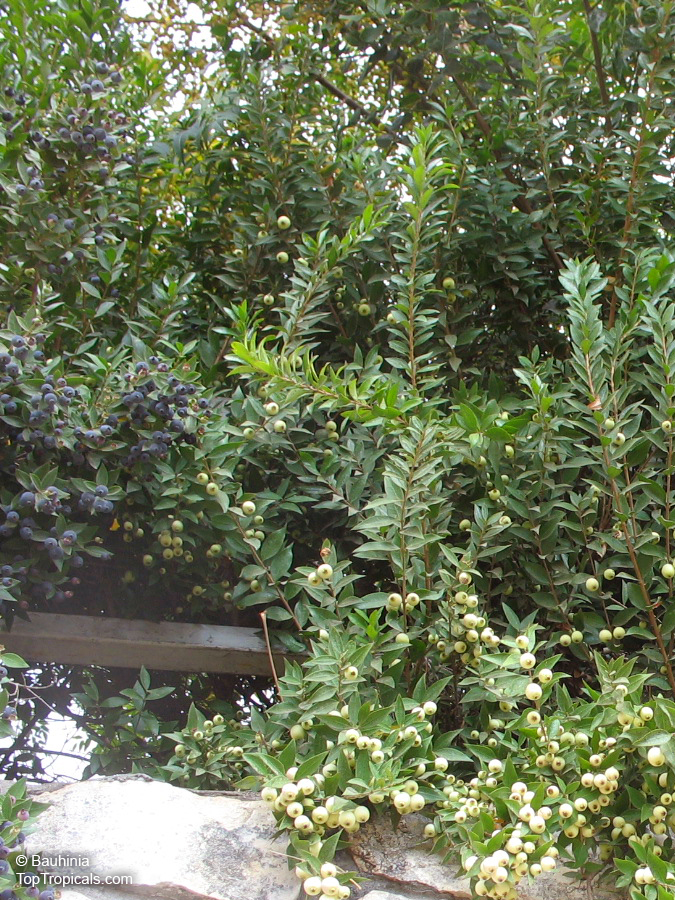
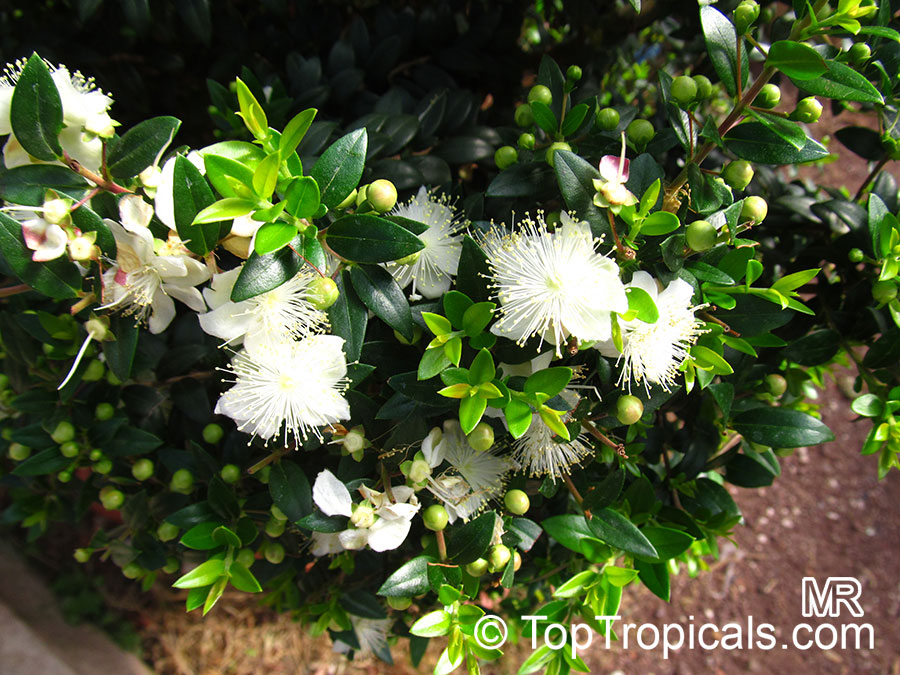
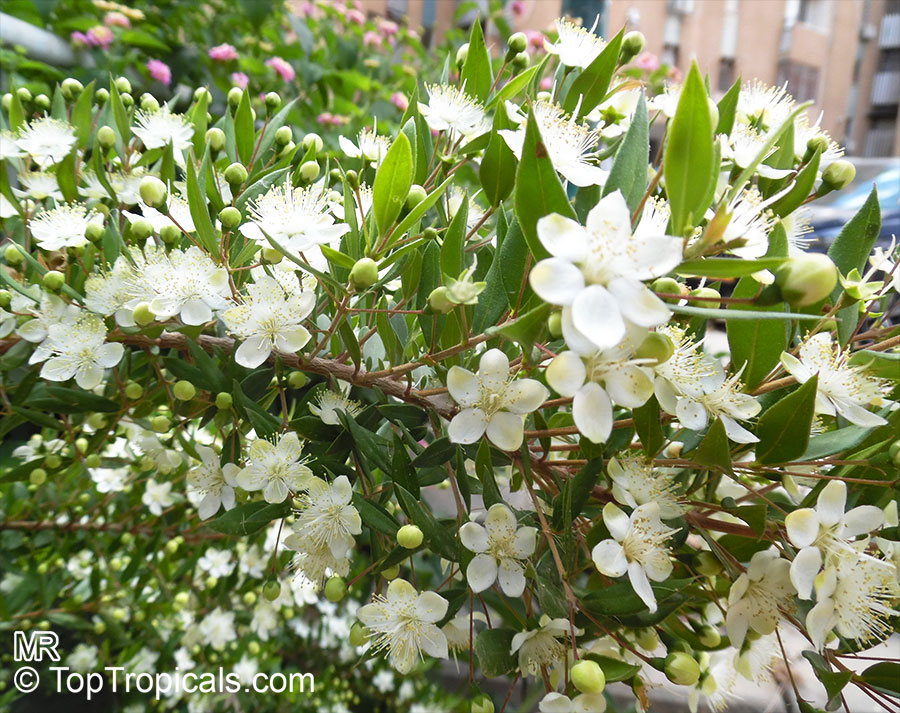
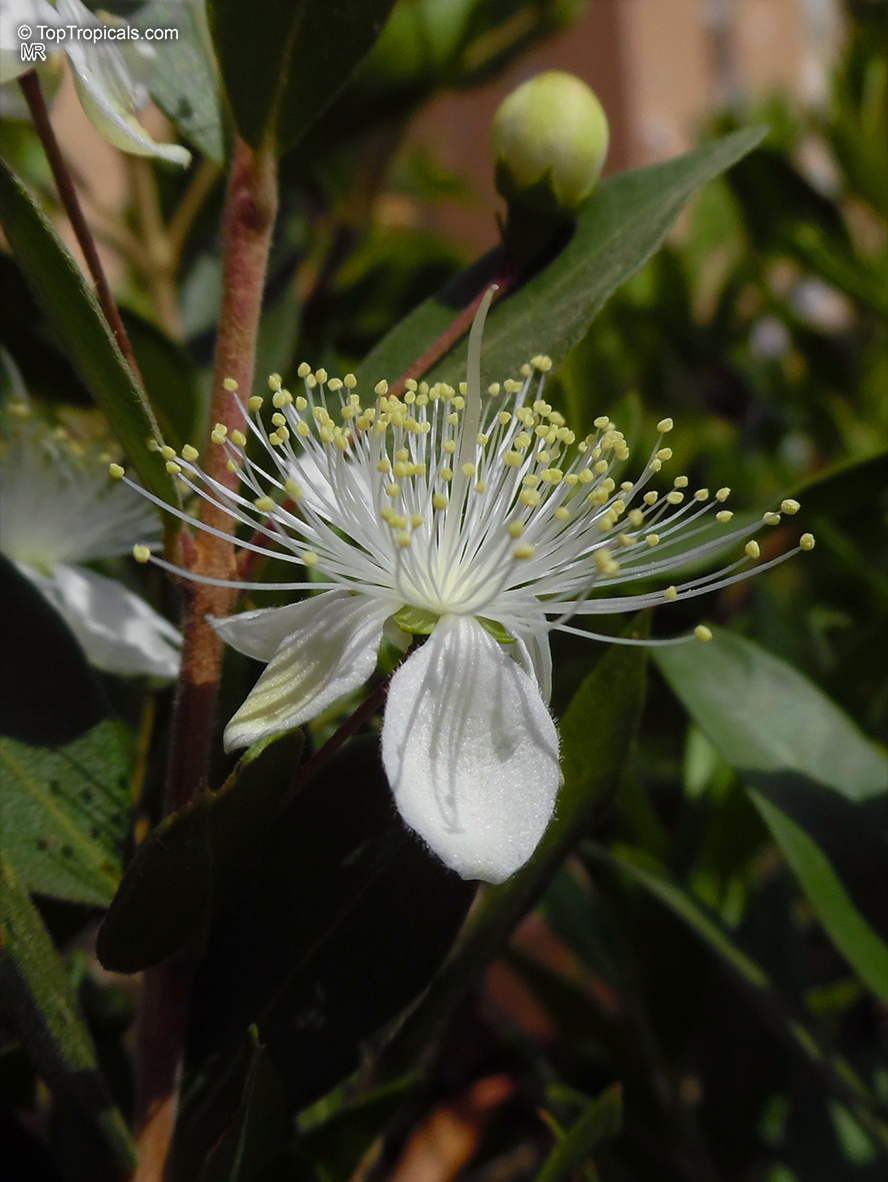
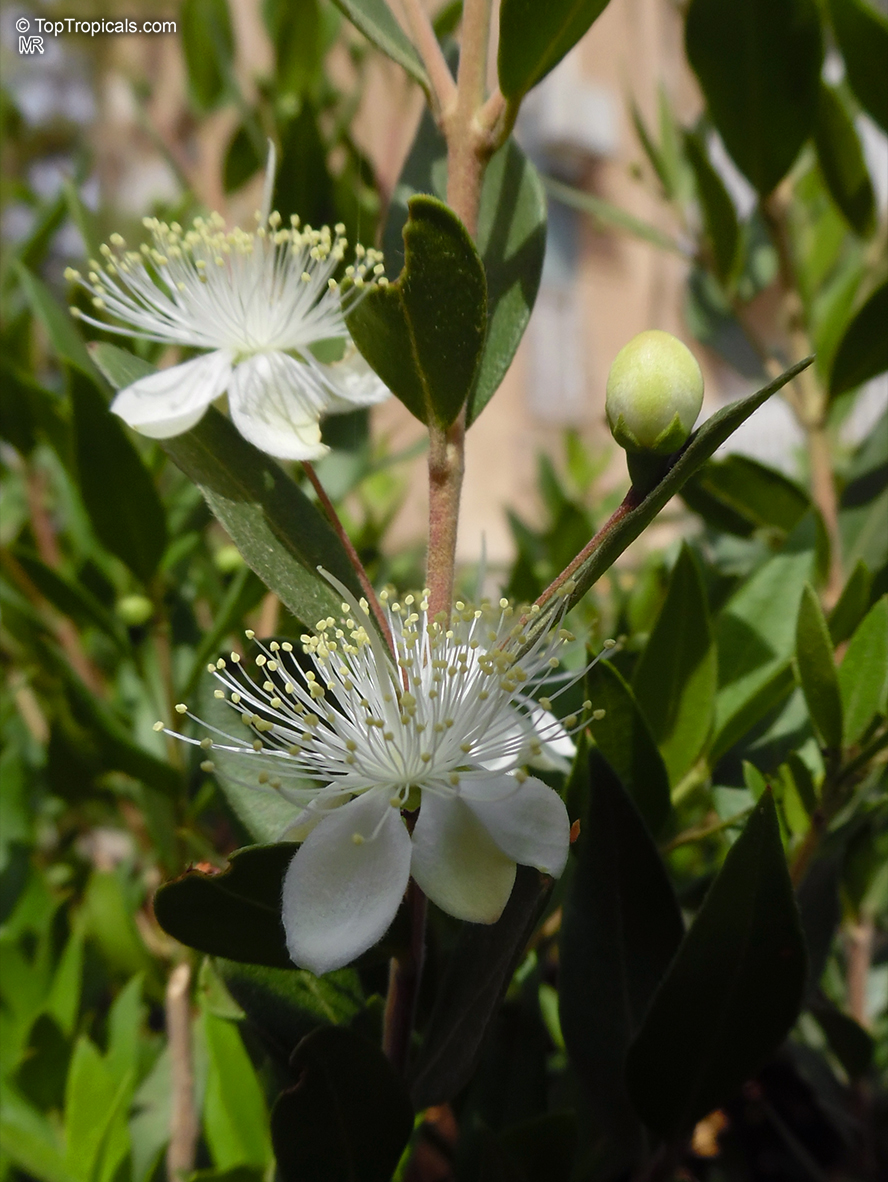
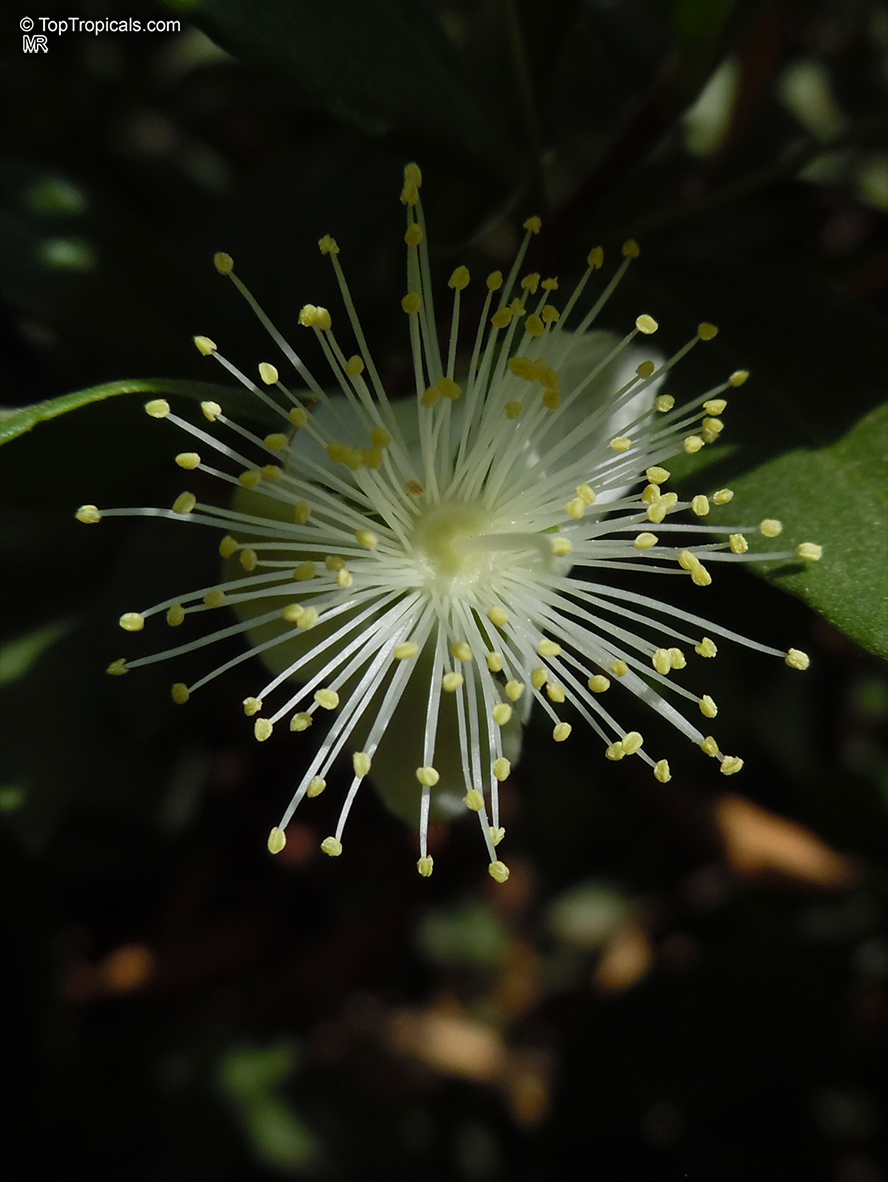
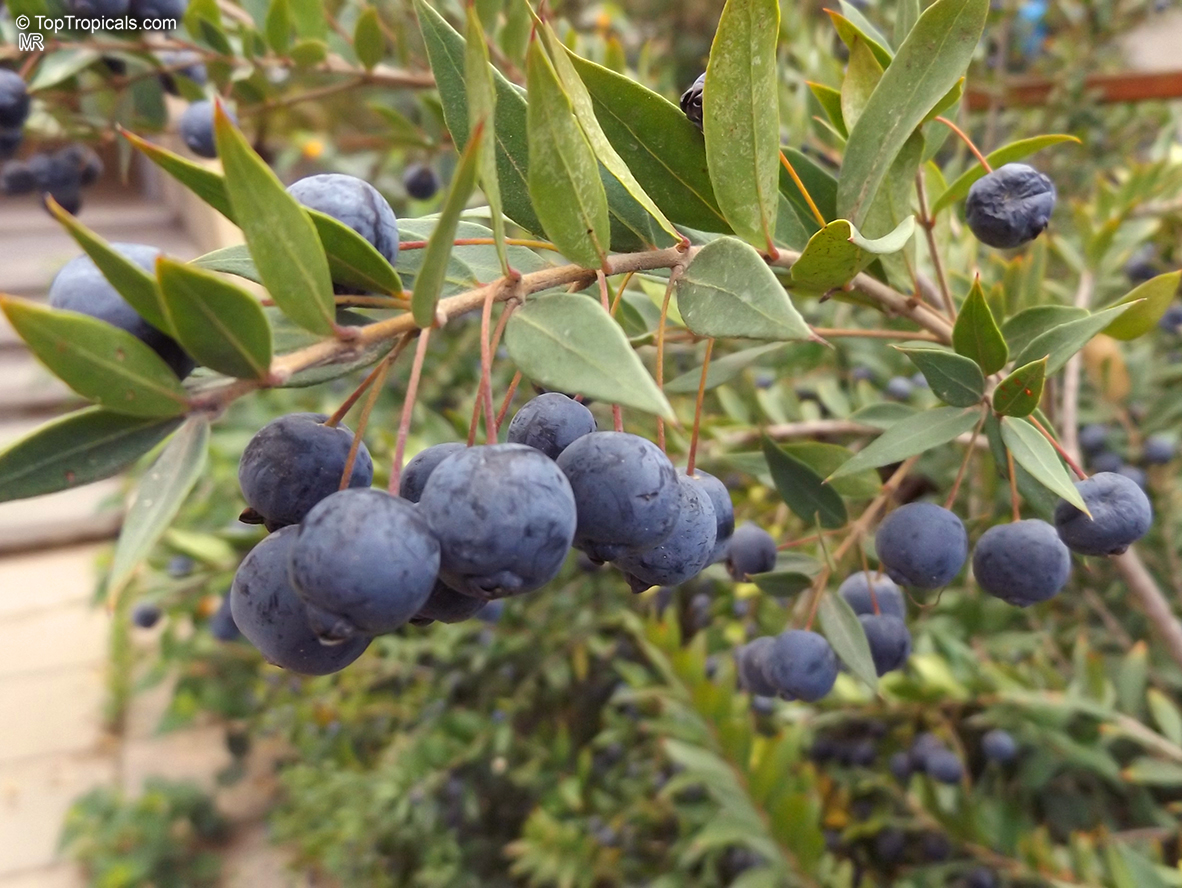
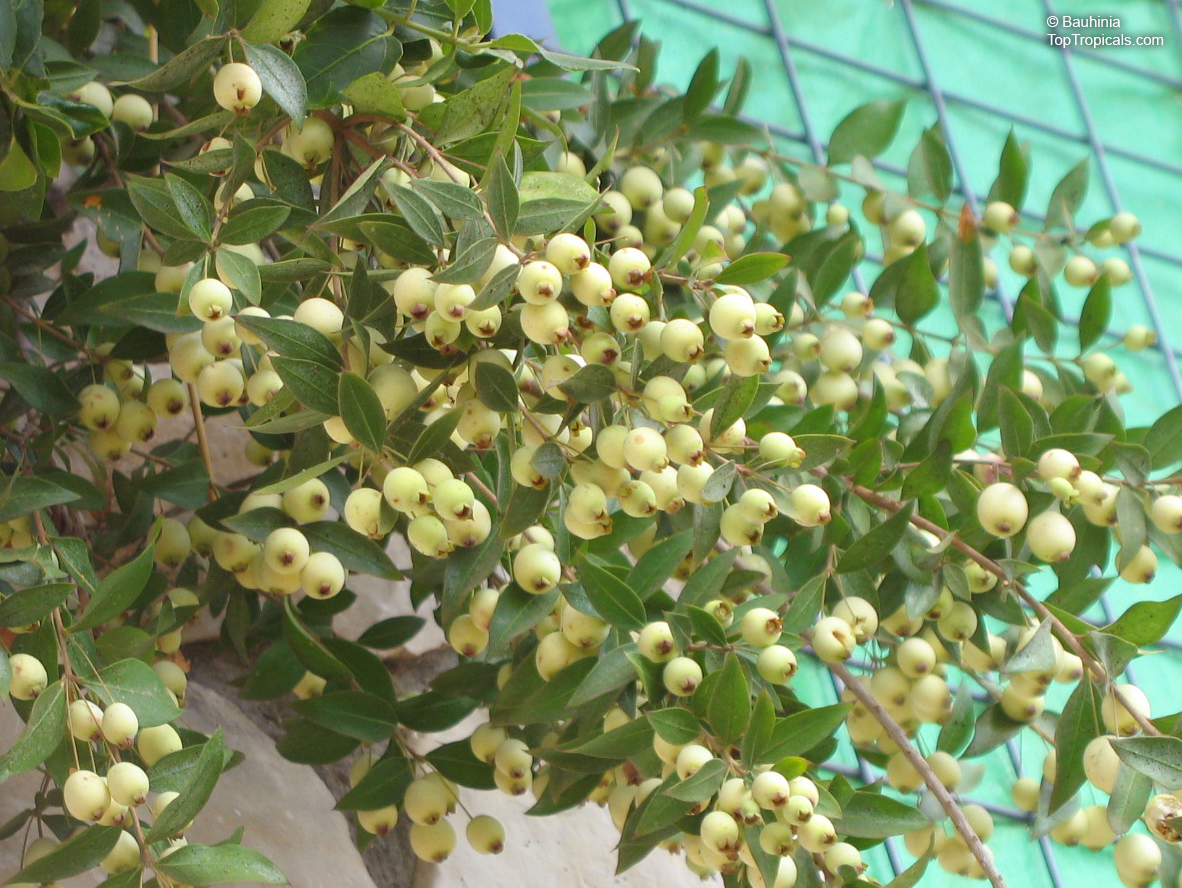
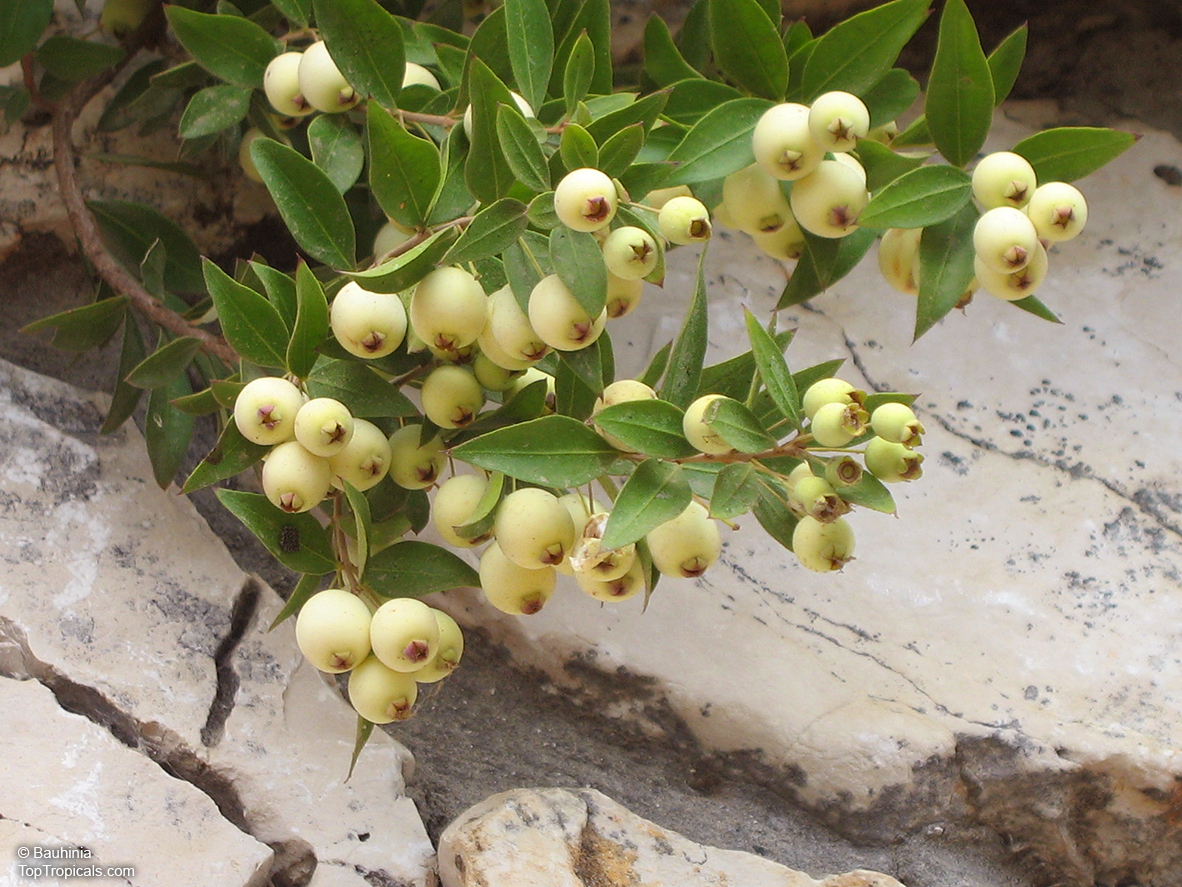
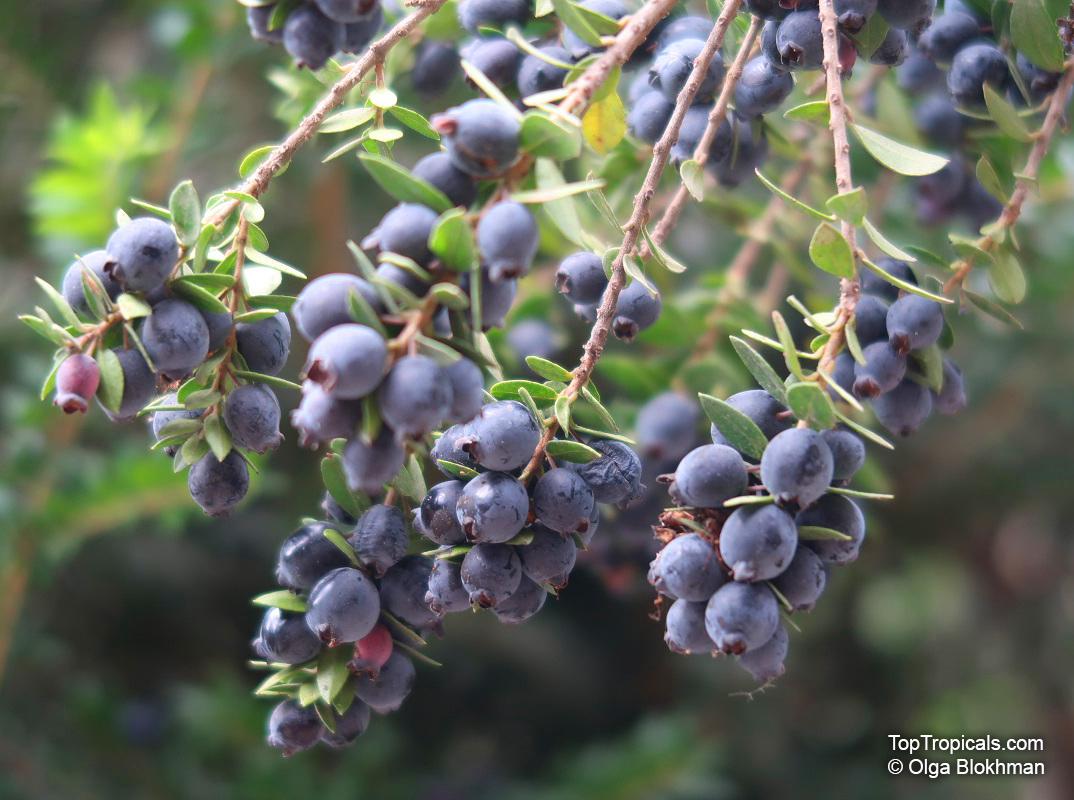
True Myrtle is an evergreen shrub or small tree with dense foliage. The leaves when crushed have a strong scent, aromatic and refreshing, somewhat reminiscent to myrrh or eucalyptus. The small white flowers are sweetly scented.
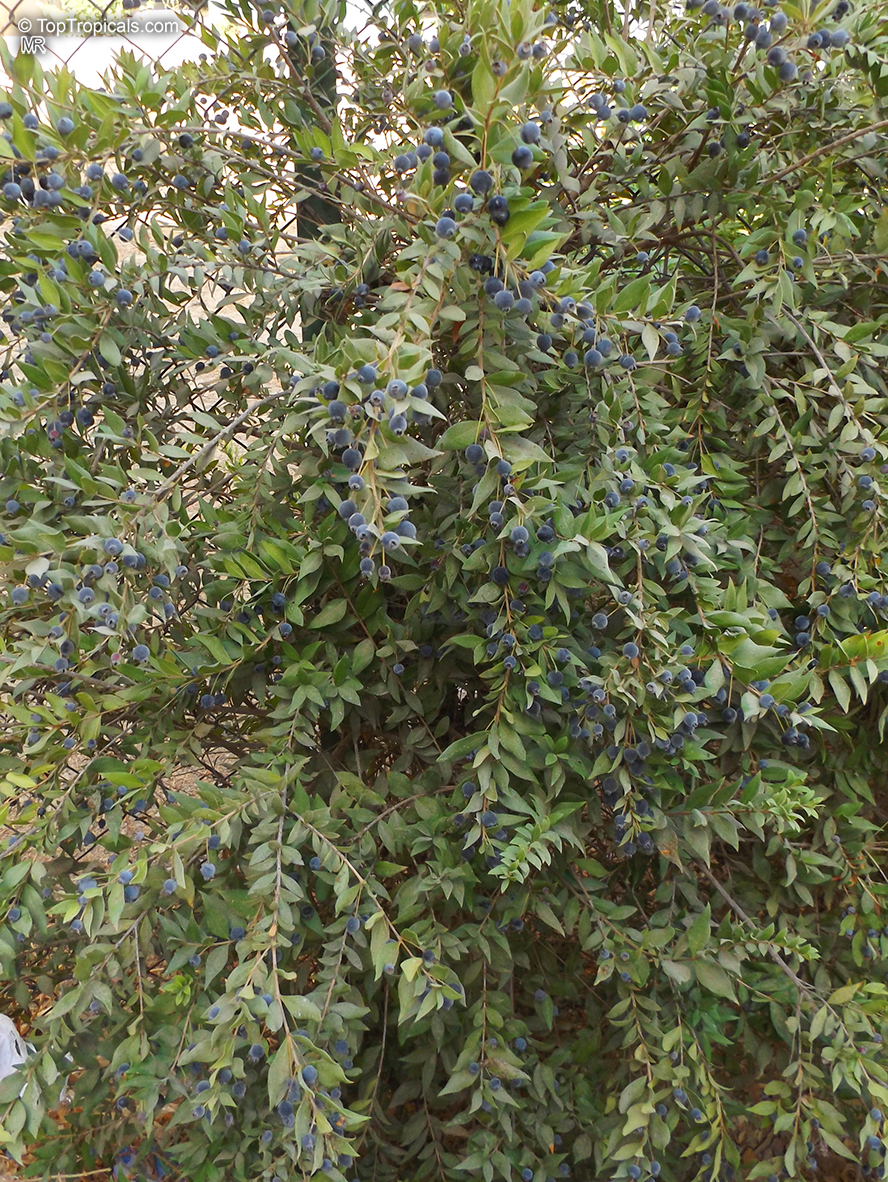
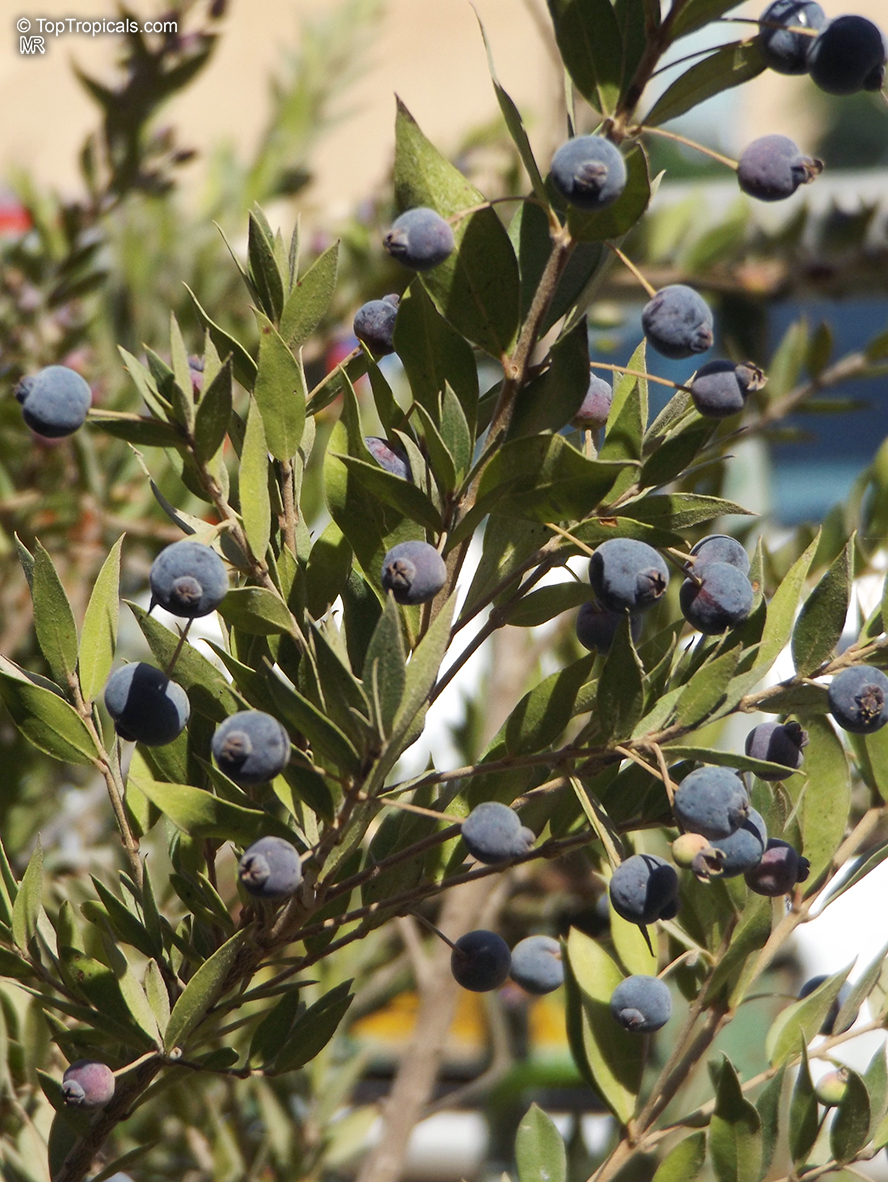
The fresh or dried leaves are used as a spice, and can be used as a substitute for bay leaves. The dried blue purple berry fruits are edible and also aromatic and have been tried as a substitute for black pepper.
A popular landscape plant, Myrtle can be grown in part shade as well as full sun, and needs only little to moderate water. It can be grown in wide range of soils as long as drainage is good. Tolerates some freeze. Blooms in early summer.
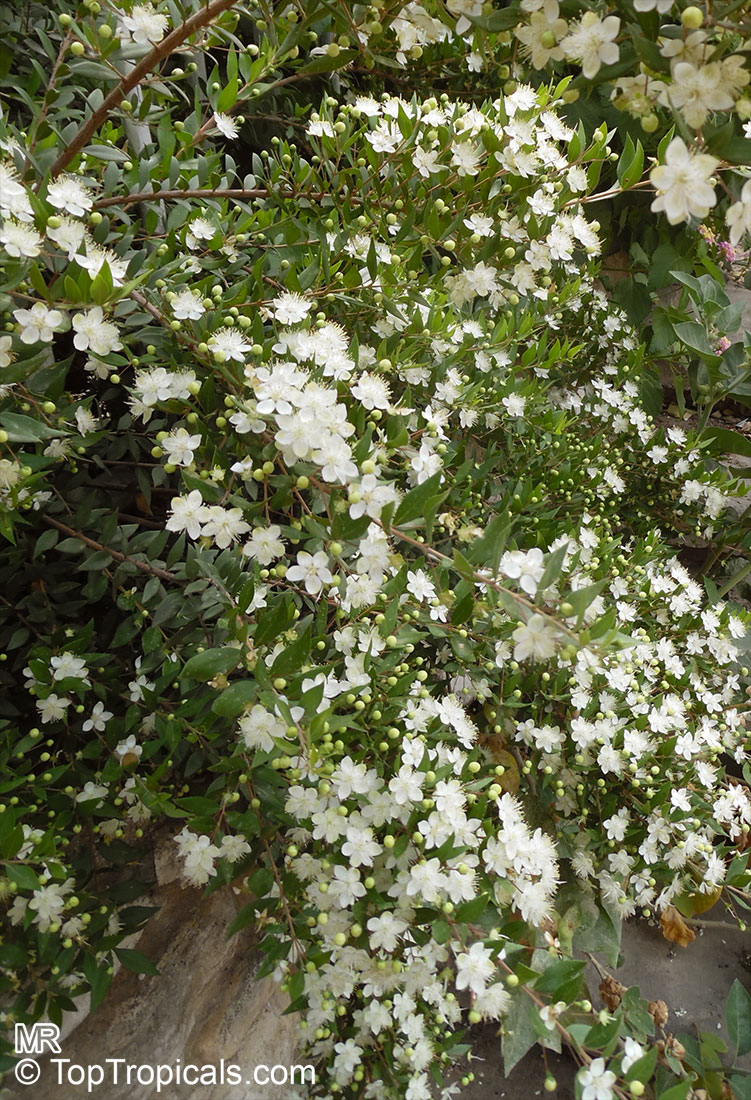
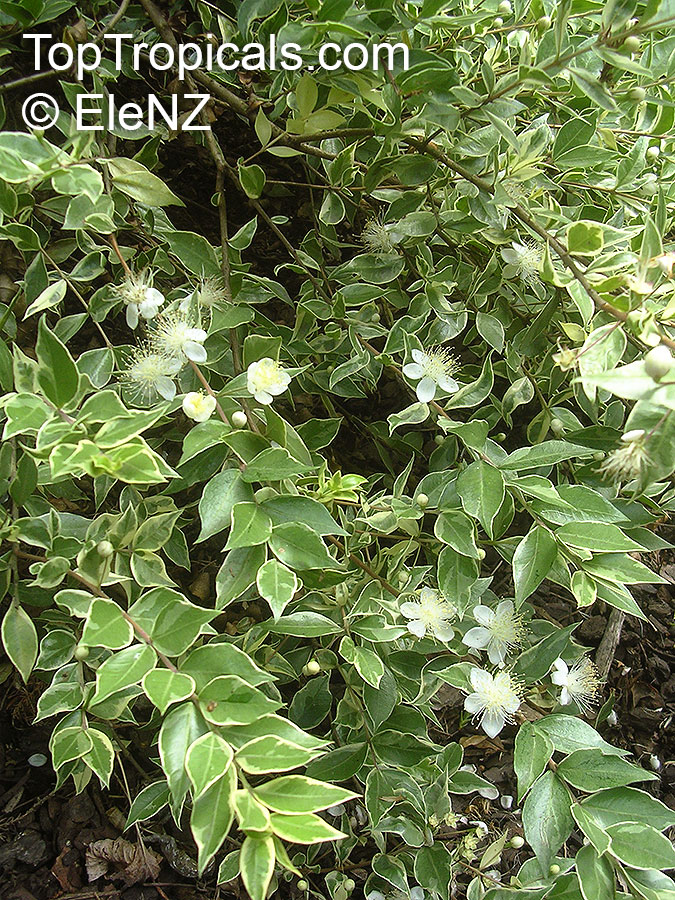
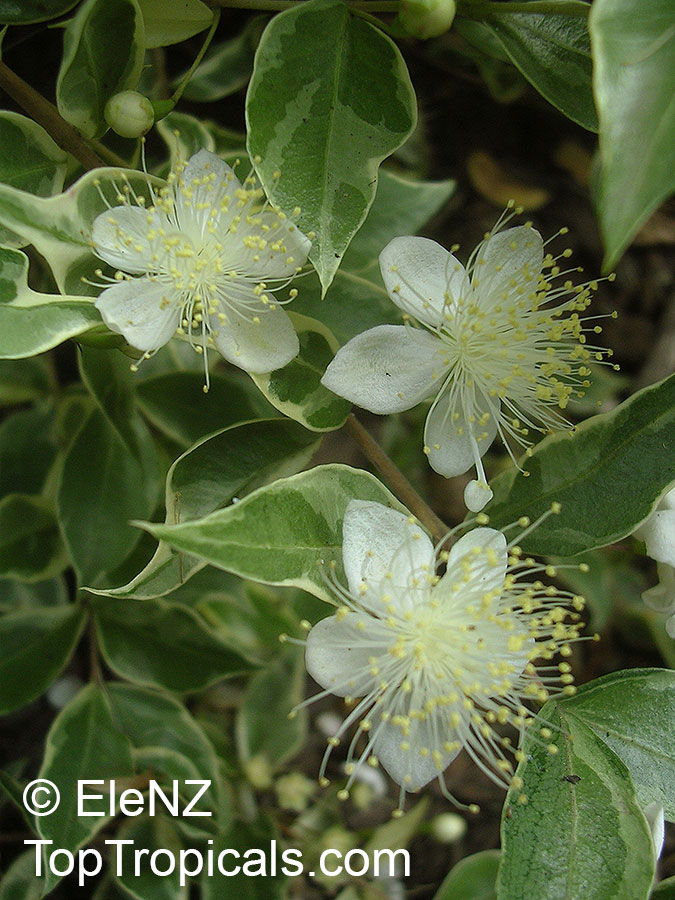
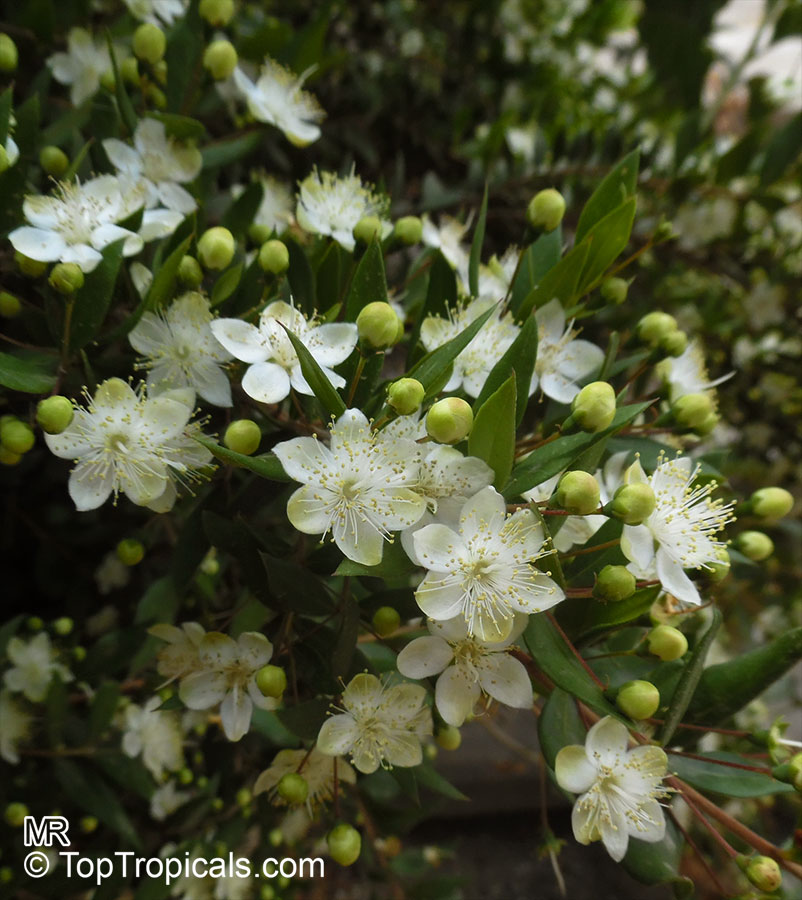
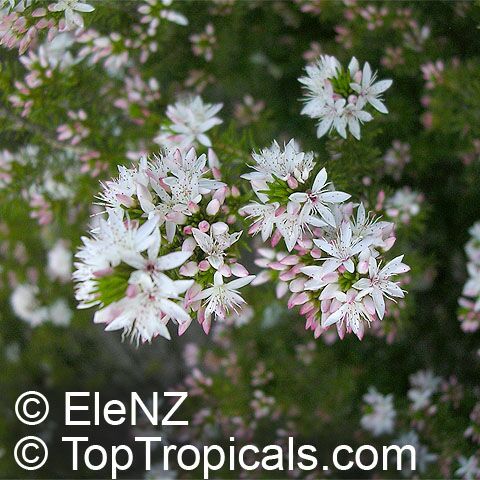
Botanical names: Calytrix tetragona, Calytrix sullivanii
Common names: Fringe Myrtle, Star flowers
Family: Myrtaceae
Origin: Western Australia
USDA Zone: 9-10
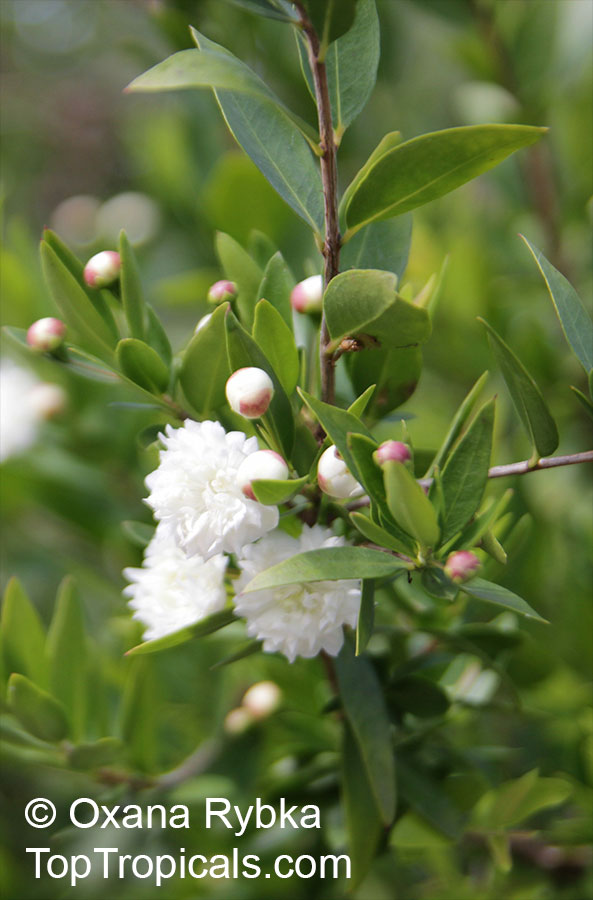
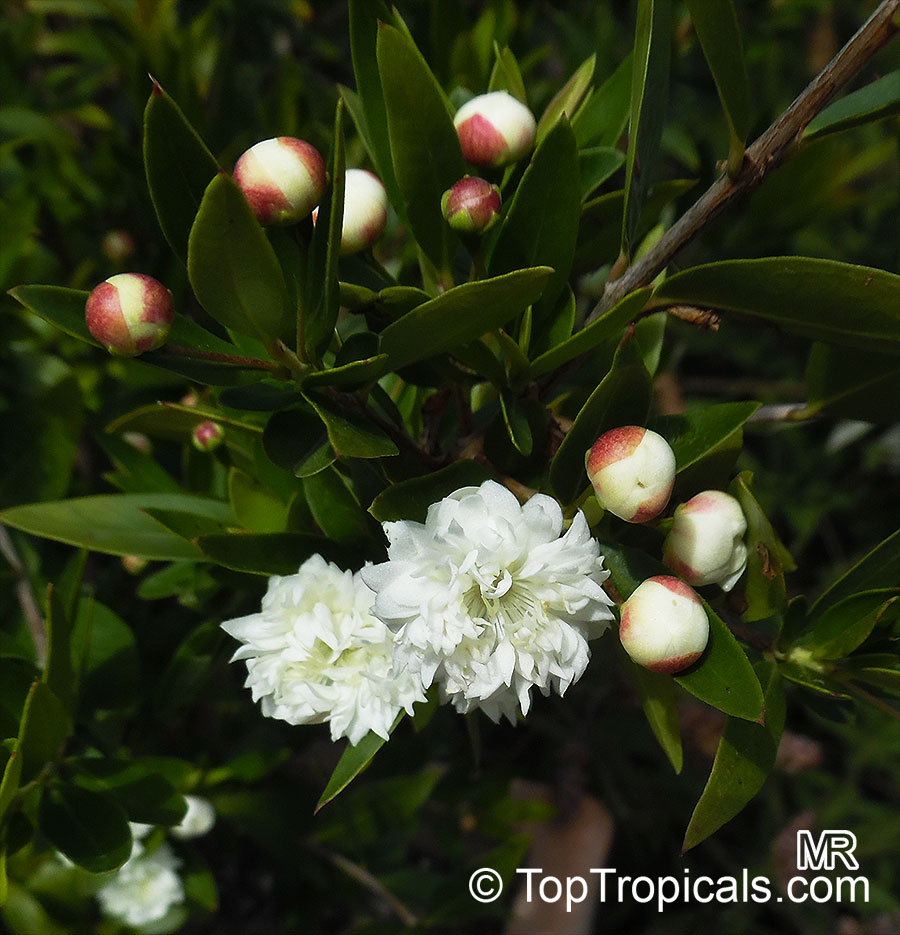
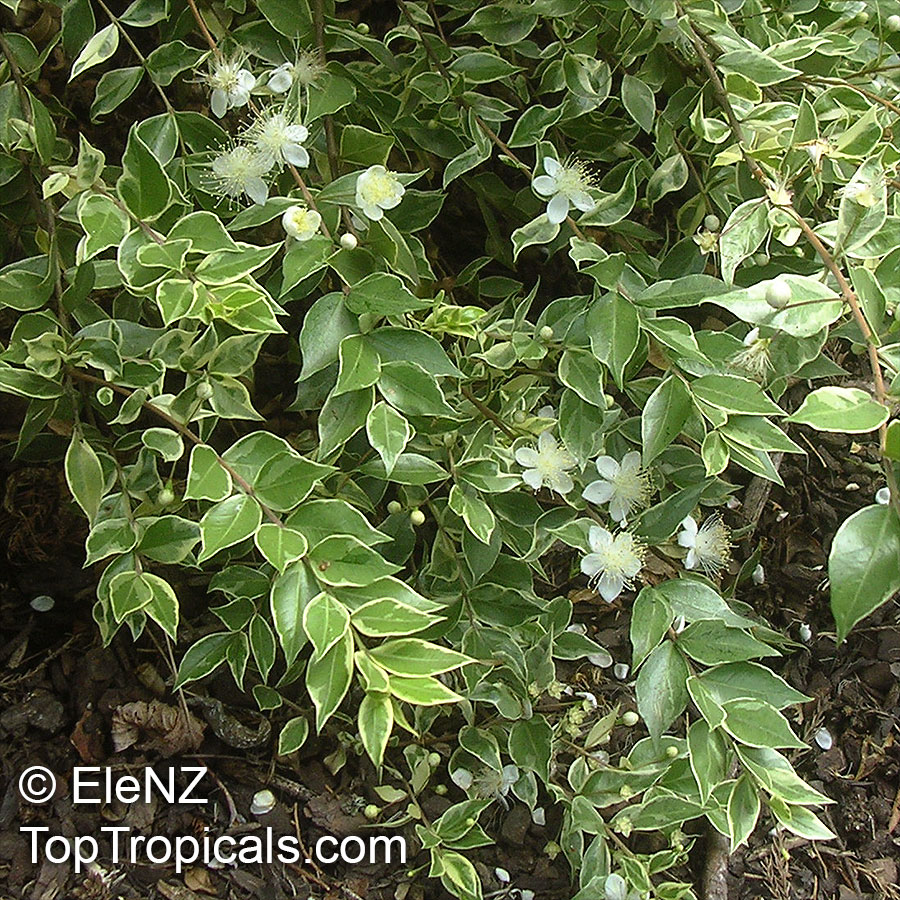
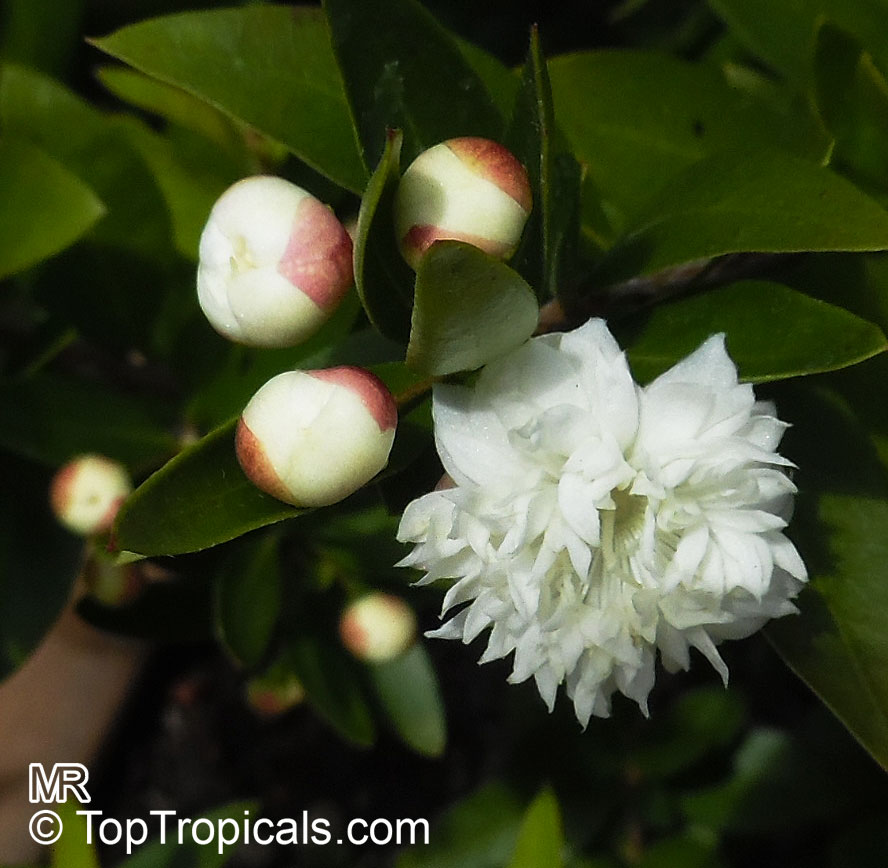
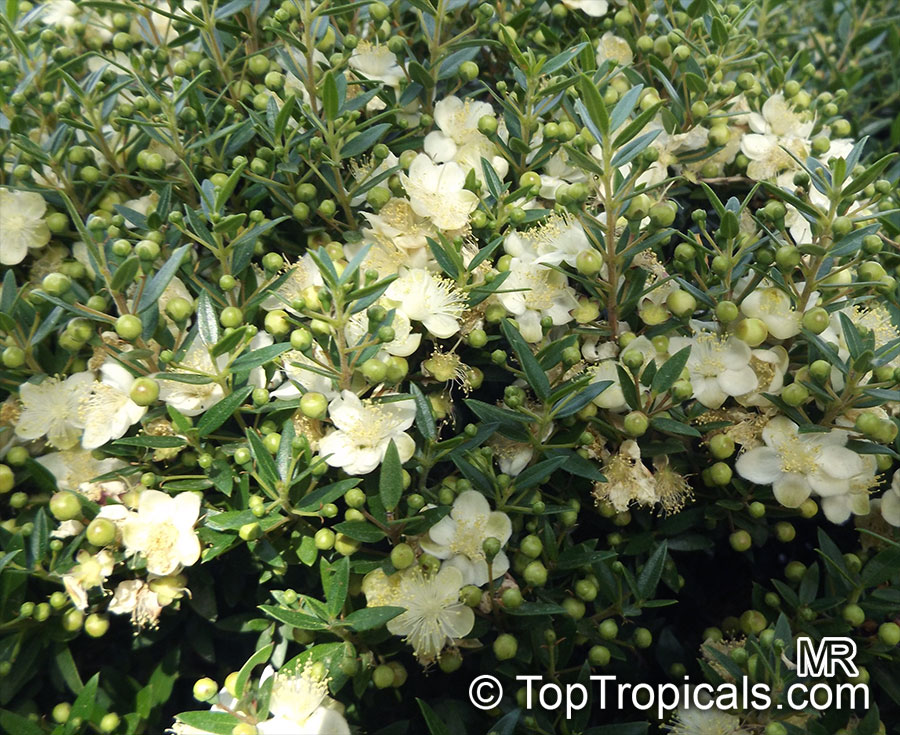
Calytrix tetragona is an easily grown and very hardy shrub for the small garden, usually reaching 1 m or more. The tiny leaves are slightly fleshy with a spicy perfume when bruised. The color of a healthy shrub is bright green with yellow-green young tips. Flowers are white or pink, deeper in the pointed buds, clustered along the arching branches, sometimes massed and nearly hiding the leaves.
Propagation is by small cuttings of half-ripe tip growth.
A garden position in sun or light shade is suitable, in well-drained lime free soil.
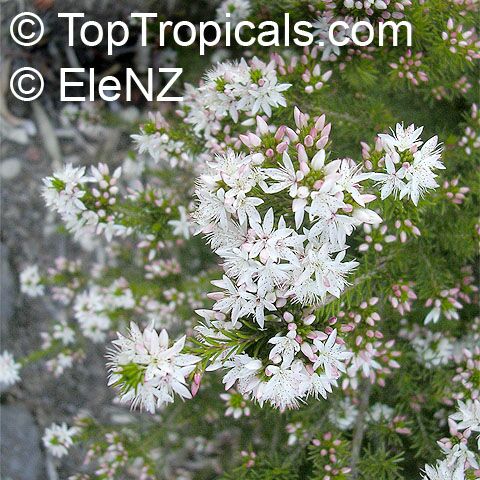
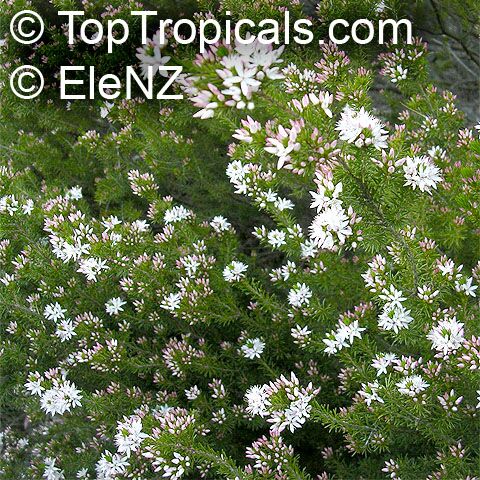
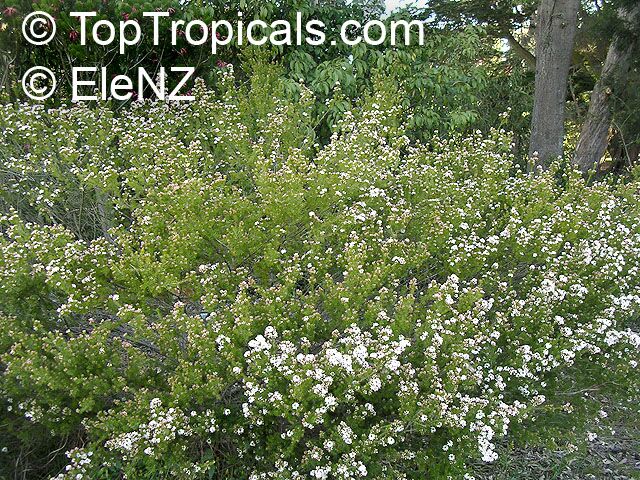
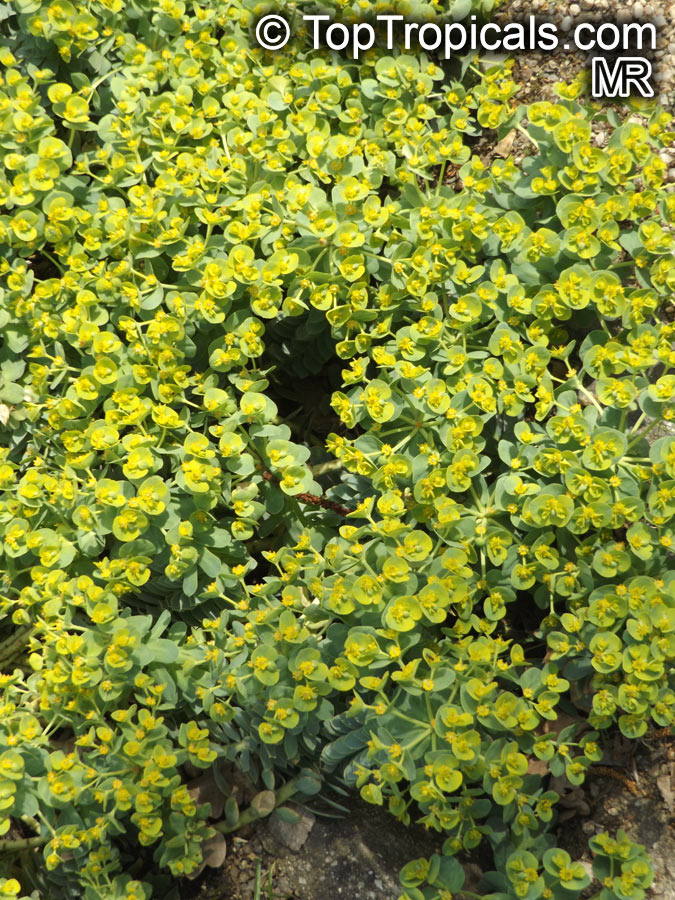
Botanical name: Euphorbia myrsinites
Common names: Myrtle Euphorbia, Donkeytail Spurge
Family: Euphorbiaceae
Origin: Southern Europe, Asia Minor
USDA Zone: 5-8


Euphorbia myrsinites is a small shrub, only growing to a height of 2-5 ft. It is a plant native to Southern Europe and Asia Minor and has a distinctive look. It is perfect for adding a unique flare to any garden, as well as for xeriscaping in dry areas. This plant is incredibly drought tolerant and can tolerate full sun as well as semi-shade. It loves moderate water and will reward you with beautiful yellow to orange flowers.
However, it is also important to note that Euphorbia myrsinites is also slightly irritating to the skin, mouth and stomach, so it is best to handle the plant with care and gloves. Cautious due to its toxicity, it is a popular option for gardeners with children and pets.
Euphorbia myrsinites is perfect for growing outdoors in USDA Zones 5 through 8 and is, surprisingly, quite cold hardy. Once it's a mature plant, it can tolerate temperatures in the low 30 degrees Fahrenheit for short periods of time.
When planting this shrub, it's best to find a suitable growing spot it can enjoy for years to come. Because of its need for good drainage, look for a well-drained, sunny locations, with enough space for the shrub to grow to its full potential. Generally, it's best to plant the shrub in early spring, when temperatures outside remain moderate.
To plant Euphorbia myrsinites in a pot, choose a container with adequate drainage holes, fill it with quality potting soil and place it in a spot that receives full sun to partial shade each day. Water the soil deeply and consistently, allowing the top two inches of soil to dry out before each watering. For those in cold regions, bringing the potted plant indoors each winter can help protect it from market-threatening winter cold.
Euphorbia myrsinites is an eye-catching, low maintenance shrub that is perfect for a dry and sunny spot in your garden. Its unique look and vibrant flowers are sure to bring a unique flare to your garden. Plus, this shrubs drought resistance allows for more leisurely care.

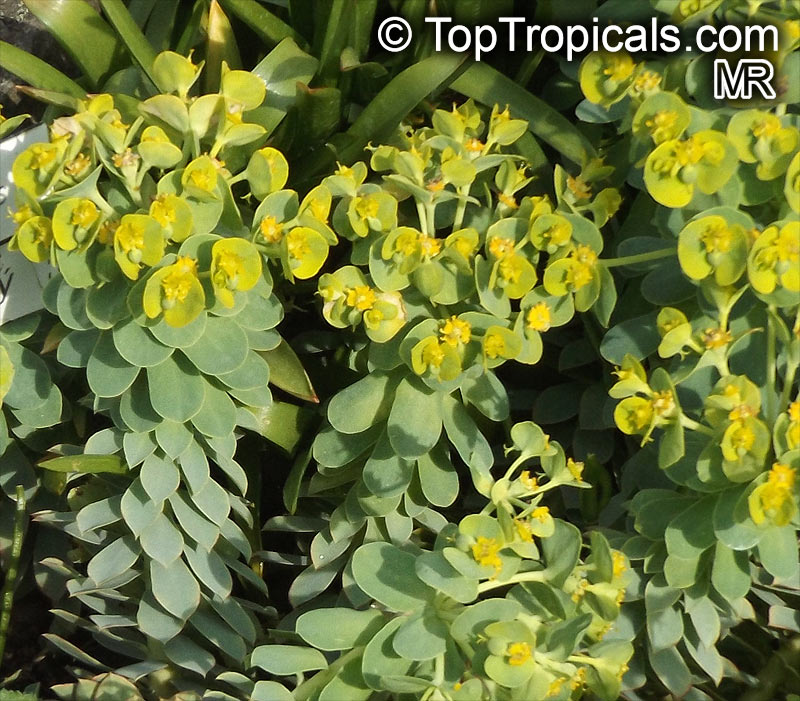
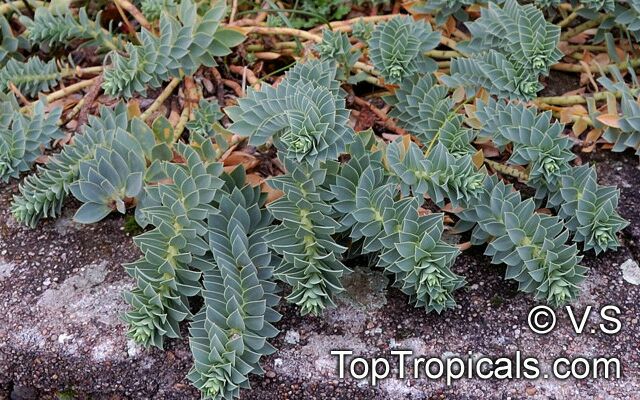
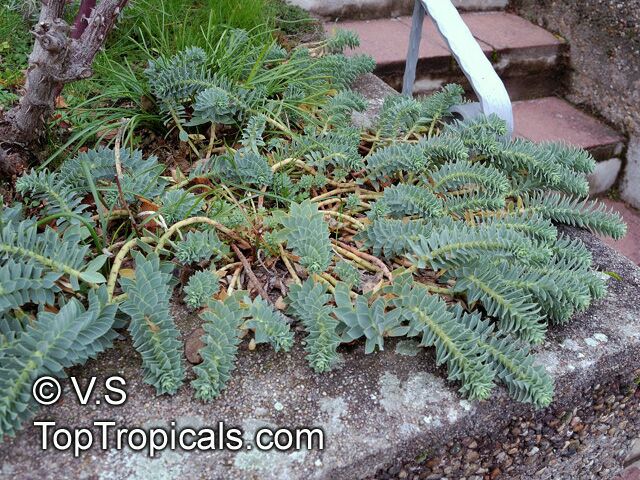
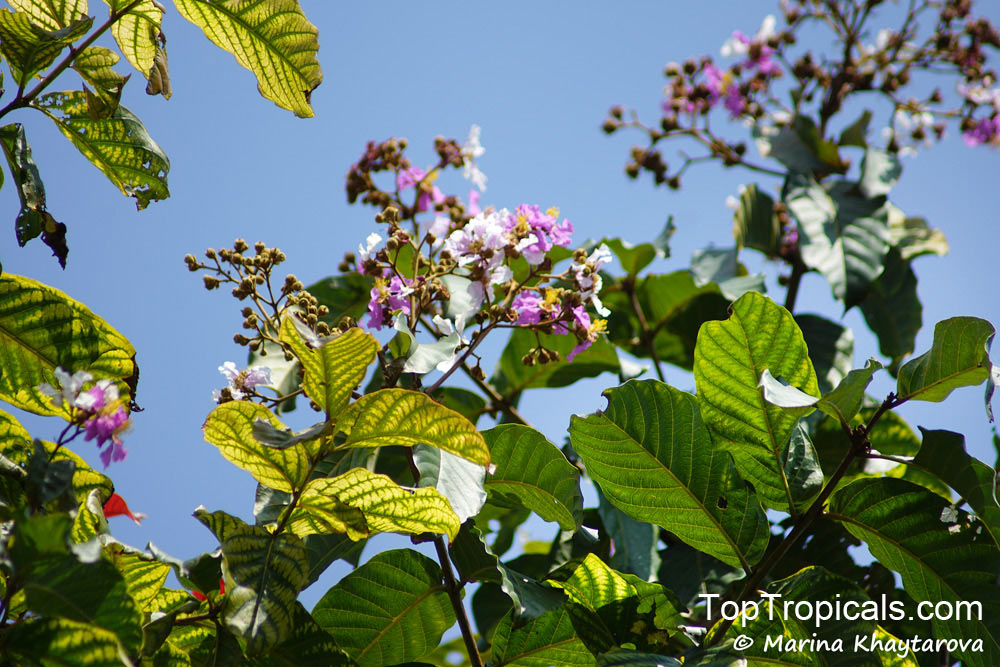
Botanical name: Lagerstroemia langkawiensis
Common name: Crepe Myrtle
Family: Lythraceae
Origin: Malaysia
USDA Zone: 9-10
It is endemic to Langkawi Island, Western Malaysia.
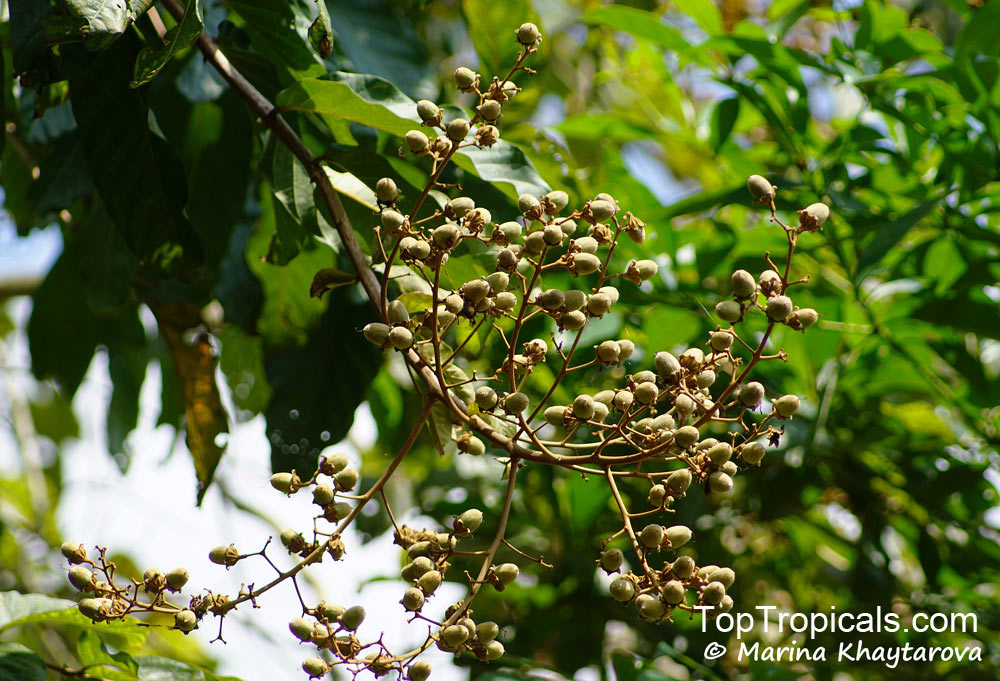
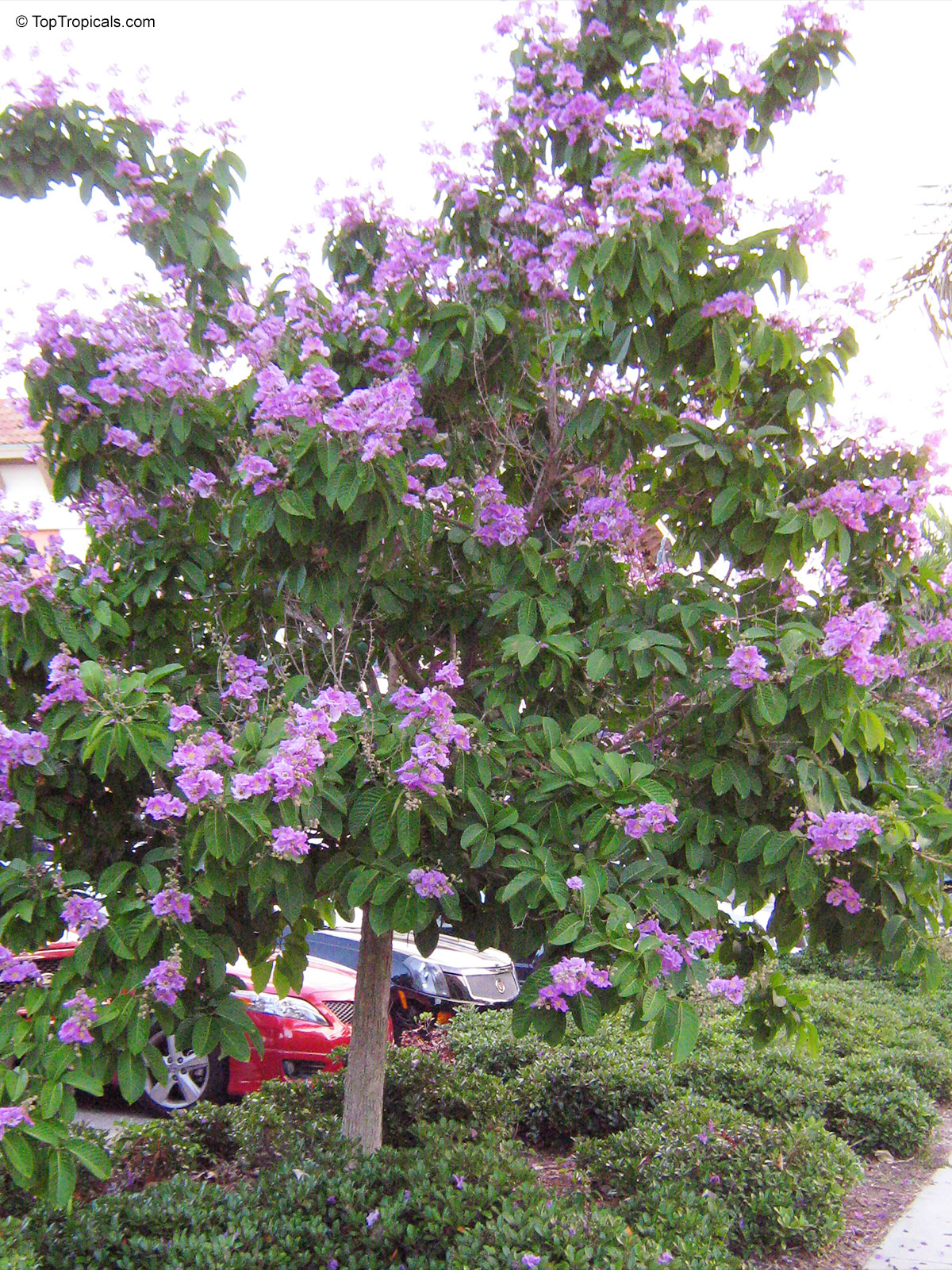
Botanical names: Lagerstroemia speciosa, Lagerstroemia flos reginae
Common names: Queens Crape Myrtle, Queens flower, Pride of India, Banaba.
Family: Lythraceae
Origin: India
USDA Zone: 9-11


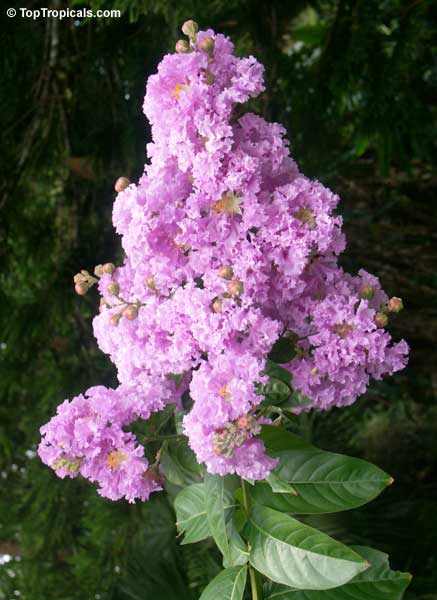
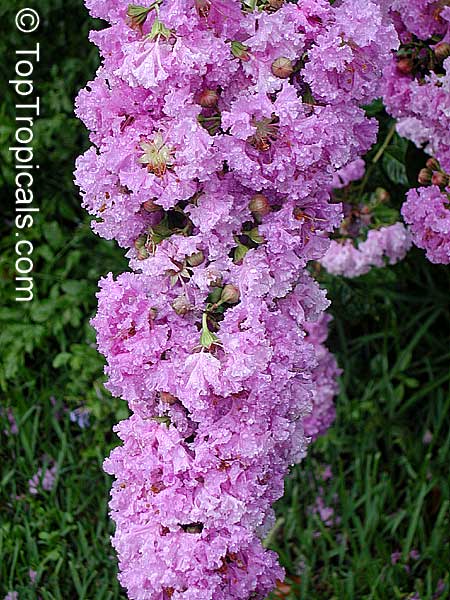
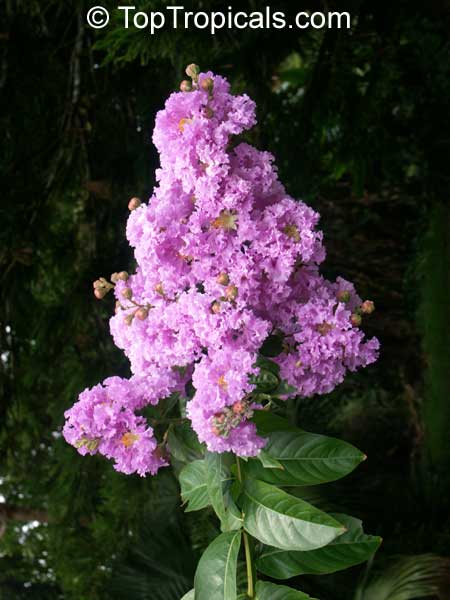
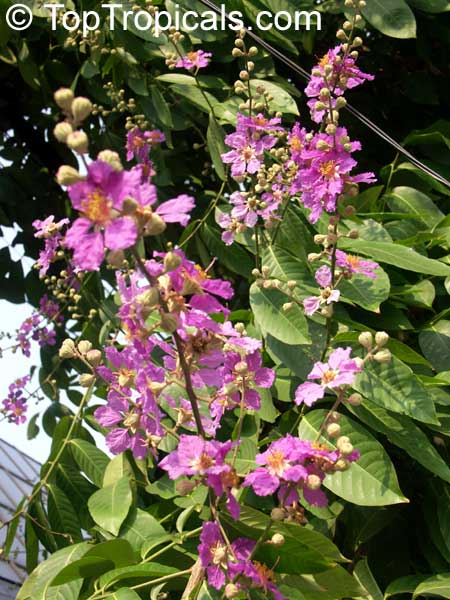
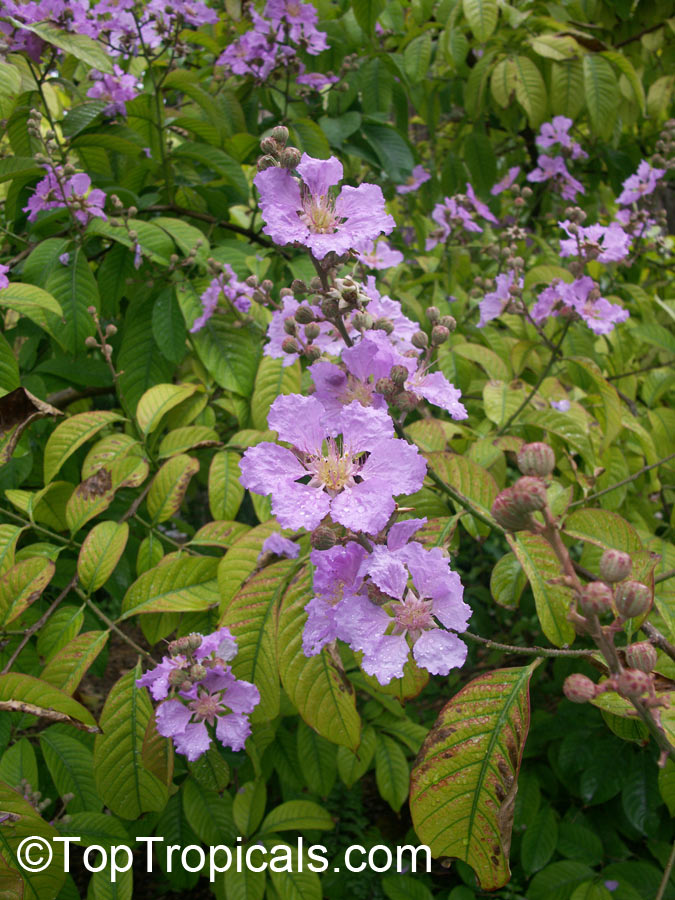
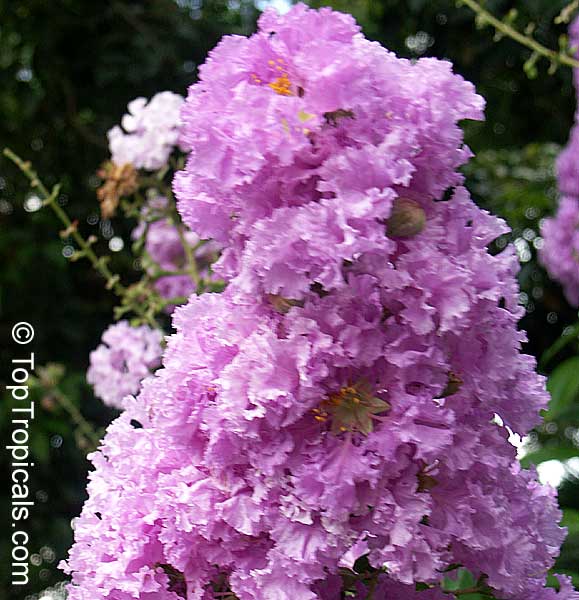
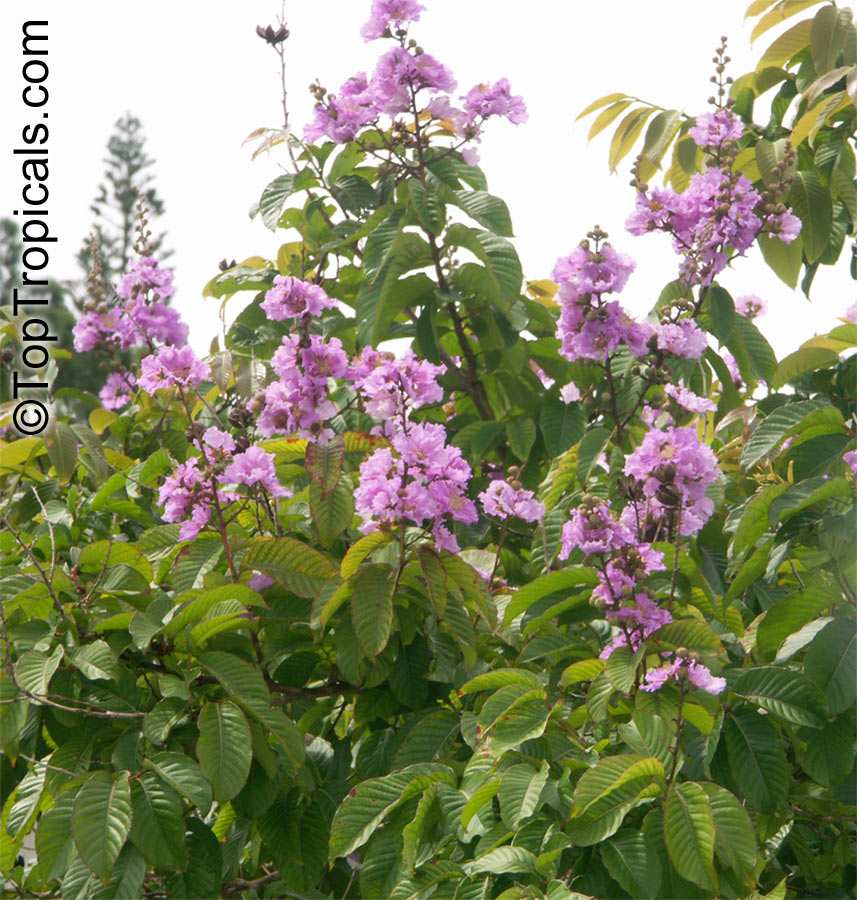
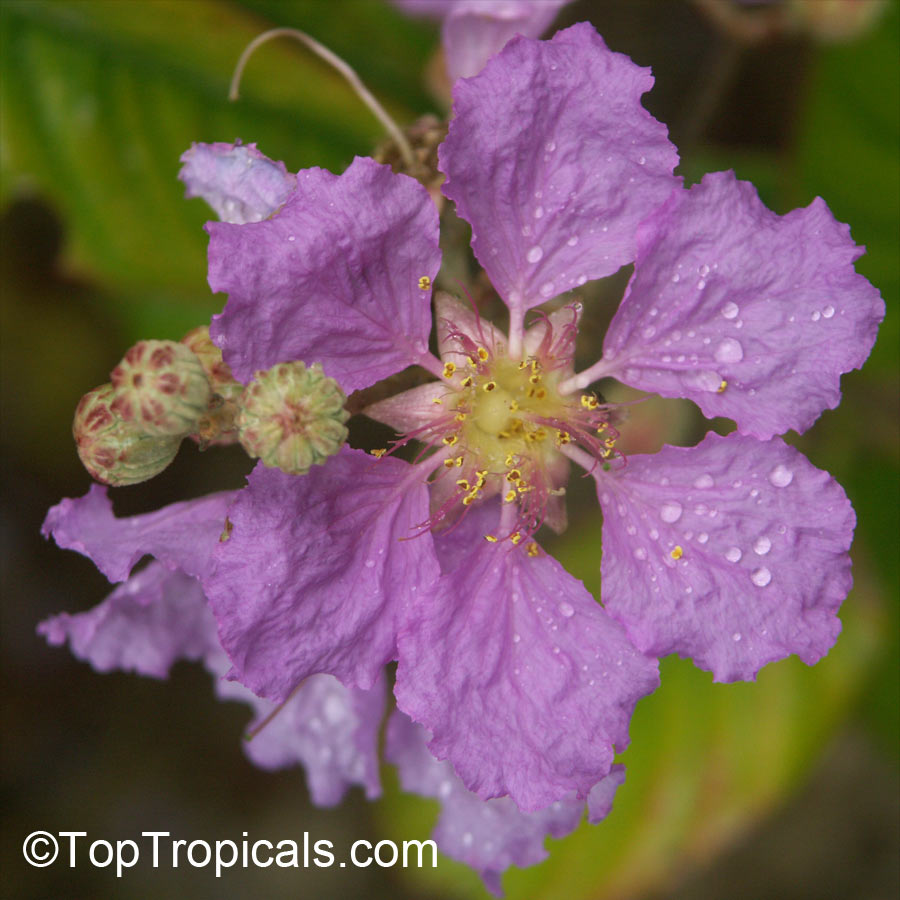
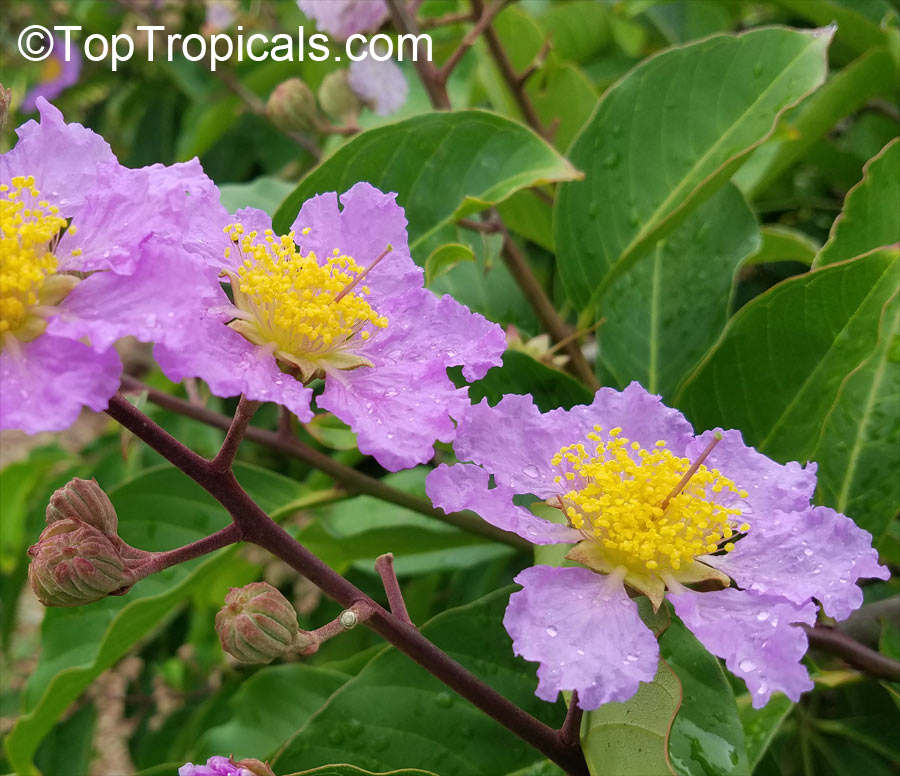
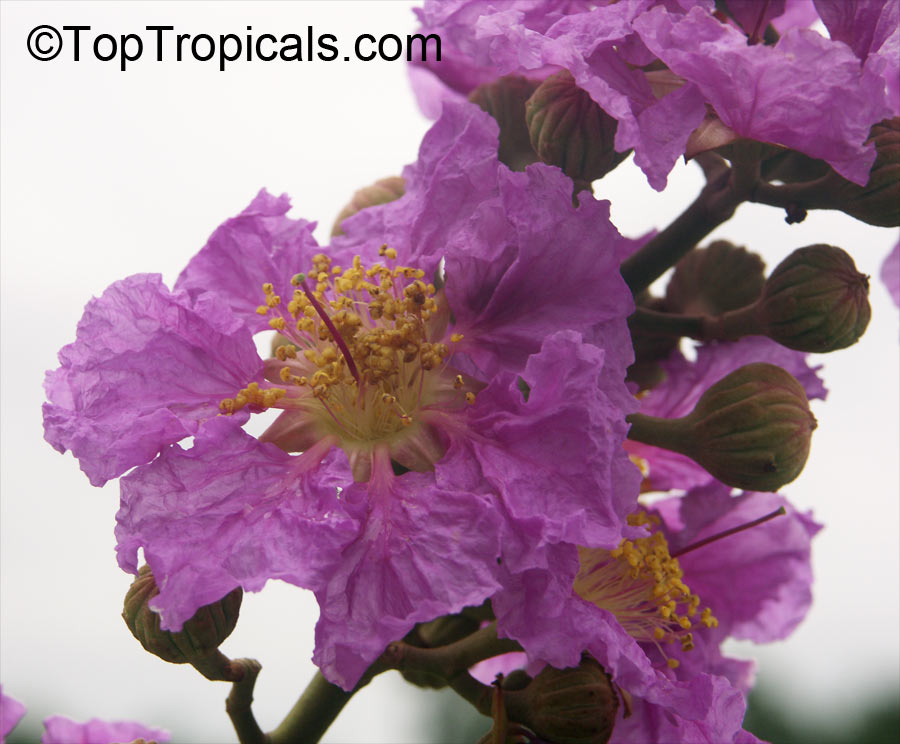
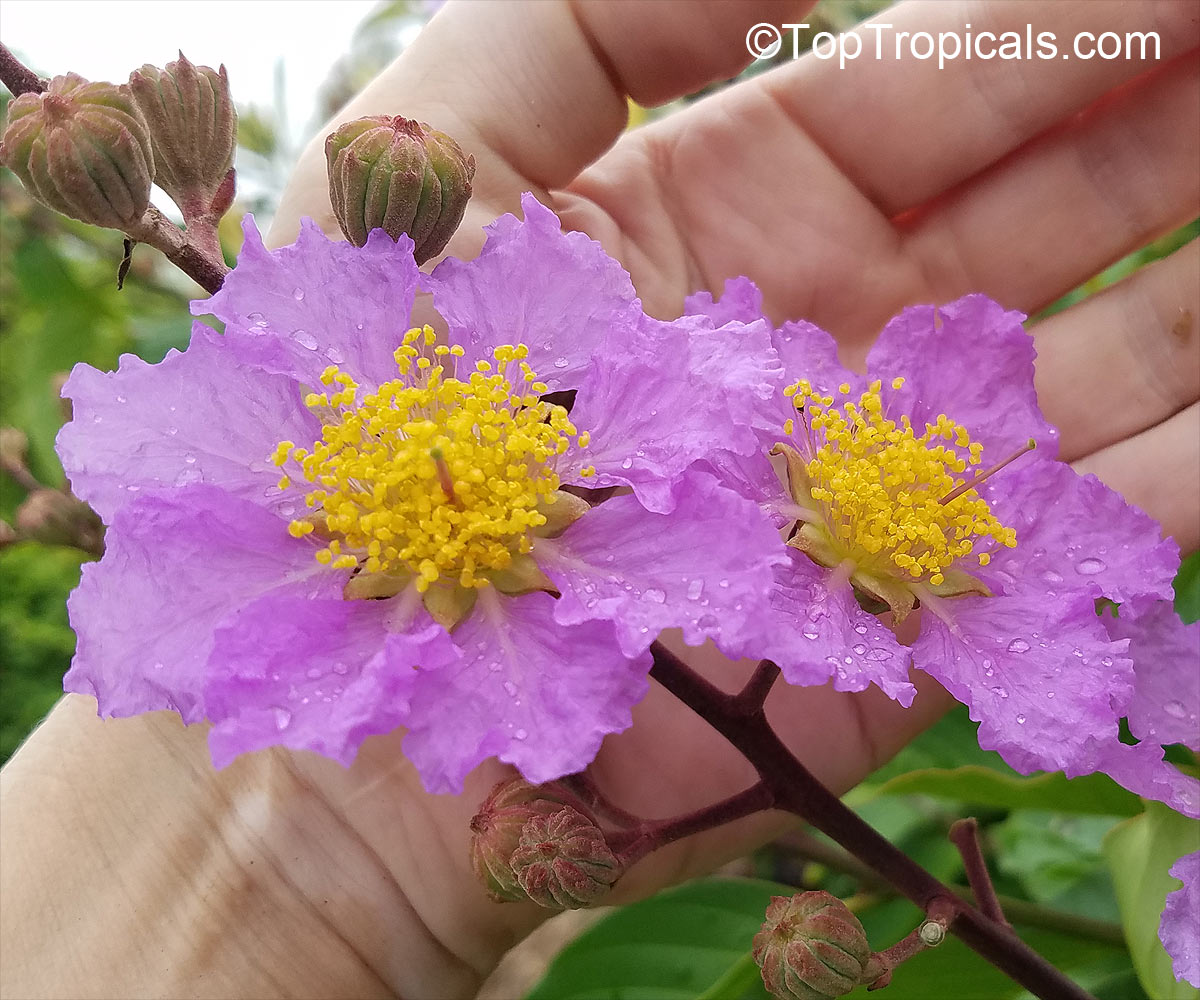
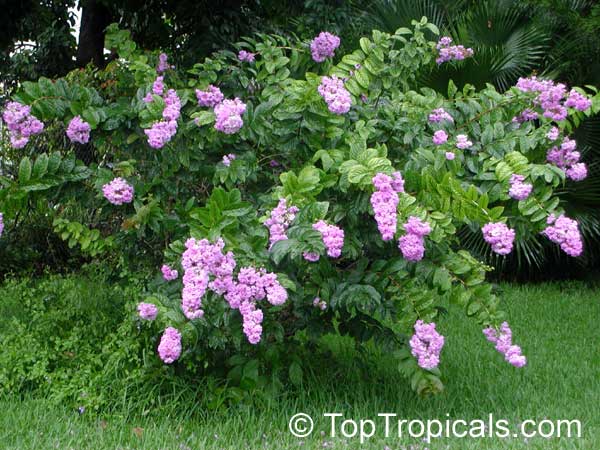
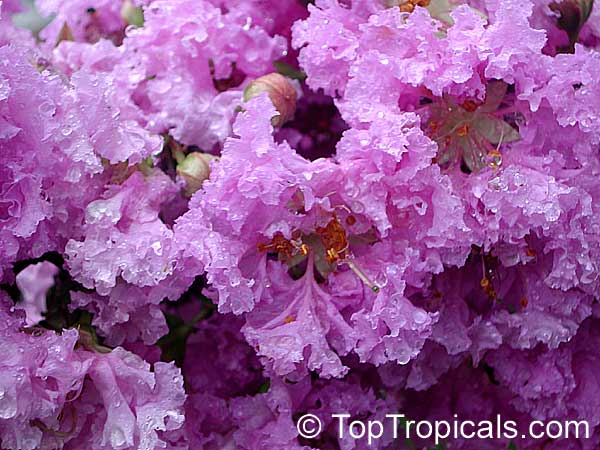
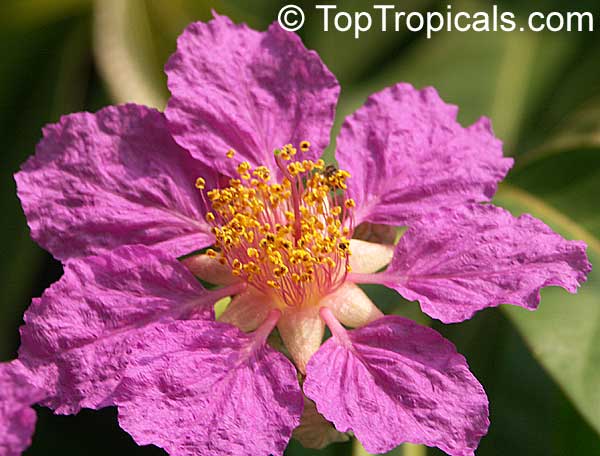
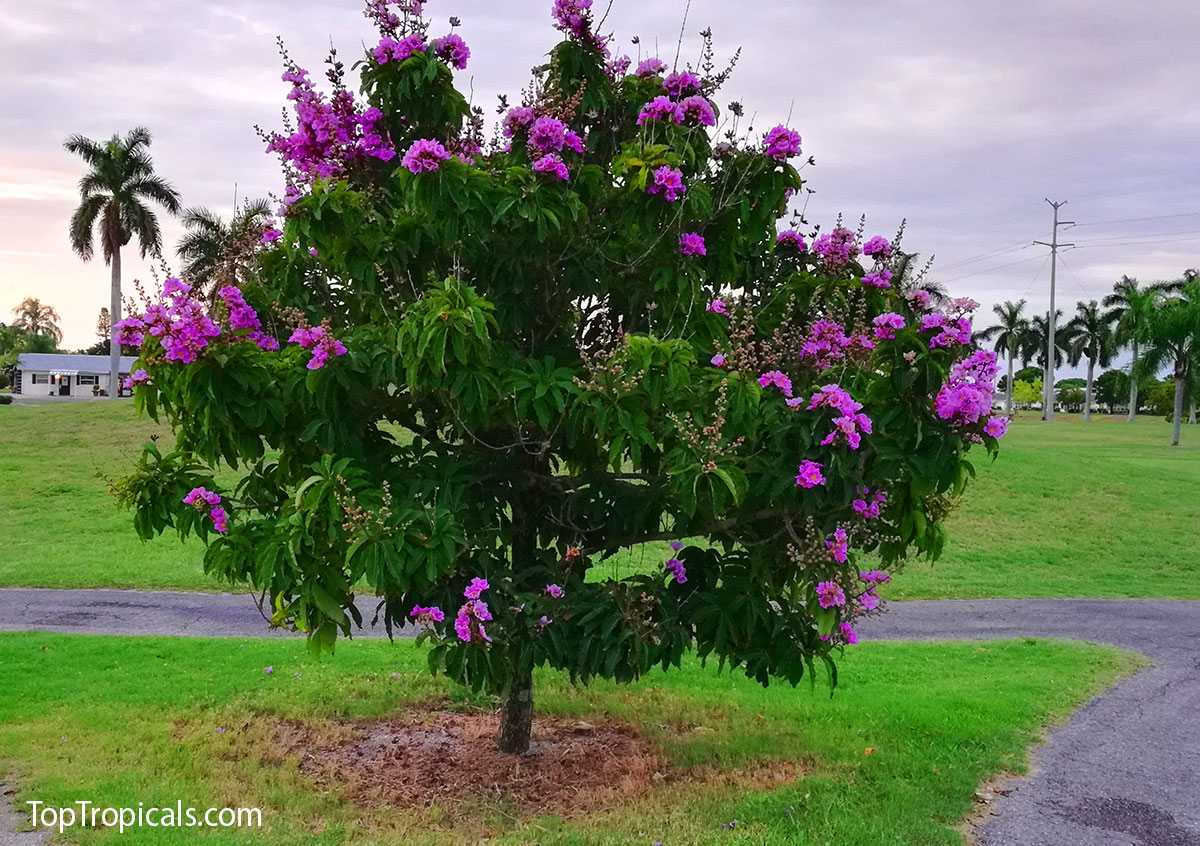
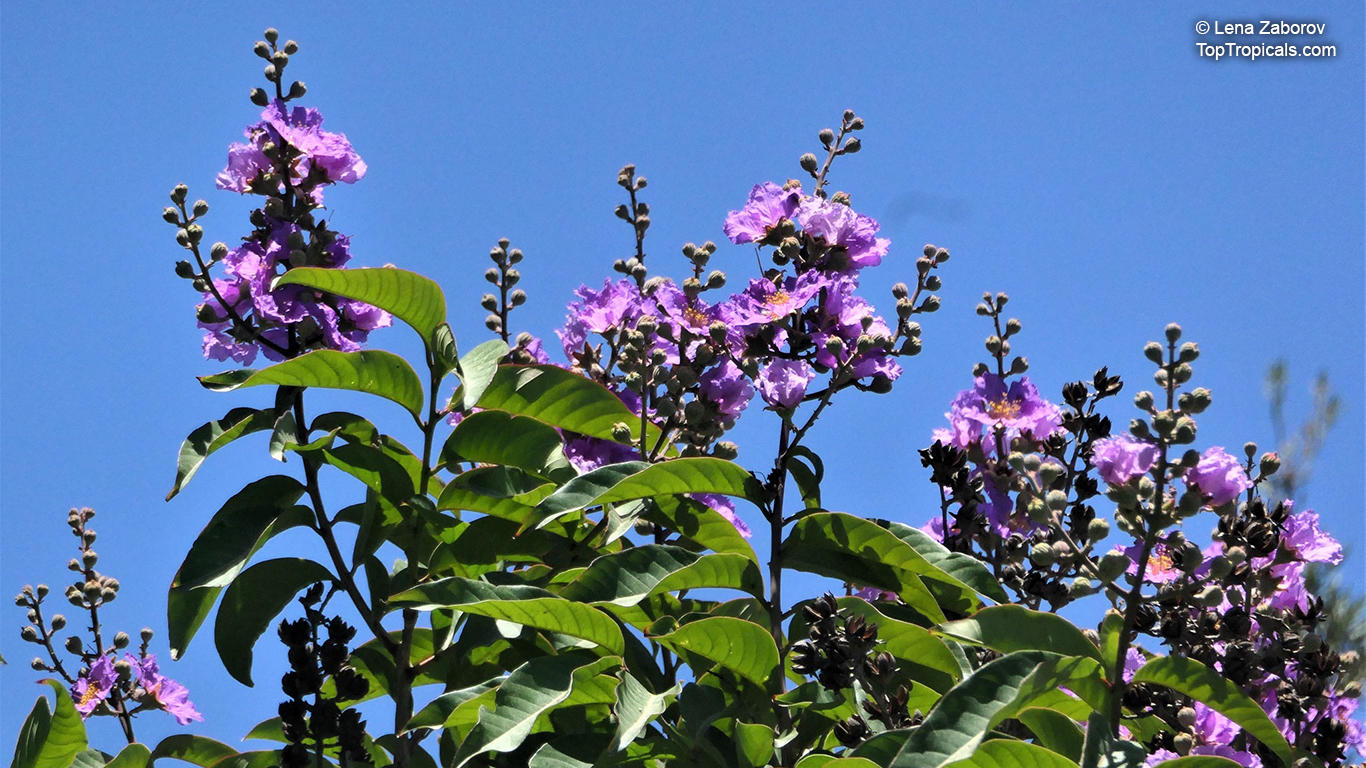
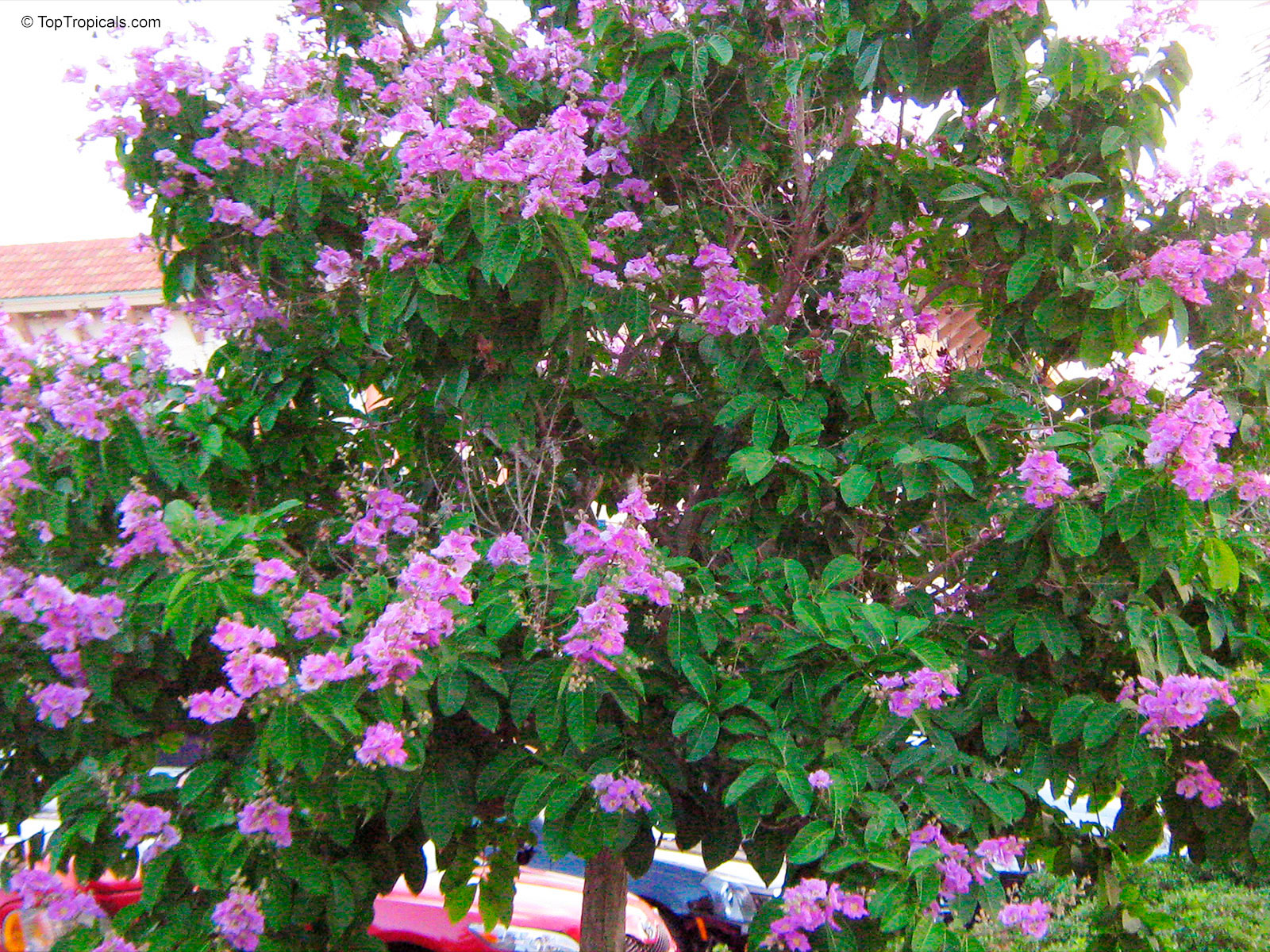
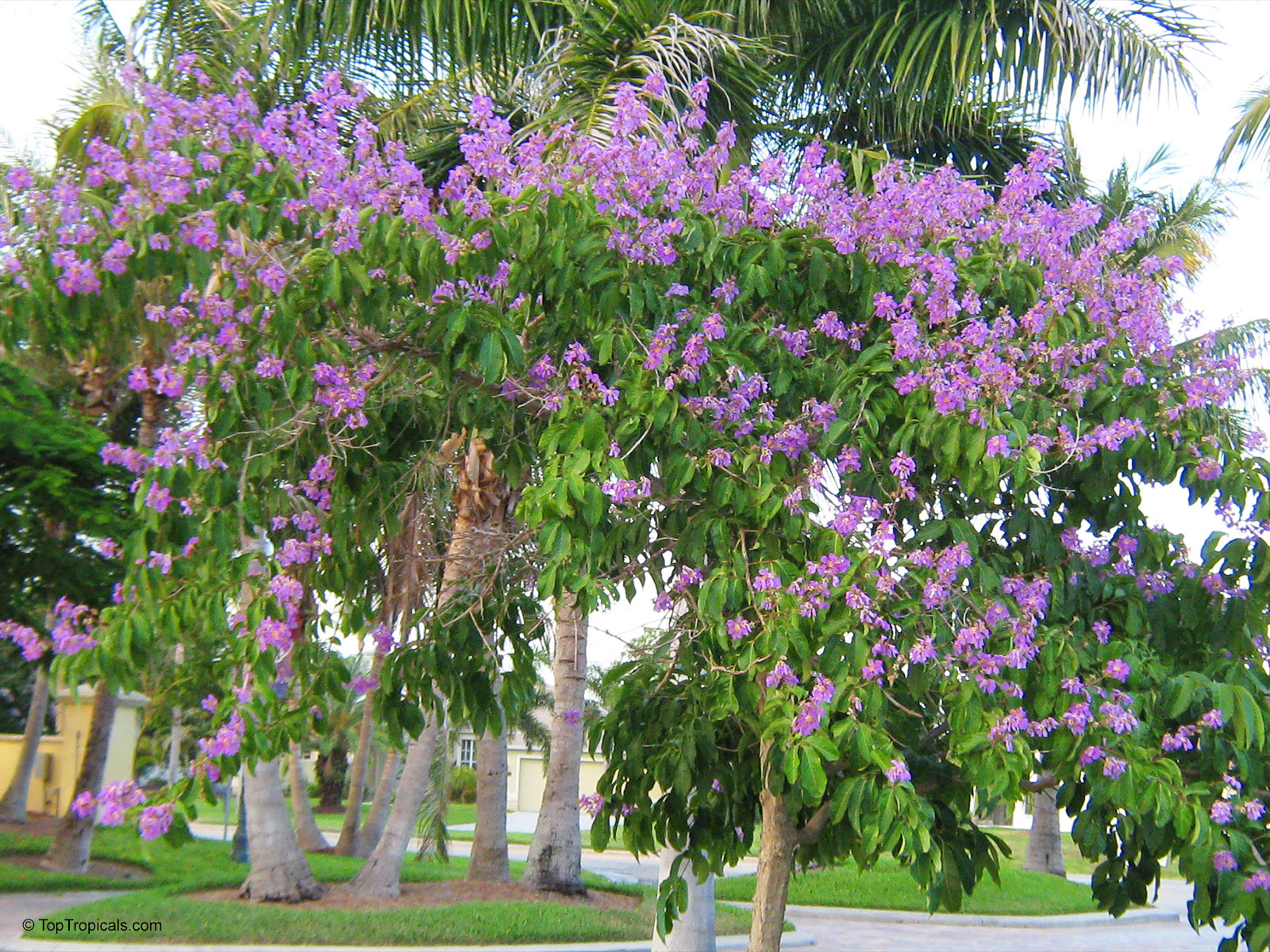
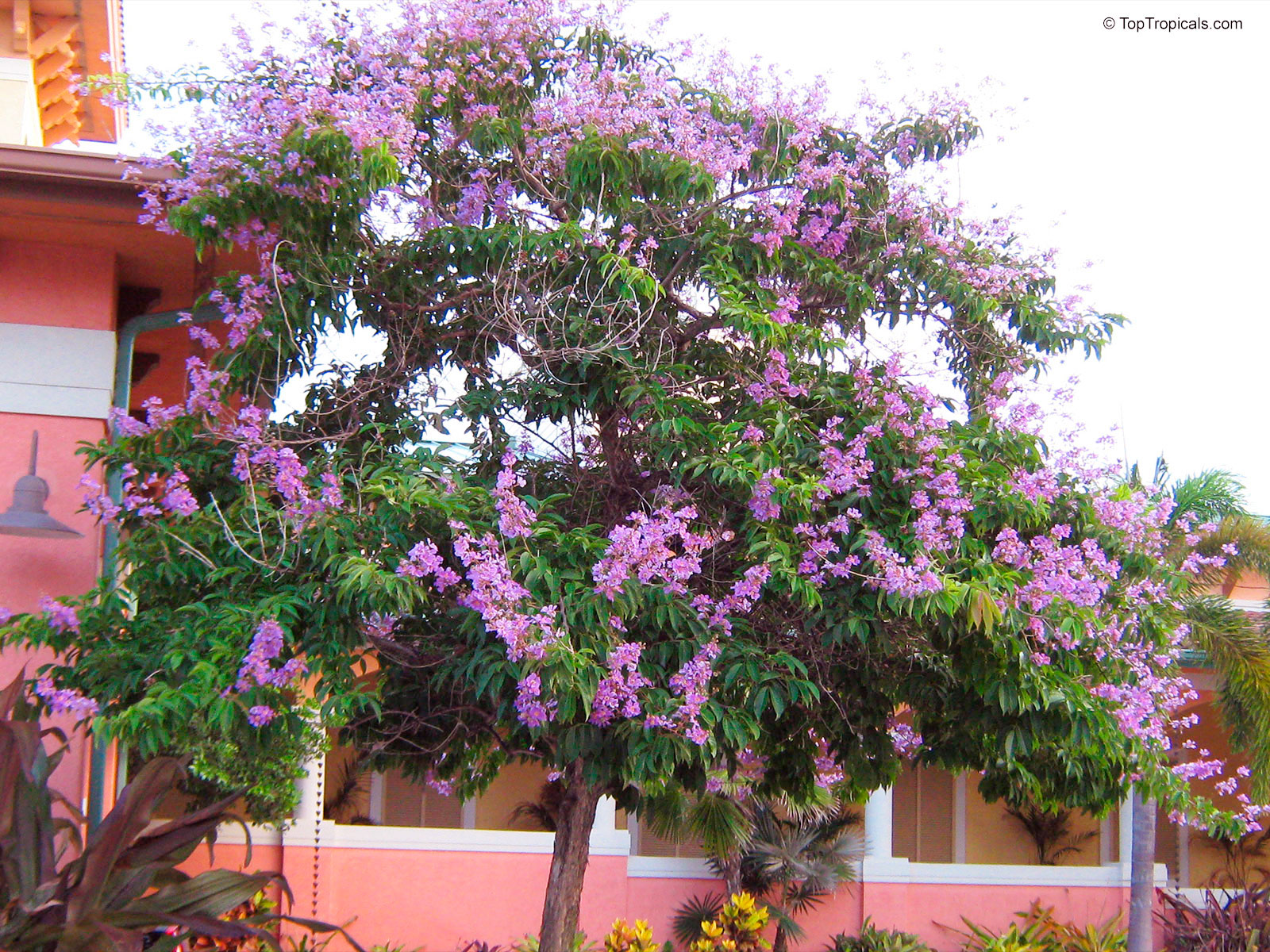
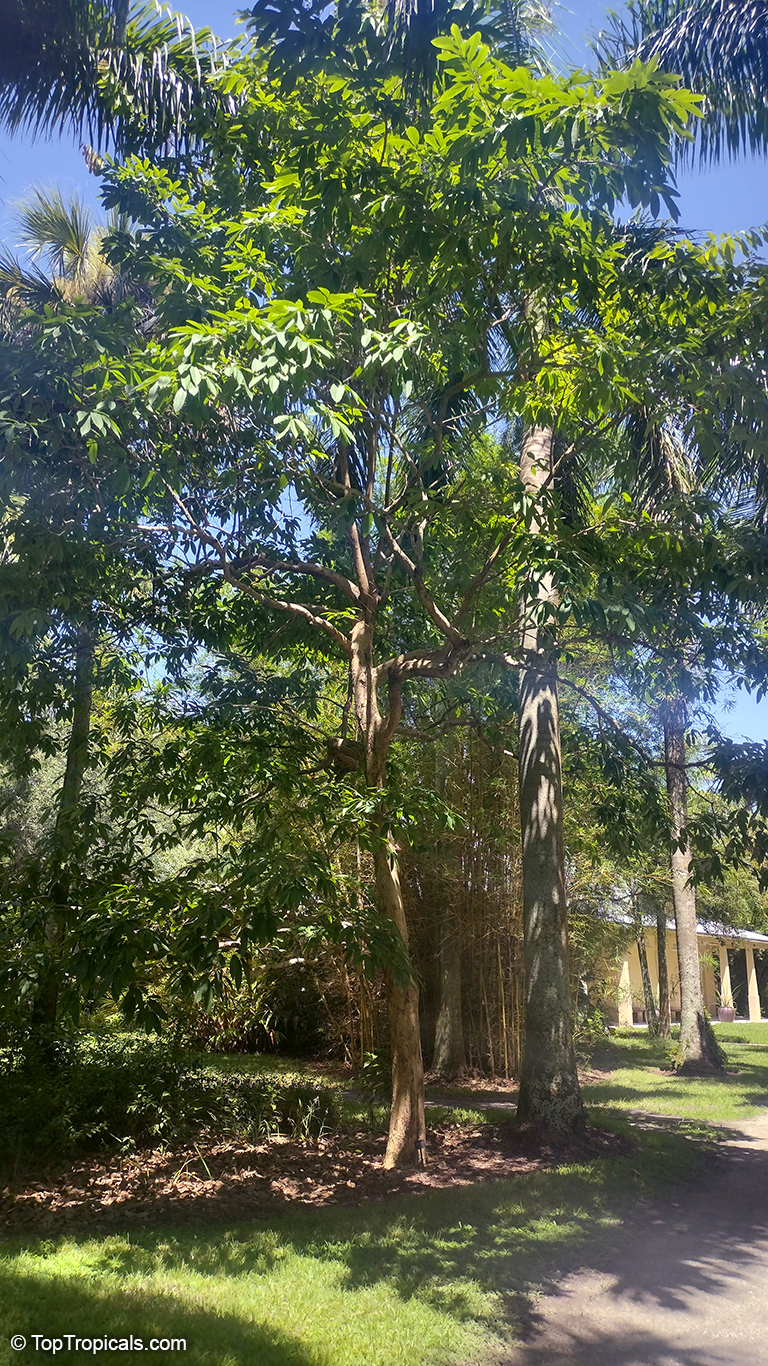
Lagerstroemia speciosa is a small, deciduous tree that grows 10 to 20 feet tall and wide. This plant is native to India and is easily grown in full sun and with regular water. It loves the warm humid climates of USDA Zones 10 to 11. It is flood tolerant and highly ornamental, with beautiful pink, lavender, and purplish-pink flowers that bloom in summer, attracting butterflies and hummingbirds. It's a great way to add color and interest to any garden and is considered an ethnomedical plant for its medicinal merits.
In cooler climates, Lagerstroemia speciosa is often grown in large containers and moved indoors for the winter. When growing in containers, use a potting soil that drains well. Make sure to water regularly and fertilize with a well-balanced fertilizer like any other flowering plant. Gradually reduce watering prior to the onset of winter. Prune the tree in the spring once it's fully leafed out. Since Crapes are a fast-growing tree, you'll need to prune throughout the season to shape and size the tree as desired. In colder regions, the plant should be moved indoors before temperatures reach the low 30s F and kept in a location that receives bright, indirect sunlight, such as a cool, south-facing window. Keep an eye on the temperature of the room; temperatures below 50 F can cause the tree to go dormant. Regularly mist the foliage to maintain humidity. When the weather warms, move the tree outdoors into dappled sunlight and start to acclimate it to the sun.


Recommended Supplies: SUNSHINE Megaflor - Bloom Nutrition Booster
SUNSHINE-Epi - Caudex booster
Adenium Soilless Mix
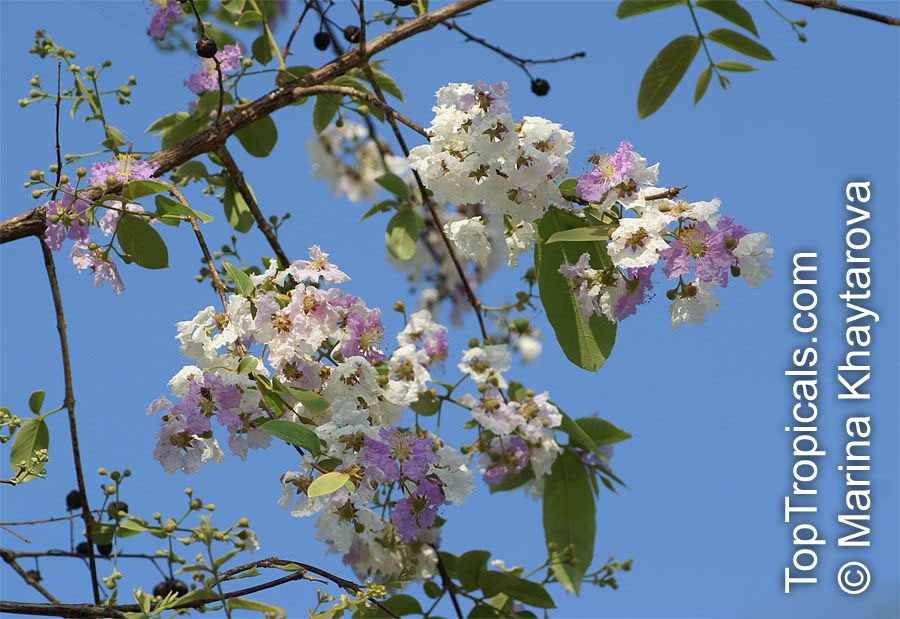
Botanical name: Lagerstroemia tomentosa
Common name: White Crape Myrtle
Family: Lythraceae
Origin: Indo-China, Thailand
USDA Zone: 9-10

| Next | |
Use link to repeat this search:
https://toptropicals.com/cgi-bin/garden_catalog/cat.cgi?find=Myrtle&search_op=and&keyword_op=and&language=e&number=10
&no_change_lang=1&user=tt&sale=1&first=0