Marigold - Plant Encyclopedia Results
| Number of plants found: 8 |
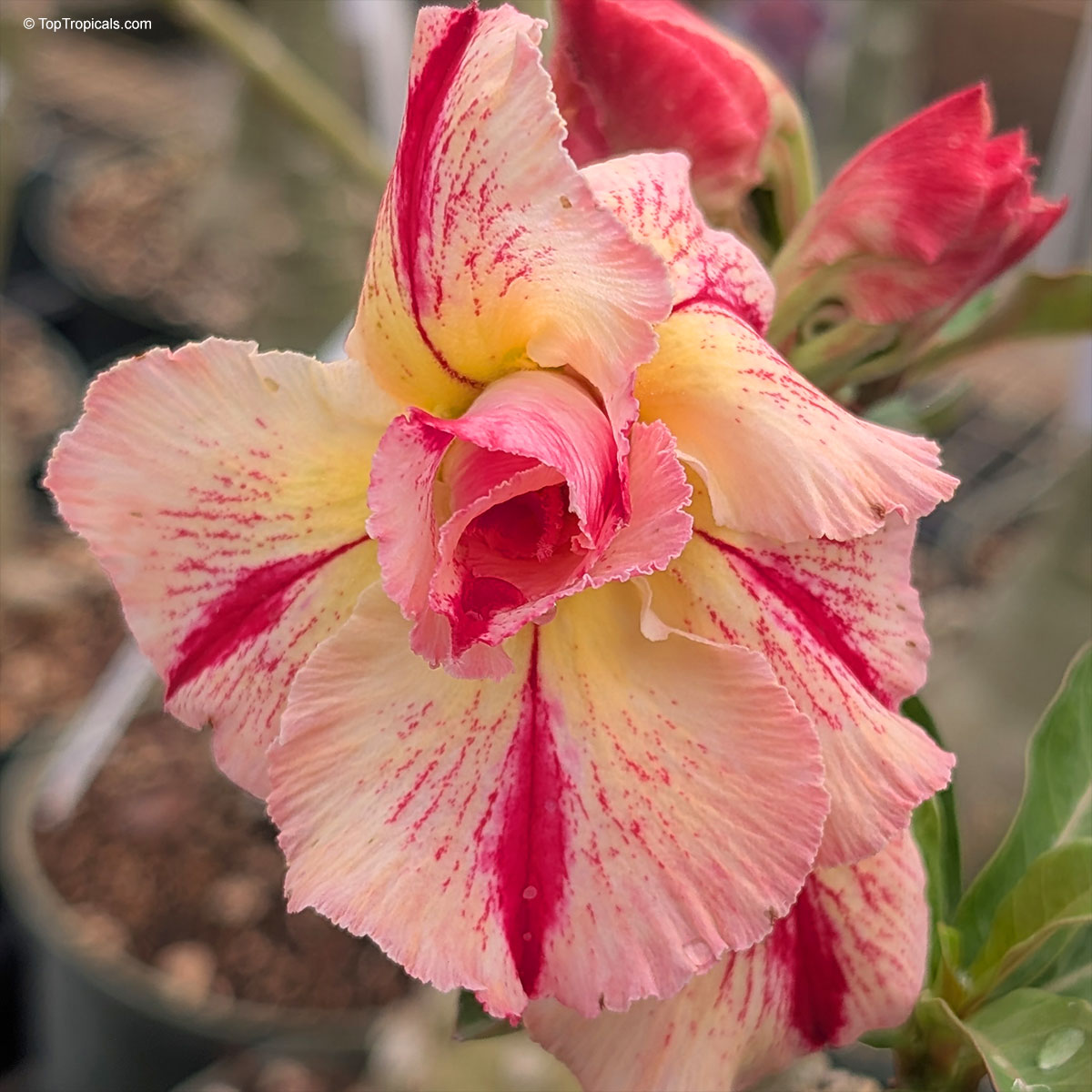
Botanical name: Adenium sp.
Common name: 'Marigold' Desert Rose
Cultivar: Marigold
Family: Apocynaceae
Origin: Arabia and East Africa
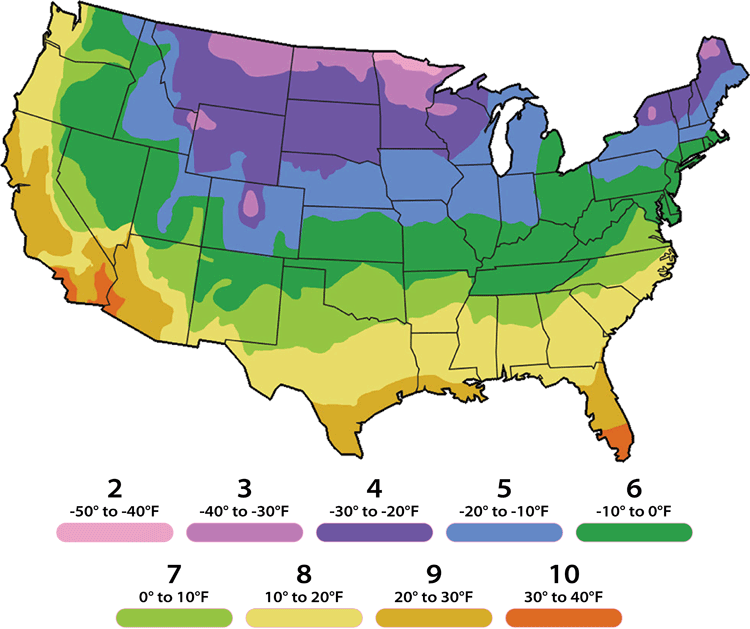
USDA Zone: 10-11


These adenium hybrids are quite unnique as they have unusual color for Adenium - yellow. Original species of Adenium were limited by pink, white, and red colors and shades. Just a few years ago, yellow hybrids were selected in Thailand and at first were considered a myth. Now we have them, and every year more and more yellow hybrids appear on the market.
Adeniums have many spectacular hybrids. The basic culture is very similar to orchids. A small pot with excellent drainage is a must. Adeniums do not like both over-watering or drying-out. There is a little secret of how to create a weird shape of the base: lift the plant a bit every time you re-pot the plant, so that the upper part of roots will be a little exposed. The plant will form more roots that will go down. To make your plant develop a large swollen base/trunk, you'll need a good quality fertilizer. Fetilizer requirement for swelling up trunks is also used to increase flowering. It shouldnt be too hight in nitrogen, the middle number should be the highest. Never apply fertilizer directly on roots and do not liquid feed when a plant is thirsty: always water first slightly to avoid root burn and leaf drop. Do not wet leaves. Adeniums need lots of light for heavy flowering. Most hybrids and species start blooming in the spring when the conditions are warm and days get longer, and continue blooming through the fall and winter in warmer climates. Adeniums like a neutral to hard water. Acidic water tends to sour the soil too fast and may cause root rot. Water plants preferably in the early morning, and allow them to drink up throughout the day. Watering can be done daily to every few days. Never allow your plants to sit in a saucer of water, but don't let them to dry out too often - this causes adeniums to go into early dormancy.
Yellow adeniums are very valuable because many of them have light fragrance.
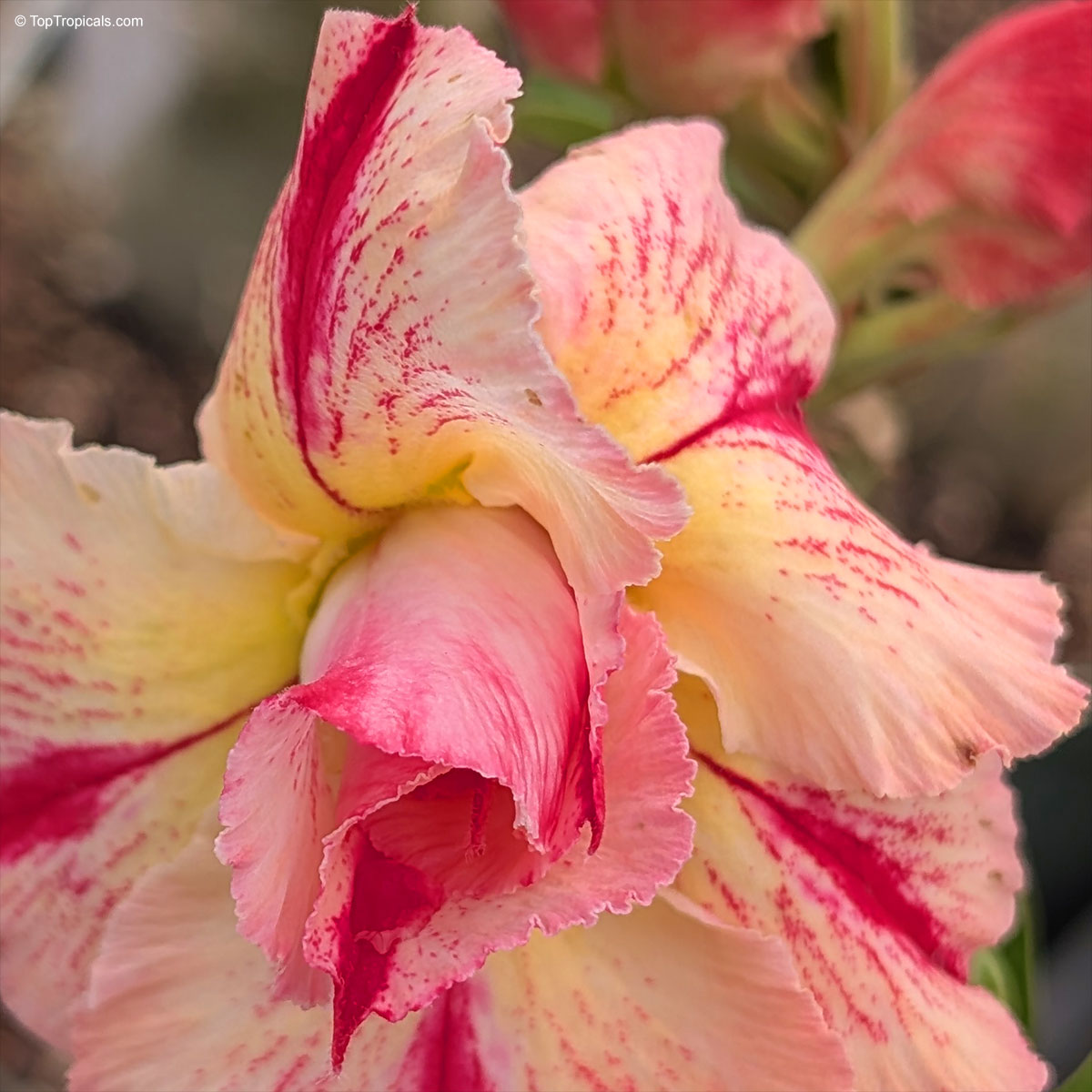
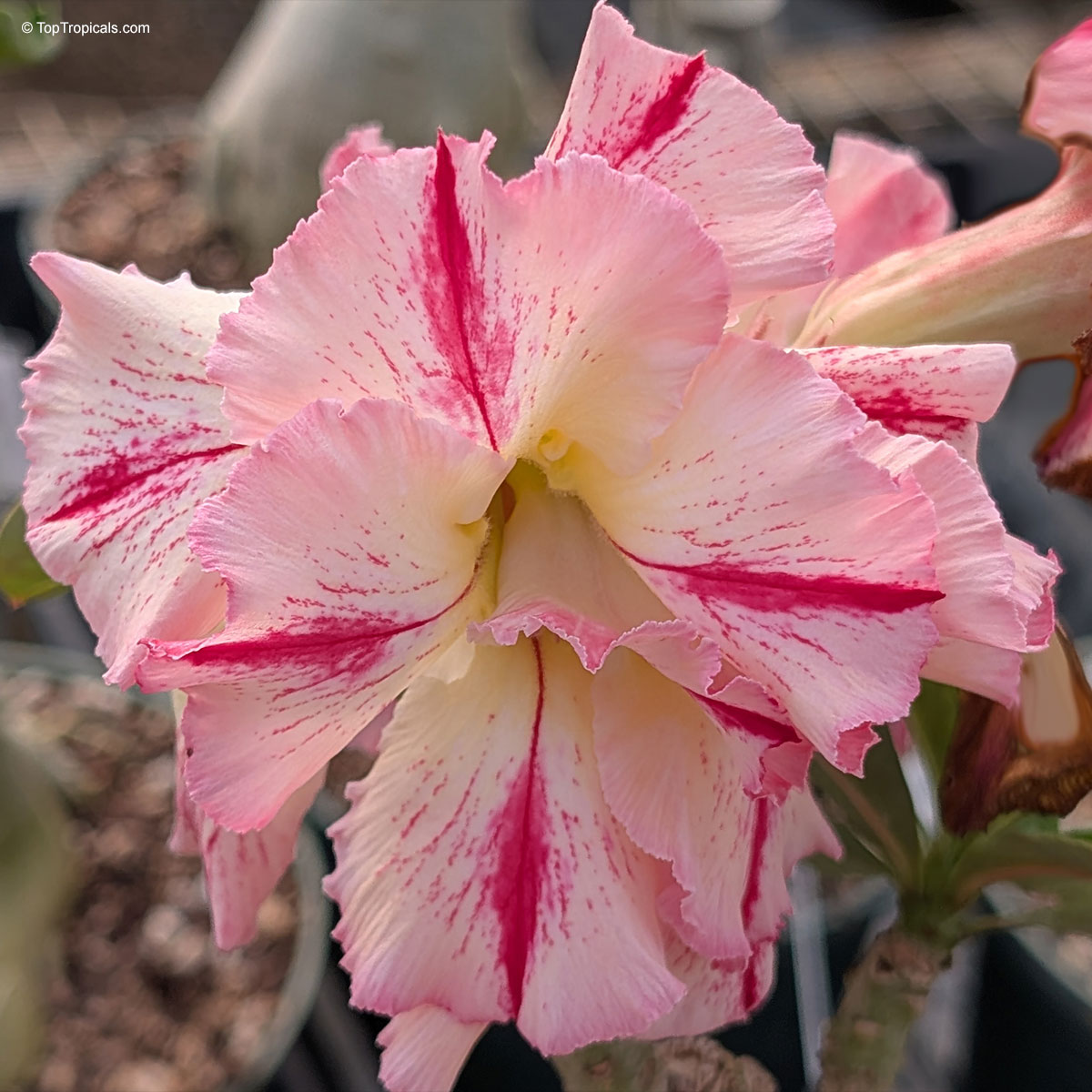
Adenium 'Marigold' features soft yellow petals blending into pale pink, each marked by a bold vinous-red streak resembling a phoenix feather. As the flower matures, the yellow fades into a delicate white-pink, adding to its dynamic beauty.
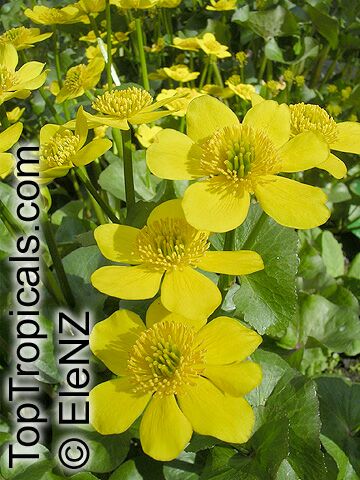
Botanical name: Caltha palustris
Common names: Marsh Marigold, Cowflock, Cowslip, Kingcup
Family: Ranunculaceae
Origin: North America
USDA Zone: 3-7


Caltha palustris, commonly known as the marsh marigold, is a small plant native to North America typically growing to between 2-5 feet in height. This species requires a location in full sun to semi-shade and moist soil that is bog-like or aquatic, along with regular water. This plant will produce yellow and orange, daisy-like flowers from mid-spring through to mid-fall.
Although this species is mostly harmless and attractive, it can be irritating to some people with sensitive skin, and various parts of the plant have been used for ethnomedical purposes throughout history. The roots and leaves of the Marsh Marigold have been used in traditional medicine to treat colds and sores, as an aid in childbirth, to induce vomiting and as a protection against love charms and constipation. However, it should be noted that the leaves of the plant are poisonous - especially to livestock and small animals.
It can be grown in USDA Zone 3-7. Those in colder regions wanting to grow this species in pots should ensure that they are in a sheltered location and, once established, the plant should be given protection during severe cold weather. Furthermore, soil should be kept evenly moist throughout the growing season.
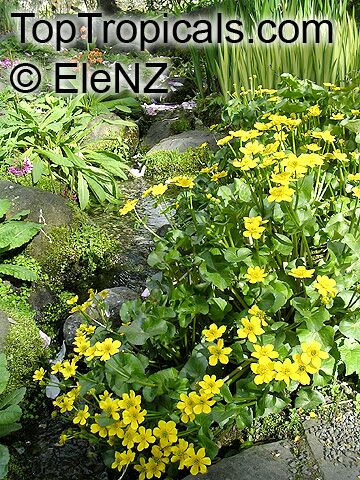
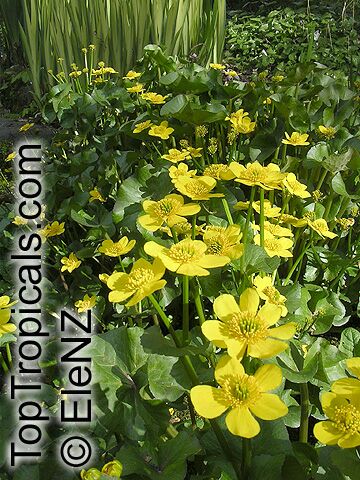

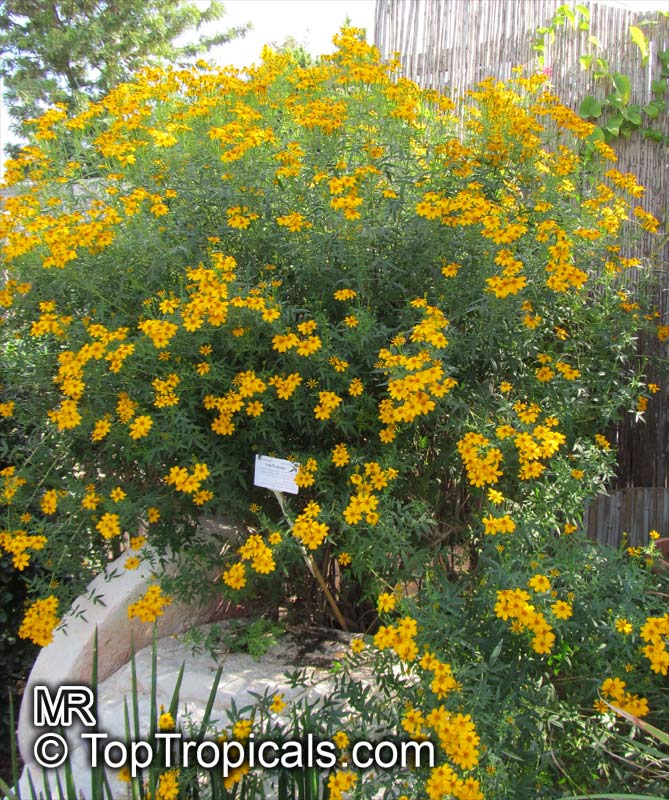
Botanical name: Tagetes lemmonii
Common names: Lemon Marigold, Tagetes, Copper Canyon Daisy
Family: Asteraceae
Origin: Mexico
USDA Zone: 8-11


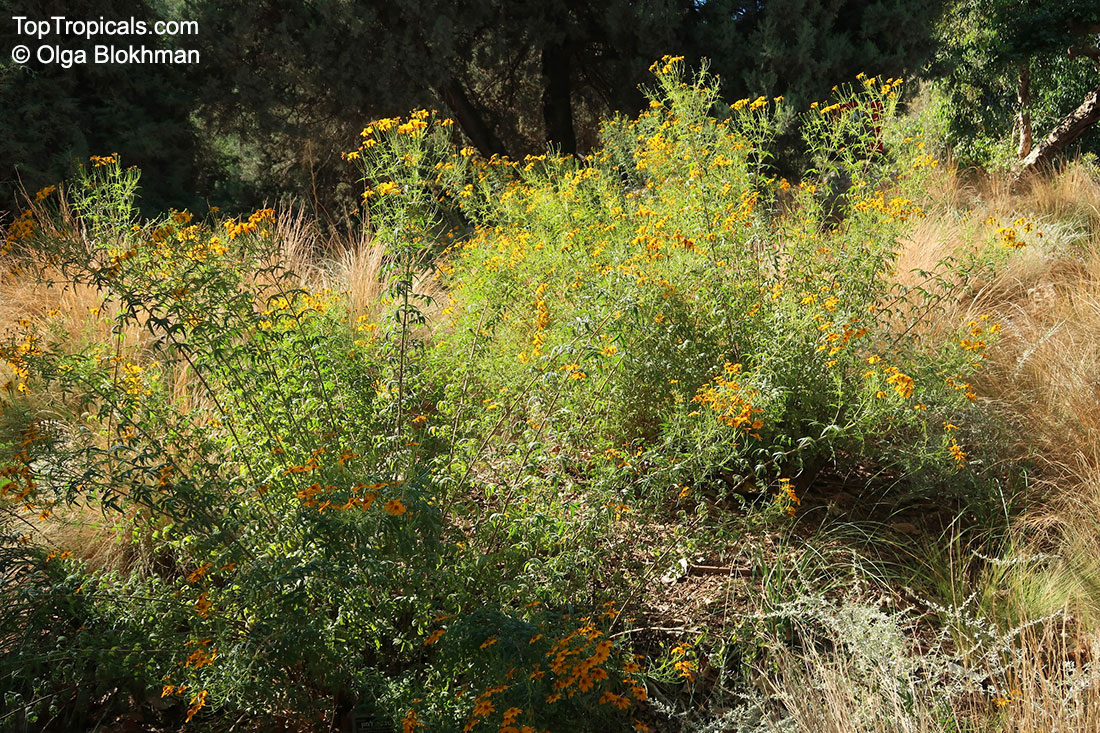
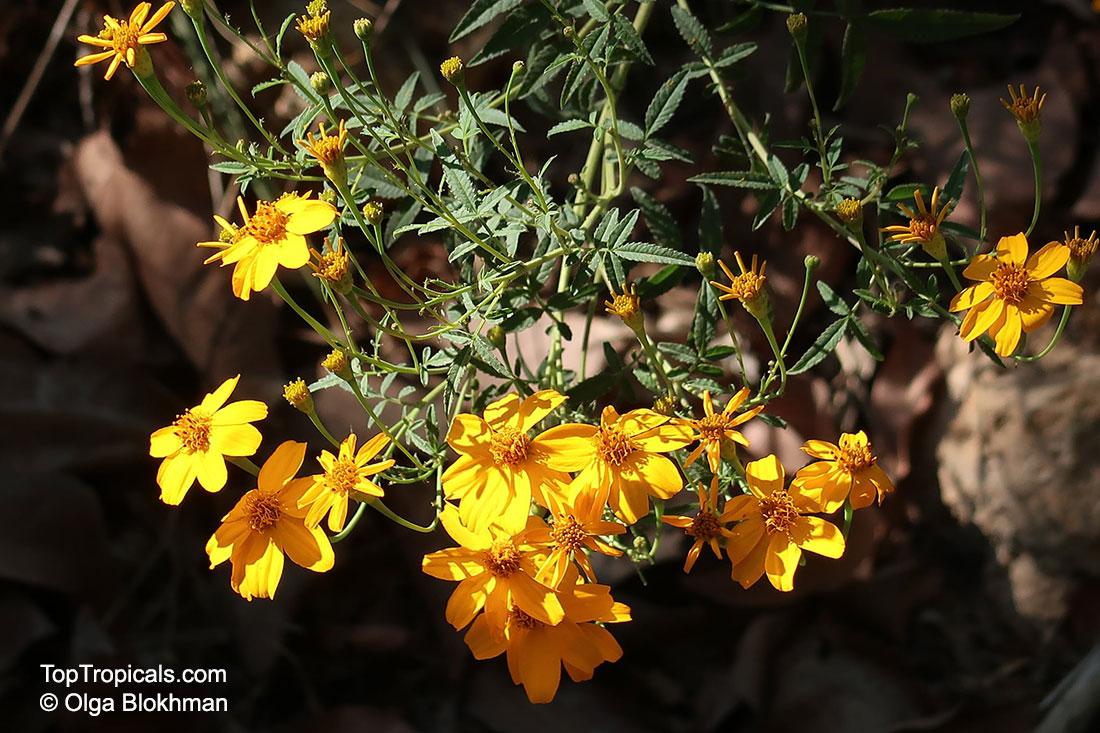
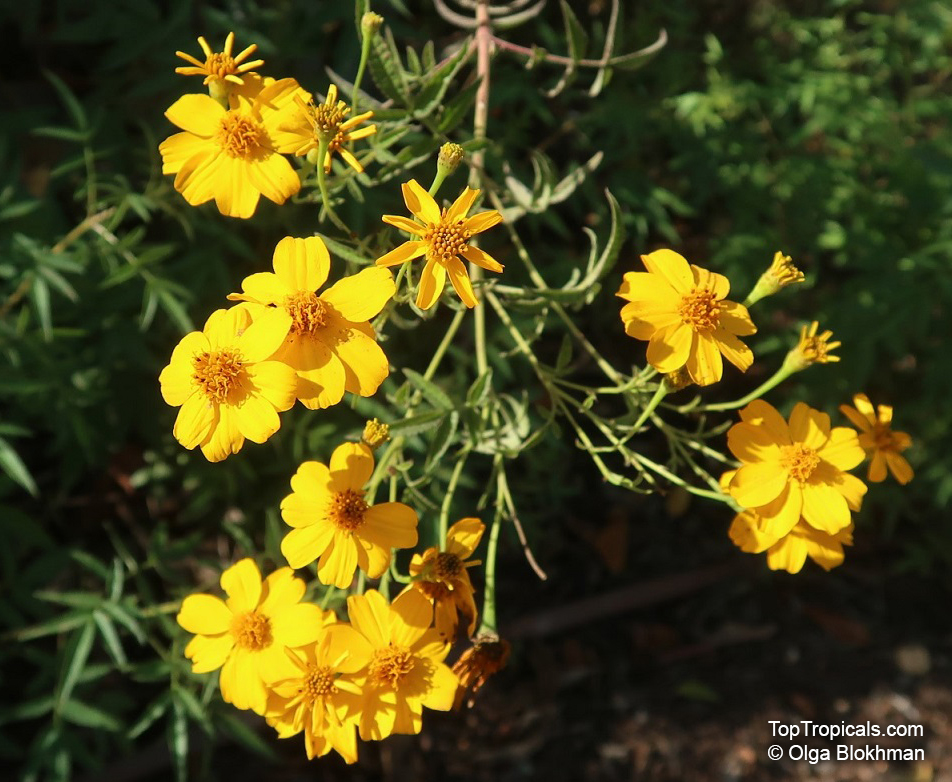
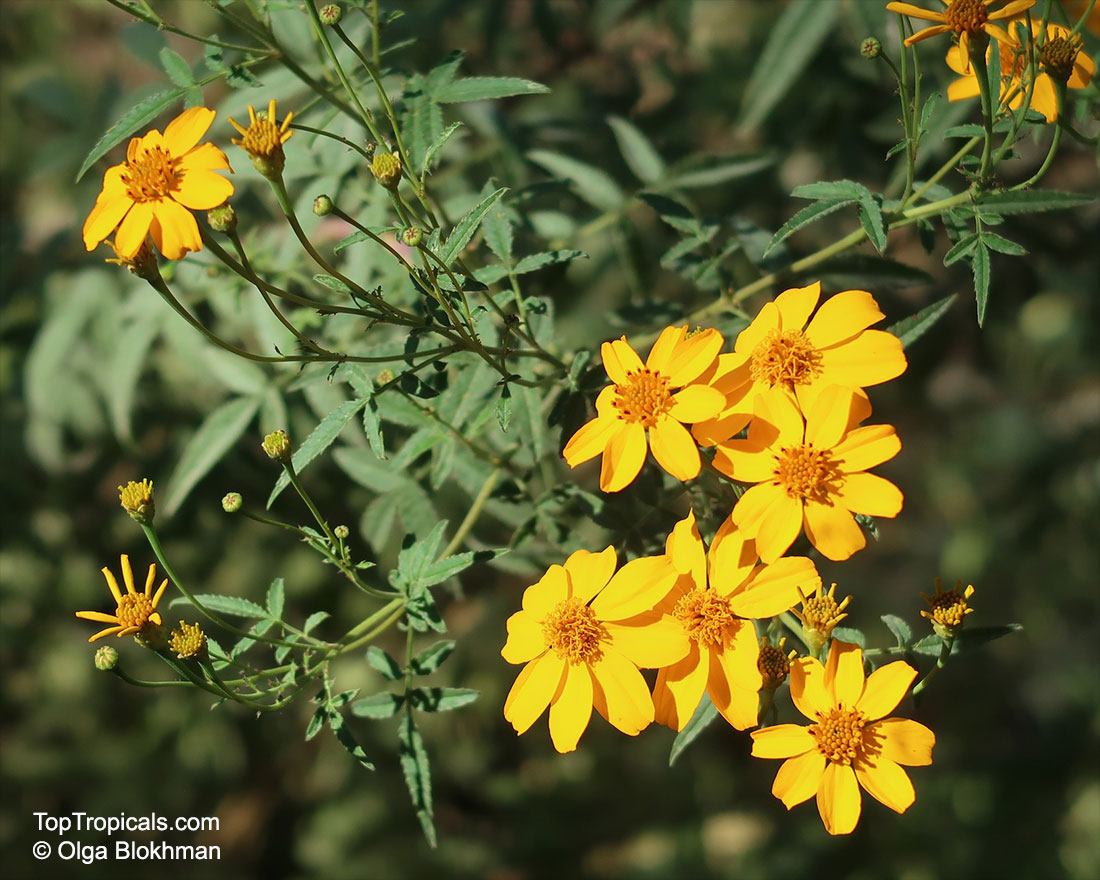
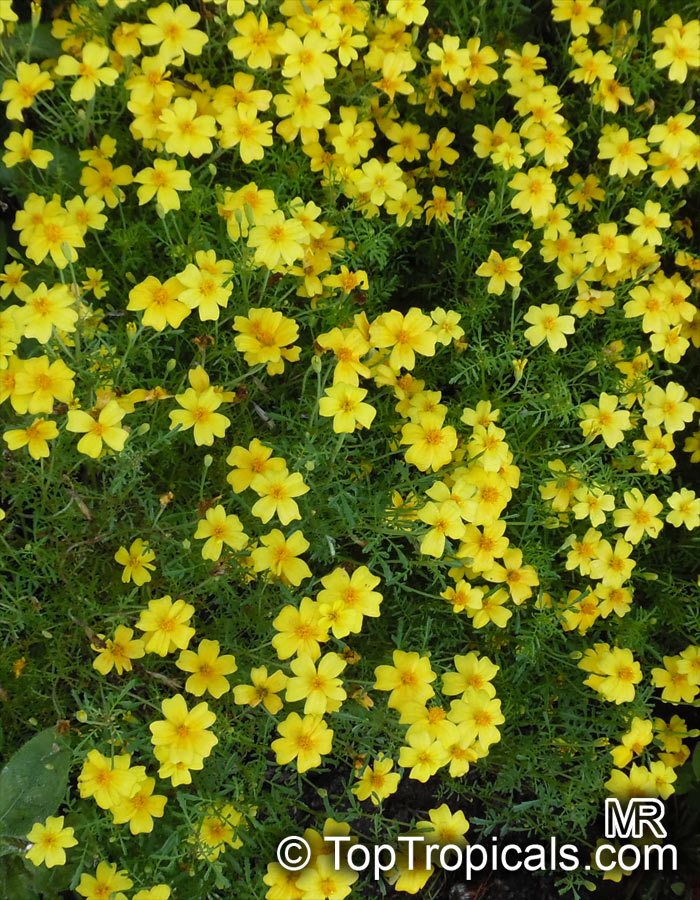
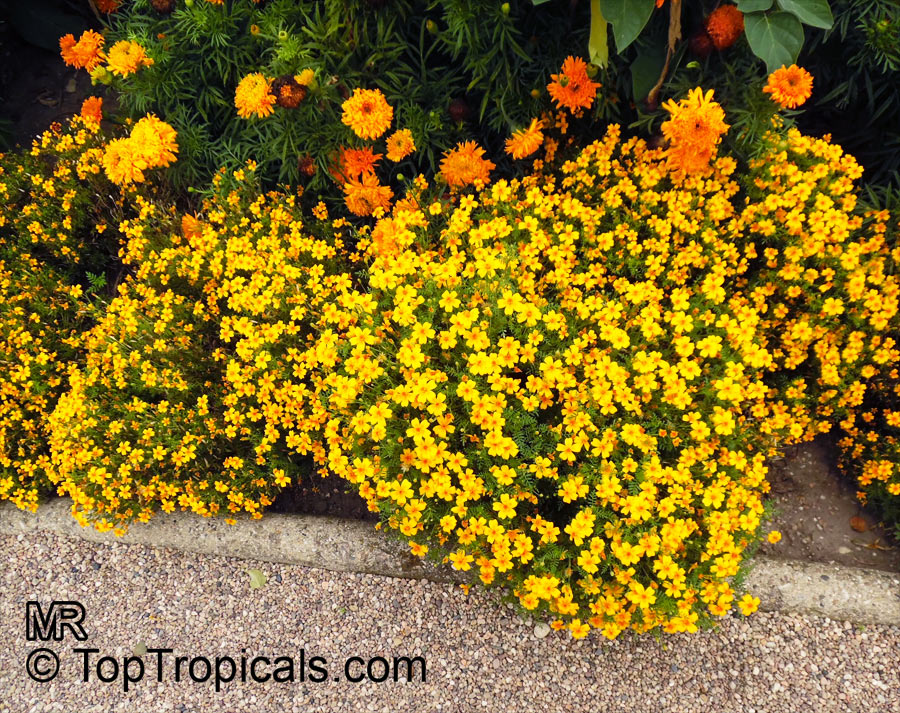
Lemon Marigold, also known as Copper Canyon Daisy, is a small shrub that can be trimmed to a groundcover level. However, it has the potential to reach a few feet in height if left unchecked. This plant is known for its aromatic, airy foliage and vibrant yellow daisy-like blooms. Its finely divided foliage releases a strong fragrance when touched or brushed against.
The orange-yellow flowers of Lemon Marigold appear in the fall and winter, with off bloom in other seasons. The flowering of this plant is triggered by short day lengths, so overcast weather can extend the flowering period into the spring. It is best to plant Lemon Marigold in sun or part shade in well-drained soil. It is drought tolerant in coastal gardens, but looks best with a little irrigation. Too much water or too little light can lead to leggy plants that do not bloom well.
Lemon Marigold is a great choice for attracting butterflies to your garden. If you plan to keep this plant in a pot, it is important to use free-draining soil and water it frequently during the summer. In cold regions, a containerized Lemon Marigold can be overwintered by placing it in a protected position, such as a garage or greenhouse, during the harshest weather conditions. In USDA Zone 8-11, these plants can survive freezing temperatures as long as their roots are kept relatively dry and temperatures do not drop below 30 degrees Fahrenheit for an extended period. It is a good idea to provide a winter layer of mulch around the plant to keep the roots insulated and the soil moist.
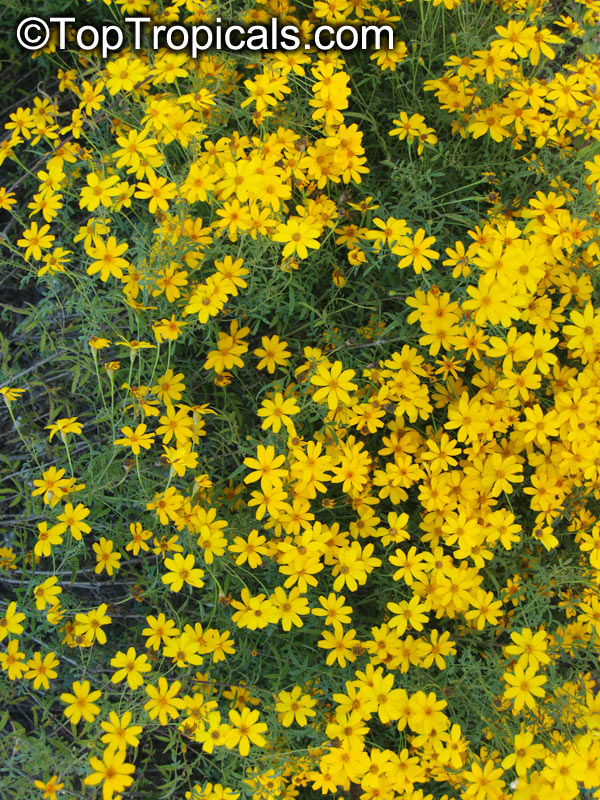
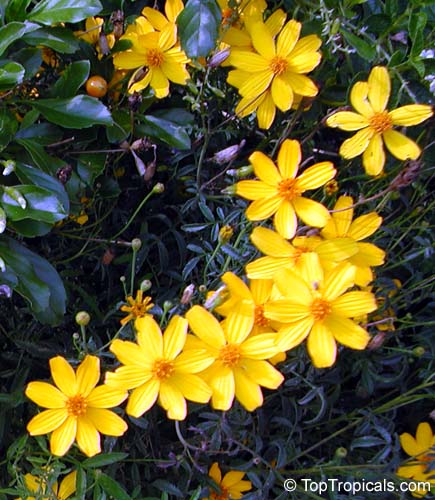
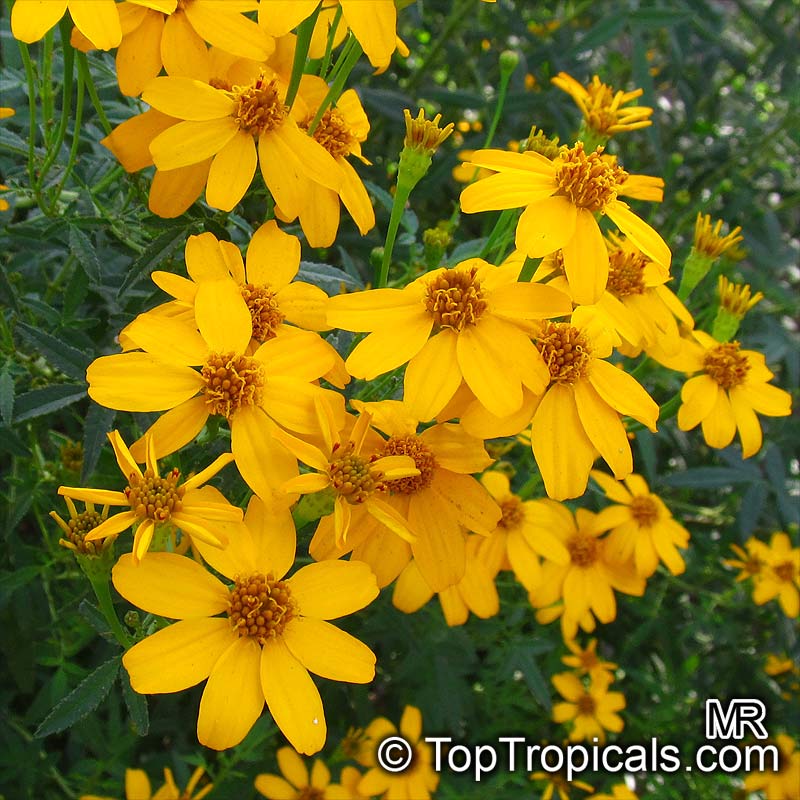
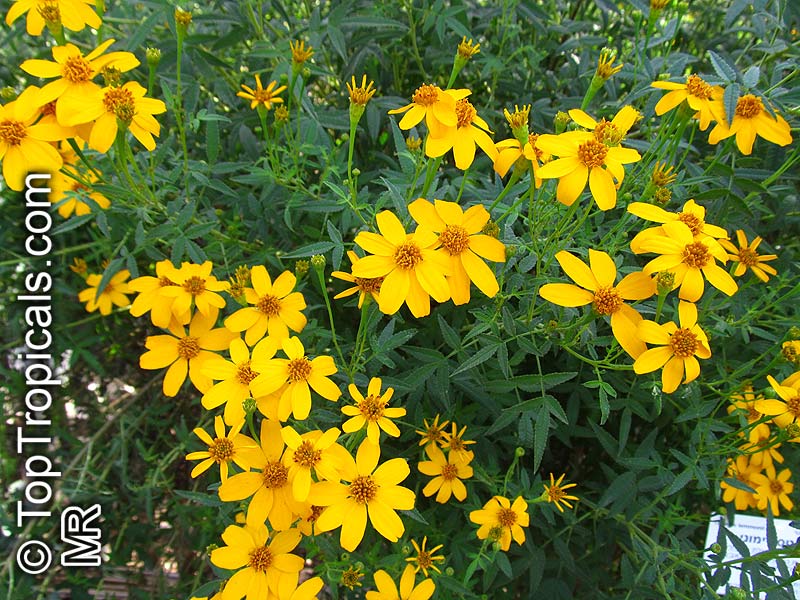


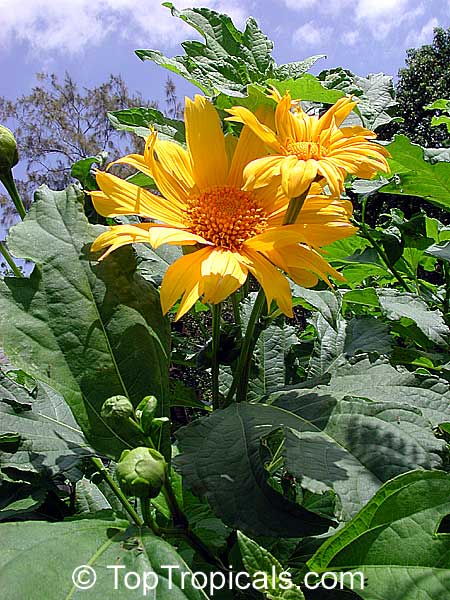
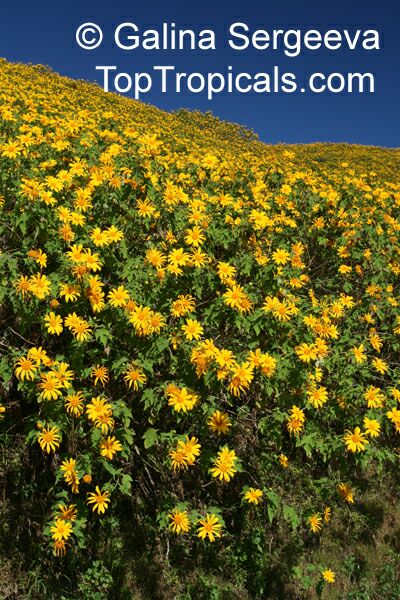
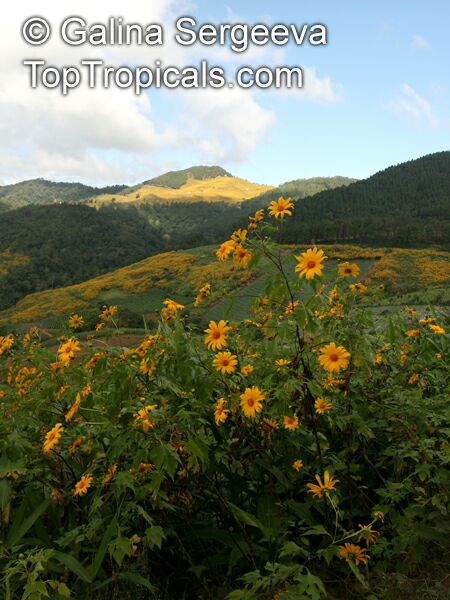
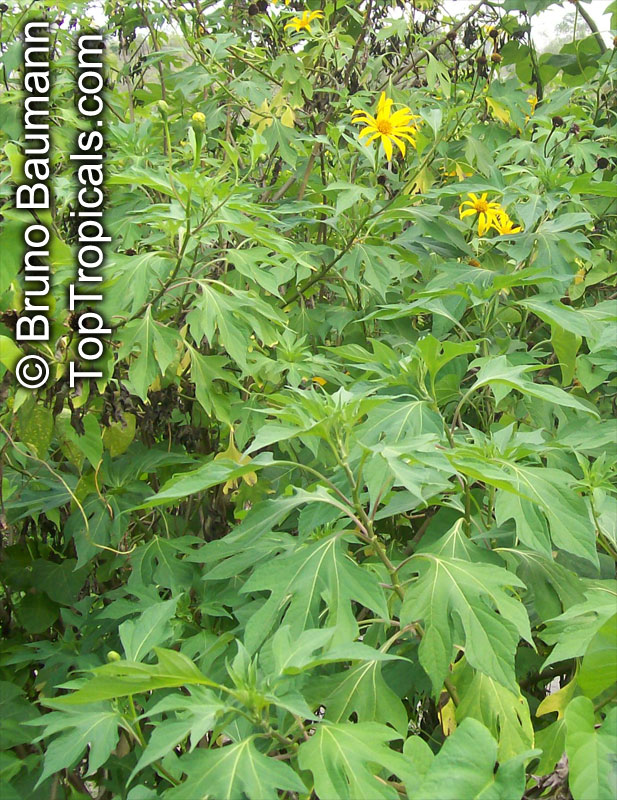
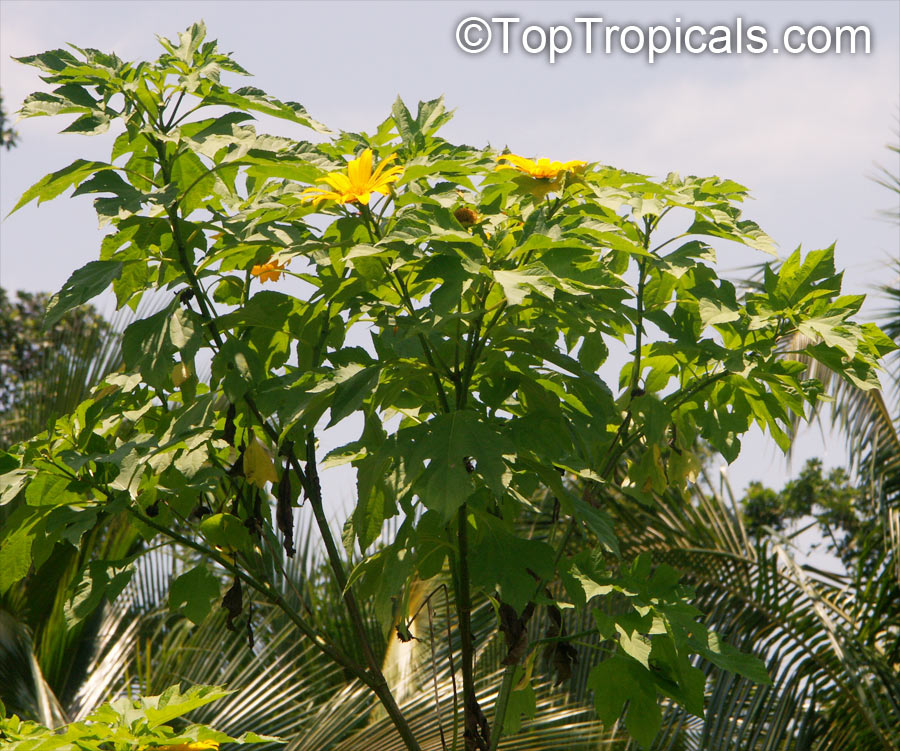
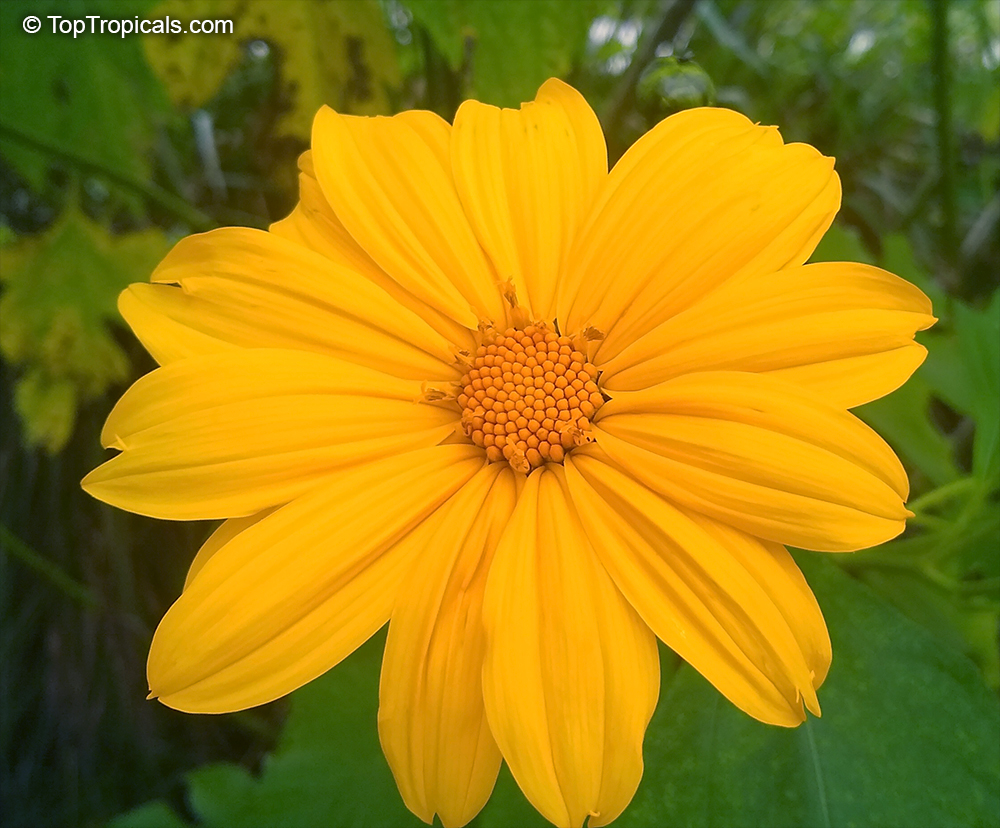
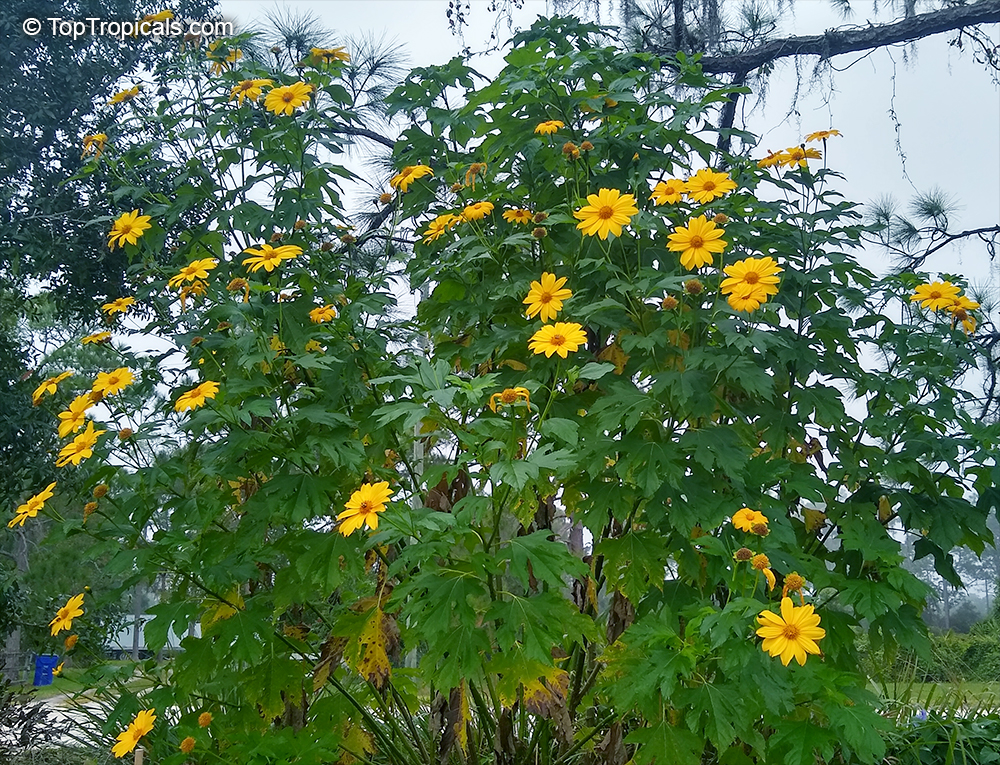
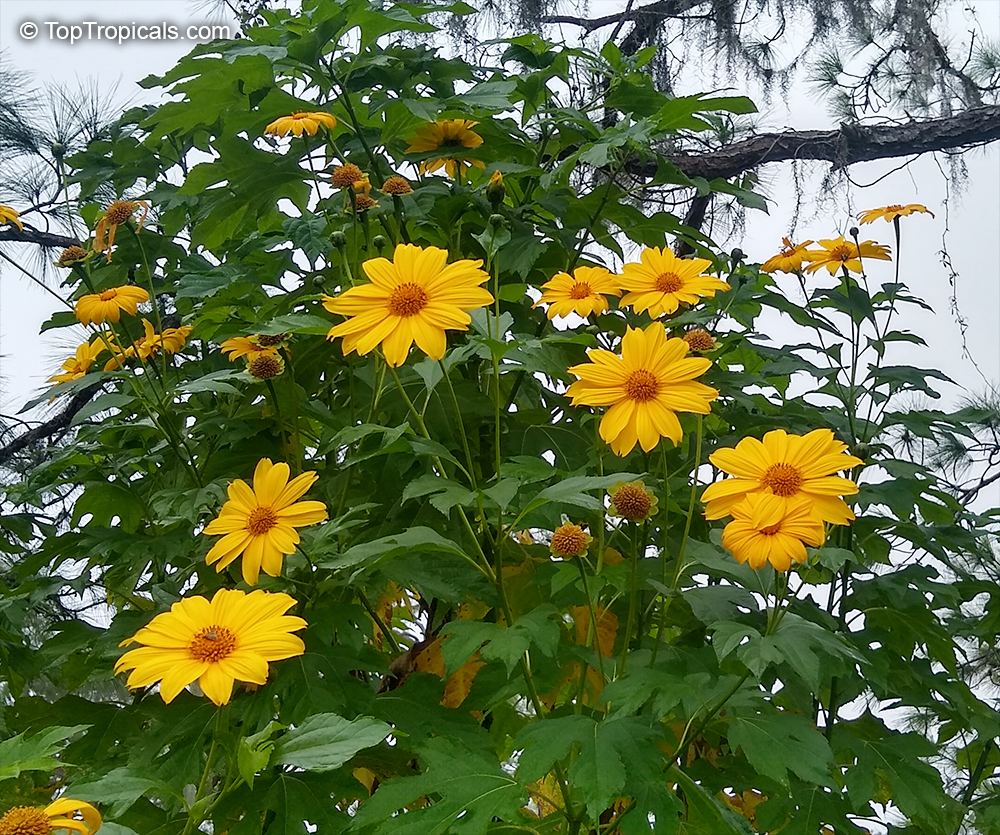
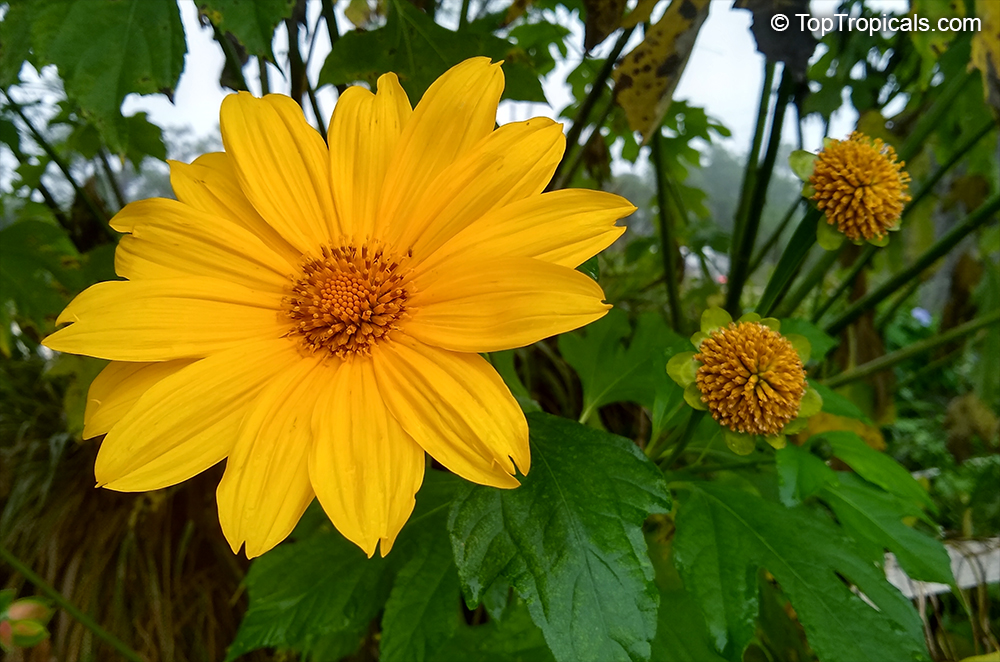
Botanical name: Tithonia diversifolia
Common names: Sunflower Tree, Tree Marigold, Wild Sunflower
Family: Asteraceae
USDA Zone: 9-11


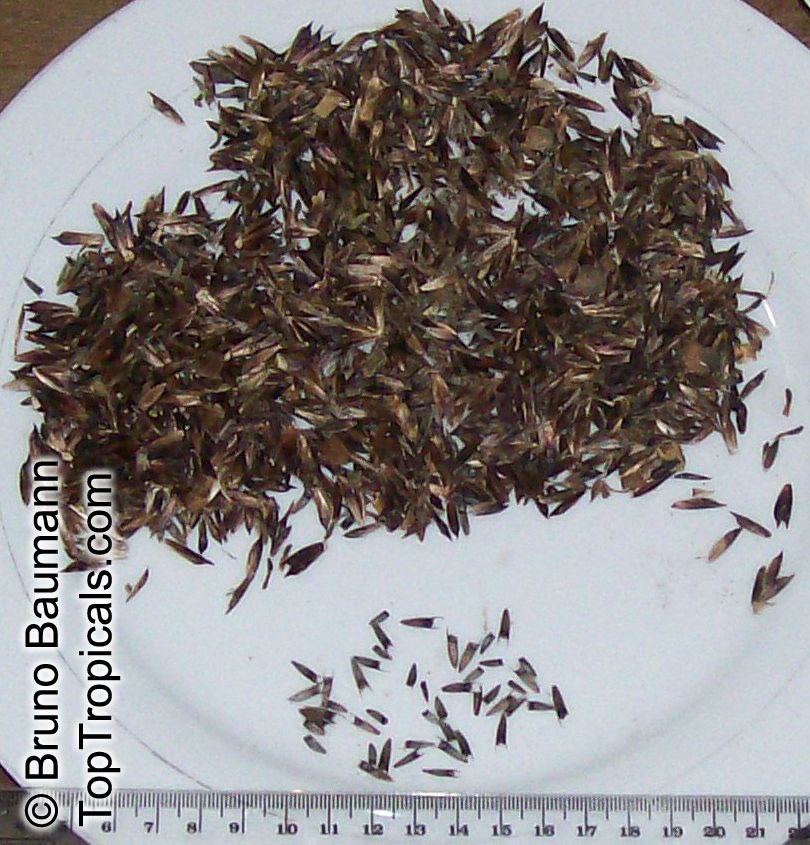
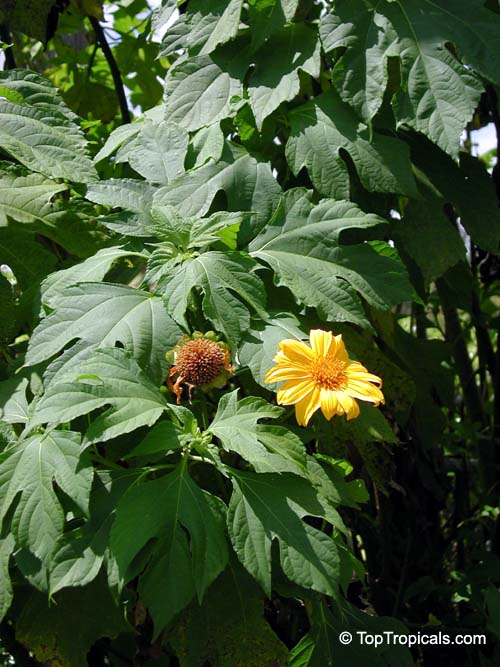
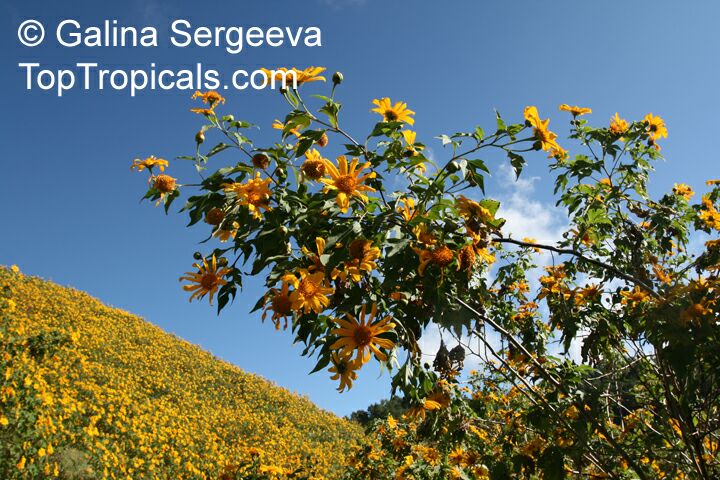
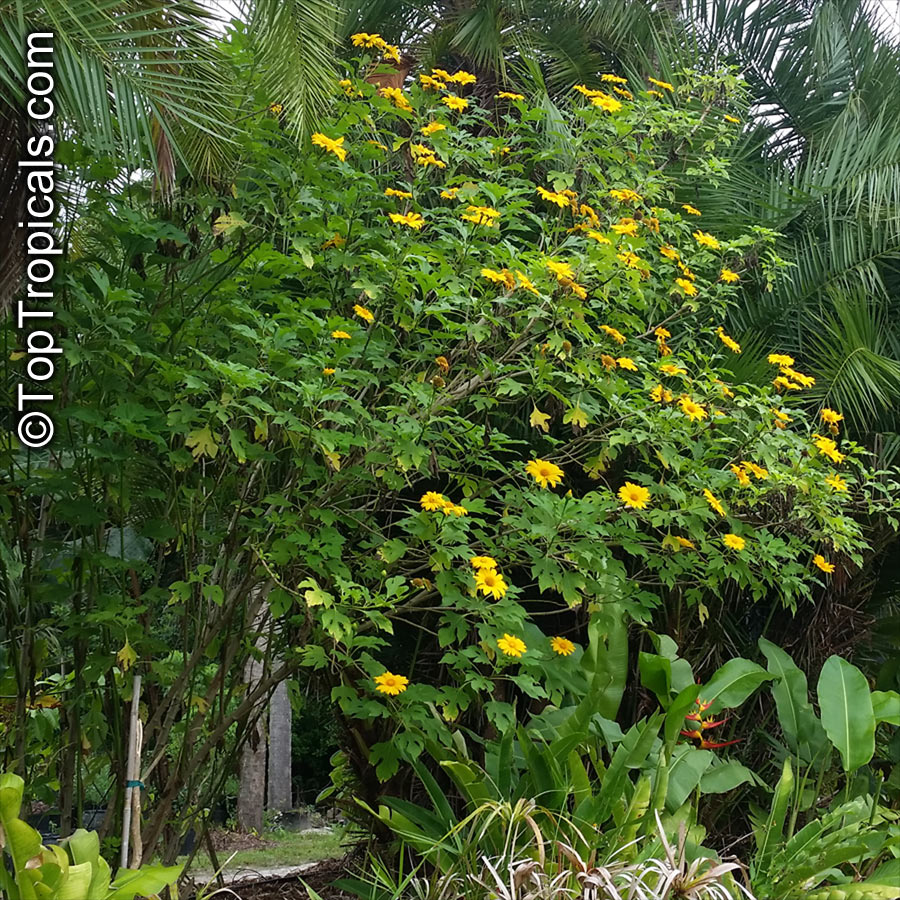
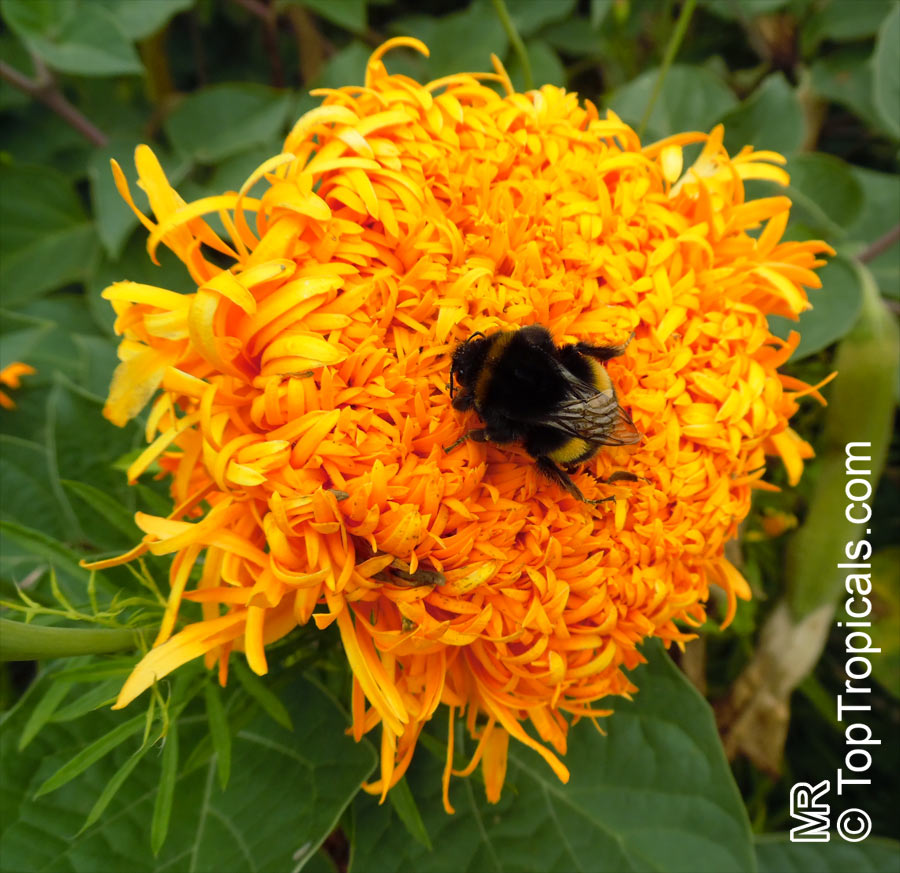
Sunflower Tree, also known as the Tree Marigold, is a perfect choice if you want a fast-growing shrub to hide something you don't like in just a few months. But that's not all! This tree also has beautiful sunflower-like flowers that look really happy.
The Sunflower Tree grows really quickly and has cute flowers that are about 2-3 inches wide. When it's fully grown, it's about 10 feet tall and 10 feet wide, like a big, cozy blanket.
Even when it gets a bit chilly in winter and there's a light freeze, the Sunflower Tree doesn't mind too much. It bounces back every spring, even stronger than before, like a champion.
If you live in Central Florida where it sometimes gets a little frosty, the Sunflower Tree is a super good choice. It's like a tough, colorful wall that grows fast and makes your yard look awesome.


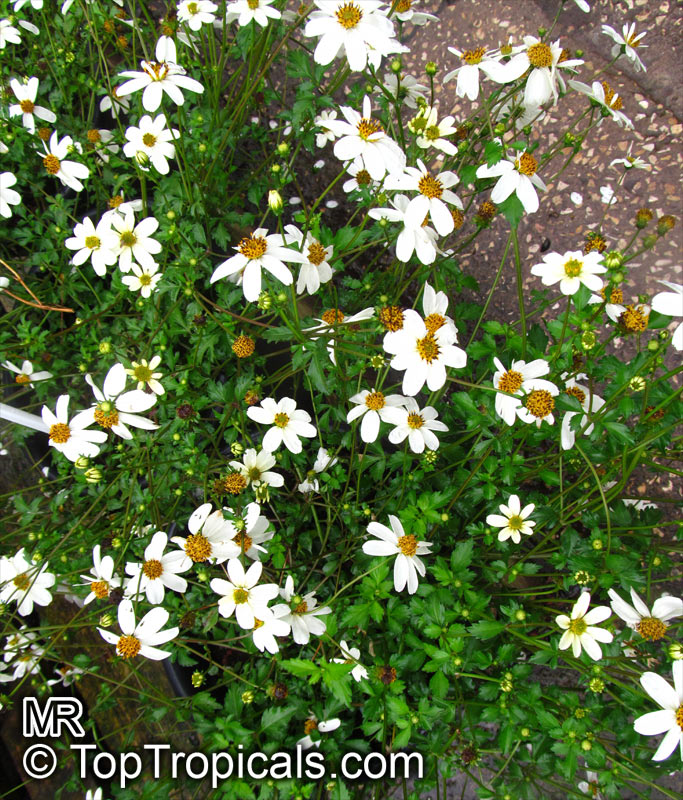
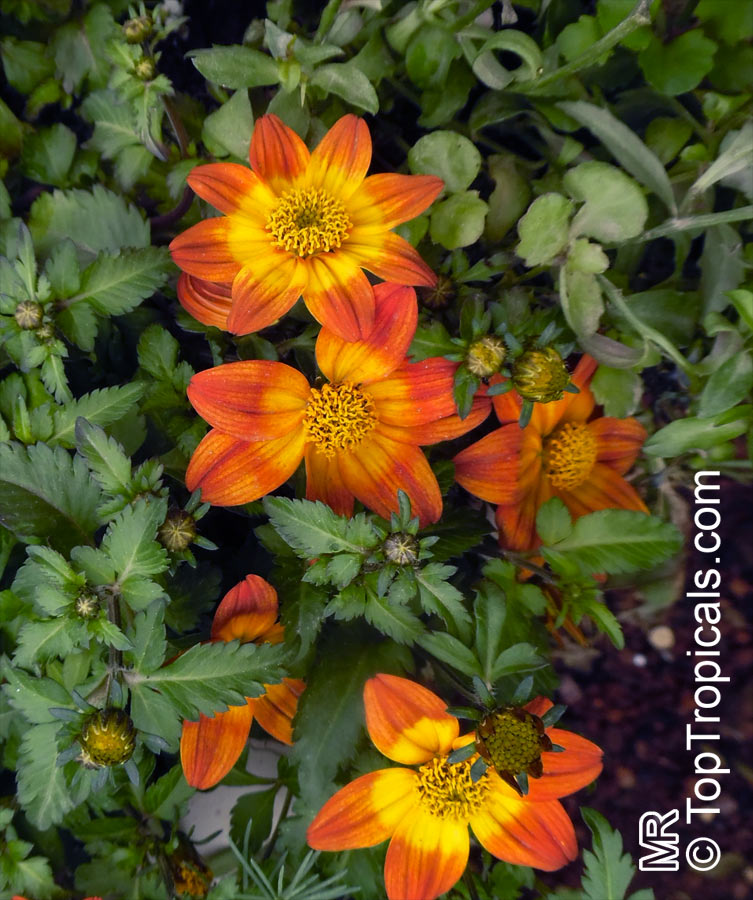
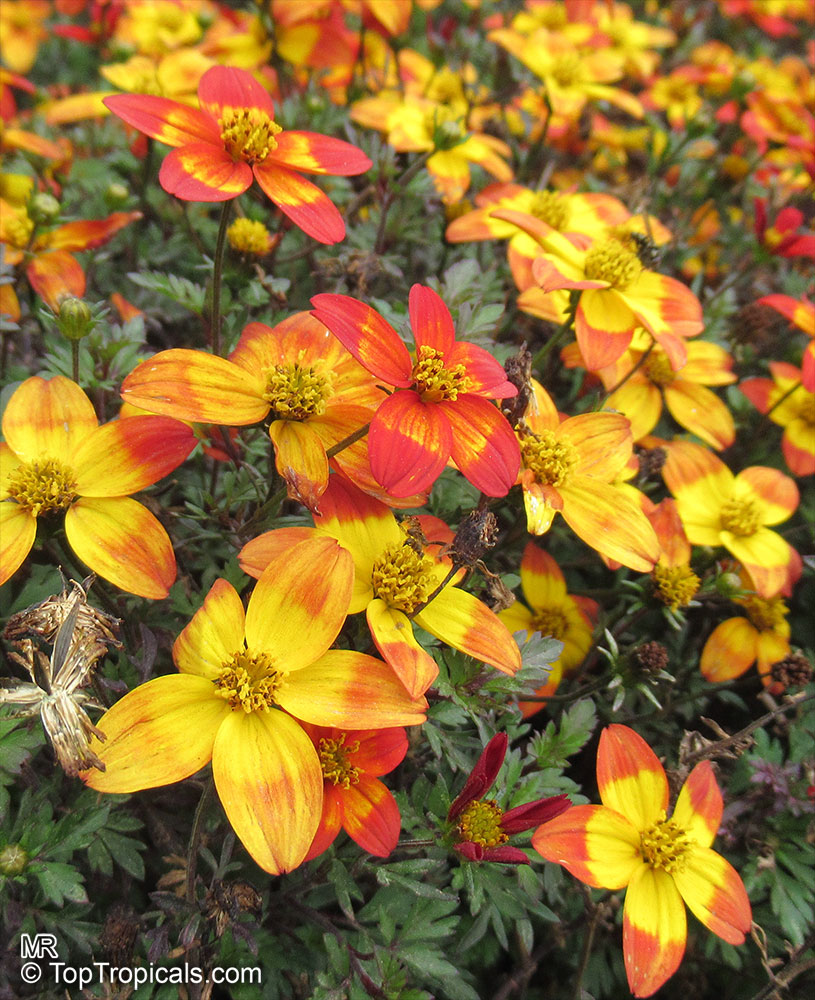
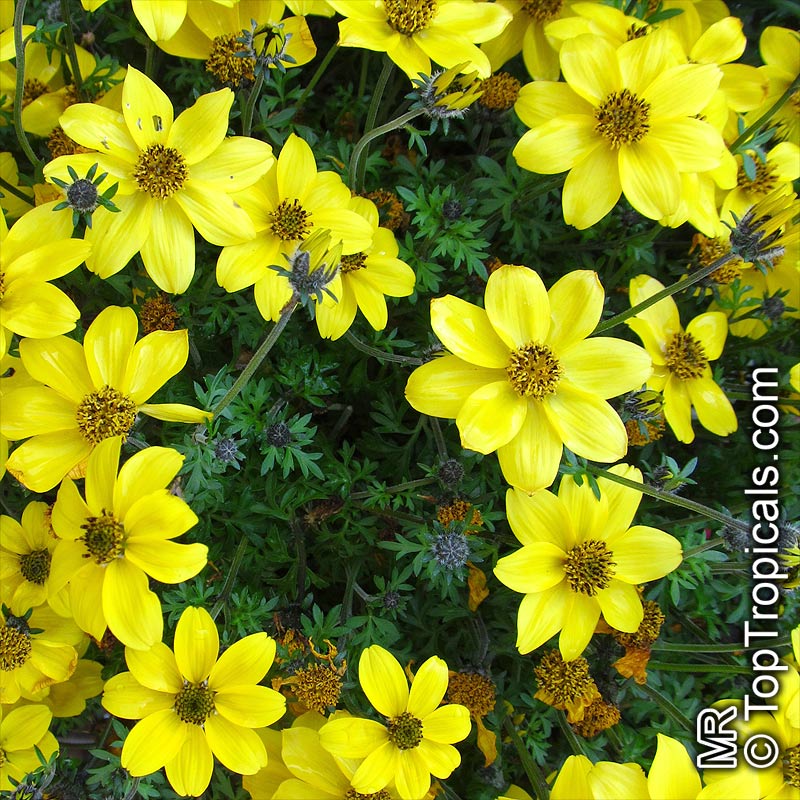
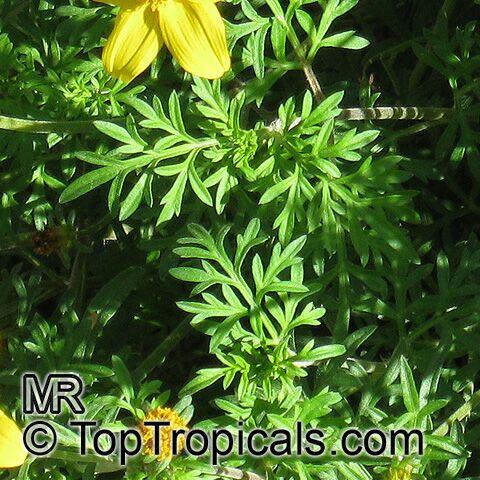
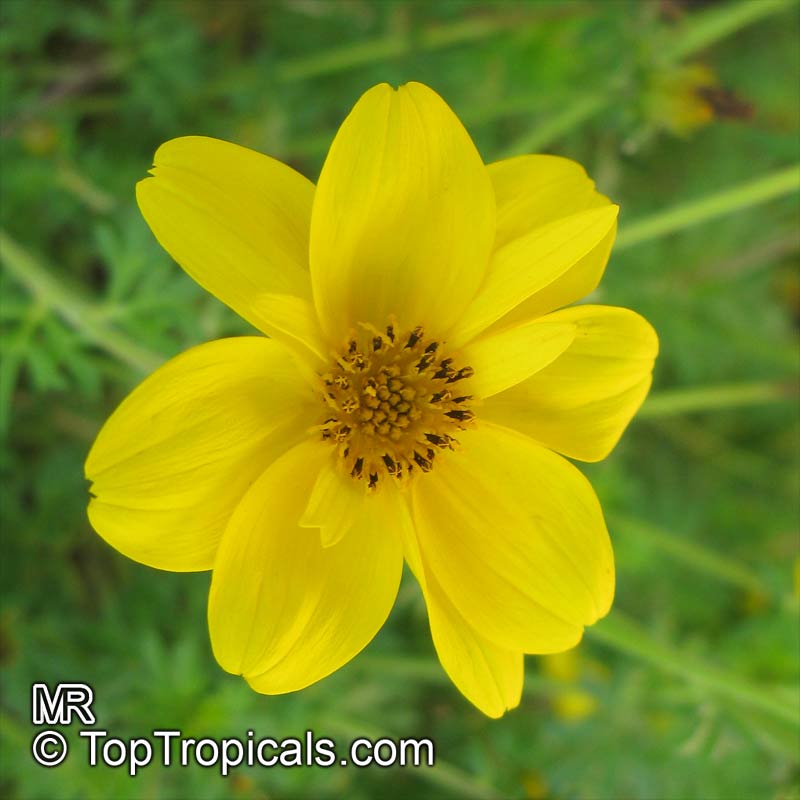
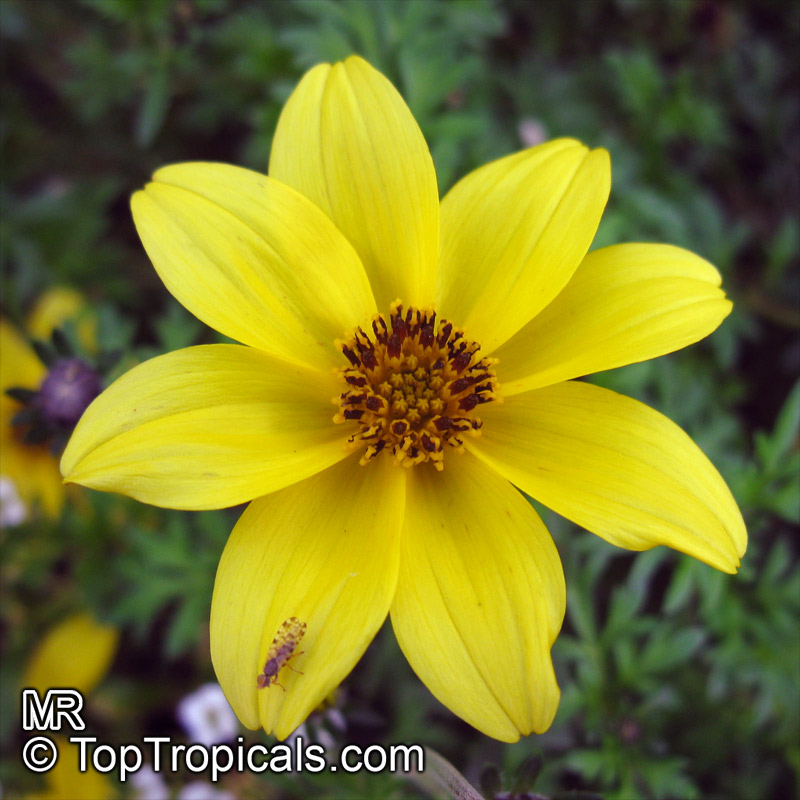
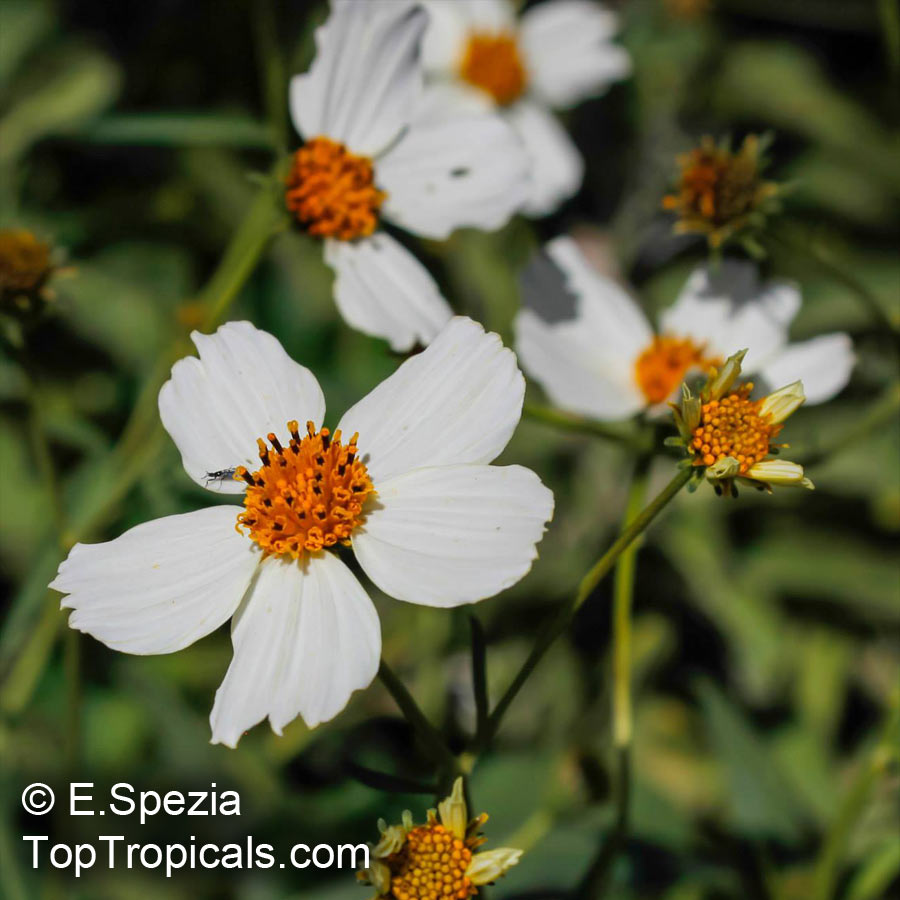
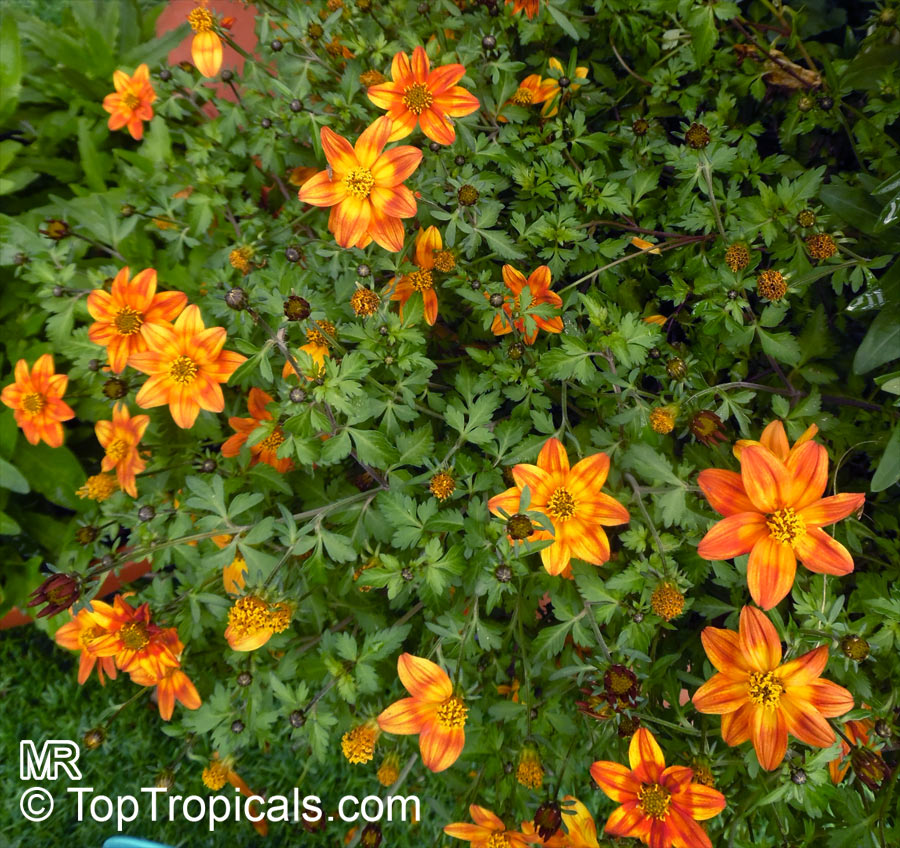
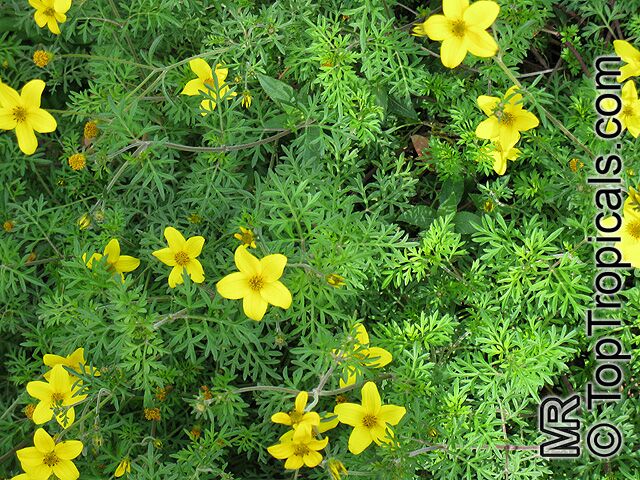
Botanical names: Bidens ferulifolia, Bidens aurea
Common names: Apache Beggarticks, Bur Marigold
Family: Asteraceae
Origin: Mexico
USDA Zone: 9-10

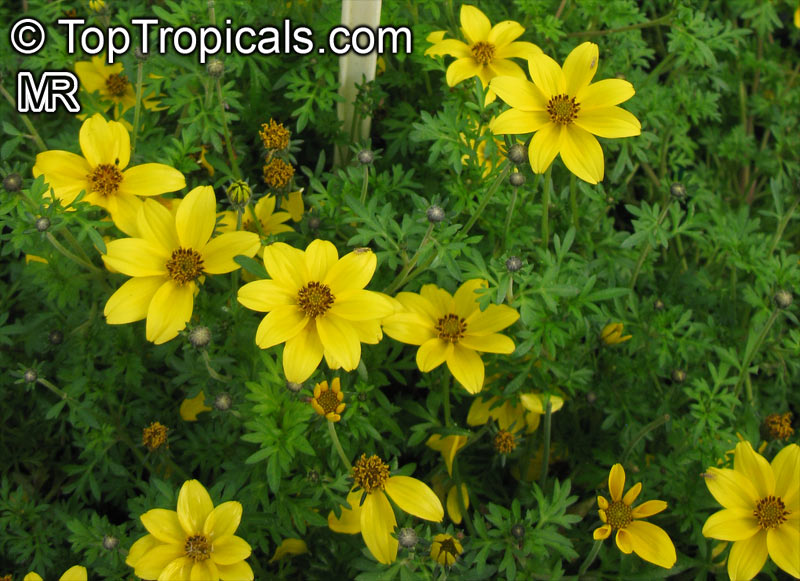
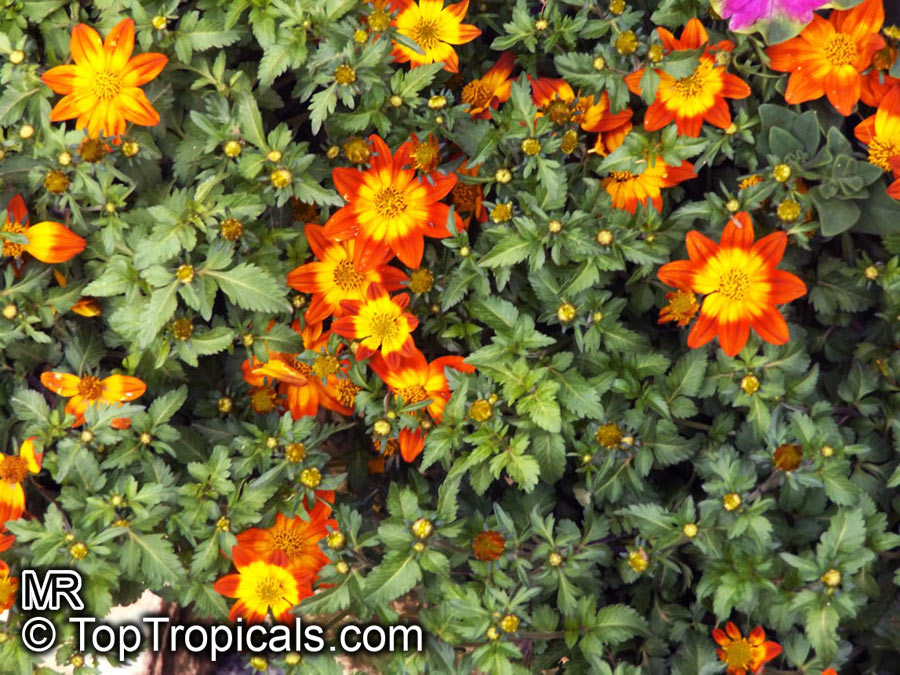
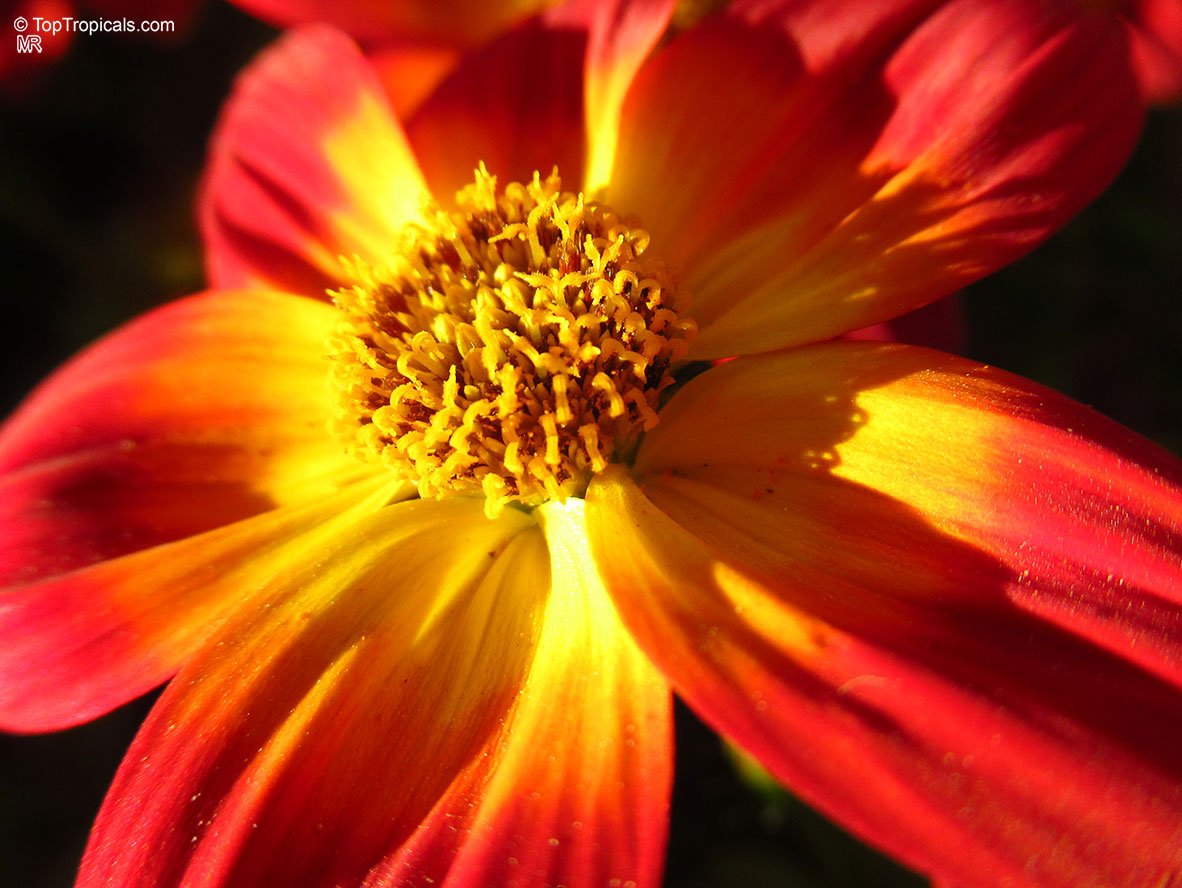
Bidens ferulifolia is similar to Tagetes lemmonii. Versatile and quick growing, Bidens can be grown in full sun for patio pots, hanging baskets and bedding.
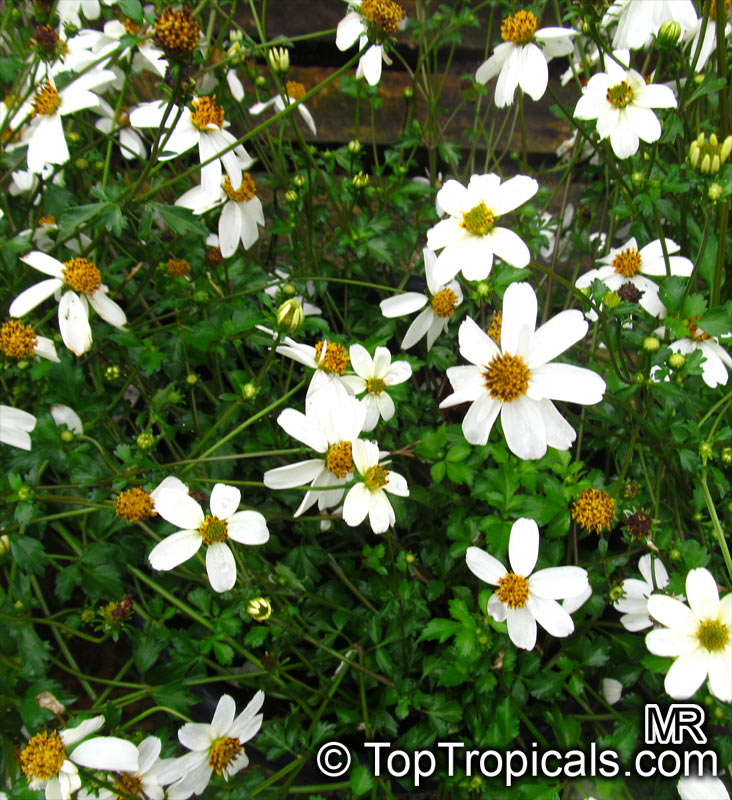
Botanical name: Calendula officinalis
Common names: Pot Marigold, Scotch Marigold
Family: Asteraceae
Origin: South Europe
USDA Zone: 2-11

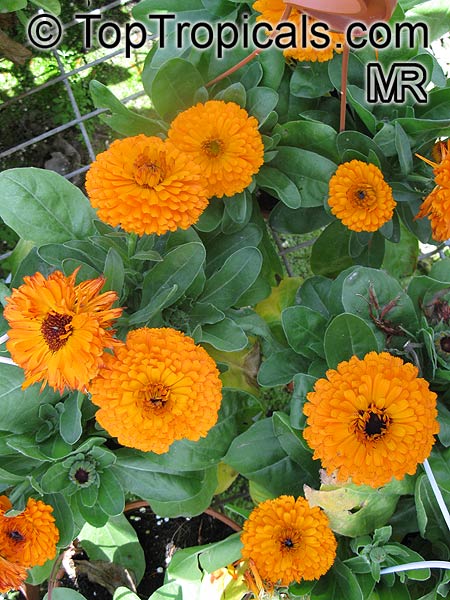
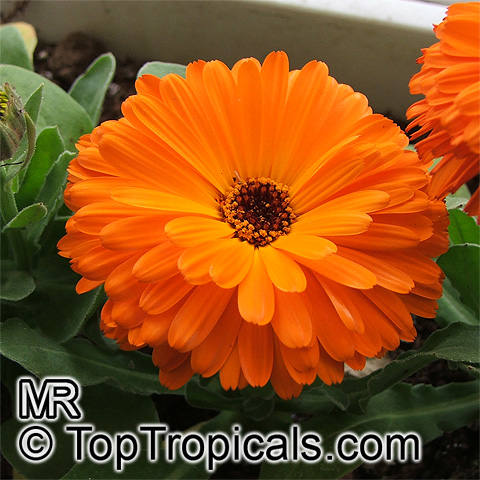
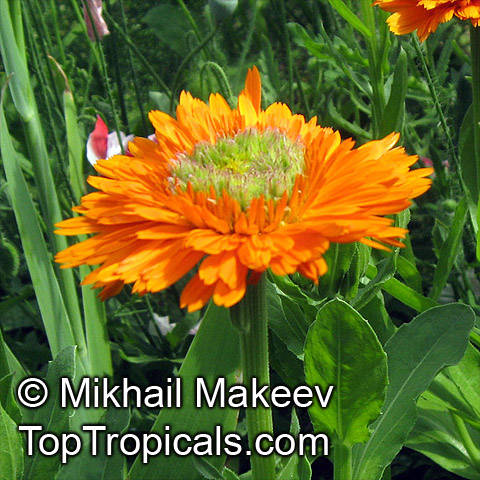
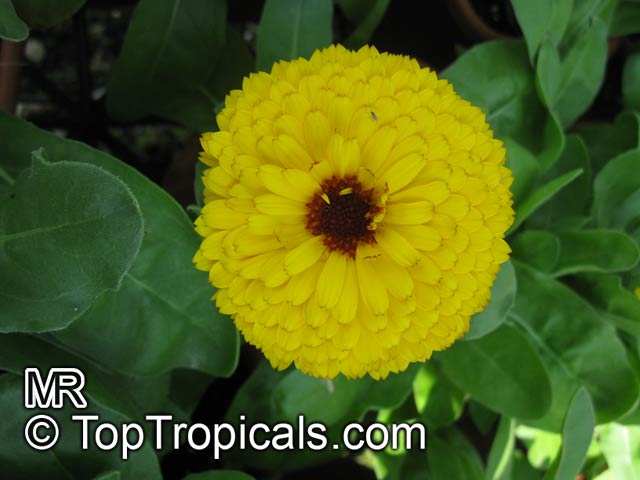
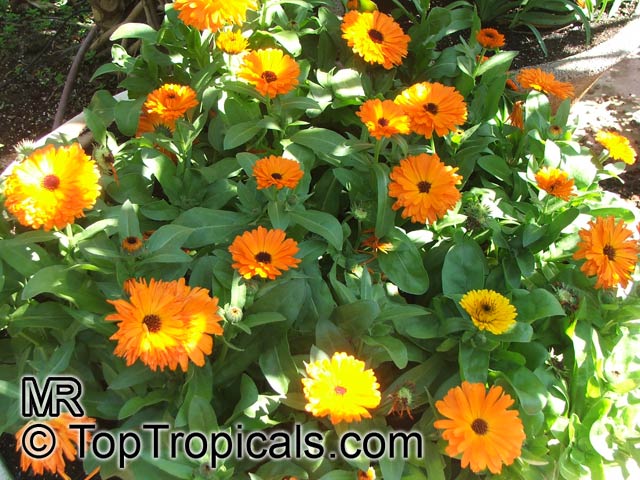
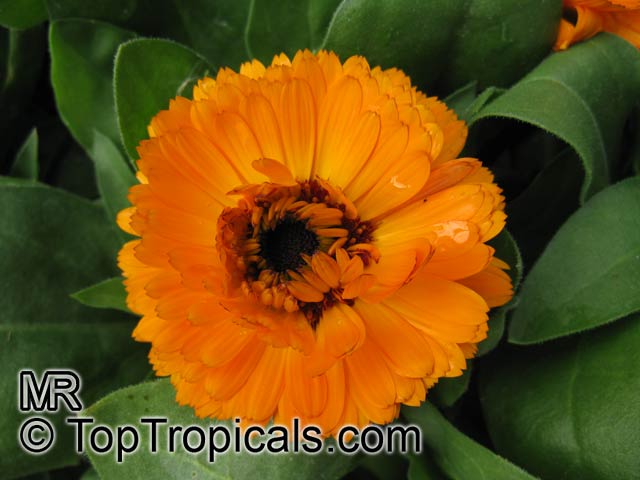
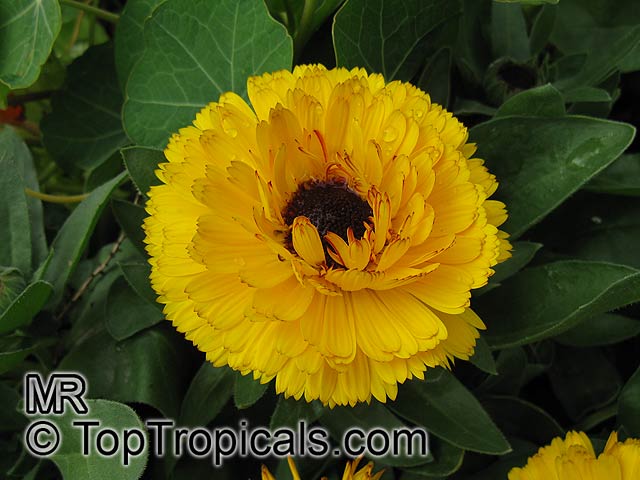
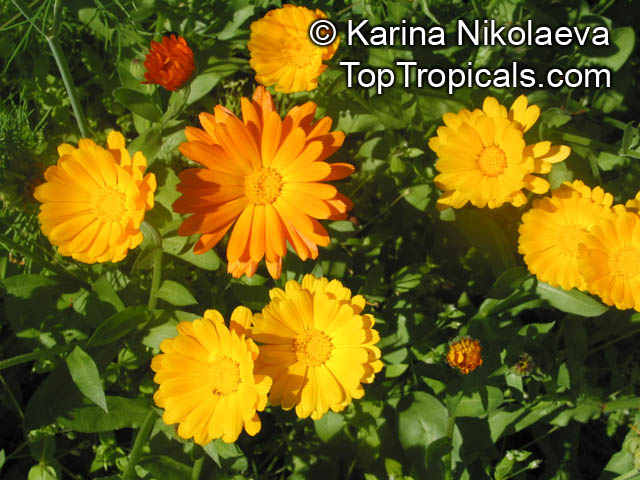
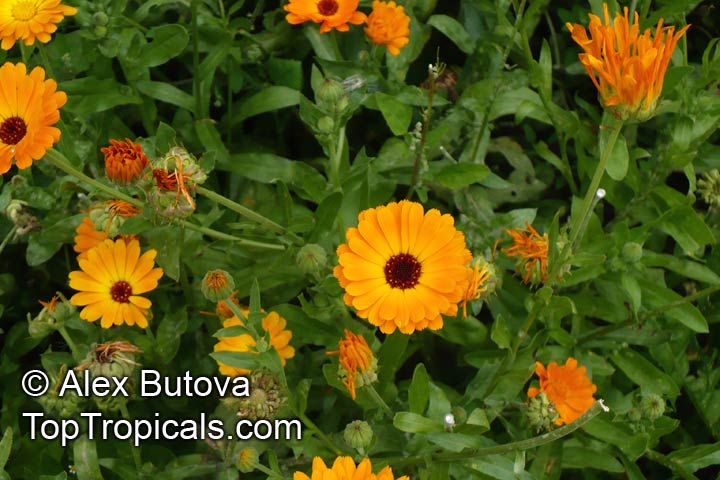
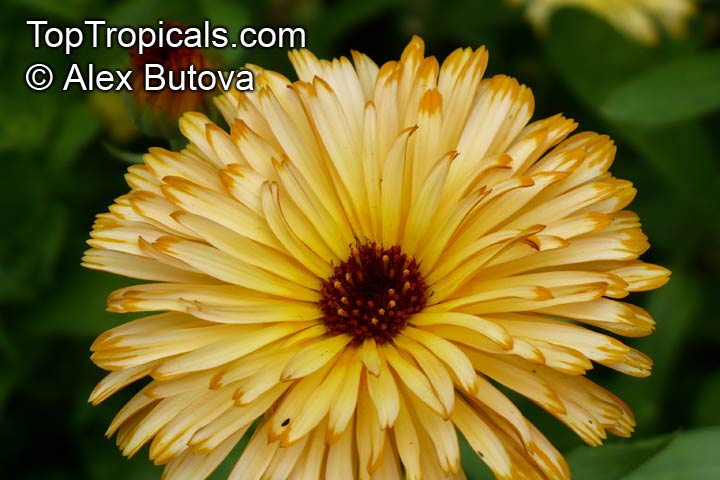
Calendula officinalis is an aromatic annual plant, widely cultivated for its showy, yellow or orange, rayed flower heads used in medicine, coloring, and flavoring of food. There are numerous cultivars of calendula with double flowers in colors ranging from cream to deep orange-red.
It is used for the treatment of skin disorders and pain, and as a bactericide, antiseptic and anti-inflammatory.
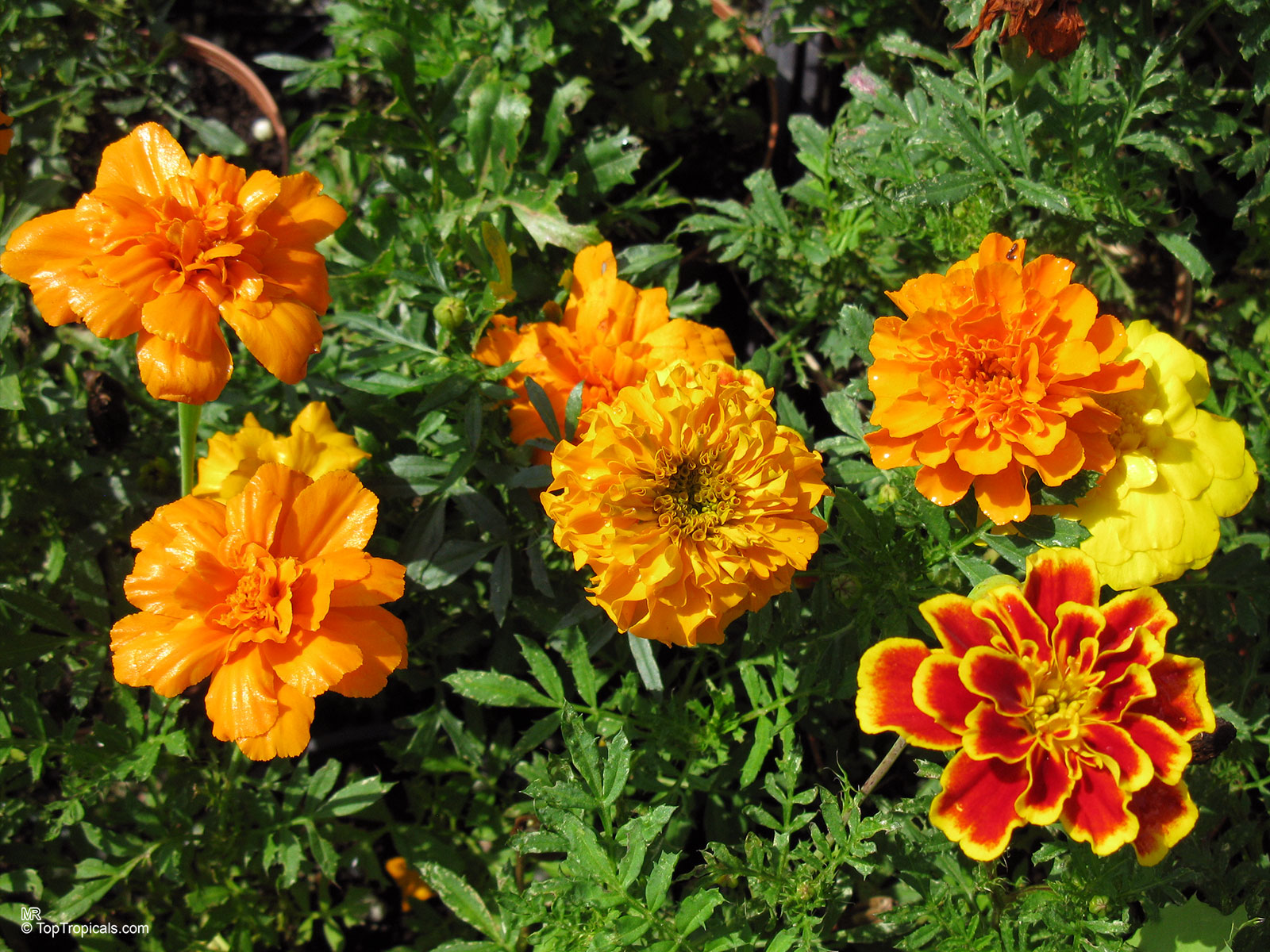
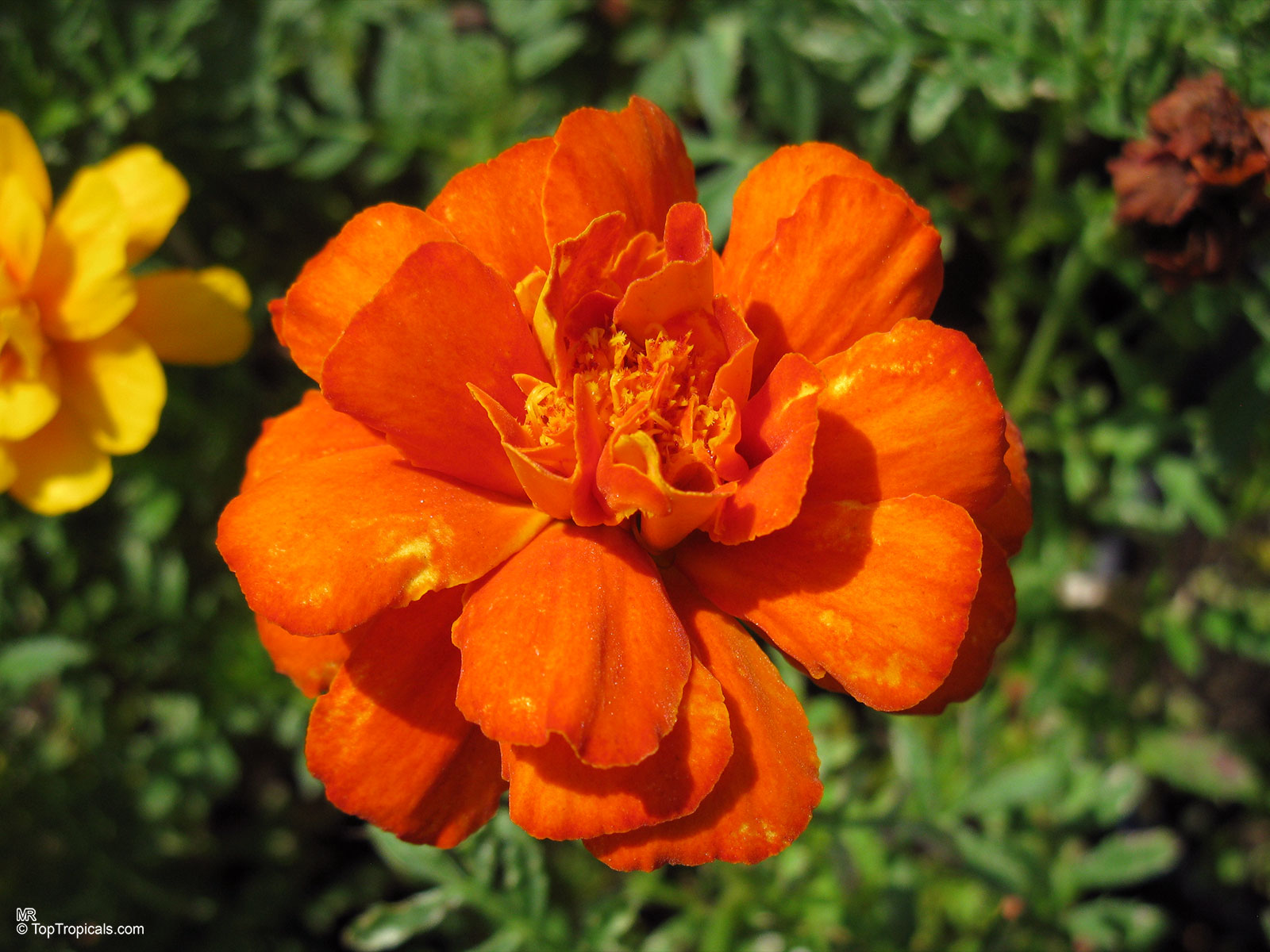
Botanical name: Tagetes sp.
Common name: Marigold
Family: Asteraceae
Origin: Mexico, South America
USDA Zone: 2-11
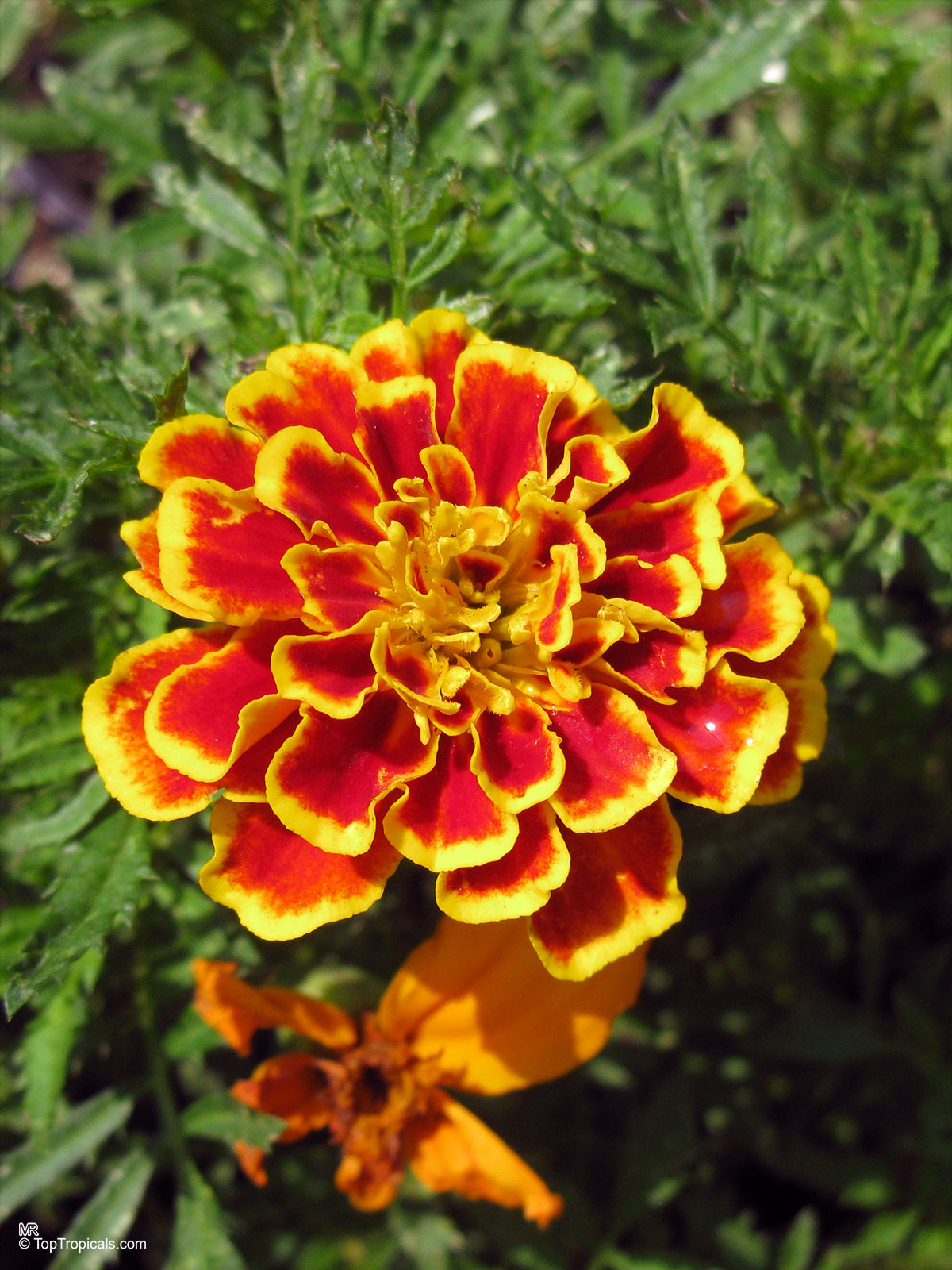
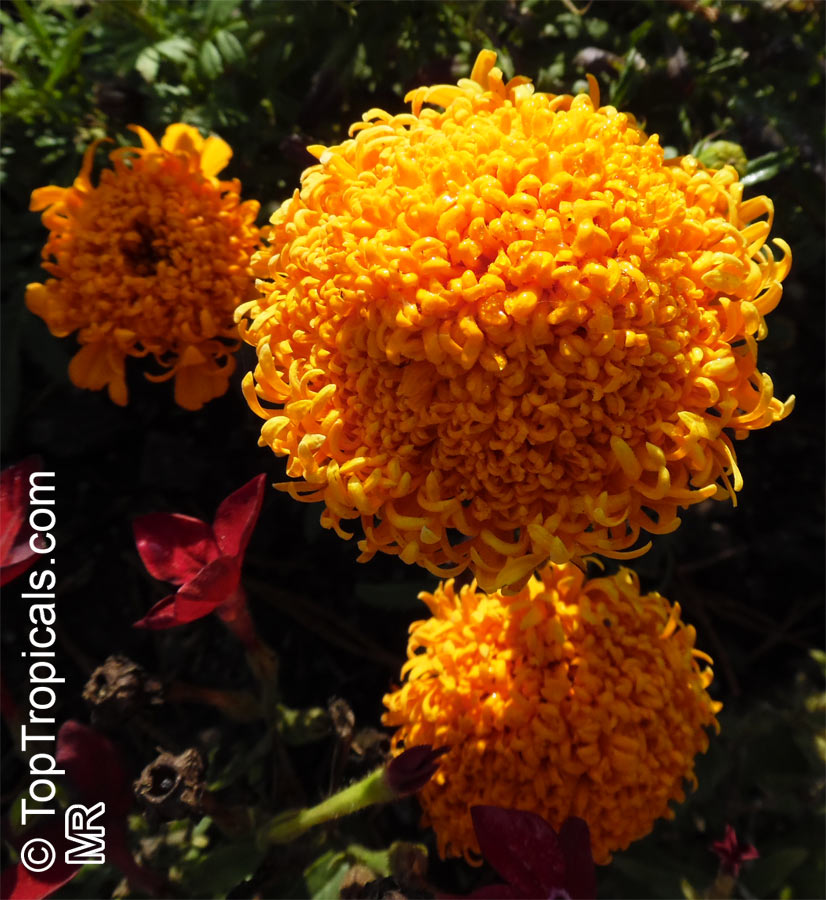
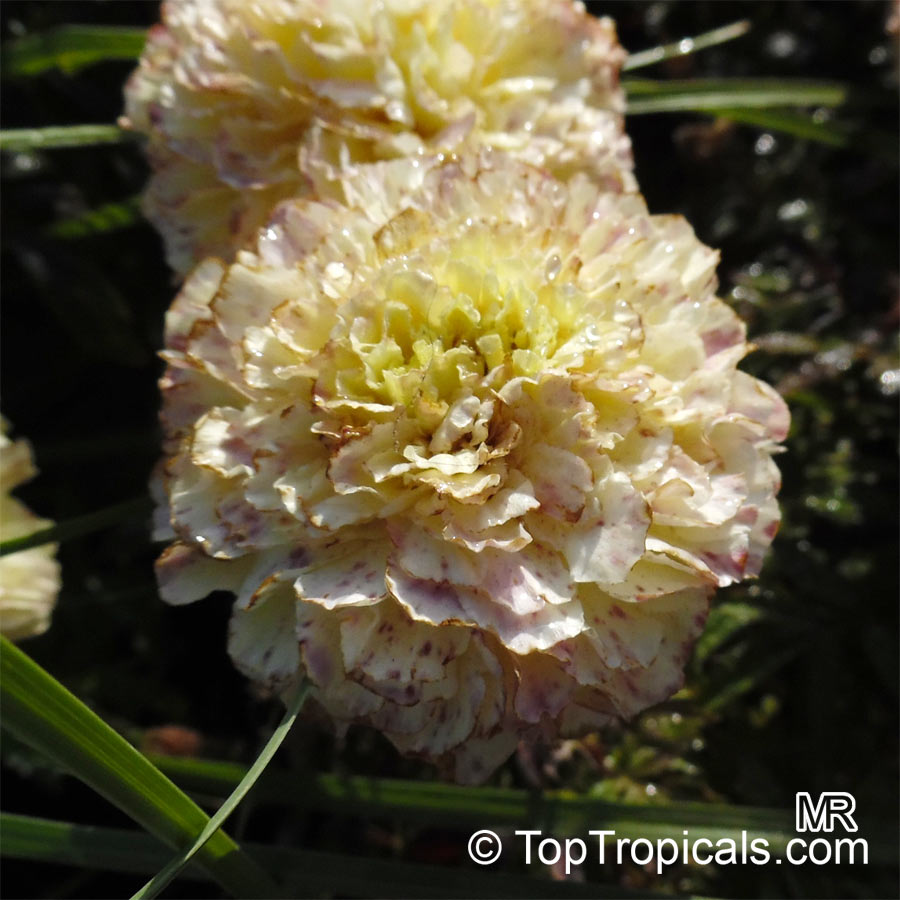
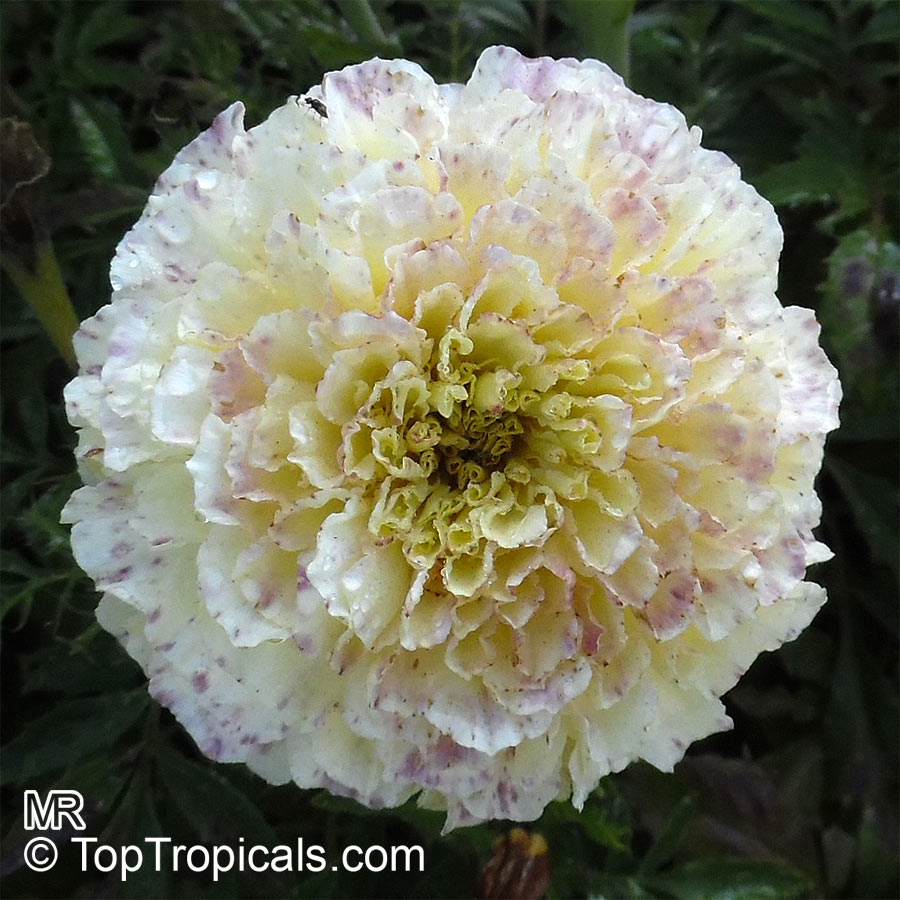
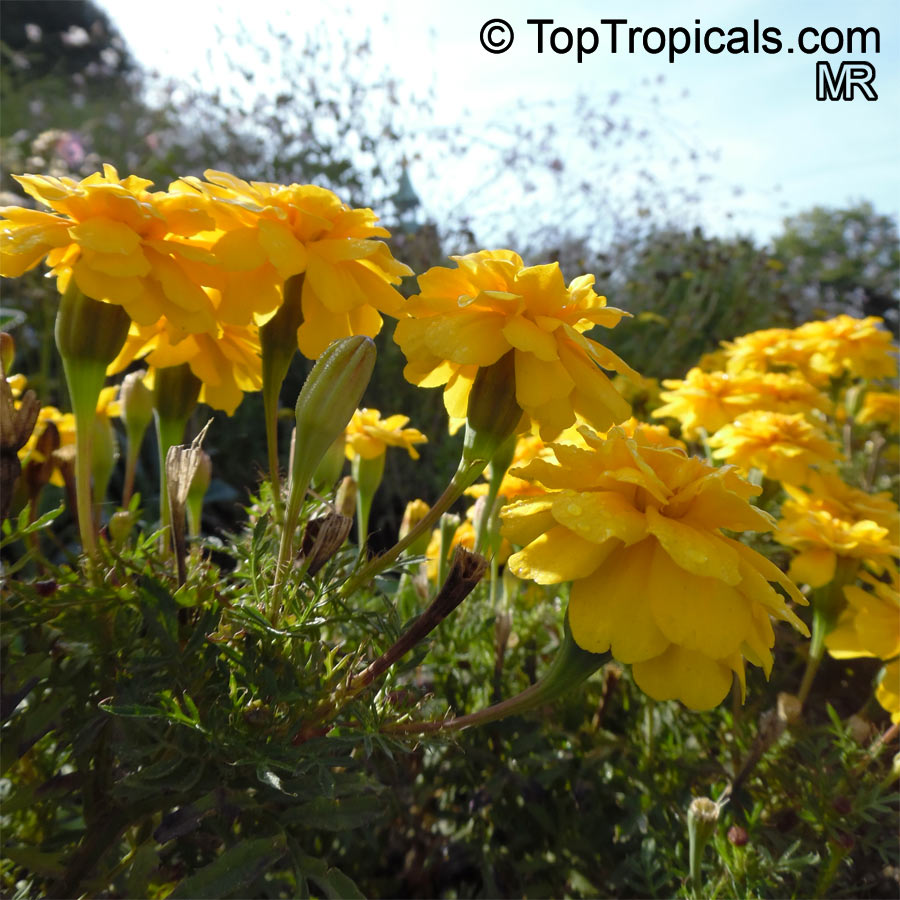
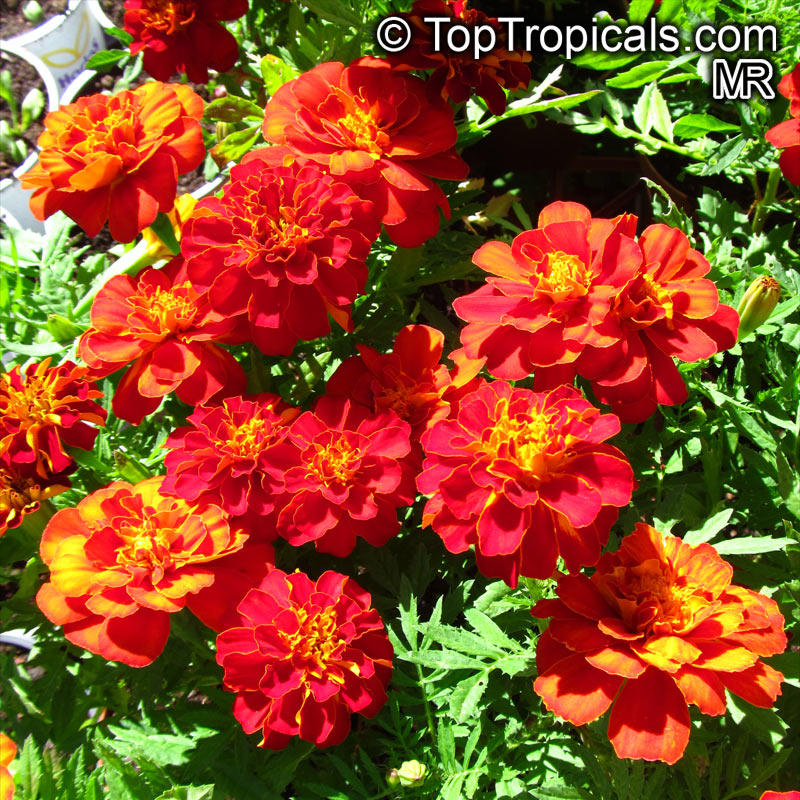
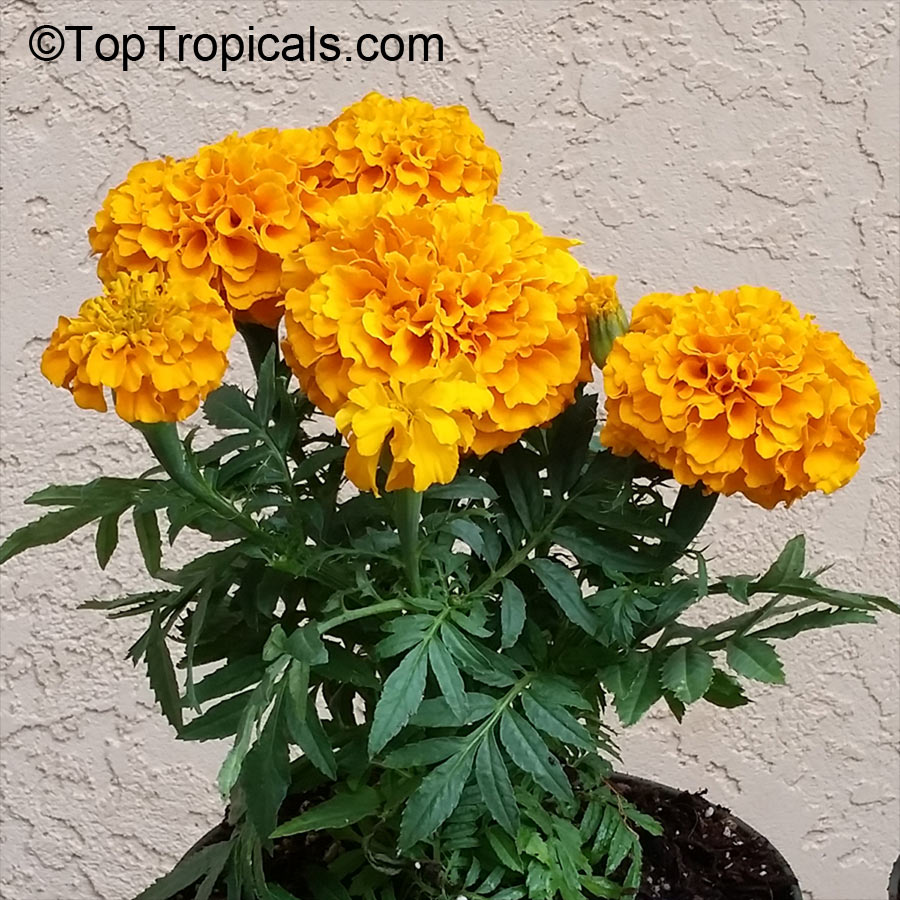
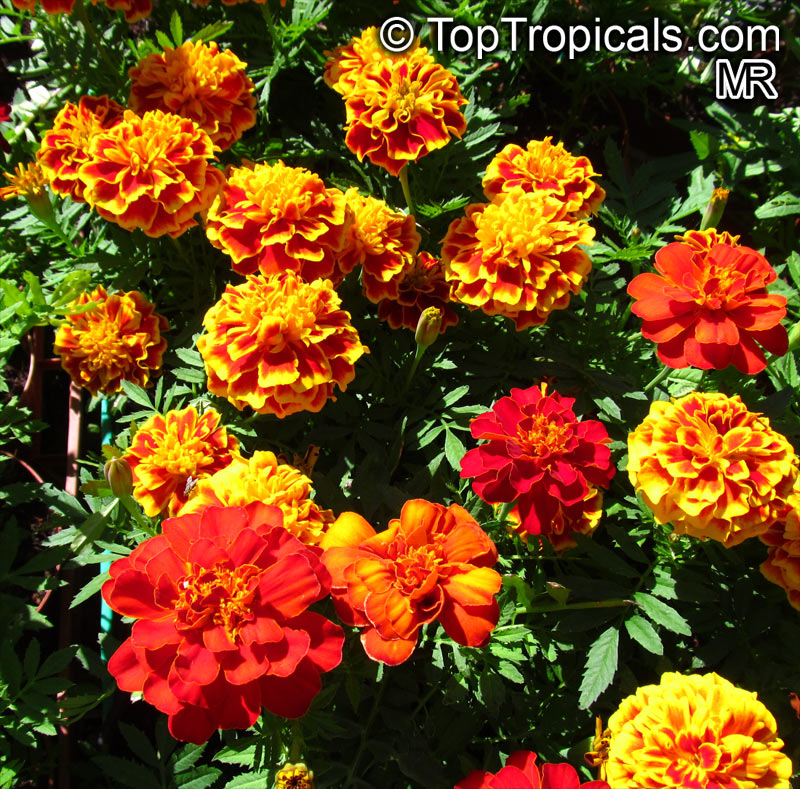
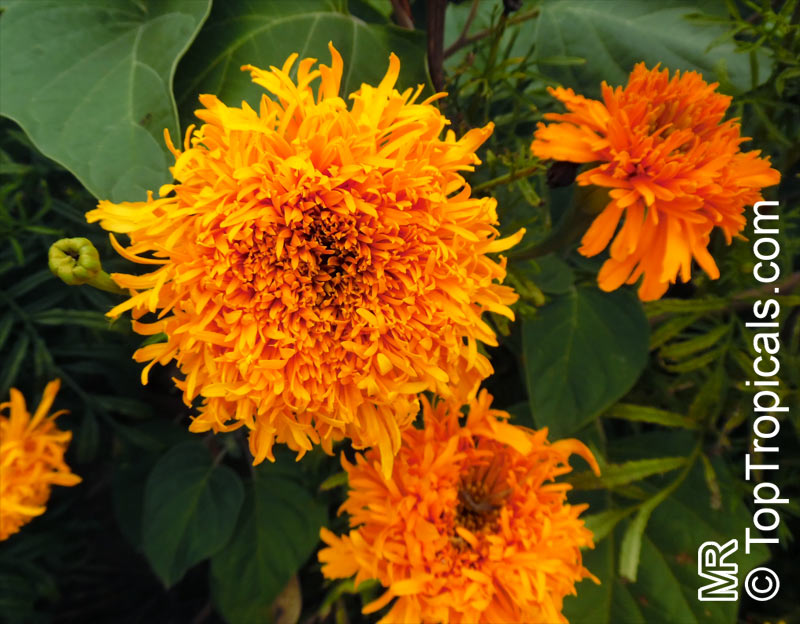
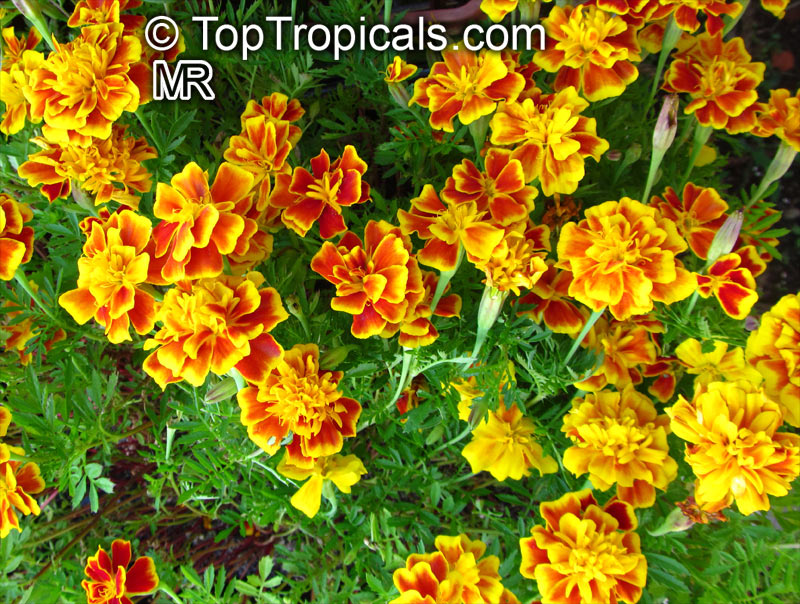
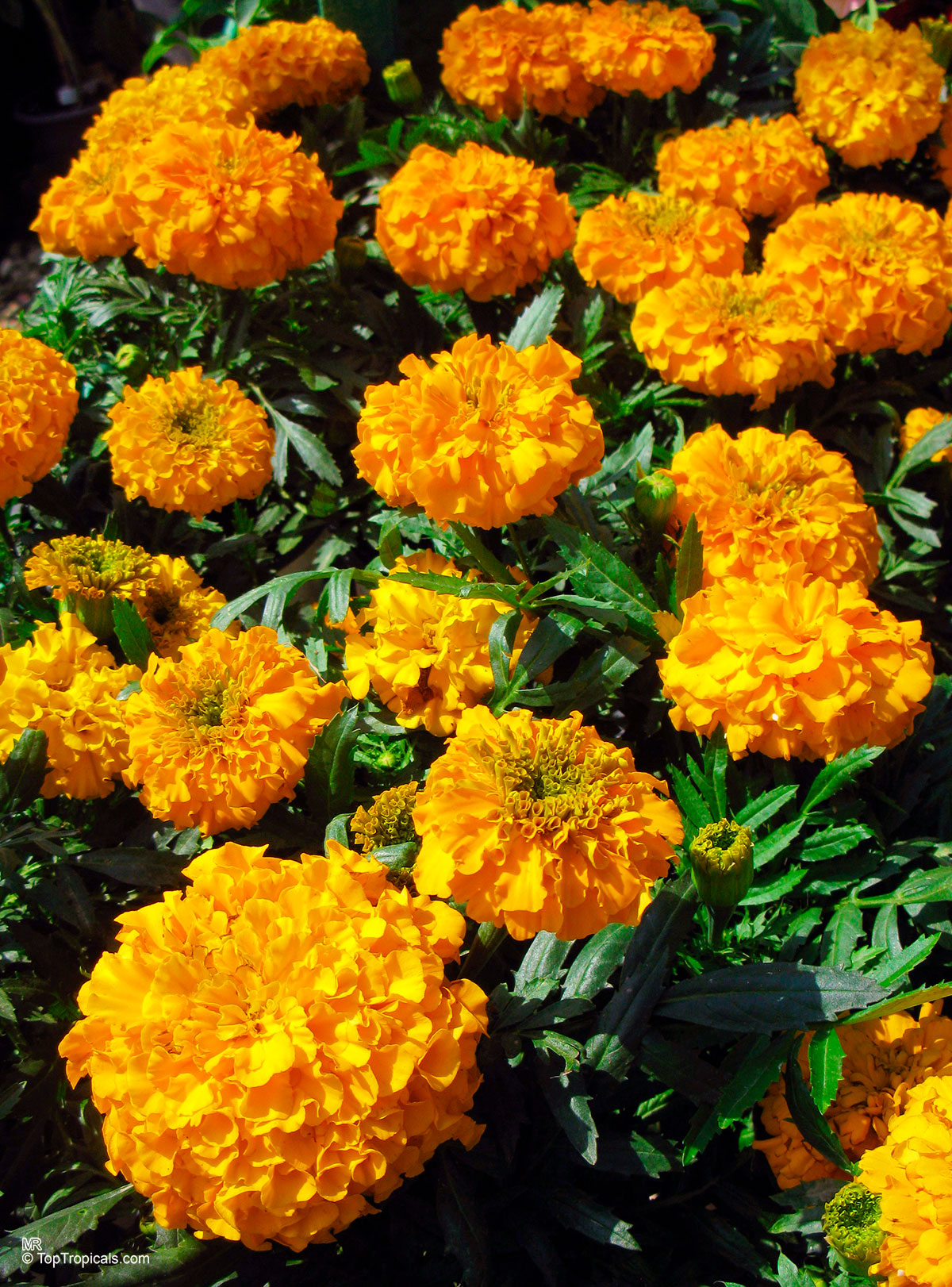
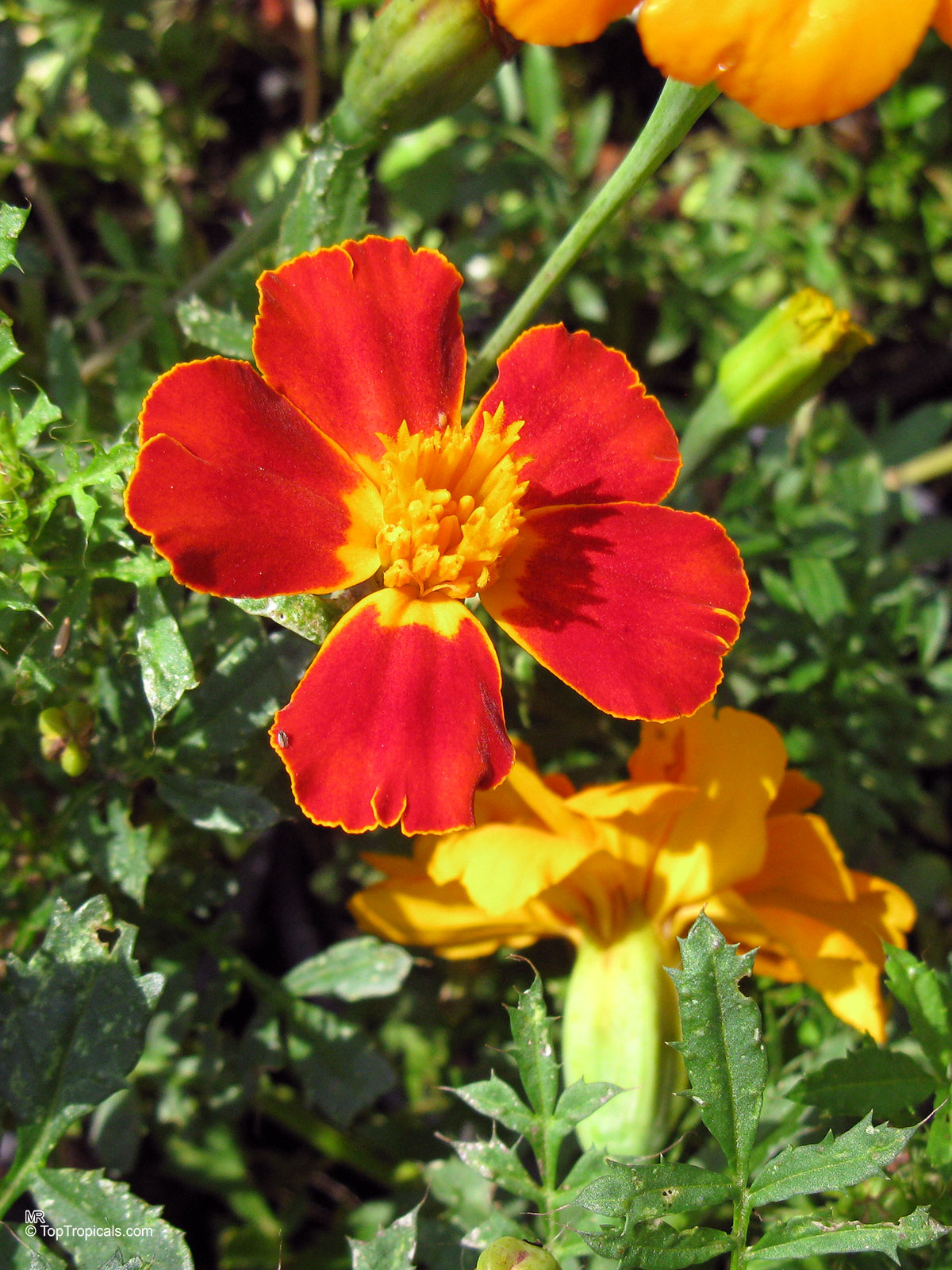
Tagetes sp. is a genus of annual and perennial herbs native to the Americas, recognized for their aromatic foliage and bright composite flower heads in yellow, orange, and red shades.
What defines the genus Tagetes?
Species within Tagetes form upright, branching plants with finely divided leaves and strong scent, adapting well to warm seasons and open sunny sites. They show broad variation in size, from compact bedding forms to taller ornamental types, and are widely used for borders, pollinator gardens, and seasonal displays.
They prefer full sun, well drained soil, and regular moisture without waterlogging. Flowering is abundant in warm weather with consistent deadheading. Although heat tolerant, they are sensitive to frost and should be treated as warm season annuals in most climates. Suitable for USDA Zones 9-11 as tender perennials and commonly grown as annuals elsewhere.



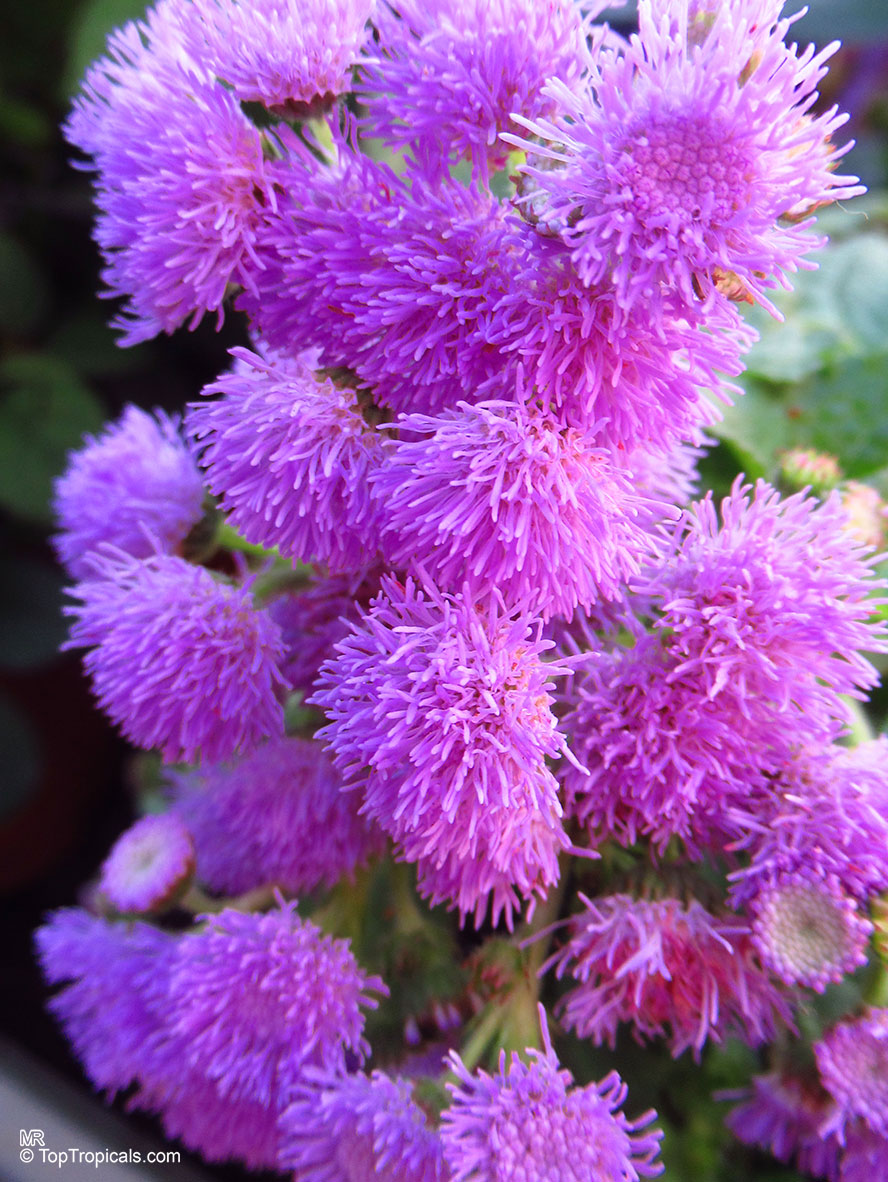
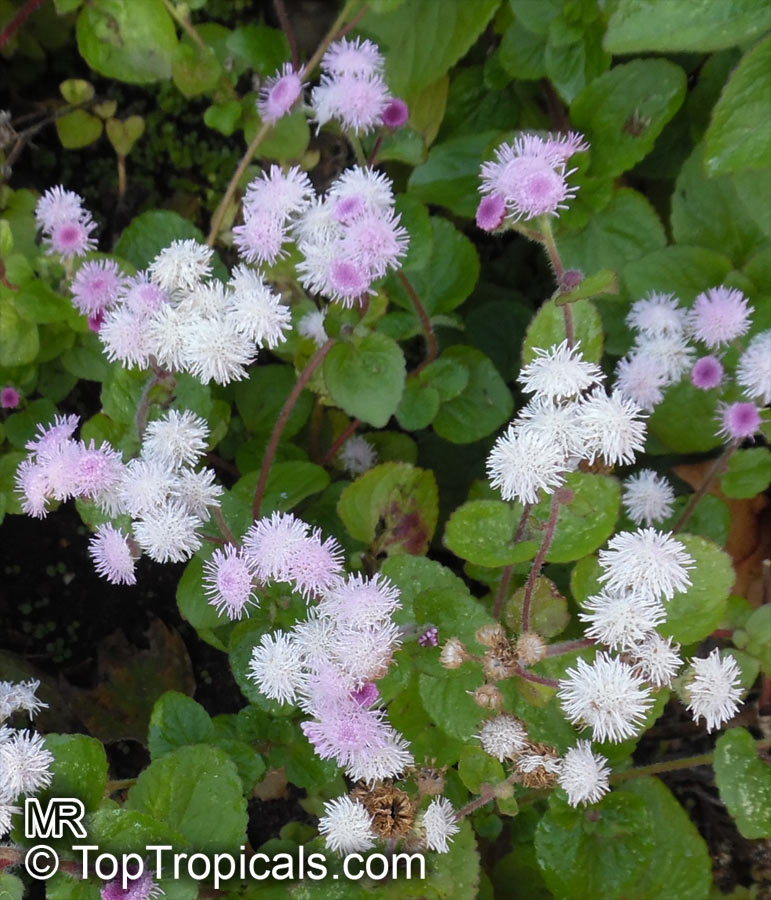
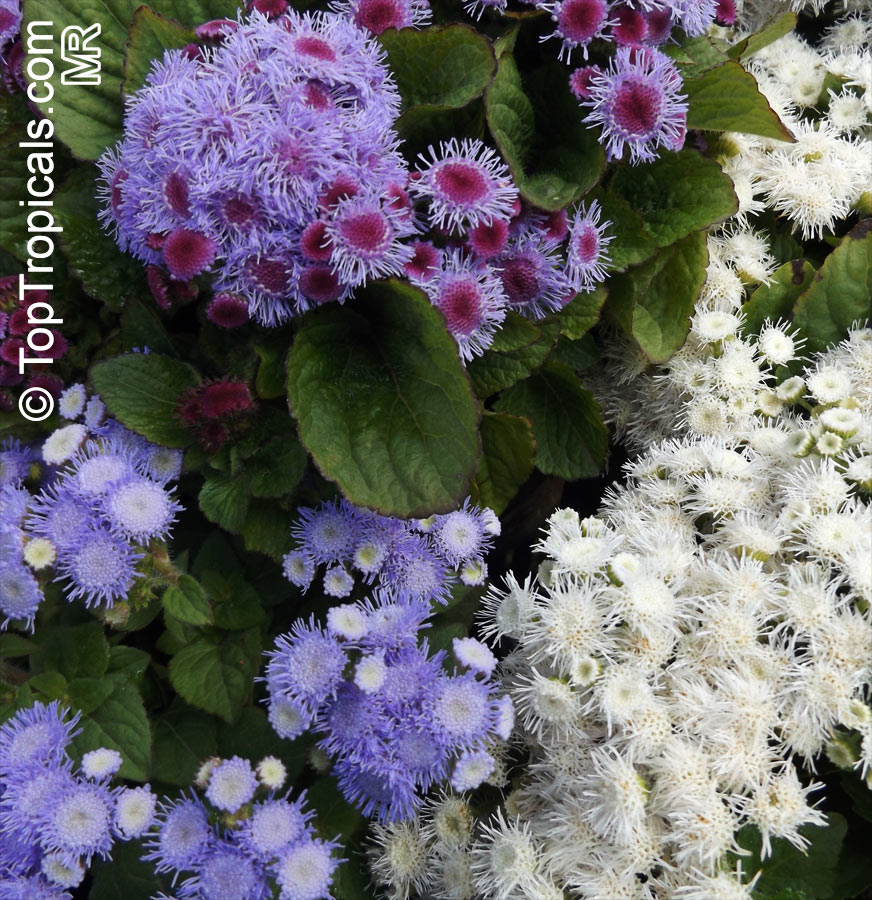
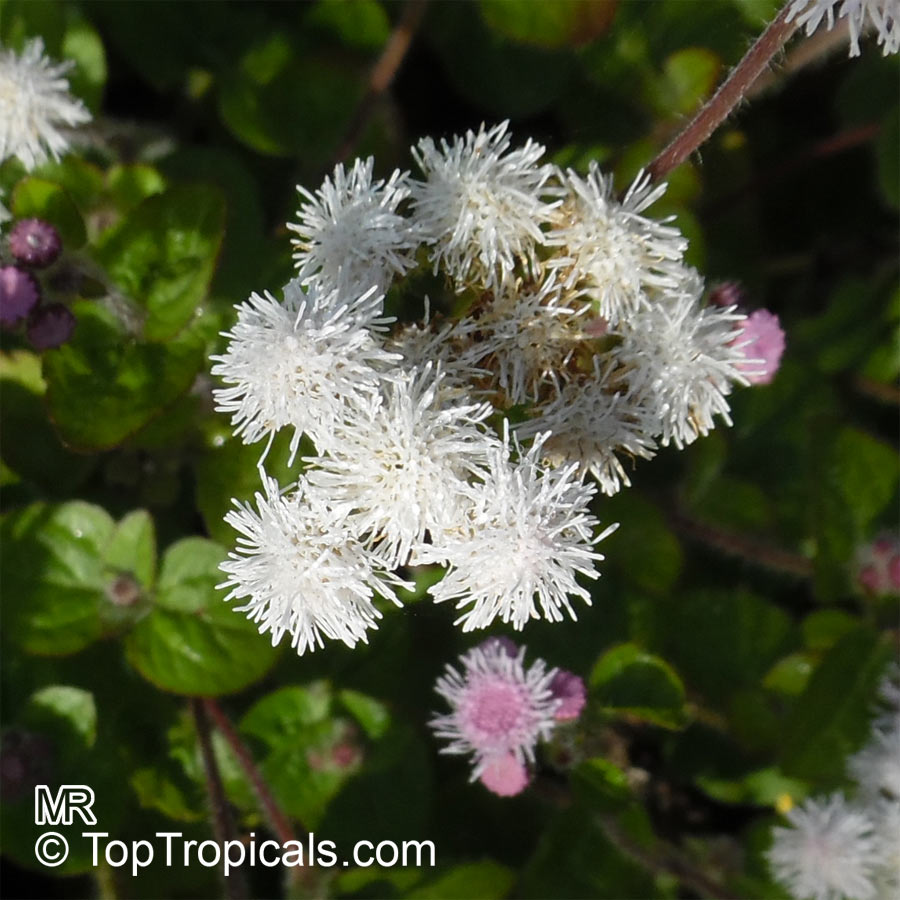
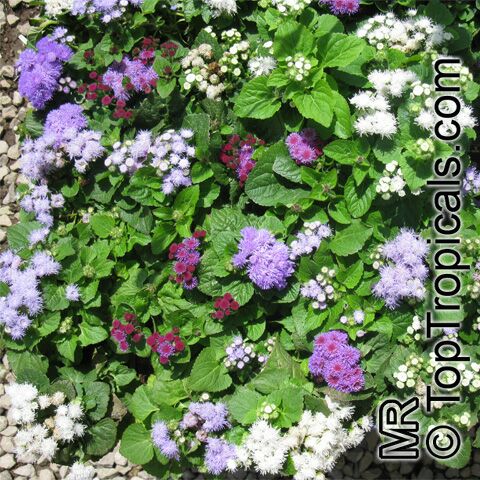
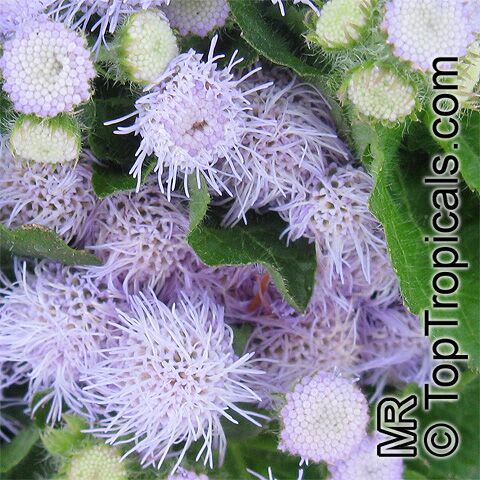
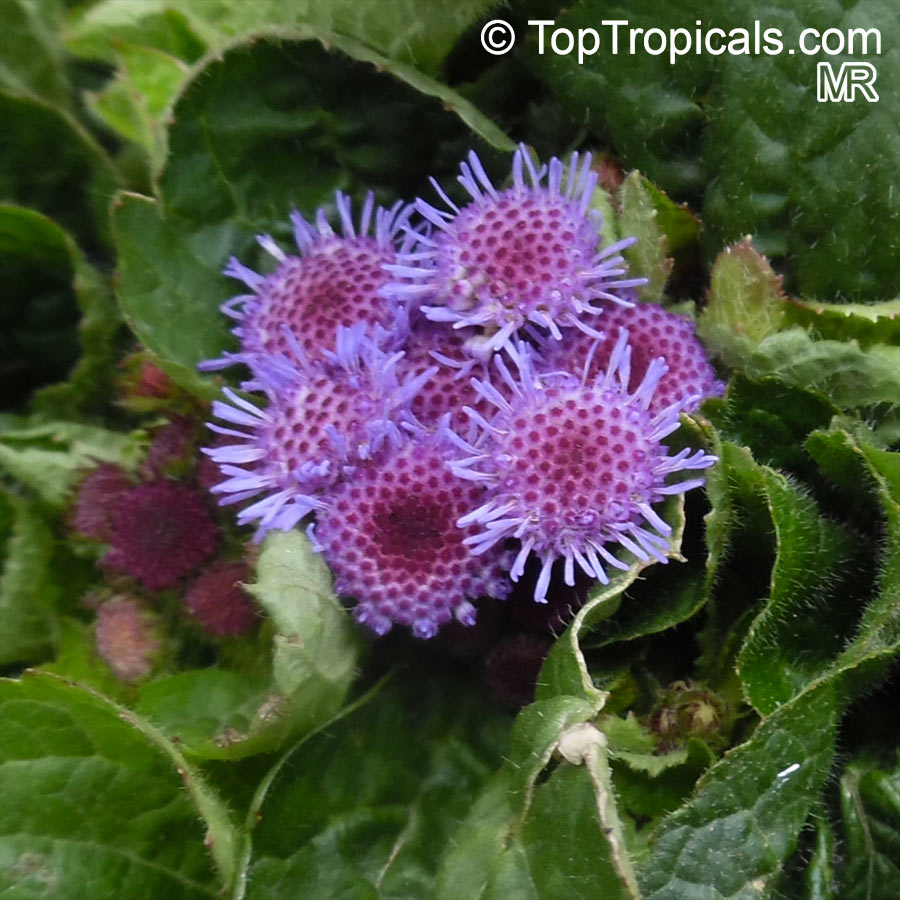
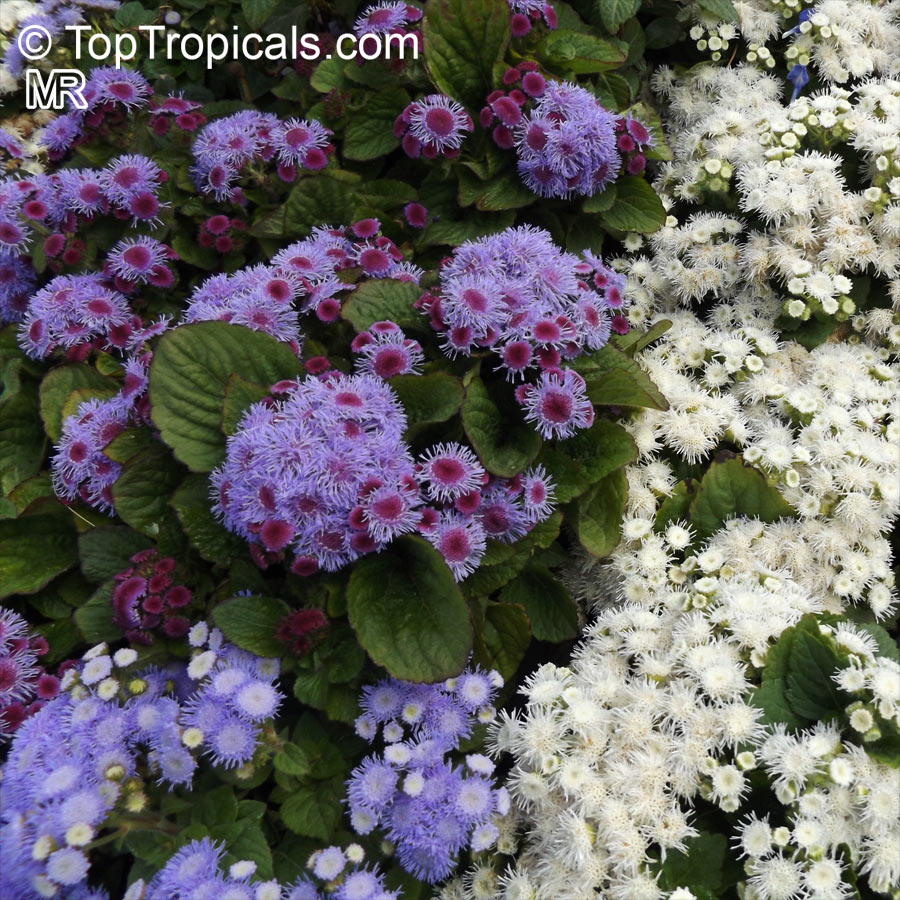
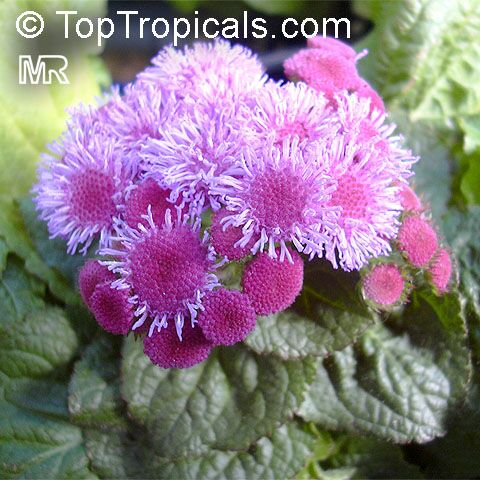
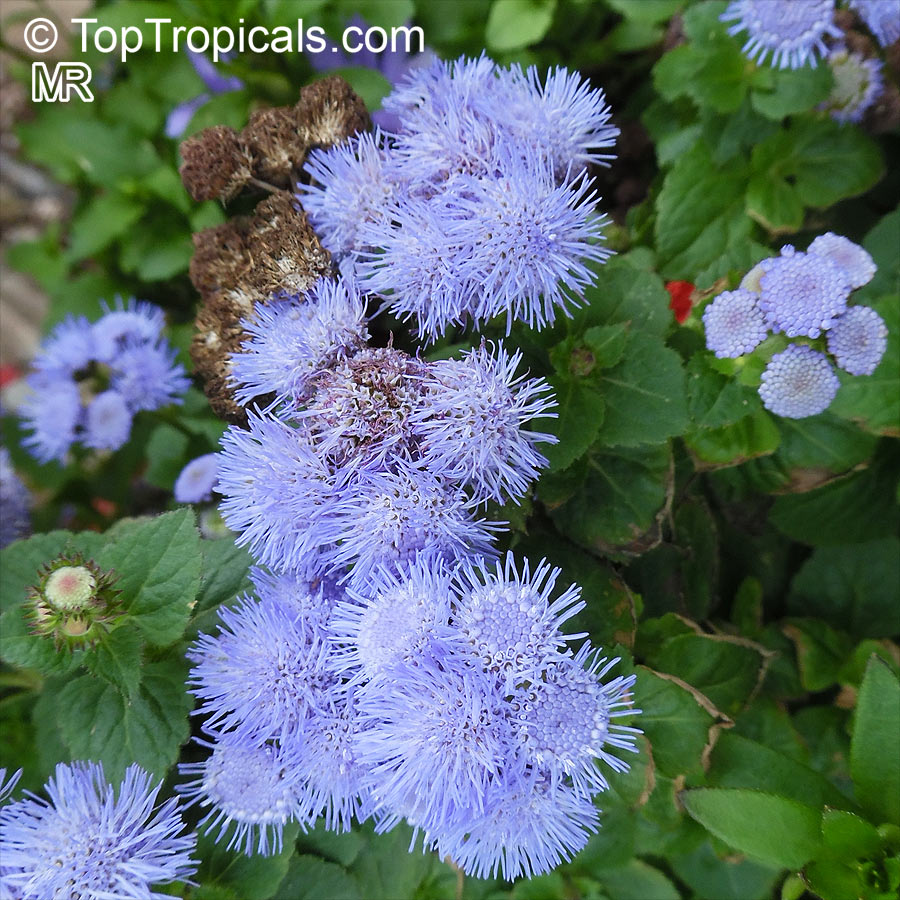
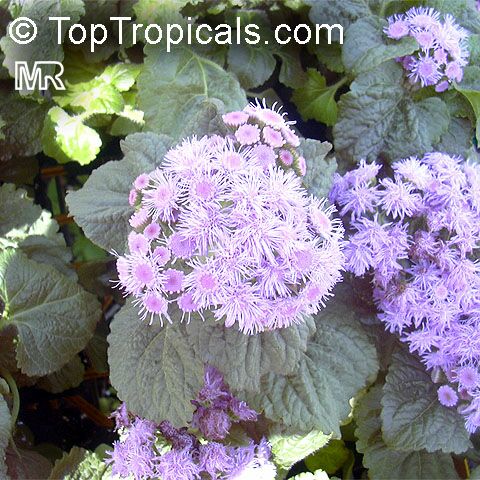
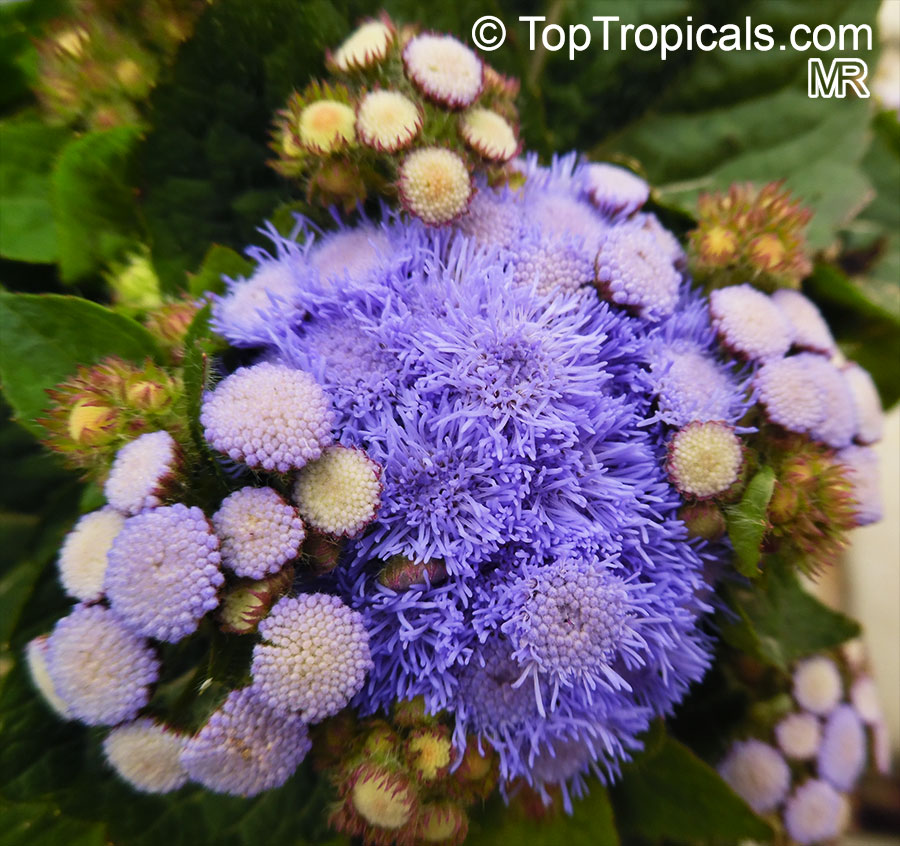
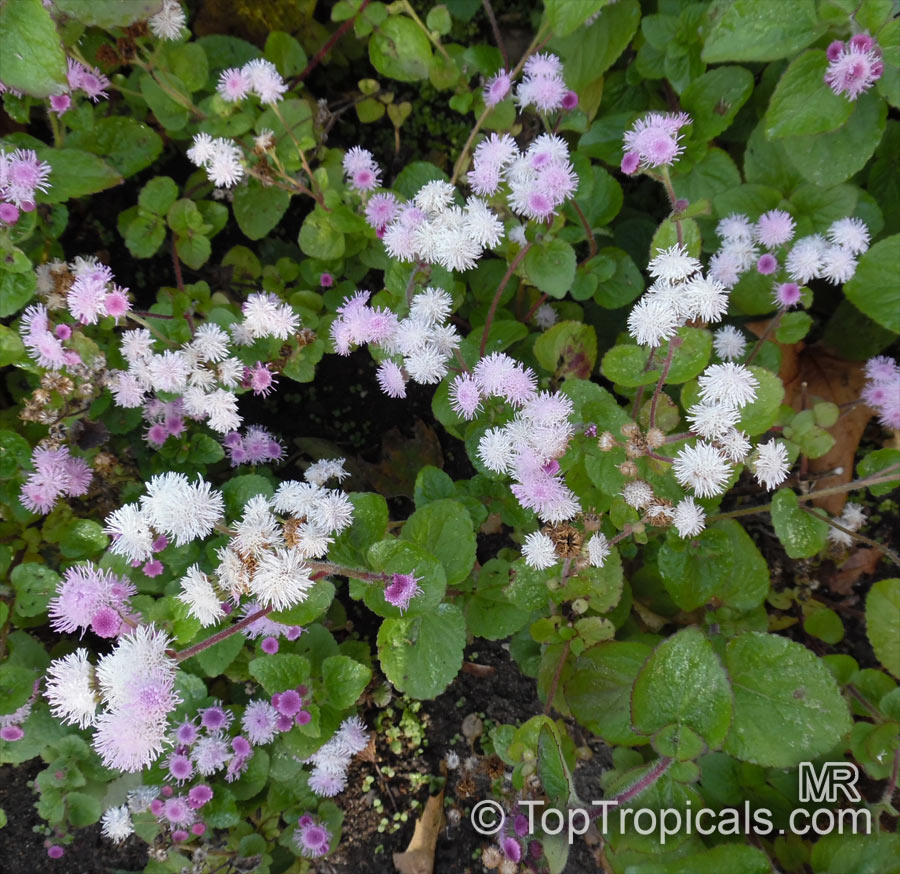
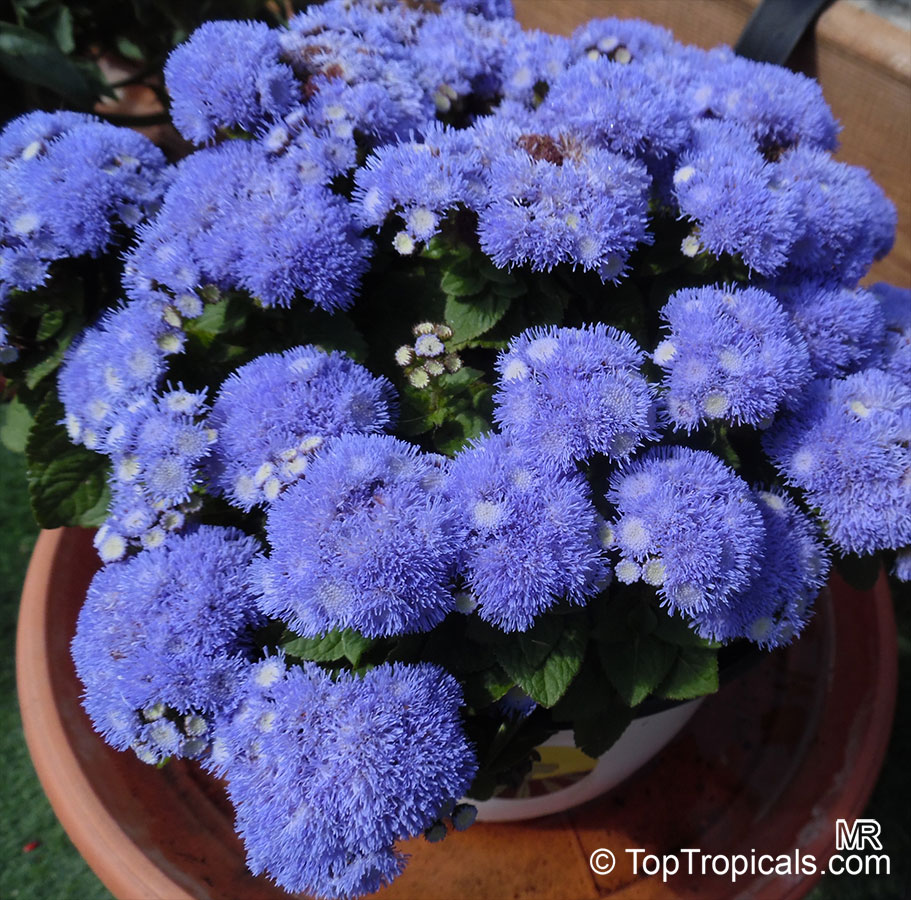
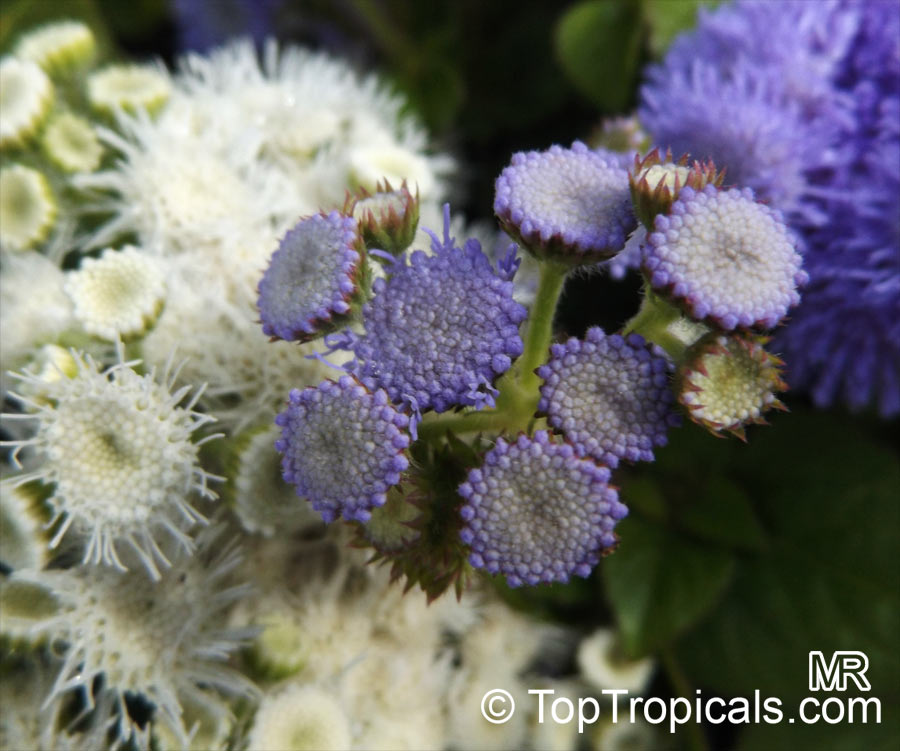
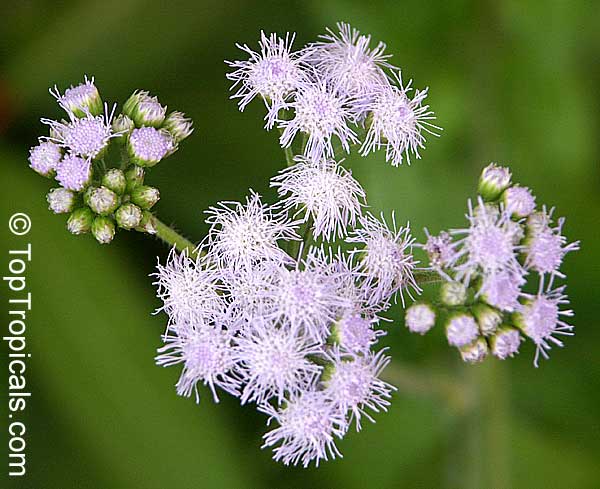
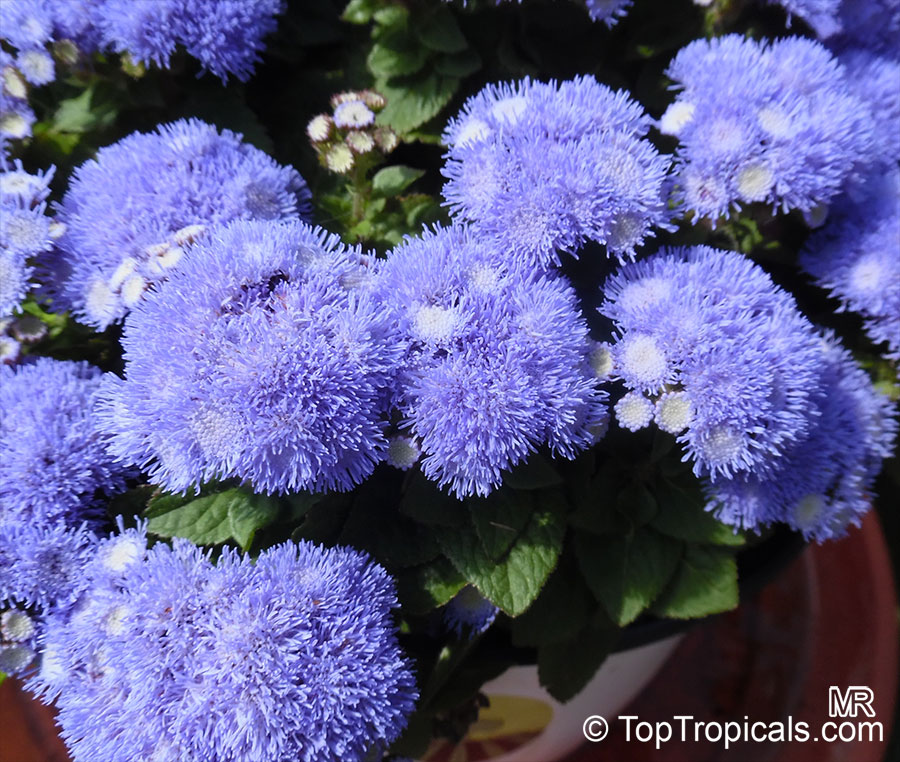
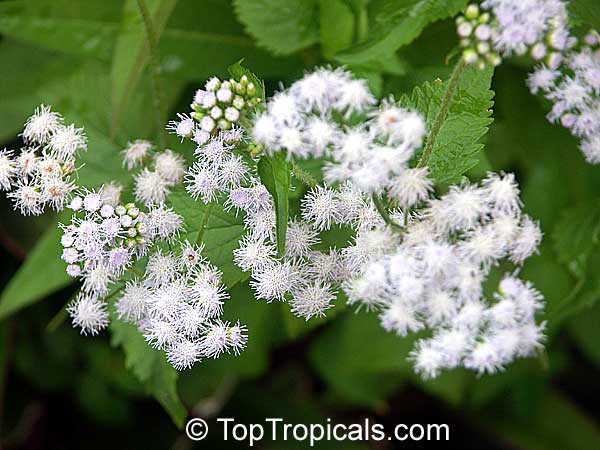
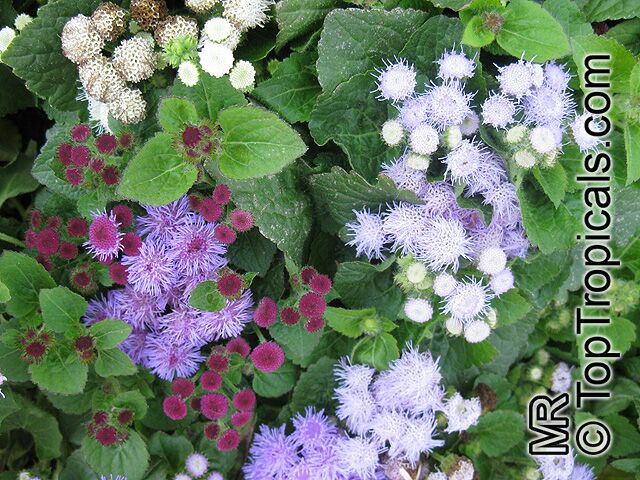
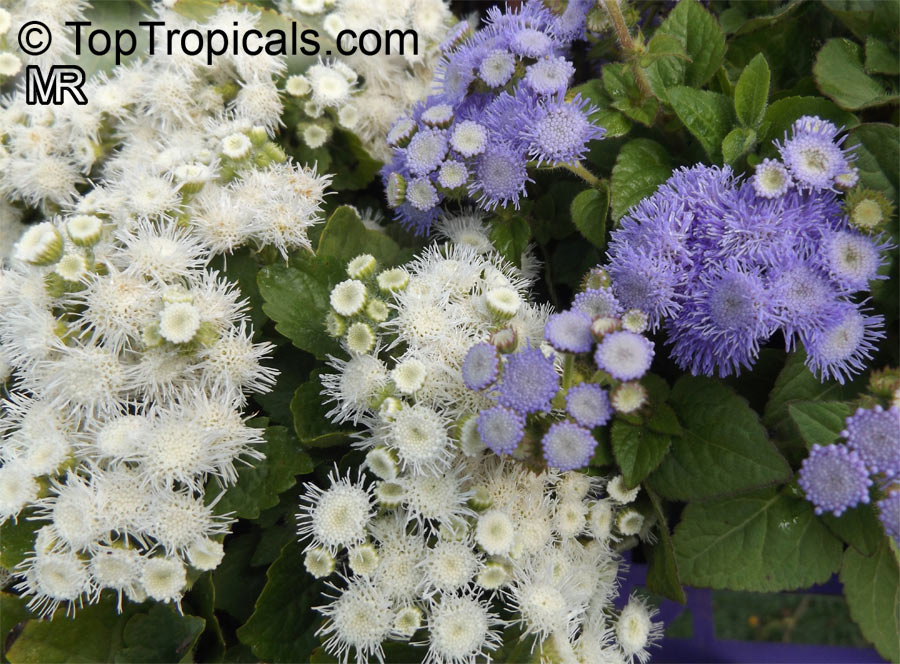
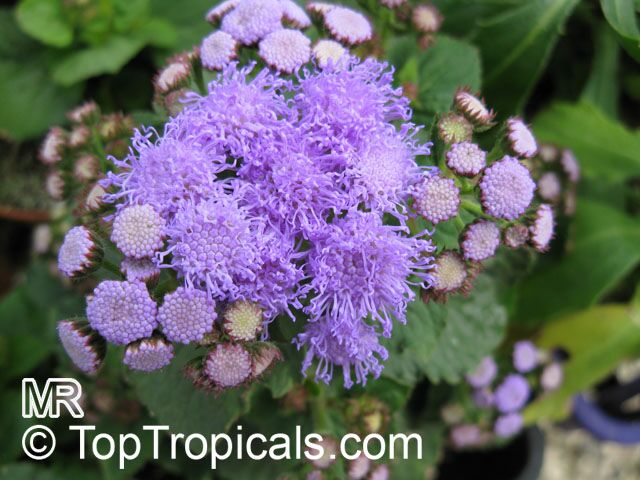
Botanical name: Ageratum houstonianum
Common name: Flossflower
Family: Asteraceae
Origin: Mexico, Belize, and Guatemala
USDA Zone: 2-11

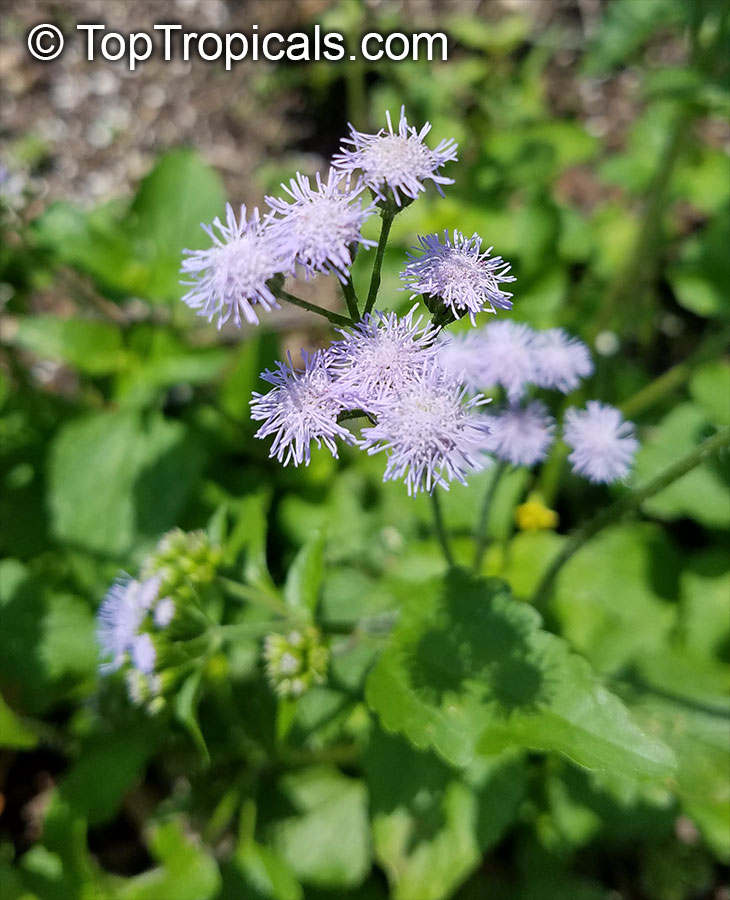
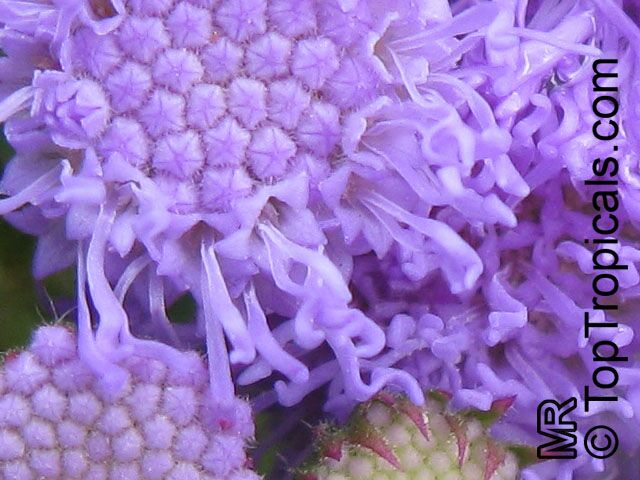
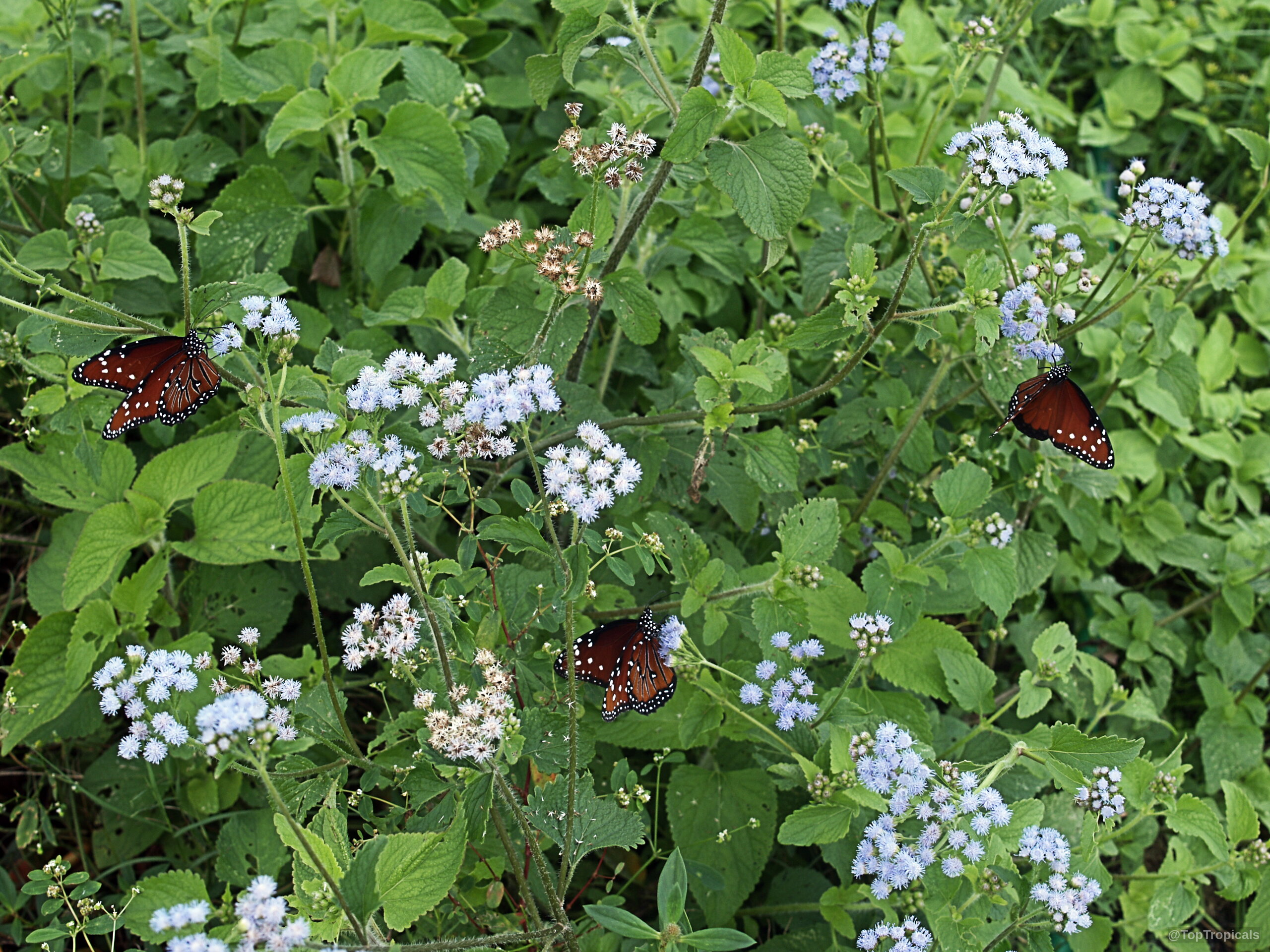
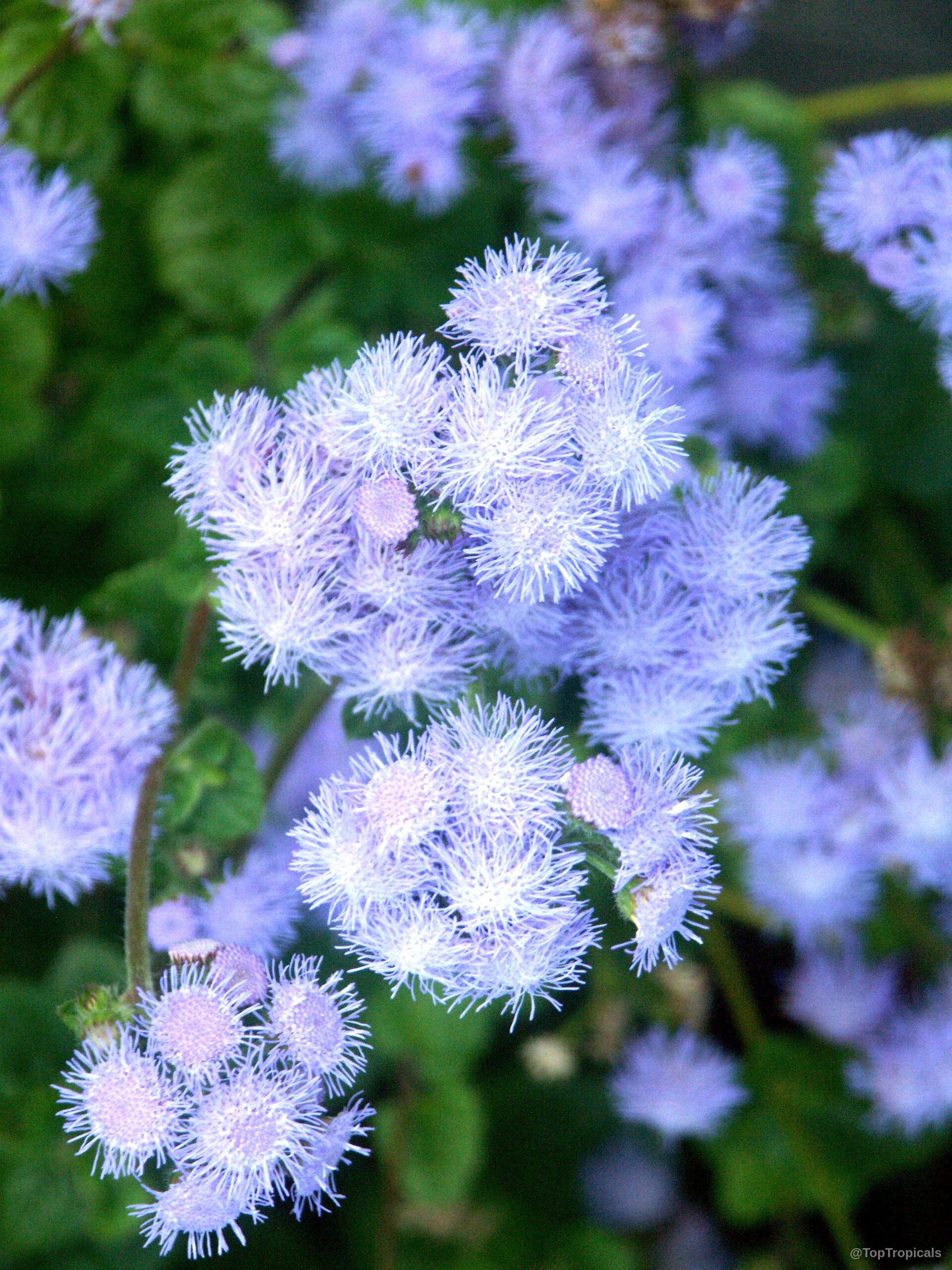
As a long-blooming, summer annual, this plant keeps a nice mounded shape throughout its bloom period. It is covered with clusters of small flowers. It comes in blue, pink, and white blooms. It generally grows about a foot high, though some dwarf varieties are available. Mass blue Ageratum is beautiful in beds with yellow marigolds for complementary colors, or with pink begonias to create a soft pastel carpet. Ageratum is very easy to grow in a sunny location.


Use link to repeat this search:
https://toptropicals.com/cgi-bin/garden_catalog/cat.cgi?find=Marigold&search_op=and&keyword_op=and&language=e&number=10
&no_change_lang=1&user=tt&sale=1&first=0