Cylindropuntia - Plant Encyclopedia Results
| Number of plants found: 2 |
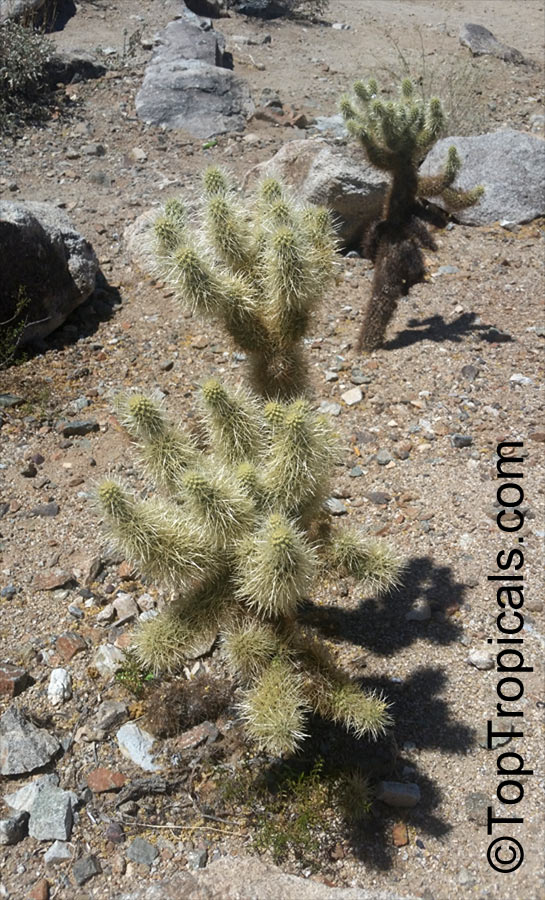
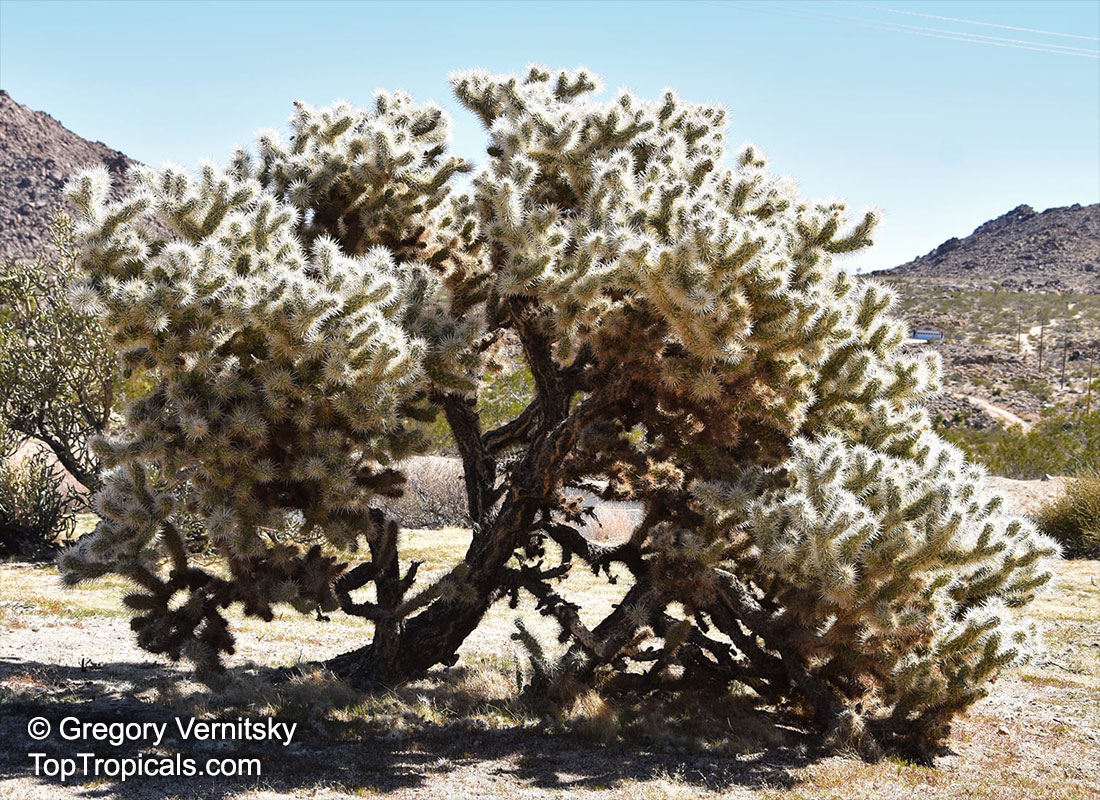
Botanical name: Cylindropuntia sp.
Common names: Cylindropuntia, Cholla
Family: Cactaceae
Origin: Mexico


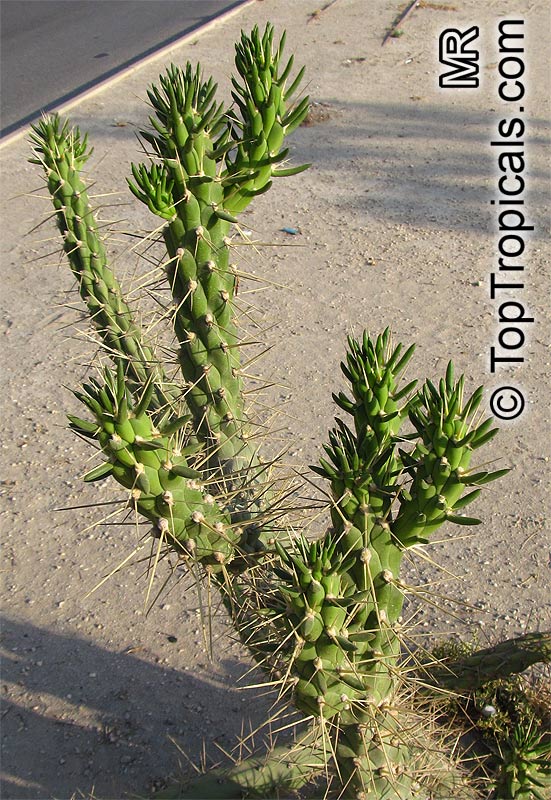
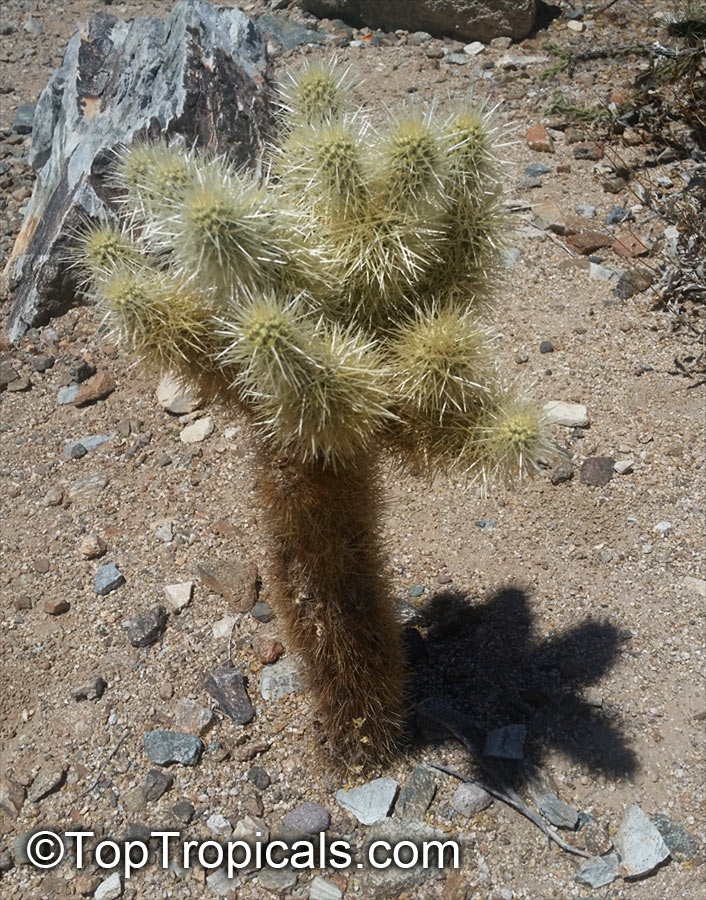
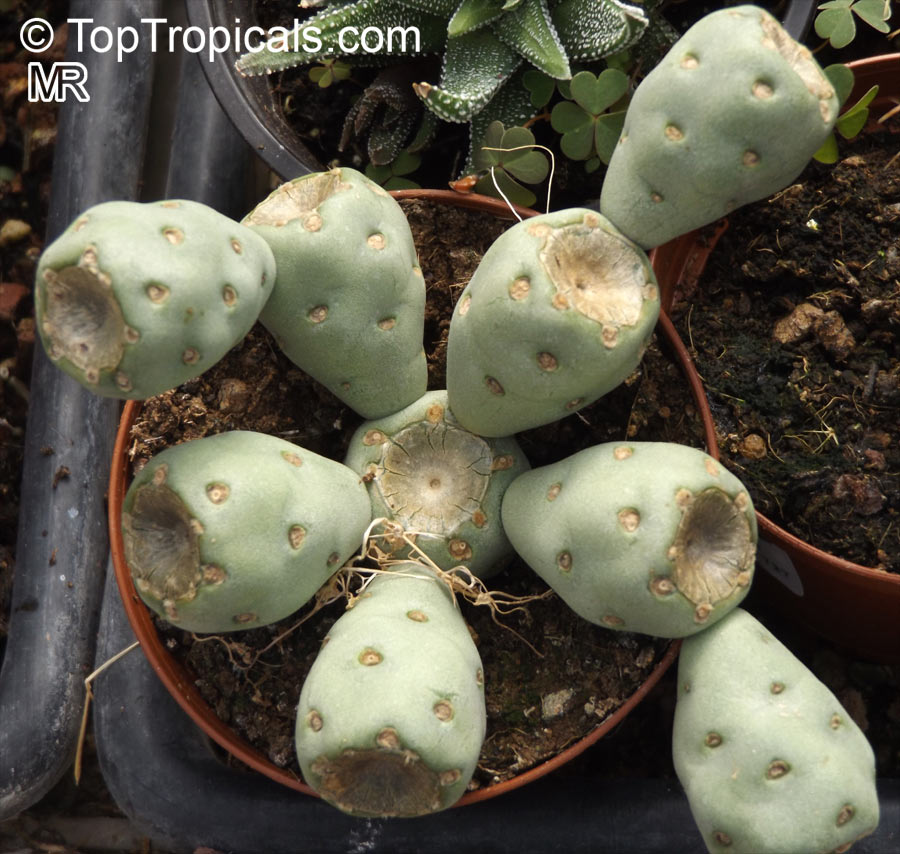
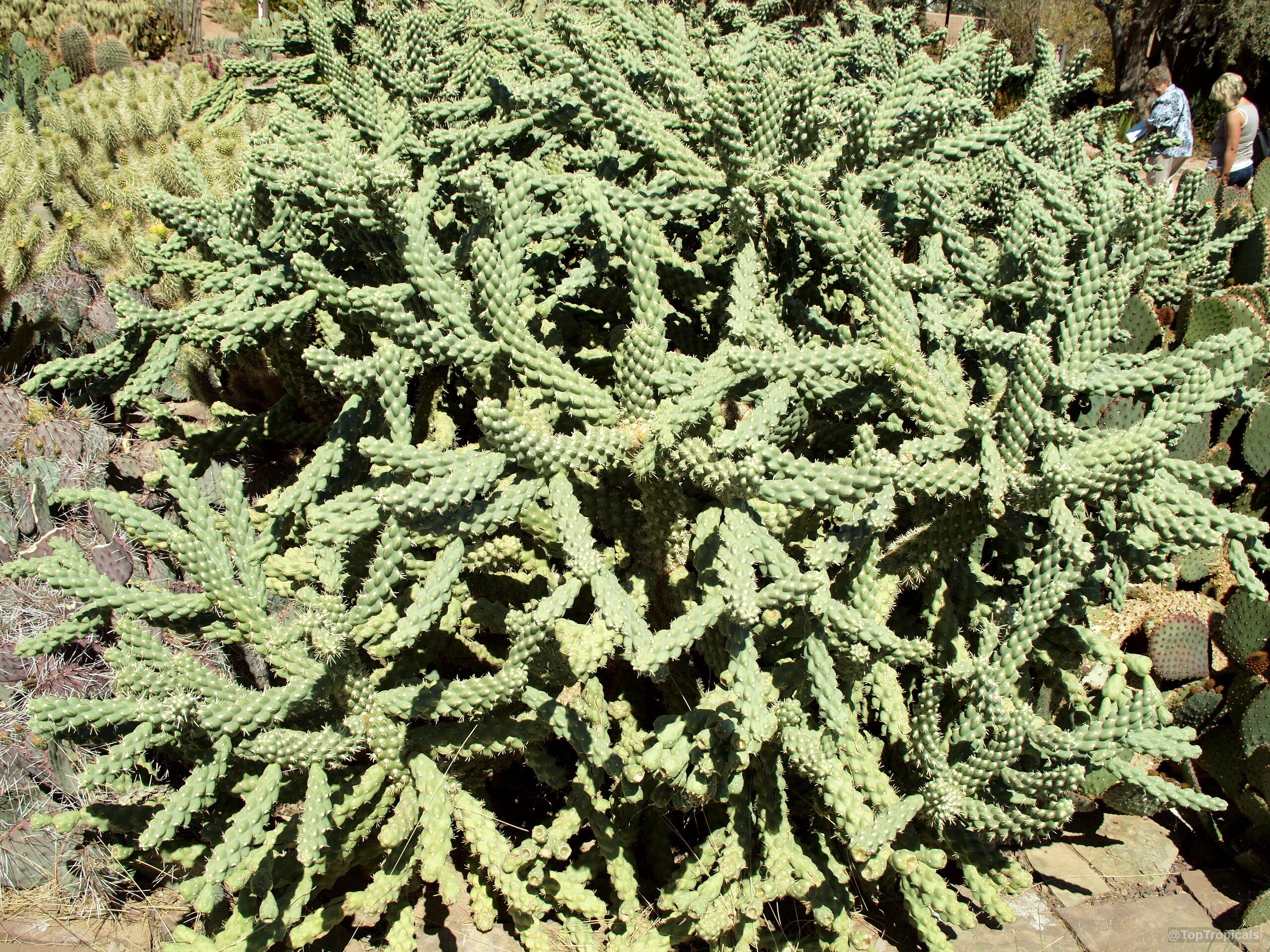
Cylindropuntia was formerly treated as a subgenus of Opuntia , but have now been separated based on their cylindrical stems and the presence of papery epidermal sheaths on the spines.
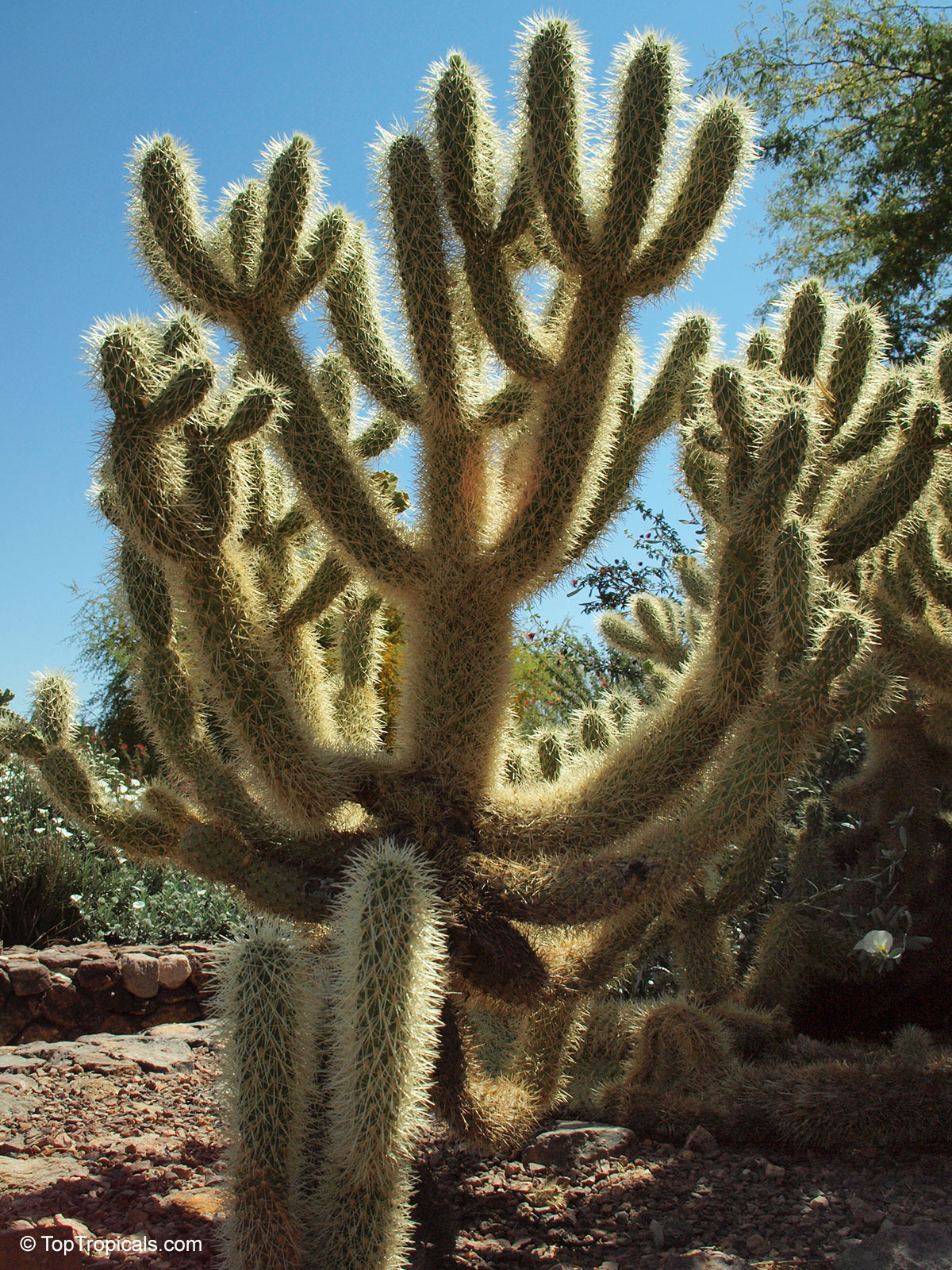
Botanical names: Cylindropuntia leptocaulis, Opuntia leptocaulis
Common names: Desert Christmas Cactus, Desert Christmas Cholla, Pencil Cactus
Family: Cactaceae
Origin: Mexico
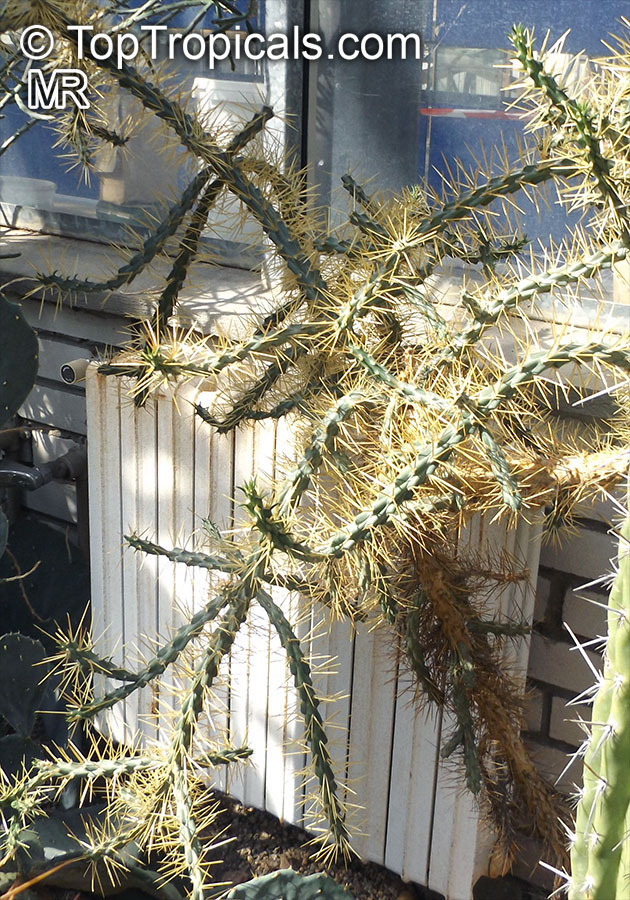
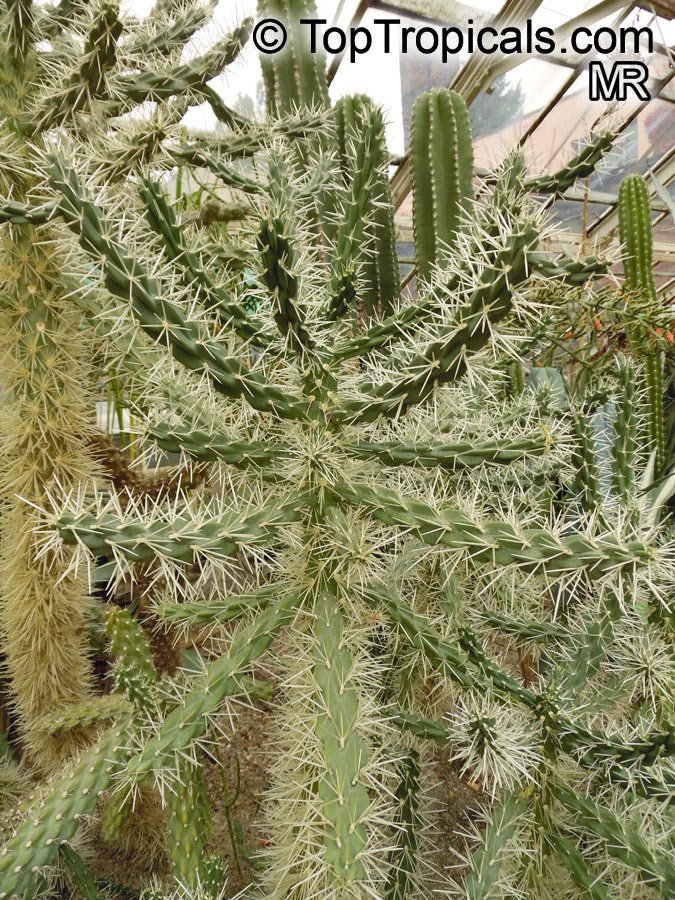
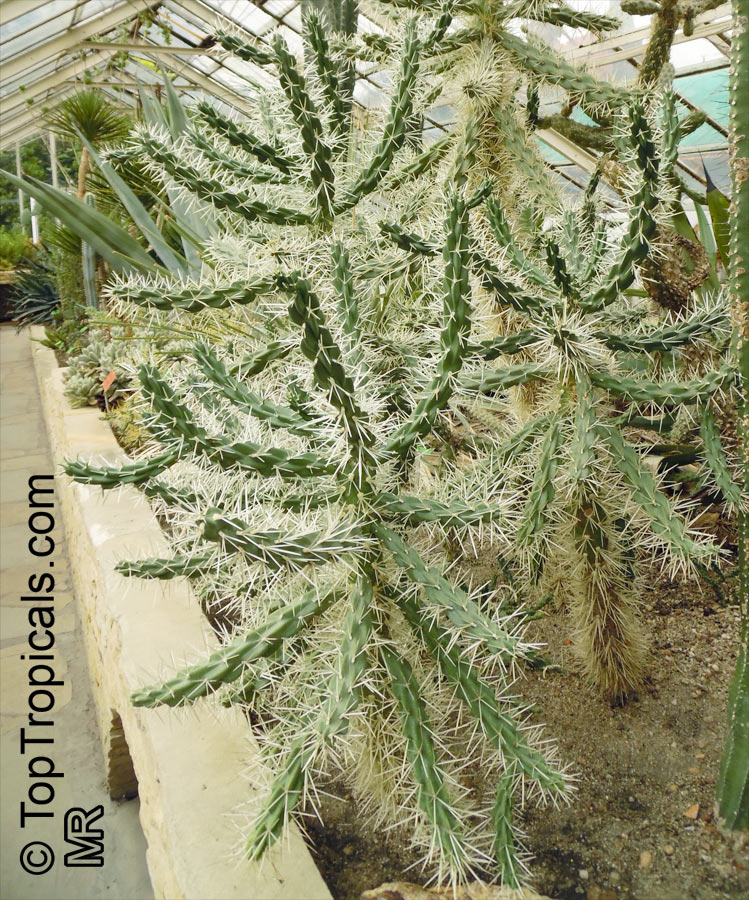
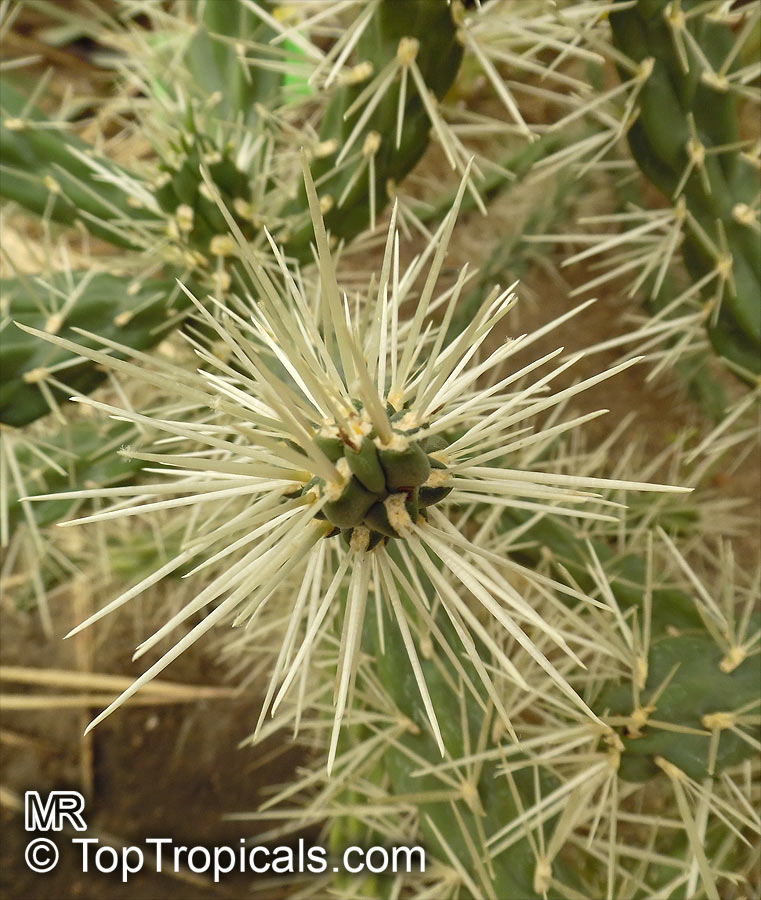
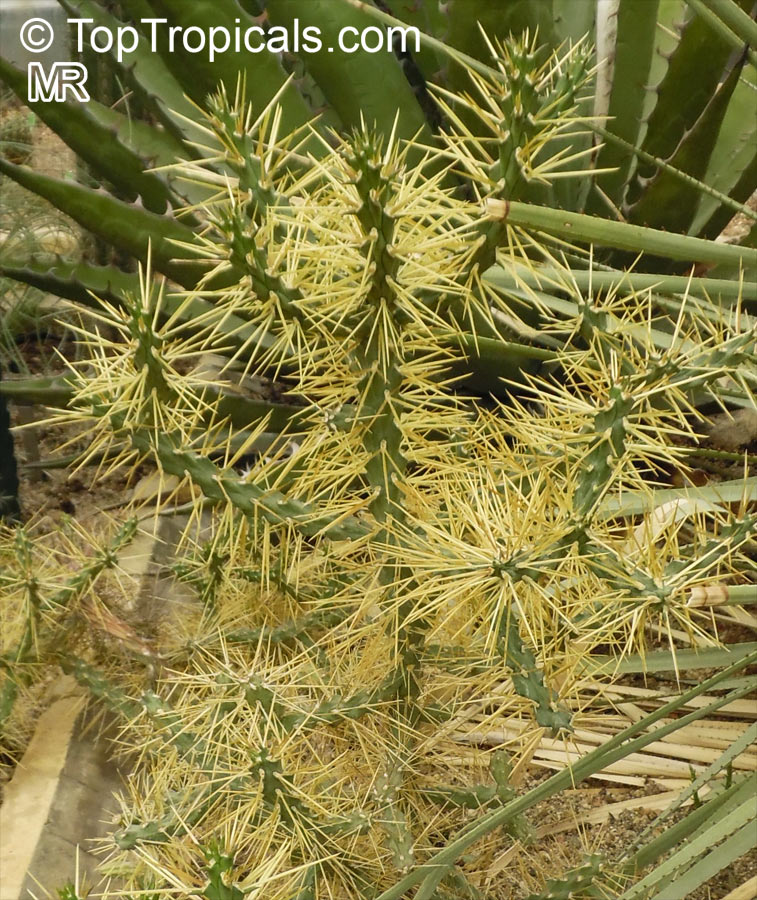
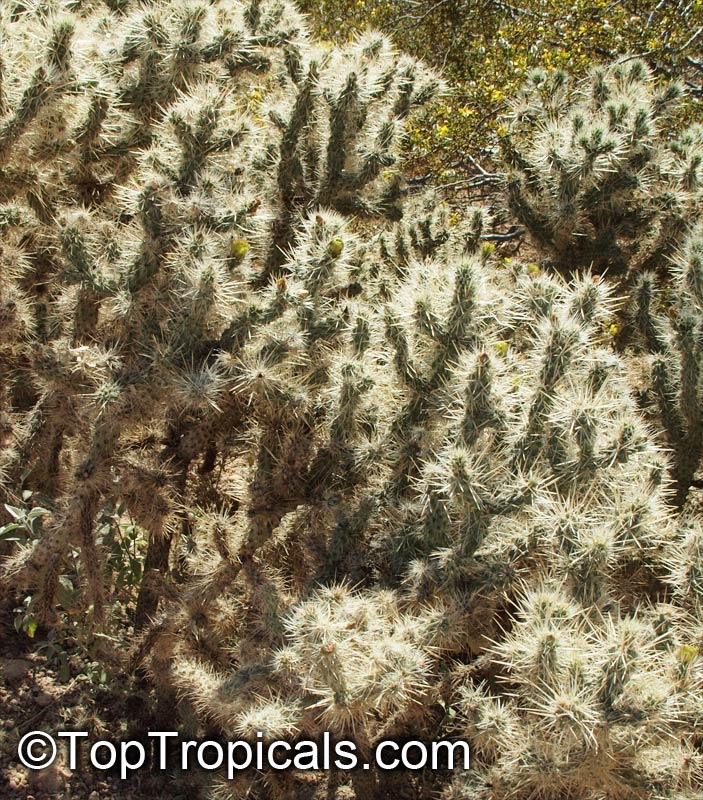
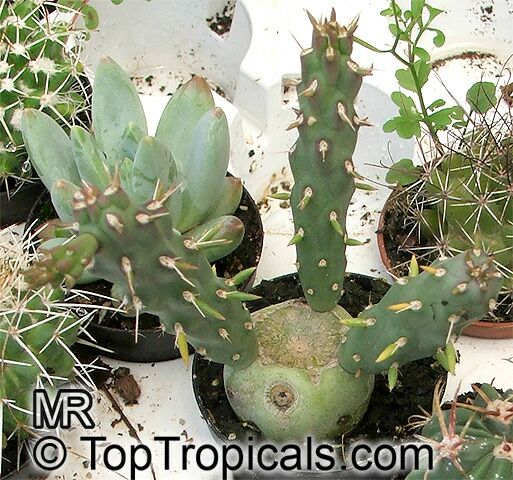
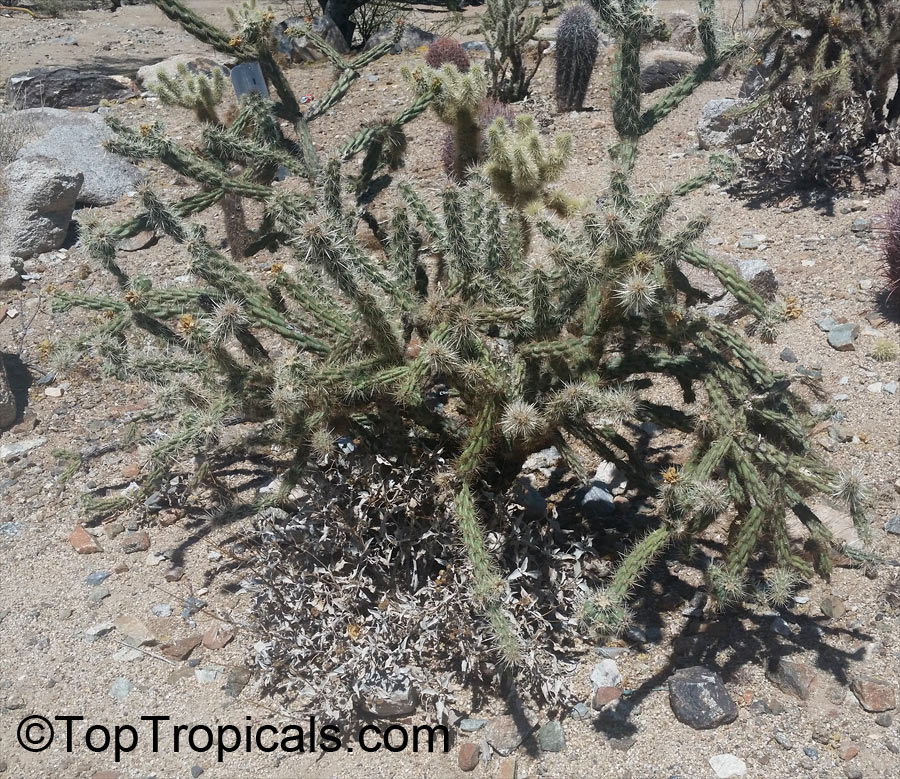
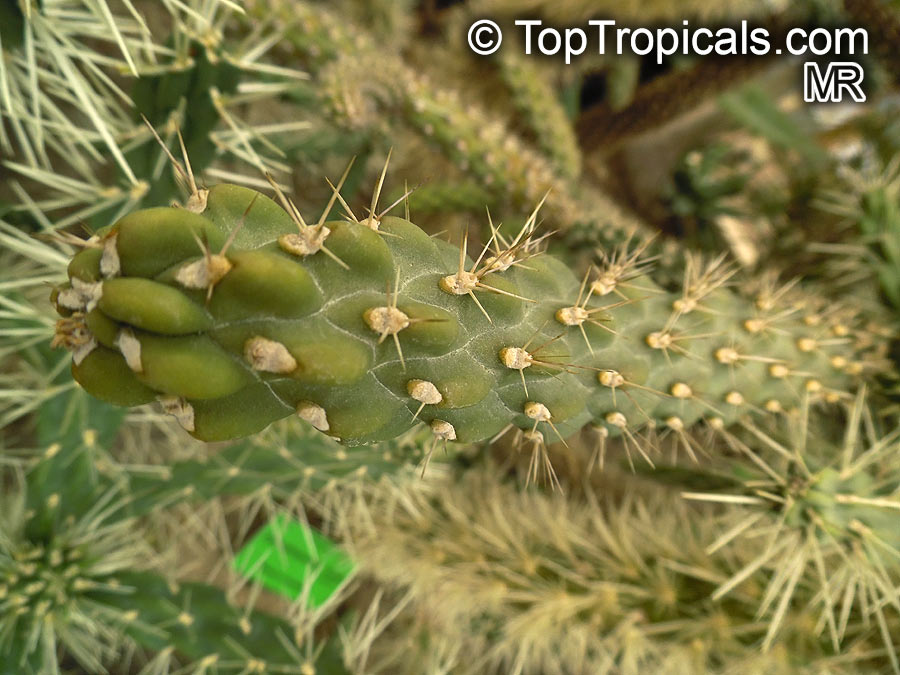
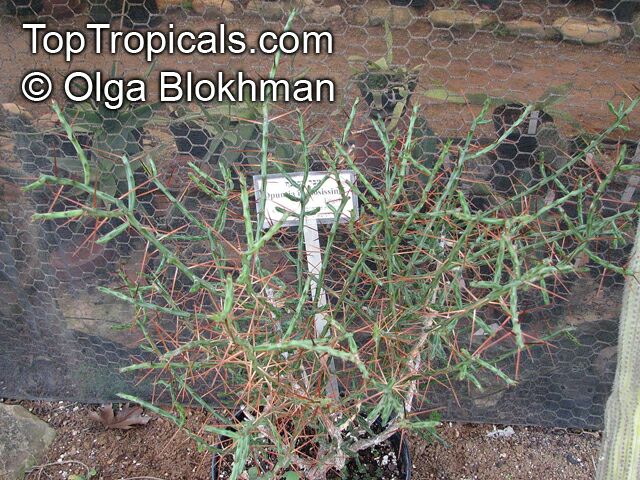
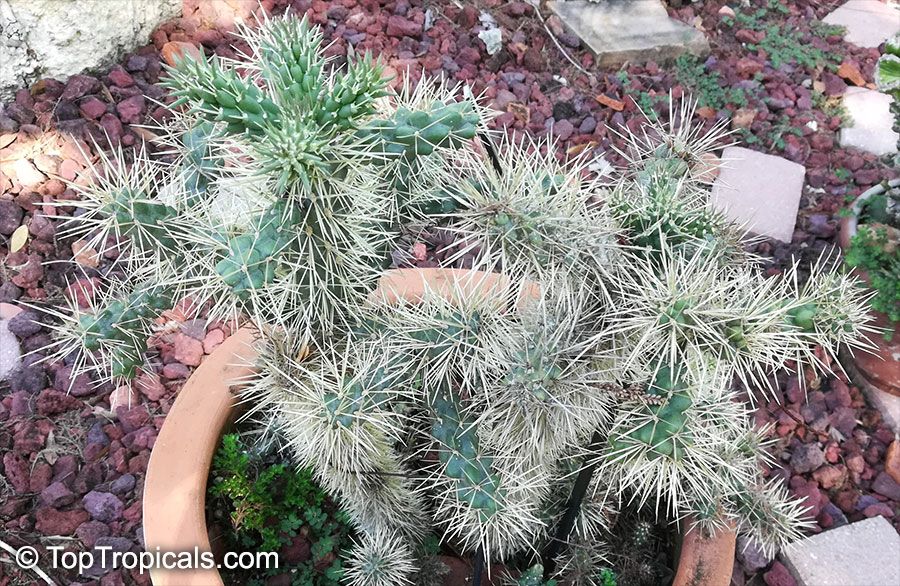
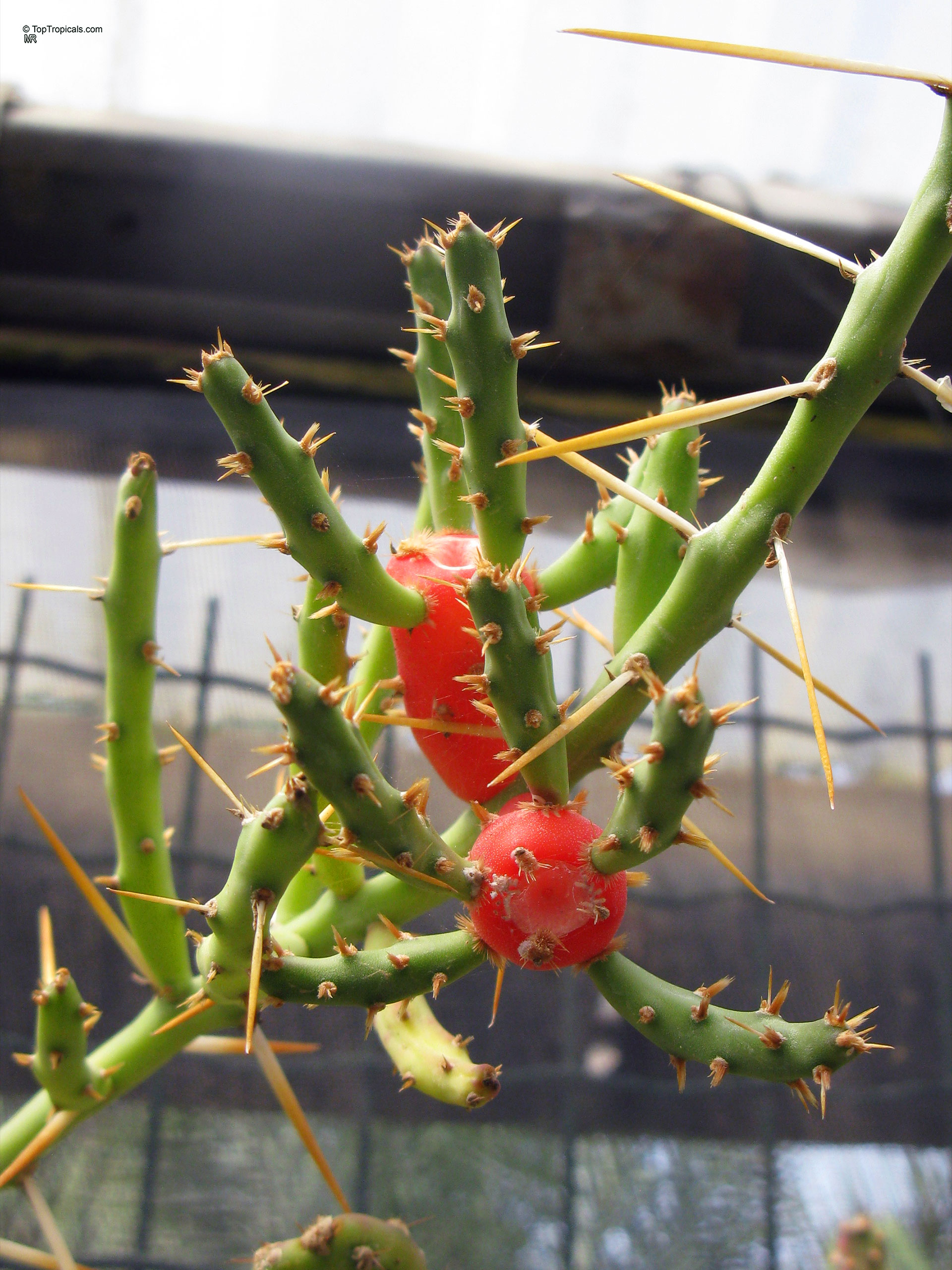
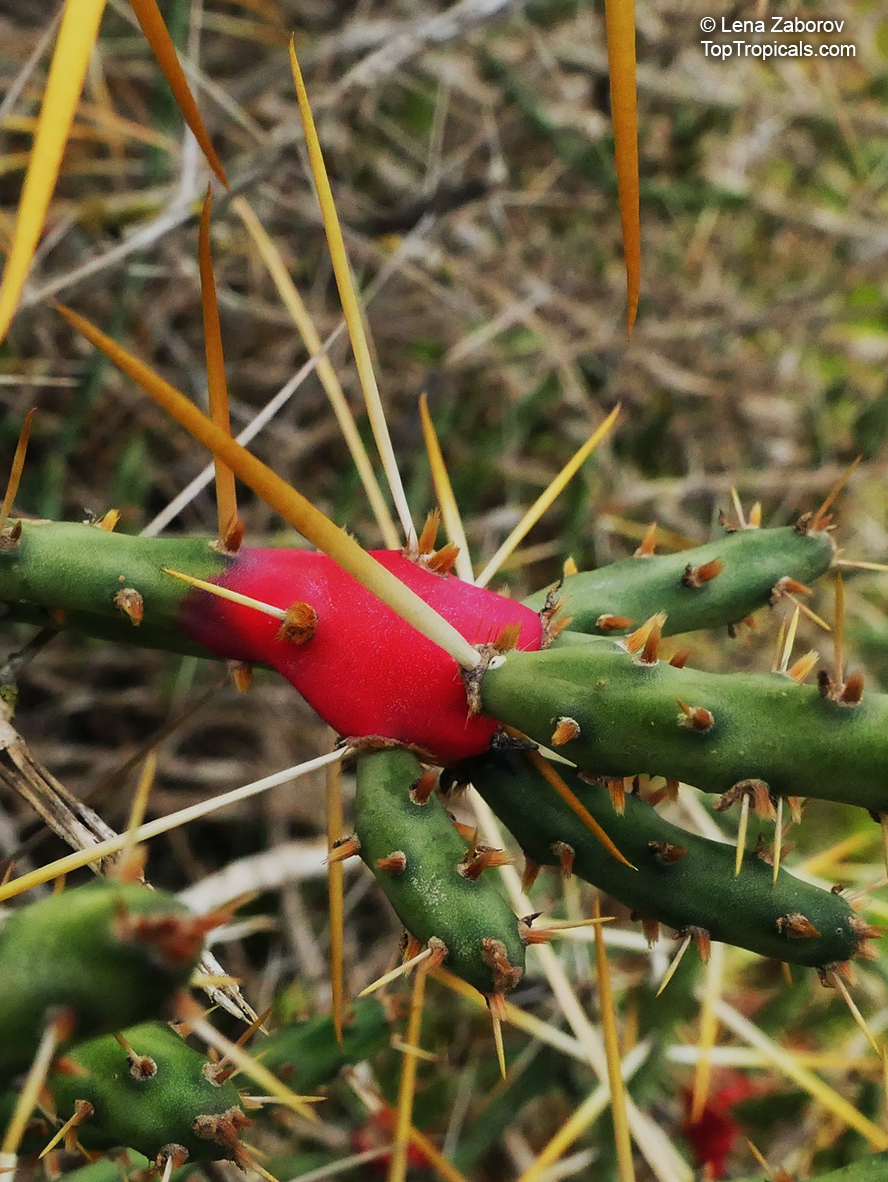
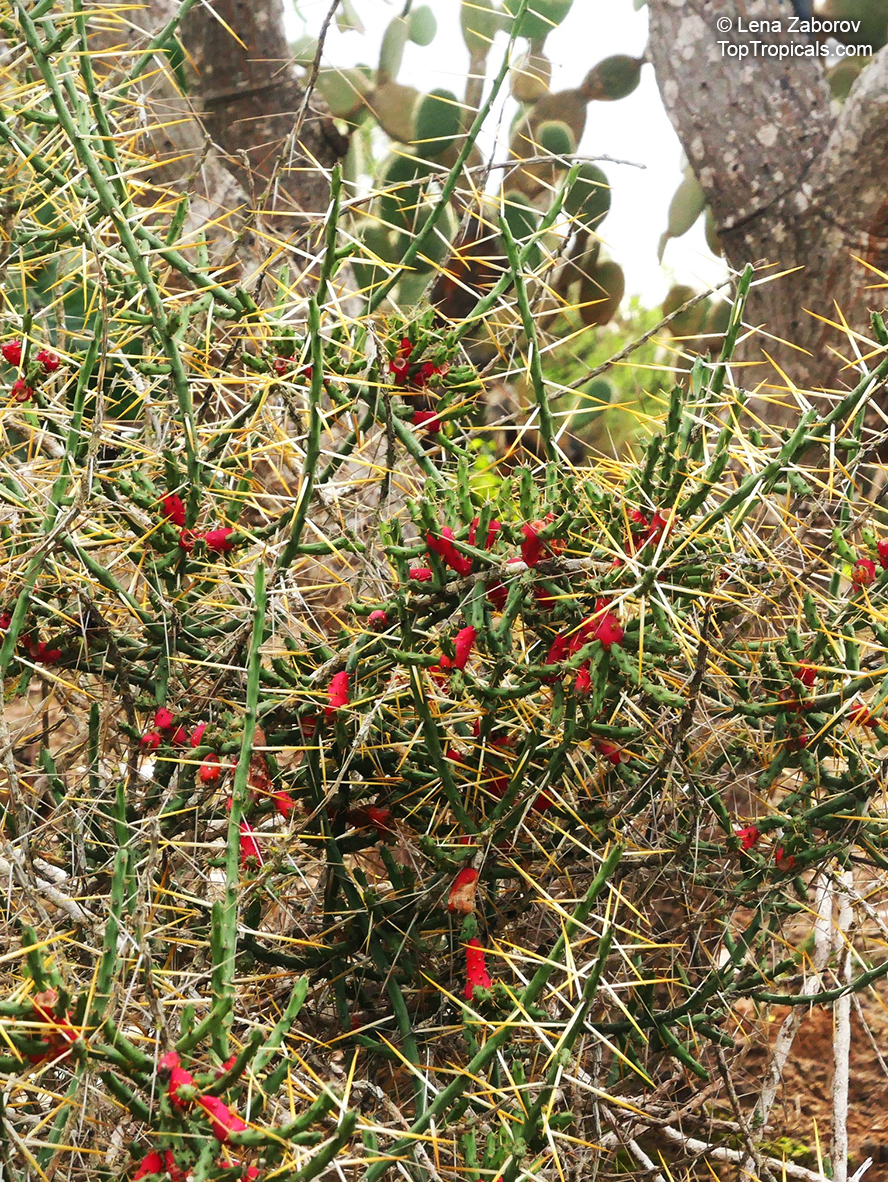
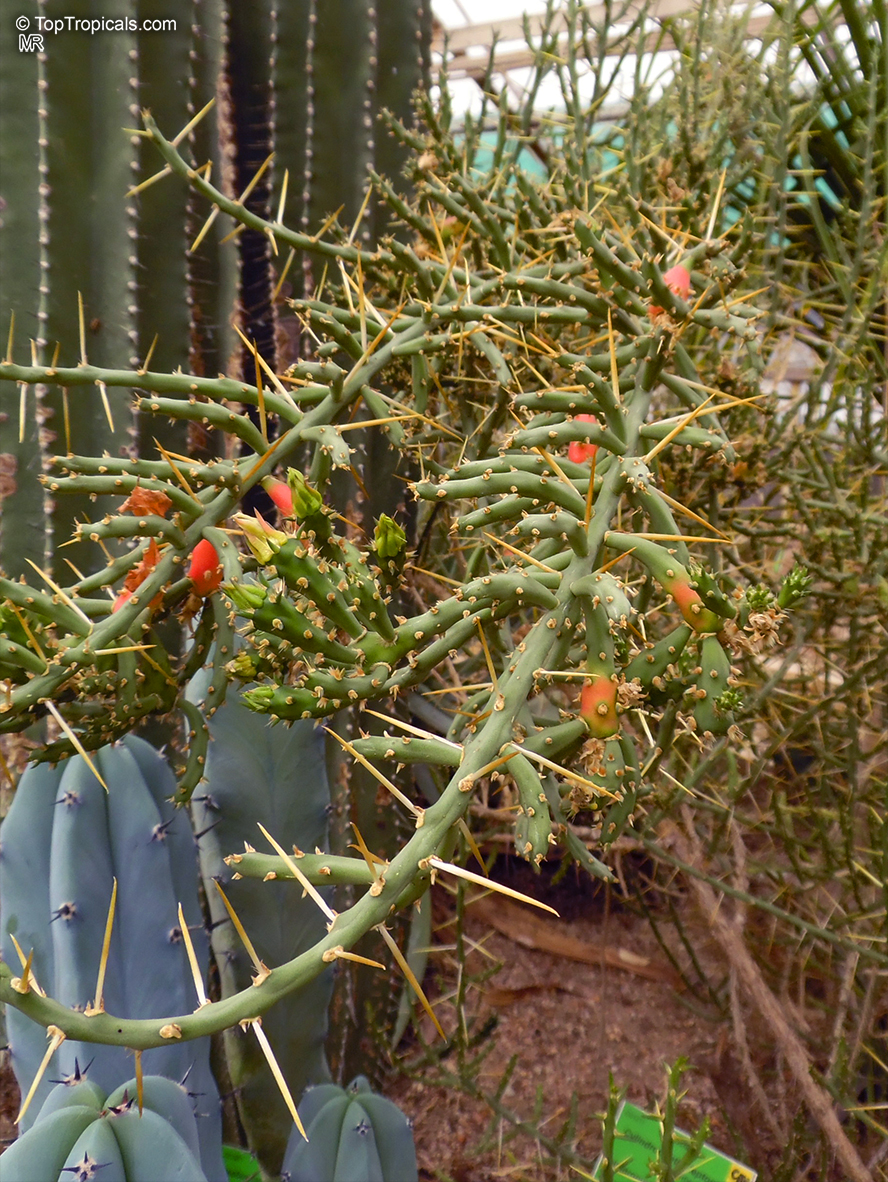
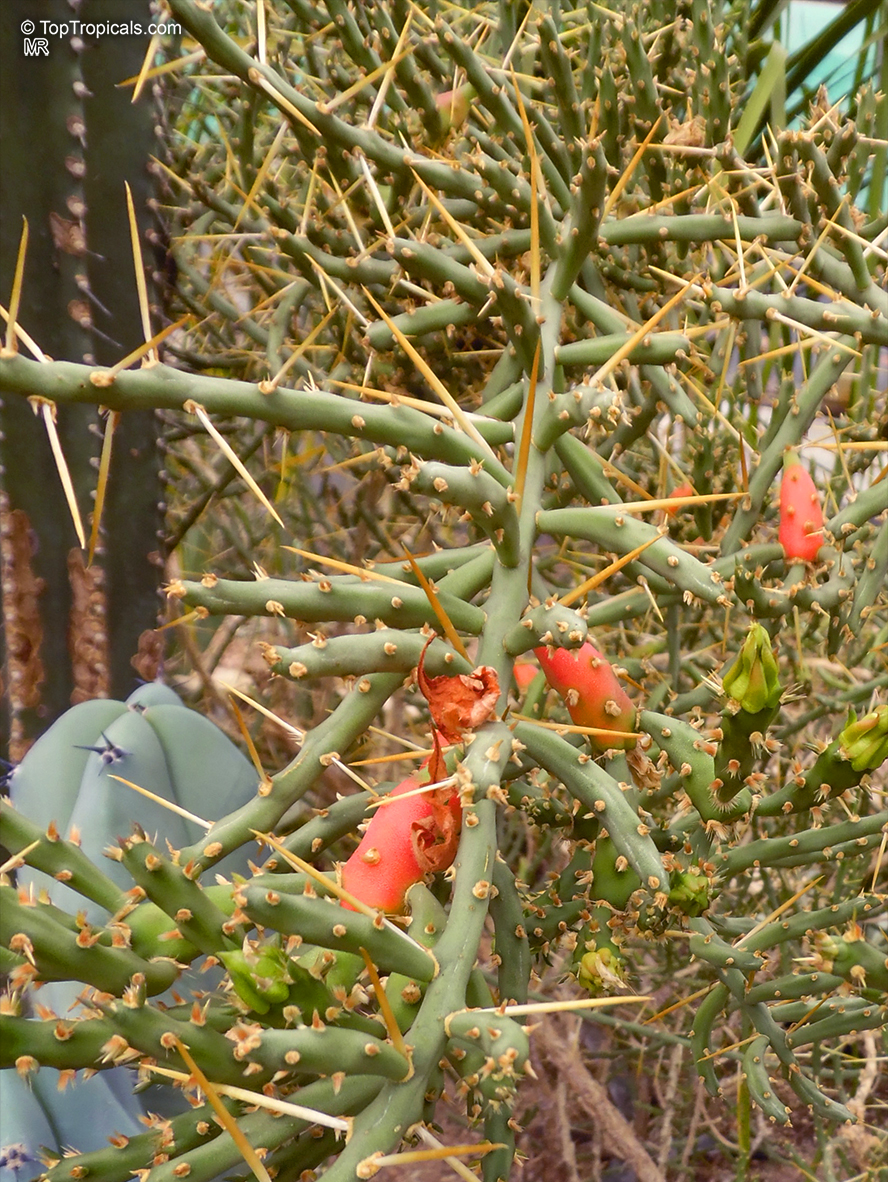
Cylindropuntia leptocaulis, commonly known as Tasajillo or Christmas Cholla, is a slender, much-branched cactus native to the southwestern United States and northern Mexico. Unlike many larger members of the genus, this species produces exceptionally thin cylindrical stems only 0.1-0.3 inches in diameter, giving the plant a delicate, twig-like appearance. The stems are divided into short segments armed with small clusters of fine spines and tiny deciduous leaves that appear briefly during active growth.
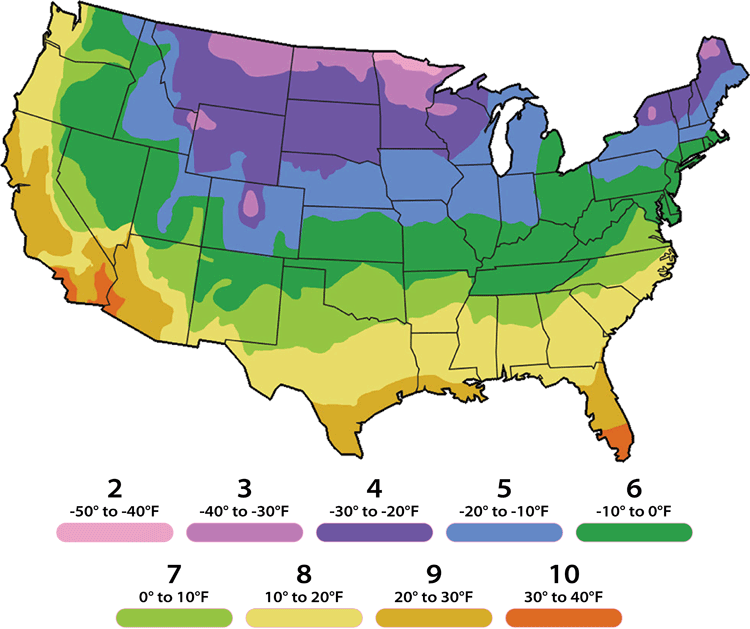
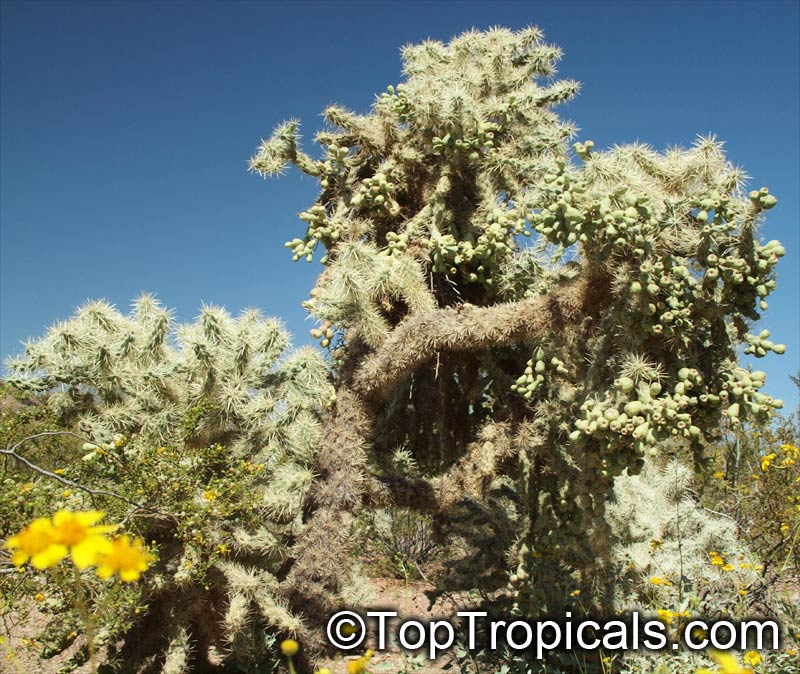
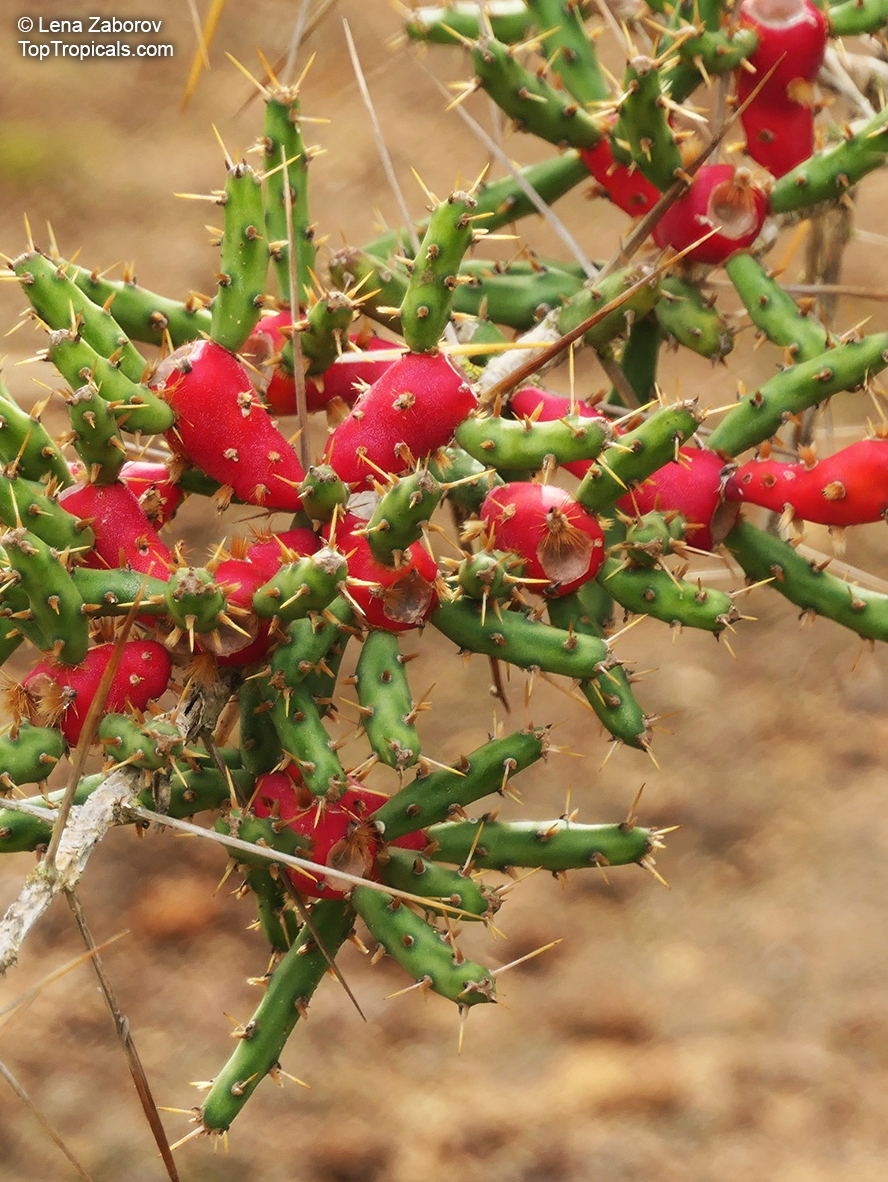
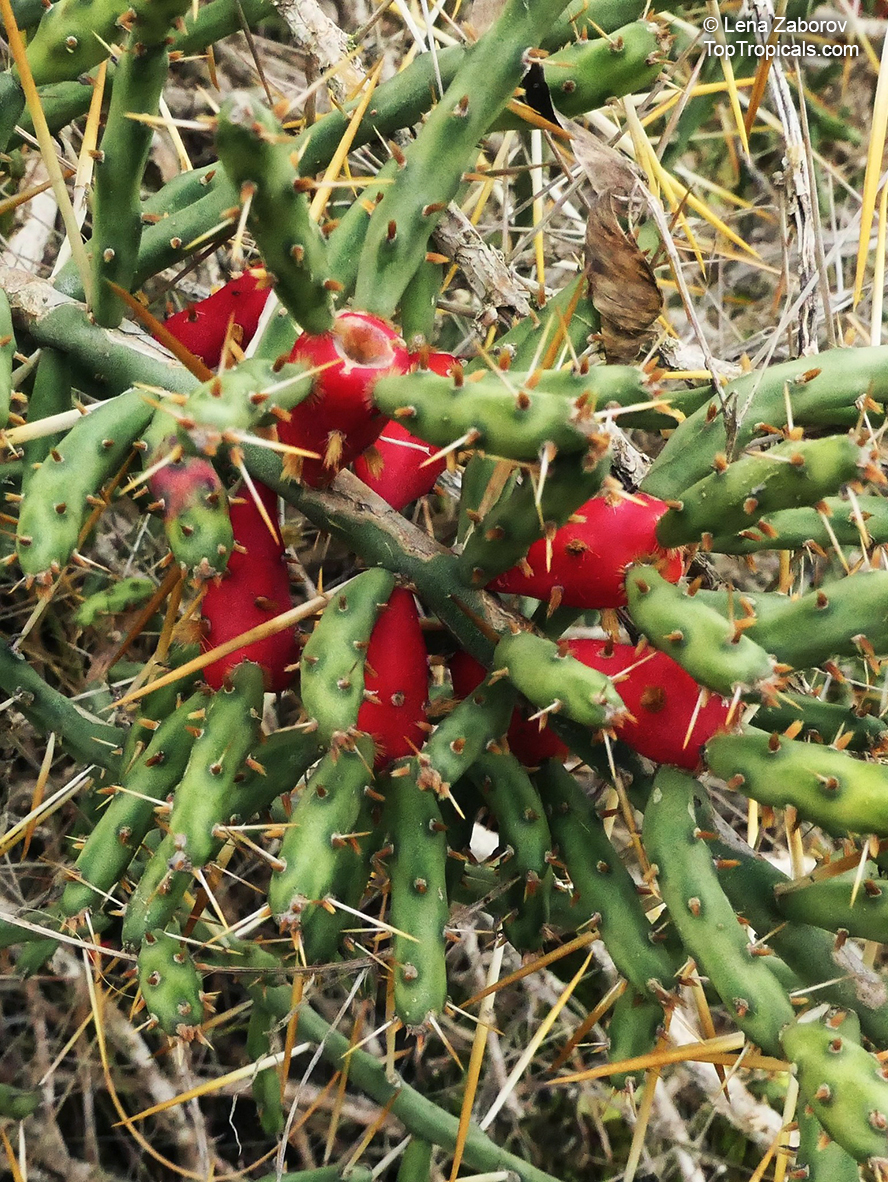
Small greenish-yellow to bronze flowers appear in spring, followed by bright red, fleshy fruits that often persist through winter. These colorful fruits provide ornamental interest long after flowering and are the origin of the common name "Christmas Cholla." A remarkable feature of this species is that the fruits retain active areoles - the specialized buds from which cacti produce spines, flowers, and new shoots. As a result, the fruits themselves may sprout up to four new vegetative branches directly from their upper areoles, allowing the plant to spread vegetatively as well as by seed. Birds readily feed on the fruits, helping to disperse the seeds. Cylindropuntia leptocaulis thrives in full sun and sharply drained soil and is highly tolerant of heat, drought, and poor rocky soils. Suitable for USDA Zones 7-11, it is among the most cold-hardy species of Cylindropuntia and requires very little supplemental watering once established. Its fine-textured branching, persistent fruits, and unusual fruit-borne shoots make it an attractive choice for xeriscapes, desert gardens, and naturalistic plantings.
Use link to repeat this search:
https://toptropicals.com/cgi-bin/garden_catalog/cat.cgi?find=Cylindropuntia&search_op=and&keyword_op=and&language=e
&number=10&no_change_lang=1&user=tt&sale=1&first=0