Cestrum - Plant Encyclopedia Results
| Number of plants found: 6 |
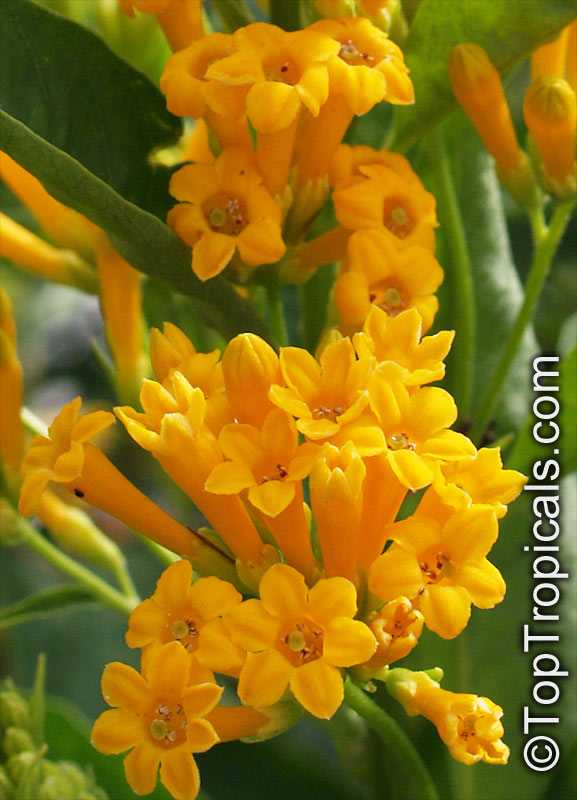
Botanical names: Cestrum aurantiacum, Cestrum chaculanum, Cestrum paucinervium
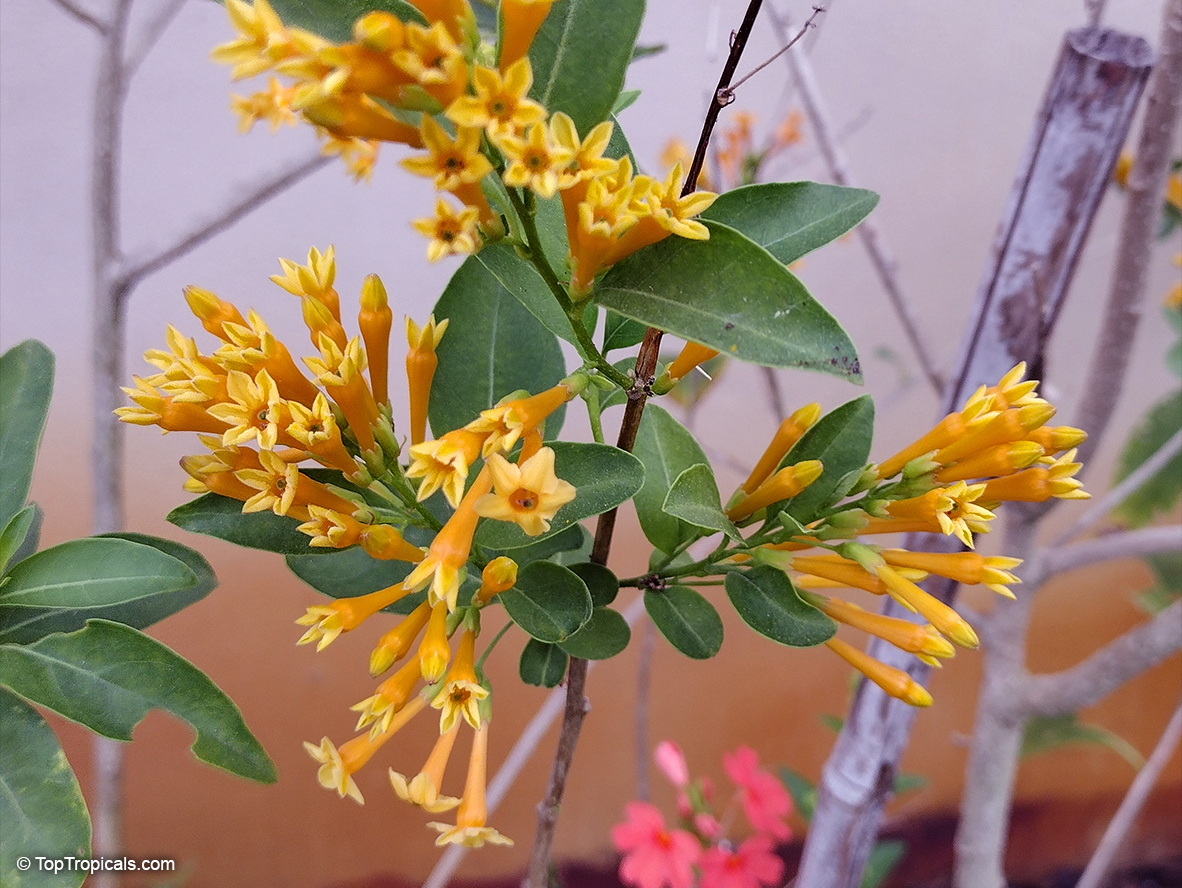
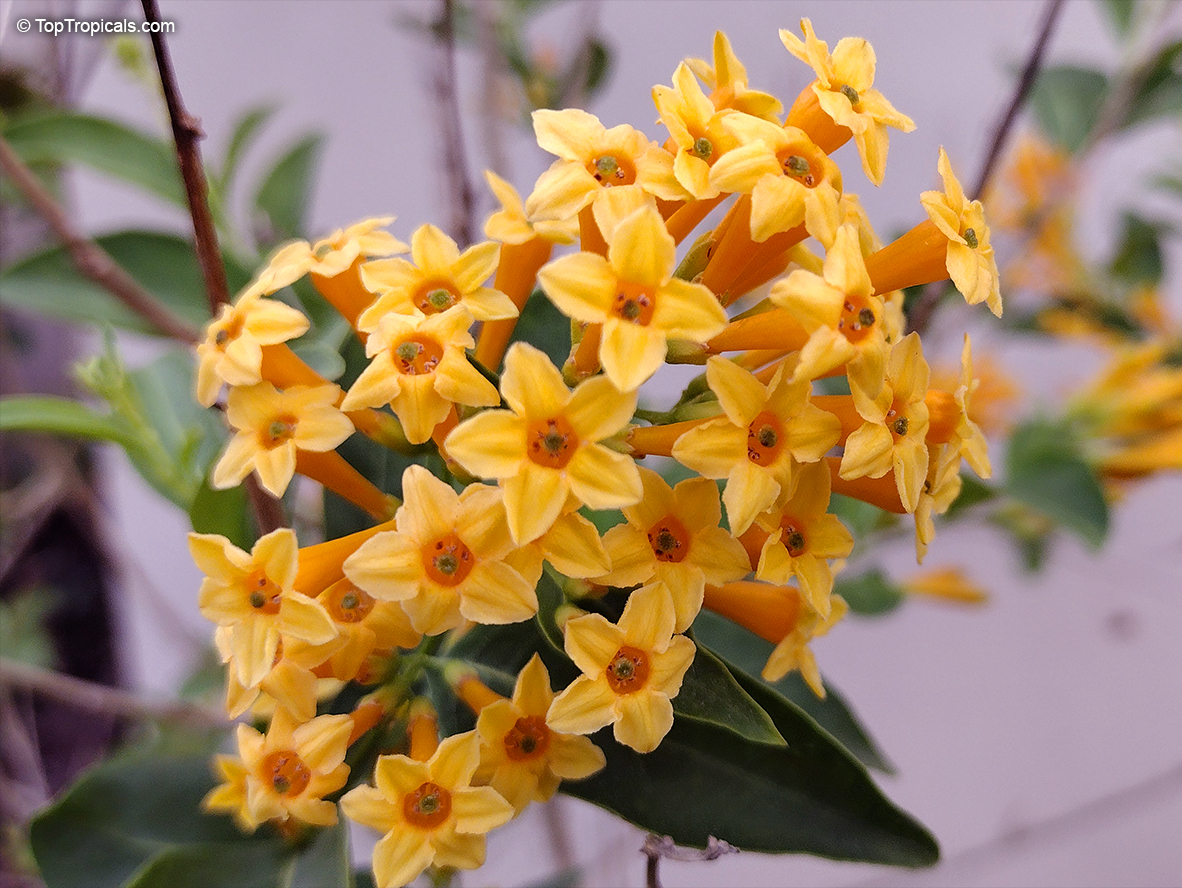
Common name: Yellow Cestrum
Family: Solanaceae
Origin: Costa Rica to Guatemala



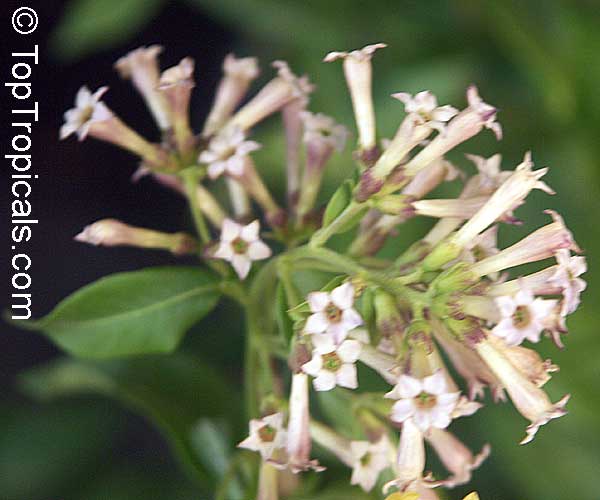
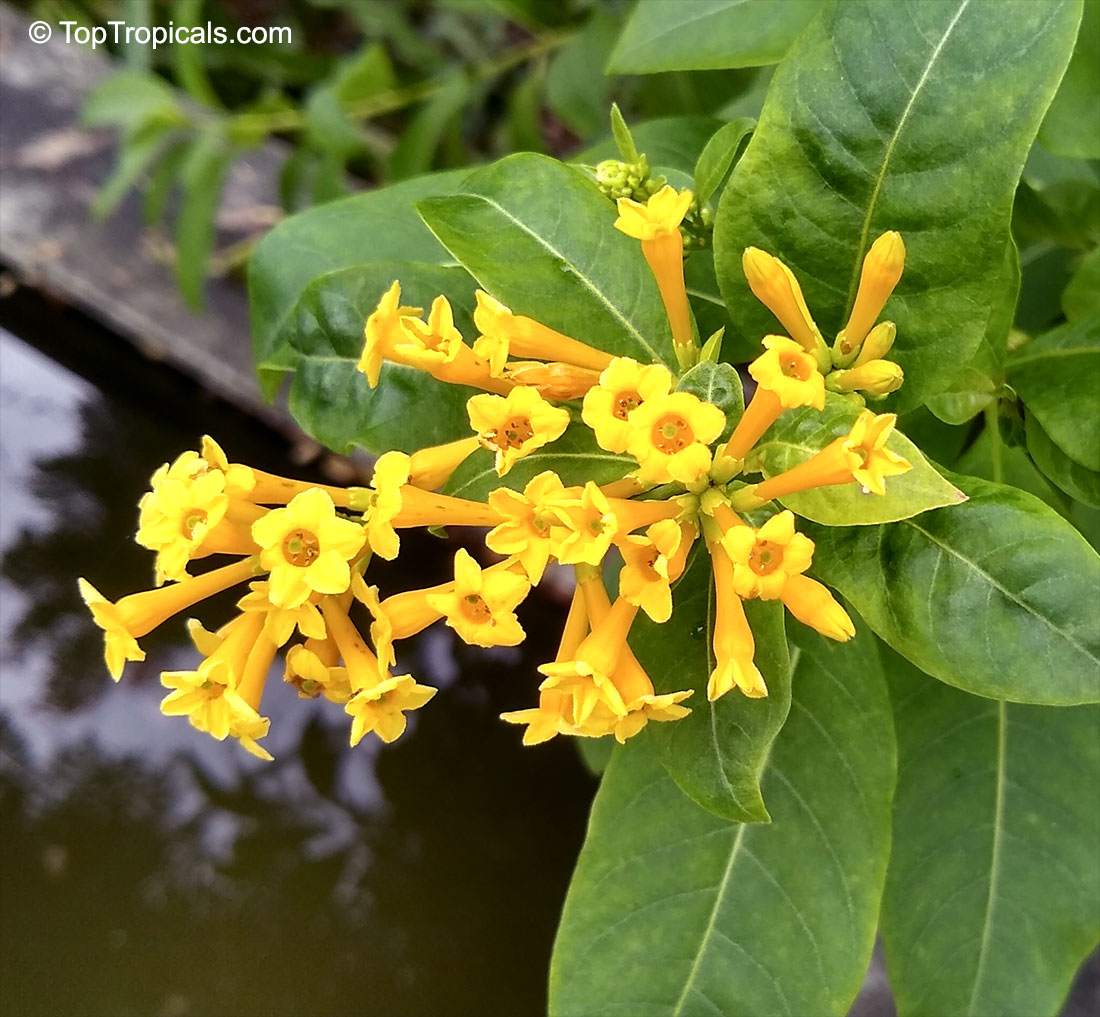
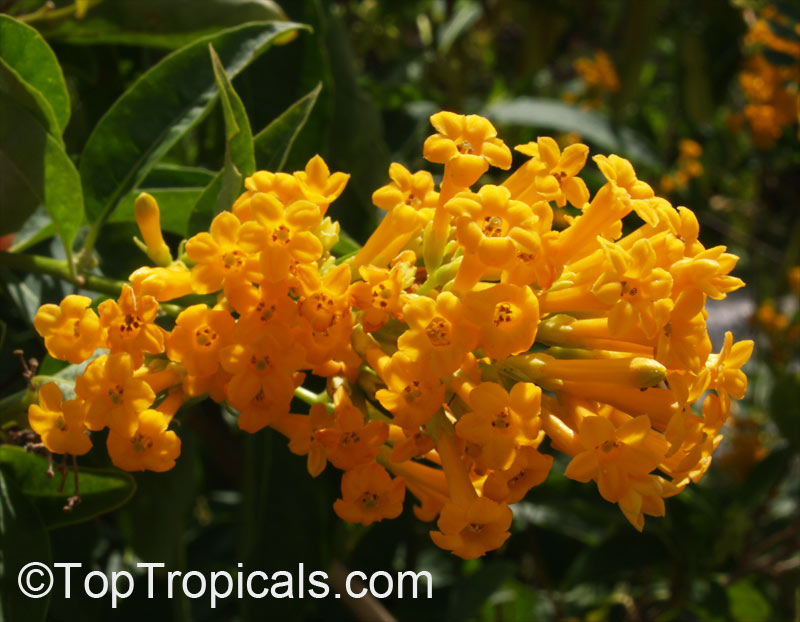
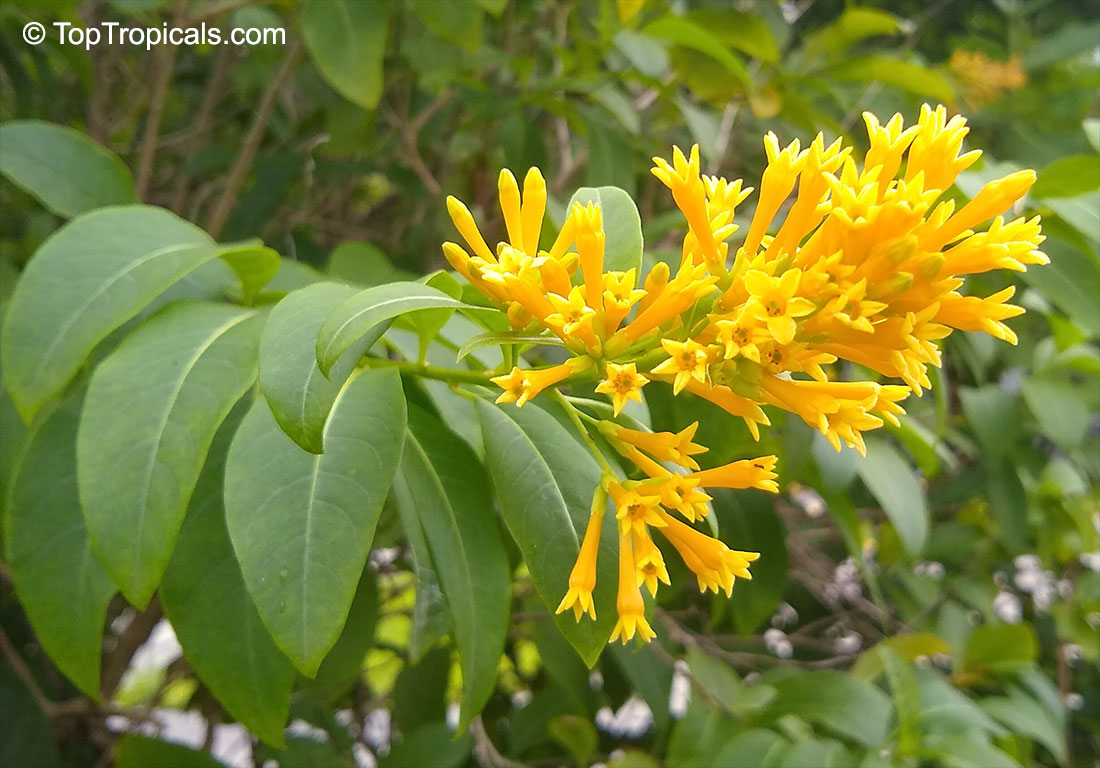
Yellow Cestrum. Attracts butterflies and hummingbirds. The bright yellow flowers in late spring-early summer are followed by white berries. It often starts blooming again in the fall.
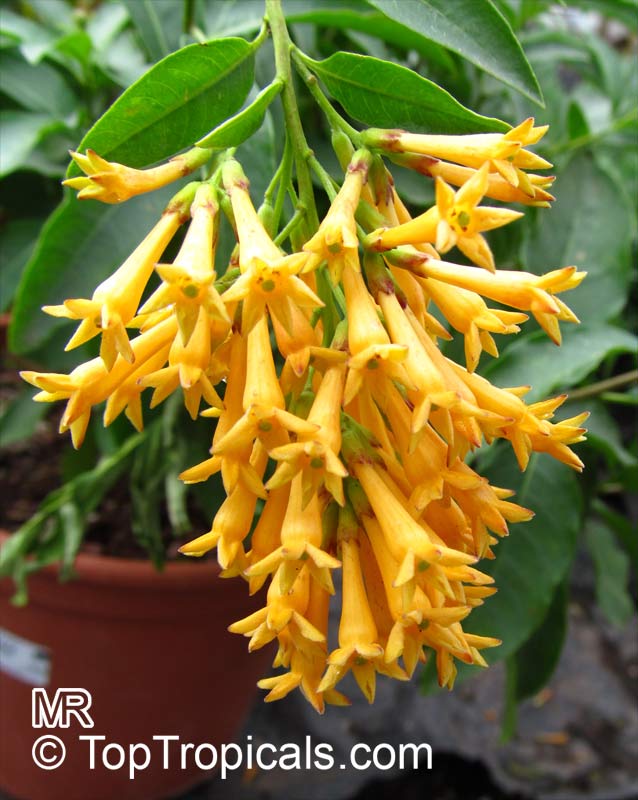
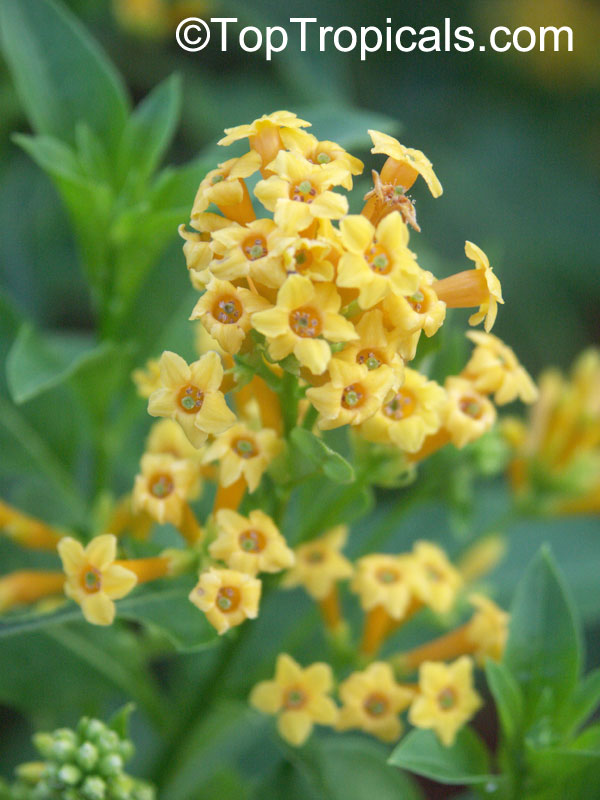
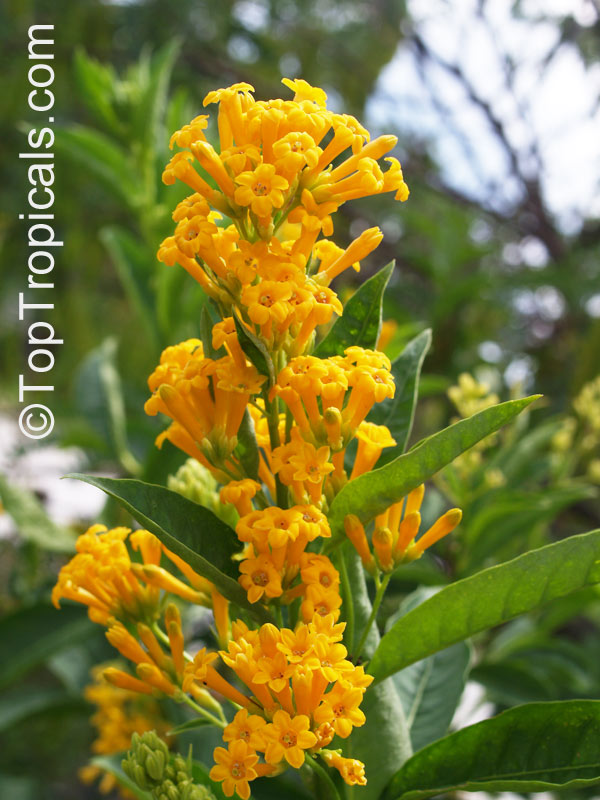
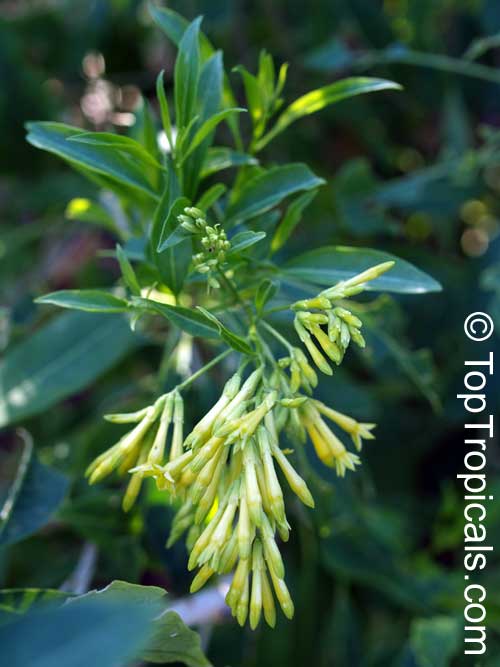
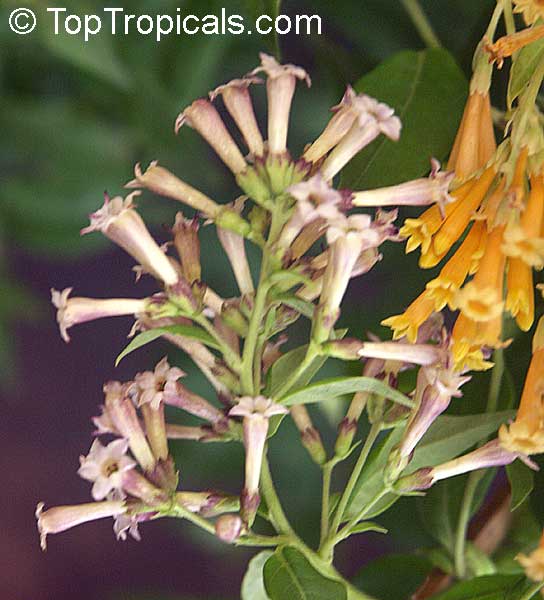
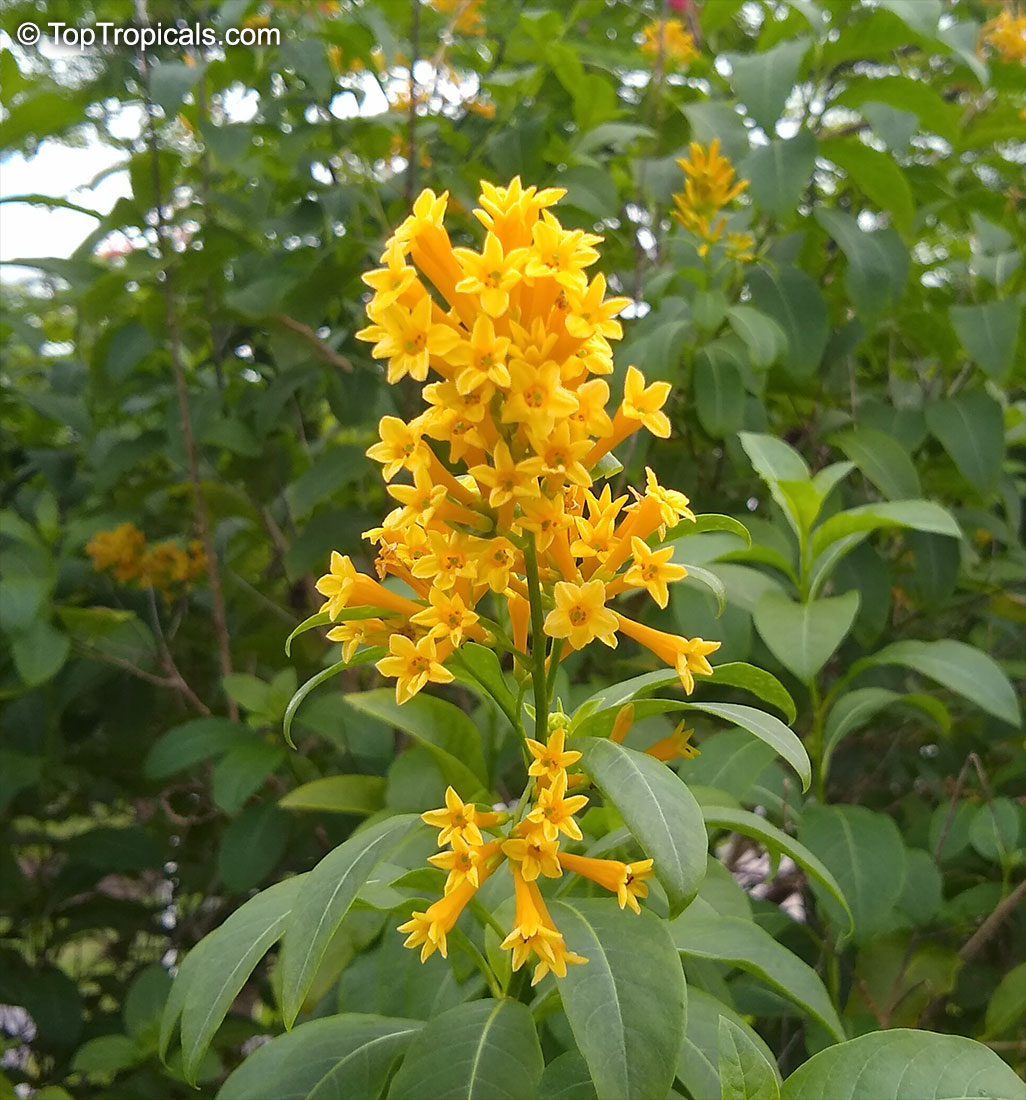
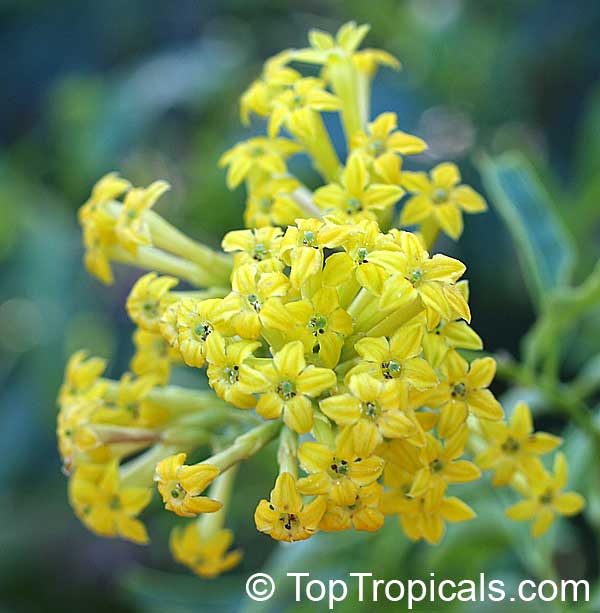
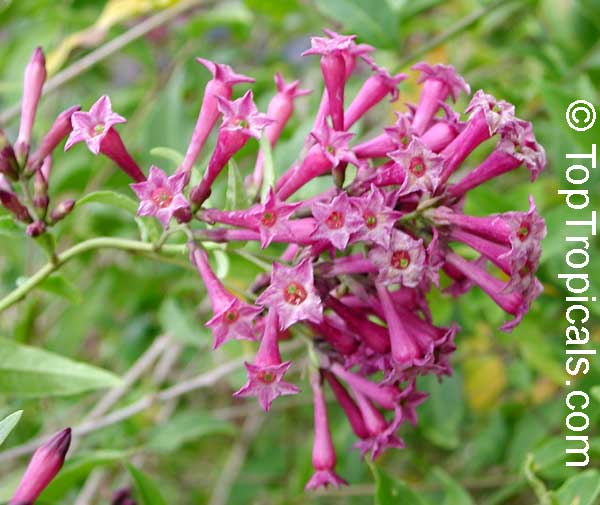
Botanical name: Cestrum elegans
Common names: Butterfly flower, Red cestrum
Family: Solanaceae


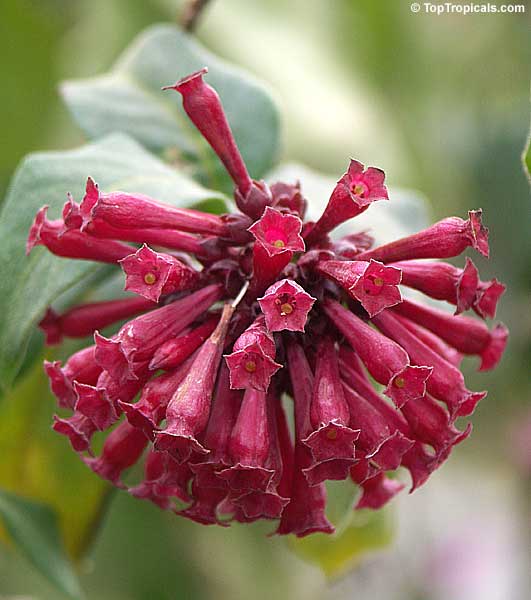
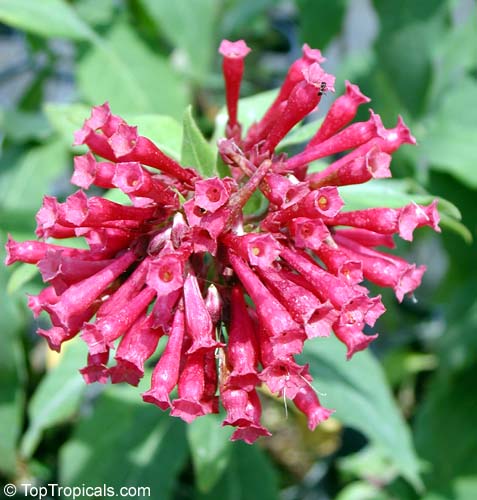
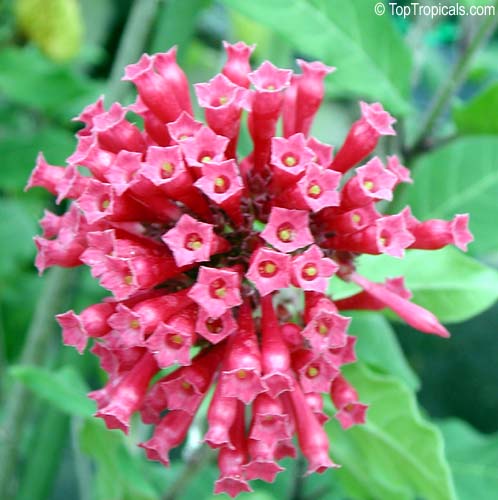
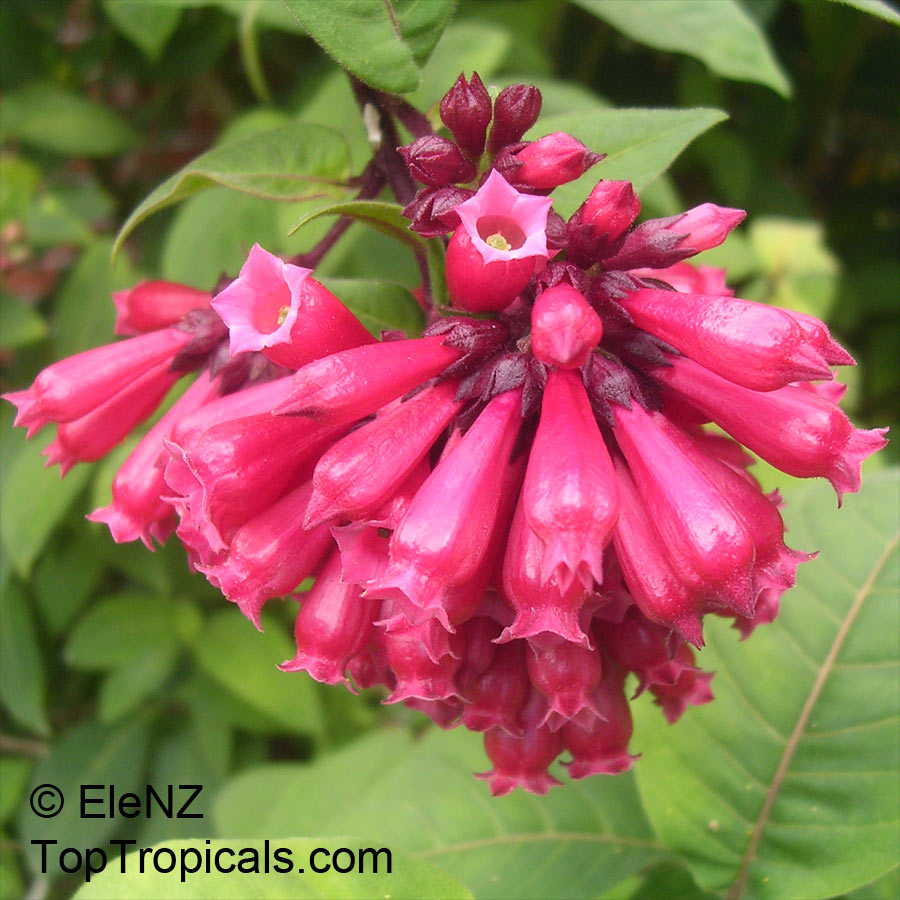
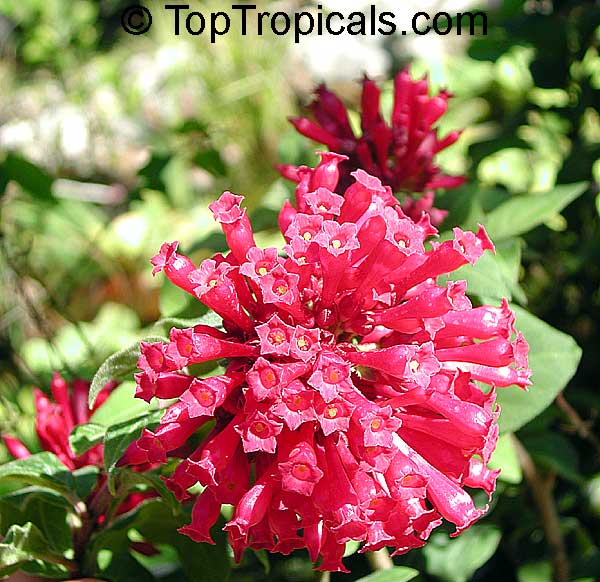
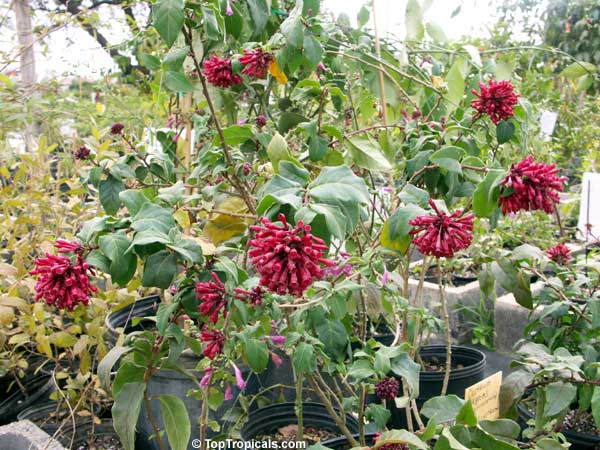
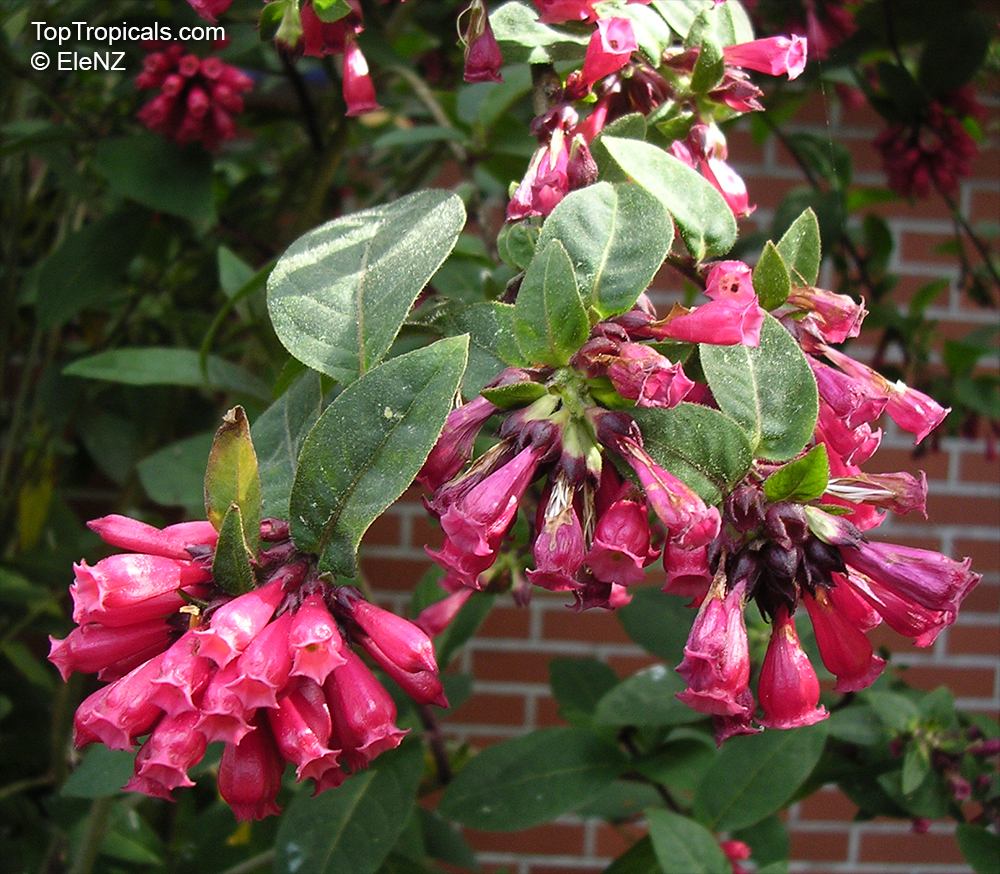
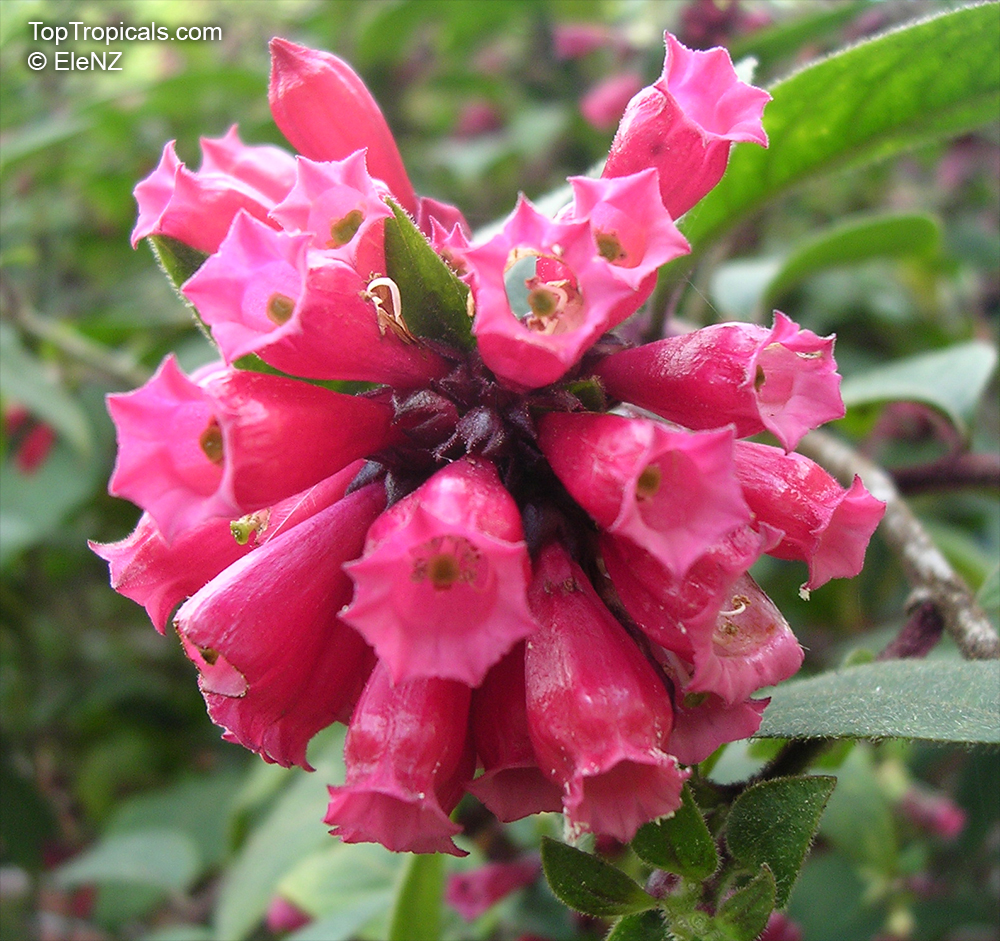
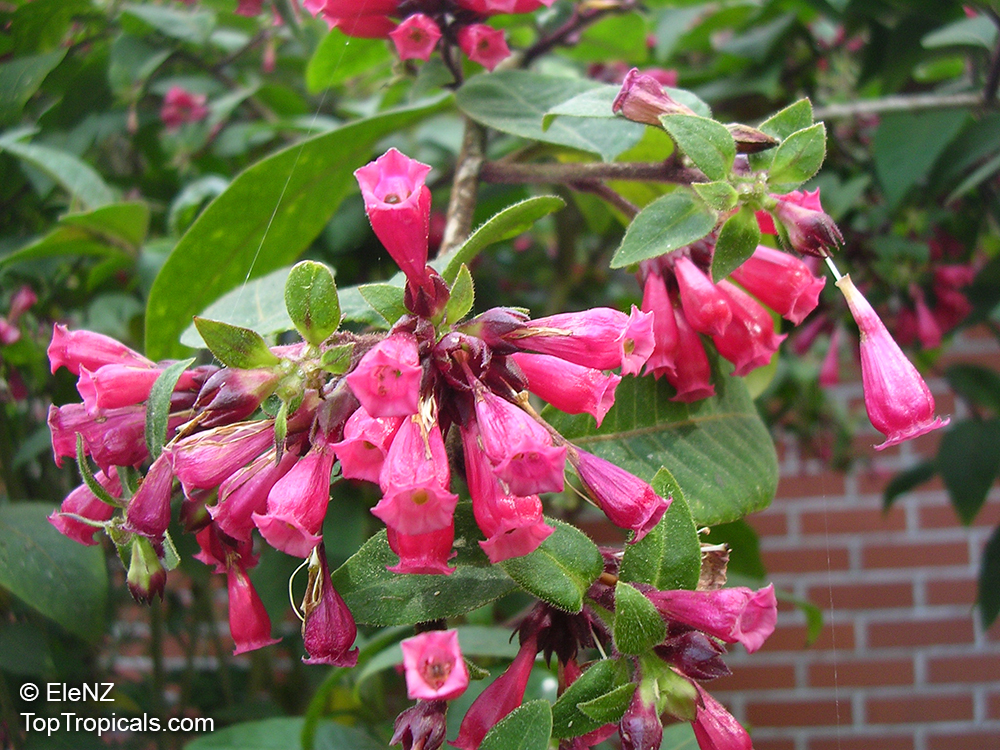
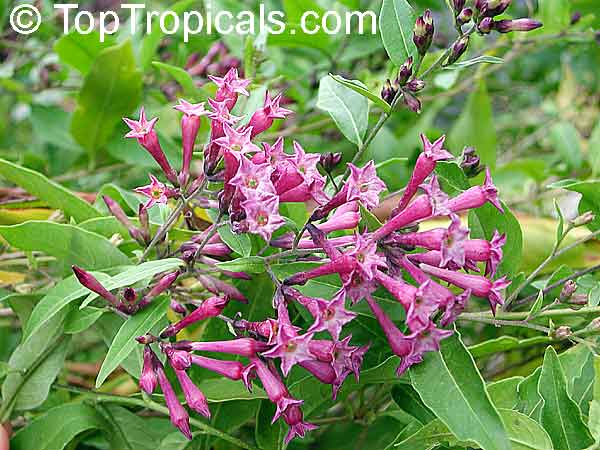
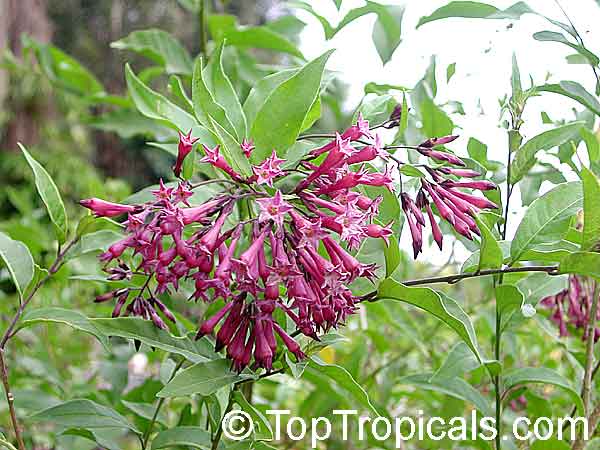
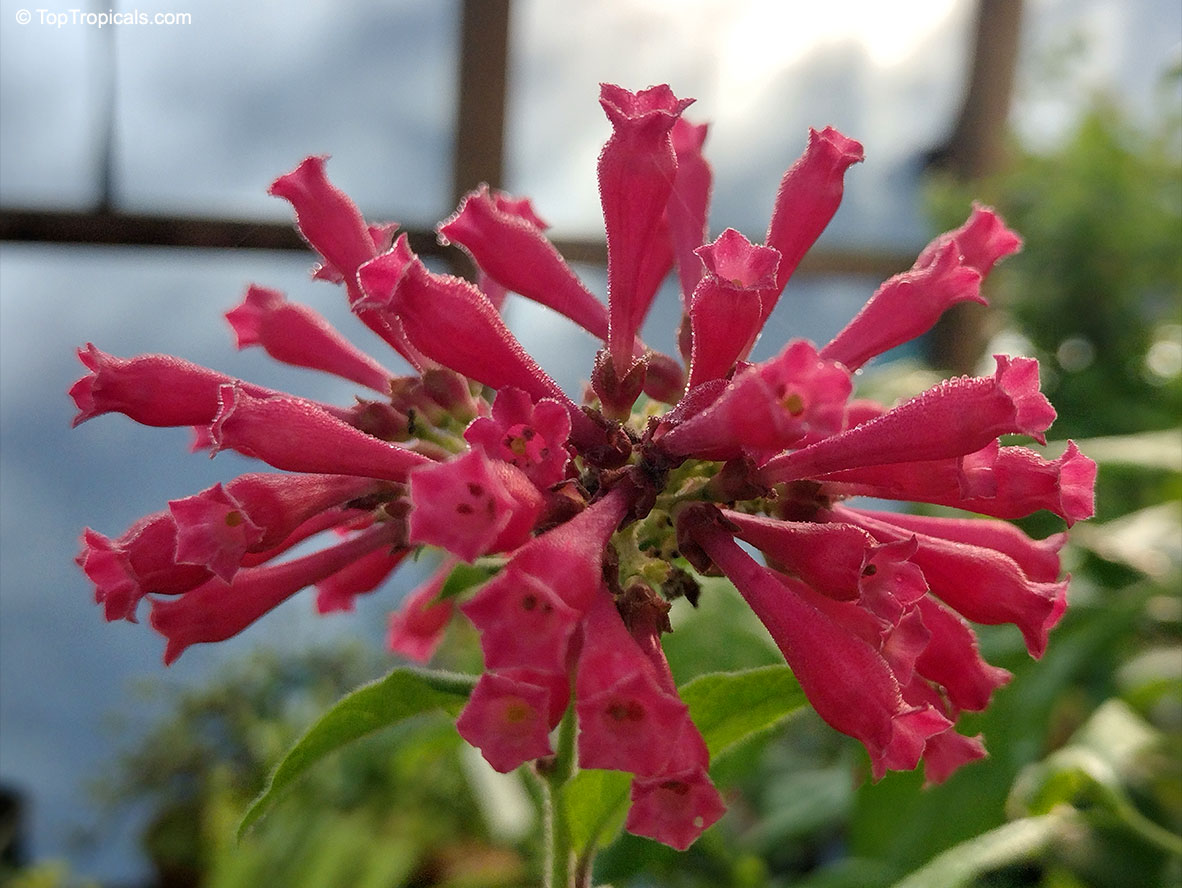
Cestrum elegans, commonly known as the butterfly flower, is a small shrub with a mature height between 2 and 5 feet. It is a great addition to any garden as its beautiful deep red or vinous flower clusters attract butterflies, hummingbirds, and other pollinators. The flowers of Cestrum elegans are also wonderfully fragrant, adding to its charm.
In terms of care, the butterfly flower requires full sun or semi-shade and moderate watering. Established plants will require less frequent watering, making this one of the easier plants to care for. With proper care and protection from frost, Cestrum elegans can survive cold temperatures down to at mid-20F for a short period of time. If you live in a USDA Zone of 8-11, you can easily grow the butterfly flower in your garden. Place the shrub in an area with full sun or semi-shade and water it regularly, making sure that the soil is consistently moist, but not soggy. If planted in a pot, you may need to water Cestrum elegans more frequently, particularly in cold regions where temperatures can drop and moisture doesn't remain in the soil for long. Make sure you bring your plant indoors during the coldest of months and move it outdoors in the spring.
Cestrum elegans is a wonderful addition to any garden and is sure to add beauty and delight to your outdoor space. With its attractive, fragrant deep red or vinous flowers and its low maintenance care requirements, you can easily enjoy the beauty of the butterfly flower for years to come.
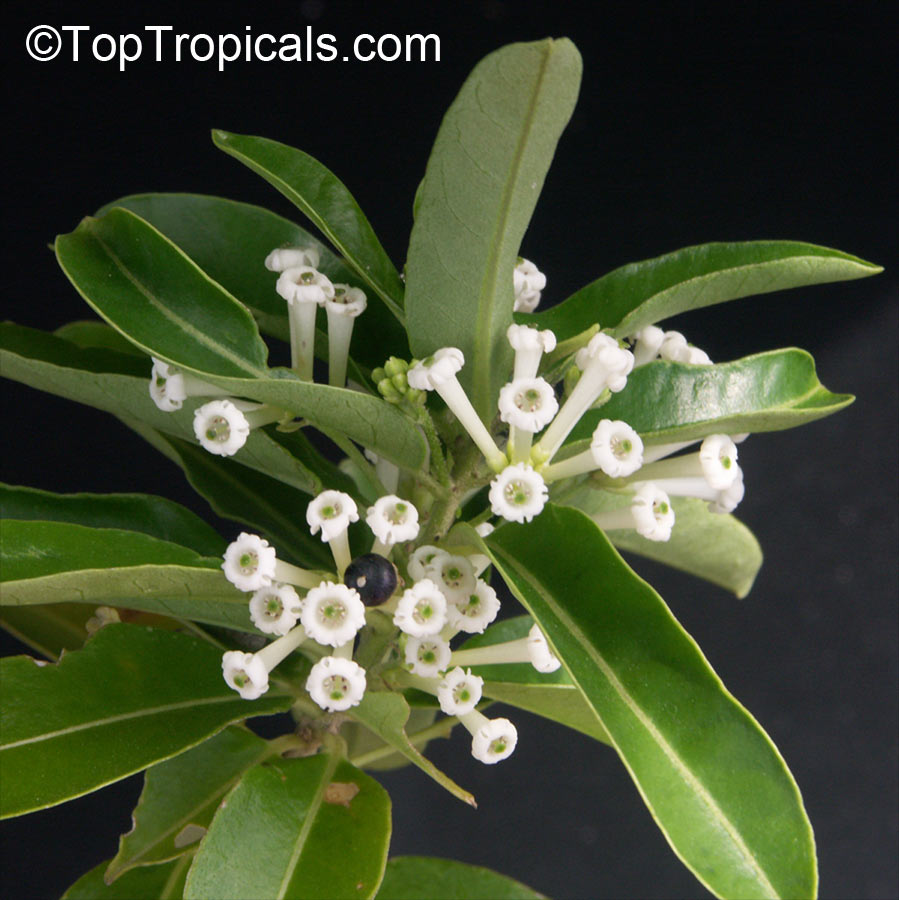
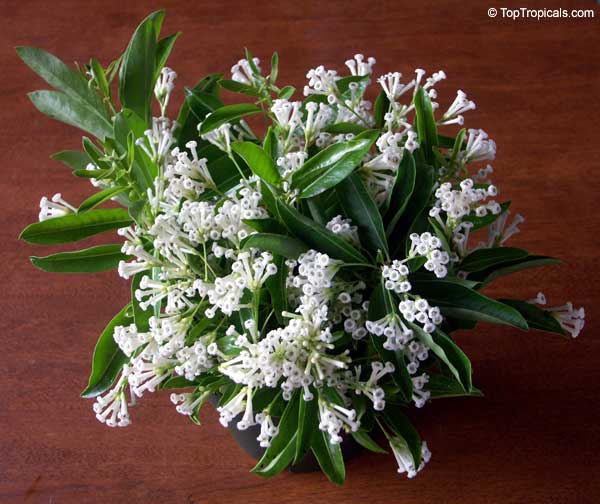
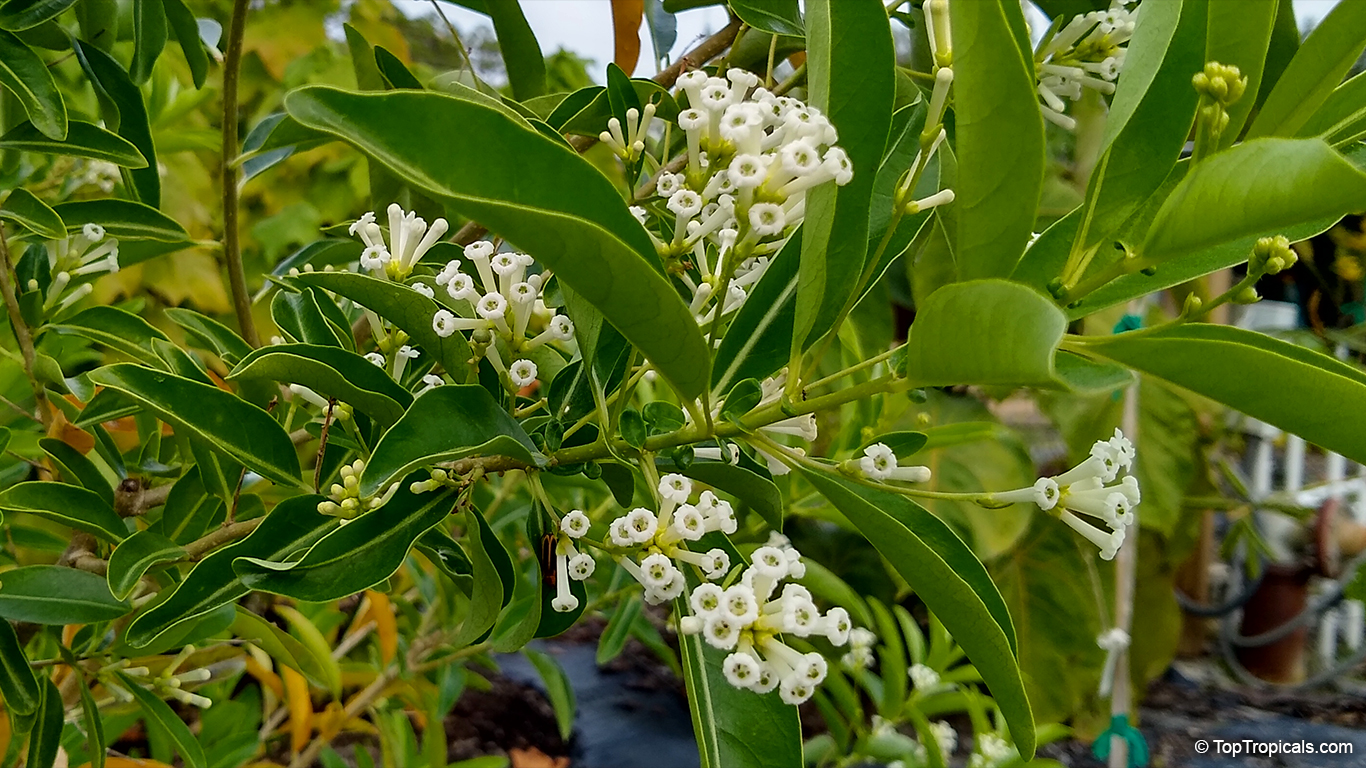
Botanical name: Cestrum diurnum
Common names: White Chocolate Jasmine, Inkberry, Day Jessamine, Day Blooming Jasmine, China Berry
Family: Solanaceae
Origin: Tropical America


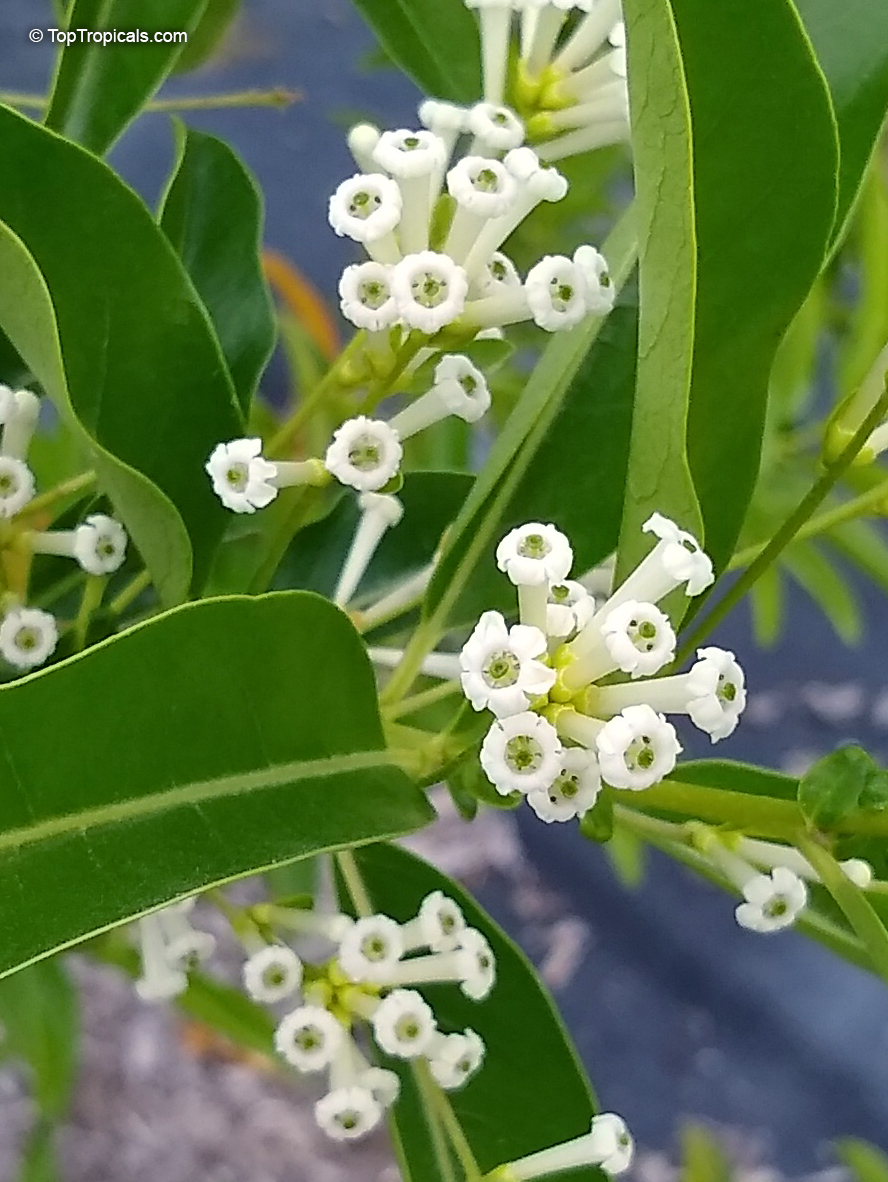
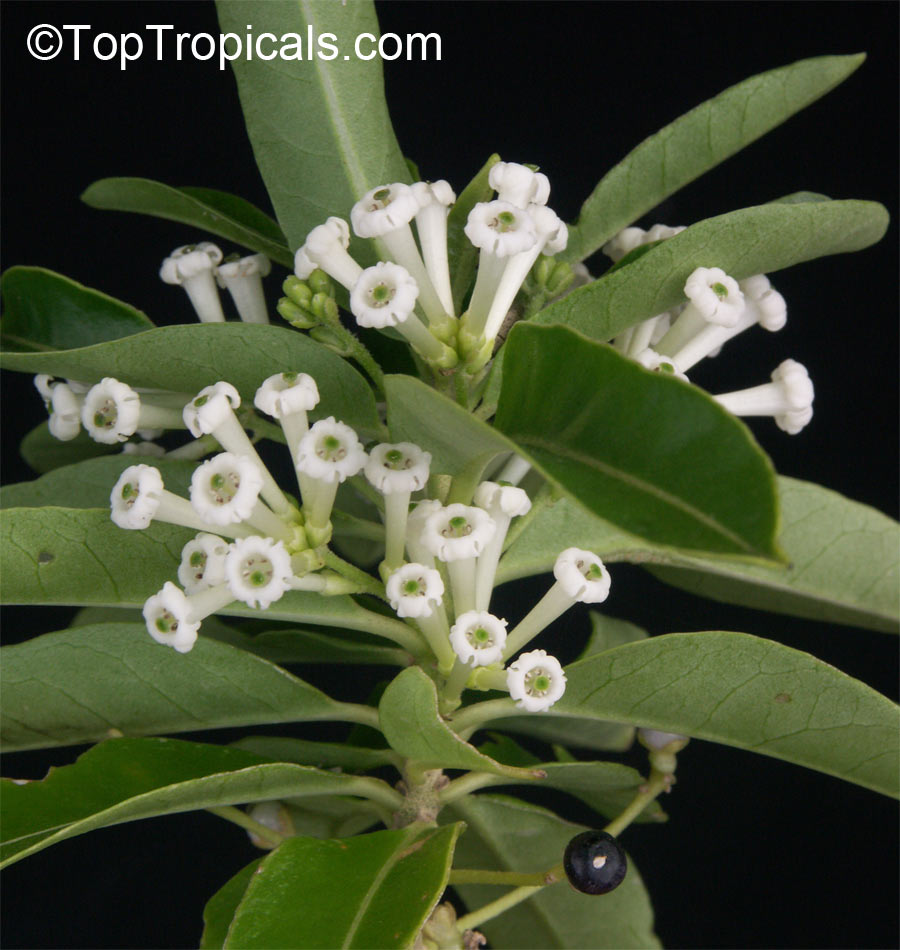
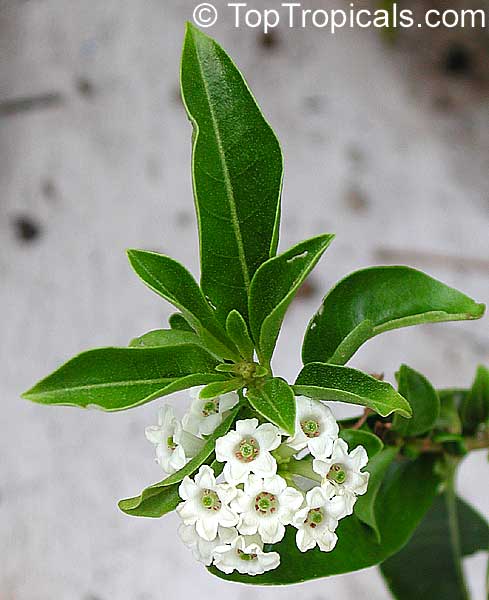
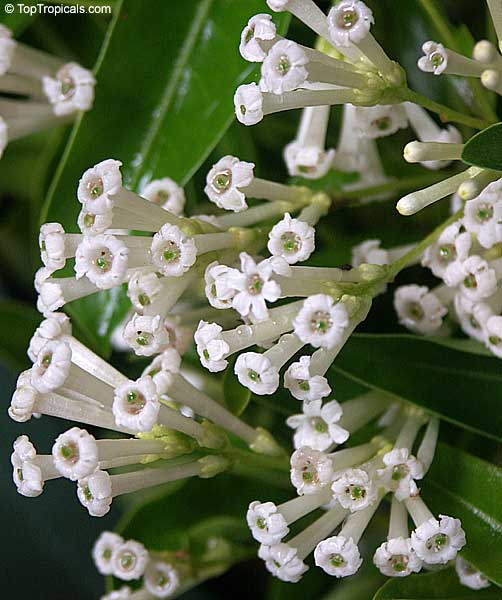
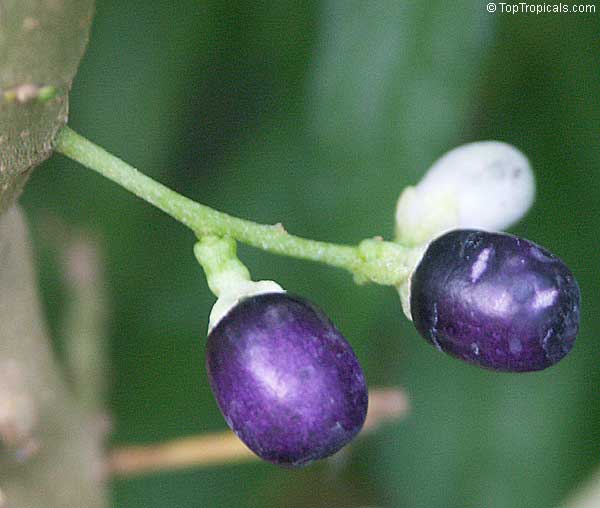
Unlike cestrum nocturnum, this one is most fragrant during the day: flowers have very strong chocolate scent, as good as fragrance of famous Portlandia. It is a glabrous branching shrub to 8ft tall with fragrant white five-petaled elongated flowers
Recommended Fertilizer: SUNSHINE Pikake - Fragrant Flower Booster
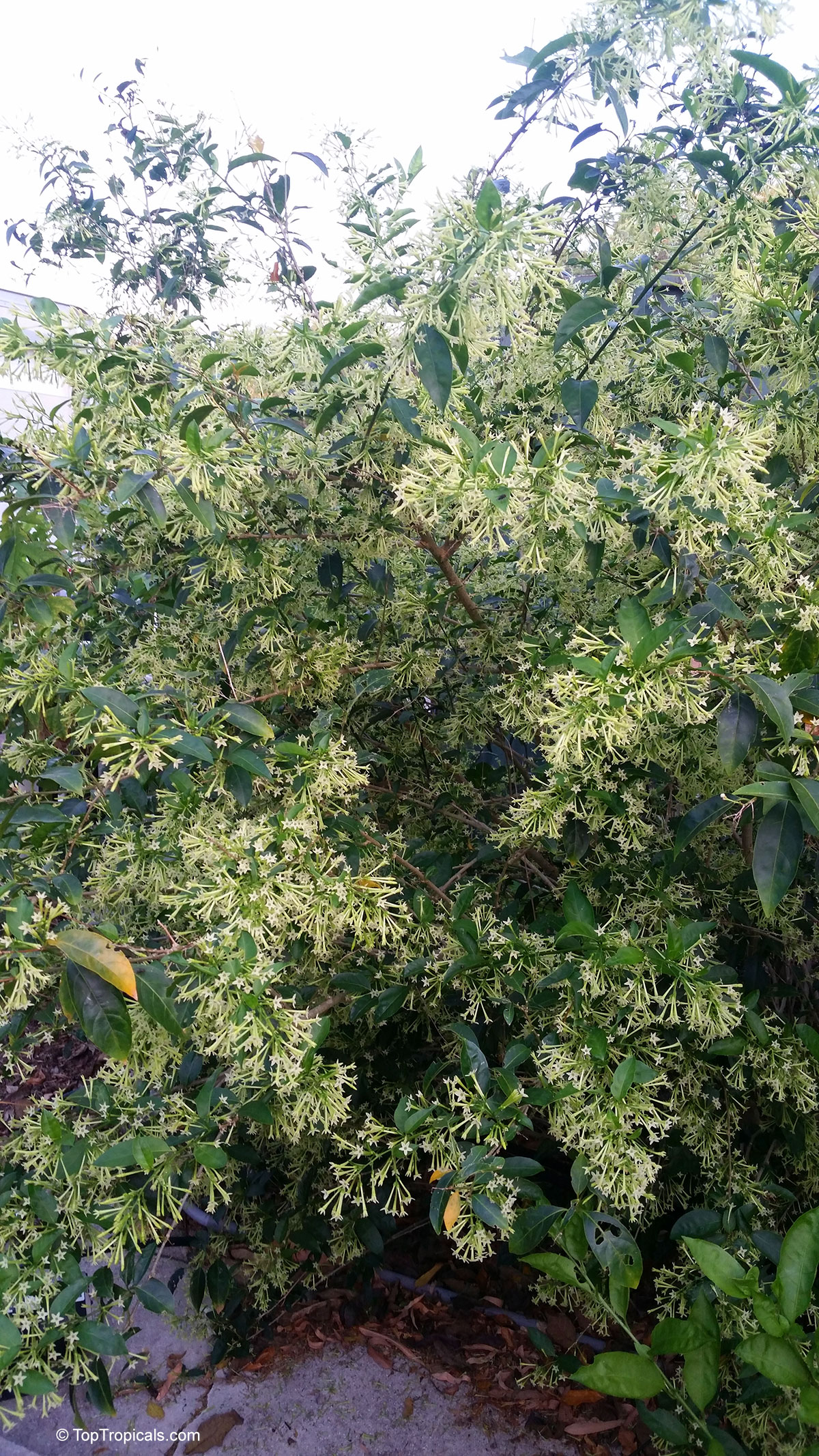
Botanical name: Cestrum nocturnum
Common names: Night Blooming Jasmine, Queen of the Night, Night Jessamine, Lady of the Night, Huele de Noche
Family: Solanaceae
Origin: Tropical America and the West Indies
Hardiness: 30°F


Night Blooming Jasmine is one of the most famous and desirable fragrant plants. Flowers are pale yellow to white, open at night and stay extremely fragrant untill sunrise. Aroma is sweet, pleasant and intoxicating. These flowers are widely used in India and other countries of South Asia for perfumery, medicinal applications and in religious ceremonies. Some parts of the plant are poisonous. Growth habit: bushy shrub that can be trimmed as a hedge or forms nice round shape if you let it go. When you plant Night Blooming Jasmine, make sure to water it regularly until established. Best location will be near driveway, window or entrance, where the magic fragrance can be appreciated.
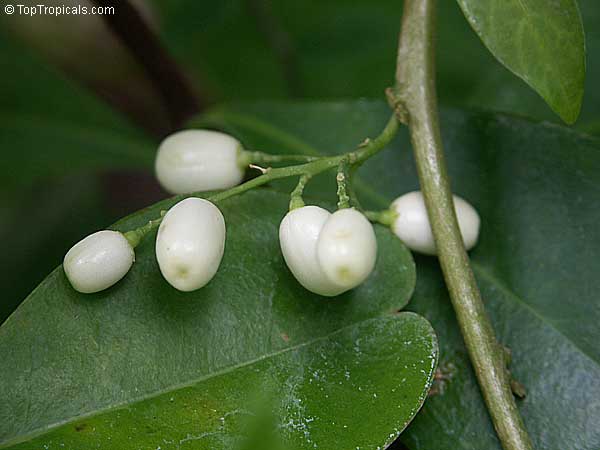
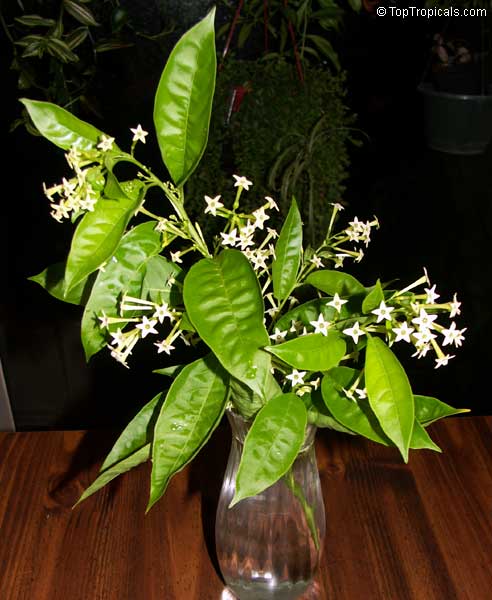
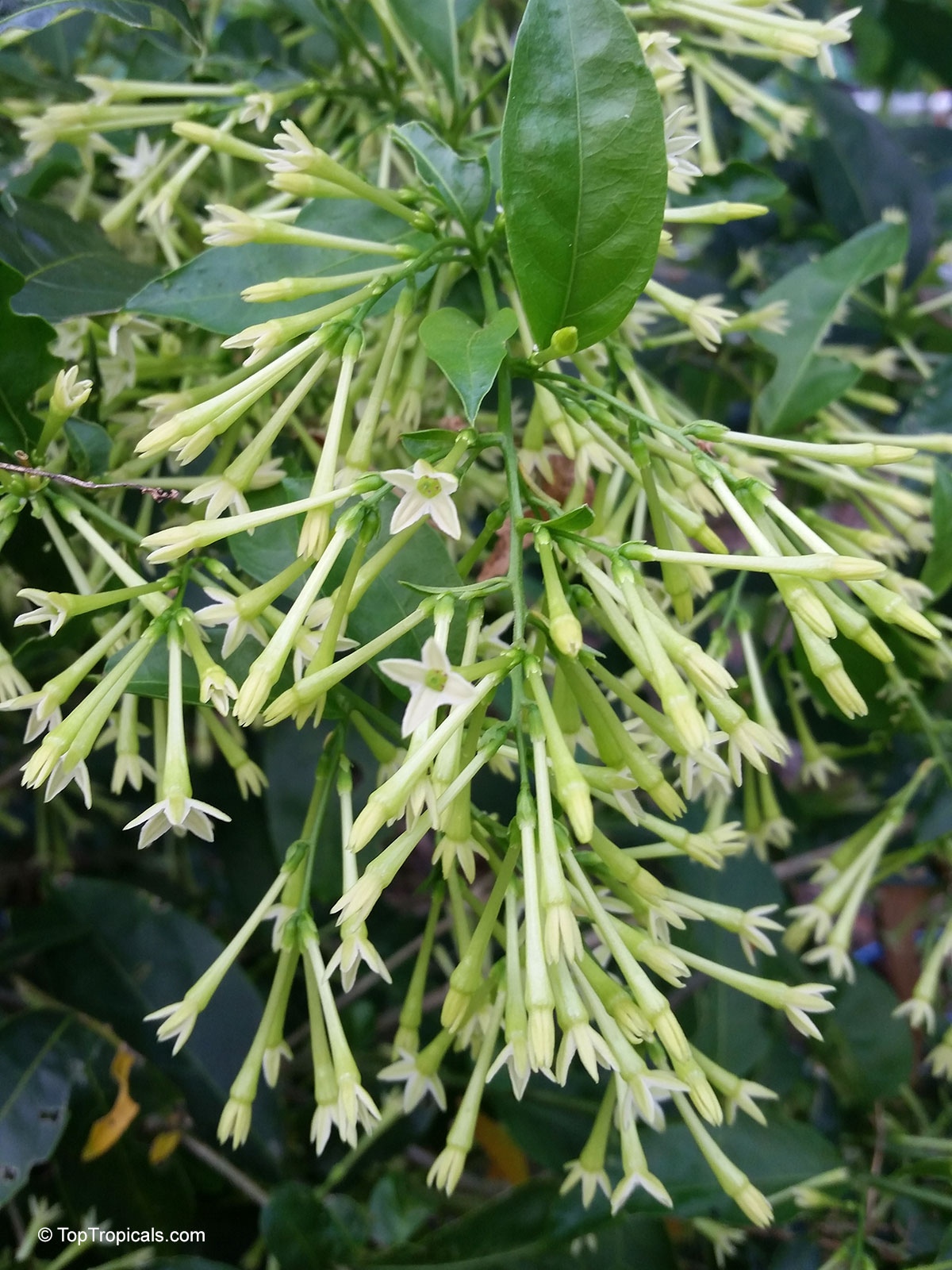
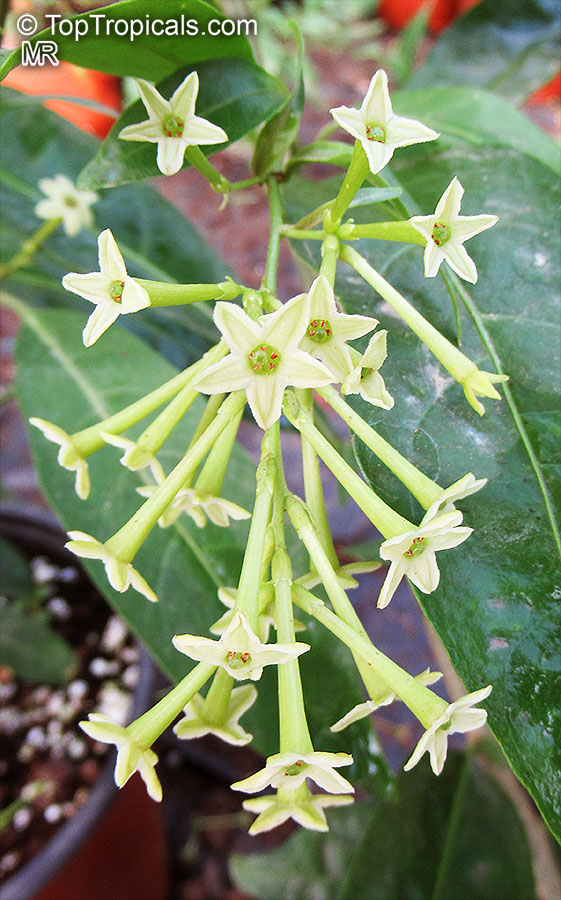
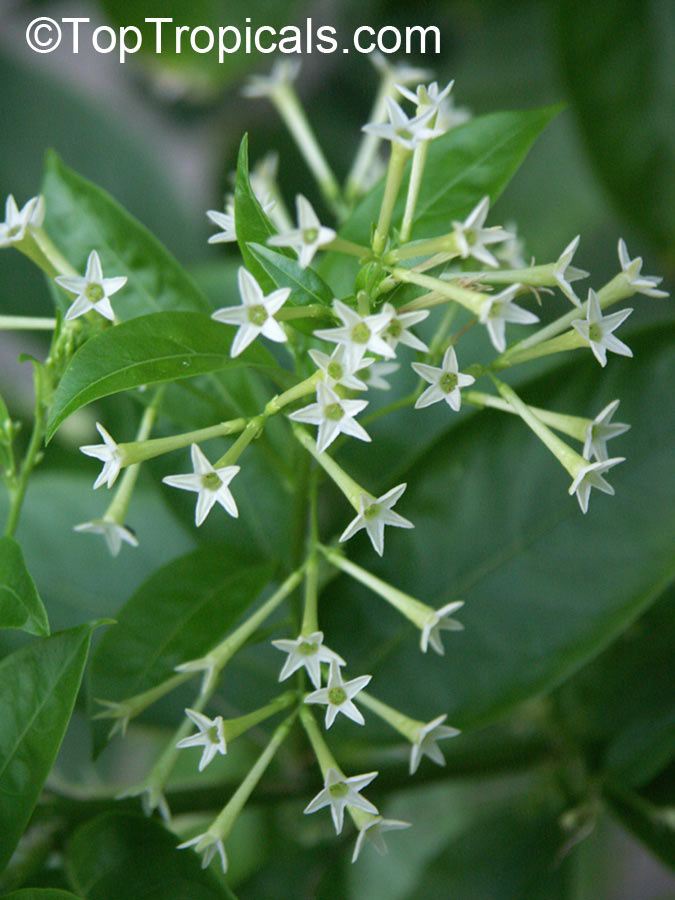
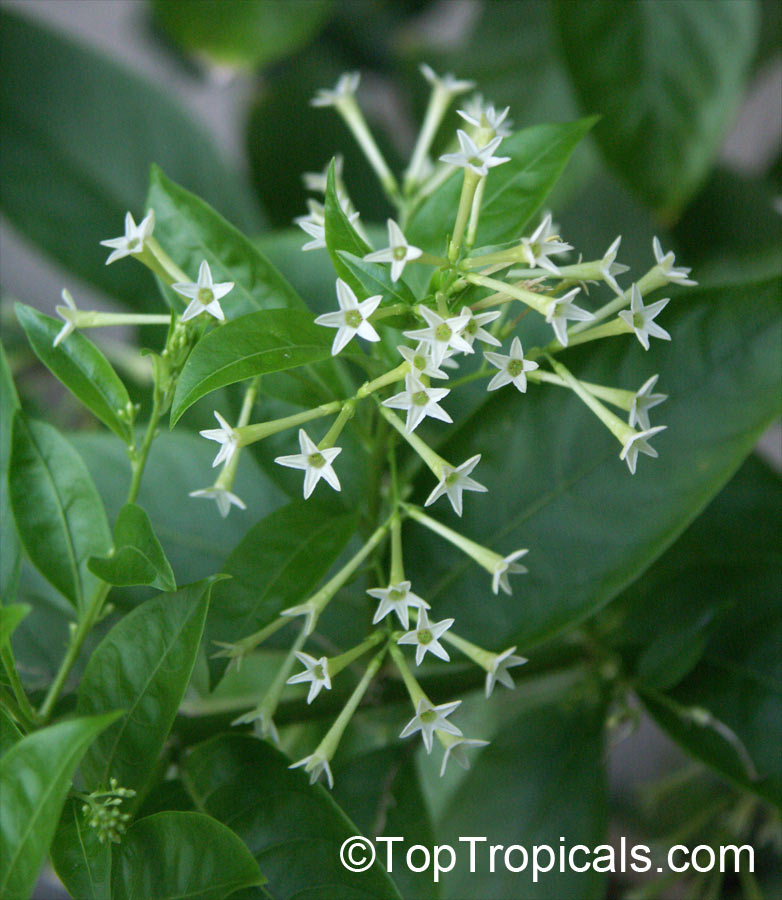
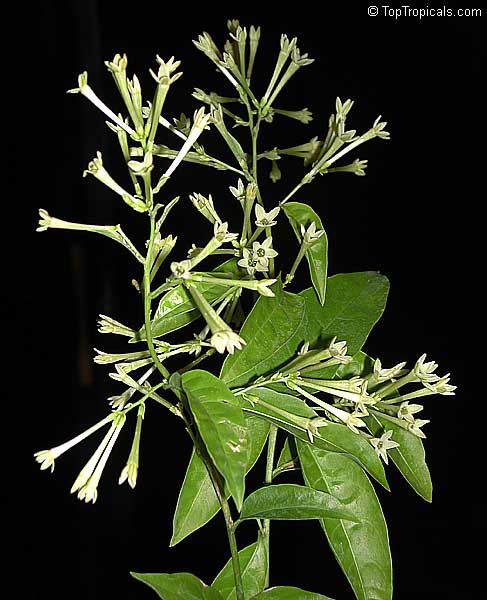
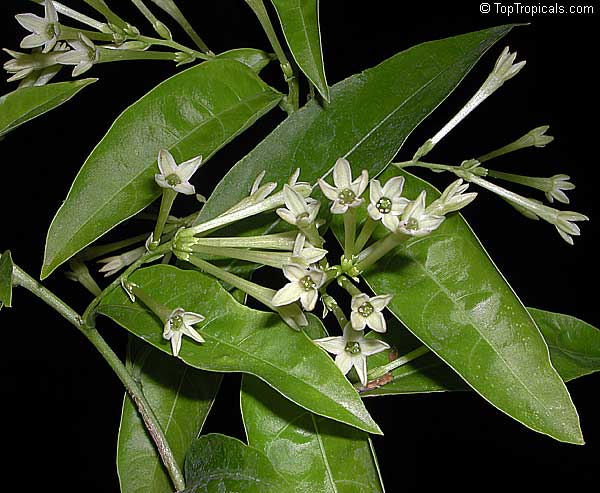
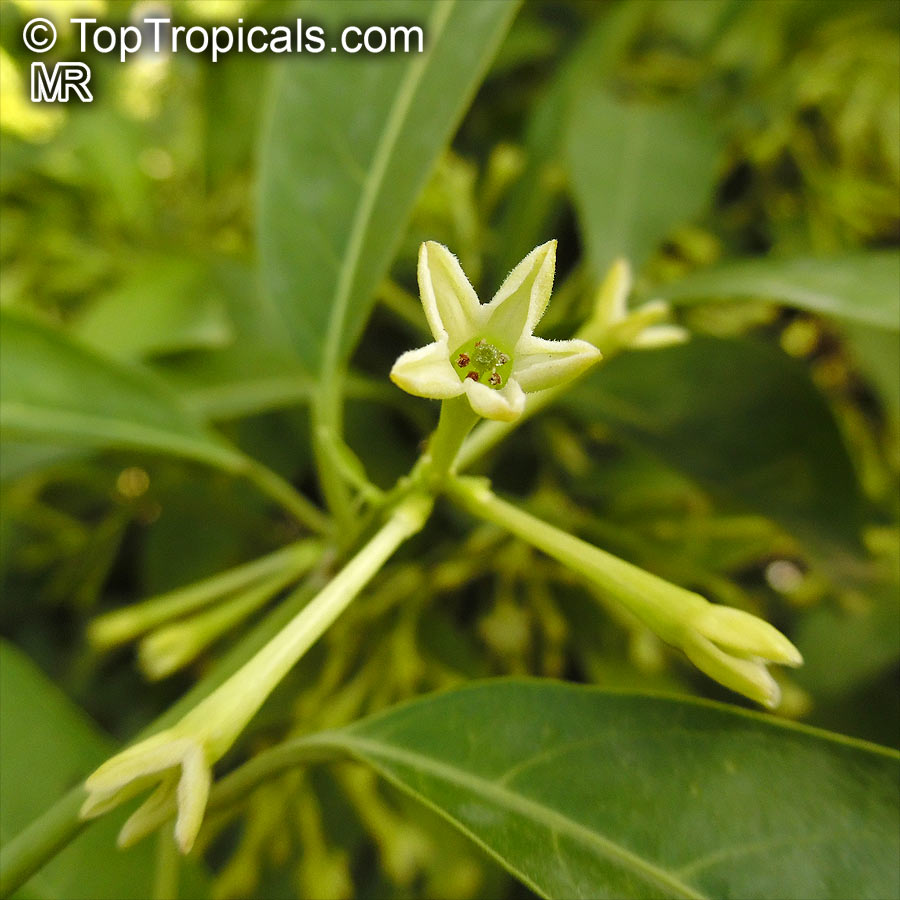
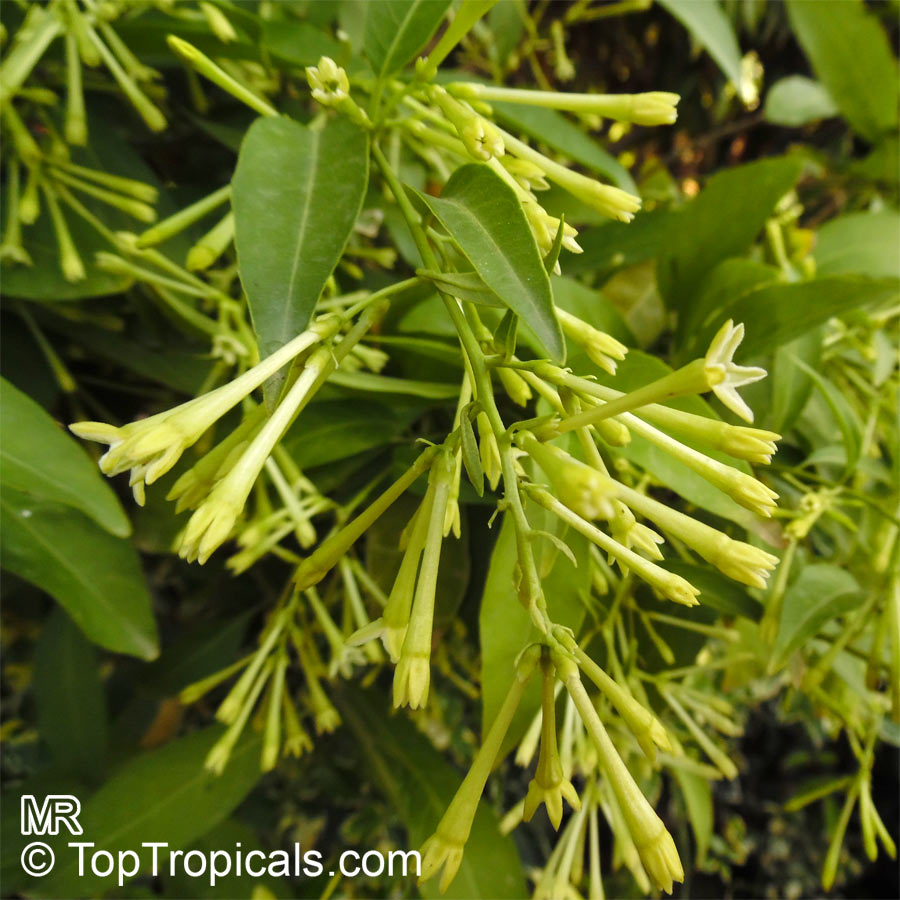
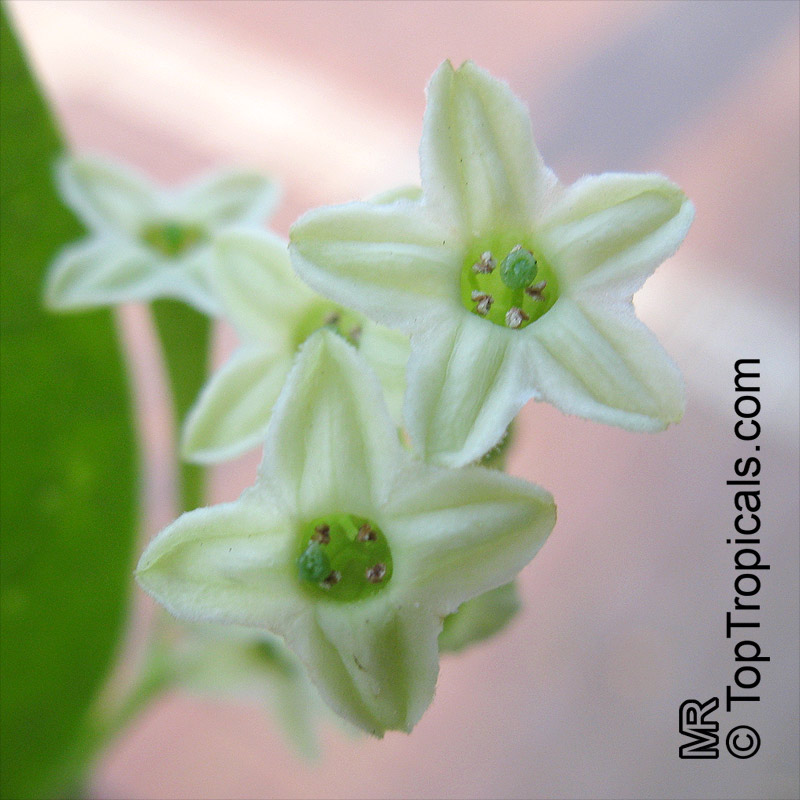
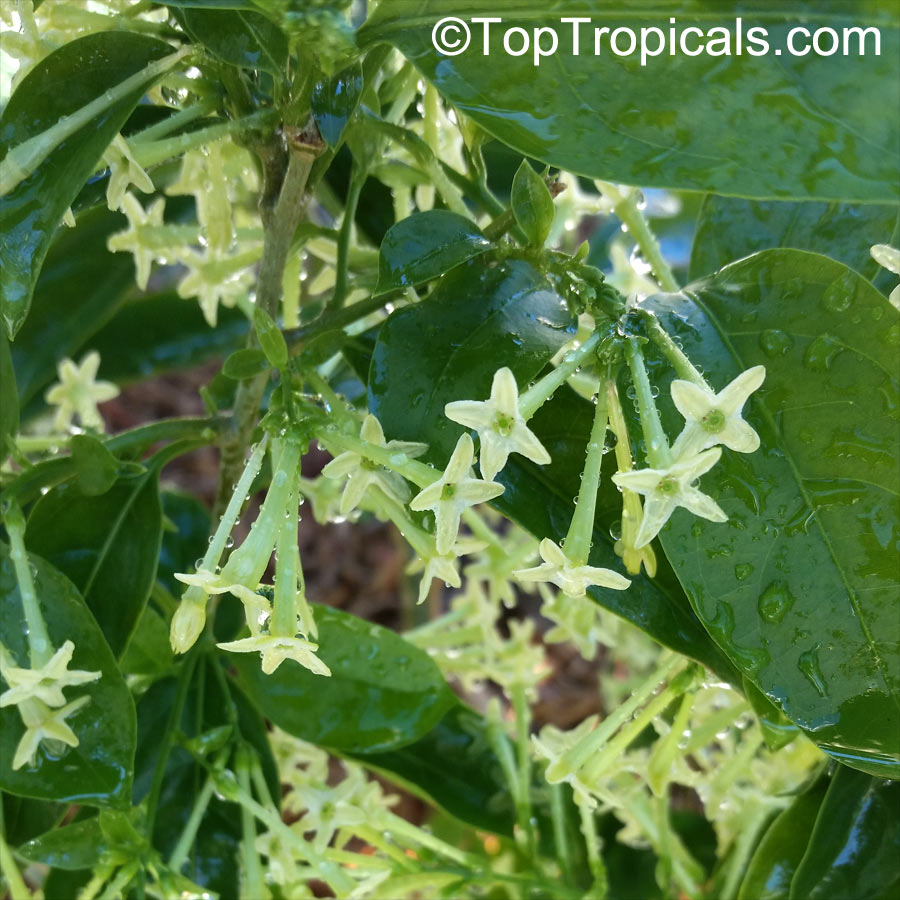
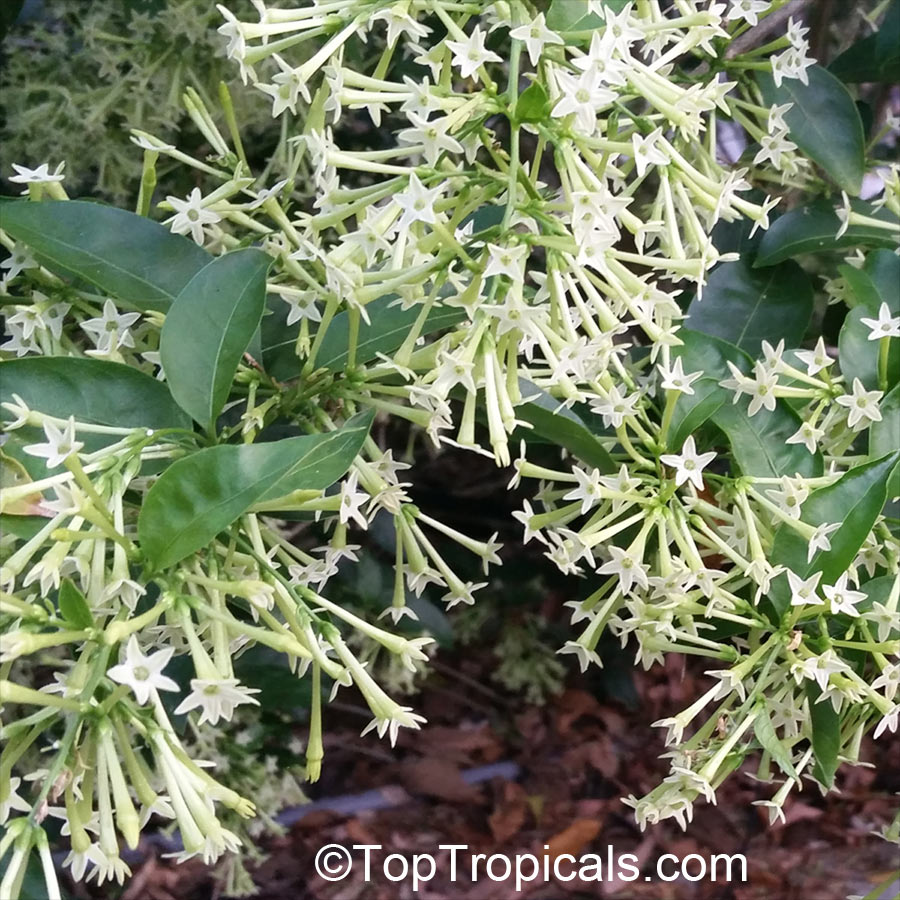
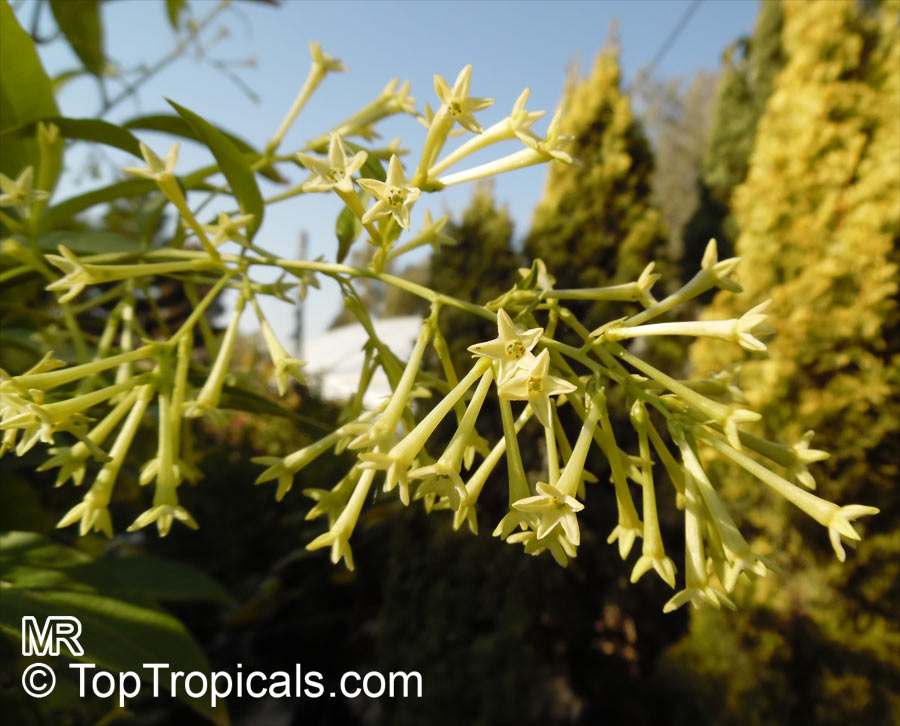
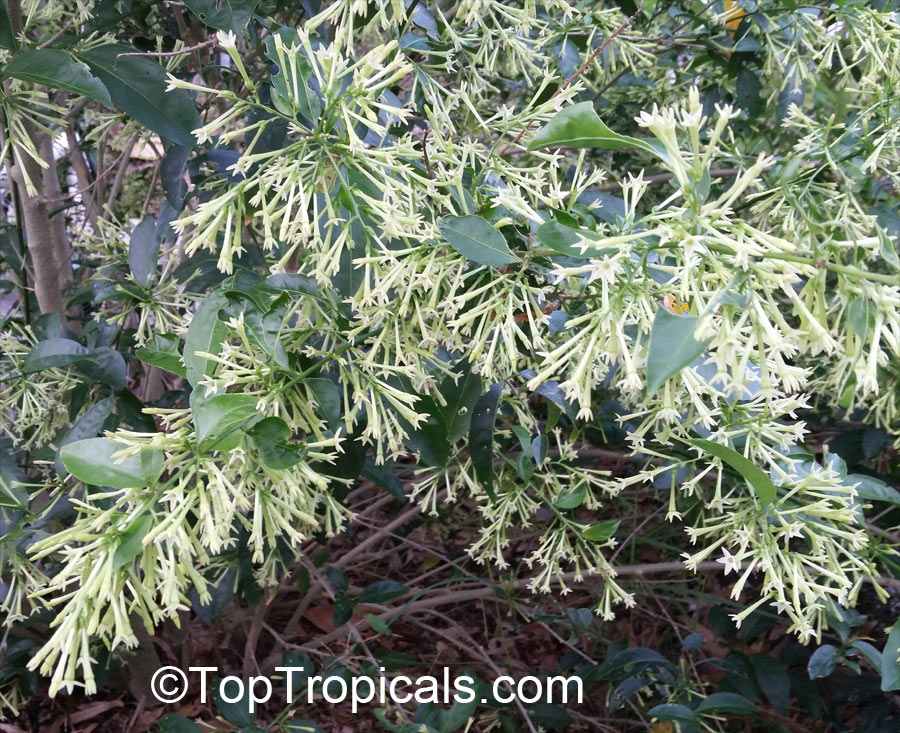
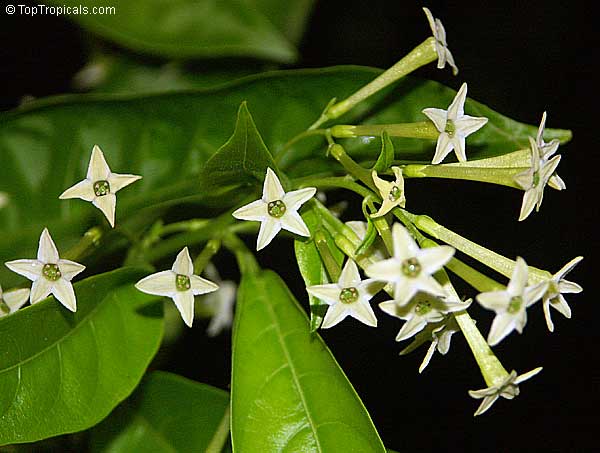
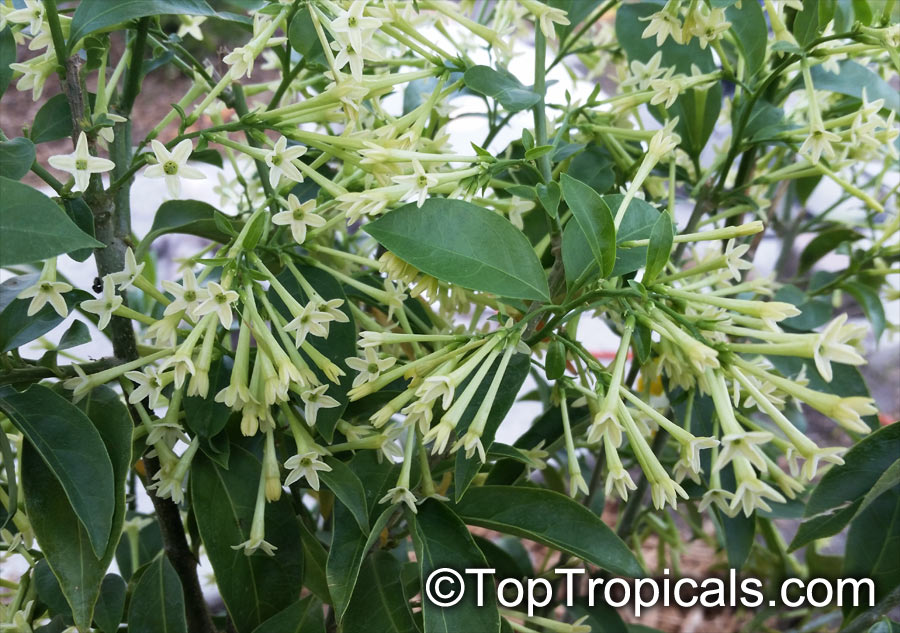
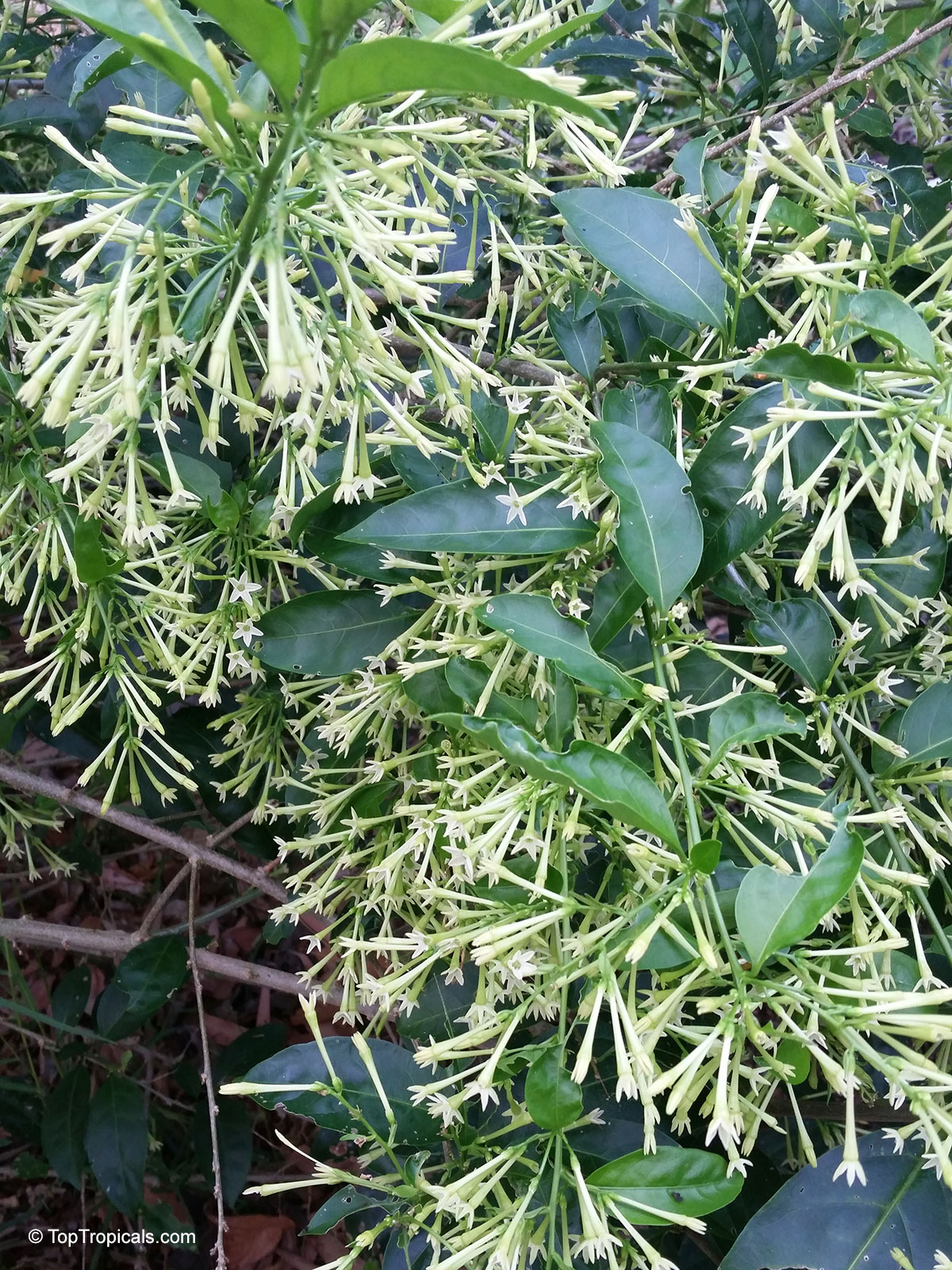
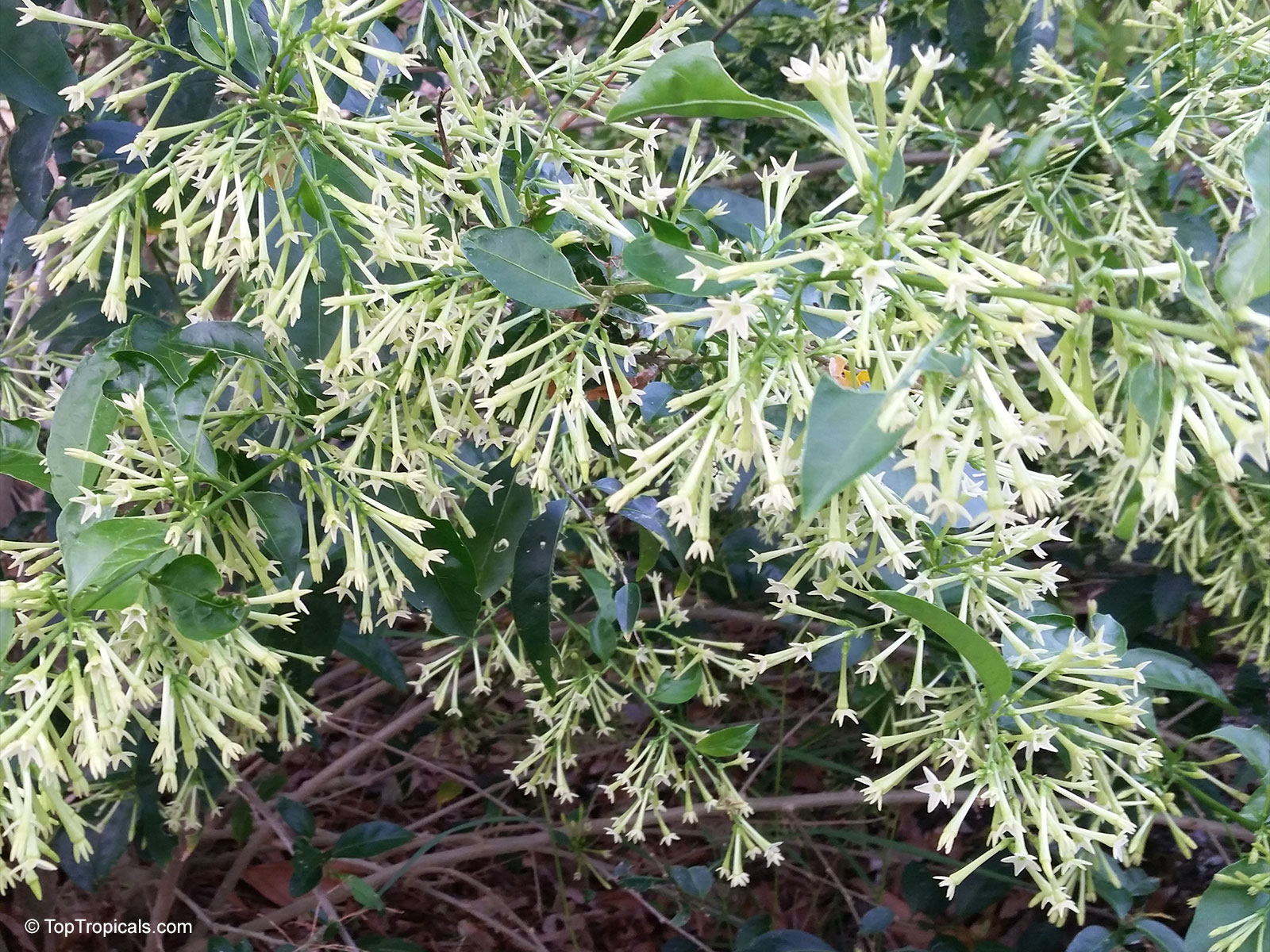
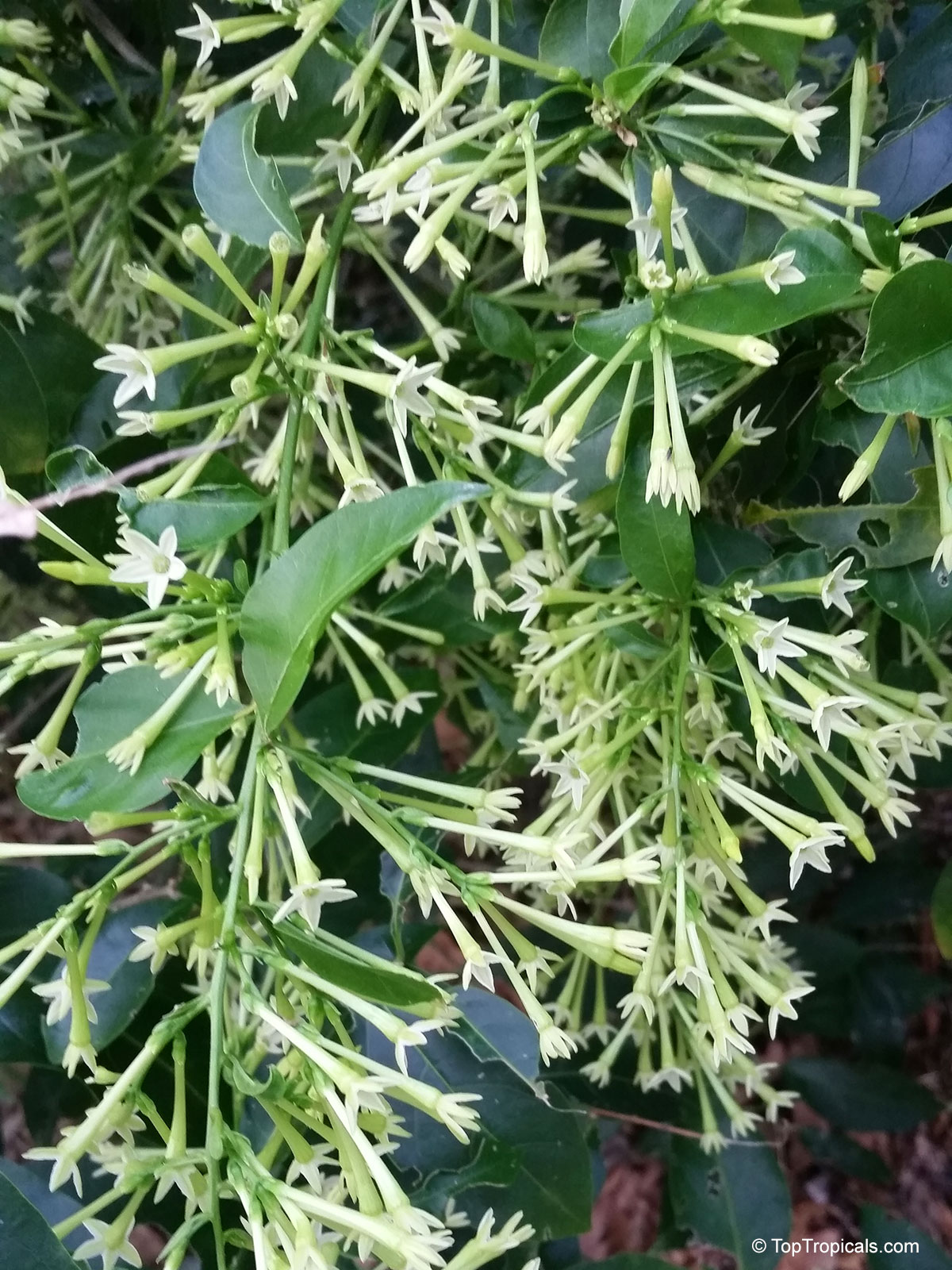
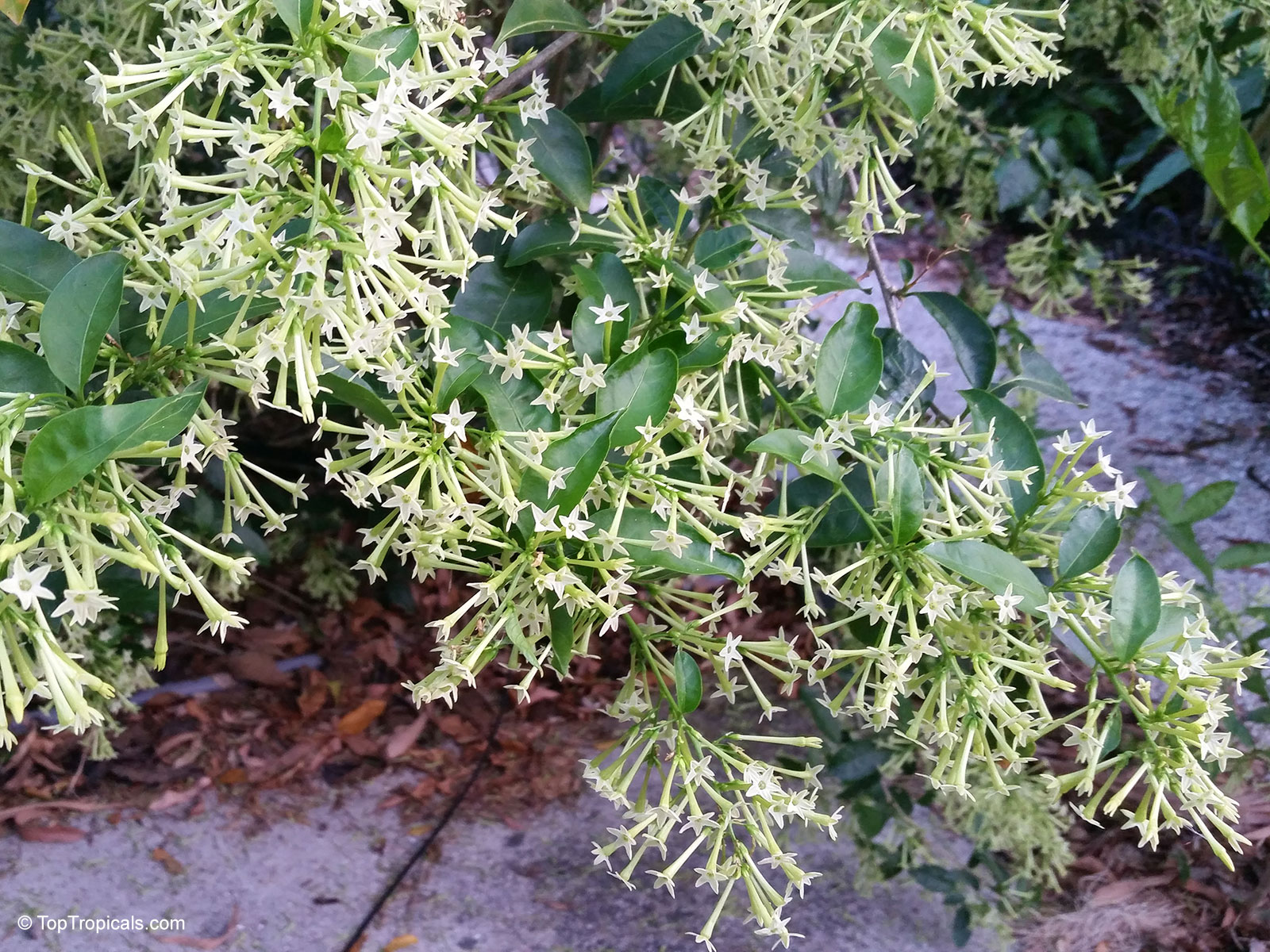
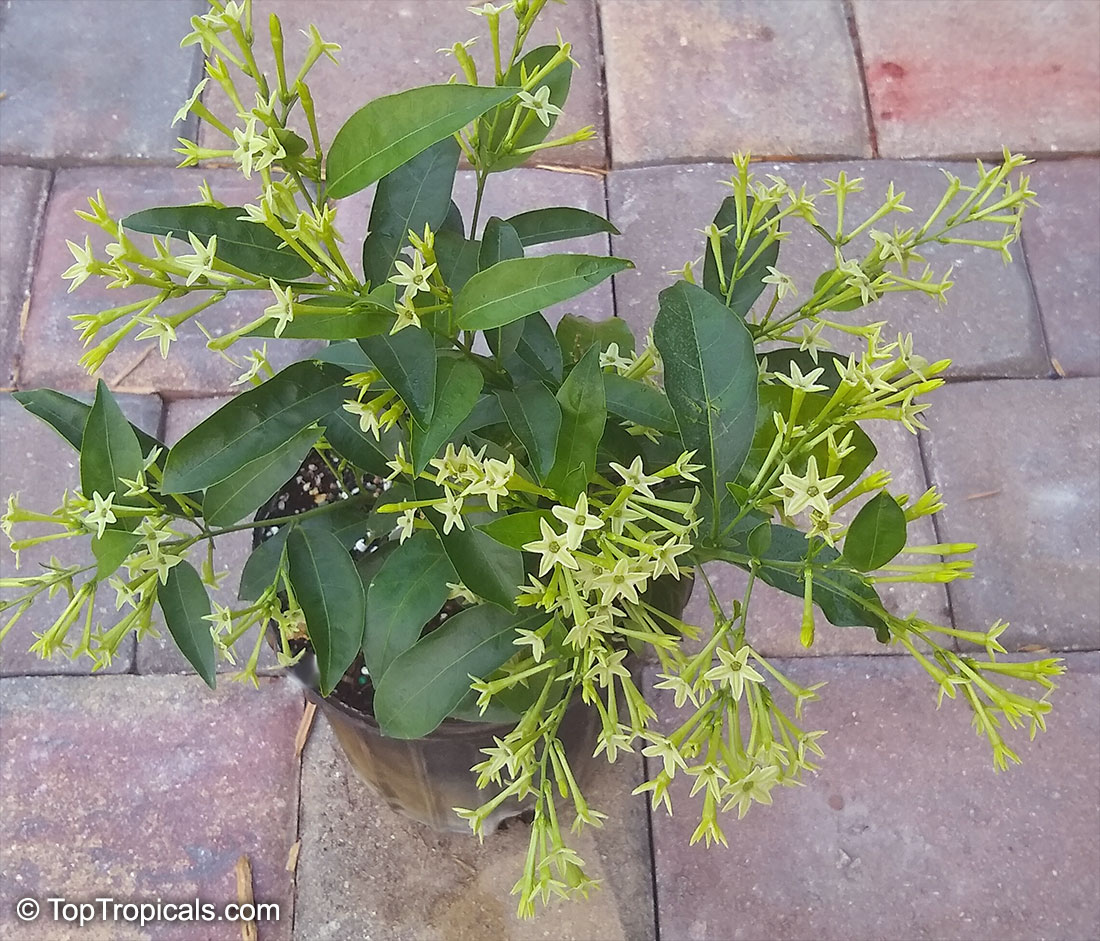
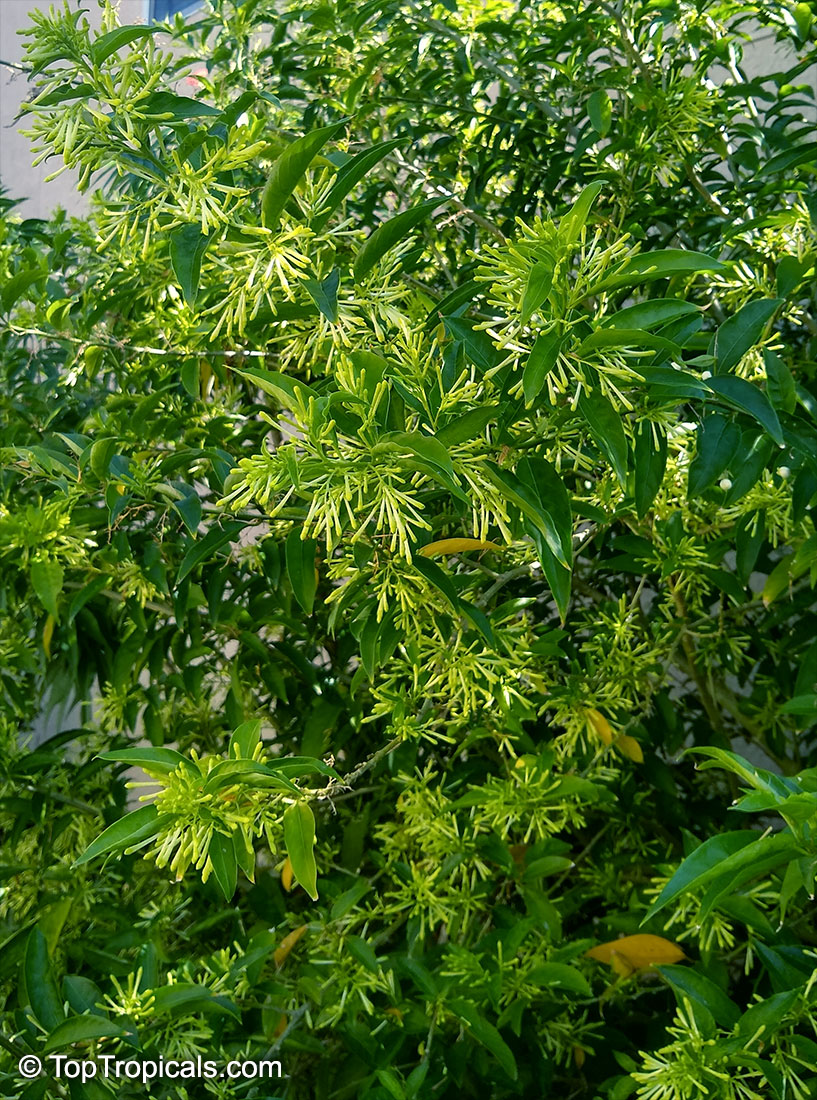
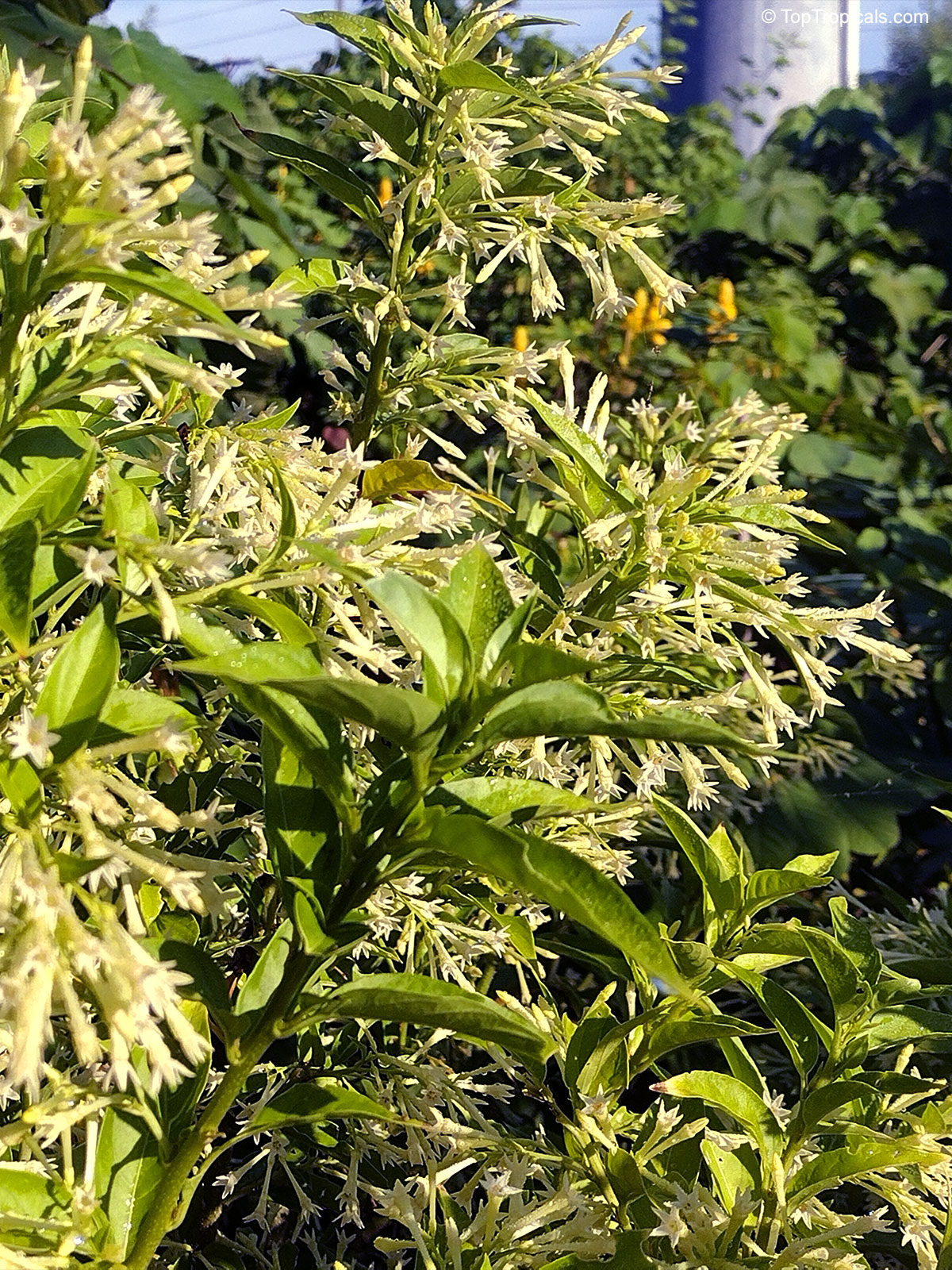
One of the most famous and desirable fragrant plants. Flowers are pale yellow to white, open at night and stay extremely fragrant until sunrise. Aroma is sweet, pleasant and intoxicating. These flowers are widely used in India and other countries of South Asia for perfumery, medicinal applications and in religious ceremonies. Best location will be near driveway, window or entrance, where the magic fragrance can be appreciated.
See video about this plant.
Recommended Fertilizer: SUNSHINE Pikake - Fragrant Flower Booster
 SUNSHINE Pikake (NPK 2-2-4) - eco-friendly concentrated nutrition booster for fragrant flowers. Improves quantity and quality of flowers. Encourages profuse blooming. Increases flower fragrance intensity. Can be used with every watering. For best results, use in combination with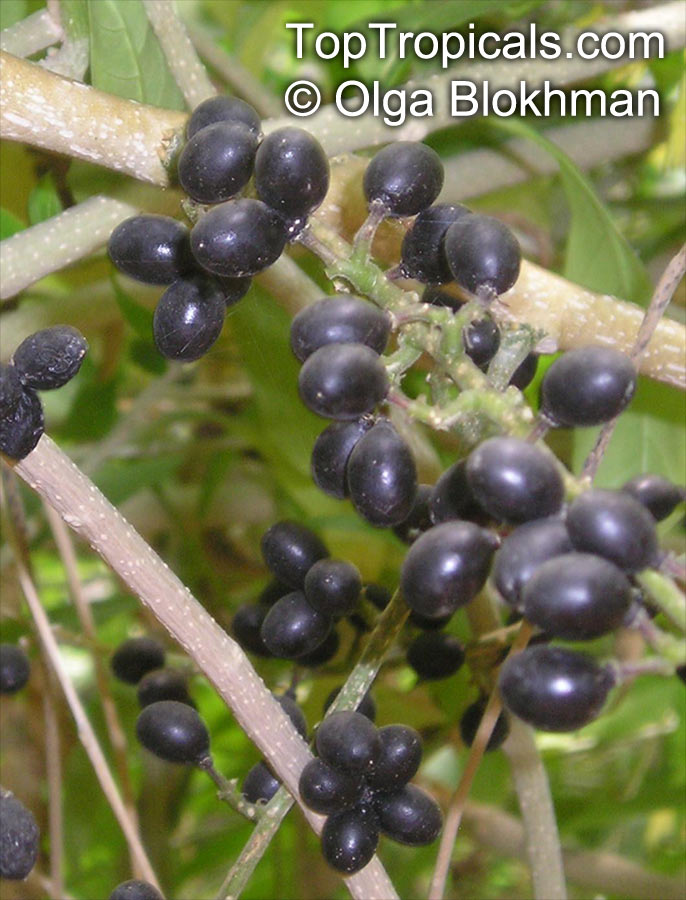
Botanical name: Cestrum pseudoquina
Common name: Quina de Matto
Family: Solanaceae
Origin: Brazil
Cultivated there and in India as a medicinal plant.
The leaf drug may be an effective febrifuge.
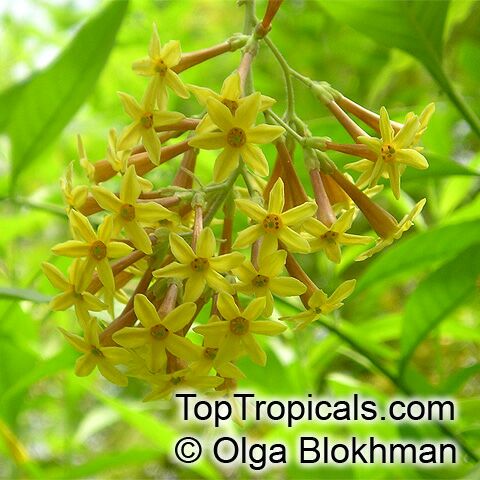
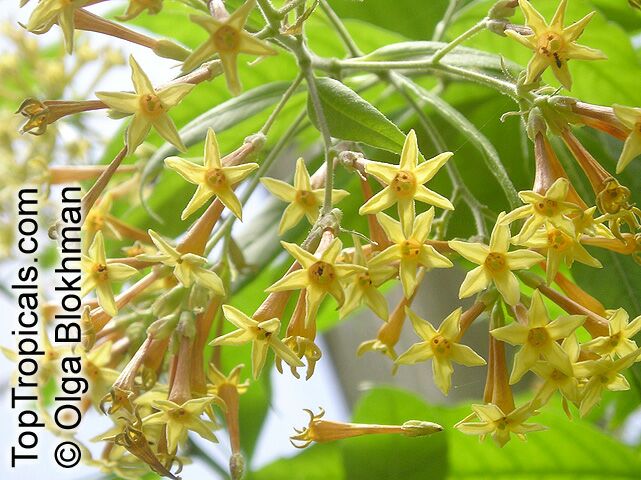
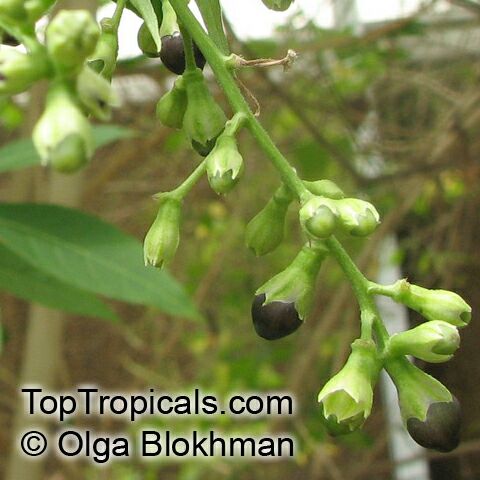
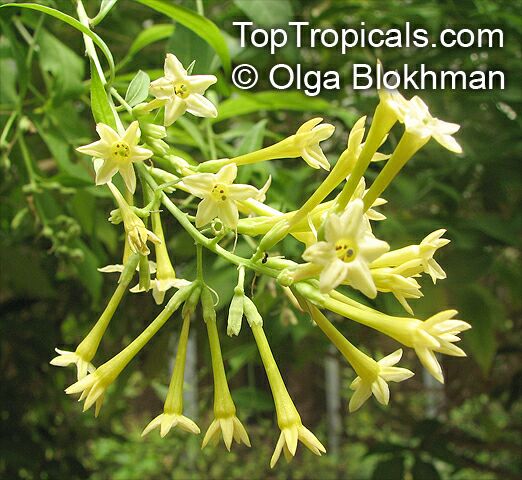
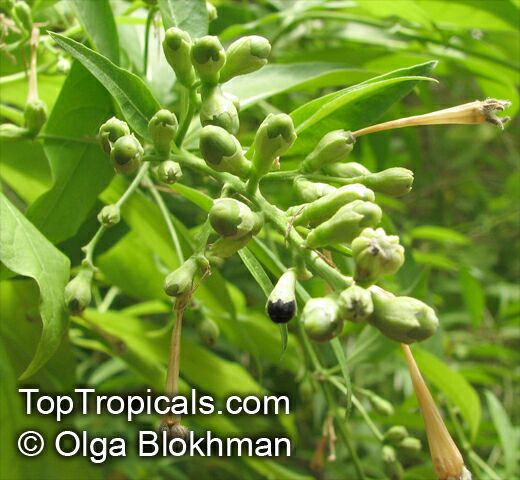
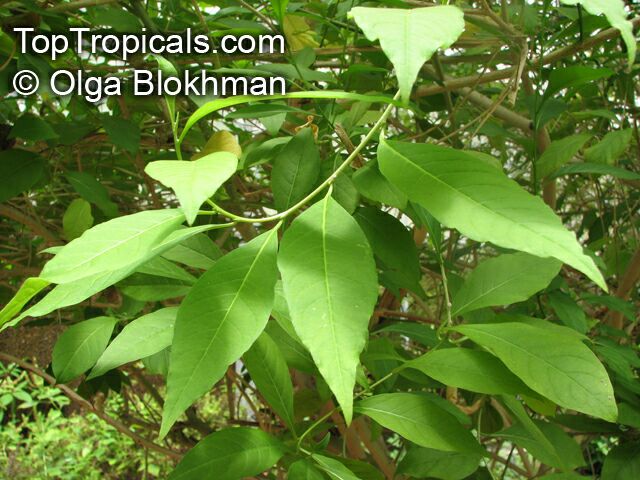
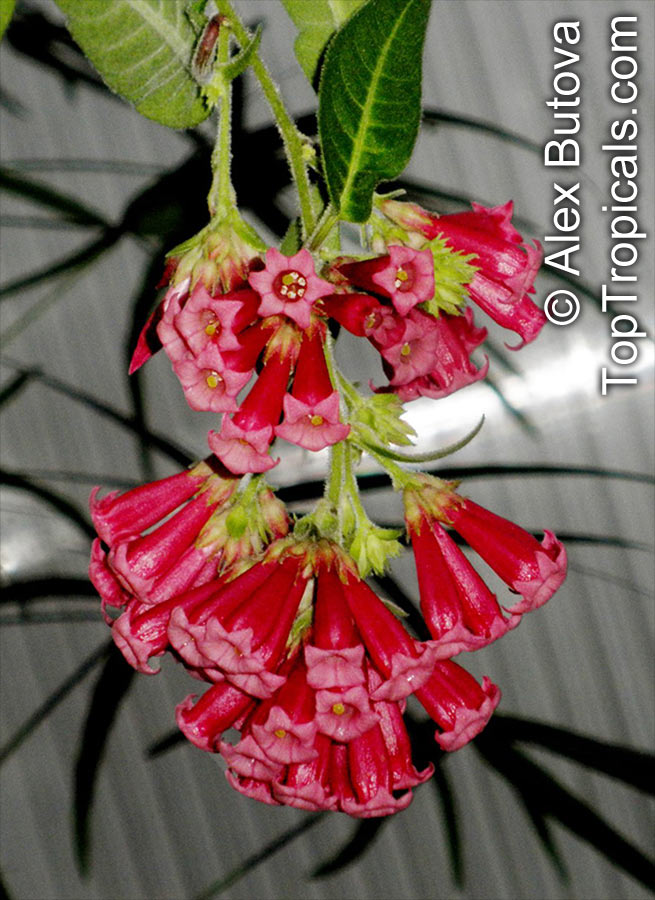
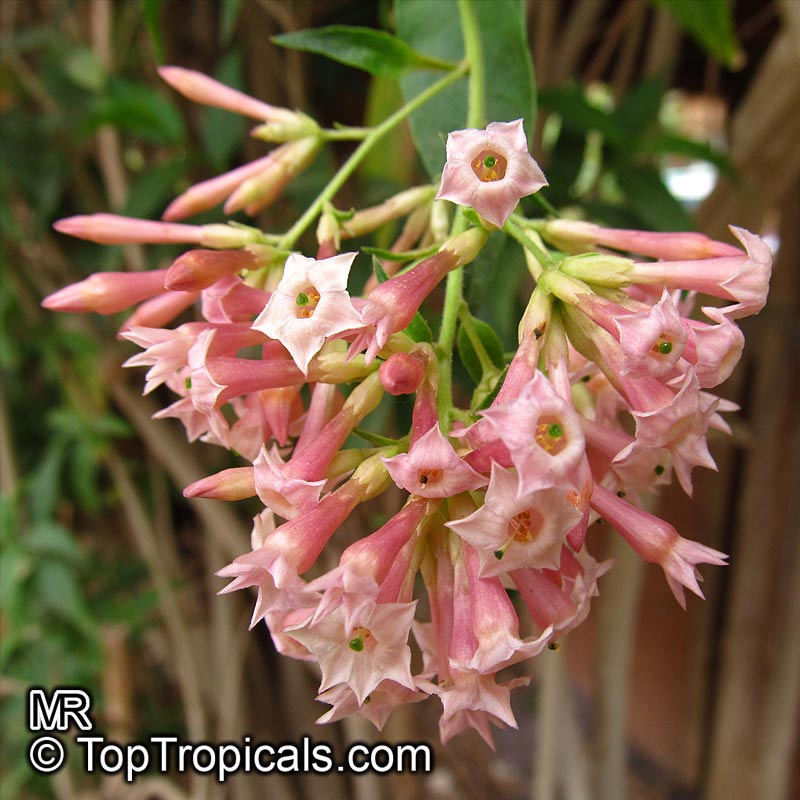
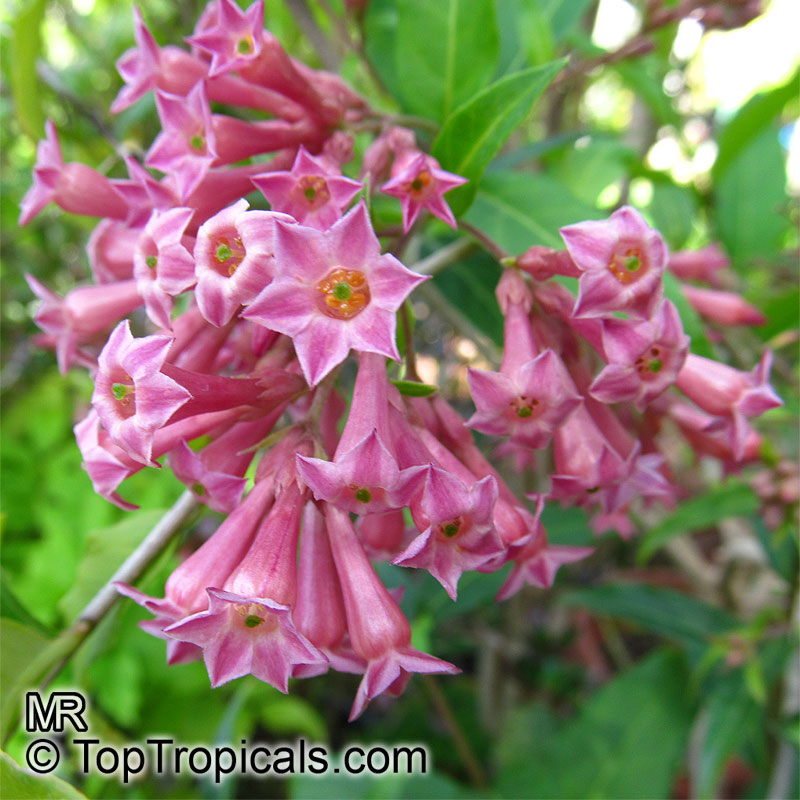
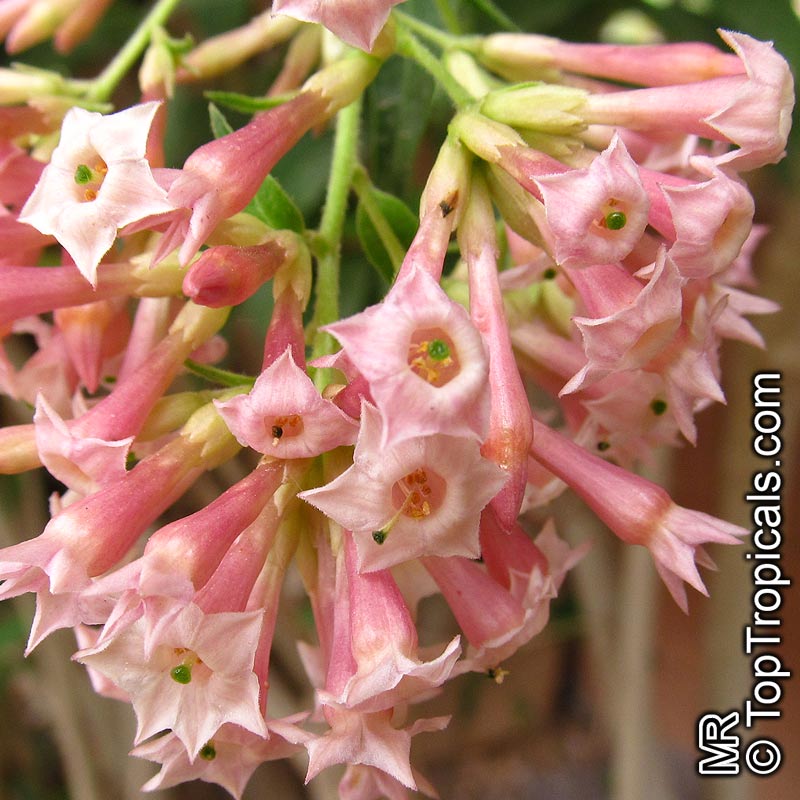
Botanical name: Cestrum sp.
Common name: Butterfly Flower
Family: Solanaceae


These are large tender shrubs, from 5ft-8ft, growing new stems from the base and creating a 'vase-shaped' form. The leaves are mid-green. The flowers are narrow, tubular, with flaring petals at the end, perhaps. Older stems should be routinely cut out at the base, to allow newer stems to take their place, allowing the plant to assume its natural shape and to provide the best flowering. Will take considerable neglect and some drought, but better looking with occasional water and some care. Expose of intense, hot sun can be tolerated, but again, best with afternoon shade and some pretection from winds.
Use link to repeat this search:
https://toptropicals.com/cgi-bin/garden_catalog/cat.cgi?find=Cestrum&search_op=and&keyword_op=and&language=e&number=10
&no_change_lang=1&user=tt&sale=1&first=0