Carica, papaya - Plant Encyclopedia Results
| Number of plants found: 3 |

Botanical name: Carica papaya
Common name: Dwarf Papaya
Cultivar: Dwarf
Family: Caricaceae
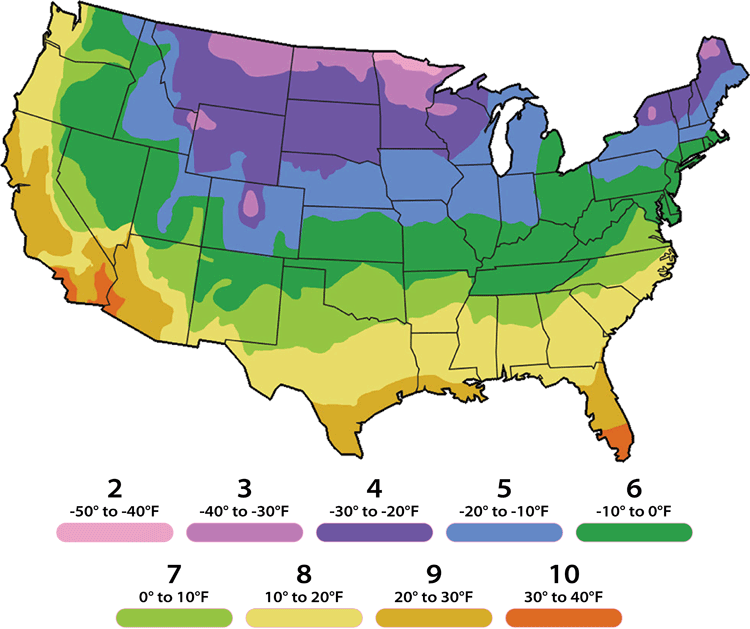
USDA Zone: 9-11


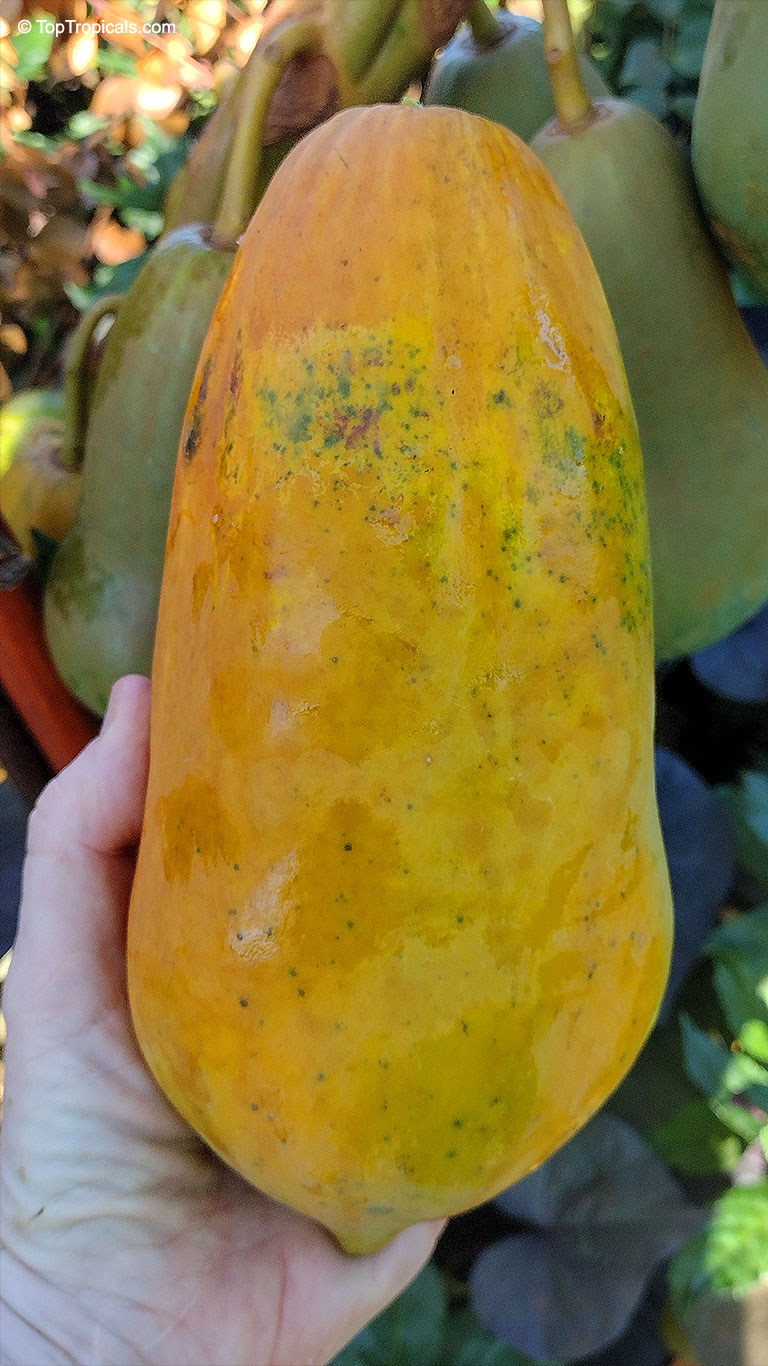
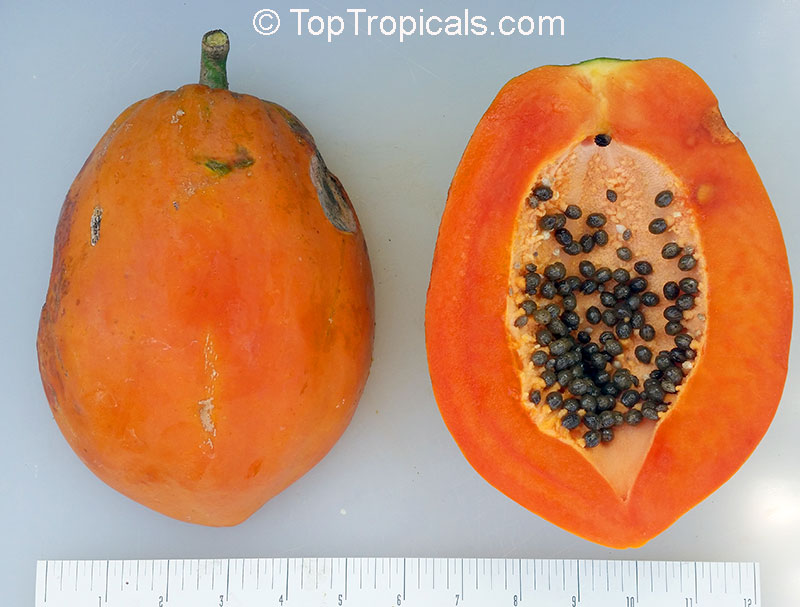
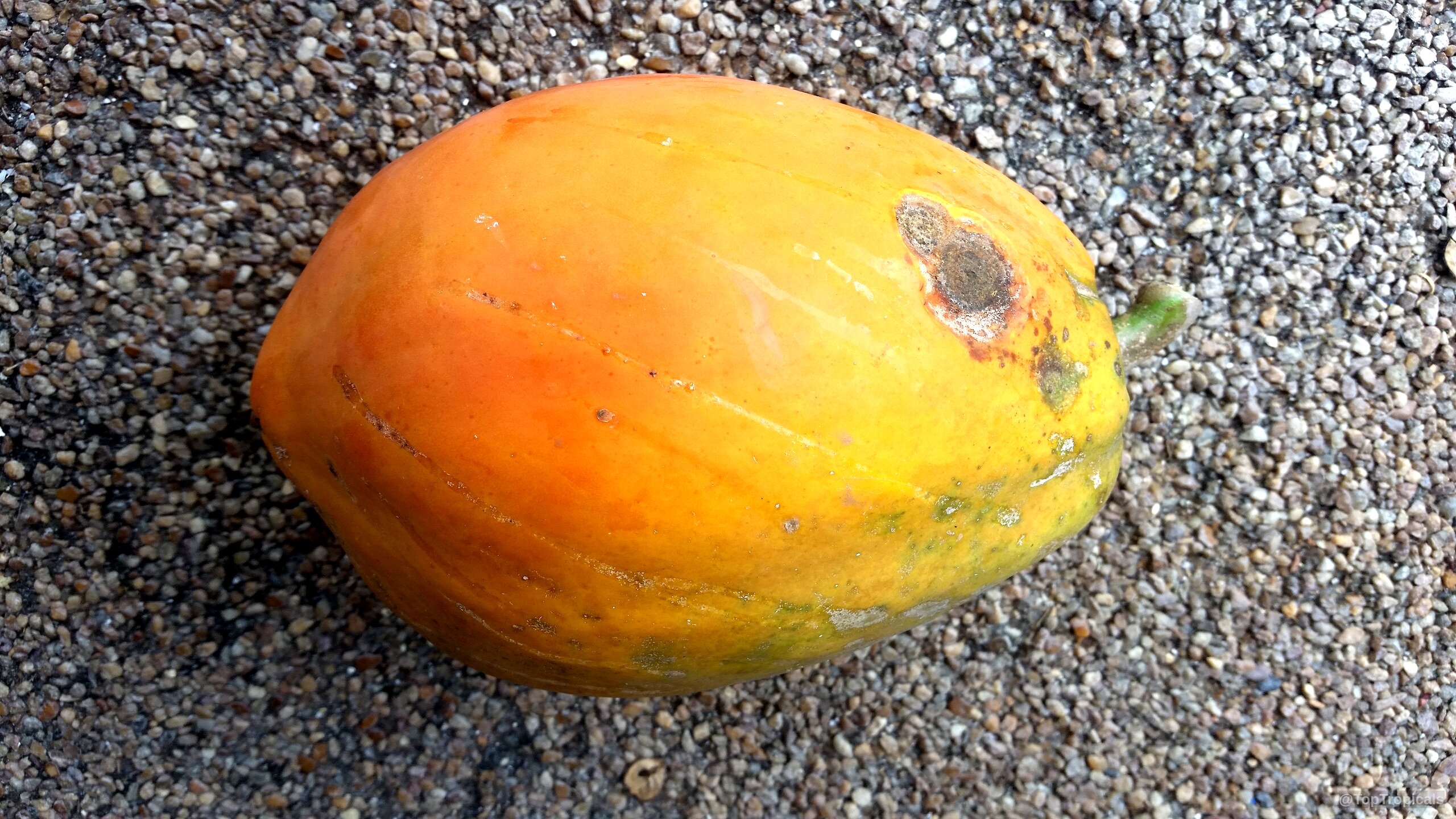
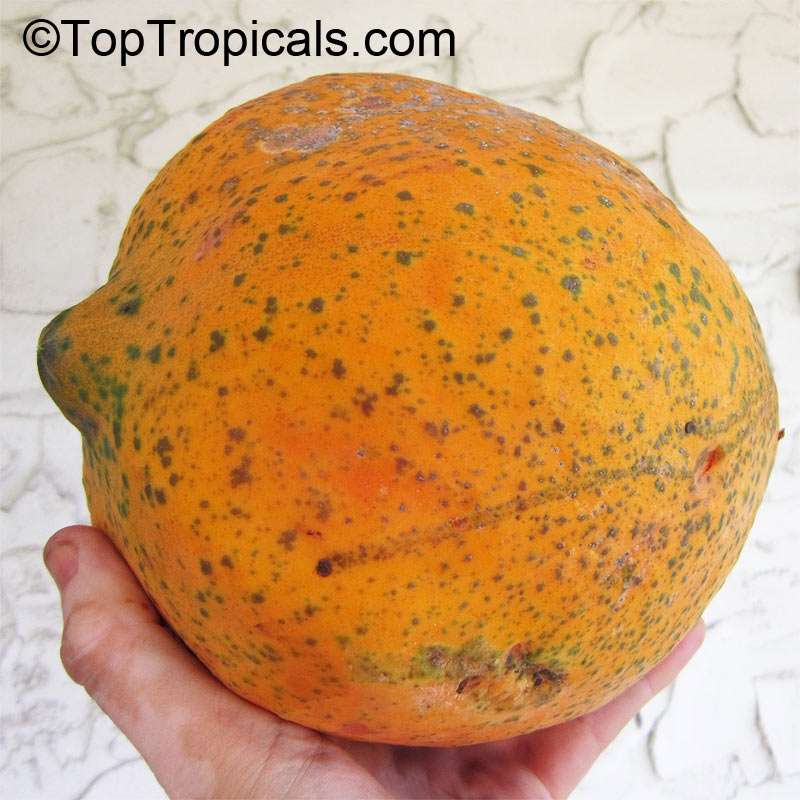
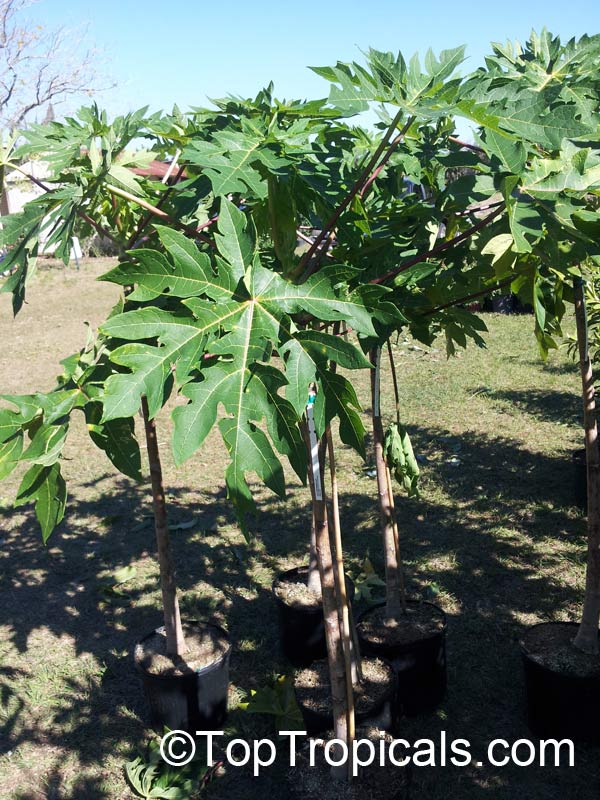
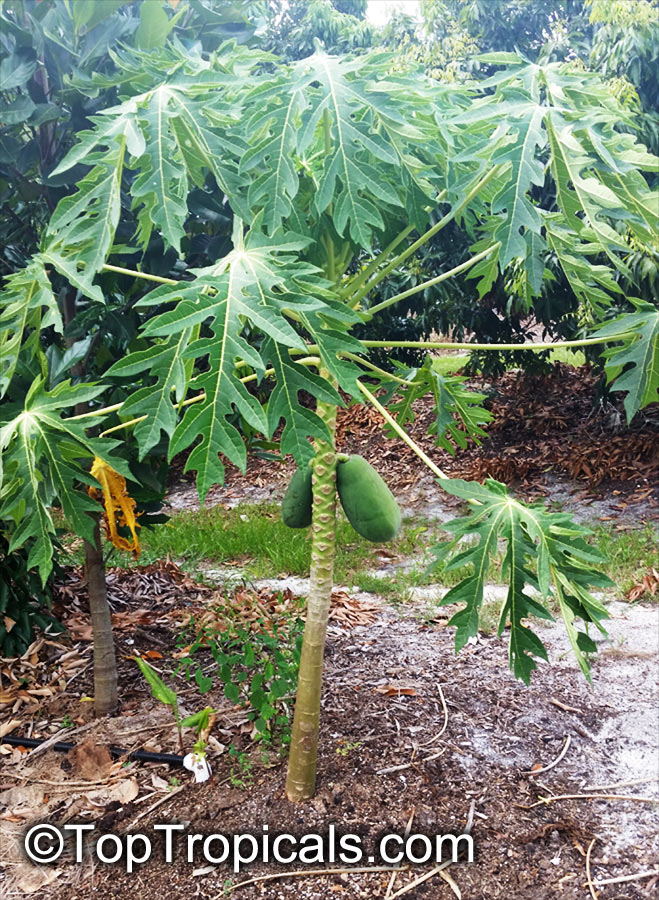
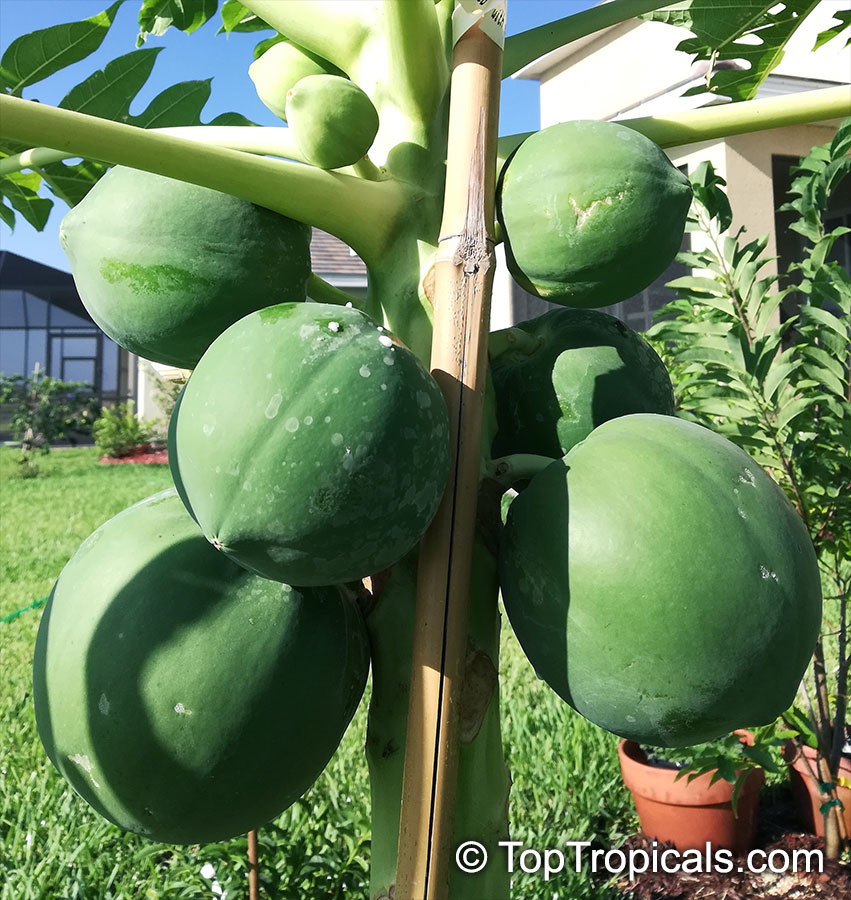
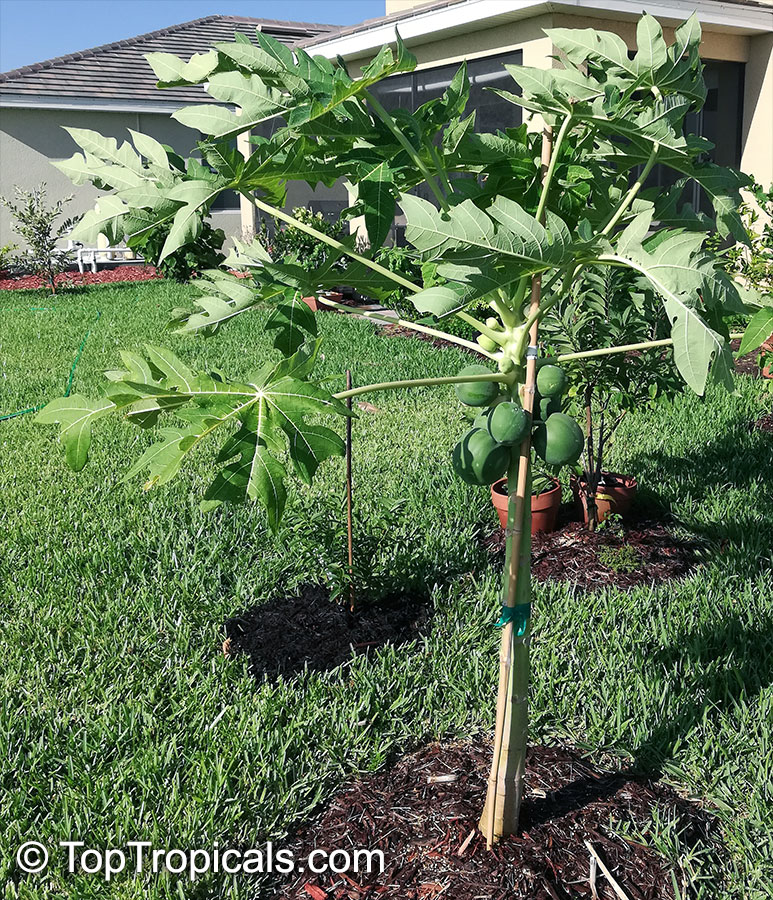
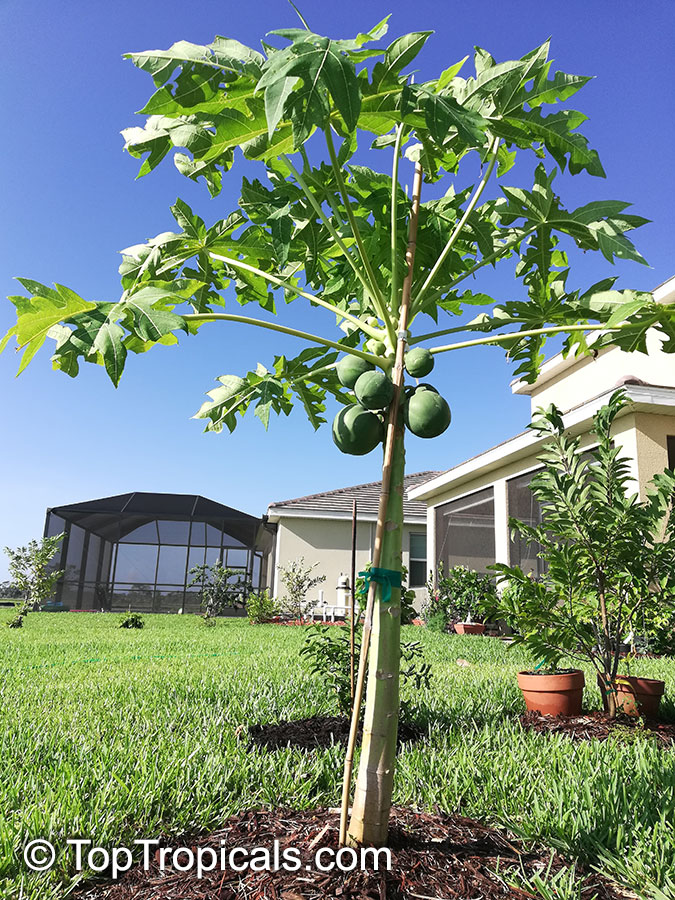
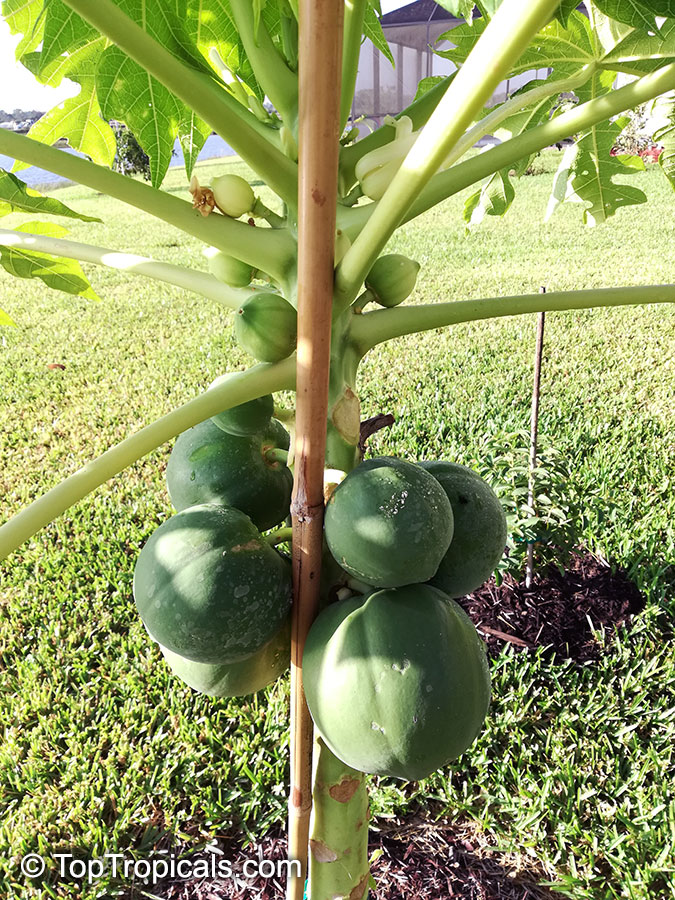
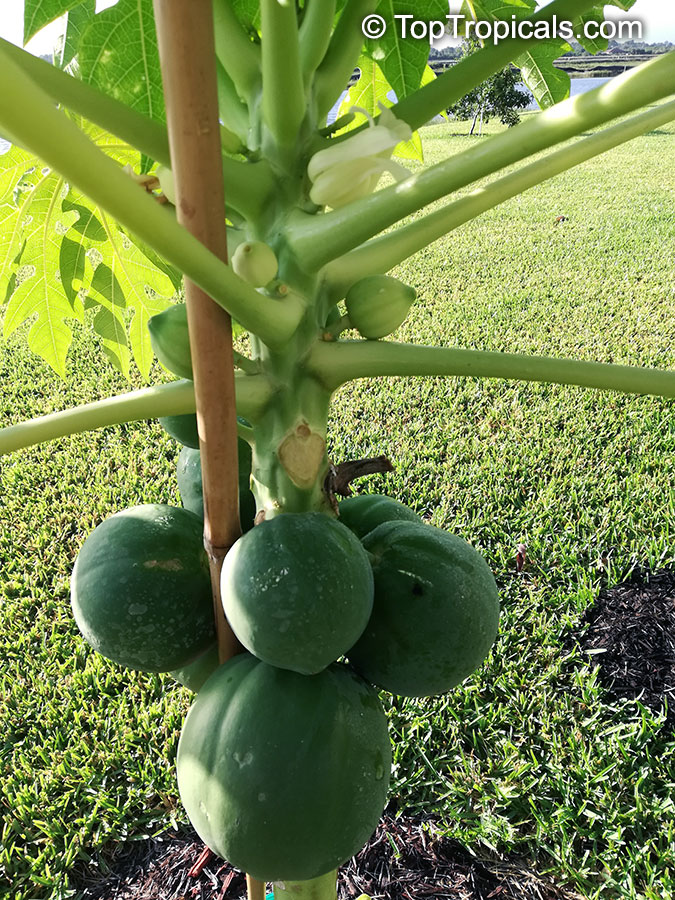
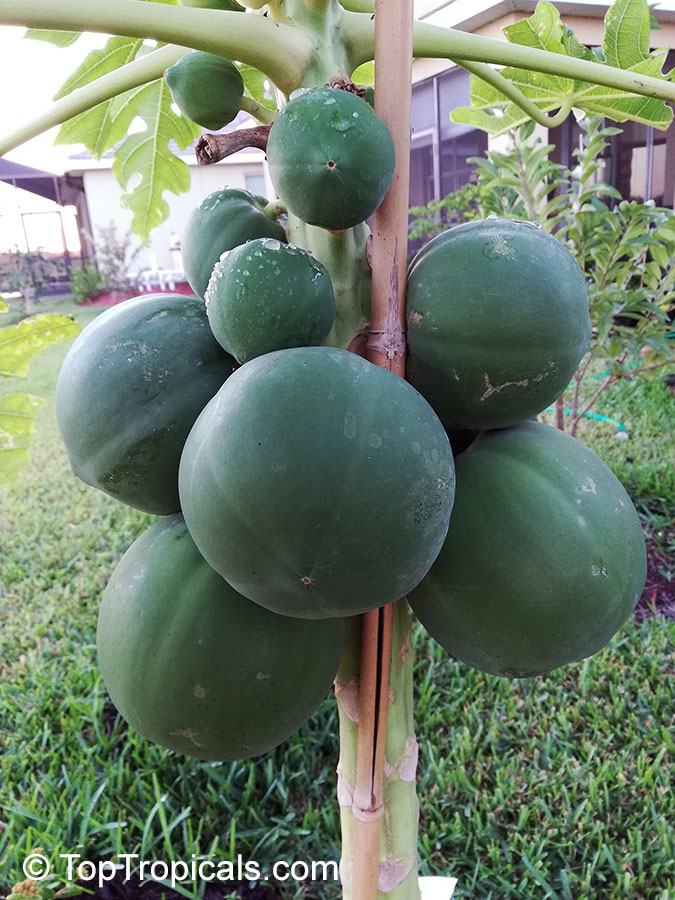
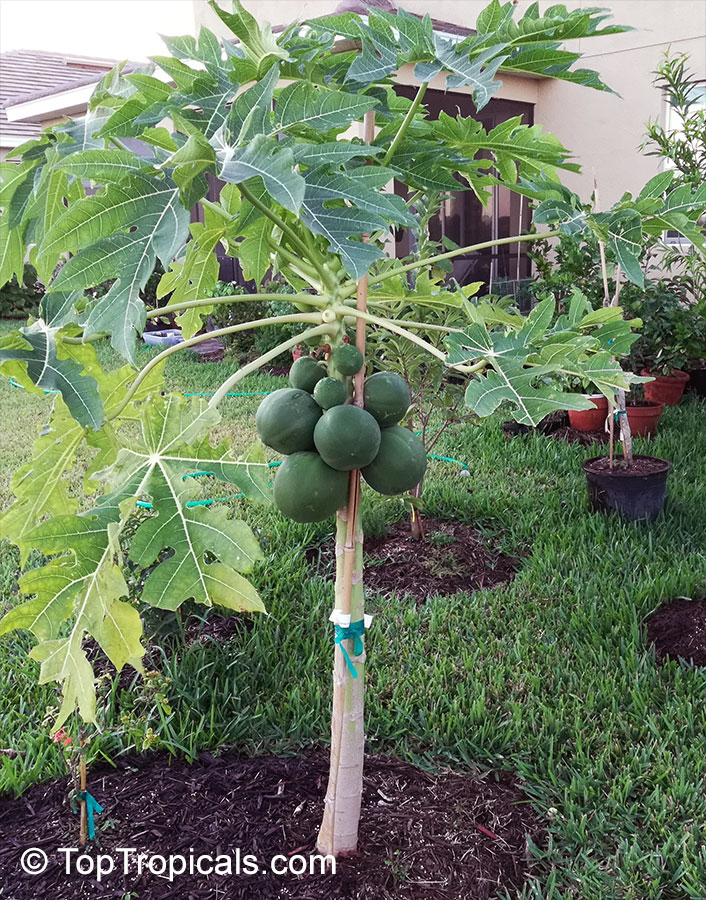
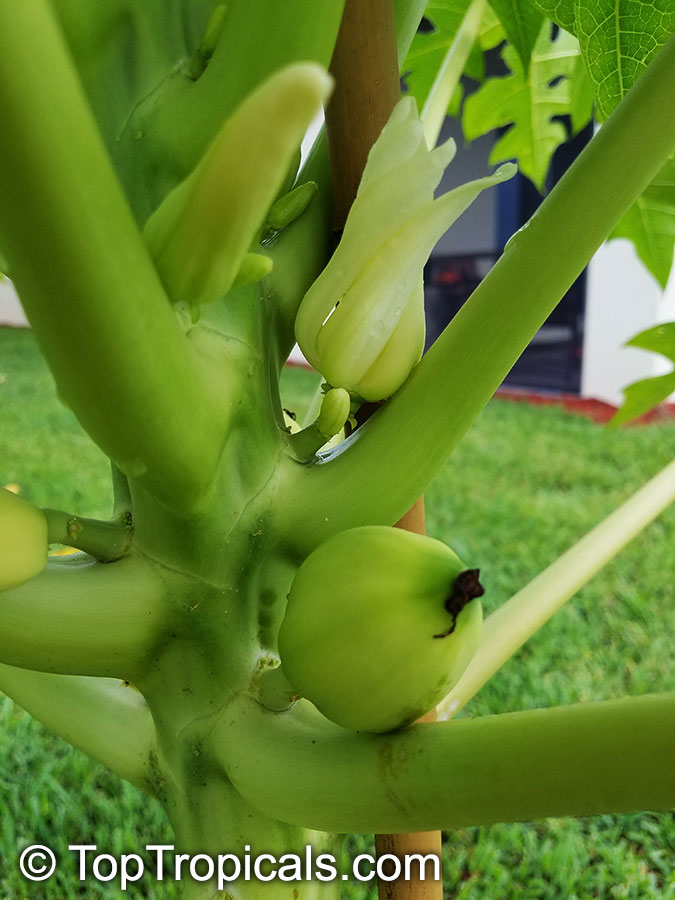
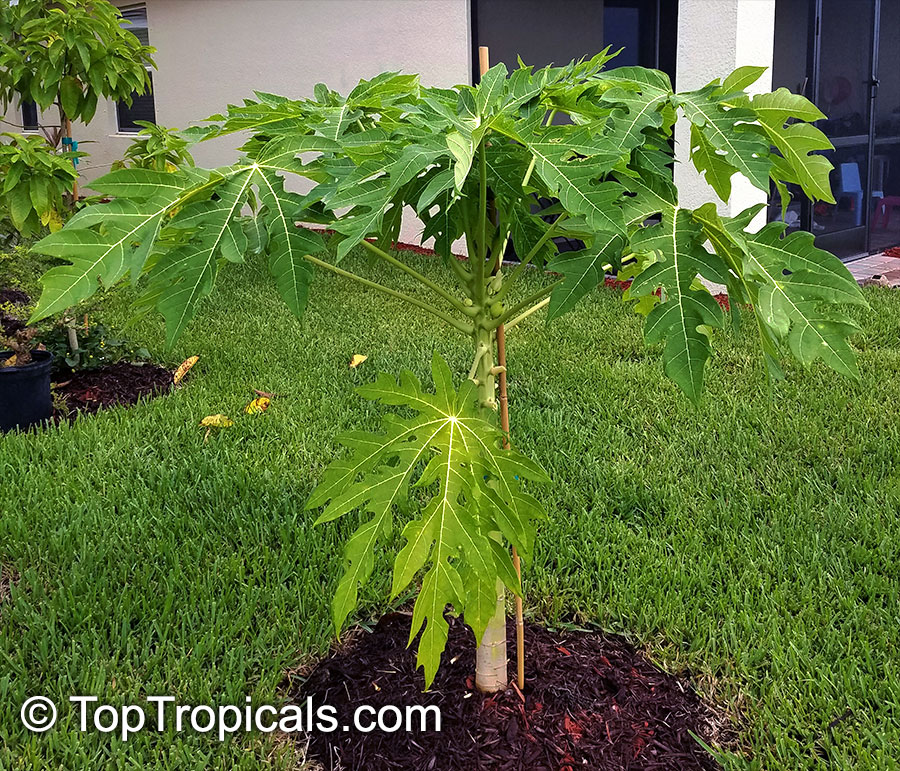
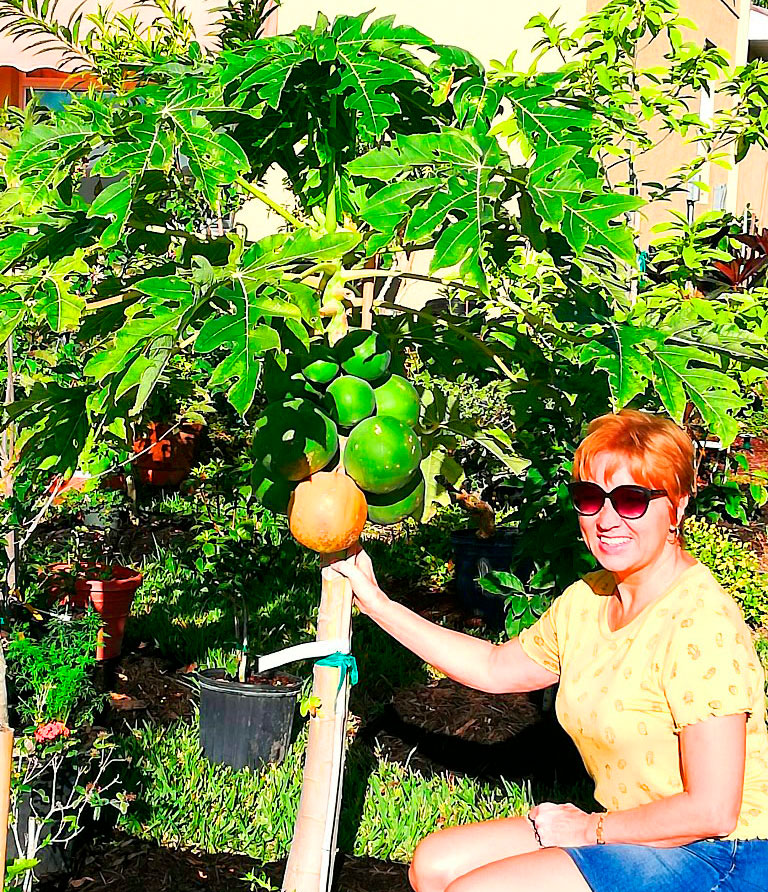
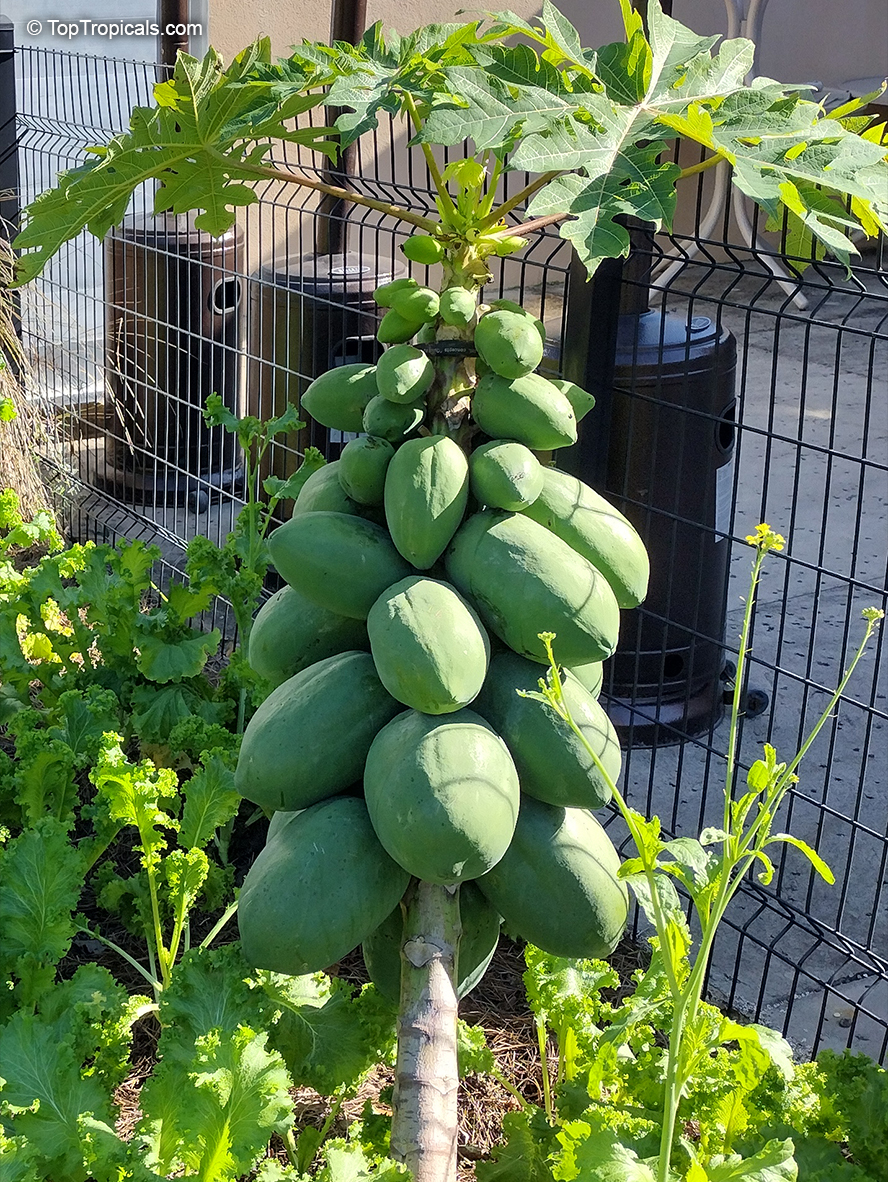
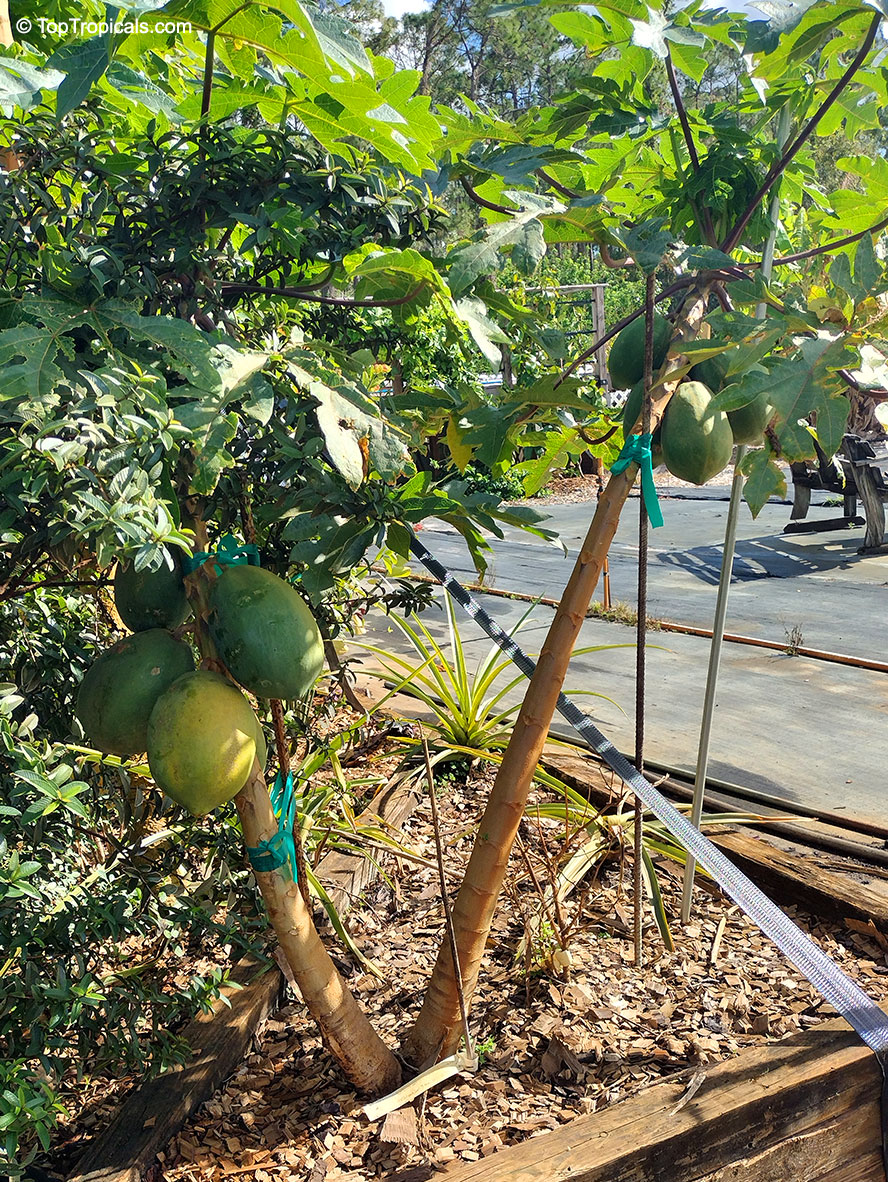
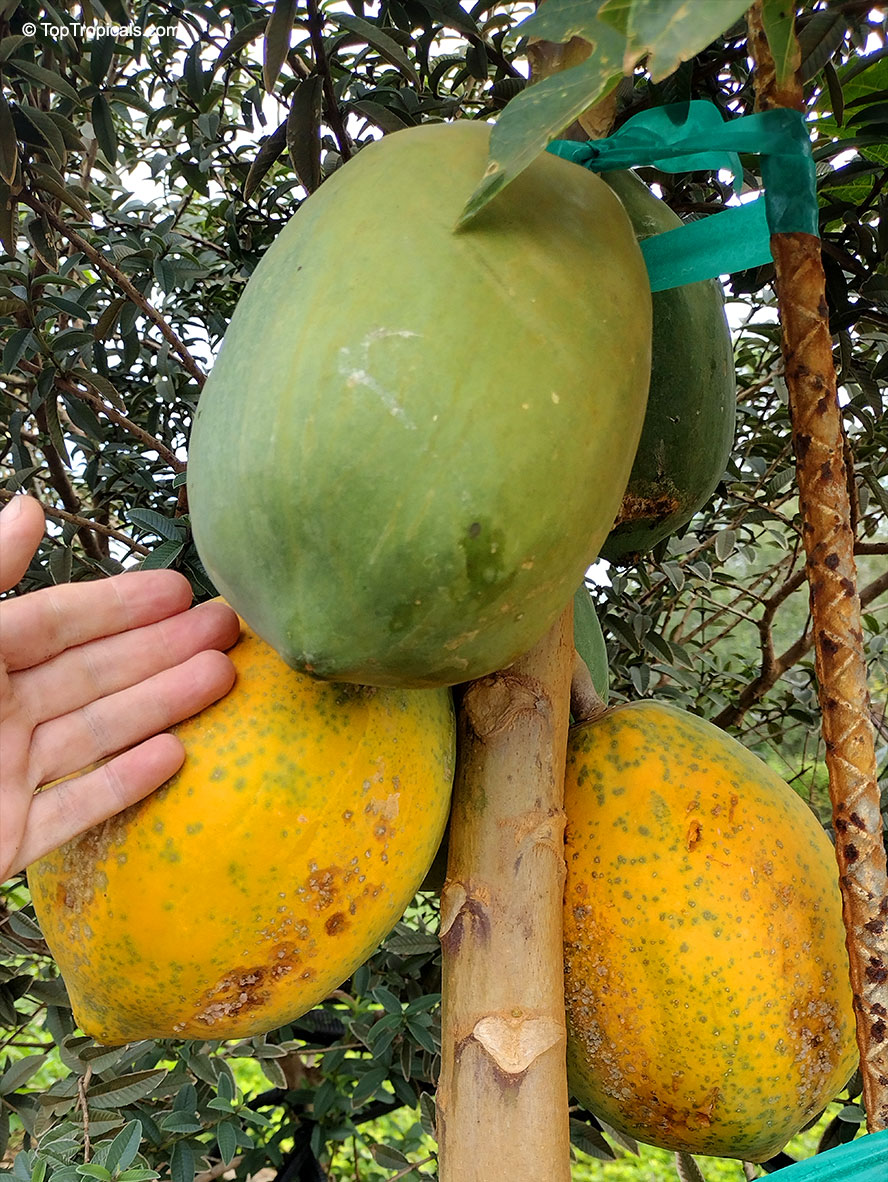
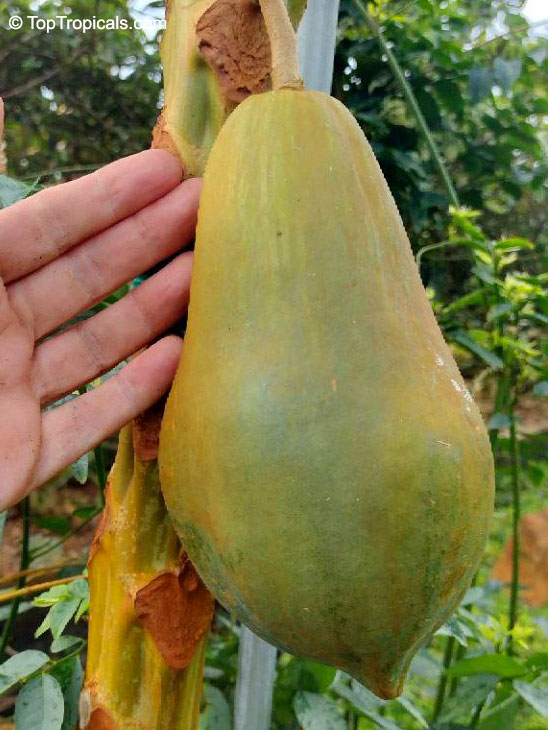
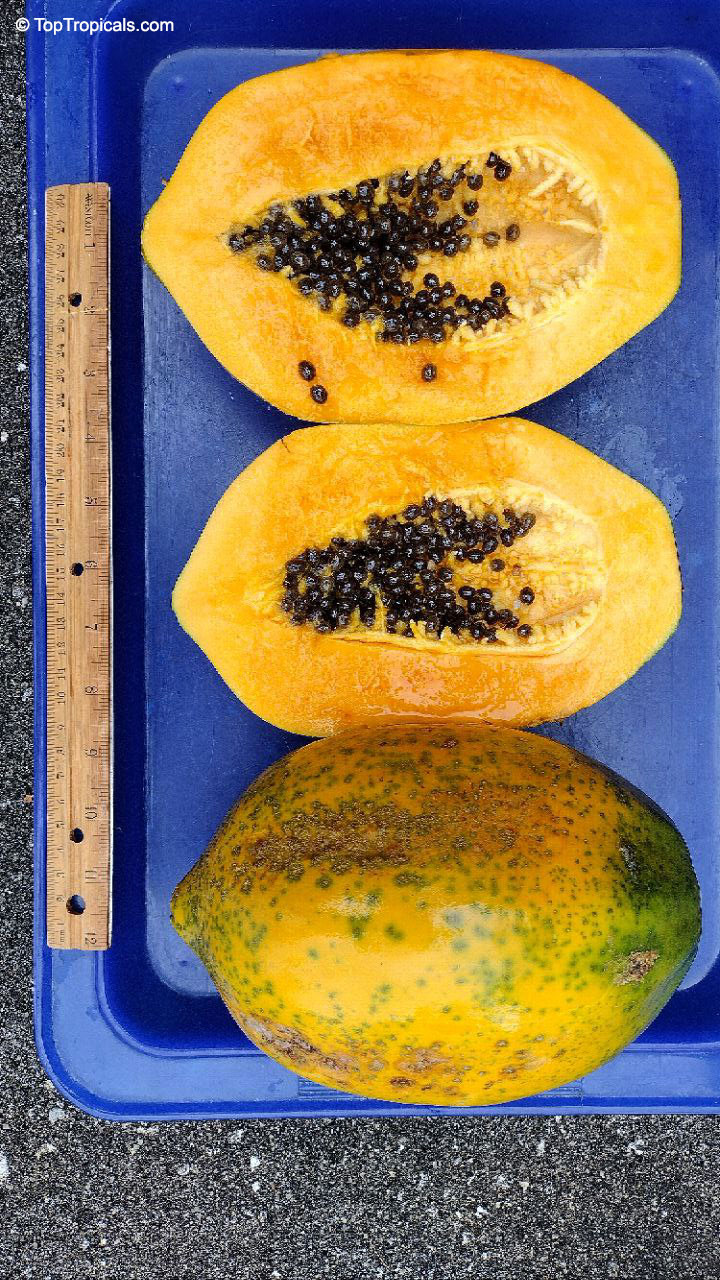
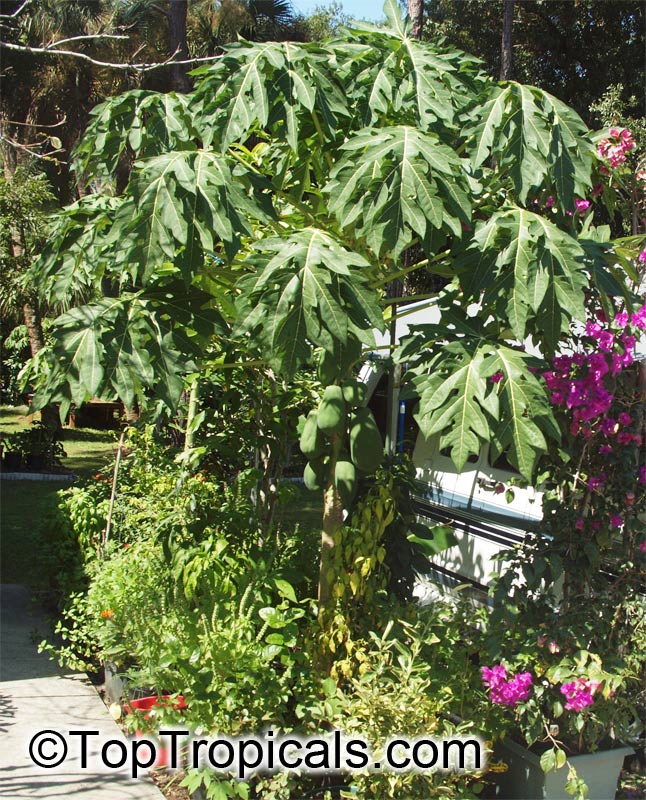
Carica papaya Dwarf Group includes a number of compact papaya cultivars selected for their reduced height and suitability for small gardens and container growing. Unlike standard papayas, which commonly reach 15-30 feet, dwarf selections typically remain 5-8 feet tall while retaining the characteristic single trunk and crown of large, deeply lobed leaves. Most begin flowering and producing fruit at a relatively young age, making them especially attractive for home gardeners.
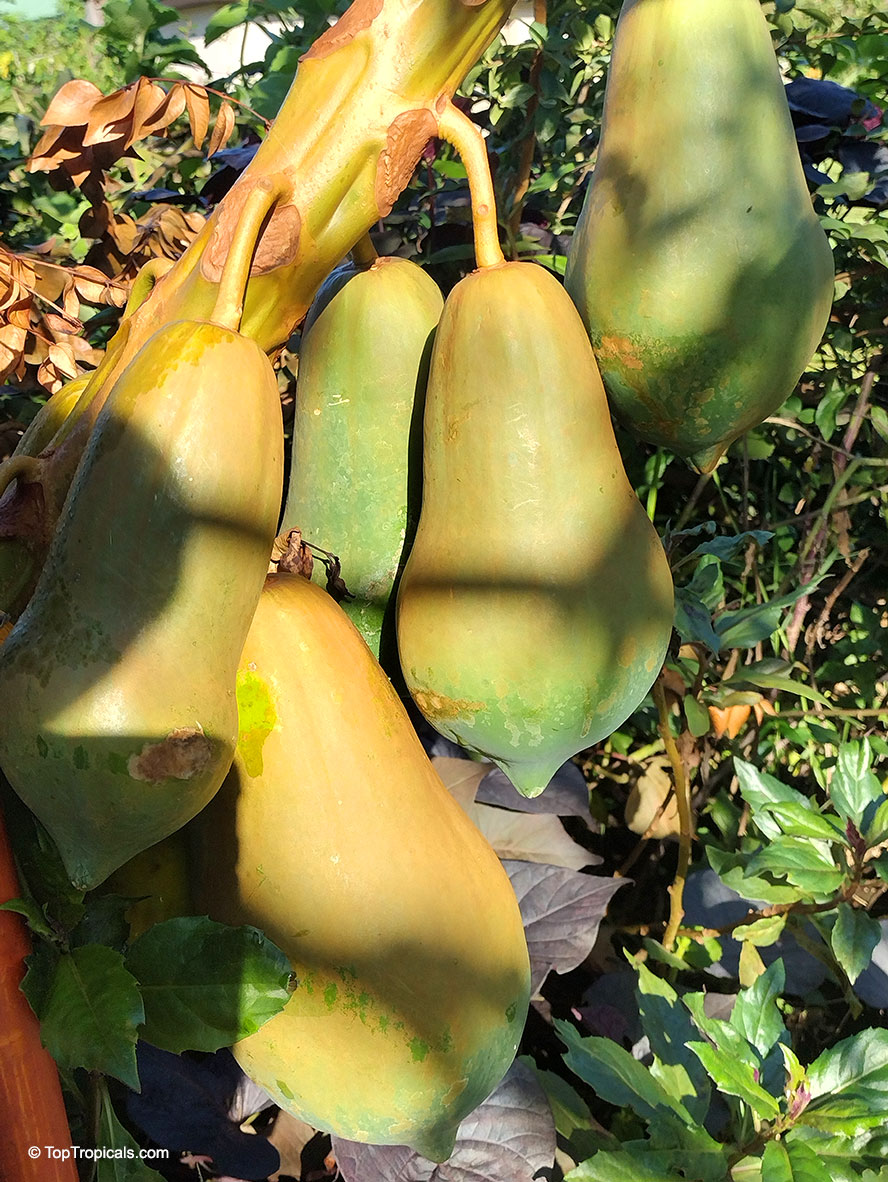
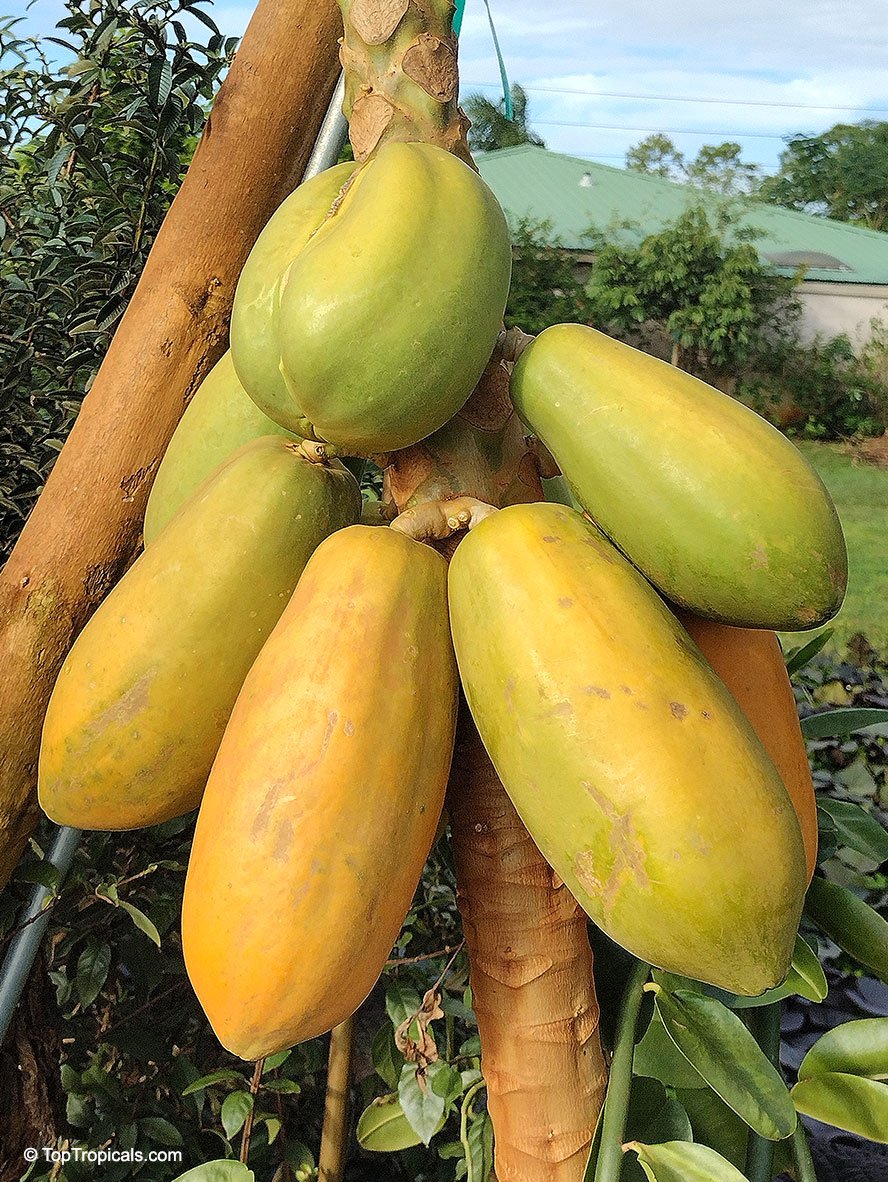
Although individual cultivars differ in fruit size, shape, flesh color, and growth habit, all share the advantages of a more manageable size and earlier fruit production. The sweet, aromatic fruits are usually eaten fresh but are also used in smoothies, desserts, salads, and other tropical dishes. Like standard papayas, dwarf cultivars grow best in full sun, fertile, well-drained soil, and consistently warm temperatures. Regular watering promotes rapid growth, although the plants are sensitive to waterlogged soil and prolonged cold. Suitable for USDA Zones 10-12, or as container plants that can be protected from frost, dwarf papayas offer an excellent way to enjoy fresh homegrown fruit in limited spaces. Many cultivars are self-fertile or produce hermaphroditic flowers, while others require both male and female plants for reliable fruit production, depending on the selection.Learn more: How to grow a Papaya Tree: Practical Guide
Shipped at customers risk, no replacements or refunds. Leaf drop possible. We guarantee healthy plant to be shipped and the best packaging. Express shipping optional.
Recommended Fertilizer: SUNSHINE C-Cibus - Crop Nutrition Booster
SUNSHINE-Honey - sugar booster
Shipped at customers risk, no replacements or refunds. Leaf drop possible. We guarantee healthy plant to be shipped and the best packaging. Express shipping optional.
Recommended Fertilizer: SUNSHINE C-Cibus - Crop Nutrition Booster
SUNSHINE-Honey - sugar booster
Shipped at customers risk, no replacements or refunds. Leaf drop possible. We guarantee healthy plant to be shipped and the best packaging. Express shipping optional.
Recommended Fertilizer: SUNSHINE C-Cibus - Crop Nutrition Booster
SUNSHINE-Honey - sugar booster
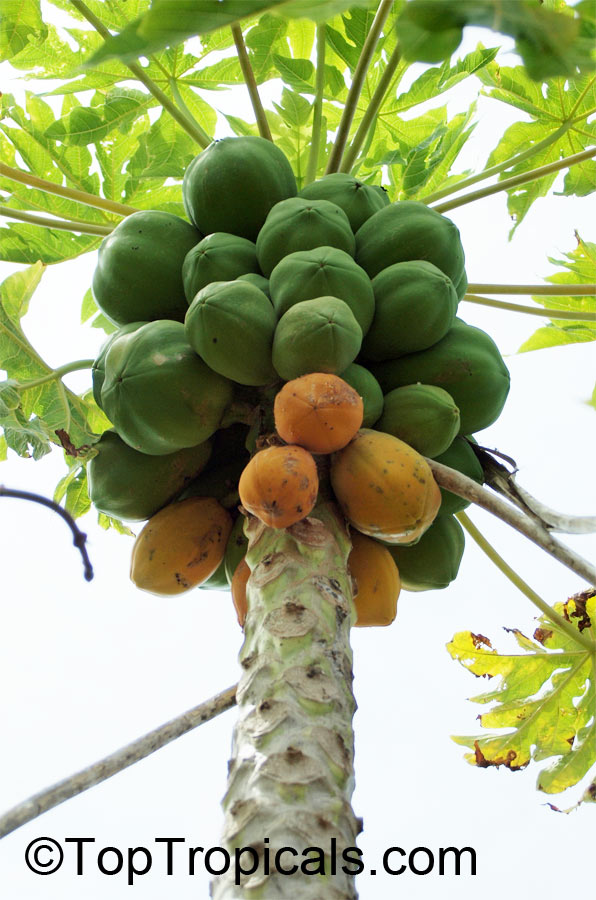
Botanical name: Carica papaya
Common name: Papaya
Family: Caricaceae
Origin: Tropical America
USDA Zone: 9-11


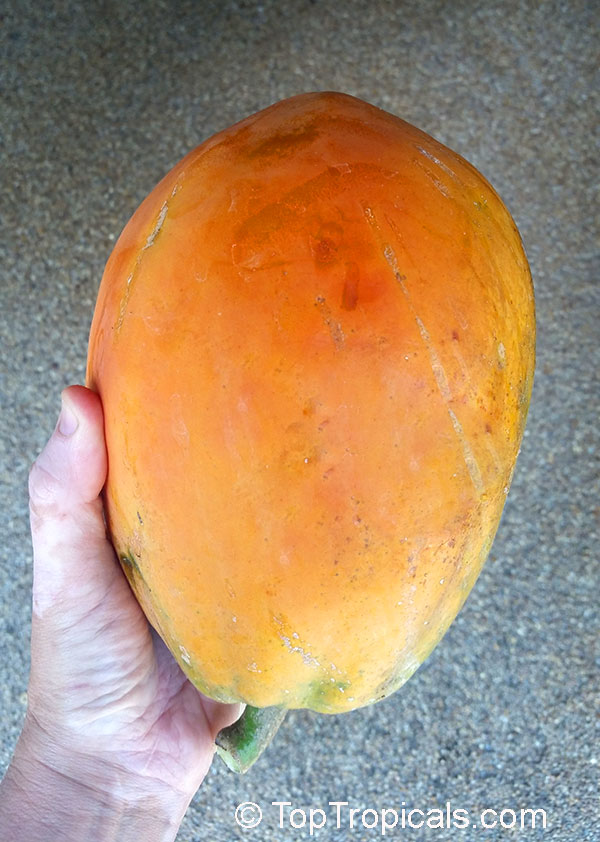
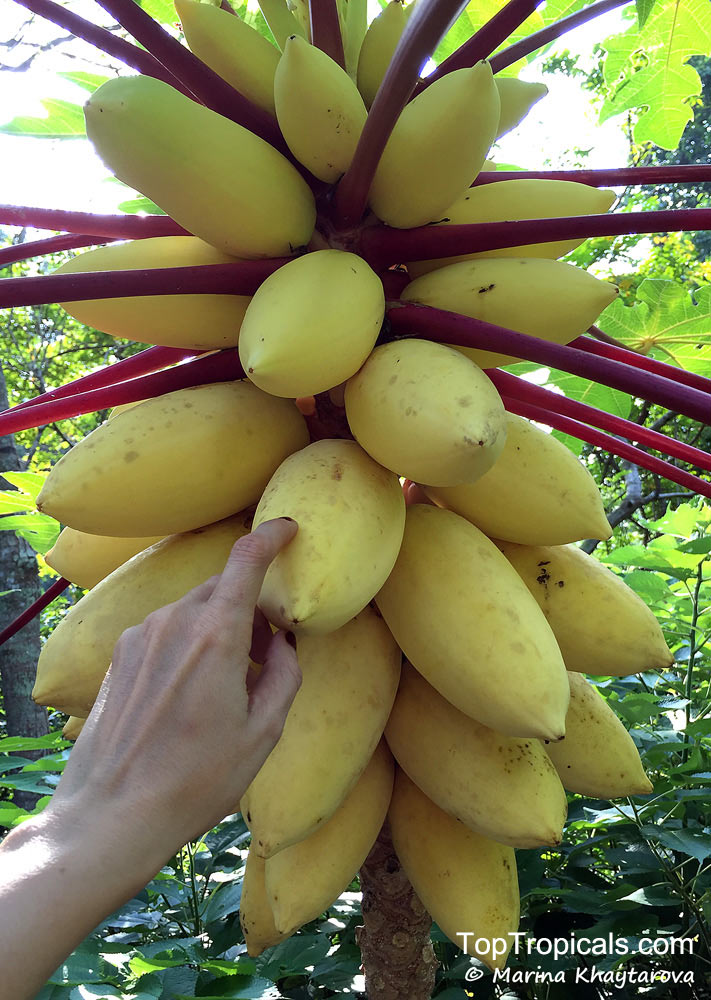
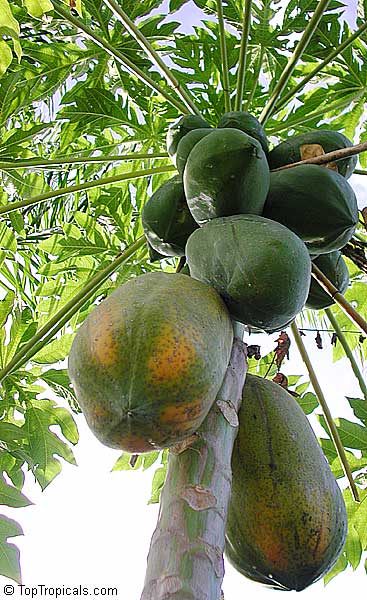
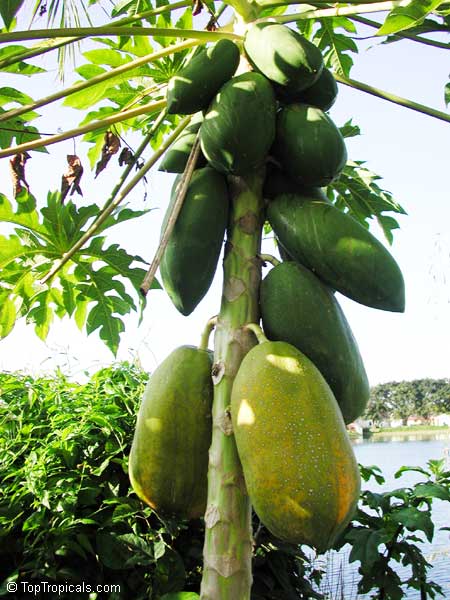
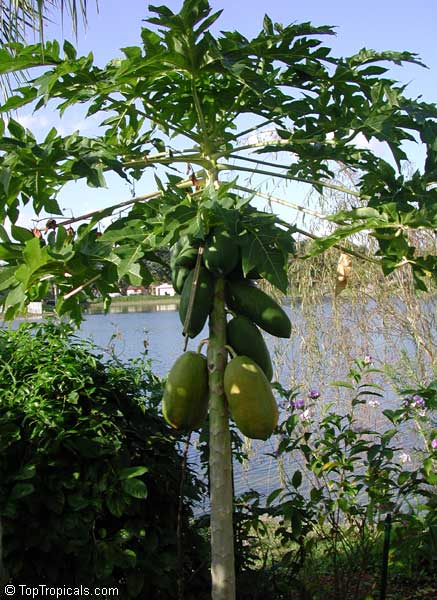
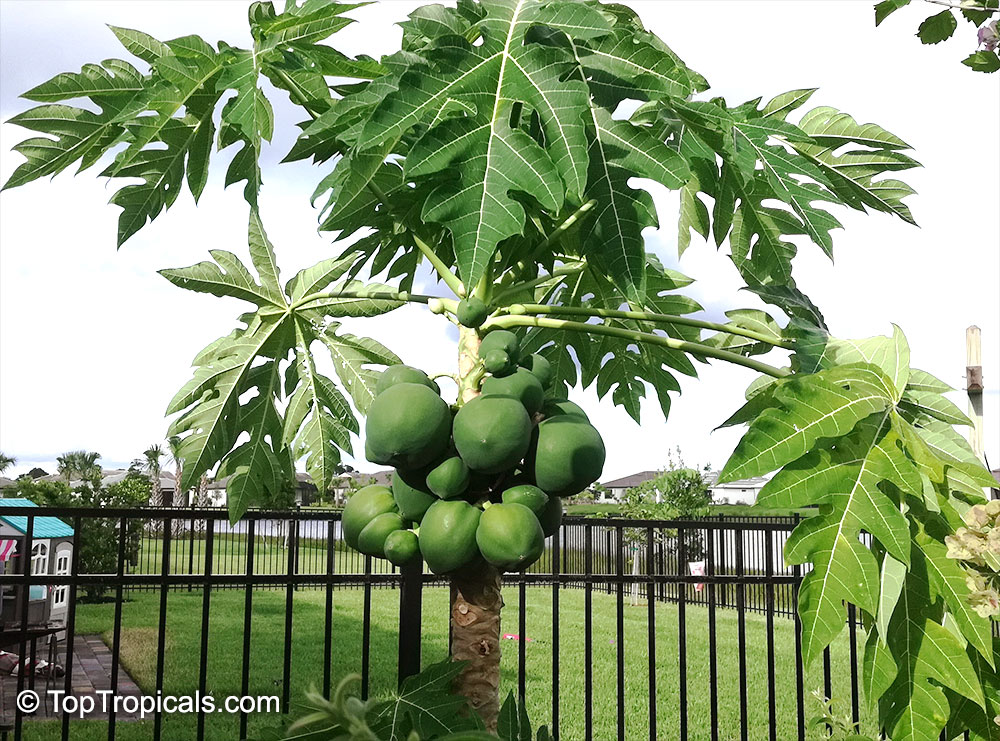
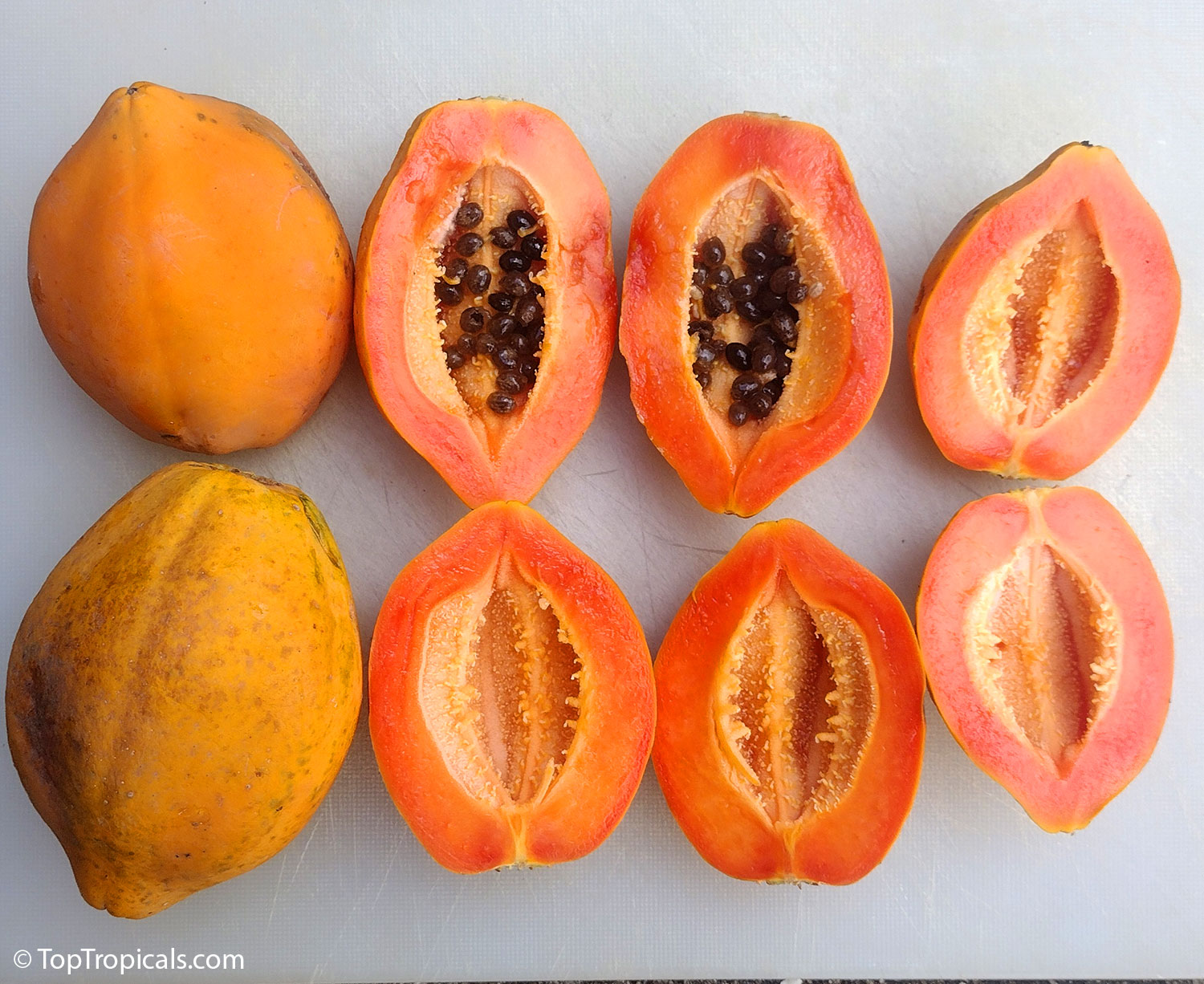
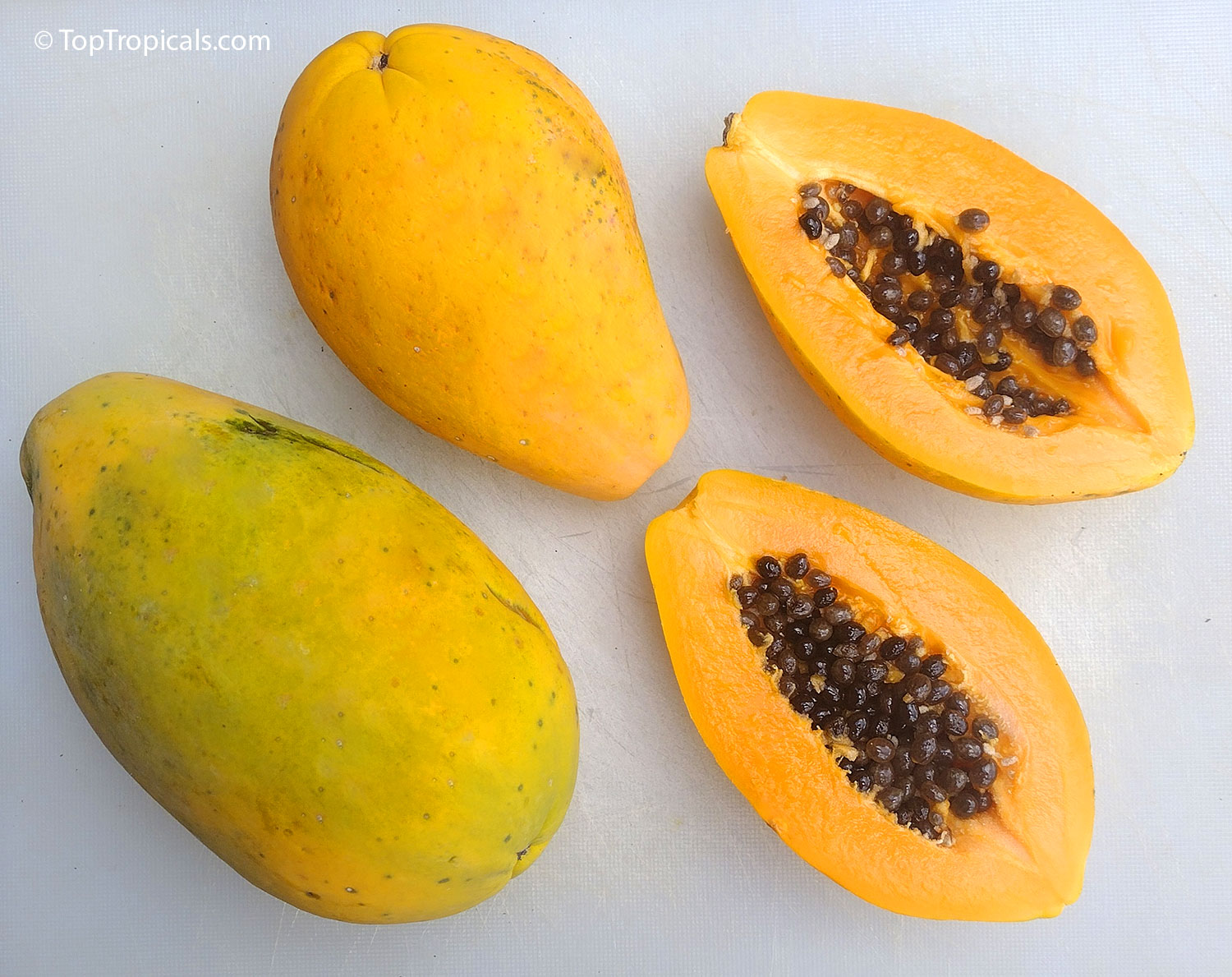
Papaya is one of the fastest fruiting plants to grow. Often starting production the same year from planting a seed, papayas are ideal for gardeners seeking quick rewards. Many dwarf varieties reach only 6-8 feet tall, yet produce large crops of full-sized fruit that are easy to harvest. Papaya trees are space-efficient, making it possible to plant multiple trees in even small gardens. Plant 2-3 different cultivars to enjoy year-round harvests of healthy, delicious fruit.
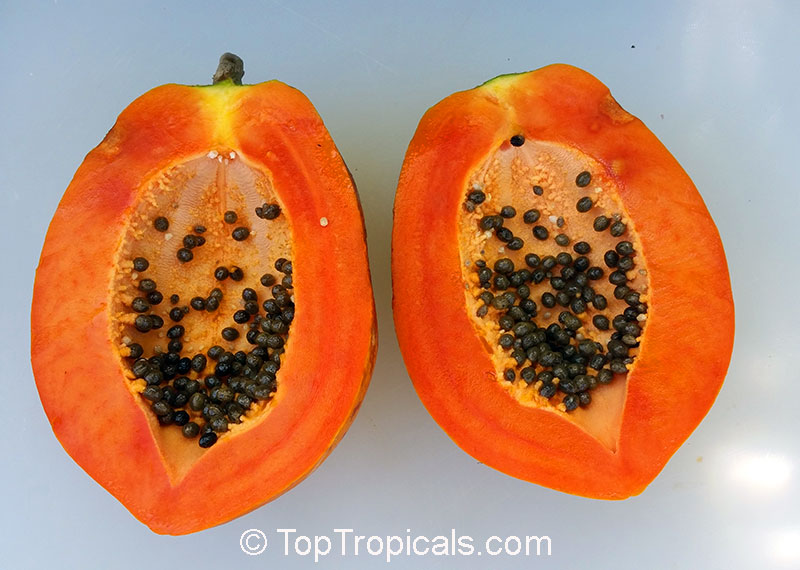
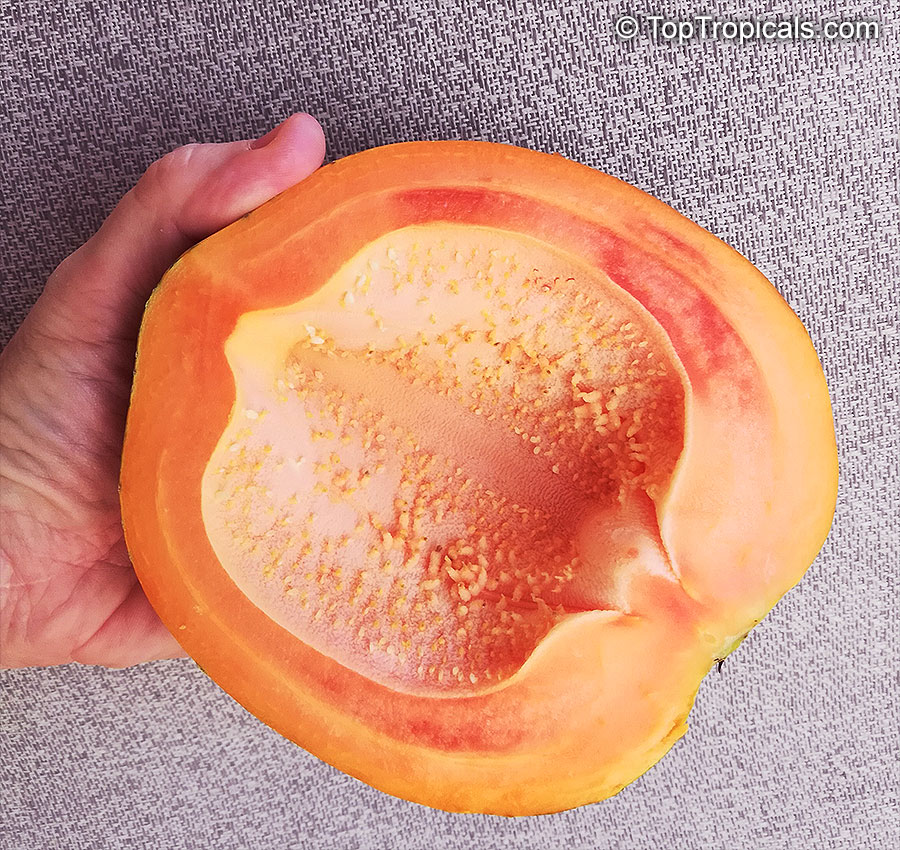
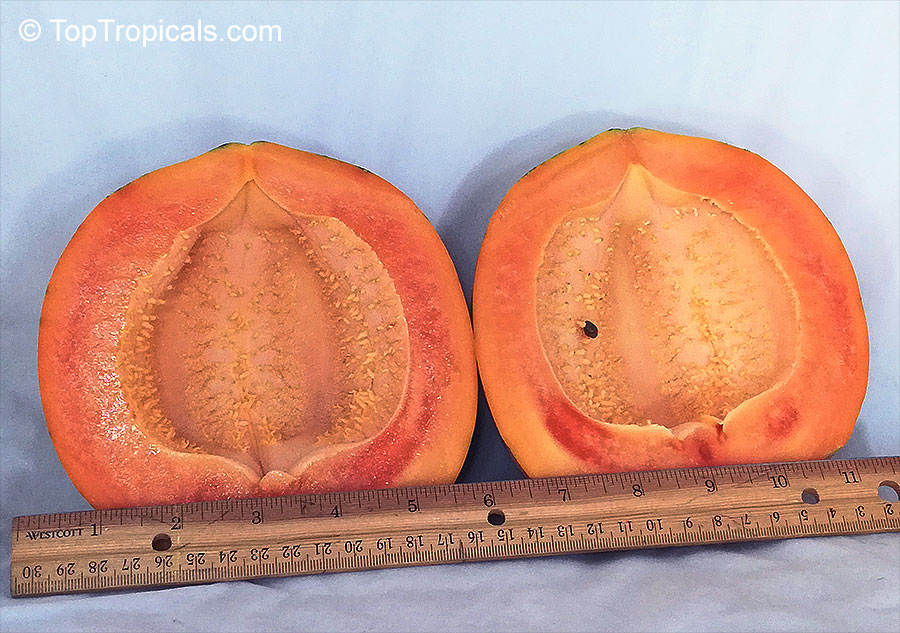
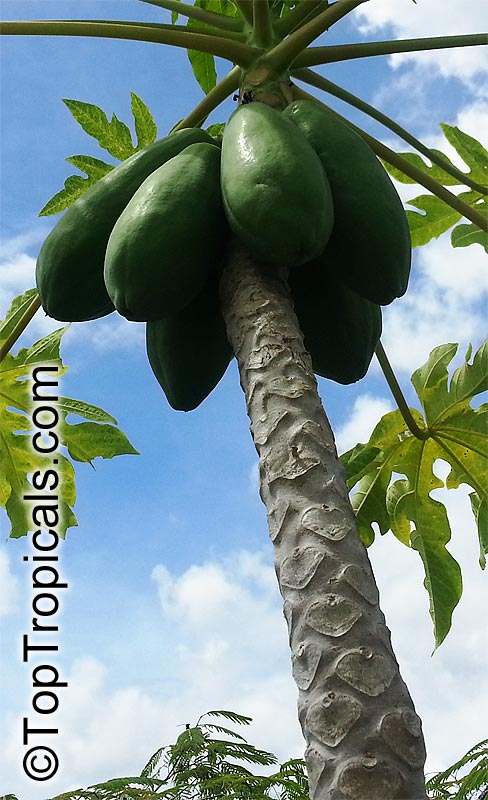
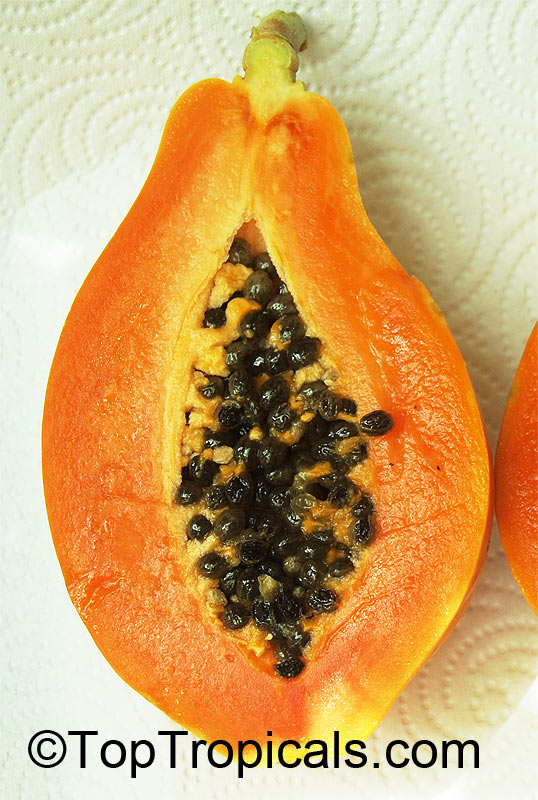
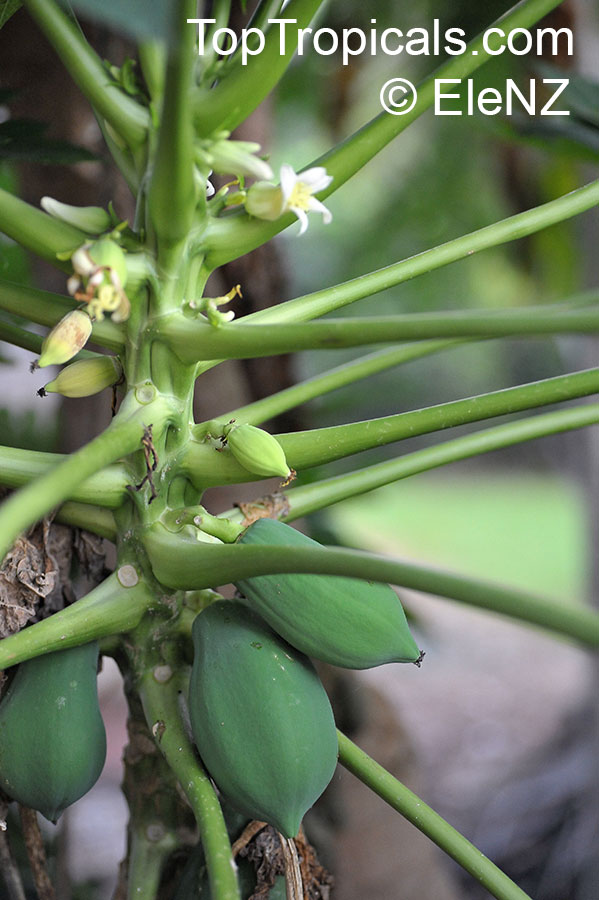
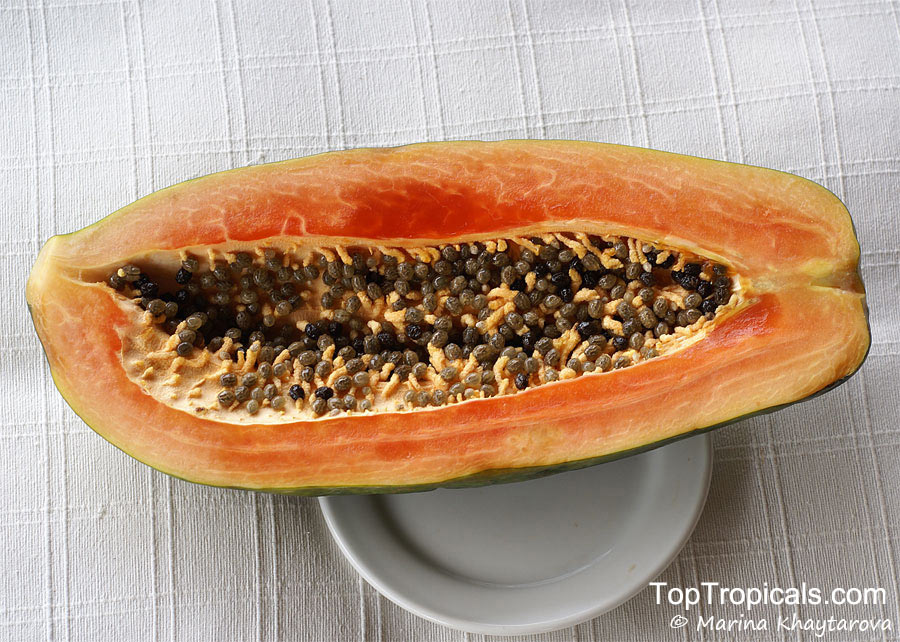
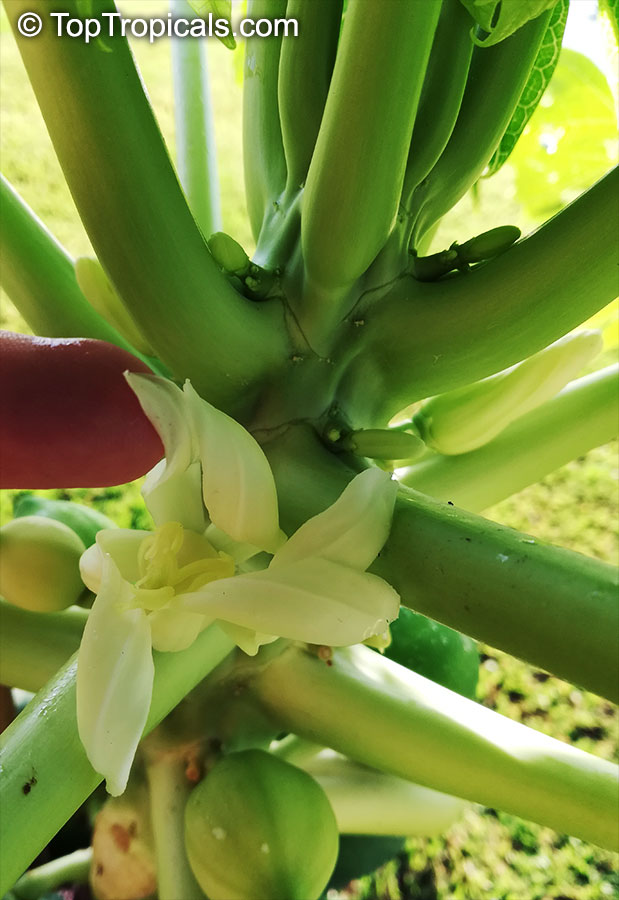
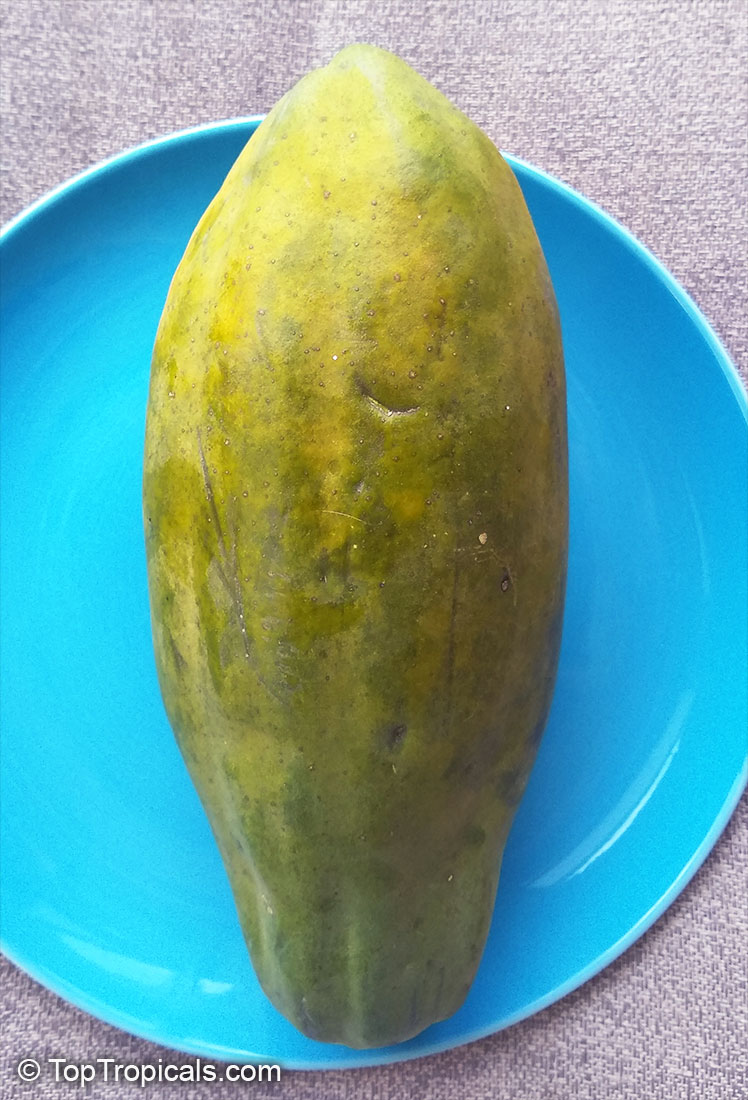
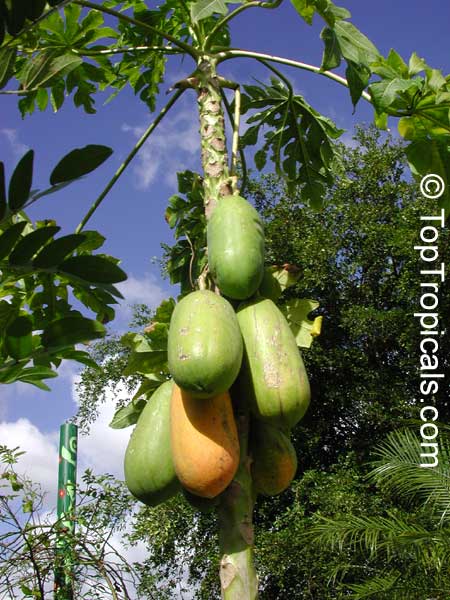
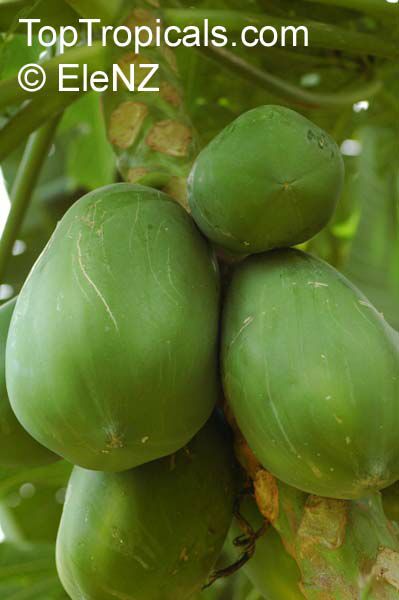
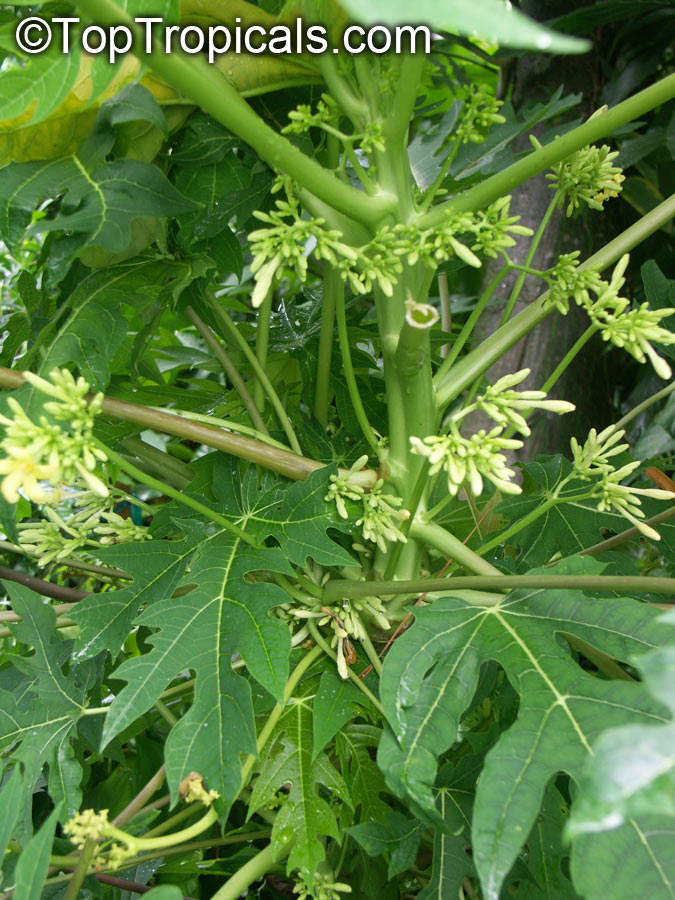
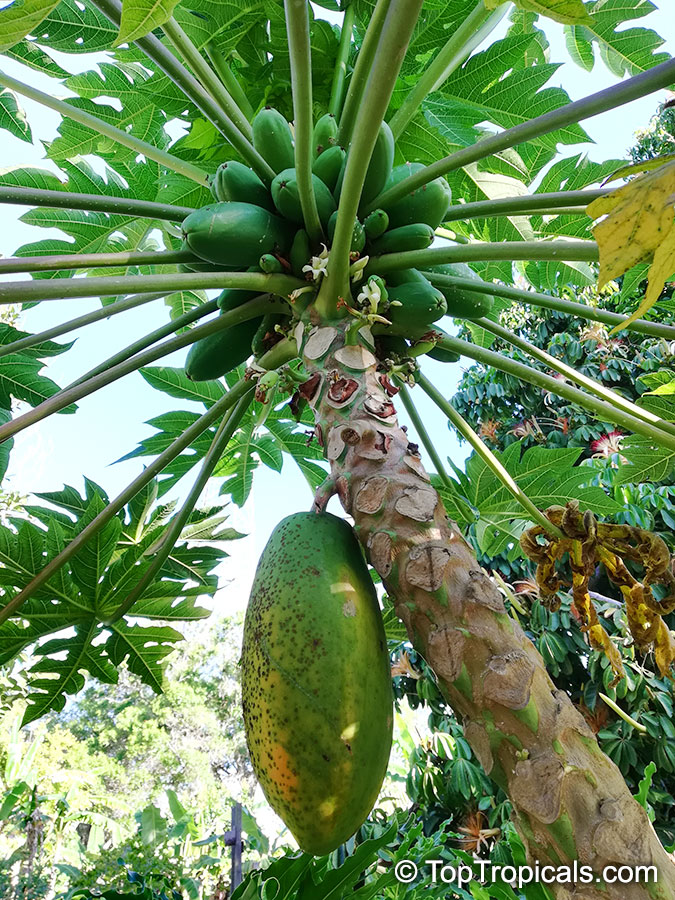
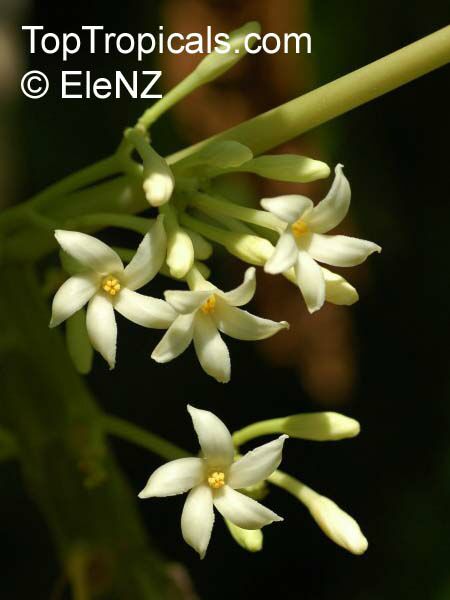
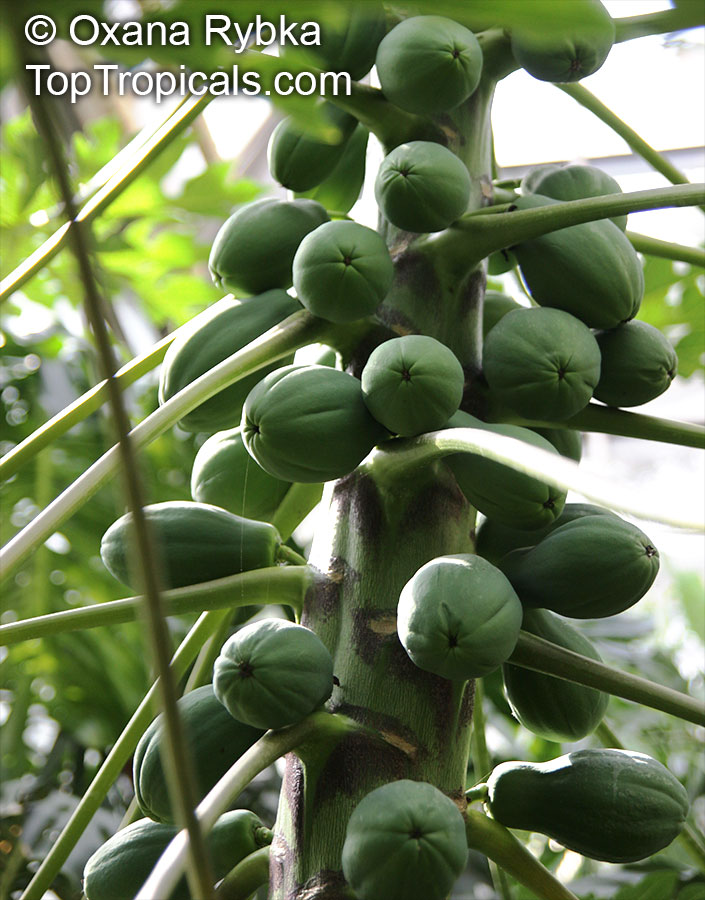
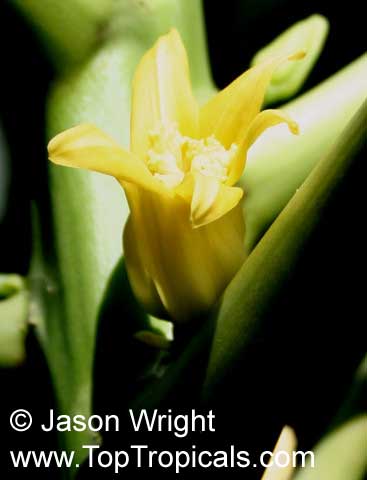
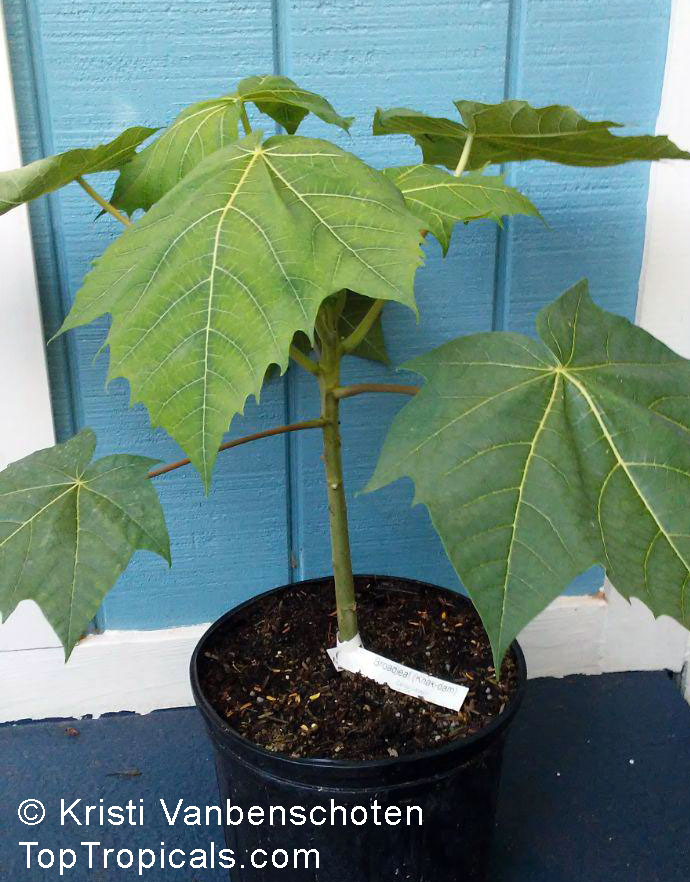
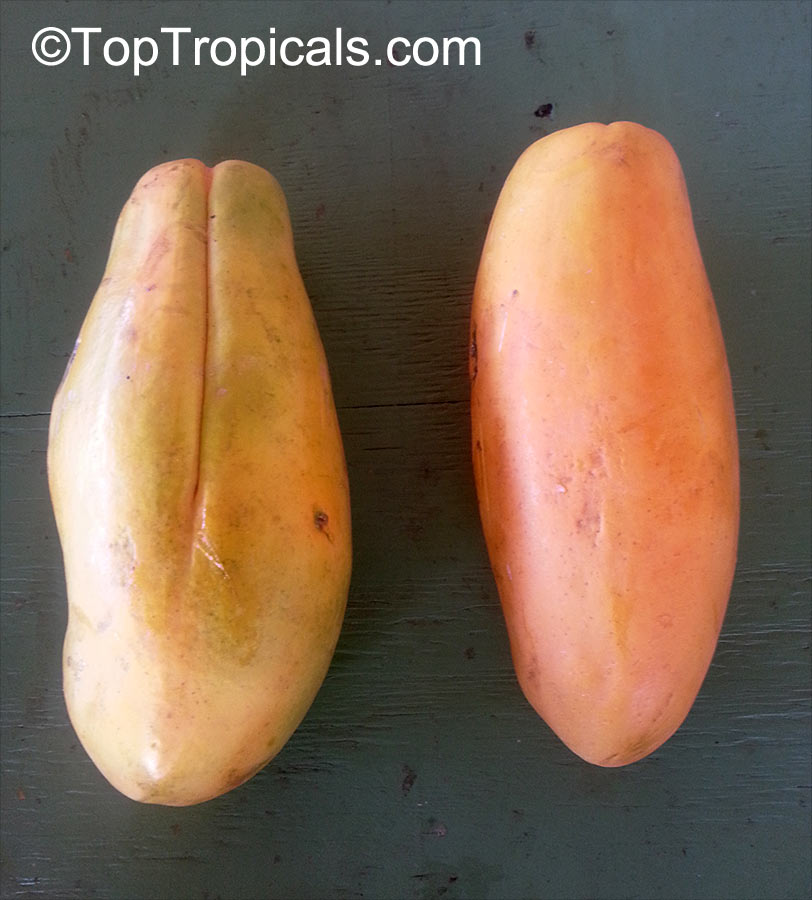
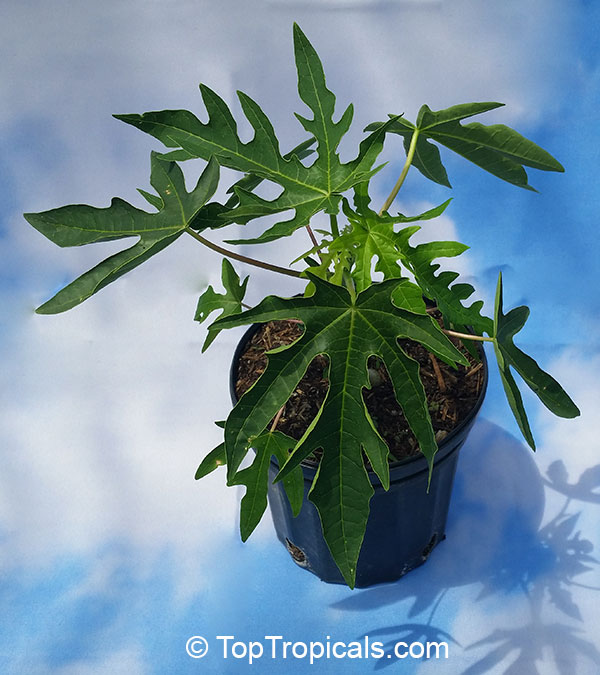
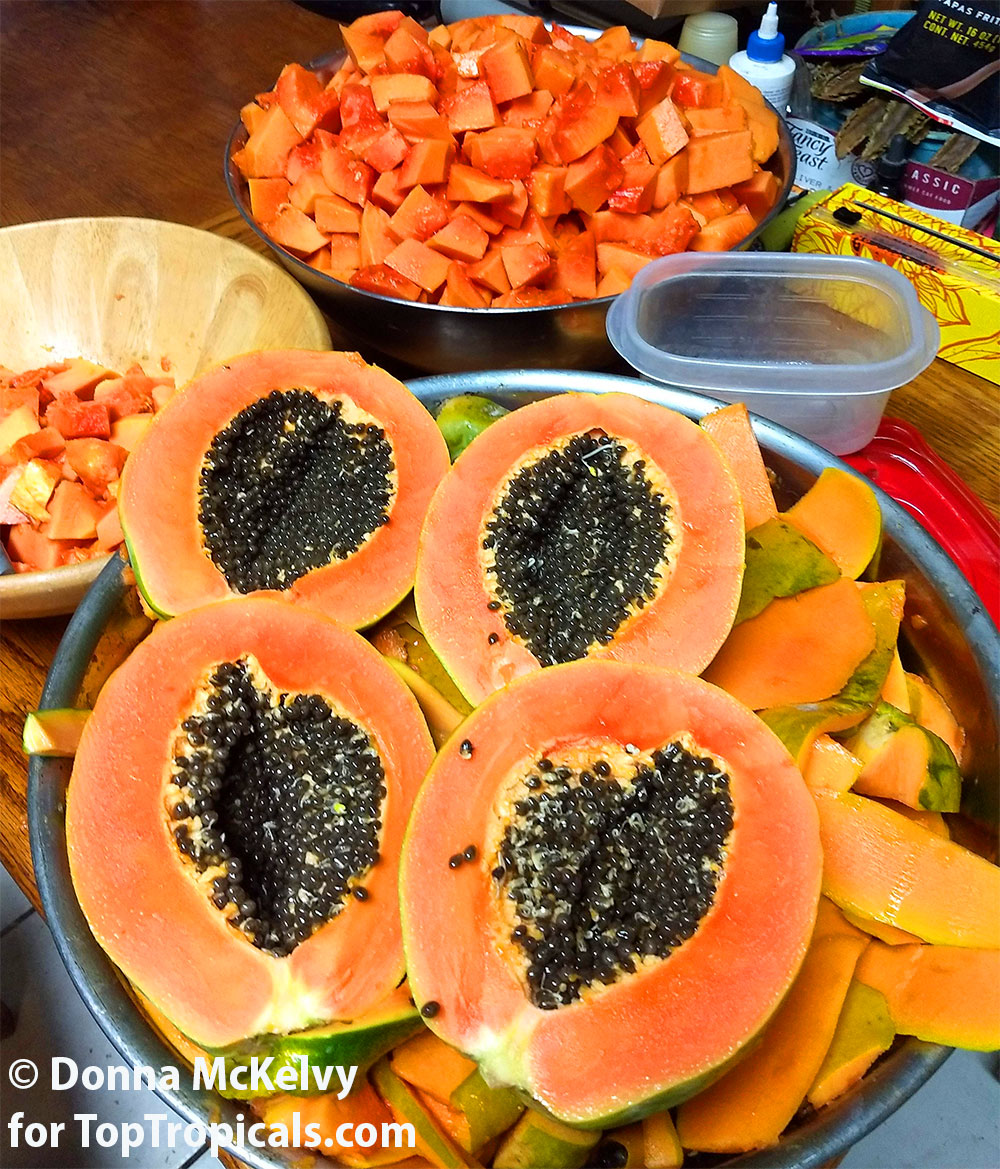
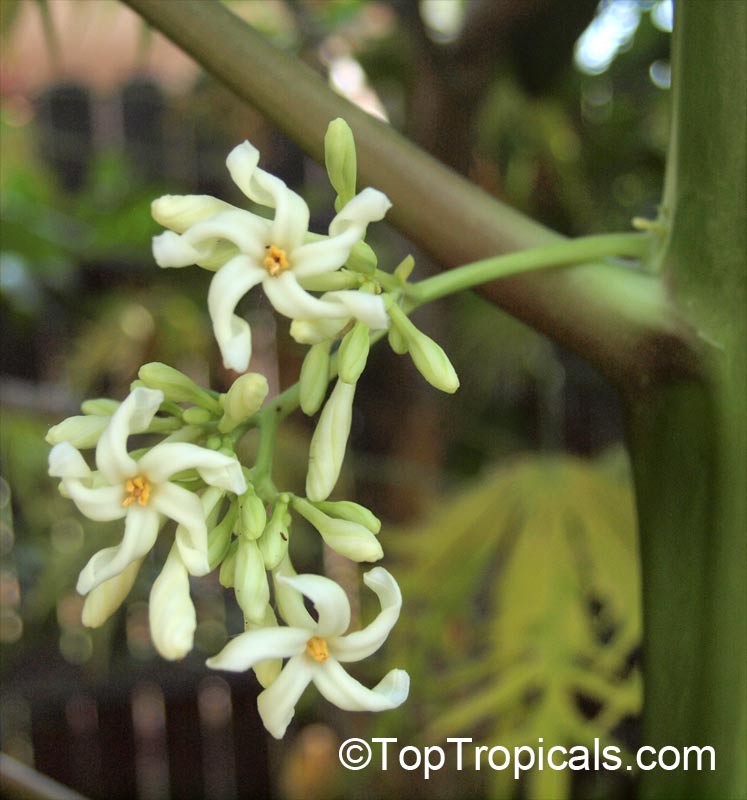
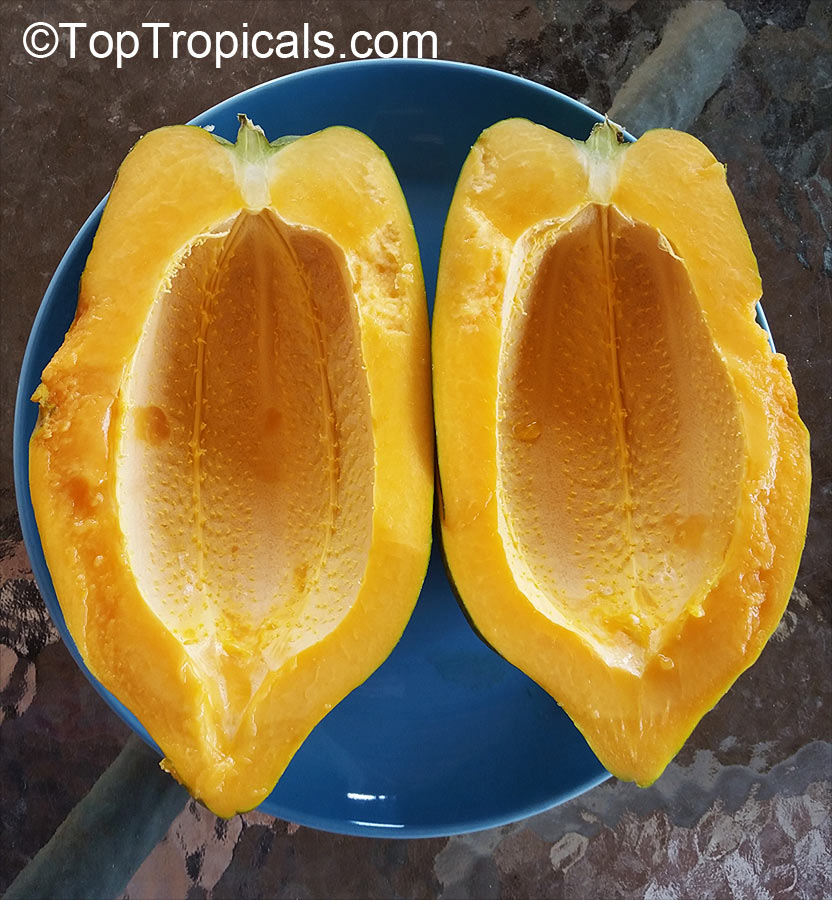
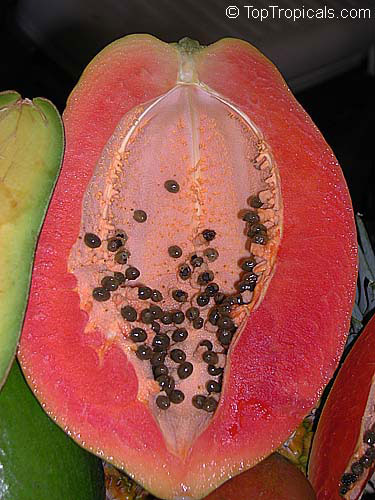
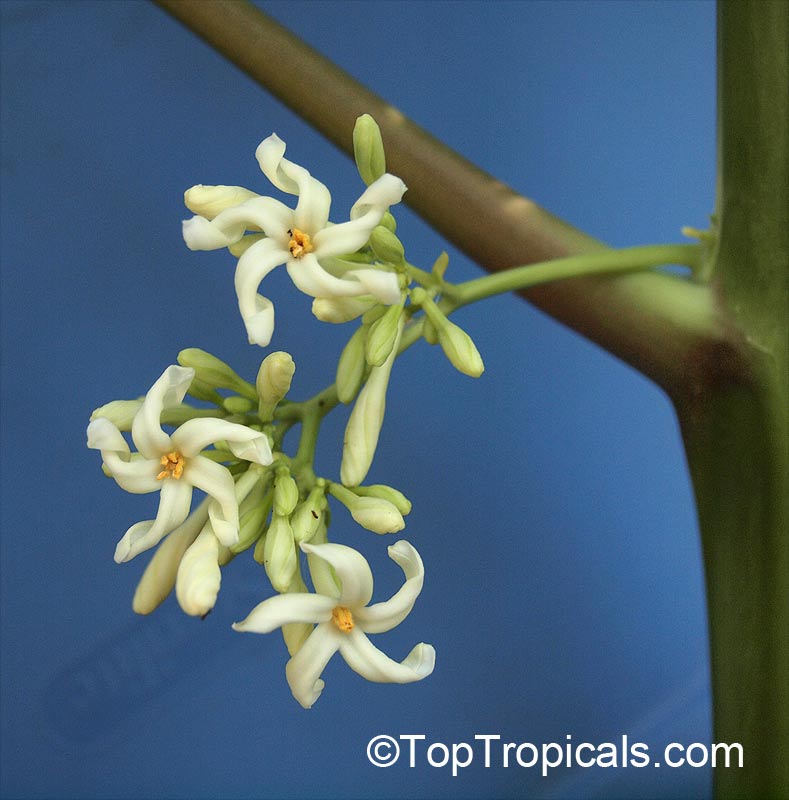
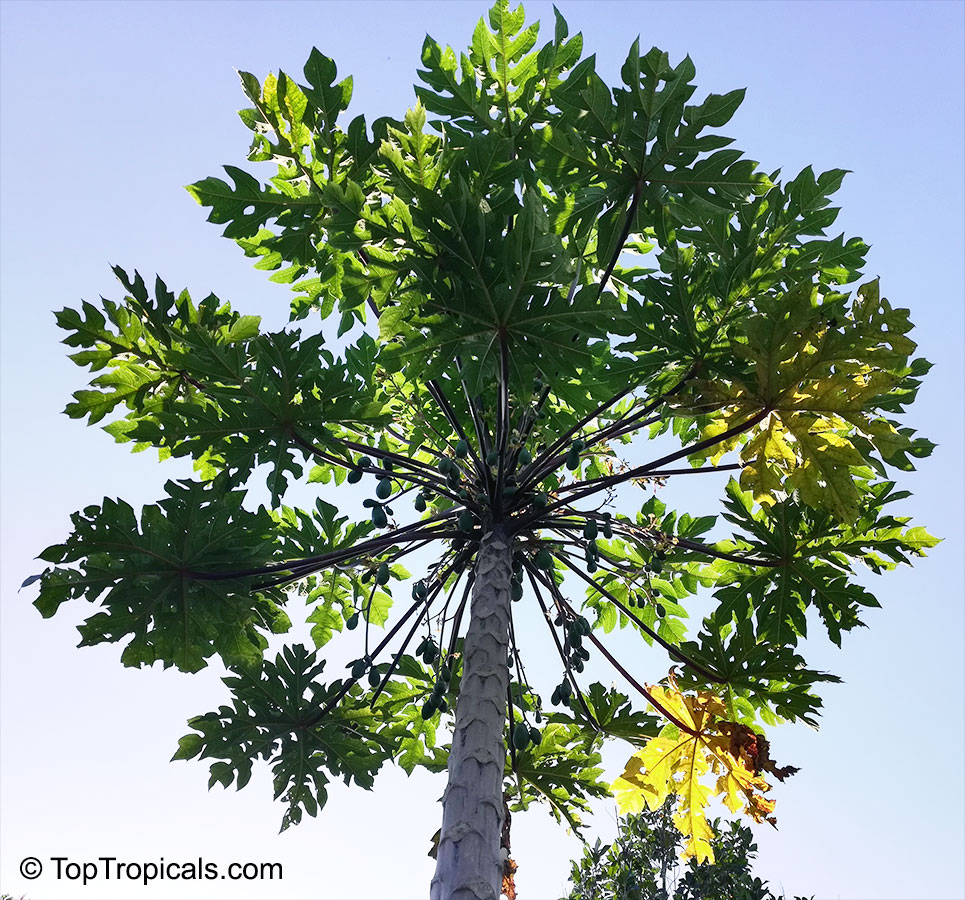
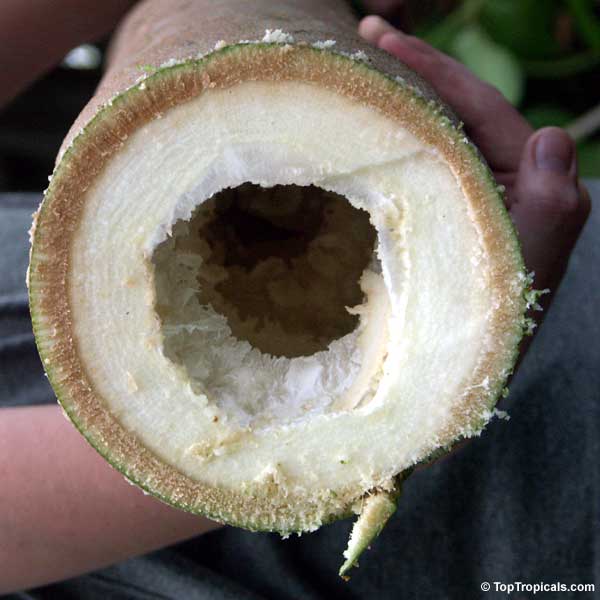
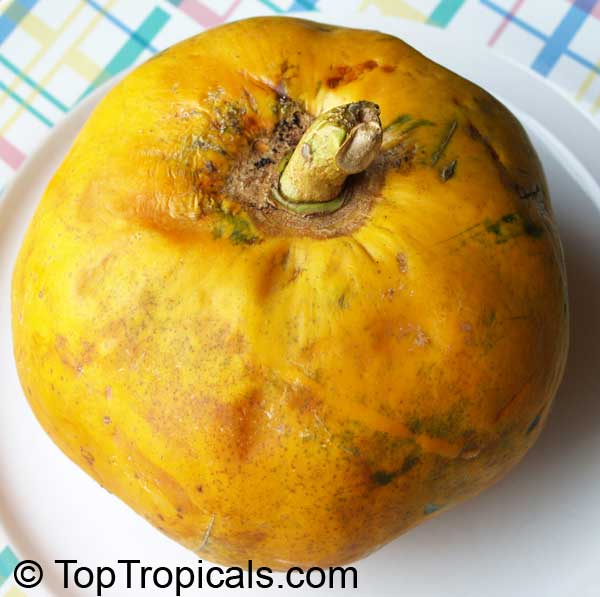
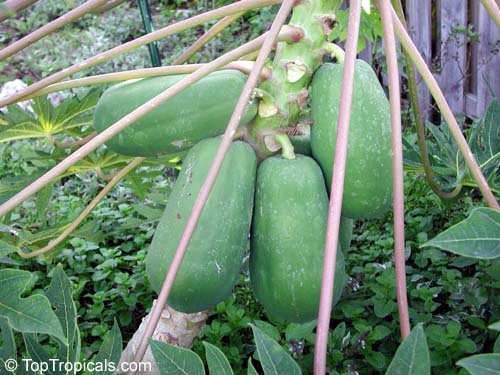
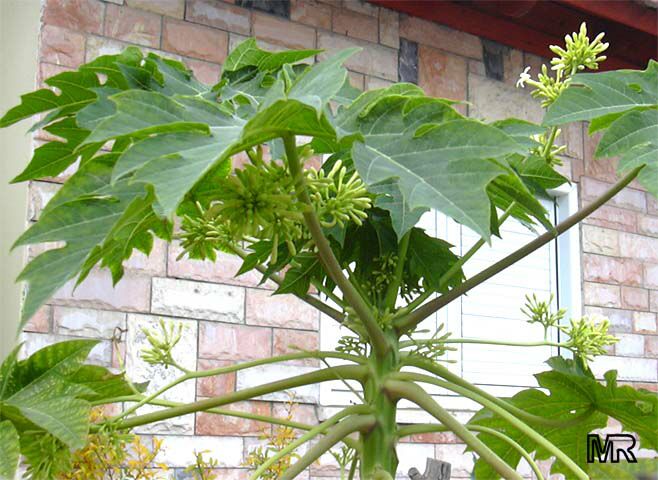
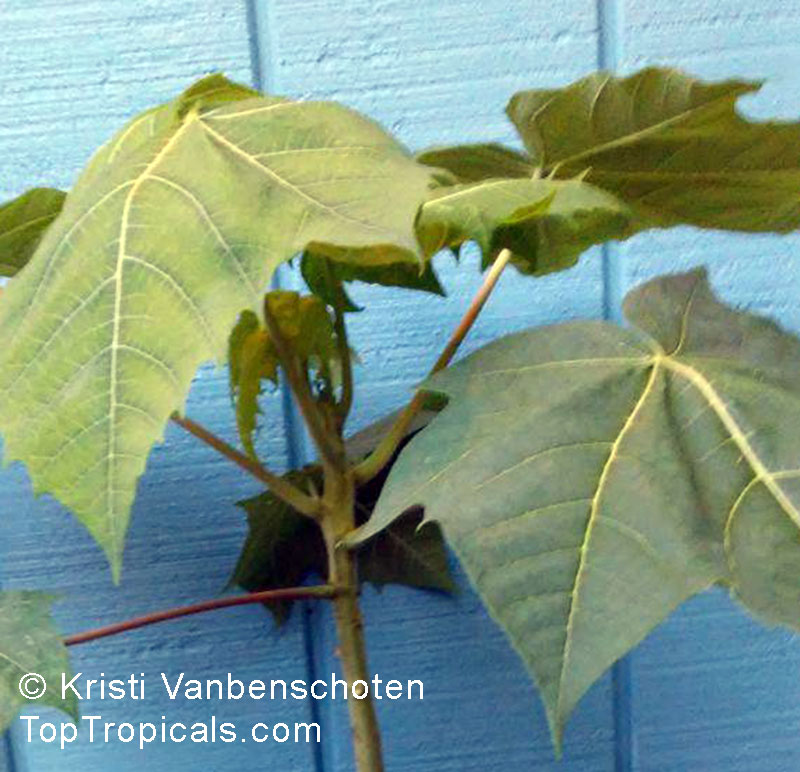
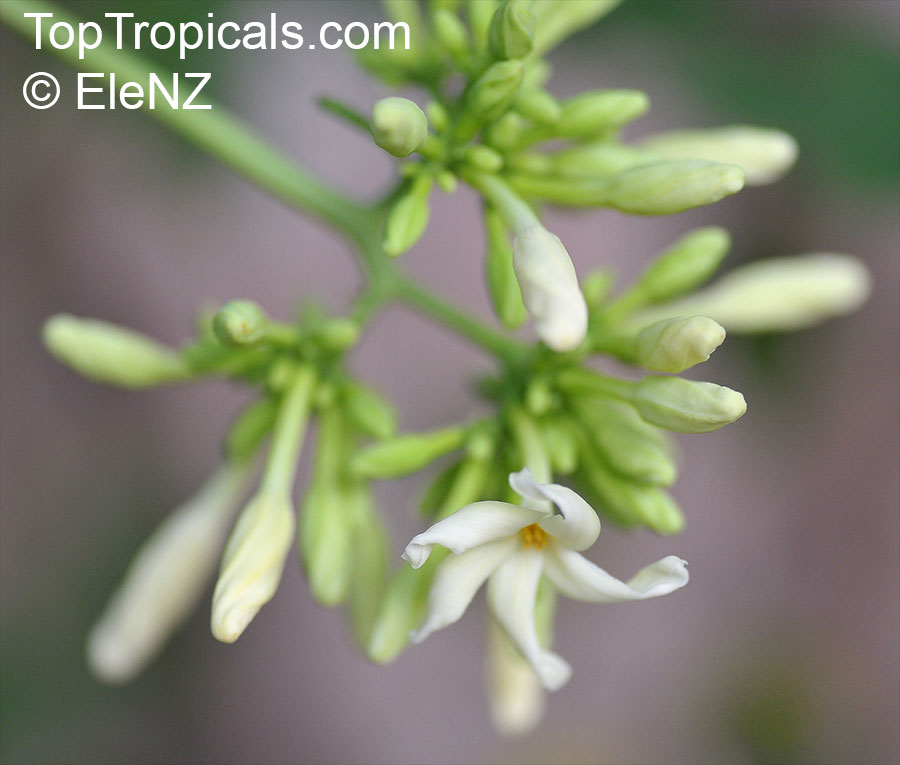
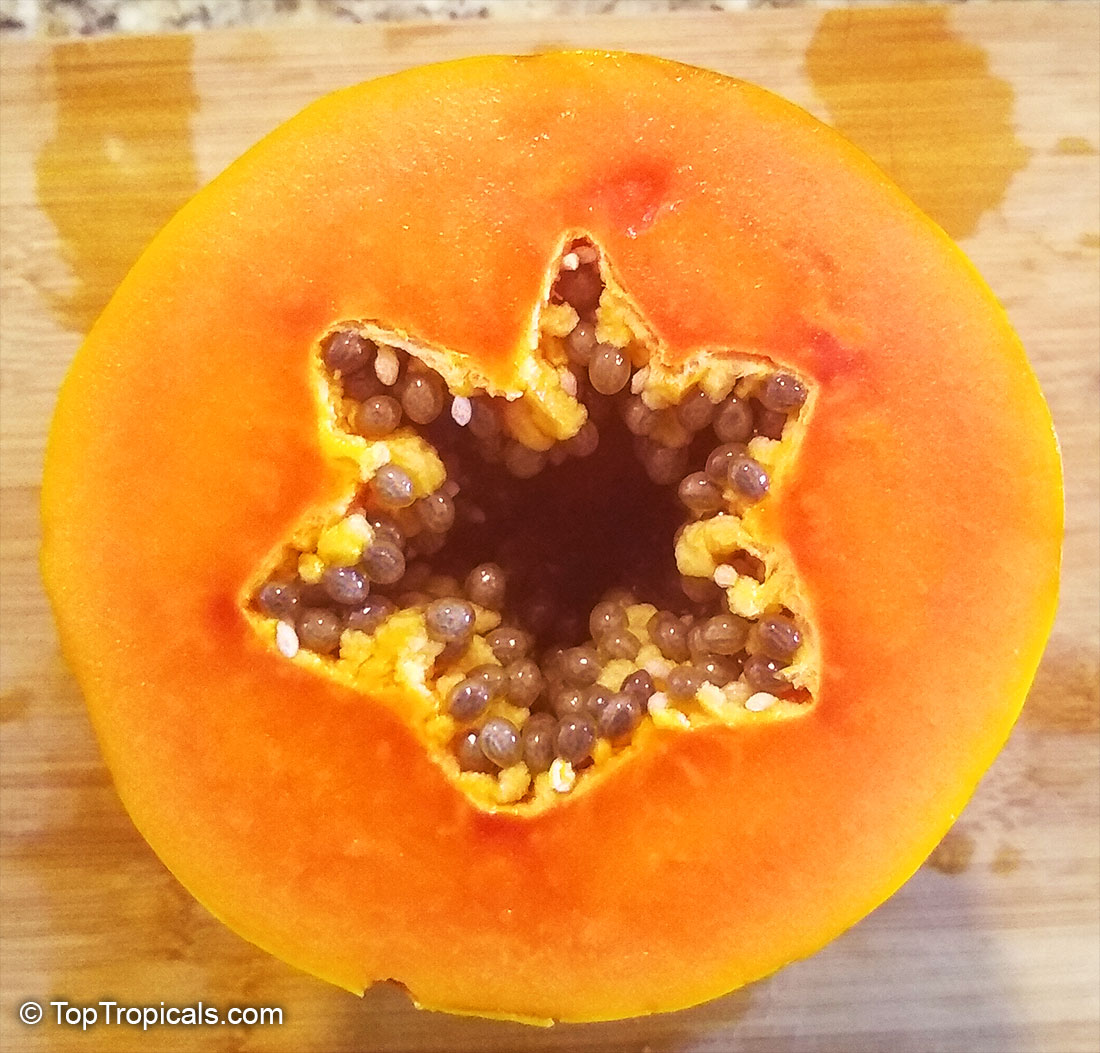
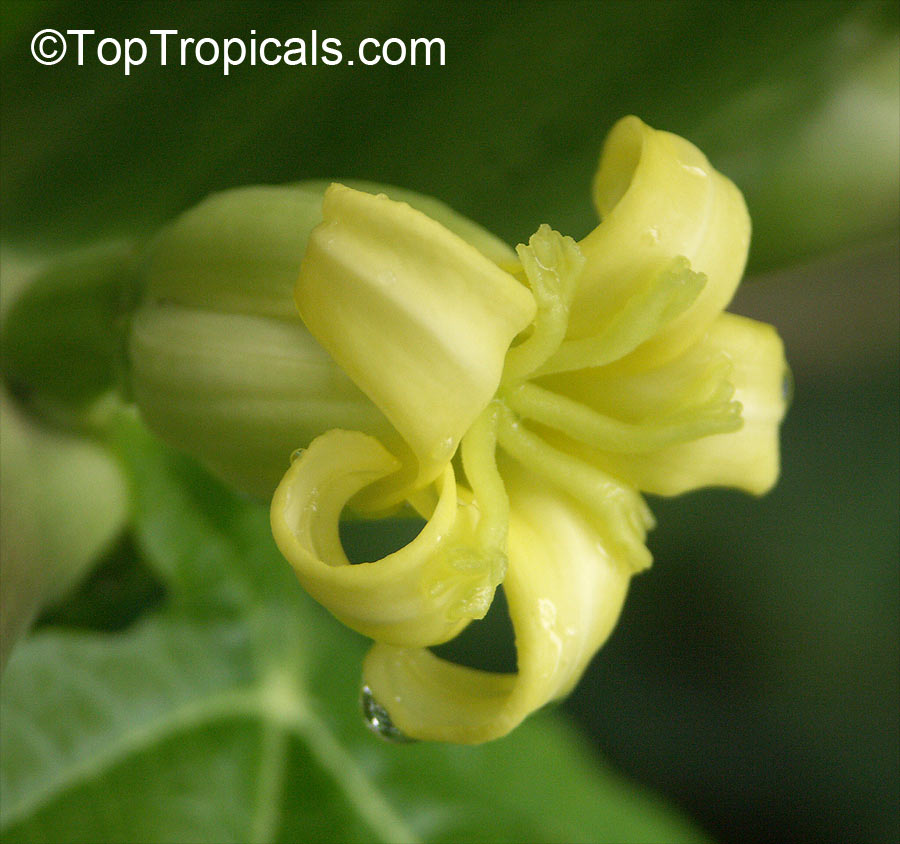
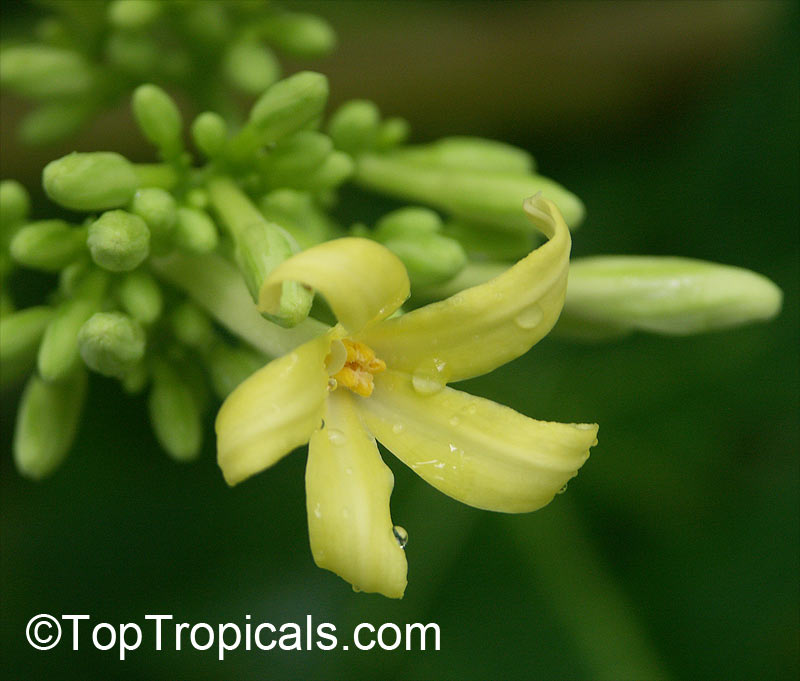
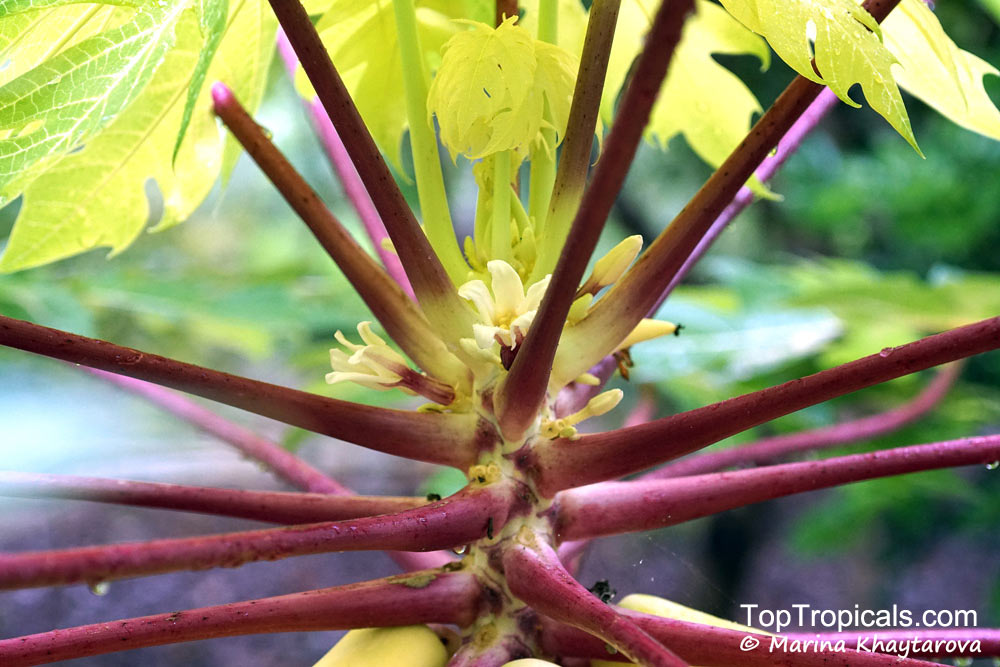
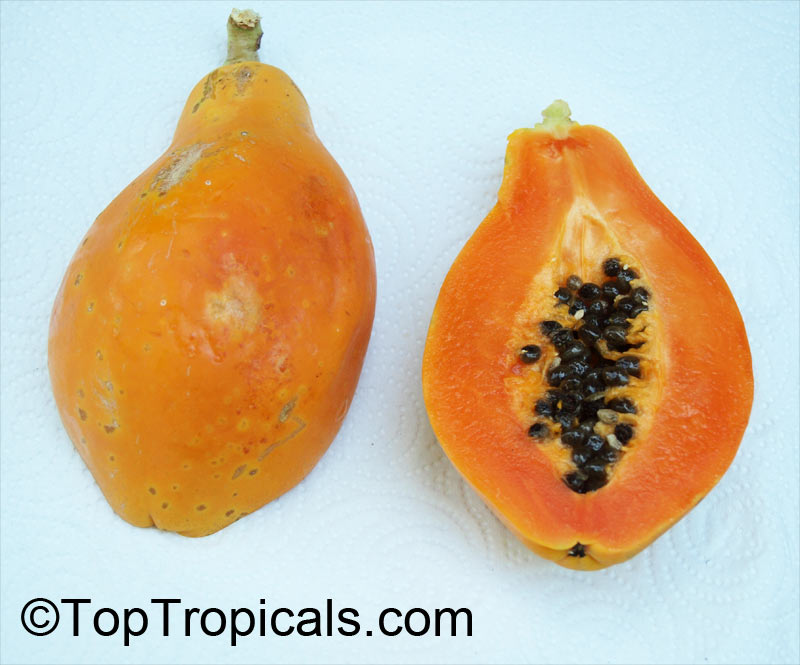
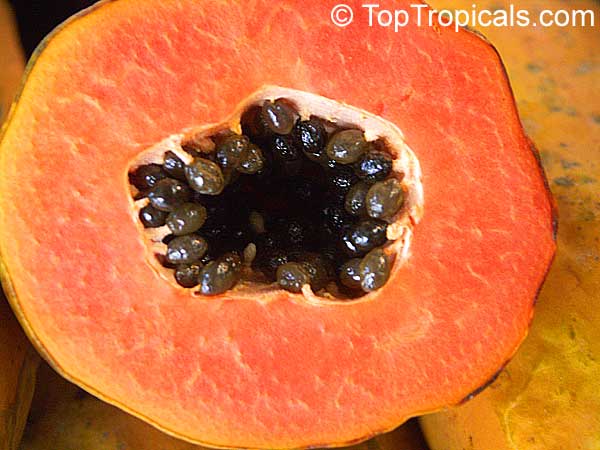
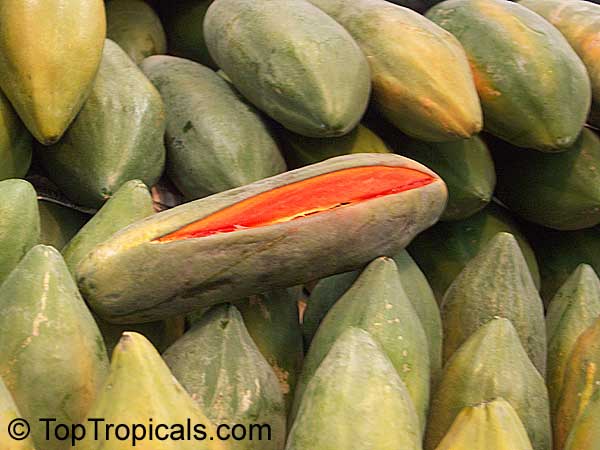
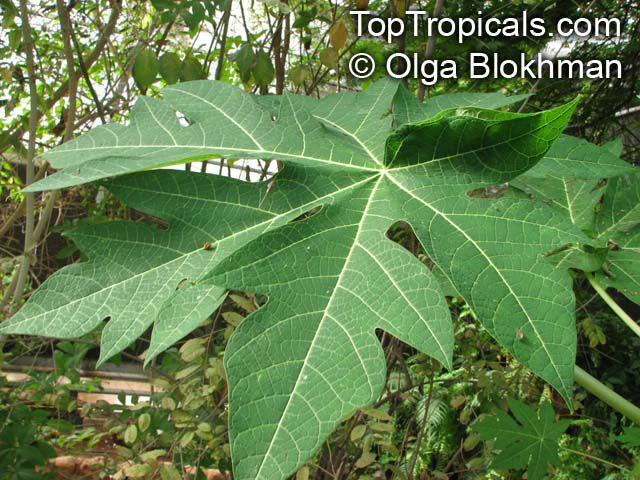
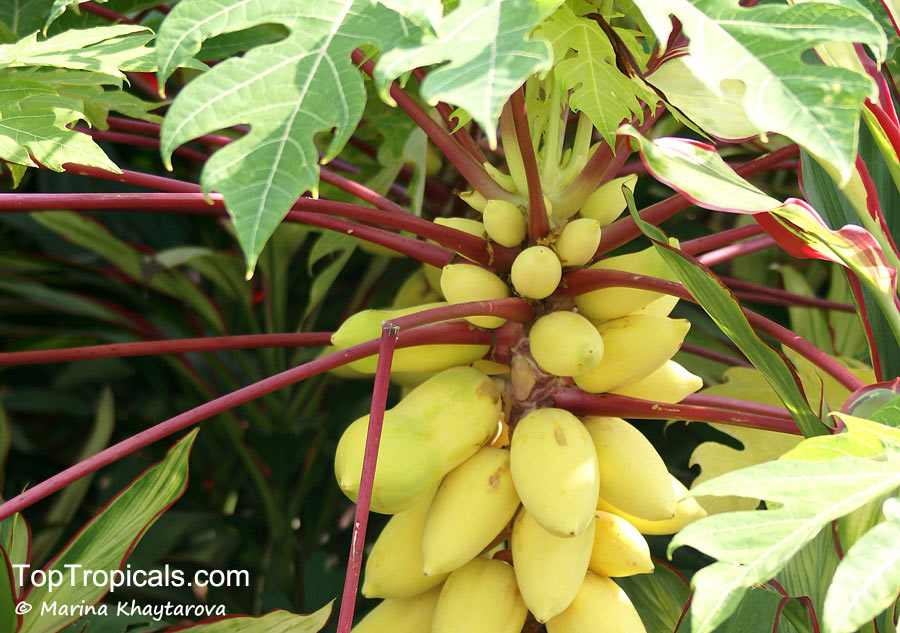
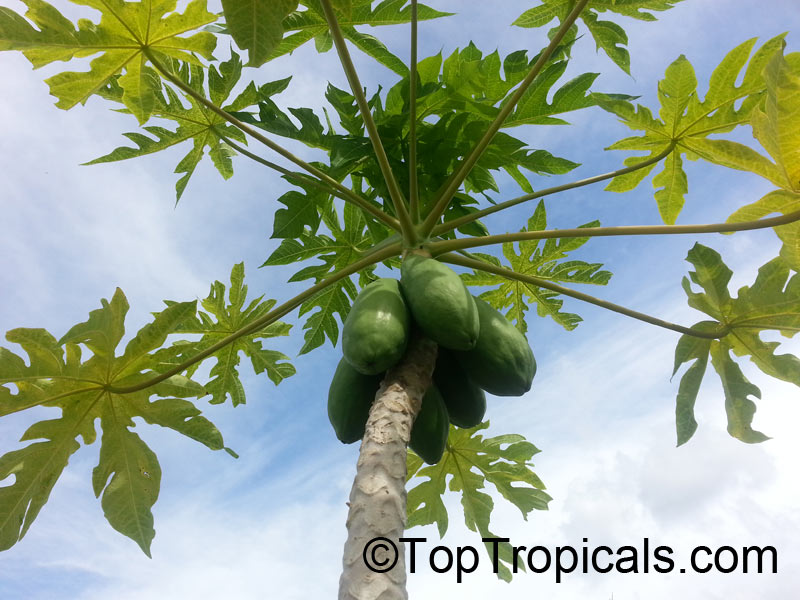
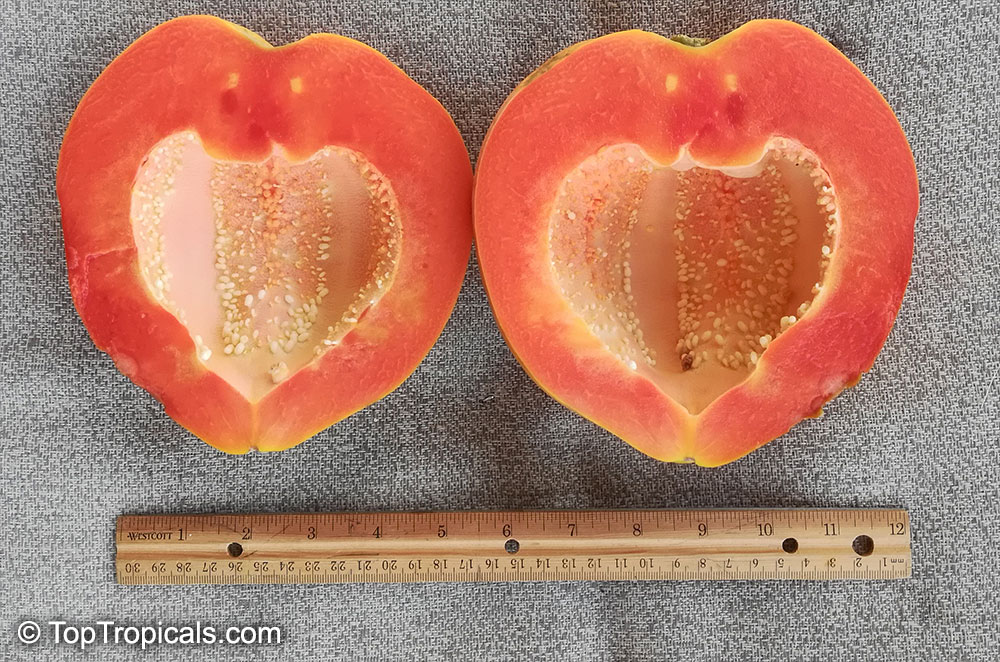
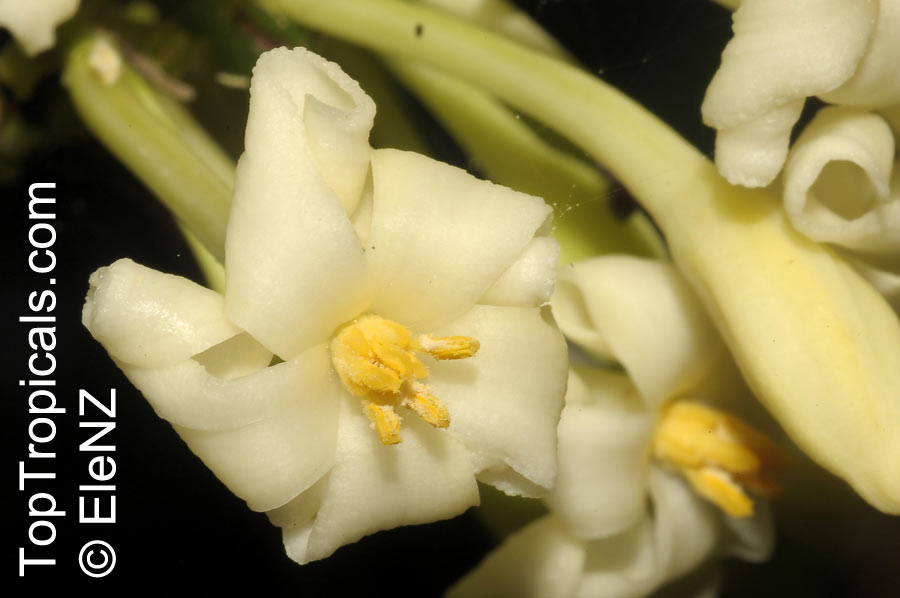
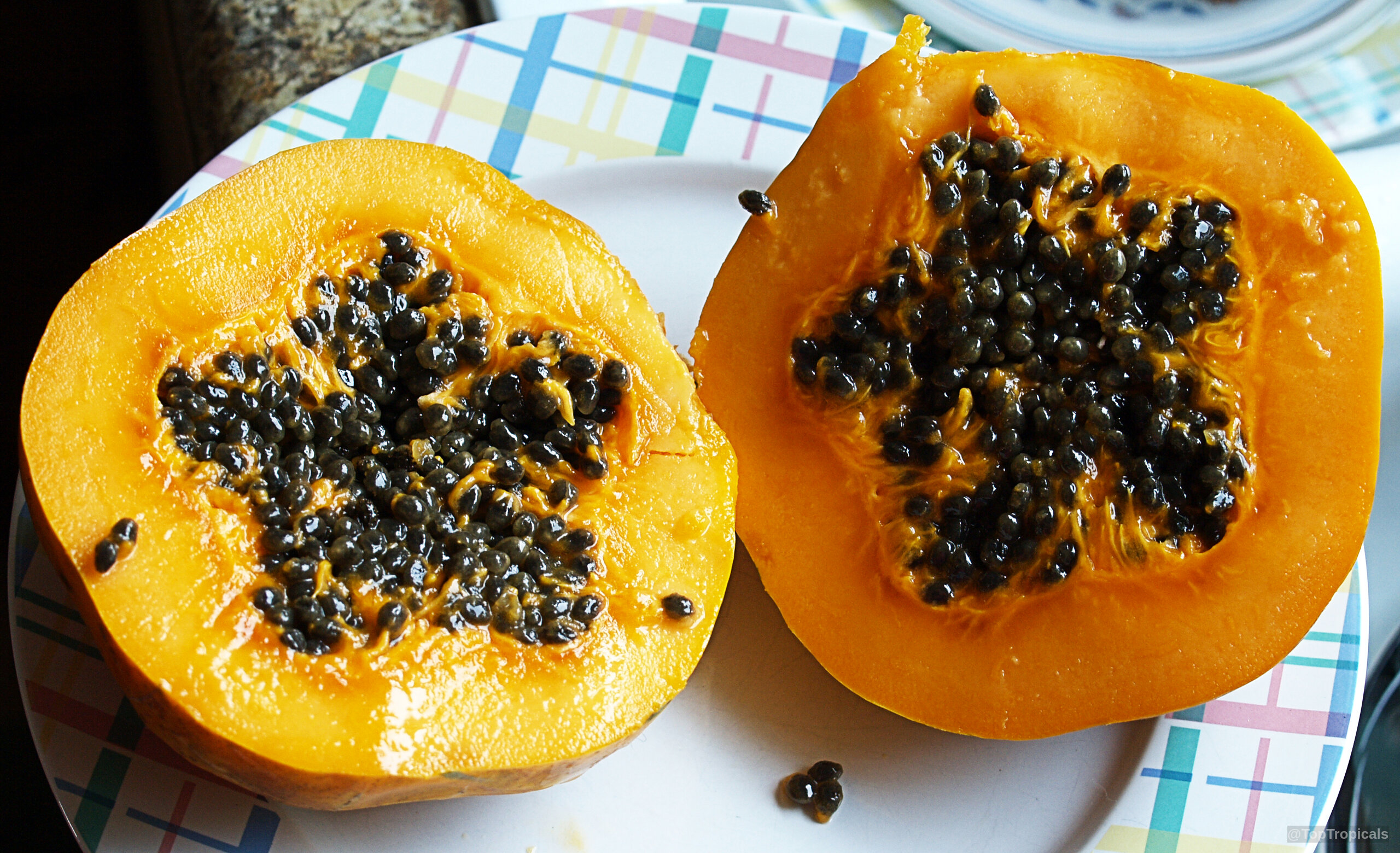
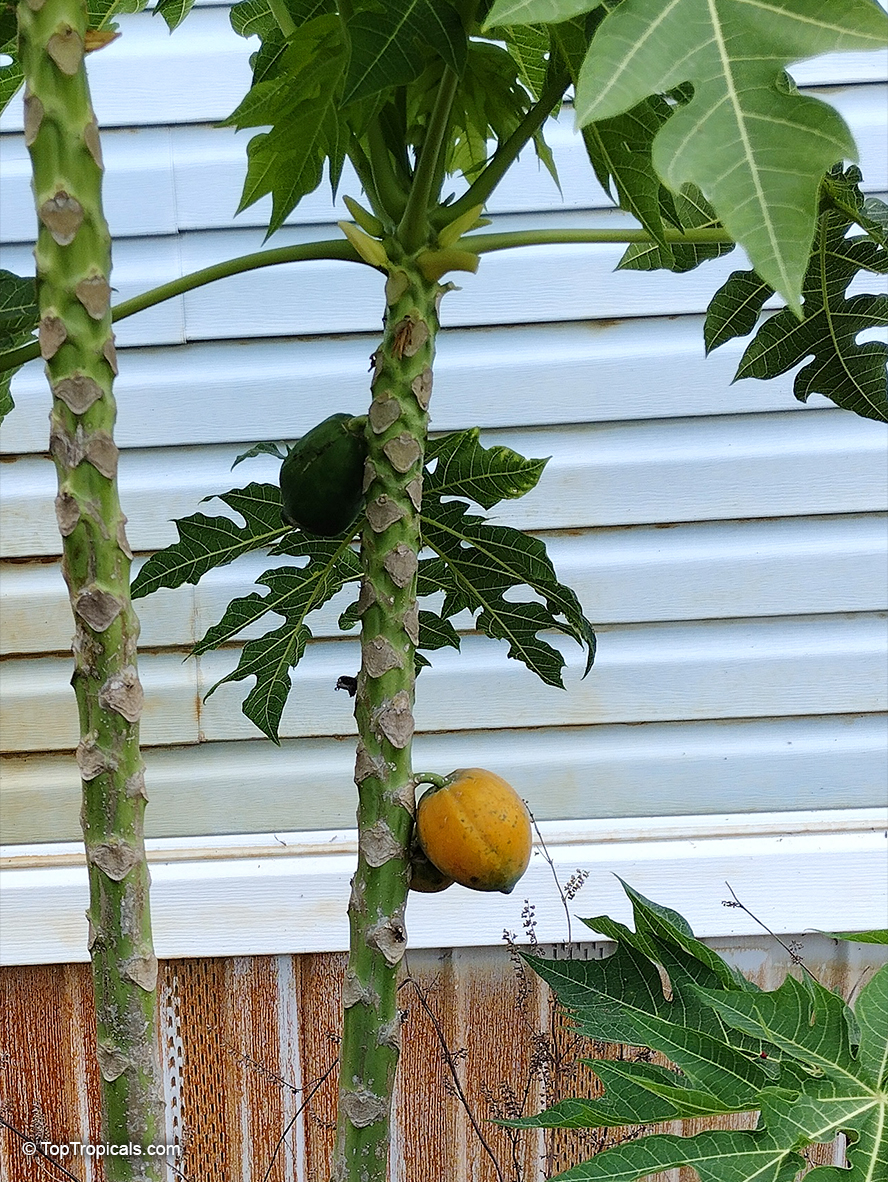
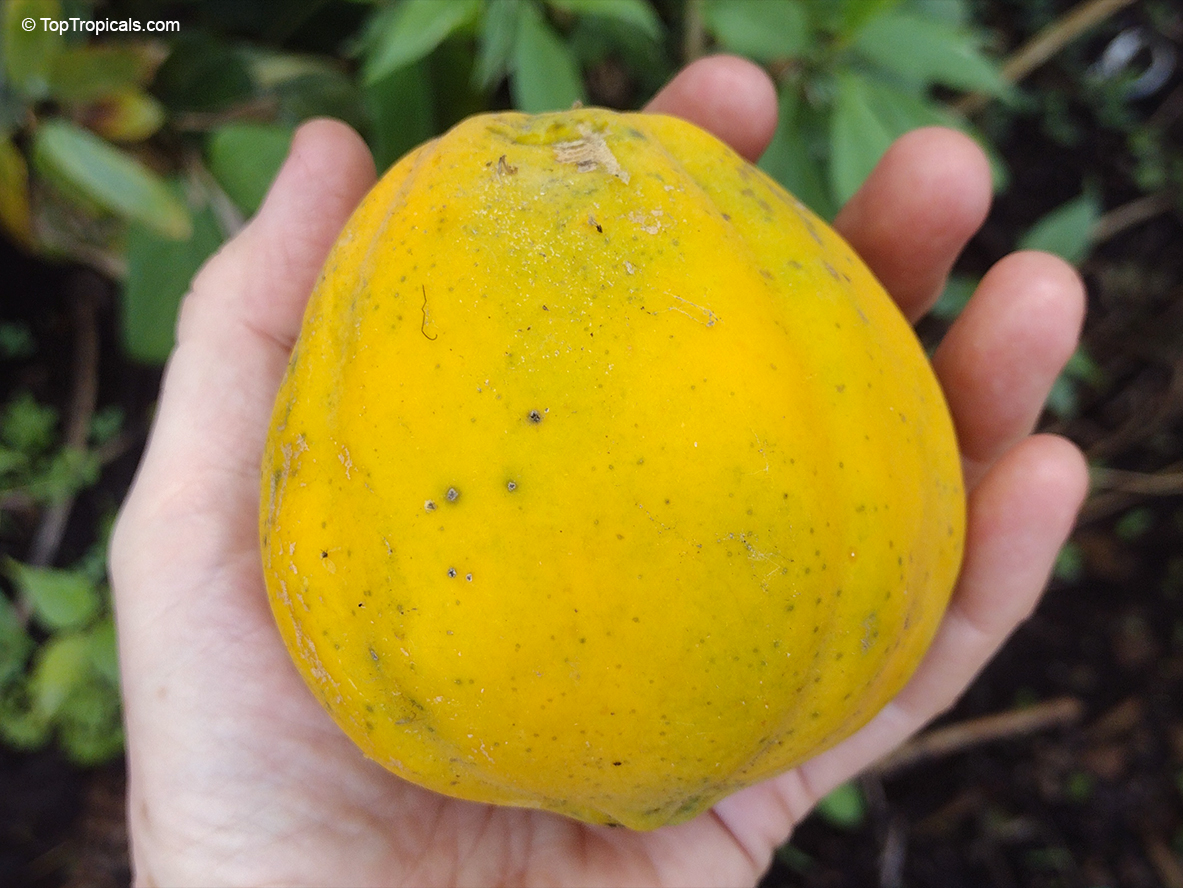
Papaya is a fast growing herbaceous plant with thick, hollow trunk. Leaves lobed to 2' across. Flowers/fruit appear in nodes directly from trunk. Fruit size varies from 1/2 to 20 pounds. Flesh is yellow to orange-red, melon-like. The tree may freeeze at about 31F, young plants are very tender. Plant in full sun, however it grows tall in shade, but produces less fruit. Best to use lots of organic matter and mulch to reduce nematode problems. Best to replant every 4-5 years, although trees live and produce to up to 30 years, but the best fruit quality comes from younger trees. Soil must be well-drained. The delicious fruit of the papaya is good for you as a dessert or as a digestive aid (it contains the enzyme papain, which is essential to digestion). Papaya flowers can be male, female, or hermaphrodite. Solo Papayas are self pollinating.
When starting a plant from seed, first wash the seeds well and remove the slippery outer coating; then sow immediately. Cover with soil and keep in a warm, bright place. Germination should occur in four to eight weeks. Papayas are prone to damping-off. Water copiously in the summer but less frequently in the winter. When repotting, do not disturb root system. Papaya roots are very sensitive for transplanting.
Fun facts about Papaya:
Not a tree: Papaya is technically a giant herb with a single, straight trunk that can grow up to 30 feet tall.
Gender flexible: Papaya plants can change their gender based on environmental conditions. This complex mechanism ensures better adaptability.
Cold and wind resistant: Papayas can withstand light freezes and strong winds, making them surprisingly hardy for a tropical plant.
Solo cultivars: These smaller, round or oval papayas are incredibly sweet and less susceptible to fruit flies.
Learn more: How to grow a Papaya Tree: Practical Guide






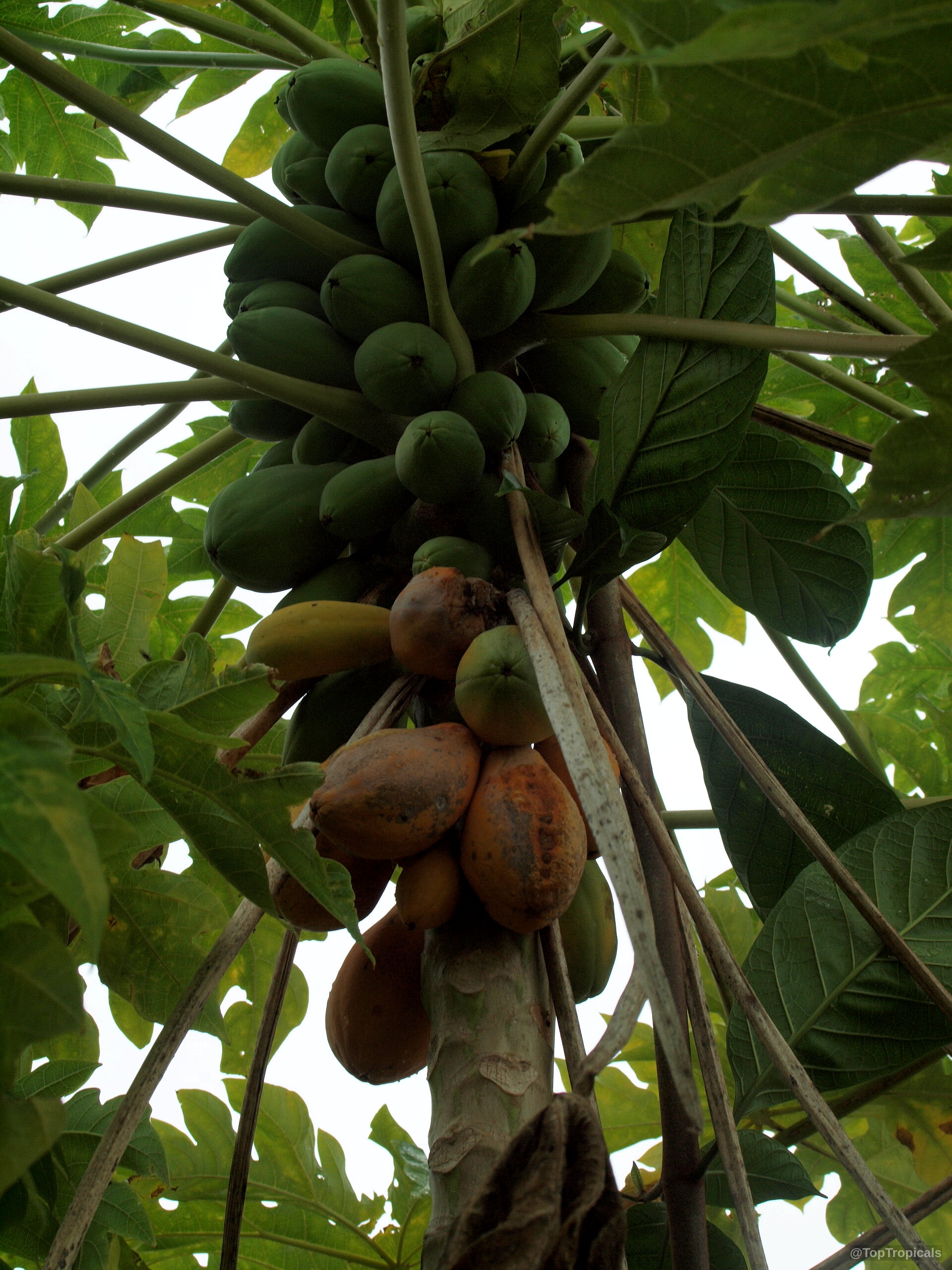
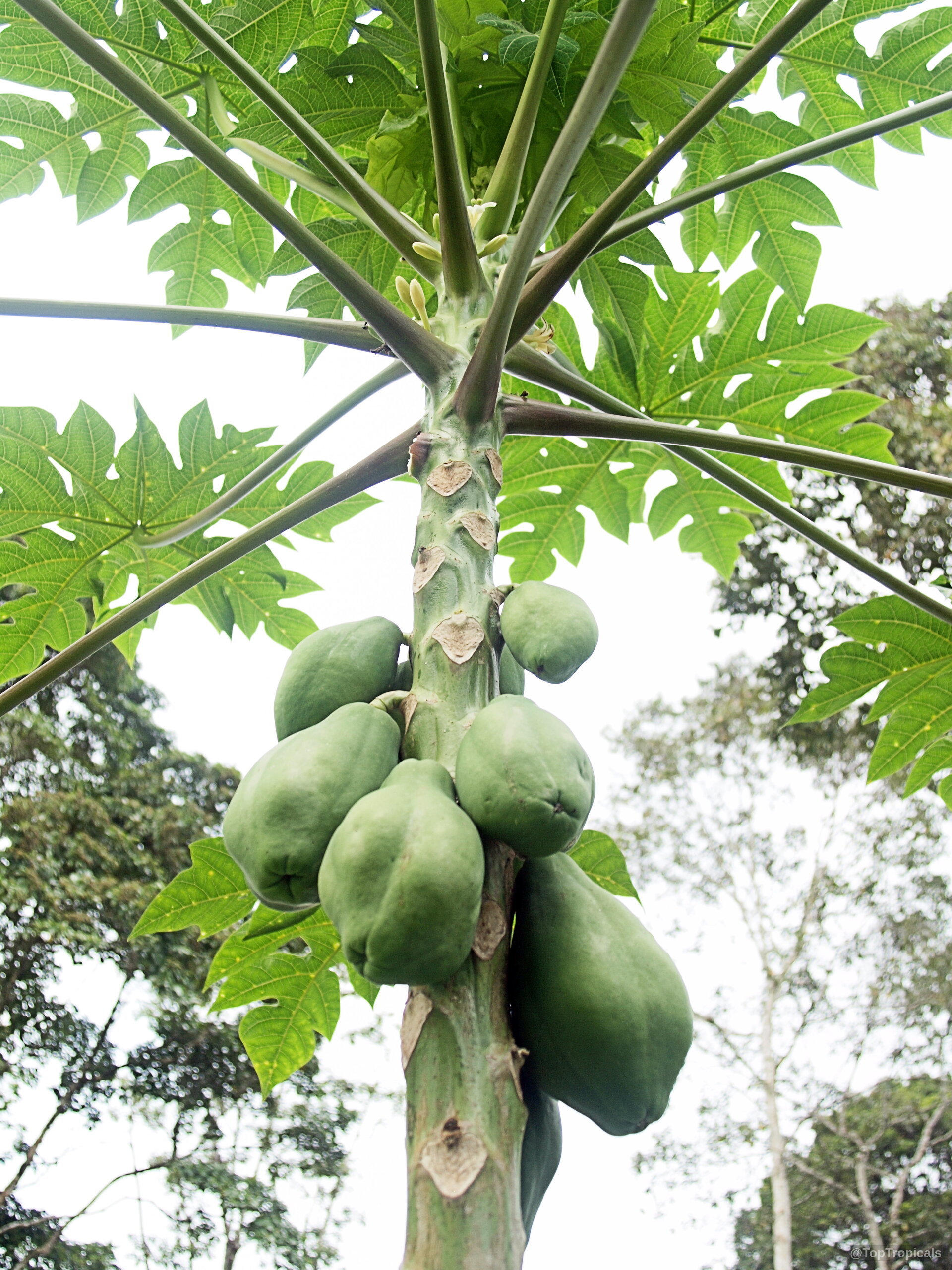
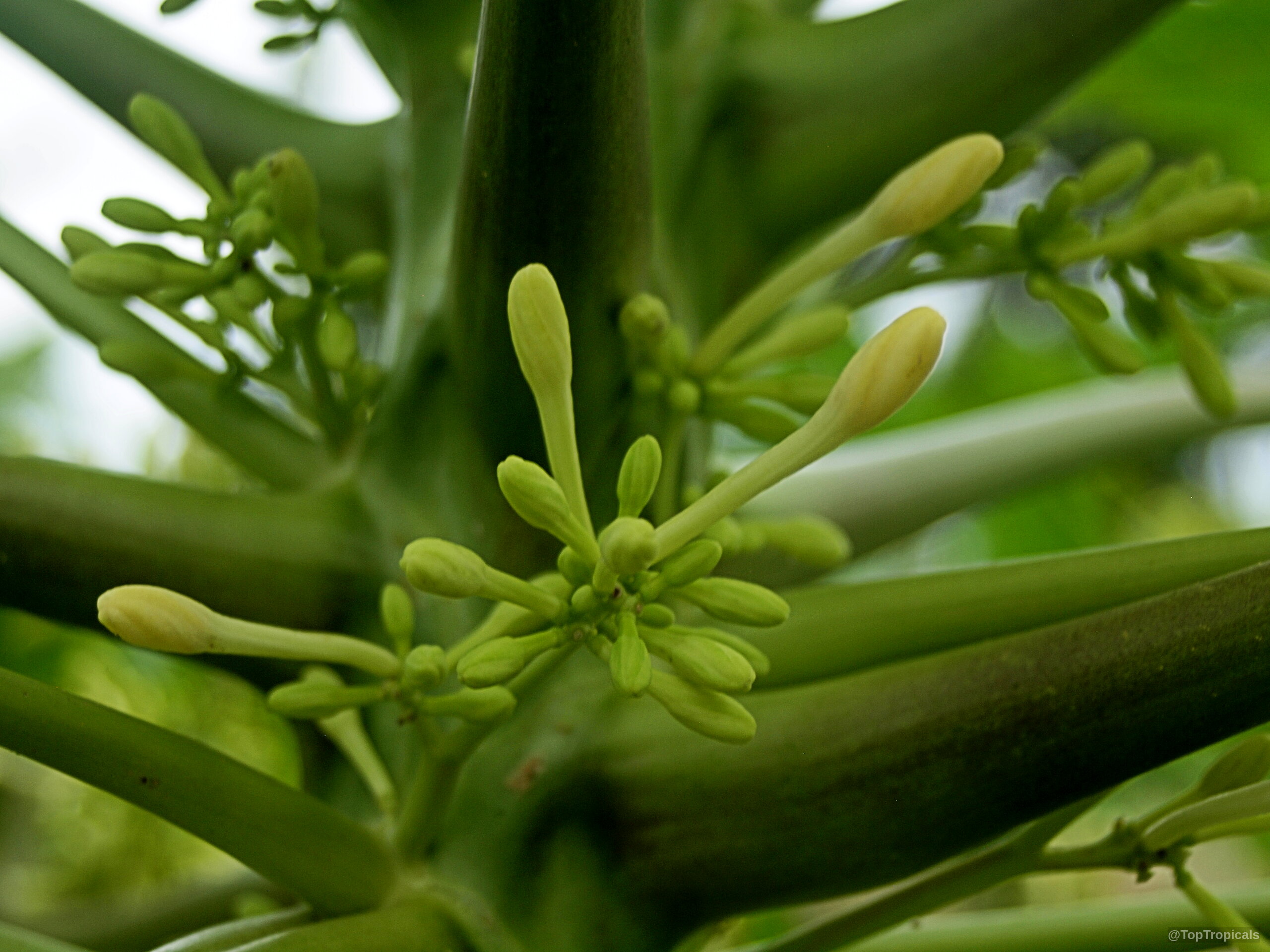


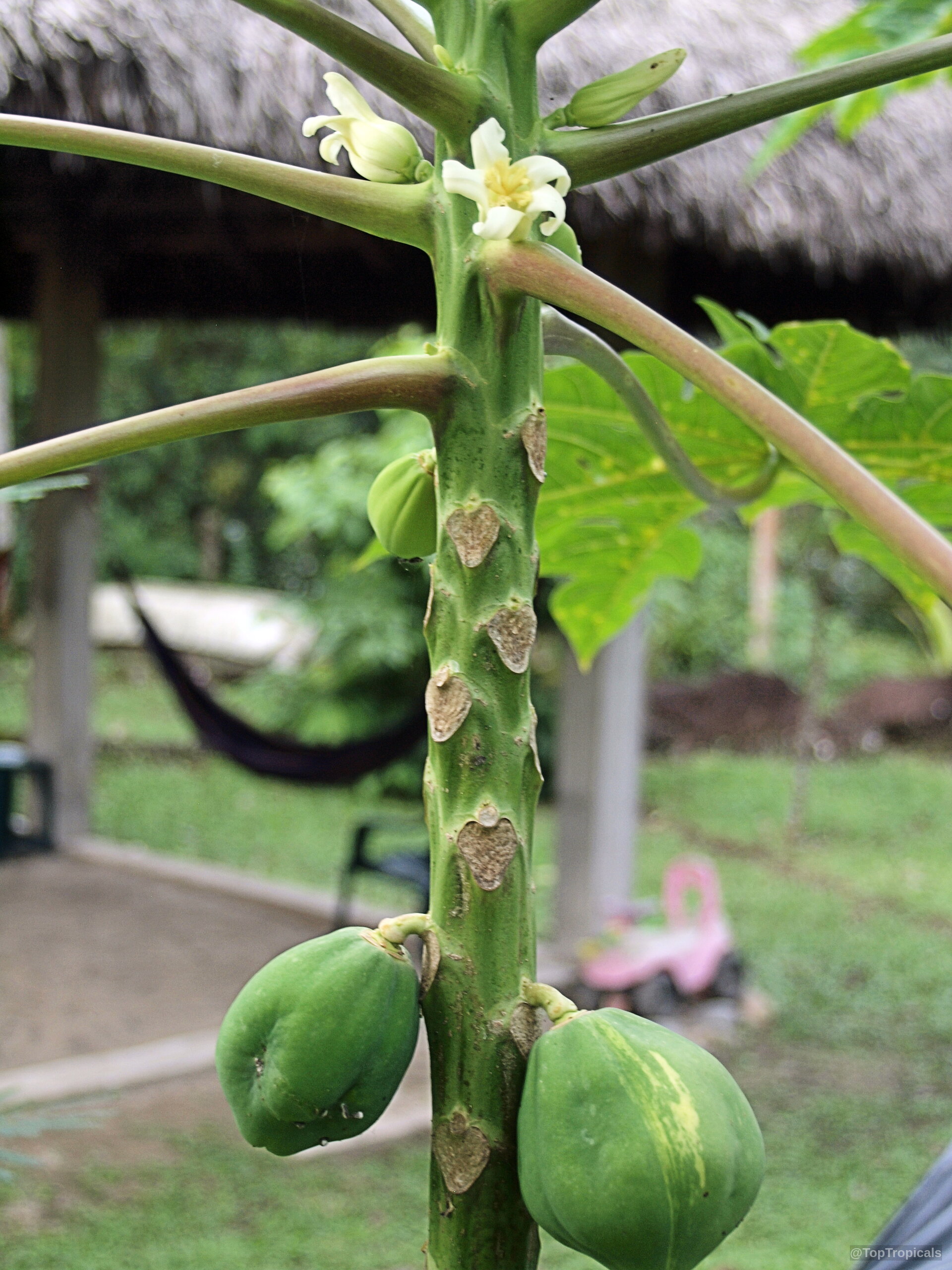
Shipped at customers risk, no replacements or refunds. Leaf drop possible. We guarantee healthy plant to be shipped and the best packaging. Express shipping optional.
Recommended Fertilizer: SUNSHINE C-Cibus - Crop Nutrition Booster
SUNSHINE-Honey - sugar booster
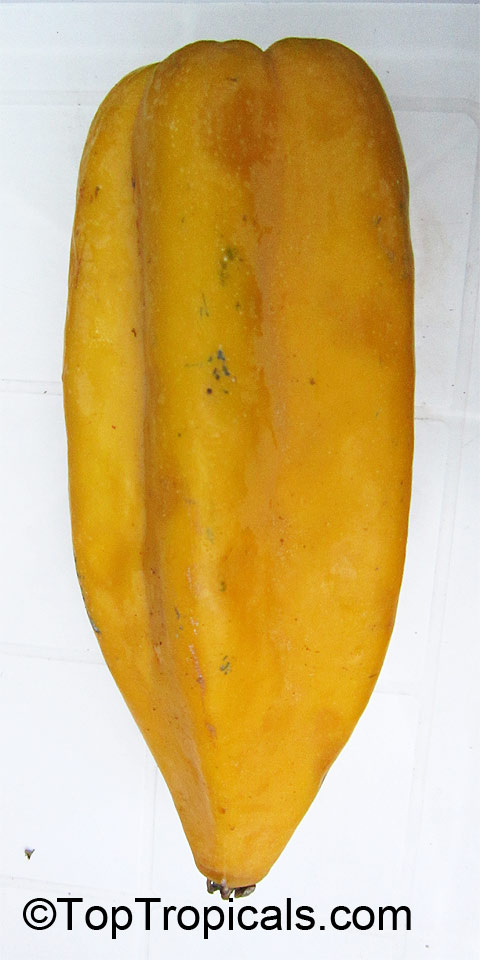
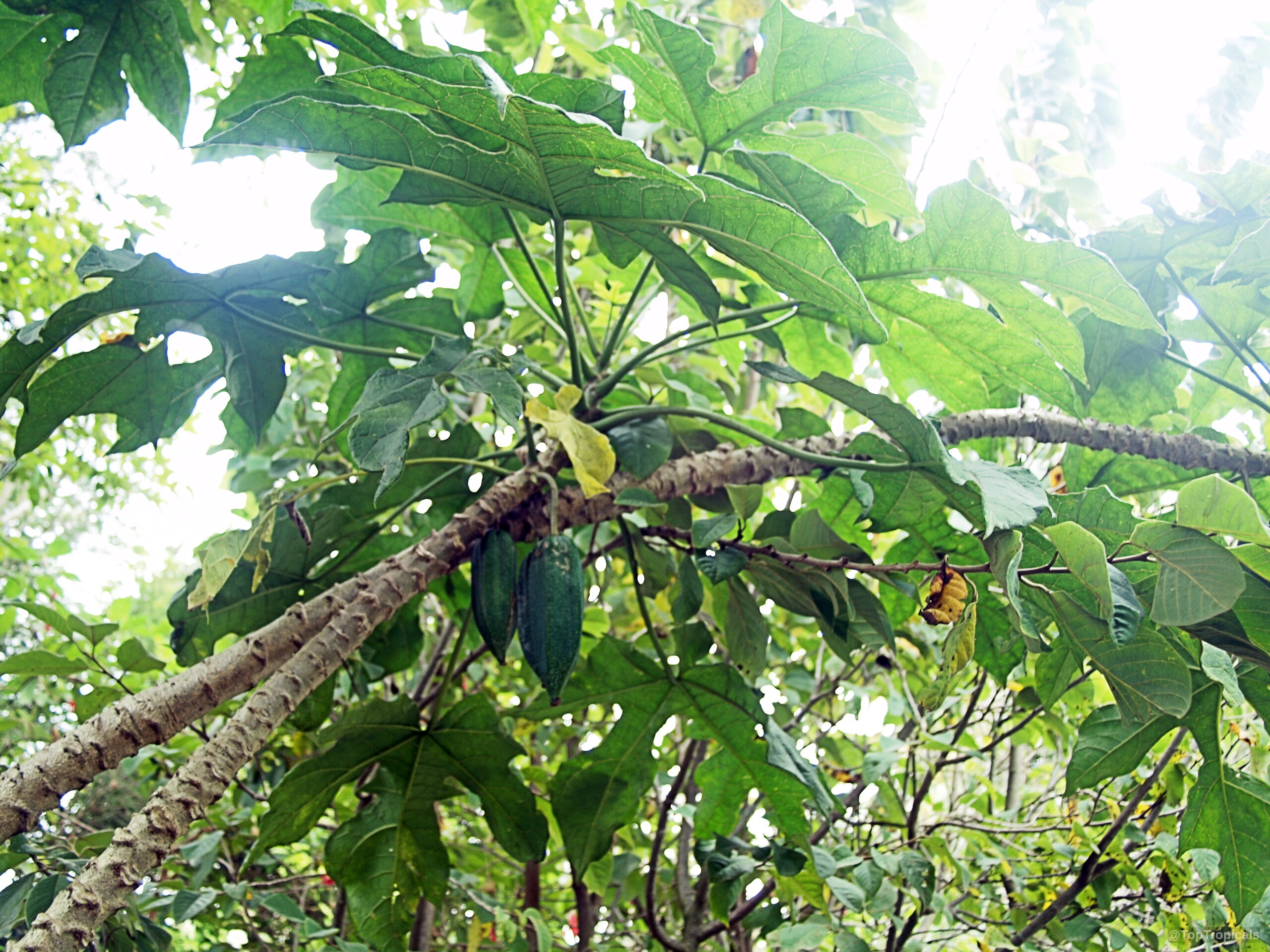
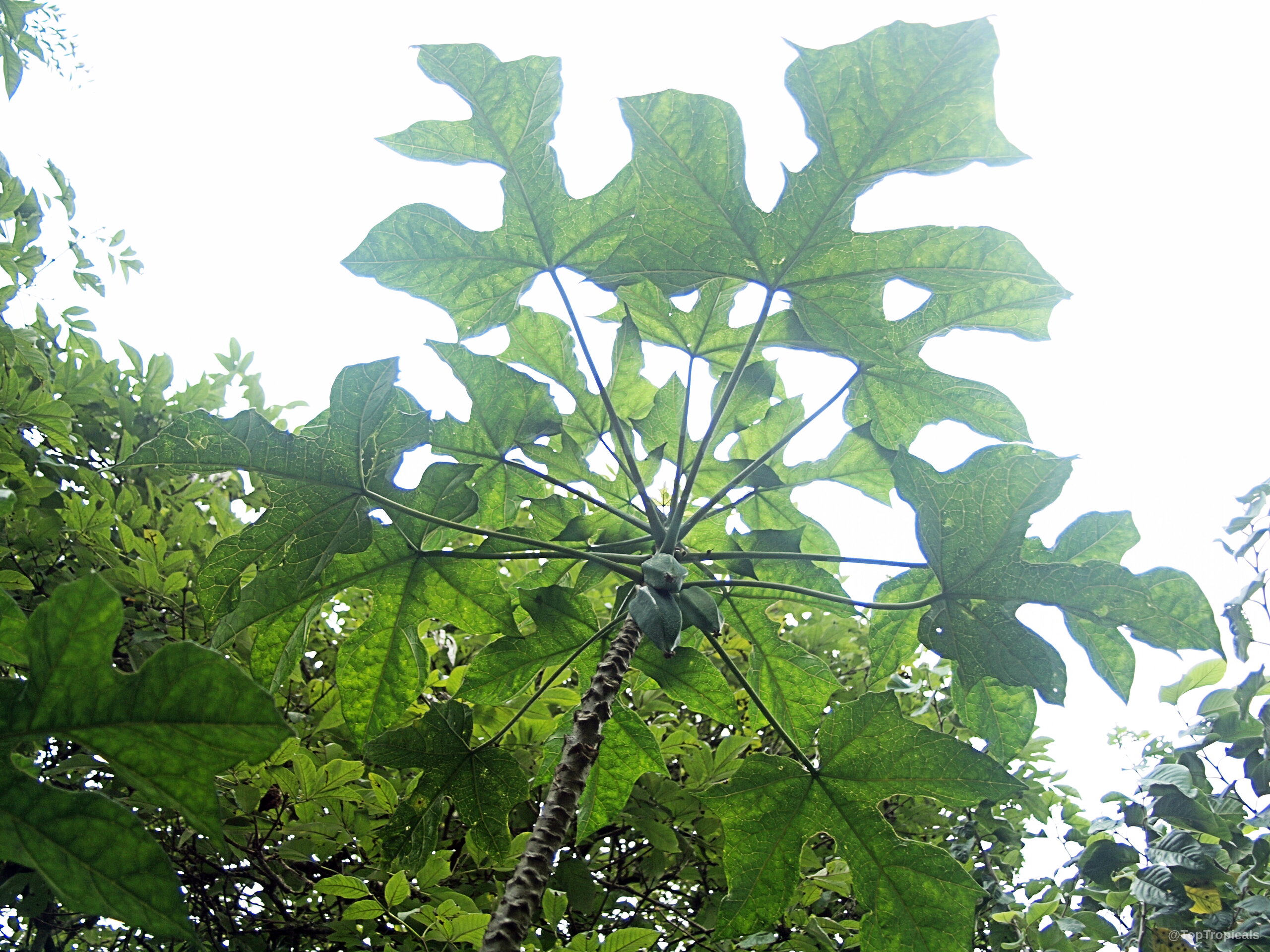
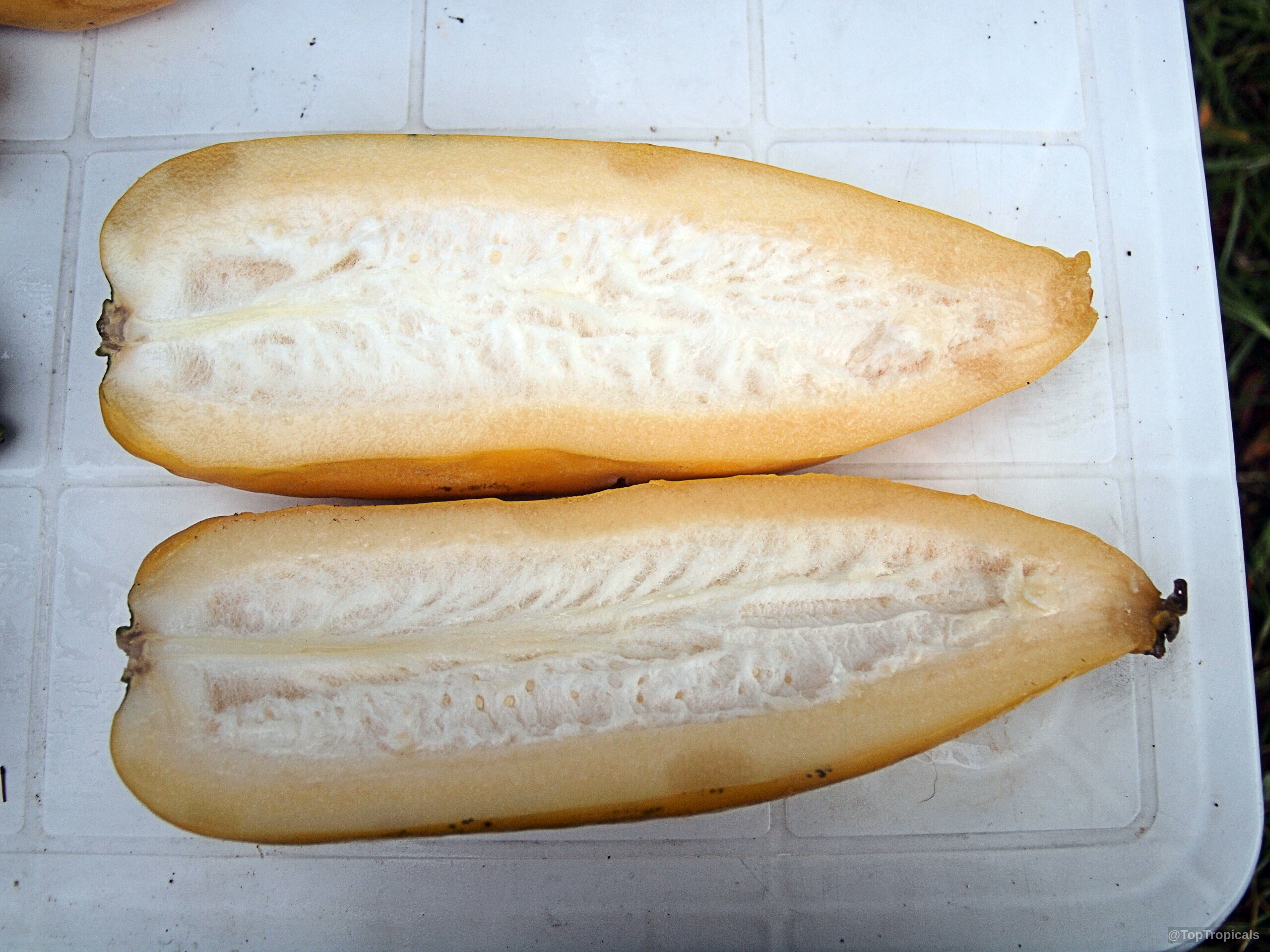
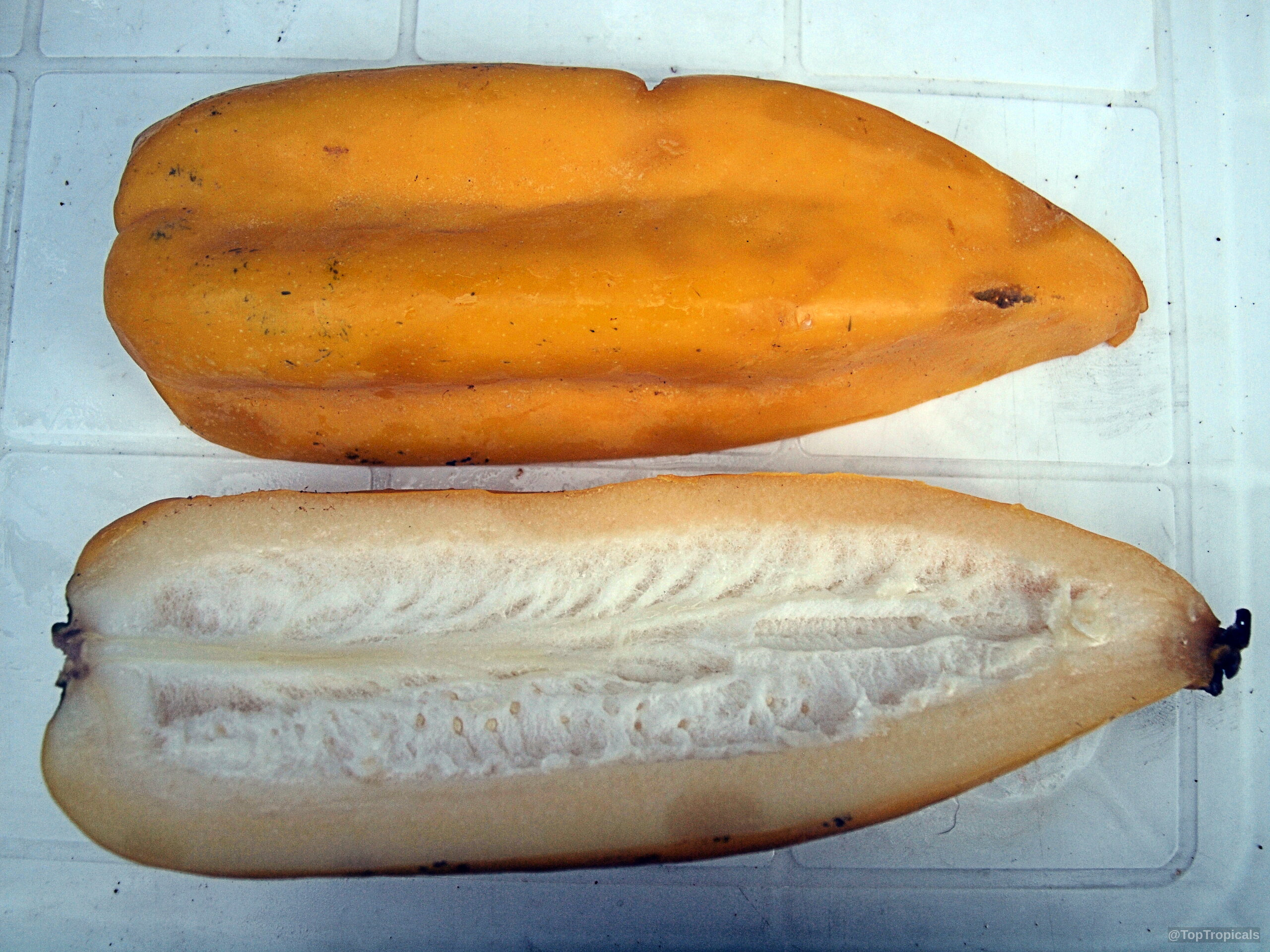
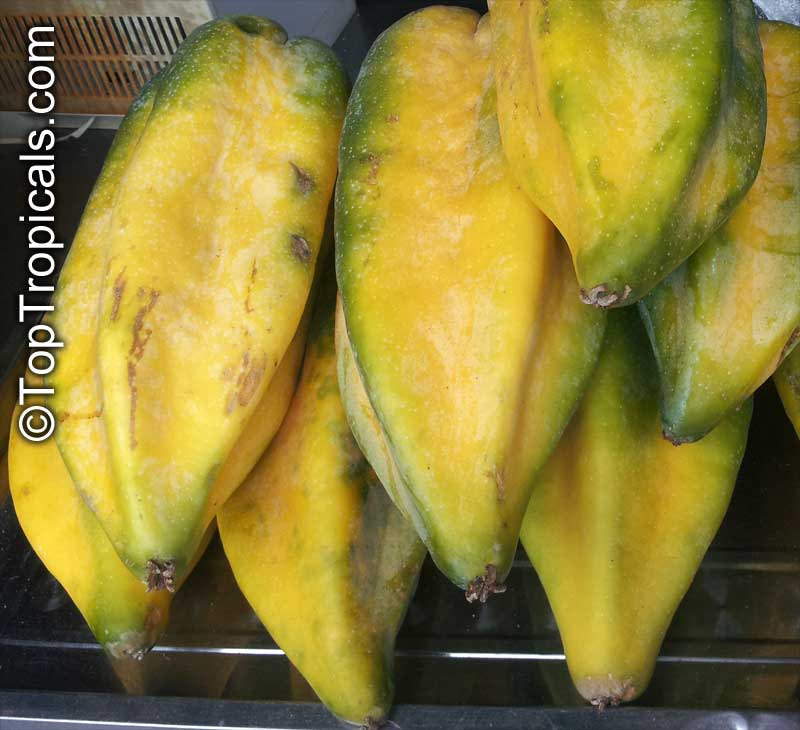
Botanical name: Carica pentagona
Common names: Champagne Fruit, Babaco
Family: Caricaceae
Origin: Tropical America
USDA Zone: 9-10

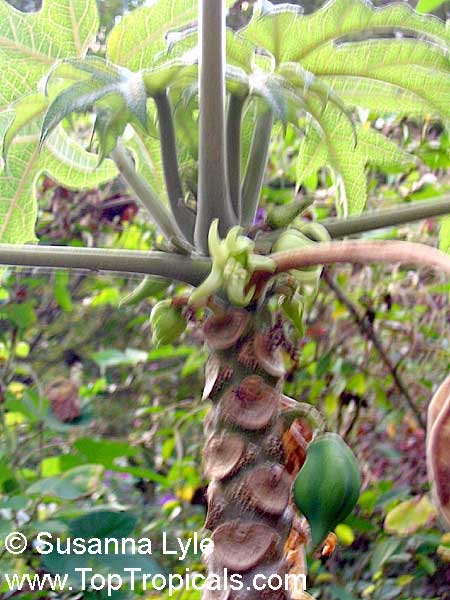
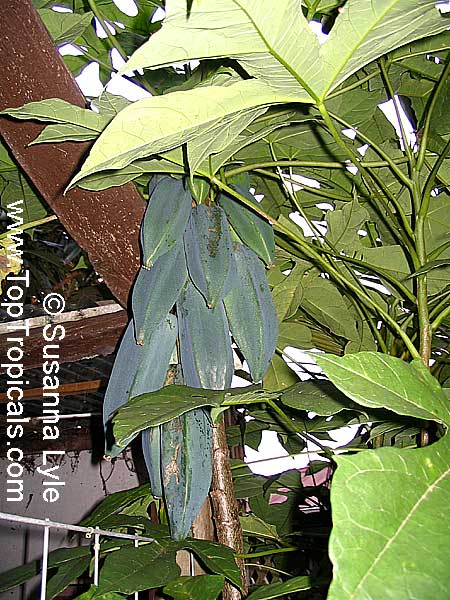
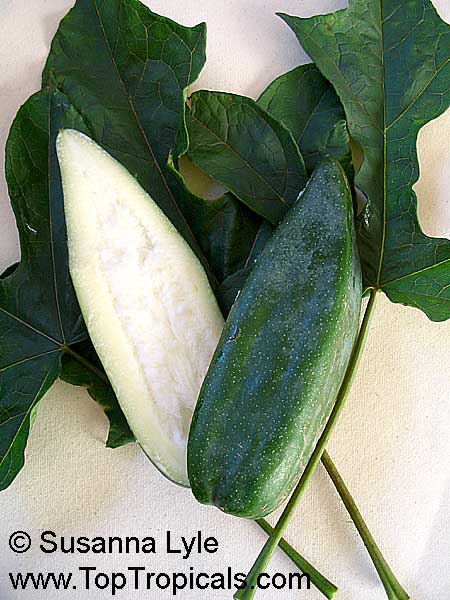
This attractive torpedo shaped fruit has an effervescent flesh hence its other name the Champagne fruit. The texture of the golden fruit is light and refreshing. The slightly acid flavor has a hint of strawberry, pineapple and pawpaw and can be made into a tasty thirst quenching drink. The unripe green fruit is delicious used as a green vegetable in curries and chutney. A very close relative of Carica papaya,
the babaco needs fertile well-drained soil and warm conditions to grow well.

Use link to repeat this search:
https://toptropicals.com/cgi-bin/garden_catalog/cat.cgi?find=Carica papaya&search_op=and&keyword_op=and&language=e&number=10
&no_change_lang=1&user=tt&sale=1&first=0