Anthurium - Plant Encyclopedia Results (Page 3)
| Number of plants found: 34 |  | Prev | Next | 
|
Go to page: | 1 | 2 | 3 | 4 |
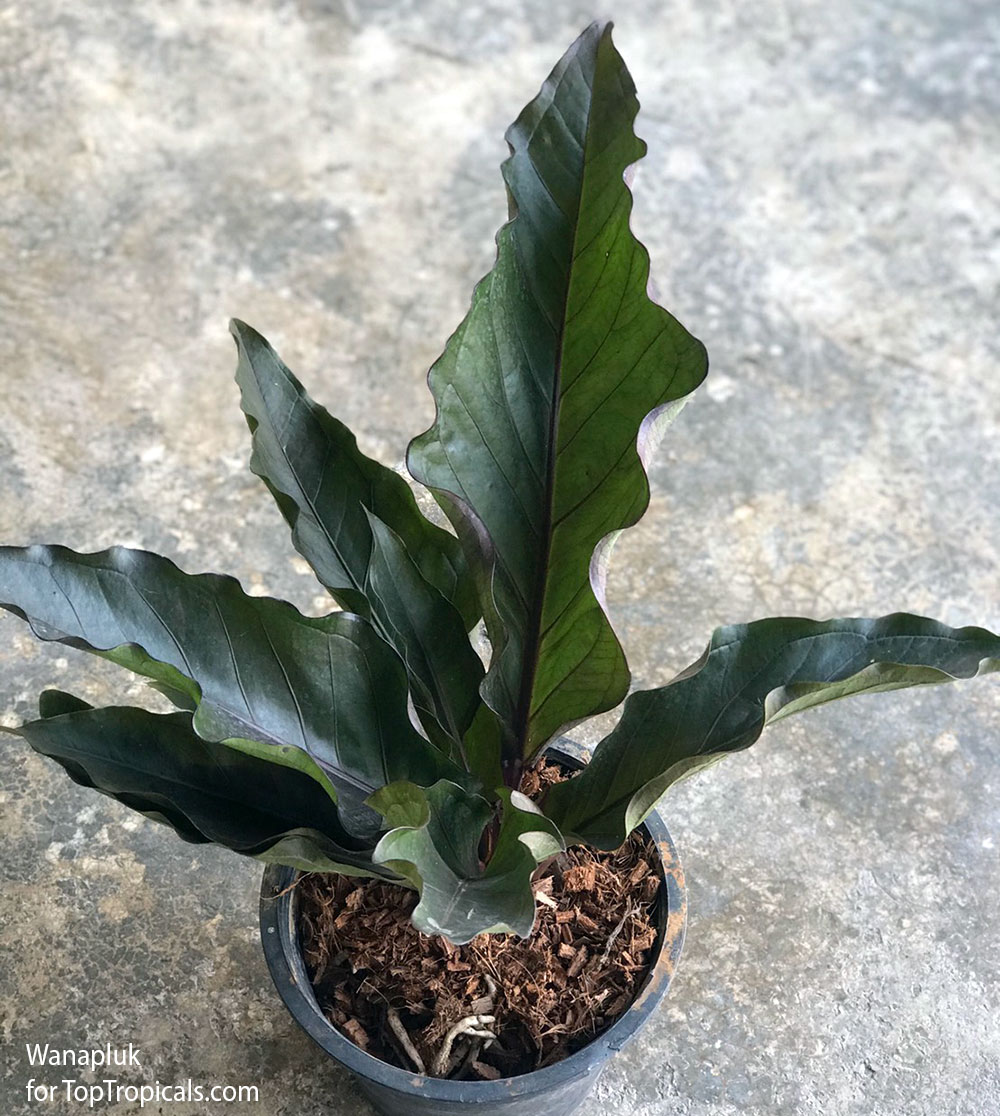
Botanical name: Anthurium sp.
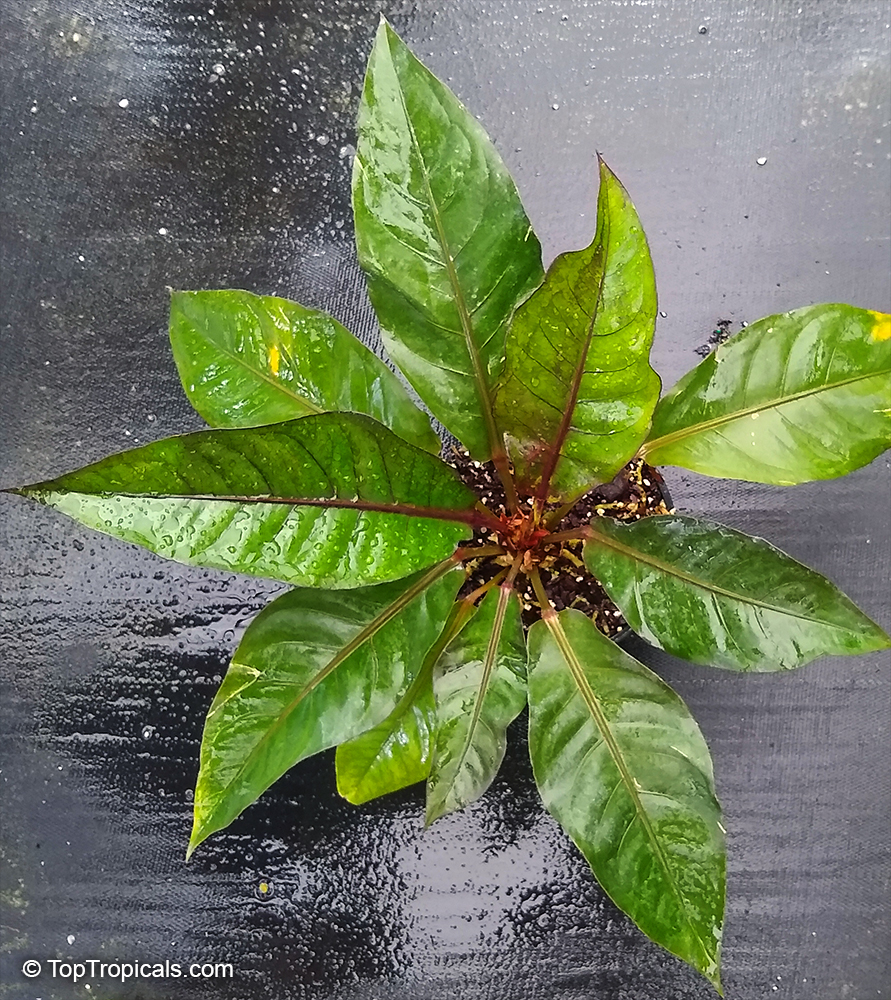
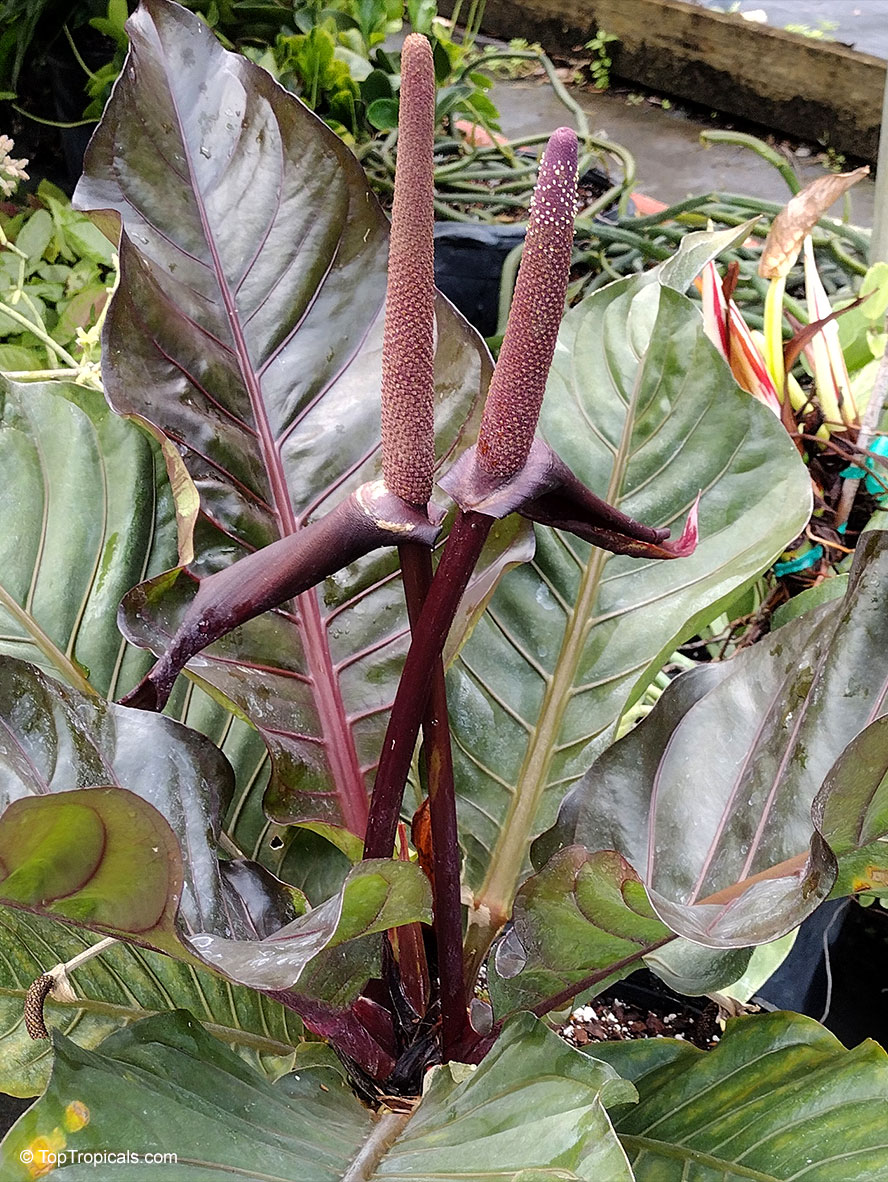
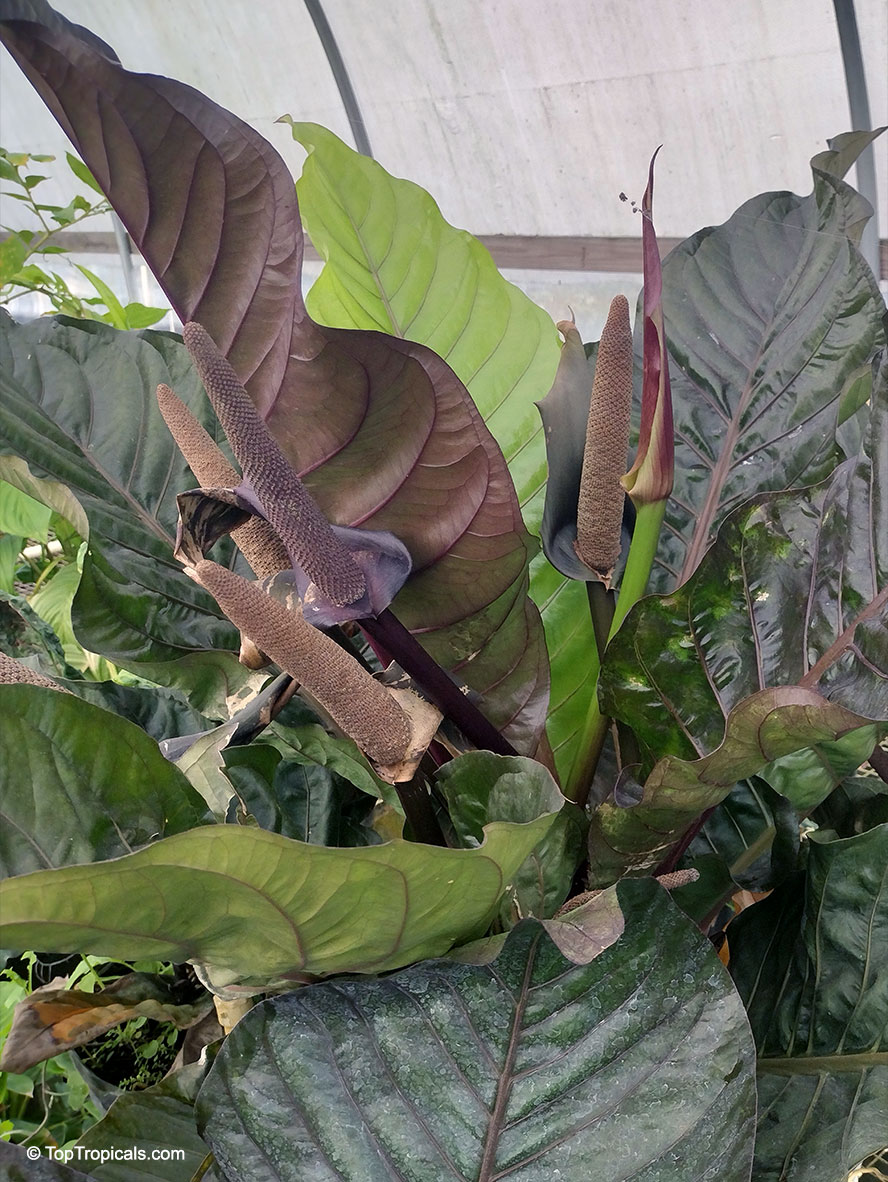
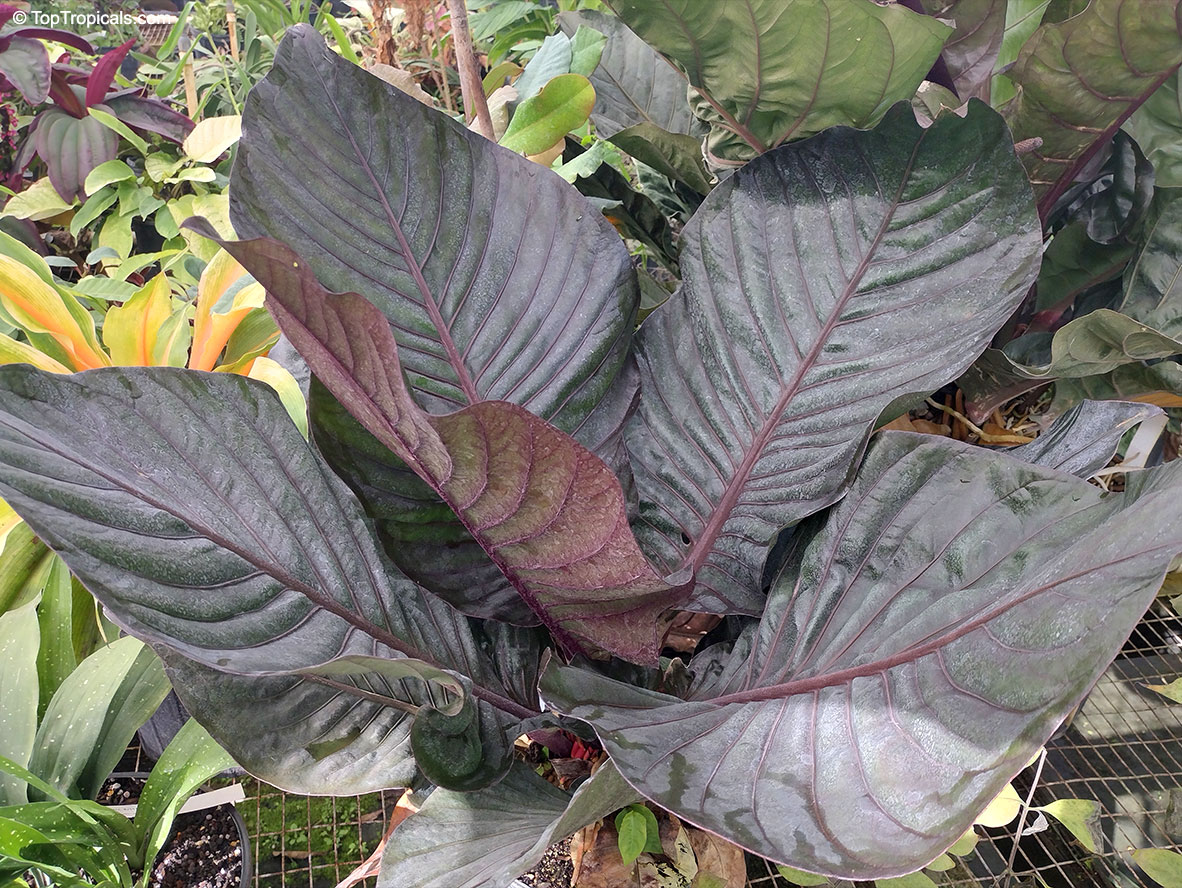
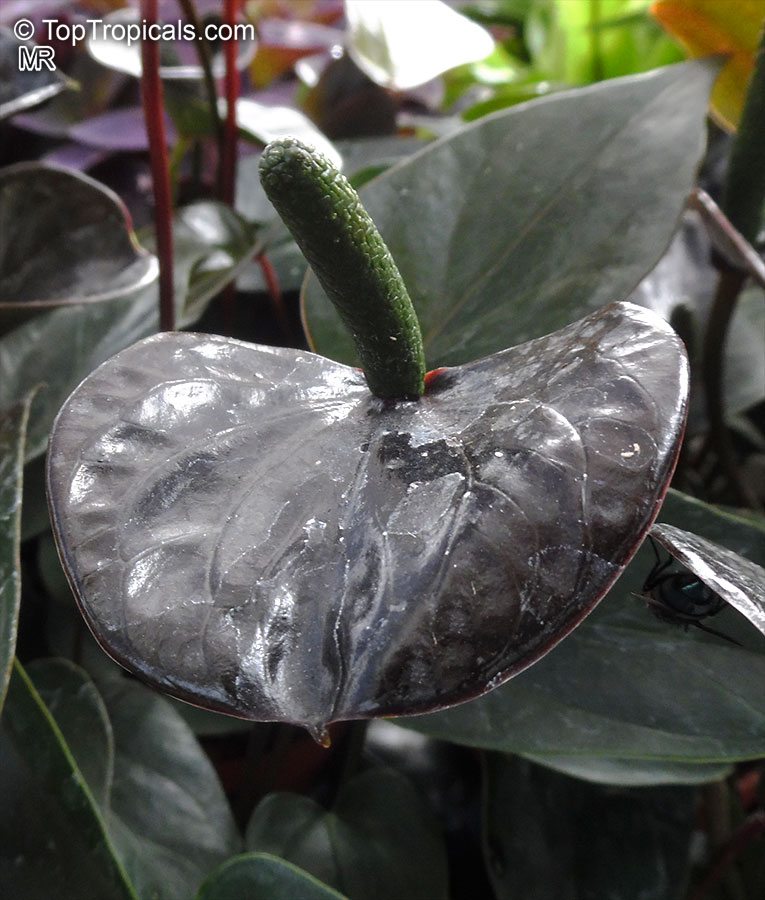
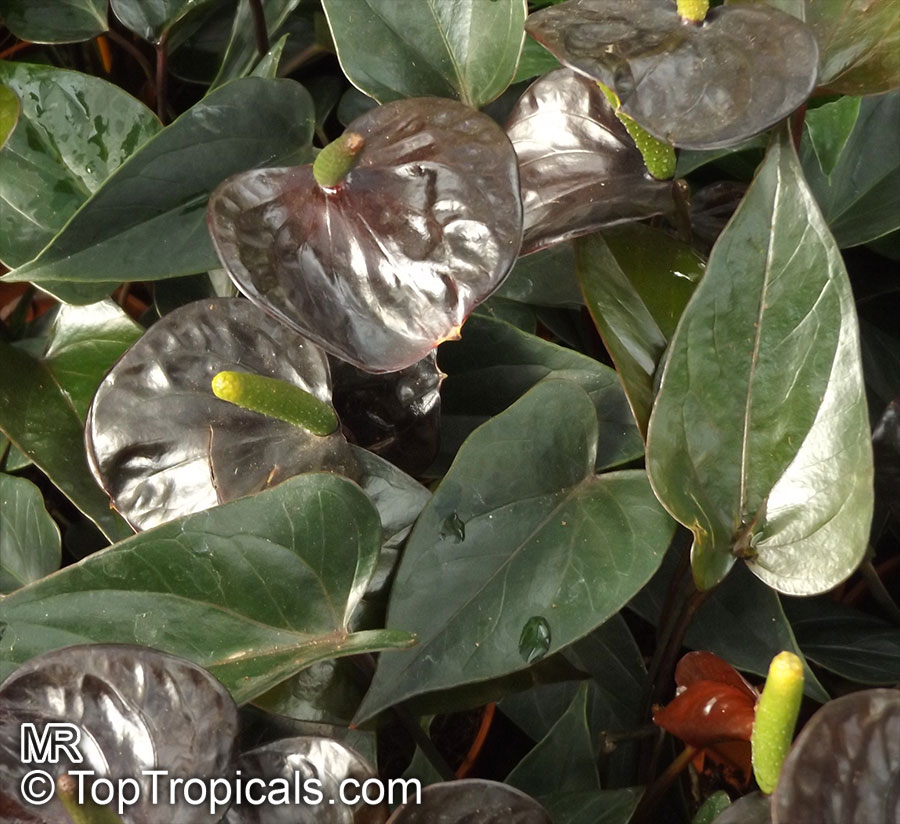
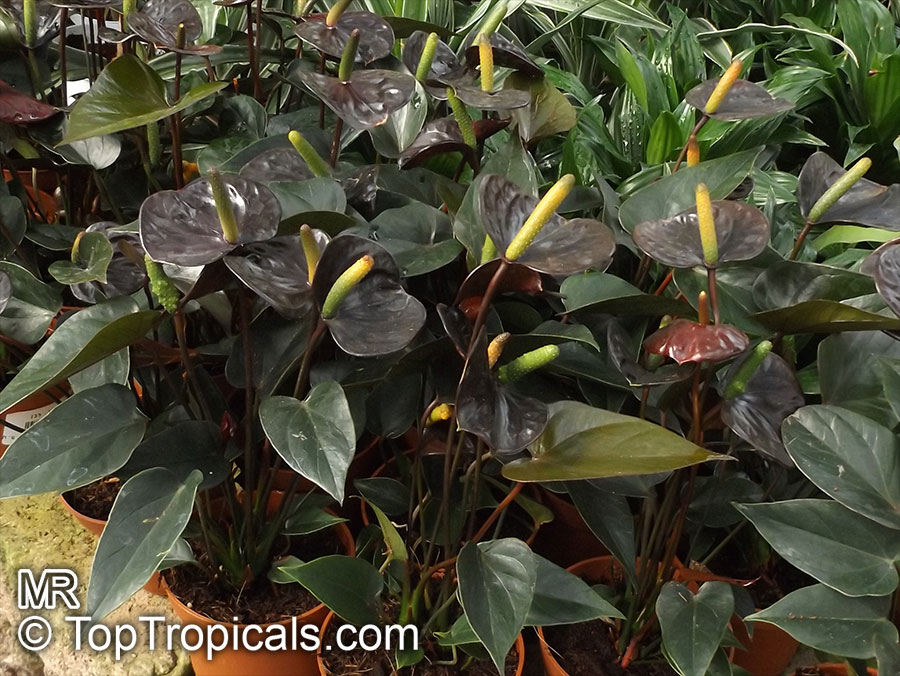
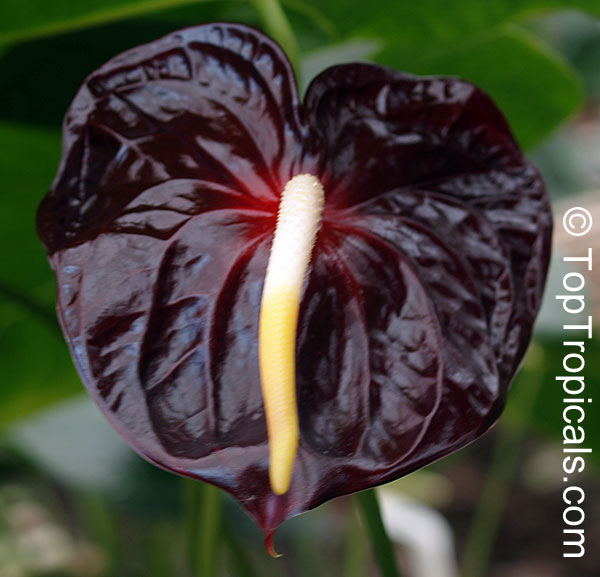
Common name: Anthurium Black Dragon
Cultivar: Black Dragon
Family: Araceae


It is a herbaceous plant with a rosette growth form.
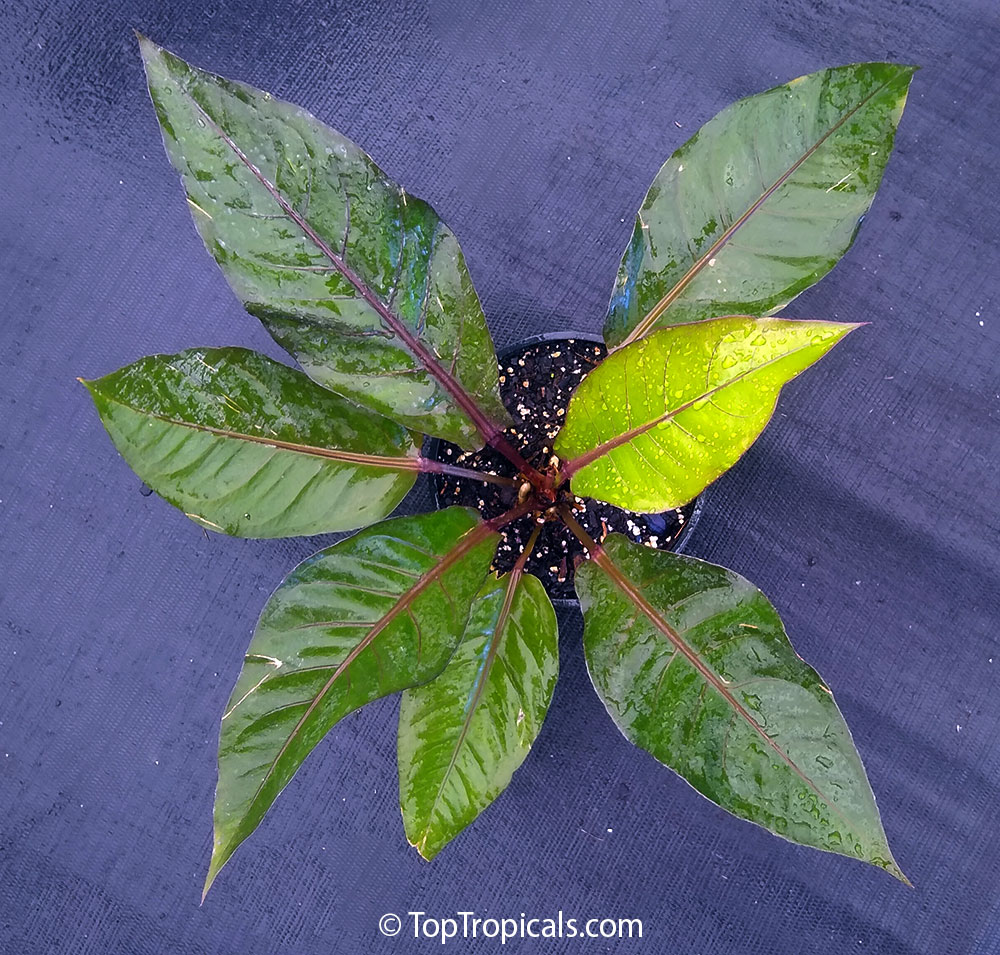
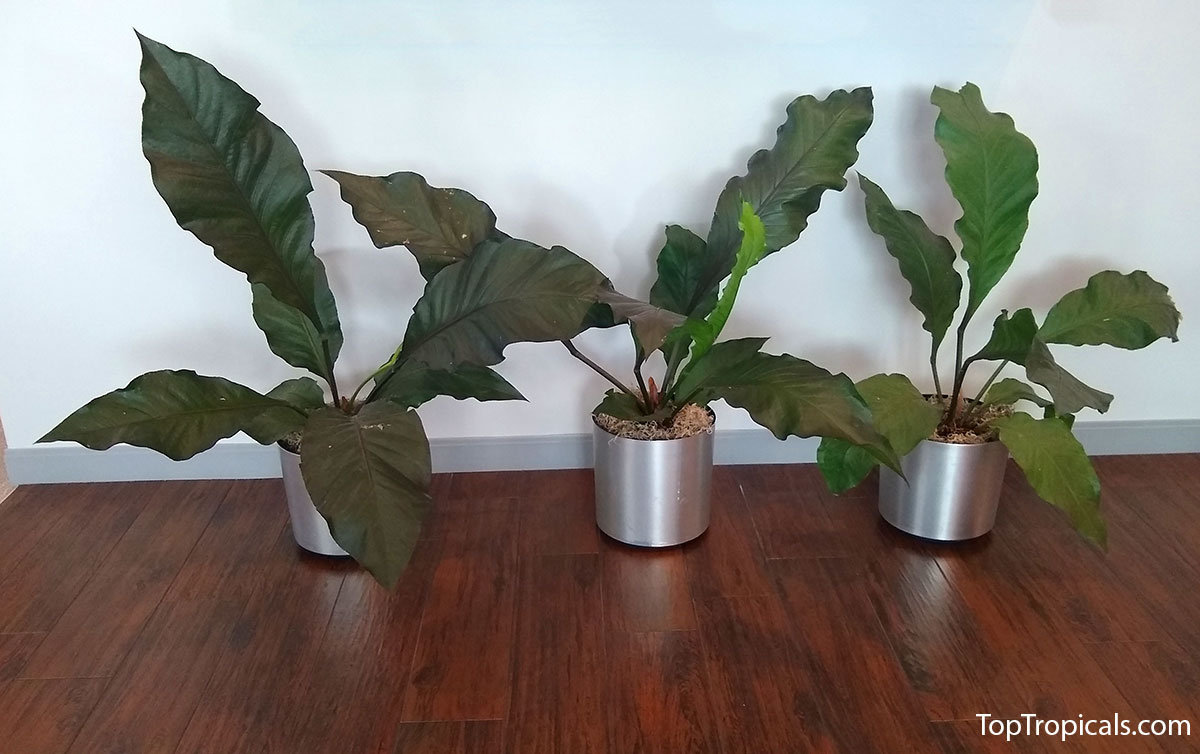
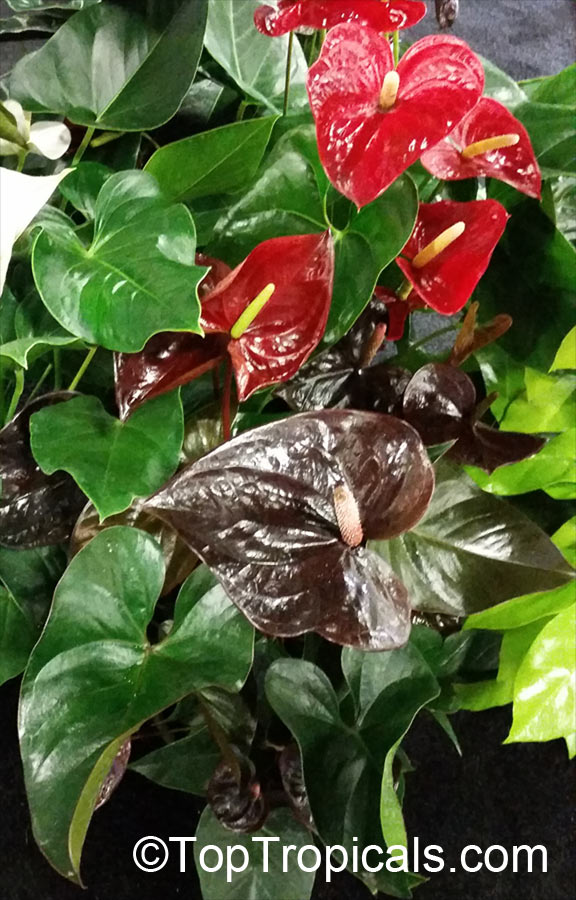
Its leaves are large, ovate to lanceolate, dark-green with a tint of reddish-black. The dark color maintained providing bright light; if grown in shade, leaves turn towards dark-green with a tint of reddish-black, but turn back to black with bright light. Inflorescence is consisted of brown spadix and dark-brown spathe.

Recommended Fertilizer: SUNSHINE Robusta - Rapid Growth Booster
Ordering seeds info
RECOMMENDED SUPPLIES:
Seed Germination Mix #3, professional grade
SUNSHINE-Epi - Seeds and cuttings booster
SUNSHINE Bombino - Young Plant Booster
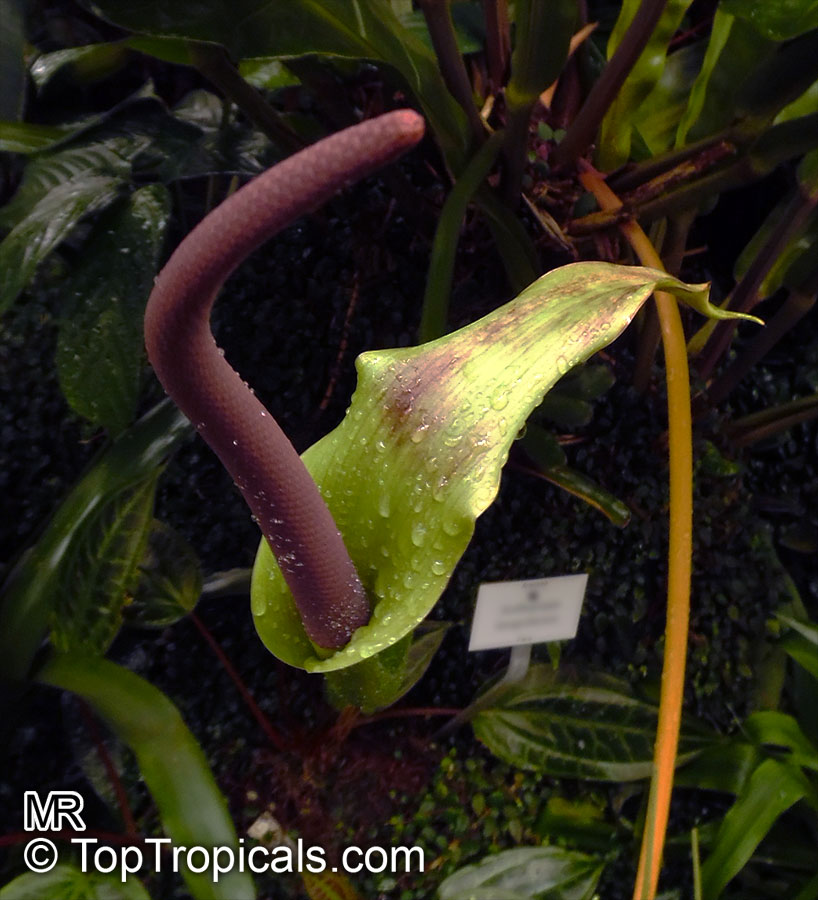
Botanical name: Anthurium tarapotense
Common name: Bird's Nest Anthurium
Origin: South America
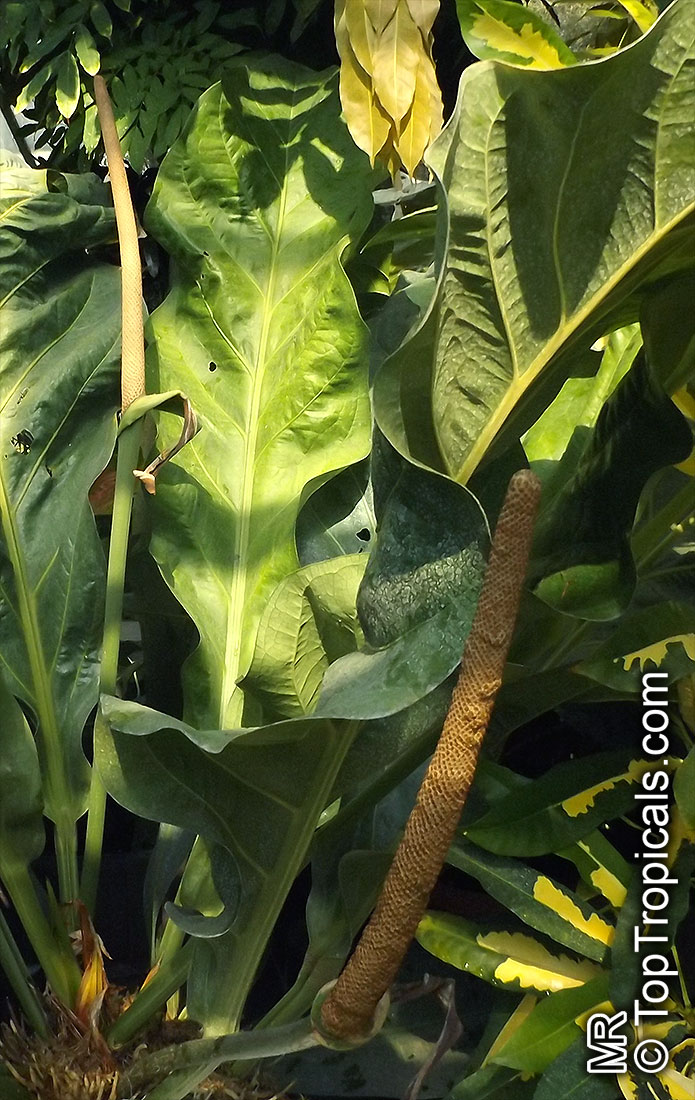
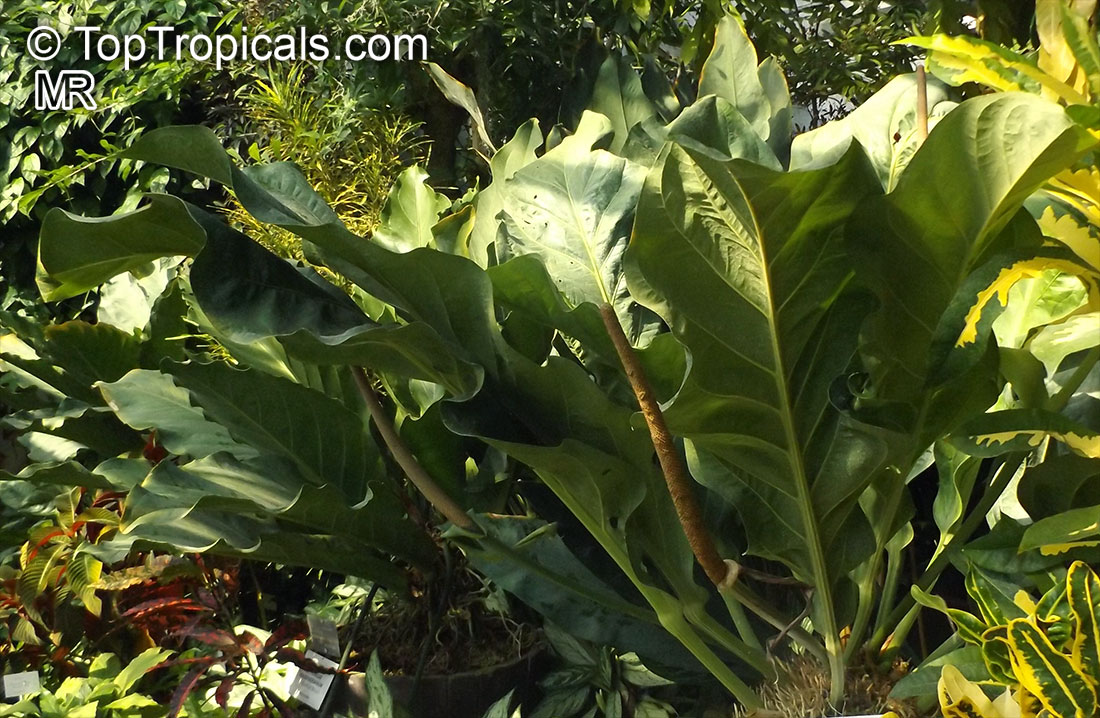
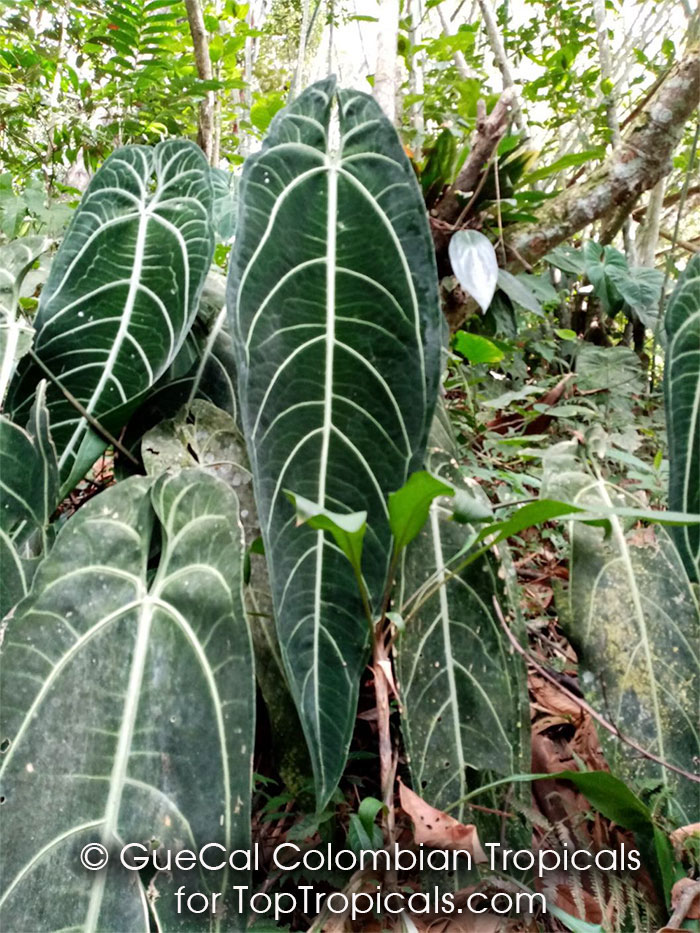

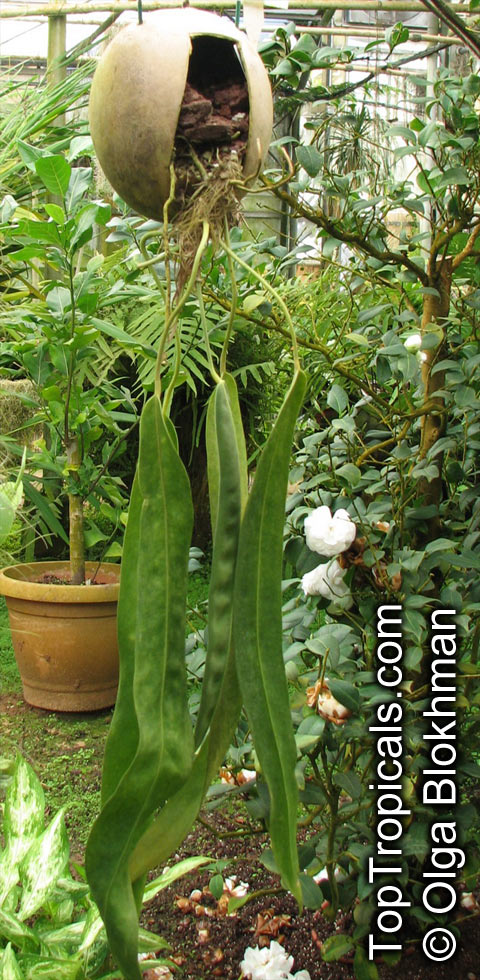
Botanical name: Anthurium wendlingeri
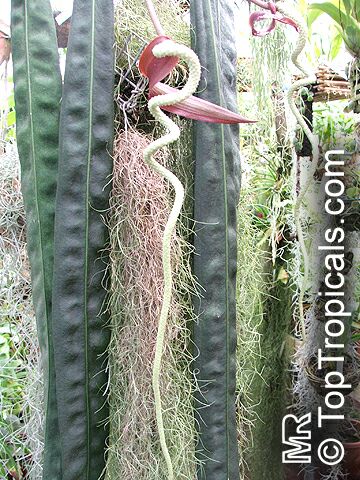
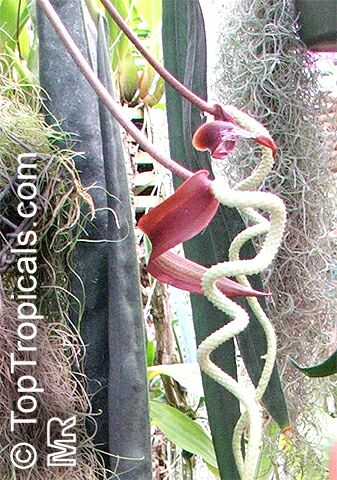
Common names: Strap-leaf Anthurium, Spiral Anthurium
Family: Araceae
Origin: Costa Rica, Panama


Pendent epiphyte.
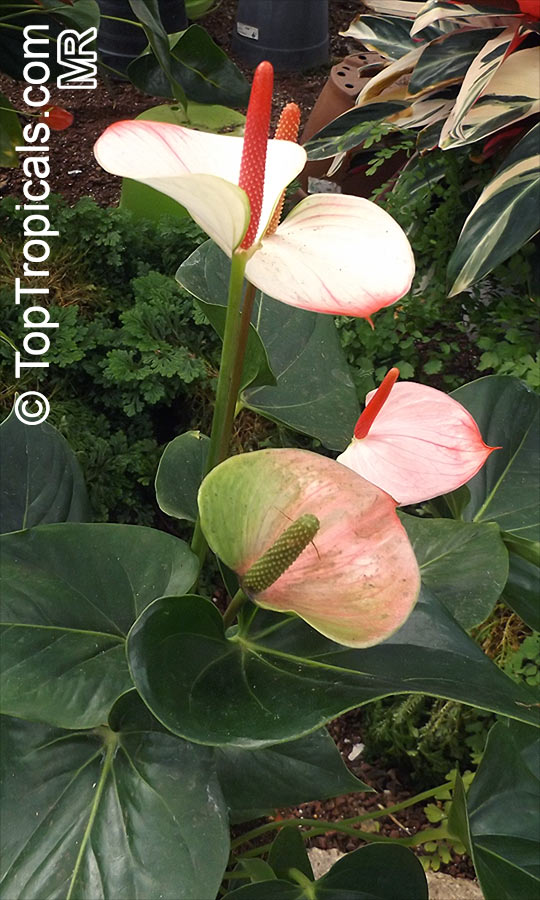
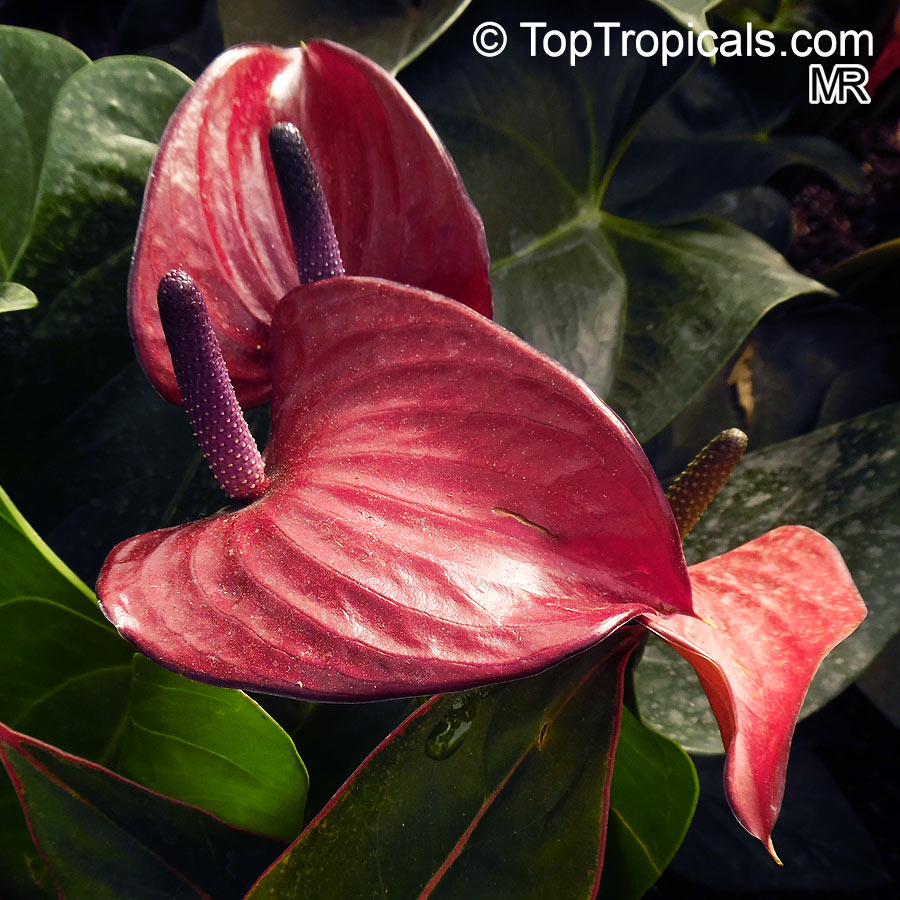
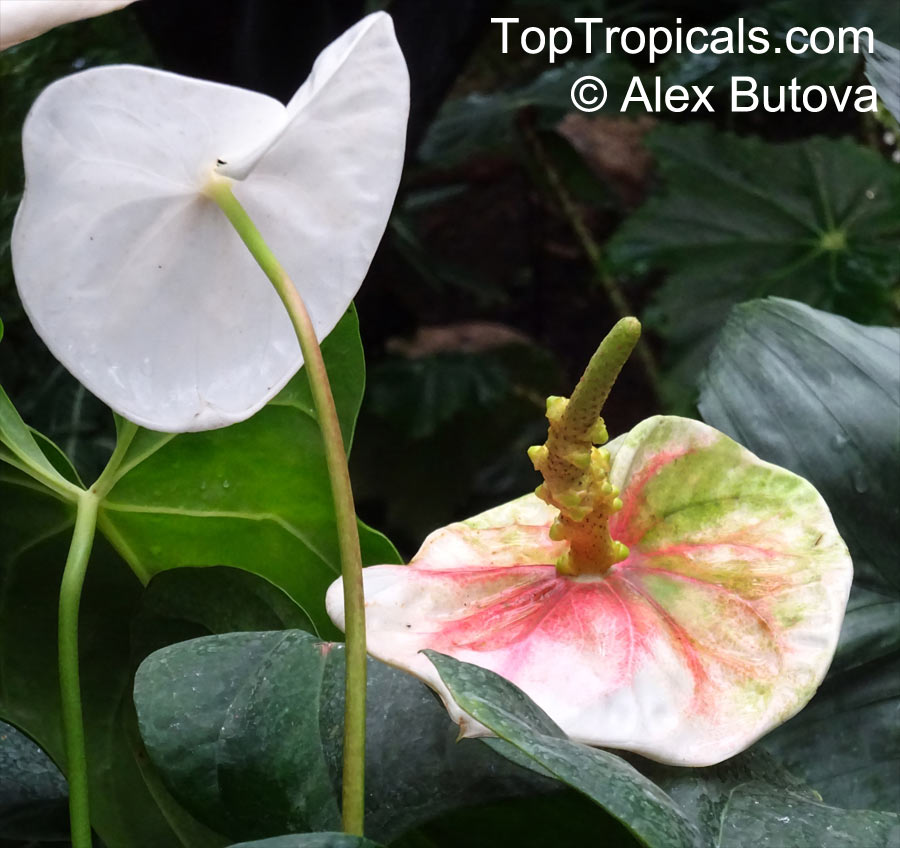
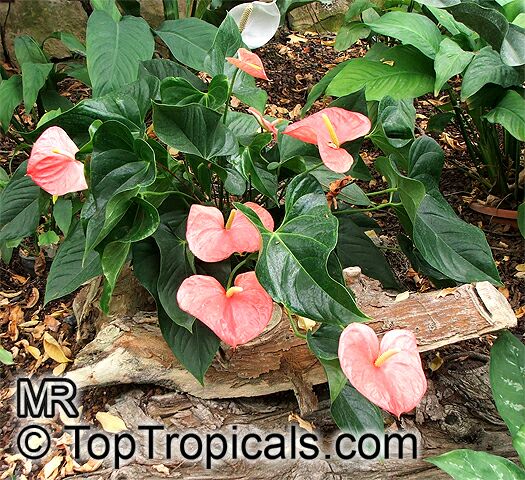
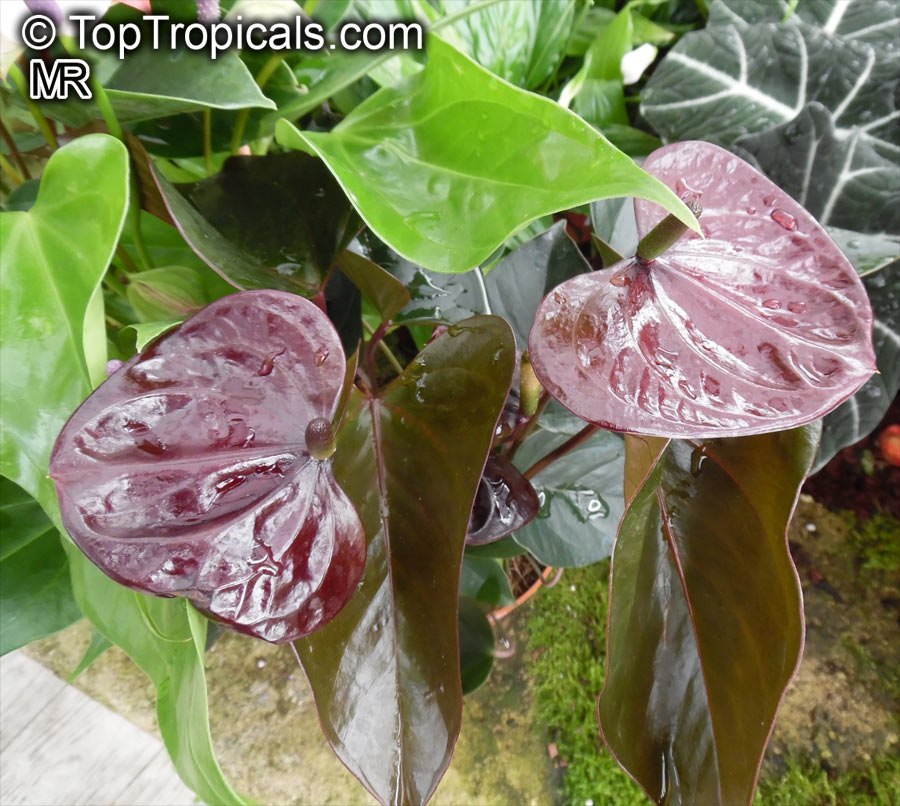
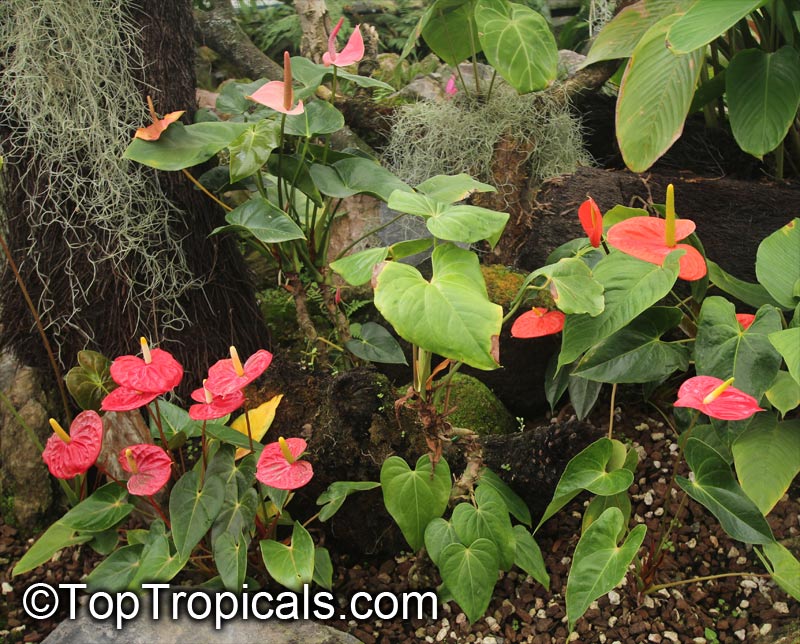
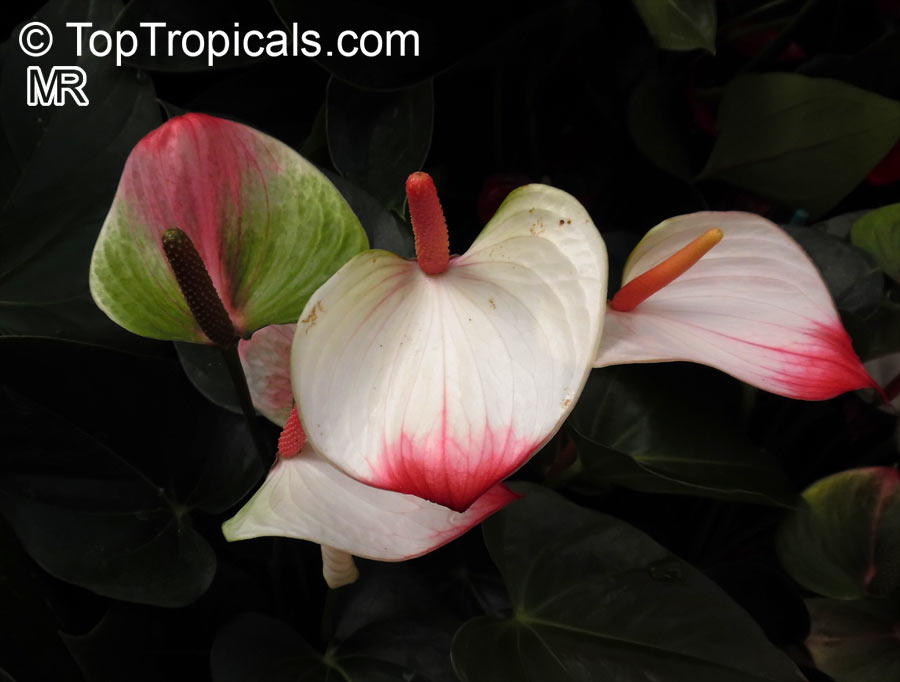
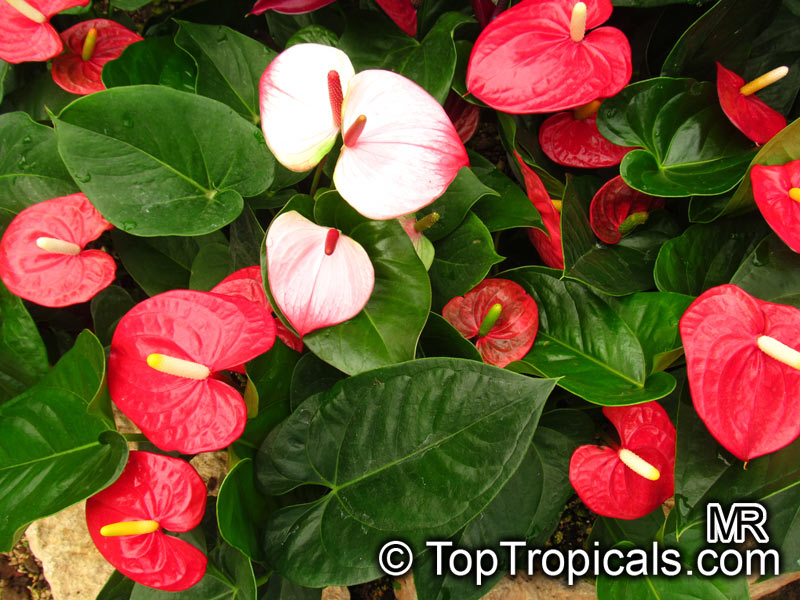
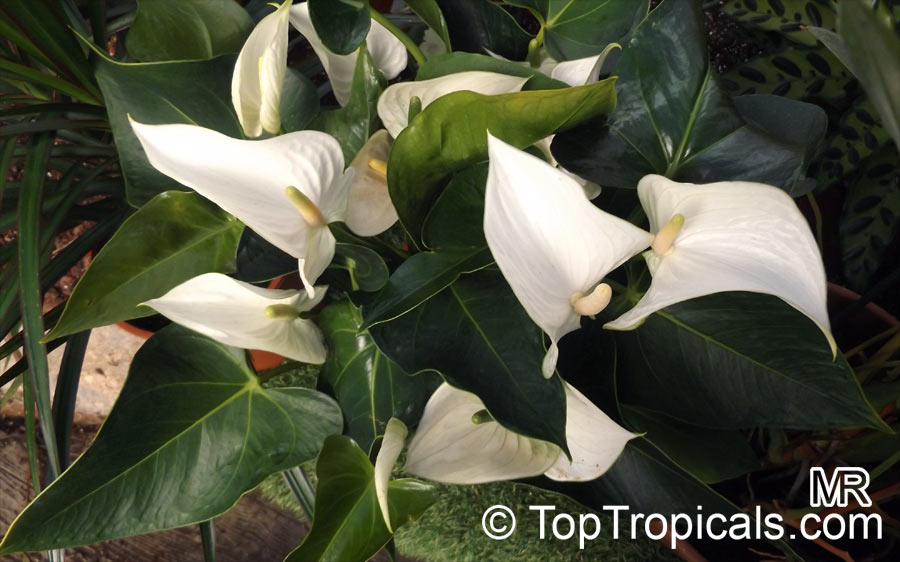
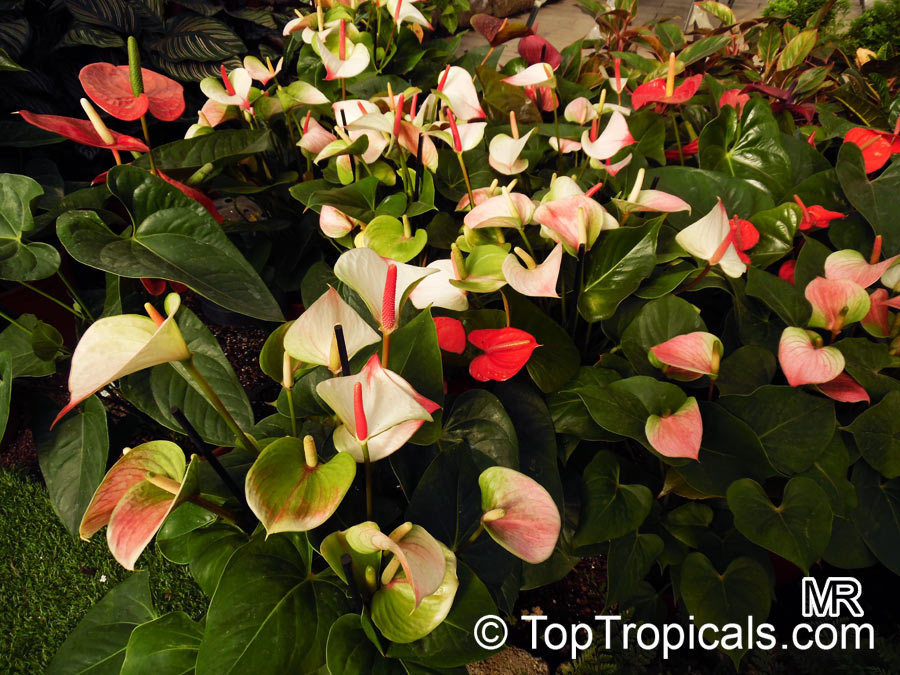
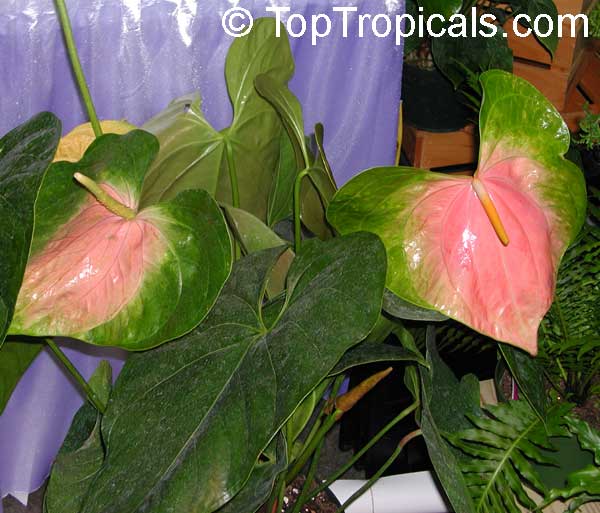
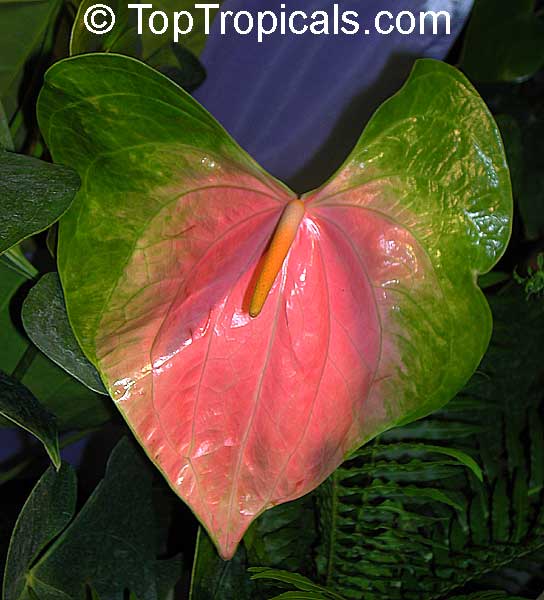
Botanical name: Anthurium andraeanum
Common names: Flamingo Flower, Tail Flower
Family: Araceae
Origin: Ecuador and Colombia


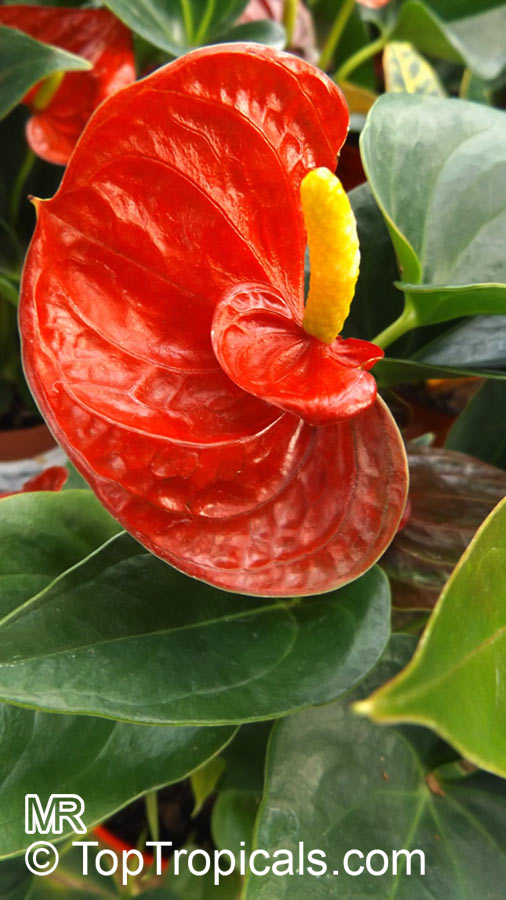
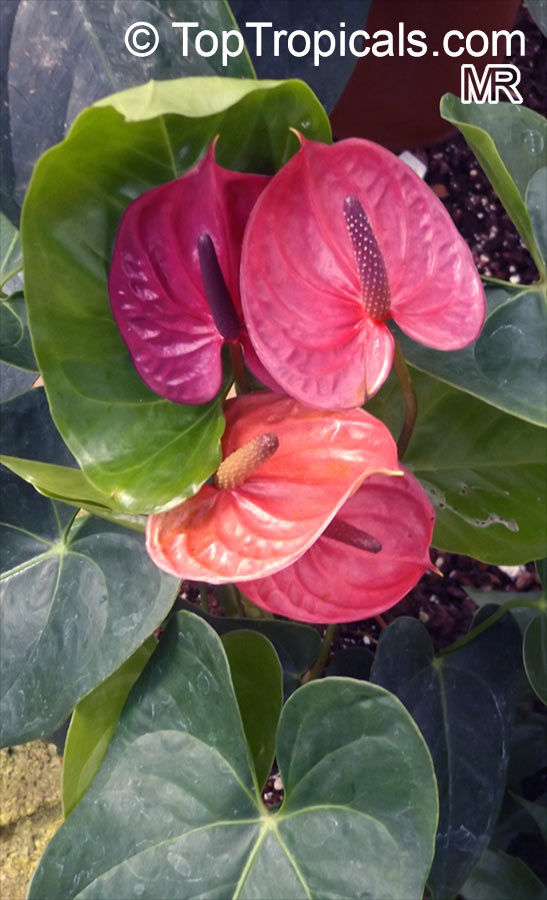
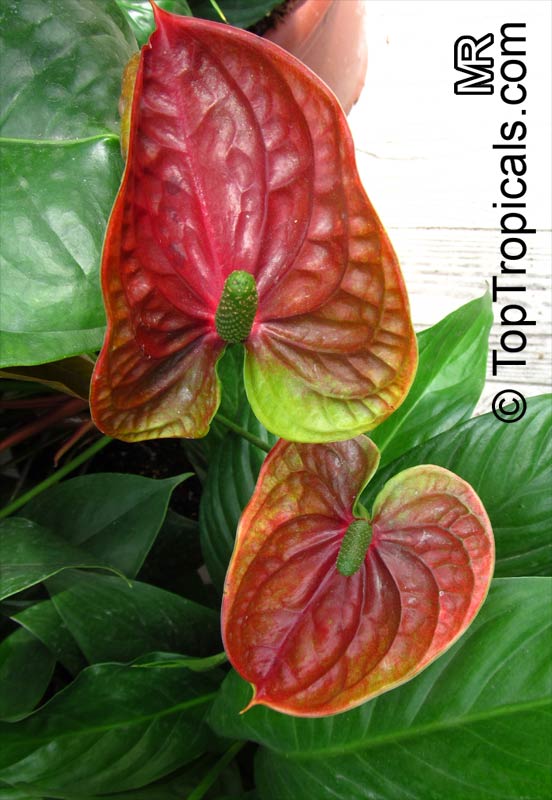
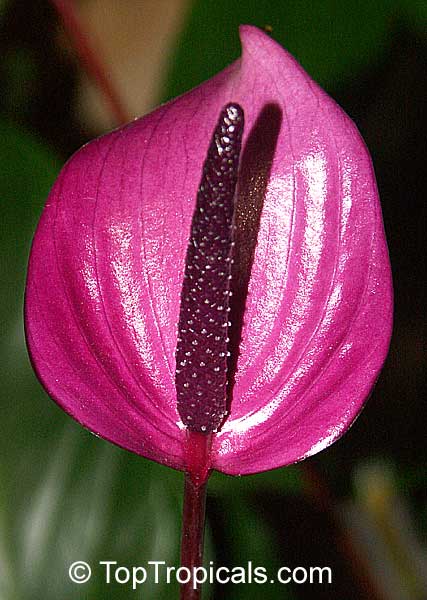
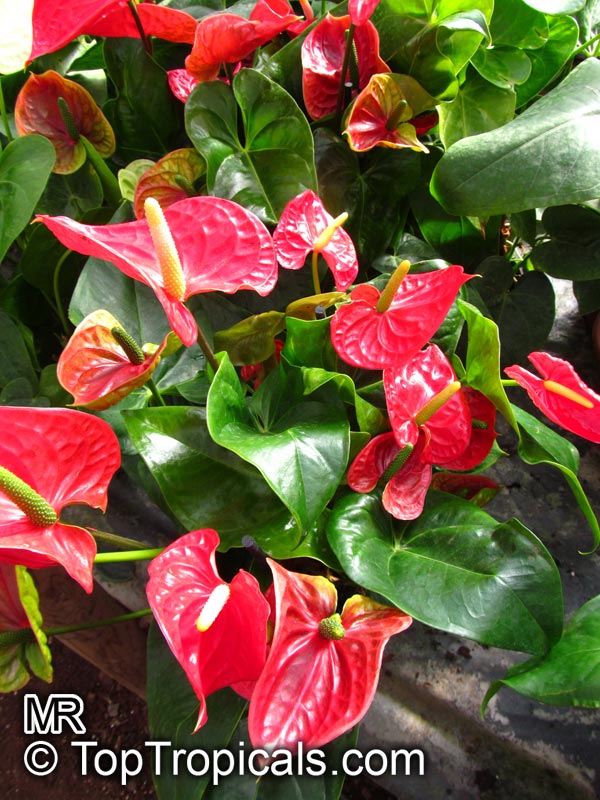
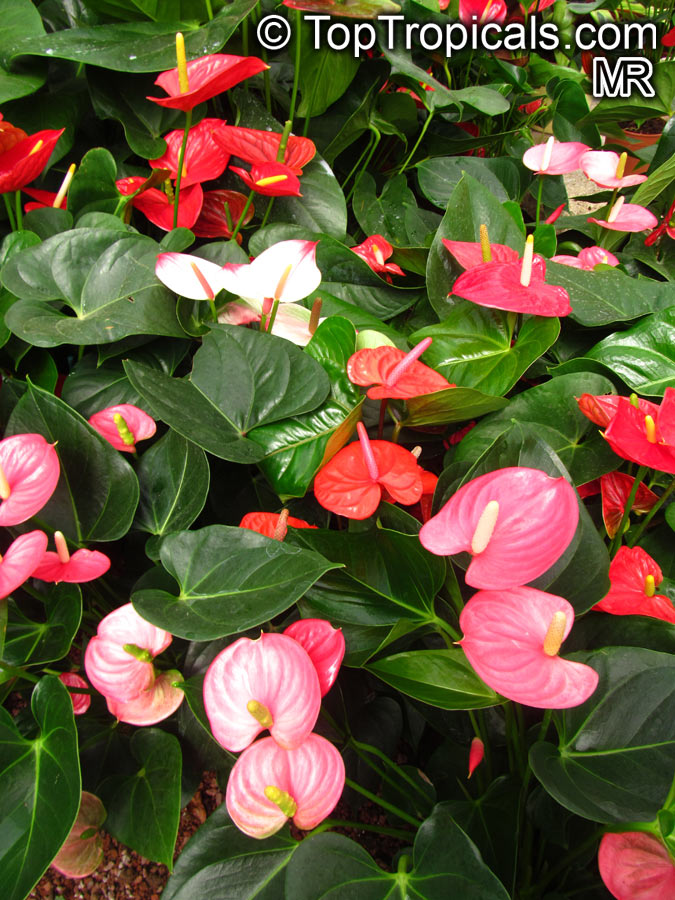
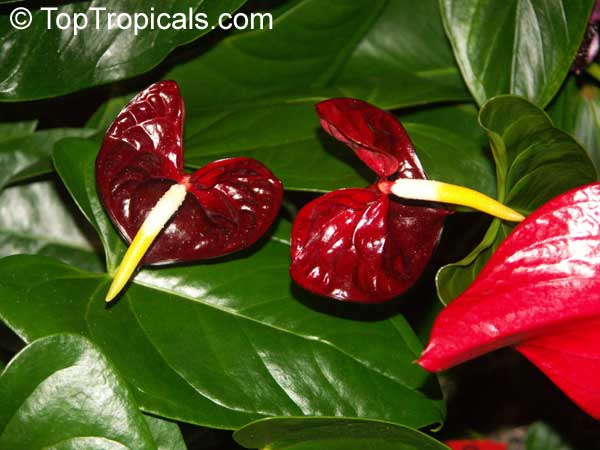
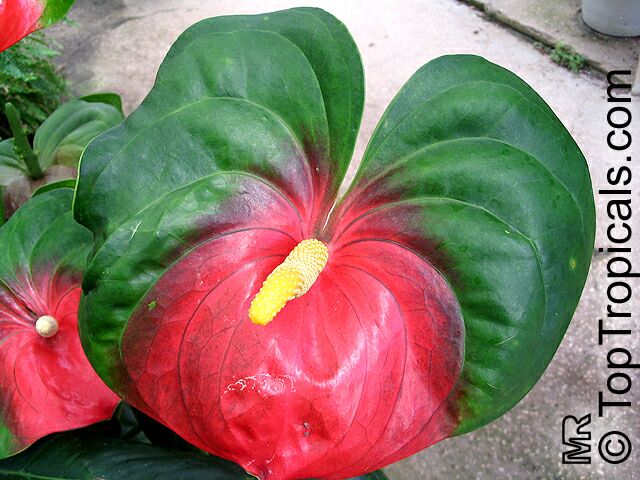
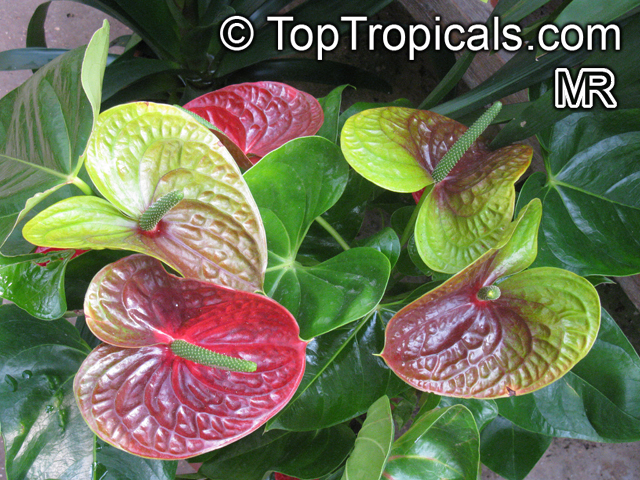
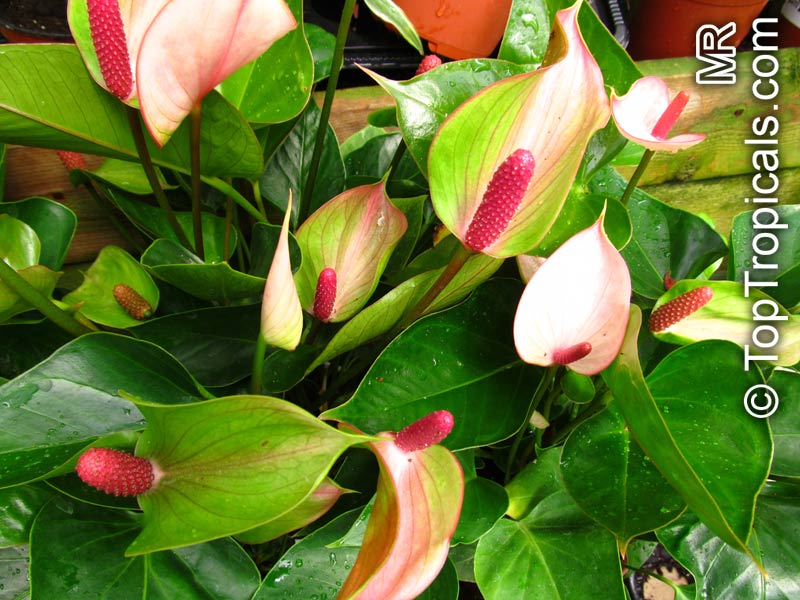
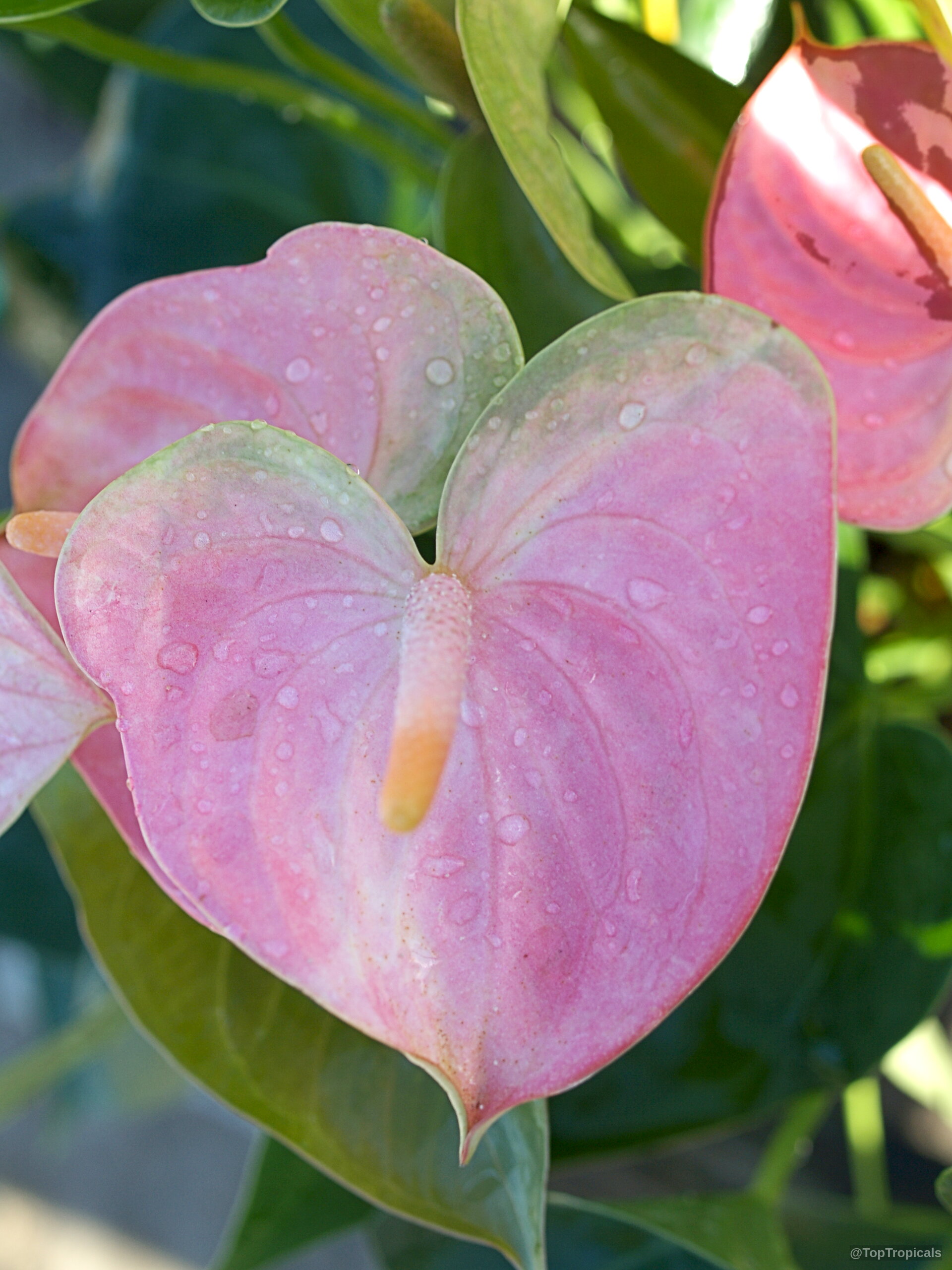
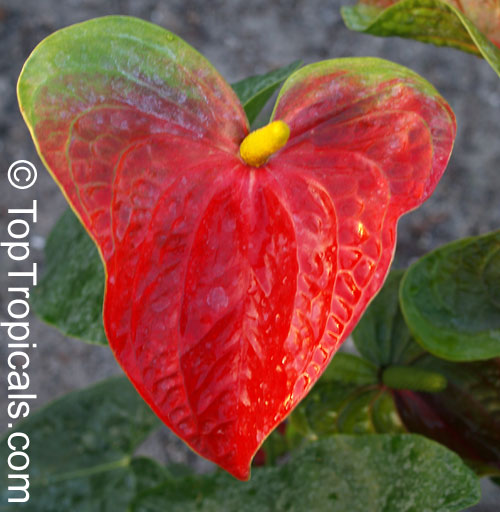
There are hundreds of species of this genus, all members of the Araceae family. The majority are fairly nondescript and a few are grown for their handsome foliage. There are only two species which are generally grown for their flowers, Anthurium andraeanum and Anthurium scherzerianum. Both types are basically epiphytic and grown best in a mix of bark, perlite and fern fiber such as that used in orchids or bromeliads. They will grow in soil but rarely perform well in that medium. Anthurium andraeanum is the florist anthurium, a plant with red, white or pink spatches which have an artificial, plastic-like look. Give a moderately high light intensity but avoid direct sunlight during the spring and summer months when the sun is most intense. A high humidity is essential as is warm temperature, 70-75 days, 65 minimum at night. The potting mixture should be kept moist, but not soggy during the spring- summer period and allowed to dry slightly between waterings from late fall through winter. A feeding of weak manure water and a fish emulsion may be given every two weeks from late winter to mid summer.
Both species have a tendency to grow up out of the pot. The exposed aerial roots should be wrapped in moist sphagnum.
When the plant is eight inches or higher out of the pot it may be cut off at the base and repotted in fresh potting mixture. Plants will occasionally split and form pups. These can be divided when large enough. Plants are also propagated by stem cuttings and seed, both of which are extremely difficult without greenhouse facilities.
Real Hawaiian lava rock is hand selected to provide a happy home for Anthurium. With reasonable care your volcano bonsai should last for years. Place in a bright window or on a countertop without direct sun and just keep a small amount of water in the saucer/tray provided. Requires consistently moist soil.
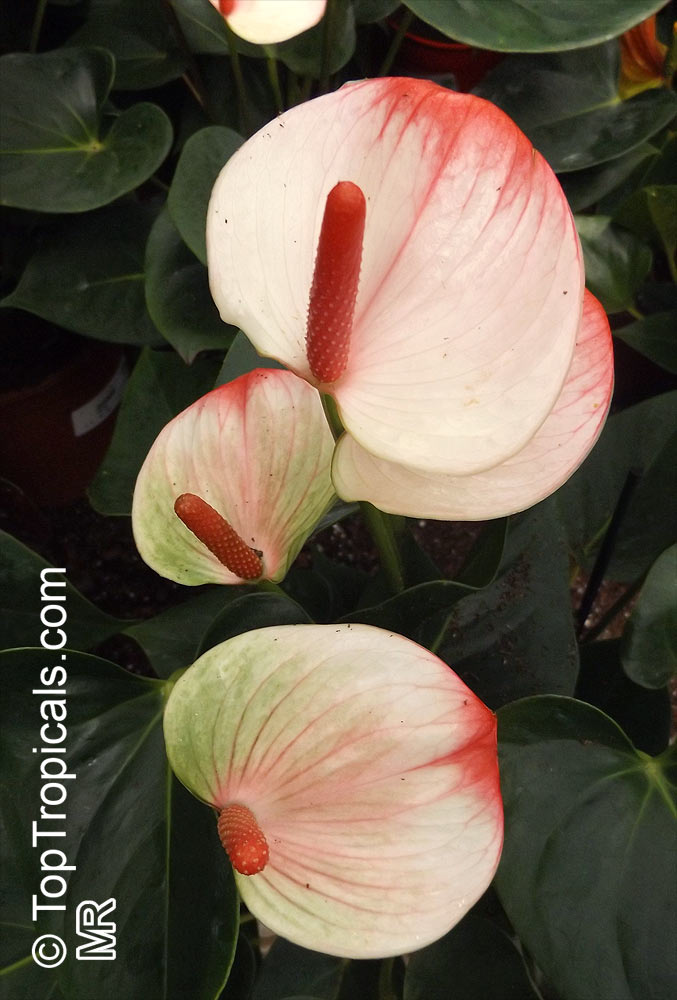
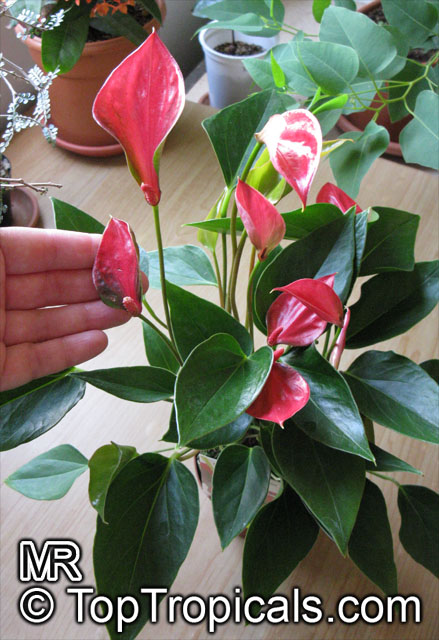
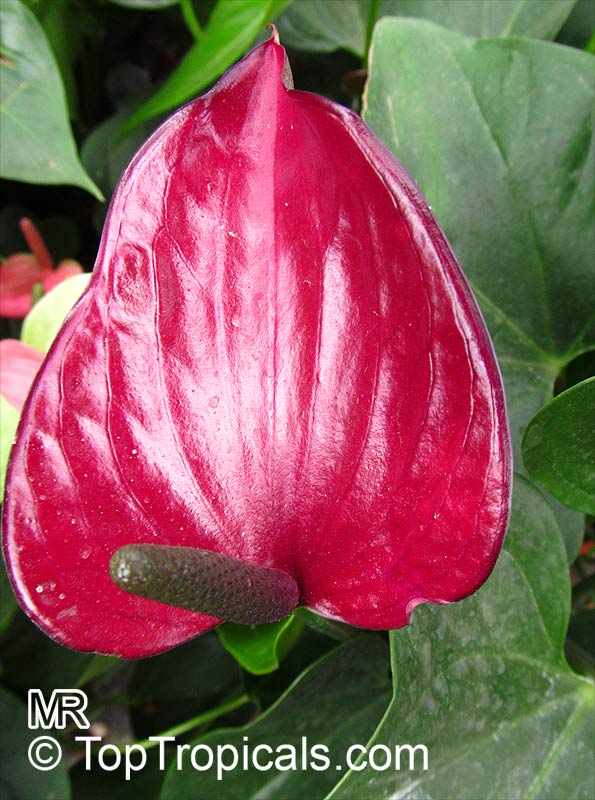
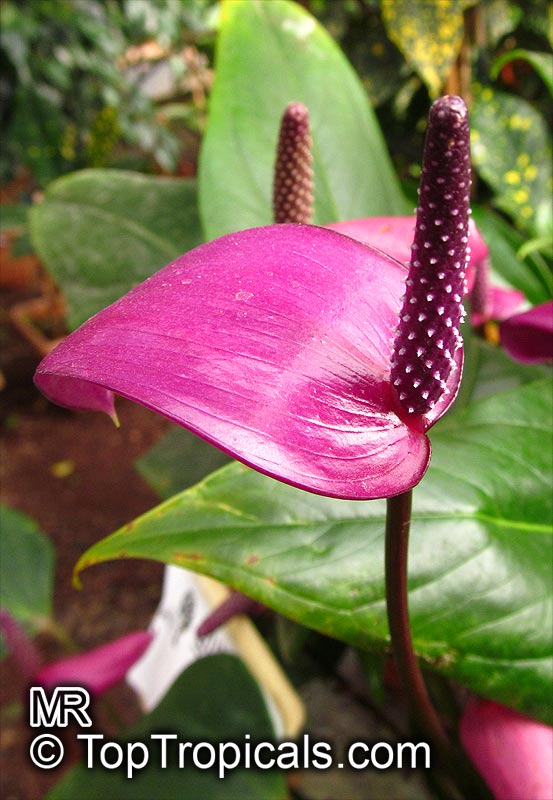
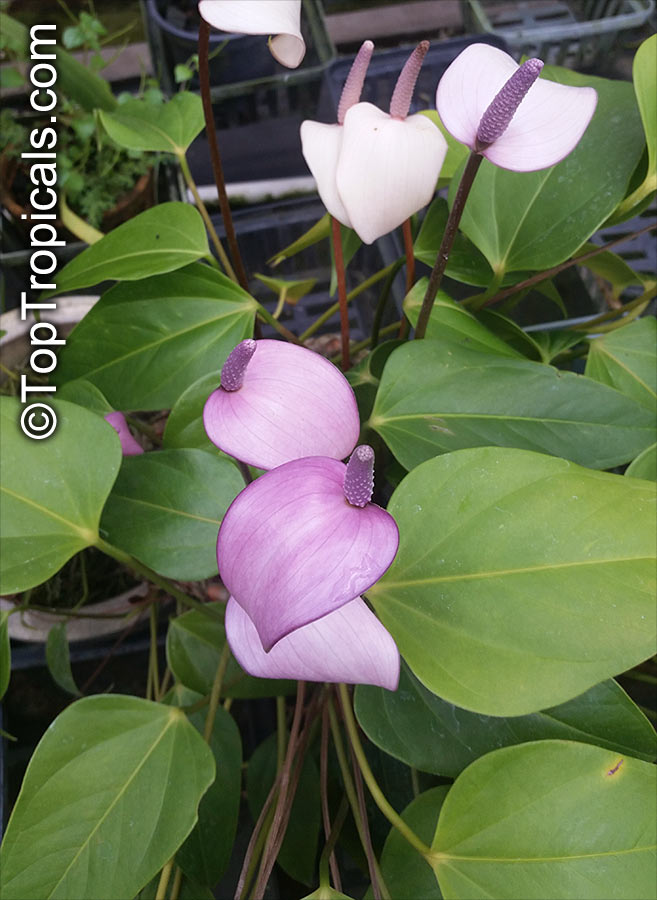
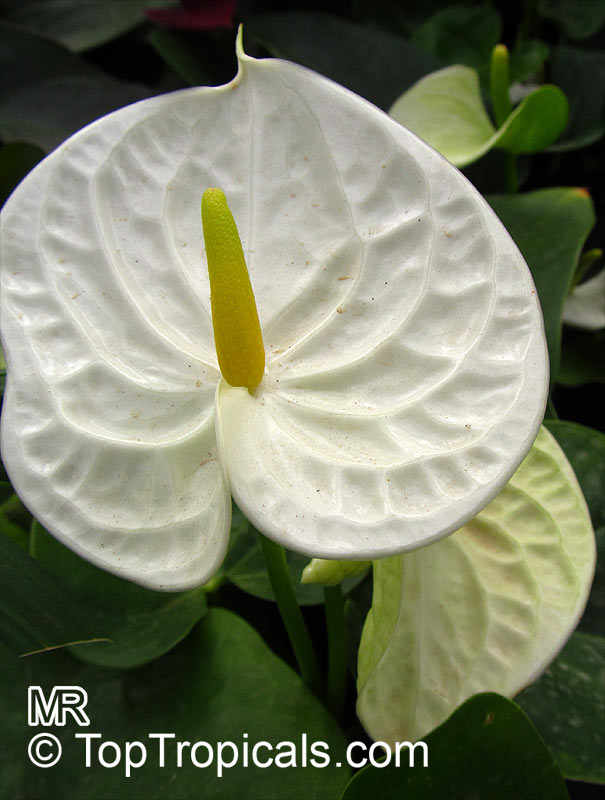
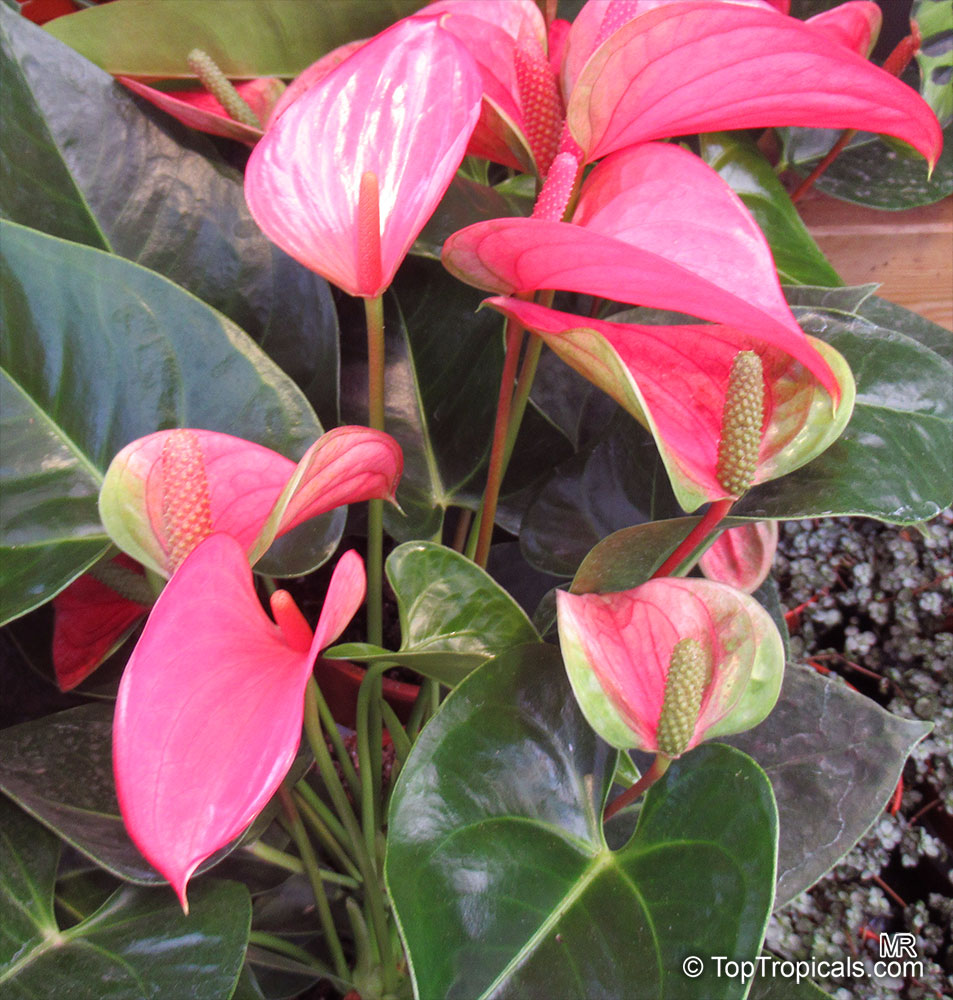
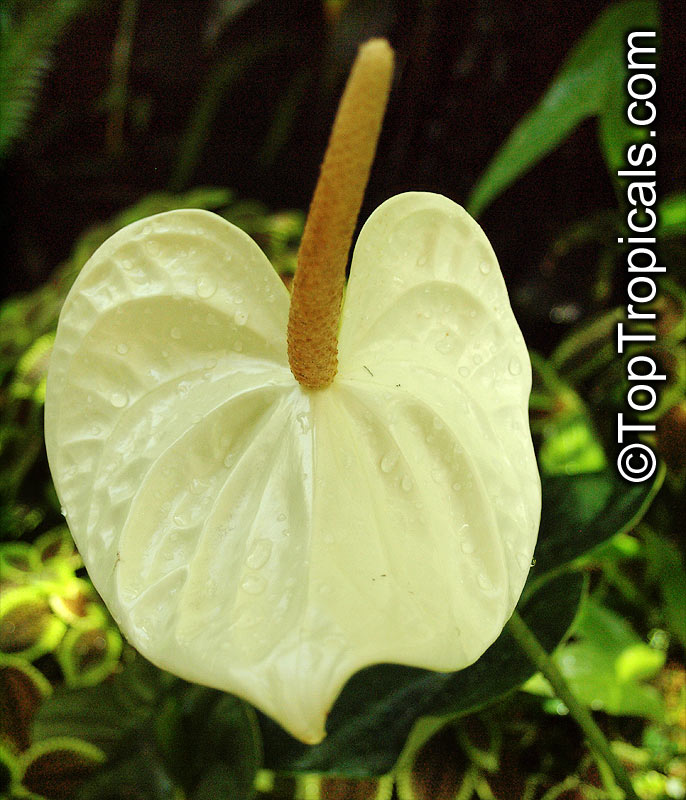
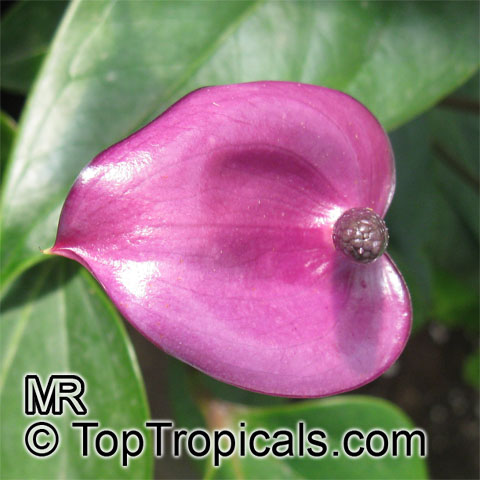
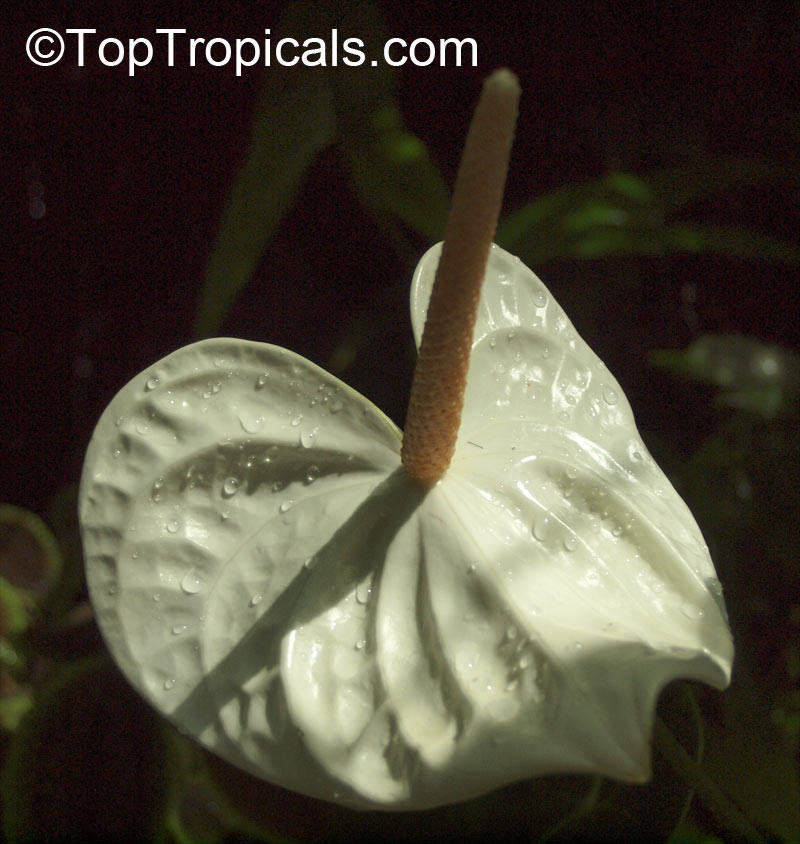
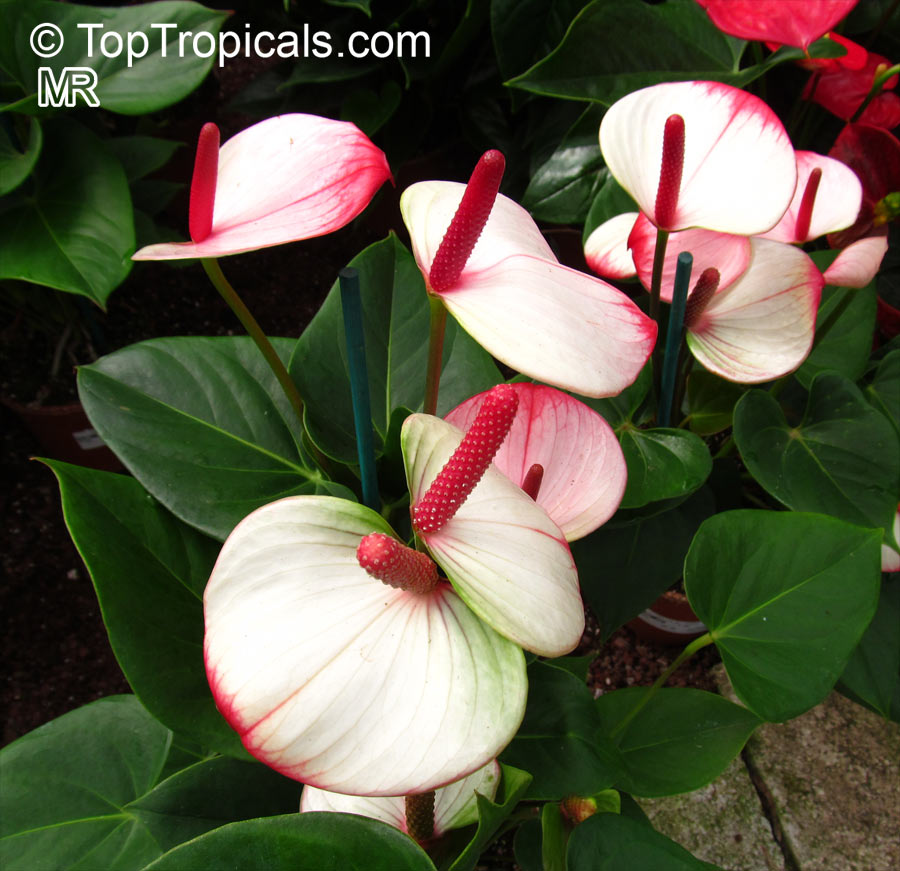
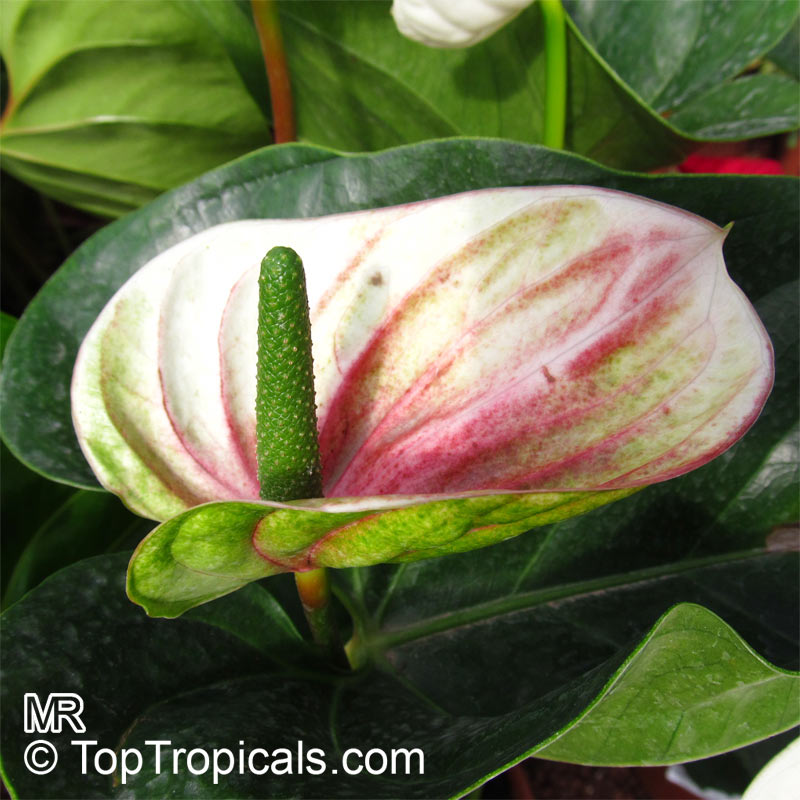
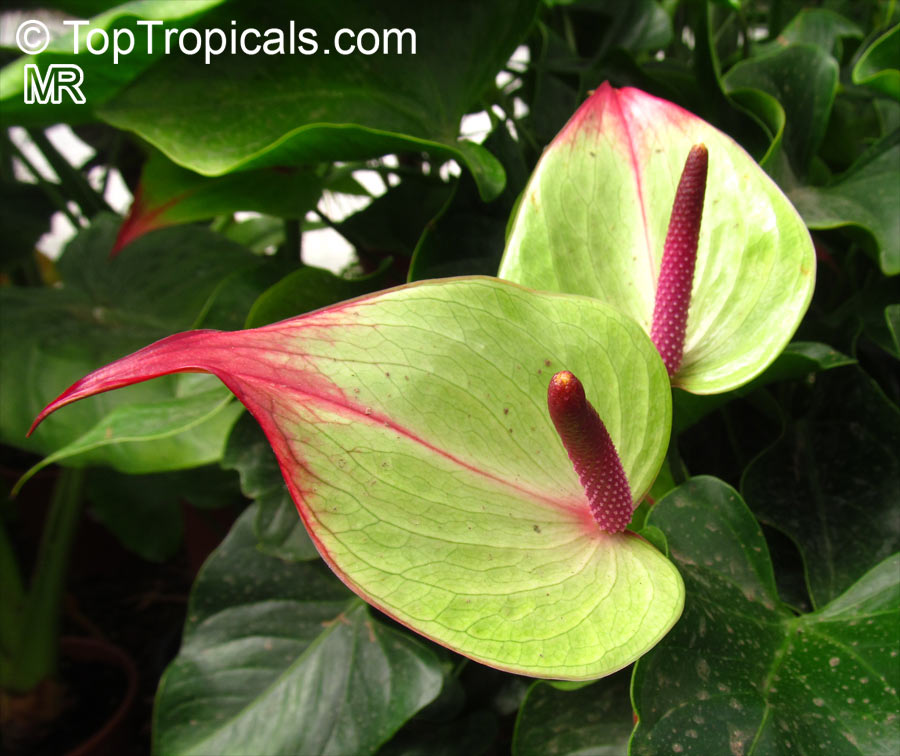
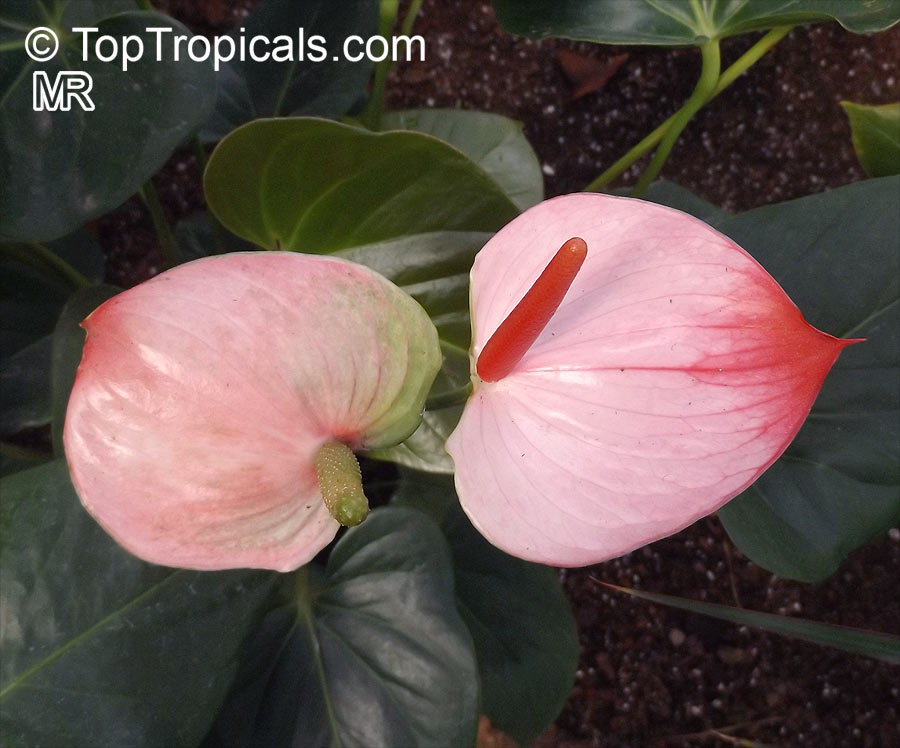



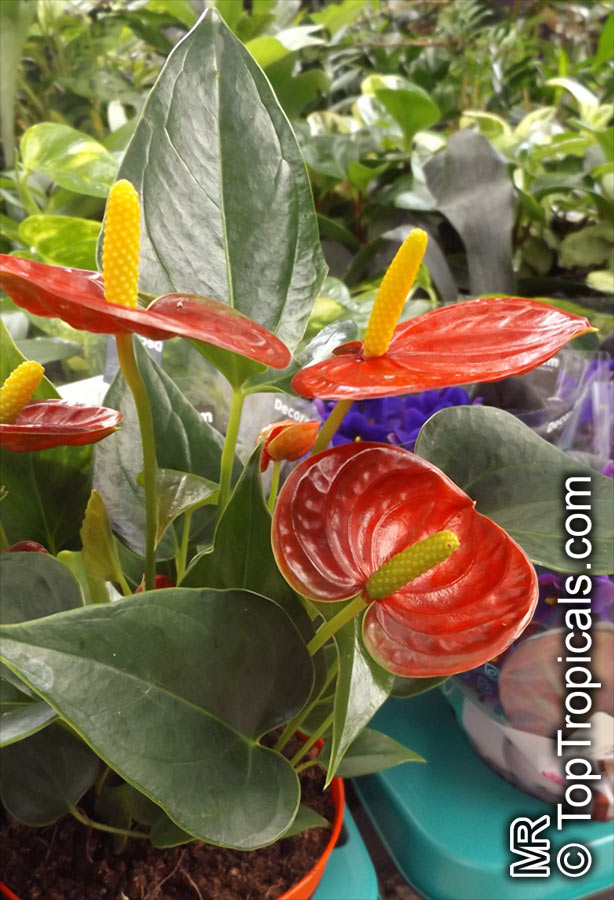
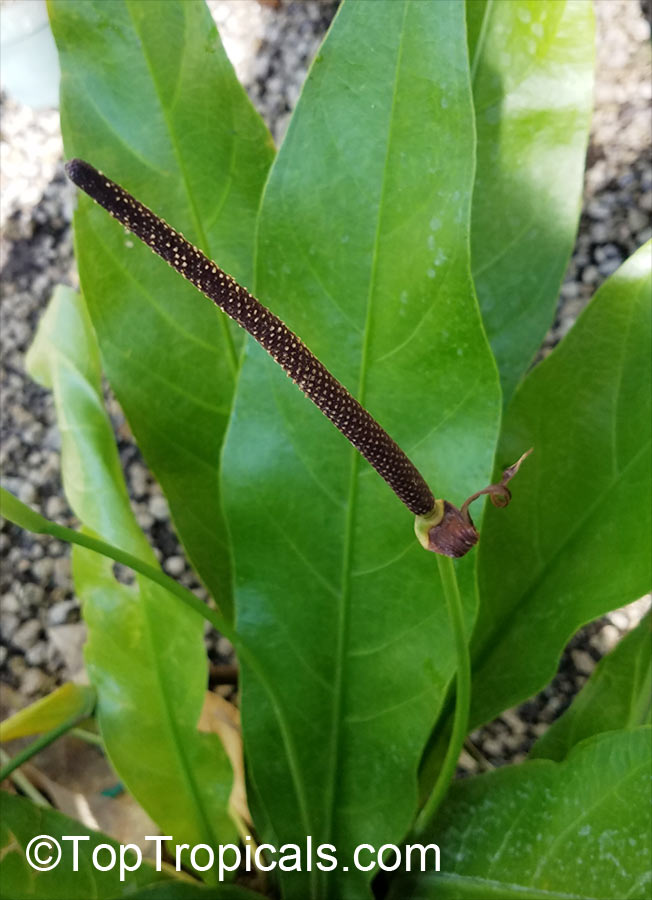
Botanical name: Anthurium crenatum
Common name: Scalloped Laceleaf
Family: Araceae
Origin: Dominican Republic, Puerto Rico


Anthurium crenatum (Scalloped Laceleaf) is a small plant, most often growing 2 to 5 feet tall. It has beautiful scalloped leaves that can reach up to 12 inches in length. The foliage is leathery, pliable, and variations of green. It is popular as a groundcover as well as a low-growing plant, as it generally remains under 2 feet tall.
This epiphyte will thrive in bright shade to semi-shade environments. A moderate amount of water is recommended, as this species does not tolerate drought conditions. When growing this species in colder regions, be sure to keep the plant in a pot and bring indoors for the winter if temperatures dip too low.
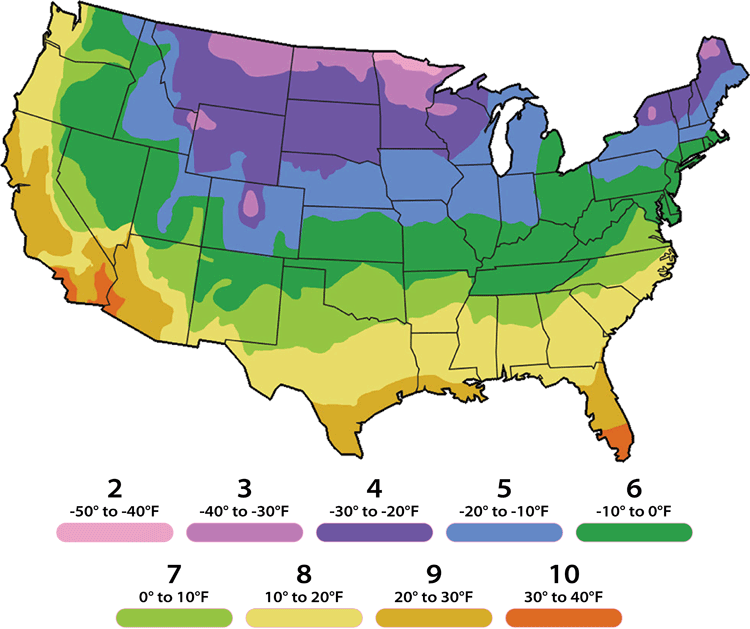
Anthurium crenatum is an excellent ornamental plant. Its beautiful foliage and ease of care make it popular in many tropical gardens and as a houseplant. Due to its ornamental foliage, it is also often used as a cut flower. It is hardy in USDA zones 9-11. With proper care, this Anthurium species is a wonderful addition to any collection.

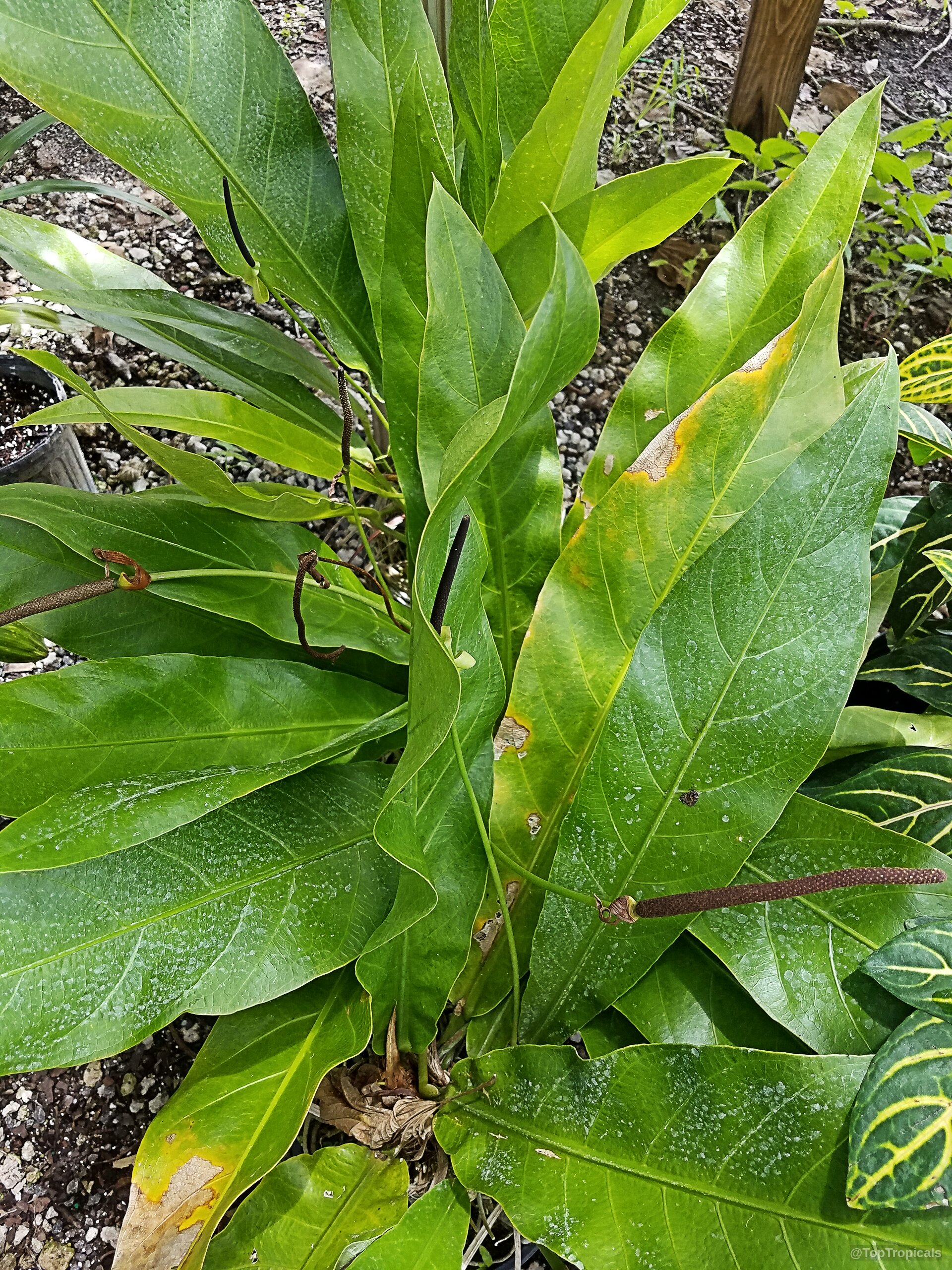

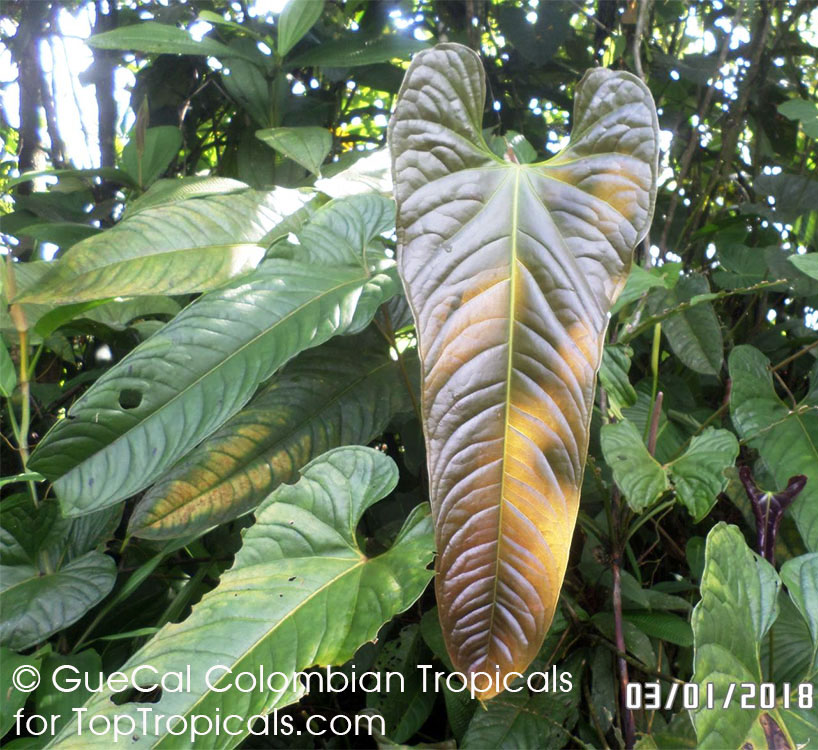
Botanical name: Anthurium livescens
Common name: Royal Awe
Family: Araceae
Origin: South America

Anthurium livescens (Royal Awe) is a plant native to the tropical regions of South America. It can reach heights of 5 to 10 ft tall depending on its environment and the level of care. It is recommended to plant them in a semi-shady area as they need a balanced environment that is neither too sunny nor too dark.
Regular watering is necessary. It is important to use a well-draining soil mix with a pH level of 5 to 6.5, which allows the roots to breathe and stay healthy. Regular fertilization with a balanced fertilizer is recommended during the summer months. Proper drainage is necessary to keep the soil from becoming too wet, and the frequency of watering should be decreased during the winter months. For those living in cold regions, it is advisable to bring the plant indoors for the winter and place it in a bright, cold room while keeping the soil moist.
Anthurium livescens can bring beauty to gardens, backyards, balconies, and patios of USDA zones 9-11. They are fairly easy to care for, but require a little attention and knowledge.
This plant is truly majestic and awe-inspiring, with its glossy, papery leaves that can reach at least 3-4 ft long each in an elongated triangular shape hanging towards the earth. The plant produces delicate inflorescence with white spadix and green spathe.
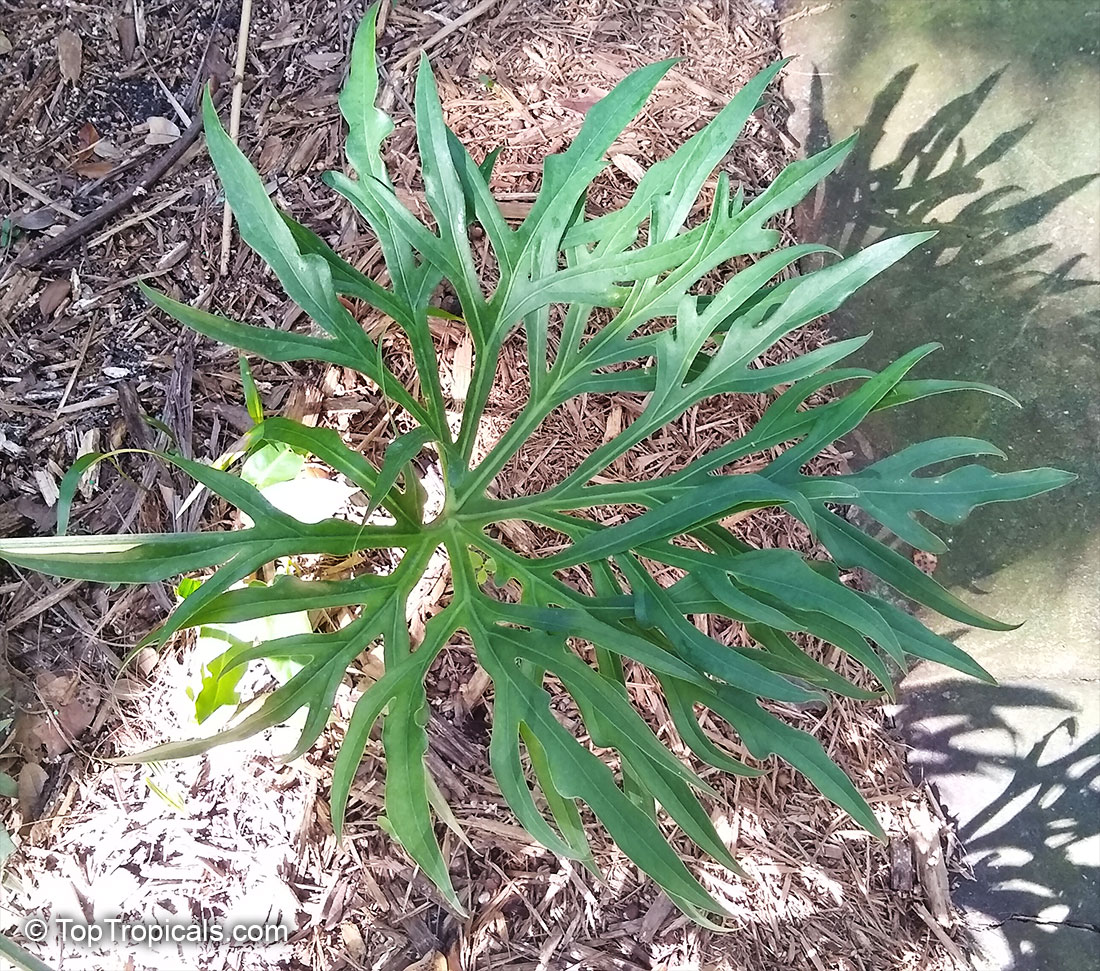
Botanical name: Anthurium podophyllum
Common name: Huautla form
Family: Araceae
Origin: Mexico
Anthurium podophyllum is a small shrub that reaches a height of between 2 and 5 feet. It requires regular watering when grown in the garden. Its soil should be lightweight and retain moisture, yet still allow for enough drainage. The soil should also have a slightly acidic pH so that the nutrients in the soil can be used efficiently by the plant itself.
When growing Anthurium podophyllum in cold regions, try to find a pot that is slightly larger and made from a material like ceramic or terracotta. Since it is a tropical plant, it is important to provide the Anthurium with a semi-shady location that will provide some shelter from the cold. An area that receives some morning sunlight, but is shaded in the afternoon may be suitable.
The foliage of Anthurium podophyllum is an ornamental feature of the plants, with large heart-shaped leaves that can reach up to 10 inches in length. These leaves can grow either a deep green, or a variegated pattern of greens, yellows and oranges. This plant requires moderate levels of water to stay healthy and growing. They require consistent and evenly distribute water. Watering the soil an inch deep should help to ensure the right moisture level is maintained, and allow it to prevent overwatering and root rot.
Anthurium podophyllum is a great choice for a lush and lush tropical garden, able to offer vibrant foliage and blooms, as well as being ideal for those looking for something a little different from other kinds of plants. With the right care, it can thrive and provide great beauty in the garden.
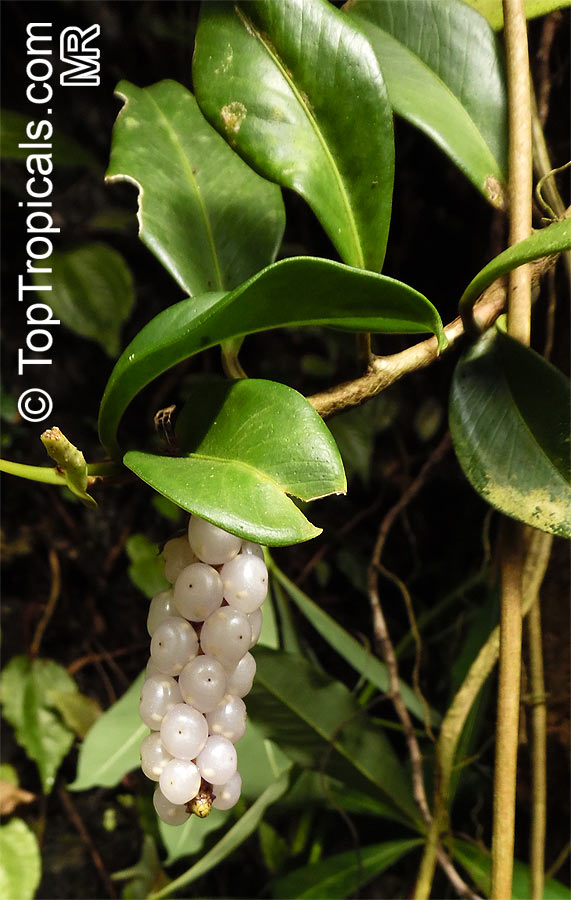
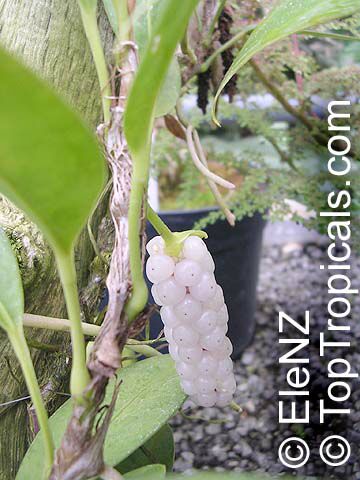
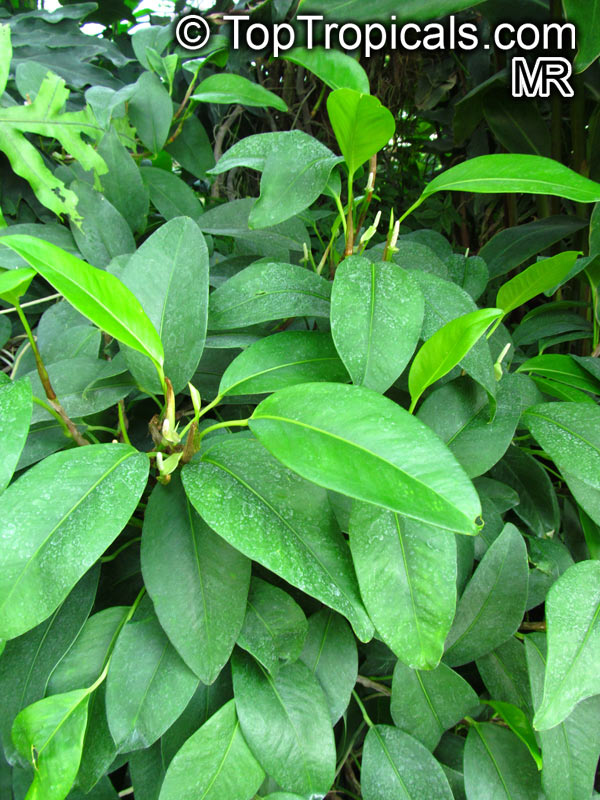
Botanical names: Anthurium scandens, Dracontium scandens
Common name: Pearl Laceleaf
Family: Araceae
Origin: Caribbean

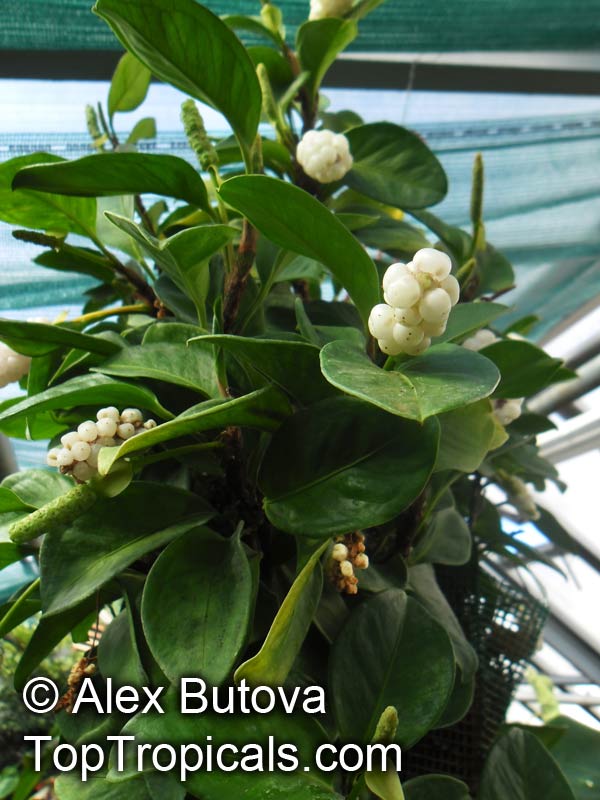
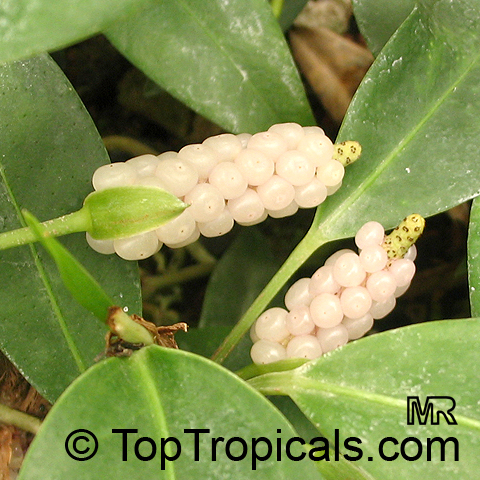
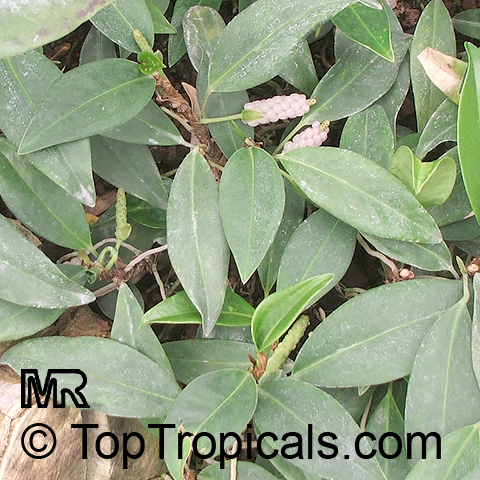
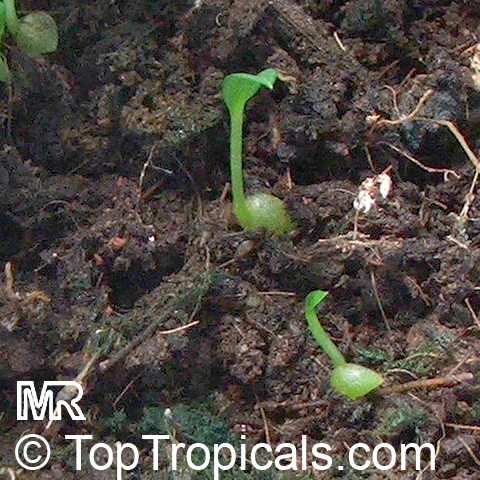
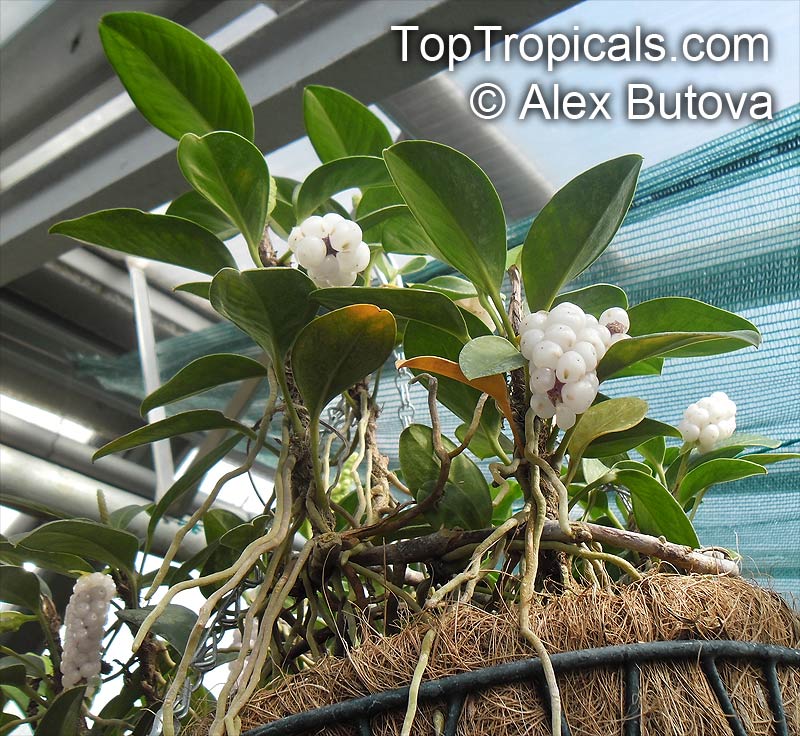
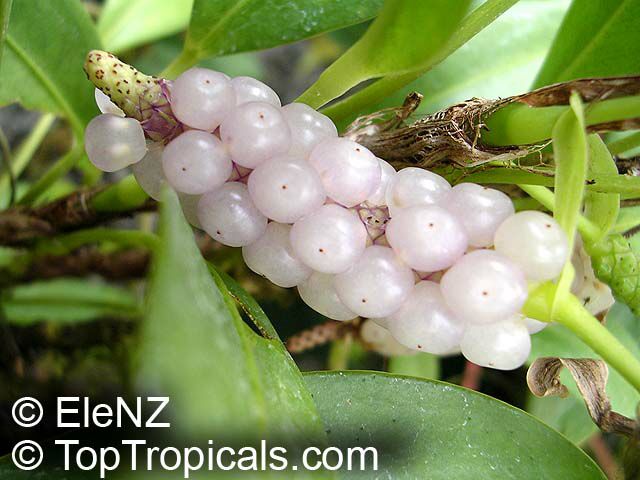
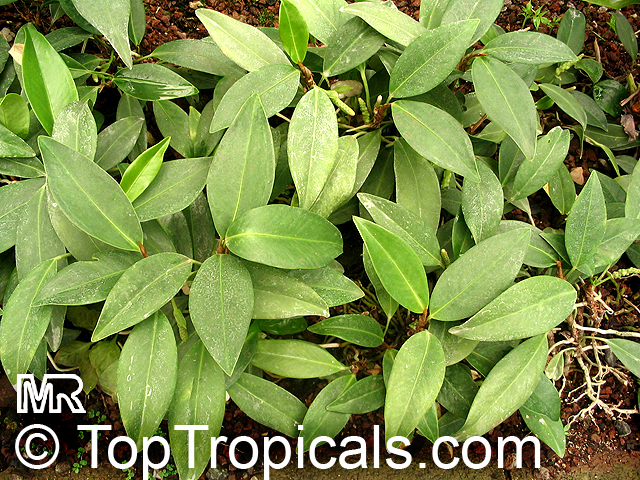
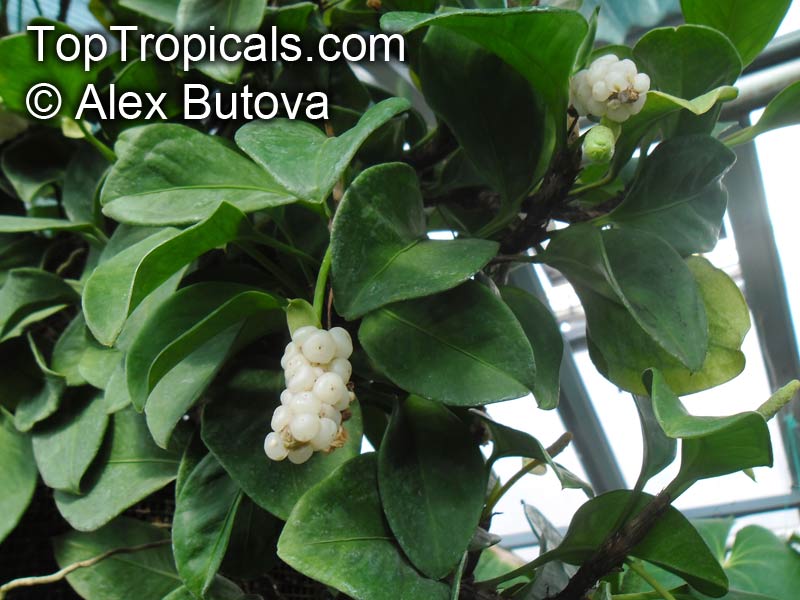
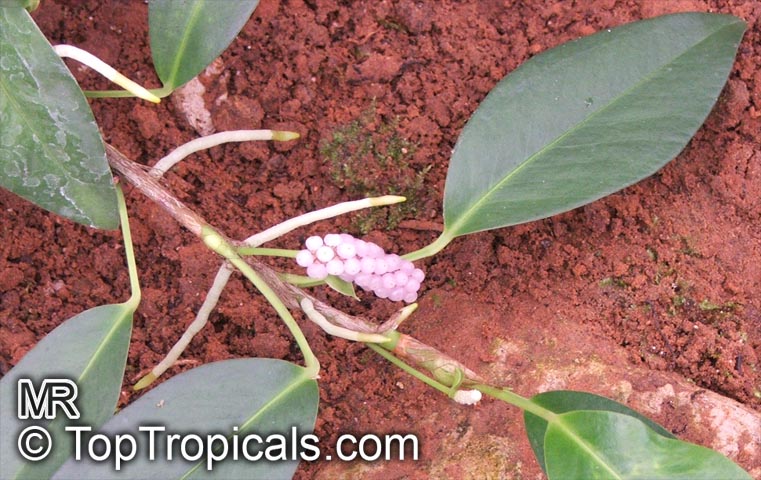
Anthurium scandens is known from southern Mexico and the West Indies to southern Brazil, ranging from sea level to 2,700 m. This is the most widespread aroid in the New World and, doubtless, the most ecologically diverse as well, occurring in tropical moist, premontane wet, tropical wet, premontane rain, and lower montane rain forest life zones. This is a creeping epiphytic aroid with a aerial roots along the stem. Produces small clumps of pale lavender to almost while berries.
| Prev | Next | |
Use link to repeat this search:
https://toptropicals.com/cgi-bin/garden_catalog/cat.cgi?find=Anthurium&search_op=and&keyword_op=and&language=e&number=10
&no_change_lang=1&user=tt&sale=1&first=0