Acacia - Plant Encyclopedia Results
| Number of plants found: 33 | Next | 
|
Go to page: | 1 | 2 | 3 | 4 |

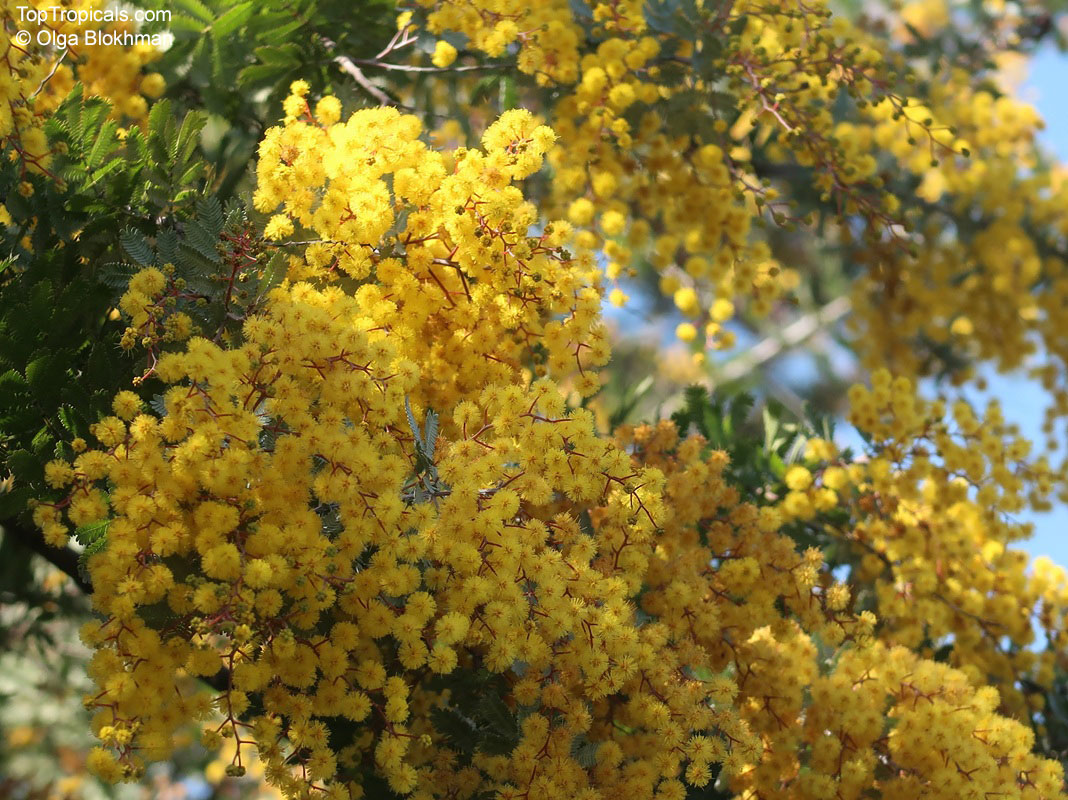
Botanical name: Acacia baileyana
Common name: Purple Fernleaf Acacia
Cultivar: Purpurea
Family: Fabaceae
Subfamily: Mimosoideae
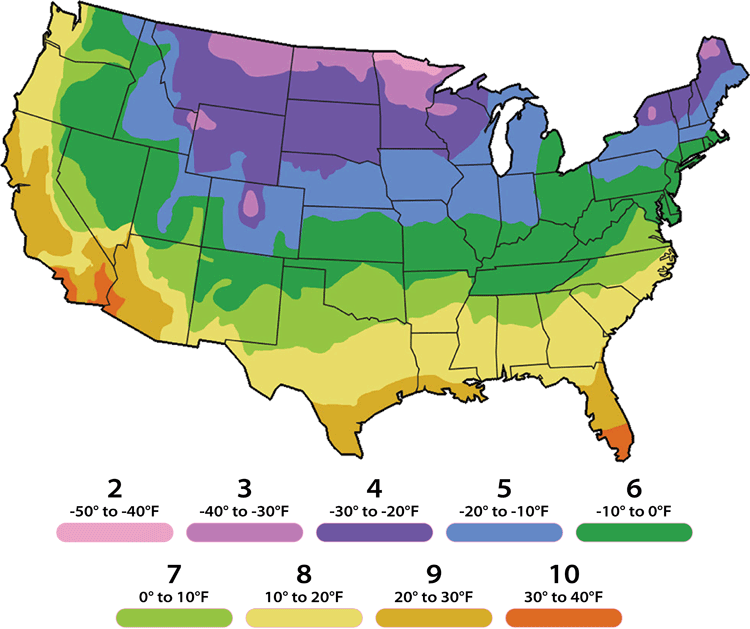


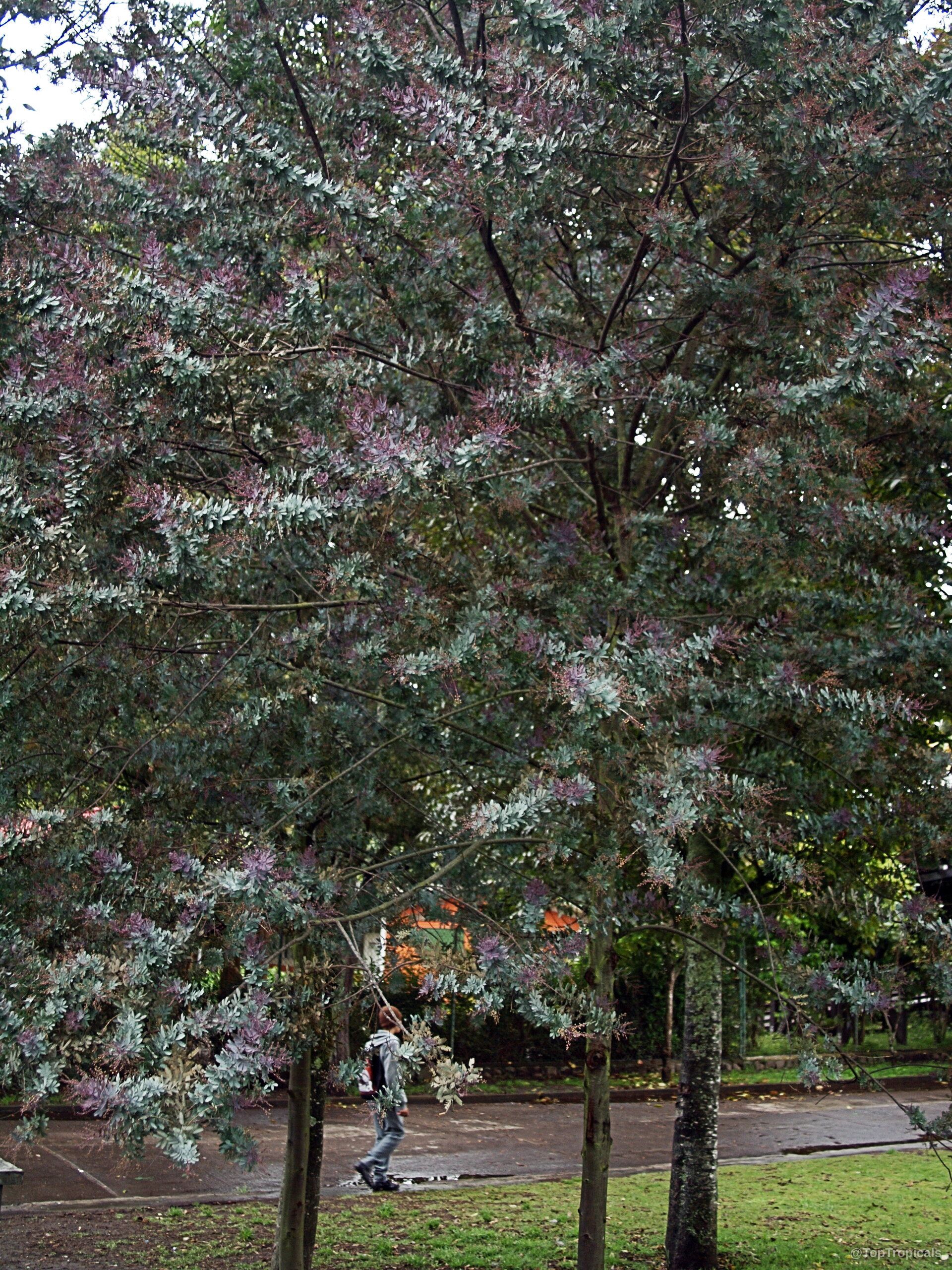
Acacia baileyana 'Purpurea' (Purple Fernleaf Acacia) is a small, drought tolerant tree that can reach 10-20 feet in height in the right conditions. It thrives in full sun, and requires moderate water, which decreases once established. It has ornamental foliage, and produces beautiful yellow, orange flowers. These fragrant blooms attract butterflies and hummingbirds to your garden. It grows best in USDA hardiness zones 9-11.
When planting Acacia baileyana 'Purpurea', dig a hole that is twice as wide as the root ball and around the same depth. This will ensure the roots have plenty of space to spread out. Once planted, water deeply to help the roots establish.
For cold regions, it is best to plant Acacia baileyana 'Purpurea' in a pot and move it indoors in cold winter months. Make sure the pot is well drained and replant every few years for optimal growth. Feeding with a fertilizer in the spring and summer will help promote growth. If you see any signs of disease or pests, treat them as early as possible with an appropriate product.
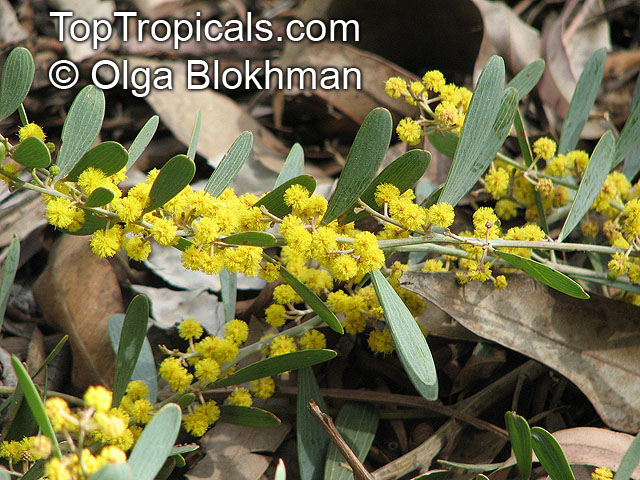
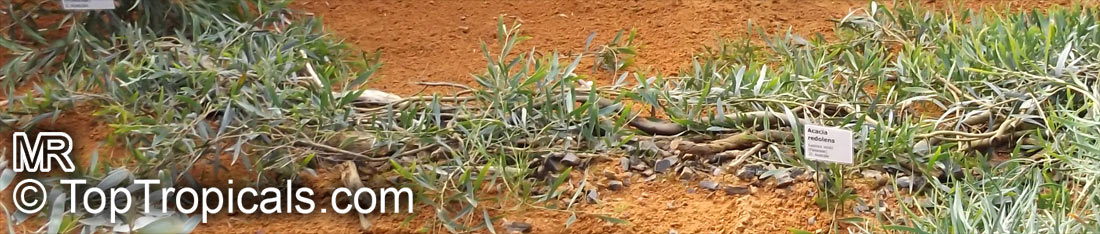
Botanical name: Acacia redolens
Common names: Trailing Acacia, Bank Catclaw
Family: Fabaceae
Subfamily: Mimosoideae
Origin: Australia


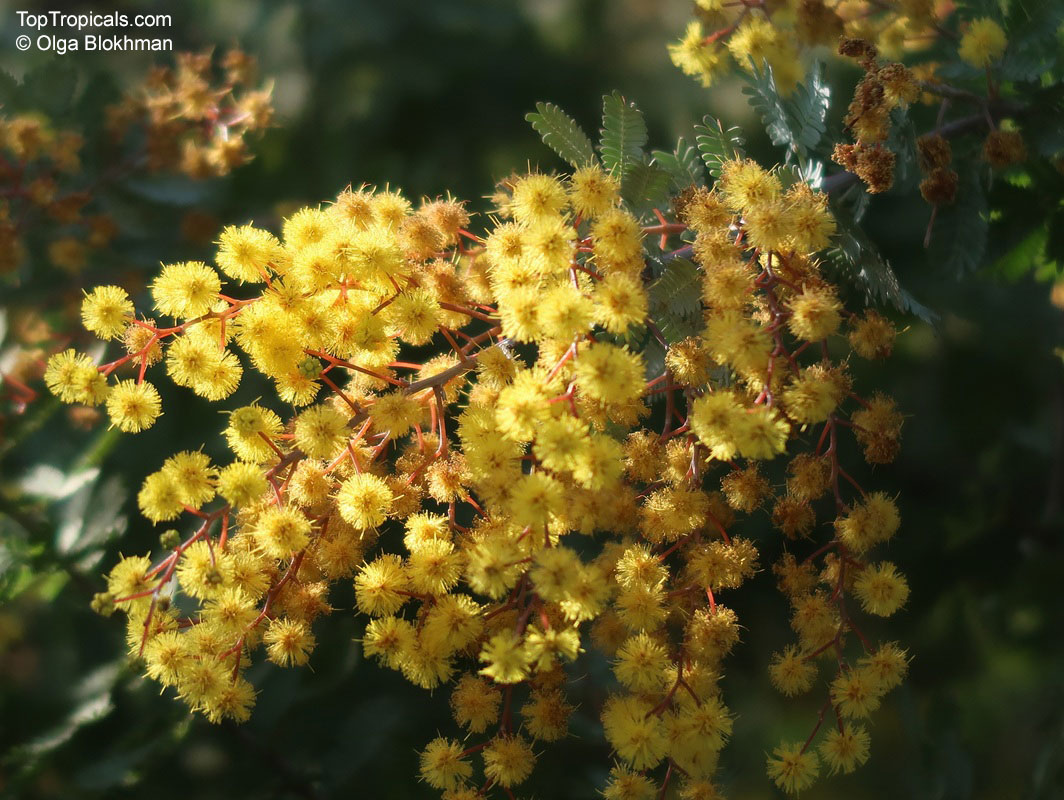
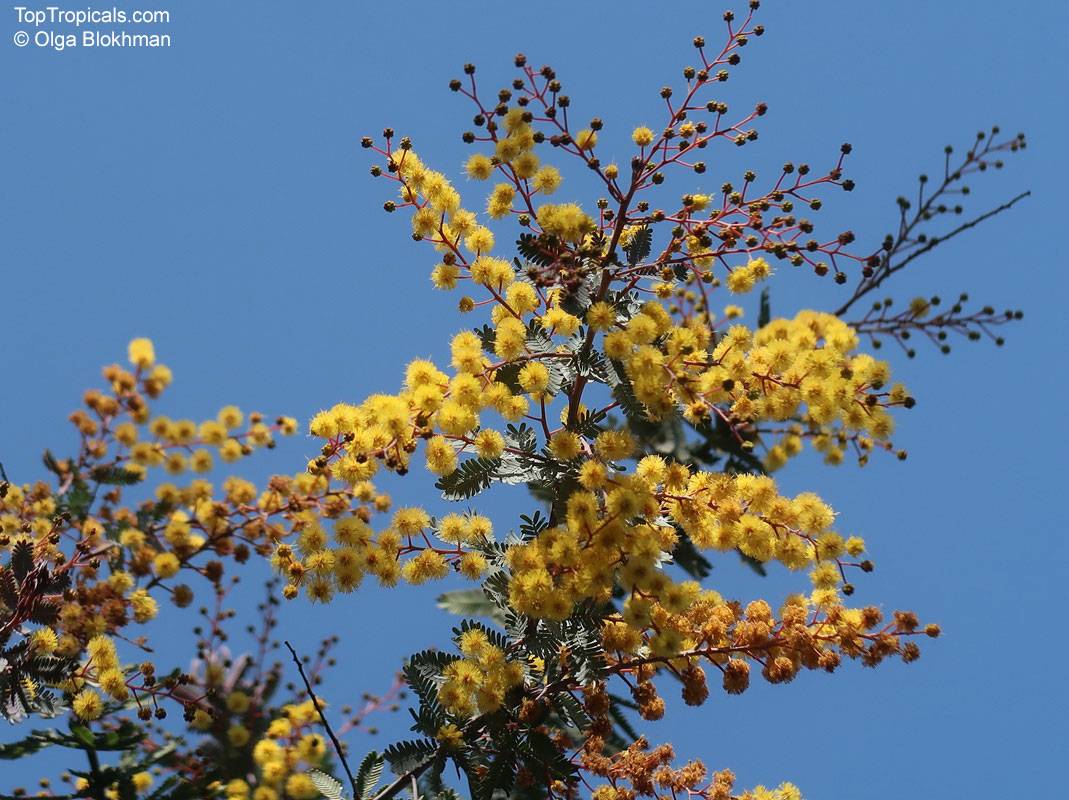
Acacia redolens grows in full sun and is considered a large shrub, 5-10 ft tall. The yellow-orange flowers are an attraction for butterflies and hummingbirds. With proper care, plant can be grown in USDA hardiness zones 9 through 11. For gardeners in cold regions, the trailing acacia can be grown in a pot and brought indoors in the winter. To keep it healthy through the winter months, Acacia redolens should be placed in a sunny window and watered regularly. With plenty of sun, proper water, and occasional fertilizer, Acacia redolens will thrive indoors.
The plant is native to Australia and can be planted in a variety of landscaping situations. Its interesting and attractive foliage, along with its ability to tolerate drought, flooding, and cold temperatures make it a worthy addition to any garden. For those looking for a low-growing shrub with attractive, orange and yellow flowers, this Acacia species is a great choice.
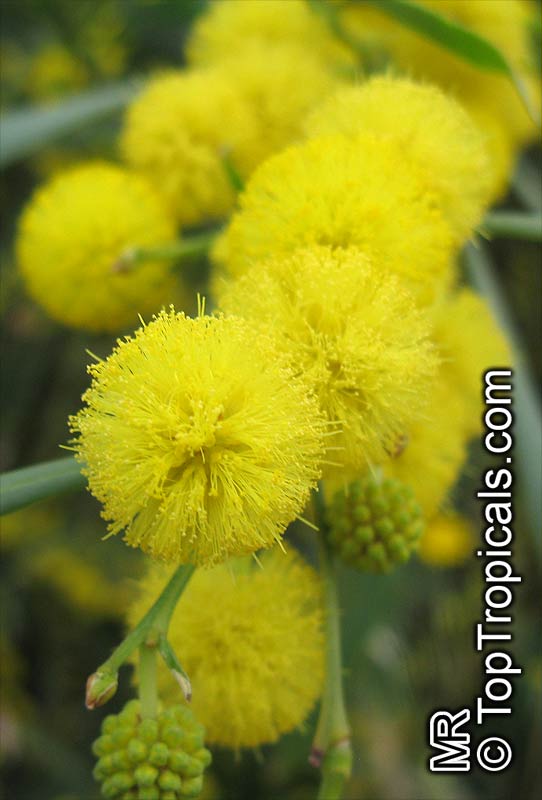
Botanical name: Acacia saligna
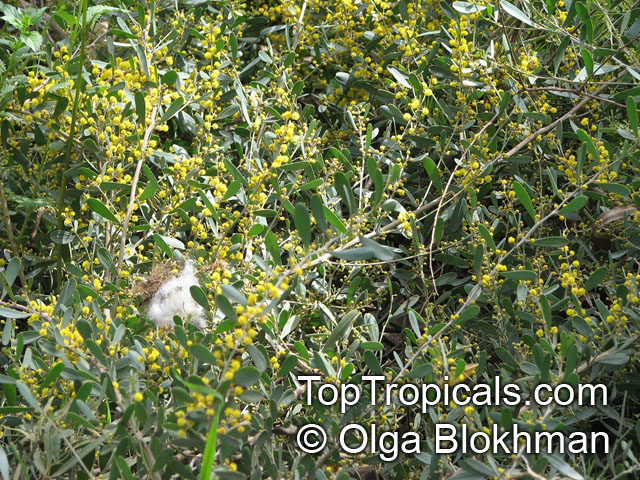
Common names: Golden Wattle, Long-leaved Wattle, Long-leaved Acacia, Sallow Wattle, Coast Wattle, Golden Rods
Family: Fabaceae
Subfamily: Mimosoideae
Origin: Eastern Australia

Grows to a height of more than 20 feet, making it a good choice for providing shade and background to many other plants. It is native to Eastern Australia, however, it has been successfully grown in many other regions that have USDA hardiness zones of 9 to 11. When grown outdoors it needs to be in full sun, however it can tolerate partial shade, making it a great choice for any garden.
Acacia saligna requires moderate watering; allowing the soil to dry out slightly before watering it again. The blooms are made of multiple, yellow to orange-colored flowers that bloom for an extended period. These flowers not only look beautiful, but also serve to attract many species of butterflies and hummingbirds to the garden.
In cold regions, where temperatures often drop below below freezing, Acacia saligna can be successfully grown in larger pots. Recommended potting soil for container-grown Golden Wattle should include a combination of peat moss, compost, and perlite or vermiculite. To ensure healthy growth, it is important to make sure that the soil is kept moist, but not soggy. During the winter months, it is recommended to position the pot in an area of the garden that will receive some protection from the elements. Also, remember to wrap the pot in bubble wrap or other insulating material to protect it from frost.
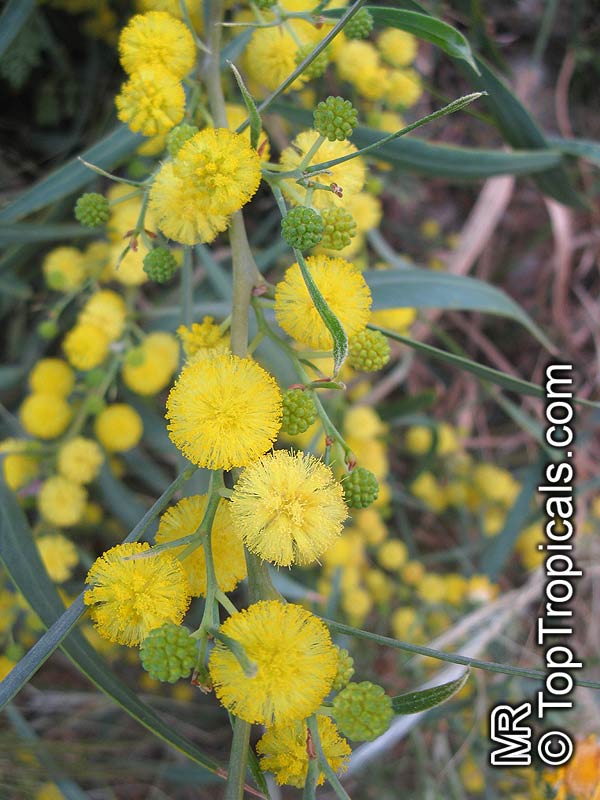
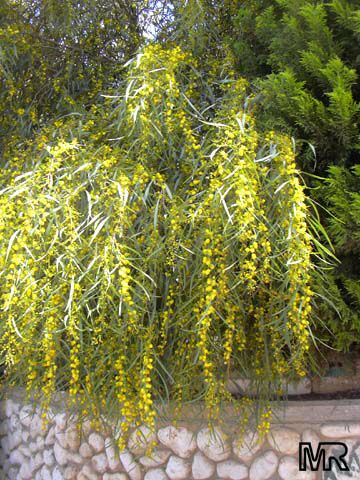
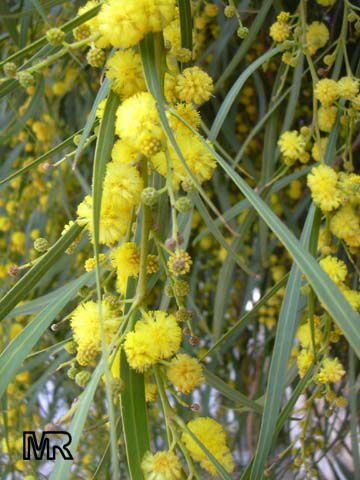
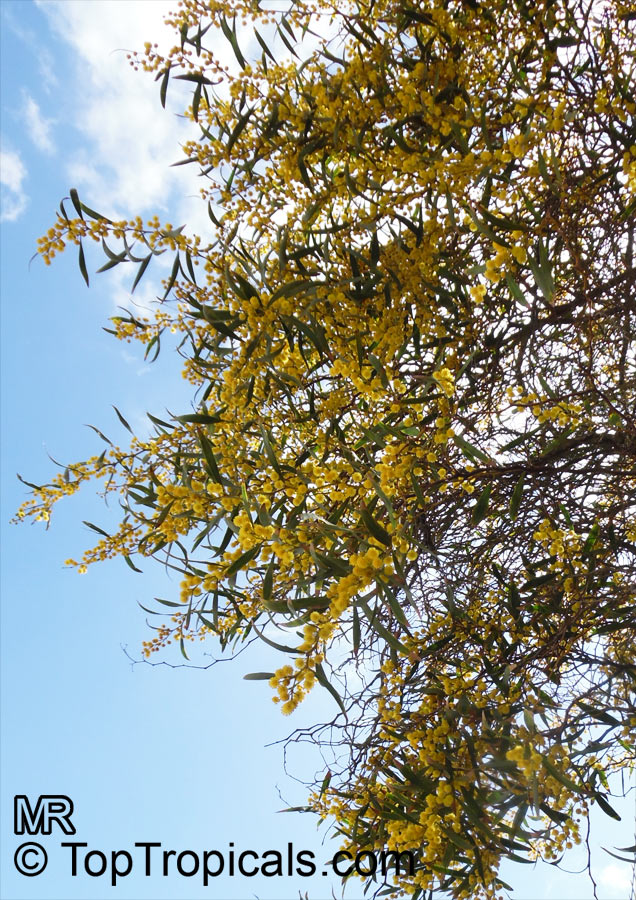
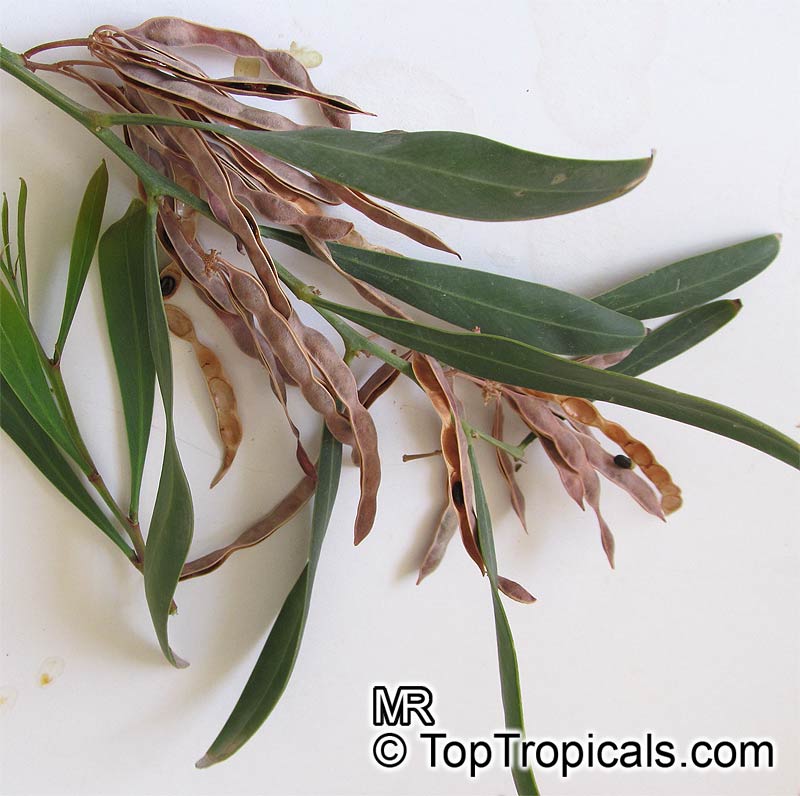
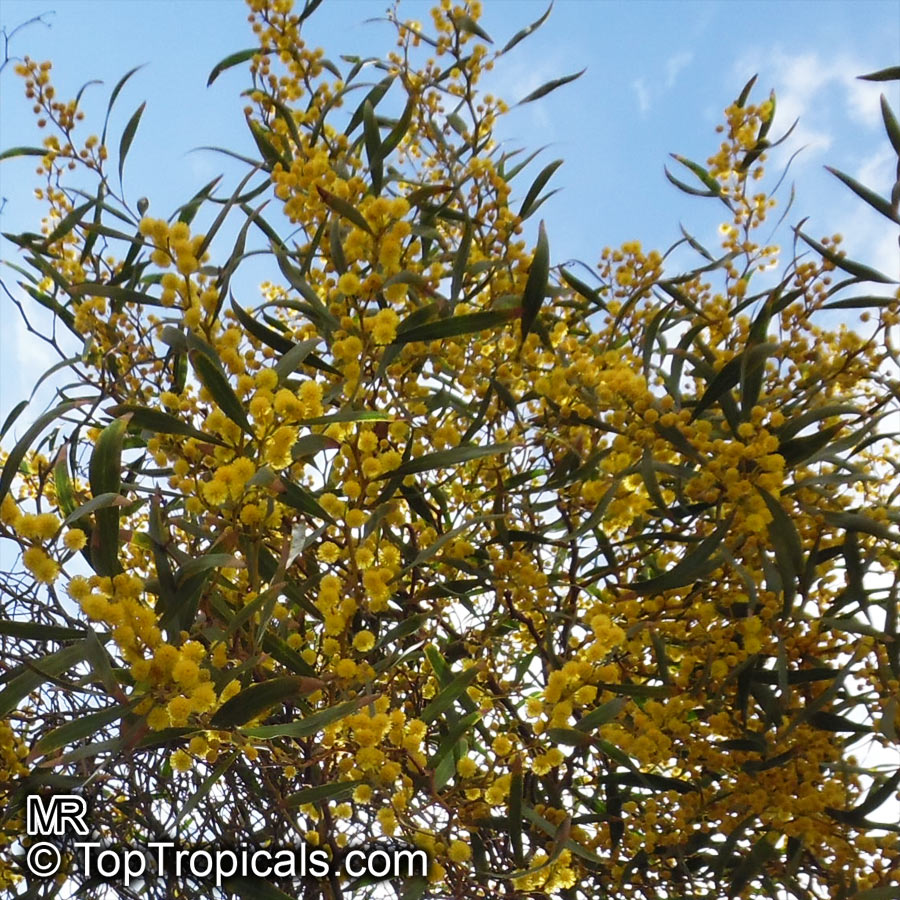
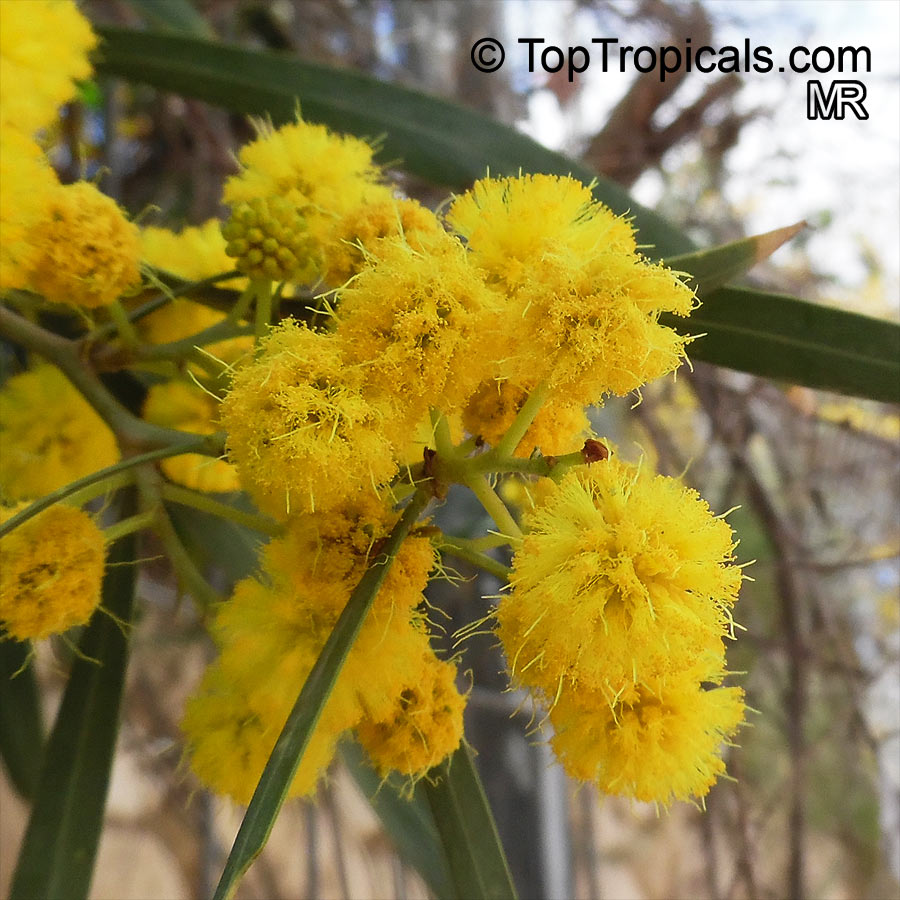


Botanical names: Vachellia cornigera, Acacia cornigera
Common name: Bullhorn Acacia
Family: Fabaceae
Subfamily: Mimosoideae
Origin: Central America, Mexico


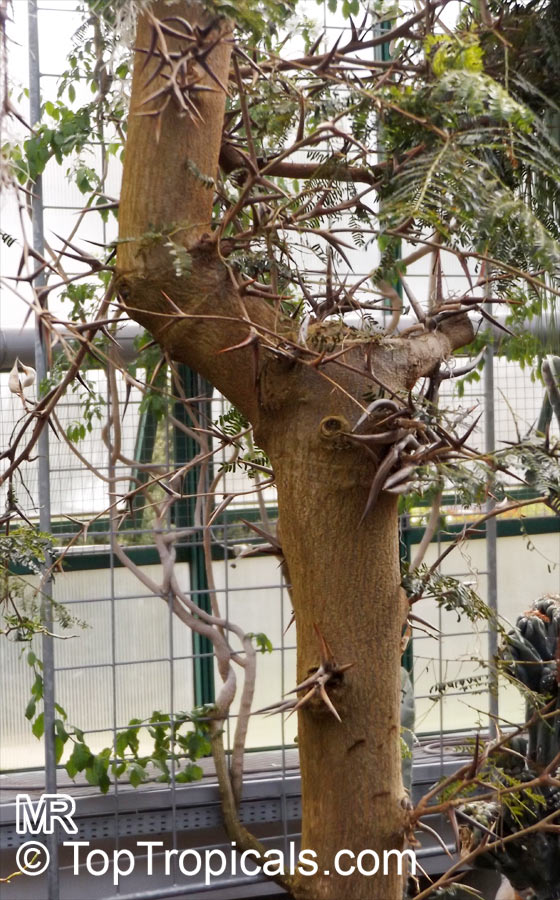
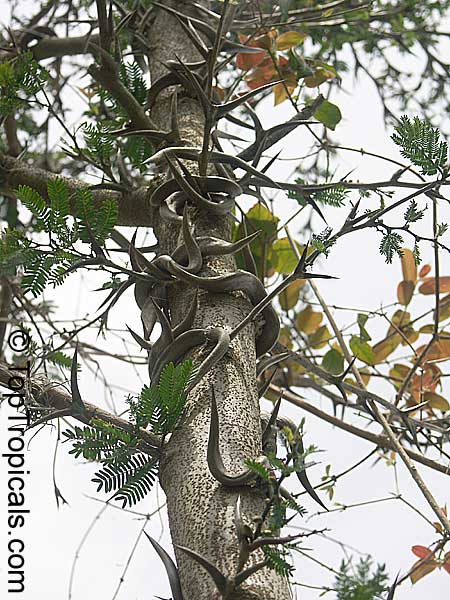
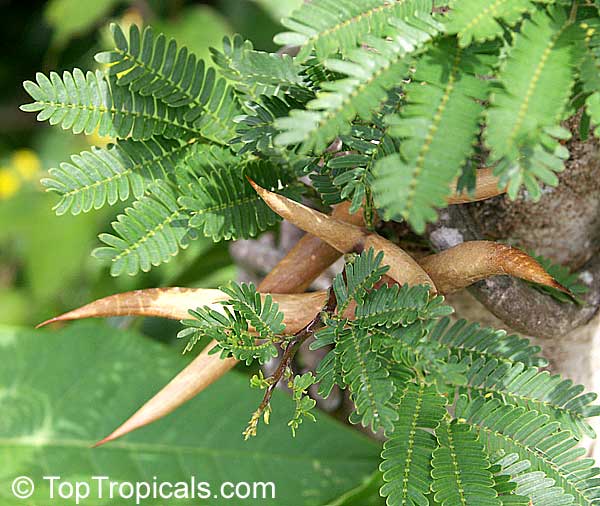
Vachellia cornigera, commonly known as Bullhorn Acacia, is an evergreen small tree that typically grows up to 10-20 feet tall. Native to Central America, Mexico, it is drought-tolerant and can thrive in full sun and dry conditions. Its foliage is typical of Acacias, with bright, tiny leaves and prominently spaced, prominent thorns. The thorns also serve to protect the tree from herbivores.
Its bright yellow, orange flowers, produced in spring and summer, attract nectar-seeking butterflies and hummingbirds. The plant is also highly decorative and can be used in gardens for topiary or hedges. As it produces fragrant flowers and can attract wildlife, it is a popular choice in the ornamental gardening trade.
Bullhorn Acacia is moderately adaptable to various soil types, but it prefers well-drained soil and is intolerant of moisture-retaining soil. It should be fertilized with a nitrogen-rich fertilizer twice a year, in spring and summer. It prefers a sunny site and protection from cold winds. In cold regions, it can be grown in large pots, which can be shifted indoors during cold periods.
In USDA Zone 8 through 11, Bullhorn Acacia is low-maintenance and makes an excellent addition to any landscape with its fragrant flowers, lush foliage, and attractive thorns. It is easy to grow and can be propagated from seed or cuttings. With minimal care, Bullhorn Acacia is a natural way to add a dose of greenery and bring a bit of nature to your garden.
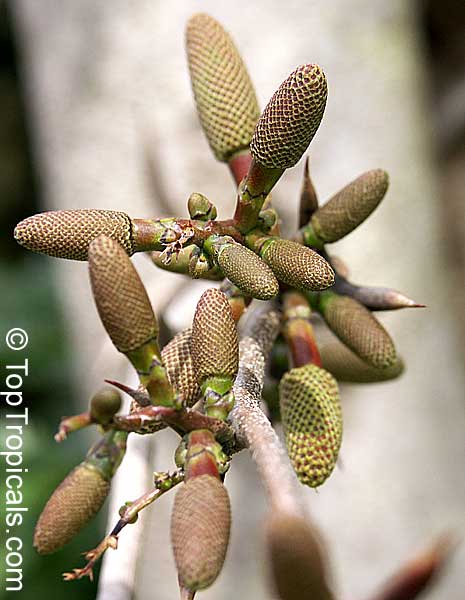
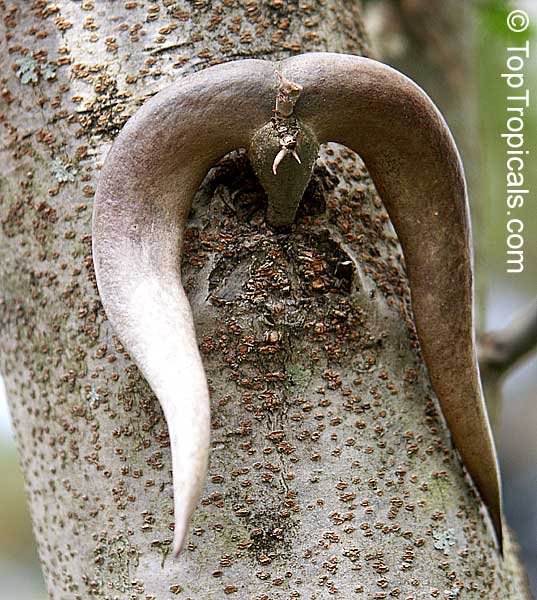
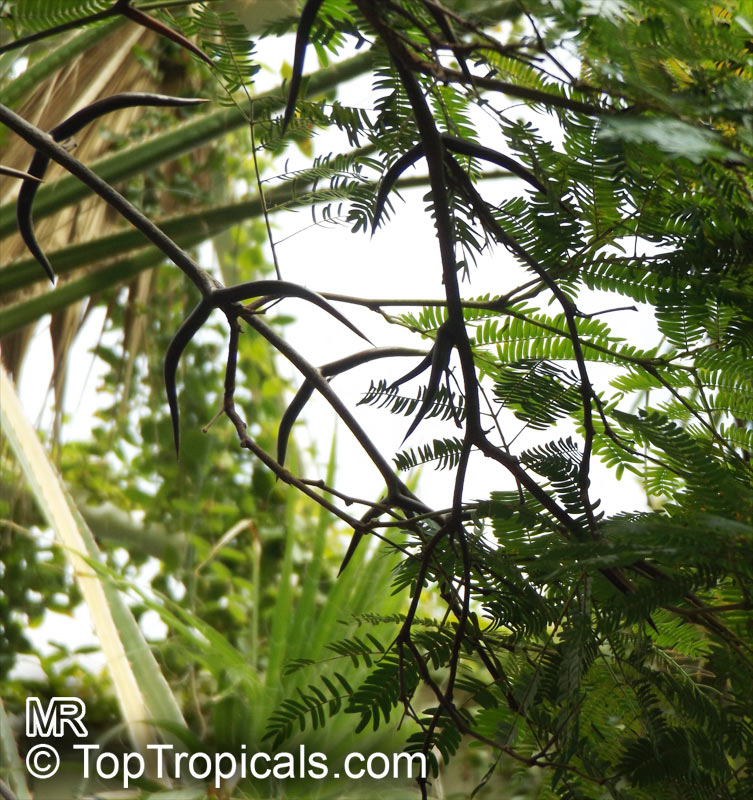
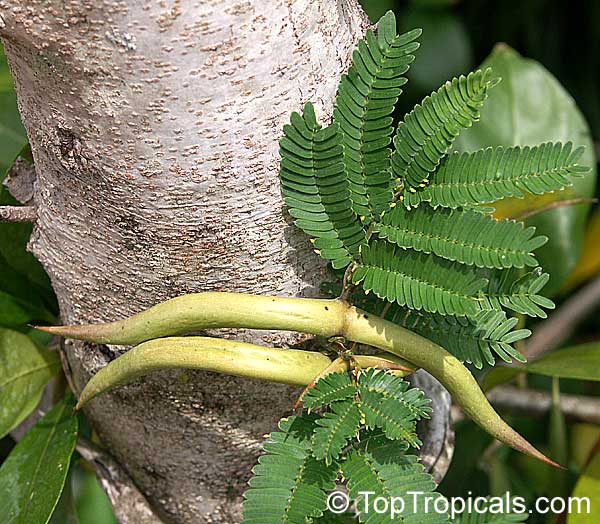
Botanical names: Vachellia sphaerocephala, Acacia sphaerocephala
Common names: Bulls-Horn Acacia, Bee Wattle
Family: Fabaceae
Subfamily: Mimosoideae
Origin: Mexico
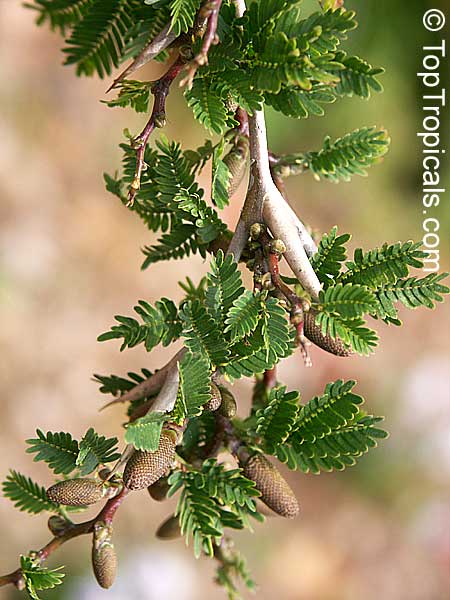
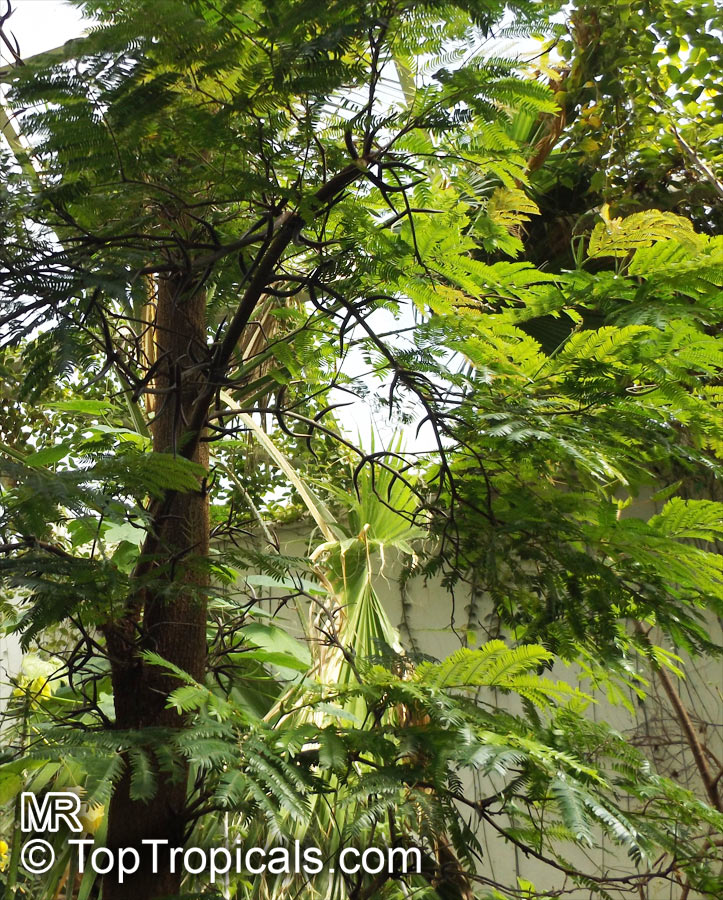
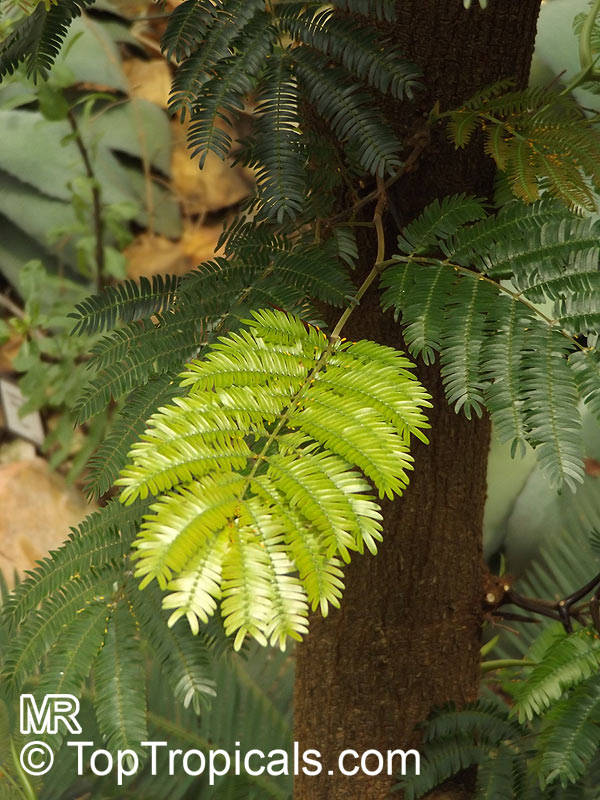
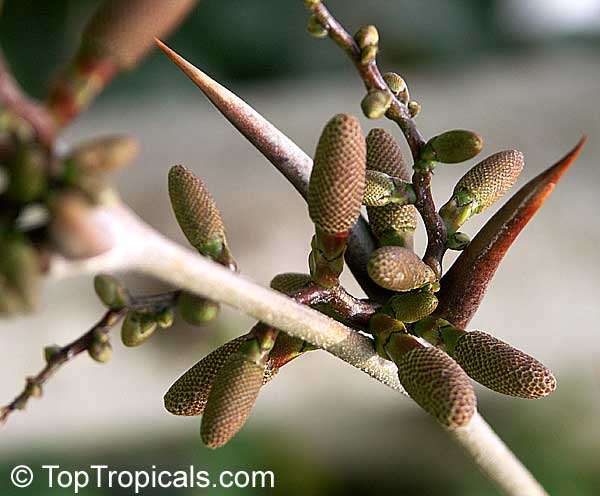
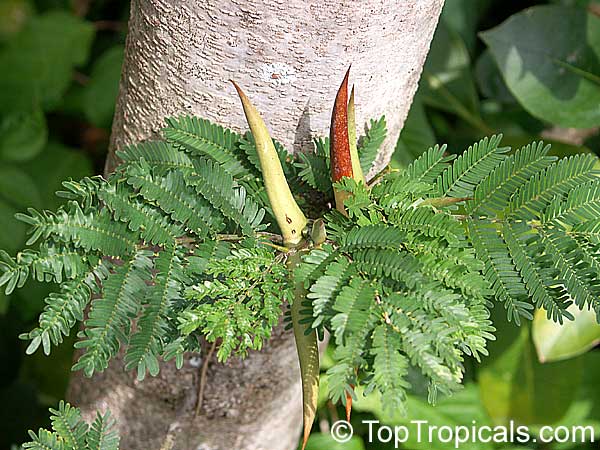
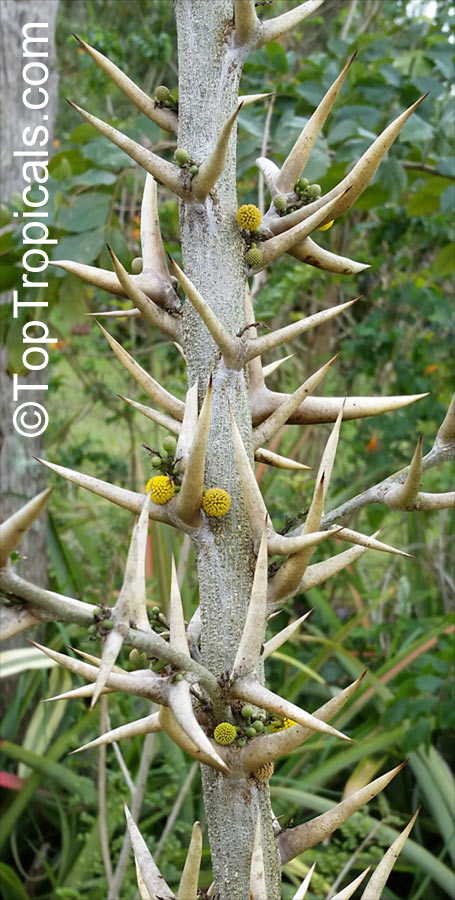
Vachellia sphaerocephala (Bulls-Horn Acacia) is a large, graceful, evergreen tree that is grown for its interesting and attractive silhouette, paired with its yellow and orange flowers. This plant is indigenous to southern Mexico and Central America, but has a wide growing range, as it can be found in warmer regions close to the equator and as far north as the USDA zone 9-11. The trees are known to get quite big, with mature trees reaching heights of more than 20 feet, however there are varieties which come in at 10-20 feet that can easily fit in to smaller spaces such as yards and gardens.
Vachellia sphaerocephala requires full sun and moderate water, while in terms of soils they are not very picky, but are great in well-drained soils. They are quite drought tolerant as well, once established. While the trees roots can be deep and spread far, so great care must be taken when planting near any structures or underground utility lines or pipes.
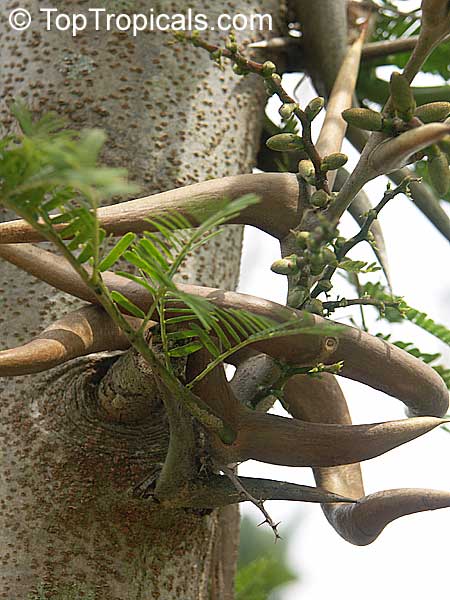
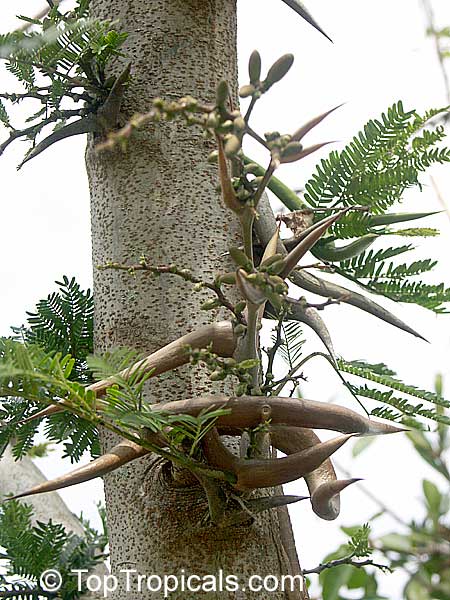
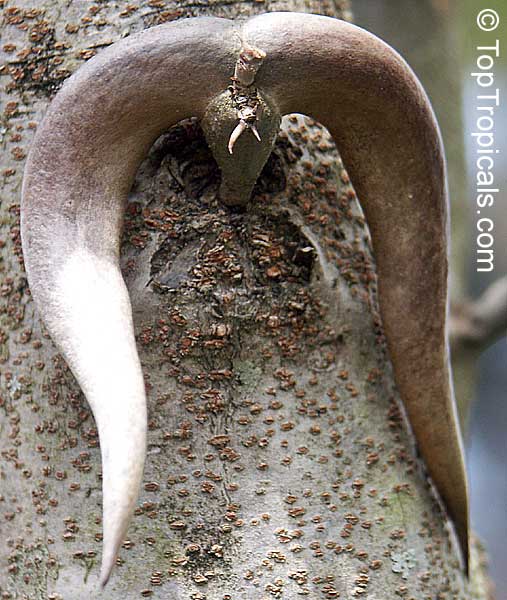
Vachellia sphaerocephala's main care requirement is that it requires pruning to make it stronger. The tree is known to have long, thorny or spiny stems, which may impale any passers by, particularly if planted near walkways. It is important to prune heavily to encourage this plant to develop a sturdy and strong frame making it much less likely to break in strong winds or stormy weather.
It is quite easy to grow Vachellia sphaerocephala in cold climates in a container or pot. Simply choose a pot with adequate drainage that is big enough to accommodate the size of the tree. Ensure the pot receives adequate sunlight and the plant is given proper hydration and fertilization throughout the growing season. In cold regions, it will require bringing the pot indoors when temperatures start to drop below freezing. This will stop the tree from suffering frost damage.
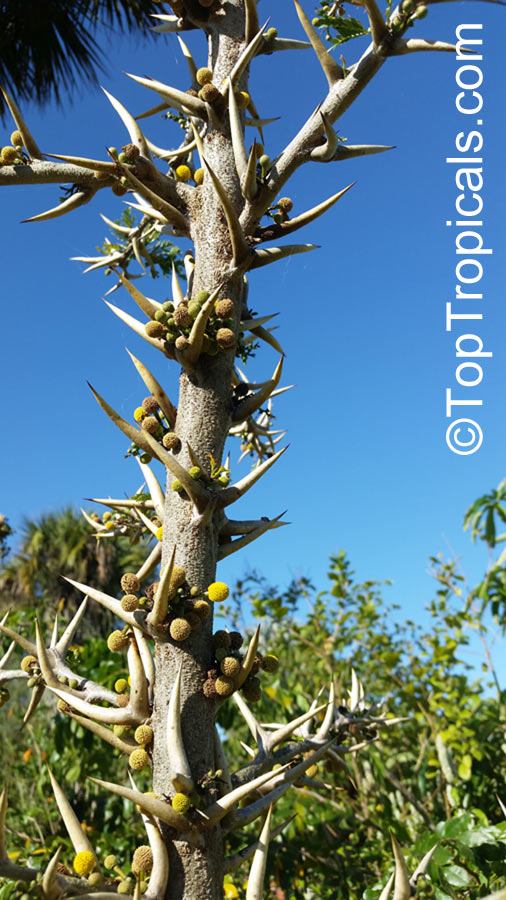
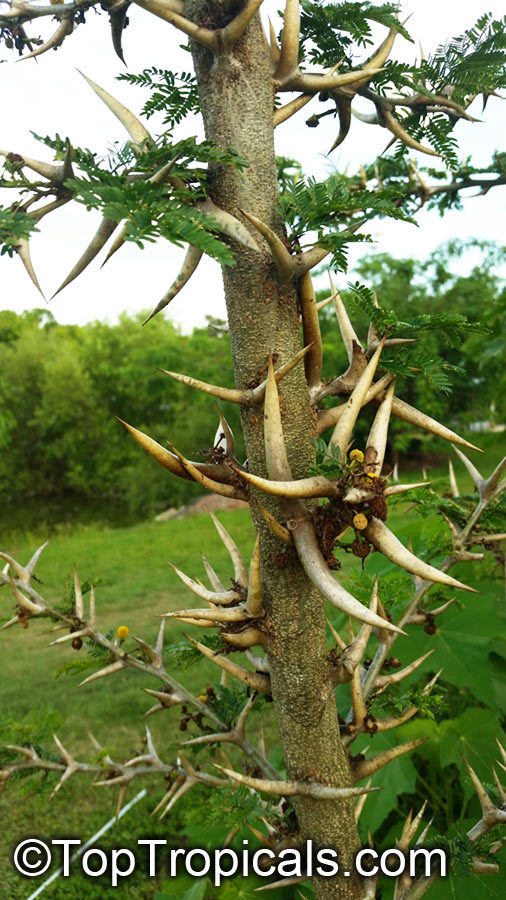
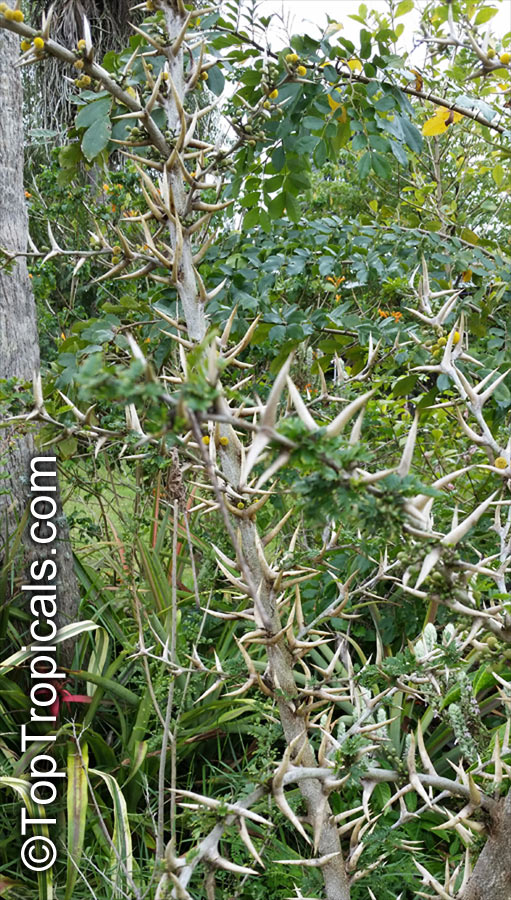
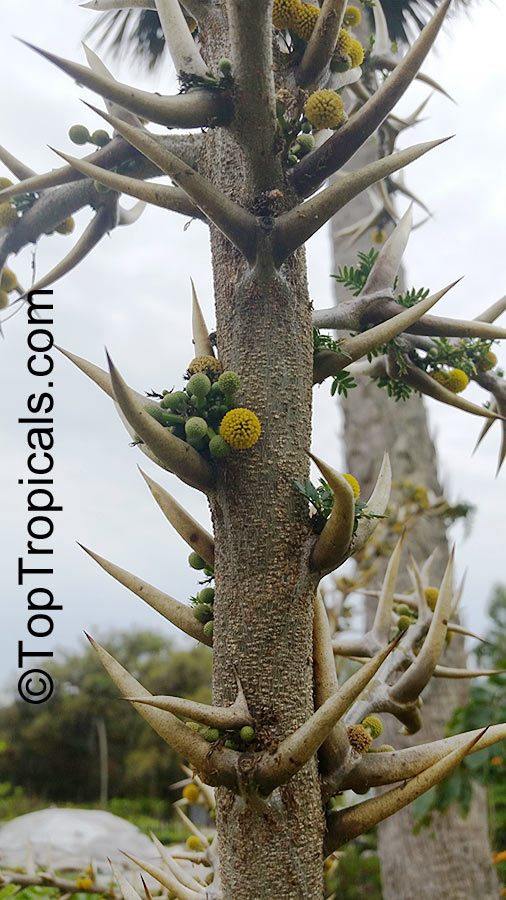
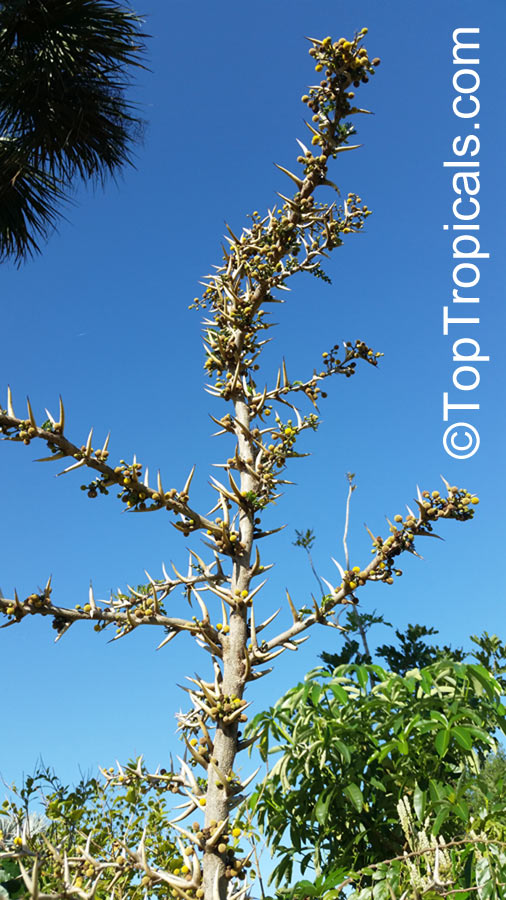
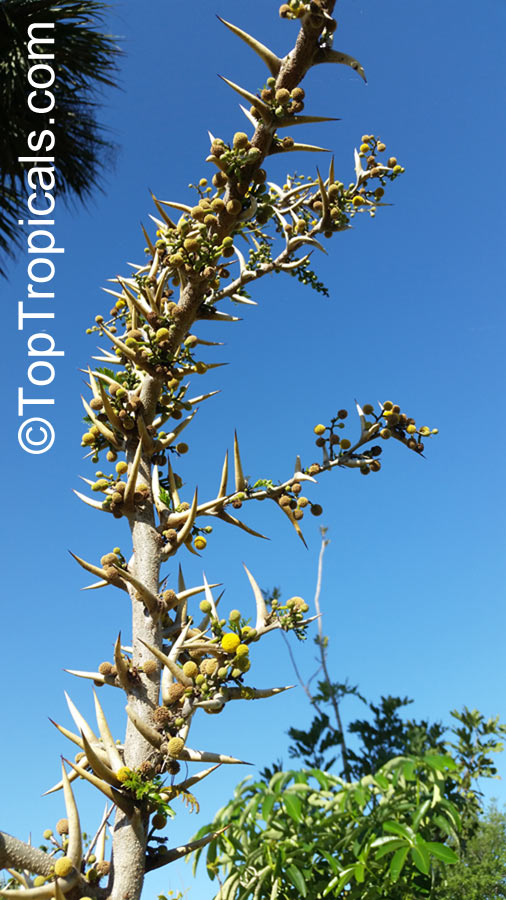
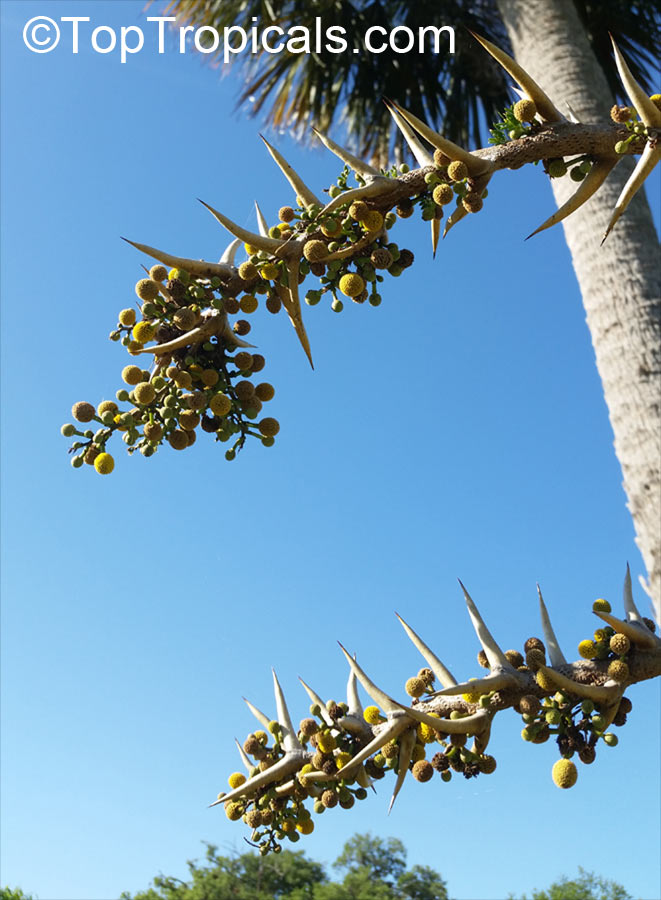
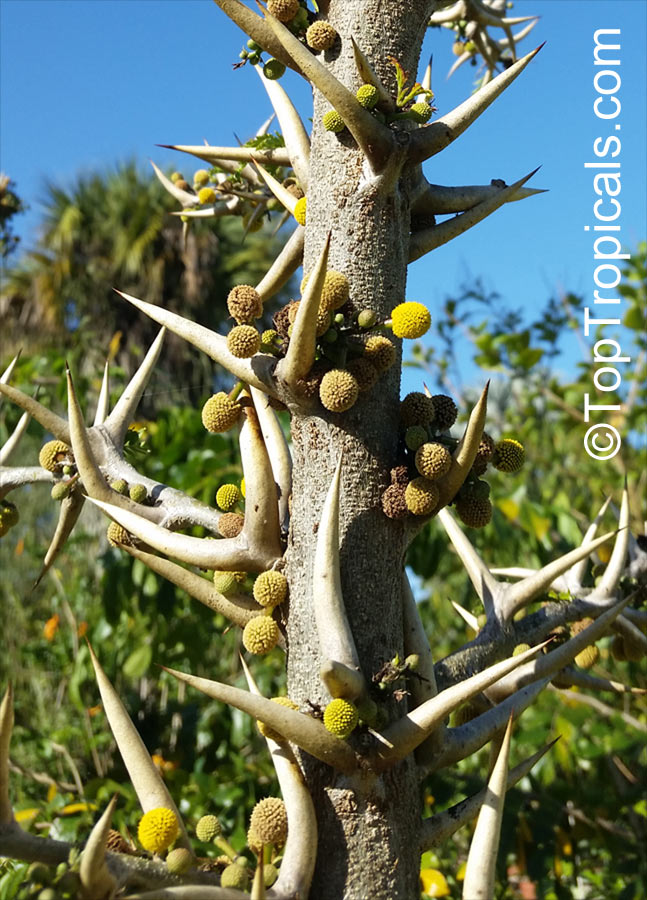
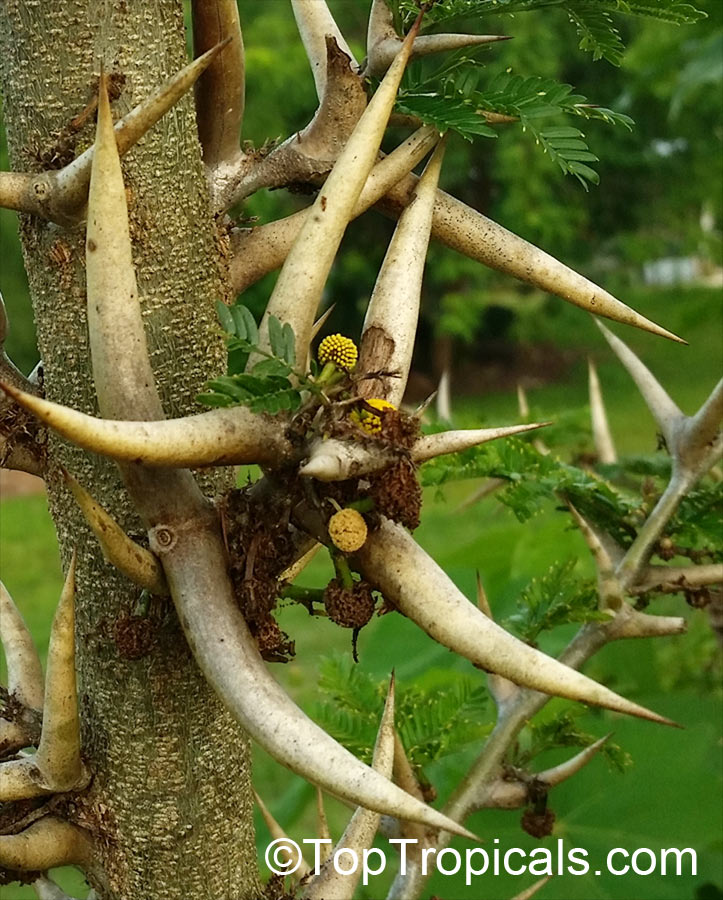
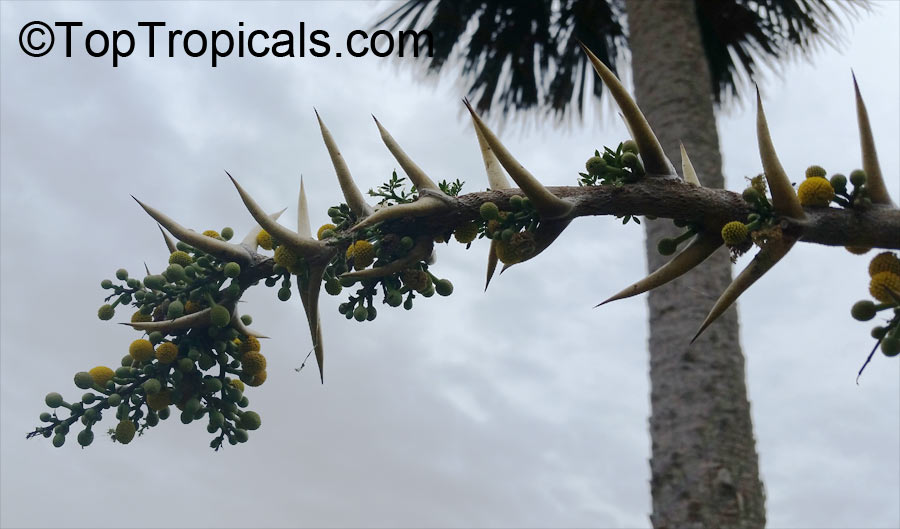
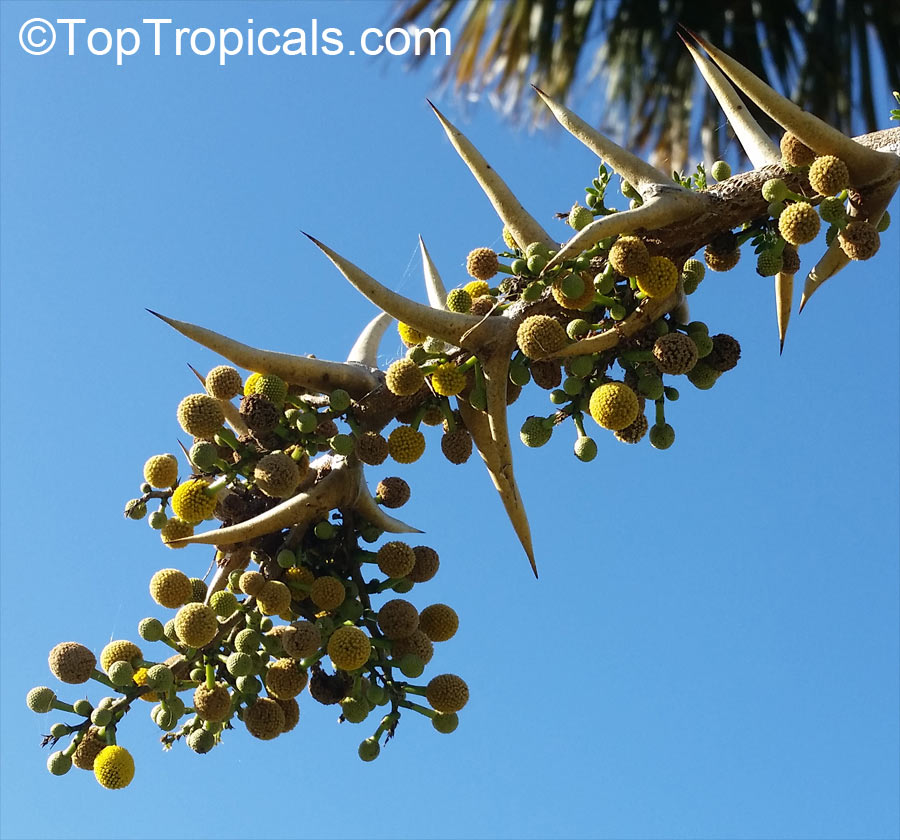
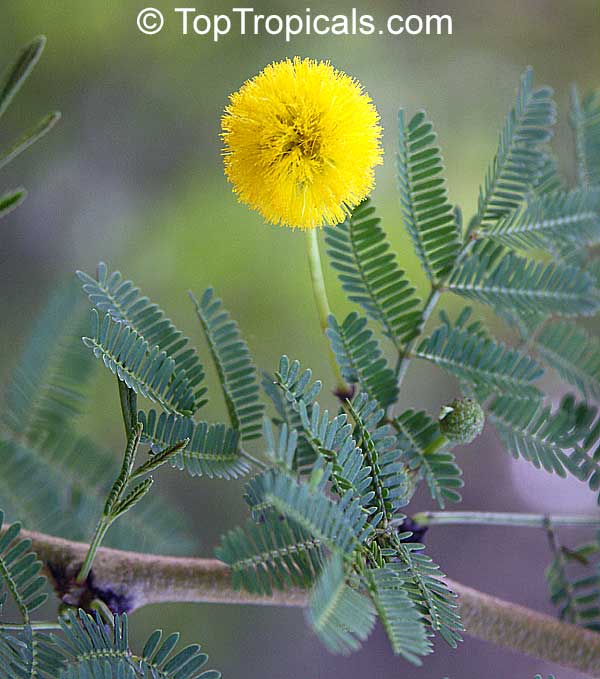
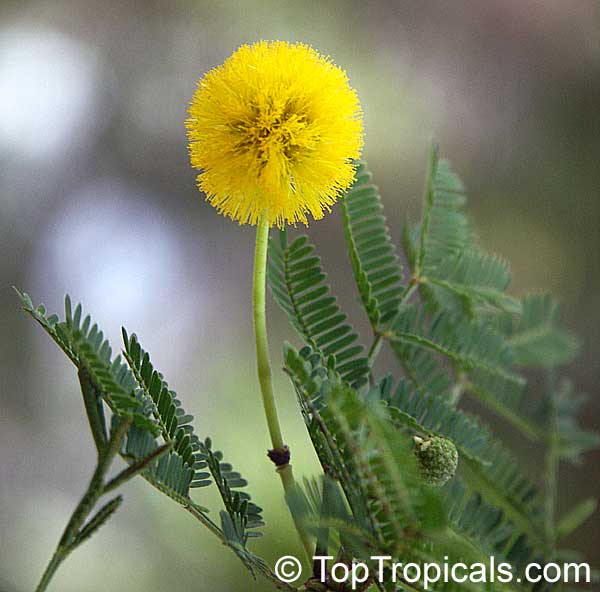
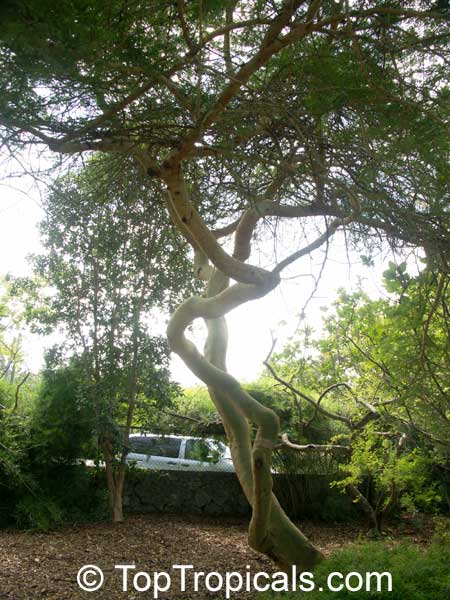
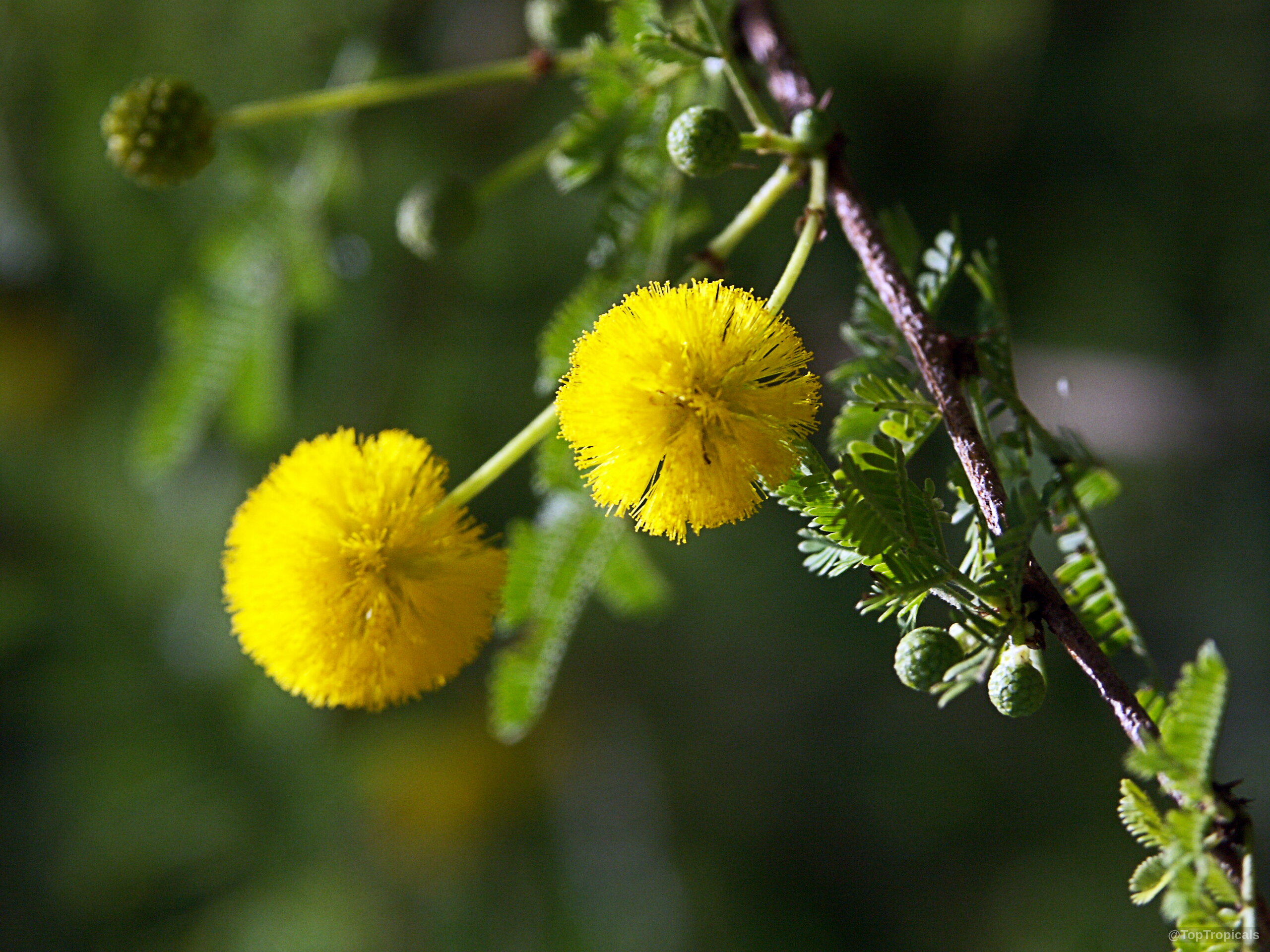
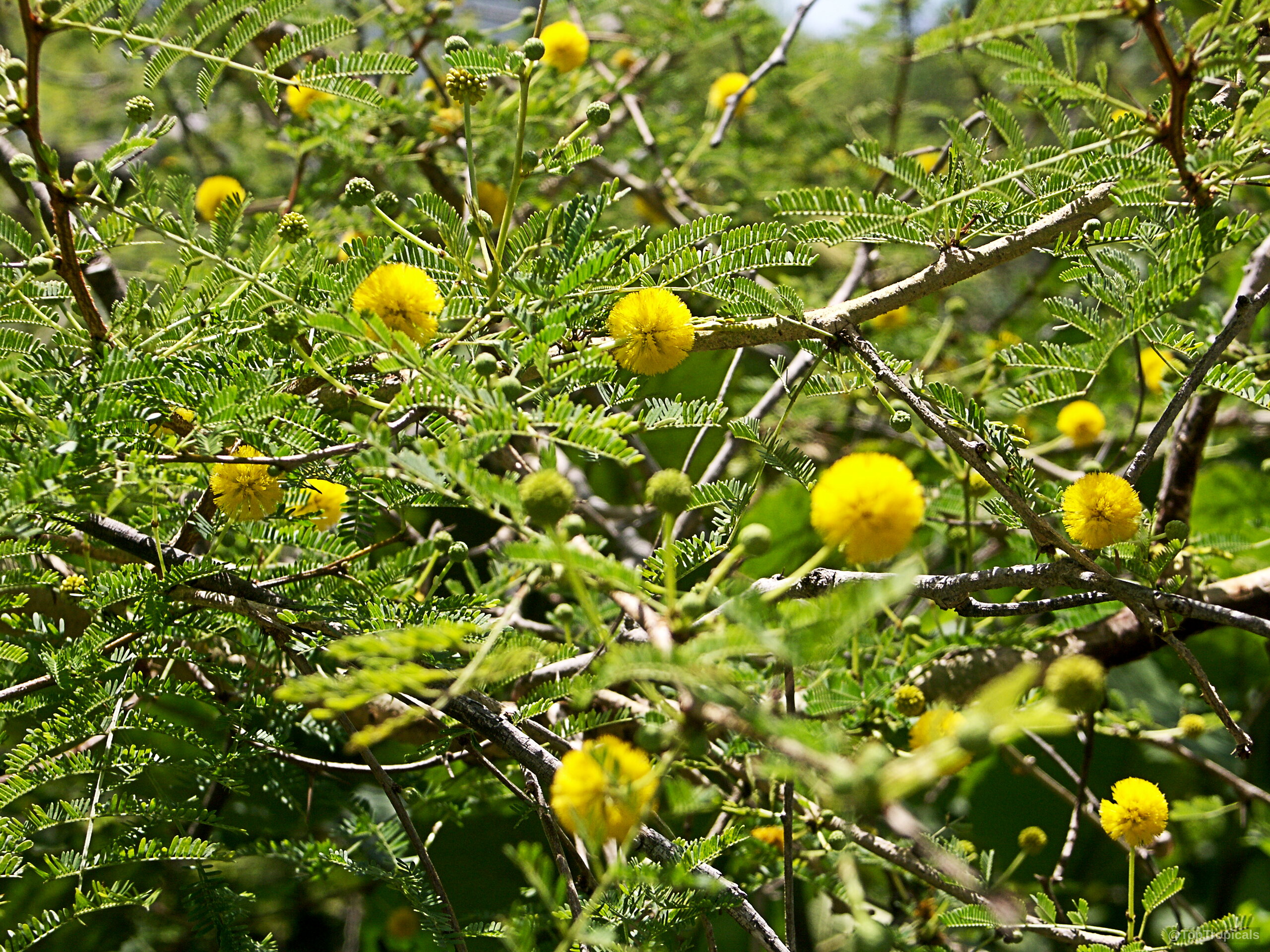
Botanical names: Vachellia tortuosa, Acacia tortuosa, Mimosa tortuosa
Common names: Twisted Acacia, Huisachillo
Family: Fabaceae
Subfamily: Mimosoideae
Origin: West Indies
The Vachellia tortuosa or Twisted Acacia grows well in full sun in well-drained, moderately moist soils and exhibits strong drought-tolerance once establish. Its growth rate is slow to moderate, reaching a size of 5-10 ft tall as a shrub and up to 10-20 ft as a small tree. This handsome evergreen shrub or small tree makes an attractive specimen in the landscape. Numerous butterflies and hummingbirds will congregate around its fragrant yellow or orange flowers.
For regions in cold climates, the Twisted Acacia is best grown in the warmer days of spring and summer in a large container that can be easily moved indoors during the winter months. When planting in a pot, use a mix of soil-based potting compost and sand, and position the shrub in a bright spot with access to plenty of light. Water the pot in sparingly: let the soil dry out, then water thoroughly. Re-pot the plant every other year into a slightly larger pot. Apply liquid fertilizer in late winter or early spring to stimulate growth and flowering.
For further protection during cold winters, provide the Twisted Acacia with extra insulation by draping frost-like fabric over the container and adding a thick layer of mulch. Pruning is not necessary but can be done after flowering to shape and size the shrub. Generally, prune back approximately one-third of the new season's growth.
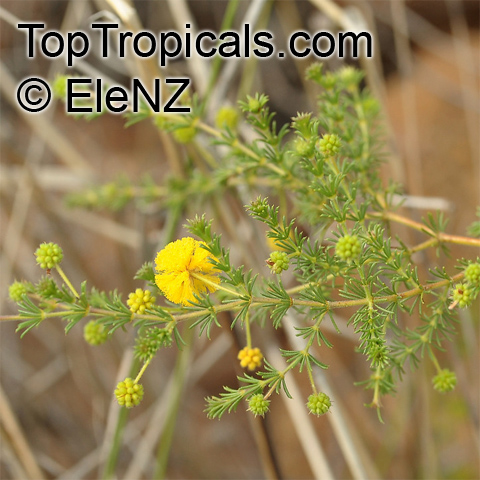
Botanical name: Acacia adoxa
Common name: Acacia
Family: Fabaceae
Subfamily: Mimosoideae
Origin: Australia

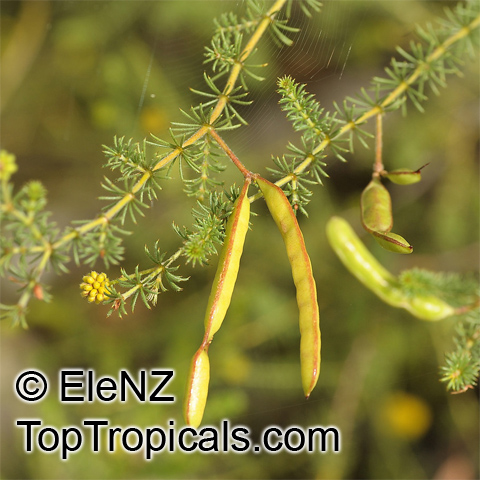
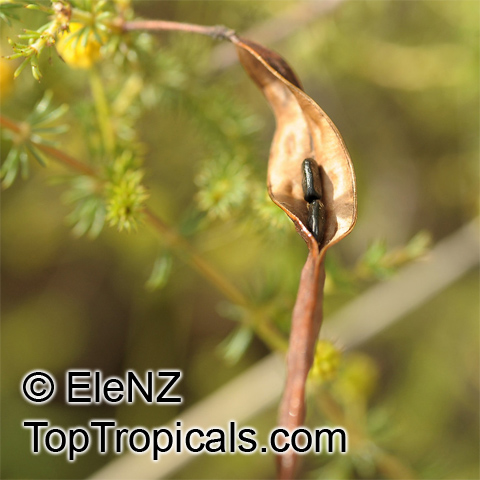
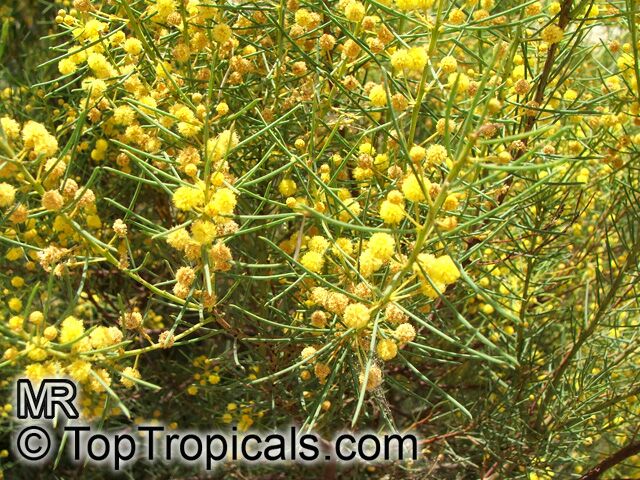
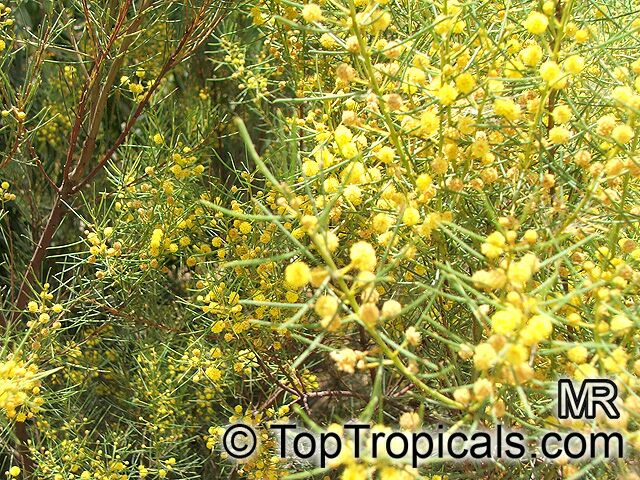
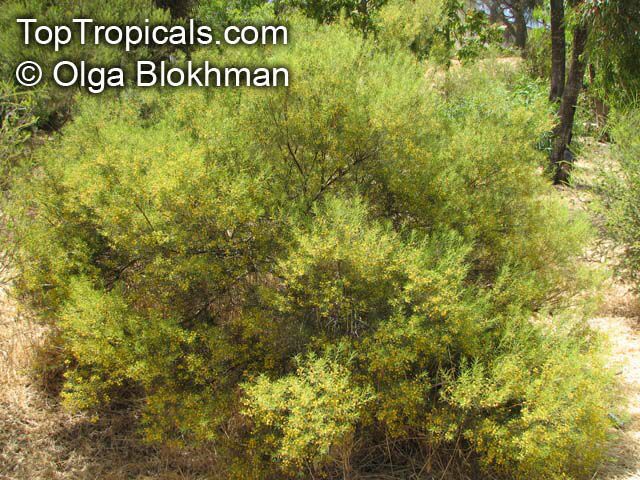
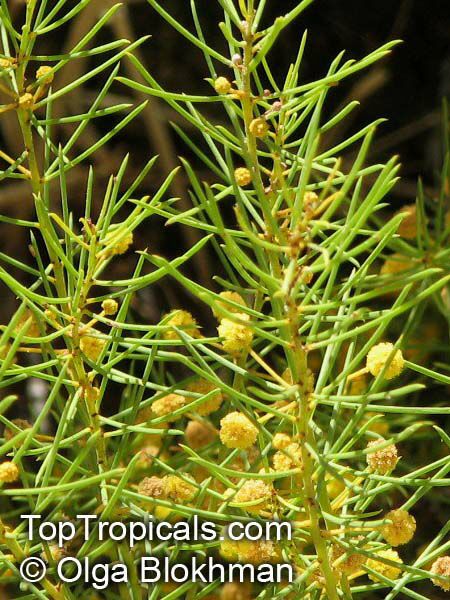
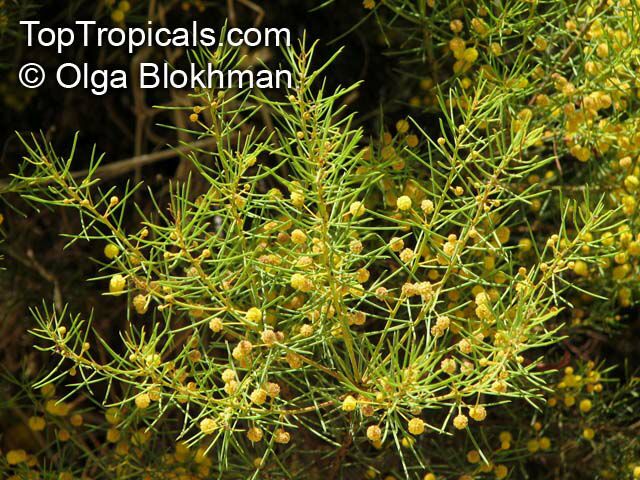
Botanical name: Acacia nematophylla
Common name: Acacia
Family: Fabaceae
Subfamily: Mimosoideae
Origin: Australia

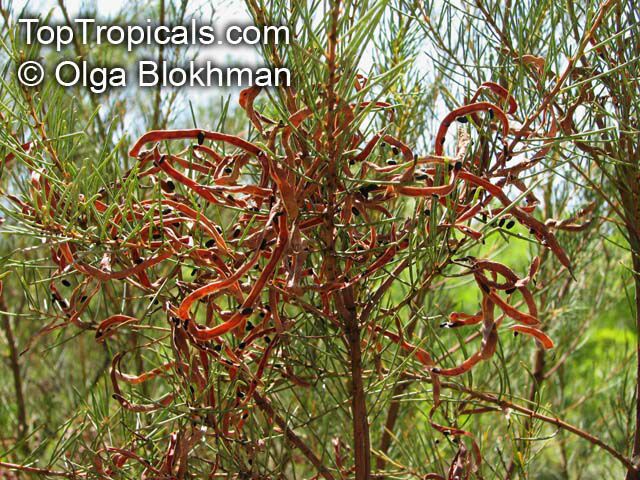
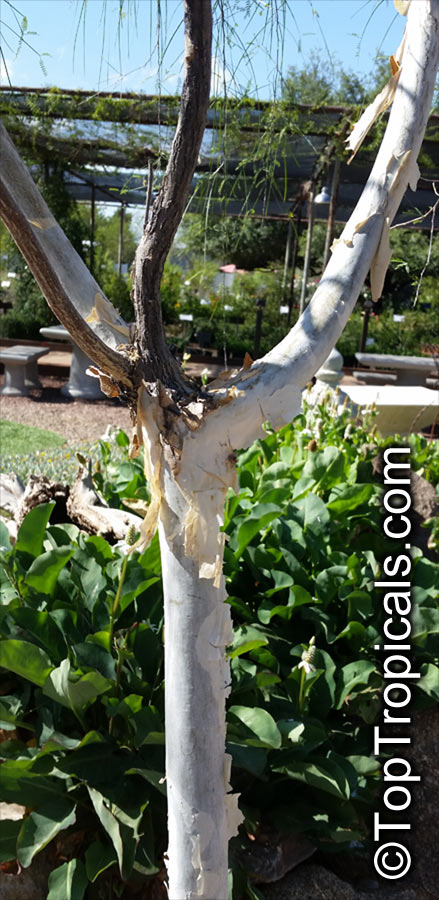
Botanical names: Mariosousa willardiana, Acacia willardiana
Common names: Palo Blanco, Willard Acacia, White Barked Acacia
Family: Fabaceae
Subfamily: Mimosoideae
Origin: Sonoran desert, Mexico


Mariosousa willardiana is a very slender tree with few branches as well as leaves. Beside the lacy form of this tree, its other distinguishing feature is the peeling, papery, silver-white bark. The Spanish common name translates into 'white stick', defining its peeling white bark. The flowers are like catkins, rod or bottle-brush-like, white or cream colored.
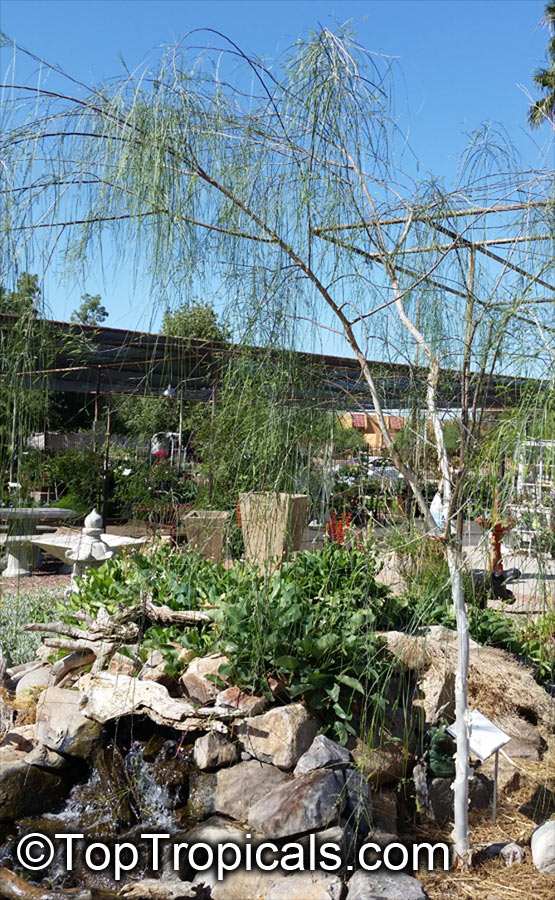
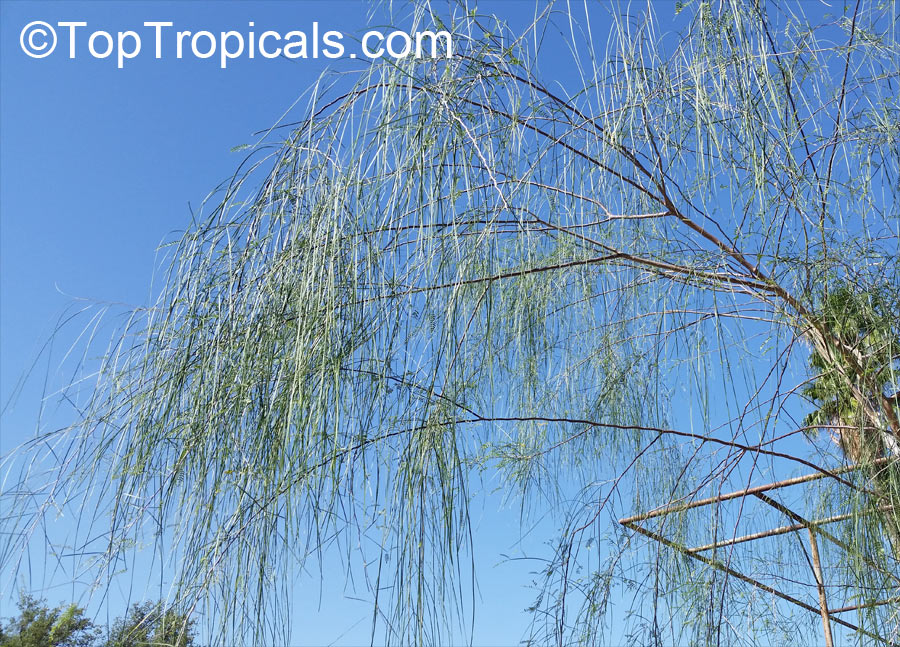
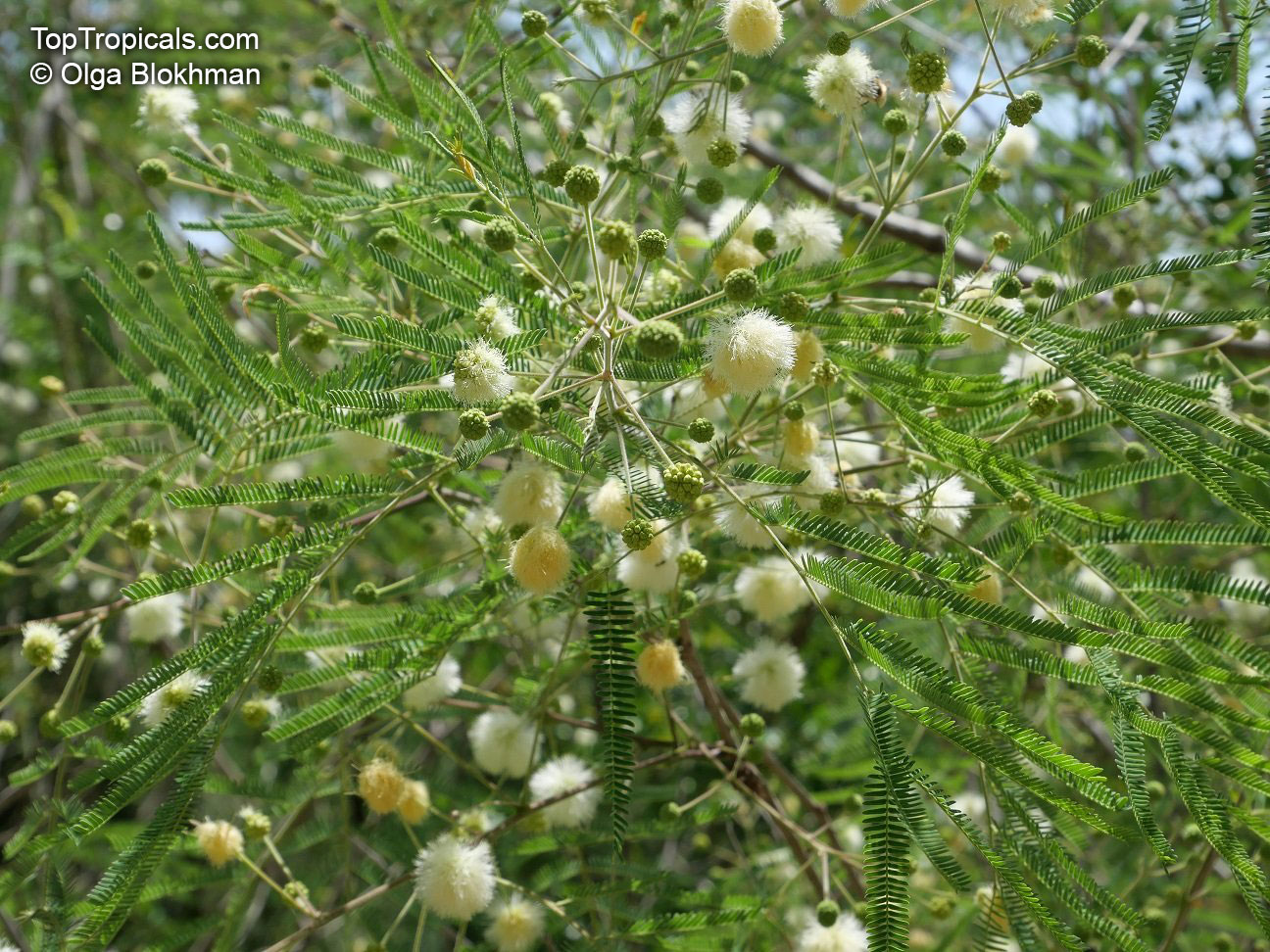
Botanical names: Senegalia berlandieri, Acacia berlandieri
Common names: Guajillo Acacia, Texas Acacia
Family: Fabaceae
Subfamily: Mimosoideae
Origin: Mexico

| Next | |
Use link to repeat this search:
https://toptropicals.com/cgi-bin/garden_catalog/cat.cgi?find=Acacia&search_op=and&keyword_op=and&language=e&number=10
&no_change_lang=1&user=tt&sale=1&first=0