Piperaceae - Botanical Family
| Number of plants found: 32 | Next | 
|
Go to page: | 1 | 2 | 3 | 4 |
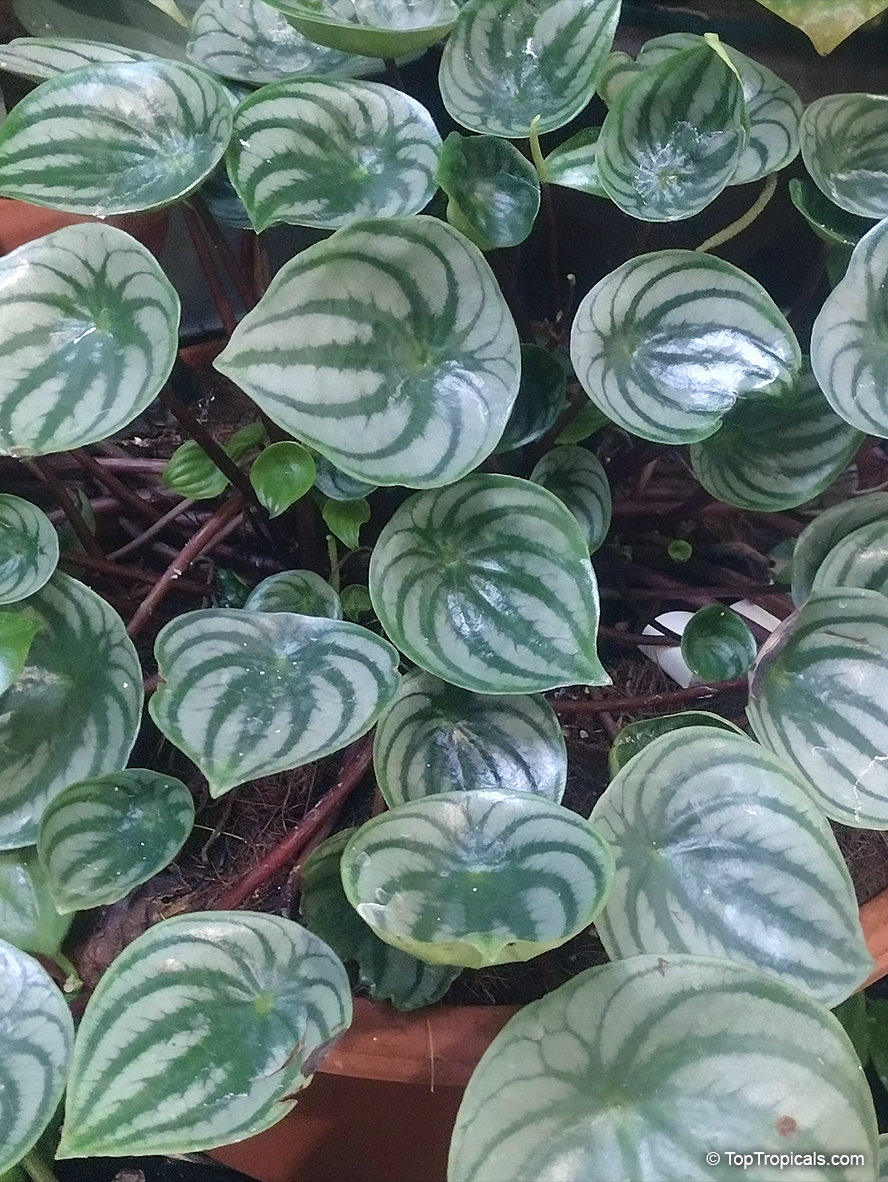
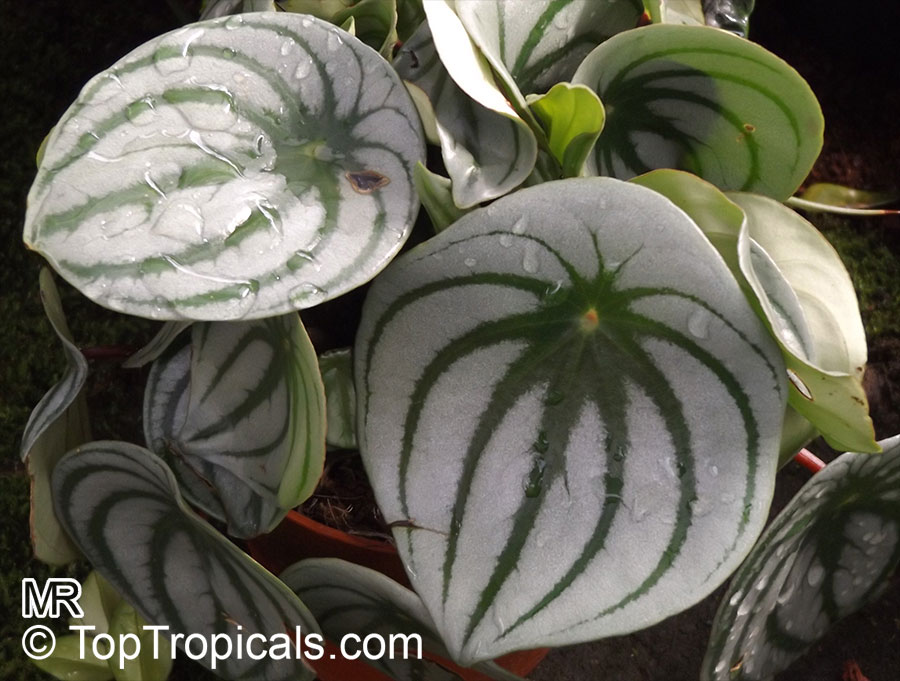
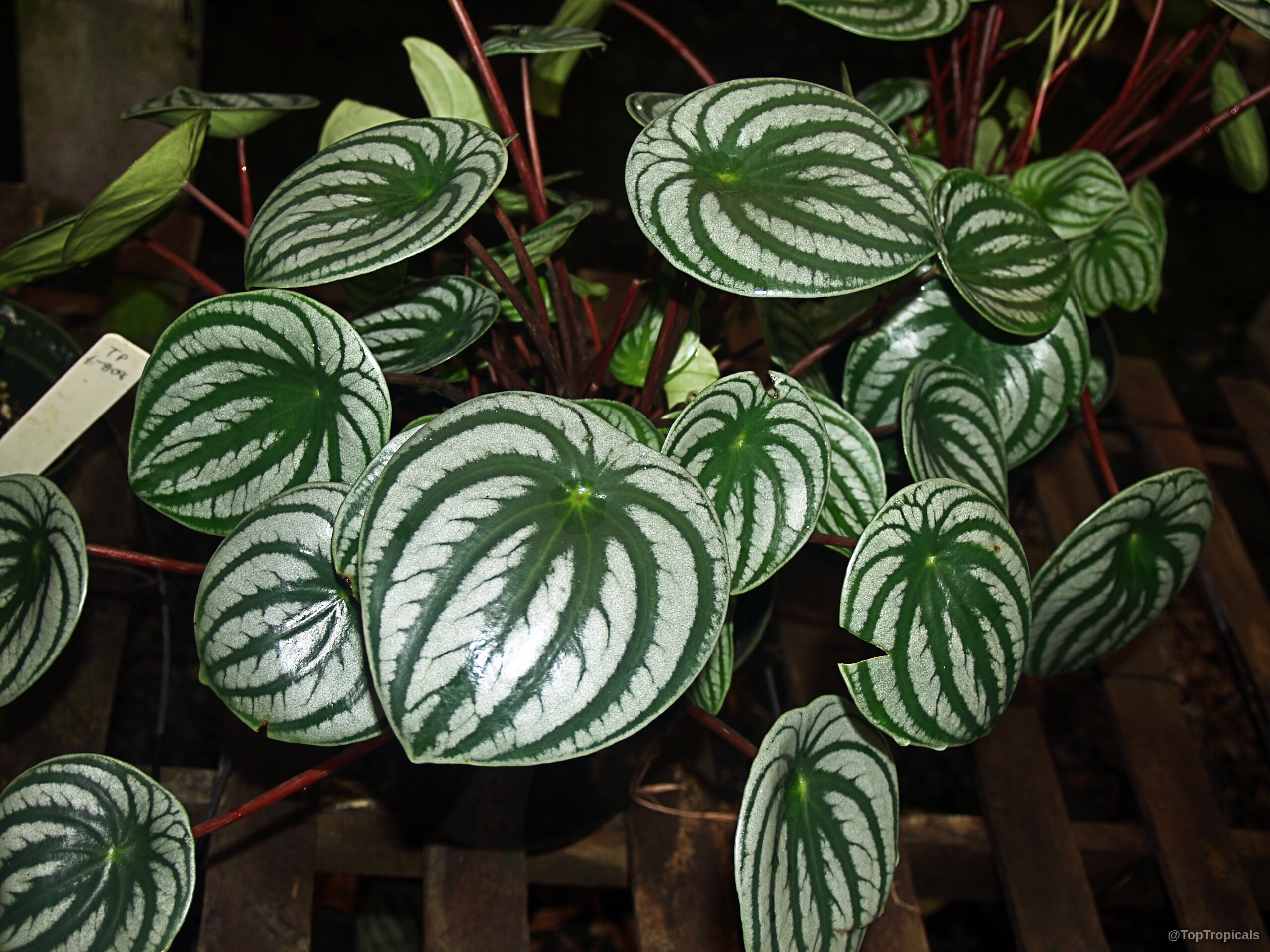
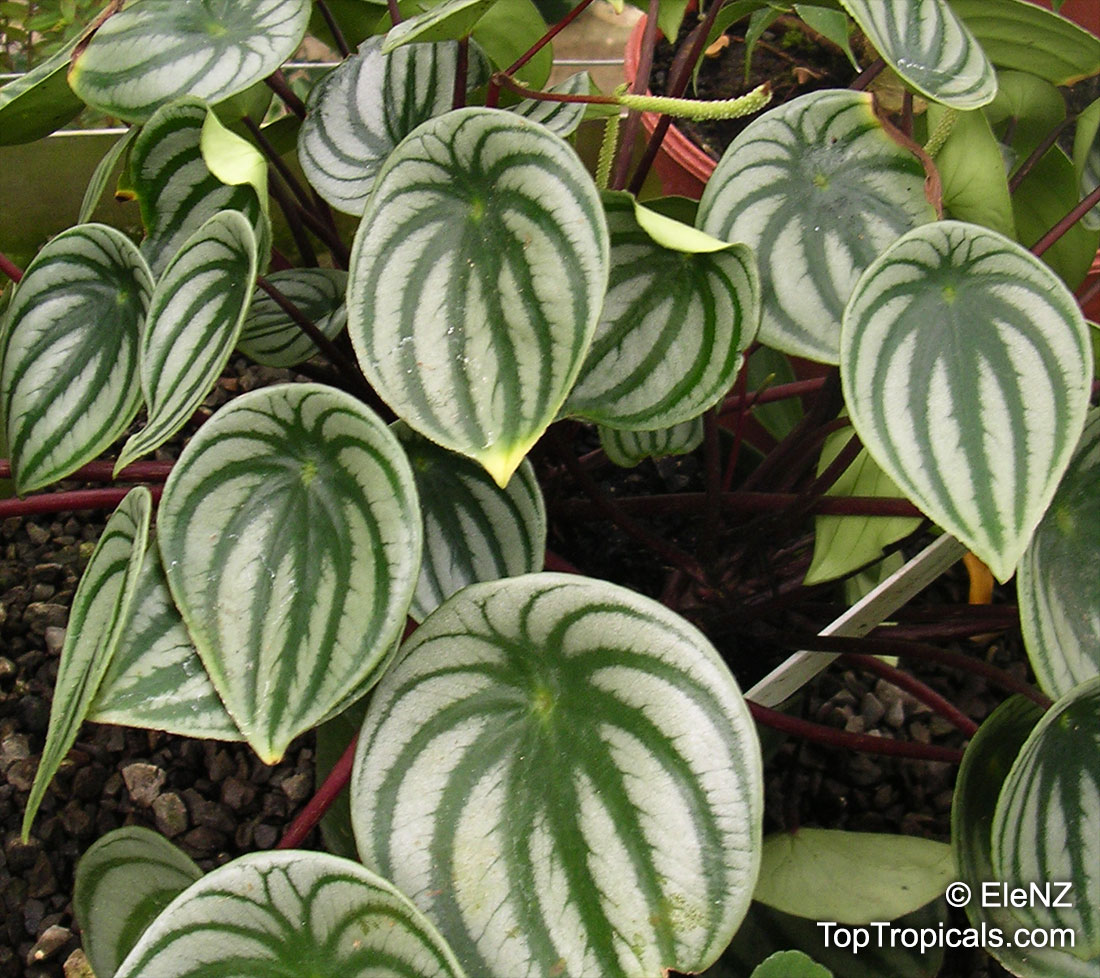
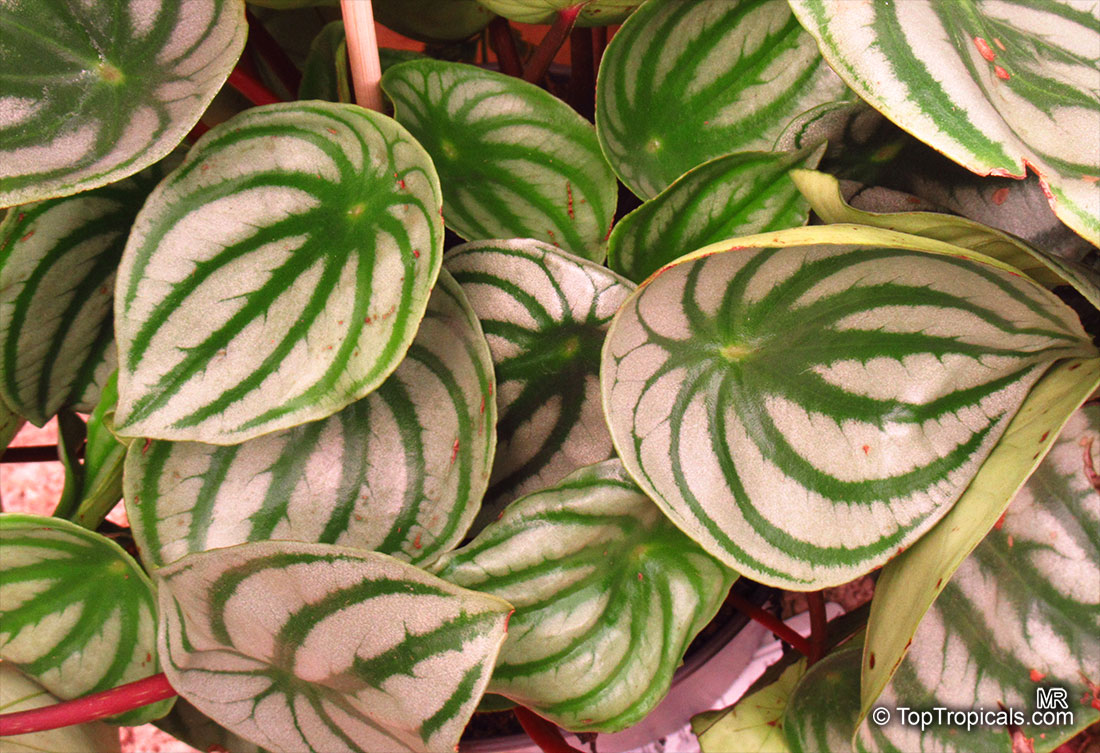
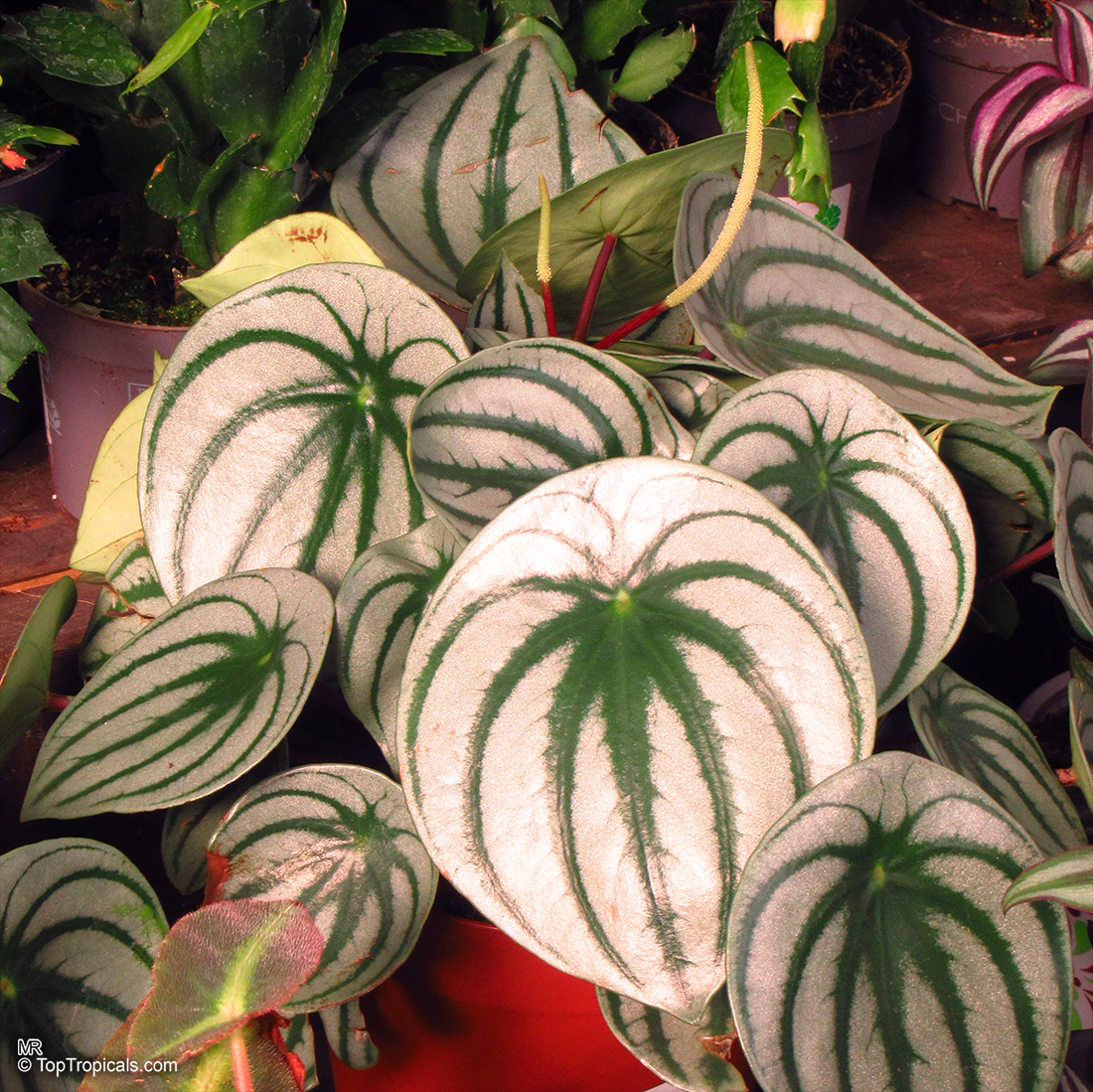
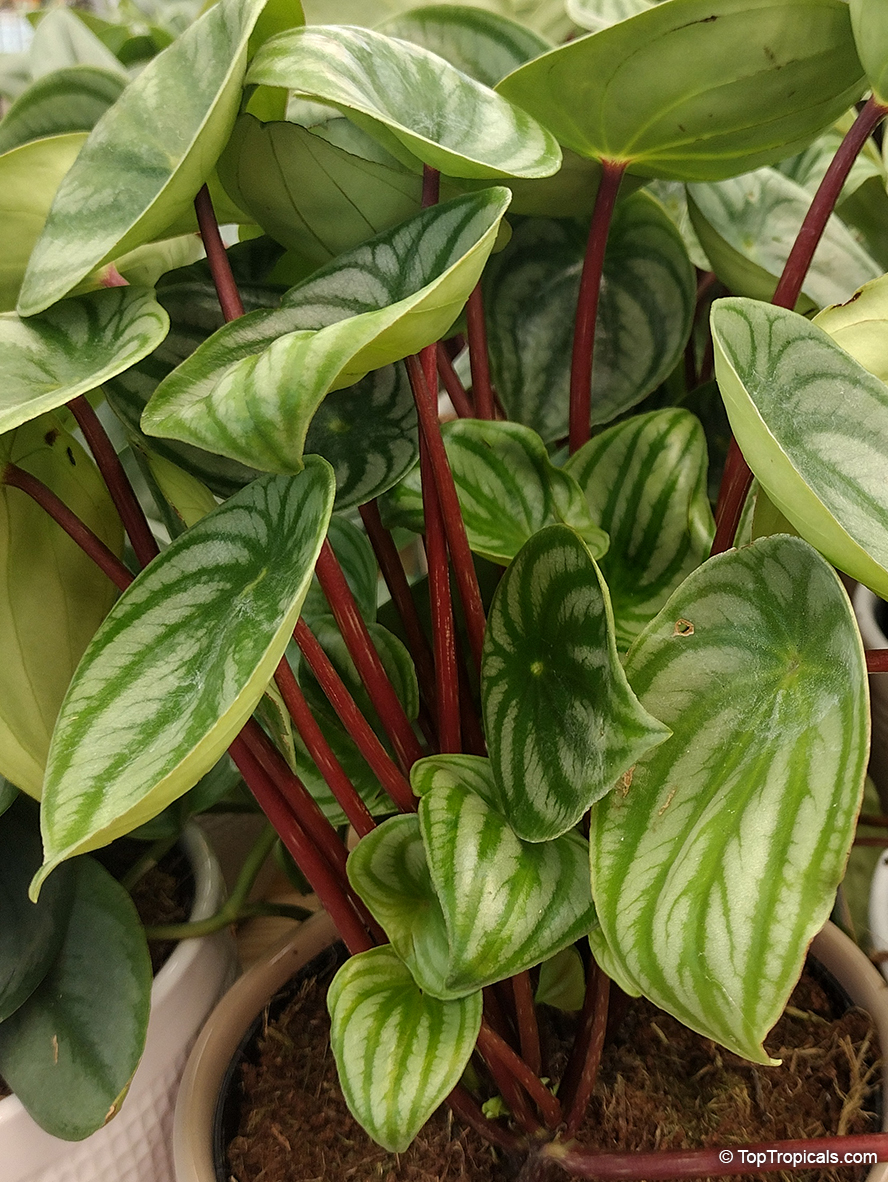
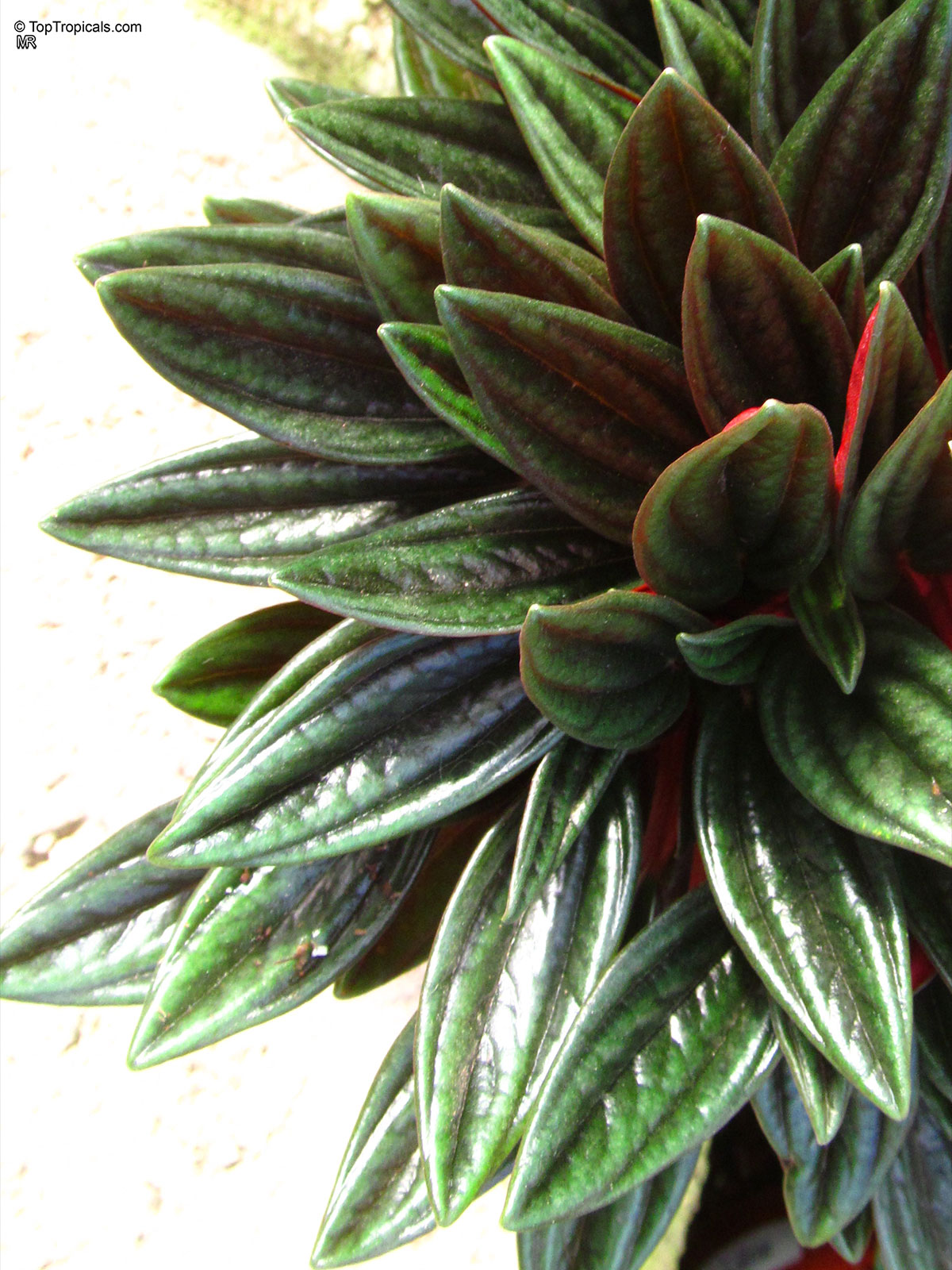
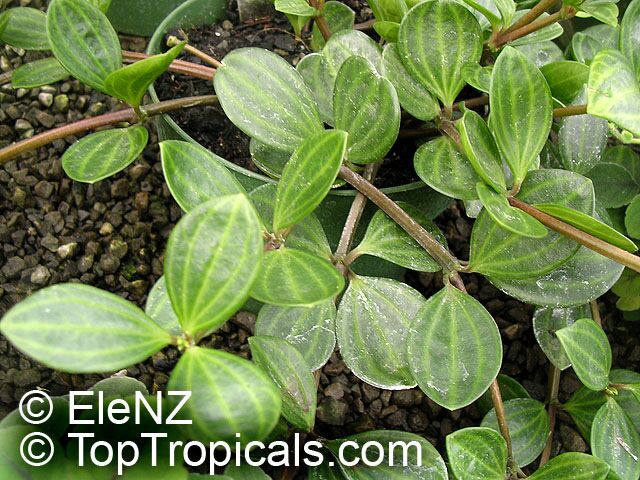
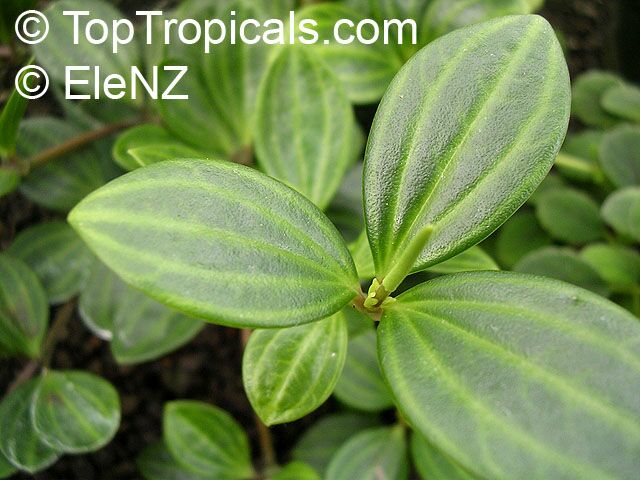
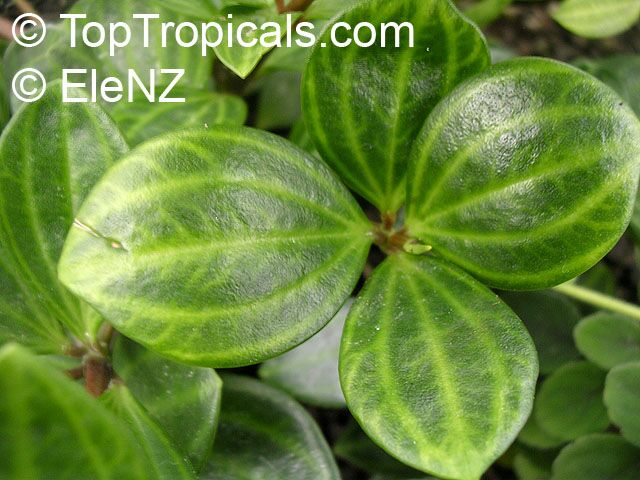
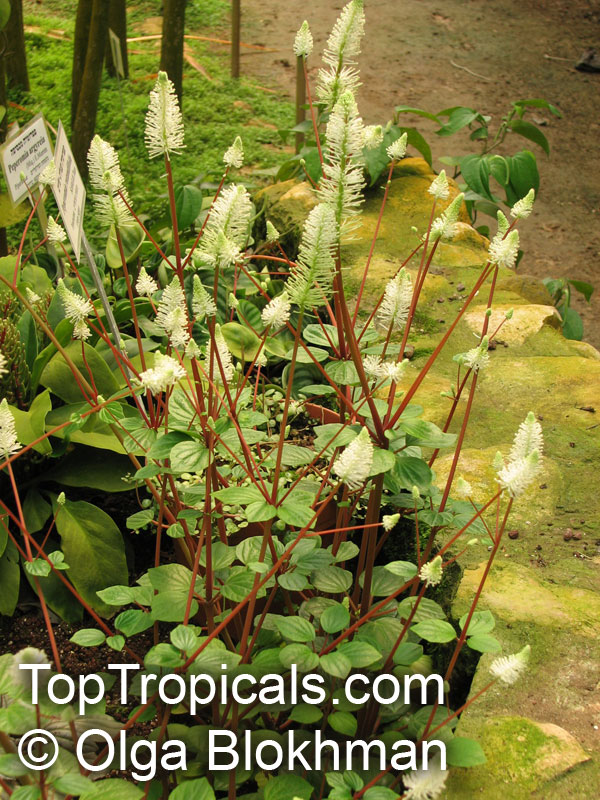
Botanical names: Peperomia argyreia, Peperomia sandersii
Common name: Watermelon Peperomia
Family: Piperaceae


Grown for their ornamental foliage, Peperomia argyreia are a small plant, which is an excellent choice for uses in semi-shade, as it will thrive with regular watering, but also requires well-draining soil to ensure that the roots never sit in overly wet or boggy soil.
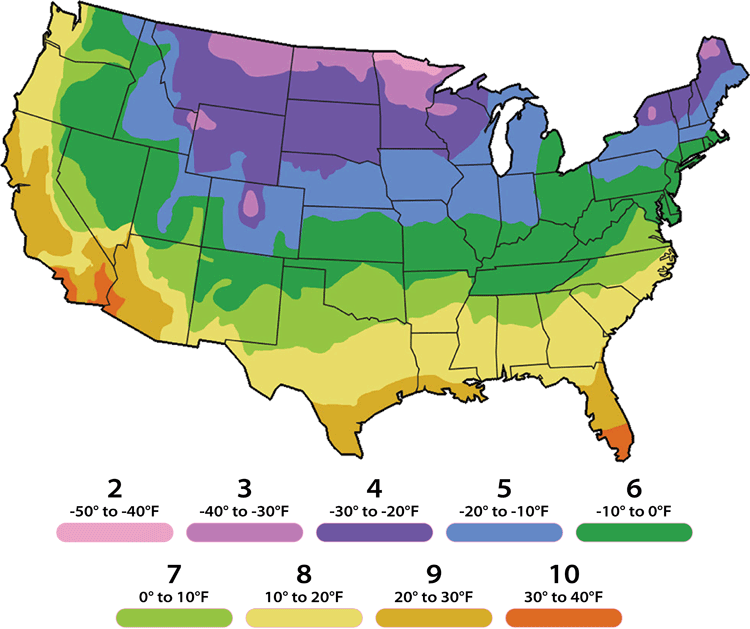
Native to South America, Watermelon Peperomia is hardy in USDA Zone 10-12, and they are very easy to grow in the right conditions. If a colder climate presents itself, plants can still be grown in pots, however careful attention and frequent monitoring will be required to adjust care due to weather fluctuations and seasons. When growing in pots for colder climates, it is important to keep an eye on soil moisture, as potted plants dry out more quickly than plants in the ground. While Watermelon Peperomia can handle drought for some time, consistent and regular watering is required in order for plant to thrive, as well as providing good drainage and a partially shady location.
Furthermore, it's important to perform regular pruning to keep the shrub looking its best, as well as removing any damaged or dead leaves to promote healthier growth. Due to low nutrient needs, this plant requires limited fertilization. For best results, use a balanced fertilizer rich in micro-nutrients and potassium, and water the plant after fertilization to avoid damage to the roots.
Ultimately, Watermelon Peperomia is an excellent choice for a variety of uses and landscaping, thanks to its beautiful foliage and demanding minimal care. With regular monitoring, this plant will thrive under the right conditions and bring beauty and life to semi-shaded areas in most USDA hardiness Zones.
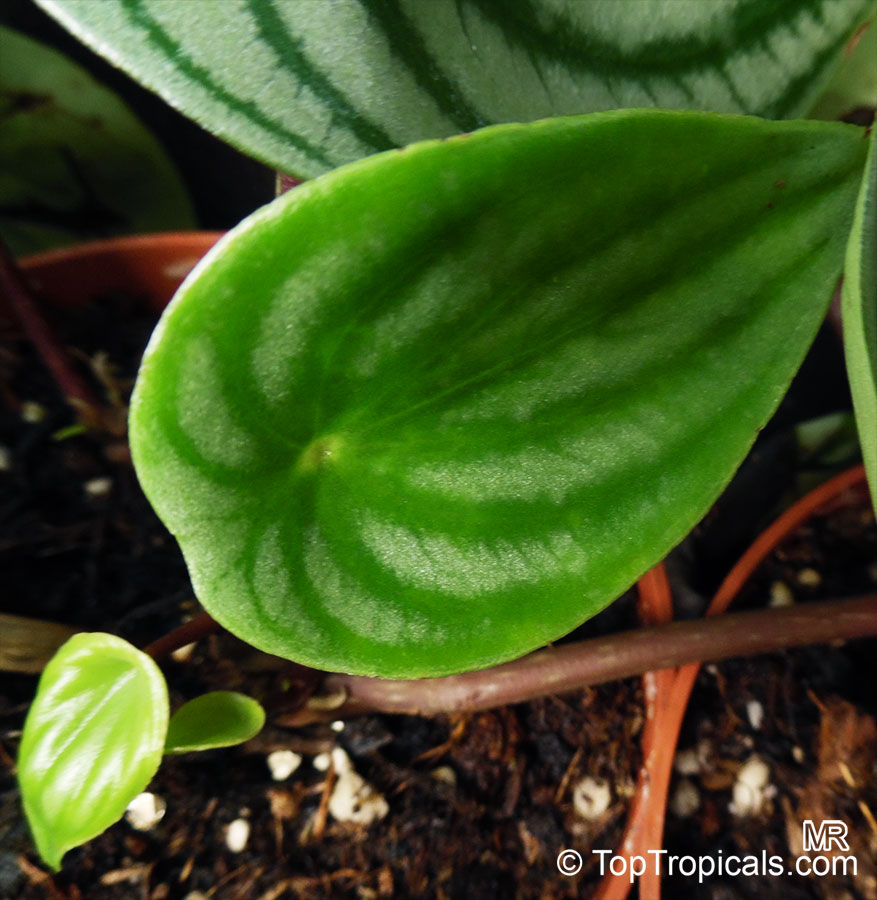
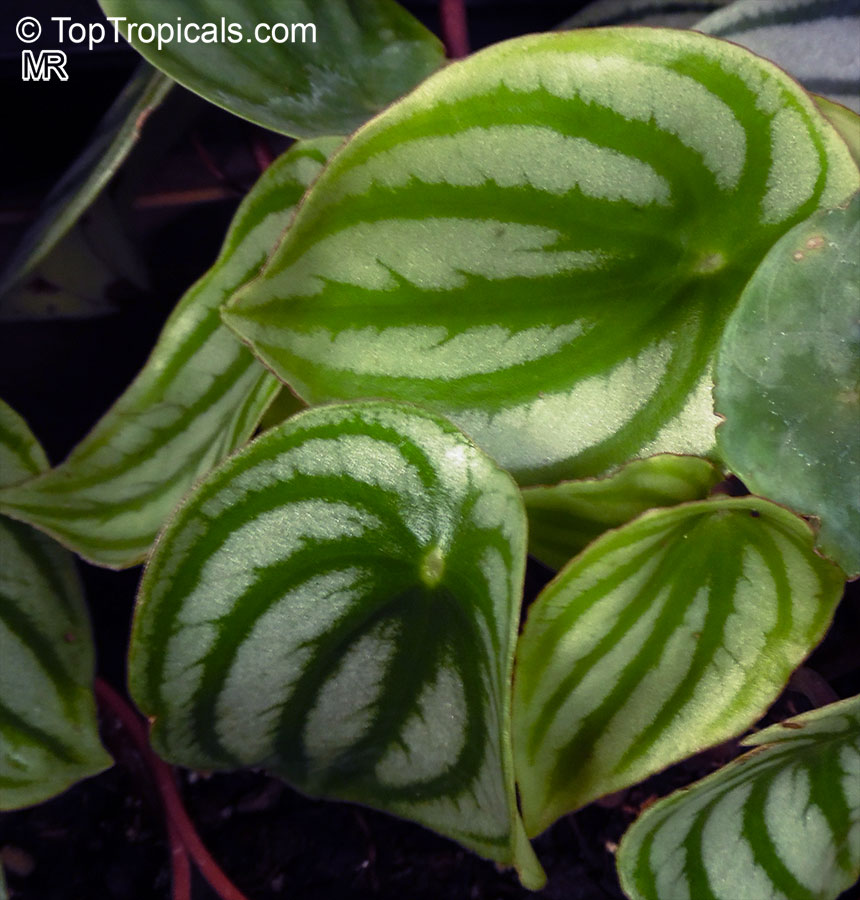
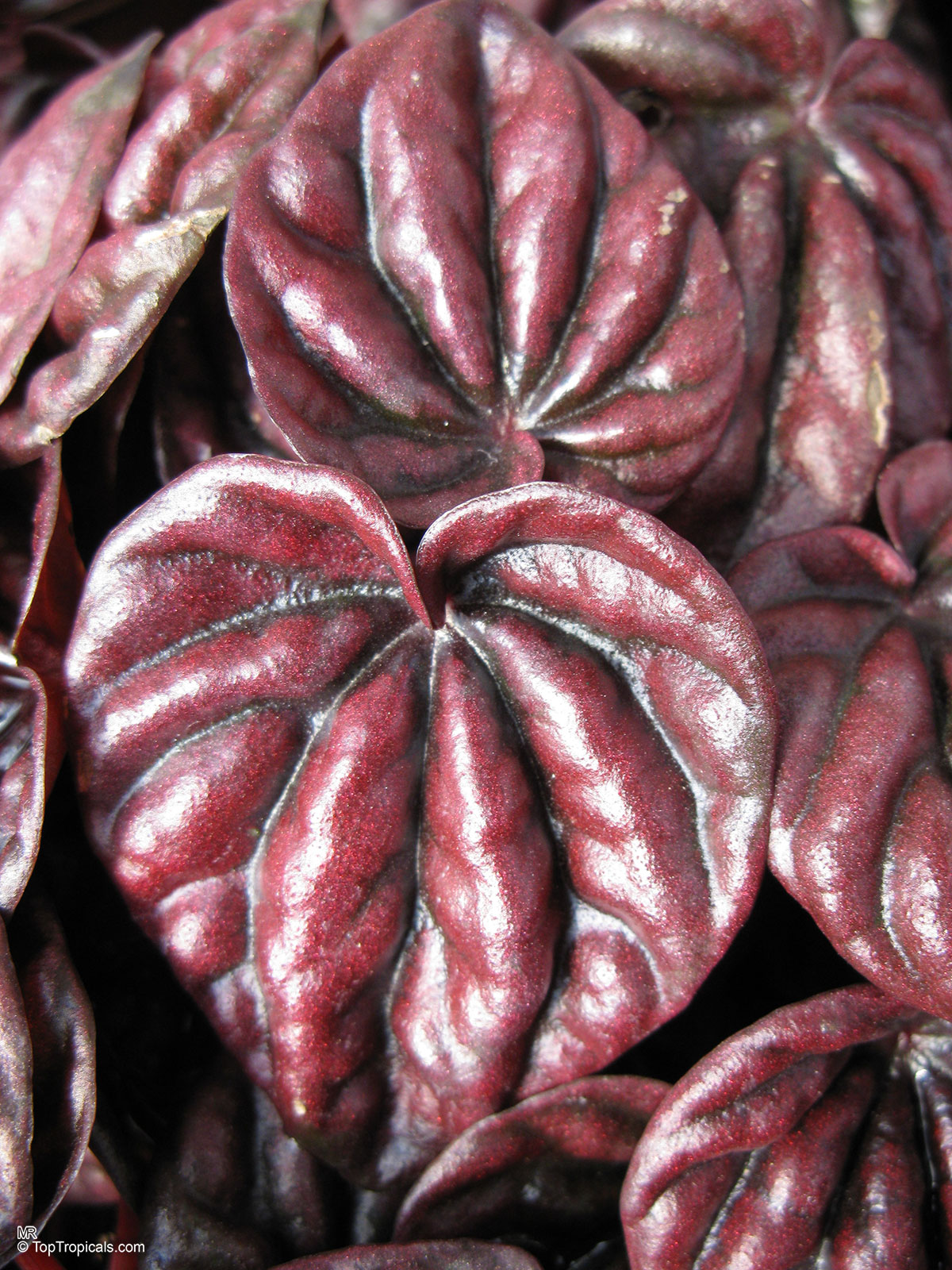
Botanical name: Peperomia caperata
Common name: Emerald Ripple Peperomia
Family: Piperaceae
Origin: Brazil
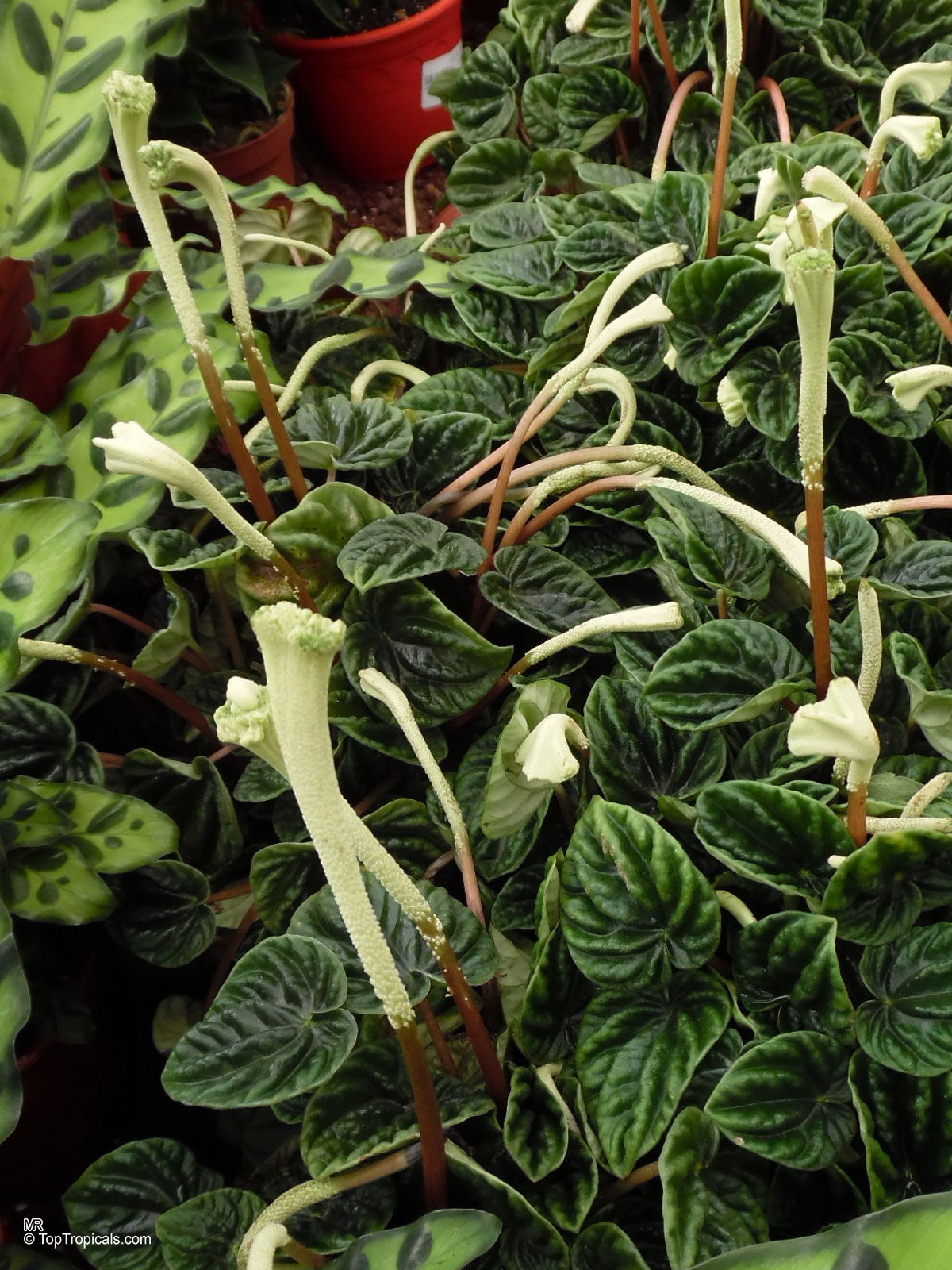
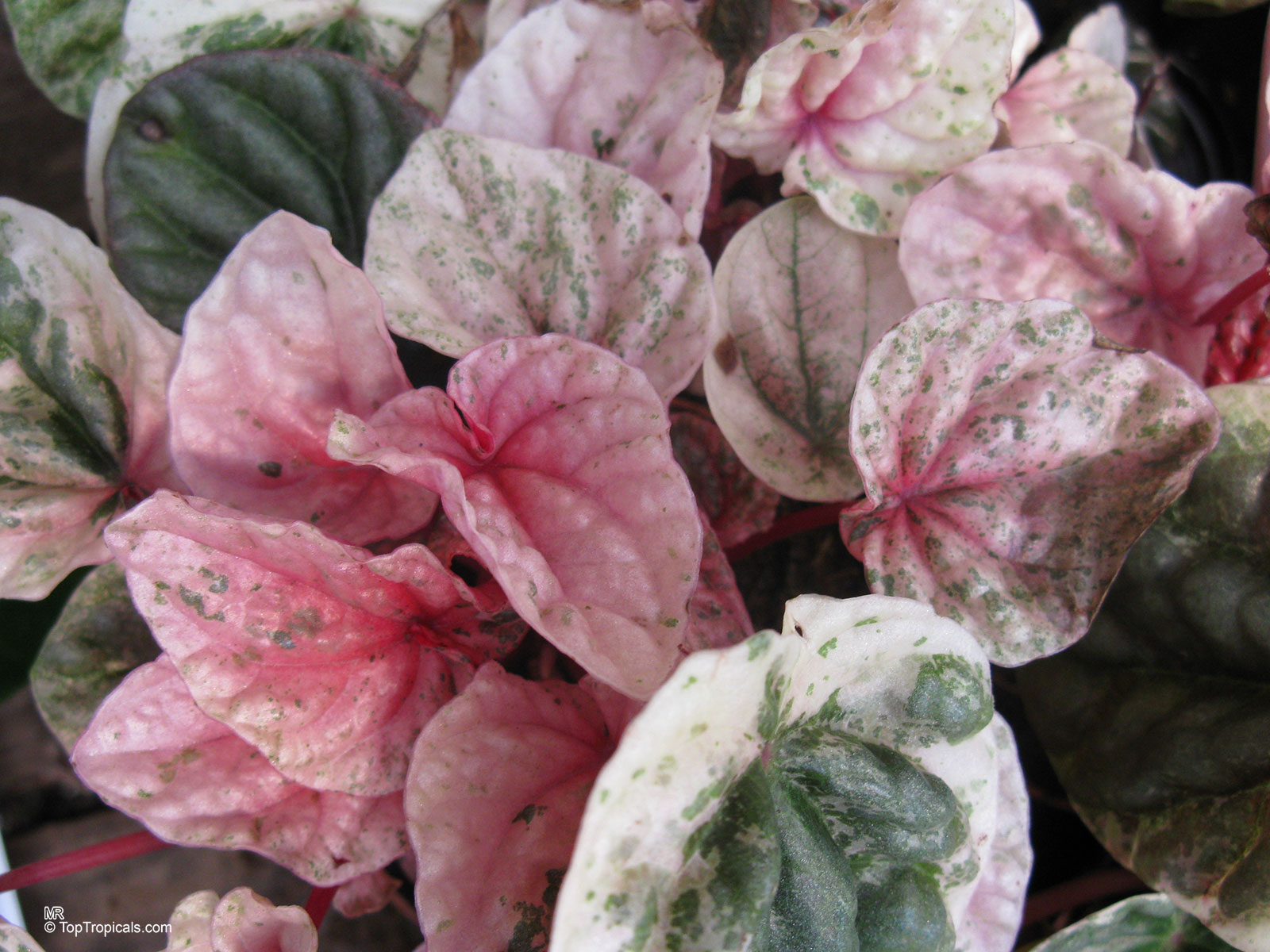
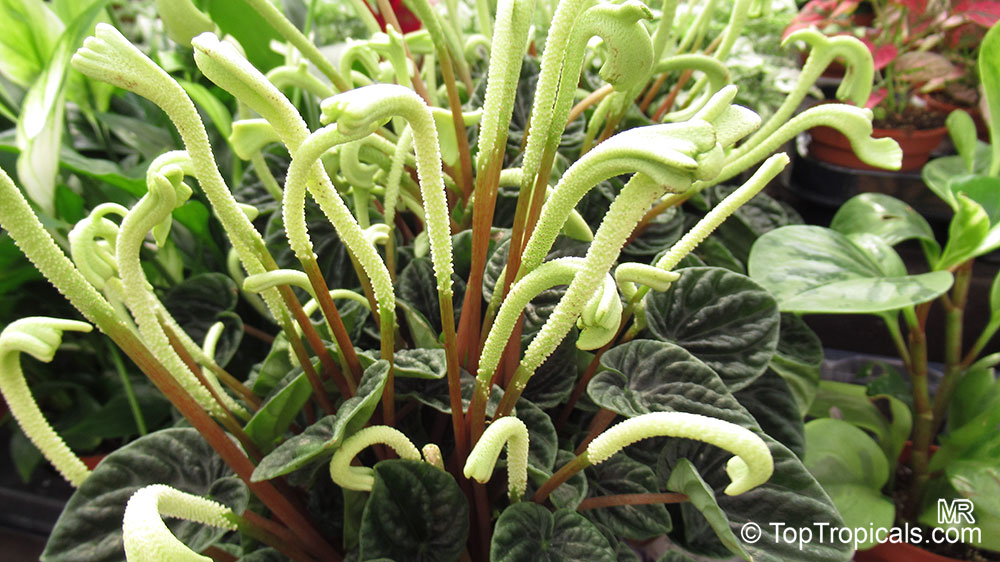
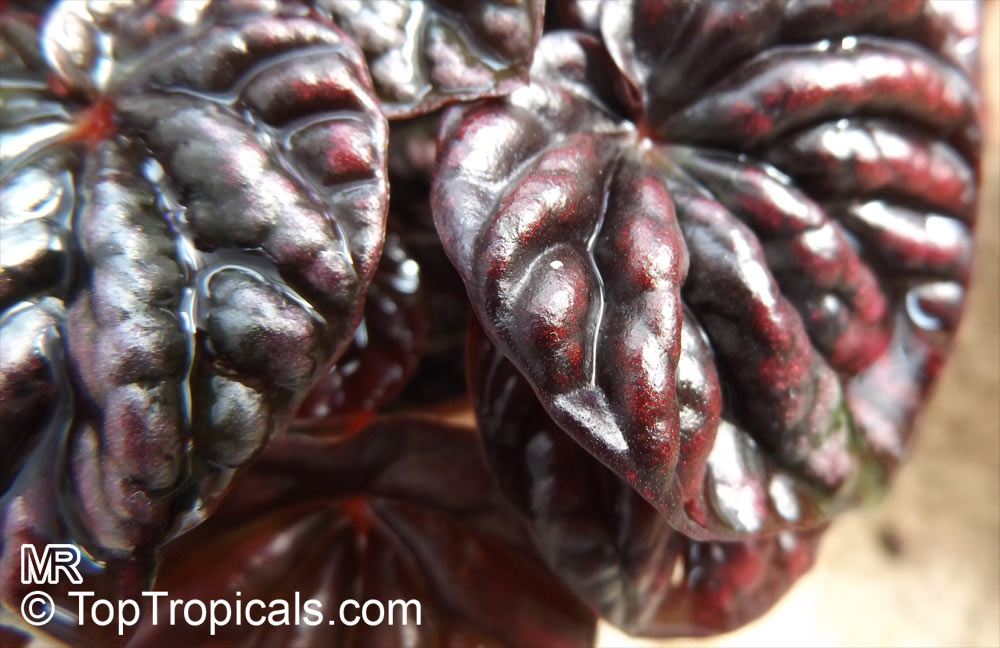
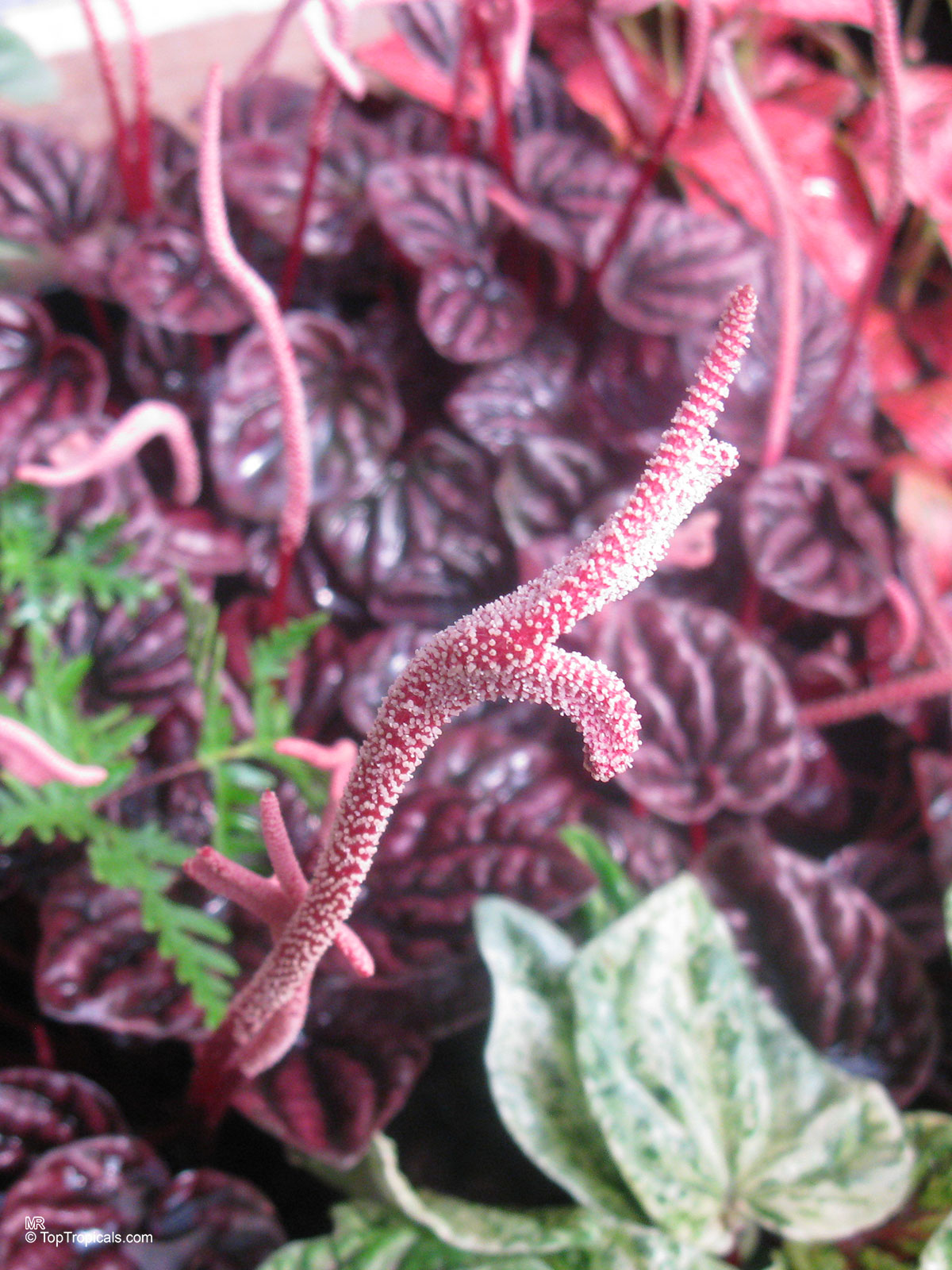
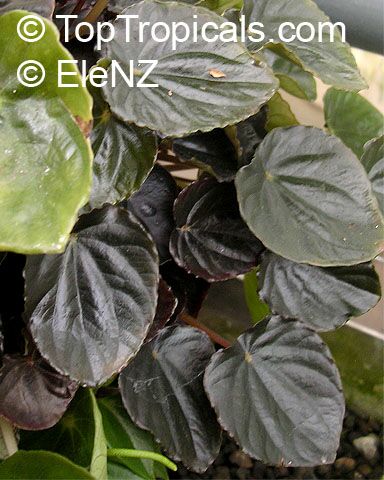
Peperomia caperata, commonly known as Emerald Ripple Peperomia, is a compact perennial in the Piperaceae family native to Brazil. It forms a low, clumping rosette typically 6 to 8 inches tall and wide, with deeply corrugated, heart-shaped leaves held on short petioles. Foliage color ranges from deep green to burgundy, silver, or nearly black depending on selection. Peperomia caperata is a highly variable species with numerous cultivars that differ dramatically in leaf color, texture and variegation. Slender, upright flower spikes rise above the foliage, though the plant is primarily grown for its textured leaves rather than its blooms.
This species prefers bright, indirect light and well-draining, loose soil with moderate organic content. Allow the top layer of soil to dry slightly between waterings, as consistently wet conditions may lead to root rot. Growth rate is moderate under warm indoor conditions. Cold tolerance is limited, with damage possible below 50F; it is best suited to USDA zones 10 to 11 outdoors. Peperomia caperata performs well in containers and is commonly grown as a houseplant.
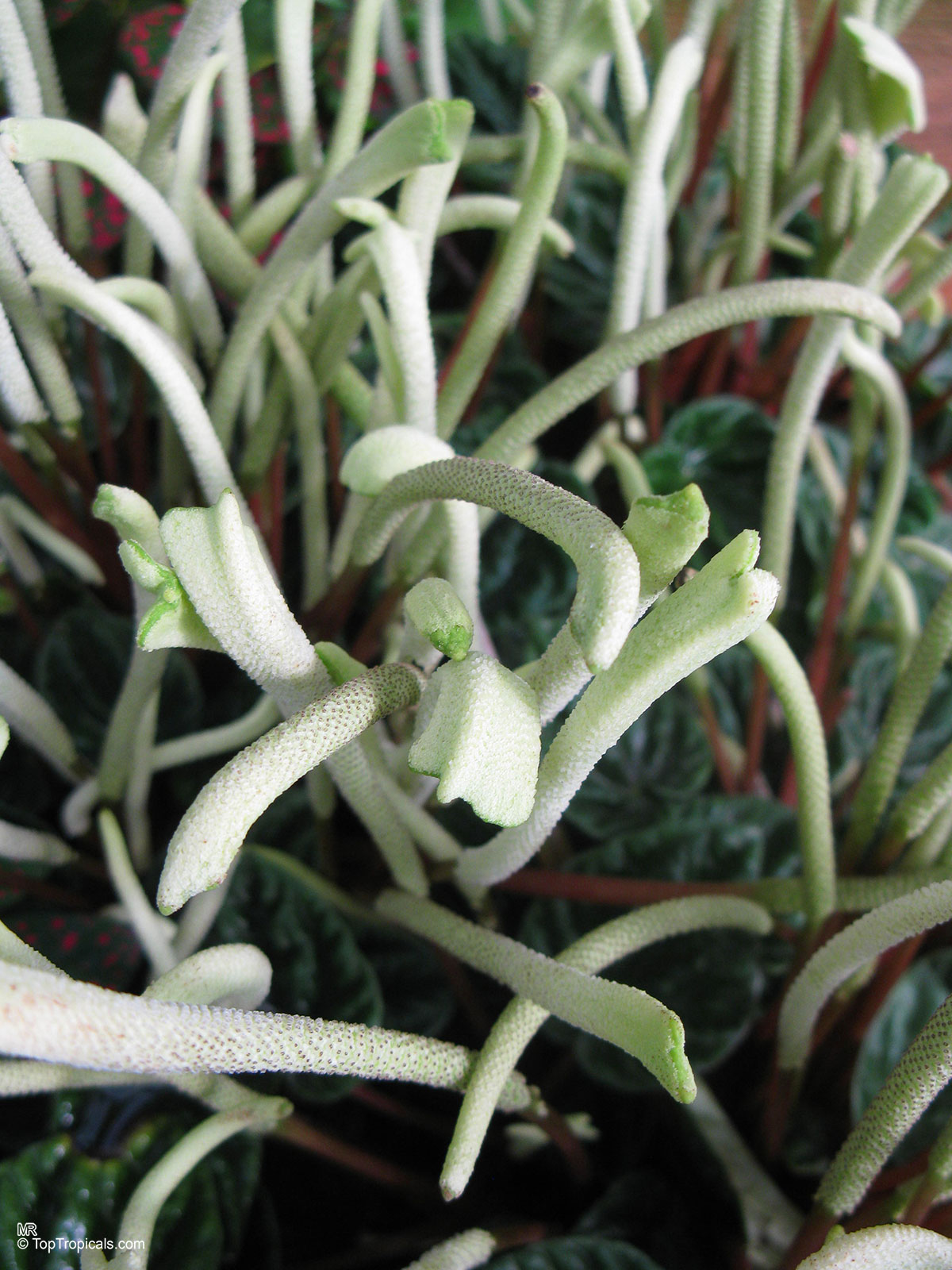
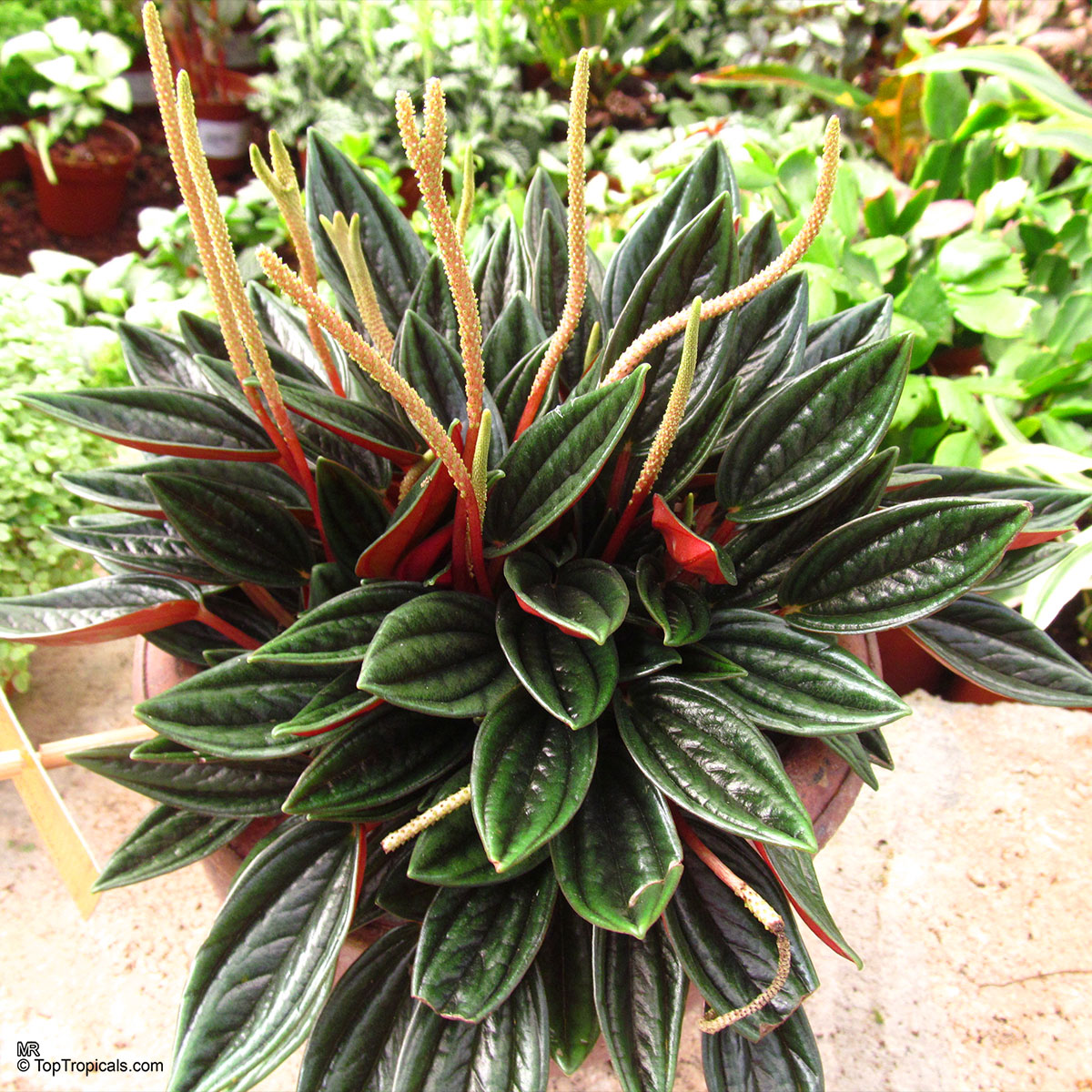


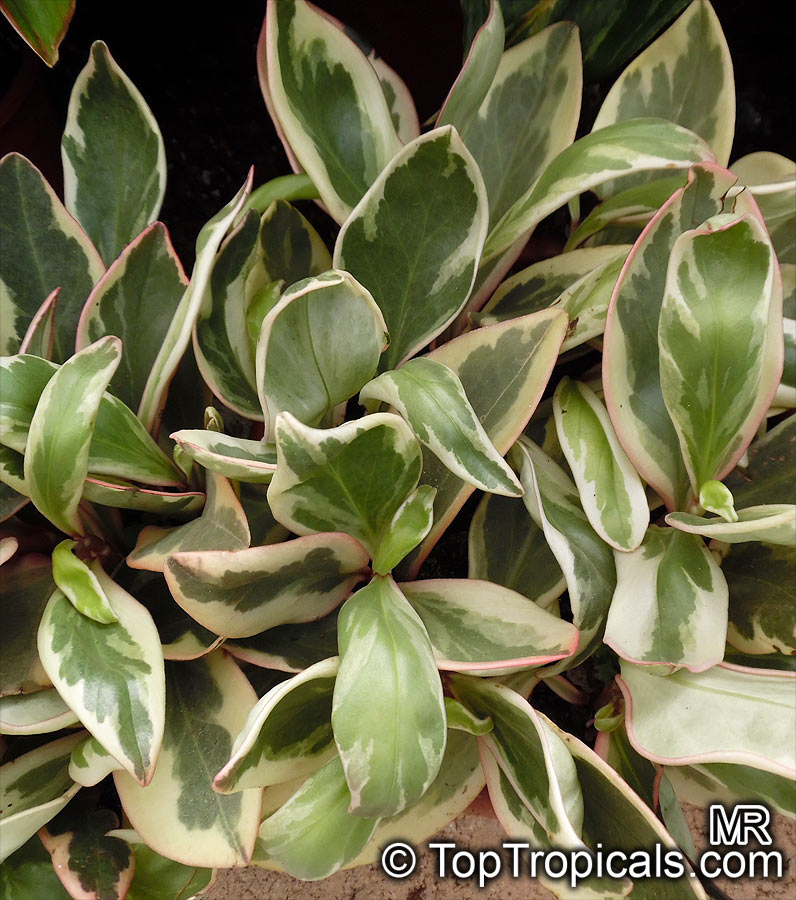
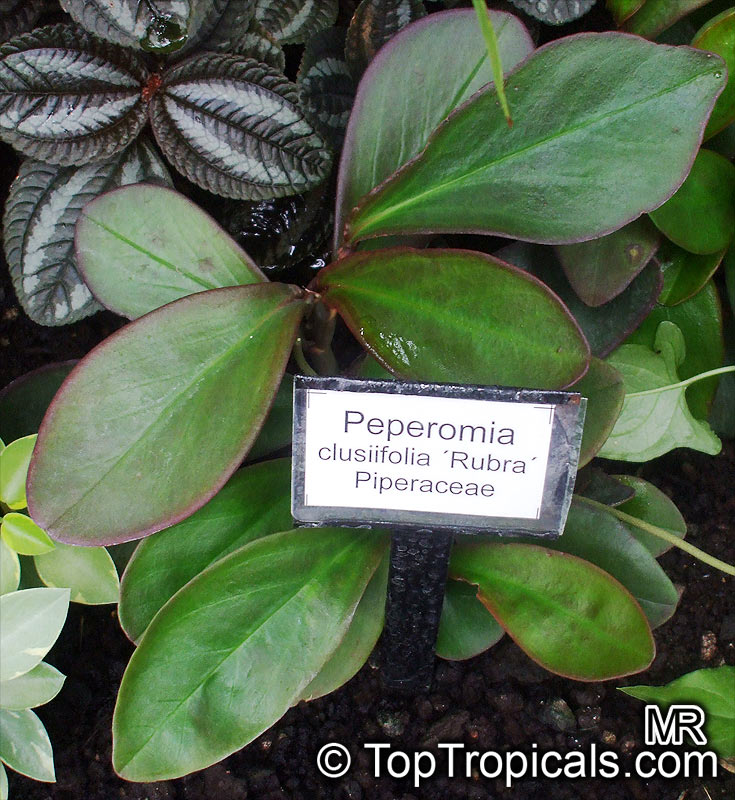
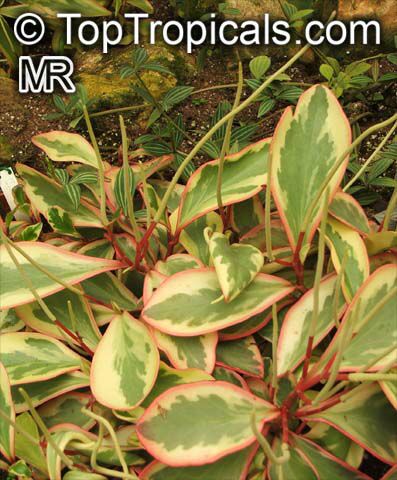
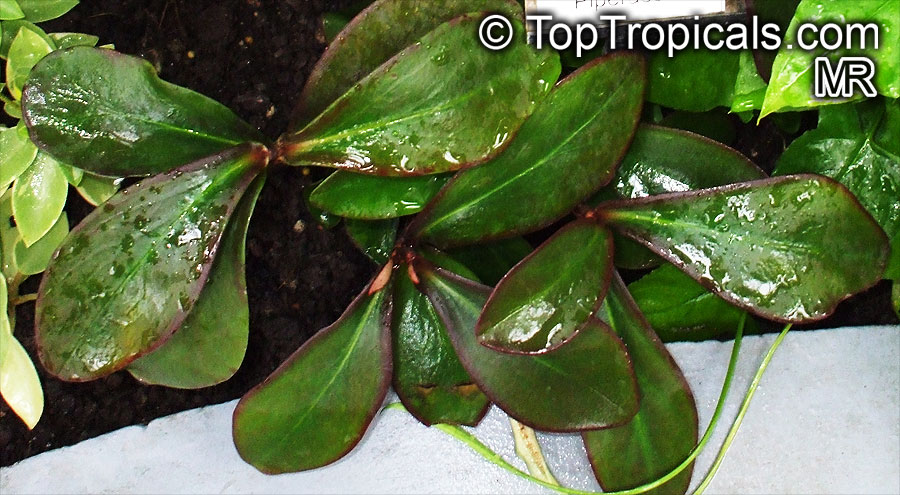
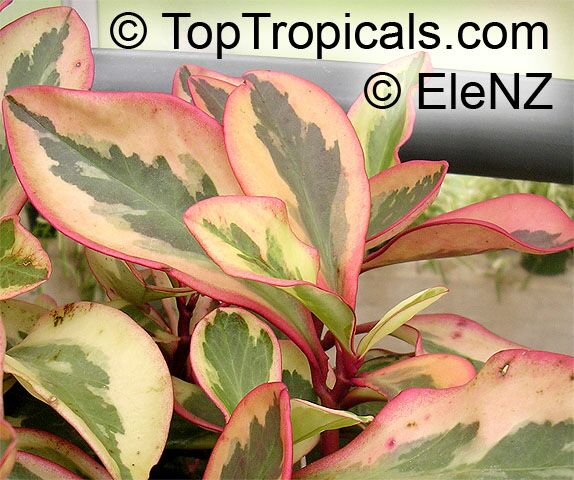
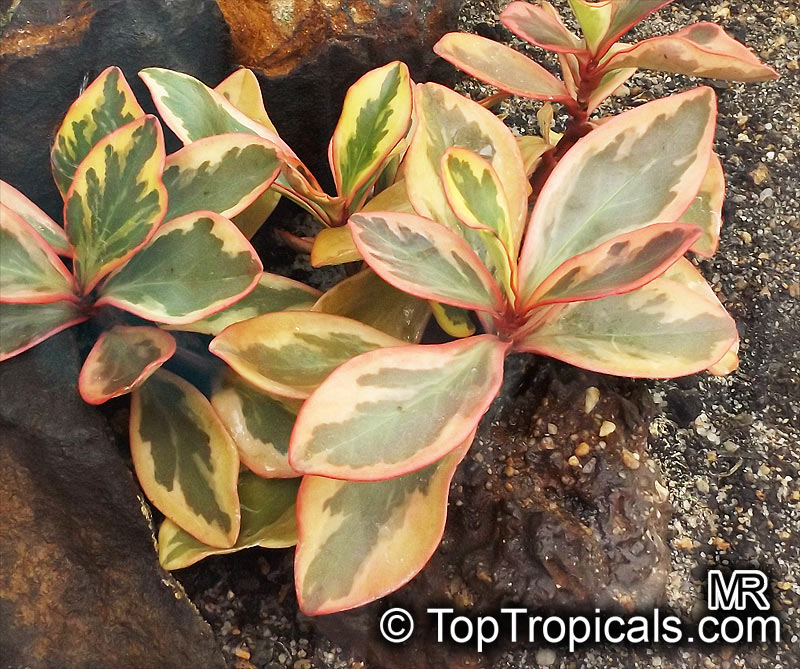
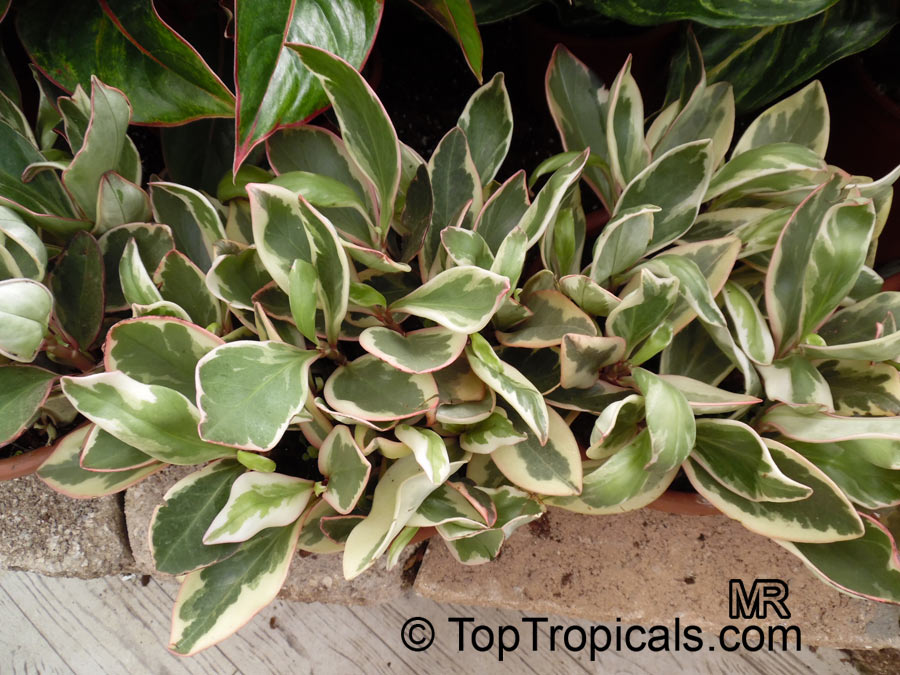
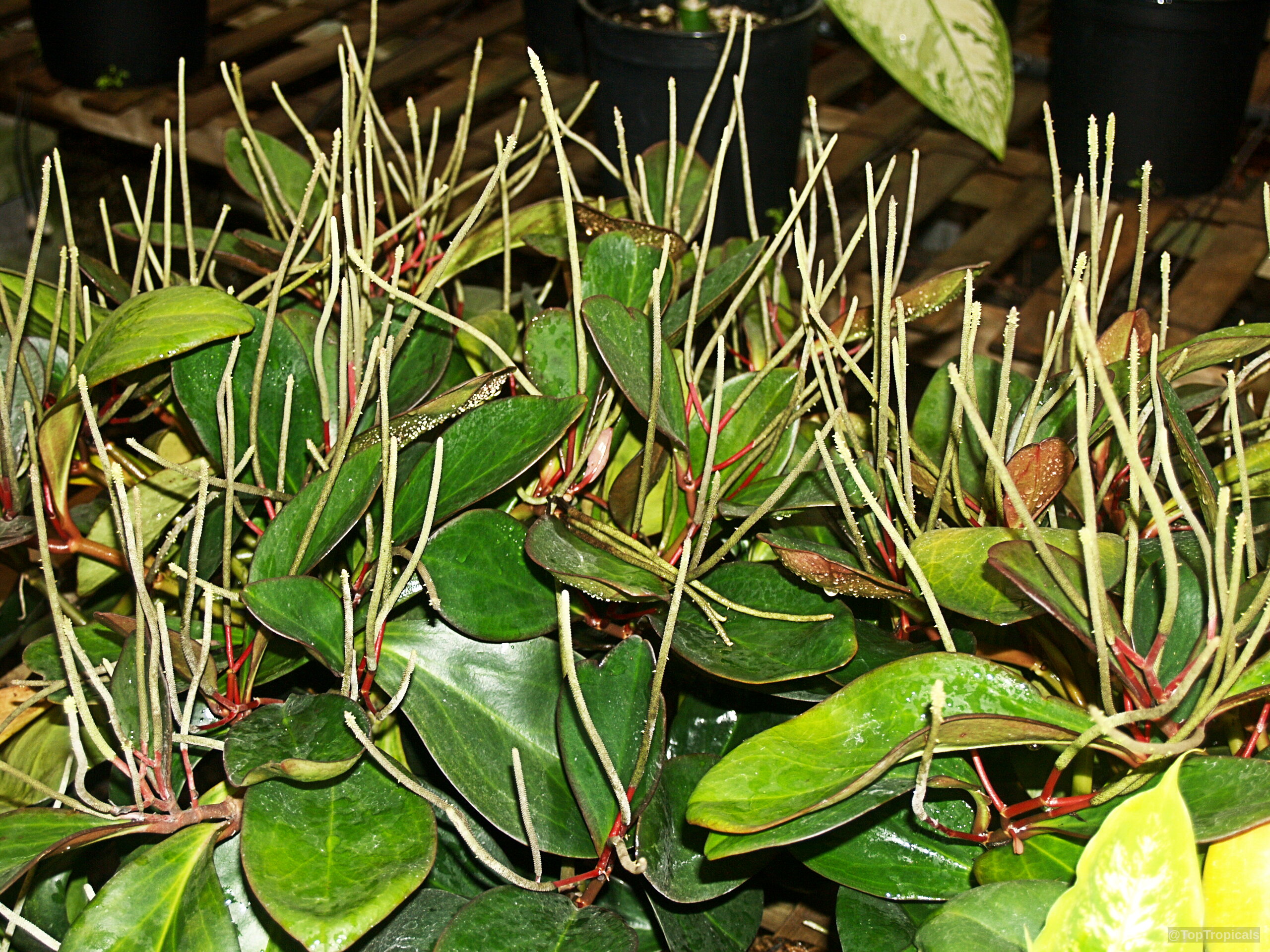
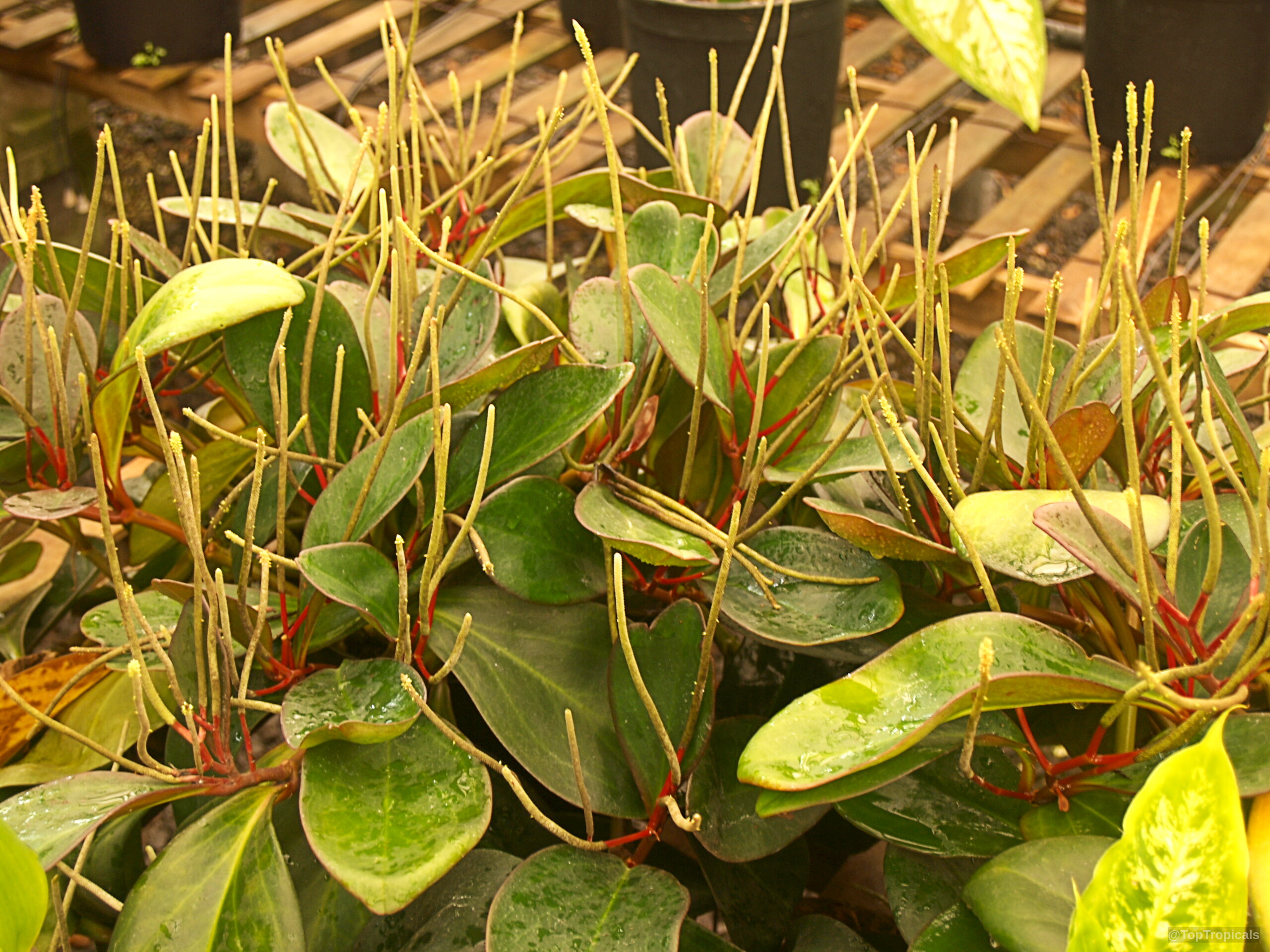
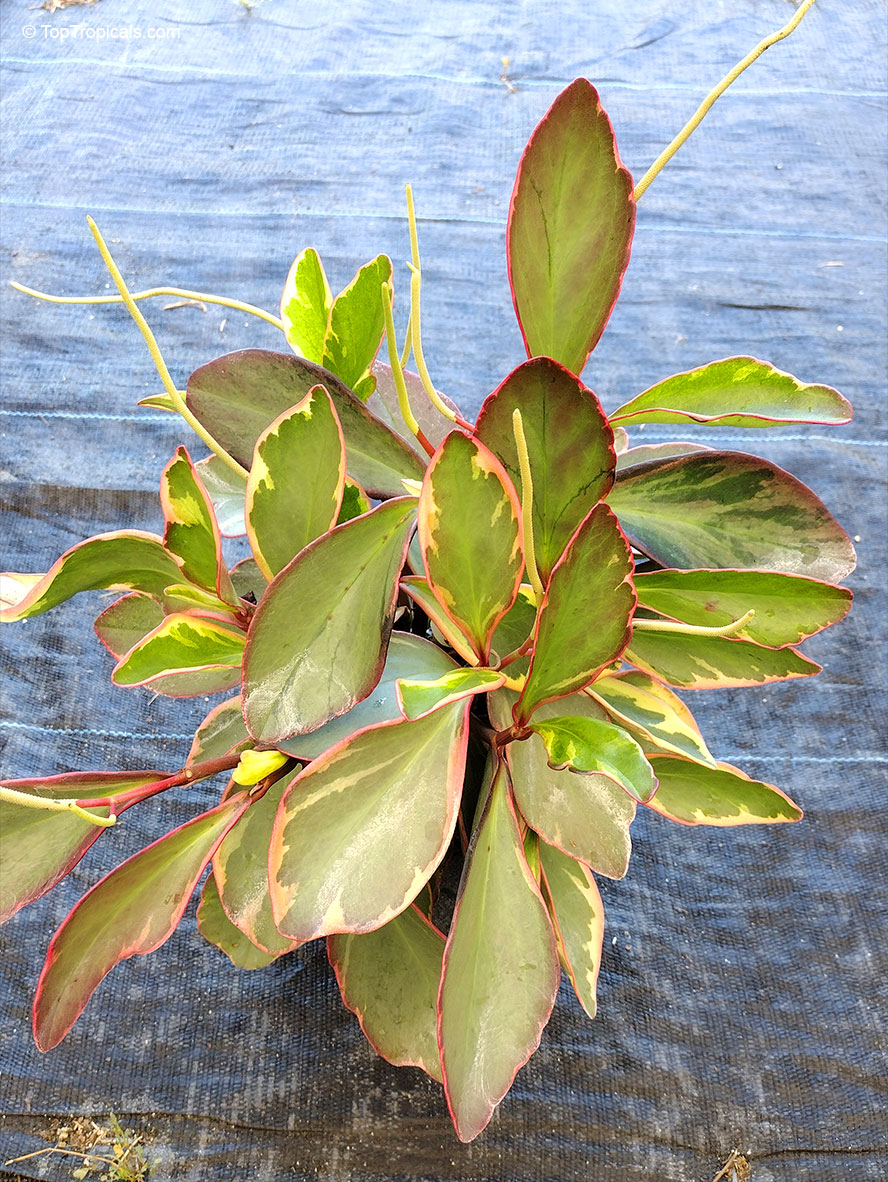
Botanical names: Peperomia clusiifolia, Peperomia obtusifolia var. clusiaefolia
Common name: Red Edge Peperomia
Family: Piperaceae

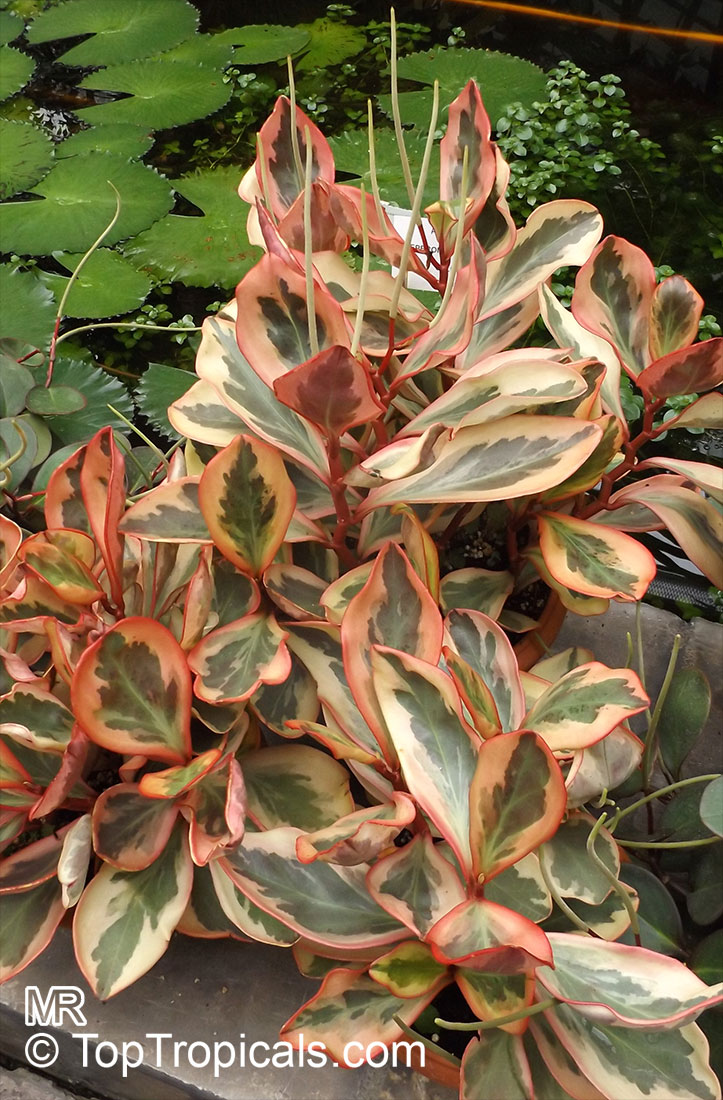
These tropical plants will do best in bright, warm, humid conditions.
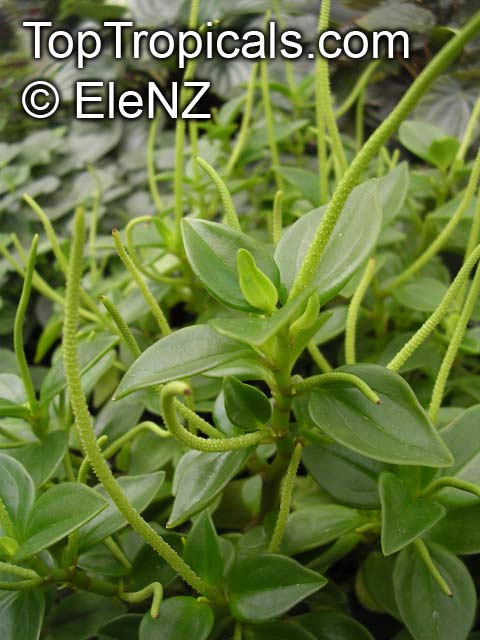
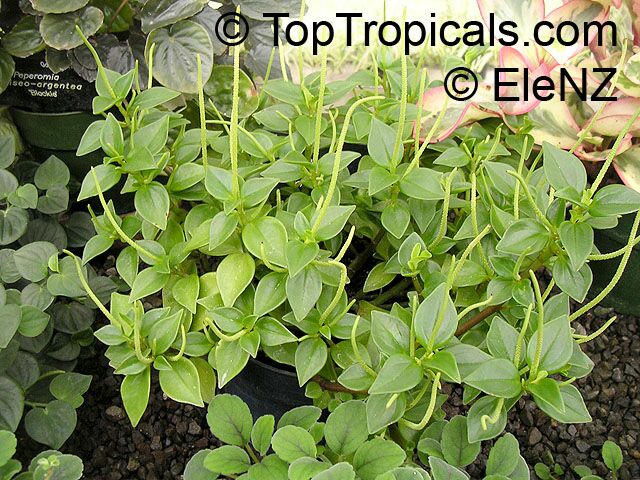
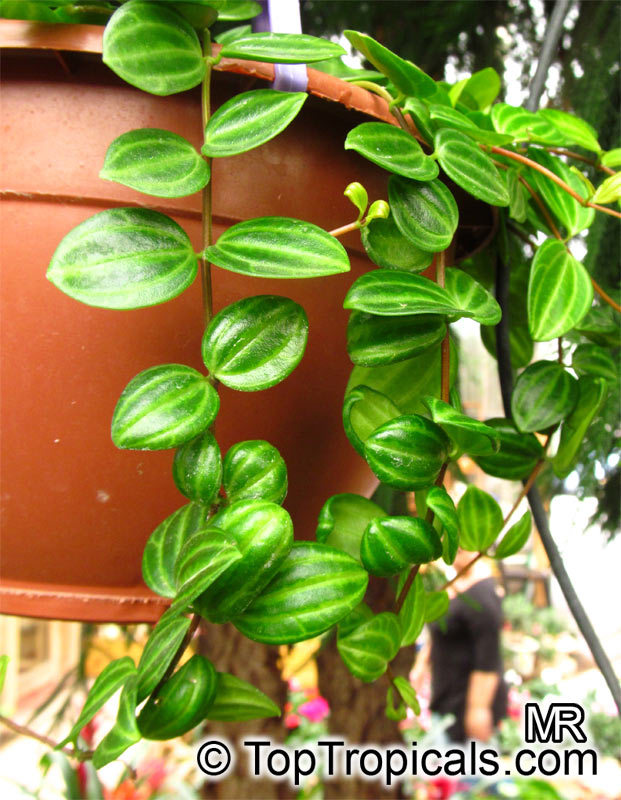
Botanical names: Peperomia dahlstedtii, Peperomia fosteri
Common name: Vining Pepper
Family: Piperaceae

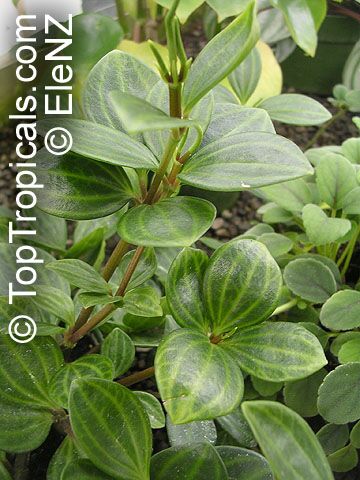
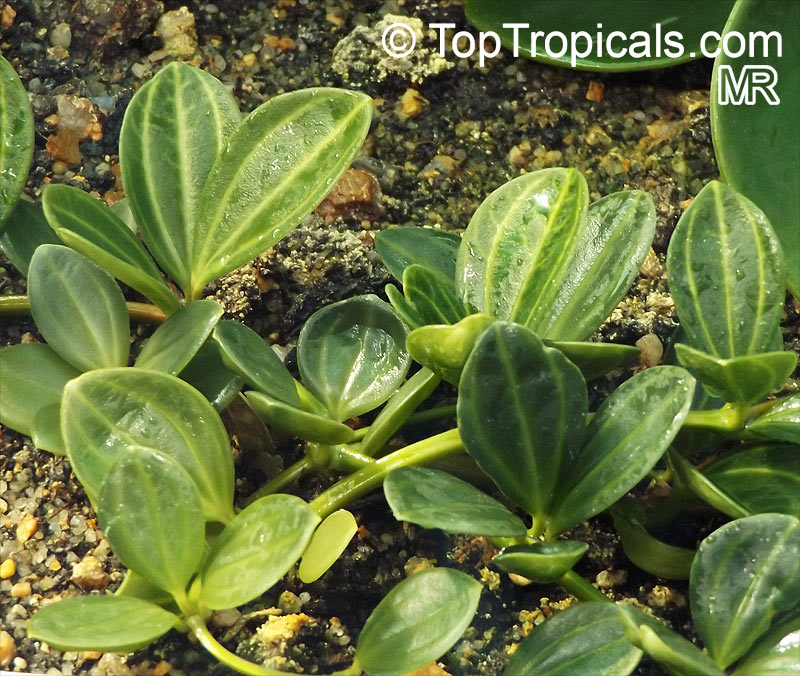
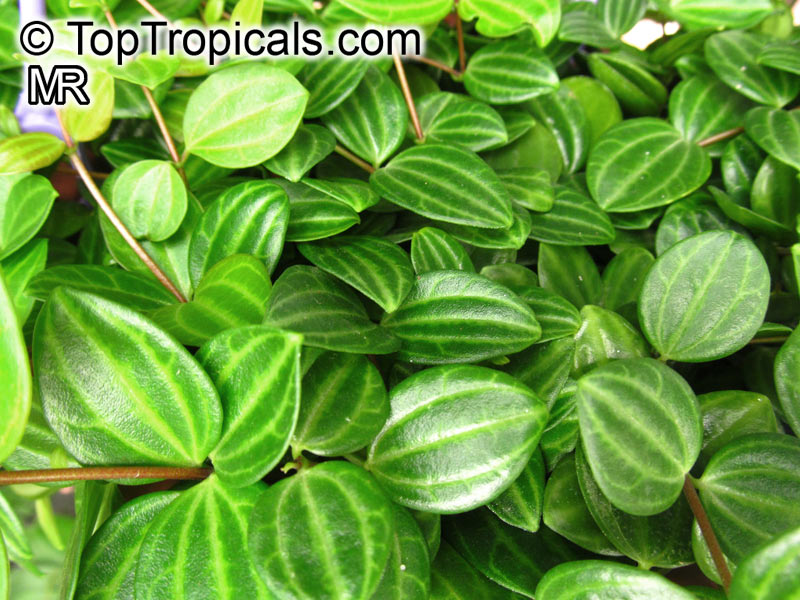
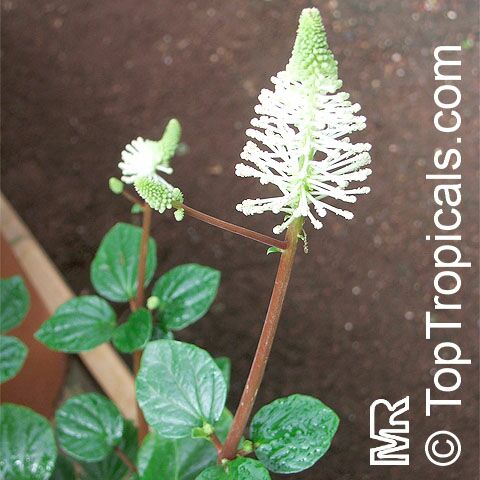
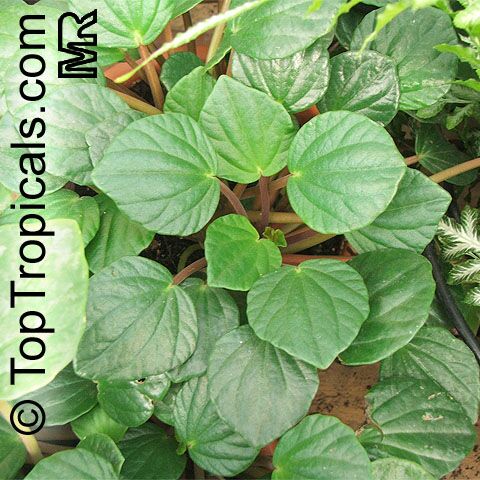
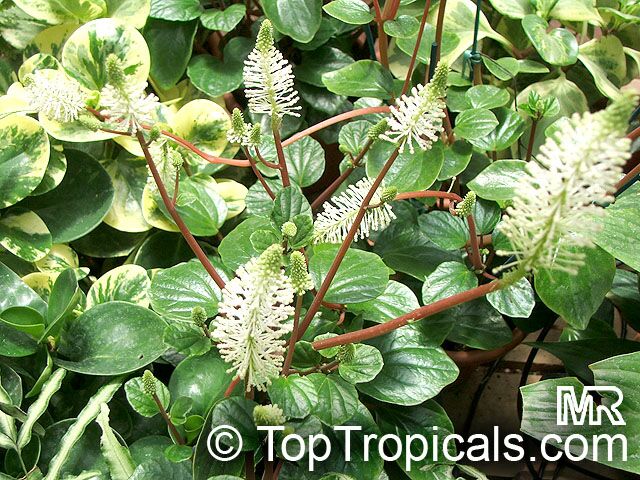
Botanical name: Peperomia fraseri
Common name: Flowering Peperomia
Family: Piperaceae
Origin: Central America

Peperomia fraseri, more commonly known as the Flowering Peperomia, is a flowering plant native to Central America. It is a woody and evergreen shrub that can reach anywhere between two to five feet in height. The plant has ornamental foliage made up of shiny dark leaves with scalloped and ridged edges, and the flowers are small and off-white or white in color.
In warmer climates, Peperomia fraseri makes an excellent outdoors groundcover. It is able to tolerate light shade and requires regular but moderate amounts of water. The Flowering Peperomia is great for regions within the USDA Zones 9-11, but can also survive in colder climates if kept in a pot or container.
When growing this plant indoors in cold areas, it is important to provide plenty of bright, indirect sunlight. The Flowering Peperomia grows best in a pot filled with well-draining, soil-based container mix. Make sure to water regularly, but don't over-water as the plant can become susceptible to root rot. Allow the surface of soil to dry out between waterings. The pot should also have a few drainage holes at the bottom for adequate drainage.
In addition, adding a thin layer of mulch over the soil is beneficial as it helps in reducing moisture loss from the soil and also prevents weeds from sprouting up. During the cold months of winter, the plant may enter a period of dormancy and may not require as much water. As the temperature and sunlight increase, the plant will start to grow and become more active again.
Overall, the Flowering Peperomia is a great houseplant for those who live in cold regions and can make for a great addition to any garden. With the right conditions and regular care, one can enjoy the beauty of these plants all year round.
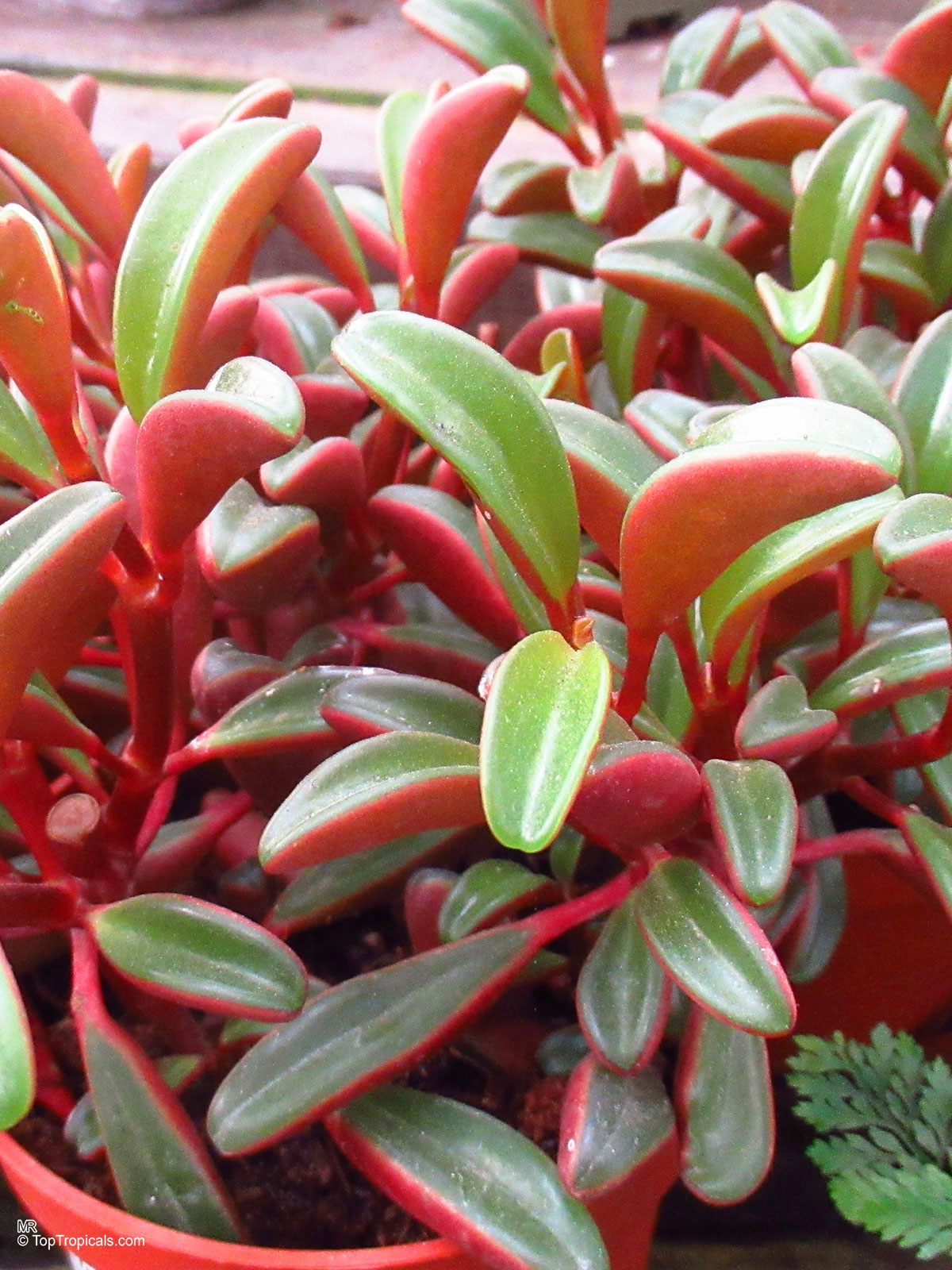
Botanical name: Peperomia graveolens
Common name: Ruby Glow
Family: Piperaceae
Origin: Ecuador
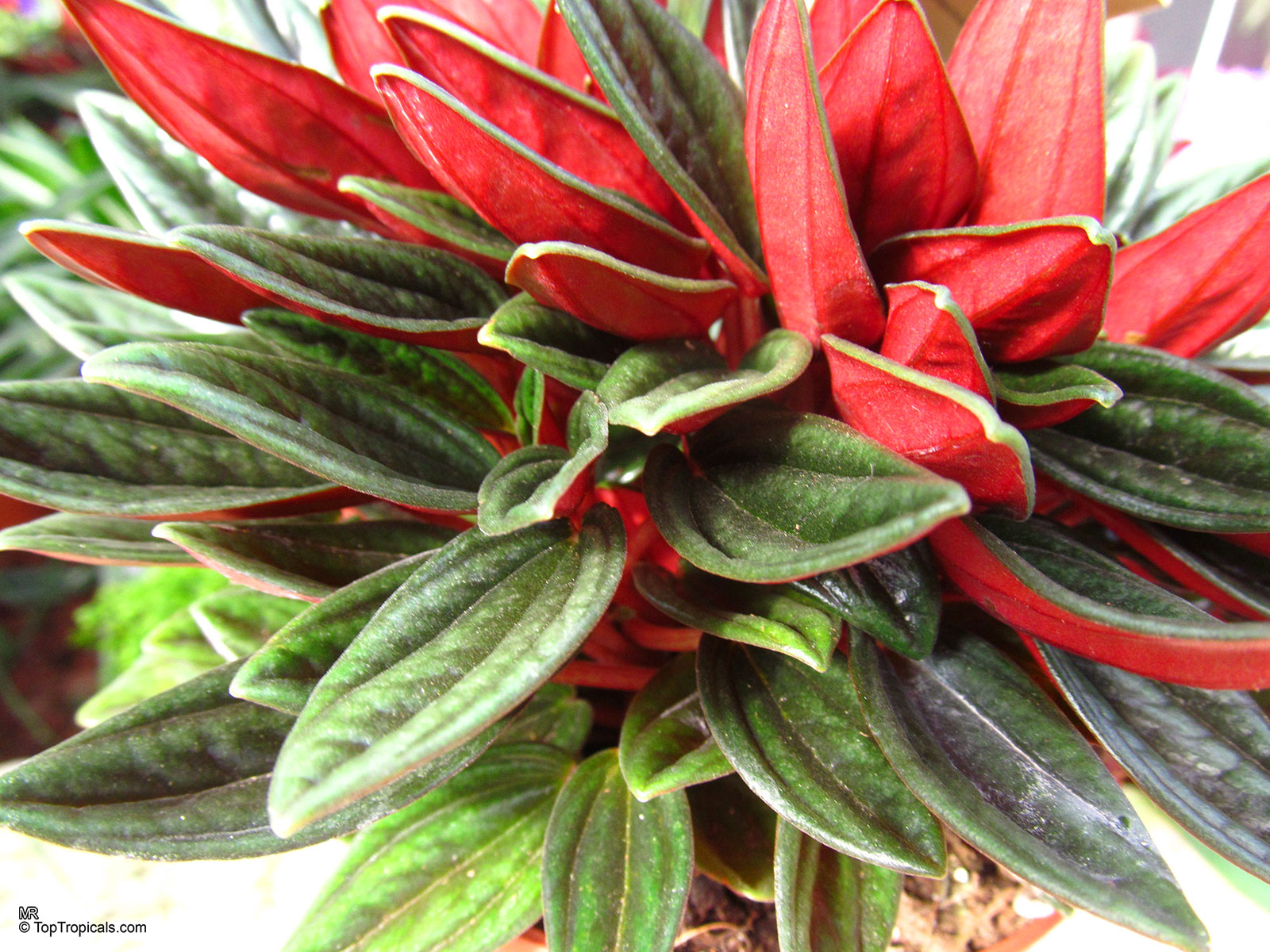
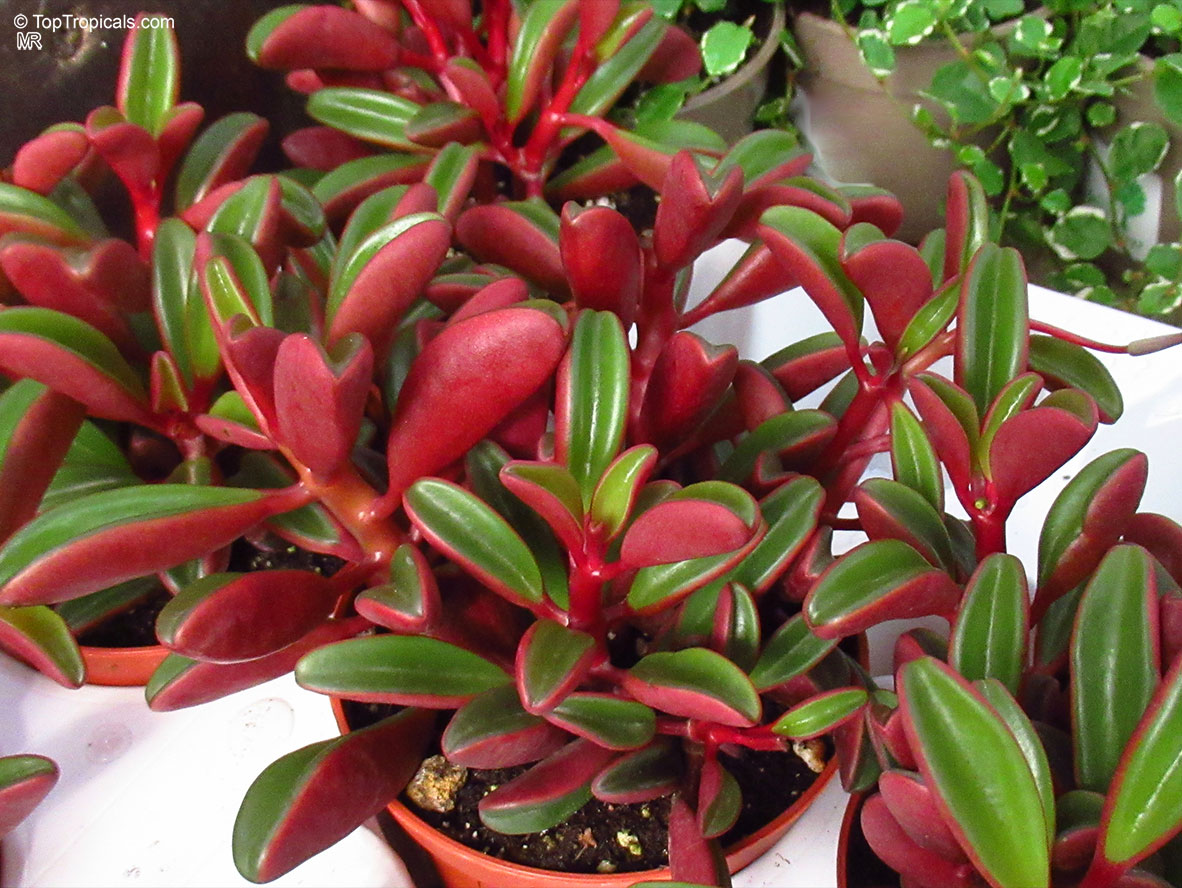
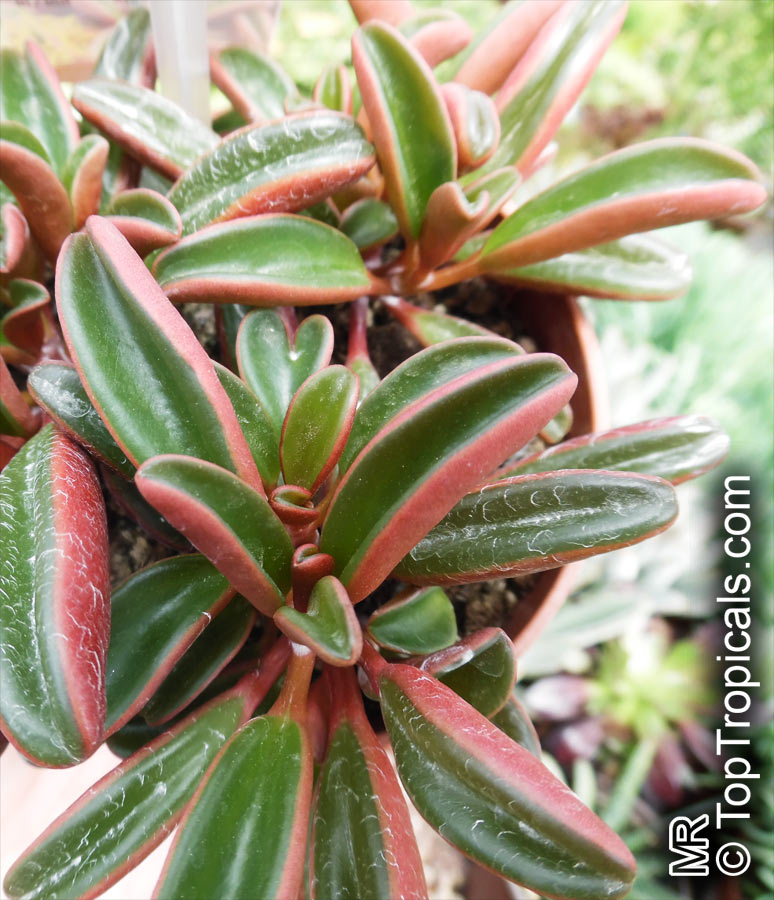
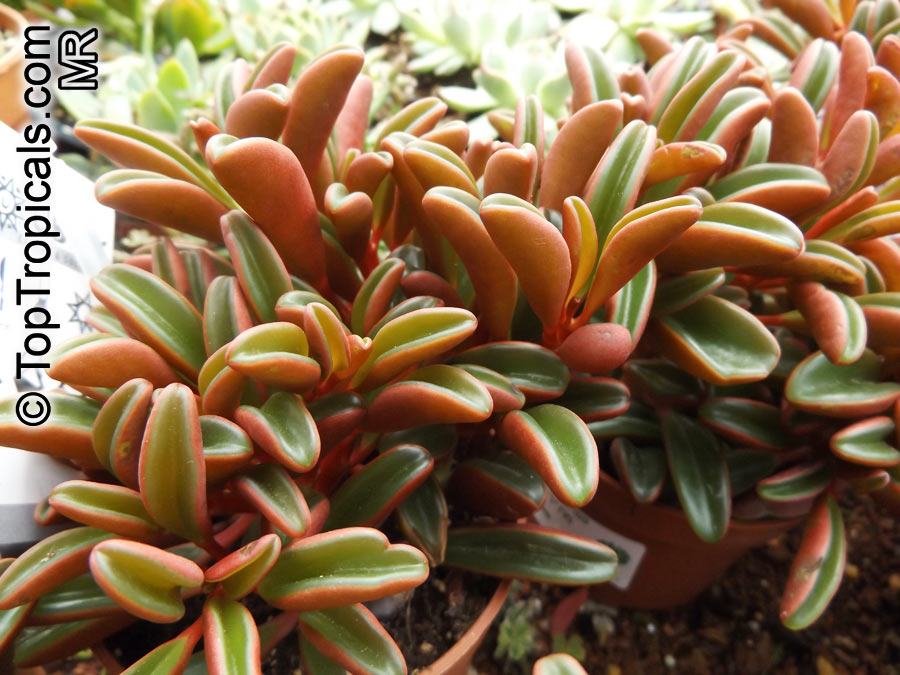
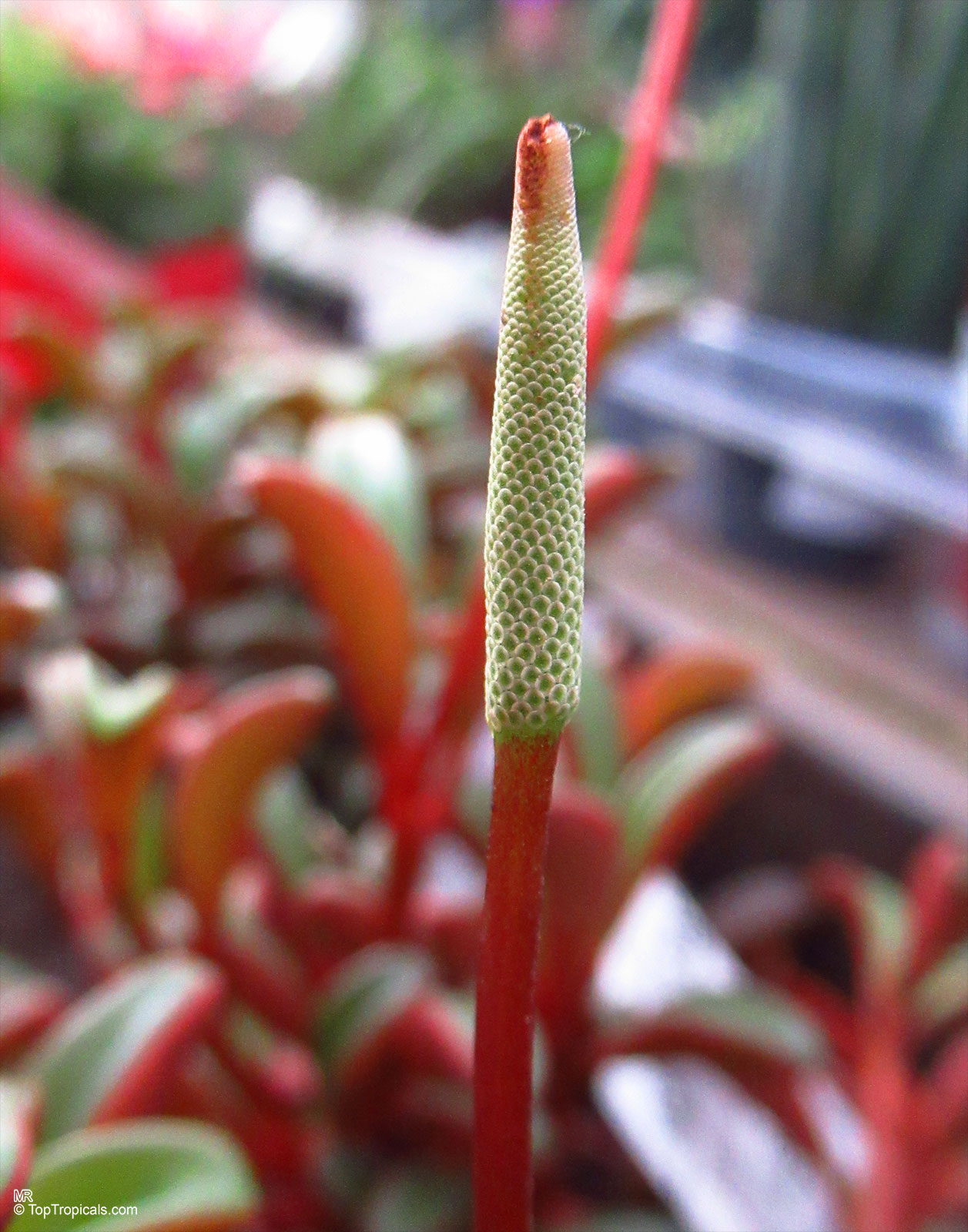
Peperomia graveolens is a compact, slow growing succulent species native to Ecuador, valued for its unusual leaf coloration and sculptural form. The thick, canoe shaped leaves are bright lime to yellow green on the upper surface, with deep red to burgundy undersides that become more intense in strong light. Plants form low, clumping rosettes with short, fleshy stems, giving a tidy, architectural appearance well suited to small containers and indoor displays. Like many Peperomia species, it is grown primarily for foliage rather than flowers, which are inconspicuous, slender spikes typical of the genus.
Peperomia graveolens prefers bright, indirect light or gentle morning sun, avoiding harsh midday exposure that can scorch the leaves. It grows best in a very well drained, airy substrate and requires careful watering, allowing the soil to dry slightly between waterings to prevent stem and root rot. This species is adapted to warm conditions and stable indoor environments. USDA Plant Hardiness Zones 10 11, with a minimum temperature of about 40F; it is not frost tolerant and should be grown as a houseplant or protected container plant outside tropical and subtropical climates.
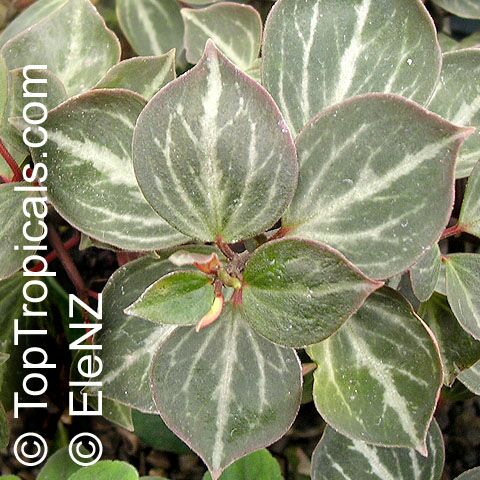
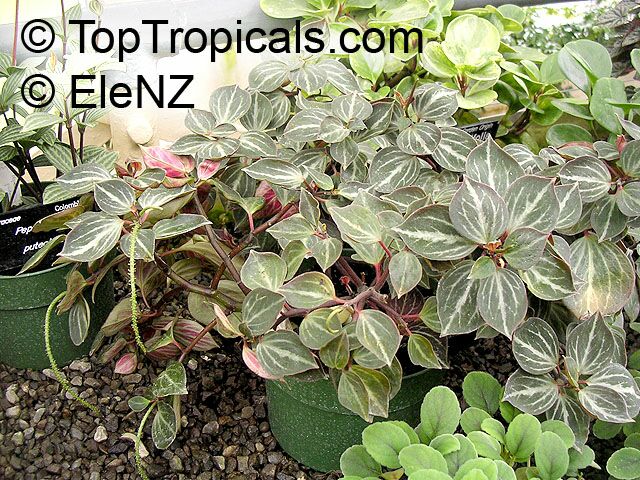
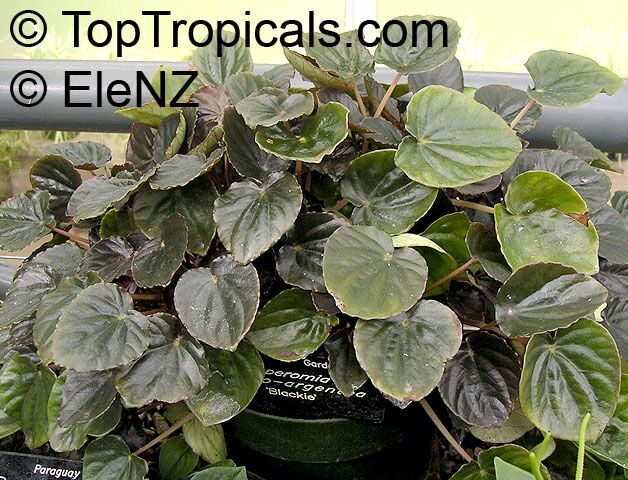
Botanical name: Peperomia griseoargentea
Common names: Radiator Plant, Platinum Pepper, Ivy-Leaf Peperomia
Family: Piperaceae
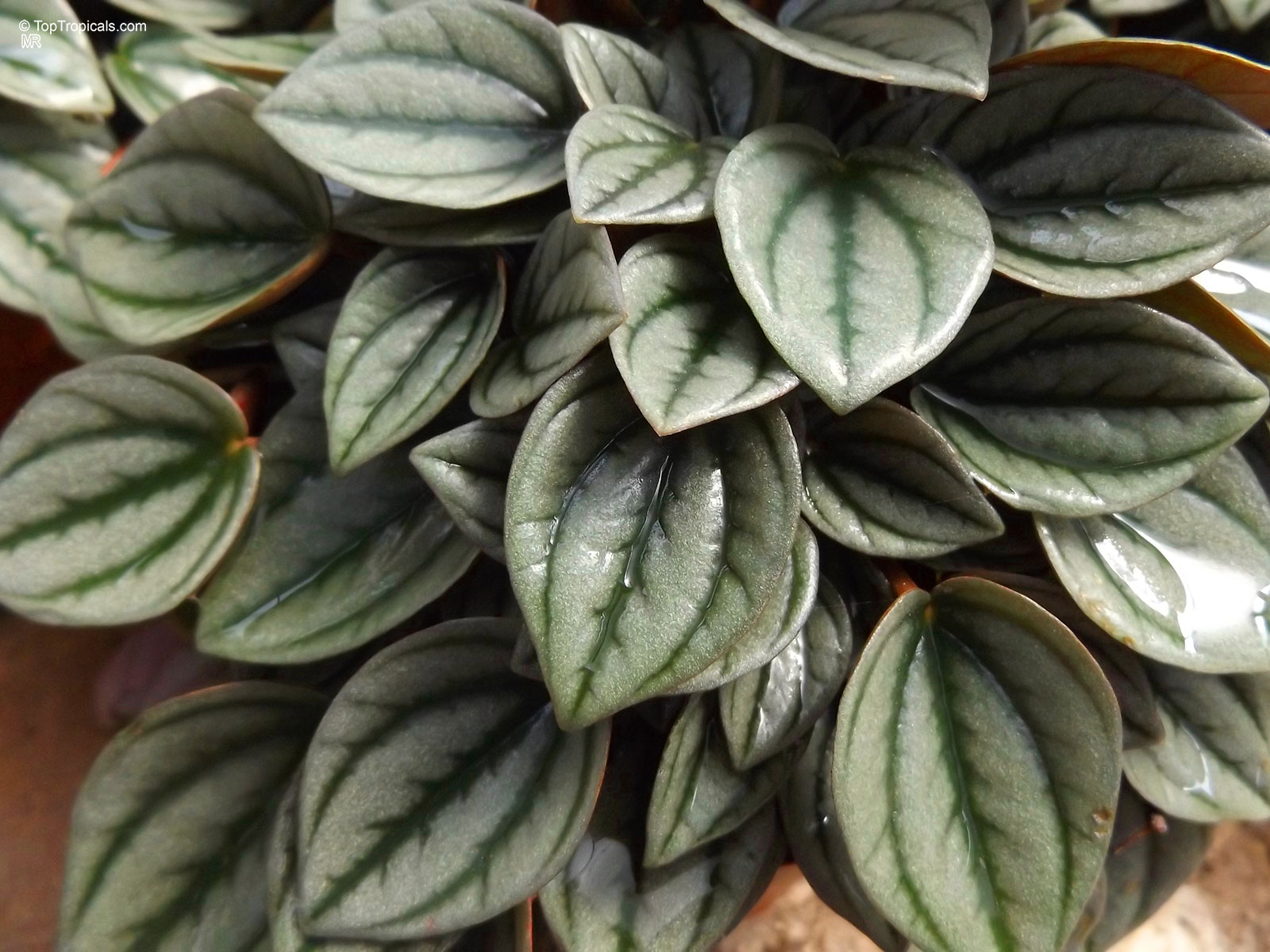
This slow-growing perennial is native to Central America and grows as a groundcover or low-growing, 2-foot shrub, in USDA Zones 9-11. The small ornamental plant is slow-growing and needs semi-shade and regular water to thrive.
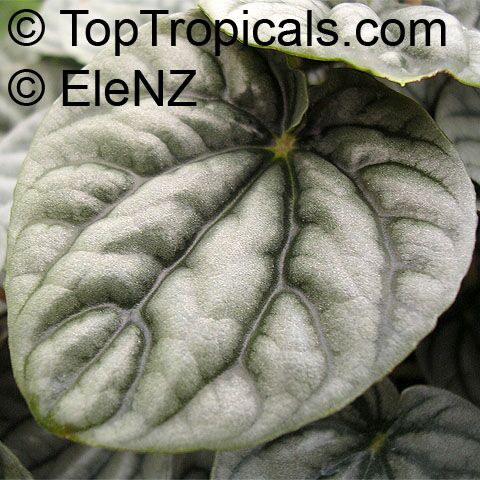
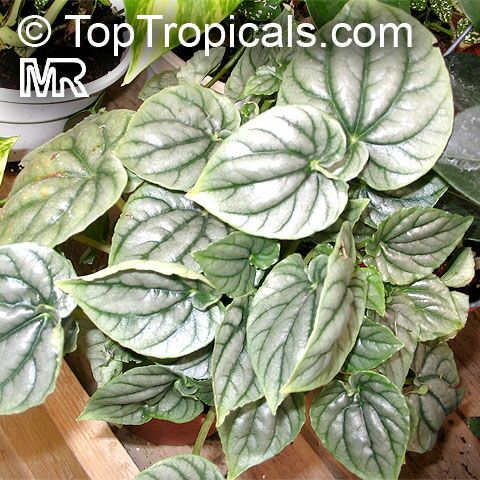
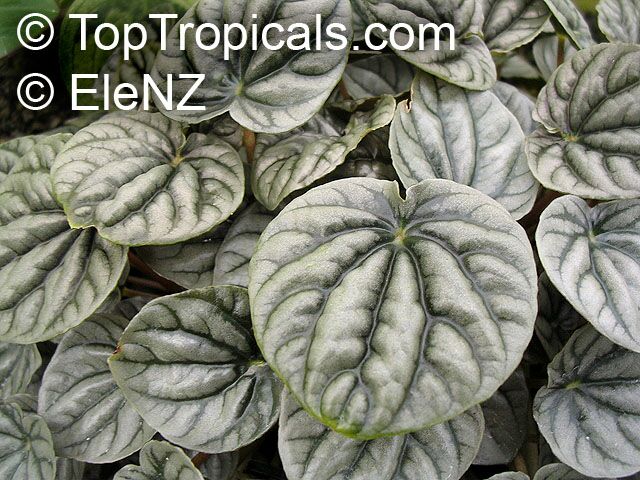
Peperomia griseoargentea, commonly known as Radiator Plant, is an unusual and attractive evergreen perennial commonly grown indoors. It has heart-shaped, silvery-gray foliage with copper veins. The fast-growing foliage grows in rosettes and sprouts a lush, two-foot-tall plant when well maintained.
The plant is hardy enough to be grown outdoors in Zones 9-11, but it should be kept in partial shade and moderately watered. The more light it gets, the greater the chances of it growing successfully. To properly care for the Radiator Plant outdoors, water regularly until the soil is moist but not waterlogged; it is susceptible to root rot if overwatered. A mulch cover is recommended during the winter months to protect it from the cold. It can also be grown in a pot in cold regions or during the winter months, but make sure not to overwater it.
Although Peperomia griseoargentea is a slow-growing perennial, it makes up for it with its ornamental foliage and bright, cheerful colors. The Radiator Plant looks best in hanging baskets or as a lovely houseplant where its leaves can cascade down.
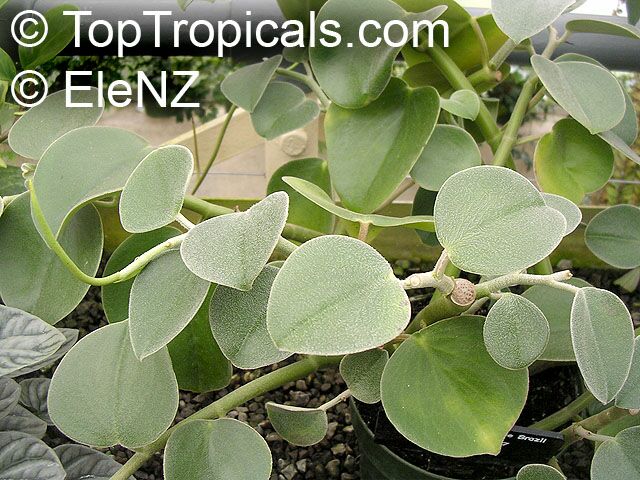
Botanical name: Peperomia incana
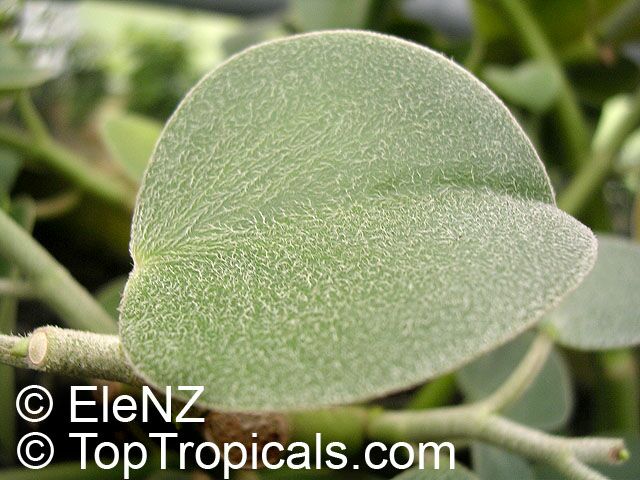
Common name: Felted Peperomia
Family: Piperaceae

Leaves are white, ovate, thick, fleshy, and have a soft pubescence on both upper and lower surfaces.
| Next | |
Use link to repeat this search:
https://toptropicals.com/cgi-bin/garden_catalog/cat.cgi?search_op=and&keyword_op=and&language=e&family=piperaceae&number=10
&no_change_lang=1&user=tt&sale=1&first=0