Plantaginaceae - Botanical Family
| Number of plants found: 20 | Next | 
|
Go to page: | 1 | 2 |
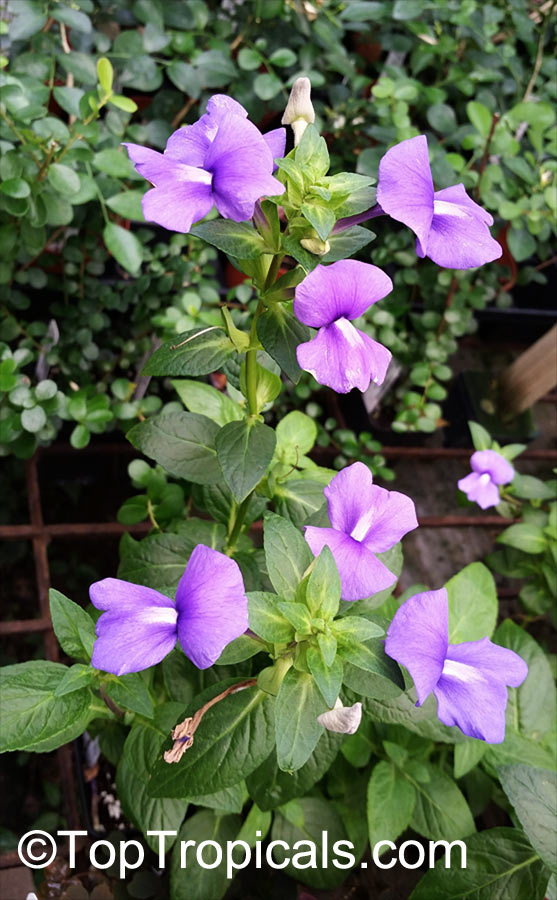
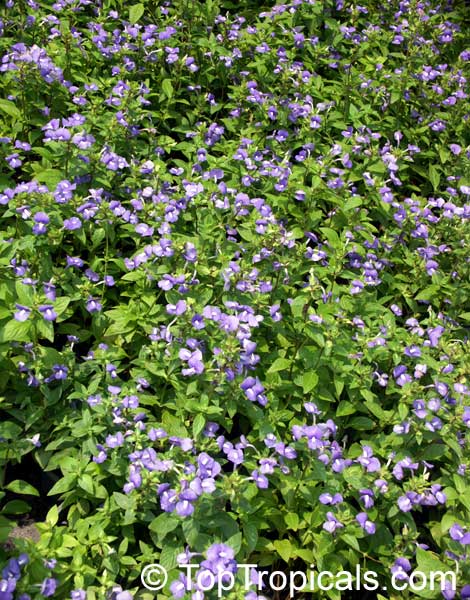
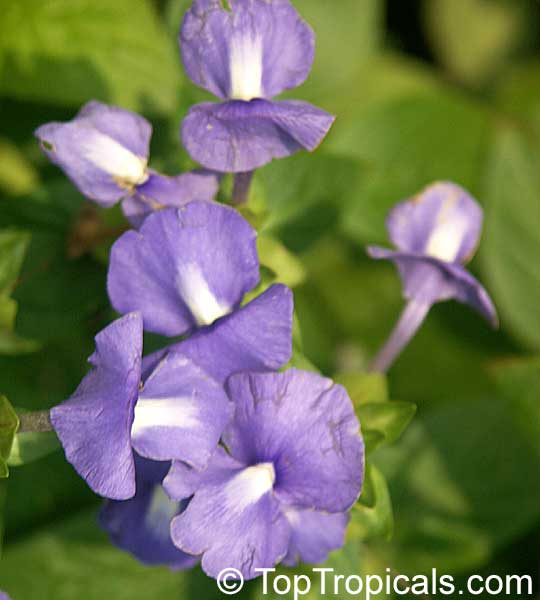
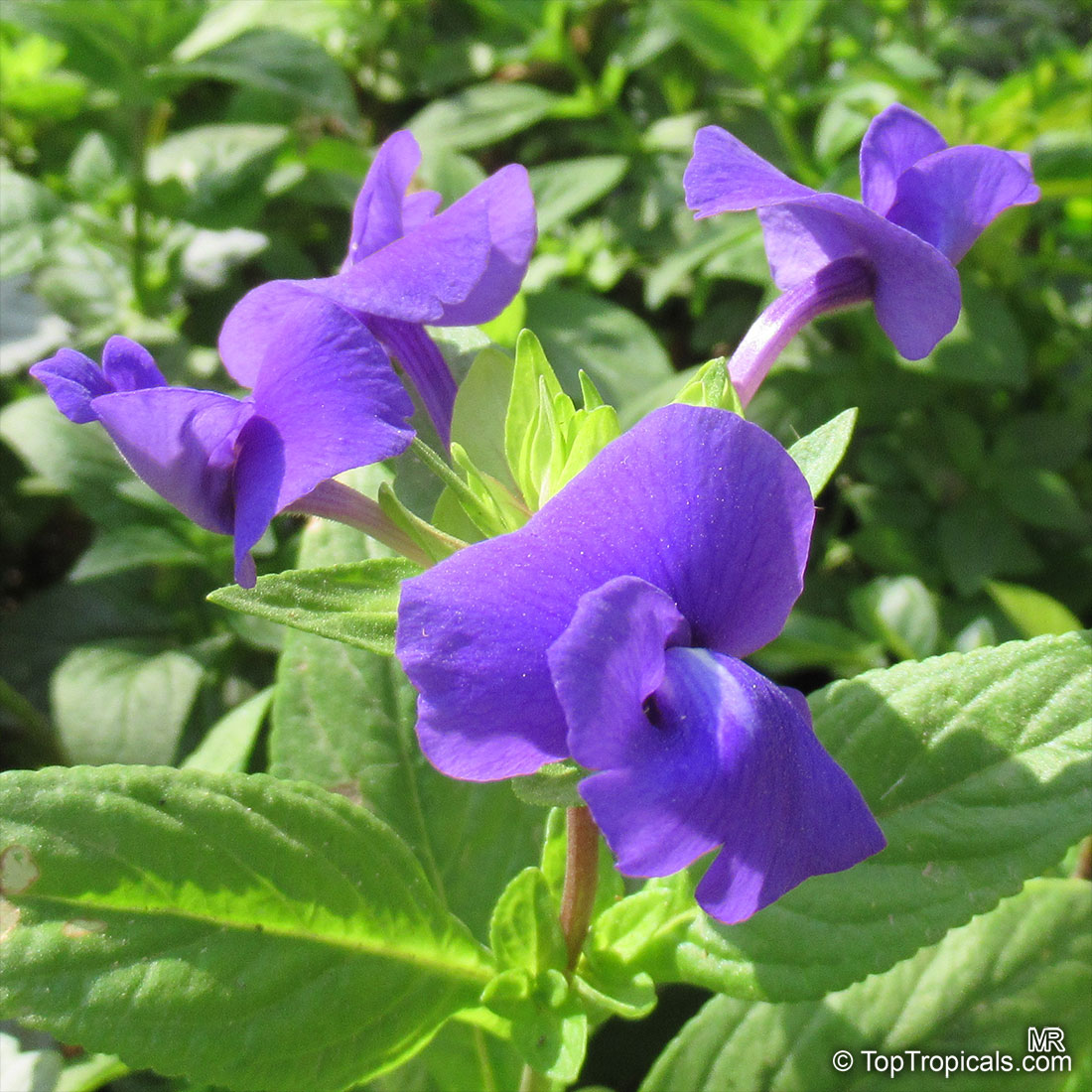
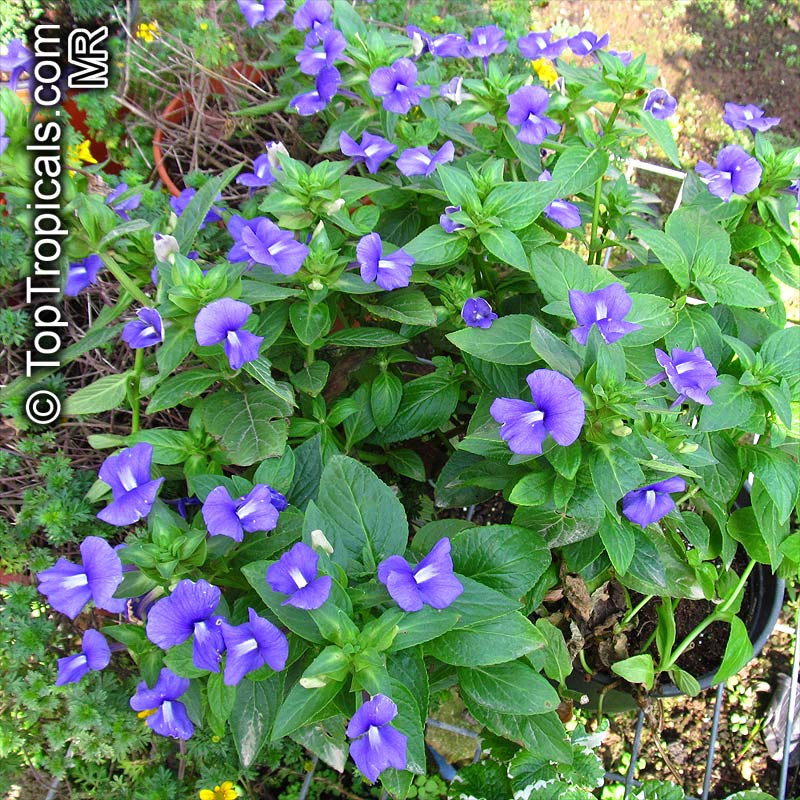
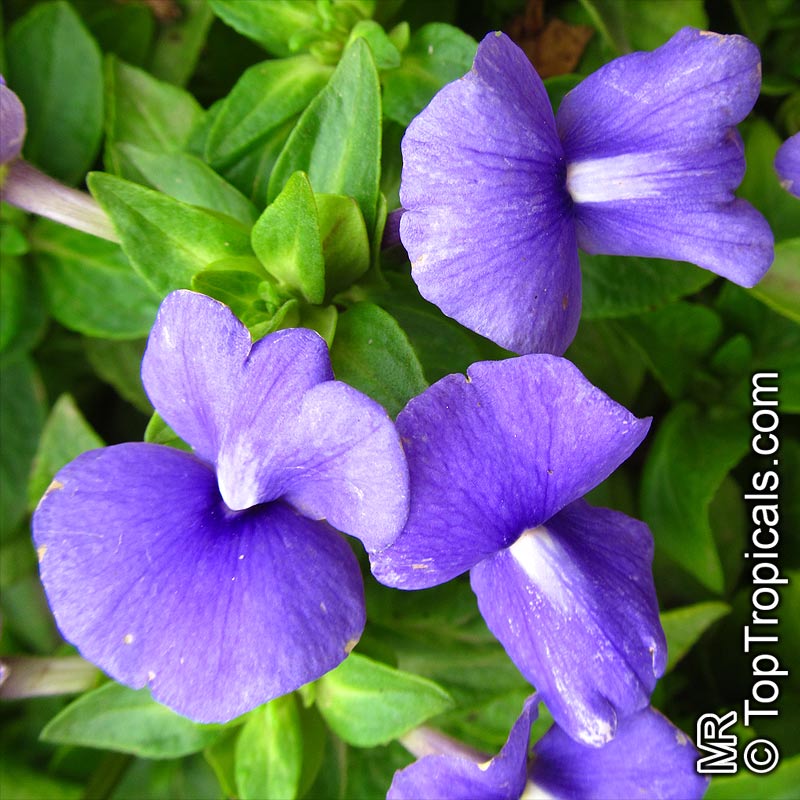
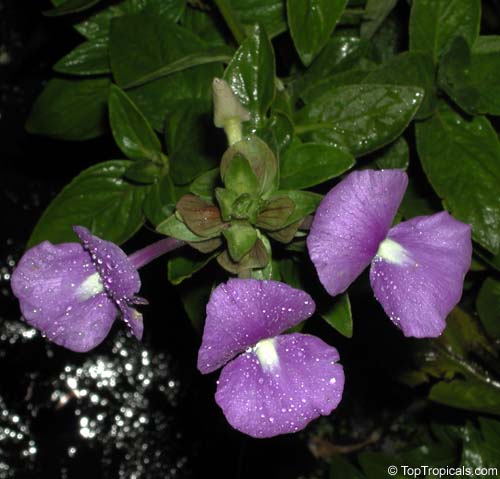
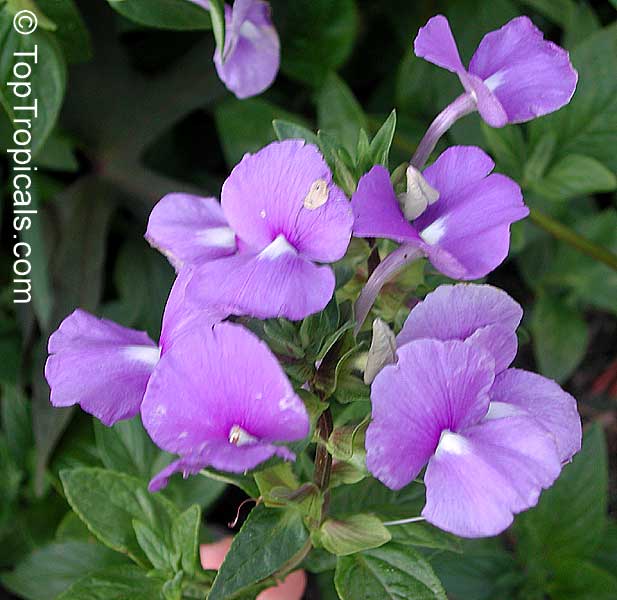
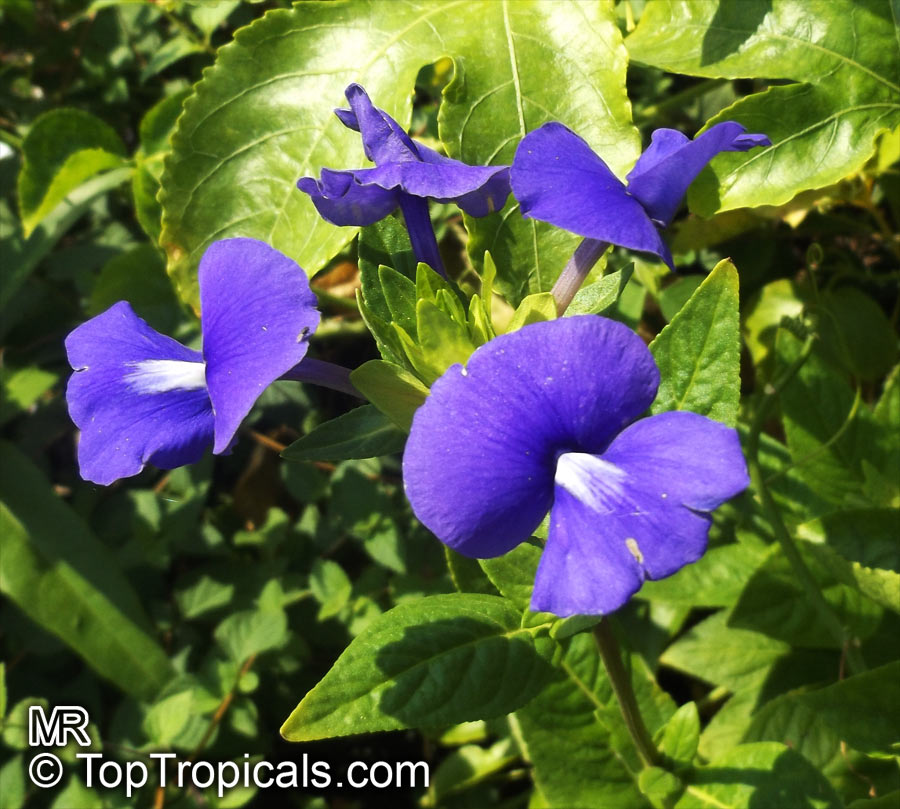
Botanical names: Achetaria azurea, Otacanthus caeruleus
Common names: Brazilian Snapdragon, Amazon Blue
Family: Plantaginaceae
Origin: Brazil
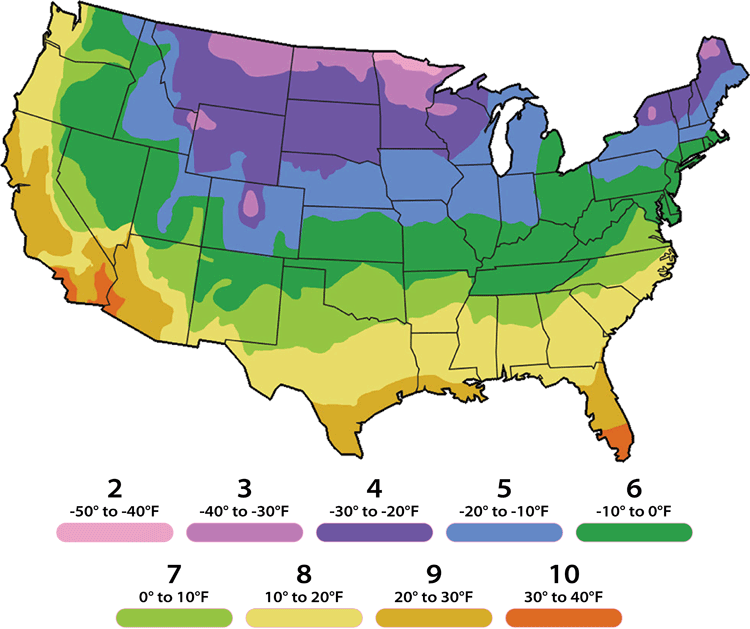
USDA Zone: 9-10


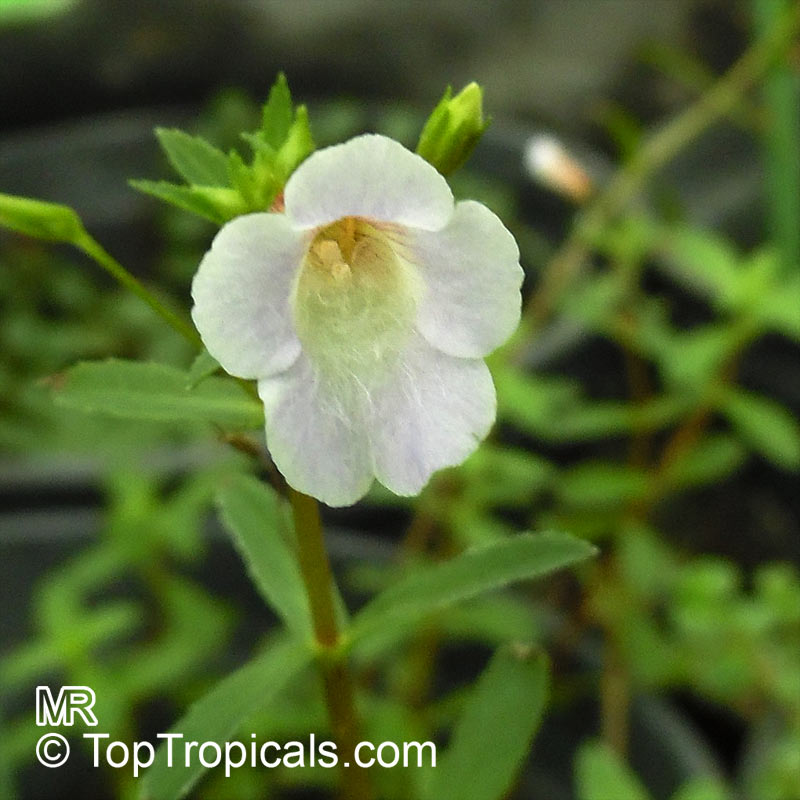
Free branching spreading small shrub with bluish mauve flowers with white eye. Leaves are very fragrant resembling pine scent. Everbloomer. Prefers acid soil.
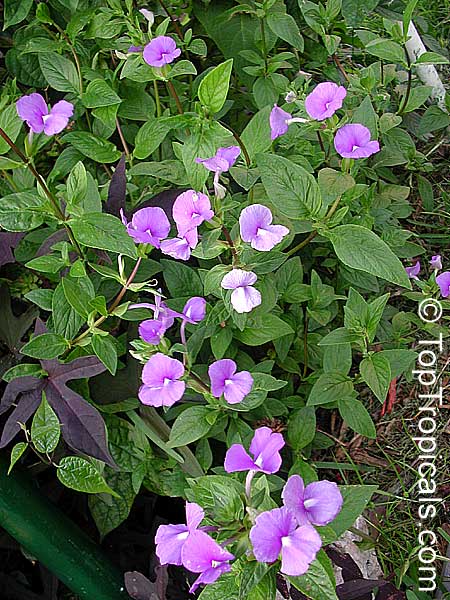

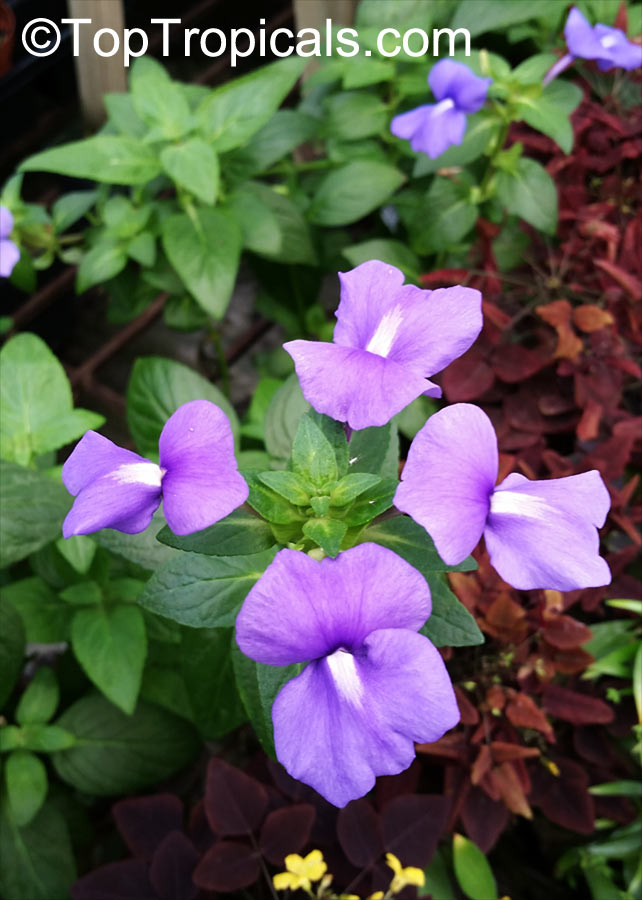
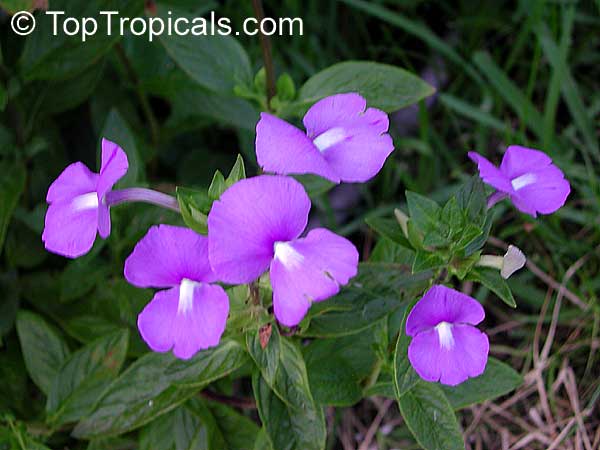
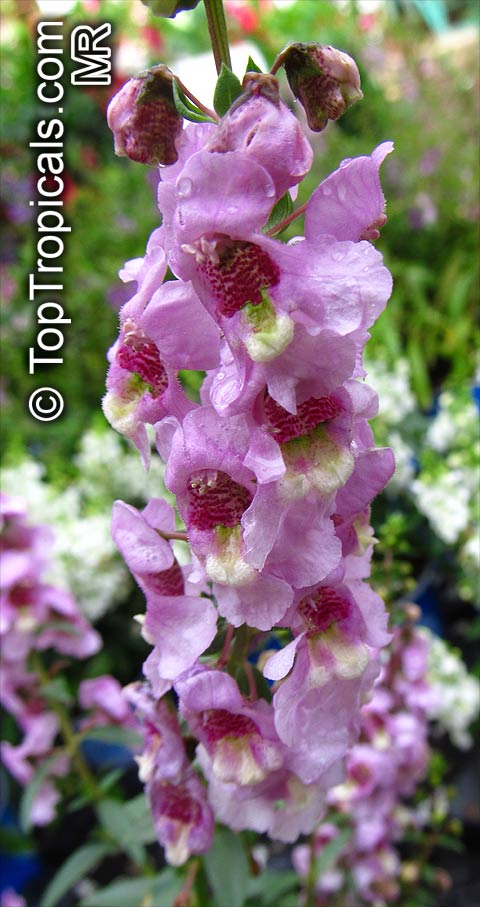
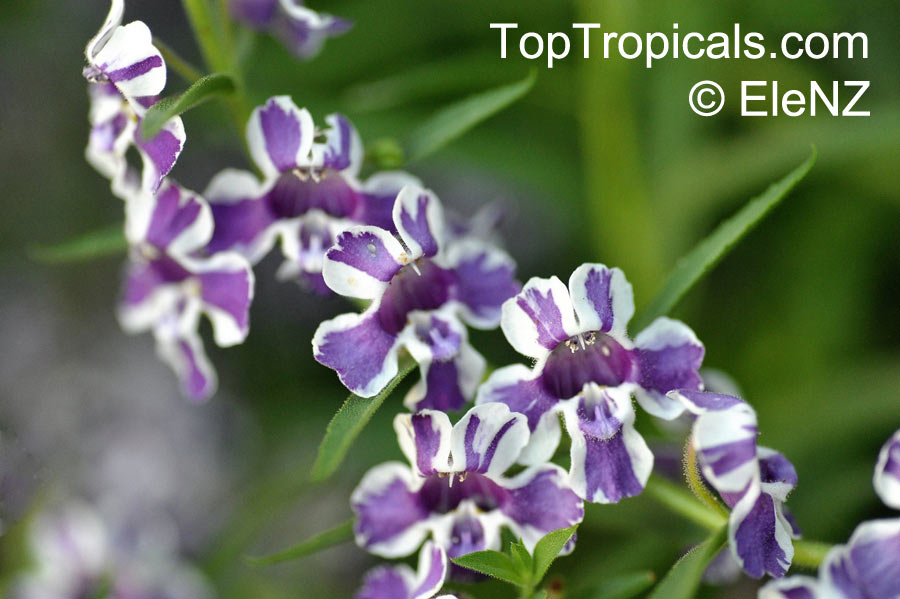
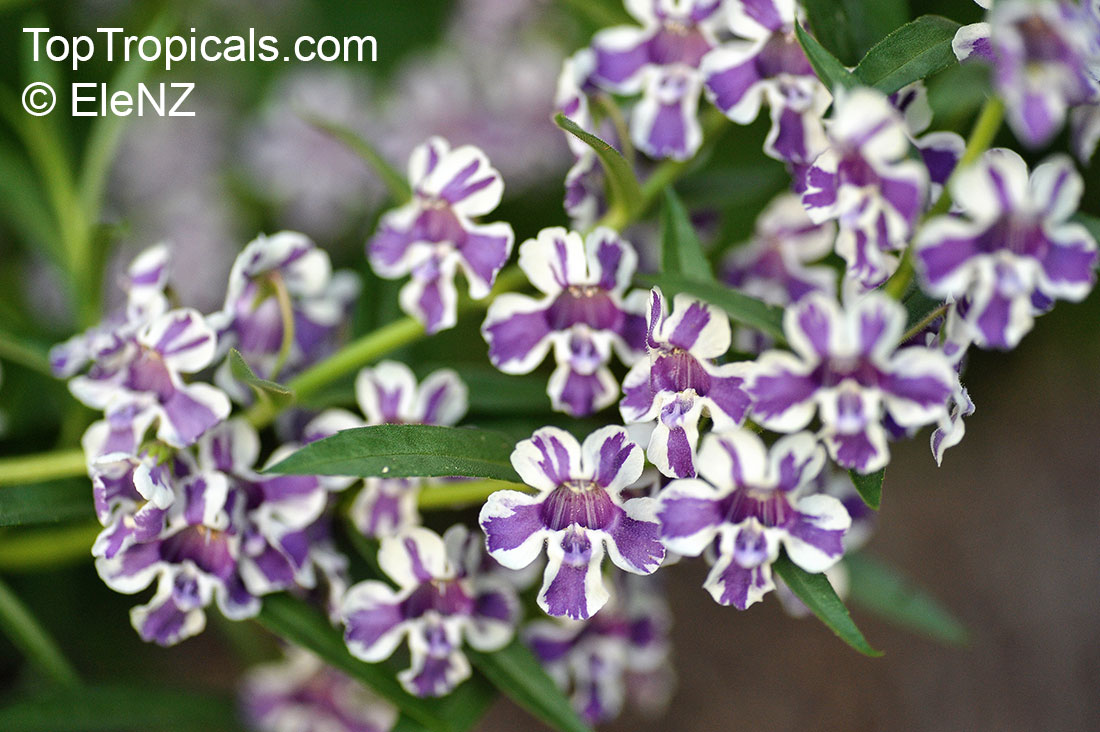
Botanical names: Angelonia angustiflolia, Angelonia goyazensis
Common names: Angel Mist, Summer Snapdragon, Angel Flower
Family: Plantaginaceae
Origin: Brazil
USDA Zone: 8-11


Angelonia is a relatively new species to the world commercial market. Every part of plant has fragrance. When you water them the smell comes stronger. It likes bright sun and water a lot. Grow faster at the cool place. Blooms all year round.
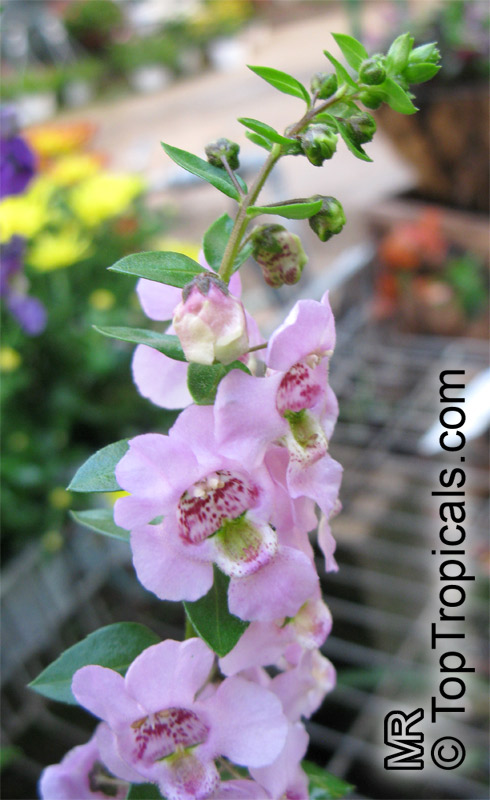
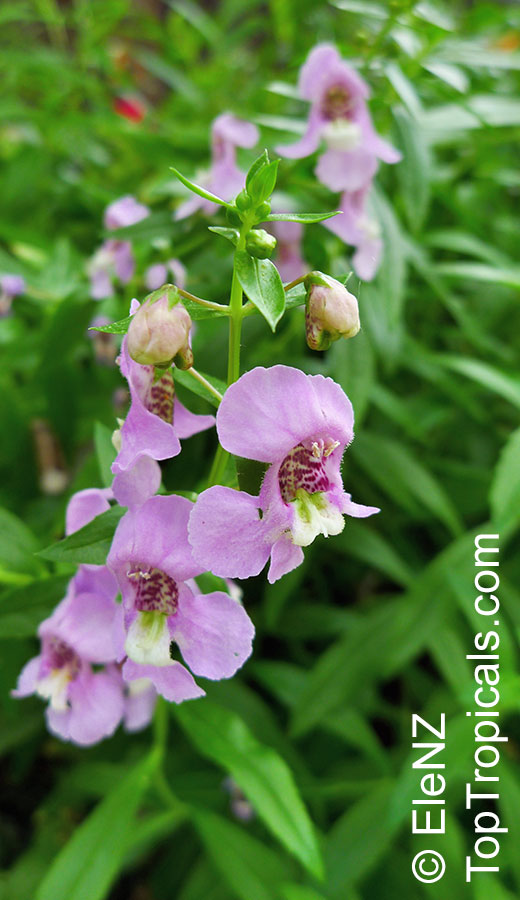
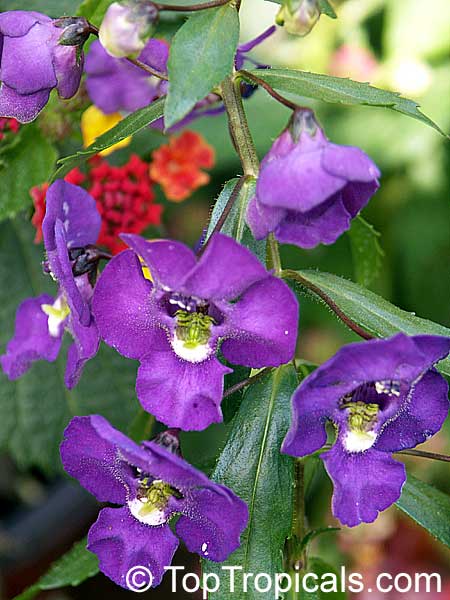
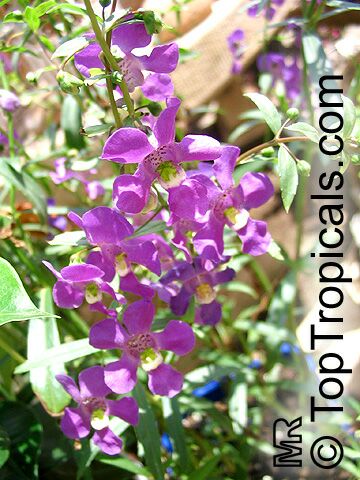
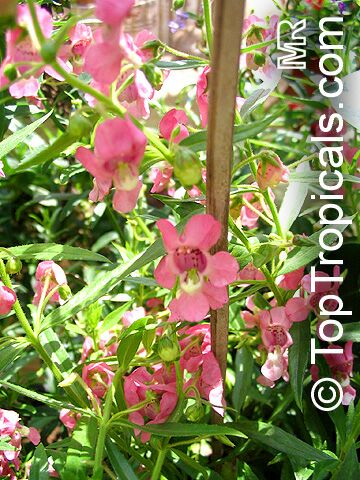
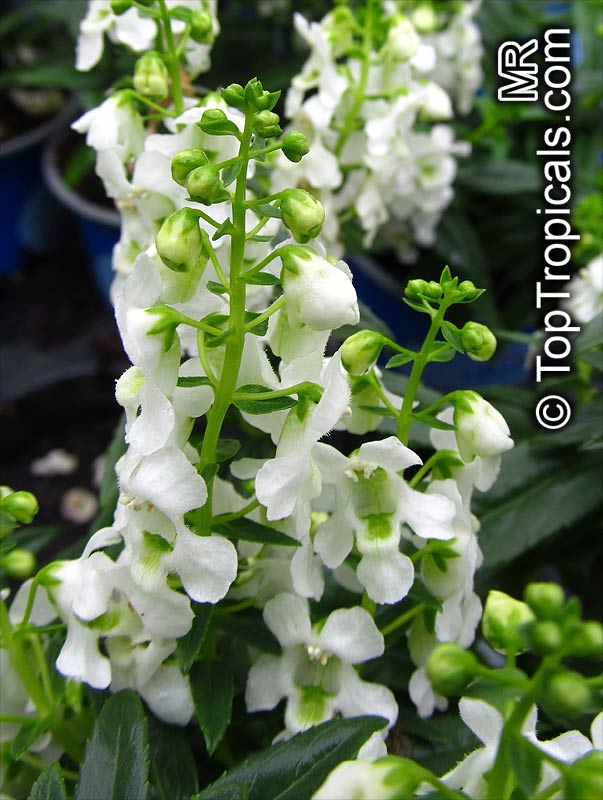
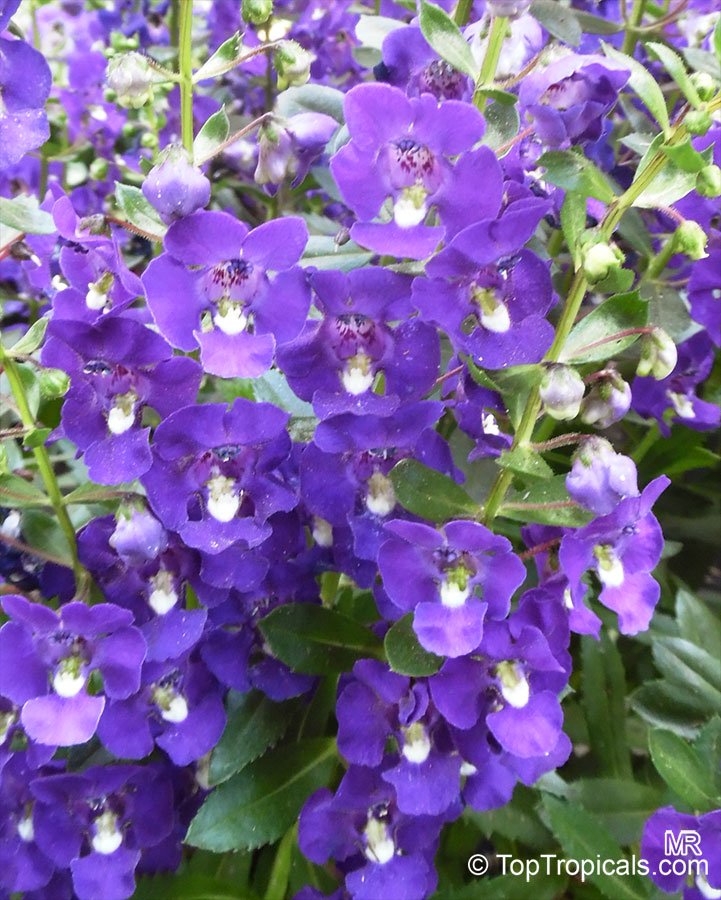
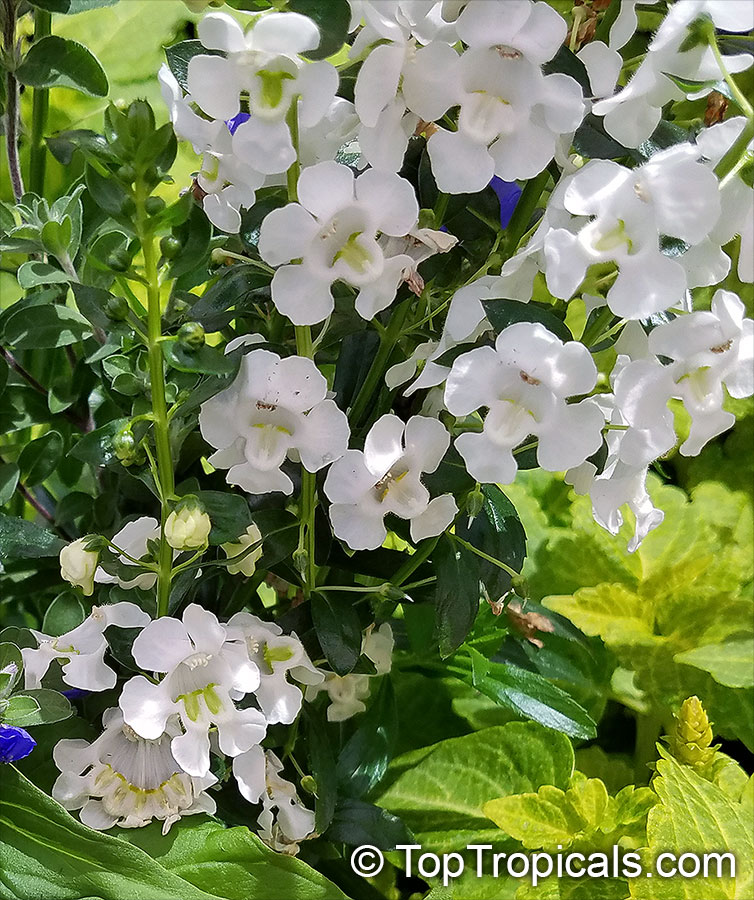
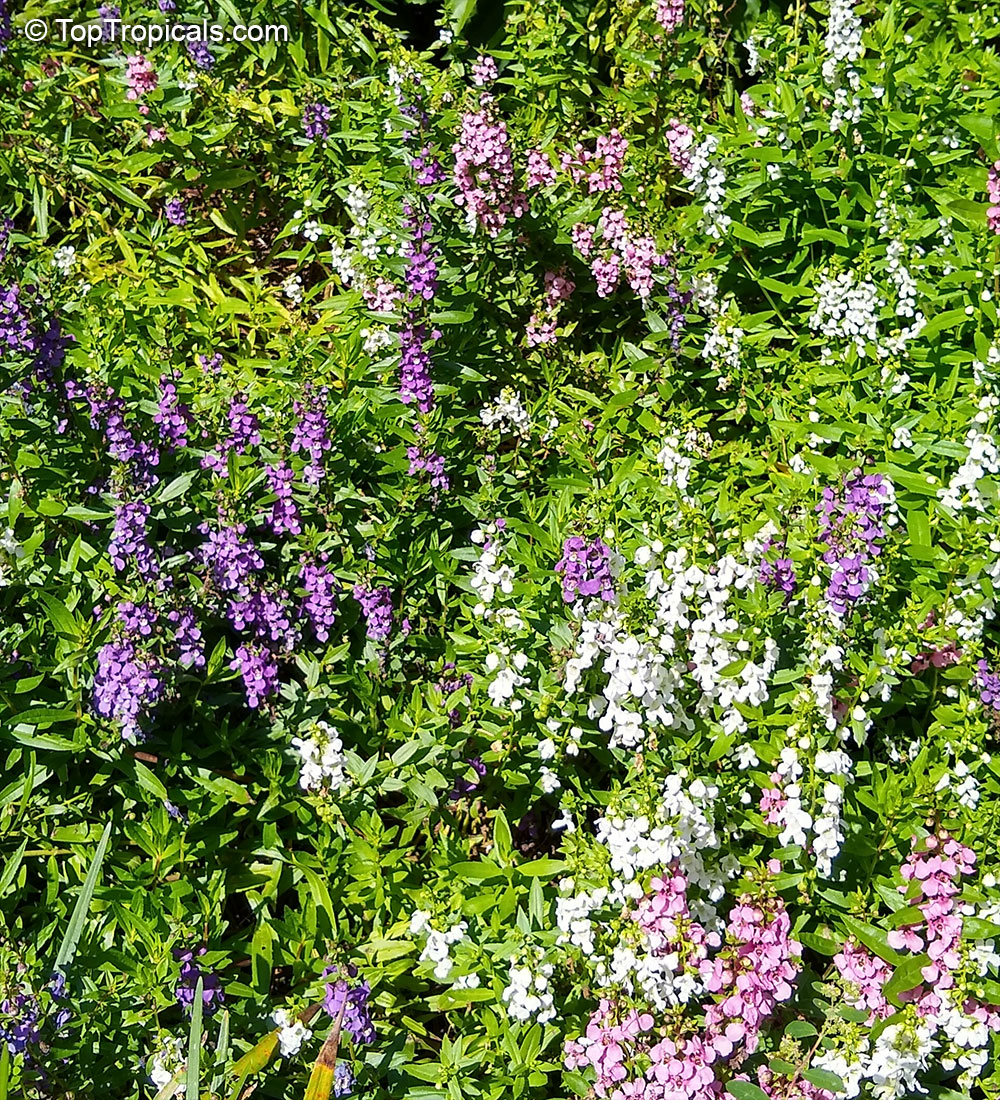
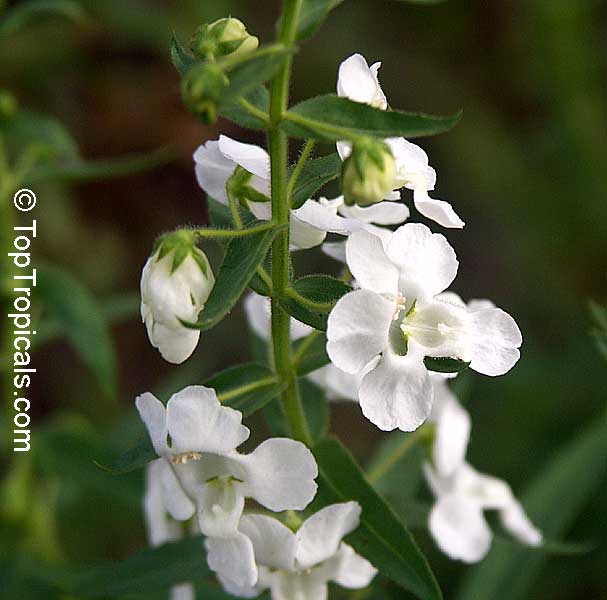
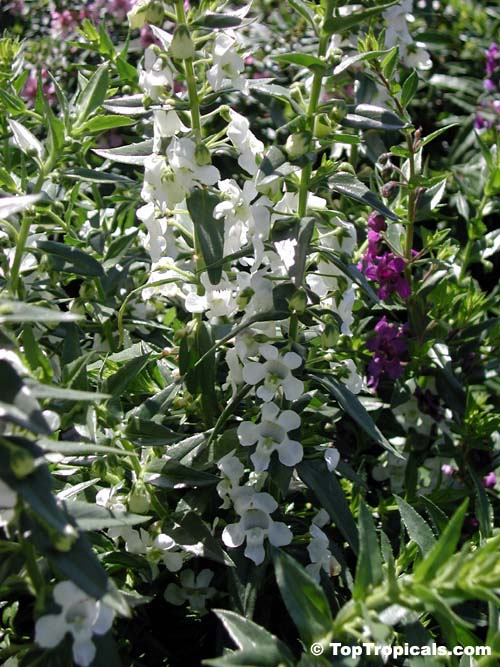
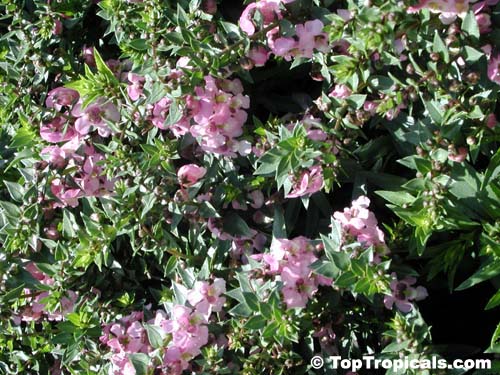
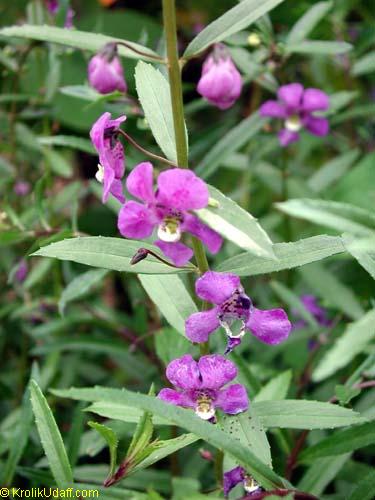
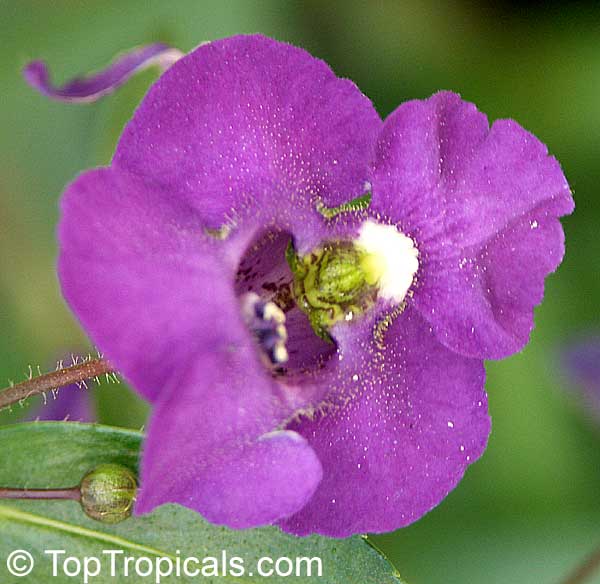
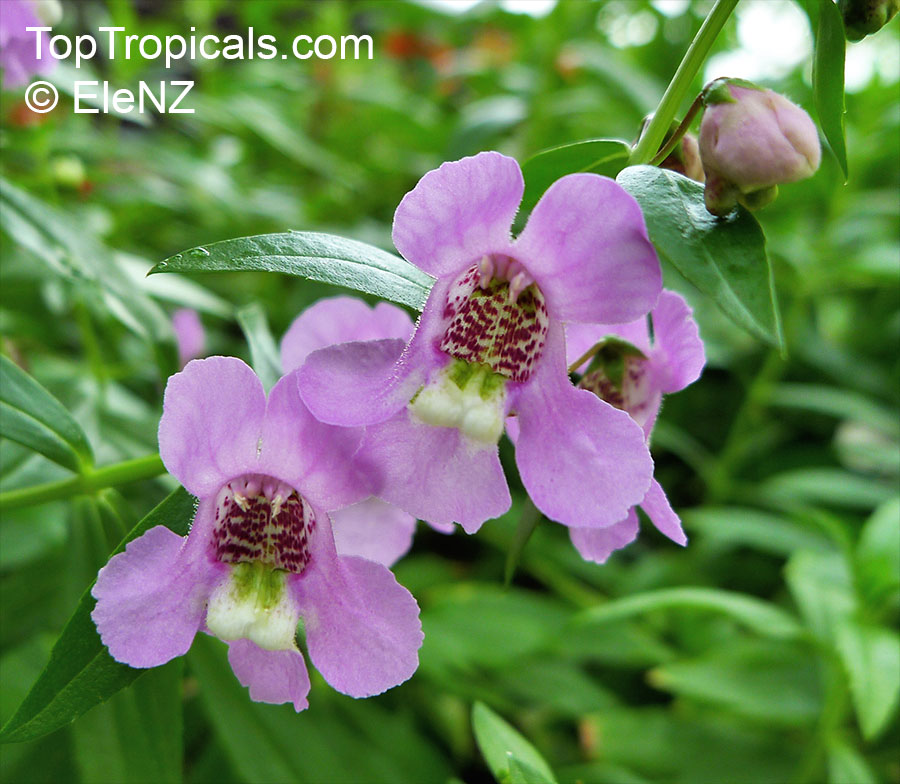
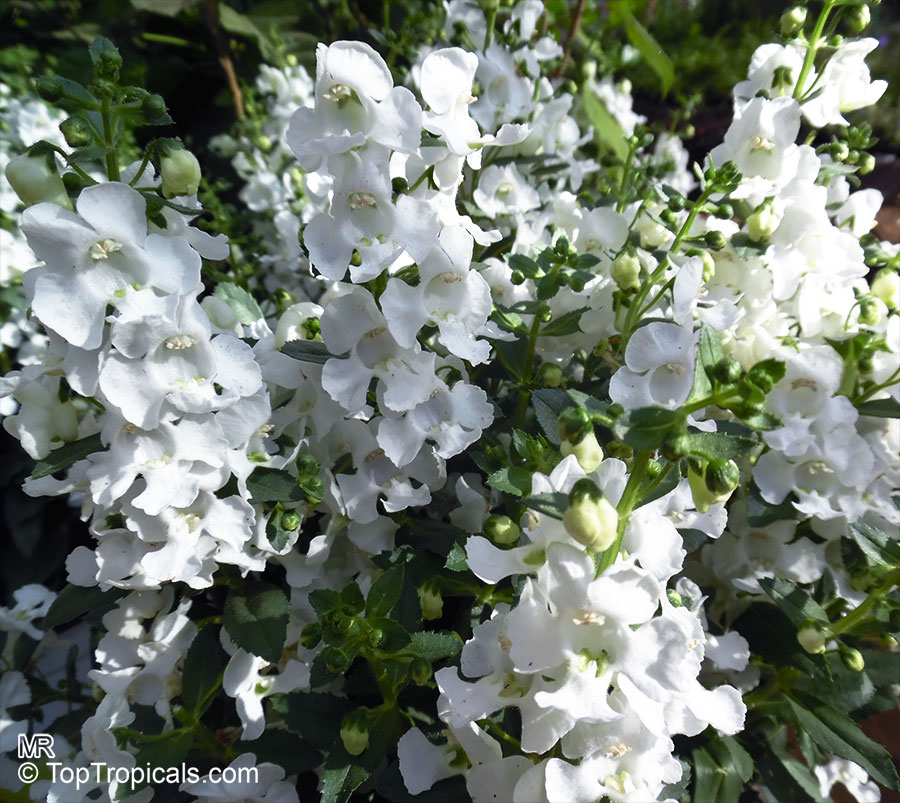
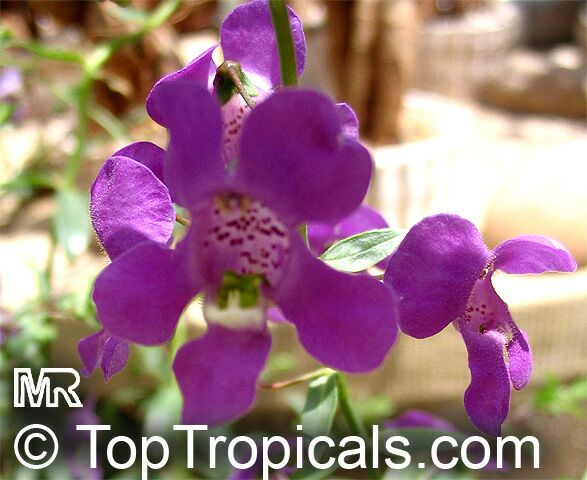
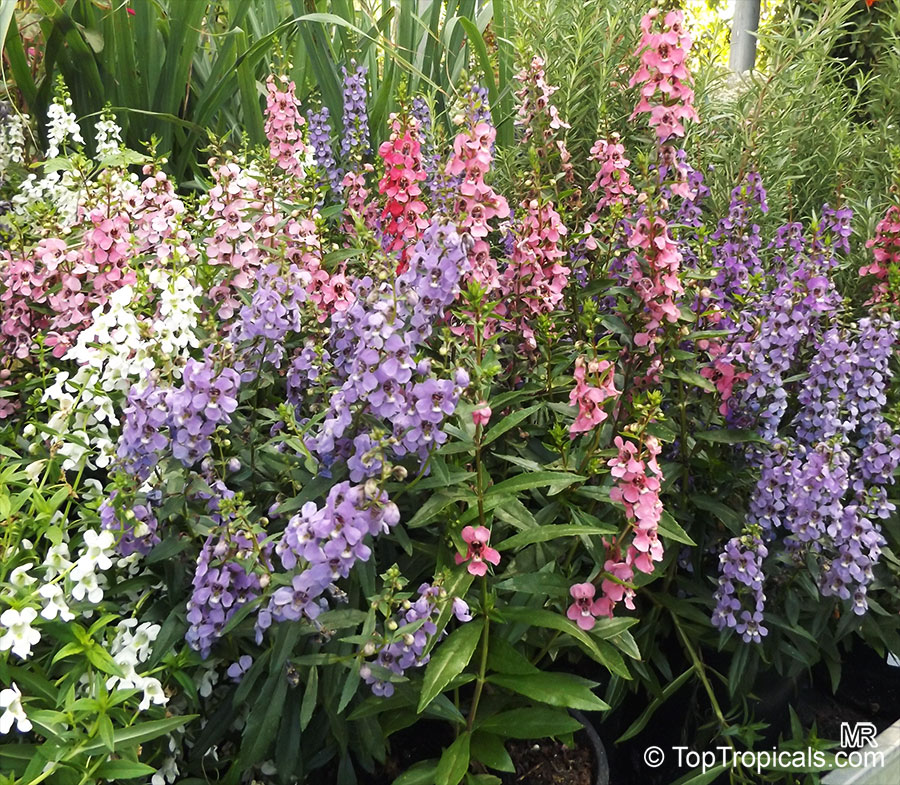
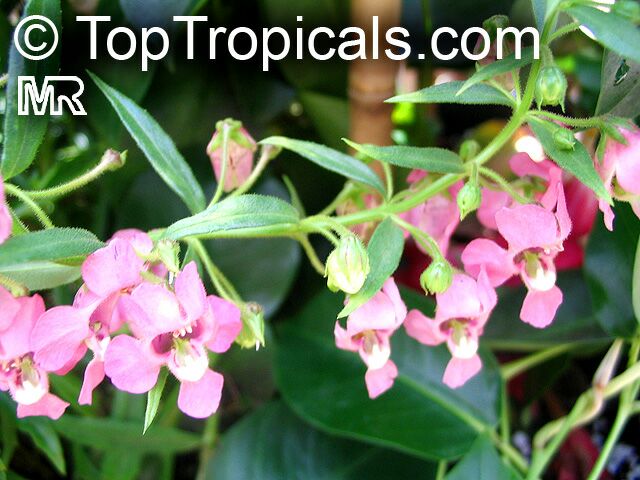
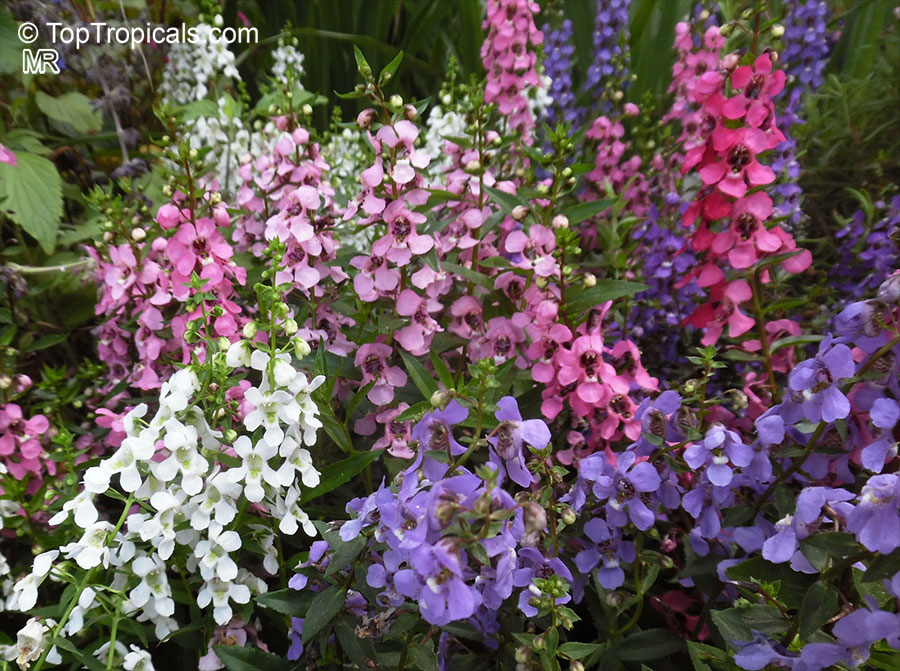
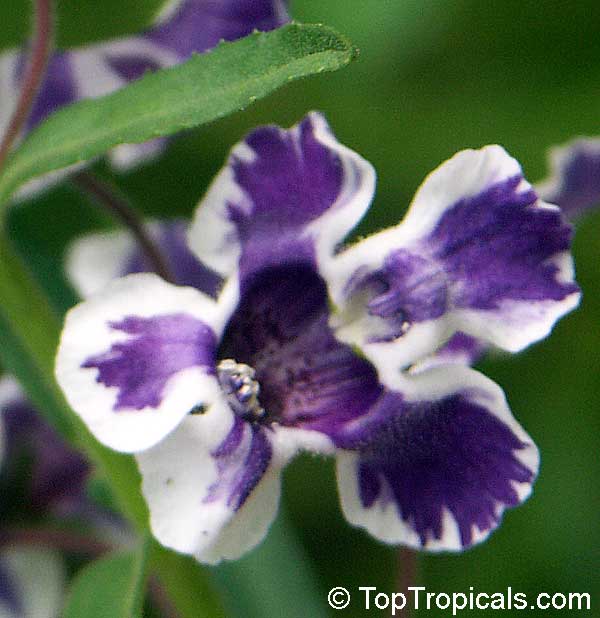
Botanical name: Angelonia salicariifolia
Common name: Violet-flowered Angelonia
Family: Plantaginaceae
USDA Zone: 9-11

Angelonia salicariifolia, commonly known as Violet-flowered Angelonia, is a small shrub that grows between two and five feet tall. It is known for its fragrant, white to off-white blooms, which turn to blues, lavenders, and purples as they mature. It is a full sun to semi-shade loving plant, and needs regular or moderate water depending upon the climate. It can be grown year round in USDA Zones 9-11, with mature plants being cold hardy at least down to the 30s F for a short duration of time.
When it grows in pots, Angelonia needs to be taken care of in cold regions. To establish a healthy plant in the pot, plant it in a well-draining soil mix and place it in a sunny or a partially shaded spot. Make sure it is shielded from heavy winds too. Water it gently and regularly to keep the soil moist. Plants in brittle winter areas additionally need to be covered with a thick layer of organic mulch in late fall, to stay warm through the winter season. Use cold-frame protection when temperatures dip below 30F for extended periods.
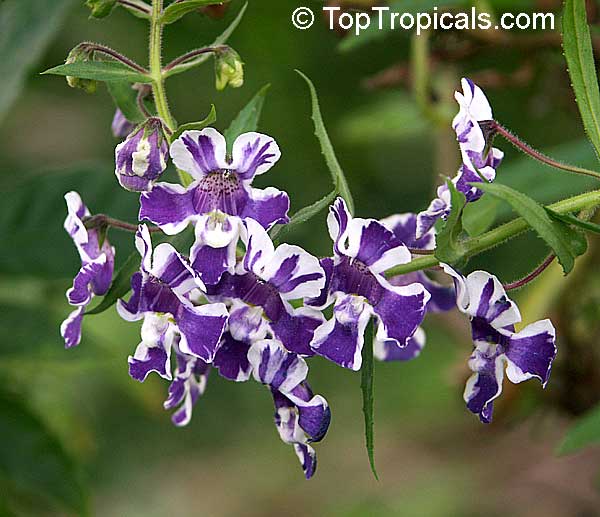
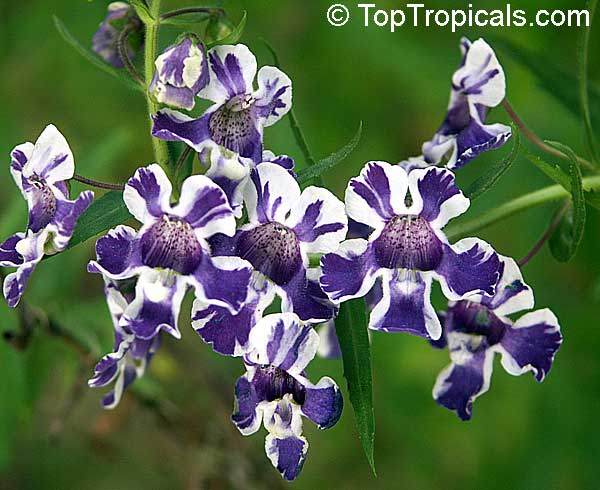
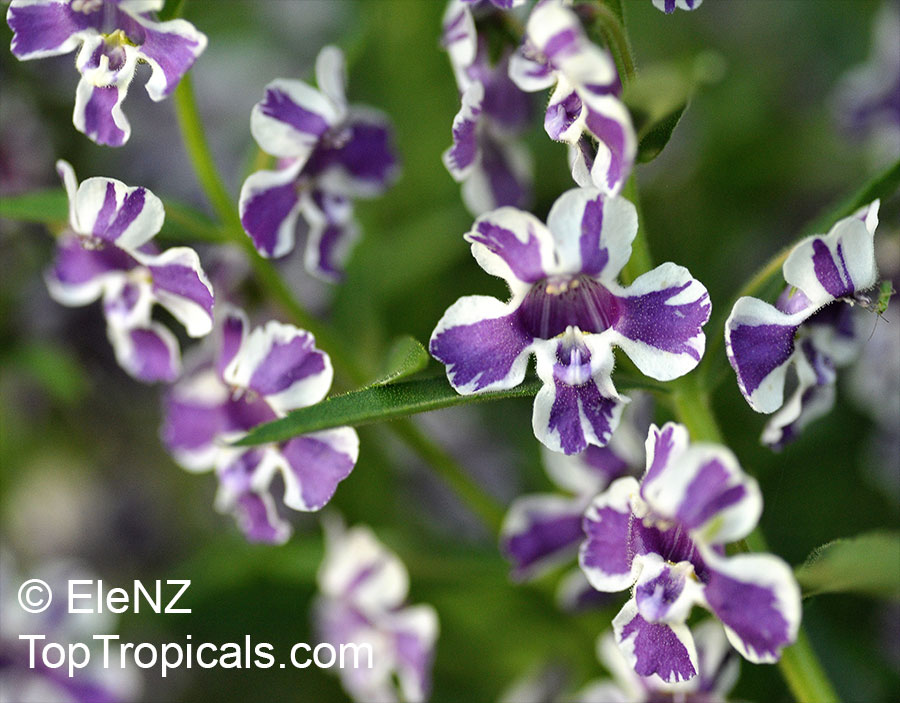
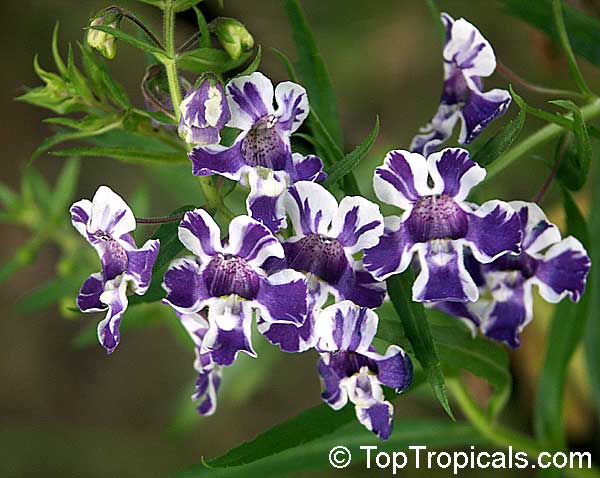
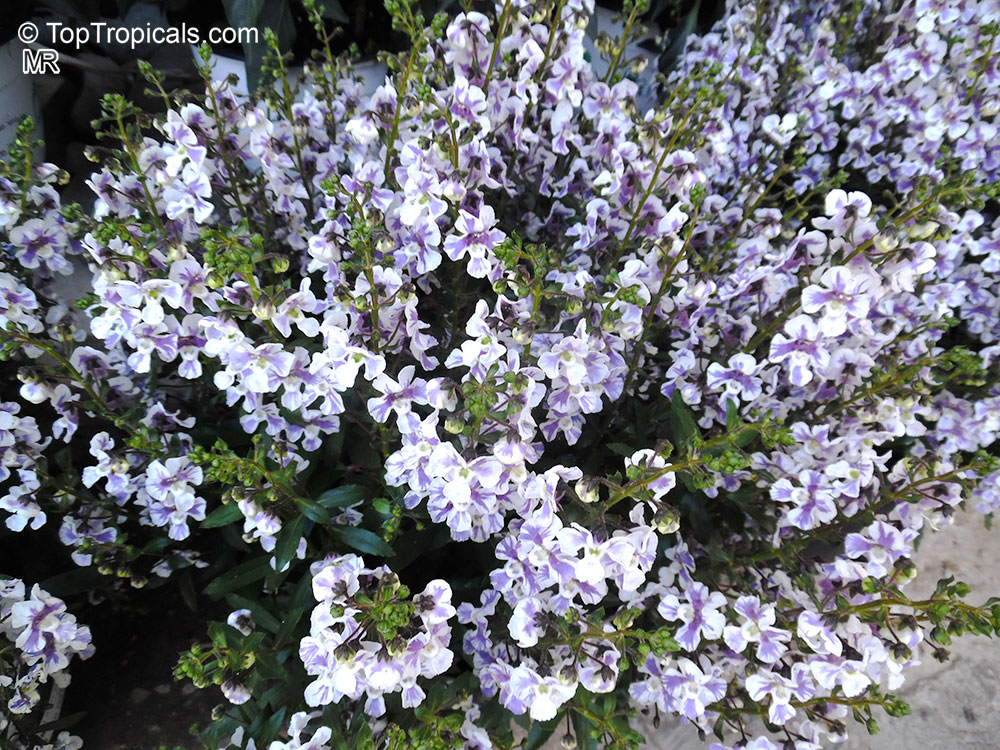
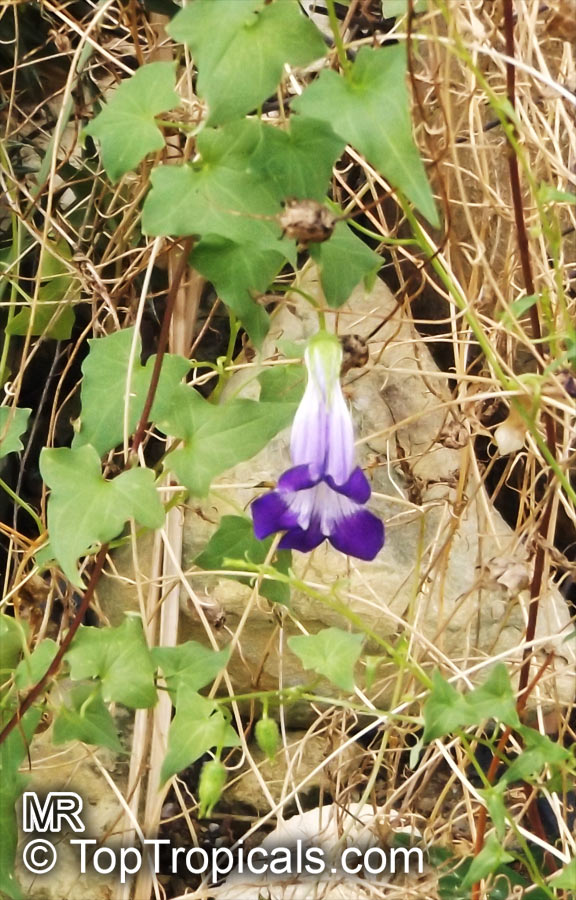
Botanical name: Asarina sp.
Common names: Figwort, Creeping Snapdragon
Family: Plantaginaceae
USDA Zone: 9-10

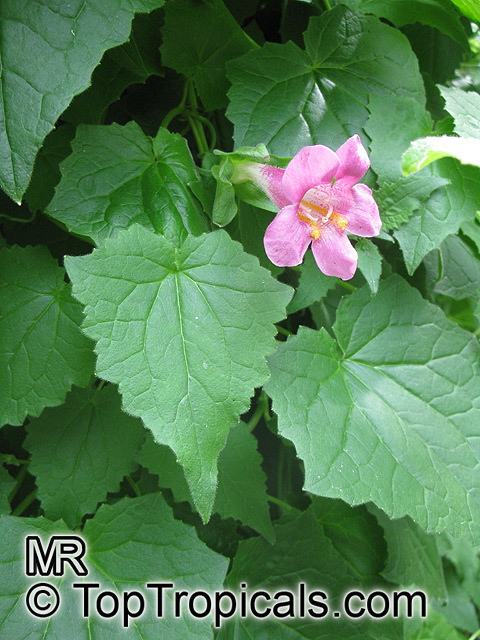
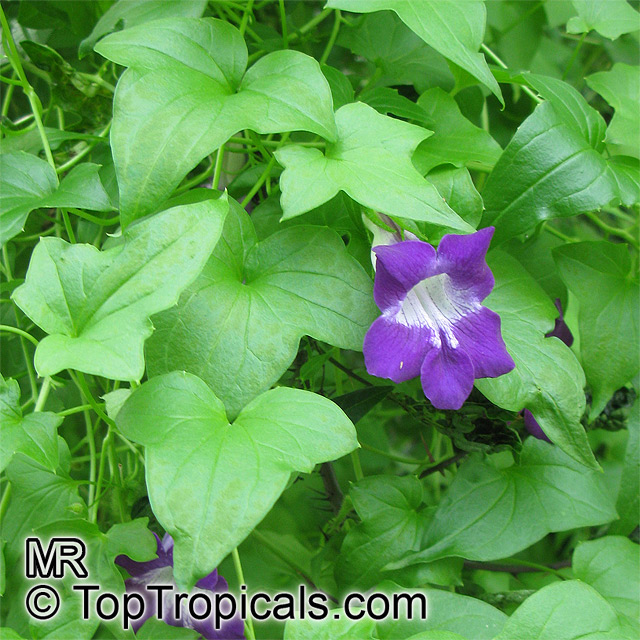
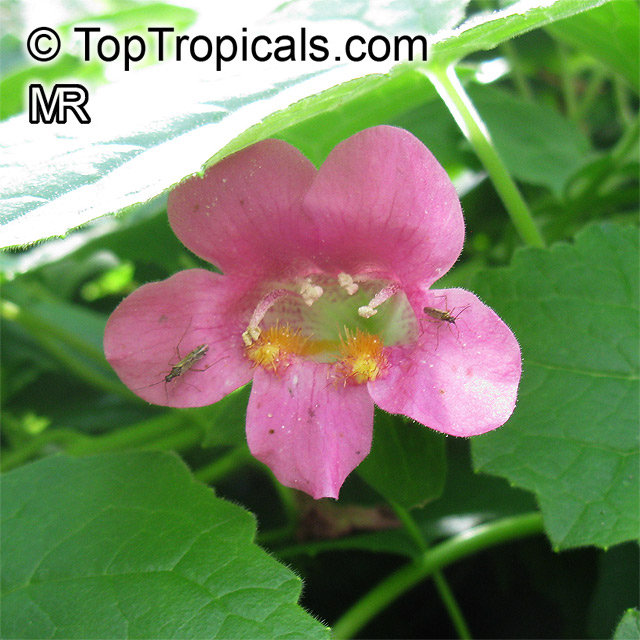
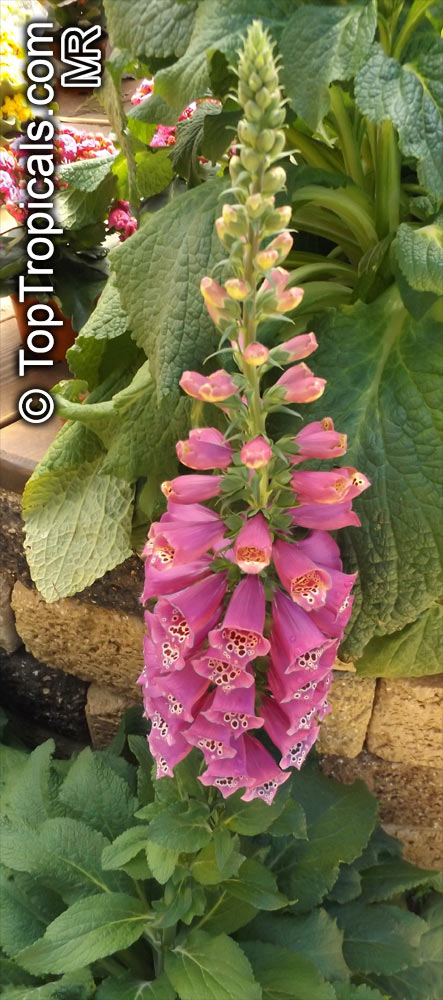
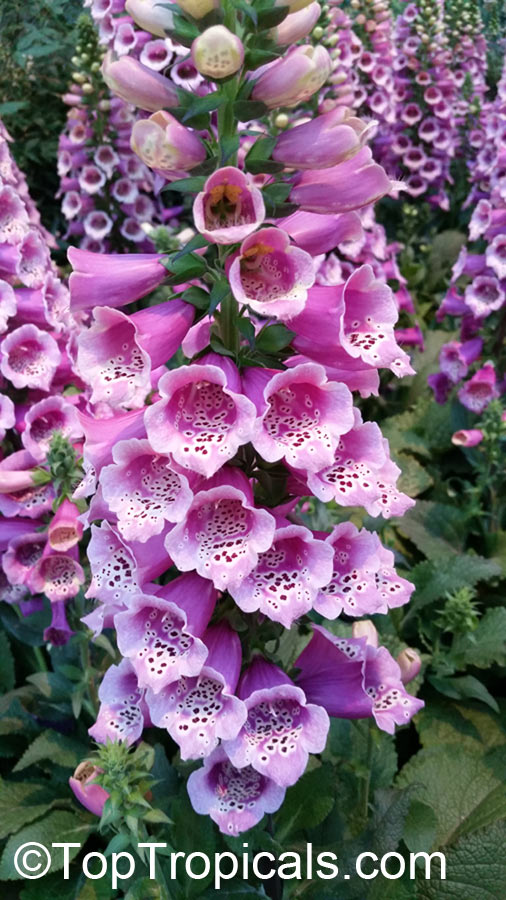
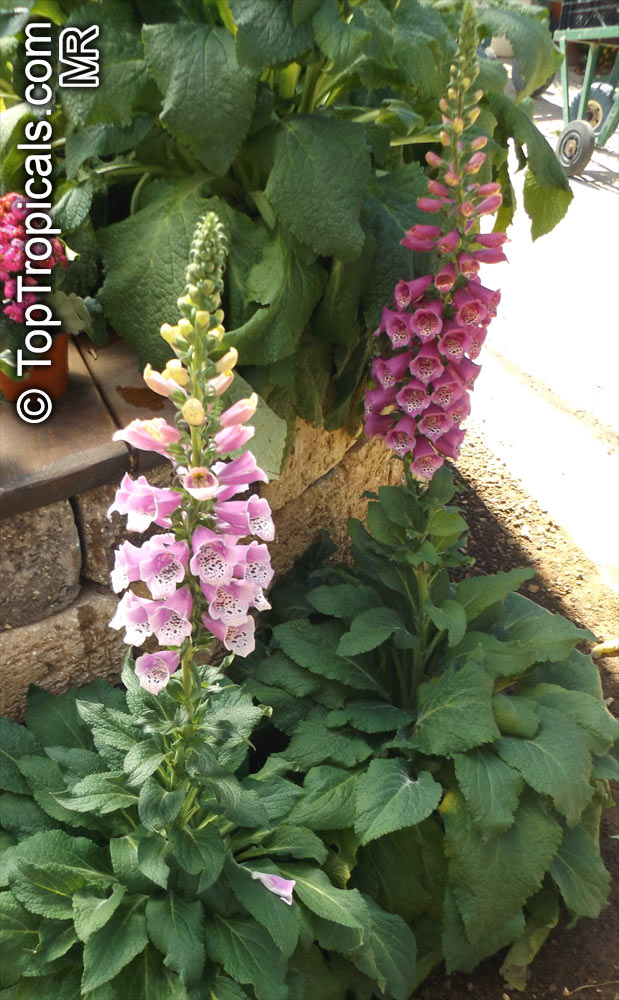
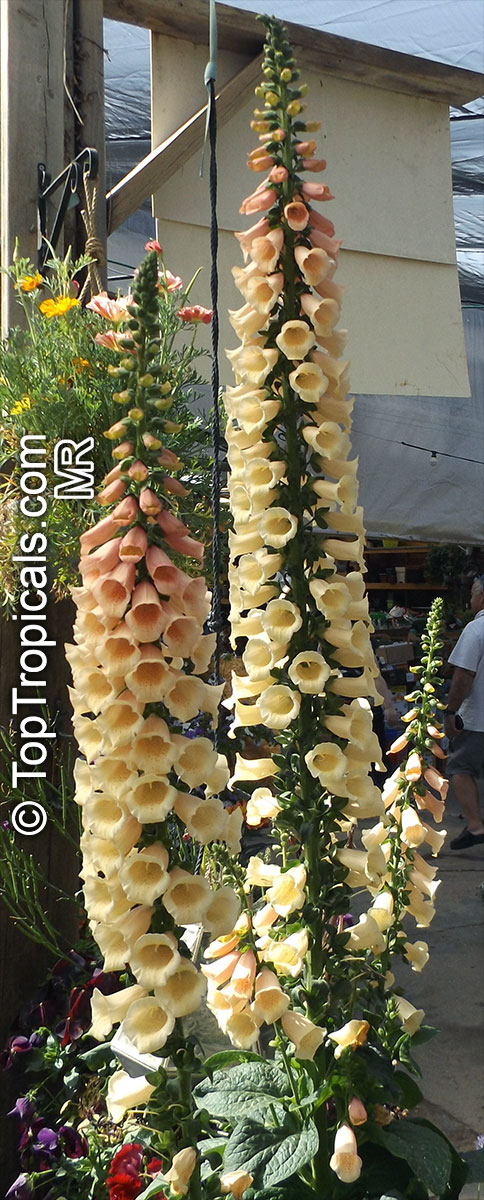
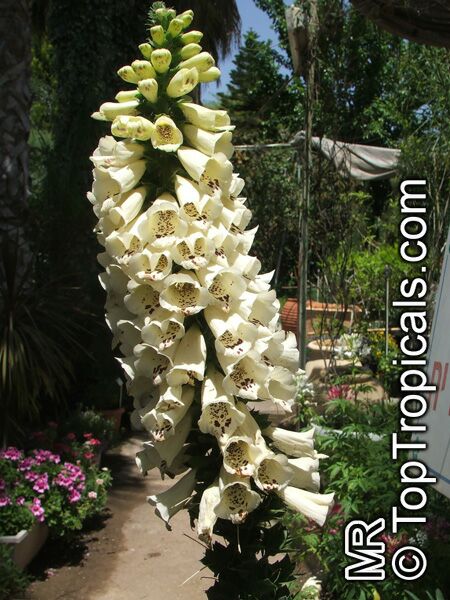
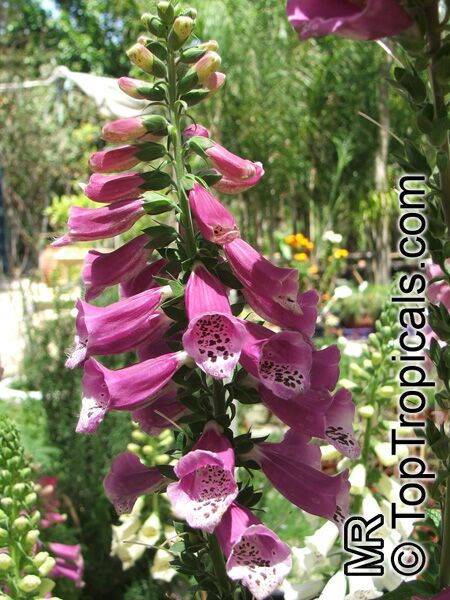
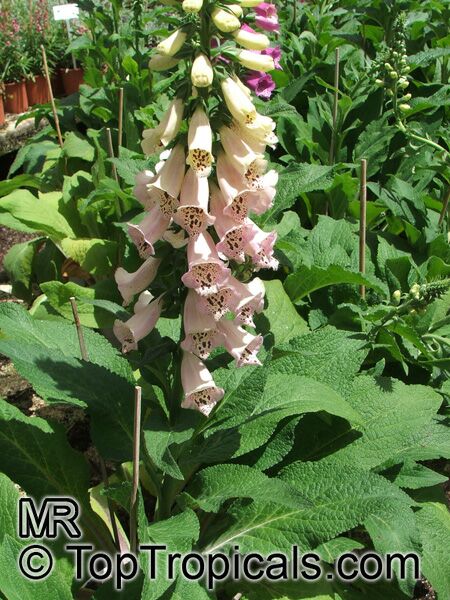
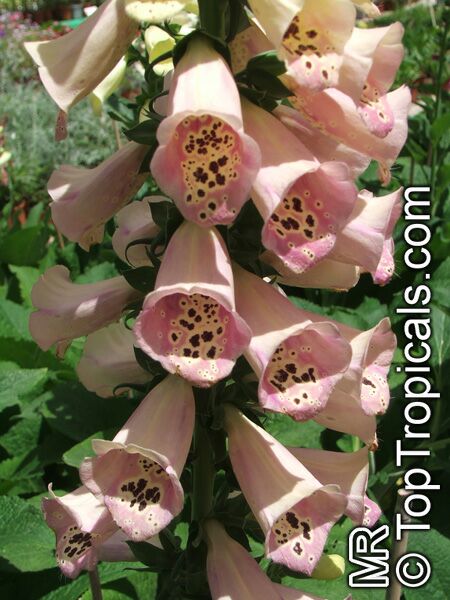
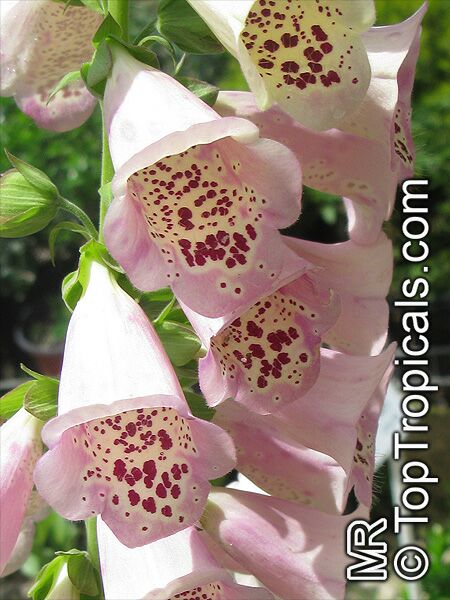
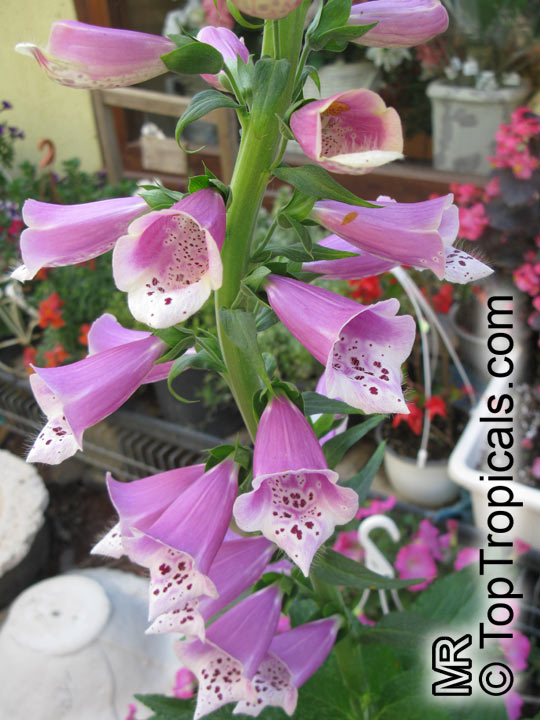
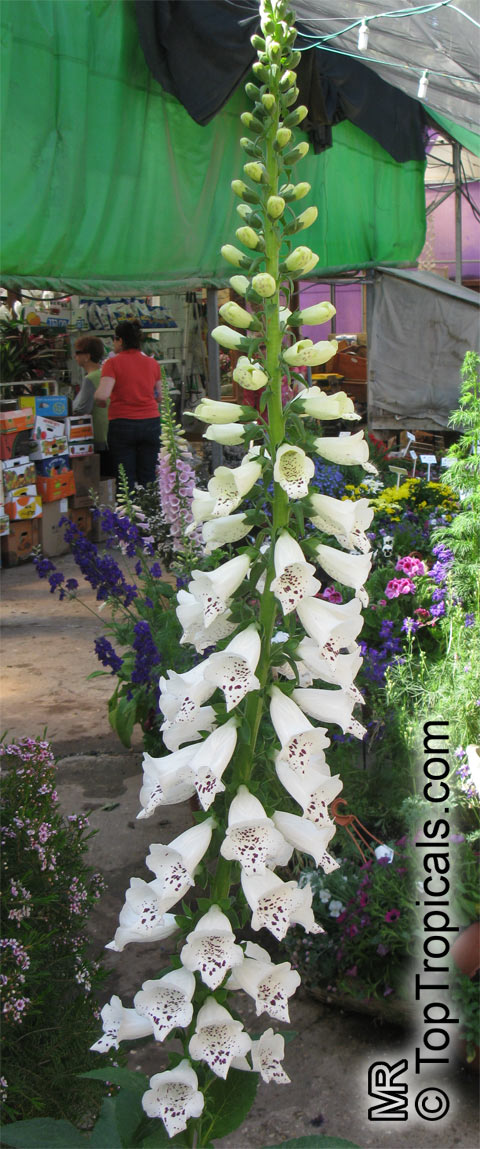
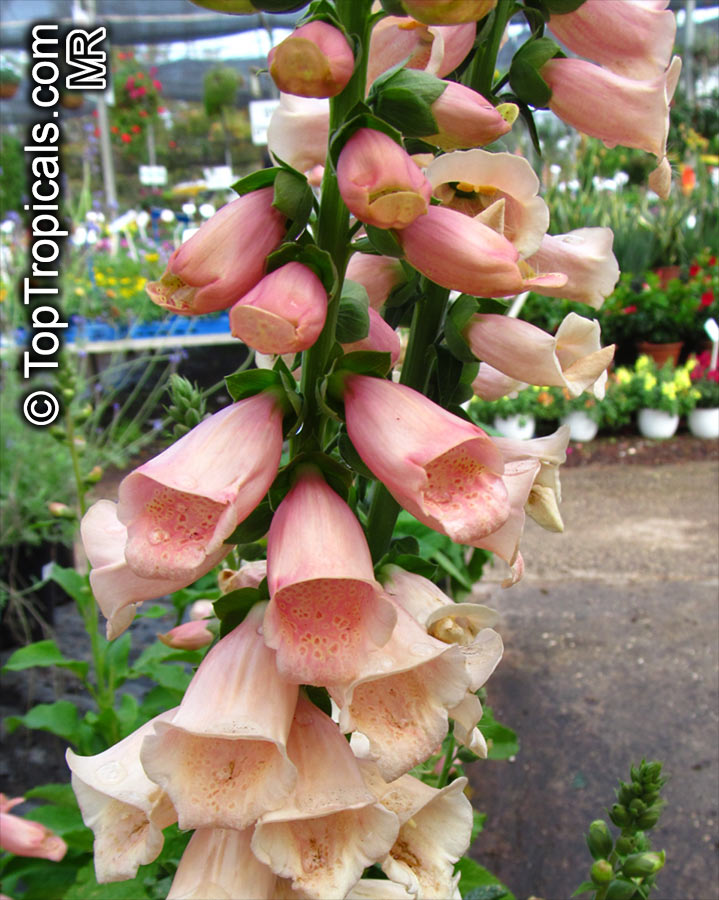
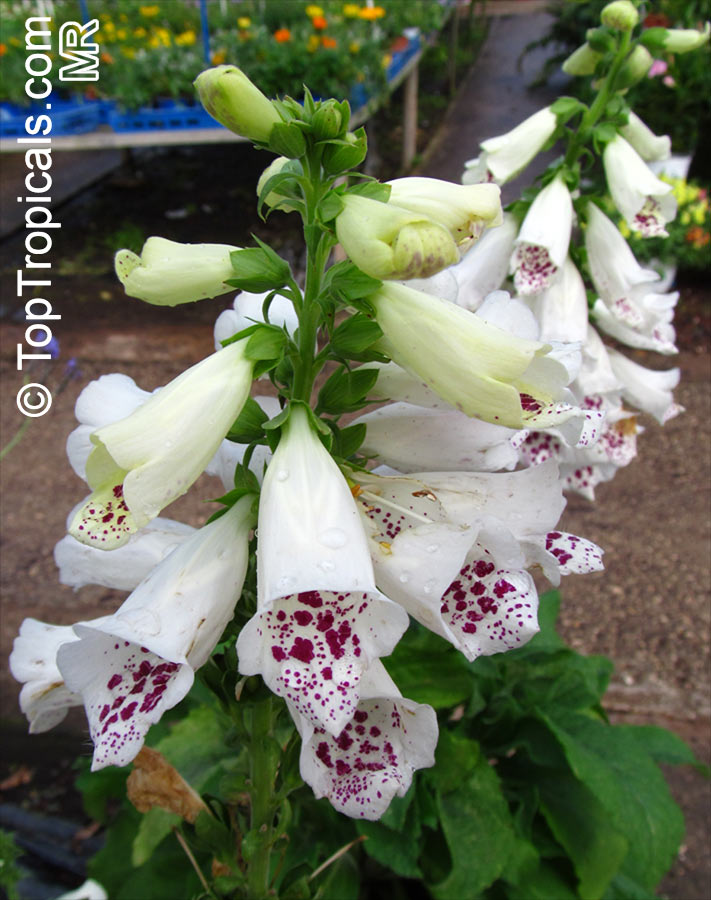
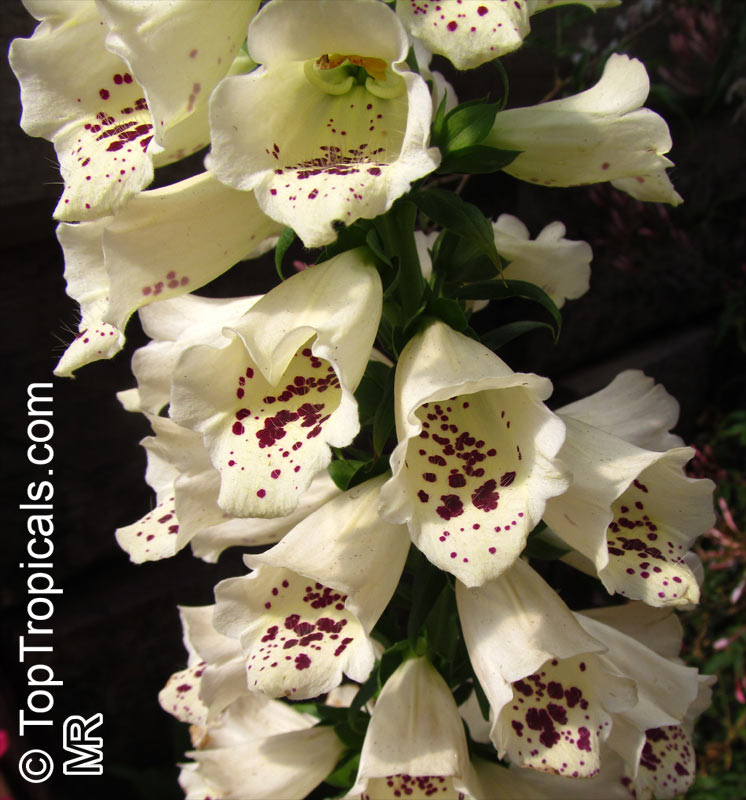
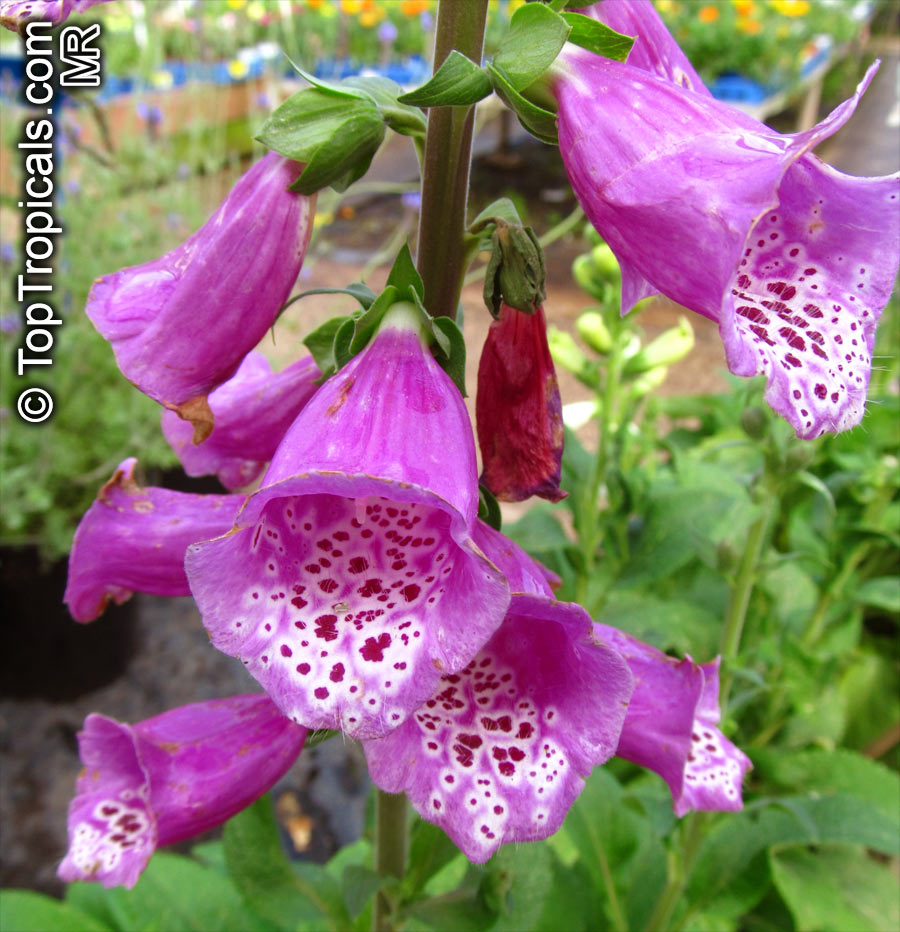
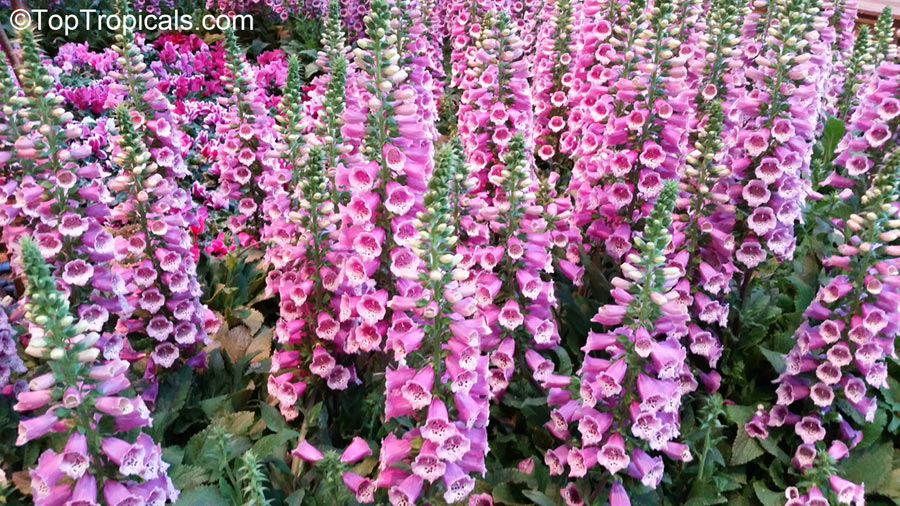
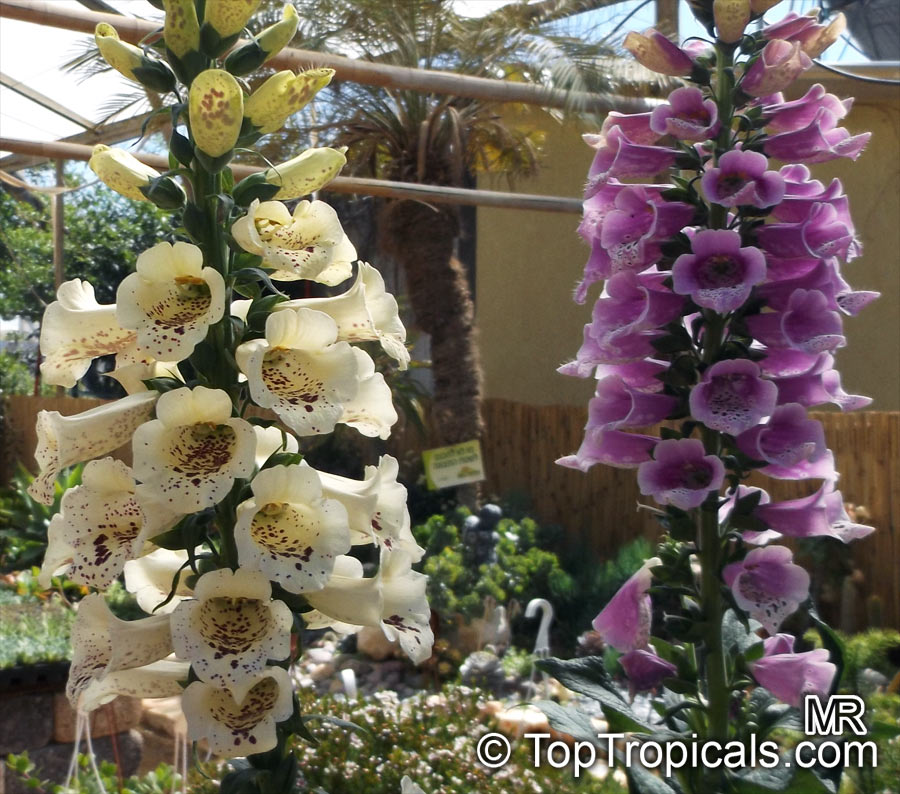
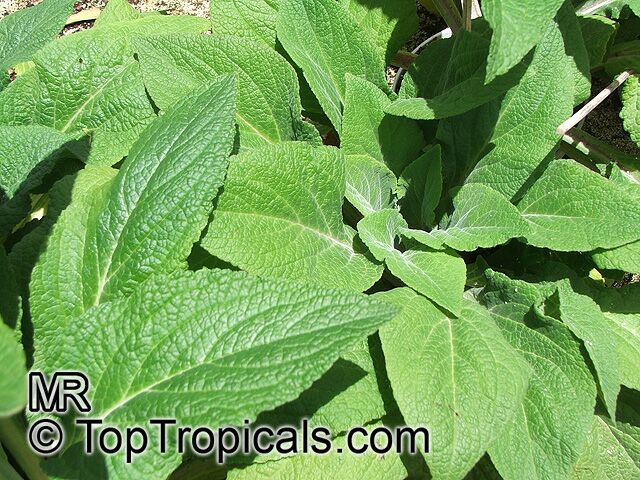
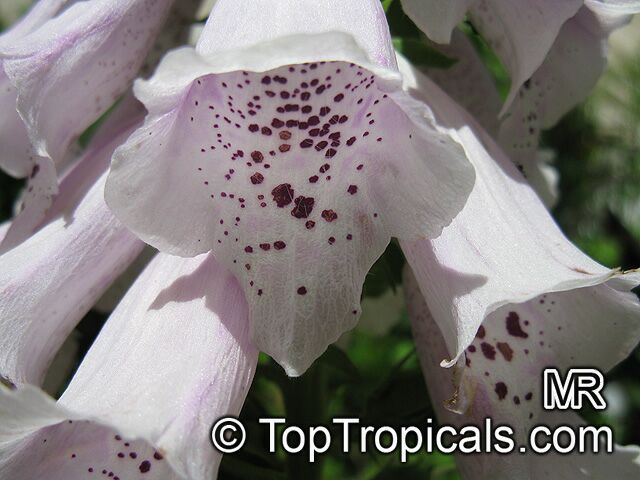
Botanical name: Digitalis purpurea
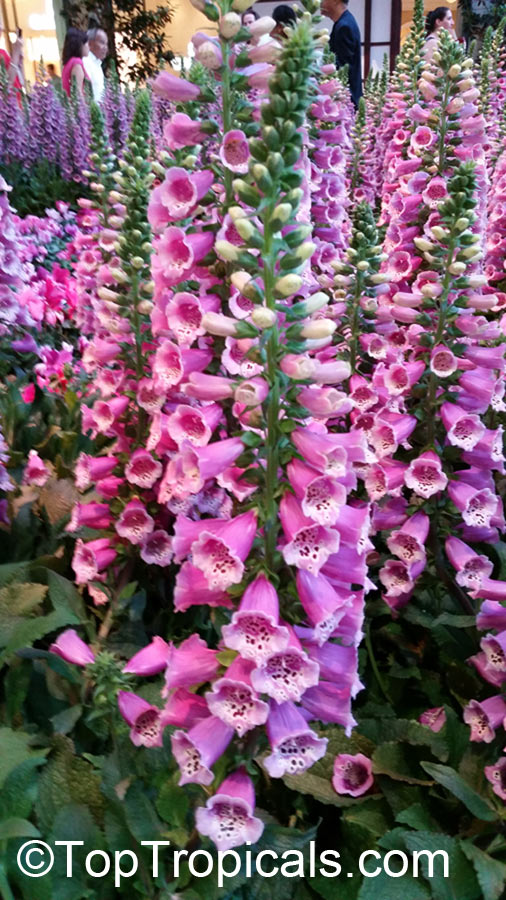
Common names: Purple Foxglove, Lady's Glove
Family: Plantaginaceae
USDA Zone: 9-10


It is a herbaceous biennial plant. Also freely self-seeds under favorable growing conditions, and, as with biennial hollyhocks, can establish colonies in the garden that will persist for years as if they were perennials.
The flowering stem develops in the second year, typically 1 to 2 m tall, sometimes larger. The flowers are arranged in a showy, terminal, elongated cluster, each tubular, pendent, purple (also pink, rose, yellow, or white in selected cultivars).
All parts of the plants, especially the leaves, are poisonous.
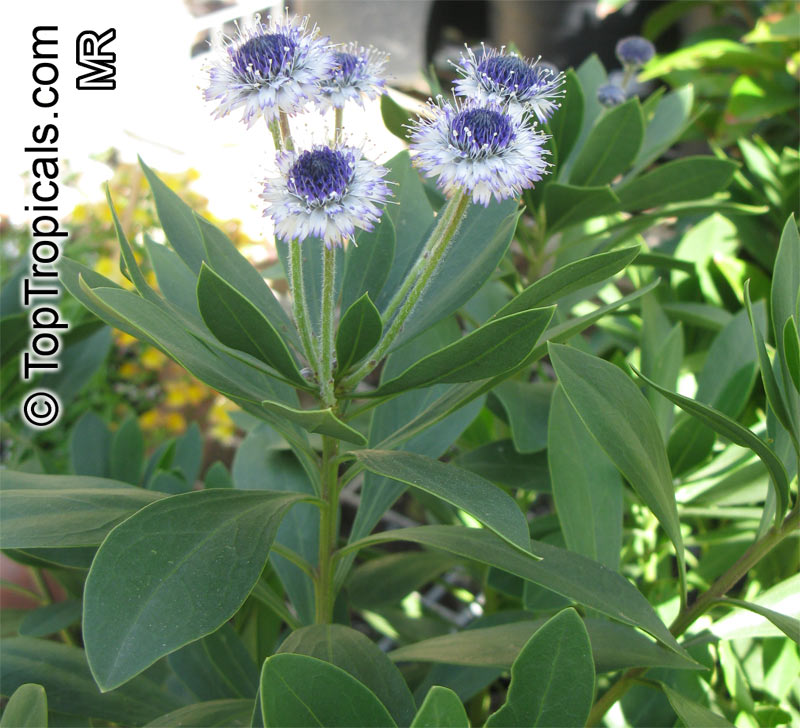
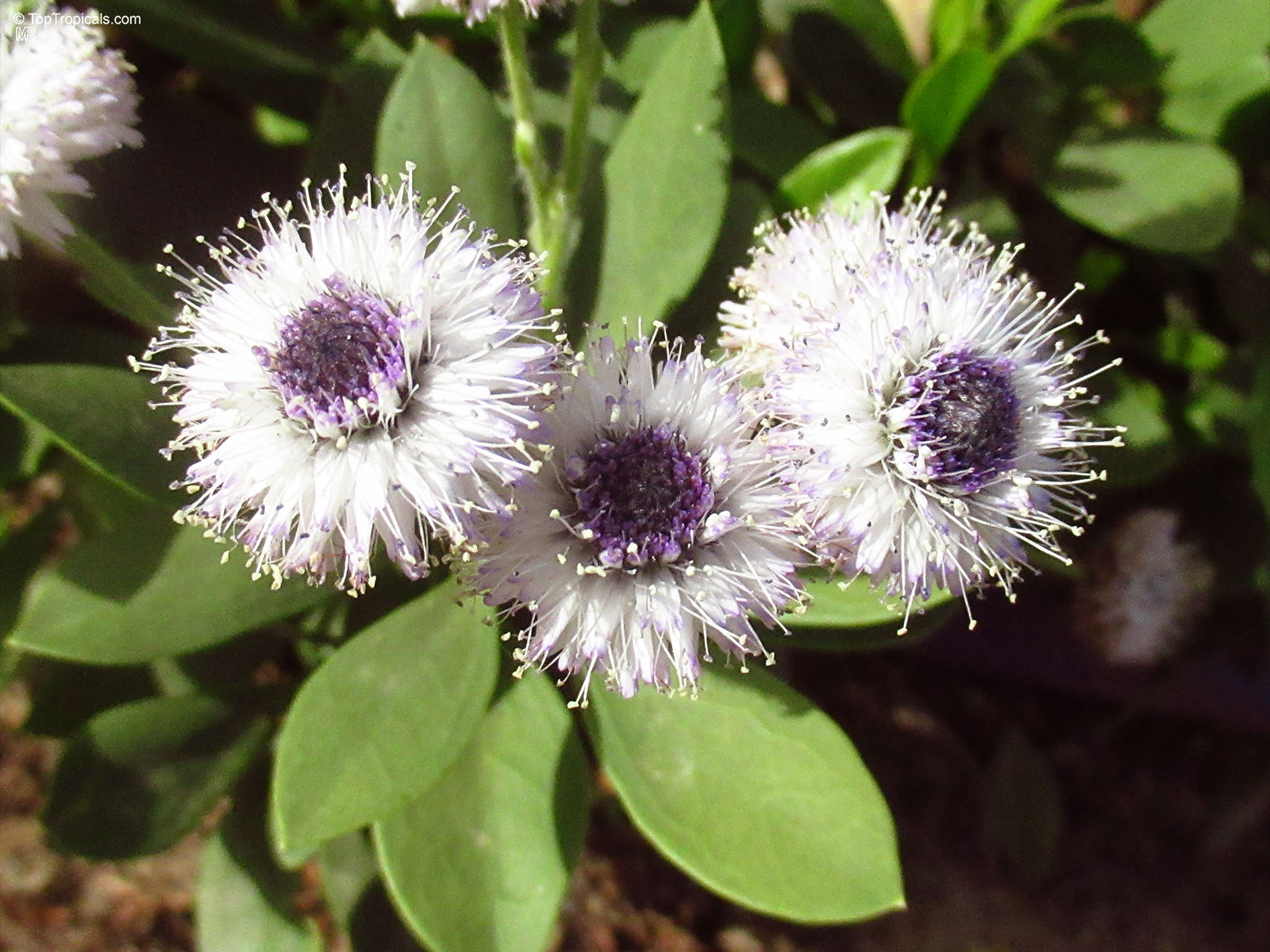
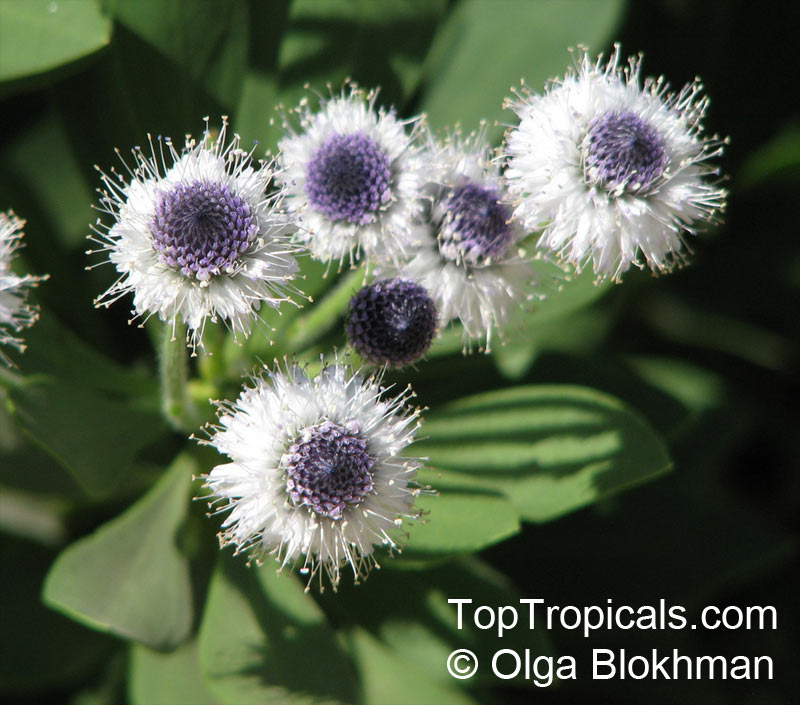
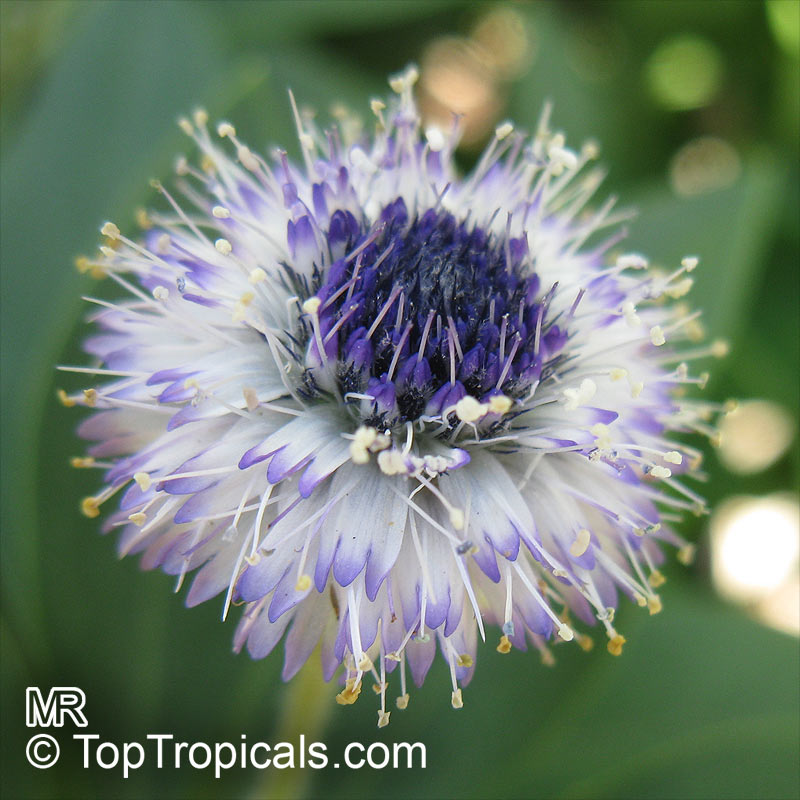
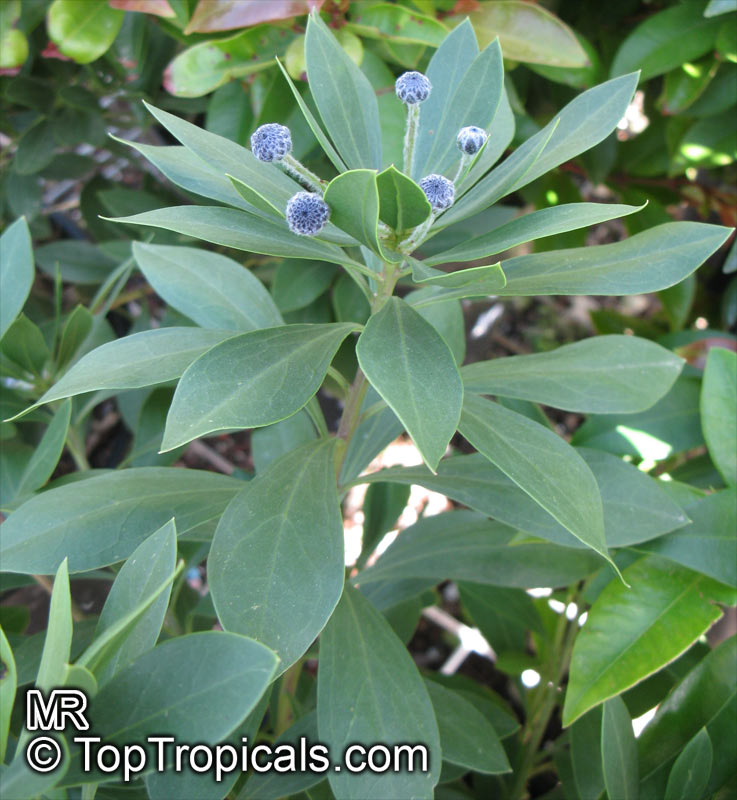
Botanical name: Globularia sp.
Common name: Globe Daisy
Family: Plantaginaceae
Origin: Canary Islands
USDA Zone: 5-10
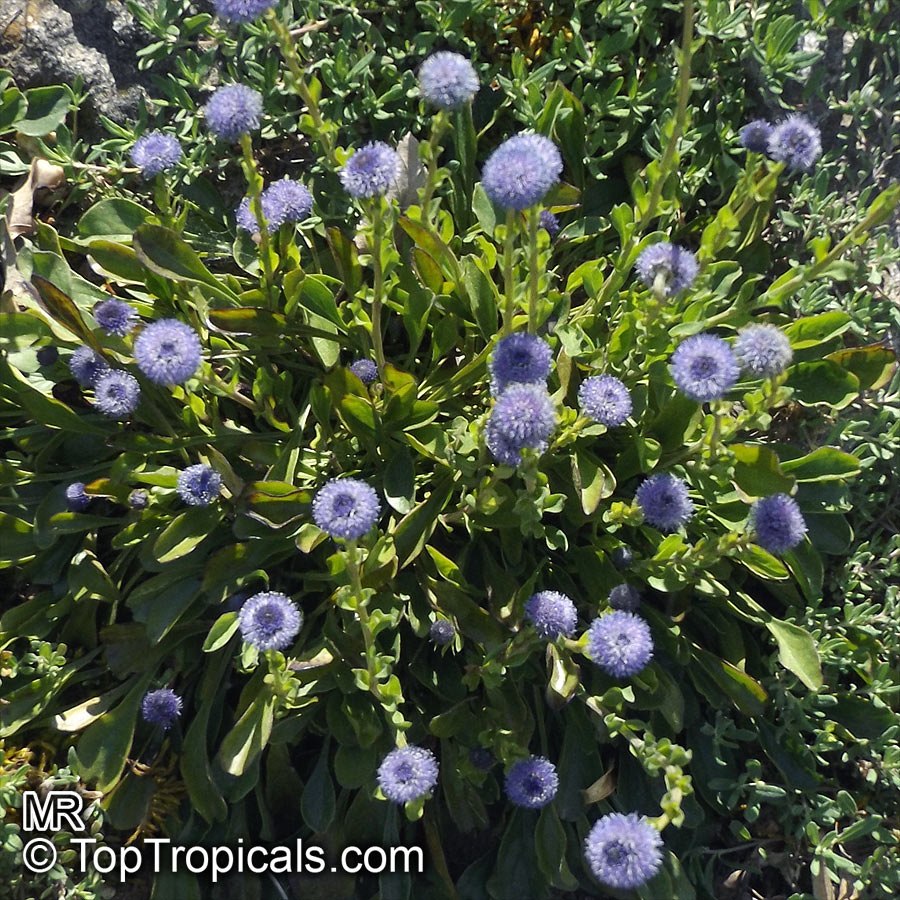
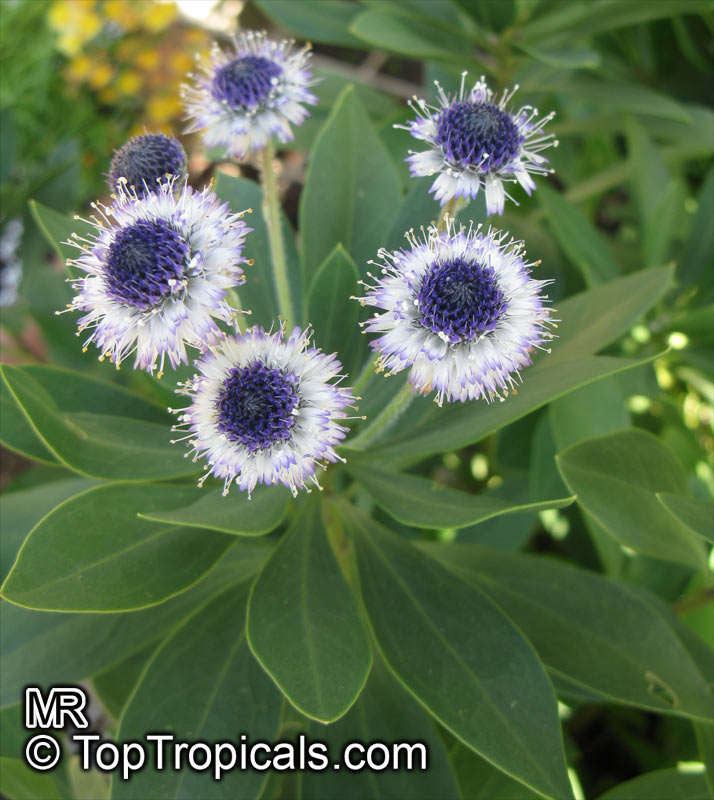
A Globularia species is a group of compact shrubs and perennial herbs recognized for their rounded flower heads and strong resilience in rocky or coastal environments.
What makes Globularia sp. distinctive?
Globularia species grow as low shrubs or perennials with dense rosettes or compact branching forms covered in leathery leaves adapted to bright light, wind exposure, and lean soils. Their spherical flower clusters, usually pale blue to lilac, rise just above the foliage on short stems and bloom reliably in sunny, well-drained sites. The genus shows notable tolerance to drought and coastal conditions, performing well in rocky borders, slopes, and dry open landscapes. Even without identification to species level, Globularia sp. consistently presents the compact architecture and rounded flowering heads characteristic of the genus.
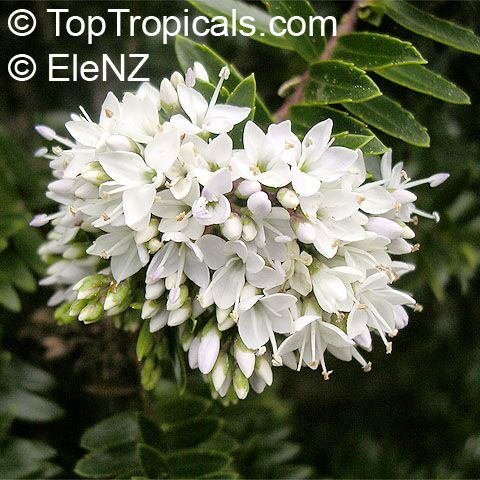
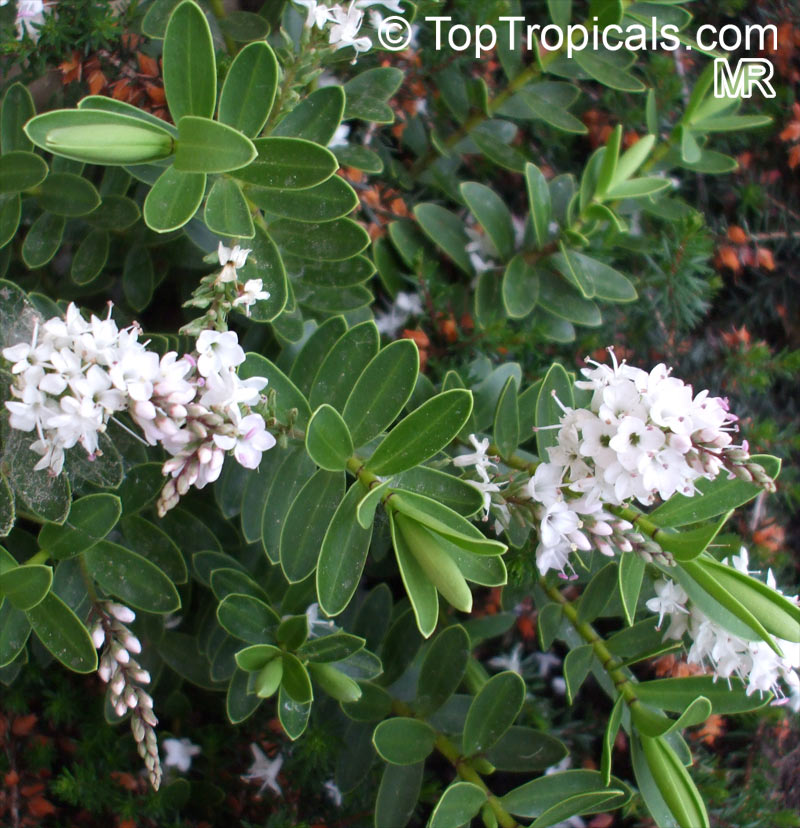
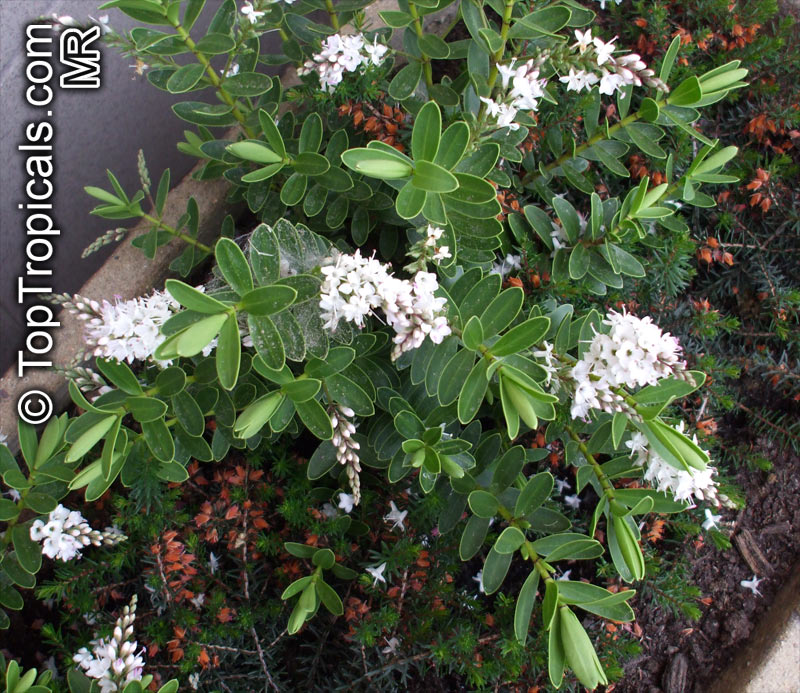
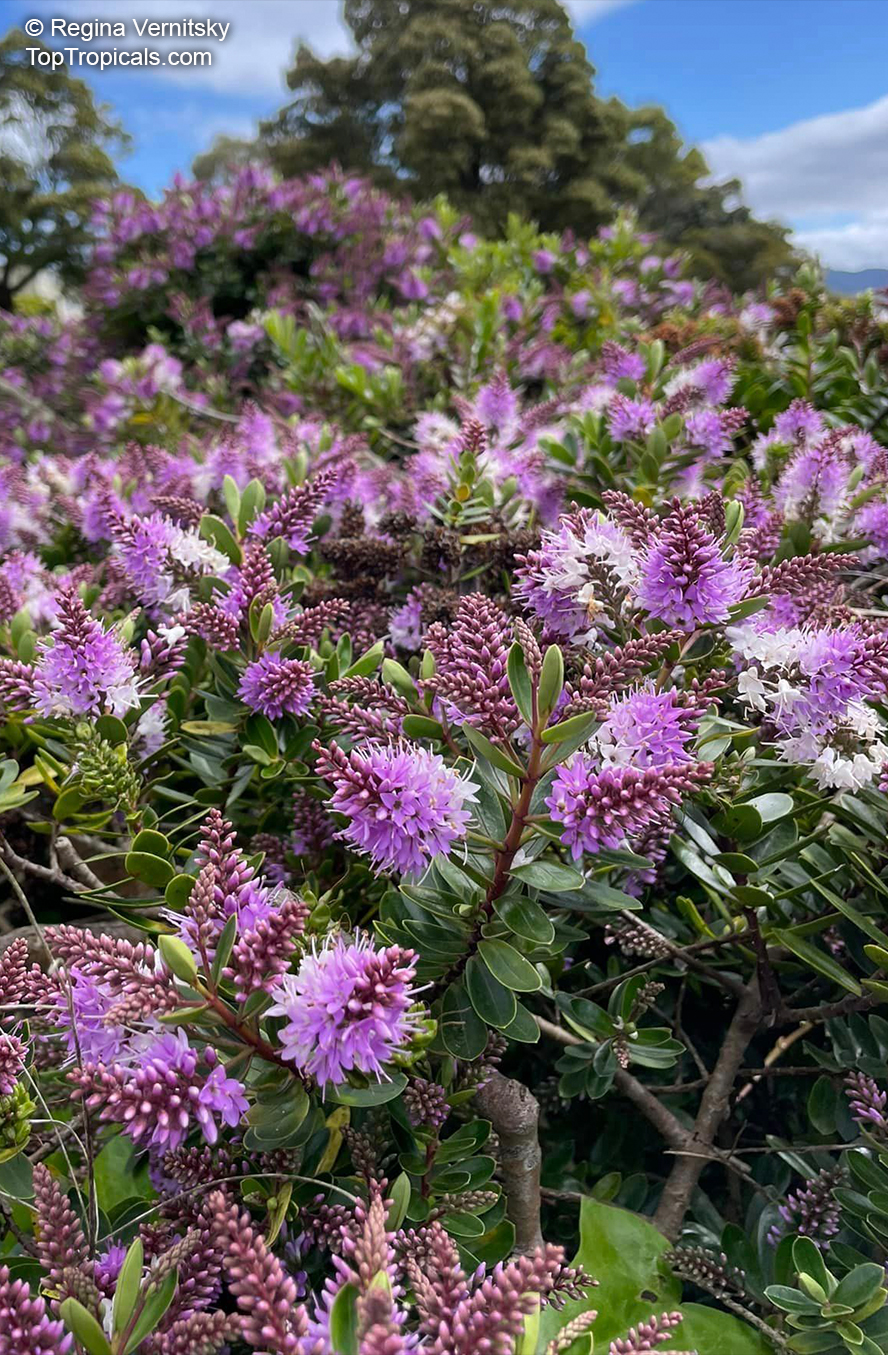
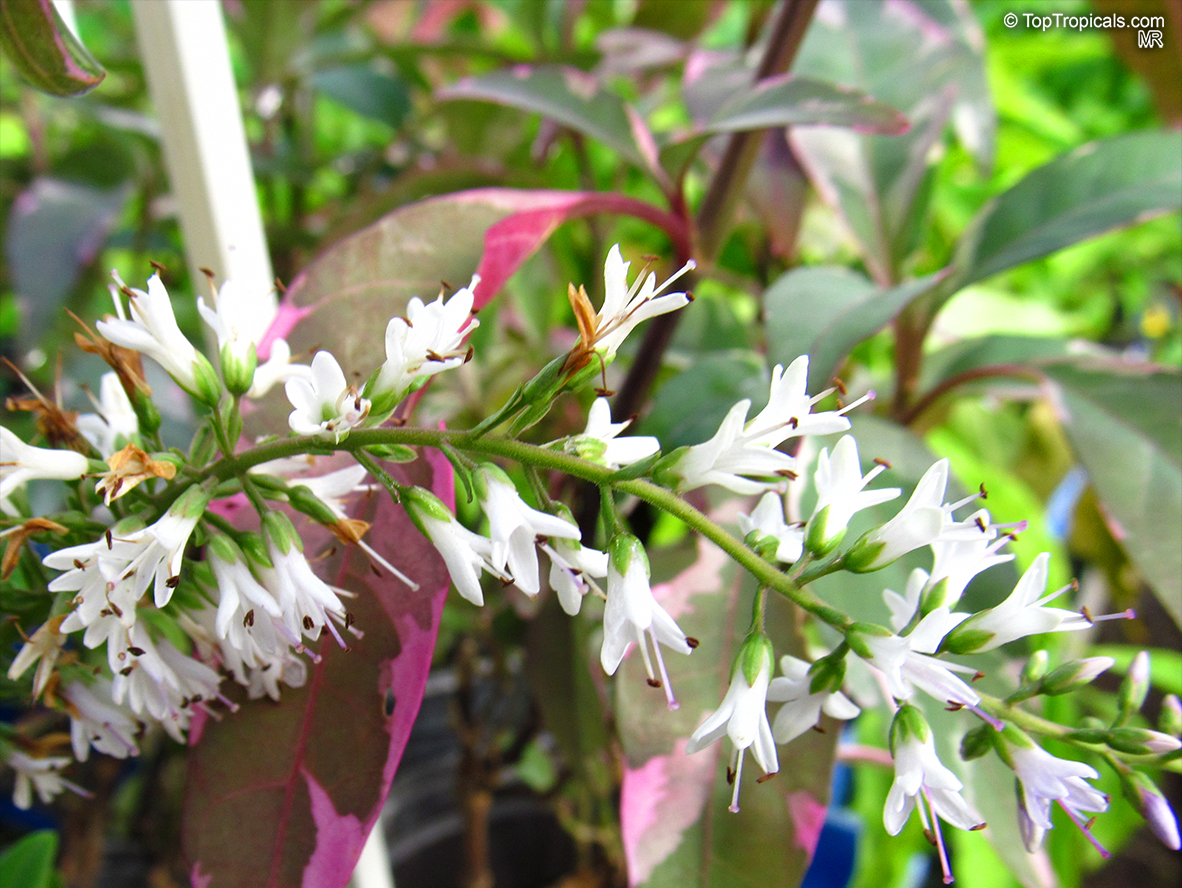
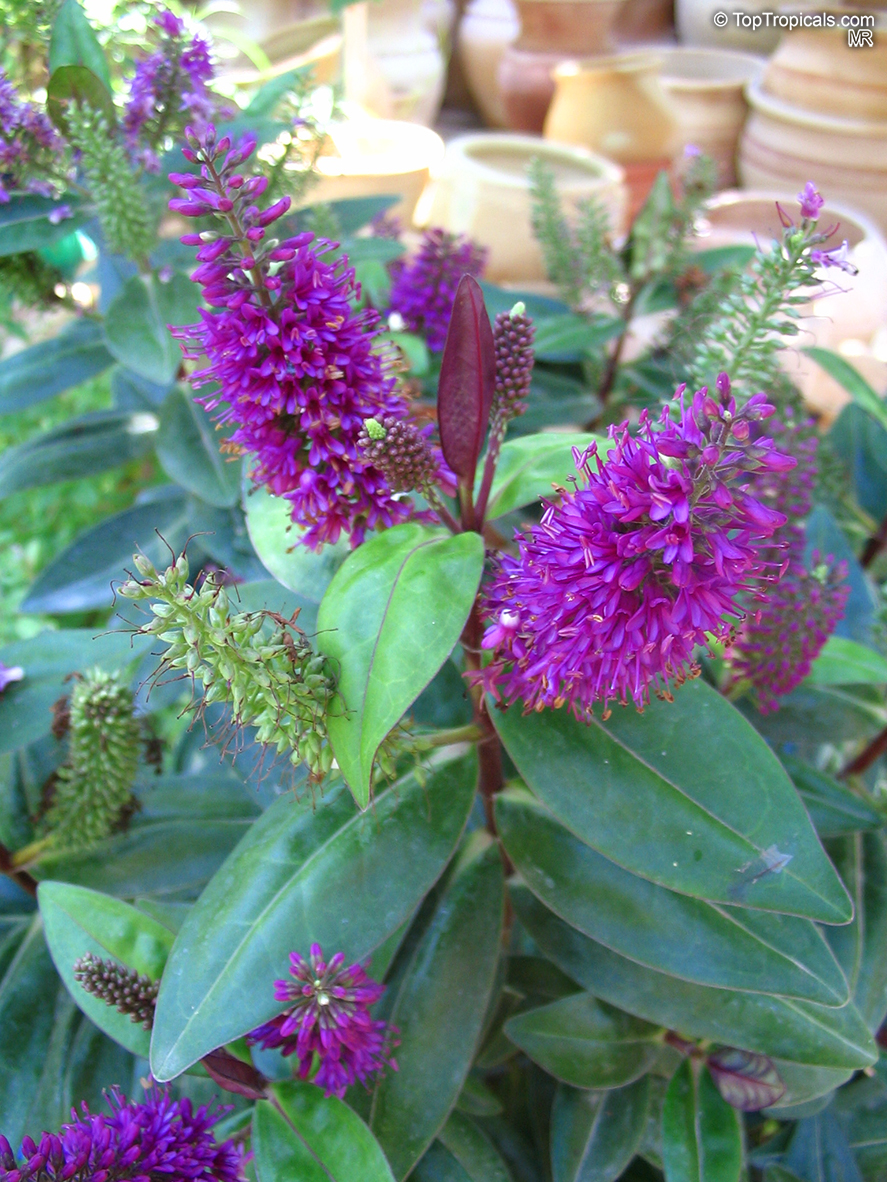
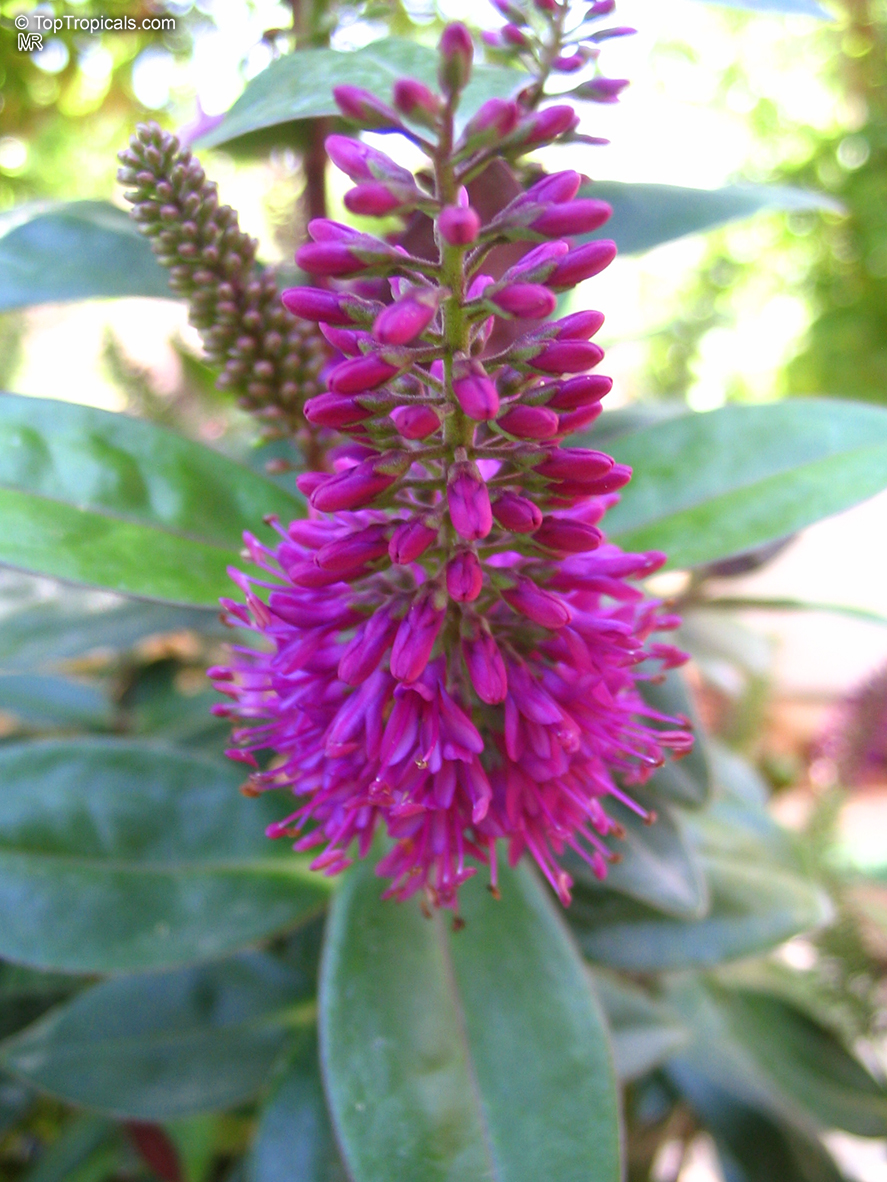
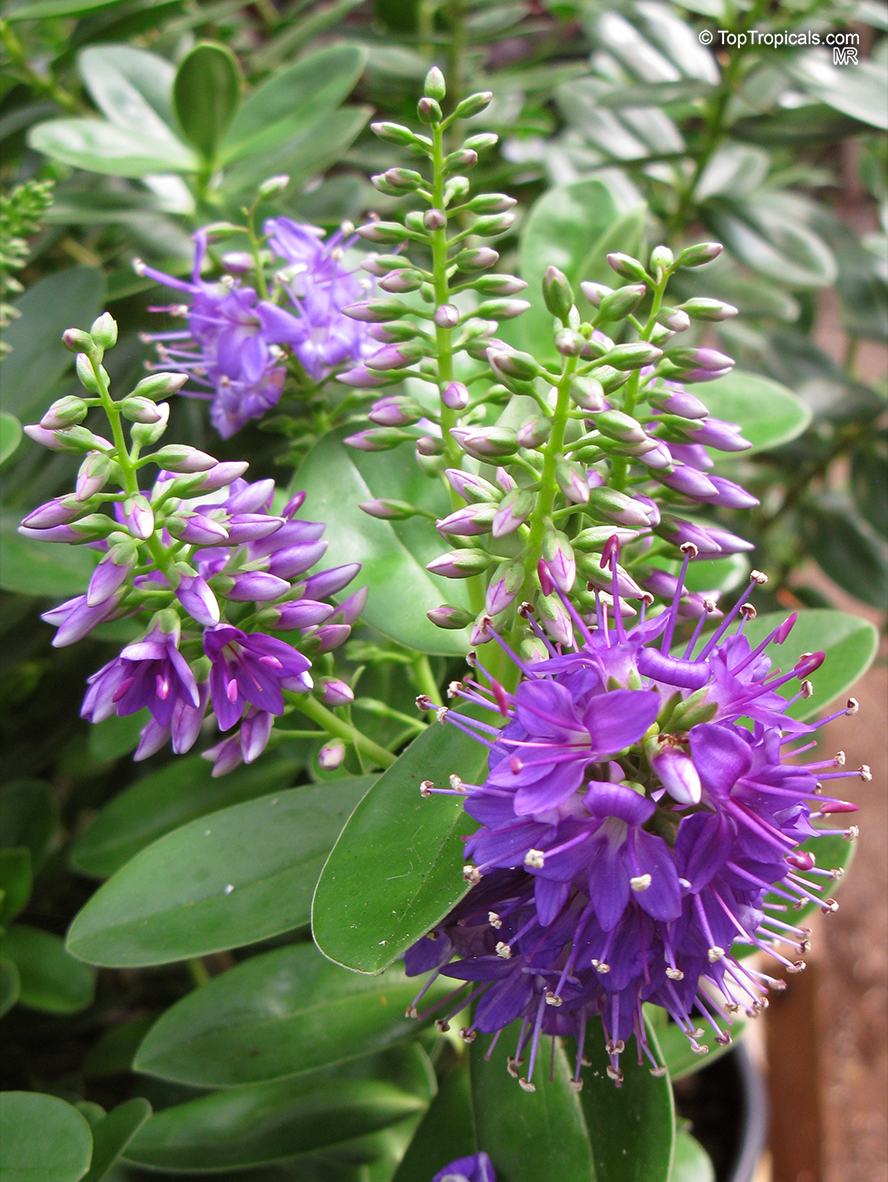
Botanical name: Hebe sp.
Common name: Veronica
Family: Plantaginaceae
Origin: New Zealand
USDA Zone: 7-10

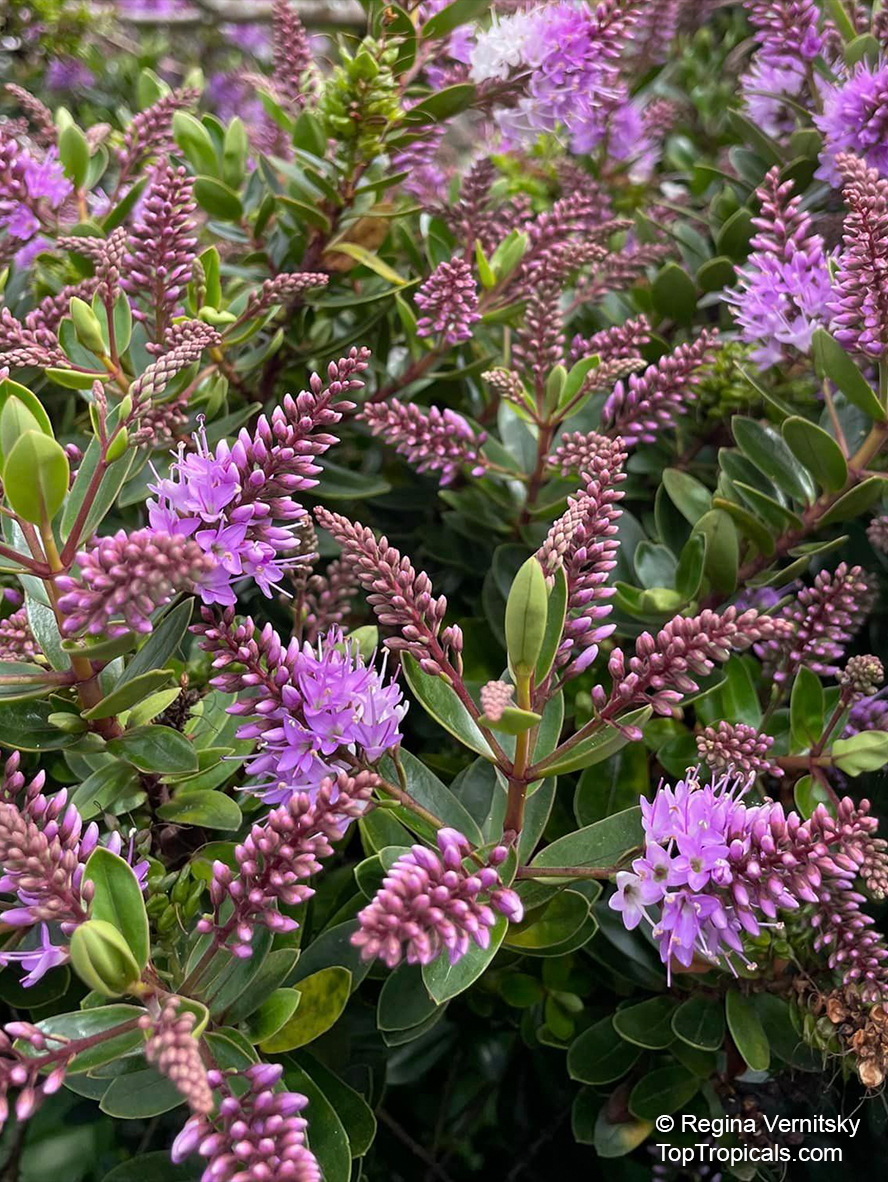
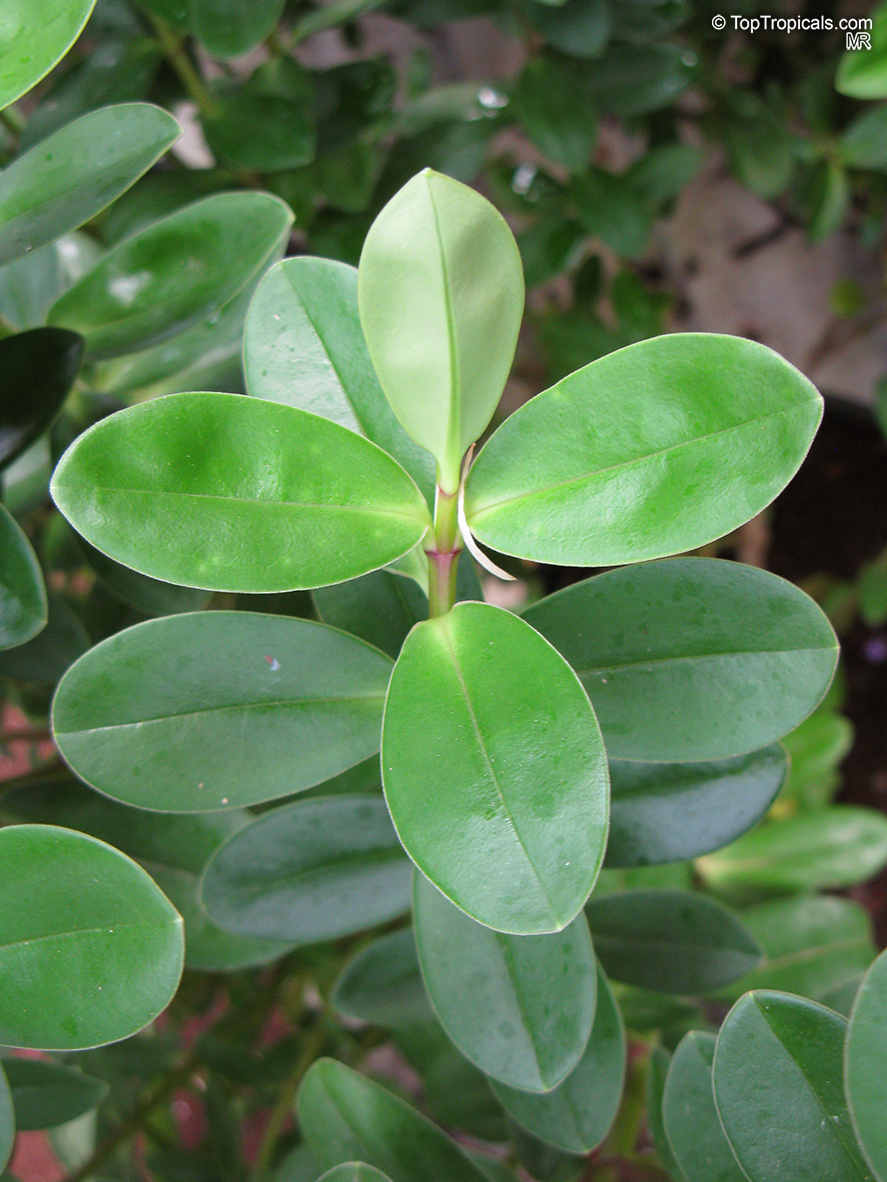
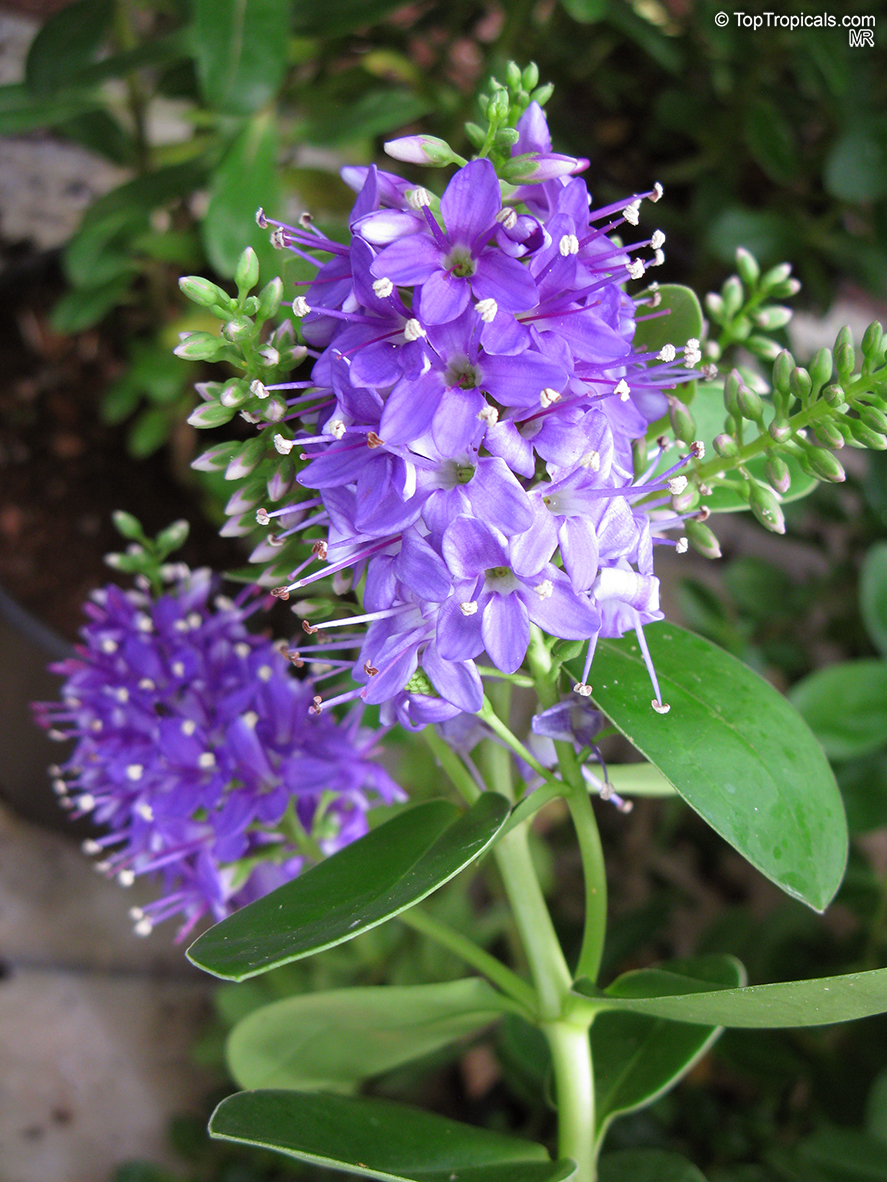
These small shrubs are found in cool climates of the world, especially New Zealand where some of the species are native.Hebe sp. or Veronica is a small shrub typically measuring 2-5 ft. in height. This plant is best suited for full sun or semi-shade and needs regular watering. It is best grown in USDA Zones 7-10.
Hebe sp. boasts pink, white, and off-white flowers that attract butterflies and hummingbirds and provides ornamental foliage. Its flowers may also be lavender, blue and purple.
When growing Hebe sp. in pots in colder regions, it's best to keep the plant in a sheltered spot. Water the plant regularly in both spring and fall while watering more sparingly in the summer and winter. Applying a liquid fertilizer monthly in the warmer months and bi-monthly in the cooler months should provide your Hebe sp. with the nutrients it needs to thrive.
About 90"100 species were formerly placed in Hebe and have been moved to Veronica.
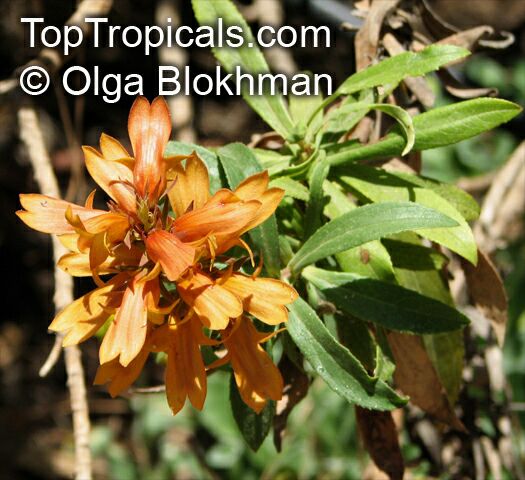
Botanical name: Isoplexis canariensis
Common name: Canary Island Foxglove
Family: Plantaginaceae
Origin: Canary Islands
USDA Zone: 9-11

Isoplexis canariensis is ideally grown in full sun with moderate water and a well-drained soil. If you are looking to grow Isoplexis canariensis in cold regions, its best to plant it in a pot. Make sure to move it indoors before it gets too cold, Typically it can withstand temperatures at least down to the 30s F for a short time.
Isoplexis canariensis has many features that makes it a great garden addition. Not only does it attract butterflies and hummingbirds with its fragrant yellow and orange flowers, but it is also an ethnomedical plant. It is used in herbalism to support memory and focus.
In addition to being a great ornamental addition, Isoplexis canariensis has a great ability to grow in harsh environments. It is naturally found on the Canary Island where it is highly drought-tolerant and can withstand arid and hot temperatures.
Overall, Isoplexis canariensis is a great choice for any garden. It grows best in full sun but will tolerate semi-shade and moderate water. If you are looking to grow it in a cold region, it is best to keep it in a pot and move indoors before it gets too cold. It is a beautiful addition to any garden that will attract butterflies, hummingbirds and provide medicinal properties as well.
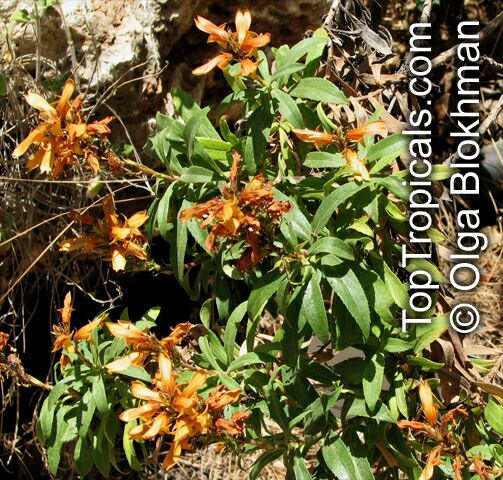
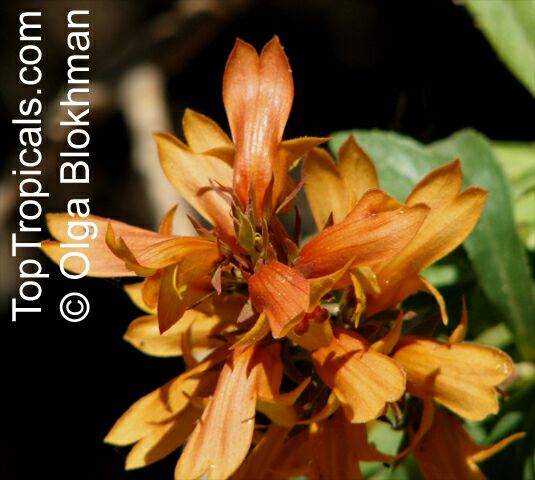

Botanical names: Limnophila aromatica, Limnophila chinensis var. aromatica
Common name: Rice Paddy Herb
Family: Plantaginaceae (Formerly:Scrophulariaceae)
Origin: Southeast Asia
USDA Zone: 9-10


The extremely polymorphic (variable) species Limnophila aromatica can be found growing in swampy or boggy soil in its native region of southeastern Asia. As an aquarium plant, limnophila aromatica is a beautiful addition to any high light aquascape. Depending on nutrient and light levels, the plants can be anything from a bright green to deep purple, with bronze edges on the leaves. Plants that reach the top of the aquarium will often begin to form emersed foliage. The flower is very pretty purple, and is slightly fragrant.
The plant is occasionally cultivated and harvested from the wild for its edible leafy stems. With its attractive flowers, the plant can be grown as an ornamental in gardens.
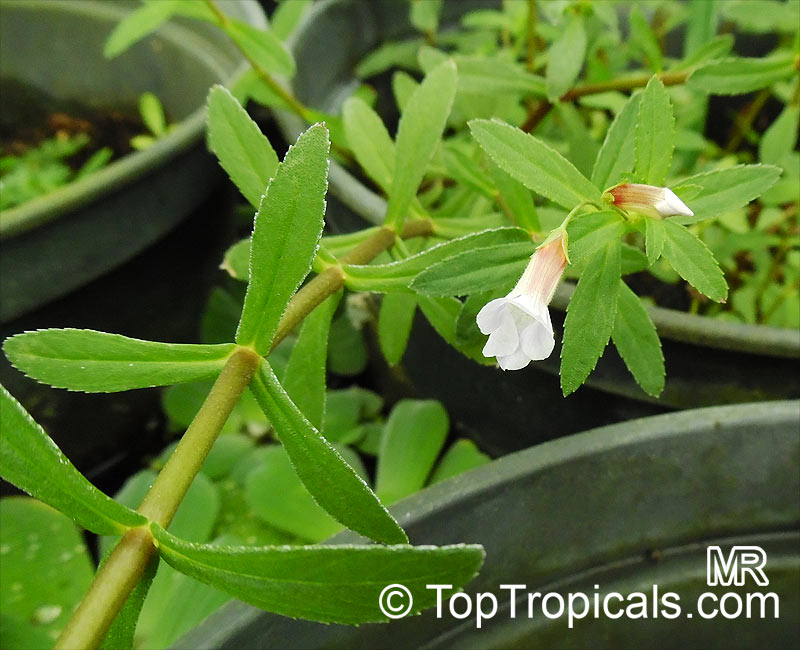
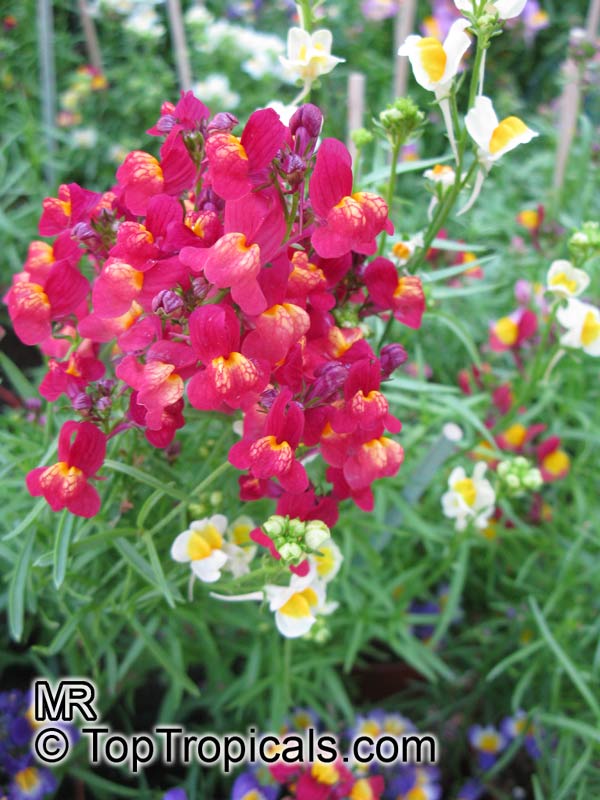
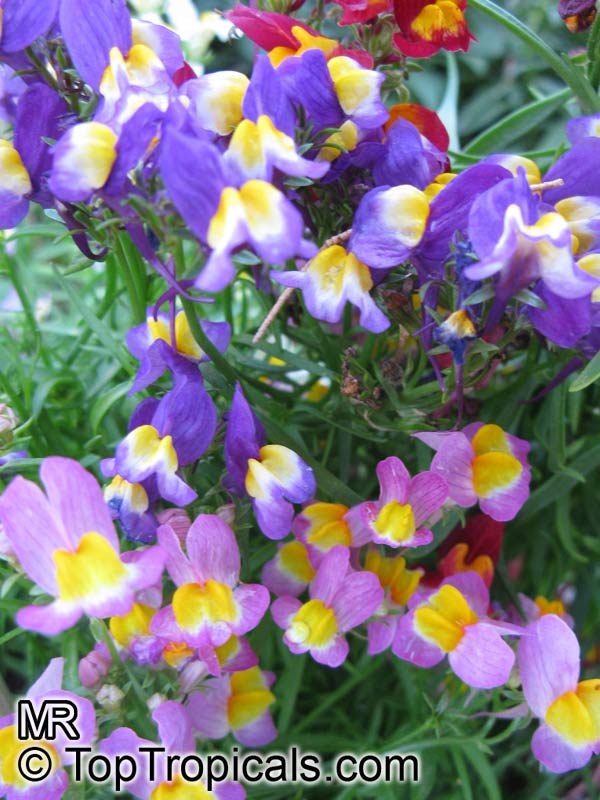
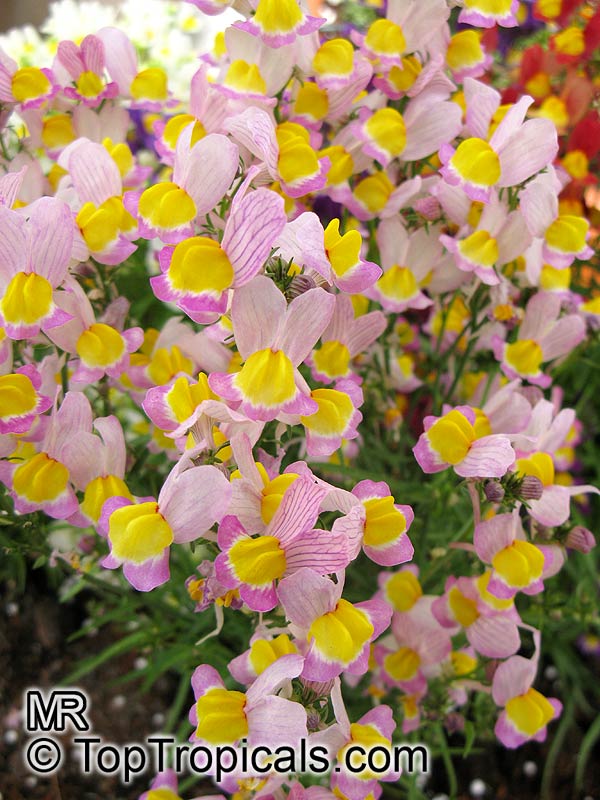
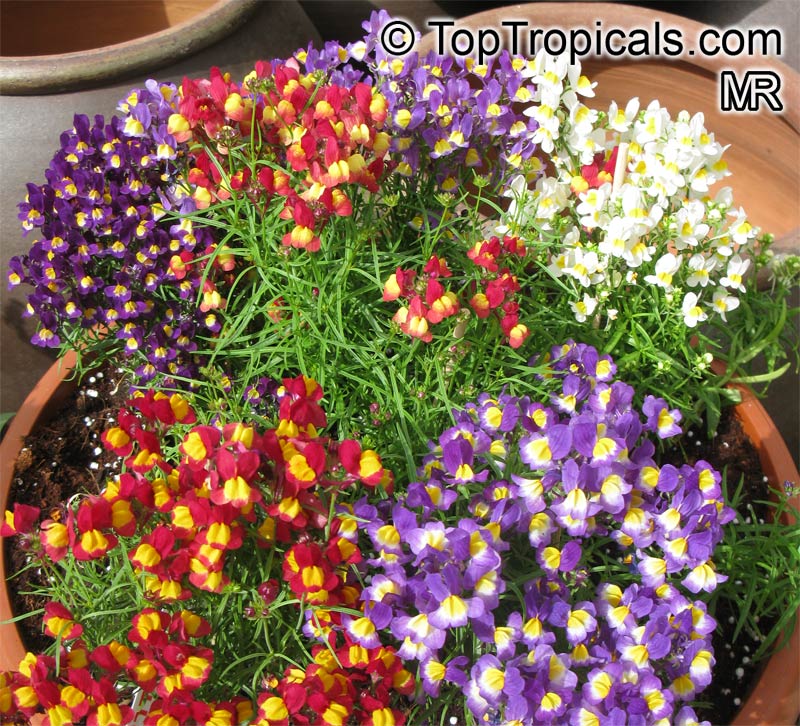
Botanical name: Linaria maroccana
Common name: Moroccan Toadflax
Family: Plantaginaceae
Origin: Morocco
USDA Zone: 4-11

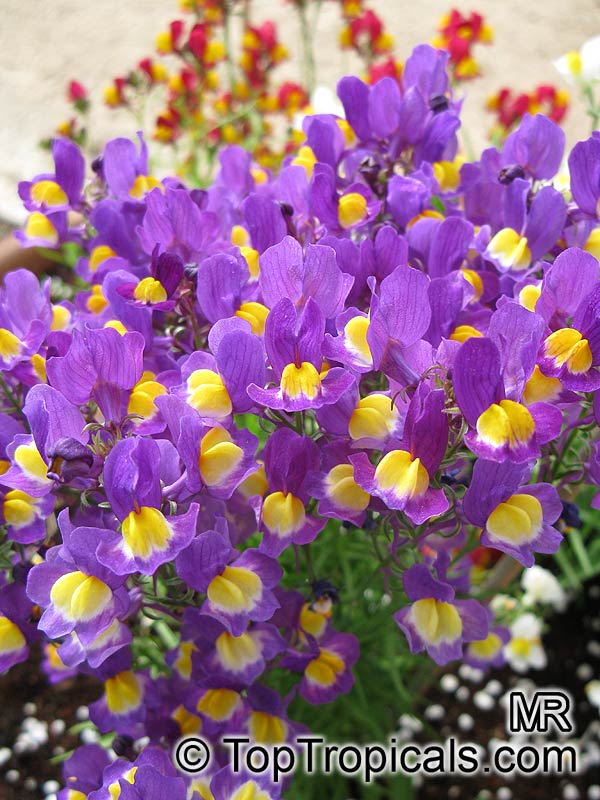
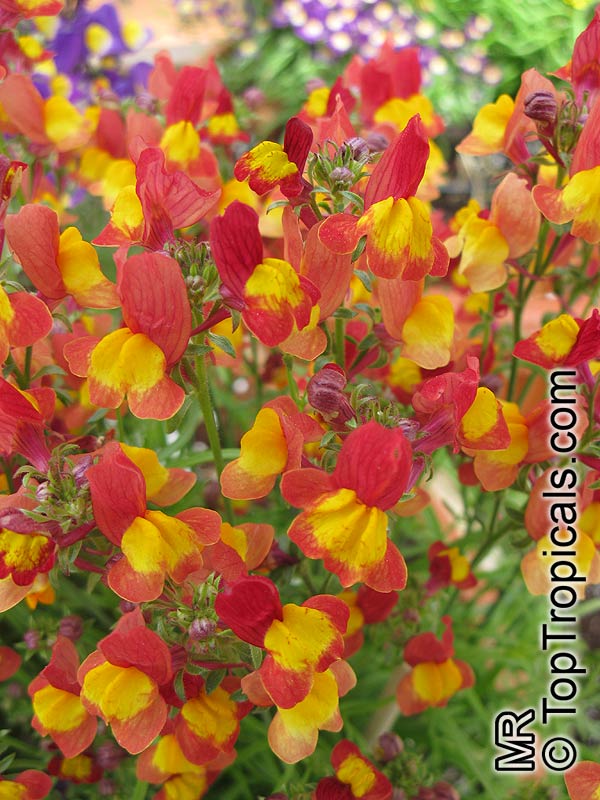
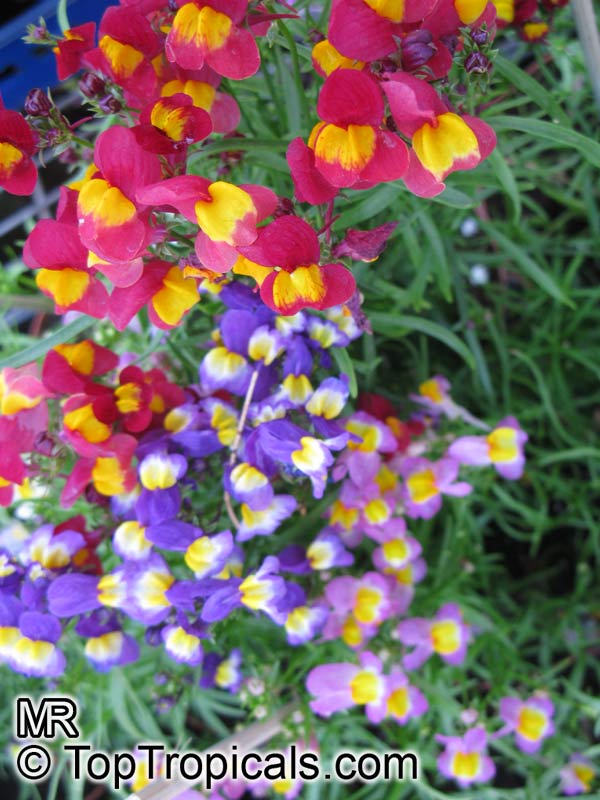
Linaria maroccana, or Moroccan Toadflax, is a small perennial shrub native to Morocco that typically reaches a mature height of 2-5 feet tall. It prefers full sun or semi-shade and needs regularly watering or having its soil moist for best performance. It produces beautiful flowers that come in shades of pink, white and off-white, blue, lavender, purple, red, crimson, vinous, and yellow and orange.
Linaria maroccana is generally grown in USDA Zone 4-11, and can handle cold temperatures well, being mature plant cold hardy to at least 30s F for a short time. In colder regions, where temperatures can drop below Zone 9, this plant can be grown in a container and brought indoors in winter.
When grown in pots, Linaria maroccana prefers a soil that is fertile, well-drained, and slightly acidic. It should receive regular watering and a twice yearly application of a slow-release fertilizer. It can also be pruned back in the early spring or late fall to control its size and shape. The plant will also benefit from regular deadheading of spent flowers to ensure a continuous production of blooms throughout the growing season.
| Next | |
Use link to repeat this search:
https://toptropicals.com/cgi-bin/garden_catalog/cat.cgi?search_op=and&keyword_op=and&language=e&family=Plantaginaceae
&number=10&no_change_lang=1&user=tt&sale=1&first=0