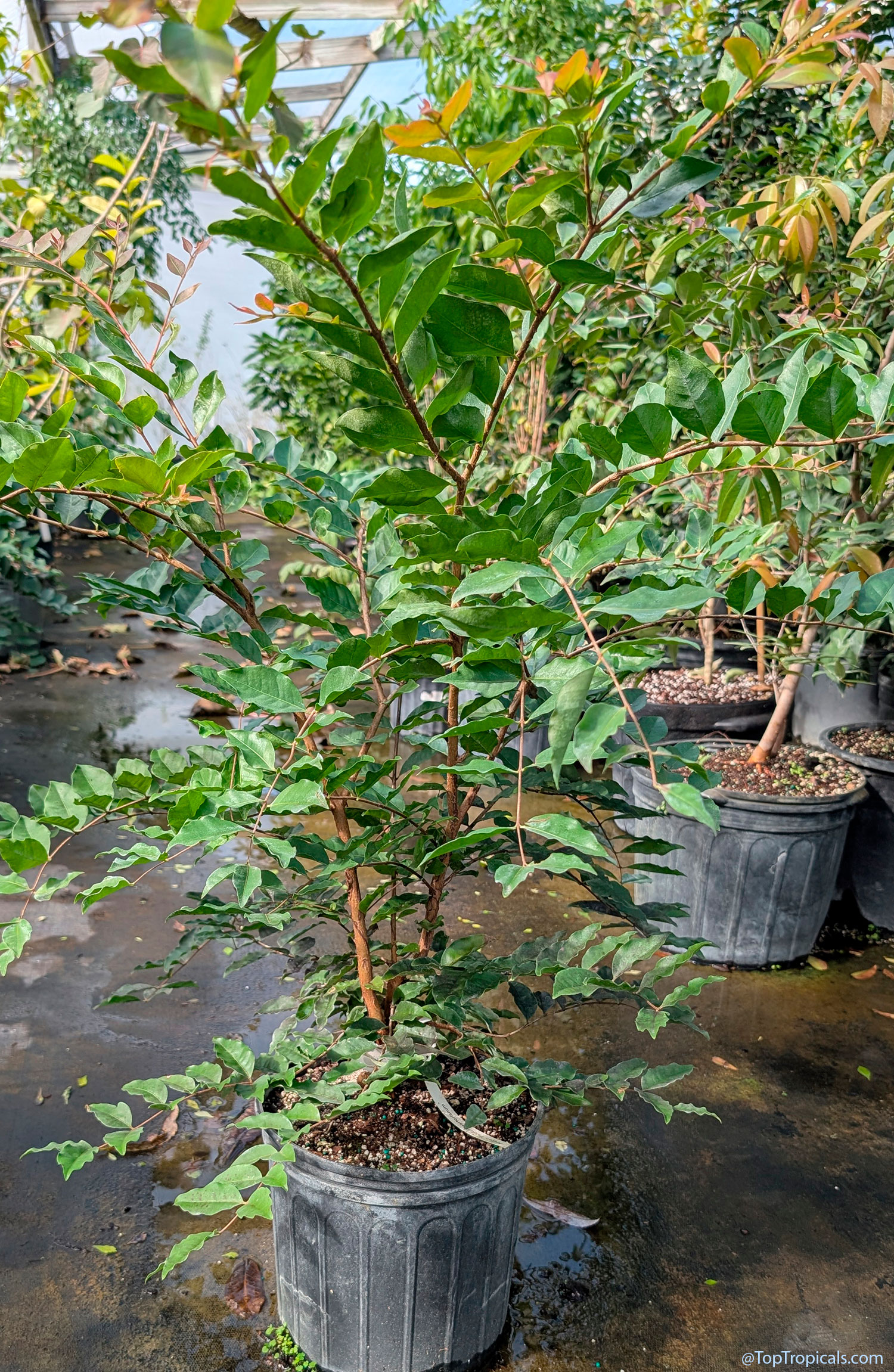
Psidium sartorianum (Arrayan)

Botanical name: Psidium sartorianum
Common names: Arrayan, Guayabillo, Sartre Guava, Niedenzu, Pichi Che, Little Guava
Family: Myrtaceae
Origin: Central America
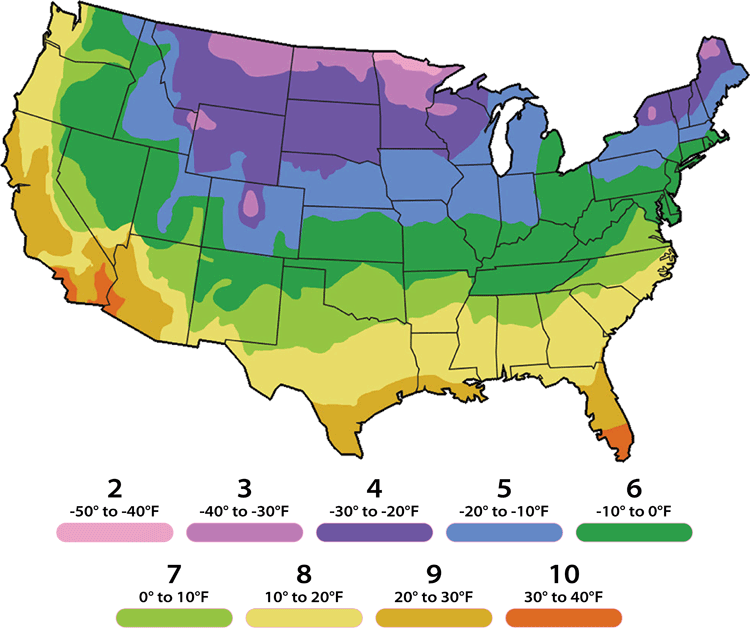
USDA Zone: 9-11
Cold tolerance: 25°F

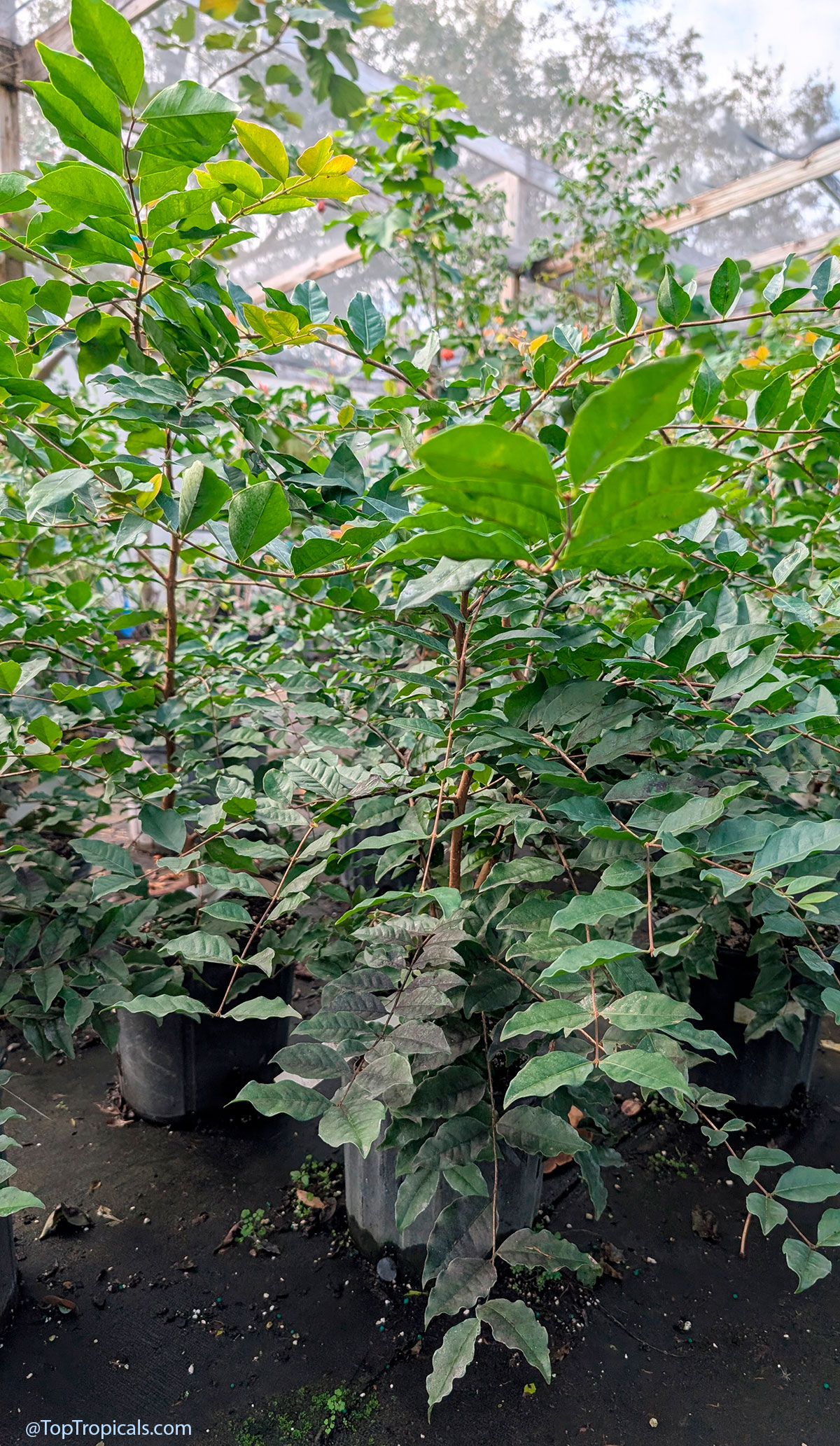
 Plant form: Large bush or small tree
 Mature height: 10-20 ft
 Sun exposure: Full sun or bright light indoor
 Cold tolerance: Tolerates light freezing to about 30°F for short periods (mature plants). Young plants must be protected.
 Watering: Regular
 Suitable for: Outdoors in the suitable USDA zone; small gardens, containers, and indoor growing
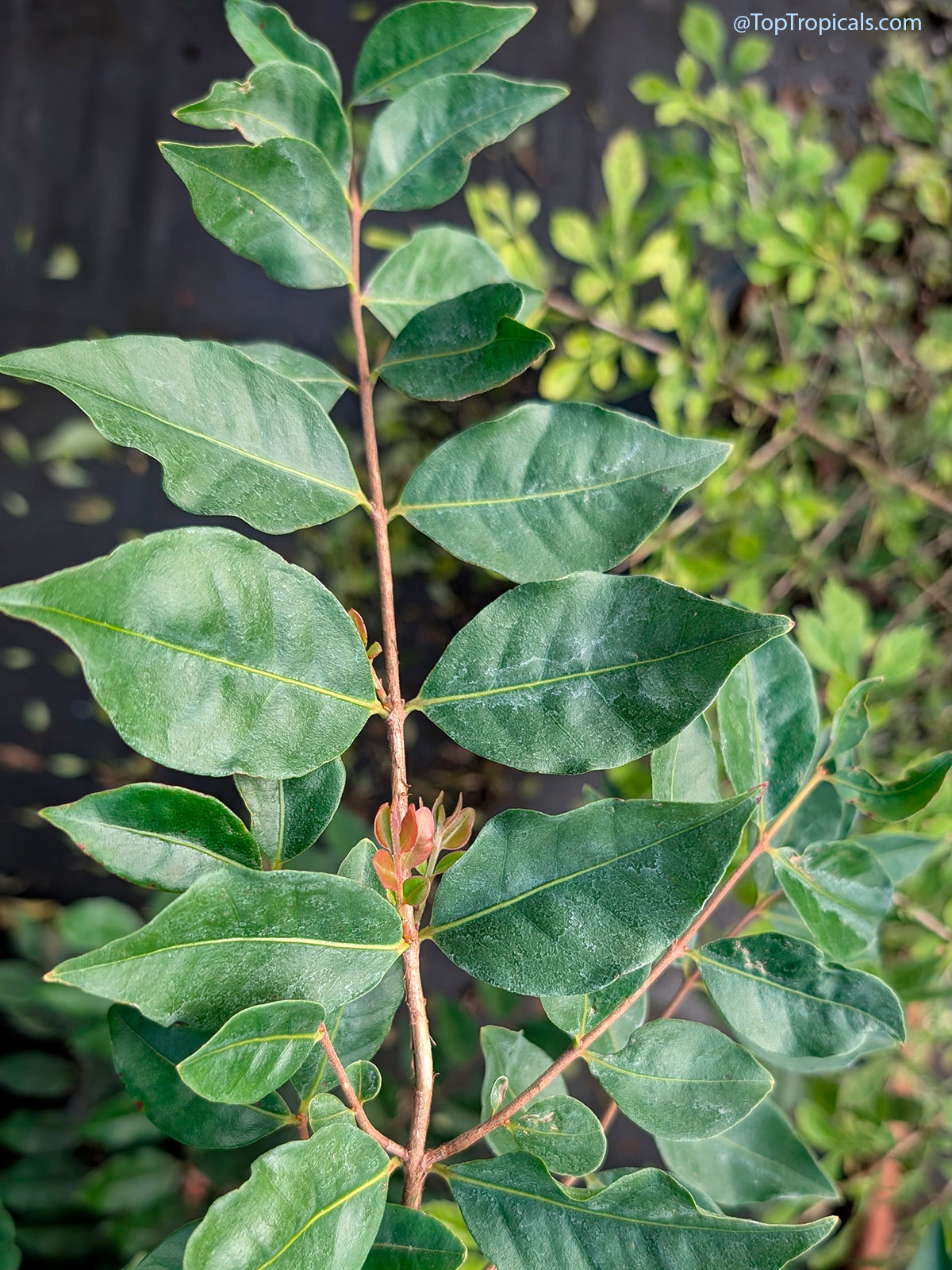
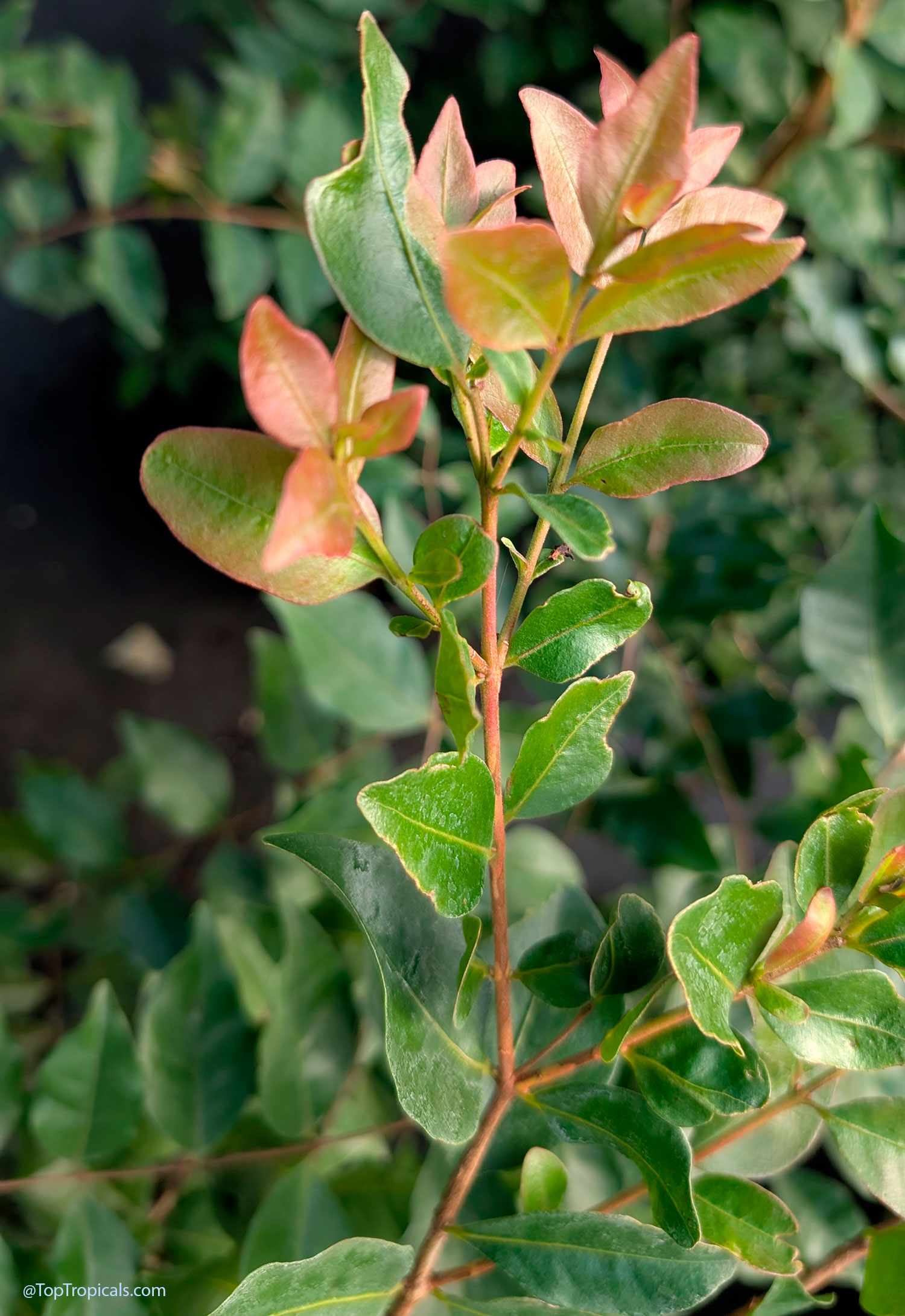
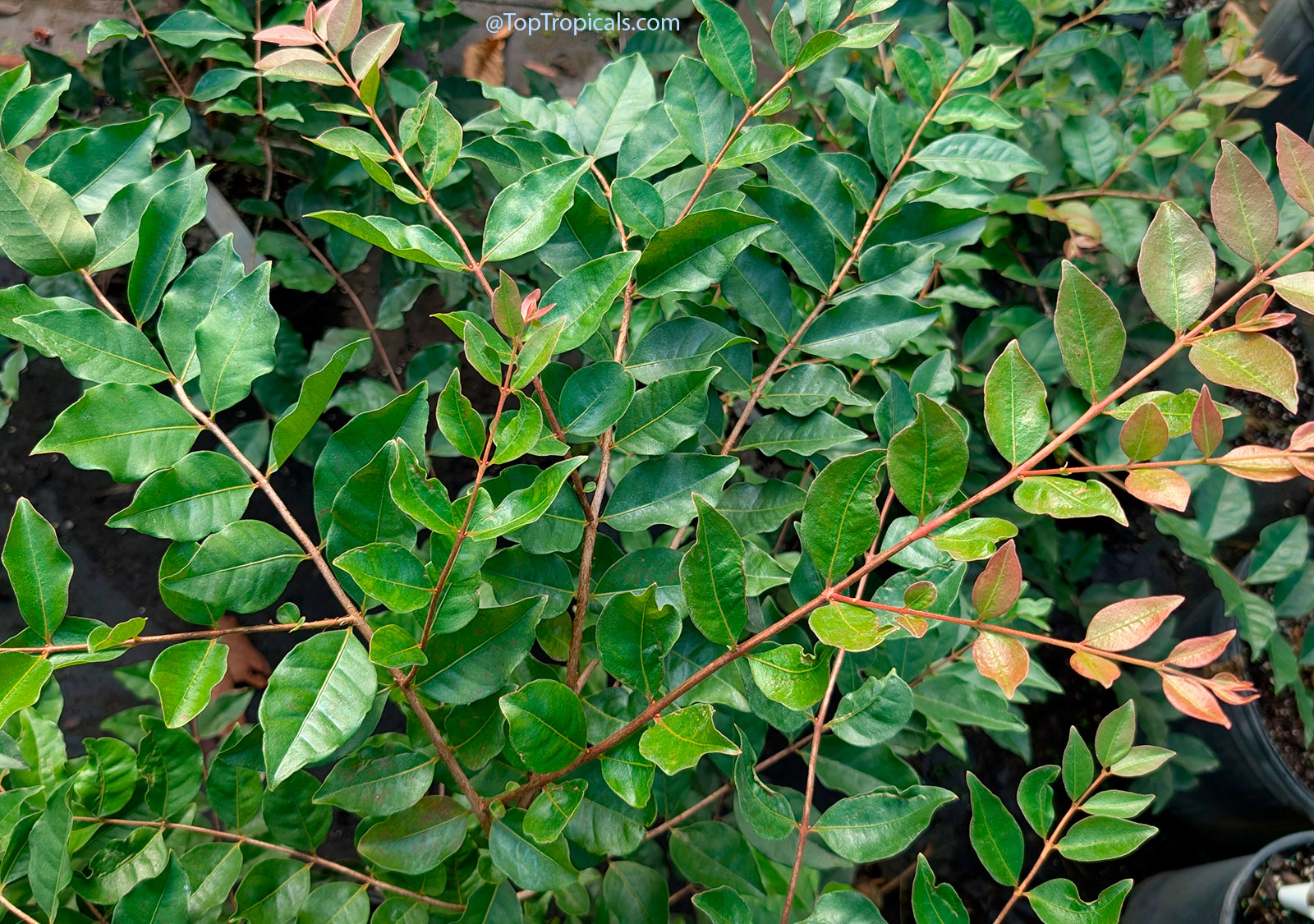
Psidium sartorianum is a compact, ornamental guava species native to Mexico and Central America. Known locally as Arrayan or Guayabillo, and in English as Little guava, it produces small, aromatic yellow-green fruits with a bright sweet-and-sour flavor. The tree is closely related to Cas guava and is valued both for fruit production and attractive landscaping.
The fruits are round to oval, about 1" wide, with thin skin and soft, juicy flesh surrounding a few hard seeds. When ripe, the flavor is tangy and refreshing with citrusy and floral notes. Fruits are eaten fresh, used in jams, syrups, beverages, and traditional dishes, or preserved for later use. Harvest season typically runs from fall through early spring.
Nutritionally, Arrayan fruit is rich in vitamin C, antioxidants, fiber, potassium, and calcium. Both fruits and leaves have a long history of traditional use, with leaves commonly used in herbal remedies for digestion and general wellness.
The tree itself is small and manageable, making it well suited for edible landscaping, home gardens, and collectors of rare tropical fruit trees. It features attractive peeling bark and dense foliage, adding ornamental value year-round. A great choice for gardeners looking for an unusual, productive guava with cultural history and excellent flavor.
Similar plants: Psidium sartorianum (Arrayan)