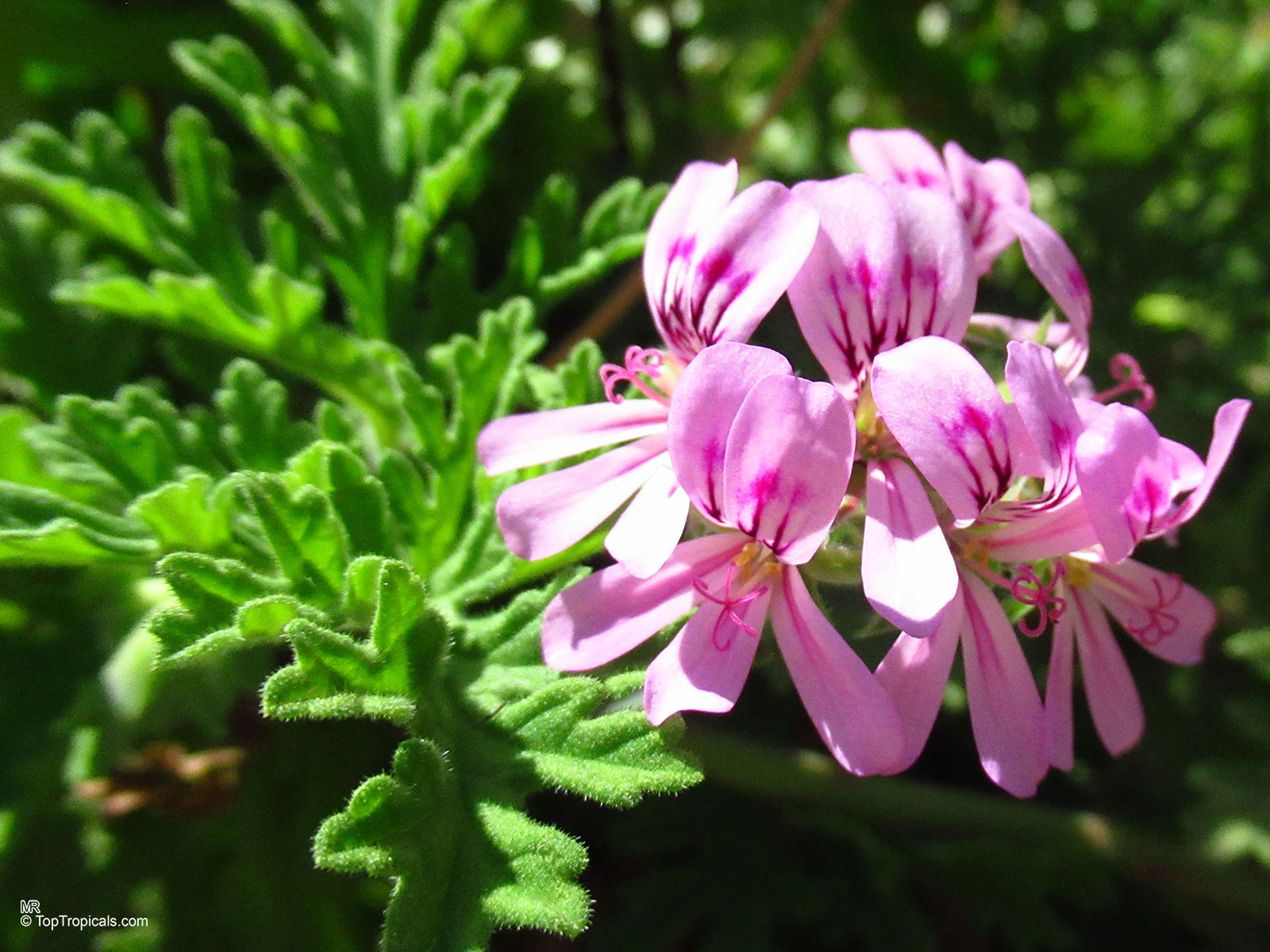
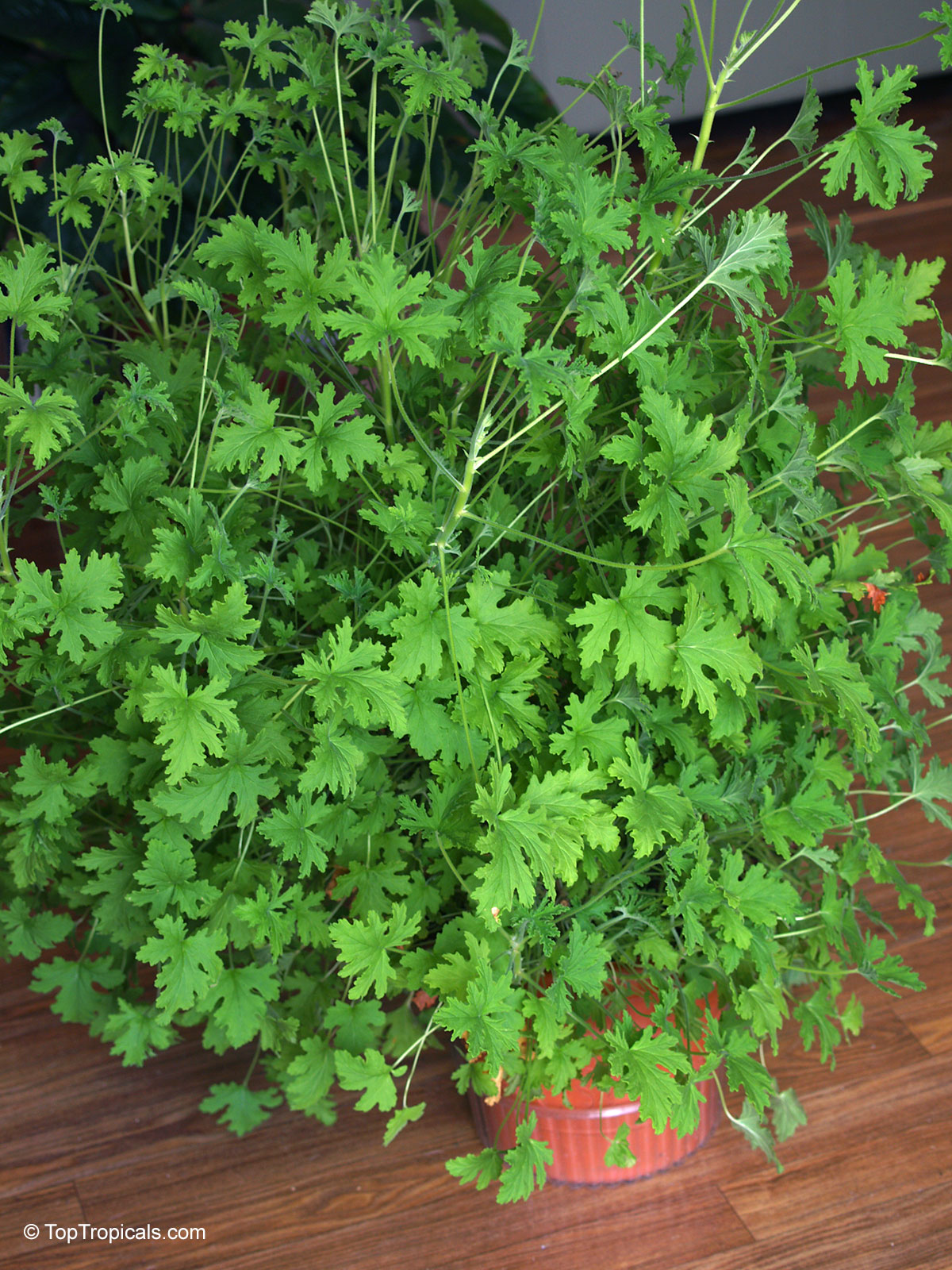
Pelargonium sp. 'Scented' (Scented-leaved Pelargonium)
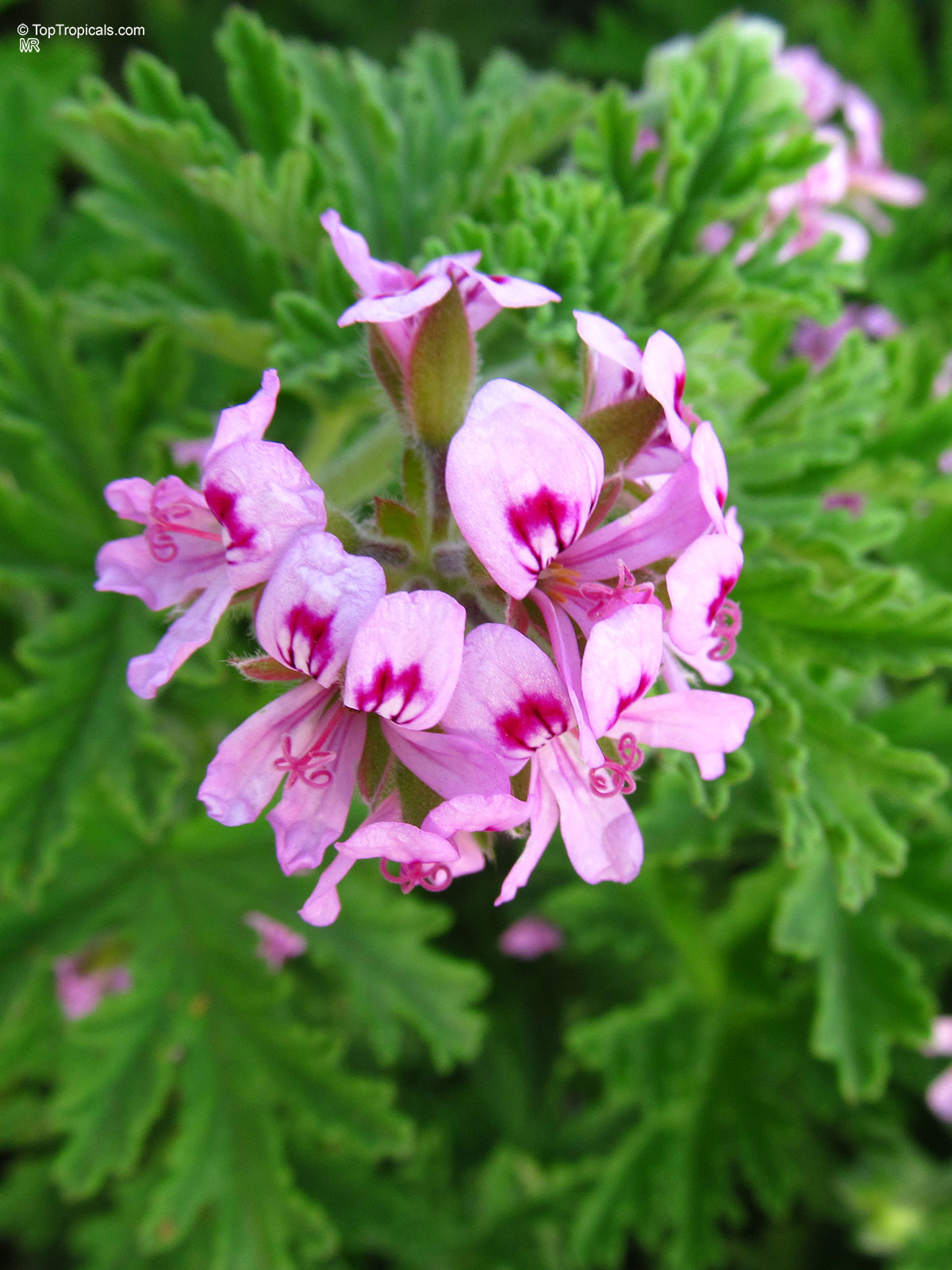
Botanical name: Pelargonium sp.
Common name: Scented-leaved Pelargonium
Cultivar: Scented
Family: Geraniaceae
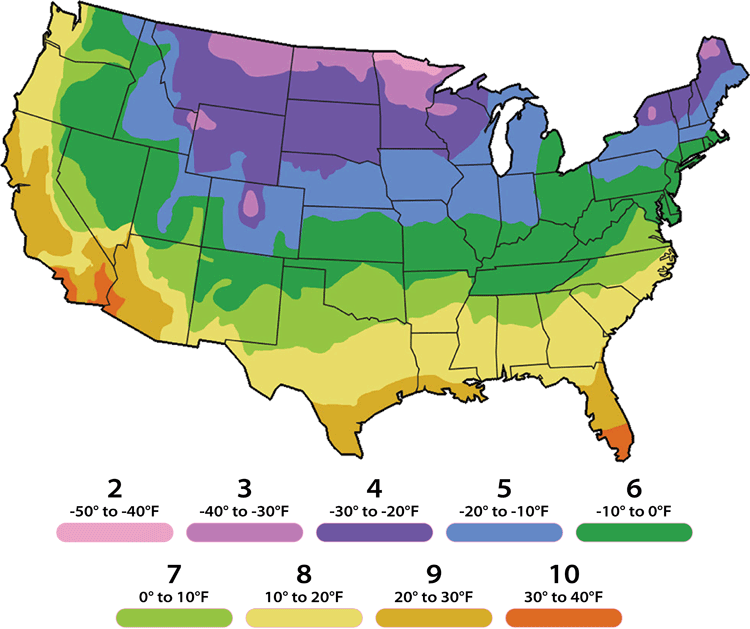
USDA Zone: 9-11
Cold tolerance: 35°F
 Plant form: Large bush
 Mature height: 5-10 ft
 Sun exposure: Full sun or bright light indoor; semi-shade
 Cold tolerance: Frost sensitive. Protect from freezing.
 Watering: Regular; moderate
 Flower color: Pink; white and off-white
 Suitable for: Outdoors in the suitable USDA zone; small gardens, containers, and indoor growing
 Fragrance: Fragrant; perfume plant
 Wildlife: Attracts butterflies and hummingbirds
 Ethnomedical: Ethnomedical plant, traditionally used in folk or indigenous medicine
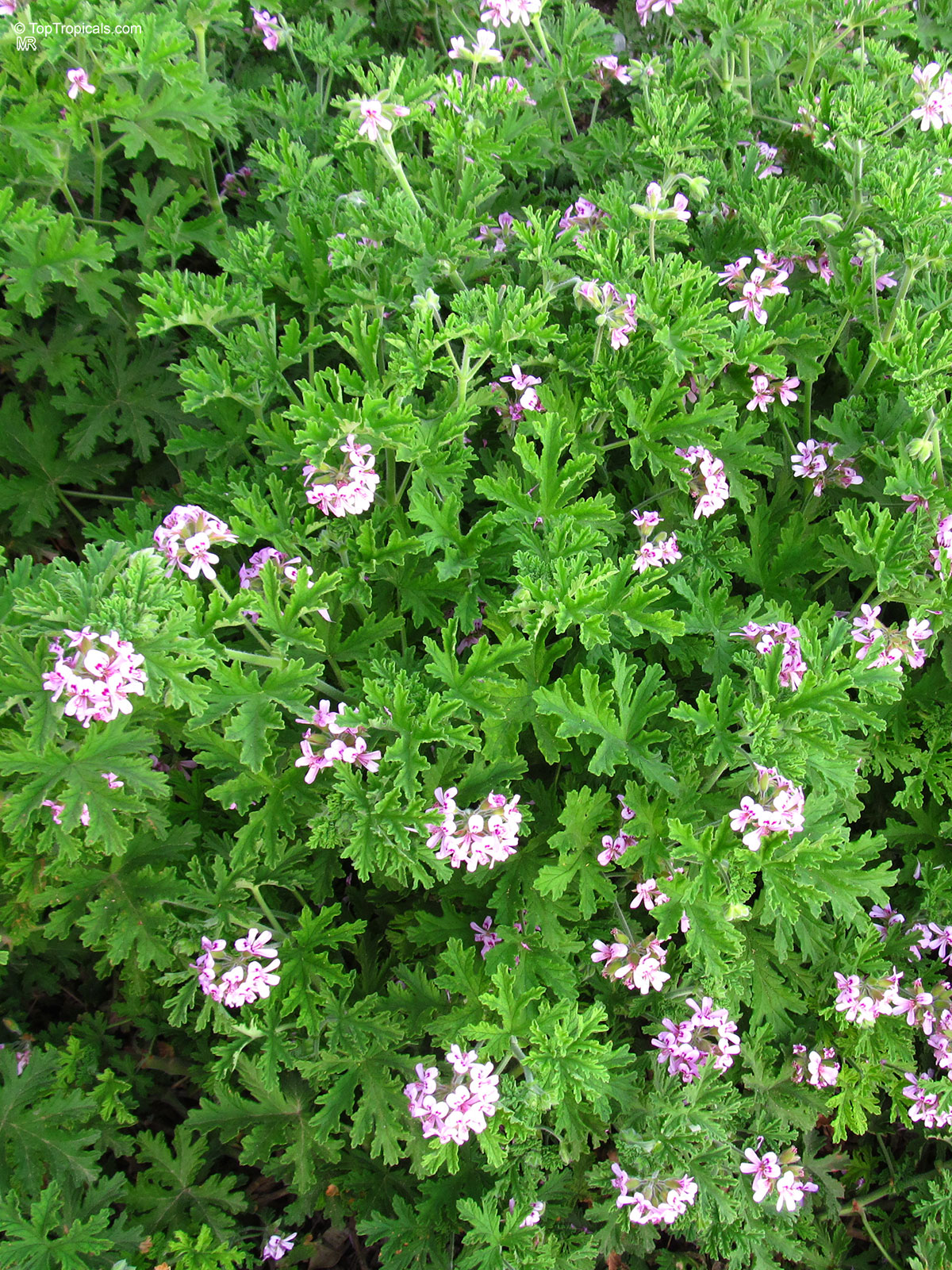
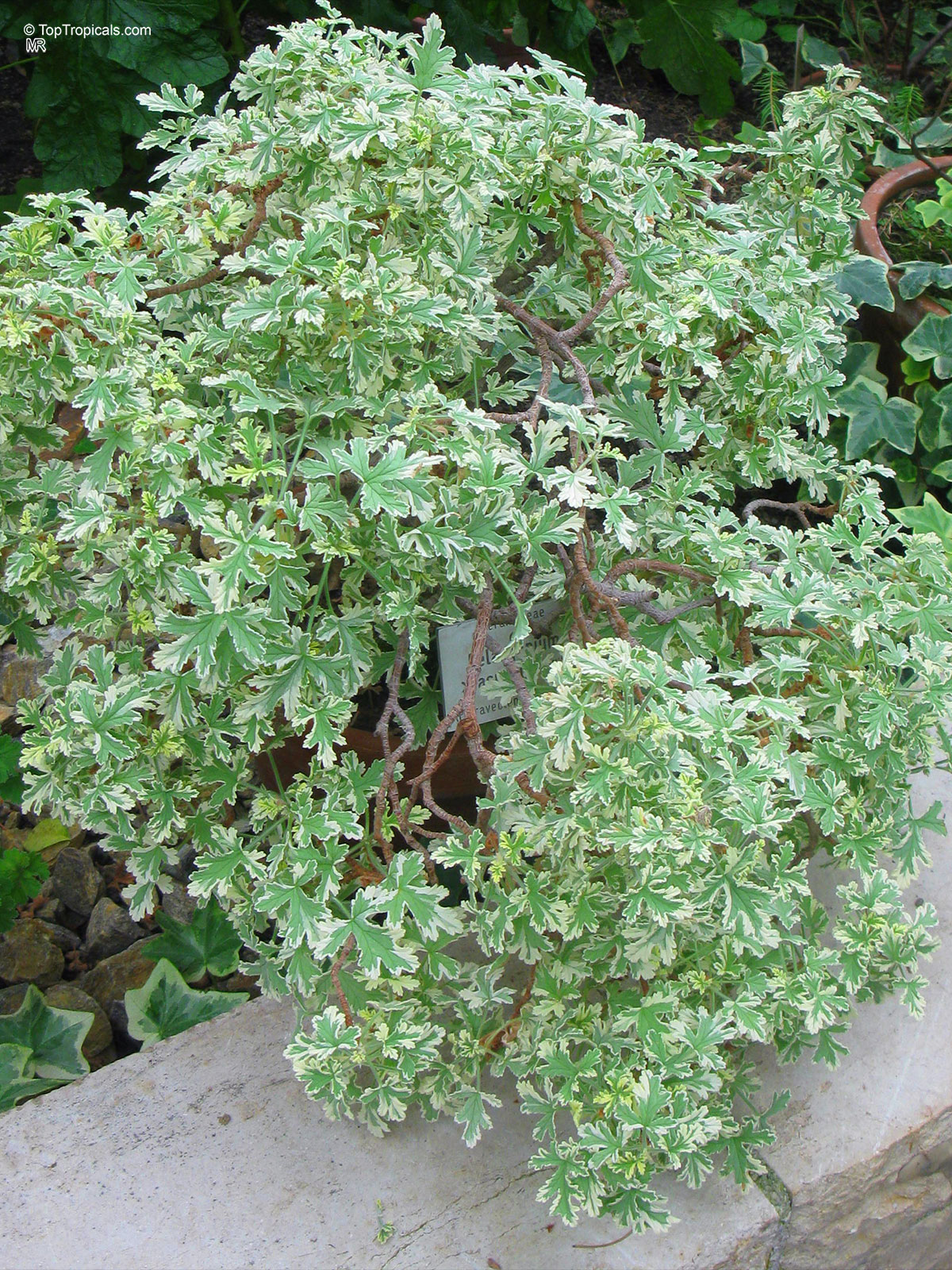
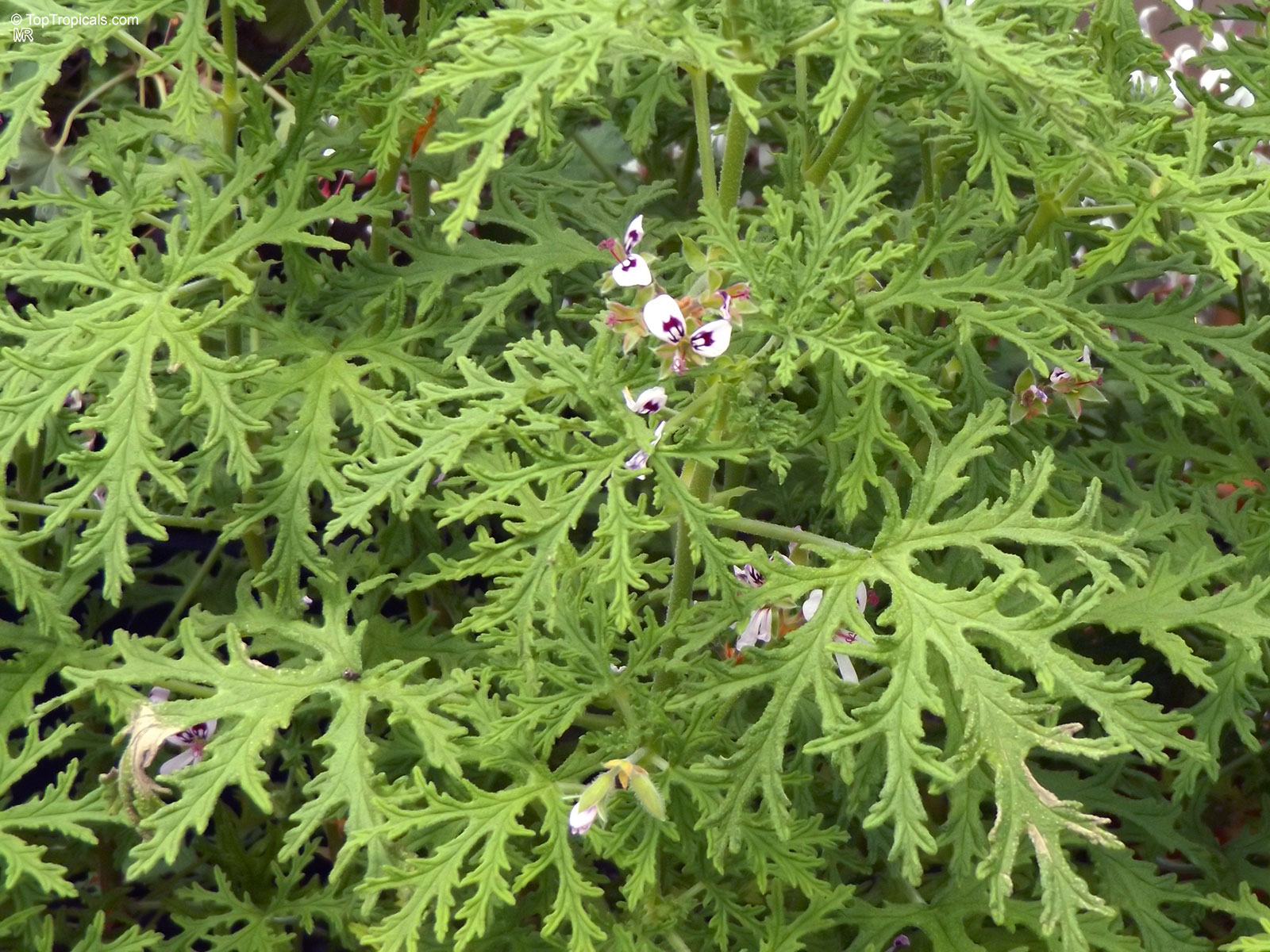
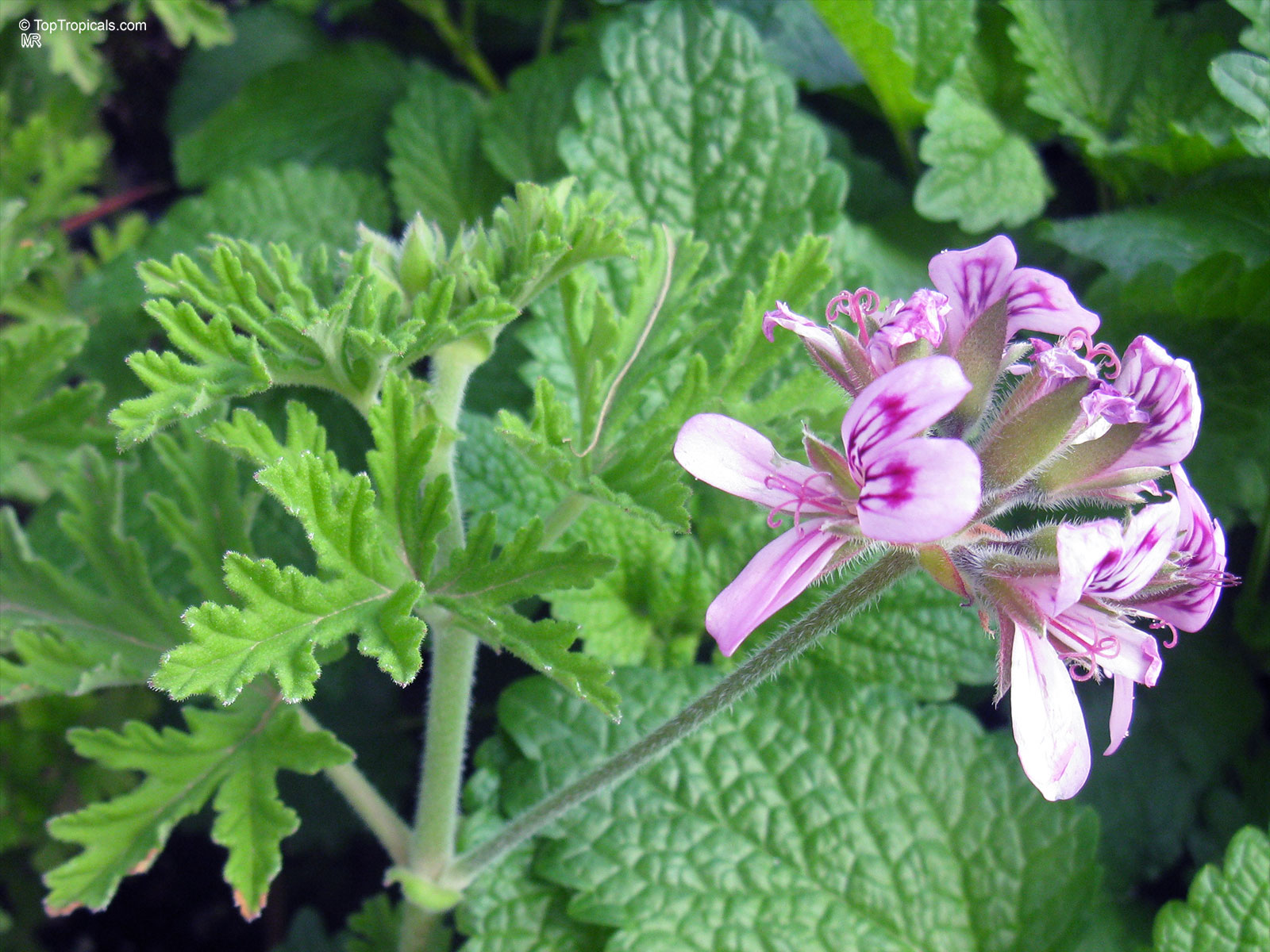
Pelargonium sp., commonly known as pelargonium or geranium, refers to a diverse group of species and horticultural forms native mainly to southern Africa, valued for their varied growth habits, aromatic foliage, and ornamental flowers. Plants may range from compact, upright shrubs to trailing or semi-succulent forms, typically growing from under 1 foot to several feet tall depending on the type. Leaves vary widely in shape and texture, from rounded and lobed to finely divided, often with a distinct scent when touched, while flowers appear in clusters and may be simple or elaborate in shades of white, pink, red, purple, or bi-colored.
Pelargoniums generally prefer full sun to bright light and well-drained soil, with moderate watering and drying between cycles to prevent root issues. Growth rate is moderate to fast under warm conditions, and many types bloom over extended periods, especially in spring and summer. Suitable for USDA zones 9 to 11 depending on species, most are frost-sensitive and require protection below about 32 to 40 F. They perform well in containers, making them widely used for patios, balconies, and indoor growing in cooler climates.
Pelargonium sp. (Scented) is a practical catalog designation used for aromatic pelargoniums with scented foliage rather than a formal botanical species or officially recognized cultivar group. This label brings together a wide range of species and complex hybrids, most often involving Pelargonium graveolens, Pelargonium capitatum, Pelargonium radens and related taxa, which are grown primarily for the fragrance of their leaves. Because these plants have been extensively hybridized and show overlapping leaf forms, they are frequently difficult to identify reliably to species level from appearance alone. For this reason, the term 'scented' is used here as a functional grouping to organize plants by their shared aromatic trait, while individual selections may be further described by scent type such as rose, lemon, mint, or camphor.
Scented pelargoniums are typically grown in containers or as patio plants, where their foliage can be easily handled to release fragrance. They prefer full sun to bright light and well-drained soil, with moderate watering and good drying between cycles, as many forms are somewhat drought-tolerant once established. Growth is moderate and varies by type, from compact shrubs to more open, branching forms, and light pruning helps maintain shape and encourages fresh aromatic foliage. Suitable for USDA zones 9 to 11 depending on parentage, most are frost-sensitive and should be protected below about 32 to 40 F.
Related cultivars: Pelargonium sp. 'Scented' (Scented-leaved Pelargonium)
Similar plants: Pelargonium sp. 'Scented' (Scented-leaved Pelargonium)
- Pelargonium crispum (Lemon-scented Pelargonium)
- Pelargonium ferulaceum (Carrot-leaf Pelargonium)
- Pelargonium peltatum (Ivy-leaved Pelargonium)
- Pelargonium sp. (Pelargonia)
- Pelargonium sp. 'Regal Group' (Martha Washington Pelargonium)
- Pelargonium sp. 'Zonal Group, Pelargonium X Hortorum' (Zonal Geranium)
- Pelargonium sp. ''Deerwood Lavender Lass'' (Lavender Pelargonia)
- Pelargonium tetragonum (Square-stemmed Pelargonium)