Morus sp. 'Illinois Everbearing' (Illinois Everbearing Mulberry)

Botanical name: Morus sp.
Common name: Illinois Everbearing Mulberry
Cultivar: Illinois Everbearing
Family: Moraceae
Origin: Asia
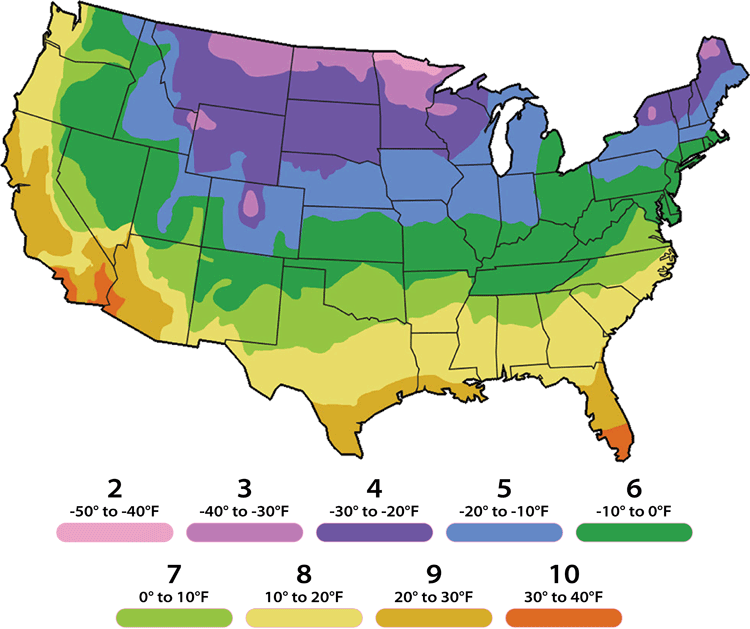
USDA Zone: 8-11

 Plant form: Large or medium tree
 Mature height: 20 ft or more
 Sun exposure: Full sun or bright light indoor
 Cold tolerance: Frost sensitive. Protect from freezing.
 Watering: Regular
 Suitable for: Outdoors in the suitable USDA zone; large gardens
Varieties: Everbearing, Giant, Tice, Pakistani, White. Season: Spring, summer, Everbearing produces throughout the year. Simple heart-shaped leaves to 10. Leaves are cultivated in many parts of the world as food for silk worms. Fast growing, semi-deciduous, spreading tree. Inconspicuous green/white flowers 1/2 to 1 1/4 catkins appear in late Winter to early Spring. Fruit goes from red to black as it ripens, 3/4 to 8 long. Flower to fruit in 21-30 days.
Morus 'Illinois Everbearing' is a well known mulberry cultivar resulting from a cross between white mulberry (Morus alba) and red mulberry (Morus rubra), combining the hardiness and adaptability of one with the rich fruit flavor of the other. The tree grows vigorously and forms a broad crown that can reach about 20 to 30 ft when mature. Its foliage is also ornamental, with deeply lobed leaves often reminiscent of oak. Some young trees may begin producing fruit very early.
One of the defining features of this cultivar is its long, extended fruiting season. Berries about 1.5 inches long ripen gradually from mid summer into early fall rather than all at once. The fruits are sweet, juicy, and slightly tangy, often regarded among the best tasting mulberries. Trees are hardy in USDA Zones 5 to 10, tolerating temperatures down to about -20F while also performing well in summer heat and relatively poor soils. The cultivar is generally easy to grow, low maintenance, and capable of producing abundant crops once established.
Related cultivars: Morus sp. 'Illinois Everbearing' (Illinois Everbearing Mulberry)
- Morus sp. ''Australian Green'' (Australian Green Mulberry)
- Morus sp. ''Issai'' (Issai Mulberry)
- Morus sp. 'Tice' (Tice Mulberry)