Mammillaria sp. (Mammillaria)
Botanical name: Mammillaria sp.
Common name: Mammillaria
Family: Cactaceae
Origin: Mexico, Caribbean, Central America, South America
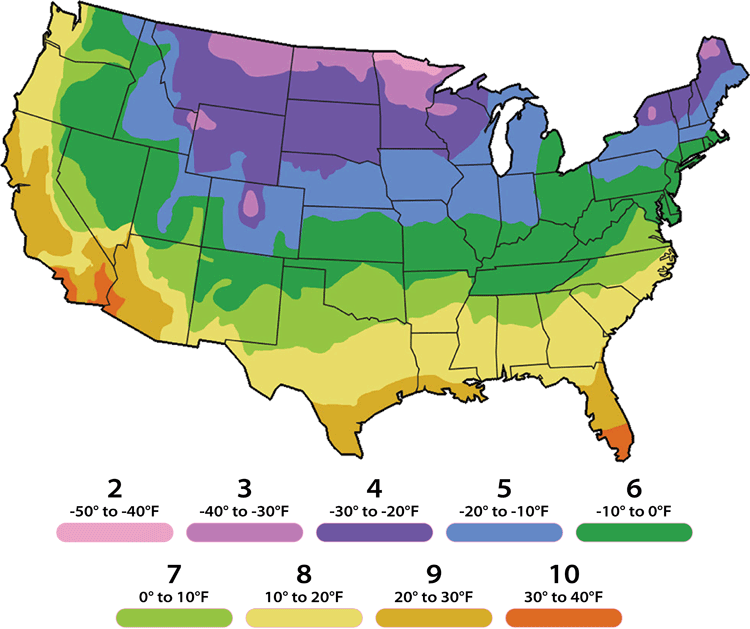
Hardiness: 25°F


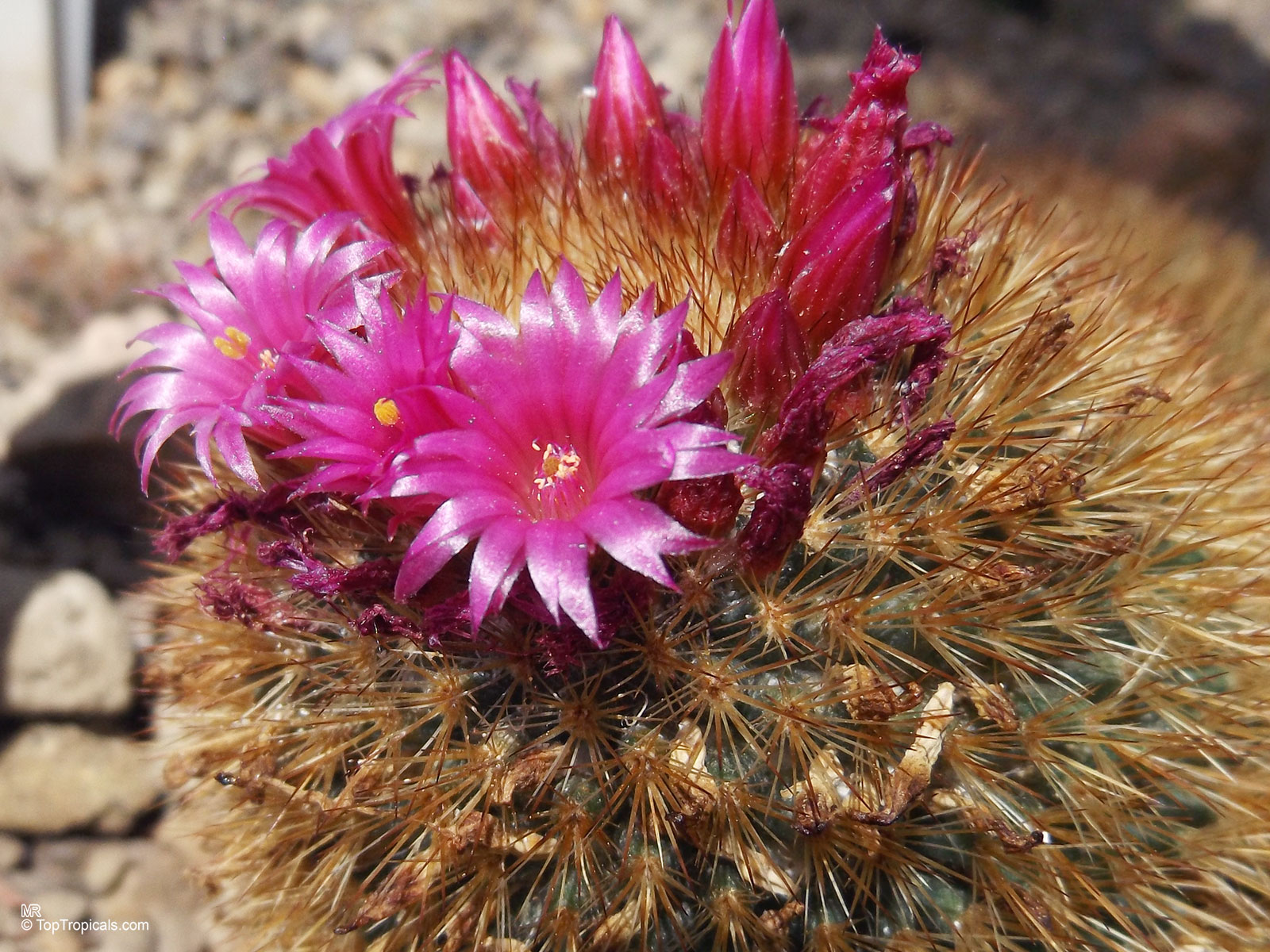
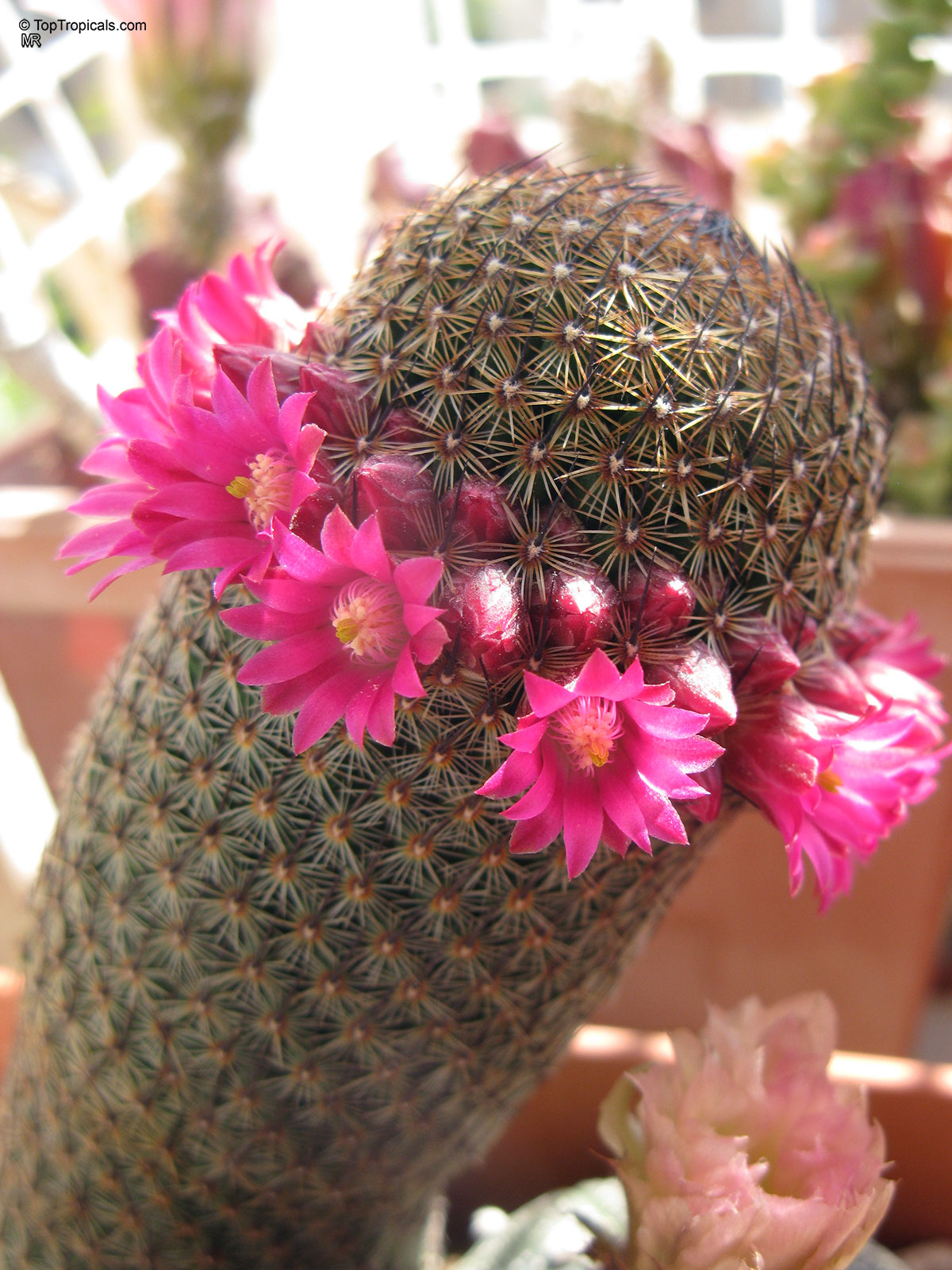
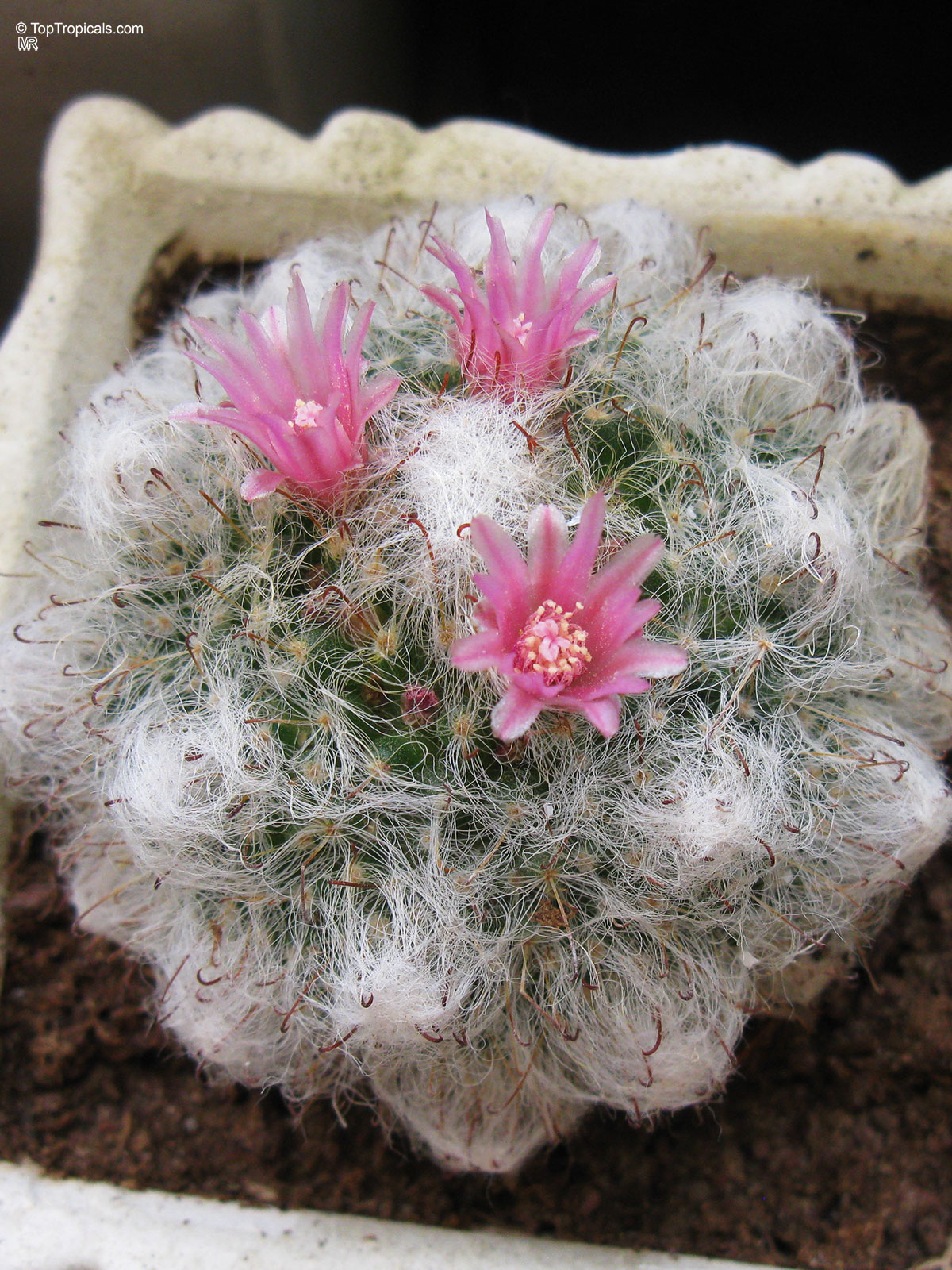
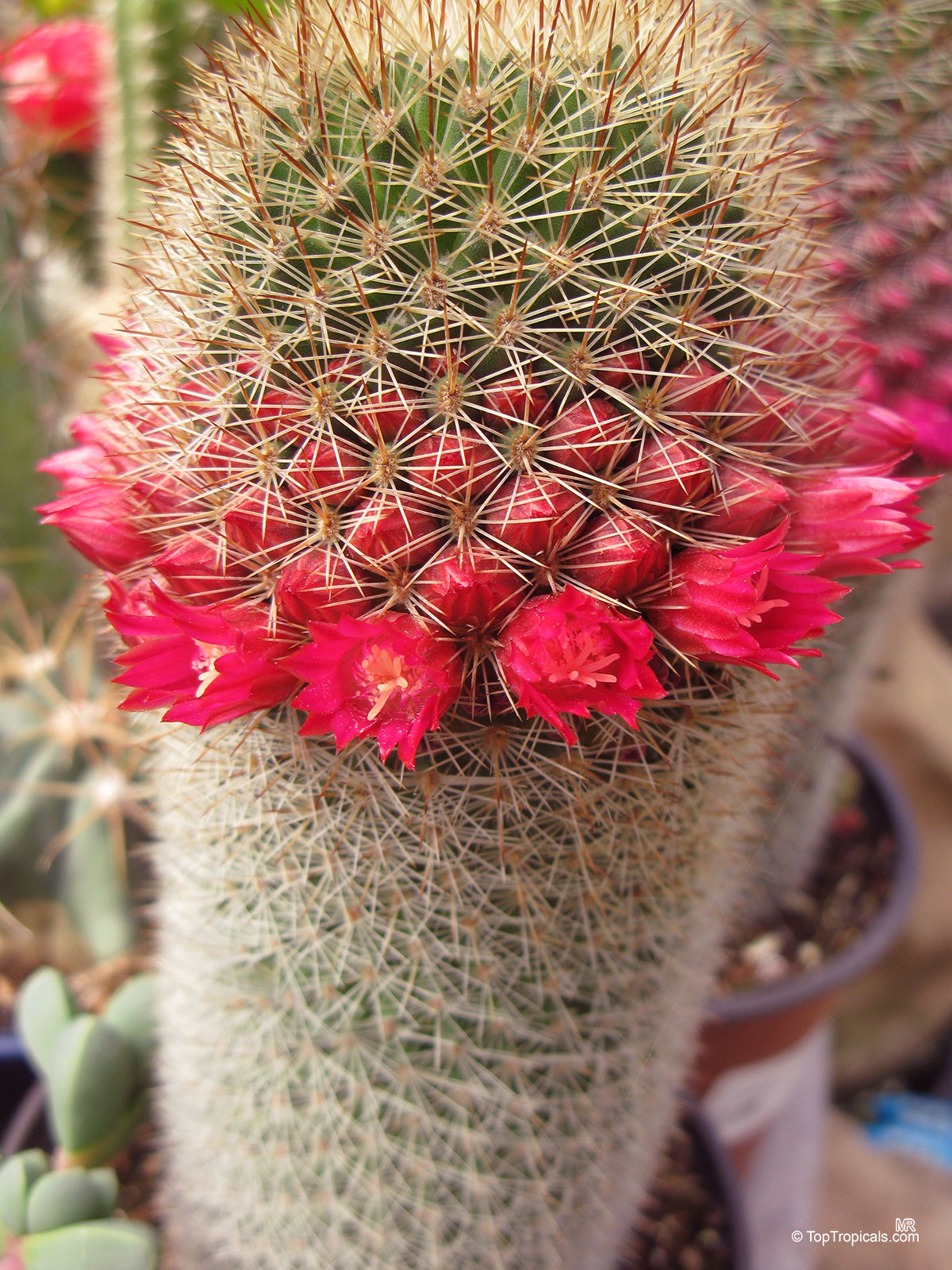
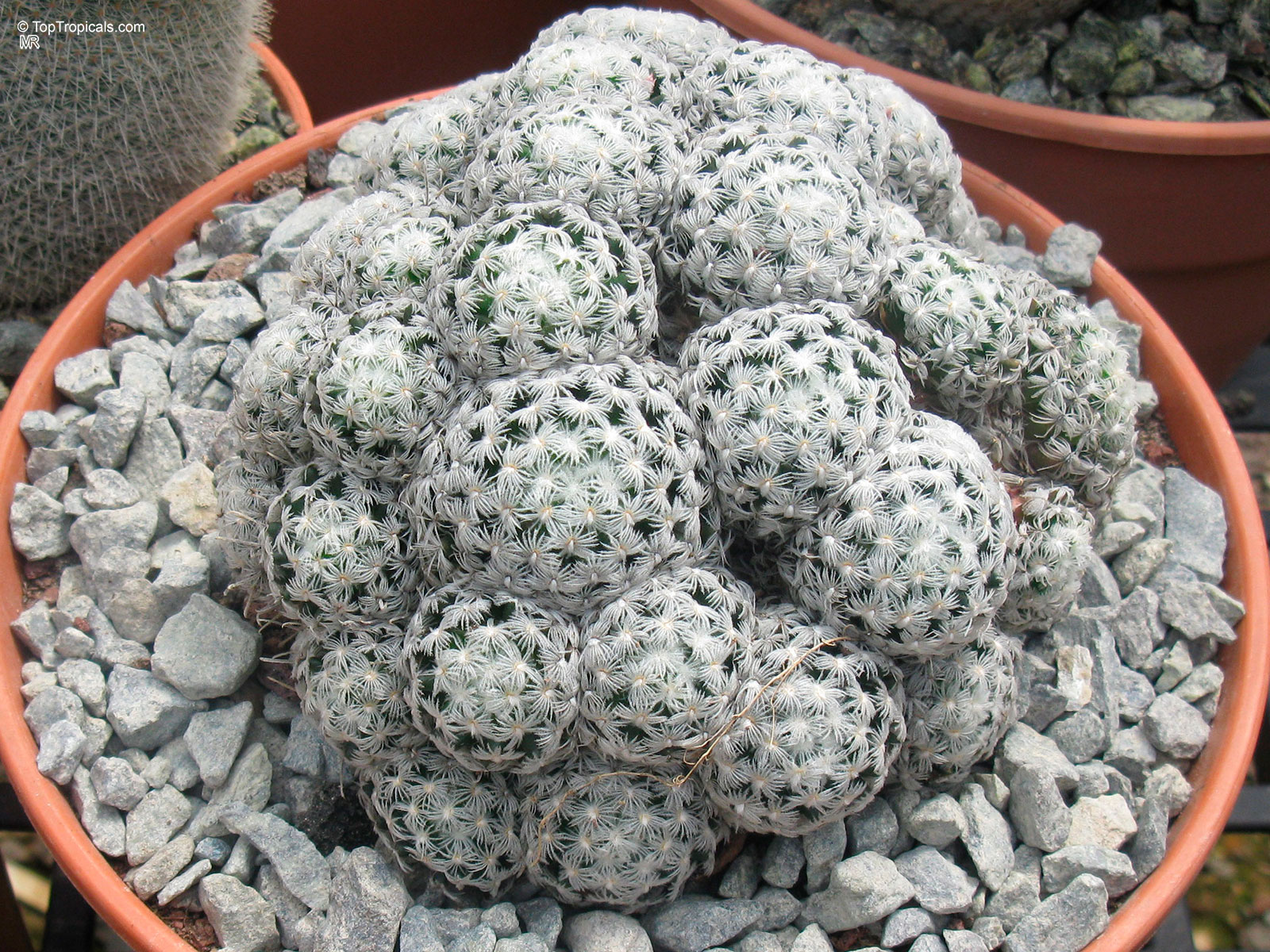
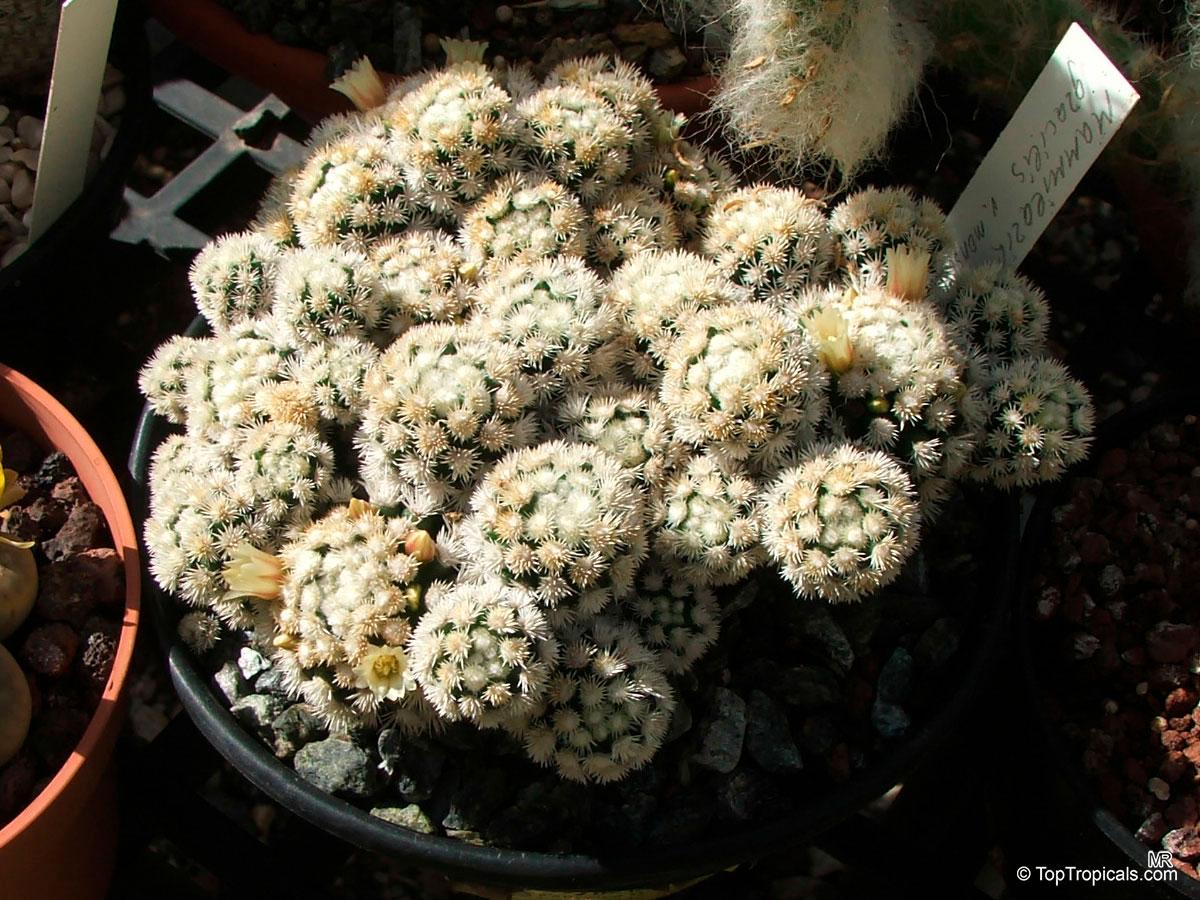
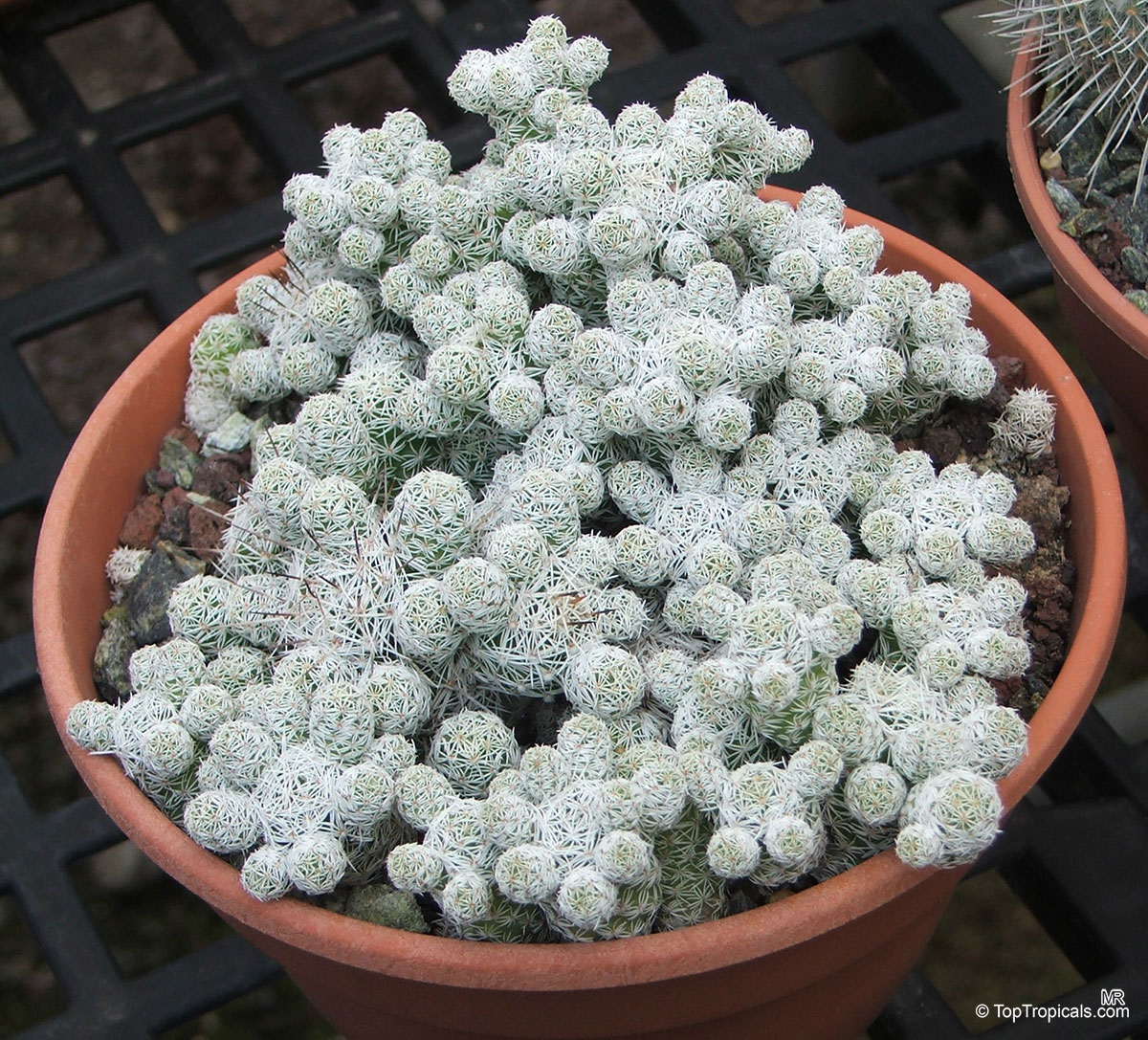
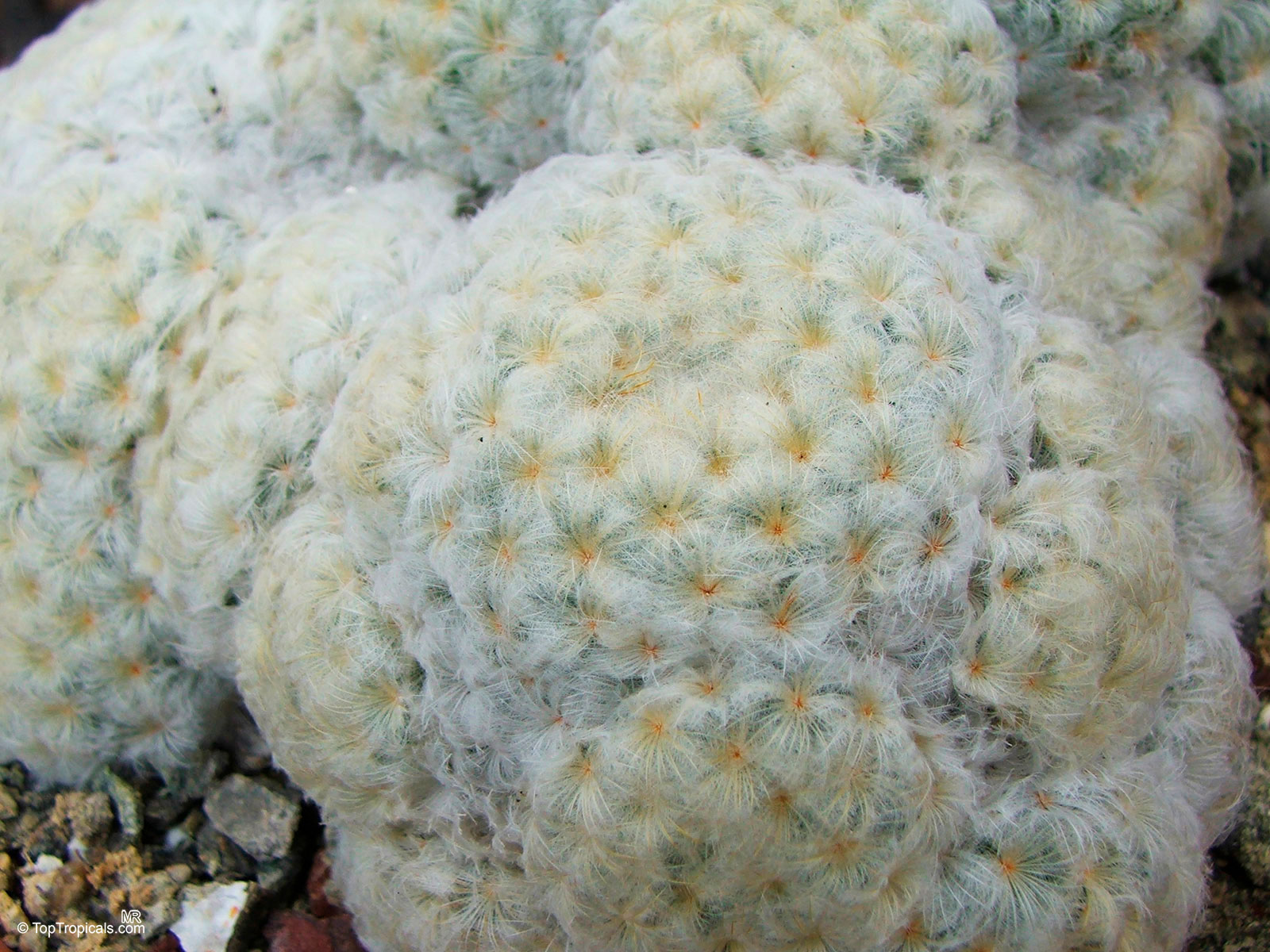
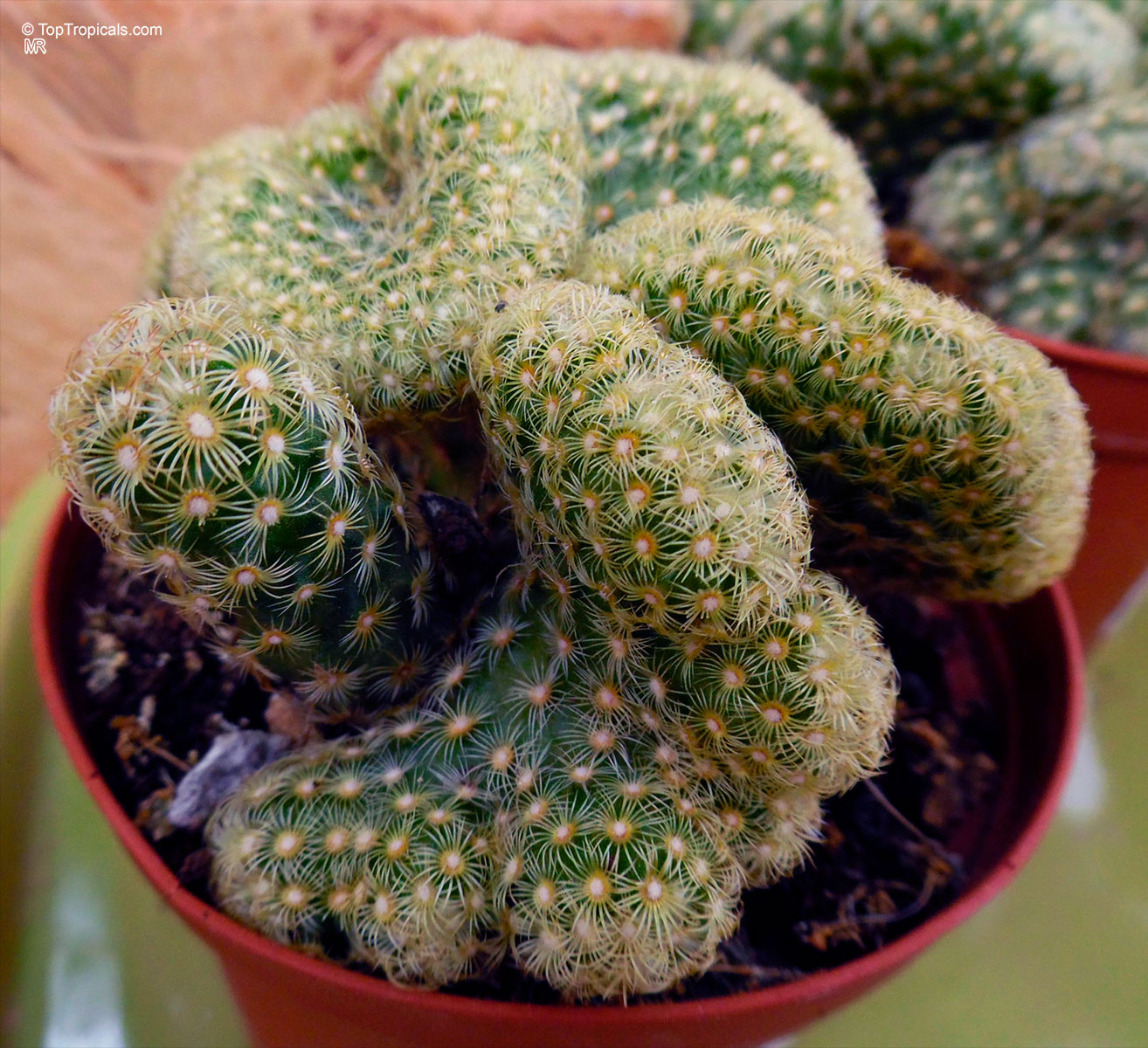
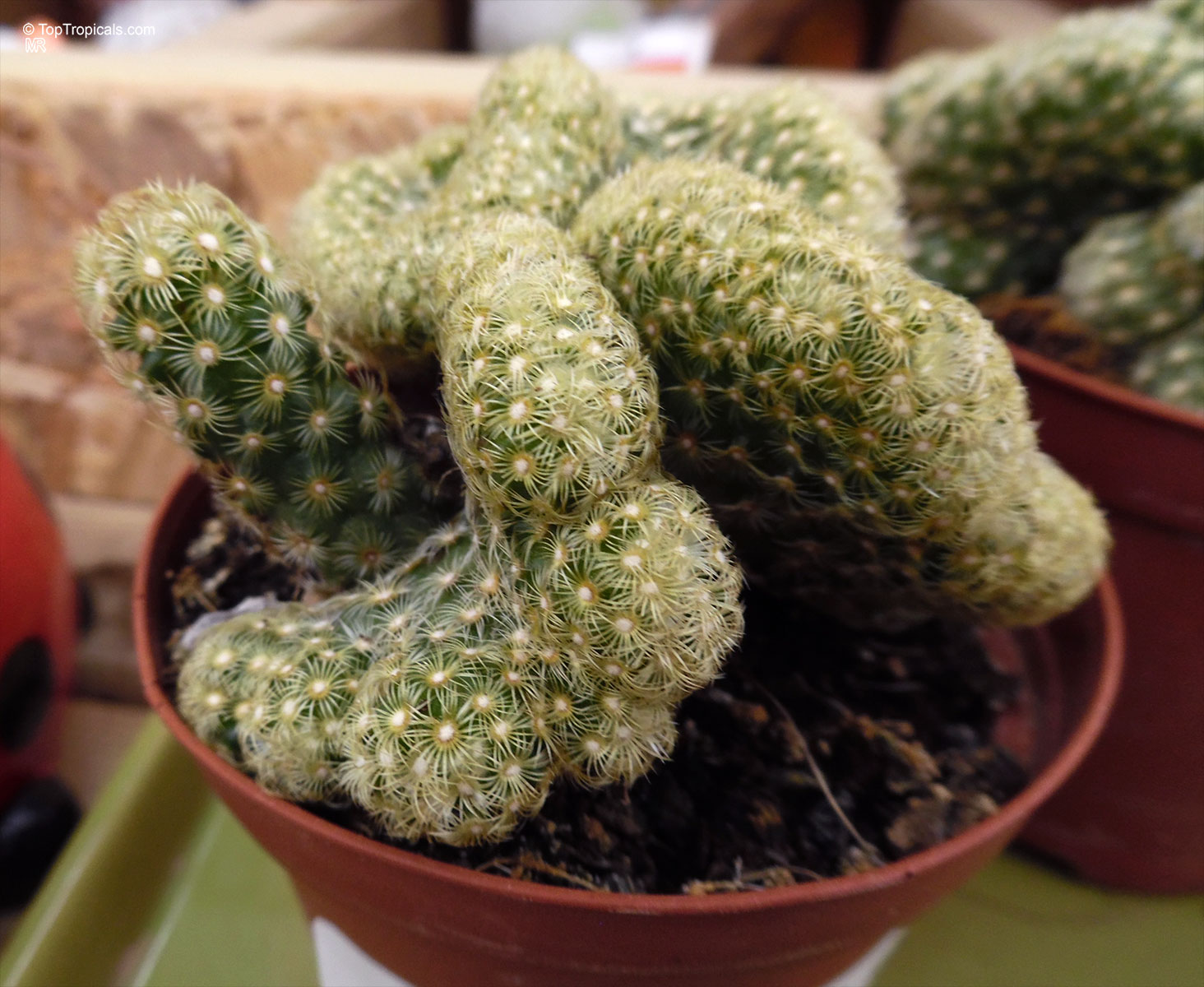
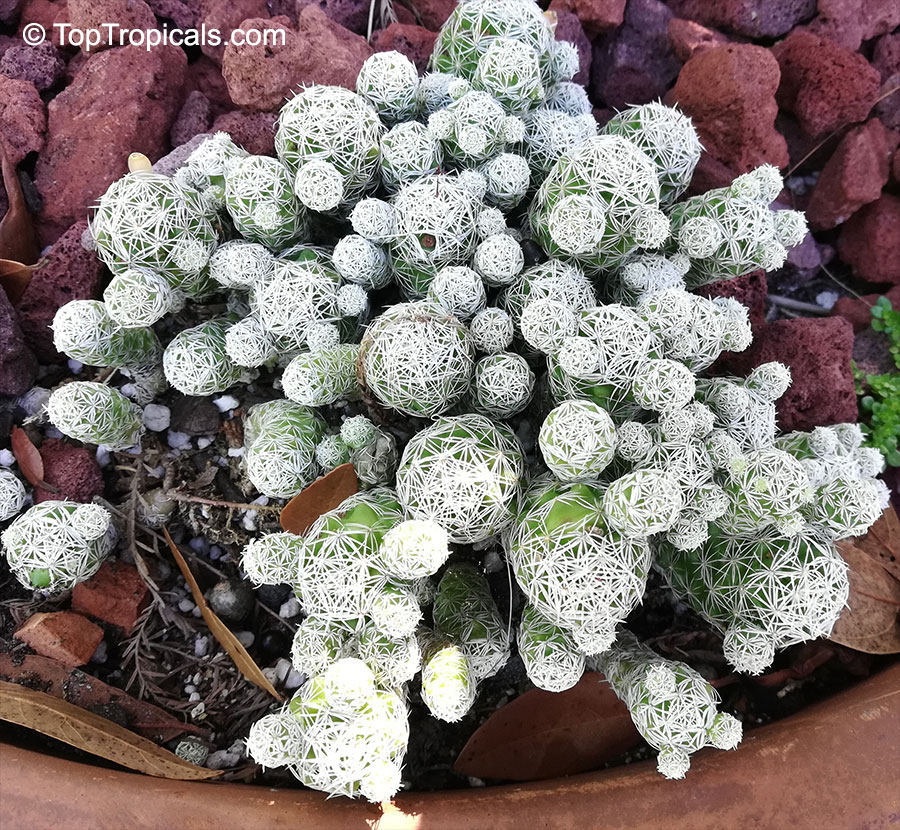
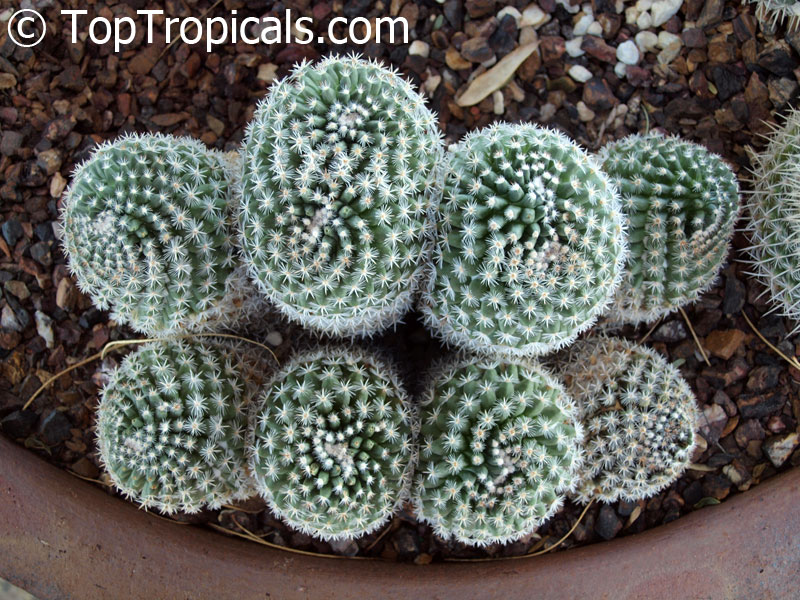
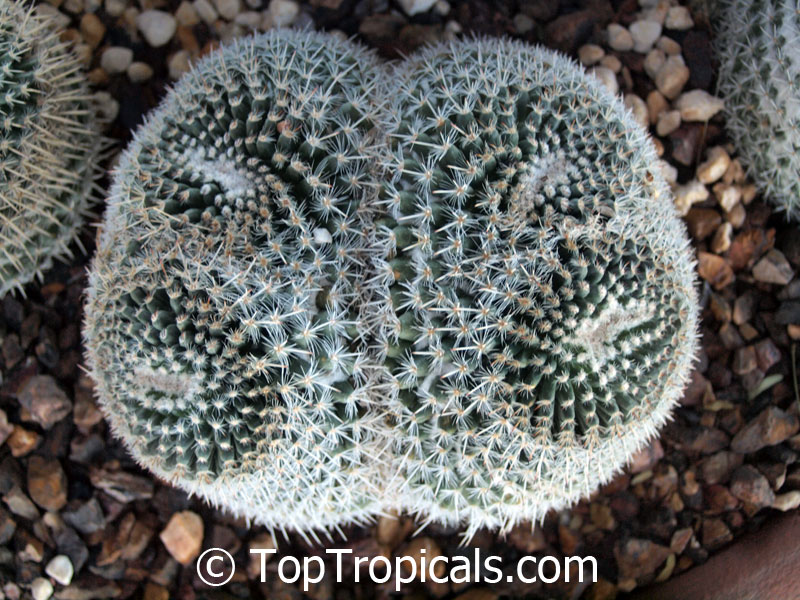
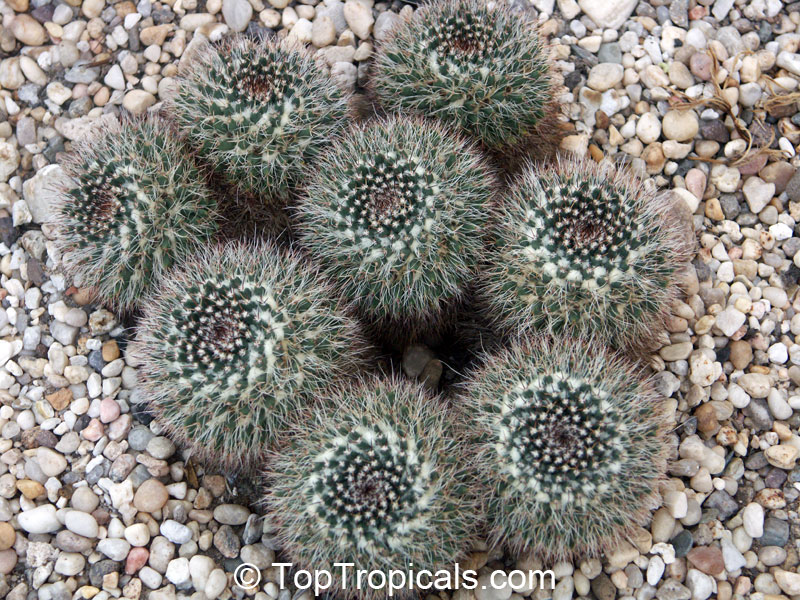
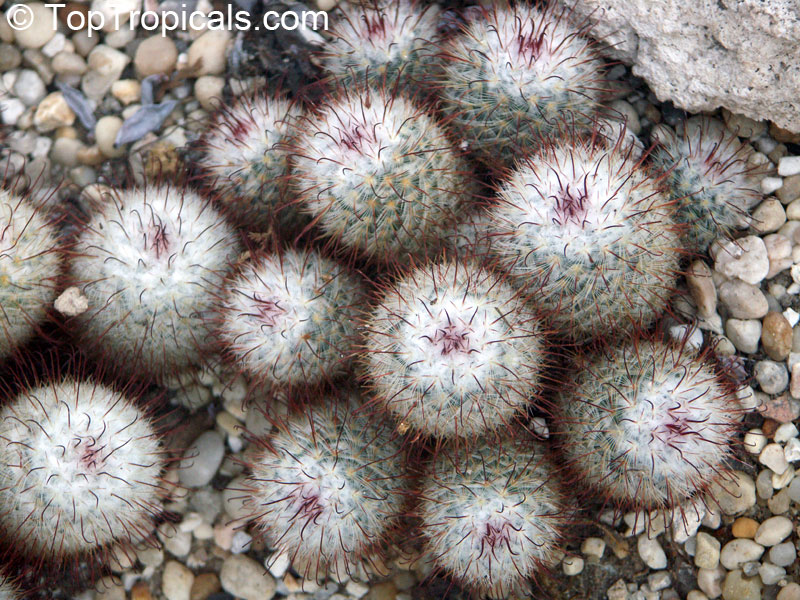
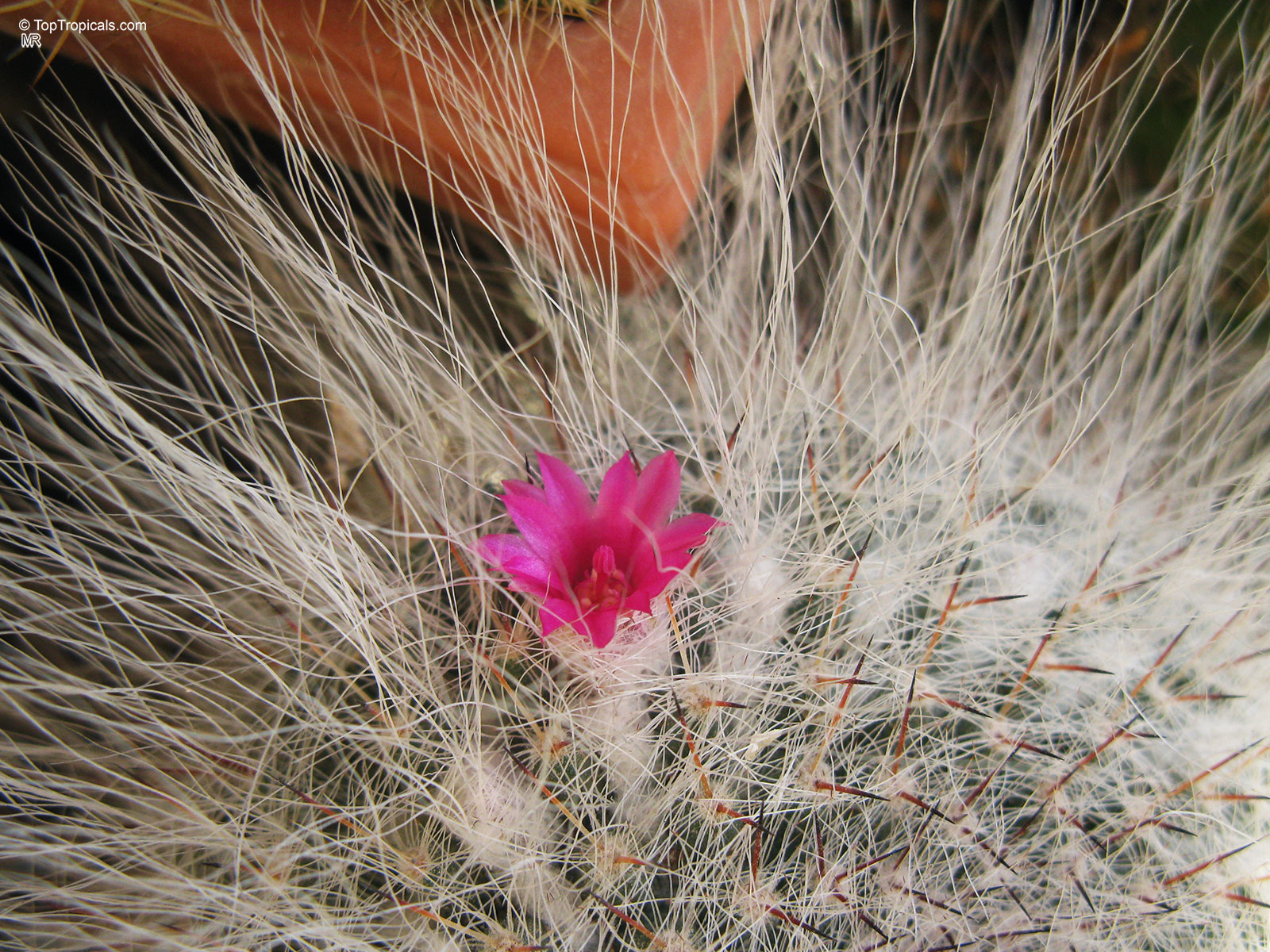
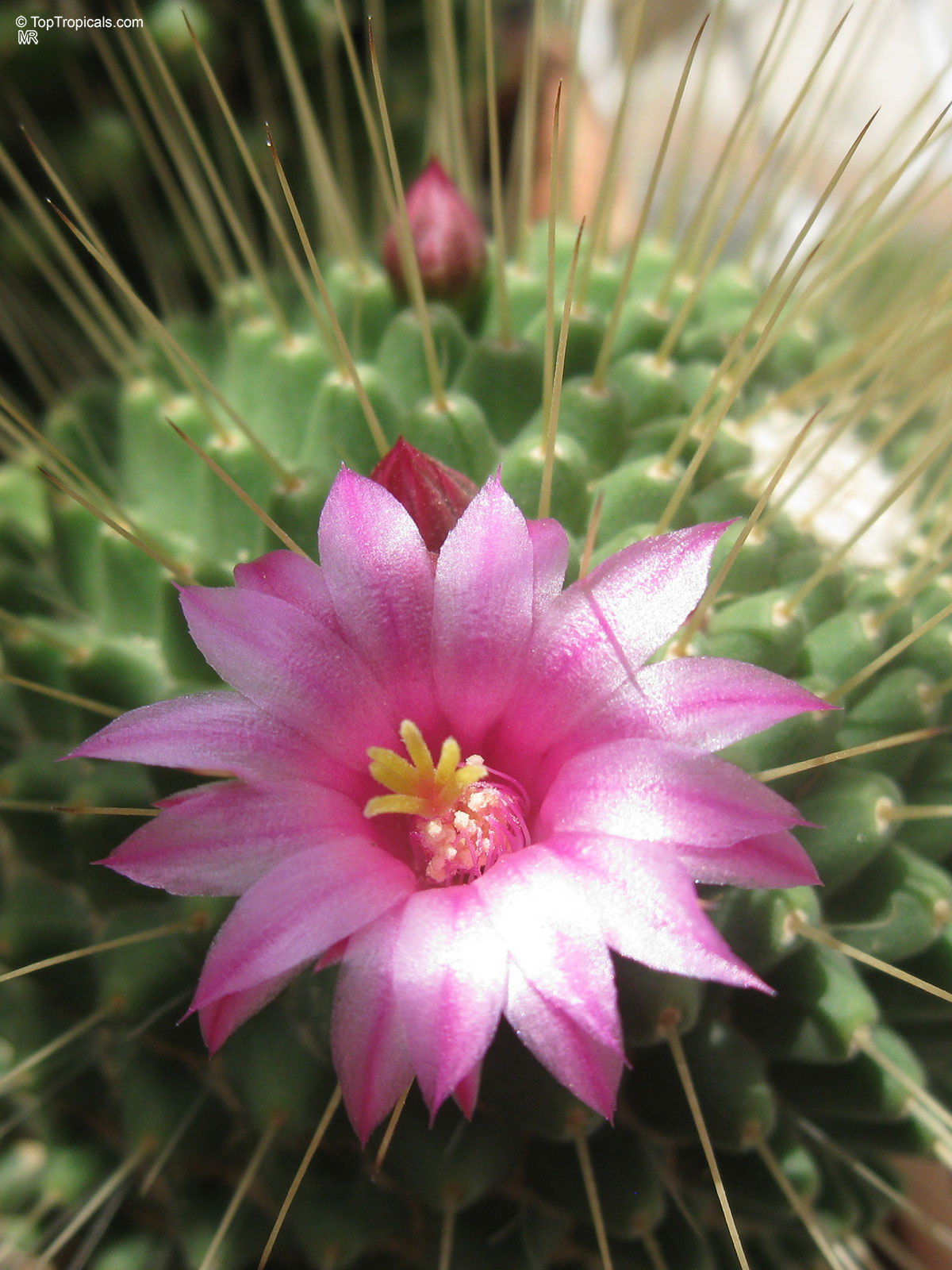
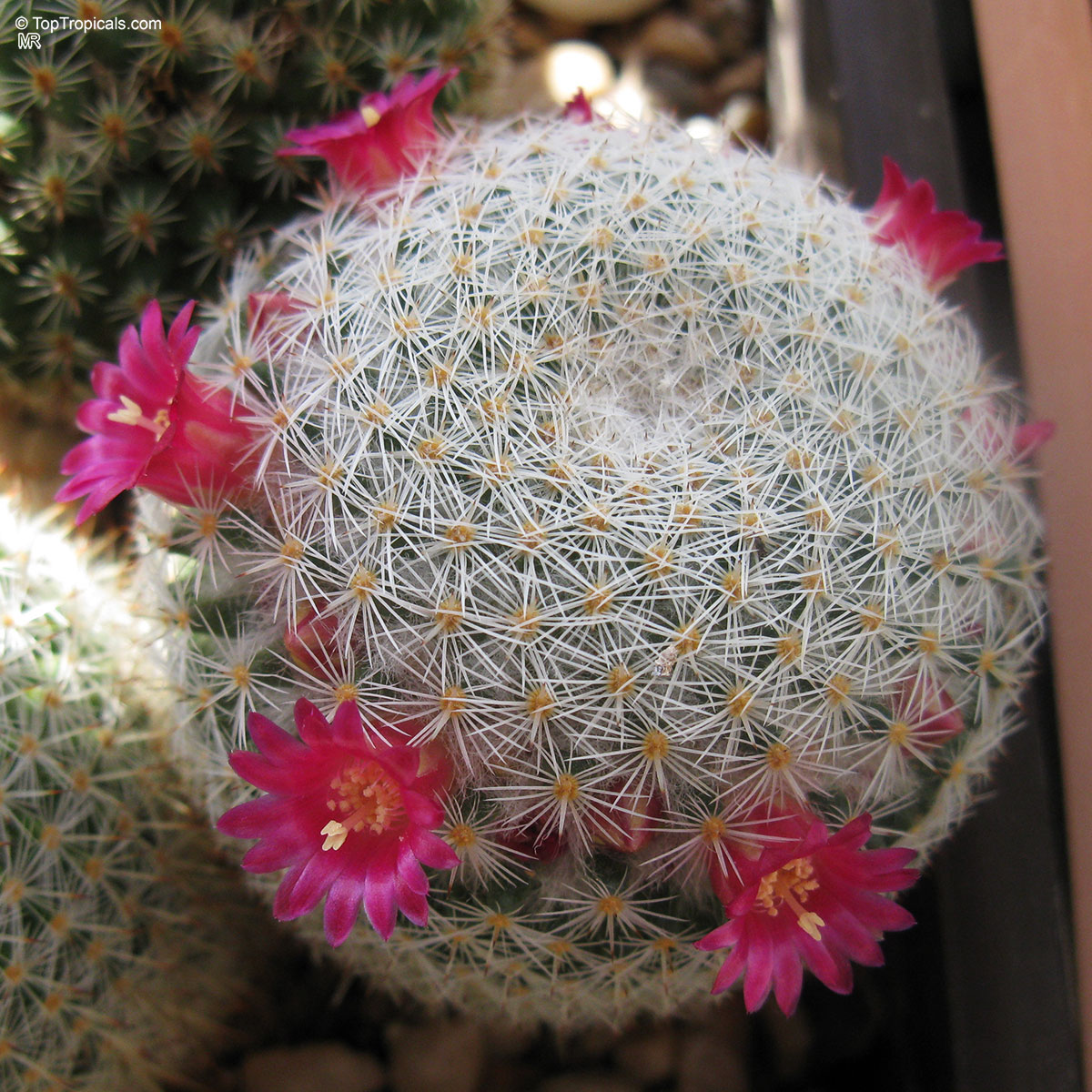
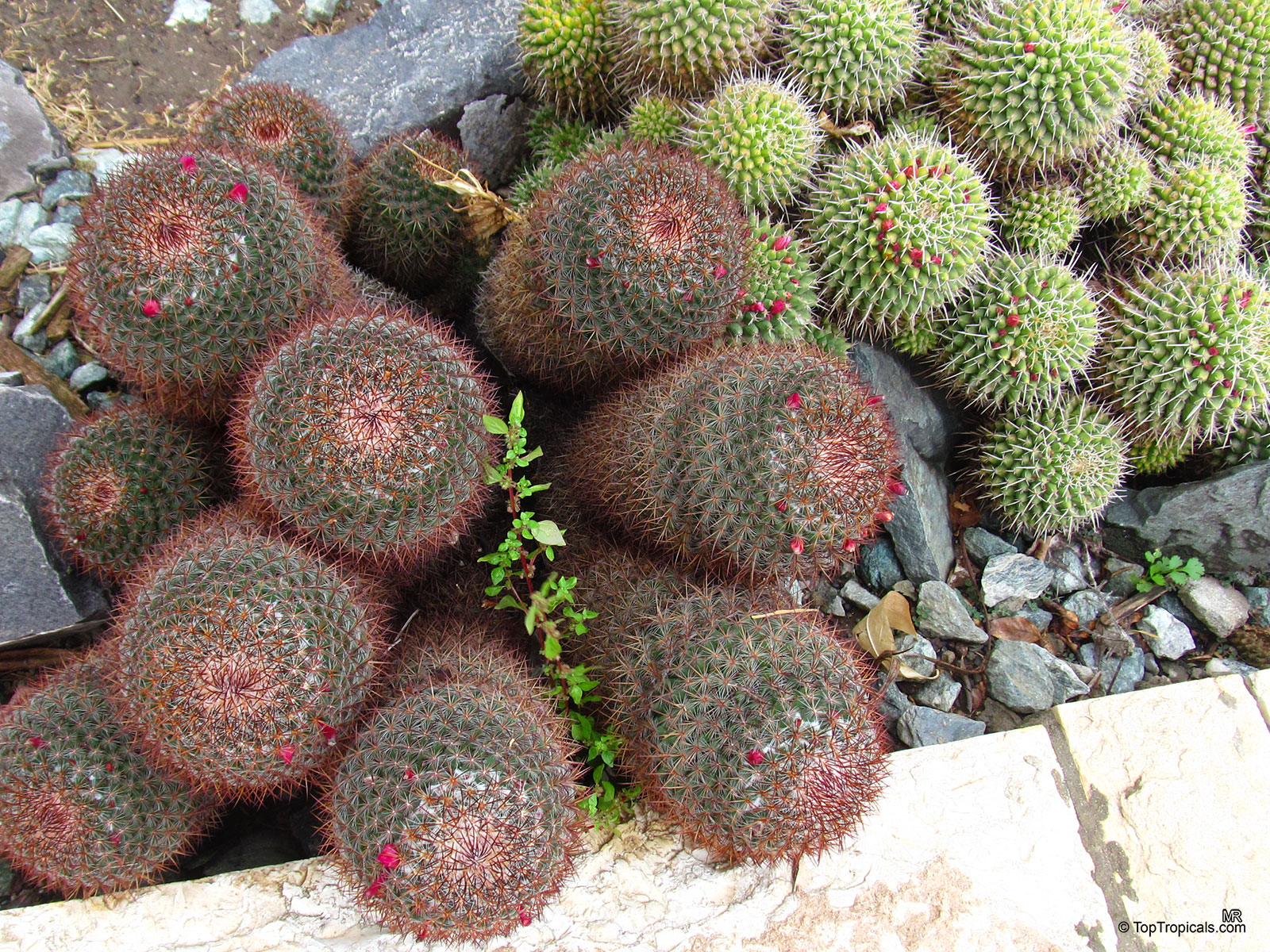
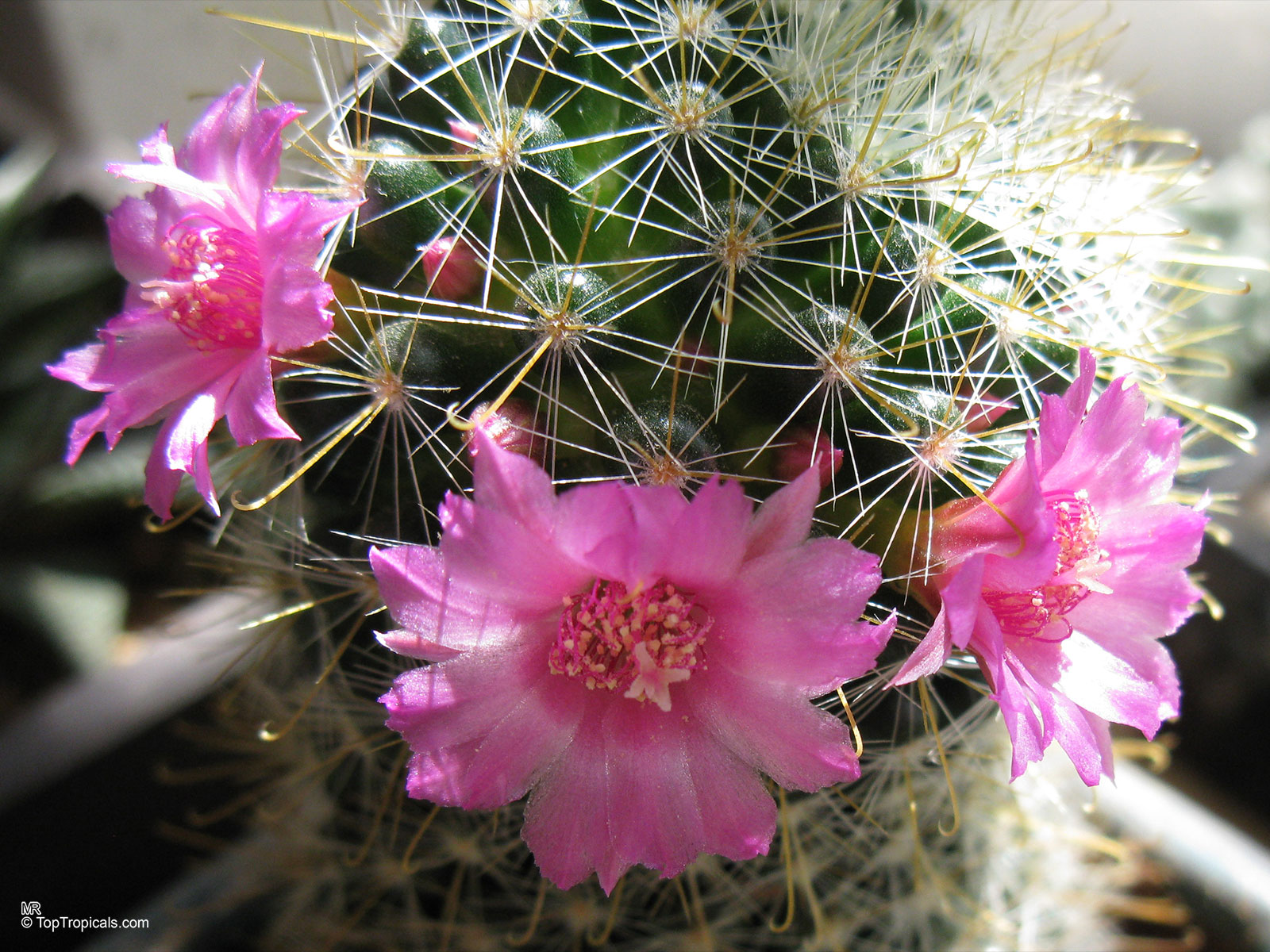
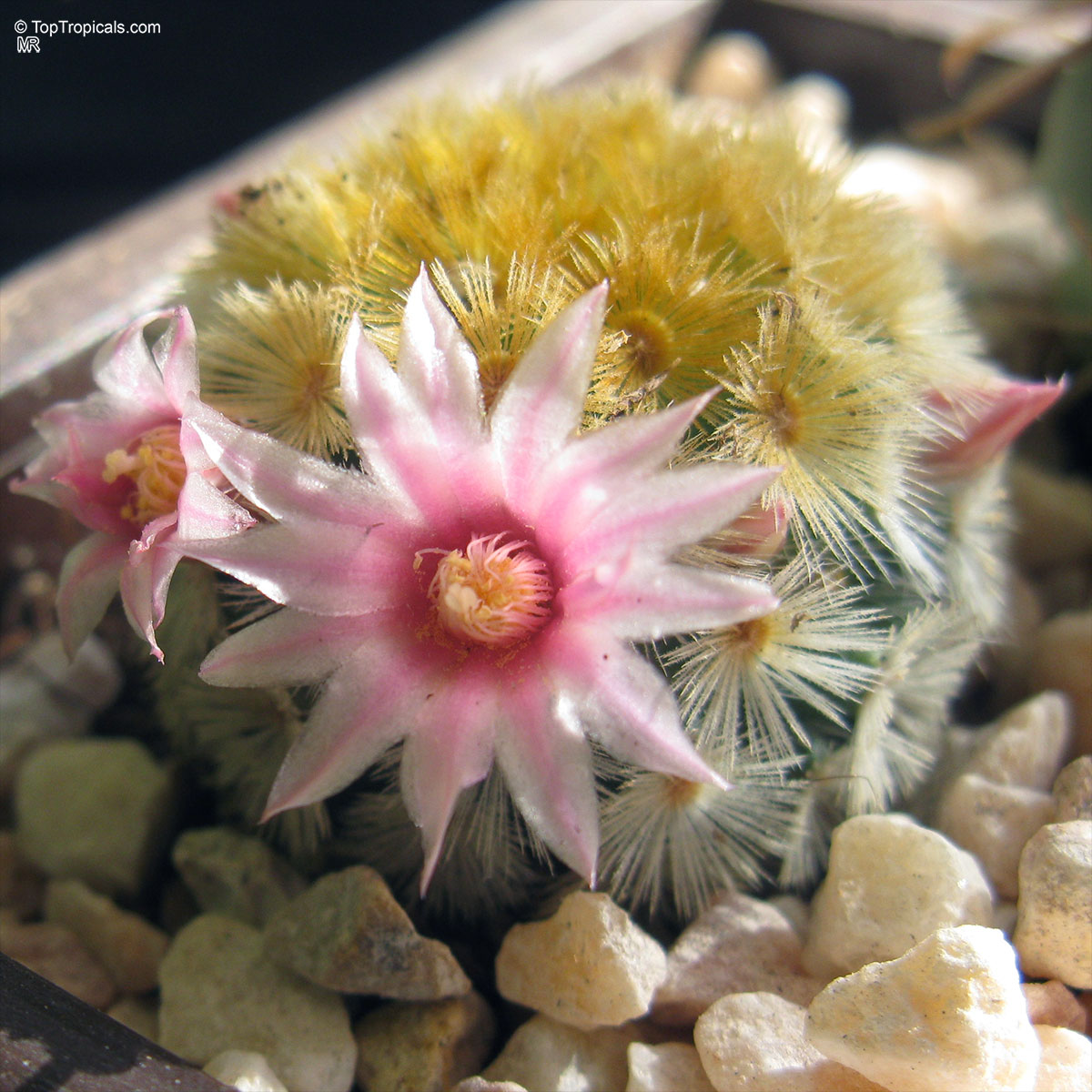
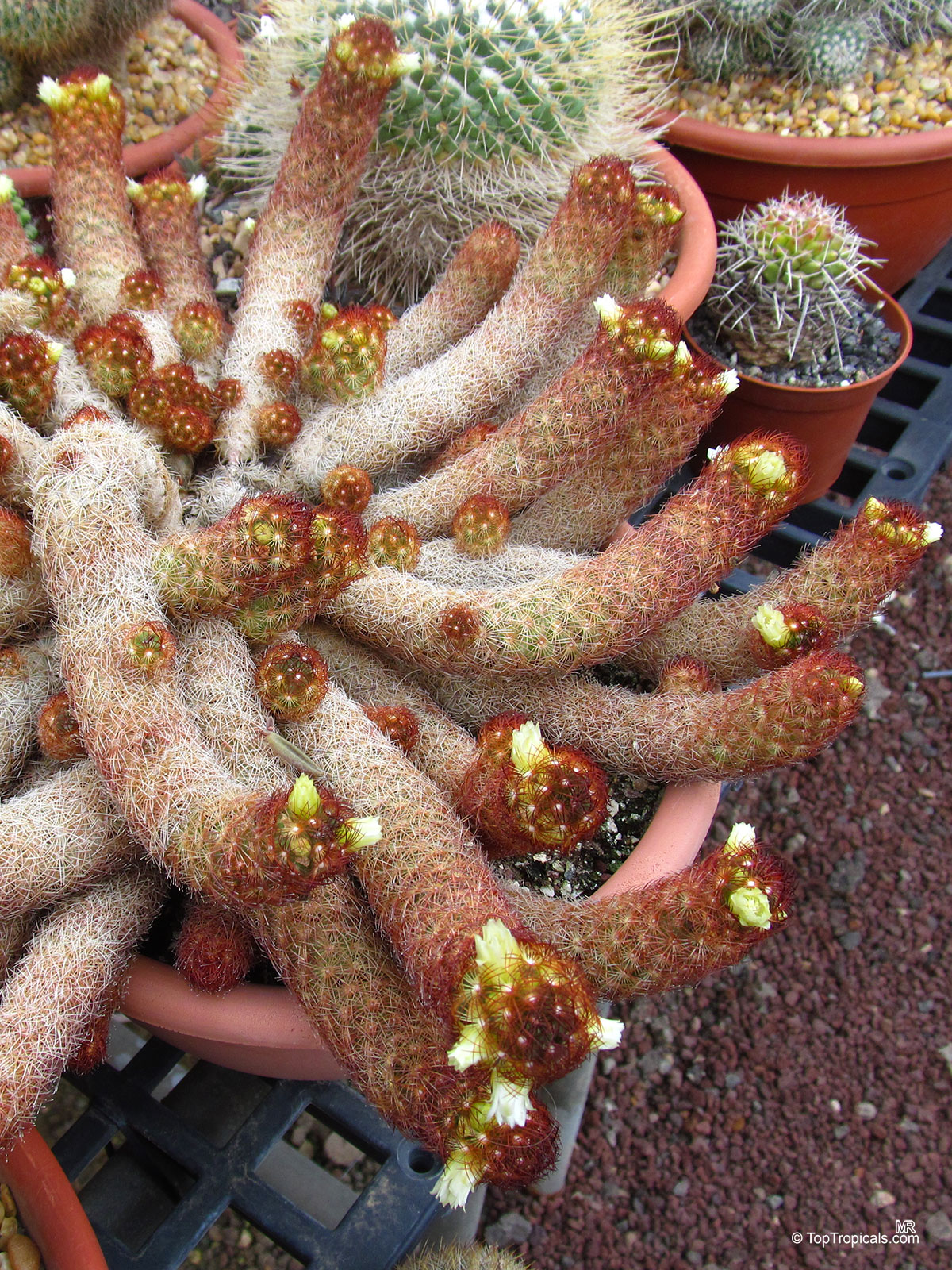
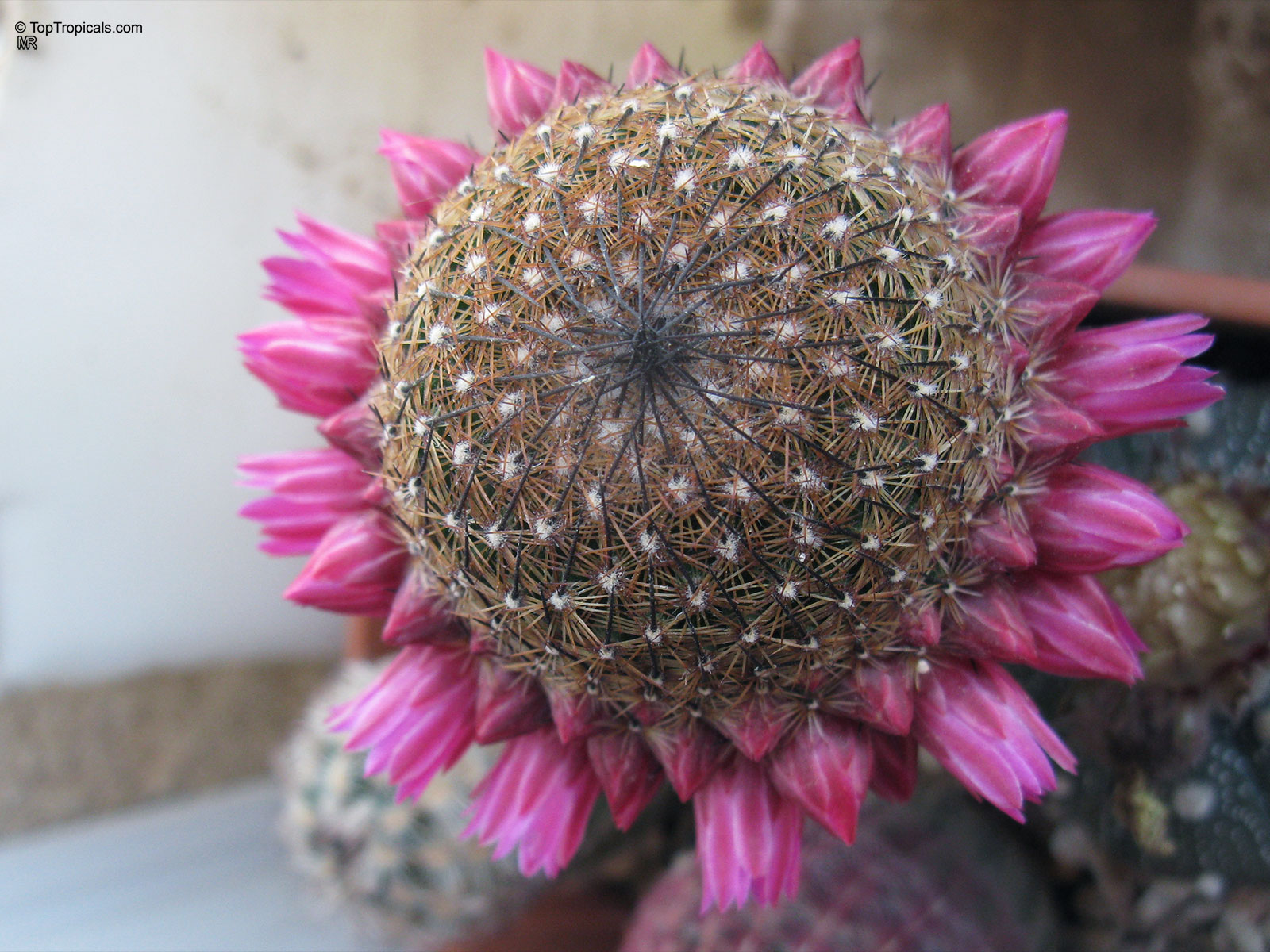
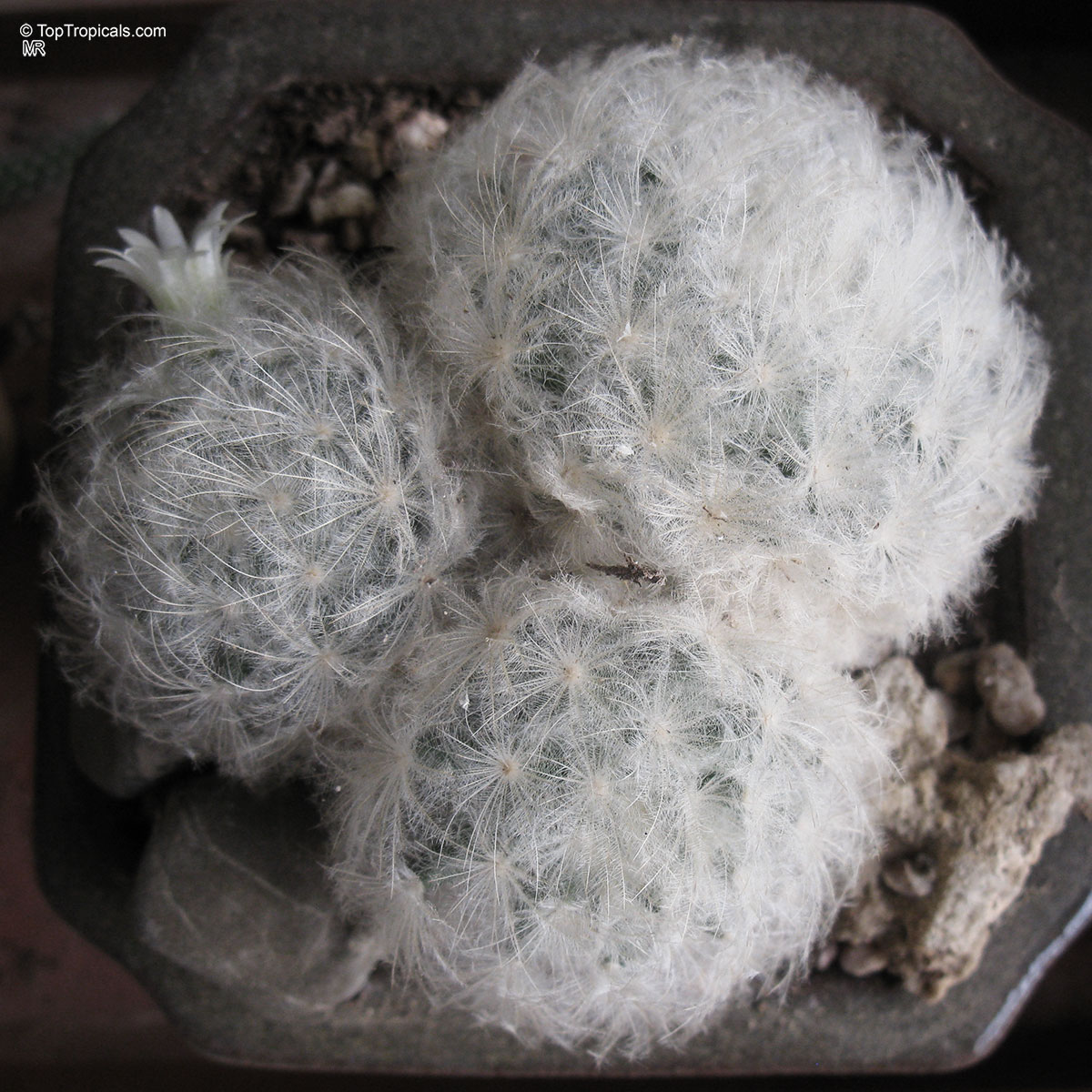
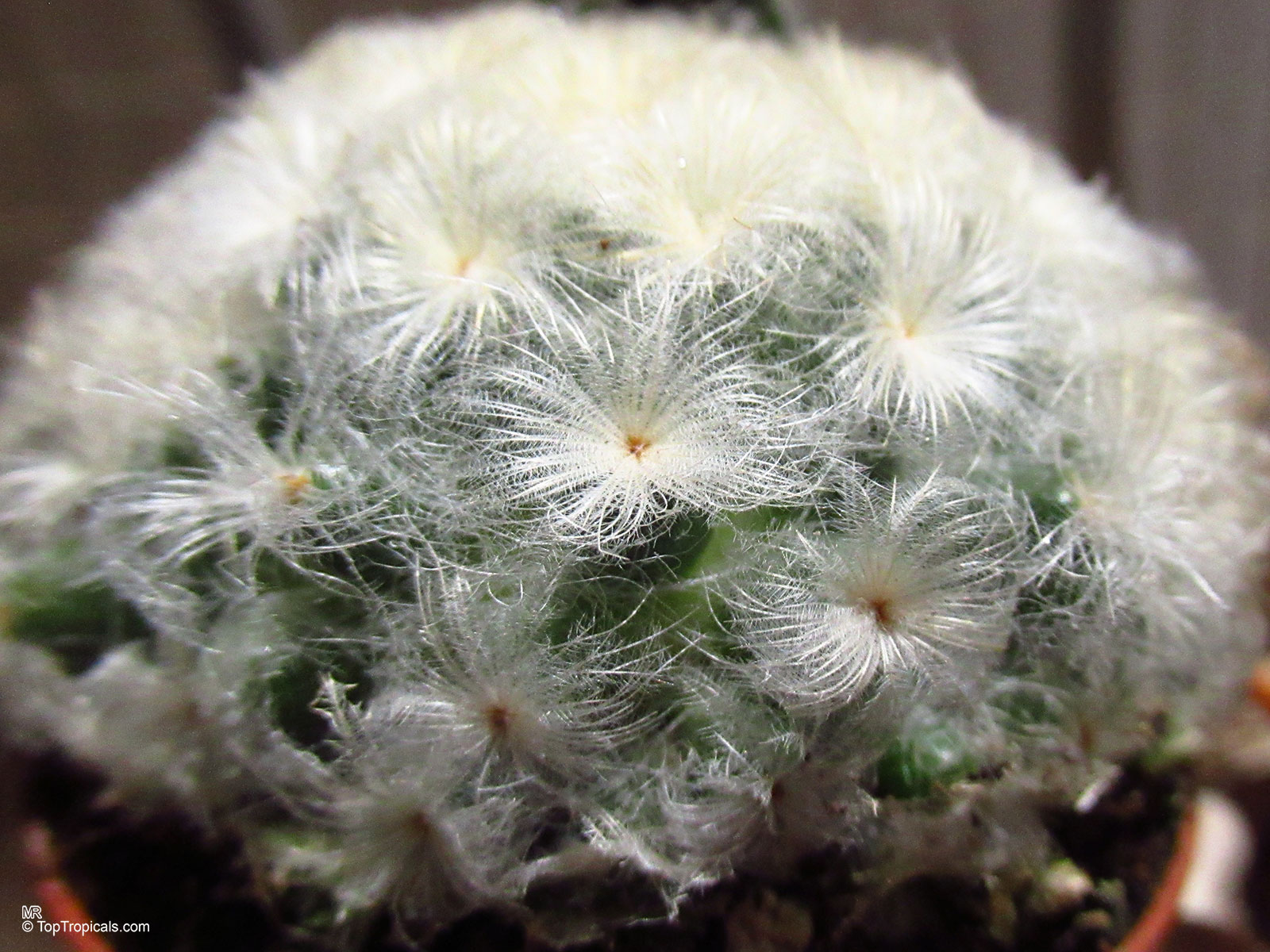
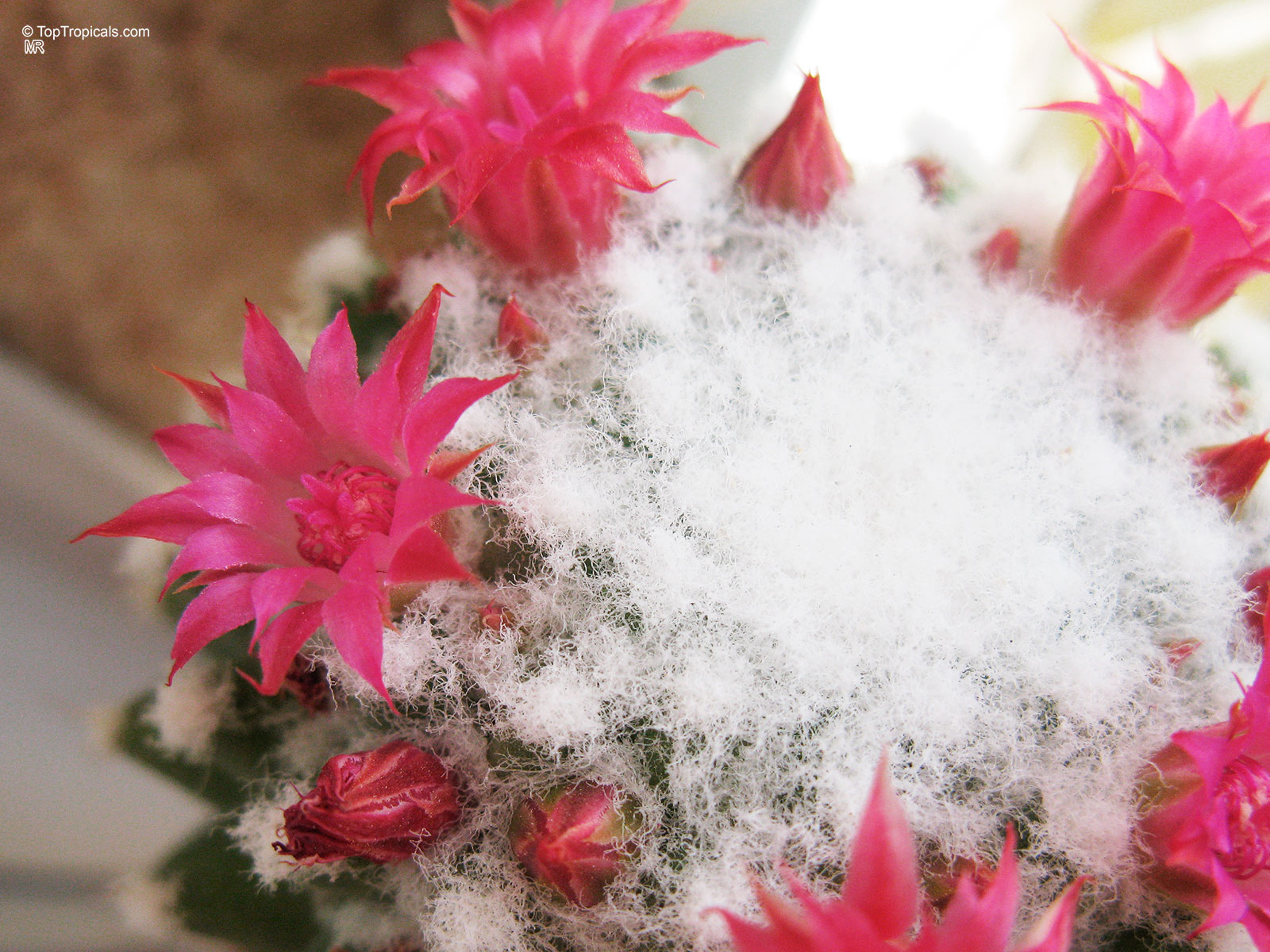
Mammillaria is a large genus of mostly small globular or cylindrical cacti, native primarily to Mexico, with some species extending into the southern United States, Central America, and the Caribbean. What sets them apart from many other cacti is their stem structure: rather than continuous ribs, the surface is composed of individual tubercles, often densely covered in spines that can be fine and hairlike, rigidly hooked, or arranged in decorative radial patterns.
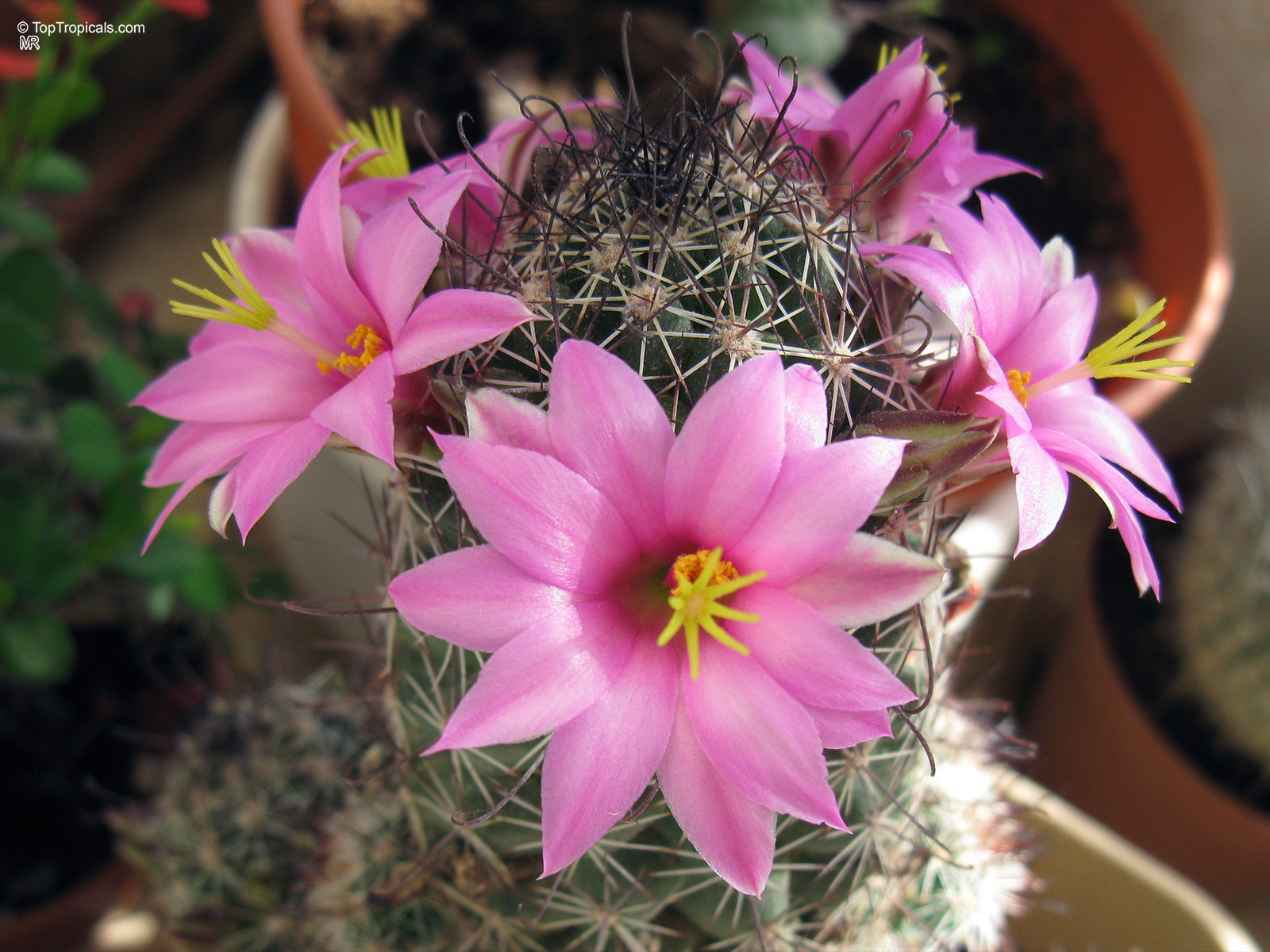
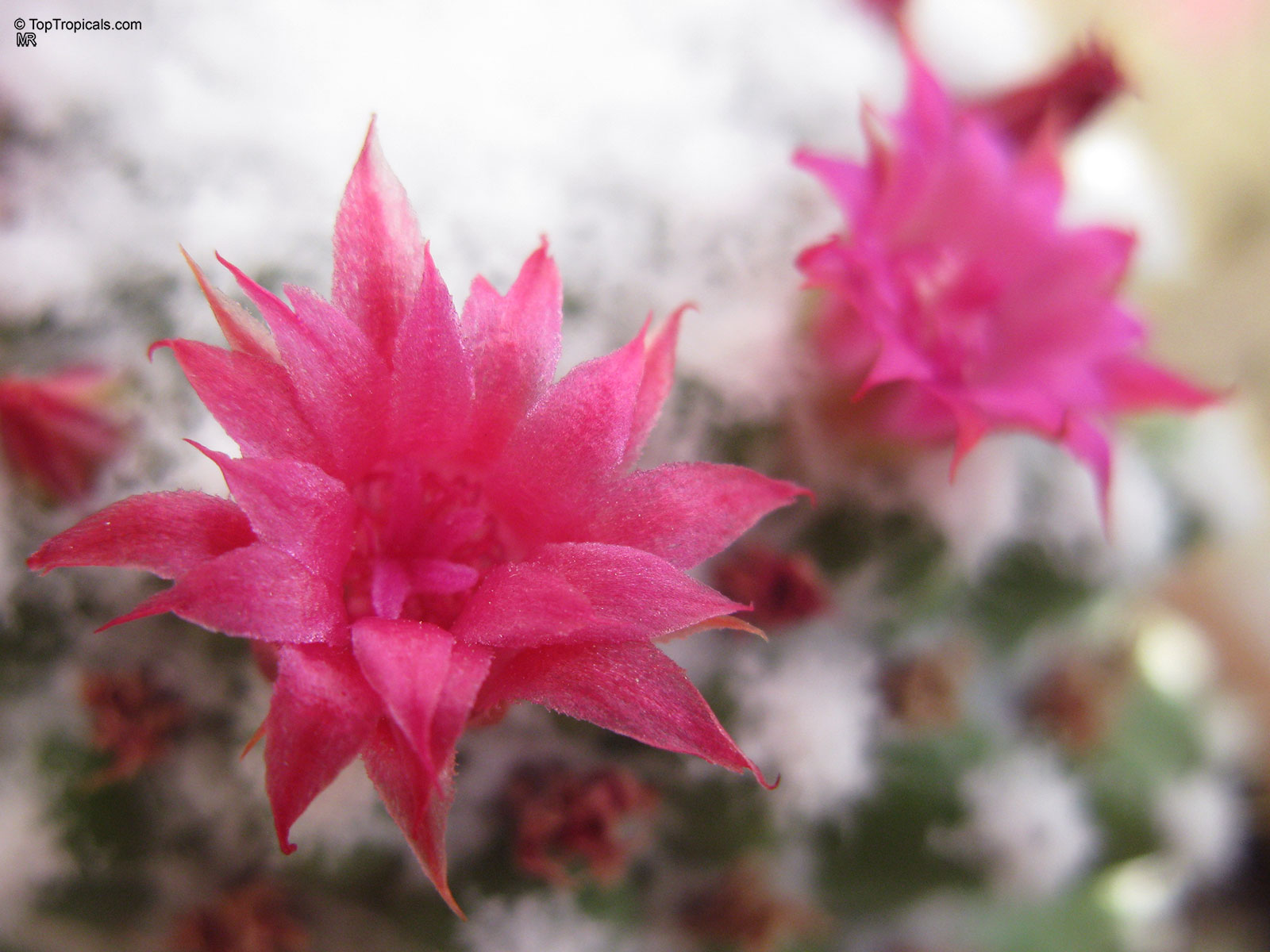
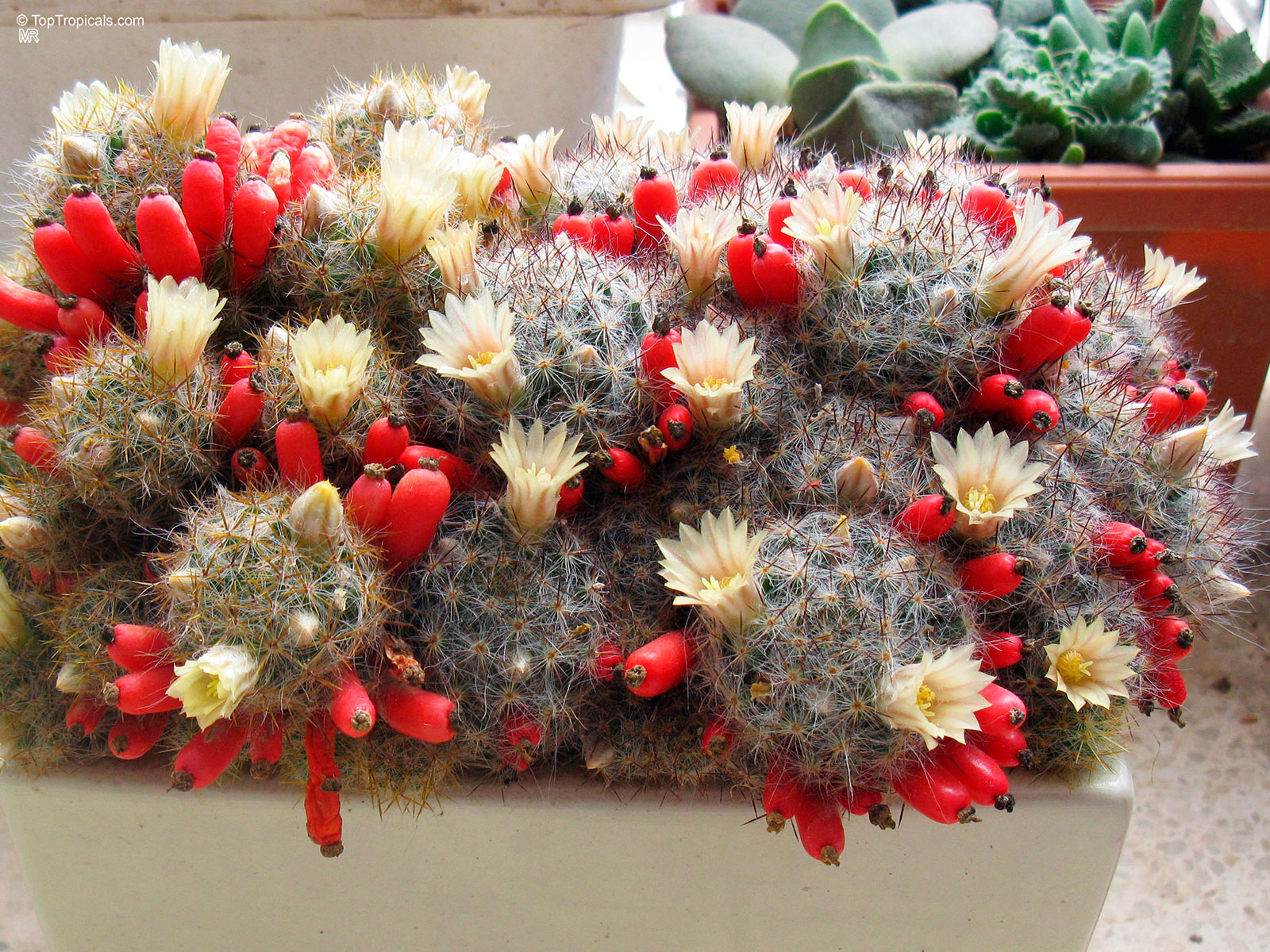
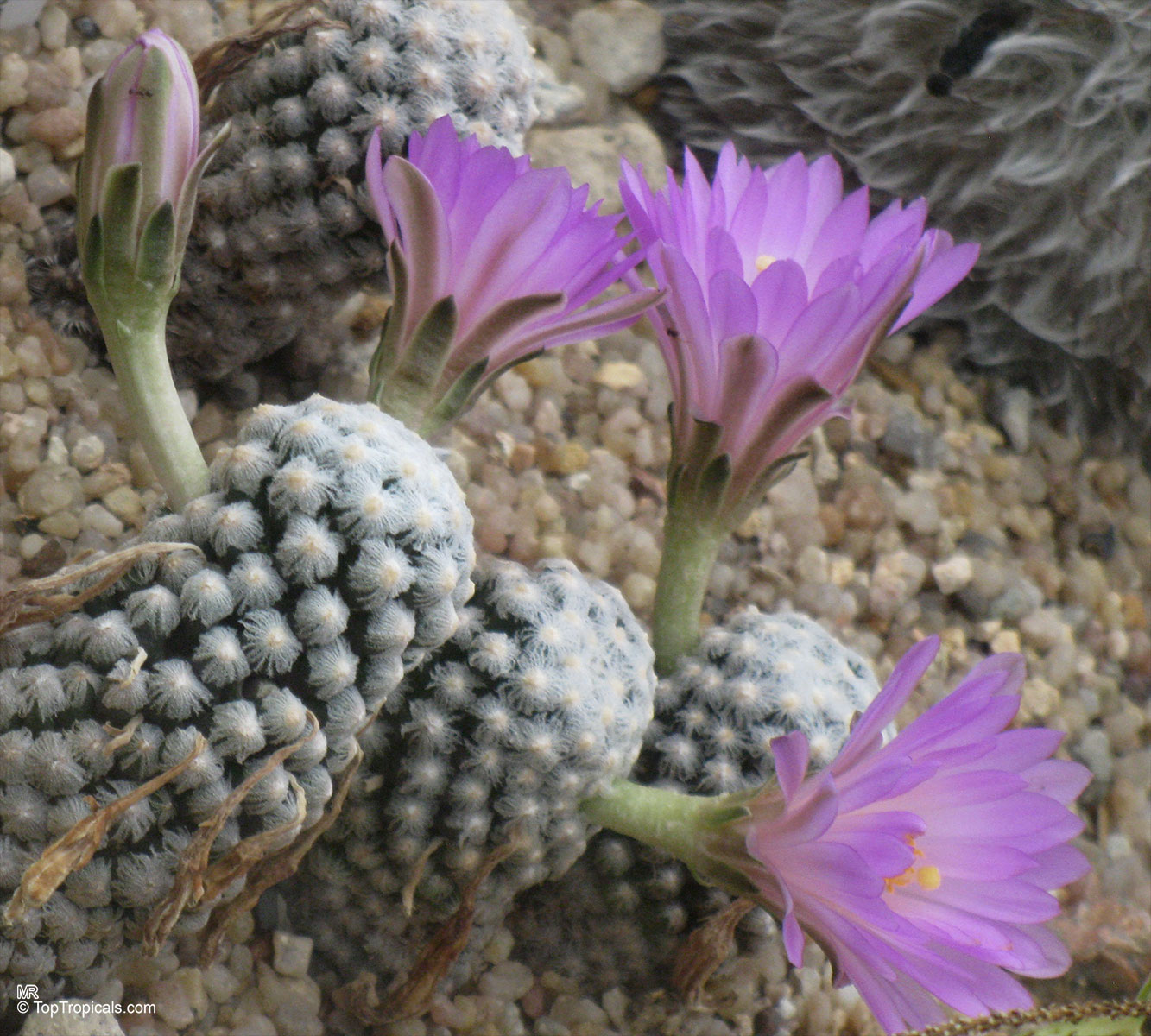
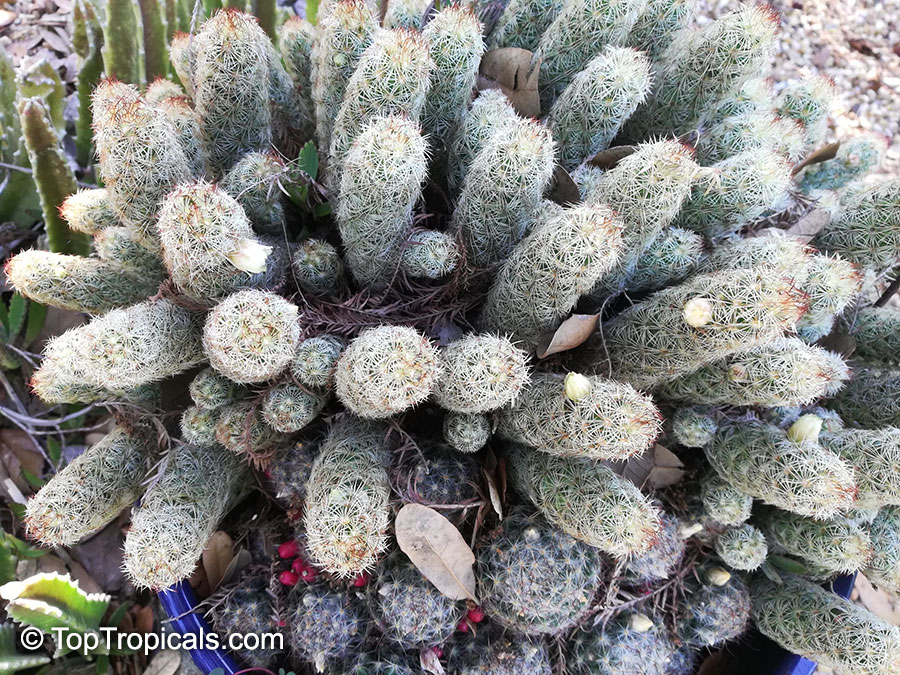
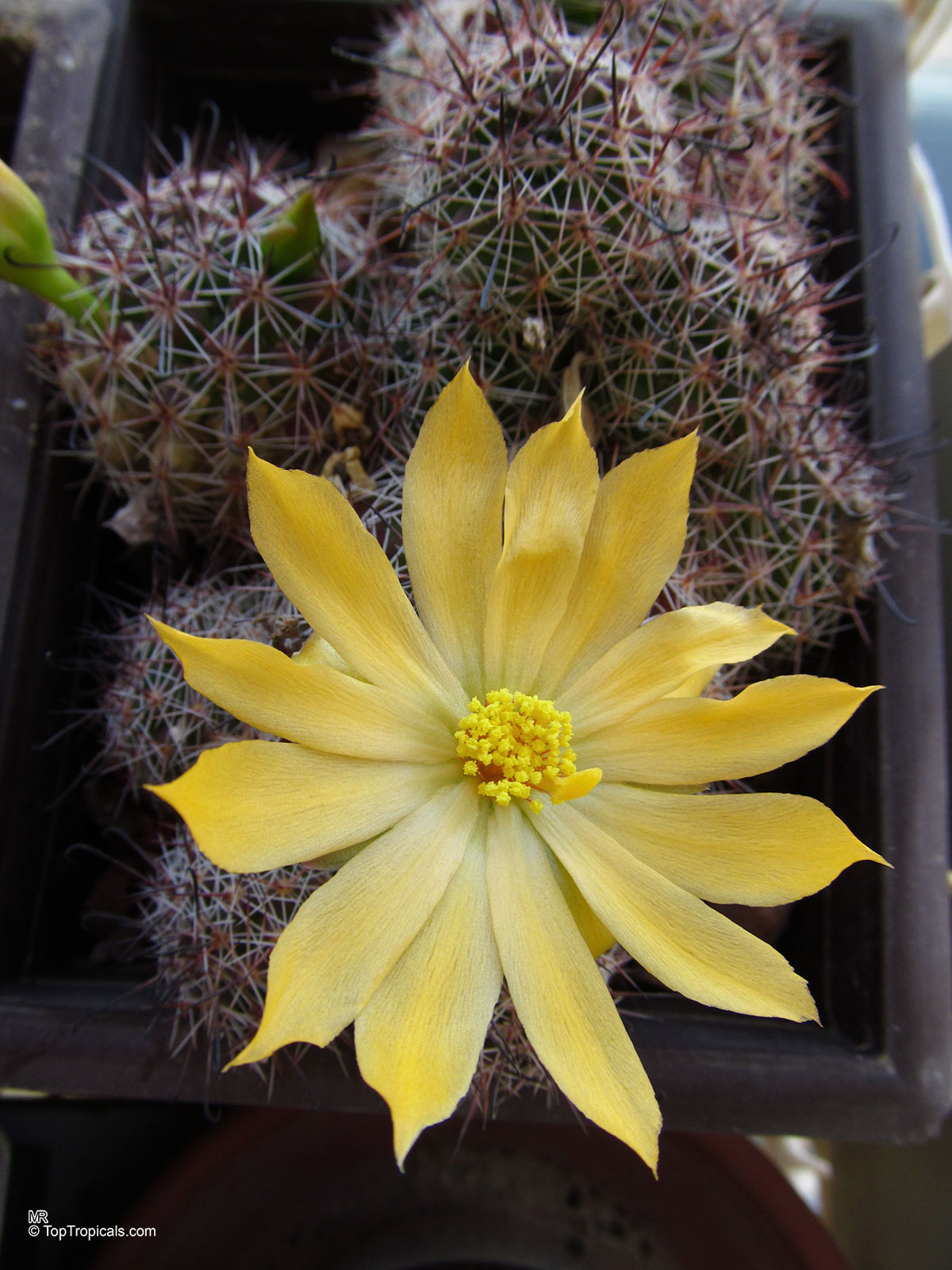
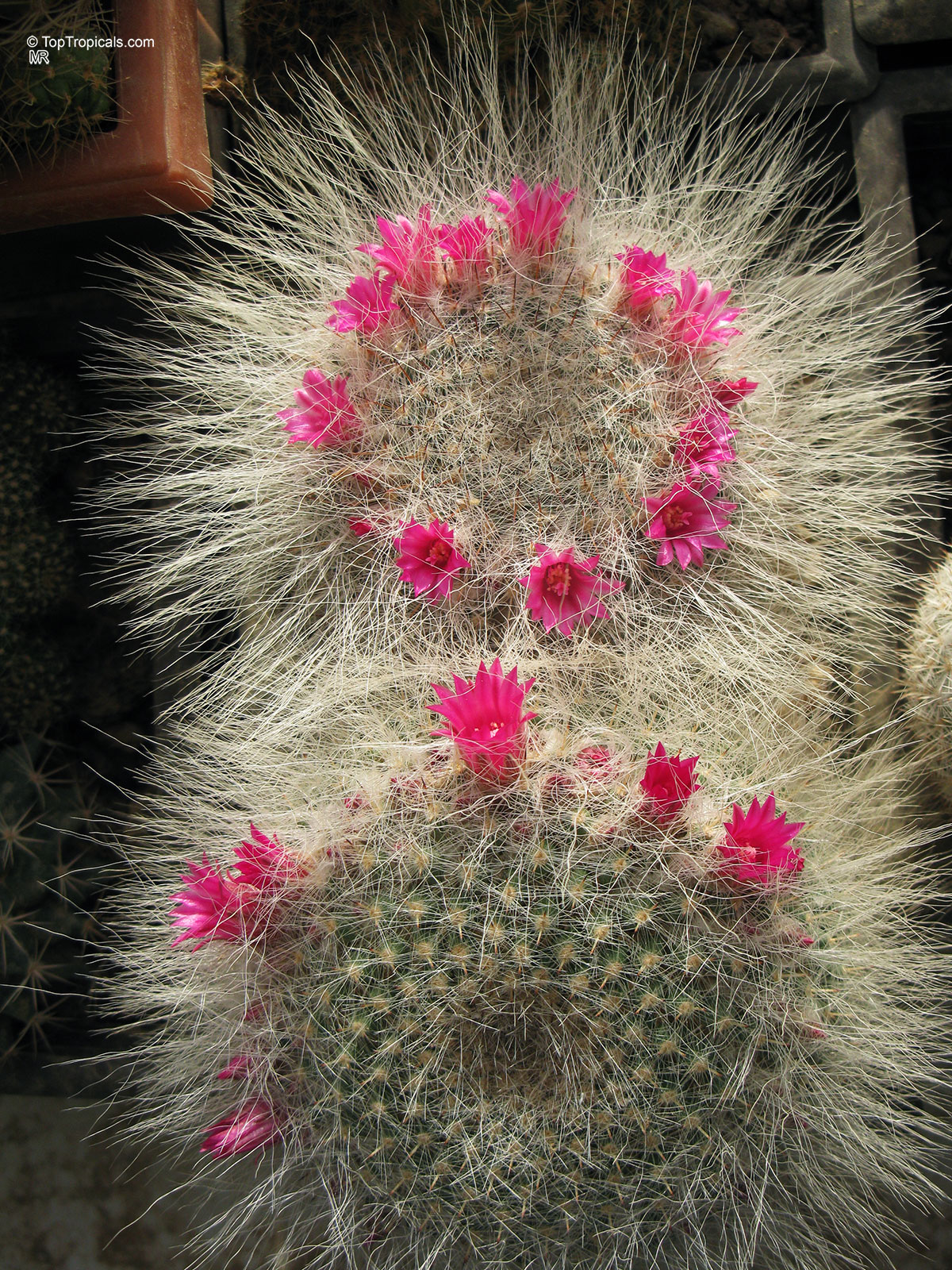
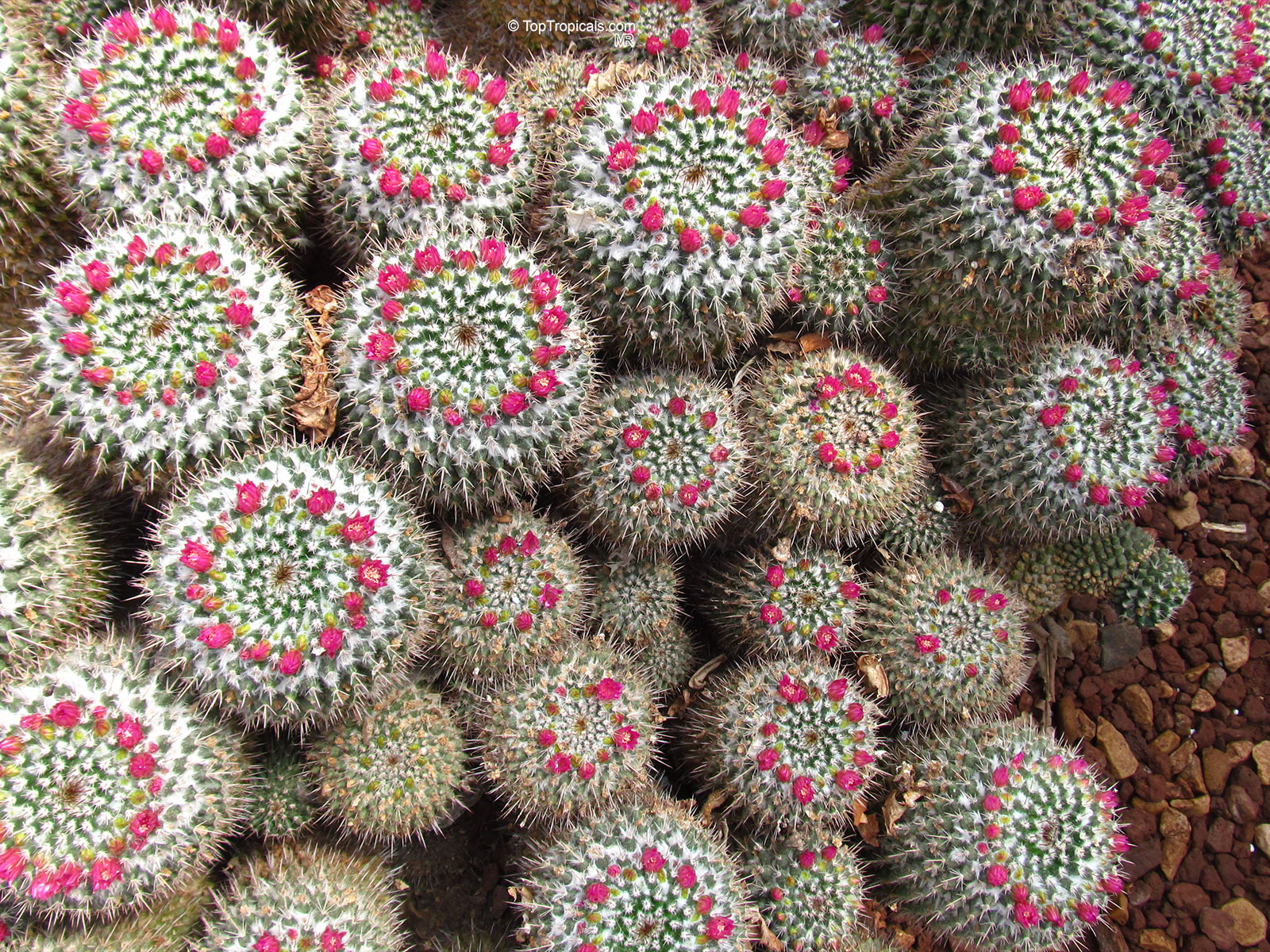
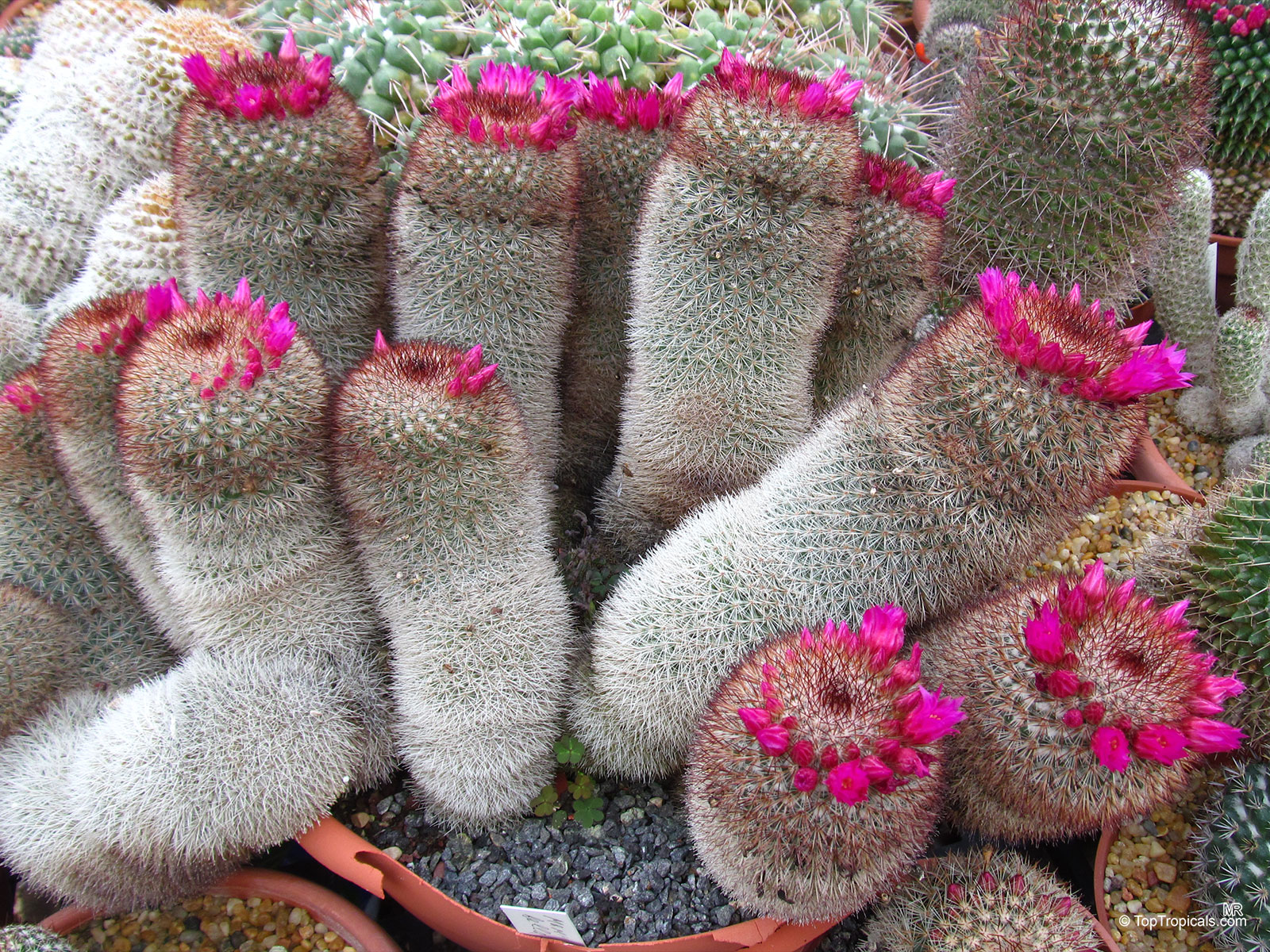
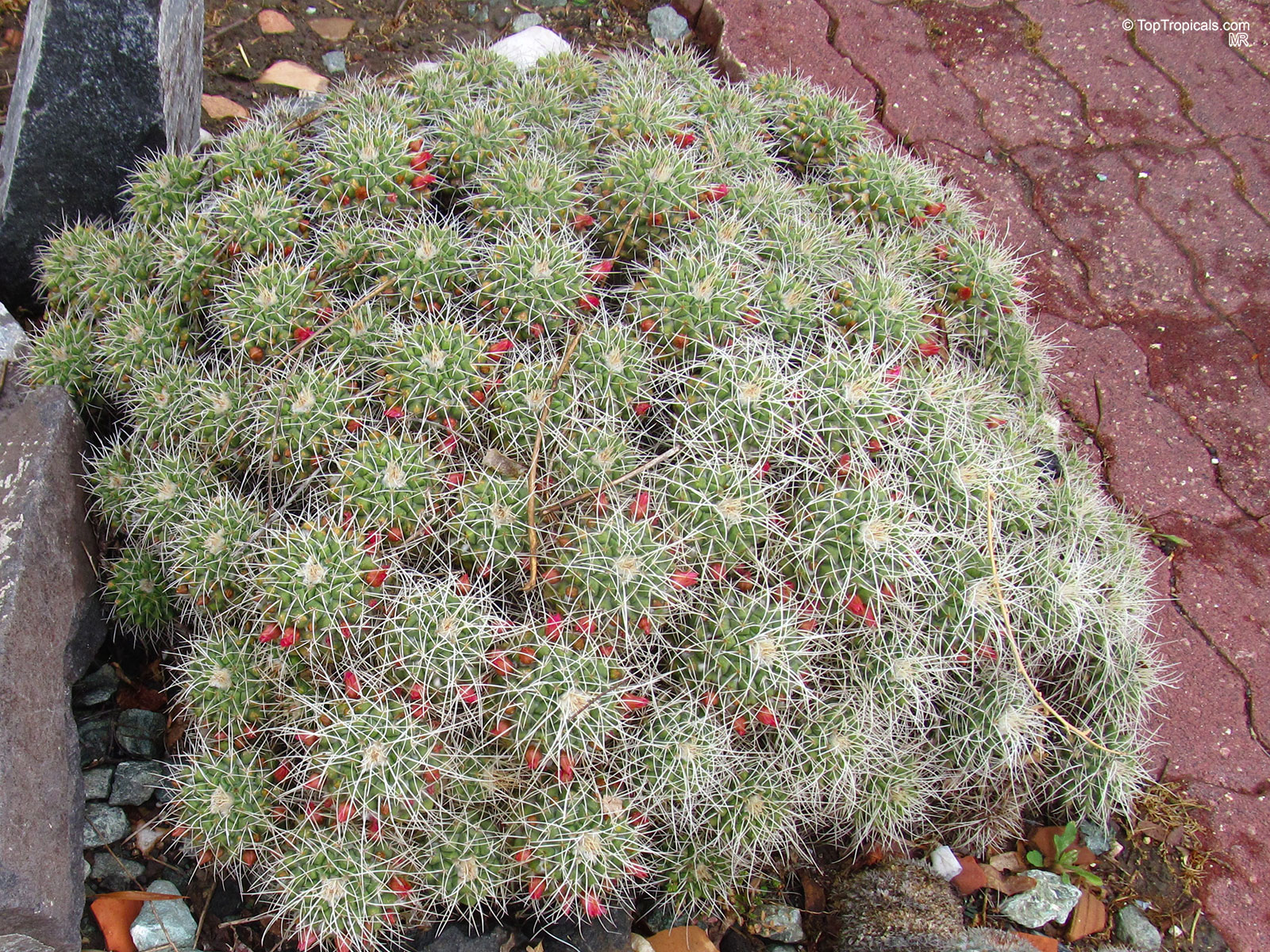
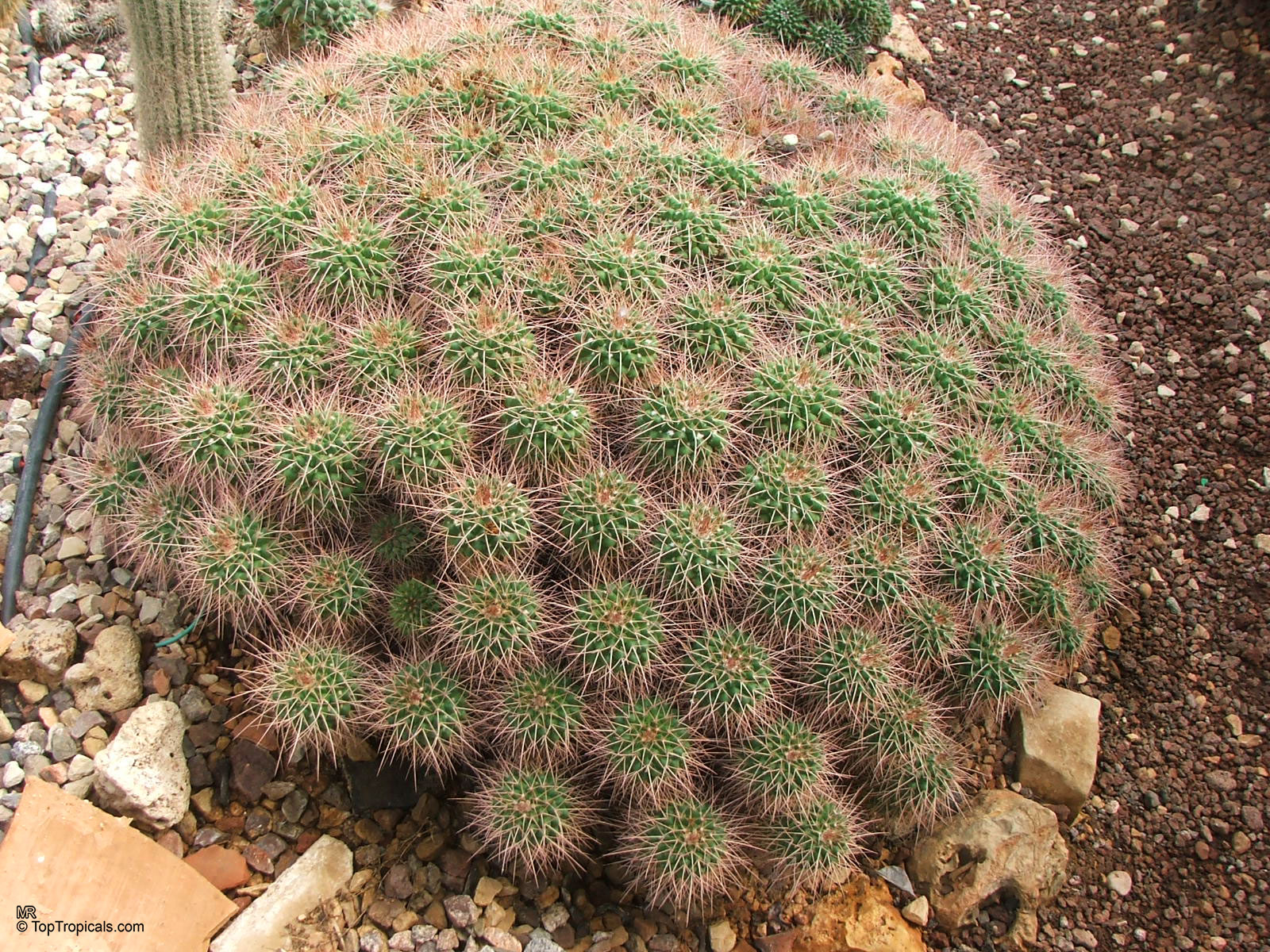
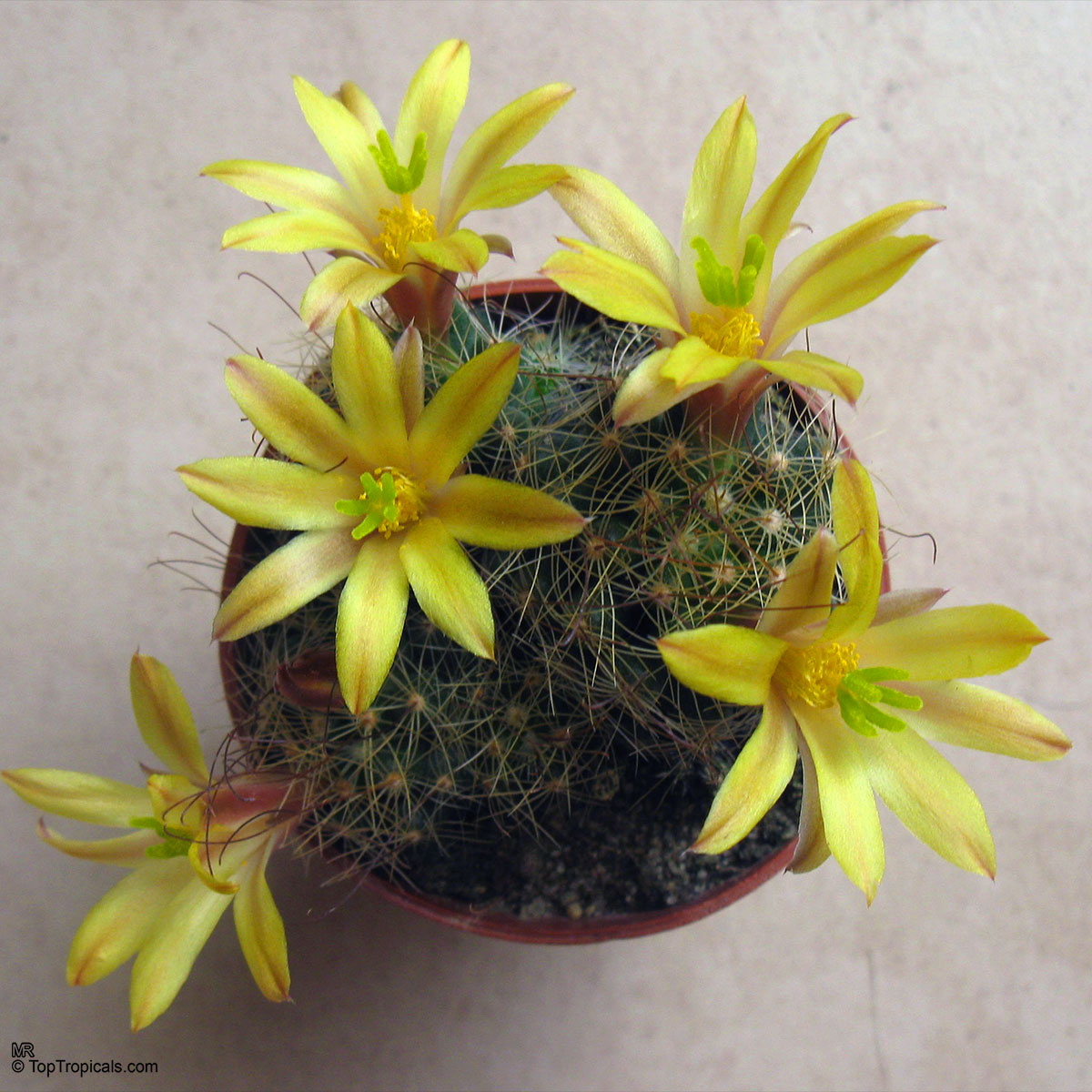
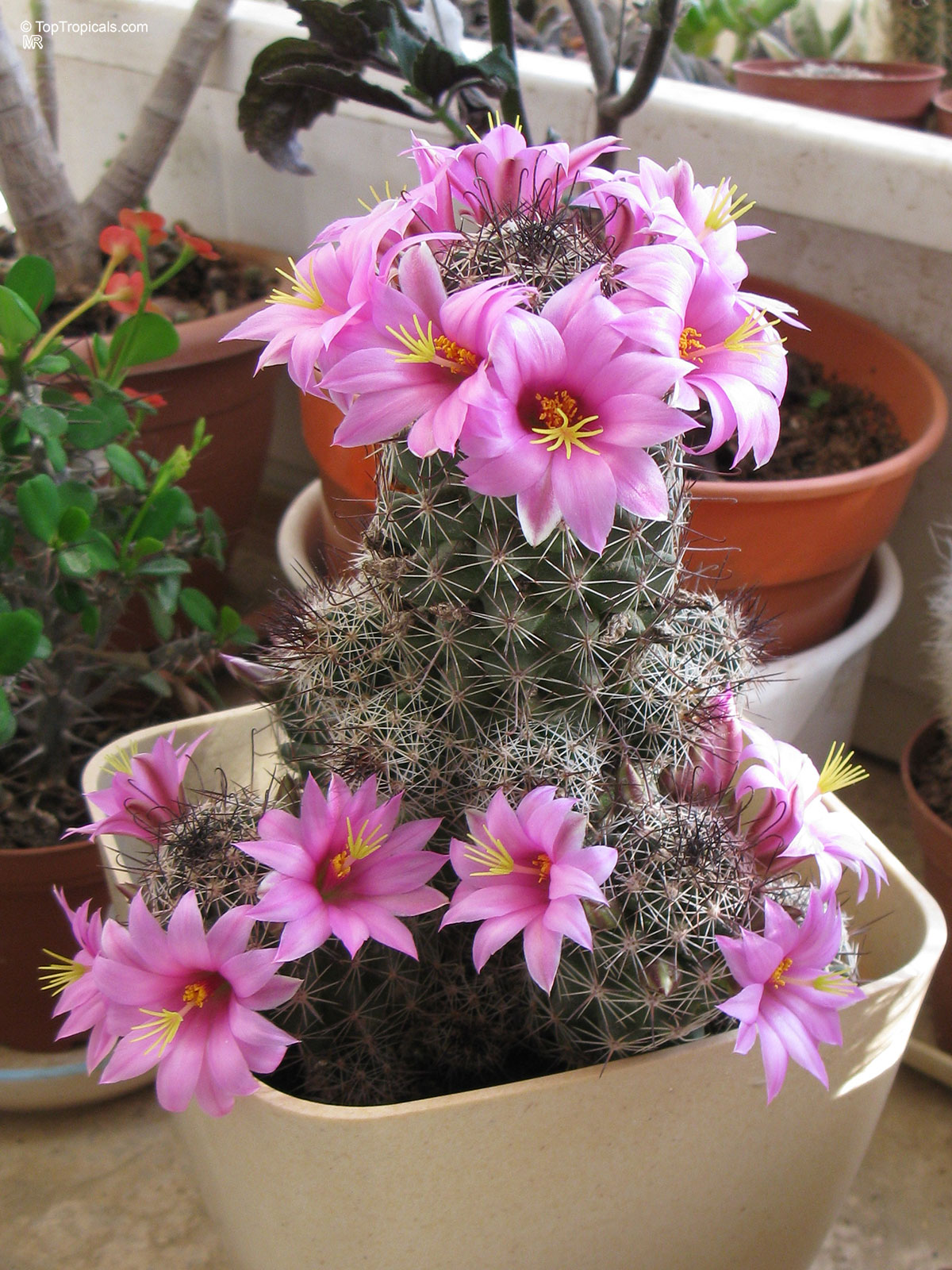
Species vary widely - some form solitary stems, others spread into dense clumping colonies. Most produce rings or crowns of flowers near the stem's apex in shades of white, cream, yellow, pink, red, or magenta, typically followed by elongated brightly colored fruits with small black seeds.
Mammillaria generally prefer bright light, fast-draining mineral-rich soils, and careful watering with good drying periods between irrigations. Most adapt well to container culture, rock gardens, and greenhouse collections. Cold tolerance varies by species, but many suit USDA Zones 9-11, and some hardier forms can briefly withstand lower temperatures when kept dry.