Costus speciosus (Crepe Ginger)
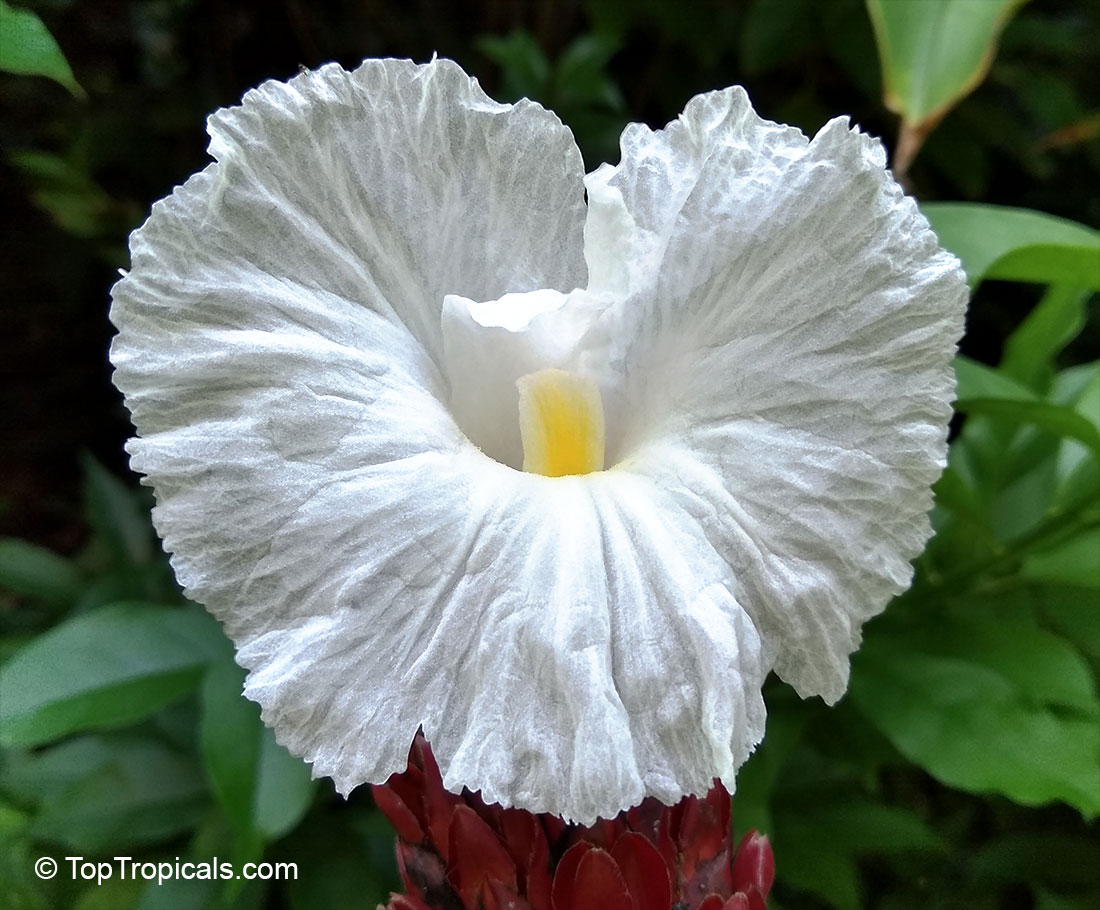
Botanical names: Costus speciosus, Hellenia speciosa, Cheilocostus speciosus
Common names: Crepe Ginger, Spiral Ginger, Wild Ginger
Family: Costaceae
Origin: Southeast Asia
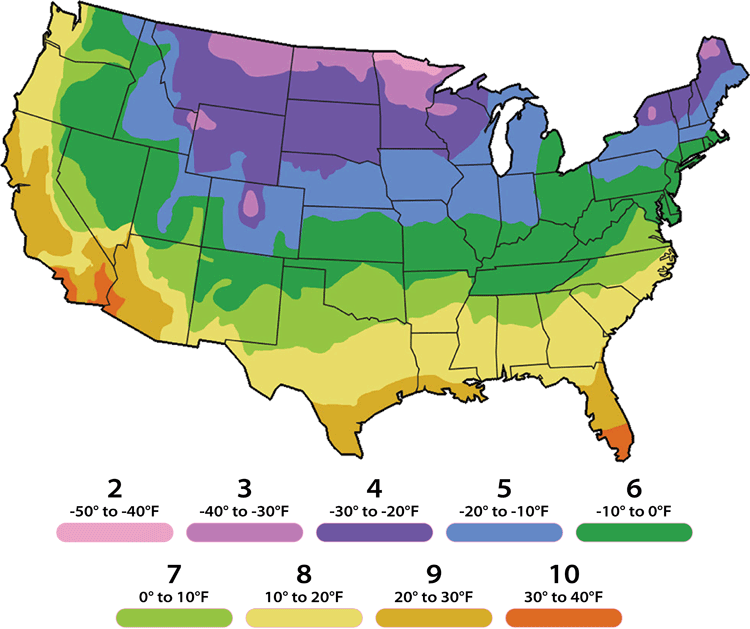
USDA Zone: 9-11
 Plant form: Large bush
 Mature height: 5-10 ft
 Sun exposure: Full sun or bright light indoor; semi-shade
 Cold tolerance: Frost sensitive. Protect from freezing.
 Watering: Regular
 Flower color: White and off-white
 Suitable for: Outdoors in the suitable USDA zone; small gardens, containers, and indoor growing
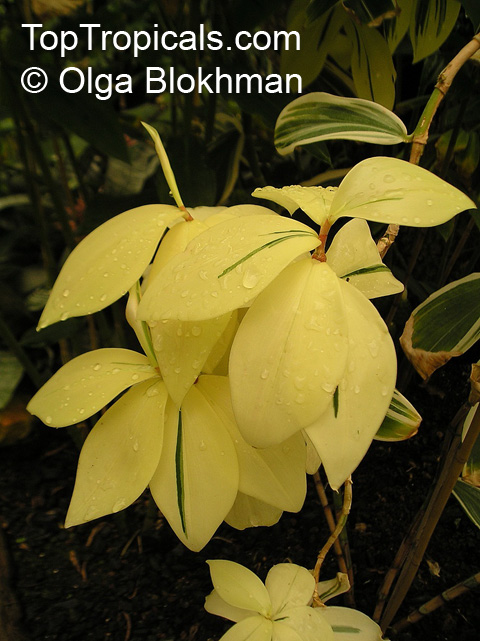
 Foliage color: Ornamental foliage
 Fragrance: Fragrant; perfume plant
 Wildlife: Attracts butterflies and hummingbirds
 Ethnomedical: Ethnomedical plant, traditionally used in folk or indigenous medicine
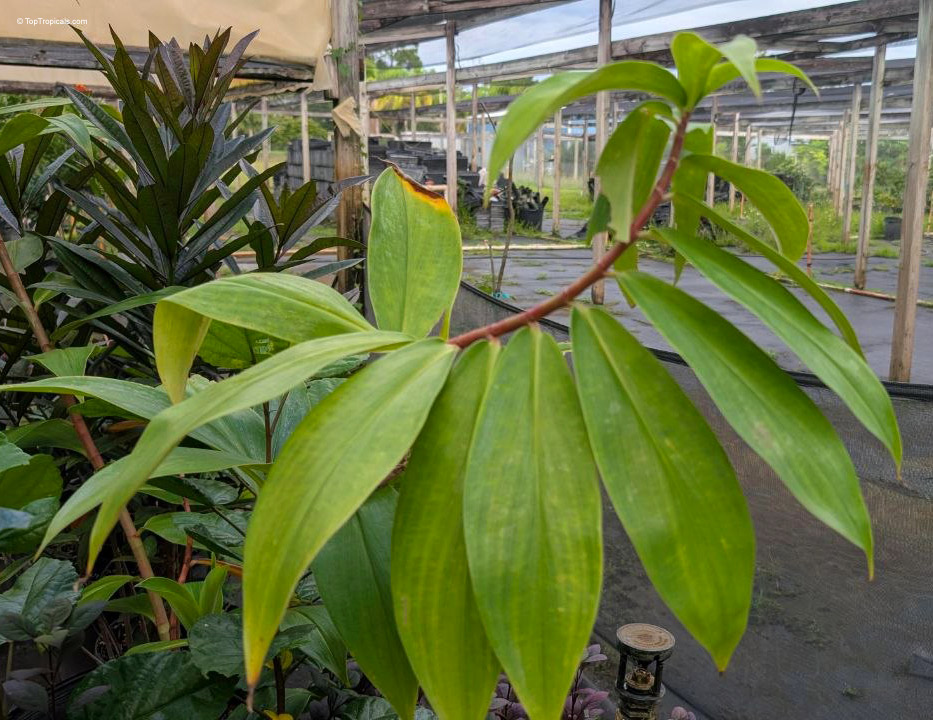
Hellenia speciosa, commonly known as crepe ginger or spiral ginger, is a tropical perennial in the Costaceae family, native to Southeast Asia. It was long known as Costus speciosus, a name still widely encountered in horticulture. The plant develops tall, cane-like, spirally arranged leafy stems arising from underground rhizomes and may reach 6-10 ft in favorable conditions. Large dark green leaves create a lush tropical appearance. Dense terminal cone-like inflorescences consist of overlapping deep red bracts from which large, crinkled white flowers emerge, giving rise to the common name crepe ginger. The striking red cones may remain decorative after individual flowers fade.
Hellenia speciosa grows best in warm, humid conditions in full sun to partial shade and fertile, organic-rich soil. It appreciates regular moisture during active growth but requires reasonable drainage. Rhizomes spread readily and can form substantial clumps, making the plant effective for tropical borders, screens, and waterside plantings where soil remains moist. Propagation is mainly by division of the rhizomes. In cooler climates the stems may die back during winter and regrow from protected rhizomes. It is generally suitable outdoors in USDA Zones 9-11.
Similar plants: Costus speciosus (Crepe Ginger)
- Costus afer (Spiral Ginger)
- Costus arabicus ''Bicolor Variegated'' (Variegated Spiral Ginger)
- Costus erythrophyllus (Ox Blood Costus)
- Costus fissiligulatus (African Princess)
- Costus igneus (Insulin Plant)
- Costus lucanusianus (African Spiral Flag)
- Costus malortieanus (Stepladder Ginger)
- Costus productus (Costus)
- Costus sp. (Spiral Ginger)
- Costus spicatus (Red Button Ginger)
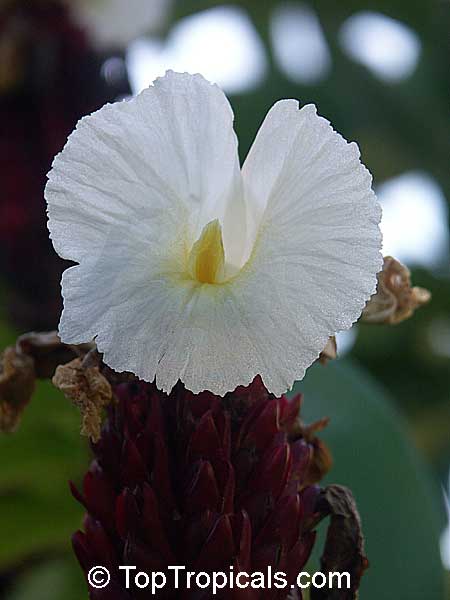
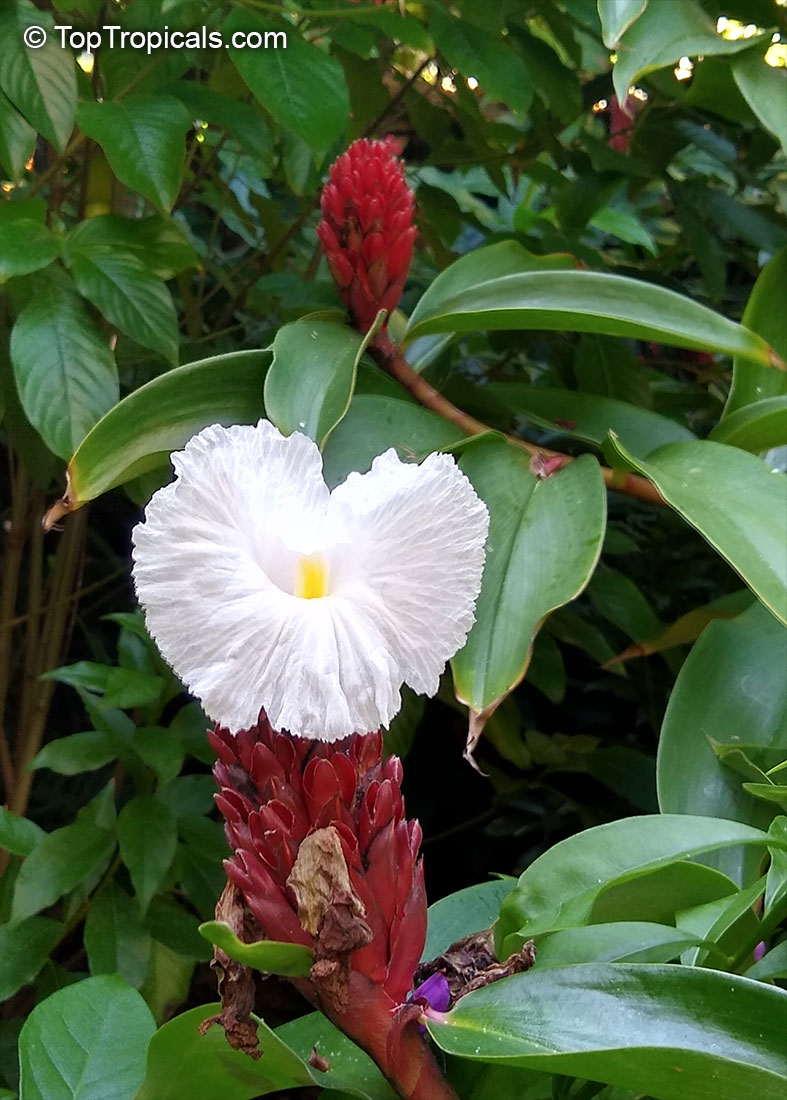
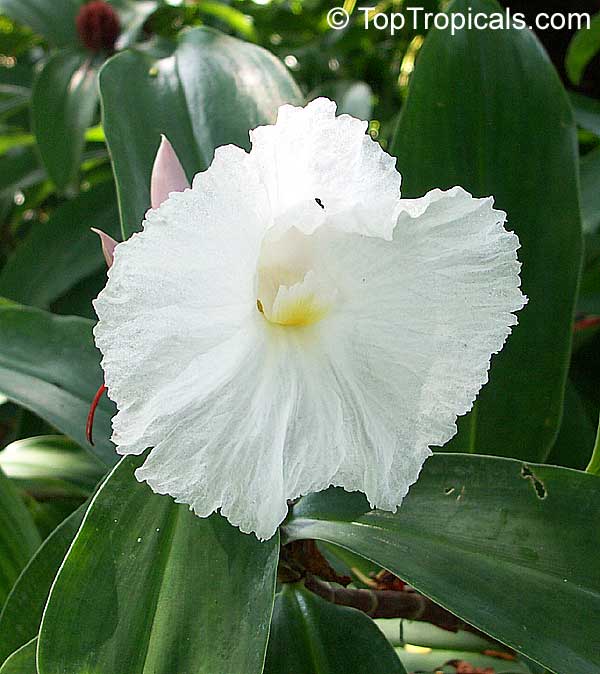
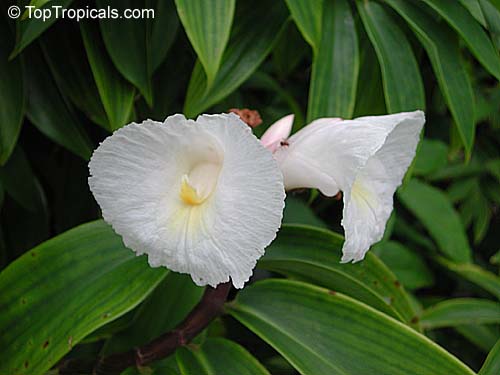
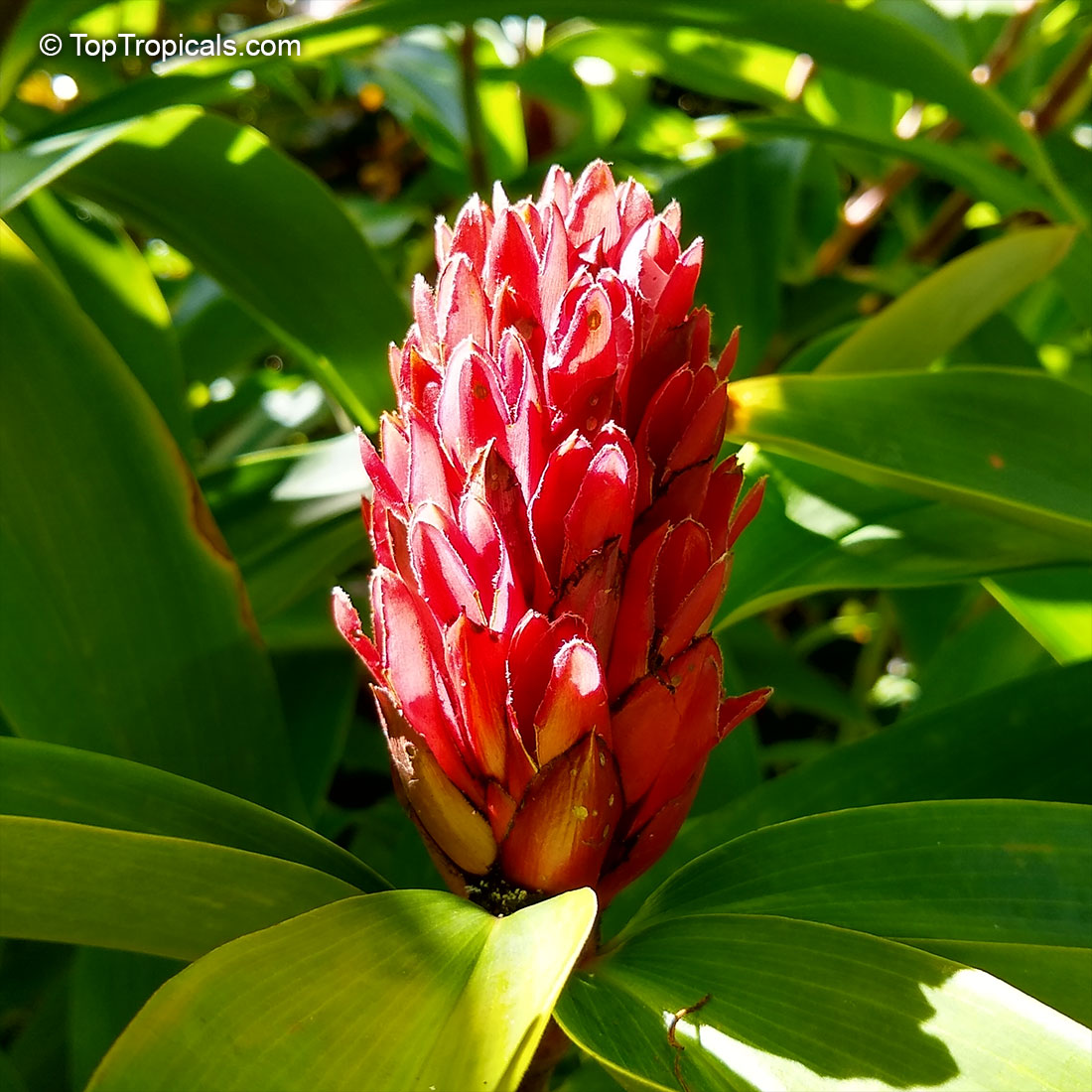
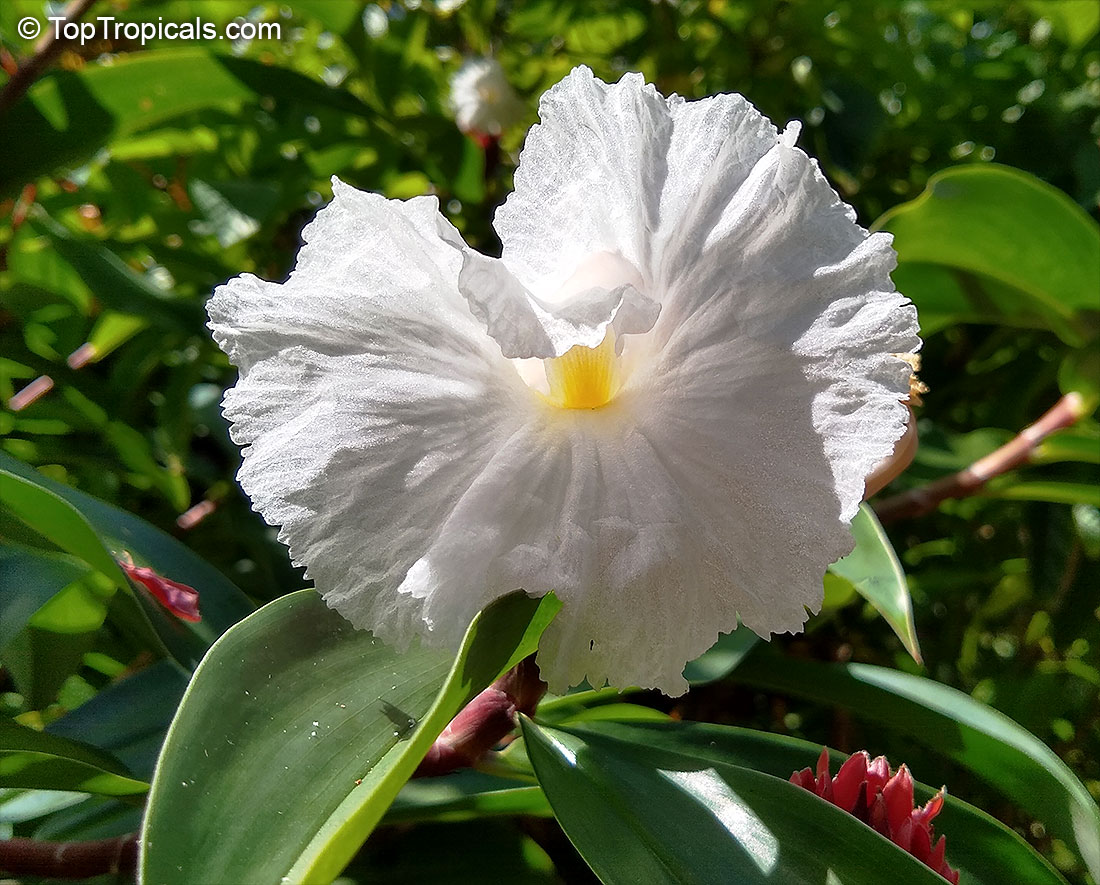
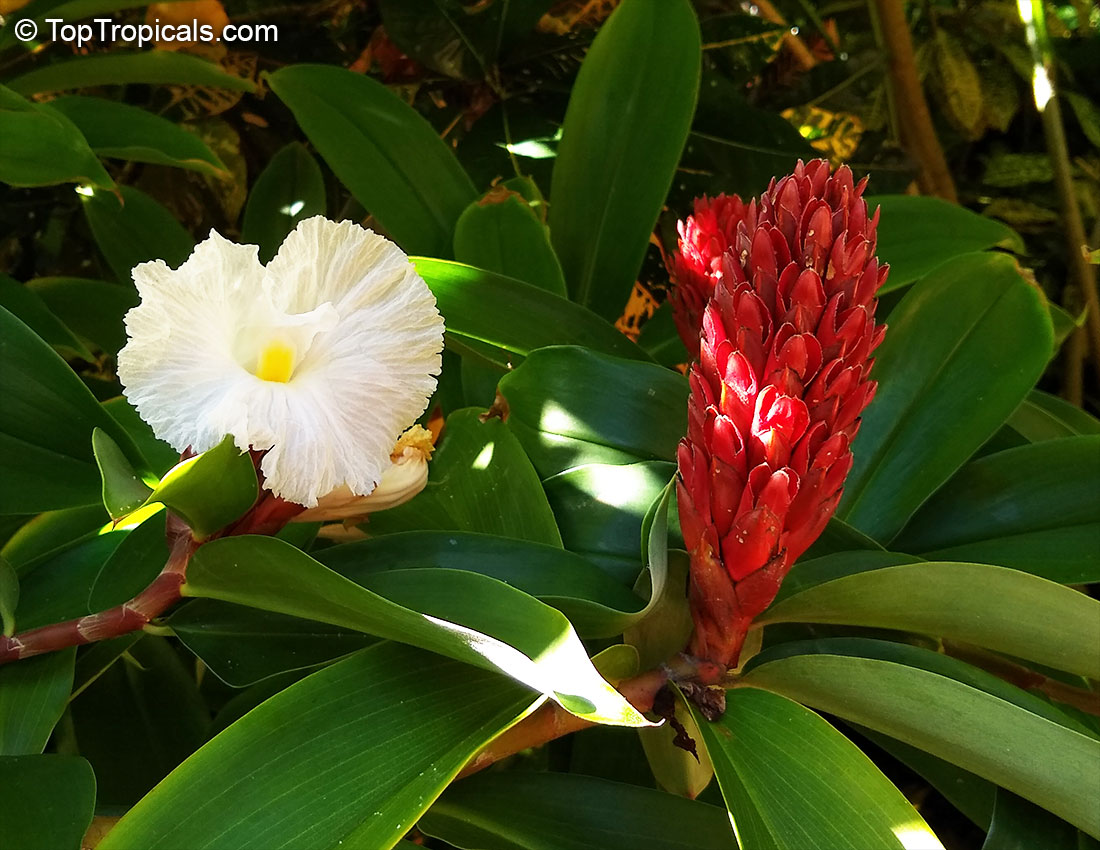
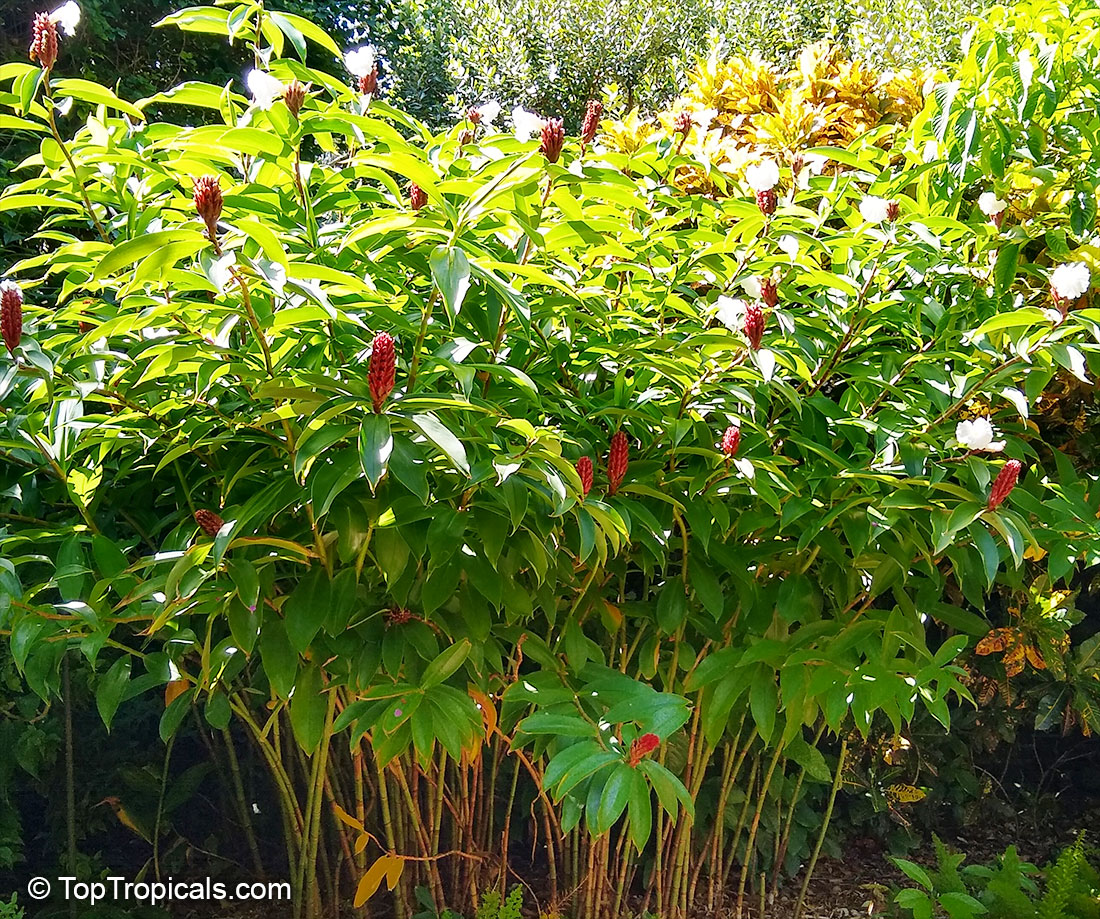
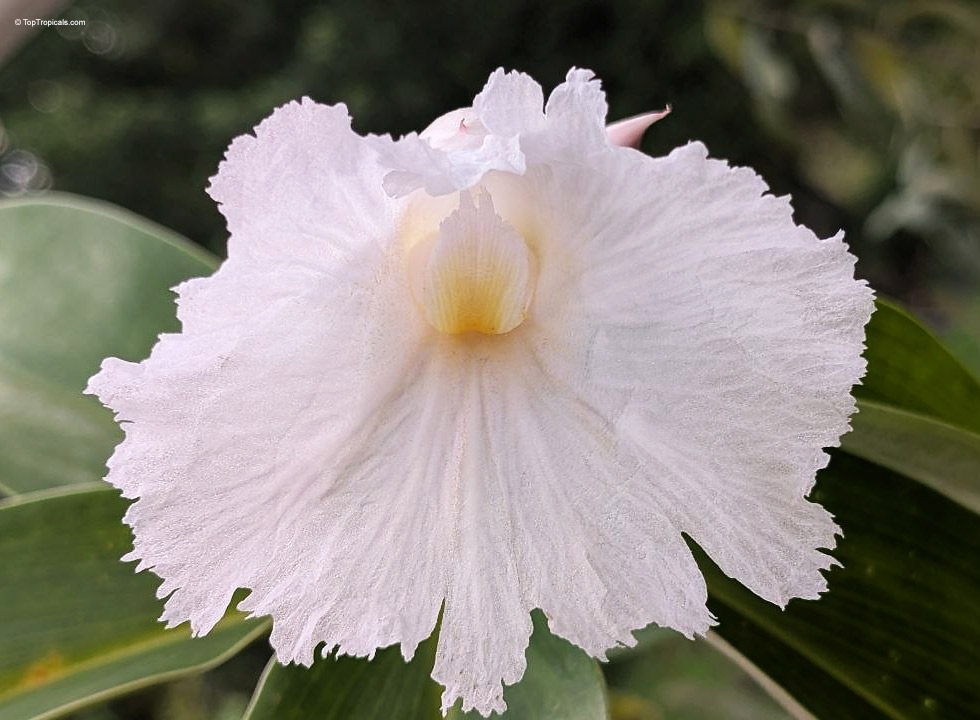
The flowers are spectacular. Thick terminal cones of deep crimson-red bracts produce large, crinkled white flowers that look almost like crepe paper, giving the plant its common name, Crepe Ginger. Individual flowers are short-lived, but new ones continue to emerge while the colorful red cones remain decorative much longer.
Crepe Ginger spreads by underground rhizomes and can eventually form a substantial colony. It is excellent for tropical screens, moist garden areas, pond edges or naturalizing beneath high tree canopies. Give it some room to spread.
Grow in full sun to partial shade in rich, reasonably well-drained soil with regular moisture. In tropical climates it may remain evergreen. In cooler areas frost can kill the stems, but established rhizomes may survive and produce new growth in spring. Generally recommended for Zones 9-11.
The plant also has a long history of traditional use and appears extensively in ethnobotanical and medicinal literature under its older names Costus speciosus and Cheilocostus speciosus.
Despite all the botanical name changes, this is the same beautiful Crepe Ginger gardeners have grown for generations. If you know it as Costus speciosus, you have the right plant. Its currently accepted name is Hellenia speciosa.
Recommended Fertilizer: SUNSHINE Robusta - Rapid Growth Booster