Costus arabicus 'Bicolor Variegated' (Variegated Spiral Ginger)
Botanical name: Costus arabicus
Common name: Variegated Spiral Ginger
Cultivar: Bicolor Variegated
Family: Costaceae
Origin: South America
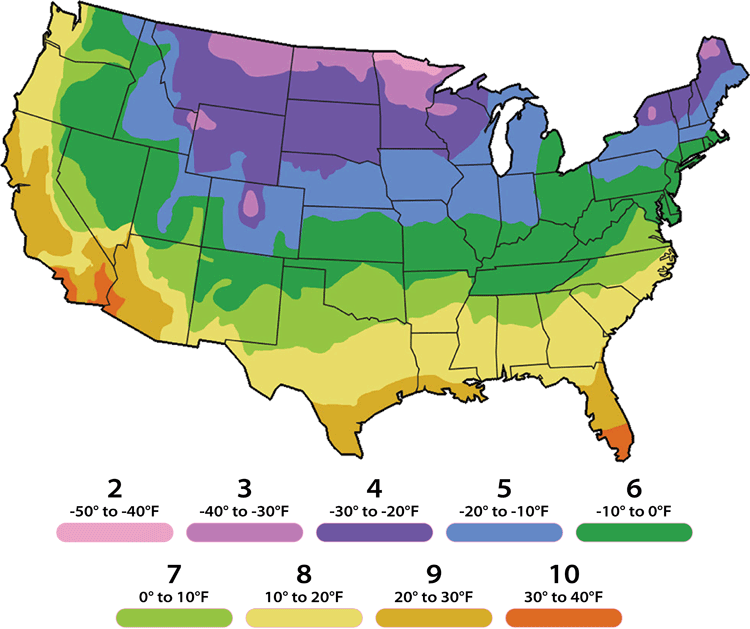
USDA Zone: 10 11
Cold tolerance: 30°F
 Plant form: Small
 Mature height: 2-5 ft
 Sun exposure: Semi-shade; shade
 Cold tolerance: Tolerates light freezing to about 30°F for short periods (mature plants). Young plants must be protected.
 Watering: Keep soil moist
 Flower color: Pink; white and off-white
 Suitable for: Outdoors in the suitable USDA zone; small gardens, containers, and indoor growing
 Foliage color: Ornamental foliage
 Foliage: Deciduous
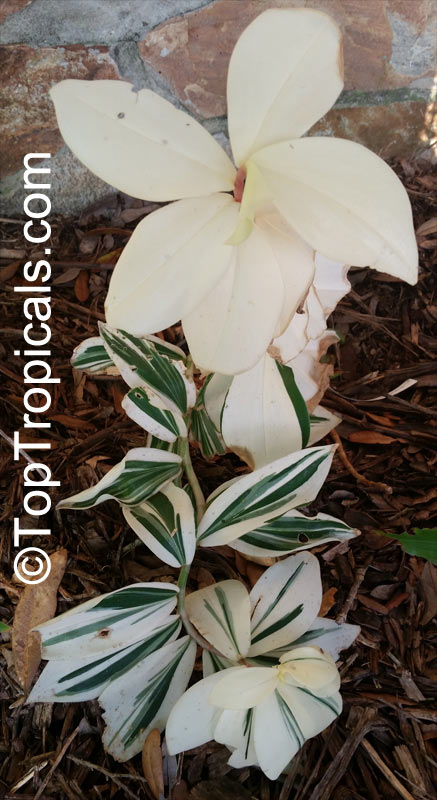
Costus arabicus 'Bicolor Variegated' is a striking variegated selection of spiral ginger in the Costaceae family. The species is native to tropical South America, while this cultivar is grown primarily for its colorful foliage. Upright, spiraling stems carry broad oval leaves irregularly variegated in green and creamy white, often with large pale sectors and contrasting green patches; pinkish tones may appear in young growth and along exposed stems. The variable pattern means that no two leaves are exactly alike, giving mature clumps a particularly decorative appearance. The showy flowers emerge from reddish cone-like inflorescences and are white, with a very large, broadly spreading, strongly crinkled and fringed lip surrounding a soft yellow throat. The delicate crepe-like texture of the flowers contrasts beautifully with the bold variegated foliage.
Costus arabicus 'Bicolor Variegated' grows best in bright filtered light or partial shade, which helps maintain strong variegation without scorching the pale portions of the leaves. It prefers warm, humid conditions and fertile, organic-rich, well-drained soil kept consistently moist during active growth. Regular moisture encourages lush stems and large leaves, but waterlogging should be avoided. It spreads gradually by rhizomes and can be propagated by division or stem cuttings. This frost-tender cultivar is suitable outdoors in USDA Zones 10-11 and makes an attractive container or greenhouse plant in cooler climates.
Similar plants: Costus arabicus 'Bicolor Variegated' (Variegated Spiral Ginger)
- Costus afer (Spiral Ginger)
- Costus erythrophyllus (Ox Blood Costus)
- Costus fissiligulatus (African Princess)
- Costus igneus (Insulin Plant)
- Costus lucanusianus (African Spiral Flag)
- Costus malortieanus (Stepladder Ginger)
- Costus productus (Costus)
- Costus sp. (Spiral Ginger)
- Costus speciosus (Crepe Ginger)
- Costus spicatus (Red Button Ginger)
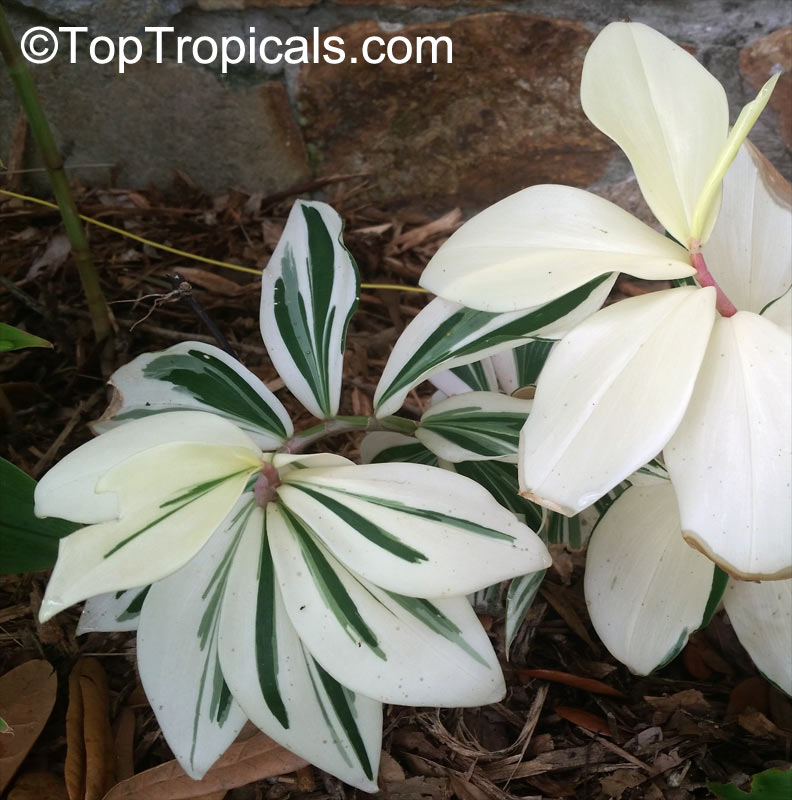
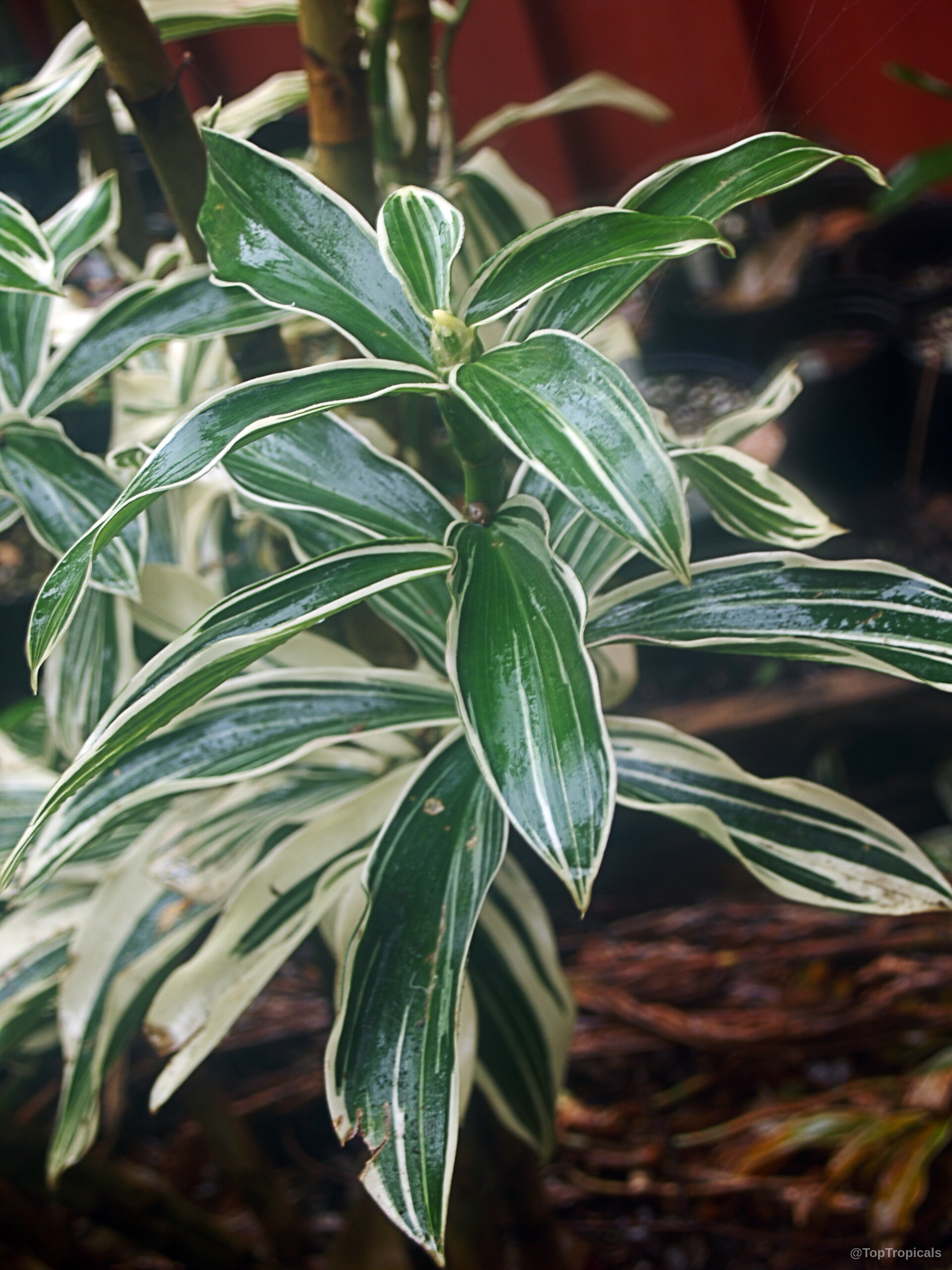


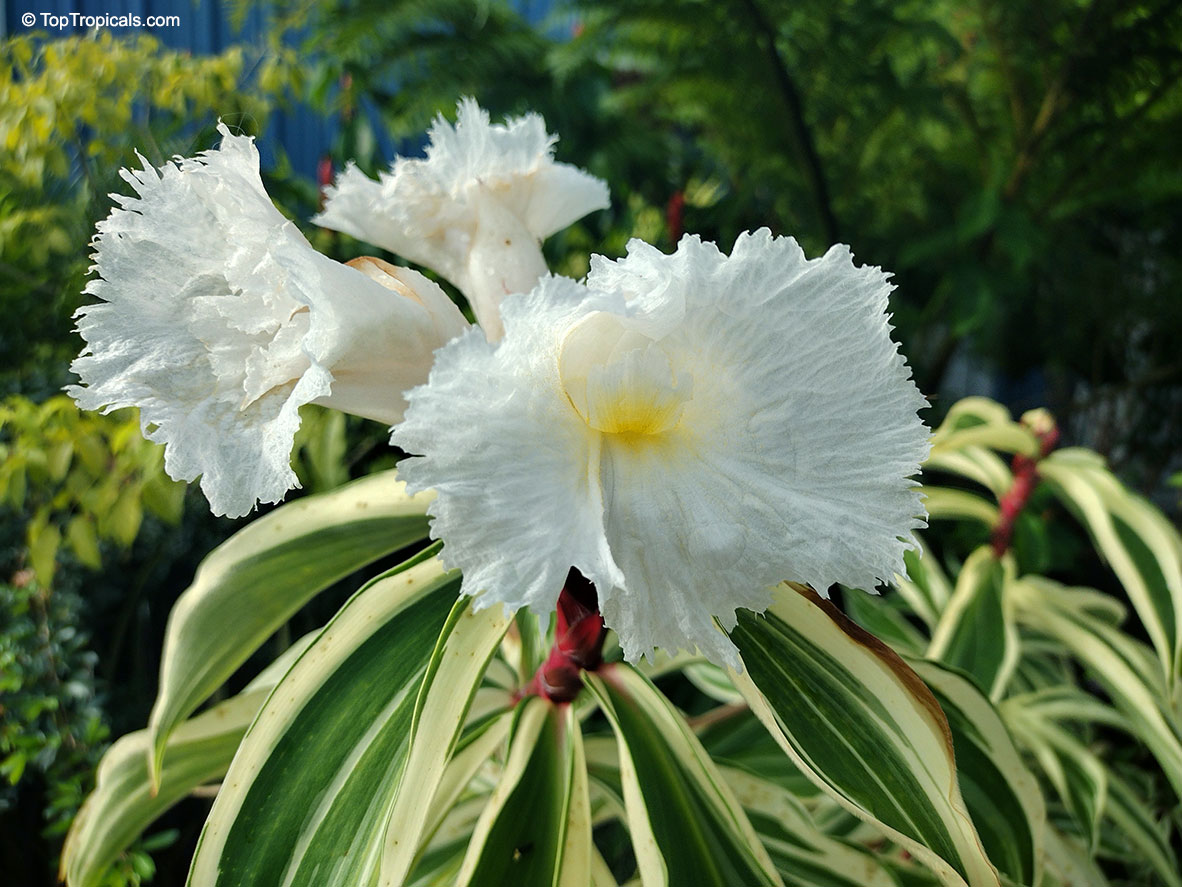
This is a spectacular addition to your shade garden!
Recommended Fertilizer: SUNSHINE Robusta - Rapid Growth Booster
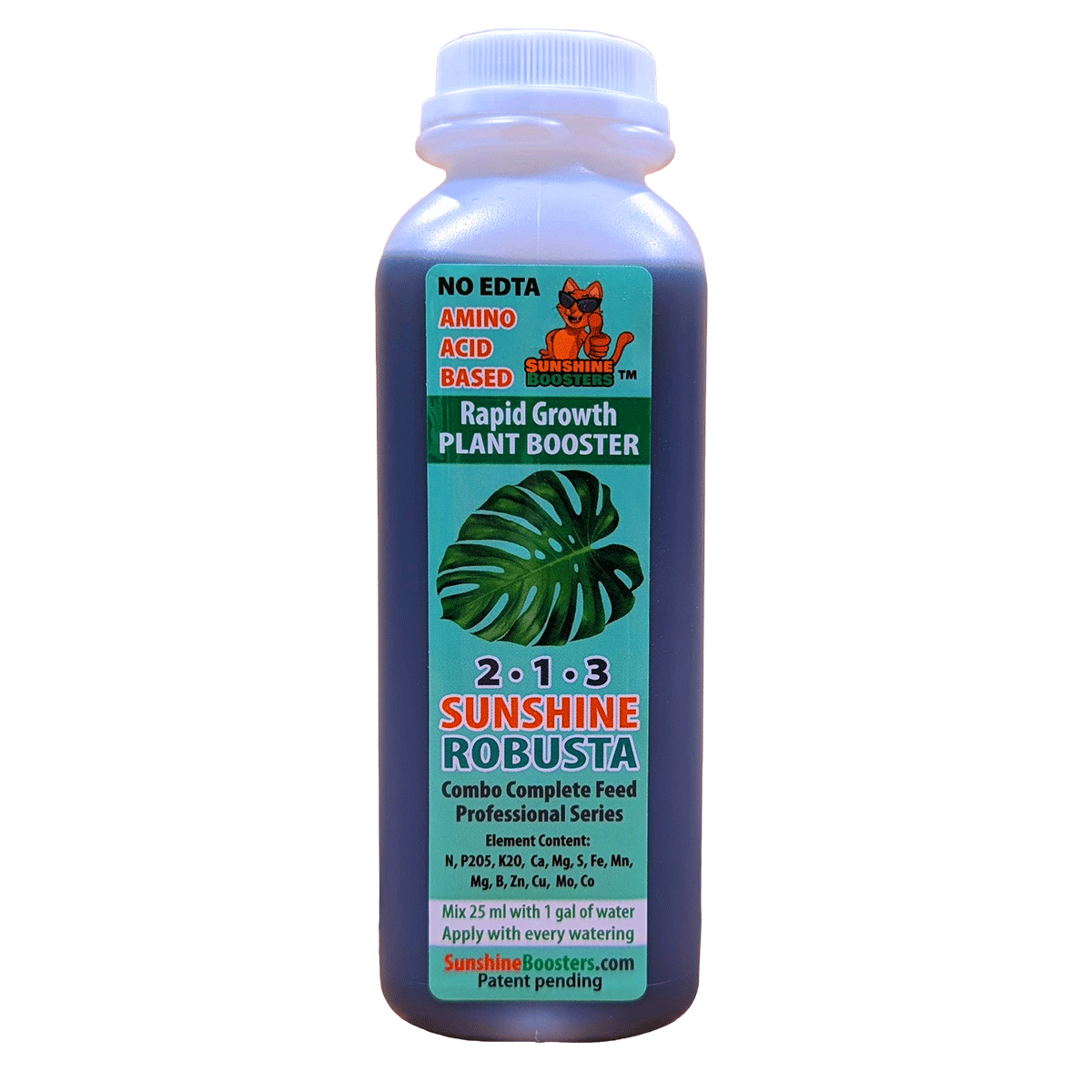 SUNSHINE Robusta (NPK 2-1-3) - Vegetative Vigor Booster for every watering. Formulated especially for vegetative stage of plant development. Can be used for a quick build-up of vegetative growth, for establishing and recovering damaged plants that lost many leaves. This is an eco-friendly nutrition booster that can be used for edibles and organic gardens. Can be used for daily feeding with every watering. Scientifically-balanced stable formula is organic Amino-acid based and has NO EDTA chelators to eliminate nutrients lockup; it does not affect crop taste. Organic Amino acids greatly enhance stability of all Sunshine boosters and provide excellent absorption of trace elements. Pollinating insects friendly.
 SUNSHINE Robusta (NPK 2-1-3) - Vegetative Vigor Booster for every watering. Formulated especially for vegetative stage of plant development. Can be used for a quick build-up of vegetative growth, for establishing and recovering damaged plants that lost many leaves. This is an eco-friendly nutrition booster that can be used for edibles and organic gardens. Can be used for daily feeding with every watering. Scientifically-balanced stable formula is organic Amino-acid based and has NO EDTA chelators to eliminate nutrients lockup; it does not affect crop taste. Organic Amino acids greatly enhance stability of all Sunshine boosters and provide excellent absorption of trace elements. Pollinating insects friendly.