Gazania sp. (Gazania)
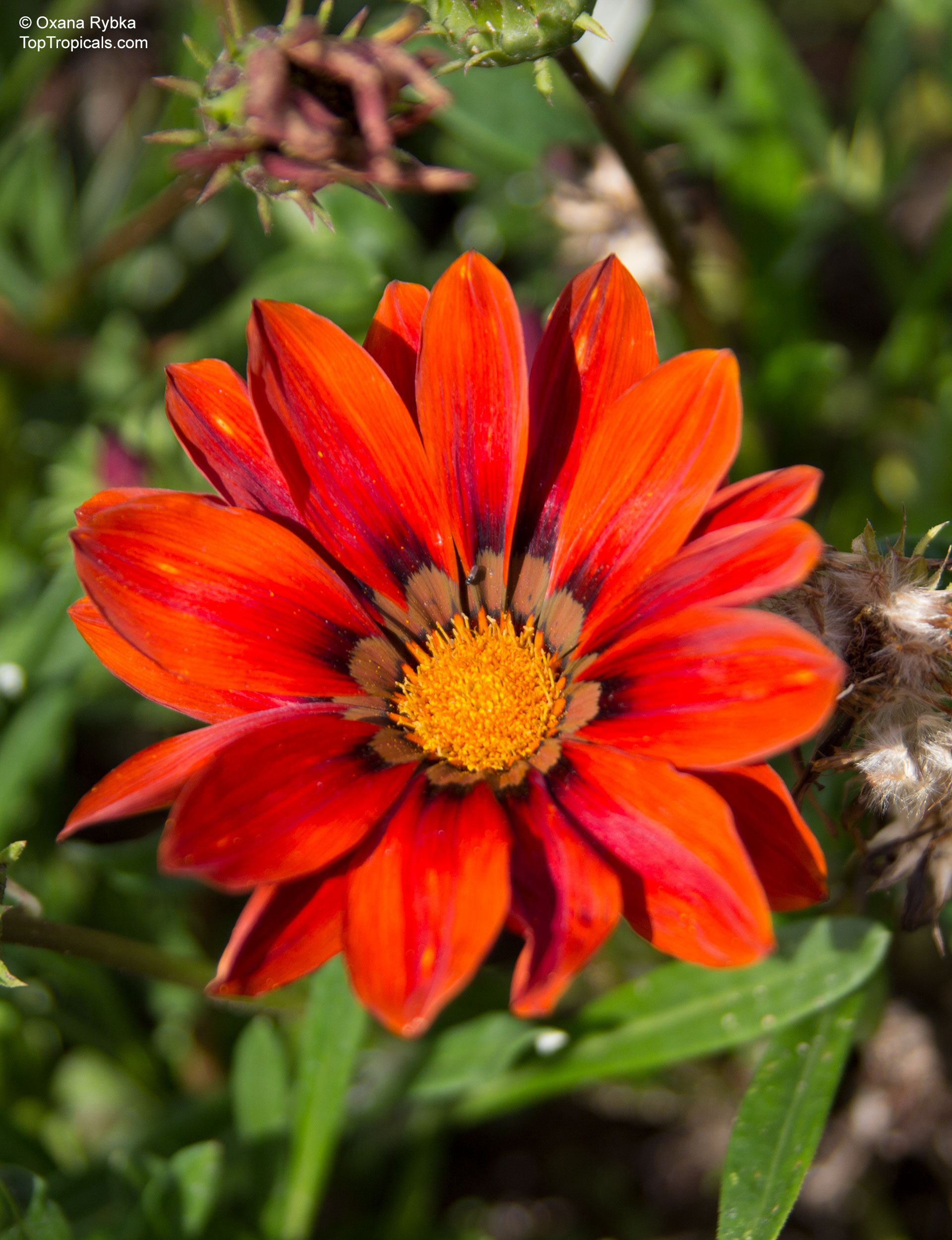
Botanical name: Gazania sp.
Common name: Gazania
Family: Asteraceae
Origin: Southern Africa
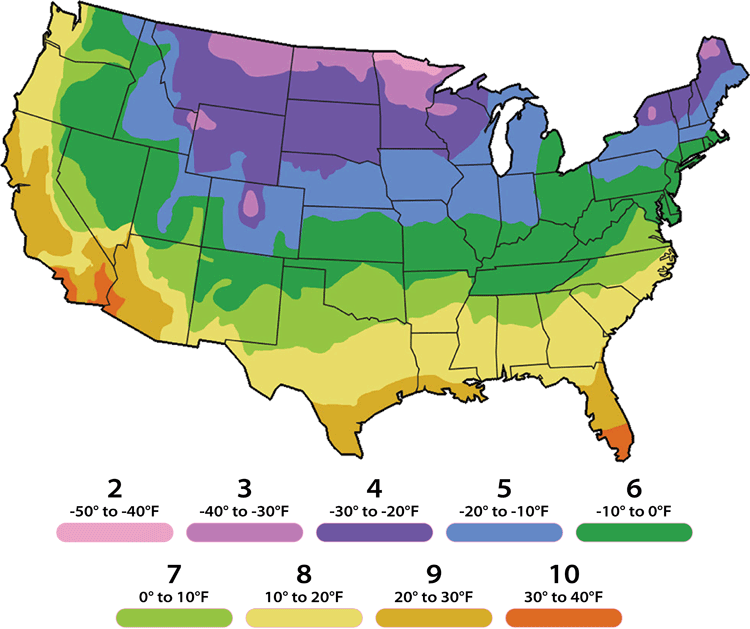
USDA Zone: 8-11
 Plant form: Small
 Mature height: 2-5 ft
 Sun exposure: Full sun or bright light indoor
 Cold tolerance: Frost sensitive. Protect from freezing.
 Watering: Moderate; tolerates dry conditions


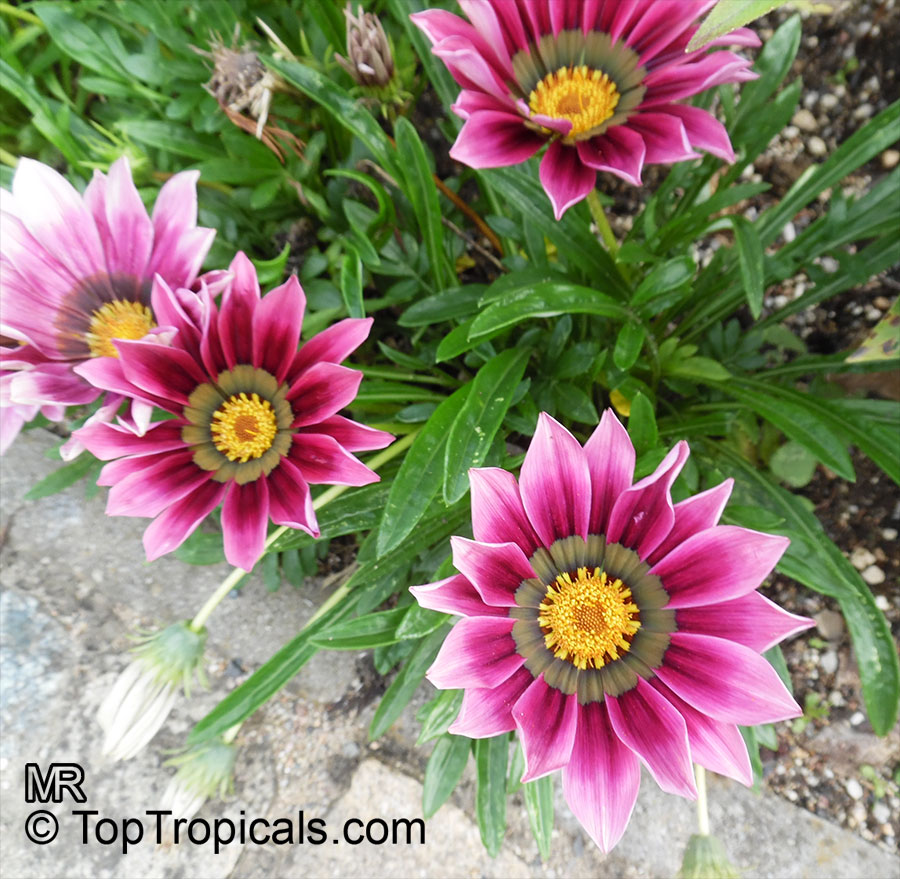
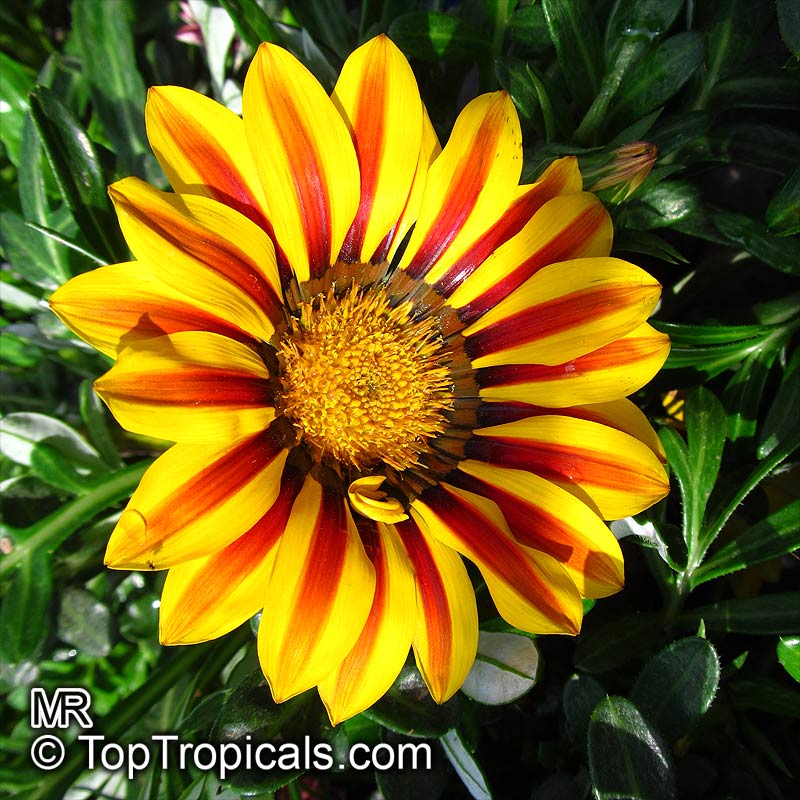
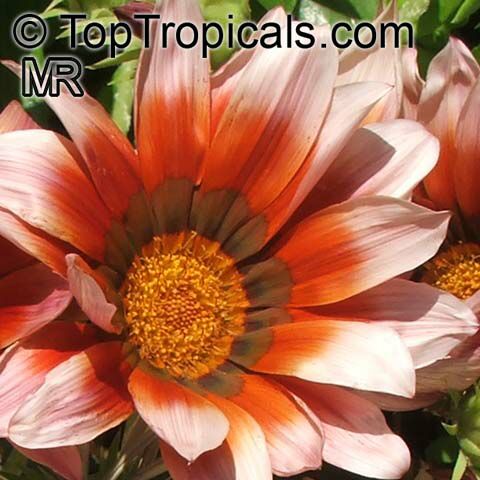
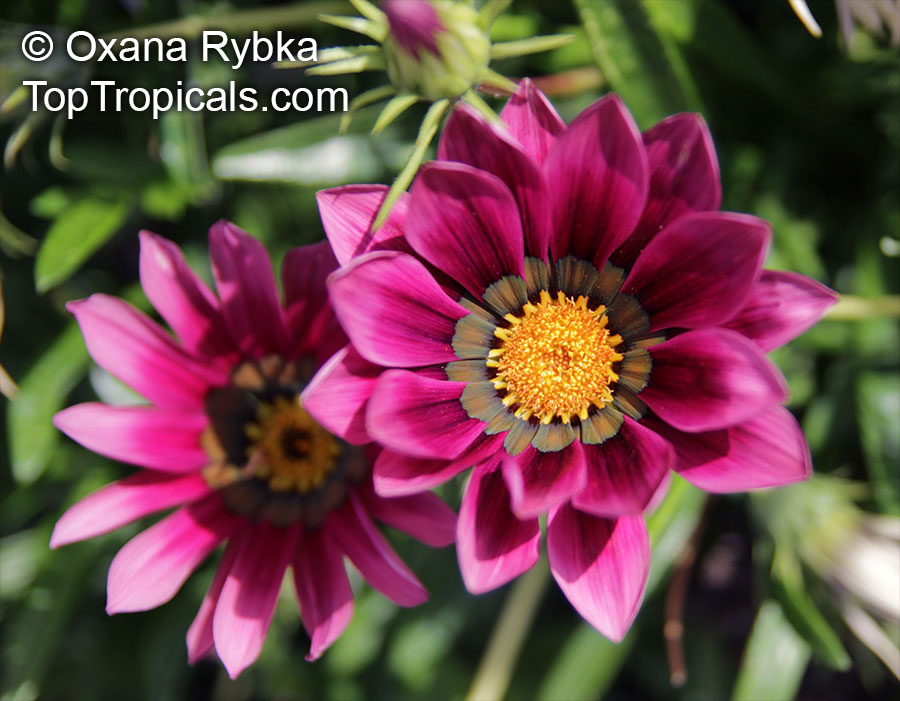
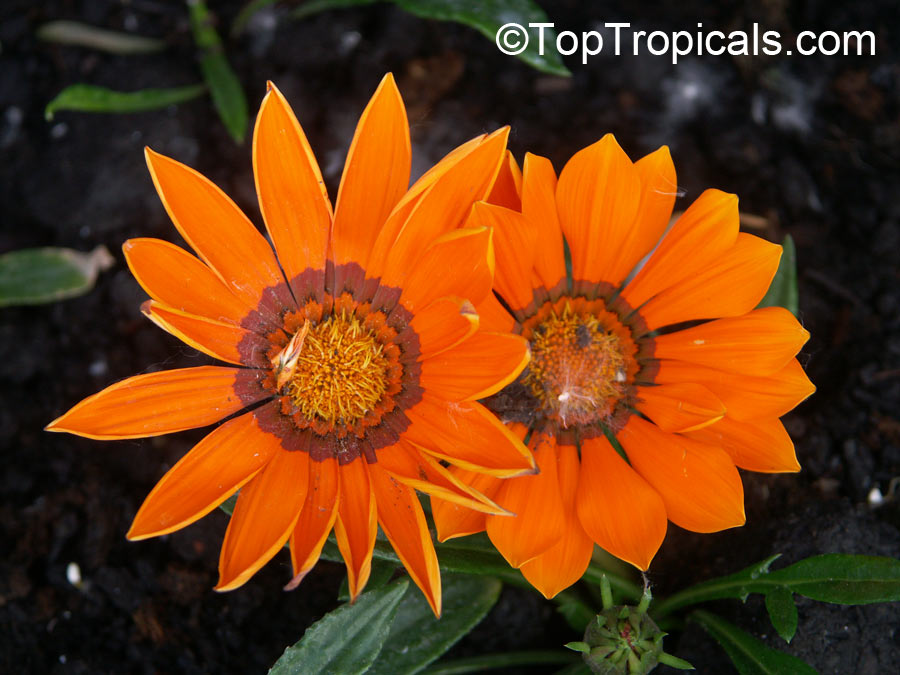
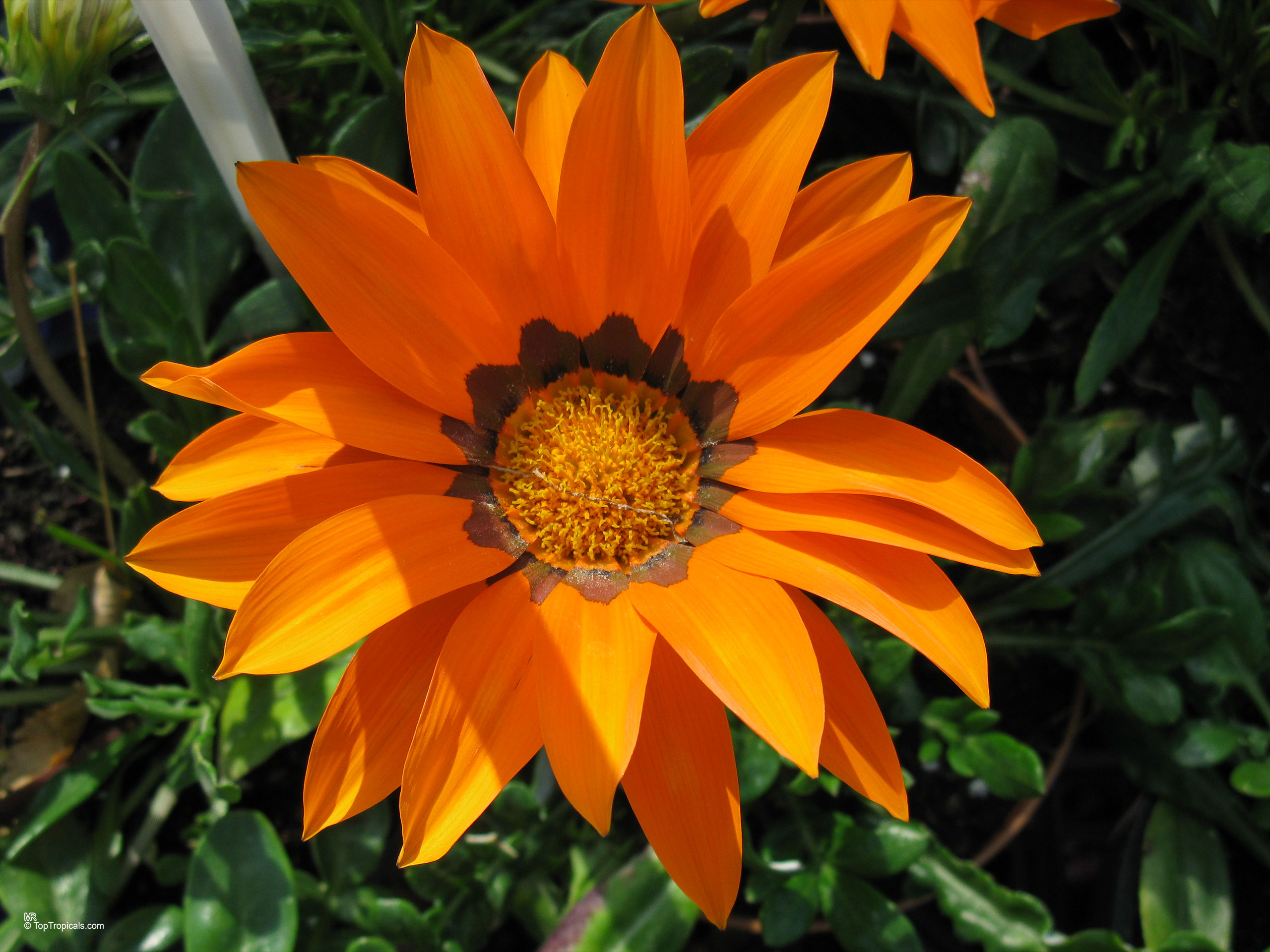
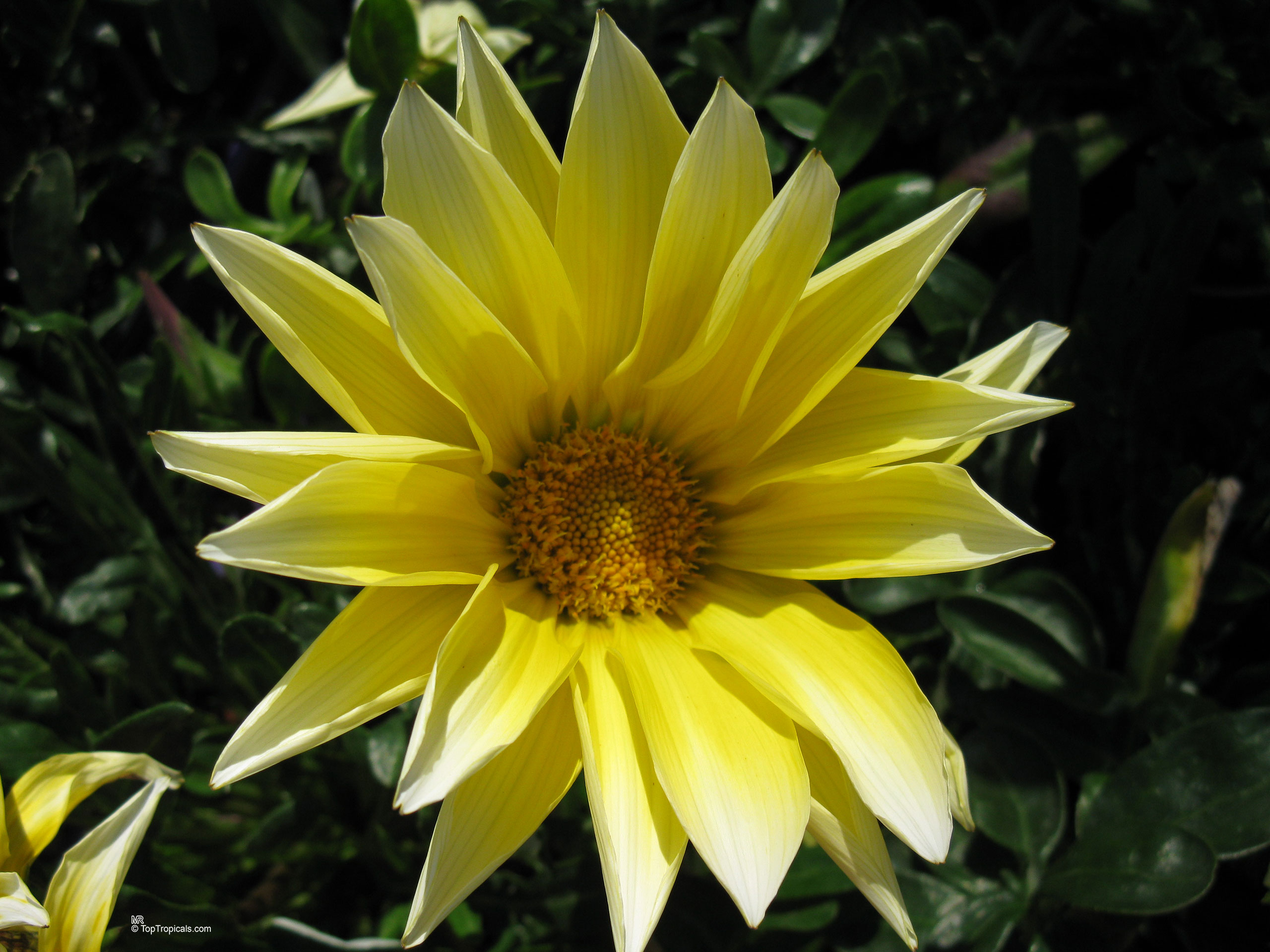
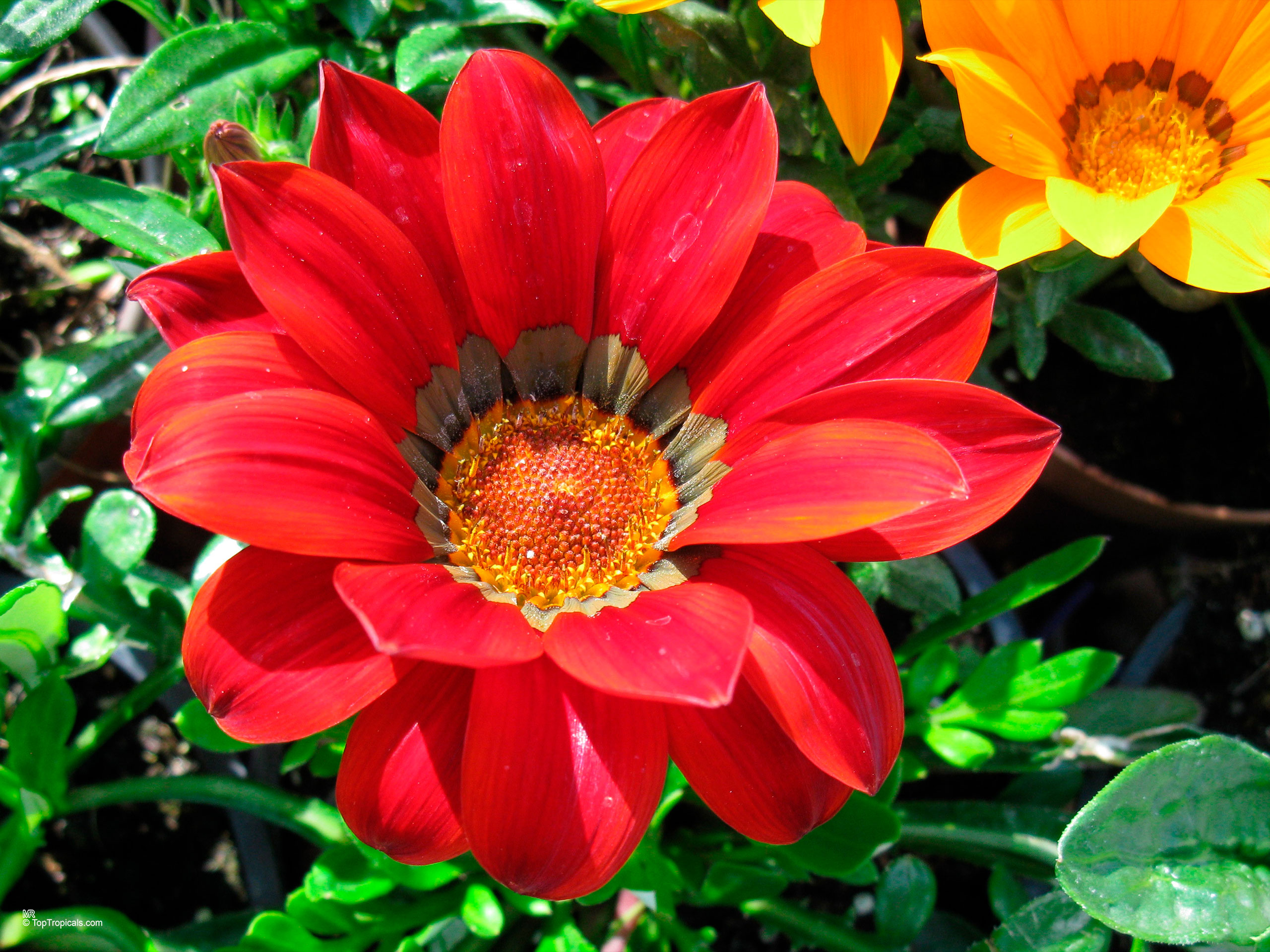
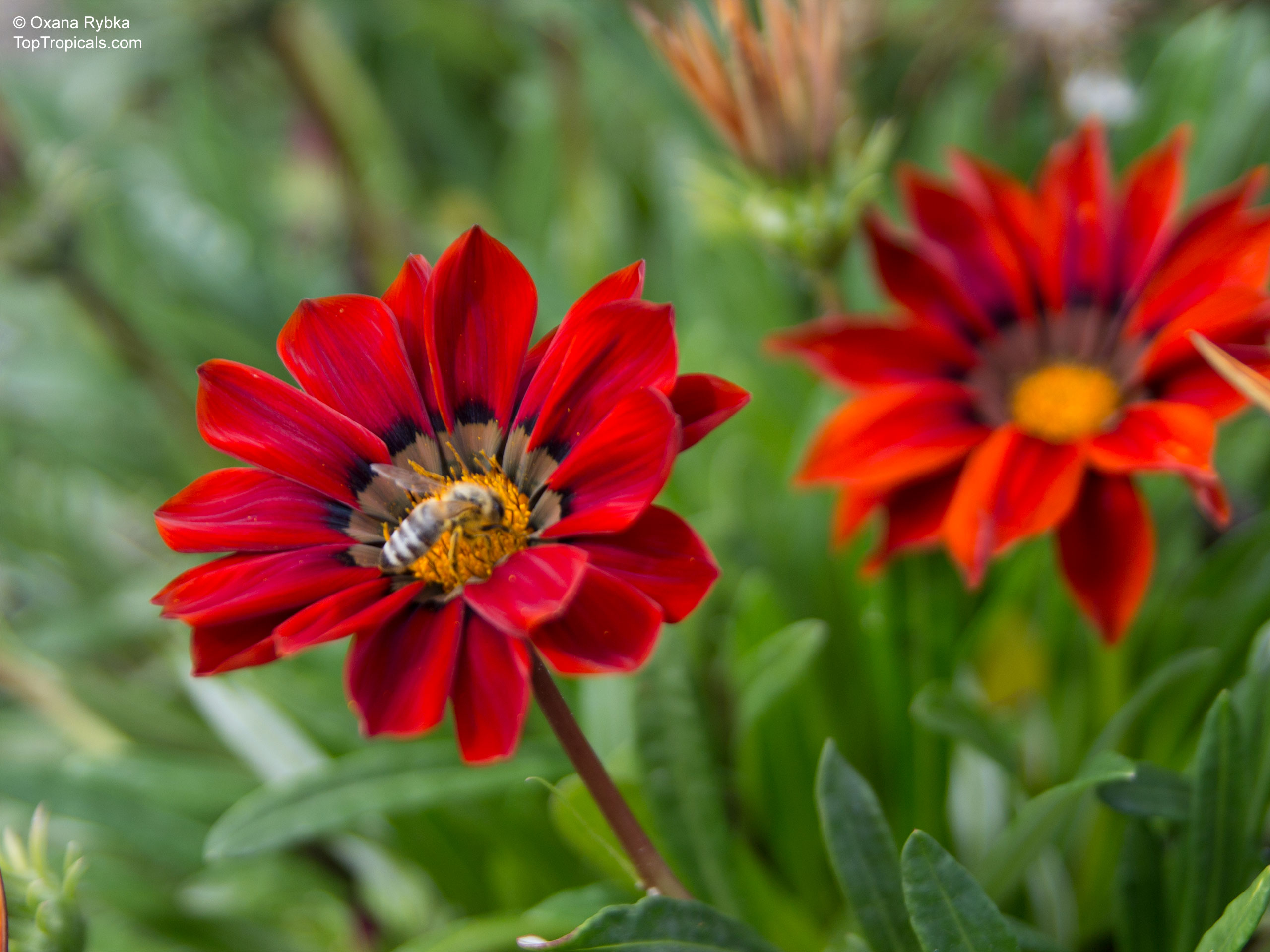
 Flower color: Pink; white and off-white; red, crimson, vinous; yellow, orange
 Suitable for: Outdoors in the suitable USDA zone; small gardens, containers, and indoor growing
Gazania is a genus of colorful flowering plants known for its large daisy-like blooms, exceptional drought tolerance, and ability to provide bright color in hot, sunny gardens.
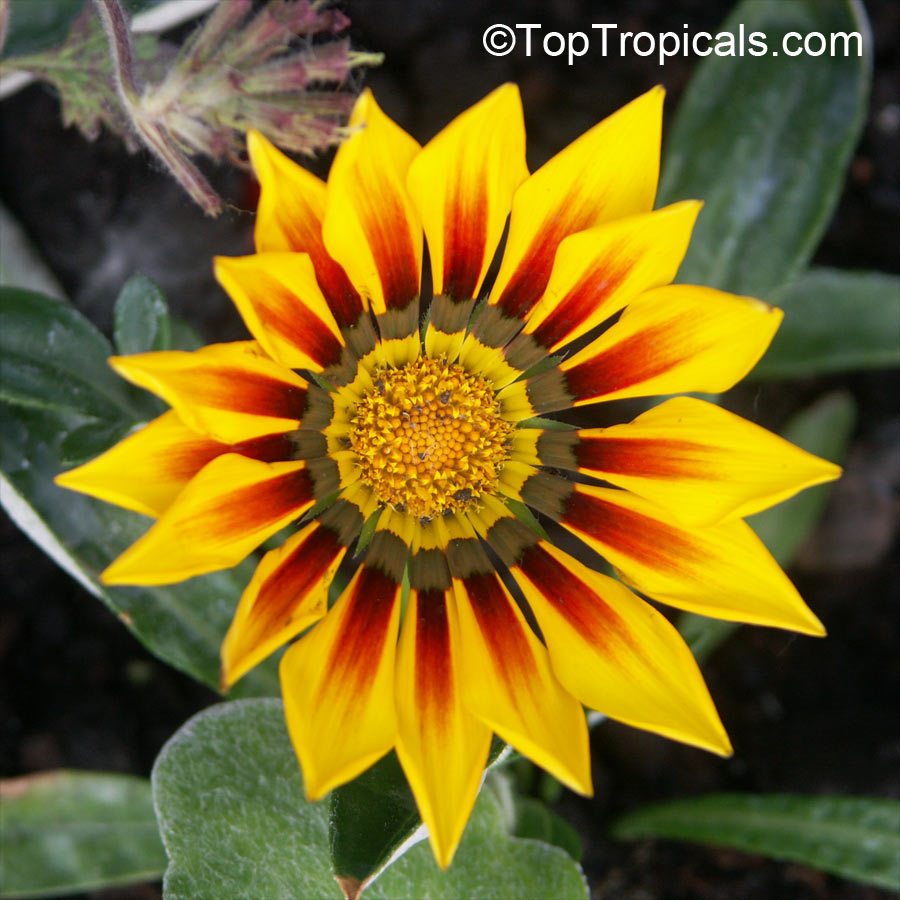
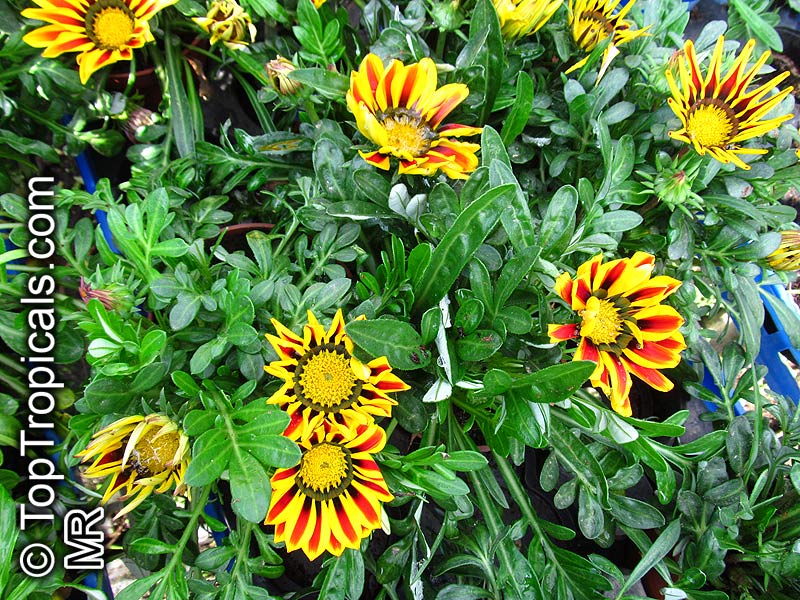
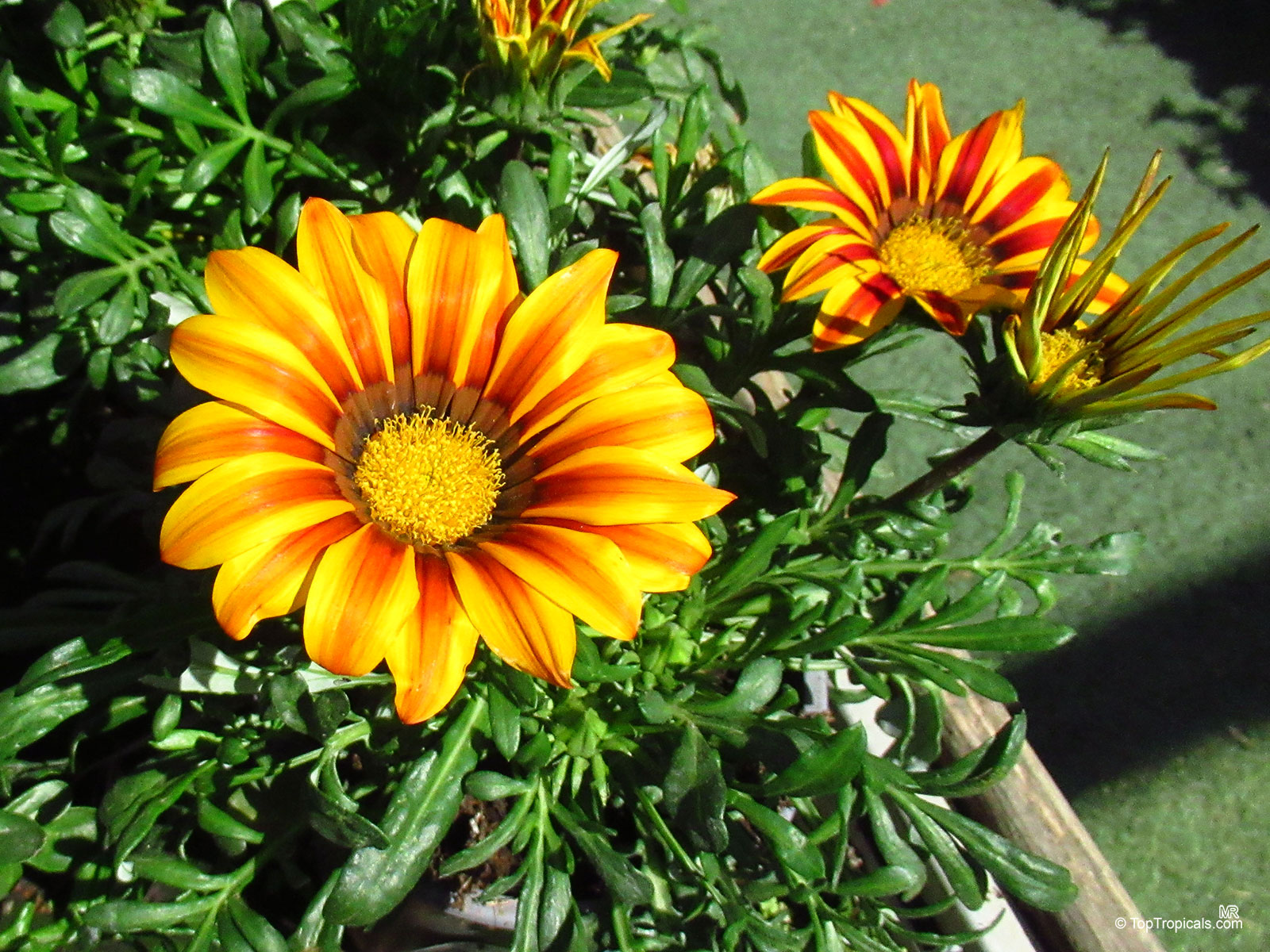
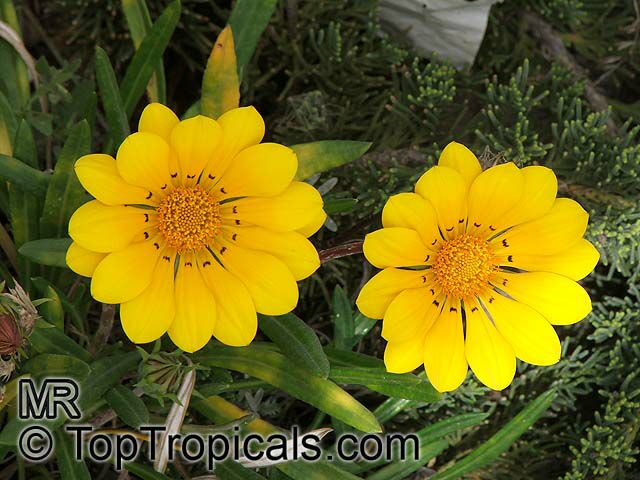
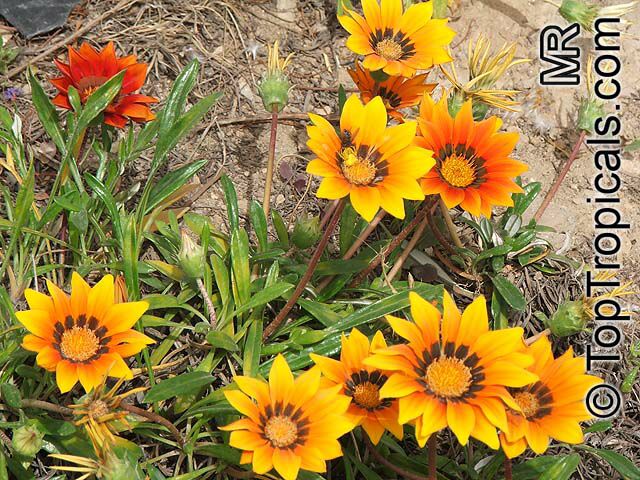
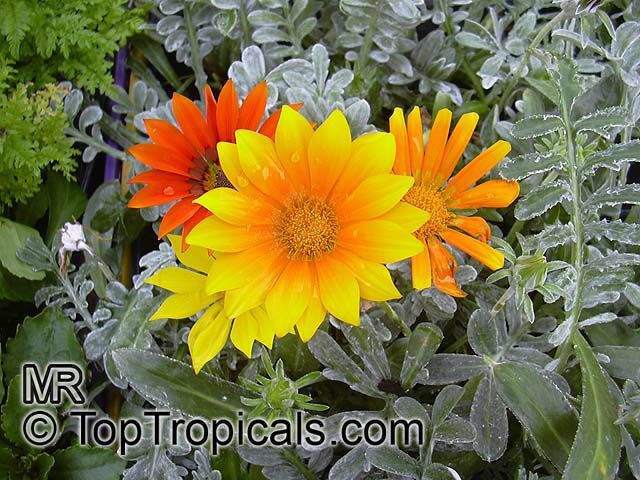
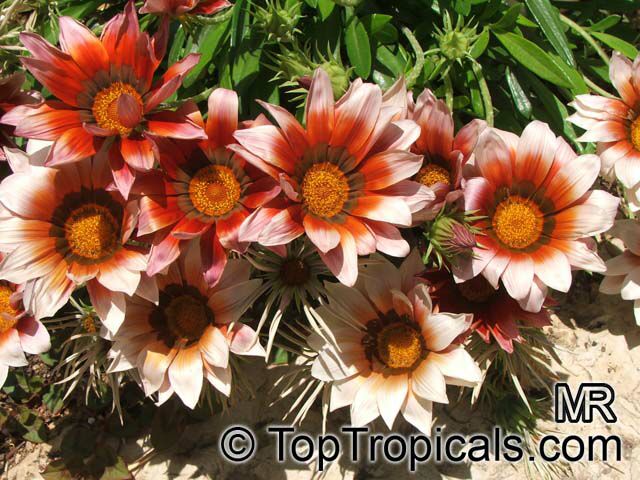
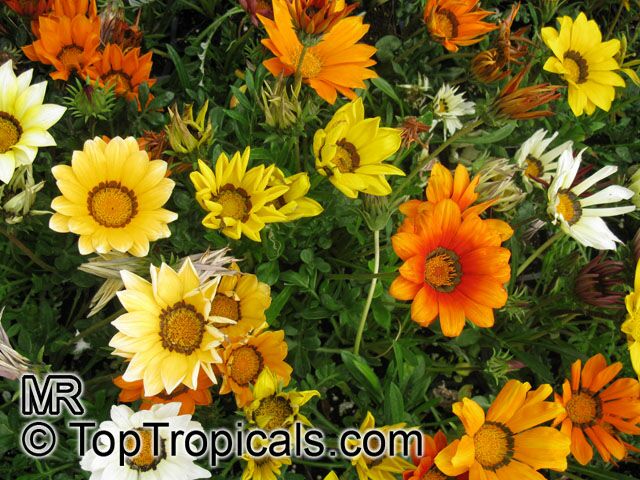
Native primarily to southern Africa, gazanias are low-growing perennials that are often cultivated as annuals in cooler climates. They form spreading clumps of narrow green to silvery foliage and produce a succession of flowers above the leaves. Modern cultivars are available in a wide range of colors, including yellow, orange, red, pink, white, bronze, and various striped or bicolored combinations.
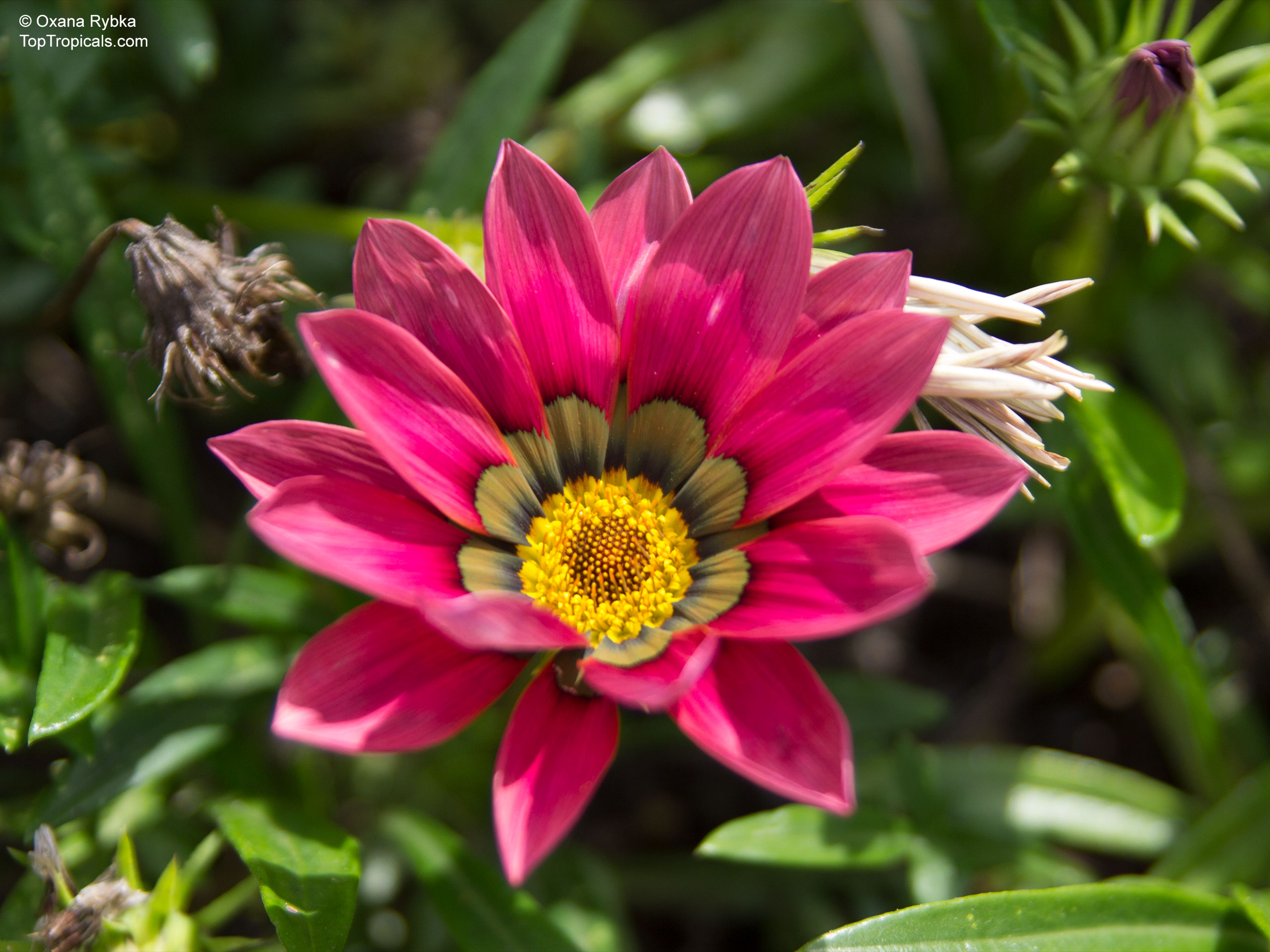
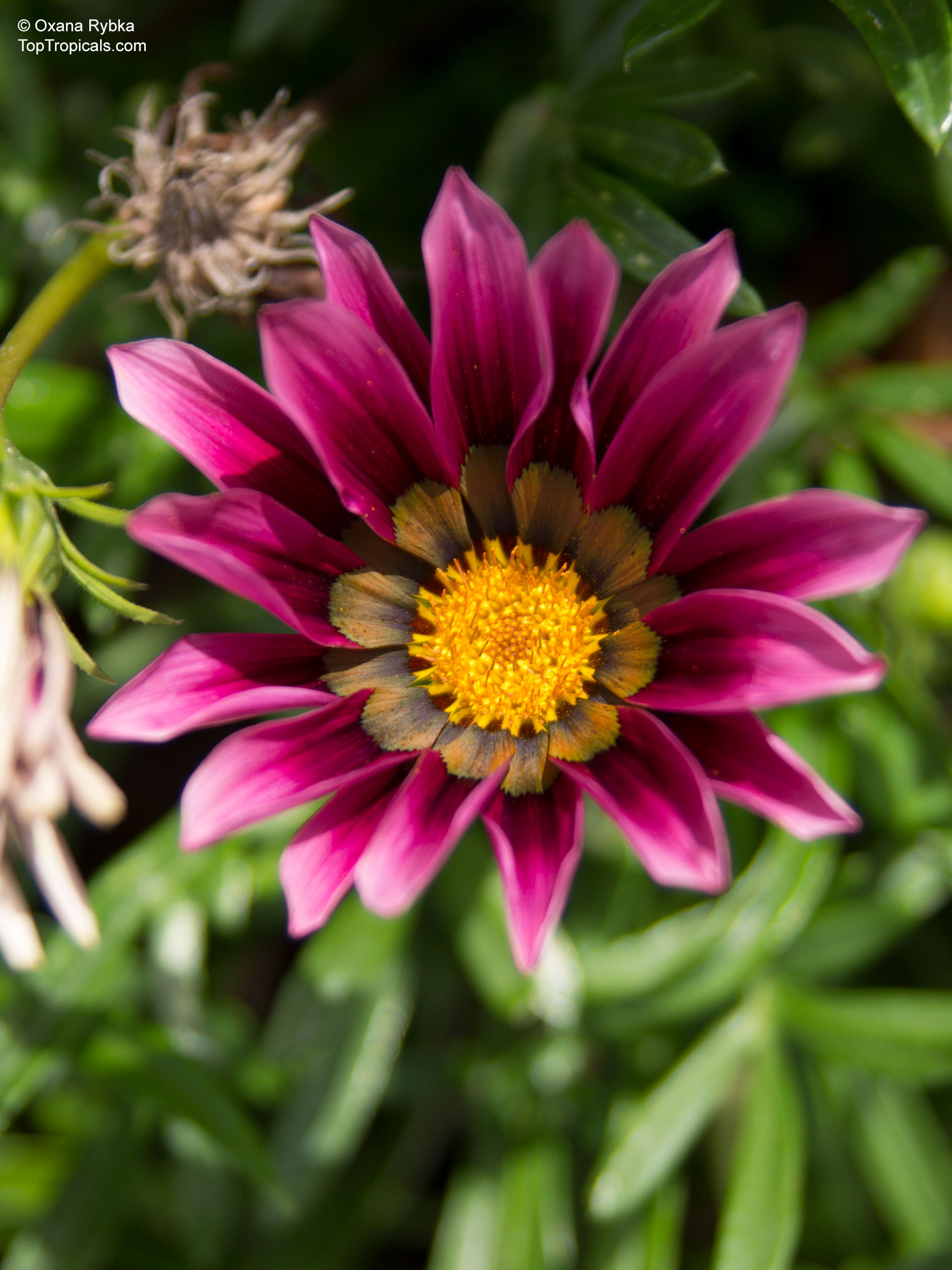
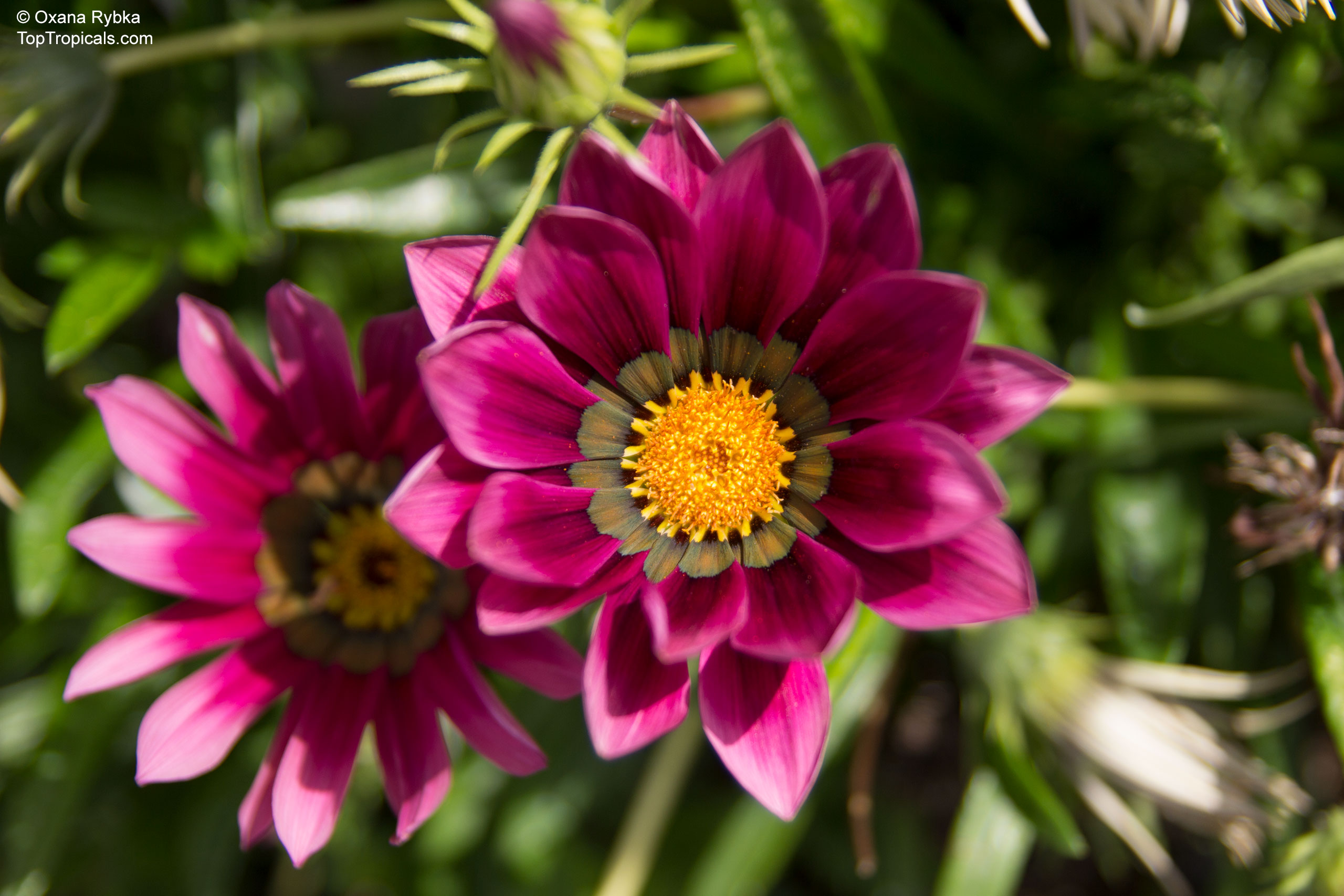
The flowers are notable for their vivid coloration and their response to sunlight, opening fully in bright conditions and often closing at night or during cloudy weather. Many cultivars display contrasting rings, dark centers, or intricate markings that enhance their ornamental appeal. In warm climates, flowering can continue for many months with minimal maintenance.
Gazanias thrive in full sun and well-drained soil. Once established, they tolerate drought, heat, wind, and poor soils better than many bedding plants. Excessive watering and poorly drained conditions can reduce vigor and lead to root problems. Their compact growth habit makes them suitable for borders, rock gardens, slopes, containers, and coastal landscapes.
USDA Plant Hardiness Zones: 8-11. In frost-free climates, gazanias may persist as short-lived perennials, while in colder regions they are commonly grown as annual bedding plants.