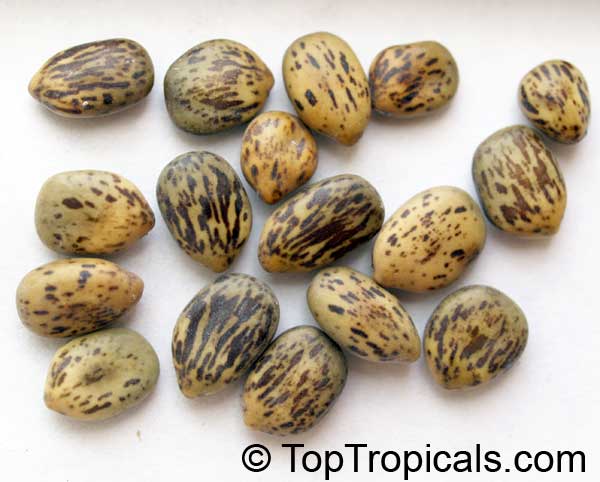
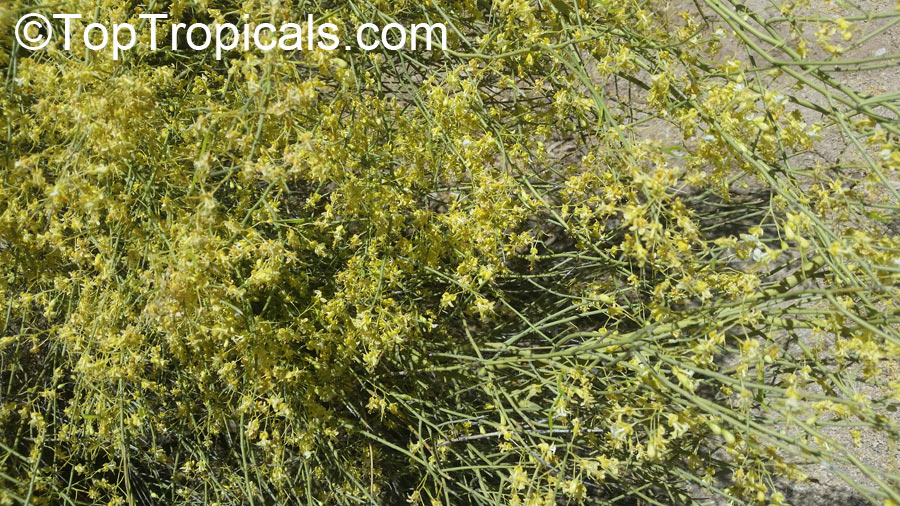
Cercidium floridum (Blue Palo Verde)
Botanical names: Parkinsonia sp., Cercidium sp.
Common name: Palo Verde
Family: Fabaceae
Subfamily: Caesalpinioideae
Origin: Tropical America and Africa


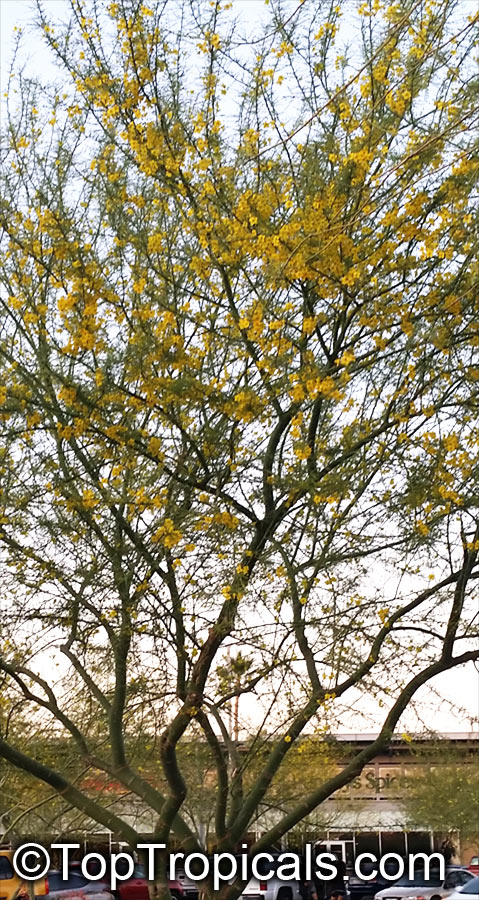
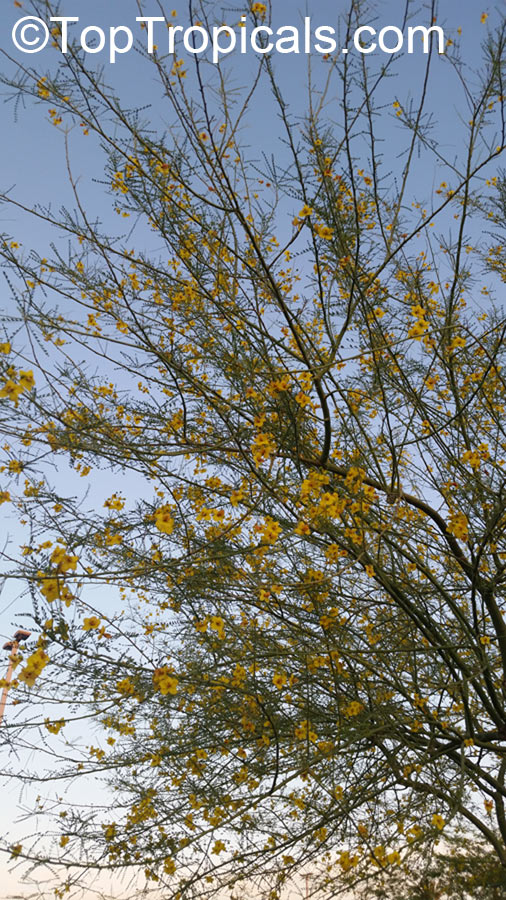
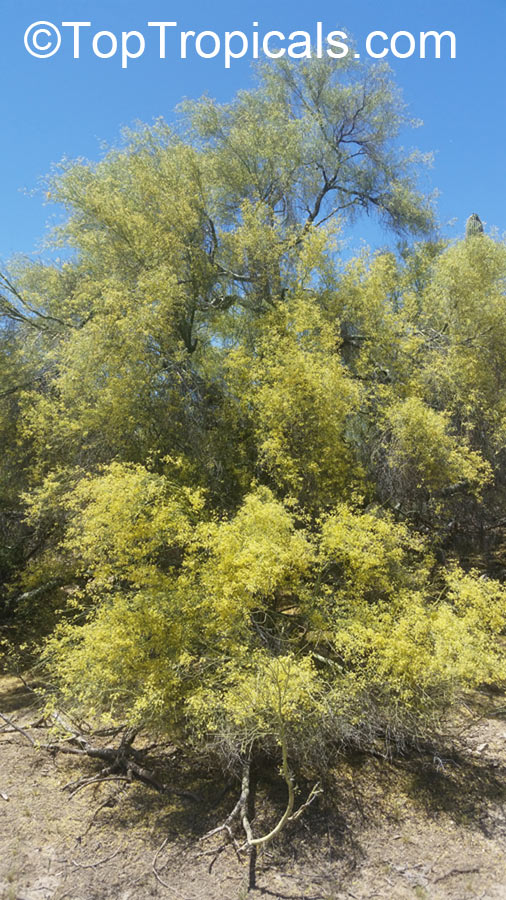
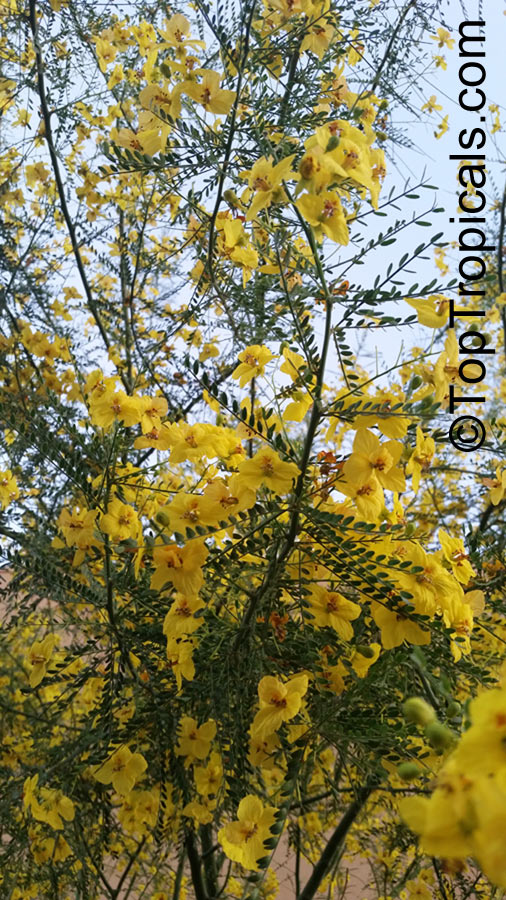
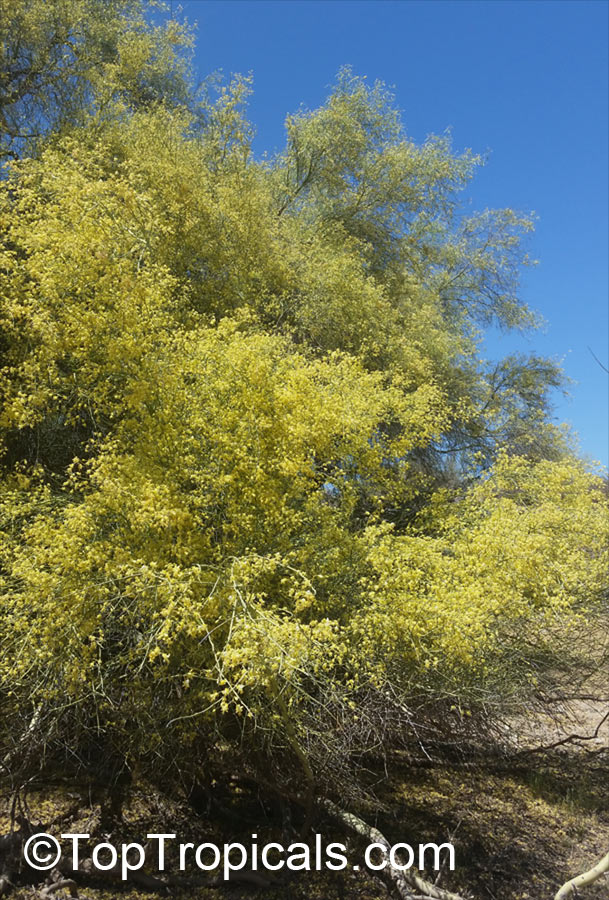
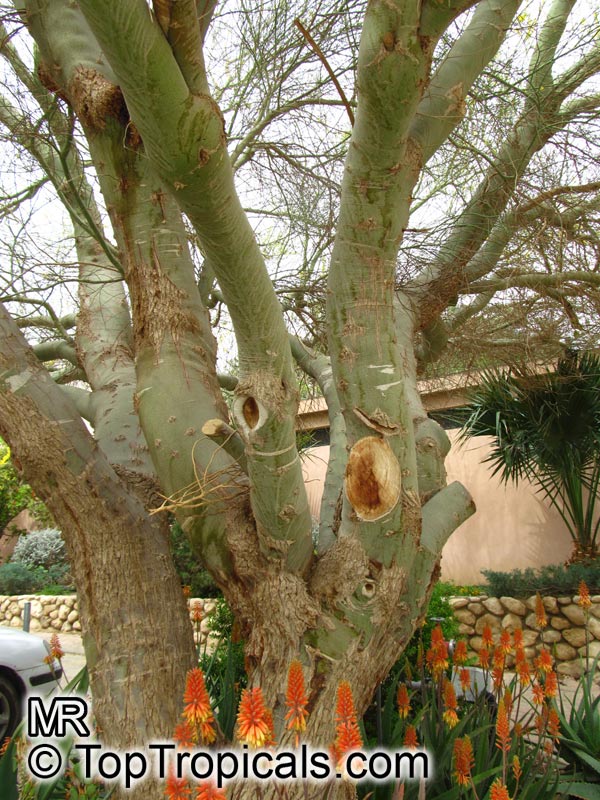
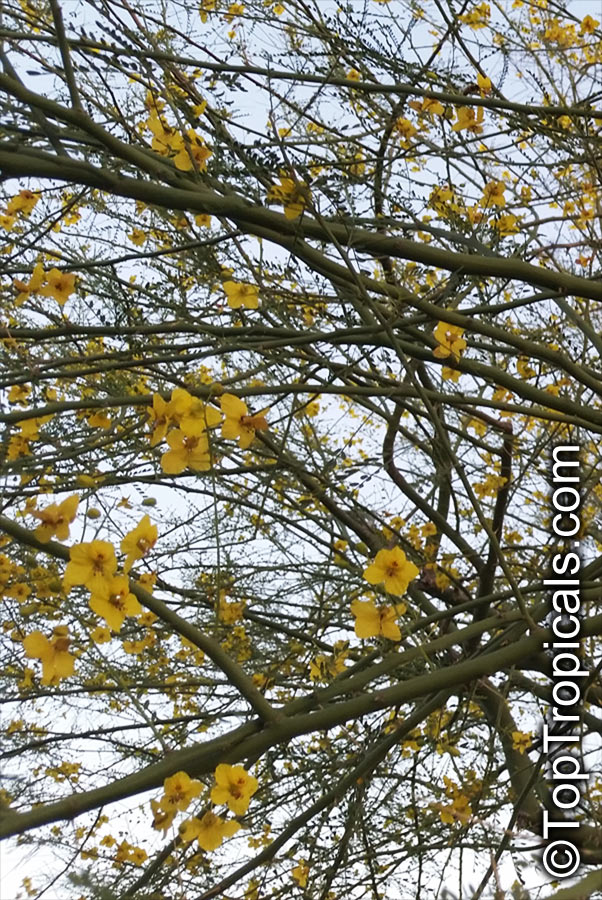
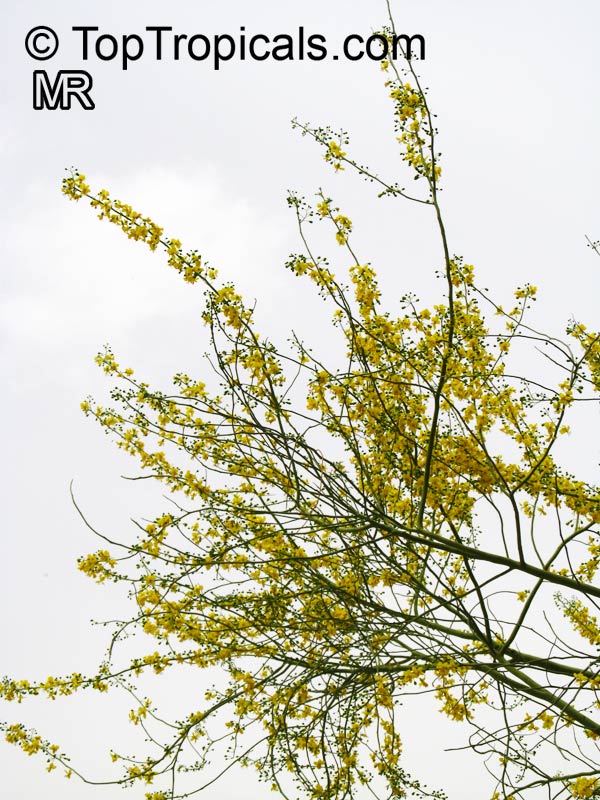
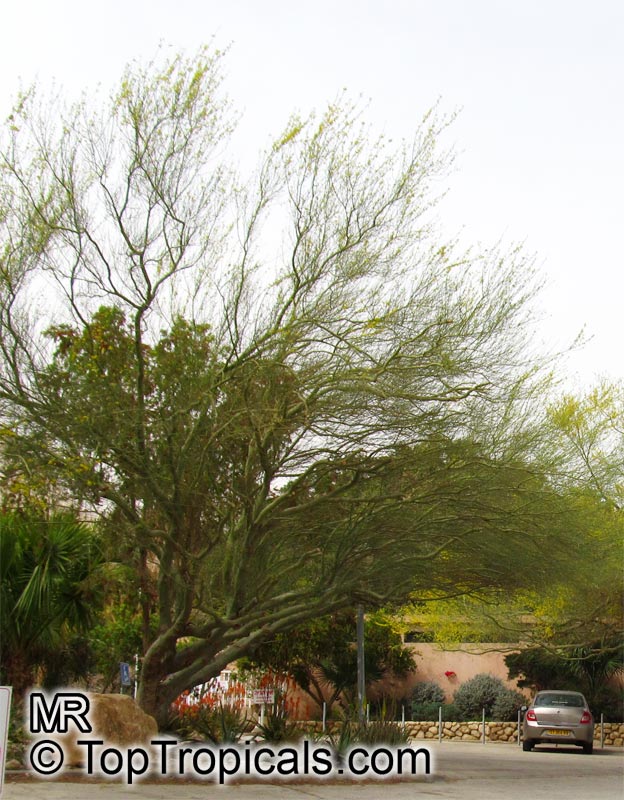
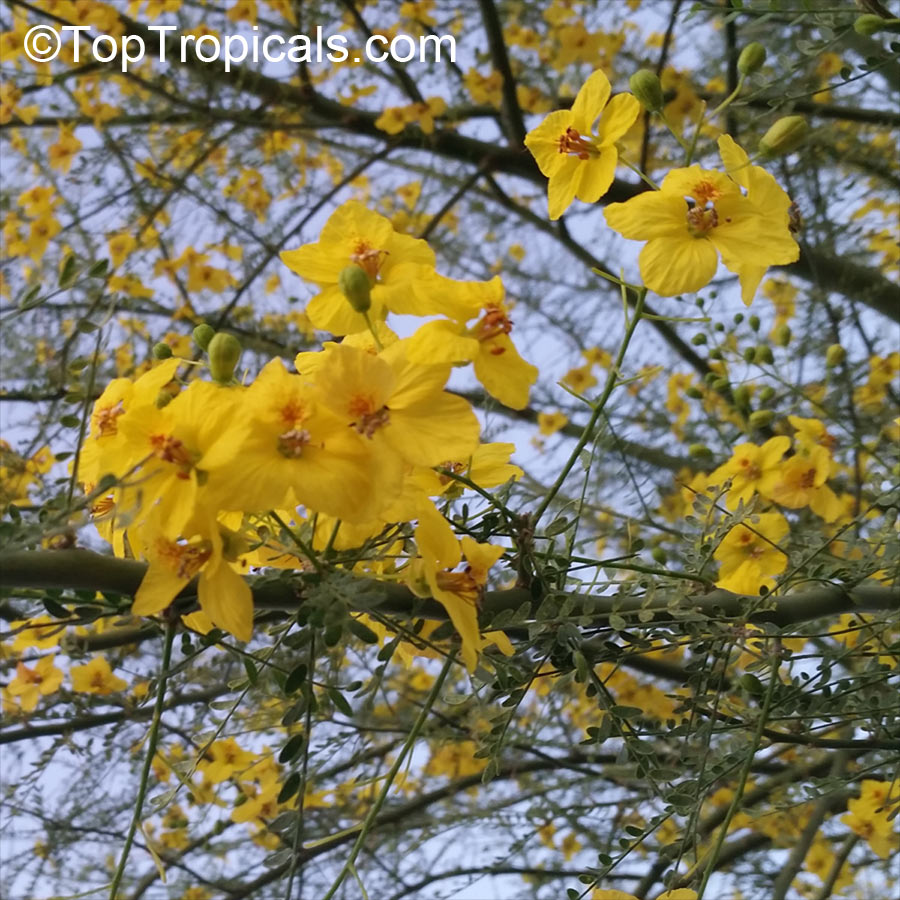
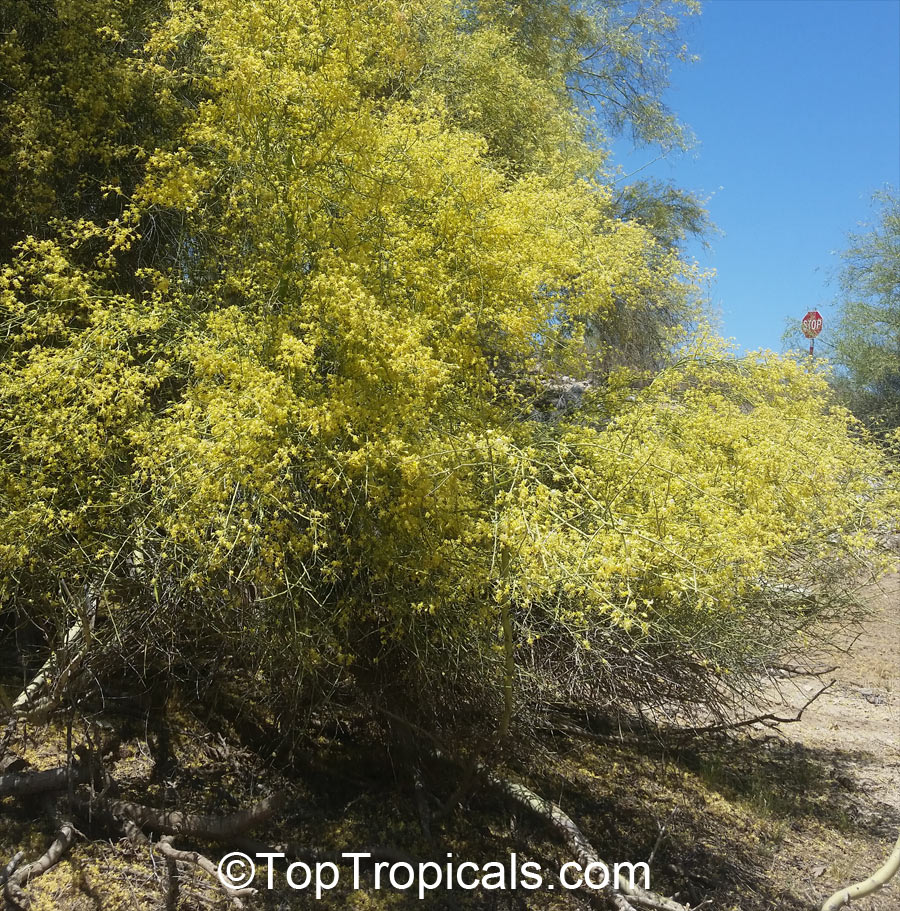
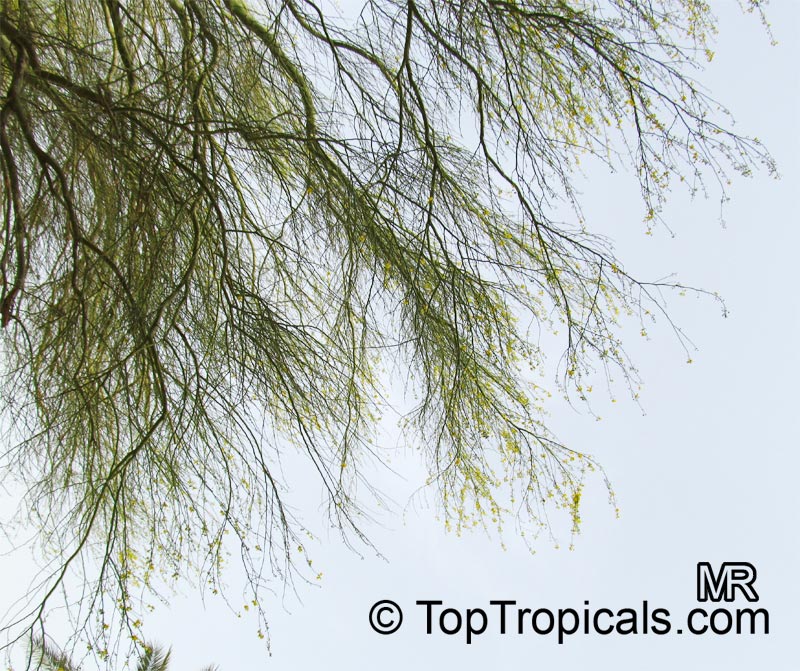
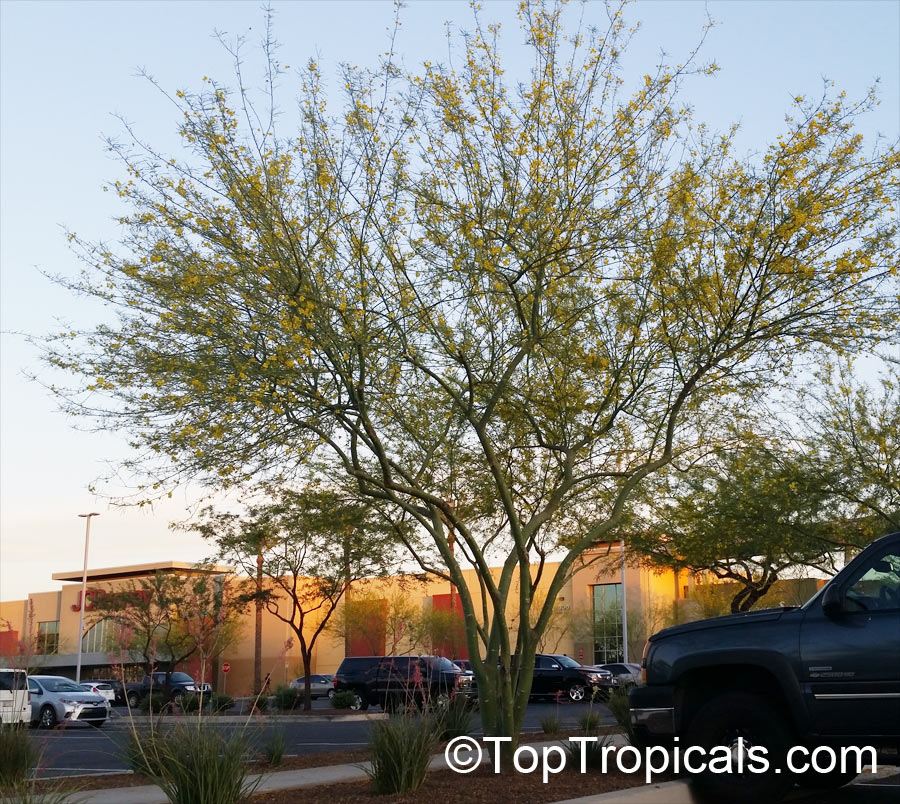
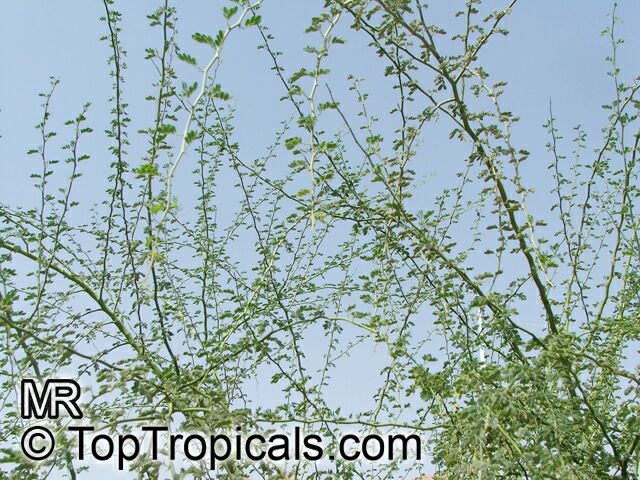
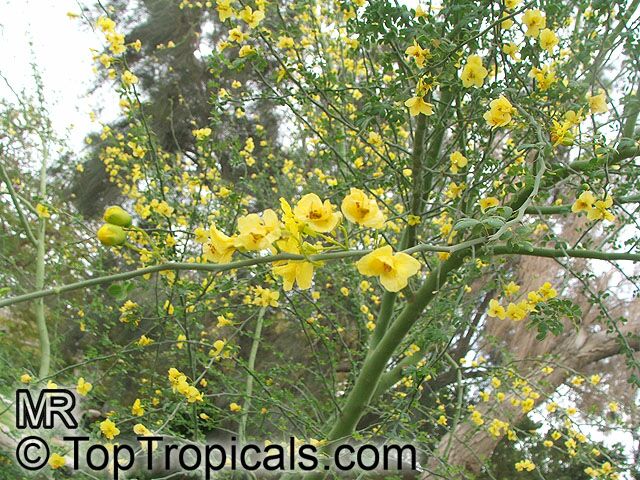
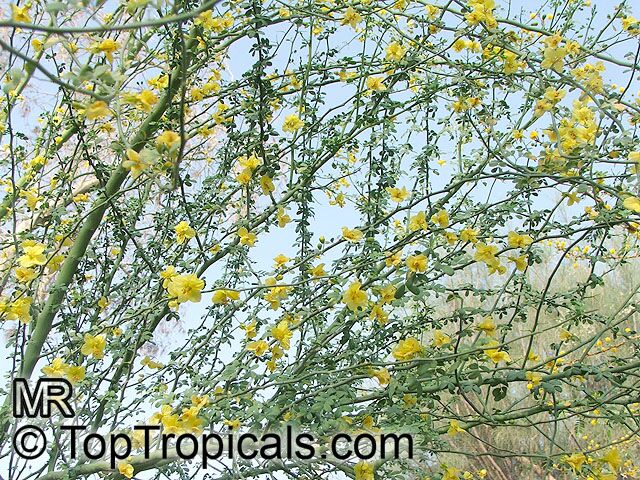
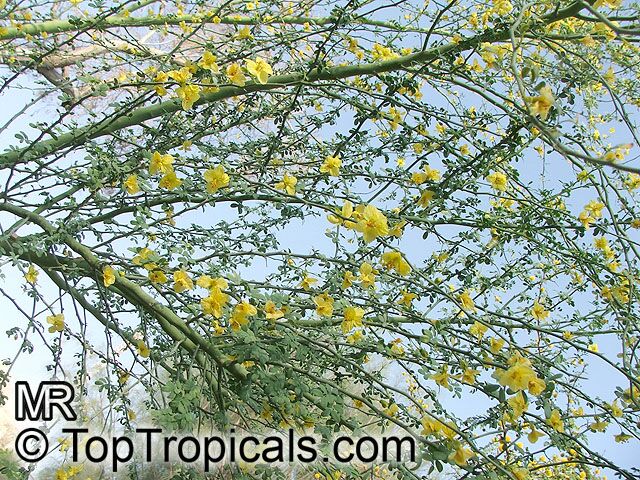
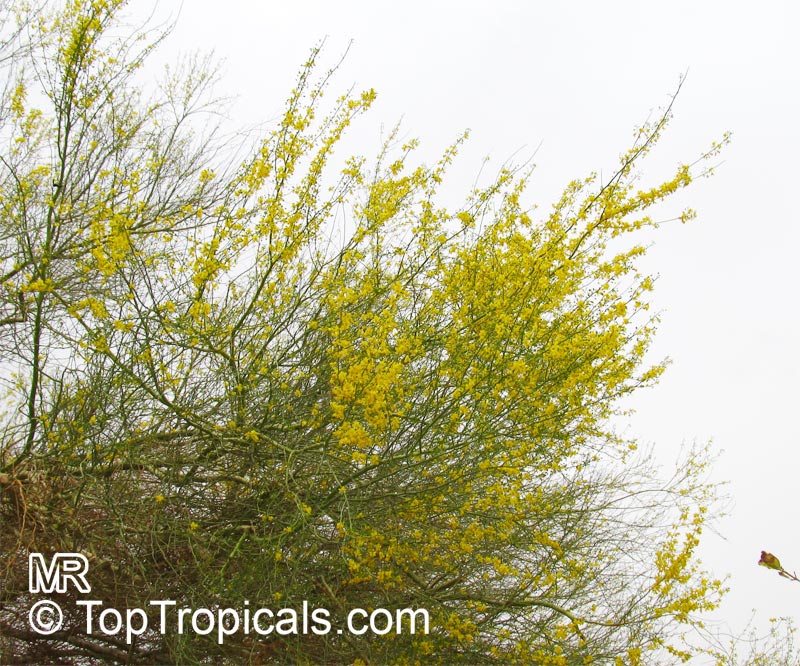
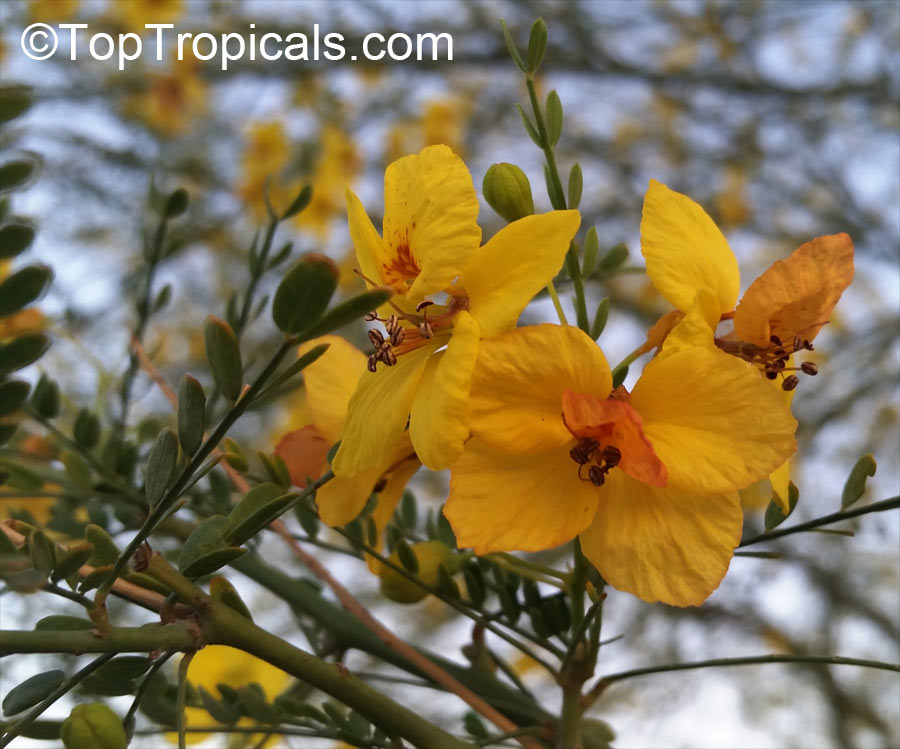
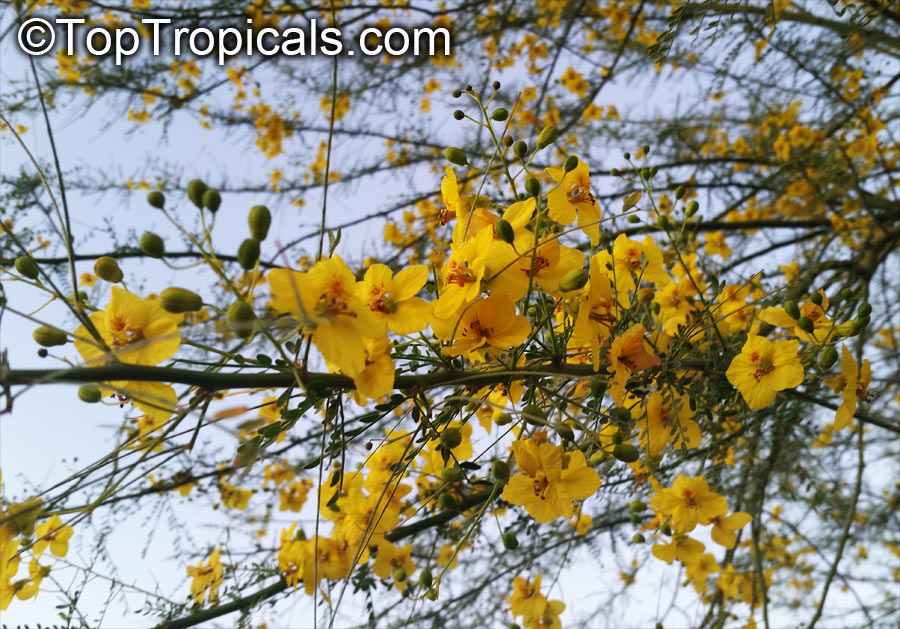
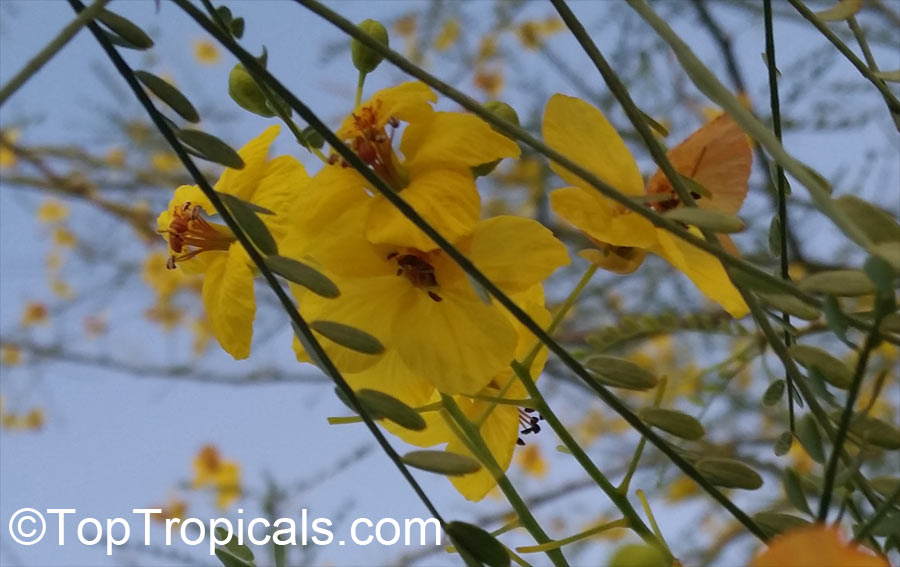
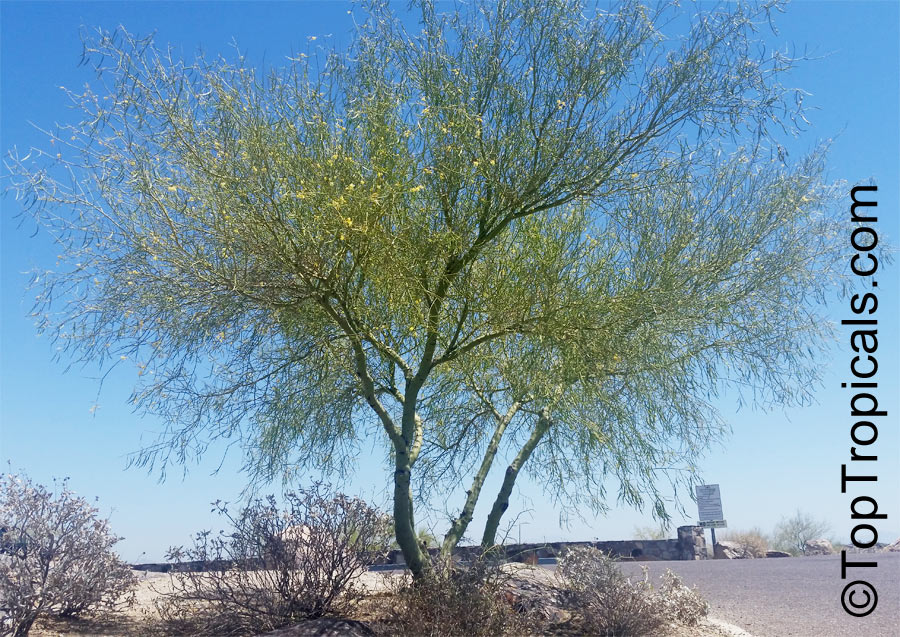
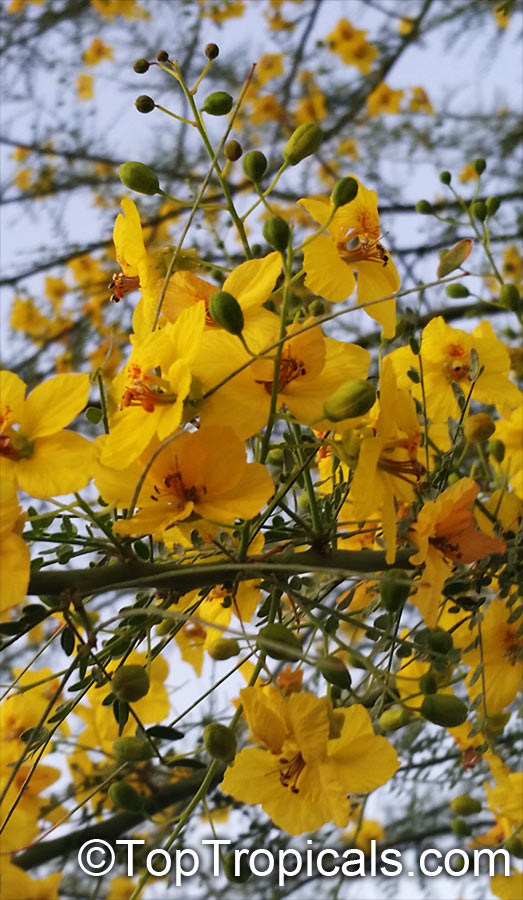
Parkinsonia sp., commonly known as Palo Verde, refers to a group of drought-adapted trees in the Fabaceae family native to arid regions of the Americas. These trees typically reach 15 to 30 ft in height and form an open, airy canopy with green, photosynthetic bark that continues to function even when leaves are shed. Leaves are finely divided and often short-lived, reducing water loss during dry periods. Bright yellow, five-petaled flowers appear in abundance during warm seasons, sometimes marked with orange or red at the base, creating a vivid display against the green branches.
This group prefers full sun and very well-drained soil, thriving in sandy or rocky conditions with minimal irrigation once established. Growth rate is moderate to fast in heat. Cold tolerance varies by species but is generally suitable for USDA Zones 8 to 11, with some forms tolerating brief light frost. Parkinsonia species are well suited to xeriscaping and dry landscapes and can also be grown in large containers when young.Species:
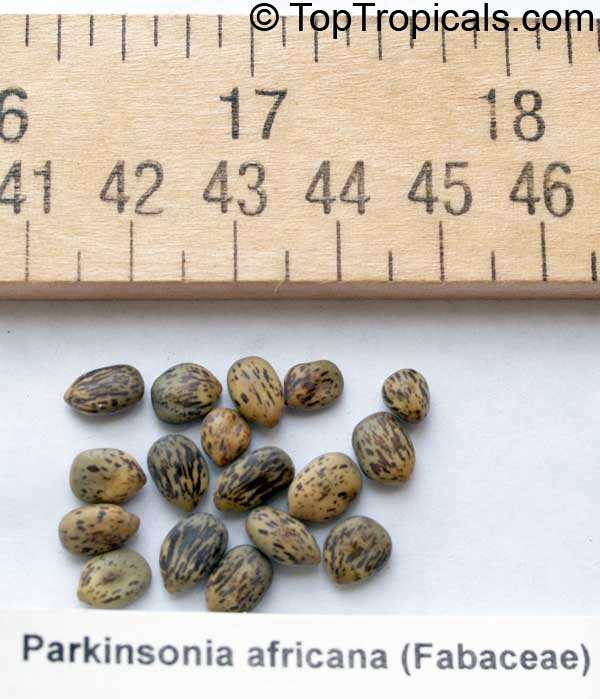
Parkinsonia africana
Parkinsonia florida (Cercidium floridum)
Parkinsonia microphylla
Parkinsonia praecox. Xeriscape specimen tree, desert landscape gardens. Small pinnately compound leaves, masses of yellow flowers.