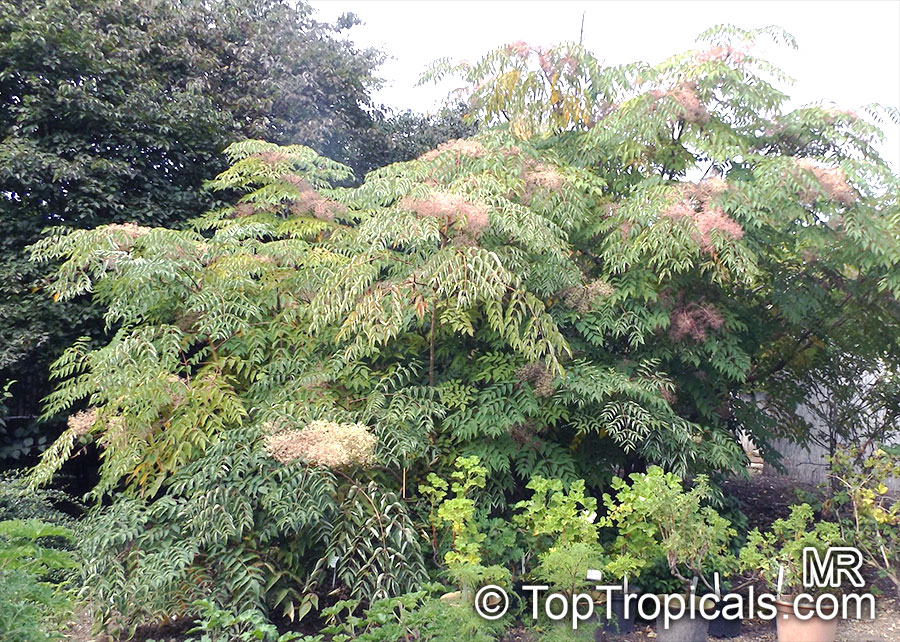
Aralia elata (Japanese Angelica Tree)
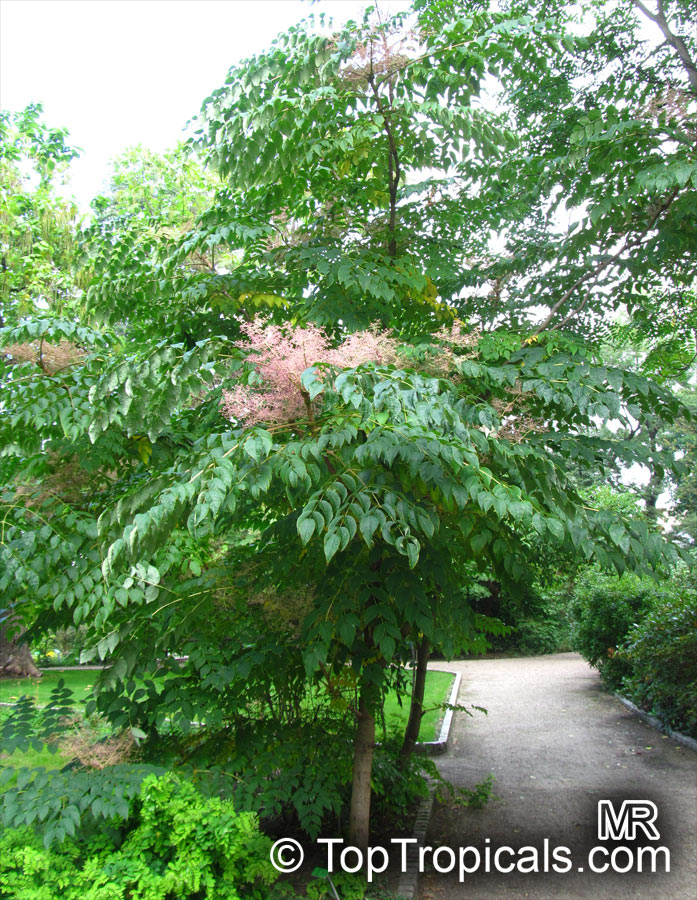
Botanical name: Aralia elata
Common name: Japanese Angelica Tree
Family: Araliaceae
Origin: China, Korea
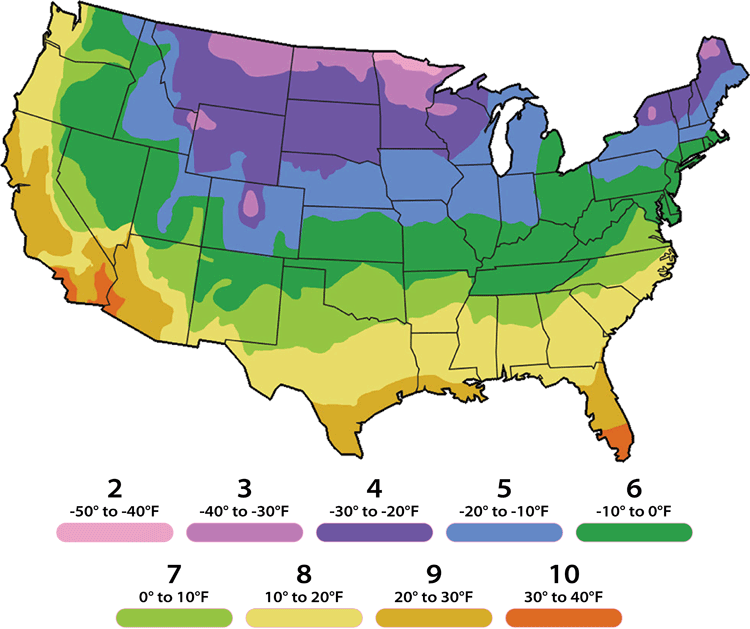
USDA Zone: 4-9
 Plant form: Small tree
 Mature height: 10-20 ft
 Sun exposure: Full sun or bright light indoor; semi-shade
 Cold tolerance: Tolerates light freezing to about 30°F for short periods (mature plants). Young plants must be protected.
 Watering: Regular; moderate
 Flower color: Pink; white and off-white
 Suitable for: Outdoors in the suitable USDA zone; small gardens, containers, and indoor growing
 Foliage: Deciduous
 Thorns: Thorny or spiny
 Wildlife: Attracts butterflies and hummingbirds
 Ethnomedical: Ethnomedical plant, traditionally used in folk or indigenous medicine
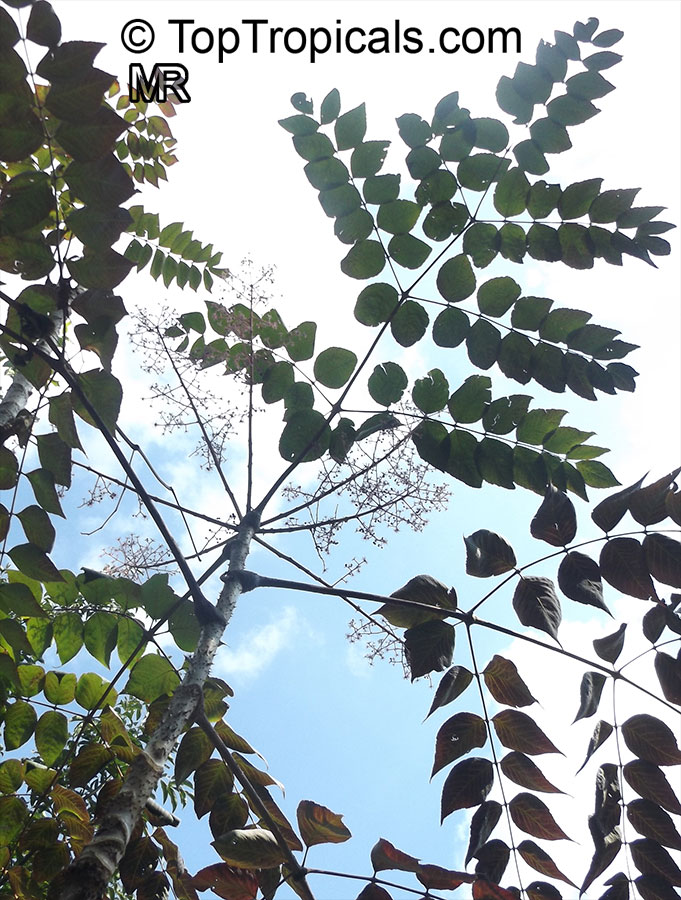
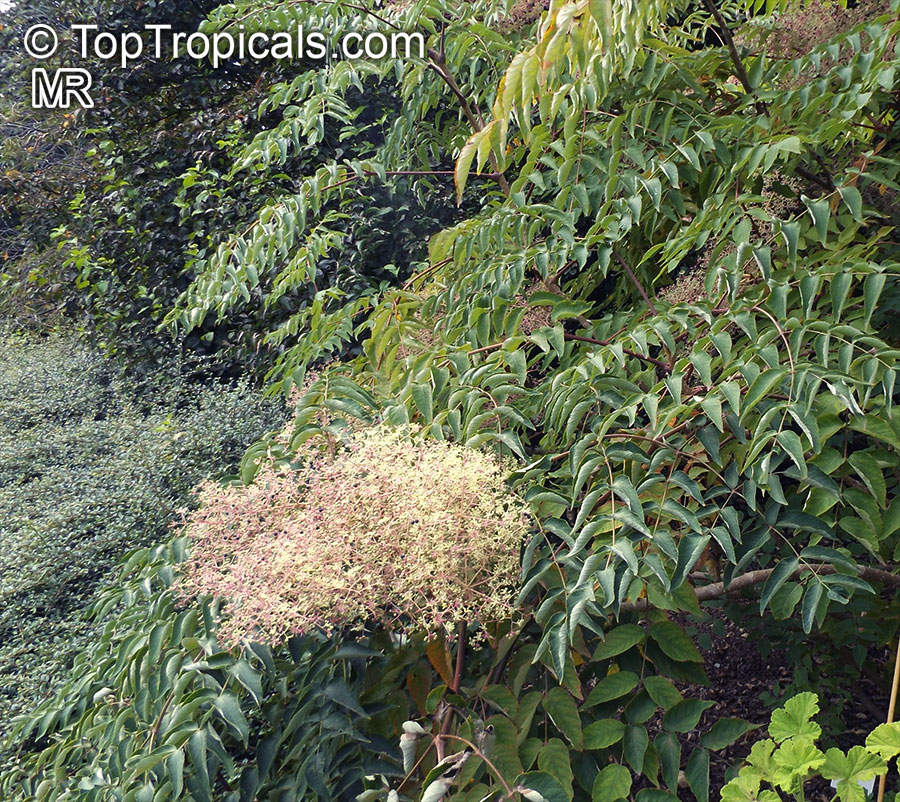
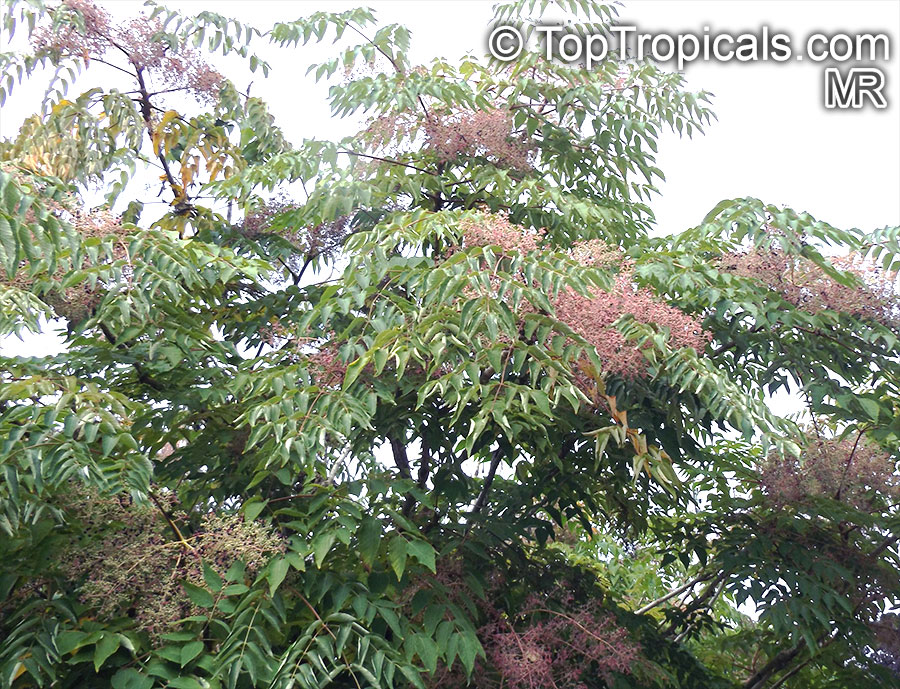
Aralia elata, commonly known as Japanese Angelica Tree, is a deciduous small tree or large shrub in the Araliaceae family, native to eastern Asia, including Japan, Korea, eastern China, and parts of the Russian Far East. It develops an upright, sparsely branched habit with stout, often spiny stems and can reach 20 to 40 feet (6 to 12 m) tall. The enormous bipinnate leaves, often 2 to 4 feet (60 to 120 cm) long, give the plant a bold, tropical appearance despite its excellent cold hardiness.
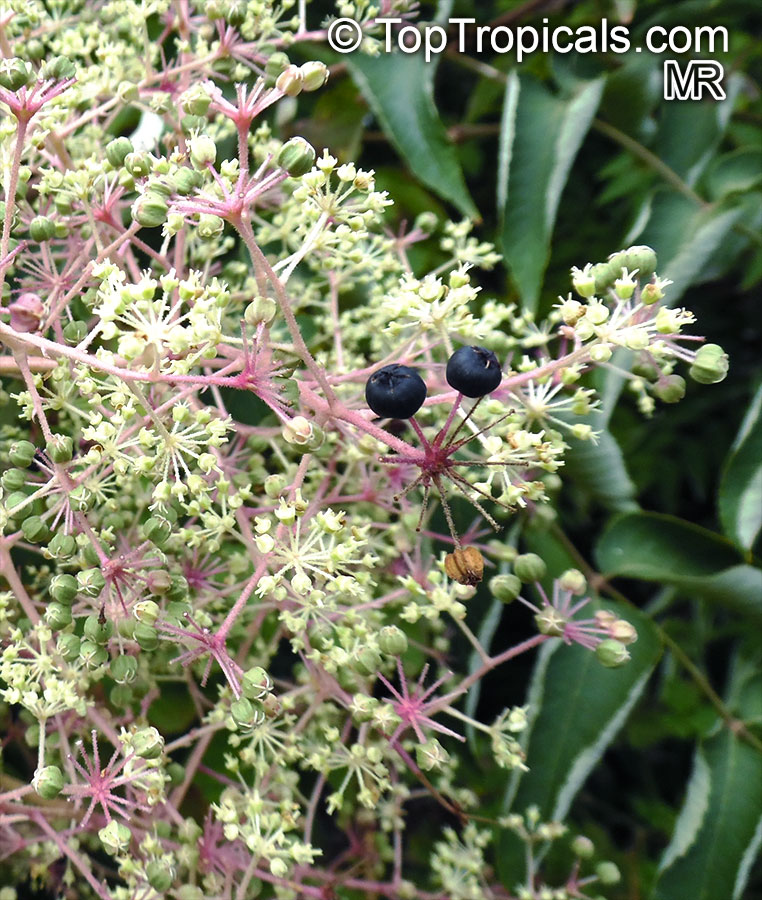
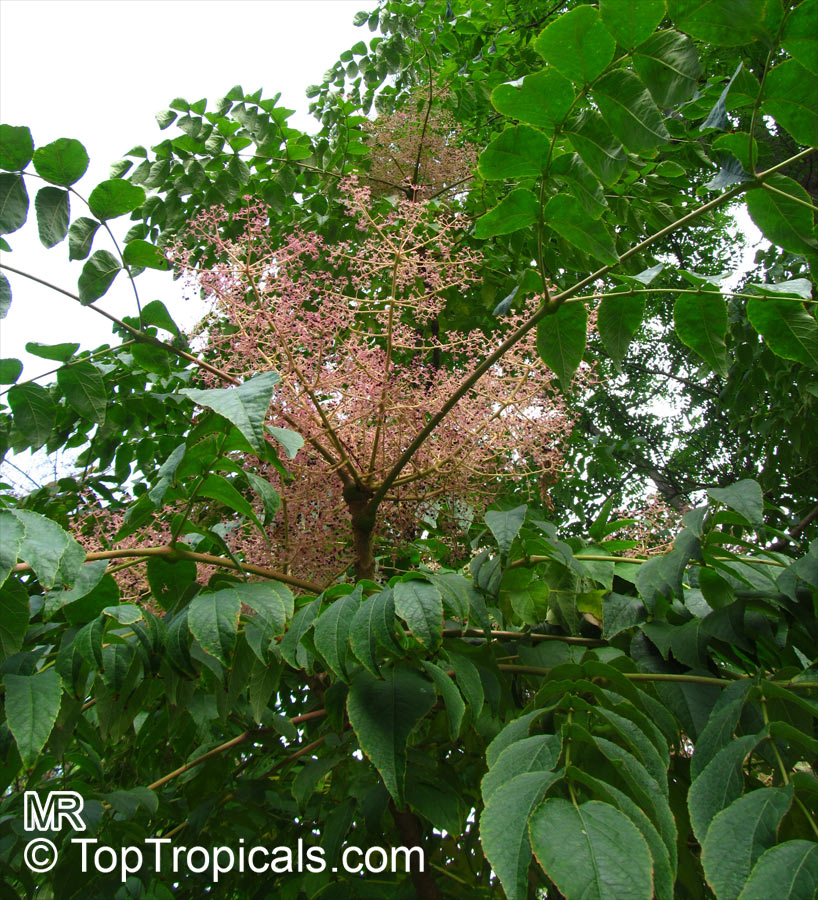
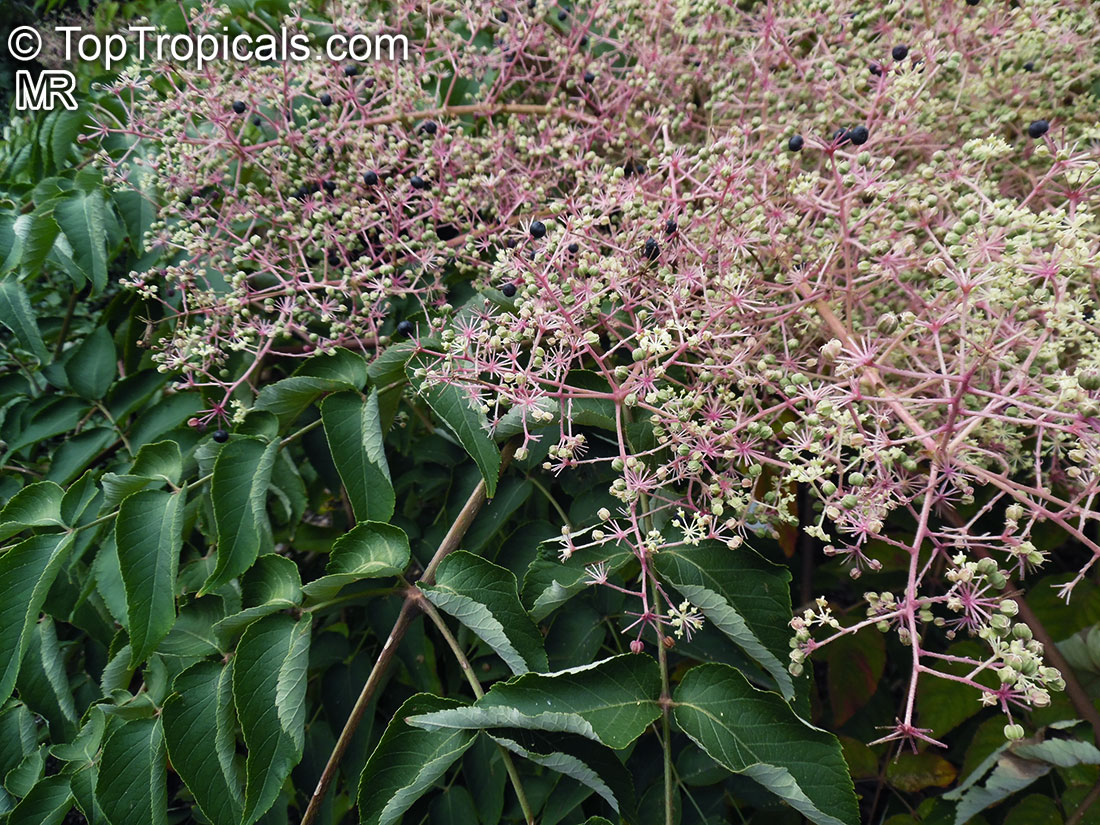
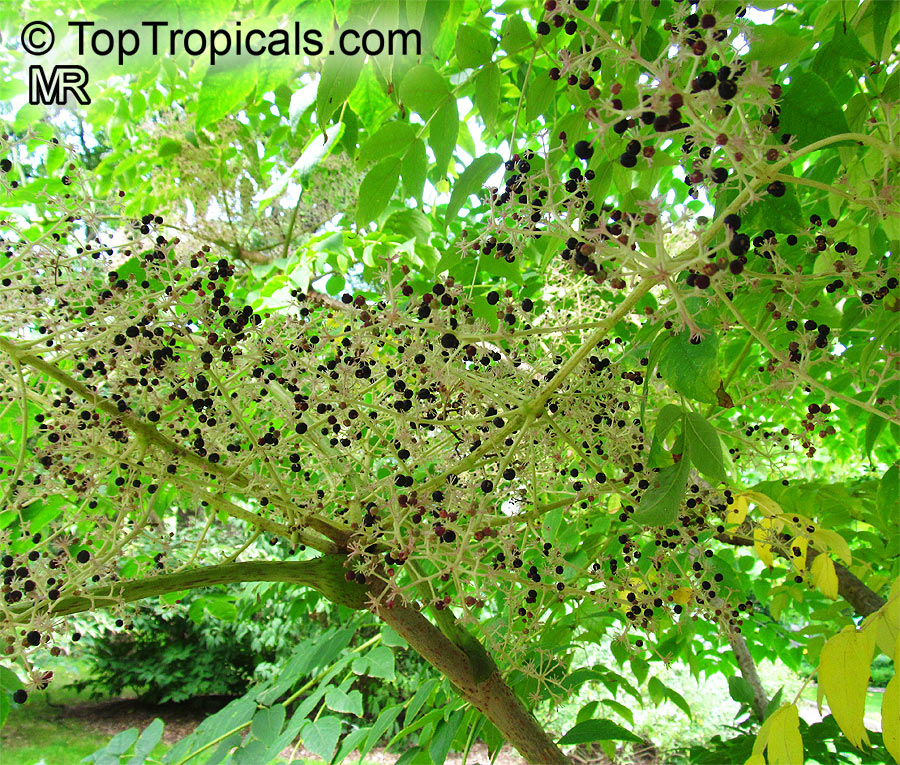
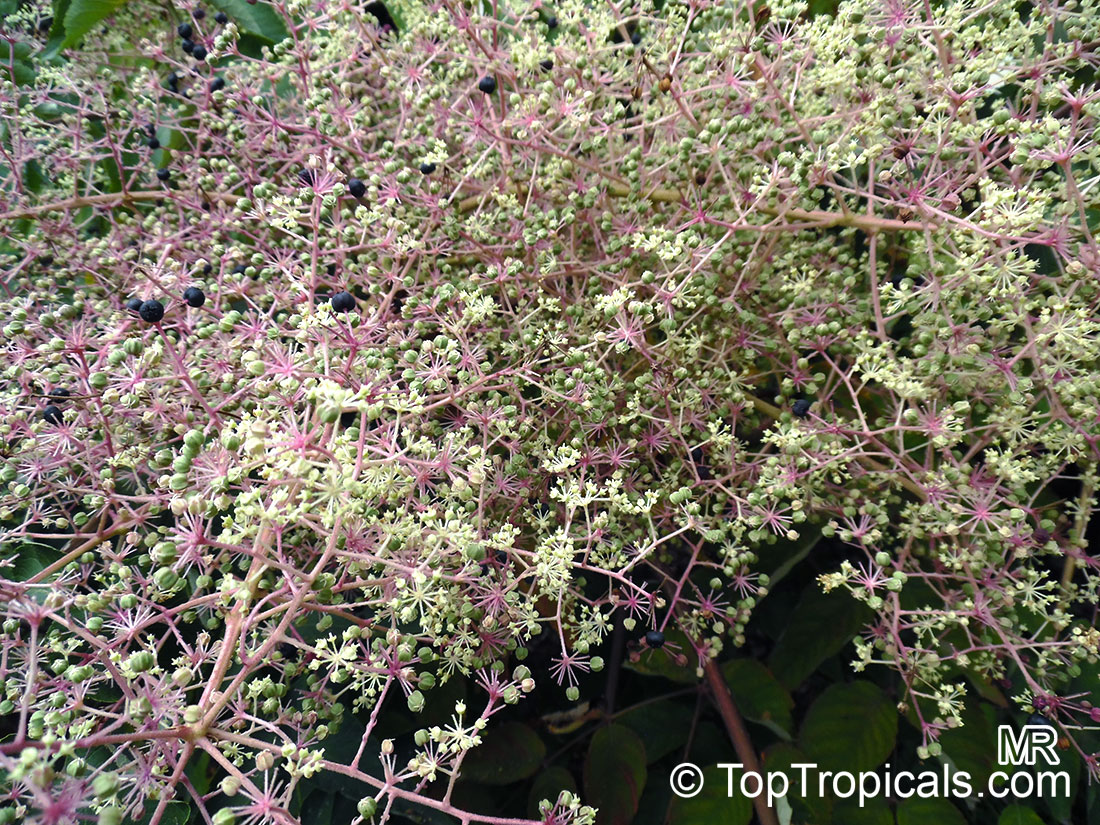
In late summer, mature plants produce large terminal panicles of small creamy white flowers that attract bees and other pollinating insects, followed by clusters of glossy black berries that are relished by birds. Young spring shoots, known as tara-no-me, are considered a seasonal delicacy in Japan and are commonly prepared as tempura or other traditional dishes. Aralia elata grows best in full sun to partial shade and fertile, well-drained soil with consistent moisture, although established plants tolerate a range of conditions. It spreads gradually by root suckers, eventually forming colonies if left unmanaged. Hardy in USDA Zones 4-8, it is valued as both an architectural landscape plant and an edible ornamental with striking foliage, impressive flower clusters, and excellent seasonal interest.
Note: Aralia elata is listed as an invasive plant in the state of Maine. Sale and import into Maine are prohibited by state regulations.
Similar plants: Aralia elata (Japanese Angelica Tree)