Antidesma bunius (Bignay)
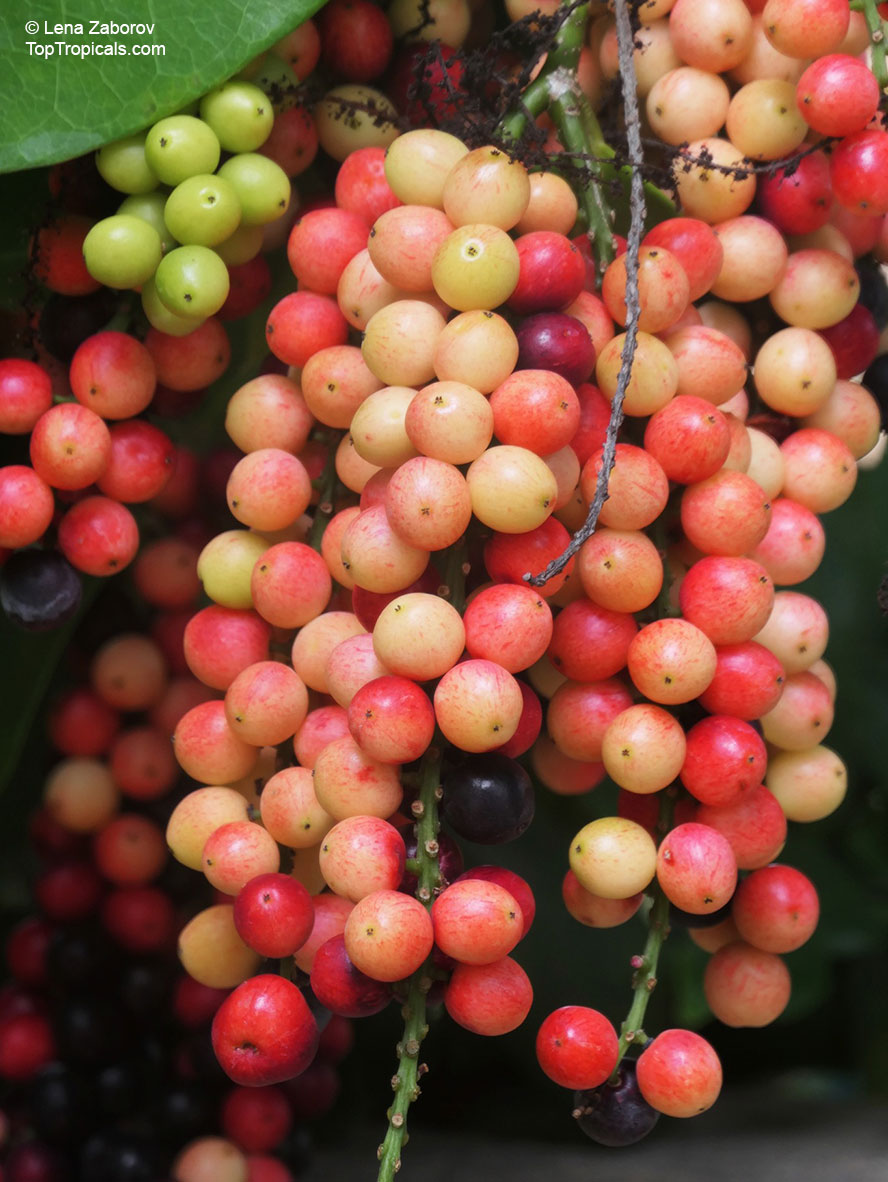
Botanical name: Antidesma bunius
Common names: Bignay, Bugnay, Tassel berry
Family: Phyllanthaceae
Origin: Malaysia
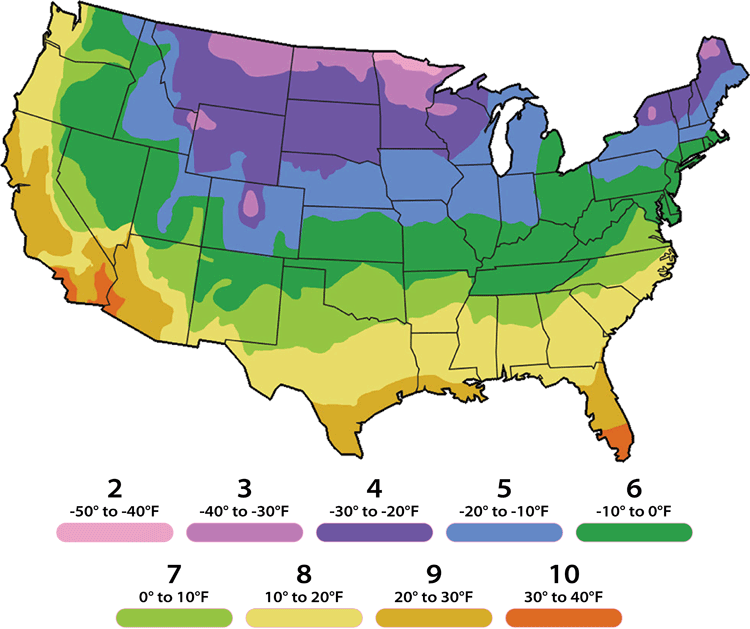
USDA Zone: 9-11

 Plant form: Large bush or small tree
 Mature height: 10-20 ft
 Sun exposure: Full sun or bright light indoor; semi-shade
 Cold tolerance: Tolerates light freezing to about 30°F for short periods (mature plants). Young plants must be protected.
 Watering: Regular
 Suitable for: Outdoors in the suitable USDA zone; small gardens, containers, and indoor growing
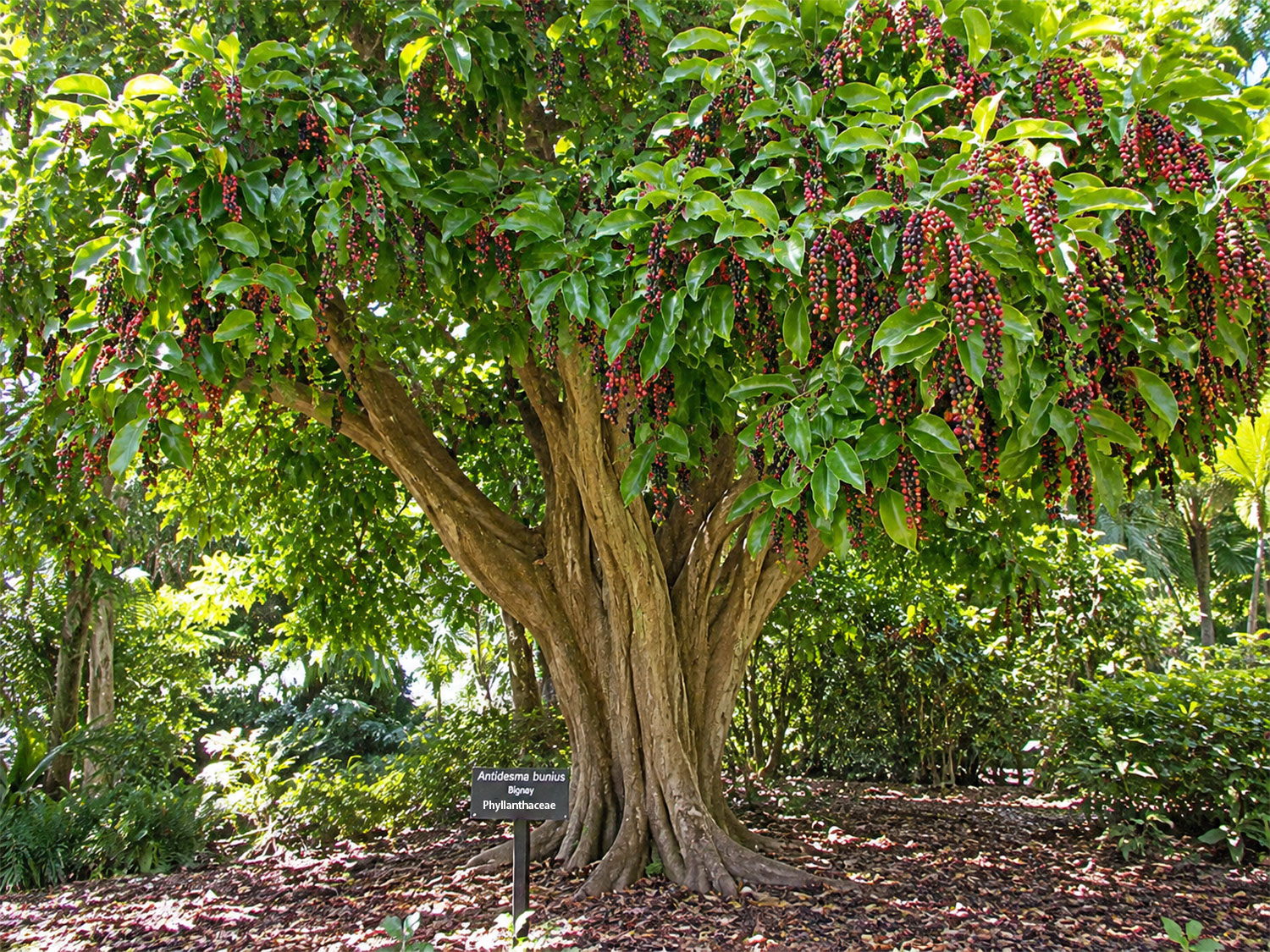
Antidesma bunius is a large shrub or small tree native to Malaysia. It grows in full sun or semi-shade, and requires regular watering when grown as a potted plant in cold regions. It is suitable for planting in USDA zones 9-11, and grows to between 5-10 feet when a shrub, and 10-20 feet when a small tree.
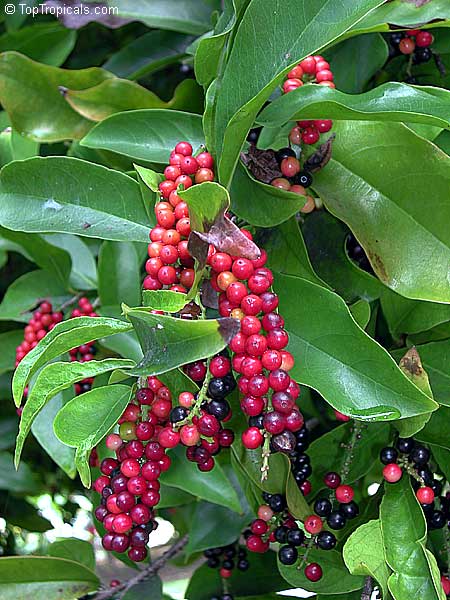
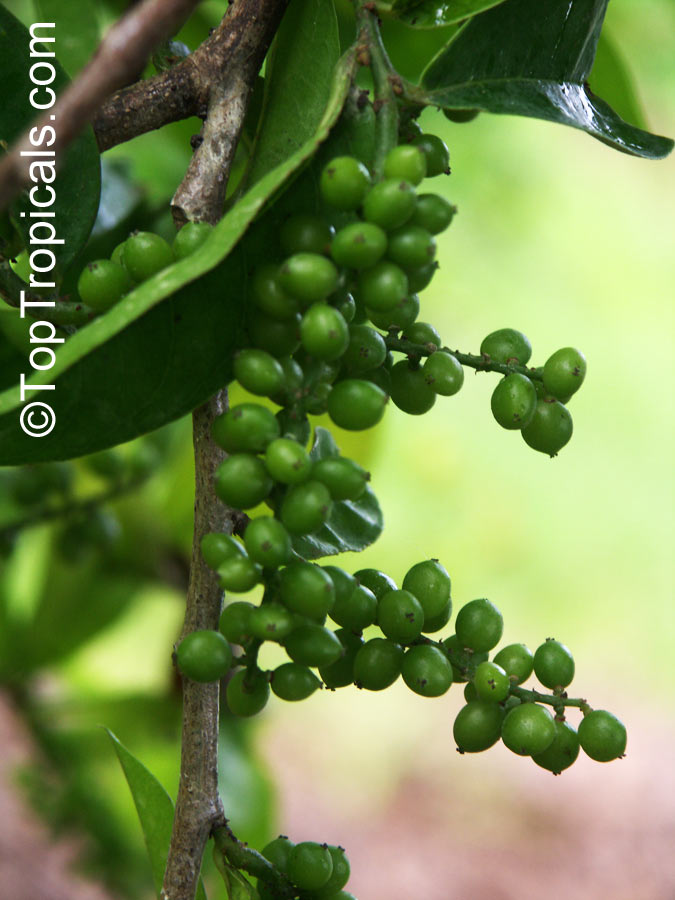
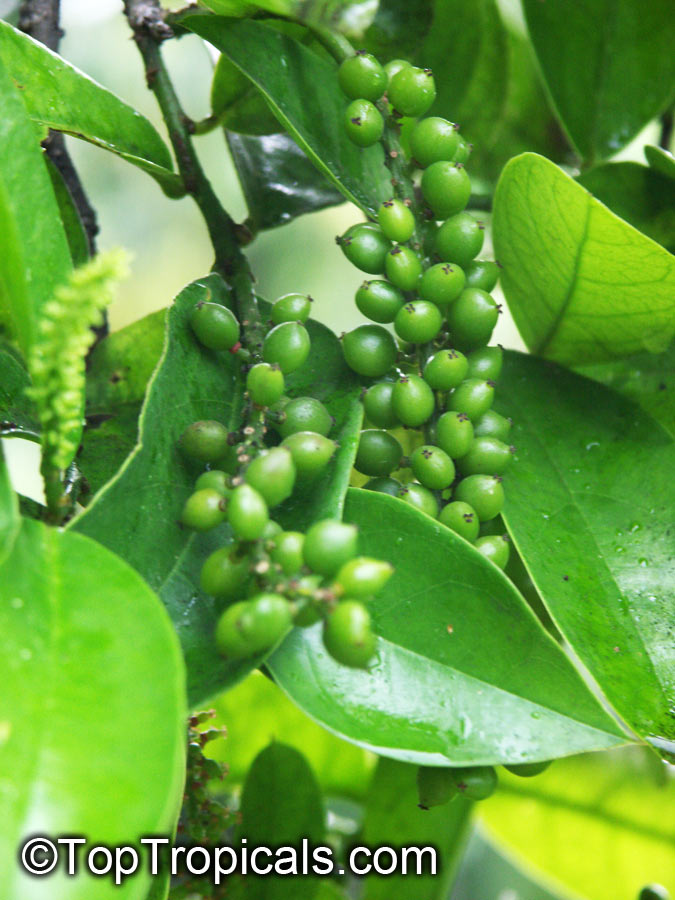
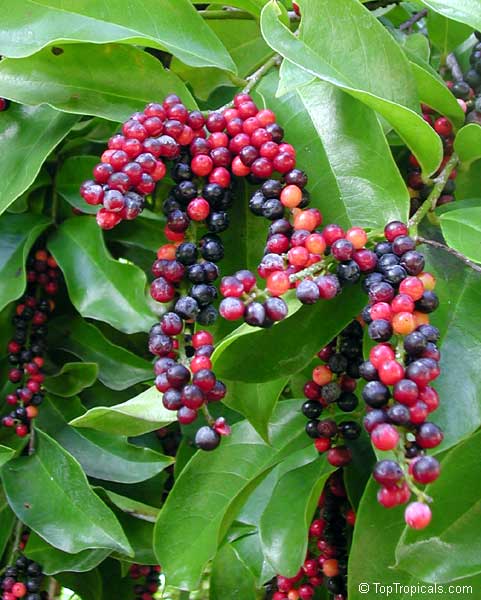
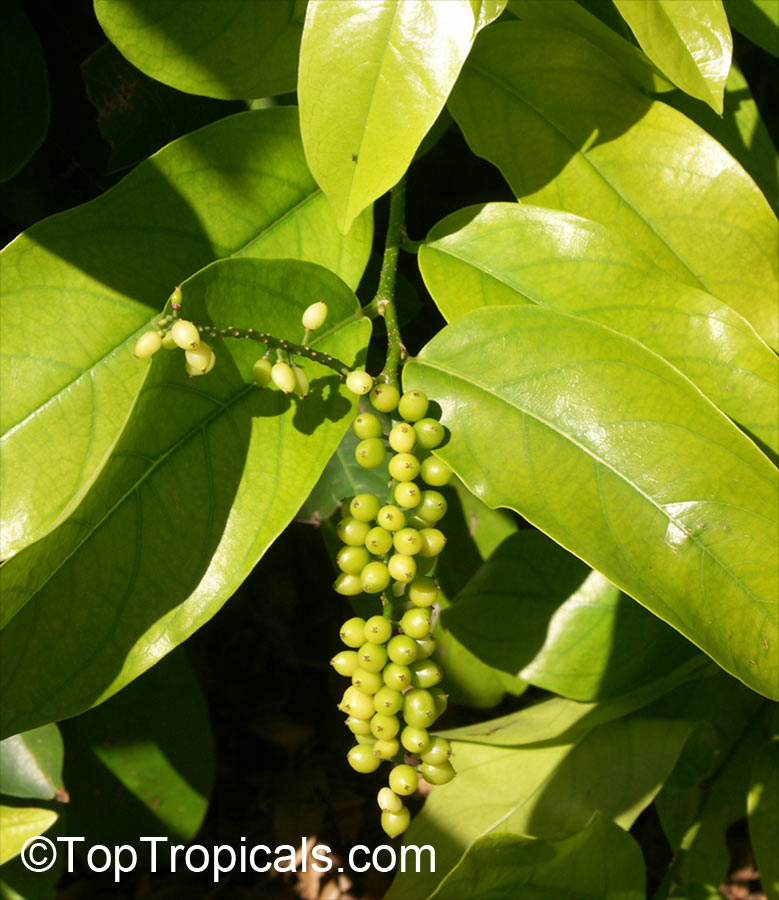
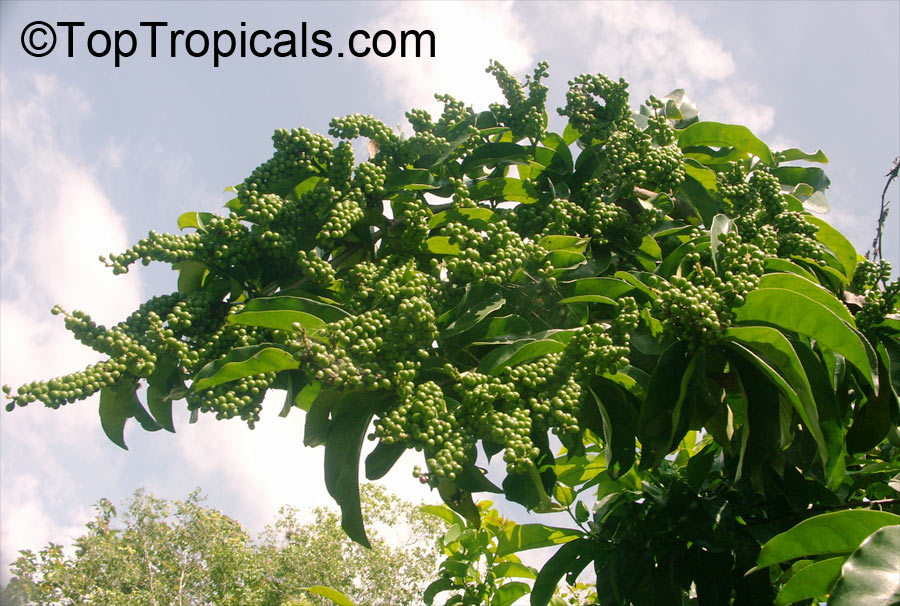
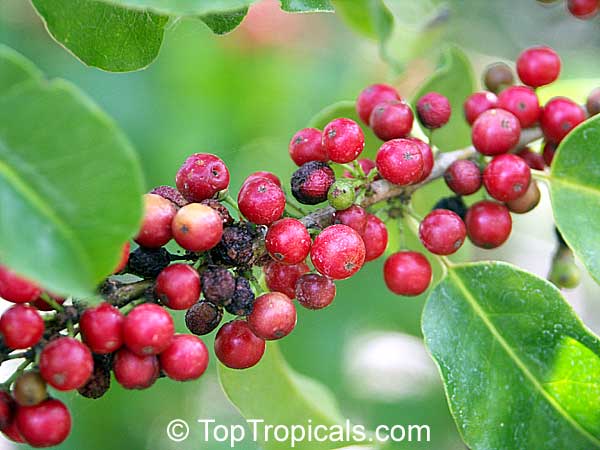
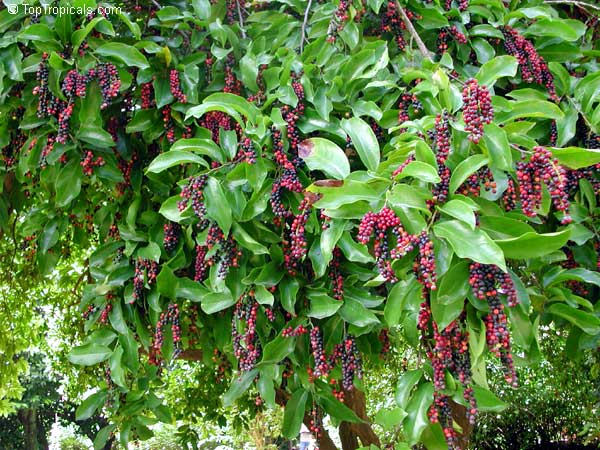
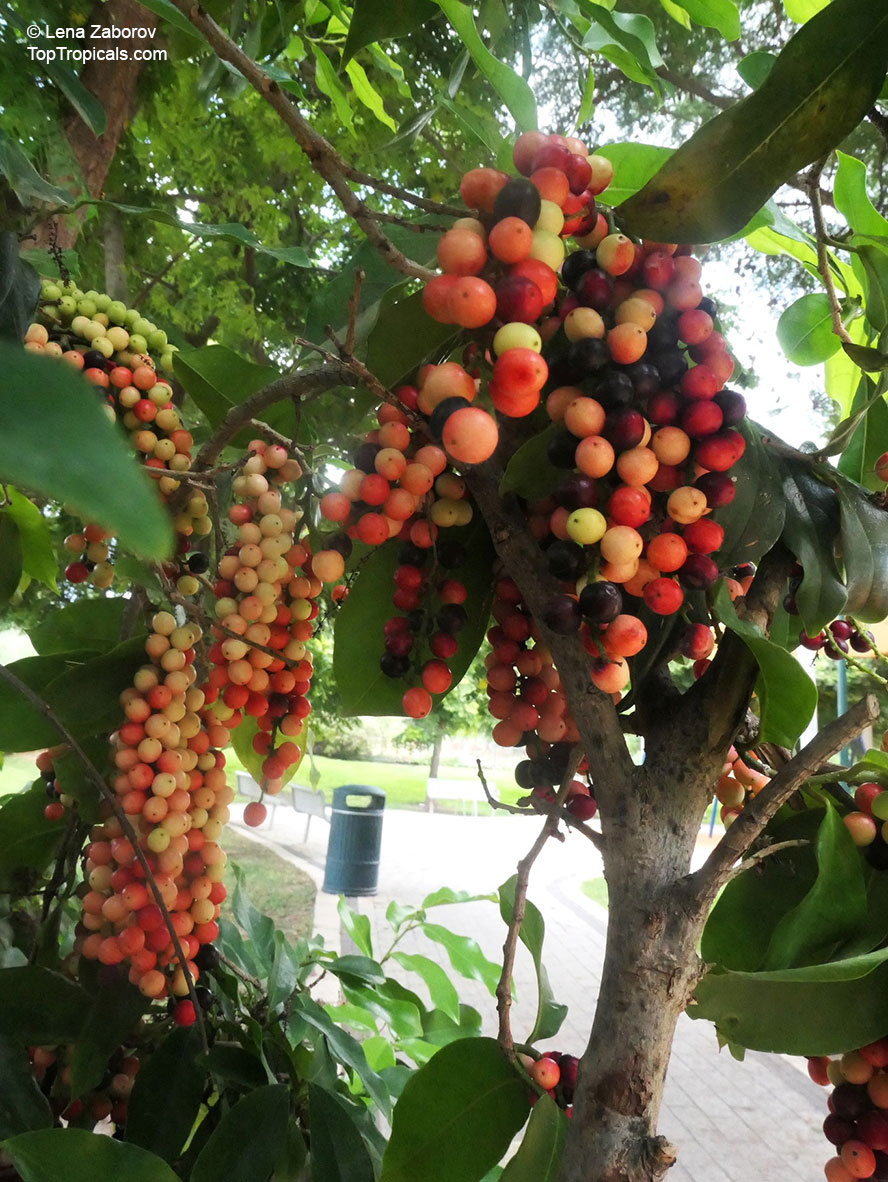
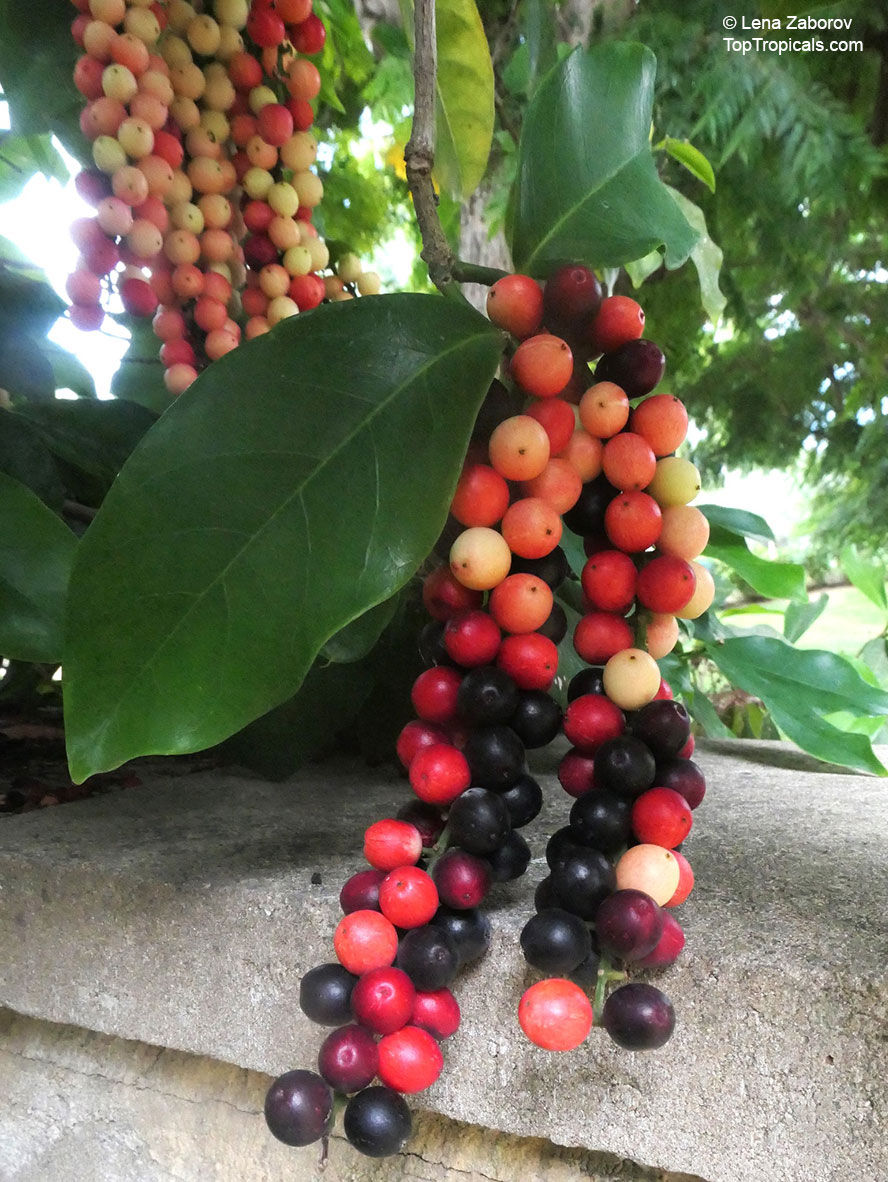
The fruits of Antidesma bunius are a great source of nutrients and are renowned for their health benefits. Each bush can produce 20-30 fruits per cluster during the months of July through September. The fruits appear in red, dark purple, and black colors, and they have a unique, slightly acidic flavor. These fruits are enjoyed by birds, and can be used to make jams, jellies, and vine, as well as other beverages. Although they are edible, the juices can stain fingers and clothing if not handled carefully.
Antidesma bunius is closely related to another species known as Antidesma platyphyllum, which produces larger fruits in either purple or black colors. These fruits are also enjoyed by birds and are edible for humans.
Overall, Antidesma bunius is a hardy and productive shrub or small tree with many beneficial health benefits. It is easy to grow and maintain and produces a large number of fruits from July through September.
A rare fruit tree native to Southeast Asia, it develops a dense, bushy canopy with glossy foliage and long, cascading clusters of small berries. The fruit ripens gradually from green to bright red, purple and finally almost black, often creating several colors on the same cluster. Fully ripe berries are juicy and pleasantly sweet-tart. Their intense ruby-red juice is traditionally used for beverages, wine, syrup, jam and jelly, and the fruit also makes an excellent homemade liqueur.
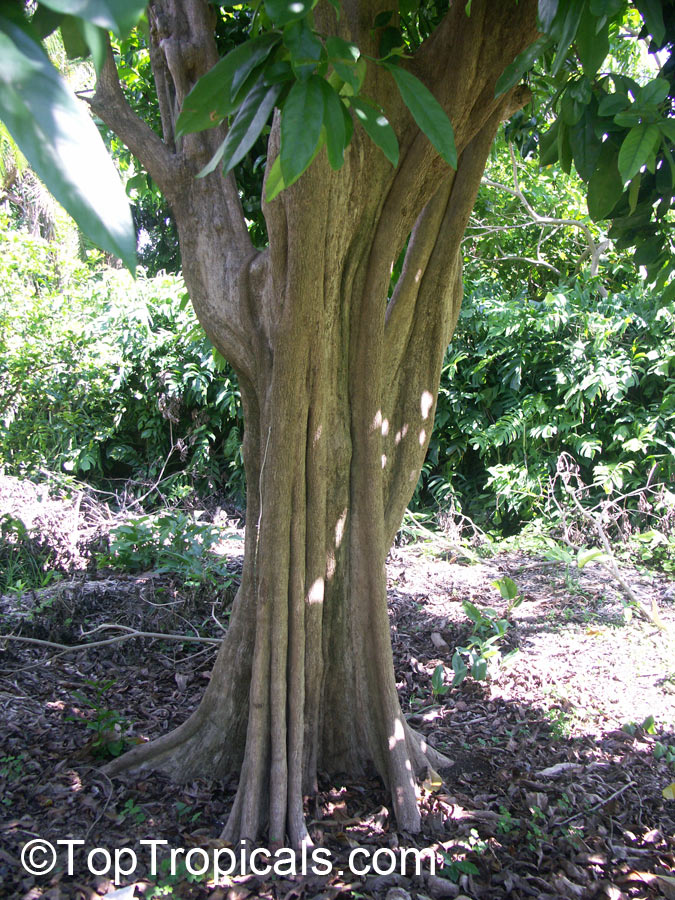
Bignay can eventually develop into a medium-sized tree in tropical climates, but in our experience it is relatively slow-growing, stays compact and bushy for years, and responds well to pruning. Our tree produced a surprisingly heavy crop after only about two years in the ground. Bignay can also be maintained and fruited in a large container, making it an interesting choice for patios and smaller edible gardens. Grow it in sun to partial sun with fertile, well-drained soil and regular moisture while establishing. Established trees tolerate some drought, but young plants should be protected from frost and hard freezes.
Our Bignay trees have a special Florida history: the mother plant was grown from seeds he collected from the famous old Bignay tree at Fairchild Tropical Botanic Garden. That legendary tree reportedly produced 22 bushels of berries in a single season - roughly 35 five-gallon buckets - yielding 72 gallons of juice. Our young descendant appears to have inherited some of that enthusiasm for fruiting.
Similar plants: Antidesma bunius (Bignay)
Recommended Fertilizer: SUNSHINE C-Cibus - Crop Nutrition Booster
SUNSHINE-Honey - sugar booster
Ordering seeds info
RECOMMENDED SUPPLIES:
Seed Germination Mix #3, professional grade
SUNSHINE-Epi - Seeds and cuttings booster
SUNSHINE Bombino - Young Plant Booster