Aloe haworthioides (Haworthia-leaved Aloe)
Botanical name: Aloe haworthioides
Common name: Haworthia-leaved Aloe
Family: Asphodelaceae (Formerly:Xanthorrhoeaceae)
Subfamily: Asphodeloideae
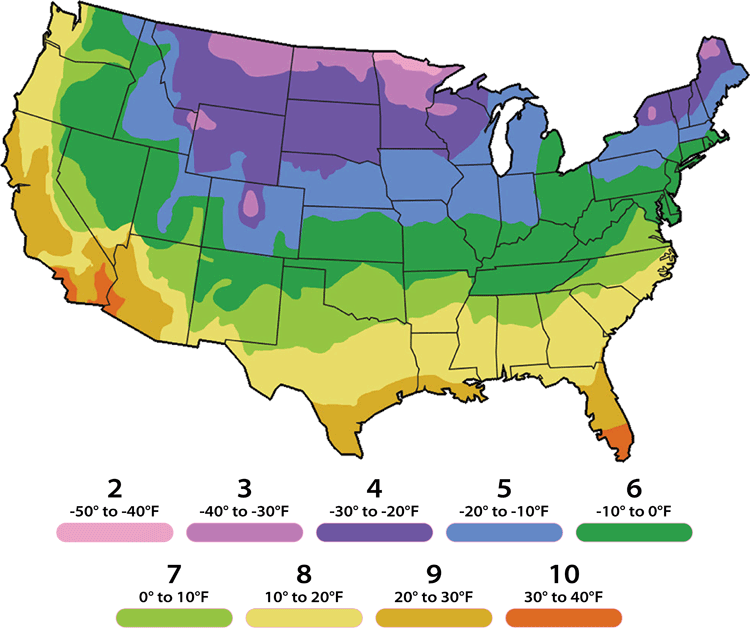
USDA Zone: 10-11
 Plant form: Small
 Mature height: 2-5 ft
 Sun exposure: Full sun or bright light indoor
 Cold tolerance: Frost sensitive. Protect from freezing.
 Watering: Moderate
 Flower color: Red, crimson, vinous
 Suitable for: Outdoors in the suitable USDA zone; small gardens, containers, and indoor growing
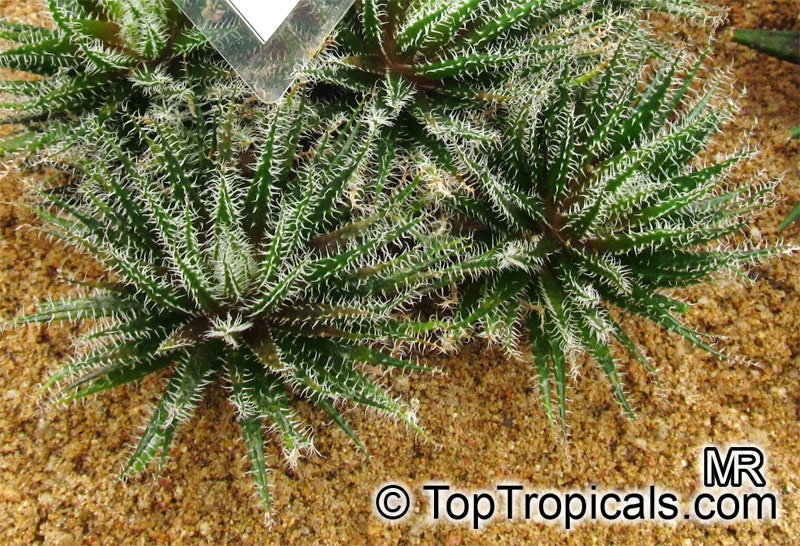
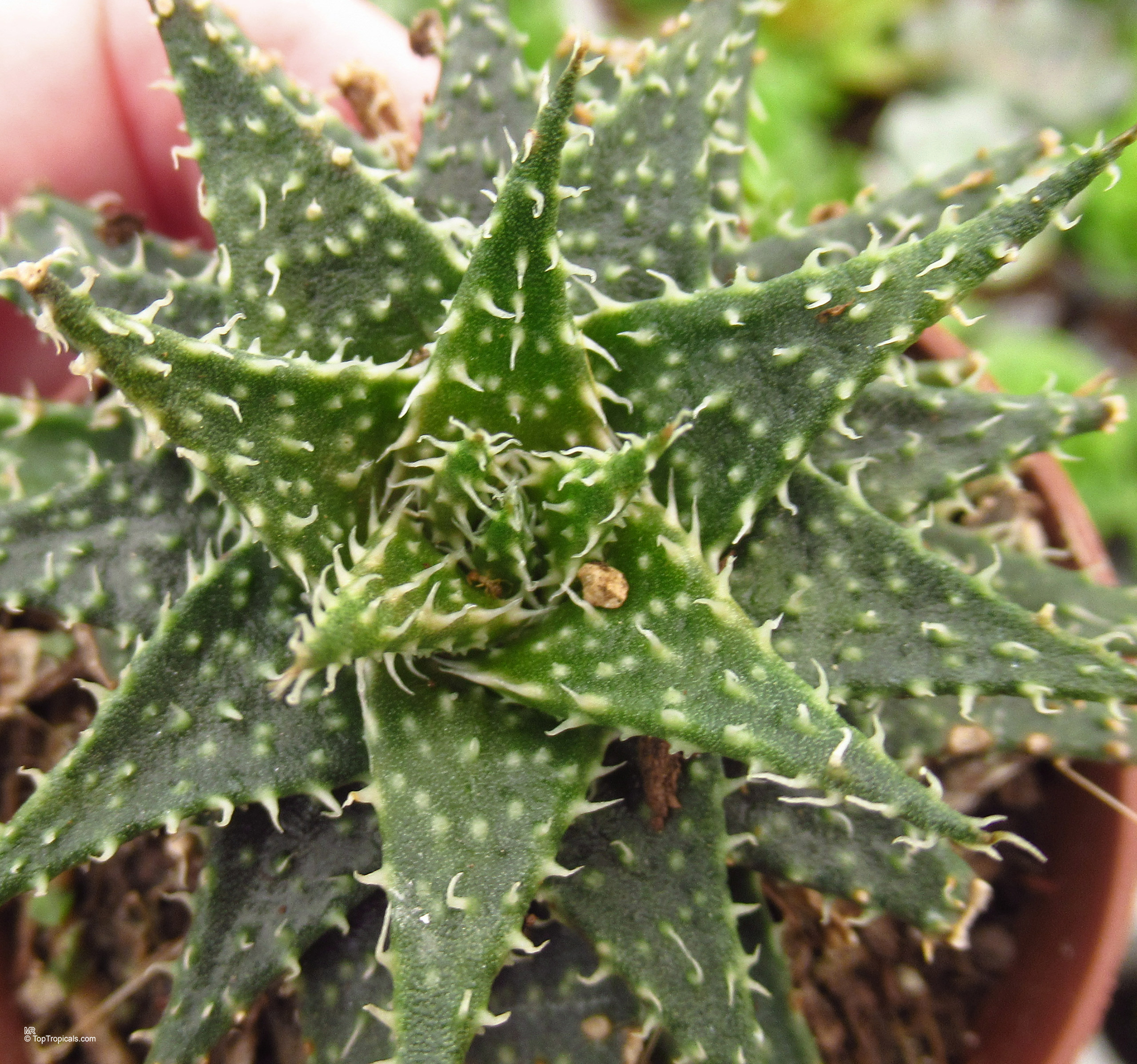
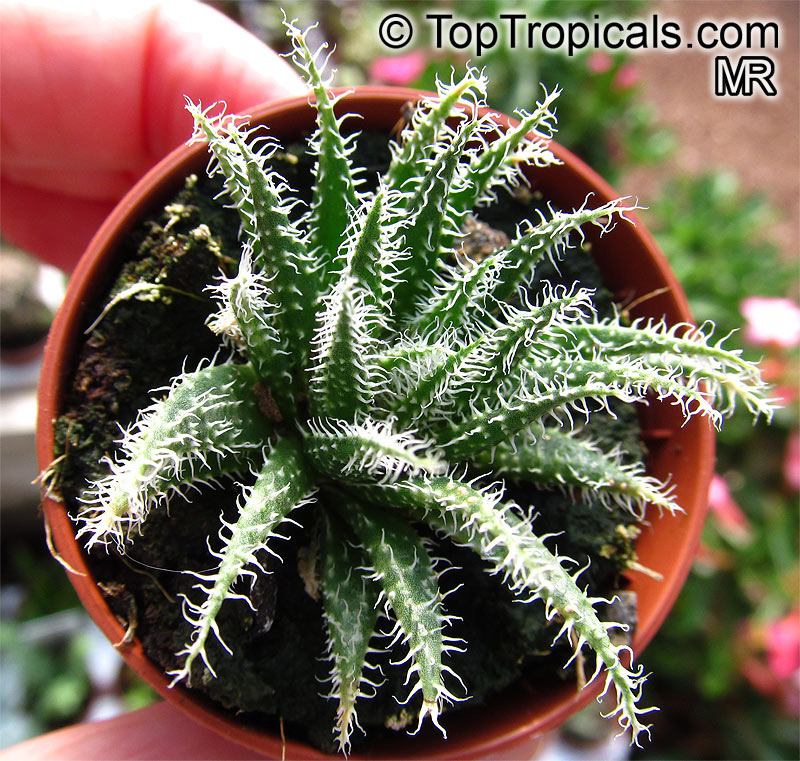
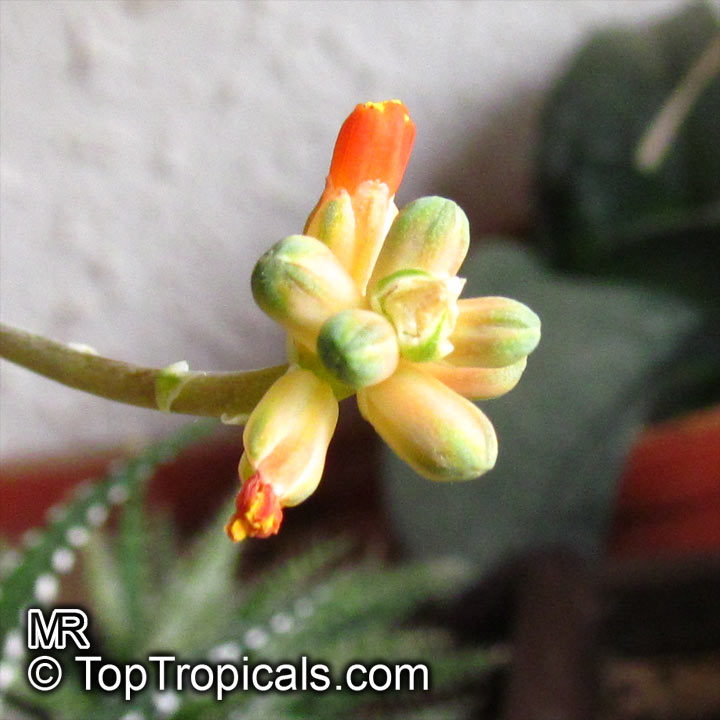
Aloe haworthioides, commonly known as Haworthia-like Aloe, is a miniature succulent in the Asphodelaceae family, endemic to Madagascar. It grows in dry, rocky habitats and forms dense clusters of small, stemless rosettes, typically only two to four inches across. The narrow, dark green leaves are densely covered with soft, white, hairlike bristles, giving the plant a distinctive fuzzy appearance reminiscent of certain Haworthia species. Unlike the stiff spines of many larger aloes, these bristles are relatively flexible. Slender flower stalks rise above the foliage, bearing small, tubular, pale orange to pinkish-orange flowers, often with greenish tips. The species is one of the parents of the popular miniature hybrid Aloe 'Pepe', which combines its fine white bristles with a compact rosette habit.
Aloe haworthioides thrives in bright light to partial sun and sharply drained, gritty soil. Its small size and clustering growth make it particularly suitable for miniature succulent collections and shallow containers. Water moderately during active growth, allowing the soil to dry between waterings, and keep considerably drier in cool weather. Best suited to USDA Zones 10-11, it should be protected from frost and prolonged cold, wet conditions.
Similar plants: Aloe haworthioides (Haworthia-leaved Aloe)
- Aloe africana (African Aloe)
- Aloe arborescens (Tree Aloe)
- Aloe aristata (Torch Plant)
- Aloe erinacea (Goree)
- Aloe humilis (Spider Aoe)
- Aloe juvenna (Tiger Tooth Aloe)
- Aloe marlothii (Mountain Aloe)
- Aloe sp. (Aloe)
- Aloe speciosa (Tilt-head Aloe)
- Aloe striata (Coral Aloe)