Schinus molle (Pink Pepper)
Botanical name: Schinus molle
Common names: Pink Pepper, Peruvian Pepper
Family: Anacardiaceae
Origin: Peru
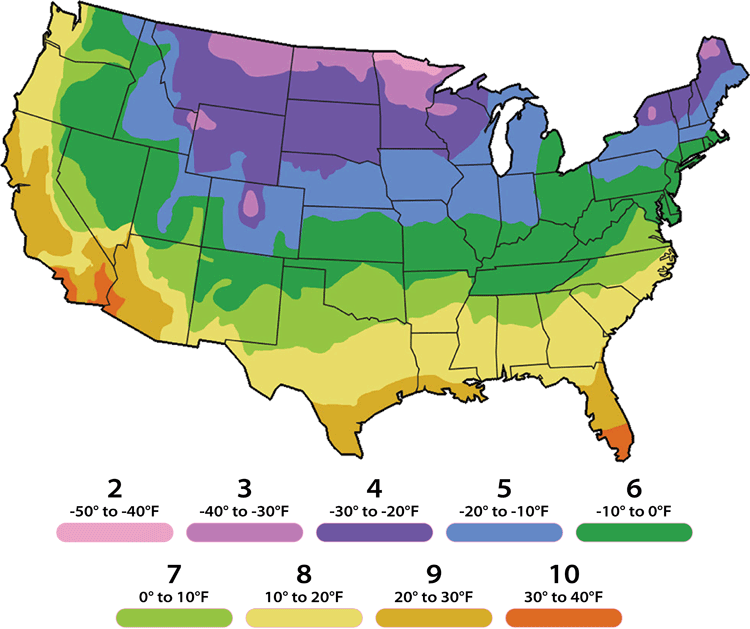
USDA Zone: 9-10

 Plant form: Large tree; suitable for bonsai
 Mature height: 20 ft or more
 Sun exposure: Full sun or bright light indoor
 Cold tolerance: Frost sensitive. Protect from freezing.
 Watering: Regular; moderate
 Flower color: White and off-white
 Suitable for: Outdoors in the suitable USDA zone; large gardens
 Ethnomedical: Ethnomedical plant, traditionally used in folk or indigenous medicine
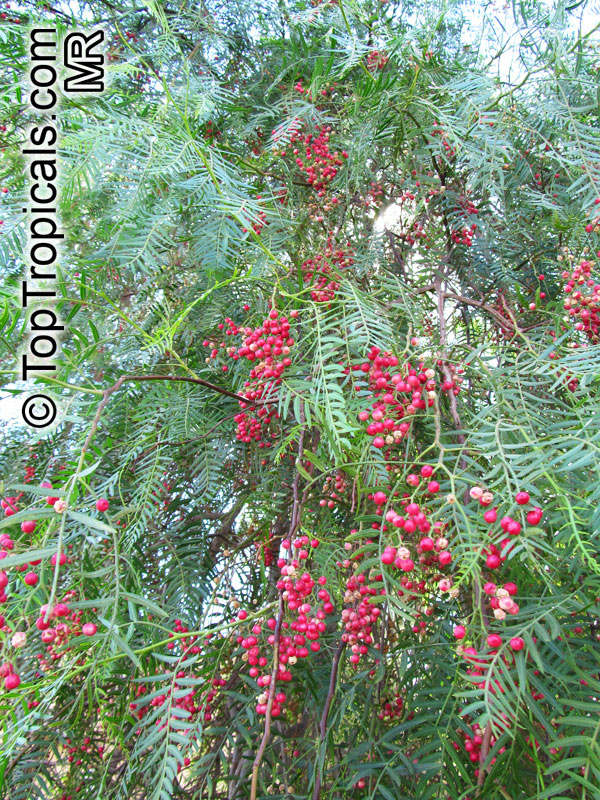
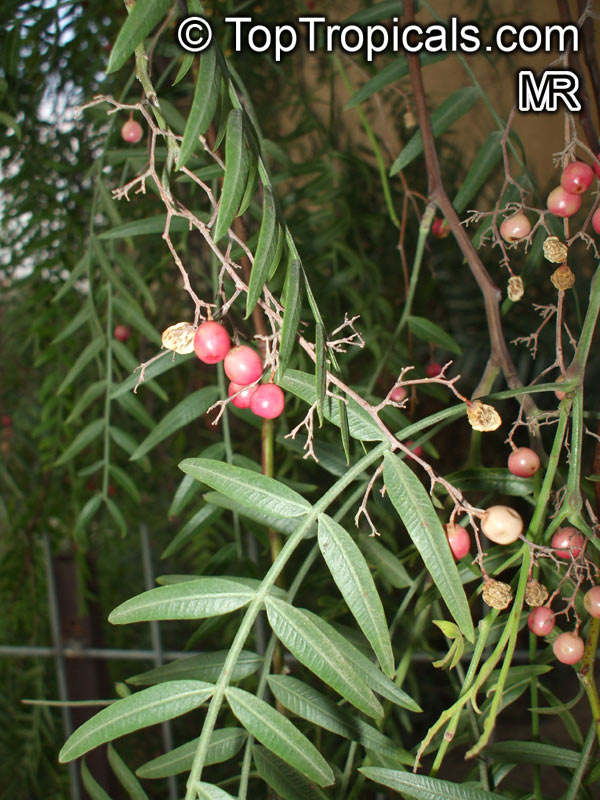
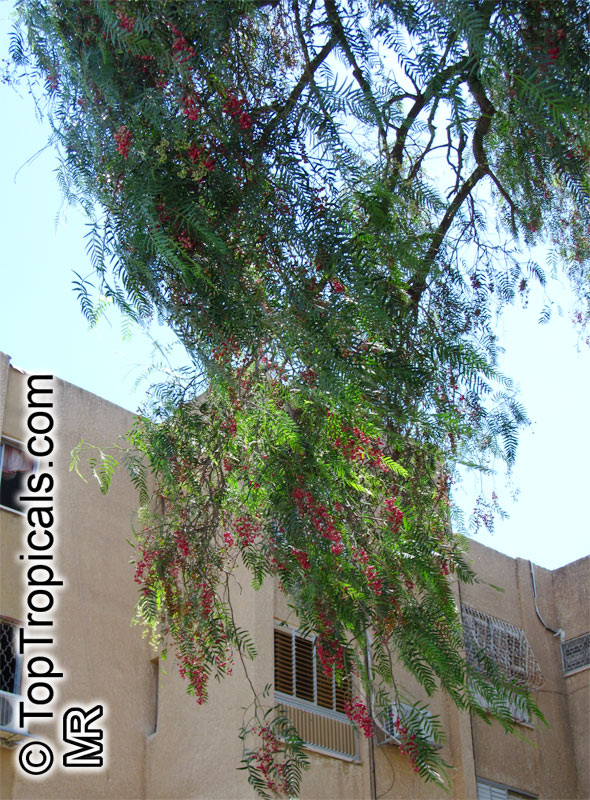
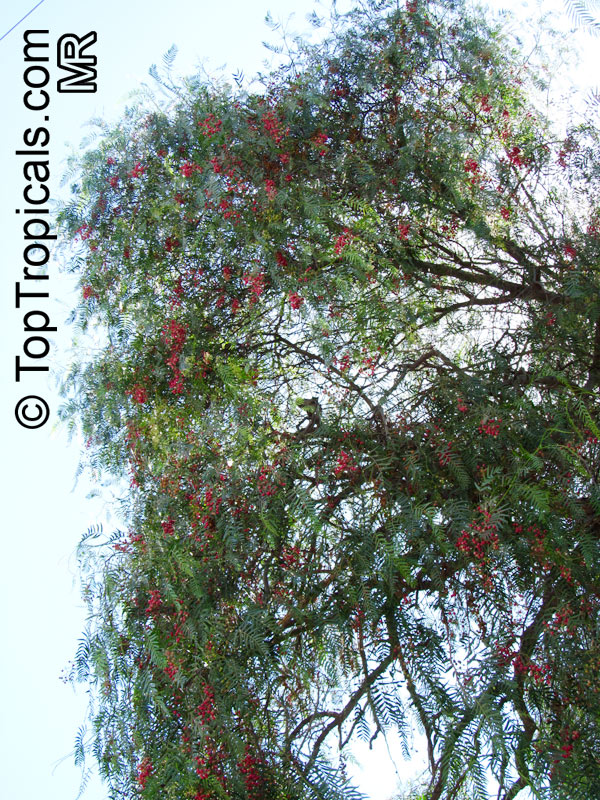
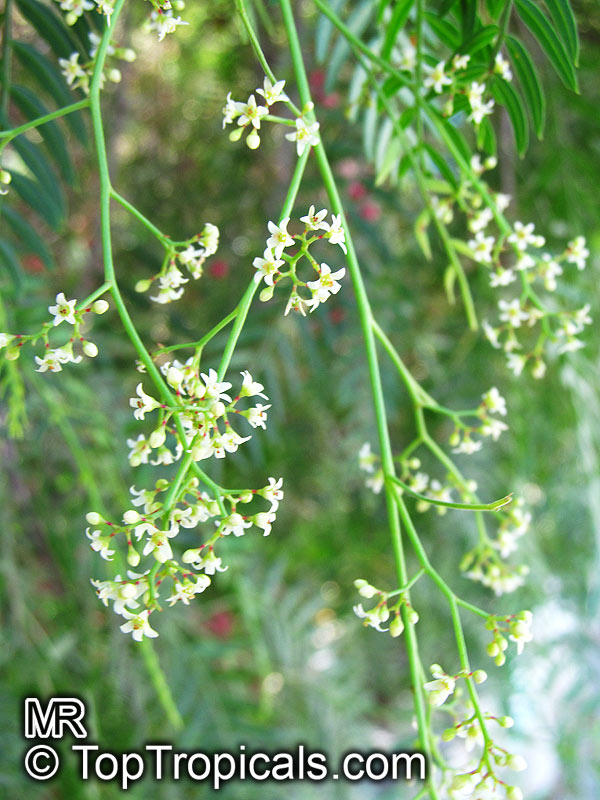
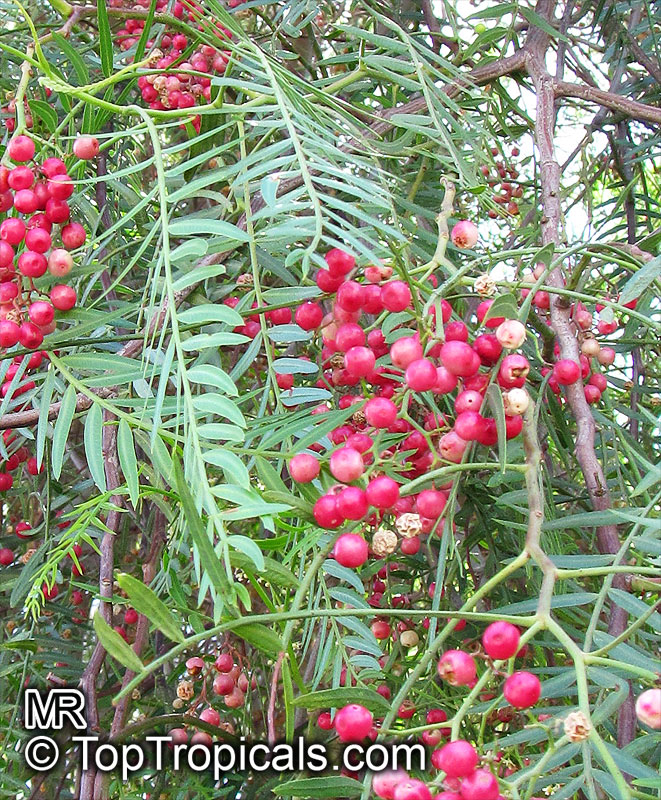
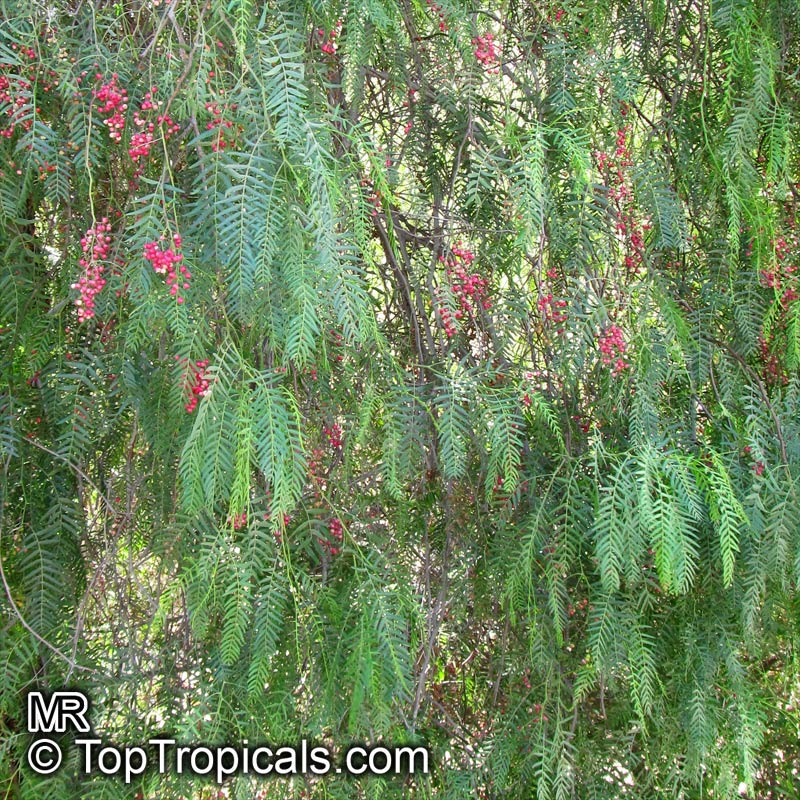
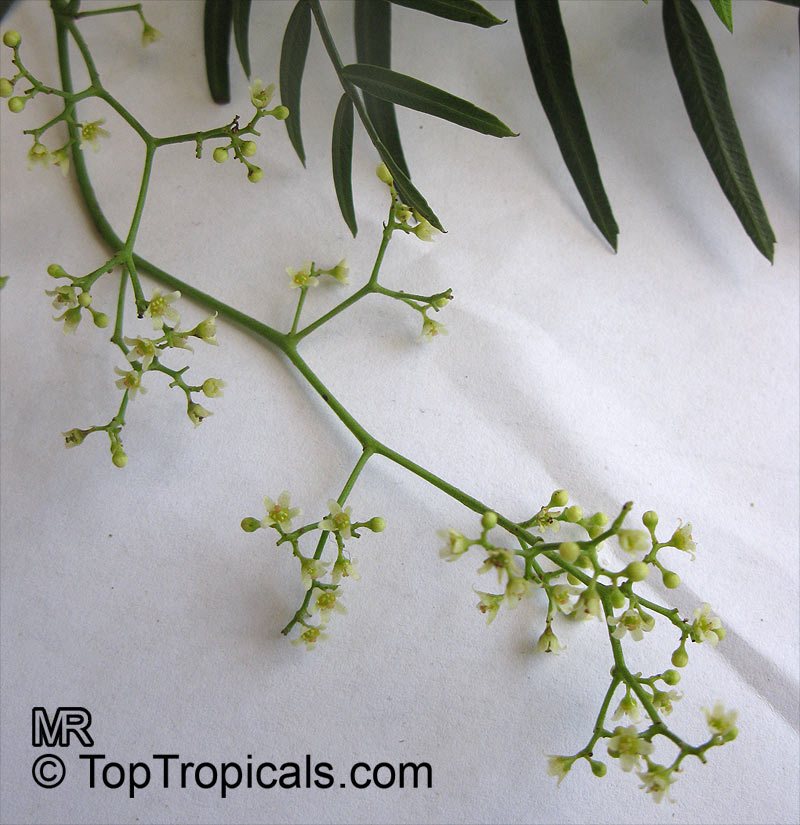
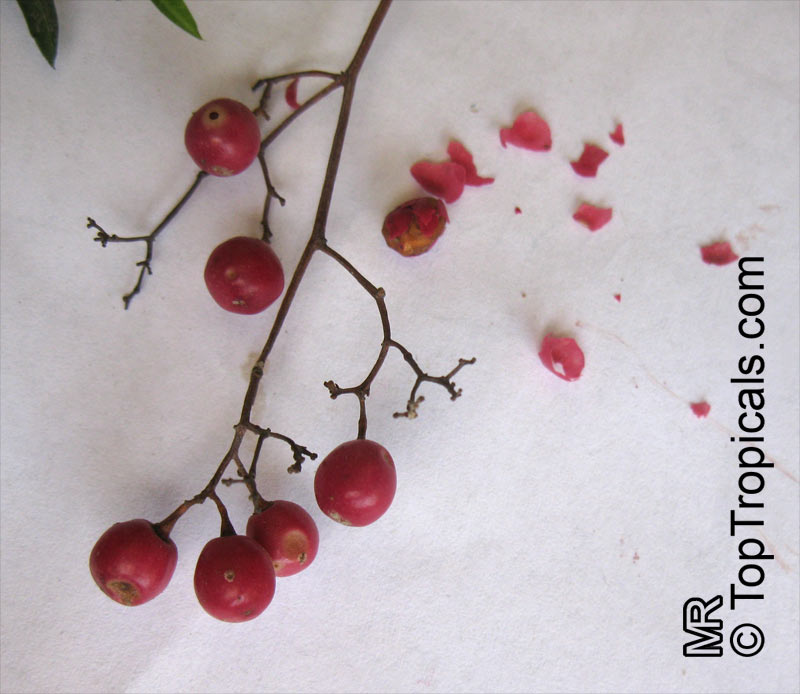
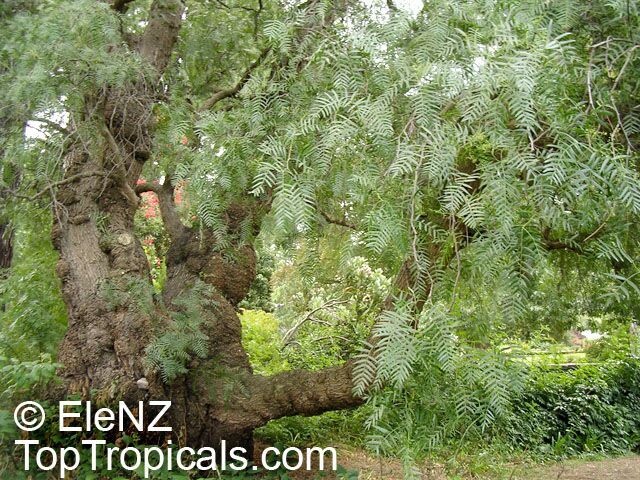
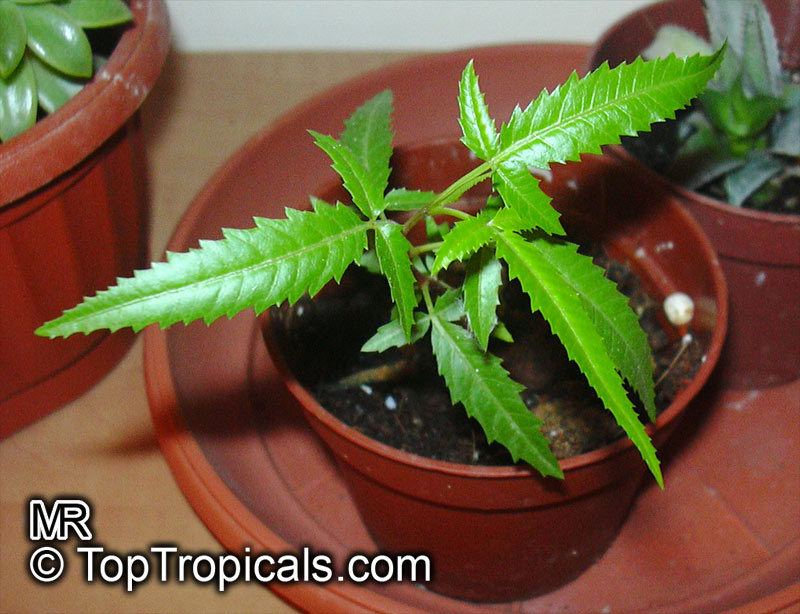
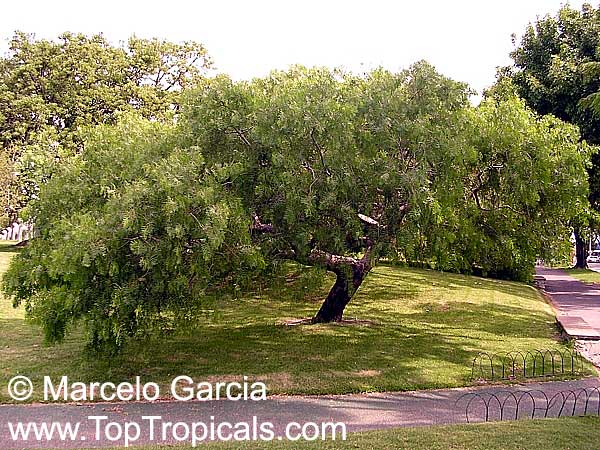
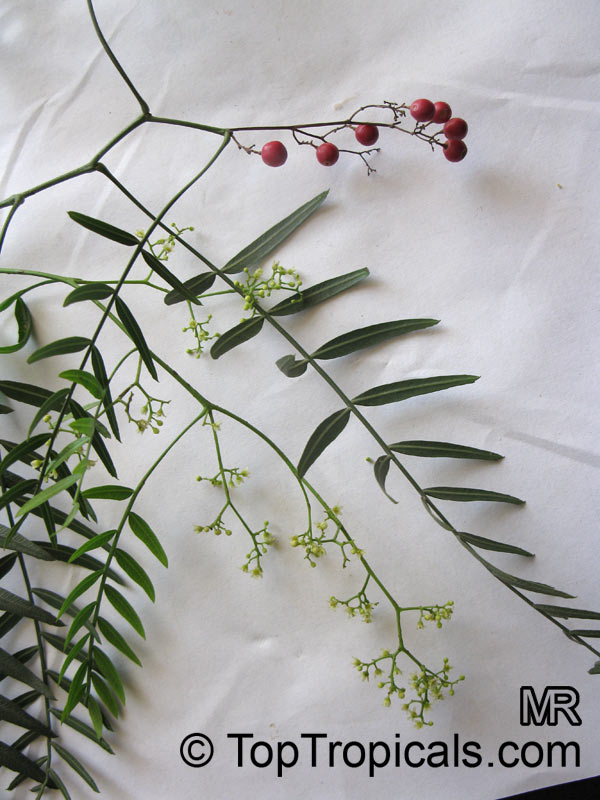
Evergreen tree, rapidly up to 40 feet tall and 40 feet wide. Leaf: Alternate, pinnately compound, drooping (often curved) foliage with numerous narrowly lance-shaped leaflets entire or with a few widely spaced teeth, peppery fragrance, green to yellow-green above and below. Flower: Small, flowers with white petals and yellow centers, in loose many branched hanging clusters, appearing in summer. Fruit: Pink to red, round, berry-like, in hanging clusters, ripen in fall and persist through winter, peppery fragrance. All parts of the tree have high oil and essential oil contents that produce a spicy, aromatic scent. The leaves of the Brazilian peppertree have such high oil content that leaf pieces jerk and twist when placed in hot water as the oil is released. The berries, which have a peppery flavor, are used in syrups, vinegar, and beverages in Peru; are added to Chilean wines; and are dried and ground up for a pepper substitute in the tropics. The dried berries have also been used as an adulterant of black pepper in some countries. Virtually all parts of this tropical tree, including its leaves, bark, fruit, seeds, resin, and oleoresin (or balsam) have been used medicinally by indigenous peoples throughout the tropics. Watering Needs: Very little water when established, water every month in summer in Phoenix, do not overwater. Propagation: Fresh seeds in spring, occasionally cuttings in summer.
Similar plants: Schinus molle (Pink Pepper)