Pimpinella anisum (Anise)
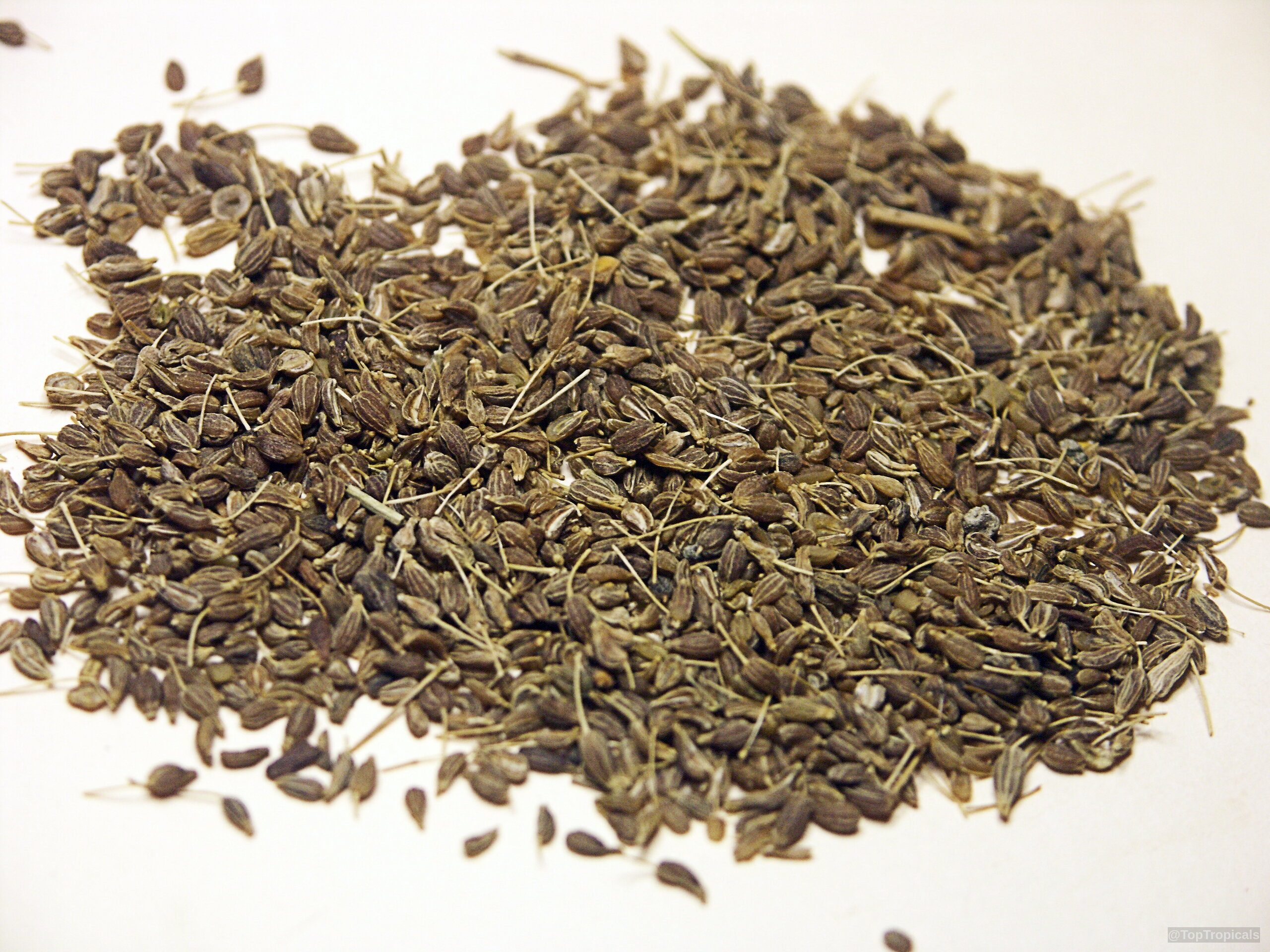
Botanical name: Pimpinella anisum
Common names: Anise, Ani
Family: Apiaceae / Umbelliferae
Origin: Egypt, Greece, Crete and Asia Minor
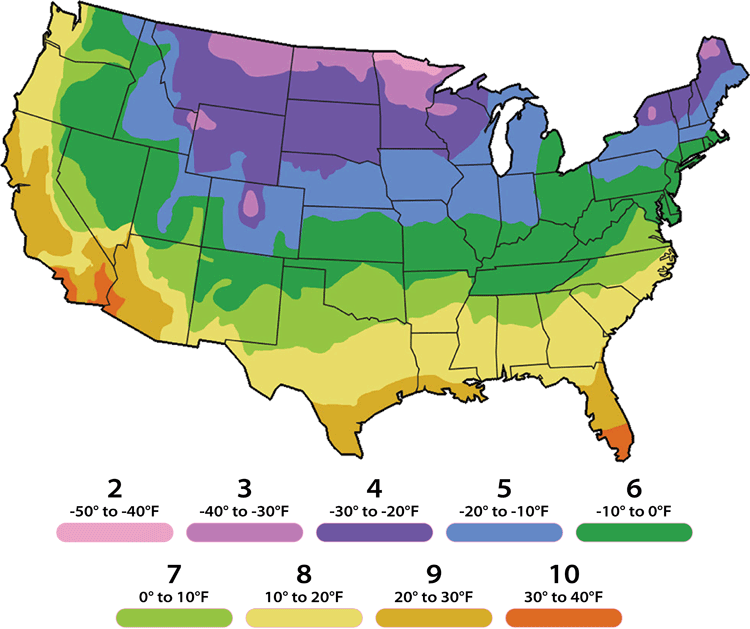
USDA Zone: 7-10
 Plant form: Small
 Mature height: 2-5 ft
 Sun exposure: Full sun or bright light indoor; semi-shade
 Cold tolerance: Tolerates light freezing to about 30°F for short periods (mature plants). Young plants must be protected.
 Watering: Moderate
 Flower color: White and off-white
 Suitable for: Outdoors in the suitable USDA zone; small gardens, containers, and indoor growing
 Fragrance: Fragrant; perfume plant
 Ethnomedical: Ethnomedical plant, traditionally used in folk or indigenous medicine
Anise is known for its flavor, which resembles liquorice, fennel and tarragon. Western cuisines have long used anise as a moderately popular herb to flavor some dishes, drinks, and candies, and so the word has come to connote both the species of herb and the licorice-like flavor. The most powerful flavor component of the essential oil of anise is anethole. Anise has a reputation as a medicine in coughs and pectoral affections. In hard, dry coughs where expectoration is difficult, it is of much value.
Anise is a herbaceous annual plant growing to 3 ft. Anise plants grow best in light, fertile, well drained soil. The seeds should be planted as soon as the ground warms up in spring. Because the plants have a taproot, they do not transplant well after being established, so they should be started either in their final location or transplanted while the seedlings are still small.